matching tracksuits

fun in threes, sometimes fours

education and teaching

Another End

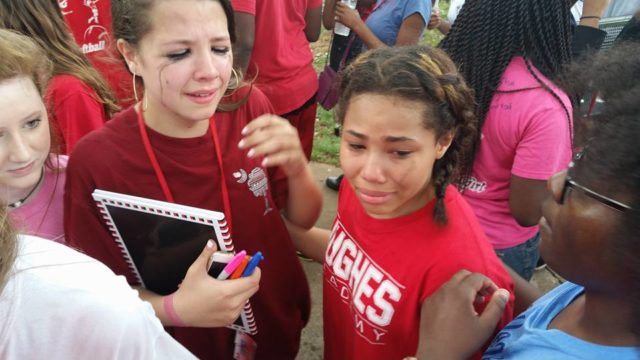
"I am not going to cry," said the girl with mascara running. She looked at me as if I'd suggested she might take to a life of crime for the fun of it upon finishing middle school.

"You never know," I smiled.
school

It's the ones who are most convinced they aren't going to cry that end up crying the most. They end up putting to shame the few brave souls who admit days in advance, "When it's time to leave that last day, I'm going to start bawling."

I still find it sweet, this youthful reluctance to let go of the past. "You're going to be laughing about it over social media in a few minutes," all the teachers insisted, but that doesn't provide solace. A young heart in a sense loves to ache. Or maybe I'm just speaking for my own youth.
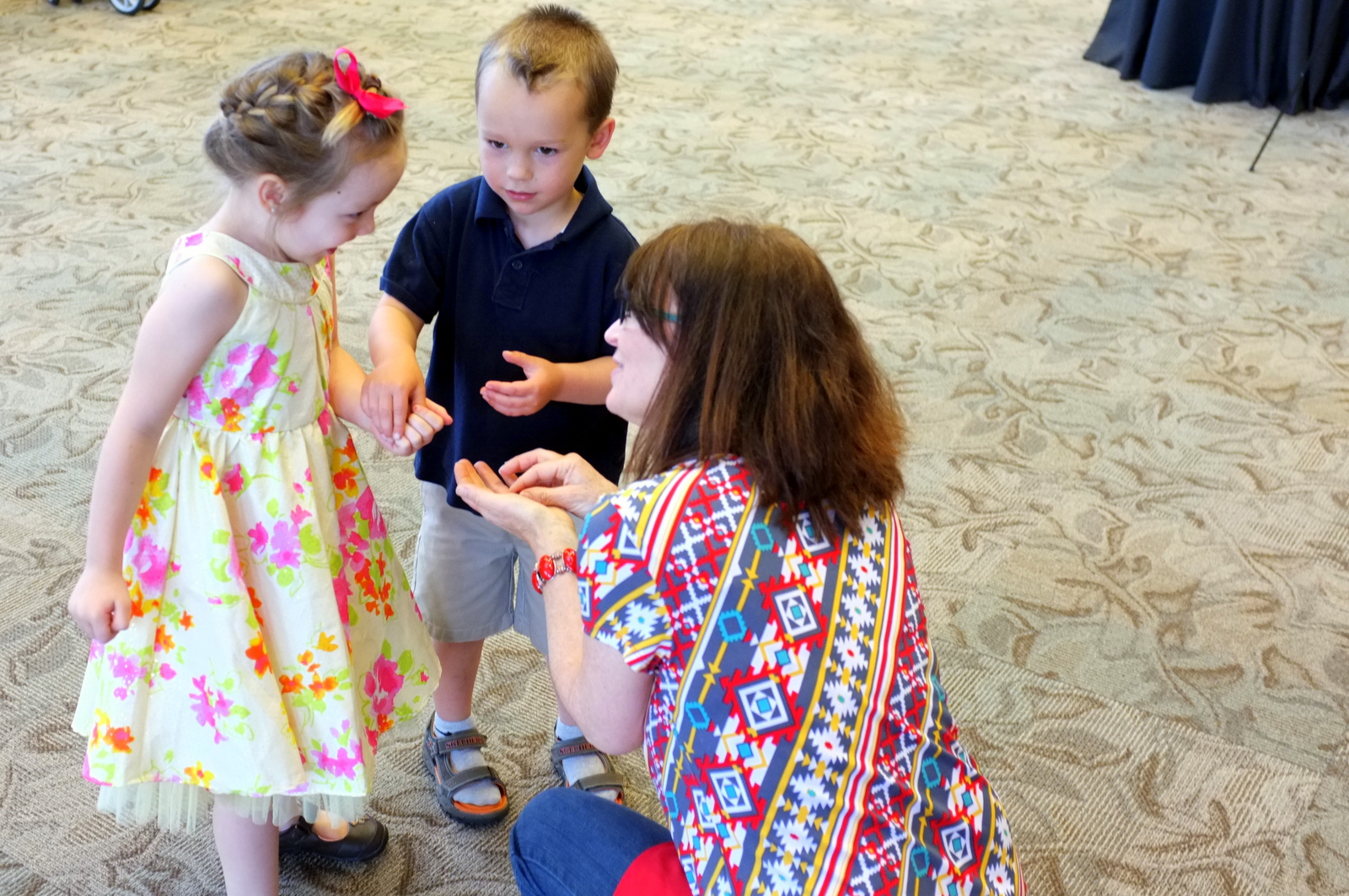
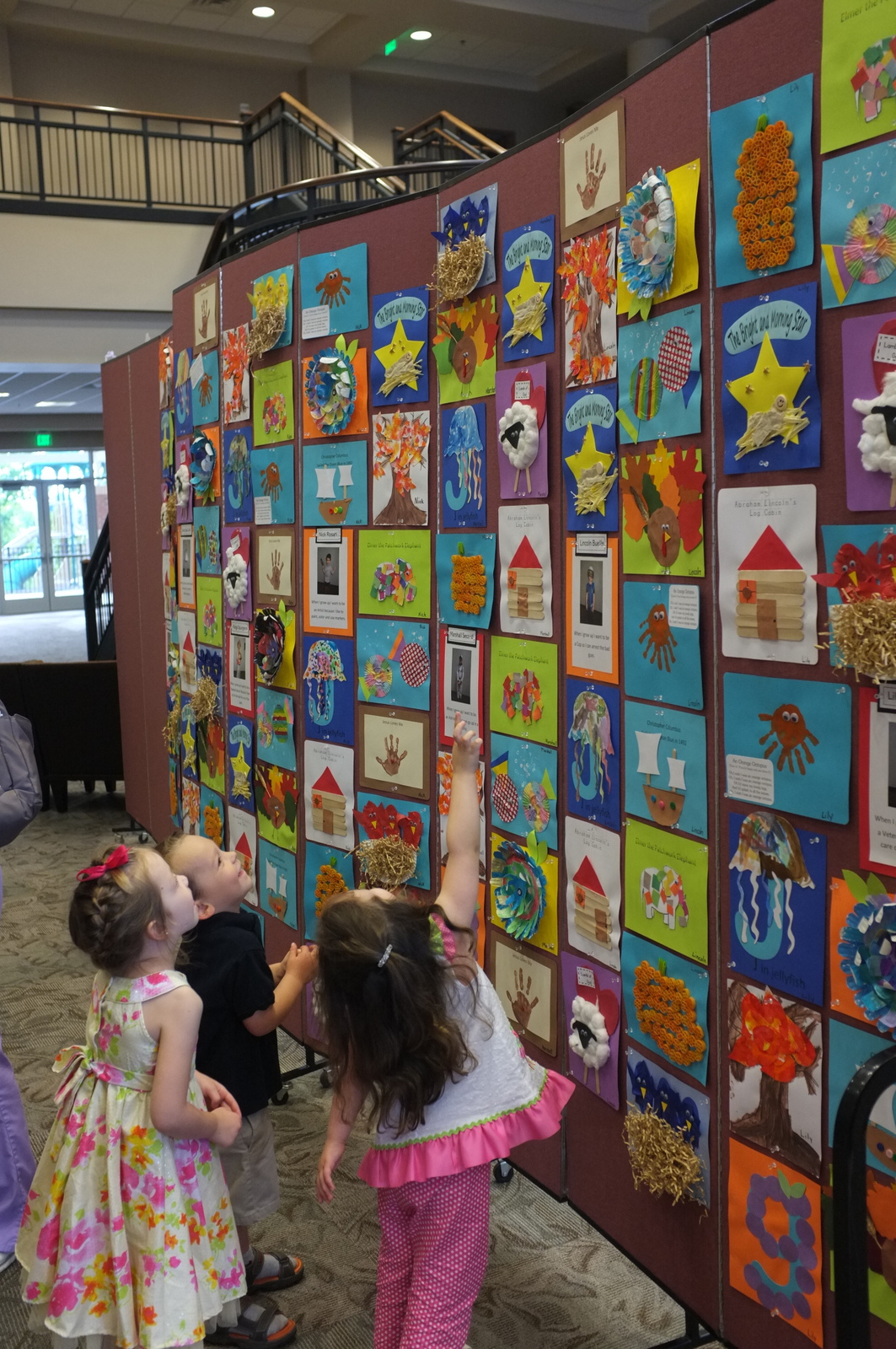
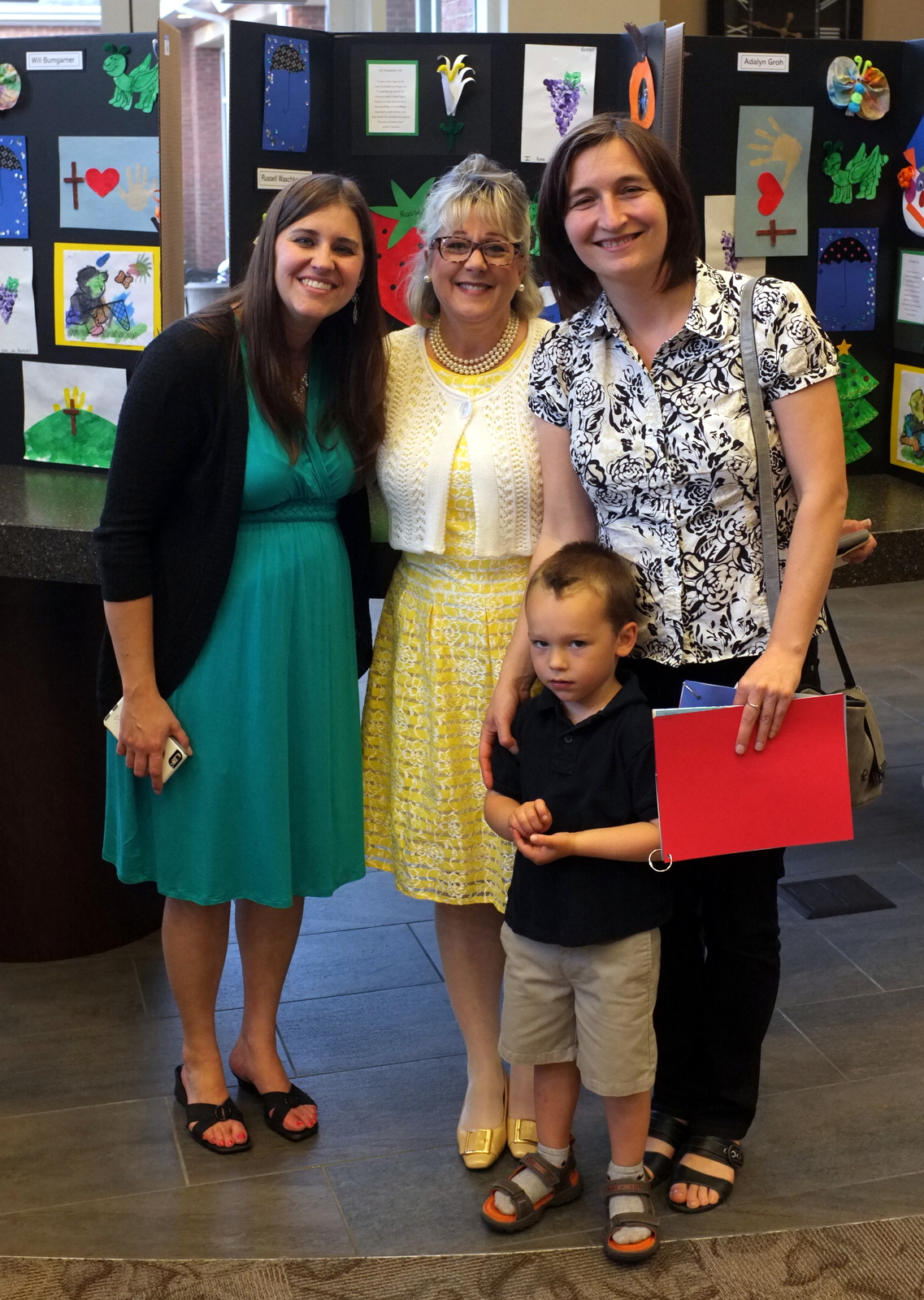
Art Show

My Percentage

Dear Terrence,

classdojo-iconToday you asked me a question that I’ve never heard you ask before: “Mr. S, what’s my Dojo percentage.” You’ve always insisted that Class Dojo is a waste of time and a generally stupid idea, and although I’ve never given up trying to convince you of its value, I never really thought you’d come around and see it for what it is: a powerful tool for monitoring and controlling your behavior. After all, everyone is keeping points on us in their heads for all the good and bad things we do. It’s called a reputation. But at least with Dojo, you get an idea of where your strengths and weaknesses are. Anyway, your question caught me off guard, because I really didn’t know. I had to check. And that was a good thing, because in the past, I could have likely guessed it without looking: “No more than 30%, I’d say.”
You and I have had our issues this year, and at least once you’ve stormed out of class insisting that you have to get your schedule changed because you’re sure I’m out to get you. I assure you, I’m not: your behavior, though, sometimes seems like it is, which is why I think Class Dojo could be such a powerful tool for you. It could help you see your weaknesses (talking out of turn) and help you build on your strengths (helping others).

But you’ve made a turn around — at least your behavior of the last few days indicates that. So I was particularly pleased when I looked down at my phone and saw you were at 83% for the week.

Keep up the good work,
Your Teacher

Field Trip

Last night, L and I went to see the last performance of Matilda the Musical here in Greenville. She’d read the book earlier and was eager to see the show, and K gave me tickets for us as the sweetest and perfectly thoughtful birthday present I’ve received. And so we headed out in the late afternoon and came back in the late evening completely enthralled with what we’d see and talking about what we might see next. (Junie B Jones is coming later, but I think I’ll let K take the Girl for that particular one.)

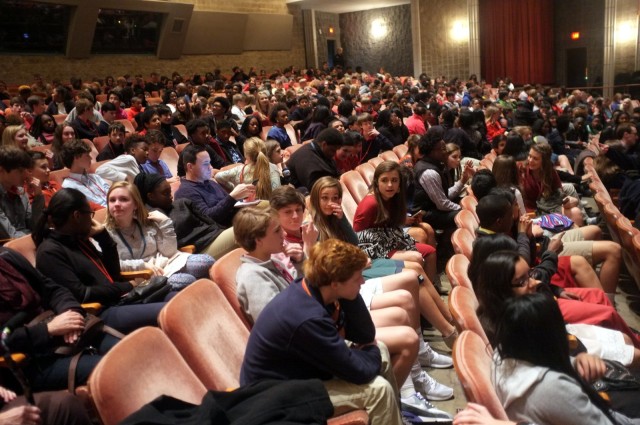
Ironically, we went on a school field trip to the same venue this morning.

1-DSCF8314

Odd, the difference between taking your own daughter to a show and taking 250+ thirteen-year-olds…

Learning

My job is about learning. It's about teaching, too, but the more I stand on this side of the desk, the more I realize that teaching is learning. It's not just the simple process -- as if it were so simple in truth -- of learning how to teach. There's that, certainly. I'm better this year than I was last year, I hope. I'm better this year than I was five years ago, I'm sure. I'm better this year than I was fifteen years ago, I know.

DSCF8087

It's not pedagogy and method that I have in mind, though. I've learned that learning is so much more than simply figuring out how to write a good paragraph, understanding how to do geometric proofs, seeing the logic of the scientific method. These things are all well and good -- and important. But they all serve as simple means to ends. We learn to write a good paragraph to be able to communicate better. We work on proofs to be able to construct a scaffold of surety around our knowledge -- to prove to ourselves what is is. (And to move on to higher and more challenging math.) We study the scientific method because it's the best way to find out things about the physical world.

All this knowledge helps us in our day to day functioning, but it does very little to help with our living. I'm not more at peace with myself because I can write a paragraph. I can't show compassion better because I can manage geometric proofs. I'm not more mature because I know the scientific process. My life can bump along just fine without this knowledge, and having this understanding is in now way insulation or protection against anything. I'm not a better person for this.

DSCF8099

I'm a better person when I connect with other people. I'm a better person when I understand that the most precious and instructive moments in life are those flashes when a couple of people connect in a real and meaningful way.

I teach my students how to make sense of Shakespeare (and, by proxy, many other challenging texts), and I show them how to organize a paragraph coherently, then how to string several paragraphs together in a logical order. Useful skills, but not life changing. Yet sometimes I get so wrapped up in the importance of those minutia (relatively speaking) that I miss the real teaching and learning opportunities. I forget that just because they're not learning just what I want in just the way I planned it than my students aren't learning. I forget that just because what they're doing for a particular session has nothing to do with English than they're not become better people. I forget that, at it's base, that's what all good teaching is about. There's the subject matter, true, but all the teachers we really remember taught us more than just their subject matter. In some rare cases, we can sometimes barely even remember what exactly they taught us about English or math or Spanish, but we remember what they taught us about life.

DSCF8101

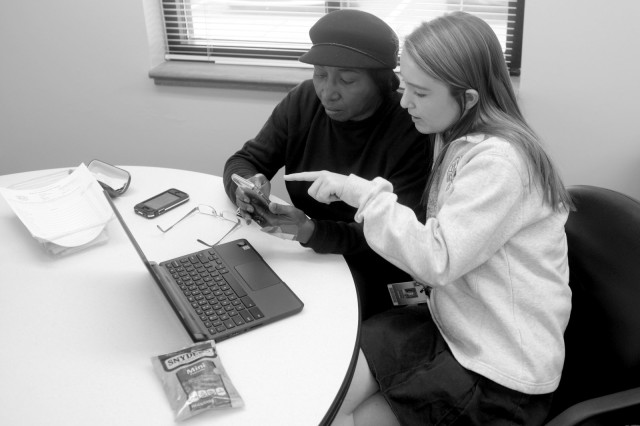
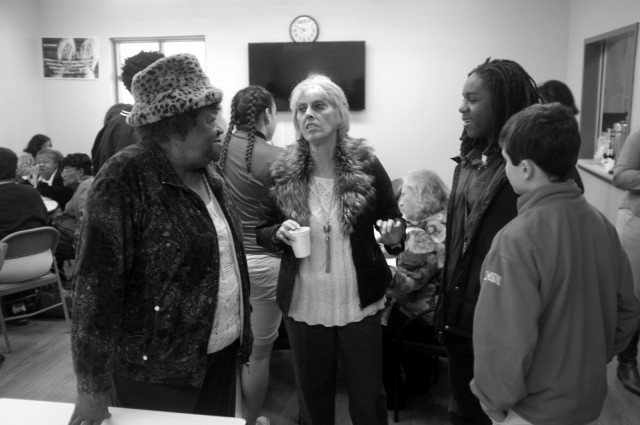
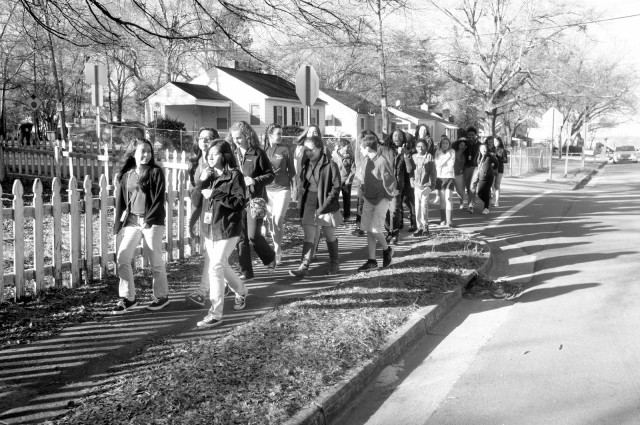
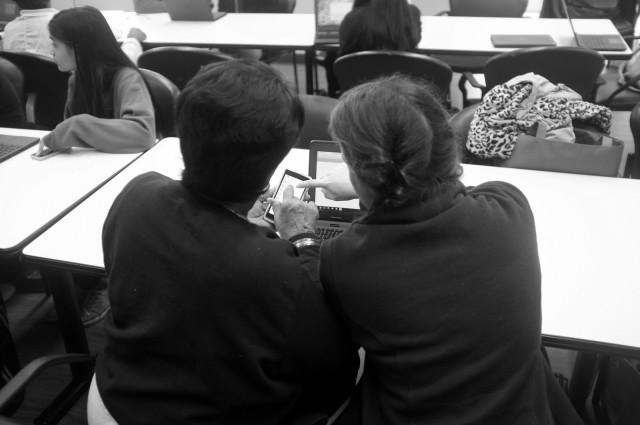
Today, I had the privilege of taking about twenty of my students down the street to a community center than has a trice-weekly seniors program. The plan was simple. The plan didn't work as planned due to technical issues. And so from a certain point of view, it was a complete waste of time. It didn't do what I wanted it to do. The plan didn't behave properly. And in that mini-disaster, I learned once again -- my students taught me once again -- that there's more to teaching and learning than nouns and rays and Erlenmeyer flasks.

DSCF8095

Sometimes lessons just come along than can't be planned because the lessons themselves come simply from the messiness and unpredictability of life. Sometimes a room full of teens and seniors offers such individualized lessons that could never be planned, never be executed because life can often never really be planned. And that in itself is part of the lesson.

DSCF8114

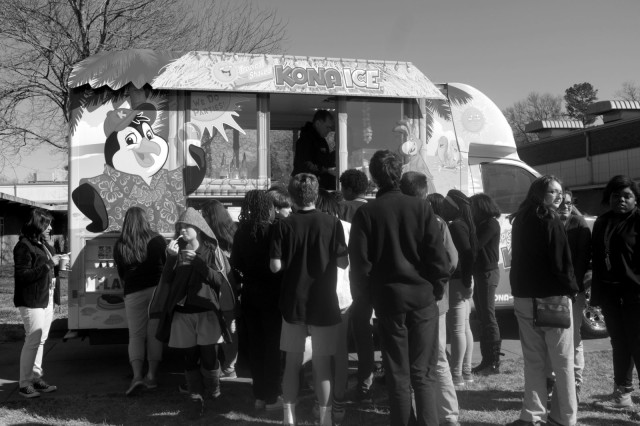
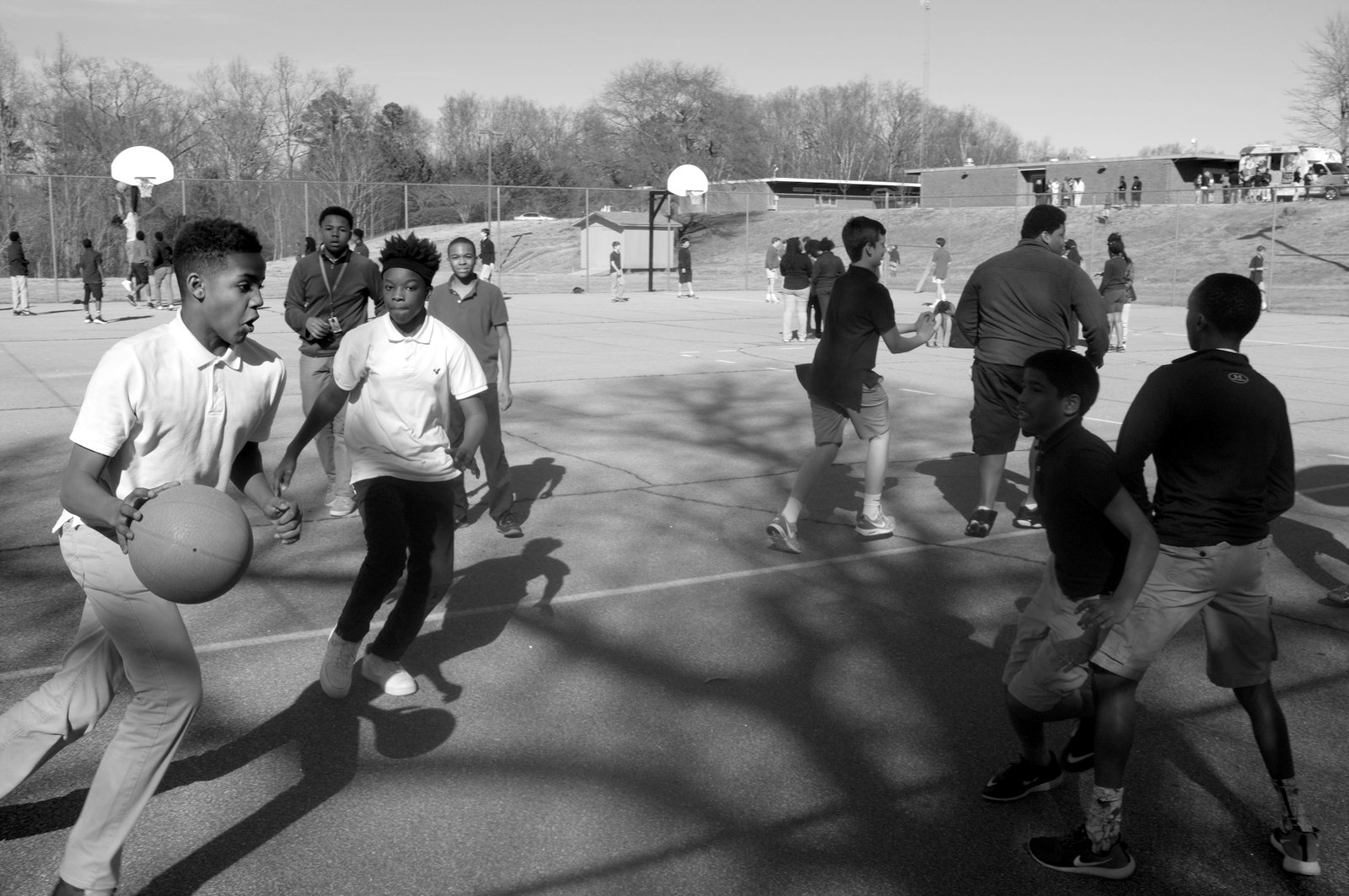
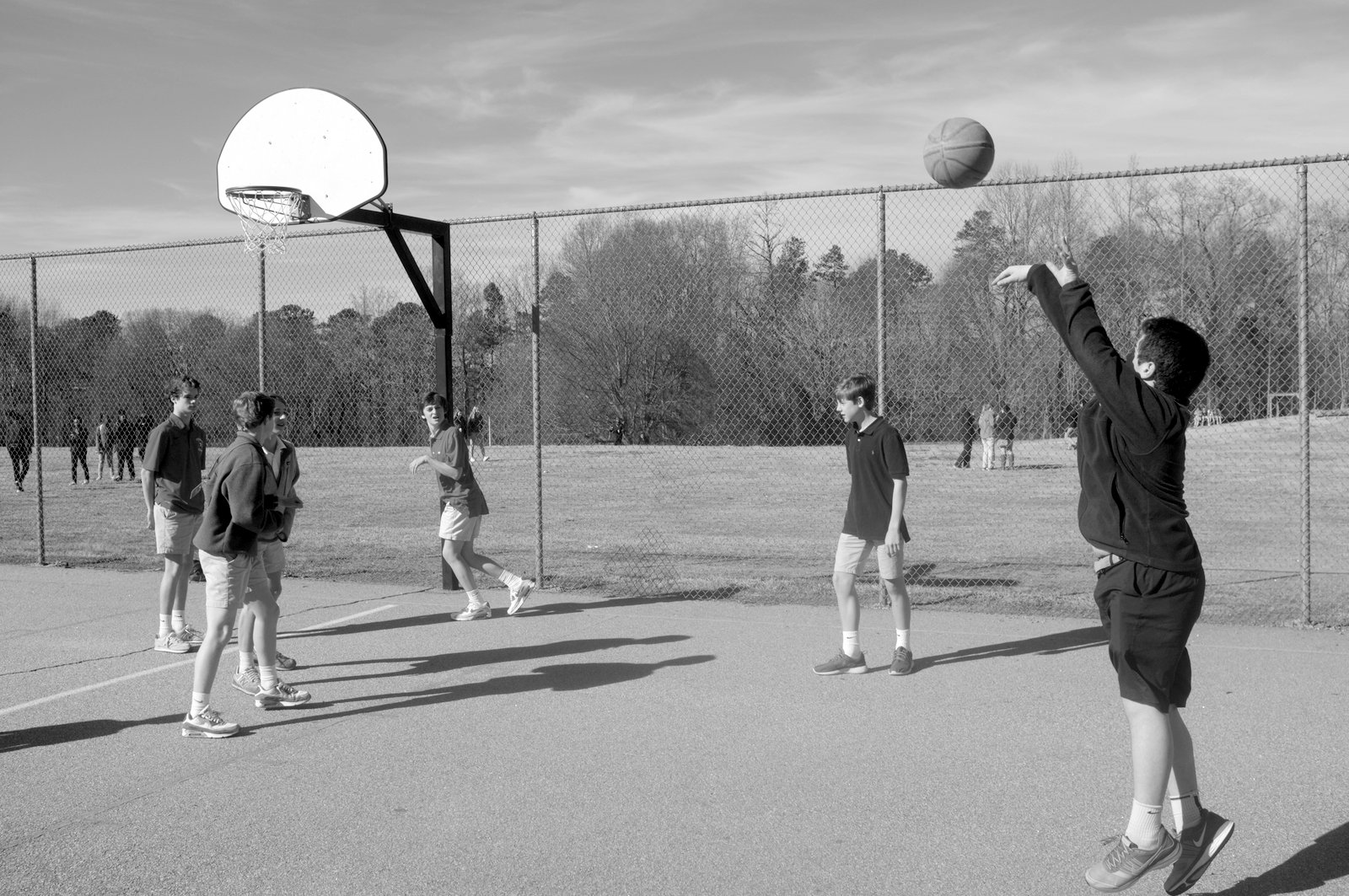
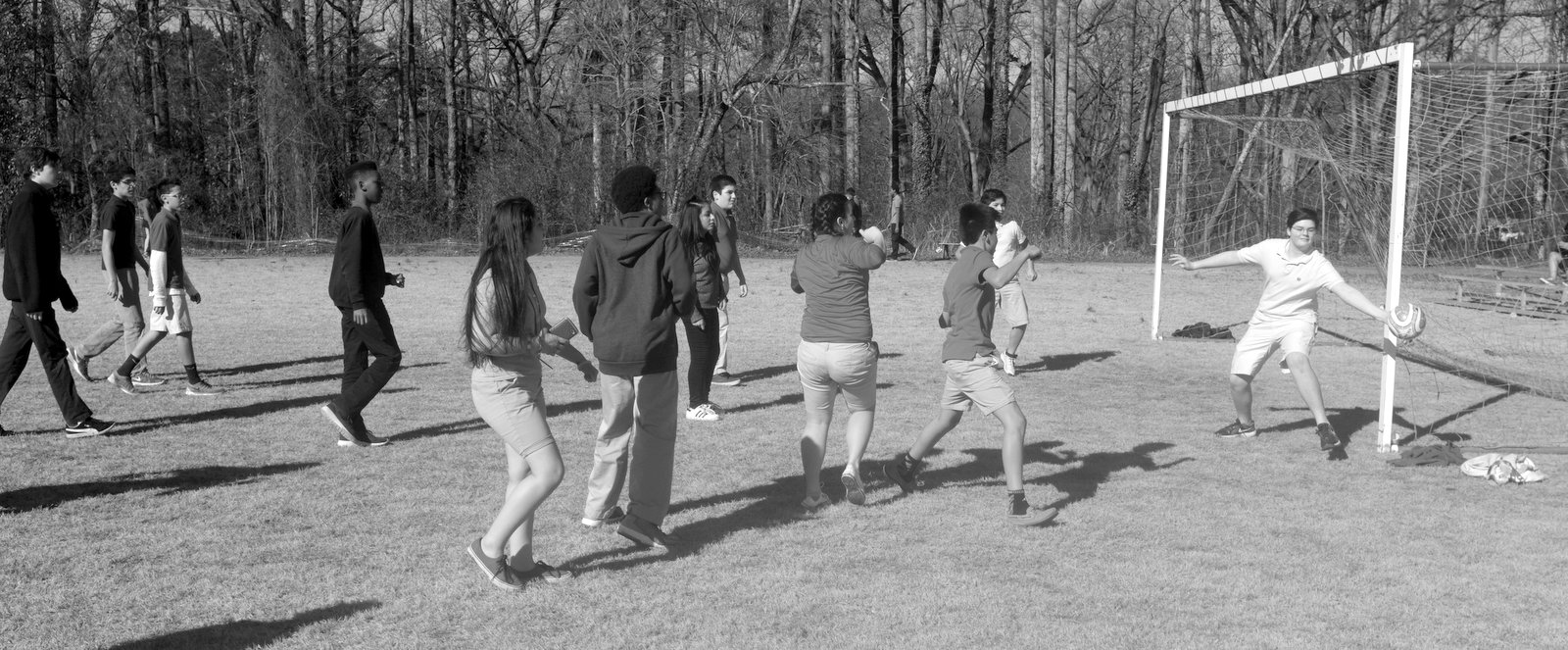
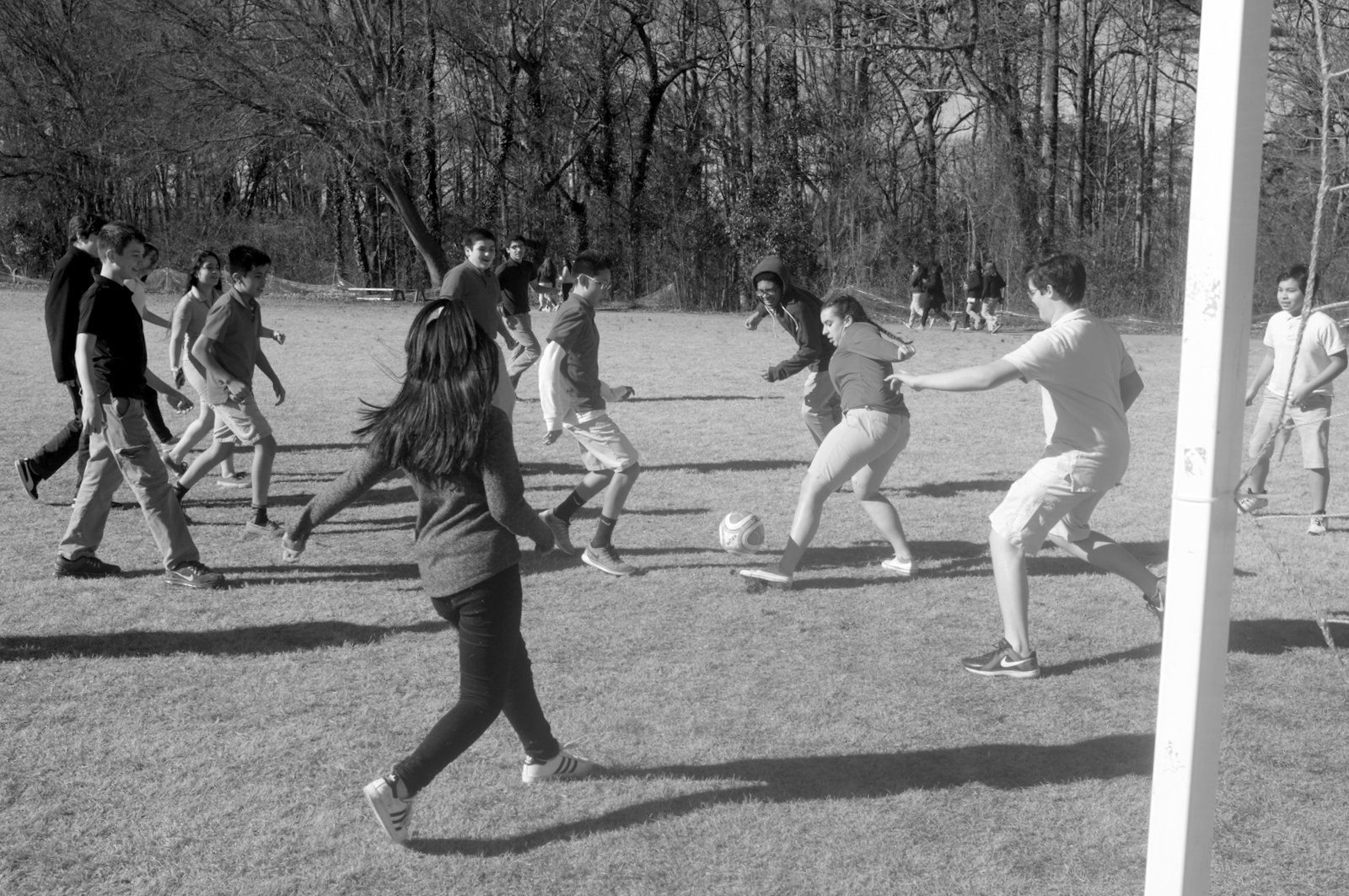
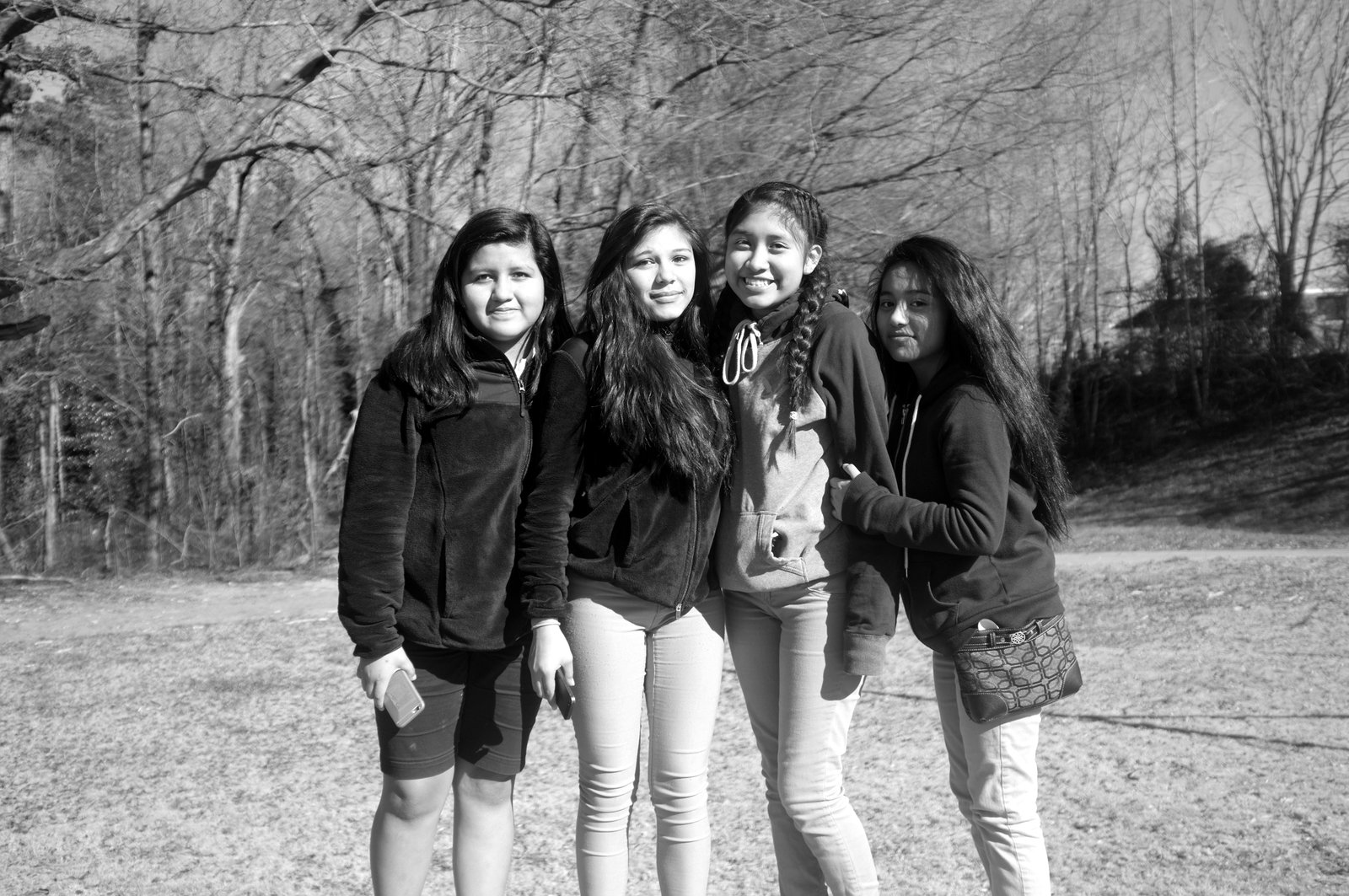
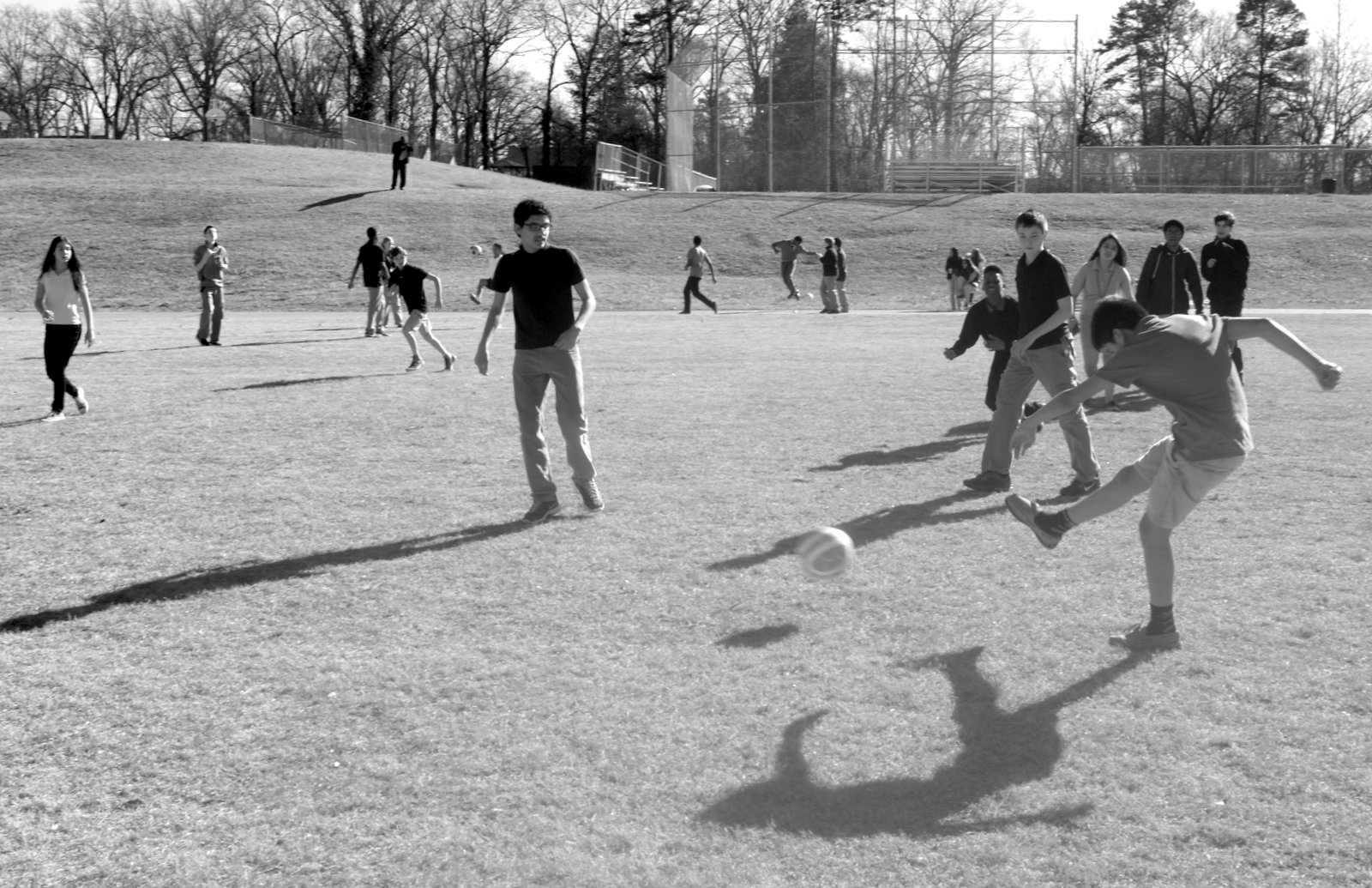
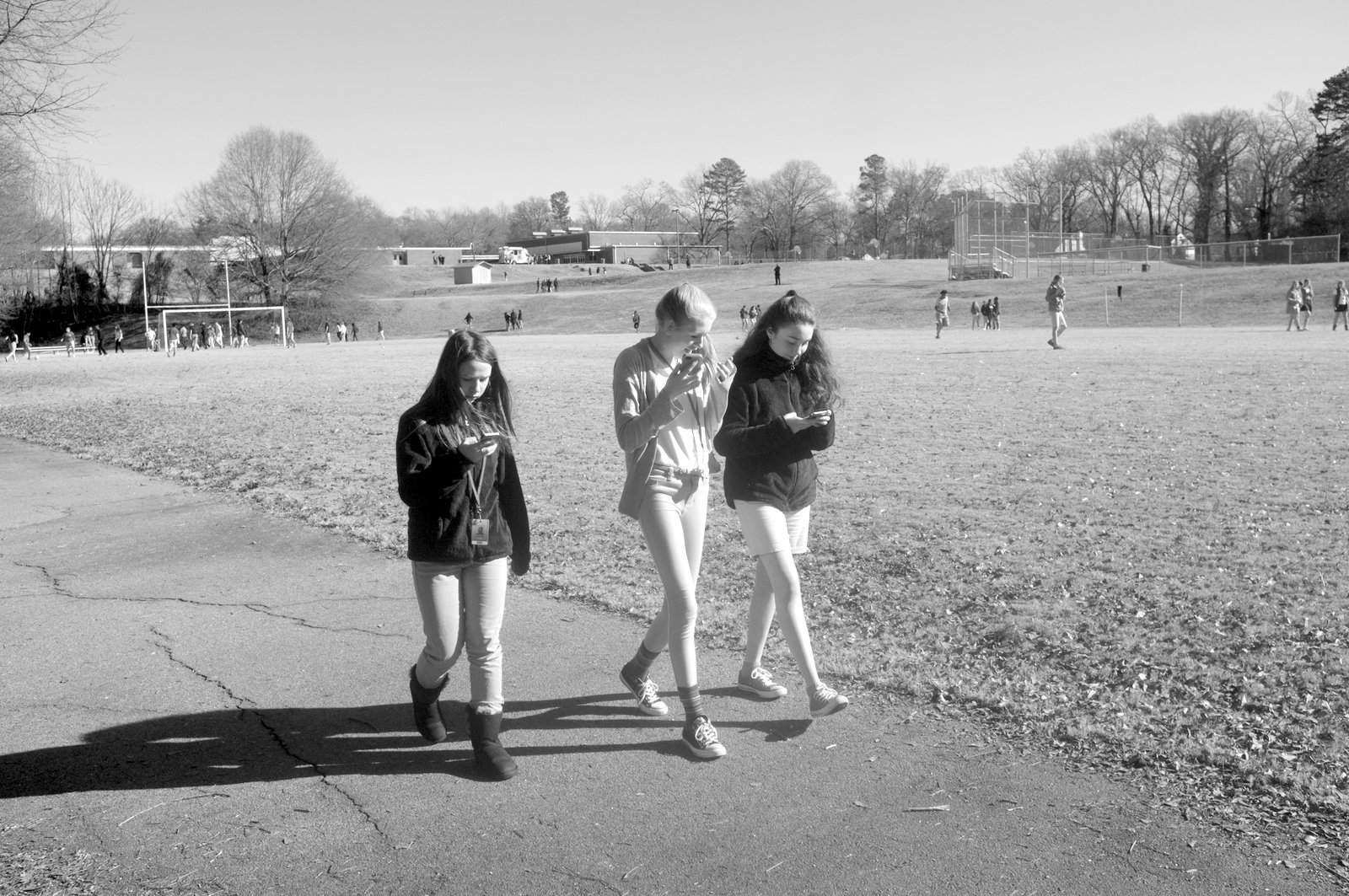
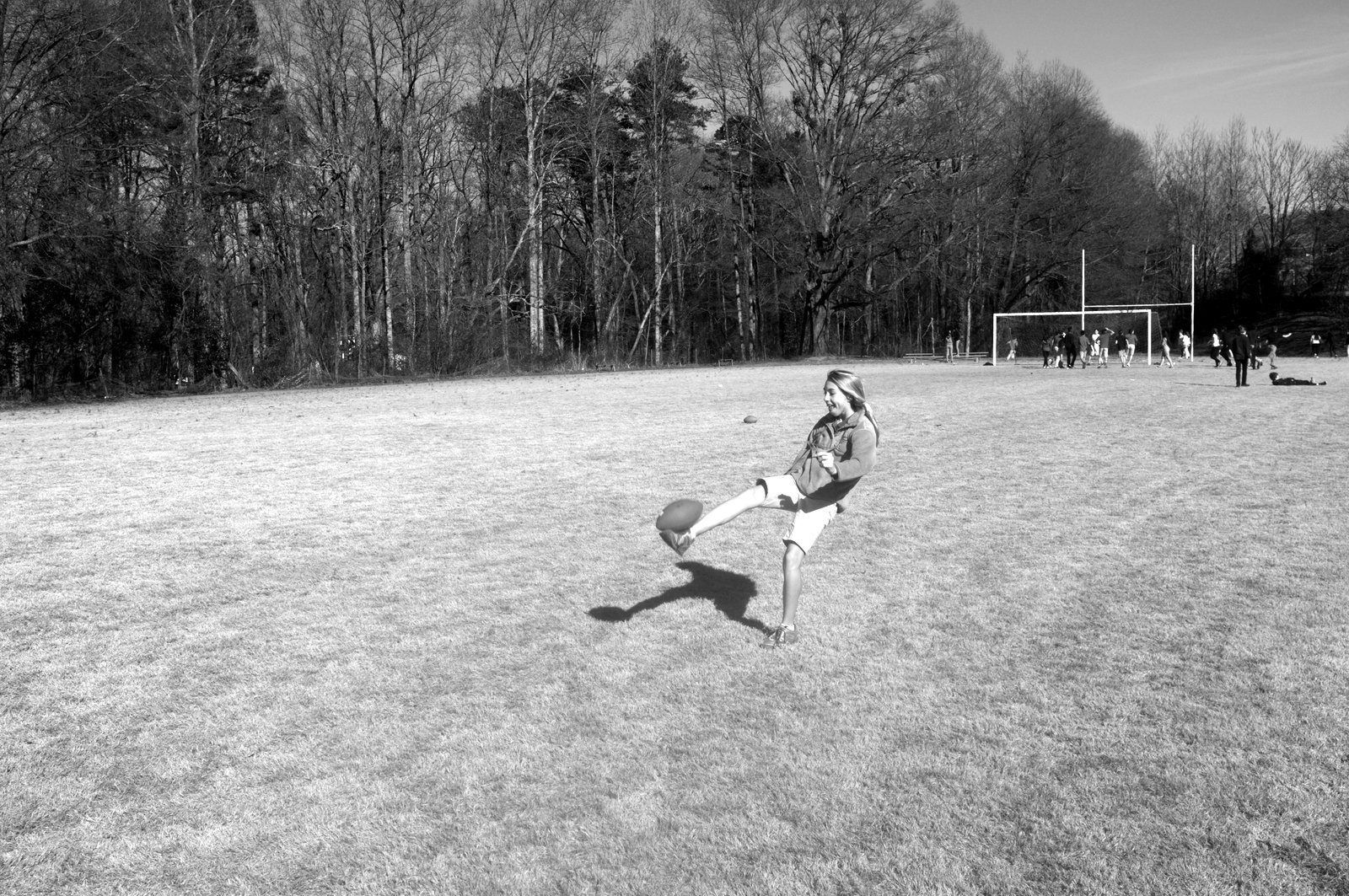
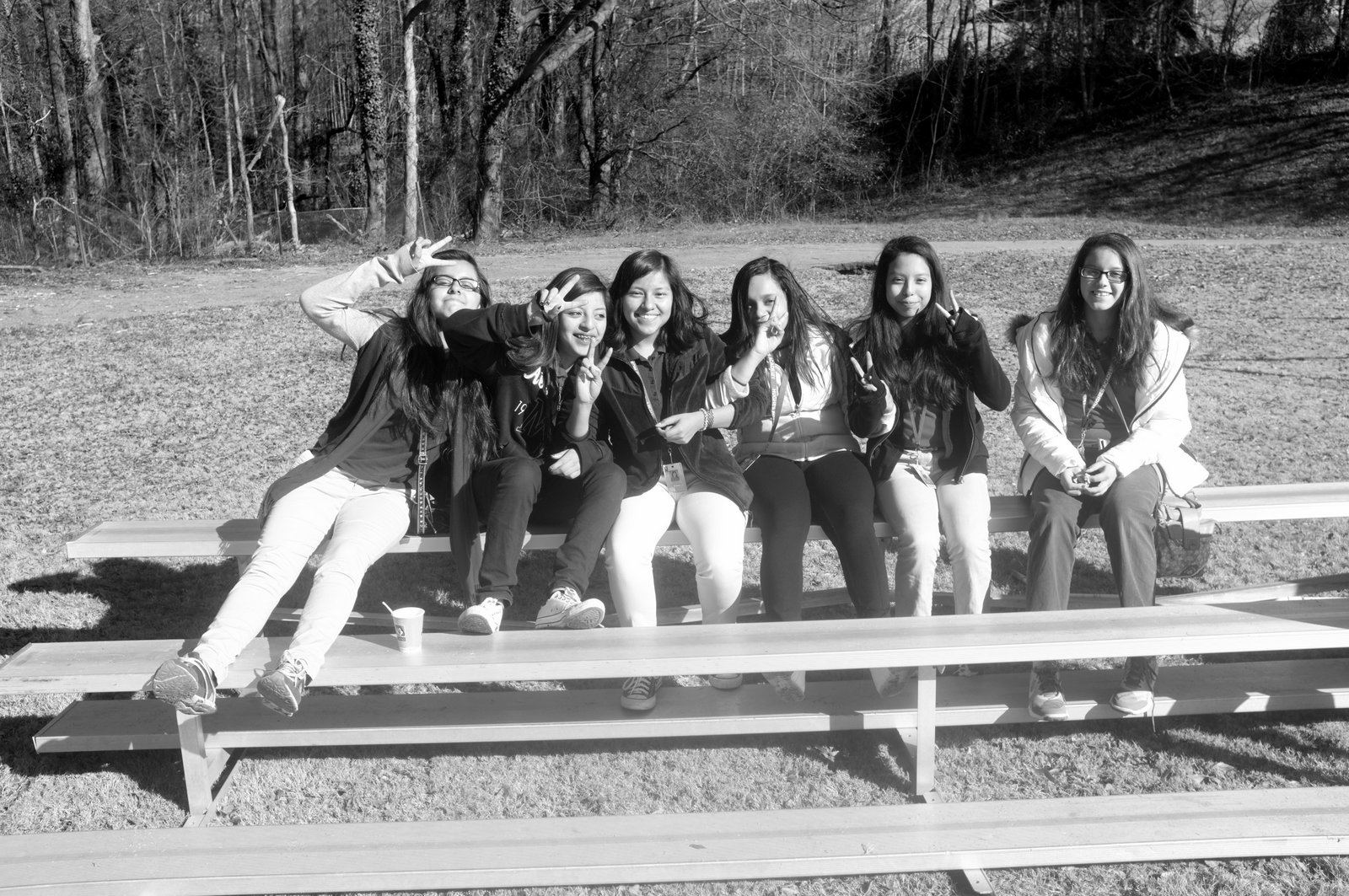
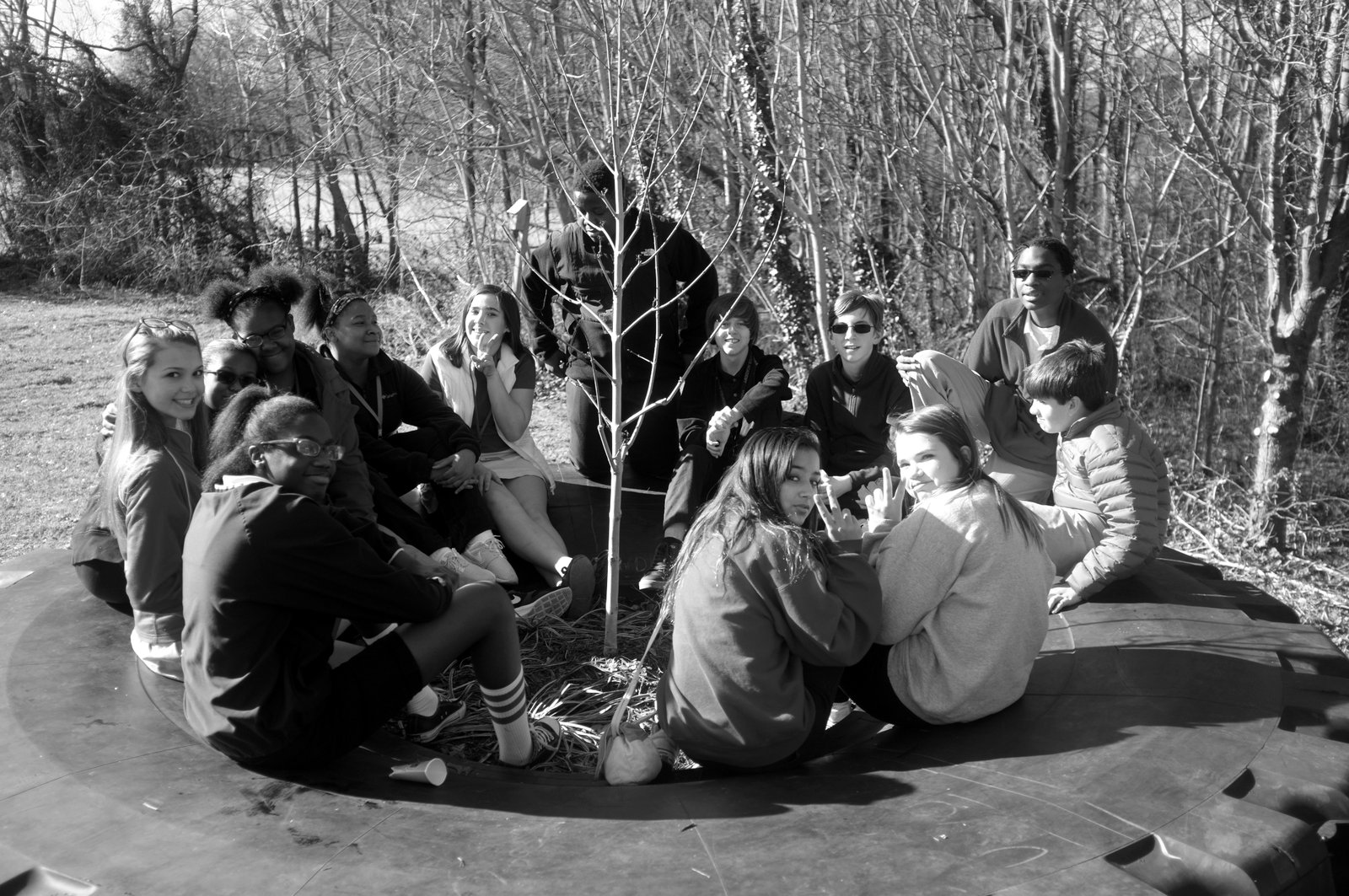
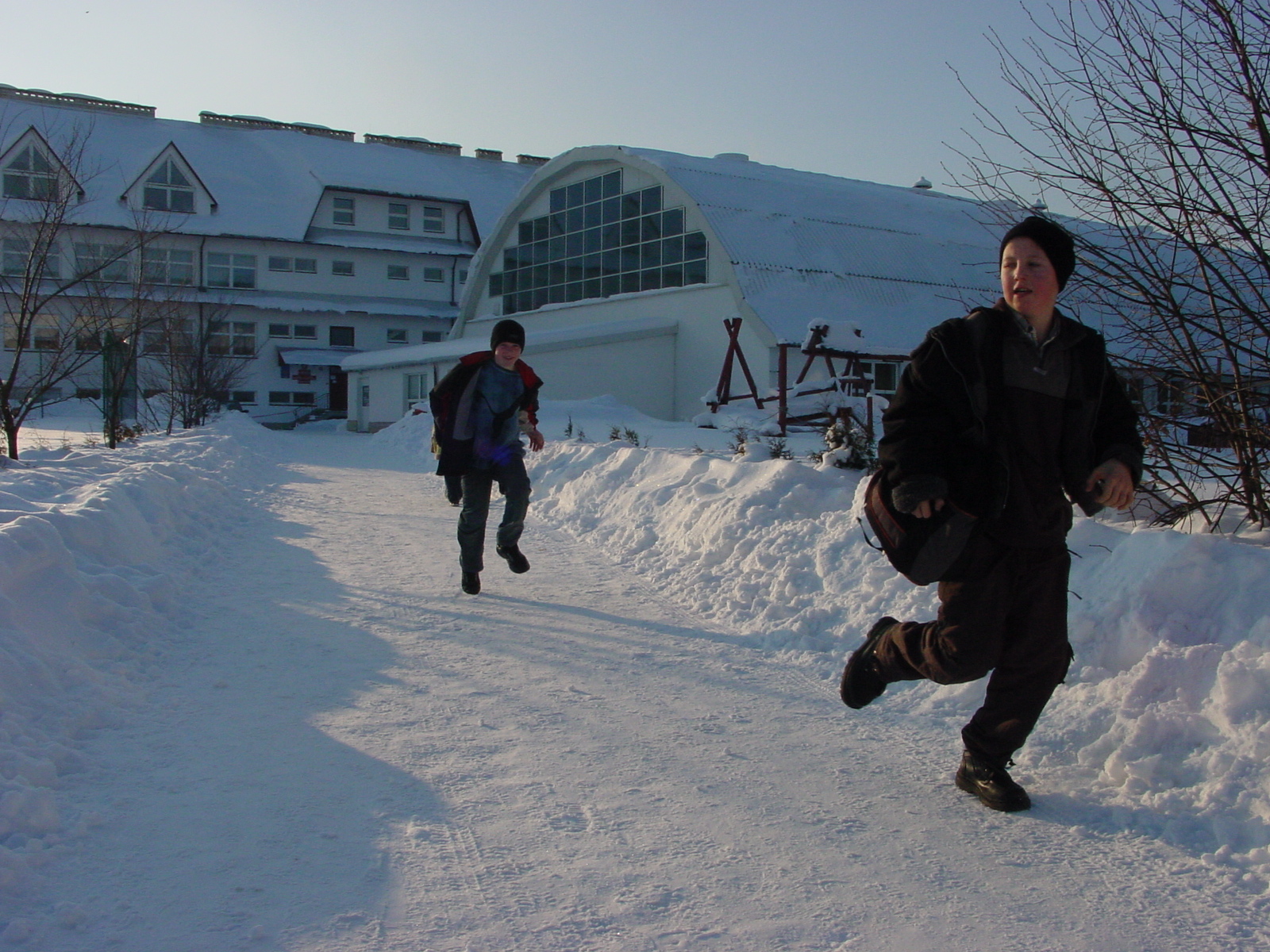
In the afternoon, another lesson about learning: not all learning has any adults at all involved. The kids headed out for their quarterly (or is it more often? I can never remember) reward day, which consists basically of forty-five minutes of freedom outside. Some kids play basketball; some kids play soccer. Some kids walk around and gossip orally; some kids walk around and gossip electronically.

And some kids just do a little bit of everything. The lessons there? Countless, and completely unplanned.

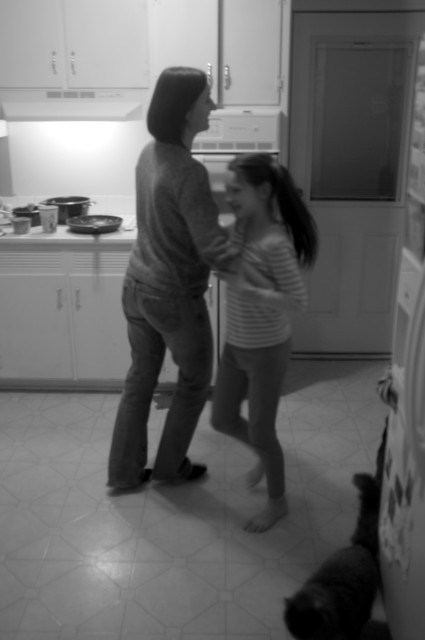
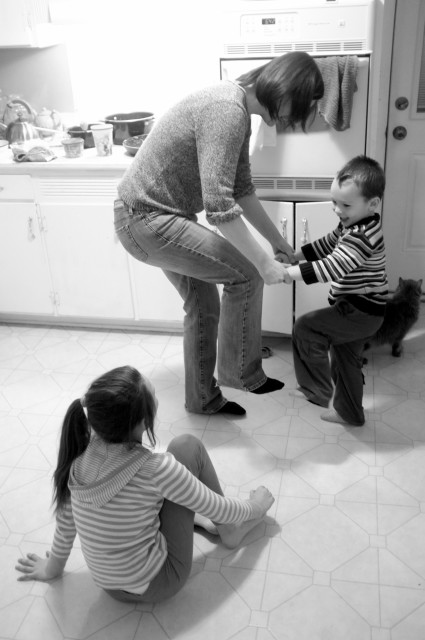
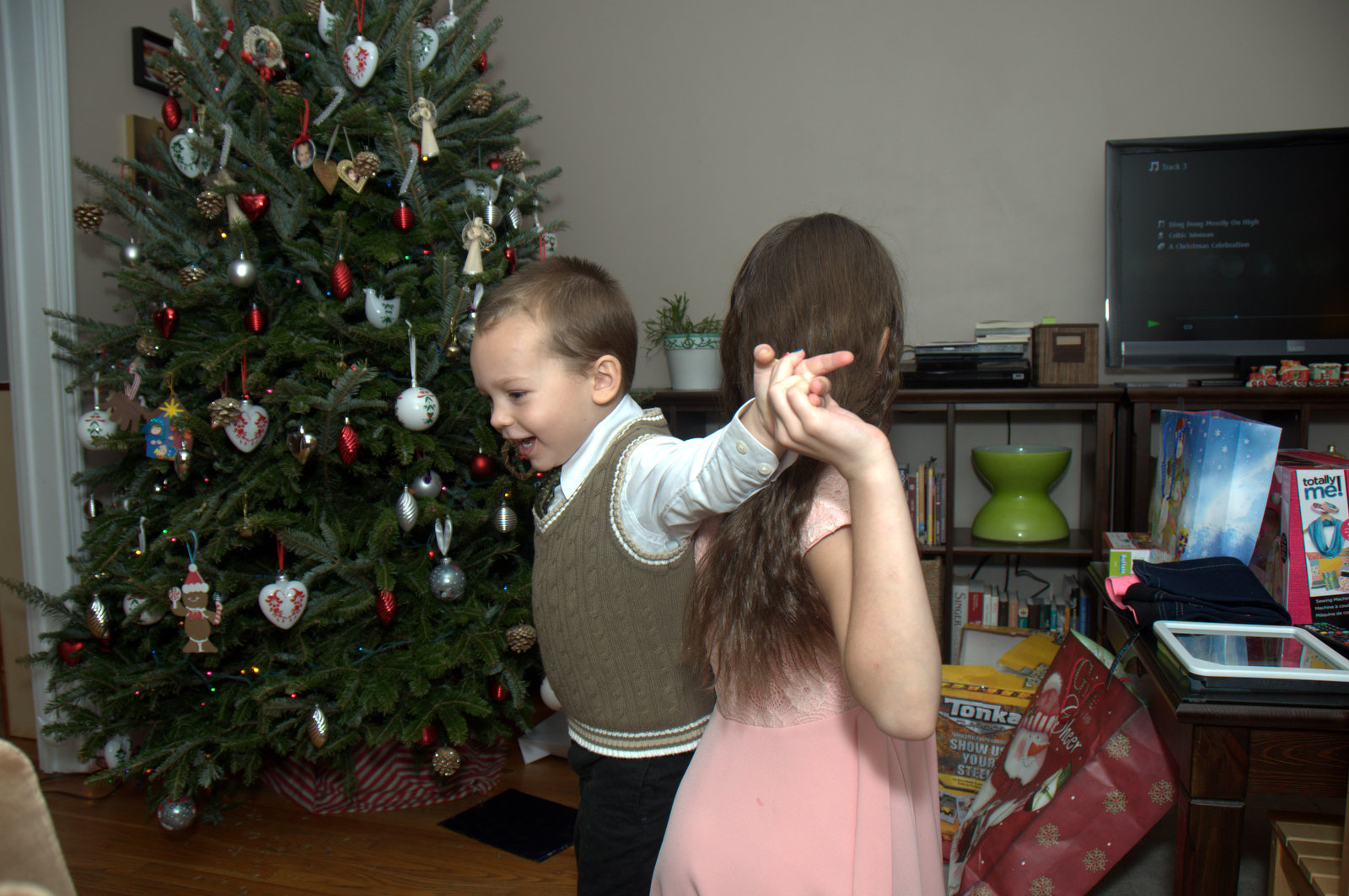
Back at home, L asked K to help her with a traditional Polish dance that she'd like to use to try out for the school talent show later this year. Tryouts are coming soon, and the Girl is not quite sure what she's going to do. This is the first year she's eligible, so she's feeling a bit stressed about making a good impression. She'd noticed that all the Indian students in the past who'd done traditional dances made it to the show itself, so she reasoned that a Polish Highlander dance might stand a good chance.

2-DSCF8214

So K began working on it with her. I'm not quite sure how this is supposed to work because Polish Highlander dances are really not solos -- unless you're dancing a male part. This bit of information prompted a bit of begging from the Girl, so K showed a few male moves. And E decided he wanted to learn them all, male moves and female moves.

1-DSCF8223

Another unplanned lesson.

They're really all around us. The opportunities are endless. And the miracle of it all is that we really don't even have to be aware of it.

Diagram

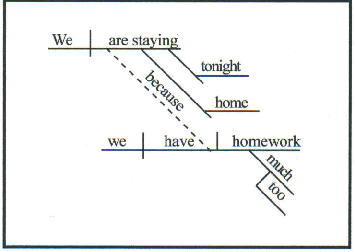
L and I were sitting by her bed, reading the graphic-novel version of Shakespeare that she brought from the school library when she came across a sentence that stumped her: the king sent to men “to consult with the oracle of Delphi, in Greece.” I explained to her what “consult” means and then began working to help her figure out what “oracle” might mean.

“If ‘consult’ means something like ‘ask advice from’ and the men went to consult with the oracle, what did they ask advice from?” Much to my surprise, she couldn’t figure it out. I explained that the verb was “consult,” the action is “consulting.” “So who’s doing the action, who is consulting?”

“The king?”

It was clear a new strategy was necessary.

basic32

That’s right, I started teacher her how to diagram sentences. There are few skills that are so incredibly useful for getting students to see the inner working of a sentence, the clockworks of the sentence. Of course it’s no longer taught today except by eccentric English teachers who have free reign with their curriculum design — in other words, it’s not taught anymore. Still, I’ve begun wondering if I could somehow incorporate it into my own teaching

Reading

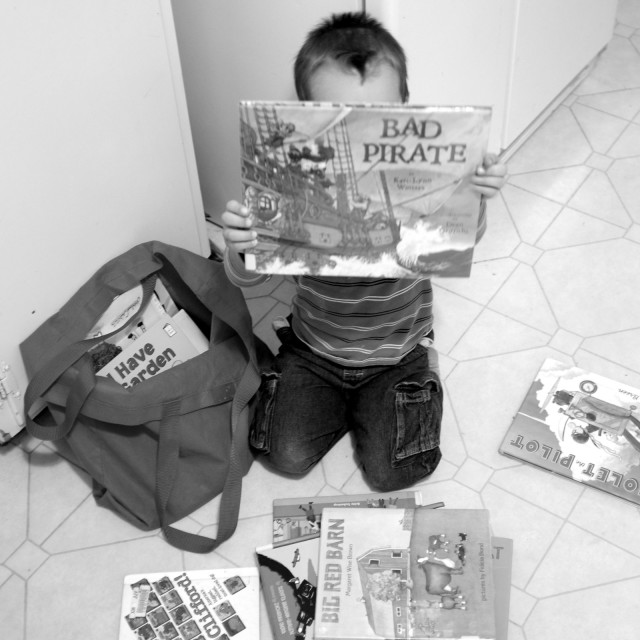
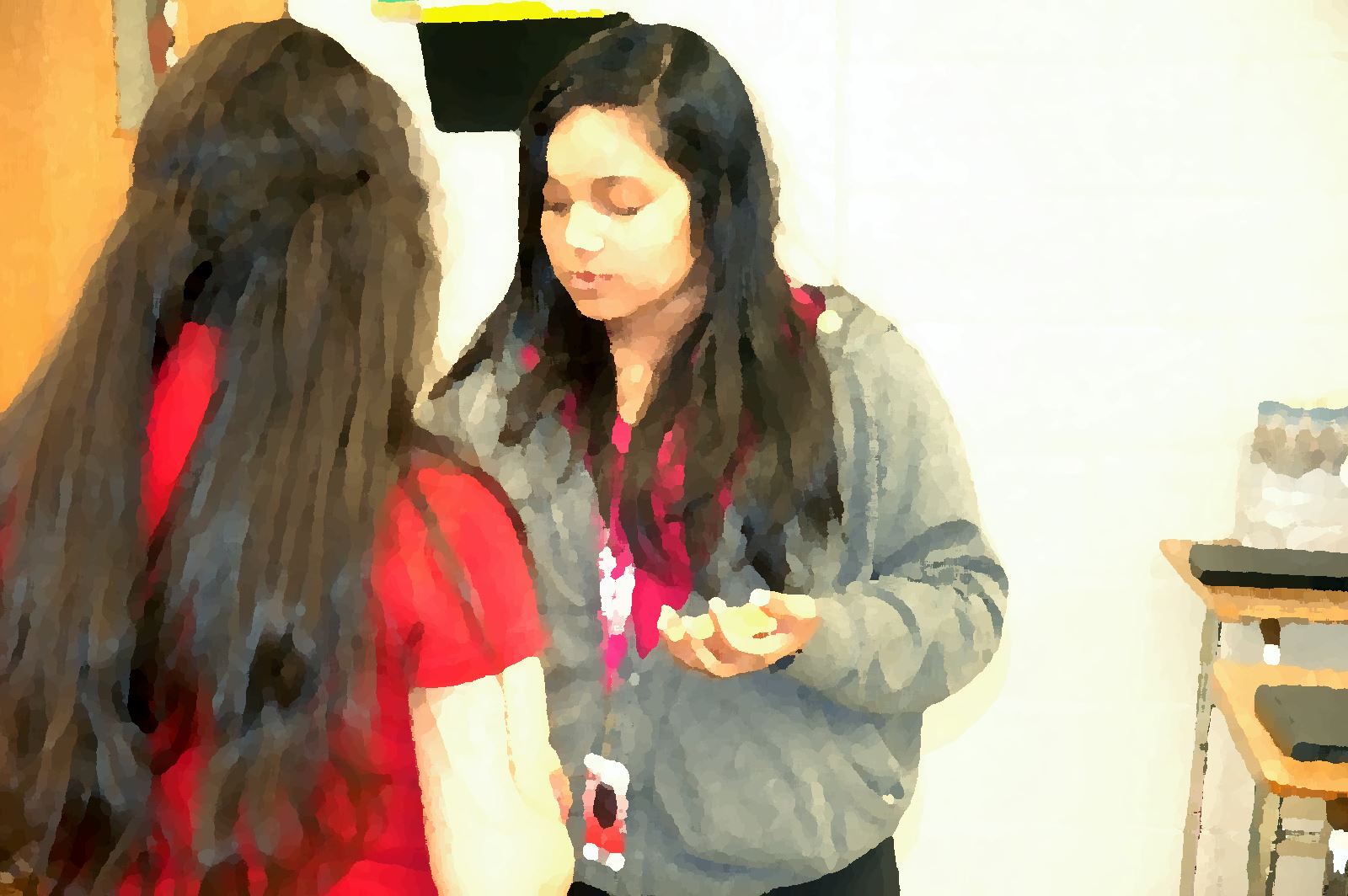
I give the students the same information every year, but this year, I decided to break it down in a letter. Dear student, you recently took the MAP test, which measures your reading progress. And so on and so on. It's a mail merge, so "student" is replaced with the kid's name, and all the details are individualized. Like the winter score. Like its grade-level equivalent. It's bound to be a disheartening moment for some: I'm not sure they've ever been told point blank, "Your reading scores indicate that you're reading at a second-grade level." How do you take the news that your skills are six years behind where they should be?

1-DSCF7873

There are a number of reasons one could posit for this, and for each, a exception: For some, it's a question of limited English exposure at home. But I have Latino students in my honors high school courses as well. For others its a question of limited access to books. But I have such students in my honors high school courses as well, and they solve the problem by basically camping out in the school library. No role model in the immediate family to provide the support necessary. But I've had students in my honors high school courses who'd never even met their biological father.

2-DSCF7877

At times they seem like excuses, at times they seem like legitimate -- and tragic -- explanations. Whatever the case, they're my charge, and I'm tasked with reversing the trend. Some days, though, it just feels like I'm making the situation worse still.

First Day Returning

The first day back can always be stressful: you walk back into the school wondering what kind of day the kinds have packed in their book bags and hauled to school from Christmas break. Some years, they unpack a chattiness and an unwillingness to work that in a lot of ways is understandable. Other years, they haul out their books and their attention and make the day slide by almost effortlessly.

It occurred to me that I could help them pack their bag by having them leave on a good note, hence my opłatek efforts at the end of the year. Through most of the day, I thought that perhaps it had worked, that perhaps ending the year on a deliberately positive note helped bring them back with a positive outlook. They worked brilliantly, and not a complaint as I introduced and modeled a new weekly assignment, the article of the week, based on Kelly Gallagher’s ideas.

The final period of the day rolled to a close, and one young lady who was absent the final day asked me if I’d saved a cookie for her.

“Excuse me?”

“The cookies you gave everyone before the break.”

Here it was — definitive proof that what we’d done together had made an impact, for someone had clearly told her about the experience. Obviously it had struck something in their souls, made them resonate as one for a moment, showing them the oneness of humanity and all the hopes and dreams of everyone who has ever set out to create a utopia.

“Oh, yes,” I replied. “How did you hear about them?”

“Oh, everyone was just saying they were really tasty.”
A utopia for the taste buds, I guess, is better than no utopia at all.

Wigilia 2015

"I can't believe how mean they are this year," one teacher said to me just the other day. Sadly, I'm not sure it's just a "this year" issue. I think it's a "this culture" issue. So many kids tend to dwell so deeply in the negative in their relations to each other that it's stunning some of them have friends at all. There are always comments, put-downs, insults. When called on it, they often suggest they're just playing, but often enough, they don't hide the fact that they're not playing: they're just hurling insults at each other. Social media only worsens the situation because it gives them the possibility of extending such behavior beyond the walls of the school. And so some students, it seems, live day and night, at school and at home, in a fog of insults and bullying.

This is not to say such is the case for all of my students. It seems to fall along the socio-economic divide that splits our school so visibly. The students who tend to be academically behind tend to be most likely to exhibit such behavior and mean it, and they tend to be poorer than their peer who are academically ahead and only engage in joking (though still biting) insults.

On the internet, though, it seems to cut through all socioeconomic divisions, all political divisions, all divisions. Just take a look at the comments at the bottom of any article on any web site. Liberals call conservatives idiots; conservatives call liberals idiots. Fans of Star Wars call non-fans idiots; non-fans call fans idiots. Using the single word "idiot" glosses over much of the ugly reality of the words they use. We use -- for I've gotten carried away online and done the same. Perhaps not call someone an idiot, but suggest that anyone who holds such and such a view is mentally defective somehow. With the suggested anonymity, it's easy to get carried away, I suppose.

Today's students have grown up in such a world, and it's second nature for them. But what about the opposite movement? What about the desire to say kind things? The urge to brighten someone's day with the power of the spoken word? It's not something that comes naturally to most of us. Kathryn Frattarola summarizes it succinctly:

If we like something, we keep our mouth shut about it, or we discuss it as minimally as possible. If we don’t, we’re extremely vocal about it. We are more drawn to the negative than to the positive. We are choosing to be miserable and make others miserable as well. (Source)

So many of us tend to shy away from that because it seems to open a vulnerability in ourselves. We wear so many masks, play so many roles, that sometimes an act of genuine sincerity seems the hardest thing to do. We're letting down all our masks and speaking not as a teacher, a peer, a cool kid, a nerd, but simply as a human being when we say something kind to someone else. Insults and jokes are easy because they keep the mask up. Complements and words of appreciation let that all down. It's a difficult thing to do.

But what if we all did it at once, all at the same time? Might it not be easier then?

In our culture we don't have many opportunities where everyone takes a moment and utters kind words to each other. Sure, if we're Catholic, there's the point in the Mass where we "offer one another a sign of peace." But, except for our family and friends we might be sitting with, that's just a perfunctory handshake with or nod to the strangers who happen to be sitting around us. "Peace be with you," we all mutter, and that's that.

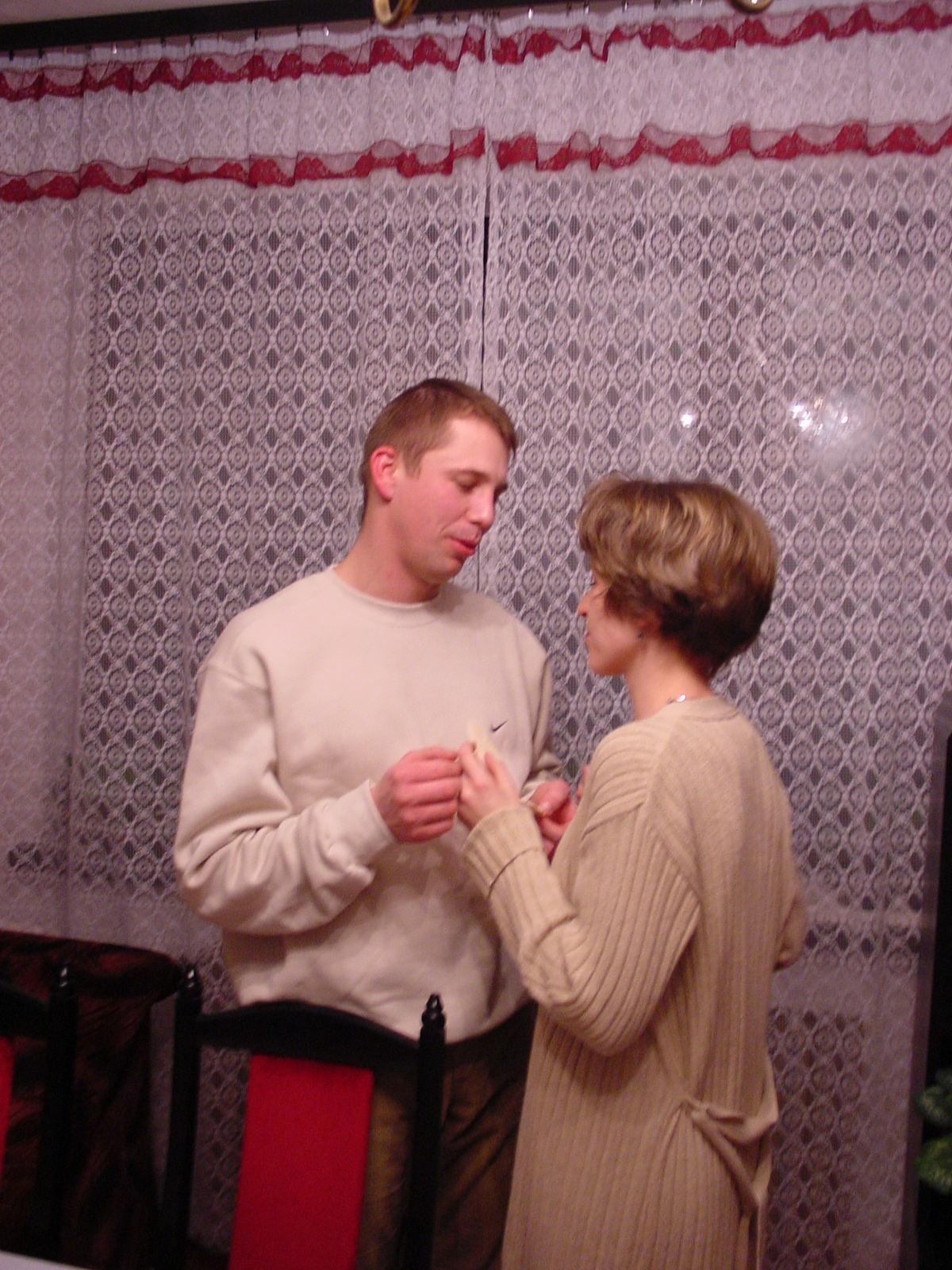
From  my time in Poland, though, I knew of a tradition that accomplishes just that, at least in theory: the sharing of the the opłatek, the Christmas wafer. Breaking the small wafer and offering well wishes wasn't something we just did in the family; in school, every class had its own opłatek day, and students wished each other well, hugged, shook hands, perhaps cried a bit. Even students who didn't get along terribly well put aside their differences for the time being and played along. Was it farce? Perhaps a little, with some. But there was too much genuine joy in the room for there to be too many people faking it.

For a long time, I thought it might be a worthwhile activity to try in class the last week of school. There were always barriers, though. The first was finding the wafers. While they're readily available in any corner food market in Poland this time of year, they're impossible to find here. Certainly one could ask in-laws to send them, but enough for 100+ students? That might be asking a bit much. And then there was the year I had the Jehovah's Witness twins, and any reference to anything religious at all got a call from mom and an explanation that "we don't celebrate X." (I got such a call from her when I showed students my All Saints' Day pictures at the end of October. "Ma'am, I wasn't ask them to celebrate anything. I was just showing them what a different culture looks like." "Yes, but we don't celebrate Halloween...") This year, though, it struck me that perhaps I could substitute something for the Christmas wafers. And I knew if I explained it correctly, there would be no religious overtones at all -- and besides, I have no one in class this year whose parents have the same kinds of concerns as the twins' mother several years back.

I built it up for an entire week, including in my lesson plans for Friday merely the word "surprise." How many students download lesson plans is likely negligible, but I also mentioned it in class.

"Are we having a Christmas party Friday, Mr. Scott?" students asked.

"Not really, but I do have a surprise for you."

"What!?!" Just like our three-year-old in so many ways.

"Well, if I told you, it wouldn't be a surprise anymore."

From the beginning, though, I was wondering how well it would go. In the worst case scenario, I thought they might share with one or two, then begin sitting down, having their own little typical conversations. I thought it was possible that a few might even refuse to participate at all. Of course I won't make anyone do anything, I thought, for that would ruin the whole spirit of the opłatek tradition. Still, one or two refusing -- might be trouble, I worried. As with all activities, I also expected different responses from different classes. I anticipated the student who are least engaged in school to be least engaged in the activity, and I anticipated those most engaged in school to find it most interesting. I expected classes with the most behavior problems to exhibit the most reluctance. Basically, I expected the worst, hoped for the best.

It began with a short slide show about Christmas in Poland. I explained that almost every Christmas in southern Poland is a white Christmas.

I skipped over the one picture I could find of friends breaking the opłatek, explaining that we'd come back to it, suggesting in my tone that it was a bit of a mistake to include it at all. Finishing up the presentation, I went back to the image of my friends sharing the Christmas wafer and explained the tradition to the students. "And it's not just in people's homes that Poles do this," I concluded, "but also in school. I've always thought it might be interesting to share the opłatek tradition with students here in the States, but I could never find the wafers." And I still have never found them here, in this part of the States. Yet it occurred to me this year that it's not the actual wafer that matters; it's the act itself, the tradition. So when K found pizzelle at Aldi, I knew I'd found my replacement.

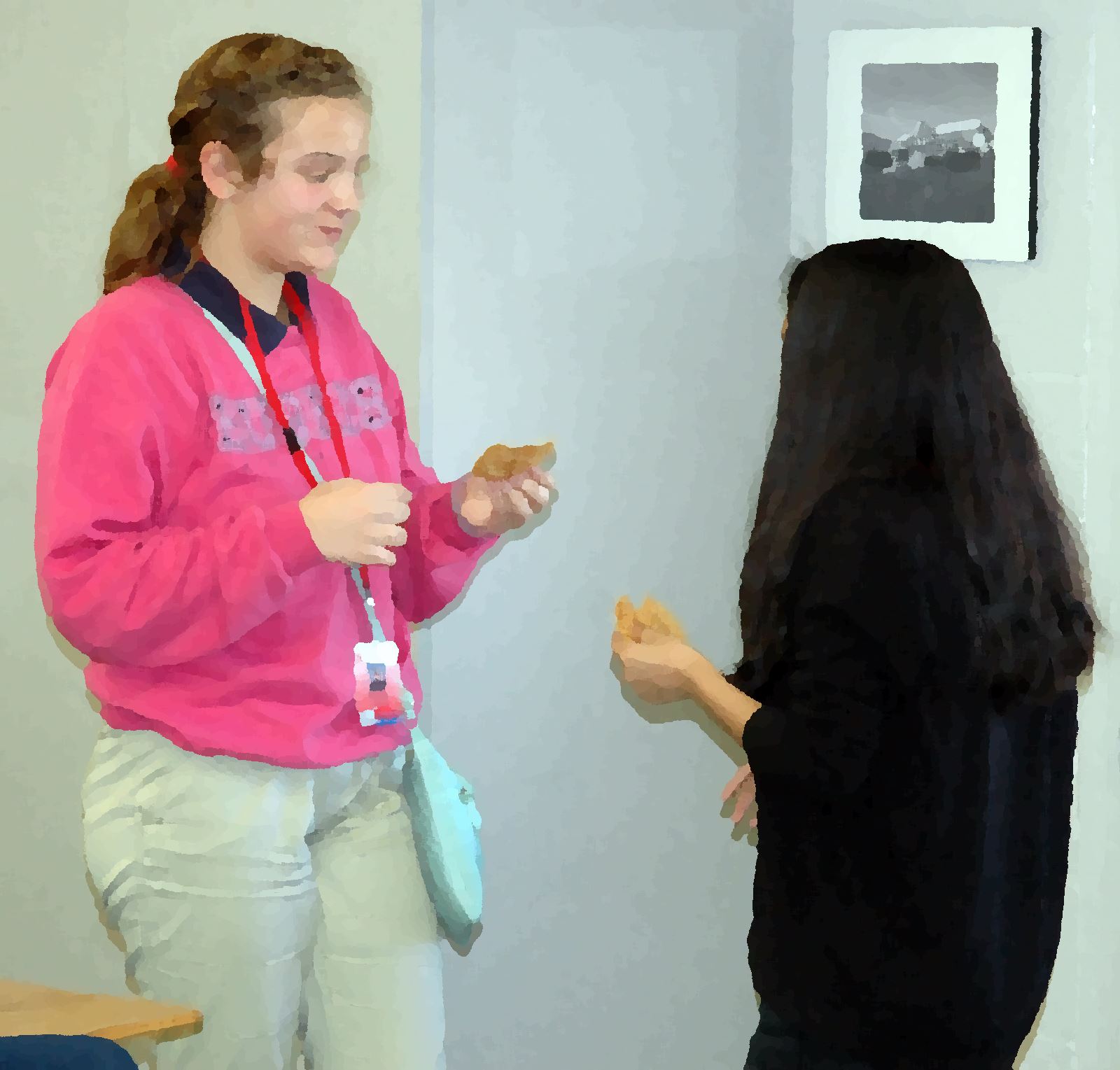
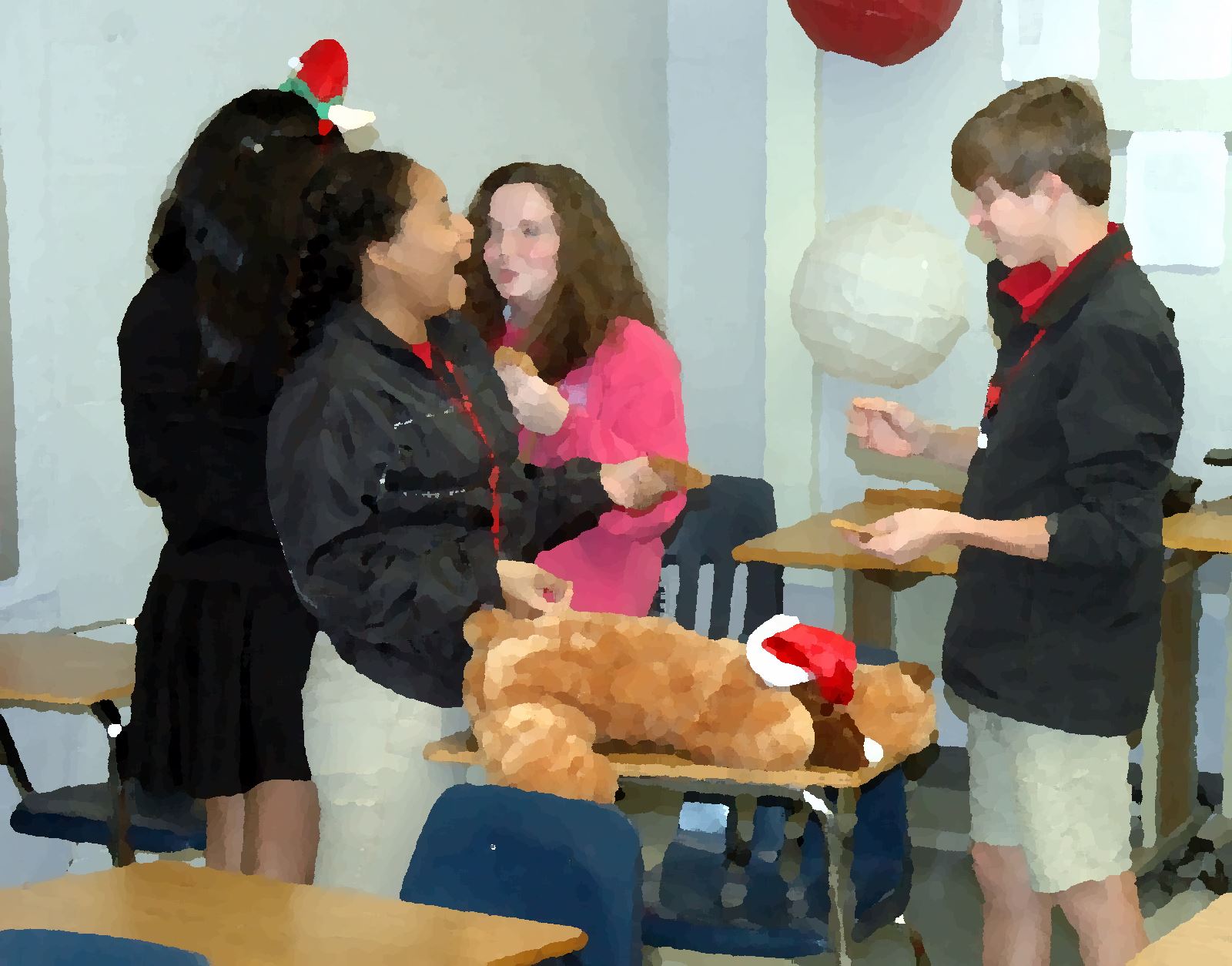
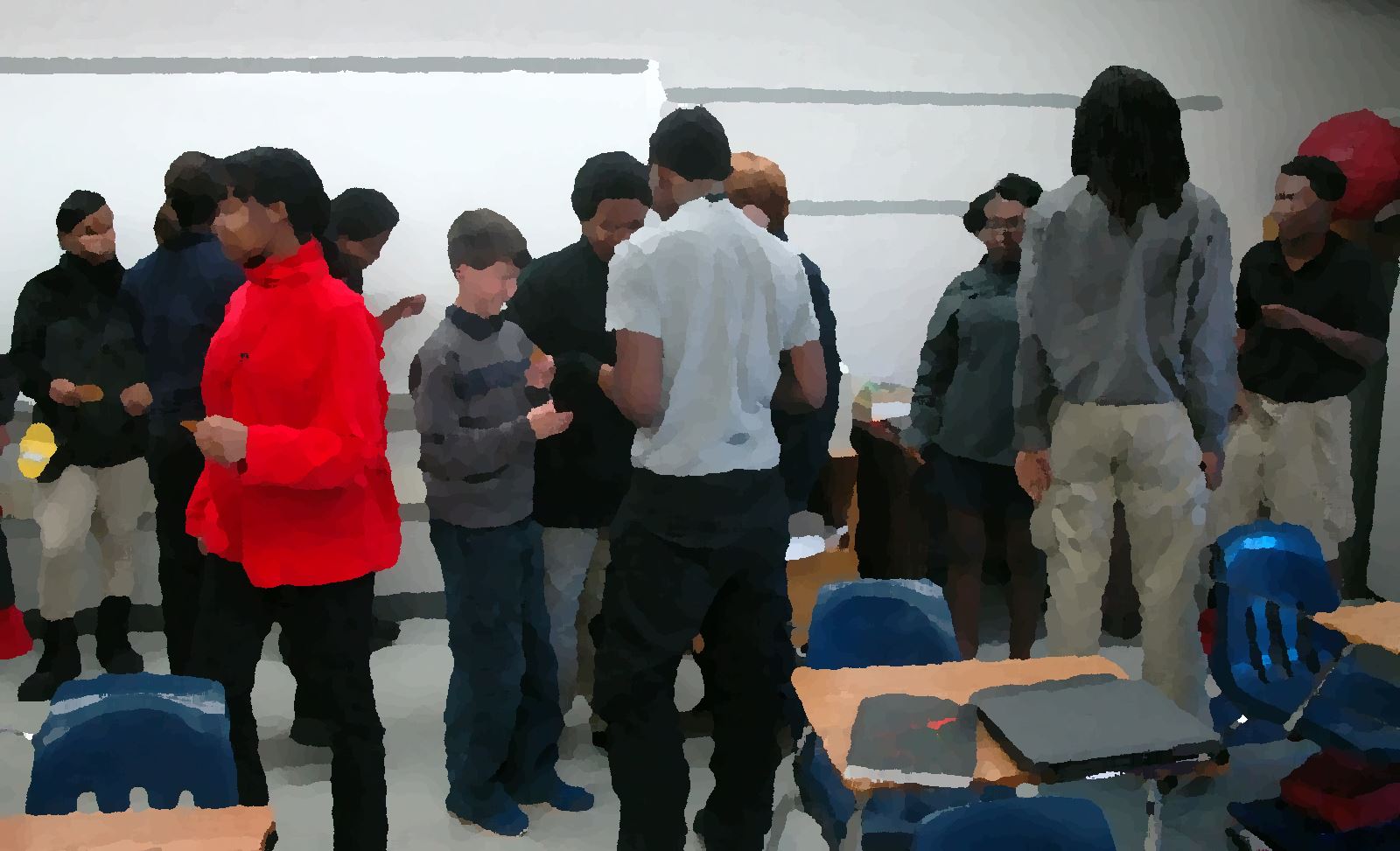
"Hold it in your left hand," I explained as I passed out the pizzelle, "and then break off a small bit from your friend's." I demonstrated, then smiled and wished them all a merry Christmas. What came next was the last thing I was expecting and the greatest gift students have ever given me.

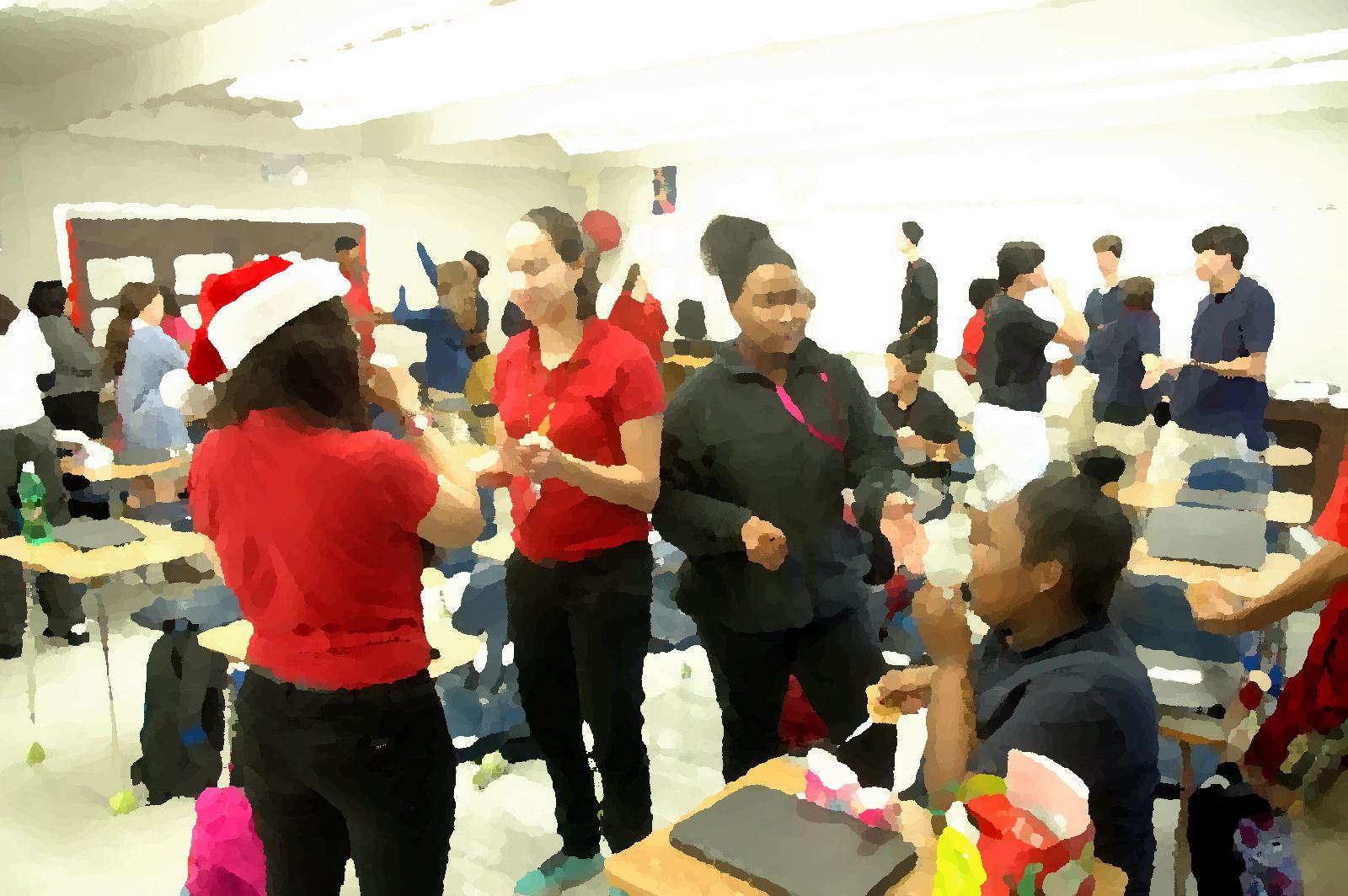
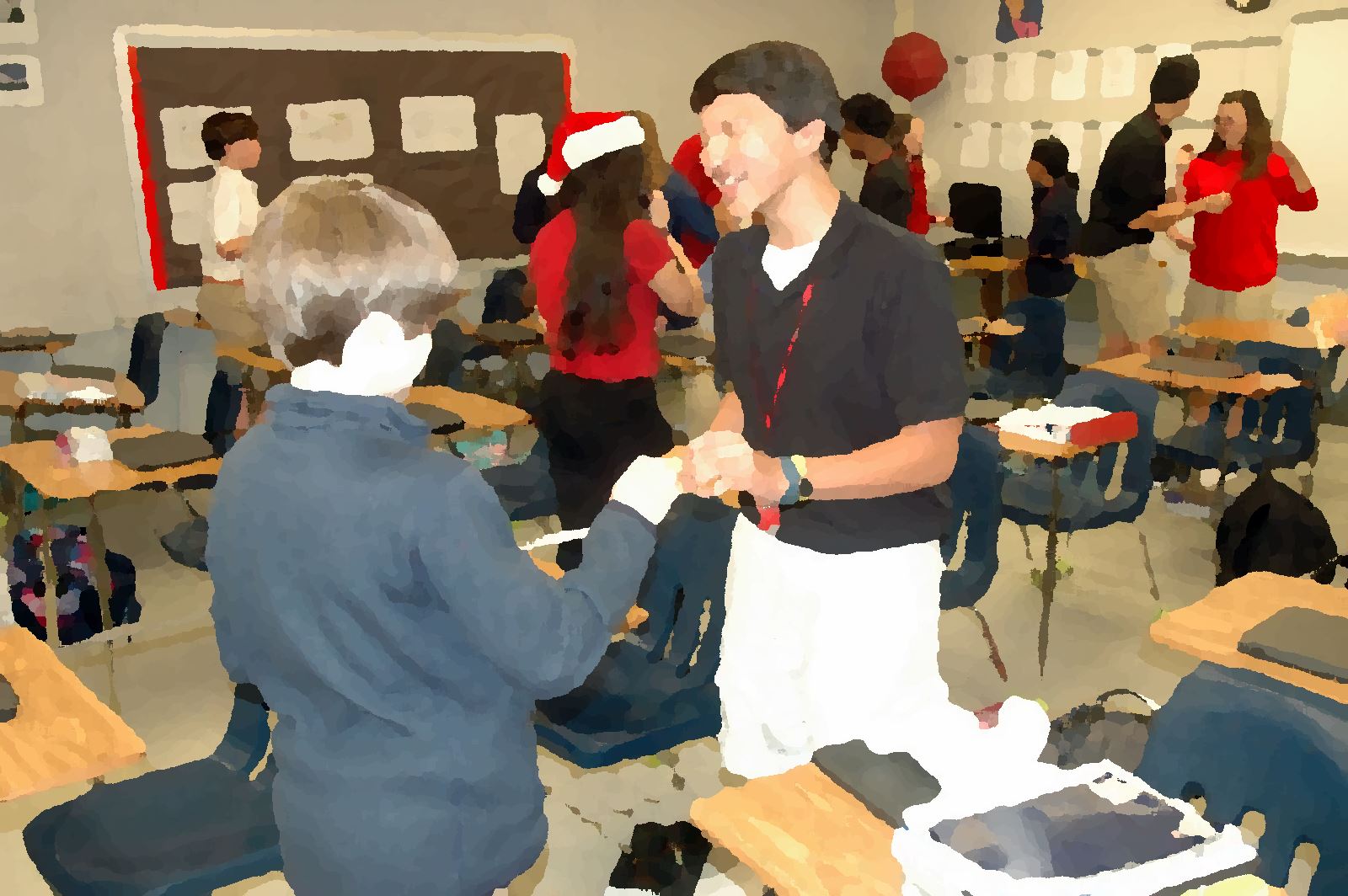
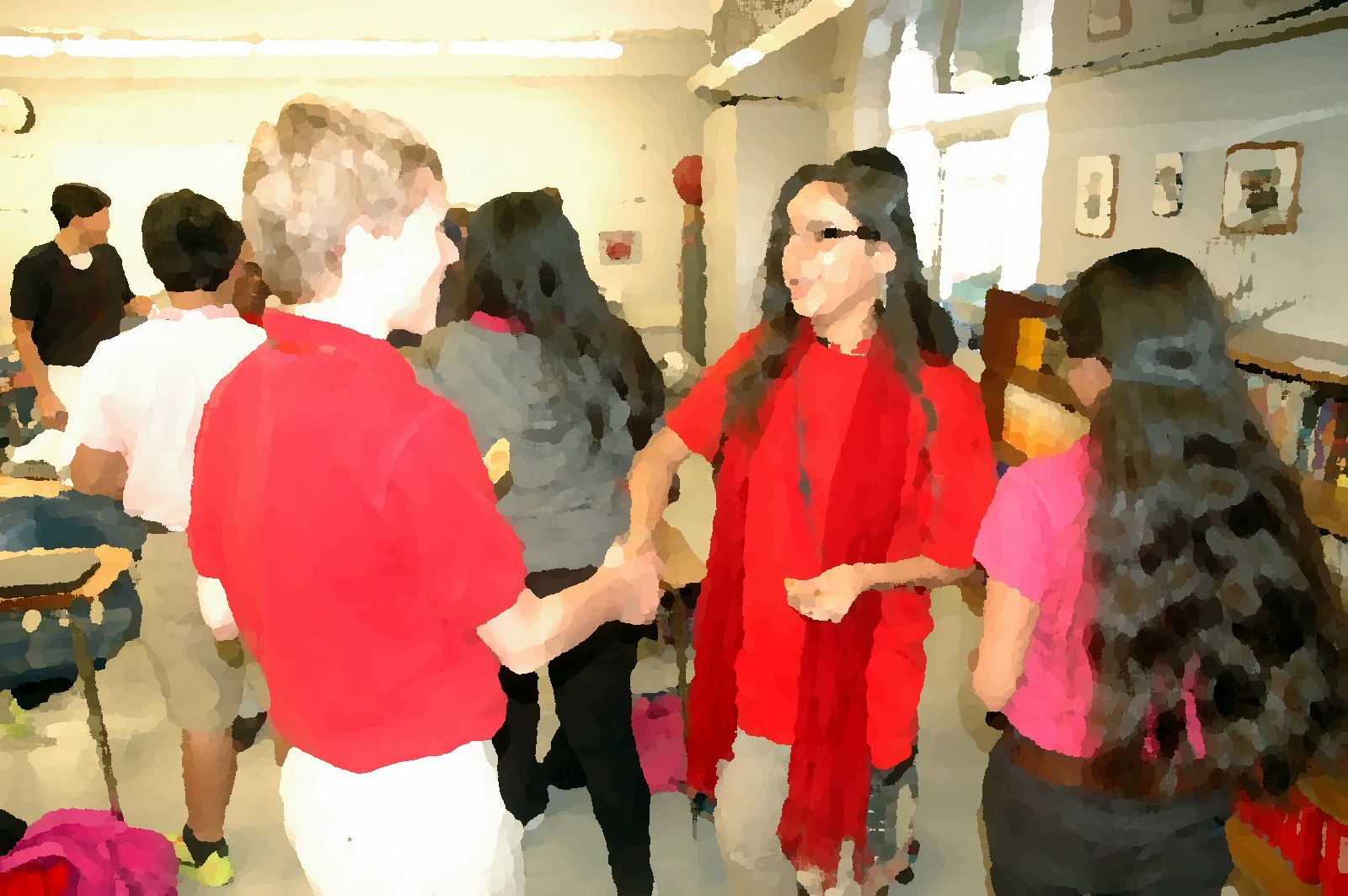
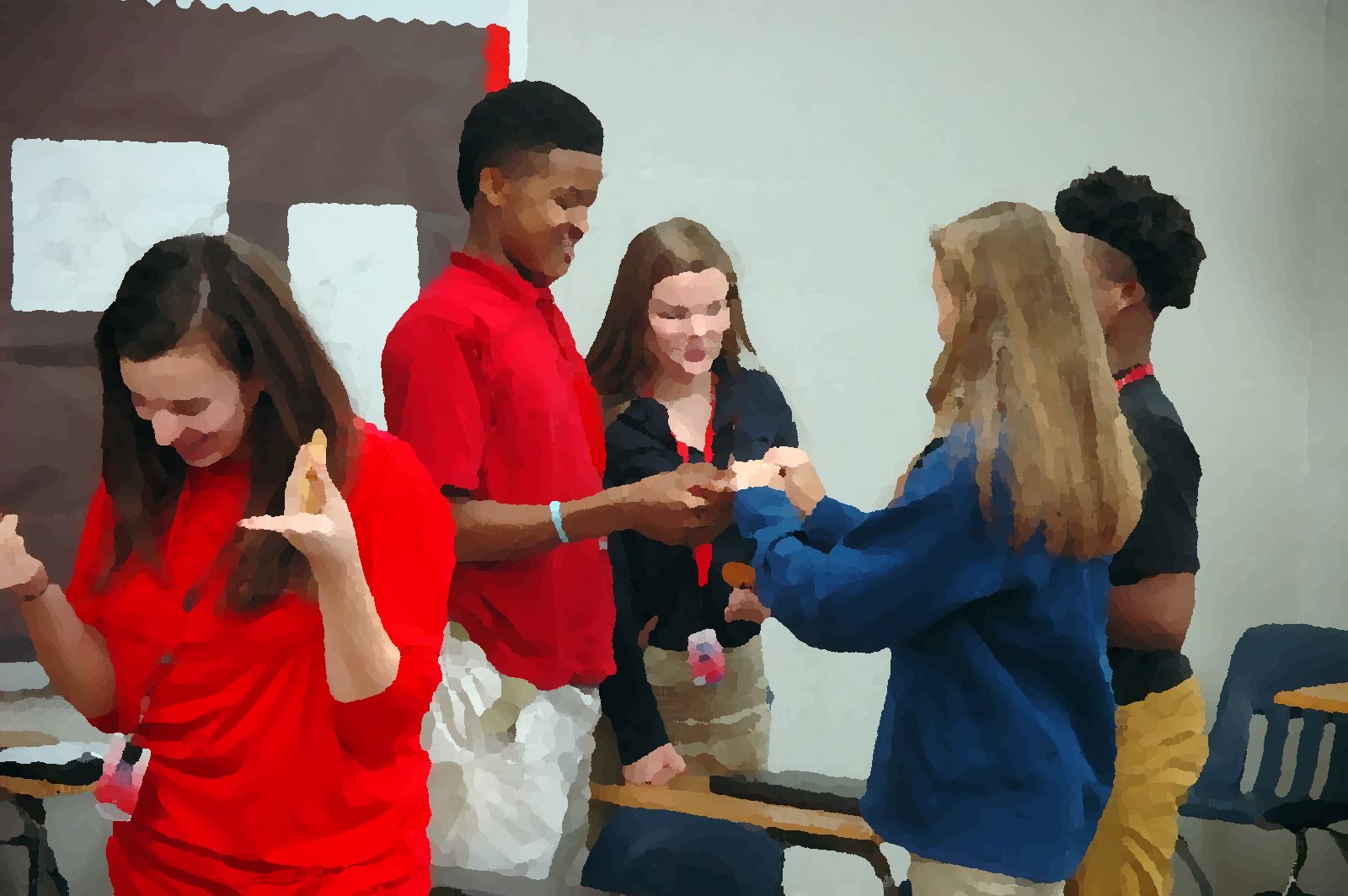
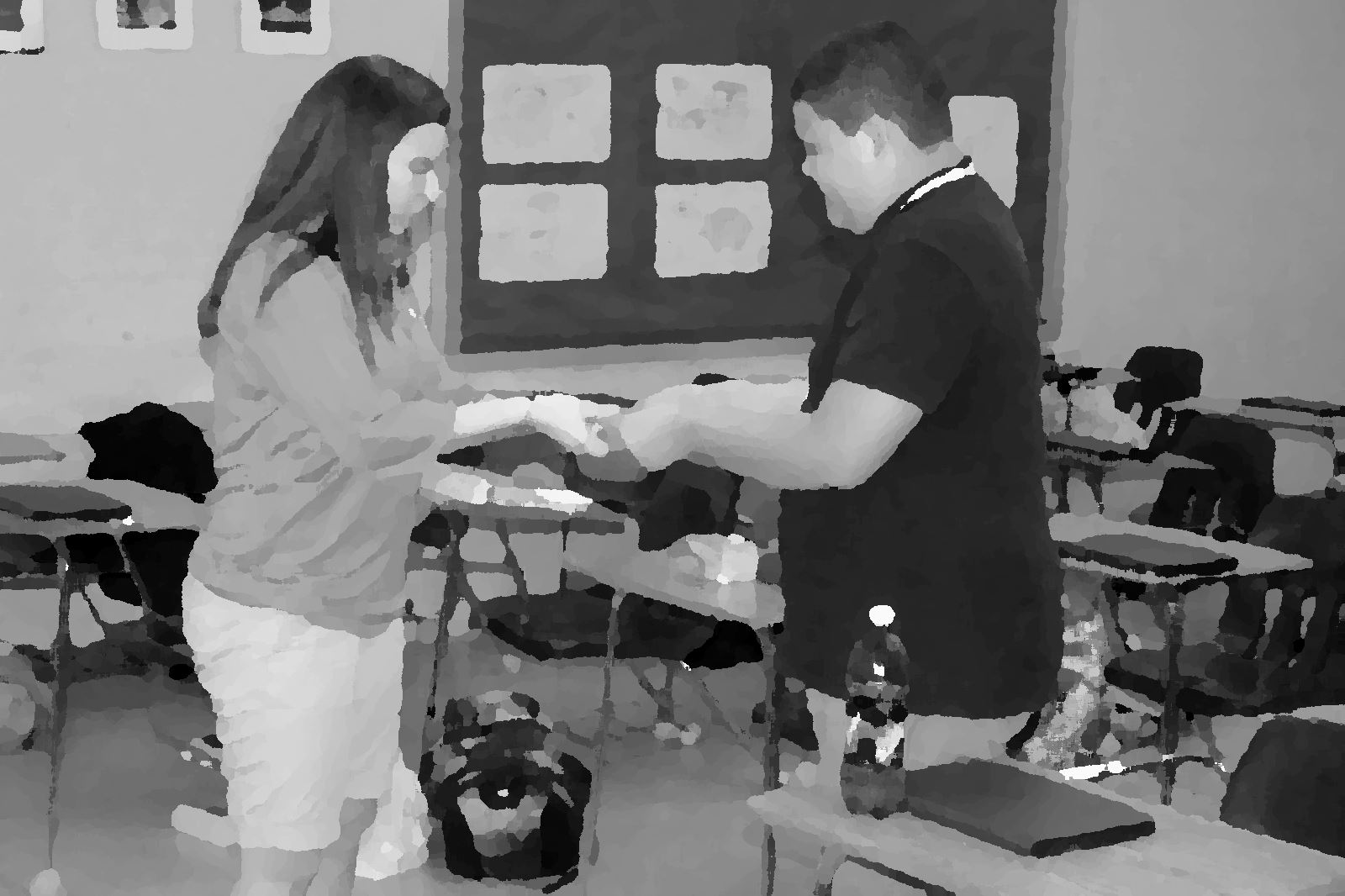
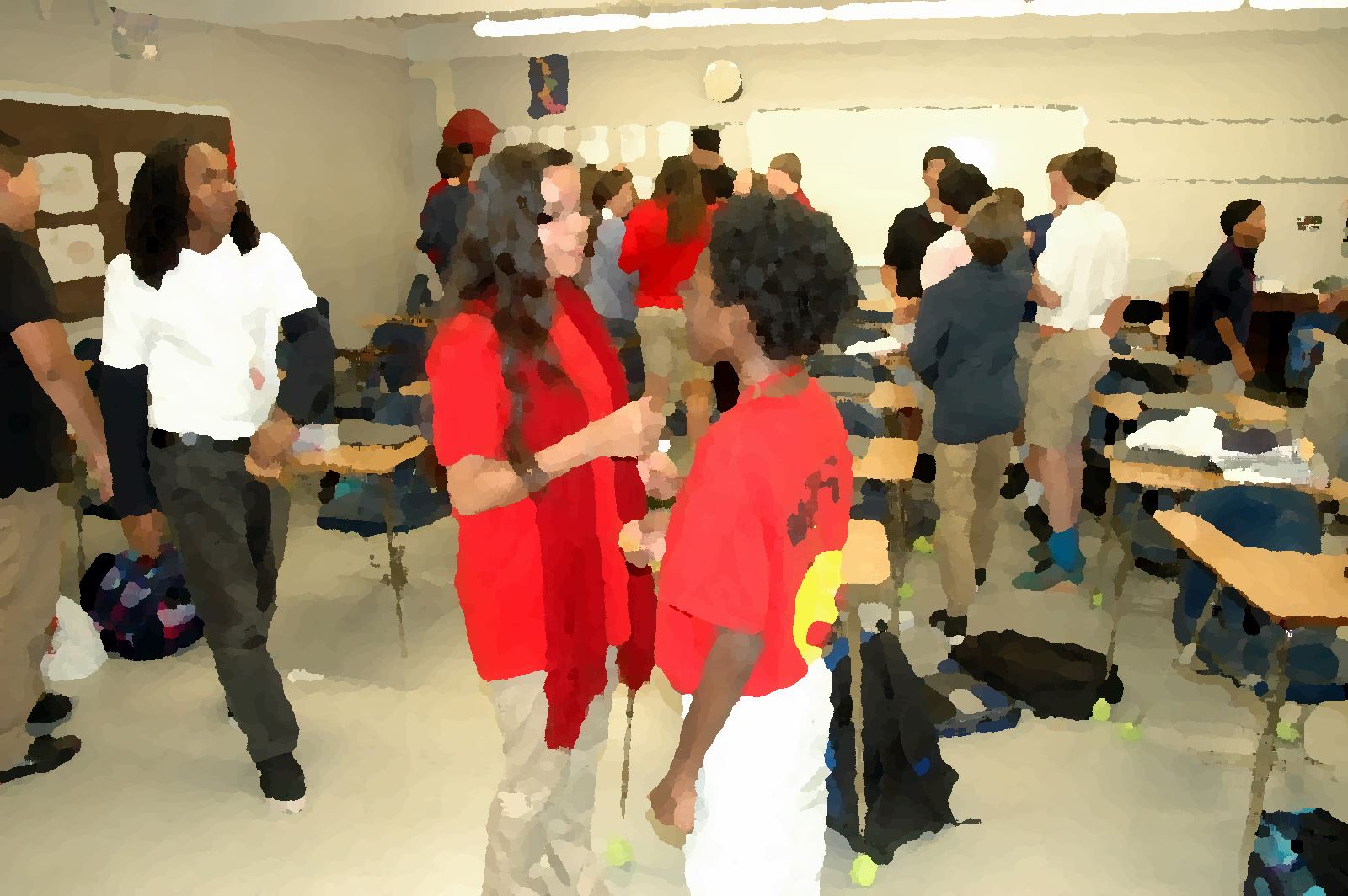
They picked up their wafers and acted as if they had been doing this all their lives. Kids who normally don't get along were making an effort to search each other out and wish each other well. Kids whose behavior causes problems more often than not sought me out for special wishes. "I hope all your classes are better next near." "I hope all the students behave next year." There was such a level of warmth and joy in the classroom that I've truly never experience before. The way they embraced the whole act of offering each other wishes for the new year -- it was as if they were drinking water after crossing a desert, as if they had been craving this so deeply and for so long. And once again, there was a noticeable difference in the classes: the groups that encountered less success in school were much more enthusiastic about it. And what I most feared, that some would break bread with a couple of friends and then sit down, never happened. The pizzelle finished, they continued talking, wishing each other well, hugging and shaking hands.

It was the most beautiful thing I've ever seen in a classroom.


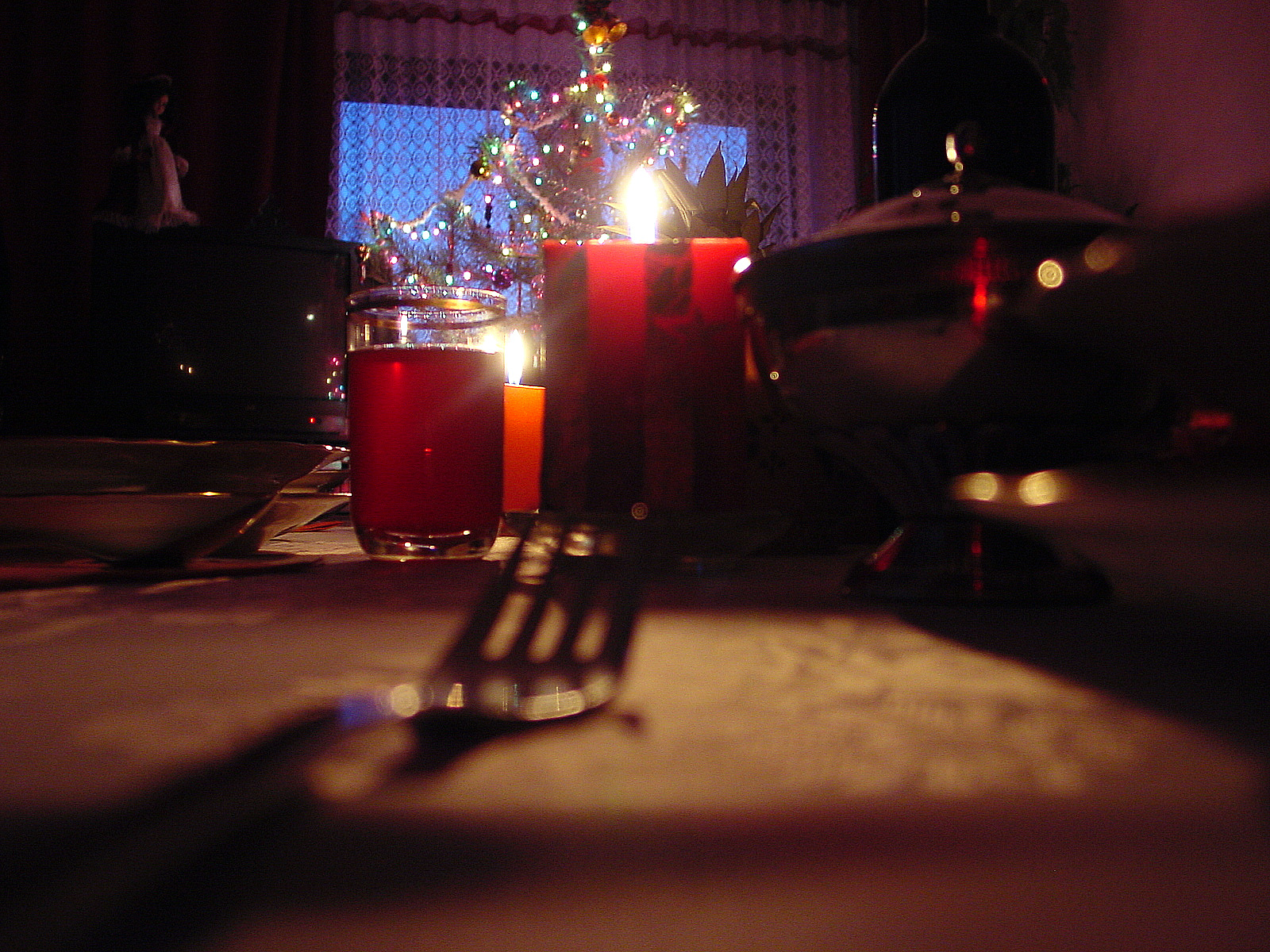
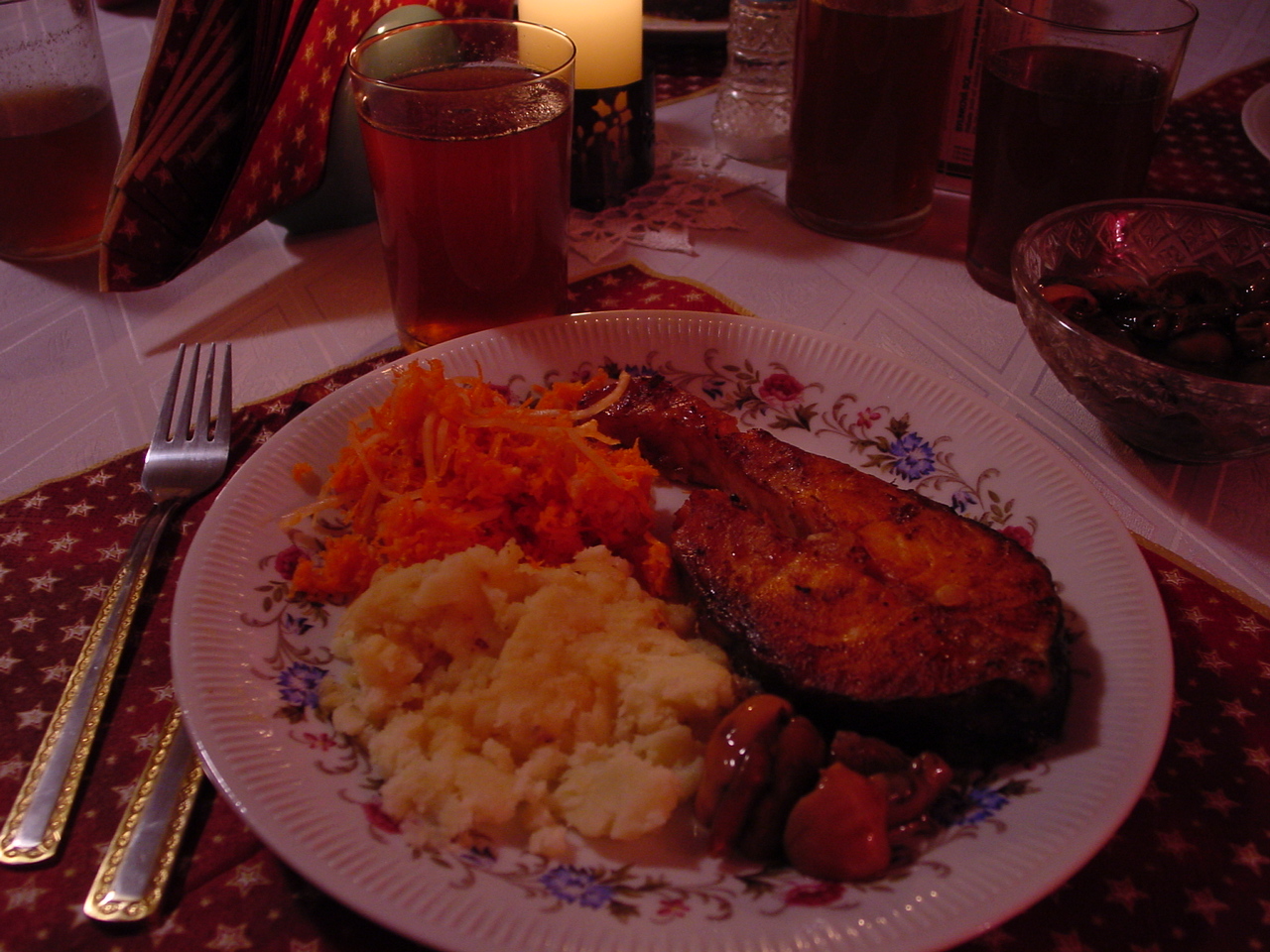
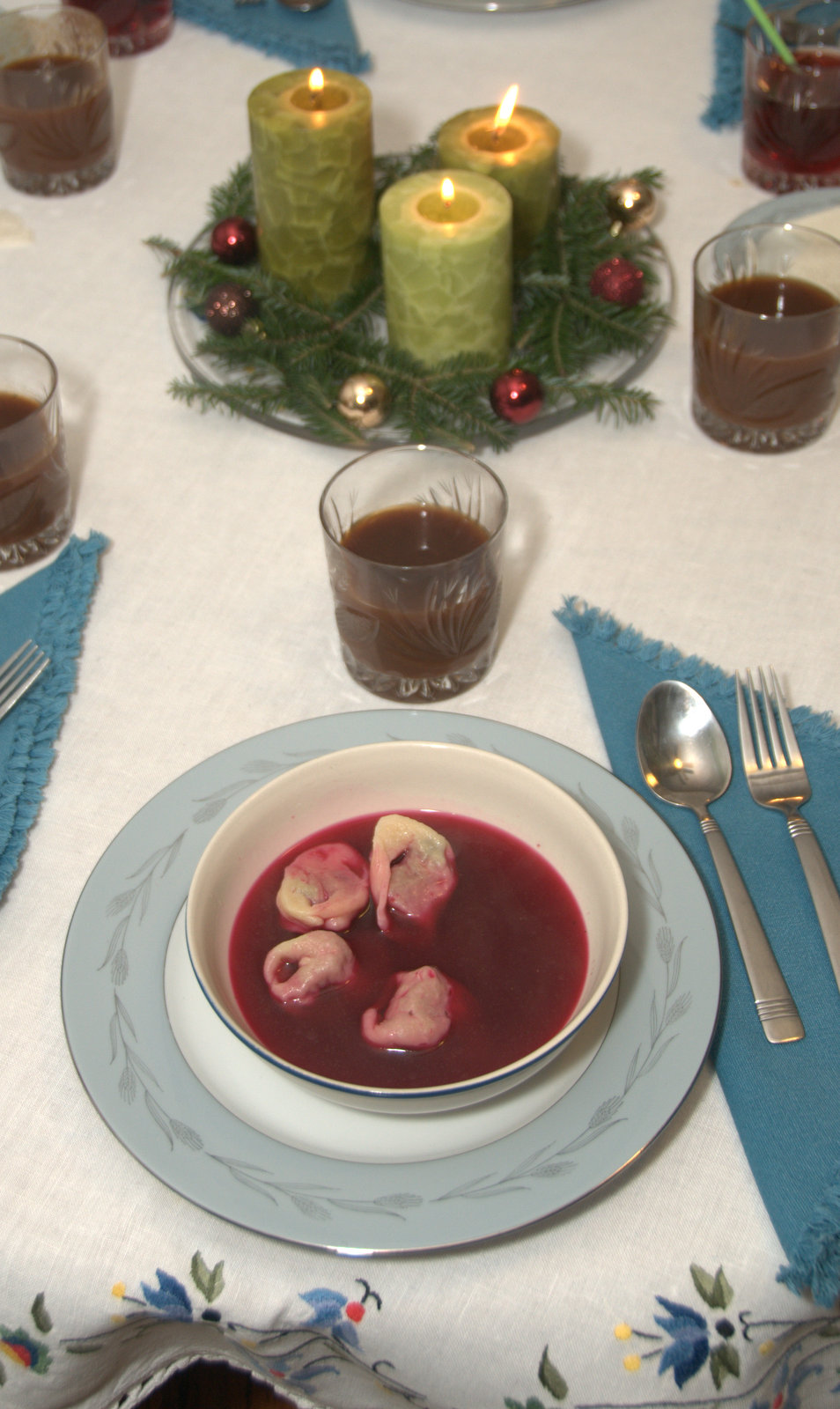
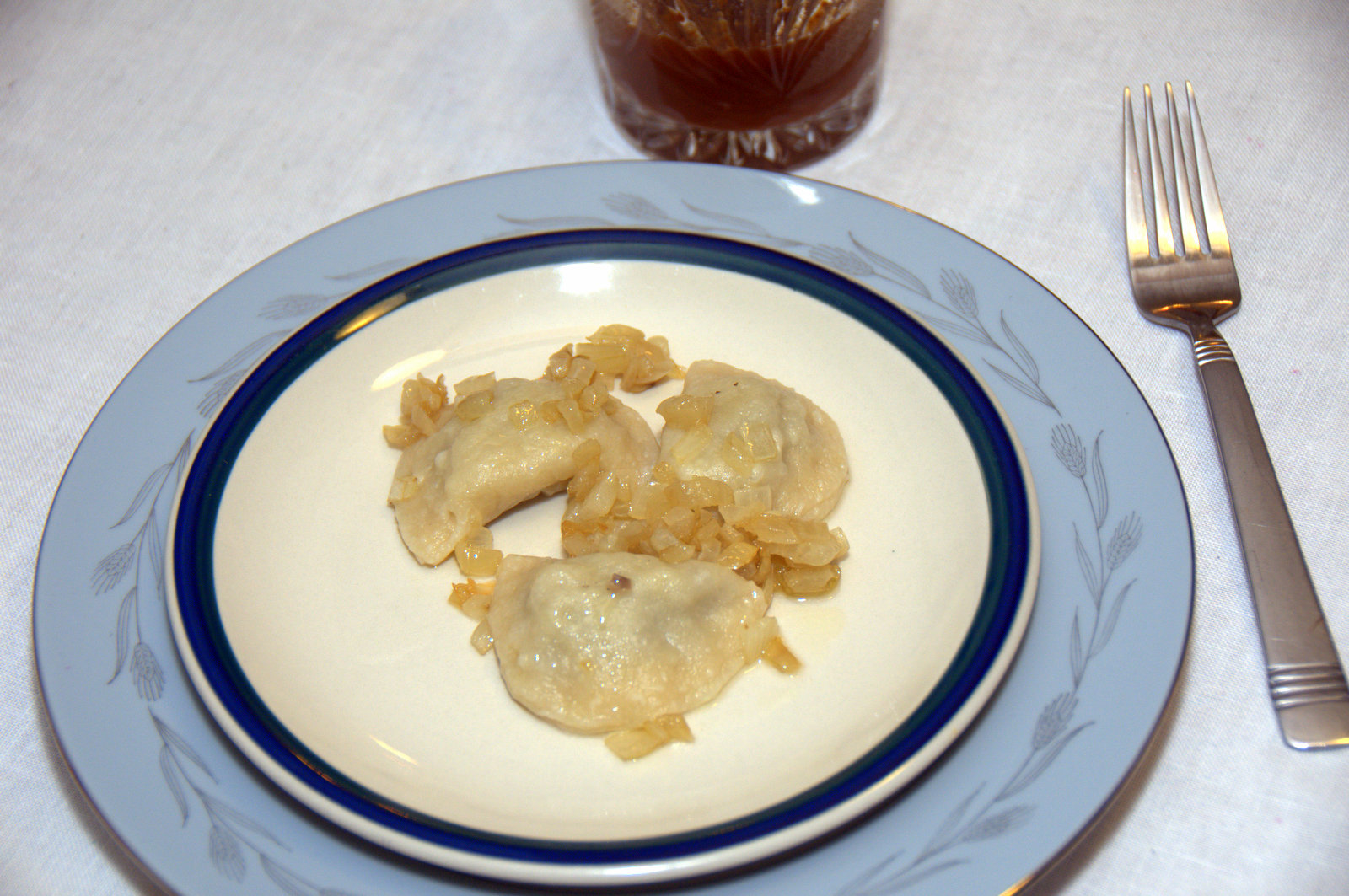
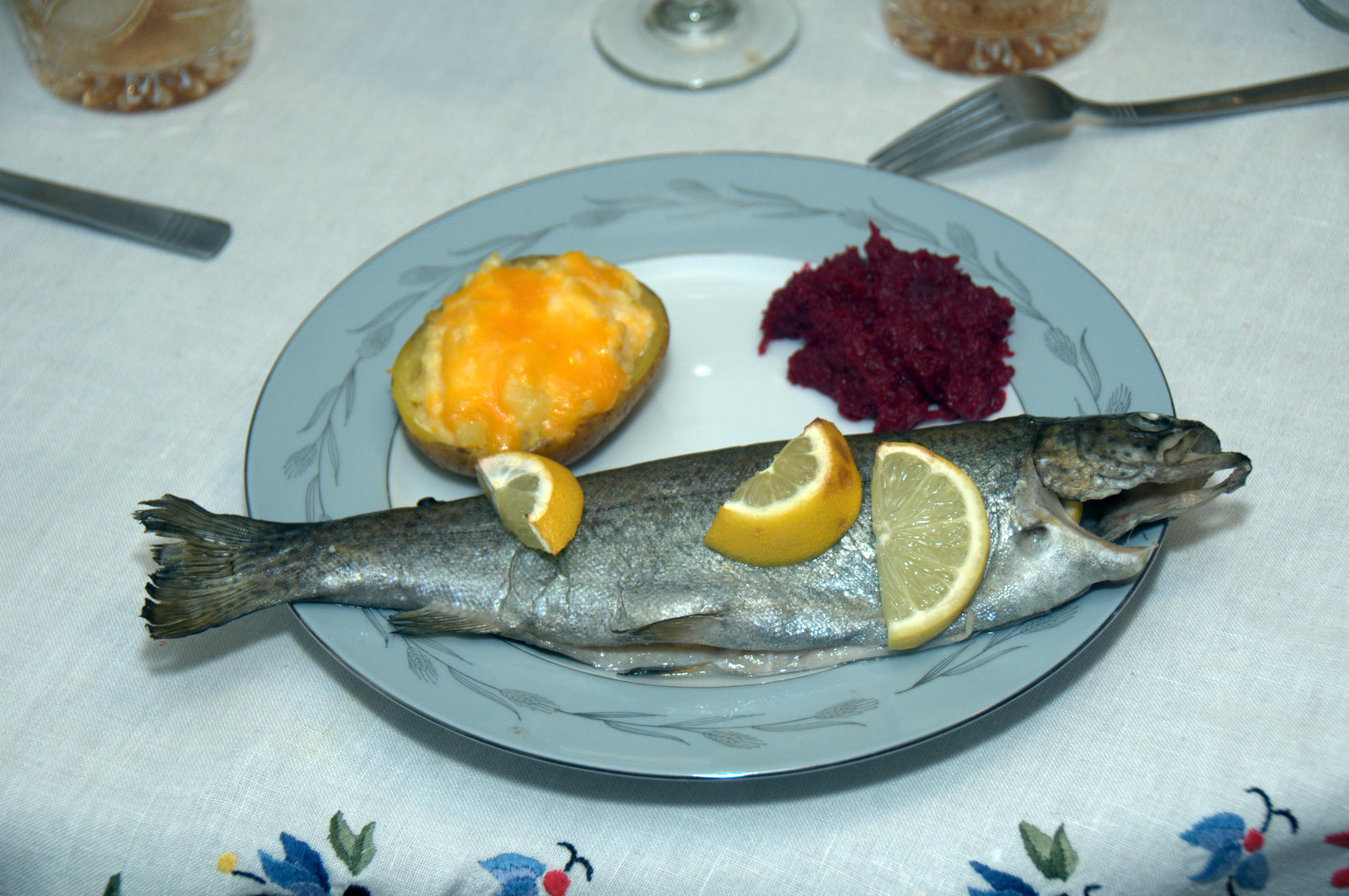
As for our Wigilia, it was a low-key, quiet affair. Everything just a little less than the years before, and by choice. One soup instead of two; a couple of cakes instead of a pantry-full.

Fewer gifts, fewer guests -- smaller, smaller, smaller. A good change.

Previous Years

Wigilia 2003

Wigilia 2004

Wigilia 2005

Wigilia 2006

Wigilia 2007

Wigilia 2008

Wigilia 2009

https://matchingtracksuits.com/2010/12/25/wigilia-2010/

Wigilia 2011

Wigilia 2012

Wigilia 2013

Wigilia 2014

Numbers

2

Every night just before bedtime, just before we read a story, just before one or the other of us cuddles with him until he drifts to sleep, the Boy has a choice to make: which cars will I take to bed with me? We allow him two because otherwise, there would be no room on the bed for him — he would pack every single wheeled vehicle he owns onto his bed every single night.

He makes his choice carefully, and as is typical of his personality, changes his mind a time or three most nights.

9

This weekend, the Girl will have her birthday party. Her ninth. Her last in single digits. Her interests are maturing with her body. She’s planning on painting her fingernails before her birthday party Saturday, and it’s a choice that, like the Boy’s cars, requires significant thought.

220

The average RIT score on the MAP test for eighth-grade students is 220. My gifted classes have averages well above 230. My struggling classes have sometimes had averages below 200, putting them in the range of a first- or second-grade reader. When such a class, during optional winter testing, actually goes down as a whole class, it leaves a teacher feeling particularly ineffective. What can numbers tell us about reading? Nothing? Everything? Something?

3000

At a post a day, it would take eight years to reach 3000 posts. However, to reach this, the 3000th post, it took 11 years, which makes an average of 0.747 posts per day — posting about 75% of the time. Eleven years to make it to this, the 3000th post.