matching tracksuits

fun in threes, sometimes fours

education and teaching

Two Households

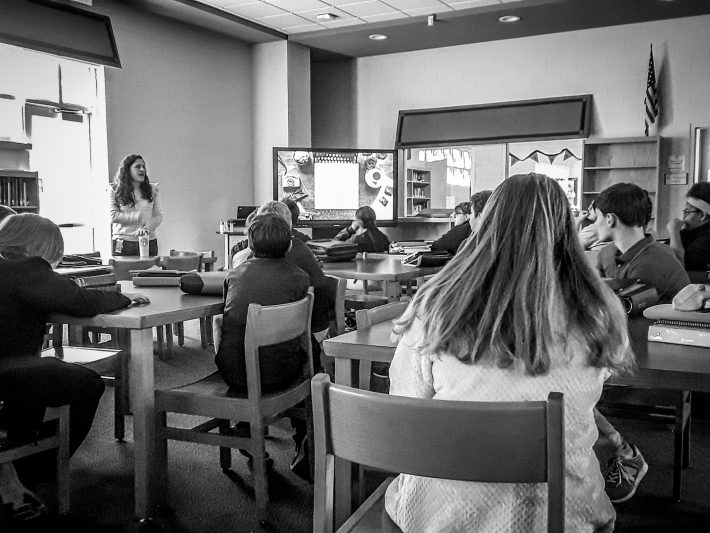
We began Romeo and Juliet today, our first day back from winter break. All morning, as I saw the Honors English kids, I smiled enthusiastically and said, “Today’s the day. The day!” Their response was generally the same: “Hurray!”
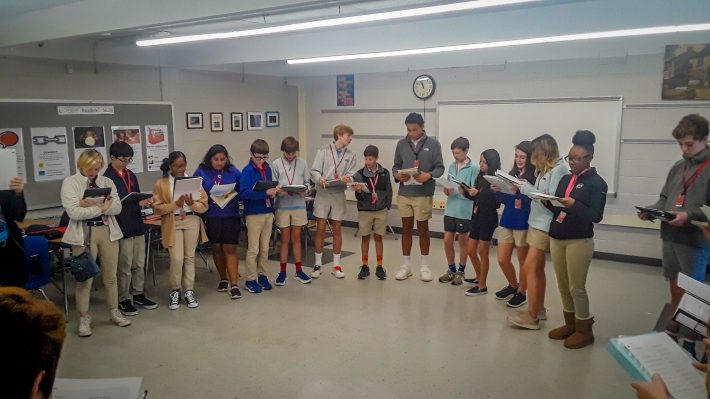
Except for the faux enthusiasm, my thoughts are just that: Hurray! I love getting to introduce kids to the unadulterated bard. No simplifications; no abridged versions — just a couple thousand lines of blank verse.

“Why are we even doing this?” one student asked. “Why Shakespeare? Why is he important?”

The thing I love about teaching these kids is that they ask questions like that no to try to get out of it or to let me know they think it’s not important and can’t be convinced otherwise; they want to know.

“Only one thing has had a greater impact on the English language in terms of introducing new idioms and even new words, and that’s the King James Bible.” Just look at some of the things we say on a regular basis that came from Billy:

  • all that glitters isn’t gold.
  • barefaced.
  • be all and end all.
  • break the ice.
  • breathe one’s last.
  • brevity is the soul of wit.
  • catch a cold.
  • clothes make the man.
  • it’s Greek to me
  • lackluster
  • leapfrog
  • live long day
  • wear one’s heart on one’s sleeve

And that’s far from an exhaustive list.

I explained this, and then simply summarized: “Because most scholars, writers, and general readers consider him to be the most influential and perhaps best writer of the English language.”

They weren’t convinced, but it did soften their resolve a bit — perhaps it won’t be the worst thing in the world.
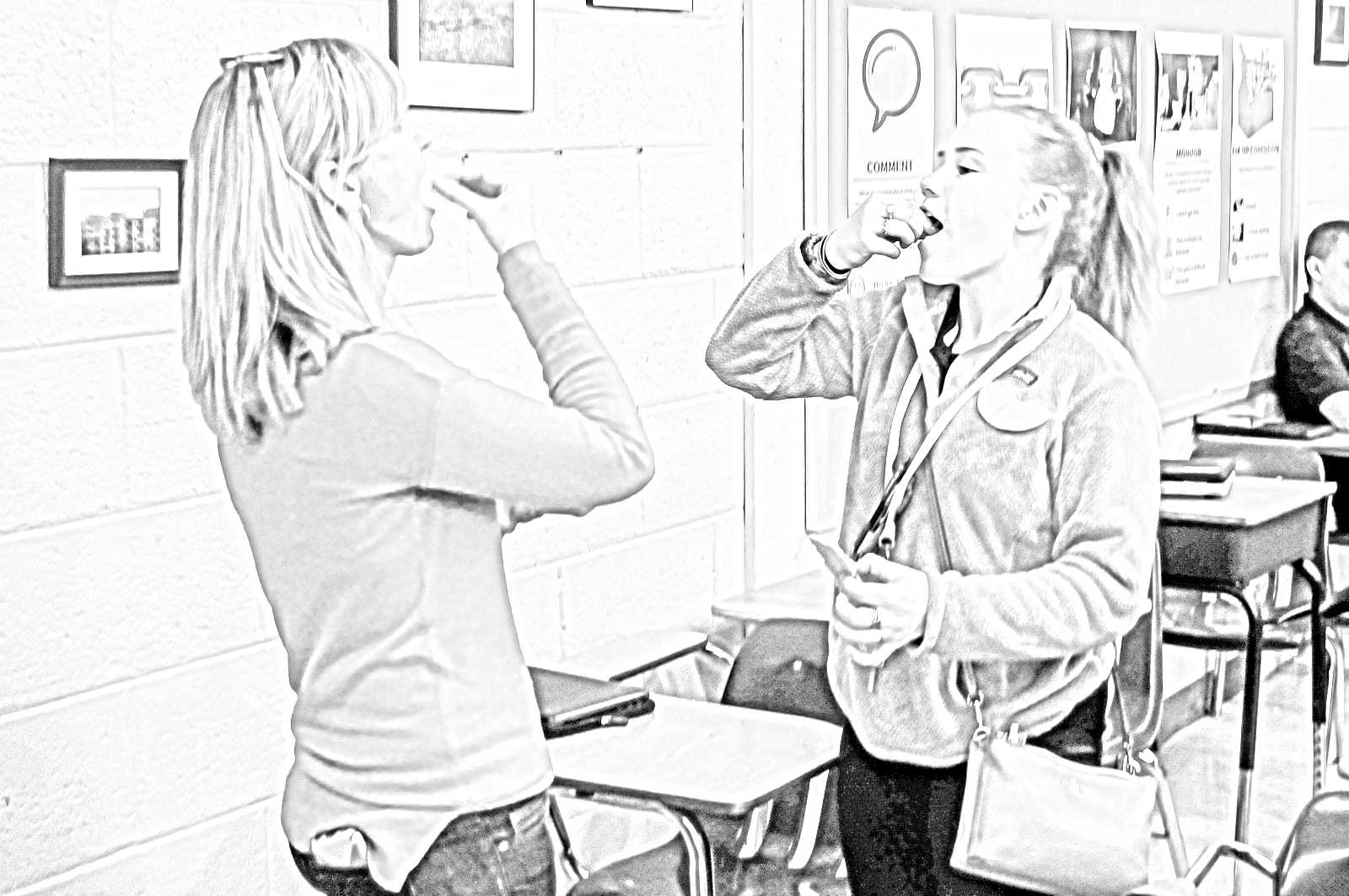
Opłatek 2019

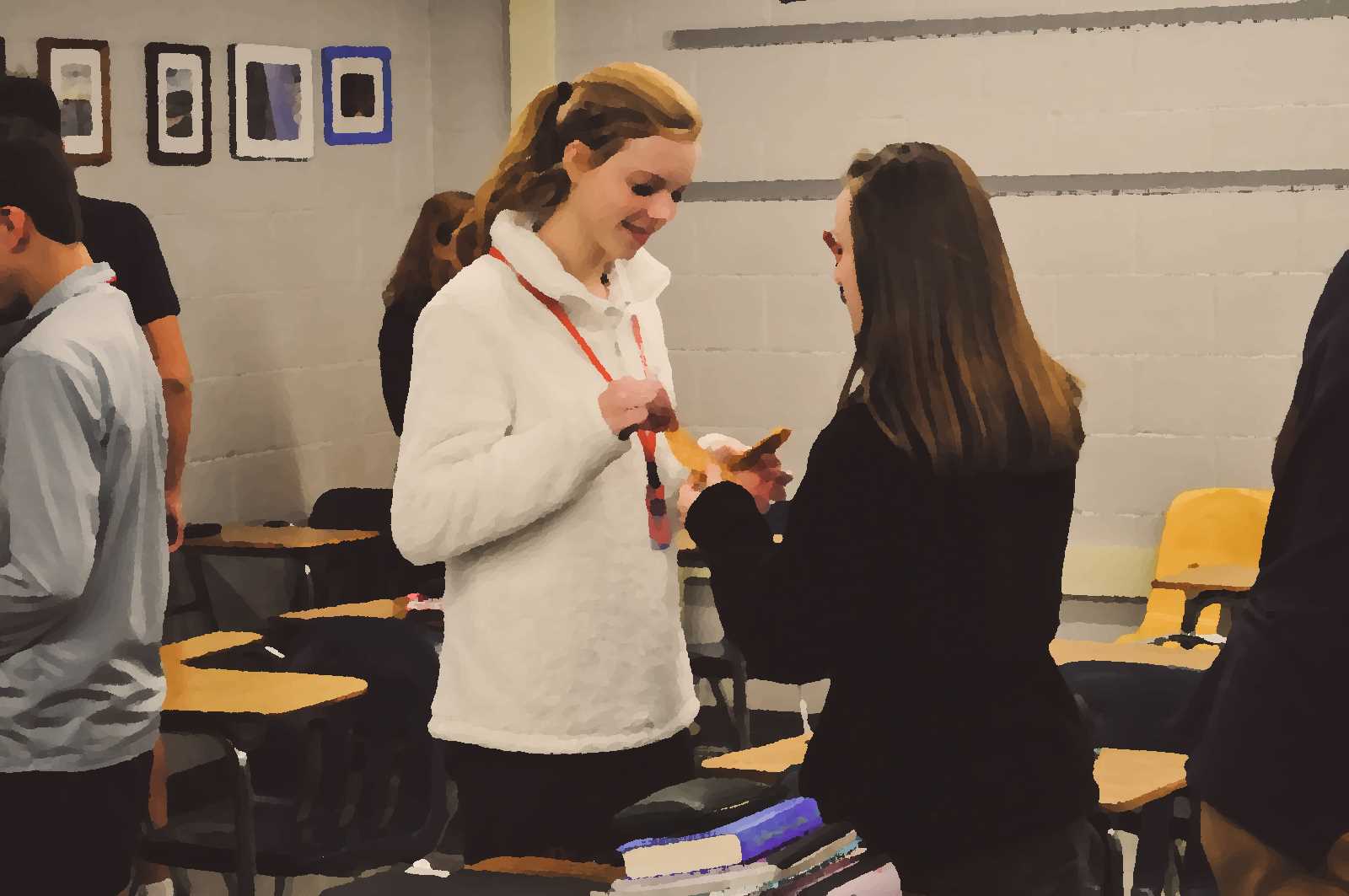
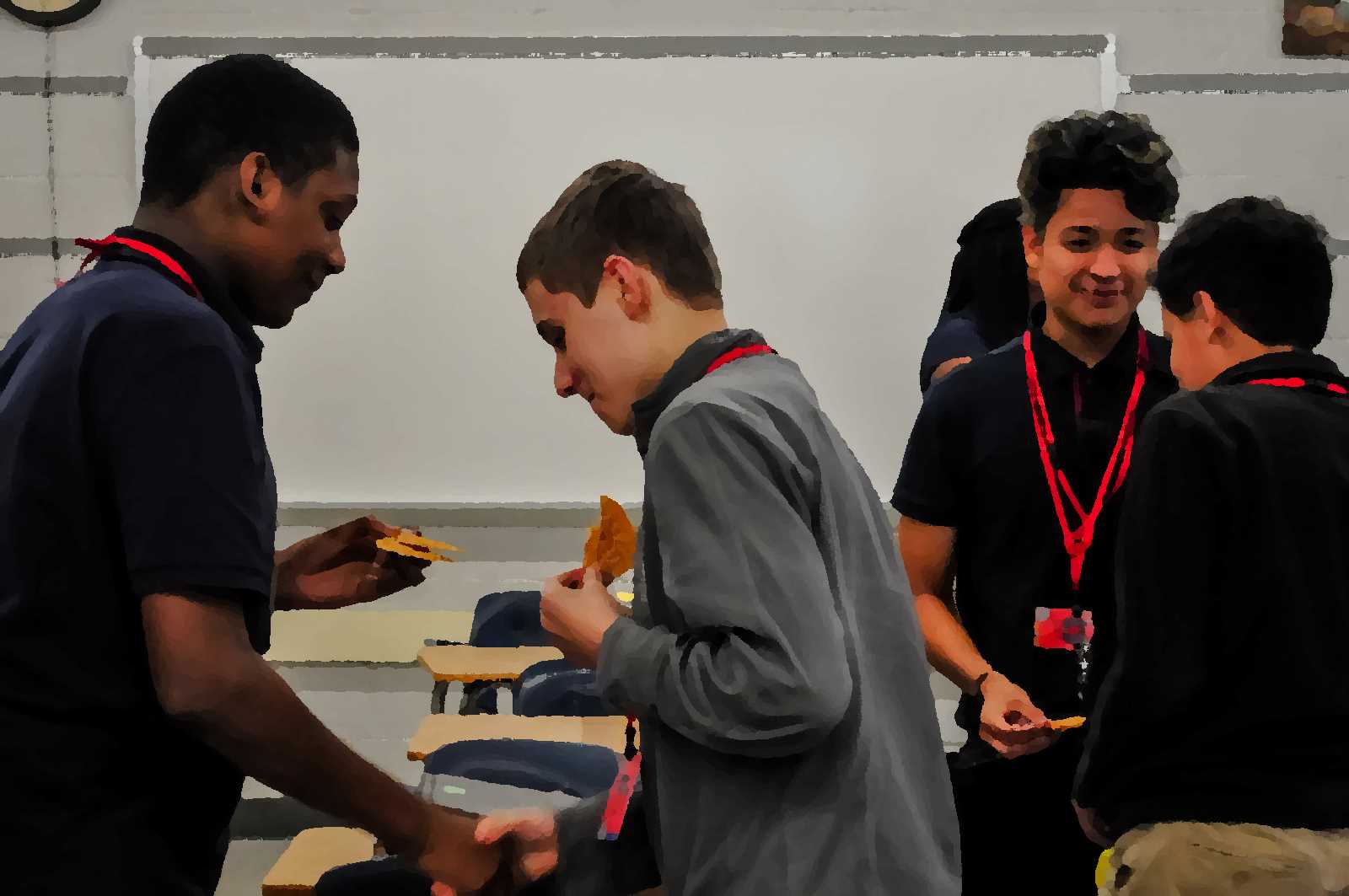
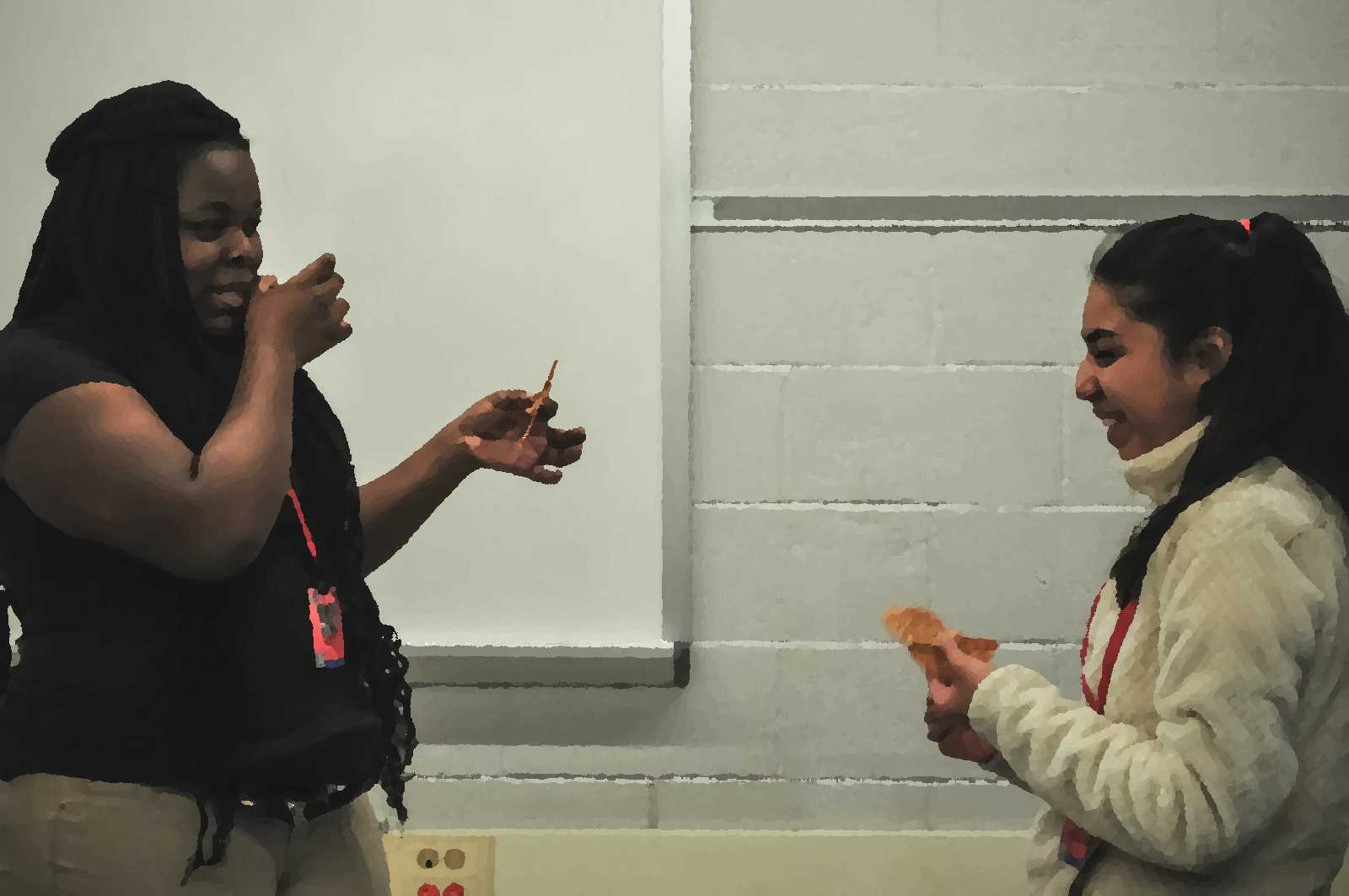
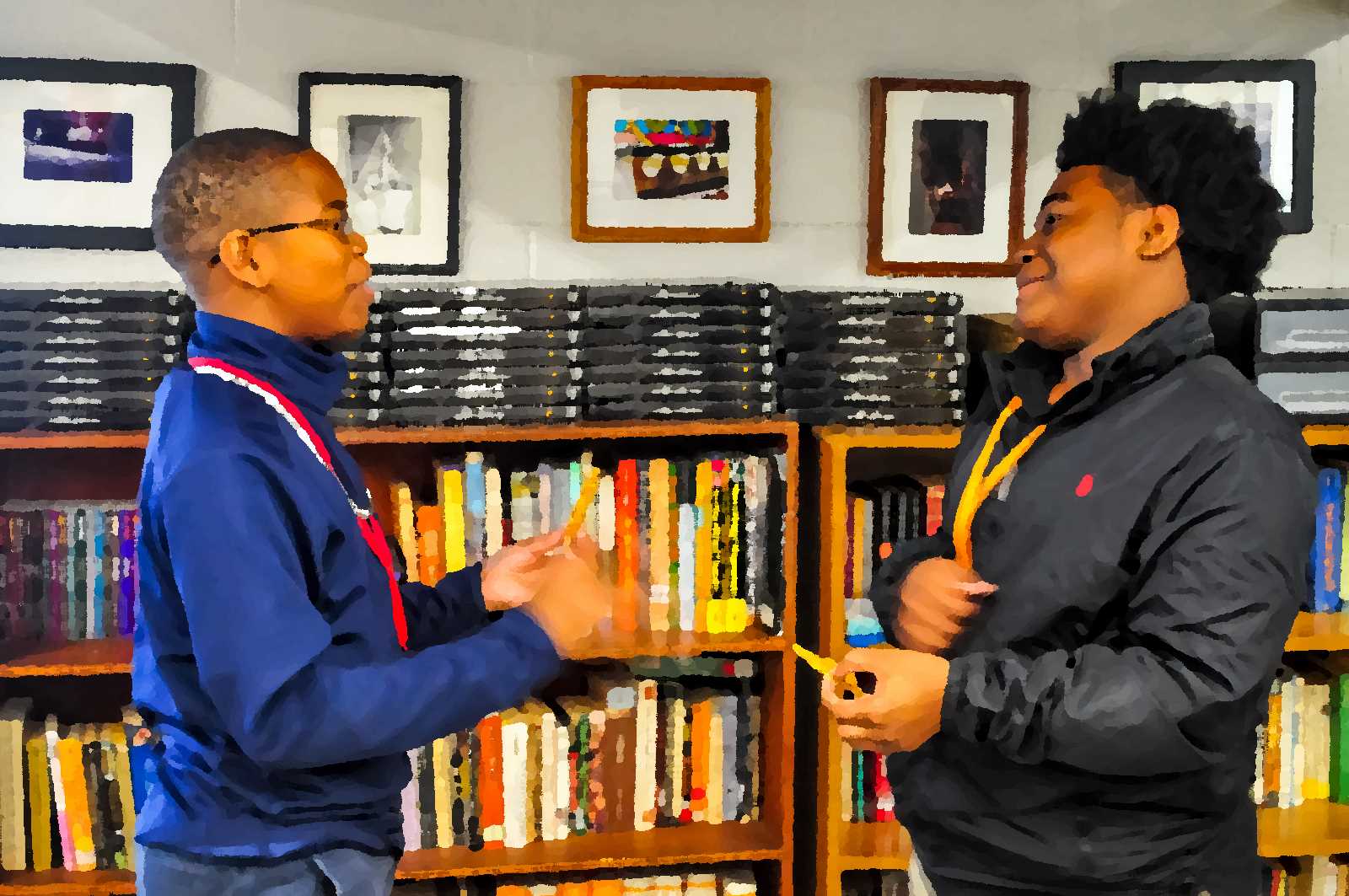
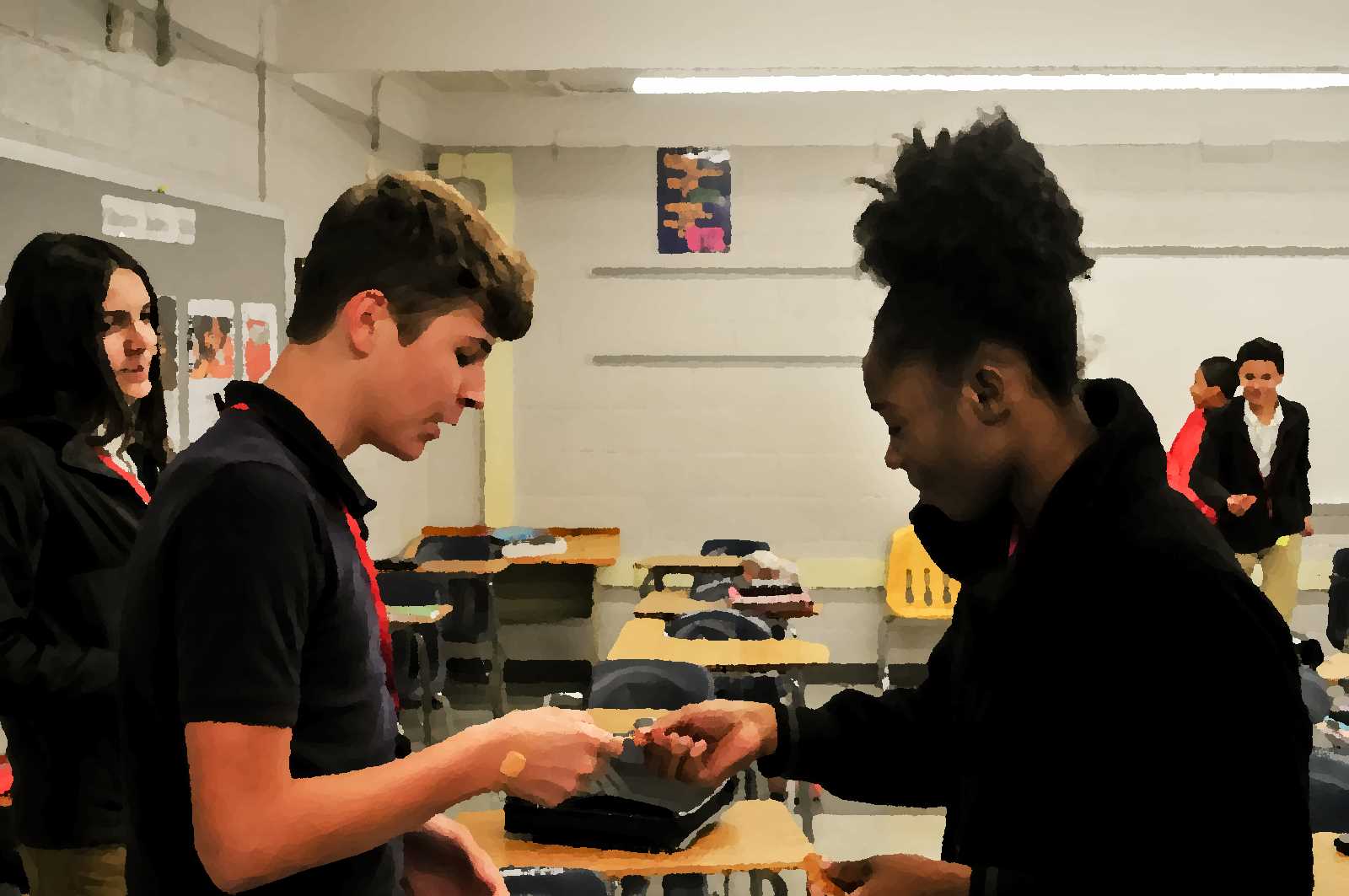
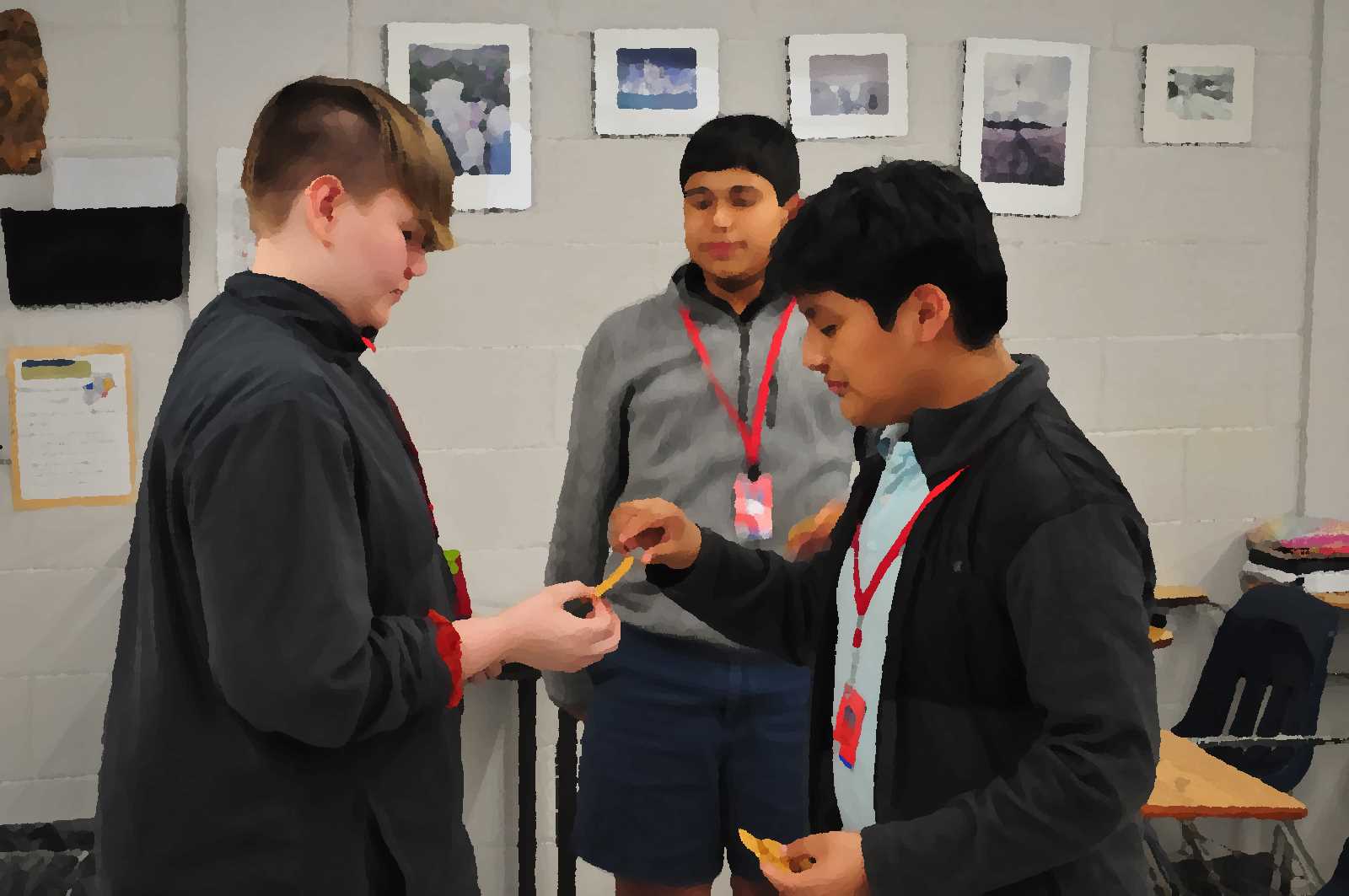
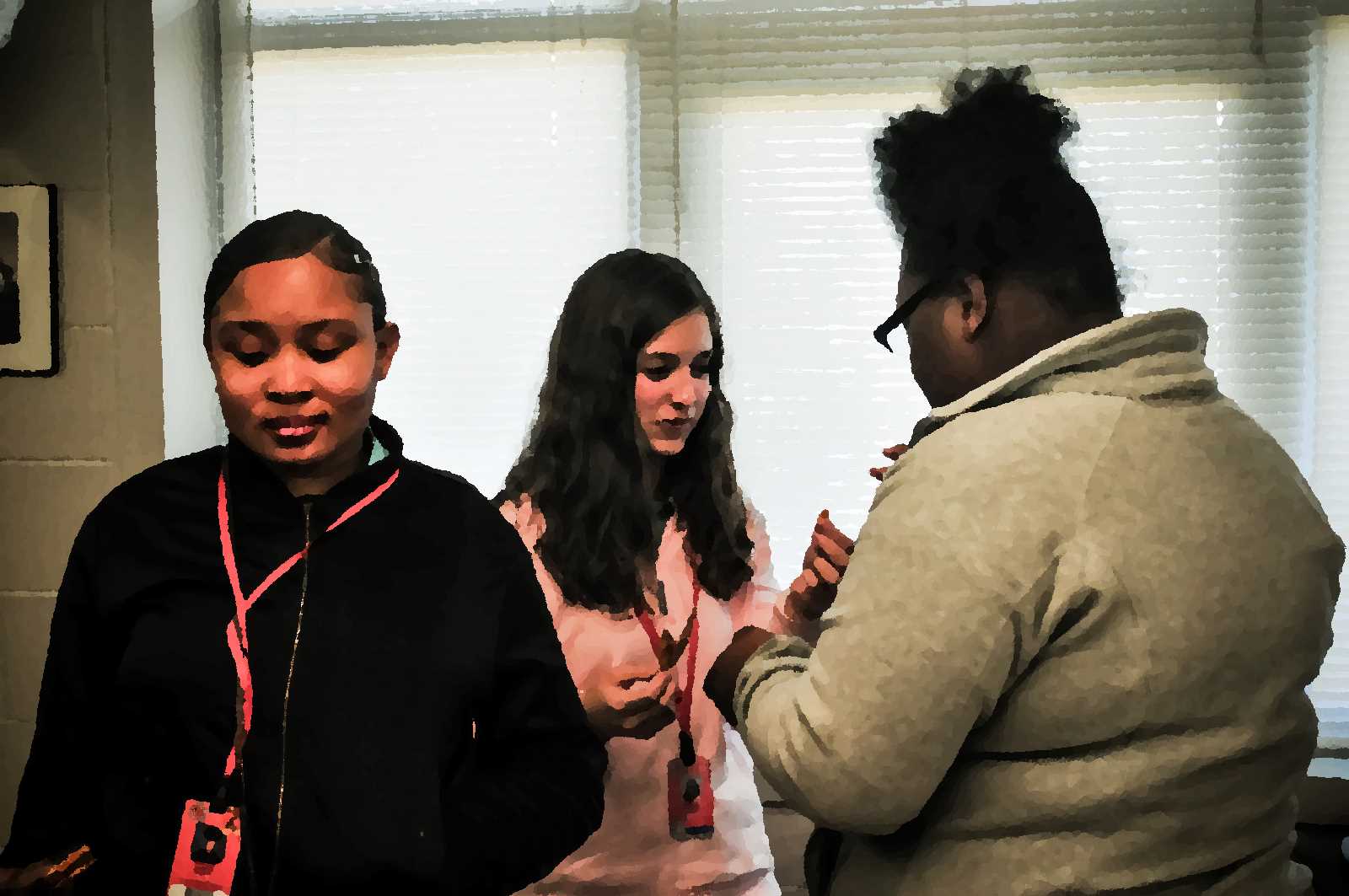
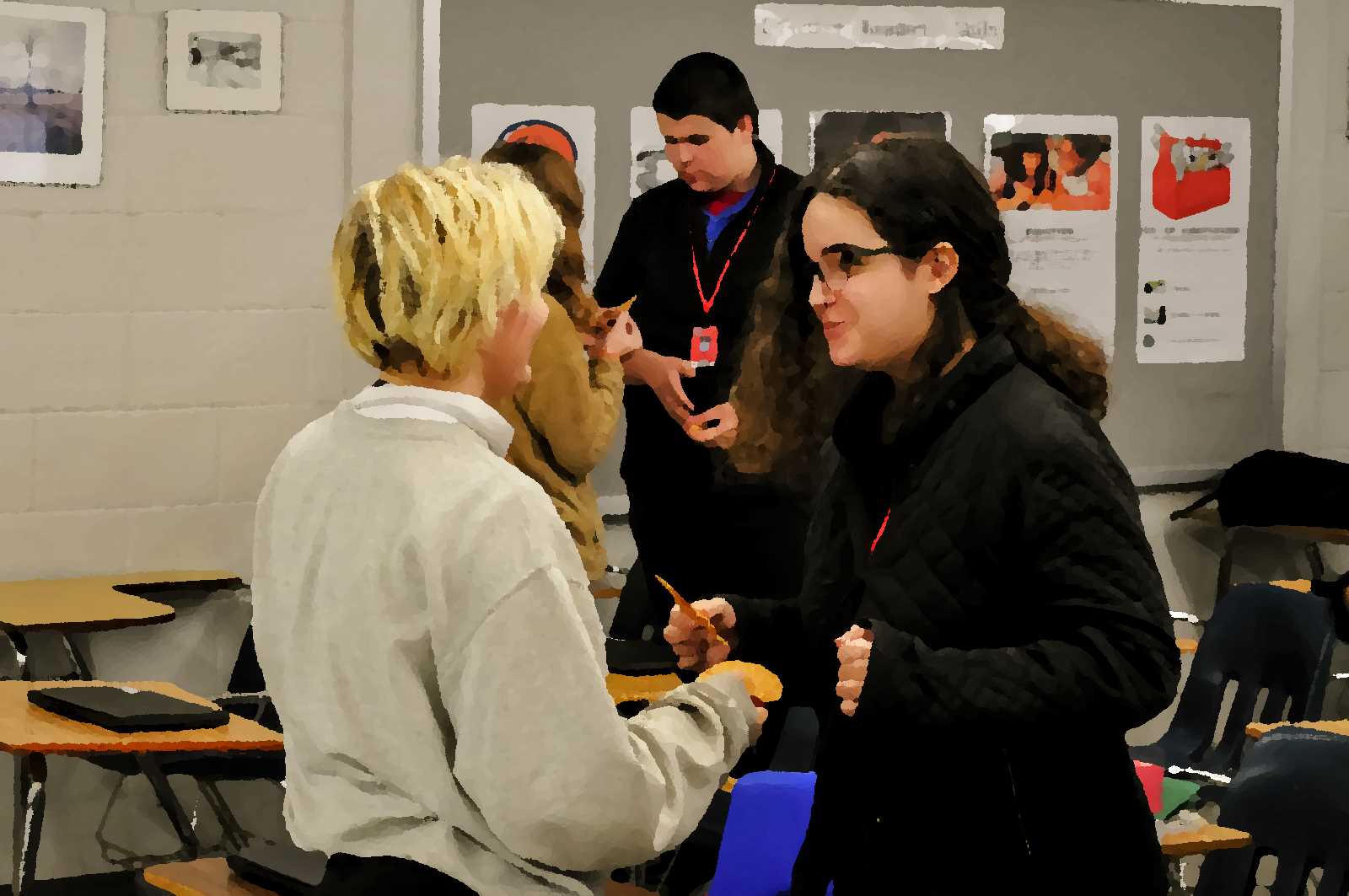
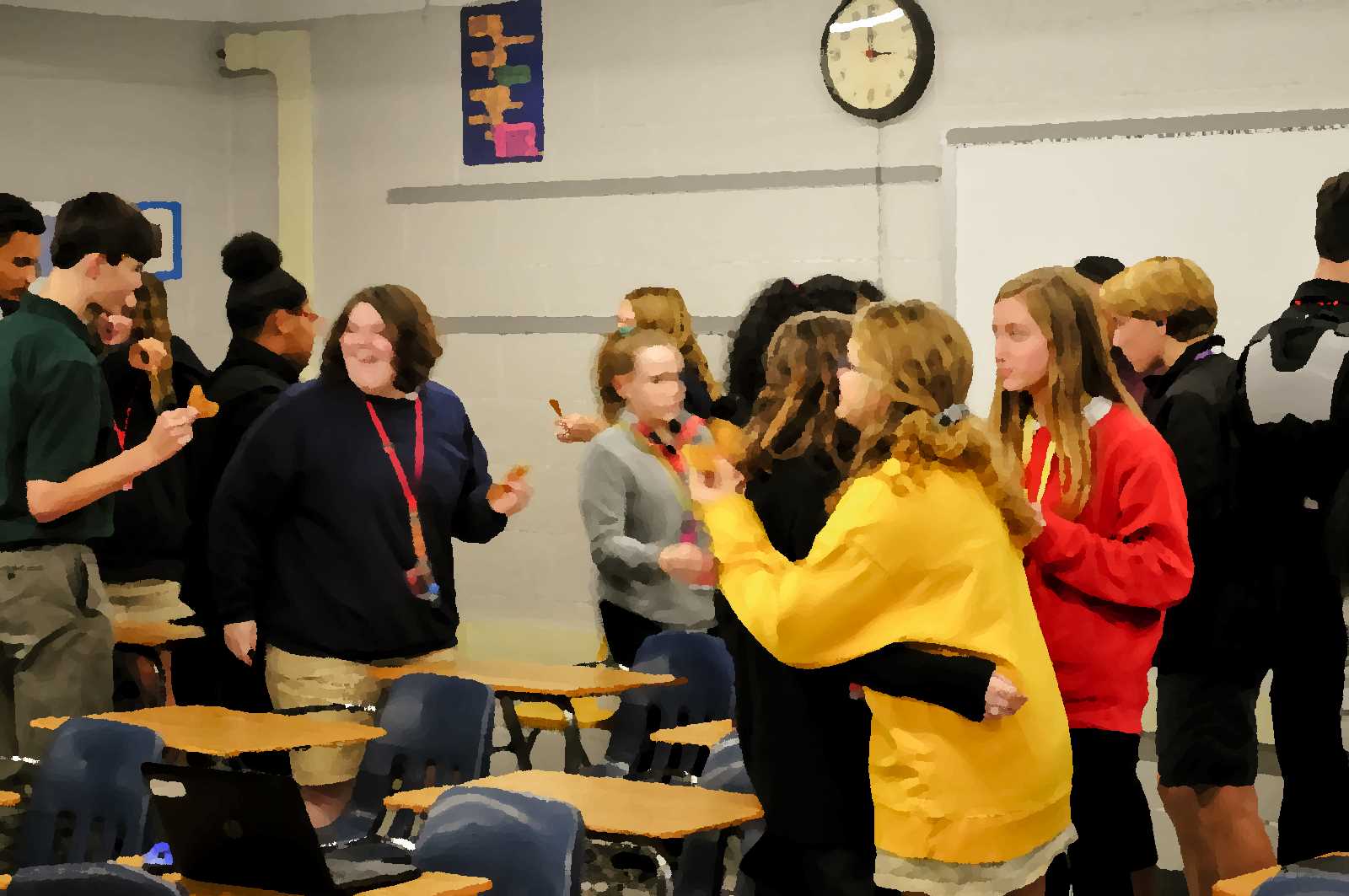
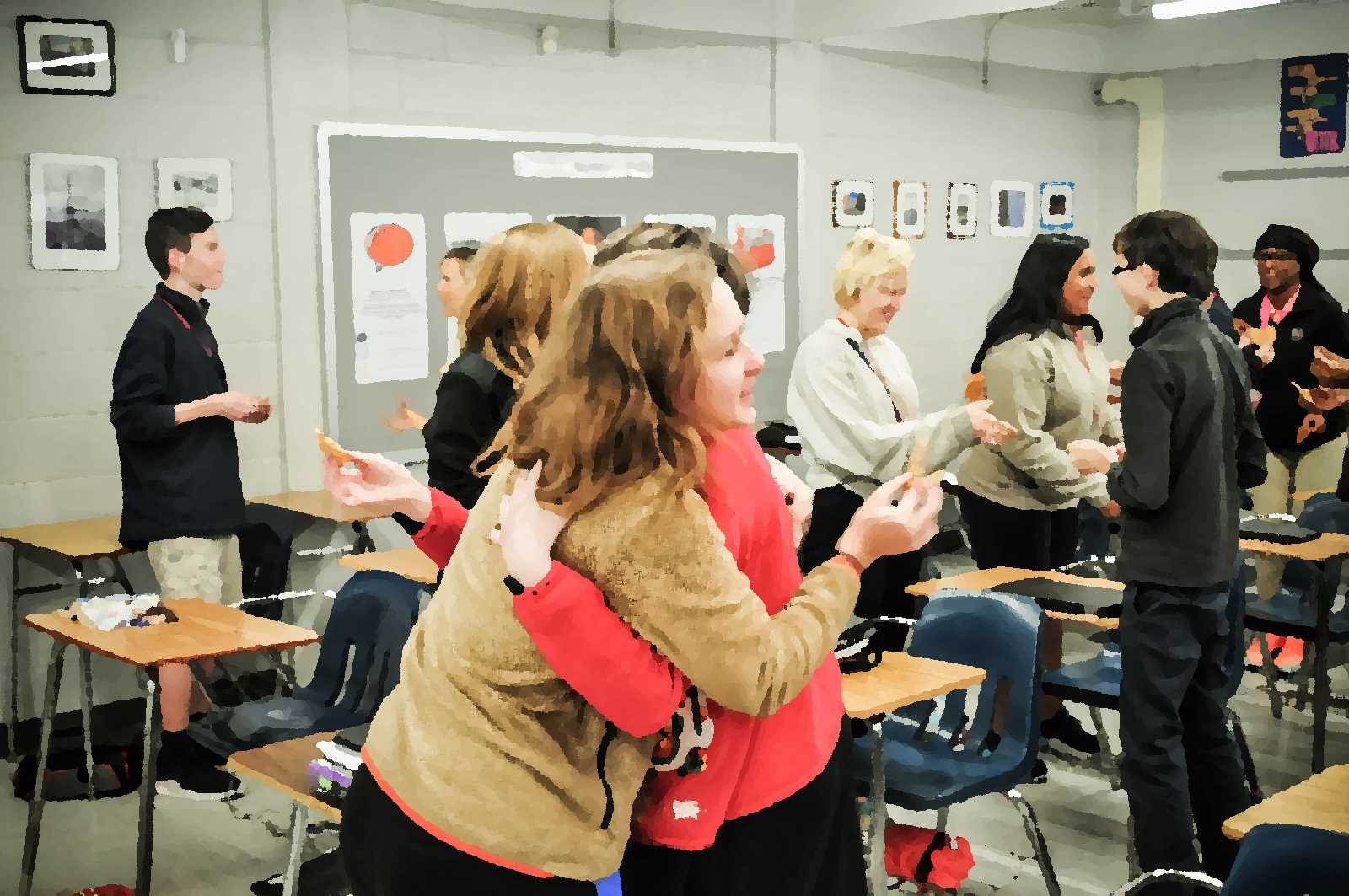
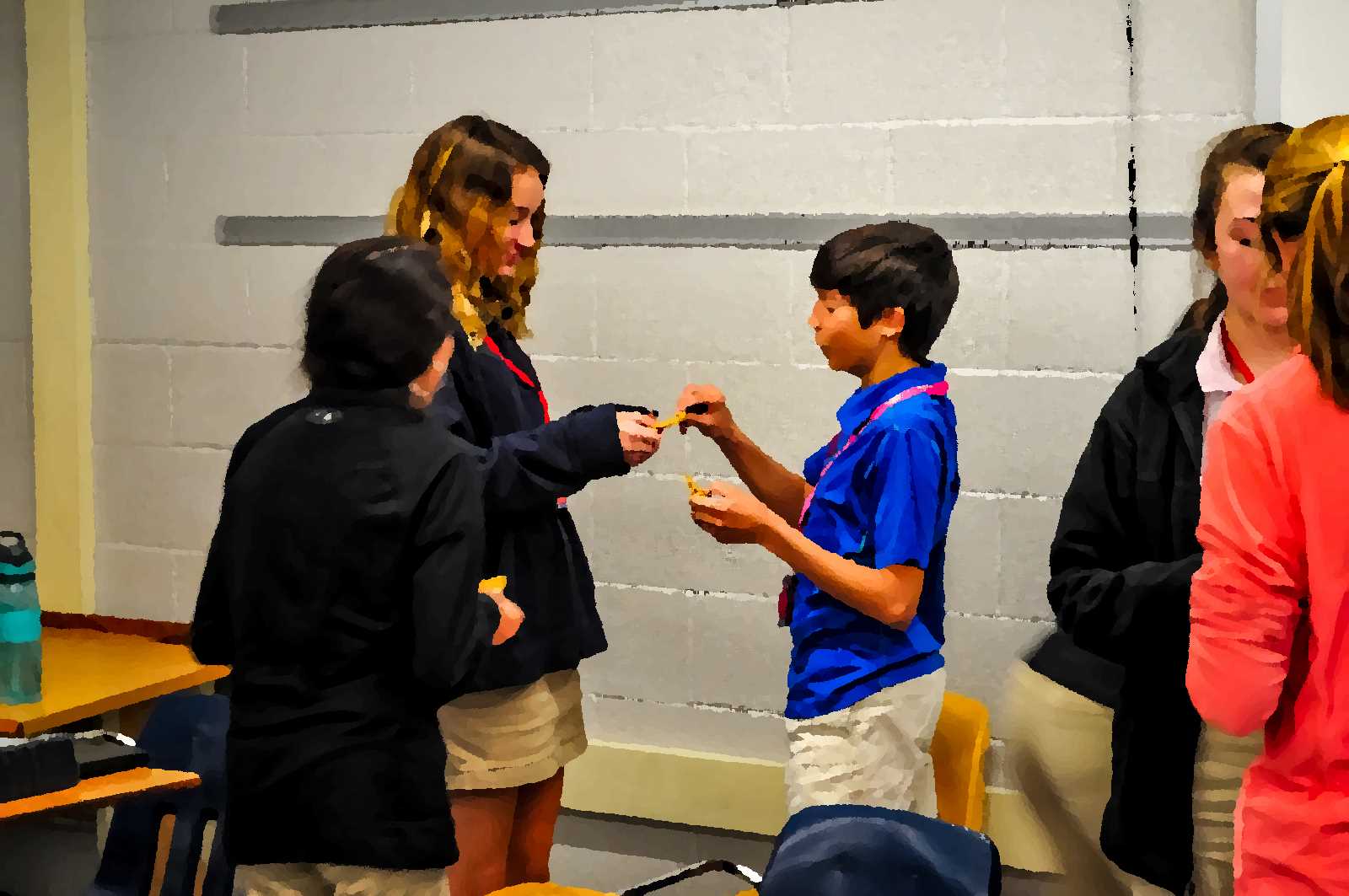
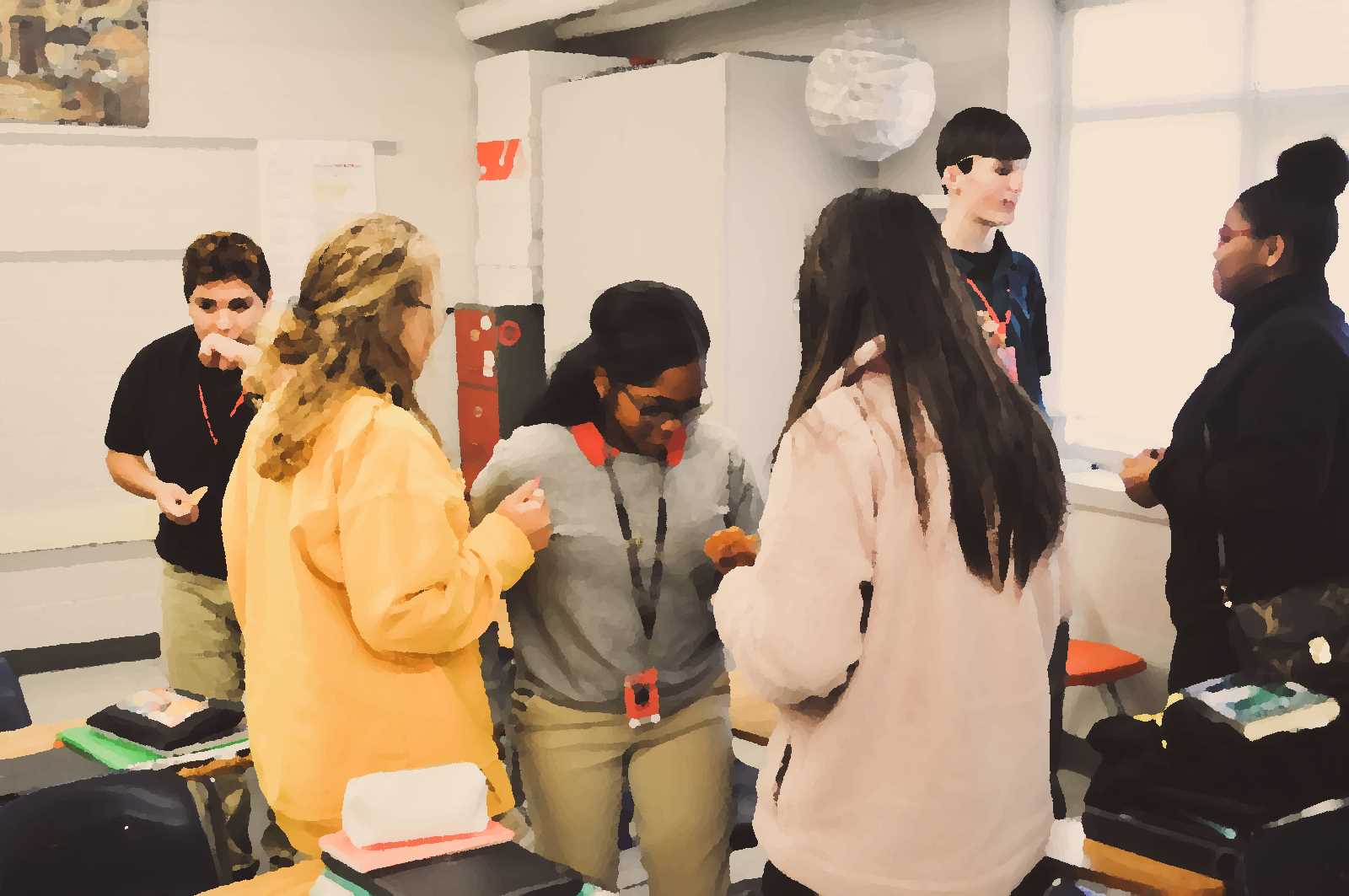
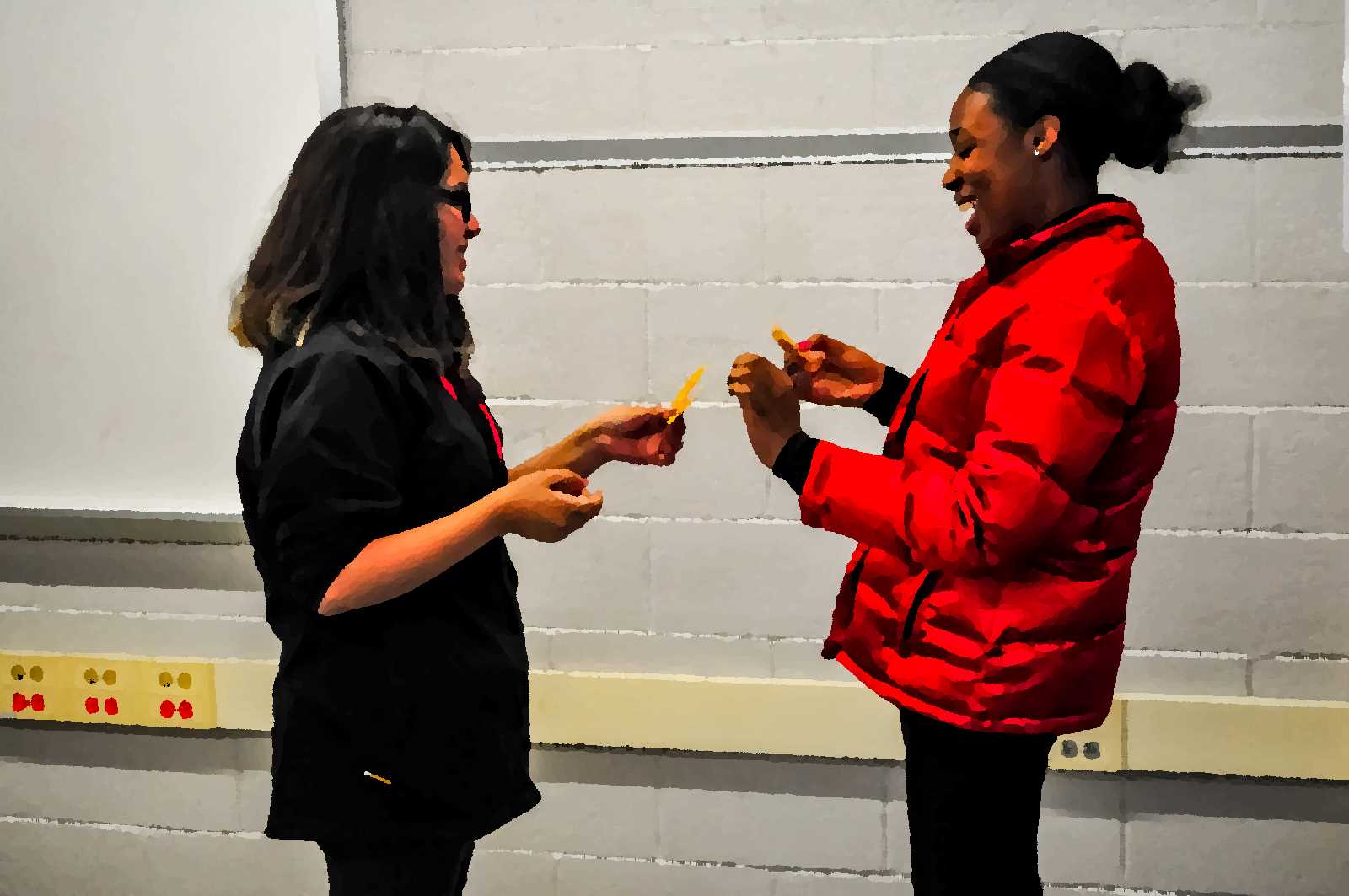
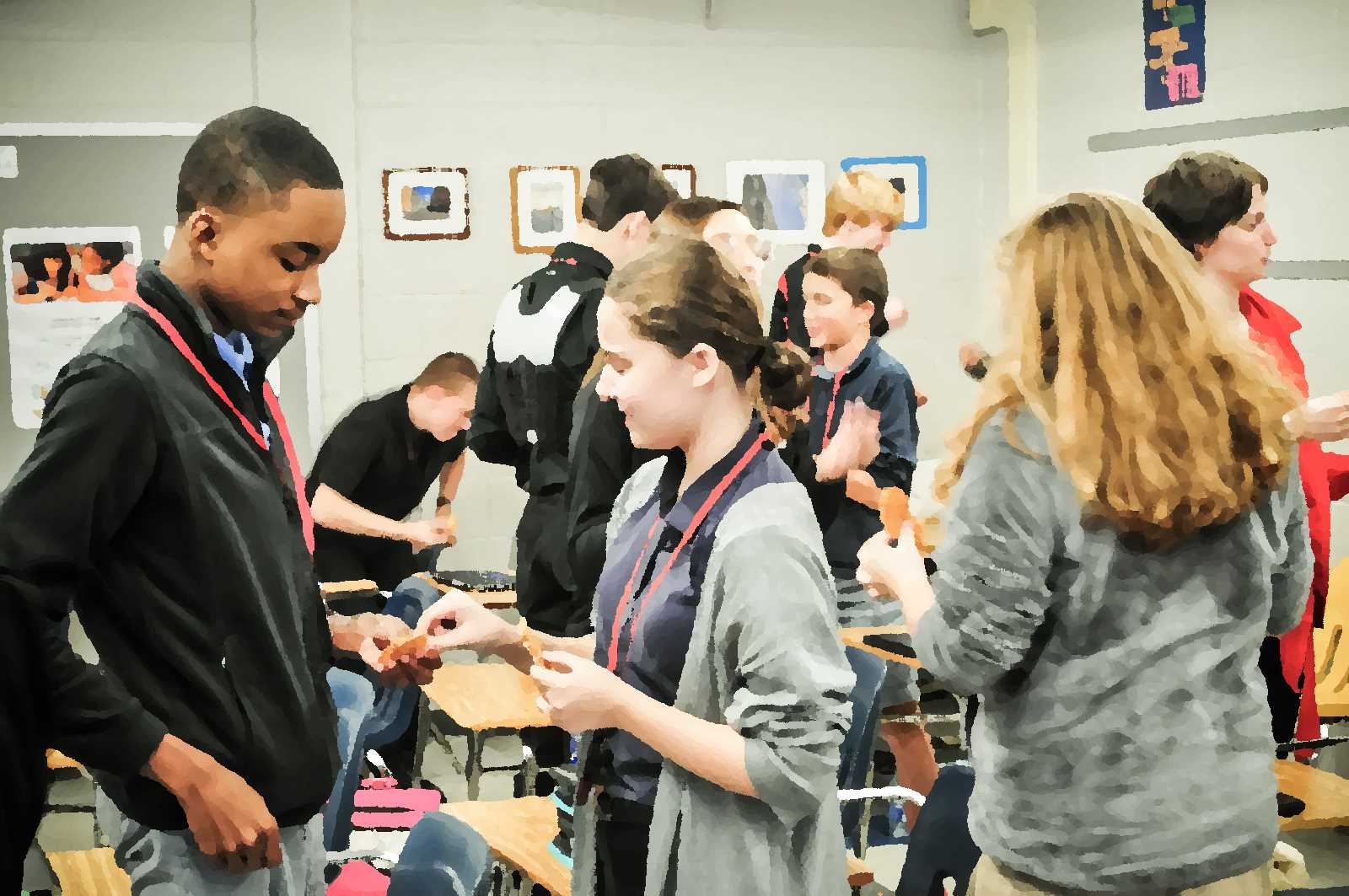
It's the fourth year I've shared the oplatek with students here in America, which means it's the eleventh time I've shared it with students in my life. The first year we did it, I found it to be so magical that I was sure that it couldn't ever be so perfect. The kids enjoyed it more than I remember seeing thirteen-year-olds enjoy something proposed by an adult: I expecting at least some reluctance, some groans, some pushback.

Every year since then, it's been the same, though. I show them images of Wigilia in Poland, explain the sharing of the Christmas wafer, and suggest that it might be enjoyable to do it here. Some heads shake doubtfully. Most just look at me suspiciously, perhaps a little expectantly.

This year, though, I tried something new: I suggested to my journalism students, whom I teach in the final period and most of whom I've had earlier in the day for English I Honors, if they wanted to do it again. "After all," I said, "there are several in the room here who didn't do it earlier." The enthusiasm was as clear as it had been earlier in the day.

A good day to be a teacher.

Previous Years

Opłatek

Oplatek

Wigilia 2015

The Card and the Project

The Boy loves Pokemon cards. We play sometimes, but I'm not sure he understands quite how to play because the way he taught me seems a little overly simplistic. But we still have fun.

For some time now he's been participating at the card trading table the teachers have set up for kids in after school. Every day he tells me about who wanted to trade what with whom, and sometimes he's frustrated because someone didn't want to make a given trade with him and other times he's upset because he didn't want to make a trade with someone -- rarely are all parties happy, I fear.

During all this trading, he's had a single-minded goal: to get some super-mega-ultra card with some ungodly number of damage points and virtual immortality. At least that what it sounds like in all his almost-hyperventilating hyperbolic descriptions.

Today, he finally managed to make that trade.

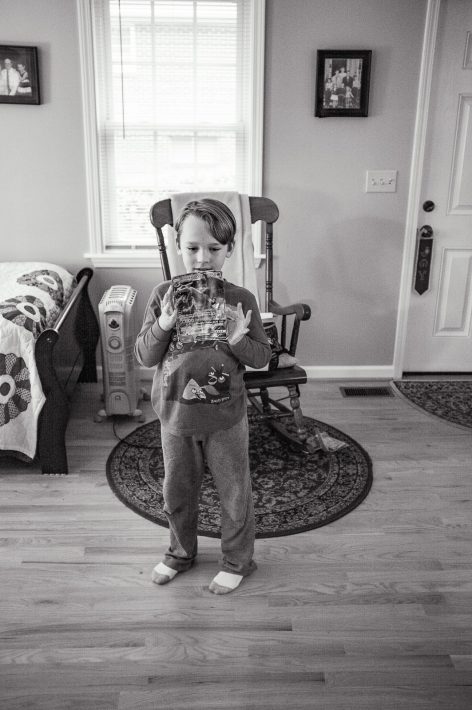
In Papa's room with his new treasure

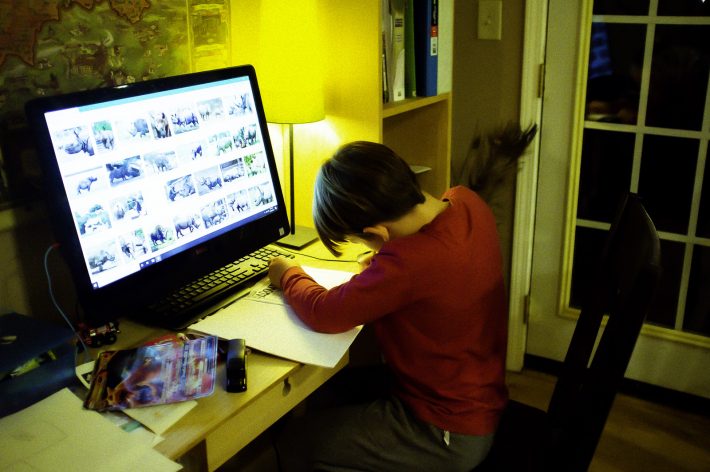
In the evening he had to work on a project that we somehow didn't realize was a project and got swallowed up in the chaos that is our family life. He got another copy of the project and began working on it tonight.

As a teacher, I always view these things a little differently than K. I find myself sometimes judging work, thinking, "How useful is this really?" And other times I find myself thinking, "That's a great idea. I'd use that if I were an elementary school teacher." (God forbid!)

I also find myself a little less worried about our children's grades. "This might drop your grade significantly!" K fussed at the Boy this weekend when we realized what had happened. My response: "Yes, and?" Grades in elementary school are not something I worry too much about. More importantly: did we make sure the Boy learned some kind of lesson about communication and organization with this adventure? Did we learn anything?

Overheard

Student 1: “Scylla and Charybdis — aren’t those names of Sirens?”

Student 2: “No, no — that’s the six-headed monster and the garbage disposal.”

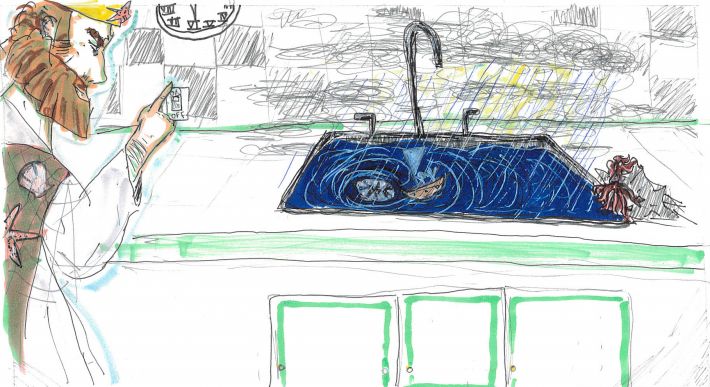
At my request, Student 2 later illustrated her summary of that portion of the Odyssey.

Library Day

Saturday in the Yard

I spent an hour this morning preparing for next week's lessons, and though I'd already readied an article for next week's Article of the Week, I ditched those plans when checking the news, I realized what today was: the thirtieth anniversary of the breach of the Berlin Wall. The fall? Well, I guess so -- once it was breached, the Wall was no more a wall.

I watched those reports on CBS Evening News realizing the momentousness of the event though perhaps not its personal significance.

I say "perhaps" and not "certainly" because it's a question: would I have met K had the Berlin Wall not come down? Communist control in Poland at that point were already teetering. Solidarność's revolution, with Wałęsa at the visible helm, had already gained traction -- almost a decade earlier -- and gone underground again only to reemerge to take all available seats in the sejm just a few months prior to this significant day 30 years ago. Perhaps Germany could have remained divided while Poland transformed, but all those regimes were like so many dominoes or a Jenga pile: once one went, they all went. So I might have gone to Poland; I might have met K; but there are no guarantees, certainly.

From that spins out a series of eventualities that are far from certainties.

Had all that happened, it's hard to see that I would live in Greenville now, that I, after having planned and prepared for a week of lessons at a local middle school, would spend a late Saturday morning trimming hedges, pulling the remains of flowers, and mowing.

Where I would be, what my life would look like -- it's impossible to say. But it strikes me as odd that events halfway around the world helped set a trajectory that ended with me pulling purple hearts from the flowerbed as K took the Boy to rehearsal for the Polish community's annual Christmas pageant.

I prepared the Article of the Week assignment and decided that instead of the usual multiple-choice questions about bias and central idea -- all designed to prepare students for the standardized testing that will consume the final weeks of school -- I would ask them a simple self-reflection question: "What will be the Fall-of-the-Berlin-Wall event of your adolescence? What world event do you think could happen that would change the course of history permanently for the better?" And unlike all those silly questions that I have check, I'll be eager to read their responses.

Looking for a Place

Everyone is looking for a place. I see it every day as a teacher of eighth-graders who try on different roles throughout the year and toy with various career goals as the months roll by. Today, we tried to help them a bit by providing a career day -- probably close to fifty professionals came in to talk to kids about what their jobs entail, what they require, how they're rewarding, how they're frustrating. A little bit of everything.

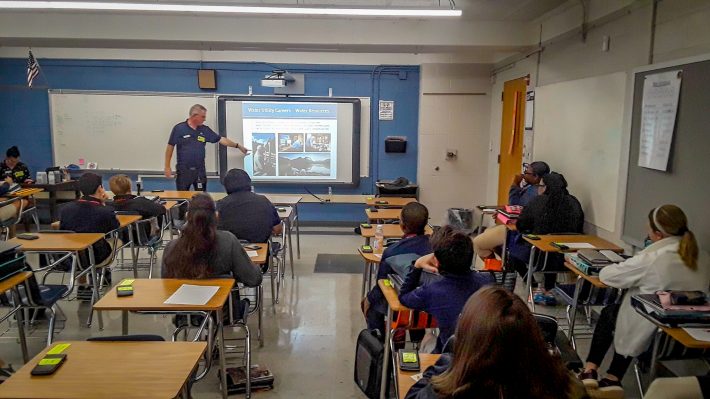
We guided our homeroom classes through three sessions, and my homeroom's second session was with a police detective. It quickly stopped being about potential jobs and transformed into a "... ever ... ?" session. Have you ever shot someone? (No, but I've pointed my gun at someone.) Do criminals ever leave notes like in movies? (No, but we've investigated some guy who was harassing females by leaving weird notes under their windshield wipers.) Have you ever been in a car chase? (Yes, but he was intoxicated and our top speed was 38 miles per hour.) Do you ever question people in those rooms with the windows that look like a mirror? (No, our interrogation room has cameras, and any officer in the building can watch the interrogation from his or her computer.) The vet and waterworks specialist didn't get a third of the questions.

The Girl is looking for her own place as well, specifically a place to improve her volleyball skills in the off-season. We as parents thought this would be fairly simple; we thought she'd get into any club she tried out for. After all, she played for her school, which went undefeated and won the final championship tournament. She'll have her pick. So why waste time trying out for more than one? We never thought about the obvious: clubs that have their regulars will choose their regulars over newcomers. And so this afternoon, I got an email:

Thank you for attending tryouts for X's 2019-20 club season. We had a record number of players trying out this year, so unfortunately we were not able to place everyone on a team. We are sorry to say that your daughter has not been selected for a X team.

I sent it to K. She texted back the obvious: "She'll be devastated." And she was. And we felt like terrible parents because we didn't do the research, didn't do the thinking. "And now all the other teams have finished tryouts -- what are we going to do?"

I was angry because I thought, "If she doesn't have the requisite skills, how is she going to get them if you don't let her on your freaking team?!"

It turned out, though, that two teams had make-up tryouts. One was at six this evening. We learned this at 5:05. So off we went.

The club owner said at the end that every girl will get some kind of offer: "If your daughter wants to play volleyball, wants to learn volleyball, we want to help." Already, I liked the team.

Tuesday

Today’s the last day of the first quarter. It’s been the same as every year: I feel like the first quarter is dragging and suddenly, we have a couple of weeks left. Once that feeling of the year speeding by settles in, I feel like the year goes by in a blink. We’re in that period of work-break-work-break that always makes the first semester seem shorter than the second. In a few days, we have two days for fall break. Then we have three weeks before Thanksgiving. That’s followed by another three weeks before Christmas. And then a few more breaks in January and February before everything dries up and we’re all dying for any kind of break at all. March and April seem endless. And it’s just October and I’m already thinking about the end of the year...

That means the Girl's birthday is approaching -- officially a teenager, with all the joys and challenges (i.e., challenges to authority) that entails. And all the changes in relationships that entails -- the pulling away that I know is coming, is already manifesting itself, that I worry is something I'm doing wrong while simultaneously reassuring myself that it's normal behavior for this age, that I acted like that at this age, that my parents and I survived it as will the Girl, K, and I (and E -- don't forget about the effect it has on him) will live through it.

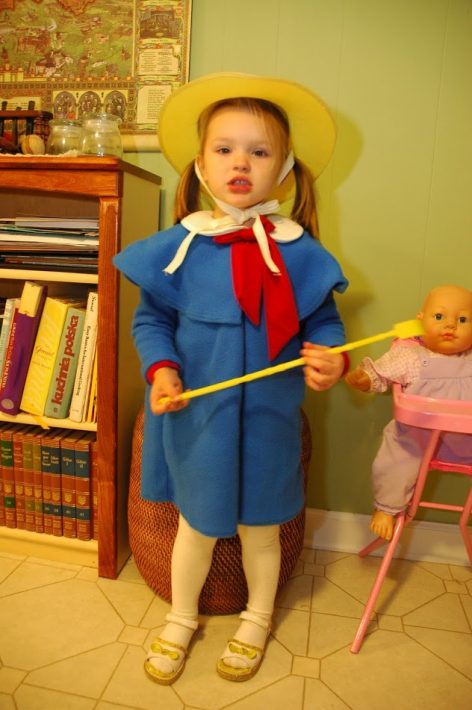
Still, I find myself thinking, "How can it be ten years ago that she looked like this? It just feels like a couple..."

Big Brother

We got access today to some new software intended to help us rein in students’ abuse of Chromebooks. Basically, it enables all teachers to become Big Brother to students: we can see every single thing they do, block sites, shut down tabs, lock computers — the whole deal short of turning off the computer remotely. Since it’s based on time of day and rosters, I see the activity of students in, say, my fifth-period class whether or not they’re in the room: if they’re on the computer, I see it.

So when I saw one of my students who was serving in-school suspension on YouTube, I closed the tab. When he started searching for Louis Vuitton shoes, I closed that down.

When he started searching for it again, I locked his computer with the message, “You won’t be able to afford those shoes if you don’t have a good job. You’ll have difficulty getting a good job if you don’t get a good education.” After a few minutes, I unlocked his computer, and he went back to luxury shoe searches. I locked it again, leaving it locked until the end of the session.

Another student who was in the room with him was talking about how this kid’s computer kept getting locked up. “He was so mad,” this kid told his friend.

If this were a kid who normally did his work, I probably would have just ignored it. If I hadn’t just gotten access to the software (and the class hadn’t been taking a test), I probably wouldn’t have noticed it as I wouldn’t have been on the computer and wouldn’t have had the program open. Then again, if he hadn’t been in ISS, he would have been in my room, taking the test.

If, if, if…

The Swan

Written in seventh period.

A just made my day — “The Swan!” she cried, recognizing the music playing. Everyone around her looked at her as if she were crazy. “The Swan! Camille Saint-Saëns!” Still, everyone looked at her as if she were speaking a foreign language, which in a way, she was. How many eighth graders in 2019 even know who Camille Saint-Saëns is, let alone could recognize his work.

I find that, like poetry, classical music requires too much thinking for the modern ear. Motifs appear and then don’t reappear for many measures. Motifs are so long sometimes that it’s difficult to determine that they’re even part of a repeating pattern. The modern attention span is just not long enough to handle it.