matching tracksuits

fun in threes, sometimes fours

education and teaching

The Poster and the Fall

The Poster

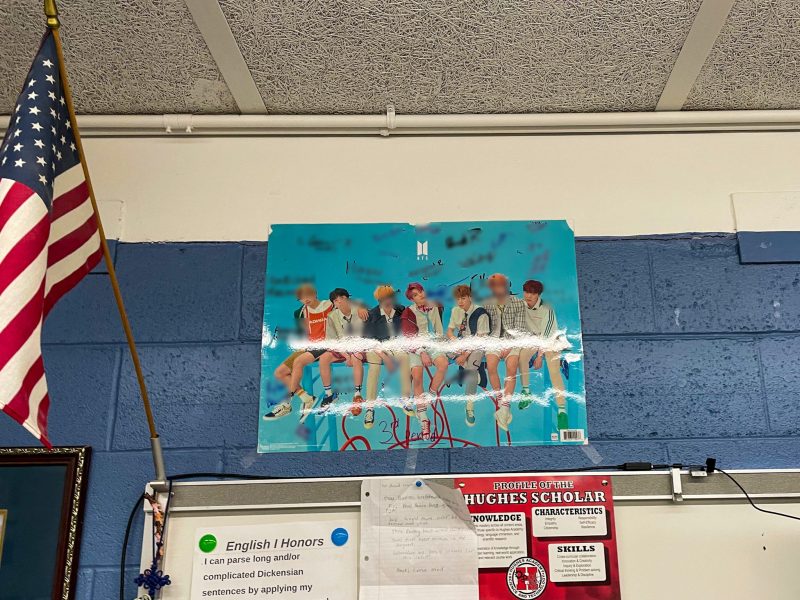
I was out Friday so I could run all the errands and such K would normally run so she could try to rest some and get well. The kids at school took to heart the cliche about cats being away, but they did so in such a way as exceptionally clever kids with good senses of humor would do:

While at the book fair, they bought me a poster of a Korean boyband and hung it in my room. When I came back Friday, I asked them who was responsible. They admitted it with giggles immediately. “I’ll keep it up under one condition,” I said. “You all have to sign it.”

I love the fact that

  1. they thought of doing this as a funny prank;
  2. they were willing to spend the few dollars to pull it off;
  3. they knew me well enough and trusted me enough to know how I’d take it;
  4. they liked me enough to be so silly.

It’s a silly, silly gesture, but a touching one nonetheless.

The Fall

In the evening, when K, E, and I were walking to CVS to pick up a prescription (and L was at sand volleyball practice), it appeared that the Boy had had a bike wreck. He was some distance away, so it wasn’t really clear what was going on. But the bike was clearly down, and there was little to no movement.

I began jogging down the hill toward him. I wasn’t terribly worried because there were no sounds of wailing or pain. But there was no movement.

“I was just waiting for you guys,” he explained with complete nonchalance.

Cool Spring Thursday

We’re nearing the end-of-year testing that will measure students against a static, inflexible standard. Growth doesn’t matter as much as a set level of proficiency. It’s always been a frustration to me that the American education system fixates on proficiency instead of growth. If a student improves his reading level by three grades in one year but still is performing below the eighth-grade level, that is somehow counted as a failure when it’s anything but.

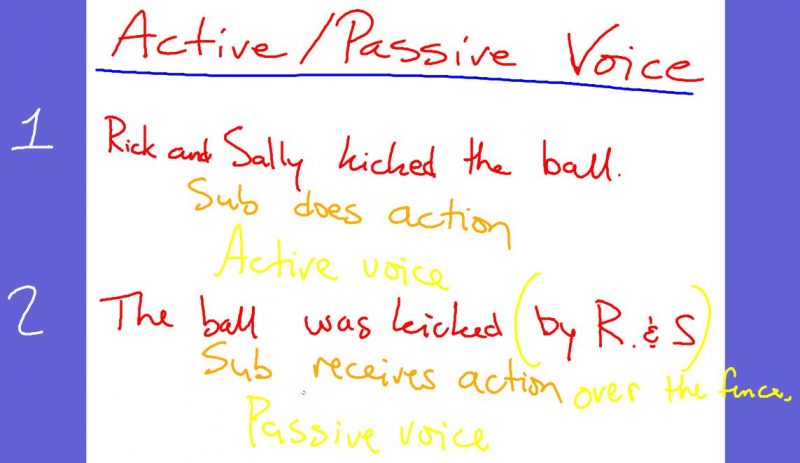
One of the hallmarks of the end of the year is the scramble we’re all making to cover last-minute items. For example, I’d neglected the active/passive distinction, so I’m hurriedly going over it with students, along with verb mood.

“Why are we learning this?” one might ask.

“Because it’s on the test,” is the tempting answer.

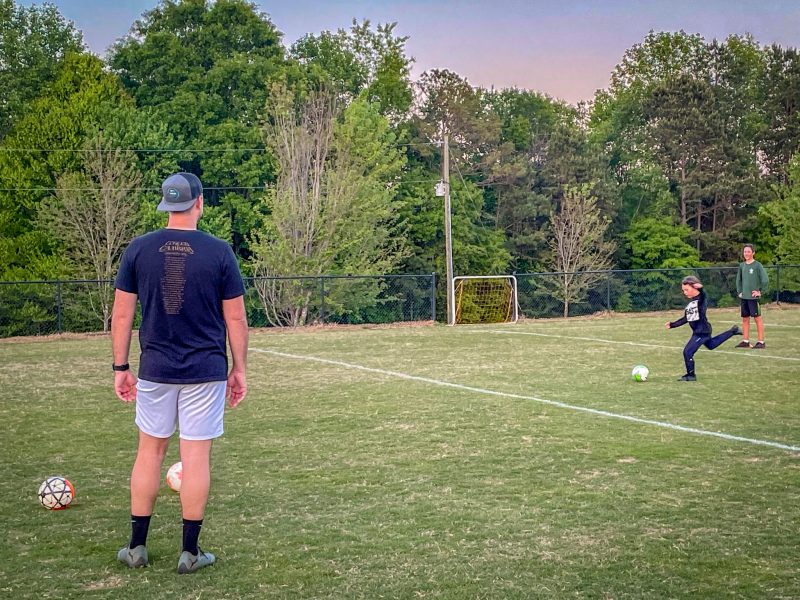
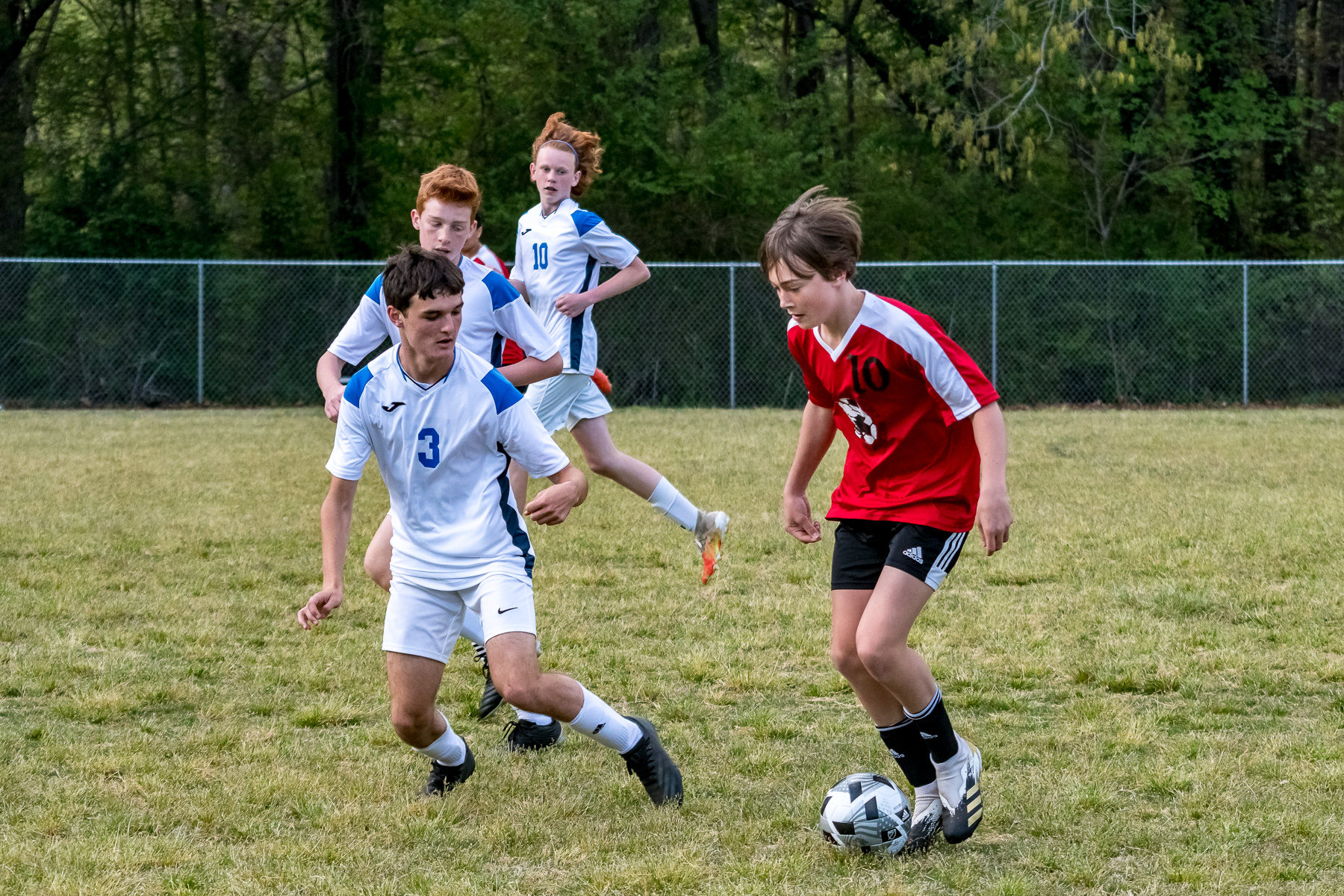
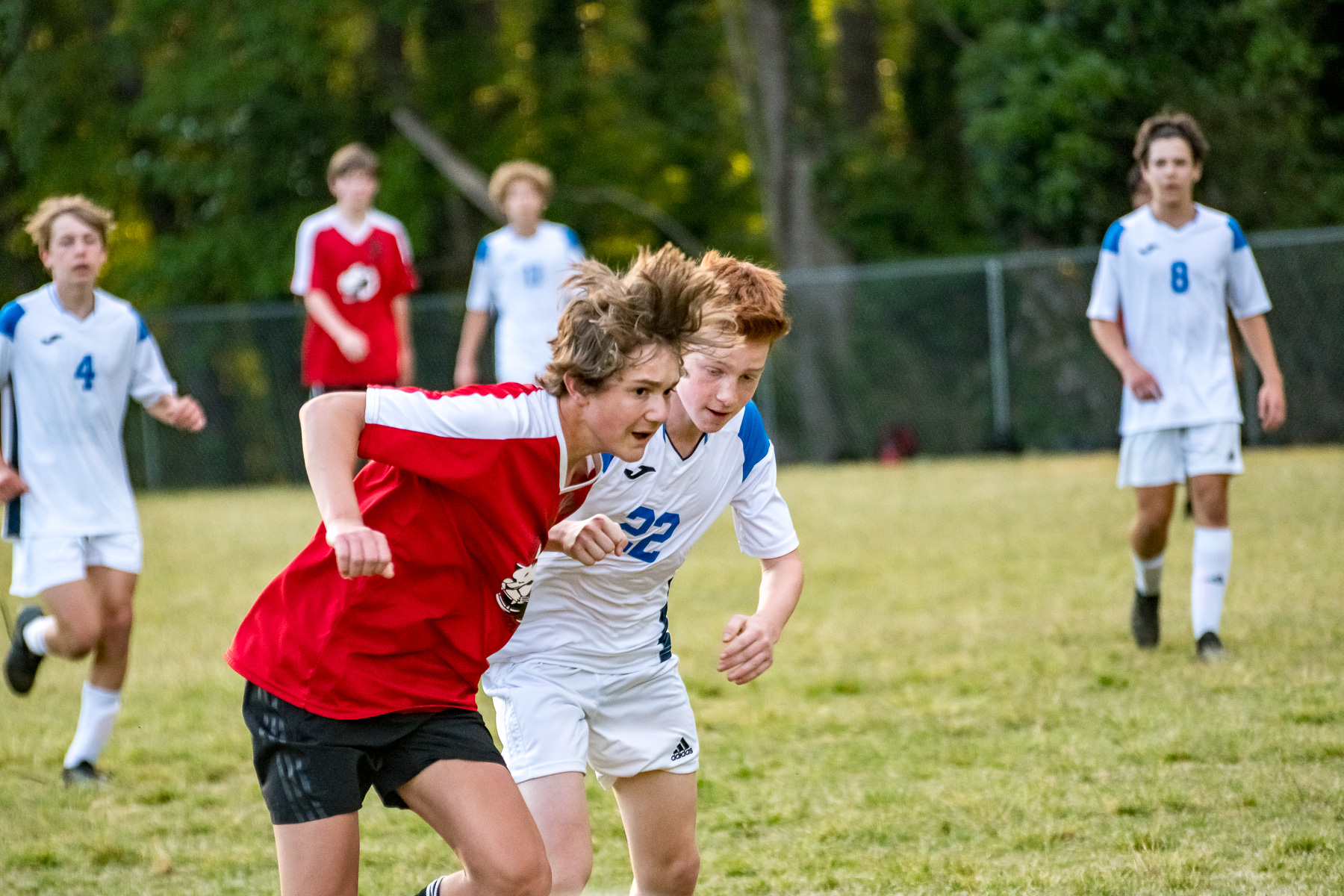
In the evening, soccer practice. E made the winning shot on a game the kids were playing and his teammates mob him. It’s a good way to end the day.

Spring Sports

The year is winding down. The kids and I are accustomed to each others' old habits, and I, at least, view them more-or-less surprise-free, known entities. I know what each of them is likely to do on a given assignment; I know how each of them is likely to act in a given engagement; I know how each of them is likely to respond to a given question.

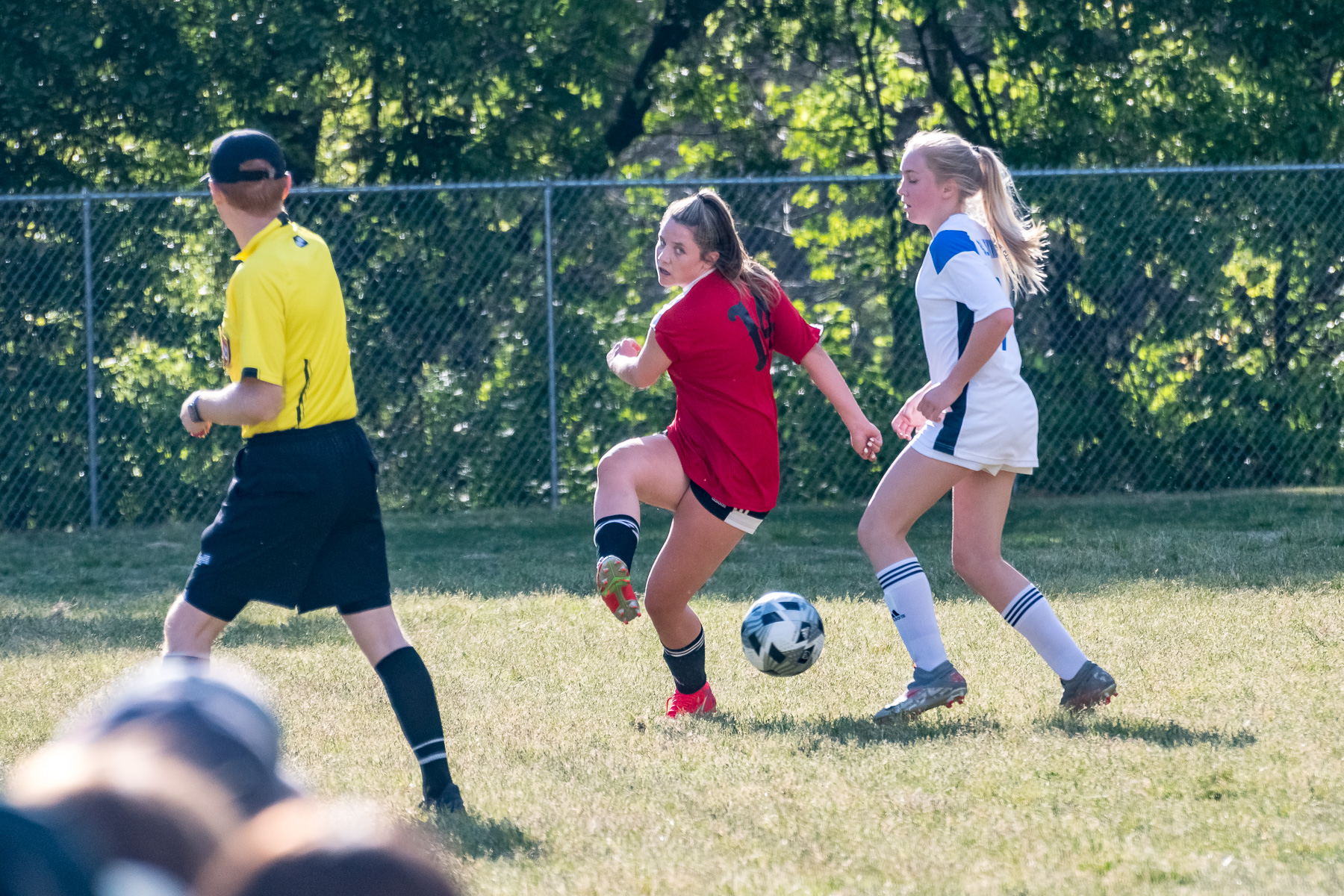
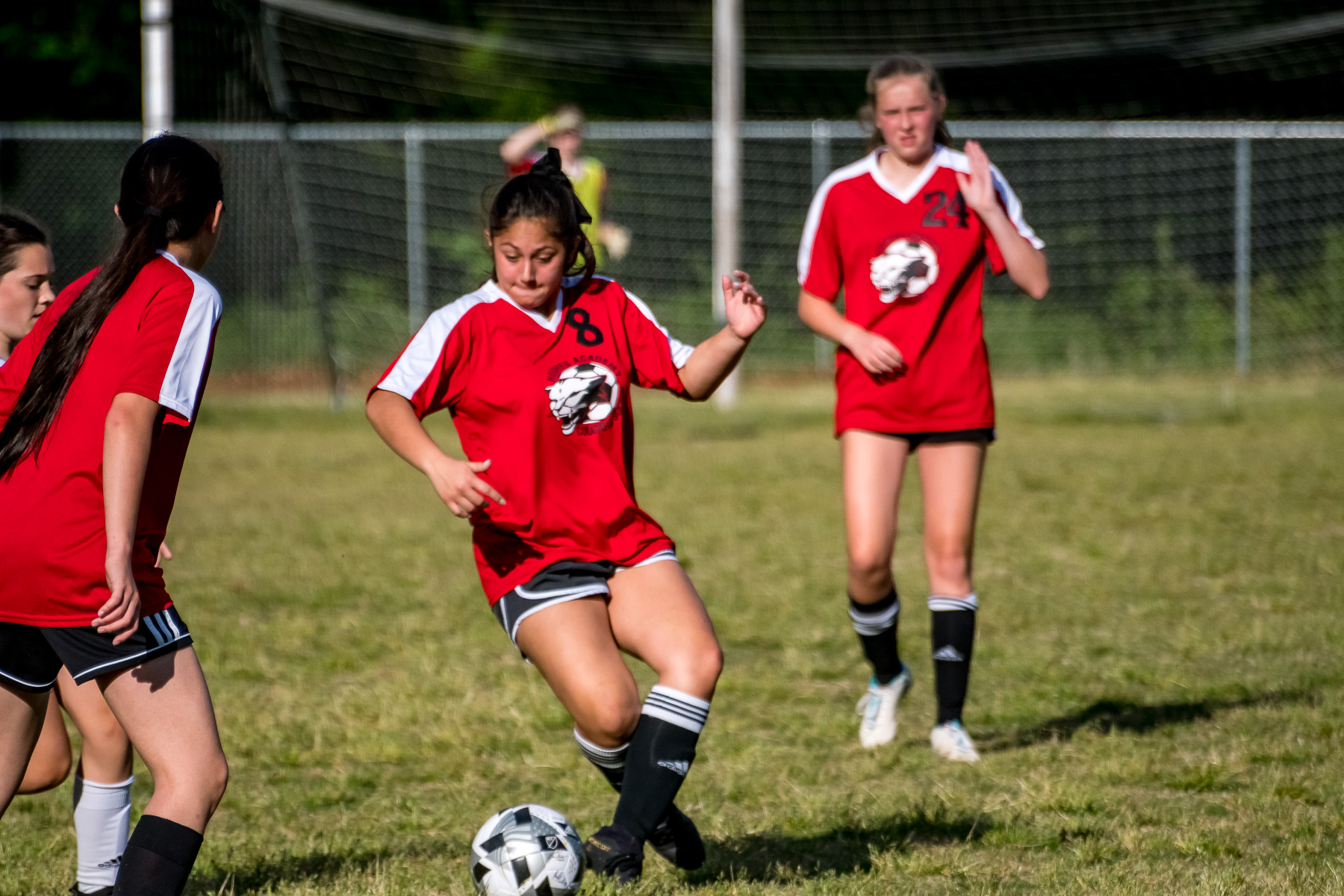
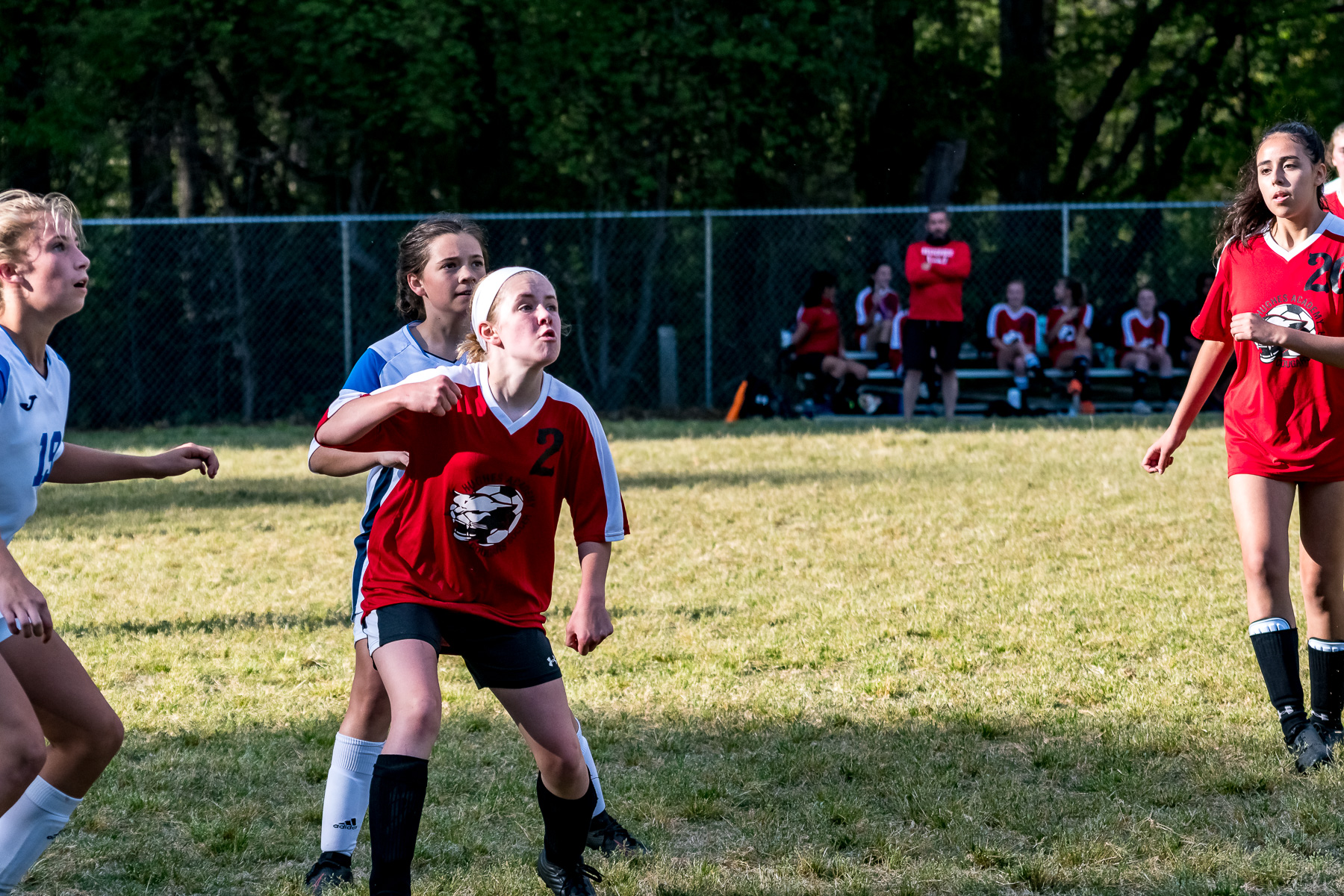
And then I see them playing sports, and every assumption I had about them goes out the window. The small, quiet, thoughtful girl erupts onto the field with an aggression that is unimaginable in her. The somewhat goofy boy plays with such a serious intensity that he's almost unrecognizable.

Mob Mentality

The kids wrote another TDA today. I’ll be giving them feedback over the next couple of weeks regarding this as we near the final, actual TDA portion of the state-mandated year-end testing.

Since it was a testing schedule, we only had a few minutes in each class. As they’d already been writing for two hours in the morning, students got a chance to relax a bit and watch 20 minutes or so of the film version of To Kill a Mockingbird. I let them choose from a few scenes:

  • Opening (Meeting Dill)
  • Shooting the Mad Dog
  • Sneaking a Peek at Boo
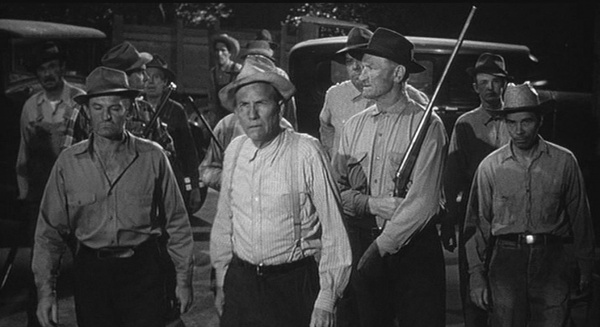
  • The Attempted Lynching
  • Bob Ewell’s Revenge
  • Meeting Boo

Most classes chose “The Attempted Lynching” and “Bob Ewell’s Revenge.” Every class was surprised about the number of men there trying to lynch Tom Robinson.
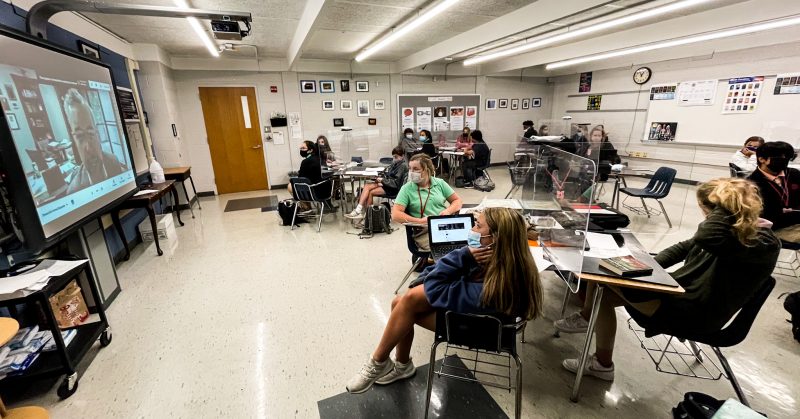
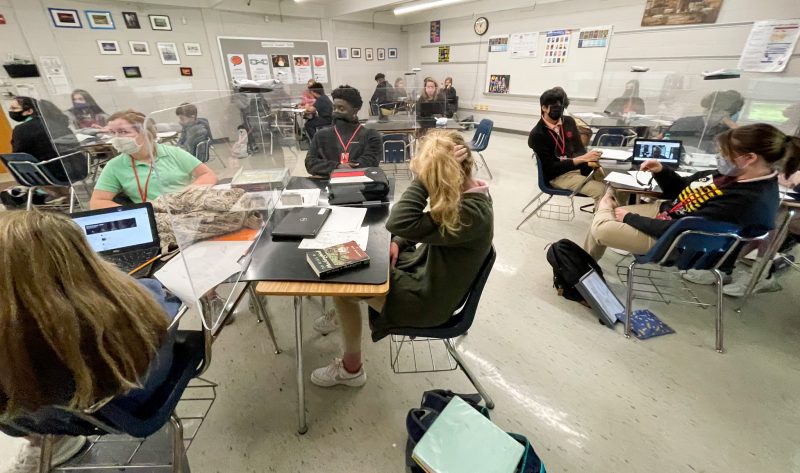
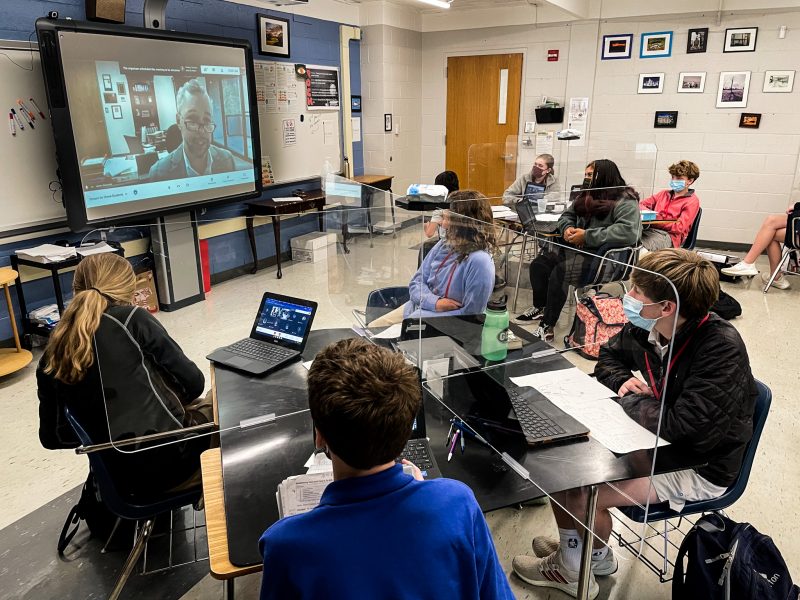
“I thought there were only four or five,” one student said, to which almost everyone else nodded in agreement.

We talked for a while about the effect being in a mob has on human behavior. They all suggested good reasons (not getting caught, getting pulled into the emotion of it all, the sheer force and power of numbers), but no one really thought of the anonymity that a mob provides and the way people tend use that anonymity to cloak their on complicity and to hide their own guilt.

We touched on recent events: “I’m not really doing anything. It’s the mob. I just walked into this open building.”

Consulting our Attorney

Today, students participated in what is always one of the highlights of the year: Mr. Jim Bannister of the Bannister, Wyatt & Stalvey law firm discusses with students the Tom Robinson trial from the perspective of a trained and experienced criminal defense lawyer who has experience representing individuals facing a wide variety of charges. He leads students through an examination of the case to see where Atticus could have done a better job.

Most students, after the presentation, have a new understanding of Atticus’s performance as a criminal defense lawyer.

A casual reading from a non-trained eye leaves the impression that Atticus did a fine job of representing Tom; after the session with Mr. Bannister, students see that Atticus, while he had a good heart and did the best he could, was more of a family law attorney (after all, Miss Maudie brags that Atticus can make a will that stands up to any legal challenge), he was certainly not a criminal lawyer. (Recall, too, that in the opening pages we read that Atticus’s first two clients were the last two executed in Maycomb, and that this was the cause of his “profound distaste” for criminal law.)

Tea Party Concluded

Students today finished working on the enigmatic twenty-fourth chapter of Mockingbird, which includes this passage that stumps all the kids every year:

Mrs. Merriweather nodded wisely. Her voice soared over the clink of coffee cups and the soft bovine sounds of the ladies munching their dainties. “Gertrude,” she said, “I tell you there are some good but misguided people in this town. Good, but misguided. Folks in this town who think they’re doing right, I mean. Now far be it from me to say who, but some of ‘em in this town thought they were doing the right thing a while back, but all they did was stir ’em up. That’s all they did. Might’ve looked like the right thing to do at the time, I’m sure I don’t know, I’m not read in that field, but sulky… dissatisfied… I tell you if my Sophy’d kept it up another day I’d have let her go. It’s never entered that [head] of hers that the only reason I keep her is because this depression’s on and she needs her dollar and a quarter every week she can get it.”

“His food doesn’t stick going down, does it?”

That last line — “His food doesn’t stick going down, does it?” — always leaves students flummoxed, and this year was no exception.

What makes this passage so tricky is the intentional pronoun/antecedent that those in the conversation are employing. Like good, genteel Southern ladies, they can’t be said to be gossiping since they’re not naming names, and no true lady would gossip. But that is of course what they’re doing, and though they’re not using anyone’s name,

The Tea Party

Few chapters are as initially bewildering as the tea party scene in chapter 24 of Mockingbird. It makes little sense because the women are all intentionally being somewhat obtuse, and while they all understand what they’re talking about, Scout is completely lost — as are most of the students.

Our first task was to break it into manageable sections. Afterward, we focused on chunk 1, which is about some previously unknown character named J. Grimes Everett and someone or something known as “those poor Mrunas.”

It’s all a mystery to them, and they work through it meticulously, discovering things here and there with me walking around offering a bit of guidance.

“Mrs. Merriweather says, ‘Not a white person’ll go near ’em but that saintly J. Grimes Everett.’ What is the antecedent of ’em in that sentence?” I ask one group.

“Mrs. Merriweather says, ‘Not a white person’ll go near ’em but that saintly J. Grimes Everett.’ What two important inferences can we make from this statement?” I ask another group.

We’ll finish up the work tomorrow.

Assessing the Testimony

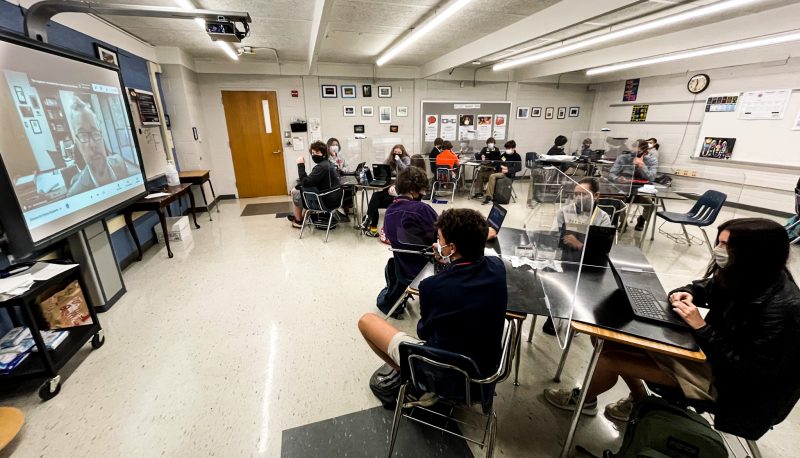
Kids today worked on the various witnesses in the Robinson trial from To Kill a Mockingbird. I’ll be having the local criminal defense attorney who speaks with students every year meet with us via Google Meet when we come back from spring break, so we’re spending a couple of days getting ready for the session.

It always strikes me when students sketch out Heck Tate’s testimony about Mayella how their drawings look simultaneously silly and horrifying.

Spring Monday

Late March Thursday

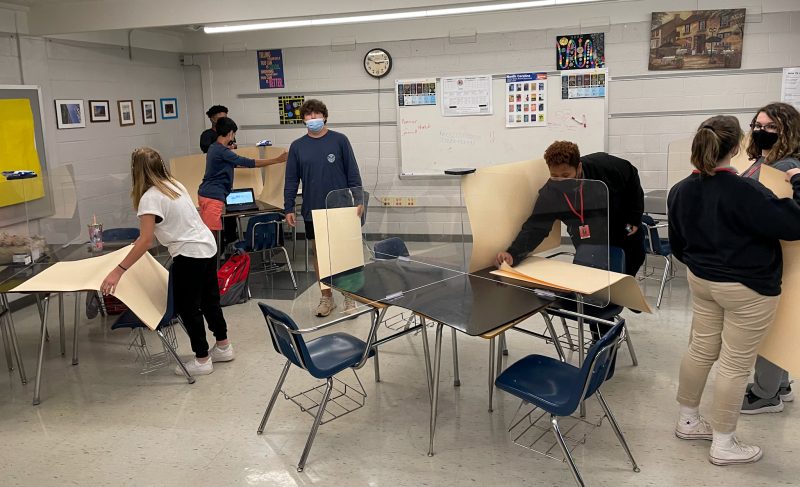
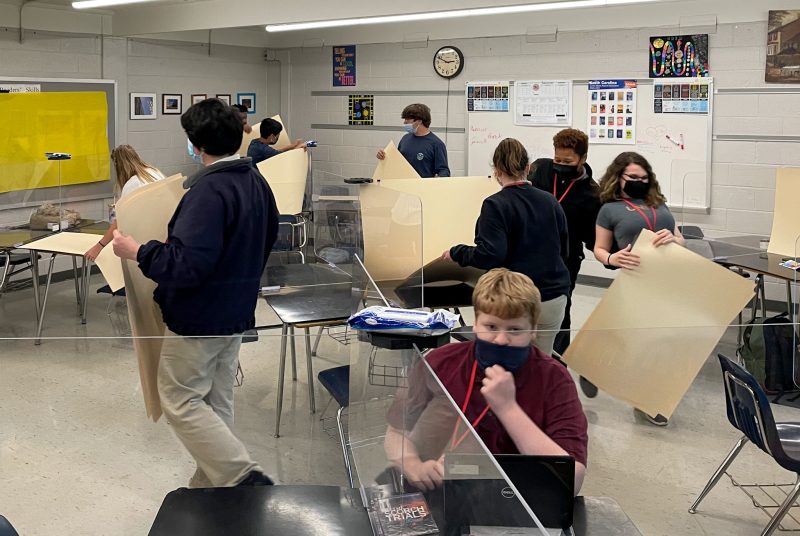
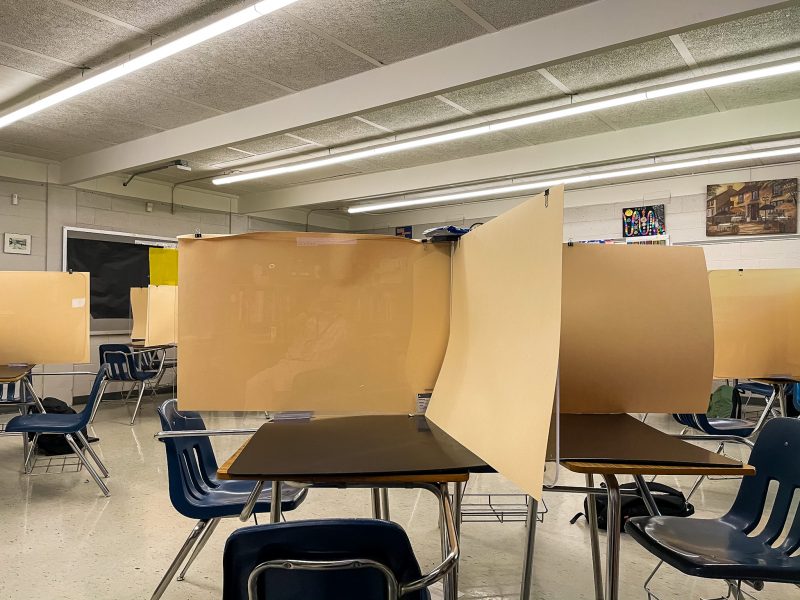
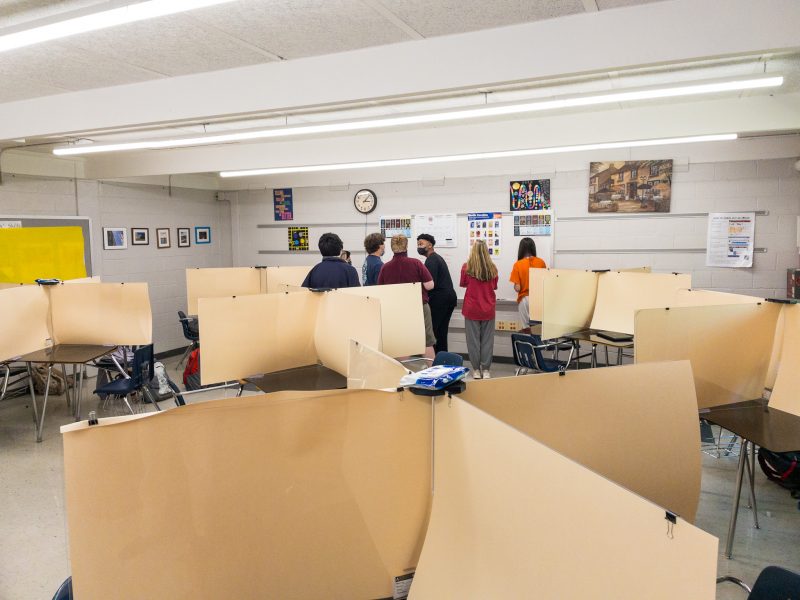
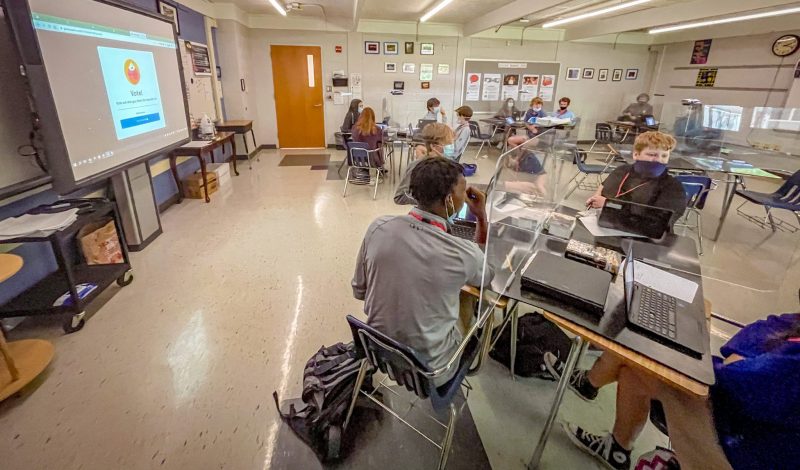
Today, we ran one of the students' favorite activities: a Socratic seminar. There are few things fourteen-year-olds love more than arguing, and a Socratic seminar (obviously altered for Covid safety) is the perfect way to wind up a week. Today's discussion: who was the most morally upright of the minor characters in To Kill a Mockingbird.

After school, we got to hang around a bit because of a tornado shelter-in-place order.

The few kids who were still around sat in the hallway and made silly poses.

The last time we had a shelter-in-place order, the whole area got flooded.

The journey home was dark.