
fun in threes, sometimes fours
christmas
Last year I posted several Polish Christmas carols for visitors. Stylistically, they were a mix.
This year, I thought I’d put up a few Christmas carols in a more “formal” style.
I’m not sure about my translations of some of the titles. Some of them just don’t sound right…suggestions?
[Files no longer available for download.]
From last year:
[Files no longer available for download.]
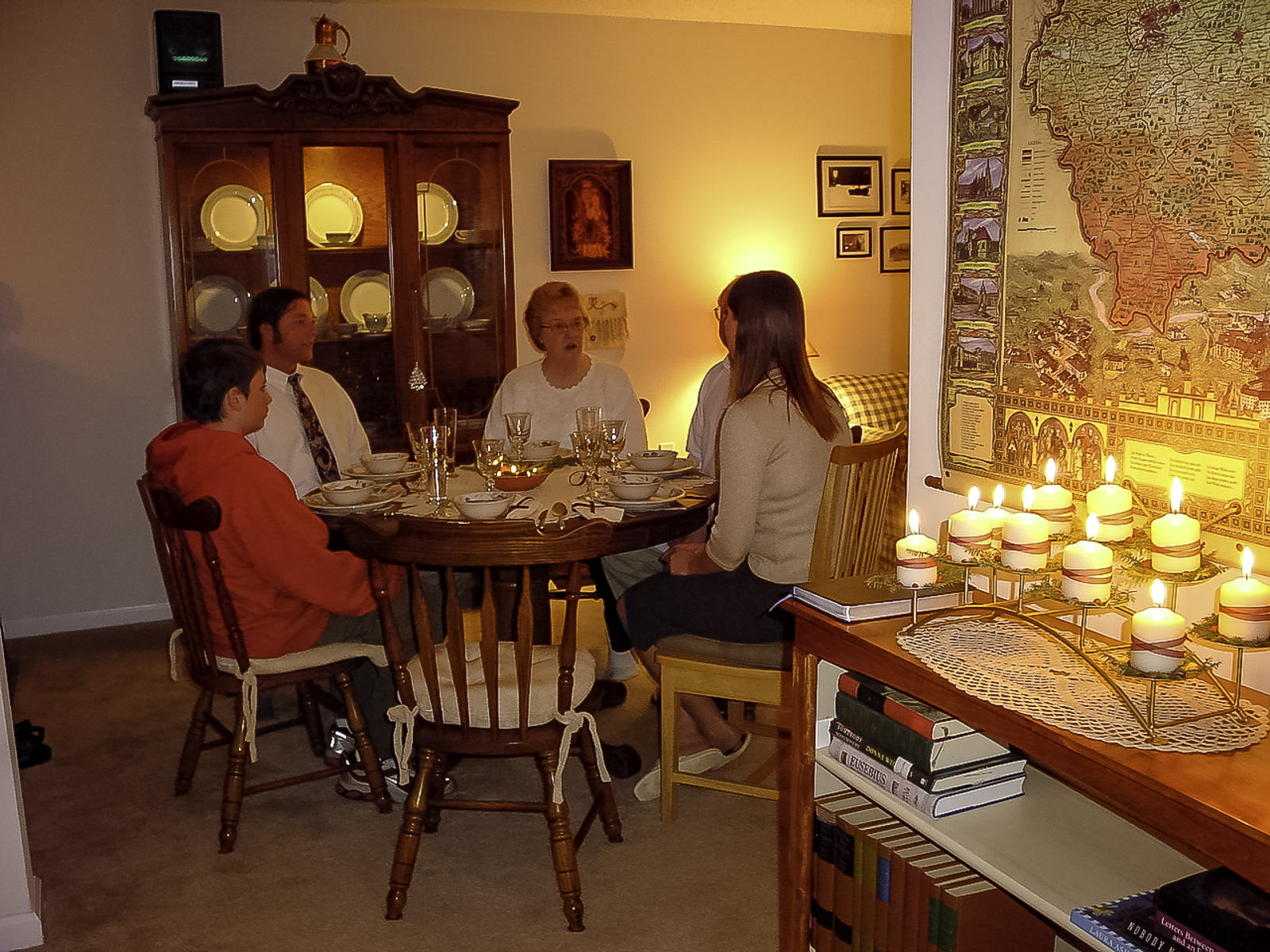
Kinga and I wish you the best this Christmas season.
If you rearrange the letters of "Santa," you can make the word "Satan." Coincidence? Another term for "Satan" is "Old Nick." Another term for Santa Claus is "Saint Nick." Coincidence? Santa Claus descends into fire -- just like the Devil. Coincidence? Santa is dressed in red. The traditional images of the devil have him dressed in red. Coincidence?
In most people's world, yes, all these things are coincidences. But in the tilted universe of Blow the Trumpet, it's most decidedly not a coincidence, but rather part one of the greatest deceptions ever pulled over mankind's eyes.
It leaves you shaking your head and very pessimistic about the general intelligence of our species, but it's worth it.
And so, I now present "The Great Deception."
In the interest of honesty and fairness, I've selected Christmas carols only from freely distributed CDs, in an effort to infringe on copyright privileges as little as possible.
Christmas in Poland is not the commercialized ugliness that it is in America (though it is changing). Since Poland is around 95% Catholic, Christmas has an enormous religious significance, second only to Easter. It stands to reason, then, that there are numerous Polish Christmas carols.
So, as a gift to anyone who's interested, here are six Polish Christmas carols.
This is not the Polish version of "Silent Night," but an entirely different carol. It is addressed to the shepherds in the fields who go to see the newly-born Jesus.
It begins with a shofar, and then the first voice you hear, somewhat off-key, with an ever-increasing tempo as it nears the chorus, is that of none other than Karol Wojtyła -- John Paul II.
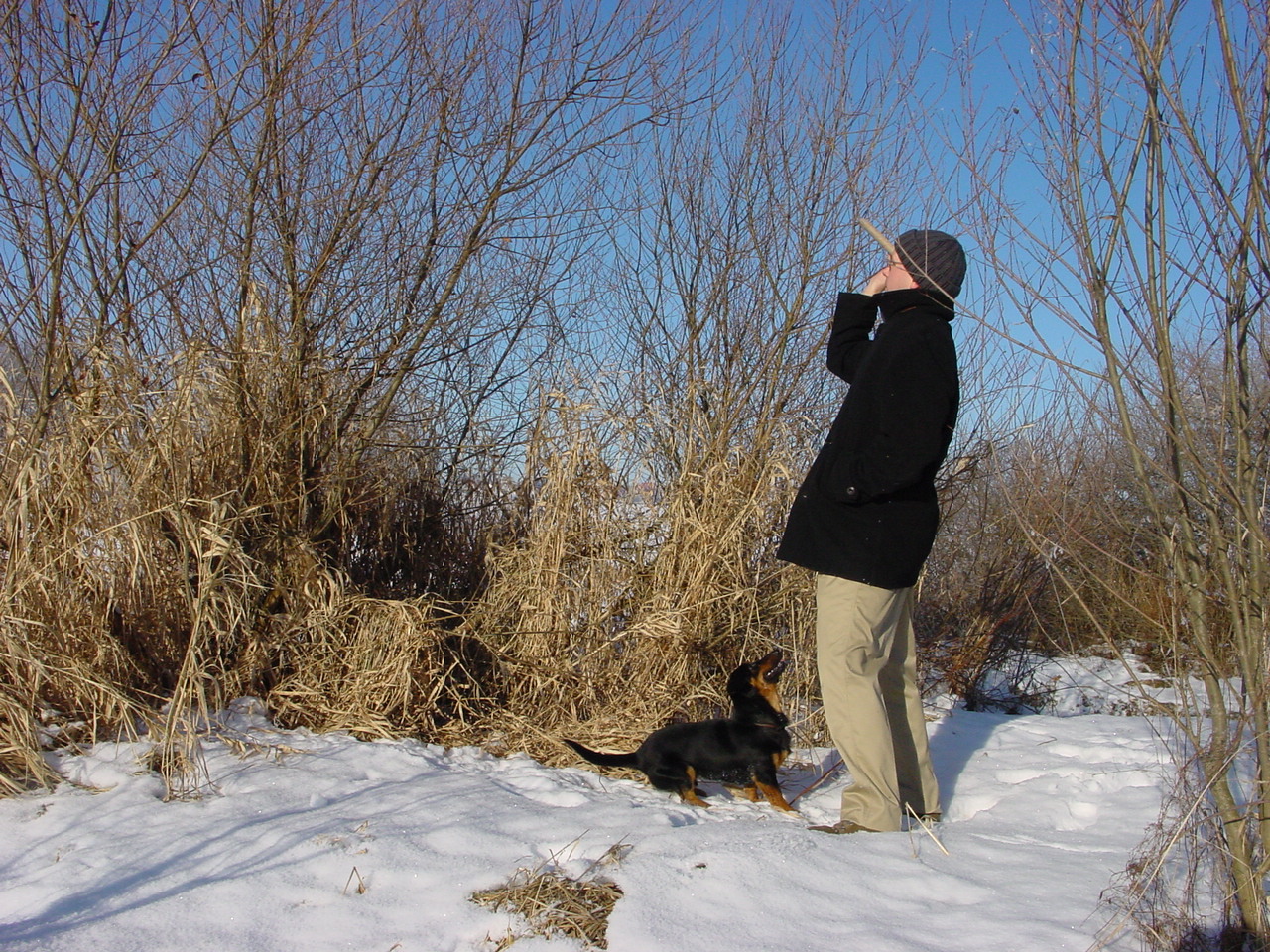
After the Pope's verse, you hear Józek Broda ("Joseph Beard") playing the "leaf" -- I'm not sure from which tree, but he's famous for it.
The other singers are Polish singers -- pop stars, theater performers, folk singers, and every other kind of artist imaginable.
This is a fairly standard Polish carol, performed in the Goralski ("Highlander") style. Goralski folk live in the southern, mountainous region of Poland, in the Tatra Mountains, around Zakopane ("Buried").
Typical of this style of music is the bass part. I'm not a musicologist, and I can't really describe it -- regular, repeating, simple, on the down beat. You really just have to hear it.
This is a traditional Goralski carol, which has become as known as "Silent Night" in Poland. The solo singing style is typical of the Goralski style -- it sounds to my ears sometimes as if the singer is occasionally straining to be in pitch and just _barely_ making it. It's a horrid style when the singer is, well, less than perfect.
Otherwise, it's intense but pleasant.
The lyrics here, according to Kinga, show a typical Goralski
attitude. One verse is,
Hey, what fer didja come down here?
Was it bad fer ya in heaven?
But daddy, your sweet, lovin' daddy
Tossed ya out of heaven
There ya'd sit drinkin'
All kinds a sweet goodies
And here you'll just be drinkin'
Yer bitter tears
My translation is horrid, and somewhat too direct, because it's in the Goralski dialect, and I just can't capture it in English. The best translated line, to get the spirit of the dialect, is the first line, "Hey, what fer didja come down here?" The original version contains the same awkward grammar when compared to "proper" Polish. I also chose to use a Southern, Twain-esque dialect (i.e., the "didja" and "fer"), in an effort to reproduce the feeling of Goralski in English, with its non-standard pronunciation of many Polish words. I think it works well because the Goralski accent here carries the same stigma as the Southern accent in the States.
Another Goralski version of a standard Polish carol. I love this one -- hard not to tap your feet as you listen.
This is a version by Igor Jaszczuk, a Polish singer-songwriter. It's not typical of any Polish style, and in fact, with the dobro, sounds more American than anything. I like it, though.
I hope you all enjoy these carols, and please leave a bit of feedback about them. I’m eager to see what any and all think.
Kinga and I hope you all have a pleasant Christmas.
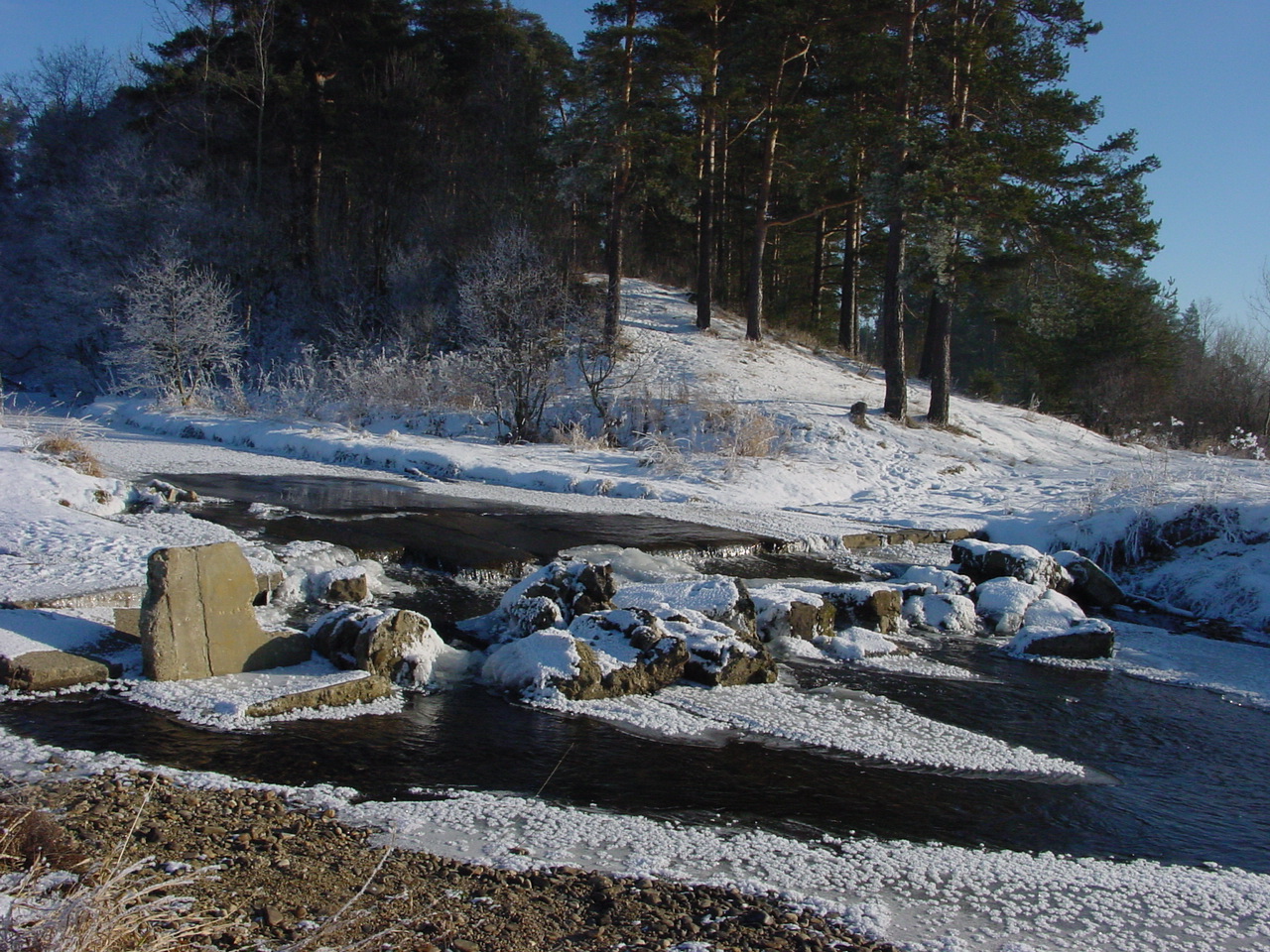
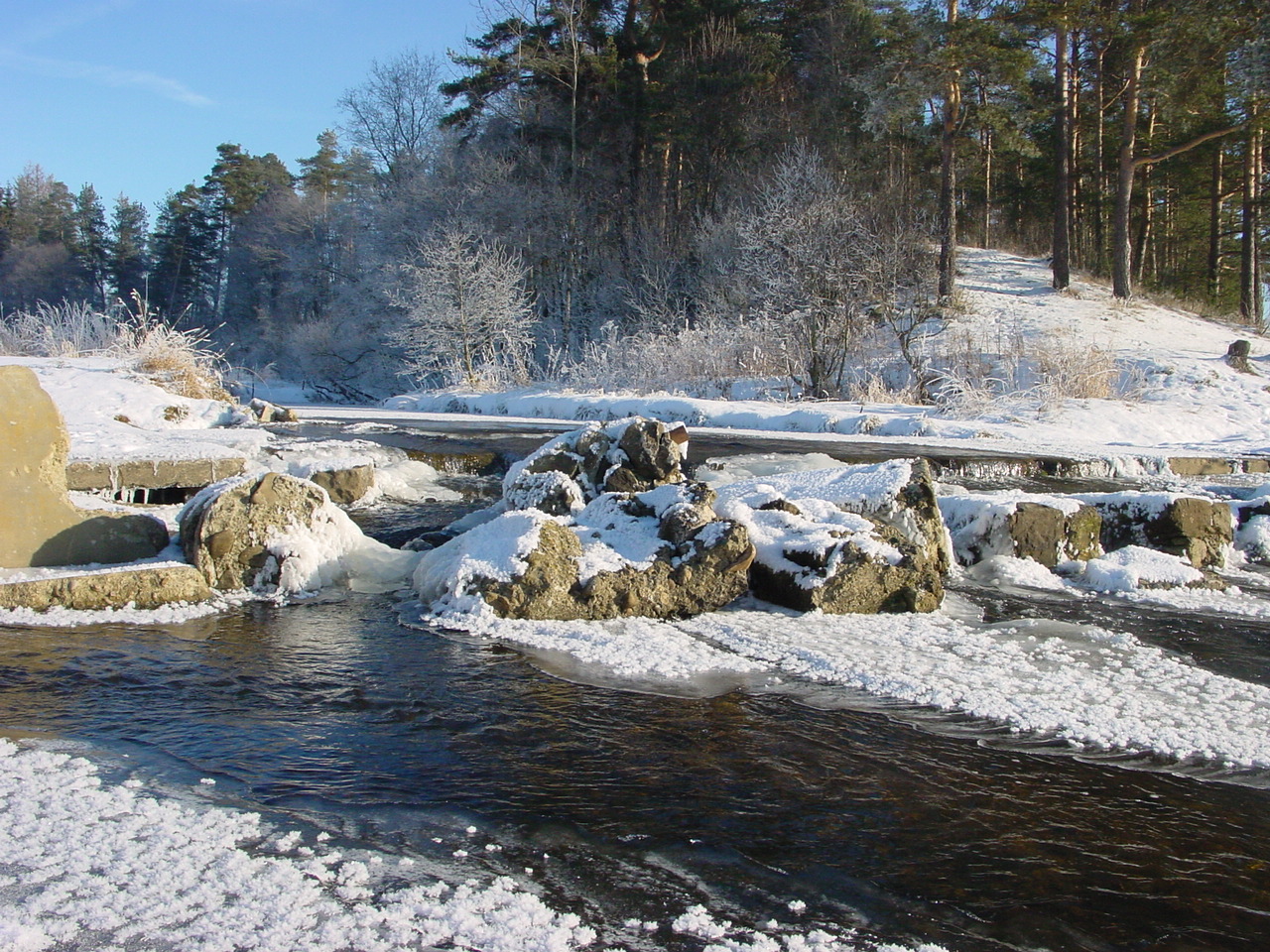
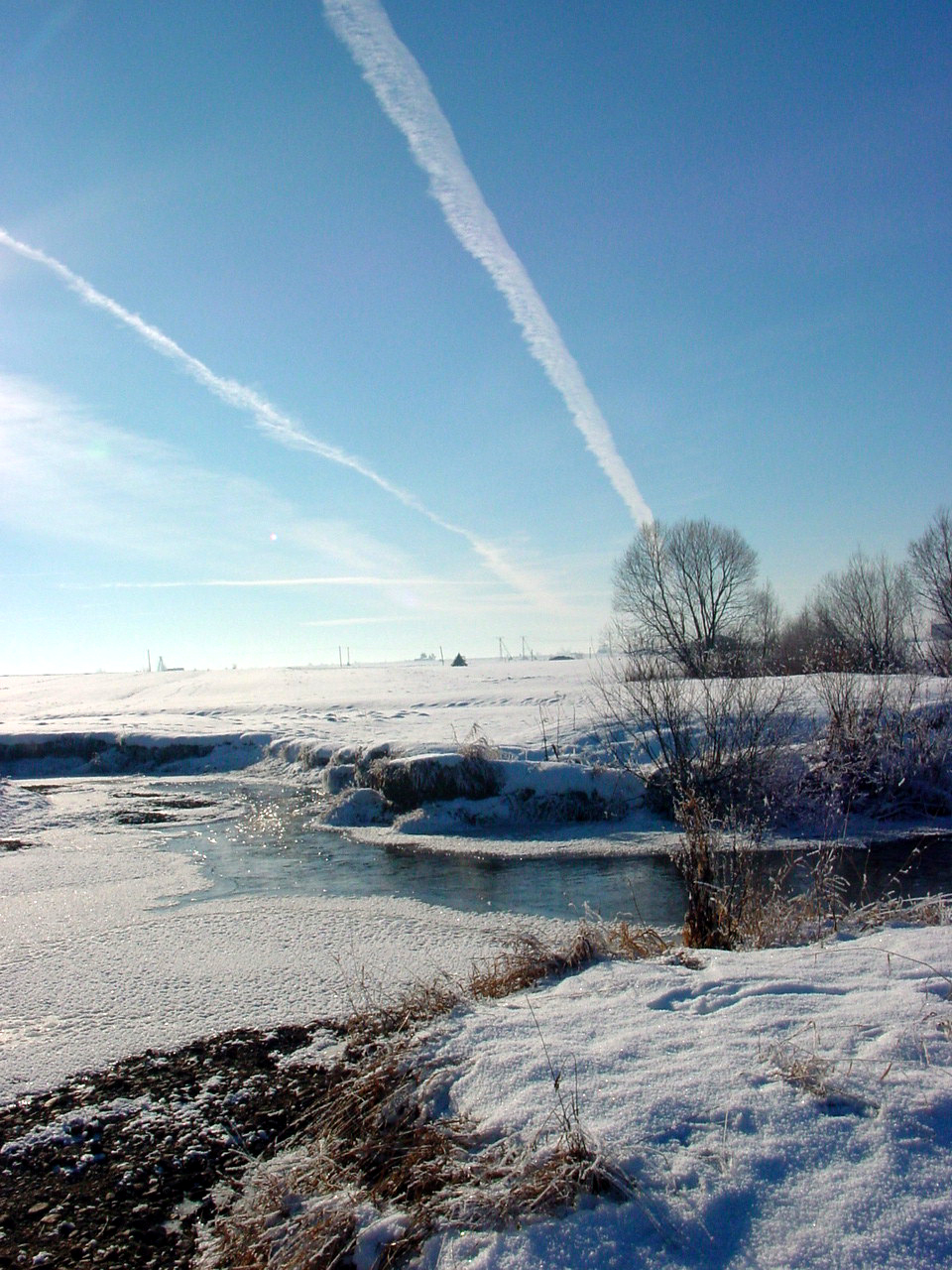
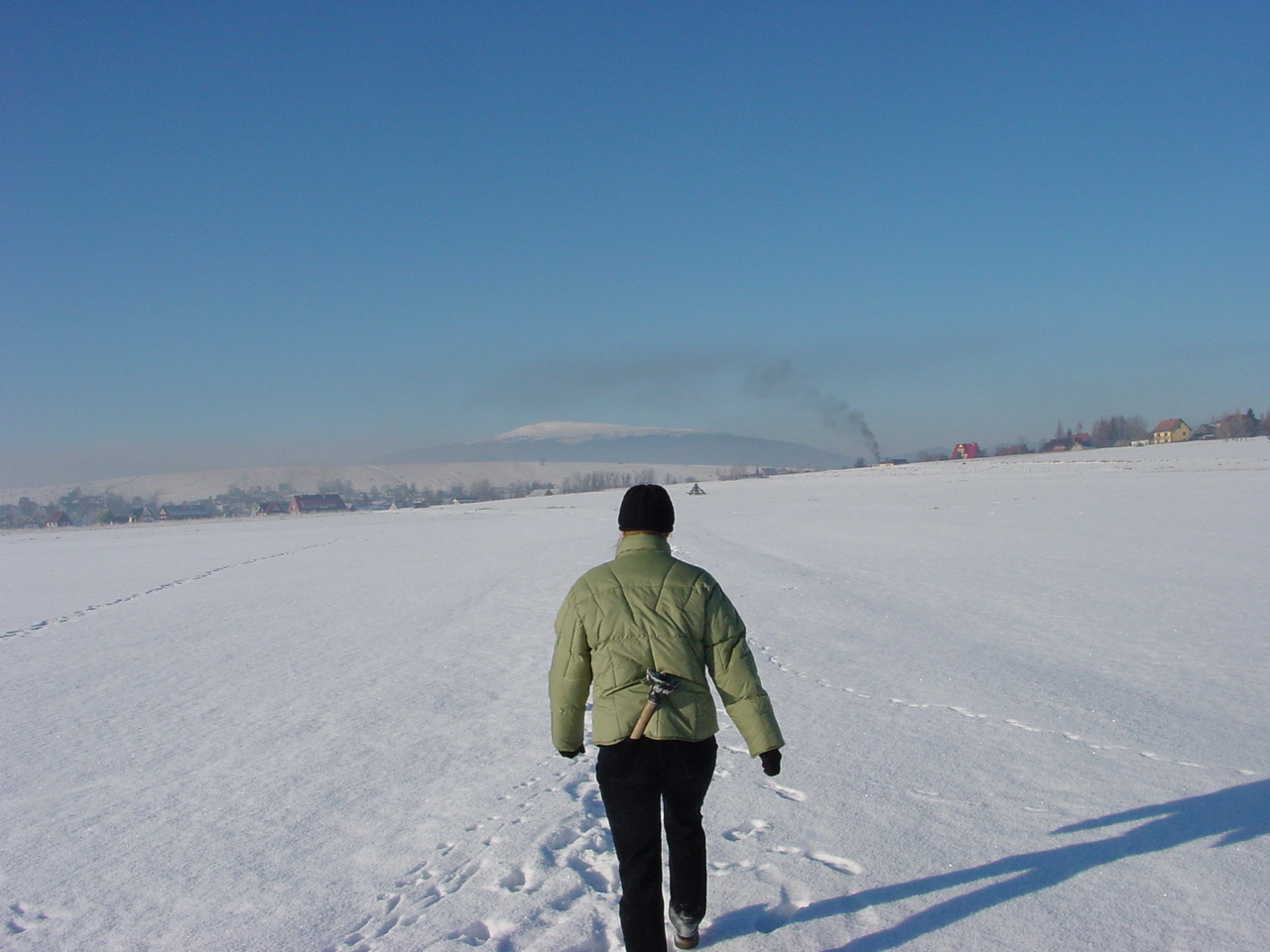
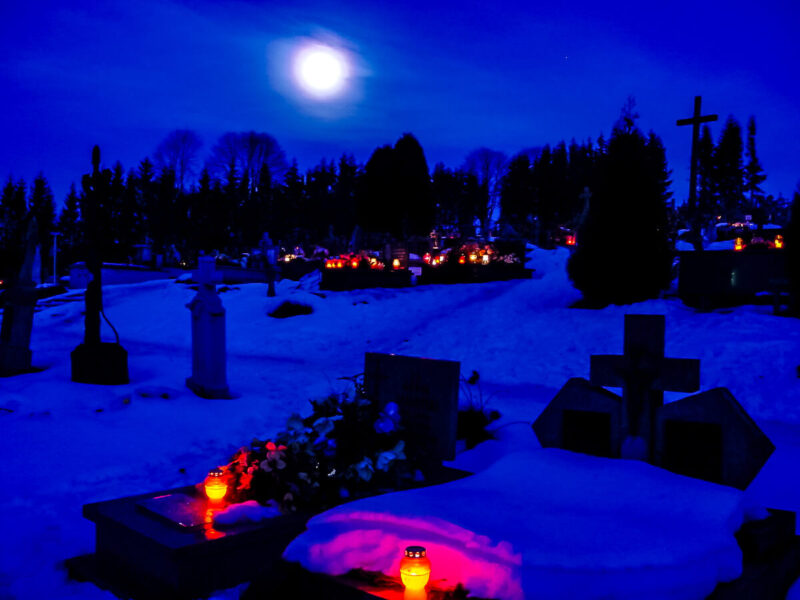
After Christmas dinner, we went for a walk. There's nothing else you can possibly imagine doing when it's this beautiful.