fun in threes, sometimes fours
catholicism
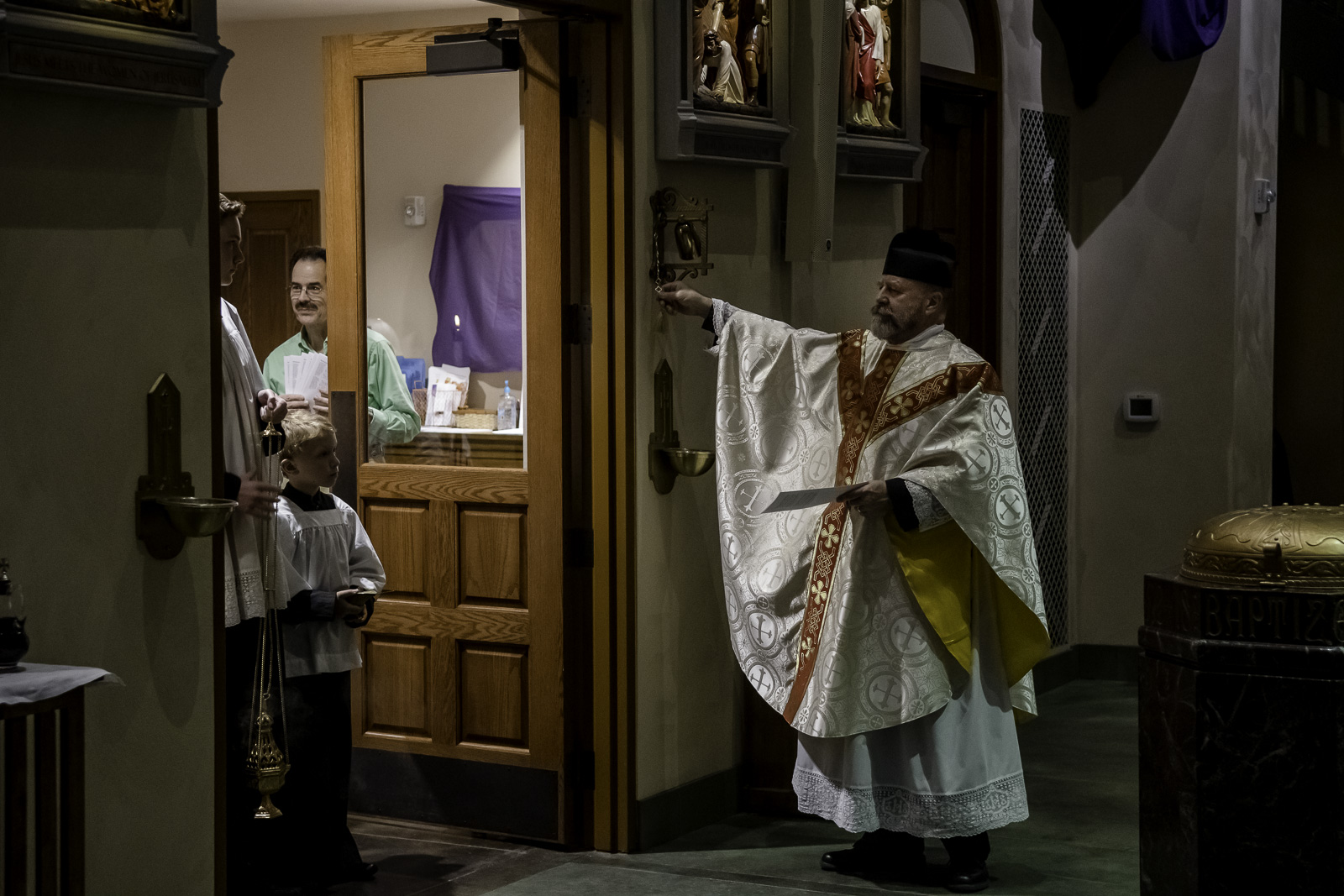
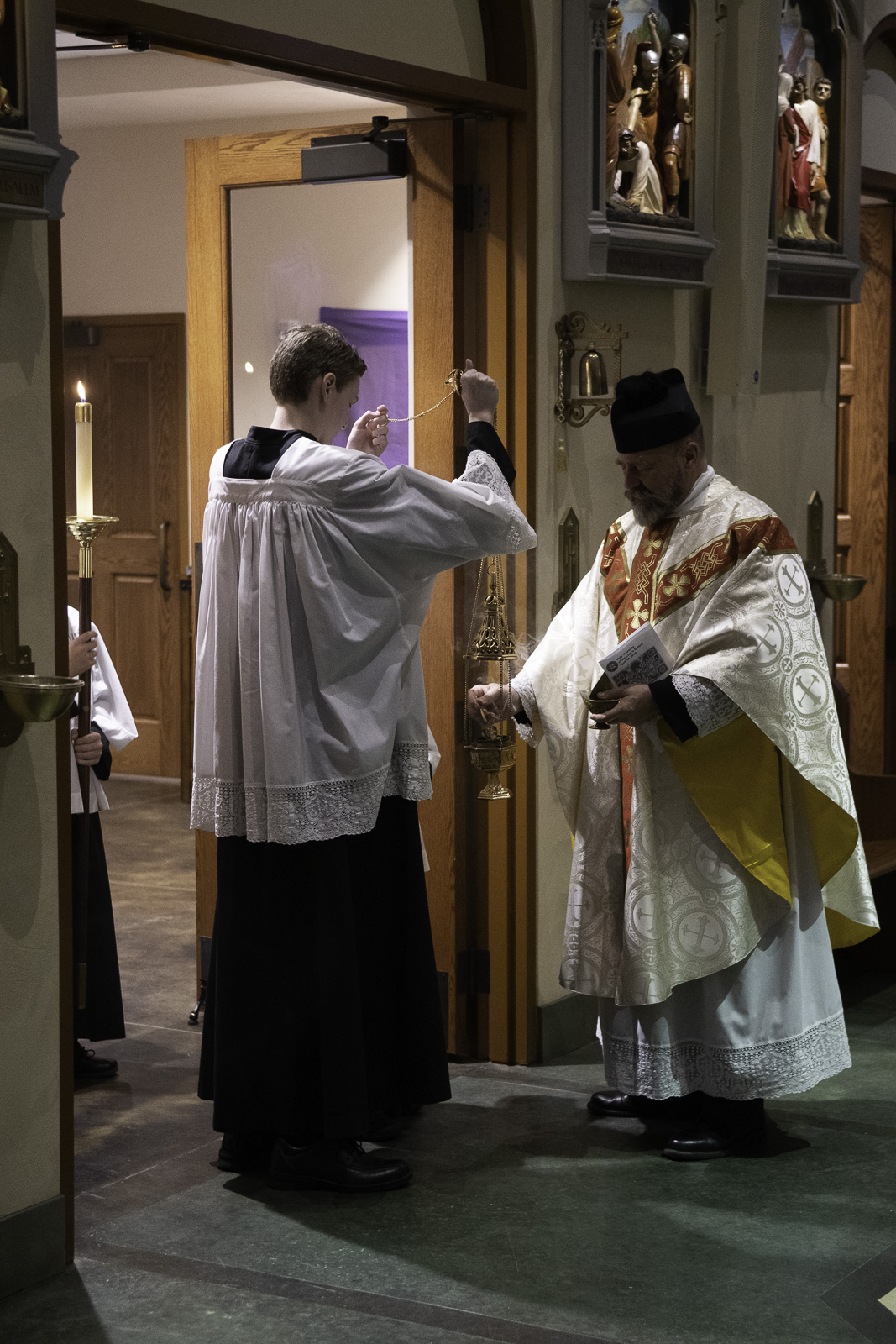
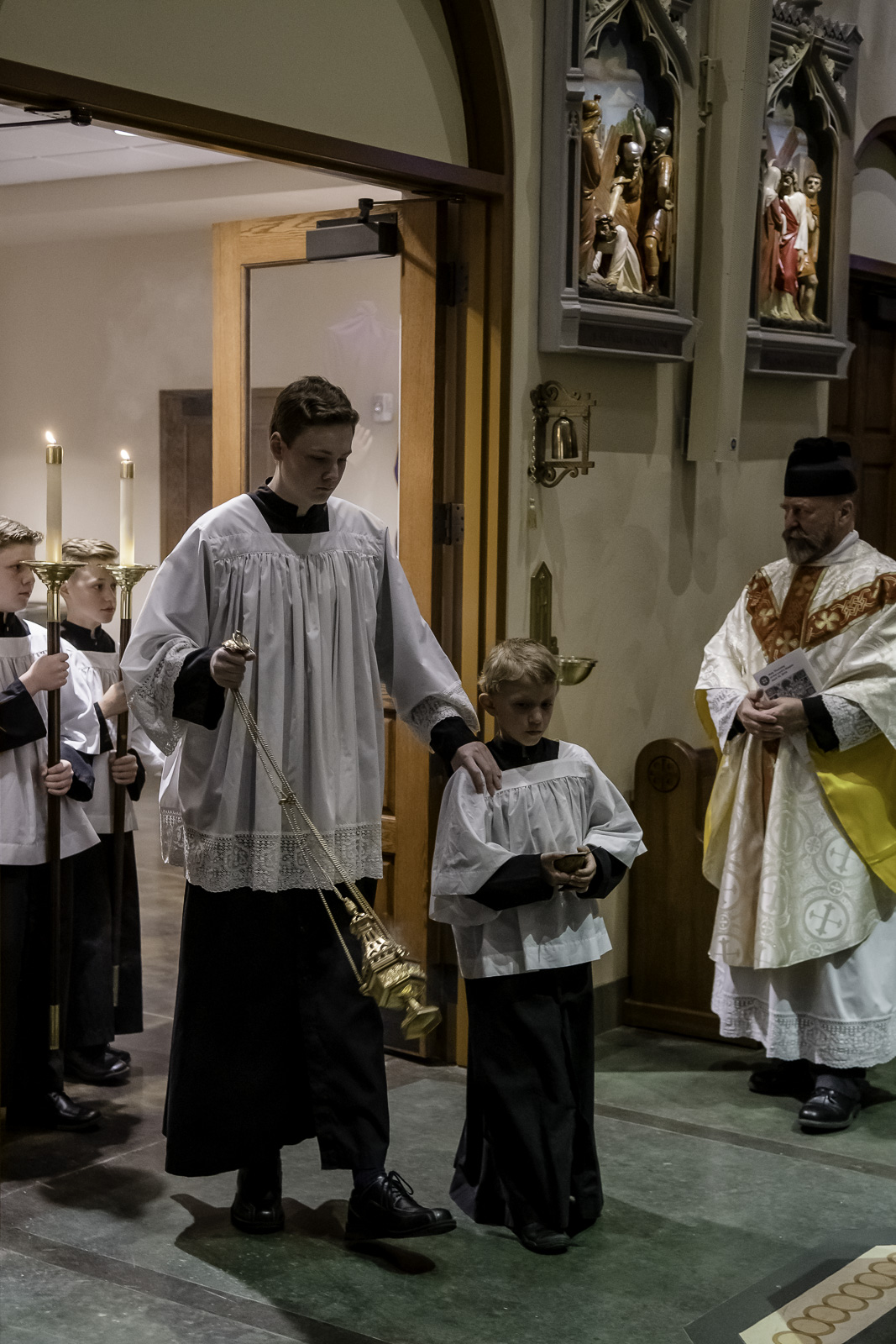
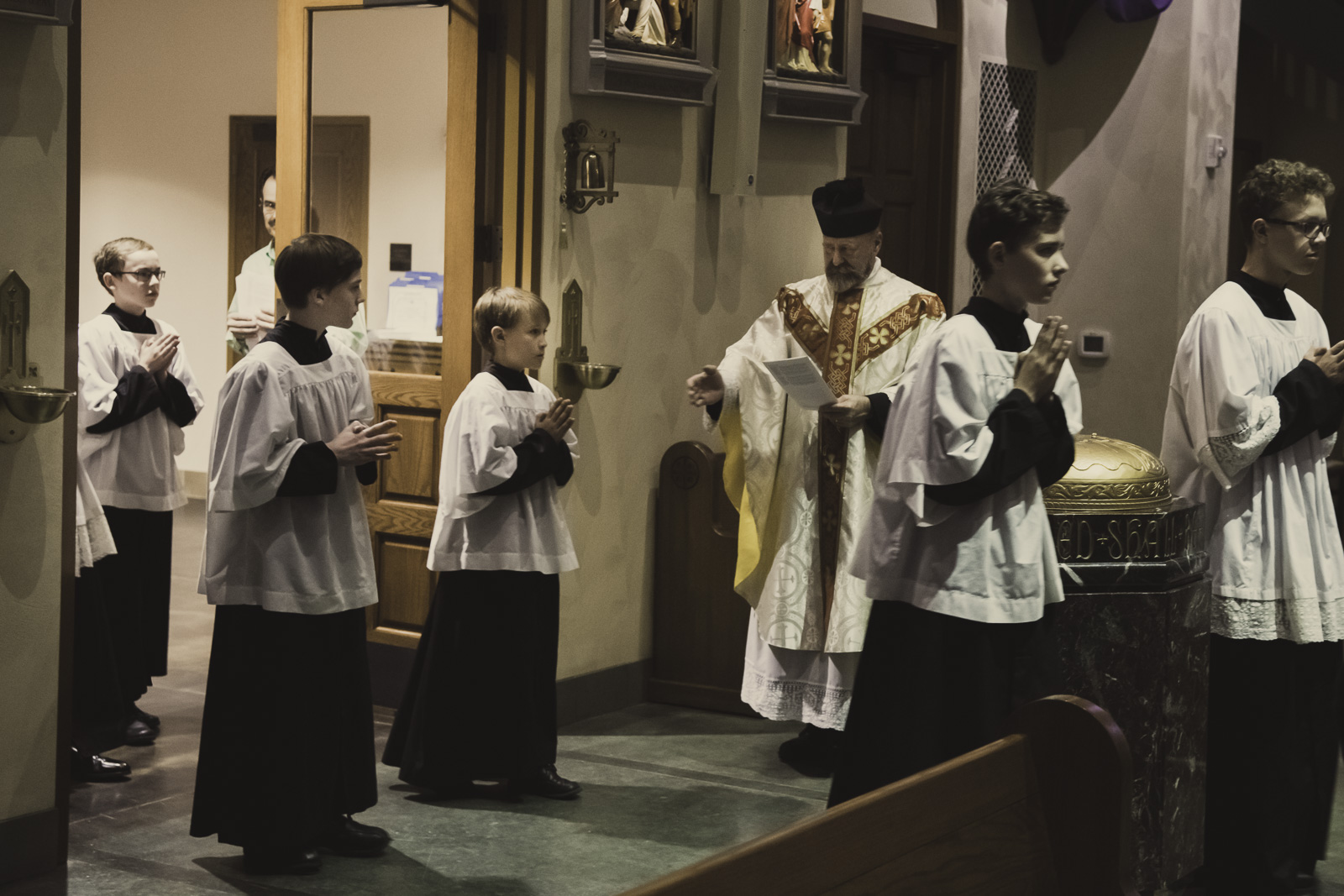
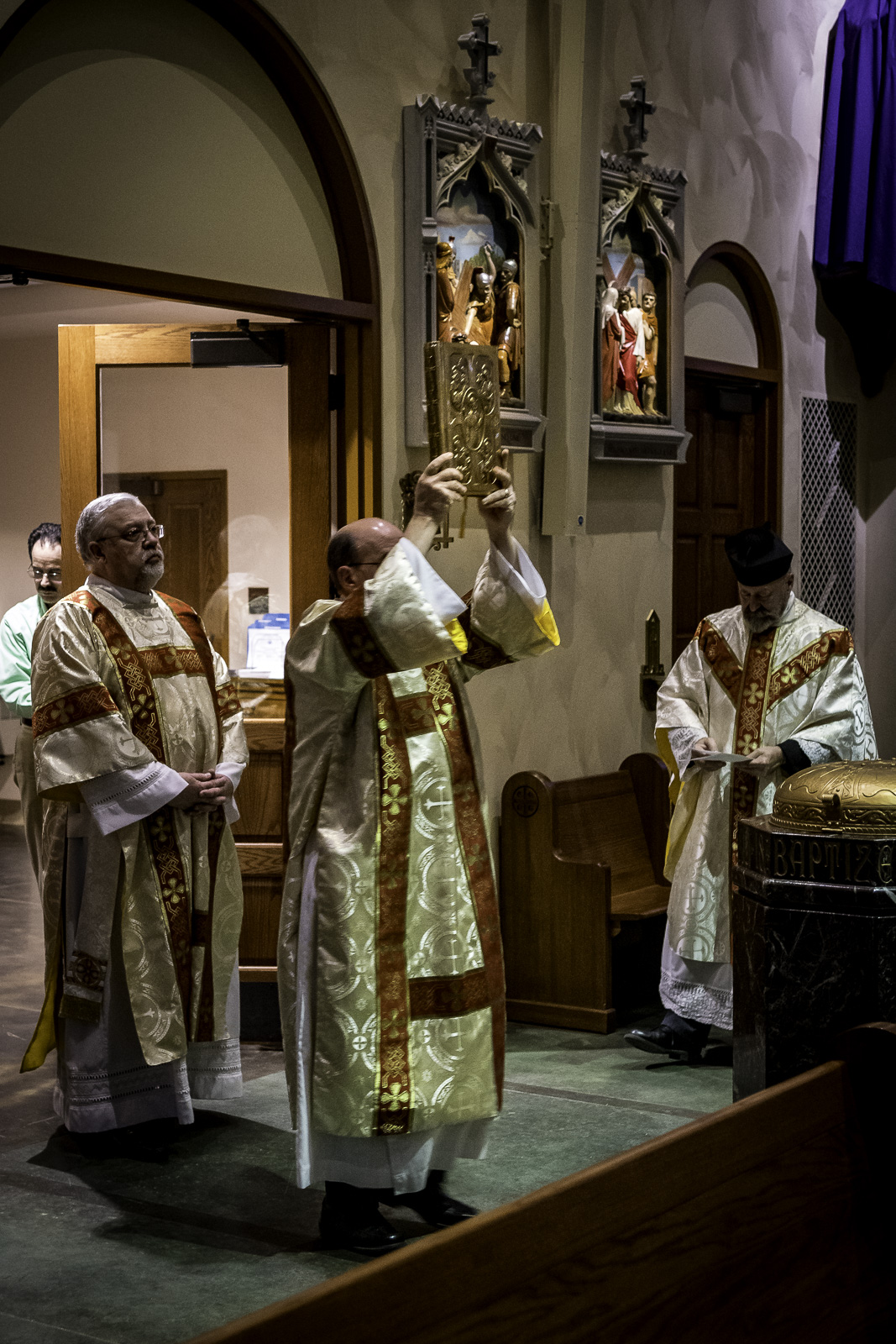
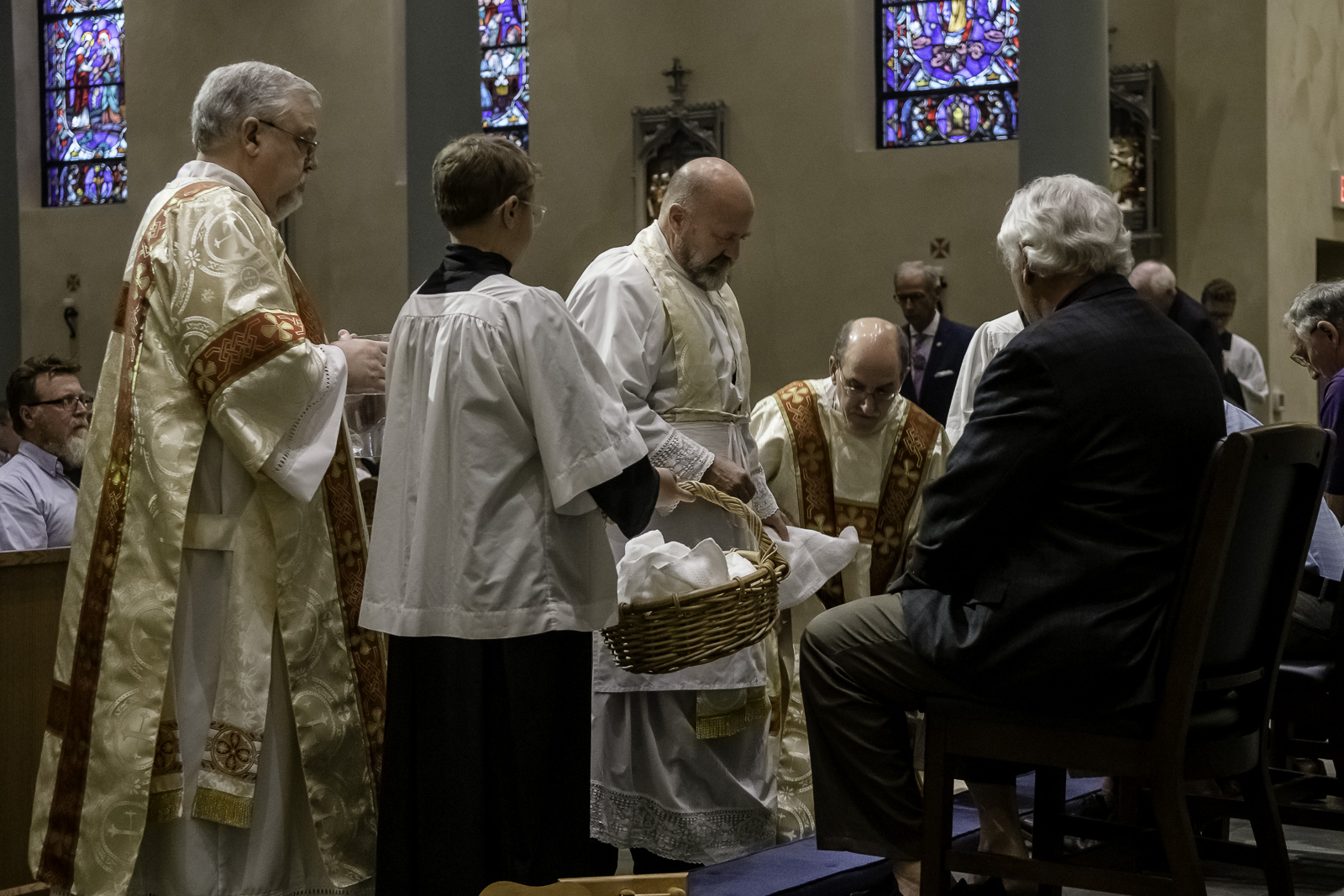
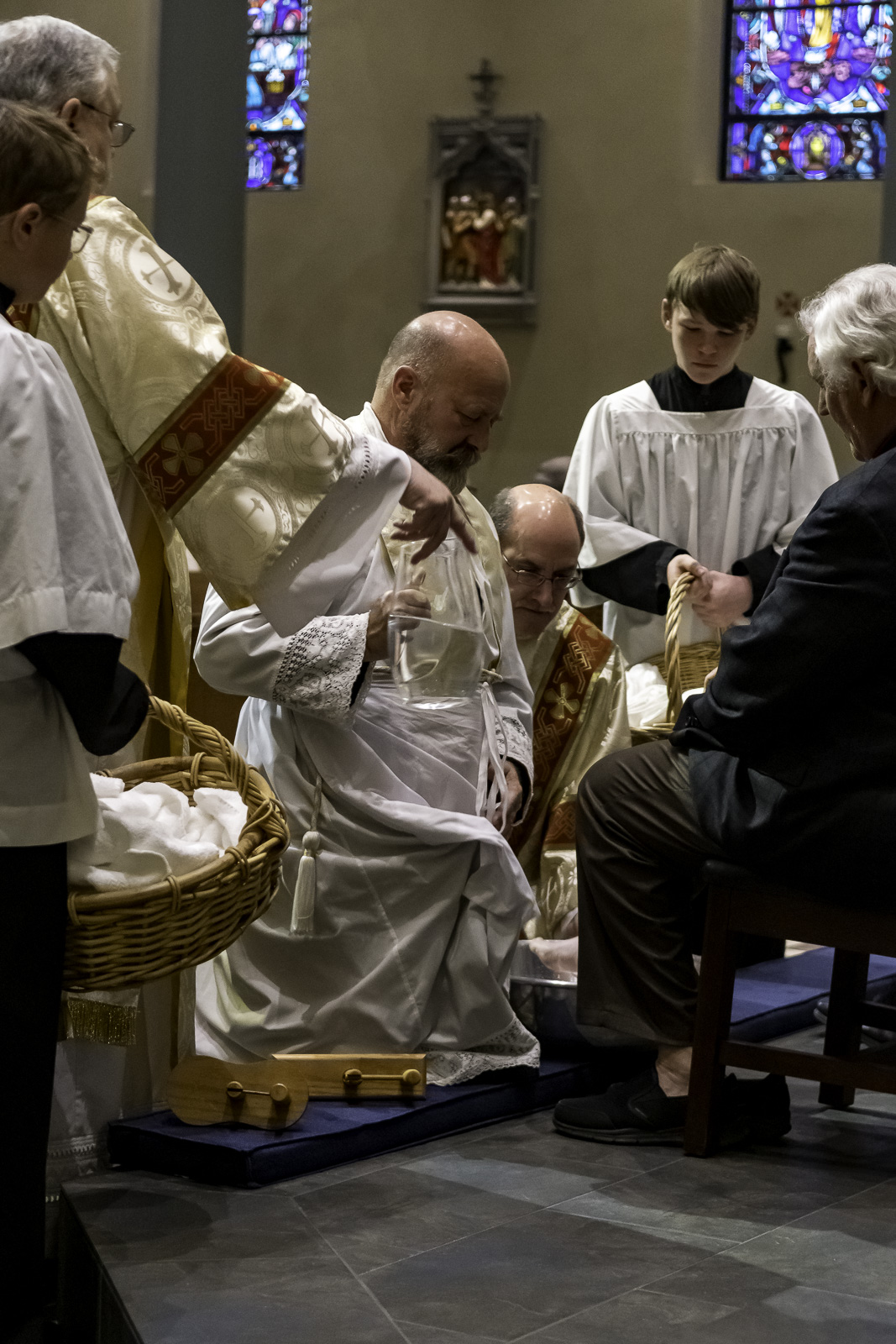
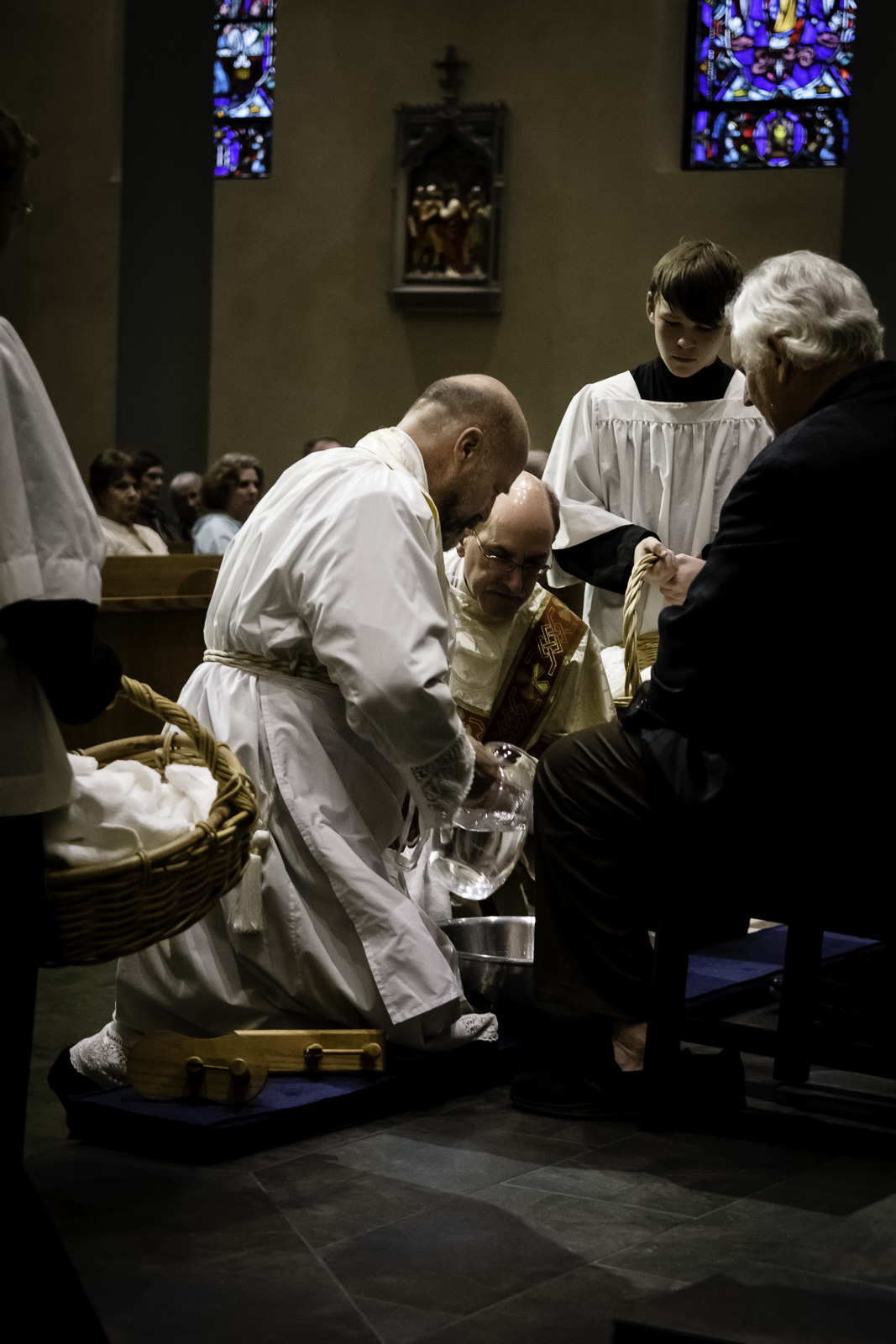
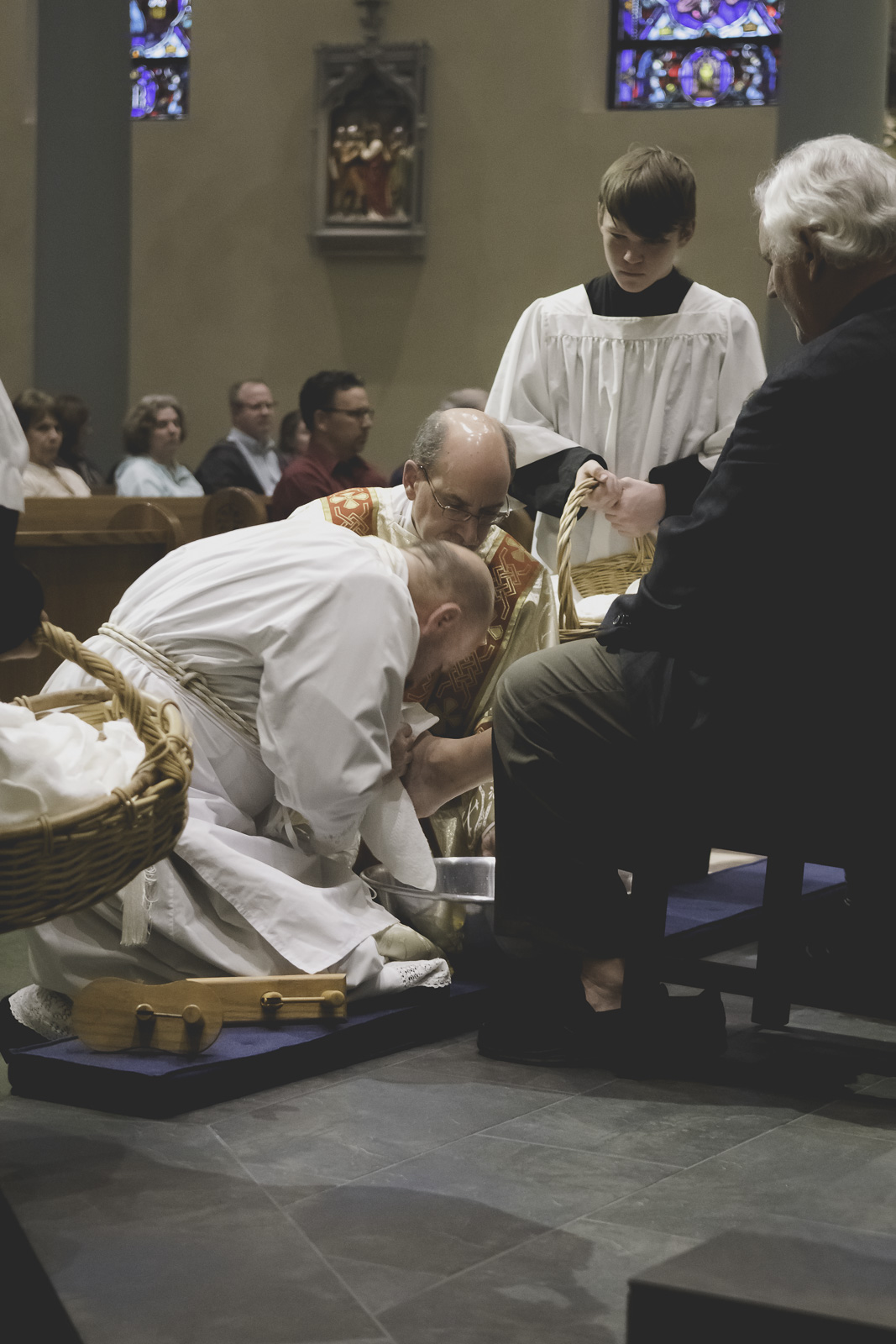
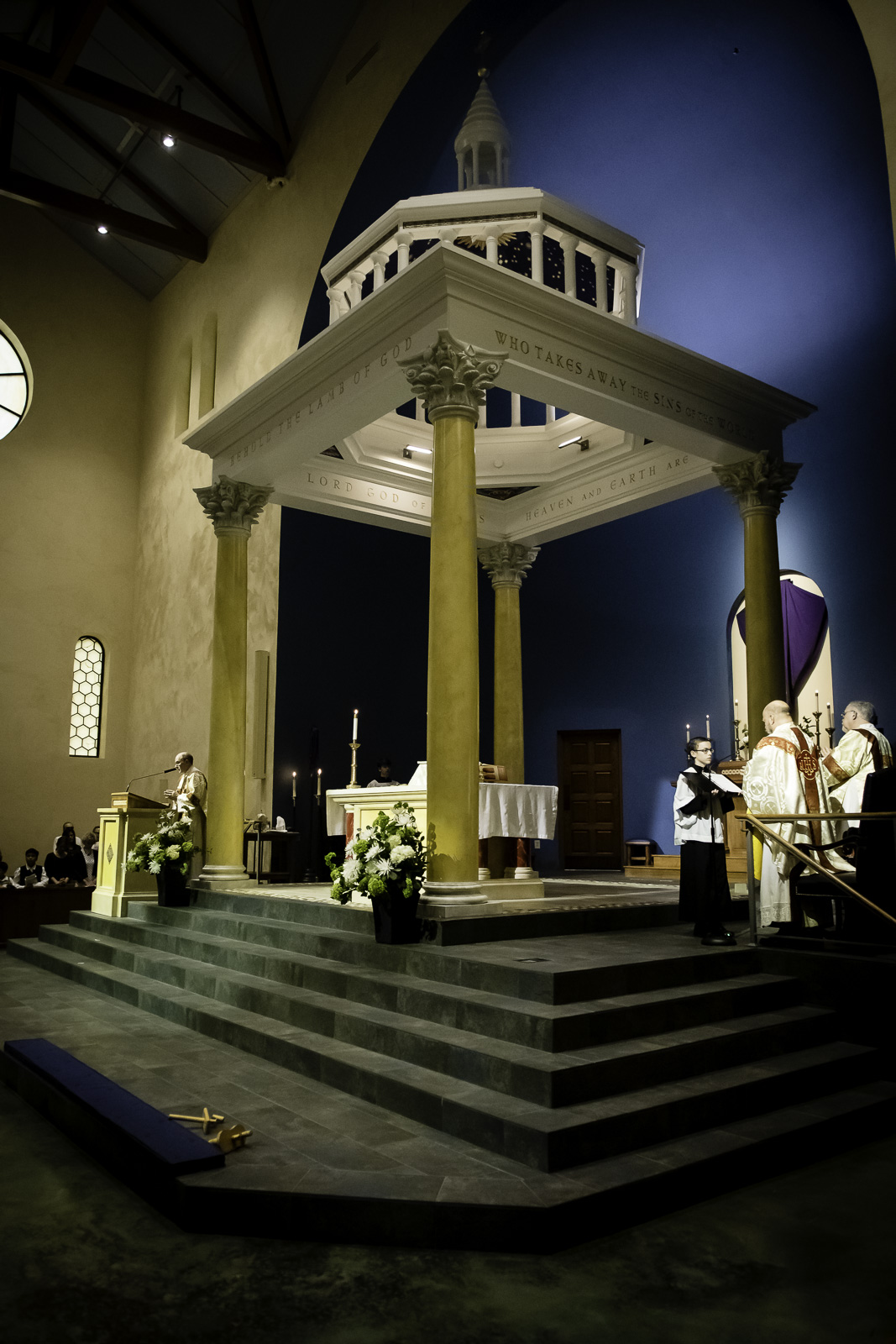
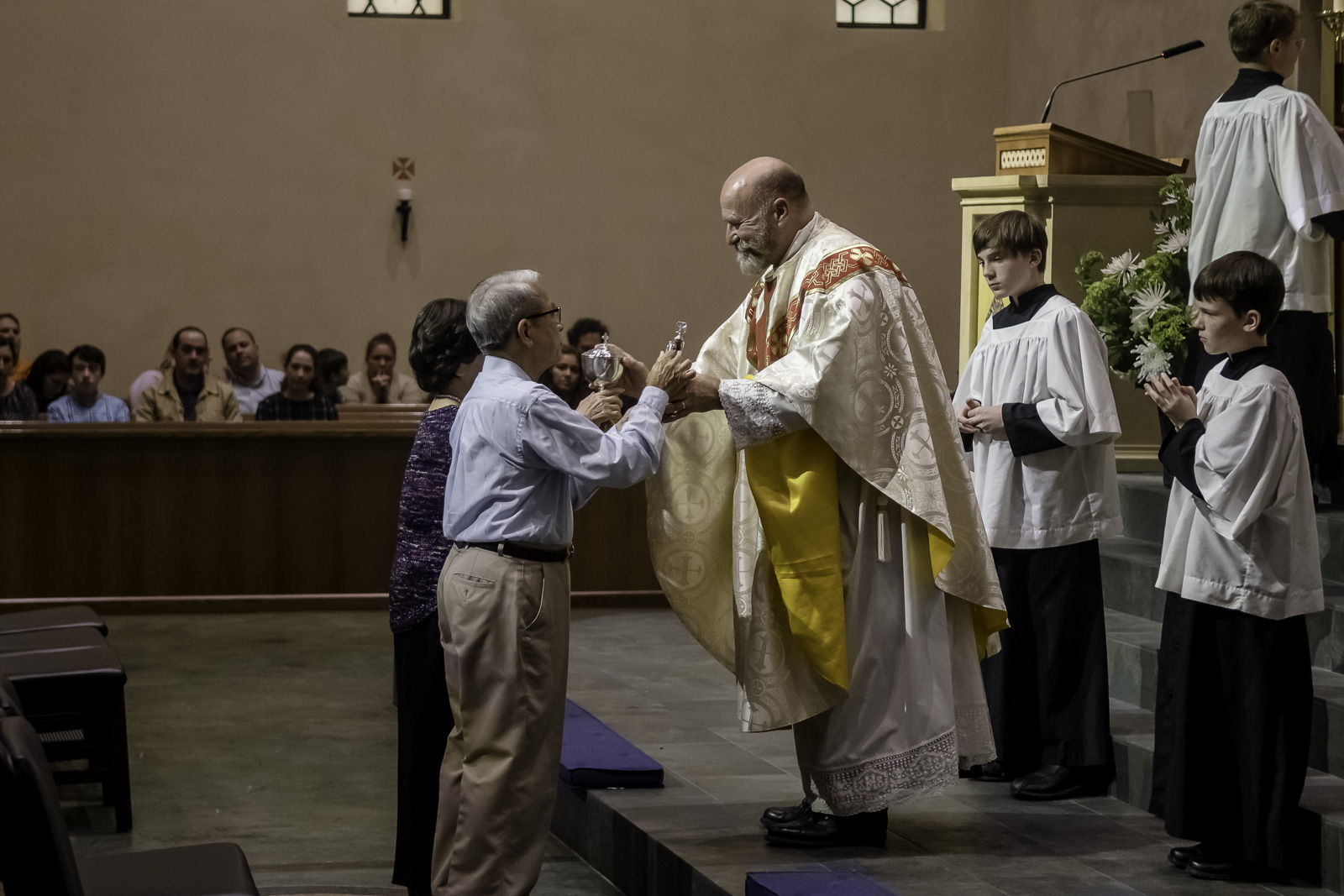
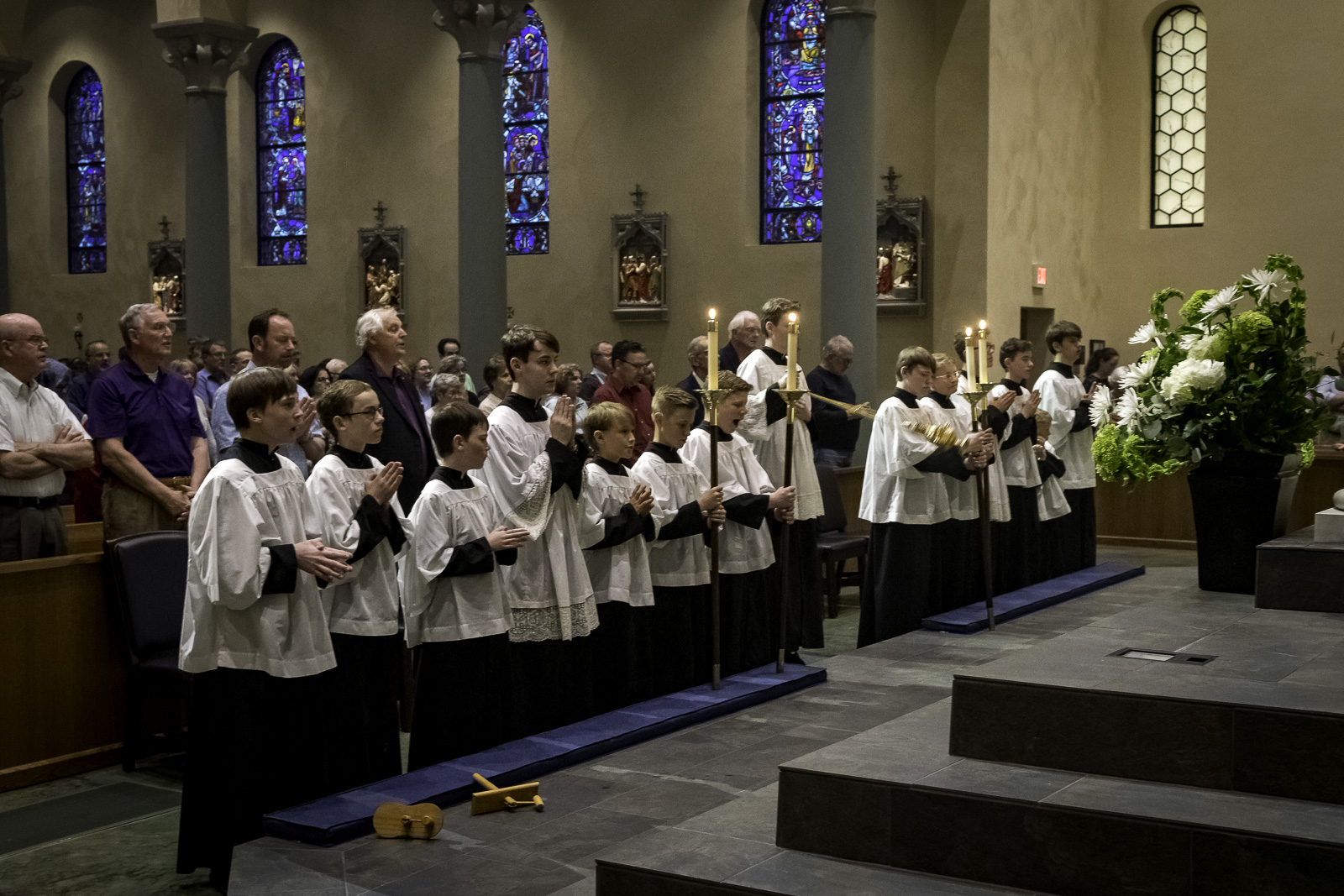
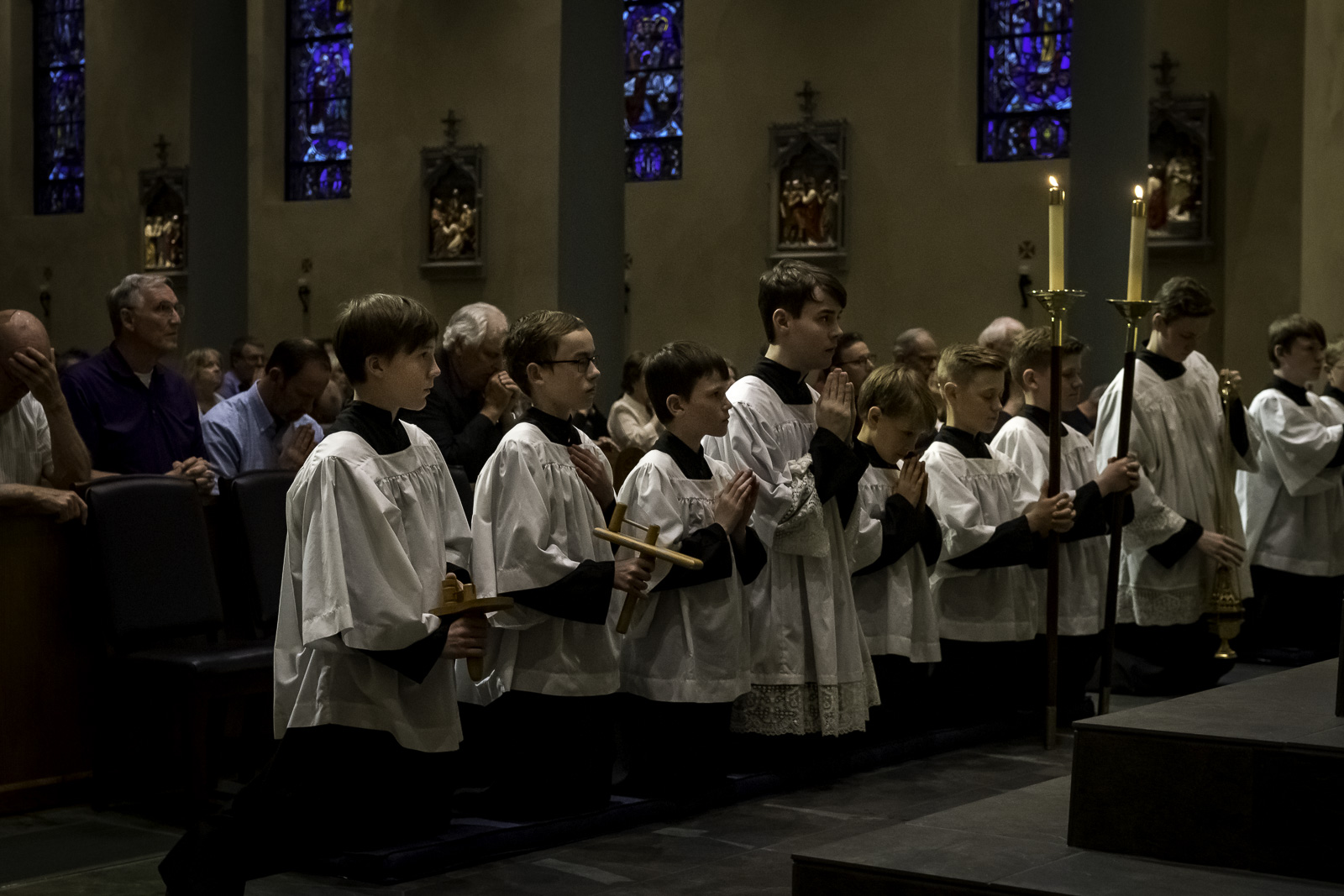
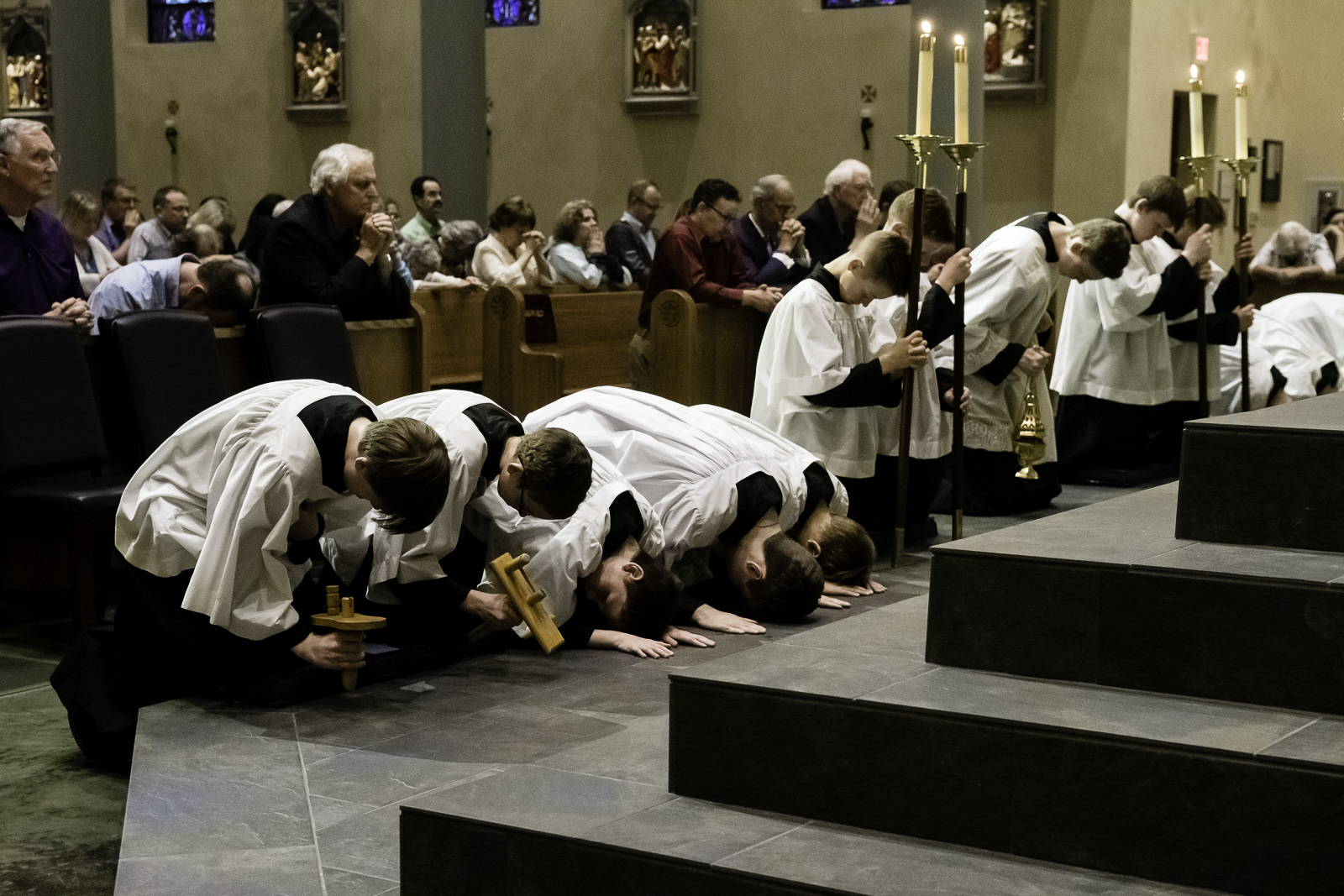
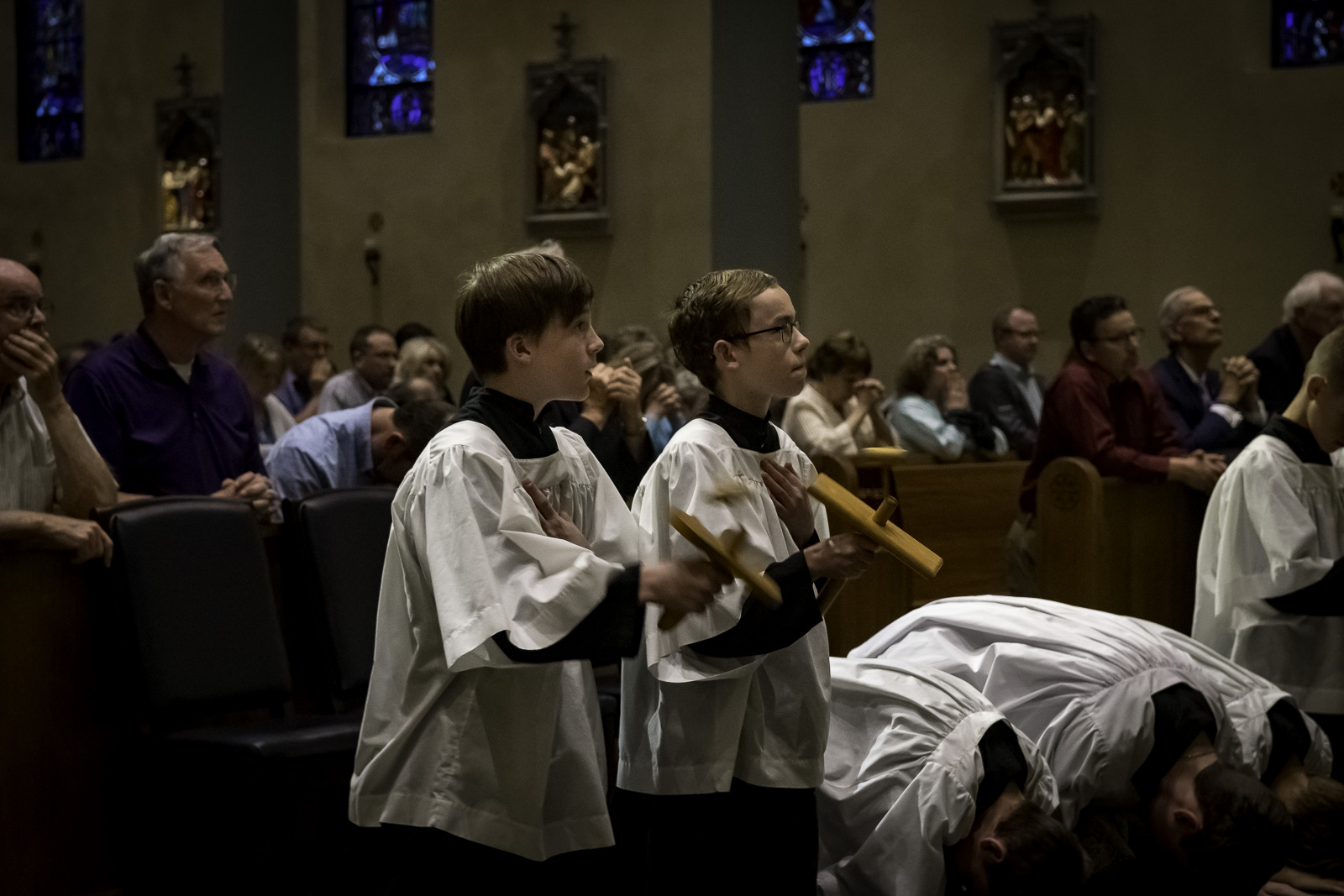
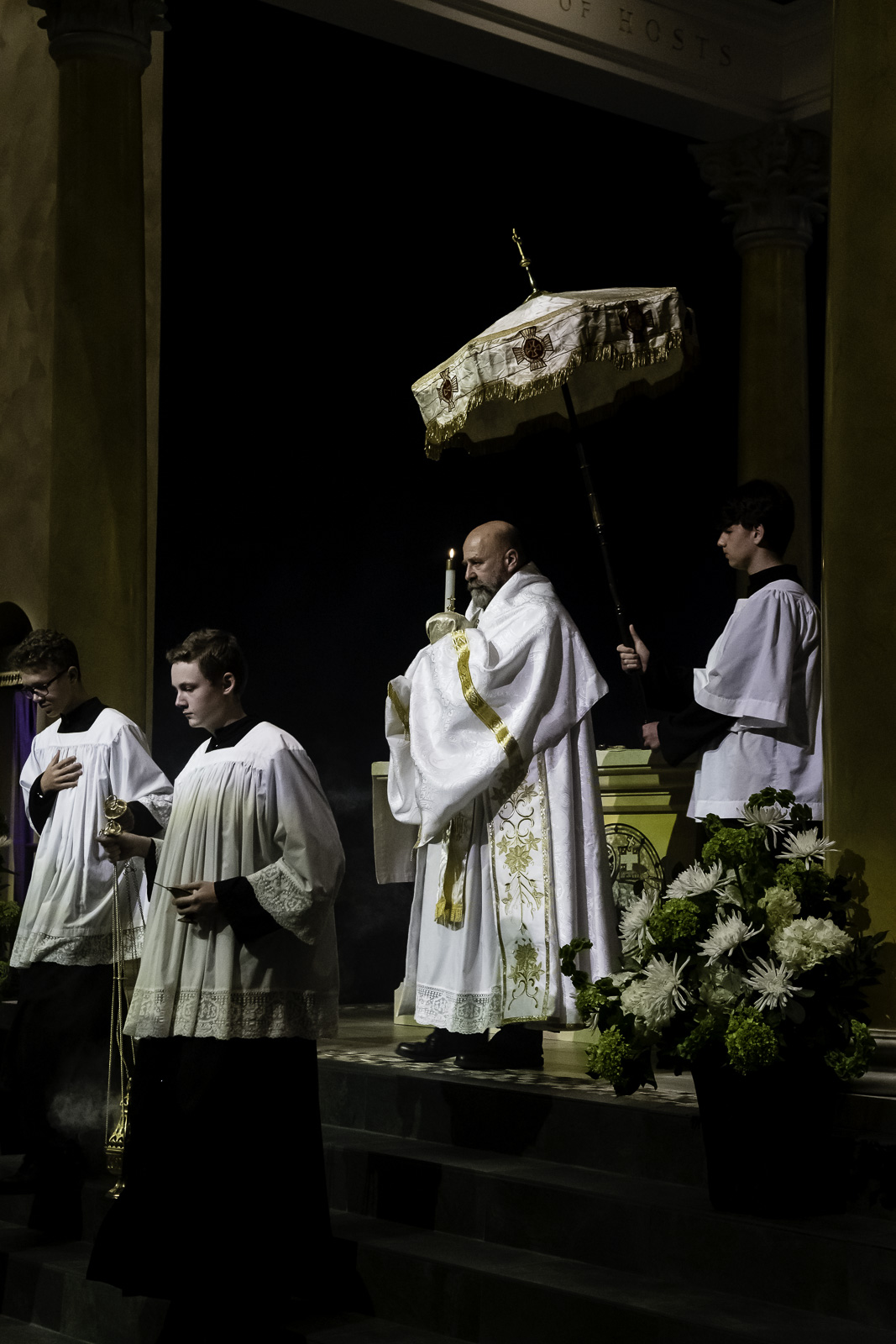
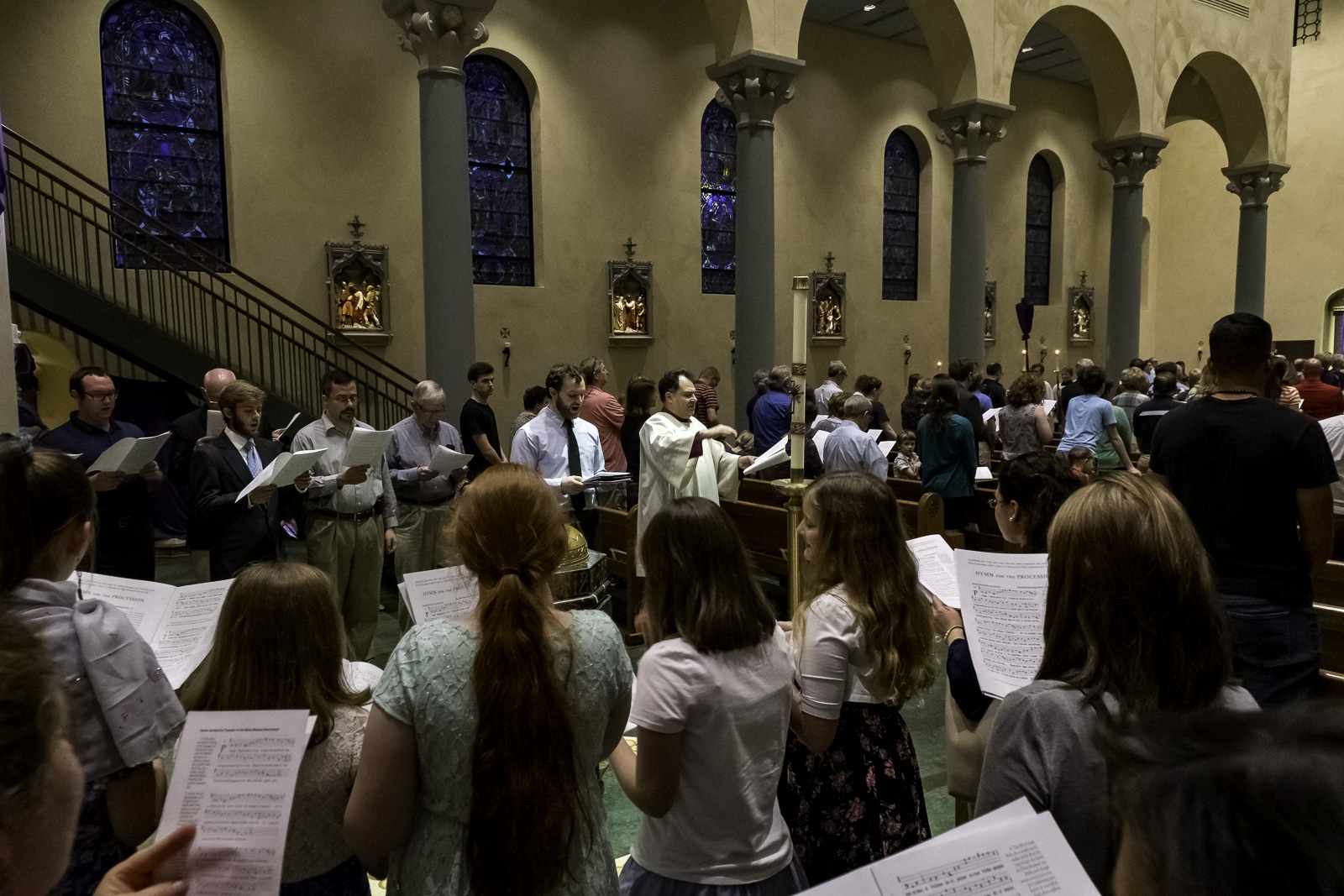
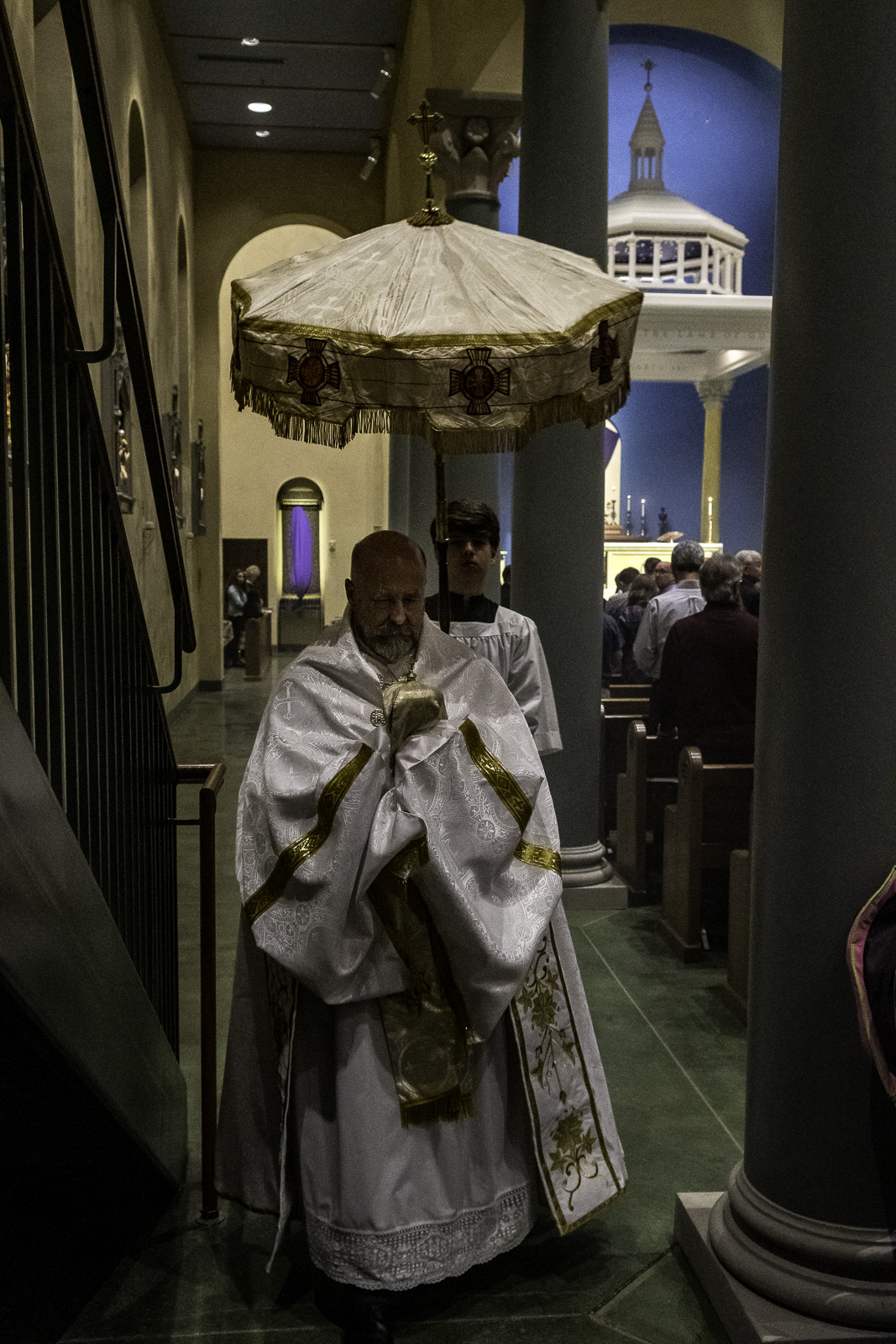
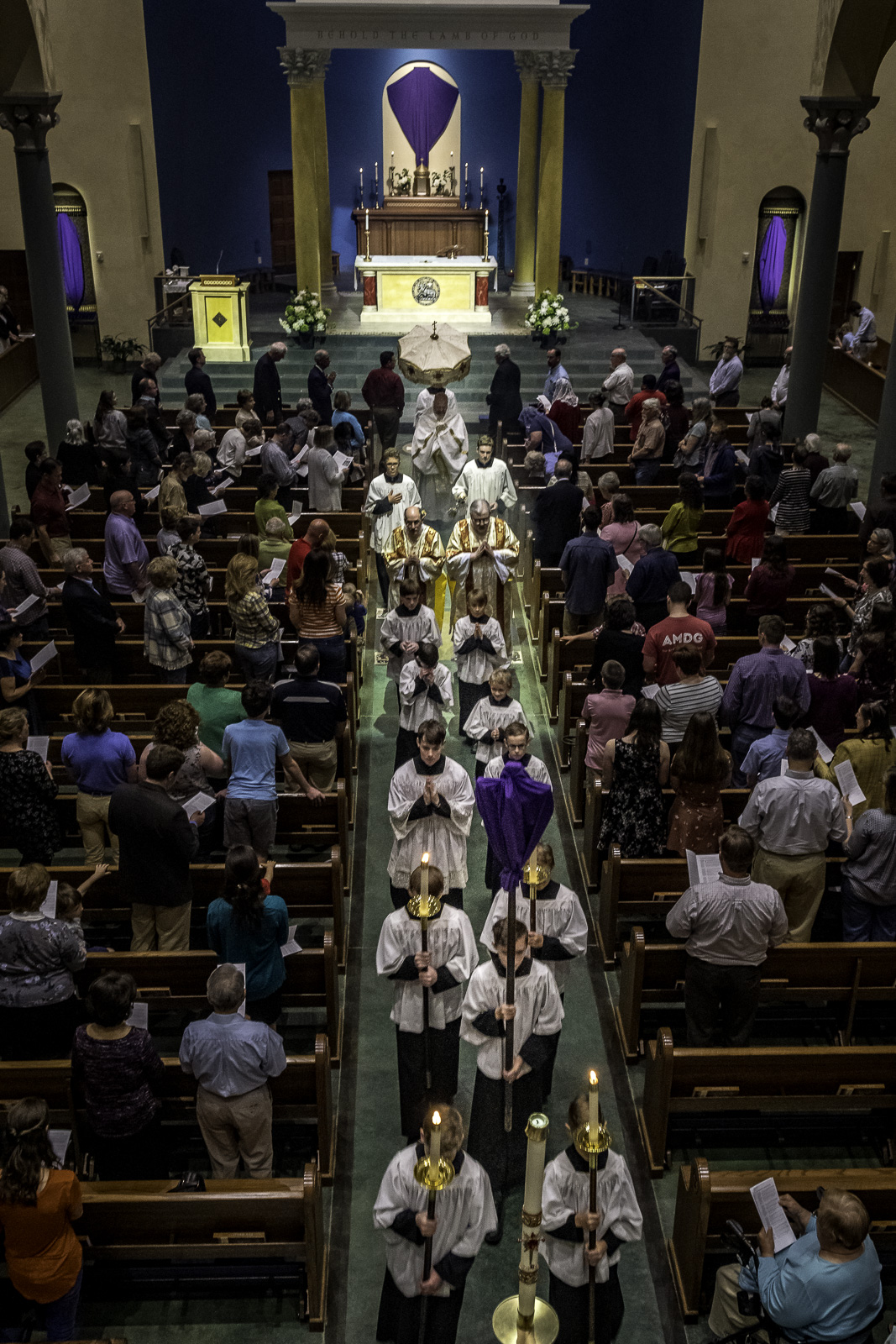
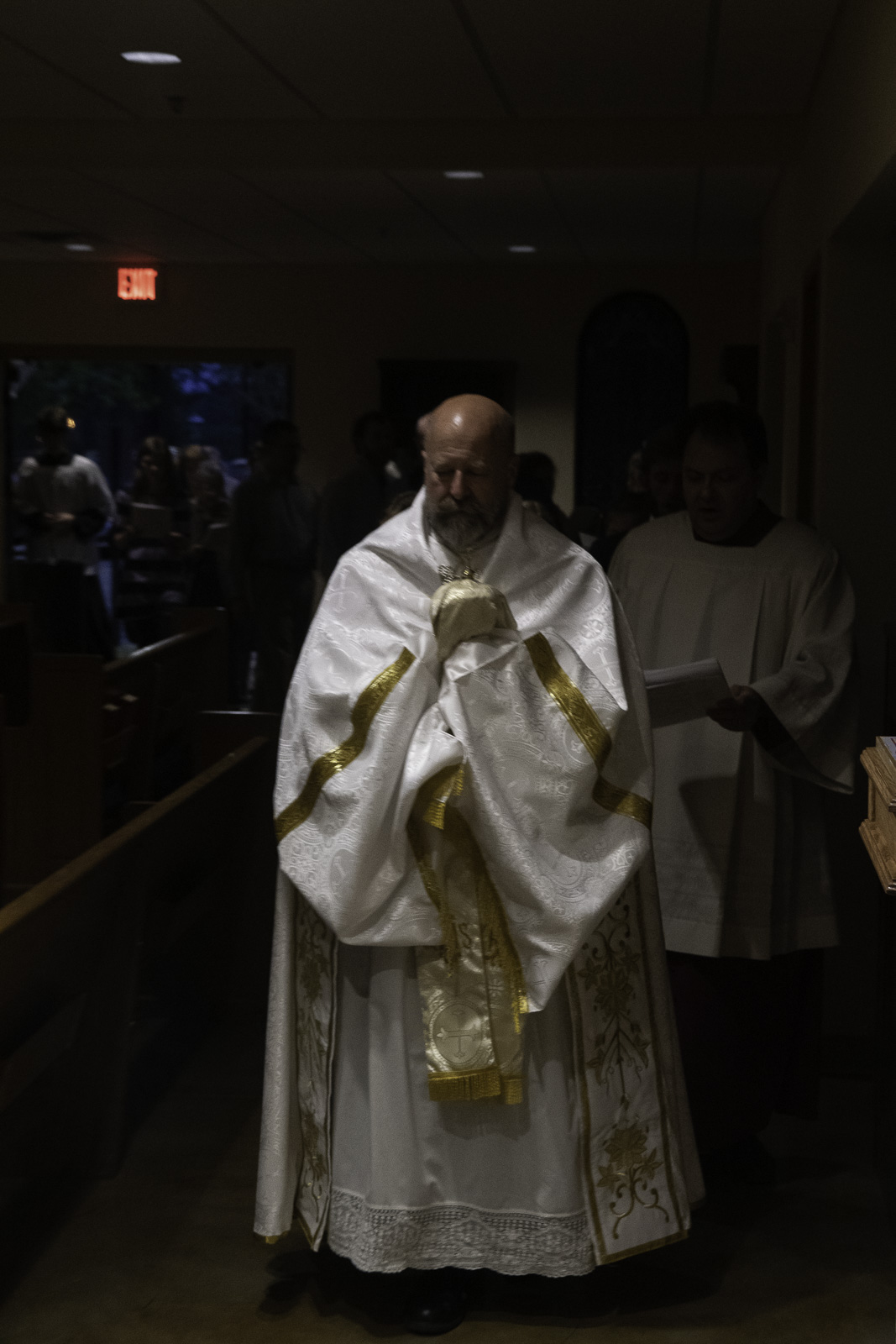
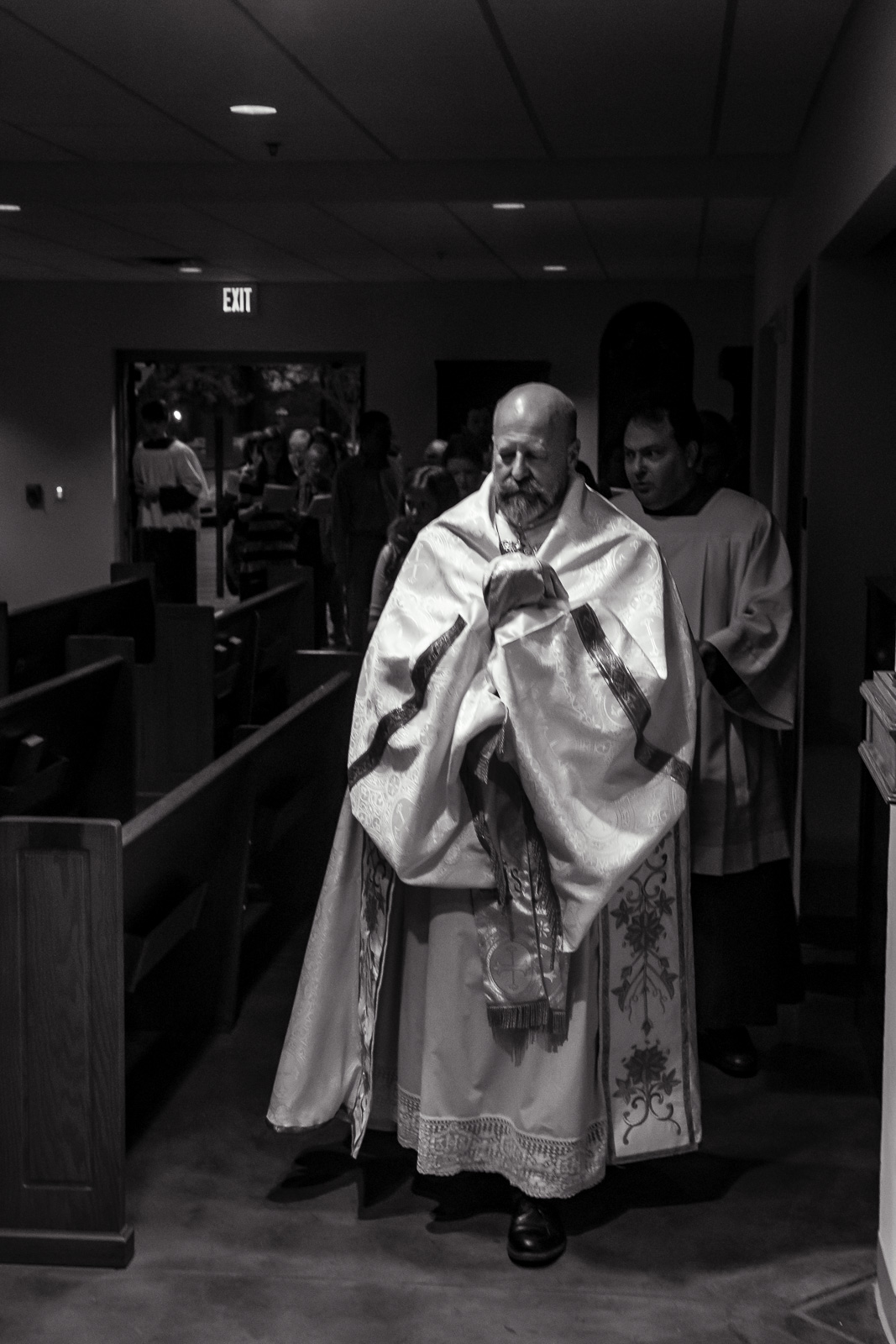
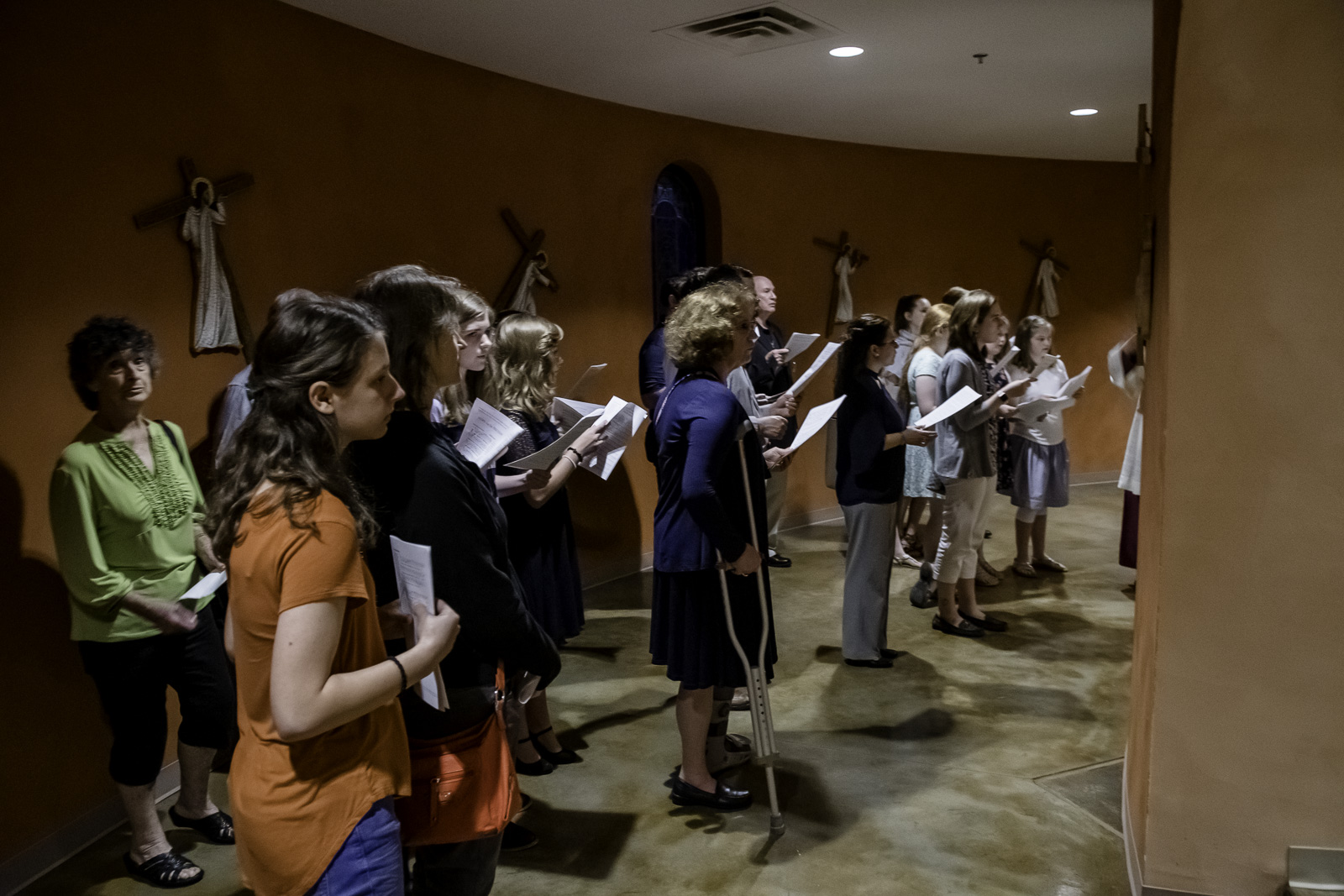
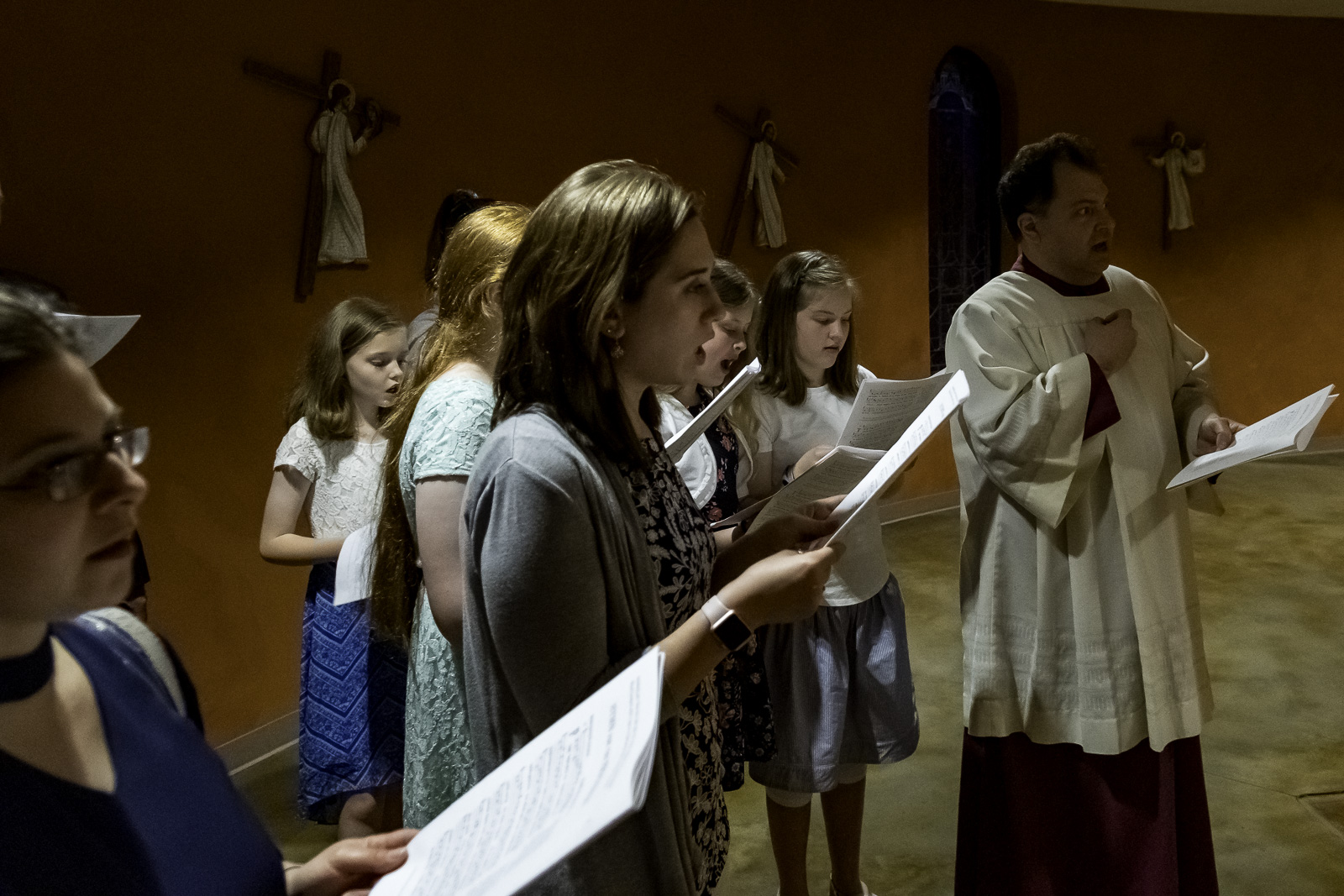
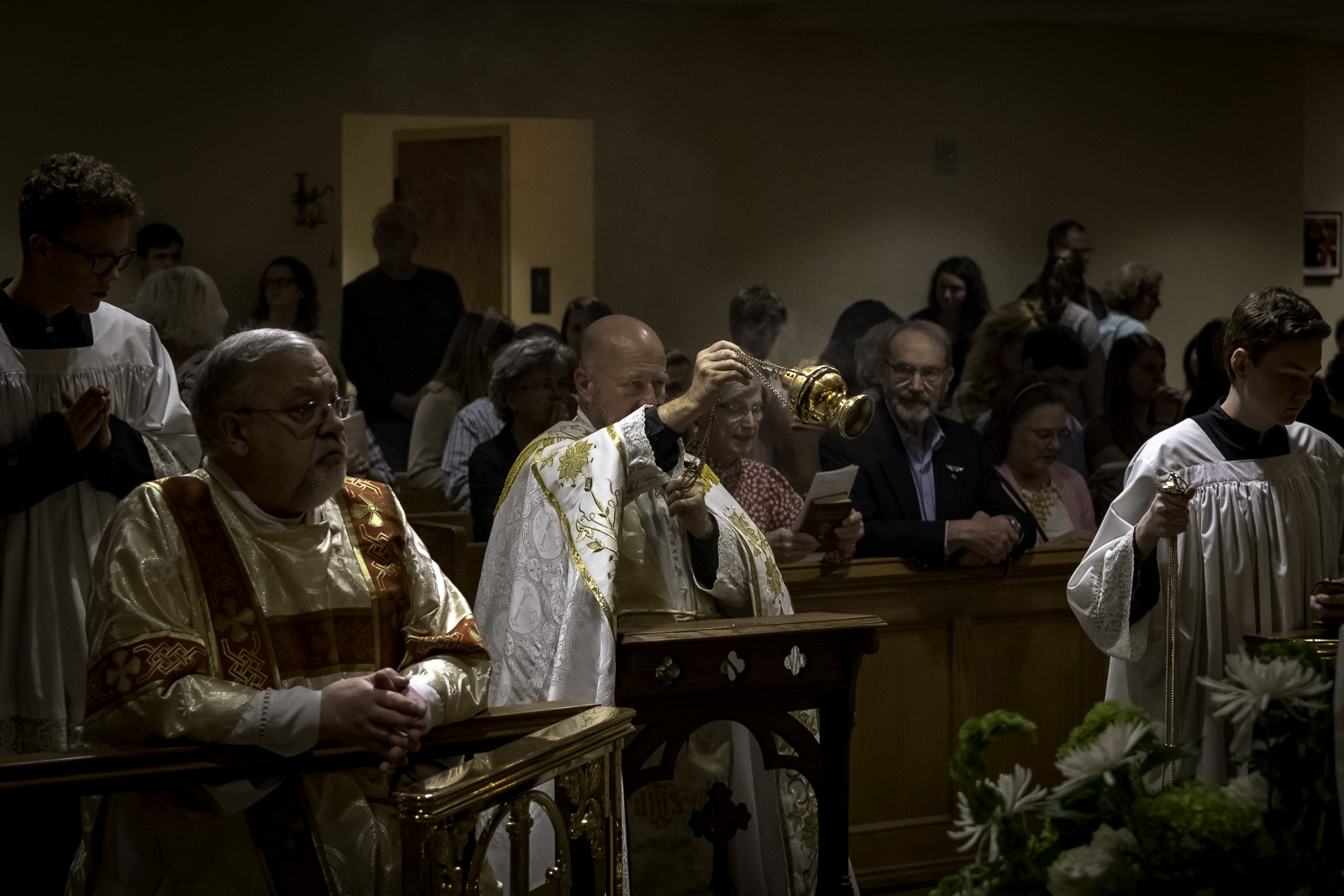
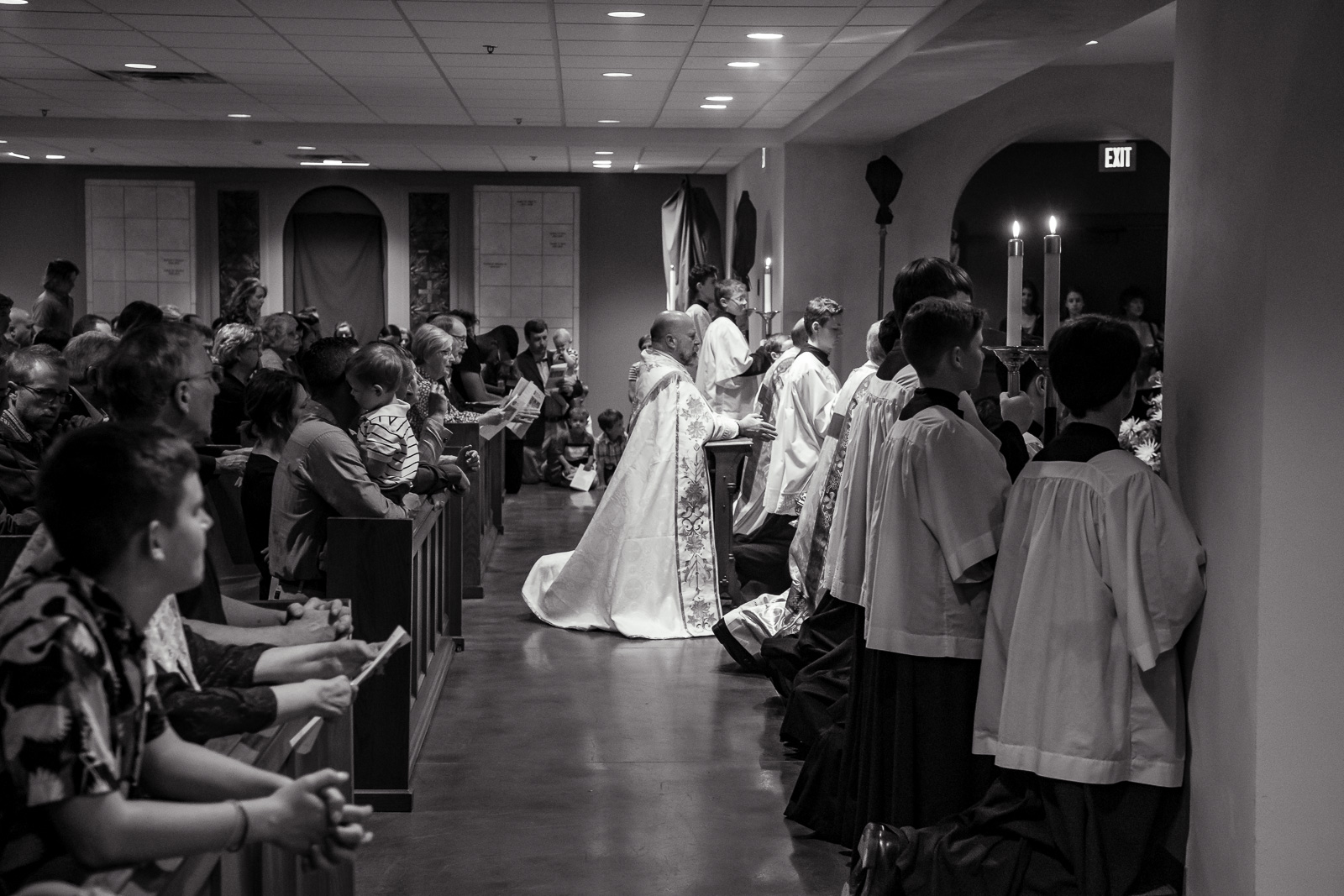
"Repent, and believe the Gospel."
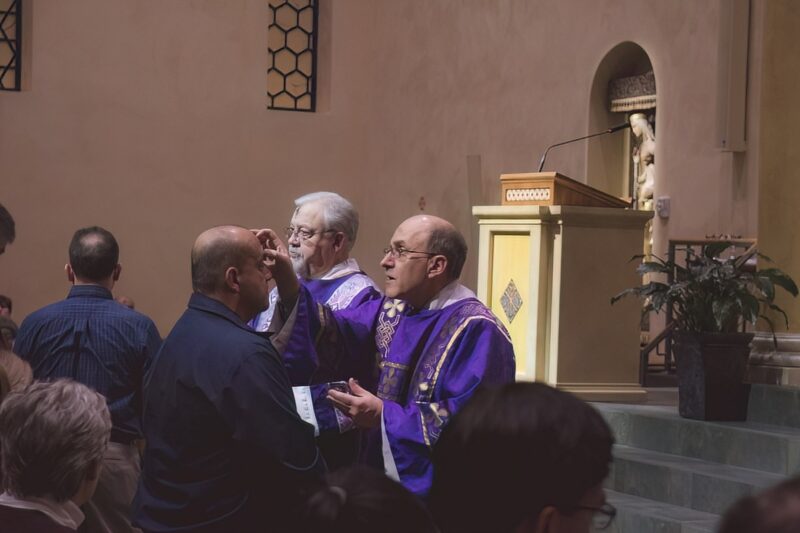
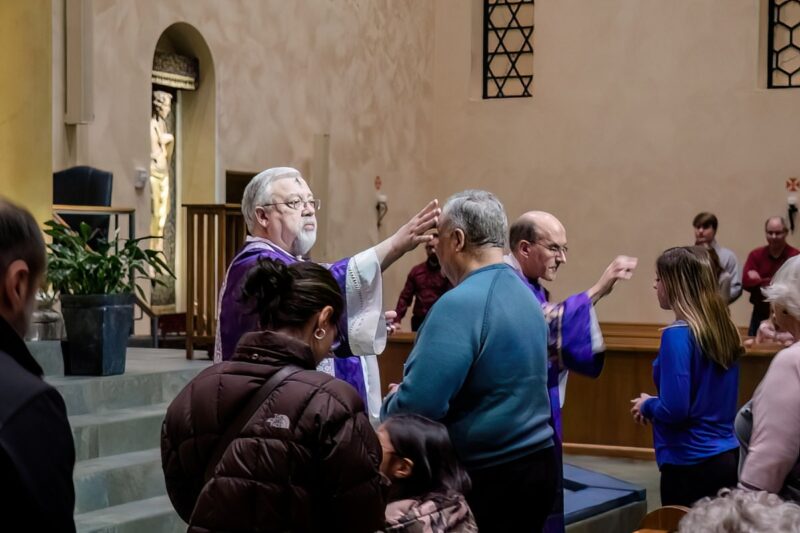
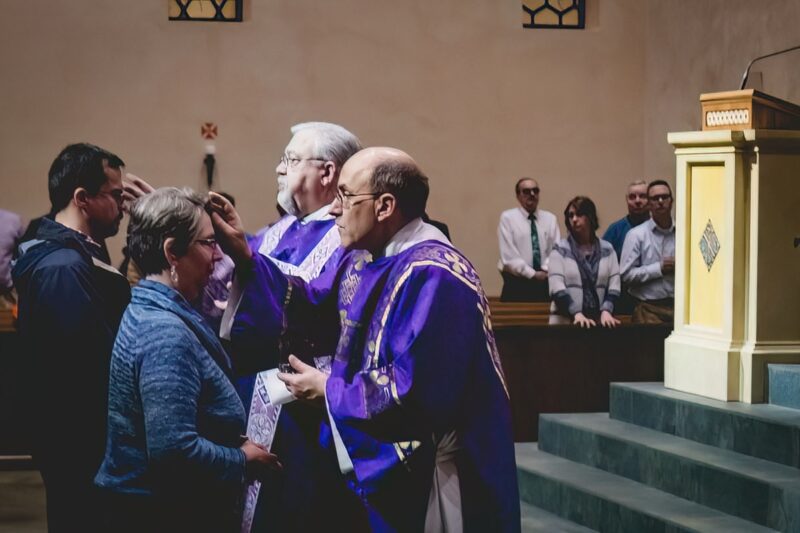
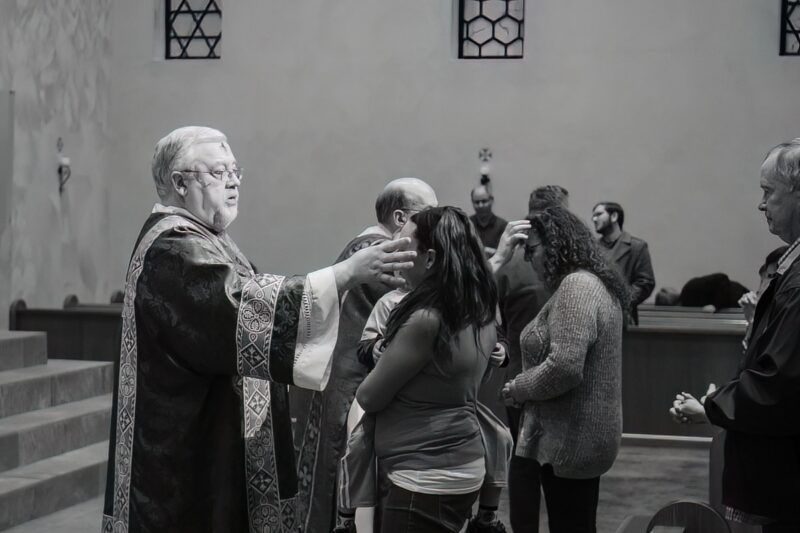
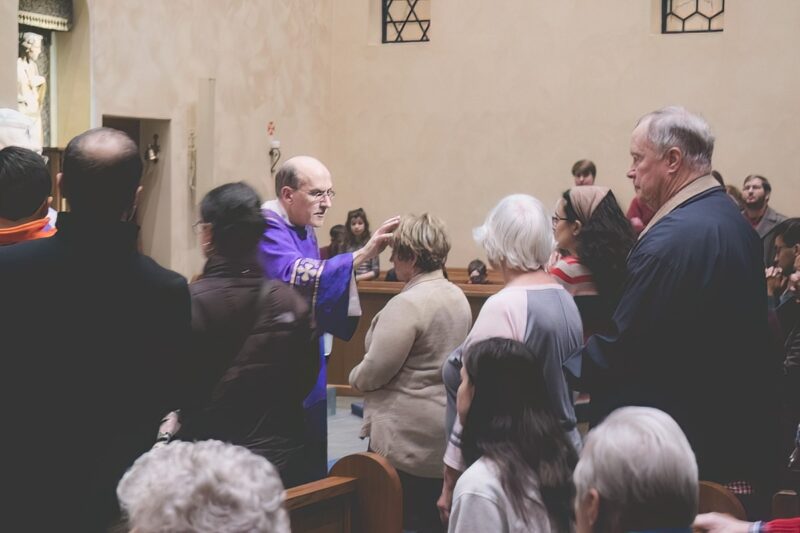
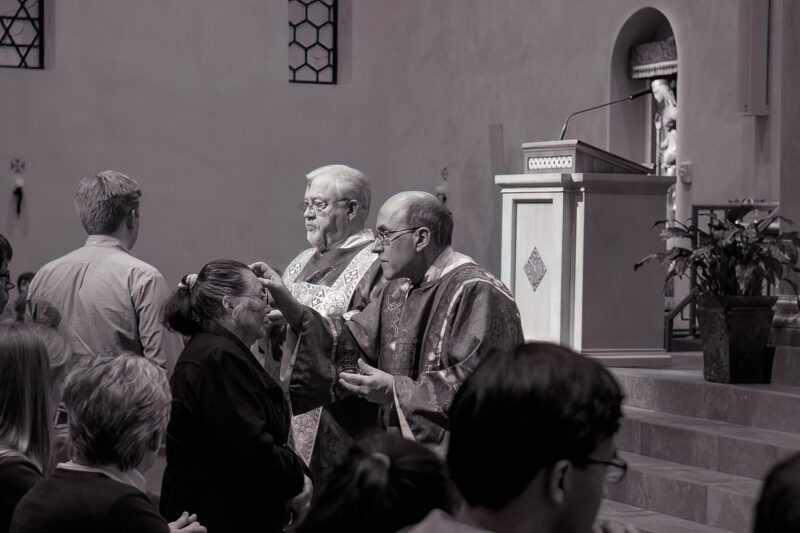
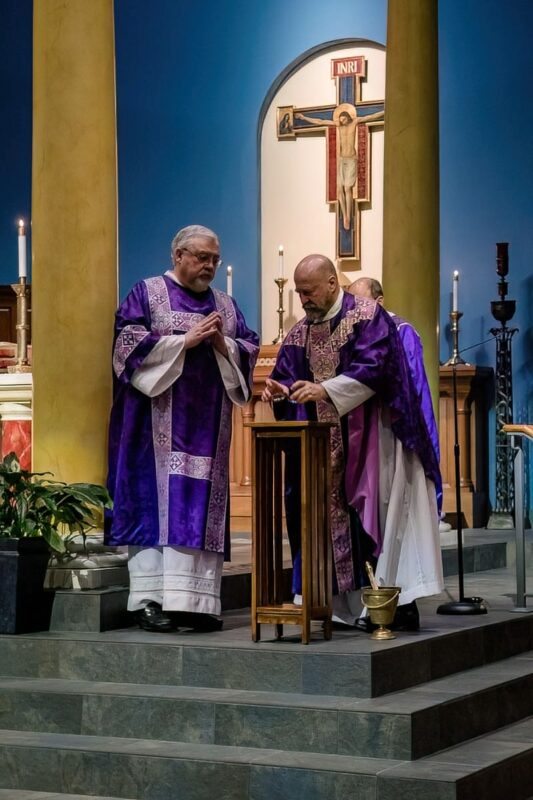
Sometimes that's easier than other times.
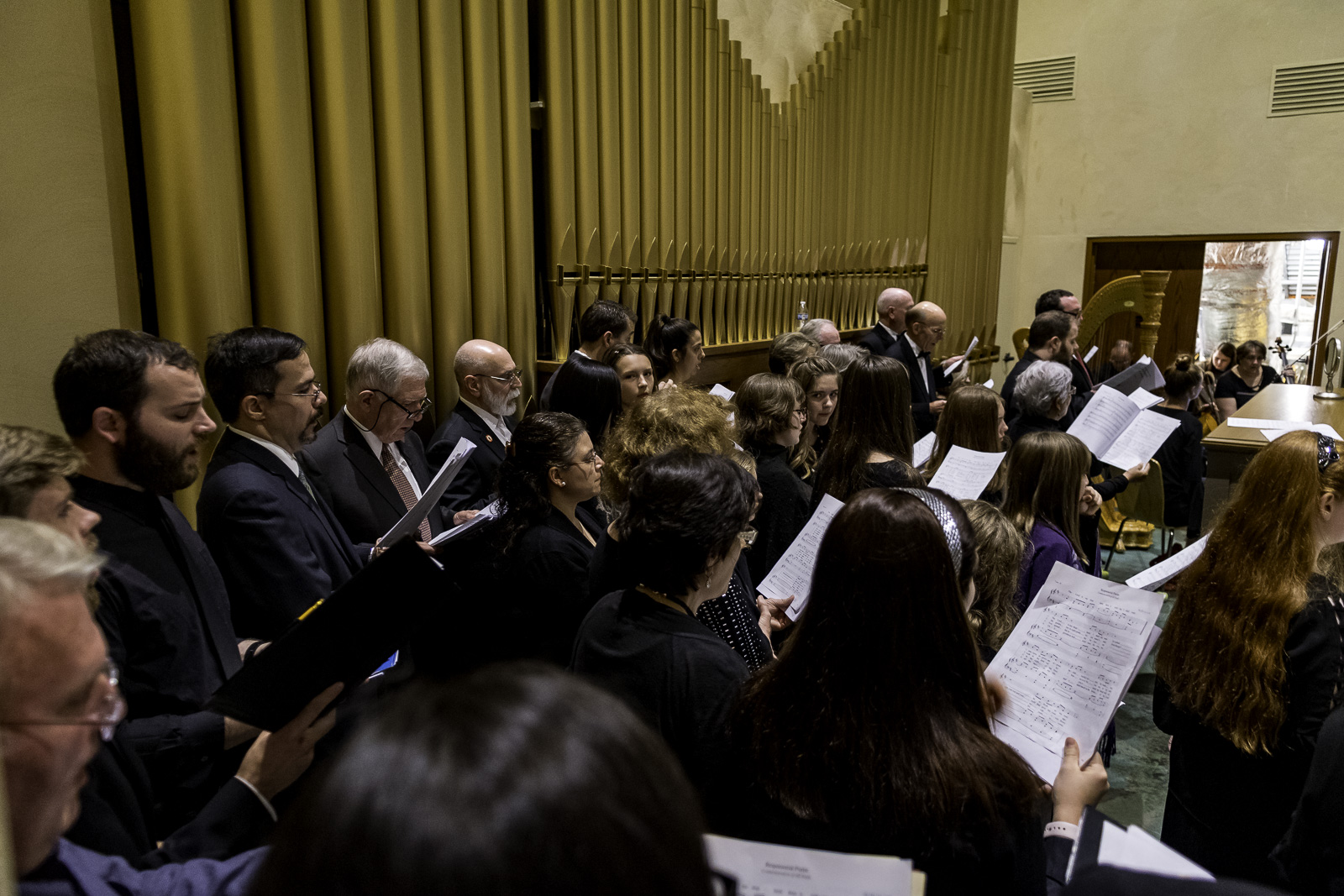
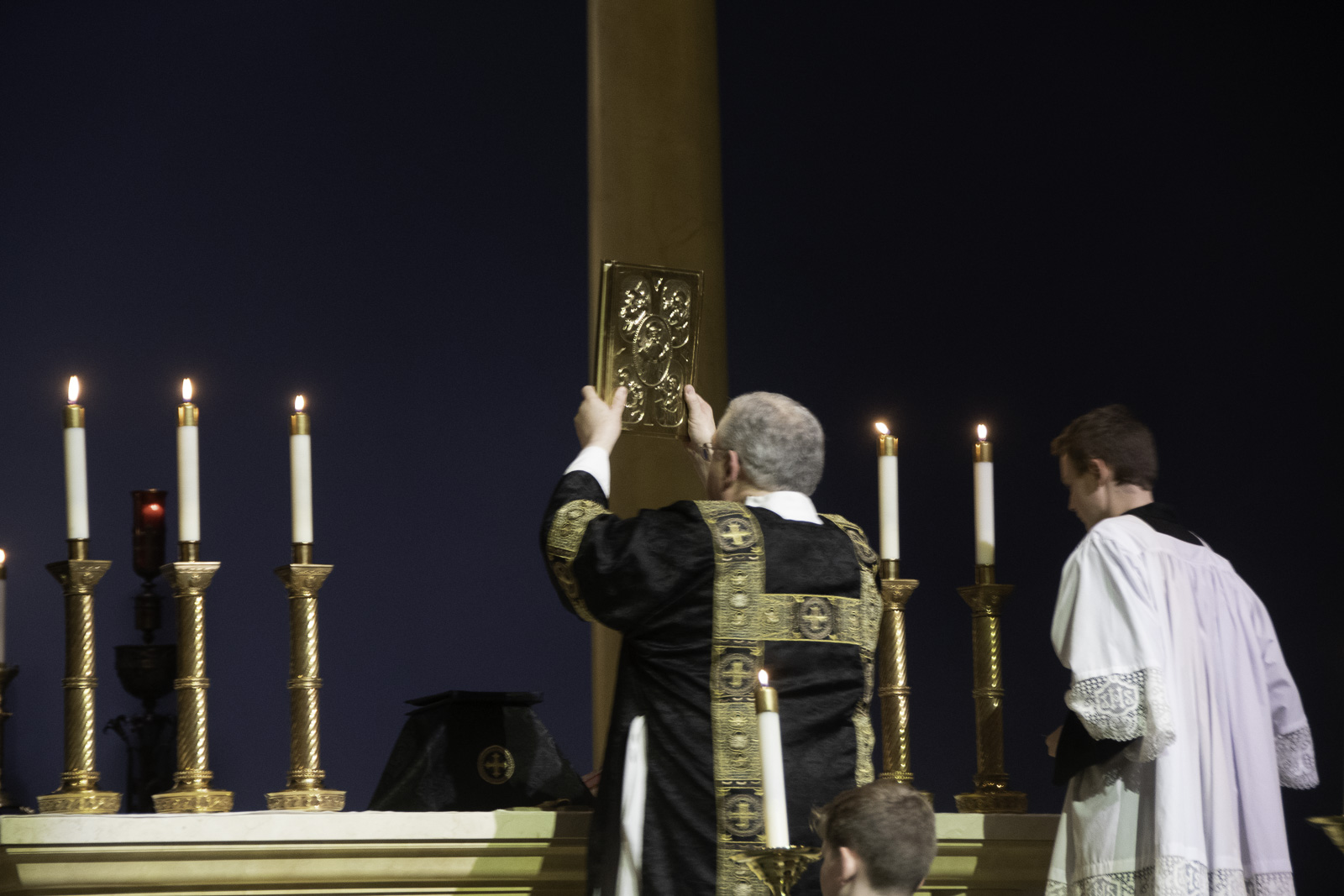
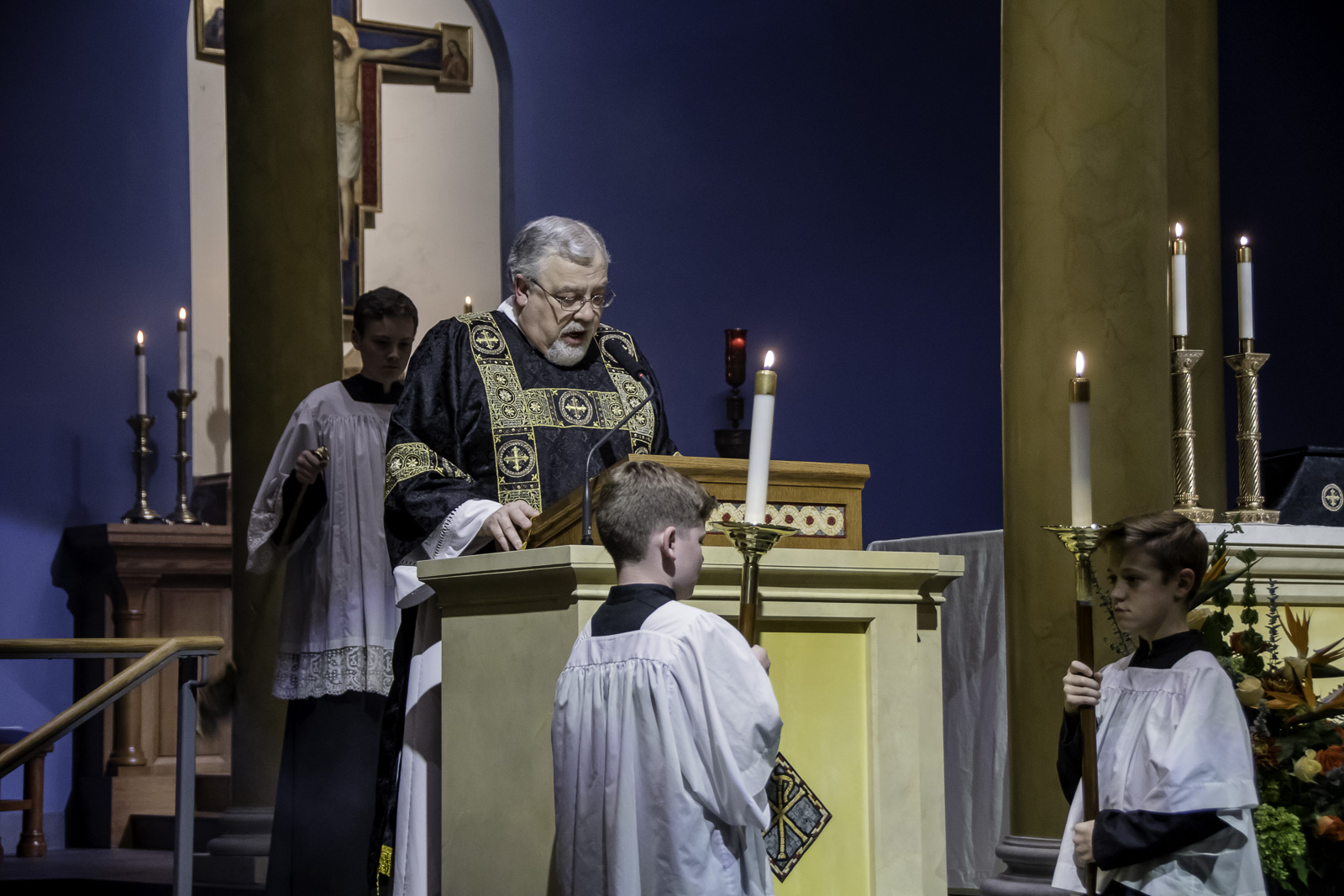
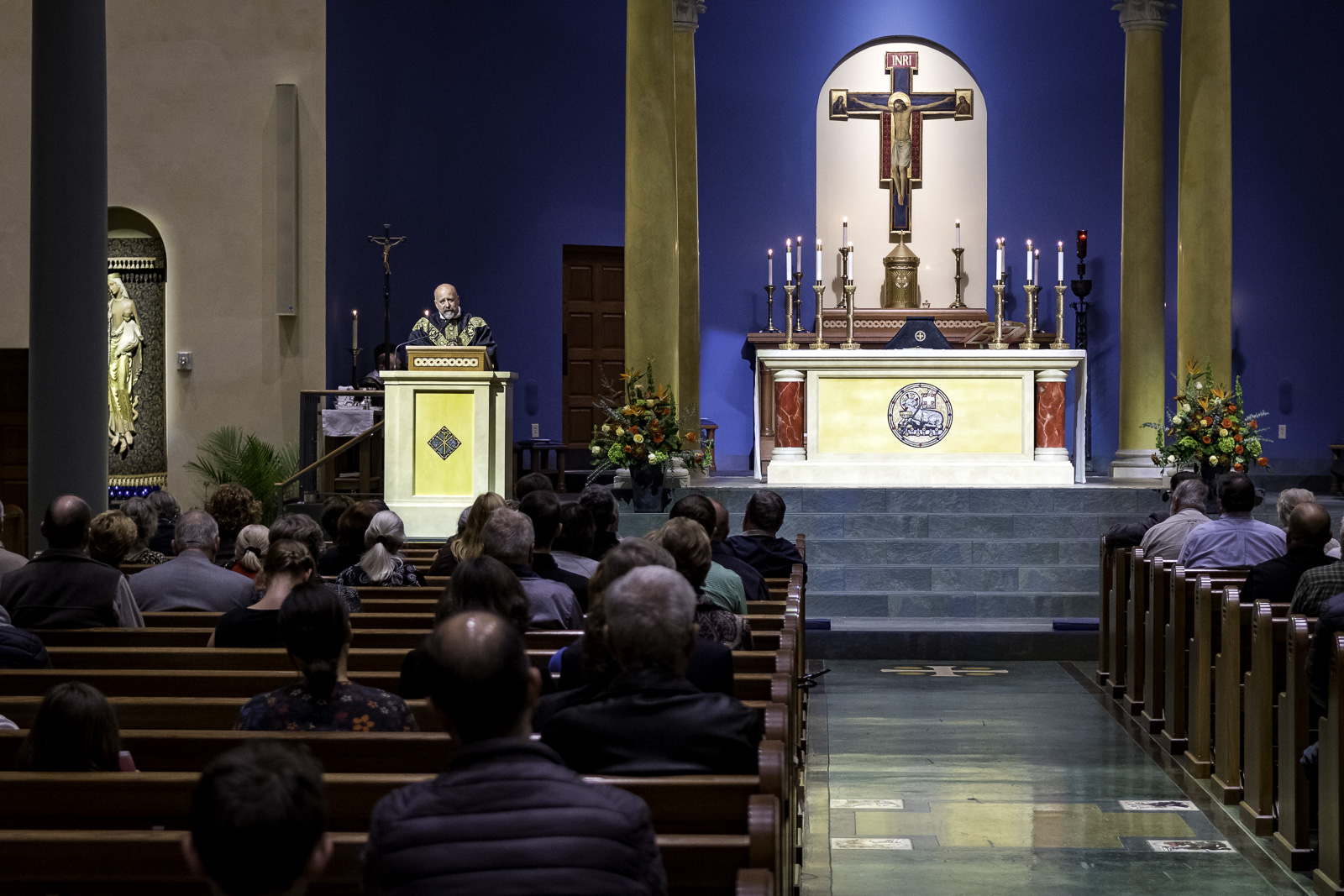
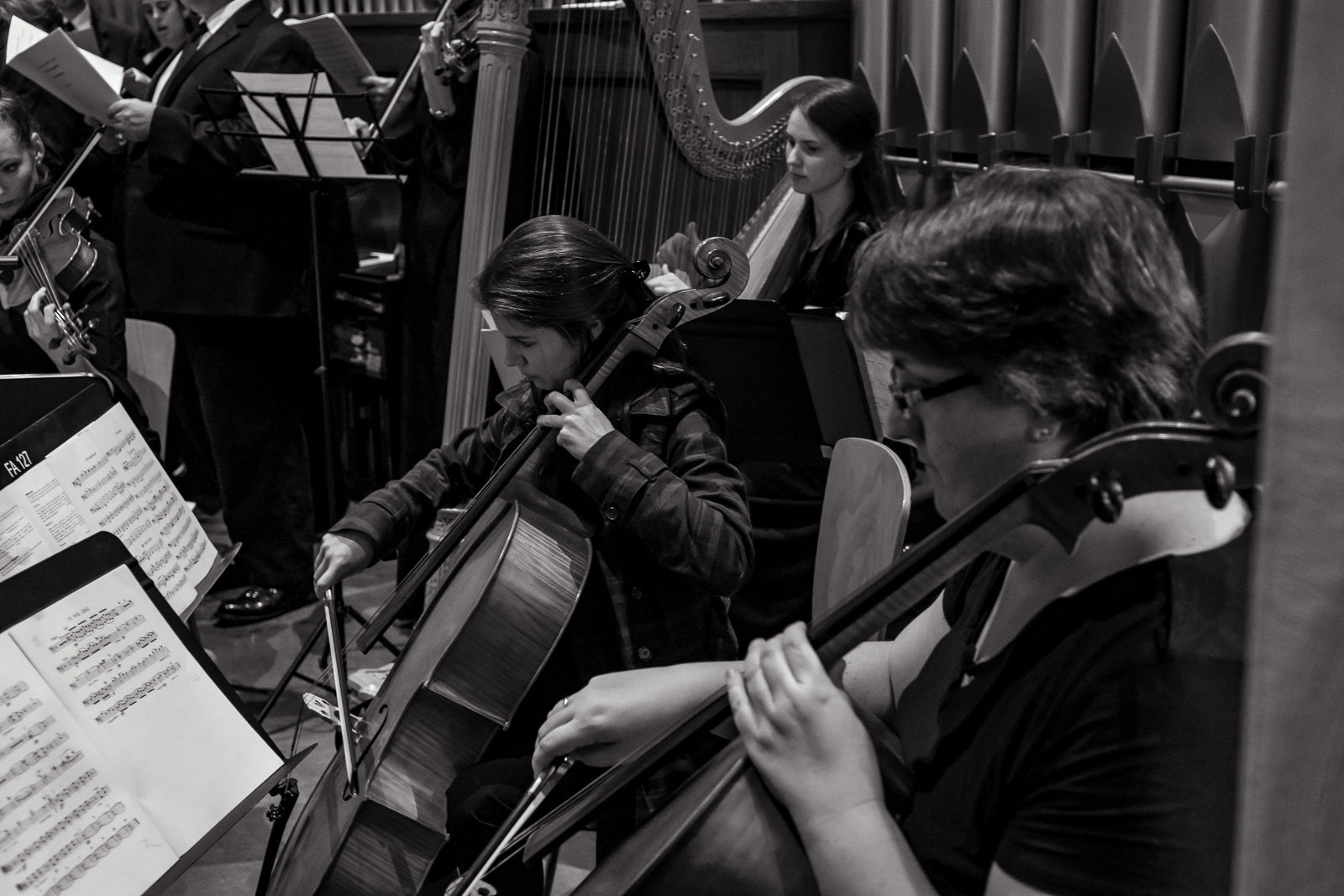
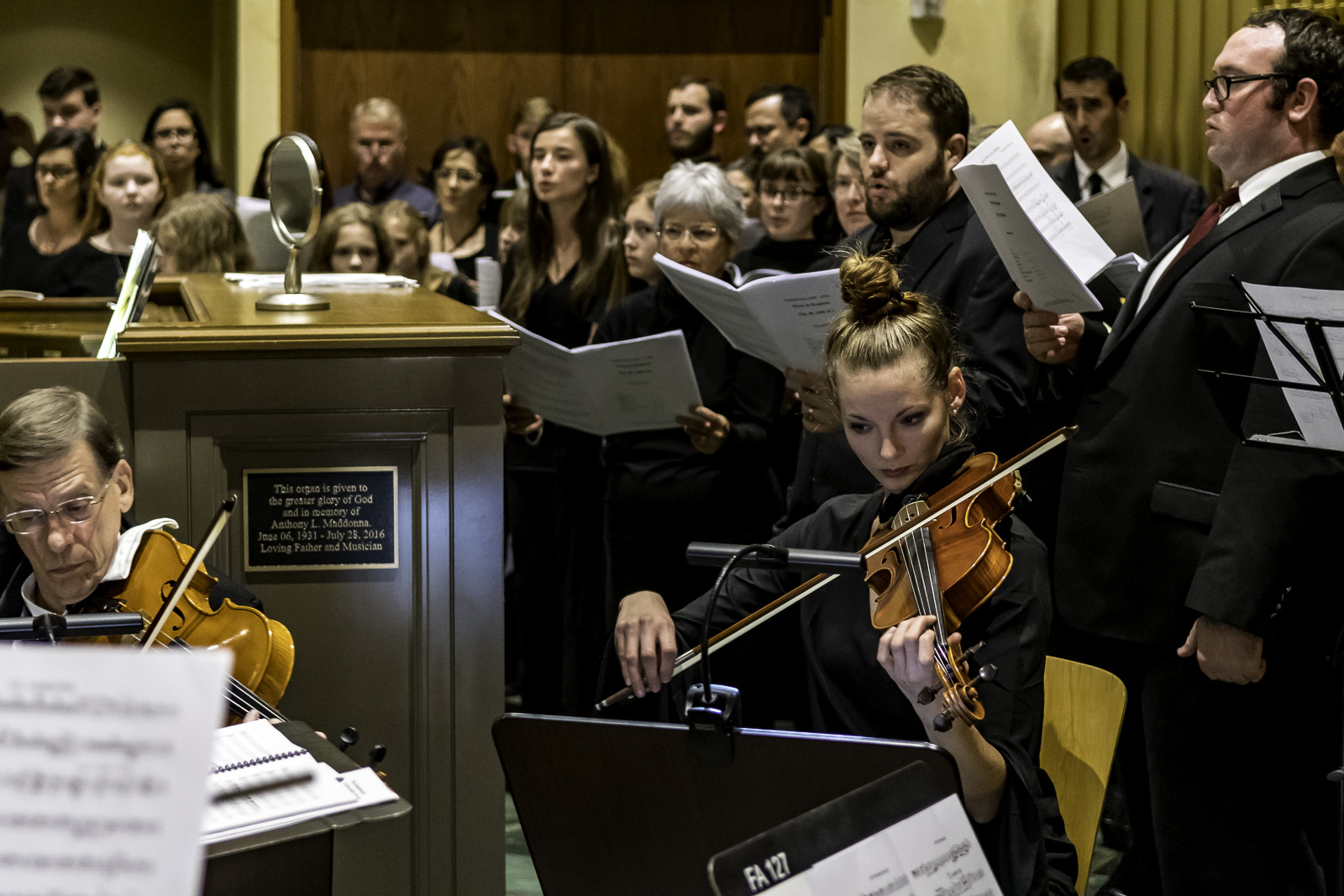
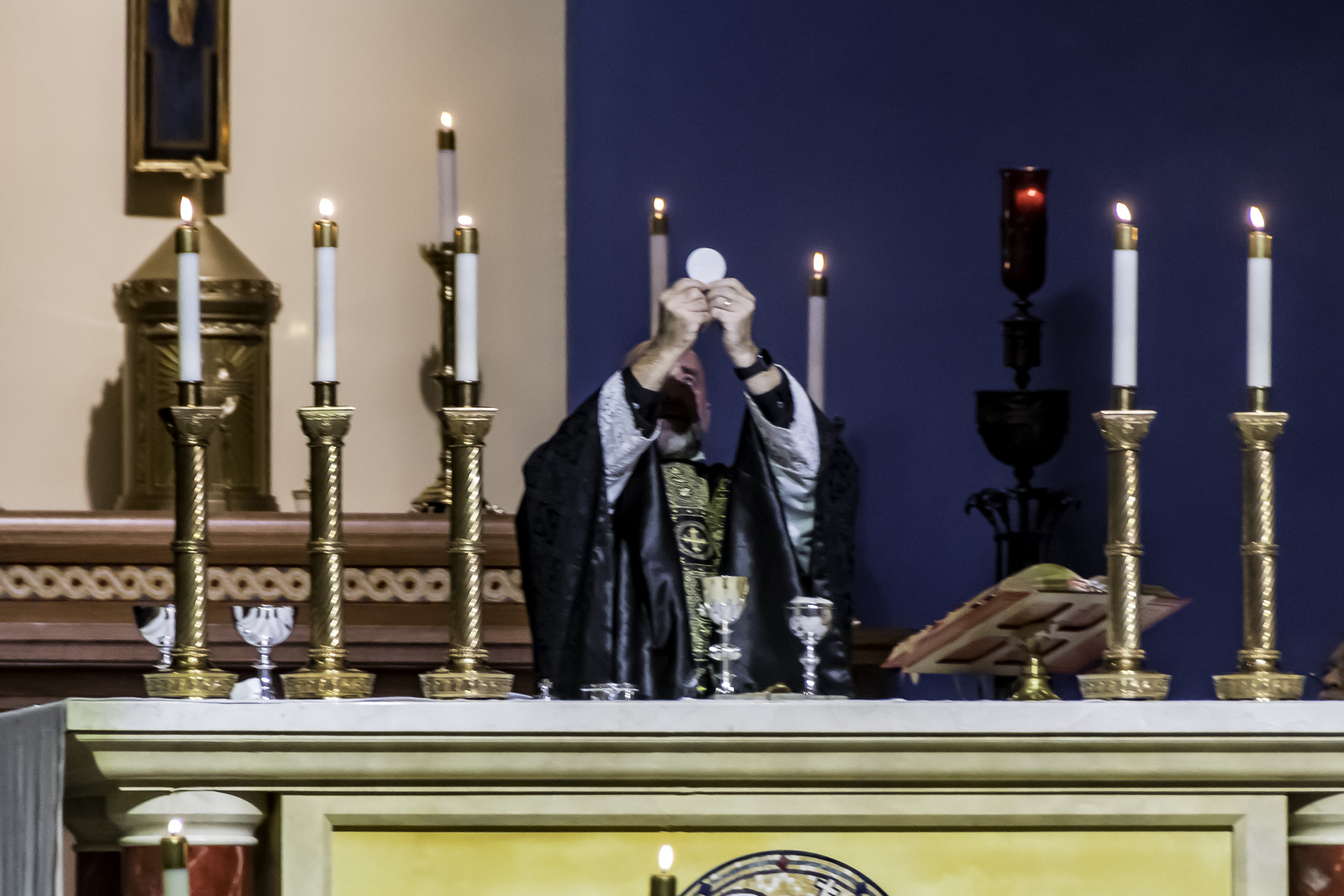
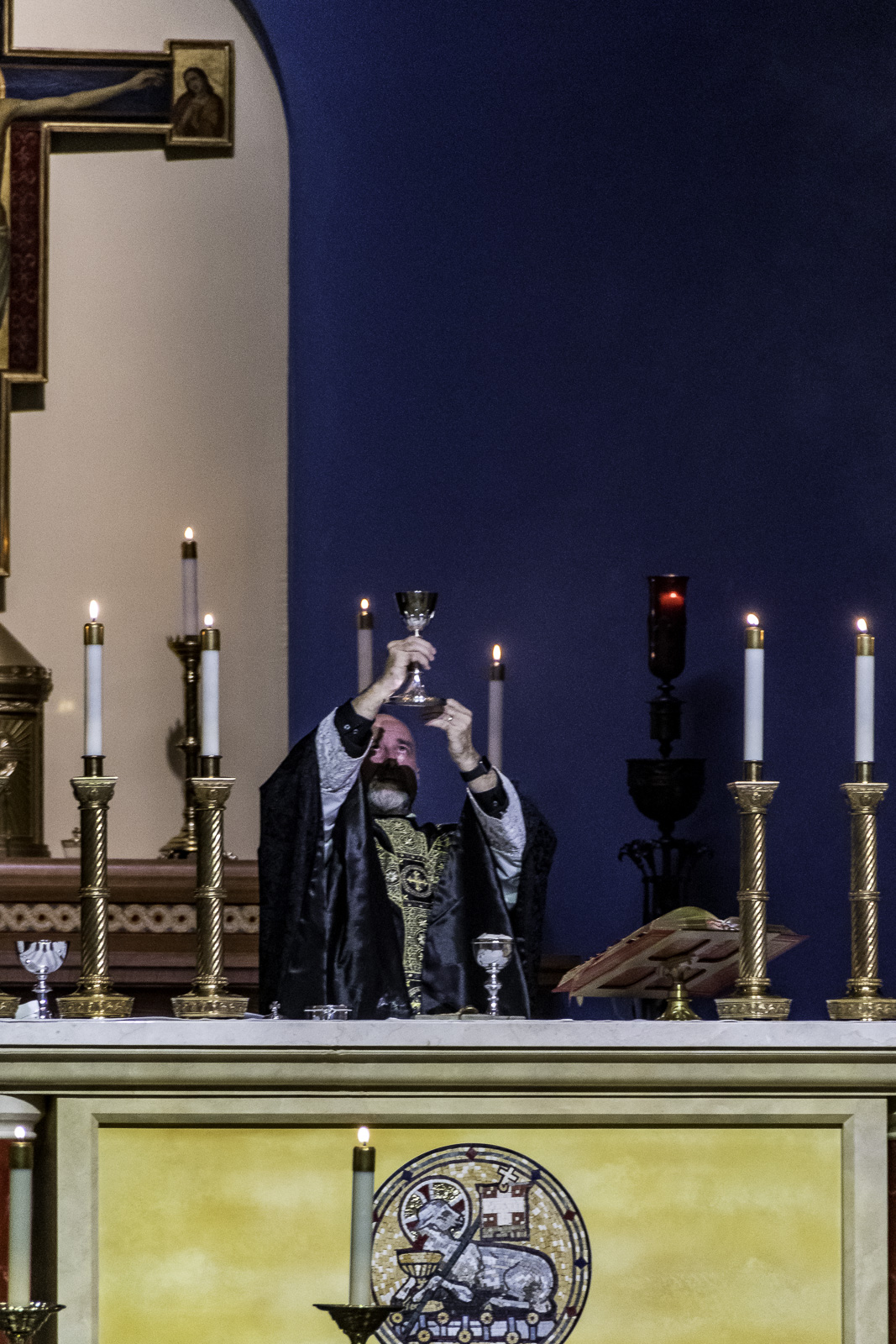
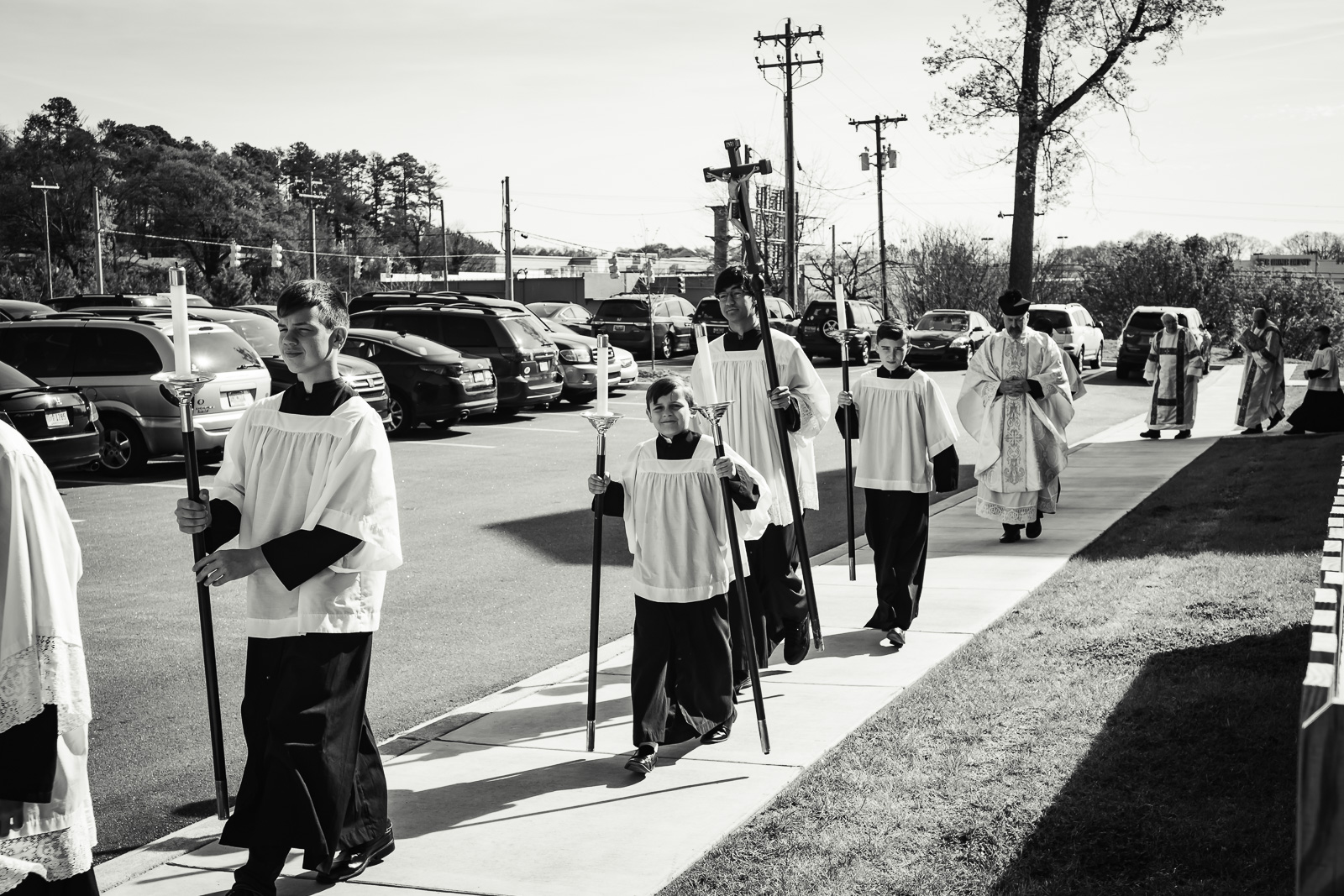
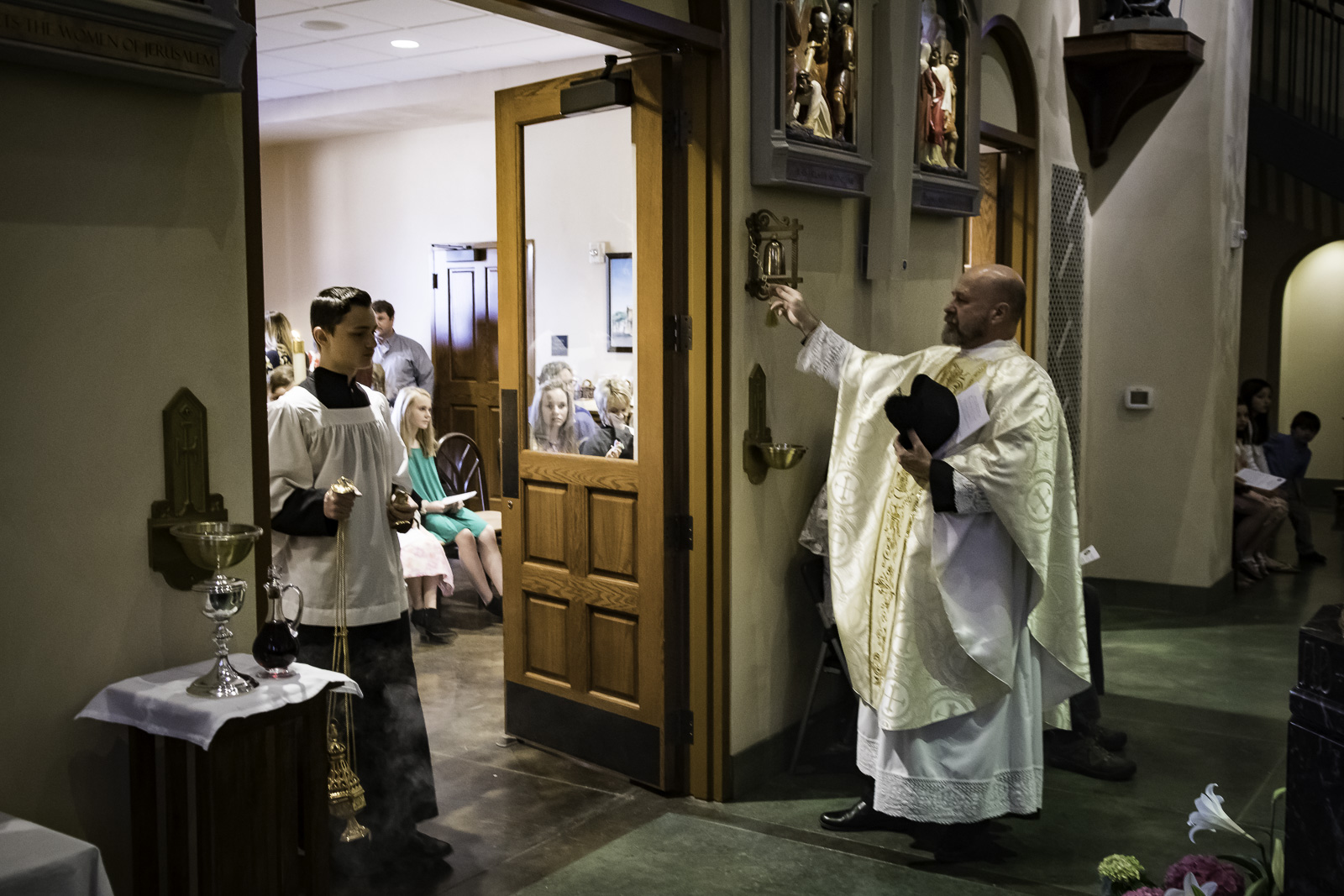
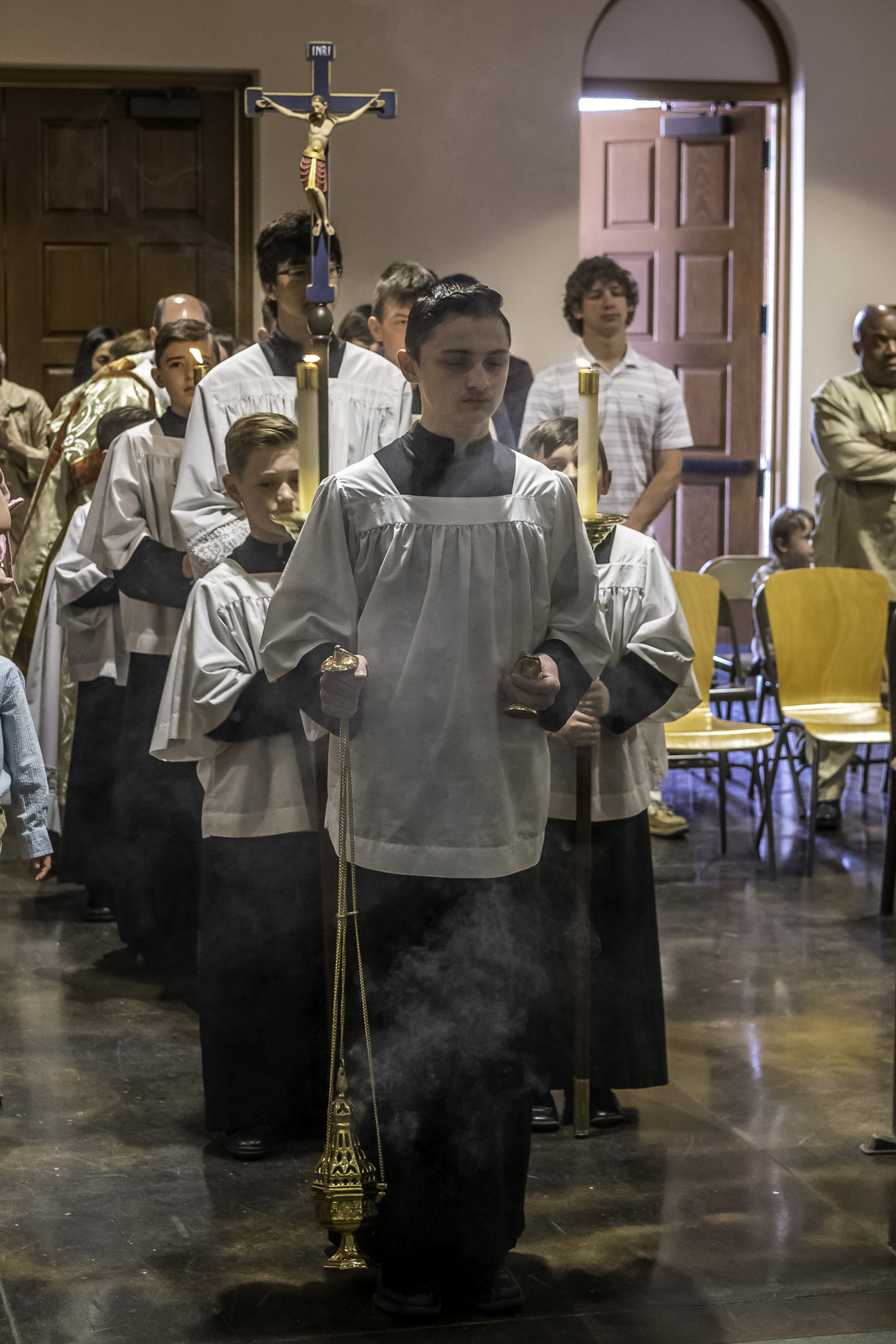
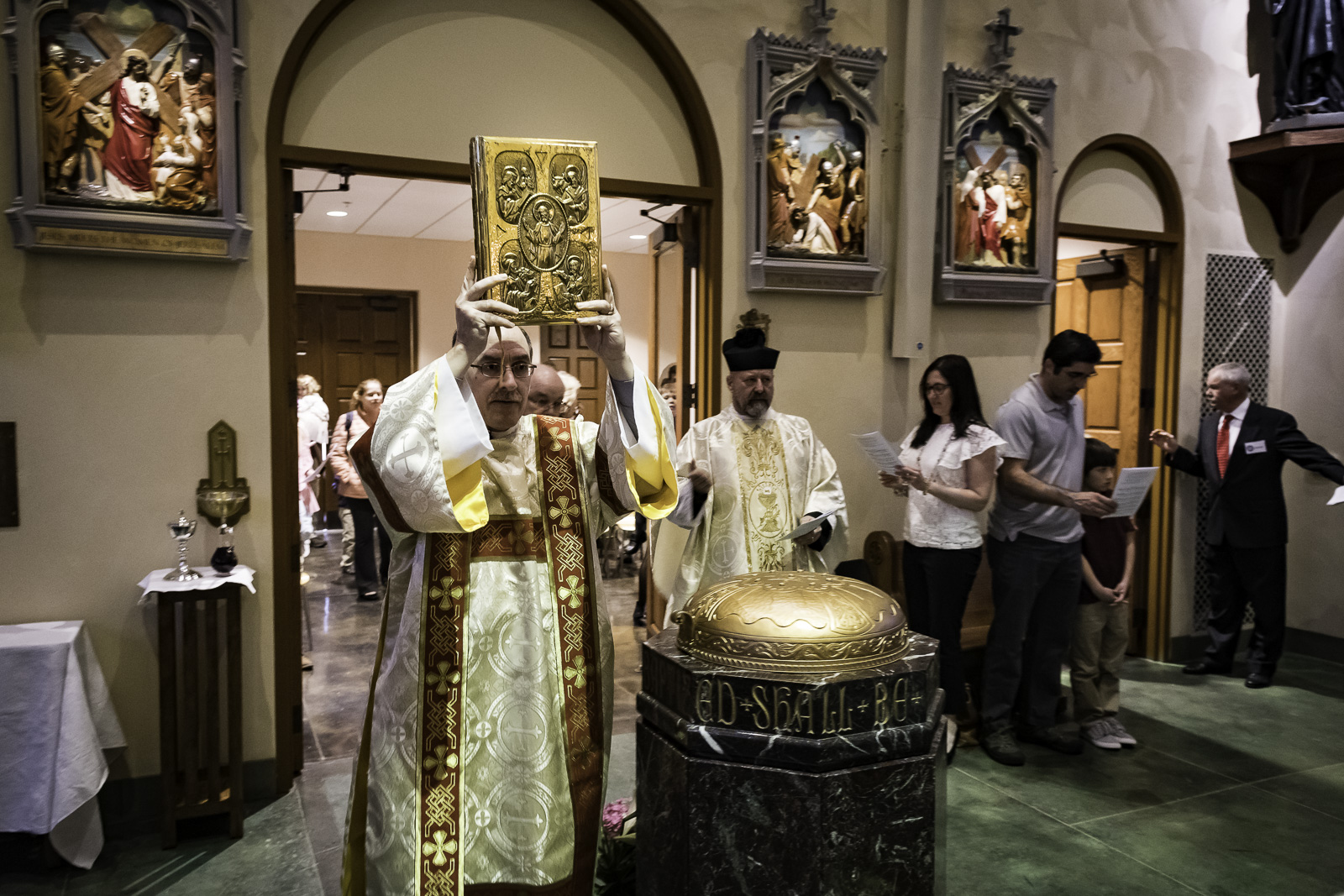
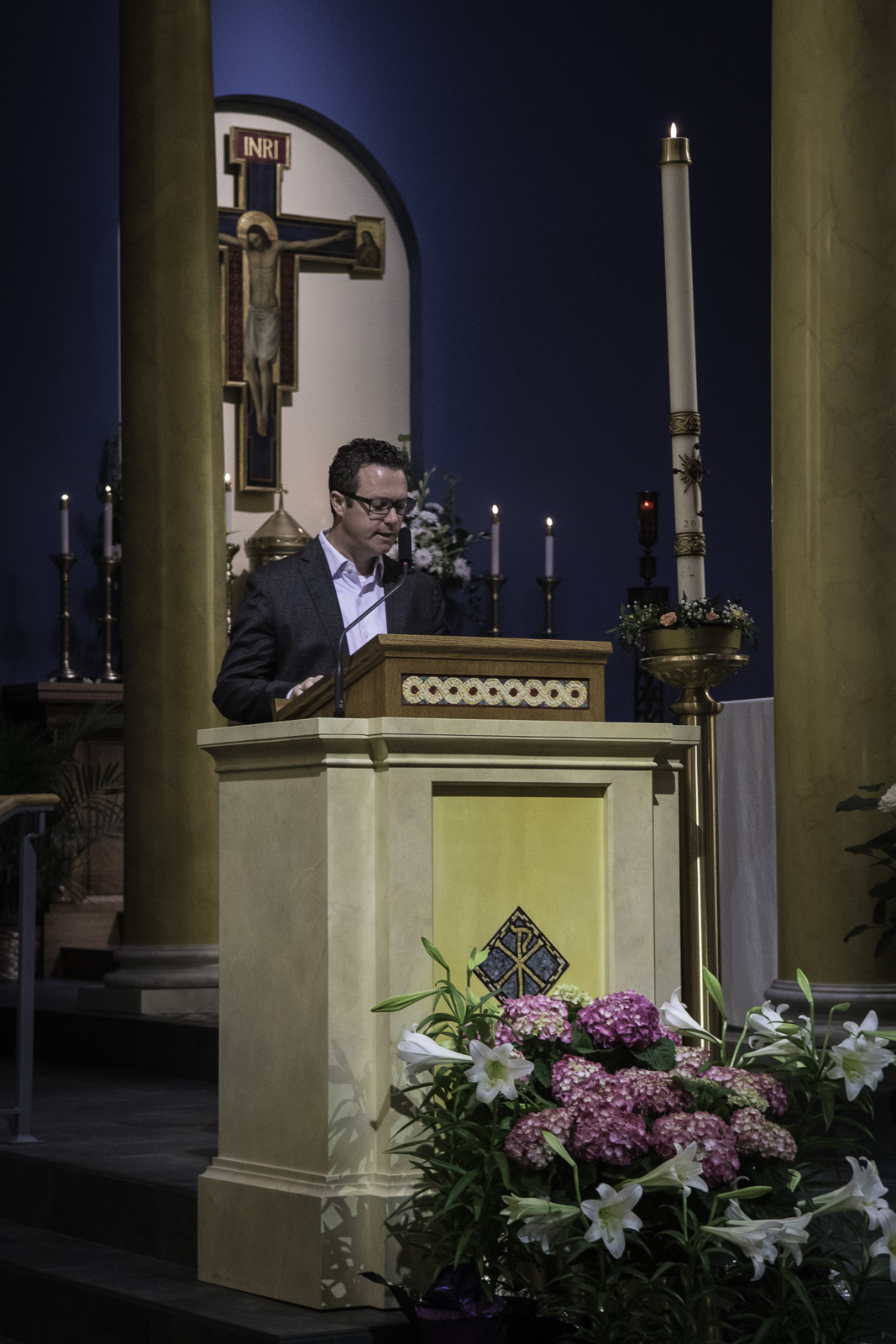
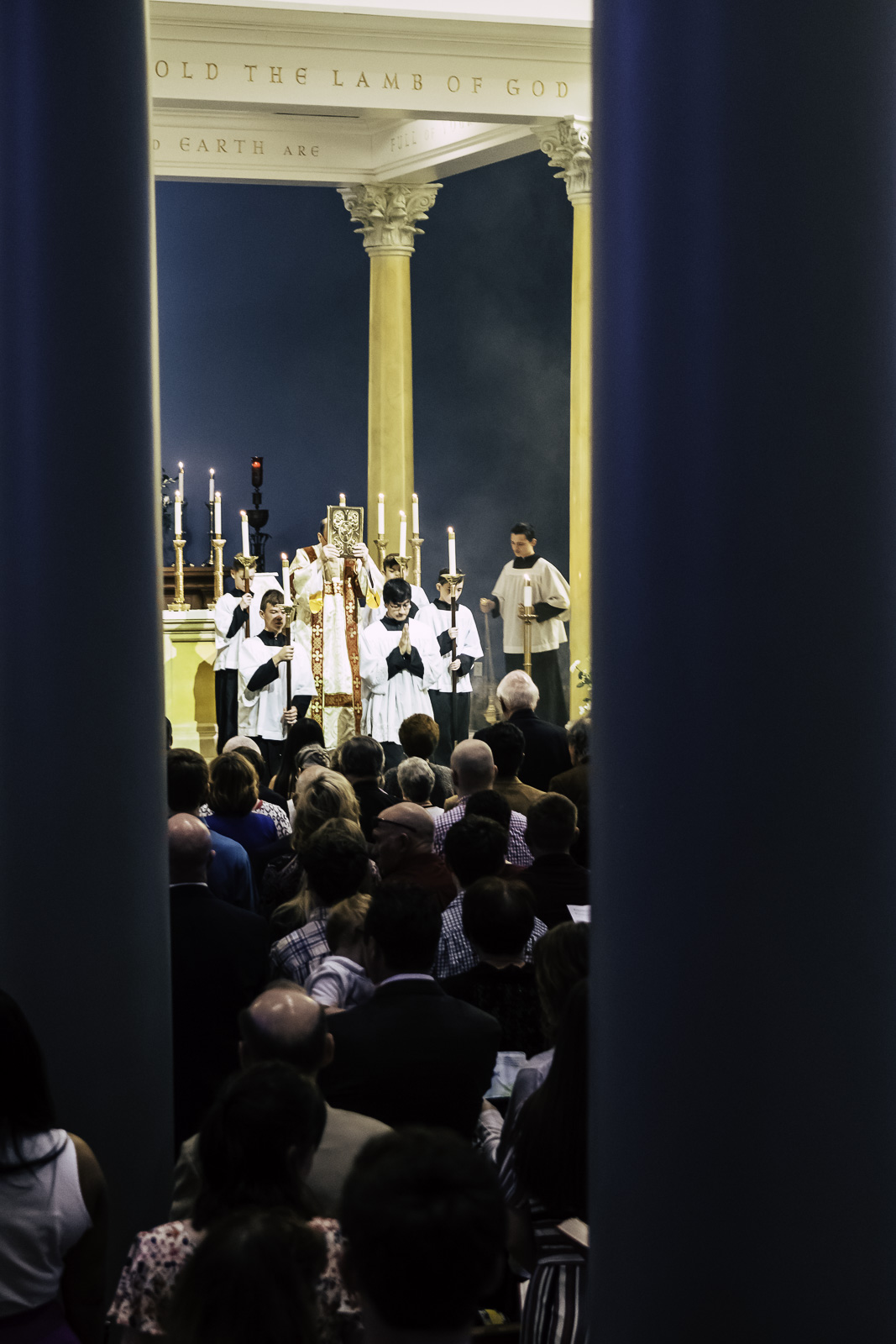
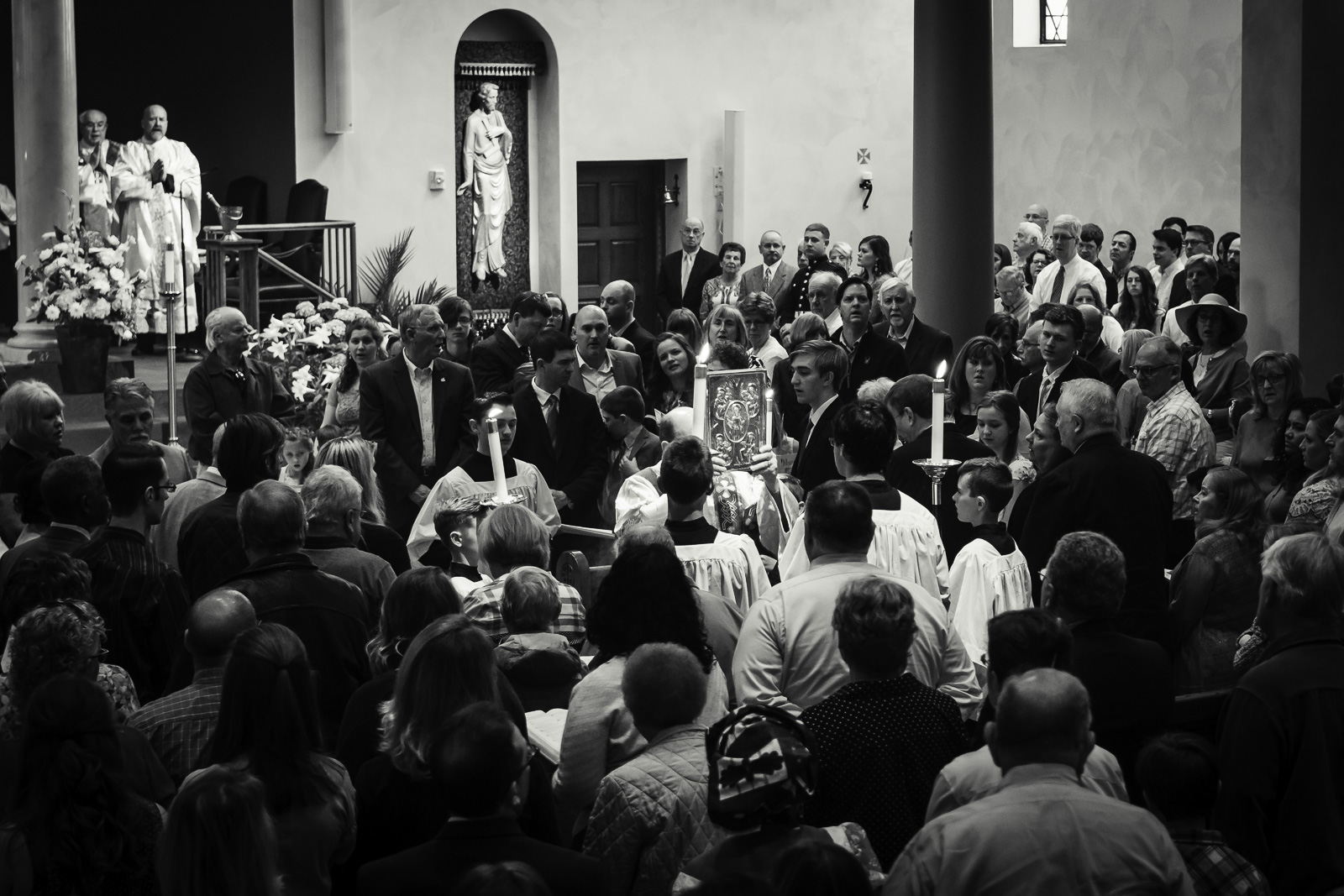
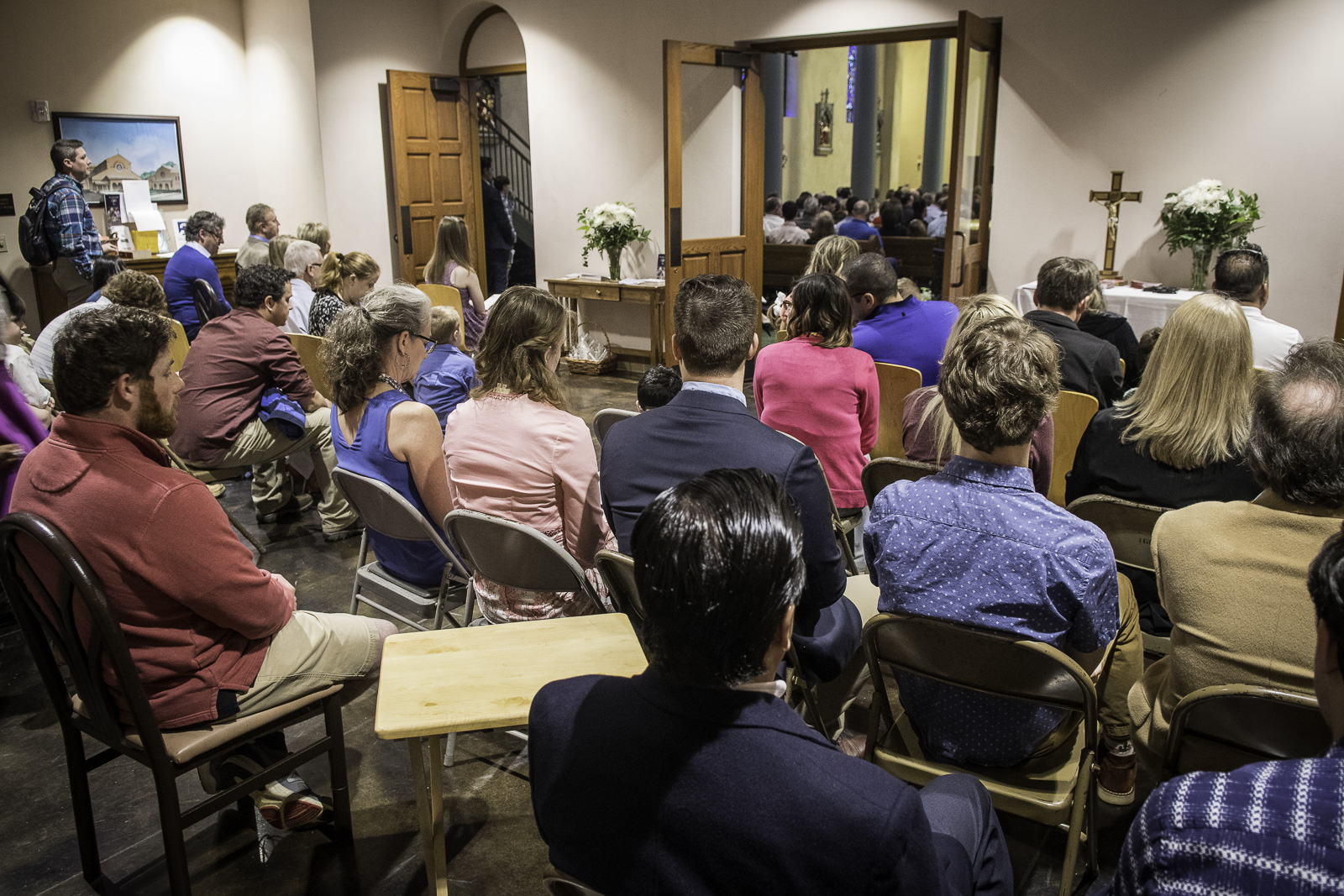
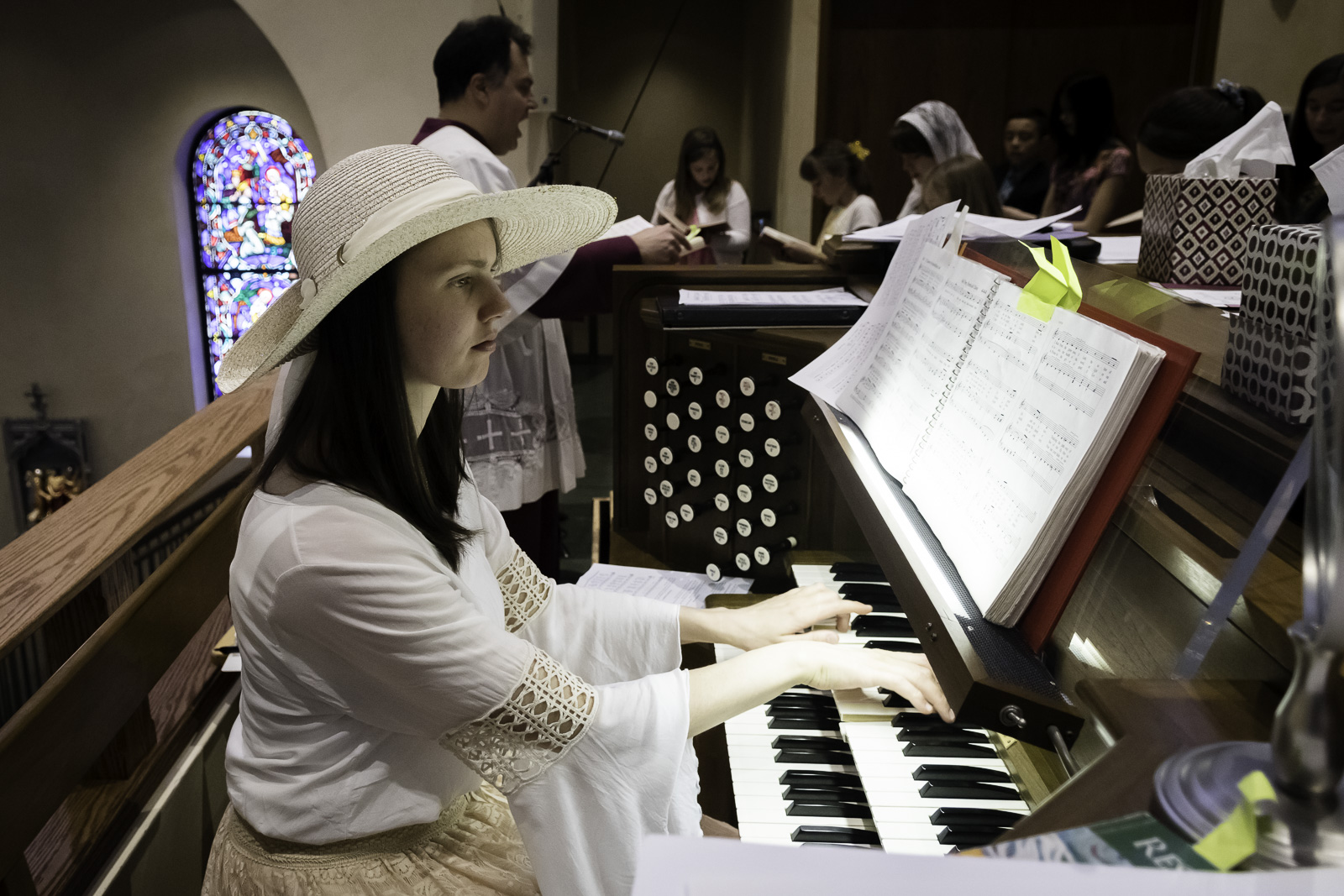
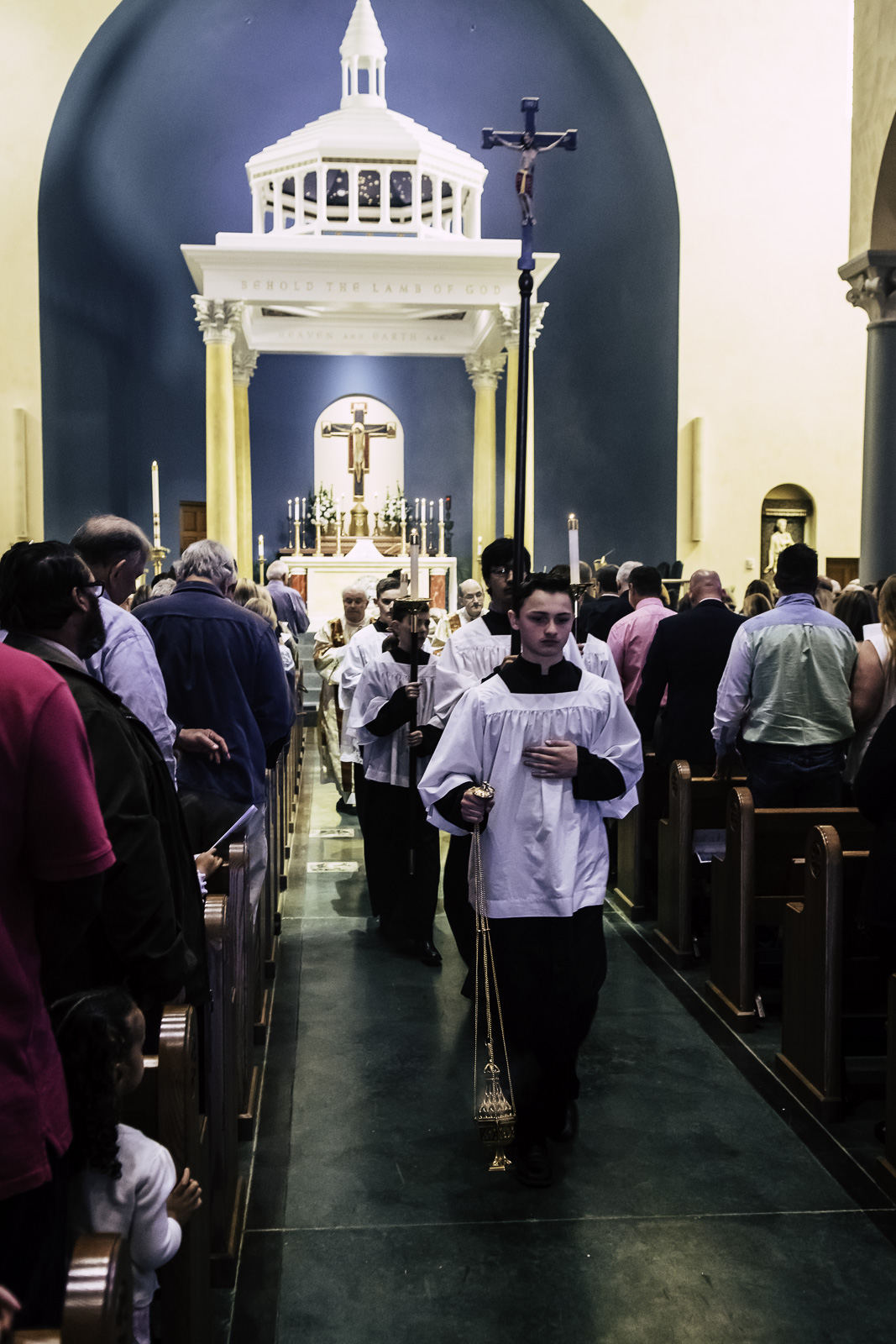
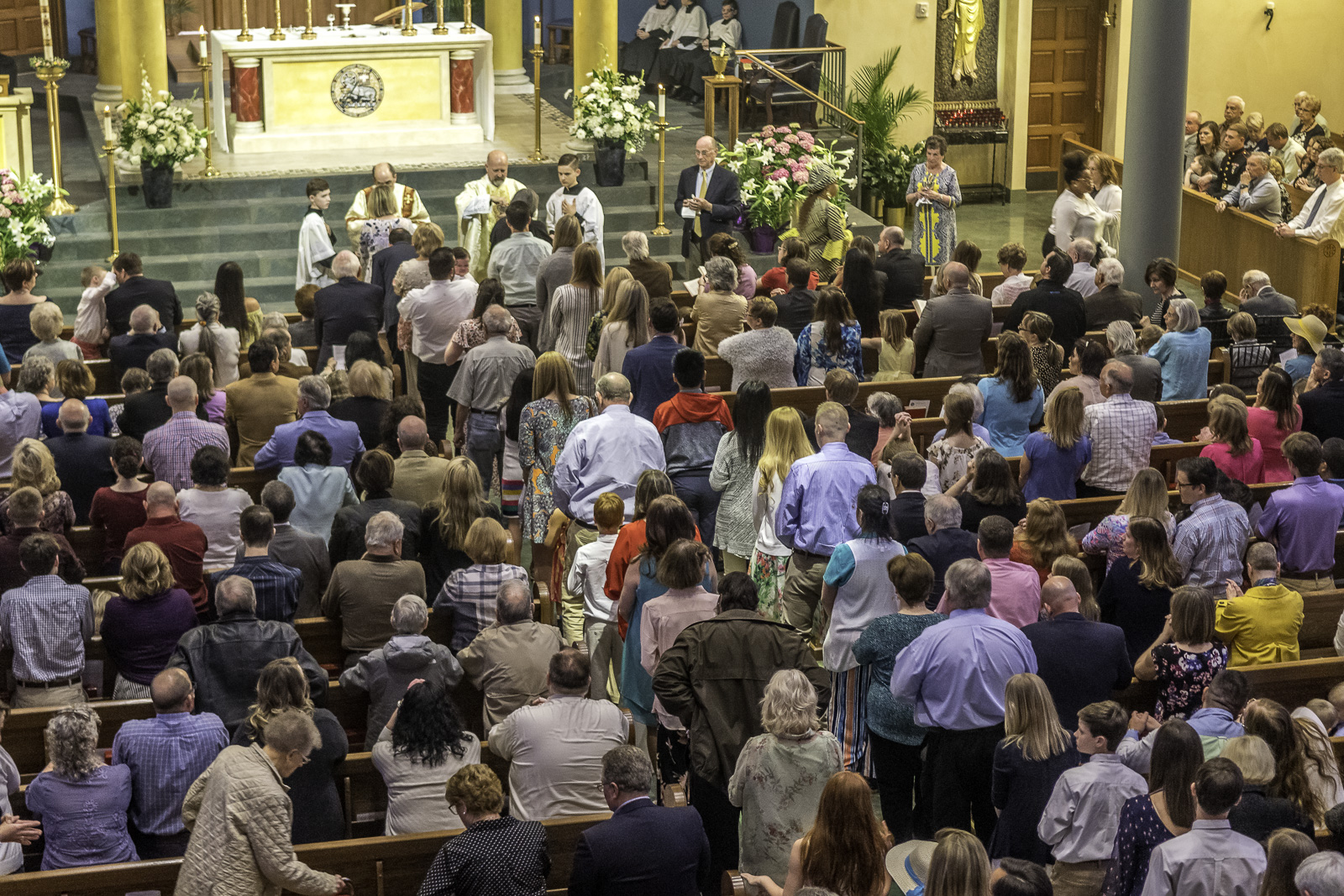
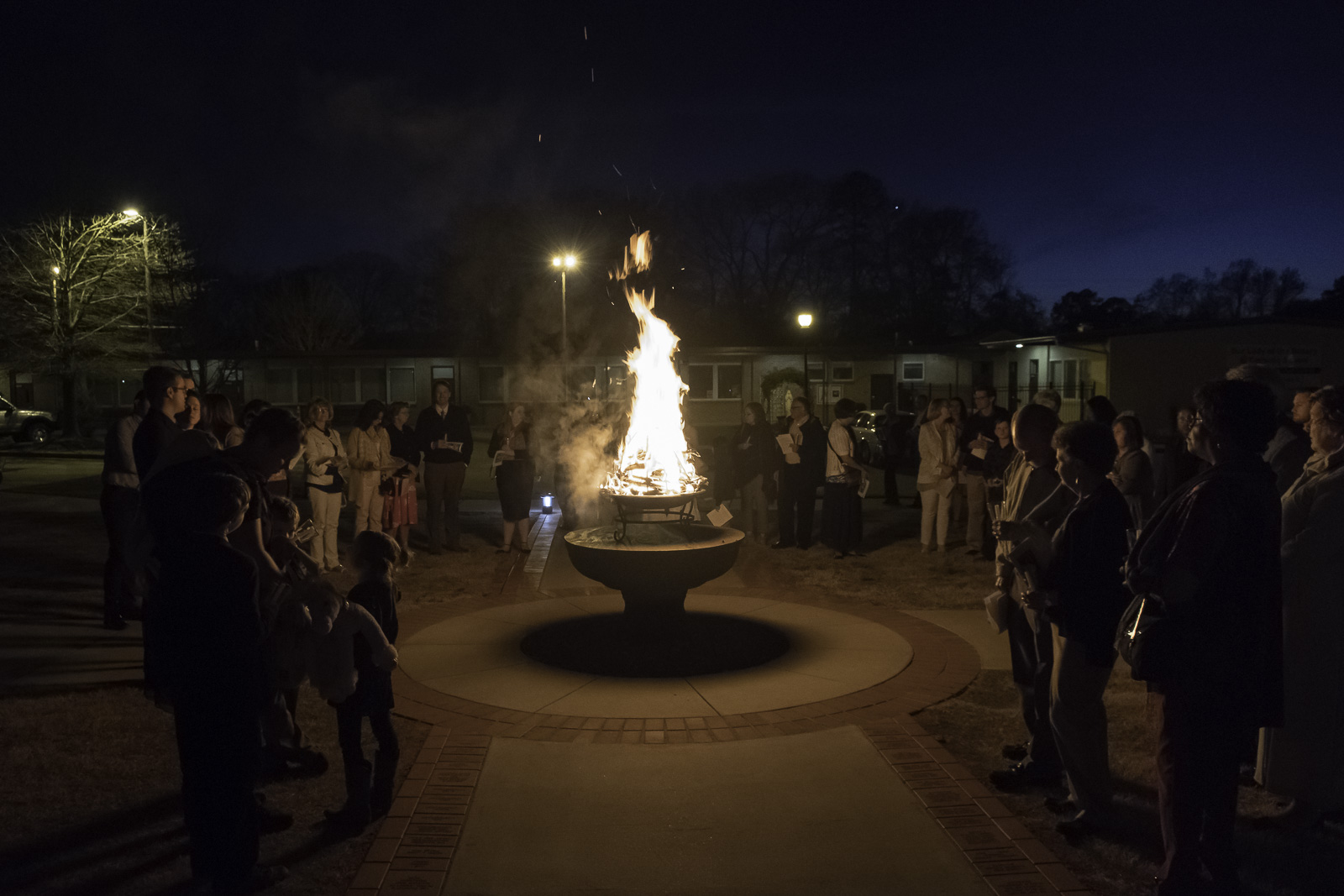
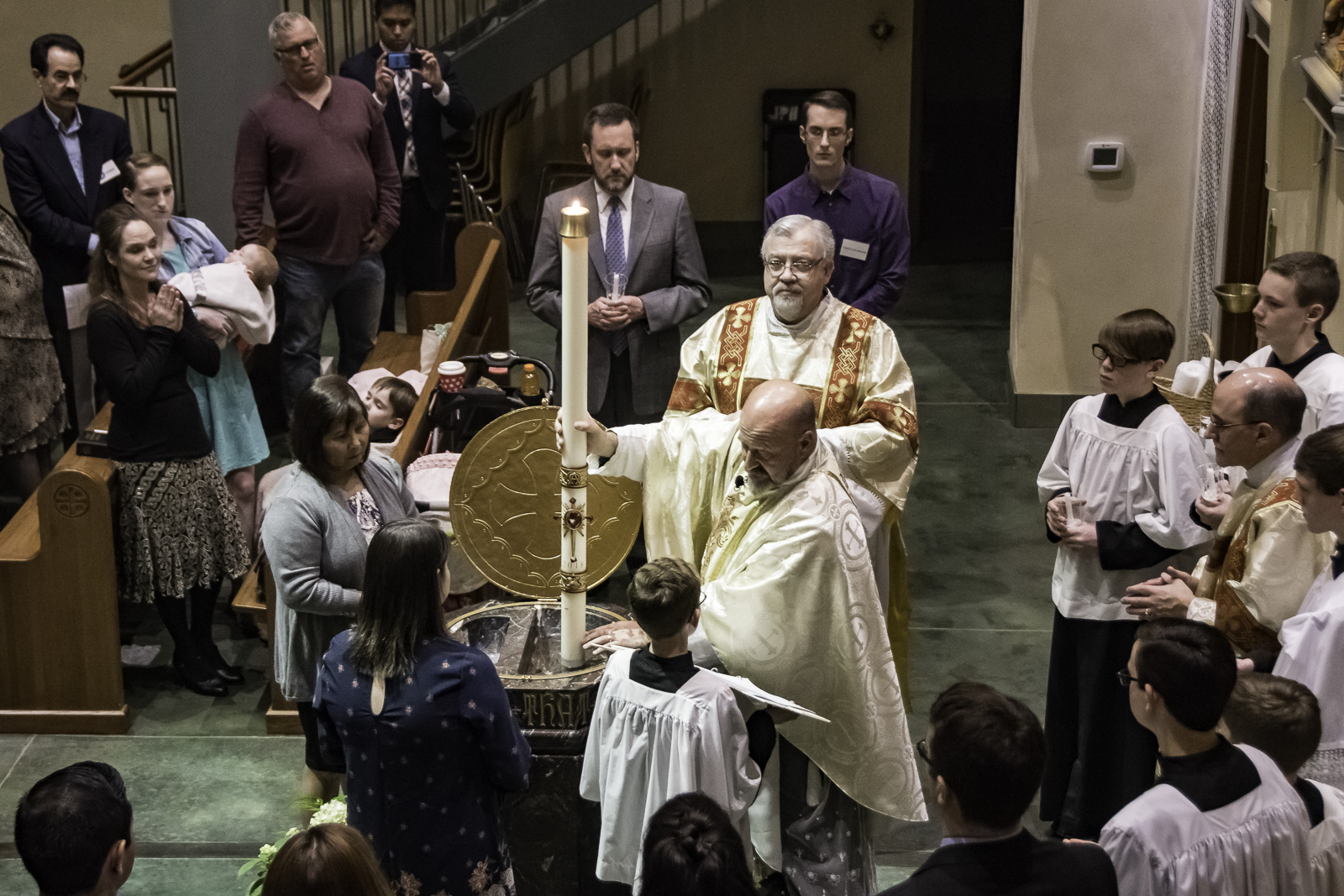
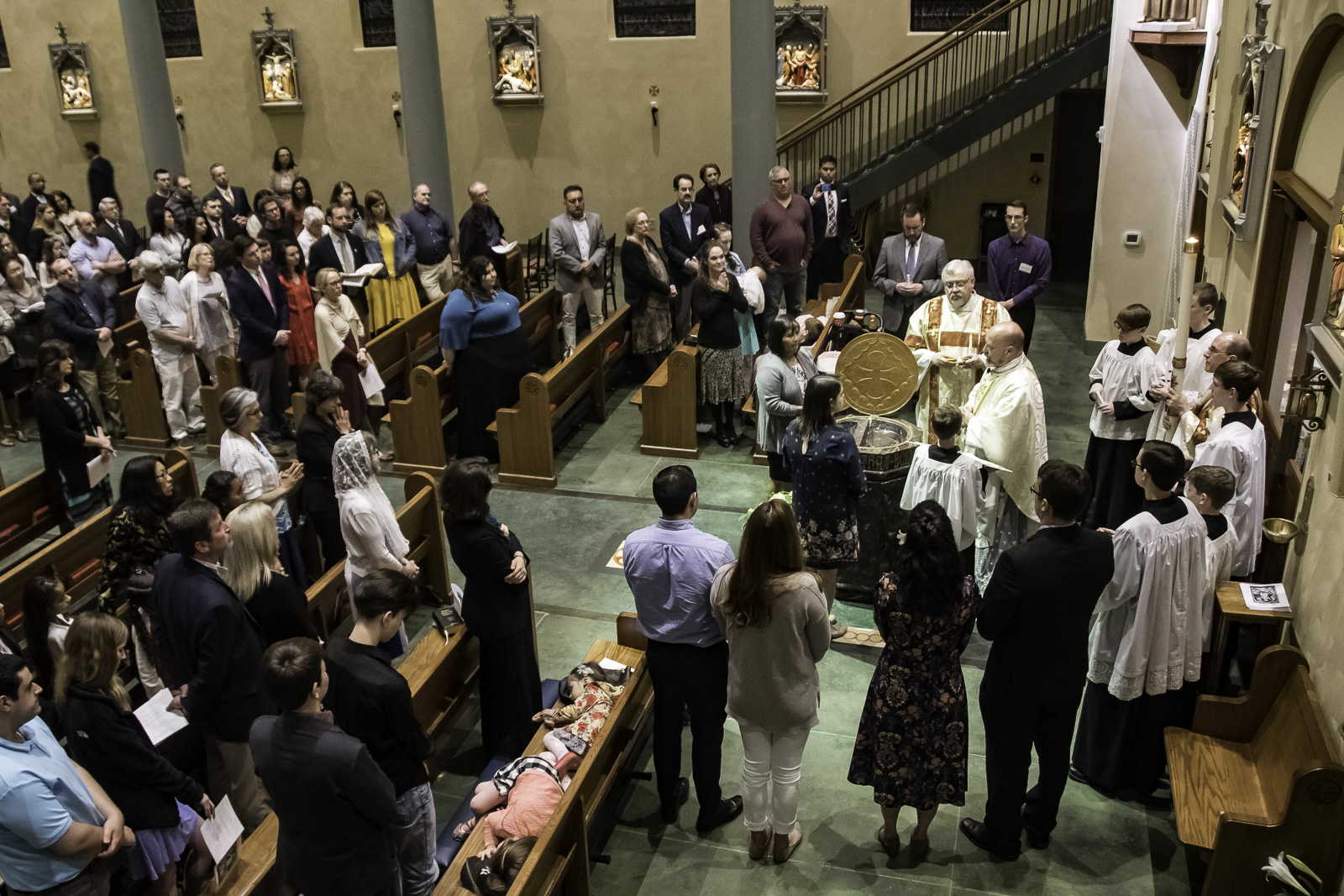
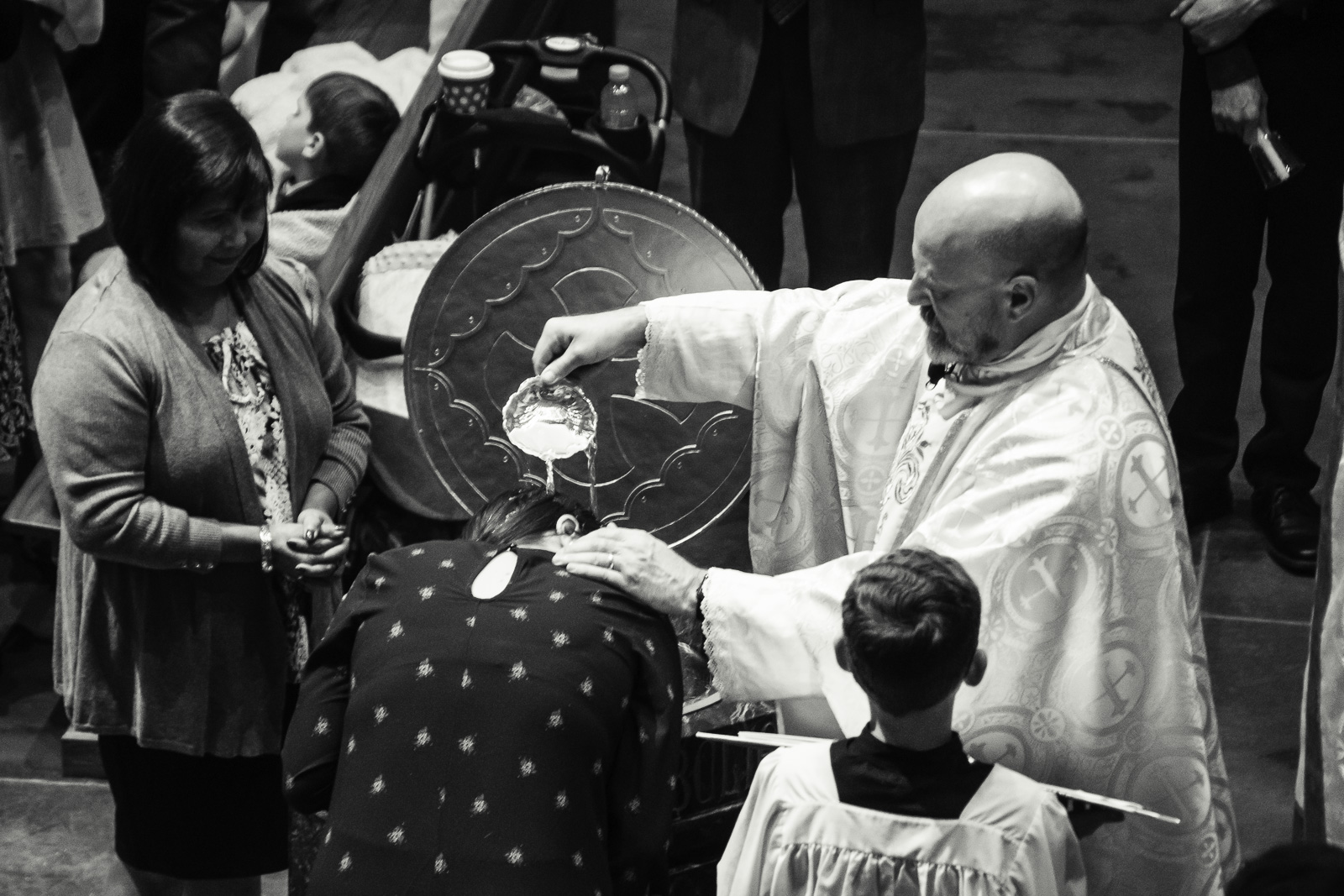
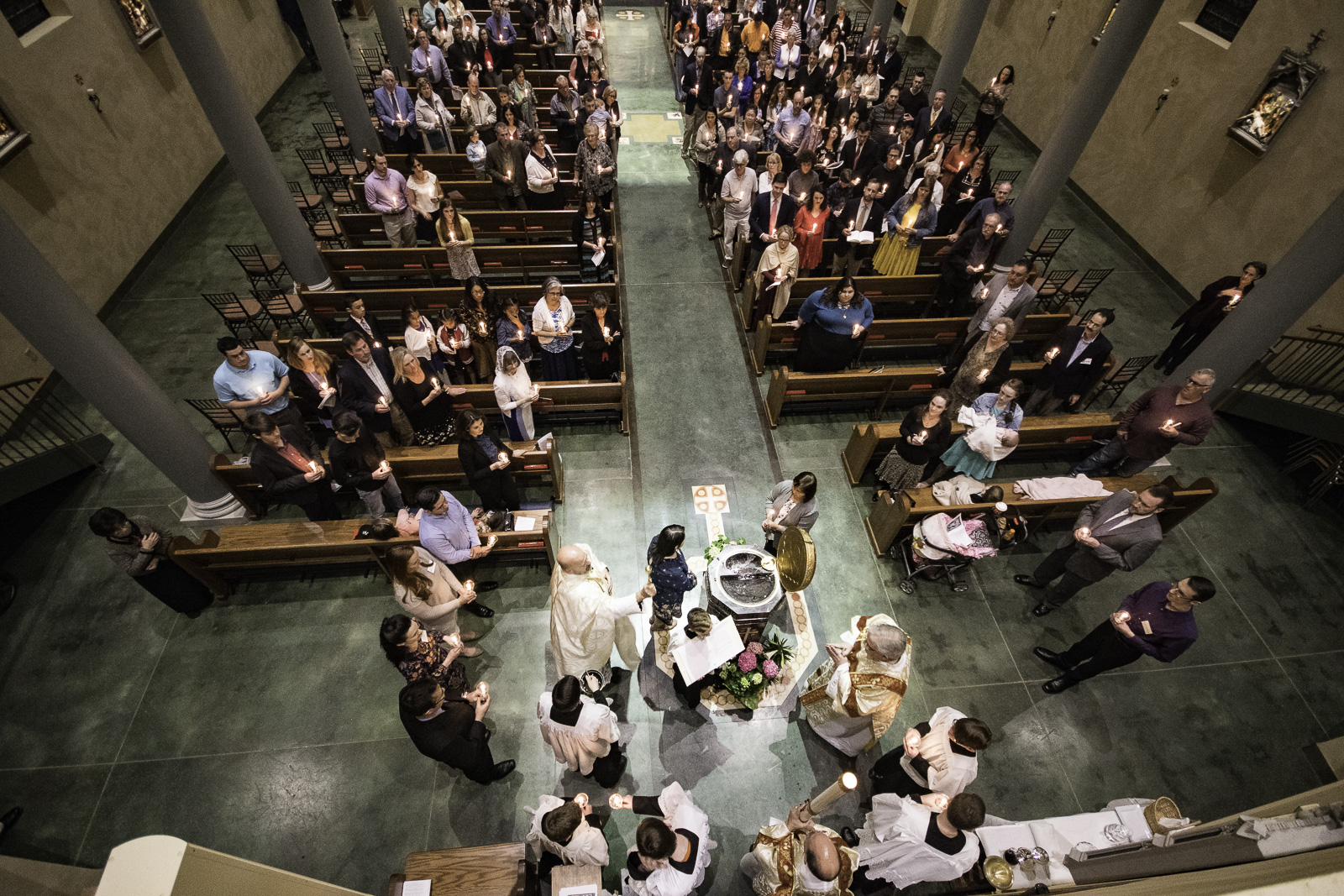
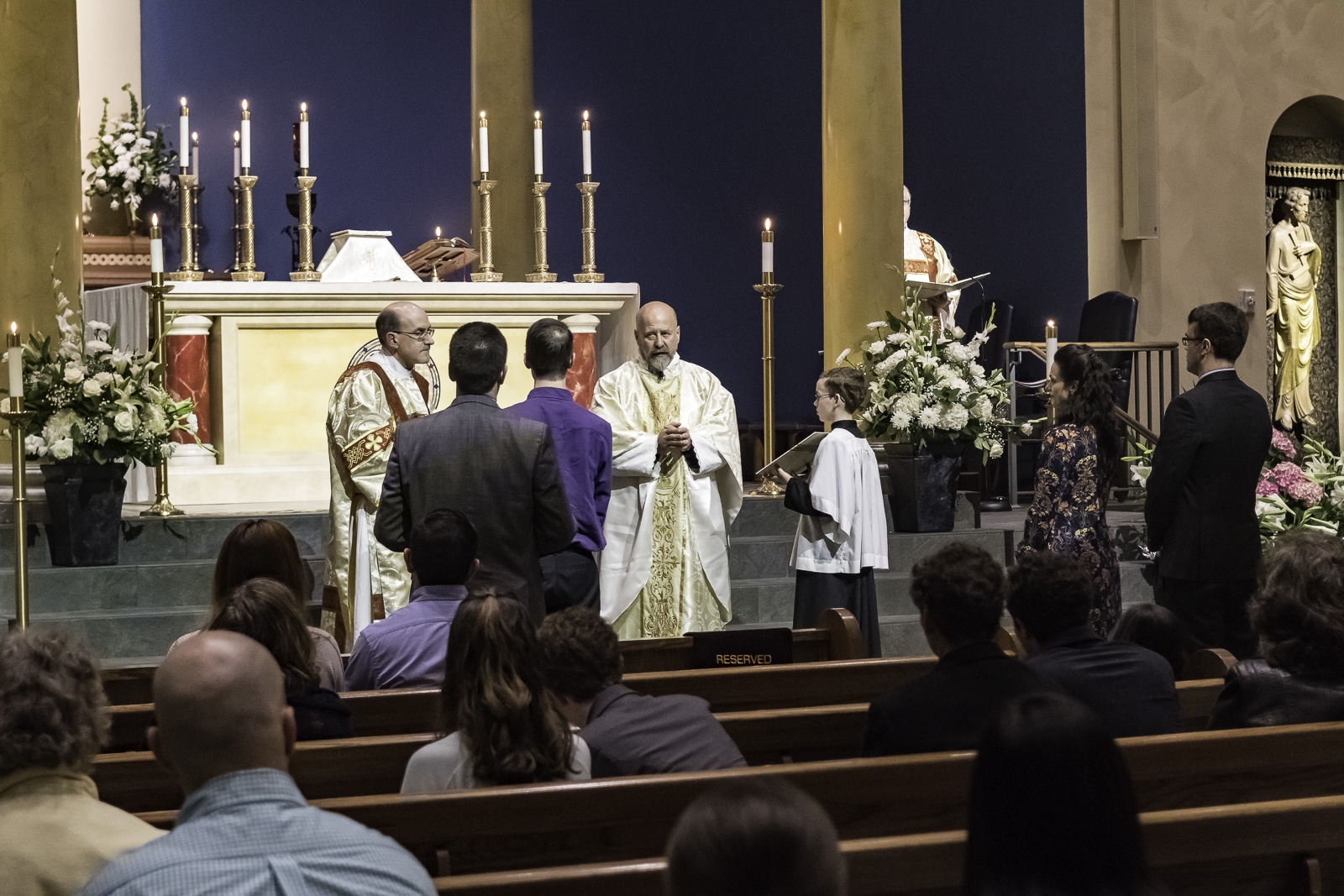
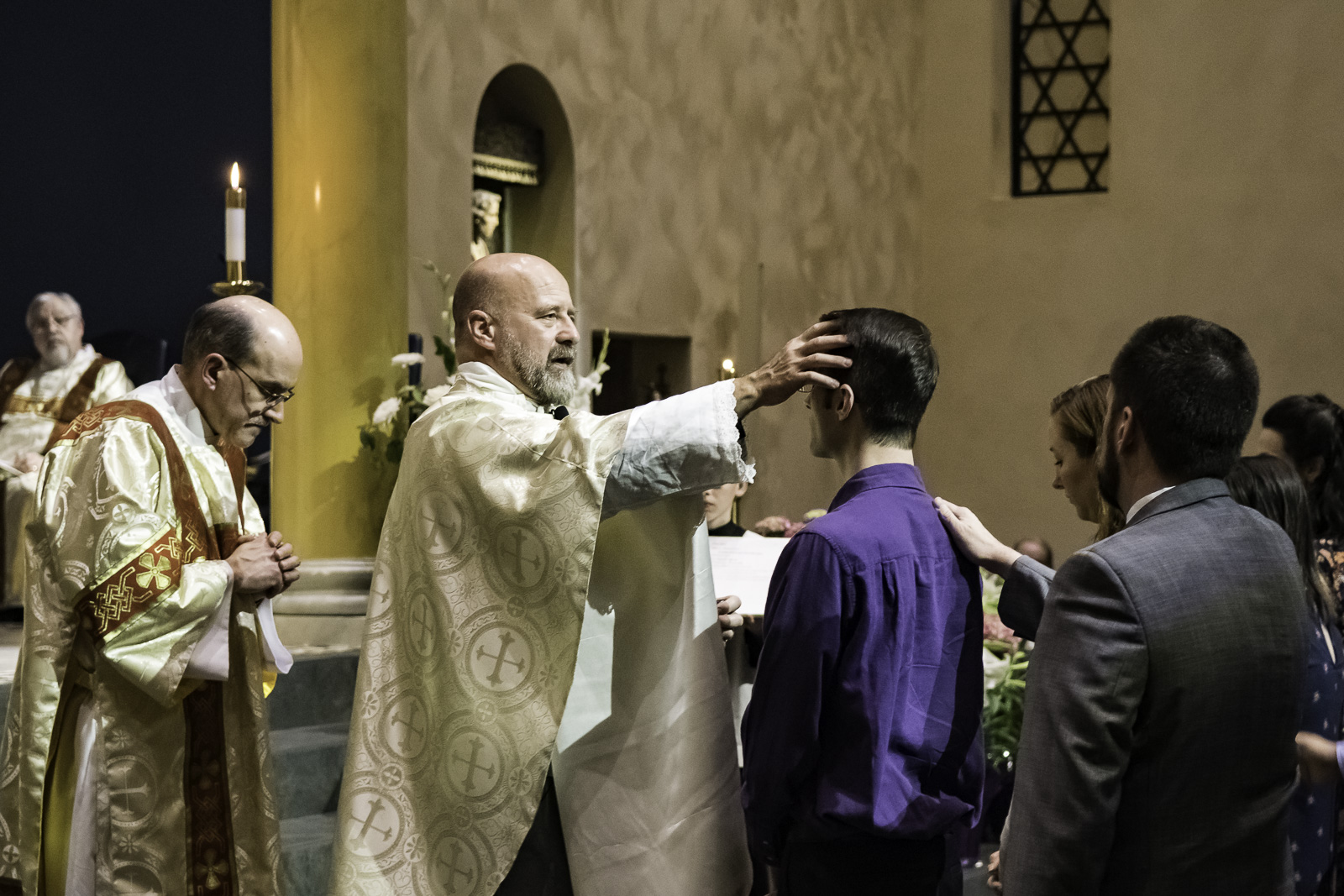
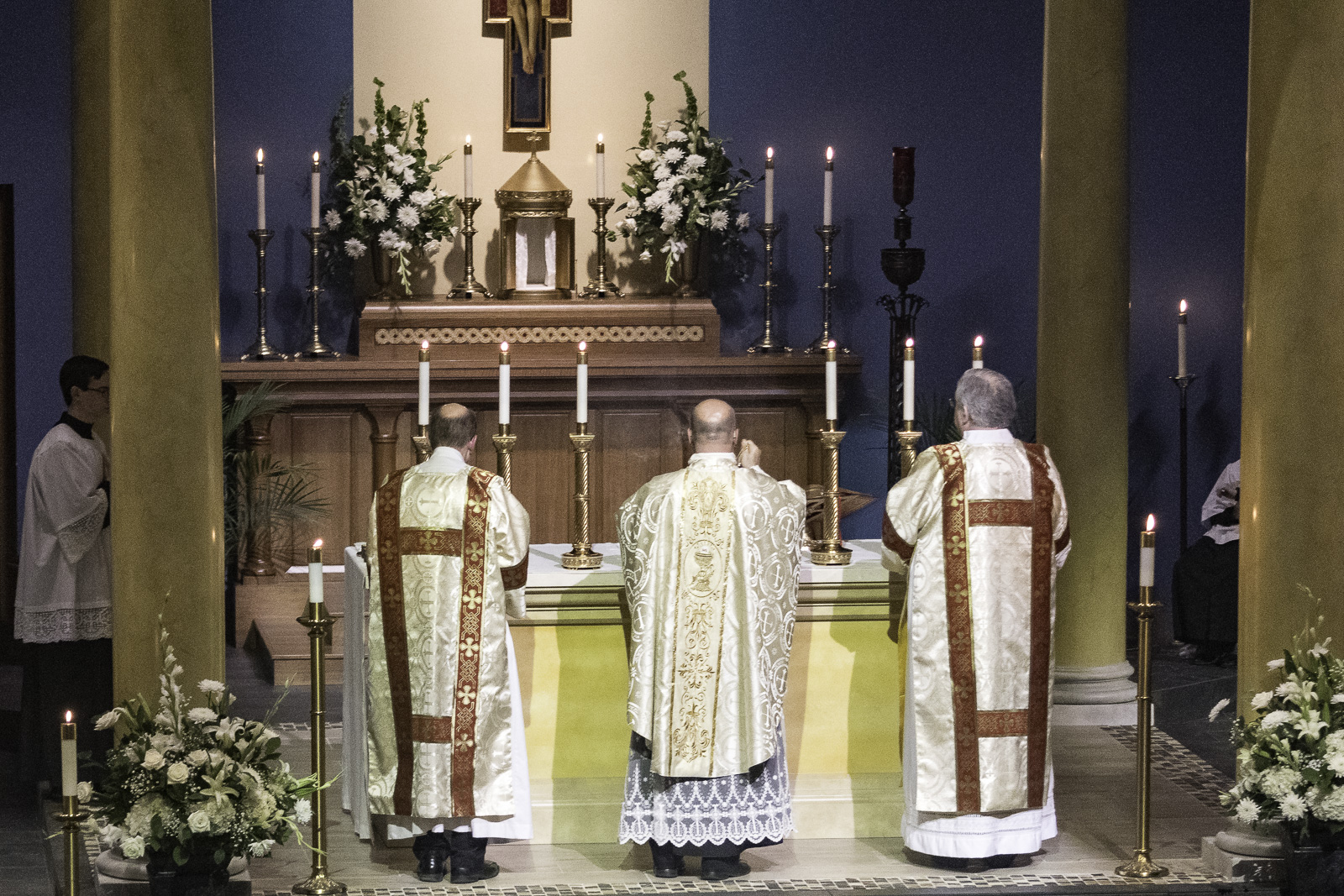
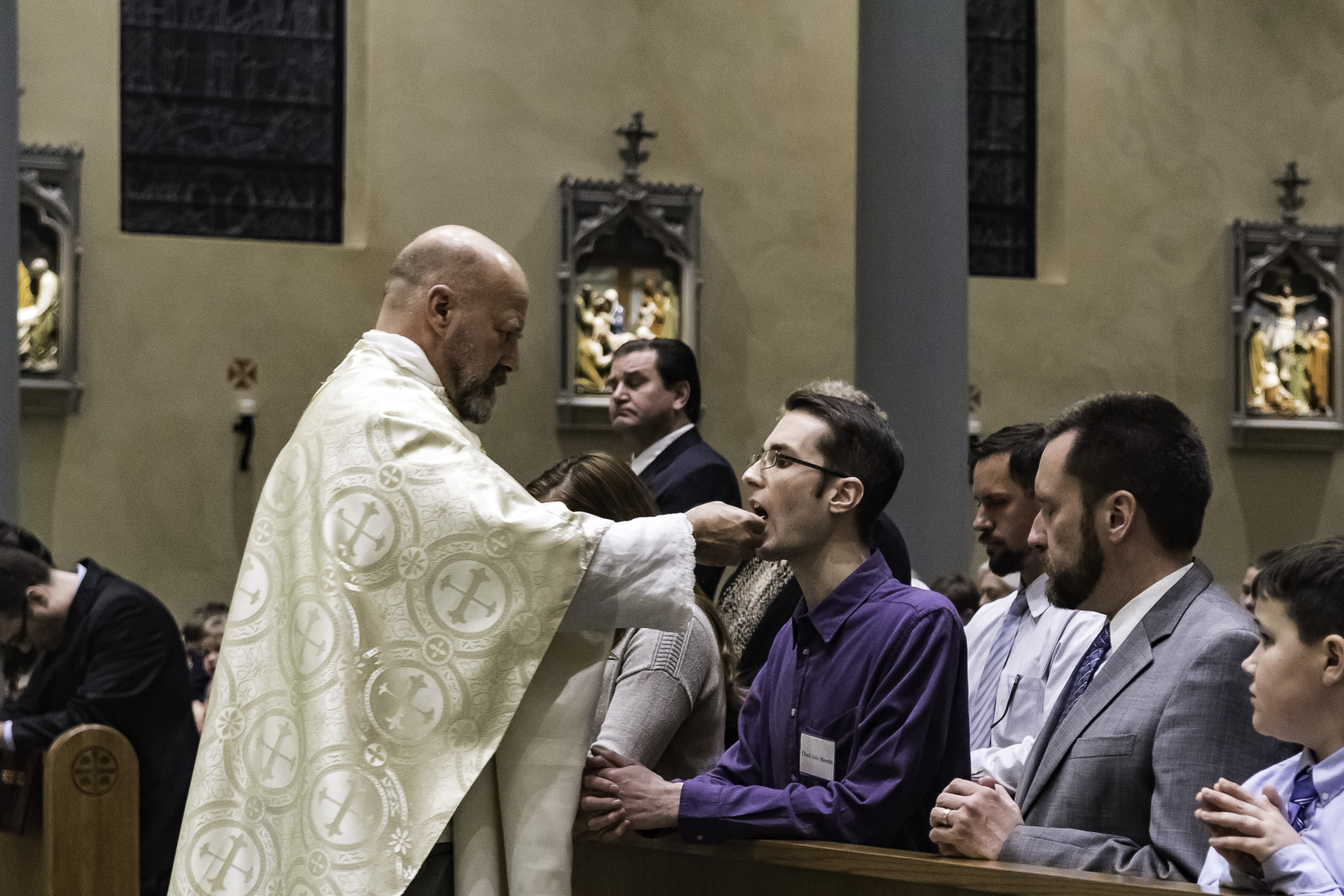
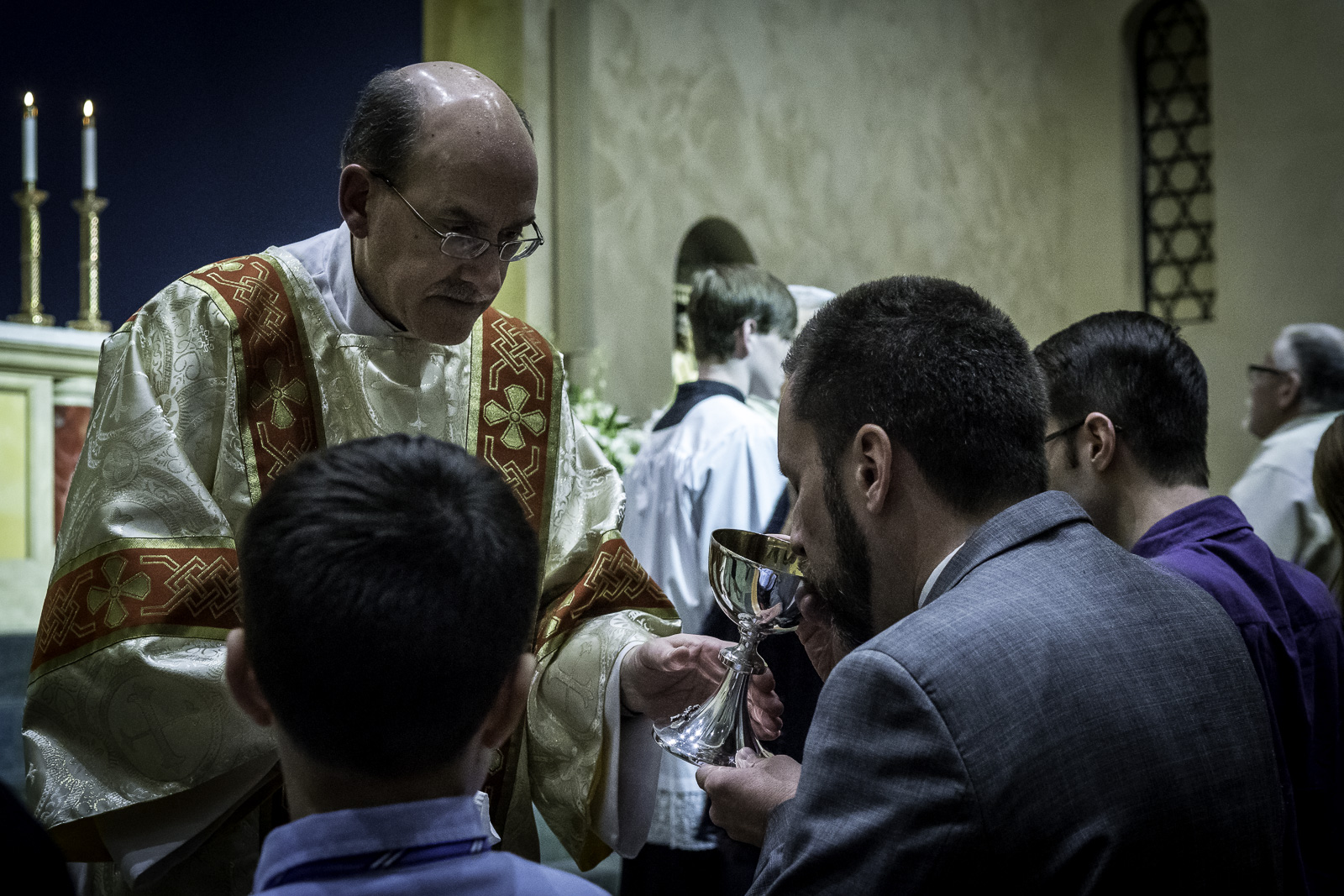
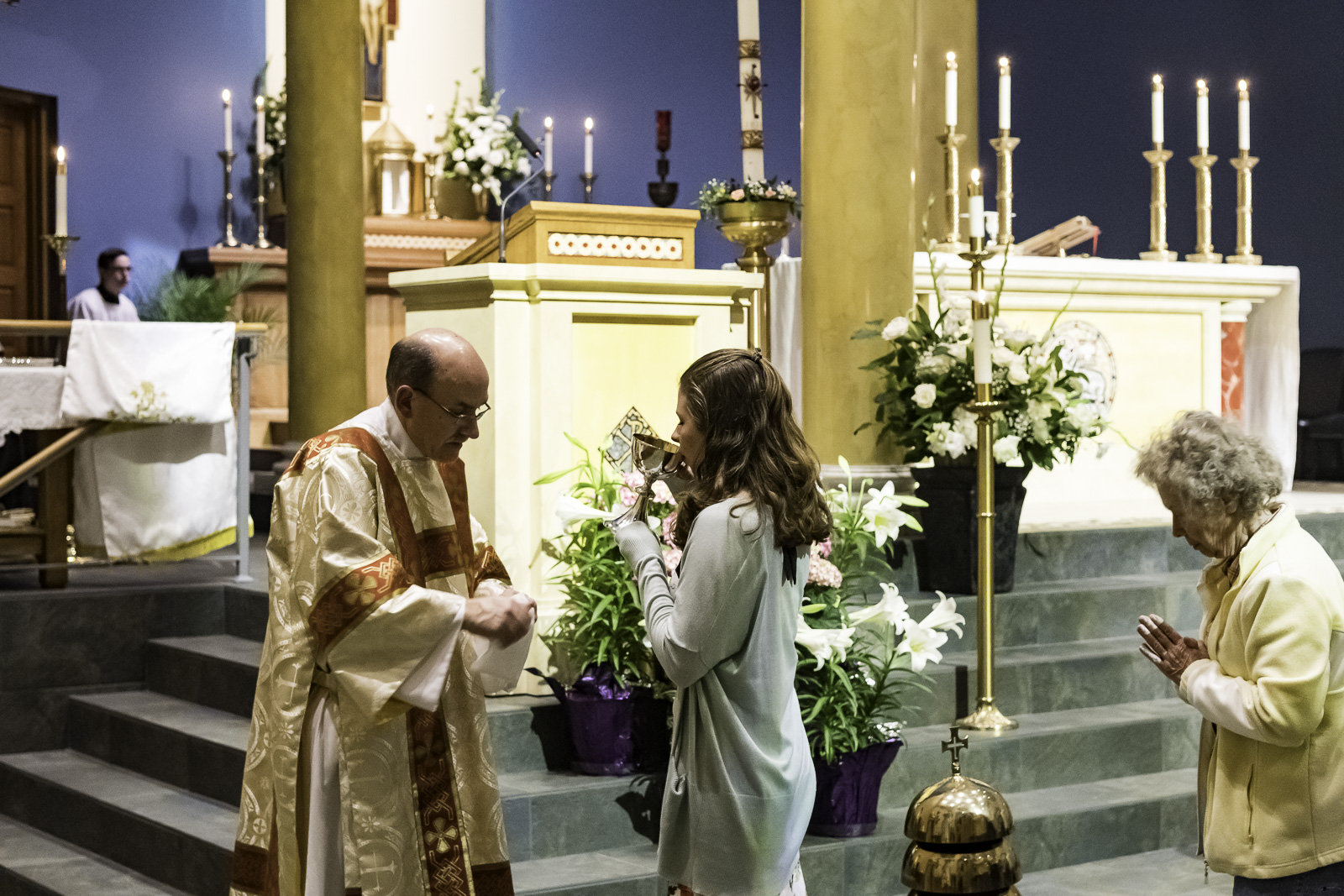
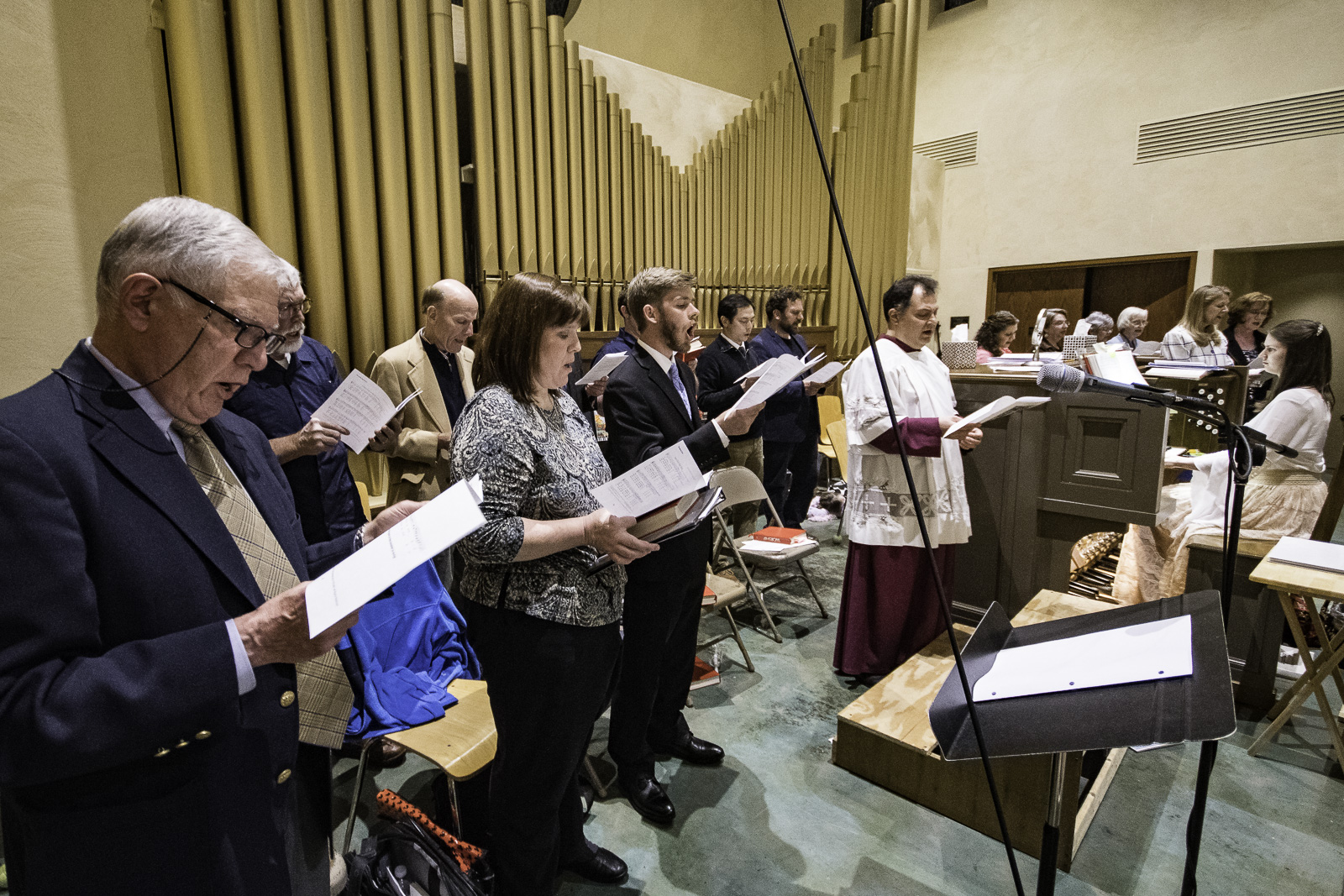
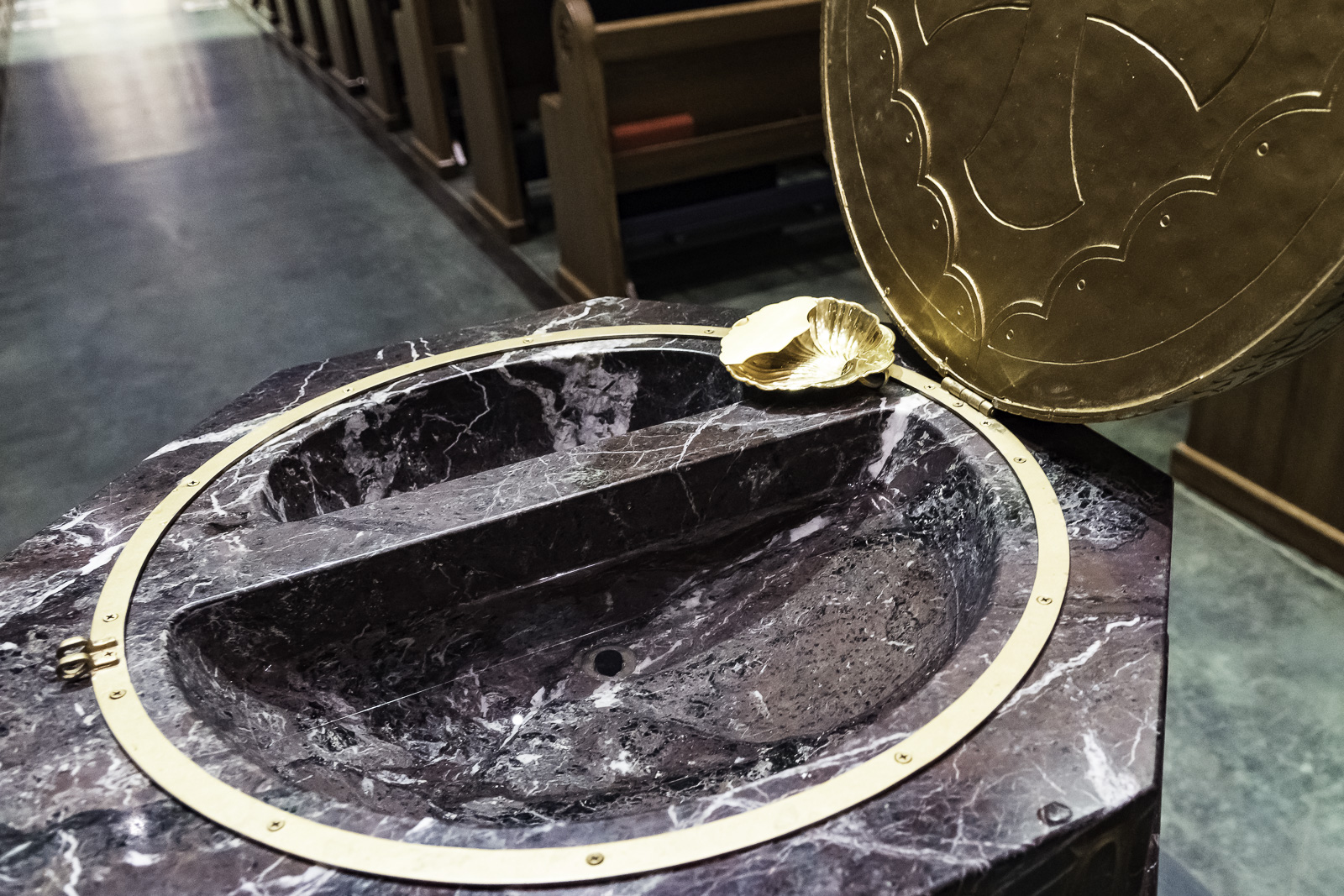
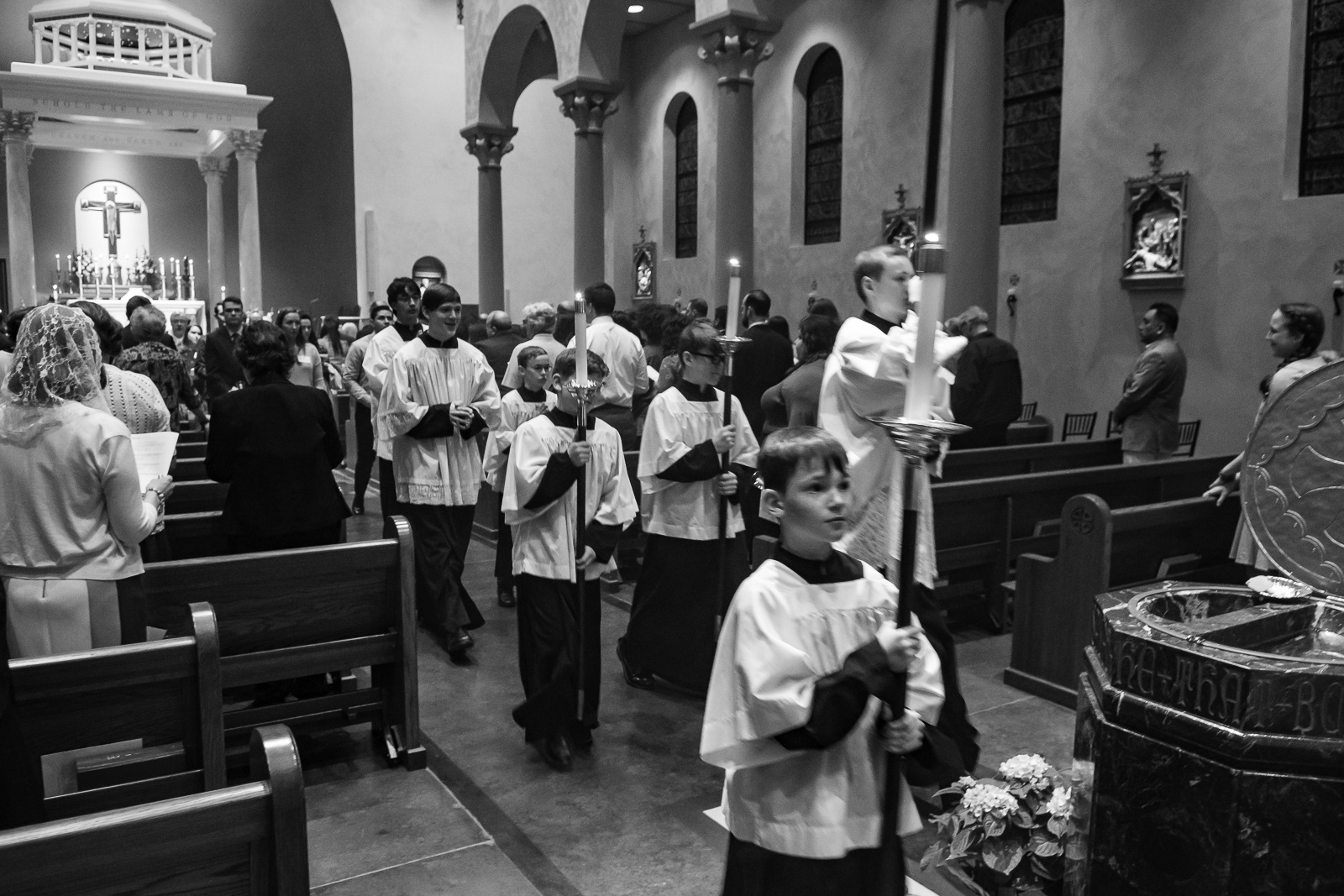
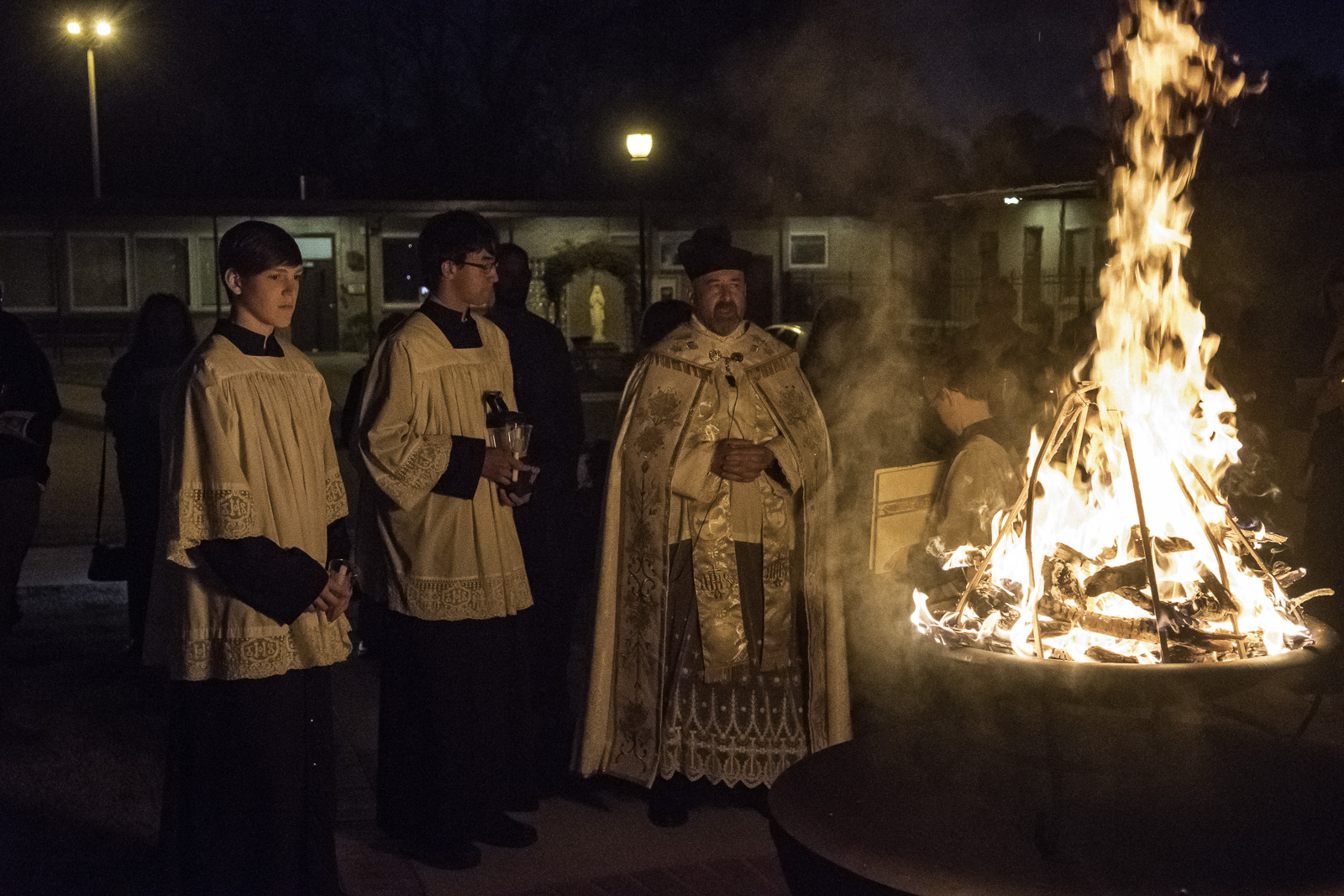
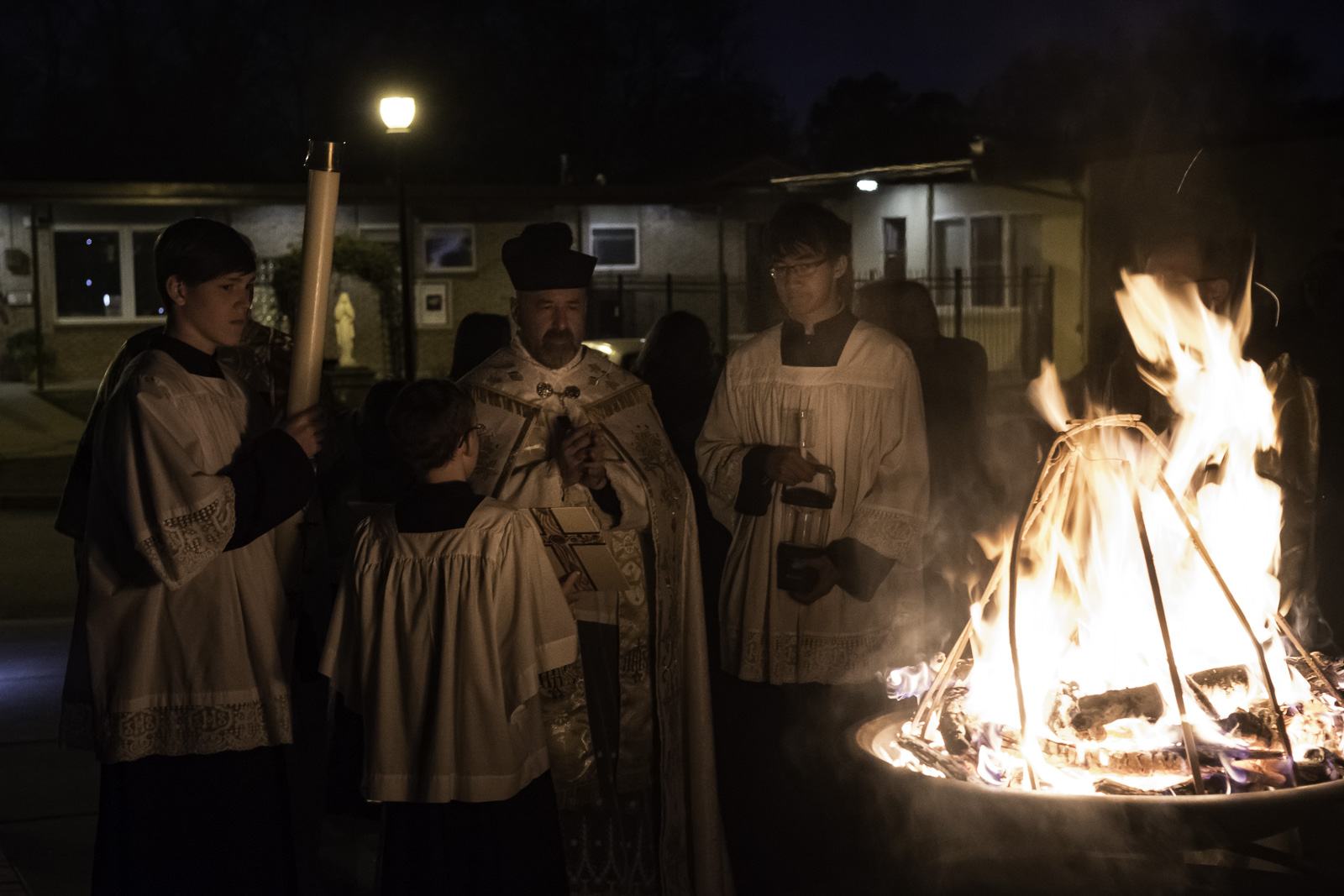
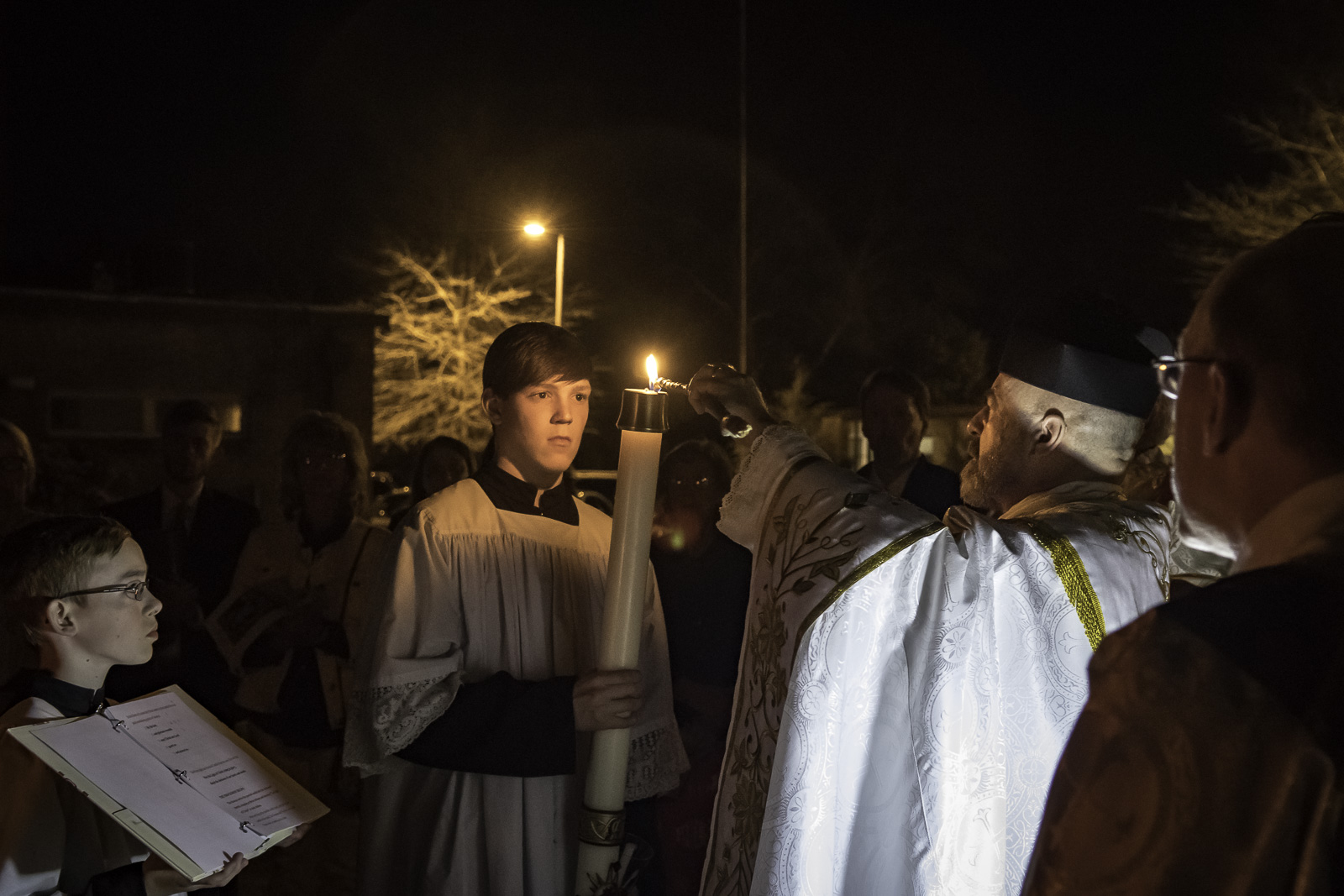
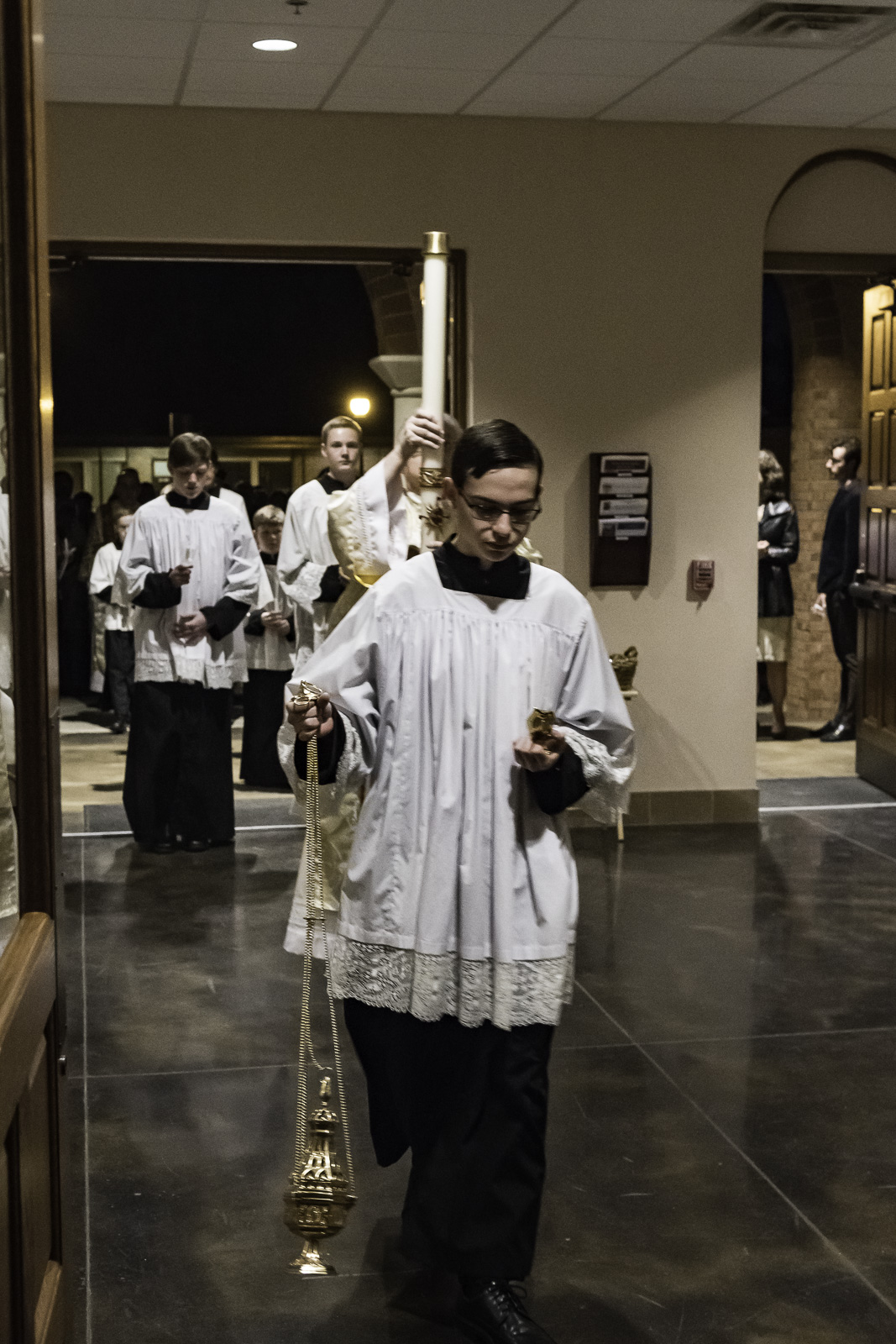
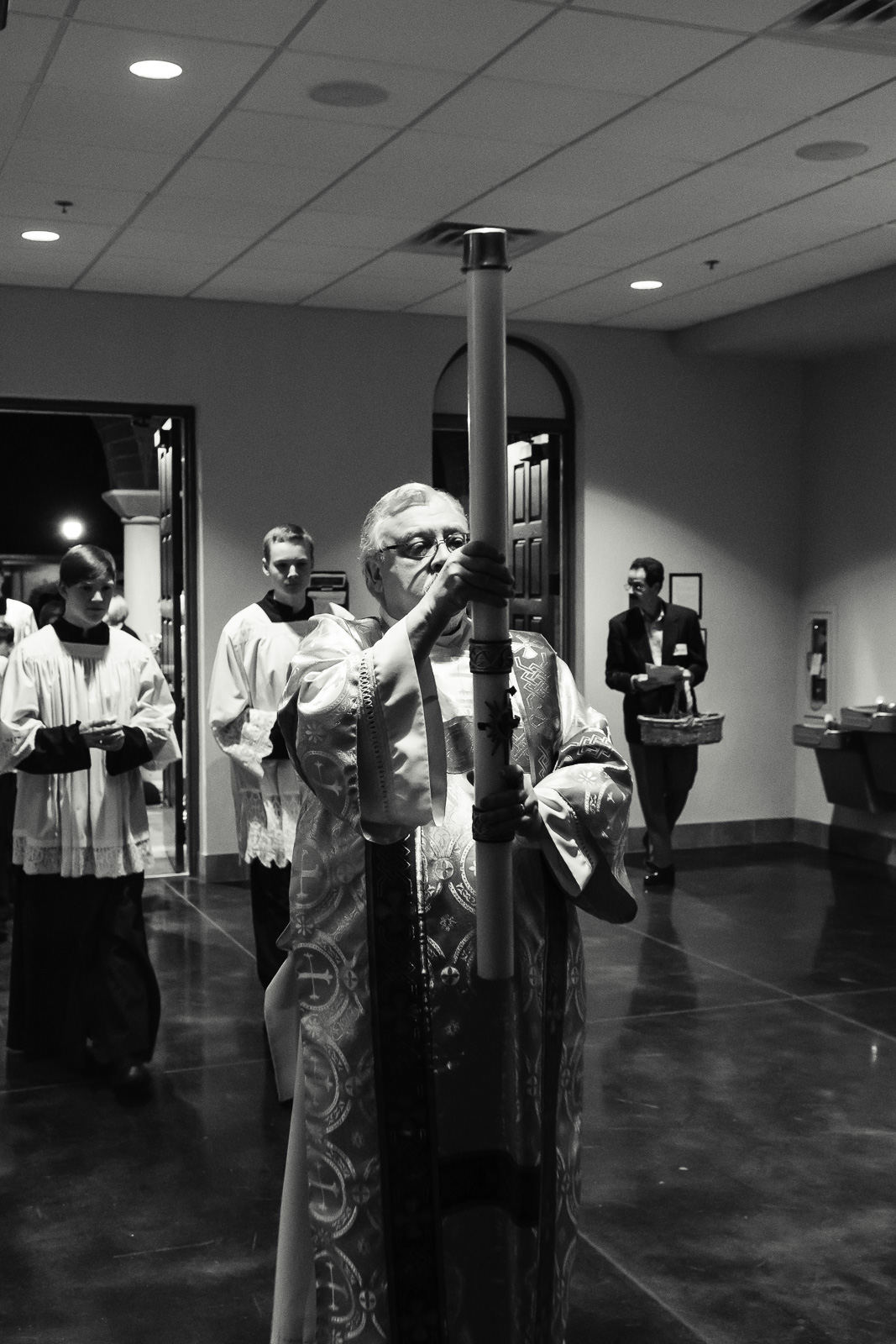
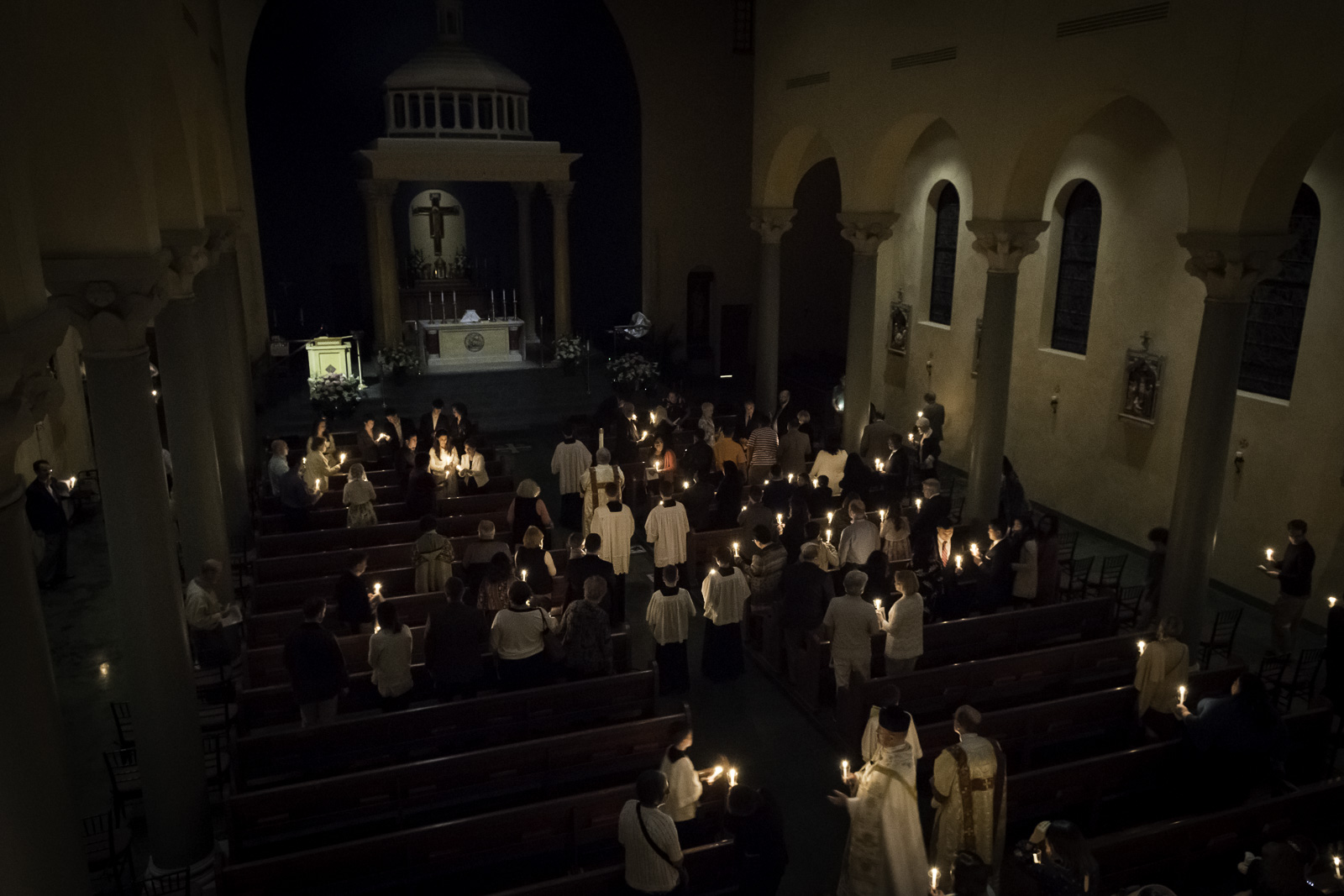
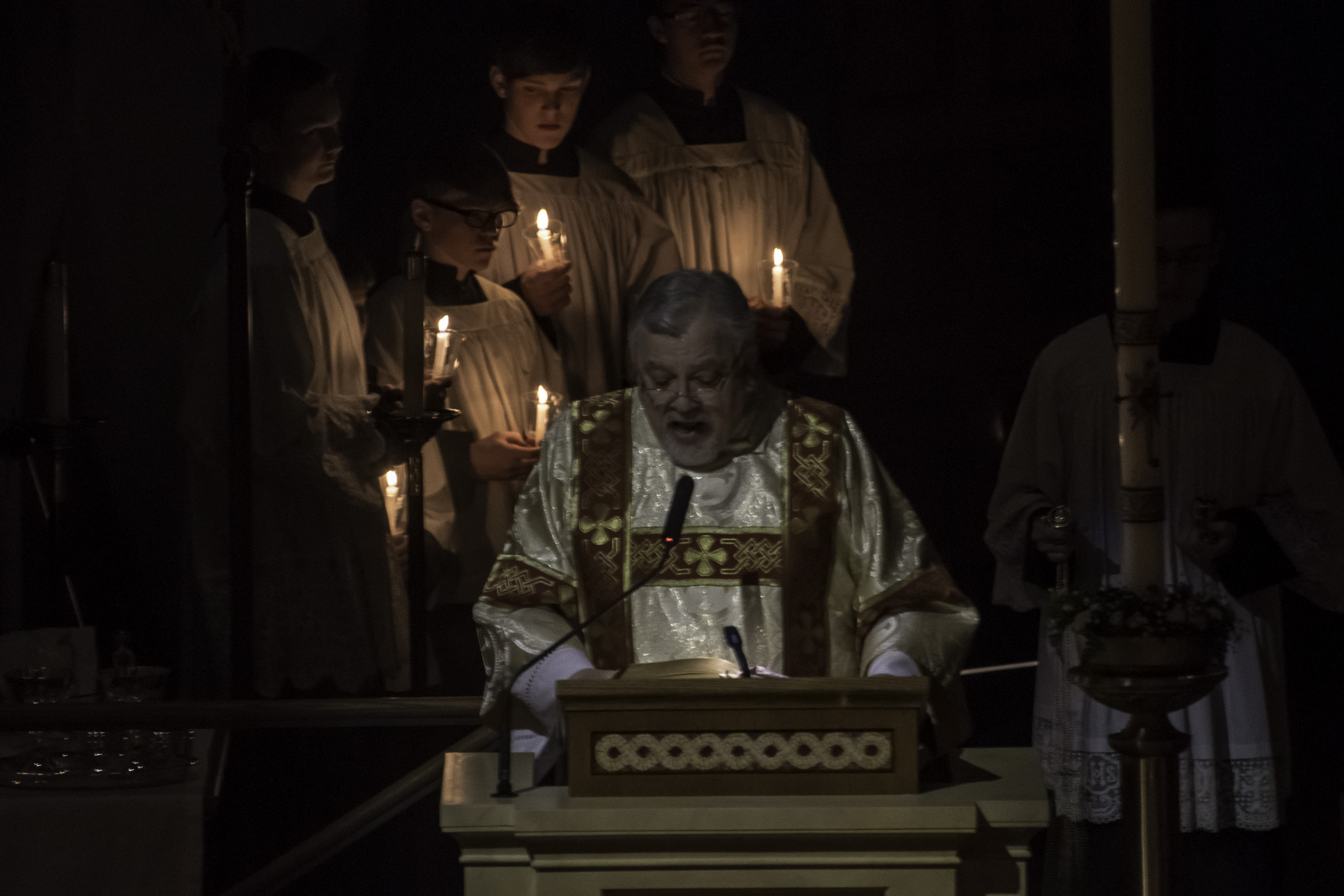
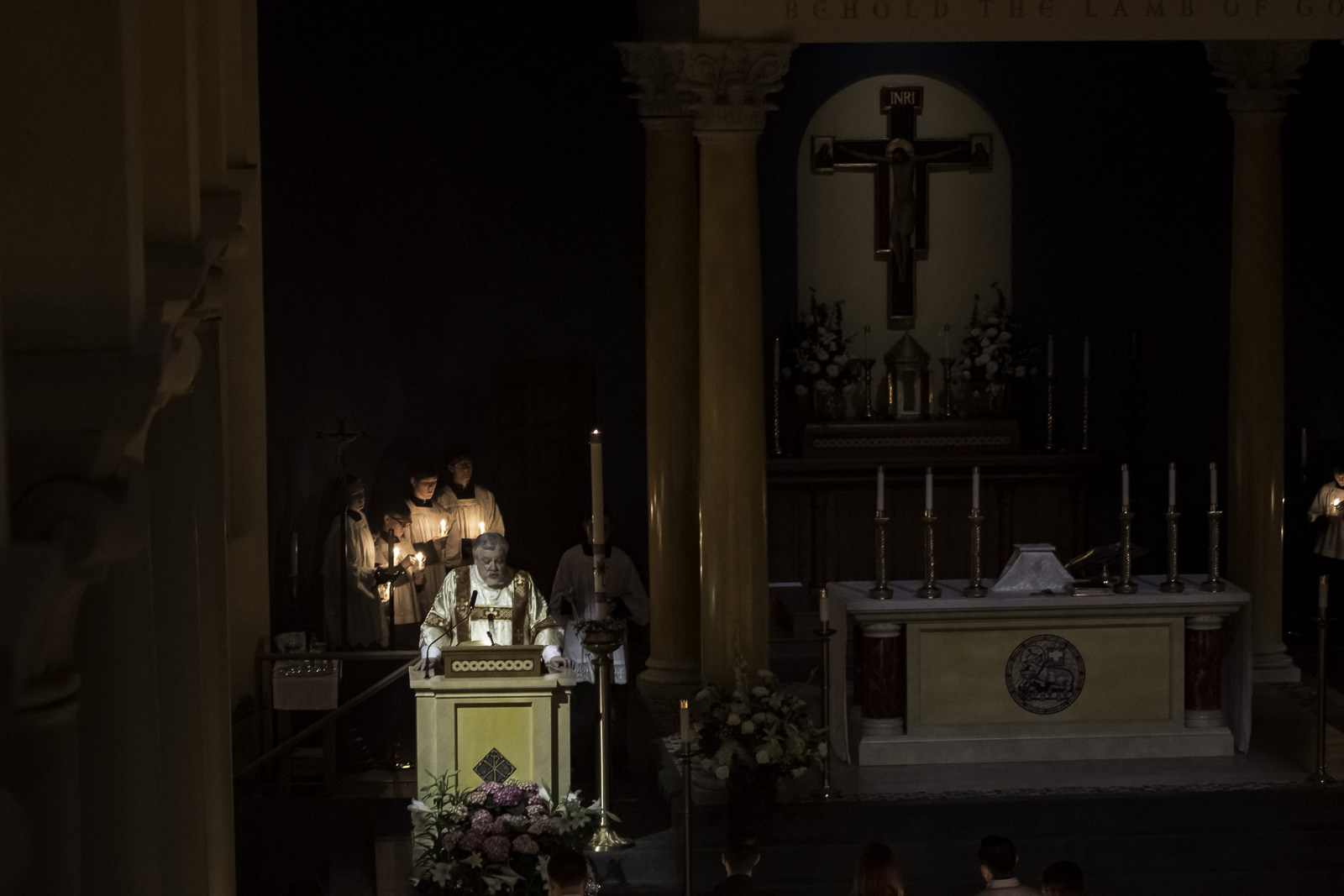
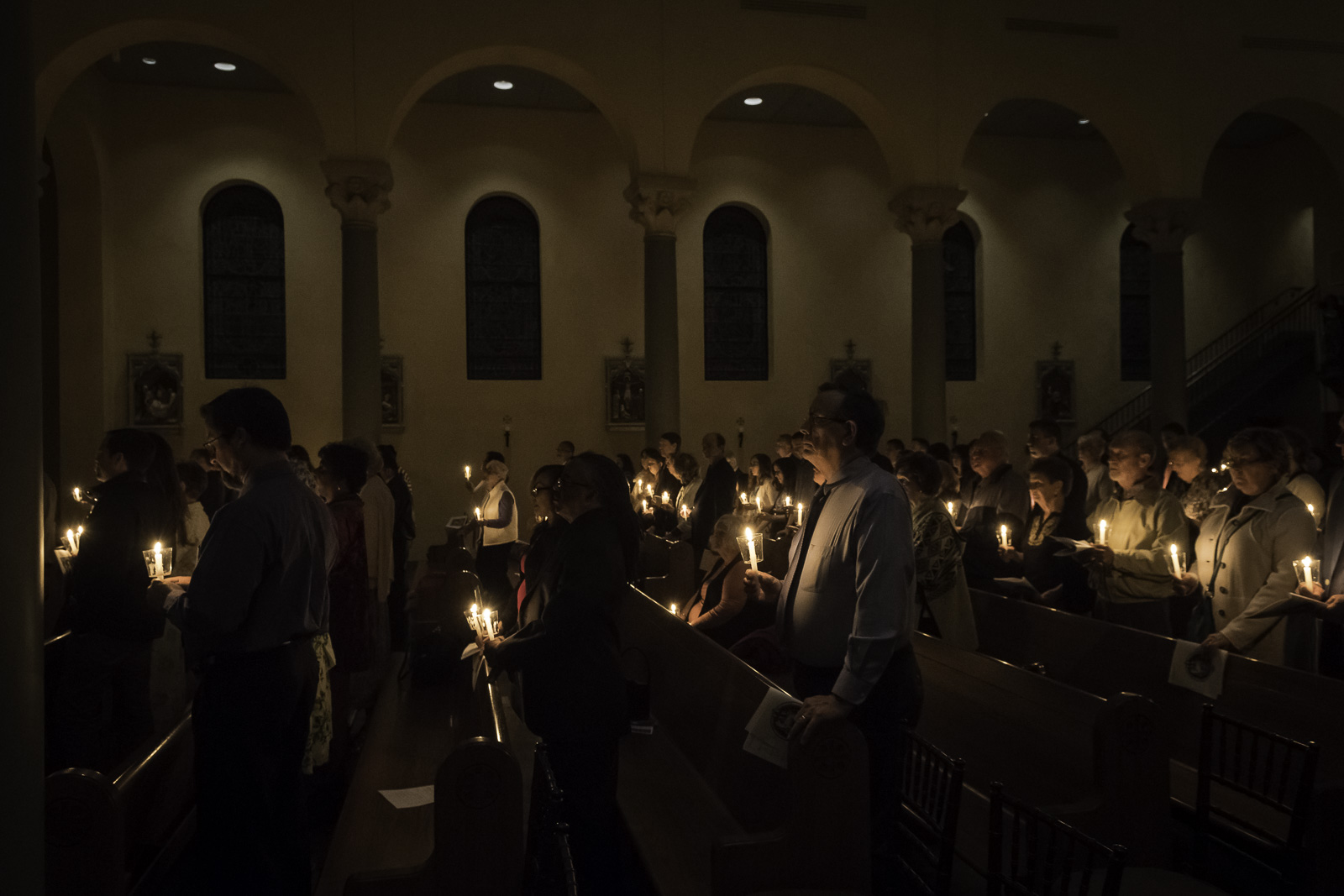
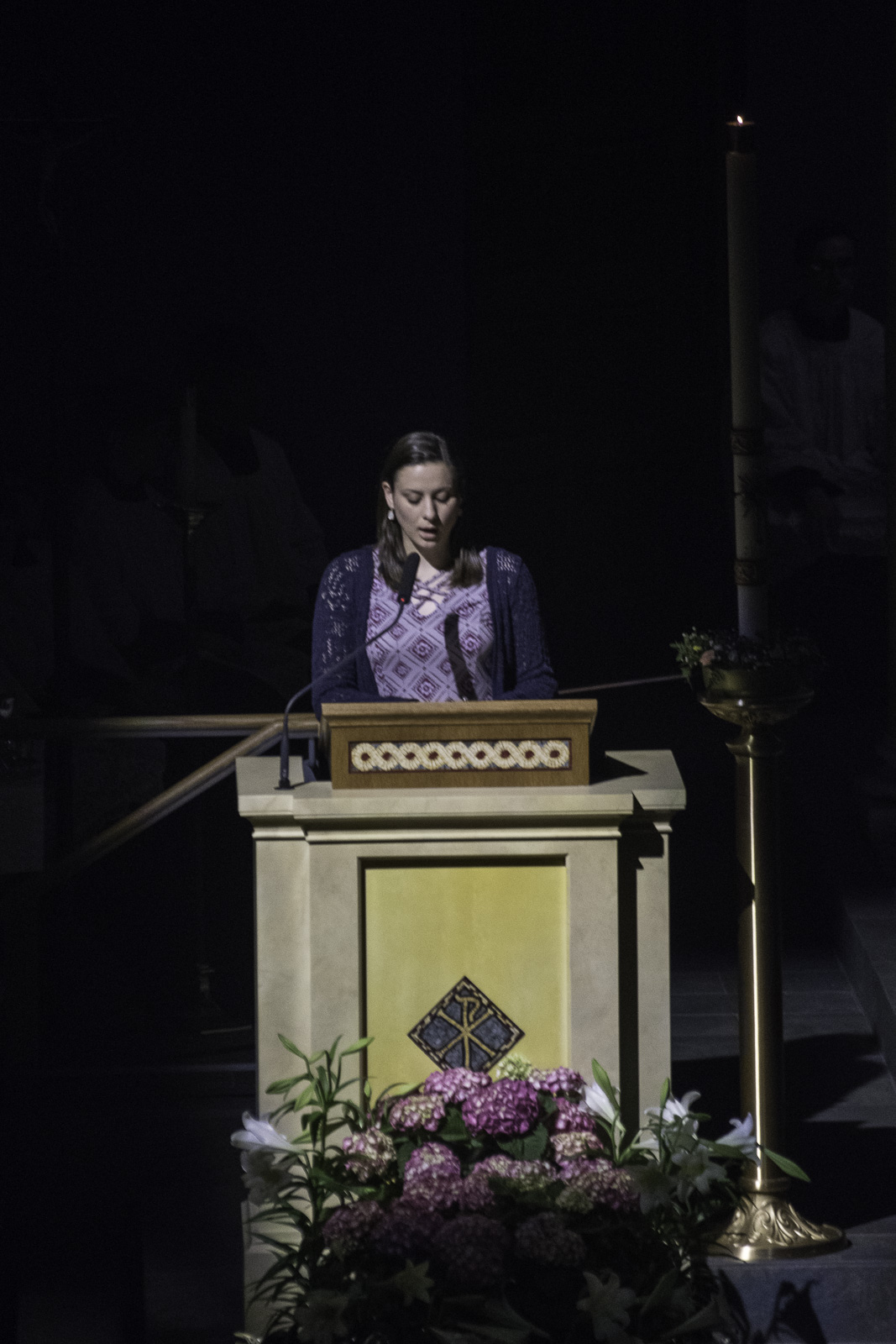
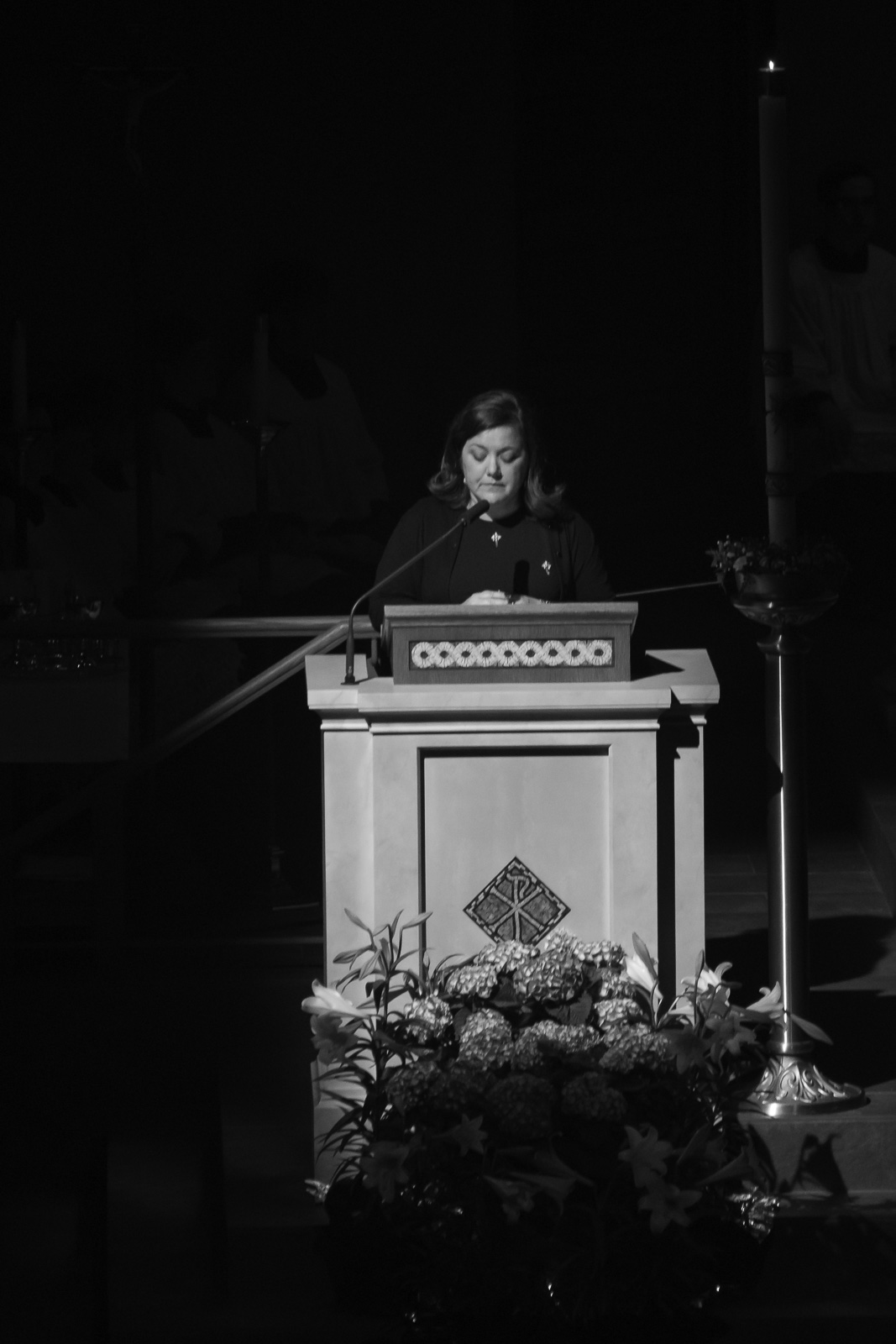
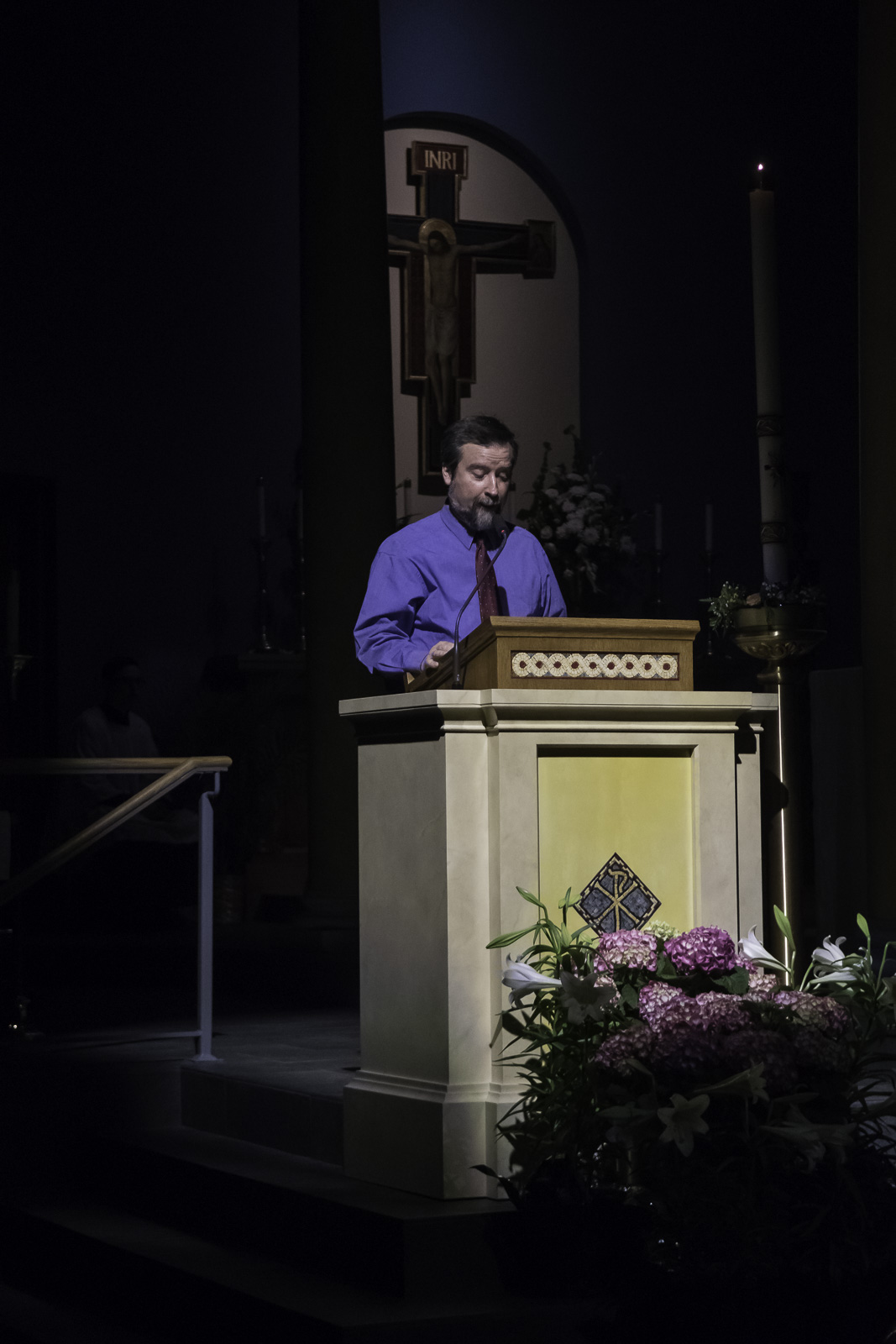
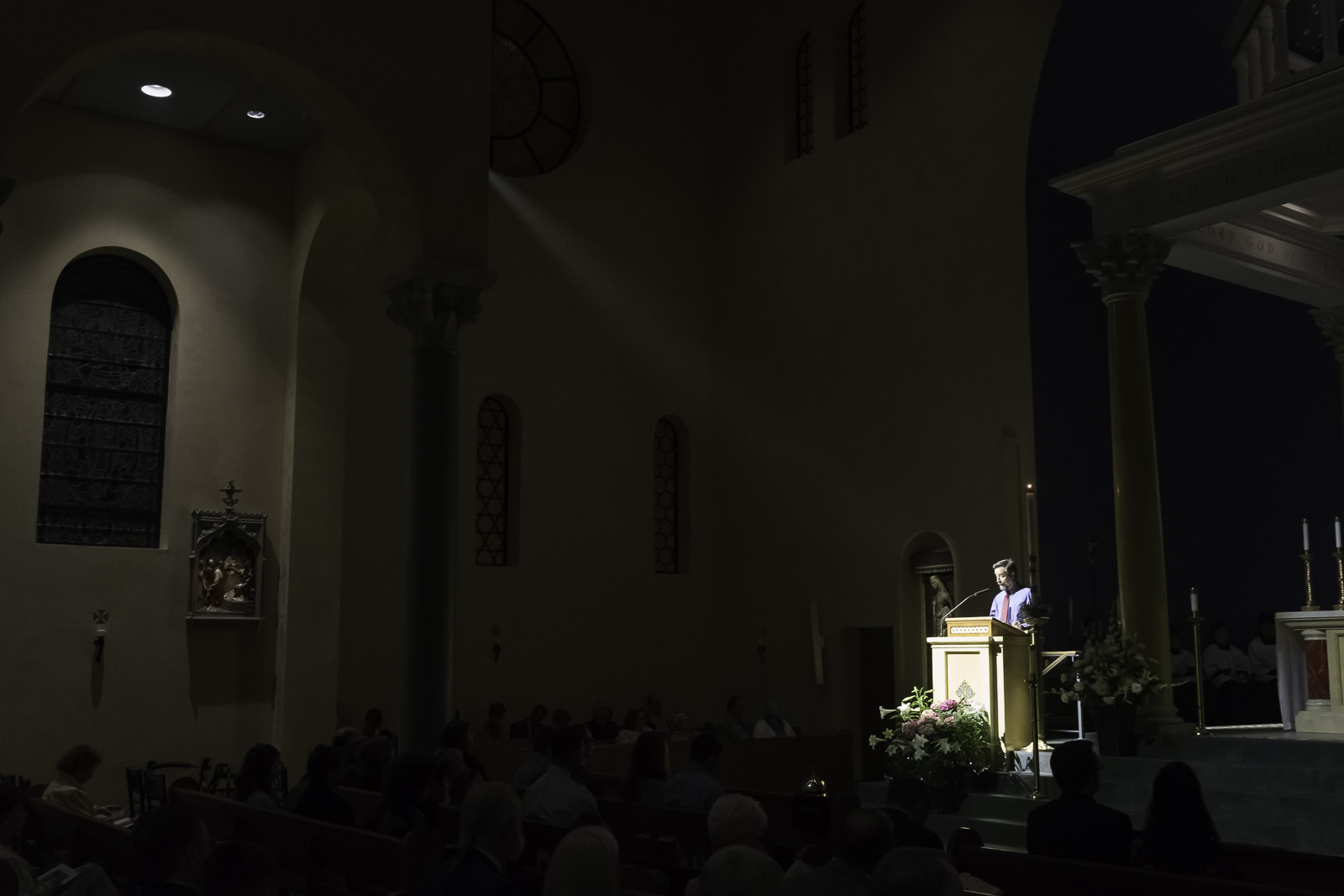
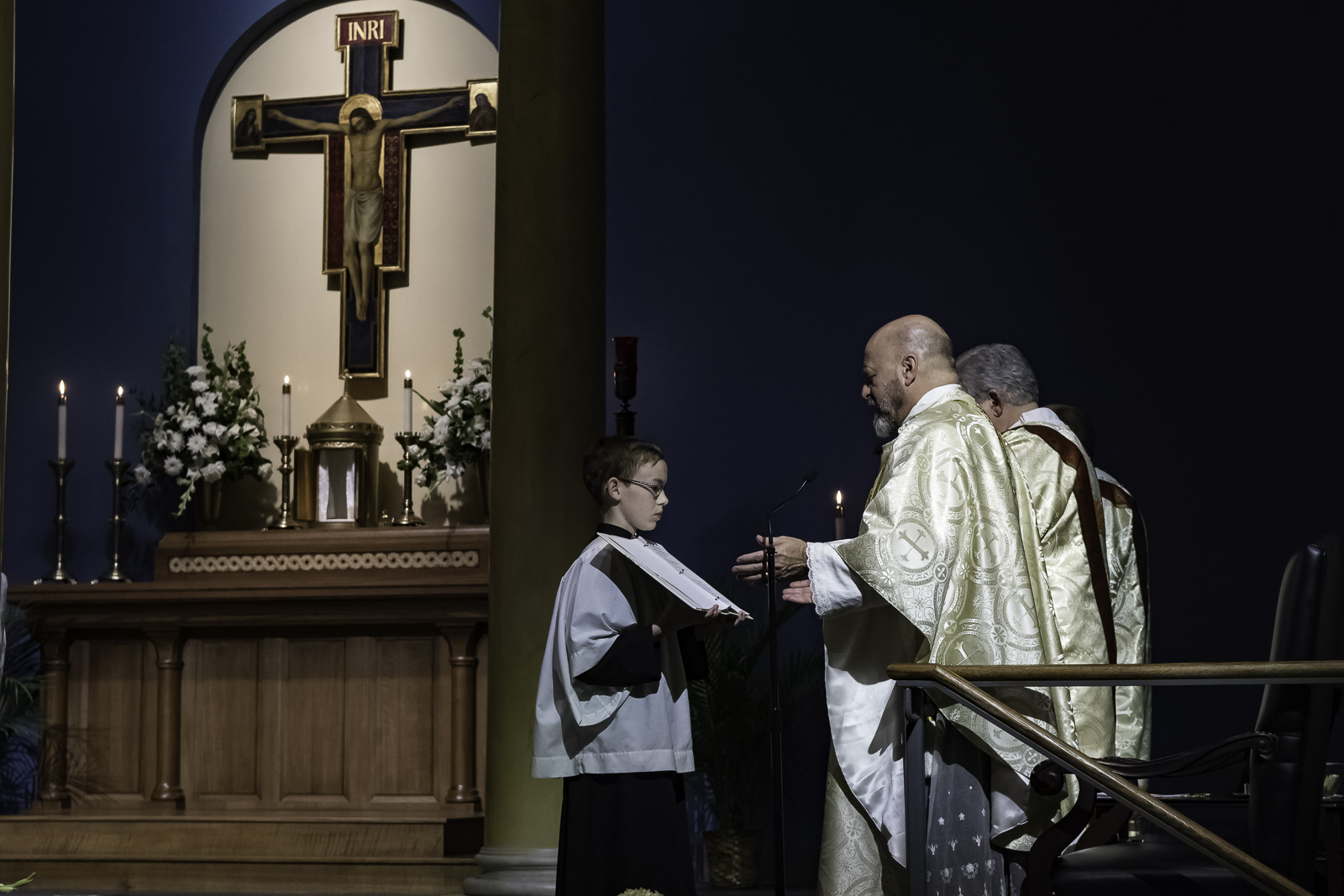
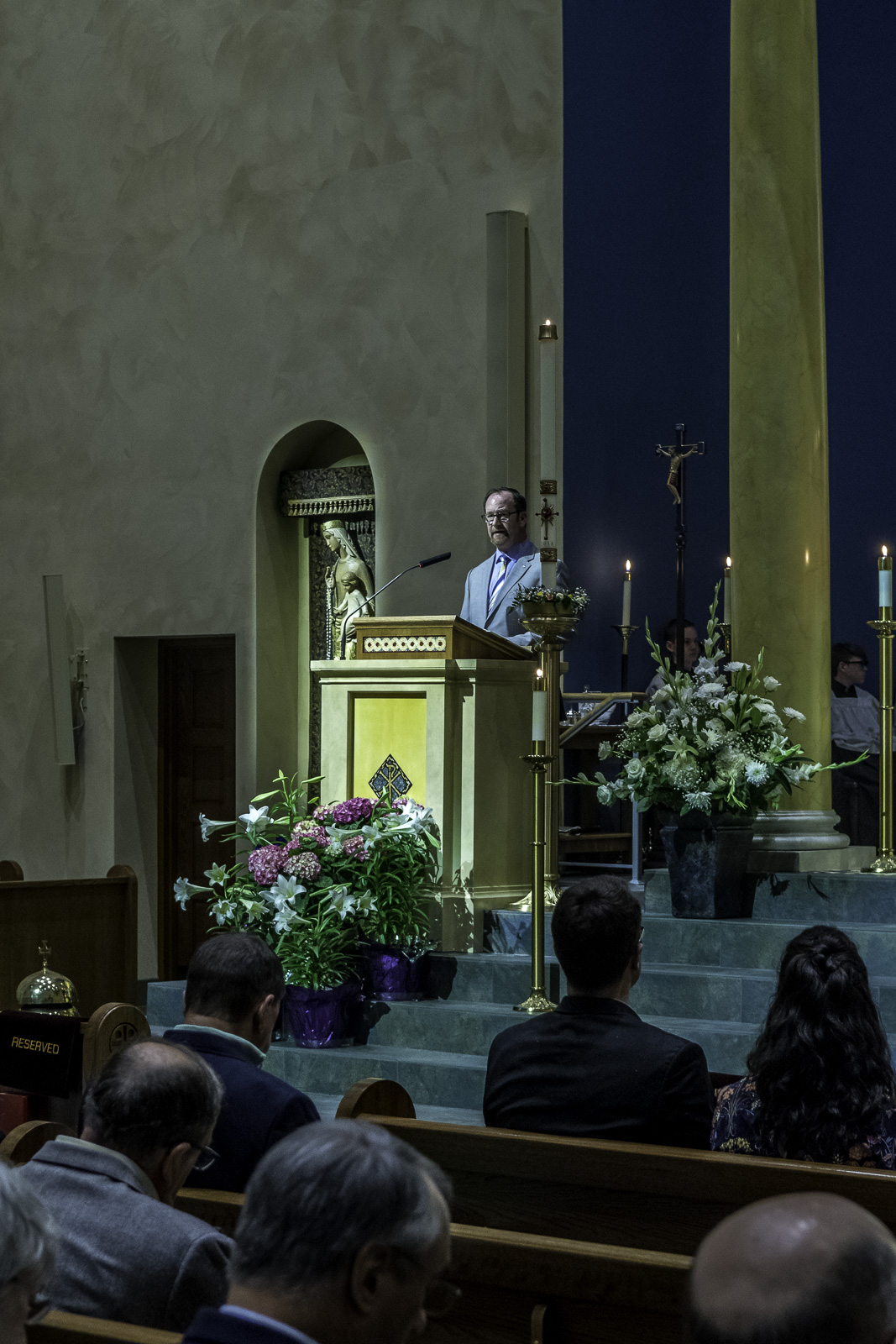
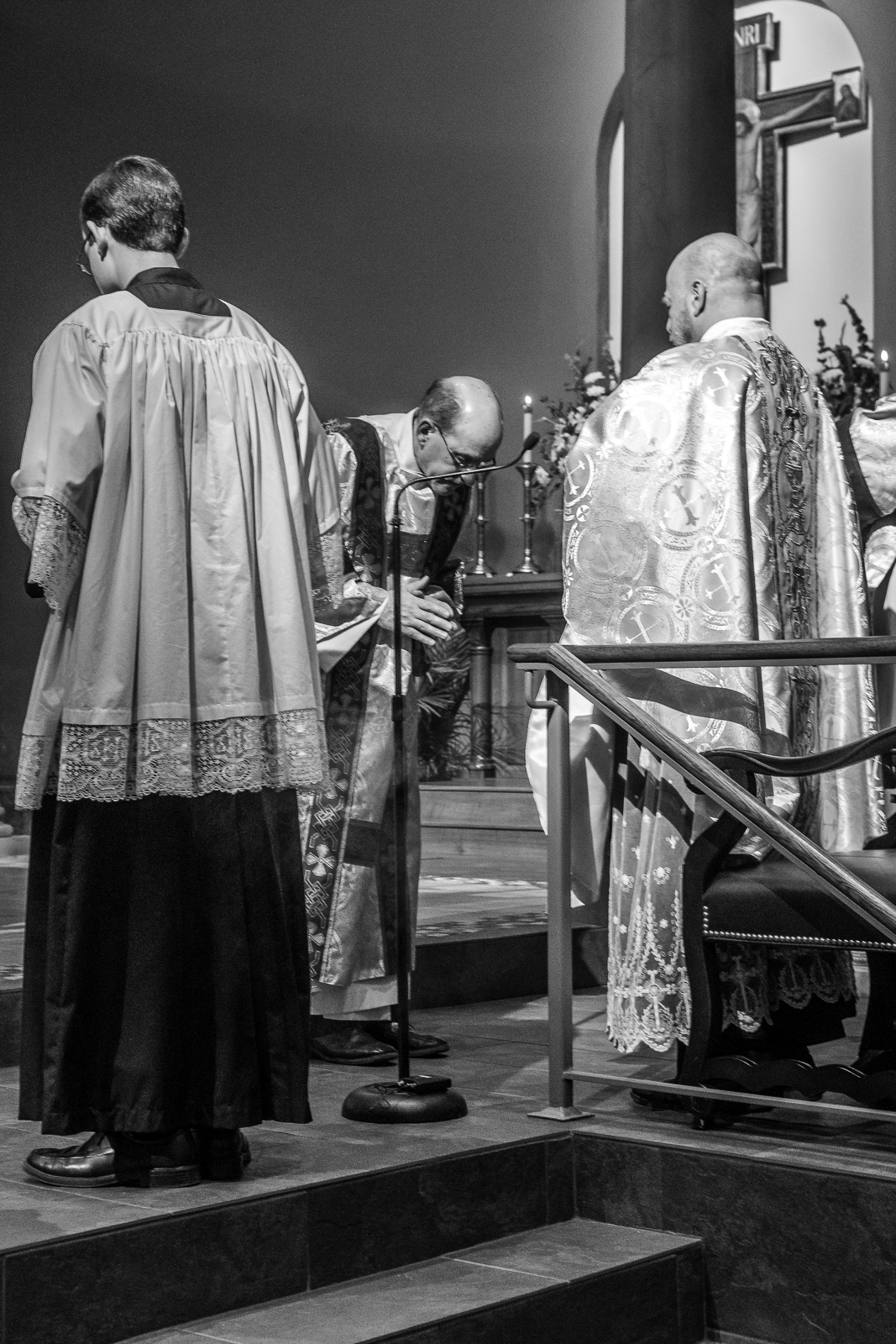
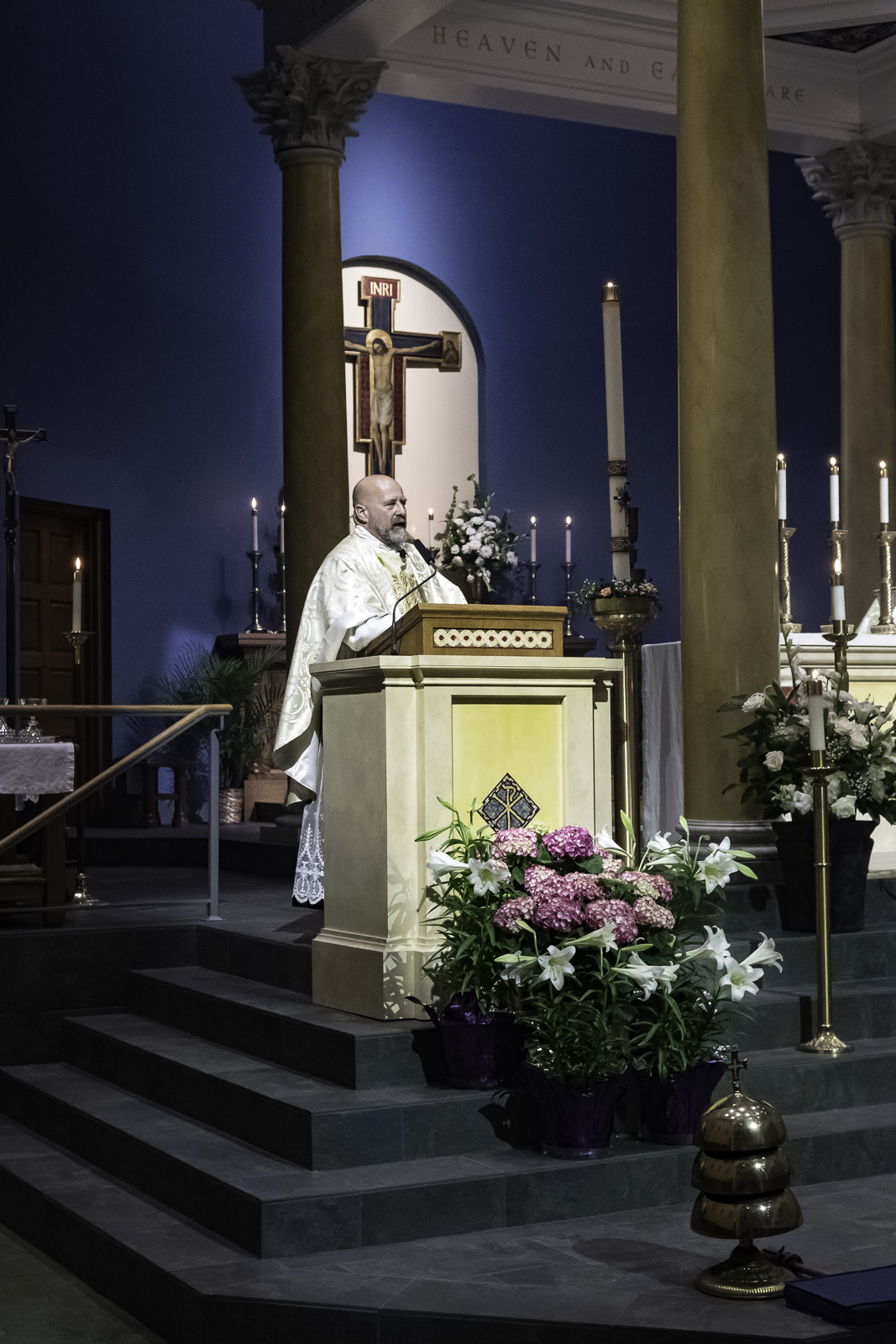
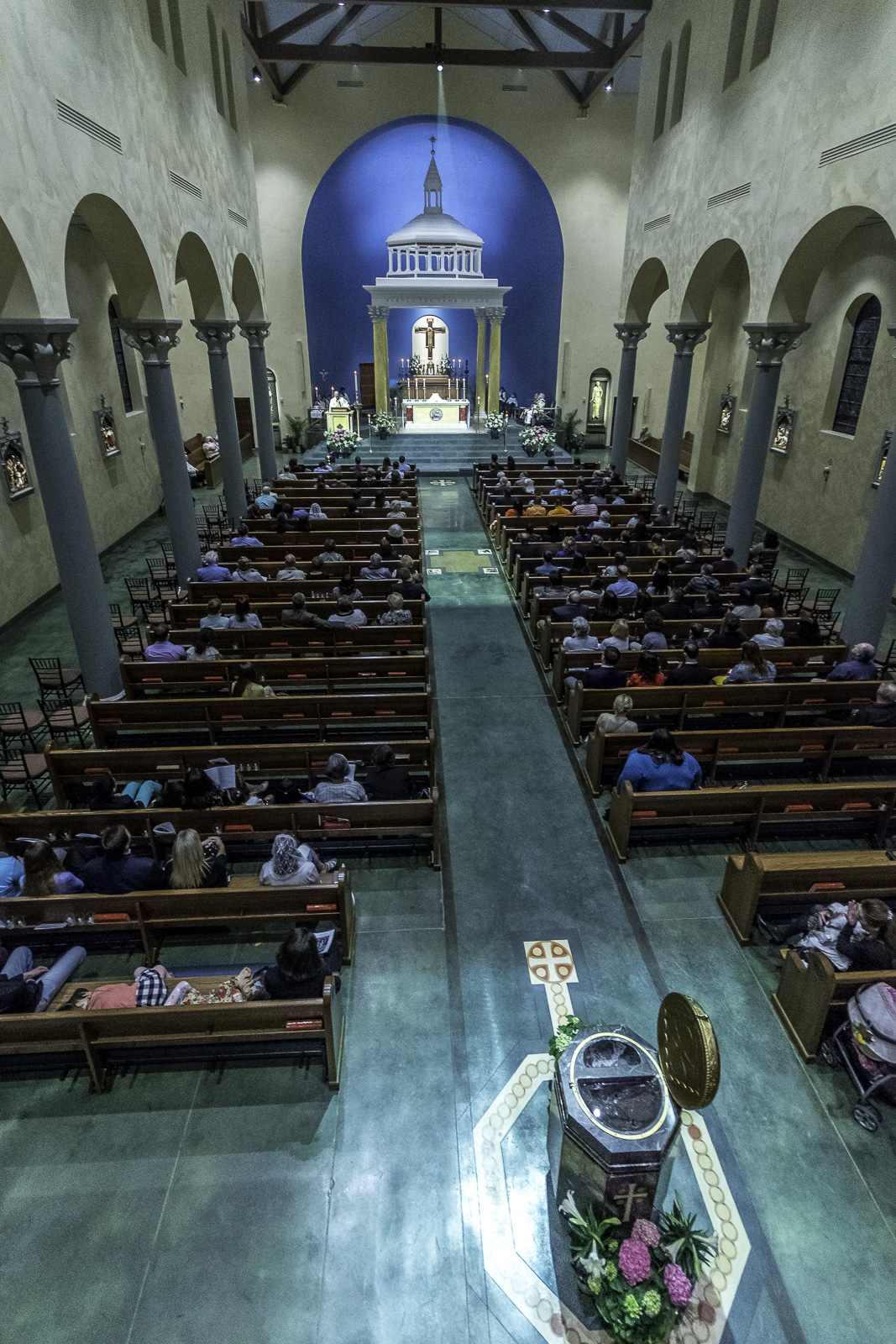
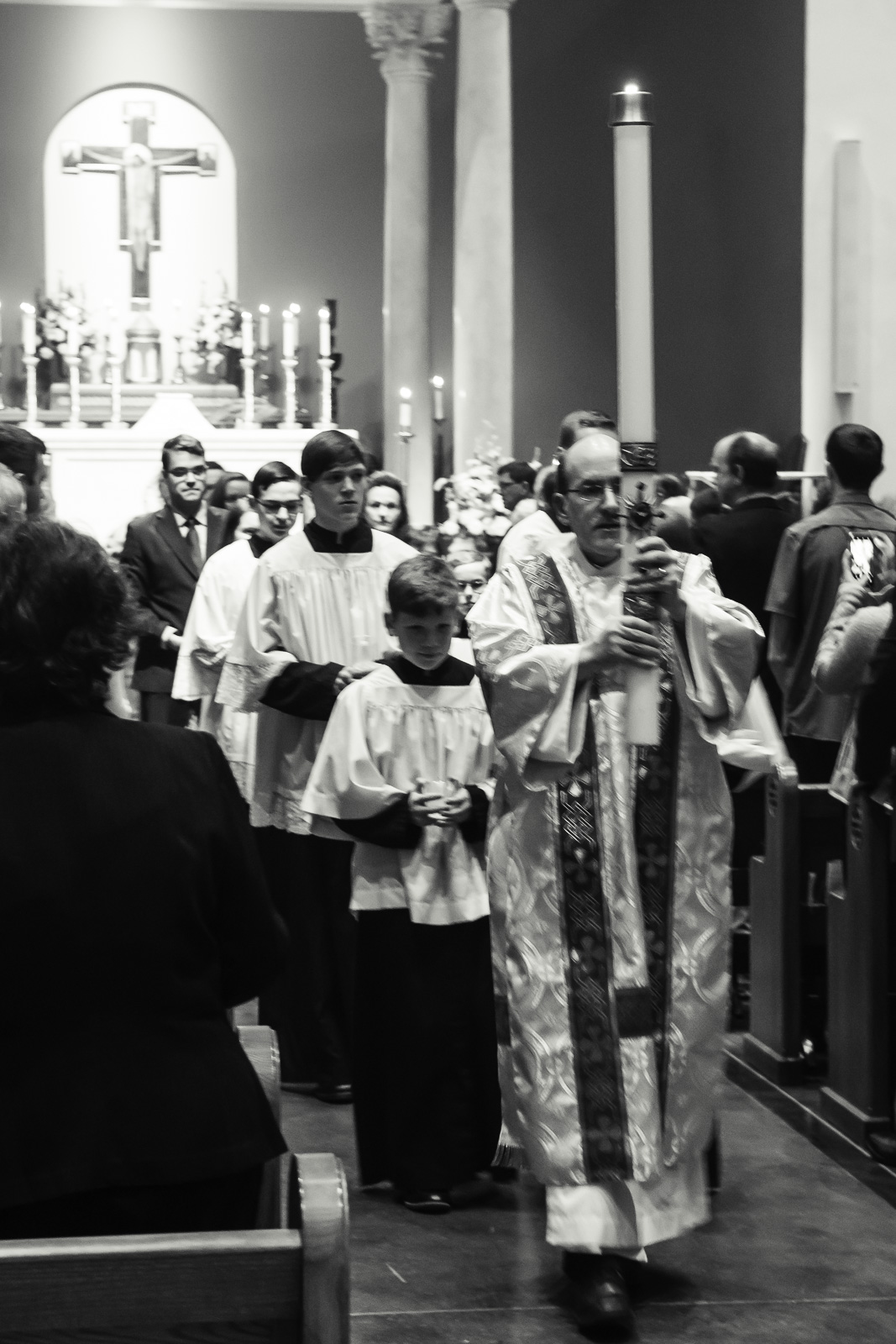
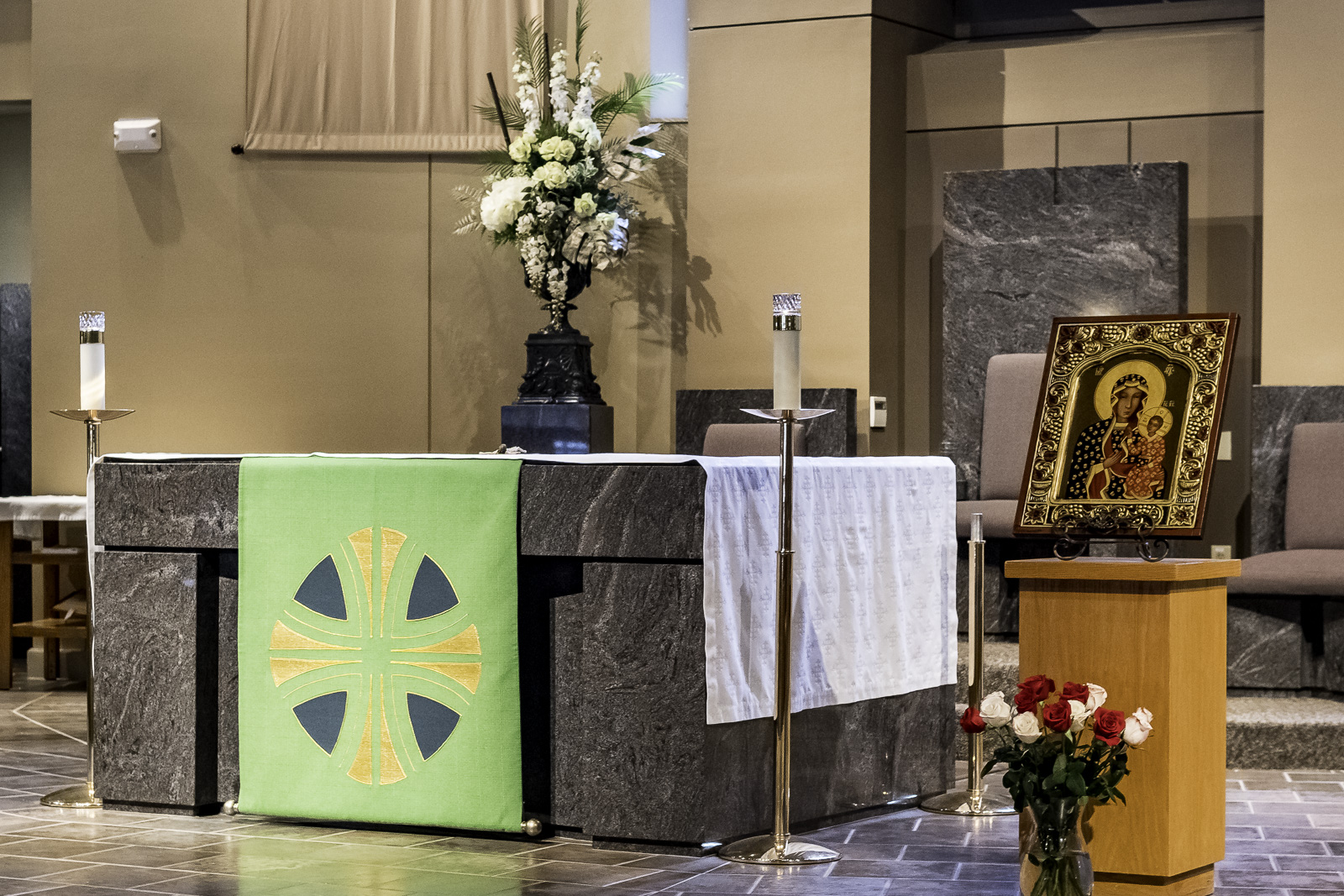
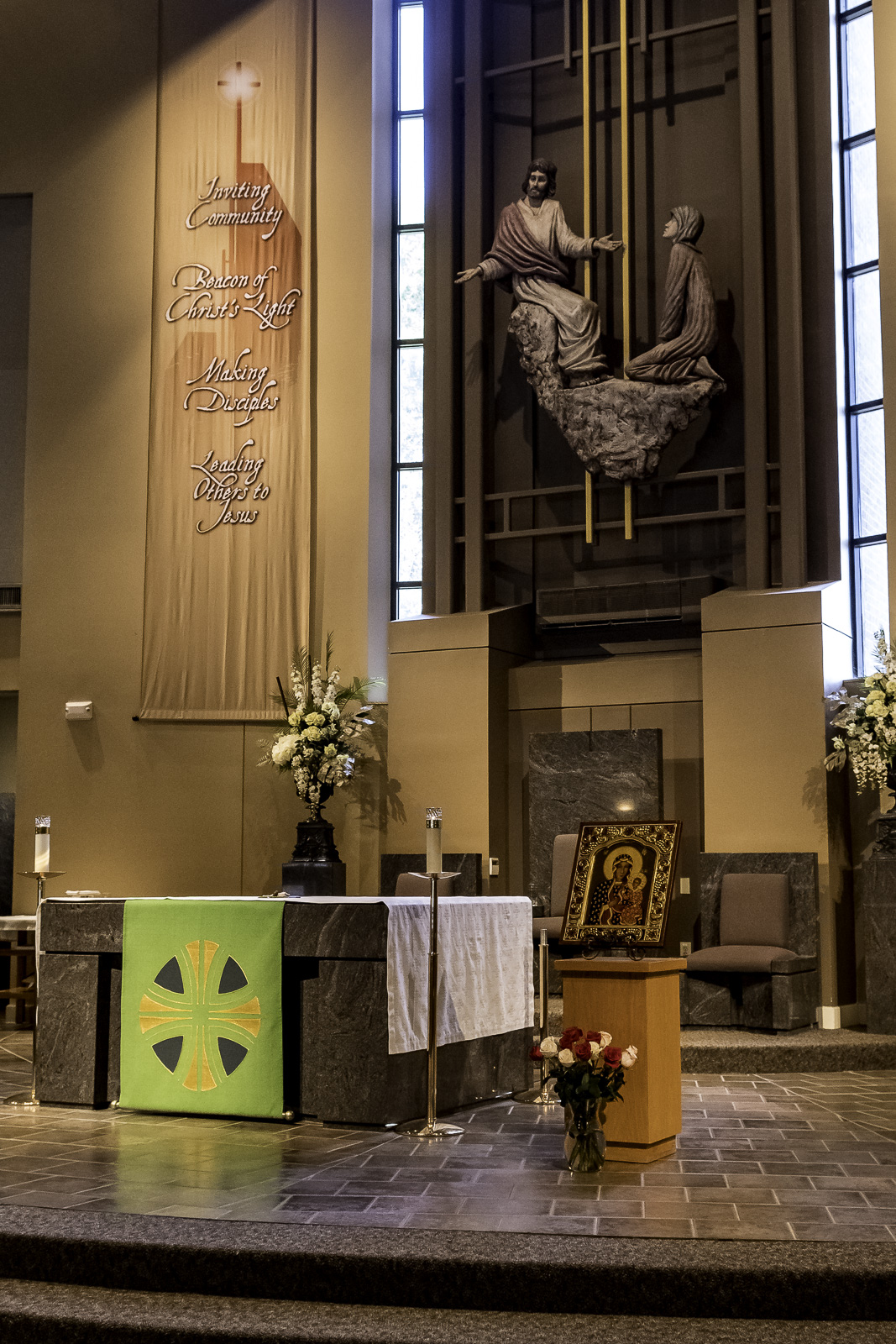
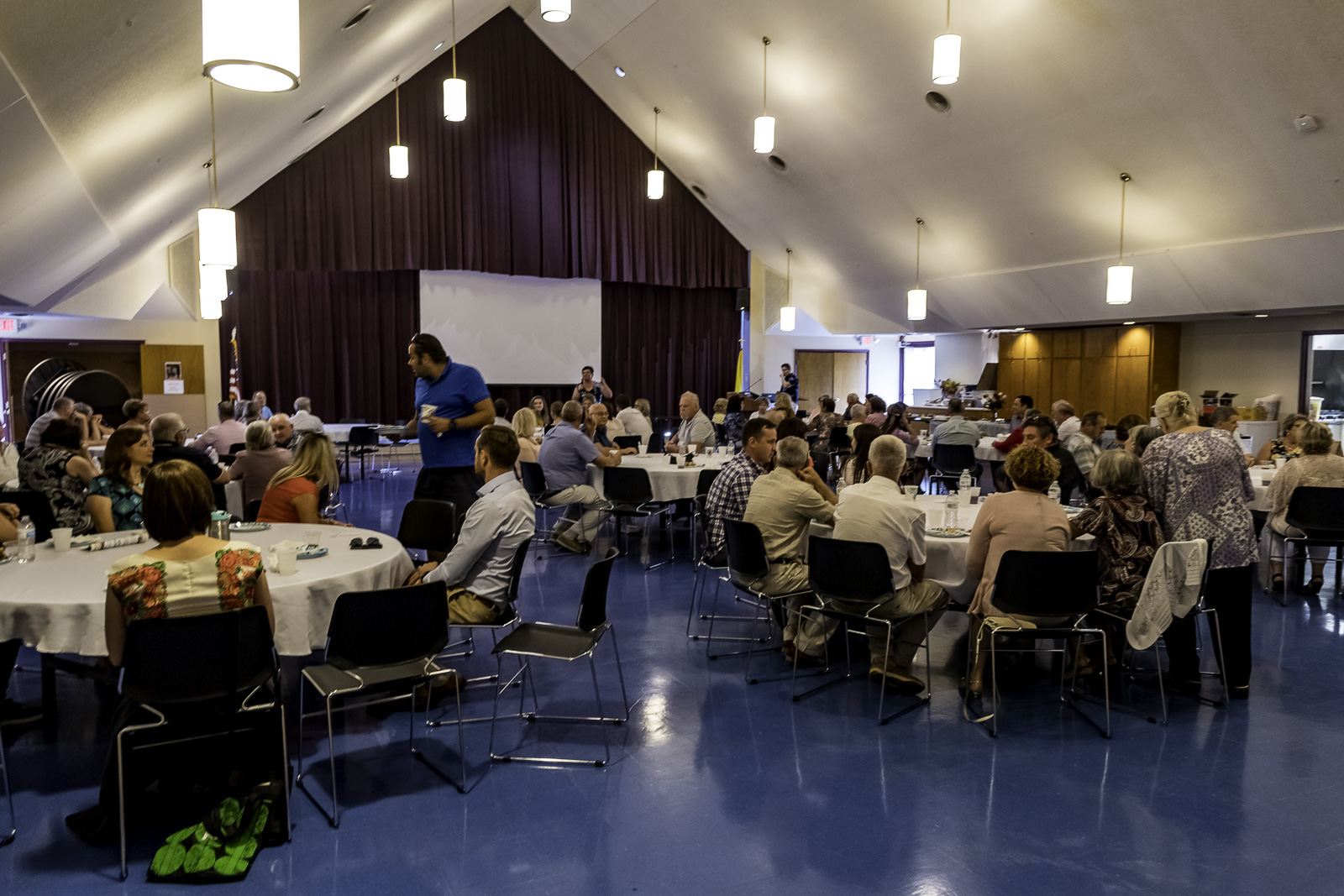
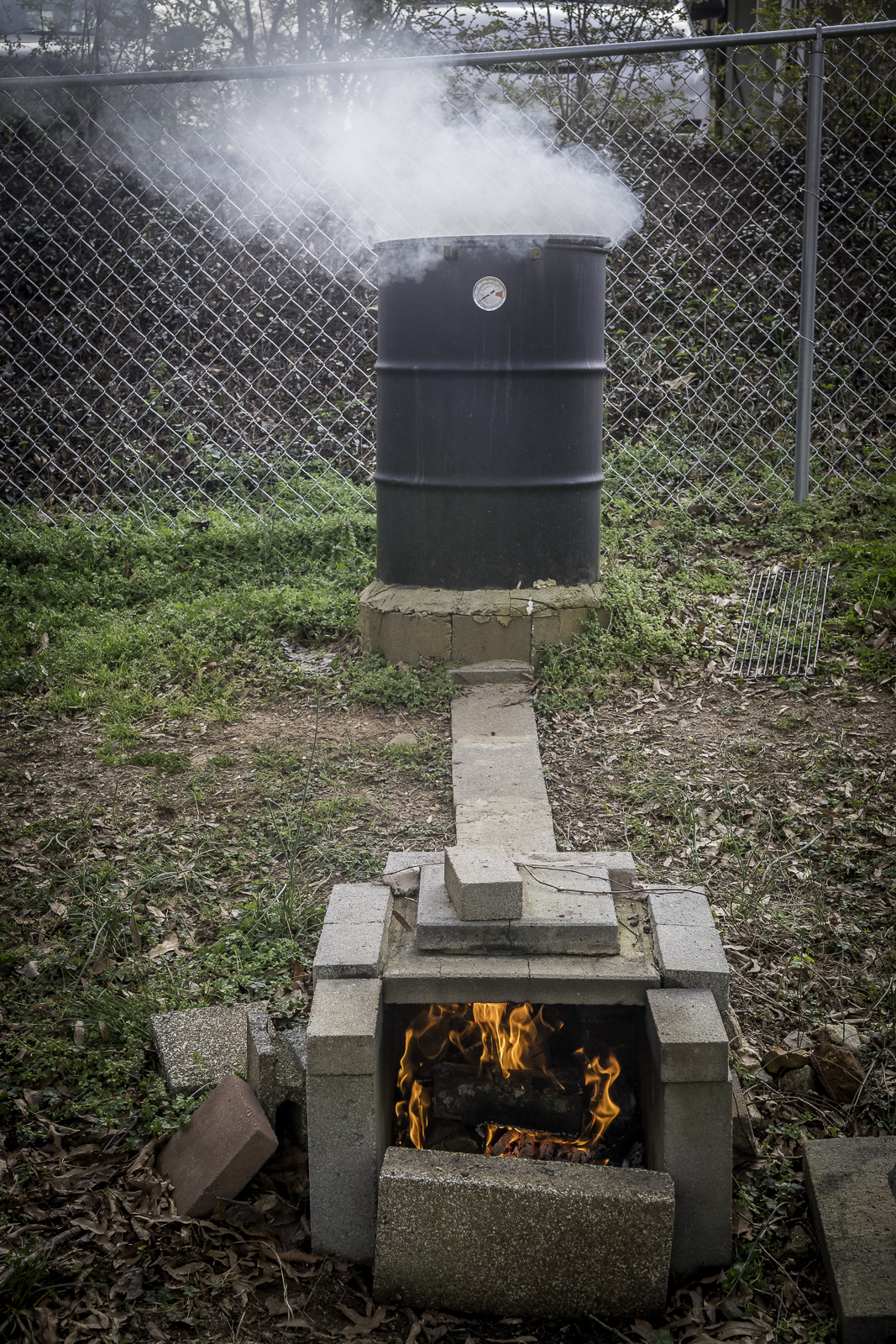
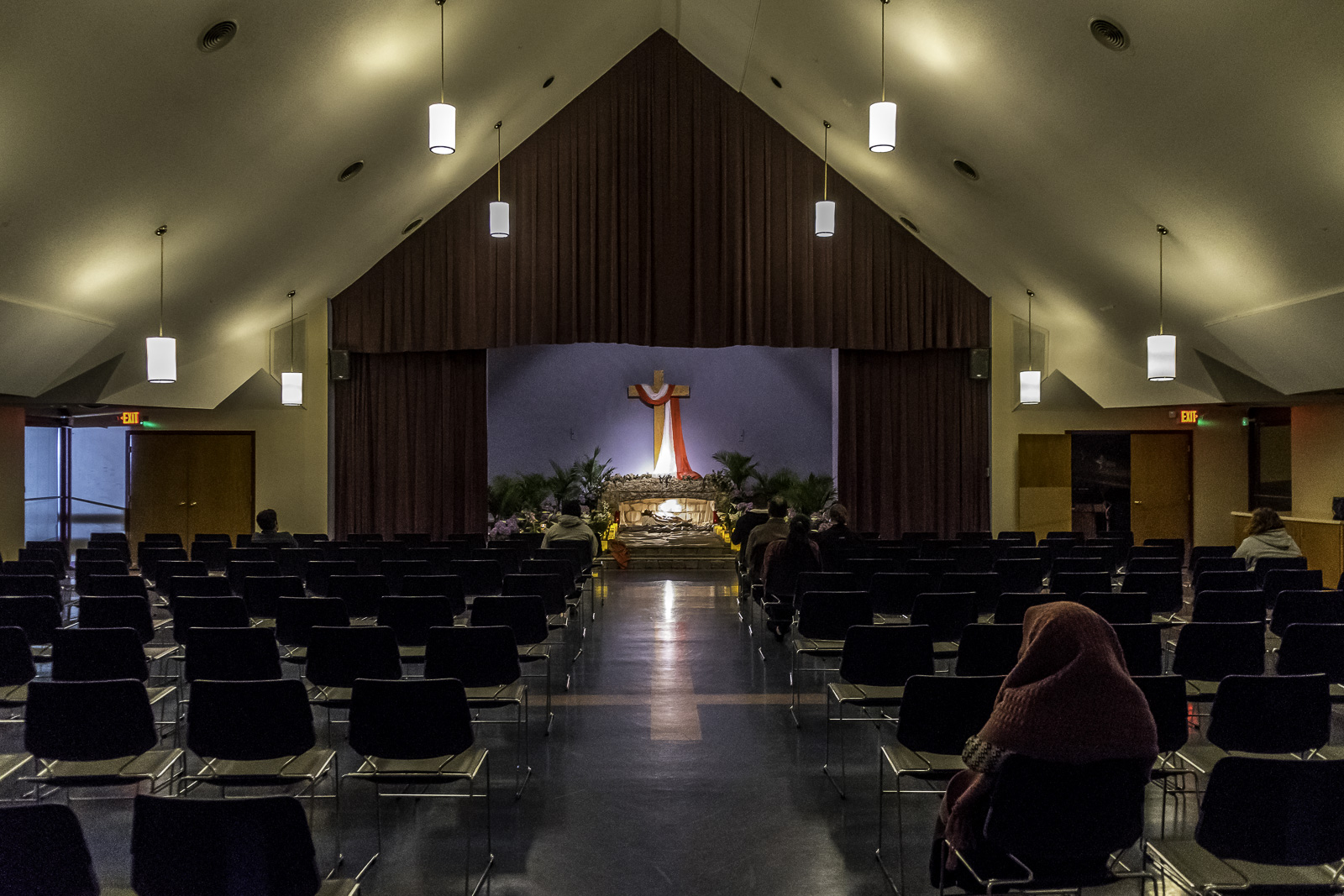
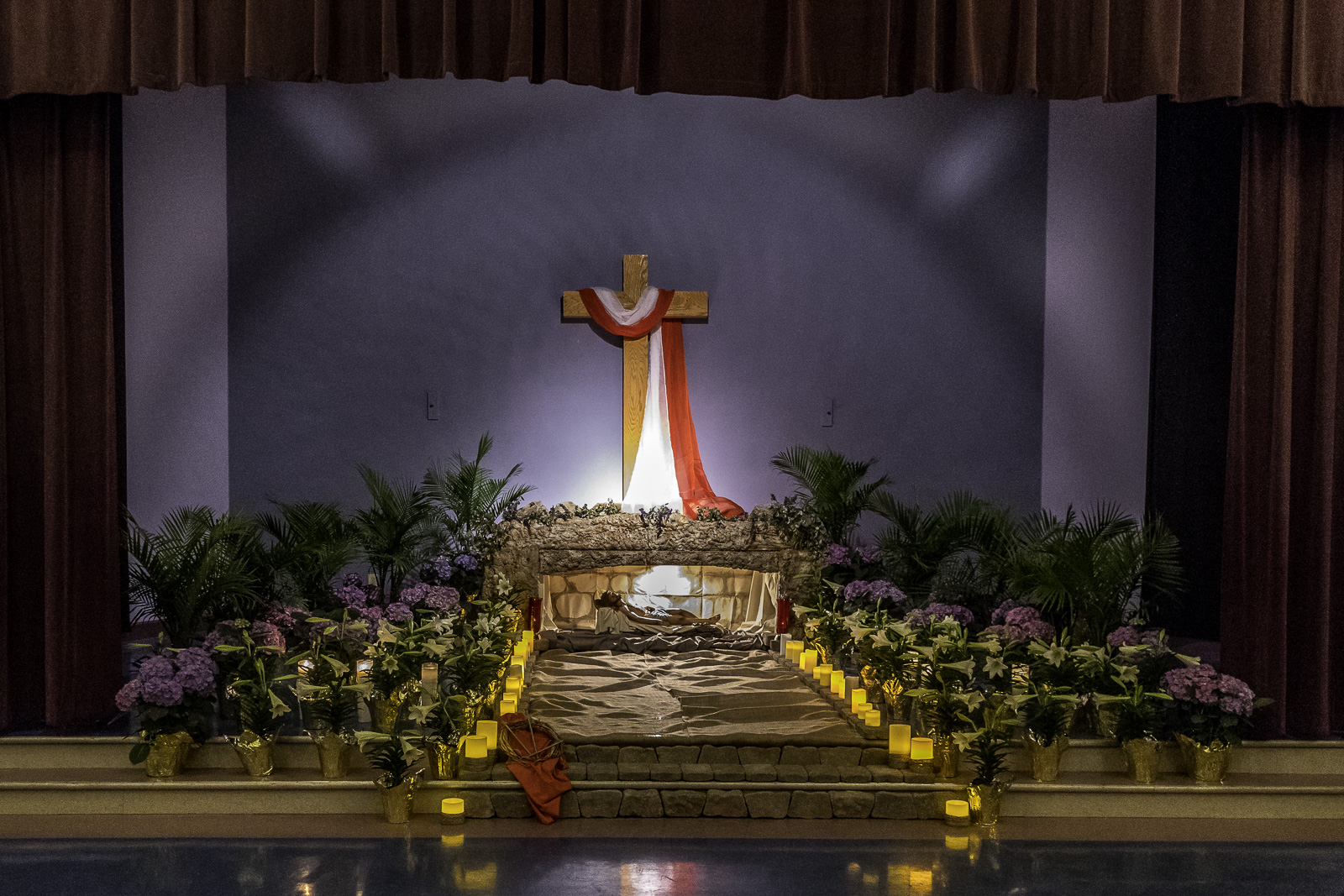
Smoking ribs for Easter żurek and a visit to the tomb the Polish community made.
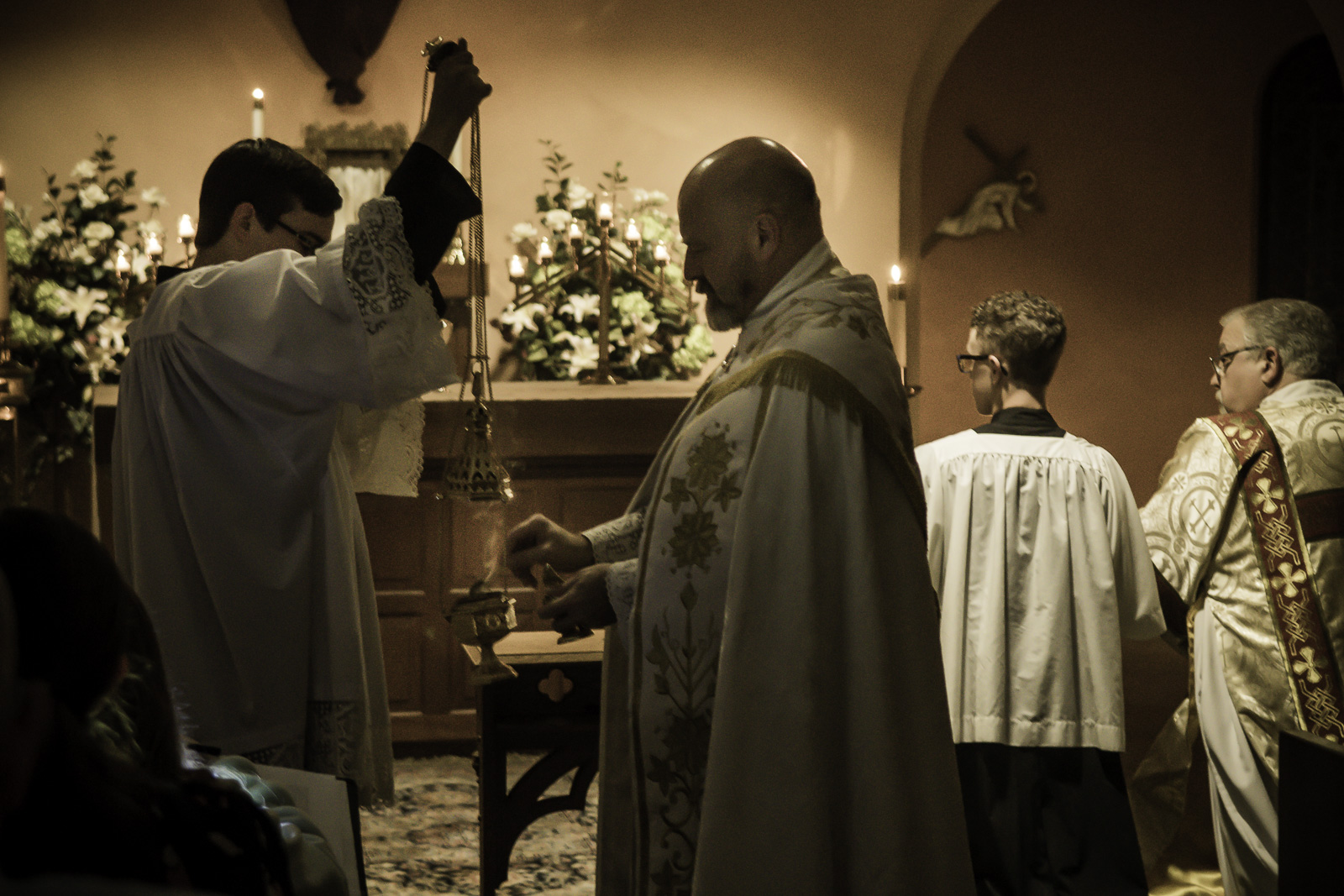
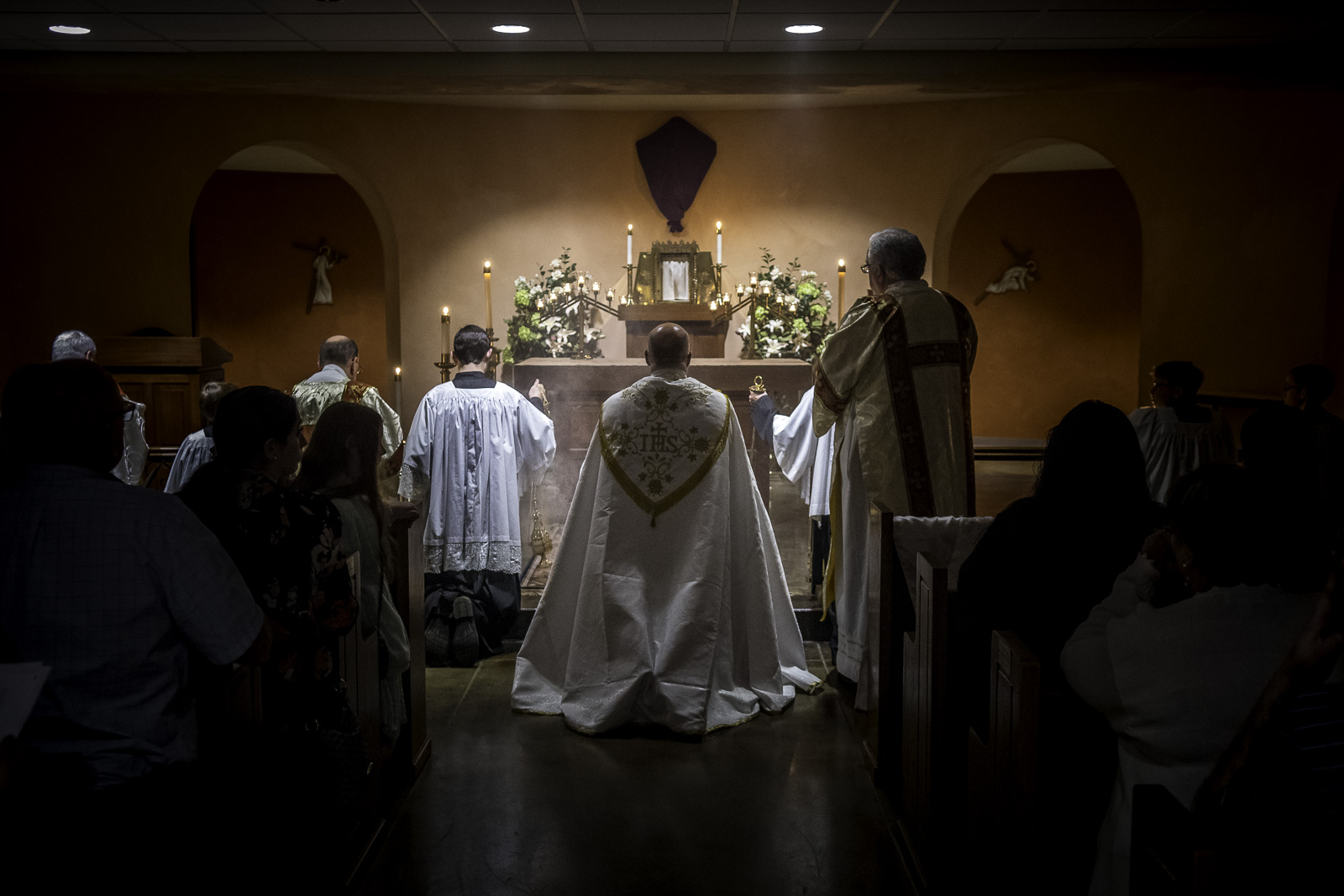
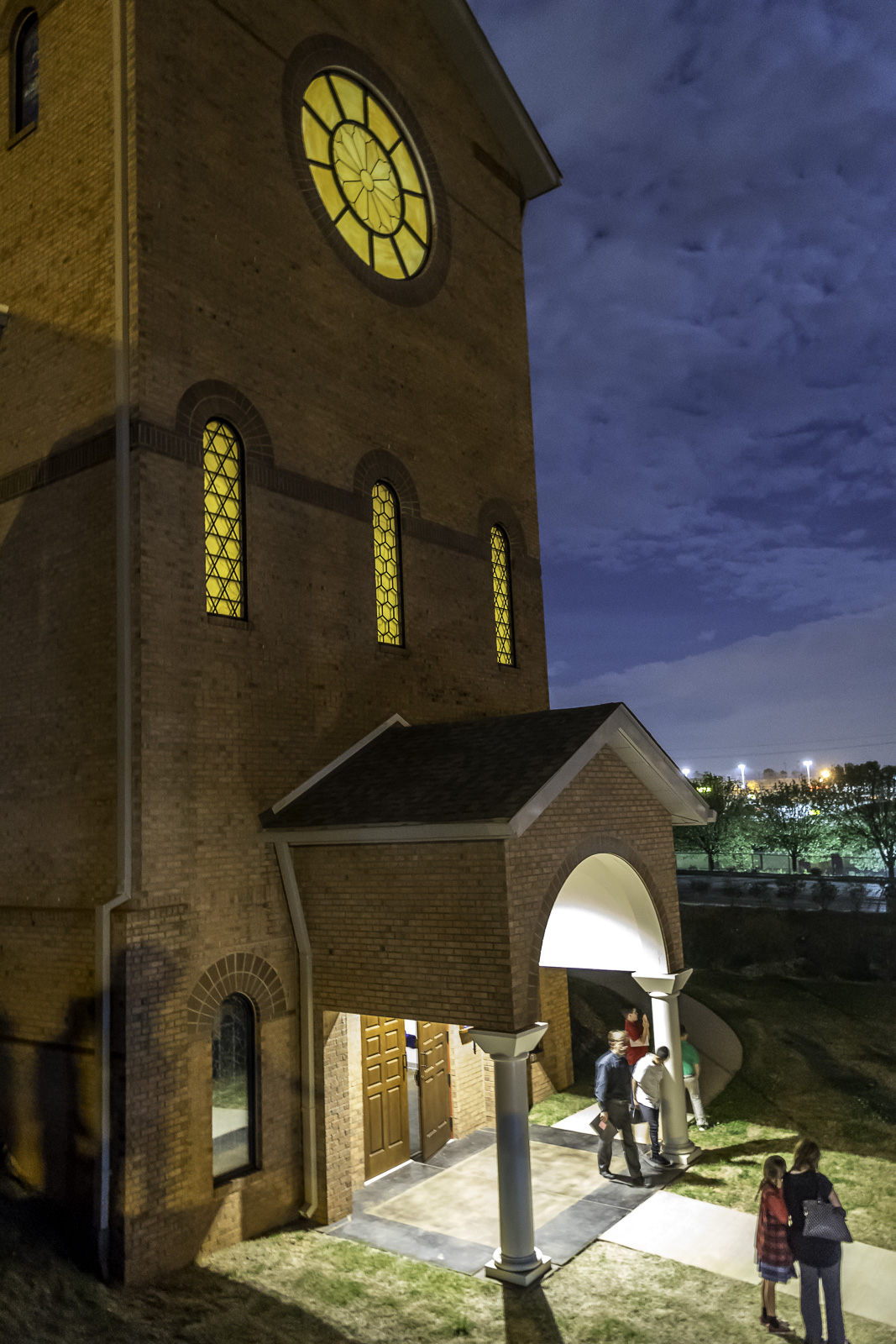
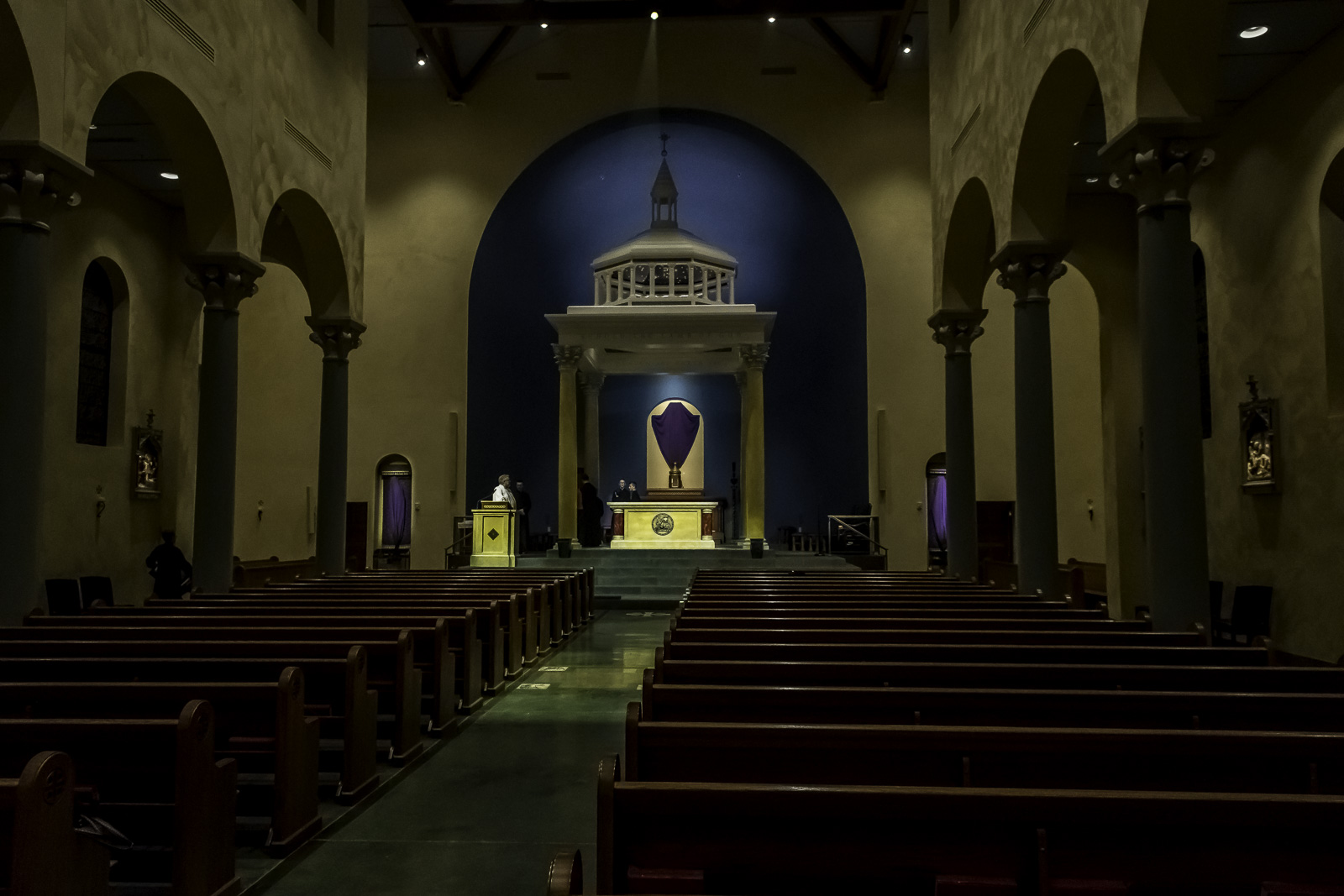
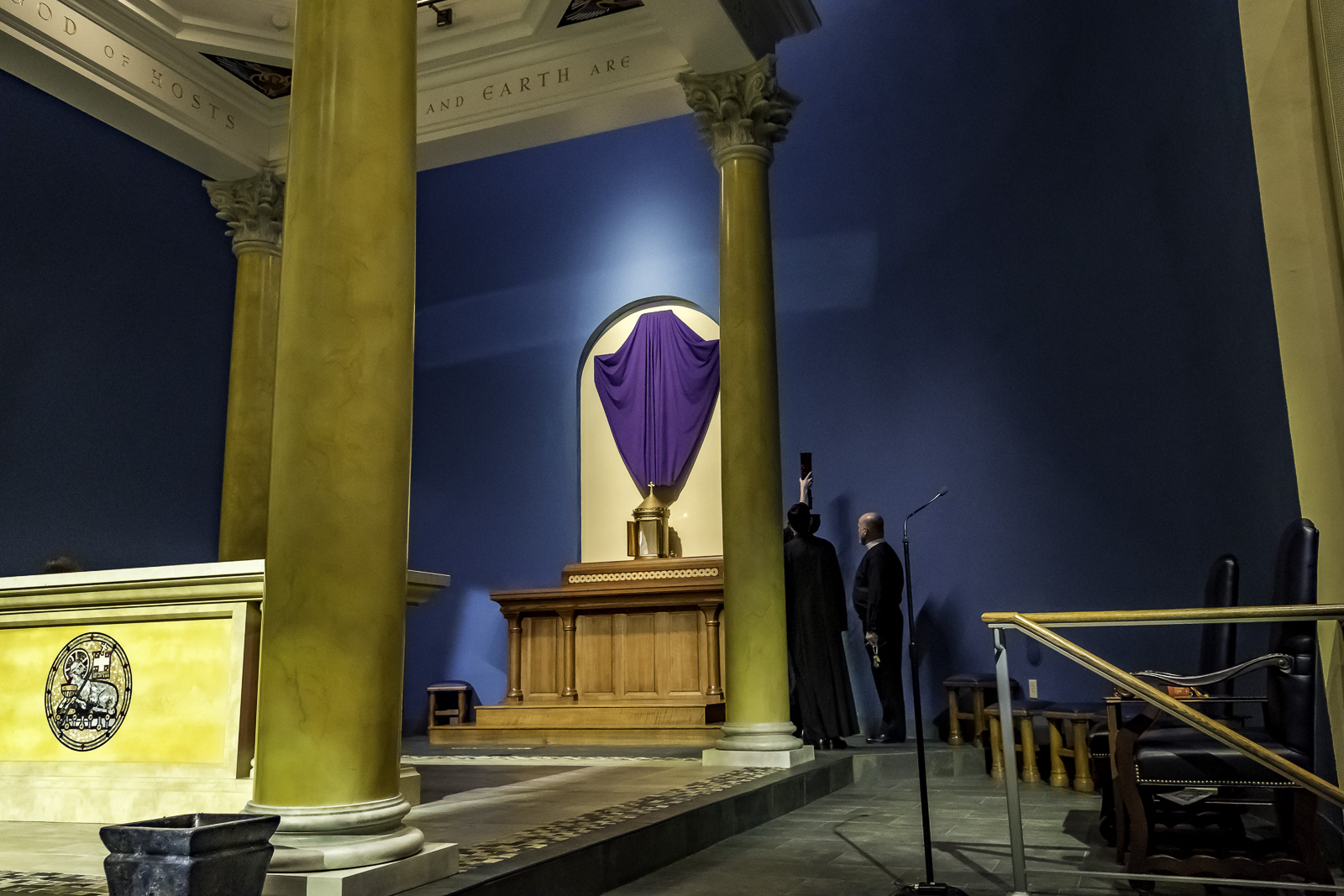
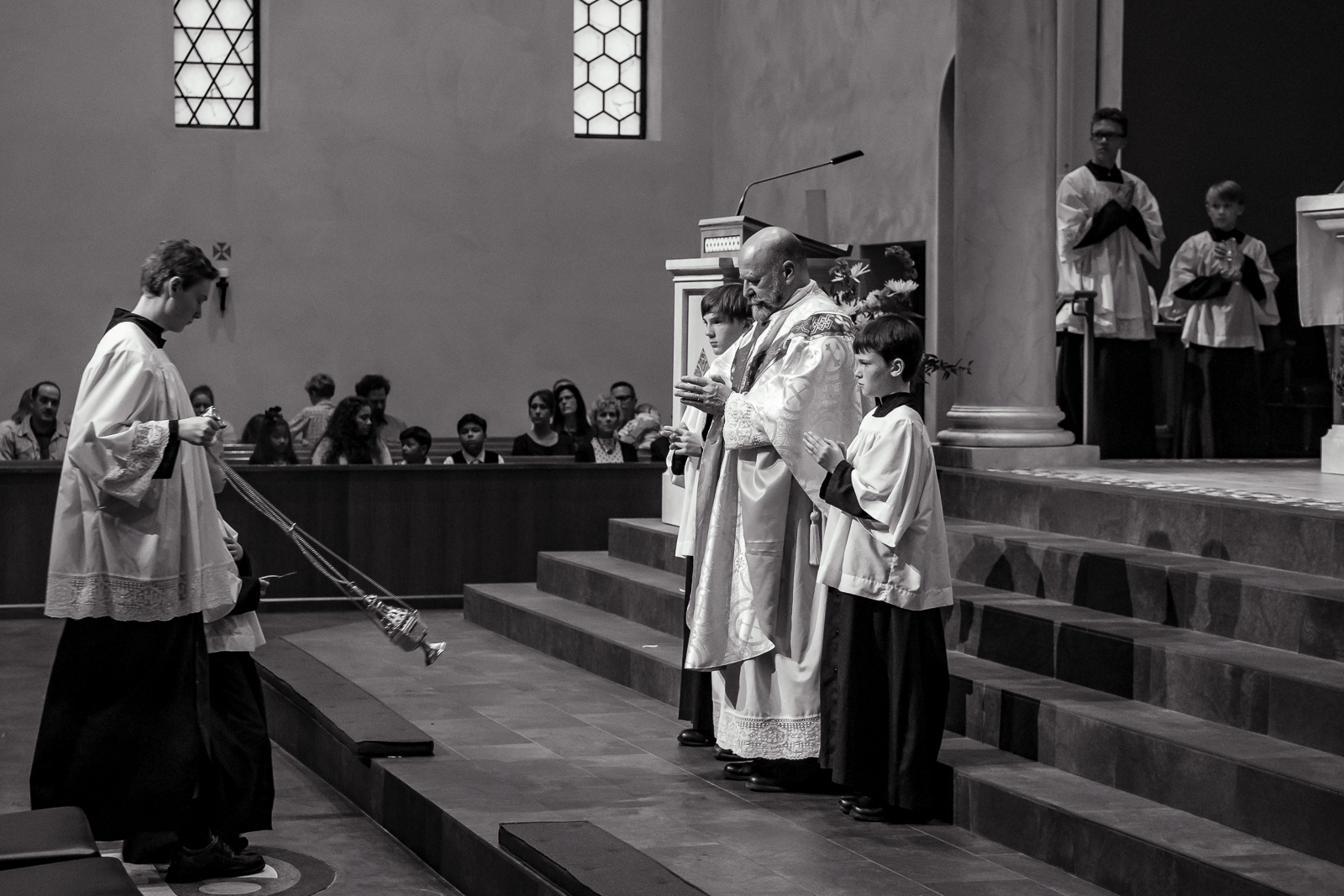
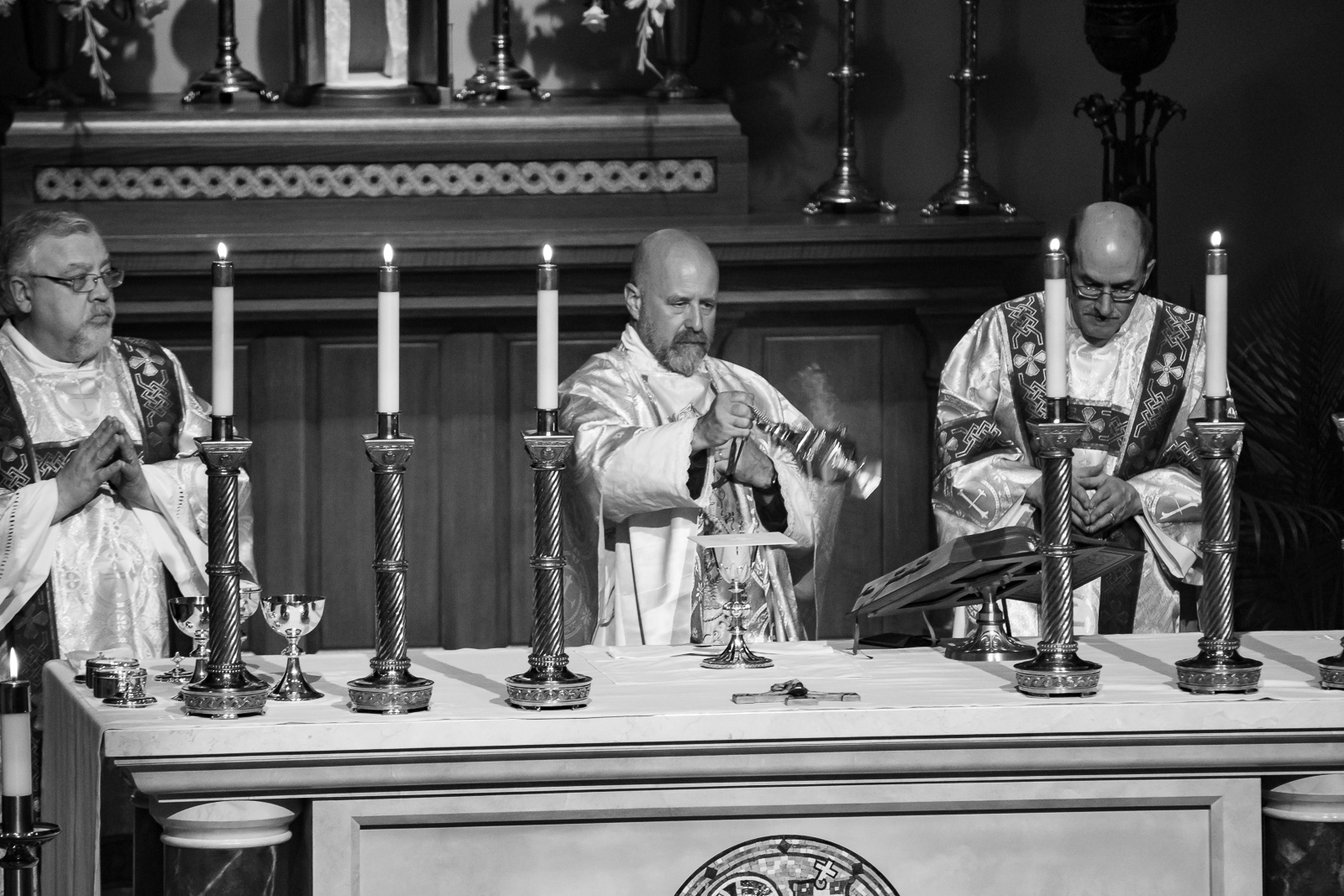
I’ve always heard of incense being symbolic of prayer, and most formulations follow something similar to what Doug Eaton writes at Christian Theology, where he gives four ways incense is like prayer:
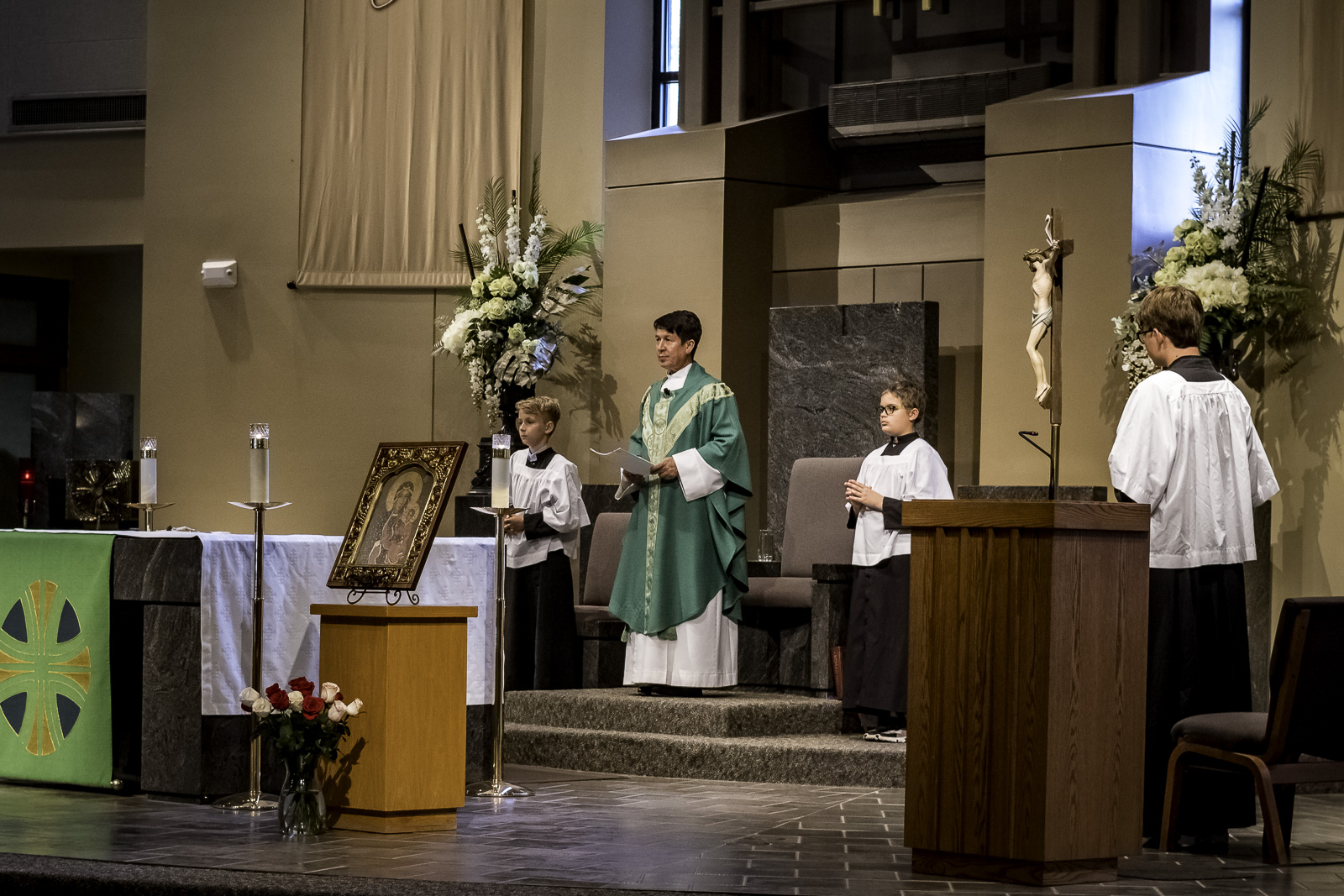
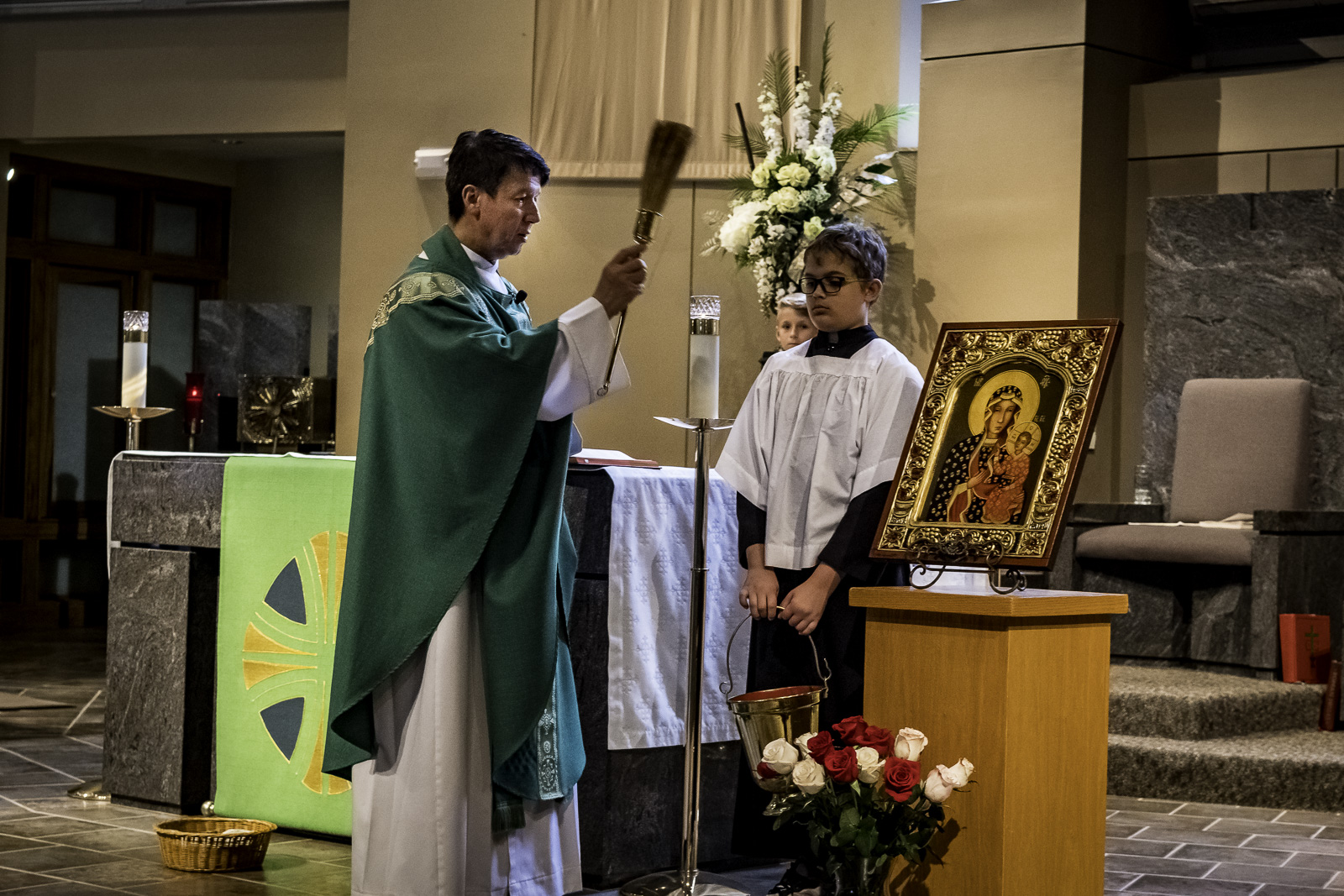
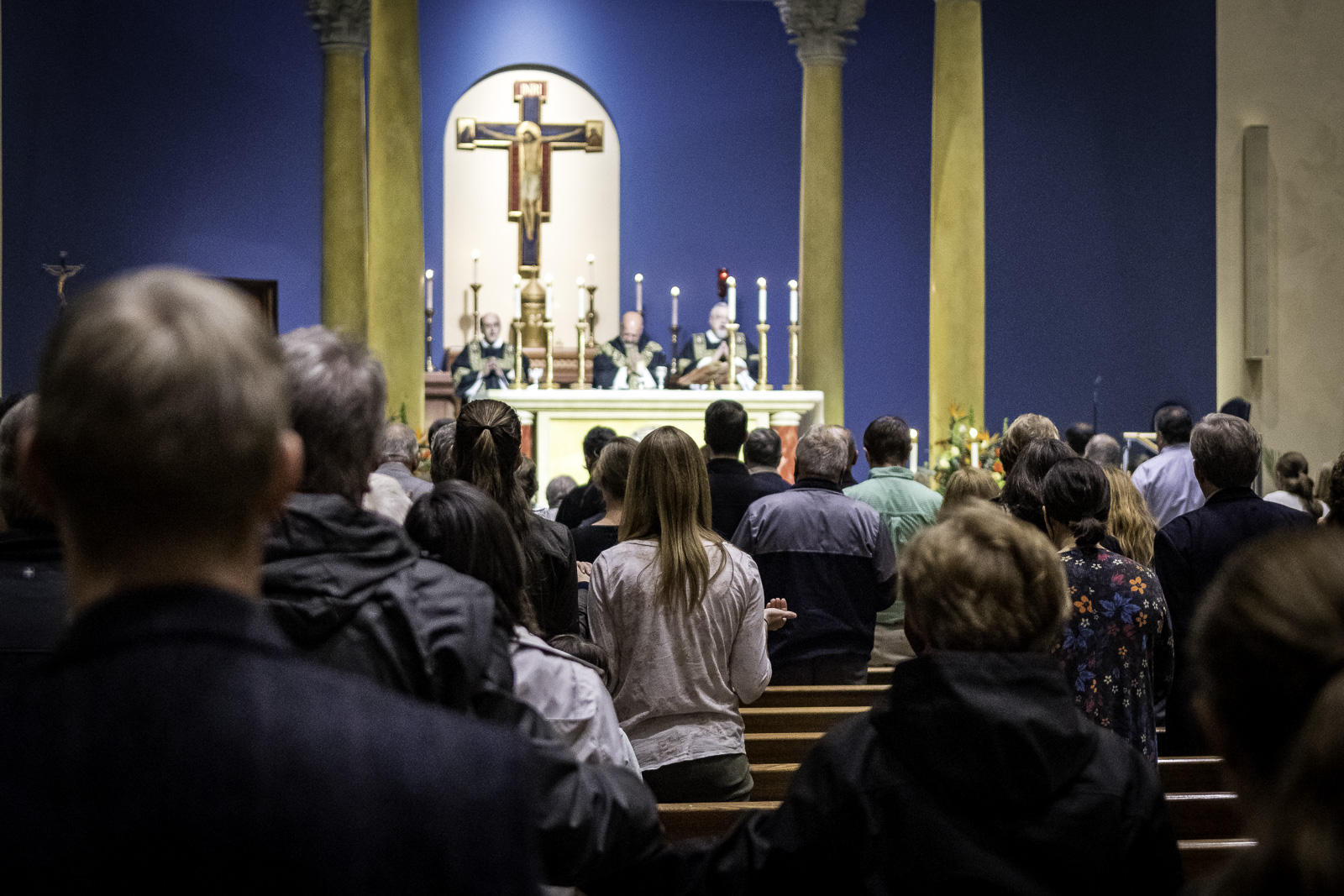
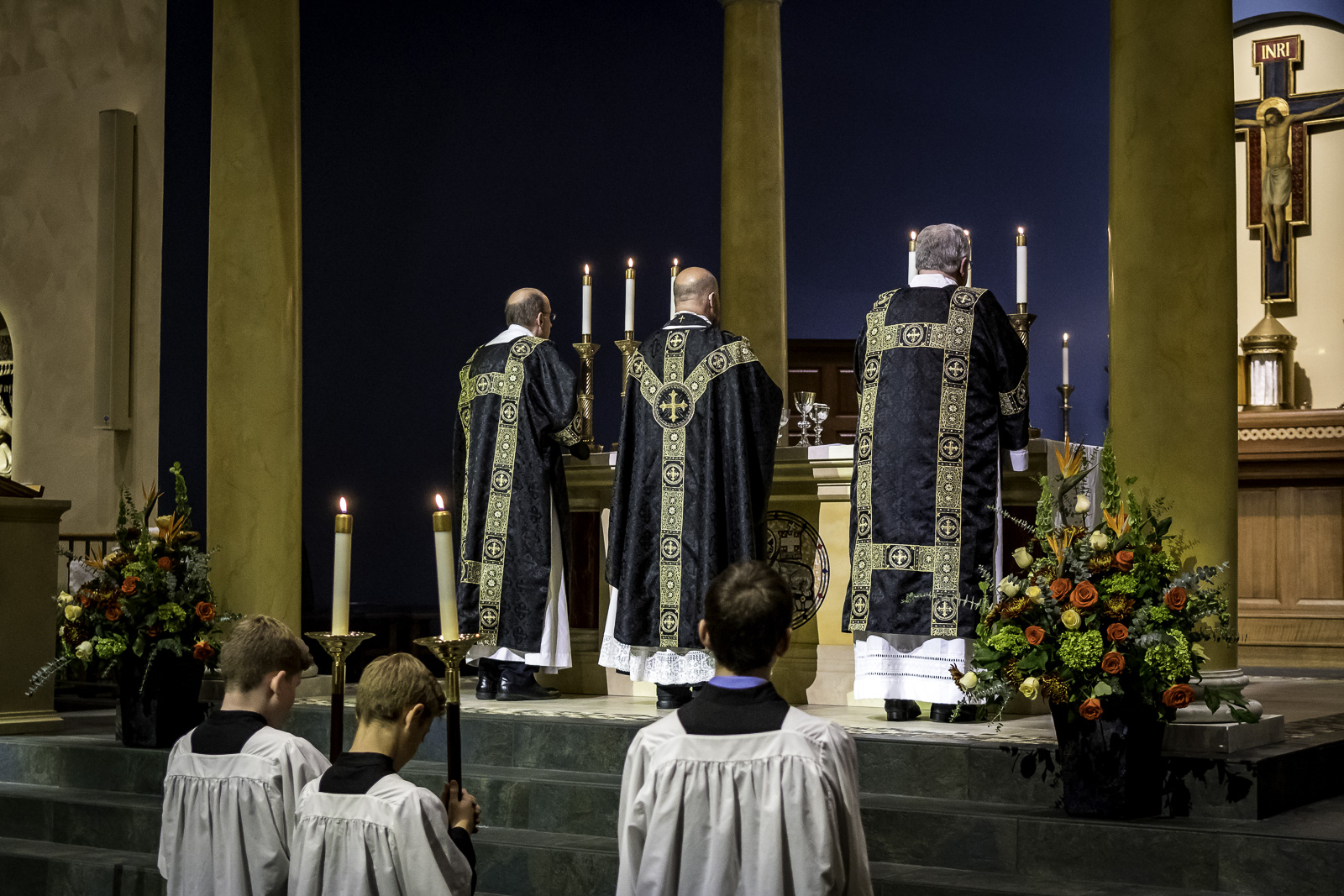
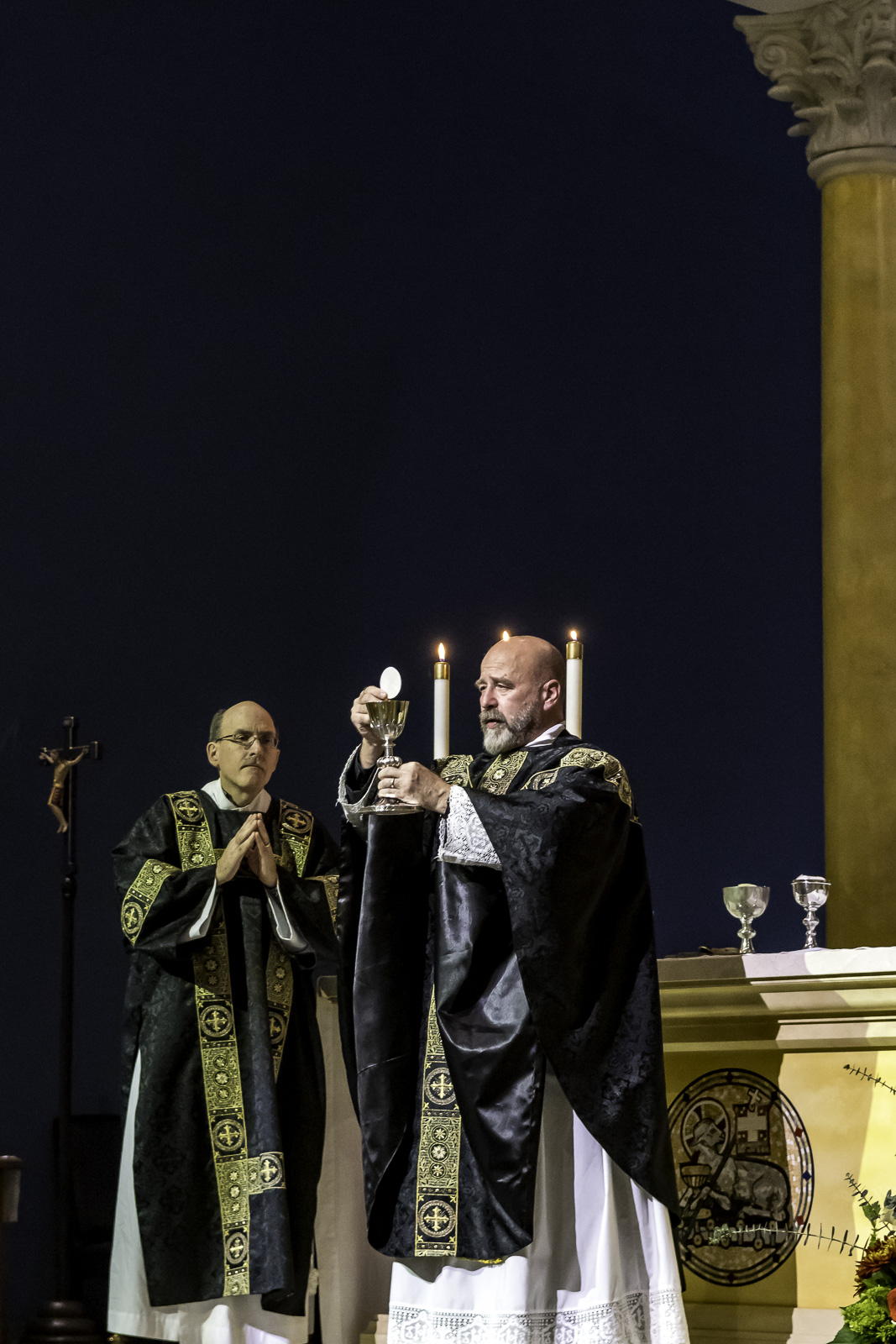
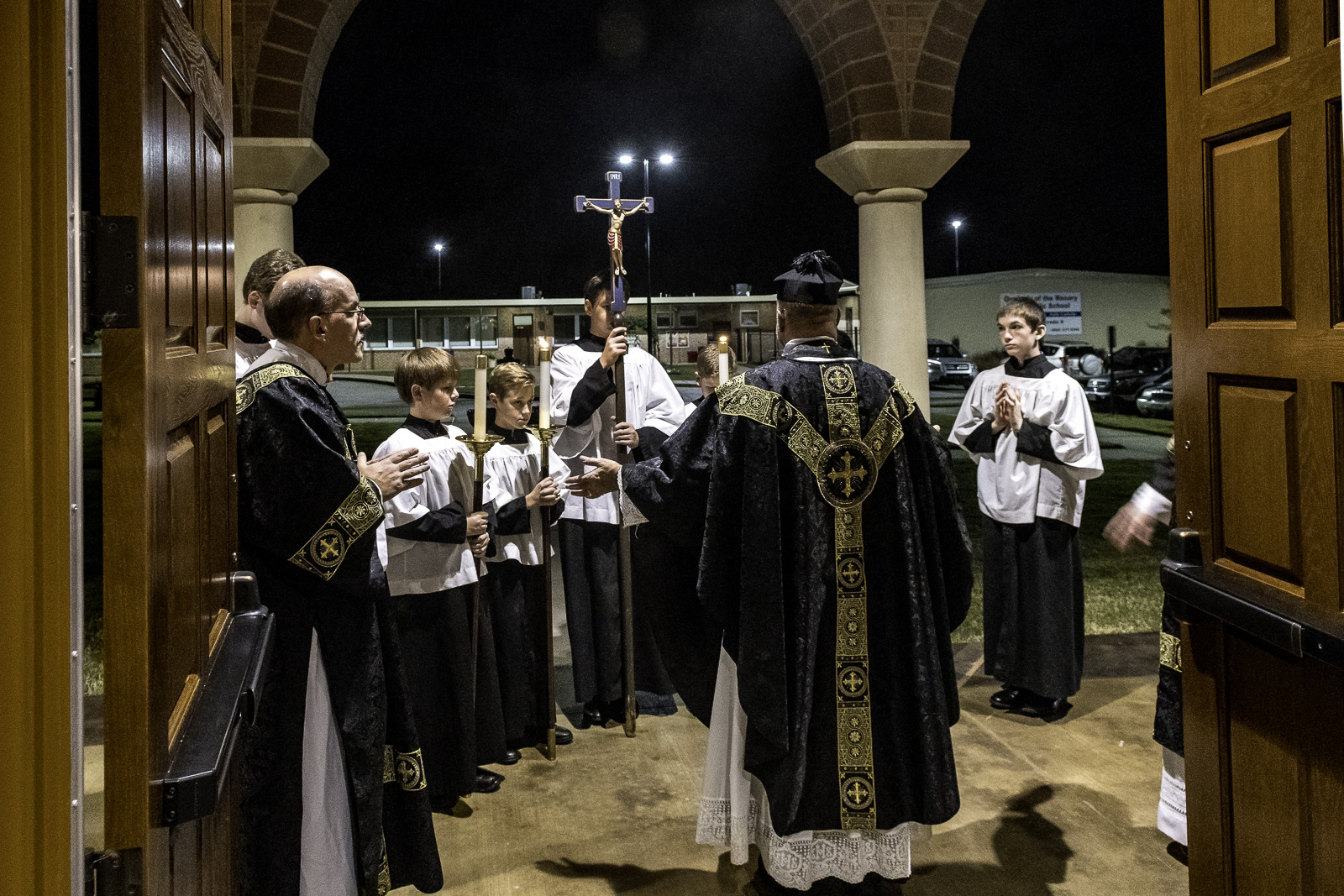
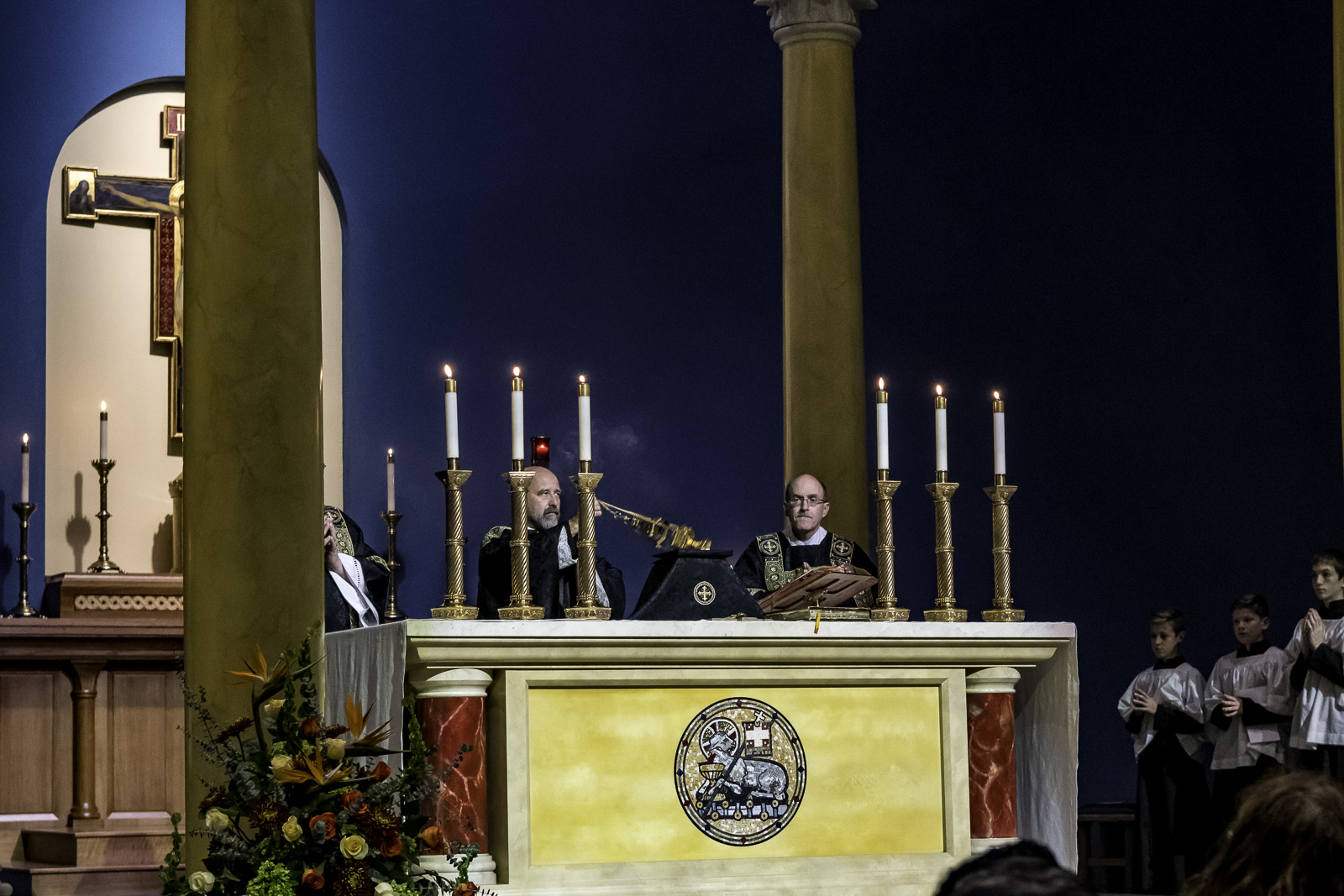
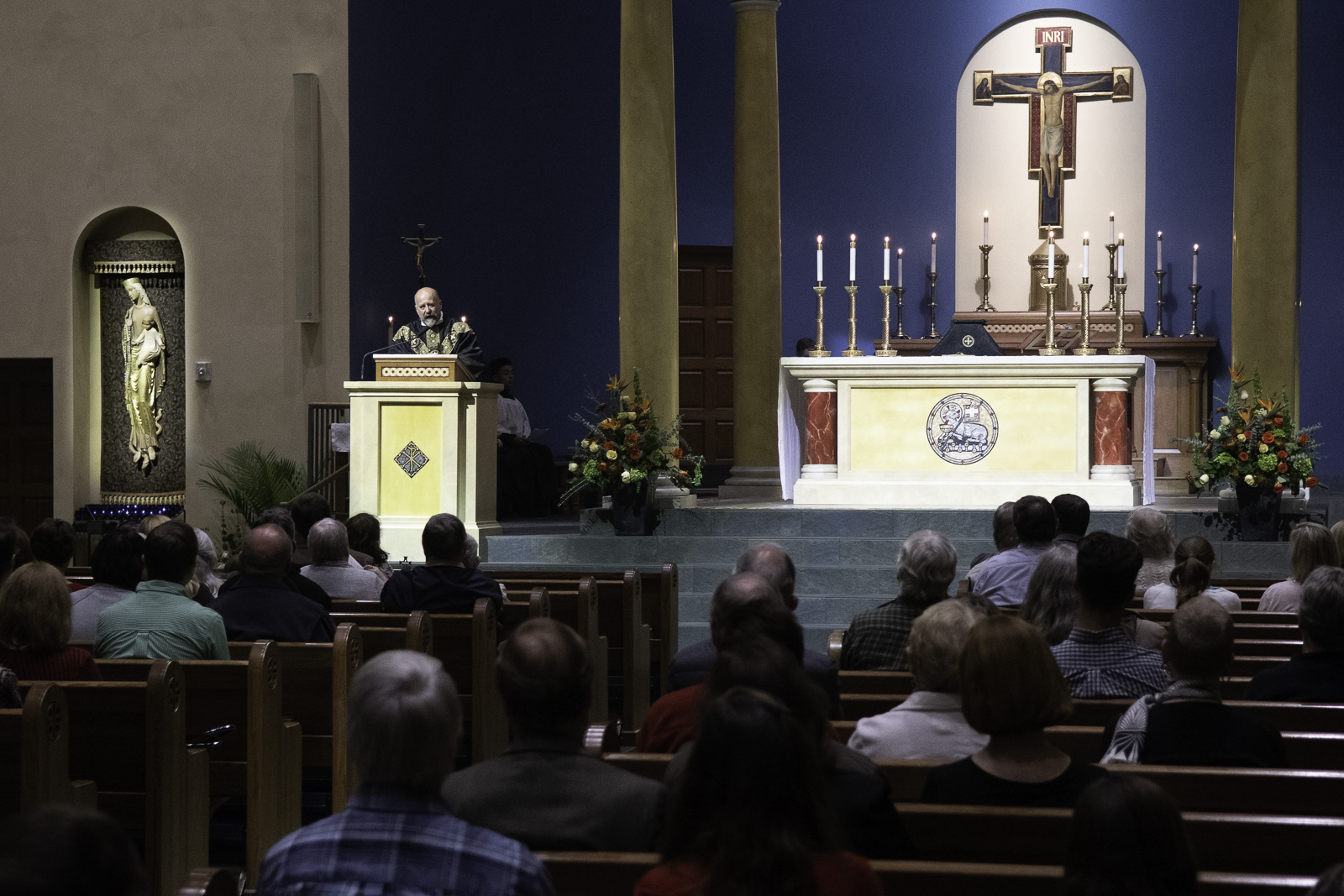
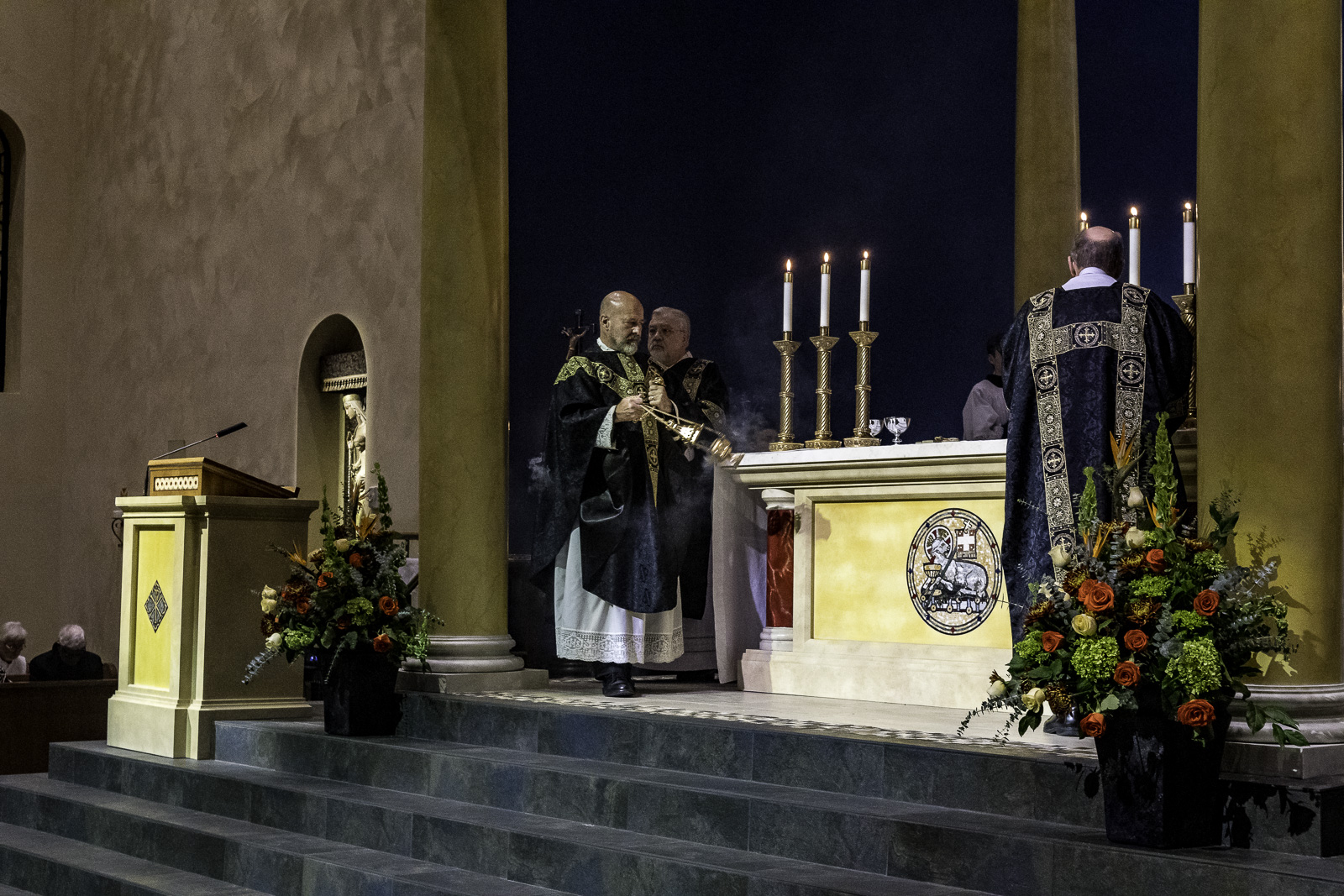
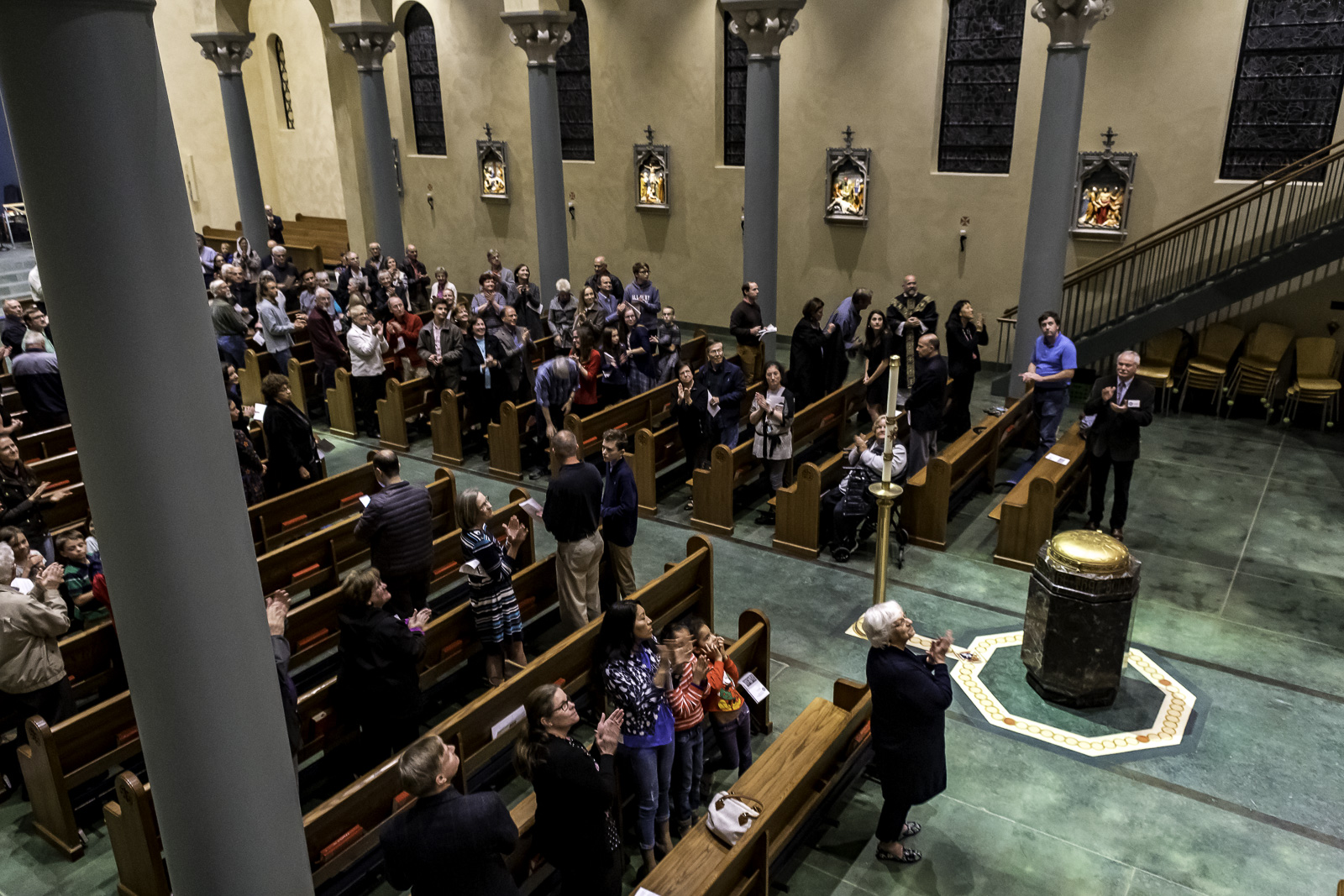
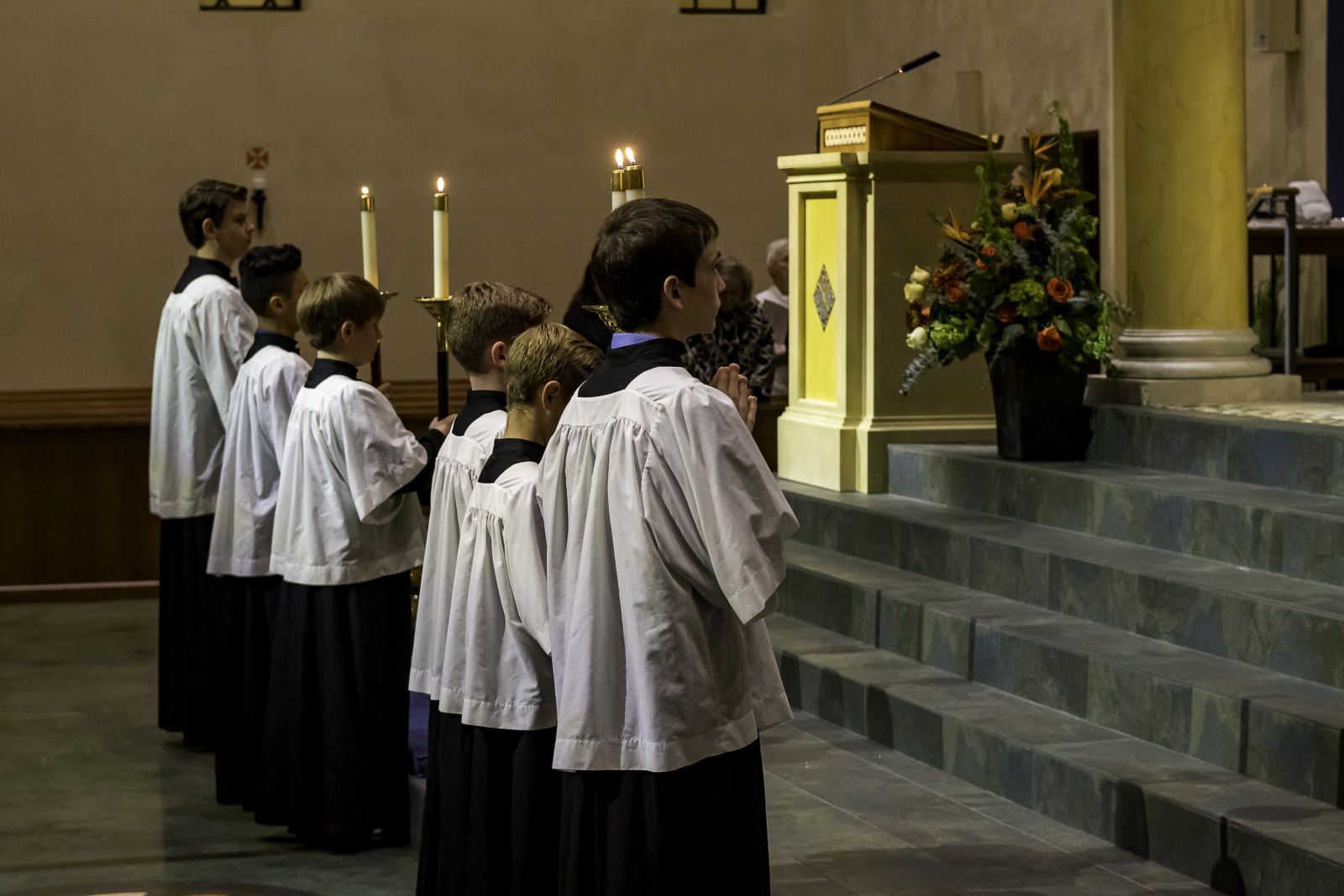
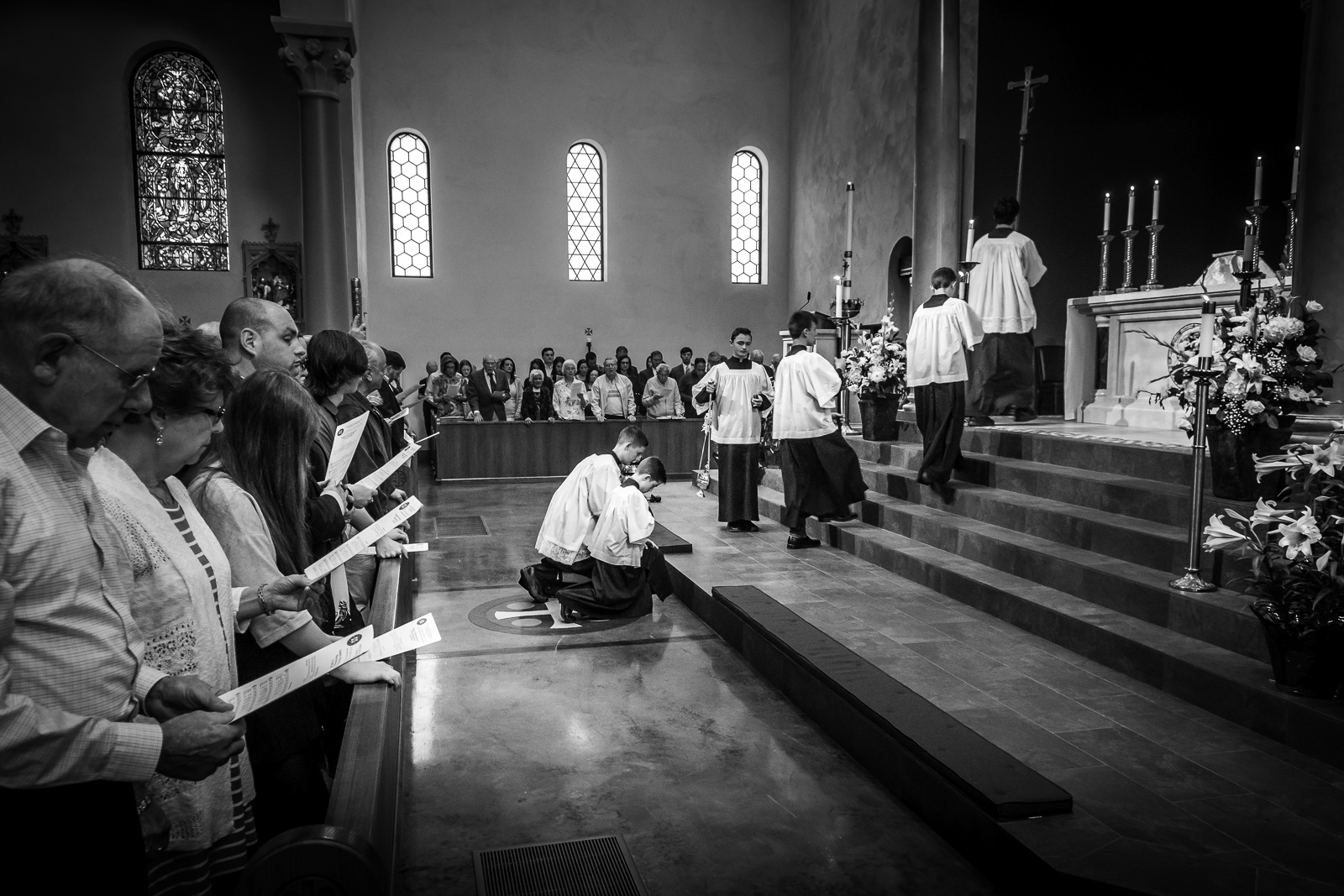
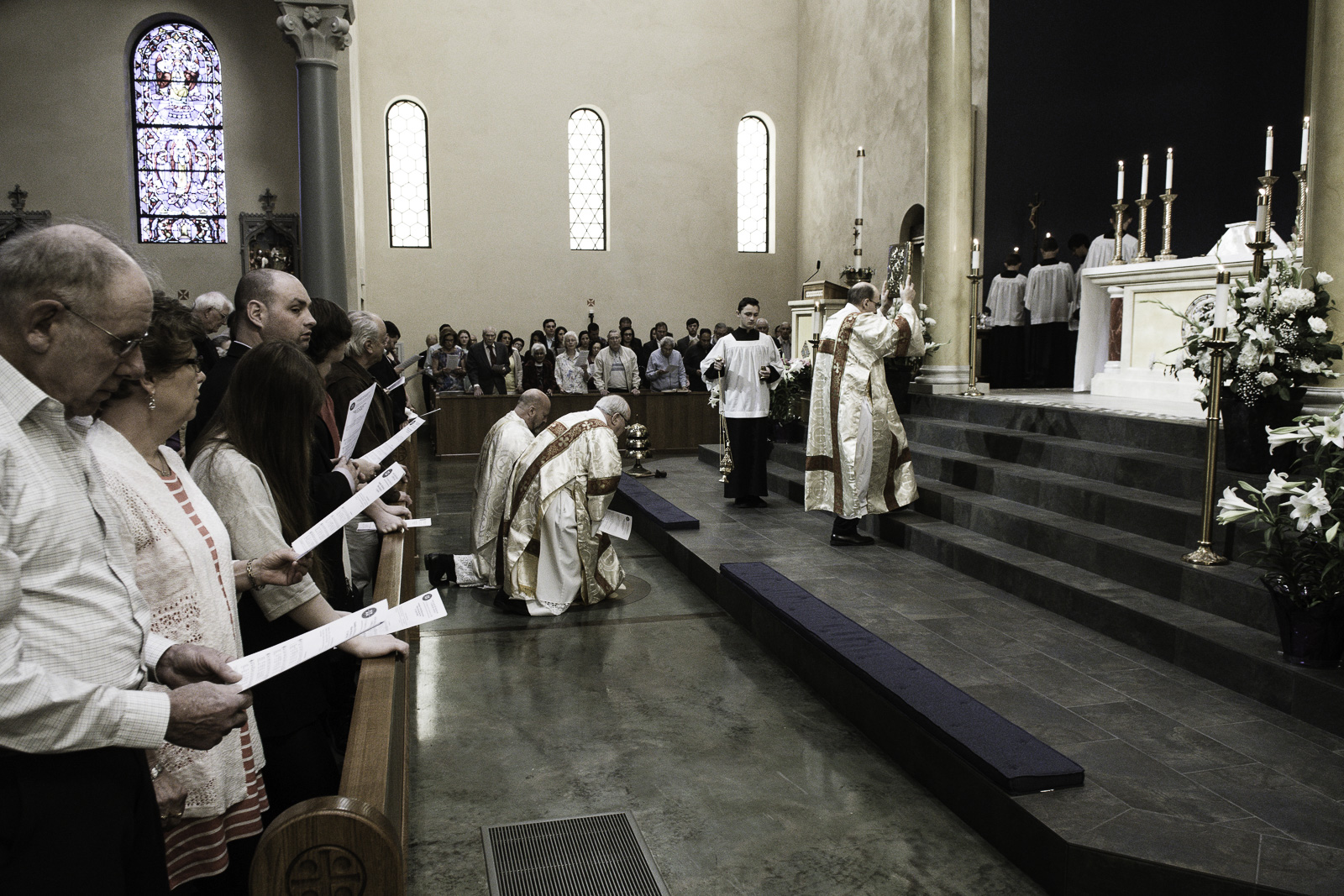
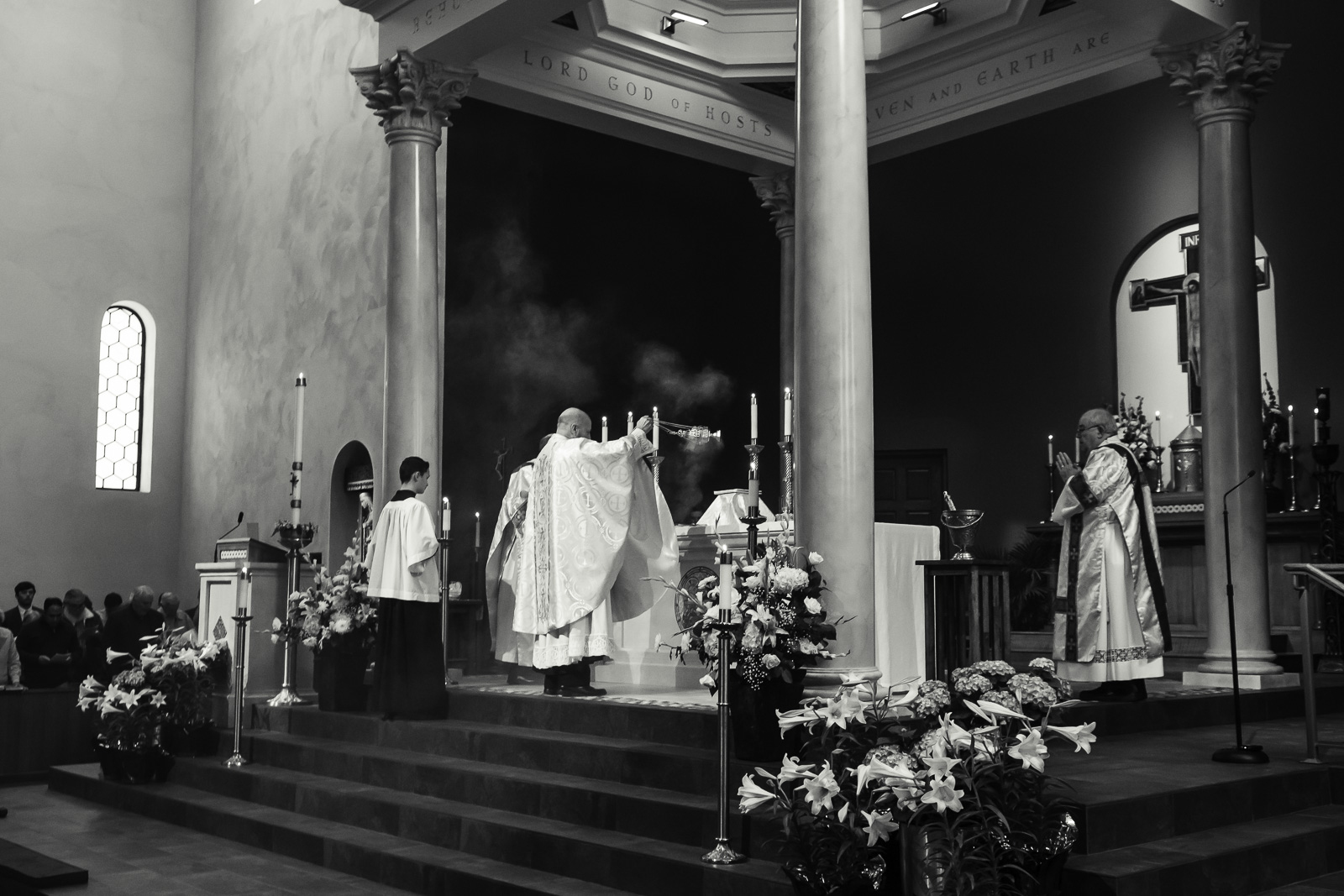
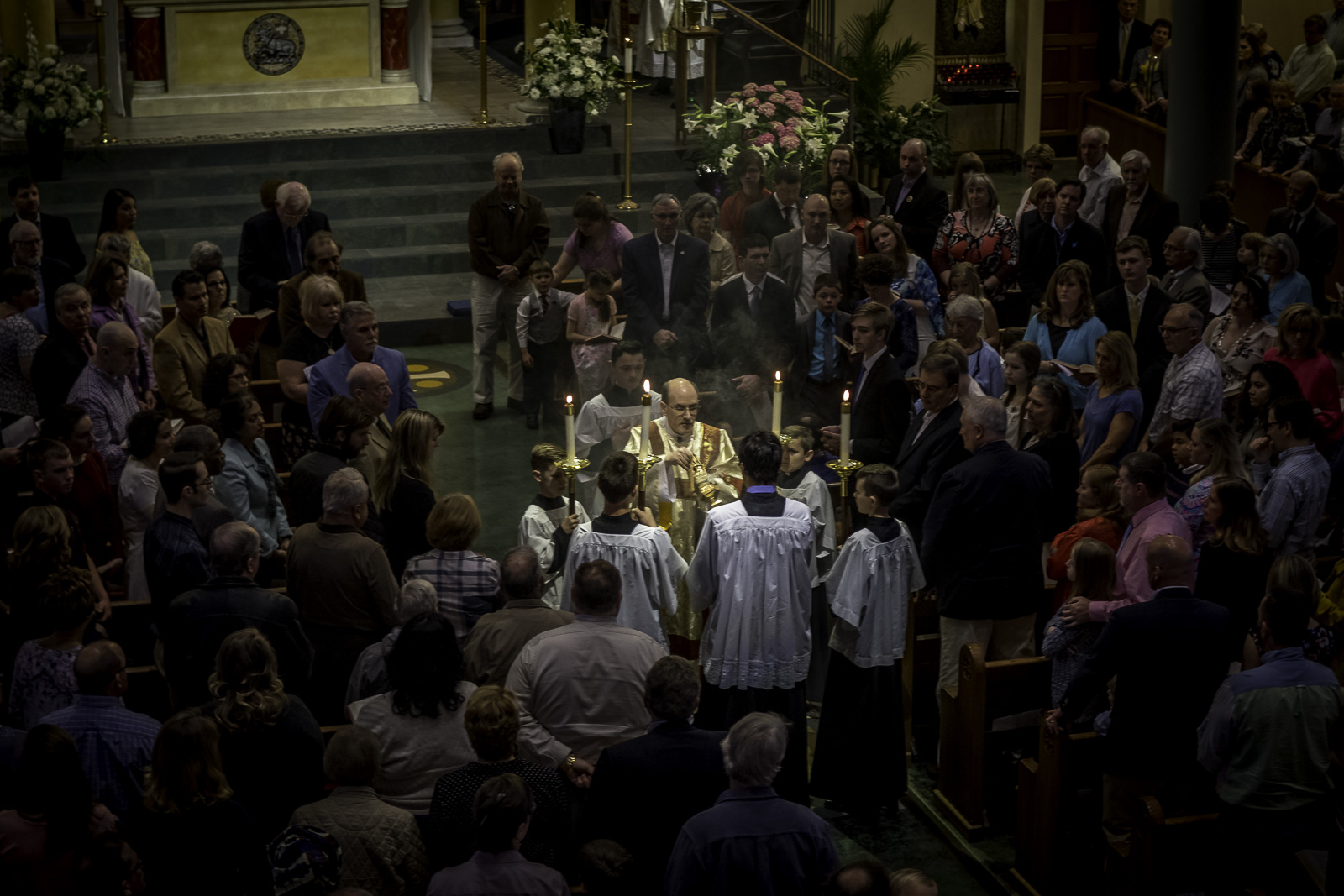
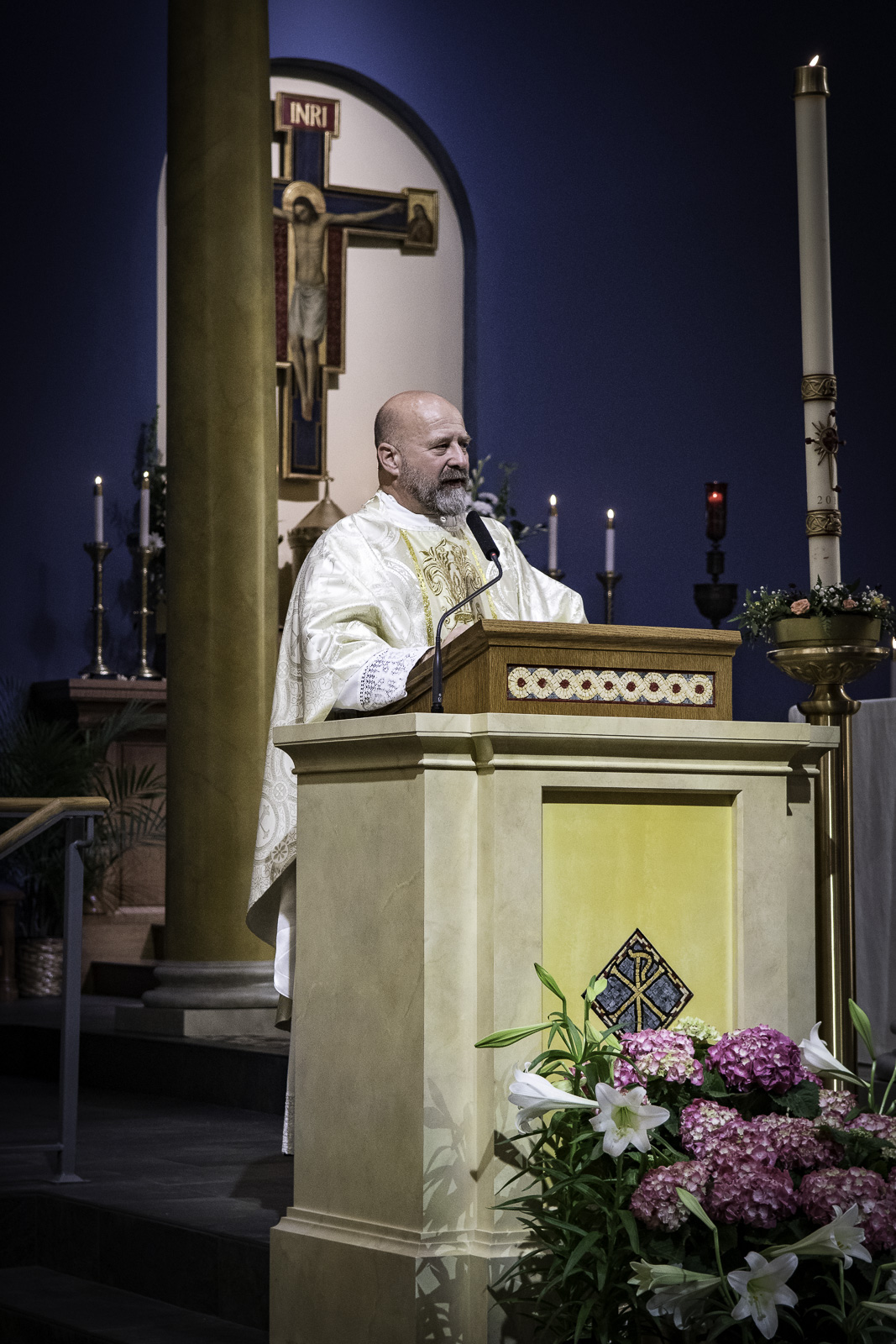
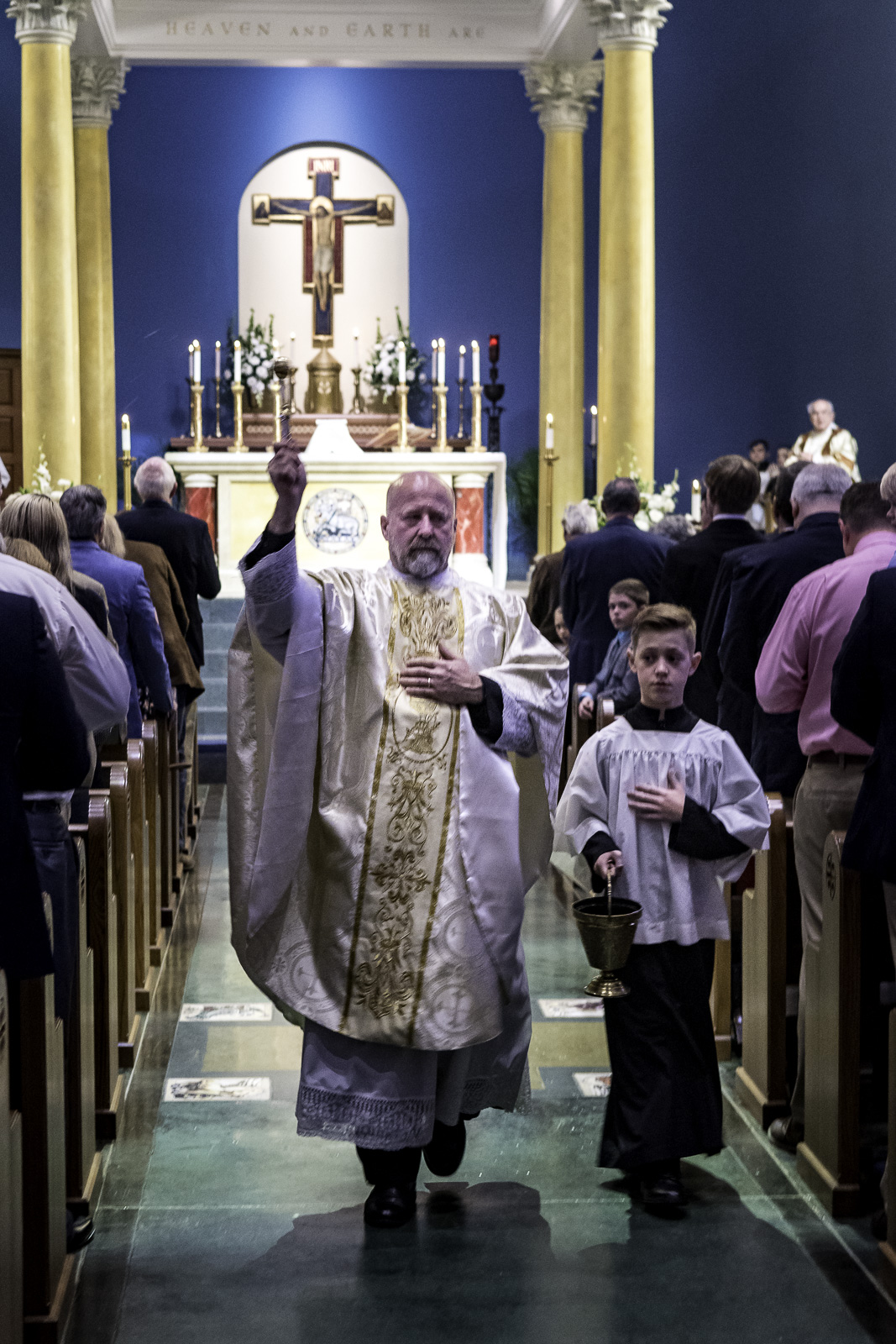
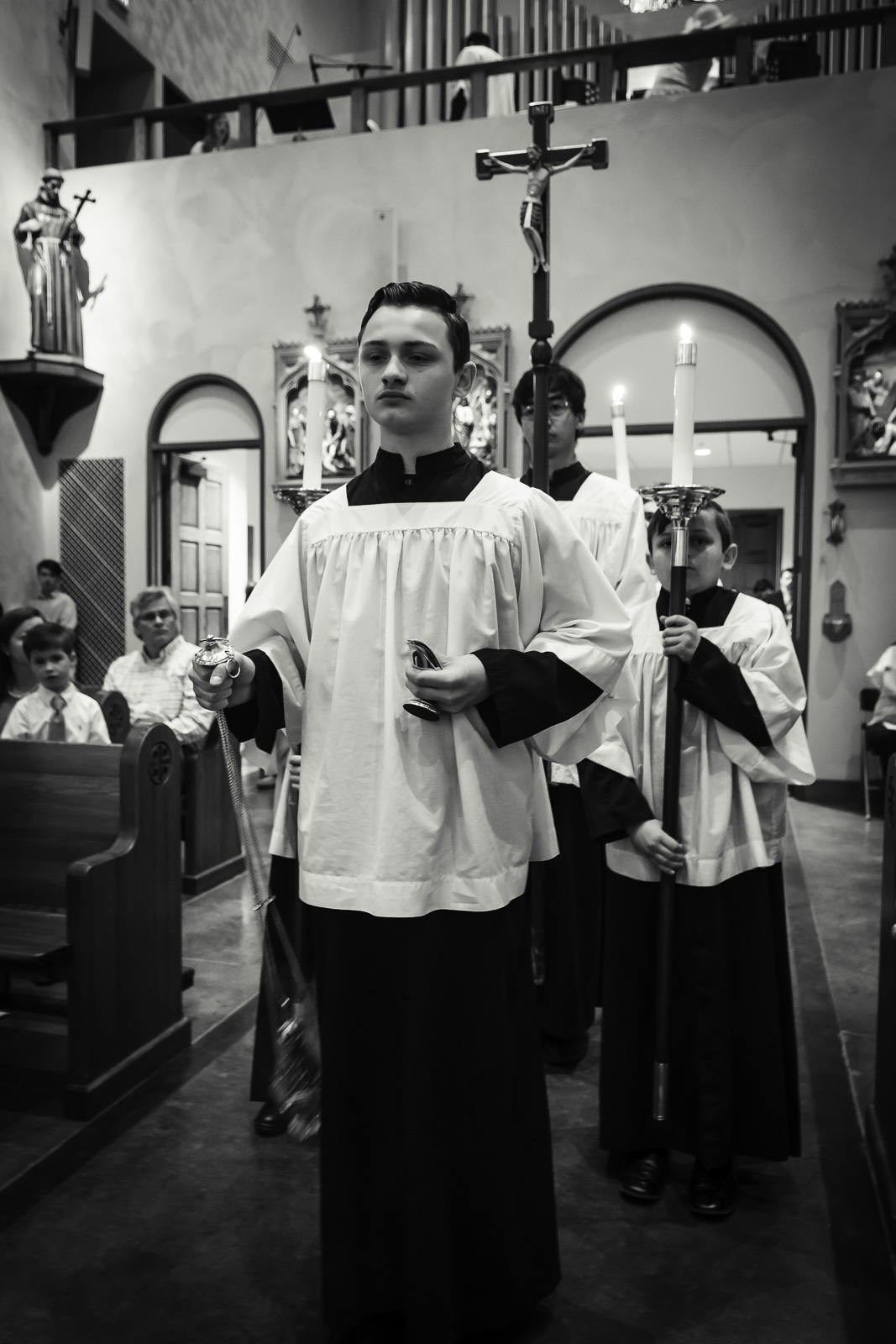
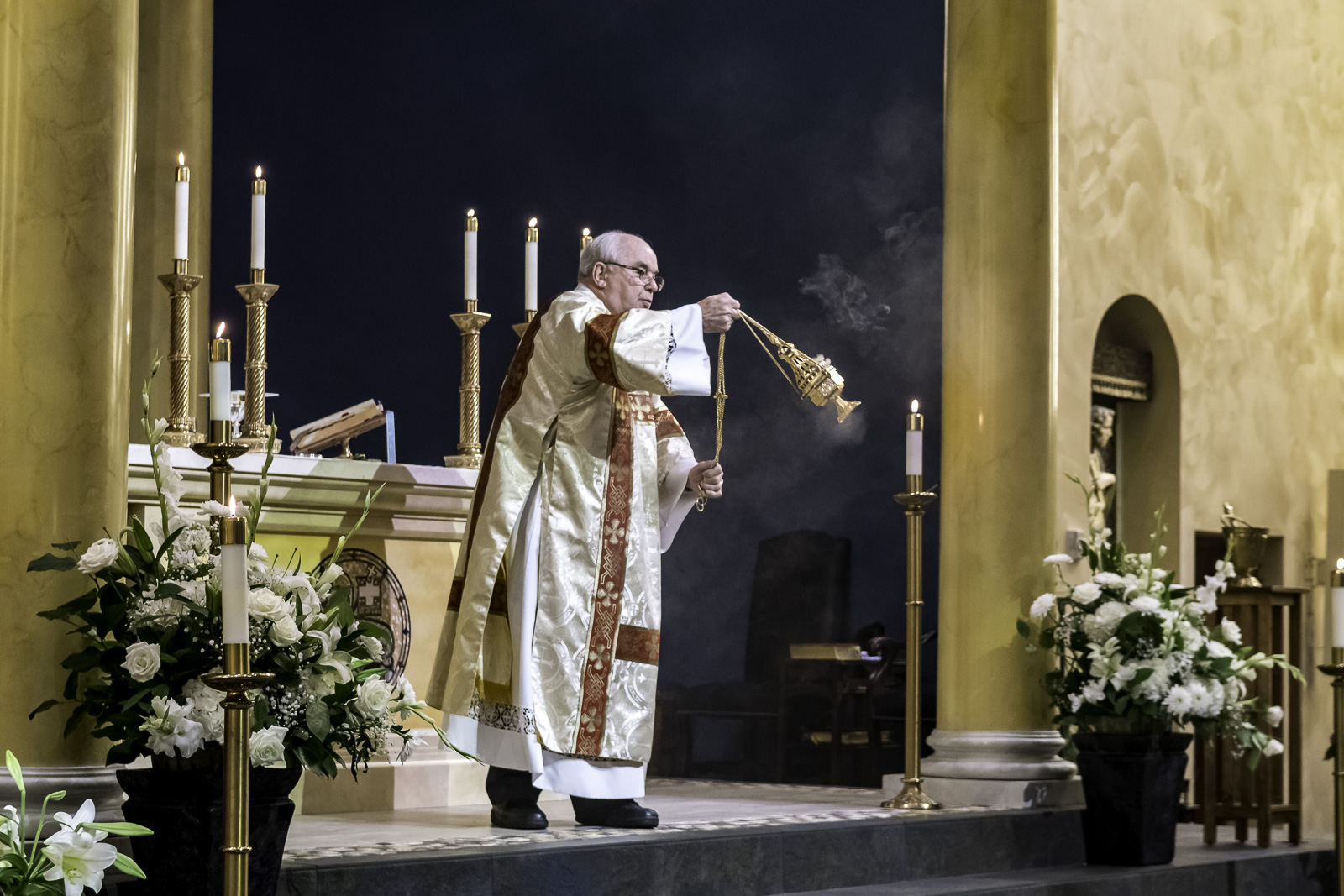
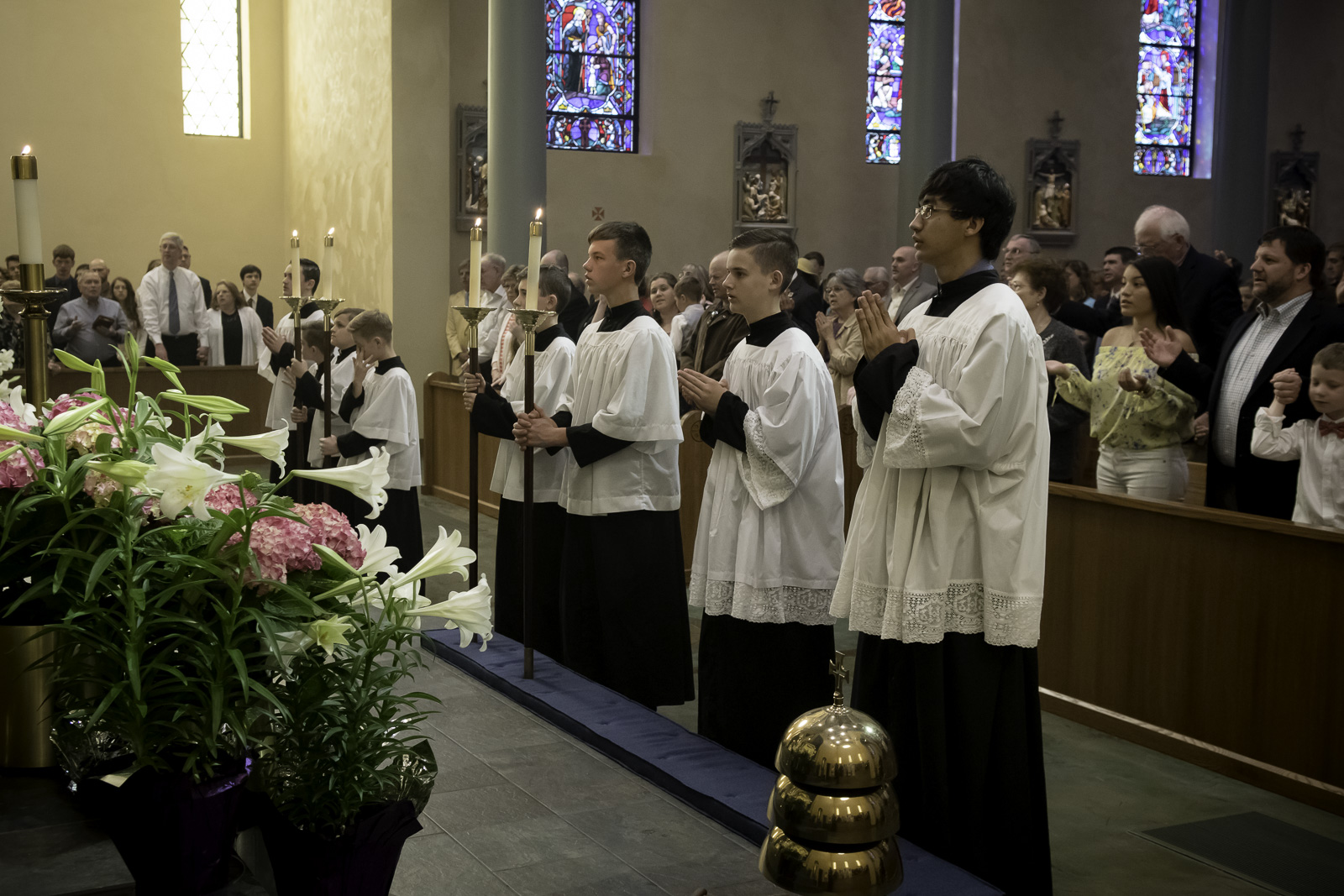
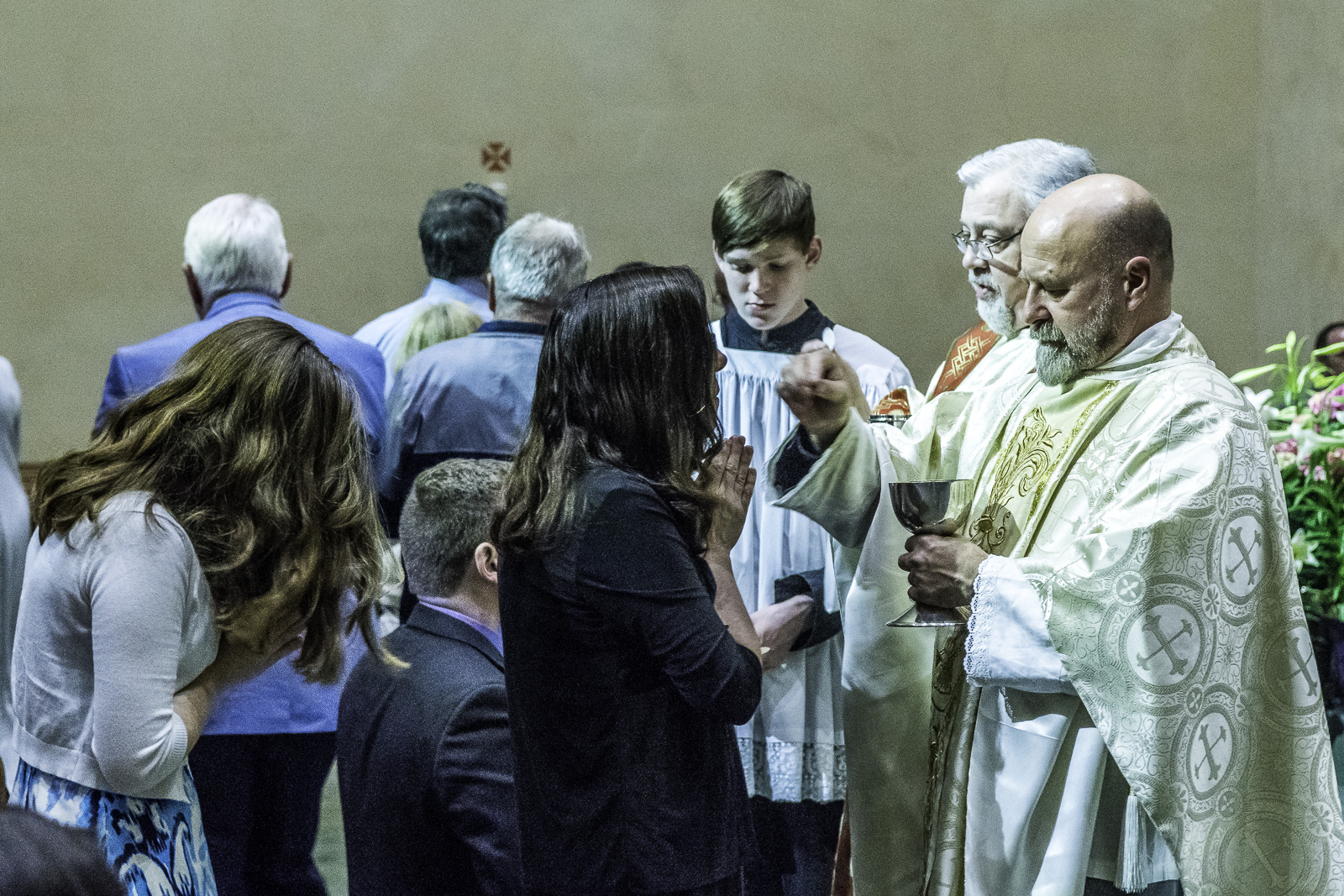
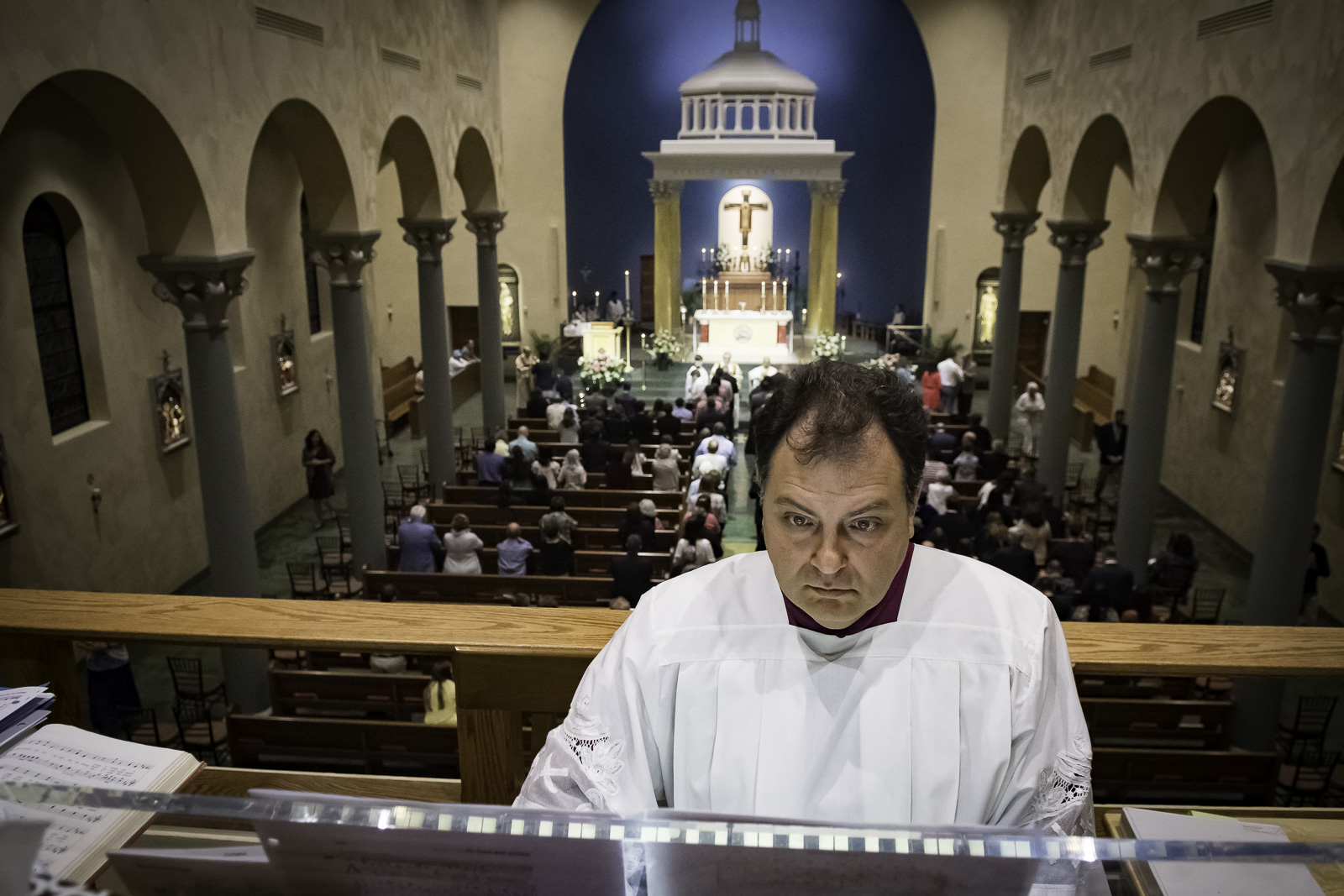
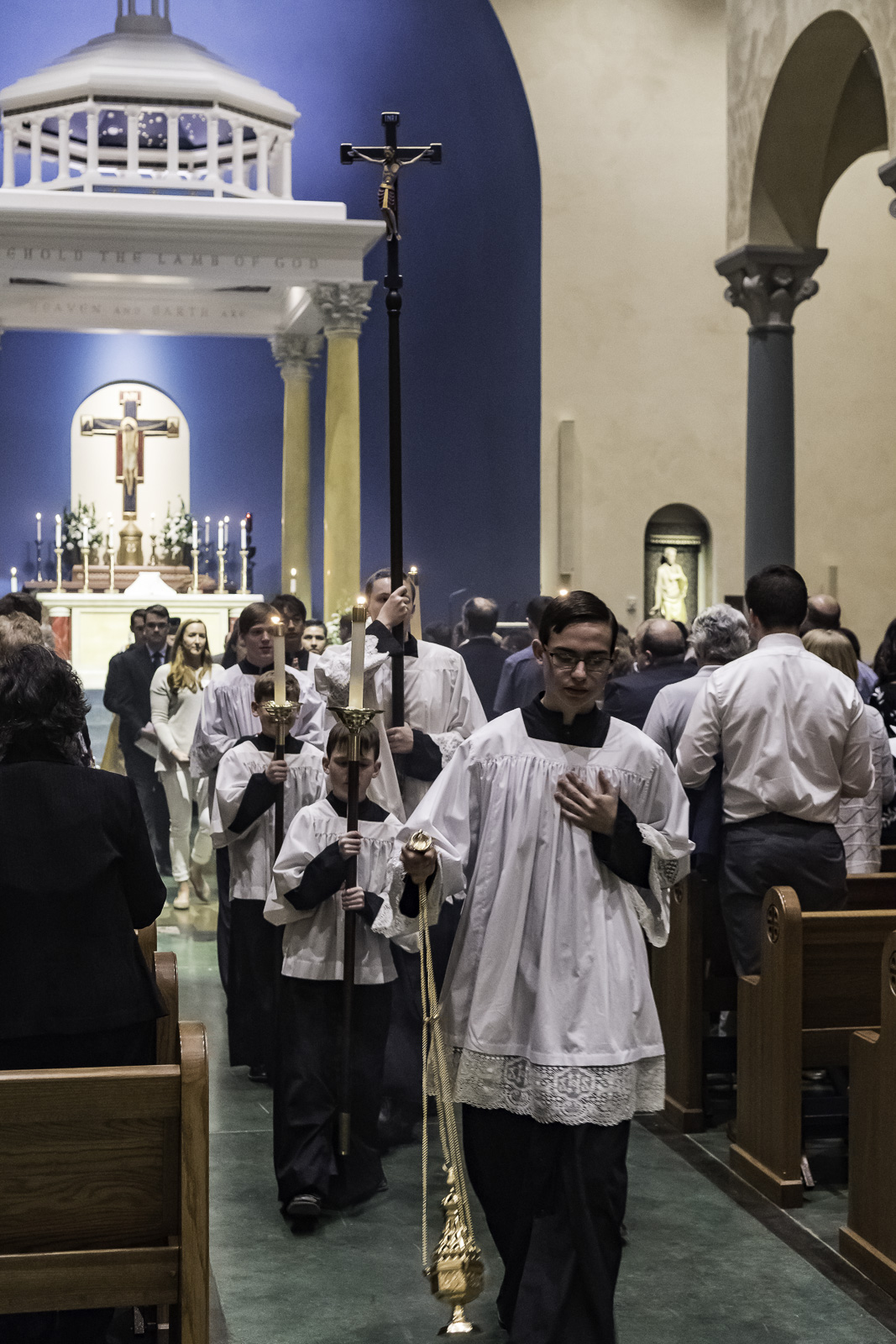
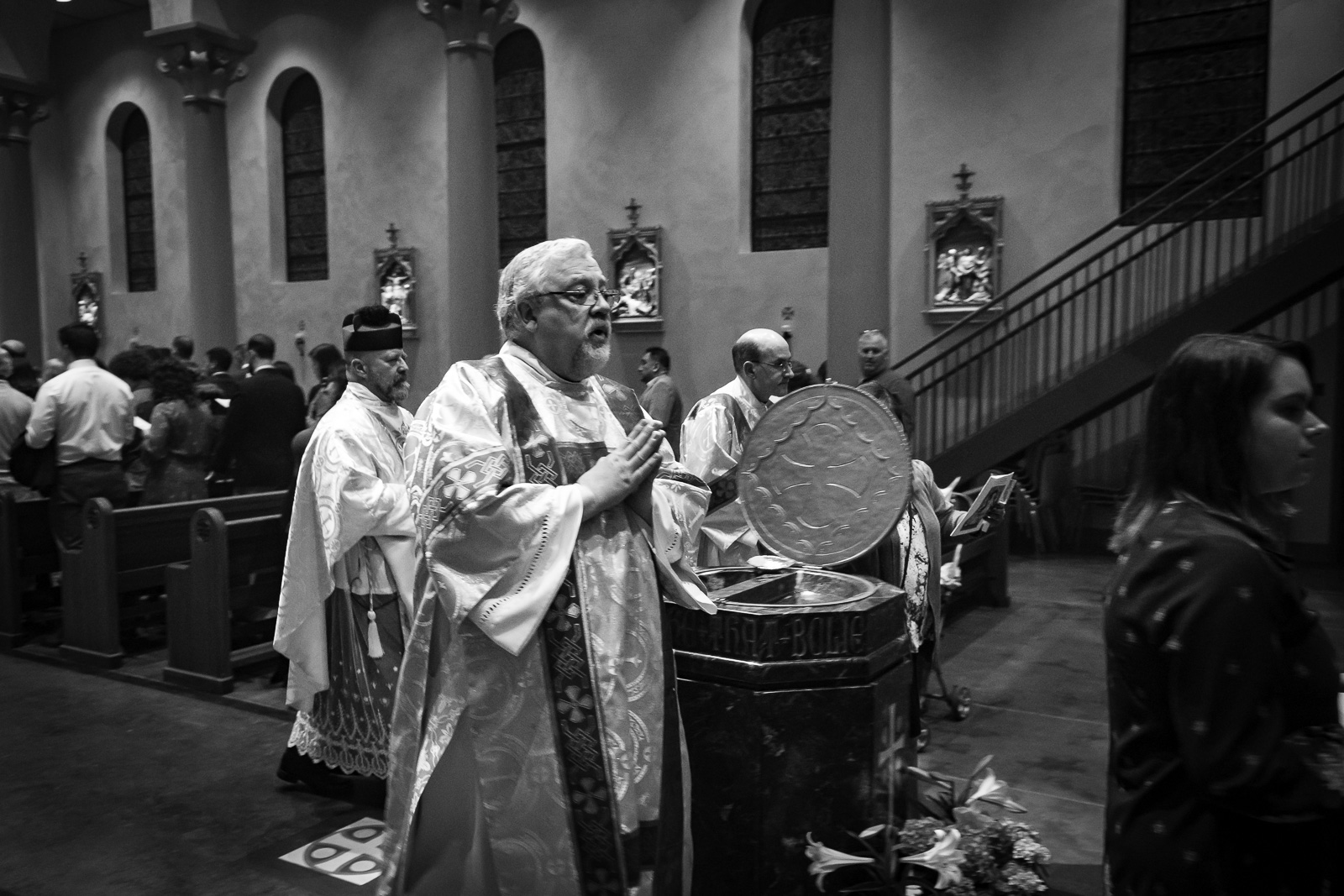
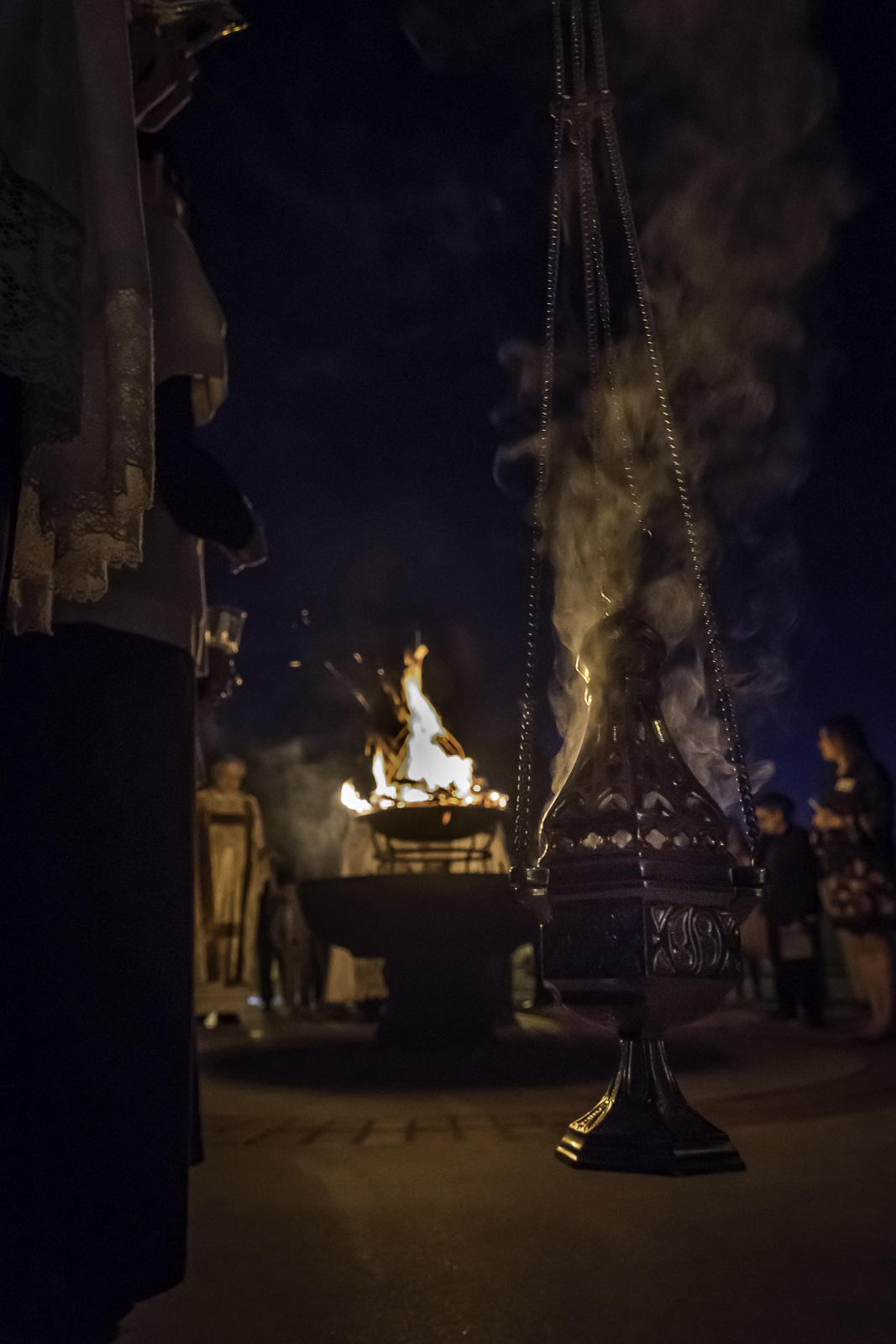
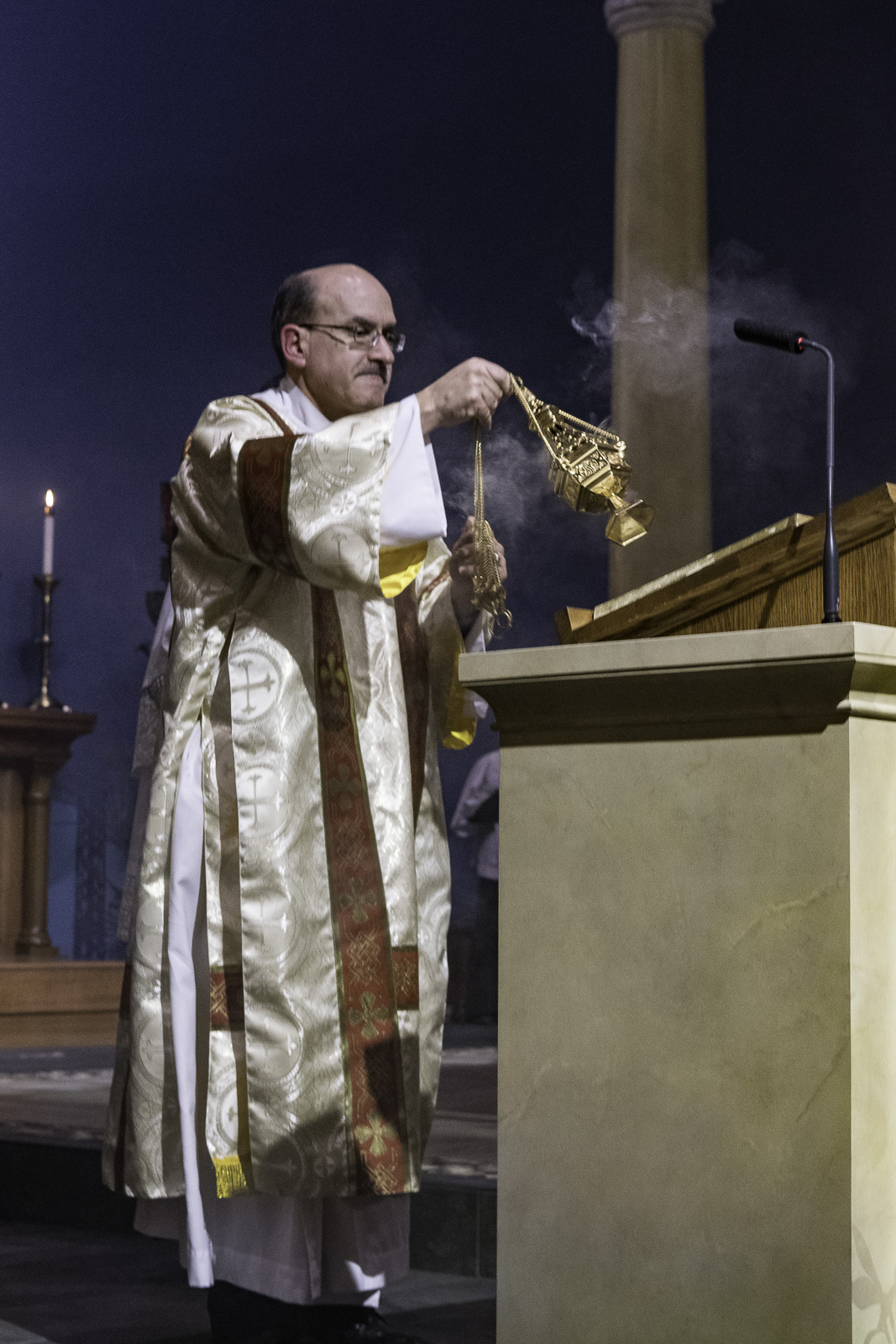
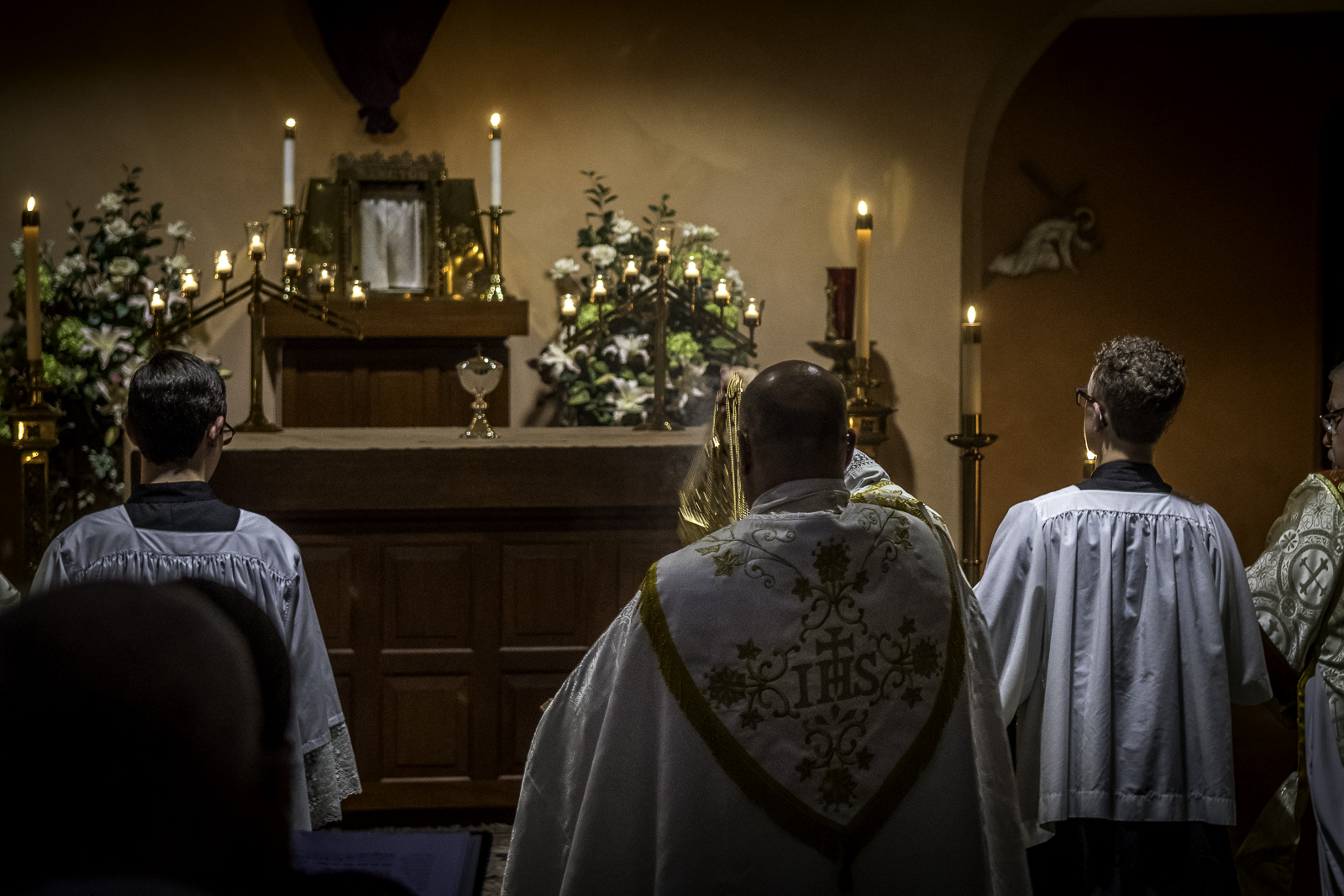
Today in Mass, watching the smoke waft up from the thurible into emptiness above it, I realized that, incense being smoke, there are a couple of ways a skeptic can continue to view incense as a symbol of a believer’s prayer.
The priest swings the thurible and billows of smoke flow from it, but like the spidery line of smoke rising from a cigarette, a few feet above the priest’s head, it’s turned to haze. As it rises to the top of the church, it disappears, indistinguishable from the smokeless air.
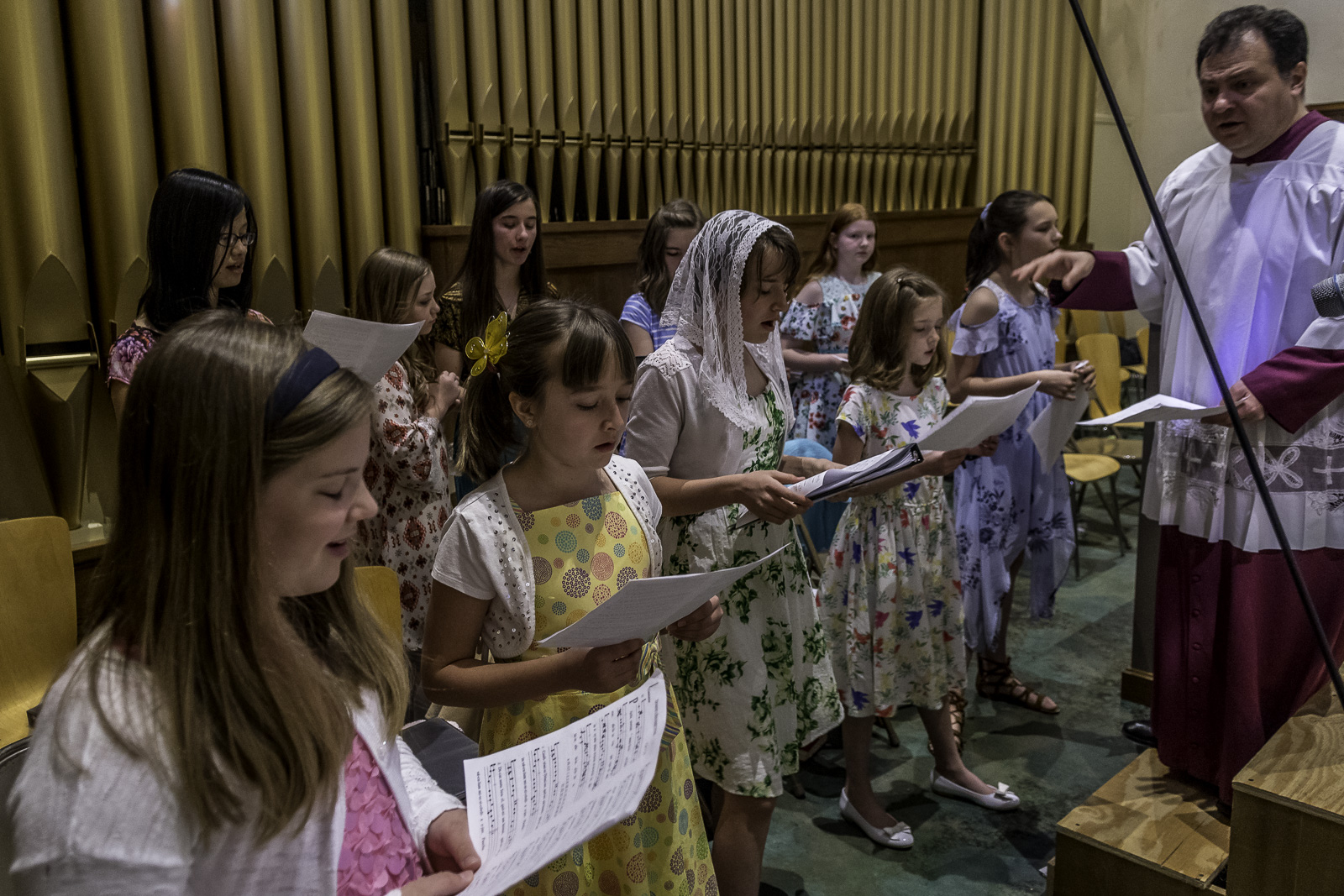
So too, words mumbled in prayer dissolve to nothingness as soon as they leave the lips. They rattle around inside hearers’ heads for just a moment, producing a warm feeling if they are believers, to be sure, but if there is no god, they are just so much noise.
Breath enough smoke and one risks cancer: we see that warning everywhere. The Mayo Clinic’s web site describes the process thus:
Doctors believe smoking causes lung cancer by damaging the cells that line the lungs. When you inhale cigarette smoke, which is full of cancer-causing substances (carcinogens), changes in the lung tissue begin almost immediately.
At first your body may be able to repair this damage. But with each repeated exposure, normal cells that line your lungs are increasingly damaged. Over time, the damage causes cells to act abnormally and eventually cancer may develop.
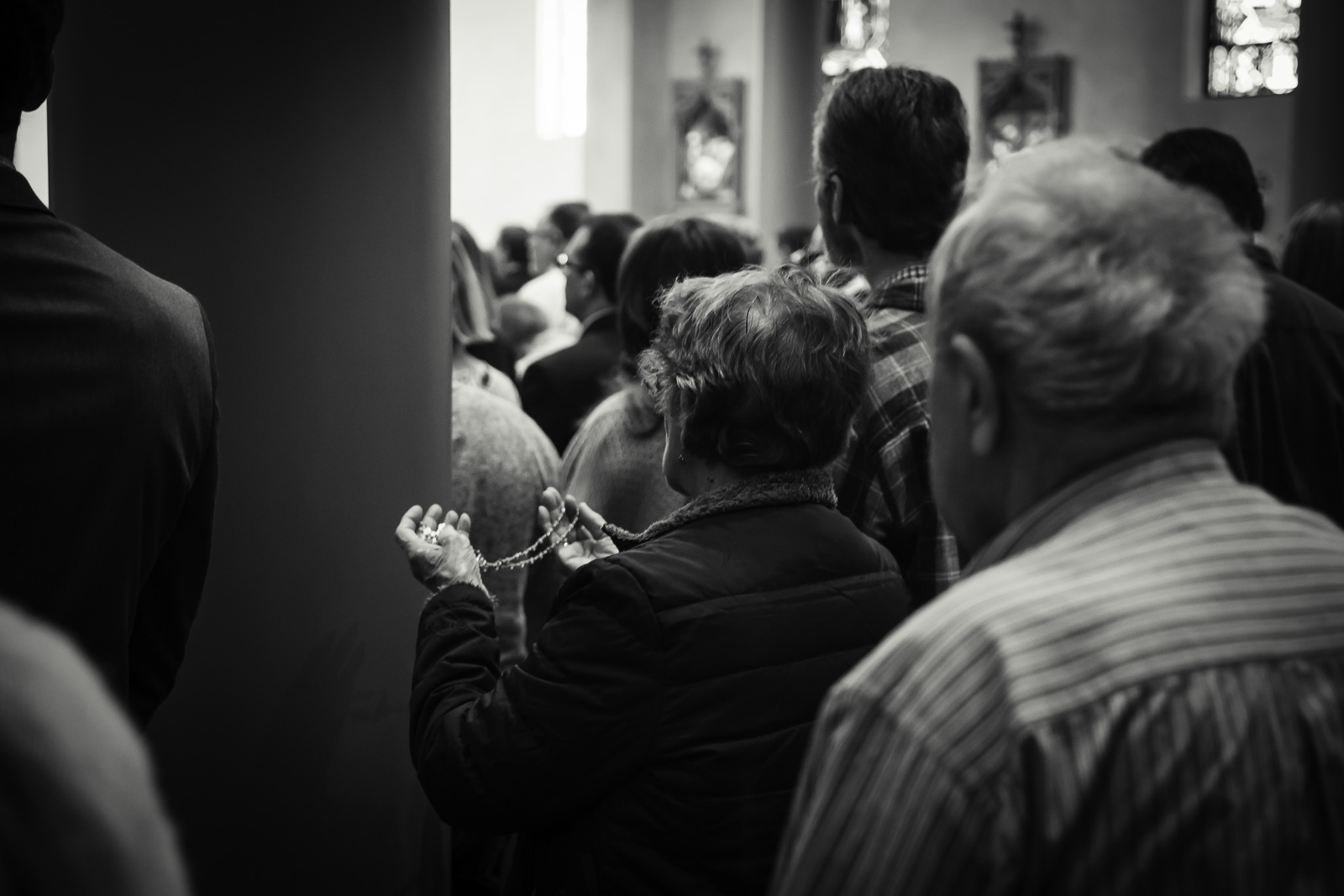
In my slow arc back from belief to skepticism, I’m reading again Sam Harris’s The End of Faith, and I think the idea of faith, and its outward expression through prayer, causing a brain to act abnormally — carcenogeically — is apt. The funny thing about prayer is that for the believer, even when it’s not answered, it’s answered. “God just said ‘No'” is the common response. Or “God has different plans.” Nothing counts against it. No evidence stands contrary to it.
That’s the very nature of faith, but that’s not how we work on a daily basis. We seek evidence for what we do. Teachers seek evidence for student mastery. Lawyers seek evidence for guilt or innocence. Construction workers seek evidence of a strong foundation before building higher. They all test, probe, ask questions, and ultimately, they might say, “No, there’s not sufficient evidence.” And faith is not enough. I don’t want to drive on a bridge that the engineers built on faith. I don’t want to get in an elevator that an inspector has inspected on faith.
Why should it be different with religious belief? Extraordinary claims require extraordinary evidence asserted Carl Sagan (among others). To do otherwise is to think, in a sense, abnormally.
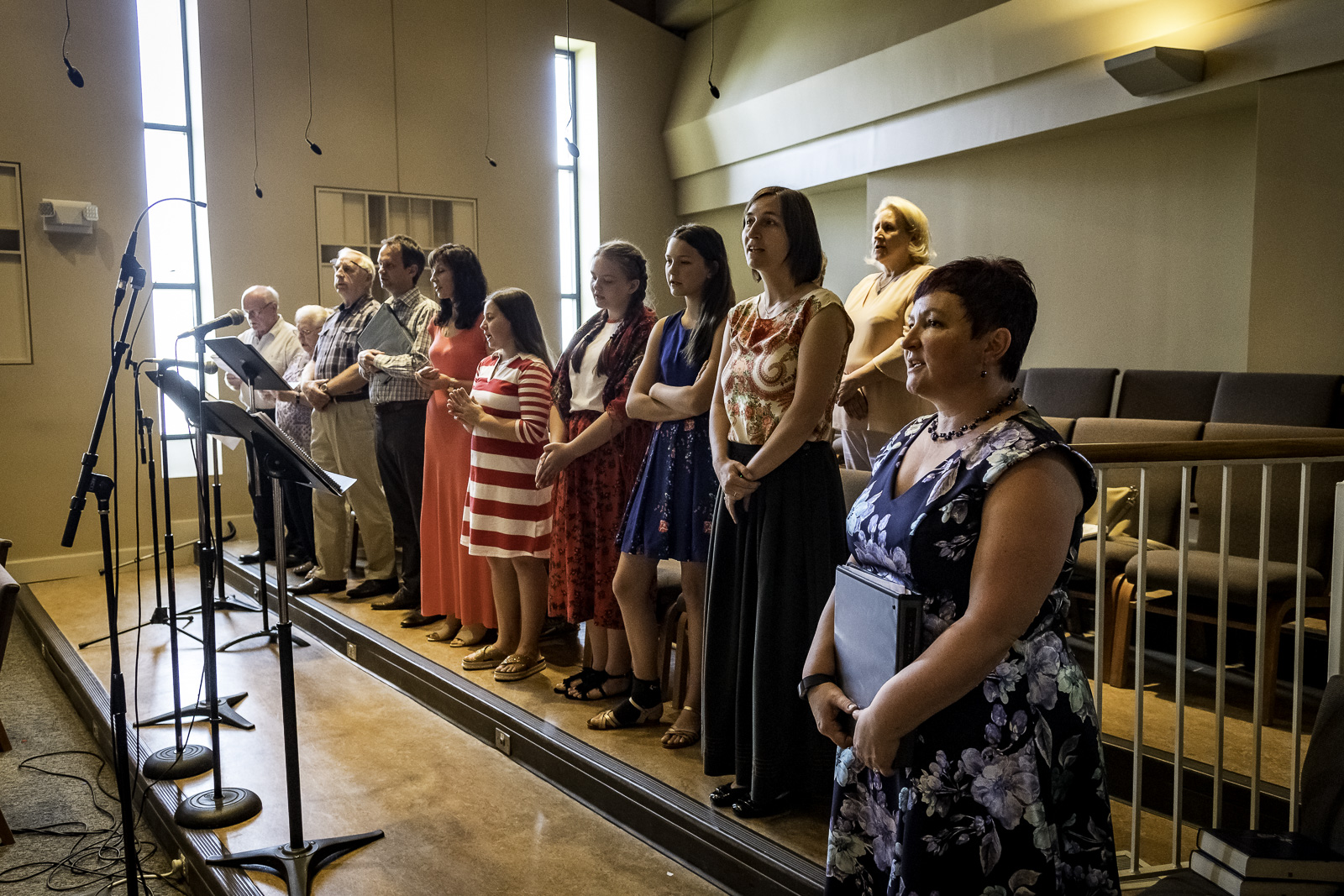
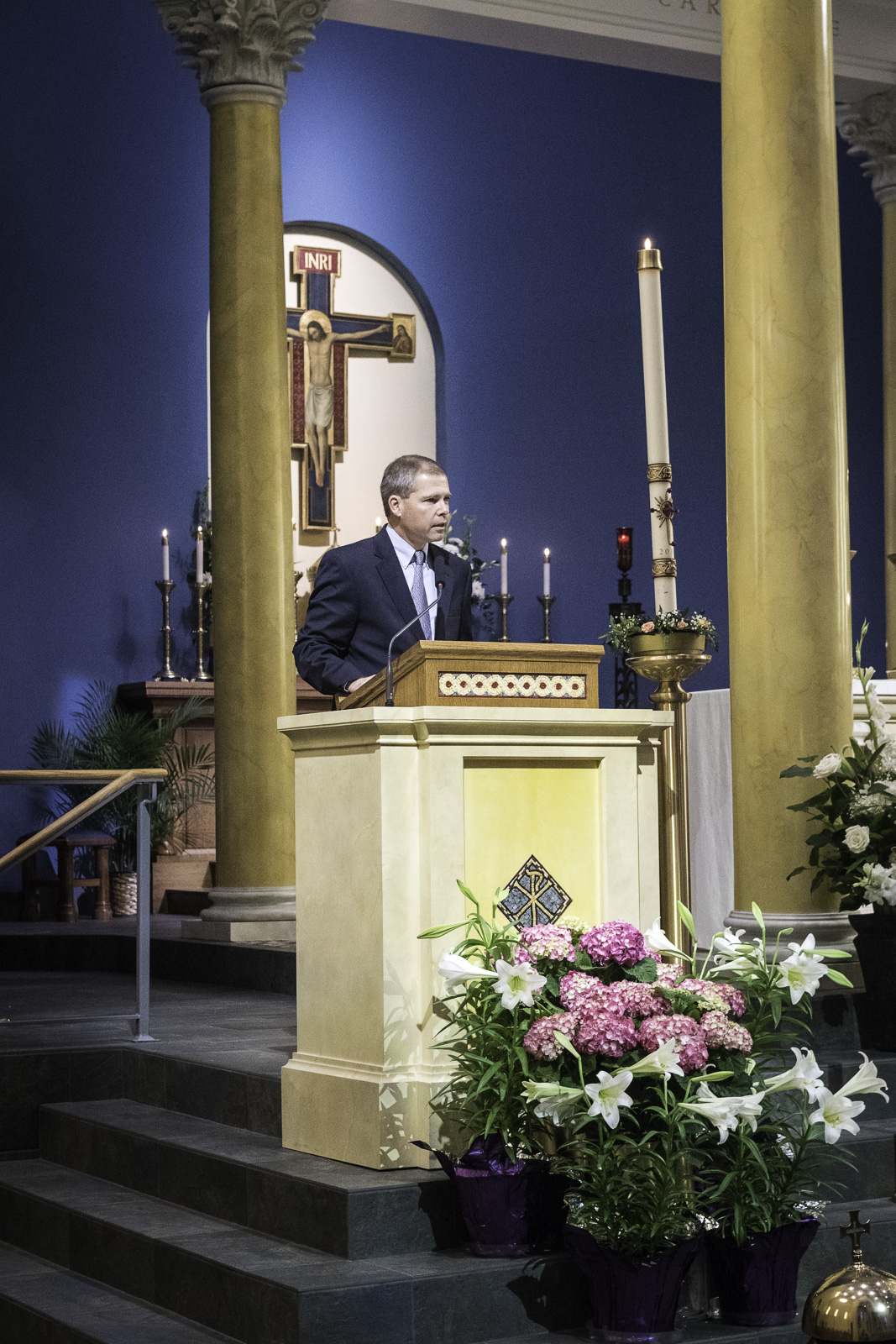
“A reading from the first chapter of Malachi,” she intones. It’s the first reading of the thirty-first Sunday of Ordinary Time during the “A” cycle, lectionary 151. She pauses and begins.
“A great King am I, says the LORD of hosts, / and my name will be feared among the nations.” And in my own mind, that which I can never say to my wife — the question. Why?
Why would God declare that his name will be feared? Why should we fear it? What kind of father would want his son to fear him? It makes God seem terribly petty, terribly immature, almost like a bully.
“And now, O priests, this commandment is for you:” And why then apply it to us? I recall the notion that we are all priests in some sense or another — isn’t that in one of the epistles? It’s terribly popular in Protestantism: the priesthood of believers.
If you do not listen,
if you do not lay it to heart,
to give glory to my name, says the LORD of hosts,
I will send a curse upon you
and of your blessing I will make a curse.
Again, why? Why does God seek glory? Why does he demand praise? Why does he require subjugation?
You have turned aside from the way,
and have caused many to falter by your instruction;
you have made void the covenant of Levi,
says the LORD of hosts.
What exactly did they do? How did they void the covenant? Was it just that they didn’t praise him? Or did they eat ham?
I, therefore, have made you contemptible
and base before all the people,
since you do not keep my ways,
but show partiality in your decisions.
Does this mean that God somehow influenced the opinions of others to make the people — his people, his chosen people — seem base to others? Isn’t that kind of cheating? And if he would do that, why not influence people to do good rather than the opposite?
Have we not all the one father?
Has not the one God created us?
Why then do we break faith with one another,
violating the covenant of our fathers?
Is this how a father treats his children?
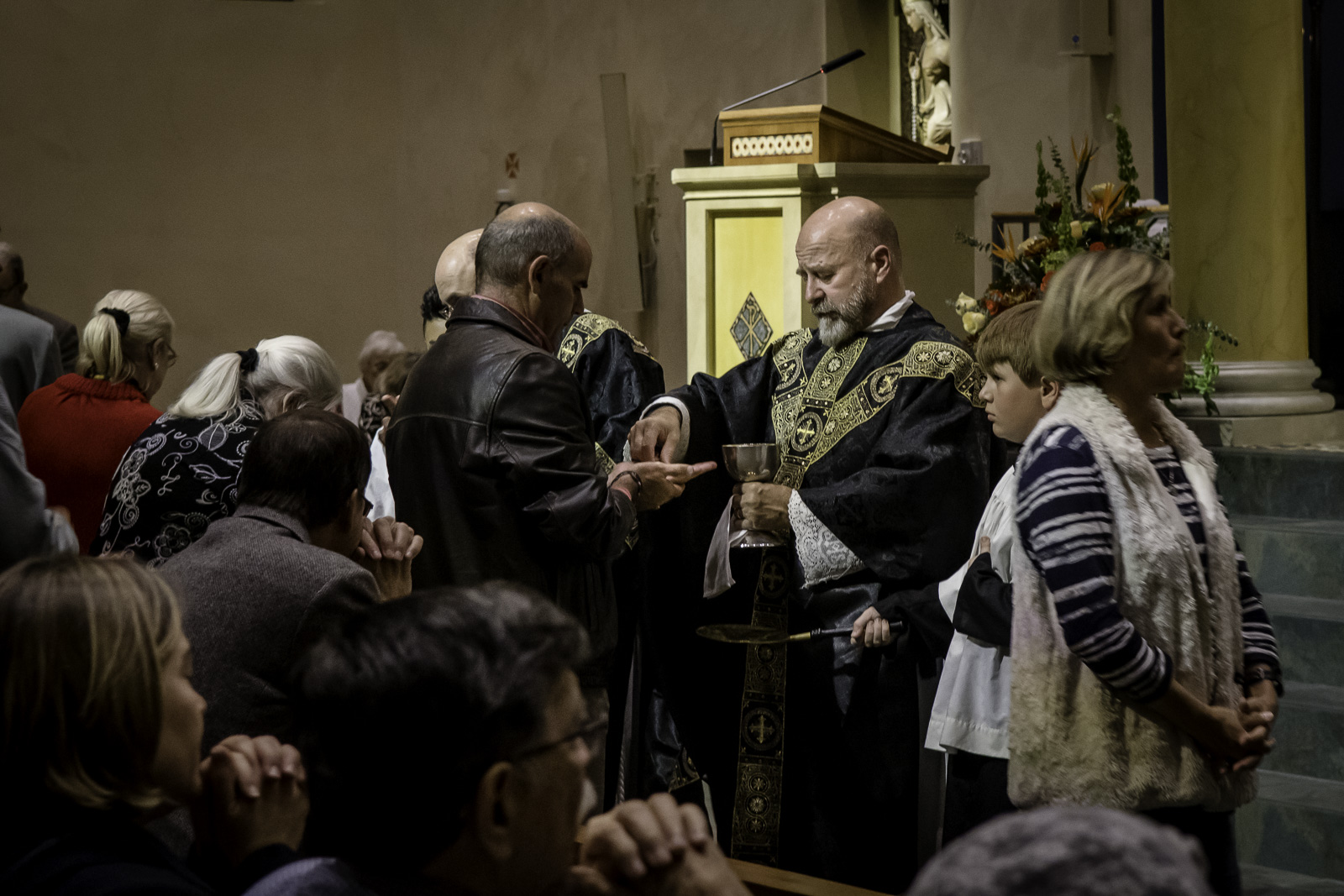
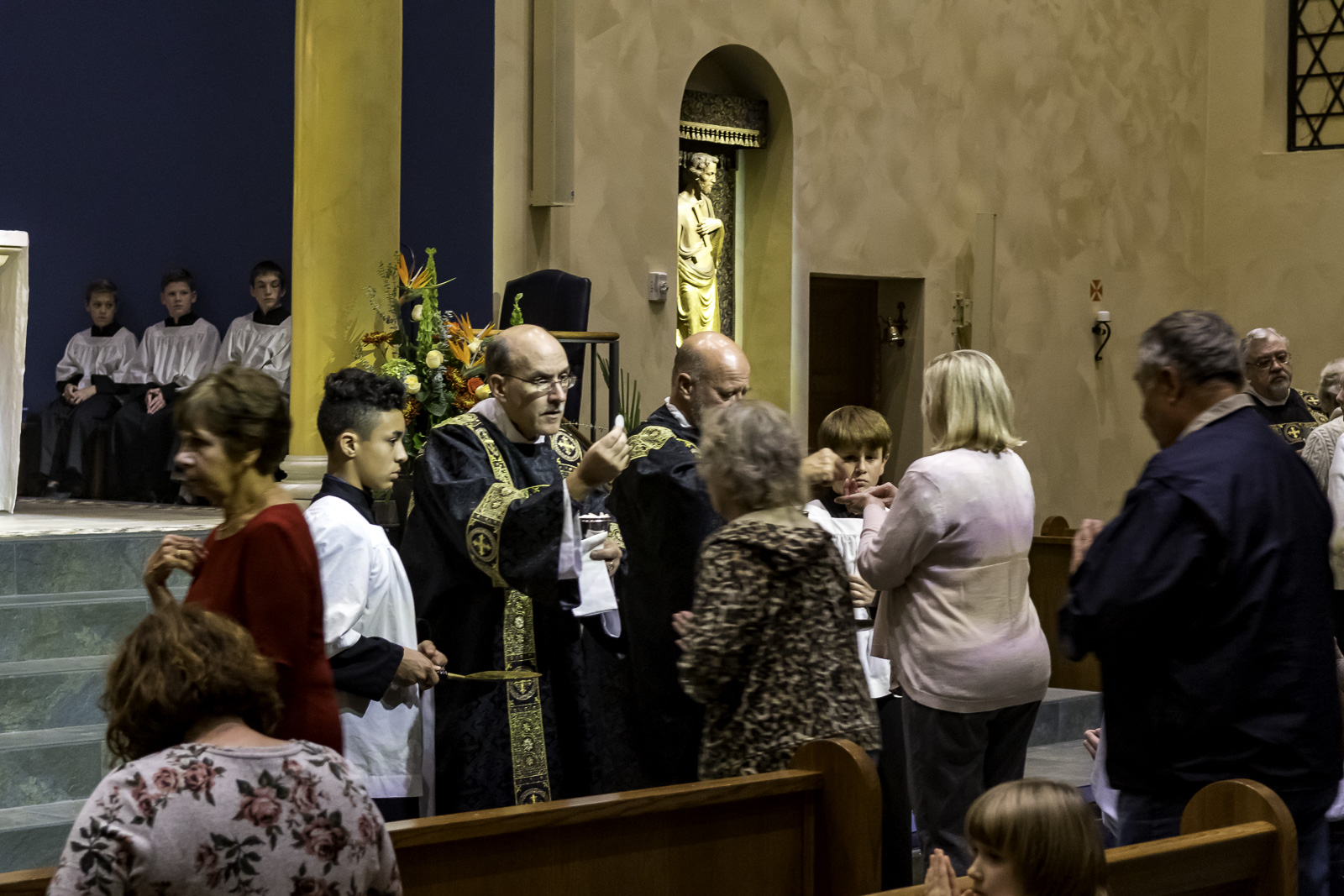
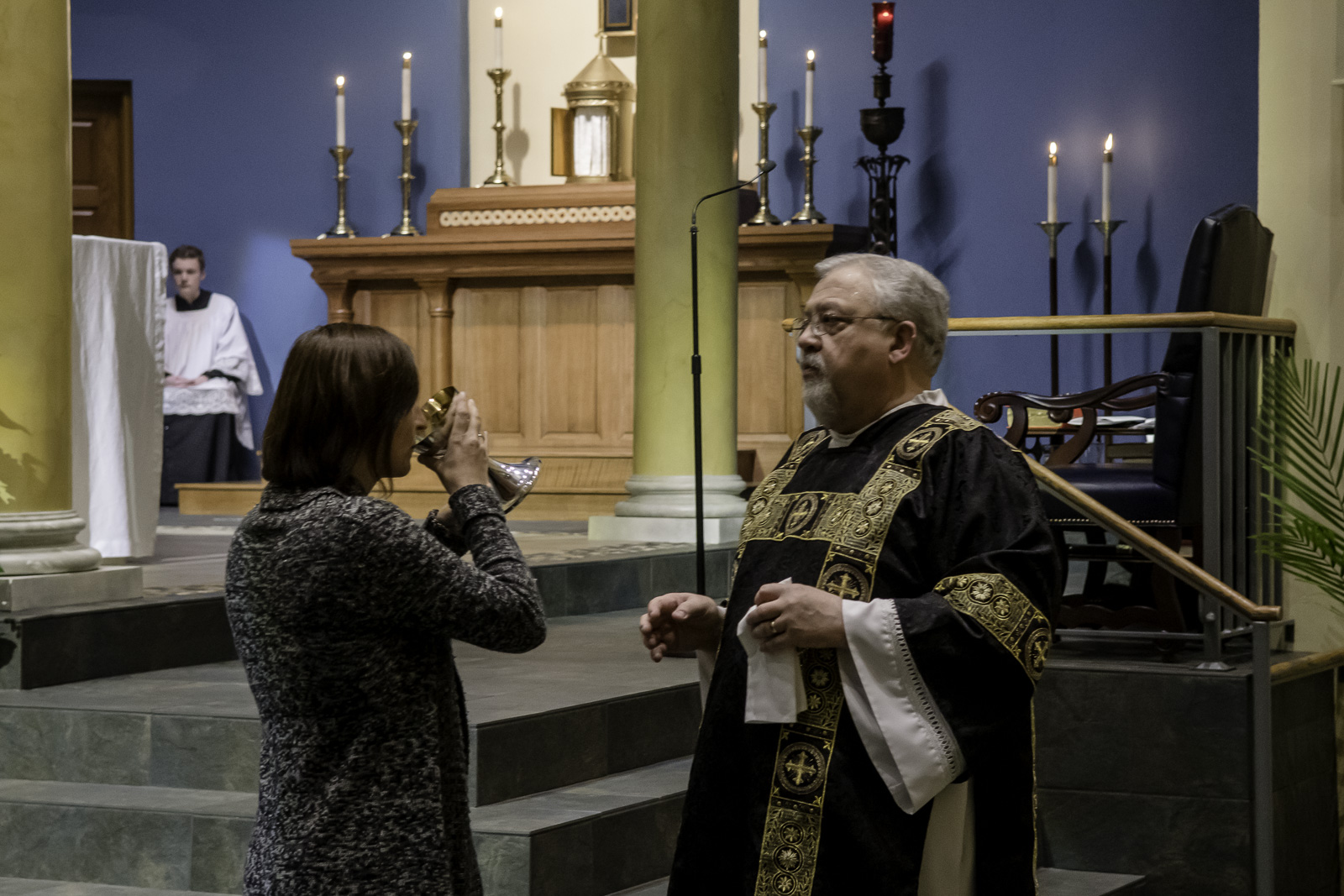
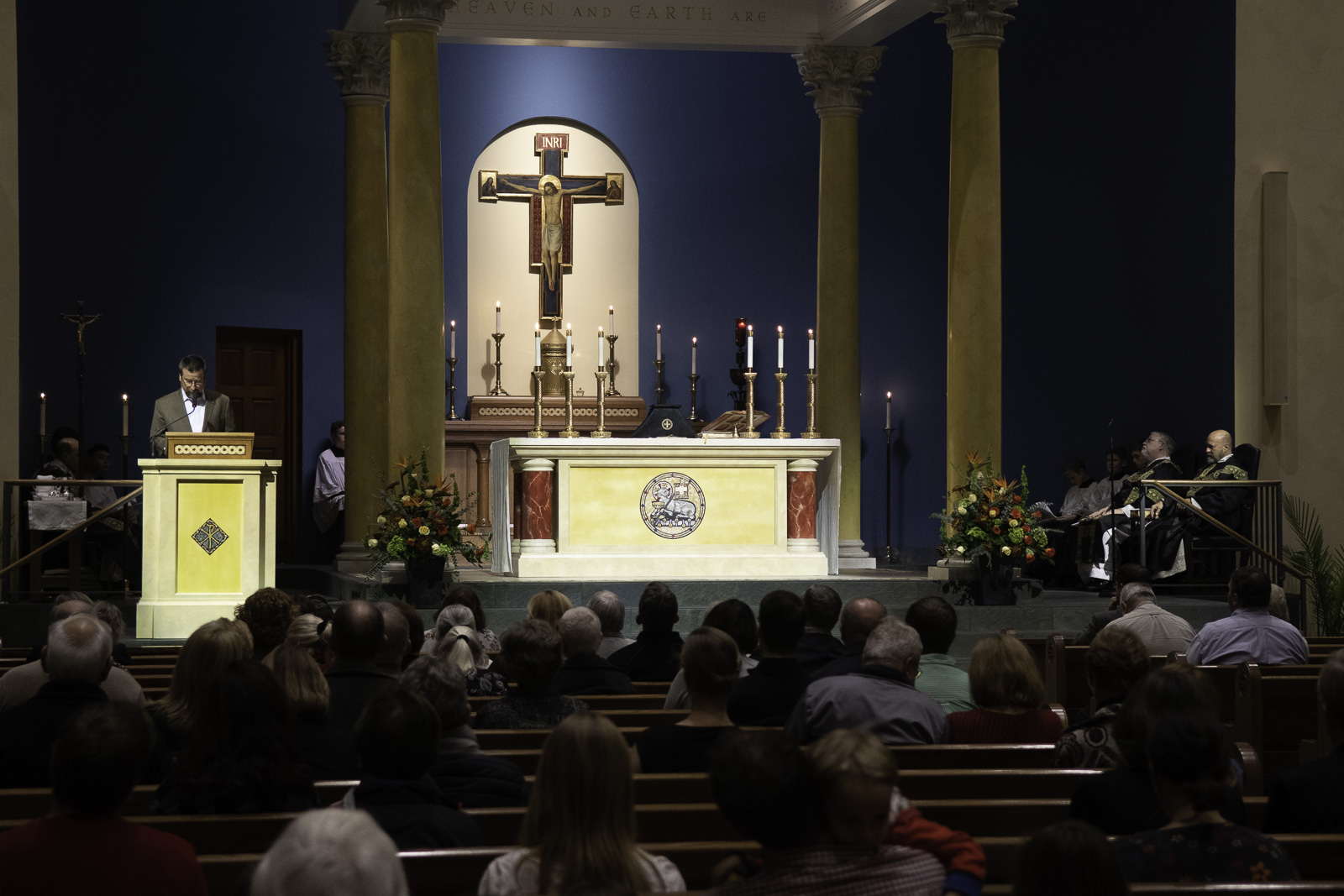
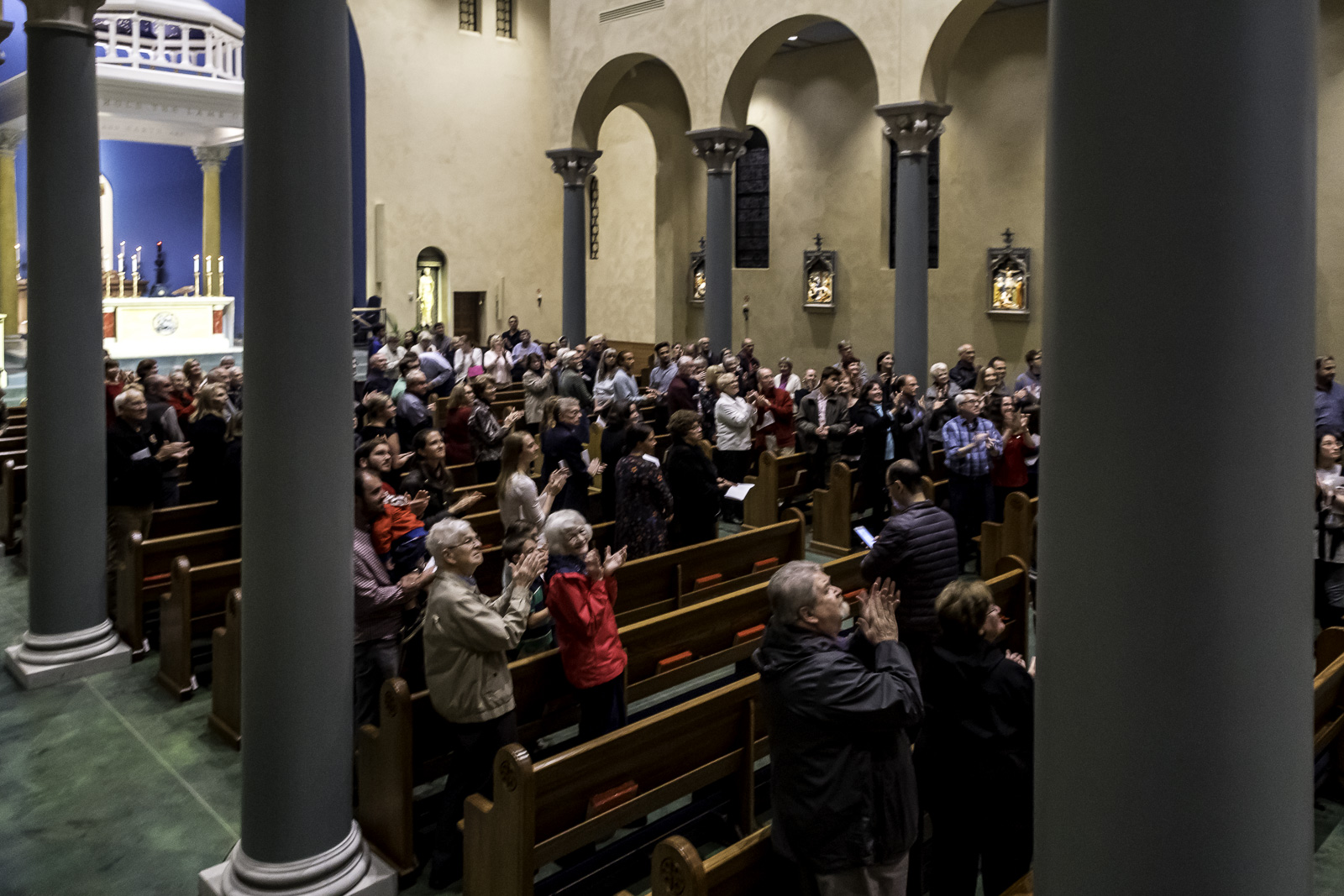
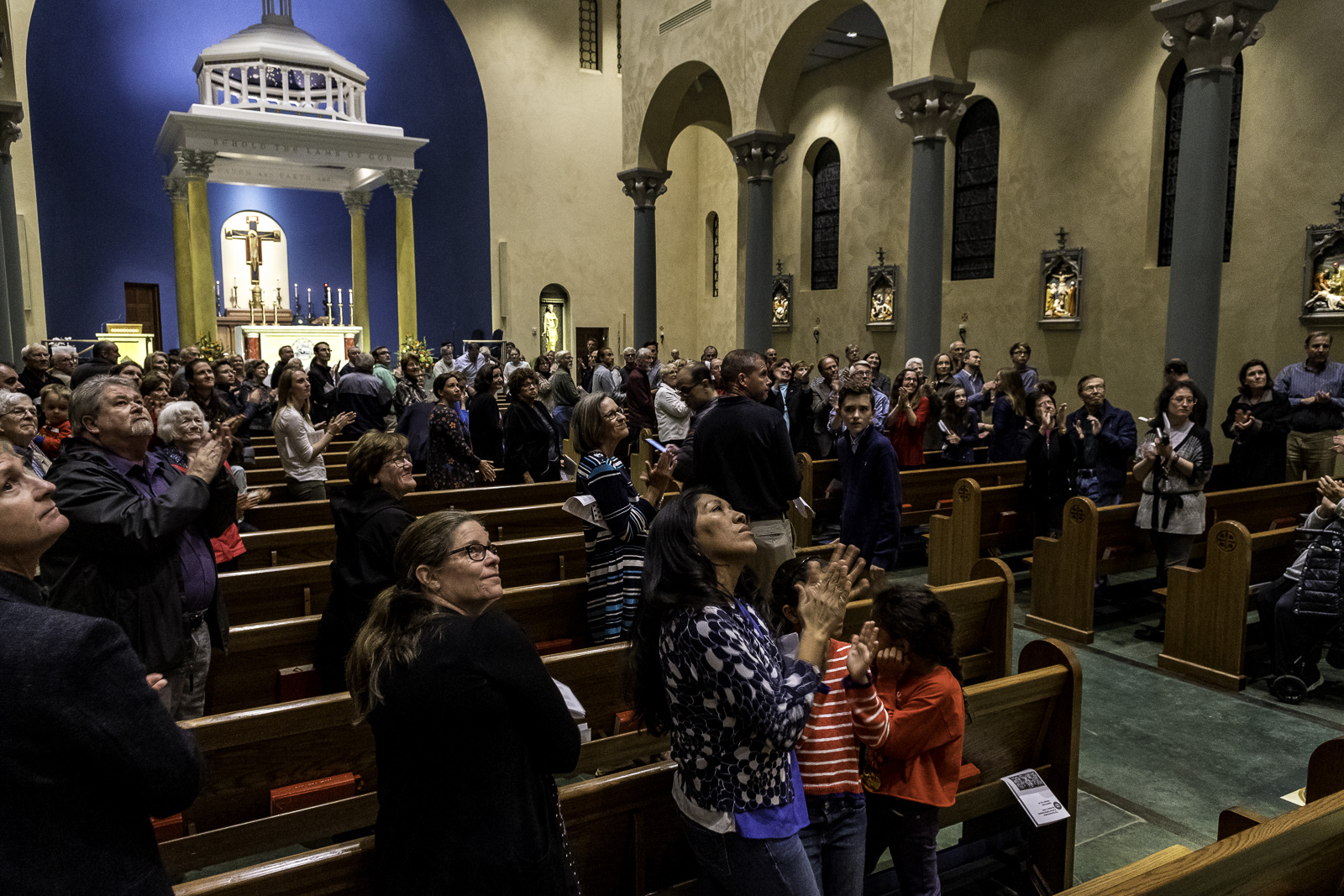
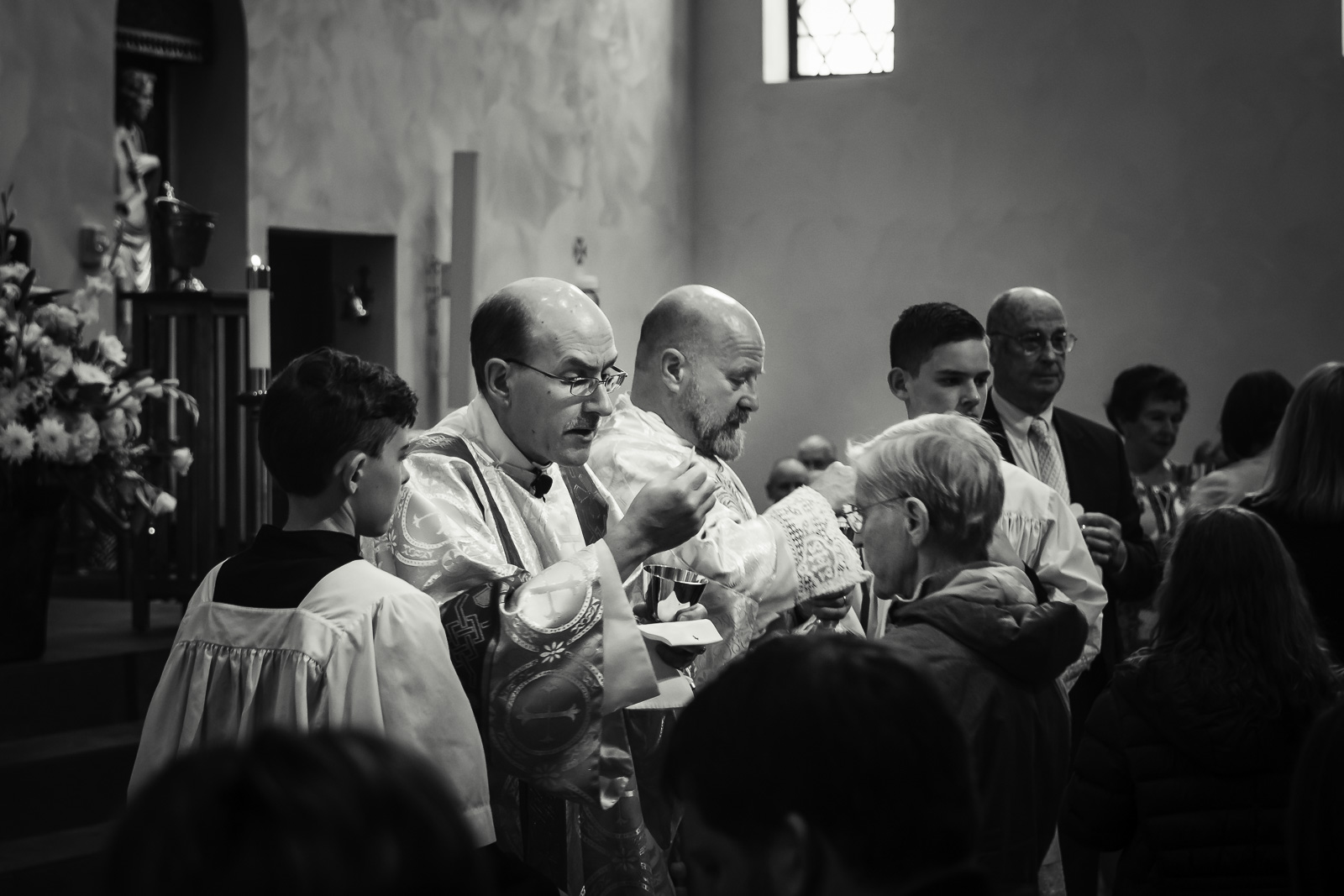
I am falling away from the faith. I sit in Mass and think about it critically, as I’ve not done in years. I give myself licence to doubt.
It’s liberating.