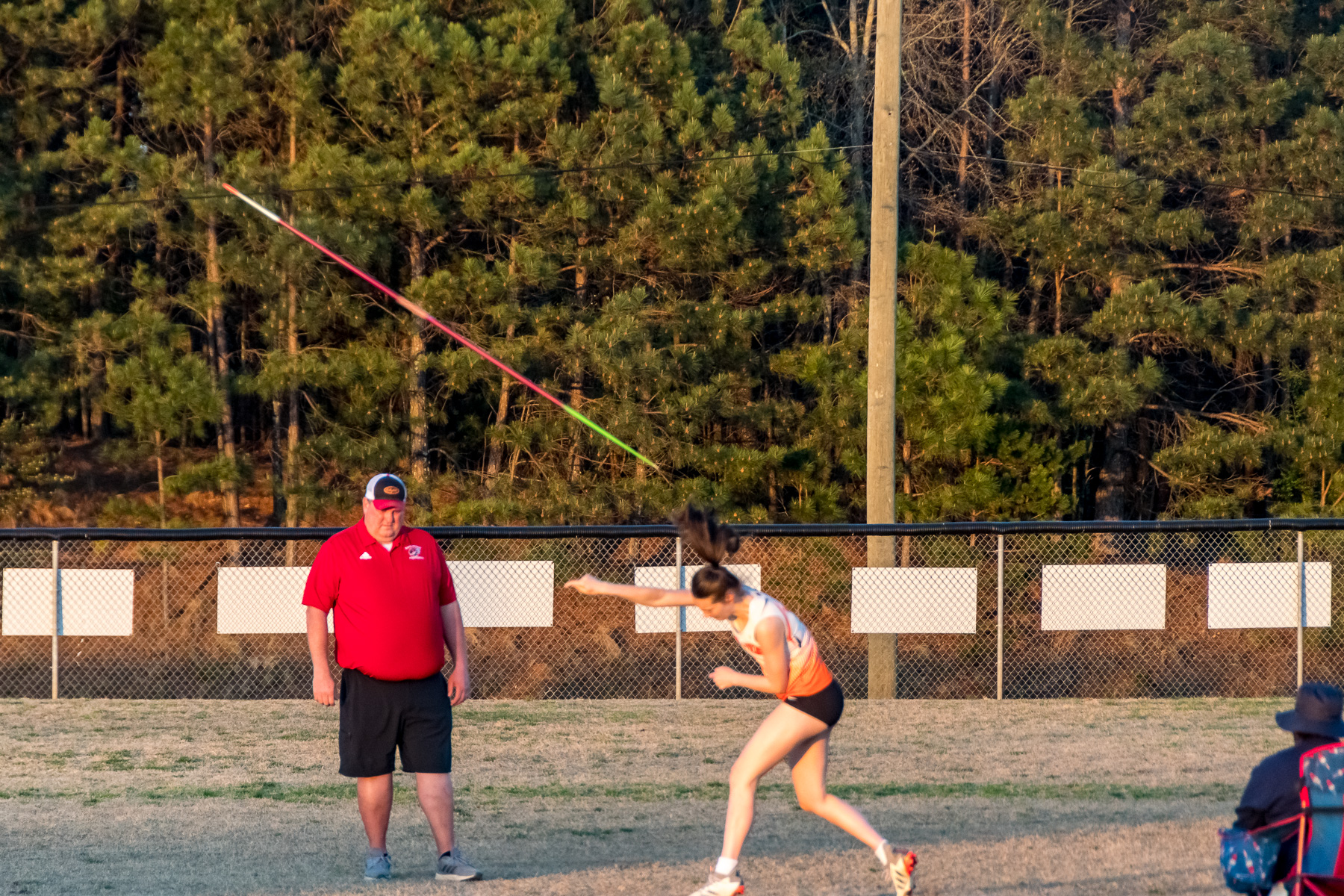
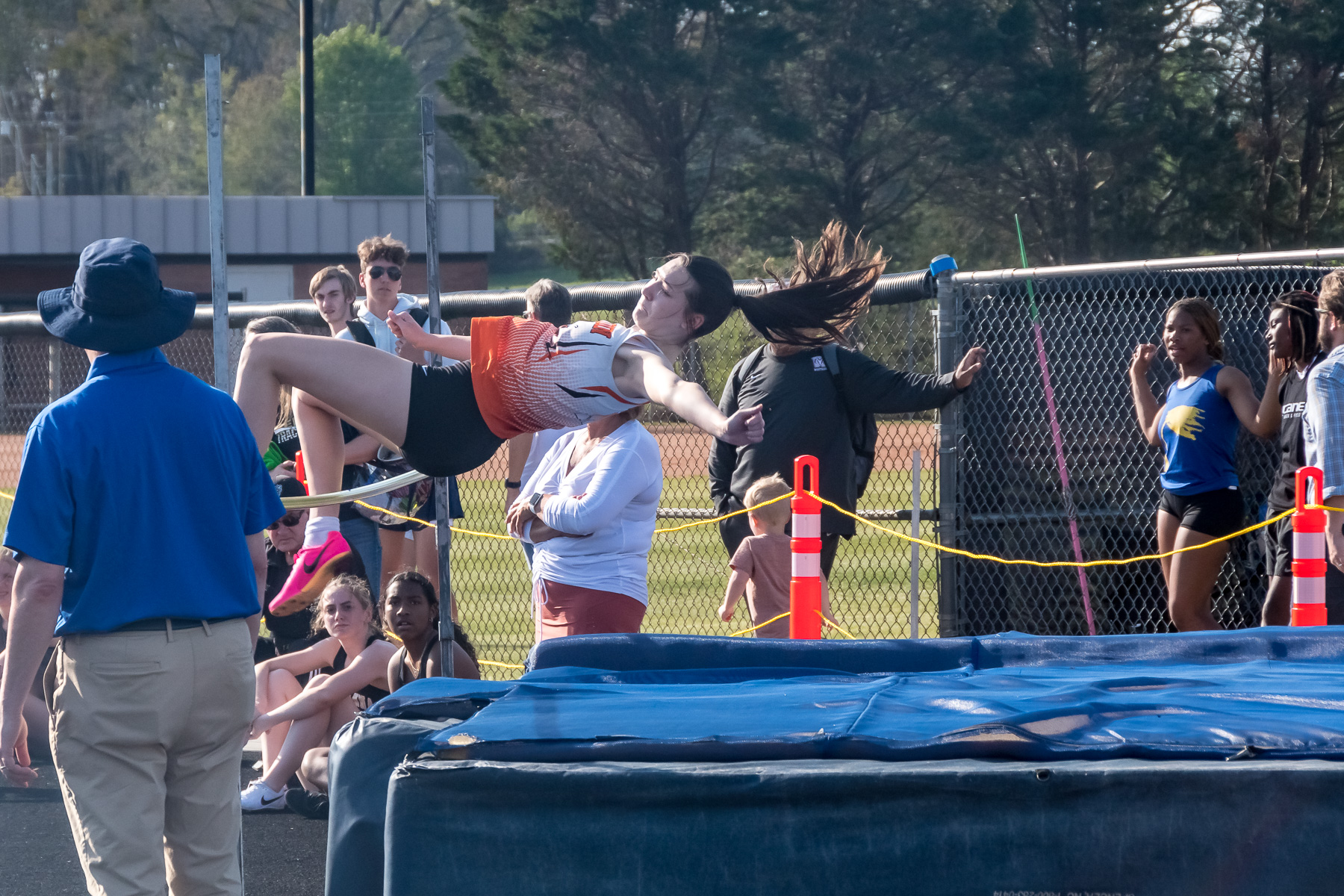
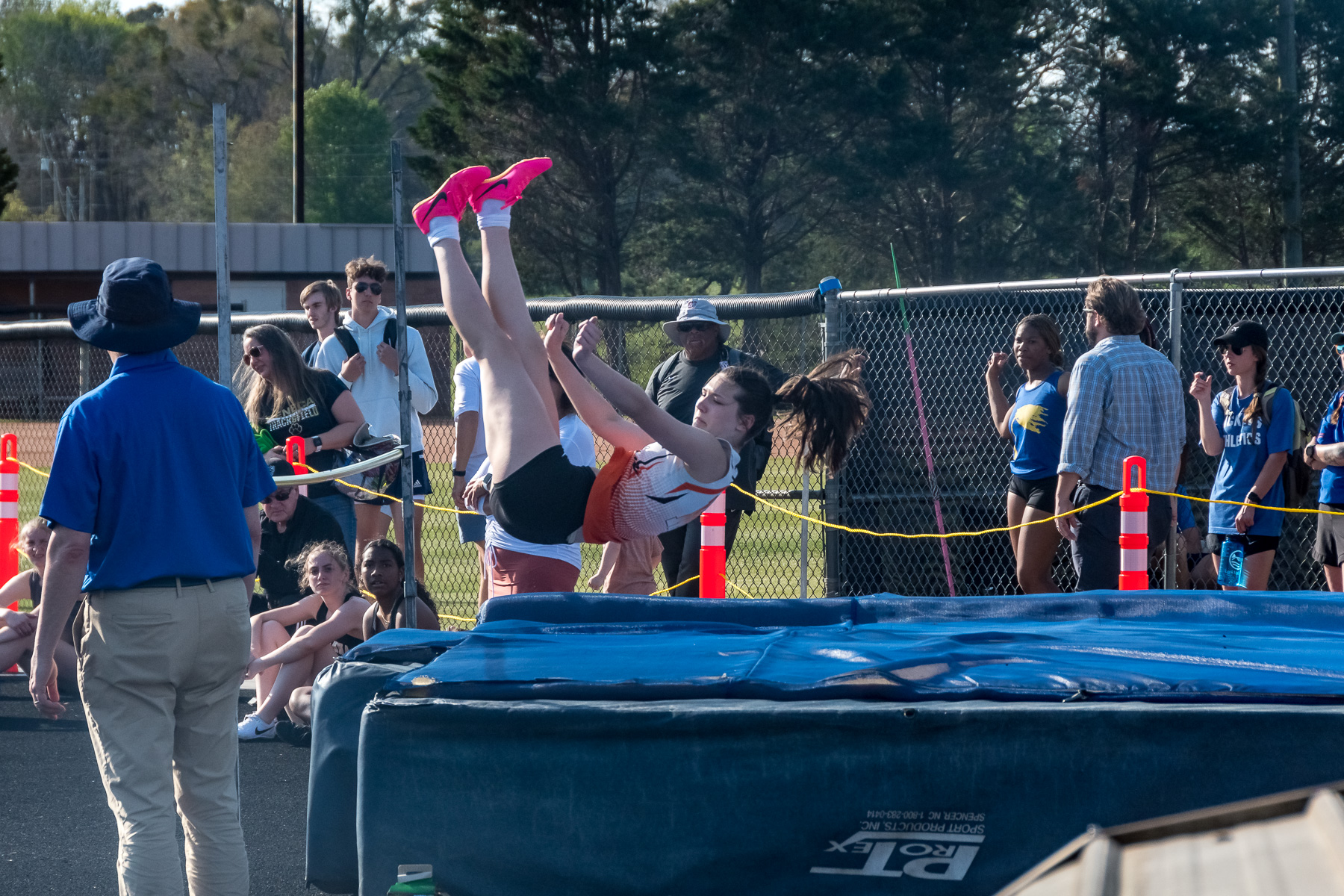
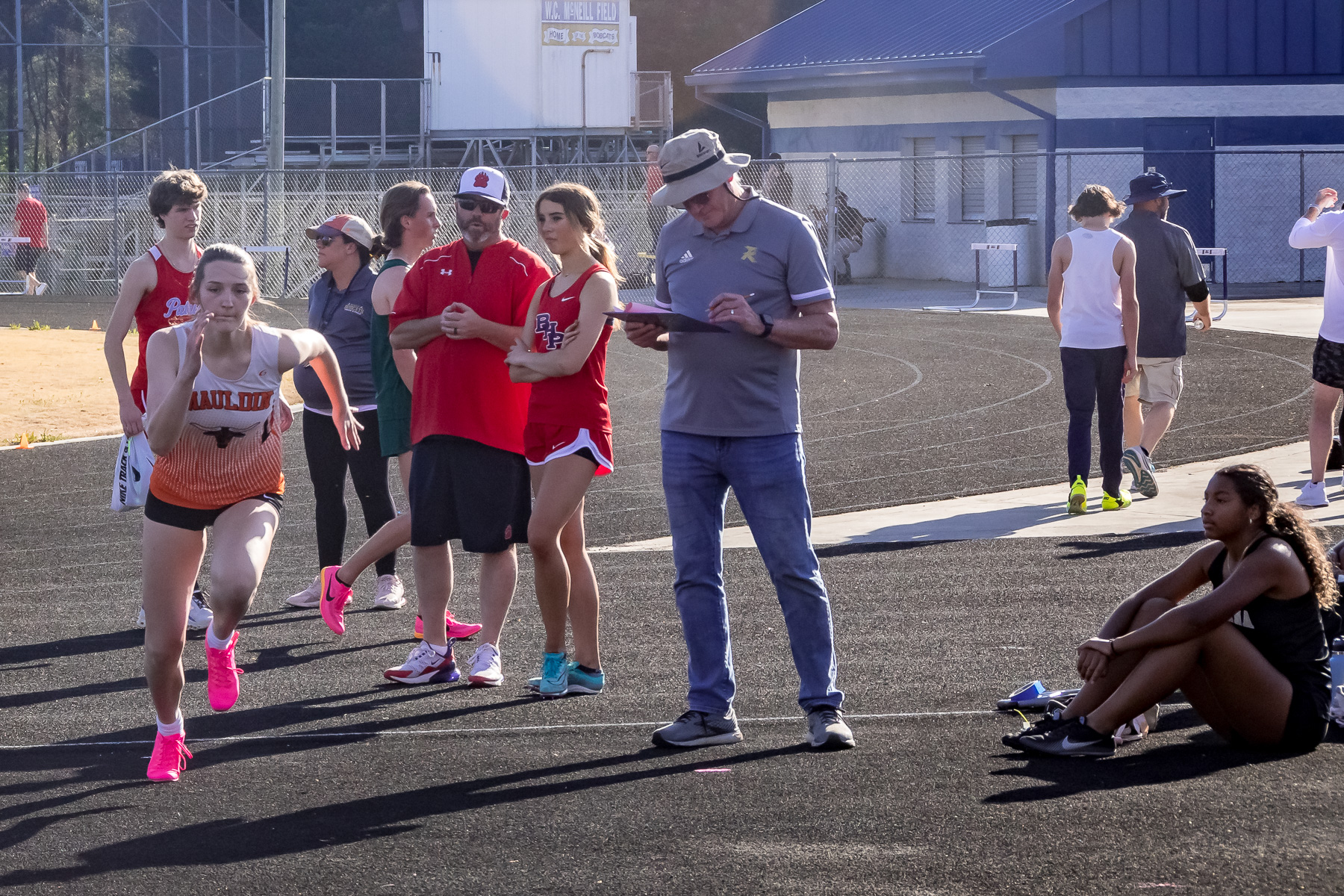
From Babia


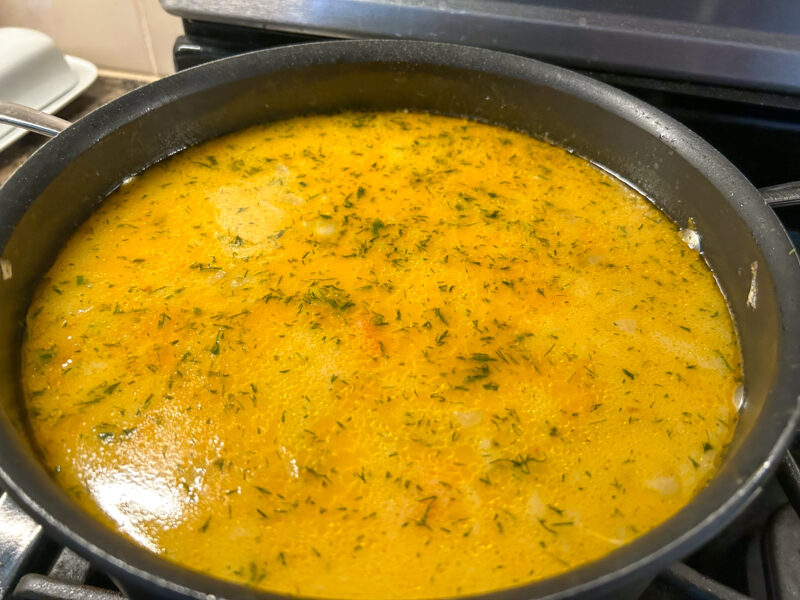
One of the things we accomplished this weekend was getting a new computer for the Boy. The Girl needs one, too, but we still don't know the specs she'll need for what programs she might be running in college. So today I got the computer set up and snapped a picture to text to E. He was at his friend's house having some needed buddy time. However, he'd left his phone at home. So it was for naught. But I got a picture for the day out of it...

The Boy's team finally got their first win of the season today, and the Boy scored.


We're reading the balcony scene and looking closely at Romeo's famous monolog (almost a soliloquy) when we get to the second half where he begins comparing Juliet's eyes to stars:
Two of the fairest stars in all the heaven,
Having some business, do entreat her eyes
To twinkle in their spheres till they return.
What if her eyes were there, they in her head?
"What would happen if that exchange happens? If Juliet's eyes were replaced by stars and vice versa?"
"Um, she would burn up from the heat of the stars, Mr. Scott," says Mr. Literalist in the front row.
It’s a tough prompt: the analysis required might be too much for my students even at the end of the year; at this point in the year, it’s an impossibility. But I can apply various supports that will help them ease into the whole argument unit.
“What evidence does the author use to support the claim that MLK was the right man born at the right time?”
We’re not evaluating the argument: we’re not even looking to determine the claim. The claim is settled: MLK was the right man born at the right time.
I look over the passage and realize that the key idea is that he was born at the right time. It’s a question of context. He rose to prominence after Excecutive Order 9981 desegregated the military and Brown v. Board did the same (in theory) for schools. The author also points out that the rise of television helped King and the civil rights movement as it made it impossible to ignore the brutality directed at the African American community.
I help the students see all this, creating a graphic organizer to put this information into manageable form.

At the end of the lesson, I wrap up how our planning would form an answer:
The author supports the claim that King was the right man at the right time by showing the context of his leadership. For example, the author gives the context of laws and court cases. He explains Executive Order 9981, which banned segregation in the military. He also explains how Brown v Board ended school segregation. In addition, the author gives the context of technology. He points out that television made it impossible to hide how African Americans suffered.
As I say this, I point to each part of the organizer to show where the ideas are coming from.
The next day, I plan for an easy task. We’re simply going to take our graphic organizer and turn it into sentences. “I gave them all the answers yesterday,” I think to myself. “How much of a challenge can this be for them?”
We begin reviewing our work, and I add some more schaffolding: I number the sentences they need to write and add some transitional elements to help them connect things:

Each line, each numbered element becomes a sentence. I remove the parenthetical annotations to make it even easier. So I’m hoping students will see “Gives context of laws and cases” and realize the only thing missing is the subject. I don’t even expect or even hope that they will think in those terms. All they have to do is read it and think about it:
“‘Gives context of laws and cases.’ Who gives the context of laws and cases?” That’s the first step, but some of them struggle even realizing this.
One young man comes to me for help.
“I don’t know what to do with number two,” he admits.
“Well,” I begin, “read the text for number two.”
“Gives context of laws and cases.”
“What’s missing? What question do you have when you say that?”
He looks at me, a completely blank expression suggesting that there’s so much he doesn’t understand about it that he doesn’t even know where to begin. I decide to simplify.
“Imagine I walk up to you and say, ‘Gives her an apple.’ What question comes to mind when I say that.”
How hard can it be for this kid to see that we have an action here and we have no idea who’s doing it? How difficult can it be to realize that the simplest question in response to this “Who”?
I finally help him to see that we don’t know what’s going on there and that the questions, “Who gives her the apple?” And I think we’re ready to return to my original question.
“So, when I say ‘Gives her an apple,’ the obvious question is ‘Who gives her an apple.’ So if I say ‘Gives the context of laws and cases,’ what’s the obvious question?” I don’t even bother looking up at him because he should catch this almost immediately. It’s the same problem. He just stares at me.
Even after I get through to him that we’re trying to figure out who provided the context, he can’t take the next step. I’ve had this problem with other students, and they get confused about what we’re really writing about. They ask, “Martin Luther King?” sheepishly.
This is a deceptively complex question we’re working on: we’re not asking a question about the contents of the text itself — what it’s about — but the decisions the author made in creating the text. It’s not an analysis of the contents of the text but of the structure of the text, of the process and thinking behind the writing of the text.
But this level of questioning is not even our ultimate goal. We’re ultimately supposed to get students ready to answer questions about evaluating the claim and evidence of an argument. Here, I’m giving the claim and the paragraph in which to find the evidence. I’m just asking them to figure what the evidence is. I’m not asking them to find the claim. I’m not asking them to find the evidence among all the paragraphs. And I’m certainly not asking them to make decisions about the quality of the evidence provided. And as far as potential counterclaims — forget it. I just want them to find the evidence.
While I’m working with this boy, a handful of students realize the relatively straightforward nature of what I’m asking them to do and how it’s all on the board and write beautiful (although simple and short) paragraphs about it.
These kids are in the same class along with a boy who speaks very little English and a boy who speaks no English at all, and the state expects me to get them all to the same place in nine months: analyze the argument in an eighth-grade level text and evaluate its effectiveness.
And they are struggling to do it when I’ve already done it with them. Using a fifth-grade level text.
There's a new cafe in Warsaw called "Madonna." It uses images of Mary and Jesus as decorations, and it's driving the fundamentalist Catholics crazy. Just look at the list of blasphemies they're committing:
The horrors!
Just look at the pictures:


It's unbelievable.
The price of democracy can be steep for fundamentalists.
It's Spirit Week at the Girl's high school, and today's theme was rhyme without reason. She explained it to me when I asked why she was wearing a yellow vest. She was pairing with a friend for the rhyme part: L's portion was construction worker. I can't remember what her friend's outfit was the rhymed. At any rate, I off-handedly mentioned that K probably still had her hard helmet from her previous job.
The Girl's eyes light up.
"Really?!?" And off she sprinted to our bedroom. "Mama, do you still have your hard helmet."

She was thrilled to find that she indeed still has her hard helmet.
It was wonderful to start the day with such a smile.
Things are returning to normal. The Girl's GI issues seem to be slowly diminishing, and the Boy seems in better spirits.


Babcia is, as always, Babcia: always (almost) happy and smiling (until she gets to talking about Polish politics -- don't get her talking about politics).

After a good breakfast, L and I headed to Rock Hill for the second day of the weekend's tournament. The Girl helped out with warmups and was the biggest cheerleader on the bench.

Their team made it to the final in the gold bracket -- meaning in essence, the final for the whole tournament for their age bracket -- and it was against another team from the same volleyball club. Since it, too, has a strong religious foundation (like last year's team, but this club seems to be less interested in meddling in the private lives of the coaches like last year's team, which fired the Girl's team's coaches -- in the middle of the season -- because they were living together out of wedlock -- the shame!), the two teams circled up and prayed before the game.

This team has beaten the Girl's team badly once this year, but they were confident. Still, they're kind of a family, I think: instead of simply giving each other low fives under the net, they popped onto the same side as our girls and there were hugs all around.

Our girls jumped out to an early lead in the first set and won it 25-21. The second set was a different story. They trailed by two for most of the set, but suddenly, it was 13-17. Then 13-18. And then 13-19. In the end, the lost 16-25.
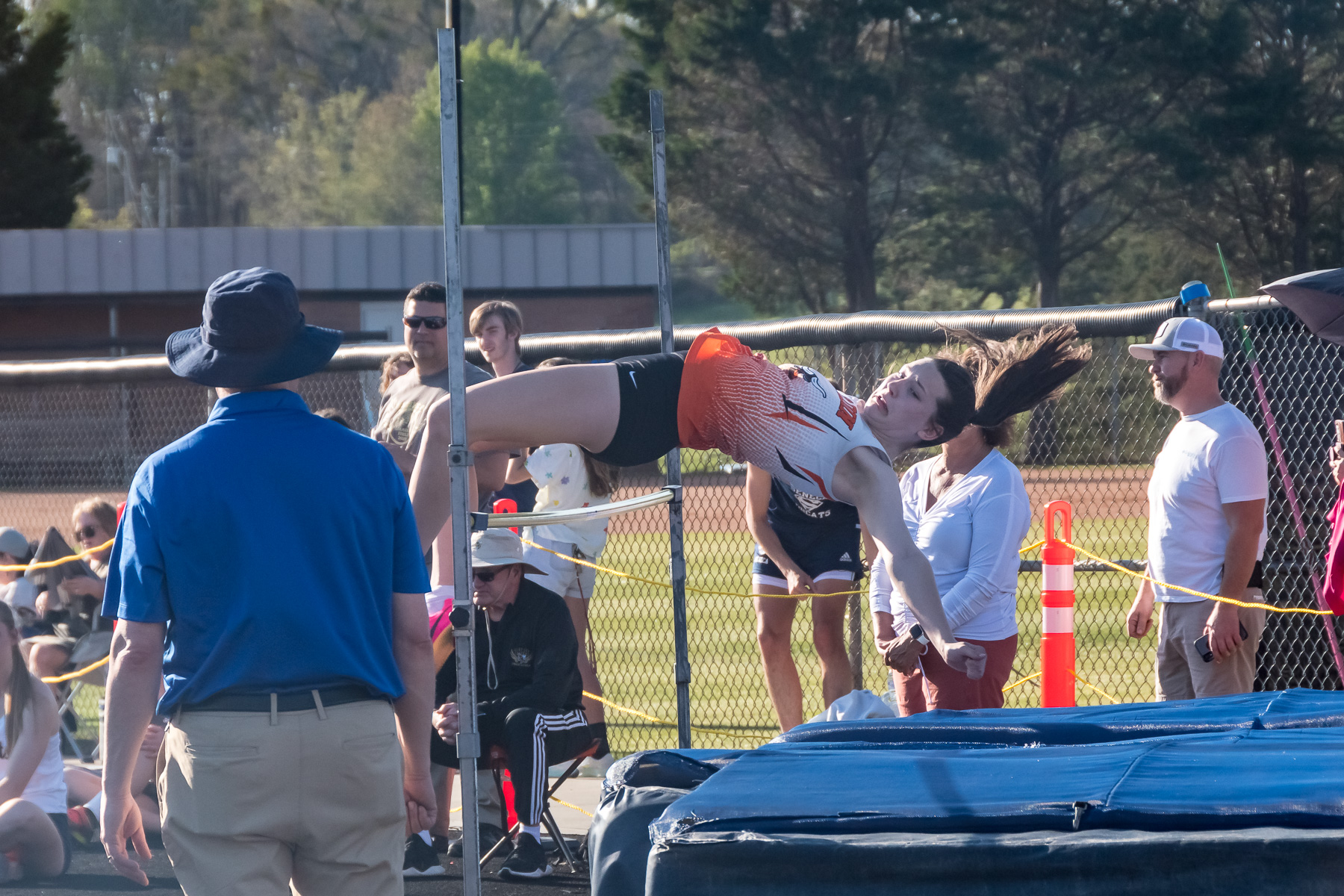
The third and deciding set (which is only to 15) they were neck and neck until it was 8-8. Then three quick mistakes and they were down 8-11. Then 8-12. I was pretty sure it was over, the they rallied and evened the score at 13. They were up 14-13 when one of the other team's hitters blasted a shot that was initially called out. Our girls celebrated; the parents were screaming. And then the call was reversed: there had been a touch on the block. 14-14. And how did it end? The girls rallied again and won 16-14:
And afterward -- a group picture with both teams.

K, the Boy, and Babcia, meanwhile, were having a fine day as well.

After church, they went to a relatively new cafe: Old Europe Cafe. The consensus among the Polish community: a nice cafe with a real Krakow-cafe feel.

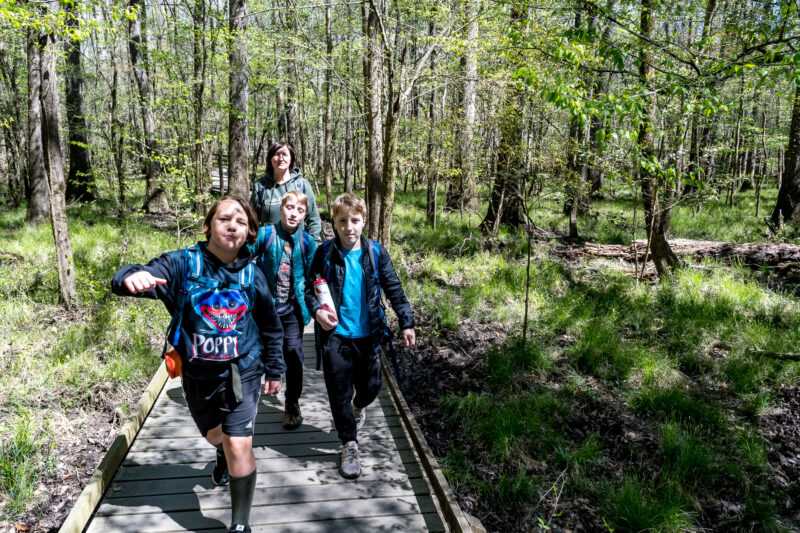
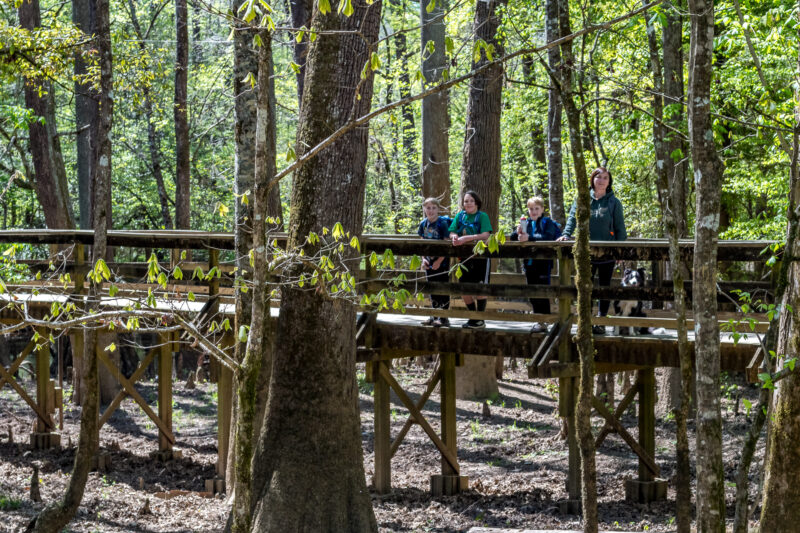
Afterward, a walk in our lovely Falls Park.

In the evening, the Boy and I played cars a while -- again. Just like old times.