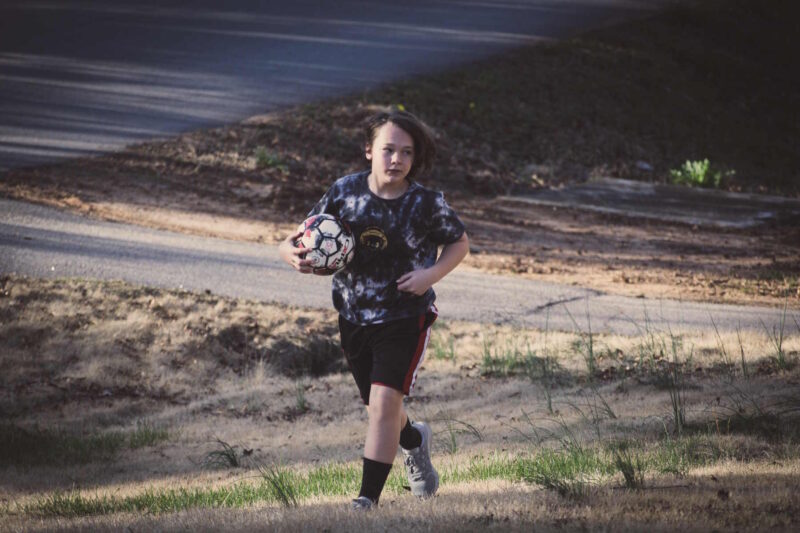





fun in threes, sometimes fours
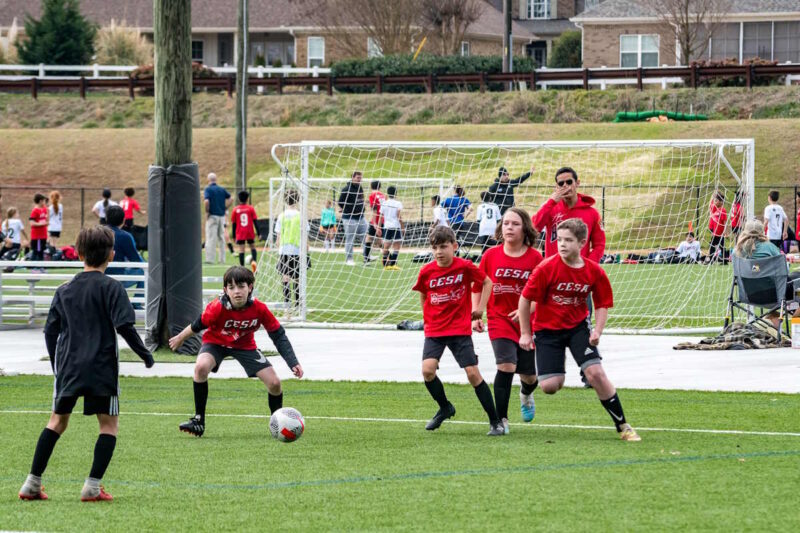
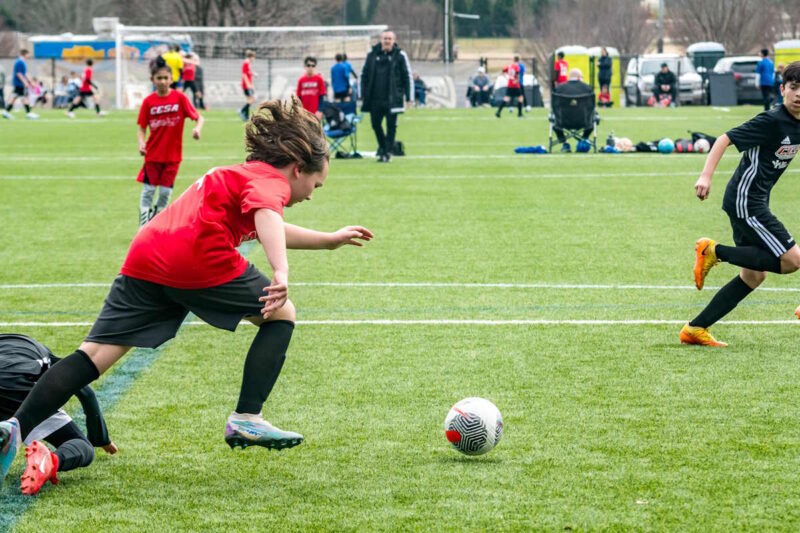
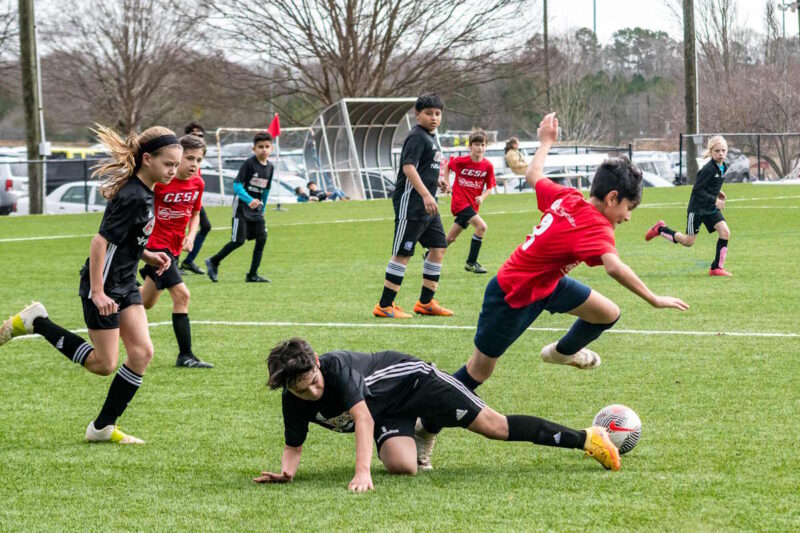
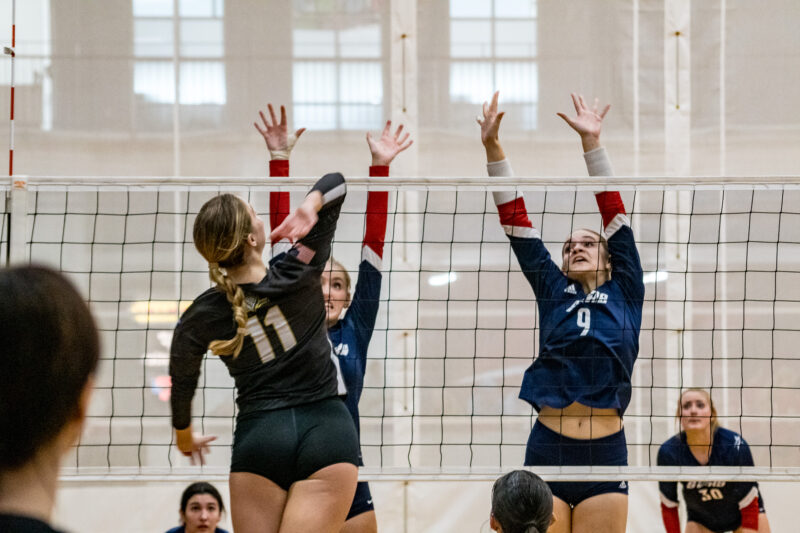
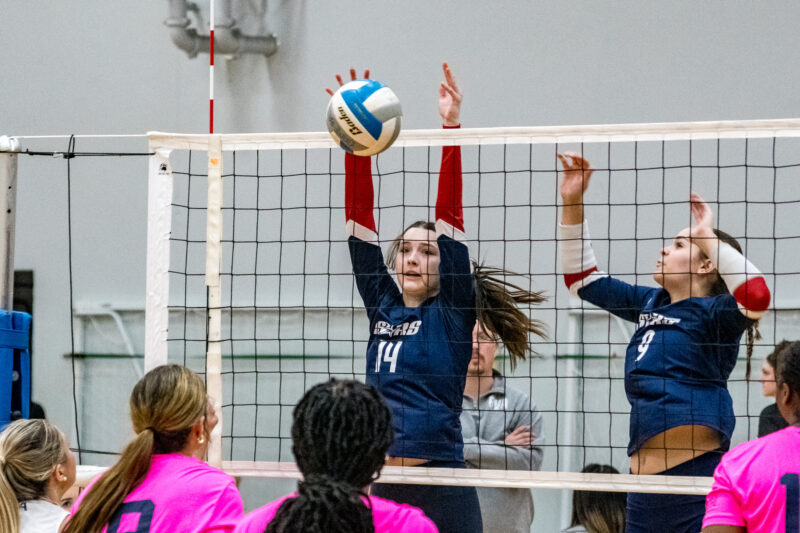
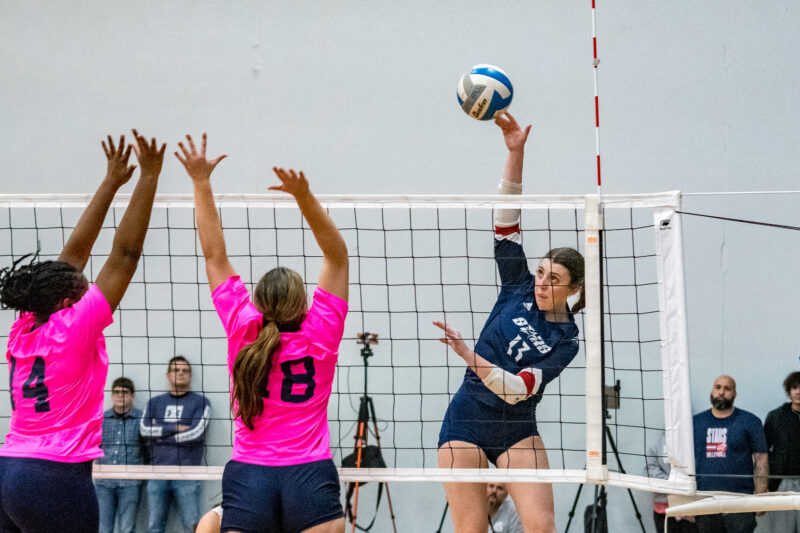
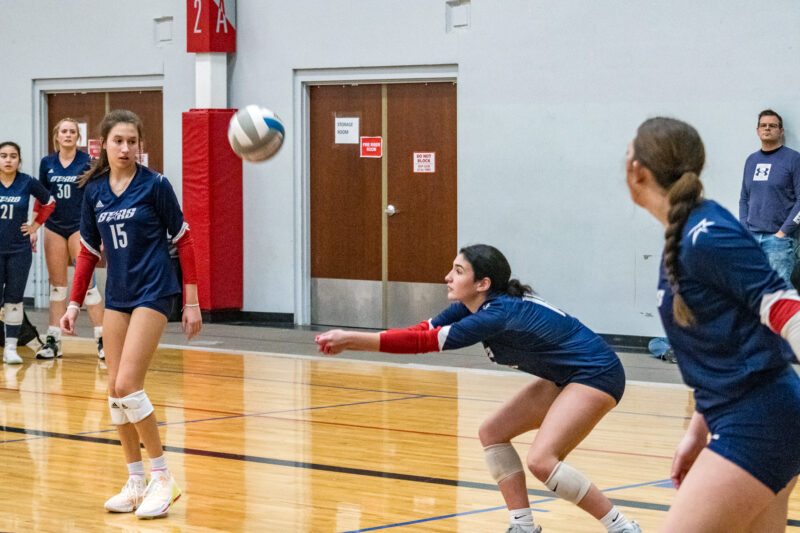
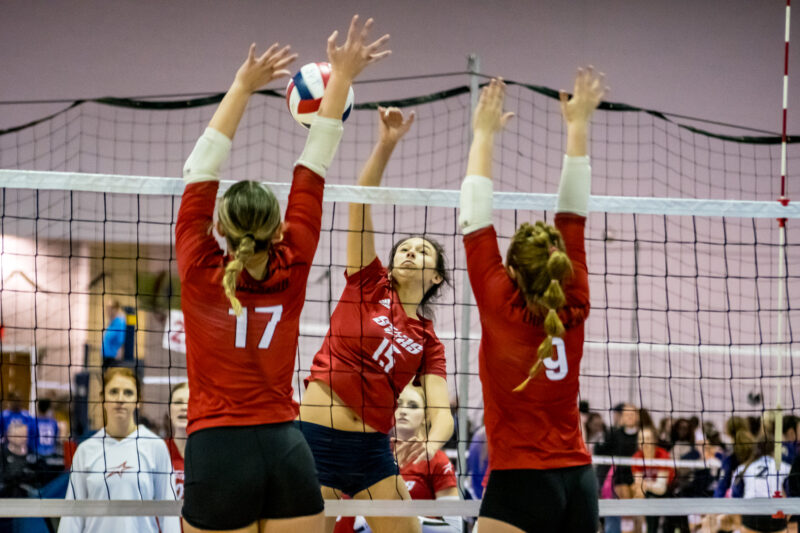
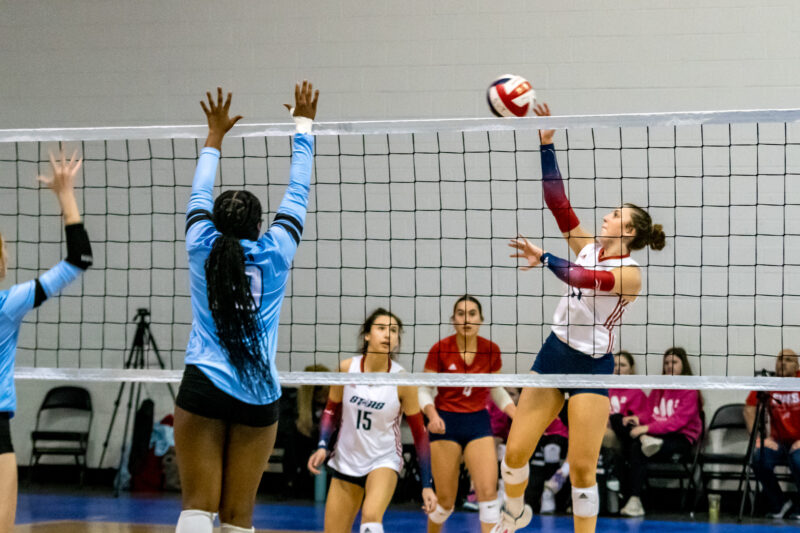
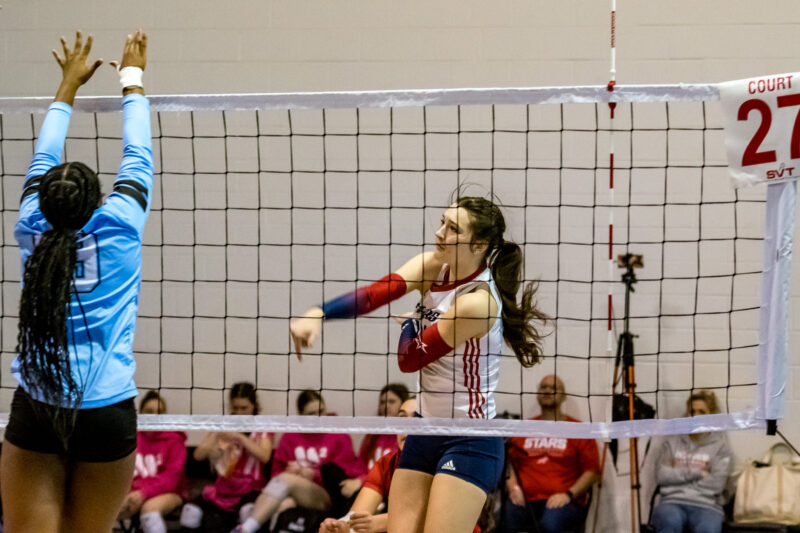
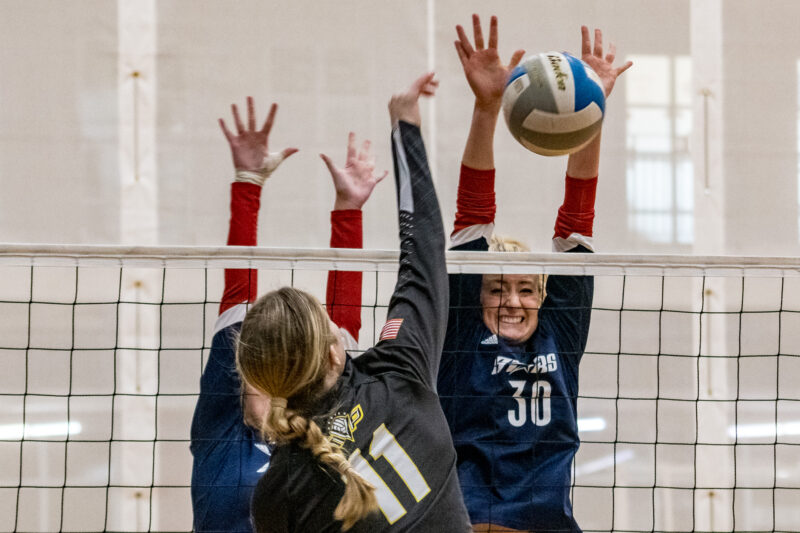
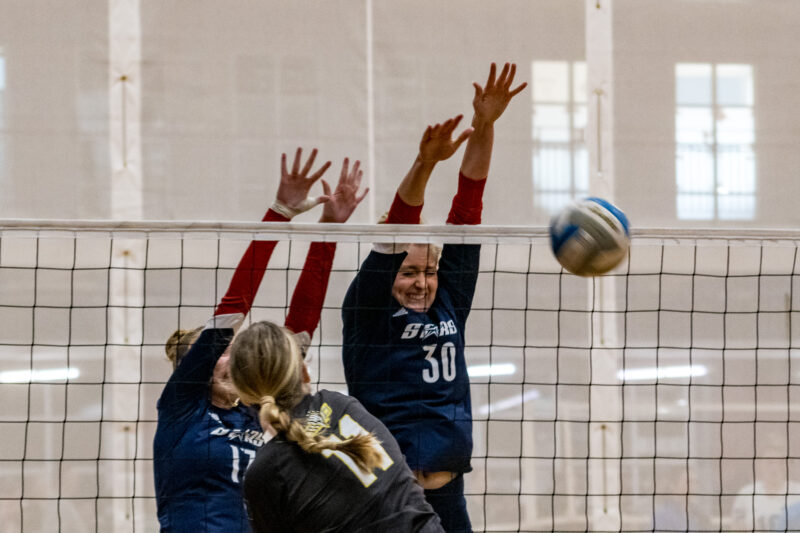
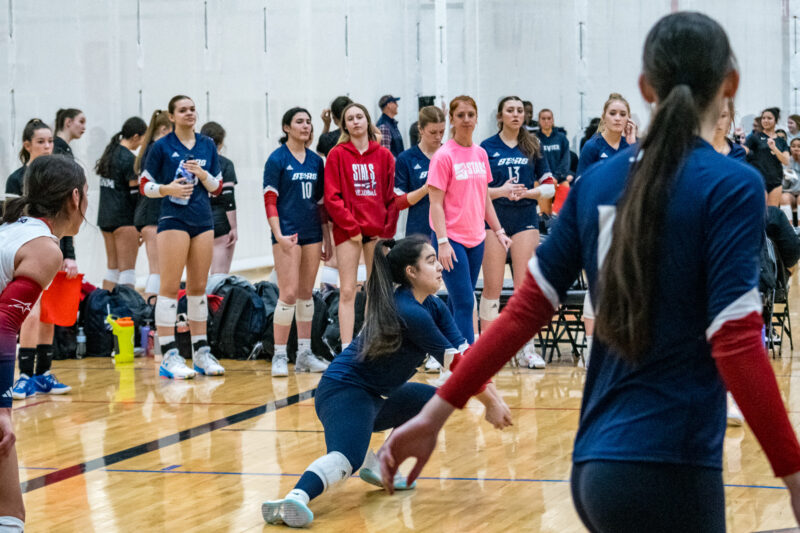
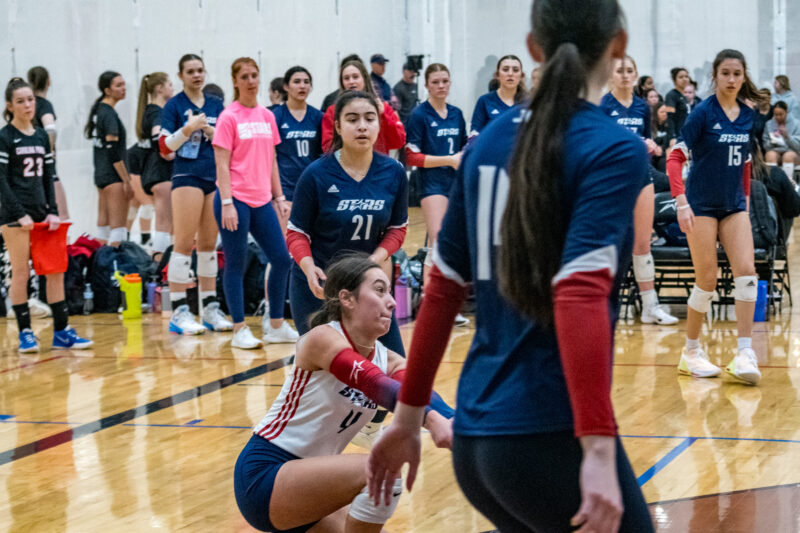
A 2-0 win, so now the team is 1-1-1.


I was very surprised for a moment when checking the Time Machine widget at the bottom of the site: only four entries for this day?! And then I remembered the date.

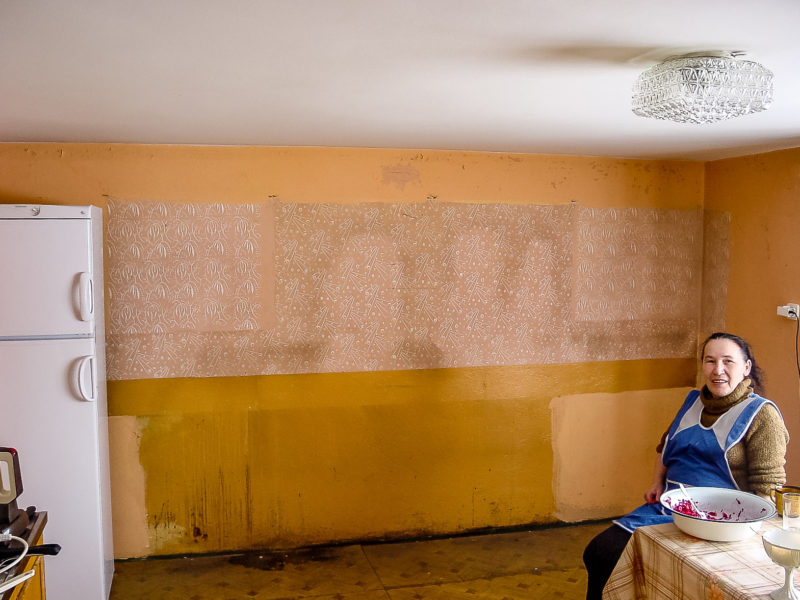
And realized one of the entries had to do with the kitchen remodel Babcia and Dziadek decided to do when K and I got engaged. They'd planned to do something else with the money, but in the end, they went for the remodel. "If we're going to have guests from the States..." I seem to recall Dziadek explaining.
Looking at that picture, I think how much younger Babcia looked. It was twenty years ago, and it hits me: in this picture, she's only a handful of years older than I am now. And the last two decades have simply floated by without any effort and little notice.
And the next two decades?
One sentence -- one single, simple sentence, the contents of which students already had planned in class. It was merely a matter of taking two phrases and generalizing. That was one class's homework last night. In fulfillment of one of the many instructional standards for the eighth-grade language arts curriculum, students were working to write a single sentence that expressed the main idea of a multi-paragraph non-fiction text. We'd examined the text in class. Student effort hadn't been stellar, but the majority fulfilled the most basic criteria for the small project. We had in place everything we needed to write that sentence, but we'd run out of time. The homework was something like leftovers: we didn't have time, do it at home.
One sentence, probably no longer than ten words. Out of a class of twenty-five, four did the "work" in its entirety, one had begun writing the sentence but was less than half finished, three had the presence of mind to jot the sentence on a piece of paper as I was checking that other students had completed the work, and the rest did nothing.
One sentence, and sixty-six percent of the class was too lazy, too unmotivated to do it. "I had better things to do with my time," one "student" said. "I forgot," another said. "I just didn't want to do it," a third explained.
In a flash, I saw the possible future, and it was terrifying. Students in the second world -- countries like China, Brazil, and India -- see what we have, and they want it. Their parents see it, and they want their children to have it. And so they work for it. They work for the education that will give them the job that will allow them to buy that smartphone, that flat-screen television, that car -- their little version of the American dream, exported and translated.
"Yet we already have it -- we've won. We've got nothing to worry about," replies the consumer prevailing (often unacknowledged or even unrealized) "wisdom." True, we won. In the Cold War, we came out on top. What spurred us? A moment like we're facing now, a moment where we realize our ascendancy is being eclipsed. We've grown complacent, though, and most feel our current reality could never truly disappear.
Yet looking at the standings of US students among those from the rest of the world, it certainly does appear that they want education -- and all that that brings with it -- more than we in the already-ascended West.
The setup is simple: two circles of desks created of triads of one inner-circle desk and two outer-circle desks. Students in the inner circle can talk; students in the outer circle can only listen until they tag in and exchange places with an inner-circle student. However, the desks are usually set up in rows, so students have to rearrange the desks to get them in these circles.
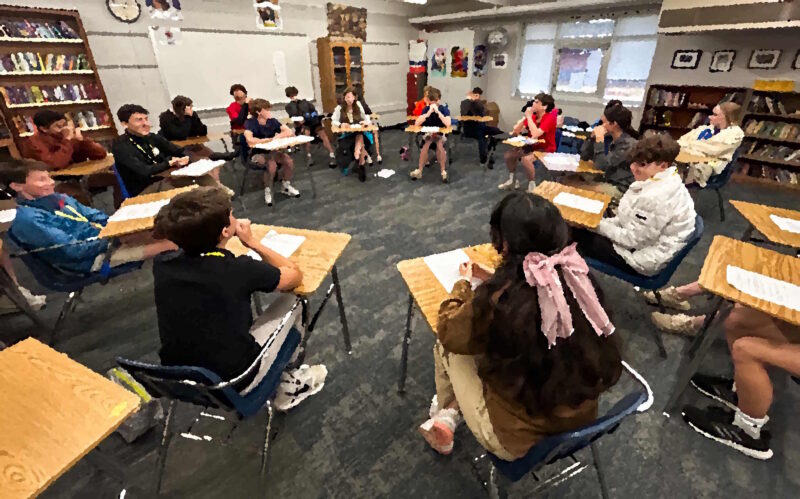
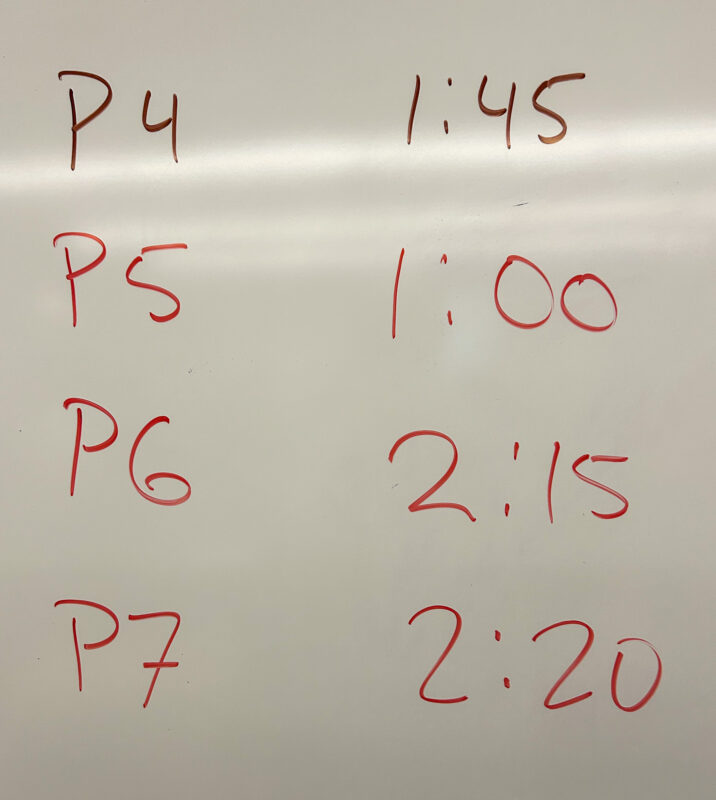
I often race classes to see who can settle the rearrangement the fastest. The results are telling:
My P4 and P5 classes are my honors classes; my P6 and P7 classes are my on-level groups. The result is consistent: the honors classes get the job done faster than the on-level classes.
Why is this?
The on-level classes sometimes refer to the honors classes as "the smart-kids classes," and I often point out that they're not smarter. They usually just work harder. They stay focused in class and give their best effort at all times. When I ask them to do something at home, they generally do it. The thing is, they've been doing this for years, so they've gradually become increasingly better students -- better readers, better writers.
I know that for many of the honors kids, there is a socioeconomic element at play as well. They most likely live in homes with more books. Their fathers and mothers are lawyers and teachers, so they see reading and writing modeled frequently. And most of them come from two-parent family, which offers great economic advantages over single-parent households. This is not to say all these factors are true for all honors students or that none of these factors are true for on-level students. There are a lot of factors at play.
Be all that as it may, though, the honors kids get the desks arranged faster. This is connected to executive functioning more than academic achievement. So which came first? Probably neither: both were nurtured at every turn by a number of different adults, and the numbers tell that story.
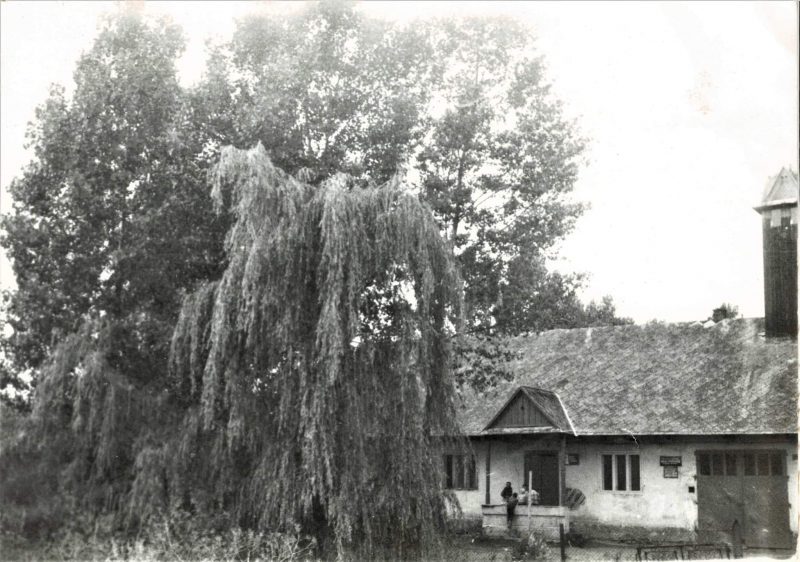
A century-old shot of an old school in Lipnica. I passed this building every time I left or arrived in Lipnica.



That we even have it is a sign...