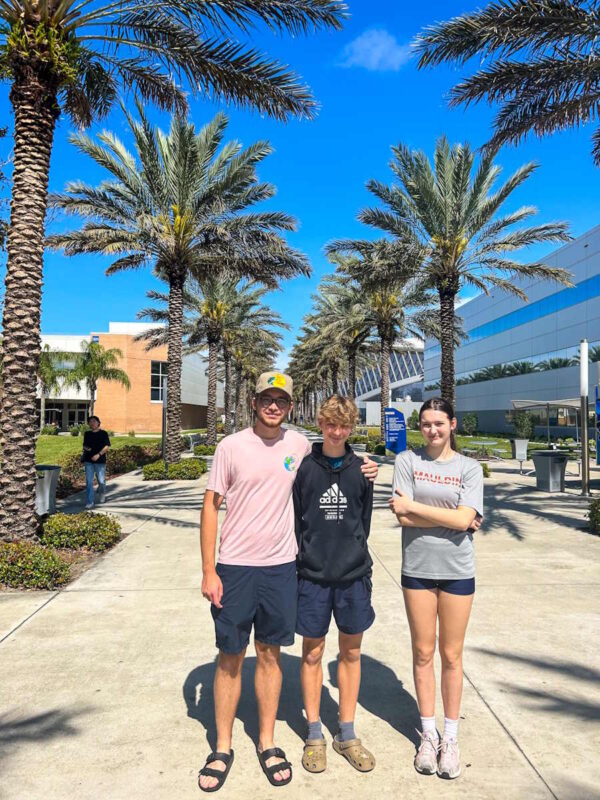
matching tracksuits

fun in threes, sometimes fours

Review: This is My Body

According to the author, Bishop Robert Barron, this book is intended to help bring Catholics back to the fold in regards to the Catholic teaching that despite all appearances to the contrary, the cracker and wine of Mass become the body and blood of Jesus.

How does he do this? Does he deal with the simple fact that one reason a lot of people don't believe this literal-bronze-age nonsense is because we've learned a bit about the nature of reality in the past two thousand years, and we understand that the classic explanation of substance and accident (a la Aristotle) is really just an ancient attempt at explaining the world which has now evolved into current scientific understanding? No. Does he deal with the Church's own admission that nothing physically changes? Even more no. So how does he deal with it? The only way he can -- the best way Catholics deal with anything in their faith that inherently makes no sense. He piles on the metaphors.

But why then the prohibition [in the Garden of Eden]? Why is the tree of the knowledge of good and evil forbidden to them? The fundamental determination of good and evil remains, necessarily, the prerogative of God alone, since God is, himself, the ultimate good. To seize this knowledge, therefore, is to claim divinity for oneself-and this is the one thing that a creature can never do and thus should never try. To do so is to place oneself in a metaphysical contradiction, interrupting thereby the loop of grace and ruining the sacrum convivium (sacred banquet). Indeed, if we turn ourselves into God, then the link that ought to connect us, through God, to the rest of creation is lost, and we find ourselves alone. This is, in the biblical reading, precisely what happens. Beguiled by the serpent's suggestion that God is secretly jealous of his human creatures, Eve and Adam ate of the fruit of the tree of the knowledge of good and evil. They seized at godliness that they might not be dominated by God, and they found themselves, as a consequence, expelled from the place of joy. Moreover, as the conversation between God and his sinful creatures makes plain, this "original."

What is this saying? Does this amount to anything other than just a rehashing of the story with some new metaphors thrown it? I don't see anything more than that.

This complex symbolic narrative is meant to explain the nature of sin as it plays itself out across the ages and even now. God wants us to eat and drink in communion with him and our fellow creatures, but our own fear and pride break up the party. God wants us gathered around him in gratitude and love, but our resistance results in scattering, isolation, violence, and recrimination. God wants the sacred meal; we want to eat alone and on our terms.

Again, this is just metaphor. It doesn't mean anything because it refers only to some story in a book that is itself of dubious historical accuracy (read: nonsense). Even Barron would suggest that the story of the Garden of Eden is really more metaphor than anything else, so this is all metaphor about another metaphor.

[T]he salvation wrought through Israel and Jesus and made present in the Mass has to do with the healing of the world. We see this dimension especially in the gifts of bread and wine presented at the offertory. To speak of bread is to speak, implicitly, of soil, seed, grain, and sunshine that crossed ninety million miles of space; to speak of wine is to speak, indirectly, of vine, earth, nutrients, storm clouds, and rainwater. To mention earth and sun is to allude to the solar system of which they are a part, and to invoke the solar system is to assume the galaxy of which it is a portion, and to refer to the galaxy is to hint at the unfathomable realities that condition the structure of the measurable universe. Therefore, when these gifts are brought forward, it is as though the whole of creation is placed on the altar before the Lord. In the older Tridentine liturgy, the priest would make this presentation facing the east, the direction of the rising sun, signaling that the Church's prayer was on behalf not simply of the people gathered in that place but of the cosmos itself.

We can't be surprised at the degree to which Barron relies on metaphor to describe the rituals of the Catholic Mass since he can't even describe his god in straight terms:

God is, in his ownmost reality, not a monolith but a communion of persons. From all eternity, the Father speaks himself, and this Word that he utters is the Son. A perfect image of his Father, the Son shares fully the actuality of the Father: unity, omniscience, omnipresence, spiritual power. This means that, as the Father gazes at the Son, the Son gazes back at the Father. Since each is utterly beautiful, the Father falls in love with the Son and the Son with the Father-and they sigh forth their mutual love. This holy breath (Spiritus Sanctus) is the Holy Spirit. These three "persons" are distinct, yet they do not constitute three Gods.

The father "speaks himself"? What could that possibly mean? He insists that "as the Father gazes at the Son, the Son gazes back at the Father." How can spiritual beings gaze at each other? It makes no sense. And then they "sigh forth their mutual love." What, do the Father and the Son breath? What are they sighing? They don't even have bodies -- how can this make any sense? That "holy breath" is the third part of this weird god? And yet it's one god? In an attempt to use metaphor to explain the inherently self-contradictory notion that three is one and one is three, Barron just ends up uttering inane deepities.


Soccer in the Front Yard

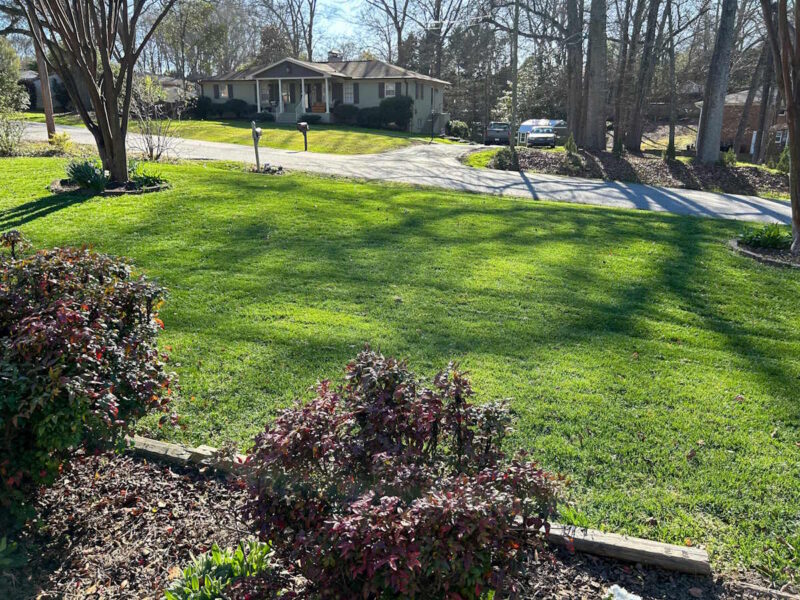
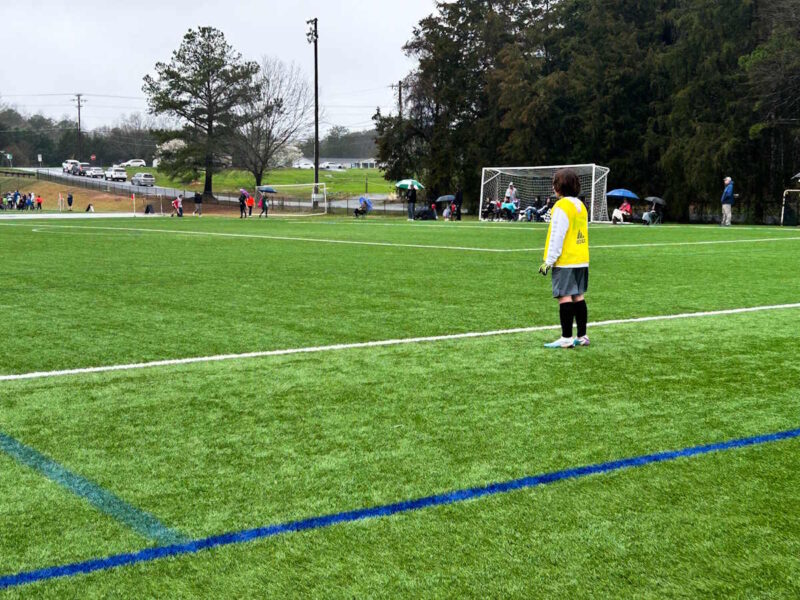
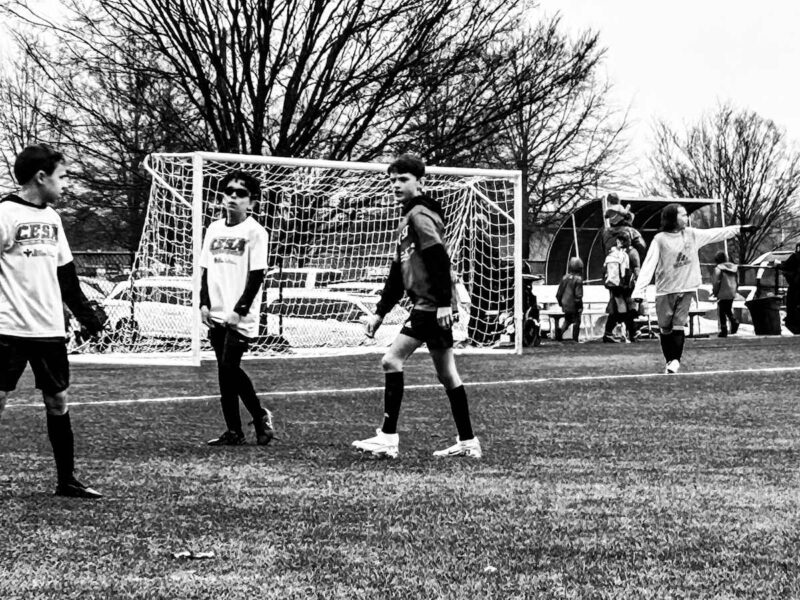
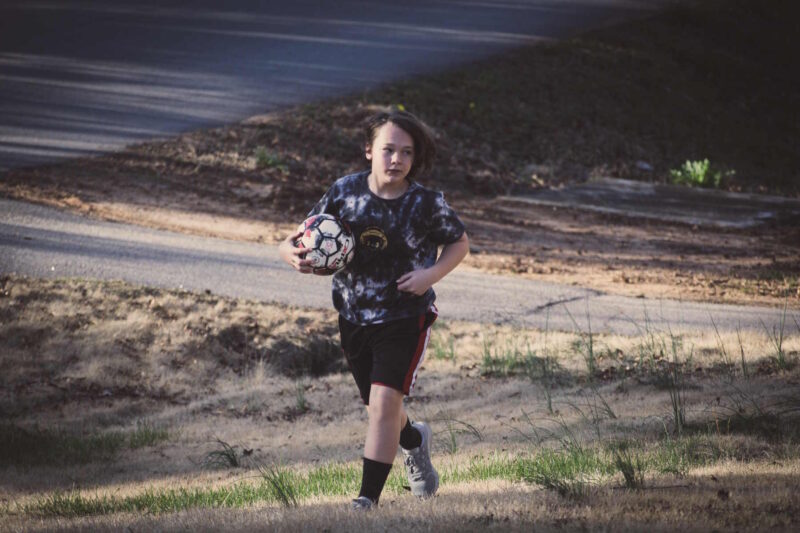
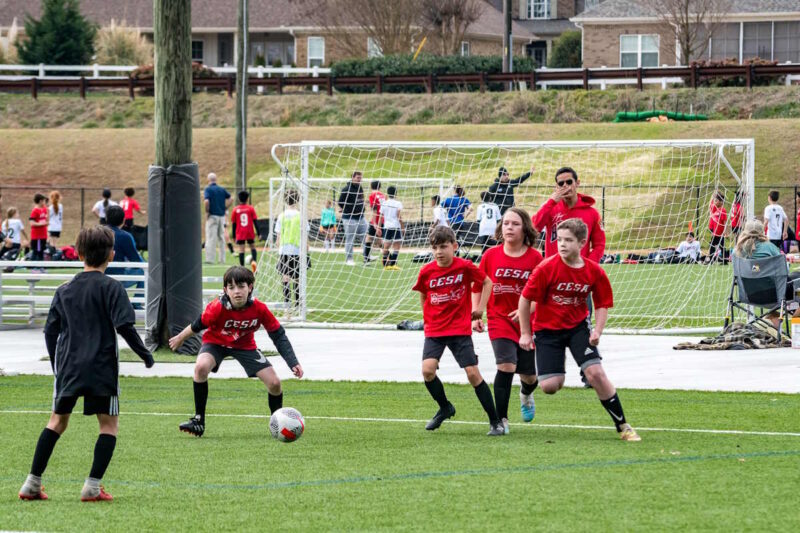
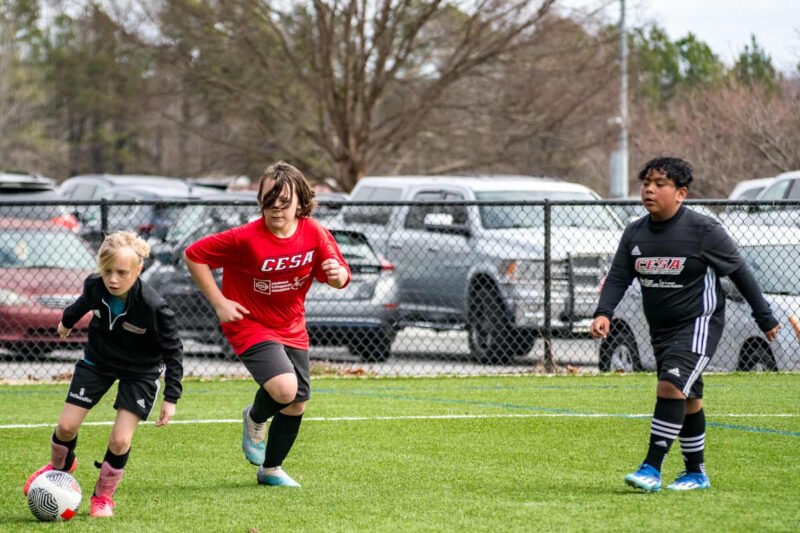
It's been a while since we had any sports in the front yard. Lately, though, the Boy has been asking to head out to play soccer in the front yard a little. With the time change, this is likely to increase -- at least I hope so.

It, too, will be gone before we know it.

Spring Sunday

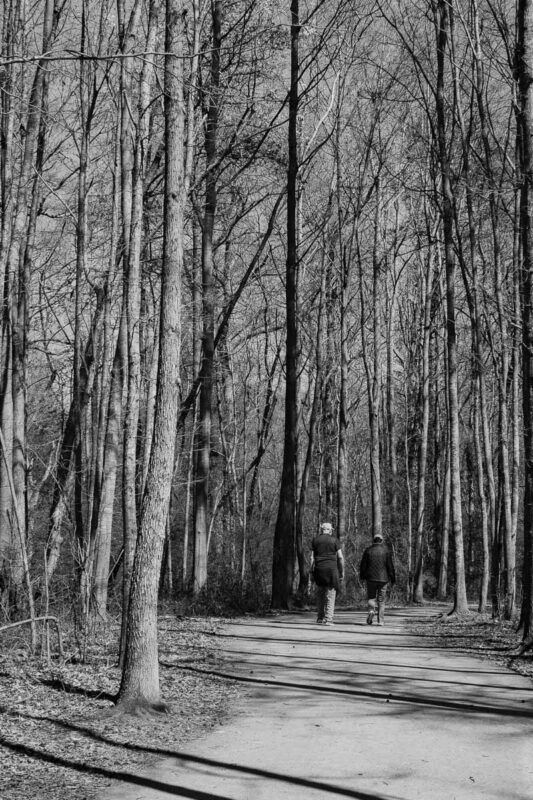
Today was such lovely weather that we knew we had to head to our favorite park for a walk. The plan was to head out after lunch. It would just be K, E, and I because L was out all day, working and completing various obligations.

It's just the three of us more and more often, which is understandable: the Girl is about to finish her junior year of high school, and she's increasingly independent. She's always been independent, but with a car, a job, and social life, K and I sometimes worry that she might be a little too independent.

Just before lunch, though, plans changed: E's close friend invited him over for the afternoon.

"So I guess it's just the two of us," K said.

We're used to that, in theory, but we've been a four of us for so long that it's a distant memory more than anything else.

A distant memory that's becoming an ever-nearing future.

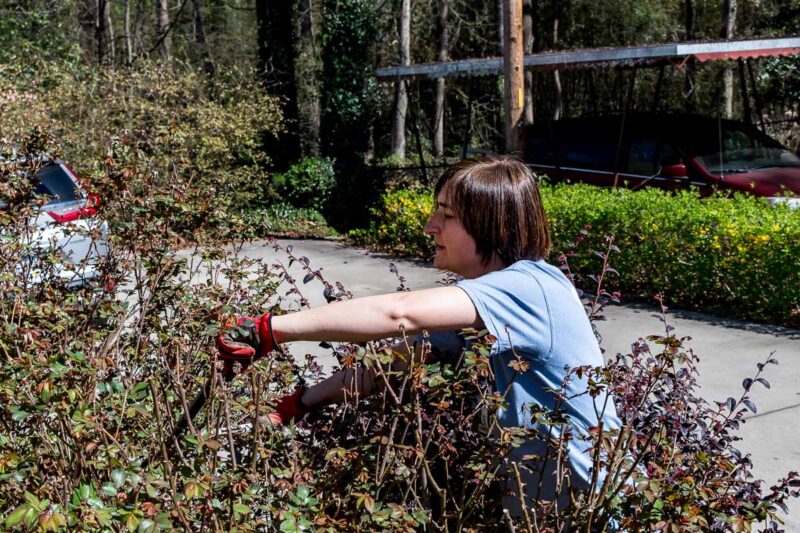
After the walk, K and I spend some time in the yard. She trimmed the roses and hedges; I mowed the lawn for the first time this year.

All in all, a perfect little Sunday.

Saturday

K talked with Babcia again.

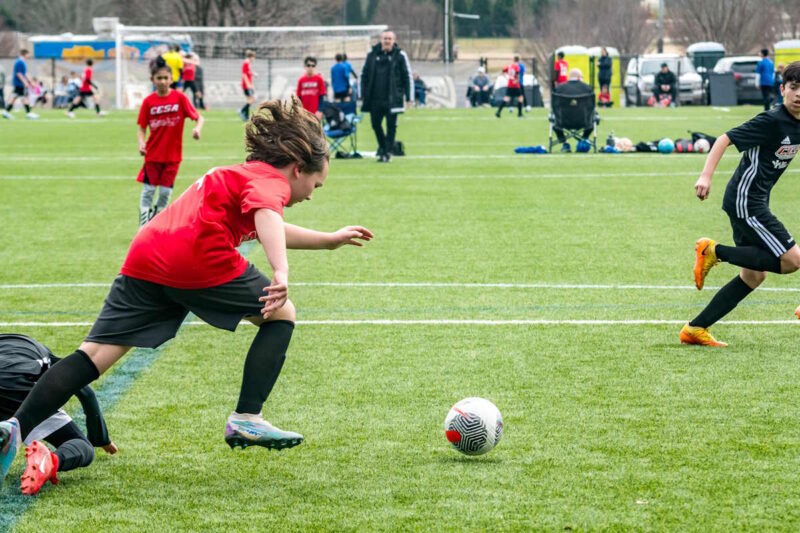
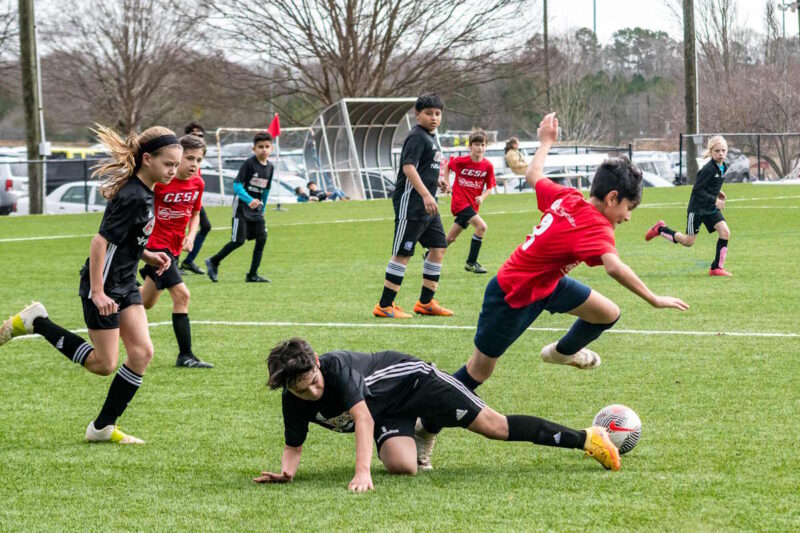
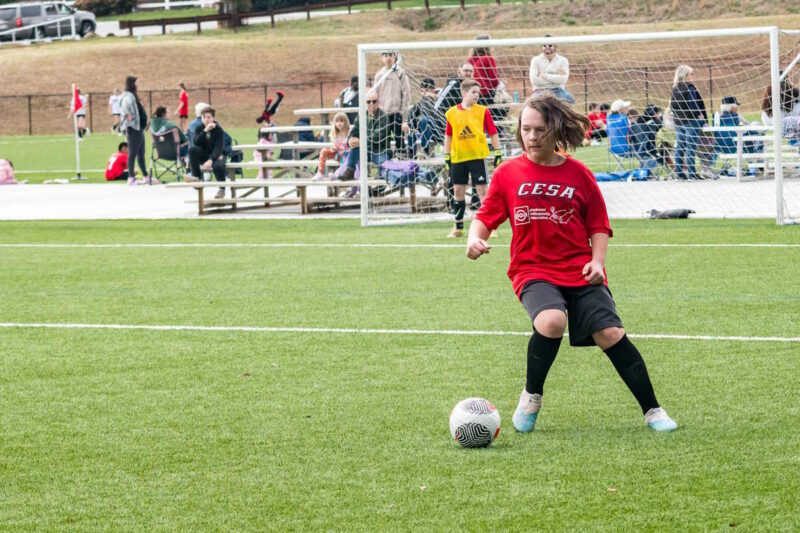
The Boy had another soccer game, which they won 6-2.

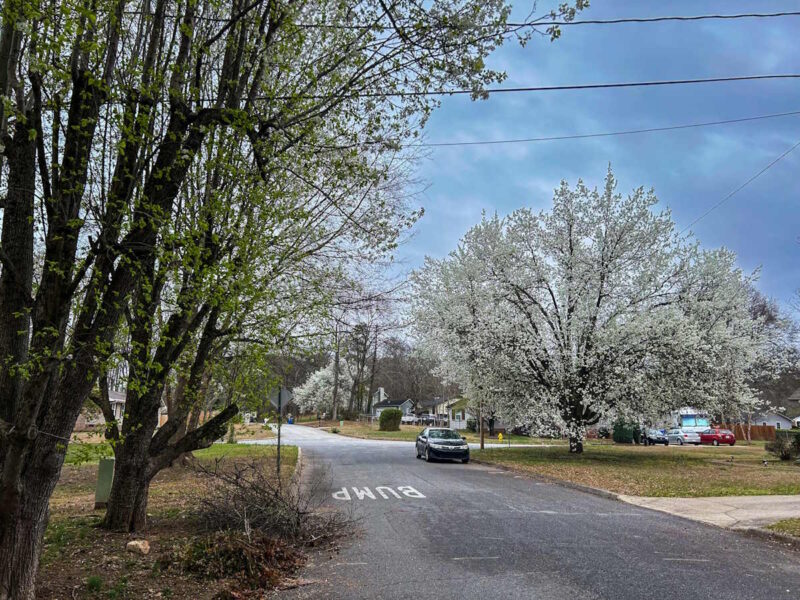
And spring is everywhere.

Swinging 2010

Found a never-posted video.

Morning

Still out for the count...

Pyzówka 2010

Is it a cheat

to say I’m sick and go to bed?

Orlando Return

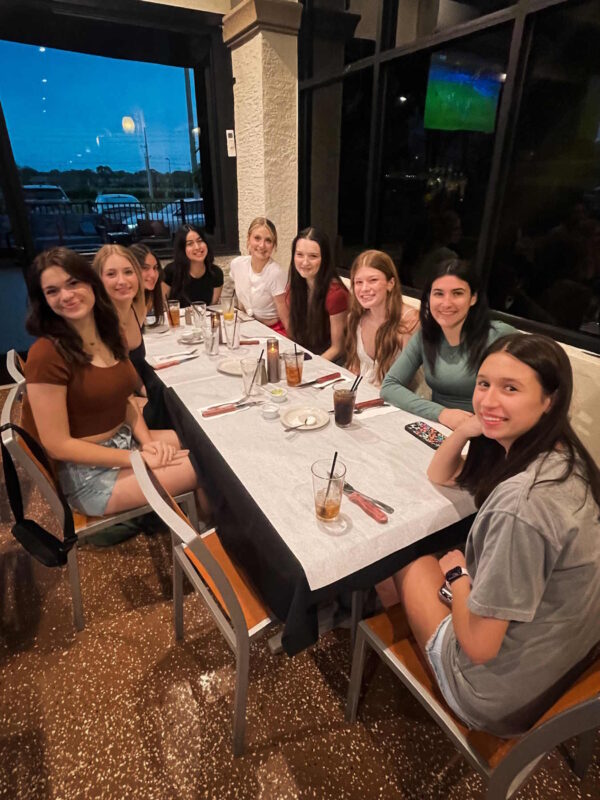
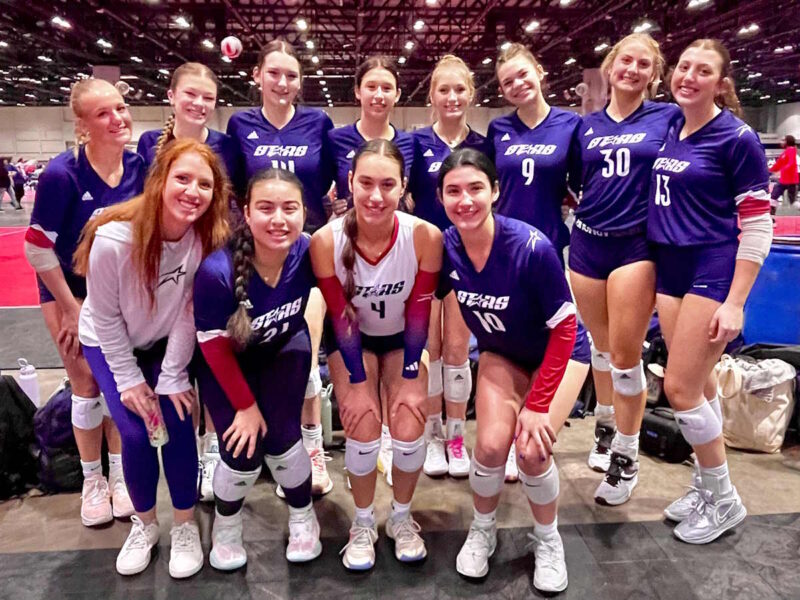
The girls spent the weekend in Orlando at the — guess! You’ll never guess — Sunshine Qualifier volleyball tournament, and K was sending me pictures the whole time, but I neglected to post them here.

“This might be the last time you’re here,” L told K when K was talking about all the food options there, “so enjoy it!”

Last time K is there? Well, I am taking her to Nationals in Orlando in June, but what about next year?

Truth be told, this might very well be the last club season for us. If L doesn’t get a volleyball-based scholarship, there will be very little motivation to spend the time and money next year. Does this mean she’s giving up on her dream? Not really—academic scholarships have always been more likely (the girl is ranked 11 in a class of 400+ students) and she’s never experienced anything other than success in school. I think her lowest grade of high school is a 94 or 95.

Sunday

Soccer

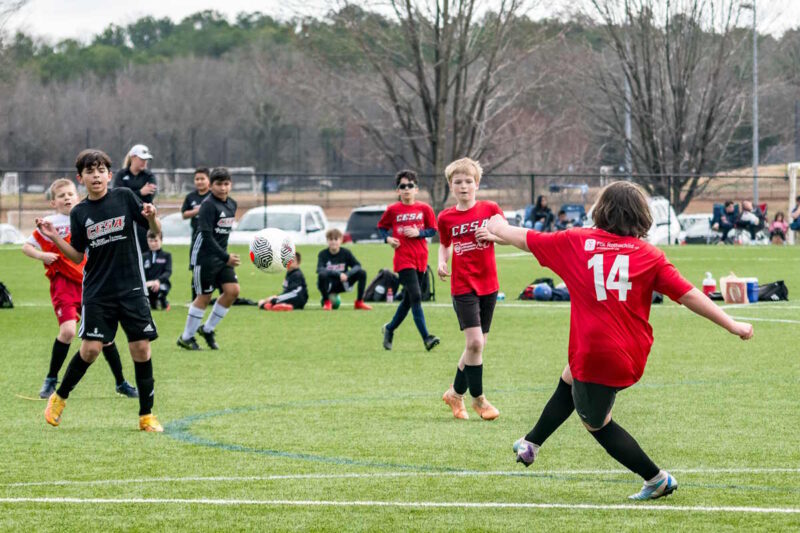
A 2-0 win, so now the team is 1-1-1.

Mexican

Leap Day

I was very surprised for a moment when checking the Time Machine widget at the bottom of the site: only four entries for this day?! And then I remembered the date.

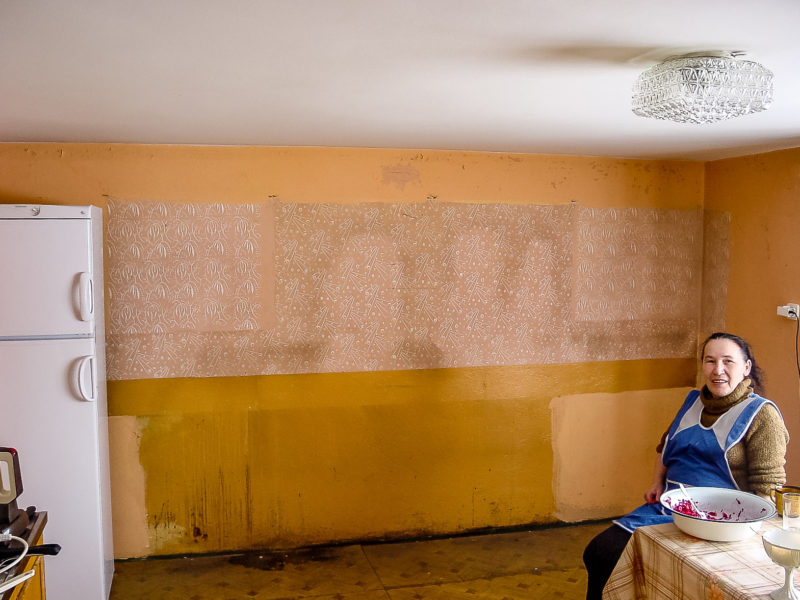
And realized one of the entries had to do with the kitchen remodel Babcia and Dziadek decided to do when K and I got engaged. They'd planned to do something else with the money, but in the end, they went for the remodel. "If we're going to have guests from the States..." I seem to recall Dziadek explaining.

Looking at that picture, I think how much younger Babcia looked. It was twenty years ago, and it hits me: in this picture, she's only a handful of years older than I am now. And the last two decades have simply floated by without any effort and little notice.

And the next two decades?

For the want of a sentence

One sentence -- one single, simple sentence, the contents of which students already had planned in class. It was merely a matter of taking two phrases and generalizing. That was one class's homework last night. In fulfillment of one of the many instructional standards for the eighth-grade language arts curriculum, students were working to write a single sentence that expressed the main idea of a multi-paragraph non-fiction text. We'd examined the text in class. Student effort hadn't been stellar, but the majority fulfilled the most basic criteria for the small project. We had in place everything we needed to write that sentence, but we'd run out of time. The homework was something like leftovers: we didn't have time, do it at home.

One sentence, probably no longer than ten words. Out of a class of twenty-five, four did the "work" in its entirety, one had begun writing the sentence but was less than half finished, three had the presence of mind to jot the sentence on a piece of paper as I was checking that other students had completed the work, and the rest did nothing.

One sentence, and sixty-six percent of the class was too lazy, too unmotivated to do it. "I had better things to do with my time," one "student" said. "I forgot," another said. "I just didn't want to do it," a third explained.

In a flash, I saw the possible future, and it was terrifying. Students in the second world -- countries like China, Brazil, and India -- see what we have, and they want it. Their parents see it, and they want their children to have it. And so they work for it. They work for the education that will give them the job that will allow them to buy that smartphone, that flat-screen television, that car -- their little version of the American dream, exported and translated.

"Yet we already have it -- we've won. We've got nothing to worry about," replies the consumer prevailing (often unacknowledged or even unrealized) "wisdom." True, we won. In the Cold War, we came out on top. What spurred us? A moment like we're facing now, a moment where we realize our ascendancy is being eclipsed. We've grown complacent, though, and most feel our current reality could never truly disappear.

Yet looking at the standings of US students among those from the rest of the world, it certainly does appear that they want education -- and all that that brings with it -- more than we in the already-ascended West.

Four Numbers

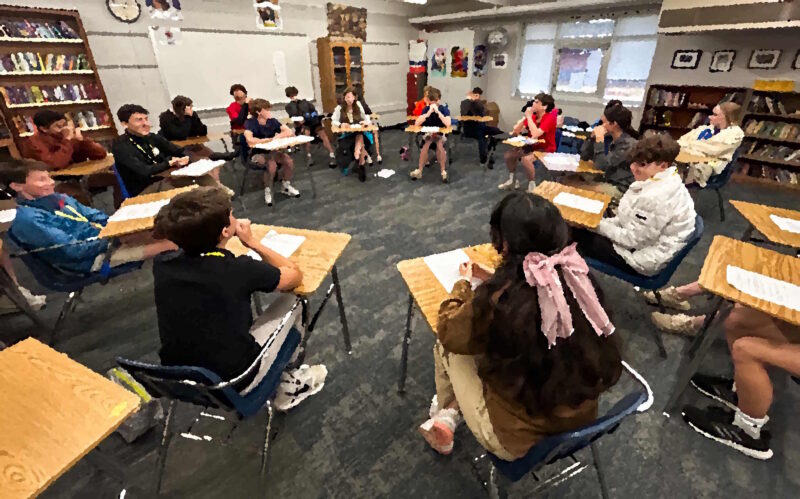
The setup is simple: two circles of desks created of triads of one inner-circle desk and two outer-circle desks. Students in the inner circle can talk; students in the outer circle can only listen until they tag in and exchange places with an inner-circle student. However, the desks are usually set up in rows, so students have to rearrange the desks to get them in these circles.

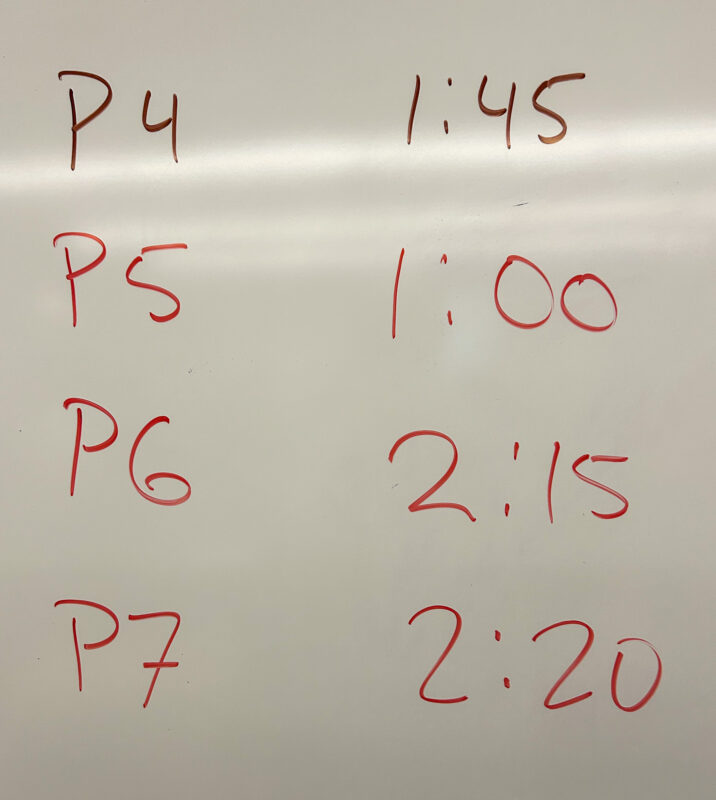
I often race classes to see who can settle the rearrangement the fastest. The results are telling:

My P4 and P5 classes are my honors classes; my P6 and P7 classes are my on-level groups. The result is consistent: the honors classes get the job done faster than the on-level classes.

Why is this?

The on-level classes sometimes refer to the honors classes as "the smart-kids classes," and I often point out that they're not smarter. They usually just work harder. They stay focused in class and give their best effort at all times. When I ask them to do something at home, they generally do it. The thing is, they've been doing this for years, so they've gradually become increasingly better students -- better readers, better writers.

I know that for many of the honors kids, there is a socioeconomic element at play as well. They most likely live in homes with more books. Their fathers and mothers are lawyers and teachers, so they see reading and writing modeled frequently. And most of them come from two-parent family, which offers great economic advantages over single-parent households. This is not to say all these factors are true for all honors students or that none of these factors are true for on-level students. There are a lot of factors at play.

Be all that as it may, though, the honors kids get the desks arranged faster. This is connected to executive functioning more than academic achievement. So which came first? Probably neither: both were nurtured at every turn by a number of different adults, and the numbers tell that story.