




Every year, we have at least one final-time experience without even knowing it. A new calendar year turns over, and we never realize that at some point during that previous year, it was the last time we would hold our child, talk to our mother, work at a given job. Sometimes, we know it’s our last time. When I said goodbye to my students at the end of last year, I knew it was the last time I’d do that at Hughes. Occasionally, we’re wrong: we think it’s the final time, but it’s not. Such was leaving Poland in 1999.
Usually, though, we have no idea we’re experiencing a final moment as we live it: we don’t realize it’s a last-time. I walked out of our house to photograph an ordination, offering my mother a casual “See you,” without realizing it was the last time I would talk to her. I don’t even remember my final conversation with my father-in-law.
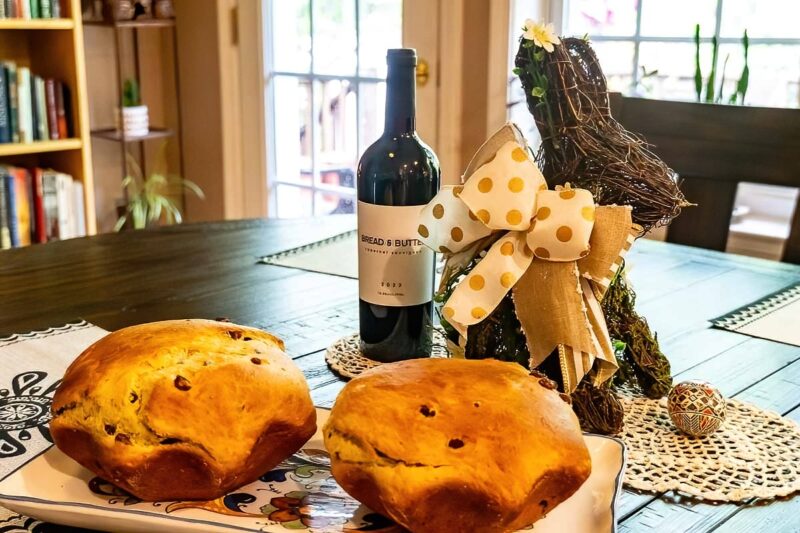
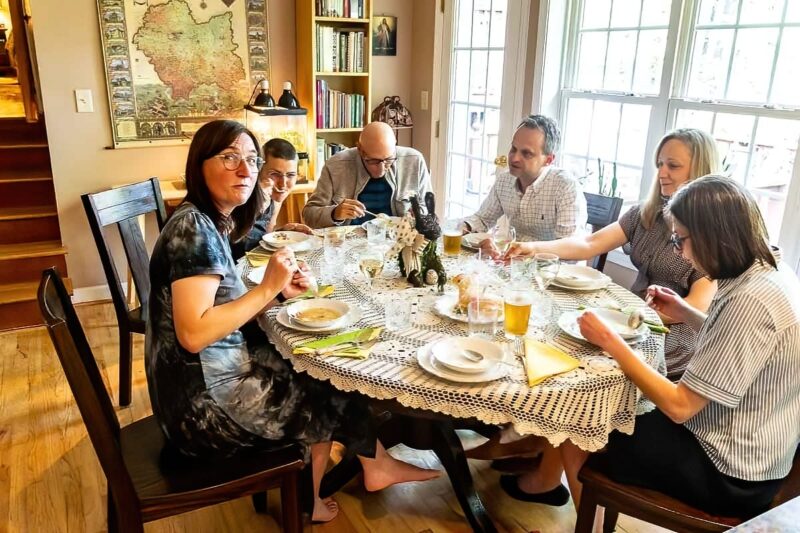
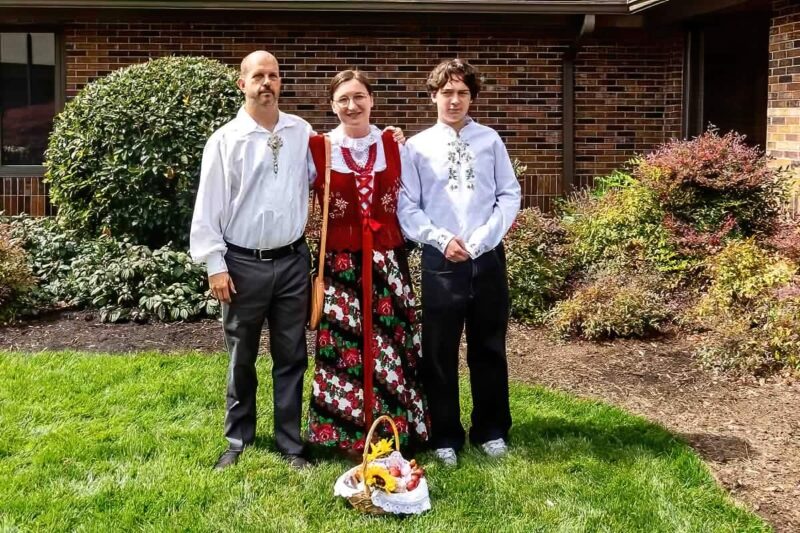
Last year was possibly the last time our whole family will be together during Easter. I doubt it: I think we’ll end up together many more times, but it’s possible that 2025 was our final Easter together. Since Thanksgiving and Christmas always provide more time off, those are the likely family holidays within which we’ll create reunion traditions. Yet as our ideas grow up, move out, and create lives of their own, they’ll likely share those lives with someone, and that will result in split familial obligations. We celebrated Thanksgiving with my mother’s family one year and my father’s the next because of this. (Christmas and Easter didn’t even come into the picture as they were pagan traditions no true Christian would celebrate.) Something like that will likely setting into place in our family, but Easter will often be that outlier, I suspect. L and her partner might be with us one year while E and his partner are visiting her family. Who knows?
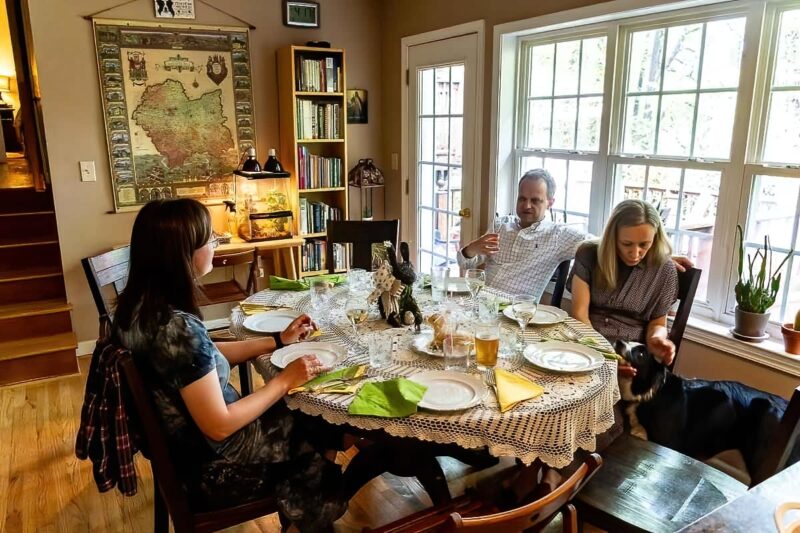
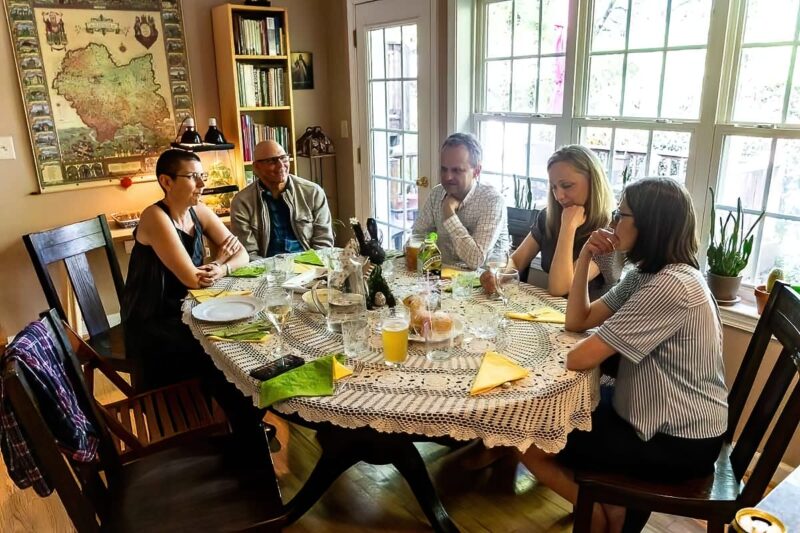
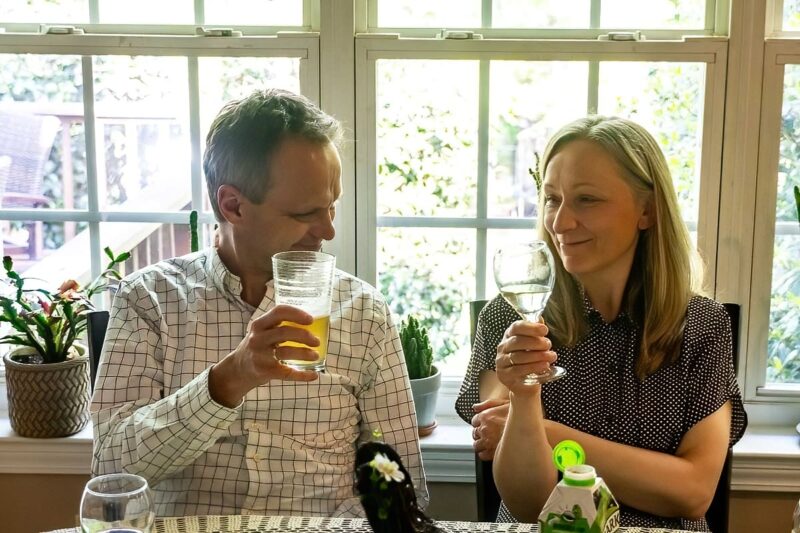
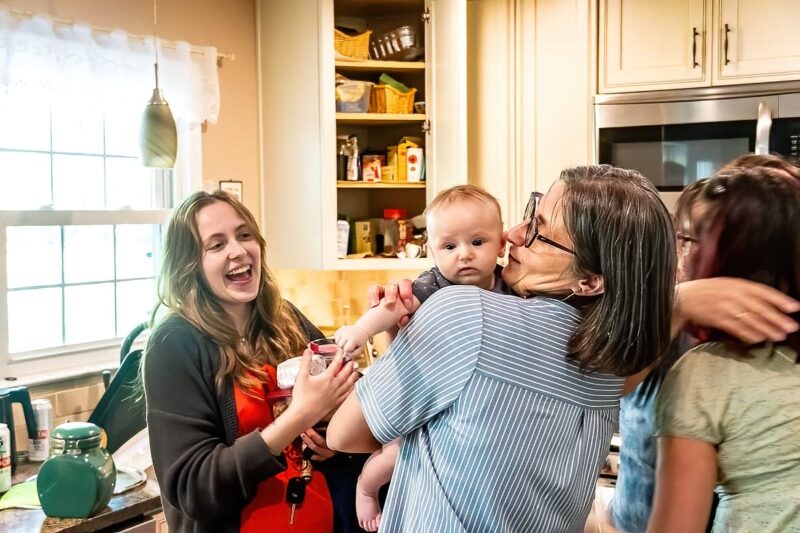
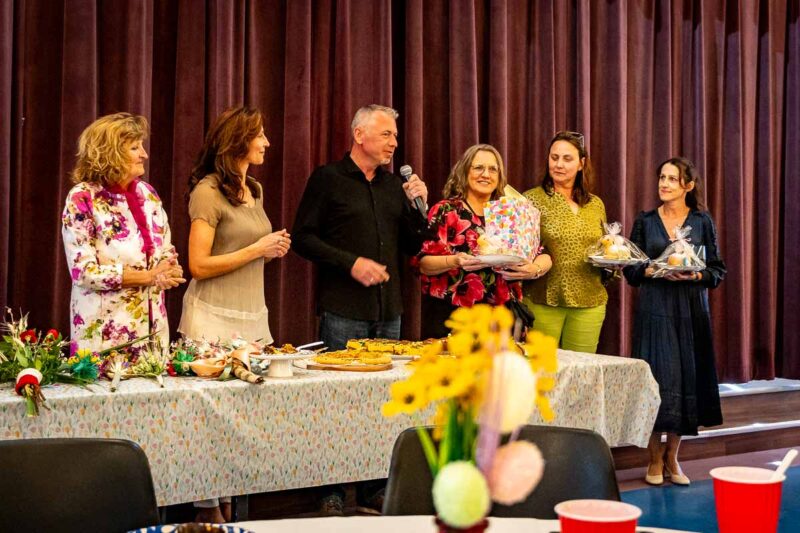
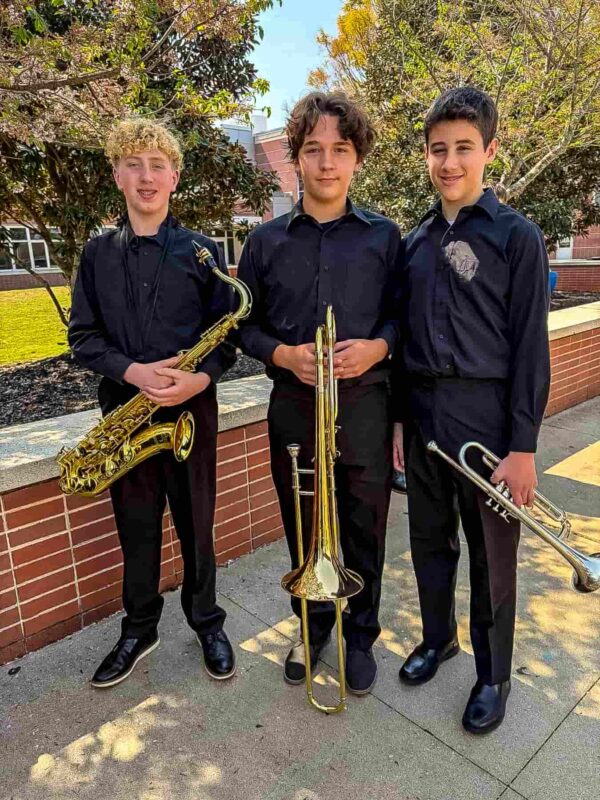
What I do know and noticed immediately this weekend is how different our Easter was this year compared to others. Most significantly, the Girl was not with us. Her club volleyball team had a tournament in Kansas City, so she was not with us. The Boy got a gig playing in a small orchestra for a Baptist Church’s Easter service, and we had to leave Sunday morning at 6:30 to make it on time. So we didn’t go to a regular family Easter service together either. (Of course, it’s not missing the service that bothers me: it’s the change in tradition.) In the early evening, most of the usual guests had arrived. But there were not enough kids even to attempt an Easter egg hunt. Young T brought her infant son (so we teased Ciocia M about being Babcia M now), but he’s the closest to being of an age that even has an interest in the Easter egg hunt. And everyone left well before eight. An atypical Easter in every sense.
It got me thinking about the transition we’re in: L’s a legal adult now starting to make a life of her own. The Boy will begin high school in a matter of months, and those four years will simply melt. Everything will be in flux as they figure out in their early adulthood what exactly they’re going to make of their lives. I didn’t figure all of that out until I was nearly thirty, so it could be a long period of fluctuation and change. But one thing is for sure: with both kids, we’ve left childhood behind long ago.
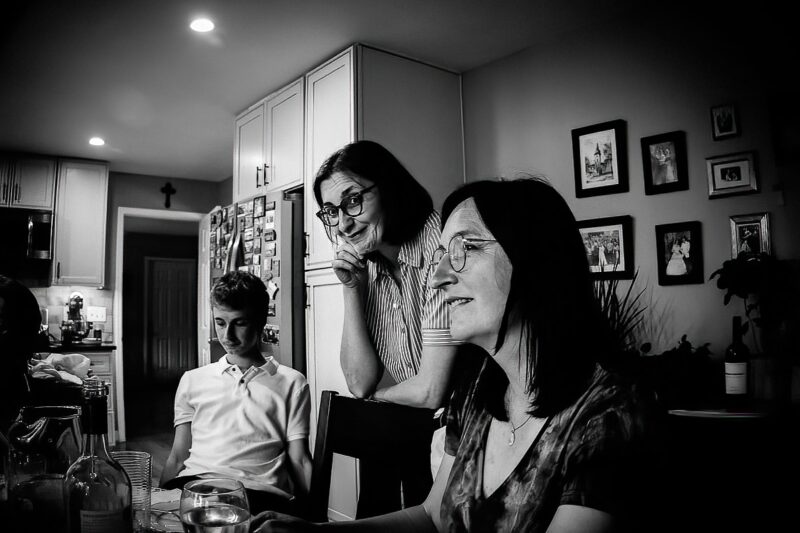
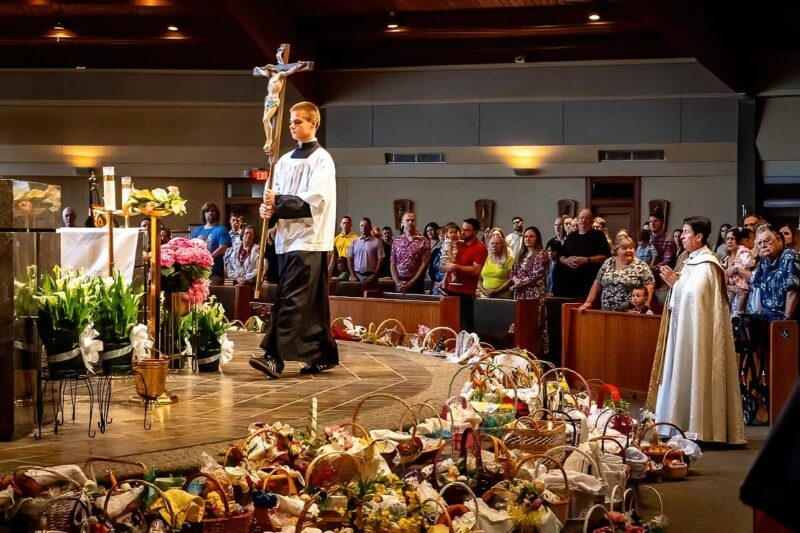
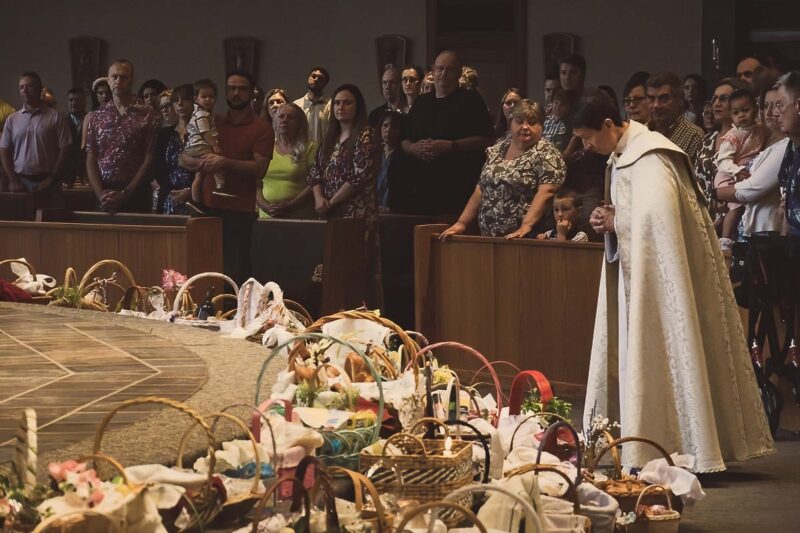
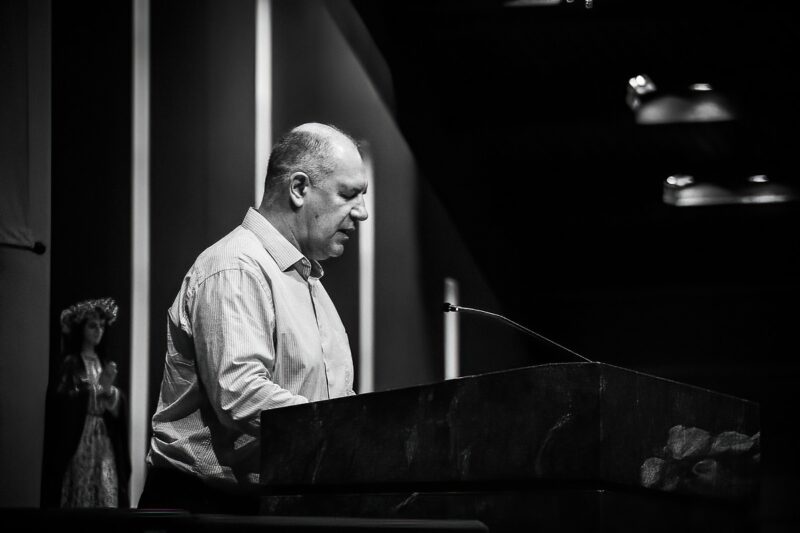
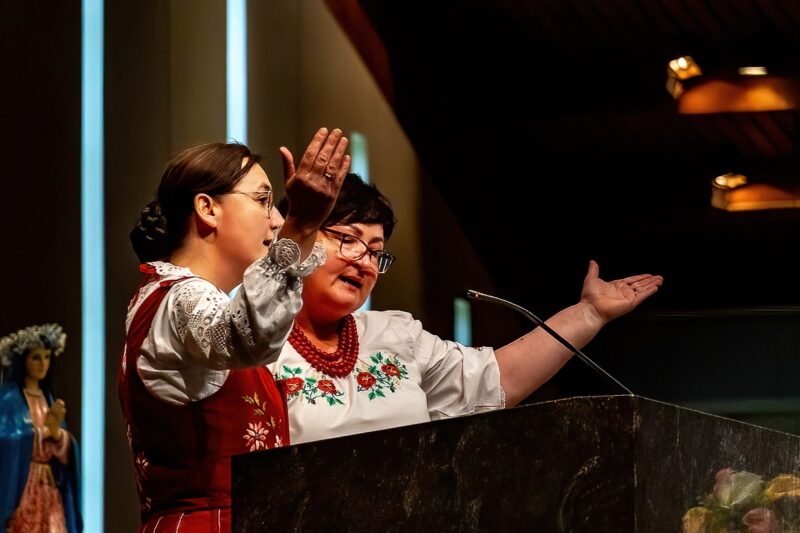
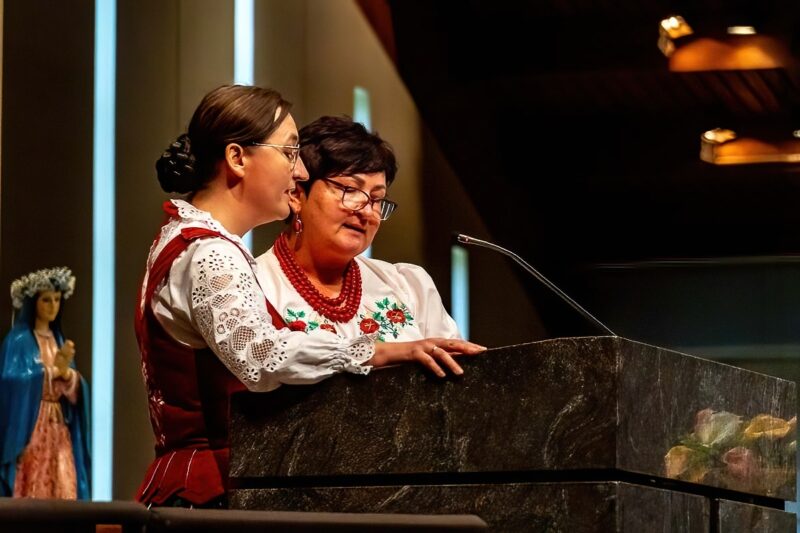
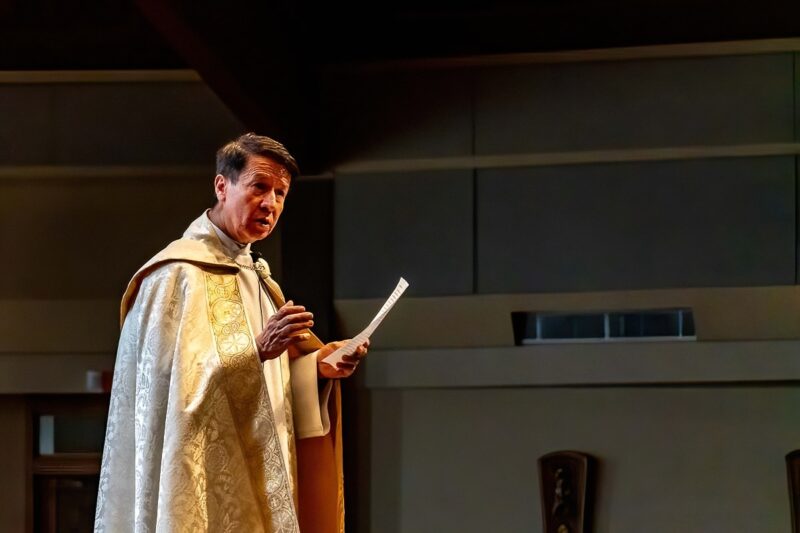
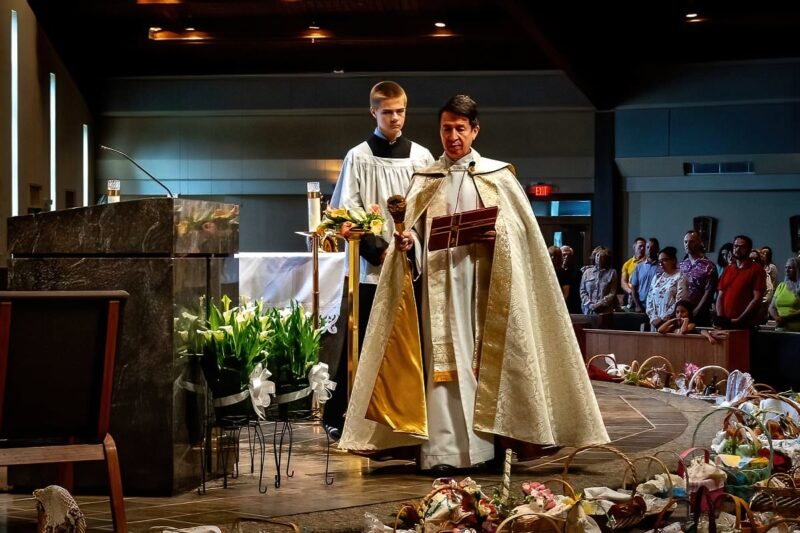
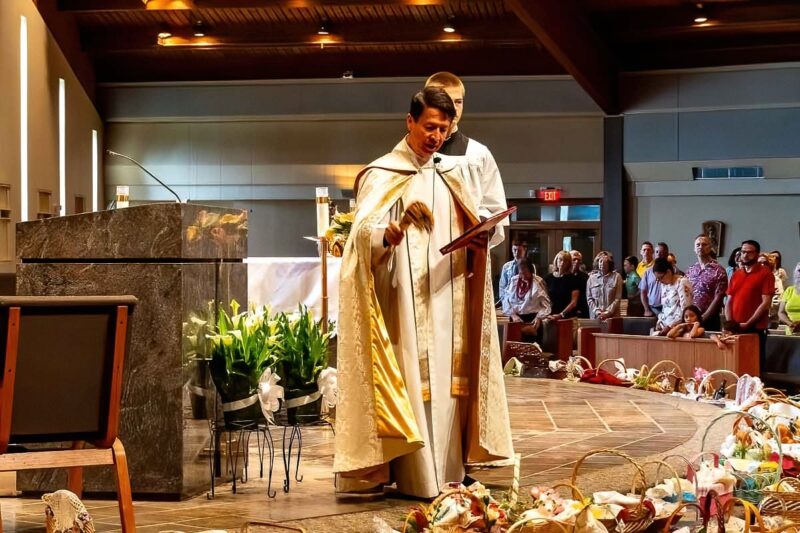
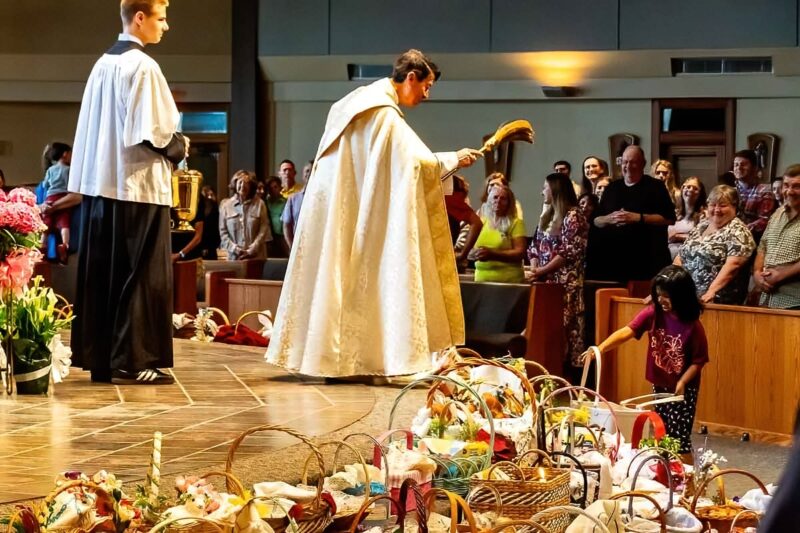
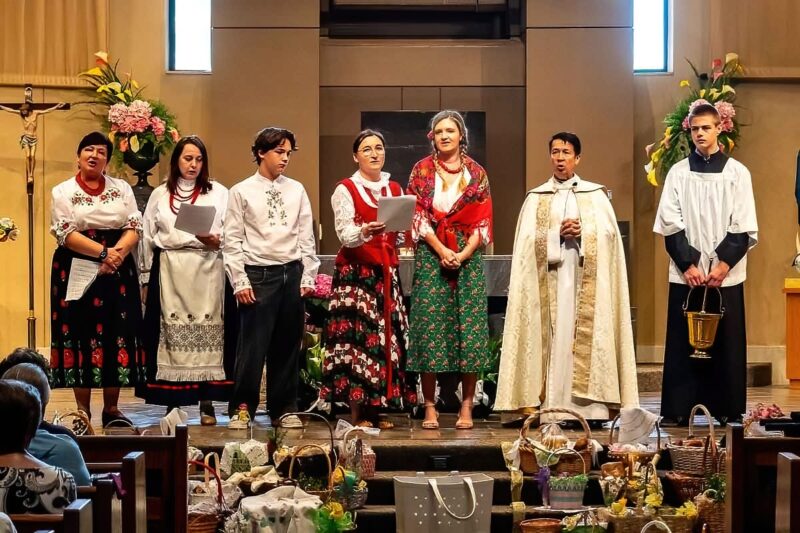
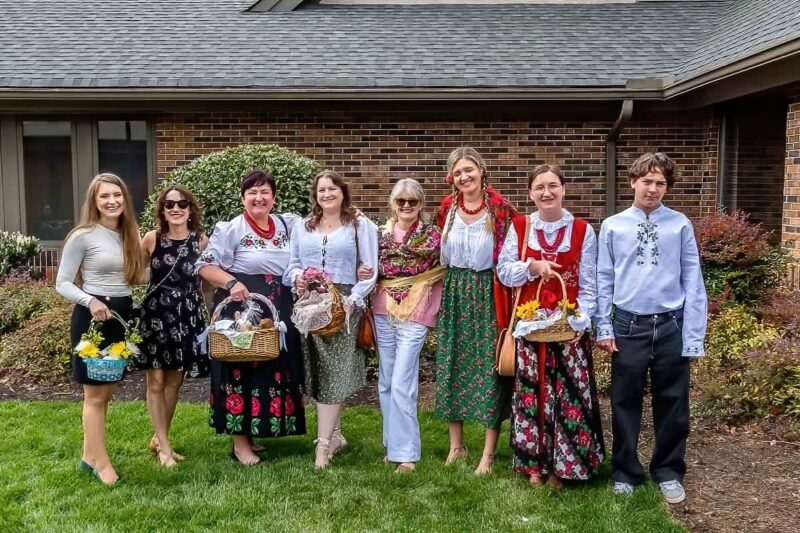
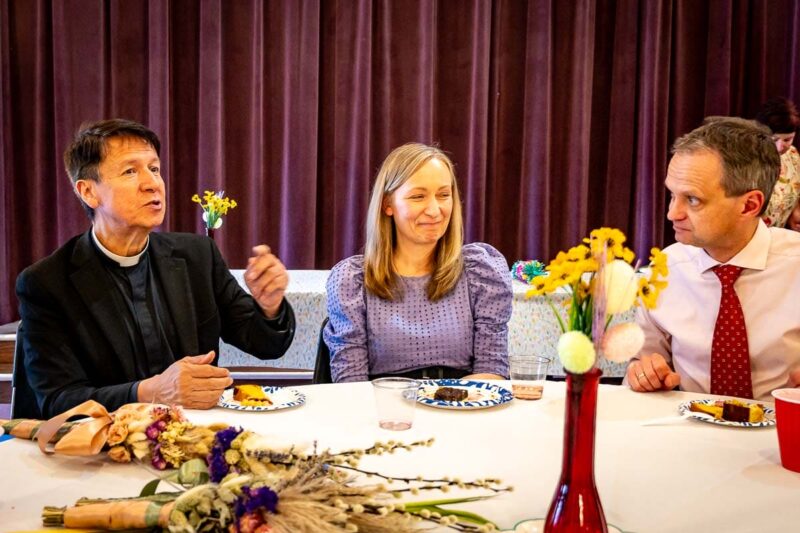
We went to hear Mozart's Requiem tonight. In part because Mozart's Requiem. In part because E's trombone teacher played the solo at the Tuba Mirum section. (This is, of course, not him. We don't have any churches like that in the area.)
I technically started college before I'd graduated high school. It wasn't that I took dual-credit or AP classes: while the latter were an option at my high school (and I took exactly zero such classes compared to the countless AP classes L took), dual-credit wasn't even available (that I know of). However, I took a June-term western civilization course, which began about a week before my high school graduation.
Dr. Thomas Peake, a legend in the college's history department, taught the course. A specialist in Russian history, he would famously turn to write something on the board in Russian in this or that history course and turn back around continuing the lecture in Russian, unaware he'd switched languages until he saw the confusion in his students' faces. (To have that kind of fluency!) He also once expressed surprise that no one in the room knew the Cyrillic alphabet. "It's just Greek," he exclaimed incredulously. He had that kind of mind.
We met in this classroom on the ground floor of Bristol Hall. Over the course of my years at the college, I took countless classes in this room, but I most clearly remember Dr. Peake going over Mesopotamian history at the blackboard, his tangle of hair from his comb-over dancing to one side as he wrote on the blackboard.
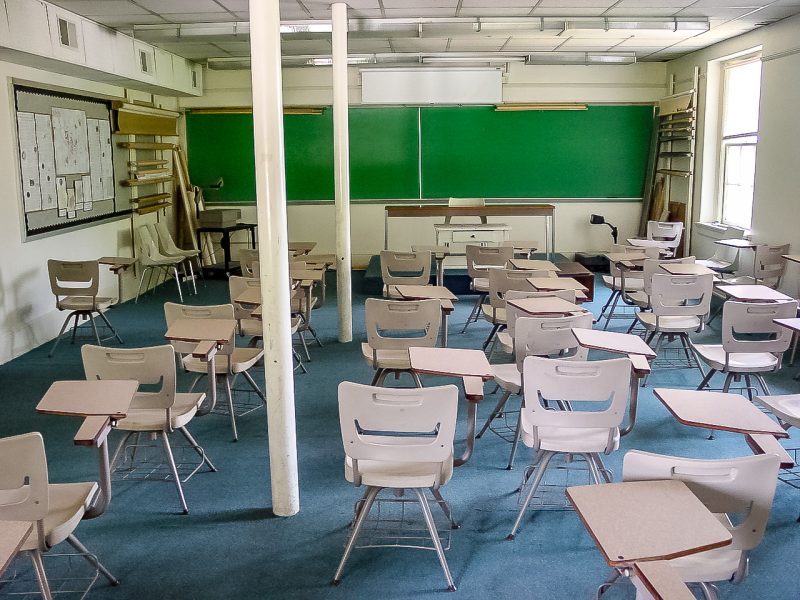
In later years, I would sit in various classrooms in Bristol Hall talking to this or that friend about relationships, theology, the future, music -- whatever passion was then stirring us.
Looking for all the extra runway he can find, he leans back, arms straight, glistening hands gripping the rails. He hangs momentarily, his body hovering over the concrete ten feet down — certain death if his wet hands lose their grip — before he jerks his whole body forward as he begins his takeoff. As he bolts toward the end of the board, a fine mist of water blooming from is wet hair with each step, those of us still with feet planted firmly on the pool deck watch, mouths slightly agape in wonder of what mastery Chad is going to display. Approaching the end of the board, Chad leaps upward, somehow transferring his forward momentum into an upward launch while still miraculously maintaining much of his forward motion so that when he springs from the end of the board, he soars impossibly high and impossibly far. We all watch him as his legs pump in the air and his arms extend from his sides like wings gliding. He leans slightly forward, legs still turning as he approaches the water. Just when it seems he’s going to fold into the water face-first, he throws one arm forward, one arm backward, instantaneously rotating his body 180 degrees. […] Finally, the back of his head pops the water with a loud crack. Countless shards of glass — or even diamonds — explode upward accompanied by a single cannon shot, an explosive pop!, all of which arc and fall back back, showering the water in flashes of sunlight. Chad, the best diver in the pool, has performed yet another perfect twister.
I am next, a scrawny thirteen-year-old who cannot do a twister at all. My slider is also non-existent. And a flying squirrel? No way. But I do have a trick that produces a moderately high and voluminous splash: my watermelon.
I reach the top of the high dive and begin may approach. Like the twister, the watermelon is a trick of delay. The key, what makes it look dangerous and thus gives it panache, is to look like you’re about to do a simple belly flop. At the last minute, you assume a fetal position and throw your ass over your feet, essentially completing a half flip just as you enter the water. If your timing is right, your feet will hit last and produce an eruption of water. You can always tell how succesful you were by the depth of the pop you hear underwater. If your rotation is wrong or improperly timed, you make no splash or, at worst, complete a belly-flop.
This one, though, is as good as I’ve ever done. I surface feeling certain I’ve held my own in the informal, unspoken daily contest at the high dive of Spring Lakes Swim Club. Confirmation comes when I hear Chad, who is sitting on the edge of the pool chatting with a bikini-clad goddess whom I would never approach, say, “Sweet watermelon, man.”
The king has spoken; the king approves.