matching tracksuits

fun in threes, sometimes fours

Dziubek in Action

Last night was one of those nights that can only happen here, I think. I went to Quattro around ten for a beer, expecting to see Marcin, Stasiek and the usual group. They were there and I sat with them for a while. Around 10:40 I decided I’d get something to eat, so I went up to the bar and ordered a pizza. I talked to Ania for a little while and just as it was about to stagnate, I heard someone walk up behind me — it was Andrzej Dziubek. I guess I’m easily recognizable even if you’ve never talked to me, so he said, “Hi, how are you?” I answered that I was fine. “I’m drinking, drinking, drinking,” he said. Indeed, he was quite inebriated. Then up came Stasiek’s dad1 (who previously had been dancing with a number of different young girls — and I do mean young. Enough so to be his daughter) and he started talking to Andrzej. And Andrzej responded, “You are my friend!” in English. Truly blasted.

Dziubek ordered a bottle of wine and eventually staggered out to the dance floor, SD (Stasiek’s Dad) in tow. When the DJ saw who was out there, it was predictable what would happen, and sure enough, the next song was De Press. So, having almost finished my pizza, I decided to go watch. After all, how many times do you get to watch an inebriated Pole dance to his own music that’s quite famous and popular in Norway? The tragically amusing thing was Dziubek’s philandering. He grabbed one girl’s ass, then slide his hand farther down her crotch. She nimbly avoided his groping hands, but continued dancing near him, and talking to him. Next he grabbed her and tried to kiss her — or rather, grabbed her and simply shoved his tongue in her mouth. She managed to escape that as well — and continued dancing there and talking. After two songs, the DJ stopped playing Dziubek’s music eventually he moved off the dance floor. Still on the periphery, though, he just walked up to a girl, grabbed her, and tried to shove his tongue in her mouth. She saw it coming though, and blocked him. She simply ignored him, though, and he just left.

1 Indeed — this was his brother-in-law. 6 February 2004

School Christmas Show Prep

Friday: woke up to snow. I was sitting here preparing the outline for class 3b, who will be having a fairly useless test Friday1, when suddenly it started snowing — quite heavily. The sun came out, though, and the snow was gone by mid-morning. Still, it was nice while it lasted. And there’ll be more to come, certainly.

Friday night I did nothing but work on “A Christmas Carol” for the kids — rather, the girls, since no guys ever come — of the “circle of English,” something we must rename as soon as humanly possible. The plan is this: I’ll give it to them now, a couple of chapters at a time, and then we’ll discuss it during the circle, and hopefully they’ll be able to make an even more simplified version that we can put on the bulletin board in about a month. That will be great if it works out.

Friday I also talked to Mirek Smoleń about a joint circle of English/circle of music presentation during the opłotek meeting. I’m going to be teaching the girls a few Christmas carols and they’ll be teaching them in two weeks to the kids in the circle. Then we’ll perform them for the school. Not bad, I think.

1 I thought they’d done more business English stuff than they actually had. There’s in fact only about three topics, but that’s fine, I guess — the good kids will get good grades and the bad kids will get bad grades. I hope.

Znalazłes?

It’s amazing how much one can implicitly communicate through one’s choice of words. “Znalazłes›?” asked the woman in the big store as I was looking for szpilki. My first thought was, “Znalazłes›? Don’t you mean, ‘Czy Pan znalazł?’” The lady in the small flower shop had used the formal, polite “Pan” with me just moments before, but this woman chose the familiar form – something that would be positively rude to do to unknown Pole. Given the fact that adults use the familiar form with children, I couldn’t help but feel a little insulted at this perceived slight. Putting the foreigner in his place, so to say.

I’m curious how other Poles would interpret this.

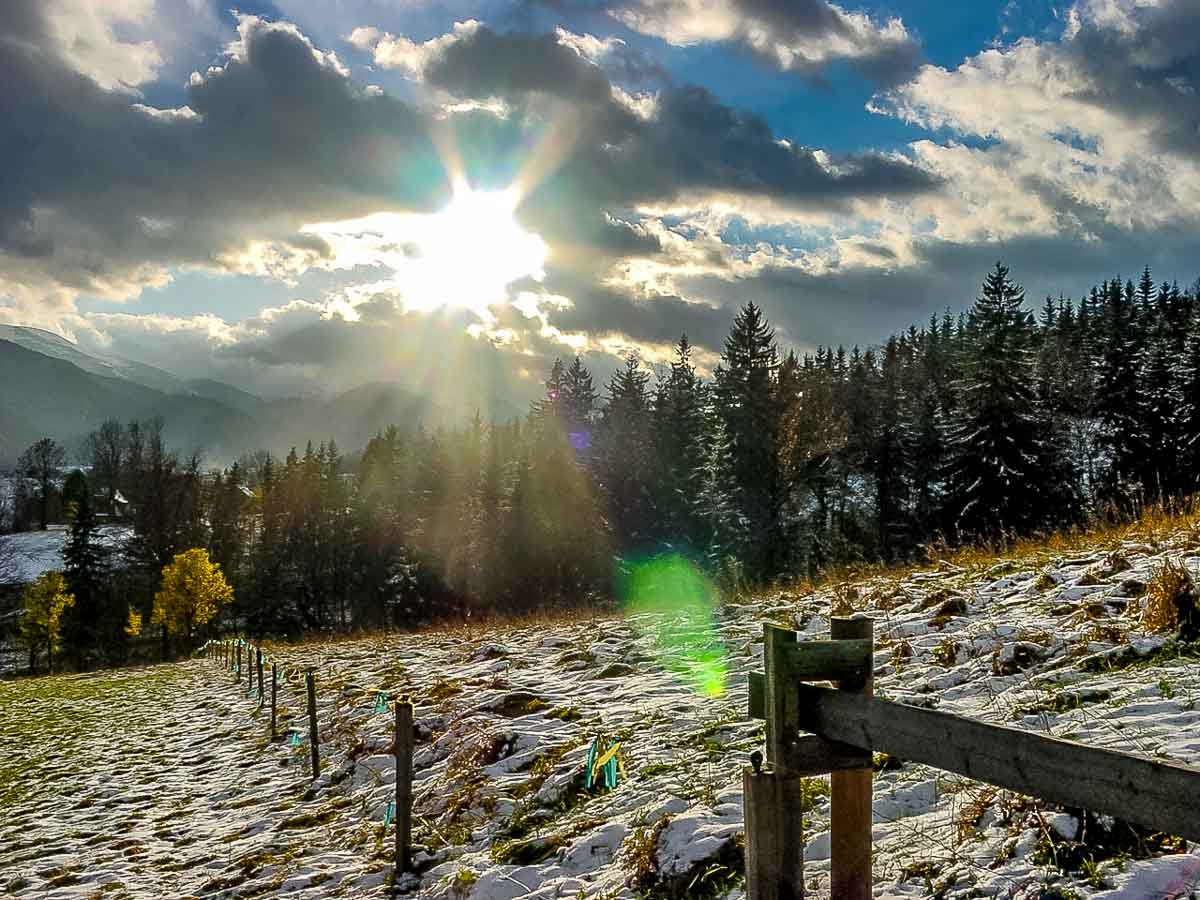
A Walk in the Fields

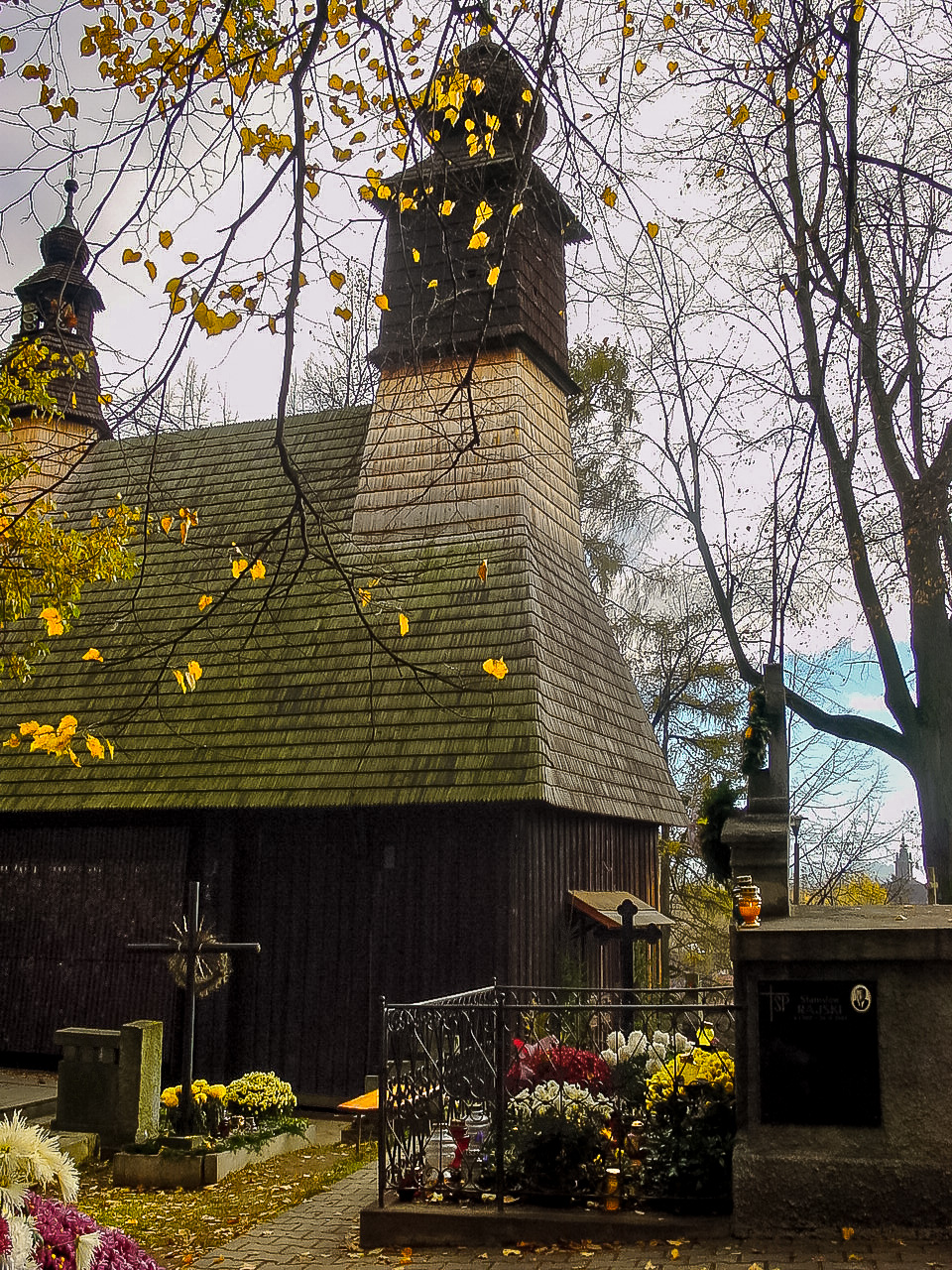
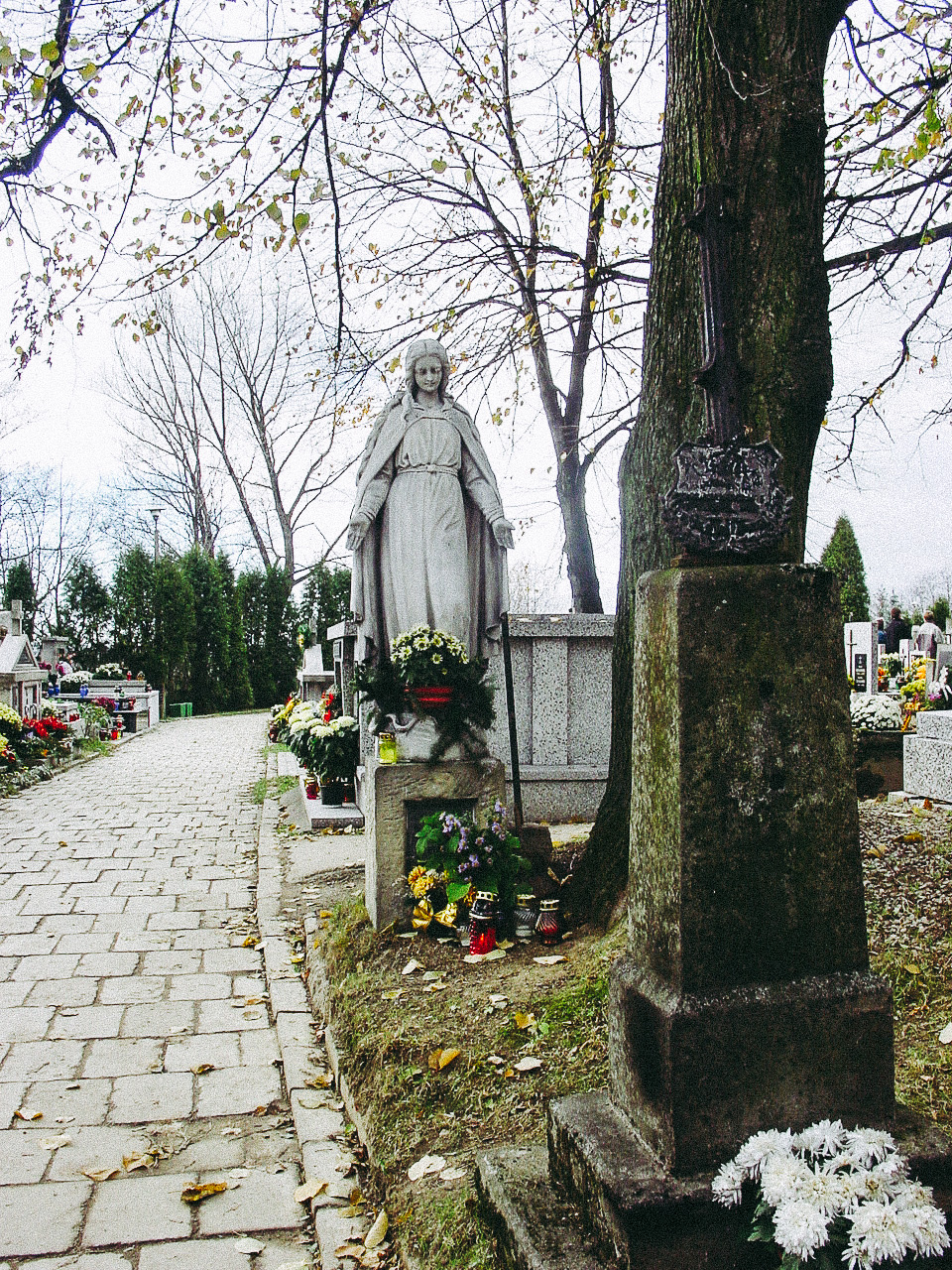
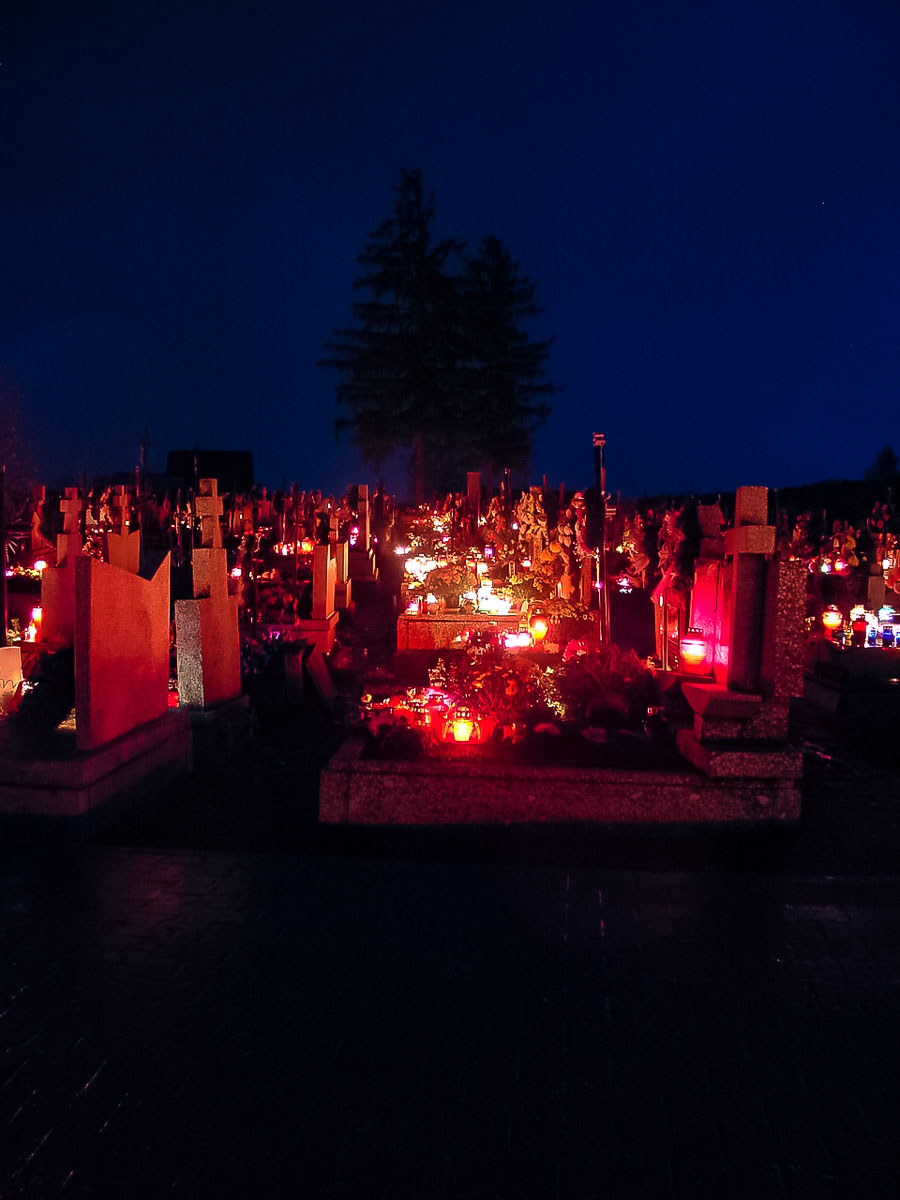
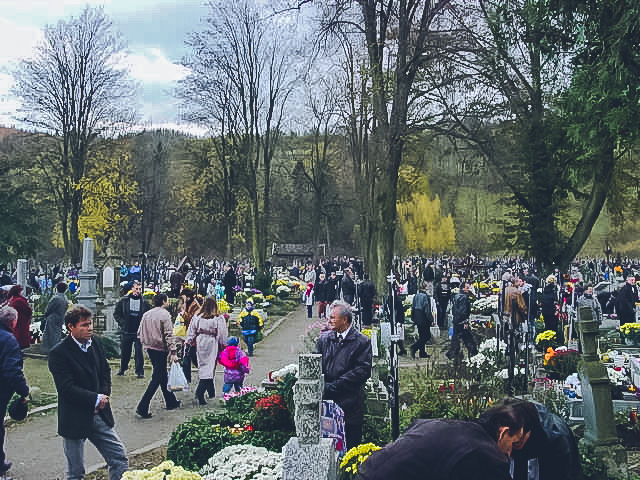
NT Cemetery, Fall

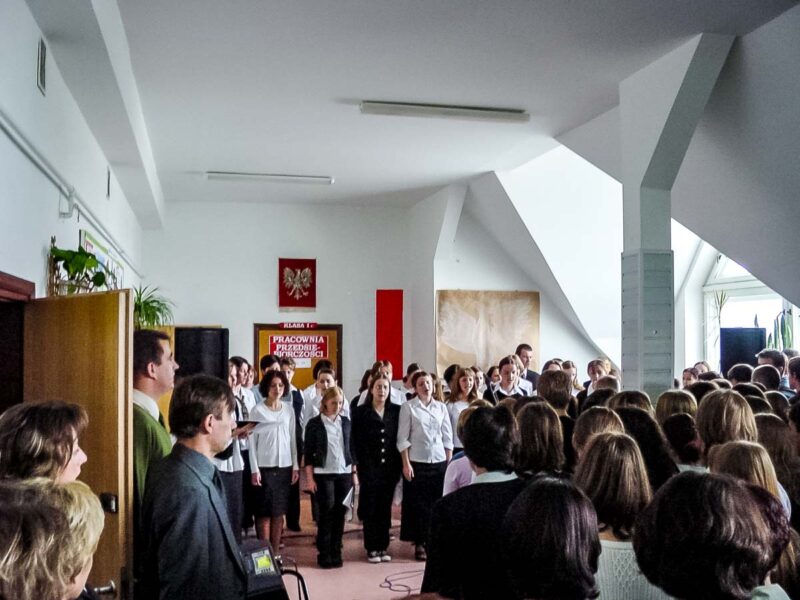
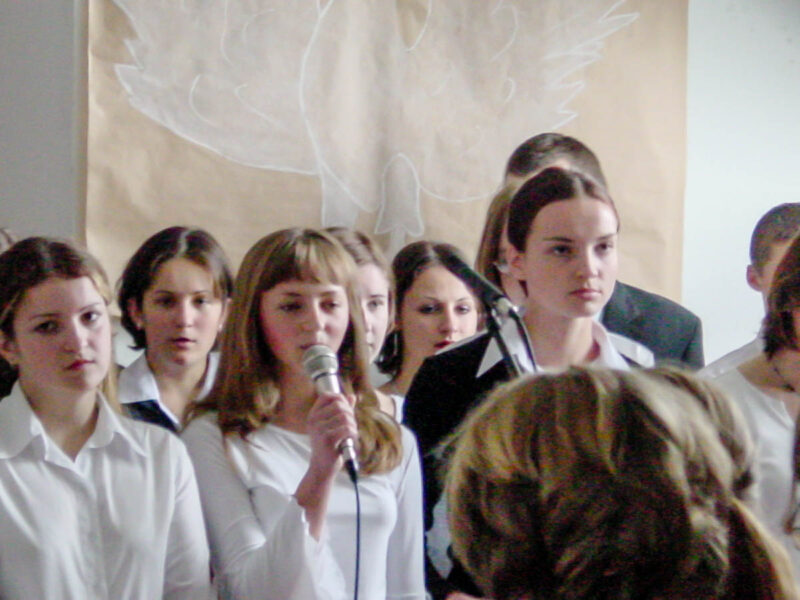
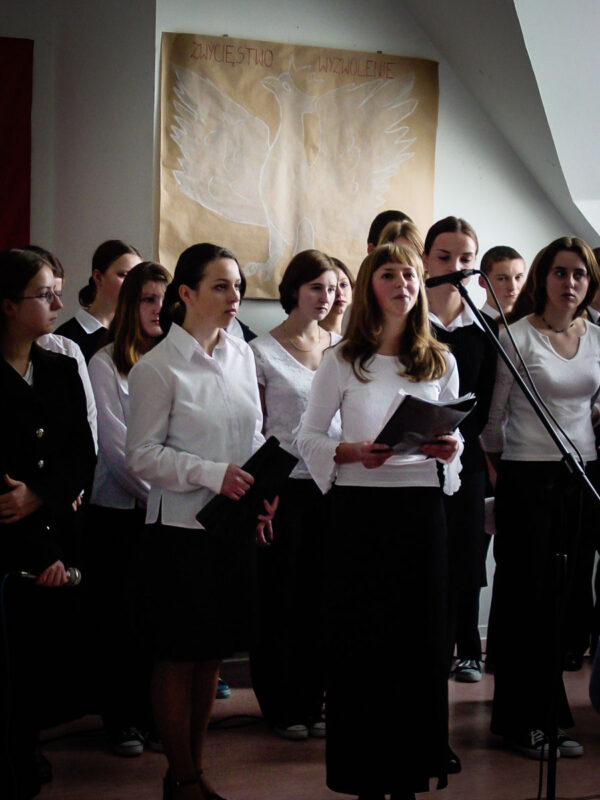
School Performance

NT Pictures

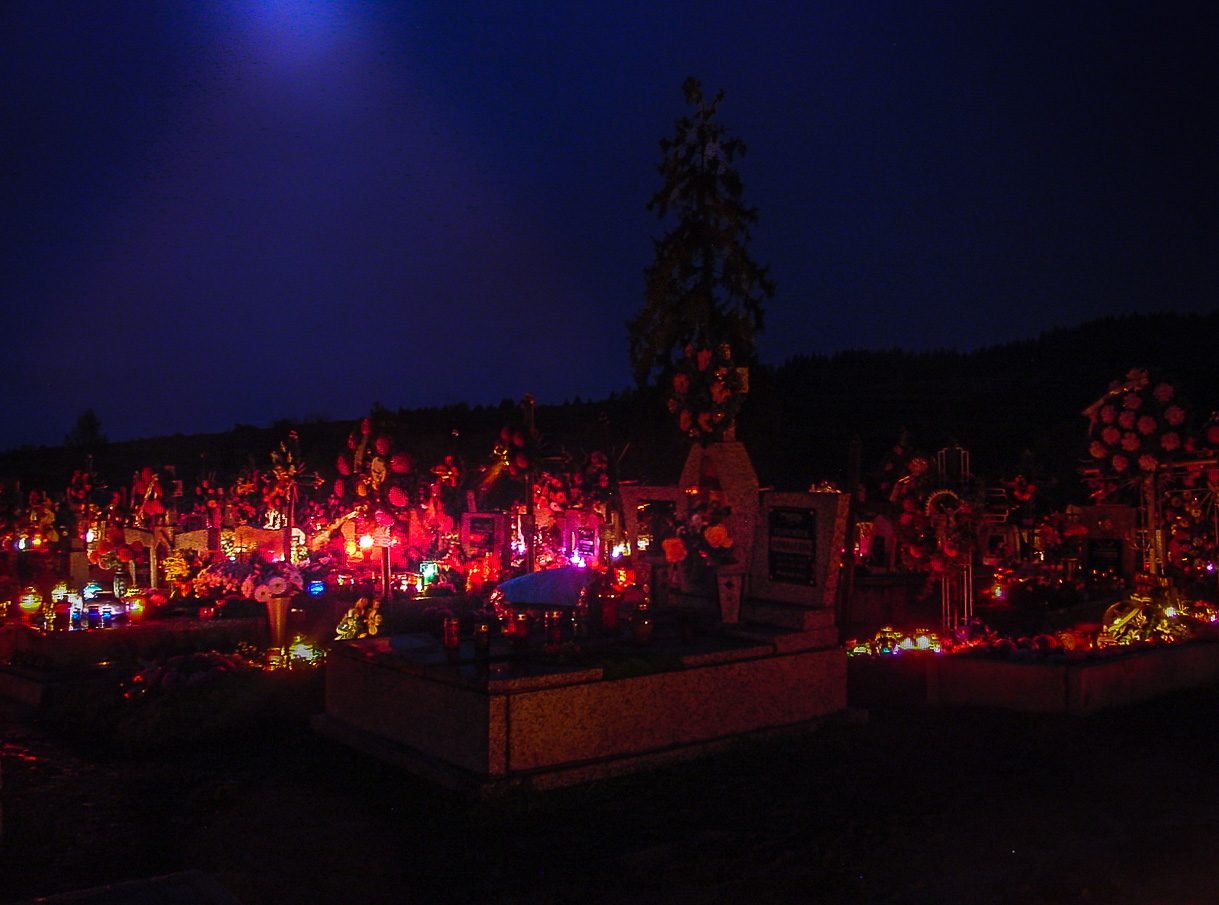
All Souls’ Day 2001

Sierra Exif JPEG

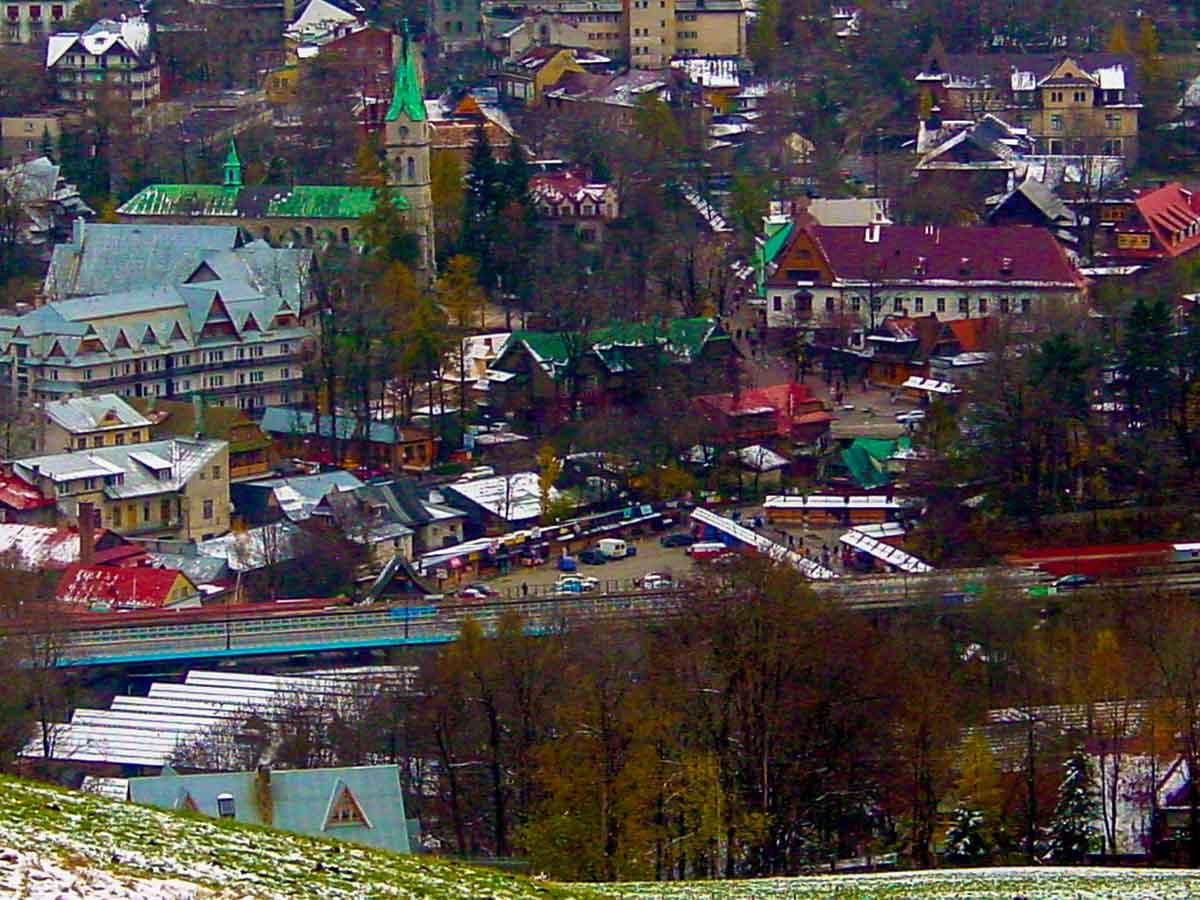
Zakopane, Autumn

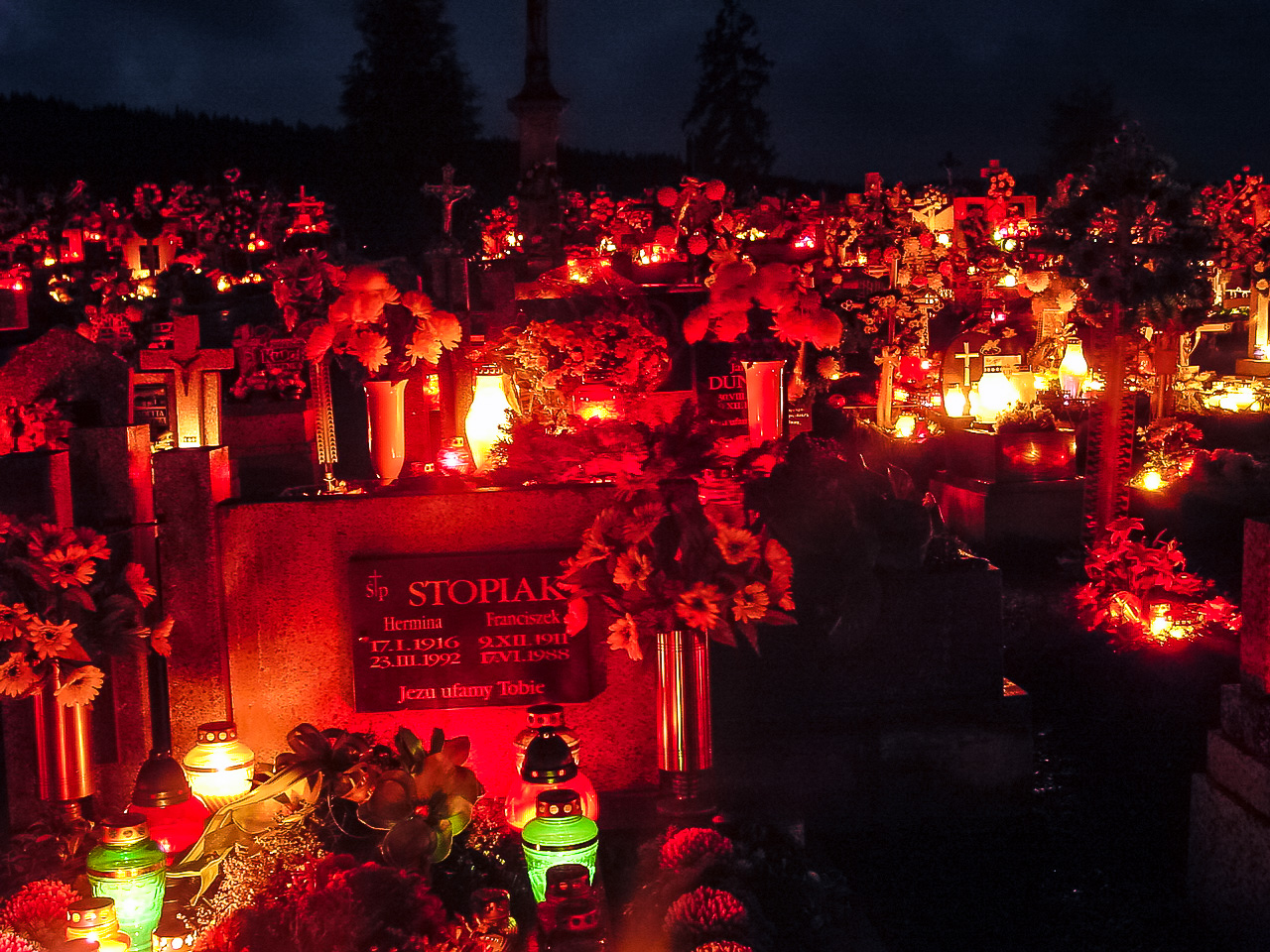
All Saints’ Day 2001

In Ochonica

First All Saints

There’s something about waking up in a house when it’s a holiday that has a similar feel no matter where you are. Waking up this morning and realizing a) I didn’t have to go to school and b) it wasn’t the weekend made me suddenly feel as if I could be at home (whatever those two words mean for me now) on Thanksgiving morning. Or at least in Nashville, waking up in a place that isn’t “home” but at the same time is familiar and rather comfortable.

Speaking of “home,” I guess I’ve come to realize that I don’t really have any place that I think of like that. I feel like I’m visiting when I go to my parents’ house, because even though I’ve been there several times now, I still feel like it’s not really “home.” It’s familiar, but not like 106 Lamont Road was. And of course if I went there now it would feel completely alien.

I read some reviews of Hitler’s Willing Executioners and I have to say that a lot of the things I read had a familiar feel — that feeling of reading something that you’ve felt but not been able to put into words. For example one reviewer (I’m not sure who — I just copied this from the internet and I didn’t collect any information for an individual review other than what was on the actual page itself) wrote, “Goldhagen’s book has been aptly described as ‘angry.’ He writes like a lawyer rather than like an historian.” This lack of a historian’s voice came up again in the review several pages later:

In this fashion, Goldhagen systematically discounts all statements indicative of normal human emotion by the perpetrators. However, at several places in his narrative he is quite willing to casually throw empiricism to the winds and to liberally conjure up fantasies to bolster his portrait of collective German brutality! For example, on p. 339 he muses about what went through the minds of the soldiers as they “. . . made love in barracks next to enormous privation and incessant cruelty. What did they talk about when their heads rested quietly on their pillows, when they were smoking their cigarettes in those relaxing moments after their physical needs had been met? Did one relate to another accounts of a particularly amusing beating that she or he had administered or observed, of the rush of power that engulfed her when the righteous adrenaline of Jew-beating caused her body to pulse with energy.” One can legitimately ask whether Goldhagen is writing history at such points, or creating a short story.

I remember thinking as I read that very passage, “This really doesn’t read like history. It reads more like a novel or something.” I think I might have even assumed that it wasn’t in the original dissertation but was added when it was edited with a mass-market in mind.

And the whole time I read it, I thought, “Nothing counts against this guy’s thesis. He can dismiss almost everything in some fashion or another.” Somewhat similar to how Armstrongians will accept nothing that comes from a non-Armstrongian source. Once people get something into their heads, it seems it’s all but impossible to get it back out.

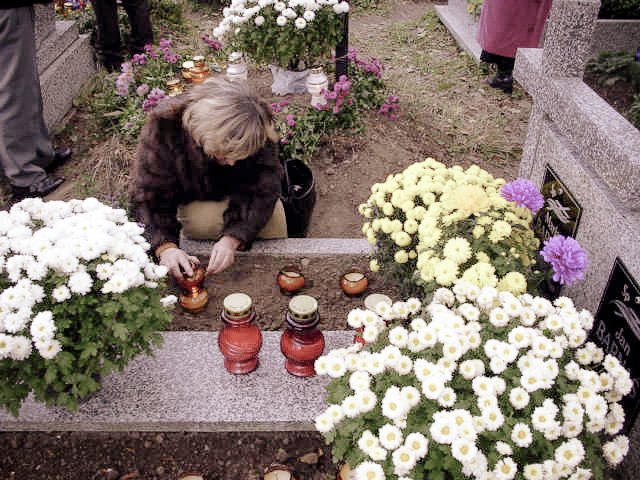
Cleaning Graves

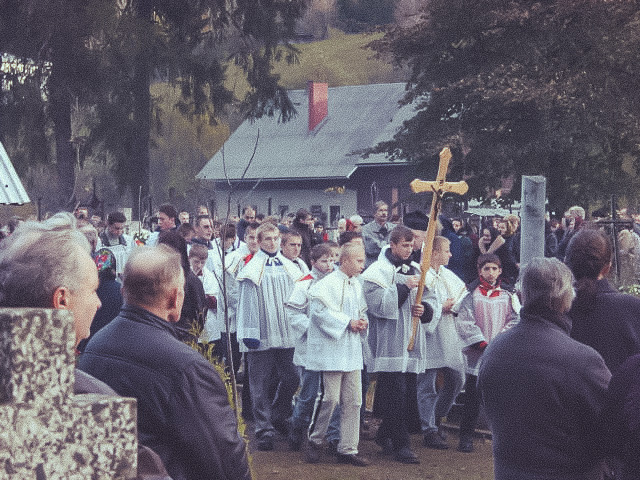
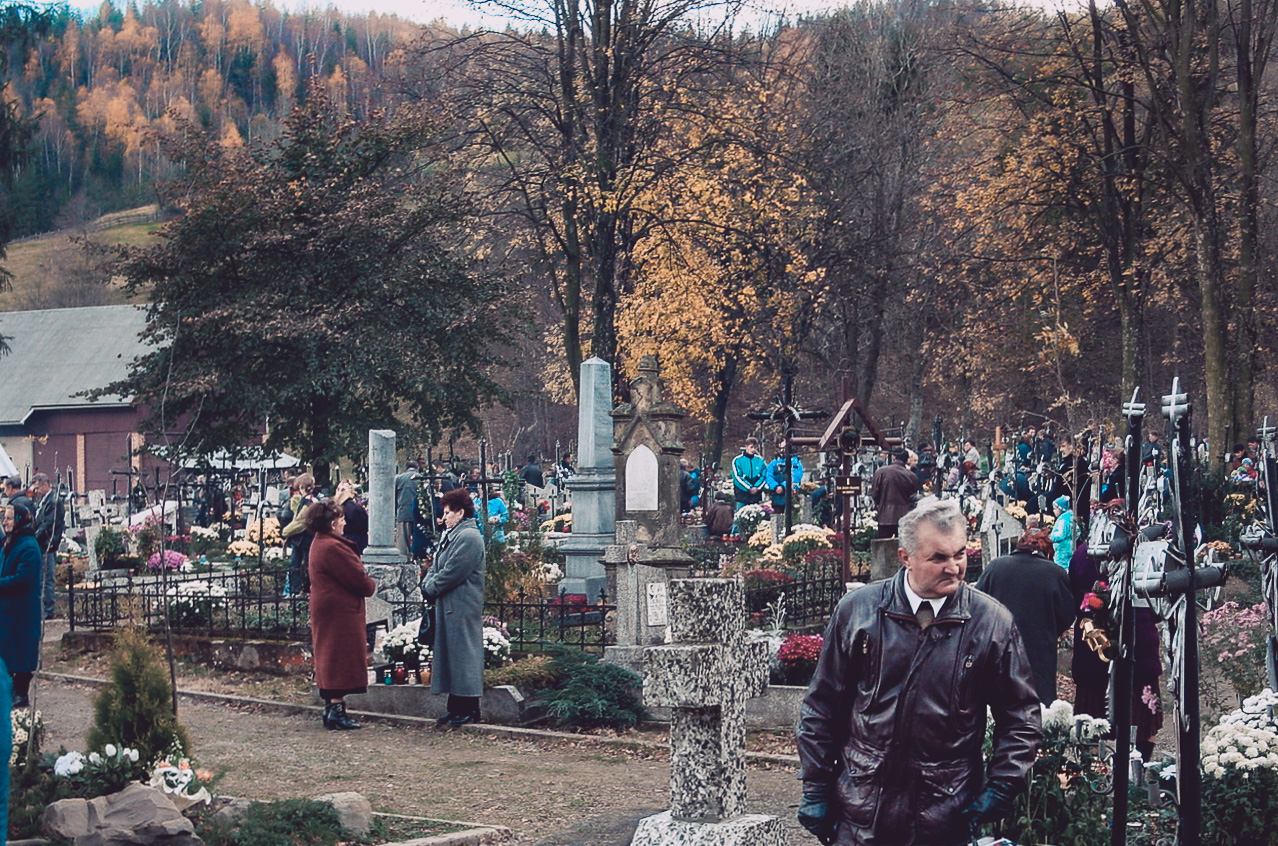
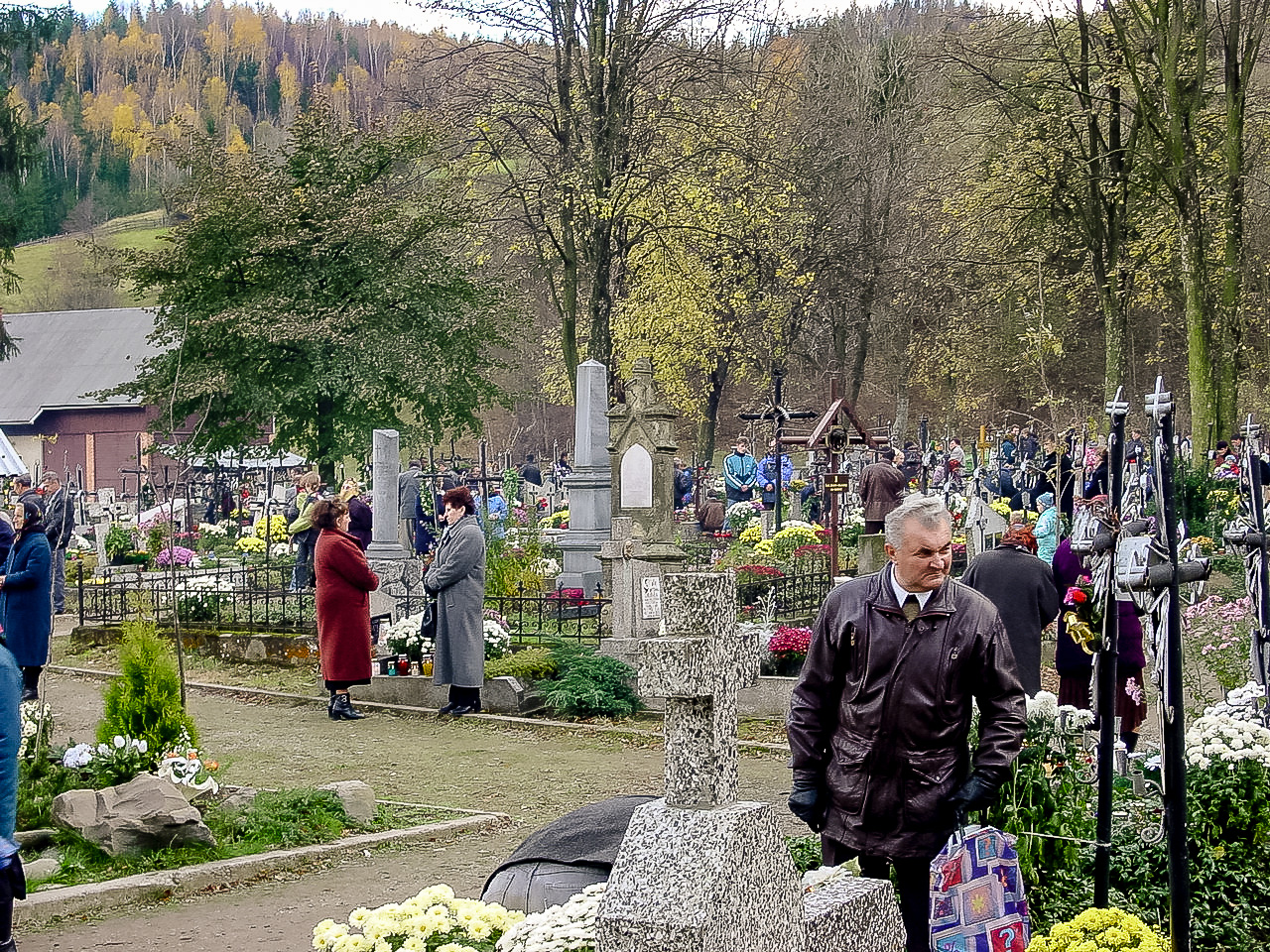
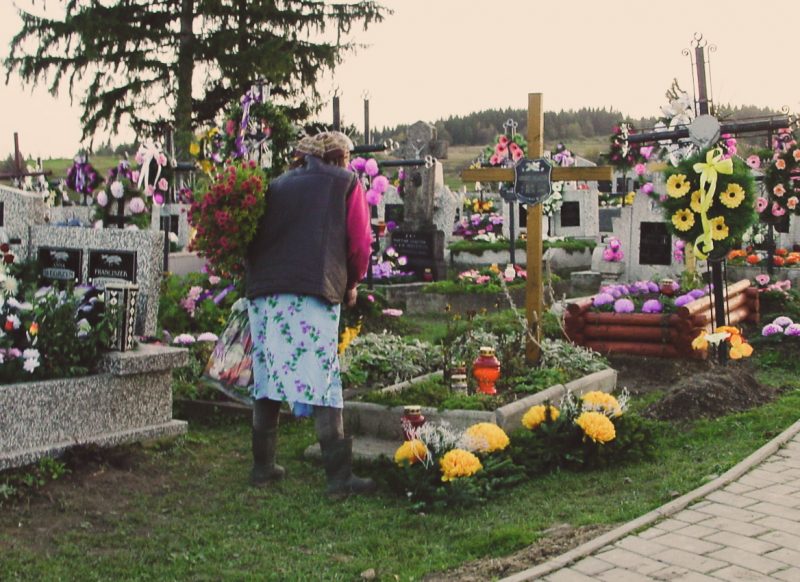
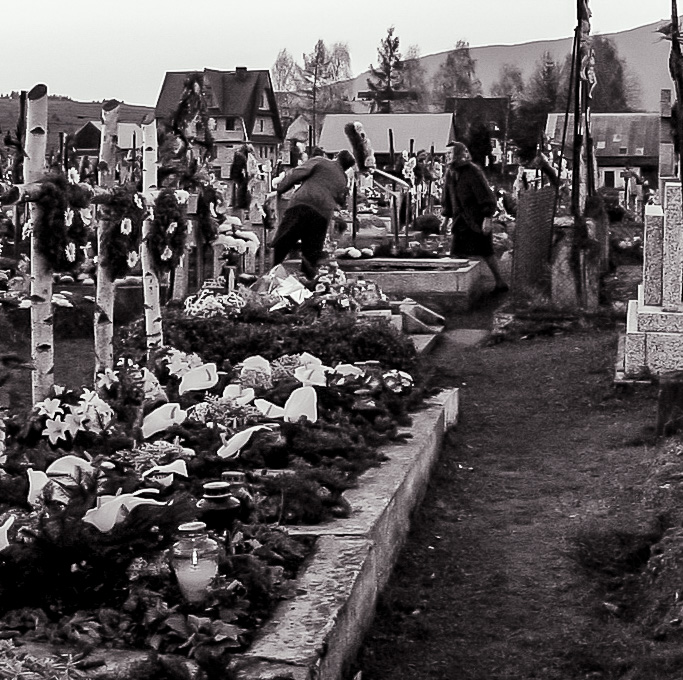
In preparation for All Saints' Day, Poles clean graves.

The Beer that Changed My World

A Walk in the Fields

A Classroom