fun in threes, sometimes fours
Though I was previously warned about it in Peace Corps teacher training sessions (and it was probably even mentioned in “cross cultural” sessions), I was shocked at the level of cheating among students in Polish schools. Simply put, ninety-nine percent of students here will cheat in any and all perceived opportunities. They will whisper to each other; they will attempt to peak in their books; they will write on desks before a test; they will hide cheat-sheets in more places than you can possibly imagine; they will write on their hands, arms, and legs; they will copy their homework from each other — and that’s just the stuff I’ve caught them doing.
It is, though, a cultural difference. They don’t even see it as cheating, but more as “helping.” Intellectual honesty is, in my experience here, hard to come by. Cheating begins in elementary school and continues through university and into the workplace.
Two examples show the tolerance Poles seem to have for cheating:
It’s no wonder, then, that students cheat. It seems to be in the blood.But how do they do it?
To begin with, they talk. Literally, if I turn my back for one moment a murmur spreads across the classroom. But I usually watch them like a cliche hawk (no reading books whihle they’re taking a test here . . .), so they have to resort to written methods.
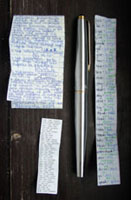
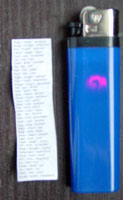
| The most common method (aside from writing on hands) is to make cheat sheets what are then hidden in shirt sleeves, taped to the knee (if it’s a girl wearing a skirt), taped to the inside of clothing, or numerous other places. | |
 |
 |
Another place students like to use these little “aids” is in conjunction with a pen. A little unbelievable, but here’s the proof: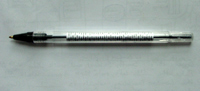 |
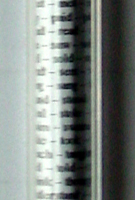
There’s two methods: the cruder form is simply to take the small, virtually illegible sheet on the outside of a pen. The more sophisticated way is to put it inside a pen with a clear casing.
Whenever I happen to find these, I keep them — so there’s at least a minimal consequence to cheating: loss of a z?oty.
Despite my best efforts, I can’t seem to stop this. I might have better luck trying to get my friends to give up smoking and drinking. It doesn’t matter than I have a zero-toleration policy, that I remind students of beforeevery test or quiz. Students know that there’s no questions asked, no arguing tolerated, and begging is ignored — they cheat in any form and I fail them for the assignment.
And still they cheat.
Usually I’m remorseless about failing them. After all, I’ve warned them repeatedly. But sometimes a usually hard-working, generally honest student (in other words, someone I really like) cheats. And that’s when it’s difficult to fail them. But I do, explaining my desire not to show favoritism and be fair at all costs.


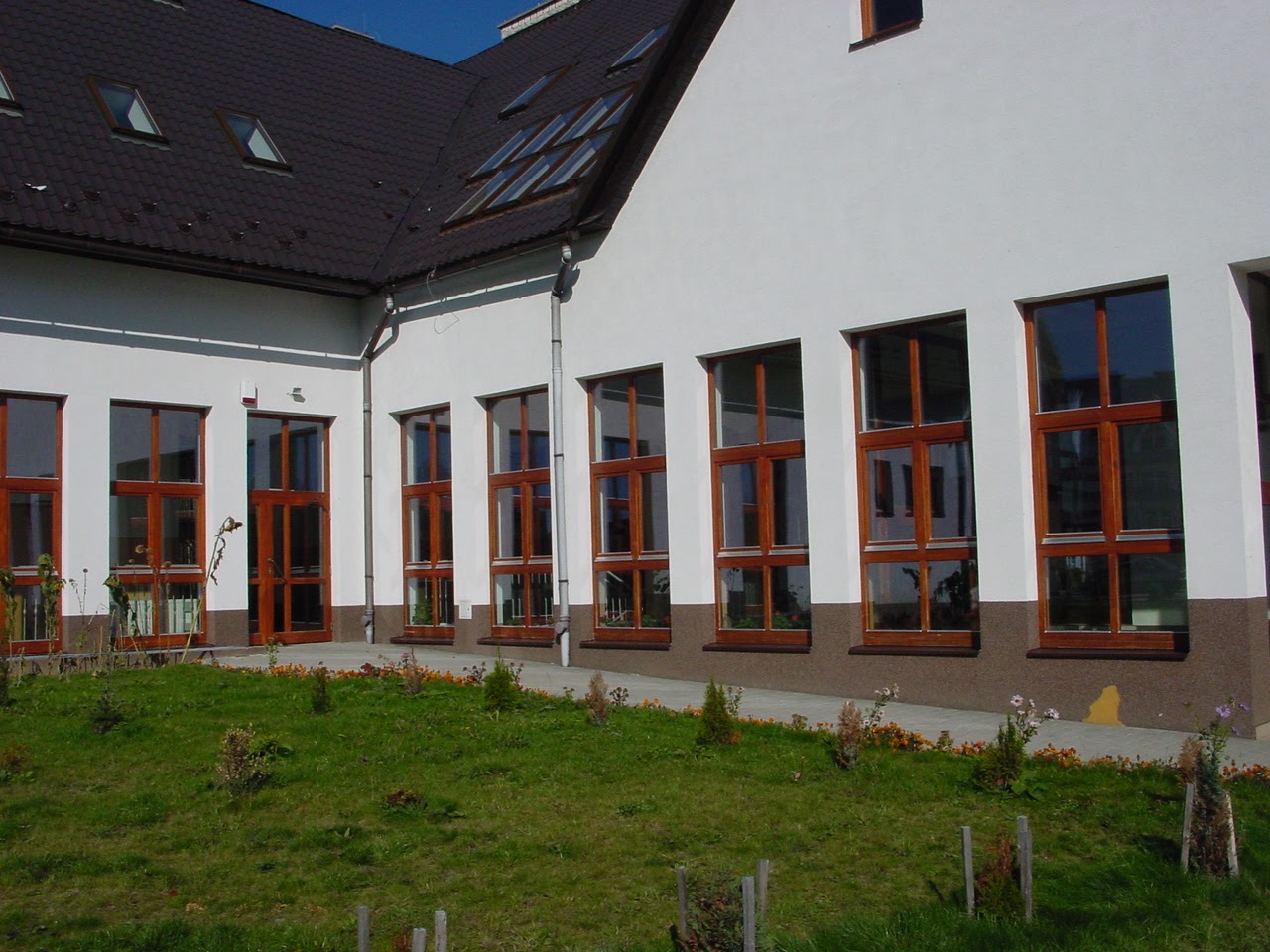
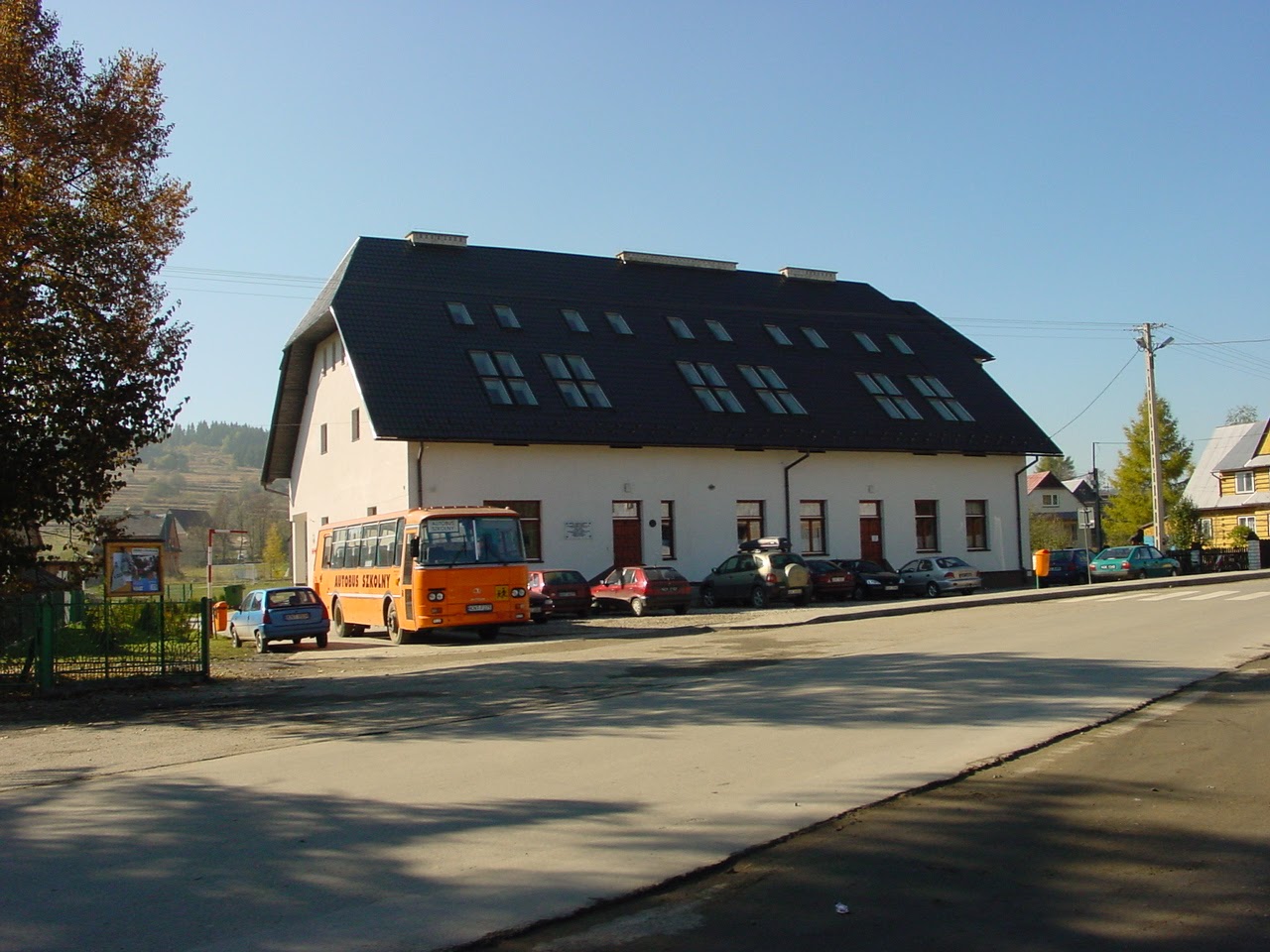
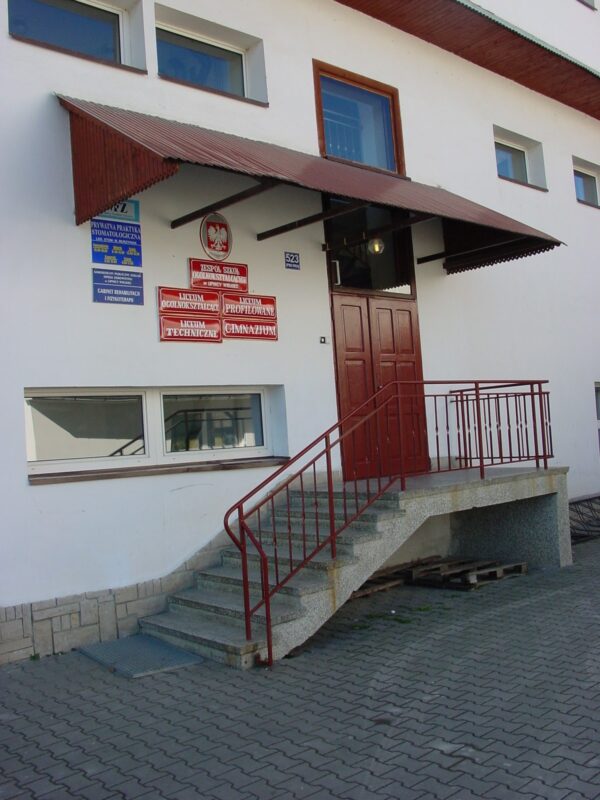
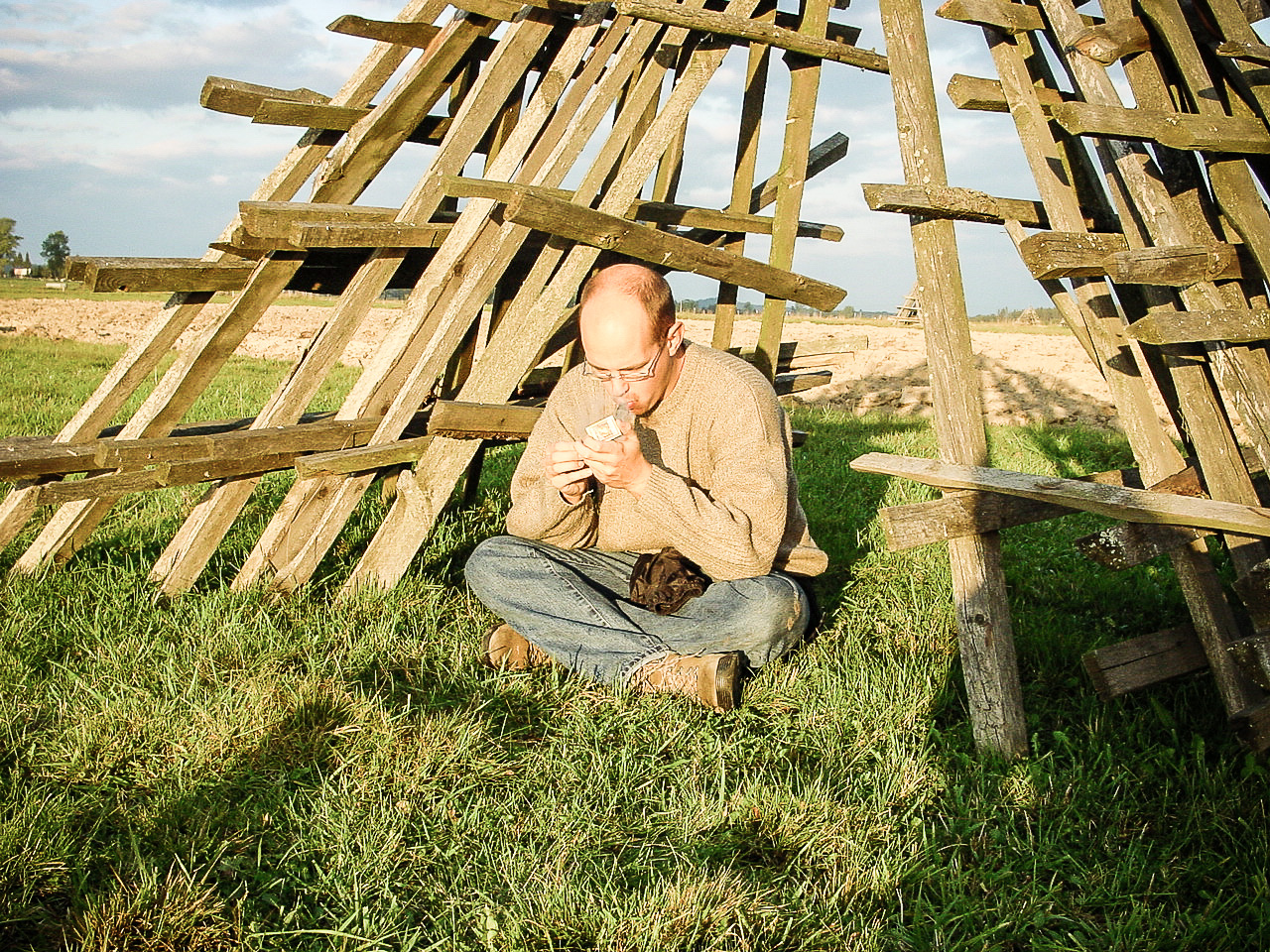
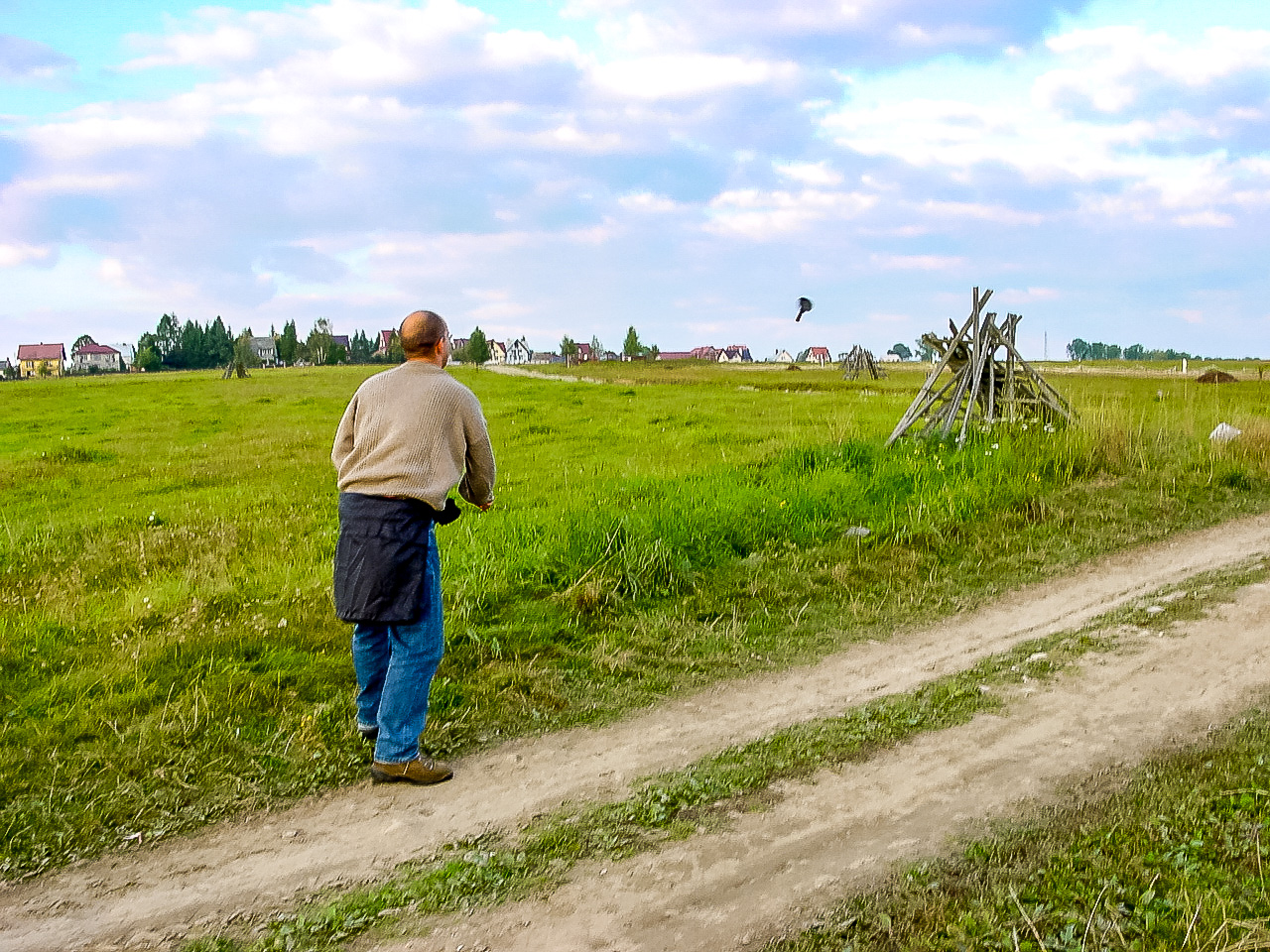
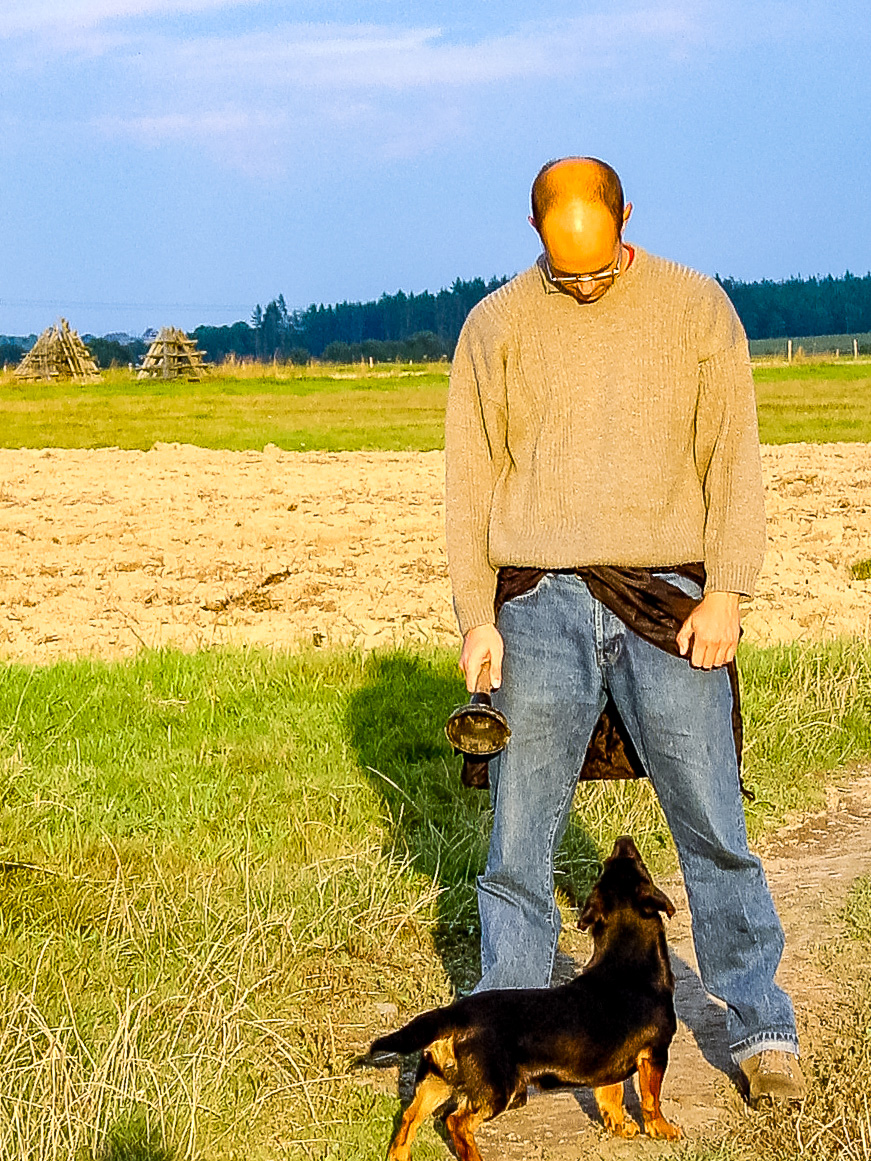
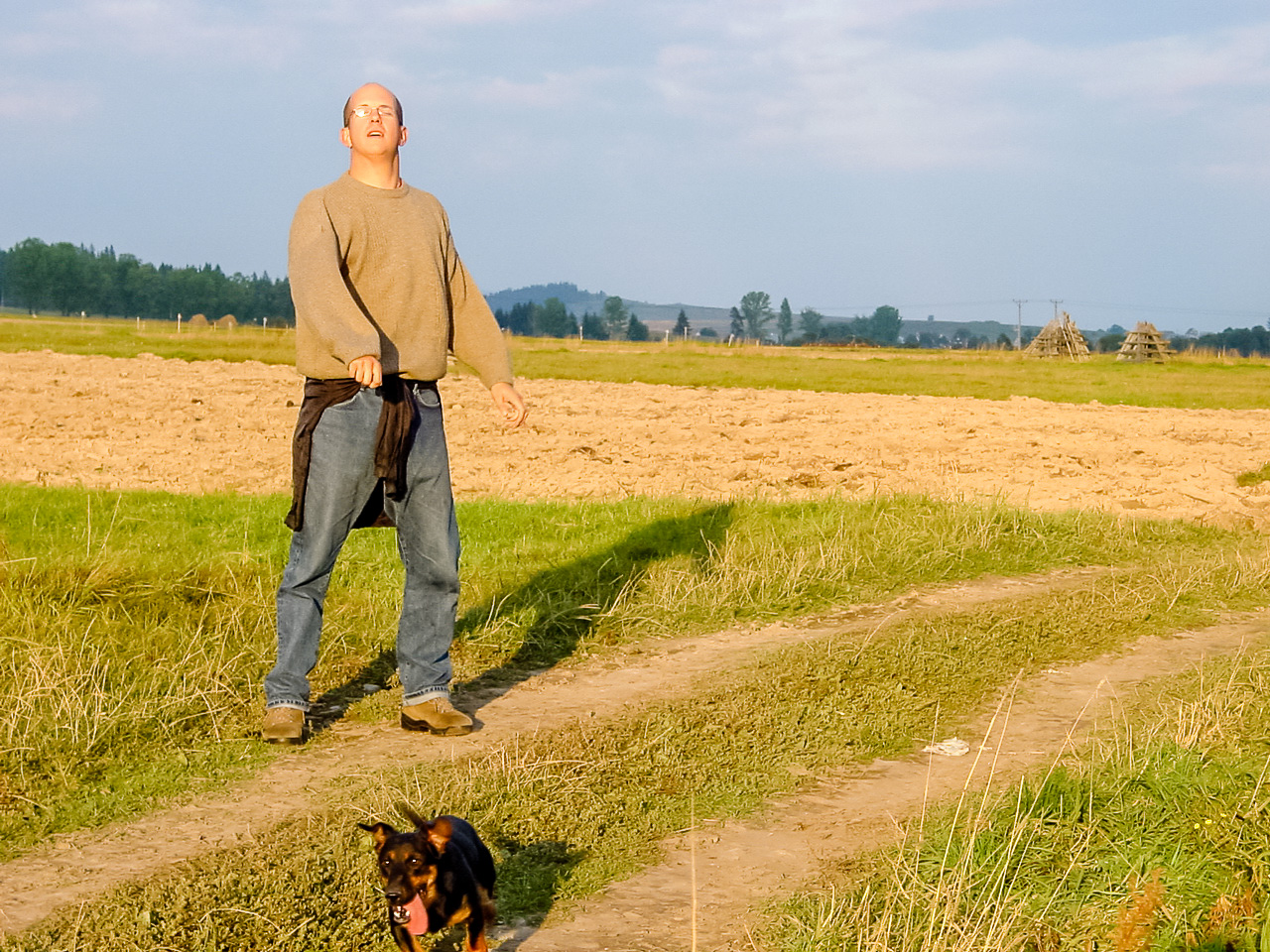
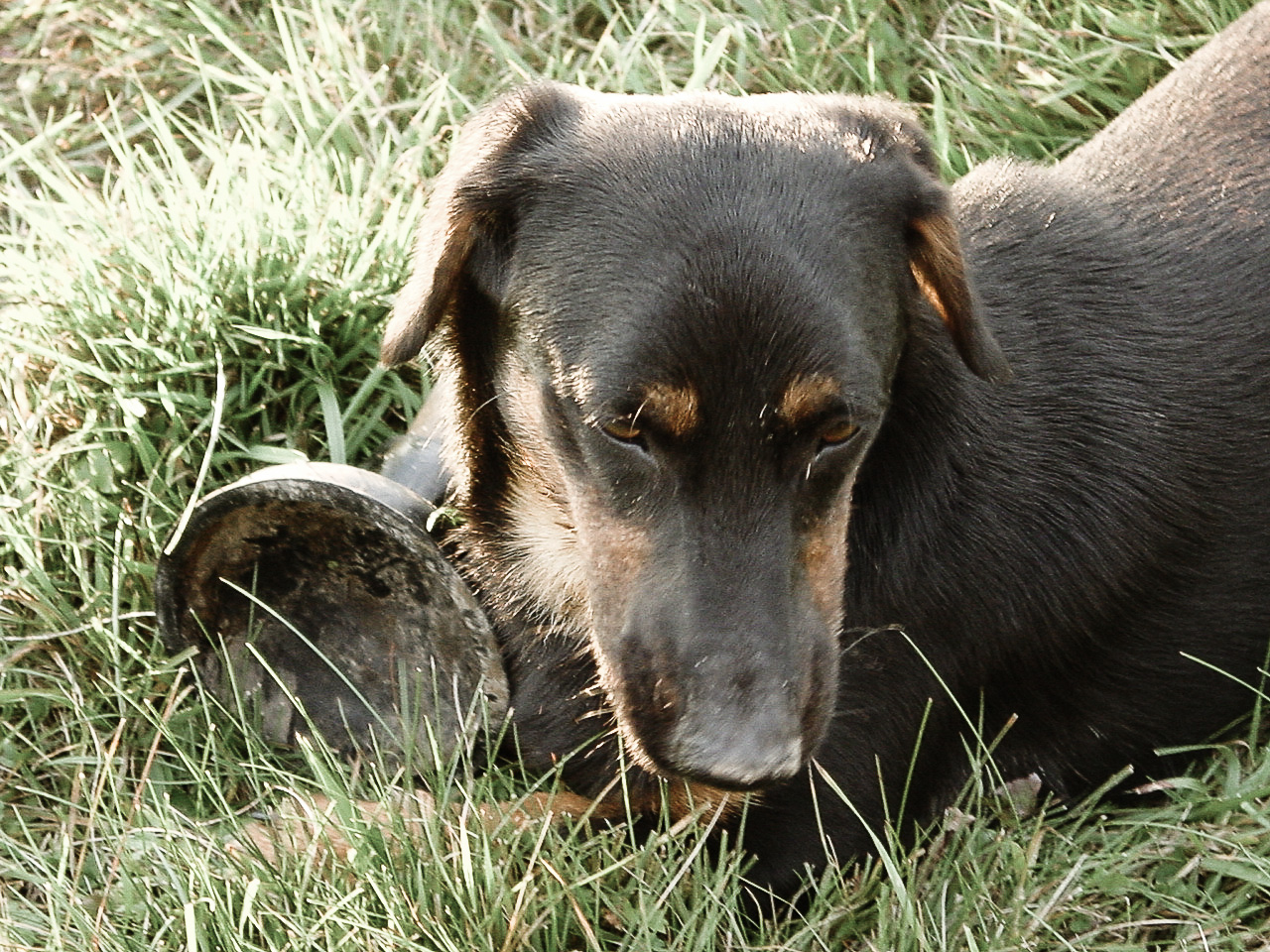


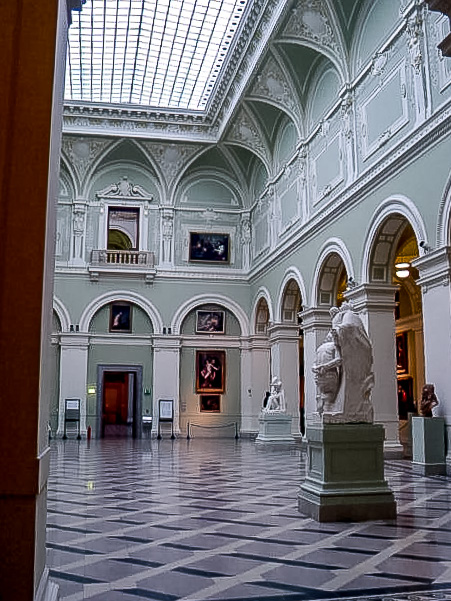

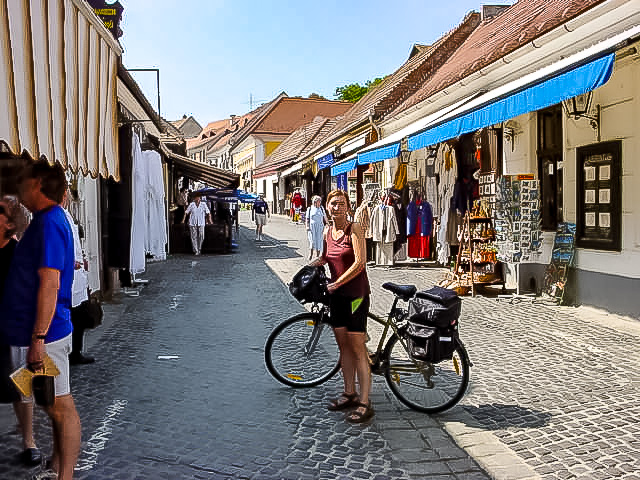
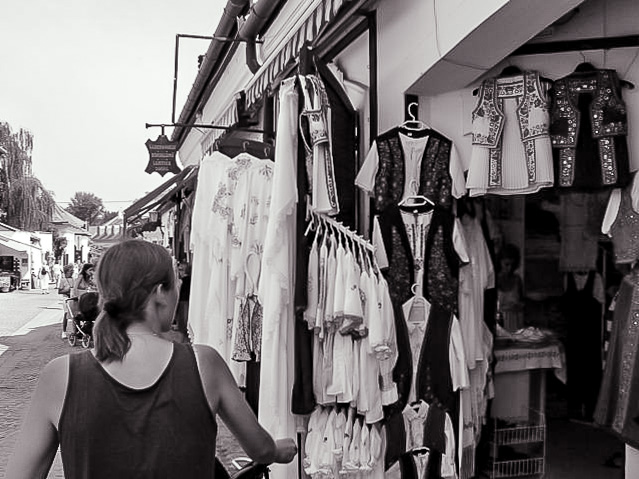
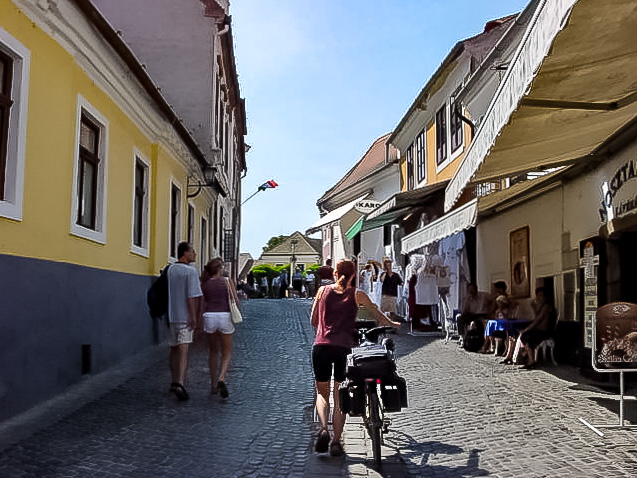
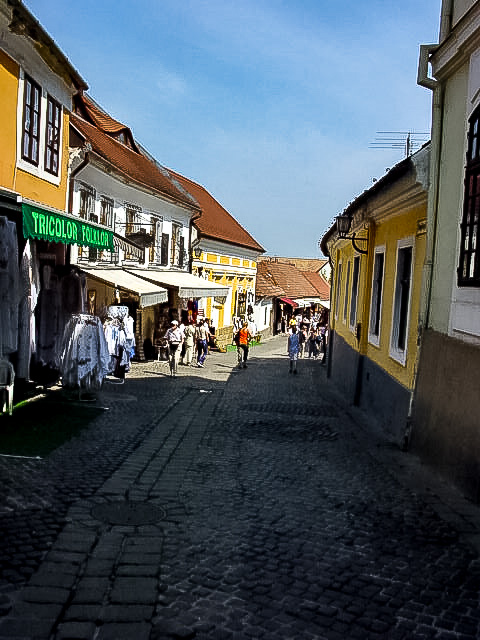
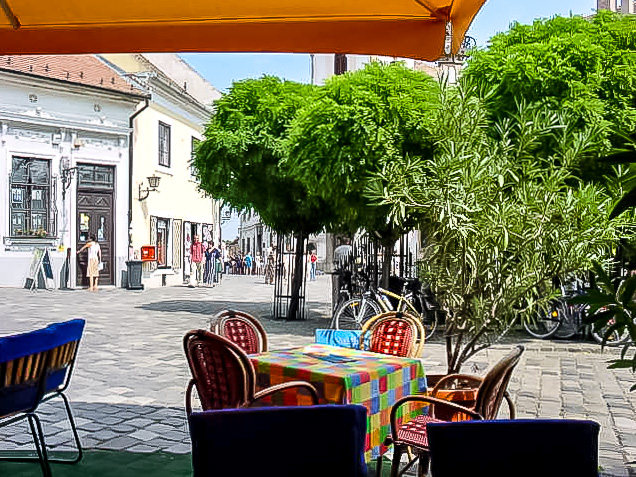
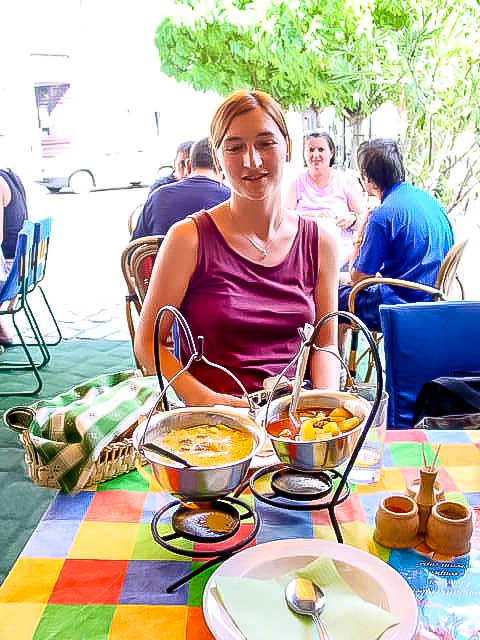




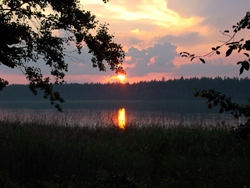
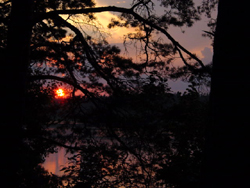
From 22 June to 19 July, I was at a summer English camp in Augustów, a small town in the northeastern lake district of Poland. I was there for two sessions — a rewarding experience, but not having had any break between the conclusion of the regular school year and the start of camp, it was also an exhausting experience.
My duties were simple: conduct English lessons/sessions in the morning (some of which were much more successful than others . . .) and accompany the kids during their afternoon and evening activities. Said activities included softball, kayaking, sailing, waterskiing, frisbee golf, horseshoes, Scrabble (in English, of course).
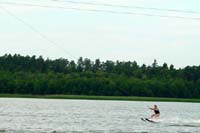 |  |
| Some got up on two | Some got up on one |
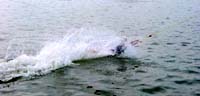 | 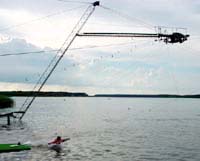 |
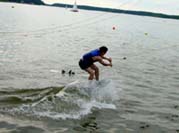
| Some fell after a few moments | Some fell a bit earlier |
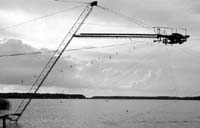 The concept was simple: why not use snow skiing as a model for water skiing? It would eliminate the necessity for need for a boat, thus allowing more people the pleasure of waterskiing in a shorter time.
A German thought of it, I believe.
So, engineers put four towers in a rectangular shape, ran a tow-cable through it and use that to jerk people off a dock and haul them round the lake. The result is above.
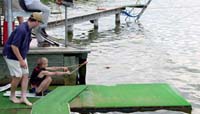 Now, it's not an entirely bad idea. Just, for someone used to skiing behind a boat, it's a little weird. I passed on trying. Most didn't.
For most, I believe, the most stressful was the preparation — the waiting simply to be jerked forcefully and sometimes unexpectedly into the water.
Some got up . . . some didn't.
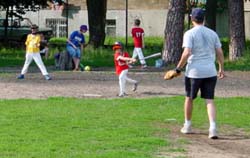 | 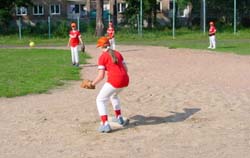 |
One of the highlights for most kids at the camp was baseball. Sort of. To make it easier and safer, we in fact played softball, but the difference for most of them would have been minimal.
One thing I learned anew is how many many rules there are that just seem commonsensical to us. For example, not having two people on base at the same time — a frequent occurrence on second base.
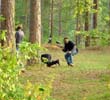
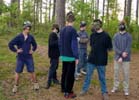
| Though paintball was not one of the "offical" camp activities, some of the folks from the second camp got together and spent an evening hurling plastic, paint-filled balls at each other while running blindly through the woods, desparately trying to see through the well-worn, virtually opaque protective masks. |  Polish paintballs: a guy shows up in a forest driving a Maluch (Fiat 126p) filled with paintball equipment... | ||||
| |||||
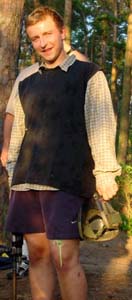
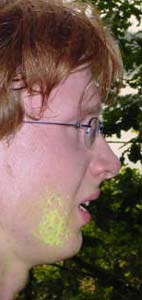
The Wounds including one from a paintball that somehow got around/under the protective mask)
I recently bought guitar strings. "Recently" is of course a relative word, in this case meaning a month ago.
"You bought guitar strings a month ago and you're complaining about them? They're ancient! Get new ones!" You who play guitar might be thinking along those lines.
Easier said than done, for like many things here in Poland, they're atrociously expensive. Good strings (i.e., something like D'Adario) cost more than forty zloty. As I've explained earlier, that would be the same as paying forty bucks in the States for a set of guitar strings!
Needless to say, I've taken to buying Polish-made strings because they're cheaper — in theory. But as the Polish saying goes, "What's cheap is expensive." Or as we might say, "You get what you pay for."
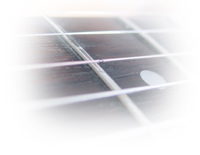 I did buy D'Adario strings once here — they lasted probably three months. Yes, that's a ridiculously long time for strings, but how often would you change them if they cost forty bucks? Anyway, they sounded dead as a brick by that time, but they were still intact. None of them had broken, or even frazzled.
The Polish strings I bought lasted about three weeks before the D string started to fray. A close-up reveals that it might last a few days more until it completely unravels and morphs into another E string.
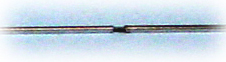 Then I'll trek back to Nowy Targ, buy a new set of strings, and kick myself for not buying decent ones in the first place.
This afternoon it was cooler than it has been in the past, but it was still easily seventy degrees (Fahrenheit). I was at Stasiek's shop, having an afternoon beer while sitting on a bench with Stasiek in front of his store.
Along came two gentlemen, with the younger heading inside to get beer for them both. I glanced at the older man, but didn't really look at him. He struck up a conversation with me by saying, "Whew, it's sure stuffy today." Still not looking at him, I thought for a moment about disagreeing, for I thought it was rather pleasantly cool.
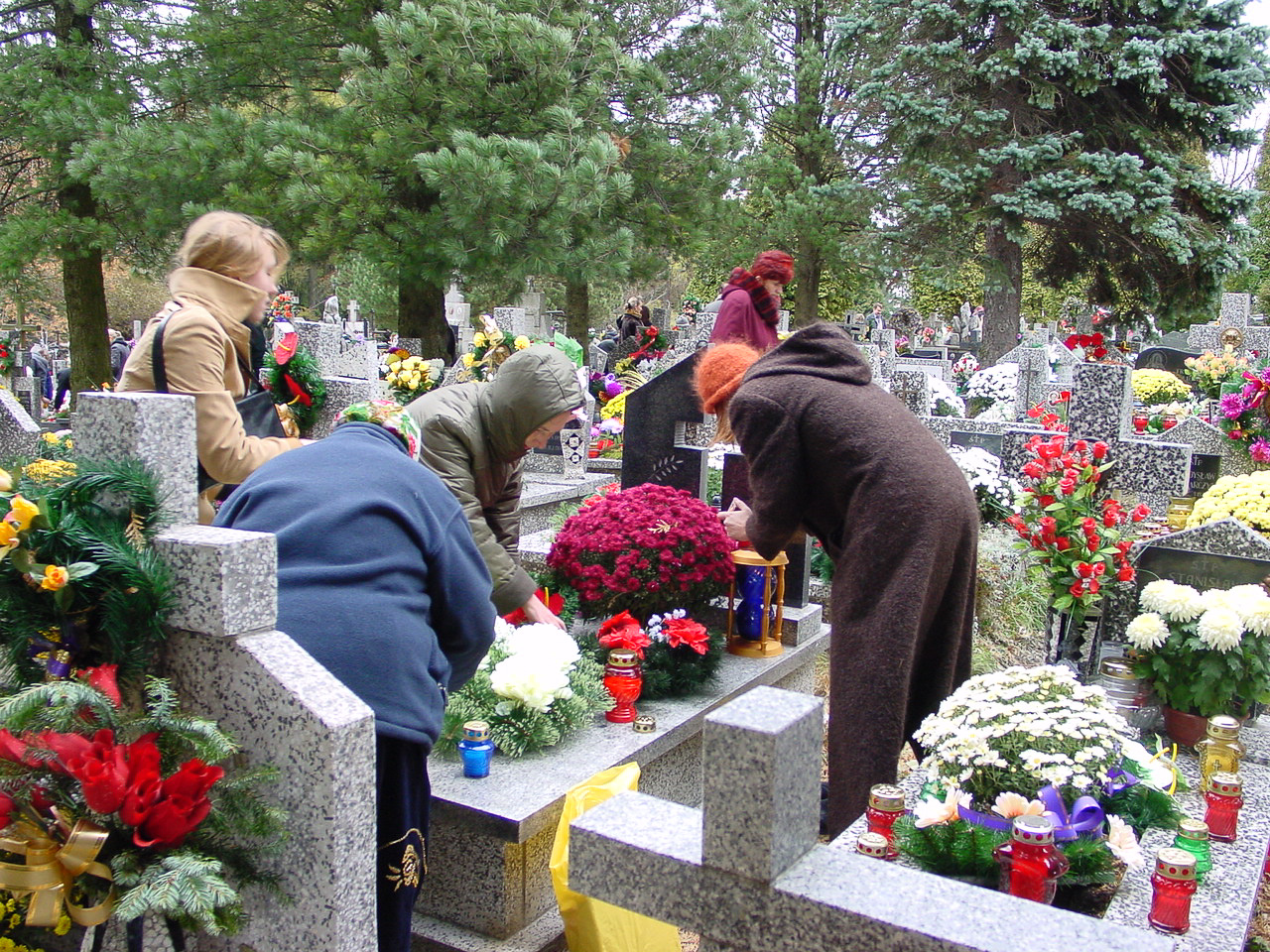
He continued, "We've been cleaning the cemetery, and whew, is it hot."
Finally, I looked at him and the mystery was solved: mid-May, and he was wearing heavy pants, a thick flannel shirt, a woolen sweater, and toboggan.
I just said, "Yeah, I guess it is."
There is a referendum on the seventh and eight of June for Poles to decide if they want their country to become a member. Hungary and Slovakia recently voted in the affirmative, as did Lithuania some time ago, I believe.
In order for the referendum to be valid, there has to be at least a 50% voter turnout. Some of those opposed are not even going to vote "No" for fear of raising the voter frequency. (If the turnout is less than 50%, then the Sejm (parliament) decides. "At least we'll know by name who's responsible then," said one opponent.)
There seems to be a chronic shortage of concrete information about the effects of joining the EU. The pro-EU placards posted everywhere have pictures of individuals with something vague like, "I'm voting 'Yes' because I want to have a better future," written in a stylish, script-like font. Marketing. There are concrete advantages, to be sure: EU subsidies for farmers, the ability to work abroad legally (though after a waiting period for most EU countries), and so on. Other than that . . .
Opponents, on the other hand, distribute photocopied fliers with dire warnings about how the EU standards for television will allow godless, sexually perverted programs to flood Poland and create hedonistic egoists out of the younger generation. More marketing, without the big złoty backing.
Where do I stand on the issue? I think it would be foolish for Poland to remain out of the EU — Polska is no Switzerland, after all. The short-term disadvantages (namely, more expensive food and such) will eventually disappear. That's the hope. As an American living here, though, membership won't have the same advantages, I guess.
And of course, there's always the concern that I'll be living in the territory of the Beast Power of the Book of Revelation, which will rise up any day now and kick America's immoral . . . or wait, is that the UN? I can never keep those fundamentalist prophecies straight . . .
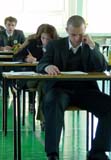 Few things seem to cause as much angst in a Polish teenager’s life like the matura: a series of compulsory written and oral exit exams. Required of all students are two exams from Polish: a written and a spoken test. Students must pass the written before they are allowed to take the oral exam.The written matura consists of four essay questions read aloud at precisely 9:00 a.m. on the same day in high schools throughout Poland.
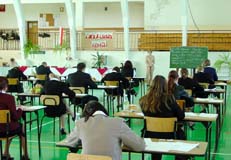 This year the questions included the interpretation of a Wis?awa Szymborska poem, and a question, “Od Adam i Ewy…” (From Adam and Eve), about the loss of one’s home and one’s place in society as illustrated through literature. Another question began, “If you want to know a person, look at his shadow…”
The second day brings the chosen exams, with most people picking history, with math coming a close second. (Ironically enough, most of the students who chose math were girls — probably something like 80%.) This year there were about six people taking the matura in geography and one girl chose biology. No one chose English, and for good reason: it’s adifficult exam, concentrating mainly on the irregularities and exceptions of English grammar.
Once the students’ pain is over, it’s time for the teachers to get their dose: grading all those exams according to strict criteria.
Then comes the spoken exams — when my pain begins.
The spoken English matura consists of three parts.
Students are given the situations and text beforehand; the grammar they see for the first time when they sit down for the exam, though they know possible topics.
Grammar |
||
| ‘Samuel didn’t come here last night’. She said __________. | Reported speech — gossiping, in other words. The key is in changing tenses and selected words. The correct answer: She said that Samuel hadn’t come/gone there the night before. | |
| If I were the President of the country, I __________ . | Conditional, namely the second conditional. Impossible condition (If + past simple), imaginary result (would + verb). If I were president of the country, I would give all teachers a substantial raise. | |
| They enjoy (go) __________ on exotic holiday, but they wouldn’t like (live) __________ outside the USA. | Verb patters — or when to use “to” and when to use “-ing.” It’s basically a question of memorization. They enjoy going on holiday, but wouldn’t like to live outside the USA. | |
| Robert (read) __________ a book about English grammar when David (leave) __________ last night. | Verb tenses. Since Polish has three verb tenses and English, twelve, it makes senses that students have a bit of trouble keeping all of them straight. Robert was reading a book about English grammar when David left last night. | |
Situations |
||
| Buy a one-way train ticket from Warsaw to Pairs. How would you ask about a return ticket? | The situations are fairly straightforward, and even a little boring. Usually one of them is fairly involved, requiring interaction with one of the examiners, but the rest are often a matter of one or two sentences. | |
| You returned very late from a friend’s house. Apologize to your parents and explain that the bus driver had to repair the bus. | ||
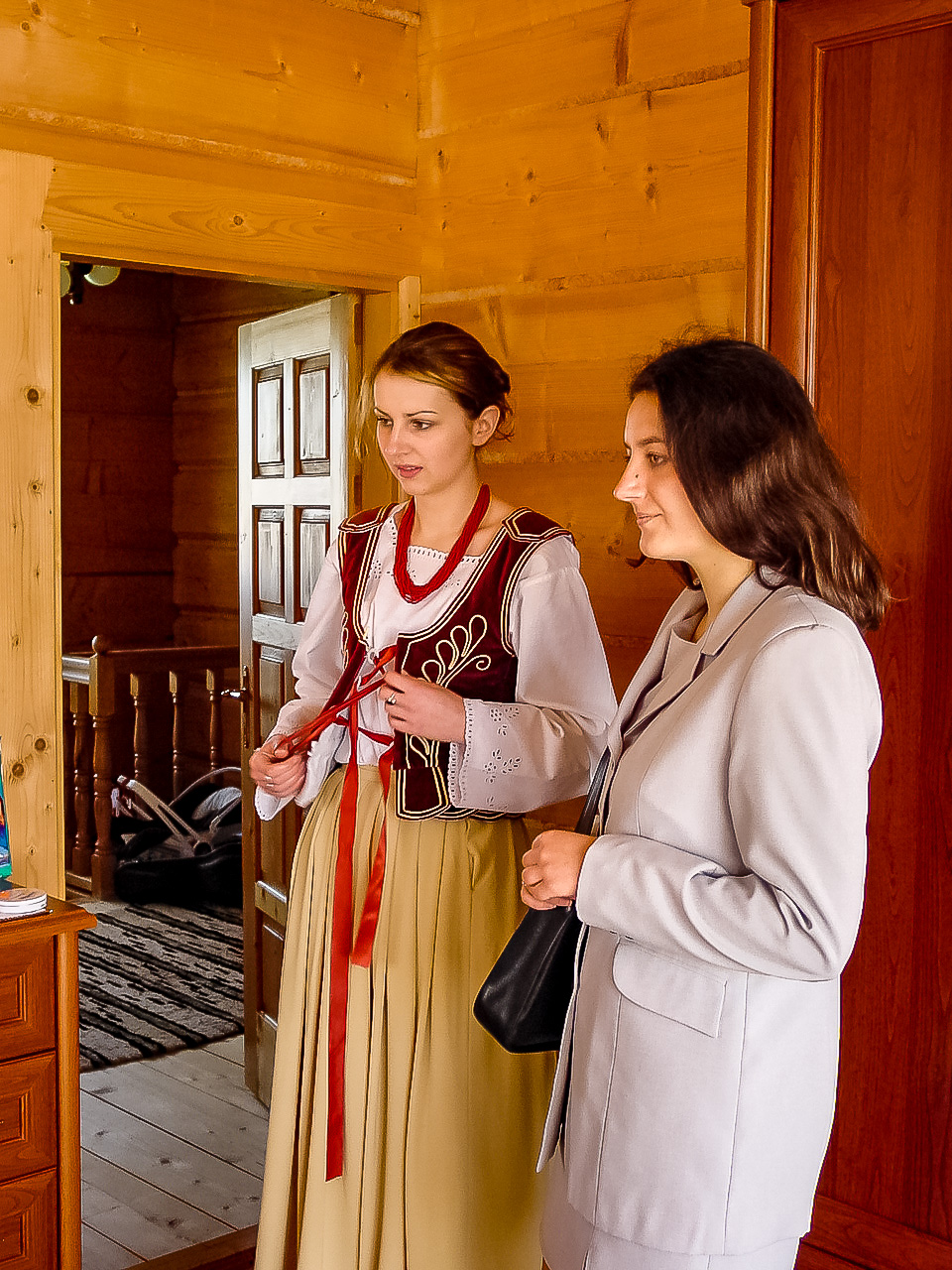
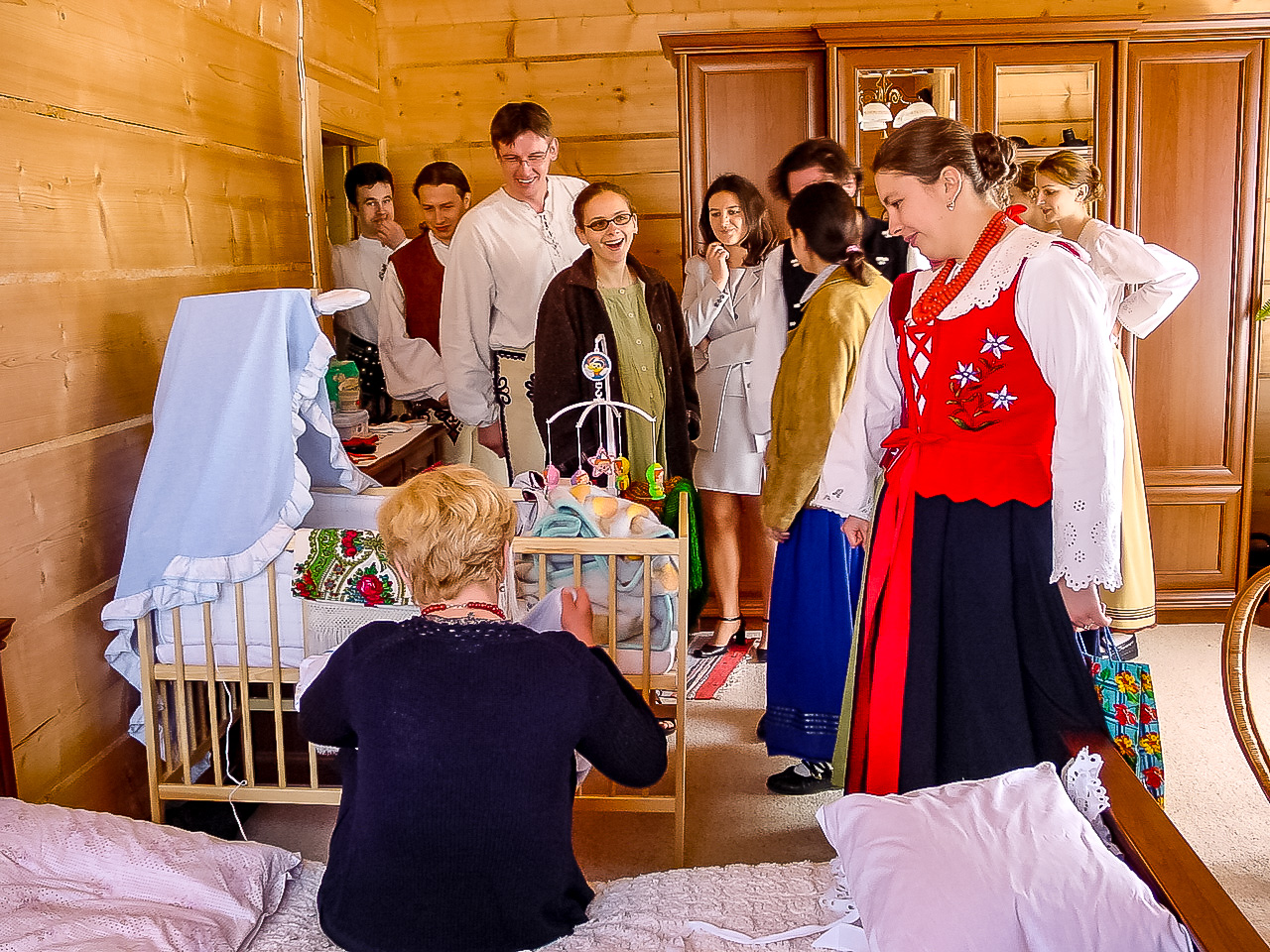
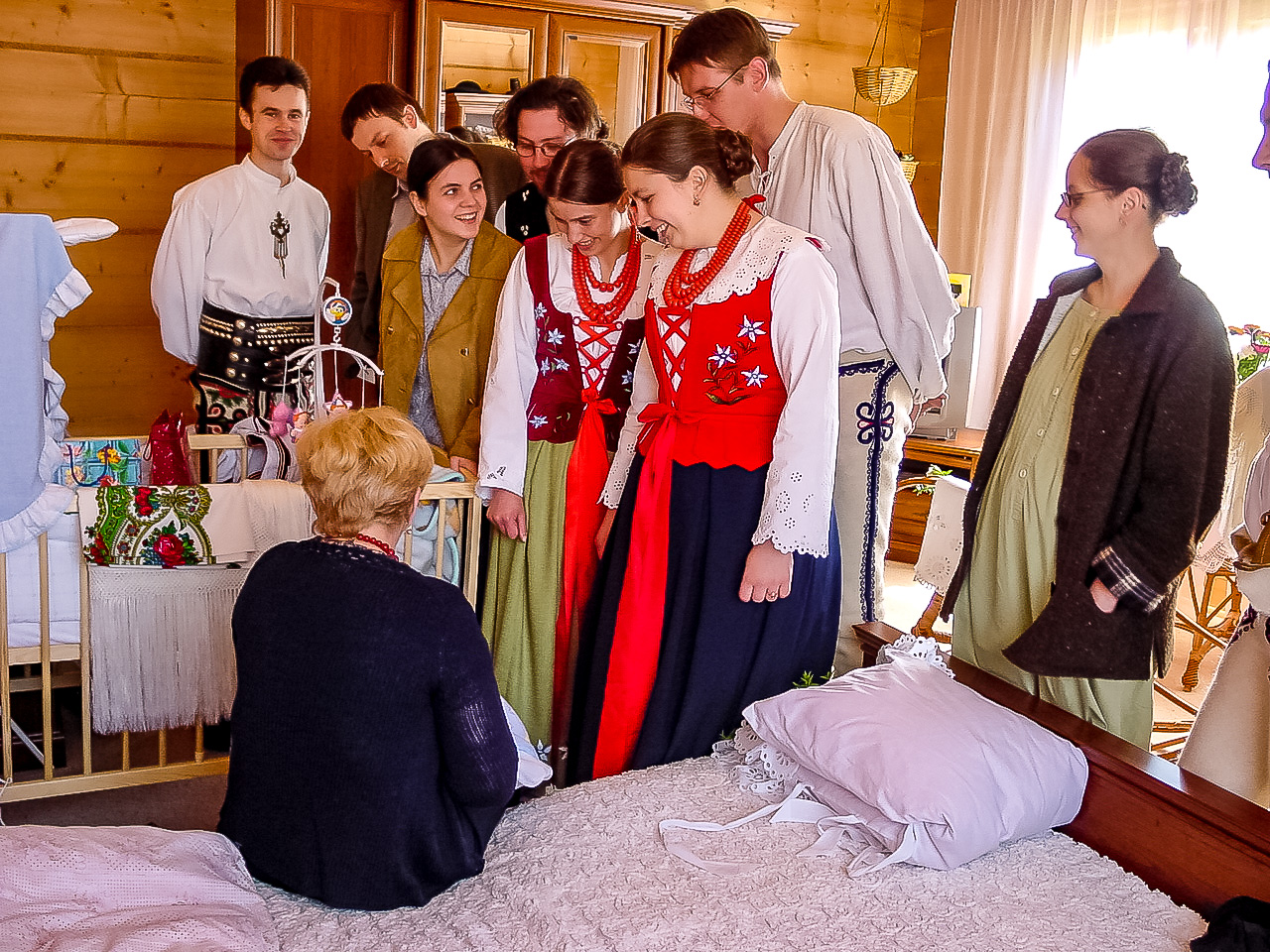
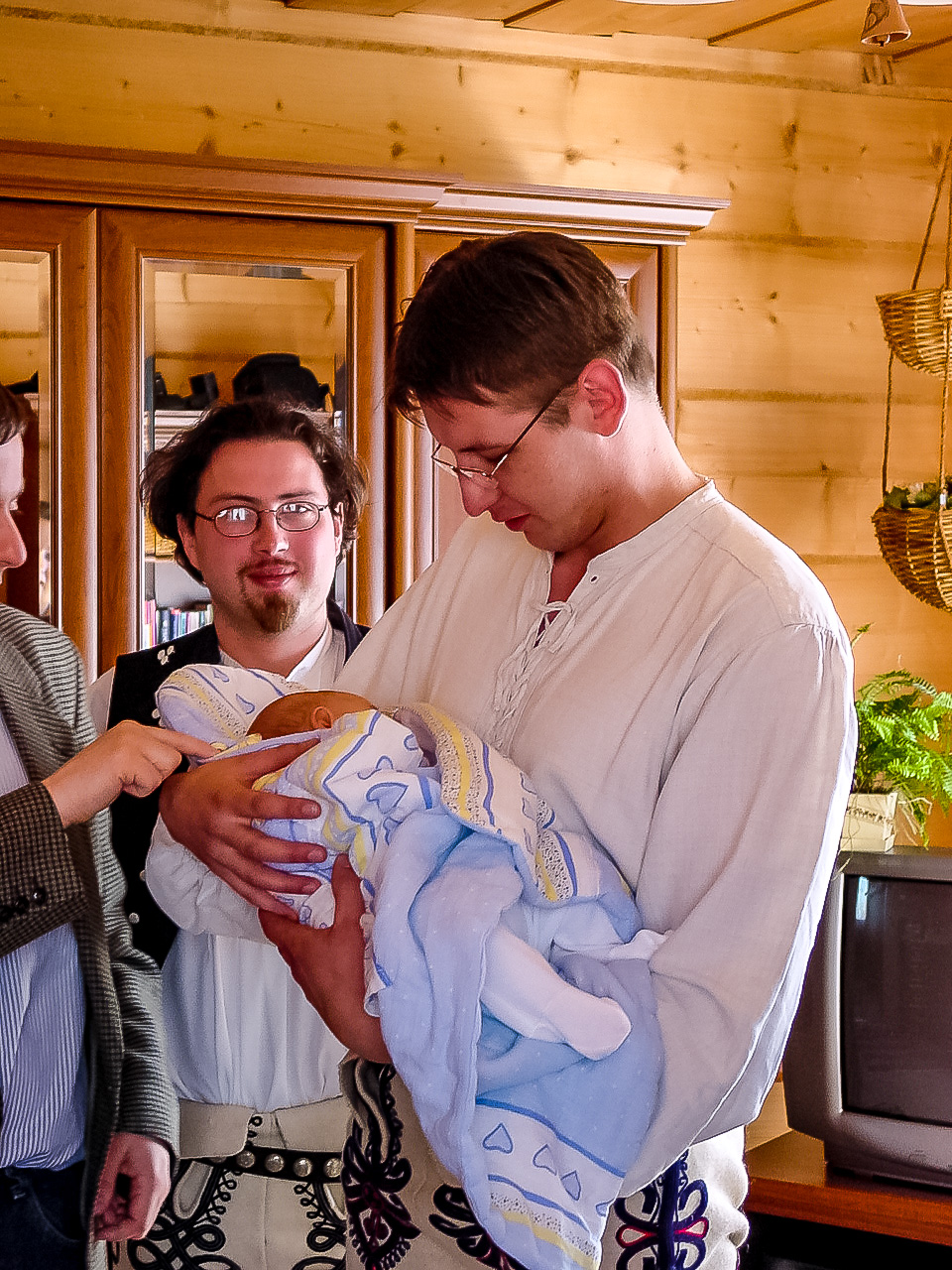
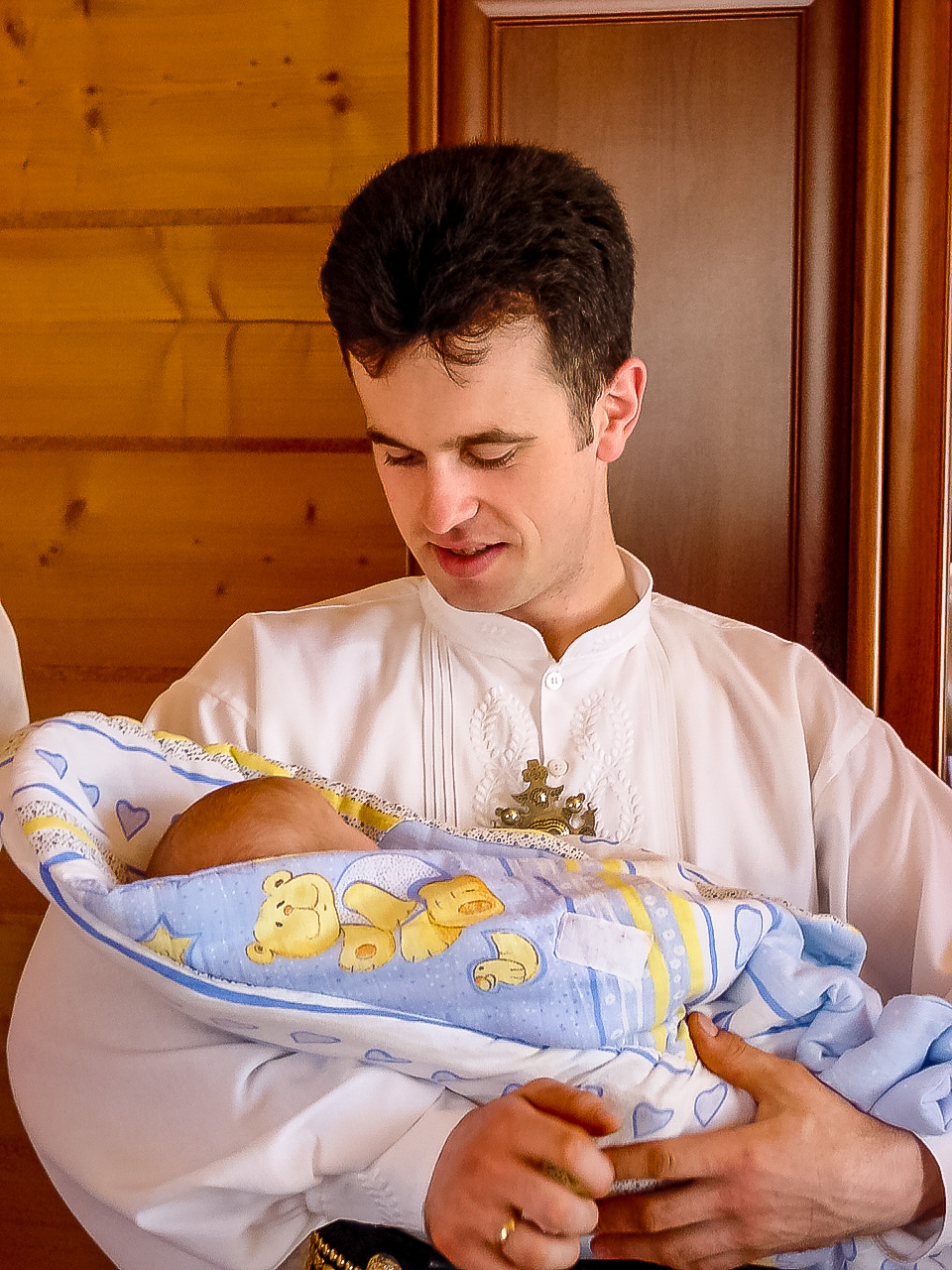
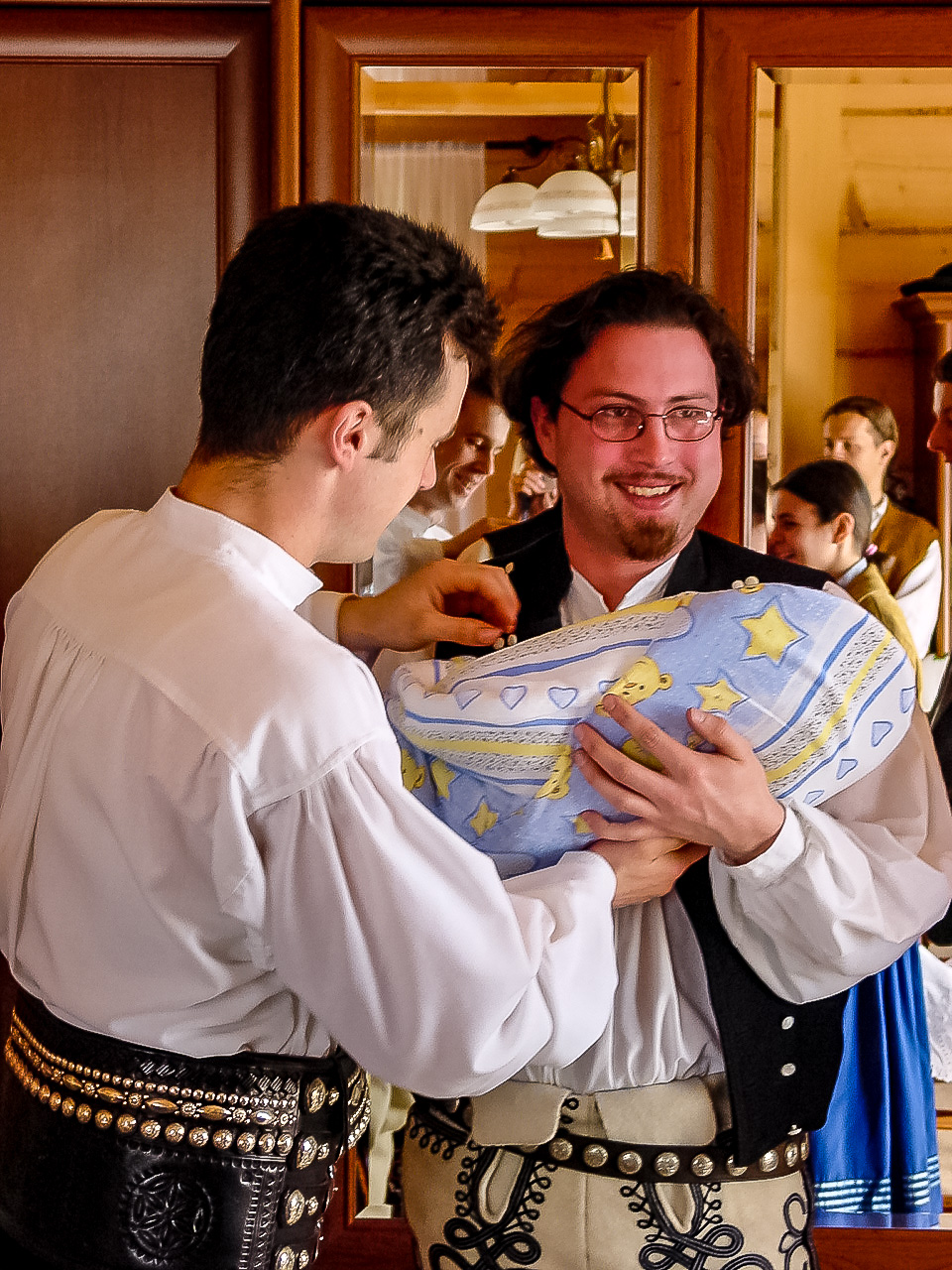
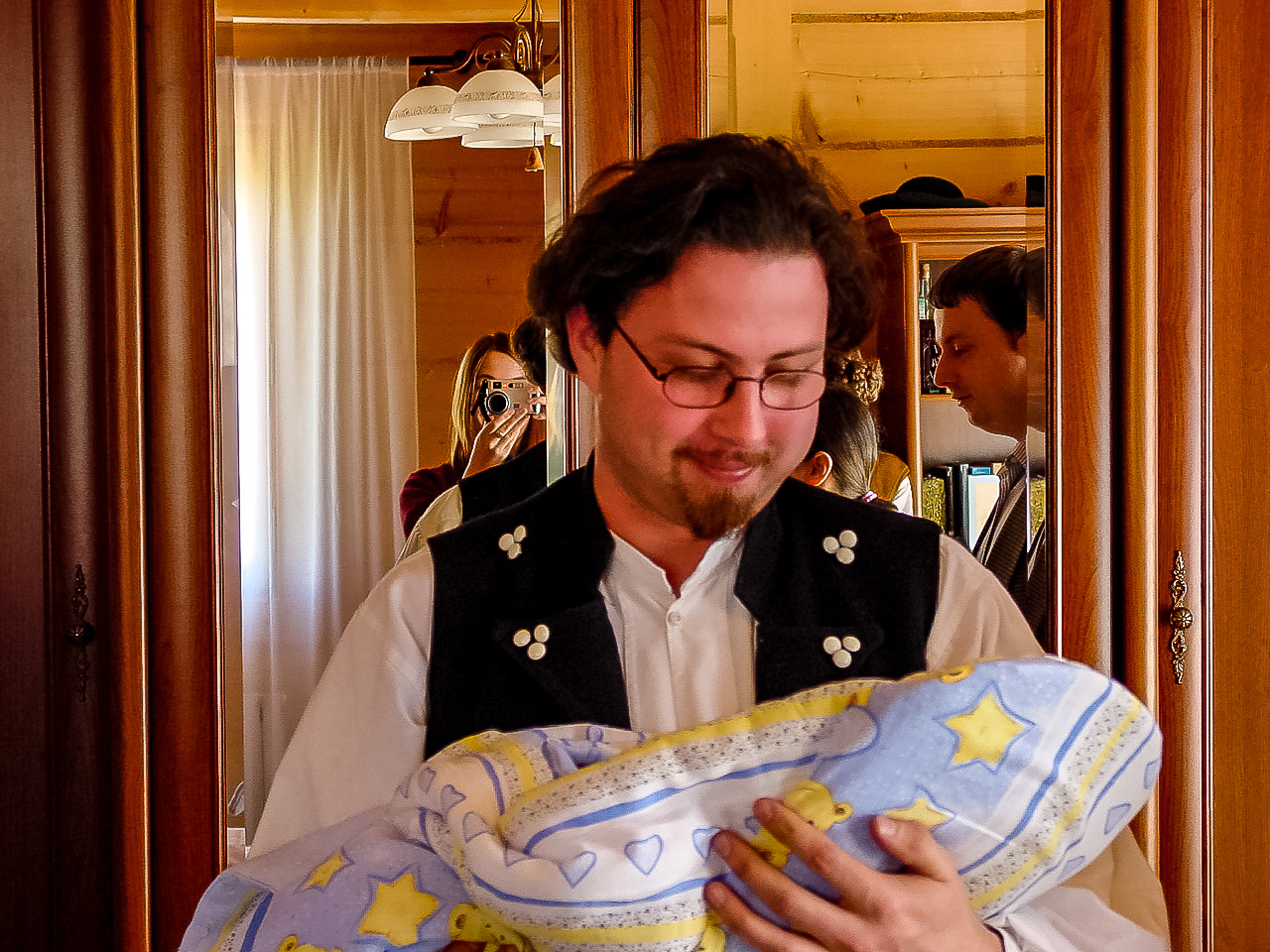
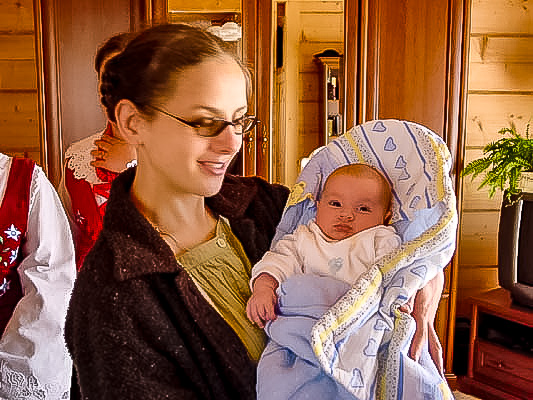

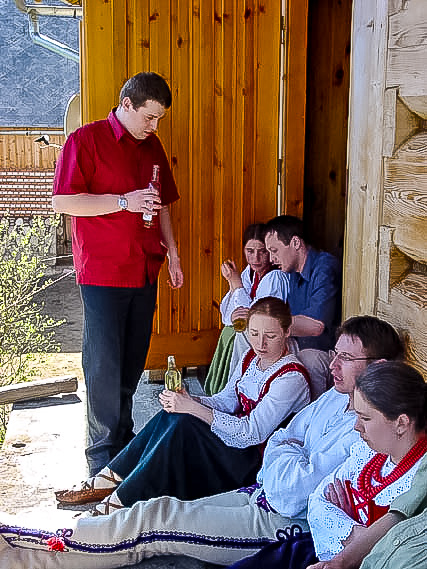
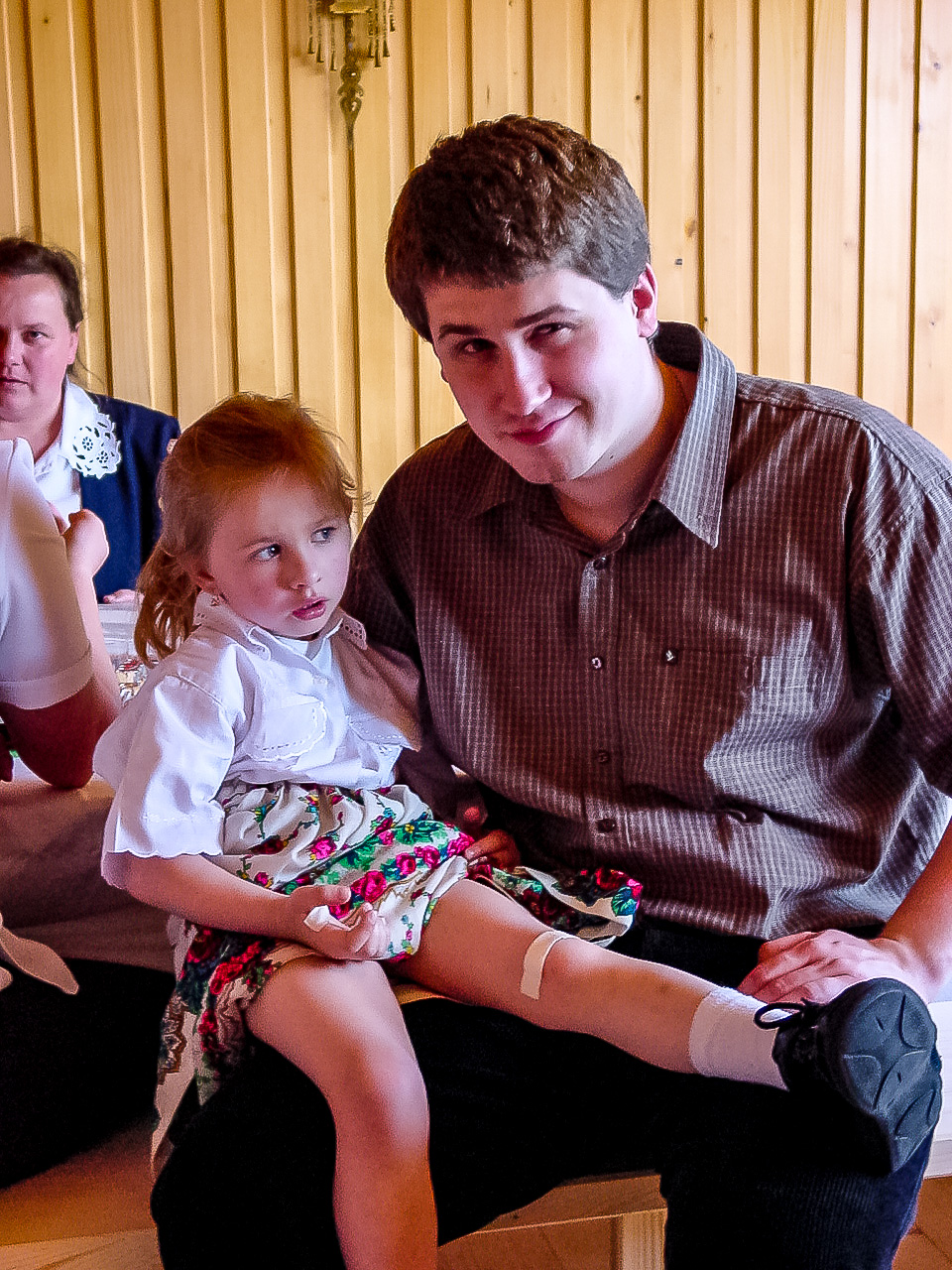
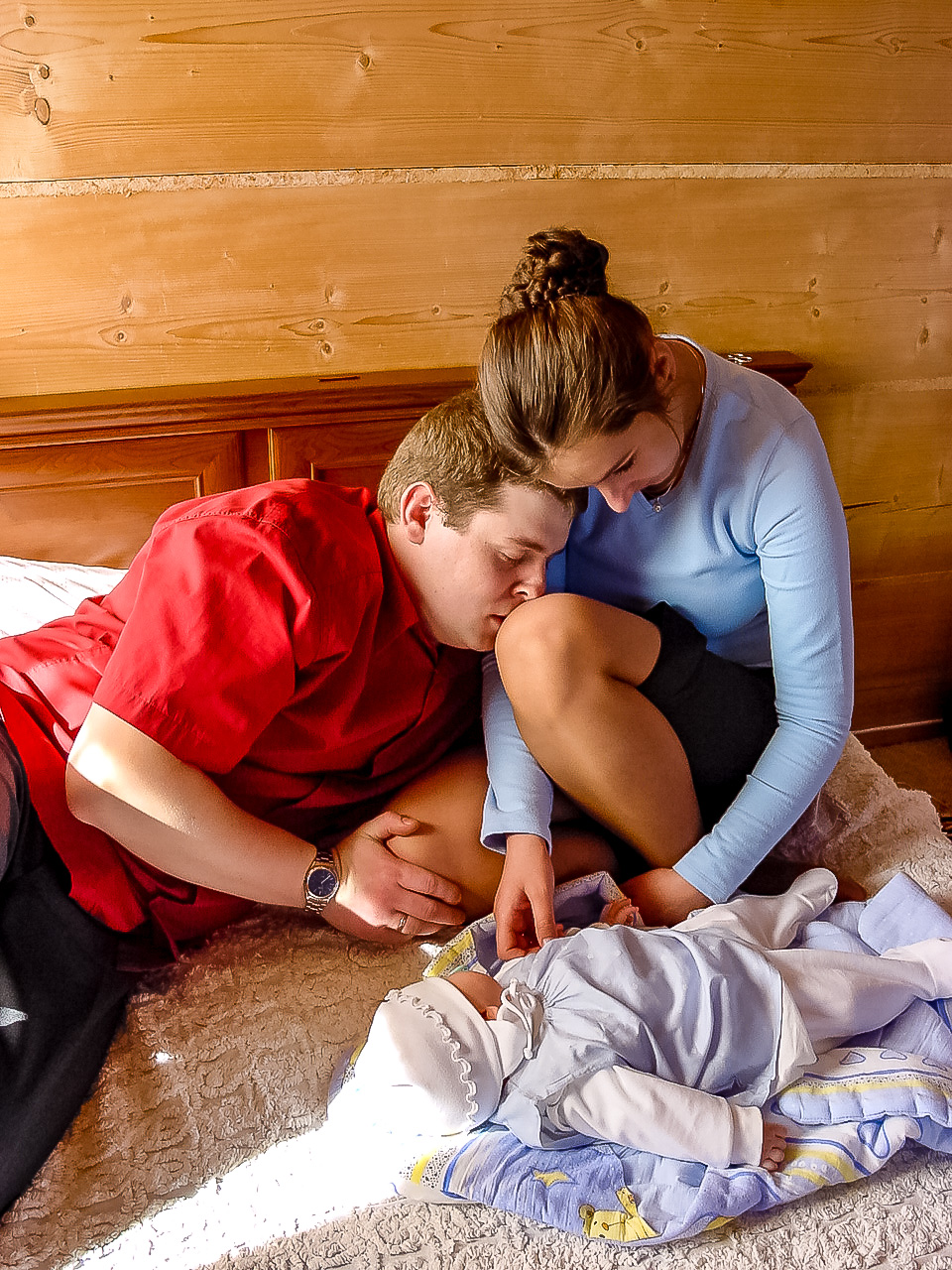
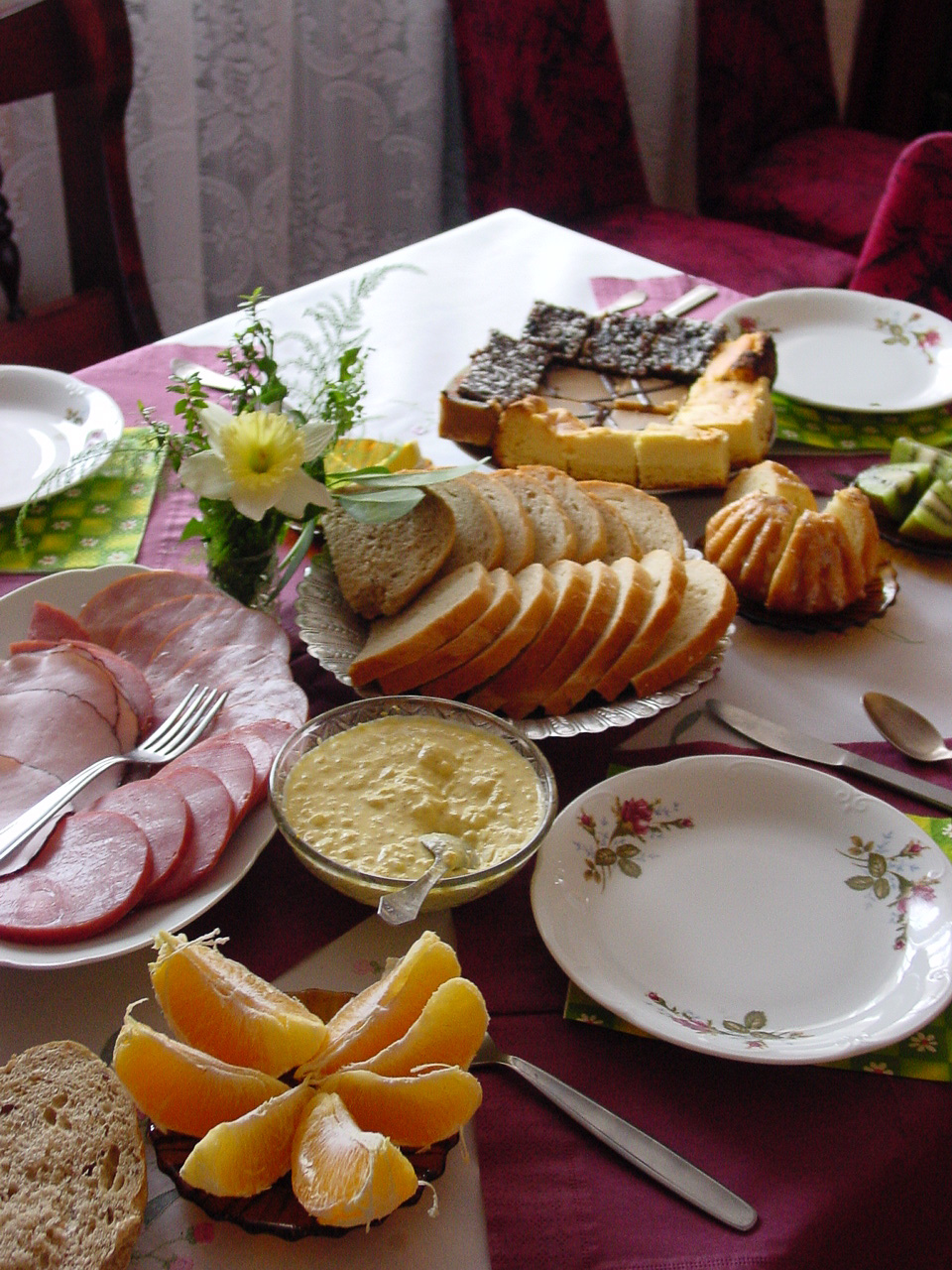
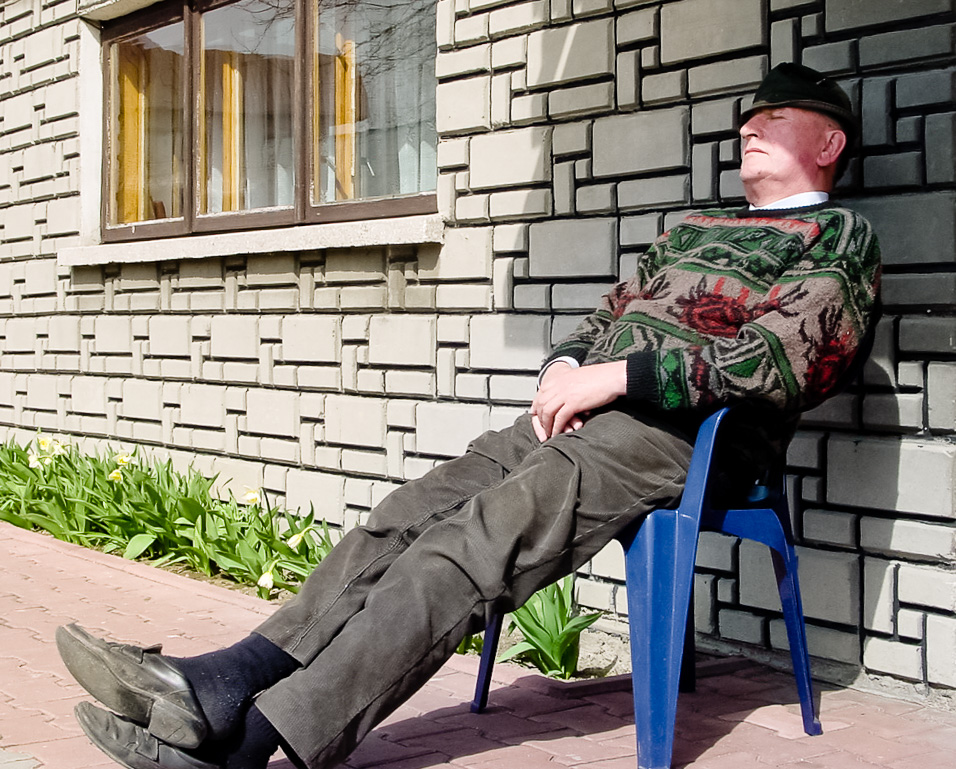
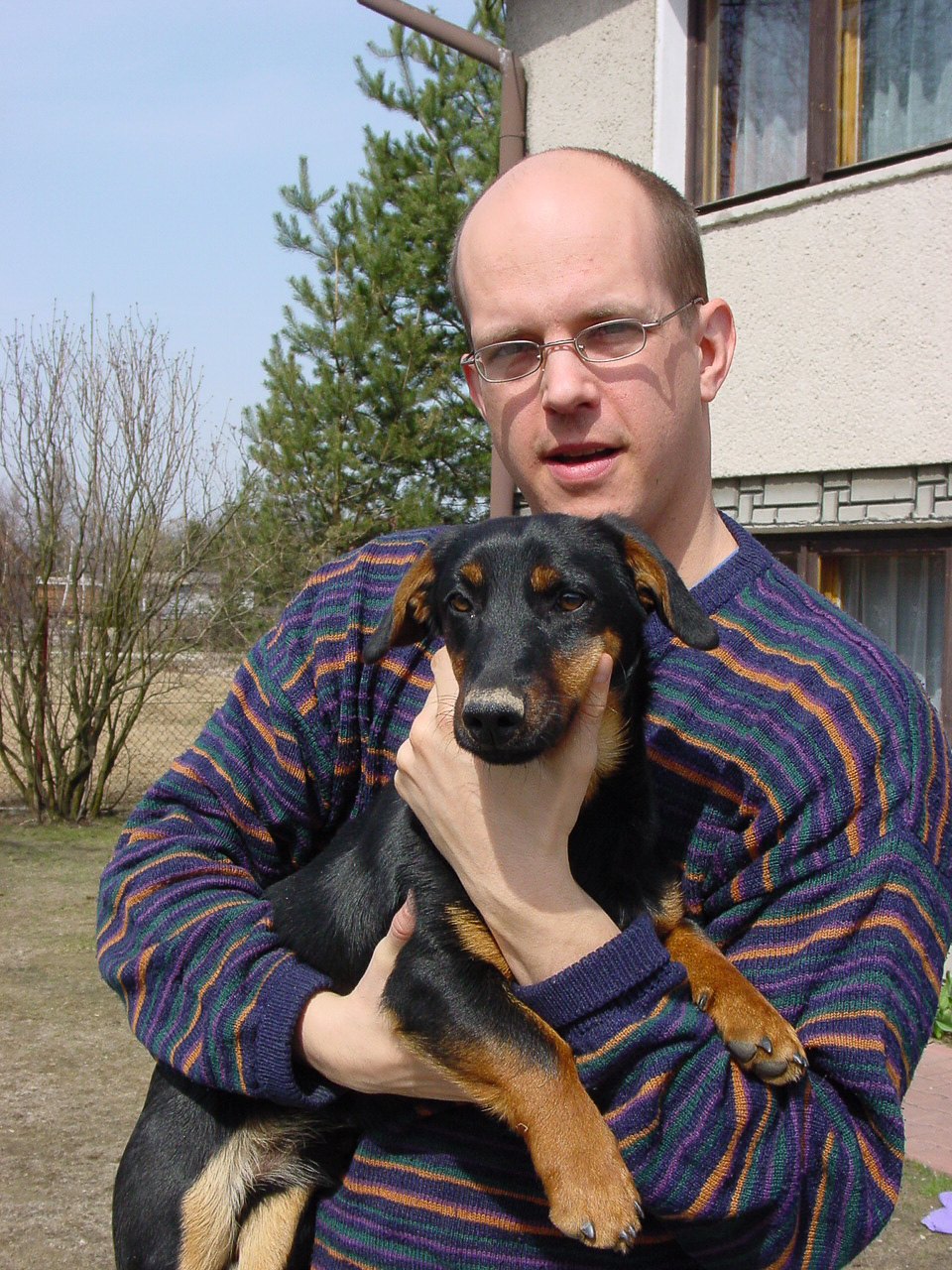
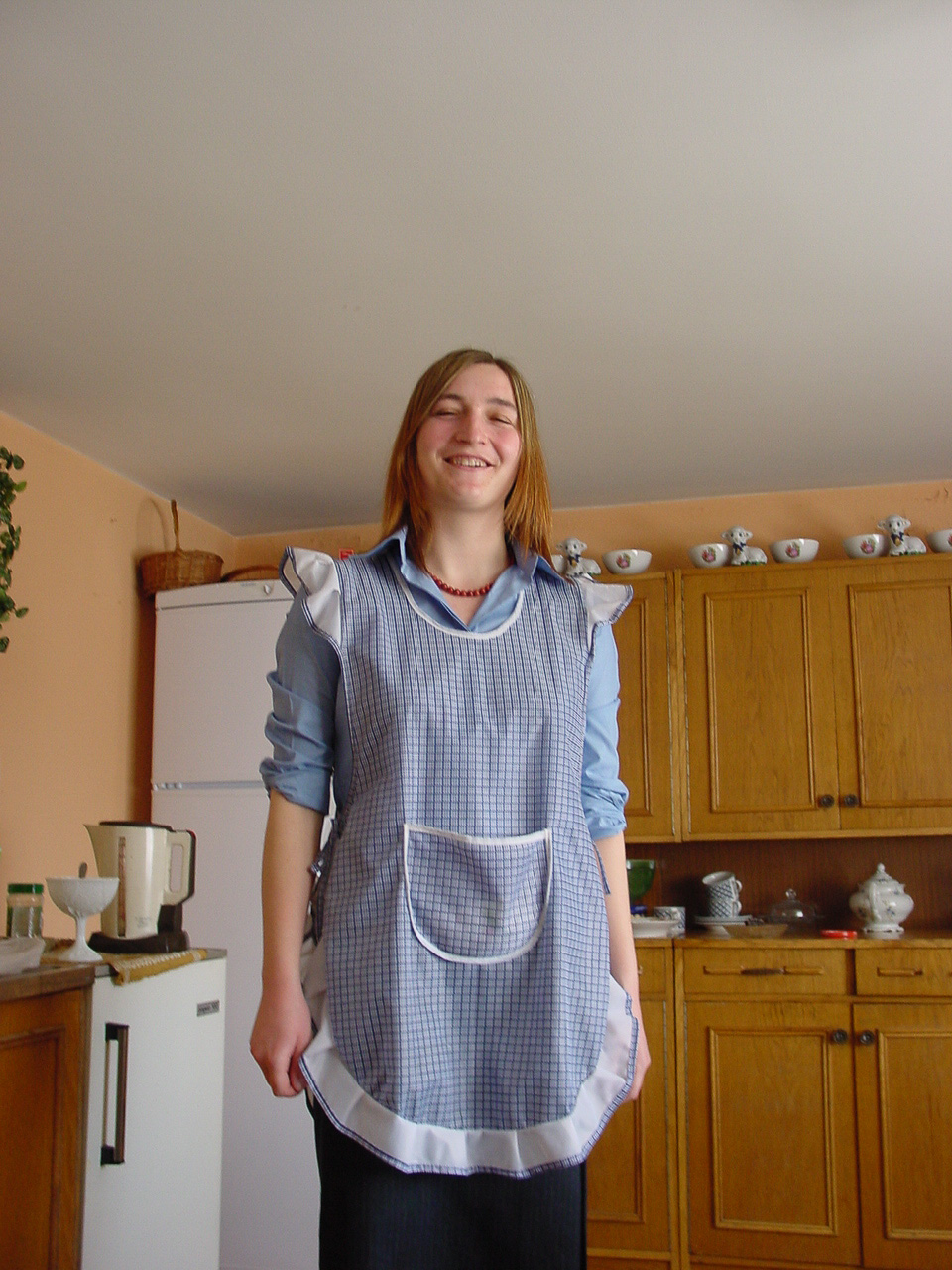
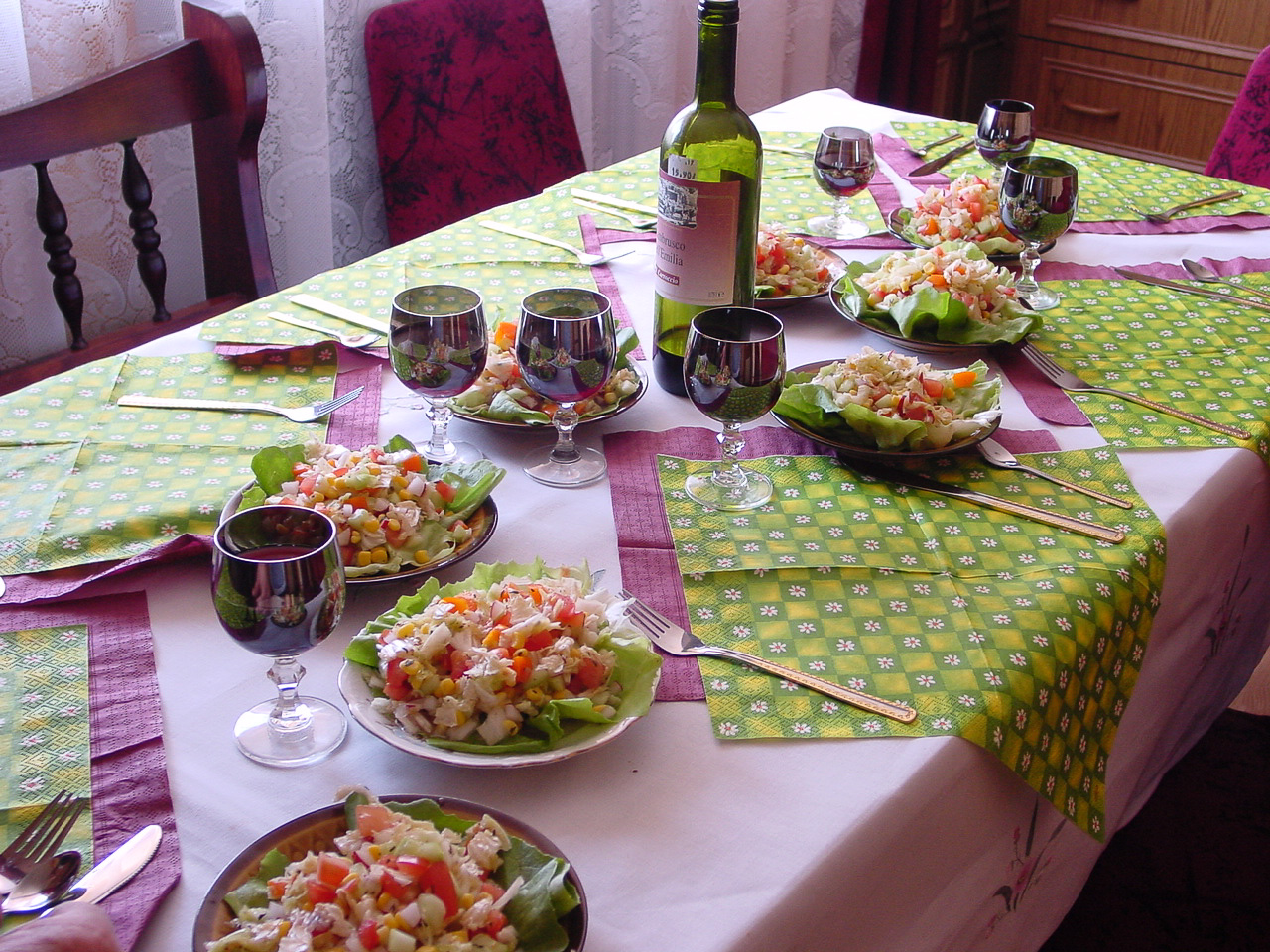
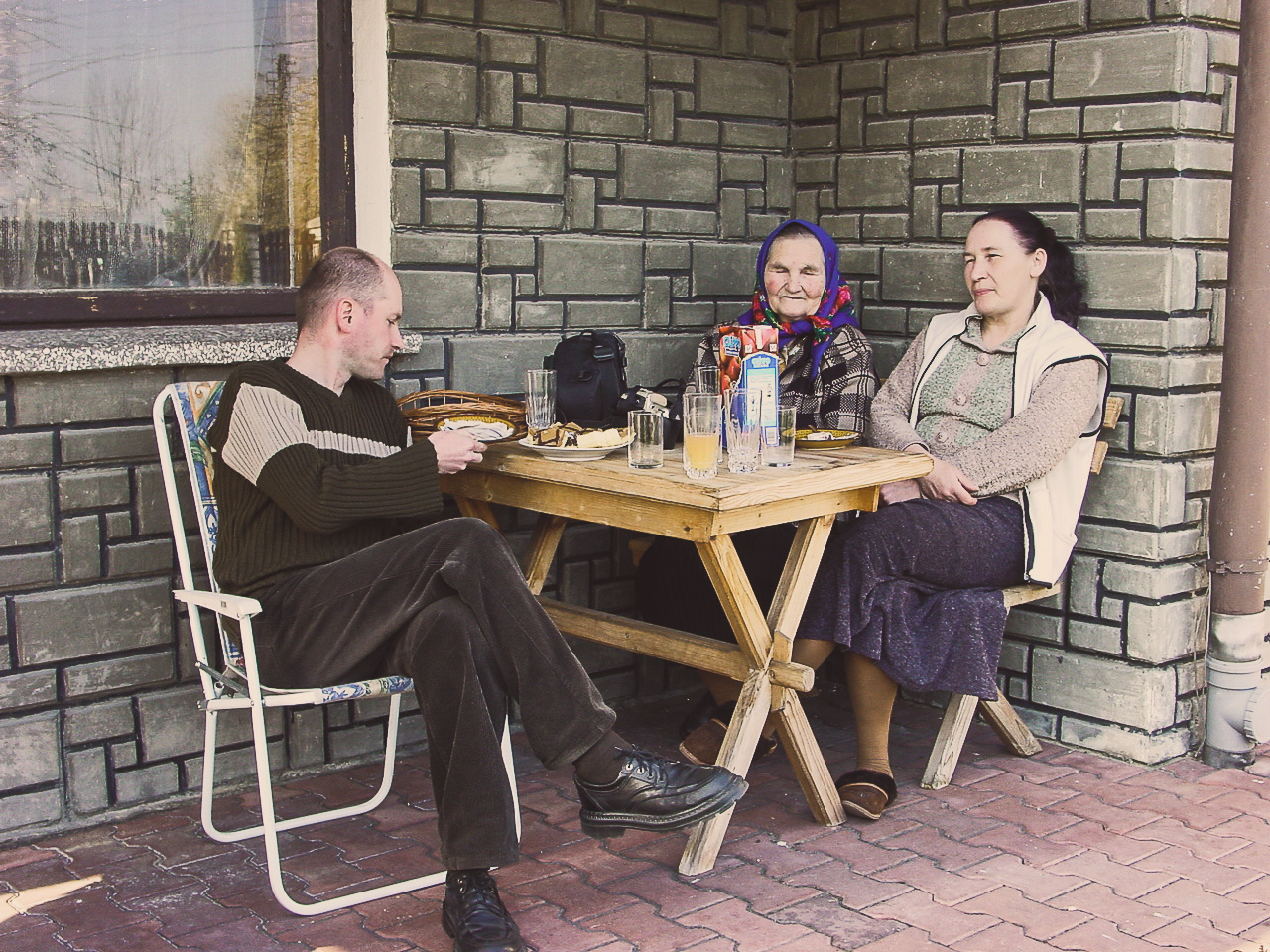
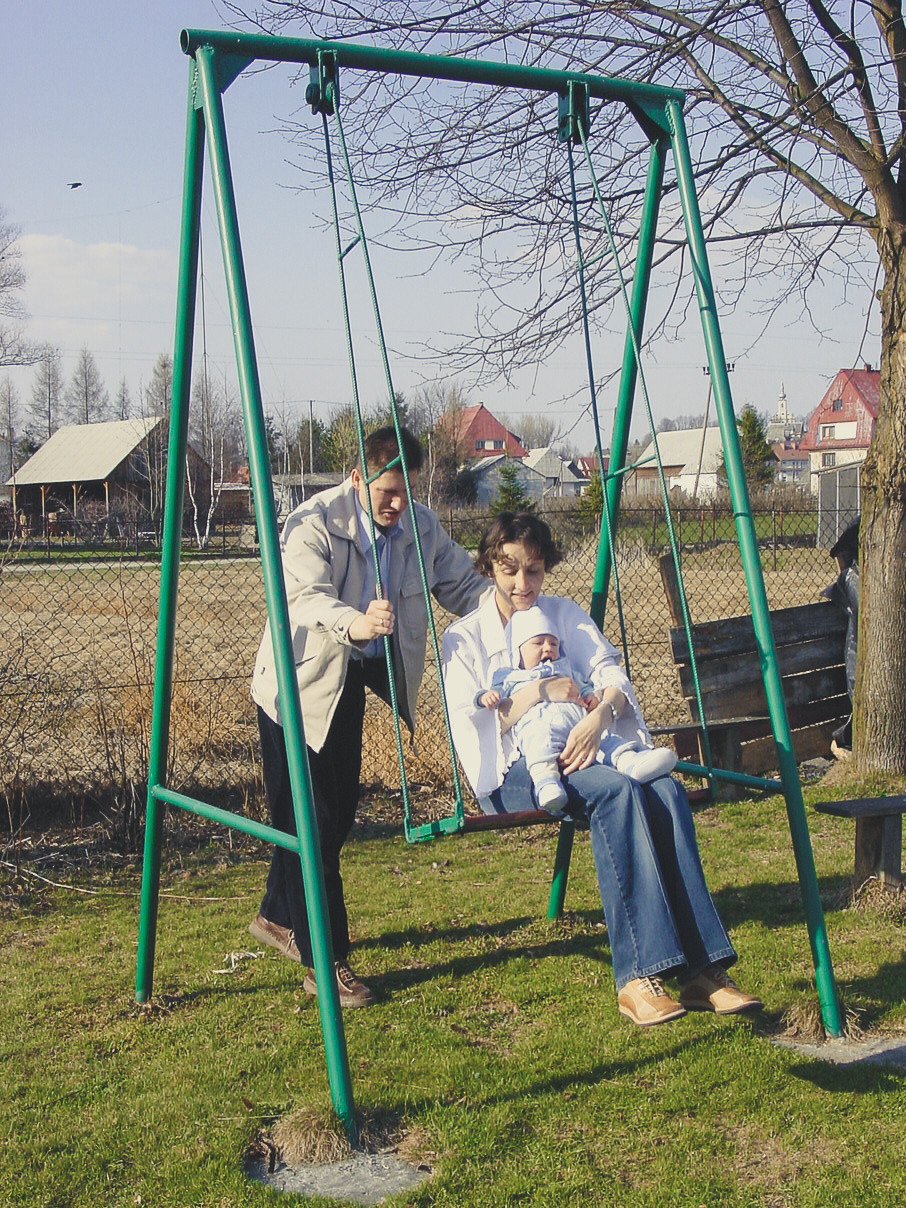
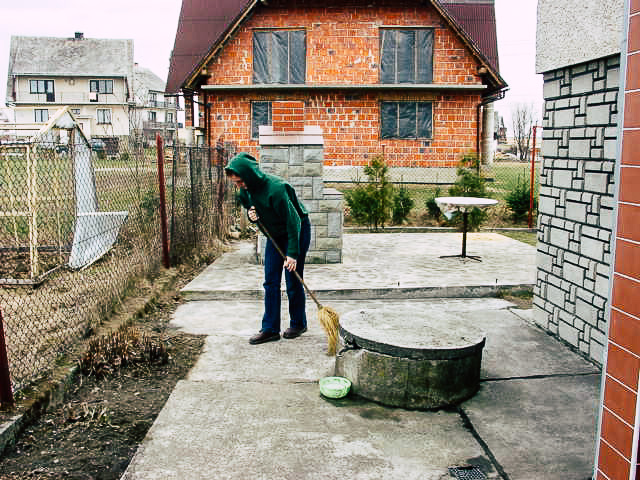
"Knock" in Polish is "pukać," but you'd never know that the word even exists in the language, for many Poles (around here at least) have a habit of literally walking into your house unannounced. Or they knock once and walk in without waiting.
It can lead to some particularly embarrassing situations, as you might imagine: walking in when someone's taking a nap, for example.
And it's not just friends and acquaintances that do this. The first time I was here, a lady going door-to-door selling apples tried to walk in after a single, quiet knock. Fortunately, my door was locked (a habit I quickly acquired), for I was just changing clothes.
And then for some friends, it was difficult to explain why I always knock.