Matching Tracksuits

fun in fours

Chess Claims

Every now and then, a student will challenge me to a chess game with much braggadocio and bravado.

"I'm going to beat you so bad, Mr. Scott!" comes the claim. "You don't stand a chance."

My response is usually simple: "Perhaps." There are plenty of thirteen-year-old chess players in the world (probably in the county) who could, indeed, thrash me. When facing an opponent for the first time, I prefer humility. Usually.

What I was thinking, though, was anything but humble: "Perhaps. But remember, young one, I have worked with you for quite some time now. I know how you think. I know your critical thinking abilities. I know how much patience you have (or in this case, don't have). I know how easily (or not) you make connections between seemingly disparate passages of the text. I know how well you infer. Very strong chess players do all these things better than the average person; you do most of these at about an average (or even below average) level. Also, to beat me, you'll need to know chess theory better than I do, which requires study and focus -- two things you don't always excel at. Therefore, taking all of this into consideration, it's highly unlikely that you will beat me."

Now, thinking all these things, I often just play along with the trash talk: "Buddy, I'm going to kick you so hard your grandmother is going to feel it." The most brutal trash talk I do is when, after a couple of moves, I just give the player my queen. "I won't be needing that." Among those who have a basic understanding of chess, this always elicits hoots and laughs. One student might run over to someone not watching the game and recount excitedly what I just did.

I thought about that today as students in my last period class struggled mightily with making claims for an argumentative writing assignment with which we're concluding the semester. I thought I'd set everything up perfectly for them to see some connections that would lead to good claims. We were annotating the text for things illustrating the narrator's family's poverty and the acts of kindness they perform and in turn receive. I made sure students saw two passages:

  • We were one of the last families to leave because Papa felt obligated to stay until the rancher’s cotton had all been picked, even though other farmers had better crops. Papa thought it was the right thing to do; after all, the rancher had let us live in his cabin free while we worked for him.
  • She made up a story and told the butcher the bones were for the dog. The butcher must have known the bones were for us and not for the dog because he left more and more pieces of meat on the bones each time Mama went back.

Here we have two acts of kindness that directly contribute to the family's survival. Yet none of the students could make the connections and inferences necessary to come up with a simple claim about this: "The family receives basic needs from the actions of others."

The co-teacher in the class, seeing the same problem, started searching online for some sentence stems to help them with their claims. When working with struggling students, sentence stems (also known as frames) help students orient their thinking and direct their writing.

"Since claims can be so varied," I told her, "I doubt you'll find much." She's a great special education teacher and a real advocate for all students: she didn't give up. Still, she found nothing.

"I just don't know how to teach these kids such basic critical thinking skills," I said. I've tried logic puzzles and similar ideas, but I'm just not good at that. I feel that's teaching skills (inferring, categorizing, comparing/contrasting) that most kids have learned years ago. It's something an elementary teacher would be trained to teach. Not someone who studied secondary education.

It's from classes like this that the "I'm going to beat you badly!" chess claims emerge. One such kid kept bragging while I set up pieces, and he put his class materials away. He sat down across from me and said, "Okay, so how do you play this game?"
Monday Evening

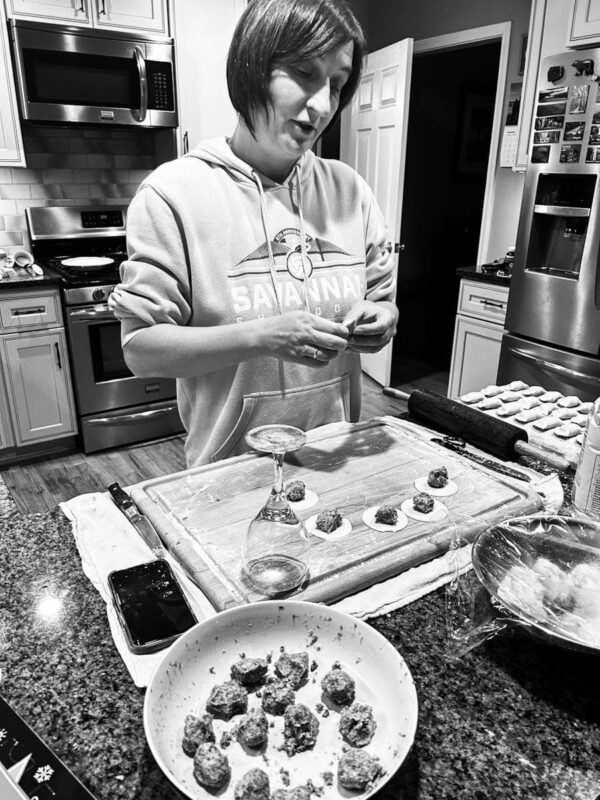
Will we ever be done with pierogi? Saturday, Sunday, and Monday -- three days of pierogi and uszki work. The upshot -- we have an entire freezer of Polish dumplings.

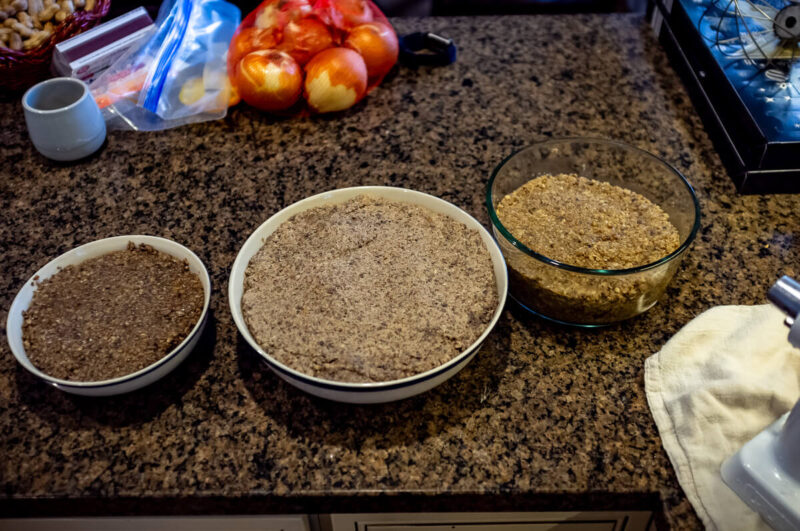
Our last batch was a distinctly non-Polish varietal: we had left-over turkey (not from Thanksgiving!) that we ground and mixed with mushrooms. They're good, just not very Polish. When we have them, I like to fry them just long enough to get a crispy finish and then make the lovely sauce you get with Chinese dumplings (soy sauce, rice vinegar, sesame oil) and pretend we ordered out Chinese.

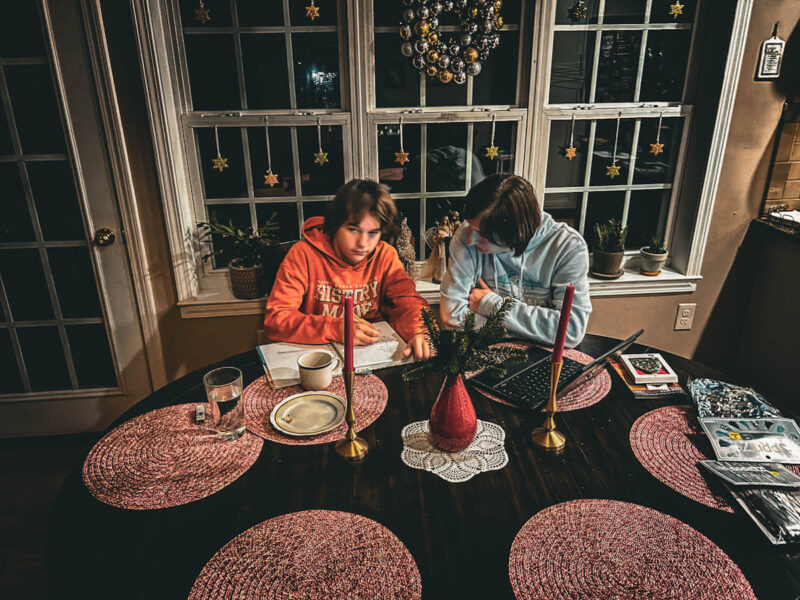
We closed the evening with a little math help. K does the math work with him; I do the English work.

Sunday Prep

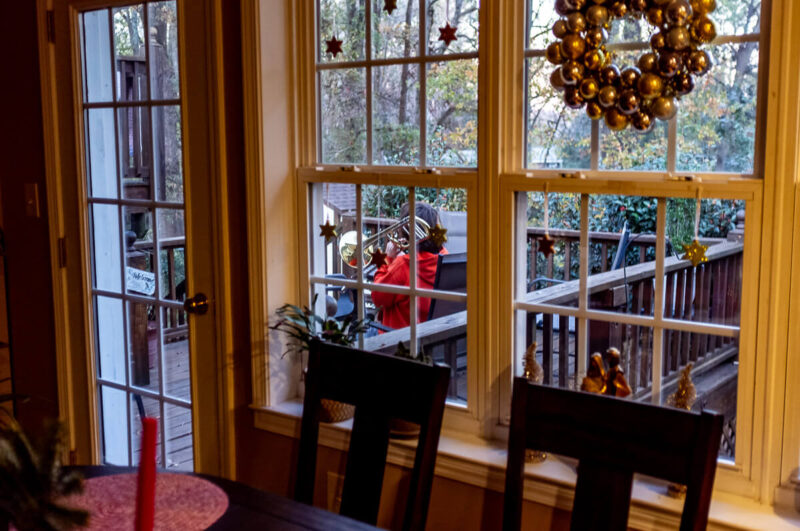
We have spent most of the weekend getting ready for Christmas. The Boy, for example, has his first Christmas concert as a member of his school's wind ensemble. They don't wear the usual Maudlin Middle band outfits for that performance; the girls wear formal black dresses and the boys wear tuxedos. The Boy's tux pants are too long, so K hemmed them this morning.

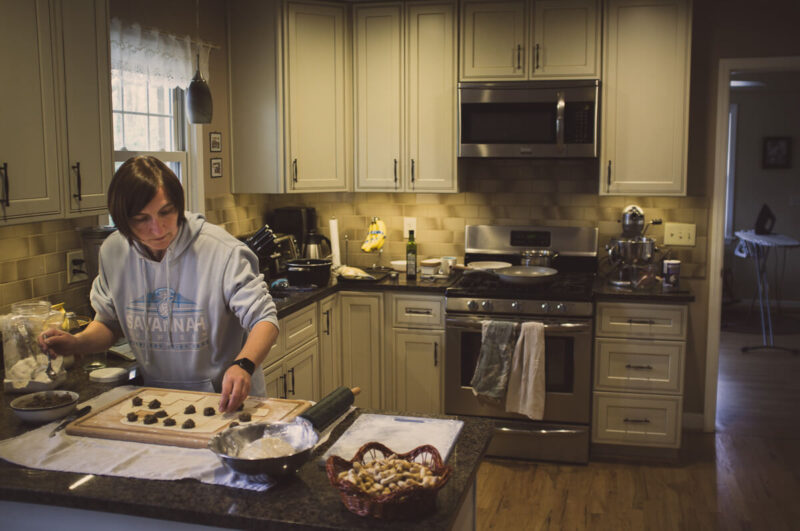
Yesterday, I made the farsz for the pierogi and uszki we'll have during our Wigilia meal in a few weeks. Today, K made them. We have every cutting block and baking sheet covered in dumplings of various size in both freezers of the house.

How many times have we had these prep days? Well, truthfully, it's something I could count. It seems timeless and endless, but that's only a trick of the brain. We've been married twenty years now, so that seems to make counting simple. But of course, we spent Wigilia together several years before we were married. Twenty -two times now? Twenty-three?

Saturday

Map

Sept 19, 2017

Our state is no longer using the Measures of Academic Progress (MAP) assessment that it has used since I first began teaching in South Carolina over a decade ago. The test was a nationally-normed test that provided teachers with a wealth of useful data about kids' skills and abilities. And since it was nationally normed, it provided a broad overview for parents (and teachers) about where an individual child was nationally in relation to the rest of his peers.

As a teacher, I was able, at a glance, to see what a student needed. If the national normal for eighth graders in the fall was 220 points, I knew that a kid scoring 210 was fairly far behind the norm, and a kid reading below 200 was reading at something like a first grade level.

Then last year, a funny thing happened: it was announced that the national norm for eighth graders had been re-established at 218. This was the former norm for seventh graders. This suggests that as a nation, we've dropped a little over the last decade.

What can the state do about this? It reflects so badly on our schools that we must do something. What do we do? Get serious about holding back students who don't master content? Implement a serious, statewide program to deal with the behavior problems that correlate (and likely significantly contribute to) this decline? Budget more money to decrease class size?

None of these things. Instead, they dumped the test. The test is showing results we don't like, so what do we do? We stop using that test. Easy -- problem solved.

Keeping Them Informed

One key skill a good reader consistently employs is the simple cognitive act of connecting what she's reading to what she already knows. "Connect to Background Knowledge" says the teacher's poster of effective readers' skills. When talking to the district language arts coordinator about skills our students are lacking, this was one that the three eighth-grade English teachers agreed was one of the most critical and yet most lacking skills.

"I remember sitting with my family when I was their age," I said, "watching the local news at six and the national news at six thirty." I knew about current events and how they were connected to previous events as a result. I knew about Chernobyl as it was happening (with of course the Soviet propaganda delay taken into account). I watched the fall of the Berlin Wall in almost real-time. I knew about the Tiananmen Square massacre because Peter Jennings, Tom Brokaw, and Dan Rather told me about these events. I was, therefore, constantly building new background knowledge.

"Why don't we get back to watching the CNN Kids news to remedy this?" the ELA coordinator suggested. We all thought it might be a good idea and decided to talk to the social studies teachers about why they weren't doing it anymore.

I should have guessed why.

"There was just too much pushback from parents," a social studies teacher explained. "This one is mad about the network choice. 'Why CNN and not another news station?'" Never mind for a moment that no other media outlets produce, to my knowledge, the equivalent. "They would say stuff like, 'Why are you showing our kids liberal propaganda?' And then there were those on the other side who felt it was too conservative."

"How about telling the parents, 'Well, that sounds like an excellent conversation to have tonight at the dinner table,'" I suggested.

Elf

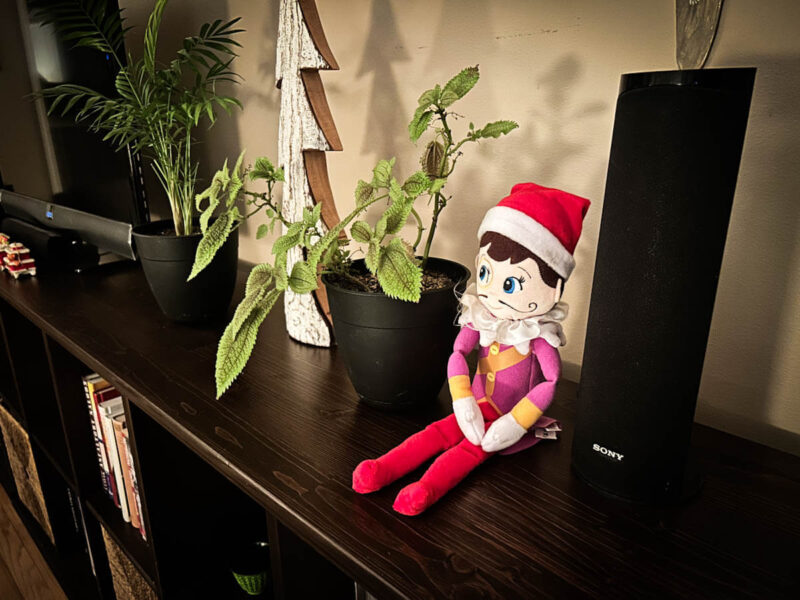
Elf has made his yearly appearance, but this year, he seems just to be hanging out in the living room.

"I know it's you and mom!" the Boy explained last year. And the year before that.

"But still, it's fun, isn't it?"

But this year, there it sits. Not moving. Not hiding.

Another sign that everyone is growing up. The traditions of Christmas slowly fall away. The Girl used to write a letter to Santa and leave out a snack. I can't remember the last time she did that. The Boy searched for Elf. I can remember the last time he did that, but it seems to be just that -- the last time.

Should we resist this? Should we try to cling to these things even after the kids have outgrown them? I think not. It's time to move on, to grow up, to pick up new traditions.

More Banning?

"Have you checked your messages lately?" the co-teacher who works with me during seventh period asked when she came in.

"Nope." But I was curious. So while I walked back to my desk to enter roll, I checked my phone. There was a message on a group chat.

I couldn't help it. I just started laughing. Howling, in fact.

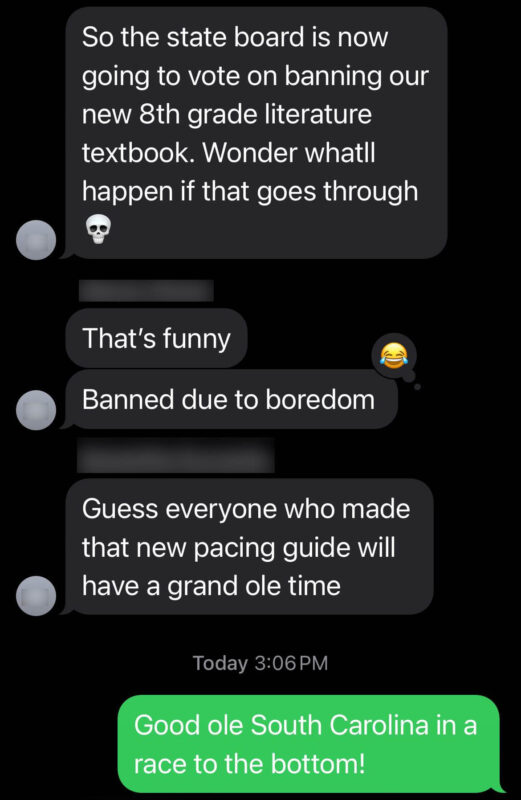
"Mr. S?! What happened?" several students asked. While I'm not a "don't smile before Christmas" type of teacher, I rarely find myself simply laughing so hard it's difficult to control myself, but when your world suddenly goes from absurd to Czech-film absurd, there's no other reaction possible:

That's right -- the state board of education is voting on whether or not to ban the textbook our district adopted.

Now, as absurd as that sounds, it's not entirely the school board's fault. The new state law allows any South Carolina citizen to challenge any book that's currently used in any school in the state. So some parent found something in the textbook that she didn't like and lodged a formal complaint. According to the state regulations (as I understand them), that sets in motion the whole process of reviewing a book and then voting on its status.

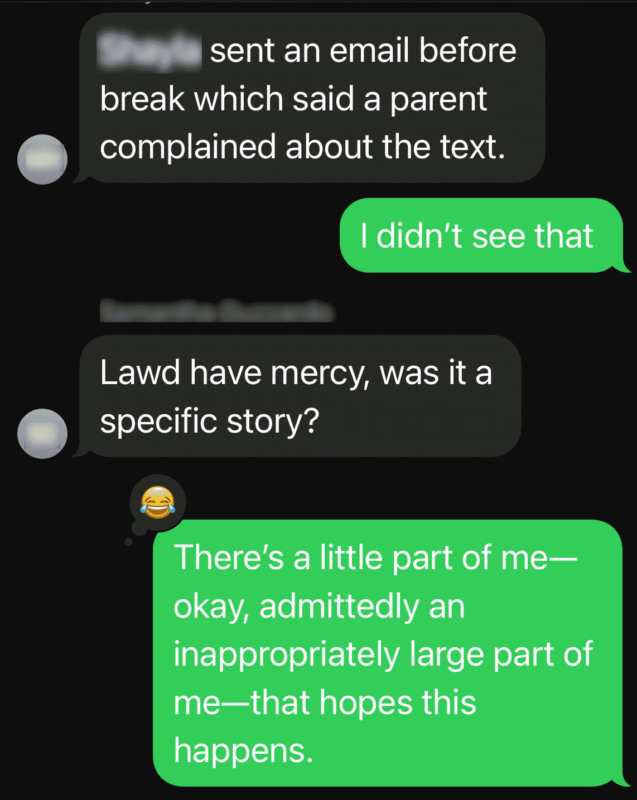
At the end of the day, I added my own thoughts: Mississippi, look out! South Carolina is hell-bent on making to the bottom of the education ladder. Then as students were dismissing, the chat picked up again:

Why would I want this? Because perhaps that would shake up enough people that many would finally start campaigning against this absurd new policy. Were the book to be banned, that's literally millions of dollars down the drain.

"We as taxpayers should consider a class-action lawsuit if that happens," the science teacher suggested. I don't even know if that's possible, but it's a lovely thought.

In the end, I don't think it will get banned, for the fiscal reasons outlined above. But it did get me thinking: if I were a retiree living in close proximity (say, a thirty- or so minute drive to Columbia), I would challenge books on a weekly basis. I would challenge elementary school books, middle school books, high school books. Before one challenge got resolved, I would lodge another. I would make it my personal mission to gum up the system so much that the school board itself would regret the legislation and push back against it.

Concert

We went for a little show in the Peace Center by Canadian Brass. They opened with Mozart,

played Coldplay,

some of Charlie Brown's Christmas,

and ended with Frosty melting.

It was a good show.

Decorating 2024

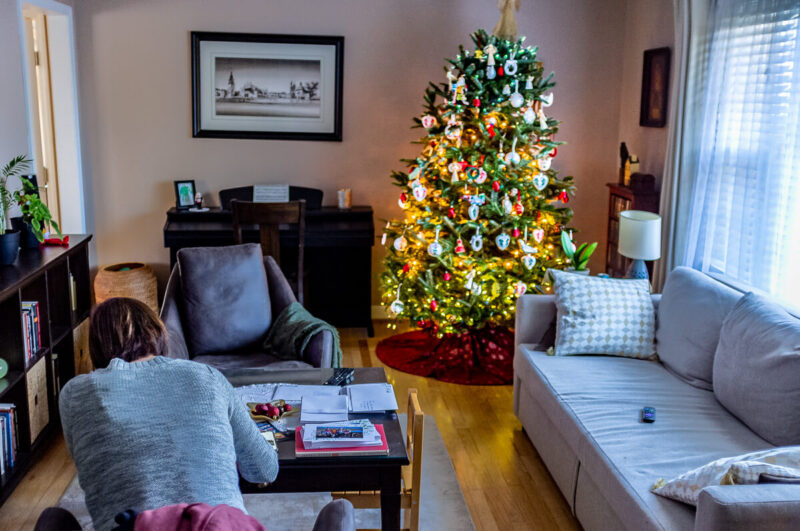
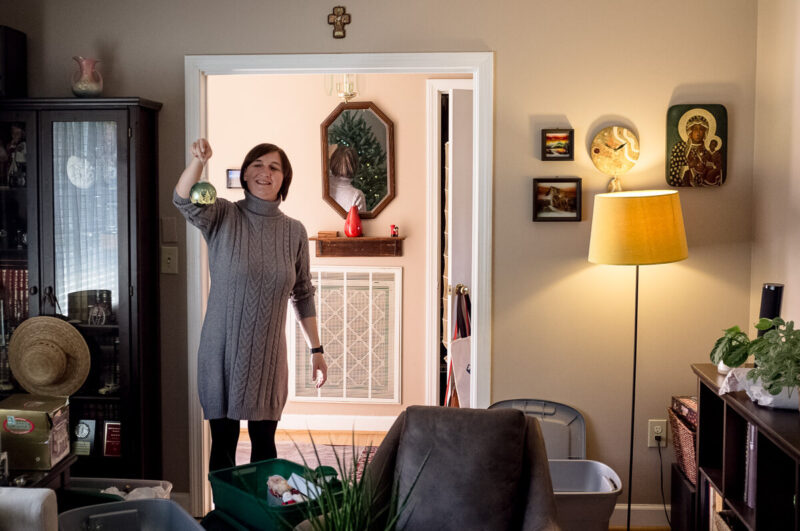
And so we enter the Christmas season, which this year promises to be unlike any Christmas we've shared. This is the last Christmas that L will still be living at home. It certainly won't be the last Christmas we spend together, but it will most likely (excluding any unforeseen contingencies) be the last Christmas that she spends with us where the weeks leading up and the weeks trailing off see her still in her lovely room. "I guess I'll head back now," will be the phrase we're dreading next year.

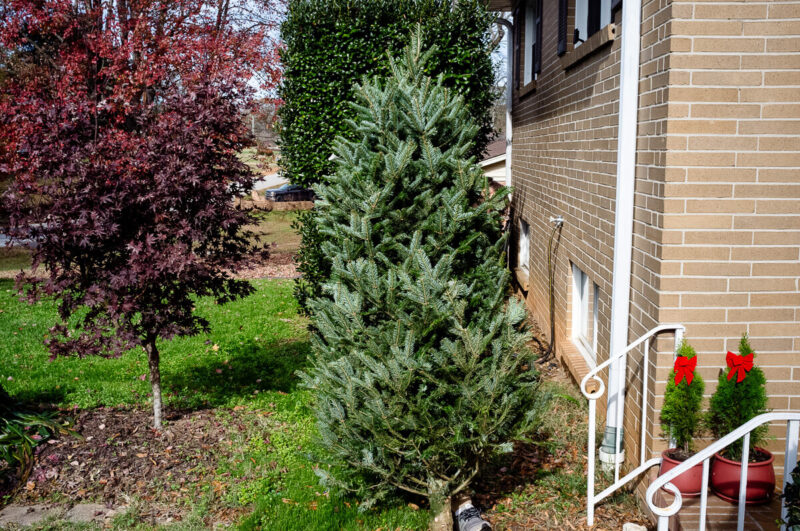
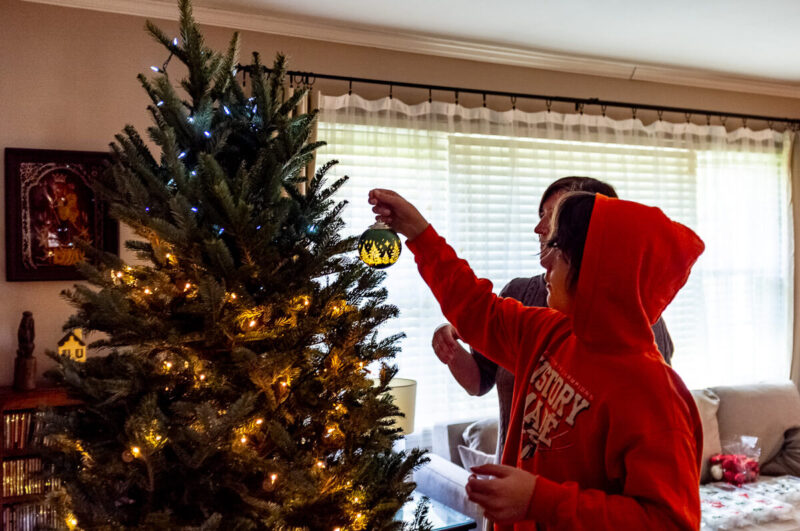
Last year, apparently, was a last for us -- at least for a while. I am no longer in charge of the tree: this year, the Boy insisted on taking care of the tree. He unloaded it yesterday afternoon, suspended it under the deck to allow the branches to relax a bit, and carried into the house by himself -- irritated that I wanted a picture as he did it.

"You're like the paparazzi!" he declared.

This reticence to having his picture taken has been building, and it's positively a thing now. L has gradually disappeared from the majority of the entries because of similar reasons. It's understandable: teens are so very self-conscious of everything they do, of how everyone might look at them. I remember those anxieties myself. I would have felt even more aware of myself during this time of year: nothing stands out like not celebrating Christmas. At least when you're the one not celebrating it. Like so many "distinctives" in our little sect, that one is more wide spread than I would have suspected as a seventh grader.

He did allow me to snap a shot of him putting the first ornament on the tree.

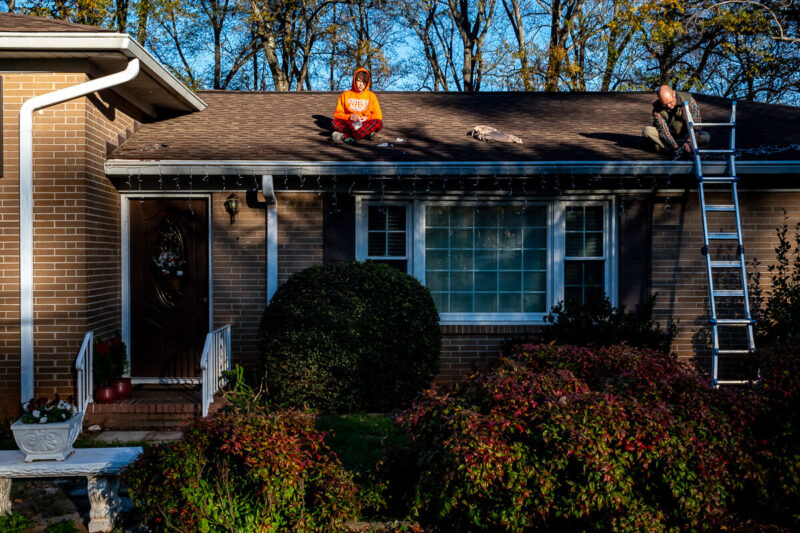
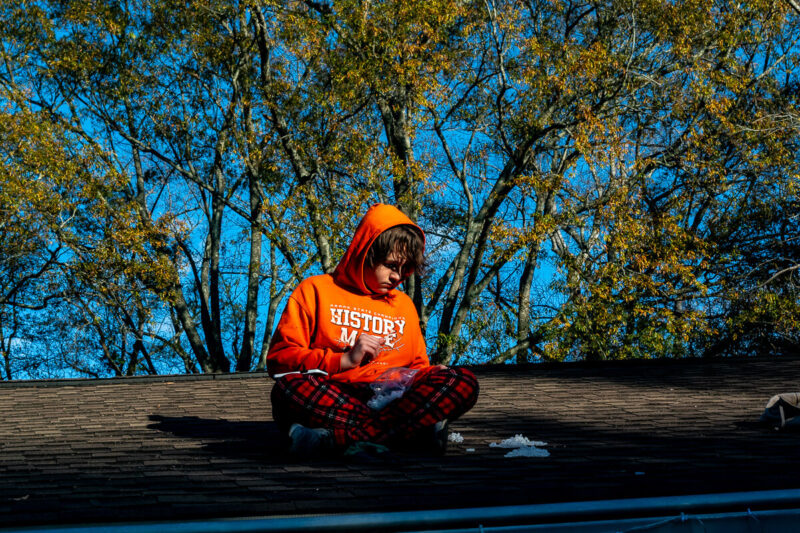
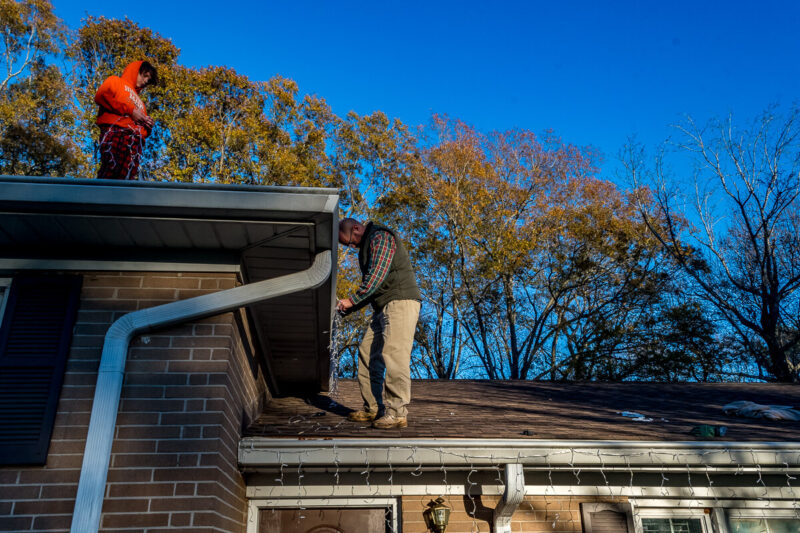
And as we were putting lights on the house, there was not much he could do to protest.

I don't have nearly the number of photos from my own childhood as my children have of theirs. The reason, of course, is simple: digital is cheaper. We currently have 135,184 pictures in our Lightroom library, and that's including scanned pictures back through the sixties, seventies, eighties, and nineties -- well before the masses went digital. There was certainly something about the old film days that's lacking now: that wait. You take a shot and you think you have a really great shot, but you're not sure. So you send the pictures off for development (or do it yourself -- I'm fortunate to have had a little darkroom for a few years), and there's that excitement going through the pictures (or watching the developer bring the image out of nothing).

I still get that a little with digital, though. Snap a picture and a series of possible edits in Lightroom start running through my head. I'm no longer wondering if I got the shot, though. And that delayed gratification -- it's gone for good.

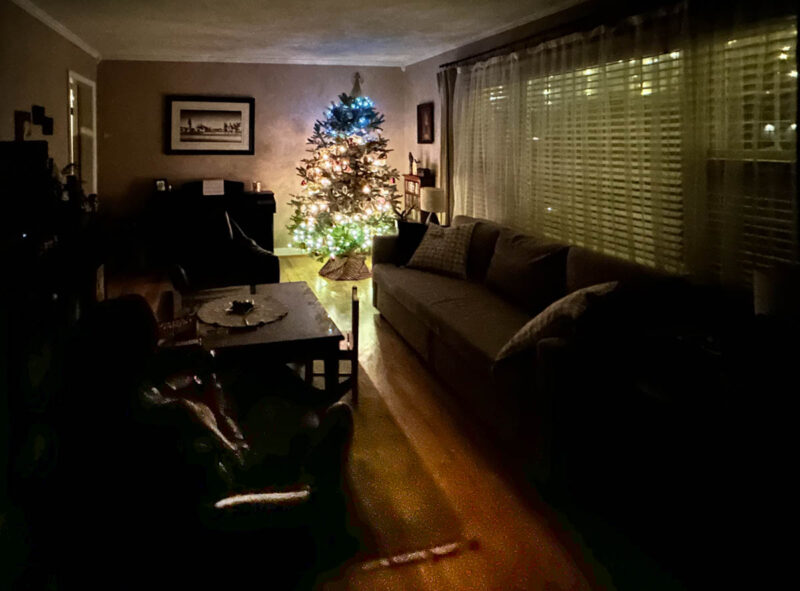
Finally, we get everything up and L asks, "Why is are the lights on the tree blue at the top and white at the bottom?" Because, to return to the opening thoughts, this Christmas will not be like others. Nana and Papa have been gone for years now: this will be our sixth Christmas without Nana and our fourth without Papa, true, but it still feels wrong.

It will also be our first Christmas without a long-anticipated Christmas party. Almost everyone we usually spend Christmas with decided to go back to Poland for this Christmas. (That's why we all got together on Thanksgiving: the only difference was the food and the lack of carols, though everyone made up for it singing everything else they could think of.) I can't blame them: Christmas in Poland is magical in a lot of ways. But it means things will be different around here.

Quieter, for one.

That's almost always a good thing.