fun in threes, sometimes fours
Today, we were back in Florida, less than a week after we left it last. It was a quick trip, though: the Girl and I drove down yesterday afternoon (hence the nearly-non-post of yesterday), arriving at close to ten in the evening and going to bed shortly afterward. We were up at six to make it to the meet by a touch after seven for L's first event: javelin.
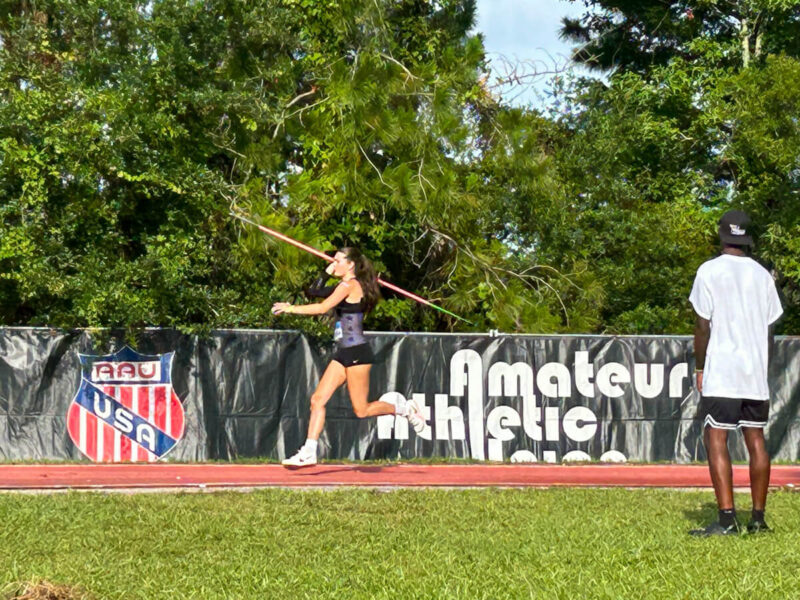
Her total was simple: finish in the top eight to qualify for nationals at the beginning of next month. Sadly, she missed the mark, finishing ninth.
It was disappointing, but in some ways, not completely unexpected: she hasn't thrown in three weeks, and she used her shoulder a lot on a daily basis a couple of weeks ago at volleyball nationals, so it was a bit sensitive today. By the time she was heading up for her second throw, she was already massaging that shoulder.
We head back to Jacksonville Thursday afternoon for her second event on Friday morning, the high jump. We'll see how that goes, but she already went started preparing, heading out for jumping practice right after we got back from Jacksonville this afternoon.
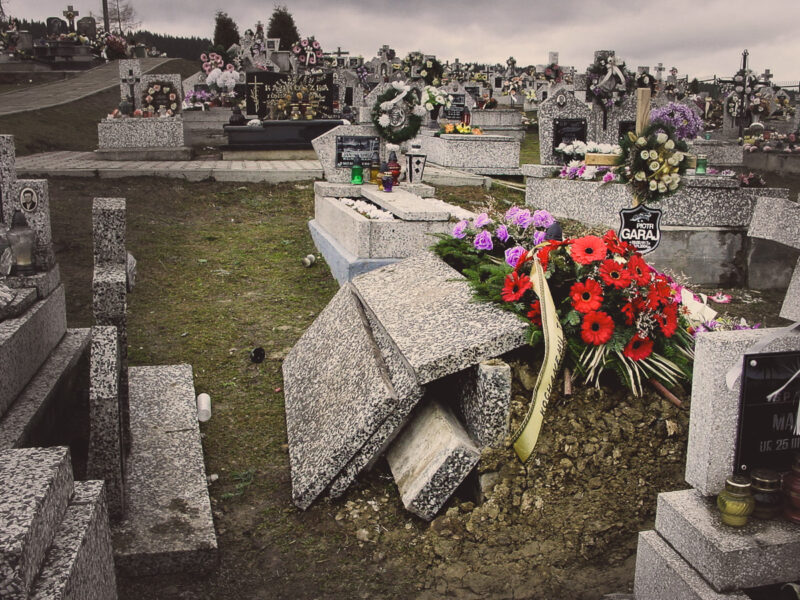
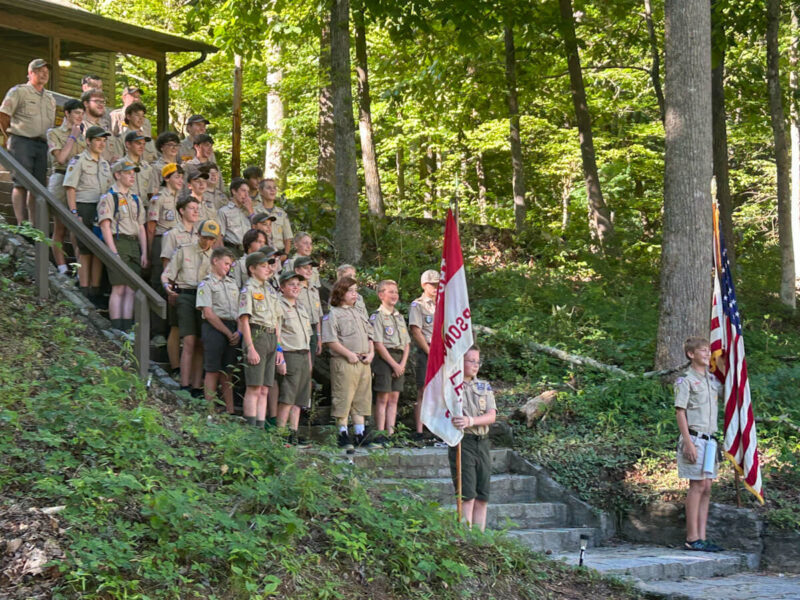
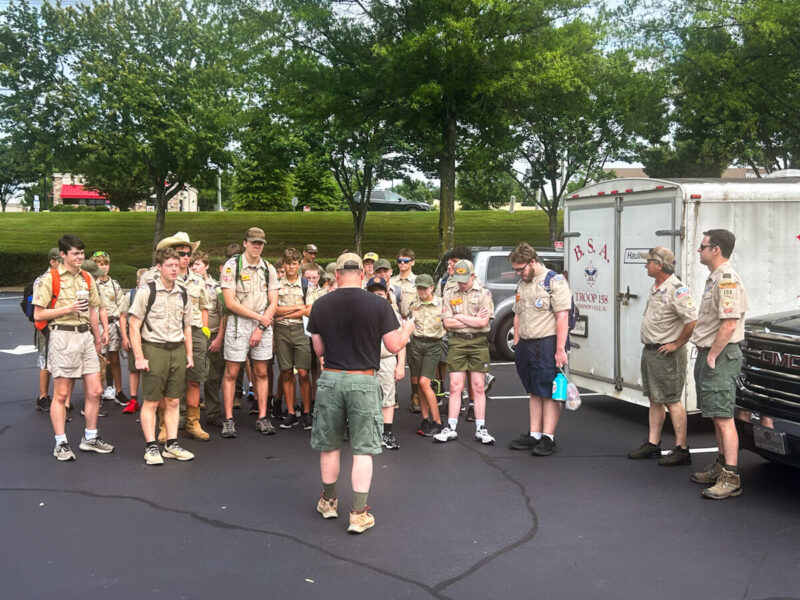
The Boy left for camp today. He'll be gone until next Saturday. I'm not sure how I feel about that. Typical parental concerns: on the one hand, I love seeing him grow up, seeing him not only willing but excited about a week away from us. Not that he's excited about being away from us, per se, but rather that he's excited to be going to camp and the prospect of being away from us for a week doesn't worry him or dampen that excitement.
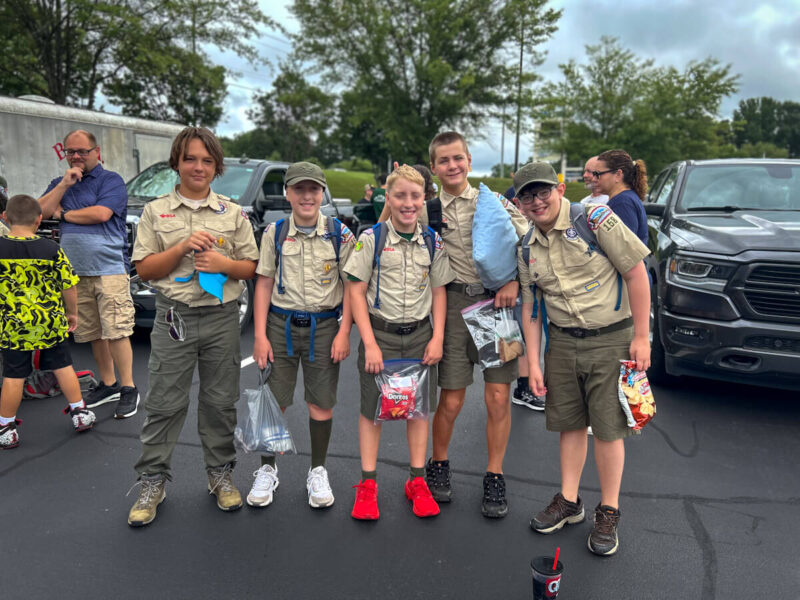
On the other hand, I know how situations like that can stress him out. Or could stress him out. Perhaps he's growing out of it, but I'm not: I'm still stressed about him being gone. Not about him being gone, but not being in the near vicinity to keep an eye on things.
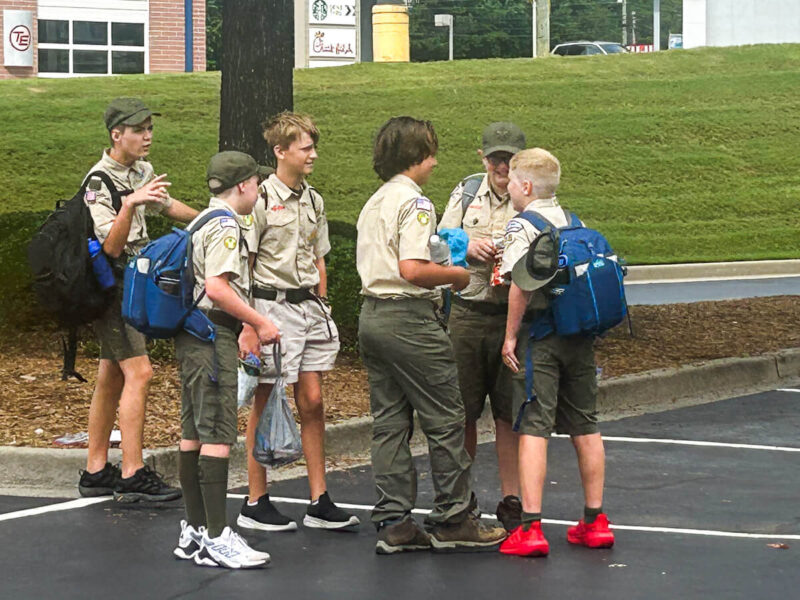
"You can't be there for them all the time. You have to let go." That's the common wisdom. The common parental expectation.
But that doesn't always allay the worries...
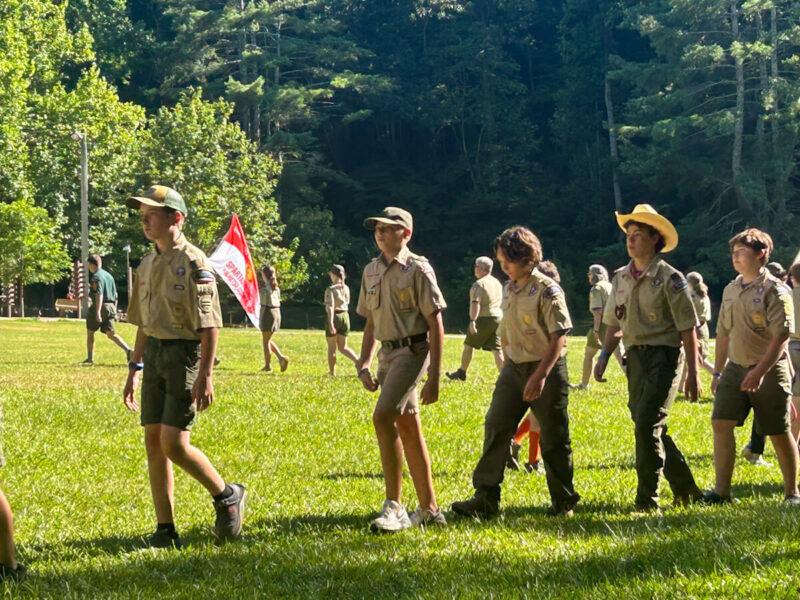
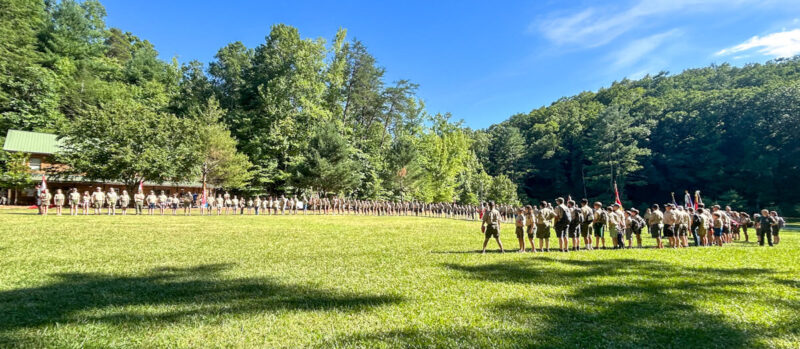
Today we spent most of the day getting E ready for Scout Camp this week. Clothes, rain gear, miscellaneous supplies all packed into a big trunk. He went last year with a different troop because his uncle's family was coming from Poland during the week his troop was scheduled to go. But this year, this year will be great, he assured us. Last year was great, too, but this year...
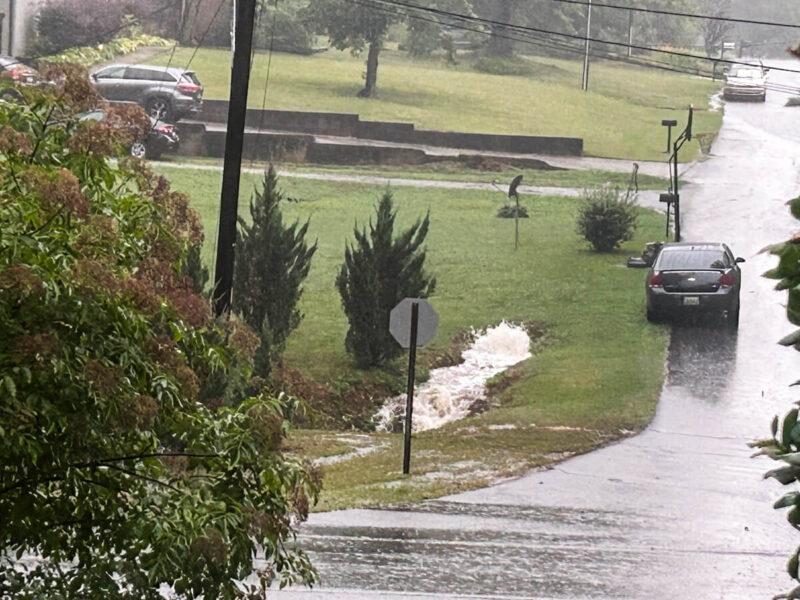
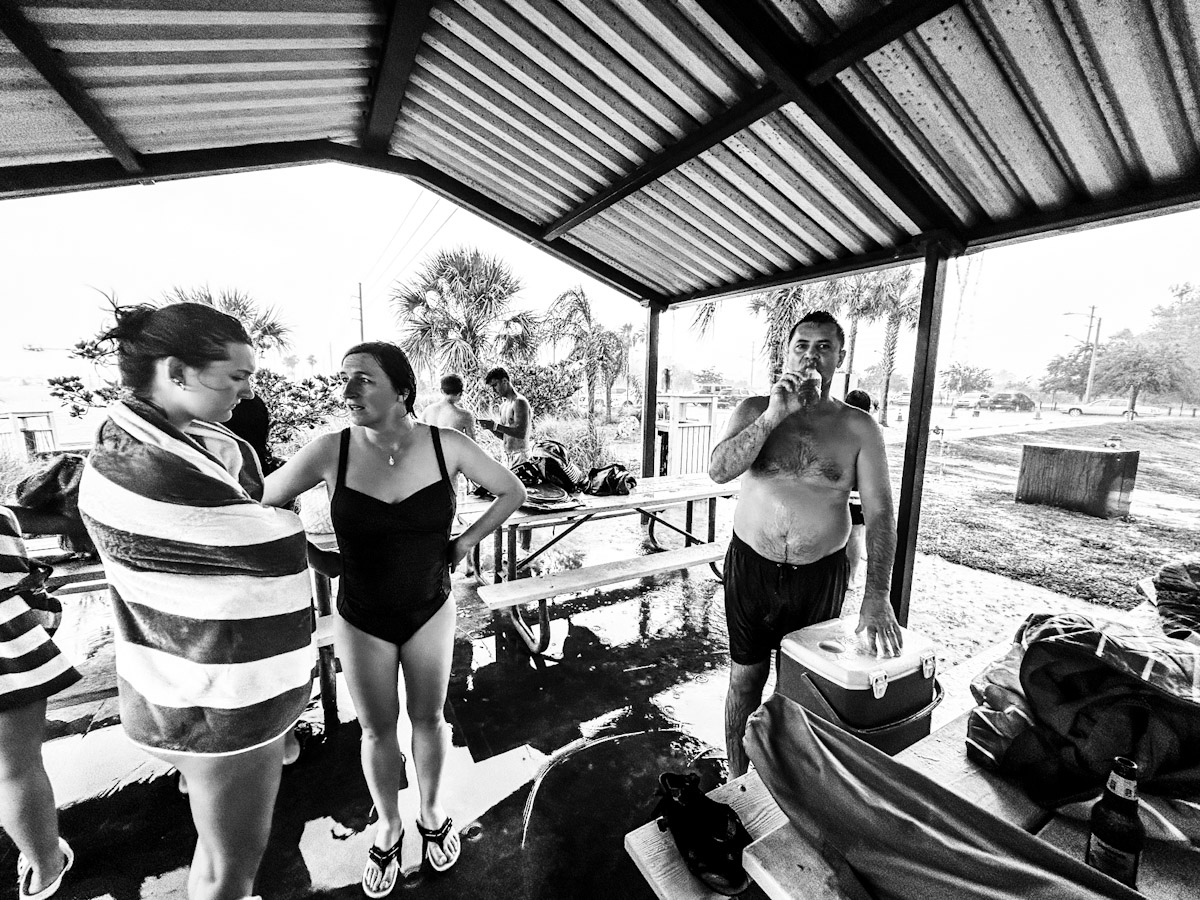
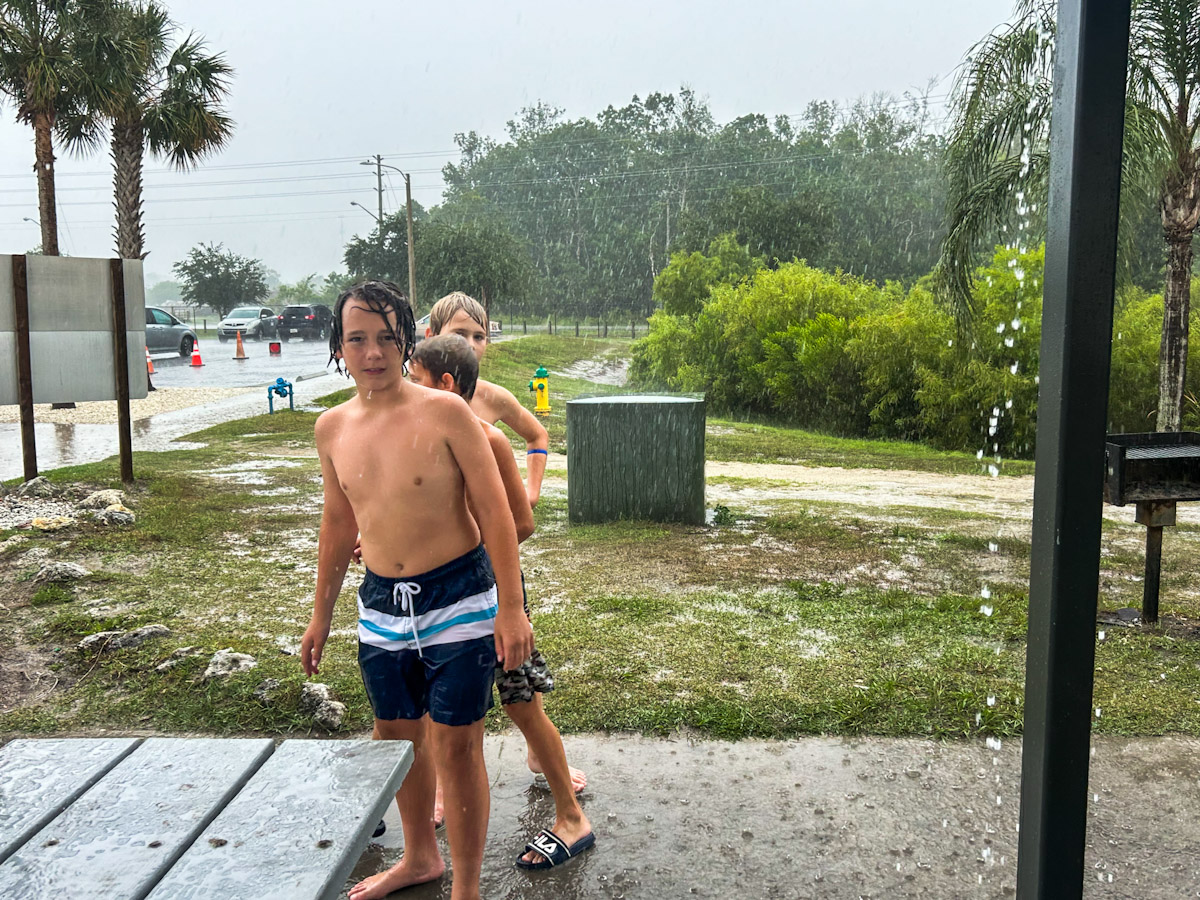
Once we were done and could do something fun, the rain started...
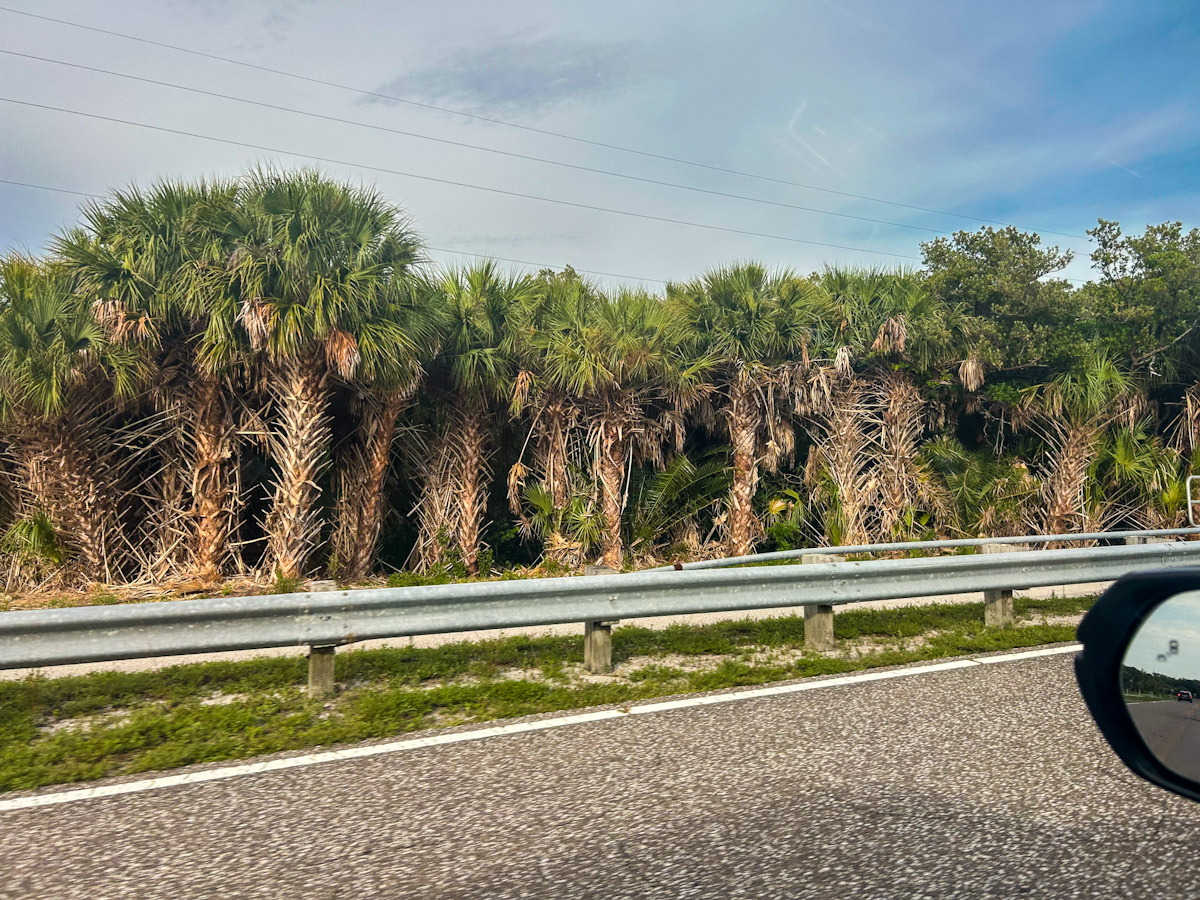
We drove over the Lions Bridge one last time today heading home. That's the only picture from the day.

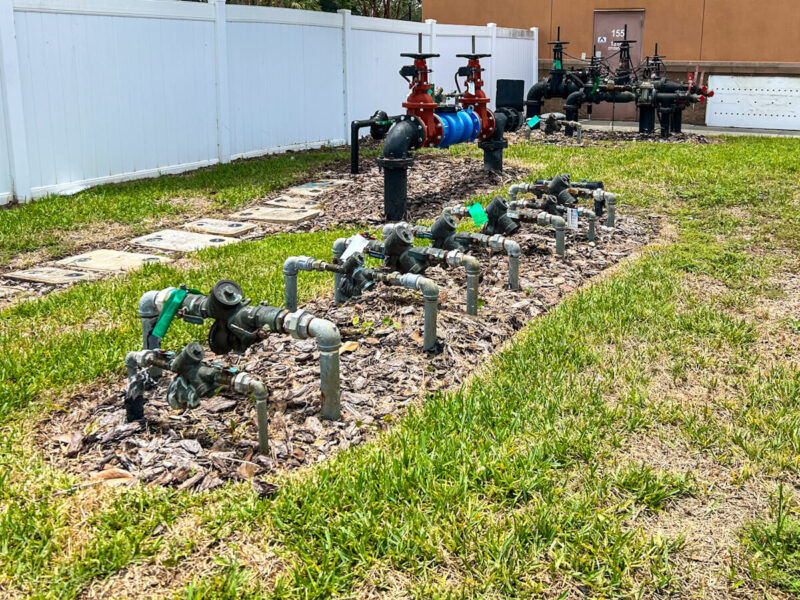
That and K's cute obsession with taking pictures of backflow preventers that are so different from what she's used to working with Greenville Water. "Why are they all out out of the ground?" was a common question. No one in the car could answer.
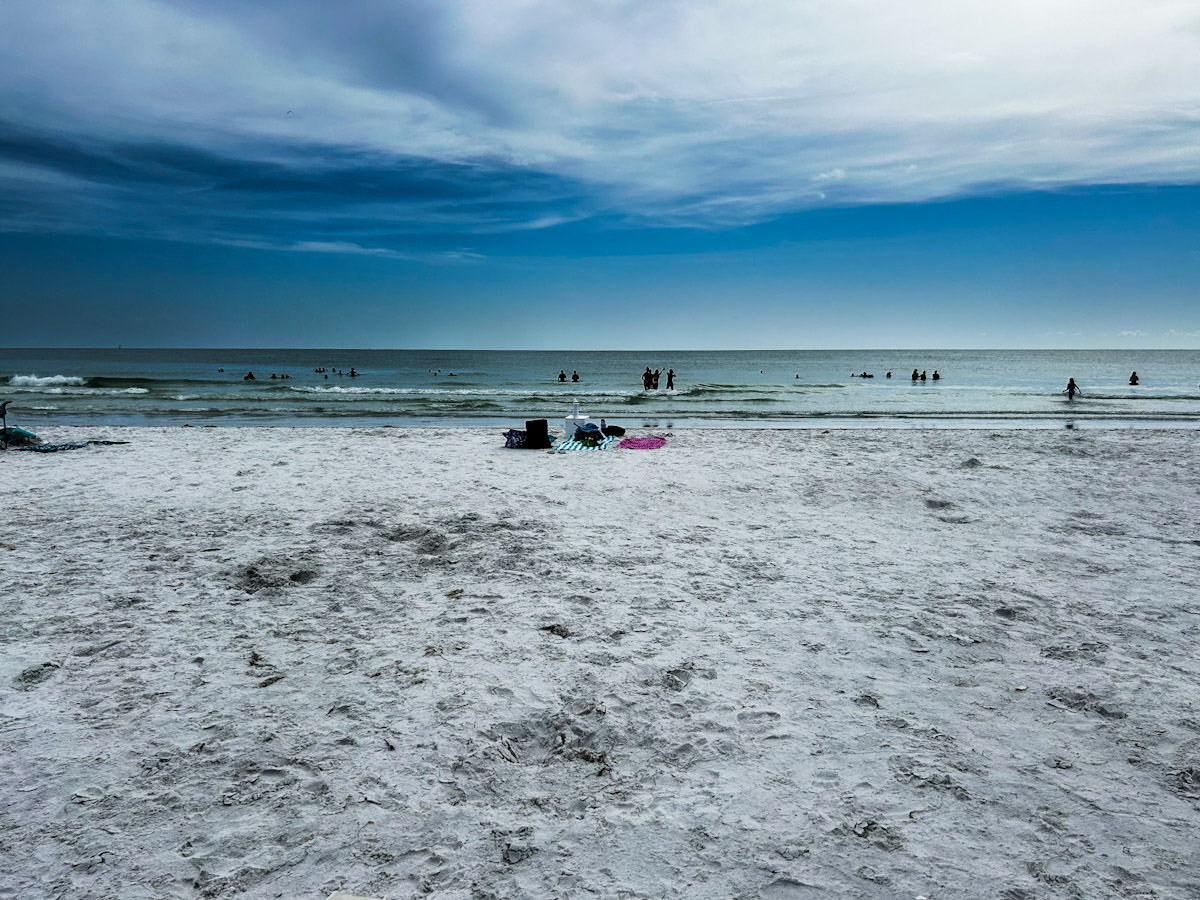
We spent the morning at the beach again, but no photos. The kids and I spent the whole time in the water, boogie-boarding, floating, splashing, and just being generally full of ourselves. K, on the other hand, spent most of her time covered: a long-sleeve sun shirt, umbrella, and lots of sunscreen. She got burned yesterday and did not want to make it any worse.
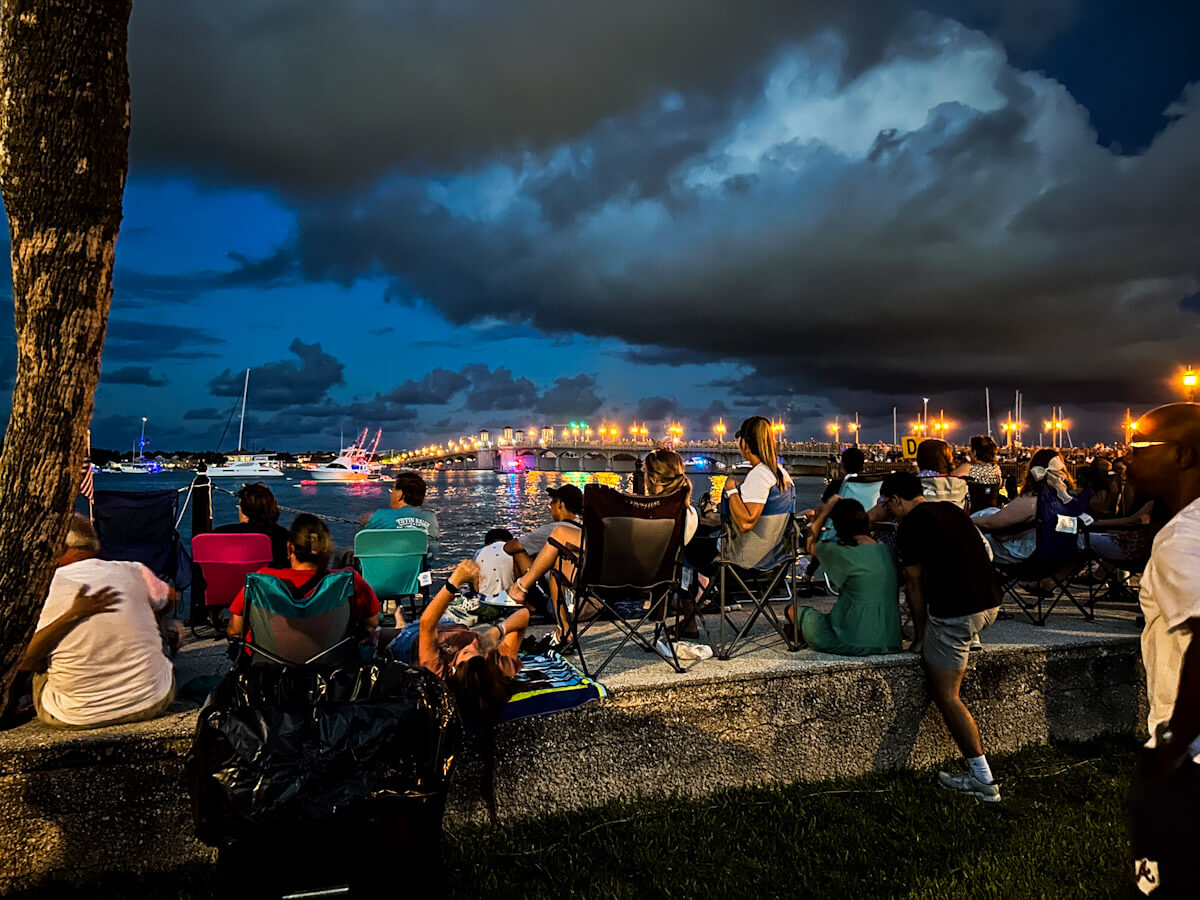
In the evening, we headed downtown. We caught a short bit from a great street band:
And, of course, there were fireworks.




The shells on the beach just at the edge of the surf were visible for only a few moments before the white bubbles and turbulence hid them again.
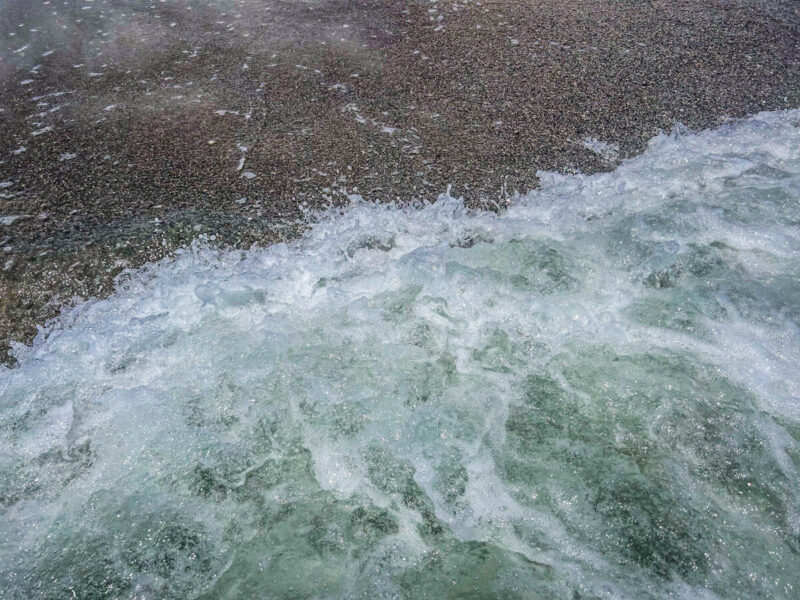
In the brief time I could clearly see them in the shallow water, it was obvious most of the shells were only fragments, often smaller than the smallest coins, slivers well on their way to becoming grains of sand. Every now and then, a shard would catch my eye, and I would think, “I might try to grab that one” just before incoming wave hid them once again.
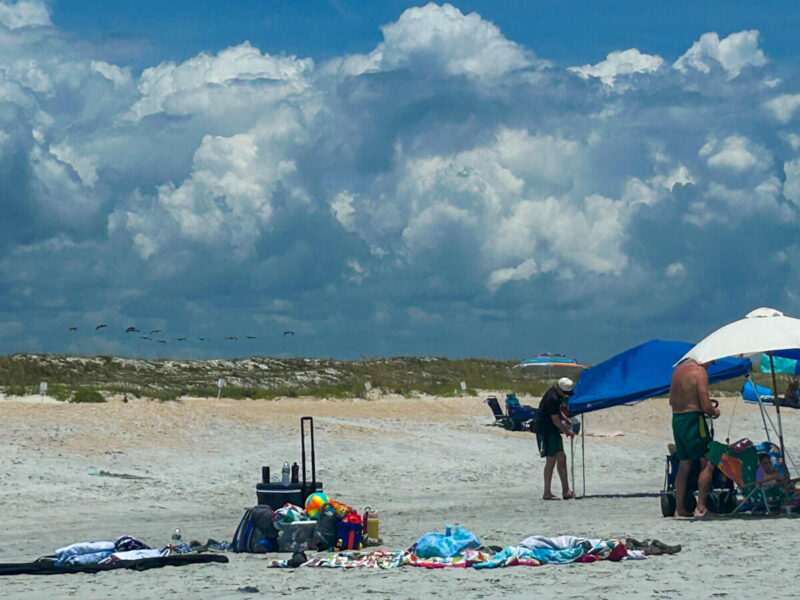
By then it was too late: once the water cleared up, the tide would have tkane the shard so far away from its original position that finding it was all but impossible. Another might catch my eye, but then the process would simply repeat itself.
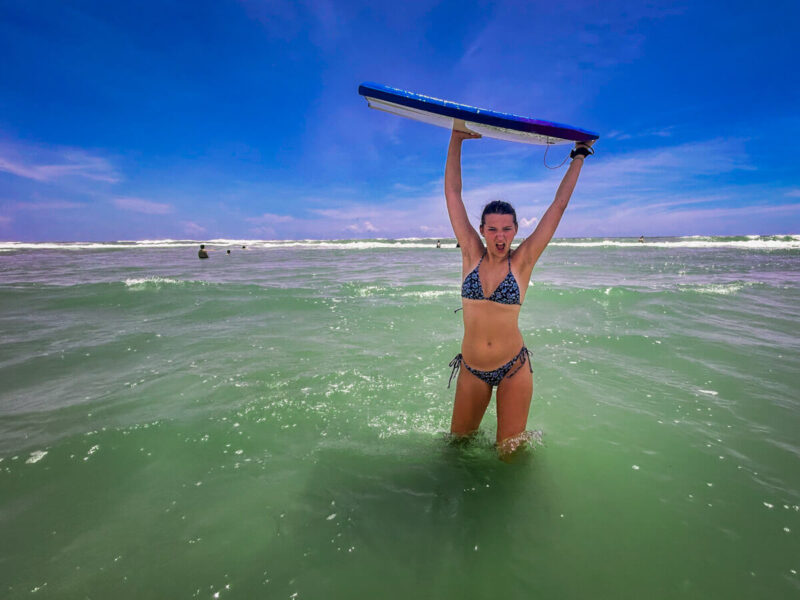
To get a shell required calm and patience followed by a paradoxical ability to move quickly when needed. Hesitation meant the loss of the moment. In some ways, that’s a metaphor for live in general for many people. Everything is about getting the right moment, and when that fails, increased stress is the outcome.
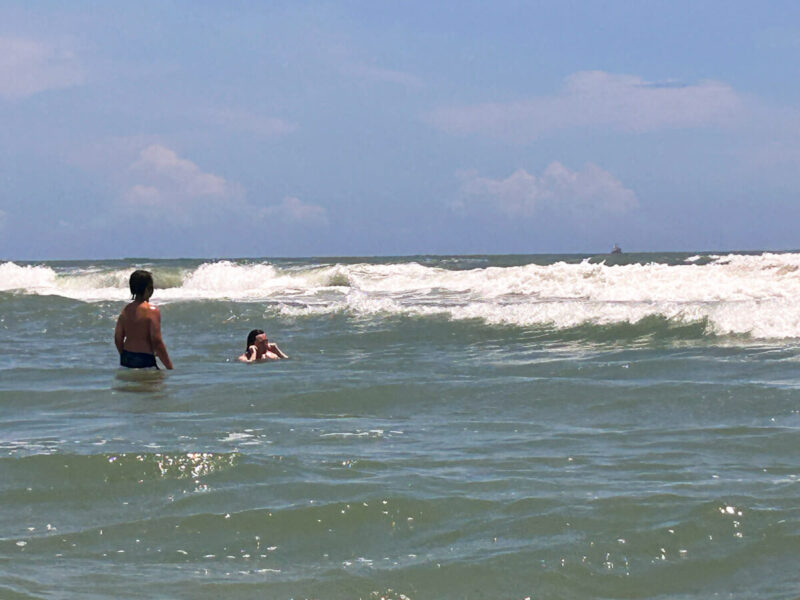
Yet the older I get, the more I realize the error in living like that and the unnecessary stress it causes. Yes, I might not get that exact shell that I wanted, but there were plenty of other shells that were just as lovely, often more so.
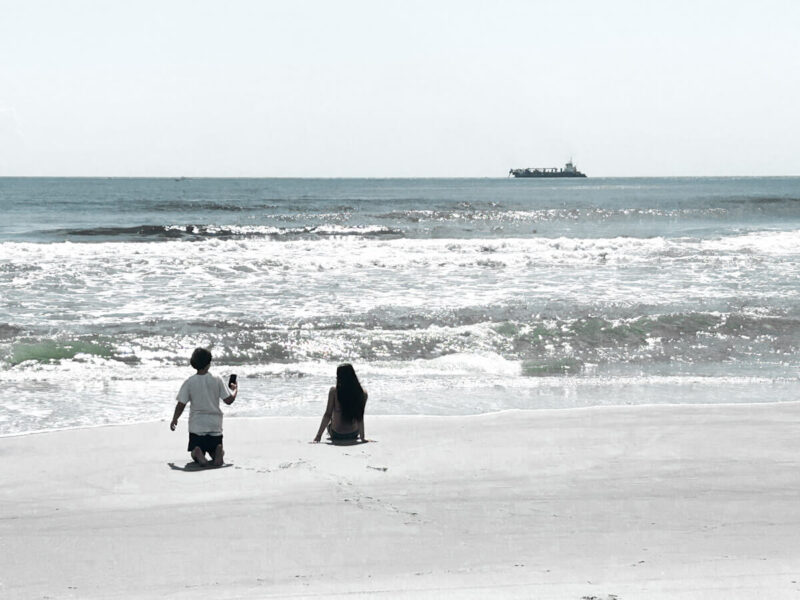
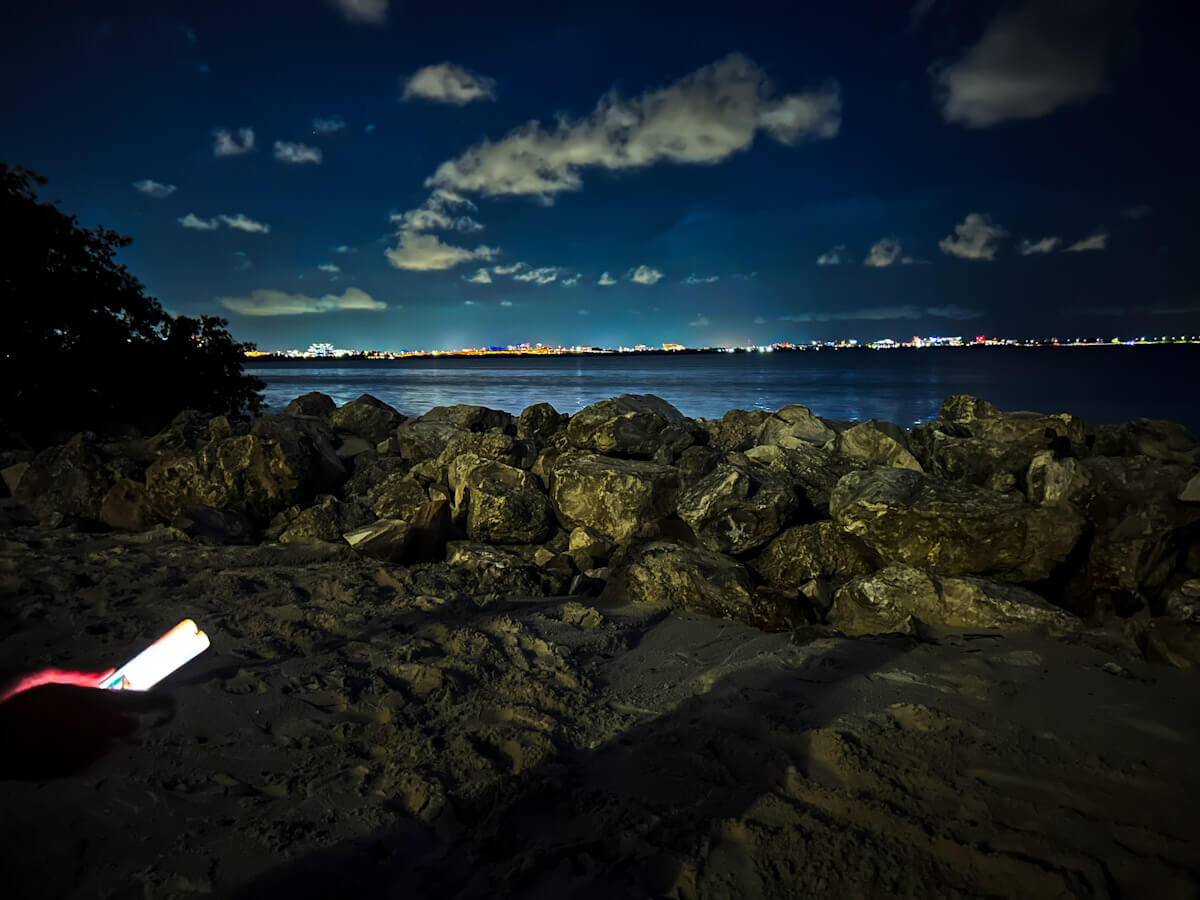
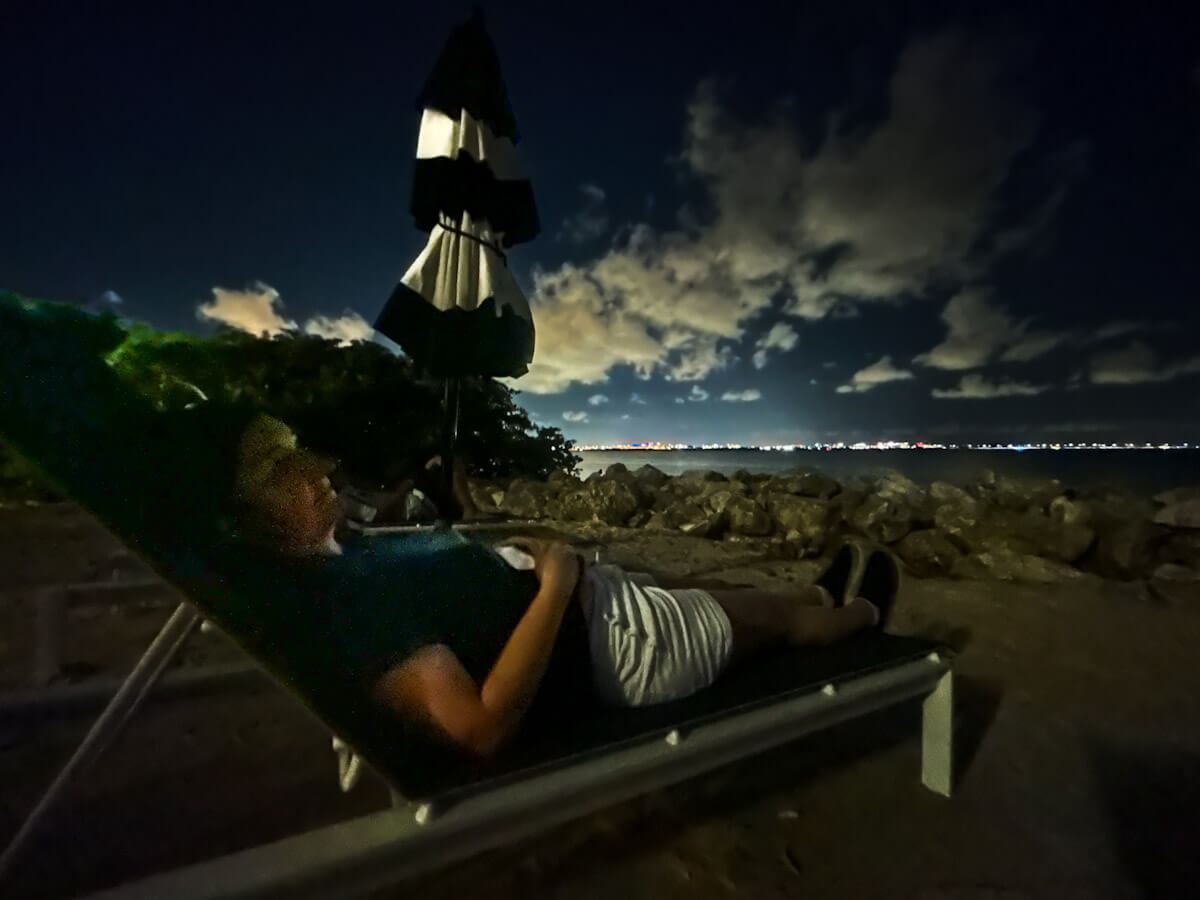
In the evening, after we'd spent a few hours back at the Airbnb, after we'd spent some time downtown and had dinner, we headed back to the beach.
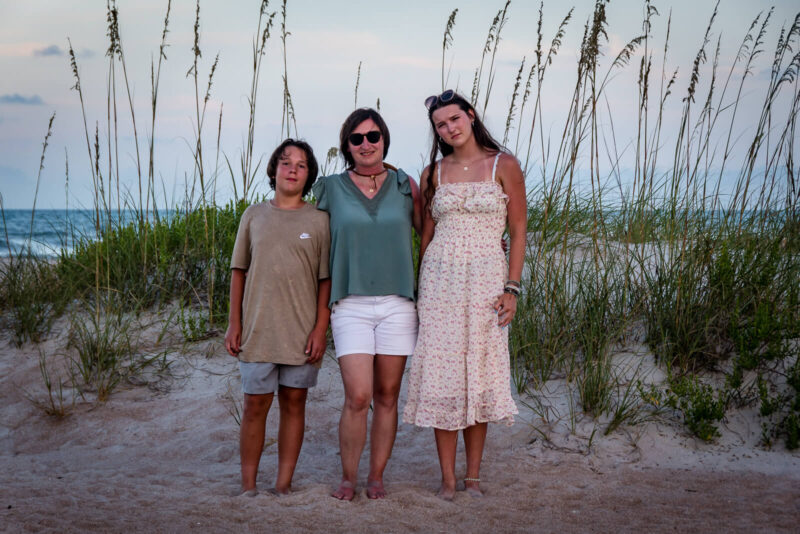
I took a few pictures:
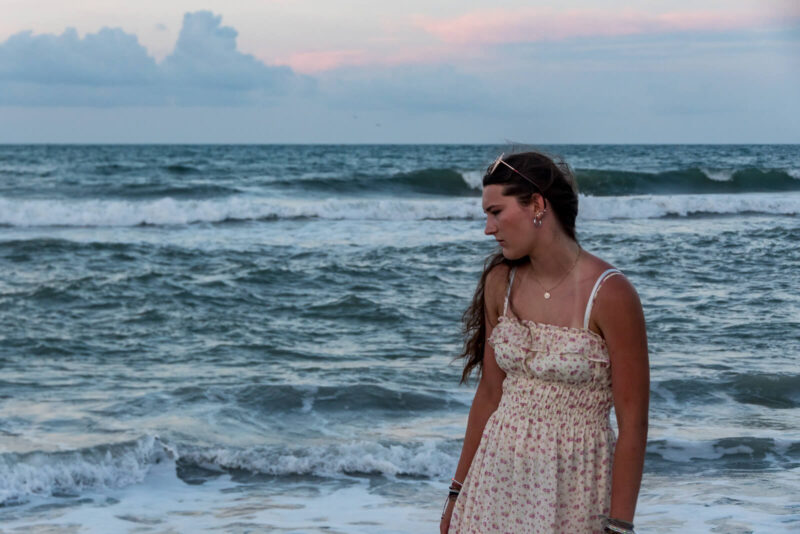
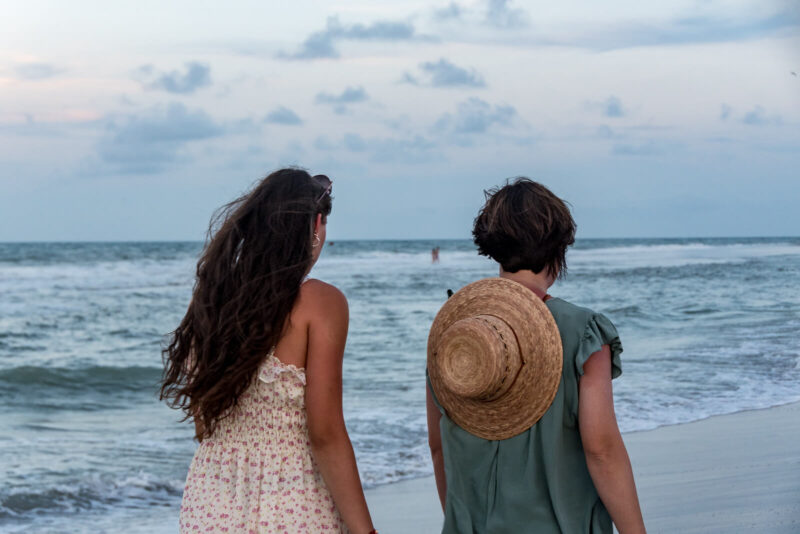
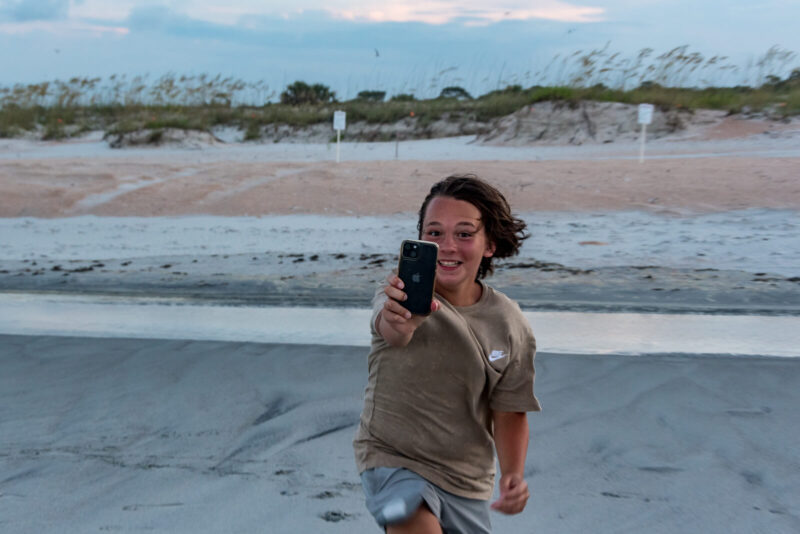
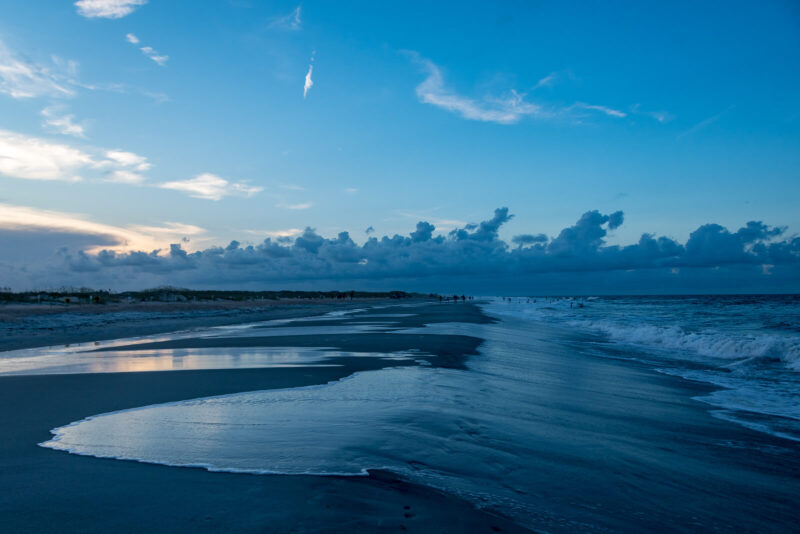
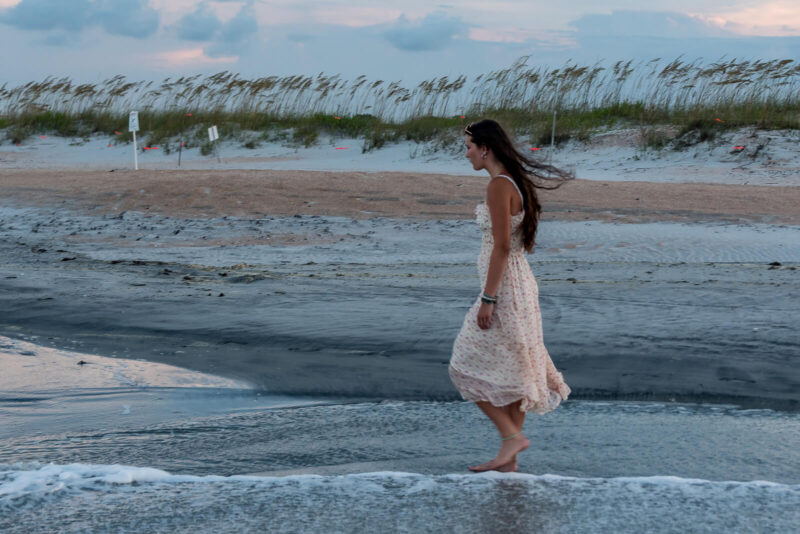
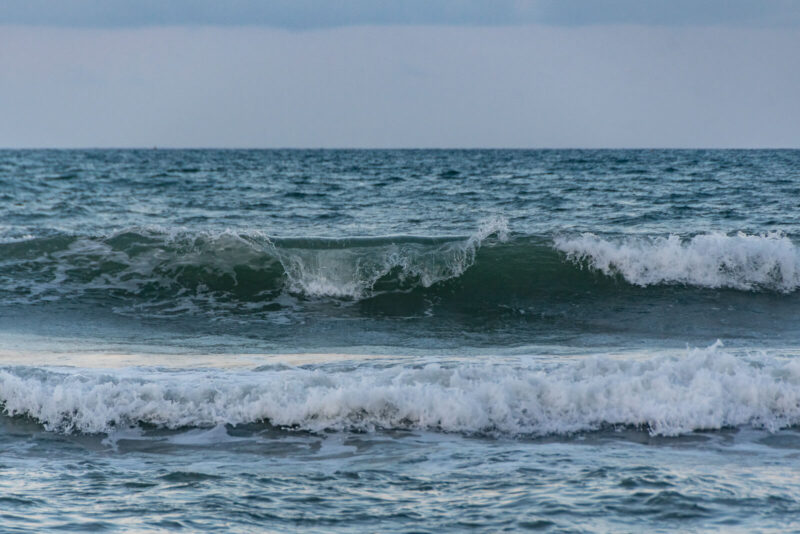
and the Boy took a few pictures:
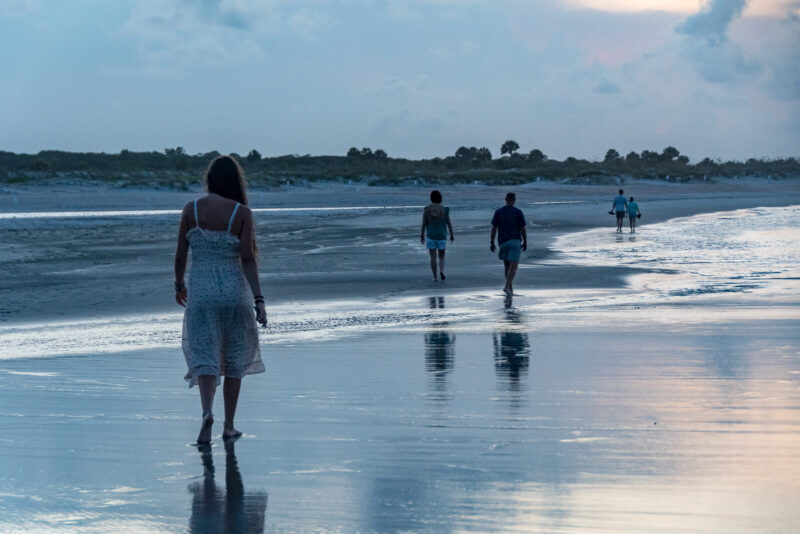
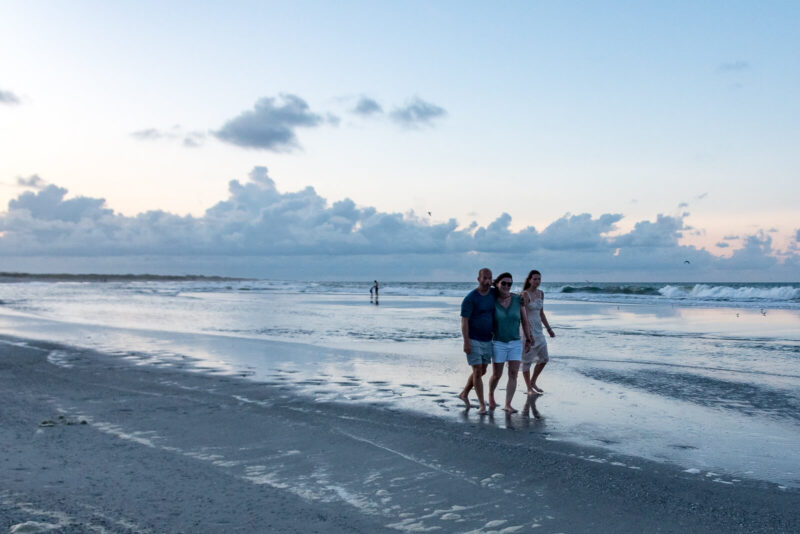
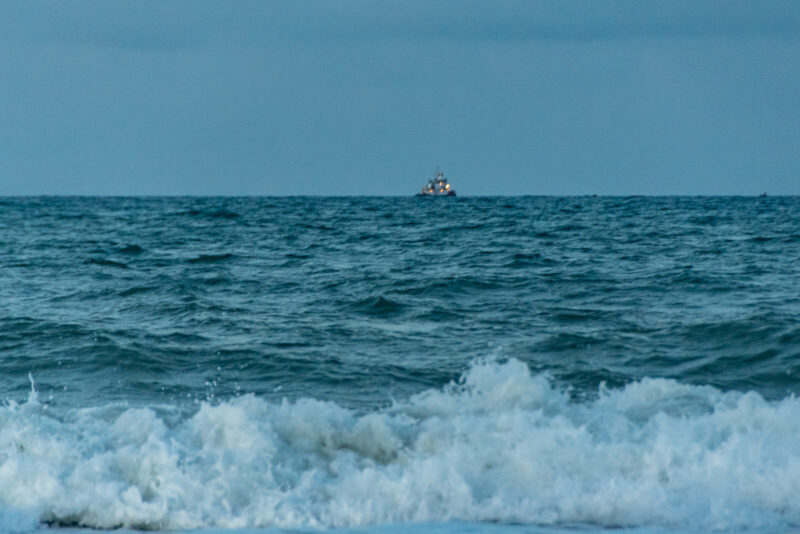


A short walk to end a lovely day.

And we got home, and I saw the fantastic news from the Tour de France: Mark Cavendish got his record-breaking 35th stage win, assuring him the historic title "The Greatest Sprinter of All Time!"
Almost as enjoyable as watching the win itself was seeing the other riders' reaction to the amazing win.
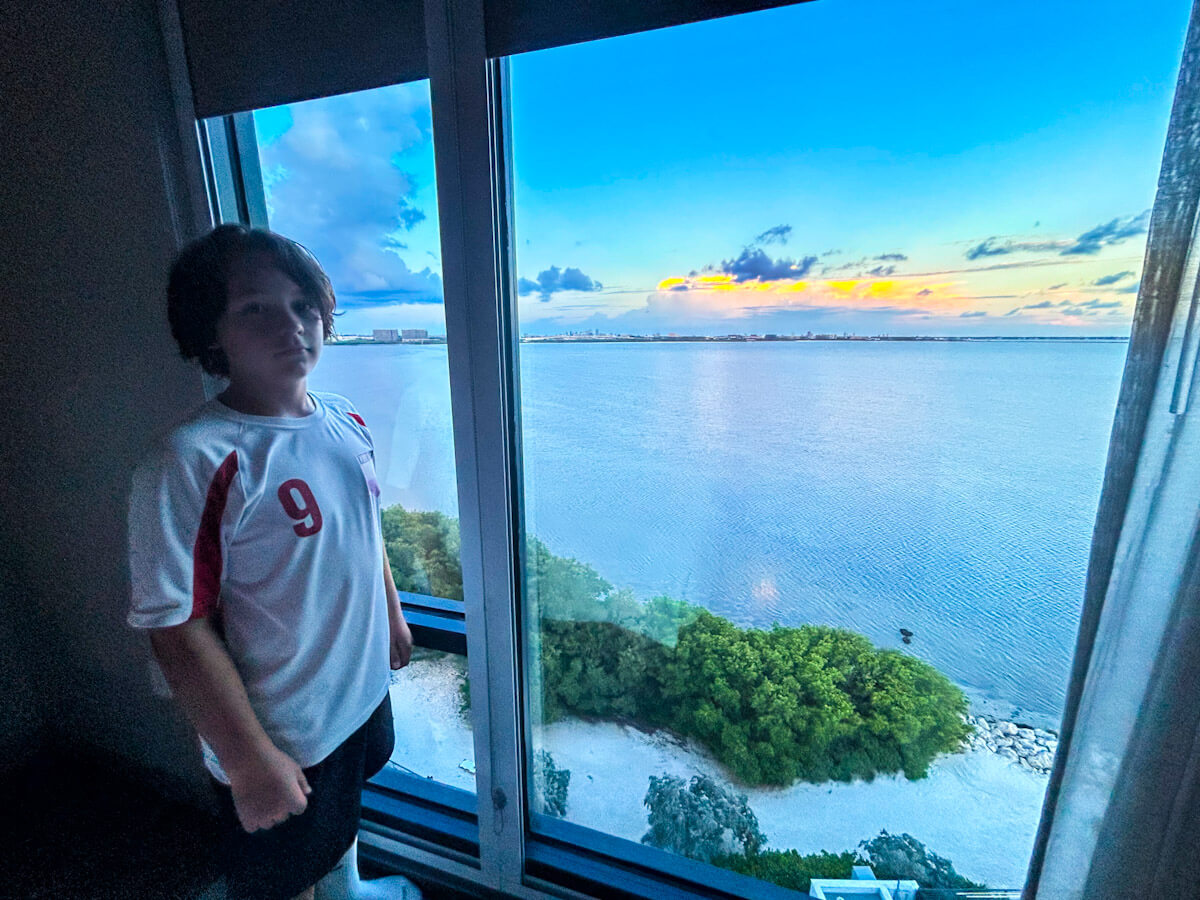
We left our lovely hotel room with an incredible view to head to St. Augustine for the second half of our Florida vacation. It's the second time we've been to St. Augustine as a family, the third time for the kids and me. That is to say, we really like St. Augustine.
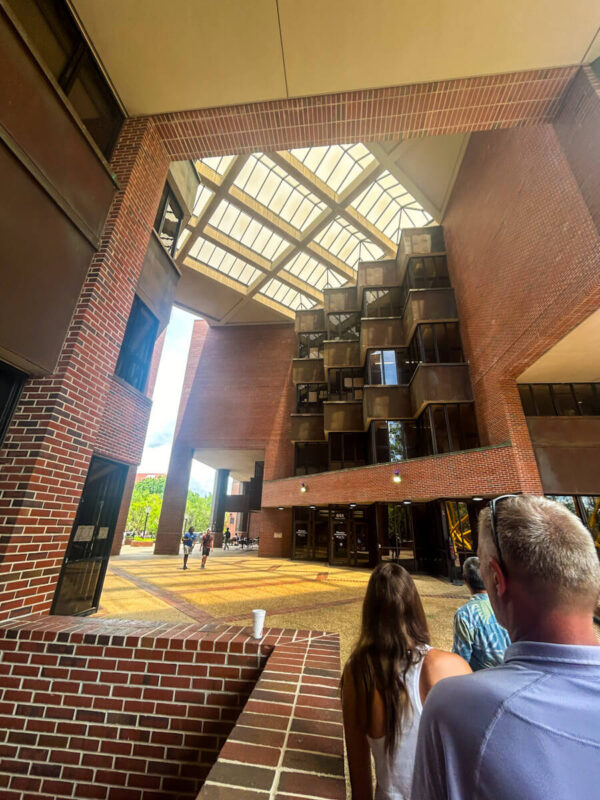
Along the way, we made perhaps the most important stop of the whole week: a few hours in Gainesville. What's so special about Gainesville? Well, it has a fantastic Korean restaurant, as we discovered for lunch. And rocker Tom Petty is a Gainesville native. But neither of those was the real reason we went to Gainesville. Our primary motivation has to do with our daughter, who is going to college in about a year. Going to college in about a year. Her number one choice of colleges: University of Florida, which is located in -- guess -- Gainesville. She wants to study bio-engineering, and Florida University has one of the best programs in the nation for that.
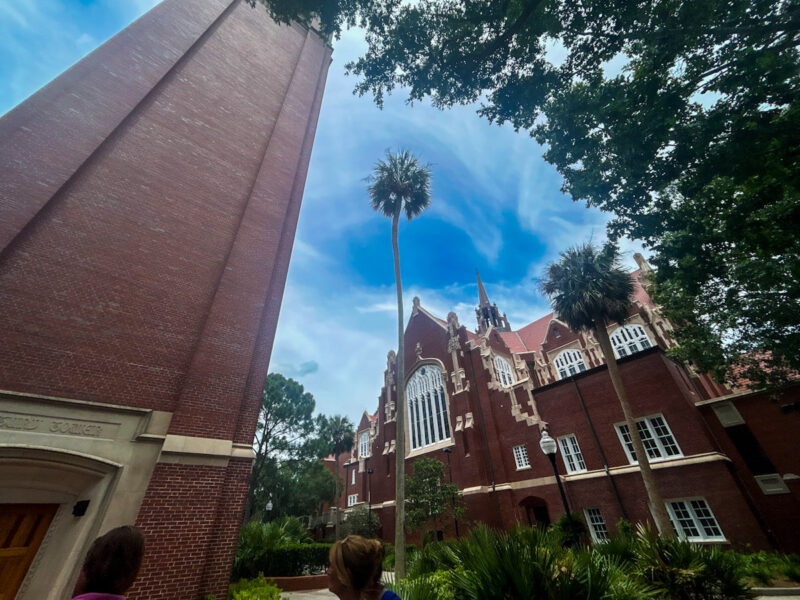
So we stopped by for a tour of the university. I tried not to talk too much or take too many pictures. The Girl remained relatively quiet during the tour. But we came away with a positive impression: the parents are happy with some of the safety programs the university implements; the Girl is happy with the college as a whole, especially one of the enormous chemistry labs we got to take a peek at.
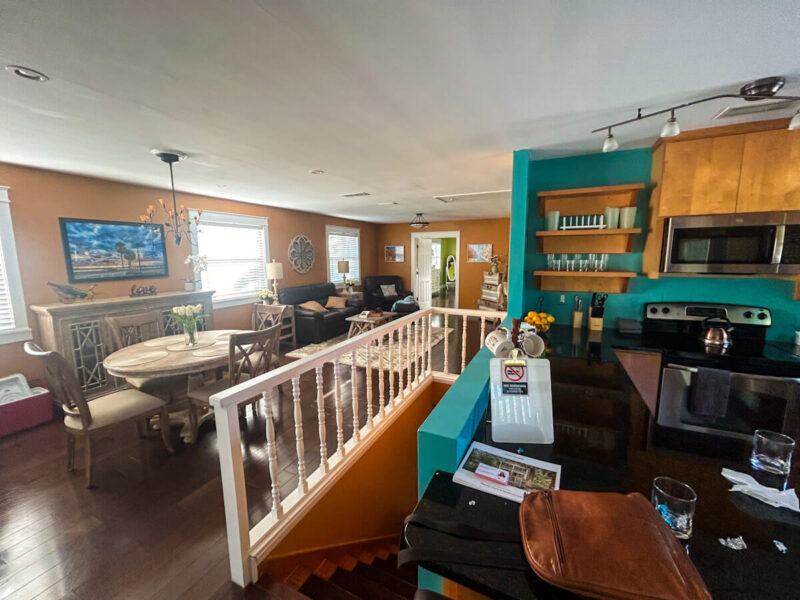
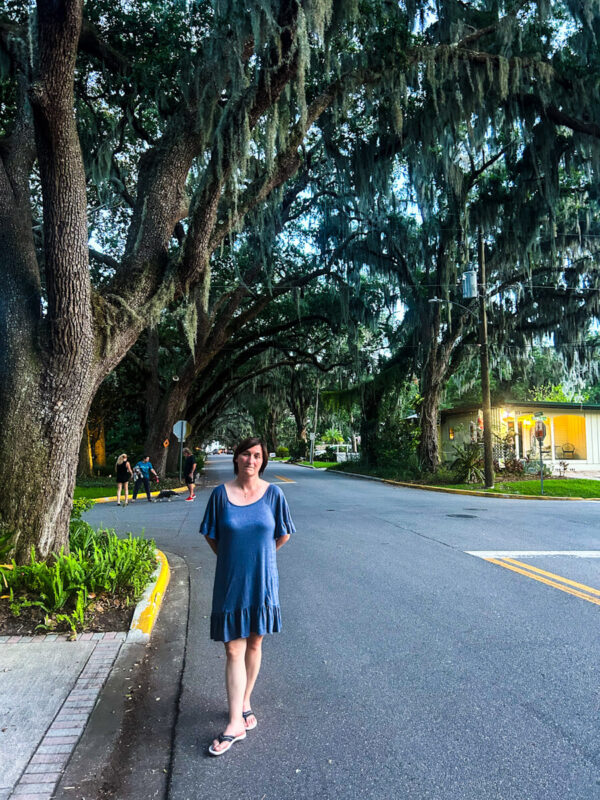
Afterward, we headed to St. Augustine and our lovely Airbnb spot: a bungalow in an absolutely beautiful part of town. Walk to the end of the street, and this is the street we see:
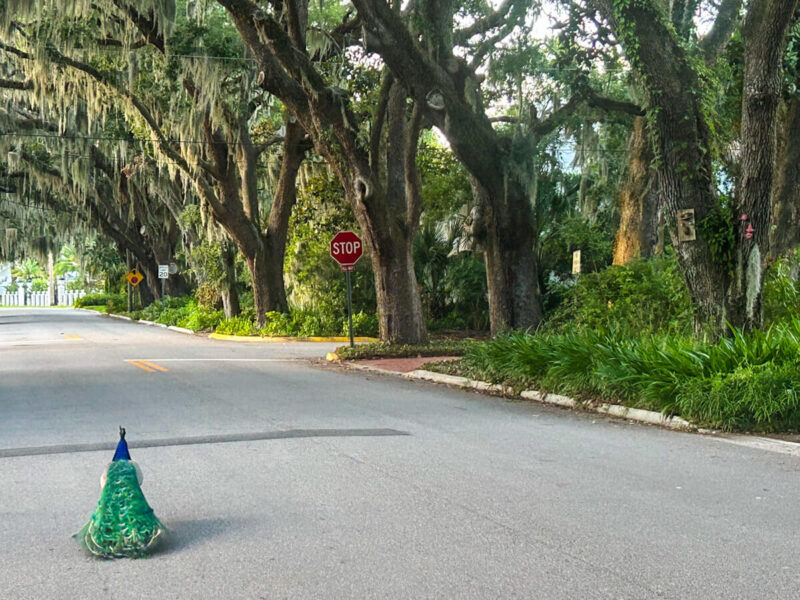
Yes, that's a peacock taking a stroll down a Live-Oak-lined street. It's positively bajkowy.
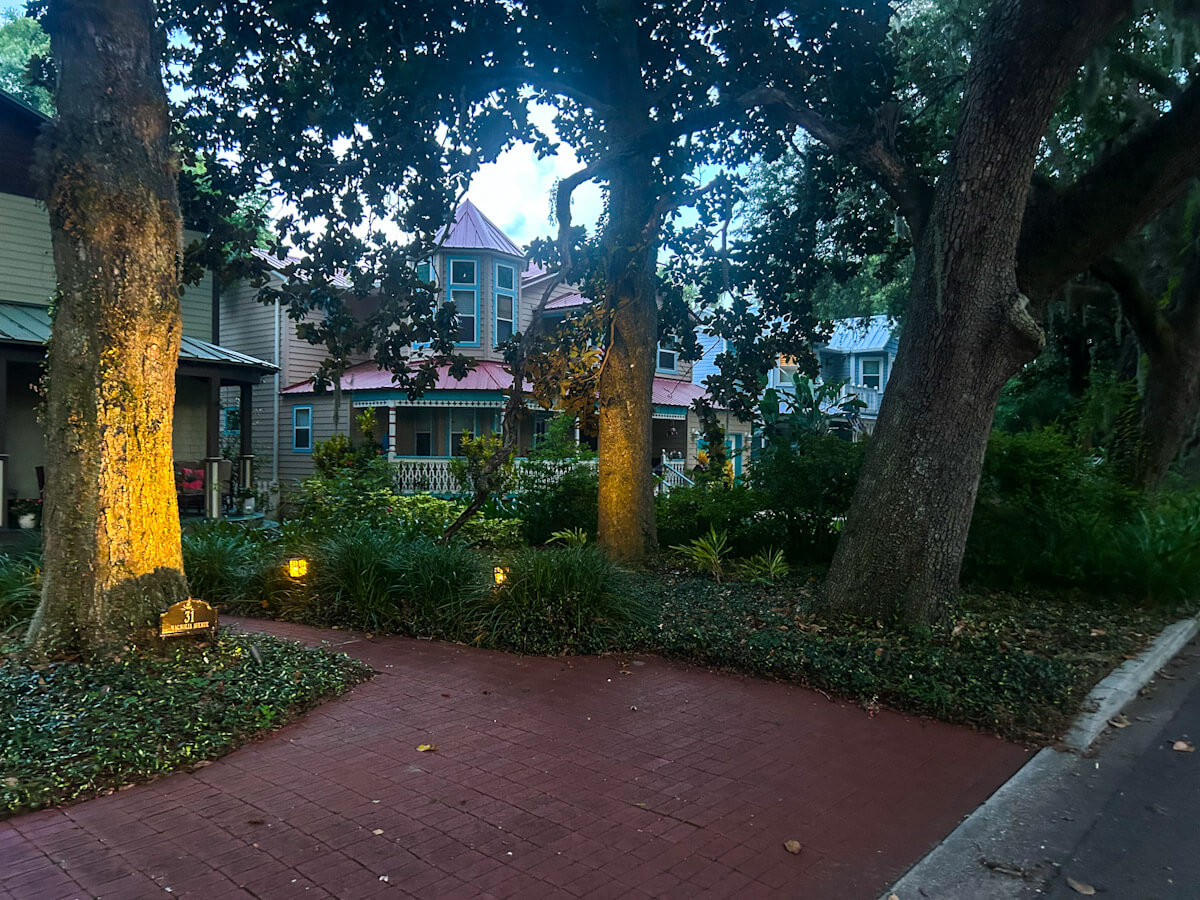
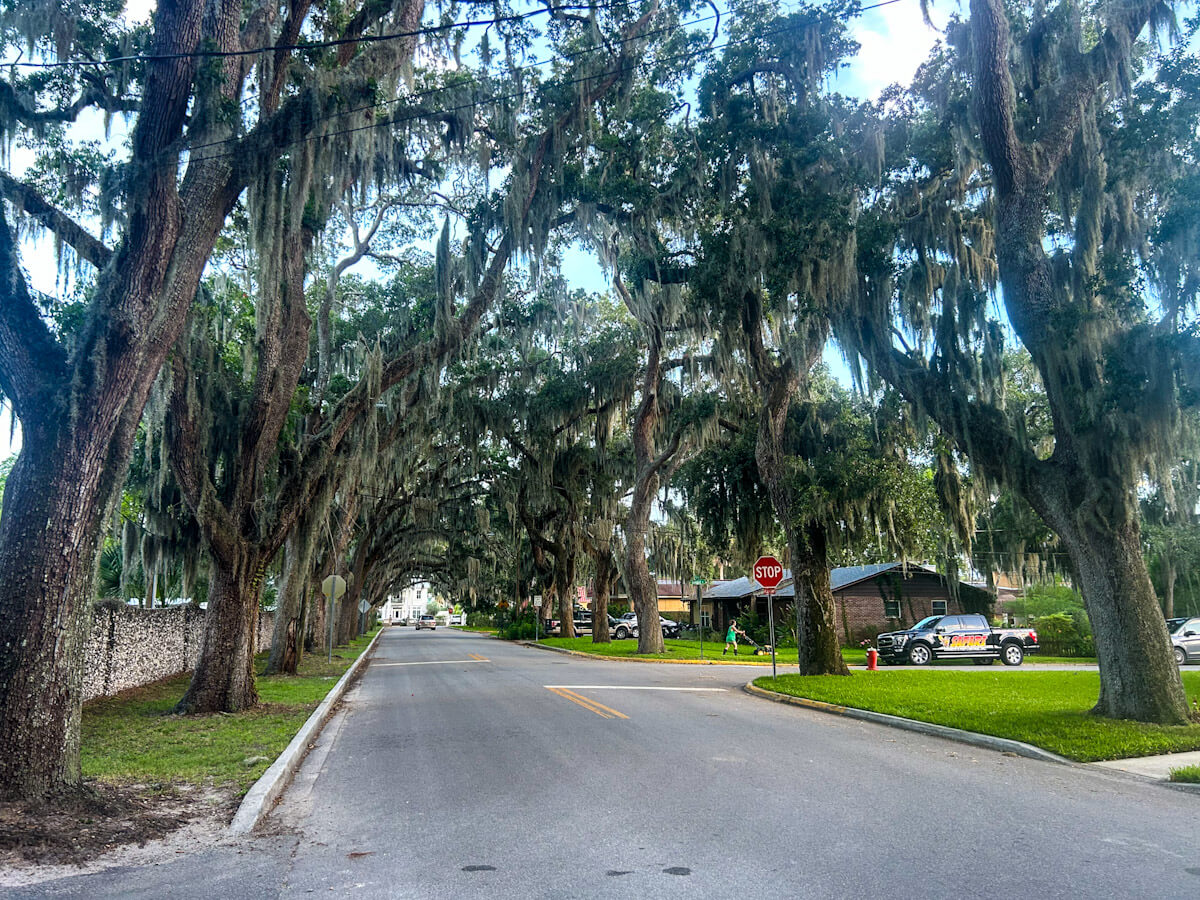
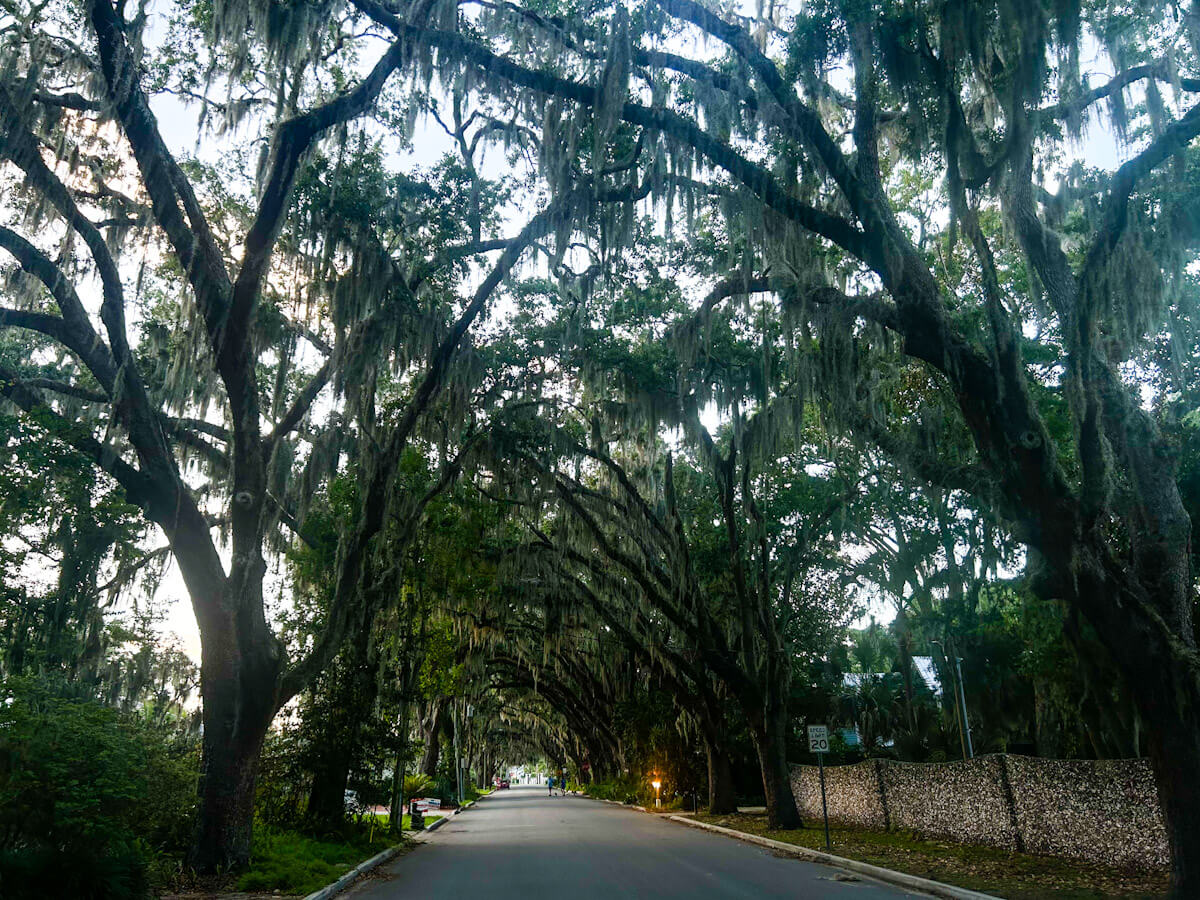
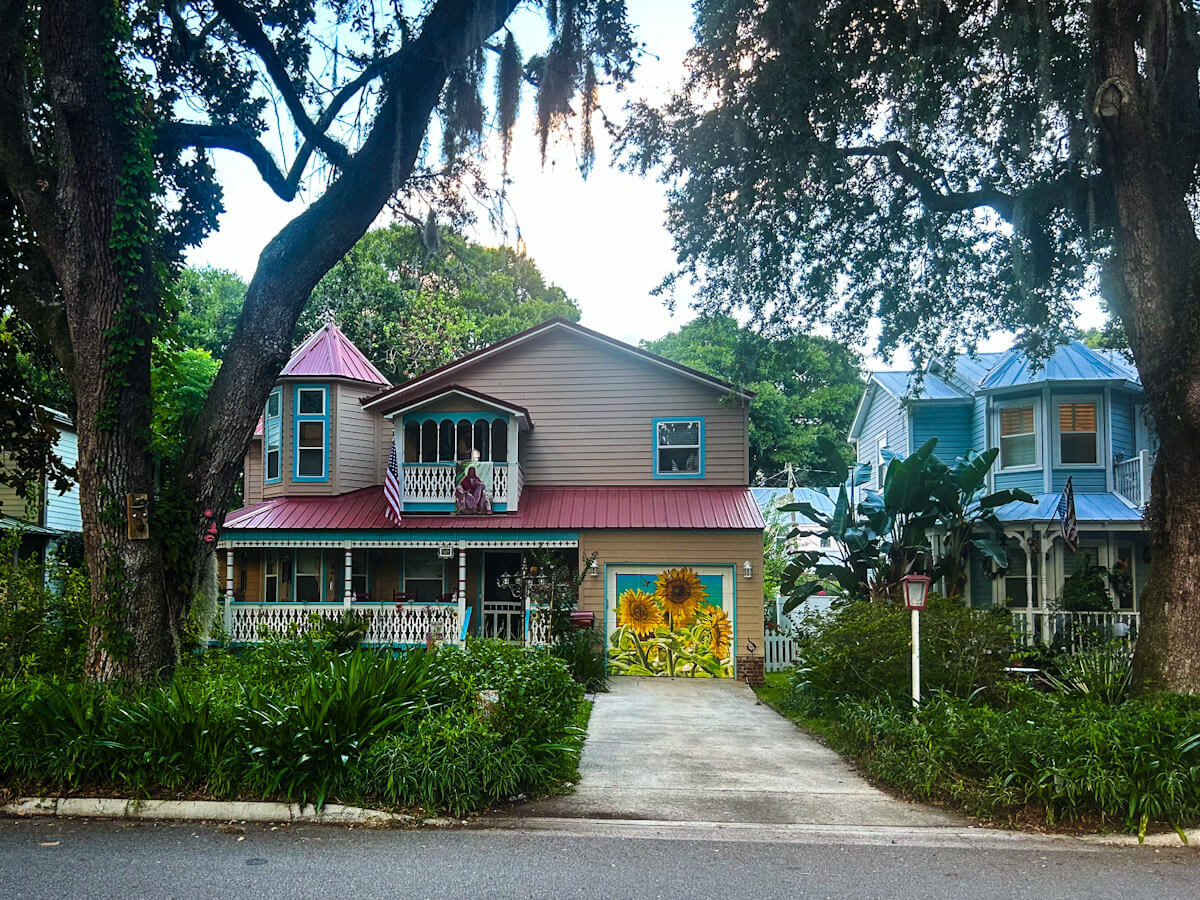
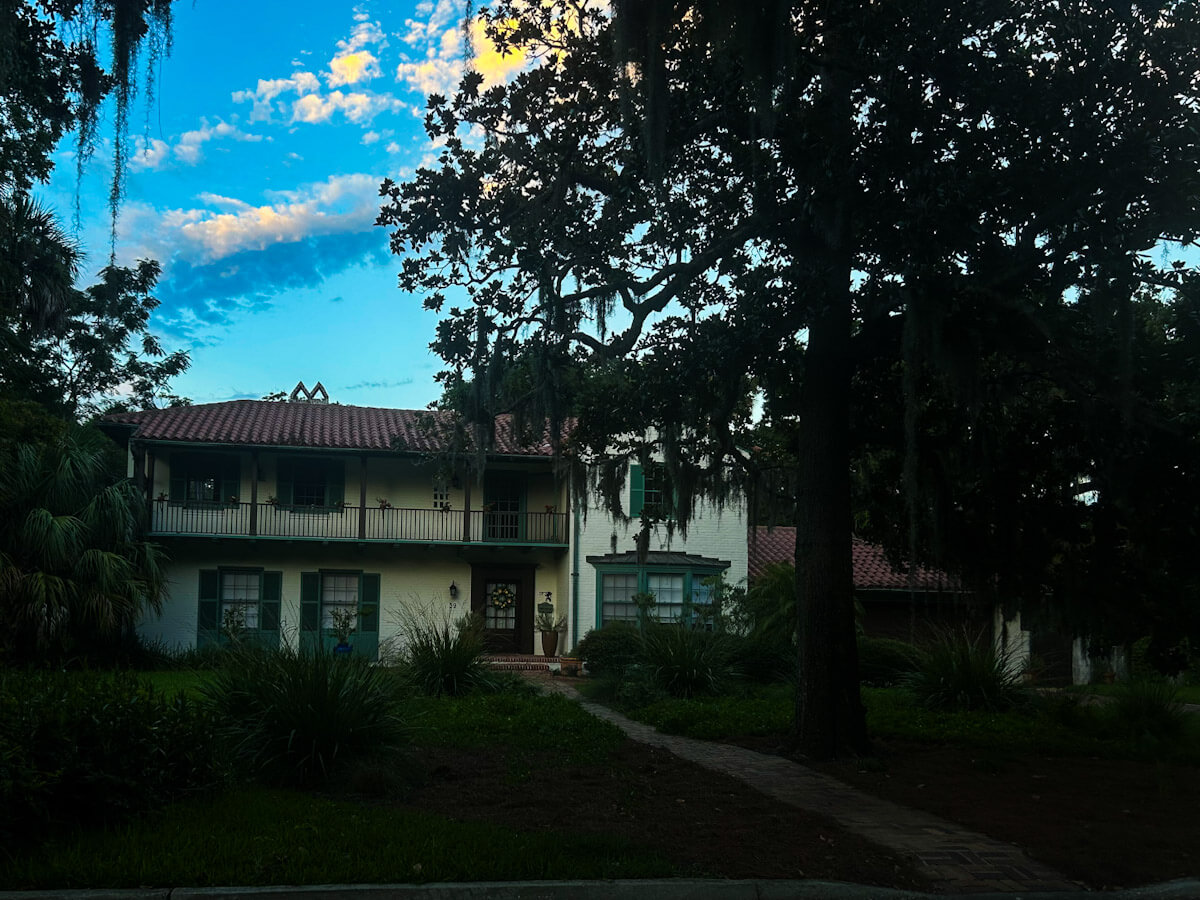

Lovely houses as well. And the peacock? They're from Ponce de Leon's Fountain of Youth Archaeological Park, an ethnographic museum literally at the end of our street.
We weren't planning on visiting any real attractions while in St. Augustine, but since it's just down the road, we're thinking we might. We'll definitely visit the Cuban coffee cafe down the street.
A games night rounded out our evening: our Airbnb has several entertainment options, including a ping pong table. Poor K gets knocked around in board games, card games, and our front-yard badminton games, but she really knows how to play ping pong.
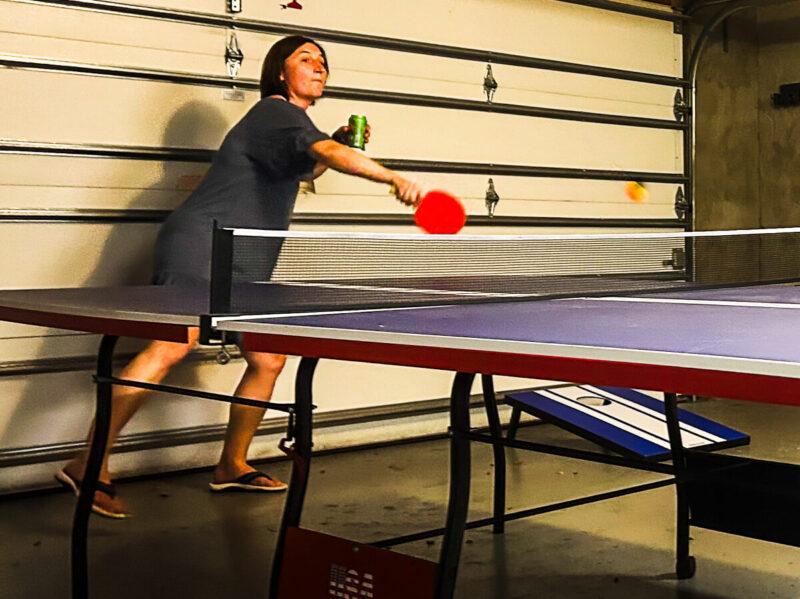
"Don't worry," she assured us, "I'll take it easy on you." And proceeded to trounce us all one after another, beer in hand.
Today was not actually a St. Petersburg day: we decided we'd do something un-Scott-like. We thought about this nature outing, we considered that nature outing, but in the end, we went full-on American and spent the day in Busch Gardens in Tampa, just across the bay from St. Petersburg.
K had never been on a single roller coaster in her life. Not one. Ever. So we were all excited to see how she'd like an amusement park with something like eight or ten coasters.
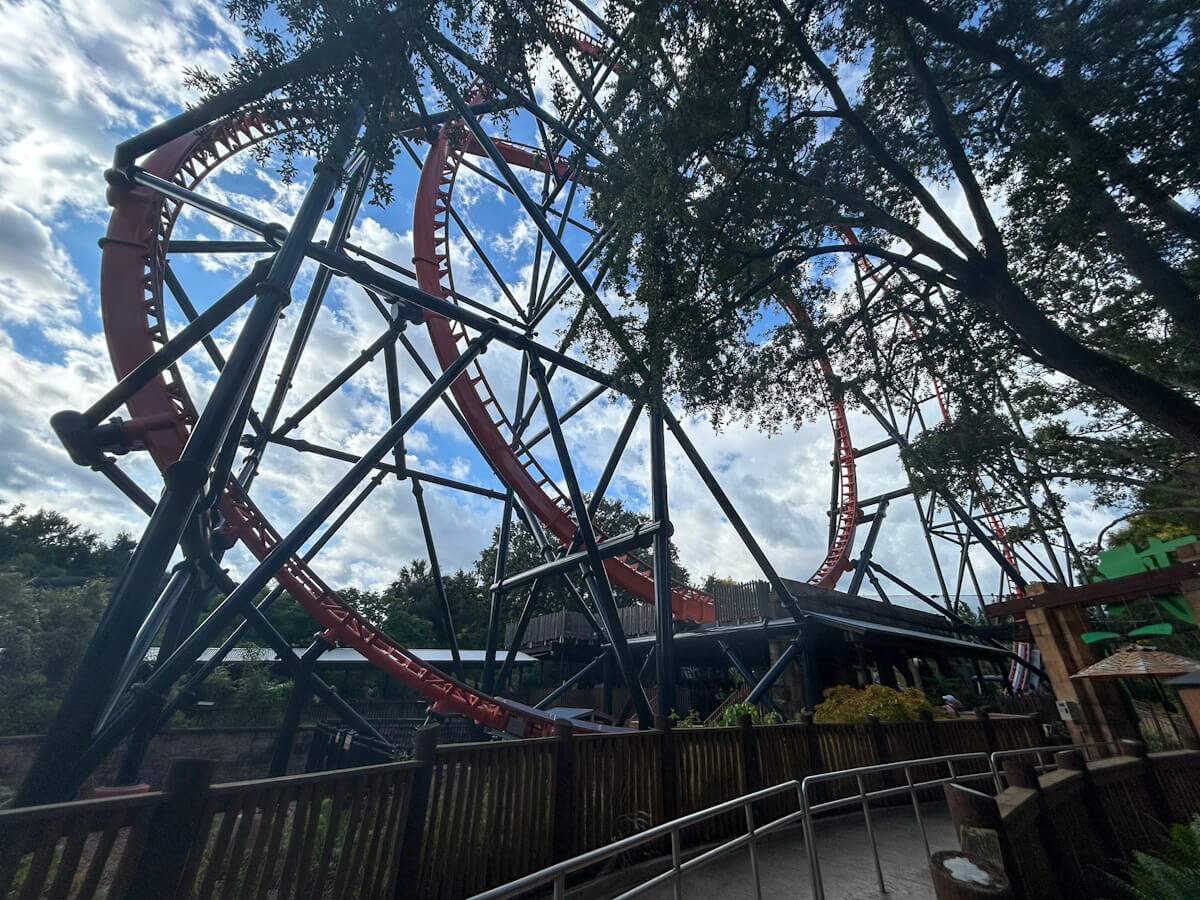
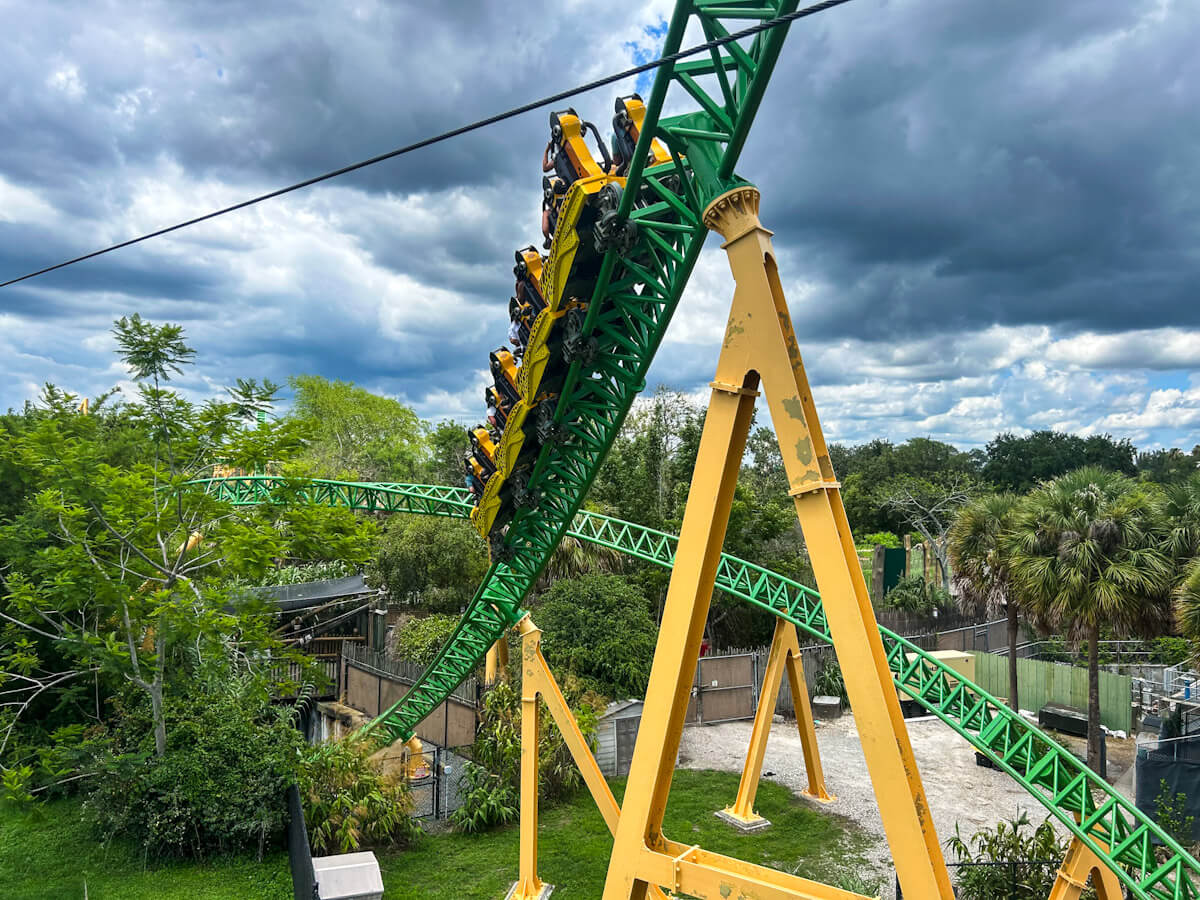
We arrived and went to the first coaster right out of the entrance, the Iron Gwazi. According to the park, it is
North America's tallest and world's fastest & steepest hybrid coaster. The award-winning Iron Gwazi takes thrills to new heights, plunging riders from a 206 foot-tall peak into a 91-degree drop and reaching top speeds of 76 miles per hour.
Having that as your coaster ever is like taking someone who has been a teetotaller who's interested in having his first taste of alcohol and giving him a shot of 70% sliwowica.
This is what it looks like:
Such a film fails to capture the excitement of that first drop. It's difficult to describe that first drop: you think it should be over because how long can you remain in a verticle (well, almost verticle: it's 91 degrees steep) drop?
As we were waiting in line, we got to talking to the folks standing in front of us, a man and his son or stepson (I couldn't tell--the language he used was a little ambiguous). He commented on K's bravery for picking the Gwazi as her first coaster ever.
"You've never been on one and you picked this as the first coaster of your life?
K's verdict at the end? "If I can do that, I can do any of these rides."



The girls won their first game but lost their second: the same story. They were up 22-19 but had several moments of trouble and ended up losing 23-25 in the first set. In the second set, they had a 12-9 lead but lost it, tying at 12, before dropping the second set 20-25.
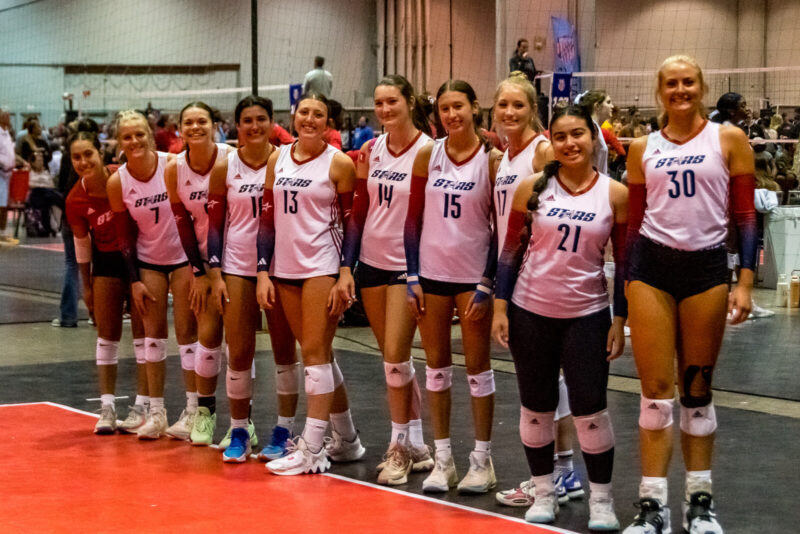
And thus ended the third and final experience with AAU Nationals in Orlando.
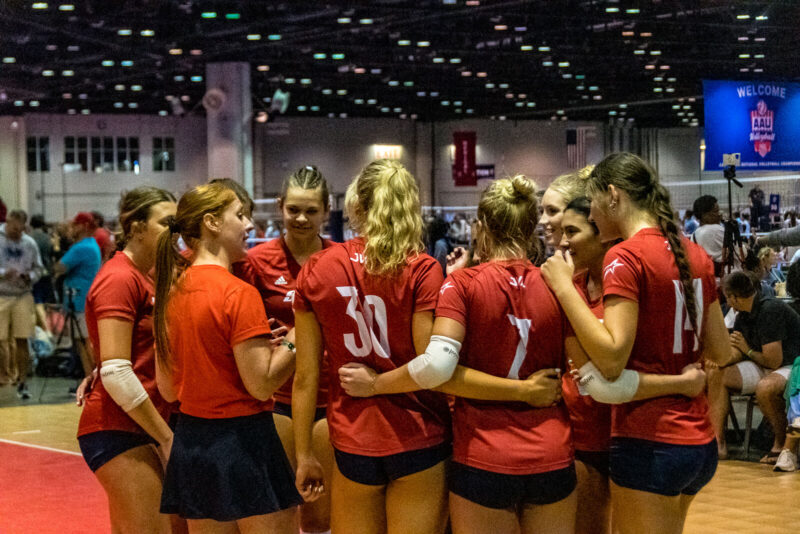
It couldn’t go on for the whole tournament, I suppose. Well, I guess it could: teams go undefeated in tournaments, but it’s rare. We were all hoping, of course, that the girls would make it through a third day without a lost — hopefully without even losing a set, but certainly without losing a game. But the first game of the morning, they met a team that was roughly as good as they are, and our girls couldn’t maintain 100% and the other girls could, so our kids had their first loss.

The first set was as close as it could be without going into extra points: 23-25. In the second set, they were going at it point for point until it was 11-11 until our girls pulled ahead, eventually reaching 17-15. But as so many teen volleyball teams seem to do, they gave the points right back to them and it was 18-18. Then it was 18-19. And then 18-20. A two-point lead is entirely different later in the game that it is when both teams are still in single digits. “If they lose one more point,” I thought, “It’s likely a done deal.” And there it was: 18-21. The girls just kept shedding points, and it was 19-23. THe opposing team needed only two more points; our girls needed three times that many. A four-point lead at that point is insurmountable unless the team has sudden burst of brilliance or the other team falls apart. We’ve seen both in the past; unfortunately, today, we saw neither, and the game ended 20-25.

The second game of the day started out tough, but the opposing team had a bit of self-destruction and our girls took the first set 25-15. Unfortunately for the other team, that meltdown continued into the second set and only deepened: 25-10.

“Only one more game, right?” I asked the Girl afterward. Usually, there are only three games a day.
“No, we have our regular 1:00 game, but we have a challenge game at 4:00.”
This was the game to determine our bracket for the final day. If we won, we’d go to gold; if we lost, we wouldn’t go to gold. So the final status of the medal portion of the tournament would depend on one game alone.
That’s a pretty high-pressure game.

To win a game like that against a good team would be exceptionally challenging. They would need to bring their very best game to the court. The defensive players would have to dig every ball; the setters would have to place every set perfectly; the hitters would have to swing fast and true; the blockers would have to be a wall.
Sadly, that’s not what happened. In fact, everything that could go wrong did go wrong. It was 1-3 in a moment, and then it just slid downhill from there. Before the girls got themselves together, playing a semblance of what they’re capable of, it was 3-11. The other team brought their very best game to the court, and the first set ended 18-25.

The second set started well. The girls were angry and determined to do better. And they did. Within moments it was 5-2, and it looked like the girls had regained their footing. Then it was 6-2, and I thought, “Alright girls, we’ll take it to three. This looks great.” And it was great, until it wasn’t. Soon enough, it was 9-6, then 9-9, and in a blink, the girls had given up a 3-16 run. The score had gone from 6-2 to 9-18. The second set ended worse than the first with a final score of 14-25.
All the girls were angry; all of them disappointed; all of them were aware that they’d simply beaten themselves. All of those times they were on the other side of such defeats this tournament disappeared because this was the only one that mattered.
It so exemplifies the nature of teen volleyball and probably teen sports in general.
Yesterday there was a team from Texas who, I believe, lost all their games in straight sets. L has been there: she’s been on teams that leave a tournament day without a single win. The Texas team was up 11-8 at one point, but our girls rallied and beat them.
Today, it was more of the same: straight-set victories for the first two games, including a brutal second game with sets that were 25-10 and 25-11. “It’s good to be on this side of that score,” I said to another parent, “but we’ve been on the other side, and I know how that hurts.” It does a real number on your self-confidence, and soon, the bad mistakes (like the ones they were making: hitting serves out and sloppy serve reception) pile on each other. They reach a point that essentially, the team is just as much beating themselves as being beaten. Again, we’ve been there, too.
The final game was a bit of a different story. In the first set, the girls were quickly down 2-7, but the pulled it together and ended up taking the set 25-19. The second set started out much the same, but once again, they were able to pull back and then take the set 25-21
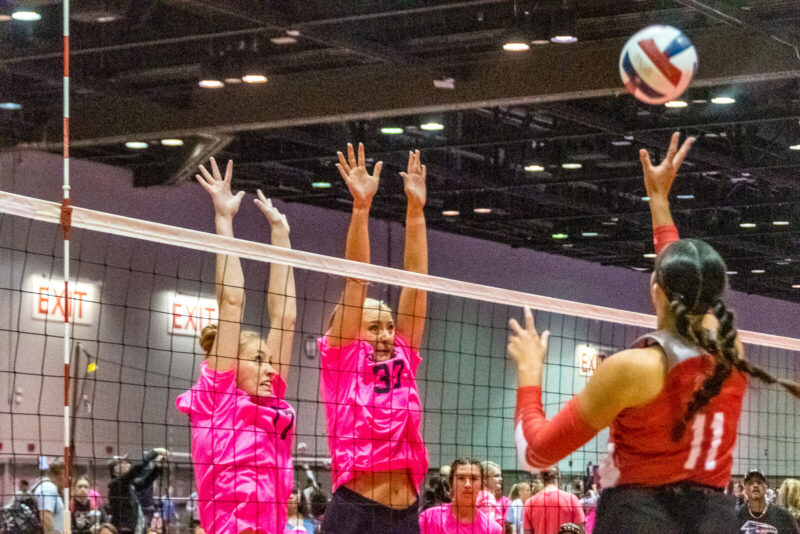
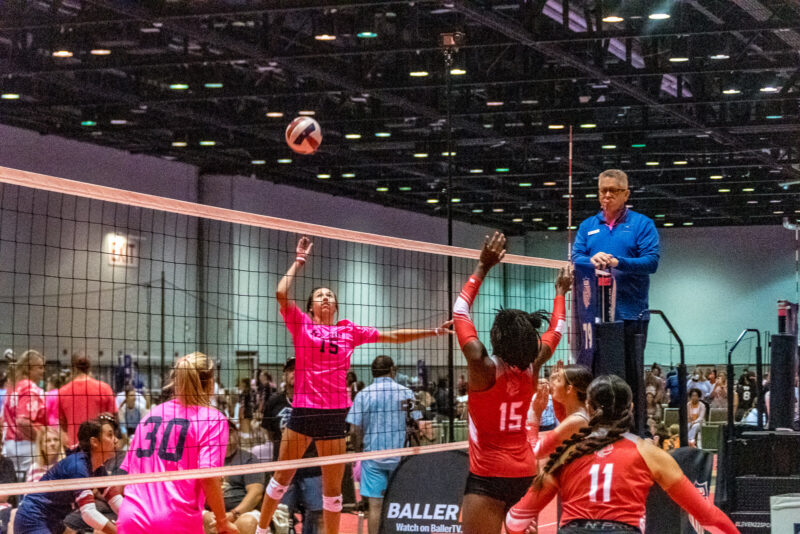
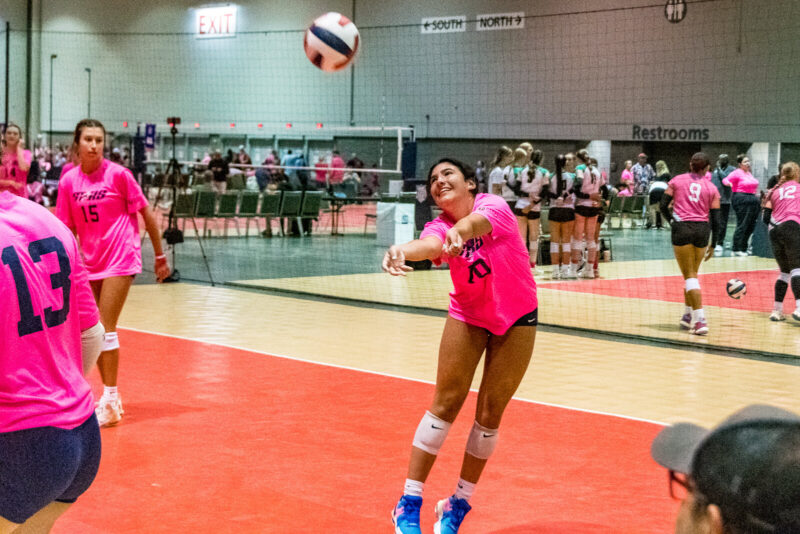
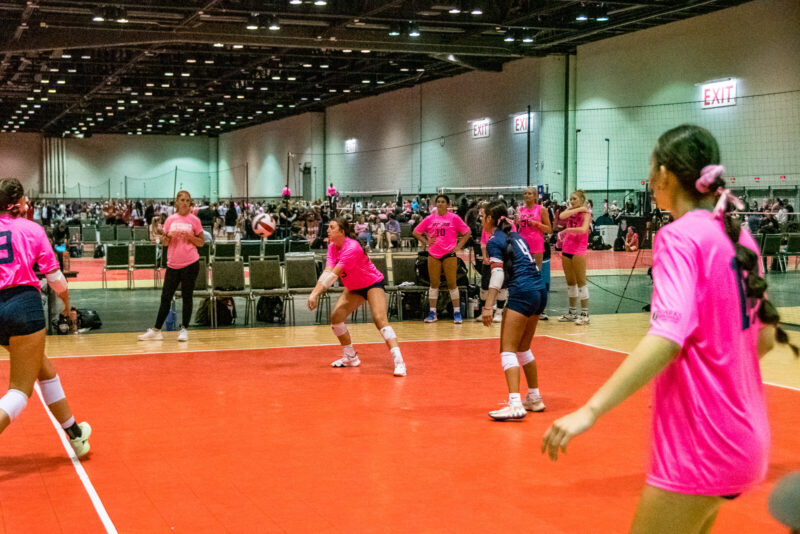
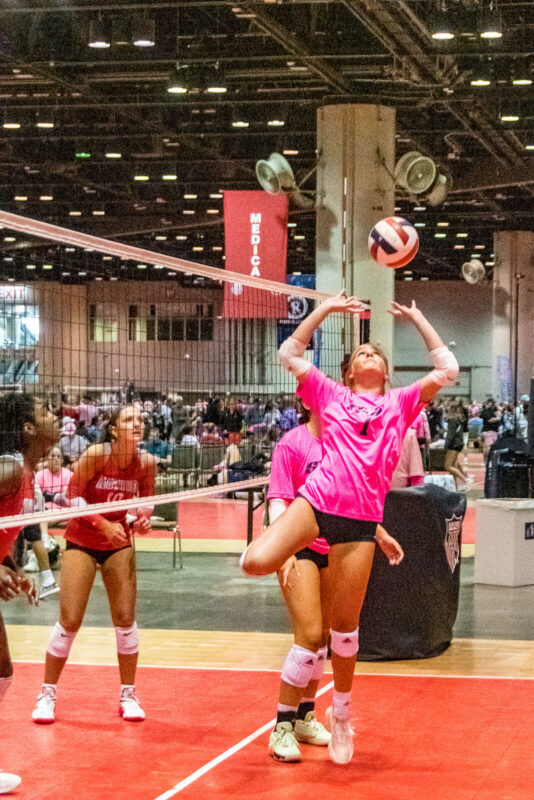
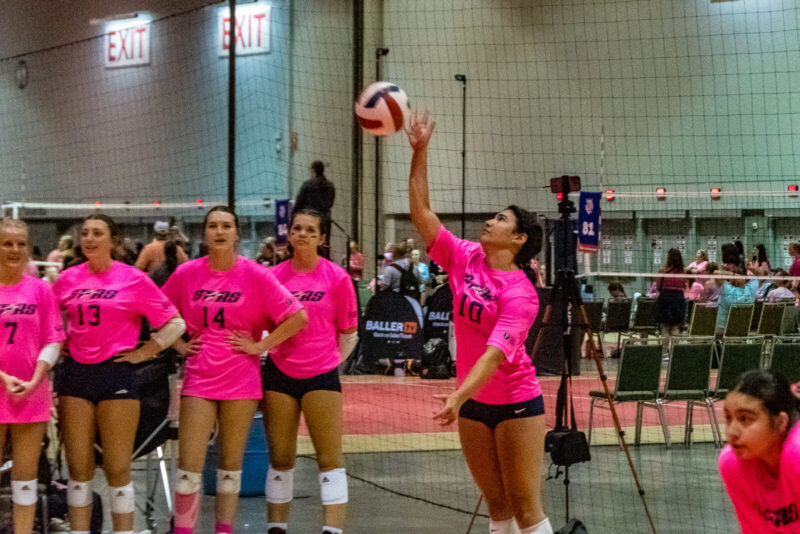
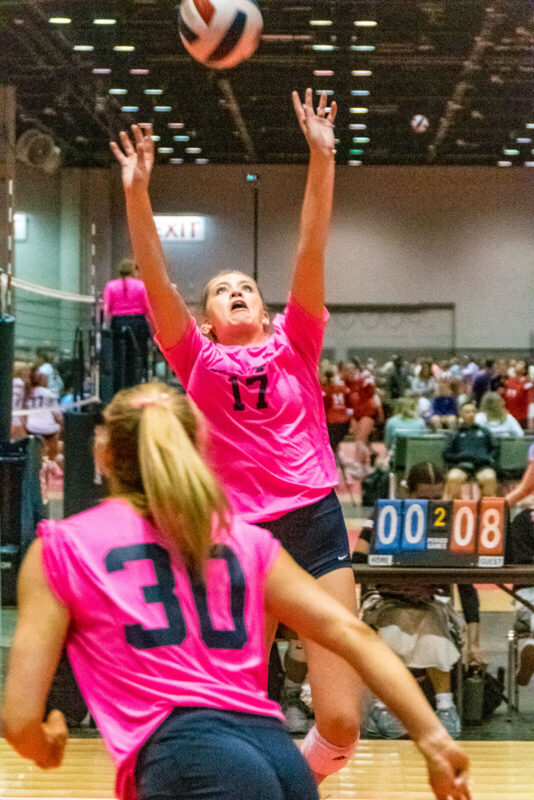
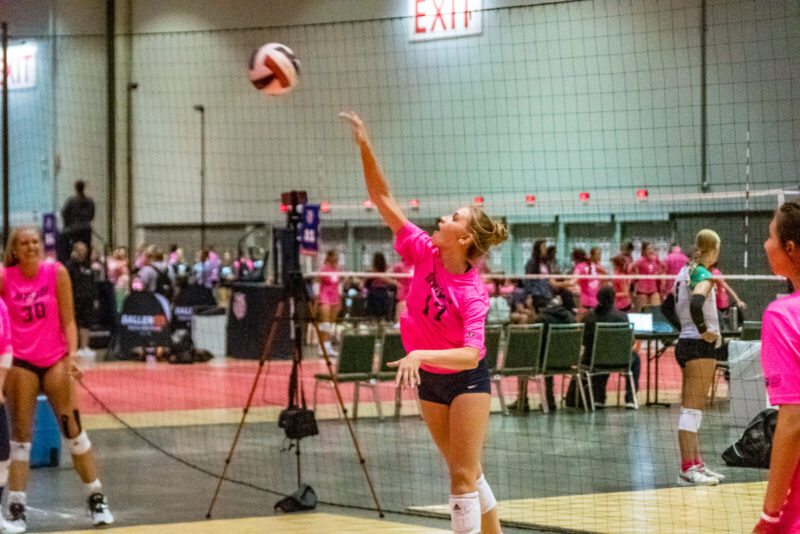
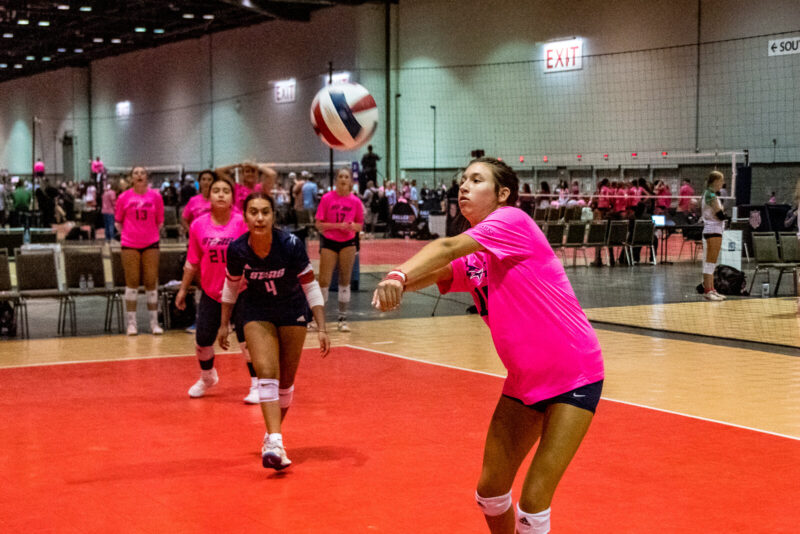
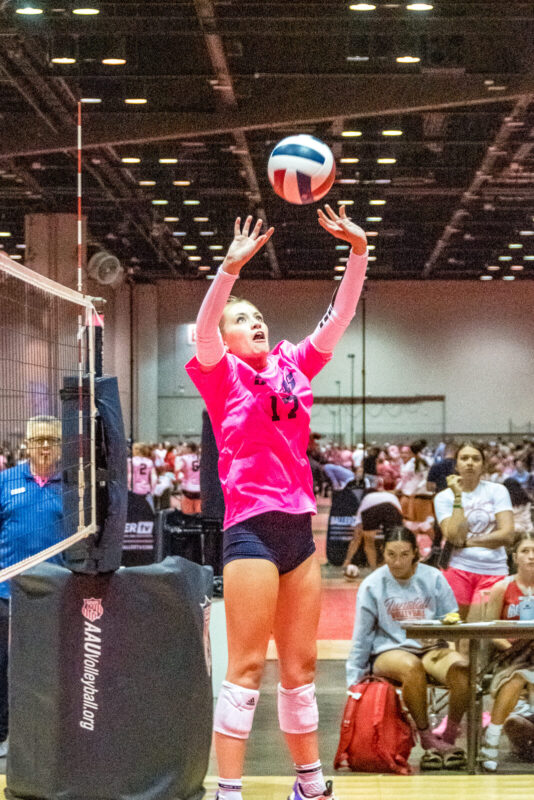
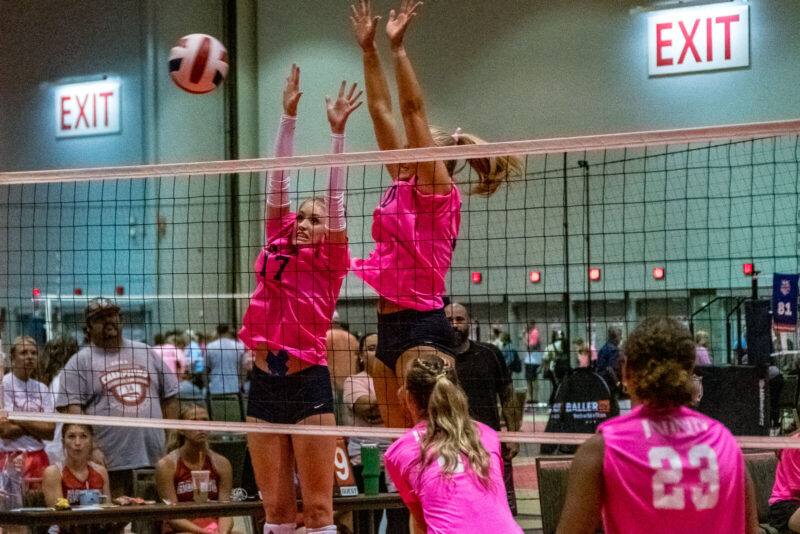
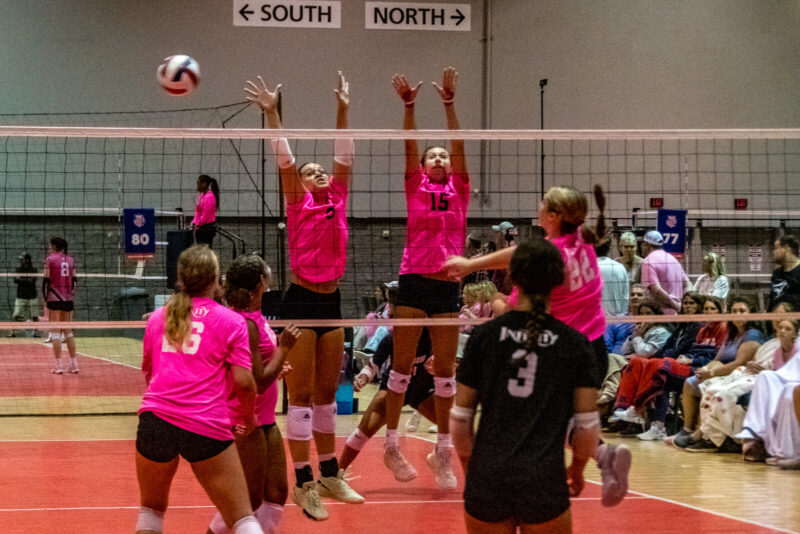
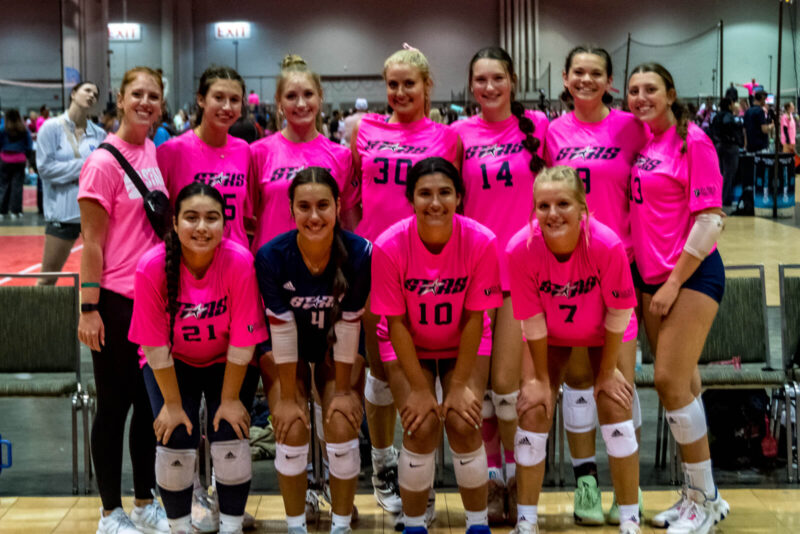
Today was Pink Out day, when all teams wear pink uniforms and I guess thinking at least in passing about the fact that women (and a few men) die of breast cancer every year. “Believe there is hope for a cure,” one shirt reads. It has a certain religious ring to it, but it’s antithetical to the whole enterprise of looking for a cure. While it is science and not faith, belief, or hope that will cure cancer, I understand the implied optimism in the shirt, certainly a critical element for anyone fighting cancer. One of the players I noticed yesterday is clearly just after chemo. A strong female outside hitter without a single hair anywhere on hear head, she stood out in more ways than one. Perhaps the pink encourages her. Hopefully.
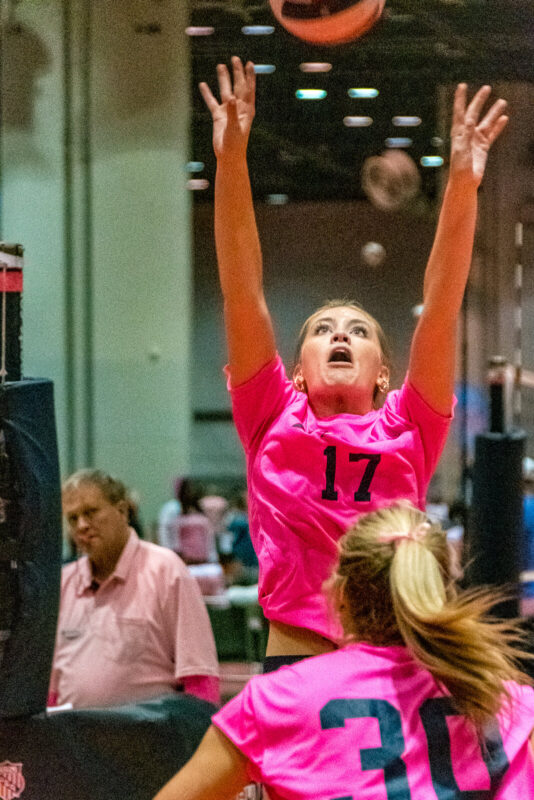
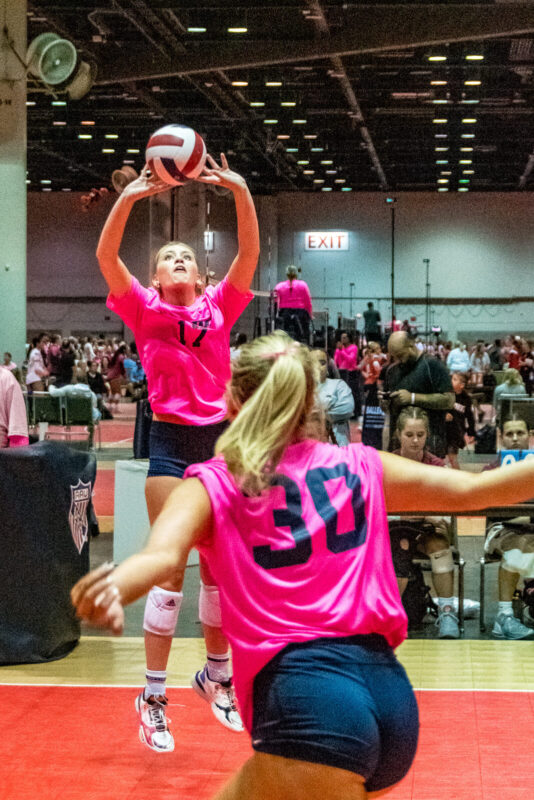
As for today's pictures, I focused on the setters, which I don't think I've ever done. In a lot of ways, they're the brains of the whole team: they read the defense, make quick adjustments, and then decide which hitter to set based on perceived weaknesses in the opponents' defense. They're sort of like the steering wheel of the team, or the neck. "Brain" seems to take something away from the other players.
In truth, all the players are completely critical. If you don't have good defensive specialists, you won't get a good pass to your setter. If you don't get a good pass to your setter, or if your setter is not on her game, you won't get your hitters in good position to attack. If the hitters are attacking, you won't be scoring (except from opponents' errors and blocking, and the occasional well-placed lob to the empty back corner from the setter or a DS).





As for the evening, it was games, games, games: