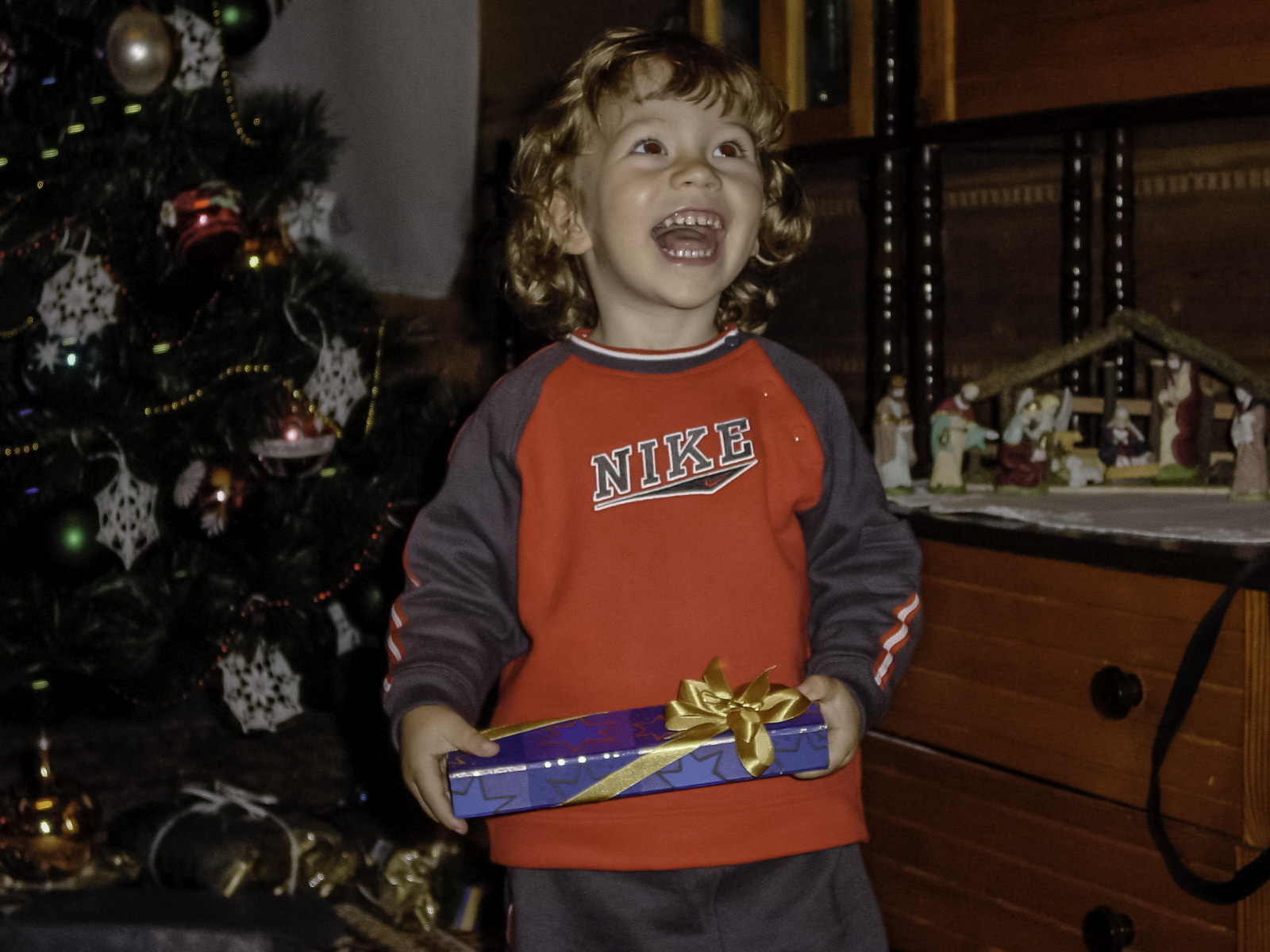
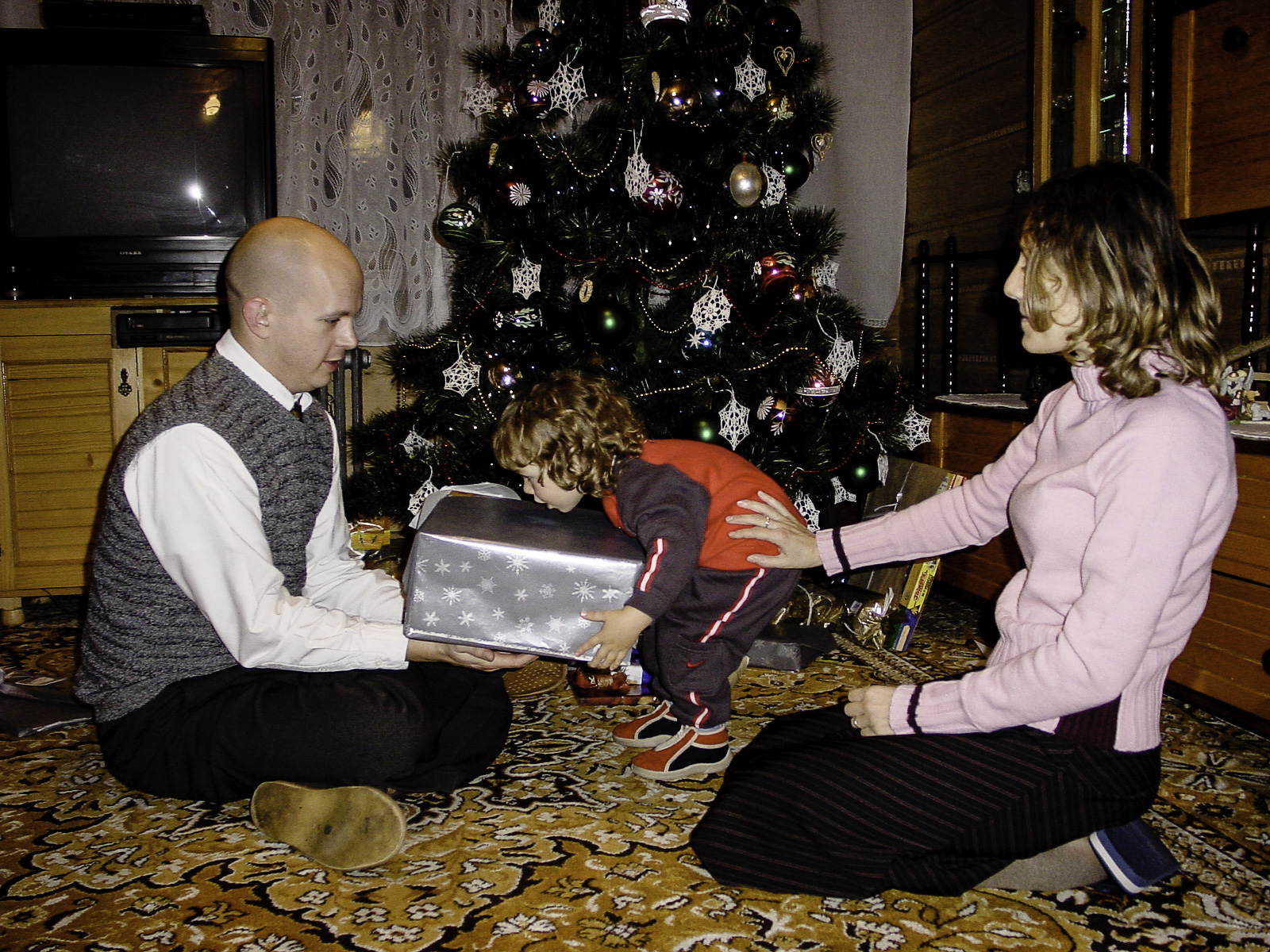
matching tracksuits

fun in threes, sometimes fours

Dziennik

Each class has one. All teachers are responsible for keeping it up to date. Students have a right to look at it at just about any time. And the Ministry of Education can cause a lot of headaches if it doesn't like what it sees in it.

So what is this mysterious thing called a dziennik?

I'm tempted to say it's a direct consequence of The Fall, God's punishment for all evil on earth, or other such silliness, but I'll simply say that it's one of the most annoying things about teaching in Poland.

"Dziennik" is Polish for "journal," and The Dziennik (imagine a Charlton Heston-esque booming voice saying that) is the grade book for each class. It is the record of the entire class for the entire year, and keeping it up to date is the biggest headache I know of. All grades for all classes (biology, English, physics) are in this marvel of modern stupidity as well as the personal information of each student, and in addition, attendance is marked in one portion.

The most irritating and annoying part of it is the slots for lesson topics. For each lesson, I must write the topic in a special little slot. Now this doesn't seem like much, but it can be an incredible pain in the ass. Teachers take the dziennik to class, and it is always bouncing through the school--one never really knows where it is. So you forget to write your topics one day.

Then that one day becomes two. Then three. Four. A week.

Then comes the fun.

The Polish equivalent of the homeroom teacher comes and points out all the slots where you forgot to write the topic, and you're supposed to get out your notebook, look up that day, and write the appropriate topic.

Of course I write all my topics in English, so the obvious struck me long ago: "Only [Basia] (the other English teacher) knows enough English to understand what I'm writing in here. I can write anything I want." So that's what I started doing.

After that, topics included, "General Chaos and an Attempt to Keep Them Interested Forty-Five Minutes" and "Stuff." Song lyrics can provide good topics: "Looking for someone, I guess . . ." or "Looking Over that Silly Four-Leaf Clove." I suppose it's immature, but we're all allowed to be childish every now and then, right?

Mind, I didn't do this regularly--just when I'd forgotten to write the topic or (more likely) the dziennik wasn't available at the time.

Some years ago, when I did this more often, the other English teacher finally saw me doing it, and she asked me to stop. "I'll be the one who gets in trouble," she protested. At that time I didn’t speak much Polish, really, and she was the go-between.

Reasonably enough, she didn’t want to get yelled at.

I toned it down a bit, something like "Present Continuous in Questions and Cow Tipping."--a combination of the two.

In theory, she explained, someone from the Ministry of Education might know enough English to understand what I wrote, and then the stuff would hit the fan.

I thought to myself, "If the Ministry of Education doesn't have anything better to do than to sit and read every single topic in some little village's school's dziennik, then I think whoever was reading it might appreciate the humor." But I said nothing. And wrote for my topic that day, "Telephone Vocabulary and Other Silliness."

Metablogging

CW Fisher wrote about the proliferation of “I” in blogs, then amended those thoughts with one of the best pieces I’ve read about blogging. In a comment, Isaac: wrote,

Fascinating stuff... this whole blog phenom just hasn't straightened itself out yet, so who knows what kind of writing to call it? And remember – rules for writing should increase accessibility and help convey messages; not serve as prescriptive left-over remnants of the past.

Isaac is right – this is an entirely new form of writing. It’s certainly spawned its fair share of vocabulary. Blog, blogger, blogging, blogosphere, blog rolling and many others have in a short period of time gone from oblivion to cliche. I hate all those words – they sound almost obscene, but I’m too lazy to go about re-inventing vocabulary.

I’m new to the web log scene, and before then, I’d never even really read that many of them. I started writing online because a friend bought me the domain name and, already having a web site, I had to so something with it. I’m not new to daily writing, though, as I’ve kept a journal for over twelve years, amassing close to two million words in that time.

Yet blogging is not journaling.

Nor, as Isaac implied, is it like any other form of writing.

Privacy issues and instant, world-wide accessibility aside, there is one thing about blogging that makes it different from almost all other forms of writing. It’s the activity I’m engaged in right now – metablogging. Blogging about blogging.

Since I’ve been exploring the blog world, I’ve found that we tend to write an amazing amount about what we and others are doing to the blogosphere. Of course it is a world of pundits musing, rambling, ranting, and a host of other blog-clichés about anything from seeing Star Wars trailers online to grieving the loss of a wife, but what I see more often than anything else is blogging about blogging.

The blogging world is a giant printer cable swallowing its own tail, very often publishing about publishing.

How boring.

He says in self-indictment.

So why do we all do it? We’re all enamored with this new technology we’re creating--writing about blogging is standing before a mirror. It’s preening. And it’s the one thing all bloggers have in common. That’s why the post I’ve written on blog-related topics have gotten the most comments. Not everyone cares about Poland or religion (my two favorite topics, truth be told), but most people who bump through care about blogging.

Yet this is somewhat logical, this metablogging, because blogs cannot exist in a vacuum. How many blogs, after all, are there which have no links to other blogs? Before the advent of Blog Explosion and similar sites, blogging was a more organic activity. Manually inserting links, then blog rolling was how everyone kept track of blogs, and how everyone else discovered new ones. Blog Explosion tends to make it a bit more commercial, especially given the fact that we can buy credits. This explains why we see “Pro-Life Blogs” appear time and time again on Blog Explosion. Throw together a banner and we all can have our cyber billboards.

Yet despite Blog Explosion and similar tools, checking out your favorite blogs’ links is still the best way to find interesting reading, and so we’re all still dependent on each other, which goes some way in explaining why we love to blog about blogging.

The question of why we blog about blogging is overshadowed by the larger, more blog-existential question: Why do we even keep a blog at all? If you’re reading this, chances are you keep a blog. Why? Most people blog like they live: without thinking.

I’m not well-read on blogs (probably never will be--there’s too much crap out there), but among all those I’ve ready, only once have I found an expression of the philosophy behind the blogging, an answer to the question, “Why am I doing this?”

Fr. Thomas Dowd, keeper of the blog Waiting in Joyful Hope writes that the philosophy behind his blog is simple:

One item, once per day, inspired by something that happened that day. [. . .] Sometimes my blog will have a direct reflection on my day, other times it will seem to be a more “theoretical” reflection, but I can guarantee that it is (almost) always inspired by something from that day.

A philosophy – why I’m doing this. It’s a great idea. When I ask myself, I’ve no answer.

Because I got the domain name? Hardly a reason.

I must come up with some better reason to continue.

Pour Marketing

The front of the shirt reads, “ghotic,” written in a font befitting the dust jacket of an Anne Rice novel. Down the sleeves and on the back there is a stupefying message, intended, I’m sure, to be mystifying or even dreadful and chilling:

This shirt, found at outdoor markets around southern Poland, is all the rage at the moment. It seems that at least thirty percent of the girls at school have one.

It seems strange that manufacturers want to incorporate “cool” foreign languages into their design, but “cool” text with such idiotic mistakes defeats the purpose. Why not just put gibberish on shirts if comprehensible meaning has no value? Why not put some squiggles and dots and call it Arabic? Or go to a Chinese language website and pick some of the characters at random?

This is the story of our times, when style consistently trumps content. Image is everything. First impressions are almost always visible, and pop culture is always dictating in which form the initial impressions should be in order to be considered “good.” Or even “cool.” That explains why so many of my female students wear clothes that bare their midriffs even when there’s a half meter of snow on the ground, and pluck their eyebrows within a millimeter of extinction. Chinese culture crippled its women with foot binding; Polish culture freezes them and has them running around with nonsense written on their clothes.

Ginger Snaps

Despite the stereotypical relationship prevelant in Western culture, I get on very well with my mother-in-law. She's a retired Russian teacher who gardens during the summer and crochettes through winter -- fresh veggies, beautiful flowers, and handmade Christmas tree ornaments.

I like her a lot.

She's not very technologically savvy, though. We all love her, but -- bless her sweet Polish heart -- she just doesn't feel comfortable with much of anything electronic.

My in-laws got their first microwave oven a couple of years ago (?!). It's a little, basic job, with a manual timer egg-timer type mechanism and limited settings.

I could sense disaster in the offing.

One evening, my not-yet-then-wife and I were sitting upstairs when I caught a whiff of something burning. "Something happened down in the kitchen," I thought, expecting the faint odor to disappear rather quickly. Instead, it grew stronger. We headed downstairs to see what was going on.

In the kitchen, on a stool in front of the microwave, sat my dear not-yet-then-mother-in-law, fretting and wringing her hands.

"Oh dear! Oh no!" she was muttering.

Seems she'd wanted to warm up some ginger-snaps for a snack and, not knowing how long it would take, set the egg-timer microwave to something like three minutes.

She didn't know she could just turn it back to zero to turn it off.

She didn't know she could just open the door to turn it off.

She didn't know she could, in a worst-case scenario, unplug the microwave.

So she sat there, watching the ginger-snaps slowly carbonize, worrying herself silly about how much smoke was in the kitchen and promising herself never again to use the microwave.

Hel

New Year’s Break

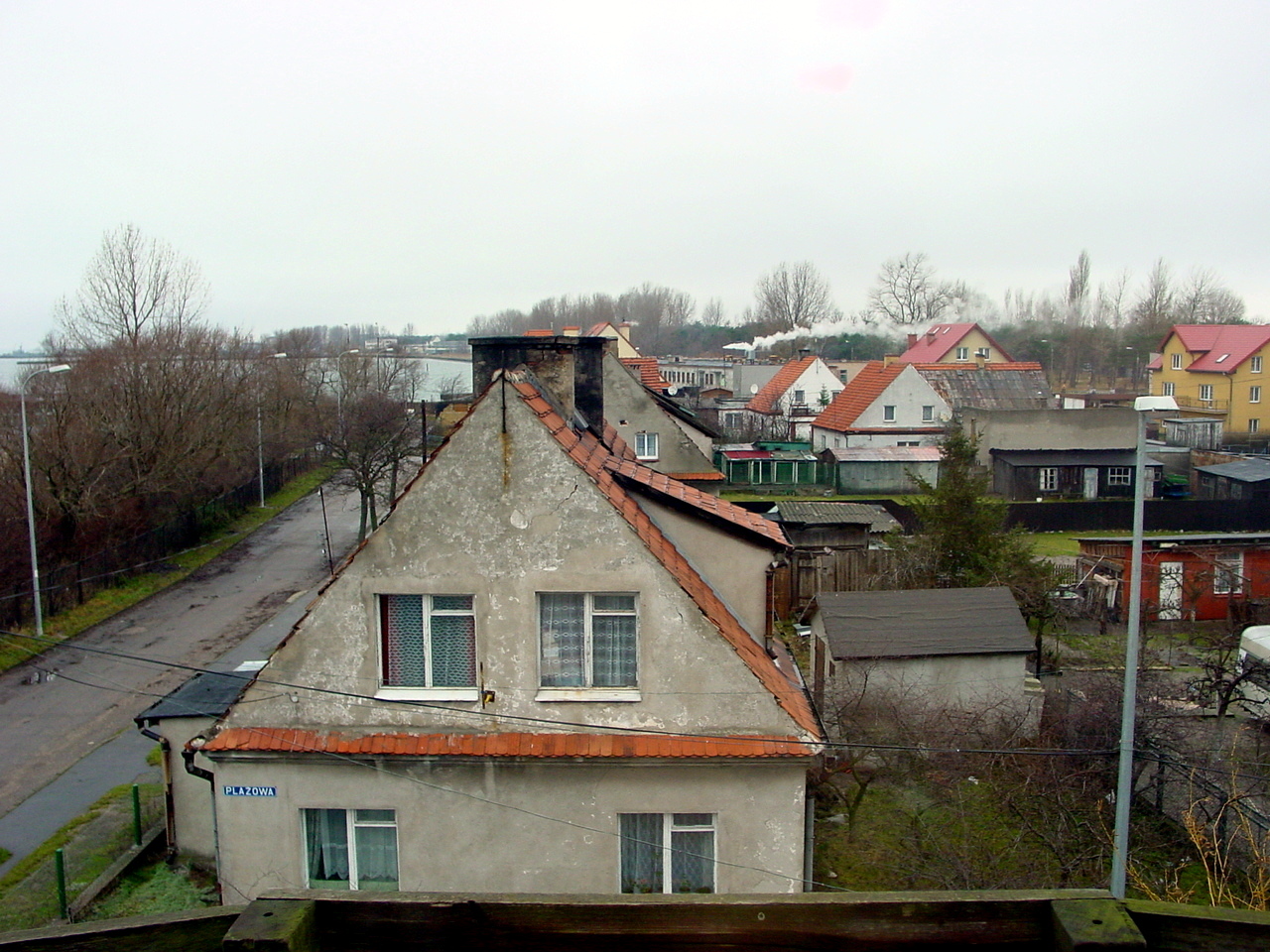
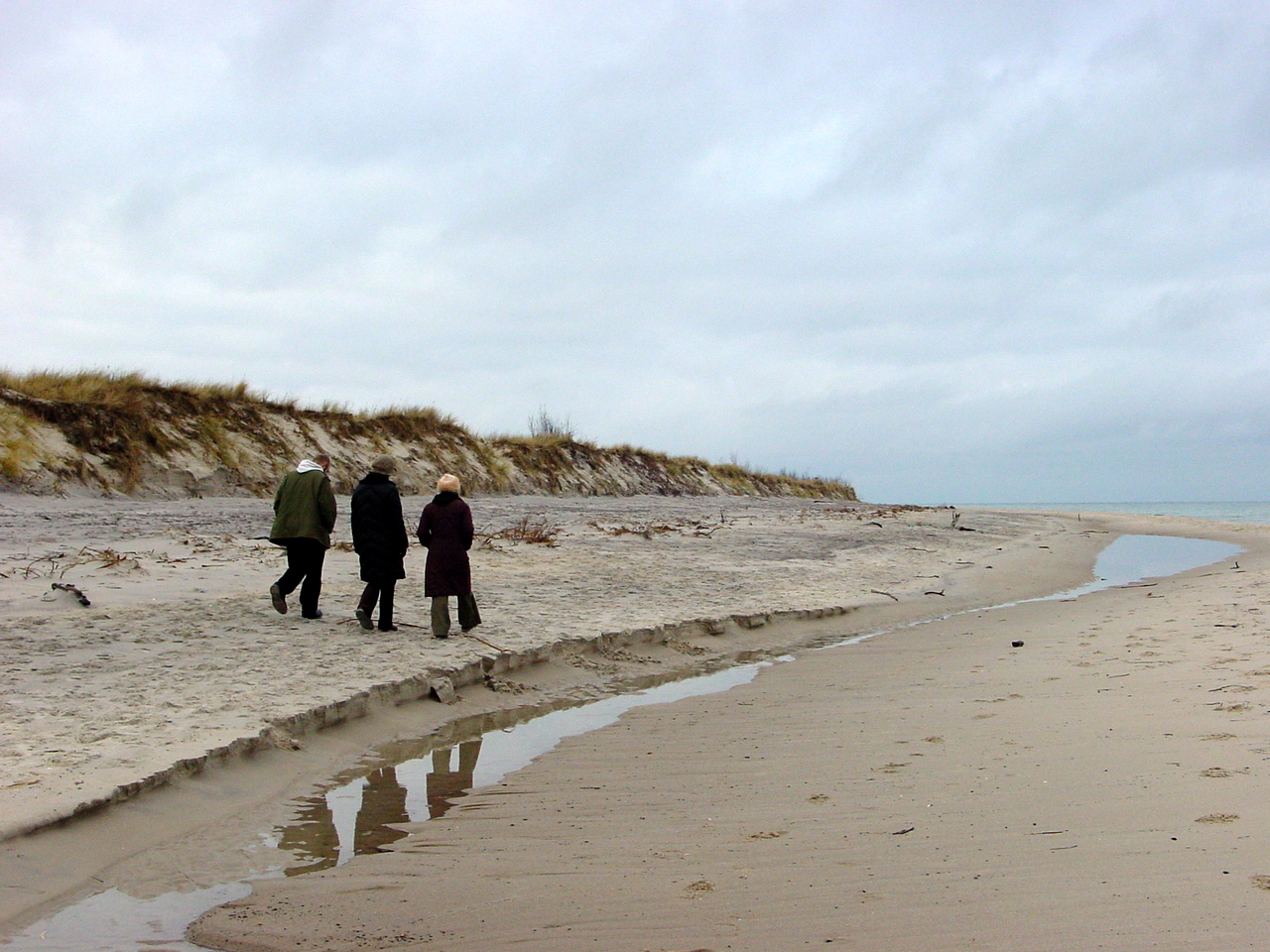
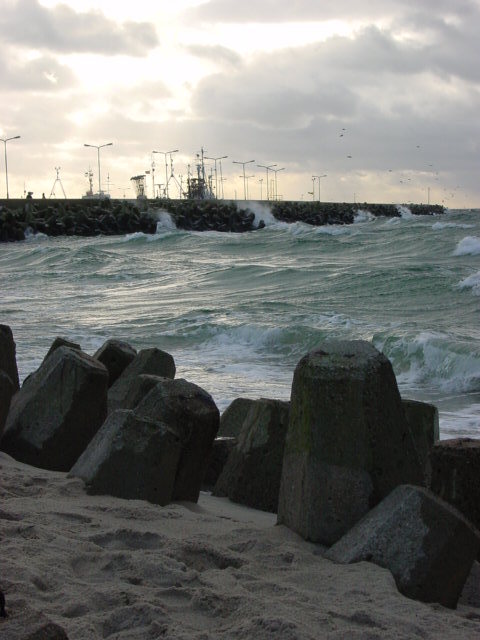
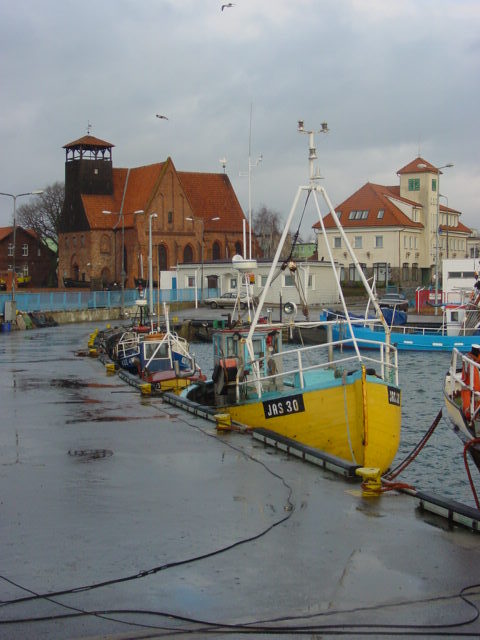
I'm in Hel now. That's not a comment on my current state, but my geographical reality.

Back in a few days.

Oh, all the best for the new year.

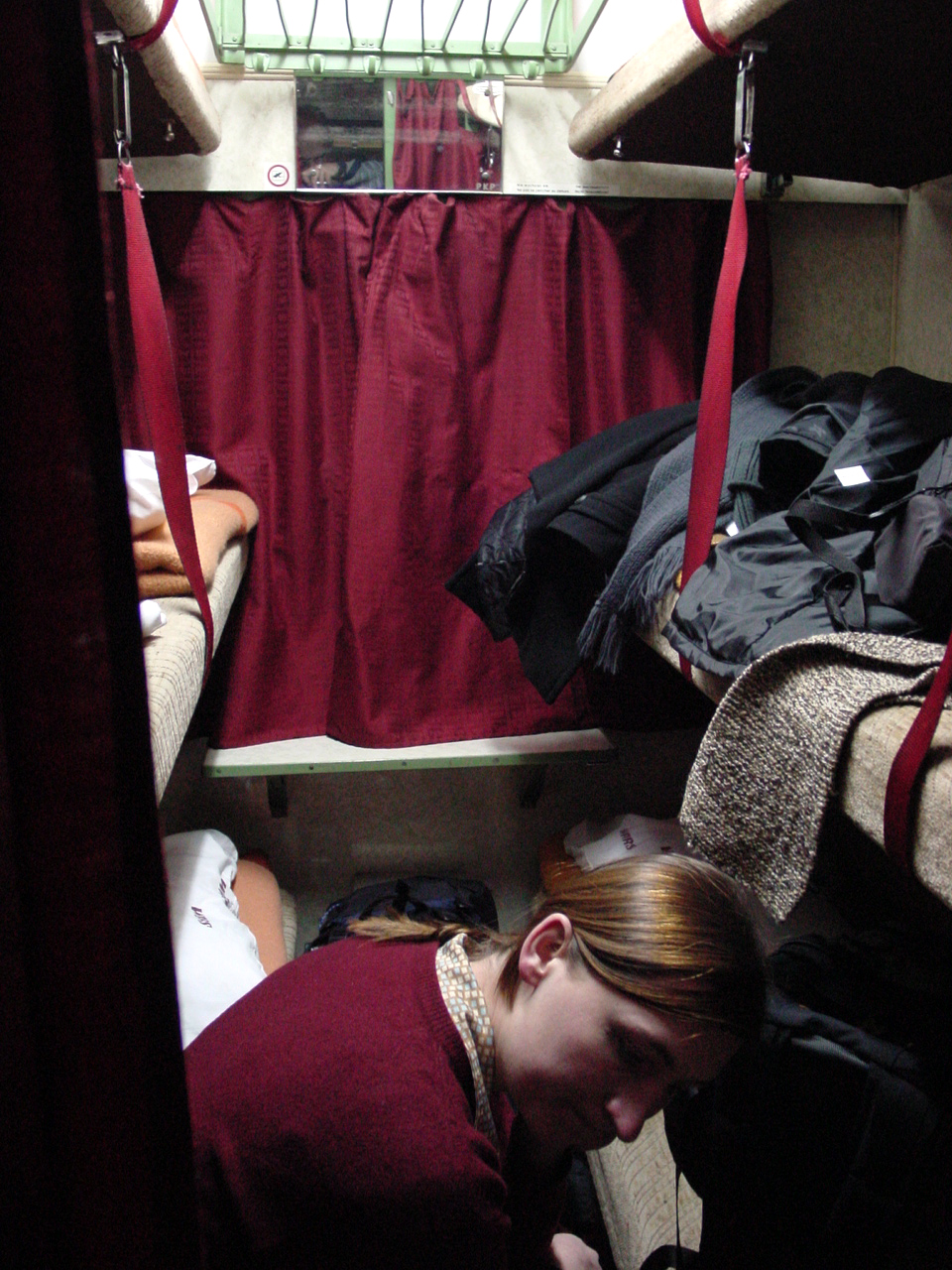
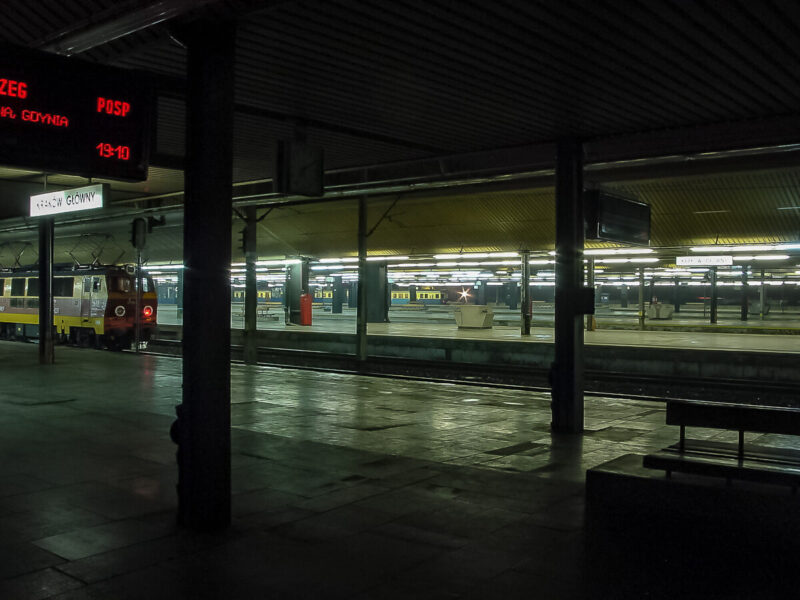
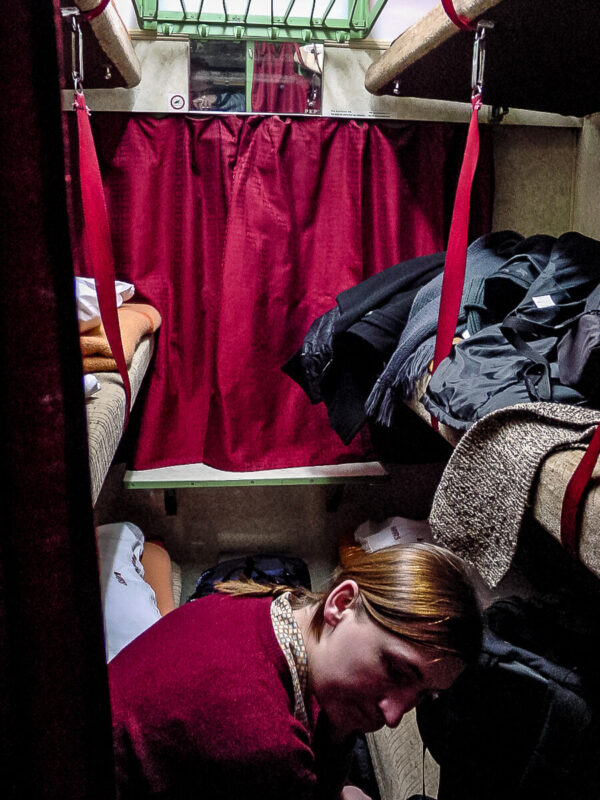
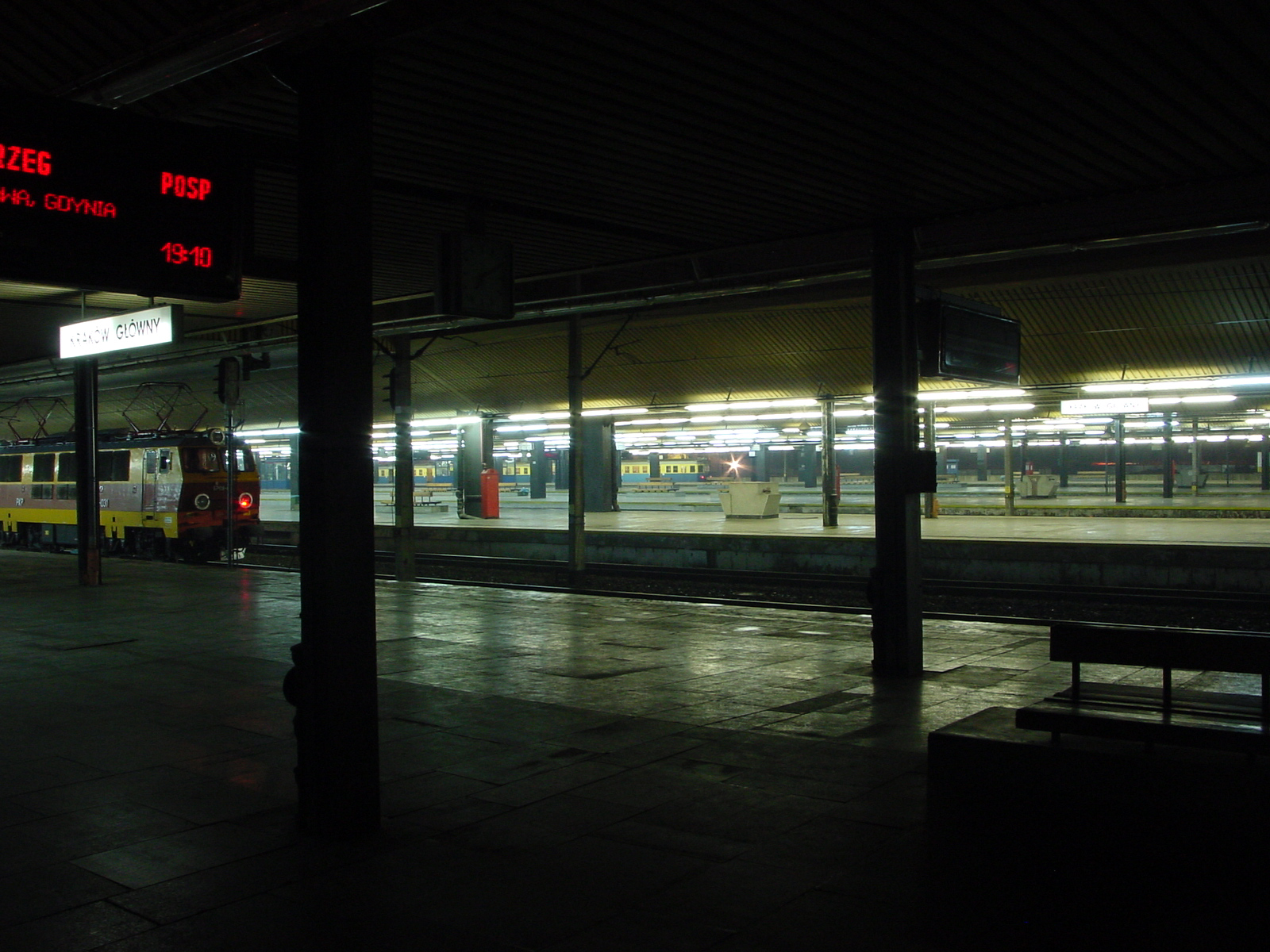
Overnight Train to Hel

Names

My name is Gary. My parents told me that when they first saw me, they just knew I was "Gary."

There are lots of Garys out there.

  • Gary Kasparov
  • Gary Sinise
  • Gary Moore
  • Gary Oldman
  • Gary Cherone
  • Gary Glitter
  • Gary Busey
  • Gary, Indiana
  • Gary, West Virginia
  • Gary, Minnesota
  • Gary, South Dakota

So apparently it's a popular name.

Nonetheless, I used to hate that name, particularly in junior high. I also hated my hair cut then, as well. Not man-ish enough. I wanted a Ted Danson do.

What was I thinking?

Changing my hair turned out to be easier than changing my name, which didn't happen until college. Fresh start, new faces -- I can be anyone I want. Armed with that knowledge, I tried going by my middle name: Lawrence.

It lasted a couple of weeks.

I've often wondered at stage names. Do Sting's close friends call him "Sting" or "Gordon?" Is Bono "Bono" to his wife, or just plain Paul? Does Adam Ant's mother still call him "Stuart?" When Eric Clapton was working with Babyface, did they call each other "Clapp" and "Kenneth?" Would Lauren Bacall be as famous as "Betty Joan Perske?" If you call Erykah Badu "Erica Wright," does she answer? "Full list of stage names.

The trouble was, I could never remember who I was.

Someone would call my name and I would continue walking, oblivious to the fact that someone was trying to get my attention.

Names seem to merge with your self, and it's difficult to separate "you" from your name.

The only reason I could start going by "Lawrence" was because no one knew me at college as "Gary." It would have been difficult to convince everyone in high school to call me "Lawrence," for I'd always been "Gary" to them.

Imagine calling the color white "blue" for the some arbitrary reason -- it wouldn't work, because white's, well, "white."

When I gave up on the "Lawrence" nonsense, a few people persisted in calling me "Lawrence" for a little while. That in turn made for a stupid situation, because I had to explain:

  1. that I'd always been called Gary;
  2. that I only switched to "Lawrence" at college;
  3. that I'd not been able to get used to it; and,
  4. that I'd decided to go back to my "original" name.

"Why'd you want to change in the first place?"

If I'd known what my name sounds like in Polish, and that I'd end up spending years here, I probably would have stuck to the Lawrence. "Garnek" is Polish for "pot" (the kind you cook in, not the kind you smoke), and so when you say, "I'll wash the dishes," you of course use the plural form: garnki. Or you can use the diminutive form, which sounds like...

When my wife introduced me to her grandmother, granny's reaction to my name is, "No, really -- what's his name." After all, what how would you react to being told your granddaughter is dating "Pots?"

Still, I'm glad I stuck with "Gary." It at least lets me make jokes after lunch.

Freedom-frying-over-high-heat and stupid European surrender monkeys

Old news: the Congress (and many Americans) are opting for "Freedom Fries" instead of "French fries." (Read BBC article.) Americans are still calling "French toast" "Freedom Toast" and other nonsense.

I'm sure the French have been getting a good chuckle out of this, because it reveals striking ignorance about the English language itself. In a xenophobic attempt to purge "French" from the language and protest France's lack of support for the American war effort, our leaders headed straight for the fast food.

Are these idiots even aware of the enormous number of English words are French in origin, thanks to Willie the Conquerer, 1066 and all that? (A short article about it.) Besides, what does anyone hope to accomplish in calling a chunk of deep-fried potato a "Freedom fry" rather than a "French fry?"

I'm sure Chirac, when he heard about this, called an emergency damage control planning session with all his advisors.

If Americans are still obsessed with "French" cooking terms (after all, "French fries" is short for "French fried potatoes"), then they need to come up with new terms for:

  • blanch (Freedom remove skin?)
  • saute (Freedom fry over high heat?)
  • fondue (Freedom melt?)
  • puree (Freedom crush?)
  • flambae (Freedom burn?)

The whole list of Arabic words in English is available here

And while these idiots are at it, why not purge all the Arabic words from English? After all the terrorists that started all this are mostly Arabic, so let's chuck:

  • admiral (Freedom big Navy leader man?)
  • checkmate (Freedom inability to move your king?)
  • coffee (Freedom Java -- oh wait, do they support us?)
  • spinach (Freedom Popeye veggie?)
  • zenith (Freedom point in the sky which appears directly above the observer (definition from Wikipedia)?)

This dumbfounding nonsense reveals a basic ignorance of how language works and develops. There are very few words in English language that were "planned" in any way. Language generally just "happens," like shit. (A list of how words "happen" can be found at wordorigins.org)

It reminds me of a young man who was spooked by the fact that rearranging the letters in "Santa" produces "Satan" -- clear proof of the evil of Christmas. Still, we're not alone. The French are just as worried about borrowed words creeping into French, as evidenced by the Acadamie Francaise. And Celine at Naked Translations has an amusing post about this.

Of course what sparked all this is the feeling in America of not being appreciated.

The ingratitude of the governments of Belgium, France and Germany boggles the mind. If it were not for the heroism of American soldiers during the Second World War, Hitler's Third Reich would be in its eighth decade.

Poor us -- we won World War Two for those spineless surrender monkeys and they should still be bowing to our wishes sixty years later. How dare they think for themselves now! Why, we've earned unquestioned support!

The Dirty Stairs II

"Okay -- you can check now," I called out to my wife after I thought the steps had had enough time to dry. I'd looked at all three of the un-wiped-down steps carefully, feeling to make sure there was no dampness, looking at it from this angle and that, trying to make sure it wasn't obvious.

Part One of the dirty stairs wager is here.

Up the stairs she marched. Straight to the first step. "She's a cleaning hound," I thought. "I haven't got a chance."

"This one," she proclaimed, and marched on.

My sporting-chance had now turned into insurance. "She can't possibly find all three."

She didn't -- she only found the one, which was in the most brightly lit portion of the staircase. My ego therefore took a beating, but it could have been worse -- I was saved by poor lighting, I suppose.

Stunned, I sat wondering what had gone wrong. Now, I'm not a slob. When I lived alone, I didn't have the cleanest apartment in the world, but it was regularly given a good shakedown. Still, I don't like to carry things to extremes, and wiping down the staircase after vacuuming seemed like just that.

I was sure that she would not detect a single step.

I went back and looked again. There was no difference in the carpets. At the scene of the crime, there was nothing obviously out of place. It would be easy to chalk this up to gender differences, to come up with a carefully worded generalization that didn't make all straight men seem like slobs and yet didn't insult homosexual men, who are stereotypically cleaner than straight men but not always, hence the adverb "stereotypically," that at the same time acknowledged the high slob-factor of some women without selling the occasional male clean-freak short, that tip-toed the touchy area of gender/orientation distinctions with a nod to a possible cultural influence without seeming overly PC...

All I ended up with was a run-on sentence and the affirmation that I am, despite all my protests, a lazy slob.

Christmas 2004

Wigilia 2004

Christmas break

If I had a window, and a sign to hang it in, the sign might read, "Out for Christmas."

But I don't, on either count.

Here's wishing everyone a merry, safe Christmas.

The Dirty Stairs

Part of getting ready for Christmas here is cleaning. Massive cleaning. Some people clean all the windows as well as every single rug.

But let's not exaggerate.

My in-laws are reasonable people, and my wife is equally reasonable. But they're still Polish, so that means a lot of cleaning. From a masculine point of view.

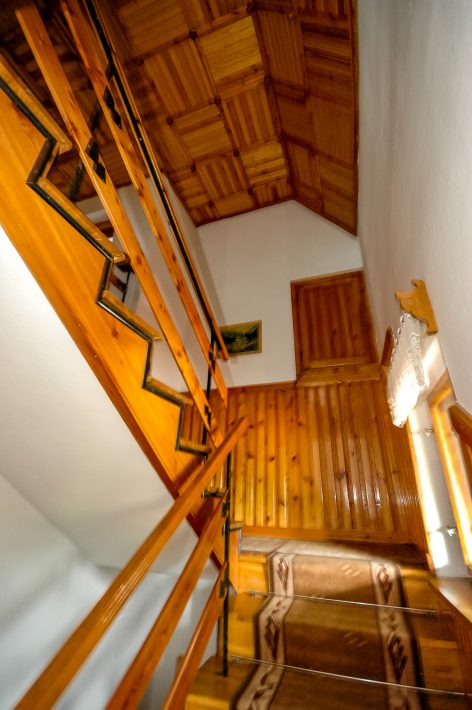
Today I was helping clean and was asked to do the staircase.

"Vacuum everything," instructed my wife, as if I didn't know how to clean stairs. "And then go back with a rag and clean all the carpets."

Apparently, I didn't know how to clean stairs.

"Clean all the carpets with a rag? After they've been vacuumed?" I asked incredulously. "What for? It's not like it'll make a difference!"

Long story short: we made a bet that I could skip cleaning one of the steps and she wouldn't be able to tell which one.

Off I go, a lean-mean-clean machine.

I am a fair guy. More than fair. Hell, I even let folks do take-backs while playing chess online. So I thought, "If I'm such a sporty, fair-player sort with other people, how much more so should I be with my wife?" So, to give her a sporting chance, I didn't clean three of the stairs.

And one of them in the most brightly lit portion of the staircase.

It could be more the effect of my testosterone level than any cultural difference, but I was sure she wouldn't be able to find one.

The question is: how many did she find?

Singing in Class

One of the best things about being an EFL teacher is the fact that I can do "stupid" lessons and get by with it.

Like singing Christmas carols. Imagine going to math (or "maths" for those who prefer British English) class and the teacher says, "Today, we're going to sing Christmas carols." Even in, say, literature class it doesn't really float.

But in English class, it does. So I teach the kids a few songs. This year:

  • We Wish You a Merry Christmas
  • Jingle Bells
  • Silent Night

Nothing special. I've always wanted to do "Jingle Bell Rock," but they don't know the melody, and that's key. It's a language lesson, after all, not a music class.

I can't really recall learning Spanish Christmas carols in high school. Perhaps we did, but I have no memory of it...