“Il est né le Divin Enfant,” a French carol
Concert 2015
Sunday Pictures
Ninth Try
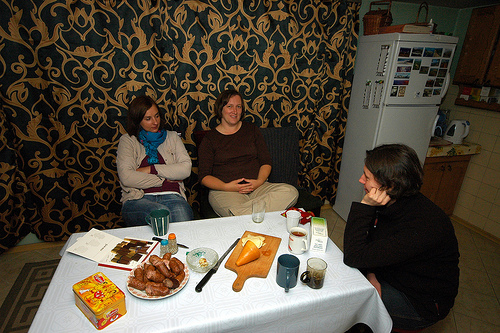
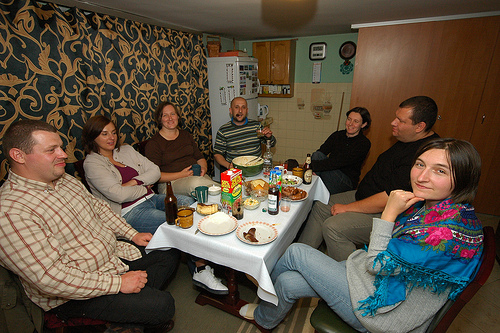
What makes a perfect birthday party perfect? It's not number of guests, for if that's the case, today's party would be very far from perfect. It's not the price of the gifts, for no matter how much one spends on a present, more is always an option. It's not the cake, though in the case of E and his destruction cake a couple of years back, it certainly made a positive impact.


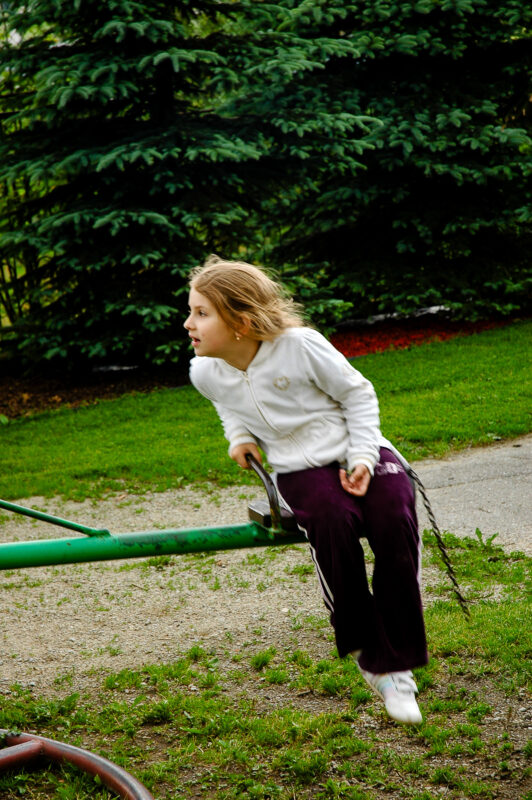
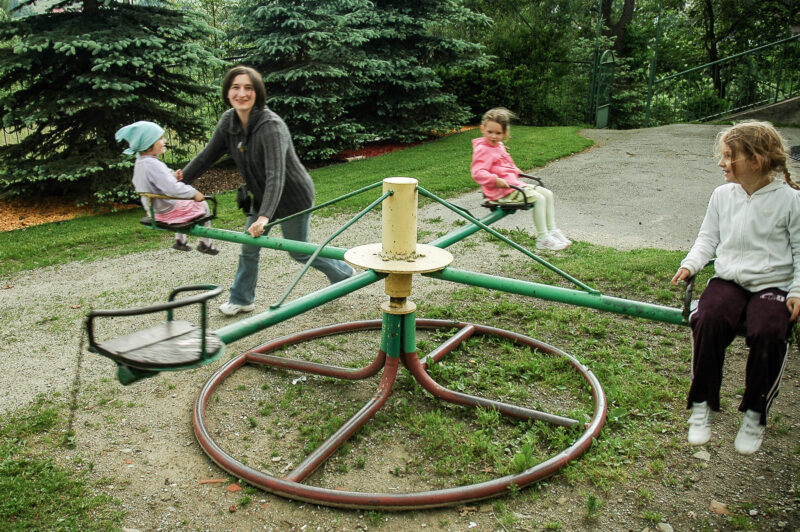
Having a part in the planning and preparation of your party would be an element of a perfect party, a perfect sign that double digits and more approach. The Girl chose a craft-centered party, spending several weeks researching and thinking about which activities she wanted at her party. In the end, she chose holiday-themed crafts: gingerbread decoration and Christmas tree baubles.


Morning was dedicated to baking gingerbread, then, in various shapes and sizes. There was also significant cleaning as one of the guests is allergic to cats -- never before has the Girl's room and the living room been so thoroughly cleaned. Early afternoon was decorating. And finally, after putting the balloons in place and dressing both Caroline and herself in matching outfits, the Girl was ready for the guests.


Once the girls arrived, the Boy, though, felt suddenly left out. He went into the living room, flopped down on the couch, and said, "Daddy, I'm boring. I'm not doing anything." The girls headed down to the trampoline and he just watched from the balcony. "Don't worry -- you'll get to do all the crafts with the girls. You'll decorate some gingerbread and make a bauble and do whatever else you want to."


After crafts, pizza and a movie, and a bit of fingernail painting. And finally, we cleaned up the mess, and I asked the Girl, "So, was it a perfect party?"
"Pretty much."
And that's the best present she can give to K and me.
Carol: O Menino está Dormindo
A Portugese carol
Numbers
2
Every night just before bedtime, just before we read a story, just before one or the other of us cuddles with him until he drifts to sleep, the Boy has a choice to make: which cars will I take to bed with me? We allow him two because otherwise, there would be no room on the bed for him — he would pack every single wheeled vehicle he owns onto his bed every single night.
He makes his choice carefully, and as is typical of his personality, changes his mind a time or three most nights.
9
This weekend, the Girl will have her birthday party. Her ninth. Her last in single digits. Her interests are maturing with her body. She’s planning on painting her fingernails before her birthday party Saturday, and it’s a choice that, like the Boy’s cars, requires significant thought.
220
The average RIT score on the MAP test for eighth-grade students is 220. My gifted classes have averages well above 230. My struggling classes have sometimes had averages below 200, putting them in the range of a first- or second-grade reader. When such a class, during optional winter testing, actually goes down as a whole class, it leaves a teacher feeling particularly ineffective. What can numbers tell us about reading? Nothing? Everything? Something?
3000
At a post a day, it would take eight years to reach 3000 posts. However, to reach this, the 3000th post, it took 11 years, which makes an average of 0.747 posts per day — posting about 75% of the time. Eleven years to make it to this, the 3000th post.
Immaculate Perception
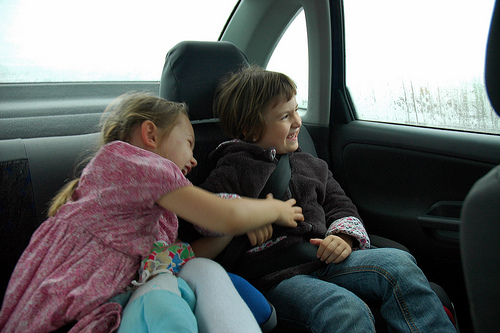
Tonight, on the way home from Mass for the Solemnity of the Immaculate Conception, K got a text. “H’s mom just sent me a text,” she said to the backseat. “H is coming to your birthday party and is very excited about it.” An affirming thought: someone other than family likes our kid. Yes, it’s sort of an obvious assumption in a sense: by age nine, most every kid has learned how to make friends with someone.
And yet, there’s the girl that sits in our lunchroom at school every single day alone. One of the sweetest young ladies I’ve ever had the privilege to teach, and yet without a single friend some days. “I just like being alone,” she said once when I plopped down across from her during lunch with my salad and began chatting. And I believed her: I was a bit of a loner myself, and I sometimes thought being alone was just easier than dealing with the uncertainties of other people. So here’s this thirteen-year-old who can’t or doesn’t want to make many friends, and I realize that it’s entirely possible that L might have made it to nine without making any real friends.
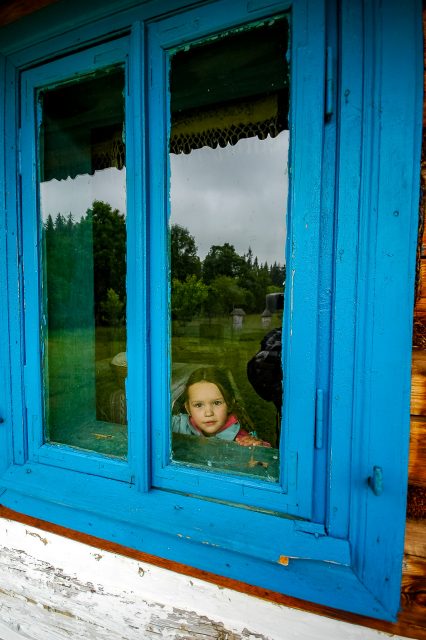
What is friendship at that age, though? Just a few weeks ago she was complaining about how some of the very people she’s invited to her birthday party were being none-too-friendly toward her — the usual petty playground stuff. Can she tell when people are really her friends and when they’re just using her, I’ve wondered. How accurate is the perception of a young girl?
Carol: Mennyből az angyal
A Hungarian Christmas carol
Monday Afternoon
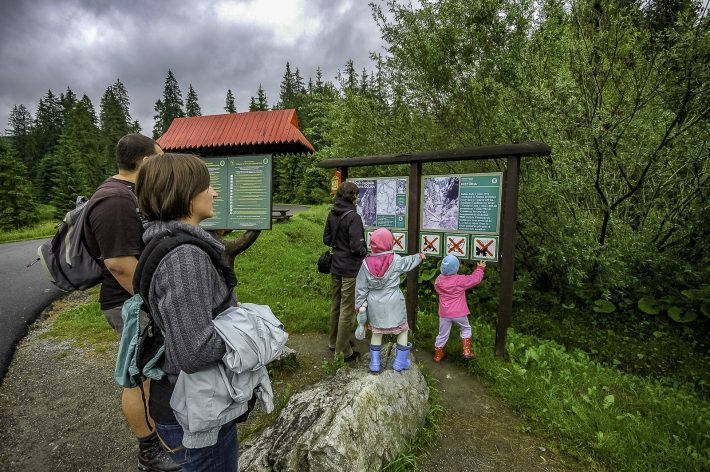
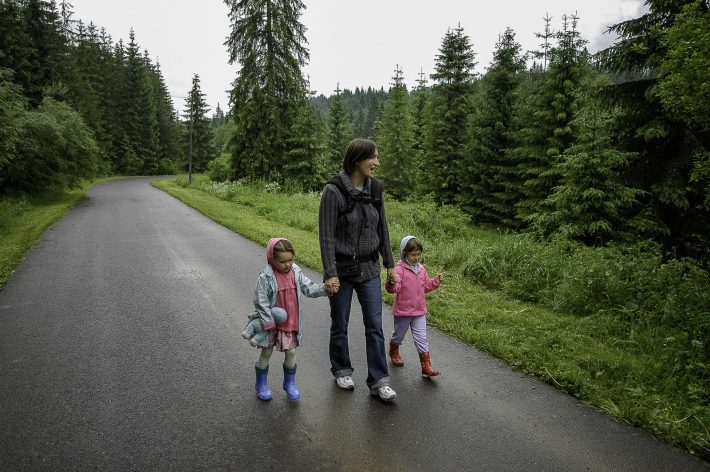
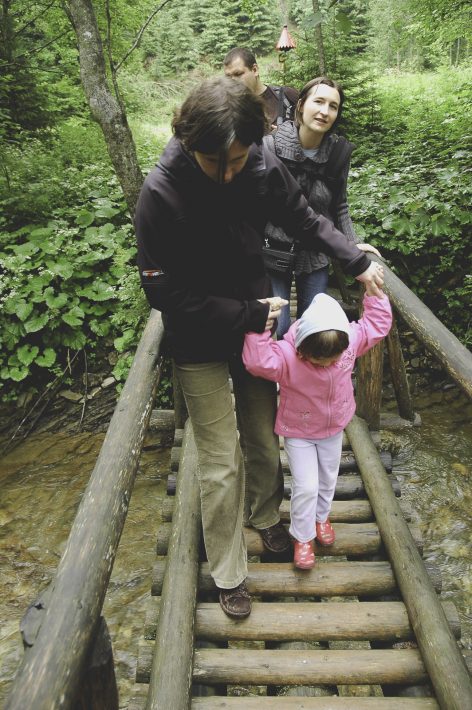
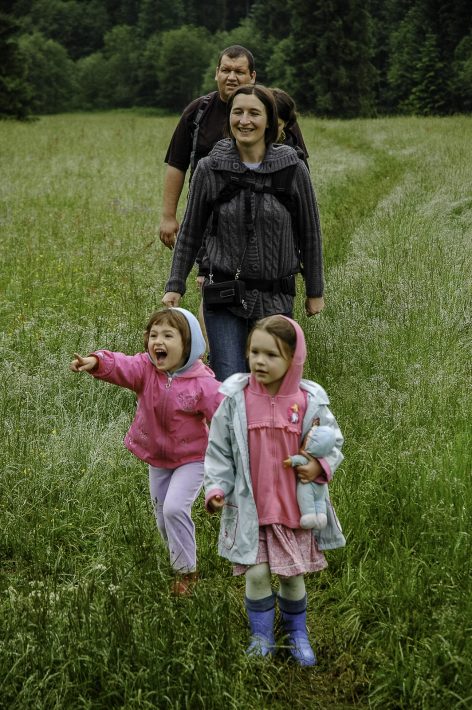
Yesterday was such a busy day that I didn't even take the time to share everything that happened. The Christmas tree got a mention but little else, and the promise of the lights we put up around the house was about there was of the final product. So it would be tempting just to post those pictures and call it day. After all, there is continuity with the pictures and the day's before.


"That tree is enormous" seemed to be the general consensus -- certainly the biggest one we've ever brought into our house. "Remember that first tree stand we used?" K mused as she held the tree later that night while I, sprawled on the floor, loosened all the screws holding the tree in place and reinforced it with planks of wood. He might have held a tree half the size of the one we have in our living room now, but it would just laugh at the tree we brought home Sunday.

But to leave today's story at that would be leaving out the wonder of today. For example, a girl in my most challenging -- and as a result, often most rewarding -- class left the room without asking permission. It's not the kind of thing I would have expected her to do. I went out to talk to her and determined that she'd removed herself from a stressful situation so that she wouldn't say something she regretted. It turned out, she'd already kind of said that anyway, making a comment under her breath that probably shouldn't have even been said at all. "But she was off task, and being distracting," S protested. I suggested that she really didn't need to say what she said, no matter what M was doing, and after some thought, she agreed. We went back into the room and I suggested that to be really mature, to take the situation to the next level, she might want to apologize to the girl in question. And she agreed. And in a few moments, the two of them were in the hall together, working out their problems like forty-year-olds instead of fourteen-year-olds. So to leave that out of the day's story would be a minor tragedy.
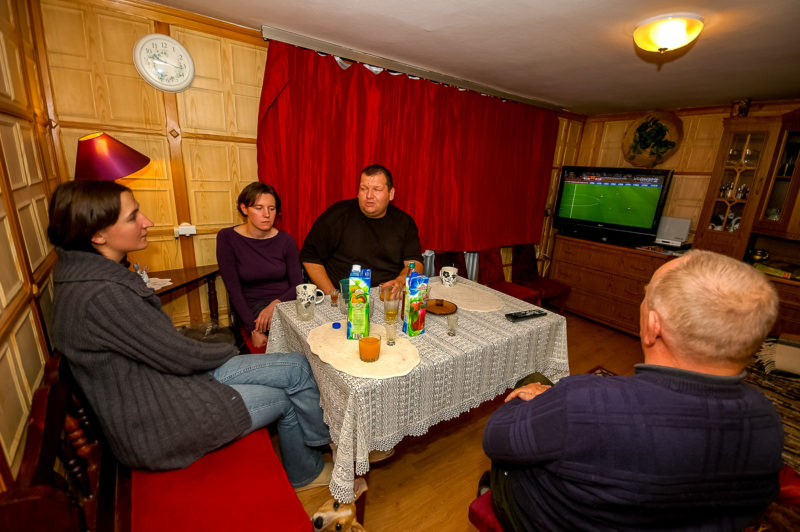
But there was still the Boy and our time exploring before dinner.
As I was putting on my shoes, E pointed out that the giant ladder truck that had been mine at his age and which Nana and Papa had saved was in sad repair. "It's not new and shiny like it was when you got it," he observed rather philosophically. "Did you get that from Santa?" he asked after a pause, and I thought, "Well, here it is." It's a moment I knew was coming, was surprised that never came with L, and yet while dreading it in a way, paradoxically never really gave it too much thought.


But it reminded me of something I wrote on a blog I used to run, now almost ten years defunct, in which I dissected the statements of leaders of various religious groups that all clung to the same beliefs I grew up with after the church in which I grew up declared its own beliefs heretical and moved to Protestant orthodoxy. When L was born, I struggled to find the time and motivation to keep it up, so in August of 2007, I resigned:
I’ve been struggling—to find topics for this blog, to maintain my interest in all things Armstrong, to find time to care.
Truth be told, to care.
Jared said it best in a recent comment:
[A] moribund XCG is [not] entirely a bad thing either. After all, there’s only so much one can say about Armstrongism before you’ve said it all. (Source)
I don’t feel like I’ve said it all—there are thousands of words that could still be written about the phenomenon of Herbert Armstrong and the sect he formed. Yet, I really no longer have the interest or time to write anymore words about it.
I feel like Chicken Little, for our common XCG sky will continually fall. David Pack will talk about his web site statistics until the day he dies. Rod Meredith will provide critics with still more reasons to call him Spanky until the day he dies. Those in the upper echelons of the dwindling WCG will continue to talk about their amazing transformation until the day they die.
But I will not be commenting on them at that point, and I certainly won’t be commenting on them when I die.
About six months ago, I started preparing a final post, but I kept putting it off. I thought, “Maybe I’ll just write a little here, a little there,” for a while. Several have noticed and commented on this, and I have remained silent as to the cause of this dip in output.
My initial draft of this post might provide clarification:
Certain things in life force us to see things in a different perspective. Births, deaths, marriages, divorces, conversions—these are the kinds of things that make us stop and reflect on where we are, what we are, and most importantly, what we’re doing with the short time we have on Earth.
We have twenty-four hours in a day. We work at least eight of them; we sleep six to eight of them; we wash, shave, cook, eat, clean, drive, exercise and a million other forms of maintenance for another three or four a day. That leaves us with precious few hours a day for ourselves.
What do we do with that time?
Until recently, I spent time looking at, analyzing, and even mocking the beliefs and actions of a group of people I no longer have anything in common with.
Recent developments in my life now make that a less-than-ideal way to spend my free time.
The “certain event” I was referring to was the birth of my first child.
Since then, I’ve been of thinking about what I want my daughter to know about my own religious past. Truth is, I want her to know as little as possible. Because of shame? Embarrassment? Certainly not. I don’t want her to know for the simple reason that it no longer impacts my life. I can’t see much positive coming from me ever going into any detail with her about what I used to believe, about what her grandparents used to believe, about the fact that a true handful of people in the world still believe it. I don’t believe it, and that’s that.
And so, to quote one of my favorite authors:
“The time has come,” the Walrus said,
“To talk of many things:
Of shoes—and ships—and sealing-wax—
Of cabbages—and kings—
And why the sea is boiling hot—
And whether pigs have wings.”To talk of many things—but not the XCG. And not here.
I appreciate all the support I’ve received during this little two-and-a-half-year adventure. I thank all the fellow contributors who, throughout these last nearly thirty months, have helped to make the discussion here a little more balanced. I am grateful to all you regulars. You really kept the site going.
Most of all, I’m heartened by some of the comments of the past, folks telling me that I have helped them in some way. I appreciate you sharing those thoughts, for it gave me a certain joy that I will truly never forget.
But the time has come.
Best wishes to all, ill wishes to none, and I leave with the hope that if we ever meet again, we’ll have so much more to talk about than the XCG.
And since then, the Girl never once asked about Santa for me (for we didn't celebrate such heathen festivals), and I'd really forgotten about it. Of course I still write about the phenomenon, as evidenced by a post earlier this week (and as the thirtieth anniversary of Herbert Armstrong's death is just a little over a month away, I will likely write about it again in the near future). But I hadn't thought about what I'd say to the Boy or the Girl about my religious upbringing. It just didn't seem important at all in a way. Until E asked me if Santa had brought me the ladder truck. I thought about it for a moment, realizing that a philosophical/theological treatise was certainly not required, and simply answered, "No, buddy, Santa didn't bring it to me." Maybe some day, he'll ask about it again. Probably not. We'll cross that little relatively insignificant bridge when we come to it.
Musevisa
Alf Prøysen performs his Noregian carol, “Musevisa”