matching tracksuits

fun in threes, sometimes fours

Letters, Part Three

We were writing about writing -- an odd thing to my class of 25 eighth-graders, but they complied. Heads down, they scribbled for half an hour, turning out some of the best writing they'd done all year.

One young lady, Tina, after fifteen or twenty minutes of writing, declared, "I'm done!" I told her she should continue writing and that she could write about anything she chose.

"Even you?" she asked.

"Sure," I replied, wondering what I might get. After all, Tina had a reputation, and I could tell from the first few moments of the first class that it might be a challenge to keep her quiet and focused.

In short, Tina said whatever came into her thoughts. If a comment was "stupid," she let the poor bloke know it. If she realized she was hungry, sleepy, bored, thirsty, excited, amused, or anything else, she shared it with the whole class the instant she realized she was hungry, sleepy, bored, etc.

I'd spoken to her about it a few times. It was easy to lose my cool and simply react to her provocations, but I knew such reactions would serve little purpose. I also knew that, were I to leave her alone, she would quickly burn through all the steps in the school discipline policy; it would be easy then to get her out of class on a regular basis simply by writing administrative referral after referral.

By the end of the first quarter, she'd calmed down significantly. Her outbursts were increasingly rare, and she responded to my mild reminders to stay on task with a smile rather than an argument.

All of that went through my thoughts as I walked away from her desk. Immediately after all students were on their way to the final period of the day, I went through the papers and dug hers out.

She wrote,

Now I'm going to speak upon the Great Gary Scott. Mr. Scott, the best, is my favorite teacher. He may be boring, but he believes everybody can do it if they try. He has helped me so much and I thank him greatly and I have to say he is a great father figure. His daughter has a good daddy at home.

"She probably has no idea how great this makes me feel," I muttered to myself, so I thanked her as she walked to the bus. "Those were very kind words, and I appreciate you sharing with me."

She smiled and said "You're welcome" quickly, bolting away from me as she suddenly saw a friend.

Huntington 2: Atalaya

Huntington Beach State Park got its name from the original owners of the property, philanthropist and translator Archer M. Huntington and his wife, the sculptor Anna Hyatt Huntington. As such, the park also contains the Huntington's winter home, Atalaya (Spanish for "watchtower).

One's first thought is to compare it to the Biltmore estate. While it was built 50 years later and is much smaller (probably not even one tenth the size), there are certain similarities. Both Vanderbilt and Huntington got their money the really old-fashioned way: they inherited it. Both men were interested in fostering the local economy, with Huntington insisting that all workers must be local. If a skilled craftsman was needed, he paid to have someone come and teach a local how to do it.

Yet there are significant differences. Apart from the size and age, the motifs are different. Vanderbilt wanted his home to look like a chateau; Huntington wanted his home to reflect the Moorish influence on Spanish architecture.

Vanderbilt hired Richard Morris Hunt, the architect who designed, among other things, the Metropolitan Museum of Art and the pedestal for the Statue of Liberty, to design the entire home. Huntington had no architect; indeed, Huntington had no plan. The home was simply constructed according to his verbal instructions.

A final difference, other than the comparative state of current conditions, is the intended purpose of the homes. Biltmore is a mansion, built for parties and guests that stay for weeks on end. It's intended to impress, pure and simple.
Atalaya had more utilitarian aims: it was a place for the Huntingtons to work. Granted, it's not work in the way most twenty-first century, middle-class people think of work: he wrote poetry, she sculpted, and fiscally, they were fine if they never made a dollar from either venture. Still, the Huntingtons never had overnight guests at the home (let alone the summer-long visits common at the Biltmore), and Atalaya was most decidedly not built to impress (though it does all the same).

A practical effect of this was that the Huntingtons turned over the home to the Army Air Corps during World War II, and the Corps set up a defensive battery at the home.

But I still come back to the similarities: apparently, Huntington had no idea how much his home was costing him and never tried to determine it.

The ability to live like that is so far removed from anything most of us know.

Quick Note to Scam Sites

If you're going to pop up warnings that say "Windows Security 2011 has found critical process activity on your PC and will perform a fast scan of system files!!"

and then popup a Javascripted "scan" of my PC

and finally ask me if I'm sure I want to leave because my PC is at risk of infection, saying, "Your system is at risk of crash. Press CANCEL to prevent it,"

here's a suggested addition to your script: check the computer's operating system. If it's running Linux, why are you even bothering?

Additionally, check your grammar.

Backyard Photo Walk

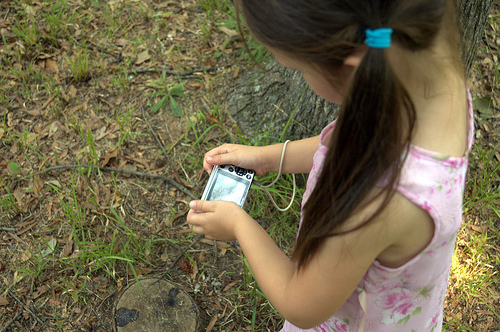
"Can I take a picture?" It's a common refrain whenever I bring home the small point-and-shoot I use in the classroom.

The Photographer I

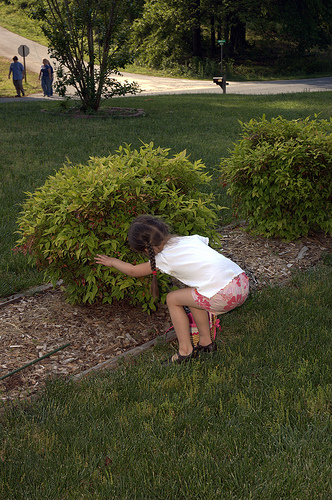
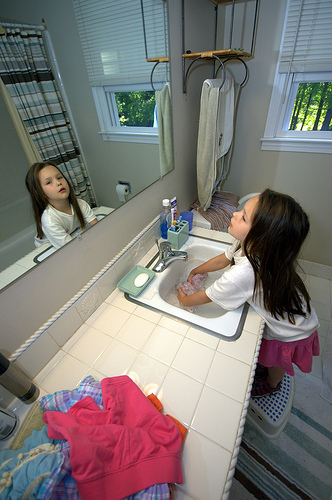
The Girl especially likes going for photo walks in our back yard.

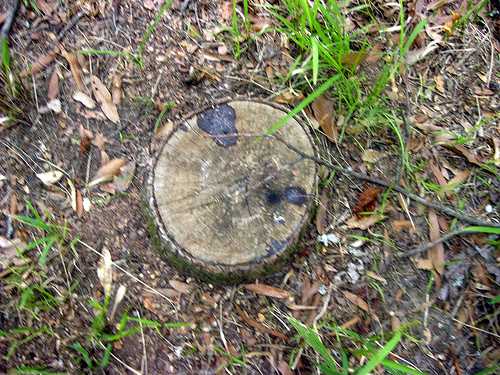
Her Picture I
Photo by the Girl

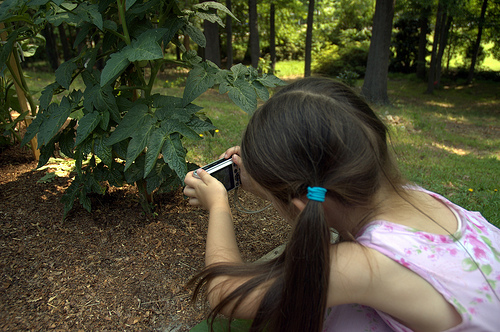
I tag along with a camera too big for her even to hold, taking pictures of her taking pictures.

The Photographer II

Back in the house, we transfer the pictures to the computer. I straighten a few of hers, delete several blurred ones, and correlate them with my own photos.

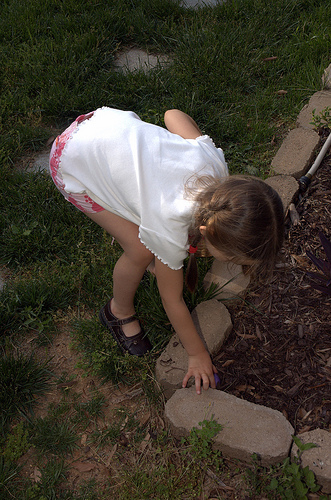
Her Picture II
Photo by the Girl

"You're silly, Tata," I hear behind me, "Taking pictures of me taking pictures."

Another Door Closes, Opens

Thursday I said my goodbyes to the fourth group of eighth graders I've taught here in Greenville. I shook countless hands, gave numerous hugs, and reassured many crying students, all the while thinking how blessed I am to have such an honorable job.

I understood their pain. Endings are so painful when we're young. Each transition is filled with such uncertainty, and like everyone, I've been through my share of painful transitions. In 1999, I was on the verge of tears as a friend drove me through the Polish village I'd called home for four years on the way to catch the train that would take me to Warsaw to catch a flight home. That longing all my students felt only briefly Thursday afternoon was so intense twelve years ago that it eventually led me back to Poland, back to the same village, back to the same students whom I'd left as freshman and returned to as seniors. It was the best decision I've ever made.

But I know the secret: we start again. Every ending is a beginning. Every chapter is followed by another, and if we do it right, the next chapter is always better. I tried to tell my students that Thursday. I'm not sure I was successful: no one can ease a pain that's almost voluntary. Adolescence loves misery in small doses, especially the pain of loss.

I like to think I'm still an adolescent at heart, so now I sit, smiling, looking through pictures I snapped the final day, feeling honored that I had the privileged of working with such incredible kids, wondering what the future holds for those fourteen-year-olds that I grew to love. What do we know when we're fourteen?

I know many of my students, due to the tragedies and misfortunes they had no part in, know more about pain than I know though I'm twenty-five years older than them. I tried to make the daily fifty minutes I spent with them a pleasant experience, but I know I let them down. It haunts me, and it's the bitter part of the bittersweetness of the end of a school year.

Thursday evening I met a former student -- I'll call him Ed -- who gave me utter hell when he sat in my sixth period class. "I gave everyone hell," he would say if he read this. "I was just making bad decisions. I just wanted to be bad," Ed explained Thursday night as he explained the path his life has taken in the intervening three years. I finished that year thinking I'd let him down, swearing I'd never do it again, and now I know I have done it again. And I'll do it yet again -- probably next year.

So I sit, scrolling through pictures, wondering where the lines of these kids' lives will lead them, eager to get to know next year's batch, wondering if I'll ever lose this sadness I feel at the end of school years, and hoping I never will.

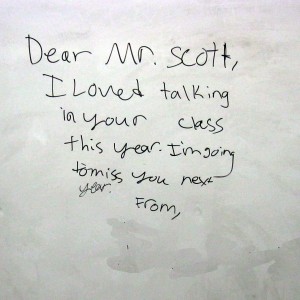
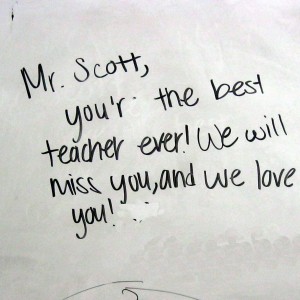
How could I, when students leave notes like this on my board?

Why We Laughed

"They were laughing at us." L had just gotten off stage, and K, backstage to help with the recital, was there to greet her. Indeed, we in the audience were laughing a great deal through the night, but it obviously bothered some of the children, our daughter included.

Why did we laugh? I fumbled about with an explanation yesterday, but I went to bed thinking about it and woke up with it still on my mind.

If adults had been doing this, we might have called it a disaster. They stumbled about sometimes. They often looked to the side, desperate for a cue from someone wiser. Some stood, looking at the others, trying to remember what they should be doing at this or that particular moment. They were only vaguely uniform at some points, with some putting their arms down as others just began raising theirs.

Yet because they were children, everything changed. Disasters became masterpieces: flubs became arabesques; stumbles transformed into bourre; miscues became fouette; hesitant jumps became grand jets.
Further, if these had been adult dancers, they never would have appeared on stage. Ego would have prevented it, and that's part of what we mean when we say that these children are cute because they're innocent. They're not so concerned with unattainable perfection, and they're filled with joy just to be dancing.

I think we laugh, then, because we see ourselves in these little dancers and realize that, in so many ways, they have more courage than we have, and we laugh at the joy that courage brings us.

Recital

Parenting is often about firsts when there's only one child. First this, first that -- first dance recital.

I've never been interested in dance, but even if I were, I'd pick a small-town dance school's summer recital over even the greatest ballet. There's a charm and an innocence in the young girls that unifies an auditorium filled with strangers and makes us all feel truly optimistic for 120 minutes.

Of course, it was the Girl's scene that stole my heart.

Later, we had a sad conversation. "Tata, they were laughing at us."

How do you explain the joy behind the laughter? How do you explain that the audience was enjoying the performance so much that it brought them to laughter? K and I tried, but I'm not sure we convinced her.

Huntington 1

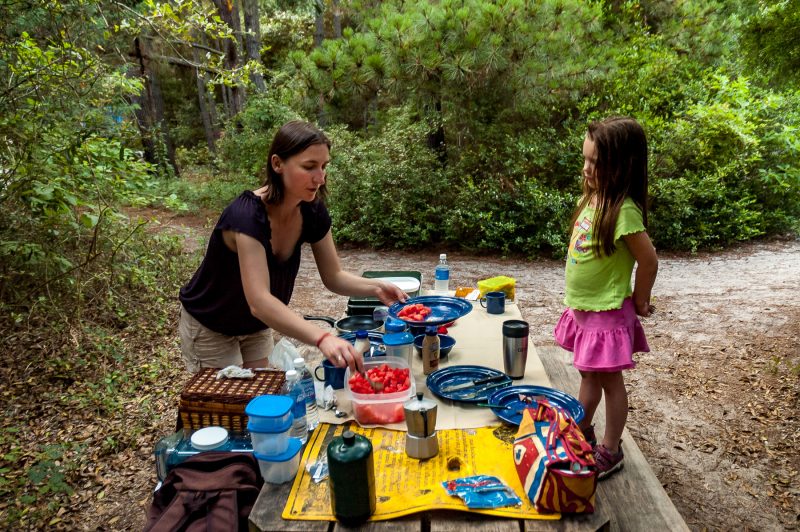
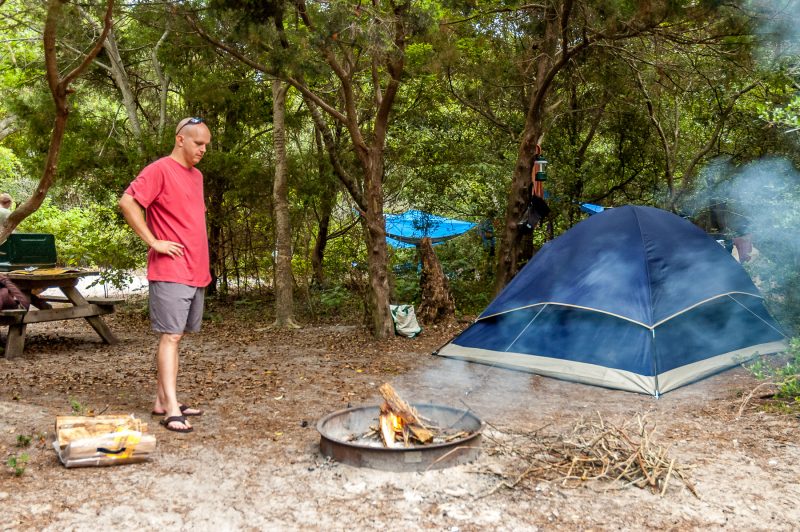
The beauty of sleeping less than 500 meters from the beach is that no matter how many times one wakes up to the sounds of the forest, including raccoons foraging neighboring camp sites, one simply has to concentrate on the distant sound of waves crashing to fall almost immediately back to sleep. The result is not necessarily a sound sleep, but a pleasant one.

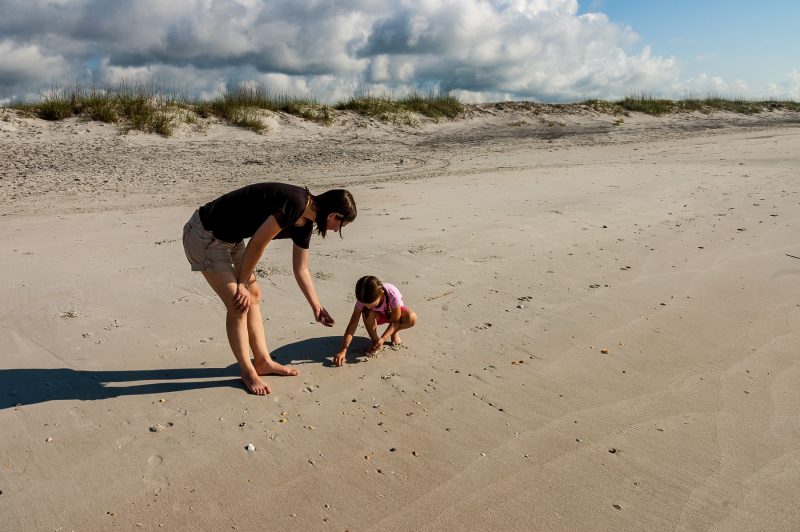
The beauty of sleeping less than 500 meters from the beach is also the after-breakfast walk. A short walk through a forest of pine, itself filled with an early-morning enchantment, and we’re at the beach. The sun reflects off the retreating waves and the low tide yields a treasure of shells for the Girl.

The Girl’s mantra changed during our short time at Huntington Beach State Park. Within twenty-four hours, it went from “When are we going to get there?” to “When are we going to the beach?”

The first day showed just how much the Girl has changed.

Her first beach experience, some two years ago, was moderately traumatic for her. The sound of the waves terrified her, and the waves were forever chasing her form the water’s edge when she finally got the nerve to approach.

This year was different.

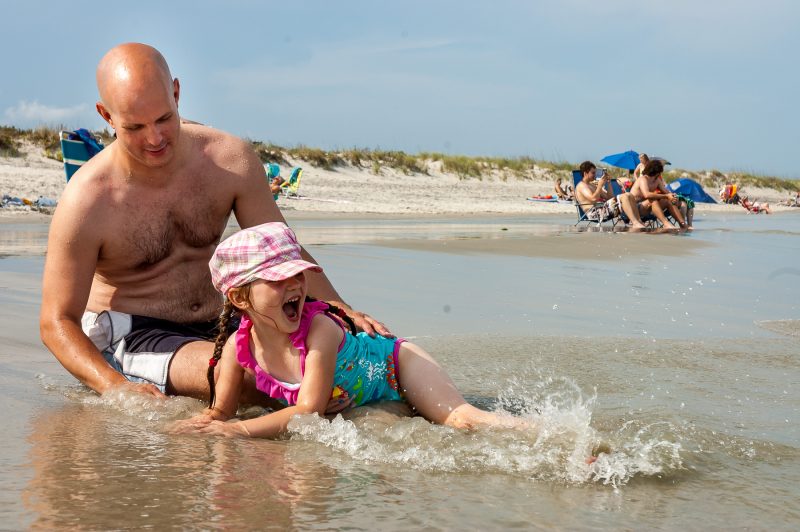
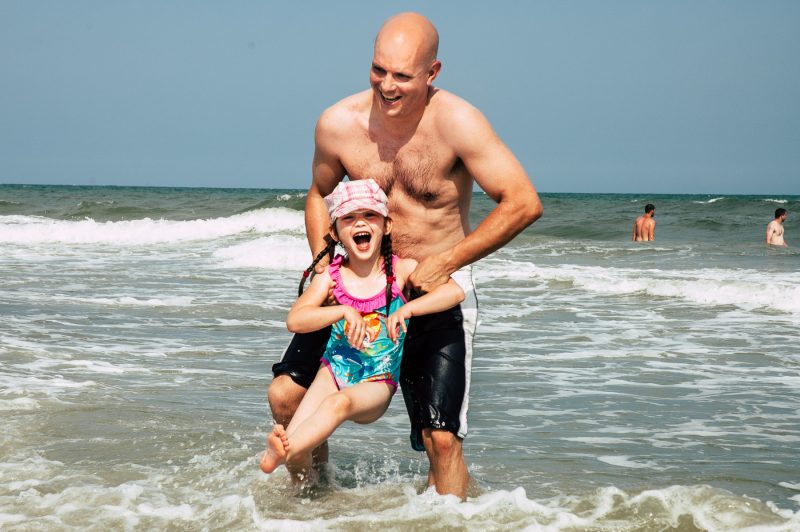
She played in the surf. She made a mess of Tata.

She made some new friends.

She saw some wildlife.

It was one of a thousand bittersweet moments: she’s growing up faster than we’d have imagined.

Easter

In Catholicism, Easter is a season, not merely a day. As such, sharing photos from Easter Sunday almost a week later would be perfectly acceptable…

With a Polish priest driving from Columbia to fit Polish Mass into a schedule that includes English and Spanish Masses throughout the day, our Easter was a late Easter,with Mass at 15:00 and the requisite gathering — for what is Easter for Poles but a Thanksgiving with spiritual meaning? — following ninety minutes later.

DSC_0884

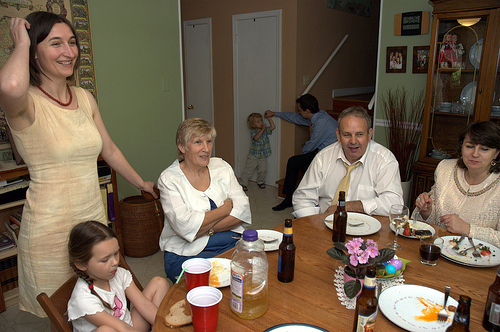
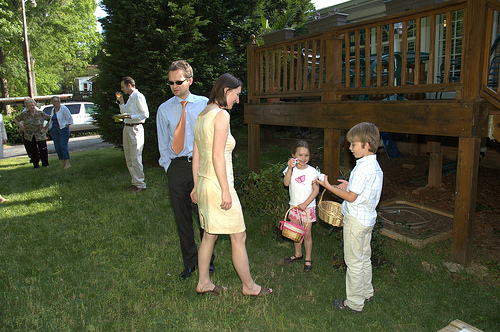
Coming together from near and far — Asheville, Atlanta, and five miles up the interstate — the adults did what Poles do best: talk, eat, talk, laugh, talk, sing, and talk.

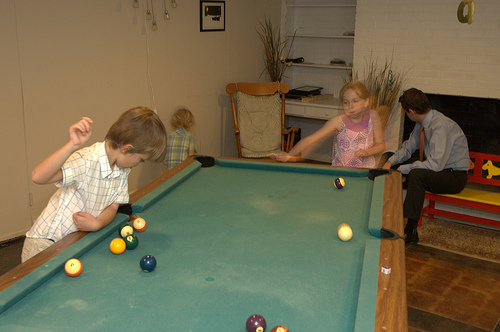
The kids — two boys and four girls — did what they do best.

DSC_0876

DSC_0880

DSC_0891

DSC_0910

DSC_0908

DSC_0924

DSC_0929

DSC_0936

Young Mothers

DSC_0969

DSC_0975

Practicing

K and I have been concerned about L’s attentiveness in Mass on Sunday. We’ve come to realize that she’s reached that age that quite, unobtrusive behavior is not the goal; participation is the goal.

To that end, we’ve been practicing after school. We stand for prayer, kneel at the end table, sit quietly. We practice crossing ourselves, including one of the oldest variants.

110524

“When do we kneel?” I ask.

“When the priest sets the holy bread,” L replies.

Sometimes the simplest way is the best.

Not Even With a Whimper

That’s great! It doesn’t start with an earthquake! And apparently for some, May is the cruelest month, breading disappointment out of dead prophecies, mixing frustration and desire. It’s supposed to be the end of the world as we know it, and no one left on Earth is supposed to feel fine. Yet with reports coming from Sumatra and New Zealand, where six o’clock has come and gone, show that today will pass just like any other.

Cult Watch has some good advice for Campings followers on this day of non-events. The first point is the hardest:

Be prepared to accept that you are wrong. Many others have claimed to know the end of the world before now, and obviously they were wrong. They too misinterpreted Scripture, so if the rapture does not occur on the 21st of May 2011 then you will have joined their ranks. This will be a blow to your ego and some will find this failure very emotional. The best course of action is to prepare to be humble. (Source)

It’s heady stuff, predicting the end of the world. When you’re a prophet that has figured out what no one else has figured out, it’s probably almost impossible not to get an inflated ego over it. Even if you’re not the prophet but someone supporting him (and of course it’s almost always a man), helping him, it’s easy to let all the esoterica to go to your head.

It’s not the first time people have lived through the end of the world, nor will it be the last. Religious huckster Herbert Armstrong predicted that the world would end in 1972. Almost forty years later and twenty-five years after his death, followers remain, still convinced that they know the signs of the times and will accurately see the end coming before anyone else.

One of Armstrong’s self-appointed successors is David Pack, who has his own church called The Restored Church of God. At the church’s magazine’s web site, there’s an article about the Camping prediction with the following lede: “Predictions from a small American religious sect have gained widespread attention.” Pack writes about all the reasons why Camping is wrong, and in the ultimate irony, ends the article, “If you are serious about learning the truth of the end time, read the most comprehensive book ever written on the subject” (source). Surprisingly, this book Pack mentions is the Bible, but he also suggests his The Bible’s Greatest Prophecies Unlocked! to reach full understanding of Scriptures.

It all brings to mind Eliot’s “The Hollow Men,” with it’s famous final stanza:

This is the way the world ends
Not with a bang but a whimper.

Camping would probably be content with a whimper this beautiful Saturday.

Growth

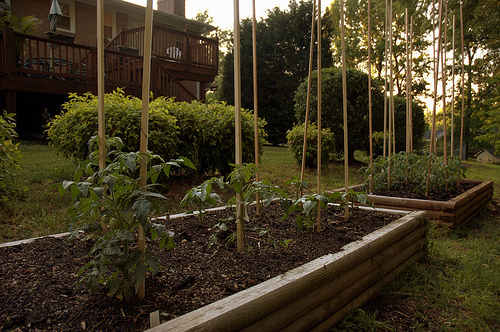
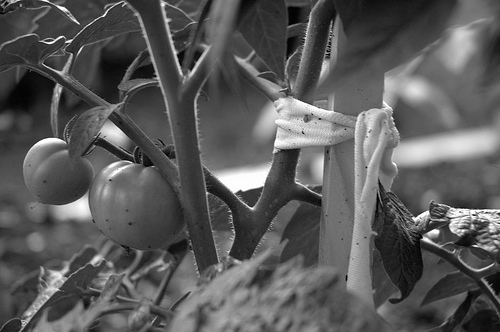
A garden is much like a family. The needs are the same: diligence, love, and guidance. The results are the same: nourishment (though emotional and spiritual rather than physical), a sense of accomplishment, and roots.

In order to be healthy, they need similar environments: safe yet open, protected yet free.

And they need sun.

Rehearsal

When is working not working?

When it’s playing.

DSC_1632

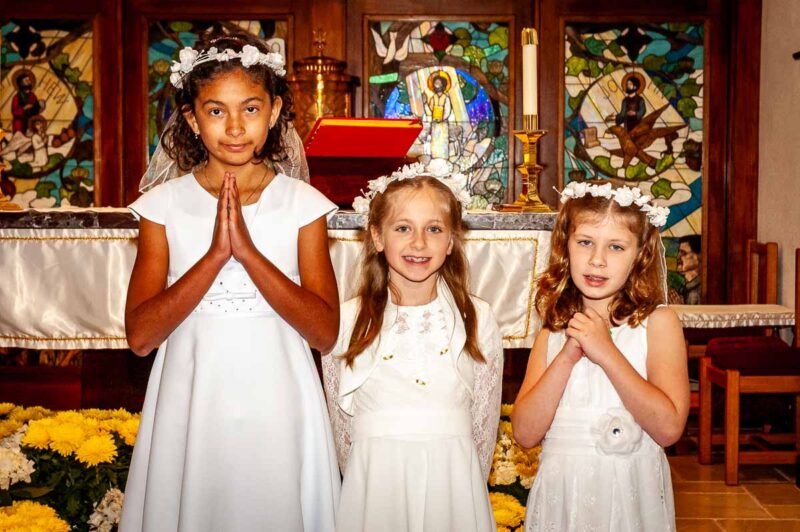
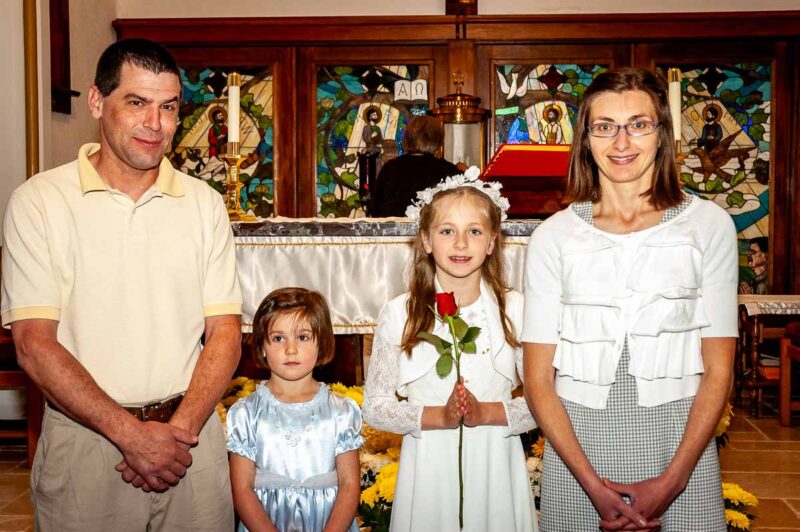
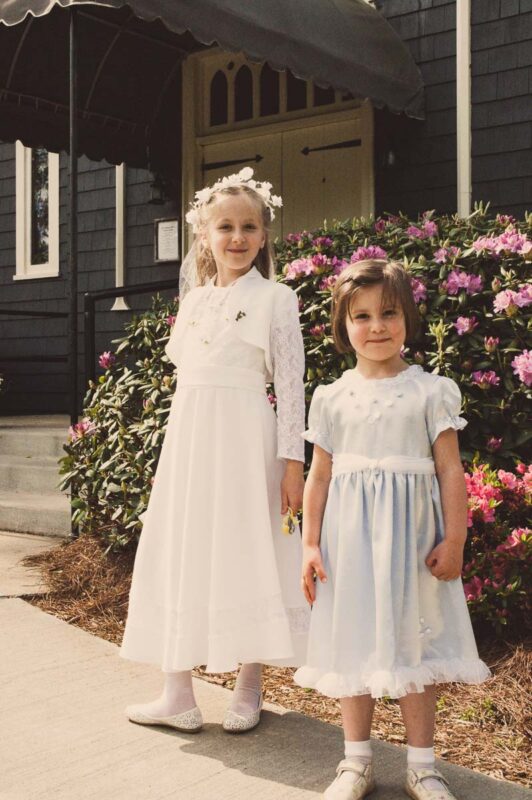
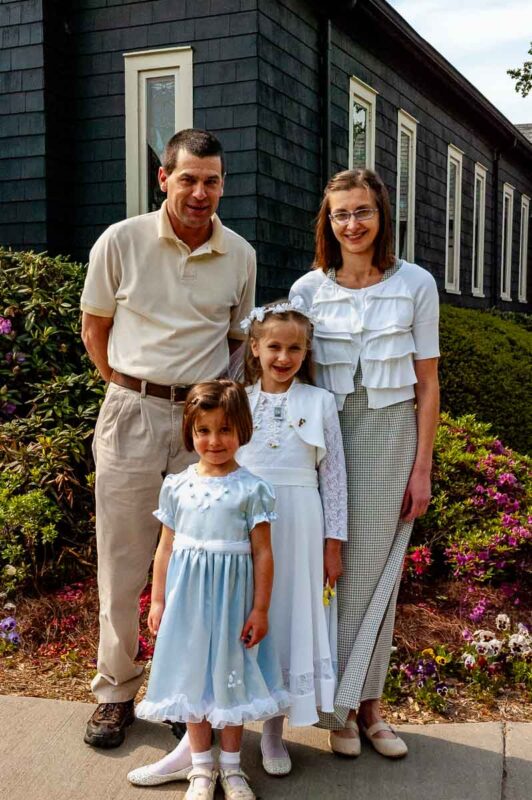
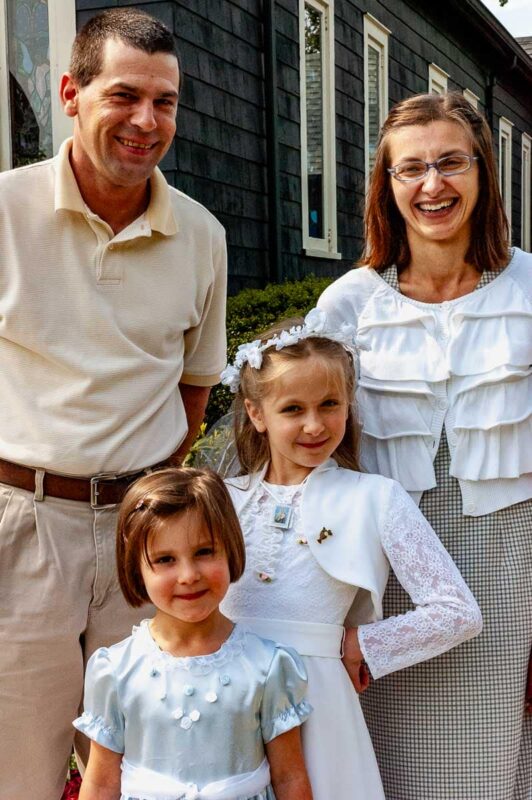
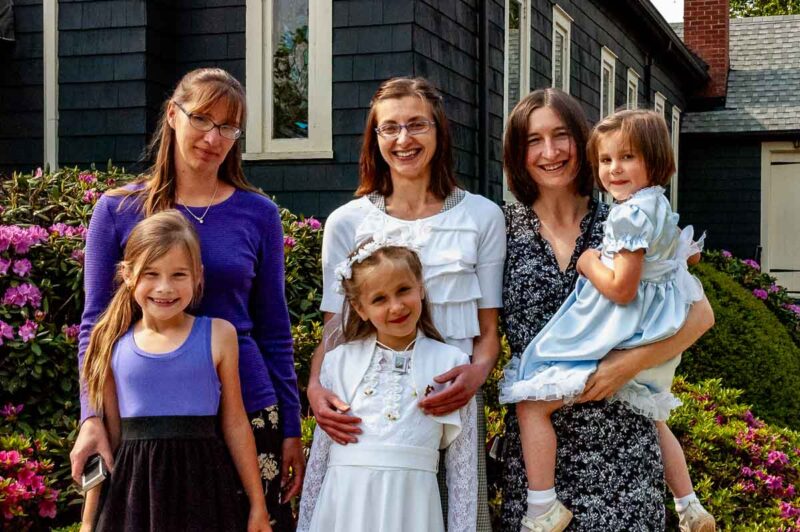
T’s First Communion