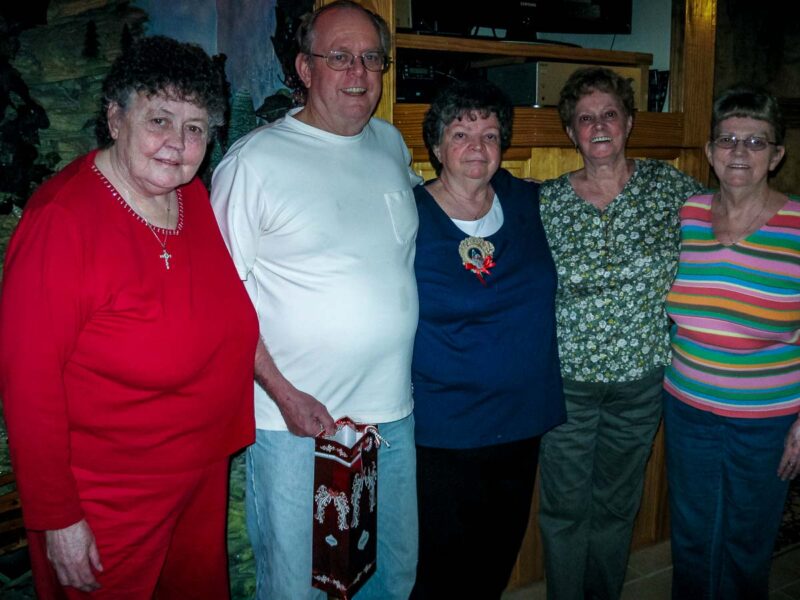
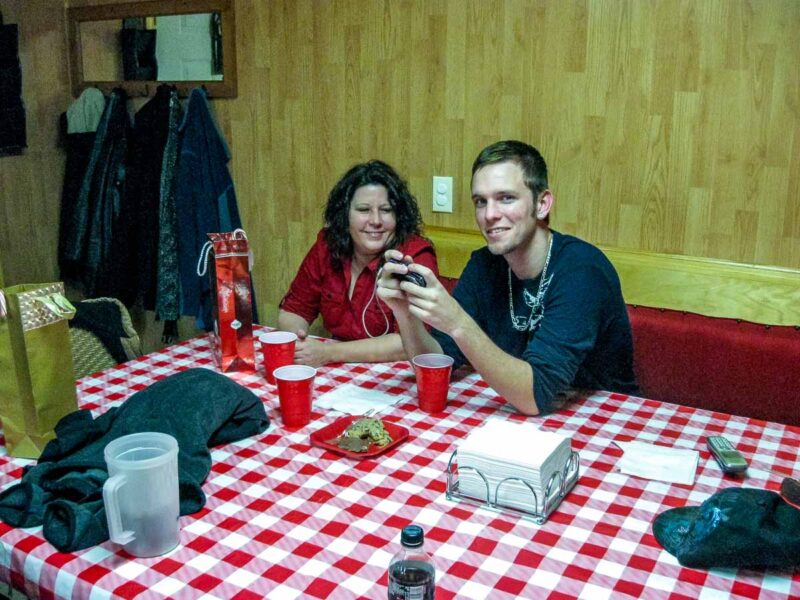
fun in threes, sometimes fours
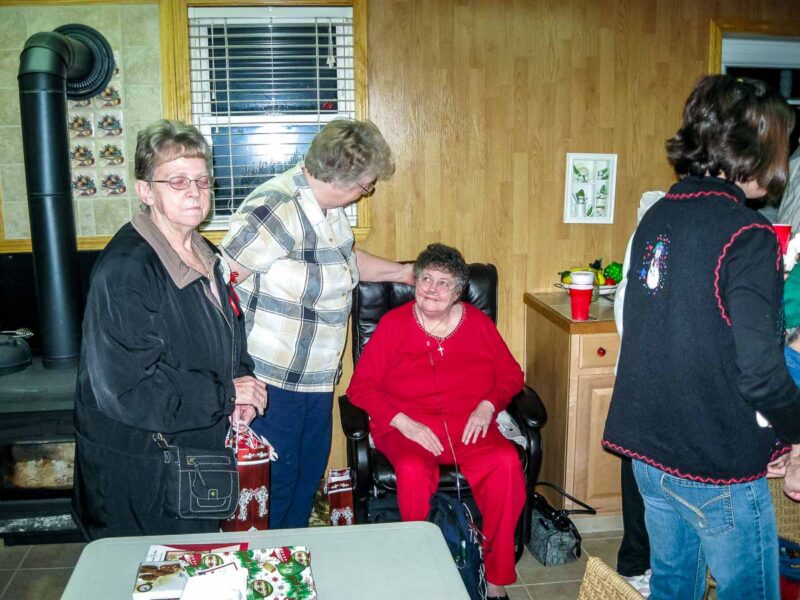
My first Wigilia — Christmas Eve — celebration was a tense affair. Six months in Poland in December 1996, I’d returned to the host family with whom I’d stayed during the twelve-week training session. While I got along marvelously with my host mother, her son (I suppose one would call him a “host brother”), four years my junior, was not always the most pleasant person to be around. “There’s a lot of tension between you two!” a fellow PCV remarked after spending some time with the two of us. The tension didn’t lessen that Christmas, and it was, in fact, the last time I visited them.
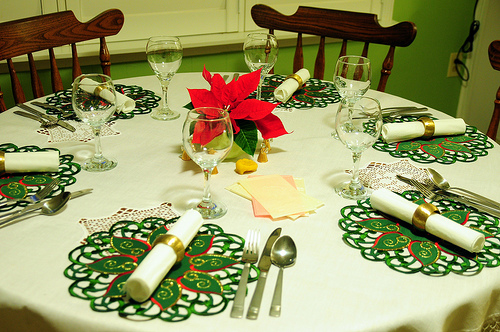
The next year was the first Wigilia that gave me a hint of what it should be like. I spent it with neighbors in the small village in which I’d been posted. They were so much like family that I’d taken to calling the matriarch “Mama.” I had dinner with the whole family that snowy Christmas Eve before heading to Babcia’s to meet with the rest of the family. Laughter, singing, joy — I knew this was what Christmas Eve was supposed to be like.
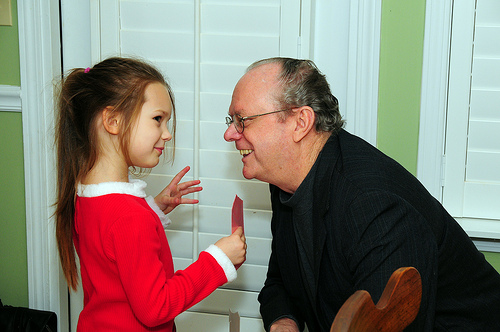
My third Wigilia was in Berlin, with family of an Indian friend that made for a warm mix of the Subcontinent and the Black Forest.
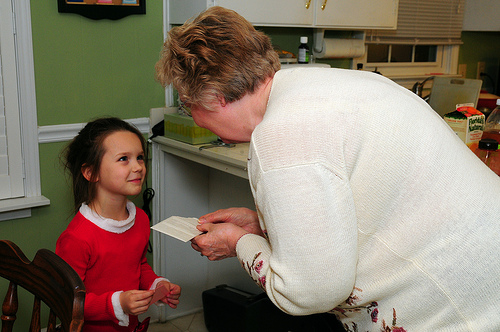
The next time I celebrated a true Polish Wigilia was three years later, after having spent two years in Boston before realizing that there was something — little did I know at the time, someone — I’d left behind in Poland. I was back with my neighbors, now my landlords, as I was renting a room from them. Still like family, we celebrated another proper Wigilia, waiting for the first star to appear as the various aromas of the waiting feast drifted through the house.
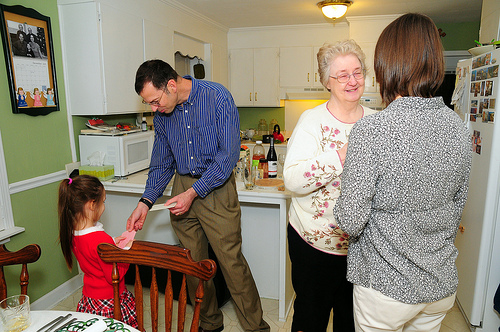
Finally, during Wigilia 2002, I spent the evening with K and her family. K and I had let our long friendship evolve into something more, and while I might not have been able that evening to say it with 100% certainty, it seemed like the first of many Christmas Eves together.
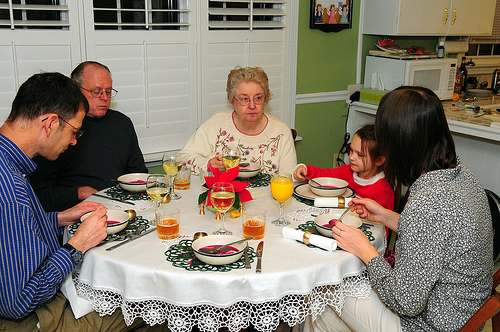
Christmas Eve 2003 we were engaged. A friendship that had begun seven years earlier was a few short months away from becoming a life-long and joyous commitment.
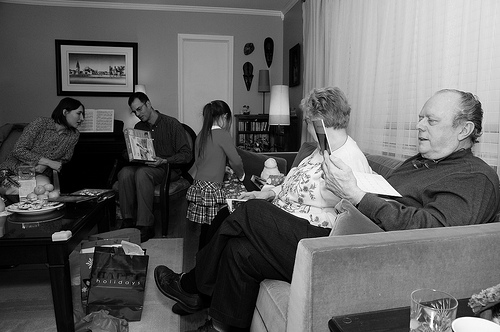
We married a little over four months before our third Christmas Eve together. My folks — Nana and Papa, though still two years away from being Nana and Papa — had sent a tree ornament that celebrated “Our First Christmas,” with an inset for a cameo-size photo. It hangs on our tree as I type, a yearly reminder of that first year together.
By 2005, we were in the States. It was our first solo Wigilia in the kitchen. We learned a lot that year, including how to make the fermented-beet zakwas for barszcz.
In 2006, we had our first Wigilia as a family of three, the Girl still delicate bundle of spitting-up joy.
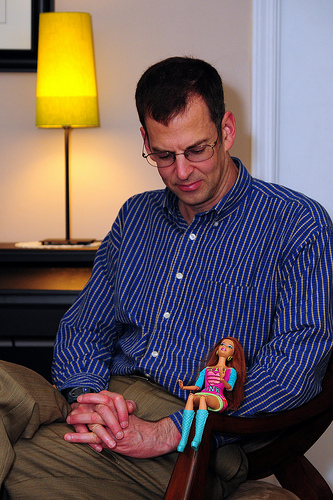
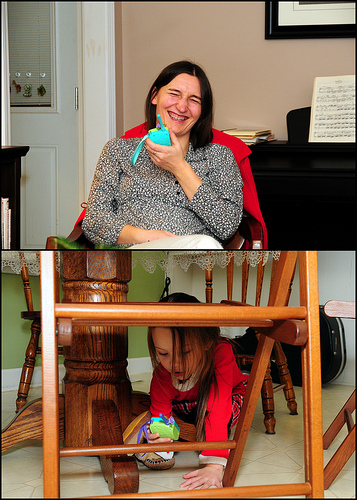
Since then, we’ve begun new traditions, with new guests that arrive every year to celebrate this holy night with us. We share the opłatek, enjoy a traditional meal of barszcz z uszkami, pierogi, fish, kapusta. We open our gifts and try them out — “Can you hear me, over?”
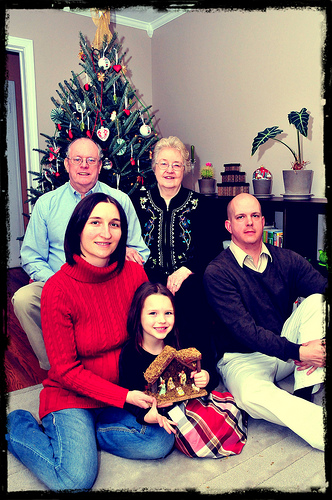
When the guests are gone and my girls are asleep, I sit in the living room, reflecting at the wonder of love and family, and I find myself aware that, as perfect as this evening was, it can only get better.
https://matchingtracksuits.com/2010/12/25/wigilia-2010/
What happens if the one individual who truly knows how to cook the traditional Christmas Eve meals doesn’t feel like doing much more than resting through her cold?
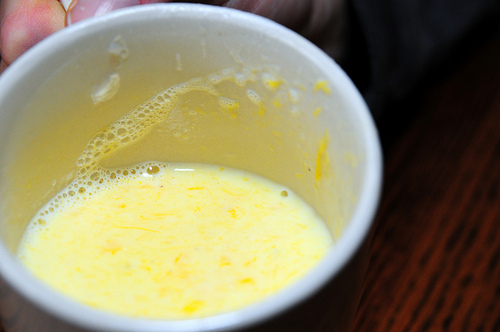
To begin with, she drinks folk remedies like egg yolks in hot milk — eggnog base, I guess — and a syrup of honey and garlic that produces breath foul enough to stop a charging rhino. (It’s sweet, though, and the Girl loves it: she takes a bit every night, and it truly helps ward off colds. But the best part for her is running around and breathing on everyone. Probably the fact that, in a fit of hyperbolic play, I fell down dramatically in the middle of the kitchen floor afterward helped encourage the game.)
It also means that the Polish-ized American husband gets his first shot and cooking barszcz from scratch.
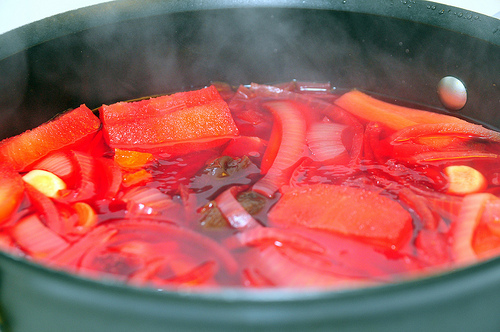
This starts by making an beet-based vegetable stock from:
Cubed into large chunks, it all goes into a pot of water to boil, then simmer for two hours. Once everything has cooked soft, pour it through a strainer and all that’s left is a glistening, purple beet stock that has a sweet aftertaste and is ready to the final seasoning (which includes the addition of fermented beet juice) to turn it into barszcz.
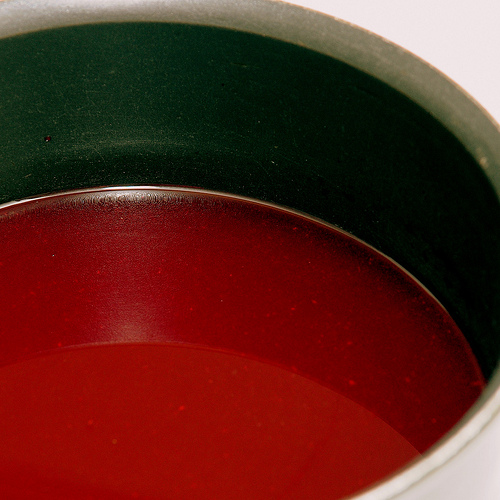
As I strain it, I find myself thinking that perhaps this is the perfect food for gnostics. After all, if it’s the spirit — the essence — of a thing that has any value, as gnostics believed (and still believe), and the physical body itself is useless, what better food to illustrate that than a soup stock that ends with clarified, pure flavor and a steaming pile of now-refuse, vegetable bodies that once carried the essence of flavor but now, limp and colorless, are good only to be tossed in the compost?
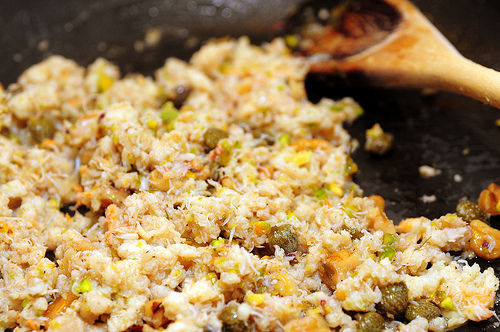
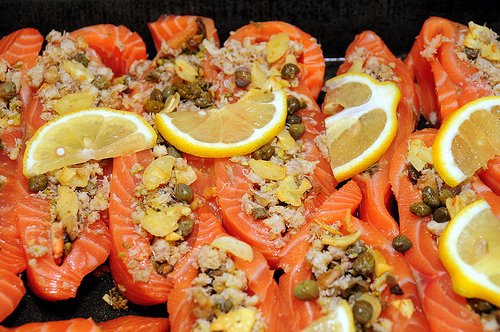
Foolish thoughts, these ruminations of the theology of food: I have other things to worry about, like creating some kind of stuffing for the salmon fillets that will be tonight’s main course. With my usual on-the-fly cooking methods, I end up with sauted crab meat with crushed roasted garlic, capers, and walnuts with a light sprinkling of tarragon and ginger and a squirt of fresh lemon juice just before turning off the heat: a whole slew of flavors that will also be paired with smoked oysters and slivers of roasted garlic before being tucked into a sliced salmon, because Gnostic denial of the senses has no place in the Christmas Eve kitchen.
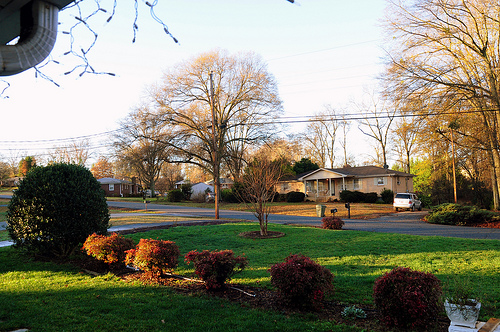
A day that starts like this — sunny and warm after a cold, cloudy day before — begs to be played in (and have passive voice sentences written in). We need to visit a park, go for a walk, play in the sun.
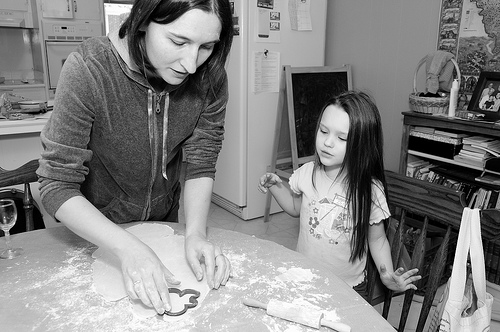
But it’s baking day, and the Girl has been waiting anxiously — pesteringly, one might even say — for this day because she gets to use her fabulous new holiday-themed cookie cutter set. After a quick lesson, she’s ready to go.
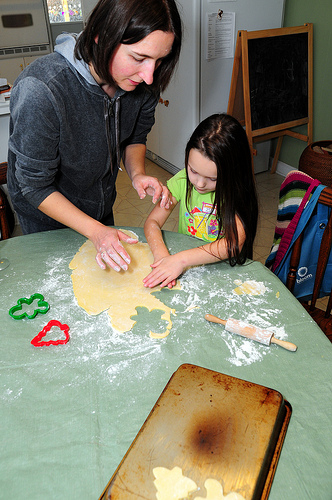
Soon we have candy canes, Christmas trees, gingerbread men (though cut from sugar cookie dough), and stockings ready for the oven.
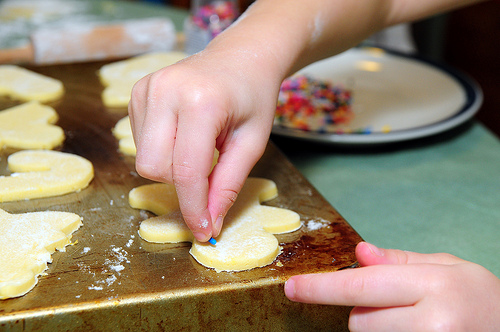
All we need are a few sprinkles of decorative mystery color that the Girl picked out, filled with uncontrollable excitement, during a trip to the market yesterday.

The adult versions get a coating of frosting lemony frosting and a sprinkle of roasted pistachios. A cheese cake in the afternoon and the year’s modest holiday baking is complete.
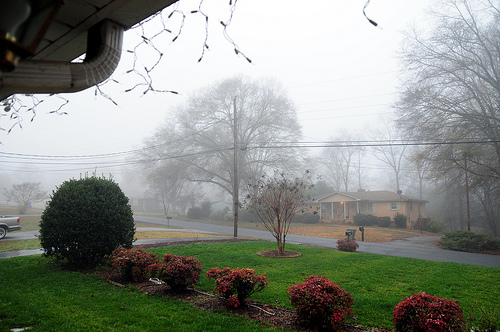
We wake to a gray, foggy, and rainy morning, a day that promises only to compound the misery of trying to do anything in town. It's the kind of day that one wants to stay inside, cuddle up,
and watch the Pacific Northwest Ballet's performance of The Nutcracker.
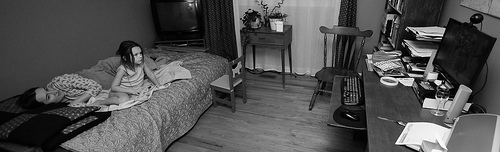
It's almost ninety minutes of dancing, with only limited, very sporadic narration, yet the Girl sits, fascinated. "When is the Sugar Plum Fairy coming?" she asks, over and over and over, with it often coming out as "Sugar Flum Pairy."
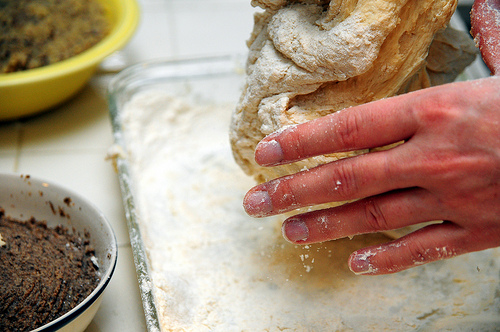
Yet it's not all relaxing, even if two of the three of us is feeling a little less than 100%. With Christmas nearing, it's time to get to work on the Wigilia dinner -- the Christmas Eve food extravaganza. Tonight, it's pierogi z kapustą i grzybami (dumplings with cabbage and mushrooms) and uszka z grzybami (smaller dumplings -- "ears" -- with mushrooms).
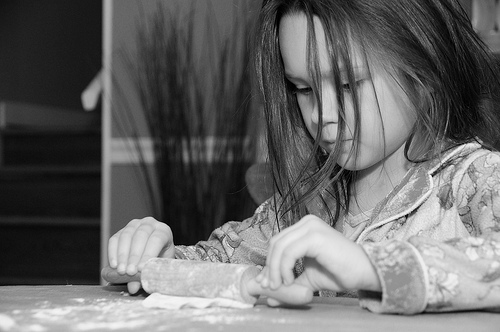
We all have different jobs, with the Girl having the most fun and consequently making the biggest mess.
Naps at school have disappeared this year. It's a straight-through-the-day affair for the Girl. Add to it the fact that the more academic portion of the day is in the afternoons this year, and it's clear that some days, it's all she can do to keep from falling asleep in the car during the short ride home.
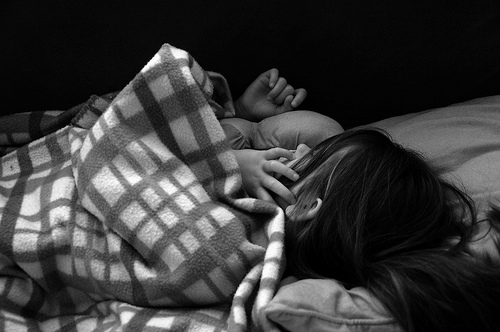
"Tata, can I take a little nap when we get home?" she sometimes asks. "Sweetie, you need to take a short nap when we get home," I occasionally suggest. Either way, the result is the same: she curls up on the living room couch and is asleep within moments.
These are the moments that I value the most. That's not a sarcastic comment about the peace and quiet a nap brings. It's a statement about the incredible miracle that occurs when someone trusts you so fully that she'll let you guide her to a soft spot and know without asking that you'll cover her up.
Some days just seem filled with it.
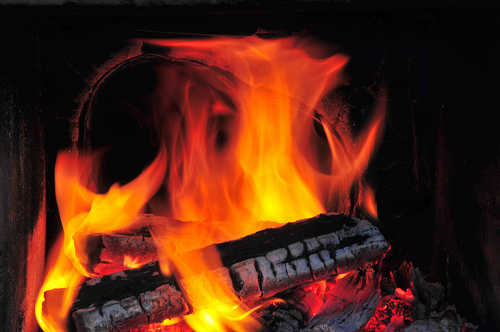
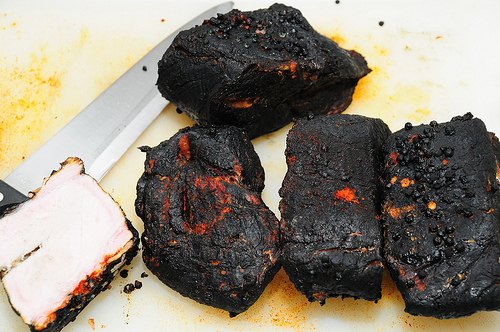
A little fire, a lot of smoke, and one ends up with peppercorn-covered, smoky tenderloin magic.
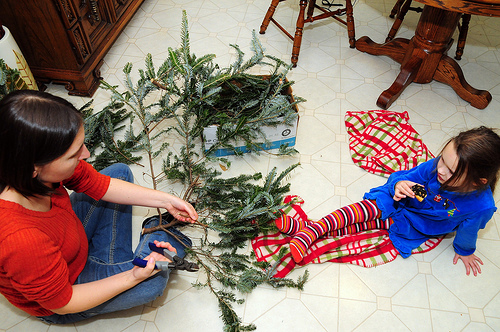
A few twigs of evergreen and a sweet helper and one ends up with a charmed Christmas ornament, a mini-tree for the kitchen.
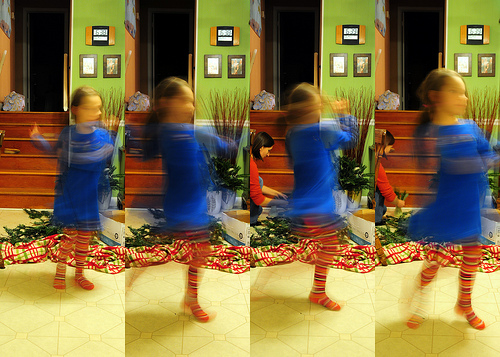
And there's always the magic of dancing.

 Kim Jong-il and Vaclav Havel died within days of each other, yet the legacies they leave behind couldn’t be more strikingly different from each other if a writer had planned it. Kim Jong-il lead a repressive authoritarian regime that routinely starved its citizens while lavishing luxury on its divine leader. Havel was instrumental in leading his country to freedom from just the kind of dictatorship that Kim Jong-il created. He suffered persecution in the form of constant government surveillance and sporadic prison sentences, yet his response was to write some of the most influence literature to come out of Central Europe.
The universe, it seems, is not without a sense of irony.
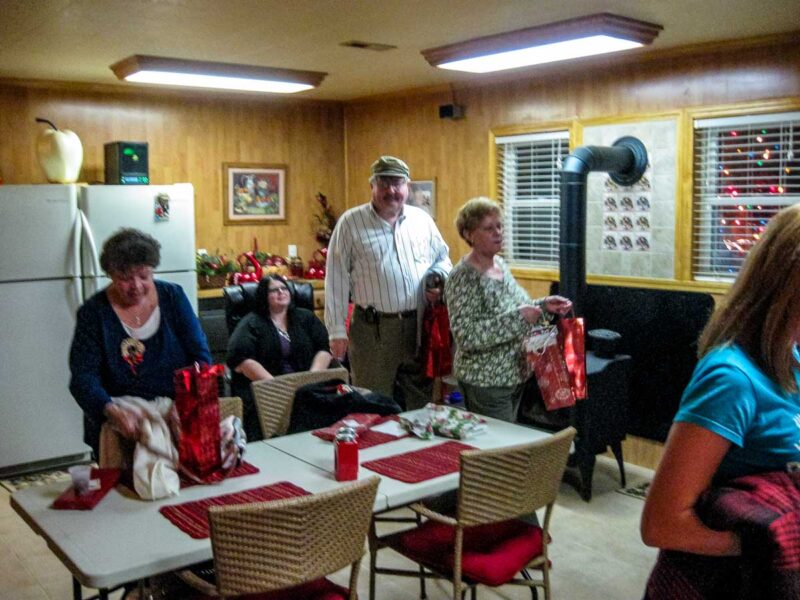
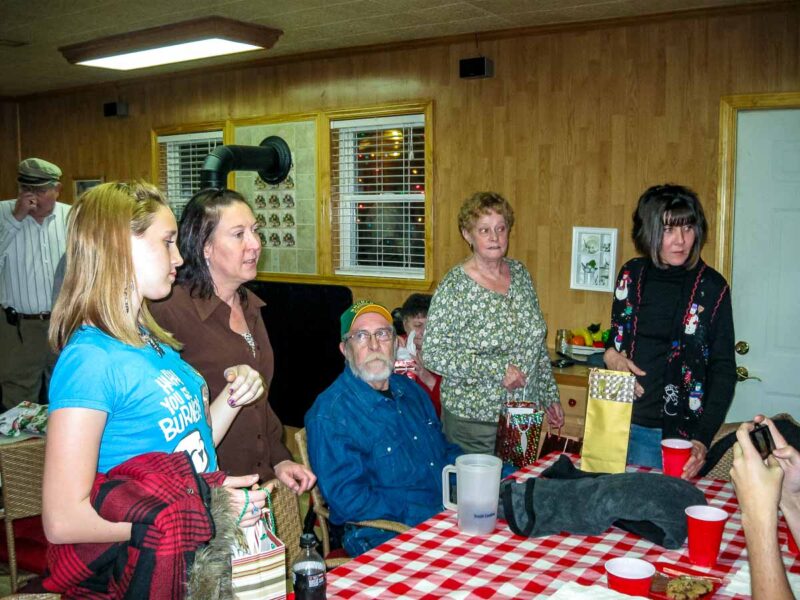
What would a Polish Christmas season be without a gathering that included a "short artistic program" -- a skit? It seems the urge to produce amateur dramatic performances leaches into the potatoes that sustain Poles because it's simply everywhere.
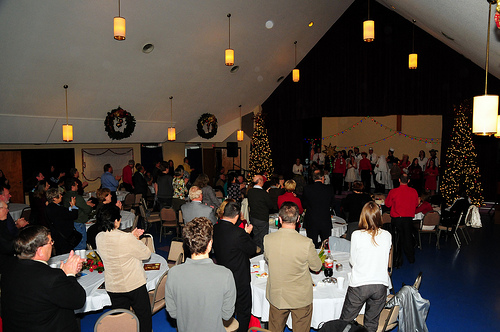
Yet the idea behind such performances are among the things that keep a culture alive for centuries. It's the same creative impulse that leads to symphonies and epics.
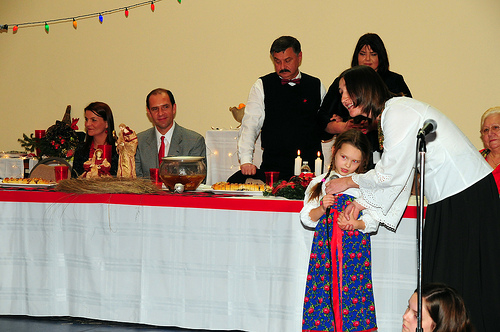
And in a situation like the one in which K and the other area Poles find themselves, in a different land with different traditions, such performances ensure that the legacy they leave to their children will have a significant element of beets, potatoes, consonant-laden words, and songs -- a culture within a culture.

Last year's celebration is here.
Baking seems to me, a non-baker who stands at the periphery, like a mixture of science, art, and alchemy. One mixes liquids, solids, and heat to produce temptations and treats. It’s a balancing act, and being one who doesn’t like to follow recipes, it’s no wonder I don’t even attempt to bake.
K, however, bakes. She has a classic love-hate relationship with it, though. Despite living in the States for almost six years, she still hasn’t gotten used to the ingredients available here. The flour behaves a little differently; the cocoa generally available is hopelessly difficult to work with; the yeast and sodas have minds of their own.
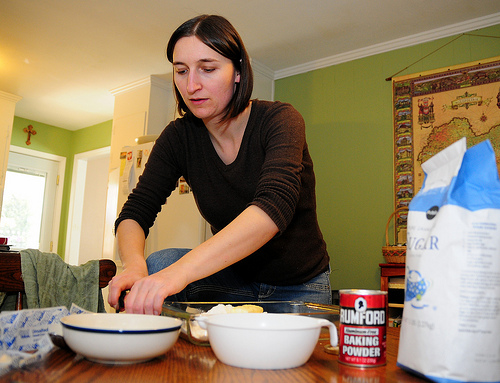
As a result, baking here requires more patience than usual. Why she continues to do it is a testament both to her Polish stubbornness and her good and giving soul.

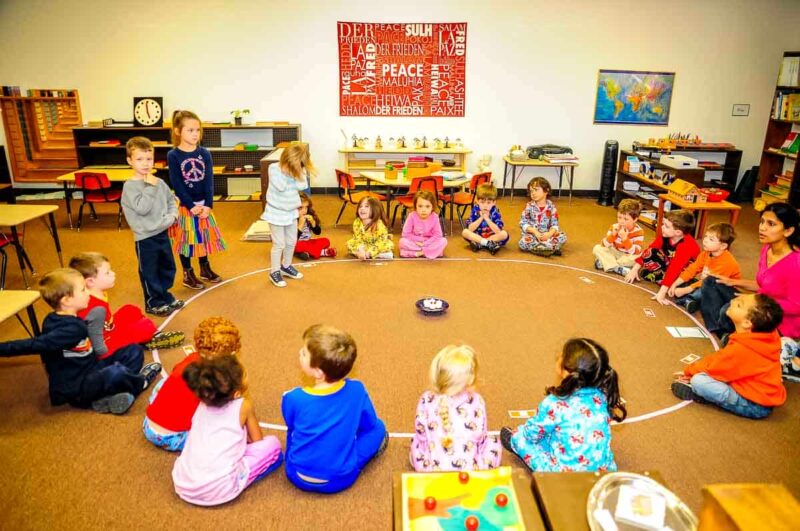
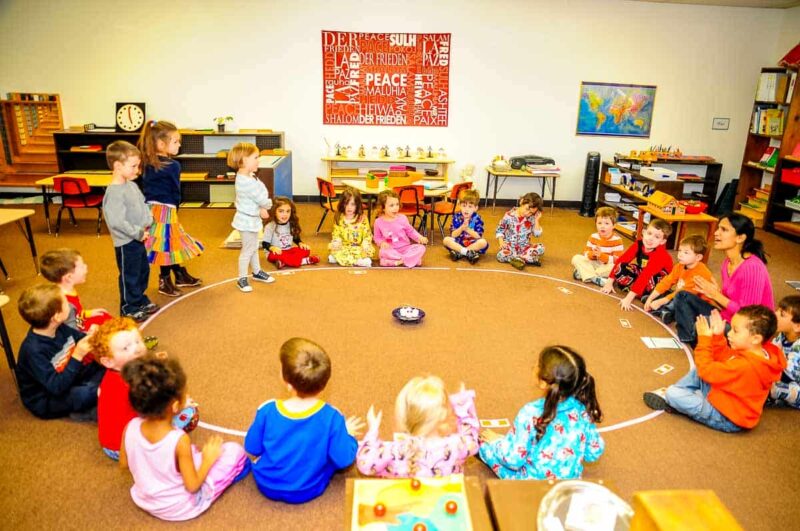
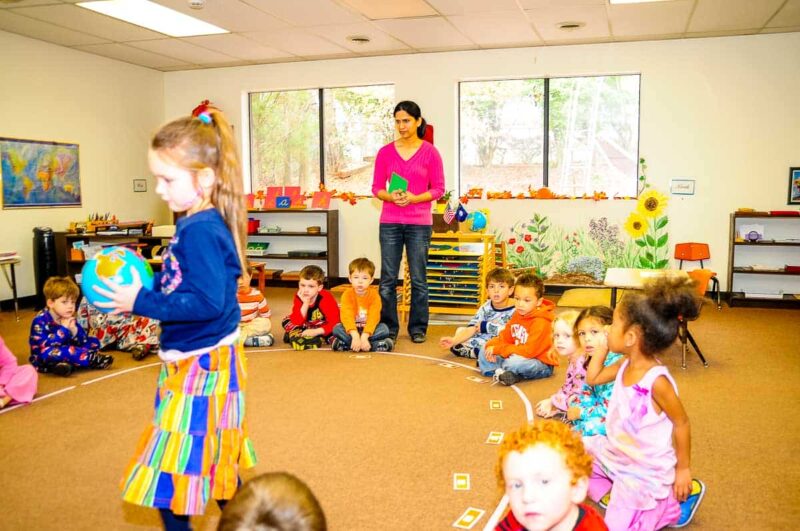
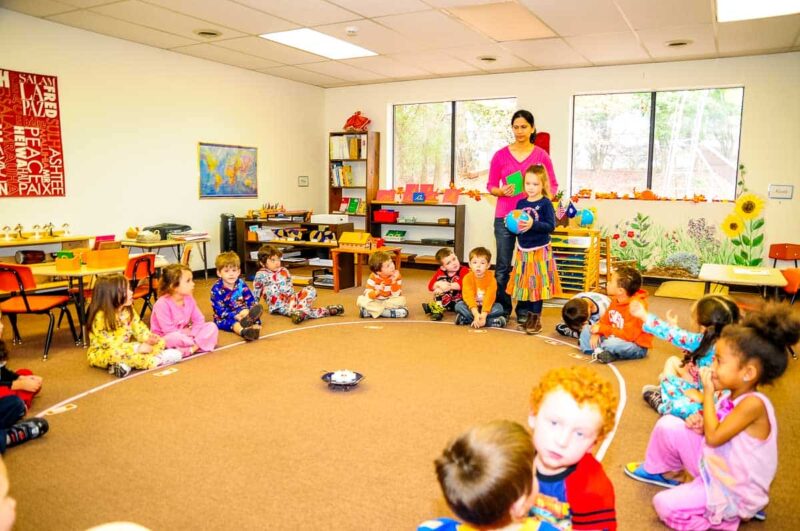
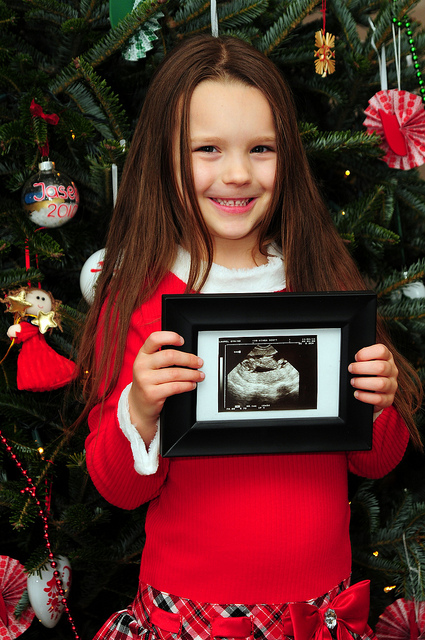
Our daughter is five today. The best present (for us all): the news that she’s a big sister.
When Dziadek was here a few years ago and built us a rural smoker, we expected we'd be using it much more often than we do. "Think of all the things we can smoke: turkey, chicken, pork tenderloin -- all for great cold cuts that will be tastier and cheaper than anything we can buy."
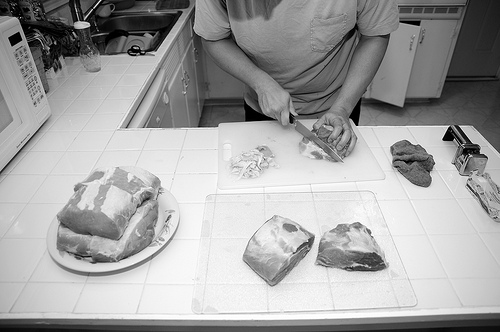
It was a glorious plan. An idea that lacked only a couple of a few several steps to the dream of complete food cold cut self-sufficiency. Soon, though, we'd be raising and slaughtering our own swine, harvesting our own salt from the sea to mix with our homegrown onions and herbs.
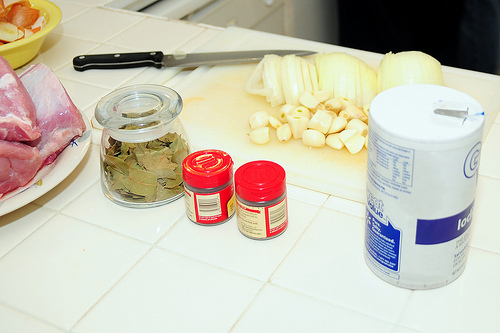
The business of life, though, got in the way.
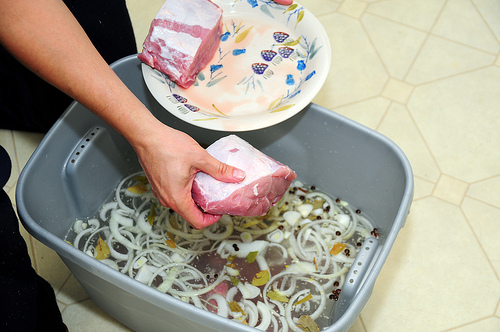
Still, the infrequency -- Christmas and Easter -- heightens the savoriness.
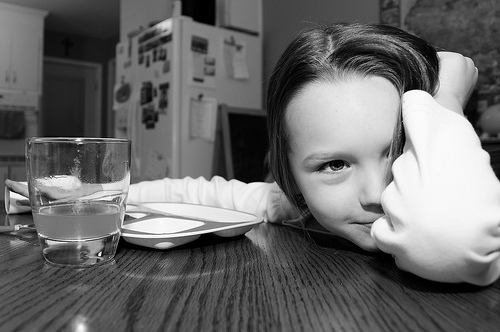
Pasta has always been a favorite for the Girl, but she's particular about it: sauce of any sort is a no-no. "Bez sosu" is the common refrain pasta is on the stove. The result, of course, is rather sticky noodles,
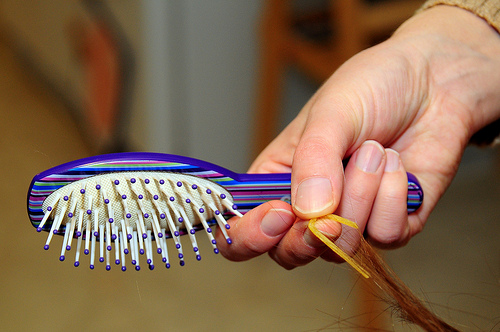
which can cause problems with long hair.
We’ve been struggling to get the Girl speaking Polish on a regular basis. She’s resisted consistently until a recent trip to Poland: two weeks with Babcia, including a week with cousin S, and suddenly, she’s speaking Polish spontaneously — to her toys when she’s playing alone.

And so we’ve reached a point at which the Girl can play Polish games, like Scrabble. We play a modified version: a small marker indicates both where to start and what word to spell. We work through hulajnoga (scooter), kot (cat), dom (house/home), and of course mama (mom).
It might be no surprise that the Girl won the majority of the rounds: it’s tempting sometimes to let her win to keep her interest up. (And it’s equally tempting occasionally to arrange a loss or two in order to help her learn how to lose gracefully.) This evening, though, she wins fair and square.