An audio recording from rehearsal.
Columbia
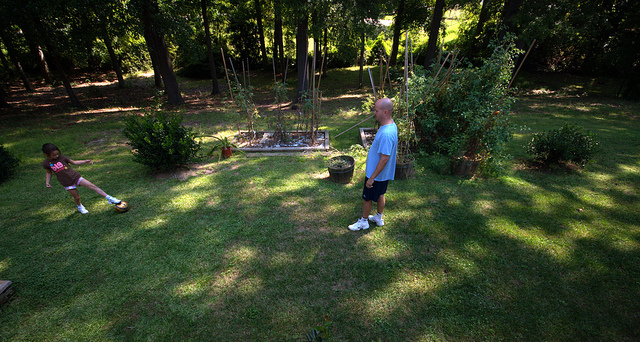
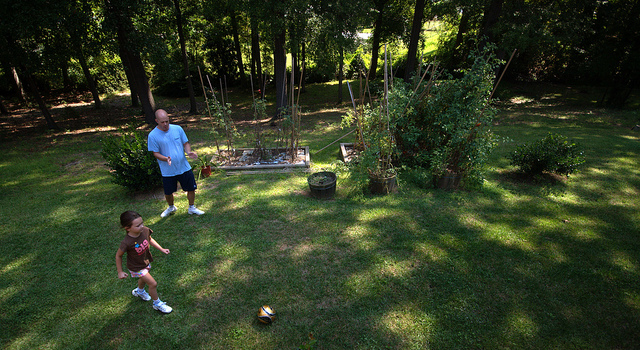
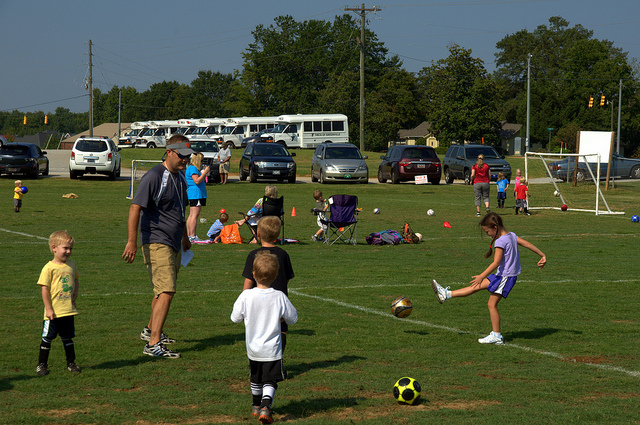
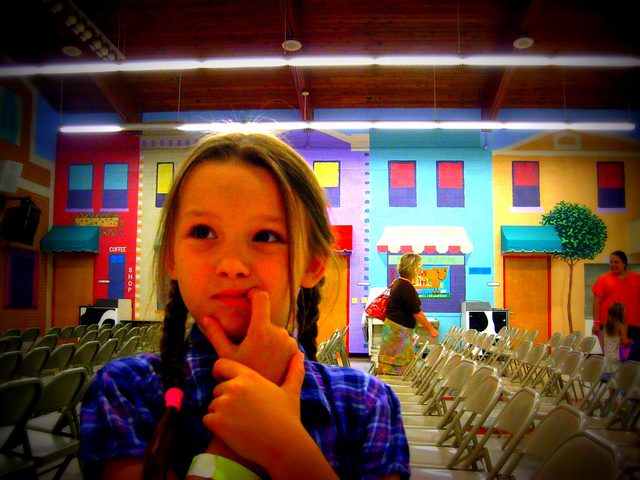
The Girl has loved performing for years. She doesn't often have an audience, but she really doesn't need one.

On a weekend trip, she can entertain herself in the hotel room dancing about as if she were on the biggest stage in the world.

She can dance a little reel on the way from the table to retrieve a spoon for little brother's soup as if she were part of a touring dance troupe.


A hairbrush can be a microphone and the hardwood floors throughout our house make every space a recital hall.

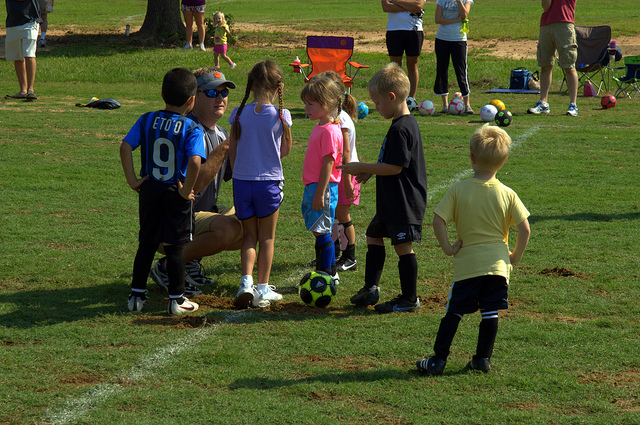
This weekend, though, it was a little different. It wasn't the improvised routines that fill her week with little joys as she imagines herself on this or that stage. It wasn't plunking away with her piano teacher. It was an auditioned role. A practiced and prepared role. And it wasn't just her: it was almost three hundred kids across the state, all practicing with their music teacher after school, learning the same songs in big city schools and small rural schools. Students of multiple ethnicities, races, religions, and mental aptitudes with one thing in common: an ability to sing. A gift in common. A gift they are willing to share.

And in the midst of all this, like magnets to a pole, two Polish families found each other and the girls made friends instantly.
Resisting
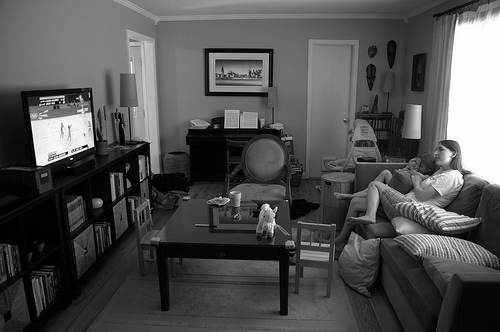
Part of parenting is resisting. Resisting the urge to give in to tantrums because, let's face it, it would be easier in the short run. Resisting the urge to say something sarcastic when it's really not going to do anything but make the situation worse. Resisting the urge to change your kid's personality because some little quirk here or there is mildly annoying. Resisting the urge to compare your kids to others' children. Resisting the urge to use one sibling as a model for the other: "Why can't you be more like your brother?" Resisting the urge to let television be the babysitter when you're tired. Resisting the urge to say "No" when "Yes" won't hurt anything other than your schedule. Resisting the urge to say "Yes" when it's so much easier. Resisting the urge disengage when tired. Resisting the urge to stop resisting the urges...
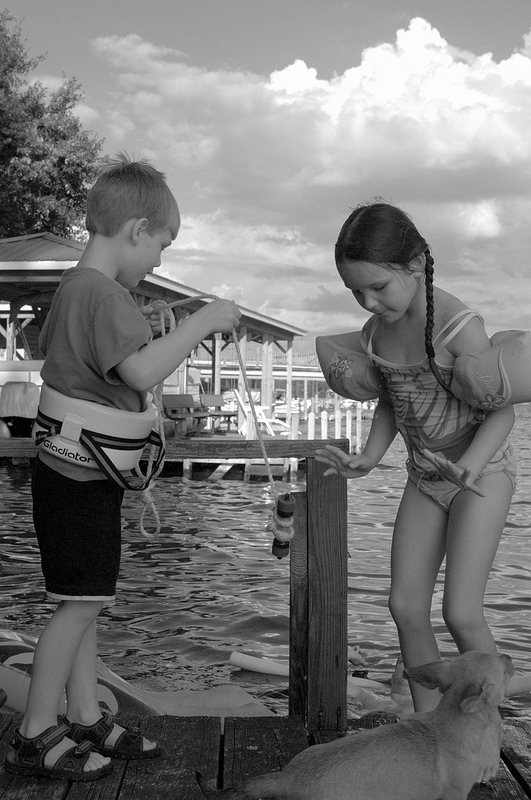

And part of parenting is embracing urges.
Problem Solving
This Week


Late-January Monday
It's been a long time since we've had a fairly typical Monday. Last Monday, we had no school, so K and I went out and bought a new car. The Monday before that, we were out of school because of snow. Or was that the previous Monday? Going back further there was winter break and so on. So today was a normal Monday. Up early, kids ready, off we go.
The afternoon was fairly typical as well. After chess club, I arrived home late. Everyone was in the backyard. I made my afternoon coffee, poured it in a travel mug, and headed out -- only to see everyone coming in.
"I'm coming in to get dinner ready," K said. The temptation was to be lazy, but laziness is what we got all weekend, with the rain, rain, and more rain.
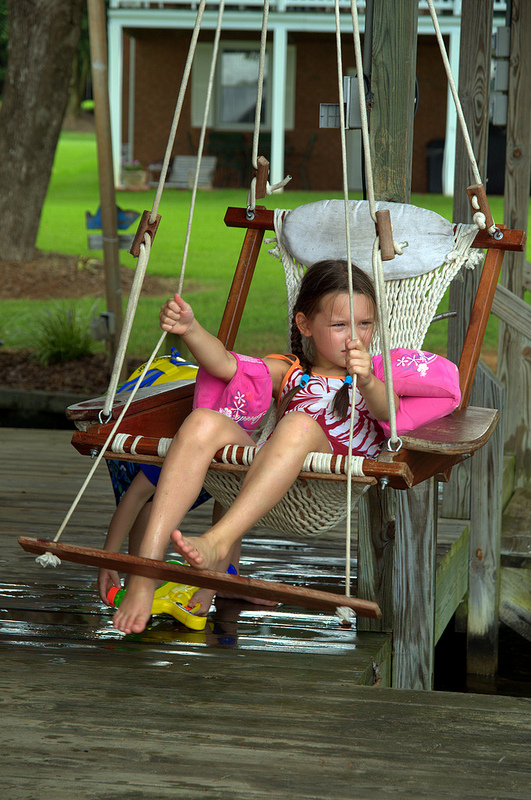
"I'll go down with them," I suggested, and both the kids squealed and excitedly ran back down to the trampoline/swing/hammock/bridge/hiding spot area we've been developing over the last few years.


Afterward we had dinner. Relatively uneventful -- which is really saying something. The kids lately have been bickering like mad over the slightest thing, and it turns dinner into something less than perfectly enjoyable. We decided to conduct an experiment -- the "we" being K and I, for the kids would never agree to it. Not knowing what influence was primarily responsible for their behavior (for it's not been just the bickering), we've eliminated all possible influences for a week: no television, no computer, no friends. Just a week to refocus and recharge. The kids this weekend had to find other ways to entertain themselves when we weren't playing with them. L read, played with her Legos, drew. The Boy drew, played with his Legos, looked at books. The results are beginning to show: tonight, a much calmer dinner, with no hysterics about anything. In the evening, a calmness that hasn't been in our house for a while.




Board Games
Body Language
Dear Terrence,
The fact today that you didn’t know your body language was so disrespectful — not to mention your tone — is only mildly surprising. What is more unexpected was the question you asked next, though it shouldn’t have been.
“You’re going to tell me that my body language is disrespectful even when it’s not my intention?”
To begin with, I’m impressed with that construction. That you would use the word “intention” like that — for some reason, it was surprising. Perhaps that’s because of the way you’ve spoken for the rest of the year.
But more surprising was the fact that you didn’t know that body language can be disrespectful without intention. I work hard to teach my own children just such things: there are things you can say and do that, even though you don’t mean disrespect, show disrespect. In the matter of disrespect, especially when dealing with people in positions of authority over you, it’s the question of interpretation that is often more important than the question of intention.
I don’t think you realized what your body was doing, though, because it’s hard to imagine someone sitting as you sat without realizing how much disrespect you were communicating as I spoke to you.
- First of all, you were slouched down in your chair. This communicates a lack of effort, that you don’t even care to sit up and pay attention. It suggests you’re just enduring the current moment.
- Next, you had your elbow on the table with your hand resting on a balled fist. A balled fist always suggests aggression. And having your head down like that communicates, “You are so exhausting me with this nonsense…”
- Most tellingly, your facial expressions exuded disrespect. There was that scowl: eyebrows slanted downward, a frown. Your nostrils flared occasionally as well.
- There was also your inability (or unwillingness) to make even cursory eye contact. Refusing to look at someone who is talking to you is about as disrespectful as you can get. It’s also a little immature.
I only mentioned your body language, but there were other non-verbal cues that suggested disrespect.
- Your tone of voice when you mustered an occasional, monosyllabic response was edged with anger and contempt.
- Your continual tooth sucking — don’t know what else to call it, so I’ll call it what you call it — suggests that you would say something to me but it’s not worth my time. You start to take the breath to speak, then realize I’m not worth it, and open your mouth to let the now-unneeded breath out.
To your credit, when I pointed all this out to you, you began slowly to change. You sat up, you made a bit of eye contact, and you stopped sucking your teeth.
But here’s the big problem: when you do this with me, I take this to be another teaching moment. It’s tiring, that’s for sure: “Here I go again, having to teach kids things they should already know by this age, things that have nothing to do with my subject matter.” But still, though I feel overworked with such issues, I see it as my job. I teach in order to prepare you for the future, and sometimes, interpreting figurative language seems the least significant subject matter for your success. However, you will soon encounter people who are not interested in teaching you these things, not interested in even dealing with it. These people will probably have the ability to make your life very miserable very quickly. I’m talking about bosses, and they’ll fire you in such a situation.
I know that’s meaningless to you. You say things like, “I’ll just get another job.” Unfortunately, getting other job when you’ve lost one is not like getting another pencil from you next teacher when you’ve lost it in the previous class.
I hope we can get this habit of yours under control before you head off to high school (there are teachers there who will treat you like the aforementioned boss), but even if we can’t, I hope we’ll continue making progress.
Regards,
Your Teacher
Upward
The great Gothic cathedrals of Europe were designed with their thin walls, long windows, and unbelievably high ceilings to do one thing: make parishioners look upward. When visiting one as a tourist, one finds that all the other tourists are doing just that: looking up. Wondering at the marvels of creating such seemingly impossibly structures out of stone, structures that look delicate and immortal at the same time.
I can only imagine the learning curve involved in developing such a style of architecture. How many times did buildings come crashing down because of some hitherto unforeseen flaw?
In the eighteenth century, there was a revival of Gothic architecture, and this seems somehow appropriate as that was the age of Bach, who could compose music that even when it was descending in tones sounds like it's ascending, like his Toccata and Fugue in F-major, BWV 540.