"Name something you don't like to share."
Plinky
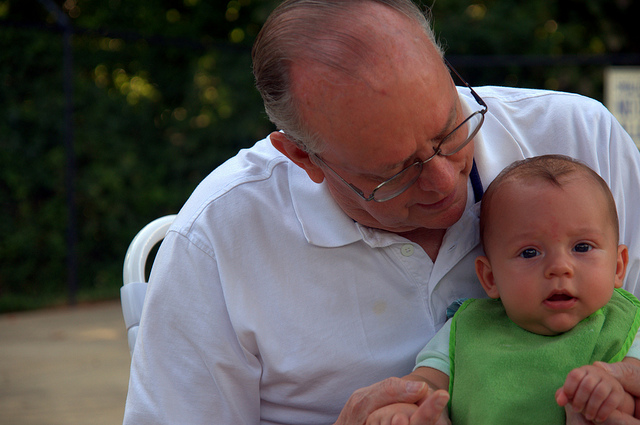
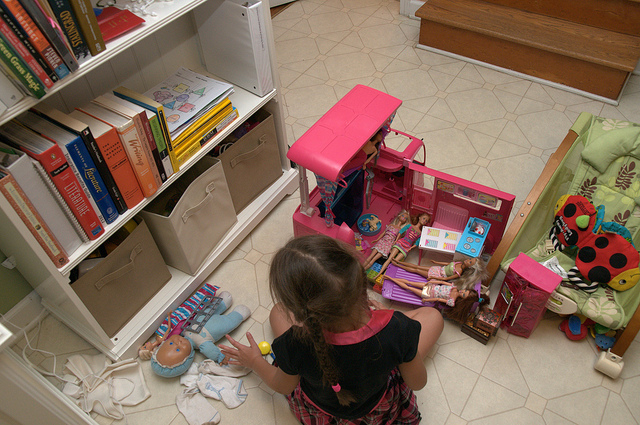
Shouldn't the selfless answer be something along the lines of "Absolutely nothing?" As a parent who is always working to teach my daughter (and soon, son) to share, I wonder if this isn't the perfect way to set an example. "Look, my child: there's absolutely nothing I would not share with you. I have my ice cream, but I'm only happy if it's our ice cream. In fact, it gives me more joy to give it all to you than simply to share it." Indeed, in such "sharing," I would certainly be getting the better end of the deal: ice cream melts, no matter what; joy lingers.
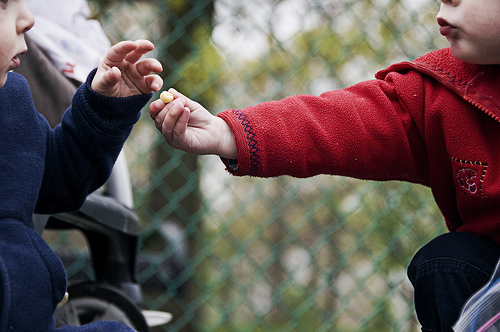
Yet isn't that also the reckless answer? As with most questions, the more one thinks about this, the broader the potential. Do I want to share my sorrows with my children? Do I want to share my pain?
And deeper still: if I don't want to share my sorrows with my children, why not? It would only be shielding them artificially from what they themselves would experience, and if I share my sorrow, I can control the dose. If I don't want to share my pain, then how can I expect them to share theirs with me, which is much more important?
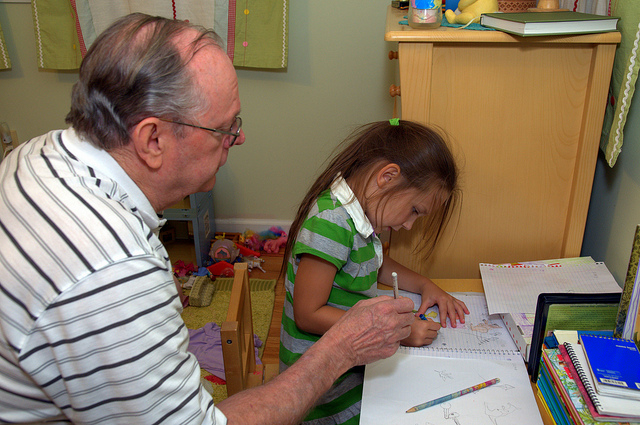


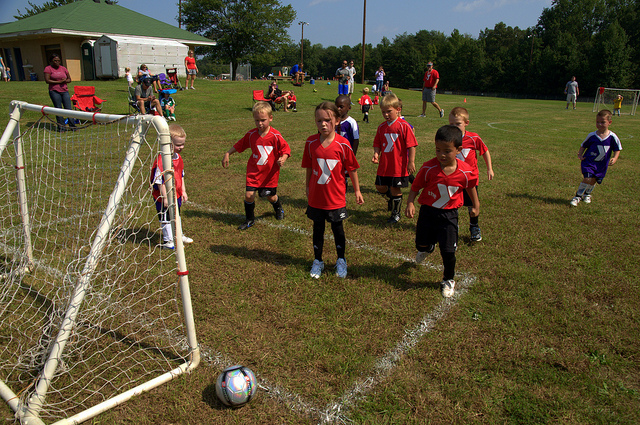
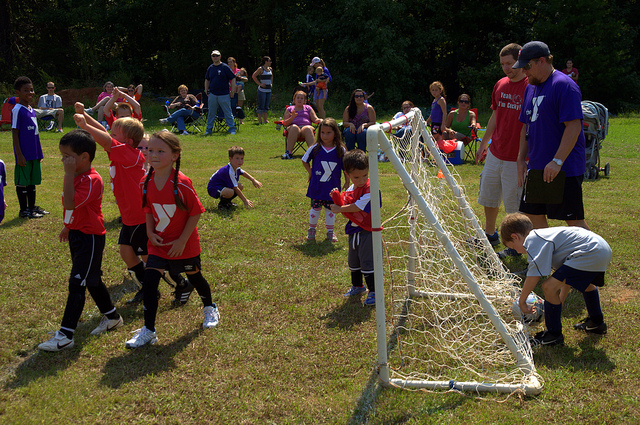



 These deficiencies are as clear in early life as reading problems. In fact, they’re more clearly evident. What are the current options in such situations? There are few, if any. The classroom teacher is responsible for the academic instruction of thirty young children; she has little to no time to instruct little De’Andre or Clearance in the basic skills they seem so clearly to lack. So they get called down, sent to time out, removed from activities, and generally shunned. Instead of learning these skills, they become resentful of those who have the skills and meet with success in school. Indeed, they don’t even recognize that there are different skills successful students are using. “Those kids are just kiss-ups” is the common response.
 What do we do with this students are they grow older and more intractable, more incorrigible? We do the logical thing: we suspend them. Talk back to the teacher? Get three days out of school. Fight with a student? Get five days out of school. Initiate a fight that is particularly brutal? Get ten days out of school. And this helps these students how? Giving students who don’t want to be in school because they’ve only met with failure in school a chance to get out of school advances their education how?