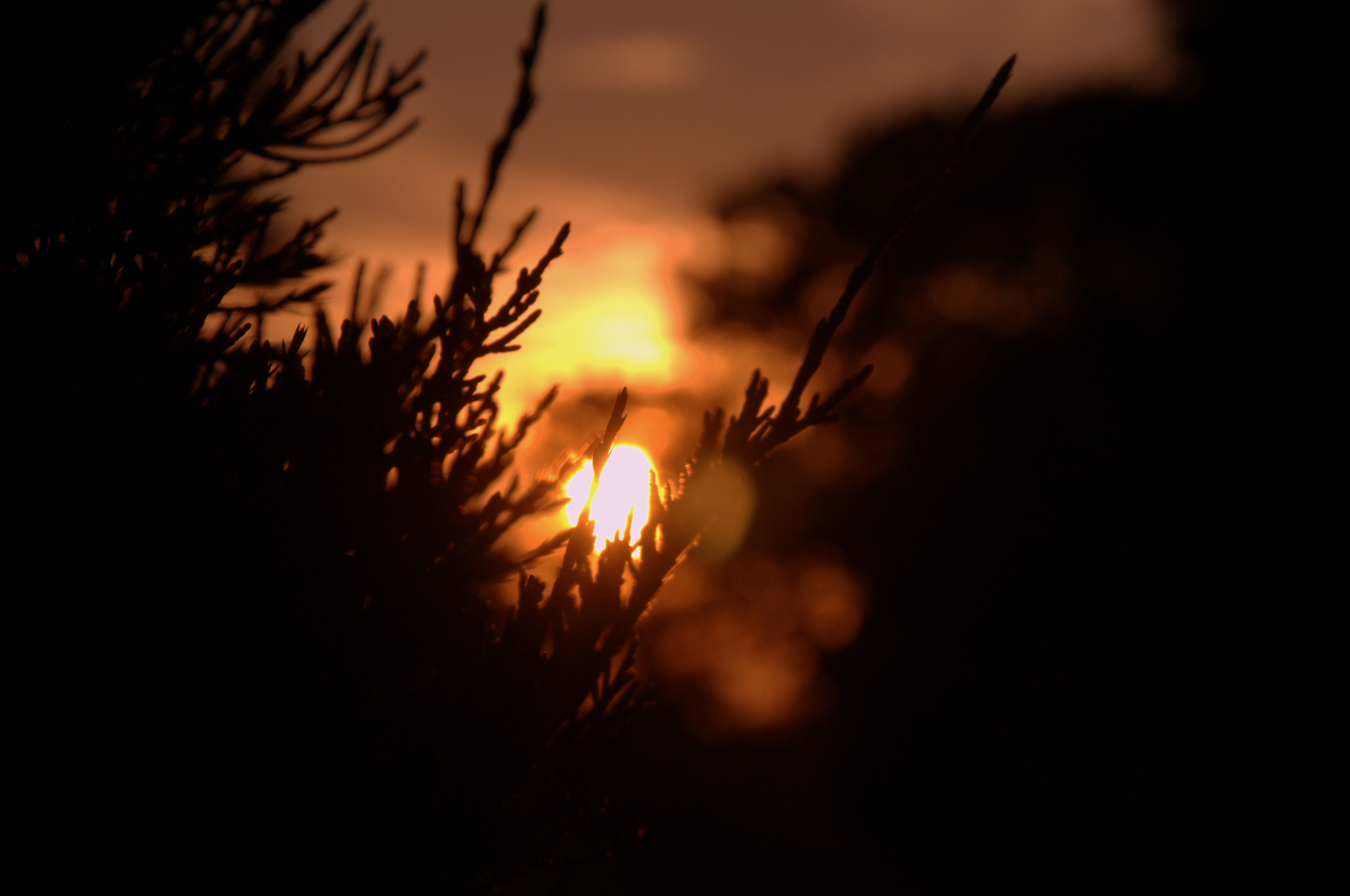
After several days of clouds and rain, sky, sun, blue, gold -- it's a small miracle.
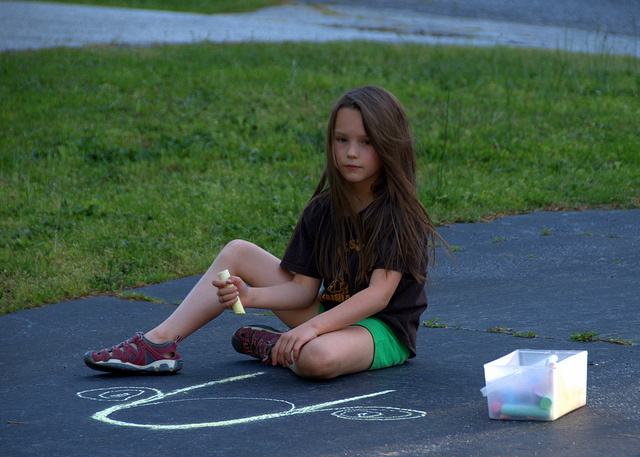
fun in threes, sometimes fours
After several days of clouds and rain, sky, sun, blue, gold -- it's a small miracle.
Dear Terrence,
Listening to you talk about what your mother does when she gets drunk, hearing your stories about how your grandmother can curse with the apparent fluency of a cliche sailor, I begin to understand how it is you have so few social skills. You've had no one to teach you these skills, through words or example.
Yet I'm still troubled. You've been in school now for nine years (counting kindergarten and this yet-to-be-completed year). Surely you've seen other students model these social skills you're missing. So what's missing in the equation? Recognition. You see these successful students as simply have a different nature than you, and to an extent, they do. They've learned and internalized behaviors that make them seem like they have a different nature, but in fact, you could be just like that. You just don't recognize it. And unfortunately, no matter how many times I and other teachers tell you this, you won't believe us.
Ever frustrated,
Your Teacher
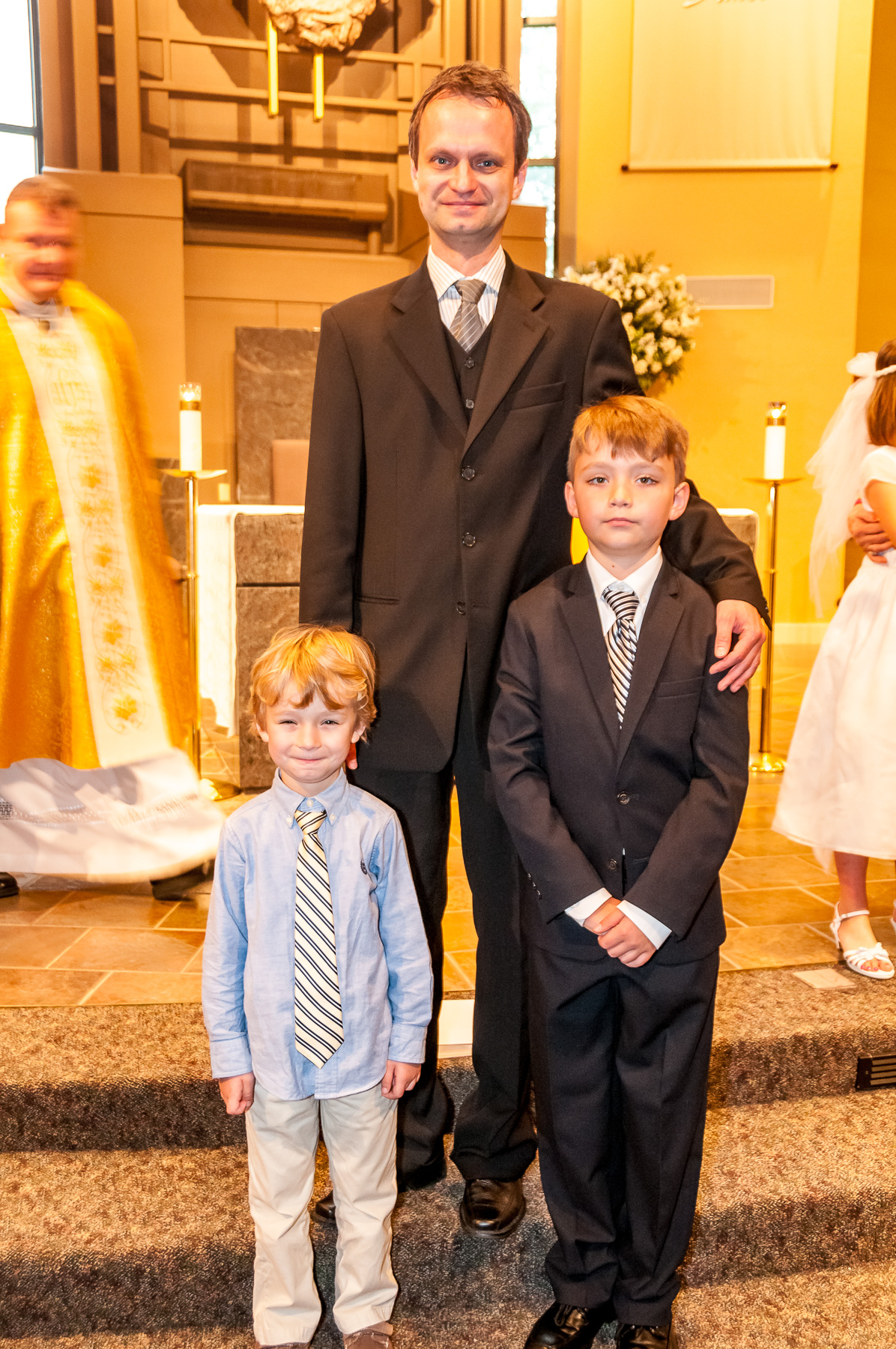
F must have heard it a dozen times today. "You won't remember your baptism," all the "aunts" and "uncles" would have begun, "but you'll always remember your first communion."
The rainy weather will also stick in your memories -- the huddling under umbrellas as you make your way from the parish center to the church, some more others less worried about getting soaked. With so much white on parade, there must have been worries about soiling the all-white outfits so many wore.
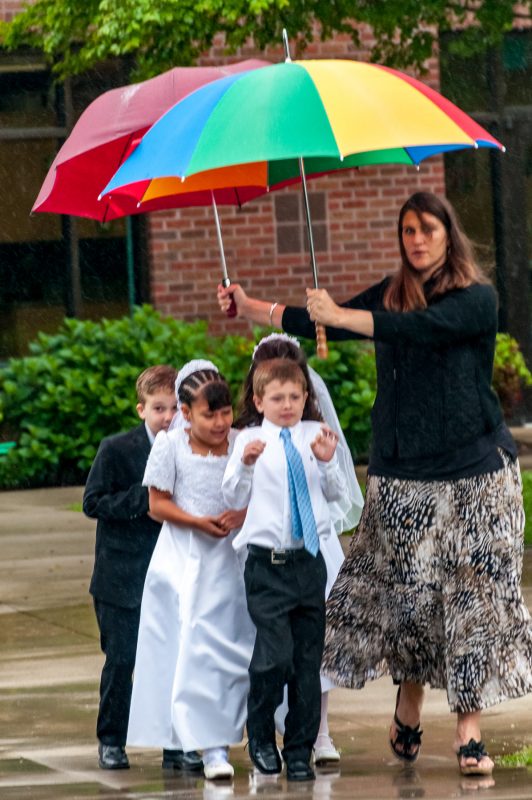
But everyone made it inside relatively safely, with F standing toward the rear of his line stiff as a soldier.
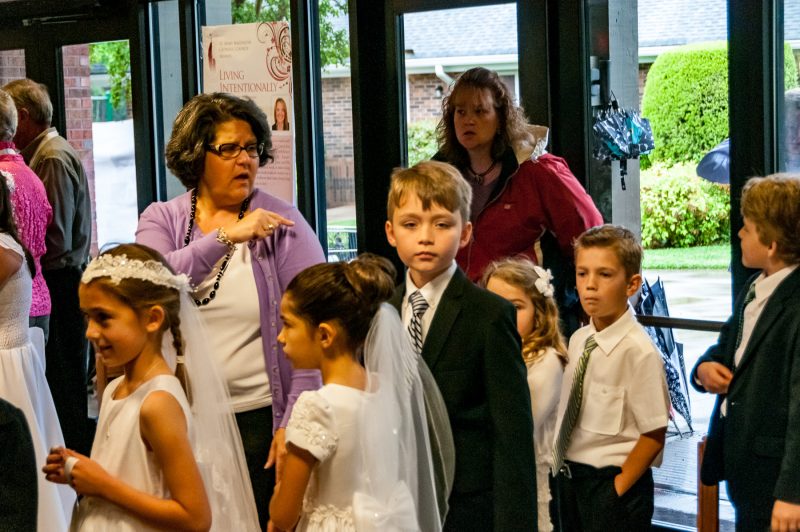
"You won't remember your baptism," he would soon hear, but those are words from people baptized in Poland in infancy, like the vast majority of Poles. "You won't remember your baptism" is much like saying "you won't remember your birth," but it's not always quite the case.
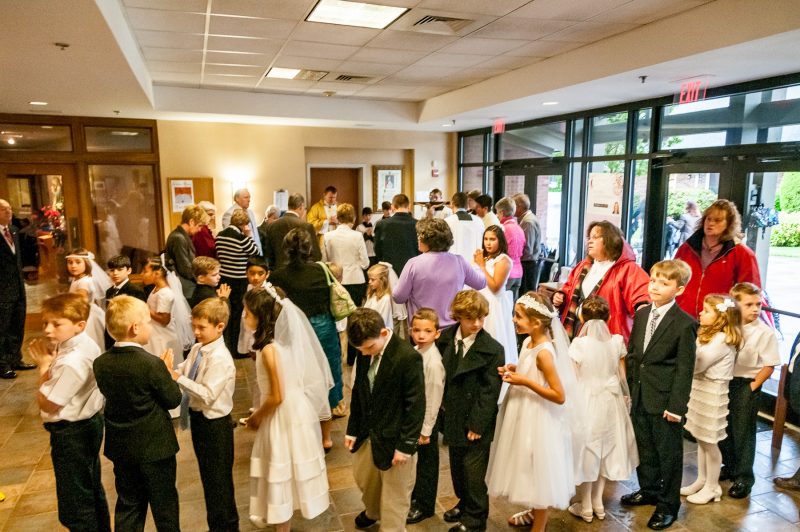
Some of us have such a memory. The same priest who baptized me two years ago gave the homily today, the same kind of warm, welcoming homily he always gives. Our dear Father Theo from Columbia, a man from whom his love of God almost glows.
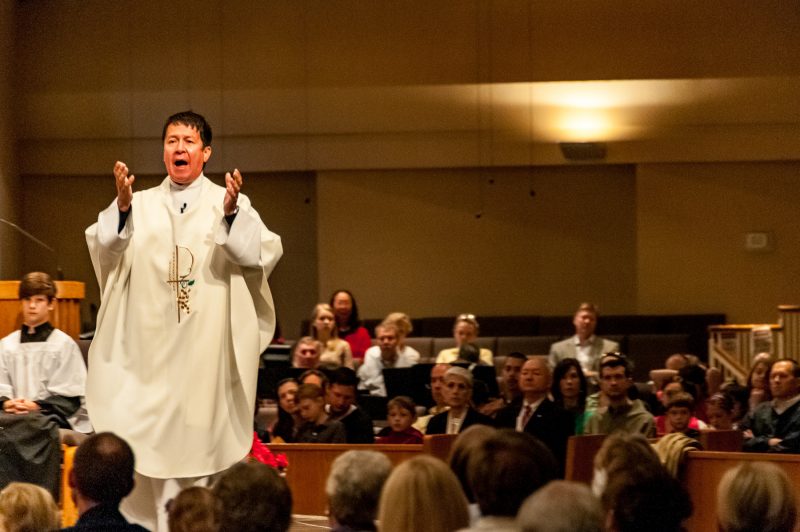
"Welcome, my brothers and sisters, to this holy place," he begins every Mass, and though he says it consistently, it always sounds fresh and inviting.
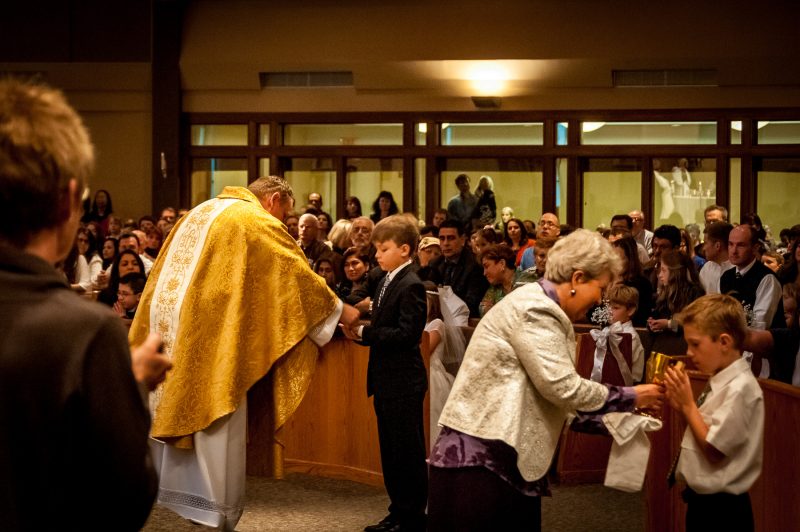
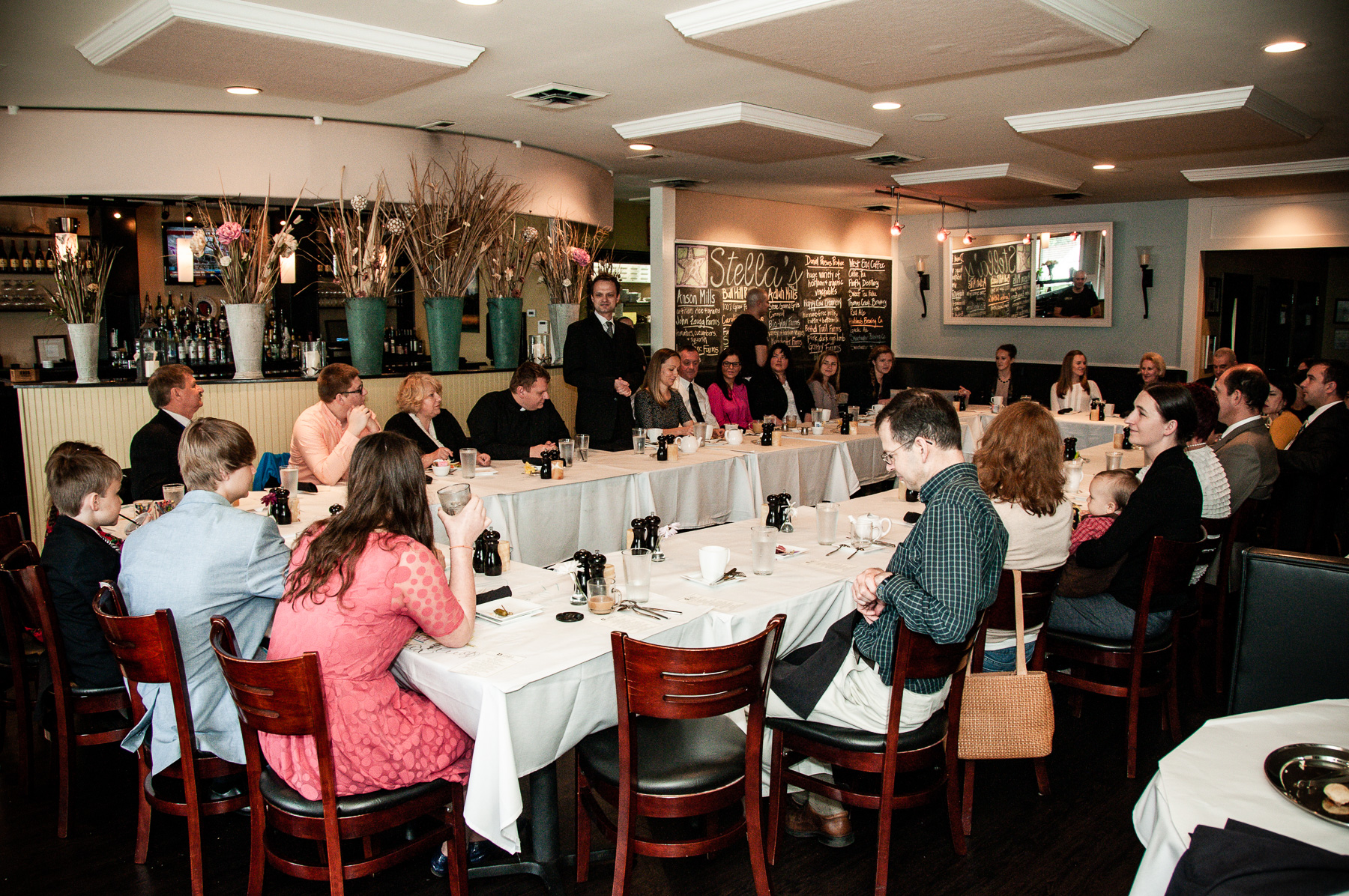
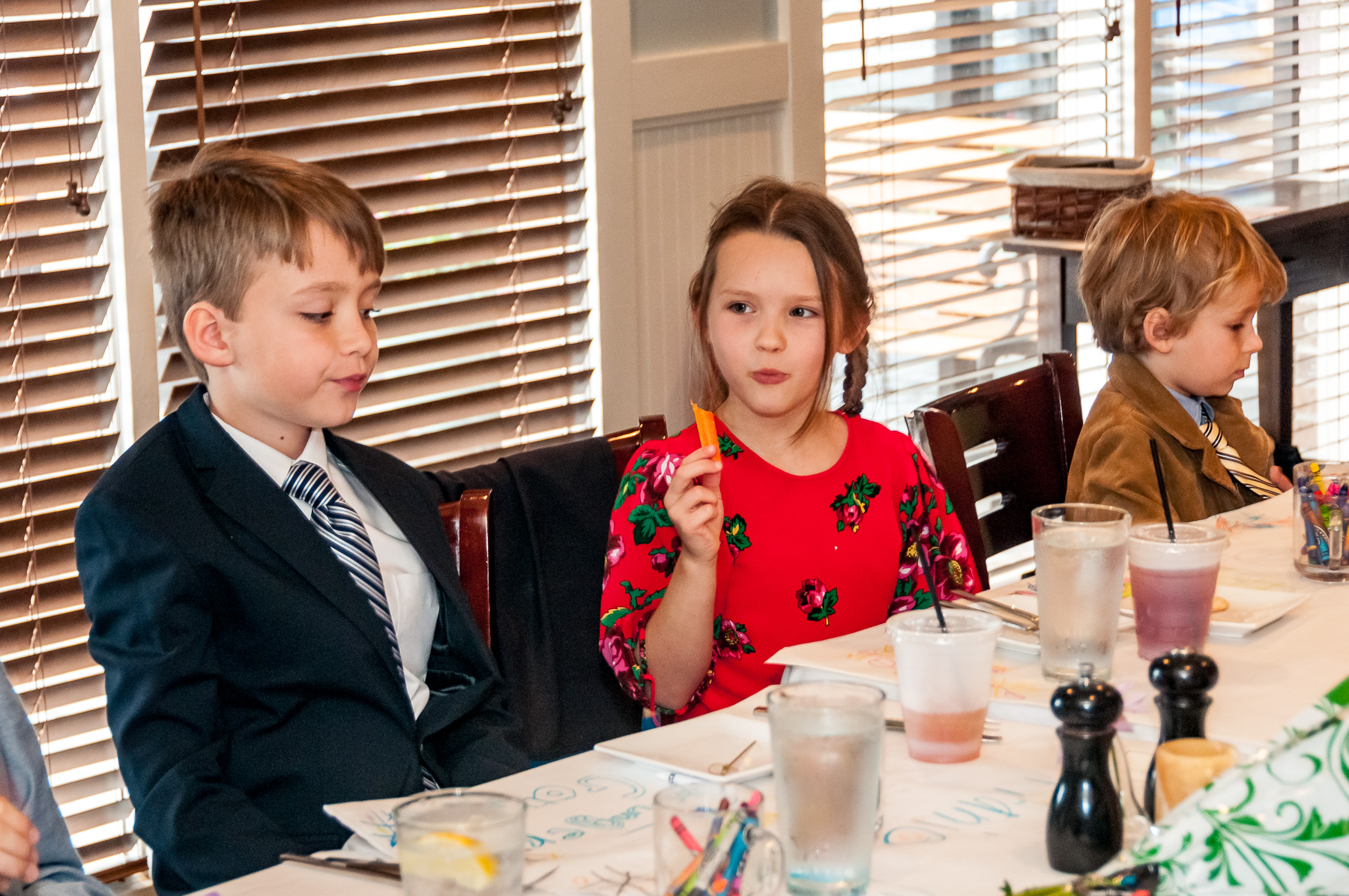
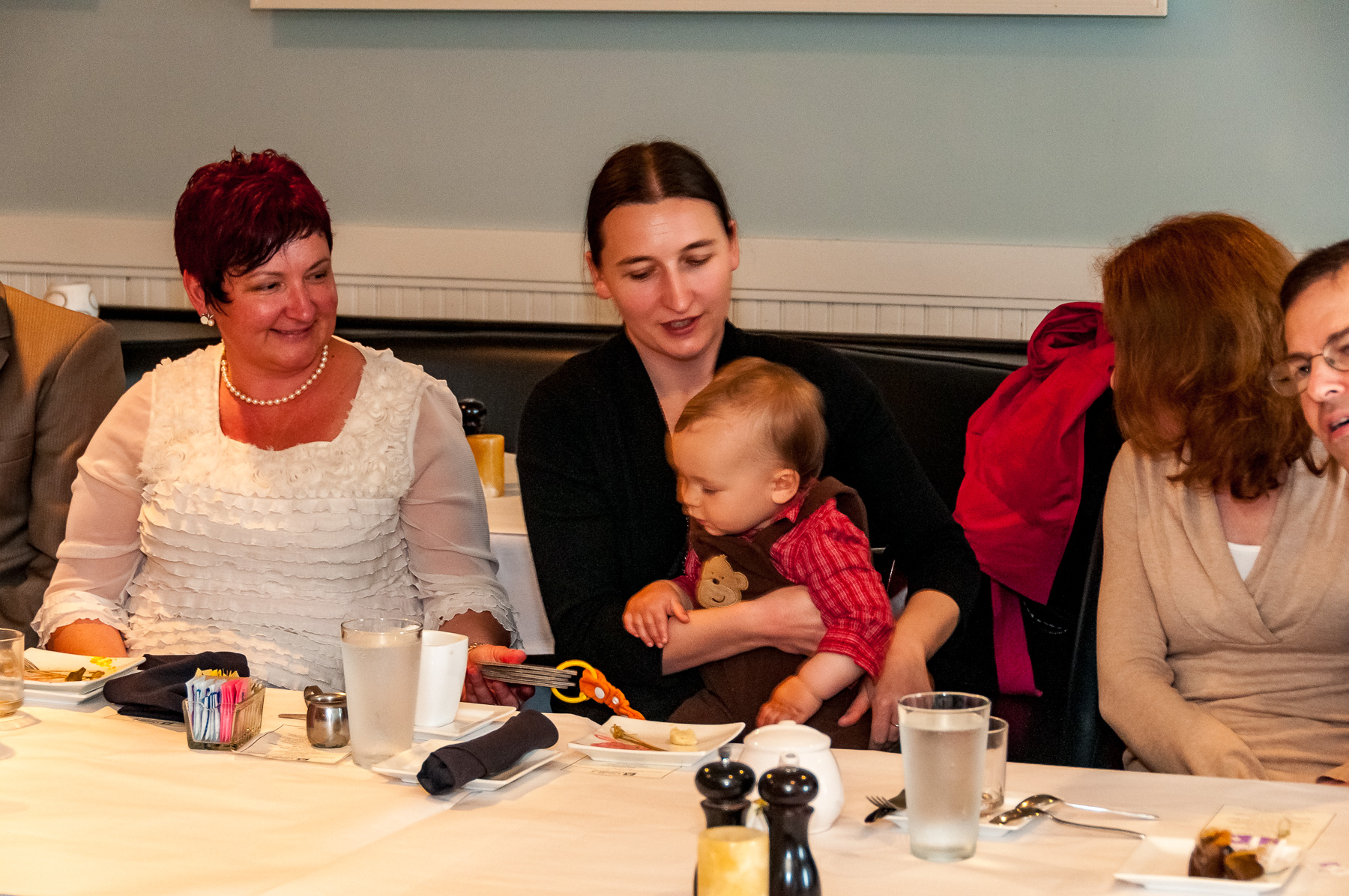
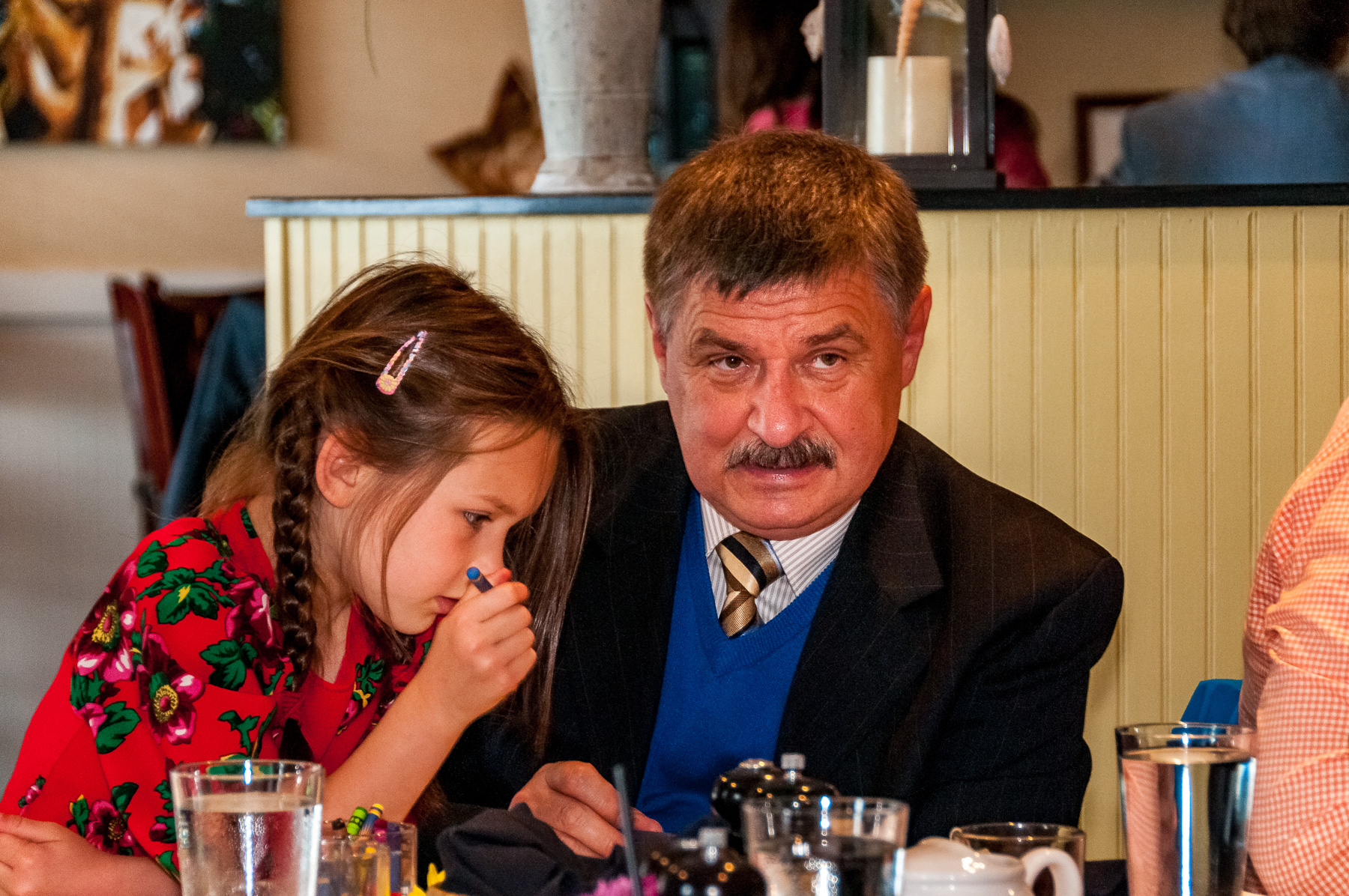
But today wasn't about the homily, or the hymns, or the responsorial psalm. Today, it was about a group of kids taking their first communion -- as big an event in most Catholic families as a wedding, I'd wager.
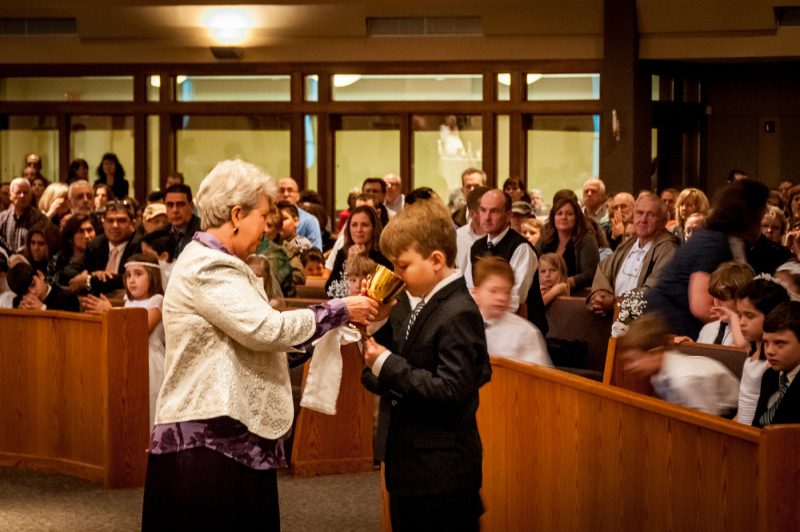
Indeed, in a Polish family, the similarities are striking. Both are highly social events, always including a large party afterward with food and drink, conversation into the evening.
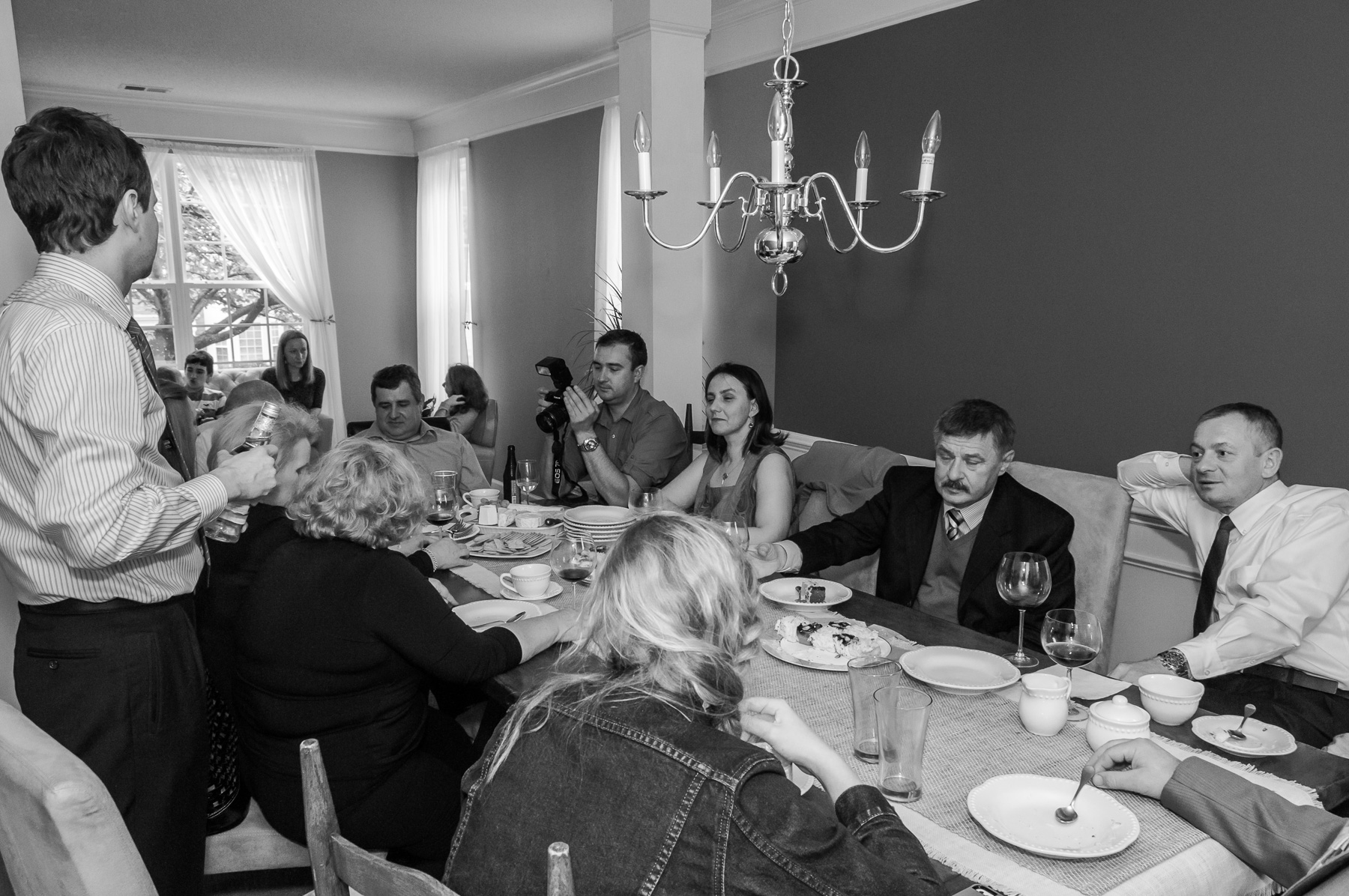
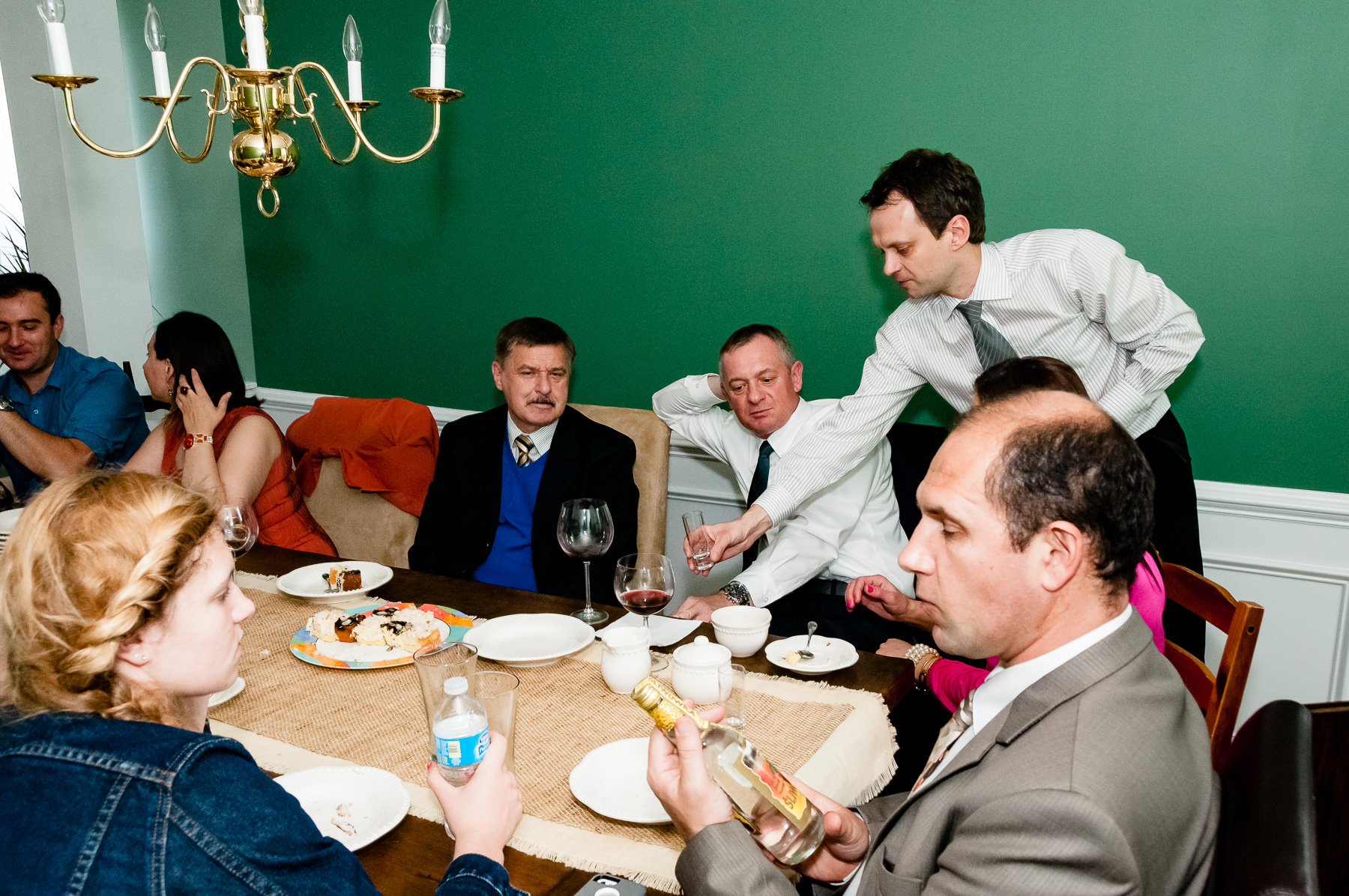
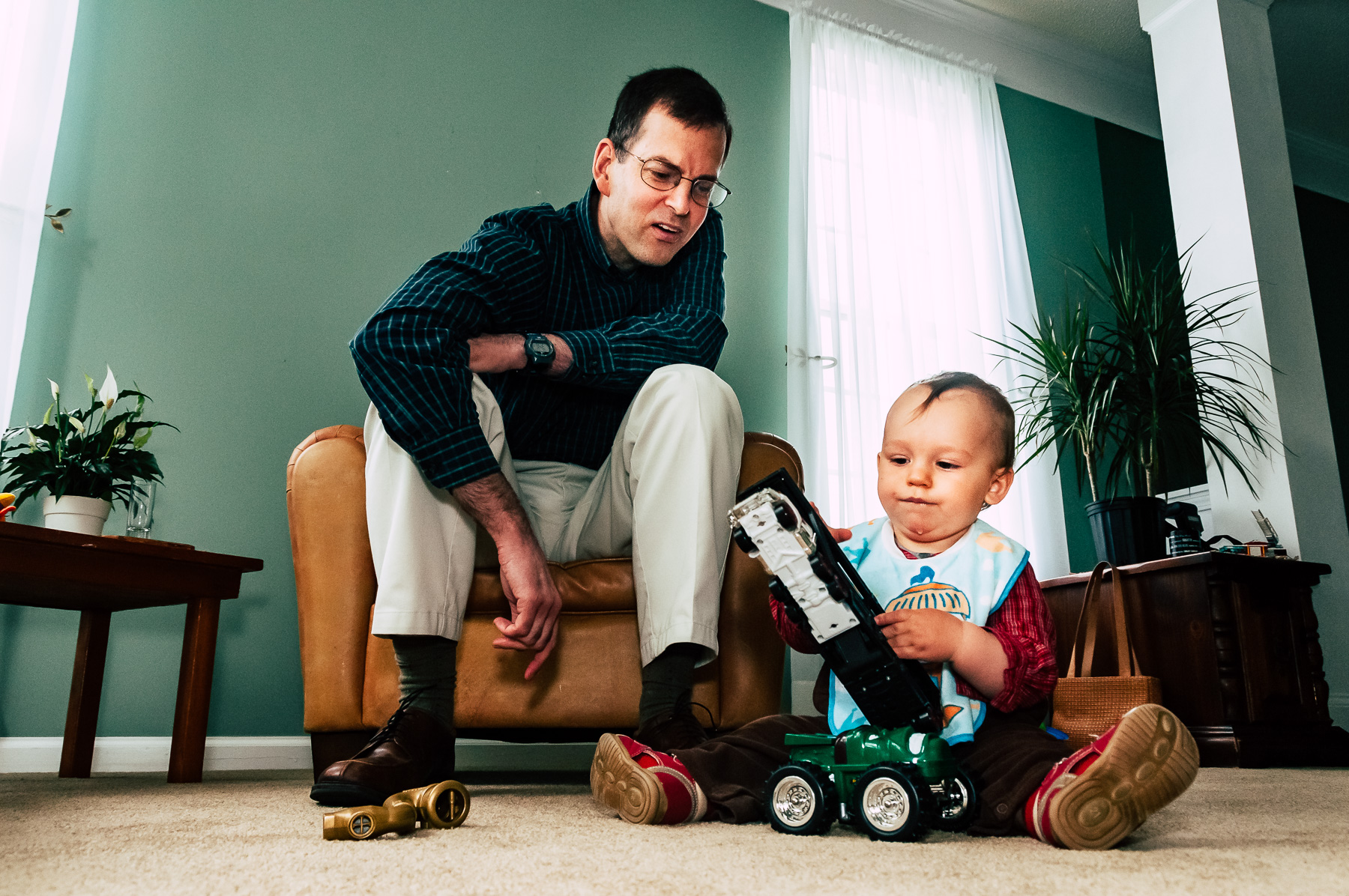
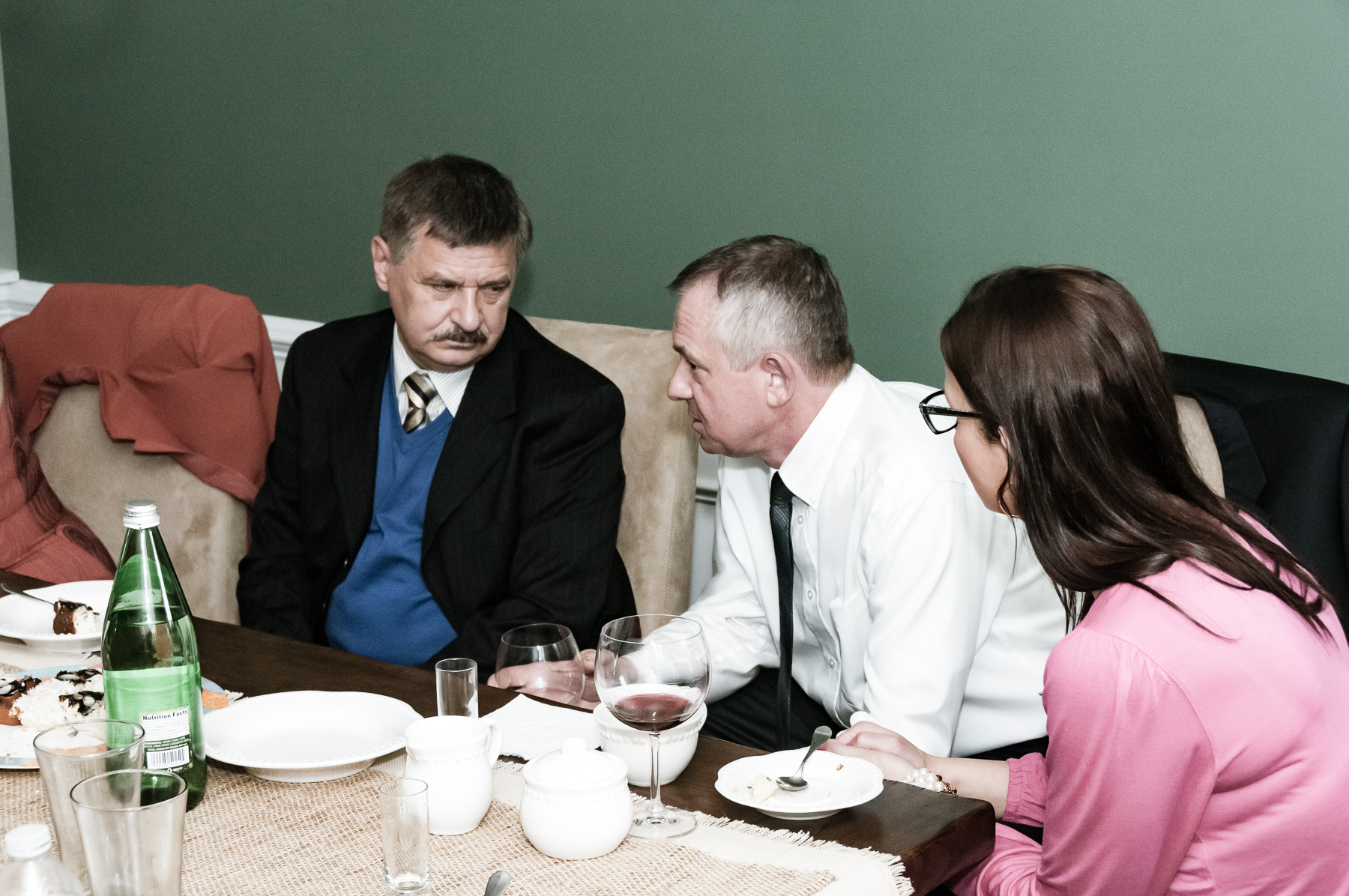
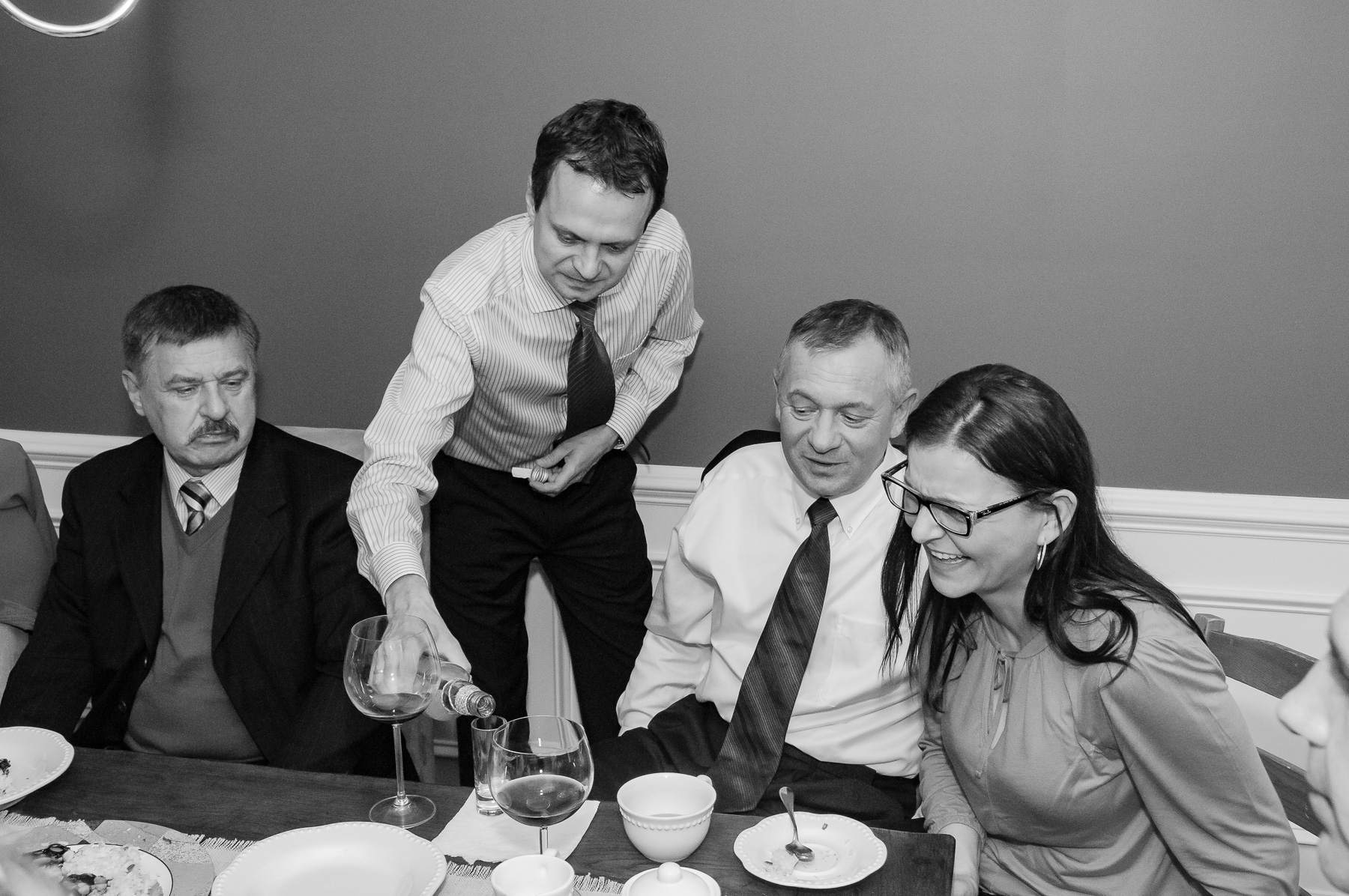
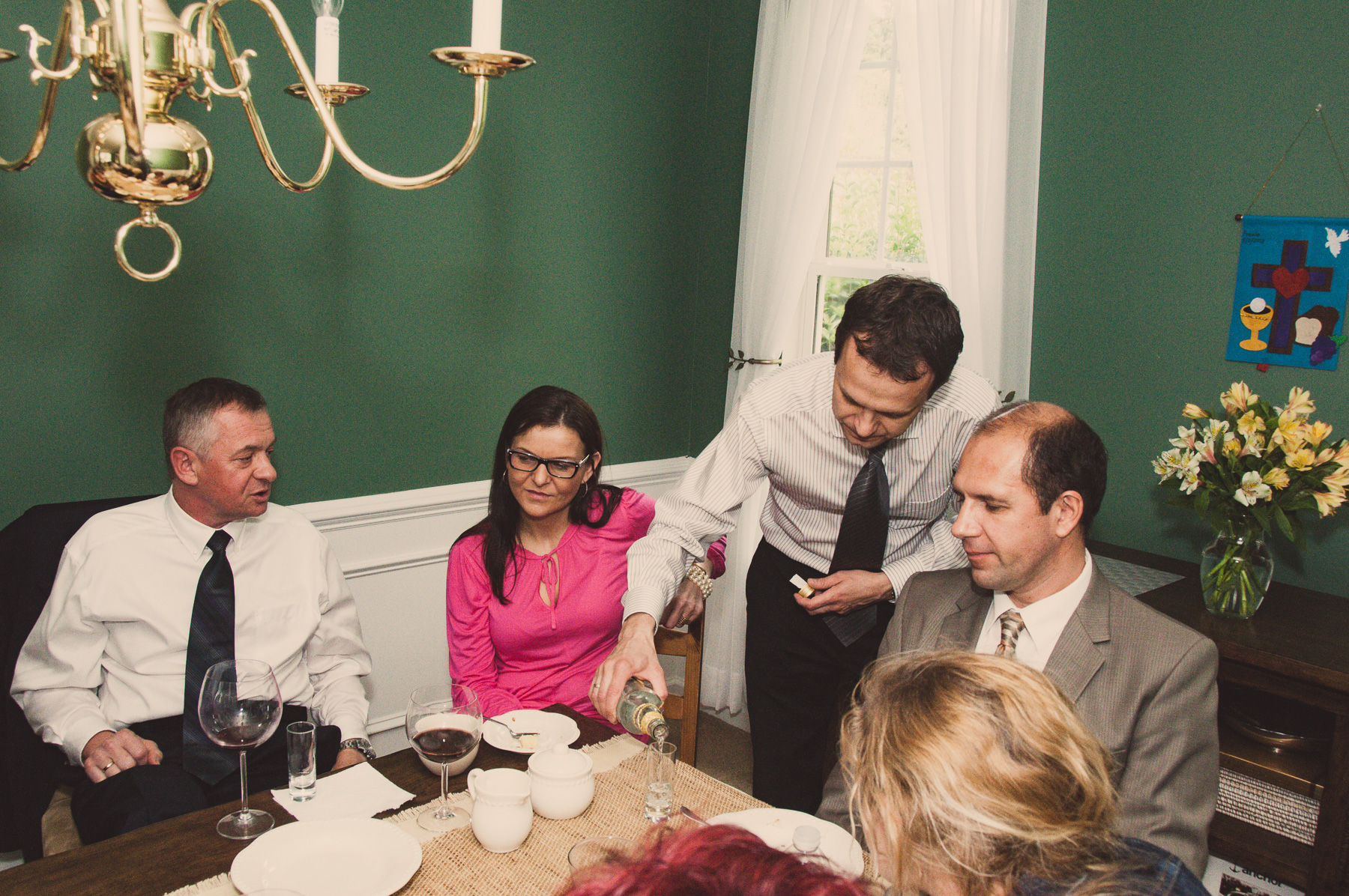
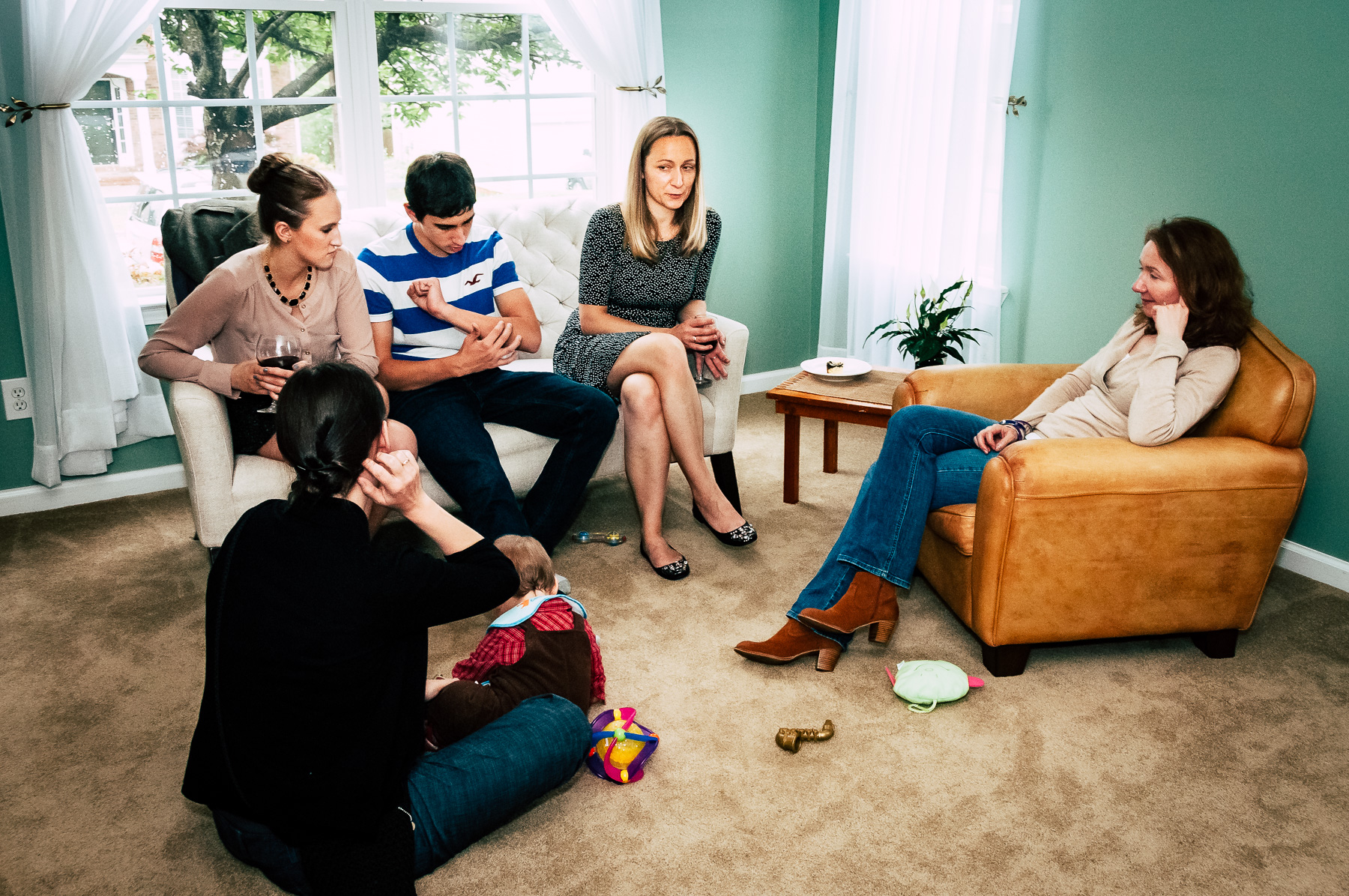
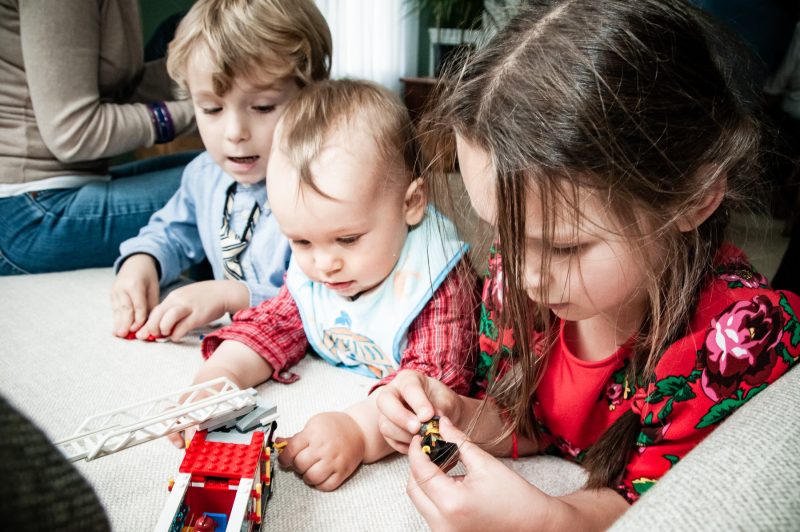
Things slowly return to normal. The house teeters perpetually on the edge of a wreck; toys are everywhere; the laundry takes a day to do; and I end the day too exhausted to do much more than a few words here.
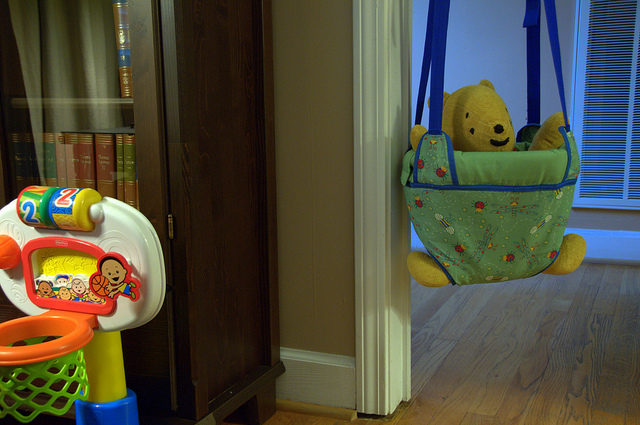
Back to normal; back to the basics.
Dear Teresa,
I overheard your comment to another student today about "going on down the hall before that teacher says something" because "she's always in other people's business."I'm assuming you're referring to the fact that the teacher in question will tell you to move on down the hall, probably interrupting any conversation in which you might be engaged and disregarding the potential impact of such an interruption. In case it had escaped you, said teacher is on hall duty when she tells you that. You, as a student, are in her charge; you are her responsibility. She is not getting in your business; she fulfilling her contractual duties.
What would getting into your business look like? Showing up at a social gathering you're attending and bad-mouthing you to others might be a good example. Making desparaging comments about your personal life and the decisions you've made might be another example. Gossiping about you would be a third example. Telling you to move on down the hall is so far from "getting into your business," though, is most decidedly not an example.
If you're going to gripe about teachers, at least make an attempt not to look foolish by mislabeling your gripe.
Regards,
A Teacher Up the Hall
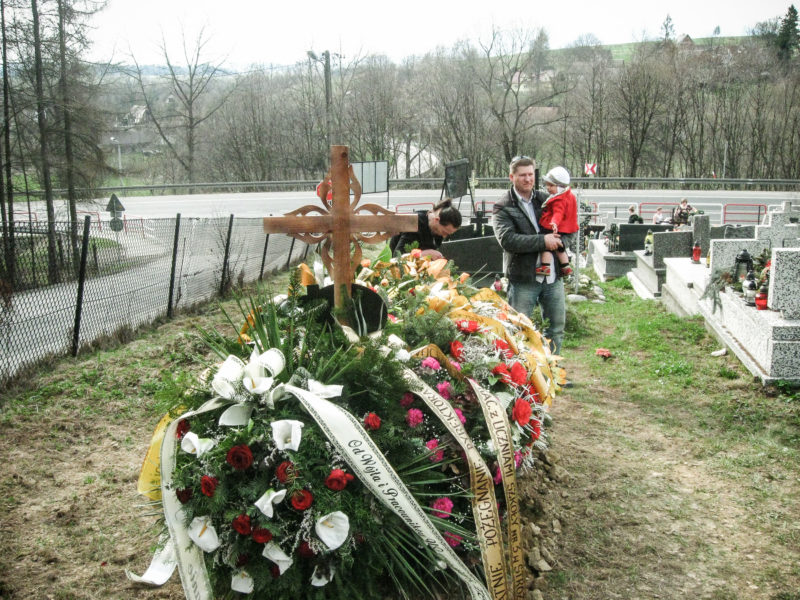
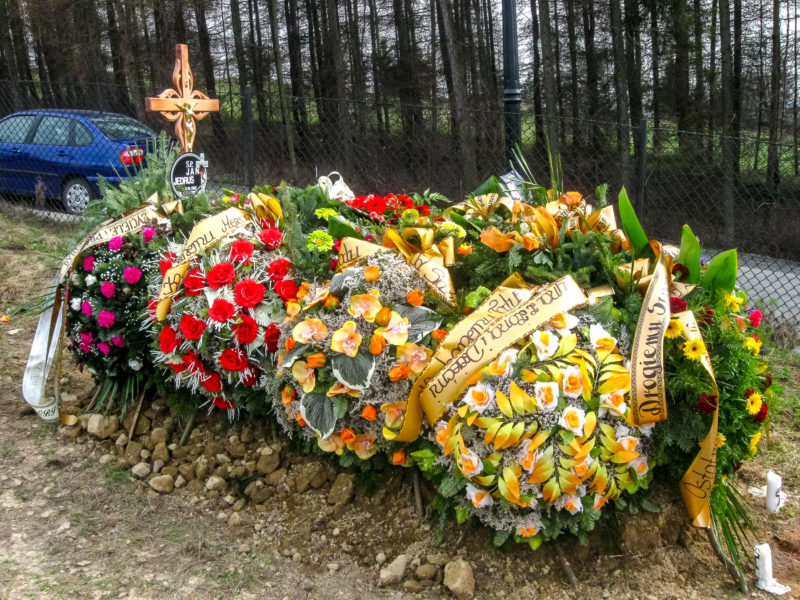
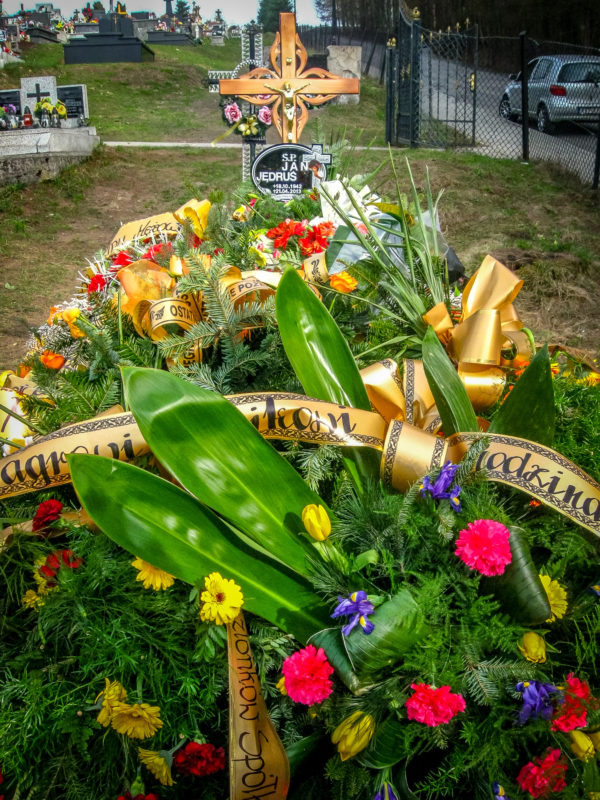
When I first met him, I was still learning Polish, and the intricacies of the cultural formal/informal divide largely escaped me. I knew kids referred to adults in the third person, as "Pan" or "Pani." The fact that it applies to complete strangers as well had largely gone over my head, so I began talking to him in the second person, like we were equals and I'd known him all my life. By the time K and I married and I could legitimately speak to him in the informal second person, I'd already been doing so for almost ten years. As I got to know my father-in-law, long before I even could have imagined he would be my father-in-law, I realized that his gesture of laughing off my apology later when I realized my linguistic mistake and mentioned it was not a gesture. He probably really didn't mind, and not just because I was an ignorant foreigner.
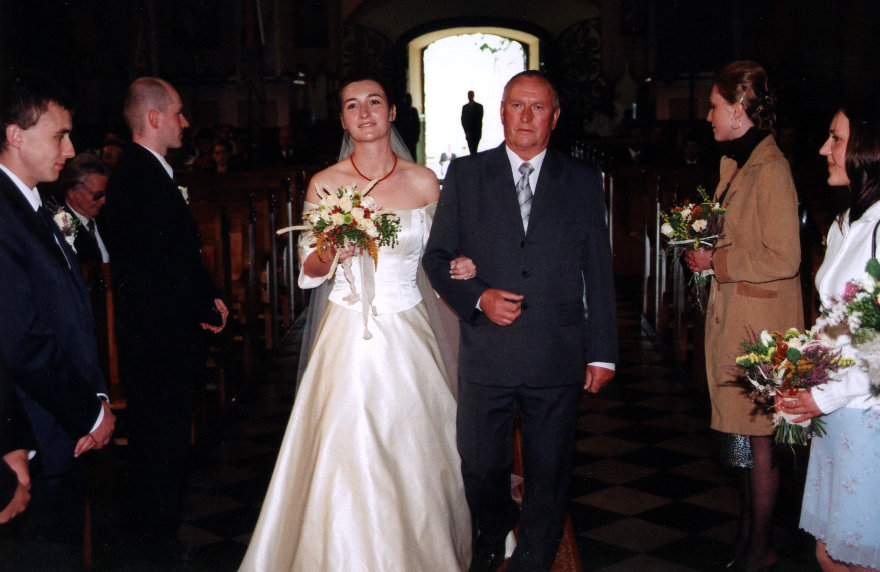

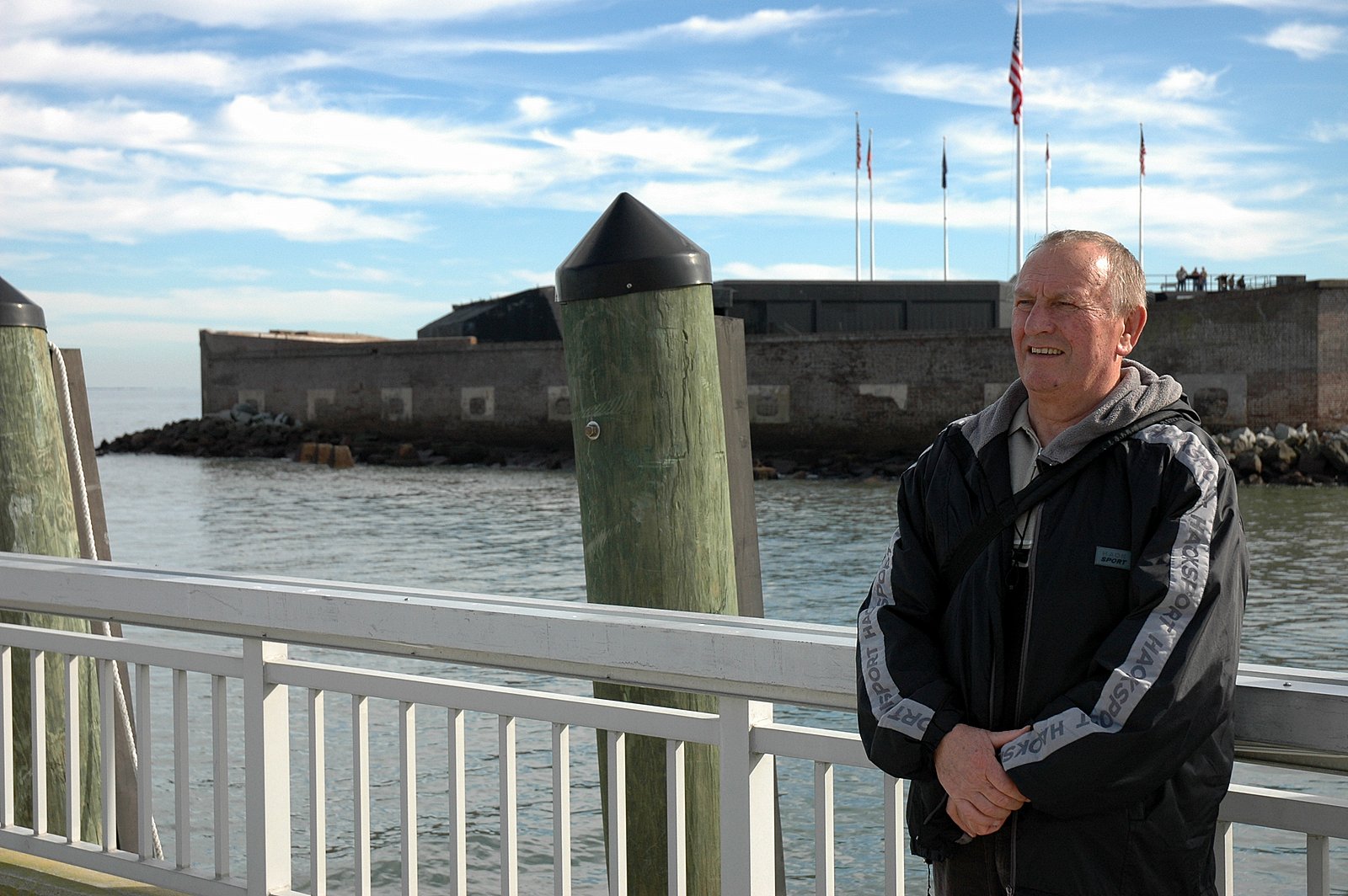
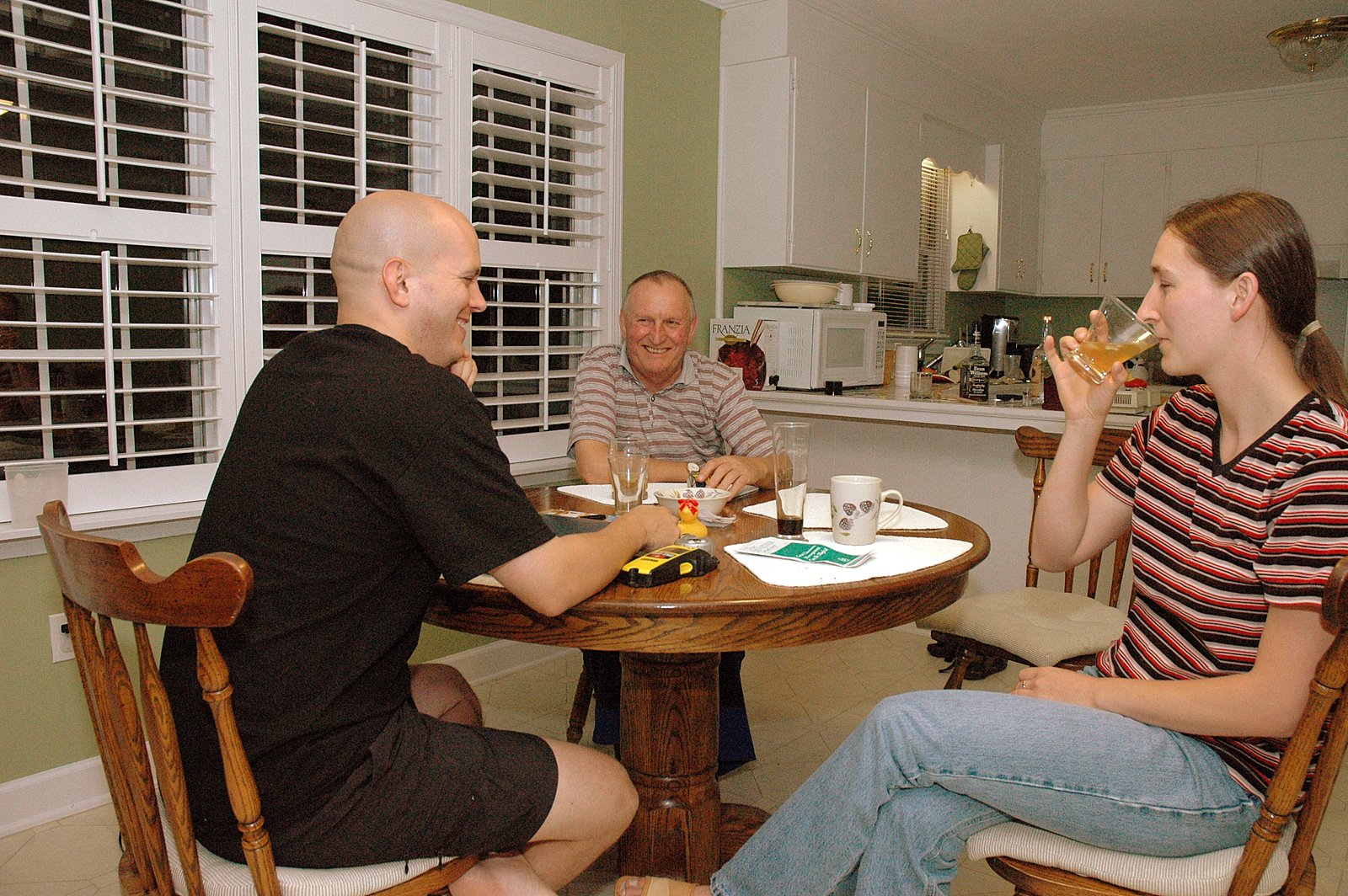
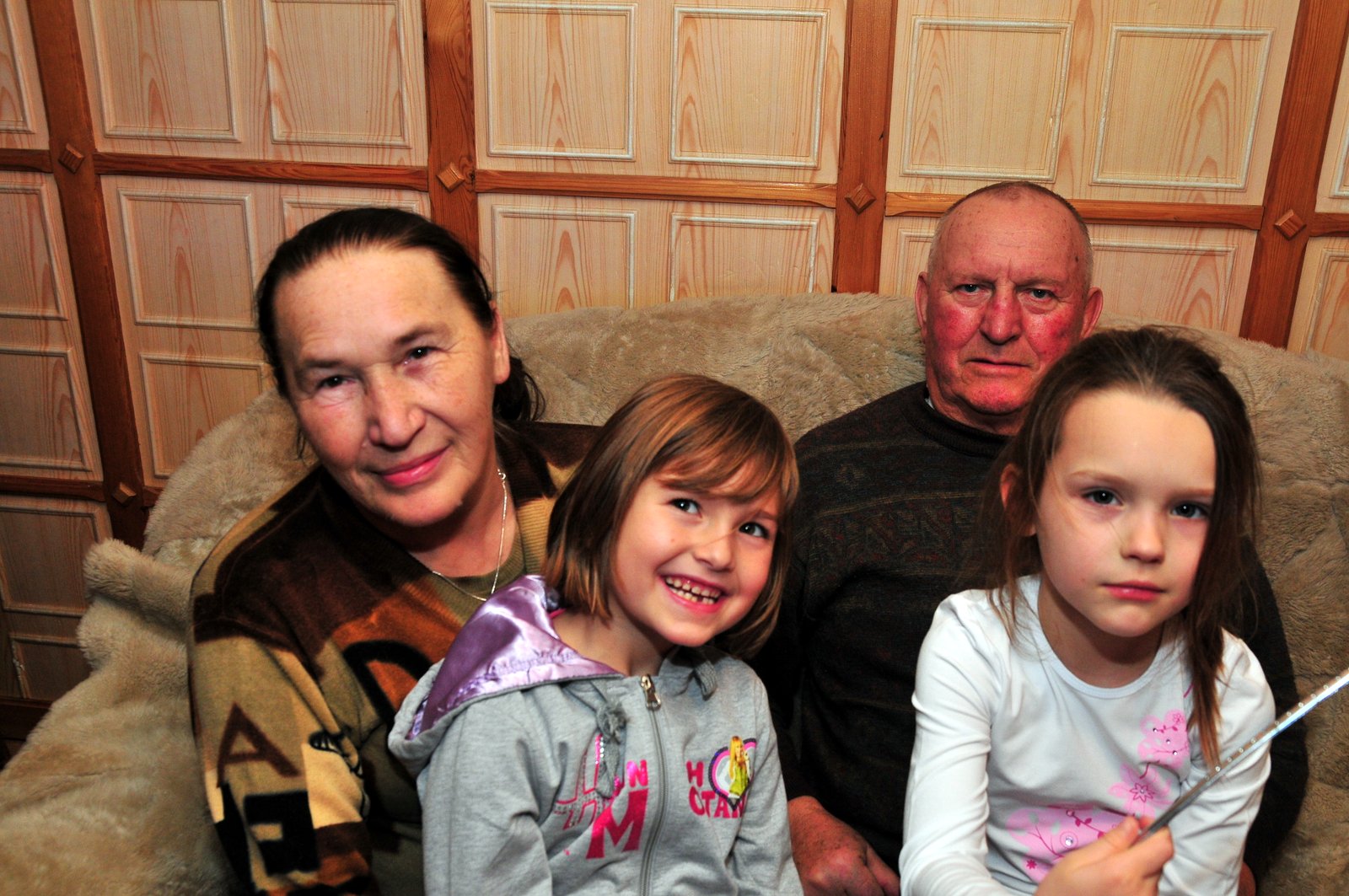
When he developed cancer some years ago, I really thought it to be little to worry about it. Perhaps it was denial; perhaps it was the understanding that, in fact, people beat cancer all the time. Two friends of mine, in fact, recently beat breast cancer. People win against cancer all the time. Of course, cancer more often than not seems to win, but Dziadek was too stubborn to let cancer best him, I rationalized. Too stubborn and too strong. As if overcoming cancer is a question of willfulness, obstinacy, and strength. If it were, it wouldn't have had even the slightest chance of gaining even the smallest foothold with Dziadek.
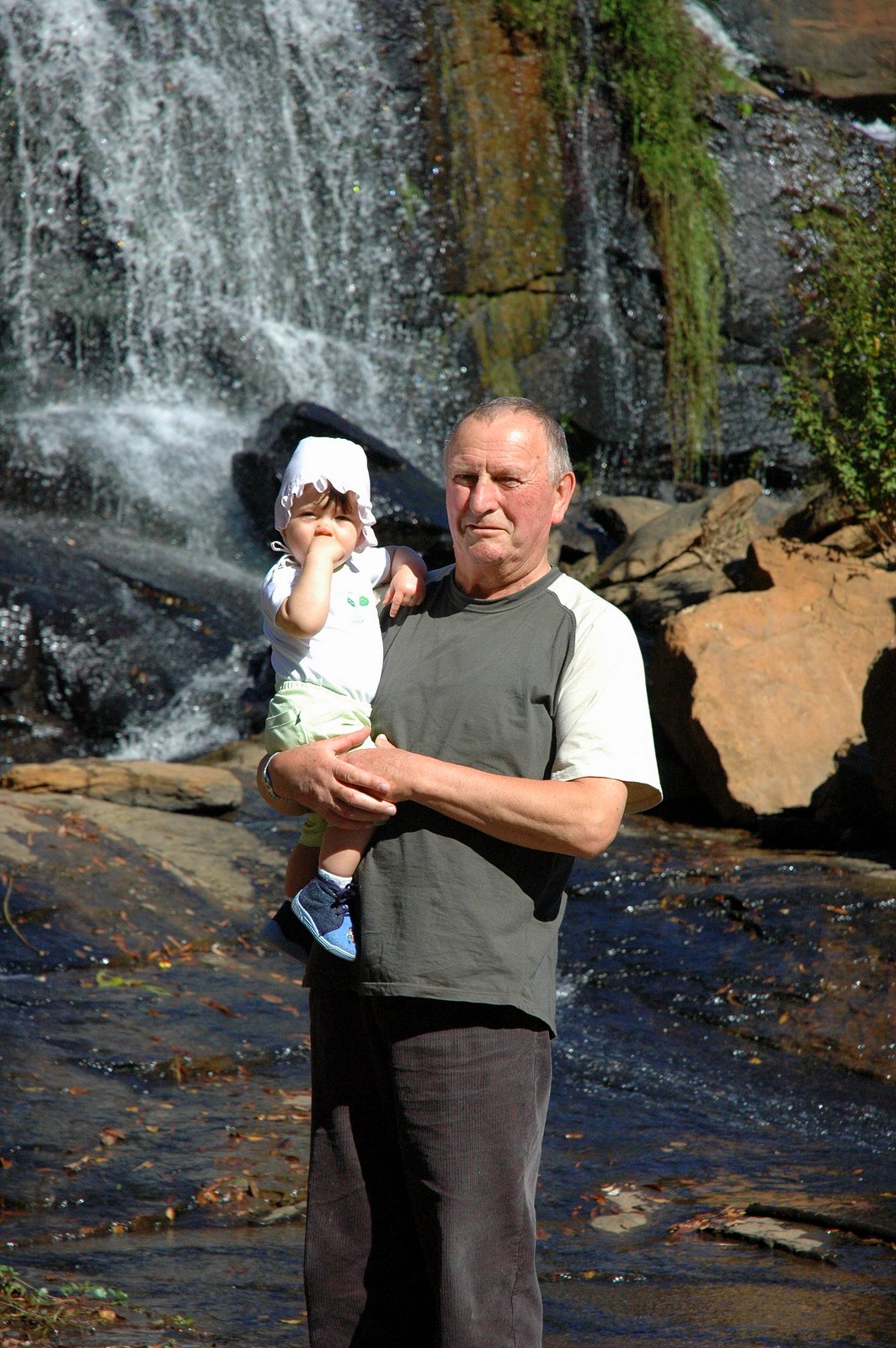

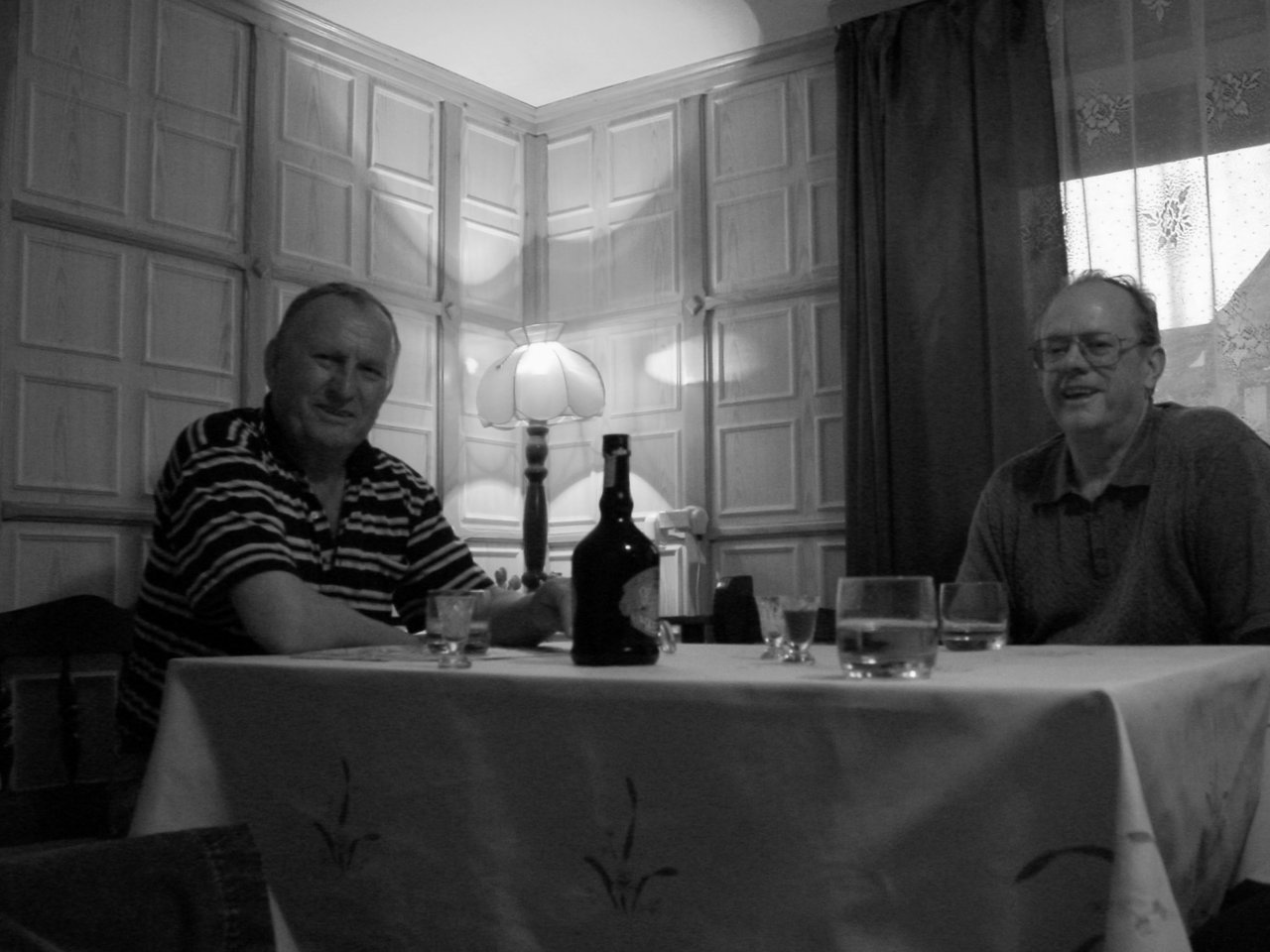
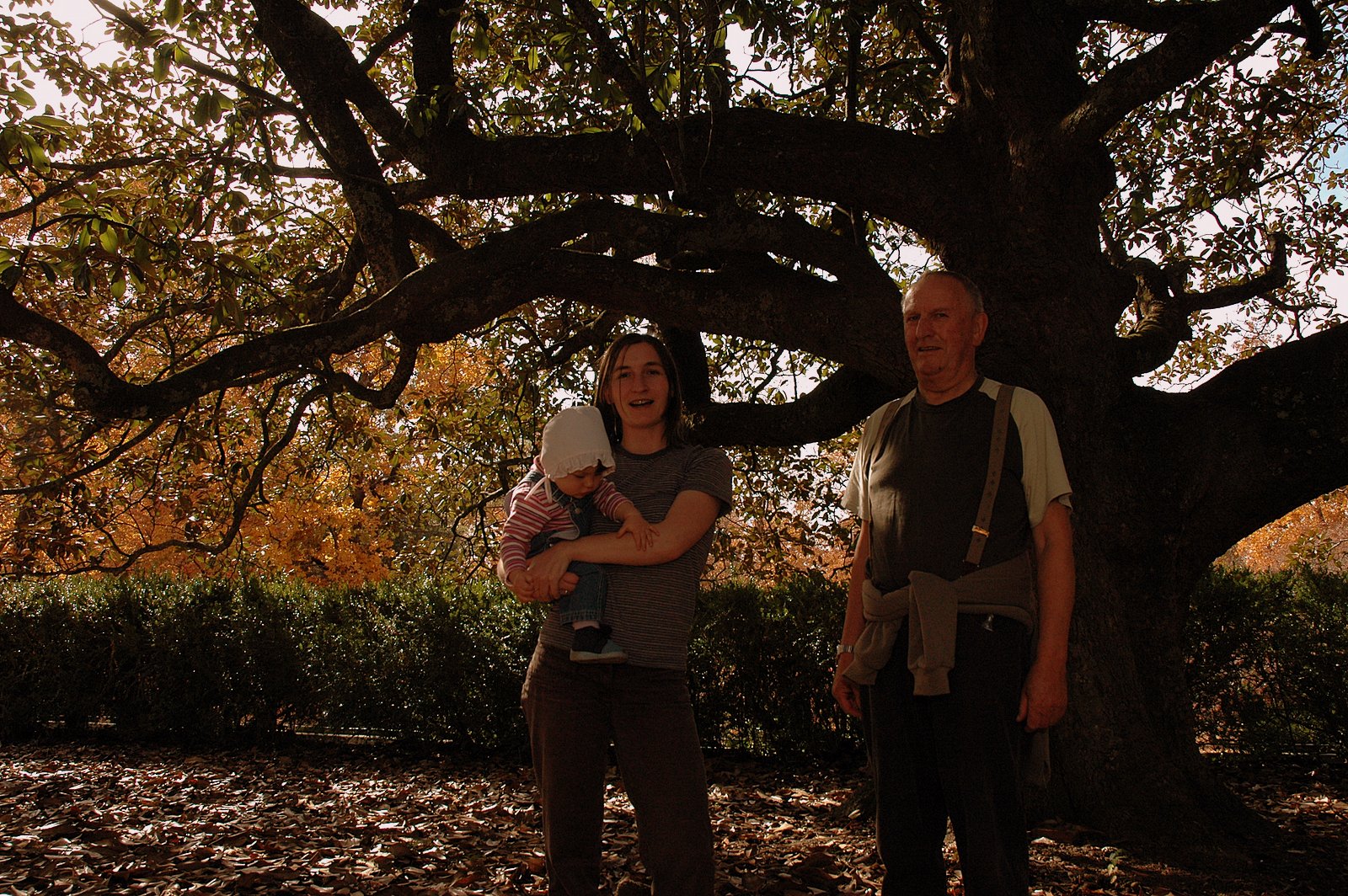

Indeed, for several years, it looked as if he and his doctors had indeed subdued it. For about five years, it was as if nothing had happened. Daily walks, guests in the bed and breakfast, weekly games of bridge, Mass every Sunday morning at 7:30, responsibilities in the village, parties when we visited -- it was as if the operation, the chemo, the time in the hospital had never happened. He still got up ridiculously early every day to stoke the fires in two furnaces for guests, and when we were visiting, he was usually taking his morning coffee break when I stumbled downstairs in the morning.
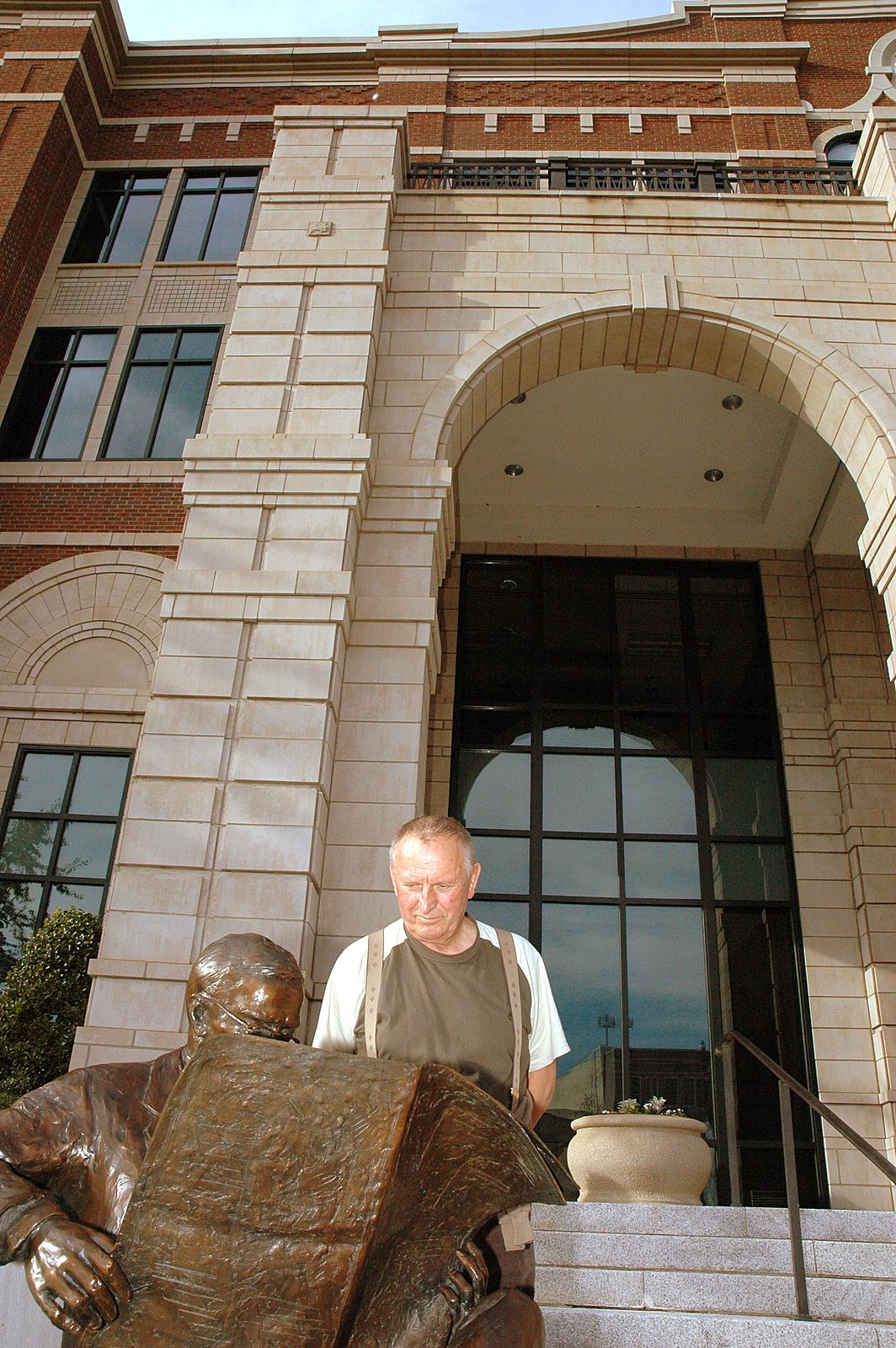

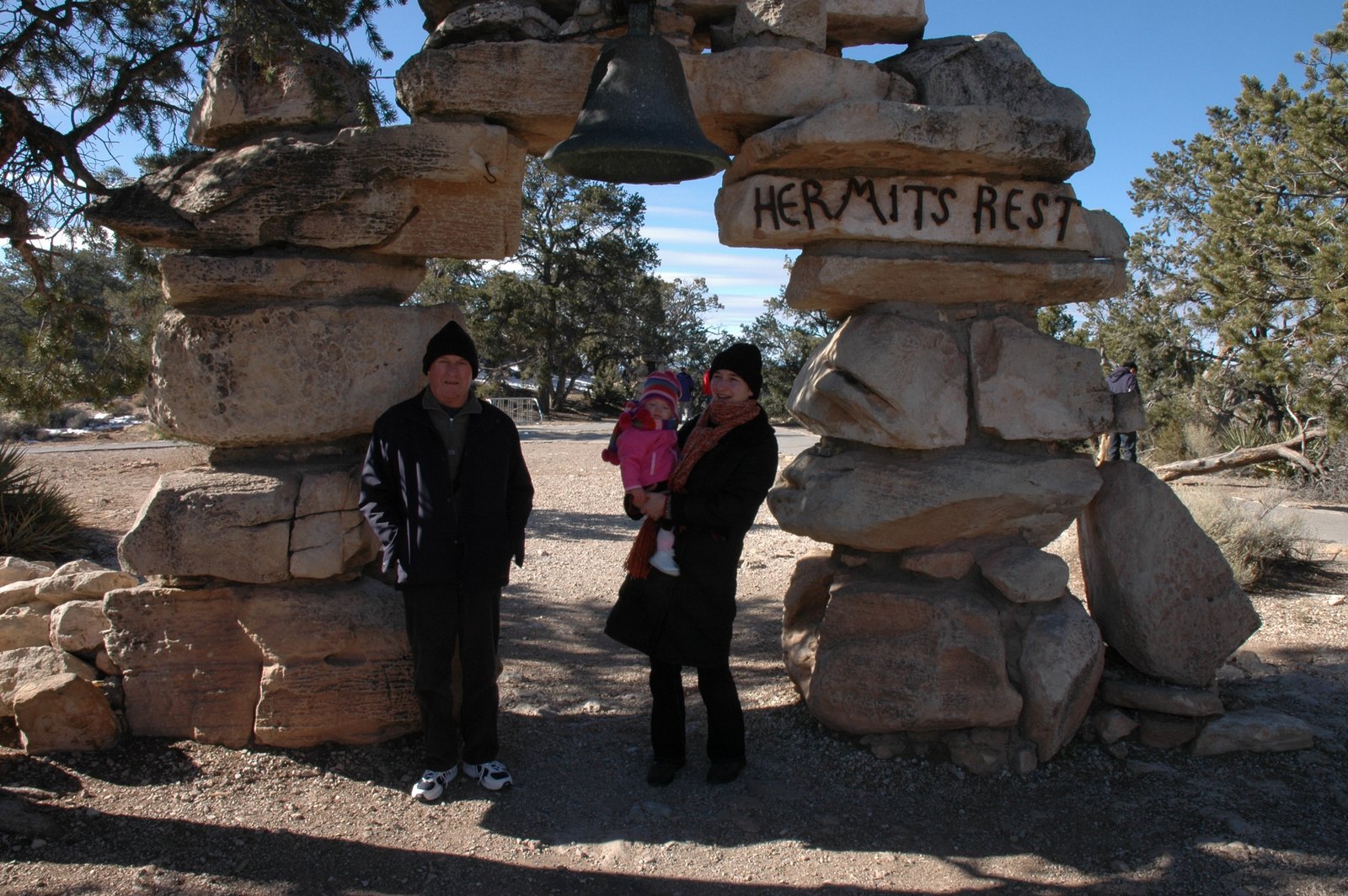
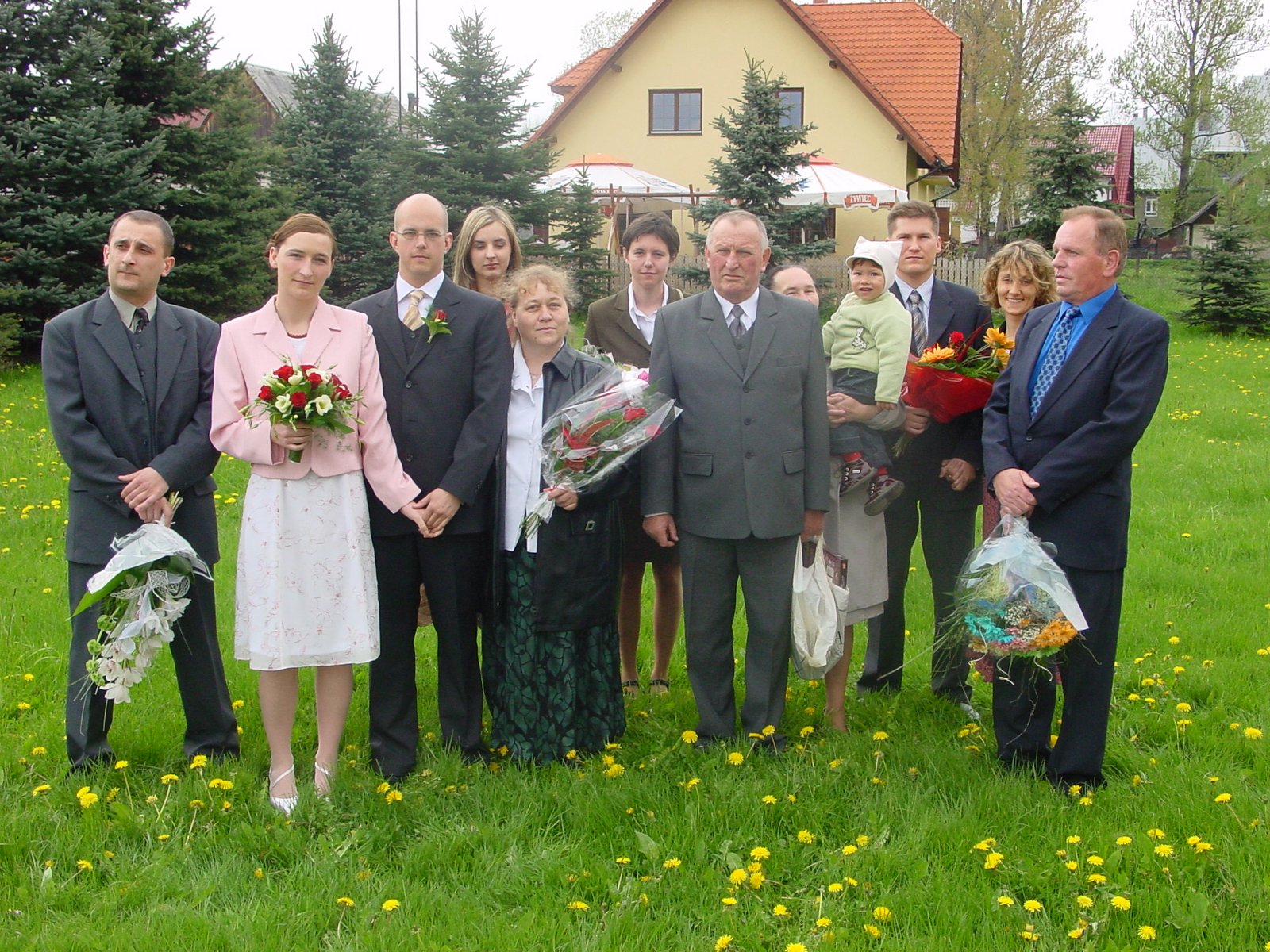
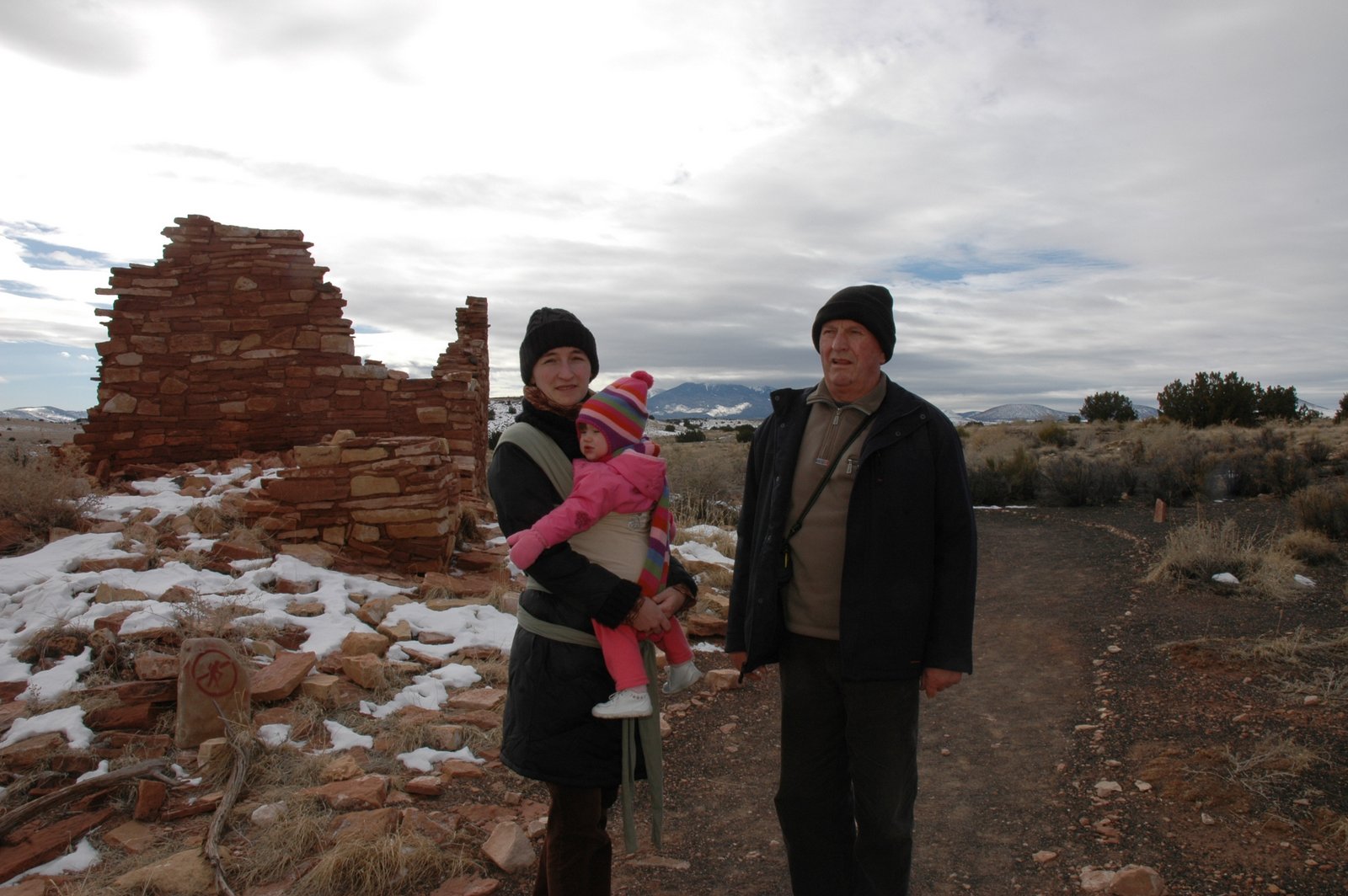
The thought of heading to Poland this summer and not have him in the morning poking at me about how long I'd slept the night before -- anything past about six thirty was a waste -- makes the visit, on this side, still more than a month off, seem hollow. So much will be missing.
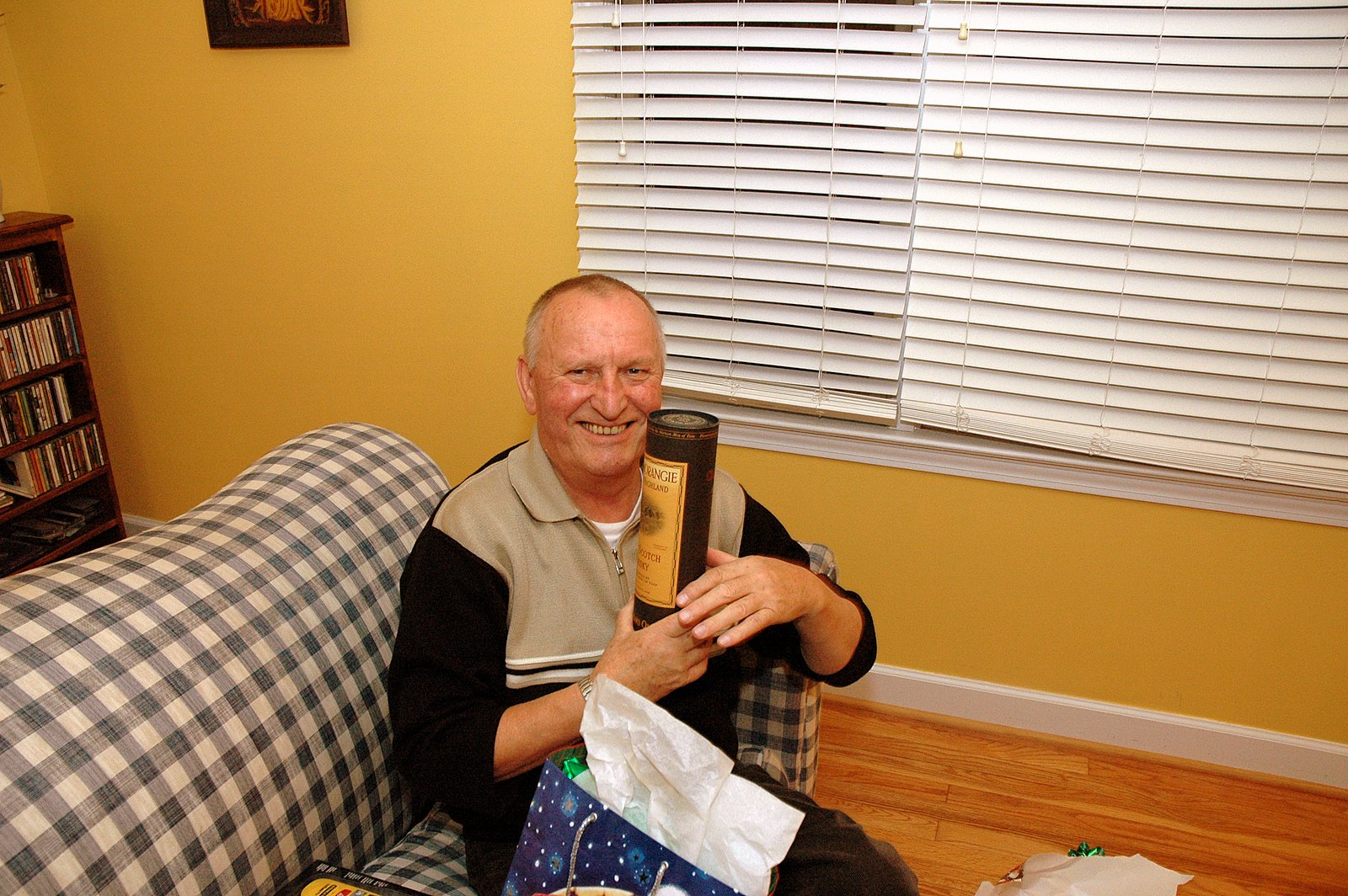
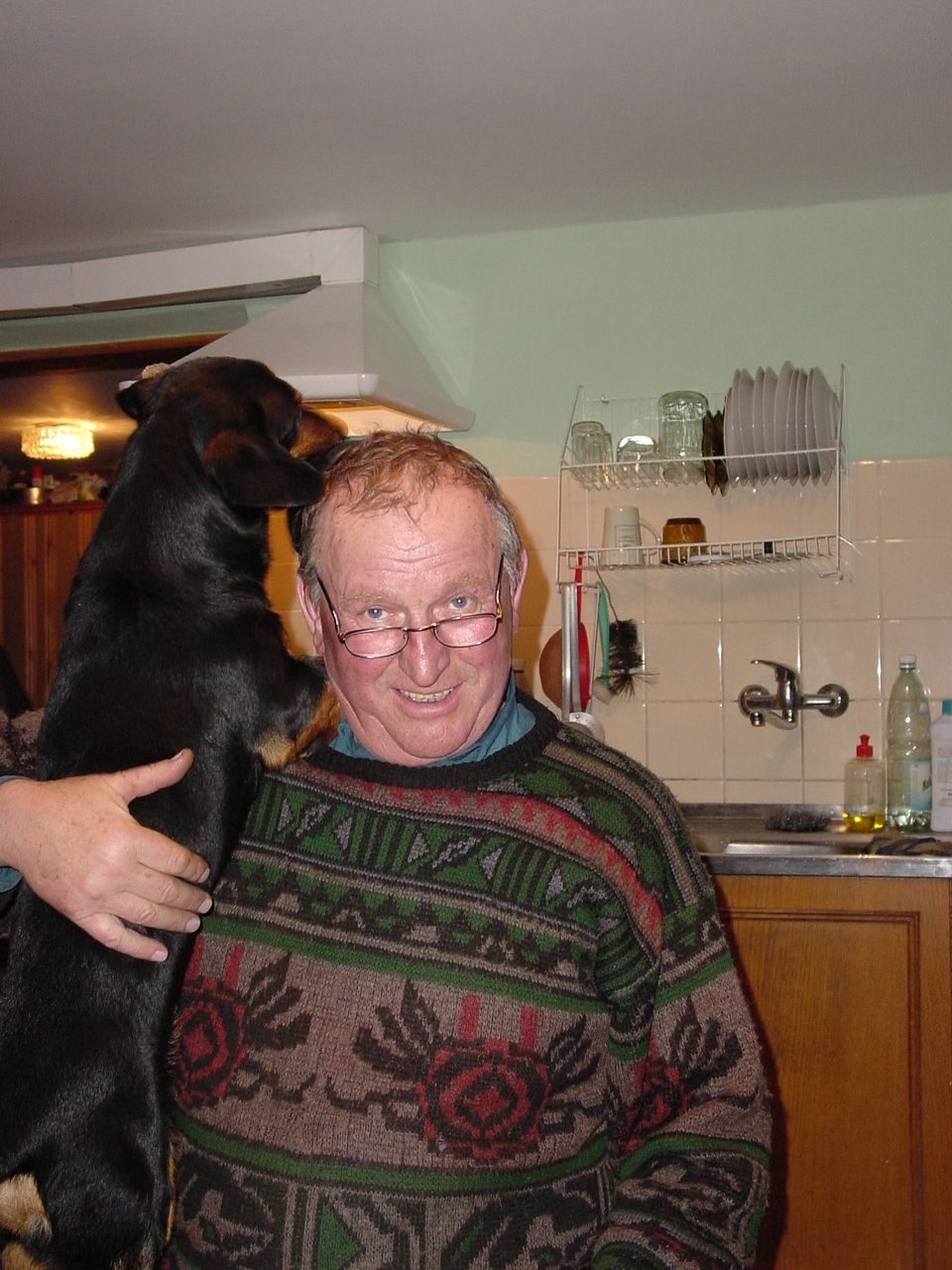
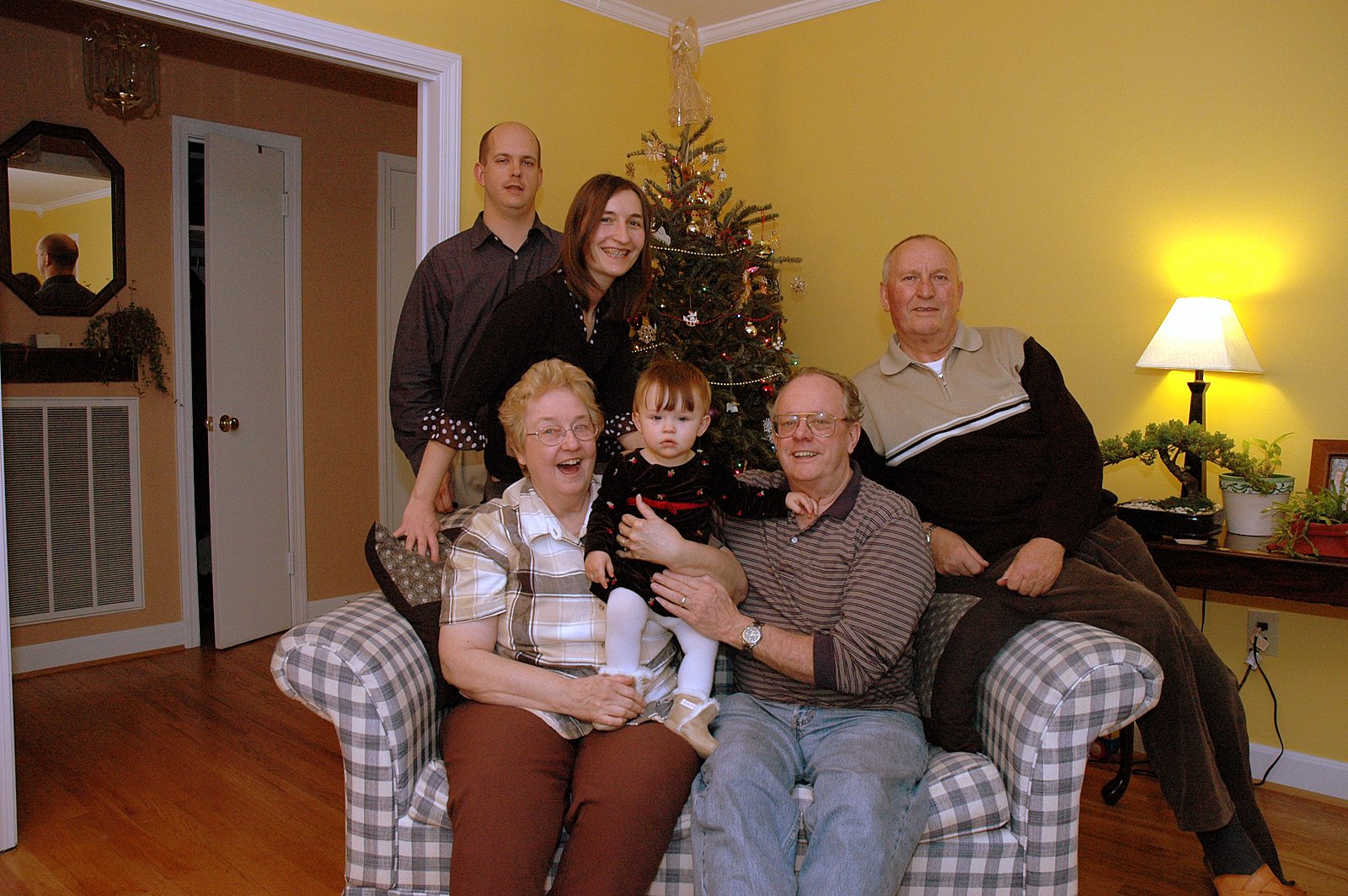

When it returned, the cancer struck his leg and quickly robbed him of one of his daily traditions, something K and I picked up as well during our visits there -- indeed, while we still lived in Poland and went for family visits. A quick turn to the left at the end of a short paved road, a hundred meters to the next road, a rutted dirt road, and a right turn and within a few hundred meters, one is in the midst of hay, potato, and beet fields. "Idę na spacer!" he would declare matter-of-factly in the early afternoon, sometimes the late morning, and off he'd go, calling the family dog to his side and shuffling through the gate, settling his hat comfortably and muttering dzień dobry's to those he passed along his way.
As the weeks progressed in late 2011, he admitted during weekly Skype conversations that the walks were becoming shorter and shorter. Walks all the way to the river became a rarity. Then walks to the fields became scarce. Then the walks were confined to the yard.
And then they disappeared.
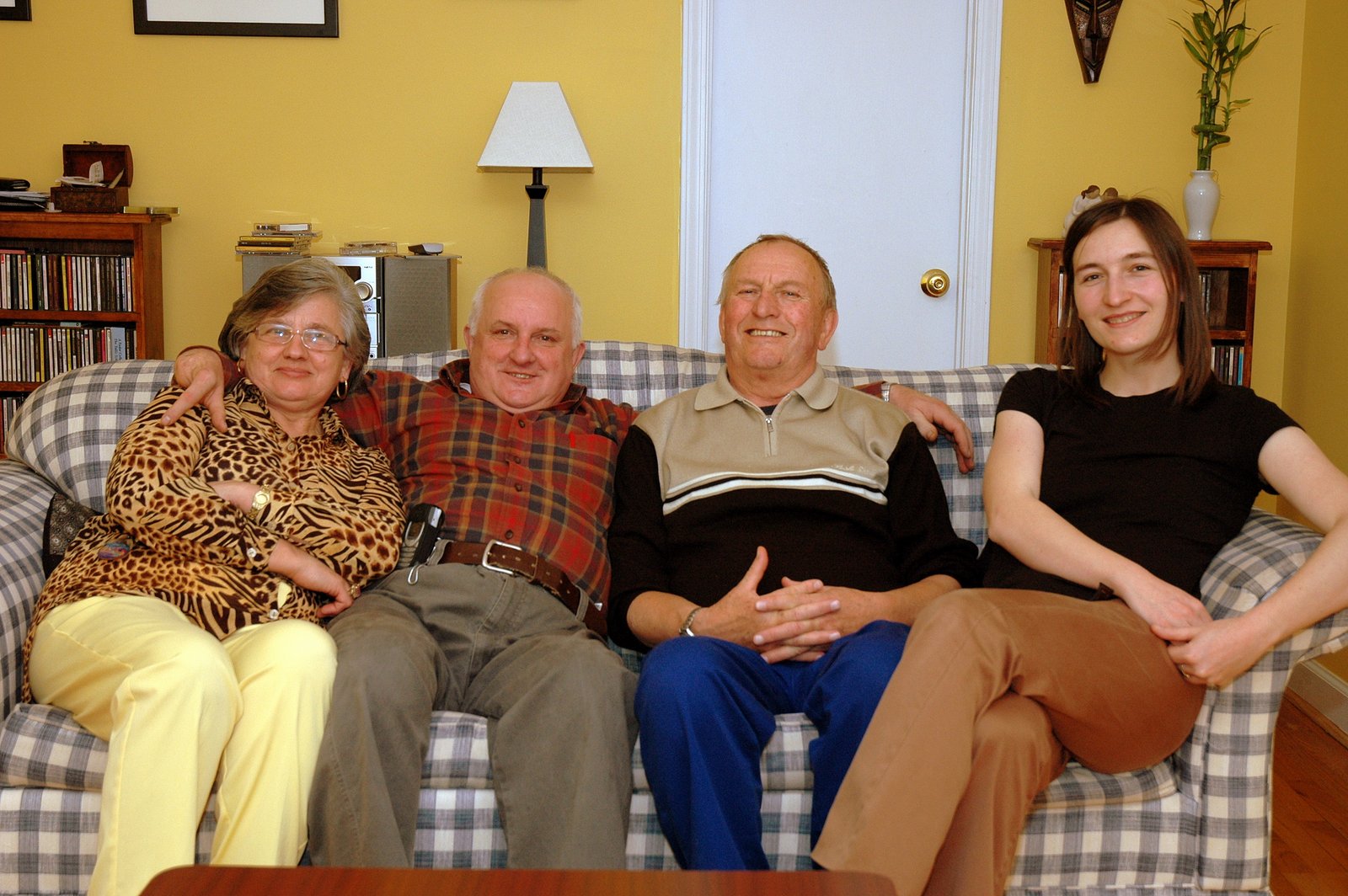
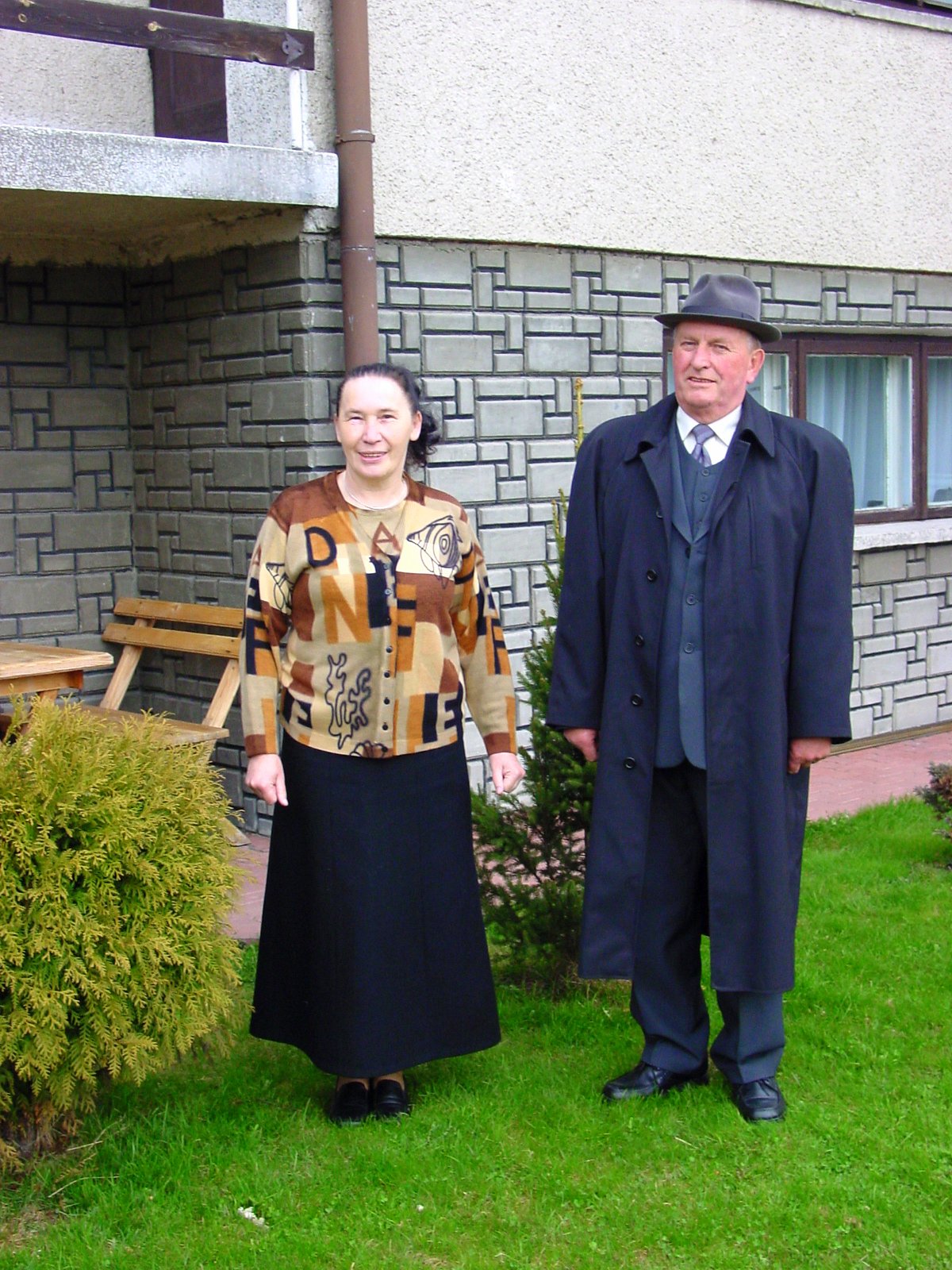
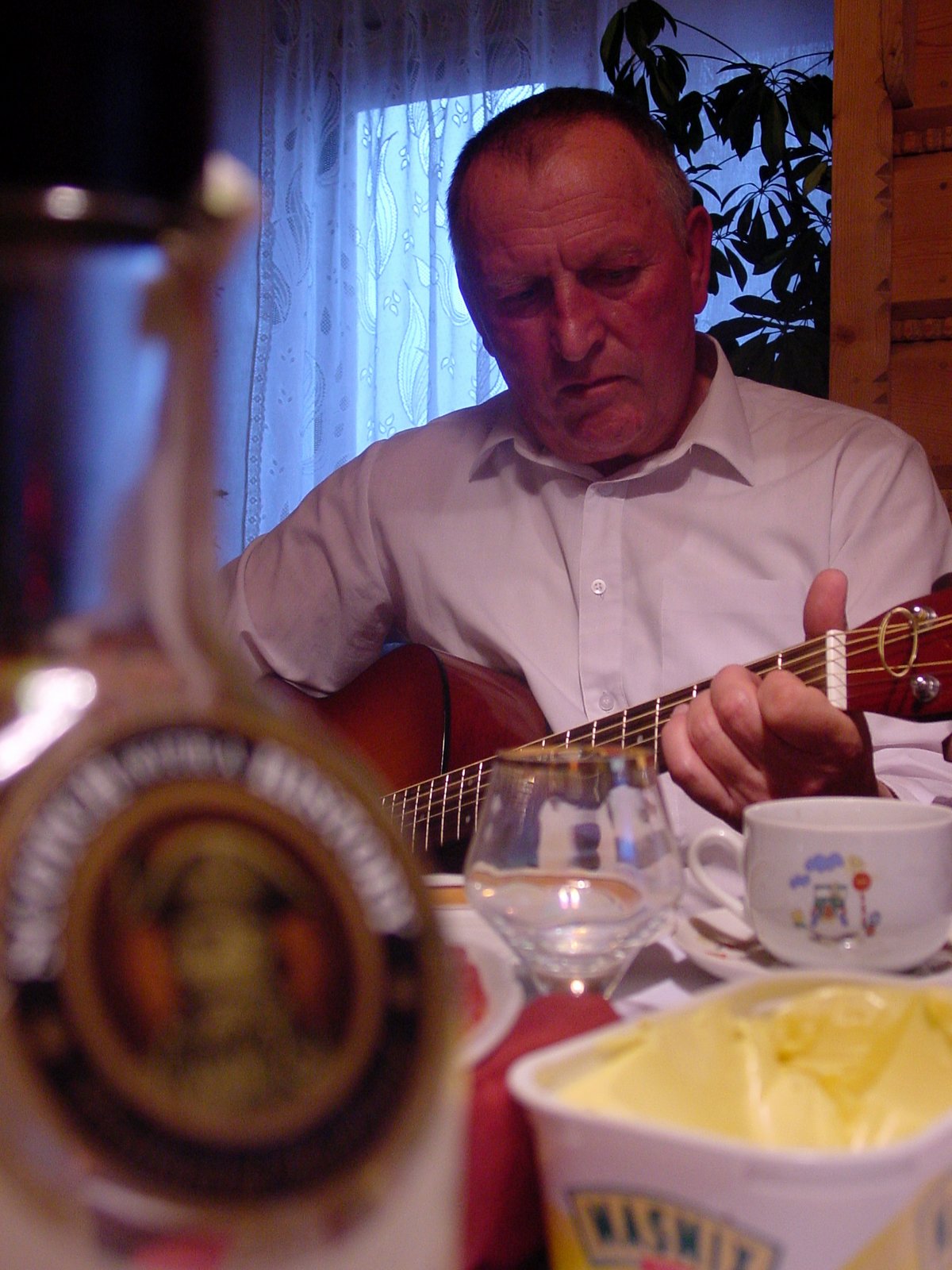
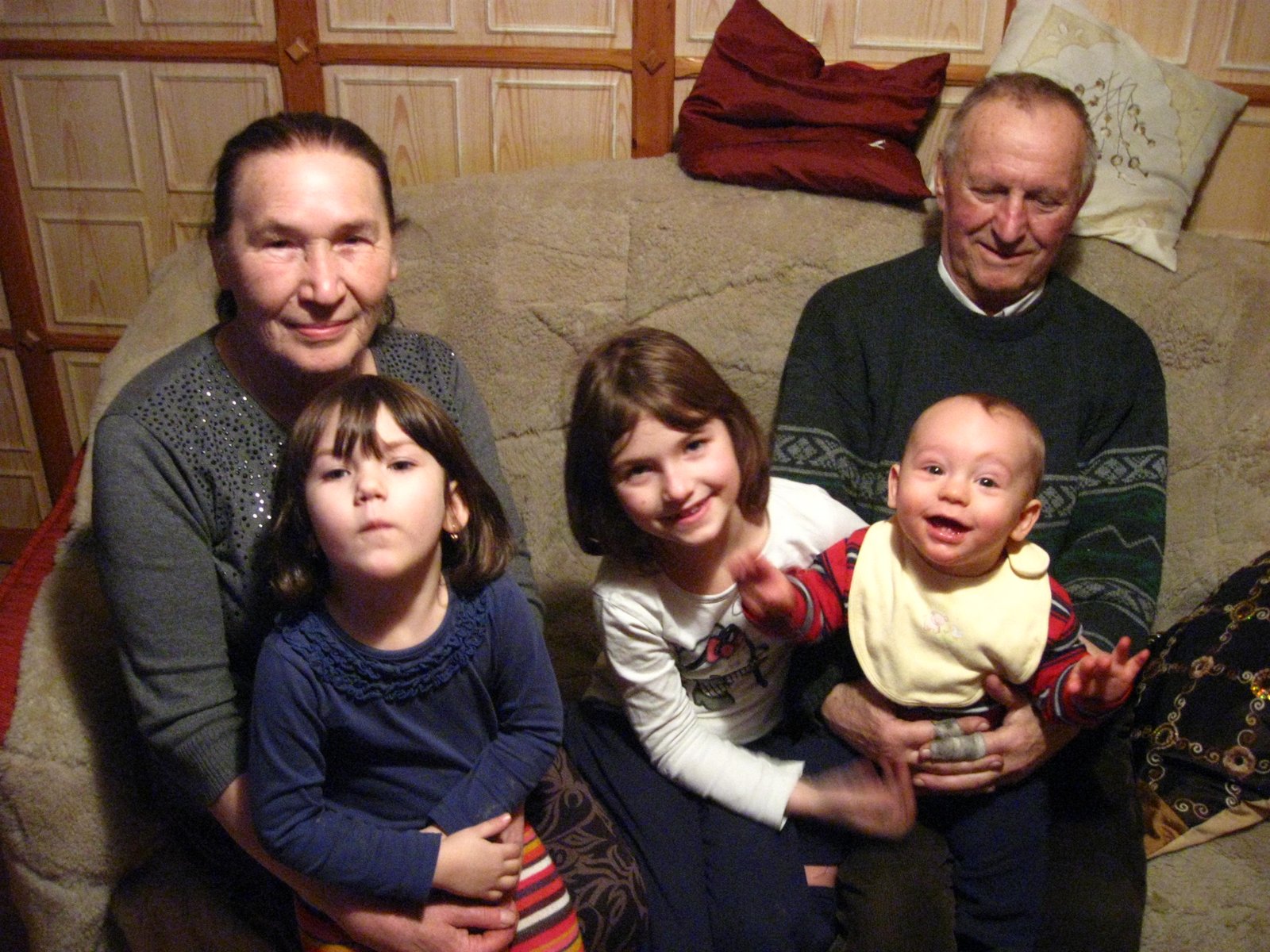
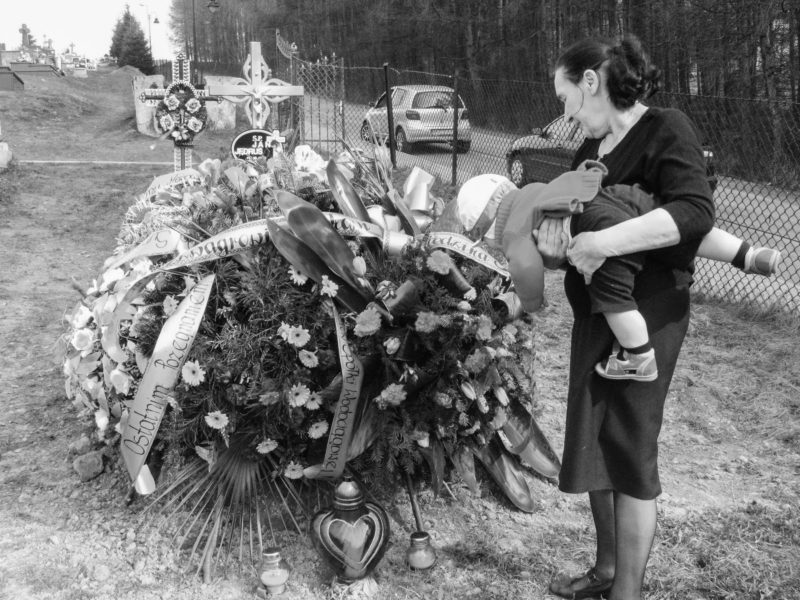
It might be trite to add "like all of us" to that previous sentence. Trite but true. We all disappear from the flow of everyday life, but so often those disappearances are so distant, people we've never met, never heard of. Indeed, the vast majority of deaths in the world go completely unknown to all of us. Almost all of us. It's the "almost" that gets us sooner or later. And so that's why it's difficult to comprehend the loss of Dziadek, to accept the loss of someone so central to our lives.

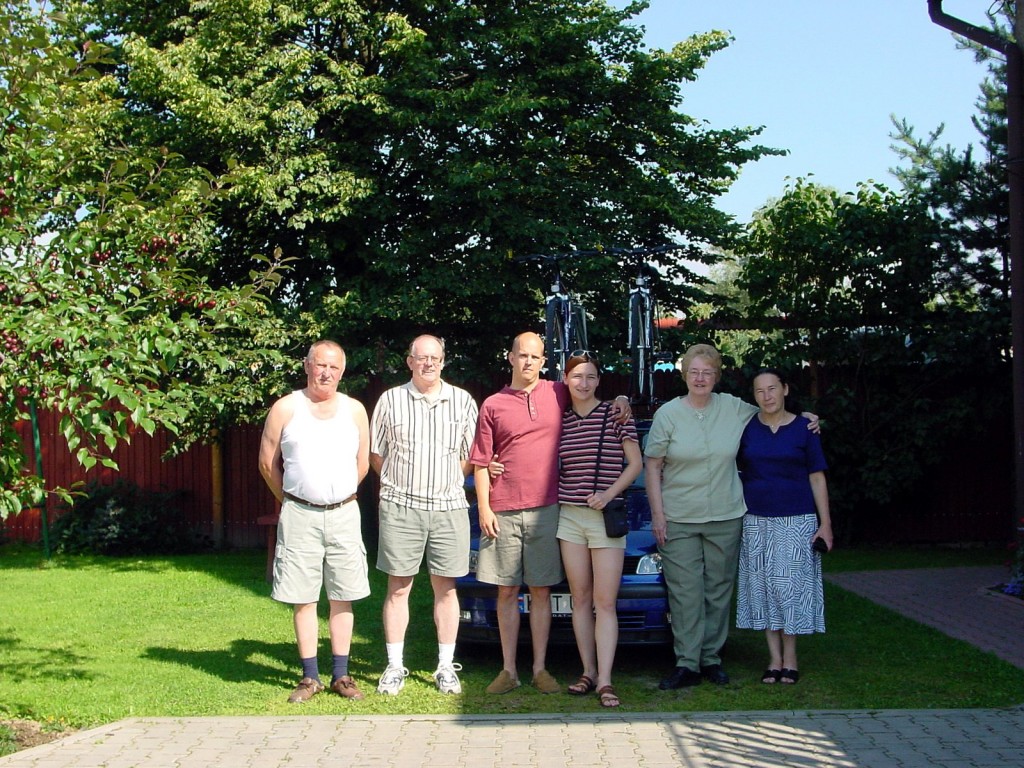
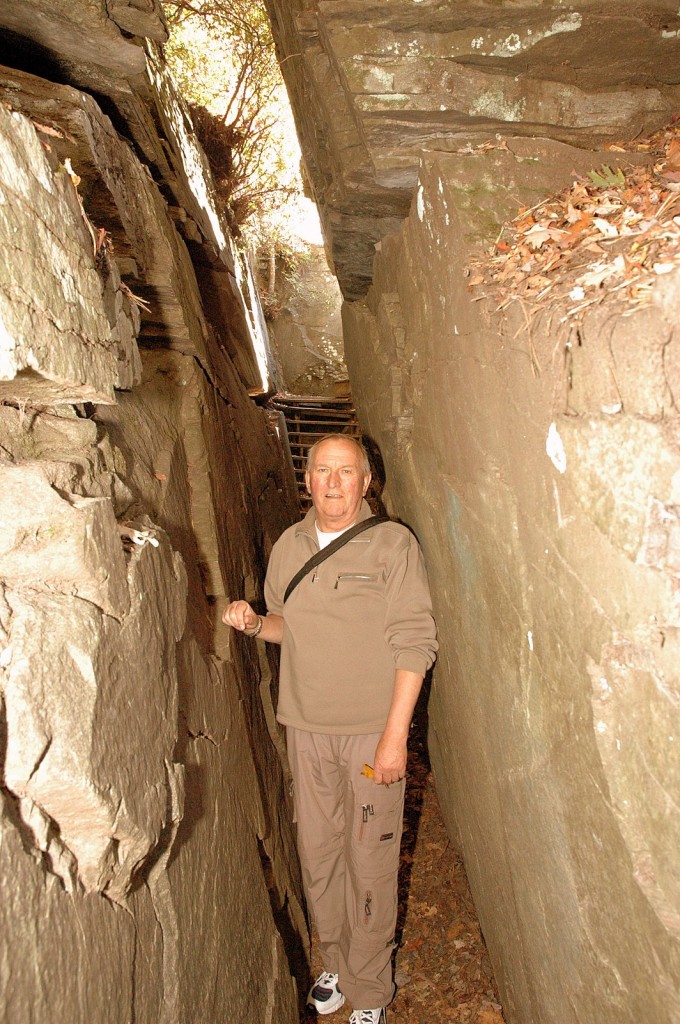
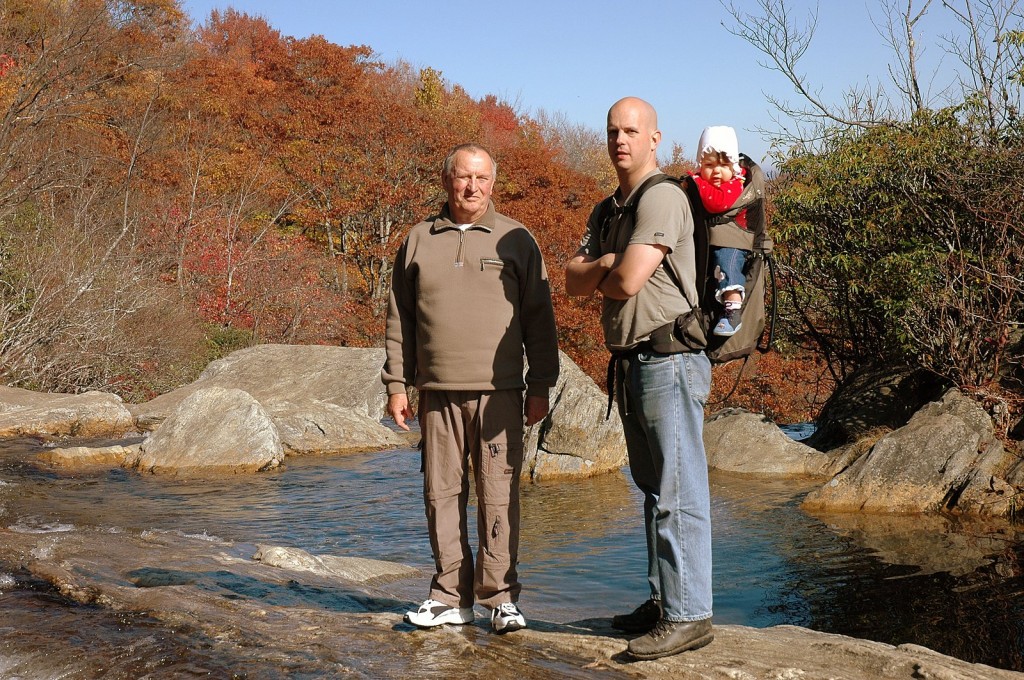
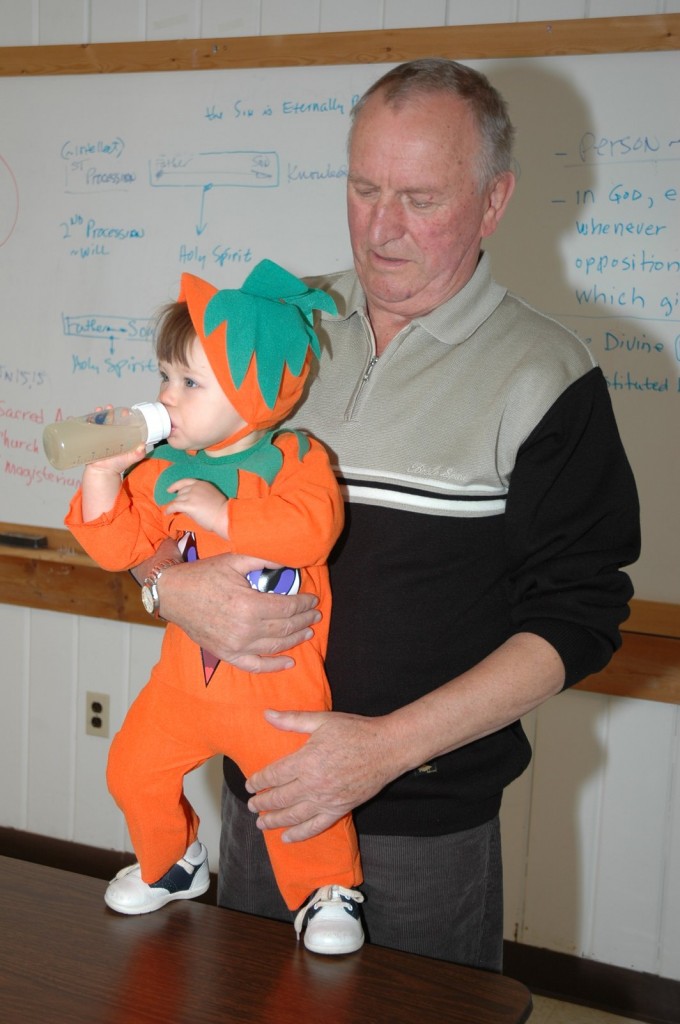
Yet there's no choice: we must accept it. Some things are easy to accept: he's no longer suffering, and that's a blessing in itself. But we're selfish; we think about "me" before we think about anything else. It's our first instinct, and the rare people who don't turn automatically, almost reflexively, to the first person pronoun we call saints. So perhaps being a little selfish about a loss is acceptable. Human.
A rough few months: someone always missing. Papa, K and the Boy -- the family always seems divided.
Now, having them all together again, it's a lovely way to welcome the coming summer.
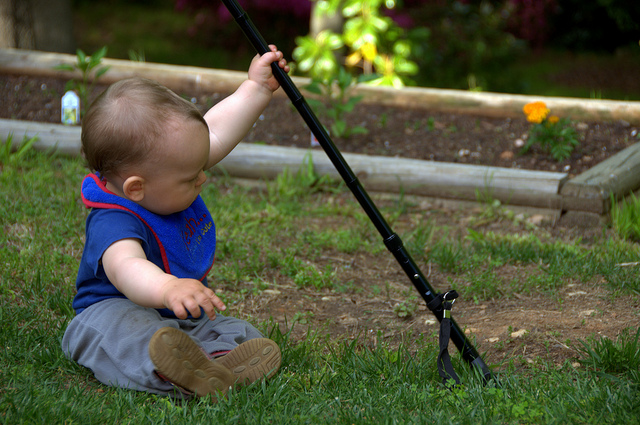
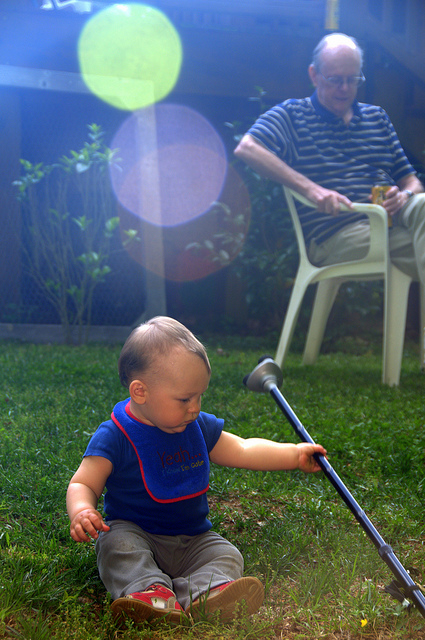

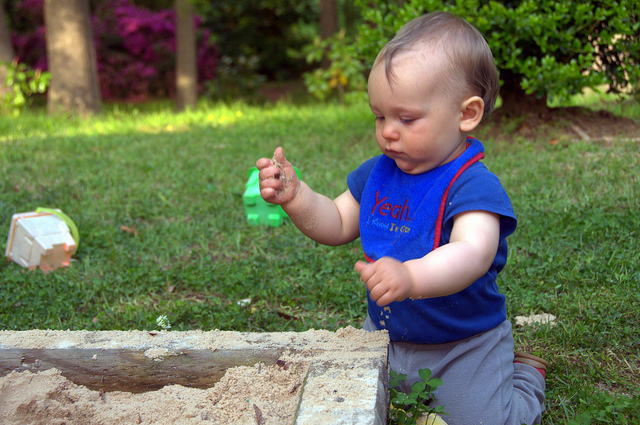
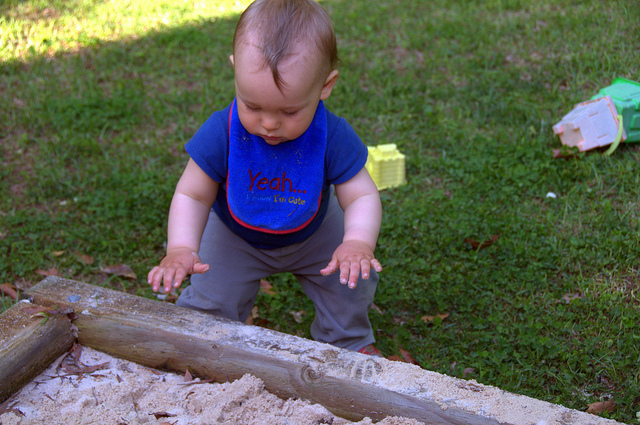
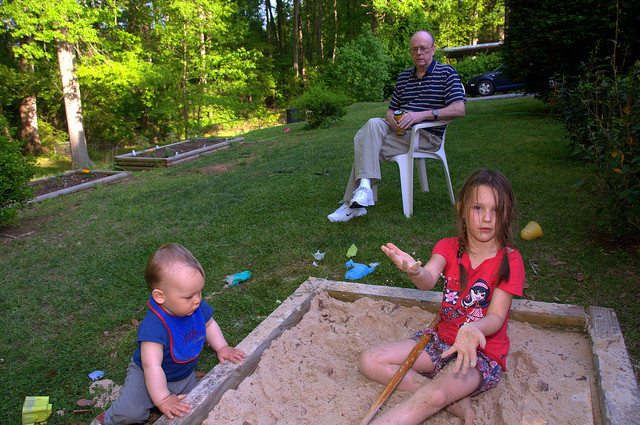
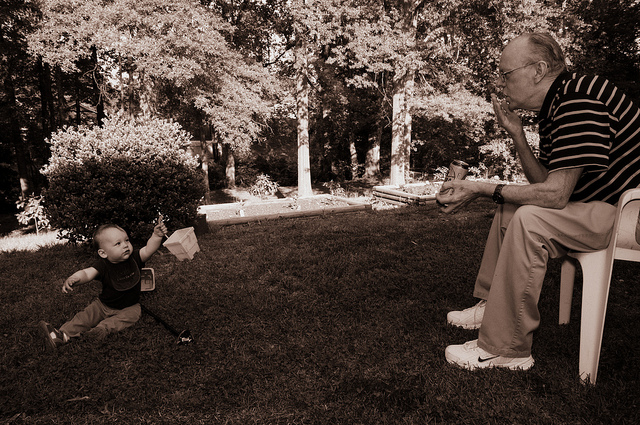

In a way, it's a whisper of what's coming for L and me: the cool evening today, the local libation, the soft sunset all are similar to summer in Poland, where L and I will be spending several weeks once school releases. We won't all be there: there will be someone missing from both sides, and that will cast a hue of hollowness at times. But only at times, for when we let it, joy can almost always overcome sadness.
"Tomorrow, we go to pick up Mama and E from the airport," the Girl virtually squealed last night as she got ready for bed. It was one of a long line of such excited proclamations: as we made breakfast; before lunch; when we finished watching a movie together; before brushing teeth; while brushing teeth; after brushing teeth. It was, in short, L's mantra.
Of course that meant a day of waiting. A day of "How long" questions. How long until we leave? How long until we get there? How long until Mama's plane lands? How long until Mama comes? How long until we get home?
How long until you realize that how long doesn't help things go any faster?
The last time K returned from Poland, by the time we walked back upstairs at the airport to double check the arrival time at the Lufthansa desk and made our way back to the international arrival hall, K was standing, waiting. Today, we arrived when the plan was scheduled to land only to discover it was to land now a half an hour later. Add to it that K's baggage was the last to make a circuit around the luggage carousel and that customs picked her for a "open your baggage and take everything out" inspection (I guess travelling with an exhausted toddler is a fairly common scheme among international smugglers), and it was past five, almost two hours after our arrival, when K and the Boy appeared at the far end of the arrival hall. Disregarding all "No Entry!" signs, L and I virtually sprinted to her. Hugs. Tears. An emotional return to the States after an emotional time in Poland.
On arriving, K disappeared and we soon heard the sound of water running. She came out of the bathroom with wet hair and in pajamas, smiling at me exhaustedly and explaining sweetly that the children were all my responsibility.

A quick bath, a quick bit of fruit and cereal for the Boy, and before we know it, everyone is asleep.
If only.
The Boy, not used to falling asleep with me, was soon fussing, then crying, then outright panicking. It was not the right shoulder, not the right voice, not the right pulse, not the right surroundings. It will take some time for us all to get back to the right everything.
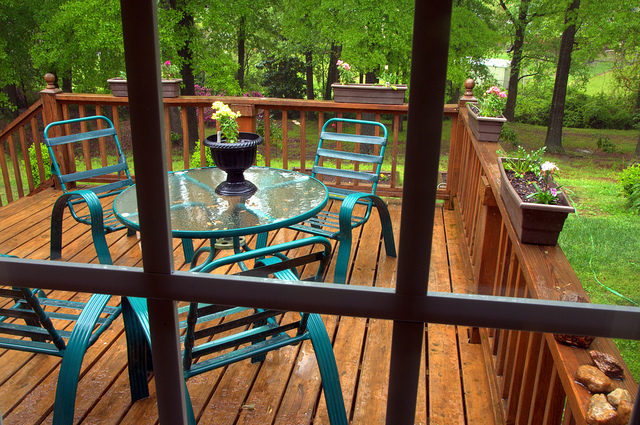
All day. All day. All day. All day.
“I wish today was Monday!” It’s rare for a six-year-old to say something like that on a Saturday afternoon, I would assume, but this Monday is not just an ordinary, begin-the-week blues Monday. Sure, we have the day off of school — a snow-make-up day that the county works into the schedule in case we have that rarest of rare snow days, which we didn’t this year. No, it’s not that we have the day off. Indeed, L is so fascinated with early dismissal that she was complaining Friday that we have Monday off. “I wish we had school Monday so I could get early dismissal!”
What would get a little girl more excited about a Monday, school or no school, than anything else? Mama returns, with little E, after three very difficult weeks in Poland.
K is coming back, so that can only mean one thing for a family with a Polish mother. Even without this post’s title, one could probably guess what we did today. L was in charge of her room while I did the rest of the house. Piles of art materials on her work table disappeared. Books returned too shelves. Some old art work got tossed out. In short, a miracle occurred in the corner bedroom.
“Daddy! Daddy!” come the cries of excitement from the front of the house. “Daddy, you have to see this!”
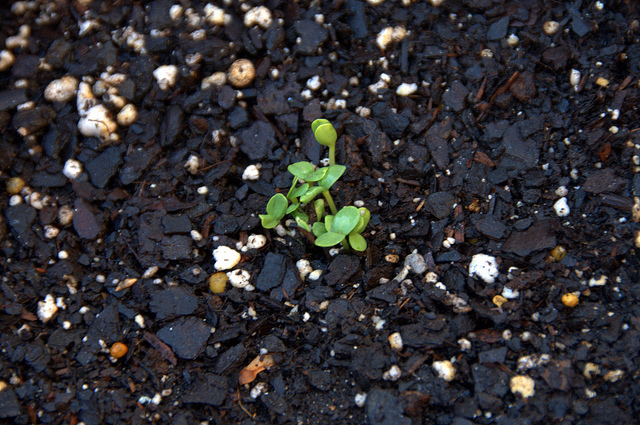
The zinnias are sprouting. “Unless they’re weeds,” she says stoically as we head back to the front yard.
“It’s entirely possible,” I mumble to myself. But they’re coming up just in the center of the pot, almost certainly zinnias. How would I know? I couldn’t recognize them in full bloom let alone when they’re just sprouting.
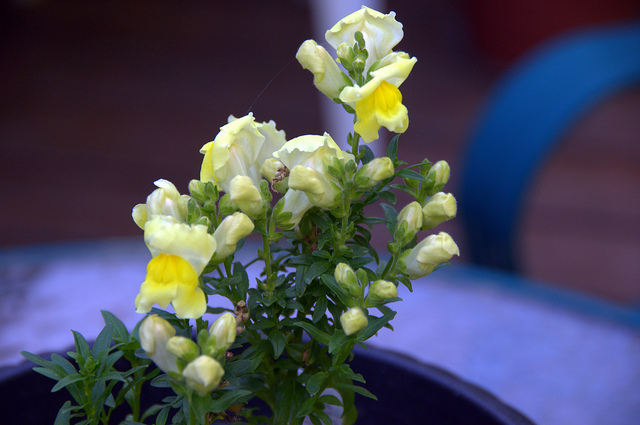
More squeals from the backyard moments later: “You have to see this!” The snap dragons’ blooms are opening.
“Are they everything you expected?” I ask as I head up the stairs to inspect them.
“Well, no,” she says with her sly grin. “I was hoping they would snap!”