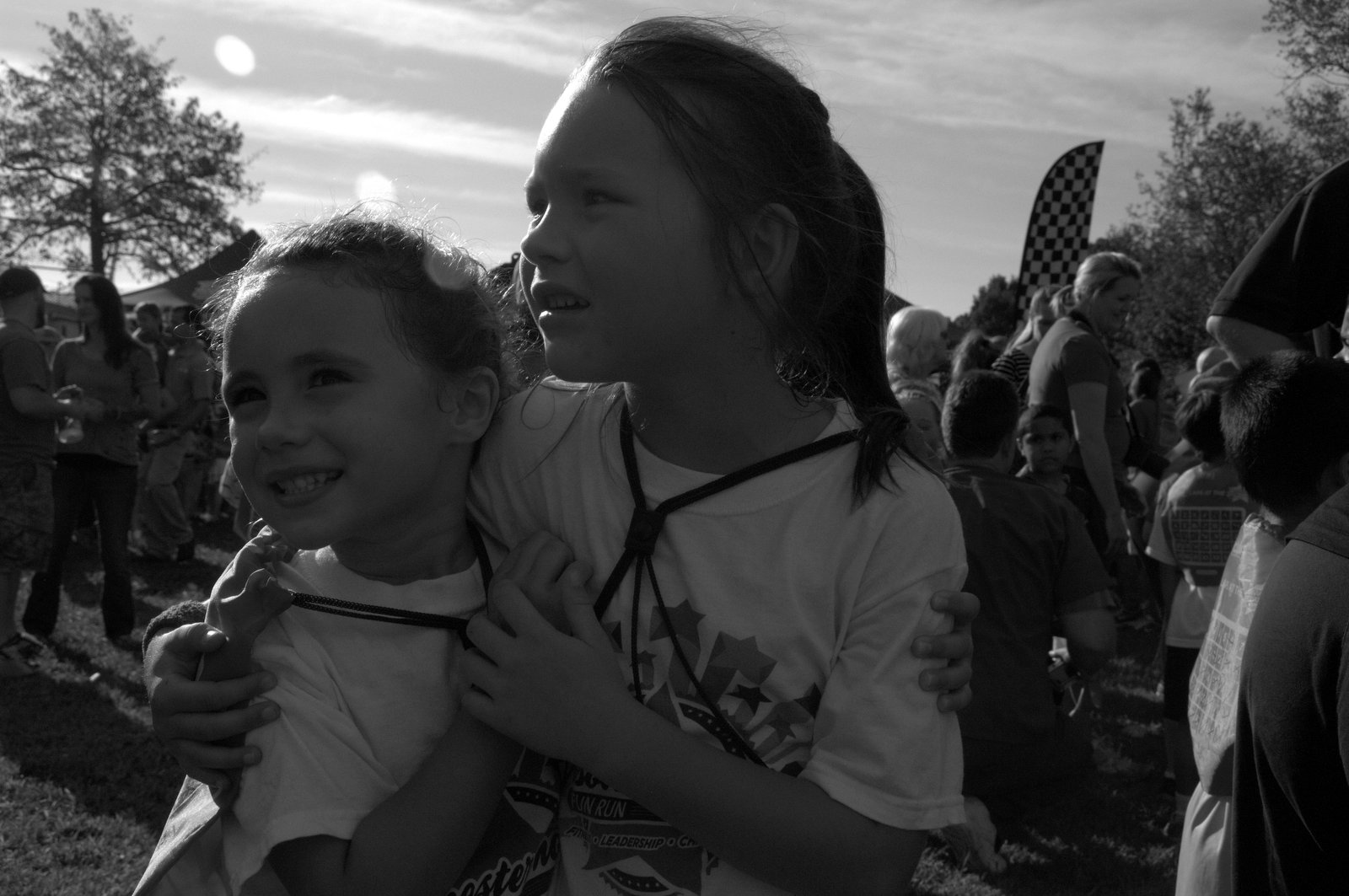
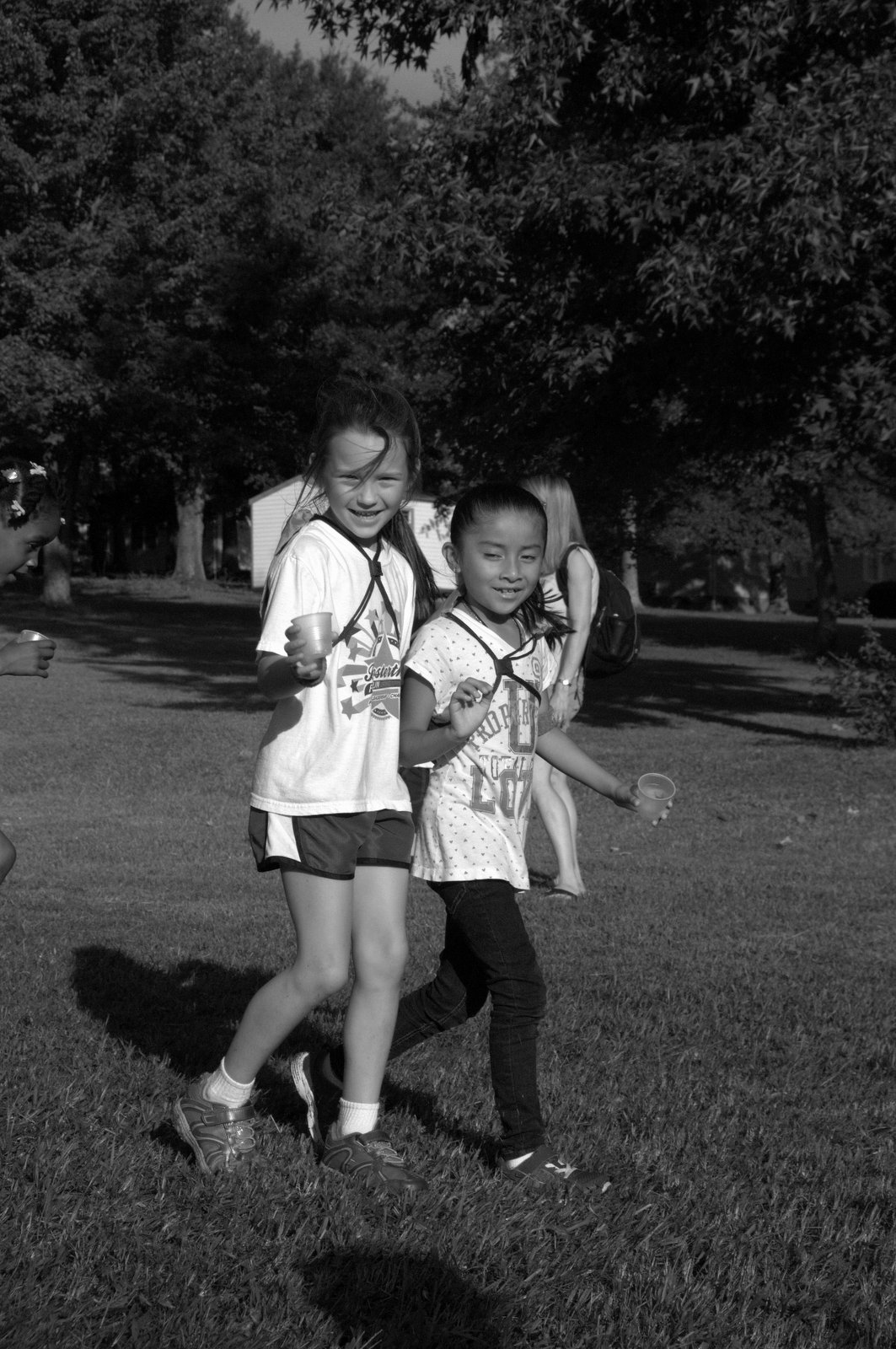
matching tracksuits

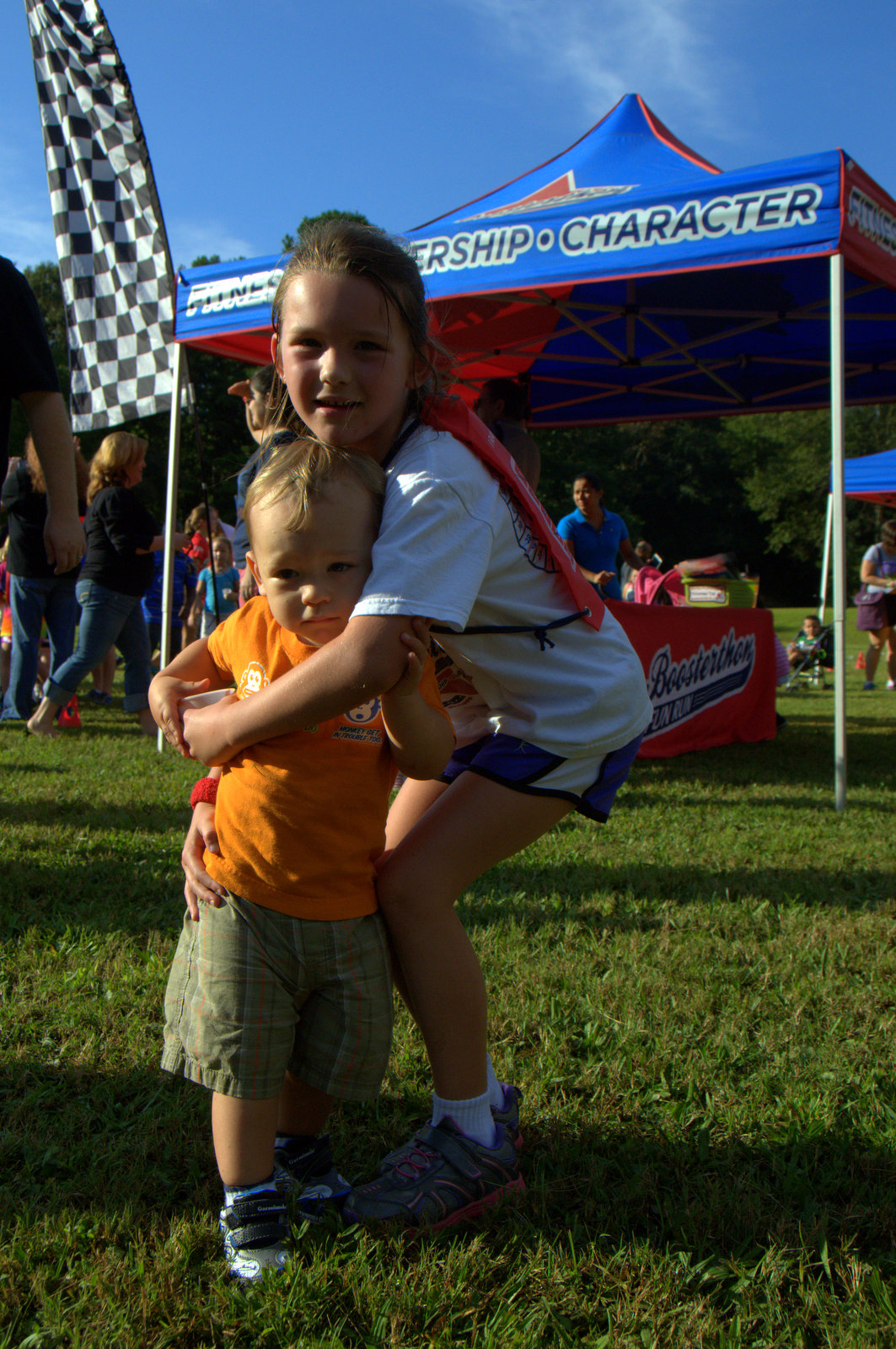
fun in threes, sometimes fours

September Day

It occurred to me that I never posted Saturday’s pictures.
VIV_8786

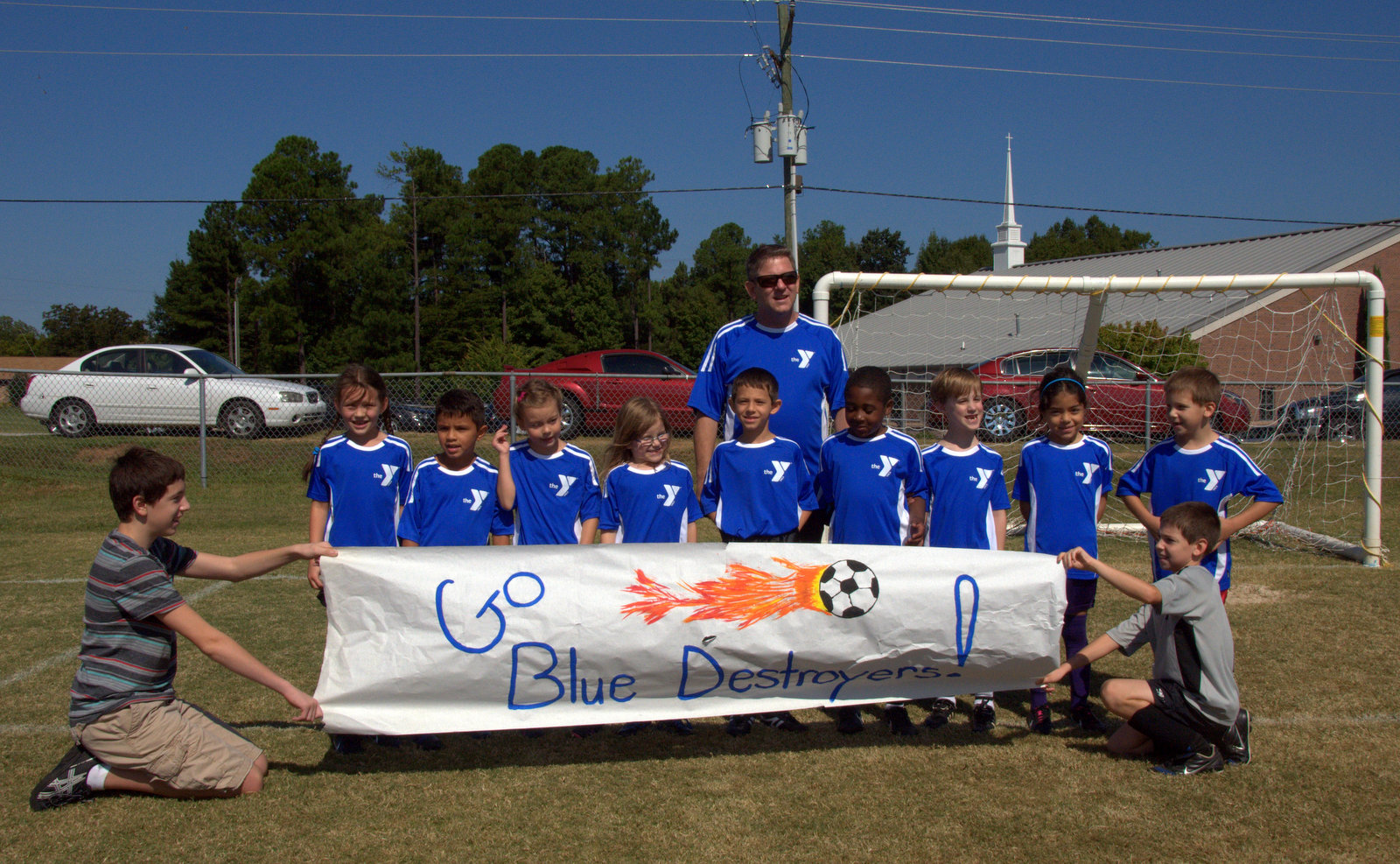
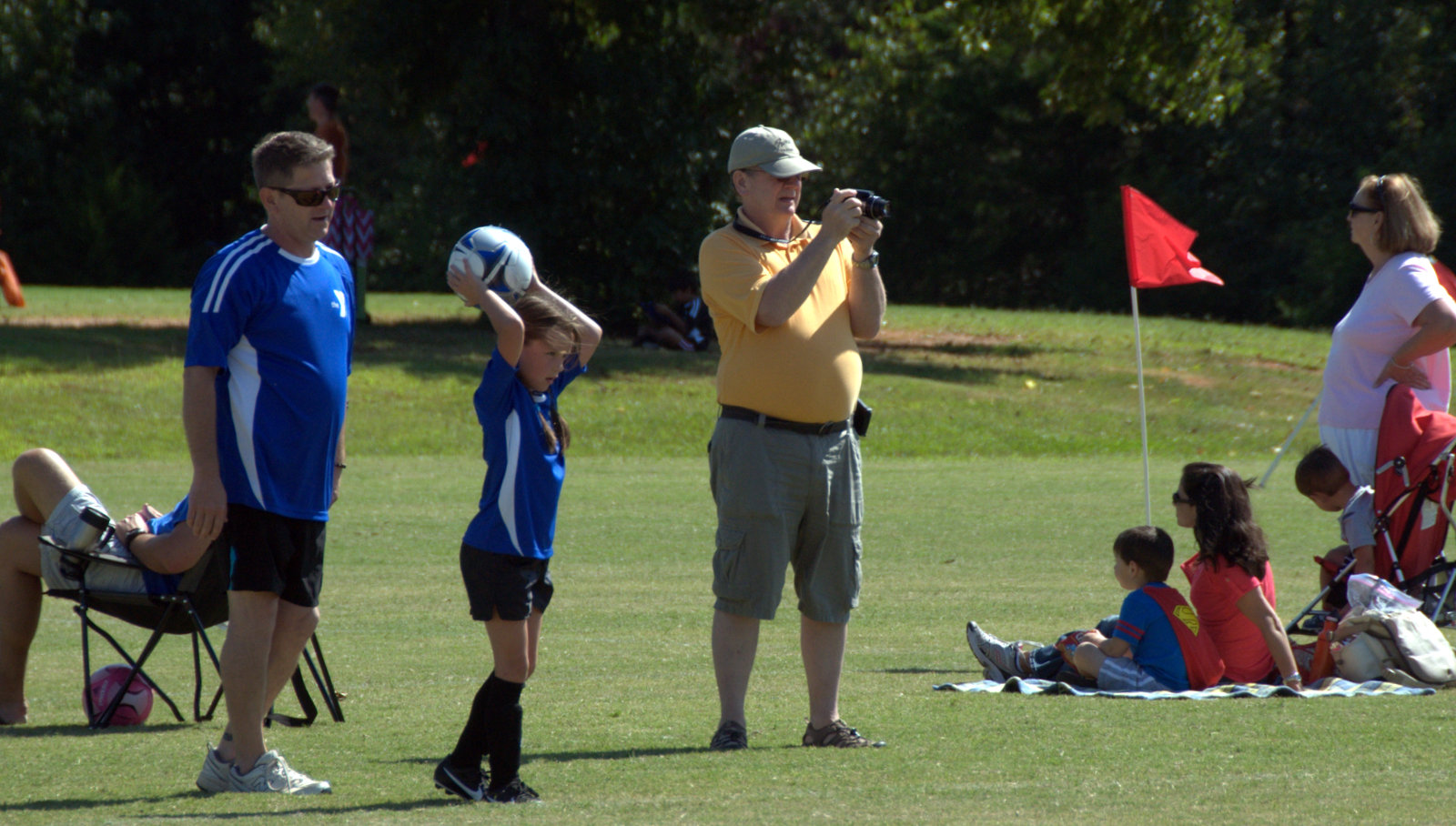
There’s a story behind them — we can all see that. But I can only piece together bits of the morning side of things because I stayed at home with the Boy while K went with L for Saturday morning soccer.
VIV_8801

Another tough loss, I hear when they come home. Not like last year’s start, which included four goals in the first two games.

VIV_8809

No, this year they’re on the other end of it, getting whipped. And that’s good. In fact, I think as an educational experience, getting your tail kicked is more instructive than winning. Many more lessons to learn: humility, sportsmanship, graciousness.

VIV_8810

Hang on — those are the exact same things you can learn from winning. Perhaps it’s just the sting that matters: we all have to get used to it sooner or later. I’d rather it be sooner for my children.

VIV_8813

The Smile

I saw her walking down the hall and as I always do, I shot her a smile.

She seems to need it: there’s always apathy just at the edges of her eyes, sadness just at the corners of her mouth. When she smiles, her dark cheeks set off the whites of her wide eyes and glistening teeth. She is transformed.

“You need to smile more often,” I tell her.  It’s not just honey and vinegar and all that. The ability to create a positive affect is a basic skill that everyone needs to master, and when one is as gifted with physical beauty as she is, something as simple as a pleasant smile puts everyone in the room at ease. She has that advantage, and she rarely uses it. In fact, most of her peers and teachers, I believe, think she’s ambivalent to the world, lazy at best, perpetually angry at worst.

Every time I smile at her, she smiles at me. That’s progress.

So I shot her the smile, and she smiled back.

“Who else do you smile at?” I asked.

“No one,” she replied, the smile disappearing.

Heartbreaking and heartening at the same time.

Loch Lomond

Apples 2013

We must crave rituals, for we invent them endlessly. We sleep on the same side of the bed nightly. When we participate in a class, we often end up sitting in the same seats throughout the course that we chose the first day. We go through periods of eating the same thing for breakfast.

VIV_8843

It's easy to understand why: ritual makes life comfortable because it provides signposts for our lives. It adds predictability and stability, and early humans certainly lacked both of those, I would say.

VIV_8857

Some rituals are natural: it doesn't take much thought to understand, for example, where birthday celebrations come from. Birthdays come around every year, whether we want them to or not, whether we're aware of them or not.

DSC_8867

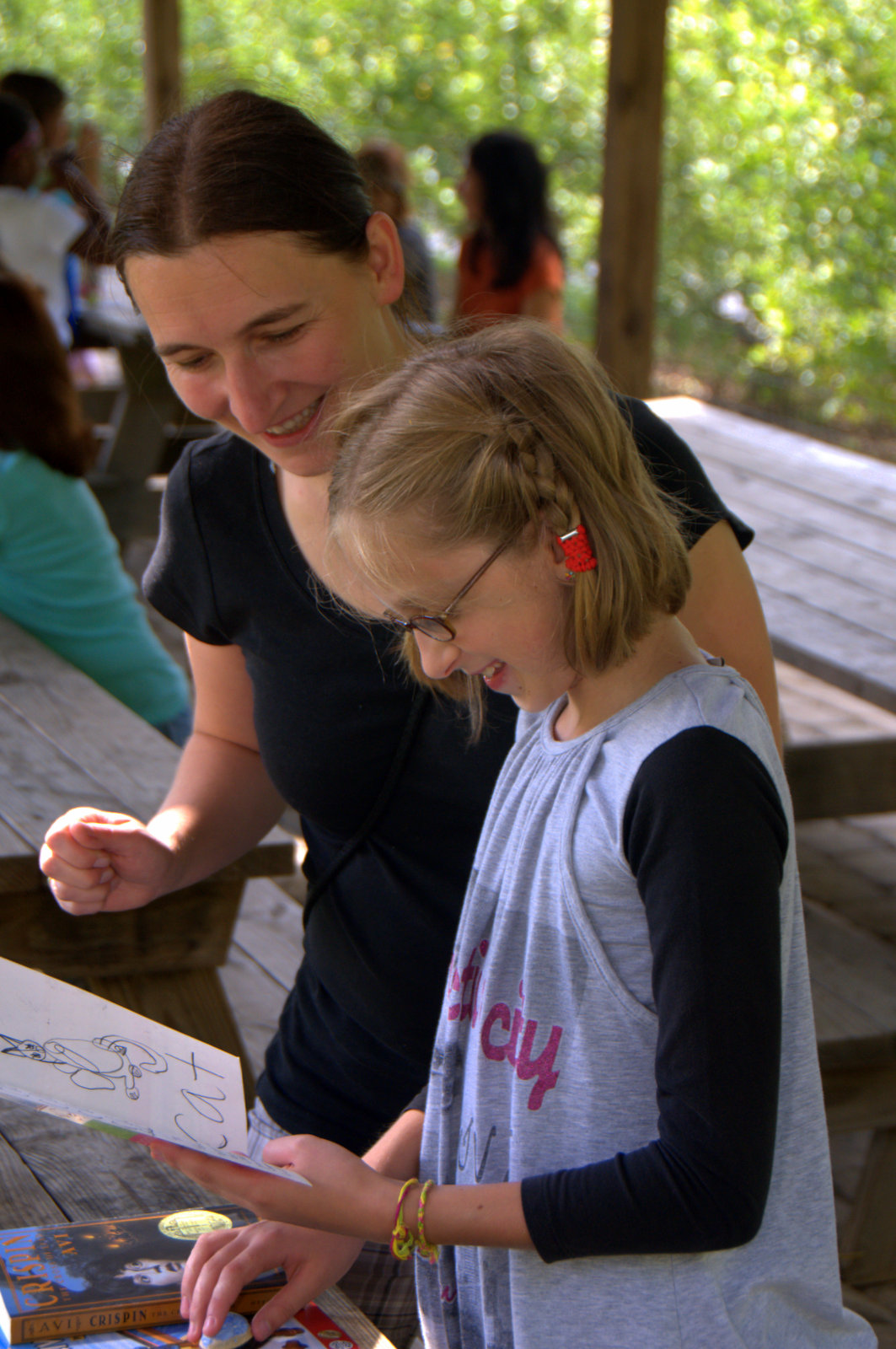
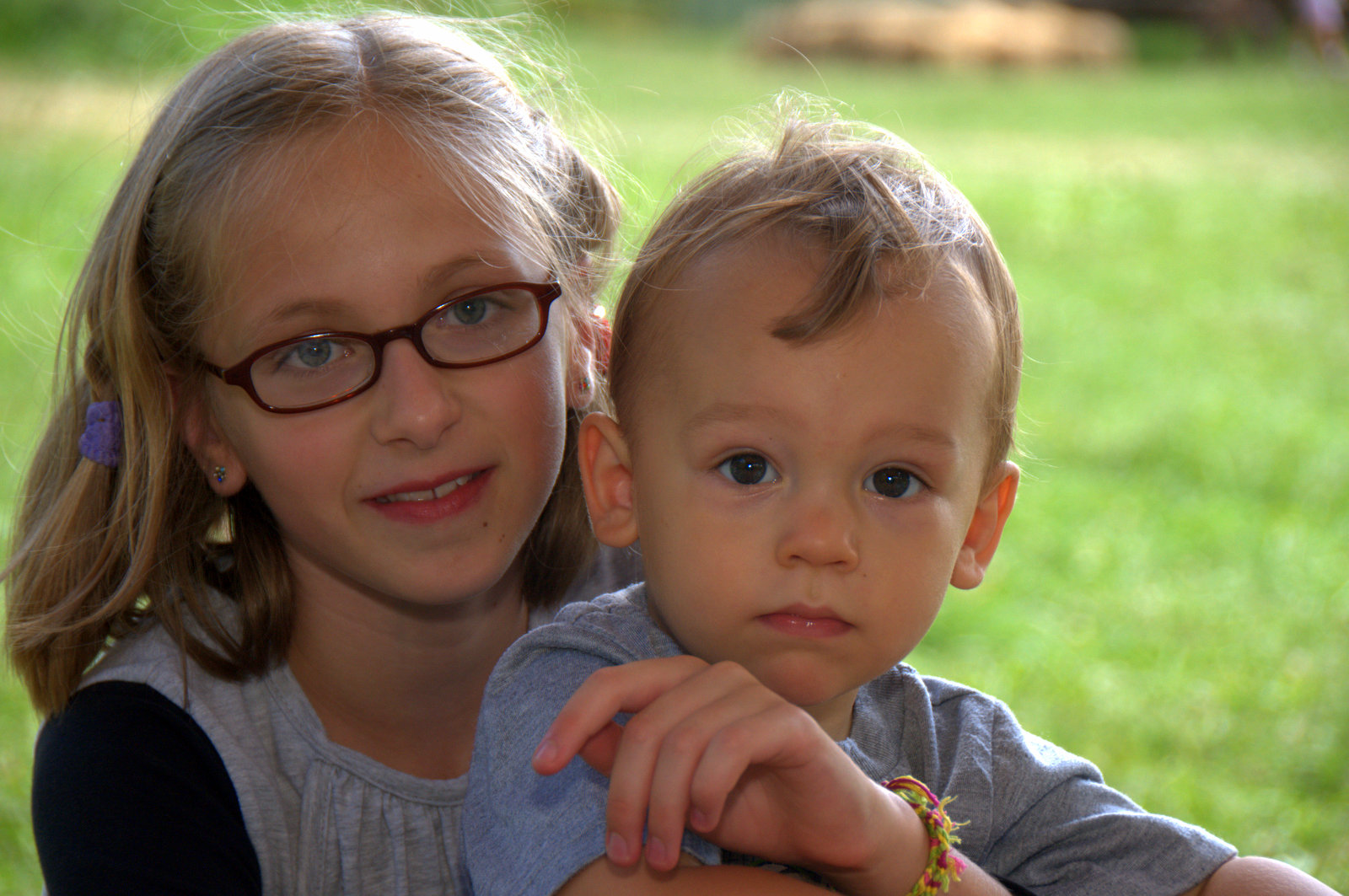
Other rituals, like cuddling up with a family friend who is in many ways more like simply family, come from the comfort they bring. Sweet conversations about school, the difficulty of speaking Polish, listening to your mother -- these are things we repeat simply because they make soul glow just a bit brighter.

DSC_8874

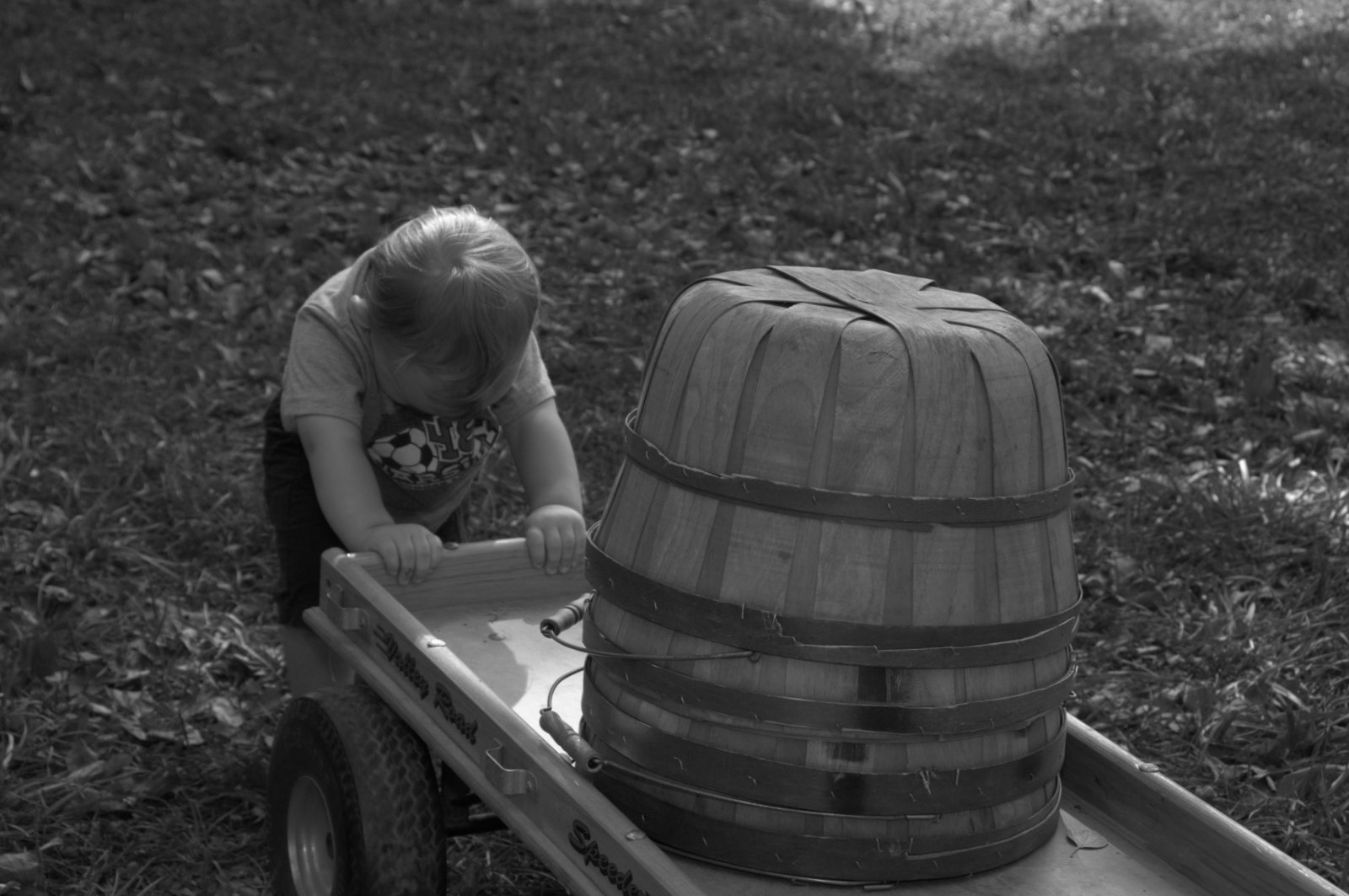
Some rituals are flexible, born out of obsession, such as an obsession with pushing, pulling, tugging, conjoling, and wrestling anything and everything that's bigger than you are.

DSC_8893

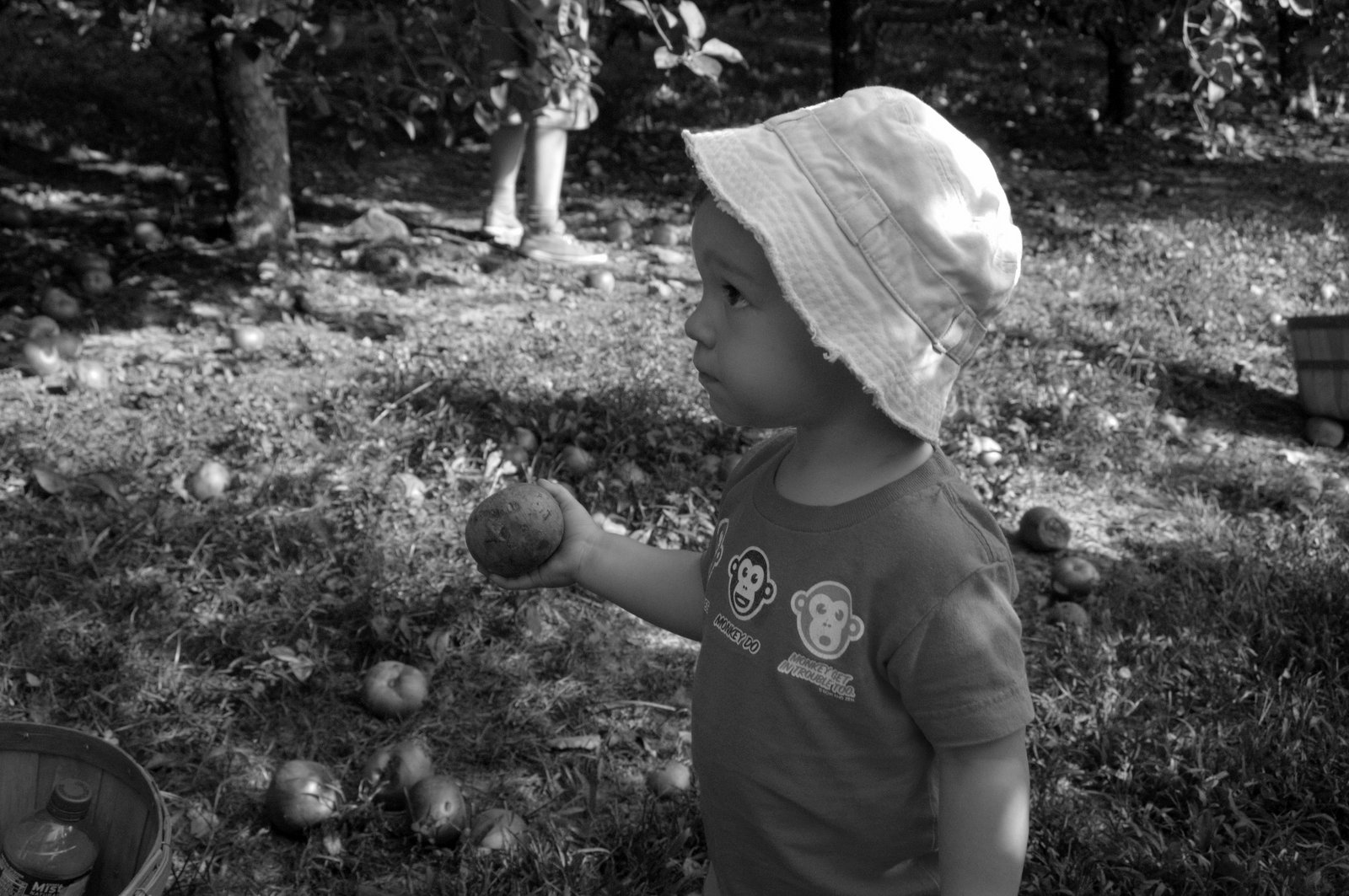
Still other rituals receive their form from the calendar: seasonal rituals are beyond the control of even the most OCD toddler or desparate-for-an-outing parents. Apples cannot be hurried, and we cannot make an autumnal ritual repeat in December just because.

DSC_8899

We pick up most of these rituals by watching others do them. All the parishioners at our church genuflect and make the sign of the cross before entering the row of pews. It's not something I'd ever seen in Poland, and K has never really done it. As such, I've never really done it. L took it upon herself to do so this morning at Mass. Perhaps she's creating her own personal ritual by watching others' traditions.

DSC_8905

The Boy is keen on such watch-and-learn rituals. He knocks on closed doors when he sees them, and every time he passes something that's off limits, he reminds himself and others with a shake of the finger and the Polish equivalent of "no-no."

DSC_8933

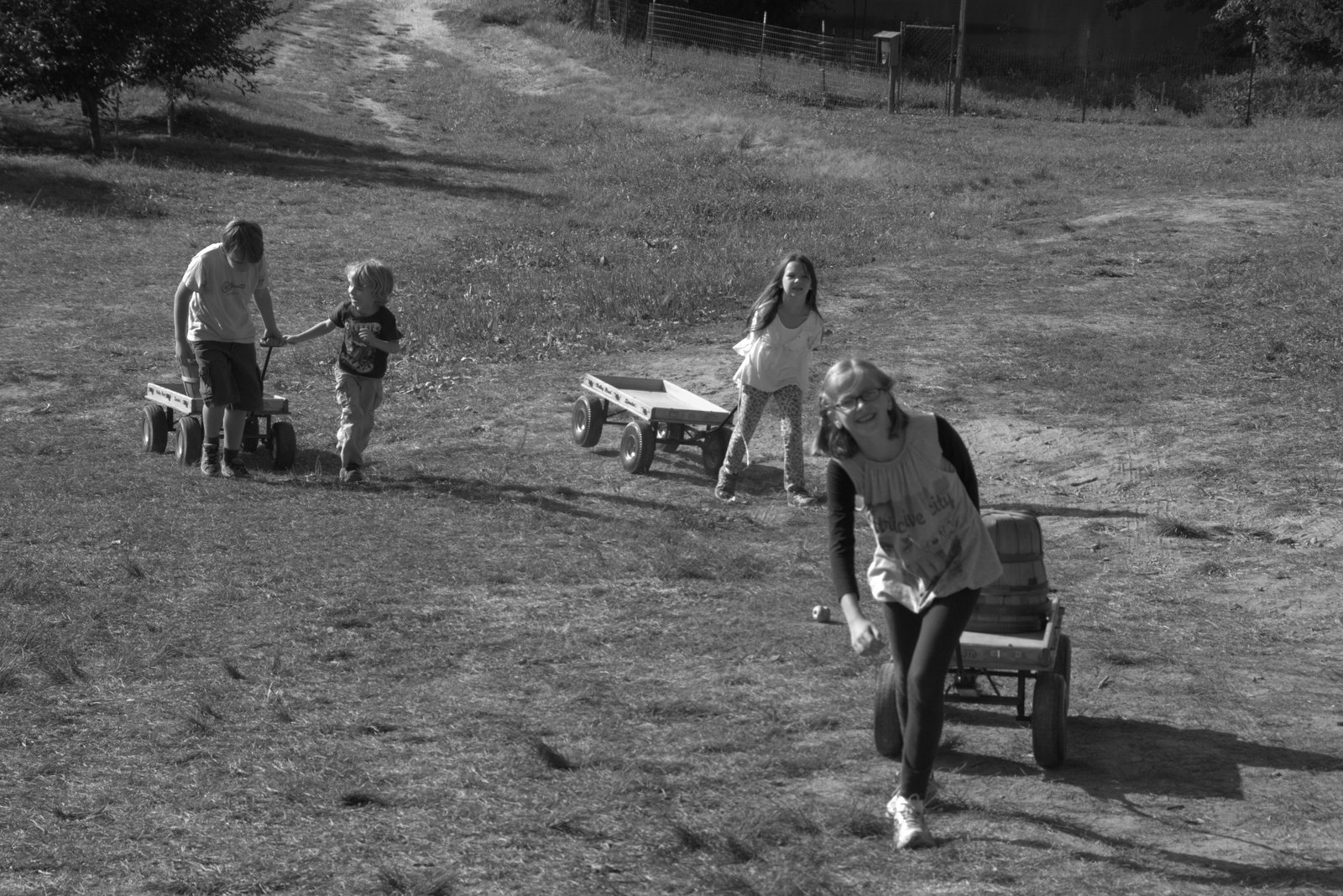
And rituals often themselves contain sub-rituals. A visit to the orchard, which often includes the usual suspects, always concludes with a group portrait -- or a semi-group portrait, because someone has to take the picture.

Just like someone has to push the cart.

DSC_8980

It's ritual. It's habit. It's life.

Early Afternoon

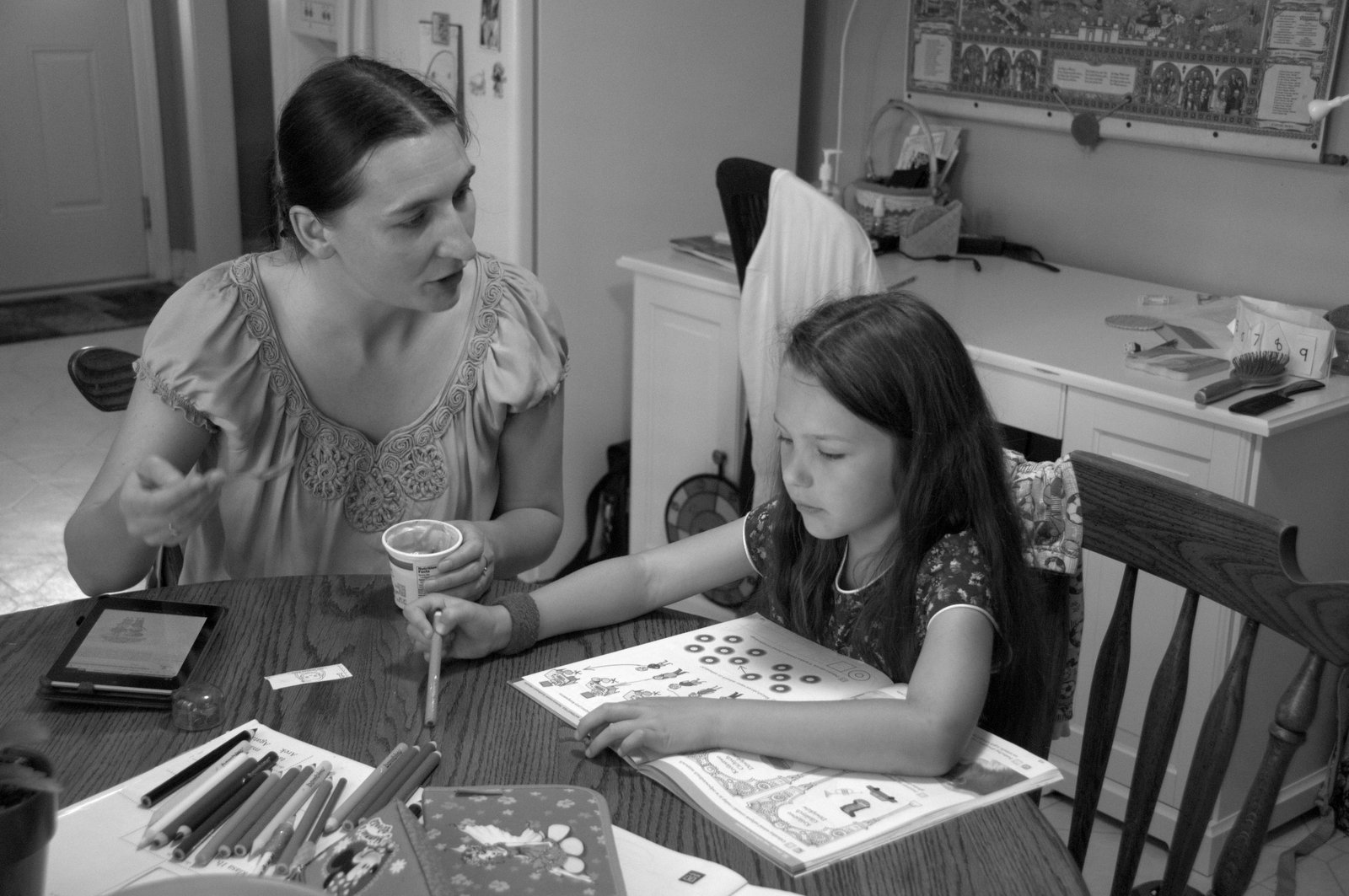
Polish lessons.

VIV_8830

Lunch.

VIV_8831

Nice start to Sunday.

P-english

Mama, masz cos twardy żeby bear down on?

Candy Crisis

I have no good candy. Thank goodness Halloween is coming up.

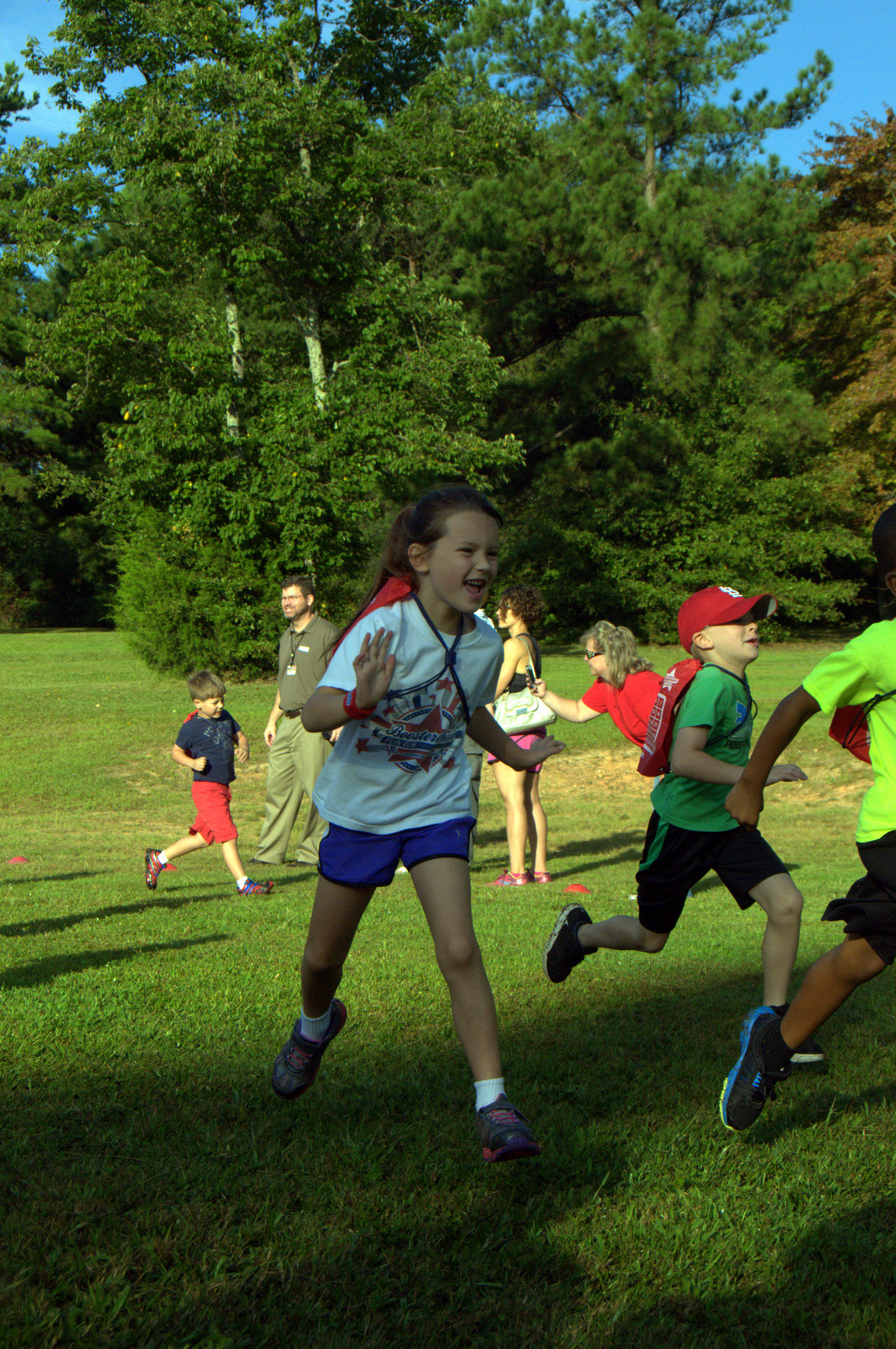
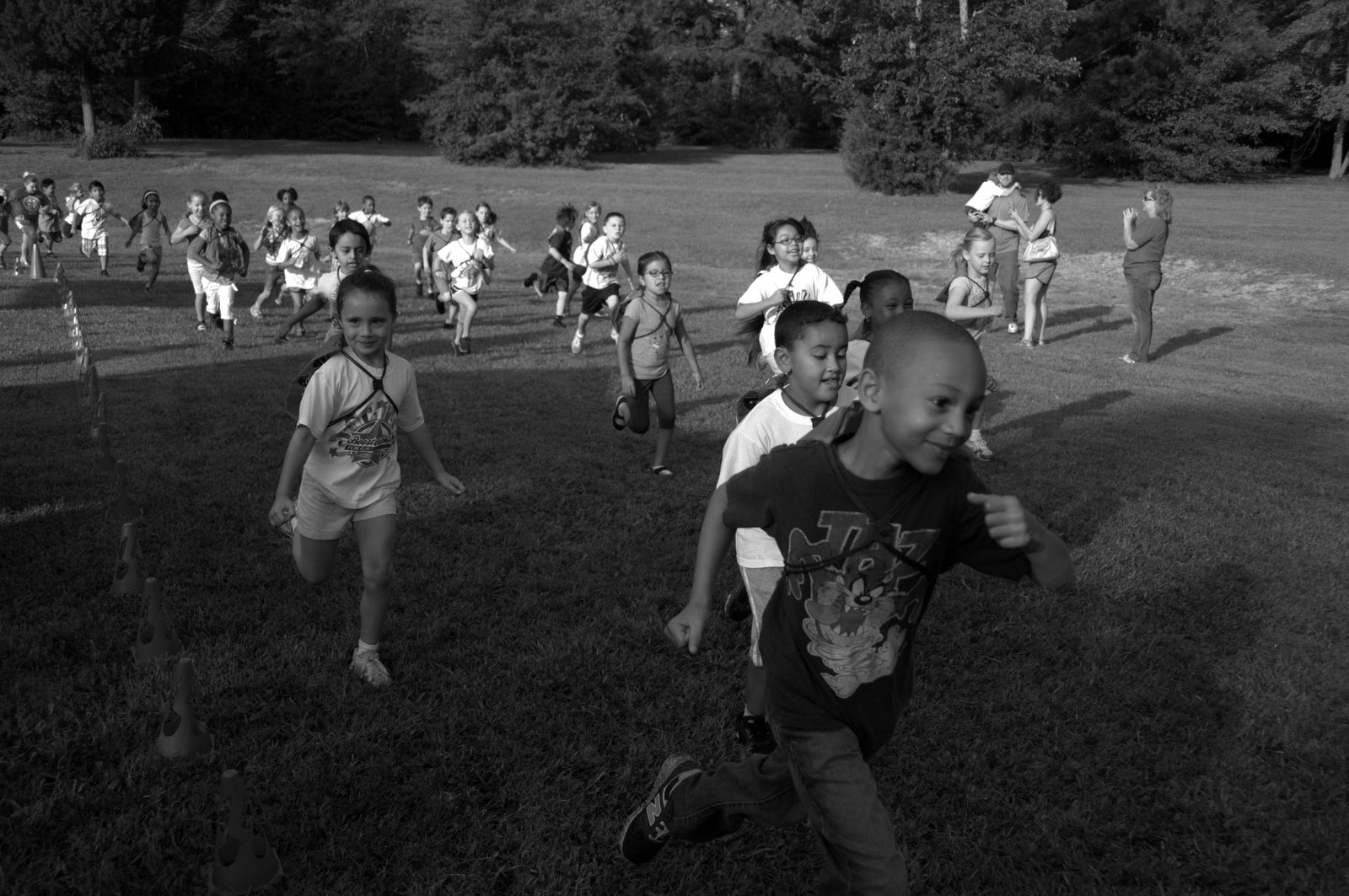
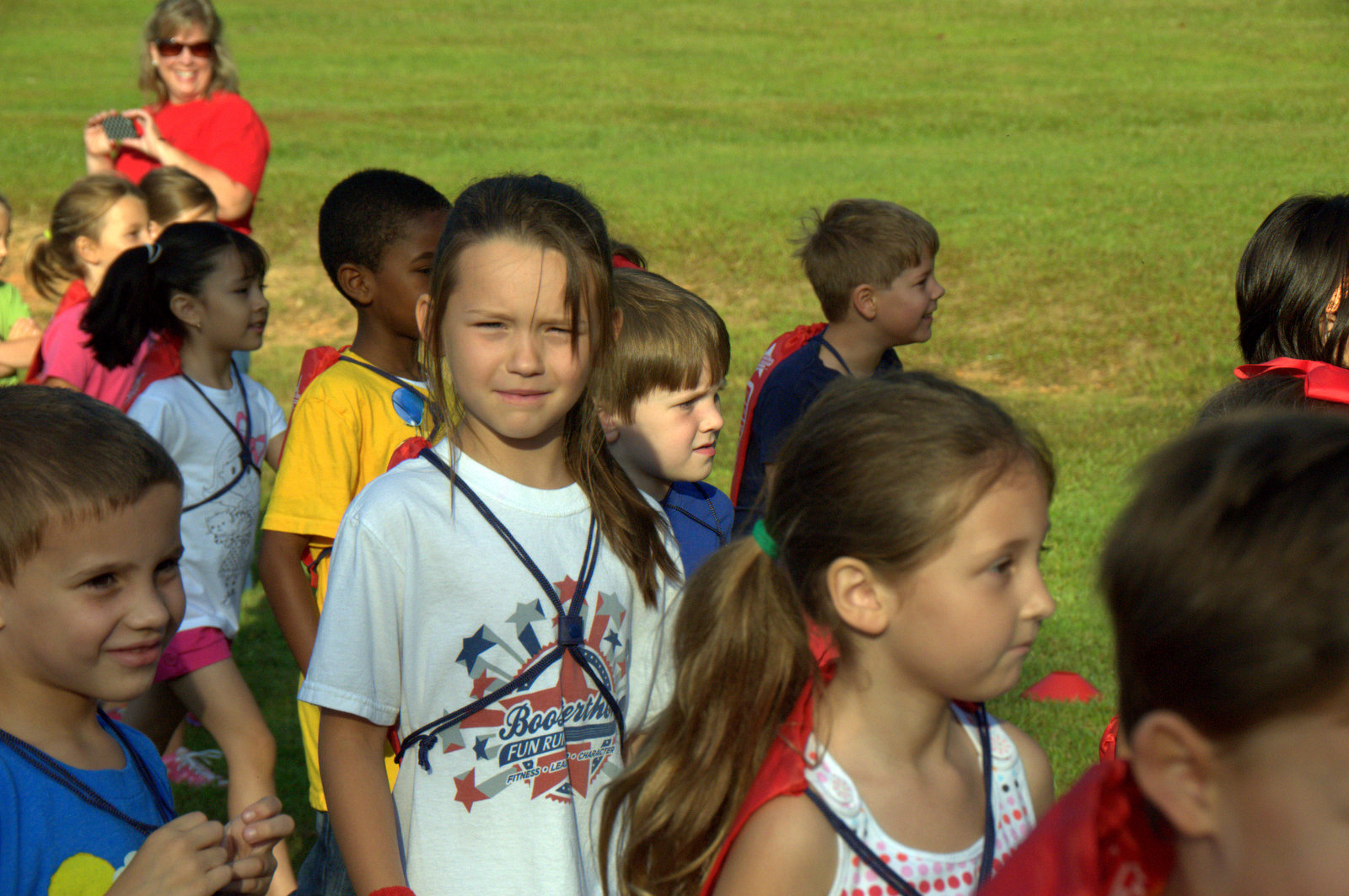
Boosterthon 2013

Literary Argument

I’m working with my students on how to construct an argument in general and a literary argument in particular. We’re working with single paragraphs now, slowly building to whole papers. Here’s one effort:

The character Montresor from “The Cask of Amontillado” is an untrustworthy narrator. He tries to improve his image to the reader by telling how he’d endured the “thousand injuries of Fortunato”. This is meant to give the reader the idea that Montresor has good reason for wanting to murder Fortunato. However, Montresor does not describe the injuries Fortunato apparently gave him; in fact, because the story is in first person, we don’t know if Fortunato ever even hurt him. Not only that, he lies in the actual context of the story as well; for instance, when he tells Fortunato that he “receive[s] a pipe of what passes for amontillado”. Even if he did get the amontillado, Fortunato wasn’t fortunate enough to see it. He probably lied about being a mason, too. You can see from these quotes and facts that you cannot trust Montresor.

I love teaching writing because we all see the improvement in short order.

Fr. Barron on Time

Fr. Barron hits it out of the park again.

Music Ed.

Currently reading When Giants Walked the Earth: A Biography of Led Zeppelin. It's obviously influencing my listening habits as well: haven't listened to this much Zeppelin in at least twenty years. I mentioned it to a class in a "what are you reading" conversation to fill the last few minutes of class. I was shocked at the number who'd never heard of them. Needless to say, I remedied that the next day during their bell ringer with "Dazed and Confused." The next day, a petite, preppy blond asked, "Mr. Scott, can we listen to that song again?" Small victories...

Inference

Observation and inference — two totally different skills, so linked in some ways, so very different in most ways. To observe means to use one’s senses and only one’s senses. In observing, it’s what we see, what we smell, what we hear, what we taste, what we feel — and nothing else. To infer means to take those sensory stimuli and combine them then somehow go beyond them, drawing a logical conclusion based on evidence.

I don’t really recall any lessons in school about how to infer, about how to discern inferring from observing. Perhaps we had some lessons on those skills and differentiating between them, but I don’t really recall. (As if that’s any kind of proof…) Still, I teach my eighth grade students every year how the difference between inferring and observing, and one of the continuing ways I do it is to show a photograph with some statements below it, some inferences, some observations.

It might look something like this:

infer

Are the following a) observations or b) inferences?

  1. He slipped.
  2. The floor is wet.
  3. There are papers on the floor.
  4. He is a lawyer.
  5. He was in a hurry.
  6. He is on the floor.

Students often insist that the first statement is clearly an observation. With a little prodding they realize, though, that they didn’t actually see the gentleman slip, so it’s only an inference.

“Why do you think that?” I ask.

“Because he’s on the floor, with his papers spread about in front of him, and the floor’s wet.”

“But how do you know the floor is wet?” I push further.

“Because there’s a sign about the floor being wet,” the students press incredulously.

I sketch a “Wet Floor” sign on a piece of paper and put it on the floor.

“Is this floor wet?”

“No!” comes the chorus.

“But how do you know? I mean, there’s a sign here and everything,” I continue. “Prove to me it’s not wet.” Finally one student gets up and touches the floor.

“See?” she says, showing me her dry hand, “It’s dry.”

Inferences that look like observations — how often do we confuse the two? How many disagreements do we have simply because one party thinks she’s observing and instead is inferring? I suspect most, if not all, political disagreement arises from this. One side feels it is only observing the simple facts while insisting that the other side is inferring — and inferring wrongly — from the facts, or worse, inferring based on previous inferences based on previous inferences, ad infinitum. In fact, probably most political positions are built on a long string of inferences. Understanding this might be a good first step to less acrimonious political discussions. Indeed, it might be a good first step to better relationships in general.


Your Letter

Dear Terrence,

I read your letter and felt it really needed a reply: you touch on a lot of issues that got me thinking, gave me hope, and honestly caused me to worry a bit.

You wrote that you “feel like people criticize [you] because of [your] past,” something which “hurts [you] to even try to change.”I don’t know what you thought I might have known about your past, but I knew nothing. I’m fairly sure the other teachers on the team knew nothing about you, either. Yet we can all accurately guess about your past because of your present. I don’t mean to be offensive or blunt, but despite your desire to change, you still exhibit a lot of behaviors that draw negative attention to yourself. I don’t know about other teachers’ rooms, but I can describe some of the things in your behavior in my room that makes it pretty clear that you’ve had a rough past in school.

  1. You often blurt out things that you’re thinking, things that might not help the classroom atmosphere.
  2. You sometimes get up and move about the room for this or that reason without asking permission or seeming to notice that doing so would be an interruption.
  3. You put your head down when you get frustrated, and even when you’re not frustrated, you cover your face with your hands and completely disengage.
  4. When I correct you, you often quickly develop a negative, disrespectful attitude that comes out in your tone of voice and your body language.

You write that you want teachers to “just give [you] a chance and stop messing with [you],” but if a teacher is correcting these behaviors, she’s not “messing” with you. You must understand that some of your behaviors genuinely disrupt the class, and a teacher cannot continue teaching over disruption.

I do have some bad news, though: while no one is messing with you, you’ve made it clear what gets under your skin, and if a teacher wanted to mess with you, wanted to provoke you so that she could write you up, you’ve made it easy for that teacher (whom I hope you never meet) to do just that.

Fortunately, I have some good news, too: letters like yours make a teacher’s day. It gives us hope that perhaps we can help make a difference in students’ lives. I don’t know a single teacher–especially the teachers on our team–who won’t go out of his or her way to help a student who wants to change his/her behavior to do just that. However (and it’s a pretty big “however”), you have to show that you are really trying to make these changes. You have to show progress on a regular basis. Not big progress; not 180 degree changes overnight. But teachers need to see that you are serious about something like this. Otherwise, we’re left wondering if you’re just playing us. I’m sure you’re not, but it has been known to happen, and teachers tend to be a bit wary about that.

Here’s what I suggest you do if you really want to be a “changed man” as you so aptly called it. First, make sure you go to each teacher and say as much to him/her. Look the teacher in the eye; make sure your facial expression is pleasant; be sure not to let yourself be distracted by anything other students might be doing; then say what you said in the letter. Second, make your strongest effort to change right then. Show the teacher you mean business. Show the teacher that you are not just talking the talk but you’re trying to walk the walk. Third, when you slip up (and you will: you’re trying to change some habits that you’ve had for a long time, I suspect), apologize. Sincerely. But not right then! If you do, the teacher is likely to think you’re just trying to disrupt further. Just smile as best you can and comply. After class, you can go to the teacher and say, “I really messed up. I appreciate your patience with me. I’ll do better next time.” Finally, make sure all your friends know what you’re up to. If you’re trying to be Mr. Thug with them but Mr. Nice Guy with your teachers, you’ll get those roles mixed up and cause yourself more trouble. Be a leader: tell your friends, “Hey, I’m sick of hating school, sick of dreading school, sick of feeling like I’m wasting time. I’m going to make some changes in how I act, how I think, how I see myself and the world.” Be a leader: show other kids how to do it. They’ll follow your example, because everyone loves to see a “troubled-kid-straightens-everything-out” story. We love it, all of us.

Understand that I’ll do everything in my power to help you. I have some tricks I can teach you about making a good impression, keeping your impulses in check, and having a positive affect. (If you don’t know what that means, ask me: I’ll gladly explain.) But as I said earlier, I and all the other teachers have to see change immediately. Not enormous change, but change. Effort.

Best of luck,
Your Teacher

Debut 2013

Dear Terrence,

There you are! I’ve been wondering if you’d decided not to come to school at all this year, but it just turned out that you were going to a different school and hadn’t transferred to our happy classroom yet.

I thought I might have recognized you when I saw you, the new kid, walking down the hall. It was something about how you walked, how you carried yourself, how you wore your hair, how you interacted with people — hints of thug-wanna-be — that made me think, “Well, is that Terrence?” before I’d even met you.

You might have noticed that I’m trying for early intervention with you. I want to you to see early on that, despite your tendency to fly into disrespectful mini-rages when being redirected, despite your tendency to put your head down in class, despite your tendency to speak whatever comes into your mind, despite your tendency to get up and wander anywhere in the classroom you choose, I’m still on your side, I’m still hoping to help you, and I still think you can do better than you’re doing now.

You’ve got a lot to work on, though. You’ve built up a lot of bad habits that land you squarely and immediately in trouble, and you don’t seem to realize that you quickly create for yourself a reputation. Once that bad reputation is in place, few adults will give you the benefit of any doubt. I’m trying not to let that sway me, but I’ll be honest: eventually, and it might be sooner rather than later, I’ll reach a point that I decide it’s in everyone else’s best interest to get you out of the classroom through administrative referral and the accompanying suspension. In other words, I’ll get tired of dealing with the same issues again and again. You show progress, and I’ll have seemingly endless patience; otherwise, it’s going to be a long year for you in my class.

I don’t mean that to sound like a threat. It probably does to you. You’ve probably heard things like this from other teachers. Still, it’s your behavior that brings this on you. You’ll notice there are plenty of students I never have such conversations with. You can be in that group. But you’re the only one who can put yourself in that group.

Regards,
Your Teacher