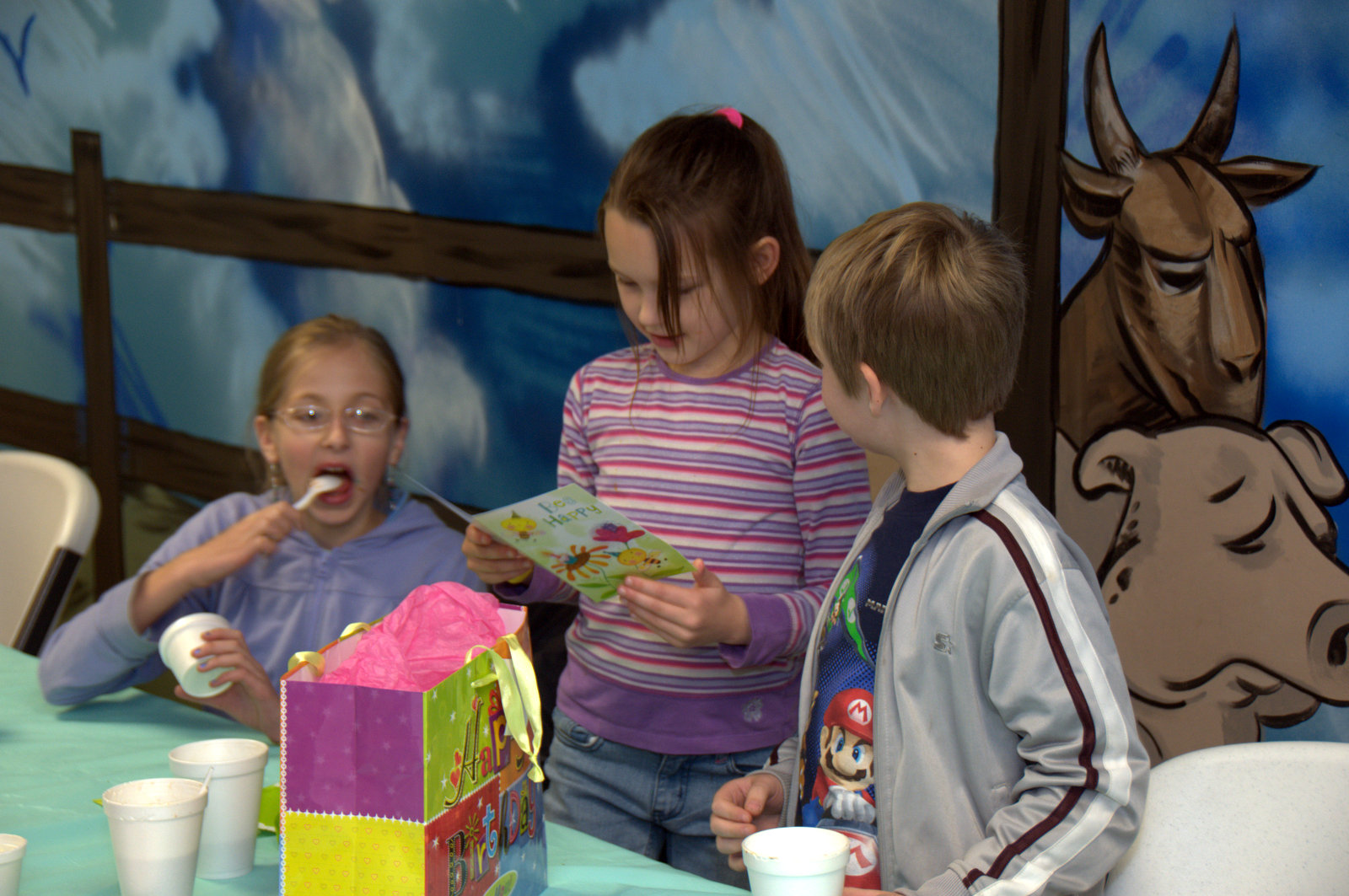
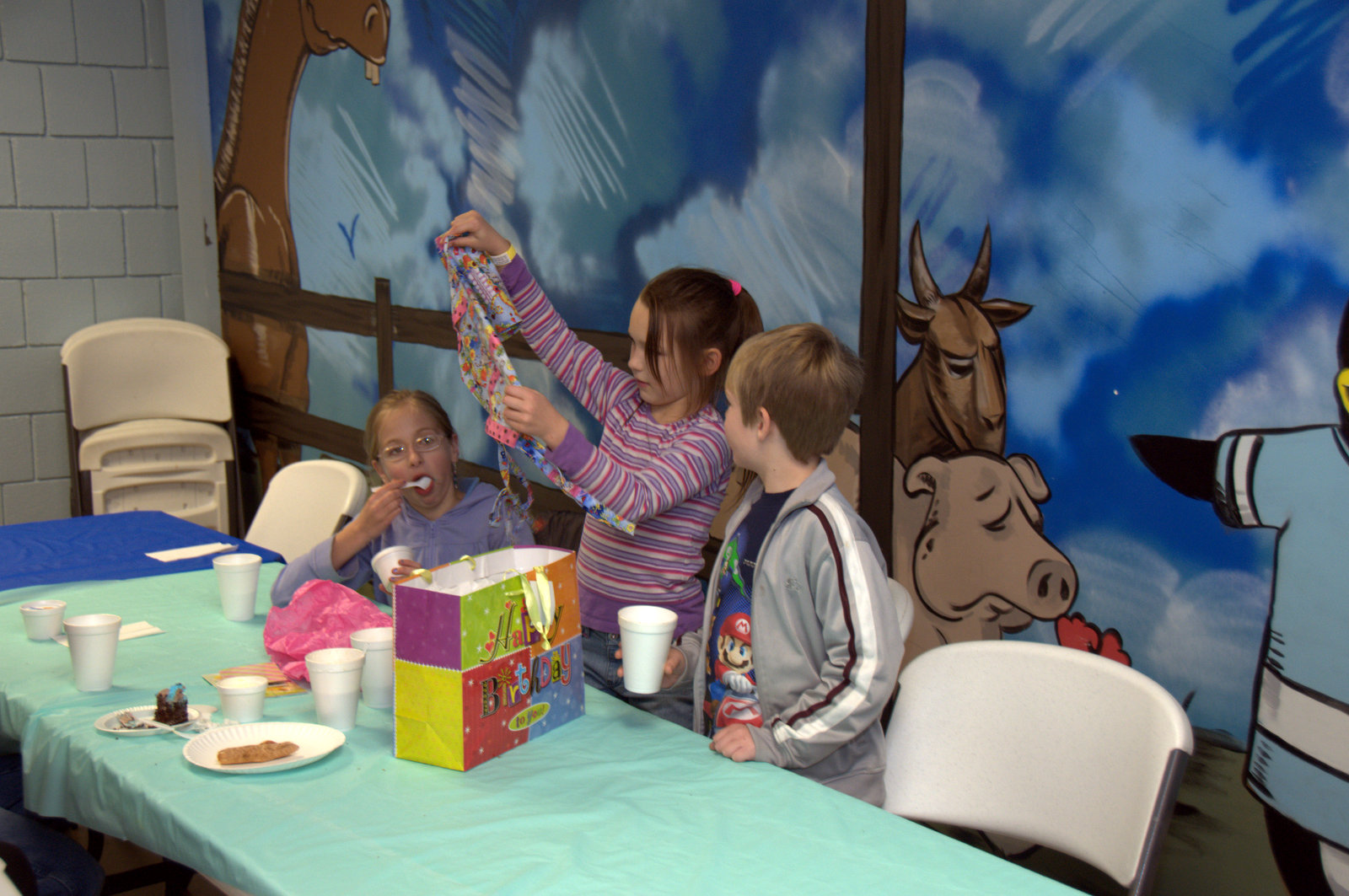
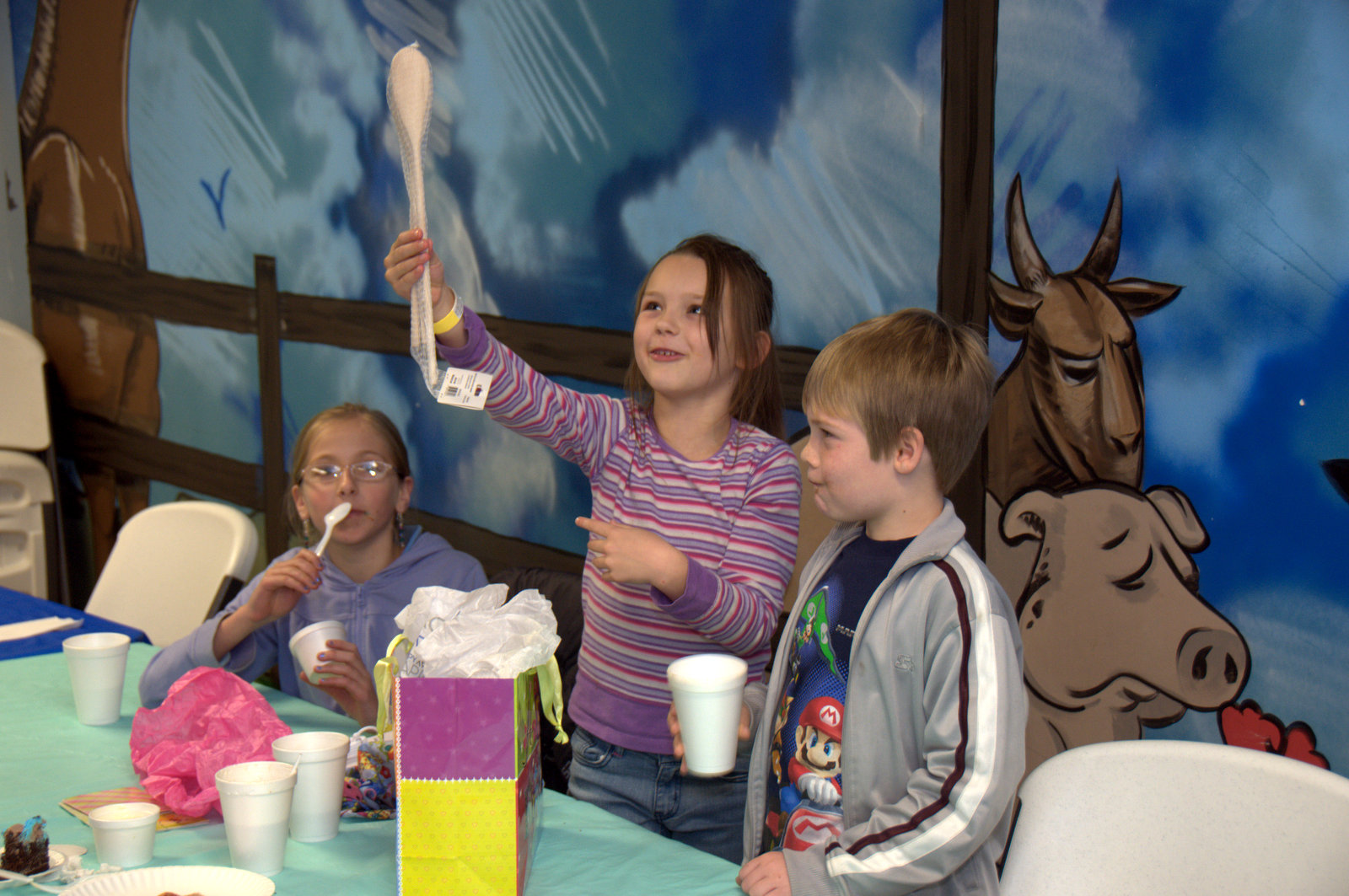
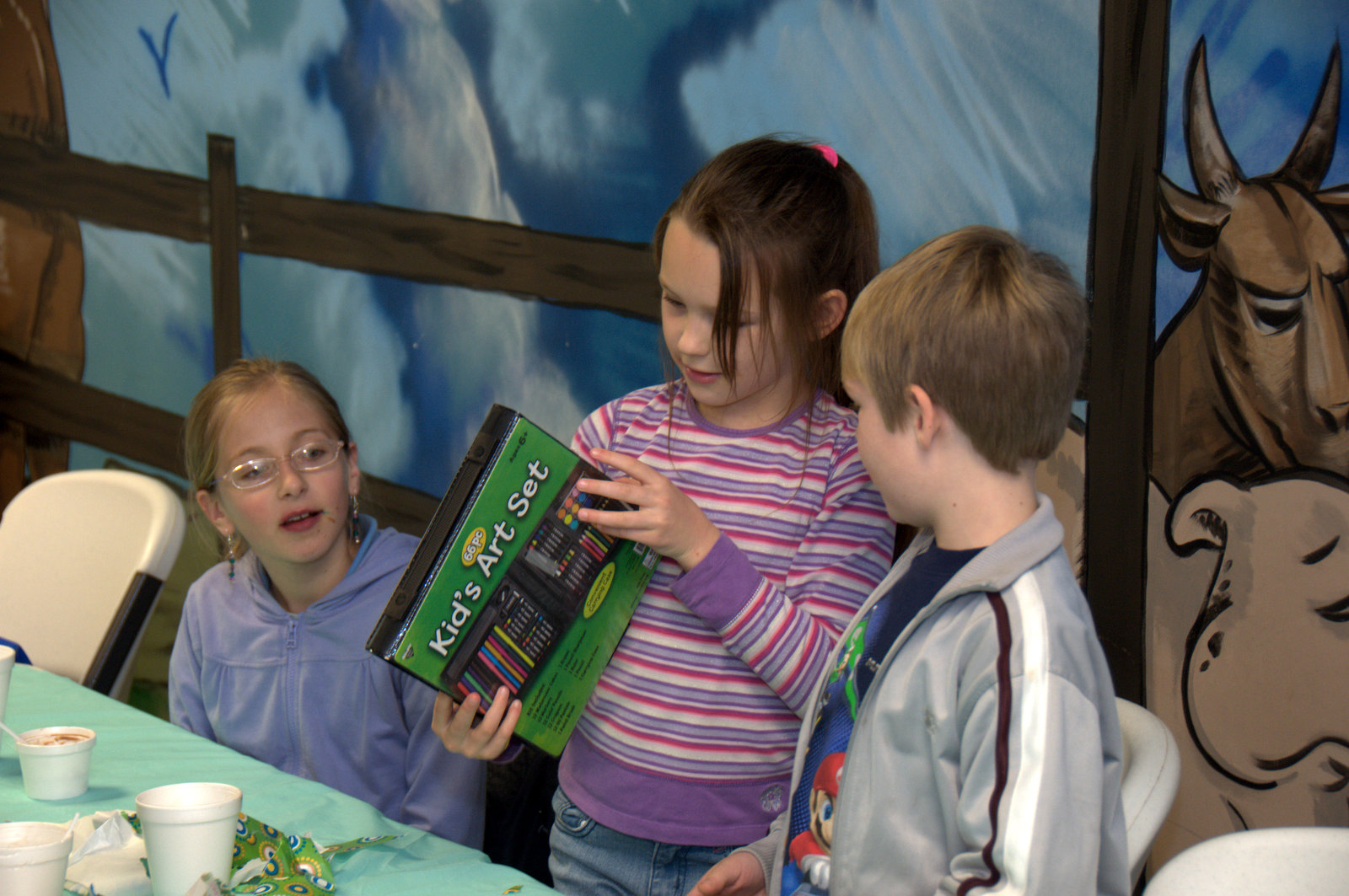
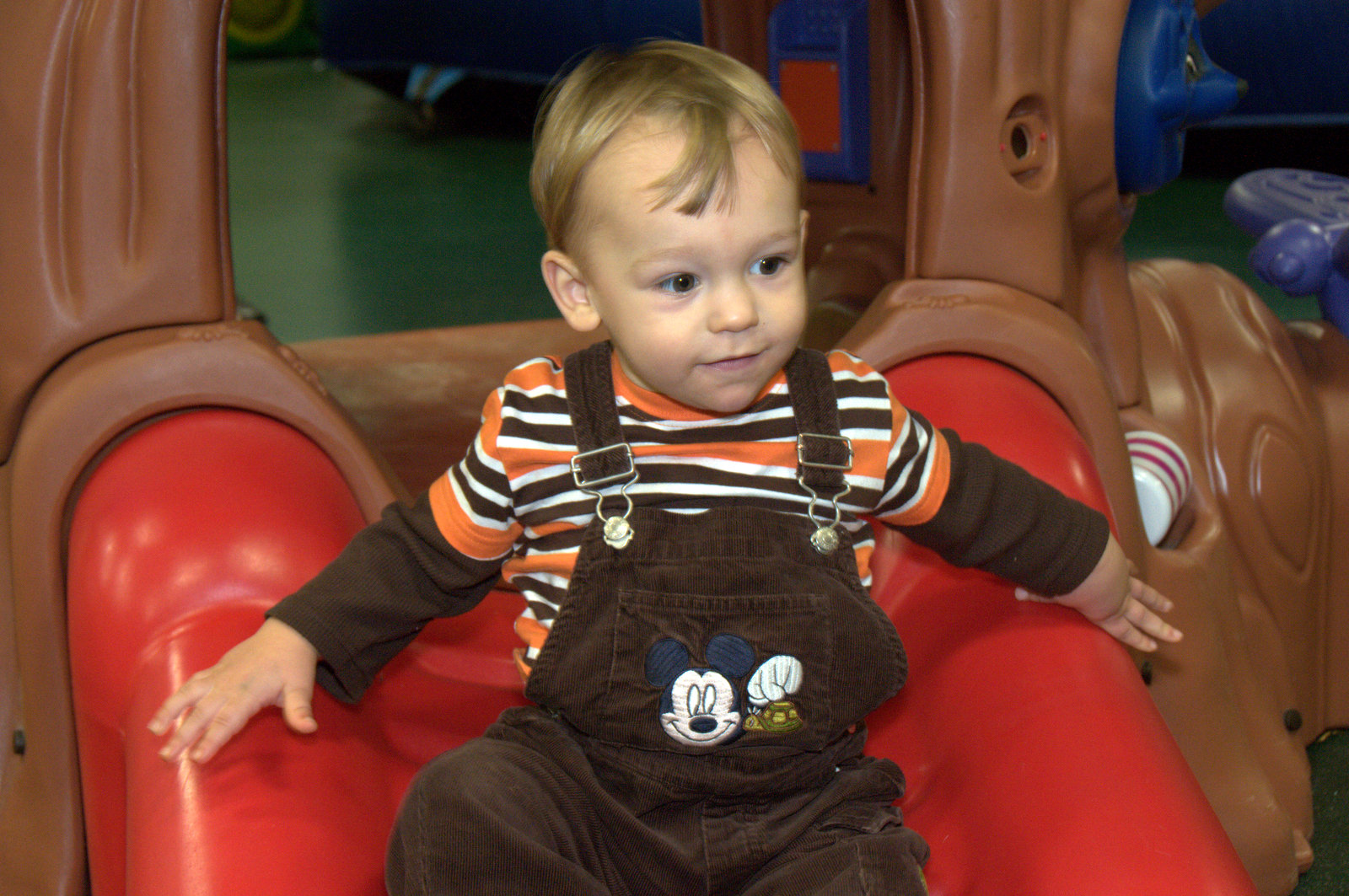
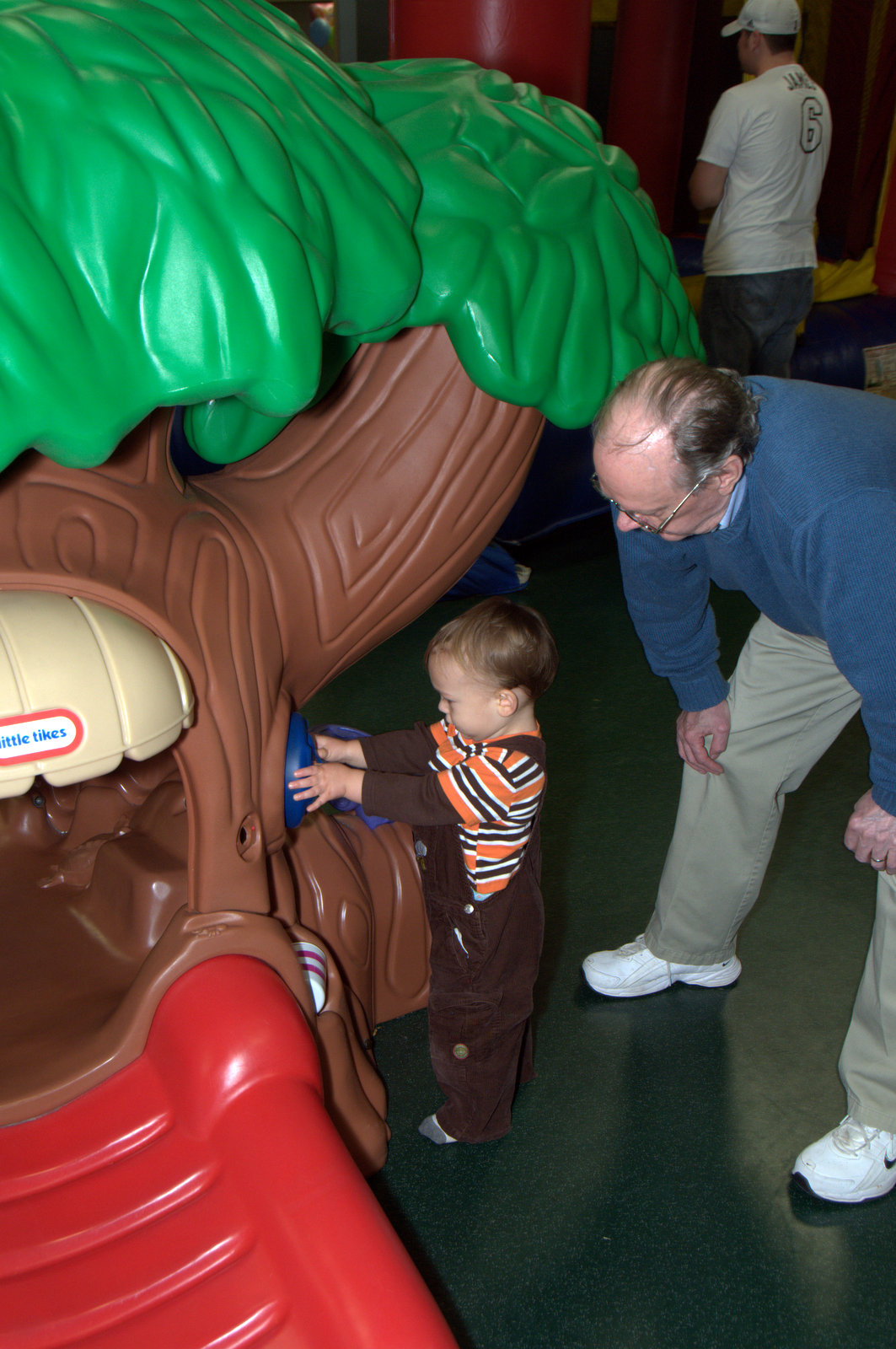
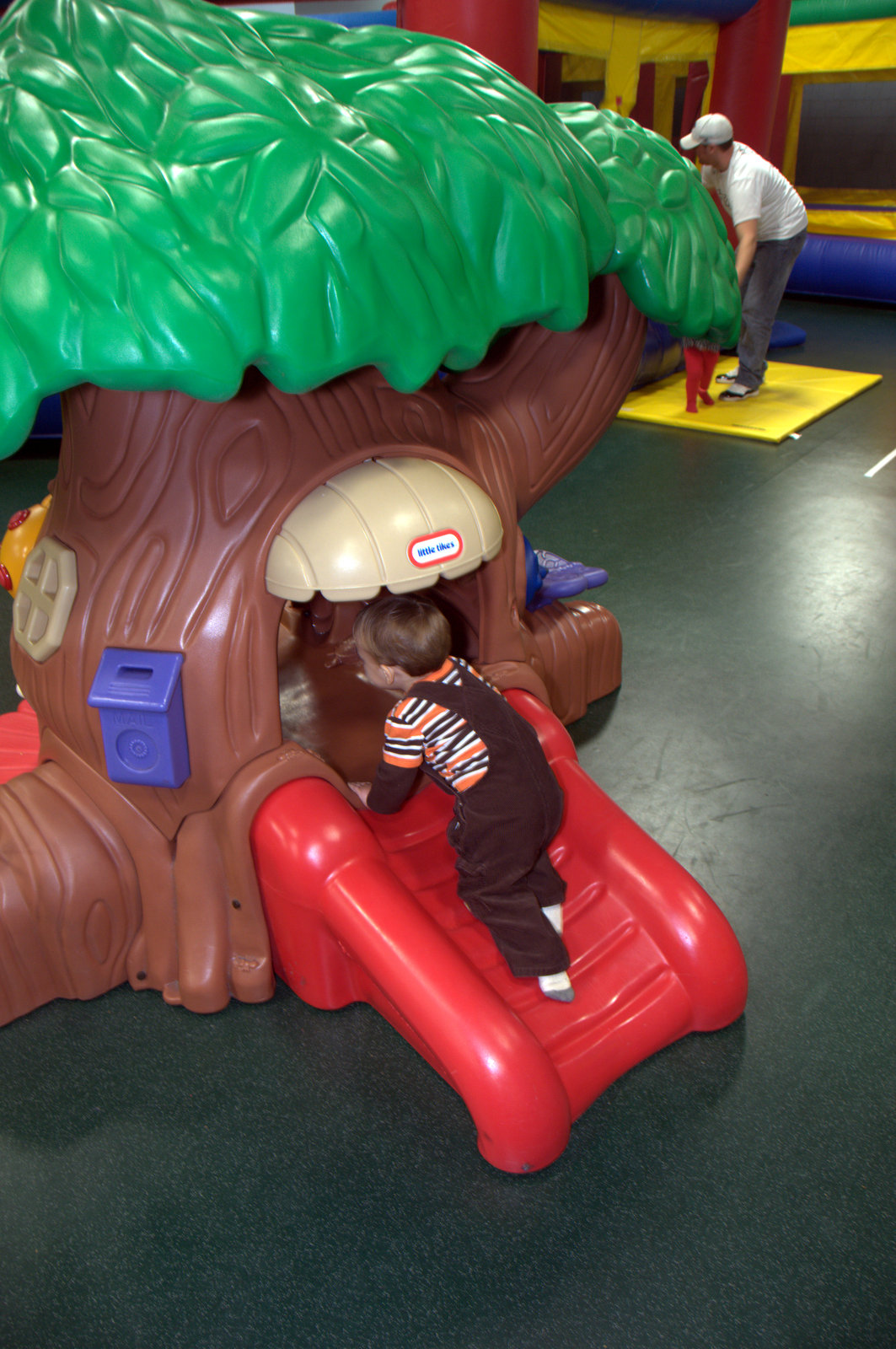
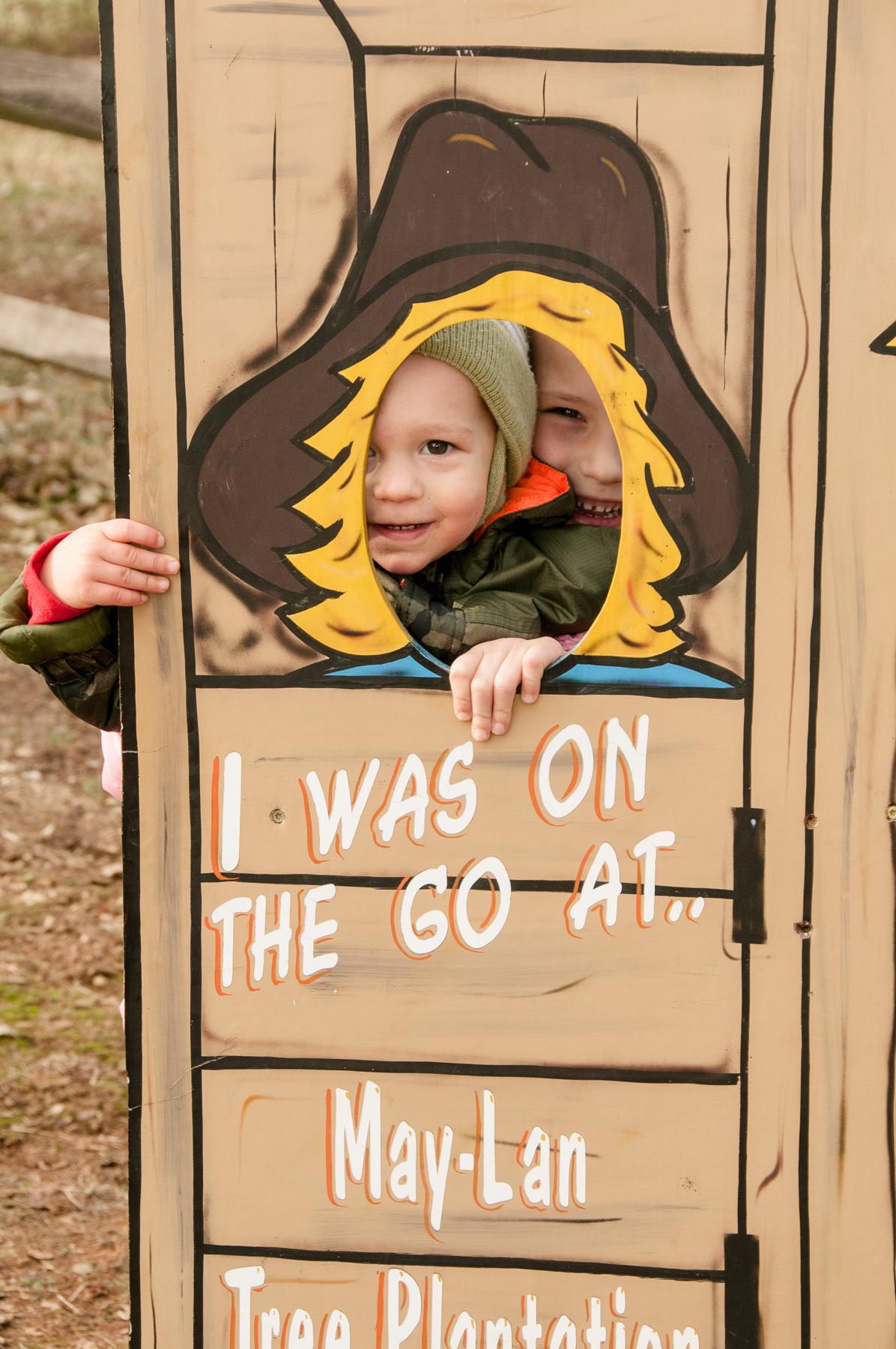
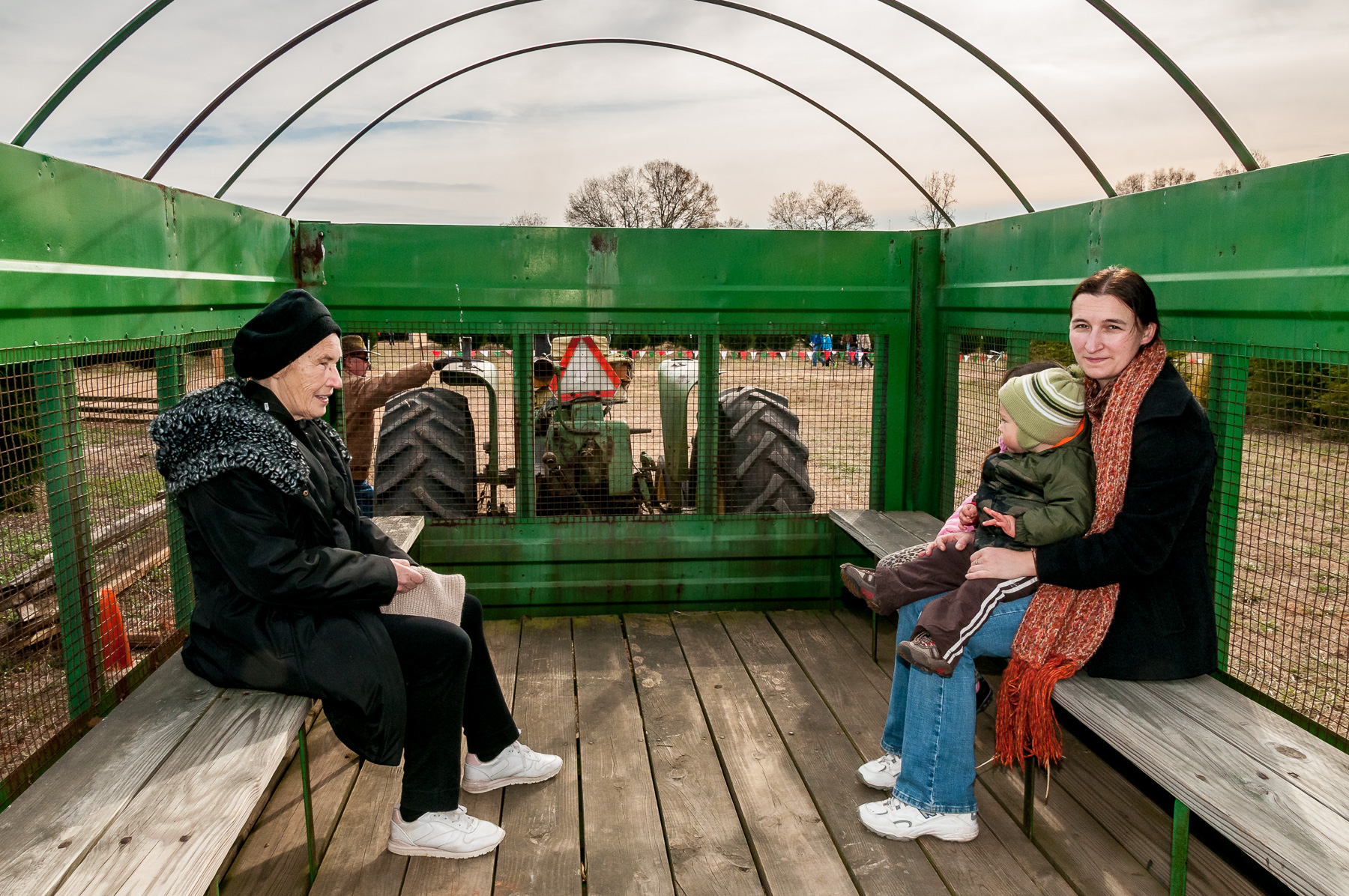
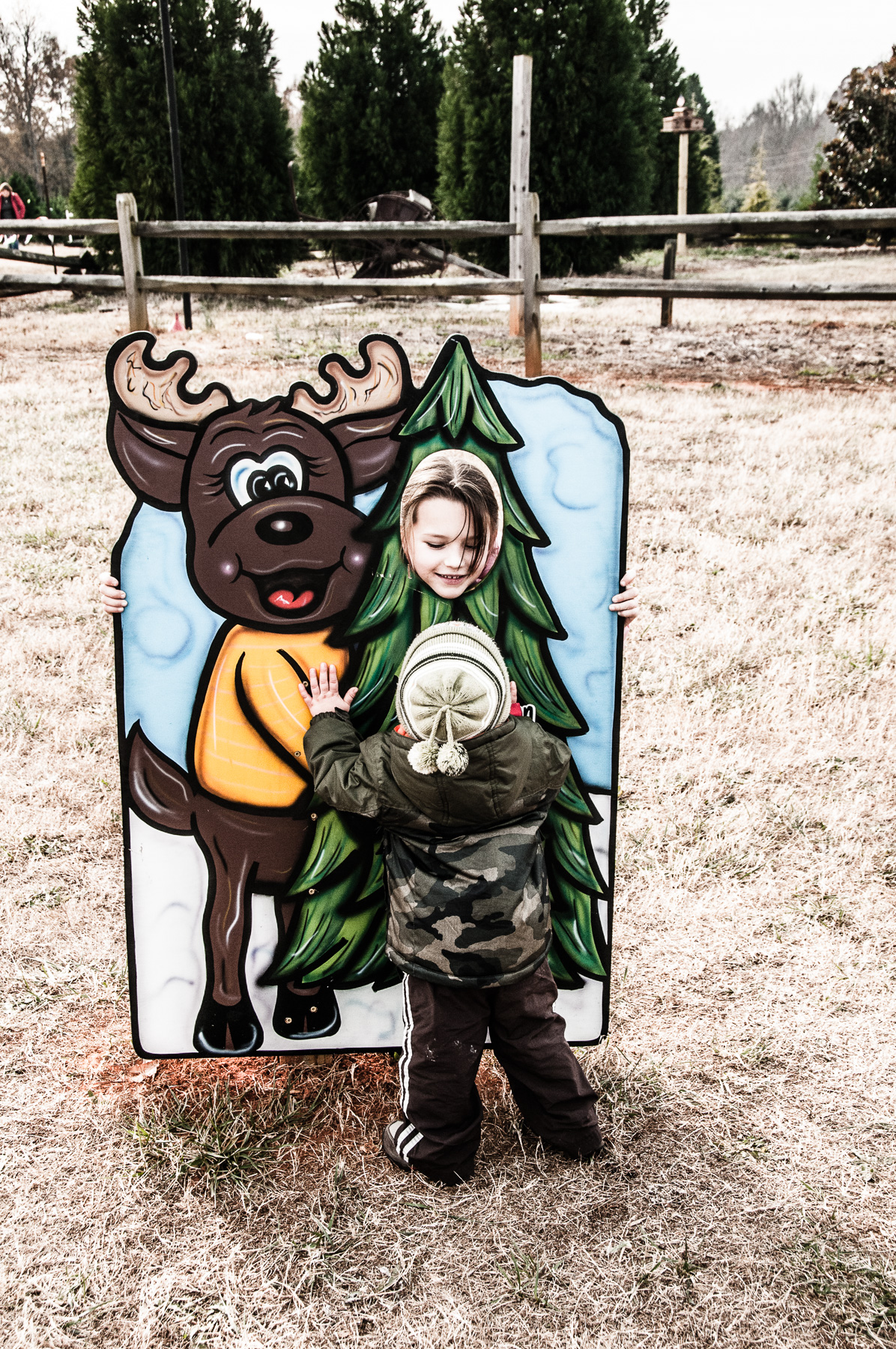
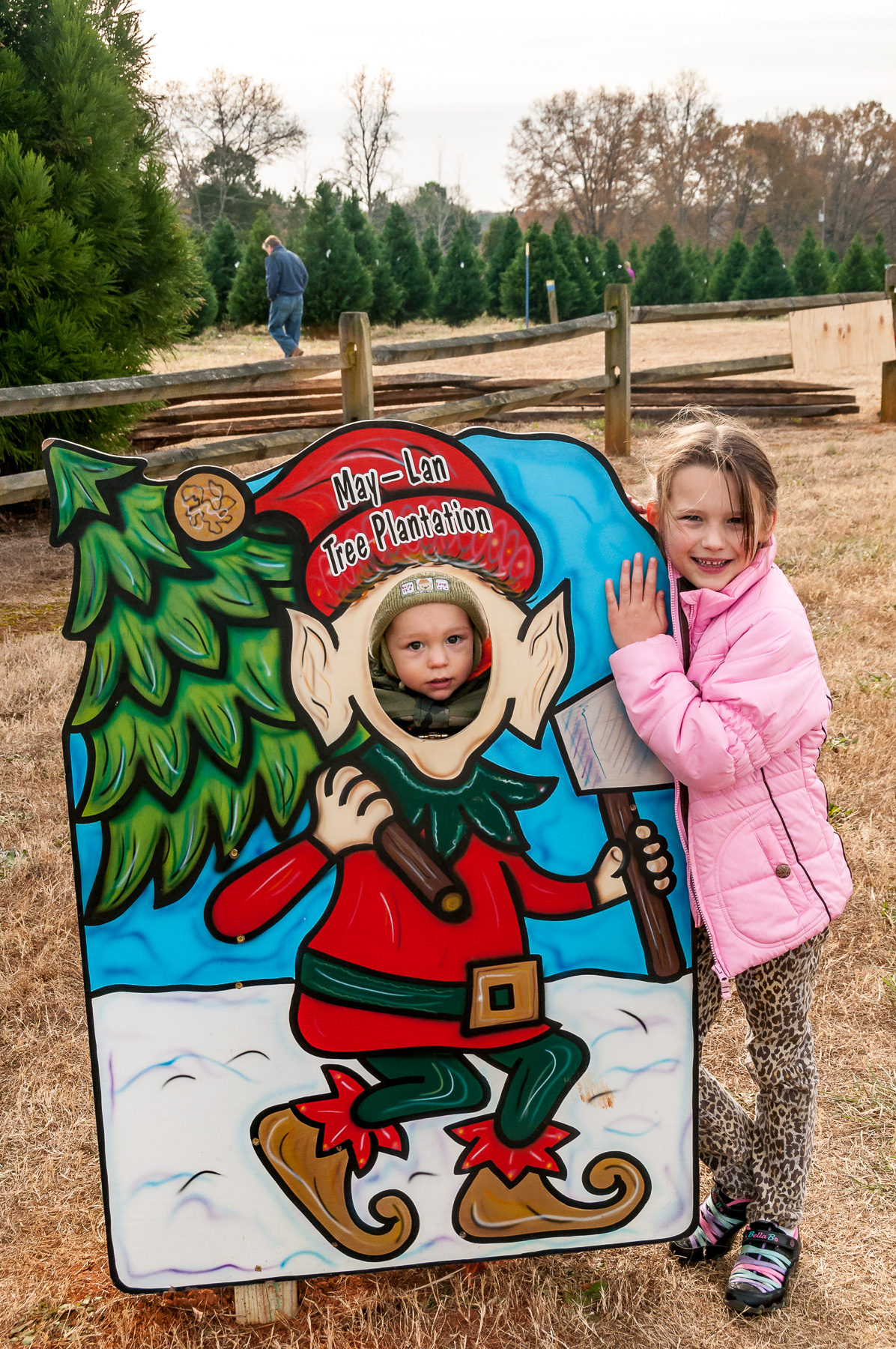
matching tracksuits

fun in threes, sometimes fours

Exposure

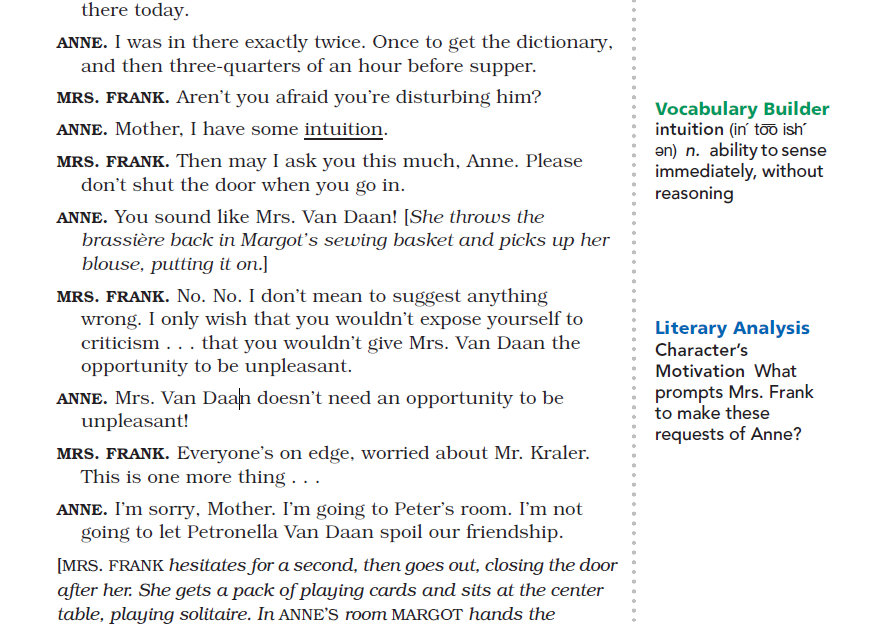
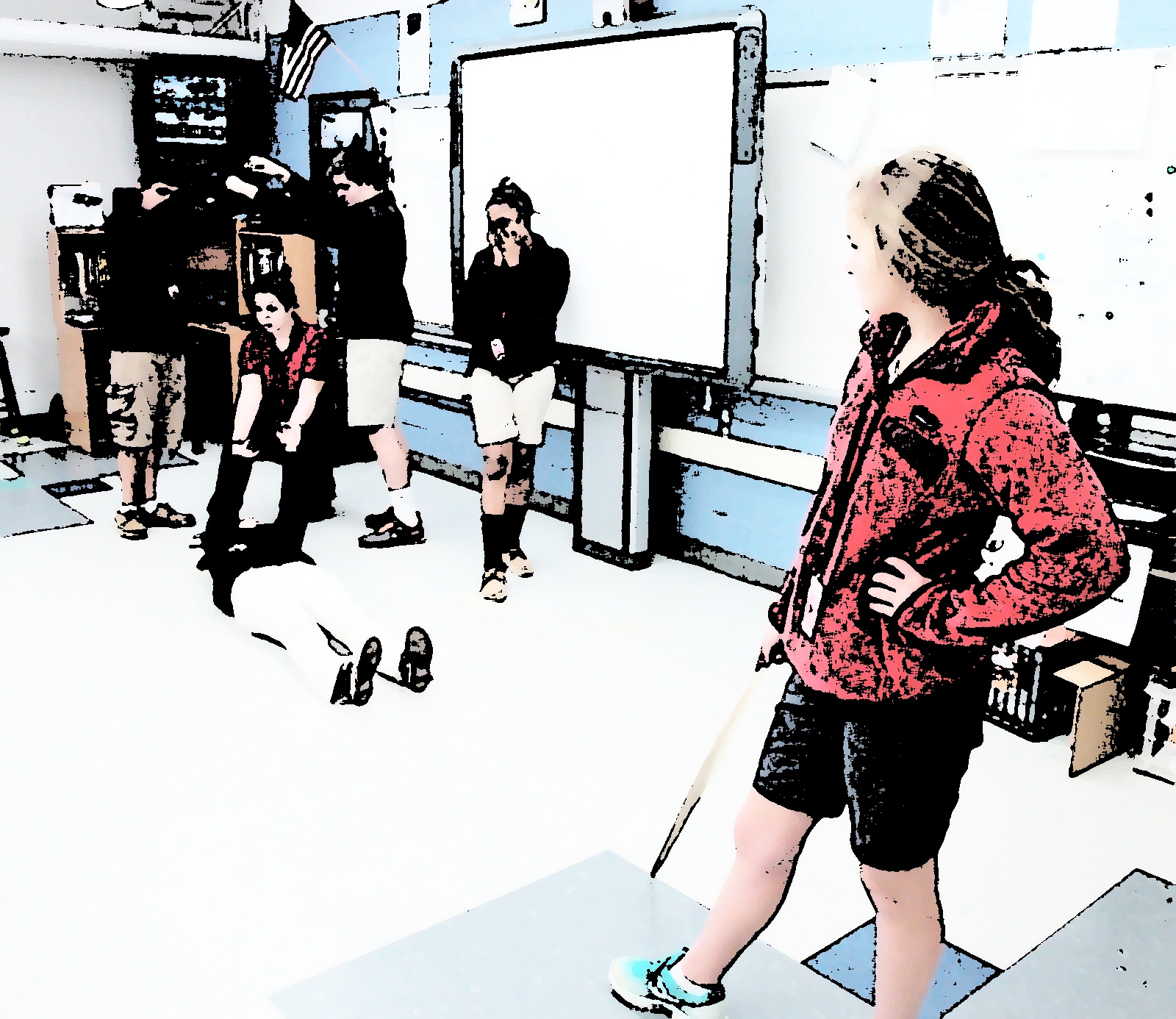
We’re in class, reading the play The Diary of Anne Frank, acting out some sections, comparing others to the original diary. Today, we’re working to analyze the text to determine places where one character implied something and/or another character inferred something. In the story, Anne and Peter’s romance is just beginning, and Anne is getting reading for an evening visit with Peter as she talks with her mother and sister in her room:
1-Fullscreen capture 12142013 80034 AM

In groups, after we act it out, students analyze the text together to find specific lines (“You have to be able to point to it in the text,” I explained) that clearly show either an implication or inference.

As we’re debriefing as a class, a student points out one of the key lines I was hoping students would see: “Then may I ask you this much, Anne. Please don’t shut the door when you go in.” Mrs. Frank is of course not implying that she thinks that Peter and Anne will do anything untoward; she’s merely worried about giving Mrs. van Daan (in reality, her name was van Pels) something else to complain about.

The student didn’t see it that way, though.

“What is she implying?” I ask.

“That Anne will expose herself to Peter!” he said proudly, with utmost sincerity and seriousness.

We all laughed, but my own belly laugh got them laughing even harder.
Romeo, Wherefore Art Thou So Disappointing?

1-DSC_4895-001

We’re knee-deep in Romeo and Juliet, as is always the case this time of year. One scene into act three, we’ve really hit the point in the play at which events start accelerating. Juliet will shortly embark on her gorgeous soliloquy about the dangers of taking Friar Laurence’s potion.

I have a faint cold fear thrills through my veins,
That almost freezes up the heat of life:
I’ll call them back again to comfort me:
Nurse! What should she do here?
My dismal scene I needs must act alone.
Come, vial.
What if this mixture do not work at all?
Shall I be married then to-morrow morning?
No, no: this shall forbid it: lie thou there.

What if it be a poison, which the friar
Subtly hath minister’d to have me dead,
Lest in this marriage he should be dishonour’d,
Because he married me before to Romeo?
I fear it is: and yet, methinks, it should not,
For he hath still been tried a holy man.
How if, when I am laid into the tomb,
I wake before the time that Romeo
Come to redeem me? there’s a fearful point!
Shall I not, then, be stifled in the vault,
To whose foul mouth no healthsome air breathes in,
And there die strangled ere my Romeo comes?
Or, if I live, is it not very like,
The horrible conceit of death and night,
Together with the terror of the place,–
As in a vault, an ancient receptacle,
Where, for these many hundred years, the bones
Of all my buried ancestors are packed:
Where bloody Tybalt, yet but green in earth,
Lies festering in his shroud; where, as they say,
At some hours in the night spirits resort;–
Alack, alack, is it not like that I,
So early waking, what with loathsome smells,
And shrieks like mandrakes’ torn out of the earth,
That living mortals, hearing them, run mad:–
O, if I wake, shall I not be distraught,
Environed with all these hideous fears?
And madly play with my forefather’s joints?
And pluck the mangled Tybalt from his shroud?
And, in this rage, with some great kinsman’s bone,
As with a club, dash out my desperate brains?
O, look! methinks I see my cousin’s ghost
Seeking out Romeo, that did spit his body
Upon a rapier’s point: stay, Tybalt, stay!
Romeo, I come! this do I drink to thee.

Capulet will soon make his ultimatum to Juliet: marry Paris or be not my daughter!

Day, night, hour, tide, time, work, play,
Alone, in company, still my care hath been
To have her match’d: and having now provided
A gentleman of noble parentage,
Of fair demesnes, youthful, and nobly train’d,
Stuff’d, as they say, with honourable parts,
Proportion’d as one’s thought would wish a man;
And then to have a wretched puling fool,
A whining mammet, in her fortune’s tender,
To answer ‘I’ll not wed; I cannot love,
I am too young; I pray you, pardon me.’
But, as you will not wed, I’ll pardon you:
Graze where you will you shall not house with me:
Look to’t, think on’t, I do not use to jest.
Thursday is near; lay hand on heart, advise:
An you be mine, I’ll give you to my friend;
And you be not, hang, beg, starve, die in
the streets,
For, by my soul, I’ll ne’er acknowledge thee,
Nor what is mine shall never do thee good:
Trust to’t, bethink you; I’ll not be forsworn.

Of course the dual suicide scene, with Romeo’s melodrama: “Eyes, look your last!”

You’d think it’s the perfect play for thirteen-year-olds. It’s got so much pathos that it almost chokes you on it. Yet they’re beginning to find Romeo tiresome, and when he falls on the floor in Laurence’s cell in a few days, they’ll have lost the last shred of respect for him that they might have been clinging to.

It is, in a short, the highlight of my school year: students’ first real experience with Shakespeare and their budding recognition that they can make sense of his seemingly convoluted, inverted sentences, his arcane vocabulary, his foreign sense of propriety, and his unexpected sense of humor.

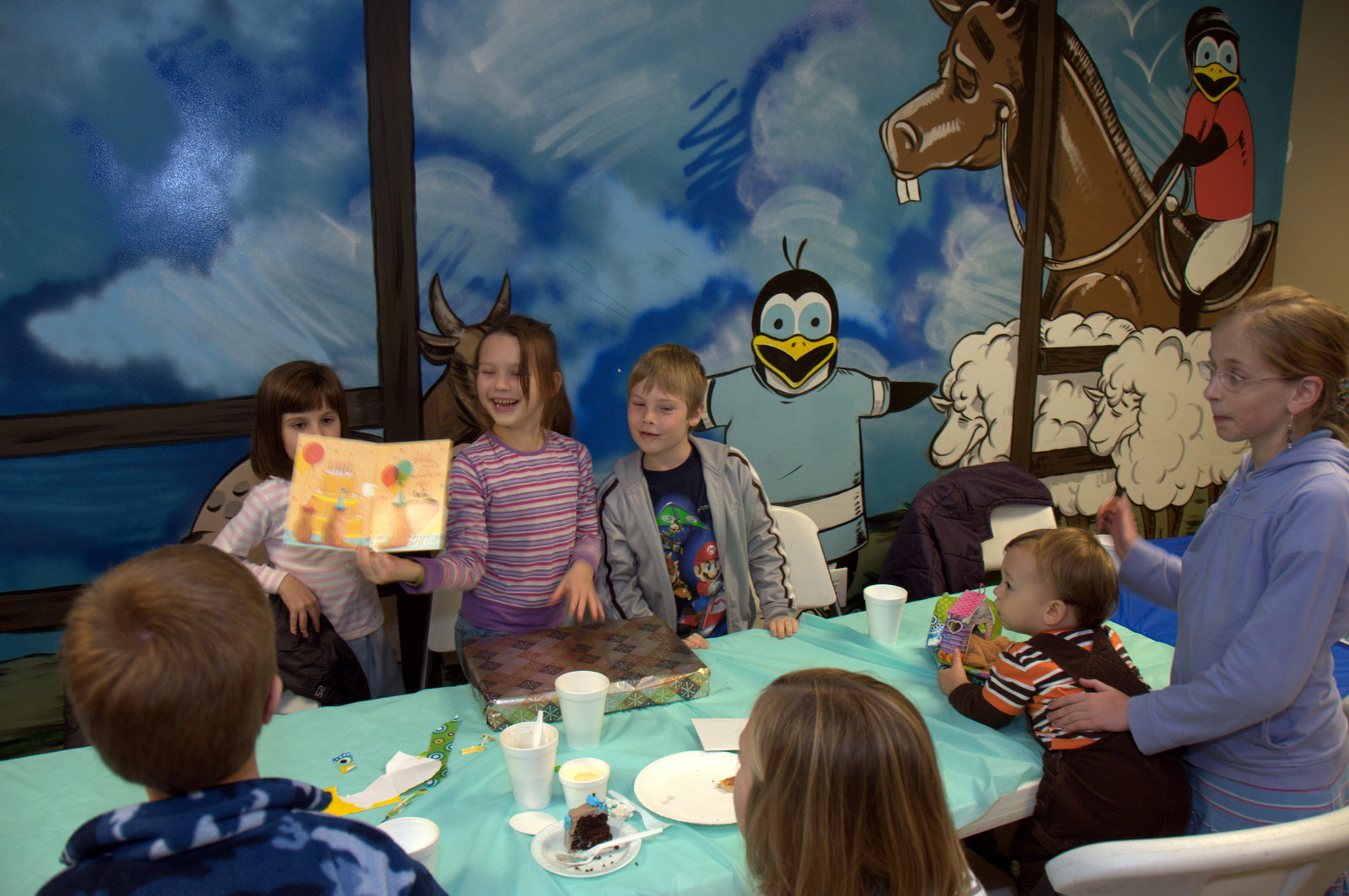
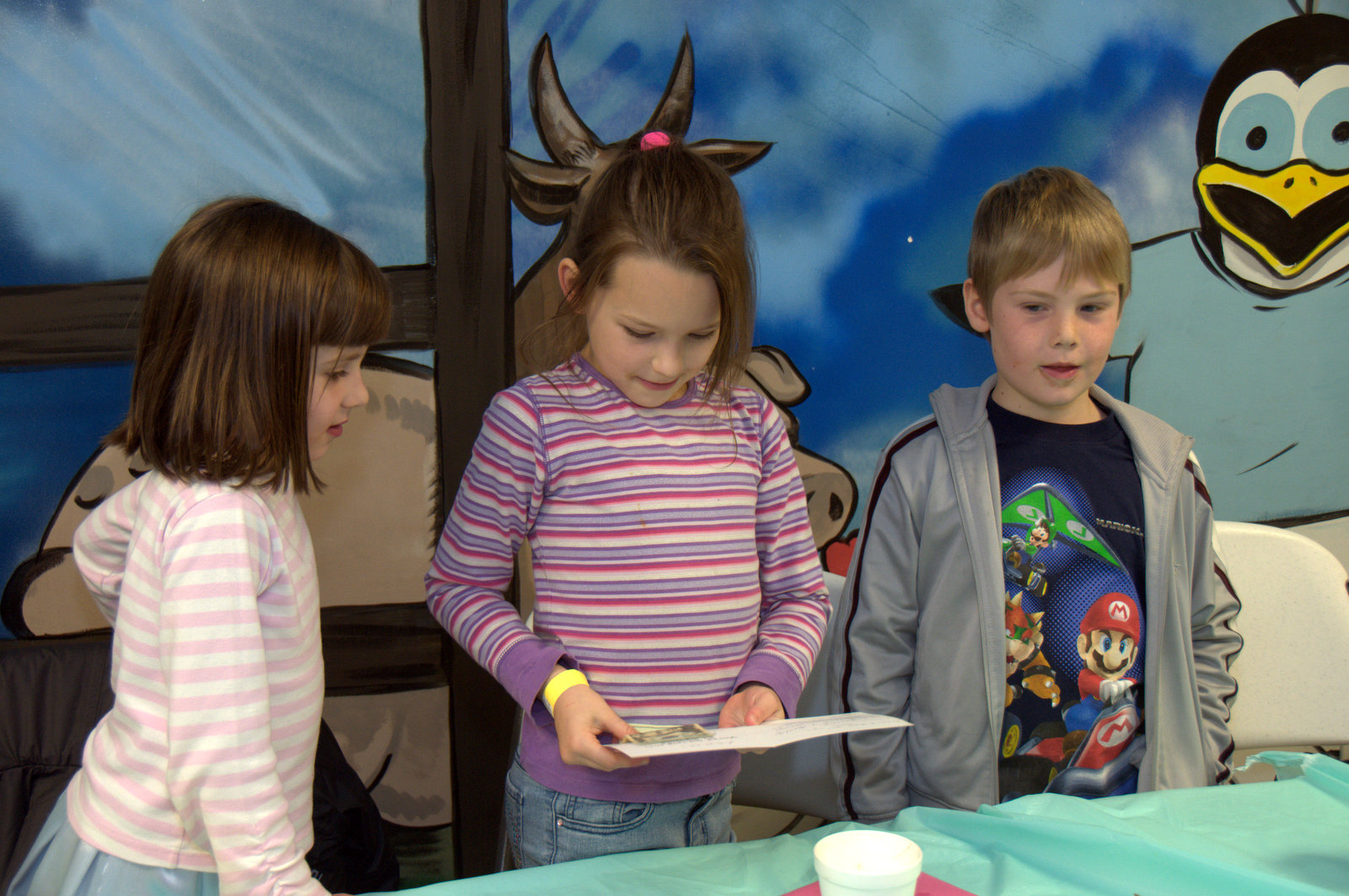
Seventh Birthday Party

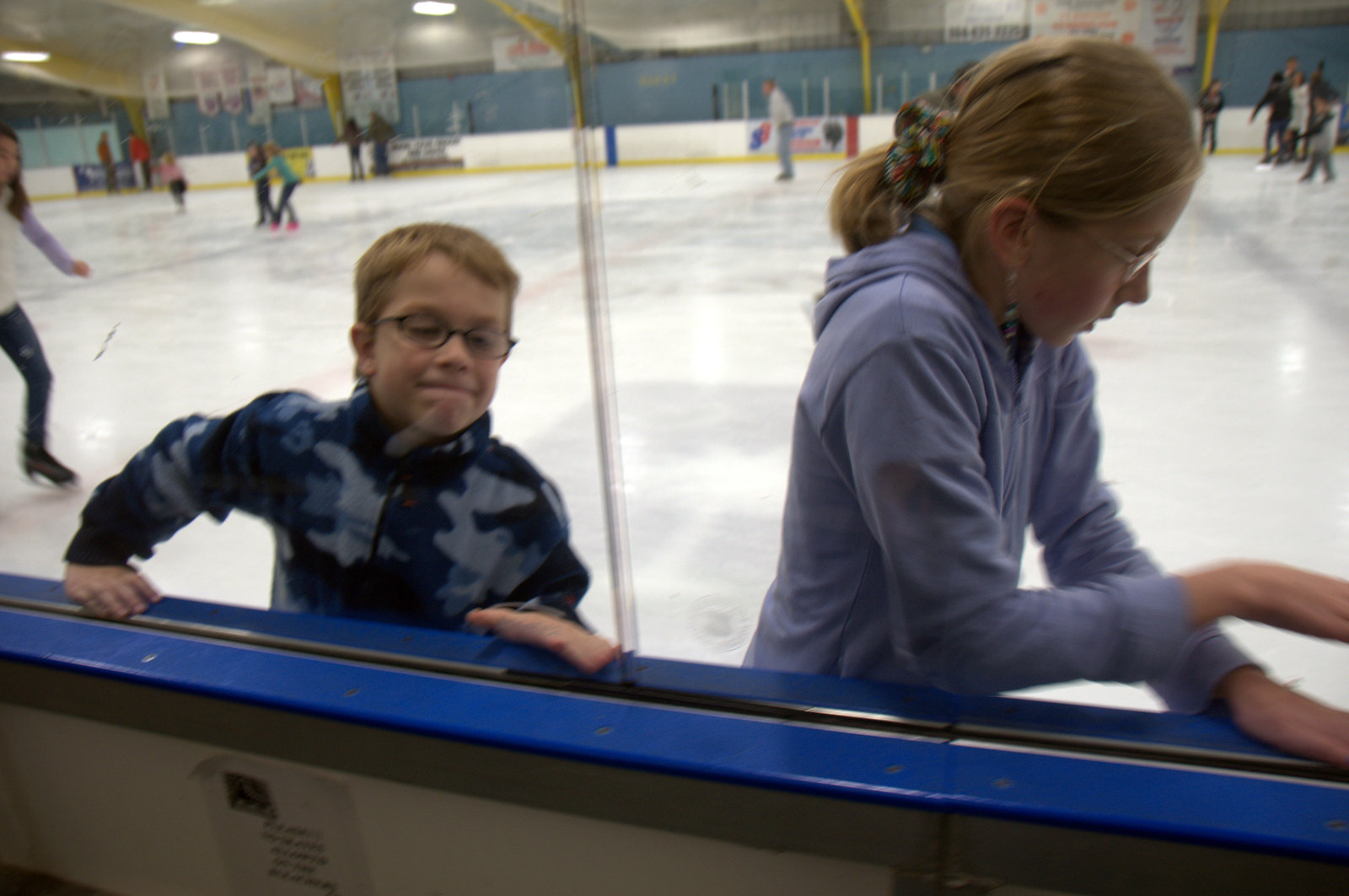
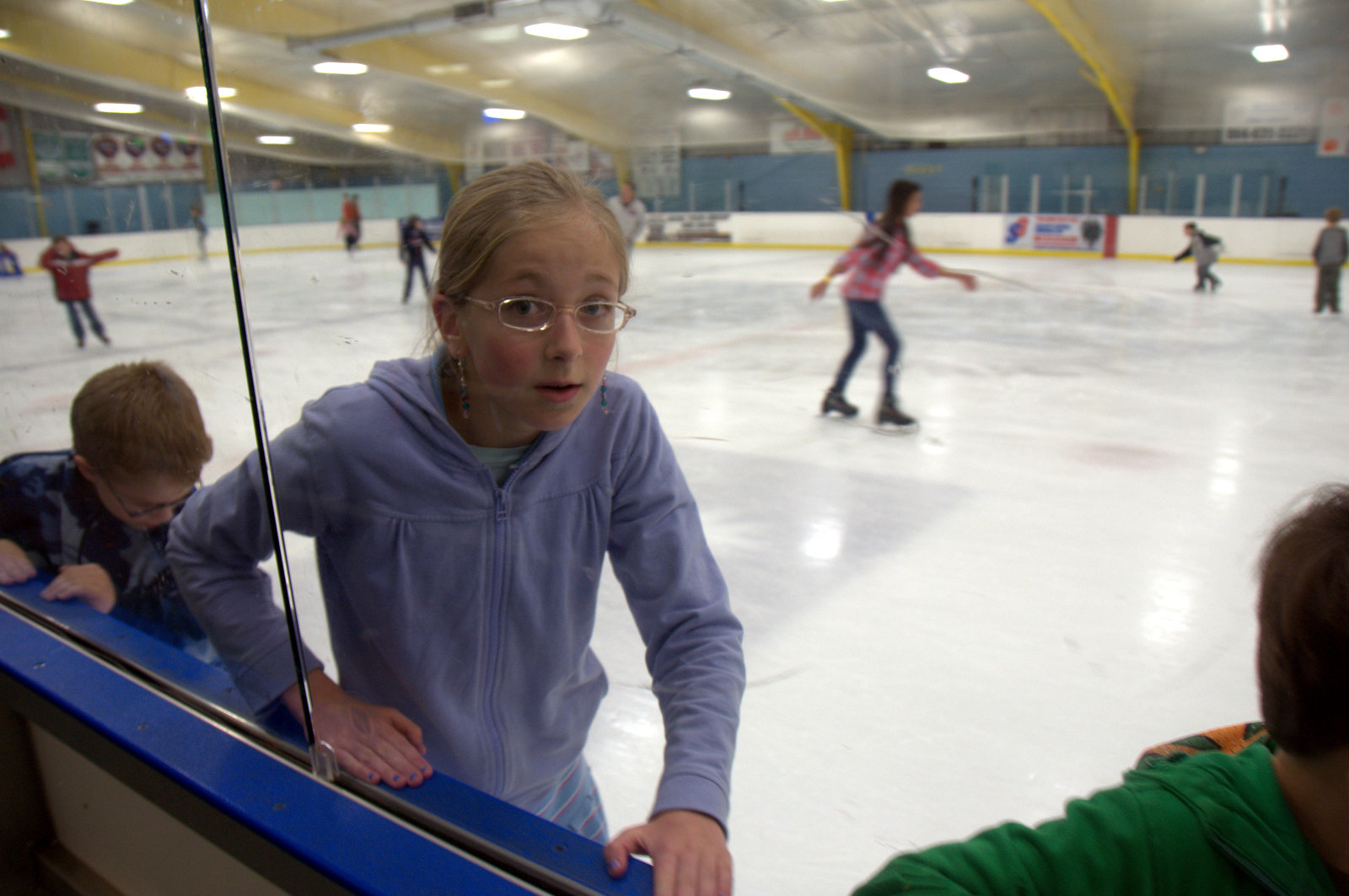
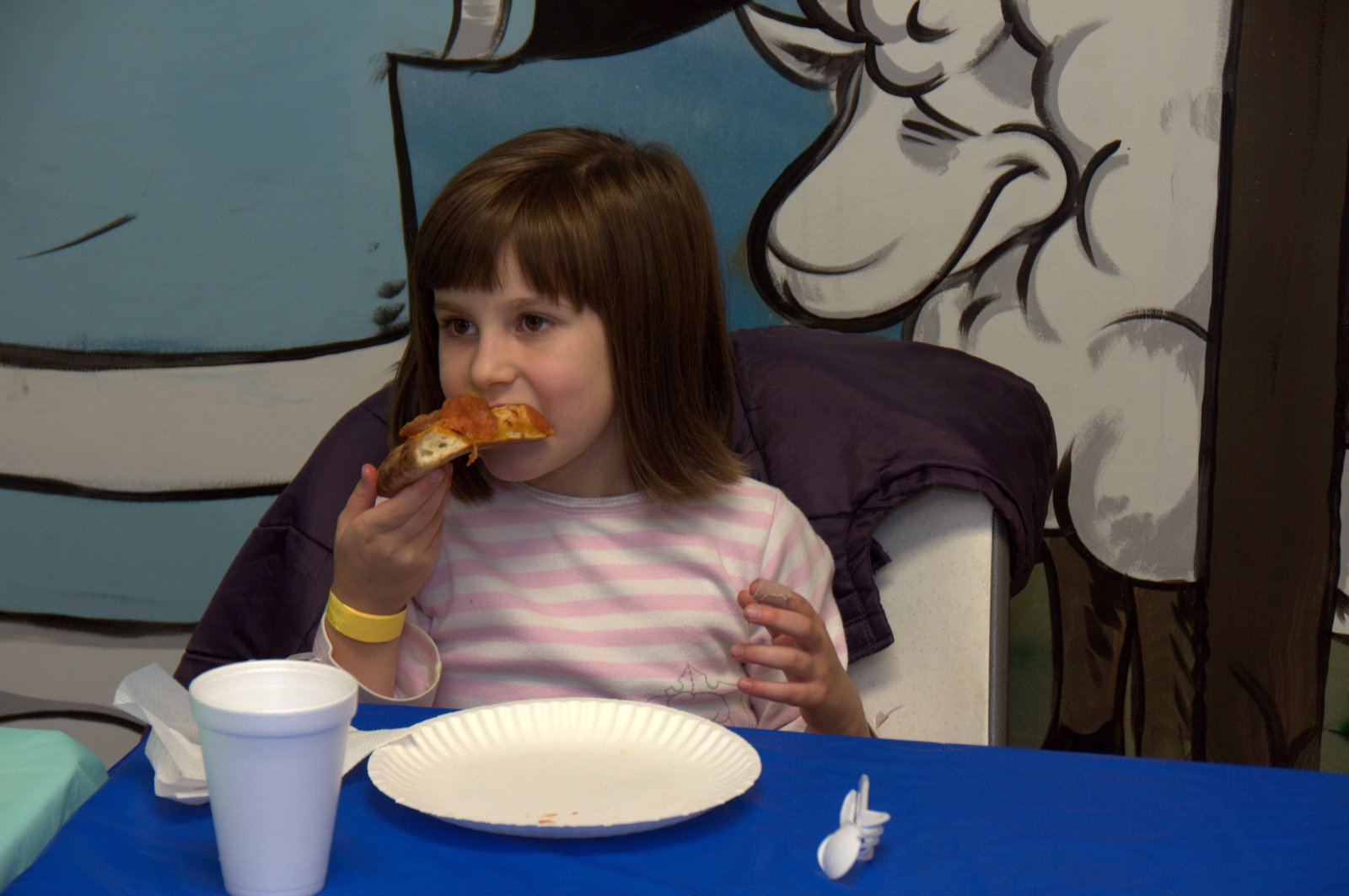
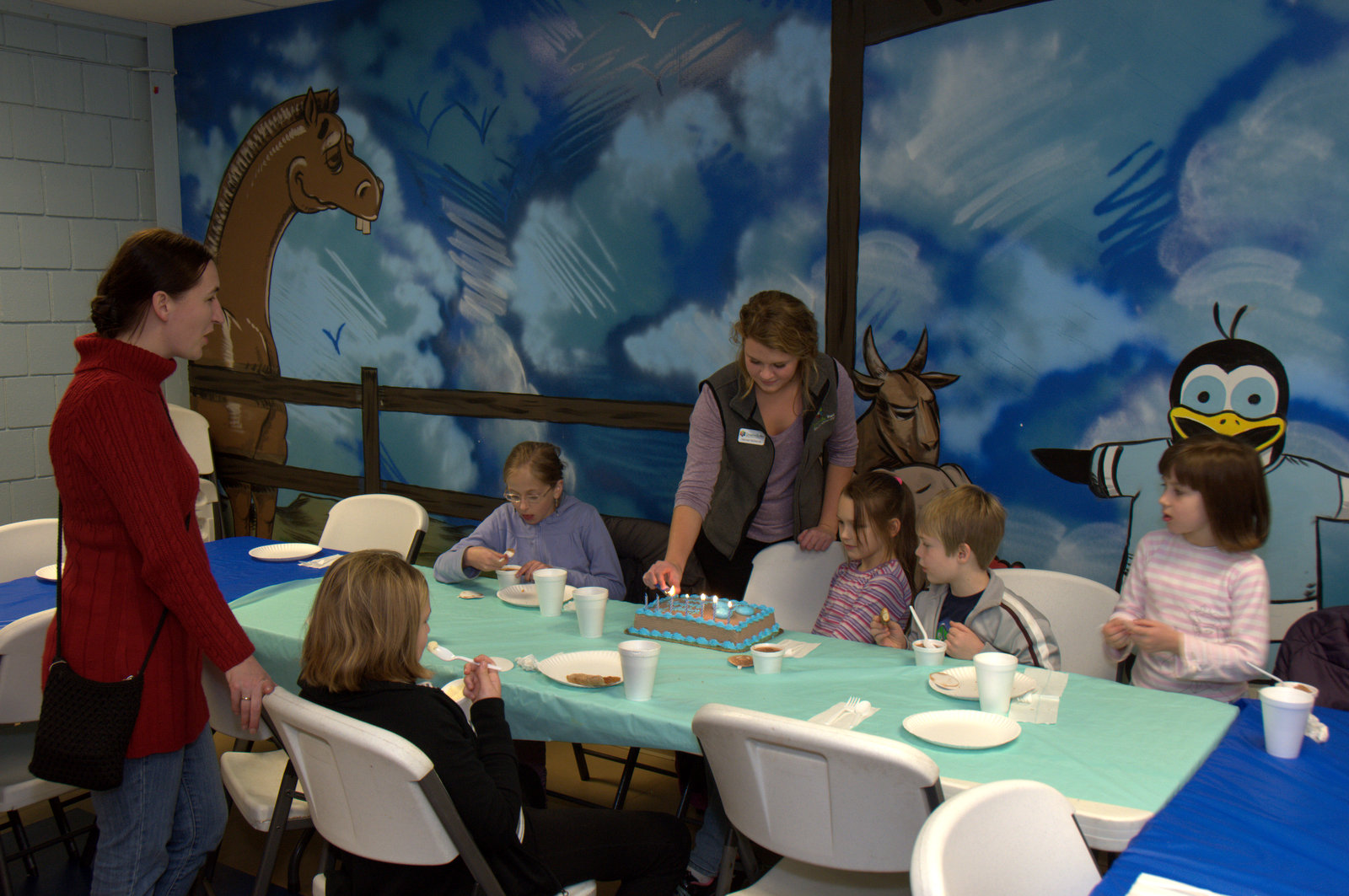
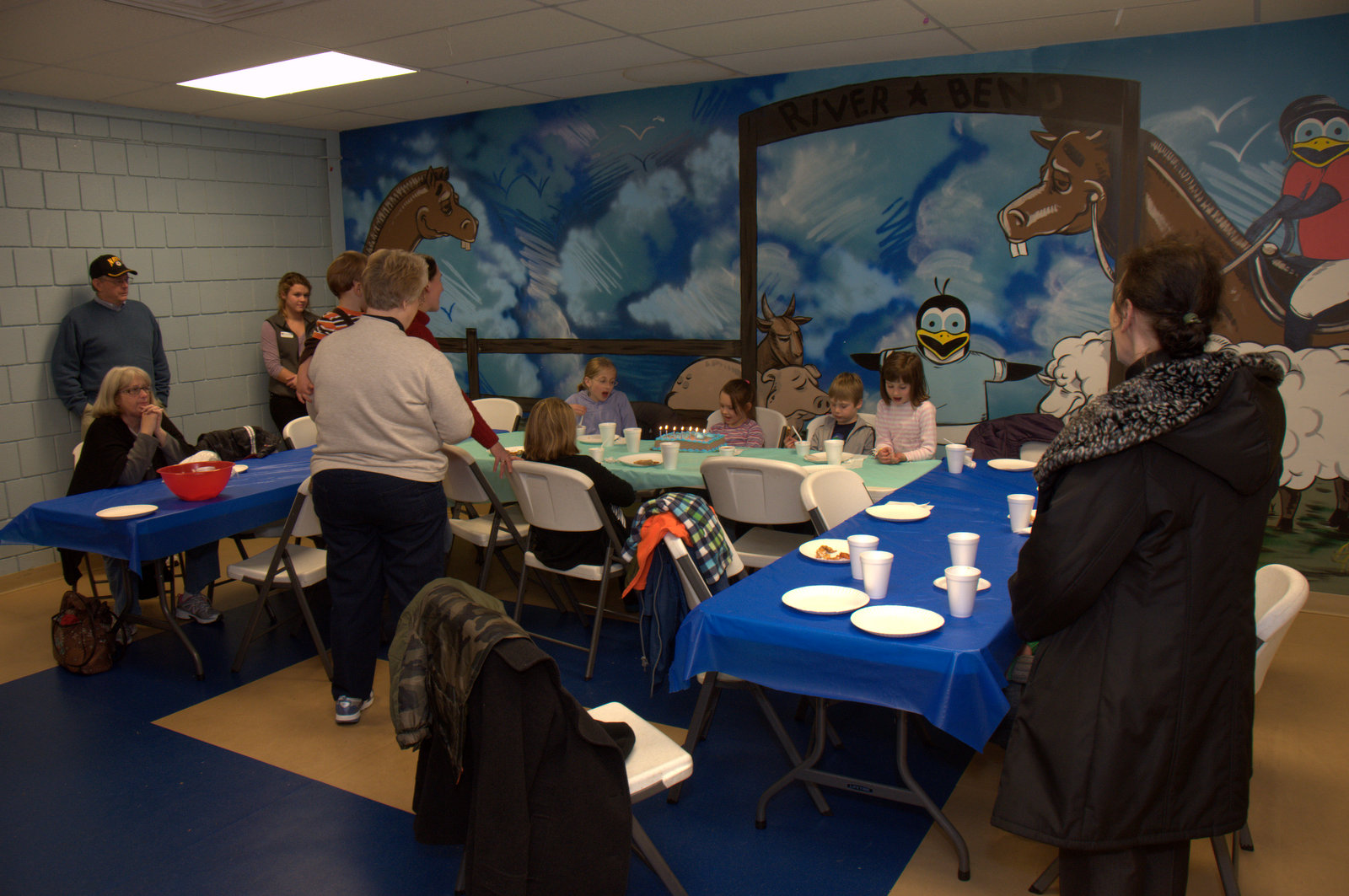
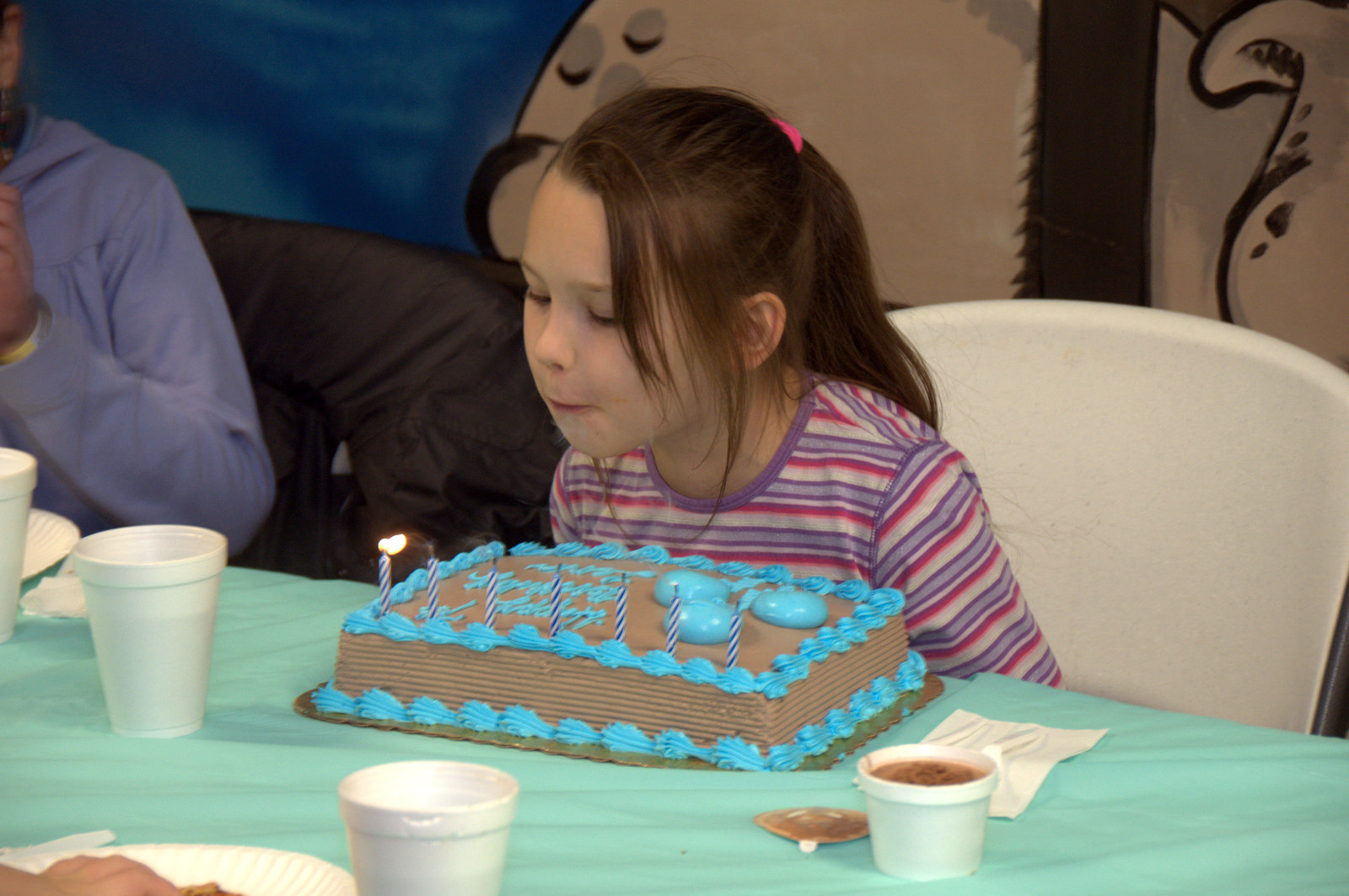
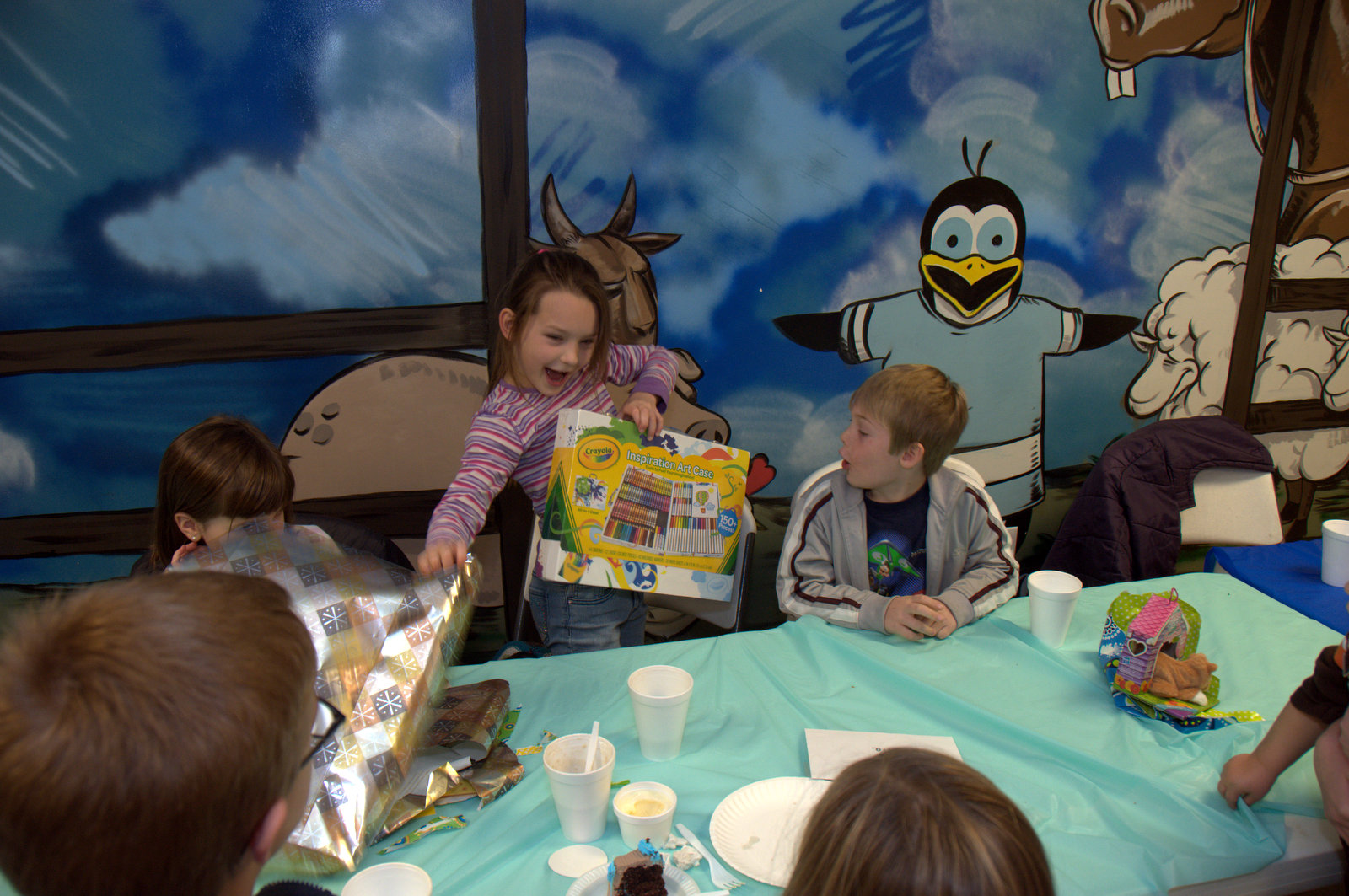
The first party was such an event. Our first child's first birthday party was, in a word, a first. This is not to say that successive years the significance of birthday parties has diminished. But firsts are firsts. With practice we've gotten better at the parties. Practice makes perfect.

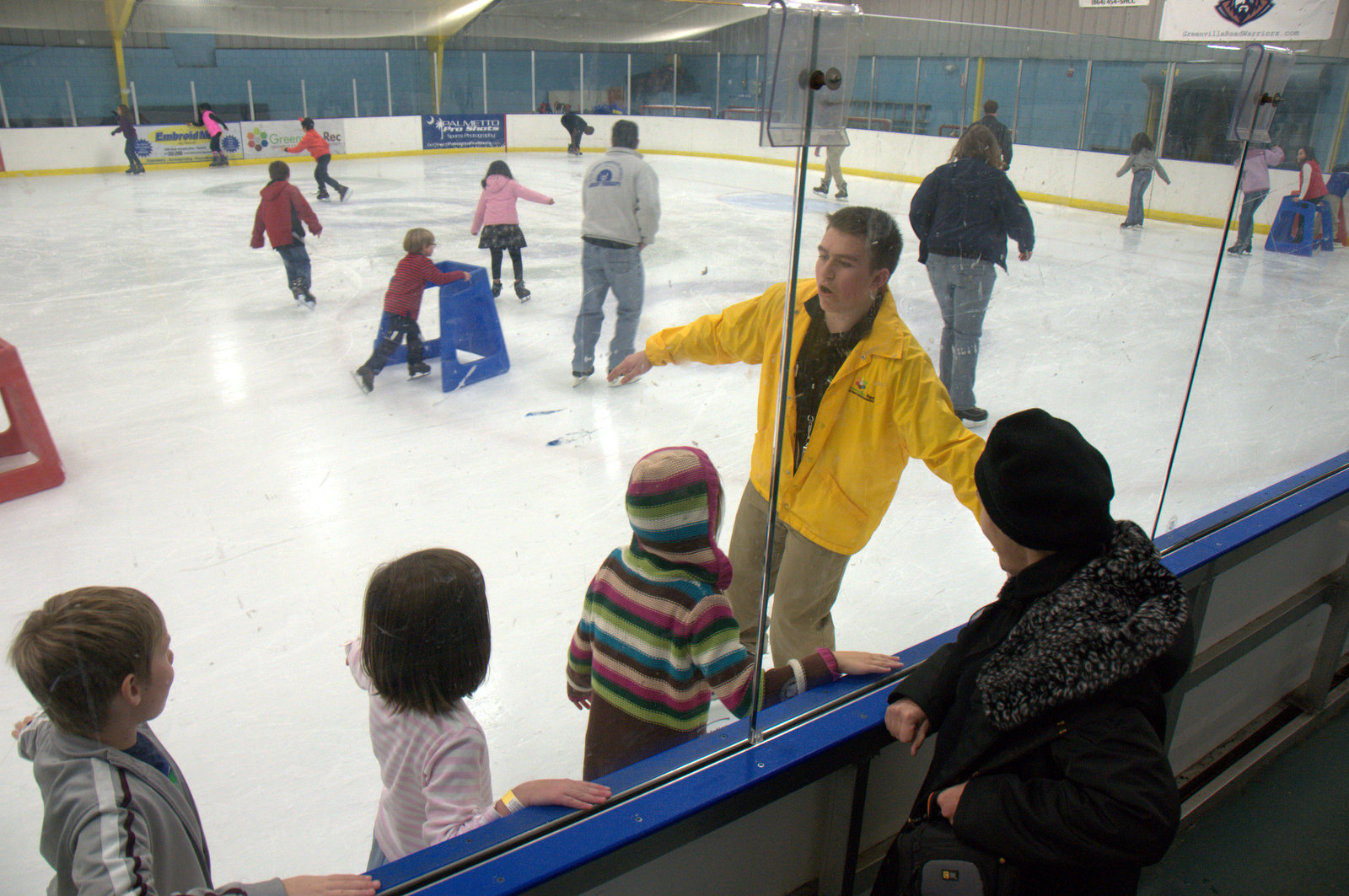
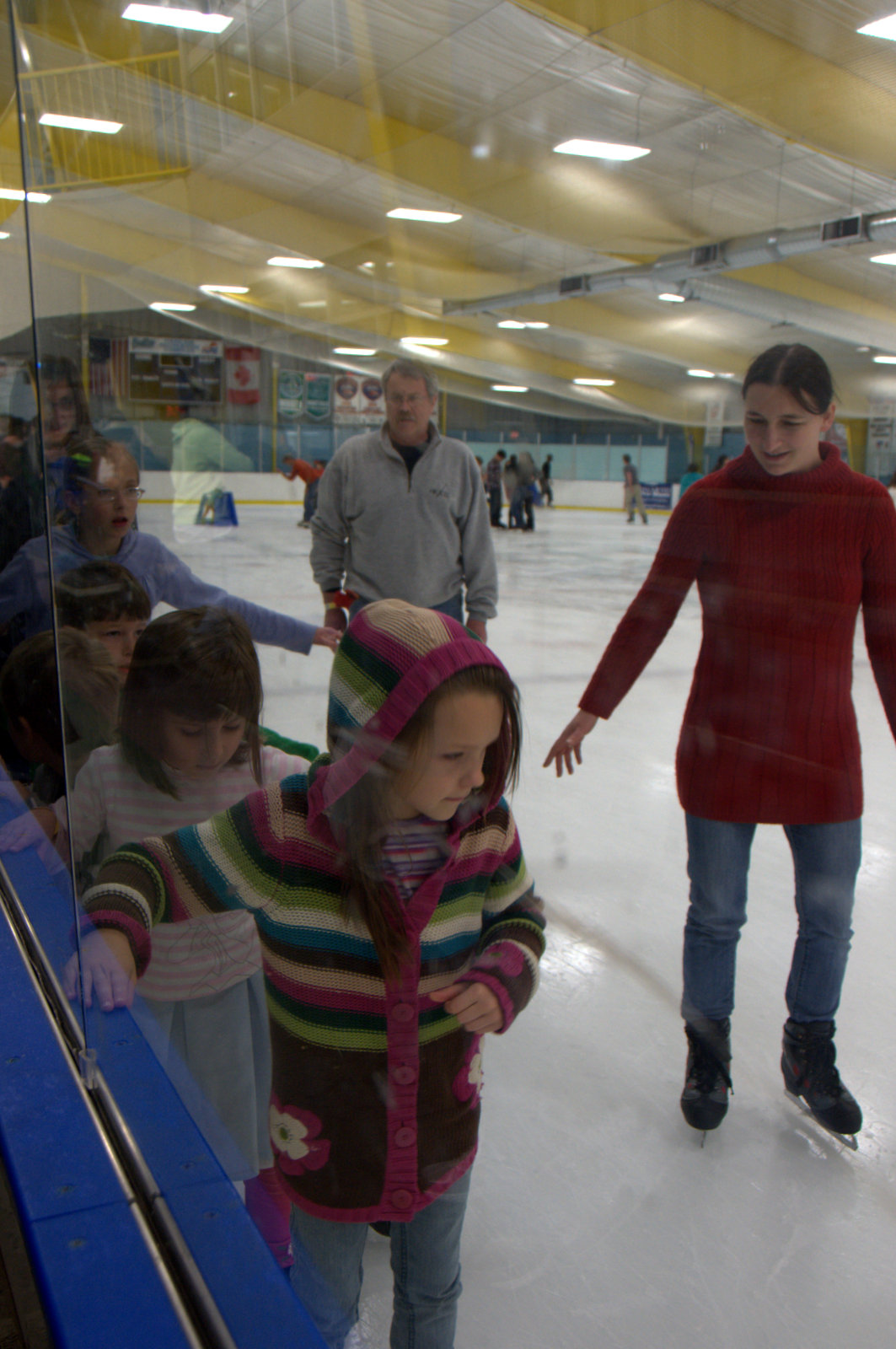
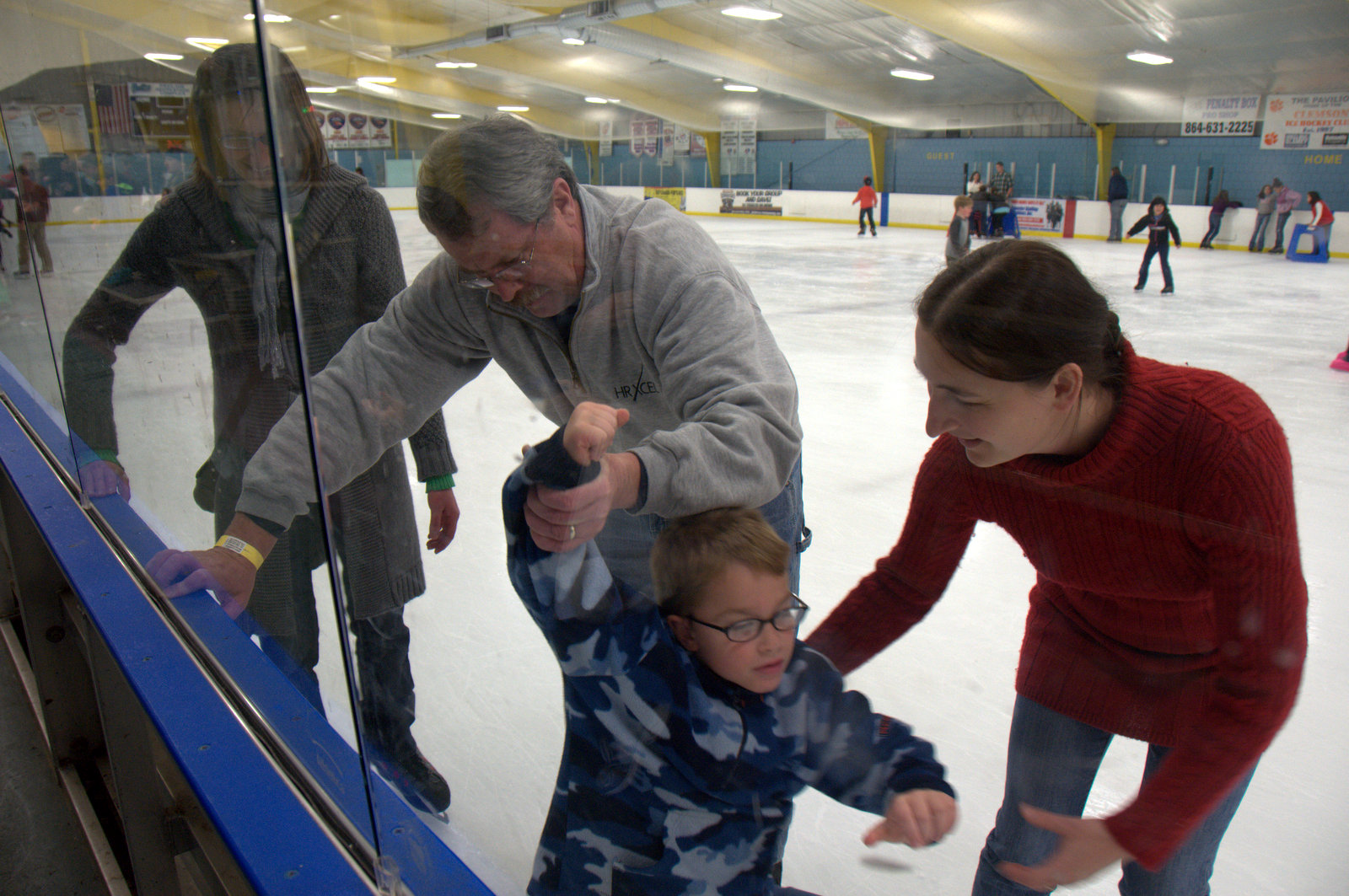
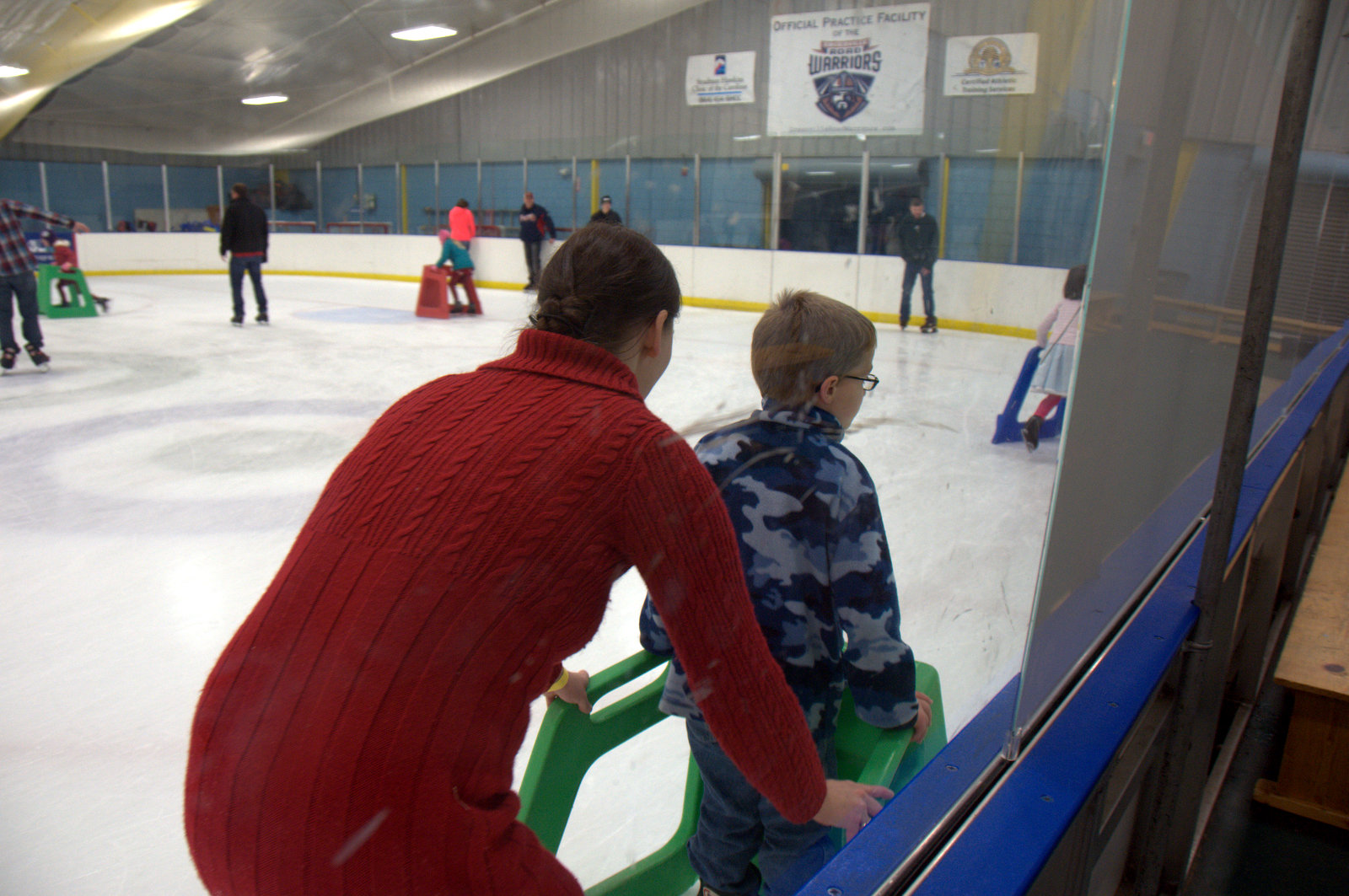
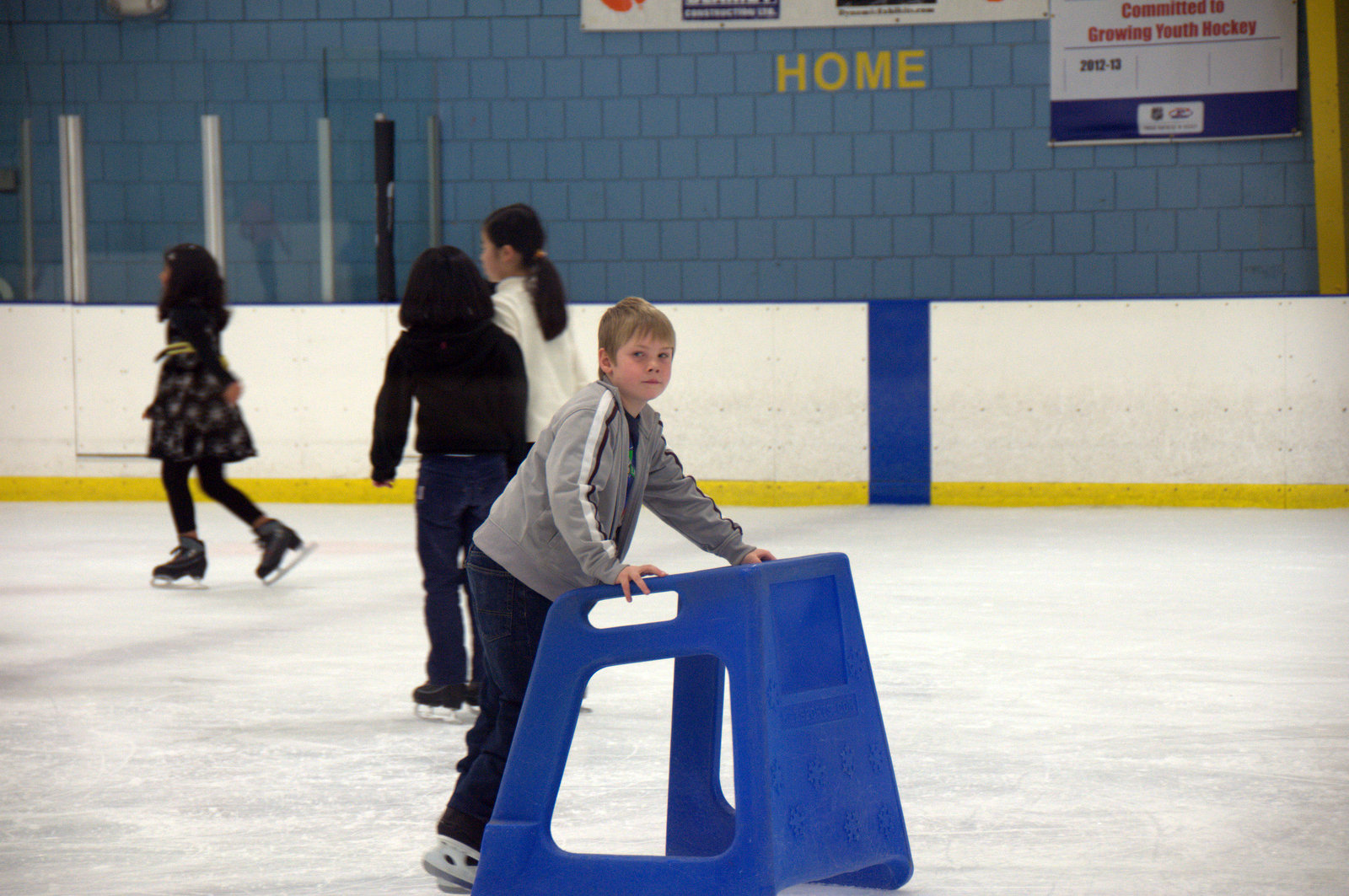
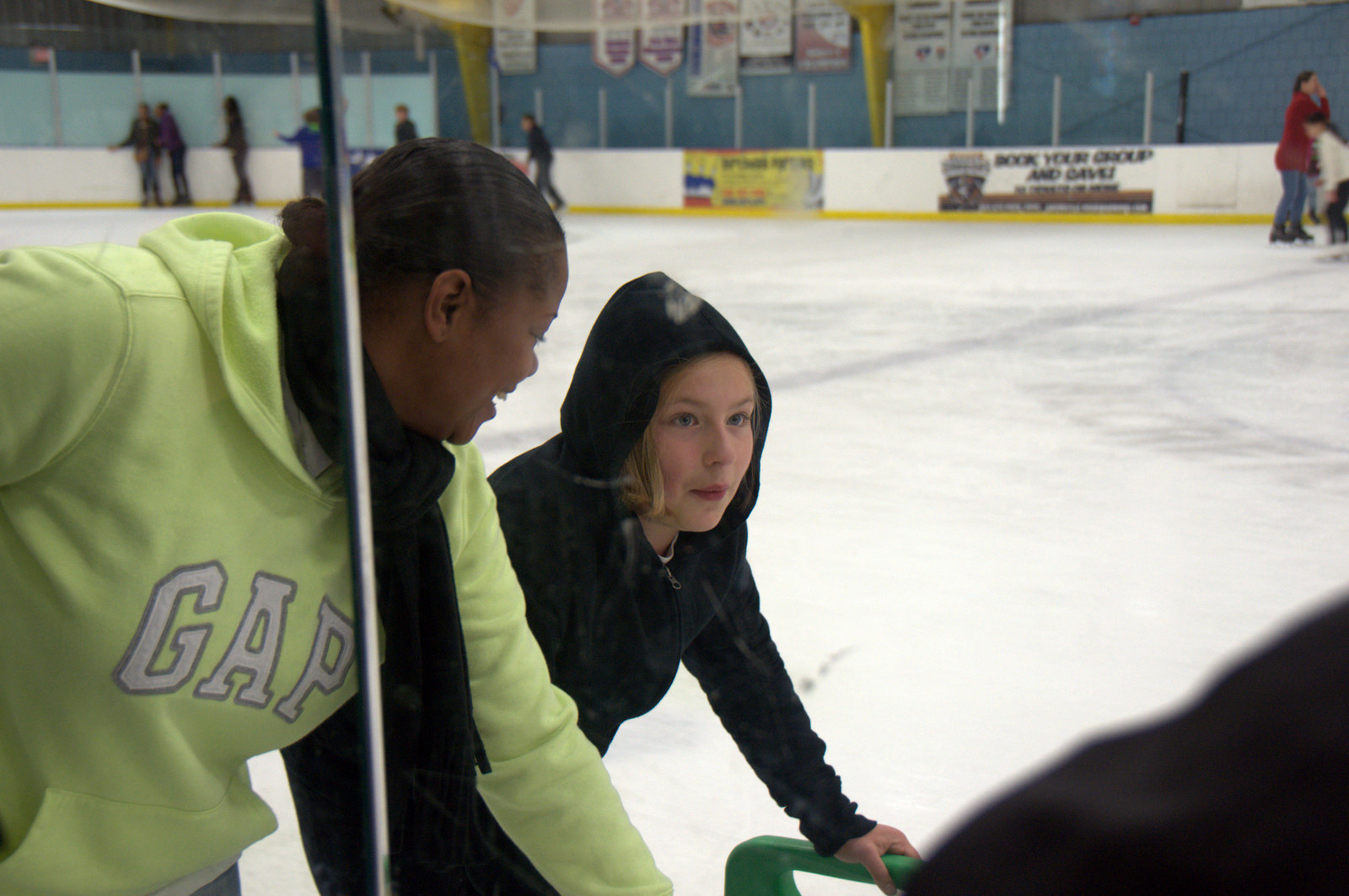
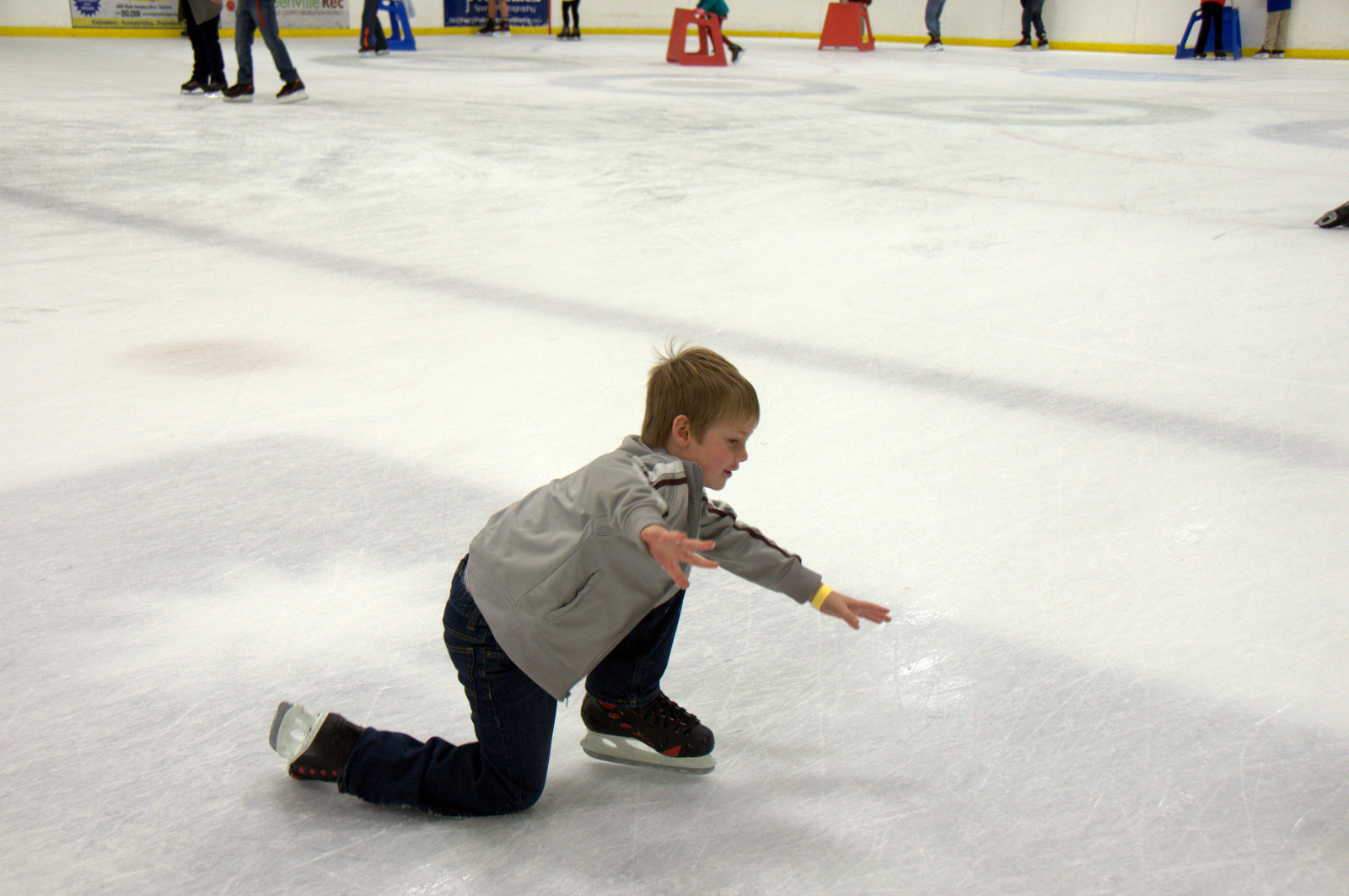
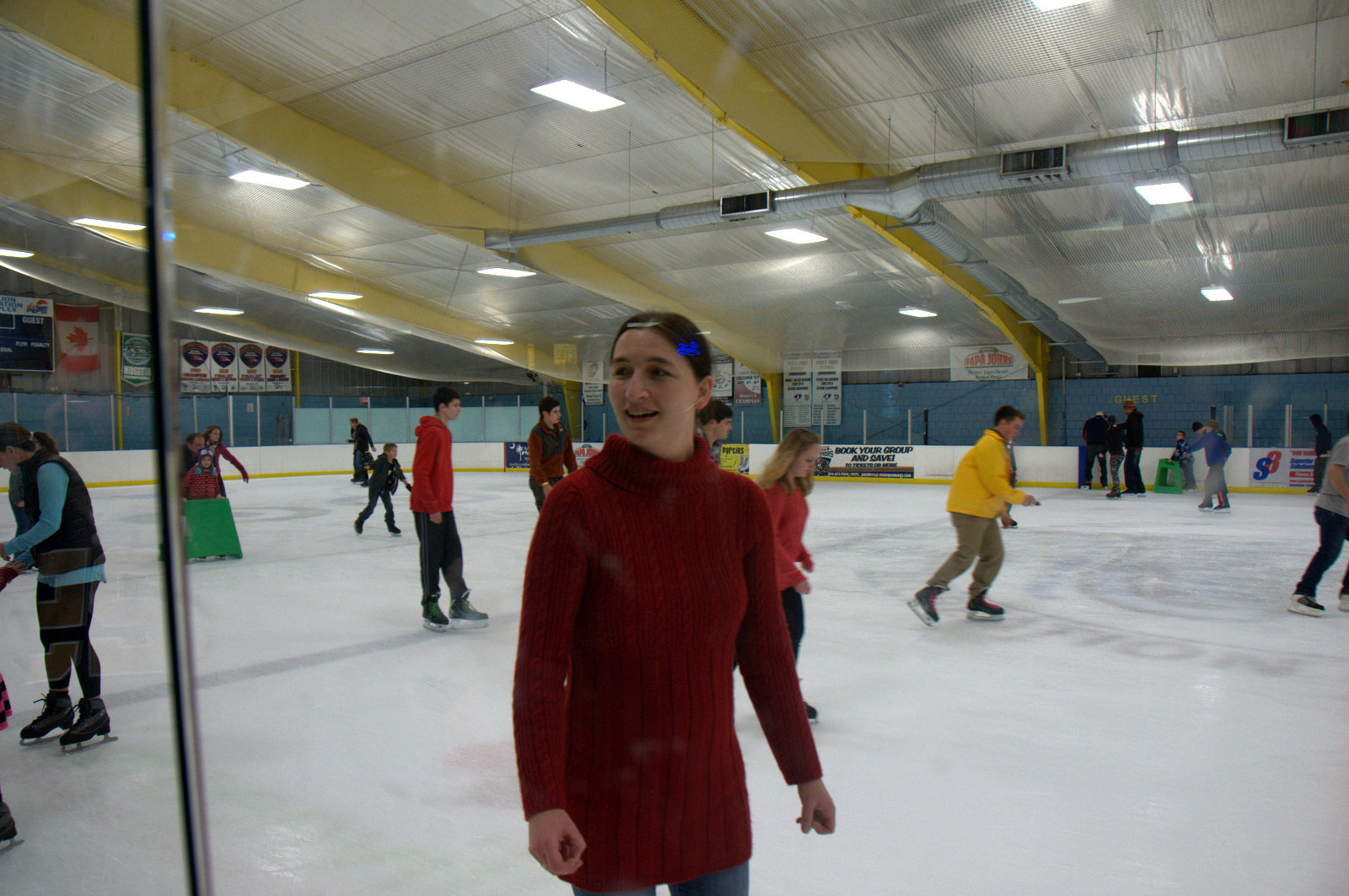
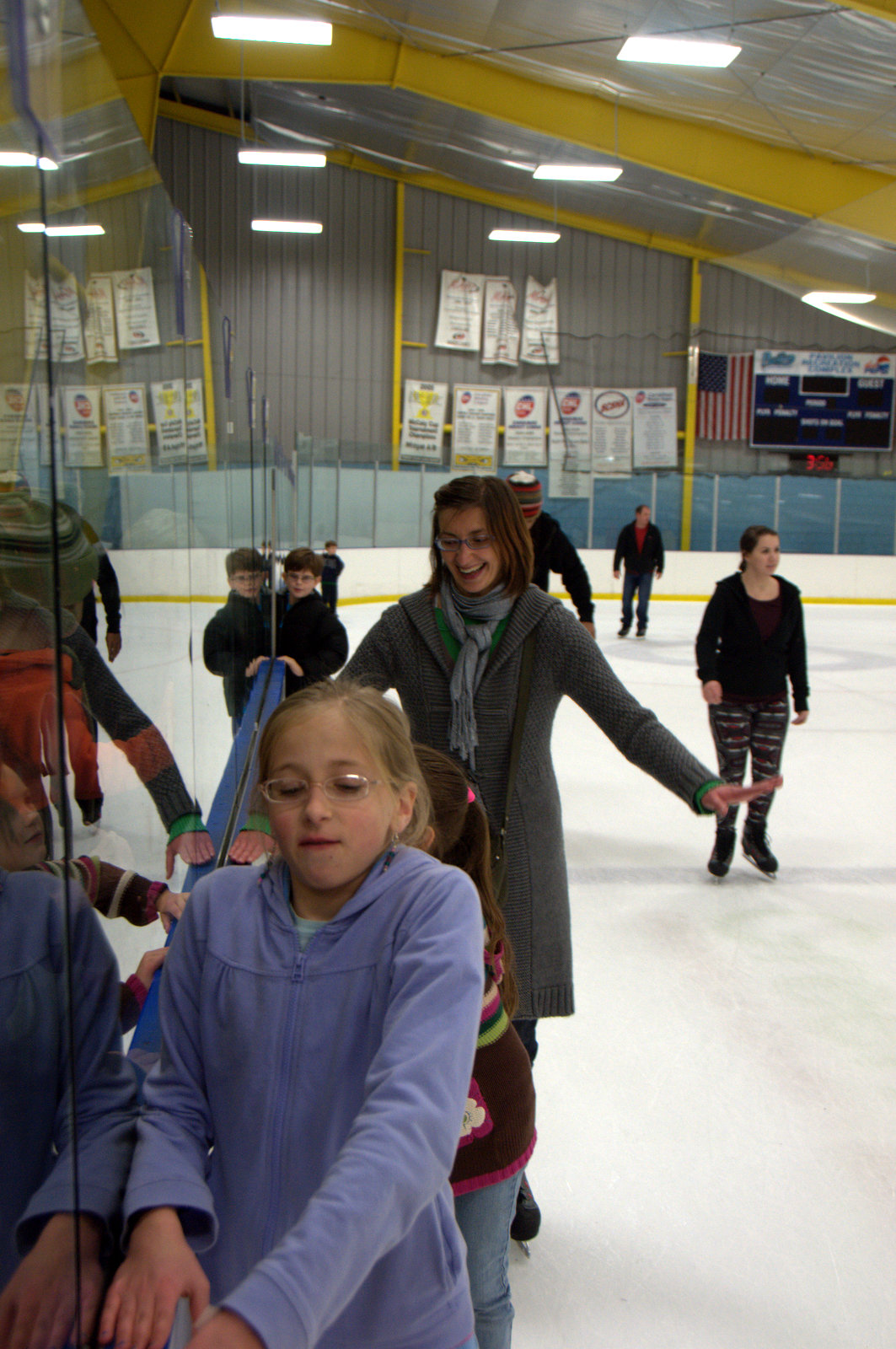
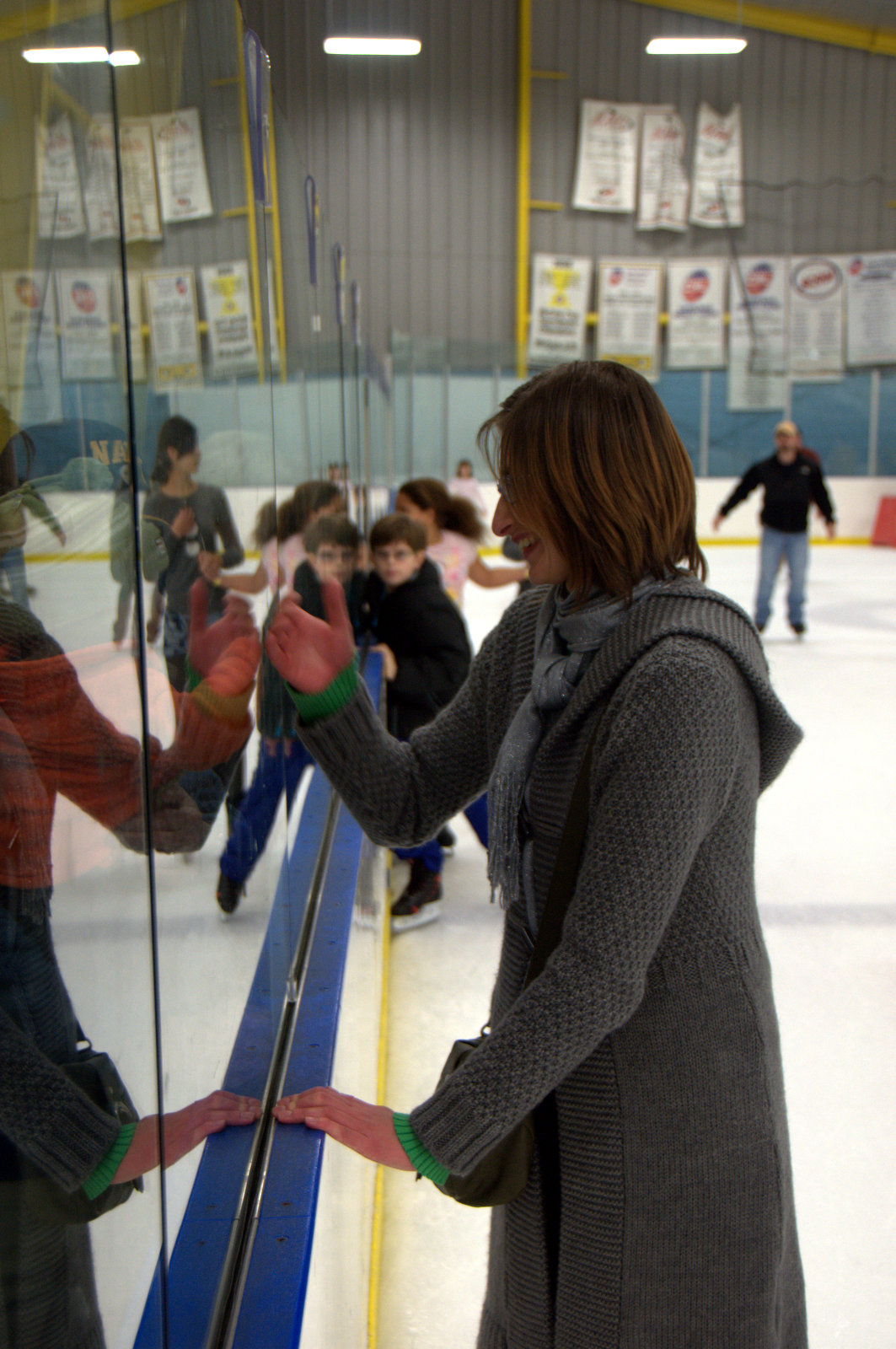
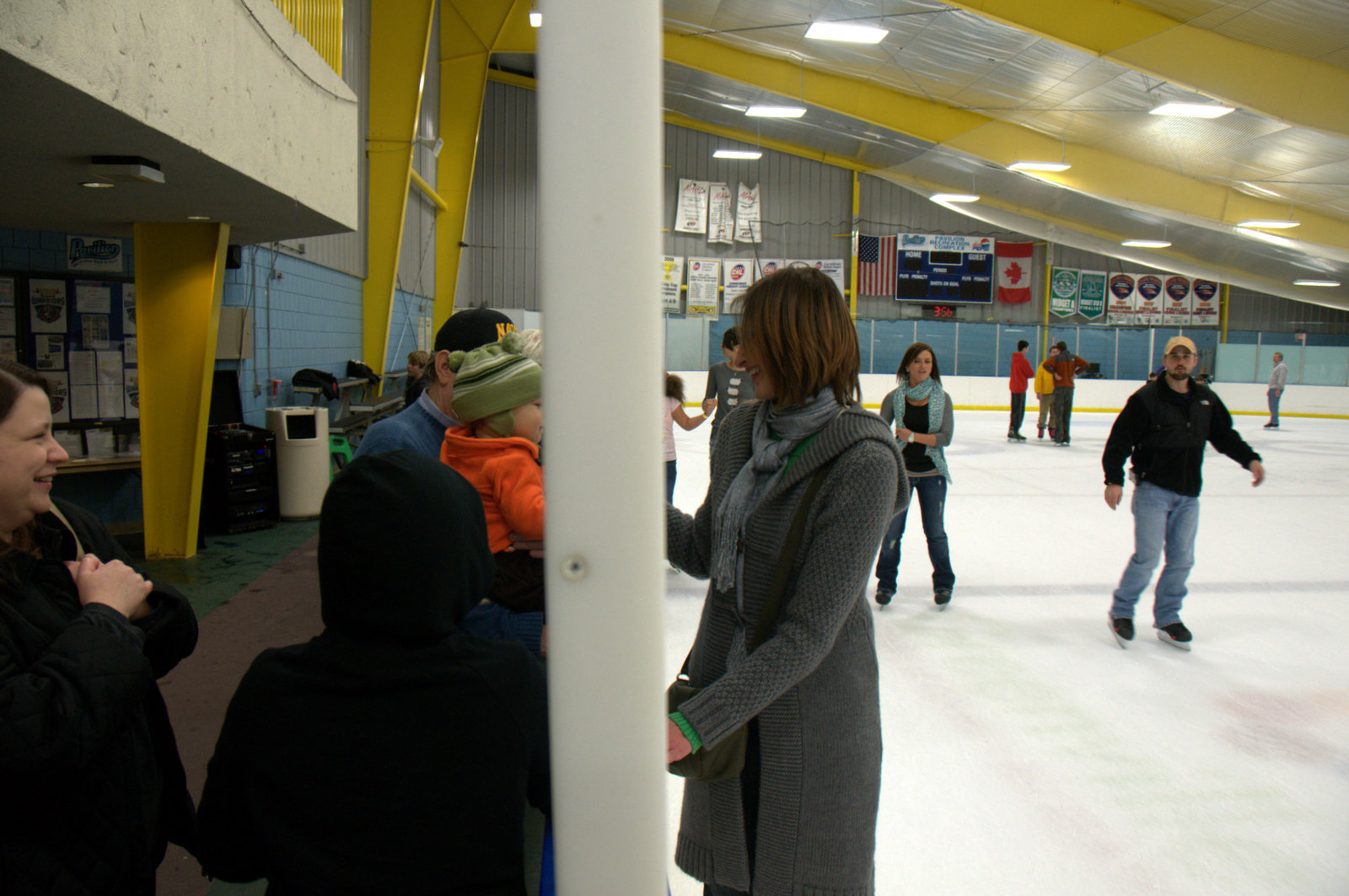
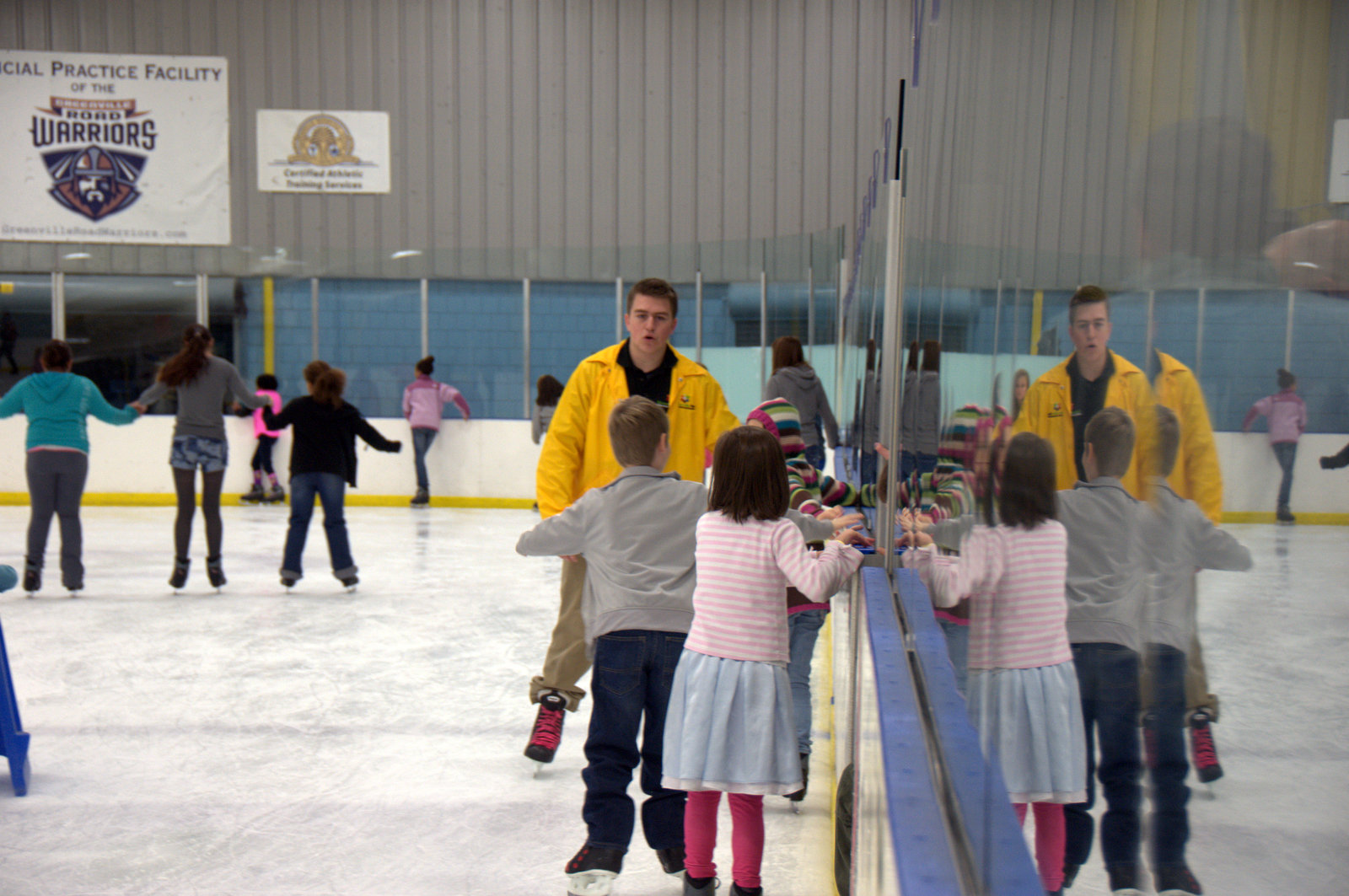
In short, though, we've found that it's simpler to pay other people to do the big stuff -- the food, the cake, the drinks -- while we focus on the fun. This year, an ice skating party. The Girl had a head-start, or perhaps foot-start, with all the roller skating she did this autumn on our fresh concrete drive. Her first ice adventure was halting, with complete reliance on the walker-like skating aid. This year, after a few minutes' instruction, she was ready to head off on her own.

In a sense, that's what birthday parties are all about, getting children ready to head off on their own. In her own time, in her own time, some might say. Still, even a seventh birthday is a suggestion of the development that is simultaneously distant and just around the bend.

I only have to look at E to be reminded how quickly it can pass.

Transformations

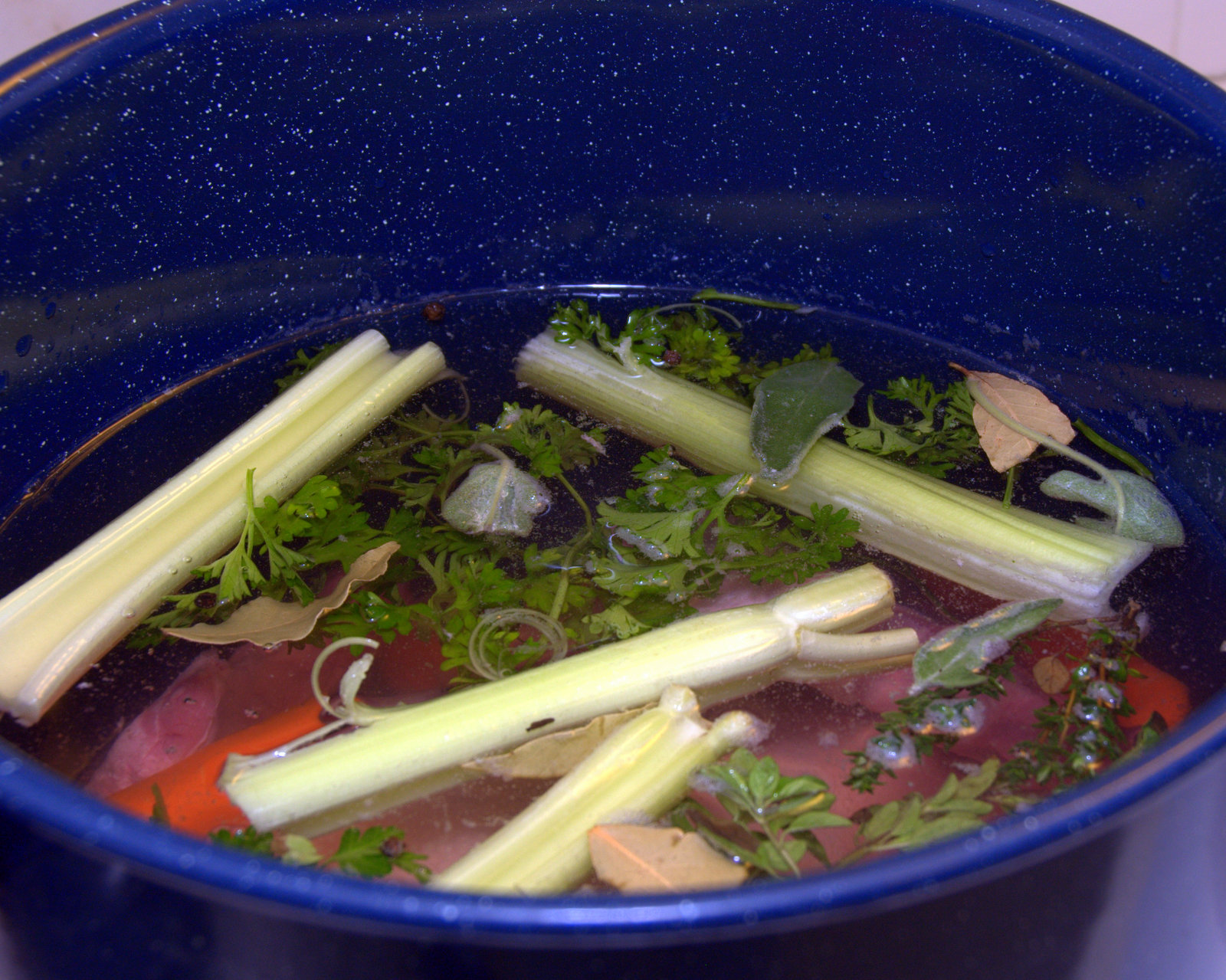
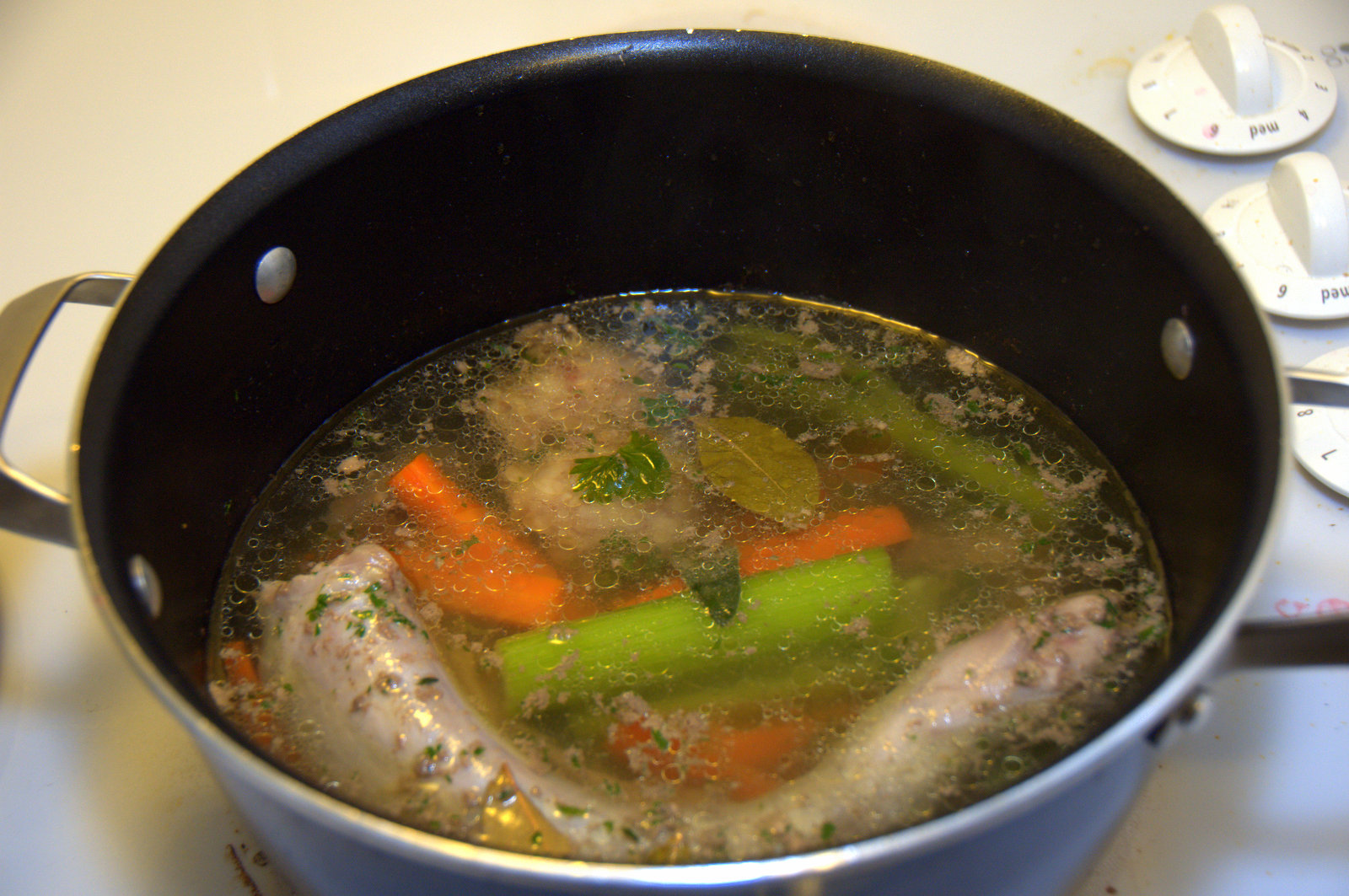
Today was a day of transformations. We put an entire chicken, a bit of beef with the bone, two stalks of celery, a few carrots, some fresh parsley, sage, and thyme into a pot with water and let heat and time transform it into a deceptively clear stock. It had a yellowish tint to it, and there were globules of grease floating on the time, but by the time we'd poured it through a fine sieve several times, it looked like it should have little to no taste. Warmed water. And yet...

DSC_0864

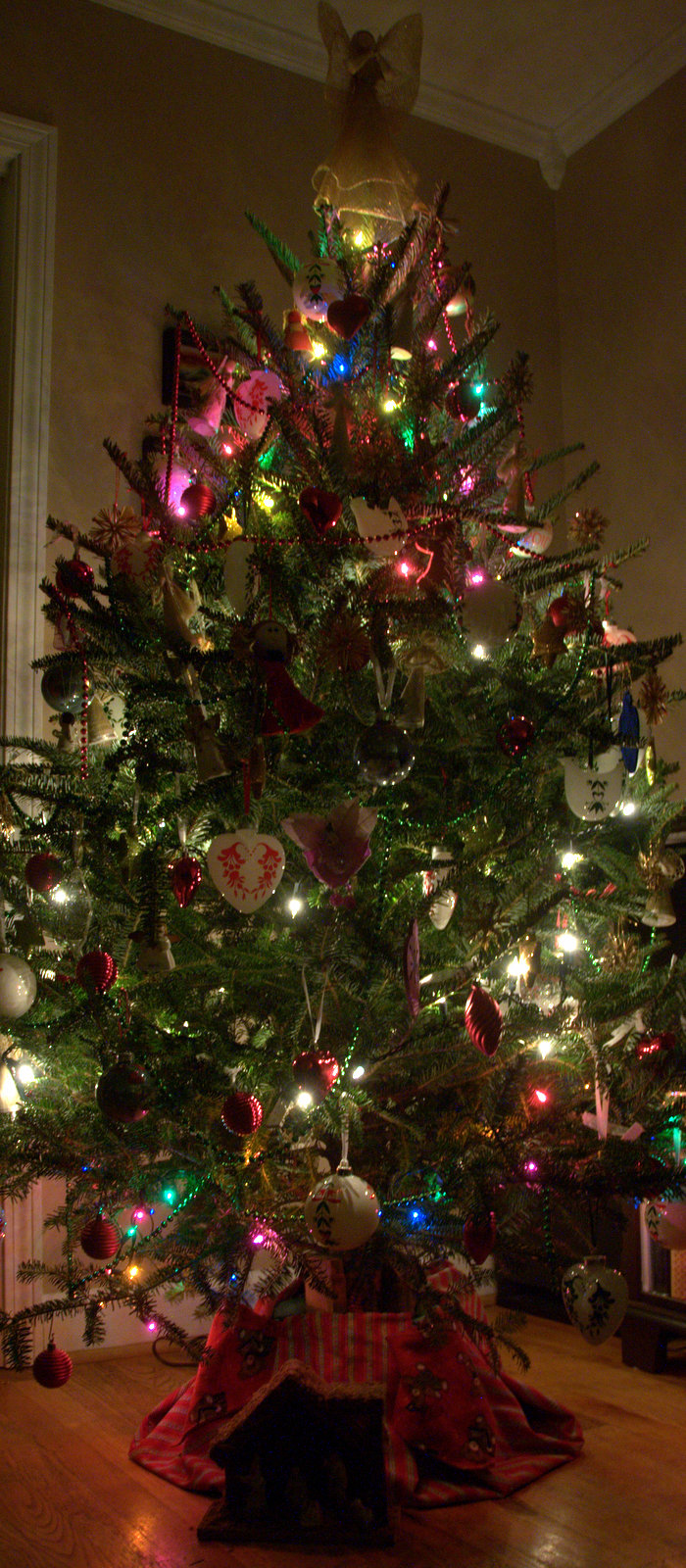
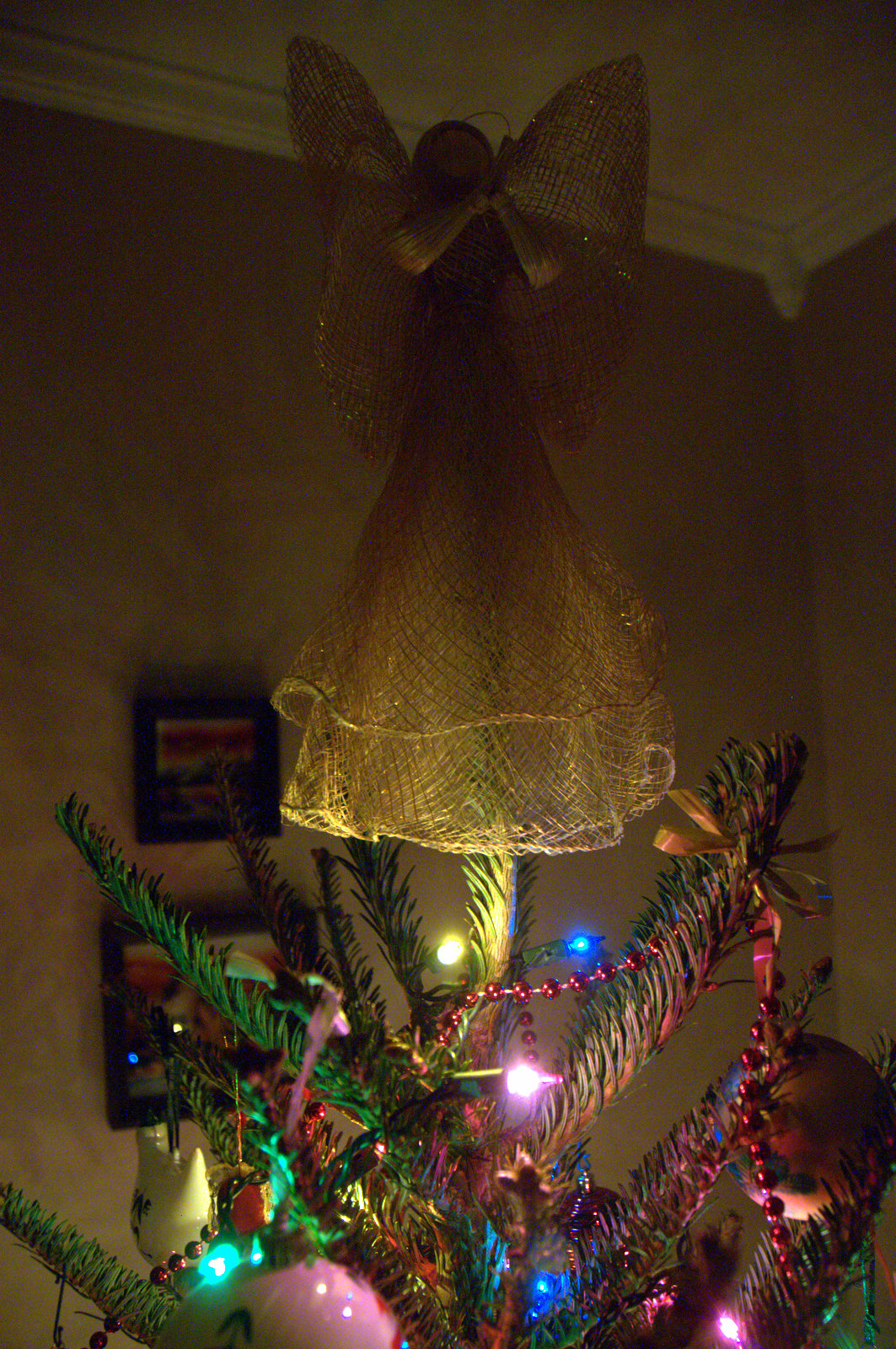
In the afternoon, we took a plain Fraser fir and transformed it into the magic of the season. Lights, baubles, ornaments, angels.

DSC_0866

Babcia, L, and K put on some carols -- Frank Sinatra to begin with -- and hung gingerbread houses and hearts, beads, and lights, and I piddled about the yard. Sort of sad: it's always a highlight for me to decorate the tree, and I regret missing out on it. I always feel like a kid hanging the ornaments, sipping on something warm.

VIV_0878

And in a way, I am a kid at it: only in the last few years could I stop saying, "I've celebrated Christmas so few times I could count them on my fingers." Yet not having participated in the holiday growing up makes it all the more meaningful for me now.

Yet early celebrations with K always lacked a little something. For me as a non-believer, Christmas was a season of pleasantries and friends, but little else. "If only people would be this nice to each other throughout the entire year," I would say, and that was about the extent of the spirituality of Christmas for me: a longing for a kind of utopia that I thought briefly and imperfectly existed during the Christmas season.

Having converted to Catholicism, though, adds a new meaning to Christmas. Properly speaking and on a most basic level, it adds new vocabulary: Advent, St. Stephen's Day, Vigil Mass. Of course there's more to it than just vocabulary, but I'm still a bit ill-at-ease to discuss it further. Old faithless comforts (or in this case, lack of comfort) disappear slowly.

So that particular transformation is still incomplete. The water is still boiling around me, still drawing out the essences, purifying. It's one more thing I'm waiting on in Advent.

VIV_0880

How Does This Work?

DSC_0856

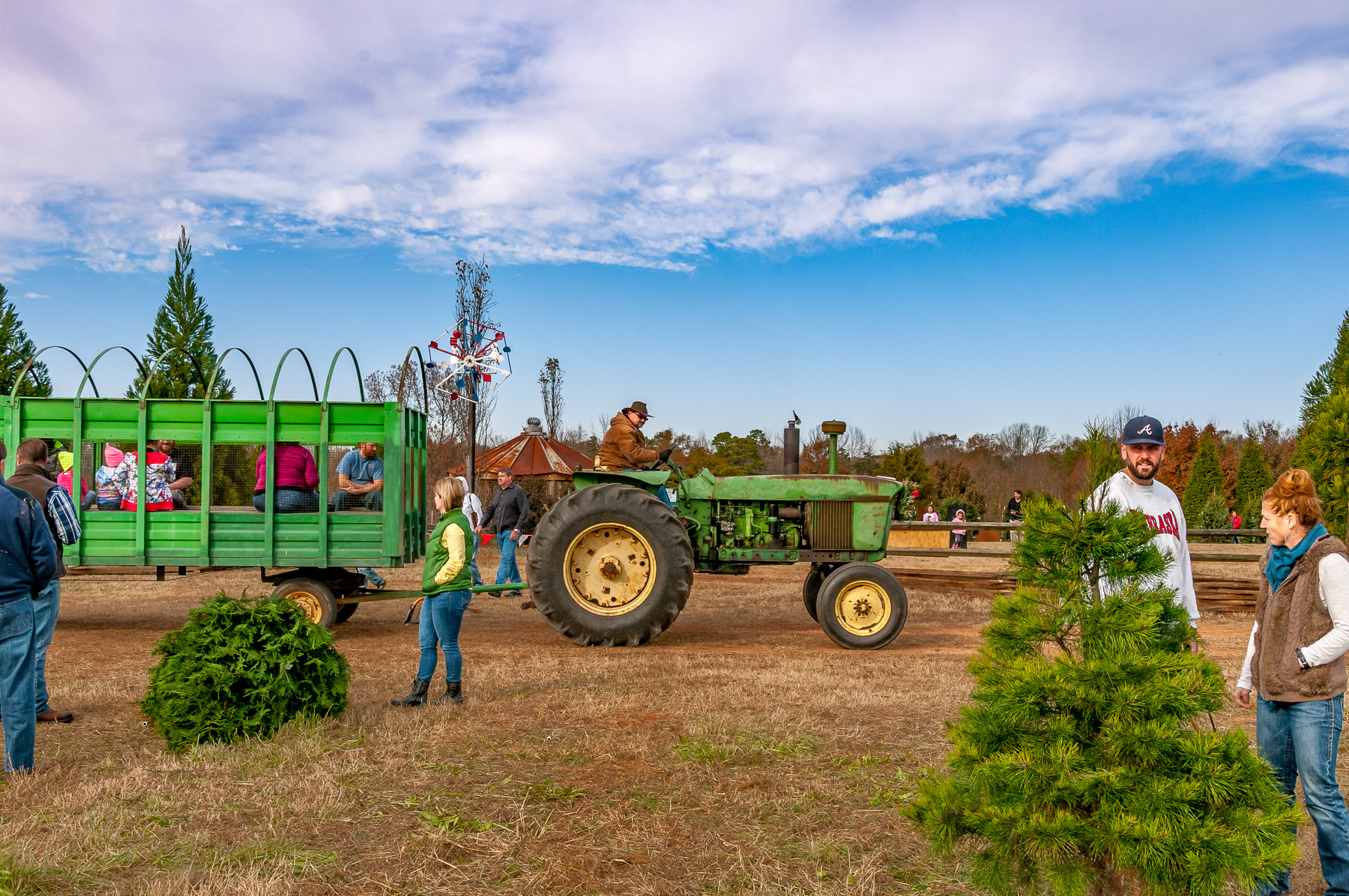
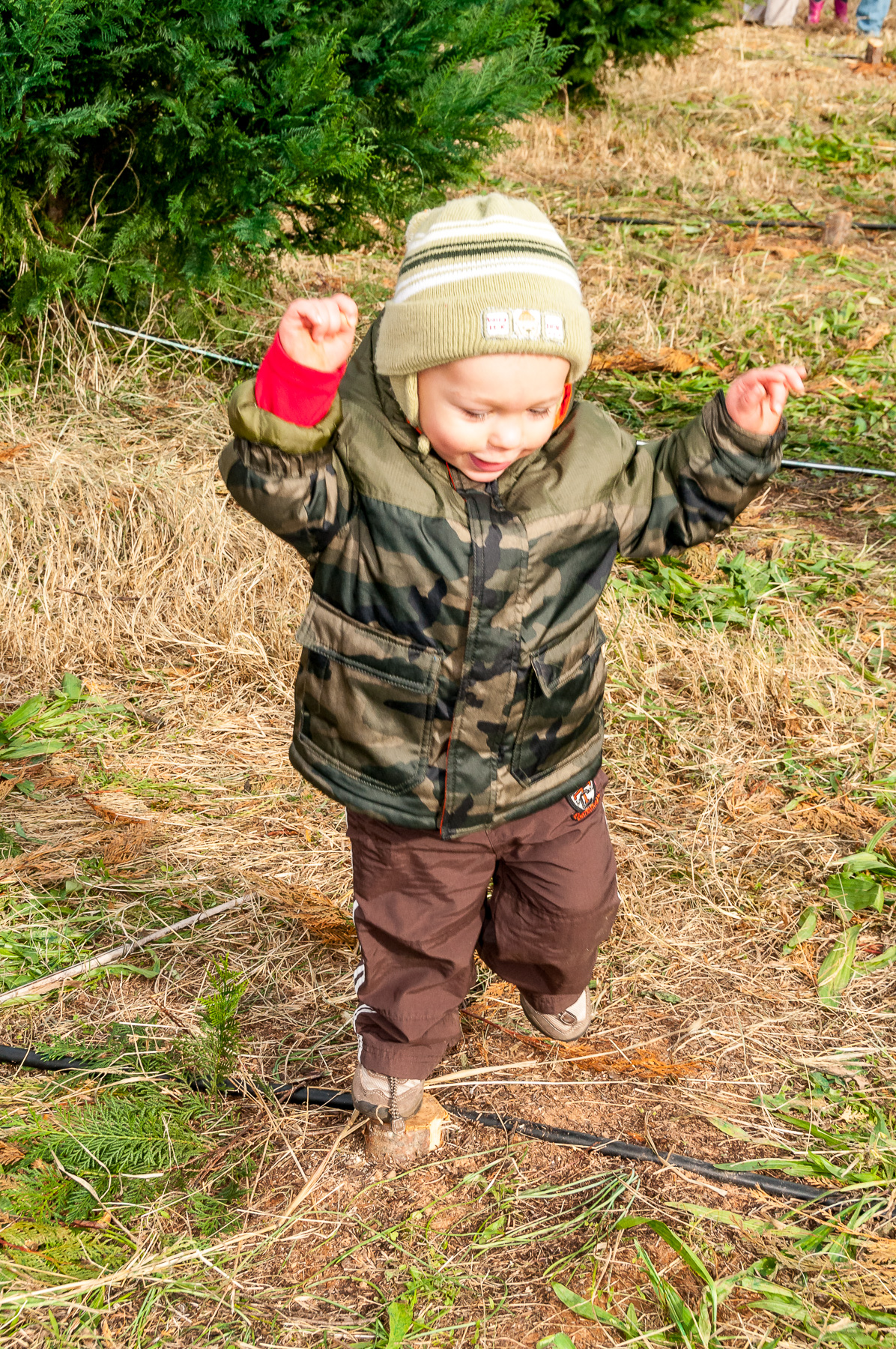
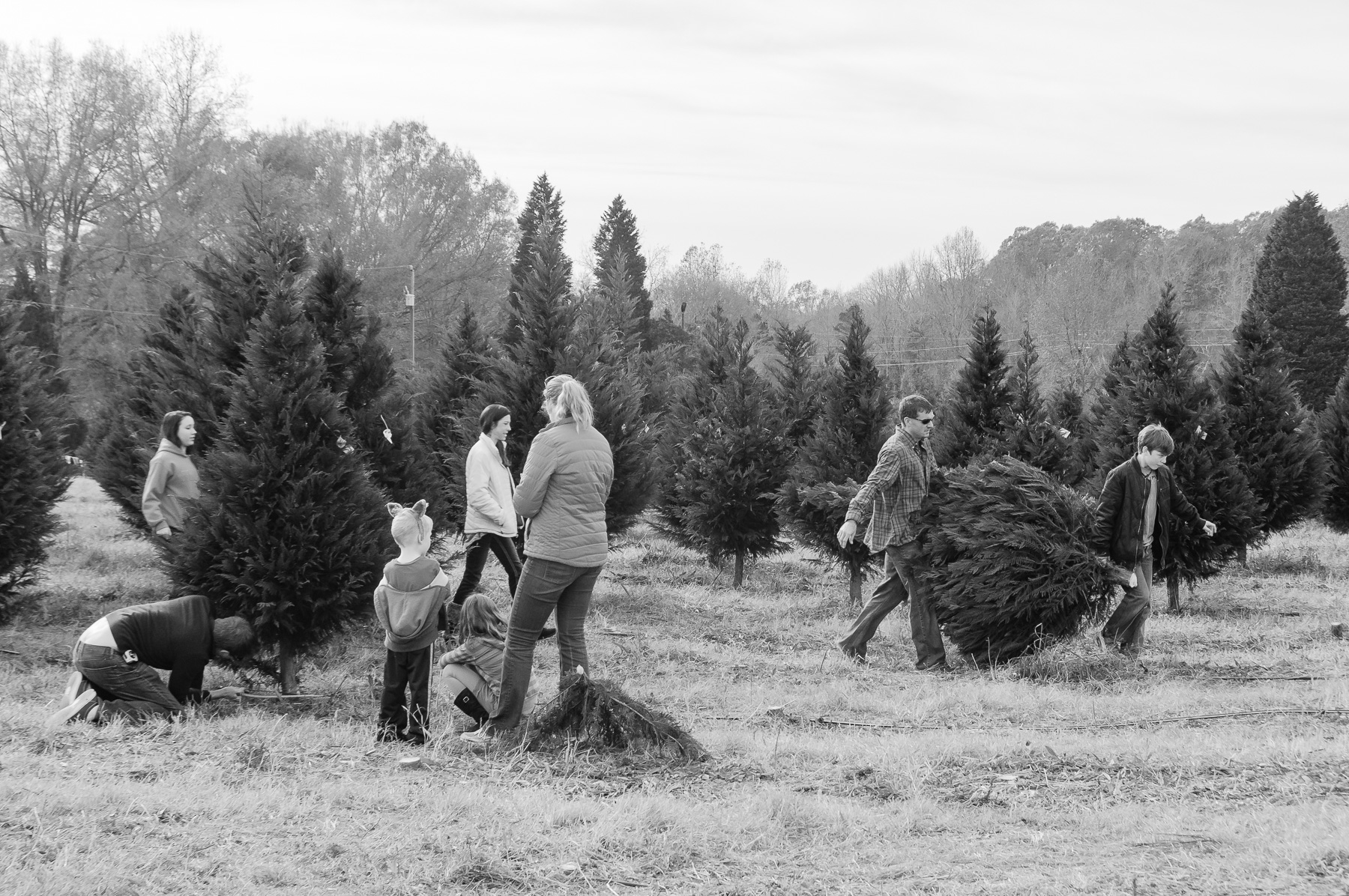
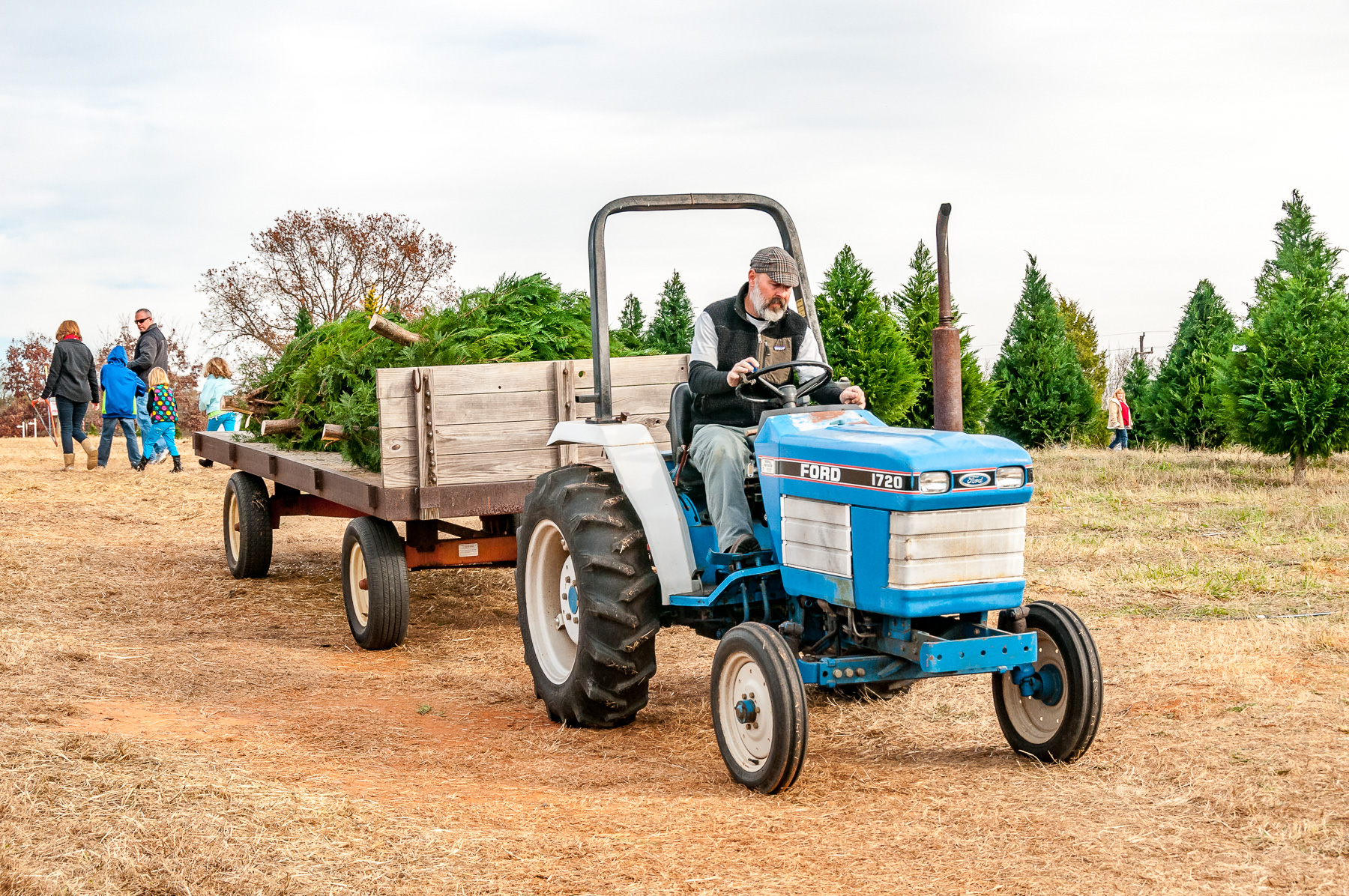
Christmas Tree Farm

Indoors and Out, Sort Of

The day began with Polish lessons, with Babcia taking over for this particular round. This has its advantages, to be sure, the main one being her inability to speak English. Since the Girl can't speak Russian, the only language Babcia and L have in common is Polish, so it forces the language out of L, squeezes it out of every little necessity.

01-VIV_0658

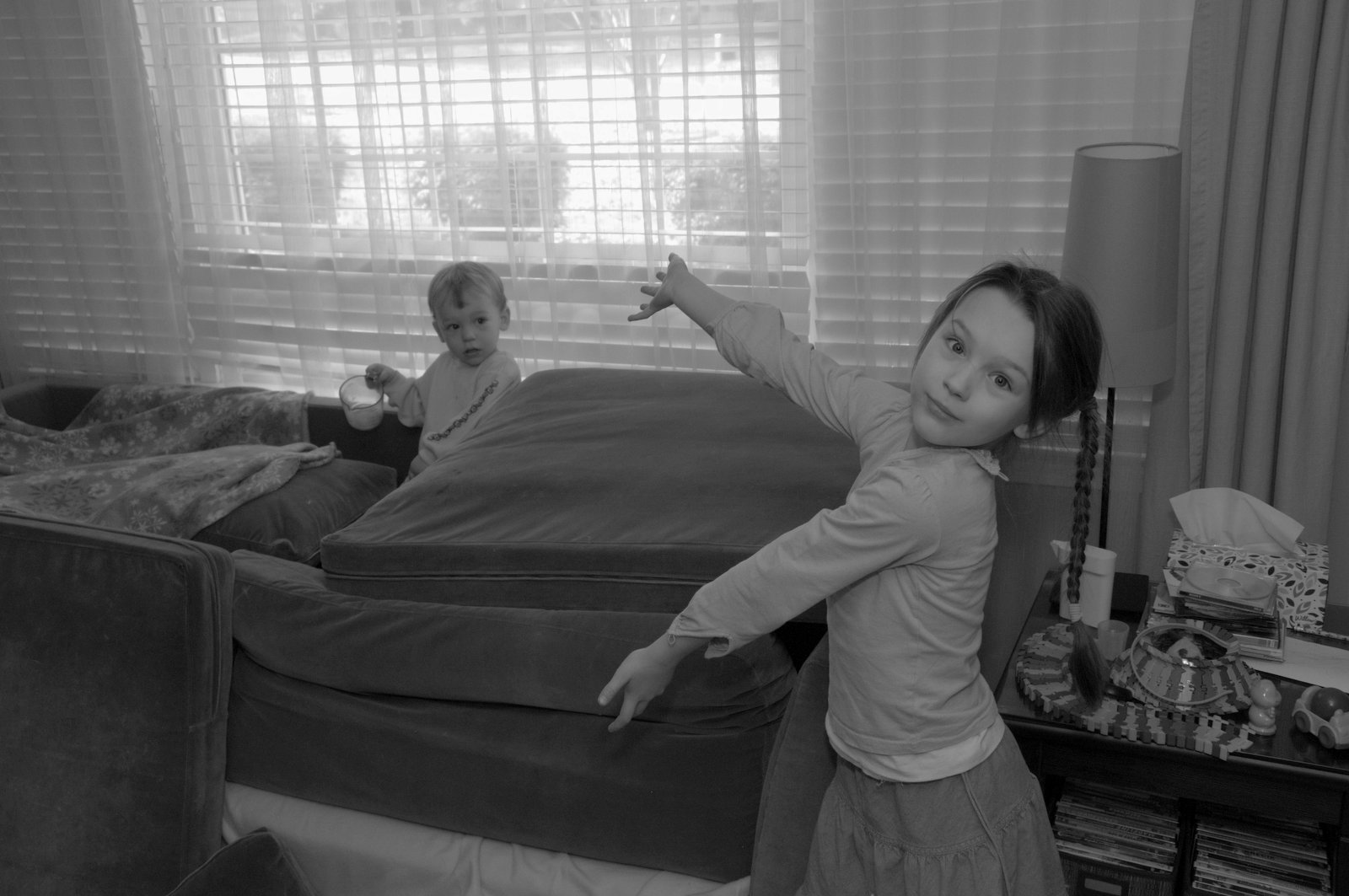
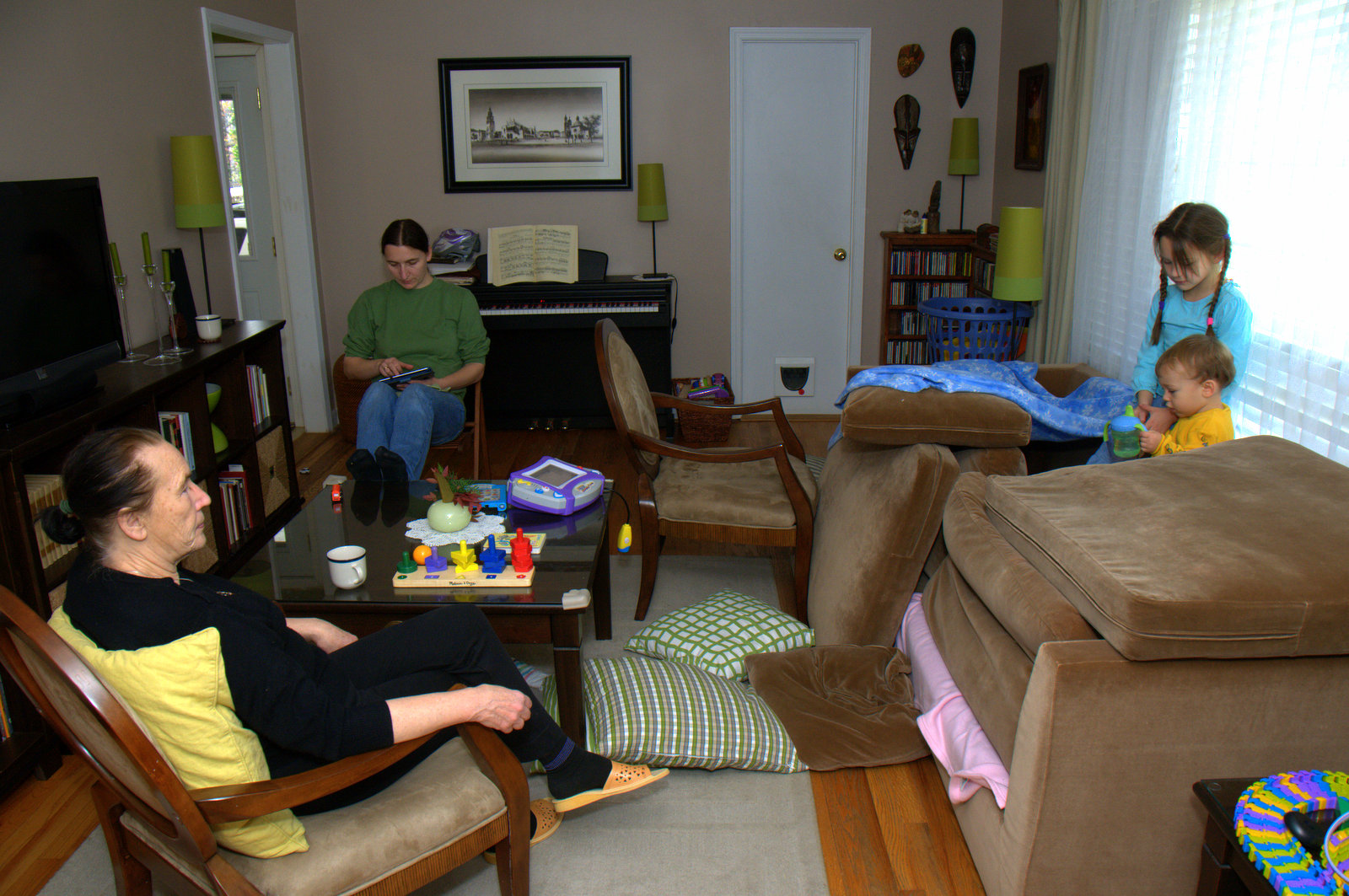
Once that was out of the way, it was playtime. The Girl's favorite play location of late has been the livingroom couch, somewhat transformed.

"It's a fort! An E-proof fort!"

02-VIV_0670

Something tells me that this will soon be a favorite of E, as well. He certainly stayed in the "fort" for a long time, and he seemed content the whole time, as did everyone else. The OCD version of Tata, though, was going just a little crazy with the mess. Good clean fun doesn't really exist with a six-year-old and a toddler.

03-VIV_0673

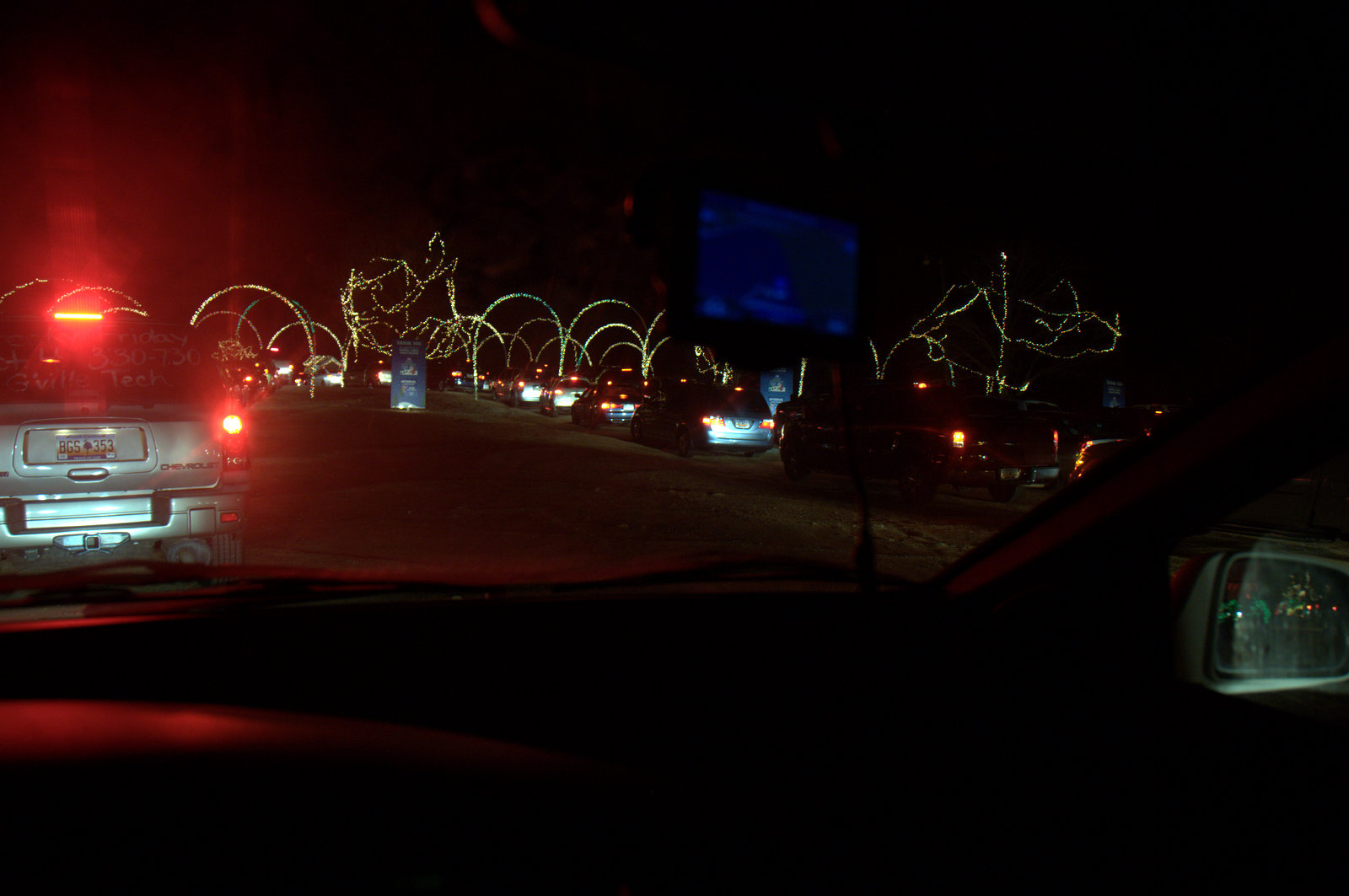
In the evening, we decided it was time we finally went to Hollywild's famous Christmas light safari (their term, not mine). We'd tried some years ago, but we'd given up and turned around after wandering about in the middle seemingly of nowhere for long enough to drive me batty.

04-VIV_0678

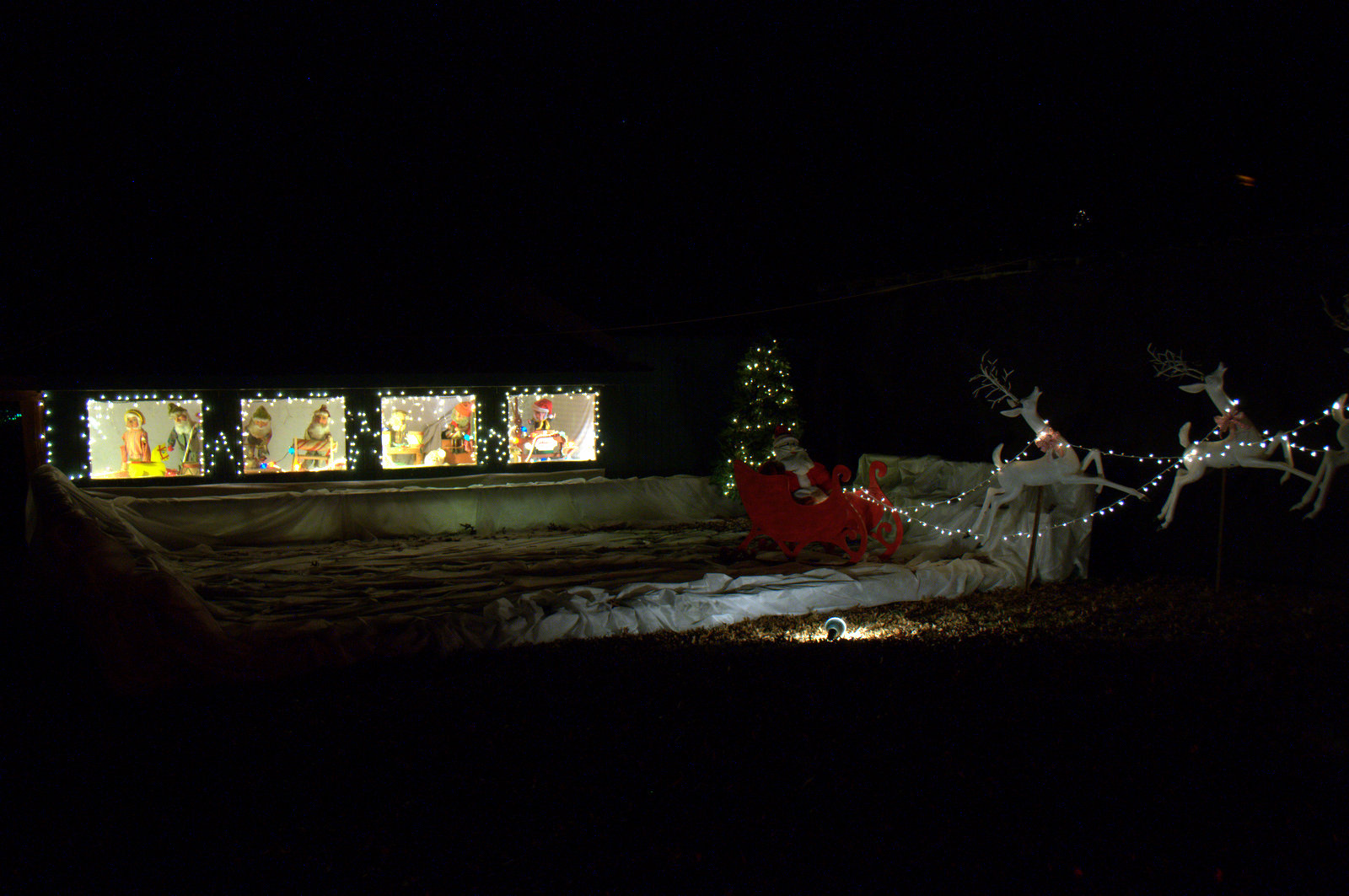
It's a strangely American concept: set up an incredible number of lights -- snow men, rocking horses, various Christmas scenes, various winter scenes -- and let people drive their cars around in the display.

05-VIV_0688

"What a waste of gas!" some non-Americans (and likely some Americans as well) might suggest. "Why not get out and walk -- you missed a chance for good exercise."

06-VIV_0689

And that's probably true, but this evening was particularly cold, and the Boy would not have fared well in such cold weather: he gets sick just thinking about getting sick. No, he gets sick with anyone around him thinking that he might get sick. It's suggestive illness.

07-VIV_0697

And so we played along (as if we had a choice) and drive through the presentation, behaving perfectly cordially with all the other drivers (what a change) and patiently oohing and ahhing at all the right spots.

08-VIV_0699

"Look at the reflection!" L pointed out, right before Babcia did the same in Polish. Or was it the reverse?

09-VIV_0701

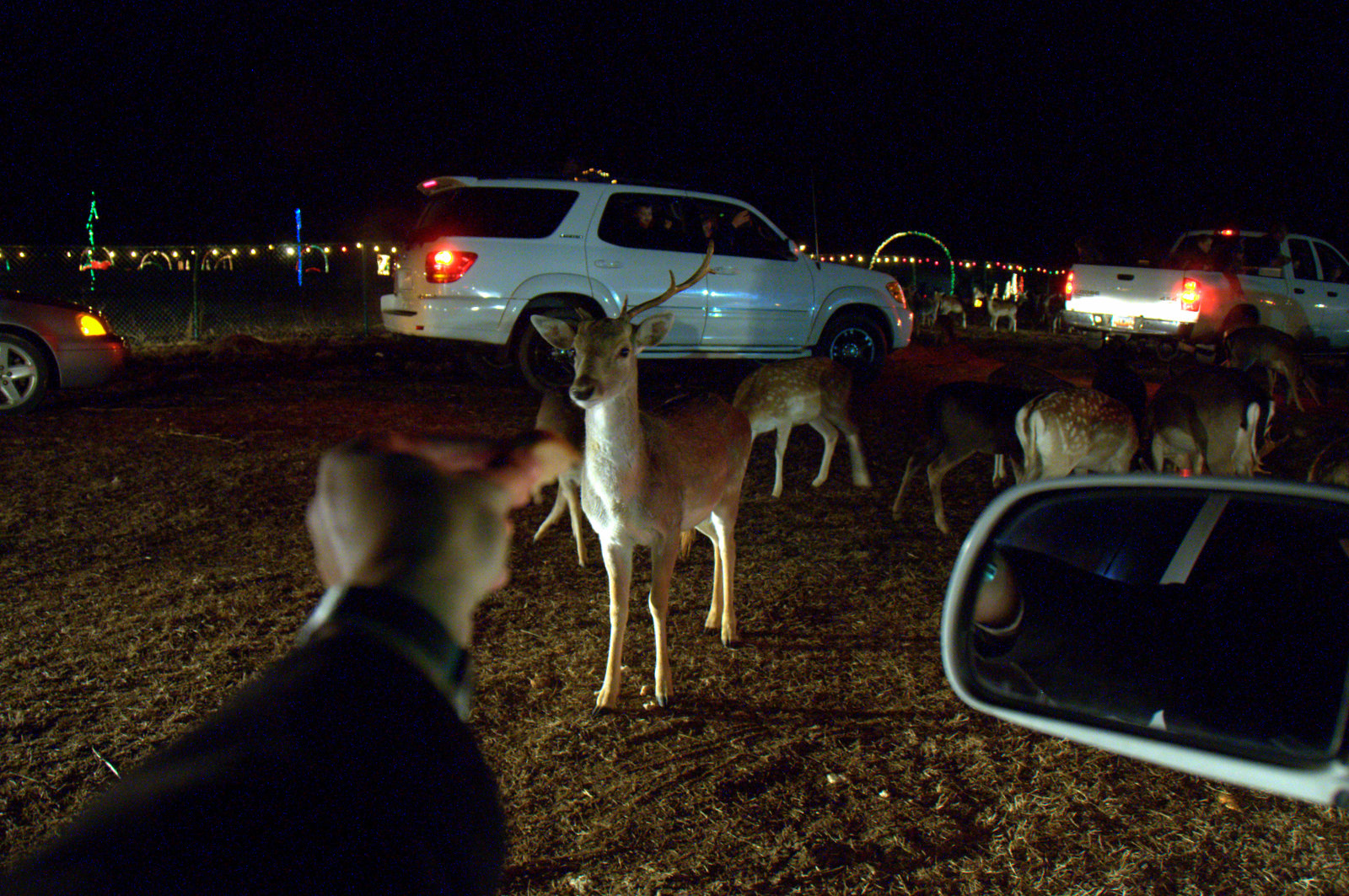
In the middle of the safari was the Enchanted Deer Forest, which was an odd term for the plot of muddied, treeless ground all the cars wandered about in as if they migrating animals, separated and lost from their herd.

10-VIV_0705

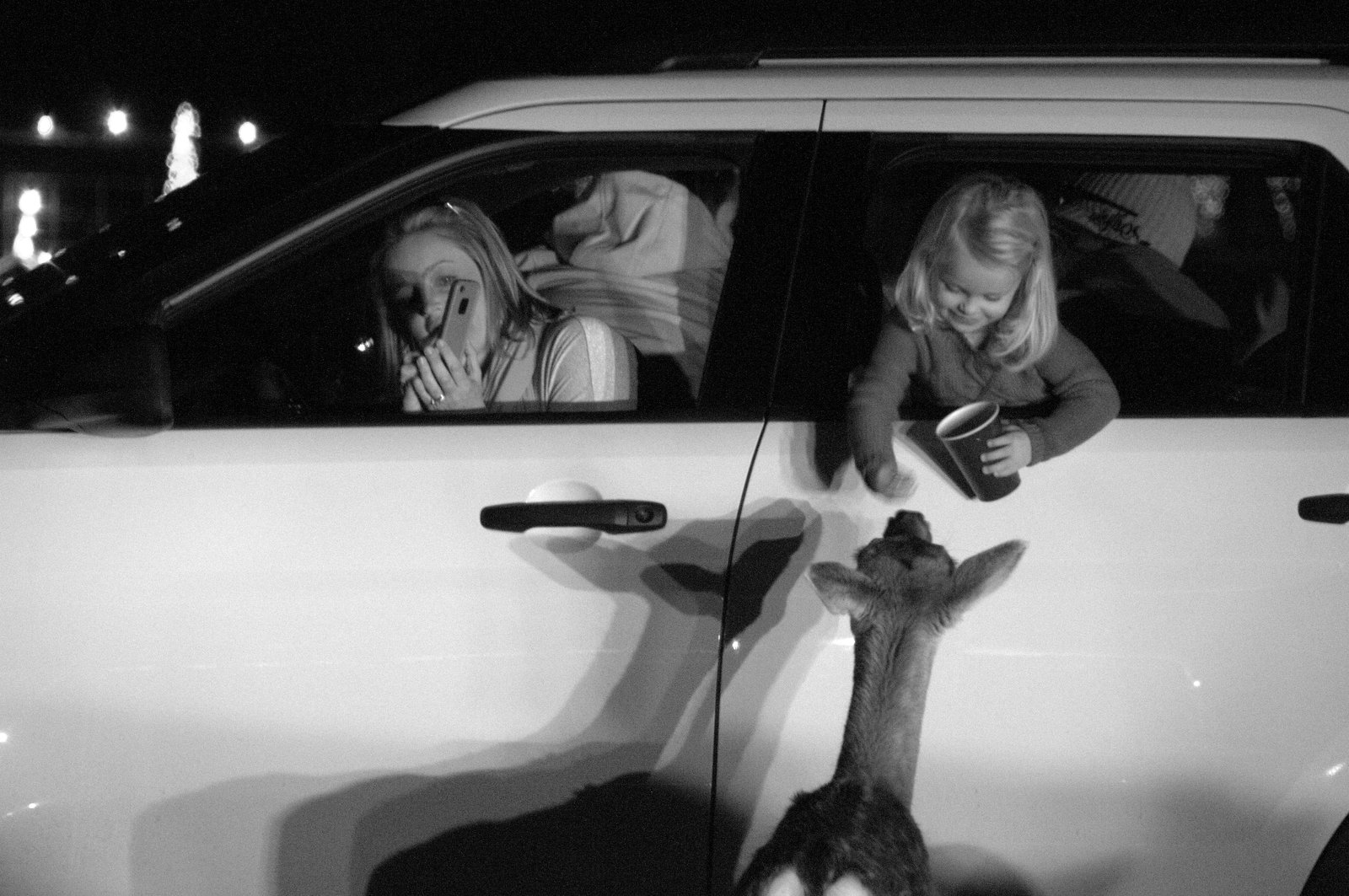
The enchanted deer part, though, was easy to see. They clumped around cars and ate from people's hands, walking in front of slowly-moving cars without a care.

11-VIV_0713

We tried to get a few to come to our car, but the closes we came was a short, semi-attentive stare.

12-VIV_0722
13-VIV_0726

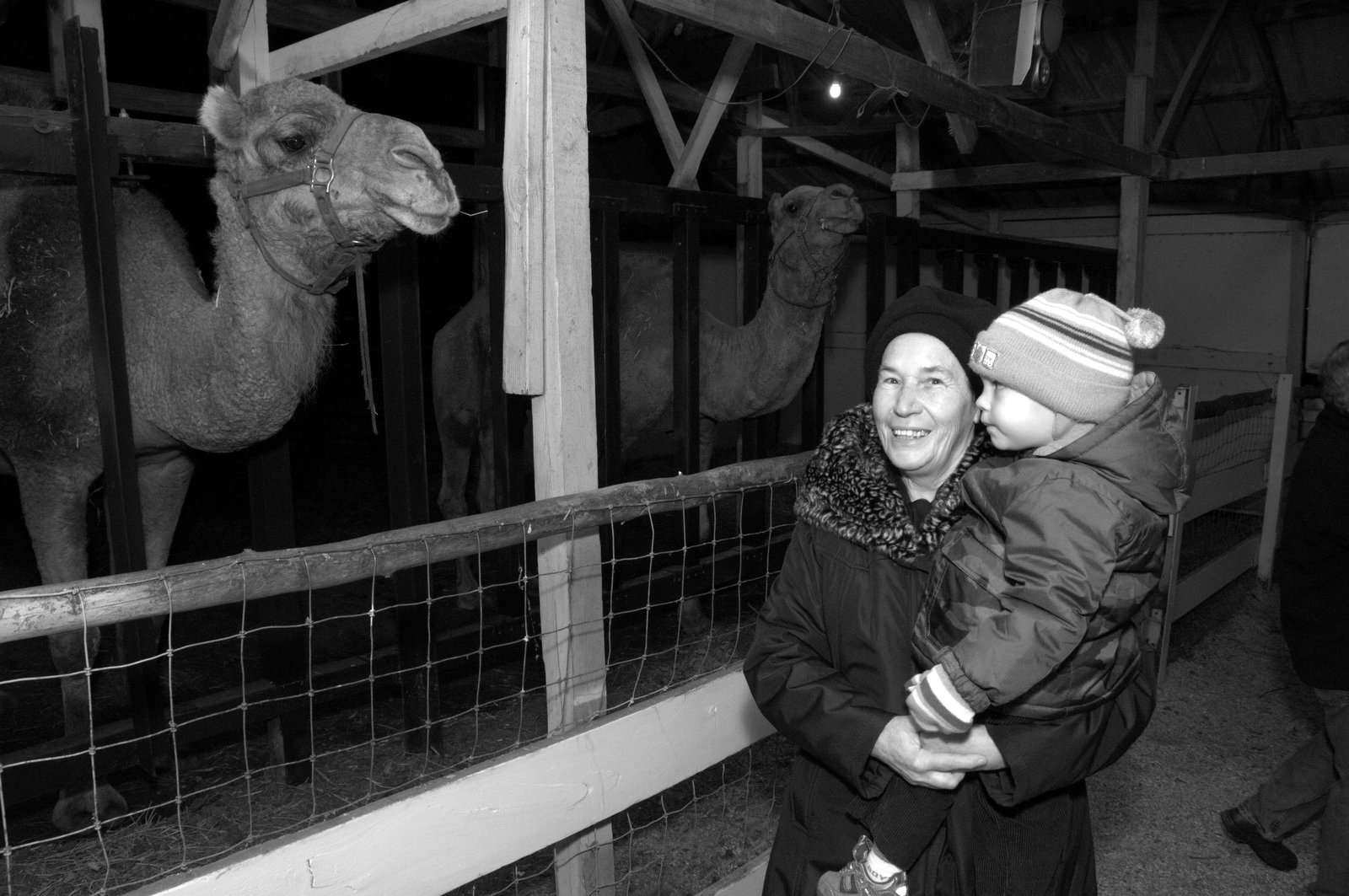
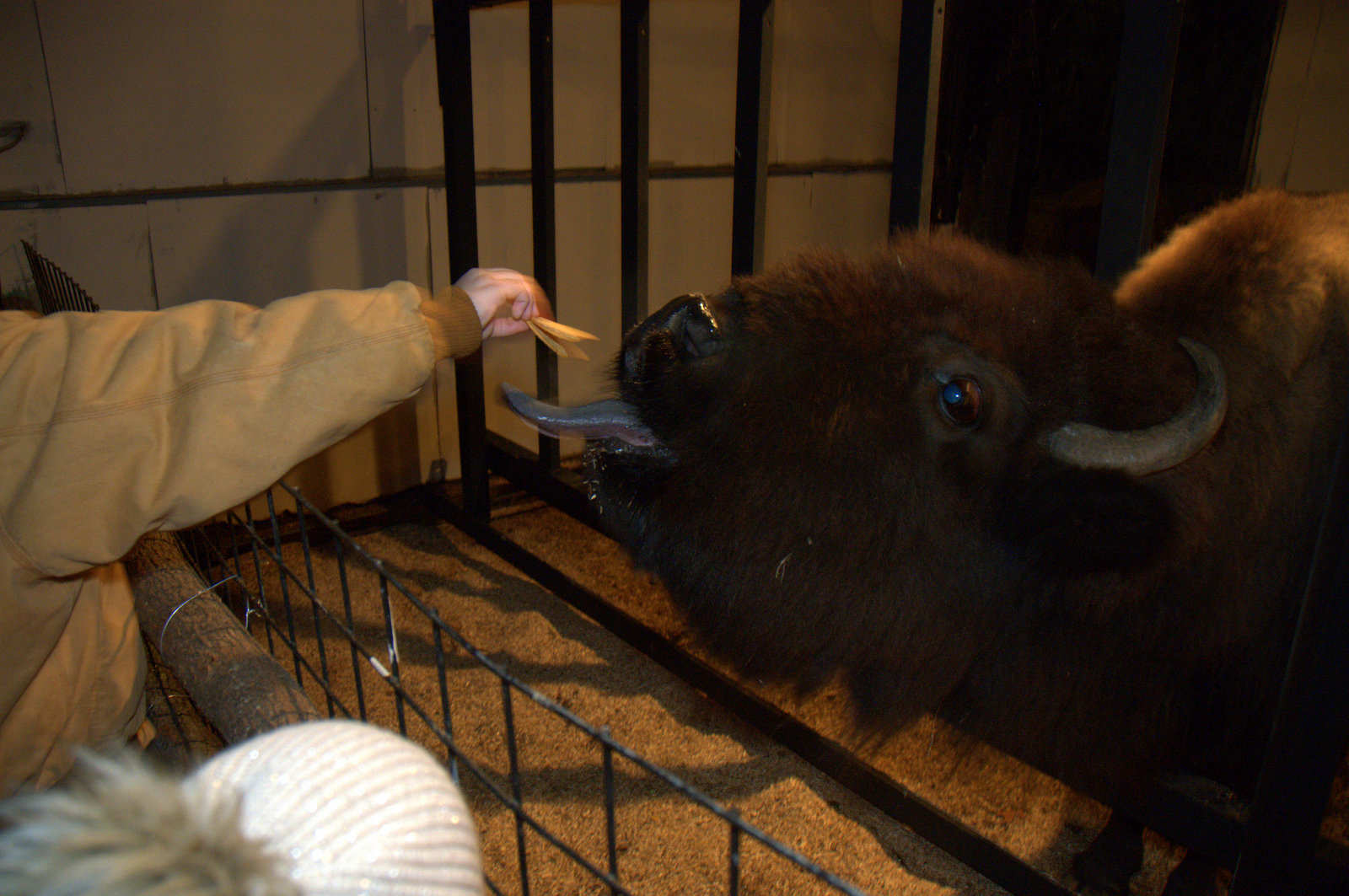
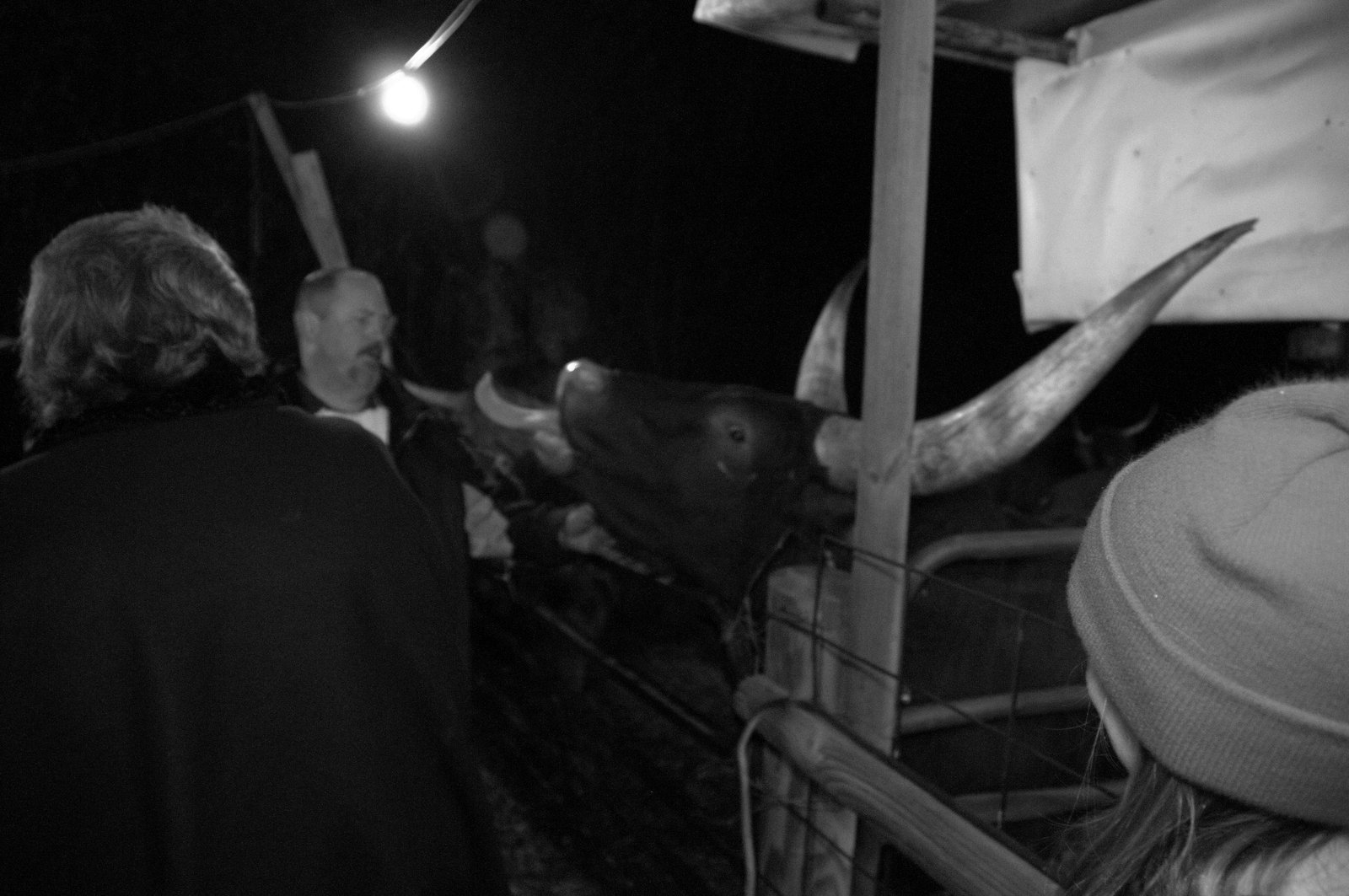
To get really close to the animals, we had to get out of the car and into Santa's Village. Who knew Santa had camels and bison and strange cattle?

14-VIV_0729
16-VIV_0747
17-VIV_0748

The Boy, though was strangely apathetic about the animals. He was much more interested in running, running, running. And falling. And running again,.

"We'll come back in a couple of years," K laughed as we headed back to the car, "When the Boy is interested in more than just running."

Future in the Past

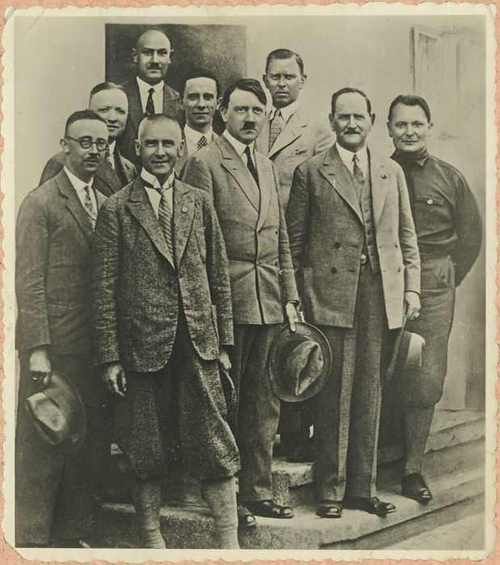
Some of the names are unfamiliar; some are vaguely familiar, but we don't necessarily know off the top of our heads what the person did. And some are infamous.

nazi_leadership
Nazi leadership in 1930 in Bad Elster. Front row l. to r.; Wilhelm Frick, Adolf Hitler, Fritz von Epp, Hermann Goering. Back row; Heinrich Himmler, Martin Mutschmann, Otto Strasser, Joseph Goebbels, Julius Schaub

Wilhelm Frick was responsible for many of the laws that consolidated the Nazi regime. Shortly after the passage of the Enabling Act, Frick helped create a law taking power from individual state governments in Germany, thus federalizing power under Hitler. This accomplished, Frick played an important role in the racial policy of Nazi Germany, helping to create laws against German Jewish. For all this, he was determined enormously responsible for the existence of concentration camps and was hung.

Fritz von Epp abolished the government of Bavaria on Hitler's and Frick's orders and set up a Nazi government. He died of natural causes while in Allied custody.

Martin Mutschmann was the Nazi governor of Saxon and was shot by the Russians in Moscow in 1947.

Julius Schaub was chief aide and adjutant and was responsible for destroying all of Hitler's personal belongings and papers. He died in Munich in 1967.

Otto Strasser is something of an anomaly in this picture. He considered himself a leftist Nazi, and lacked the virulent anti-Semitism of the rest of the group. Hitler expelled him from the Nazi Party, and he helped form the Black Front, an attempt to split the Nazi Party. He spent the war outside of German, eventually settling in Canada. Goebbels declared that Strasser was the Nazis' "Public Enemy Number One" and put a price of $500,000 on his head. He returned to Germany in the fifties and died in Munich in 1974, all the while calling for a renewed Nazi party.

Those are the men we don't know. The other four are arguably among the most evilly influential men of the twentieth century, responsible for the deaths of millions upon millions upon millions. Adolf Hitler, Hermann Goering, Heinrich Himmler, and Joseph Goebbels constituted the very upper echelon of the Nazi party, and as such, are responsible for the Second World War, the Holocaust, and in a very real way, the Cold War. And not a single one of them faced justice of any kind. All four committed suicide, Hitler and Goebbels killing themselves (and their wives, and in Goebbels's case, children) before the fall of Berlin, and Goering and Himmler committing suicide after their capture.

Yet the past threatens to become our future as well. Gudrun Burwitz, daughter of Himmler, is an unrepentant neo-Nazi and works hard for years to help the remaining war criminals escape justice. It's people like that who feel that Hitler didn't go far enough, mourn the fact that Jews still exist, and cheer at the thought of Iran following through with its threat against Israel. "Have we learned nothing?" is the only thing that comes to mind in situations like that.

Thanksgiving 2013

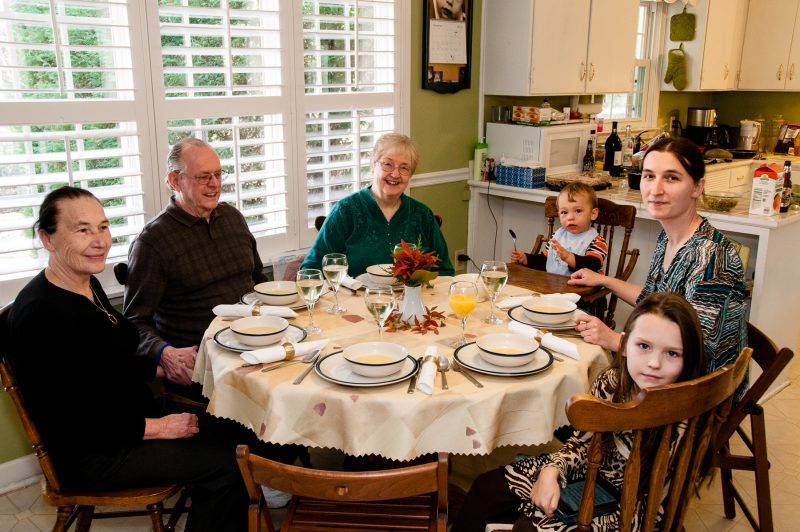
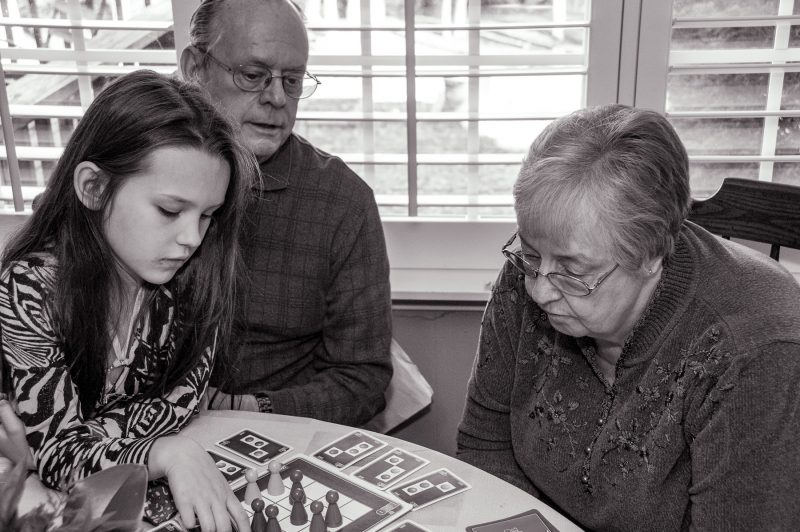
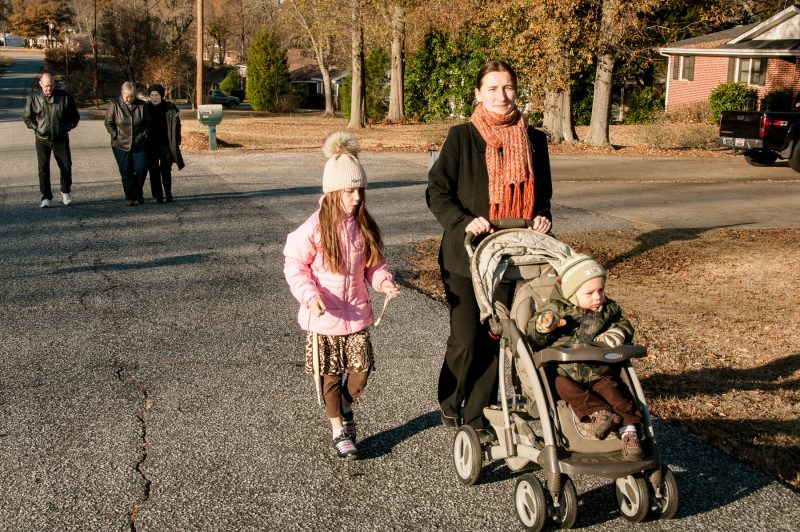
A late lunch, some family games, a walk, a creative Girl, an inquisitive Boy — perfect Thanksgiving.

The Day Before

“I think it’s about time we take over the Thanksgiving dinner.” K and I were talking about what we would be doing this year, what plans we thought the Elders might have/desire.  Christmas Eve had always been our responsibility, and the Elders sort of took Thanksgiving by default. But this year, we decided to charge, make plans, and cook dinner ourselves and invite the Elders as opposed to the opposite. More to the point, K always takes are of Christmas Eve (by and large), so I decided this year I would do the whole Thanksgiving dinner myself.

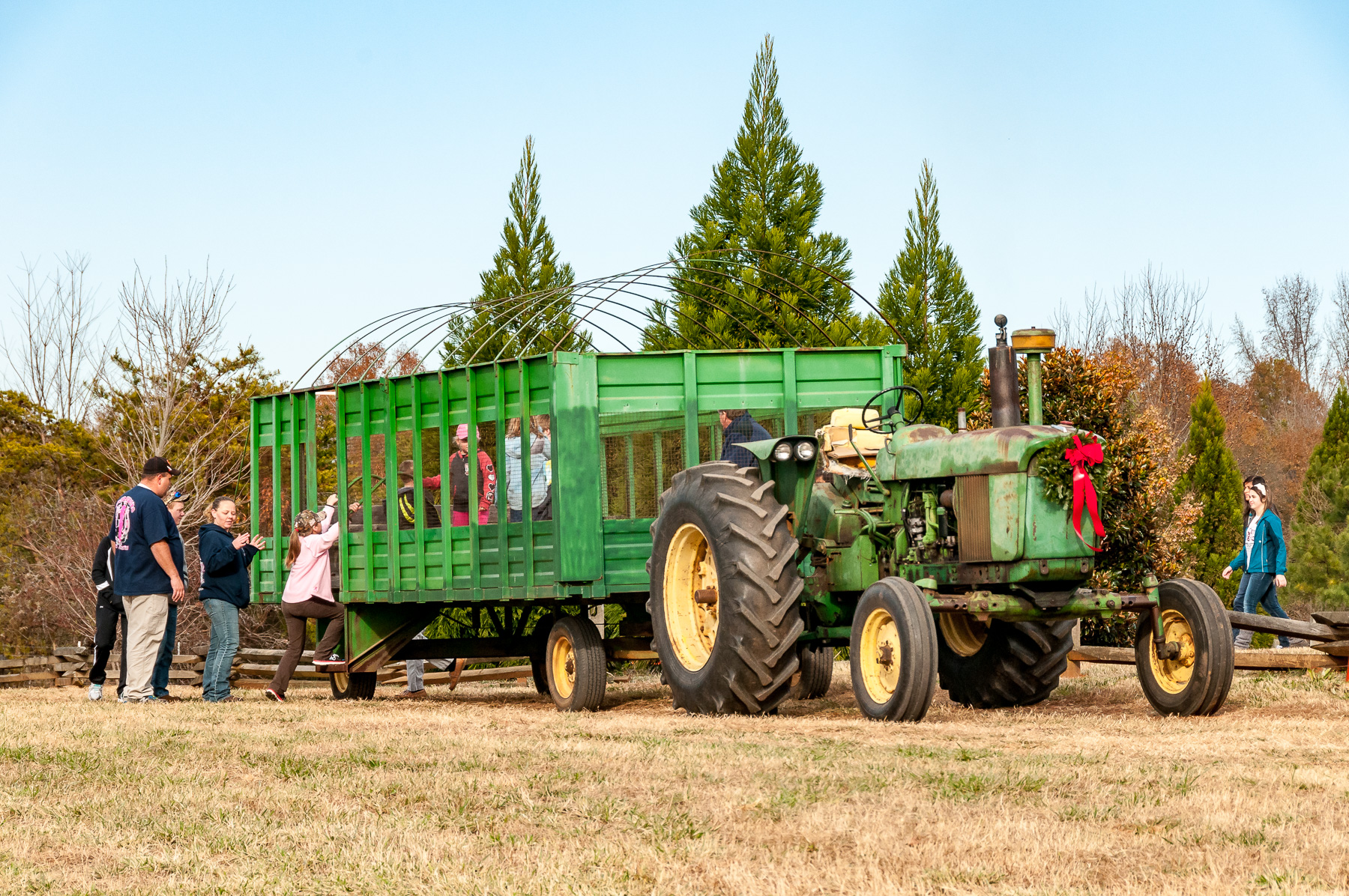
1-DSC_0596

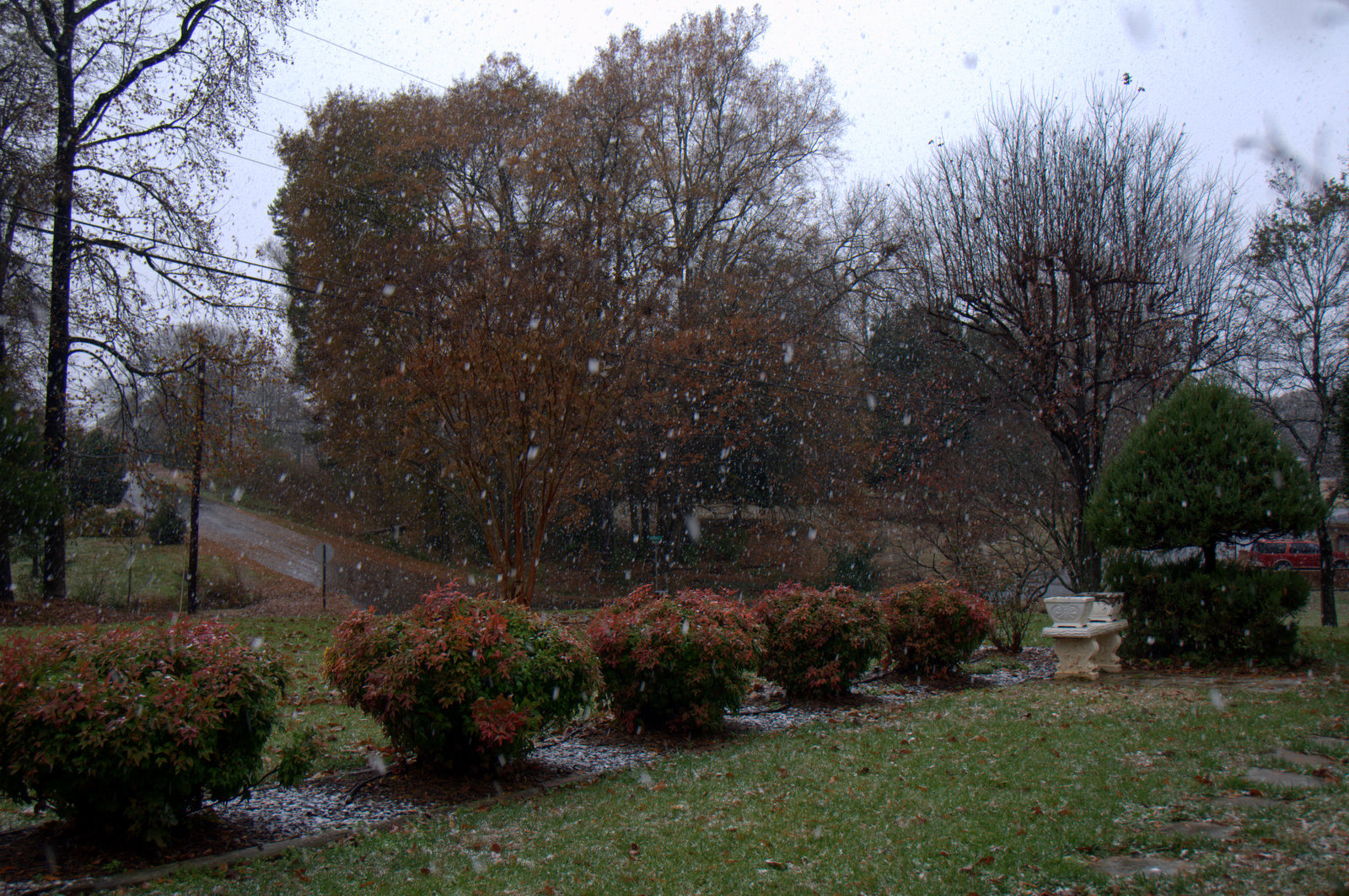
The morning’s weather might have seemed like an omen for the less convinced. Snow in late November, in South Carolina?

2-DSC_0607

Before Thanksgiving? Yet the chill in the air somehow made the work go easier: a mental thing I guess. What else can you do but stay inside? What else can you do while inside but cook?

3-VIV_0613

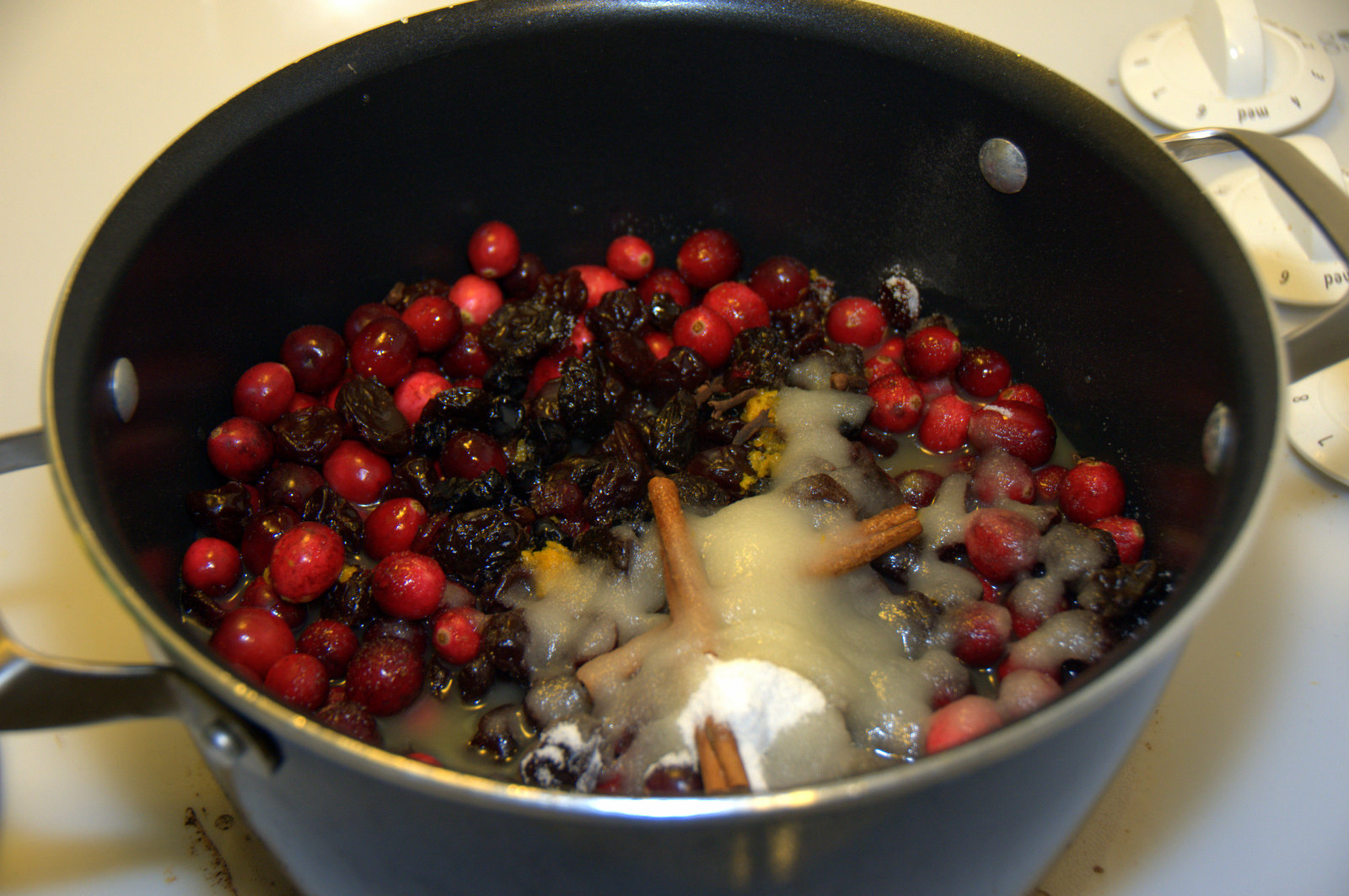
And so I started. First, the garnish: cranberry sauce with dried cherries and a few dried blueberries.

4-VIV_0616

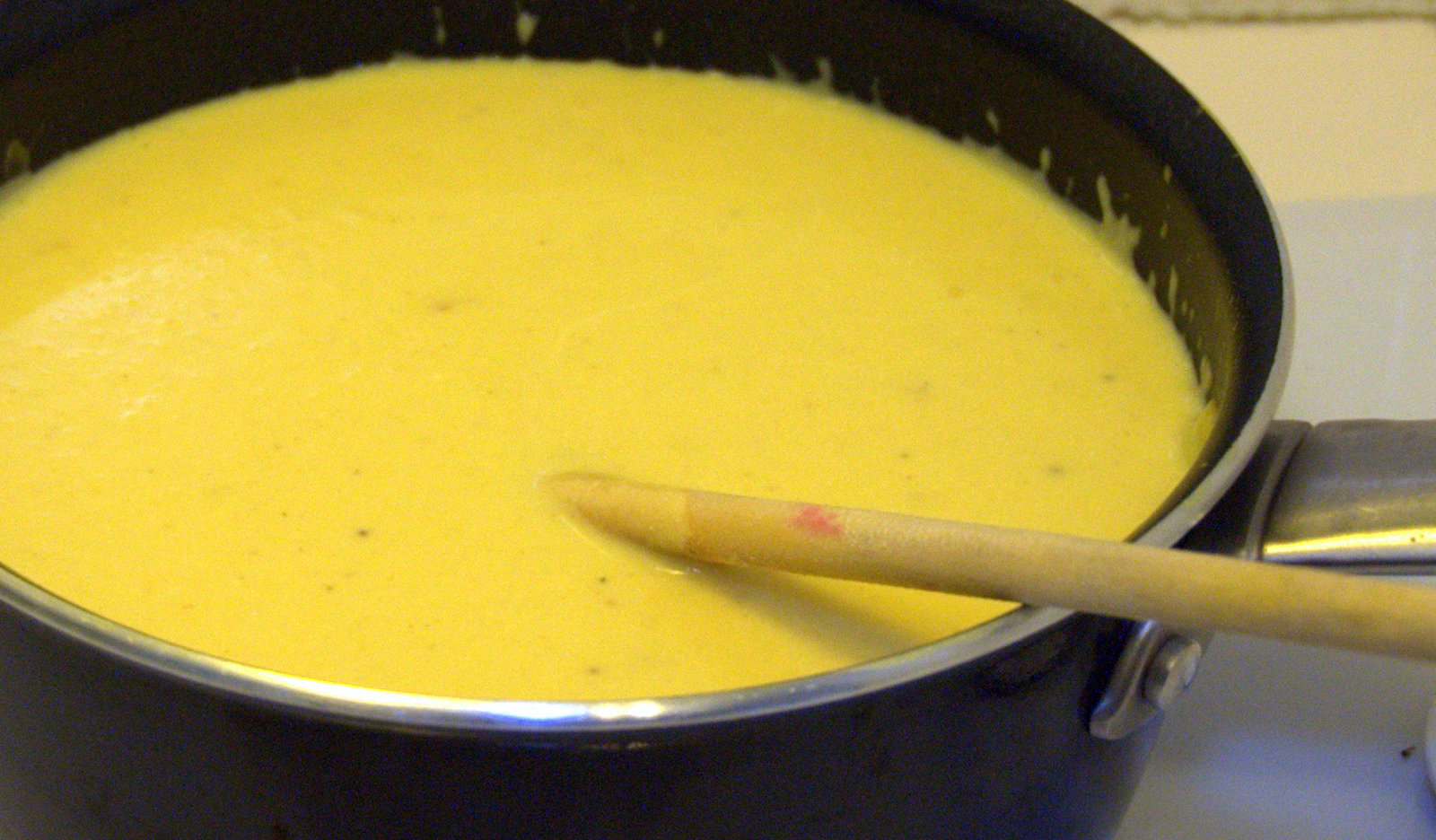
Butternut squash soup, freestyle. I looked at some recipes, but none of them had the I-don’t-know-what I was looking for. So I made my own recipe, which included leftover ricotta cheese and some curry powder.
5-VIV_0617

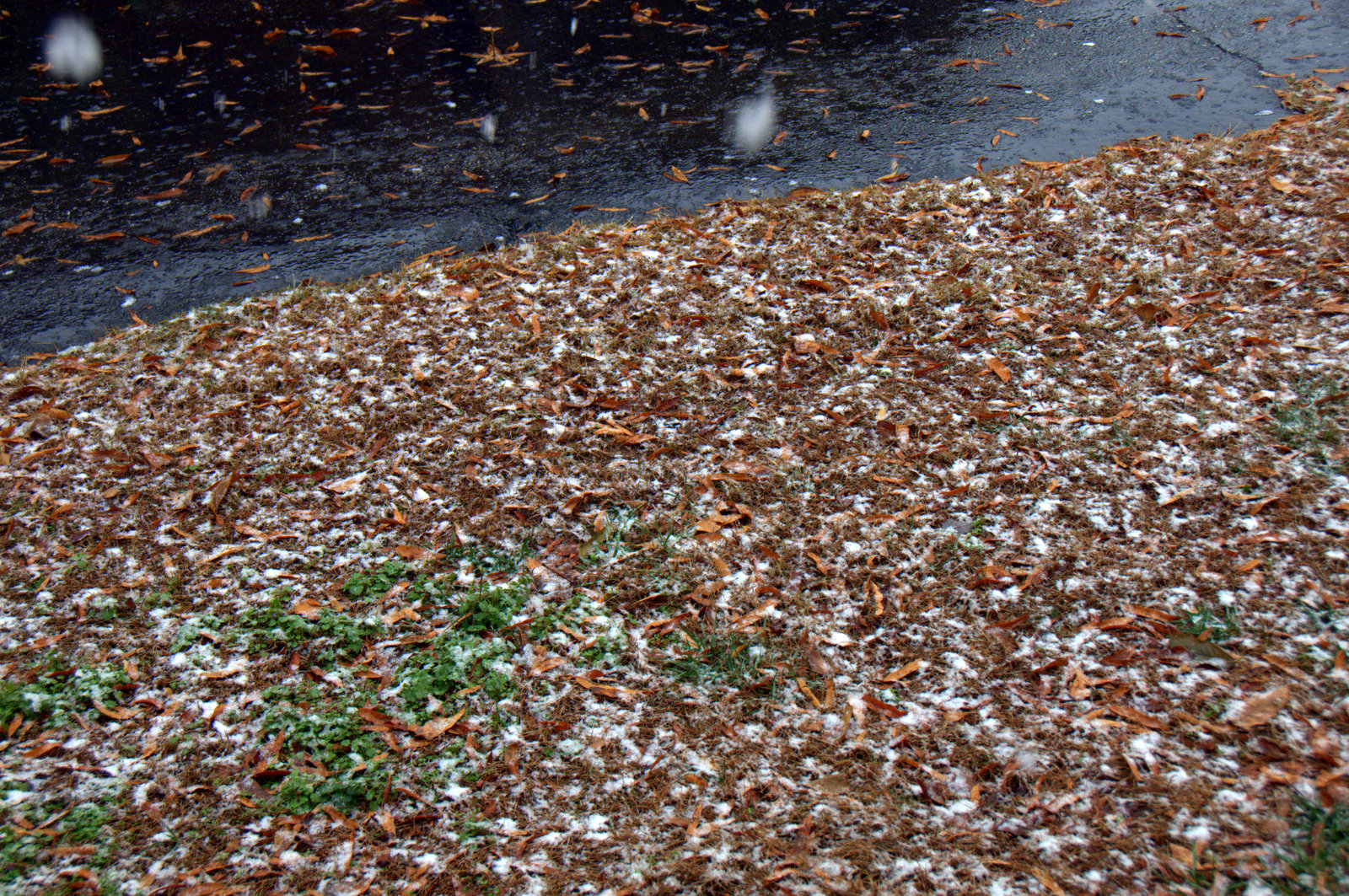
By the time I was ready to move on to stuffing, the snow had stopped, the sky had cleared, and the dusting of white on the ground had disappeared, as had L’s excitement.
“If it keeps snowing today, and tomorrow, and maybe Saturday and Sunday, maybe we’ll be out of school Monday!” I thought that we might be lucky if the snow lasts until the afternoon, but I said nothing.
6-VIV_0618

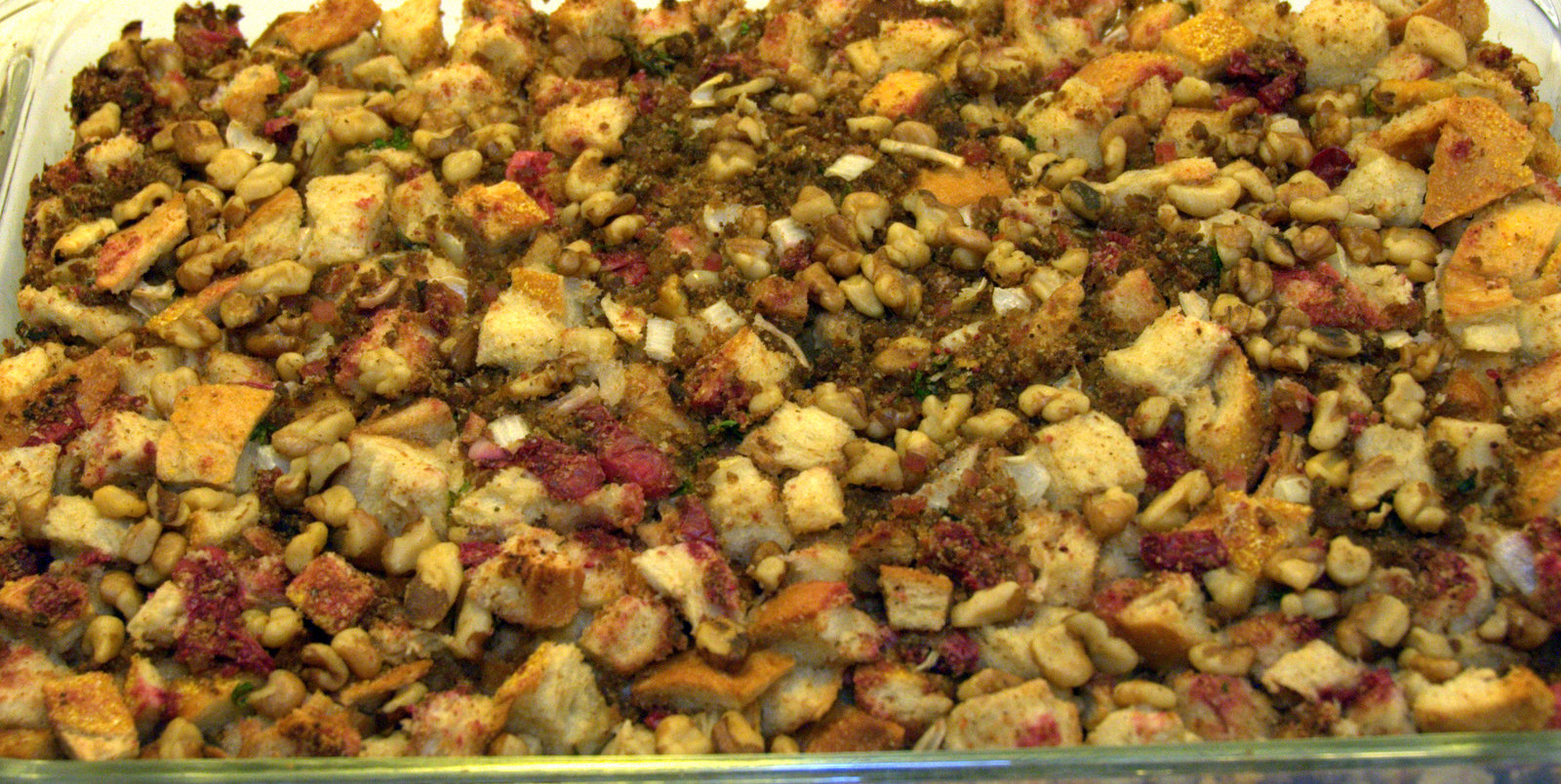
By then, I was busy with the dressing, using a recipe I’d found online that included the magic, attention-getting word: sausage.

7-VIV_0619

Two casseroles popped into and out of the oven as well, and by the time we were putting the kids to bed, I’d started the final element for the day, the giblet gravy.

8-VIV_0620

Tomorrow, the potatoes, the green beans with shallots and almonds, and something else. Seems I’m missing something. Oh well. Hopefully, we can live without whatever it is…

Queen Mab

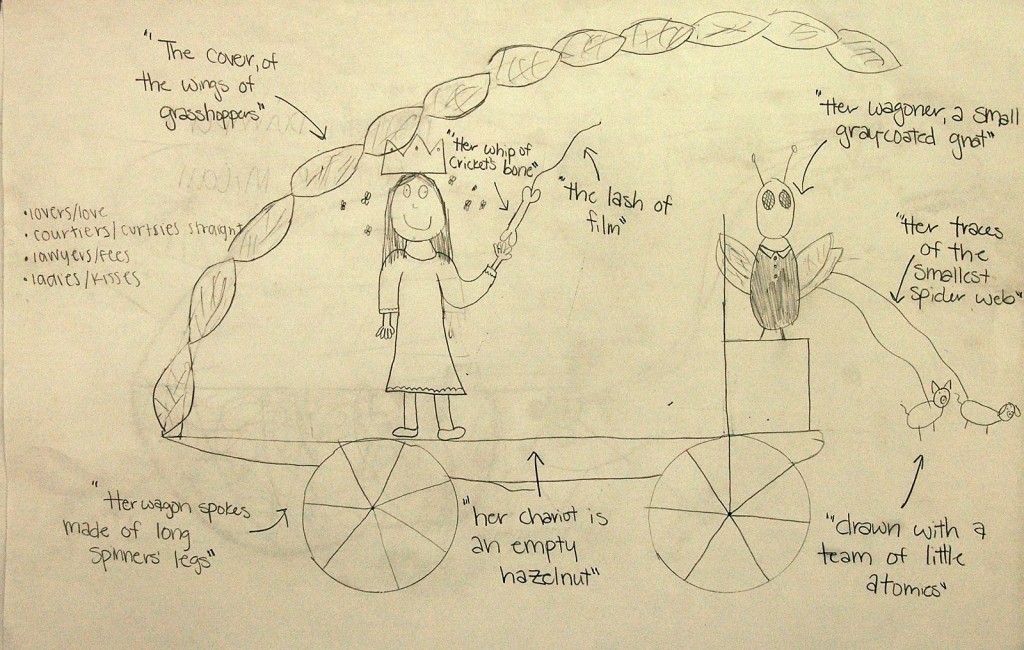
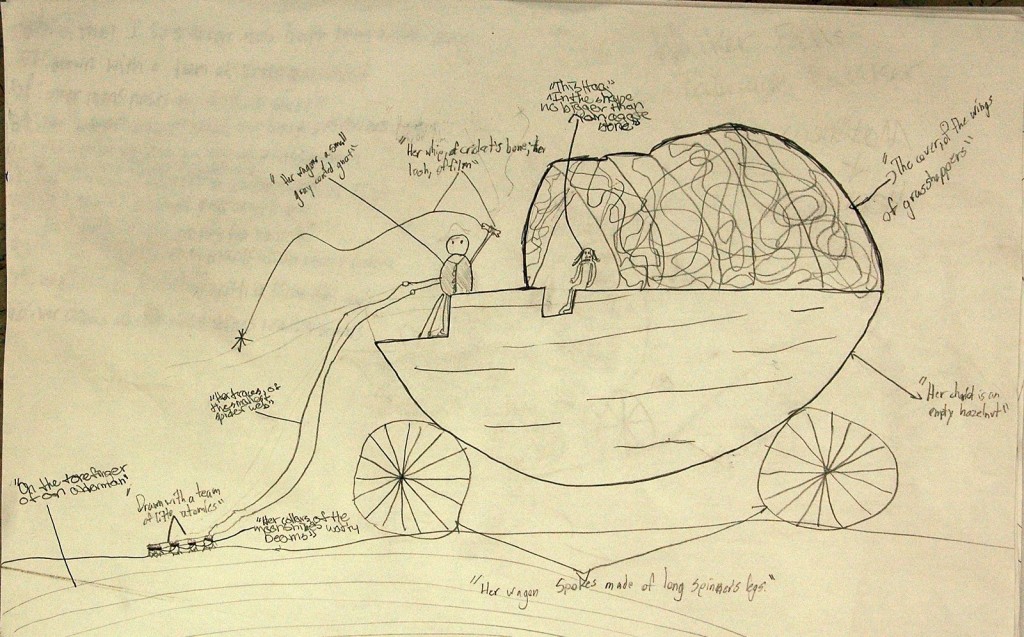
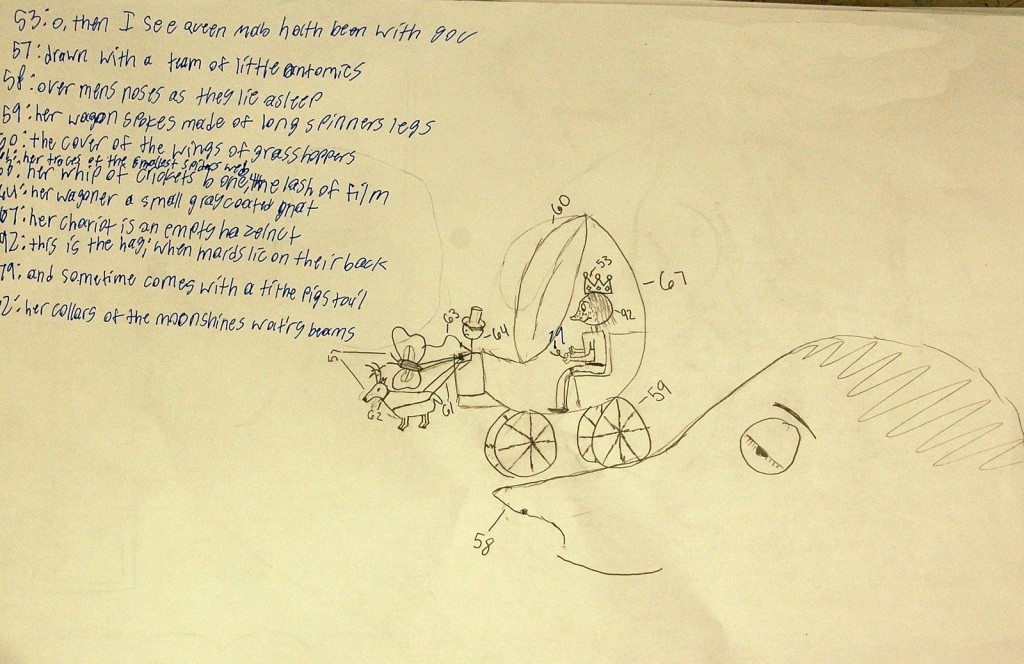
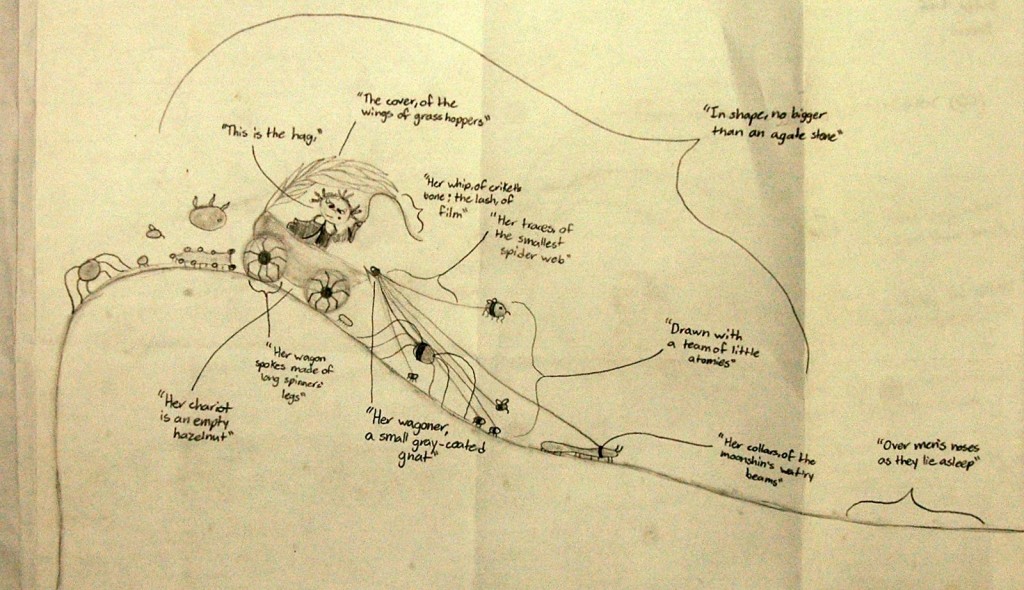
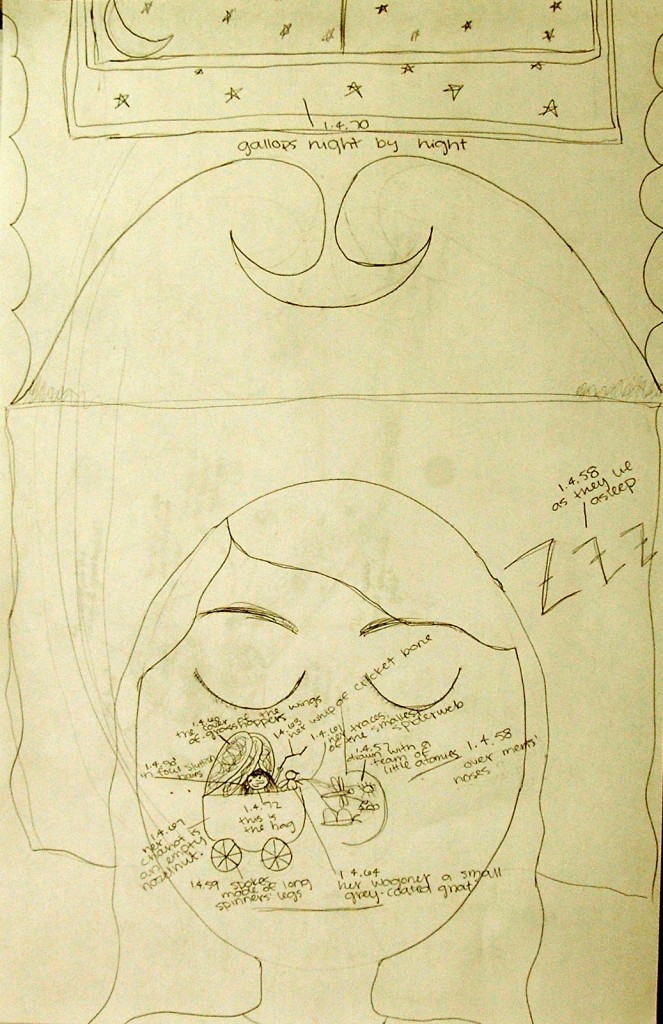
Students' drawings of Queen Mab.

O, then, I see Queen Mab hath been with you.
She is the fairies' midwife, and she comes
In shape no bigger than an agate-stone
On the fore-finger of an alderman,
Drawn with a team of little atomies
Athwart men's noses as they lie asleep;
Her wagon-spokes made of long spiders' legs,
The cover of the wings of grasshoppers,
The traces of the smallest spider's web,
The collars of the moonshine's watery beams,
Her whip of cricket's bone, the lash of film,
Her wagoner a small grey-coated gnat,
Not so big as a round little worm
Prick'd from the lazy finger of a maid;
Her chariot is an empty hazel-nut
Made by the joiner squirrel or old grub,
Time out o' mind the fairies' coachmakers.
And in this state she gallops night by night
Through lovers' brains, and then they dream of love;
O'er courtiers' knees, that dream on court'sies straight,
O'er lawyers' fingers, who straight dream on fees,
O'er ladies ' lips, who straight on kisses dream,
Which oft the angry Mab with blisters plagues,
Because their breaths with sweetmeats tainted are:
Sometime she gallops o'er a courtier's nose,
And then dreams he of smelling out a suit;
And sometime comes she with a tithe-pig's tail
Tickling a parson's nose as a' lies asleep,
Then dreams, he of another benefice:
Sometime she driveth o'er a soldier's neck,
And then dreams he of cutting foreign throats,
Of breaches, ambuscadoes, Spanish blades,
Of healths five-fathom deep; and then anon
Drums in his ear, at which he starts and wakes,
And being thus frighted swears a prayer or two
And sleeps again. This is that very Mab
That plats the manes of horses in the night,
And bakes the elflocks in foul sluttish hairs,
Which once untangled, much misfortune bodes:
This is the hag, when maids lie on their backs,
That presses them and learns them first to bear,
Making them women of good carriage:

Apologies

Dear Teresa,

Two observations.

First, not all apologies begin with I’m sorry. In fact, some of the most graceful and moving apologies have ended with those words.

Second, and more significantly for you, not all utterances including “I’m sorry” are in fact apologies. For example, if you were to get in trouble with a teacher yet feel that you had done nothing, saying “I’m sorry you think that I…” only feels like an apology because it includes those sometimes-deceptive words. It is, in fact, an accusation.

Mildly amused and annoyed,
Your Teacher