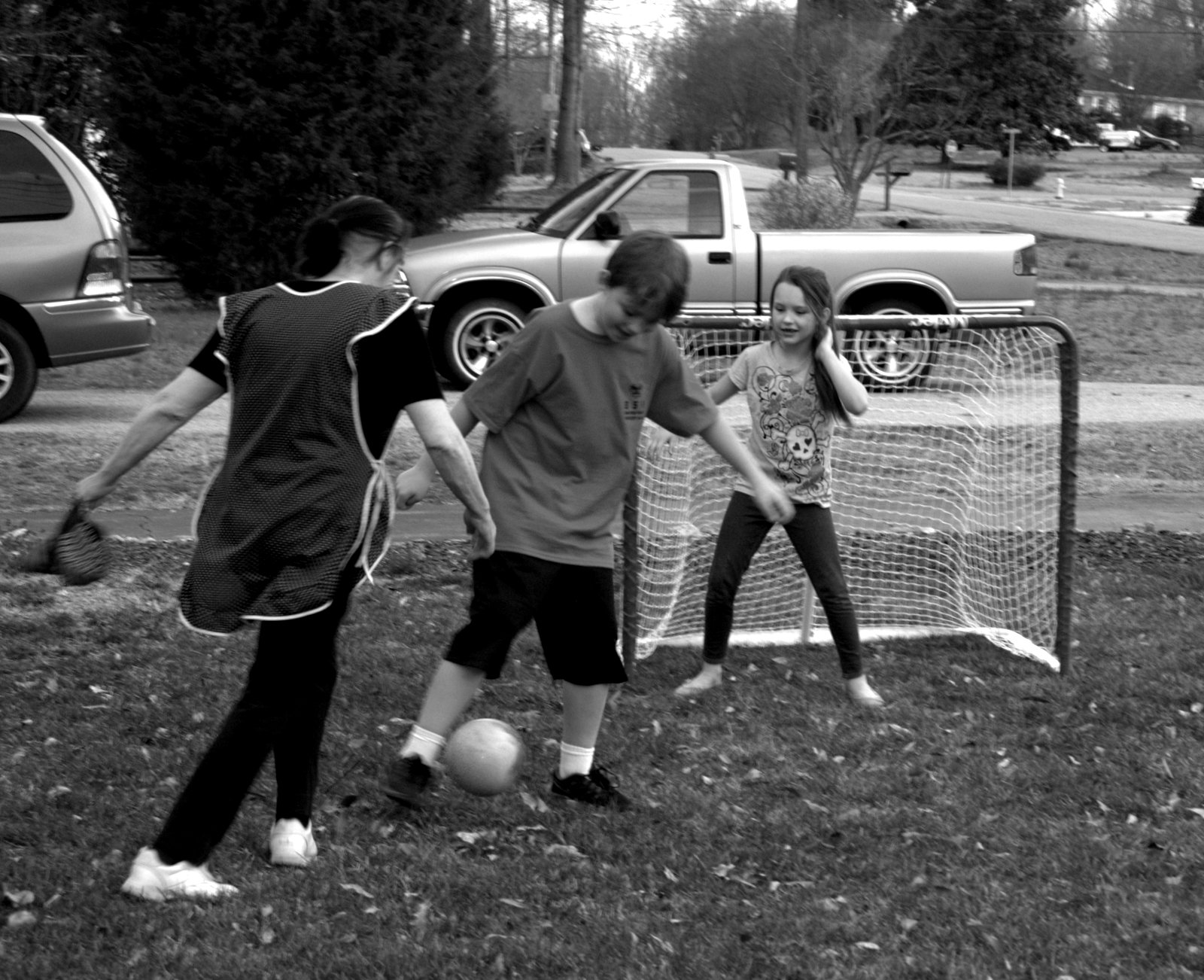
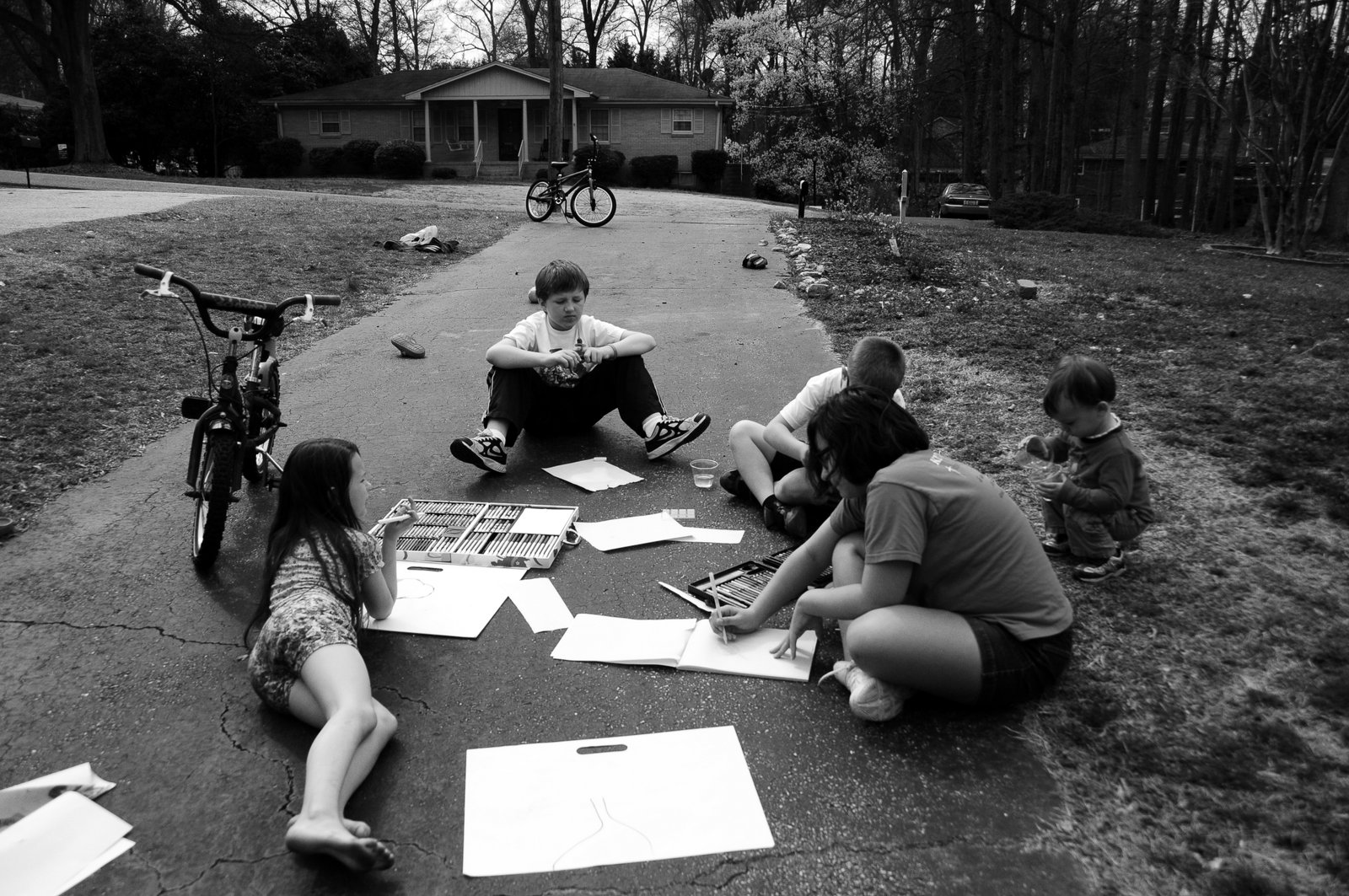
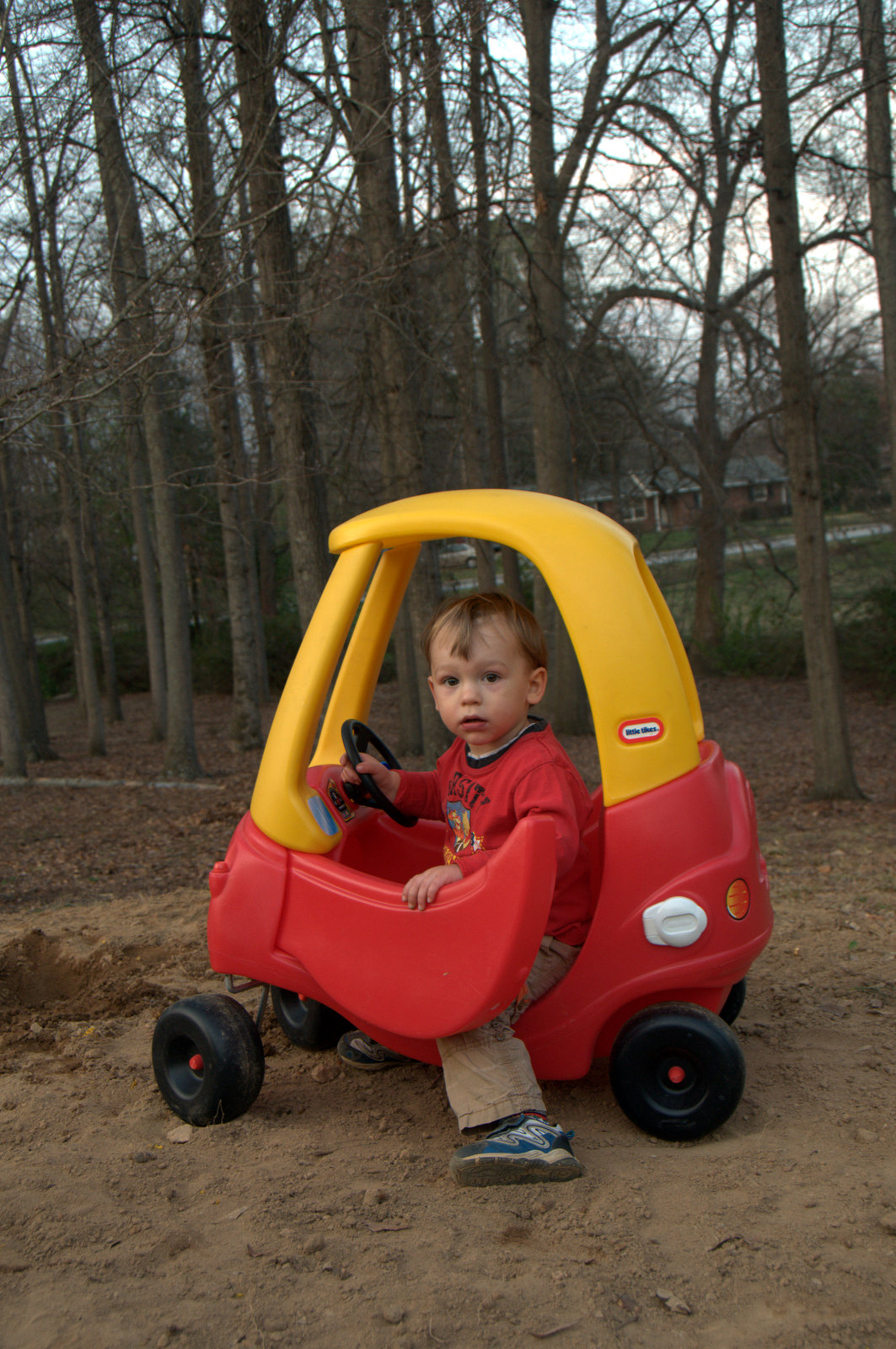
fun in threes, sometimes fours
“Oh, look!” Babcia exclaimed, “they’re x’s!” I can’t recall the Polish name she called the little weeds growing in our front yard, and I don’t have a clue what they’re called in English. I call them weeds. She calls them flowers.
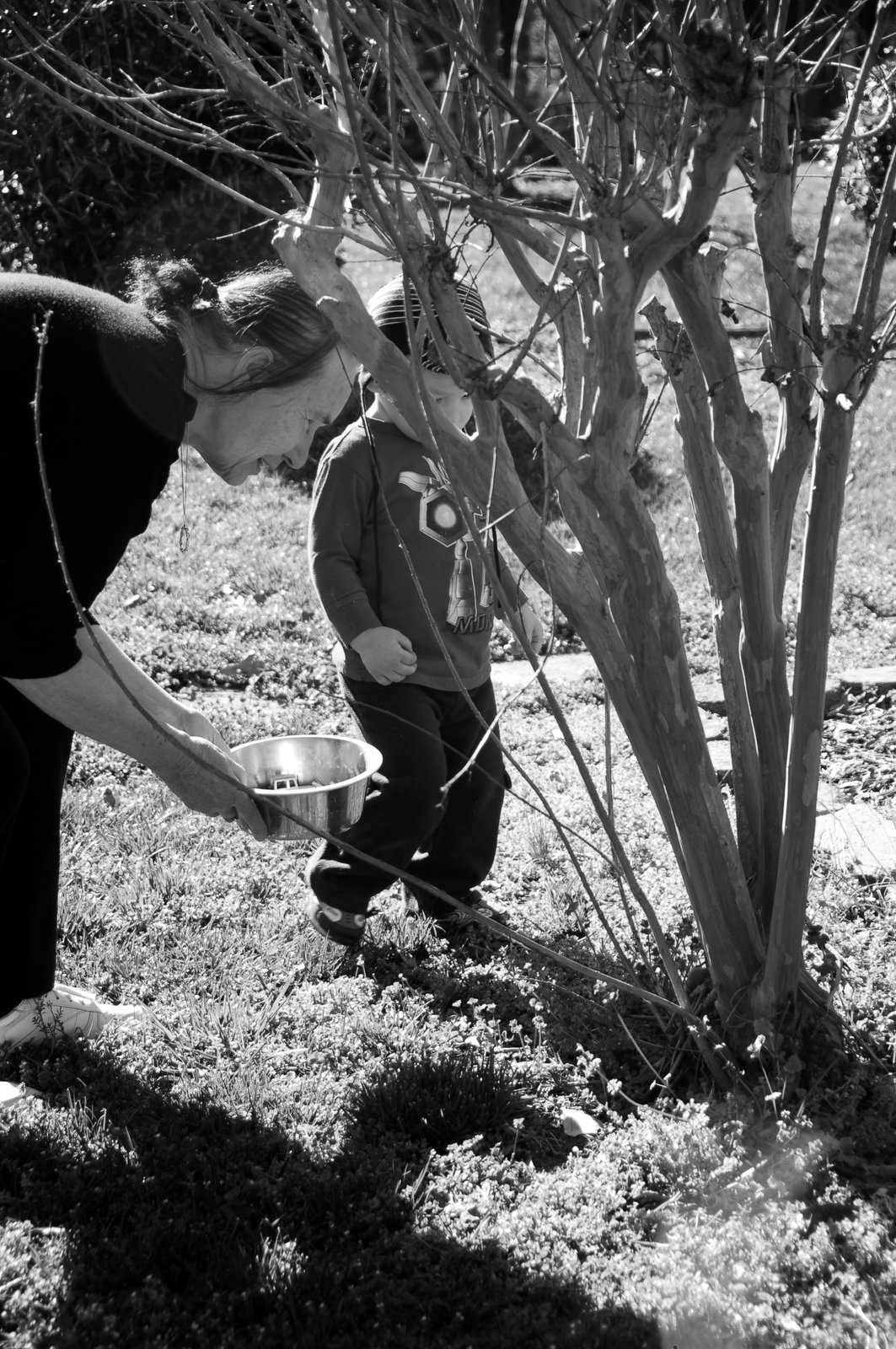
They have blossoms, so they’re flowers; they’re unwanted, so they’re weeds.
Which means just about anything could be a weed for someone.
When it's this warm, after days of rain, after days of winter's last stand, a warm and sunny day demands us, commands us, compels us outside. The yellow bells have been blooming for a week, and the green underneath will soon overwhelm the yellow much like the heat of the coming summer will overwhelm the beauty of merely warm days like today.
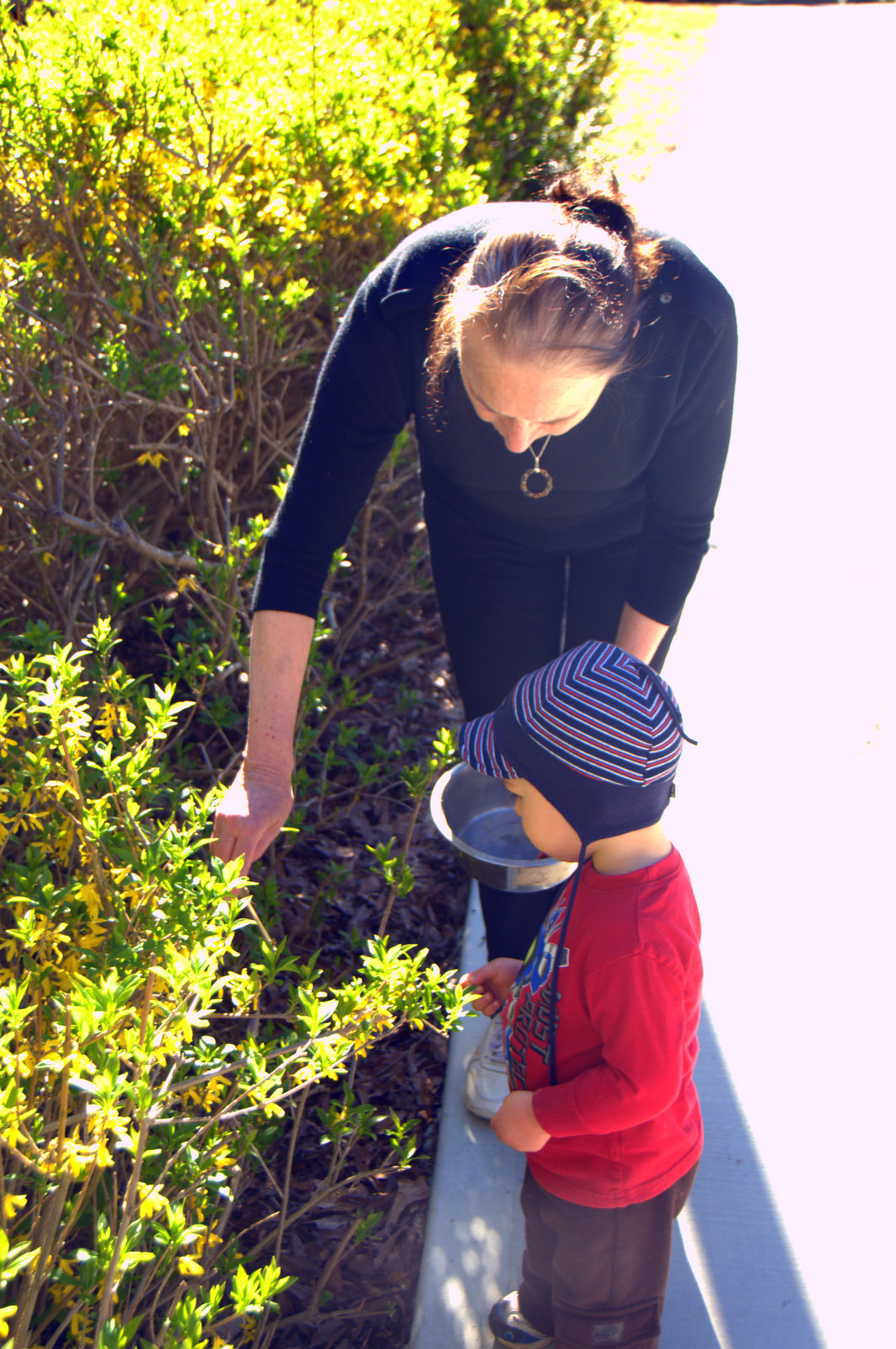
The warmth of summer isn't the only thing we catch a glimpse of today, though. The Boy glances at me when I call his name, and as I've managed to do several times with the Girl, I catch an instant in which we can see hints of what he'll look like as he grows older.
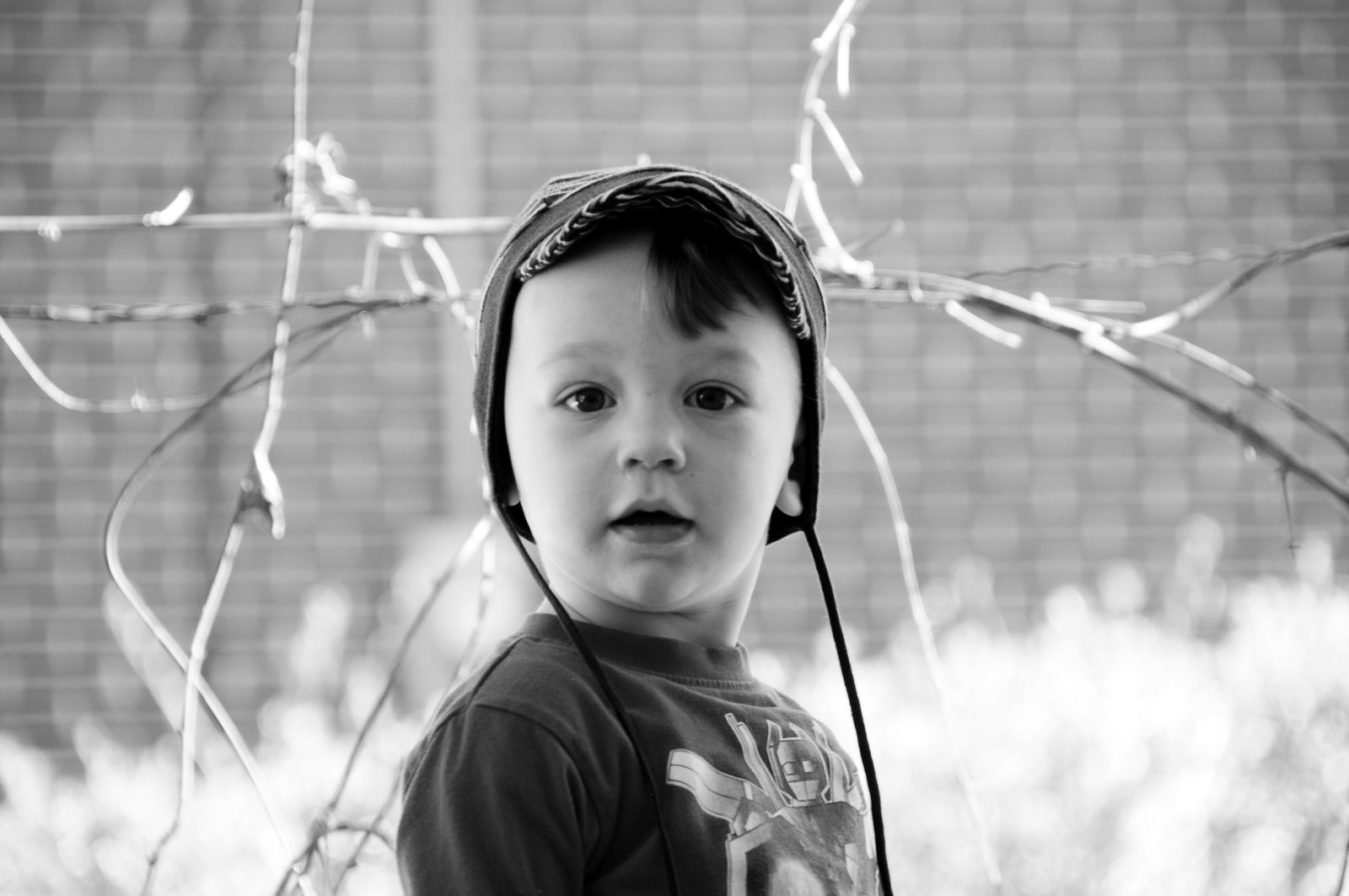
It's inevitable, of course, but sometimes, like all parents, we just want to keep him at this perfect little age. And keep L at her perfect little age. That's one of the oddities of being a parent: when you're that close to the growth, seeing it constantly, it's easy to forget that a given child hasn't always been this age, hasn't always been just this charming in this particular way.
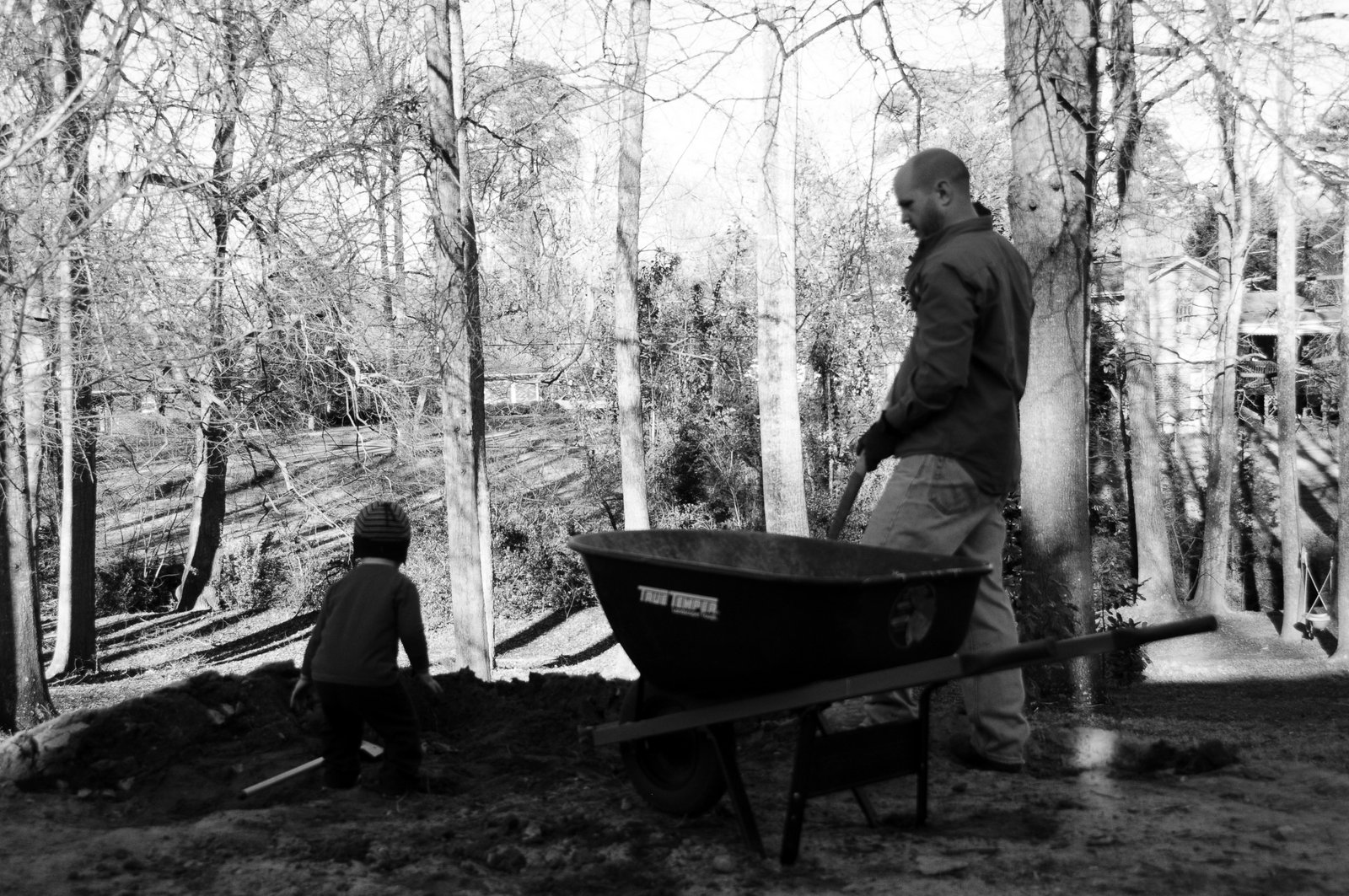
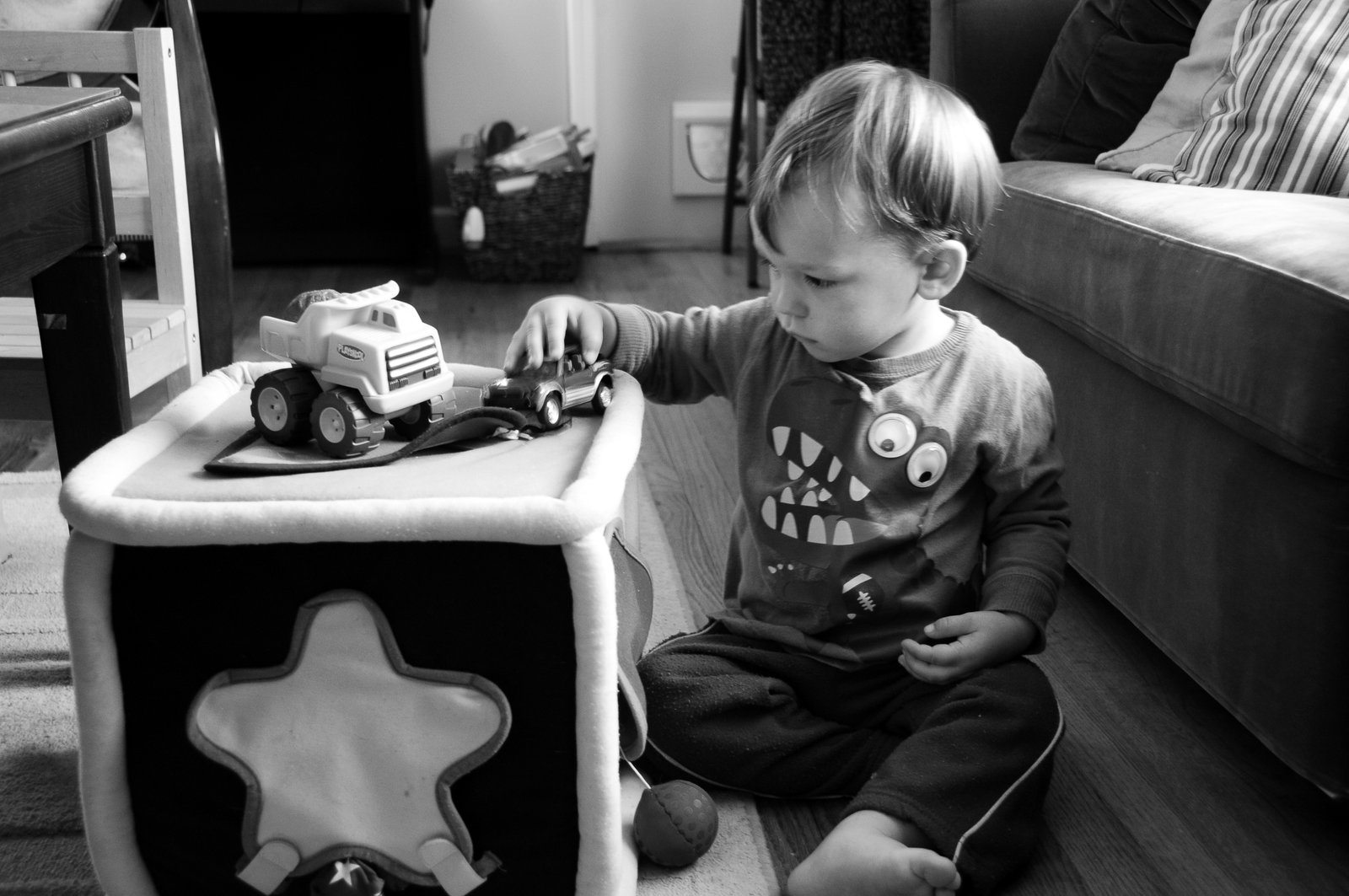
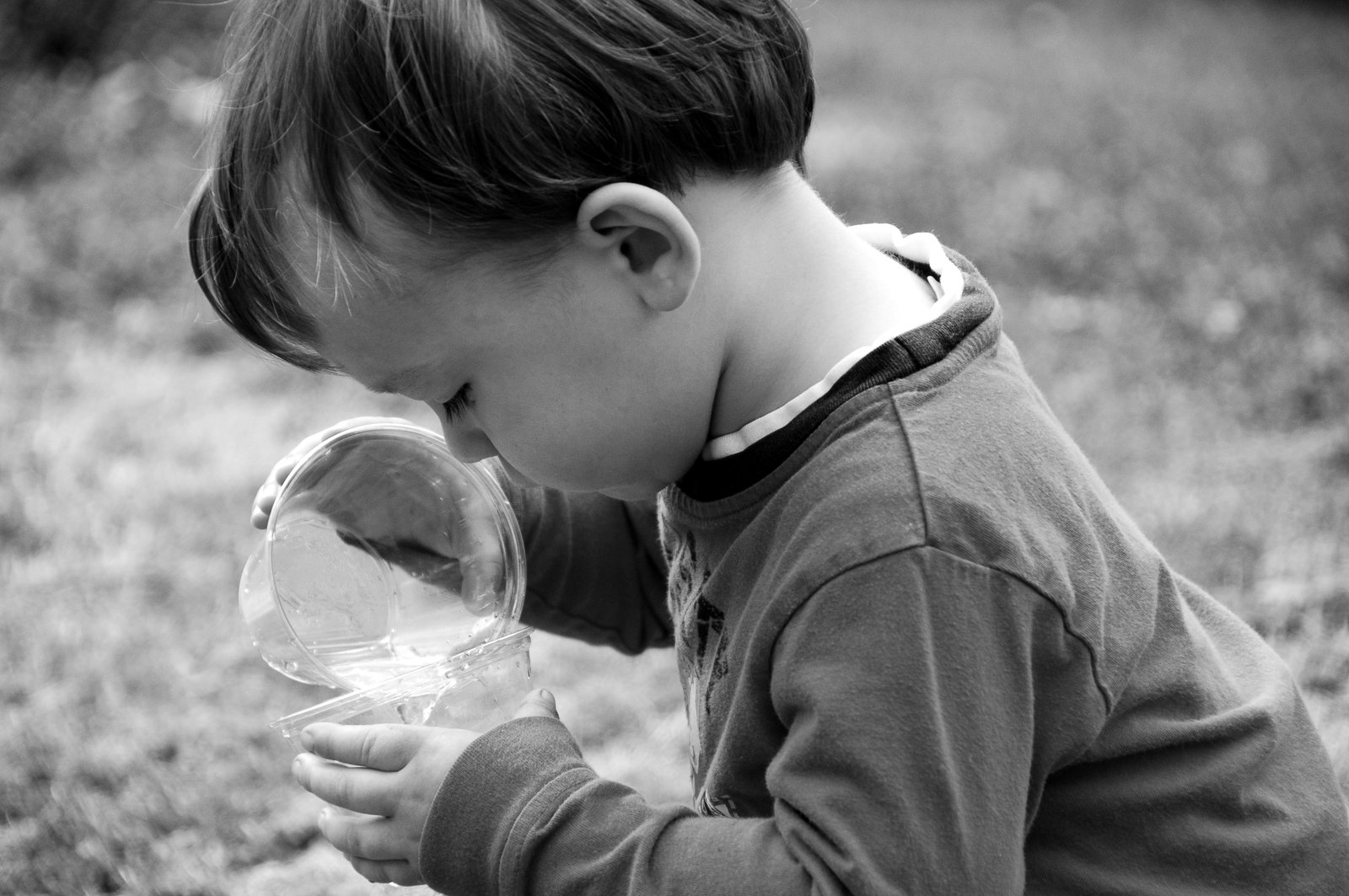
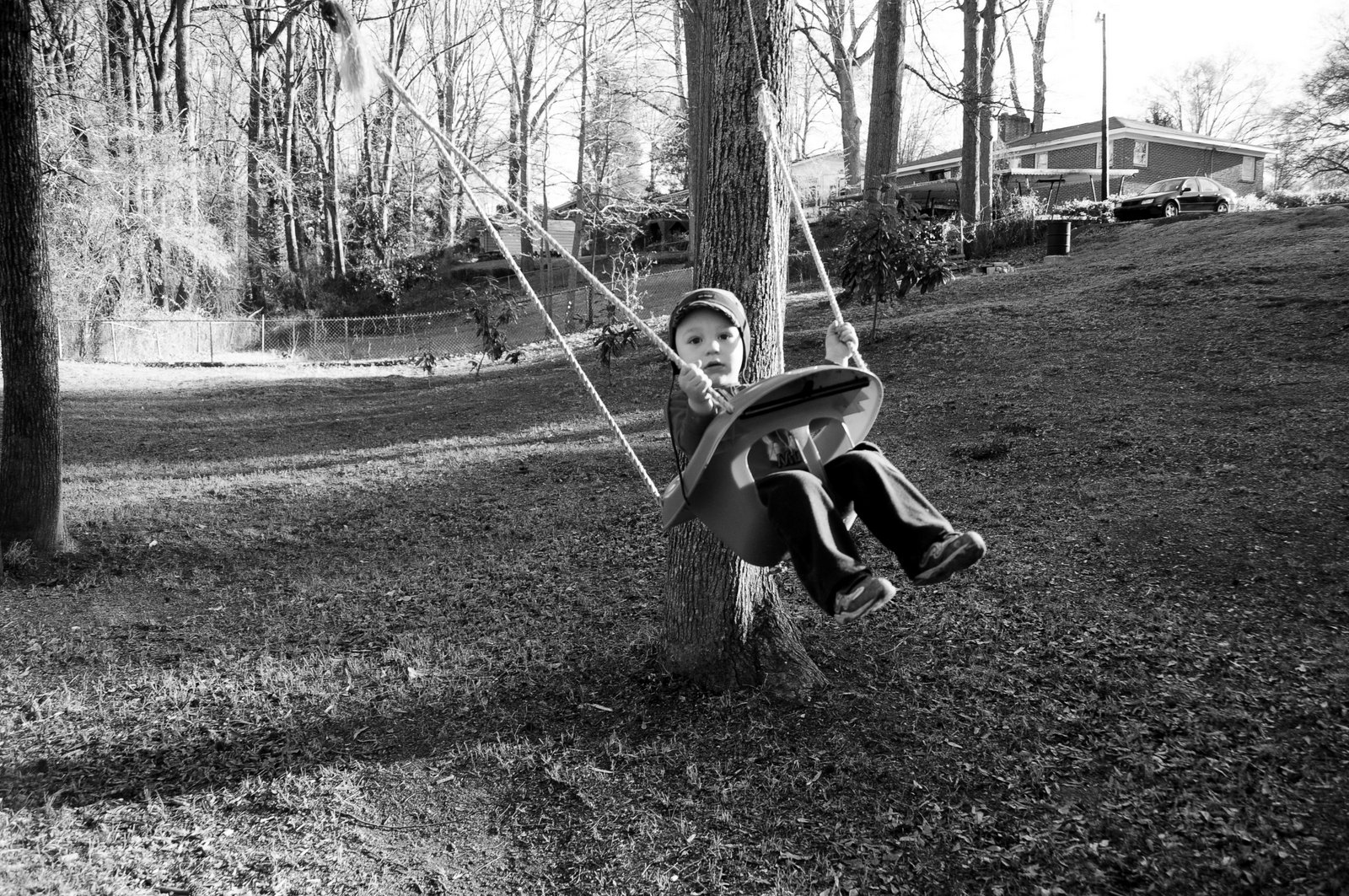
Hasn't he always been eager to "help"? Hasn't he always been madly repeating every single phrase he hears, with his bubbling, often-near-miss pronunciation? Won't he always love to swing?
Dear Terrence,
When you walked into the classroom today, I knew things were going to be difficult for you. Your face was set in such anger: it looked as if you were about to explode. I've learned from experience that kids in a state like you were in are better off left alone, so I decided to let you sit there for as long as you needed, for until you become disruptive -- always a possibility in such situations.
We began the lesson, things moved smoothly, and I kept my eye on you. You were unmoving for a good ten minutes. Then you loosened up a bit, but not much: your fists were still clinched, but not so tightly; your jaw was quivering with anger, but not so violently. I put the stack of papers to be passed out on the desk at the head of your row: when the stack arrived at your desk, you took one and passed the rest back. A positive step. Still, you weren't in any place to begin work, so I let you sit. Finally, as we began marking the text, filling the pages with our scribblings and lines, our arrows and marginal notes, you raised your hand and asked for help catching up. I numbered the paragraphs, drew the lines between paragraphs for our text clusters, and handed the paper back.
"Thanks," was all you said. And you slowly began working.
Let me tell you now: that behavior was not how a boy acts; it was how a man acts. It was impressive. It filled me with hope for your future. It reminded me again how much you've matured this year.
Now, the next step: set a goal to get to that point a bit faster. Then a bit faster. And before long, you'll find yourself able to set aside even the most troubling situations long enough to deal with the responsibilities at hand. And that will be one of many signs that you're a man.
Impressed and still smiling,
Your Teacher
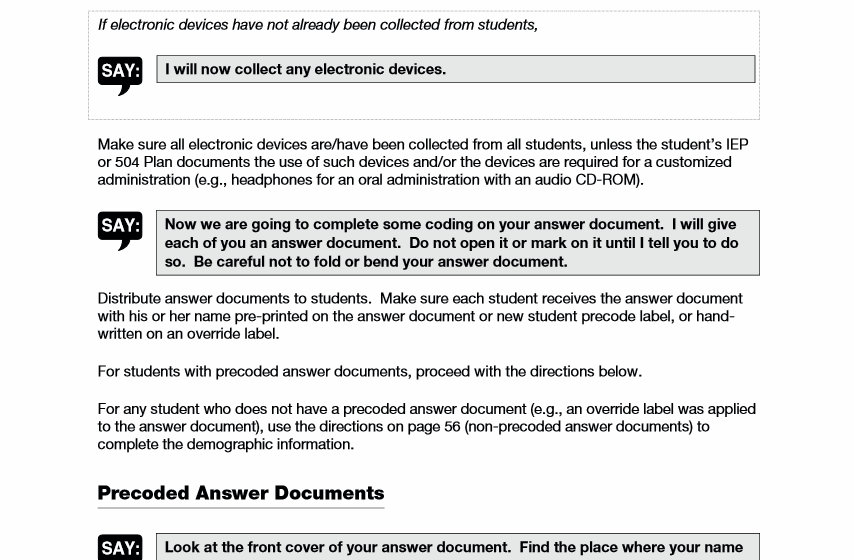
"I will give each of you an answer document. Do not open it or mark on it until I tell you to do so. Be careful not to fold or bend your answer document."
I say these words and begin passing out the answer documents for the 2014 SCPASS writing test, part of the required state testing for No Child Left Behind compliance. I look at each answer document, glance at the student in front of me to confirm that I'm about to hand the correct document to the correct person, and it hits me once again, the little miracle that of being a middle school teacher.
Just months ago, these faces were strangers, a room of twenty-nine kids that I knew virtually nothing about. Since they're taking ninth grade English in the eighth grade, their intelligence and perseverance were an obvious-enough inference. Still, beyond that, there was nothing. Just faces. Now each of those faces tells a story. I've learned so much about these kids in these few months that I'm certain I know them in some ways better than their parents. Certainly I know a different side of them, and without a doubt I know them better than almost any other non-family adult. I know this one's mother died just a little over a year ago yet he holds it together more bravely than I could imagine. I know that one feels tugged between divorced parents, and does that clever one in the corner. I know which have bad habits they're trying to break, which kids have bad habits they're letting linger, which kids feel terribly insecure and put a brave, almost aggressive face on as a defense. I know their dreams, their fears, their loves, and even some of them, I know their crushes and heartaches.
What other job lets you see so deeply into so many people's hearts? Why would I want to do anything else?
I would bet that all those in Poland who'd opposed the placement of an American missile defense system in Poland are now having second, third, and fourth thoughts.
We have many, but two stood out tonight. First, the search for Elsa, our kitten. She’s still incredibly small, and she can fit into the must unimaginably tight spots. Under the sofa is a favorite place, even though there’s probably not much more than three inches of clearance there. A recent favorite was behind the baskets in which K stores our scarves and gloves in the winter, our hats and such in summer. Tonight, a new spot: my sock basket at the bottom of our bedroom closet.
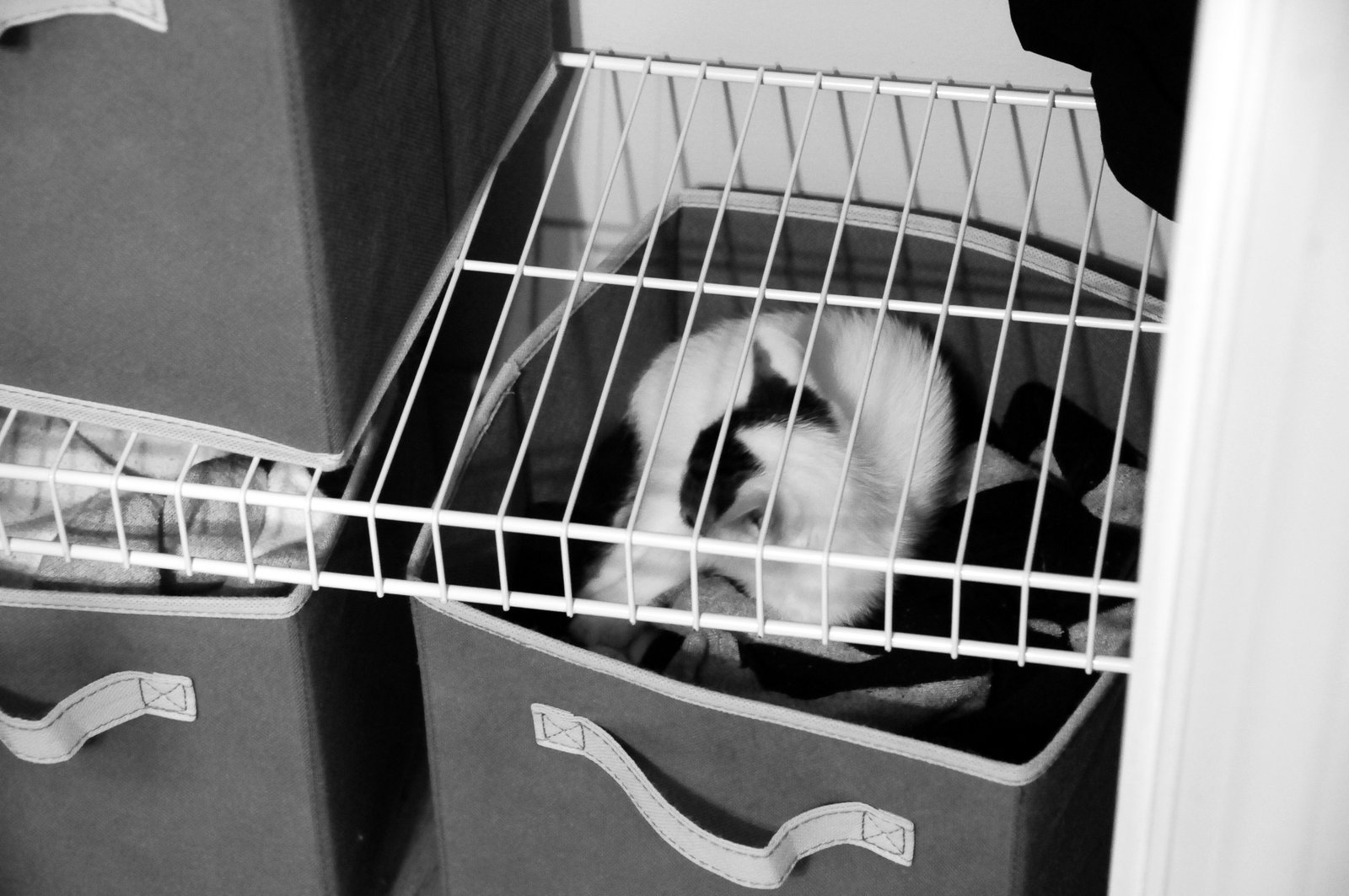
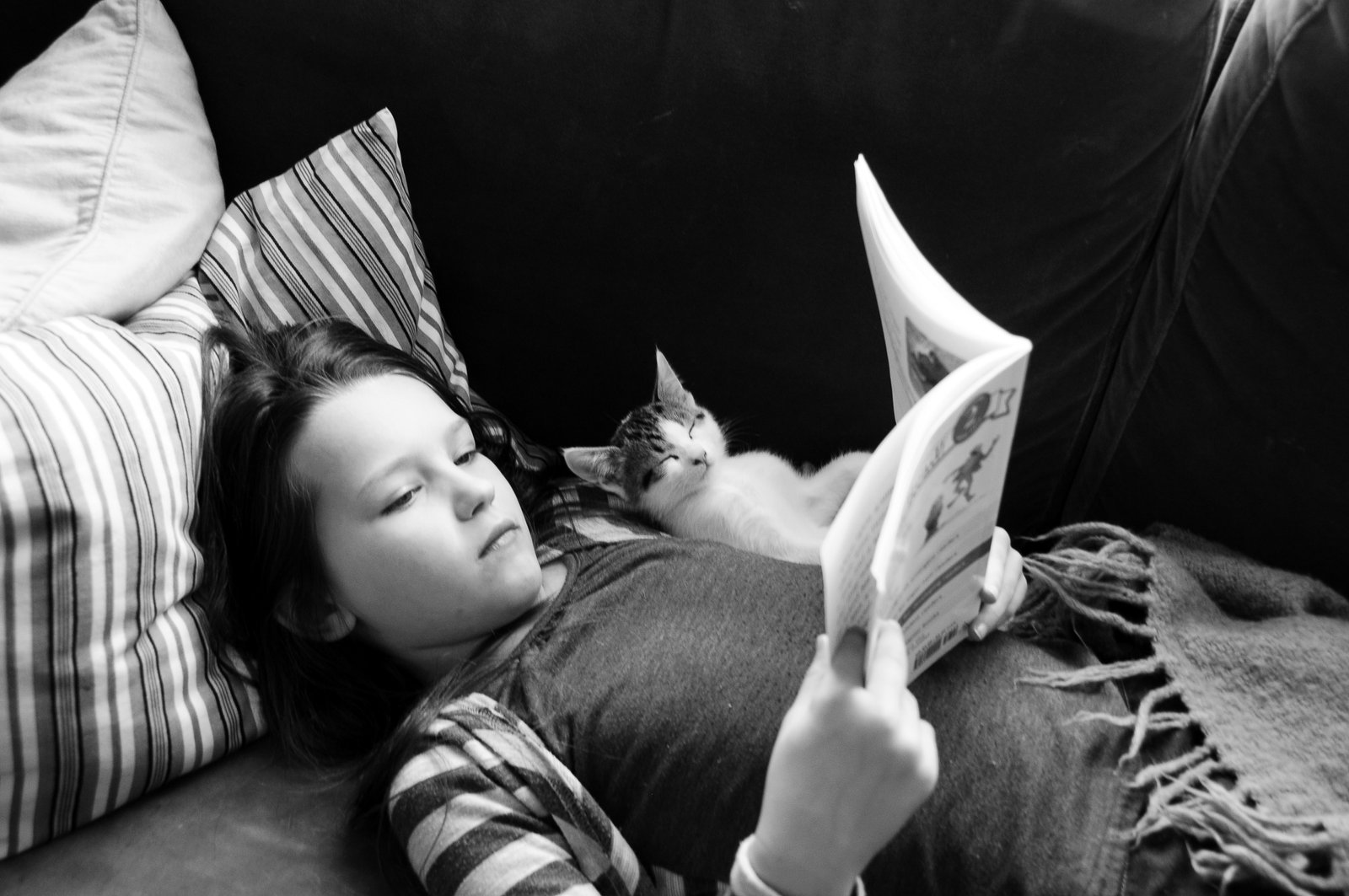
The other ritual is reading. The Boy has his favorite books, and now that the Girl has progressed so in reading — still waiting that spring MAP score! — she often reads to him. His attention span is still not much longer than his nose, though, and tonight, the dust cover of the book was far more interesting.
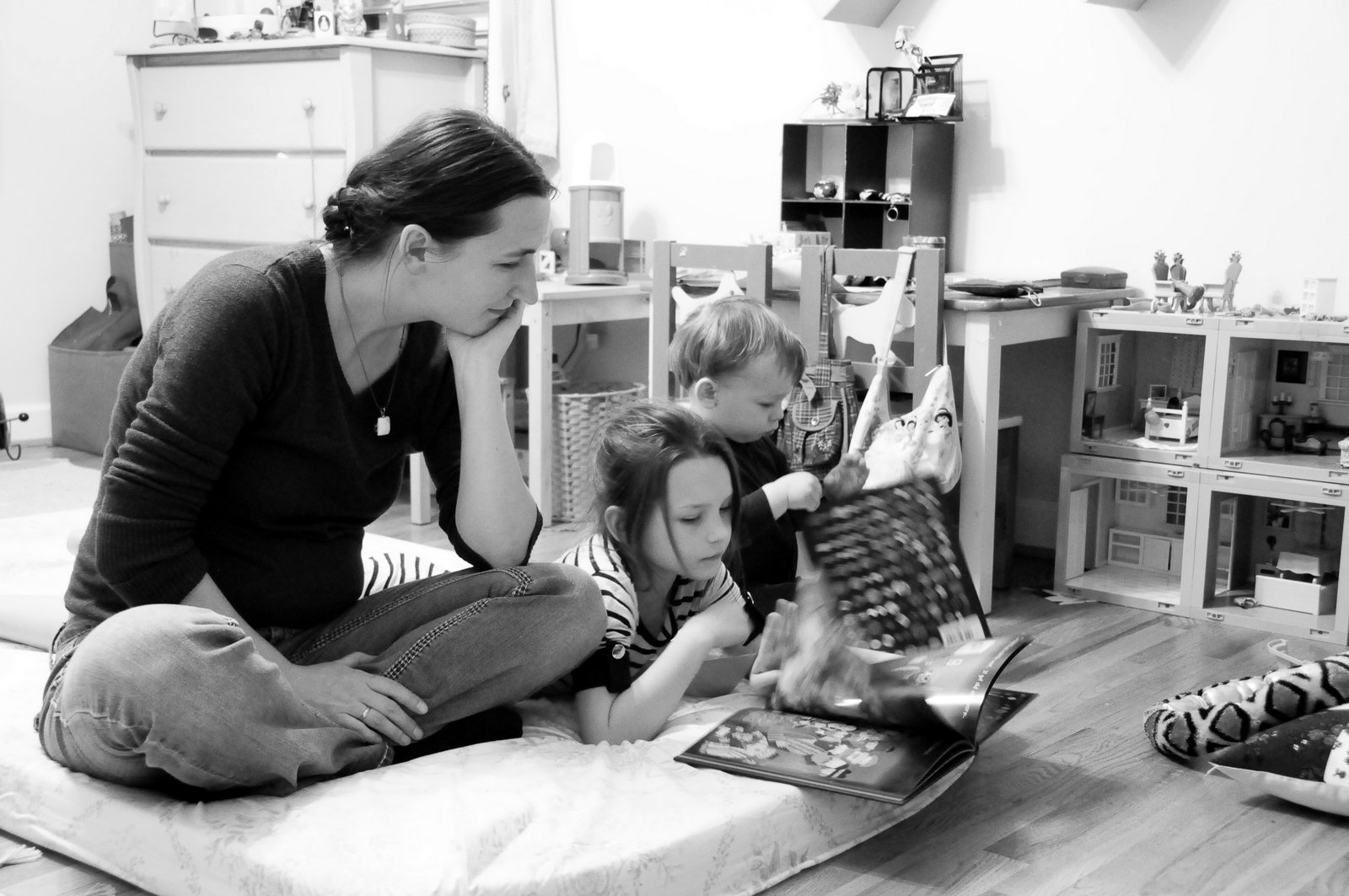
As the Girl grows, she takes on more responsibility with her brother, as tonight shows. Best of all, she often relishes these responsibilities — for a short time. Still, it’s a start toward mature responsibility.
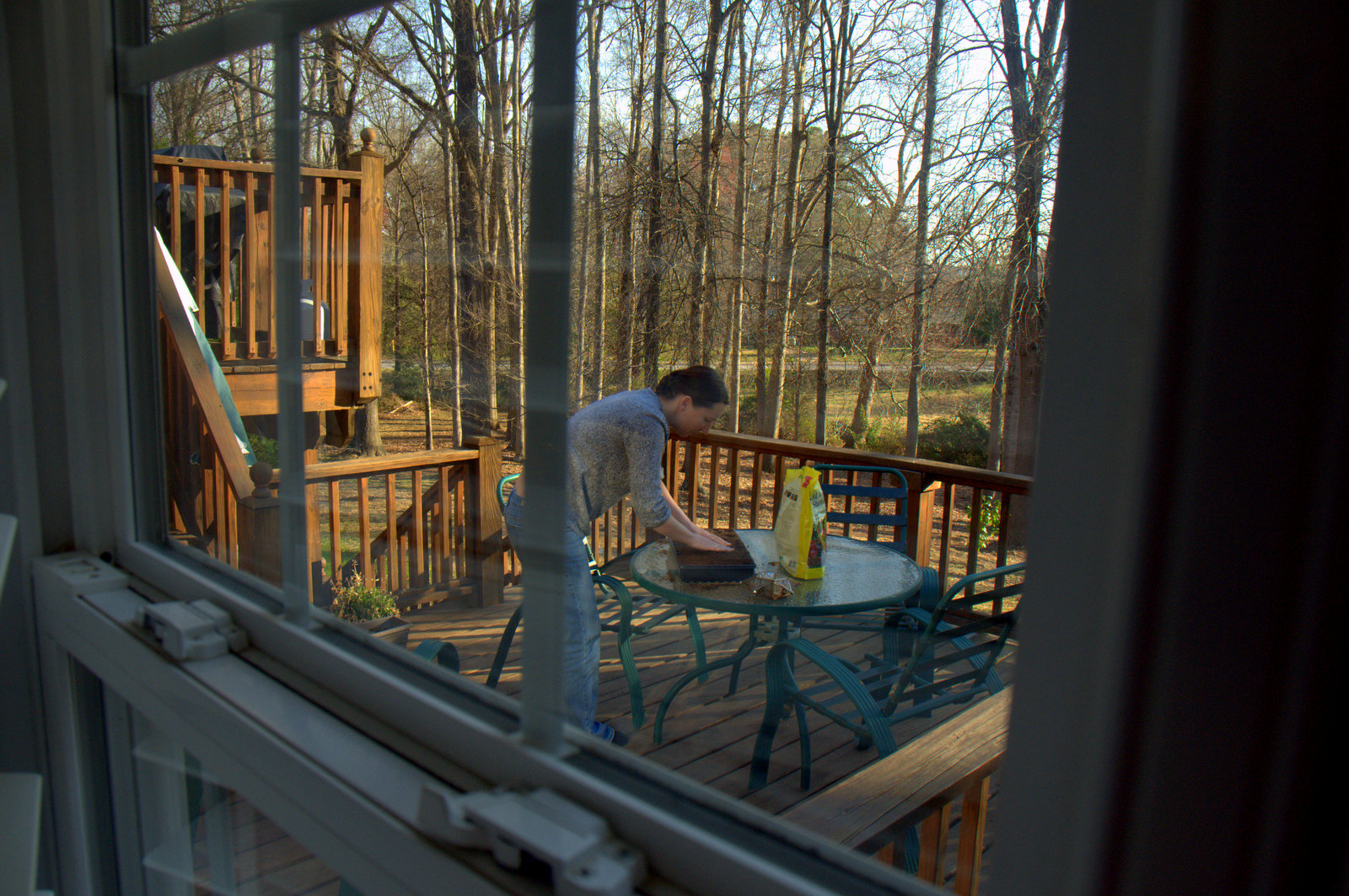
About the only time I was indoors all day was for this shot, taken as I was finishing up my coffee and heading out to
In short, a perfect spring Saturday.
A hotel manager in Davos, Switzerland might be able to arrange a fine martini, a cab, or even some adult entertainment for you. He might speak four or more languages. He might be charming. But he's not one you would likely put much stock in when it comes to questions of beginnings, metaphysical questions of origins and destinations. He's not one you would expect to come up with earth-shattering theories about where humanity came from, about who might be listening in our most private thoughts, about who might be ultimately controlling more than we could imagine.
If a hotel manager form Davos, Switzerland proposed a theory that rewrites all history -- religious, economic, political -- you might suggest he put the drinks on your room tab and head upstairs to sleep it off. Especially if he suggests that the gods of all religion, ancient and modern, are aliens. That there's proof in artifacts from around the world. That the evidence is painfully obvious.
Erich von Däniken is famous for his crackpot theories about extraterrestrial visitors' influence on human culture and history. Thoroughly discredited, admittedly a fiction writer, Däniken's books have still reached a wide audience.
Including my students.
In preparing for the PASS test, students have been planning and writing practice tests for the last several days. I give open-ended prompts and then we discuss, in one-on-one conferences, what went well and what could be improved. The other day, I put the following prompt on the board.
Many people influence us. Sometimes they introduce us to a new interest or hobby, or sometimes they affect our views on things. Write about someone who has had a significant influence on you.
And then I read a quirky eight-grader's thesis: "Erich von Däniken has influence my view of history."
I try to stay away from taking definitive stands about politics, religion, economics, or much of anything else in the classroom. I teach reading and writing -- nothing else. But this, this I couldn't resist.
"Have you read any critical analyses of von Däniken's work?" I asked him. I suggested a few of the flaws in the theory, then encouraged him to read some critics' view of von Däniken's theories. Ideas like Carl Sagan's:
That writing as careless as von Däniken's, whose principal thesis is that our ancestors were dummies, should be so popular is a sober commentary on the credulousness and despair of our times. I also hope for the continuing popularity of books like Chariots of the Gods? in high school and college logic courses, as object lessons in sloppy thinking. I know of no recent books so riddled with logical and factual errors as the works of von Däniken.
Tolerance and acceptance of students' views -- that's one thing. A student taking seriously ideas from an exposed fraud -- quite another.

"I'm so sick of the PASS test," I said to our eighth grade administrator, "and we haven't even taken it yet." The test -- technically now called the SCPASS, which stands for "South Carolina Palmetto Assessment of State Standards because just "PASS," as it was called for years, infringed on some copyright or other -- is the state assessment for No Child Left Behind (NCLB) compliance. It's a silly hoop students have to jump through in an effort to provide data about effective teaching, effective schools, and effective students. In theory, anyway. It consists of math, reading, writing, science, and social studies assessments, and the first portion, the writing assessment, rolls around this coming Tuesday.
Regarding standardized tests, we teachers are always told we shouldn't be "teaching to the test." I'm not quite sure what this means, though, because it seems that, given the fact that we have state standards from which we form our curricula and from which test makers derive the tests, any time of standards-based teaching is, to some degree or another, teaching to the test.
This is even more confusing when I consider myself as not just a reading teacher but a writing teacher as well. We teach kids that they should always taken into account their audience and purpose when writing, and so it seems to me we should be doing the same for this test. The purpose is simple: to pass at the very least, with a score of "Exemplary" as students' ultimate goal. The audience, too, is straightforward: the only people who will read these particular essays are the exam graders. Therefore, as a teacher, I should help students figure out how to write for this purpose to this audience. "It's jumping through hoops," I tell them, "not real writing. You're just trying to show them that you can do all the things on this rubric."
So we've spent the better part of this week and last putting together a plan to write for this purpose to this audience. And I do so in full knowledge that this is not an accurate assessment of authentic writing; it's an assessment of prescribed writing. Still, except for bloggers, professional writers, and diarists, almost everyone in the "real world" writes primarily prescribed writing: reports, minutes, emails, summaries, proposals, invoices, and the like, so maybe it's an accurate assessment.
Nah -- it's just hoops.
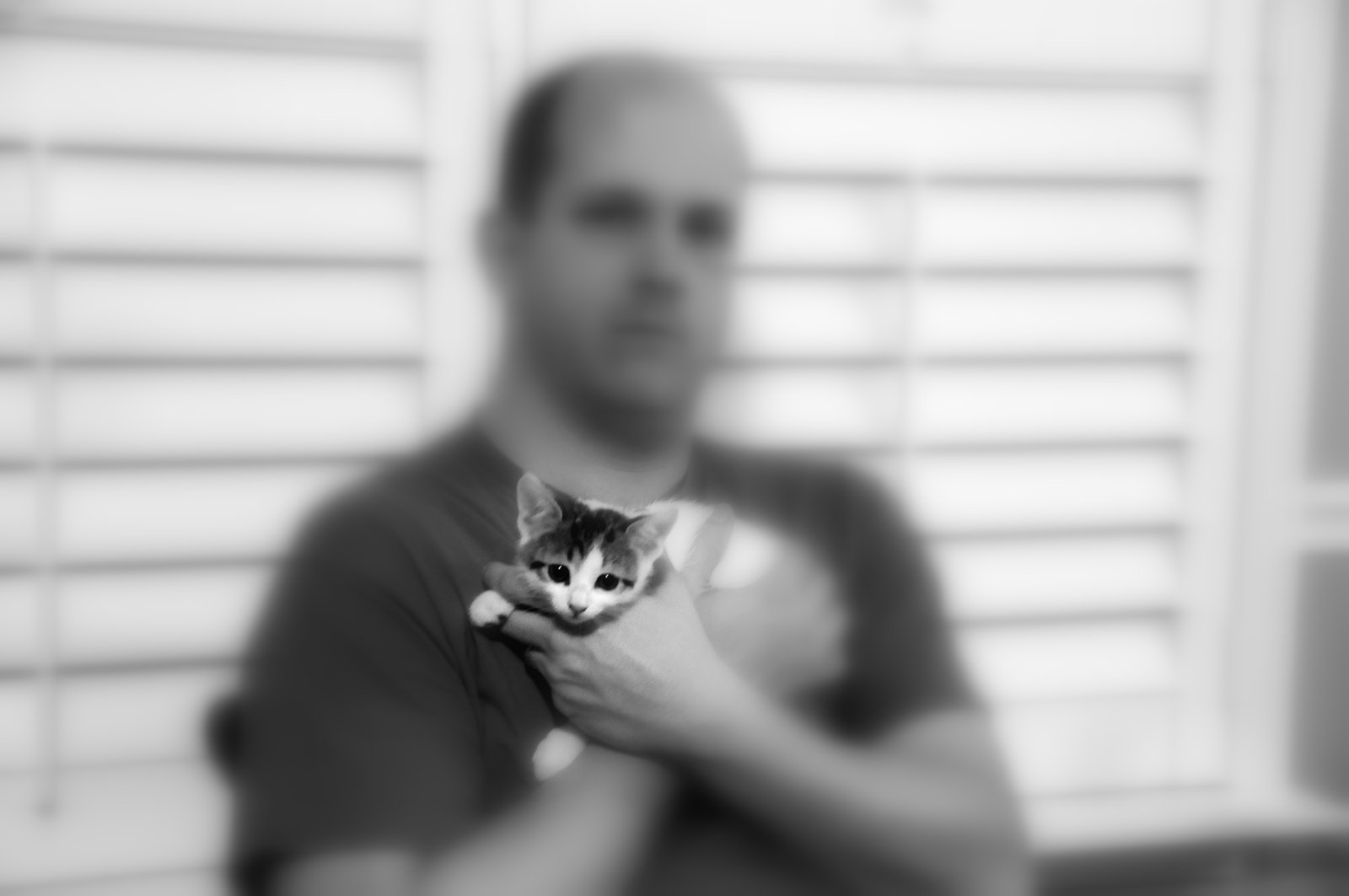
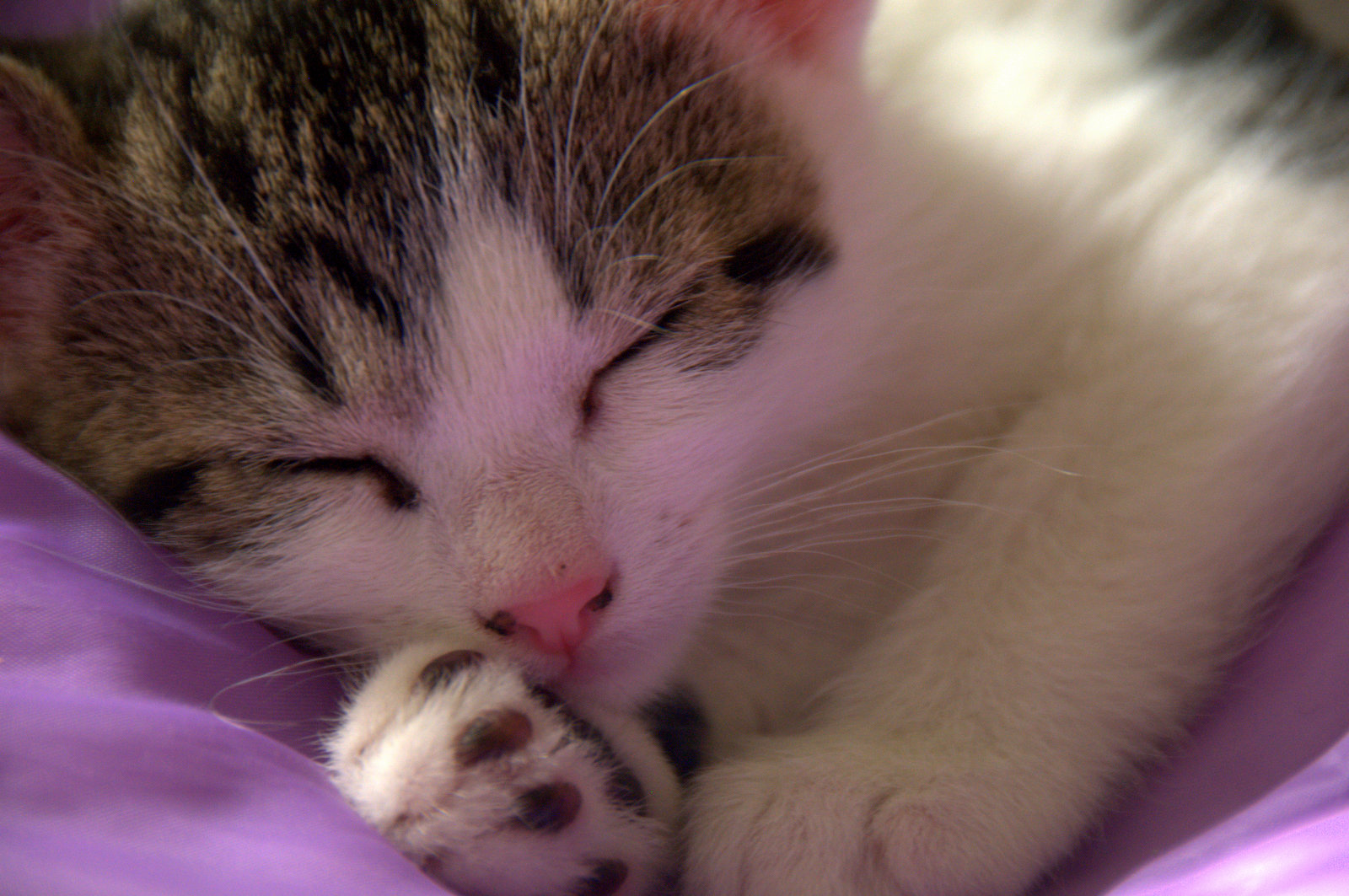
The skittishness is subsiding, and even E's squealing can go unnoticed. She sleeps in the middle of the floor sometimes, and she's seeking out company rather than desperately searching for a hiding place. The Girl is learning the old maxim, "If you love someone, set her free," and Elsa is beginning to come back, showing it was meant to be.
In short, she seems to be happy to be part of our family.