matching tracksuits

fun in threes, sometimes fours

Spring Planting

Another unbelievably sunny morning. Perfect for what we'd planned for the day: spring planting, which the weather and our schedule has put off for two weeks.
VIV_5795

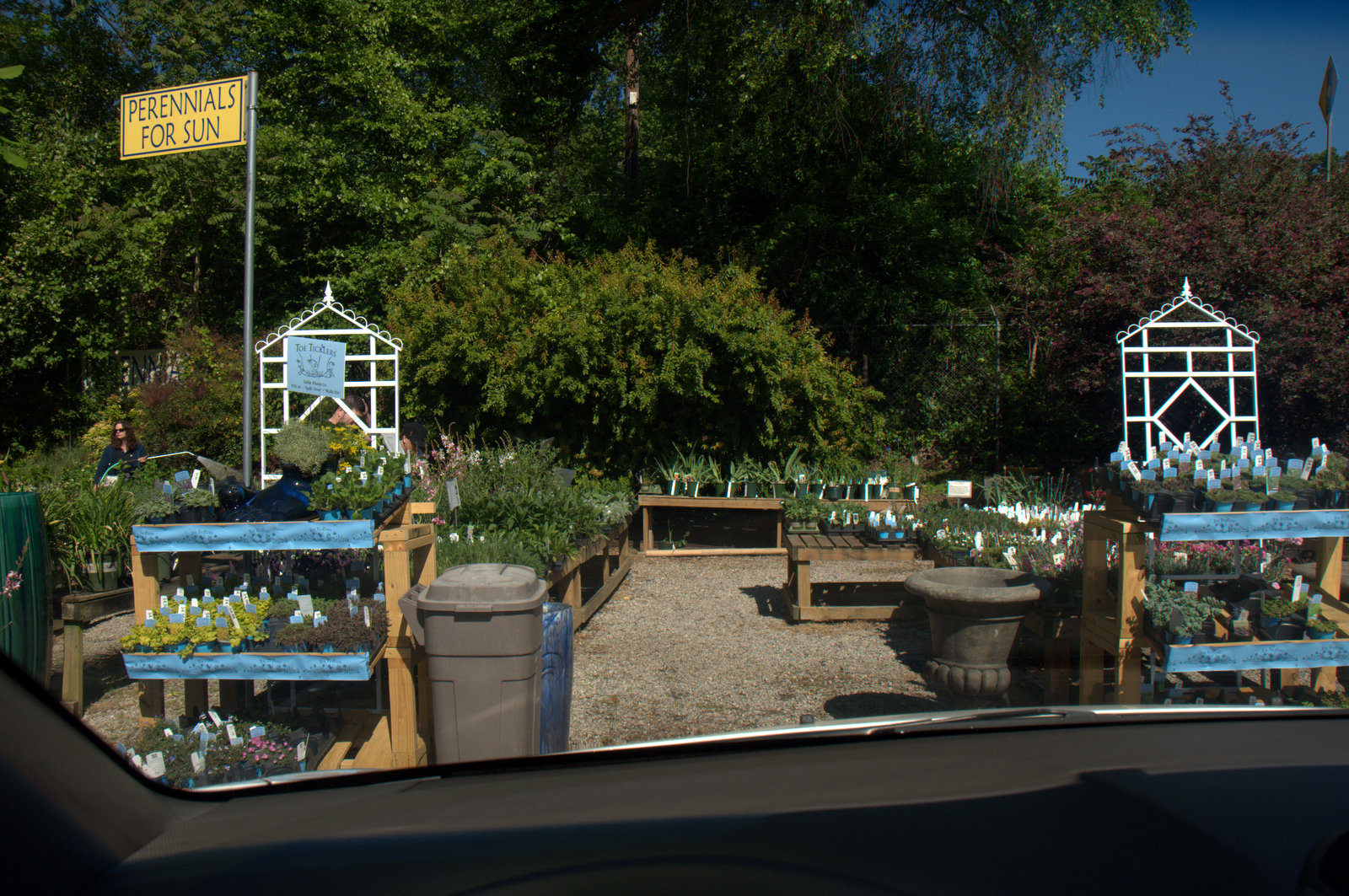
First task: purchases. We drove across town to our favorite nursery to pick up veggies and flowers, but the Boy decided that he must -- simply must -- run like a maniac.

"E, if you don't stay with me," I explained, wondering how much he understands. At what point can a child understand cause and effect? Certainly not his age, but we must begin at some point. "If you don't stay with me, we'll go to the car."

He ran off; we headed to the car.
VIV_5796

The Boy spent the rest of the visit fussing in his car seat; I spent the rest of the visit listening to the Magliozzi brothers on Car Talk with accompanying screams, cries, and general tantrum-related noises from the back seat.

In the meantime, the Girl picked out flowers with K, always drawn to the most expensive flowers: six, seven bucks for one. In the end, K bought her one expensive flower -- a lovely blue and white blossom that is completely unknown to me and will be for all time, as inept with flowers as I am -- and several less expensive but equally lovely varieties.

VIV_5803

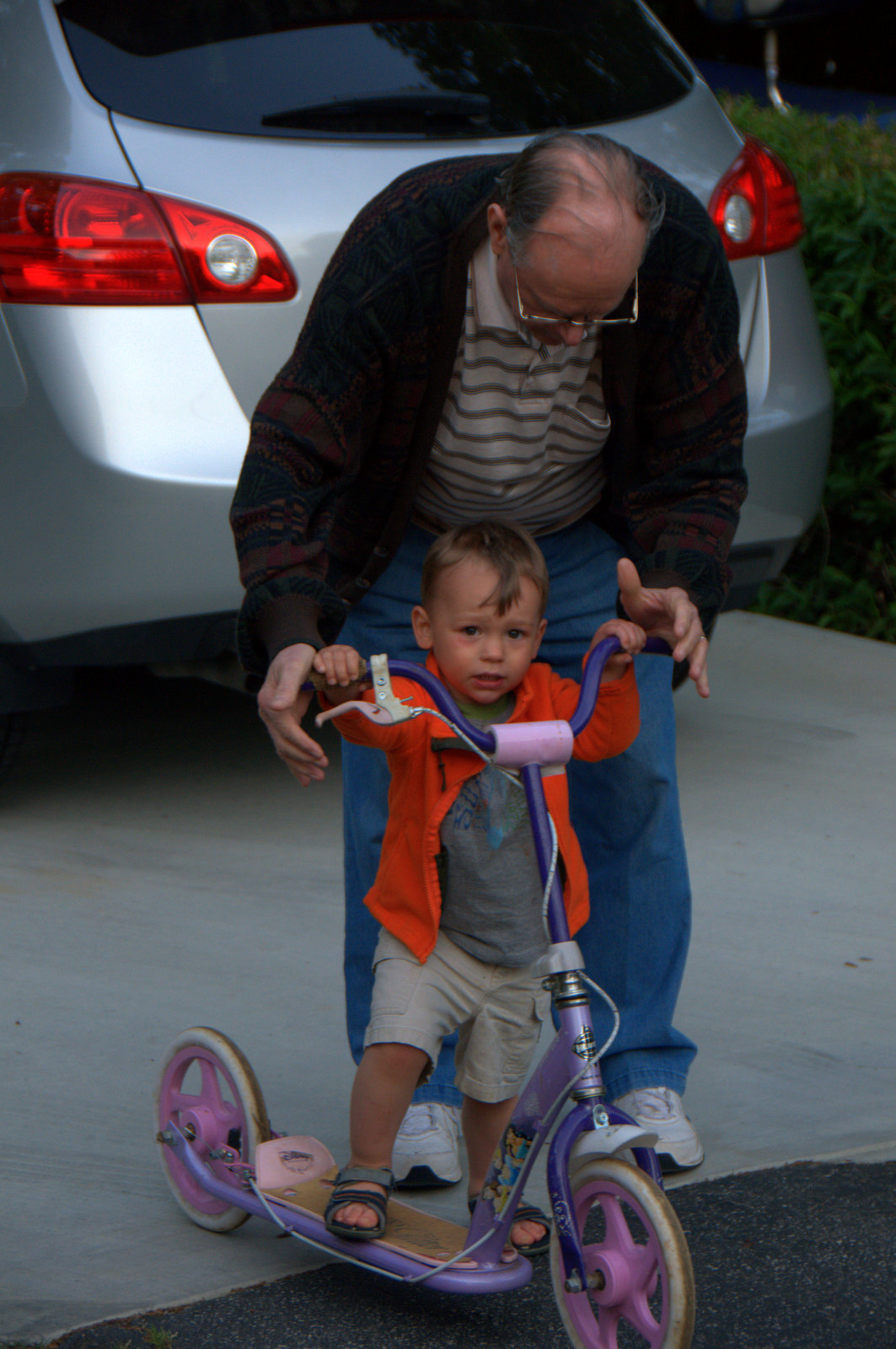
The rest of the day was a furry of preparing the raised beds (which took most of the rest of the morning), and planting, planting, planting. Then came the grilling, grilling, grilling. And more time with the grandparents.
VIV_5825

And finally, after the bathing, bathing, bathing, some relaxing for K and me.We finished up a Coen brothers' film (Inside Llewyn Davis -- how can a protagonist be so utterly unlikable?) and then just sat on the couch, TV off, the sounds of the evening pulling us to bed, though for me, not so directly.

A good day.
South Carolina Drops CCSS

I am not an engineer. Other than understanding that engineers design things and use specific computer software to do it, I know nothing about engineering. My father was an engineer, though, so I’ve been in an engineer’s cubicle, looked through an engineer’s papers, and sat at an engineer’s desk. My father even let me play with CAD software a few times when it was still the new thing–the future. So taking all this vast engineering experience into account, I would feel perfectly within my rights and abilities to sit on a panel deciding which engineering standards to adopt. Certainly I would need someone to explain the significance of this or that line of a standard or the implication of this or that sub-point, but I feel confident than the standards that would result from such cooperation would be safe, effective, and meaningful.

Who wants to cross a bridge designed to those standards? Who wants to ride in a car designed to those standards? Who wants to work in a building designed to those standards? Who wants to use an appliance designed to those standards?

No one?

Why in the world not?

Because I’m not qualified to decide on engineering standards.

Oddly enough, though, legislators seem to think that just because they’ve been to school themselves and have talked to a handful of education professors–few of whom likely have ever had any in-class experience–they have all the knowledge they need to evaluate and accept or reject given education standards. They have the misconception that they can do this, and they have the power to do so. And so the ever-changing political winds blow this way and that, tugging teachers, administrators, and children this way and that, all in the elusive hope of solving our vast educational problems.

And vast they are indeed. I don’t need to rehearse in detail the litany of statistics regarding the relative freefall of American education, how far behind the rest of the developed world our educational system has dropped. Our math scores, relative to the rest of the developed world fall steadily as do our science scores. Our literacy rate is shameful compared to almost every other Western country. So we all wring our hands, and we all mutter, “How is this possible? How have we gotten to this state, to this point, where, for example, the majority of graduate engineering students are coming from former third world countries, now second world countries, fast becoming first world, nations like India and Brazil? How could this have happened?”

This mystery leaves us wondering about the solution, leaves our legislatures trying year after year, decade after decade trying this solution, that solution: Common Core, STEMS, classroom management schemes by the dozens, assessment schemes by the hundreds, left and right, No Child Left Behind, Title Nine, legislation, legislation, legislation, when in fact all we are doing is slapping Band-Aids on cancer patients then ripping them right back off, convinced that it’s the style of the adhesive bandage that’s the problem: we should try Flexible Strips, Sheer Strips, Water Block Plus, Clear Spots, all the various Band-Aid product varieties, when in reality all we’re doing is ripping off one cartoon bandage for another. Spiderman doesn’t do the trick? Let’s try Dora! Scooby-Do doesn’t work? Perhaps we need My Little Pony! All the while we’re convinced we’re trying radically different approaches when in fact all we’re doing is turning our children’s education into a farce.

The problem is we’re working off an incorrect diagnosis. We’re trying to cure a disease we’ve confused with its symptoms. We don’t see the real problem, so how can we see the actual solution? To express the problem is to sound like Chicken Little, but sadly, this time Chicken Little is right: the sky is falling. Our society is in freefall: the standard institutions that, throughout the history of the Western society held together the societies that literally invented the modern world, those institutions are have been doubted and criticized for over a century and have faced an outright full assault for over five decades. We have doubted and questioned and prodded and experimented with, ultimately dismantling or even destroying the very institutions that gave us the stability necessary to create capitalism, entrepreneurial competition, and the middle class, all of which were necessary for the explosion of technology we’ve witnessed in the last century. But it’s easier to point the finger at schools and say that it’s essentially a problem of bad teachers, poorly funded schools, and myriad other solutions.

The solution that so many have favored in the last two decades has been explicit educational standards followed by extensive testing, a way to provide a supposedly accurate metric of teacher, administration, and school effectiveness. This of course doesn’t work because it doesn’t factor in the true problem our education system is facing — chronic student apathy and even antipathy to education itself — because it measures all students by the same yardstick no matter their behavior in class, their absences, their rate of transferring in and out of schools, and a whole host of other elements that teachers, administrators, and schools have absolutely control over. But teachers have played along with this, adapting, re-working, or even scrapping lessons and methods as states adopt, drop, change, reword, and constantly rework the standards in an effort to get supposedly accurate metrics.

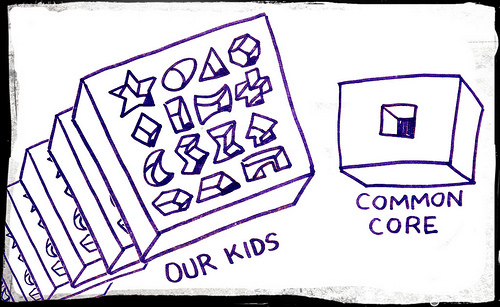
The Common Core State Standards (CCSS) were an effort (and I use the past tense because it is undoubtedly an effort soon to be relegated to the past in most states that initially adopted them) to standardize that effort across the entire country. It was an attempt to solve several actual problems in this misguided attempt to solve the larger problem. Among these issues was the relative disparity in state standards and resulting disparity in test results (harder tests produce less appealing results). Another problem was the thought that schools were graduating students that weren’t really ready for college and/or the workforce.

There were a number of reasons I disliked the CCSS. It placed an undue emphasis on what it called “informational texts,” new jargon for nonfiction. This nonfiction, though, was not creative nonfiction — essays, speeches, and such — but news articles, science reports, and the like. As a result, literature, one of the true loves of my life and my job, was relegated to a supporting role. In addition, I felt many of the language standards were too broad to be of much use.

On the other hand, I appreciated the emphasis on argument analysis and writing. Most of the writing we do in “real life” is not literary analysis but argumentative writing of one form or another. And though I disliked the emphasis on “informational texts,” one of the effects of the CCSS was to spread the responsibility for student literacy among all disciplines. Reading a text for science is different than reading a primary source in history, which is different still from reading an explanation of a mathematical principle, which in turn is different from reading a novel. The CCSS understood this and took it into consideration.

When our state adopted the CCSS, I was a little irritated: it meant that I would, once again, have to go through all my lesson plans, deconstruct them, remove portions that no longer corresponded to the new standards, and create new engagements for the newly required skills. Still, I thought, I’ve done it before; I can do it again.

“Just wait,” said another English teacher. “This is just another fad. We’ll be redoing everything again in a few years.”

I nodded in polite agreement, knowing she was probably right, but hoping in a way she wasn’t. There are not many professions that have to reinvent itself like education has to every time new standards come around. It’s an exhausting, time-consuming, often frustrating exercise. We have to let go of some of our babies, units and projects we’ve developed and perfected over the years that suddenly are useless. So when the backlash against the CCSS began eighteen or so months ago, I began to accept the fact that my colleague was right.

Yesterday, the South Carolina senate made it official:

The bill, which passed 42-0, is a compromise of legislation that initially sought to repeal the math and reading standards that have been rolled out in classrooms statewide since their adoption by two state boards in 2010. Testing aligned to those standards must start next year, using new tests that assess college and career readiness, or the state will lose its waiver from the all-or-nothing provisions of the federal No Child Left Behind law. (Source)

“Did you hear the news?” asked my colleague this morning. I shook my head. “Common Core is out.” We stood in the hallway, contemplating the repercussions and shaking our heads at the causes.

“It’s the far-right, Evangelical movement — you know that right,” she said.

I’m (now) no liberal by any stretch, and I knew my colleague isn’t either, but I had to agree when it comes to South Carolina, at least in part. And that’s what’s doubly frustrating for me about the whole thing: I feel betrayed by conservative colleagues who appear to have had a knee-jerk, emotional reaction to something they really don’t seem to understand. Almost all conservative criticisms of the English CCSS are based on basic misunderstandings of both the standards and their implementation. They’re straw man arguments in so many cases that I’ve found myself wondering if they’ve actually read the standards.

When we look at the standards themselves, they hardly seem scandalous. A few selections from the eighth-grade standards:

  • Cite the textual evidence that most strongly supports an analysis of what the text says explicitly as well as inferences drawn from the text.
  • Write arguments to support claims with clear reasons and relevant evidence.
  • Determine a central idea of a text and analyze its development over the course of the text, including its relationship to supporting ideas; provide an objective summary of the text.
  • Analyze the purpose of information presented in diverse media and formats (e.g., visually, quantitatively, orally) and evaluate the motives (e.g., social, commercial, political) behind its presentation.
  • Demonstrate command of the conventions of standard English capitalization, punctuation, and spelling when writing.
  • Analyze how a text makes connections among and distinctions between individuals, ideas, or events (e.g., through comparisons, analogies, or categories).
  • Analyze how particular lines of dialogue or incidents in a story or drama propel the action, reveal aspects of a character, or provoke a decision.
  • Determine the meaning of words and phrases as they are used in a text, including figurative, connotative, and technical meanings; analyze the impact of specific word choices on meaning and tone, including analogies or allusions to other texts.
  • Analyze how differences in the points of view of the characters and the audience or reader (e.g., created through the use of dramatic irony) create such effects as suspense or humor.

But apparently these are somehow immoral, unpatriotic, ineffective, or all three. To be fair, some conservatives might have issues with the suggested reading selections, but they were just that: suggested.

Another complaint among conservatives was the notion that this is somehow the nationalization of education, the federal government taking control of all states’ education programs. The real aim of making national standards was to encourage consistency among states. No real conspiracy there.

There is, however, another sense of betrayal that is perhaps more profound for me. In the end, standards are standards: what will replace the CCSS will, by and large, likely be exactly the same. The verbiage will be slightly different; some of the emphases will be different. On the whole, though, it will be more similar than different. And so in the end, all this will amount to an enormous example of government waste prompted by the very people who claim to detest government waste.

The state of South Carolina has spent millions in the planning and implementation of the new standards. Districts have spent additional millions in their own efforts to make sure teachers understand and are able to implement the standards. Districts and schools have bought new books, computer programs, and instructional aids to help with the implementation. District coordinators, school instructional coaches, principals, and teachers have all spent hundreds of thousands, likely millions, of man-hours retooling lesson plans, re-orienting procedures and best practices, and adding new material for the new curriculum requirements. All of that, all the money, time, work, and creativity, are now declared null, void, and useless by the wisdom of those in Columbia, men and women who have never set foot in a classroom except when touring pre-choreographed visits that show them only the best and brightest, shielding them from the reality teachers face every day.
State Senator Larry Grooms, who supported initially the immediate withdrawal of the CCSS, realized, in his merciful compassion, that that’s unrealistic, and so he supported a one-year period in which we continue with the CCSS while the state Department of Education reinvents the wheel. Grooms said, “Our teachers have already been pulled through a knot hole backward through this process. We want to do this in an orderly fashion.”

Well, thanks for that at least.

On the Couch

BW0_5777

His lips vibrating in a blur of motion, he makes a put-put-put sound for all his vehicles, pushing his tractor in circles and stopping the sound effect just long enough to proclaim, “Tata!Kosi!” How he knows that large tractors can be used to mow is another of the mysteries of a toddler, chief among them the babbling, chirping, squealing, and shouting mix with his improvised words, a mix of Polish, and English and apparent nonsense, a most rudimentary language that only he can understand. Only he and perhaps other toddlers, equally fascinated with the sounds that come from their own mouths and the miracle of adult speech seems to accomplish miracles through mere utterance.

Almost May

It's almost May, and we're all breathing a sigh of relief. Students are ready to finish eighth grade, to finish middle school, to leave their academic home of three years and move on to high school. Teachers are ready for a new batch, new faces, new challenges, new gifts. Each day, we all head to school with a little lighter step: some students have already begun counting days (as have some teachers), and as the number dwindles, the pace quickens, as does the pulse and the talking and goofing. Soon, the energy waiting to escape the walls of the school will be almost impossible to contain, especially after next week, when the final round of state testing winds down and everyone finds themselves asking the same question: "Why are we still here if the be-all, end-all tests are complete?" Sure, a few district-mandated tests await students, but the SCPASS, the test that is the benchmark for school effectiveness, administration effectiveness, teacher effectiveness -- the test, in other words -- will soon be behind us.

My reaction over the years has changed. In the past, I was just trying to survive at this point in the year. Perhaps that was because of a lack of clear and clear-headed goals for students; maybe that was a result of my inexperience and ineffectiveness; possibly that was because I had some exceptionally challenging students. Or perhaps it was all that and more. At any rate, I find myself eager, after a short break, to begin again. A sufficient "short break" in this case would be about three weeks or so, but I'm fortunate that we get about four times that. More time with the kids; more time with coffee; more time for K to sleep in a bit -- it's a blessing for everyone, though K would unhesitatingly add "Especially for you." And so it is.

Routines

There are only so many daily routines one can work into a twenty-four hour period, and the addition of a new routine — or the re-initiation, rather, of an old routine — leaves less time, logically, for other routines. So when I tried finally to start working an exercise routine into my day, I found that, after school, jazz dance shuttle service, dinner, time with the kids, goodnight routines, and a short workout that I was left with ten minutes until my bedtime. So something’s got to go.

Polish Picnic 2014

A Polish pope was a big deal. As the first non-Italian pope in almost five centuries, Karol Wojtła made almost every Pole stand a little straighter when the college of cardinals selected him as pope in 1978 — almost every Pole except the Communist leadership, that is. They likely suspected they were in trouble, but they certainly had no idea the degree to which Karol Wojtła was going to change everything. The regime got an idea when he finally visited Poland in 1979 as John Paul II (or Jan Paweł II in Polish). Celebrating Mass at Piłsudski Square (then known as Victory Square), he uttered his most famous line: “Nie lÄ™kajcie siÄ™.” “Be not afraid.” They responded by chanting ,“We want God.” For over fifteen minutes. John Paul, knowing the power washing over the crowd, let them go, looking back at the representatives of the Communist regime. Not a word was spoken, but everyone in the delegation knew what John Paul II was saying: “Do you hear this? You're done.”

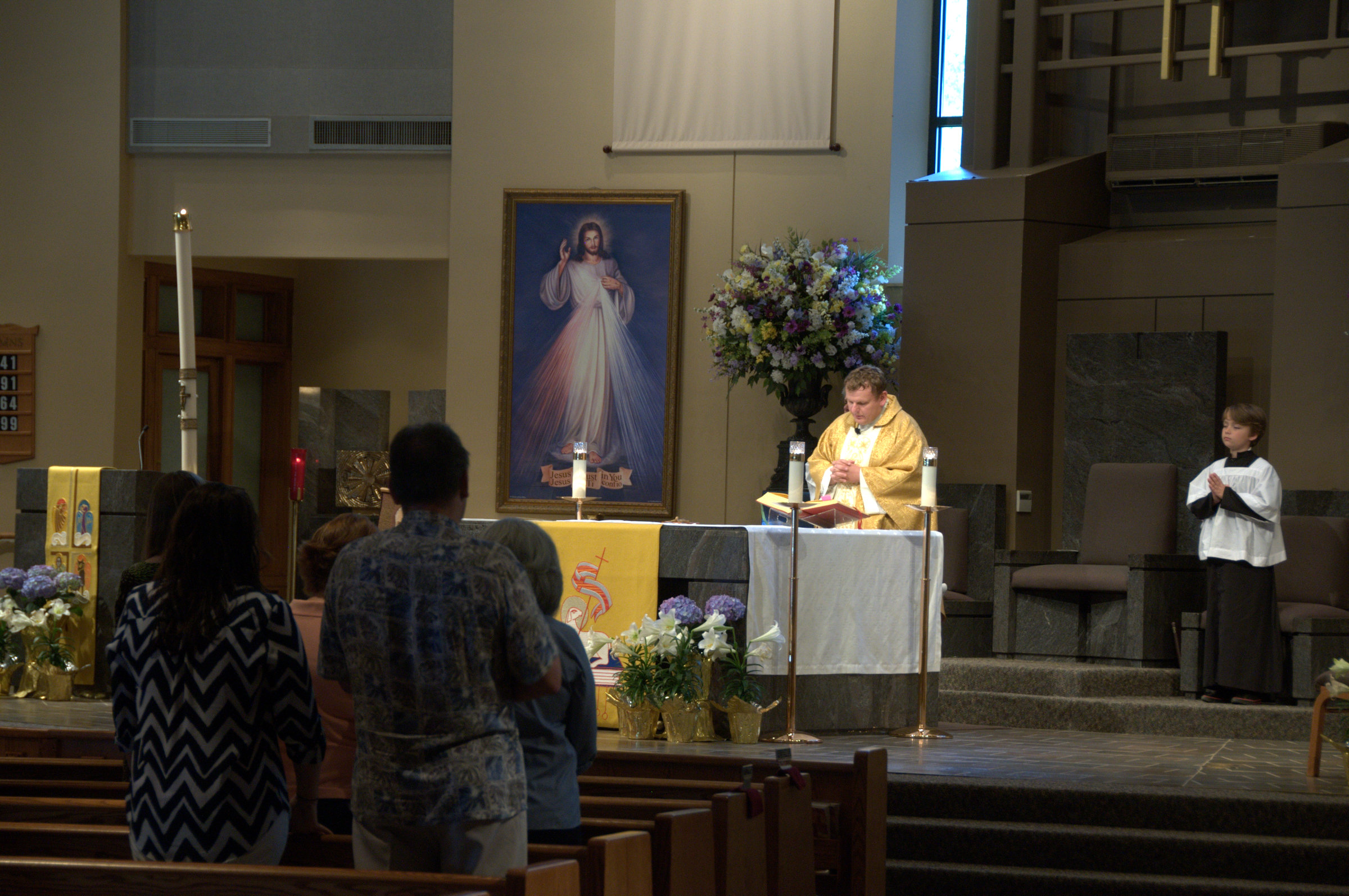
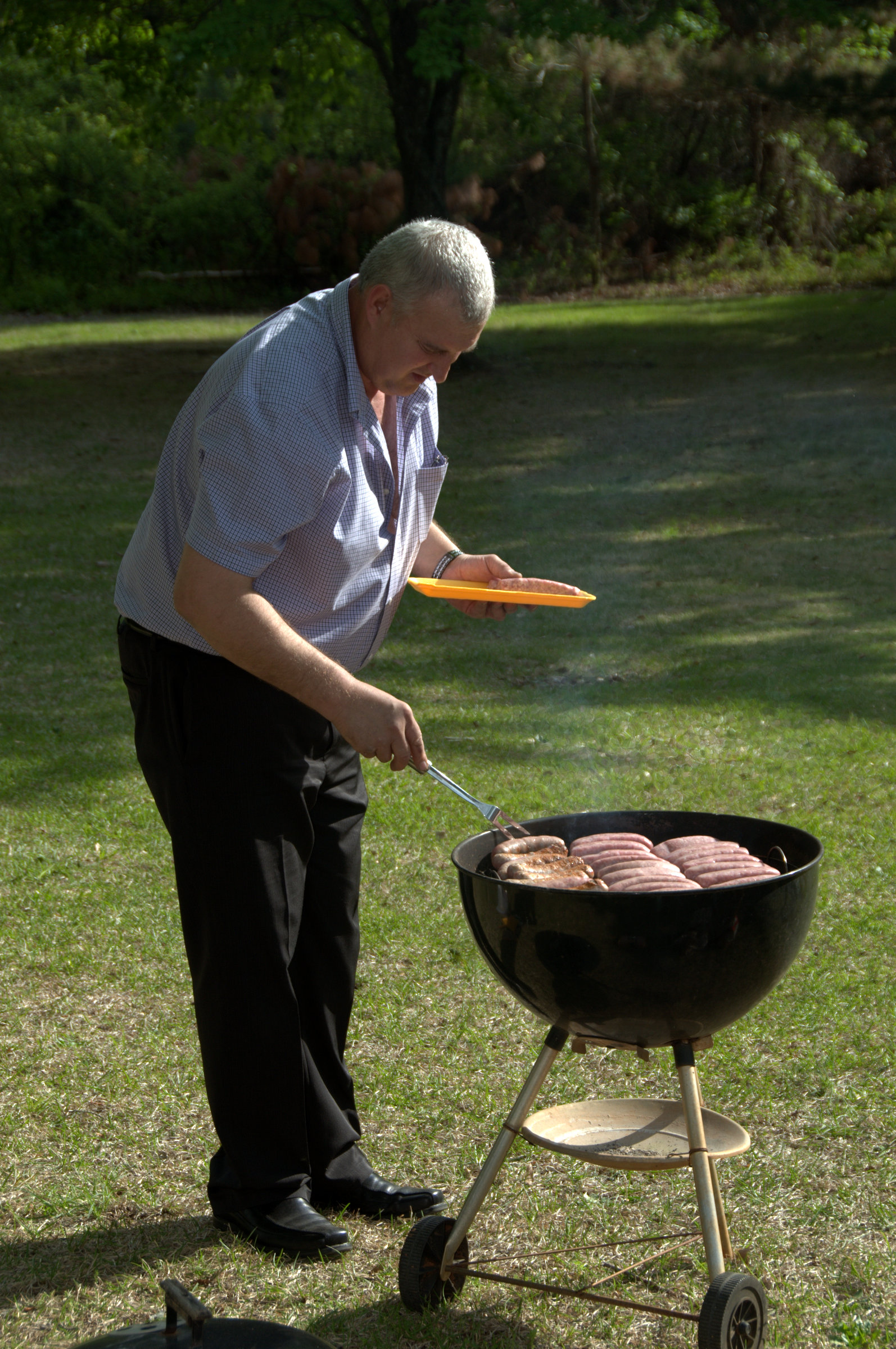
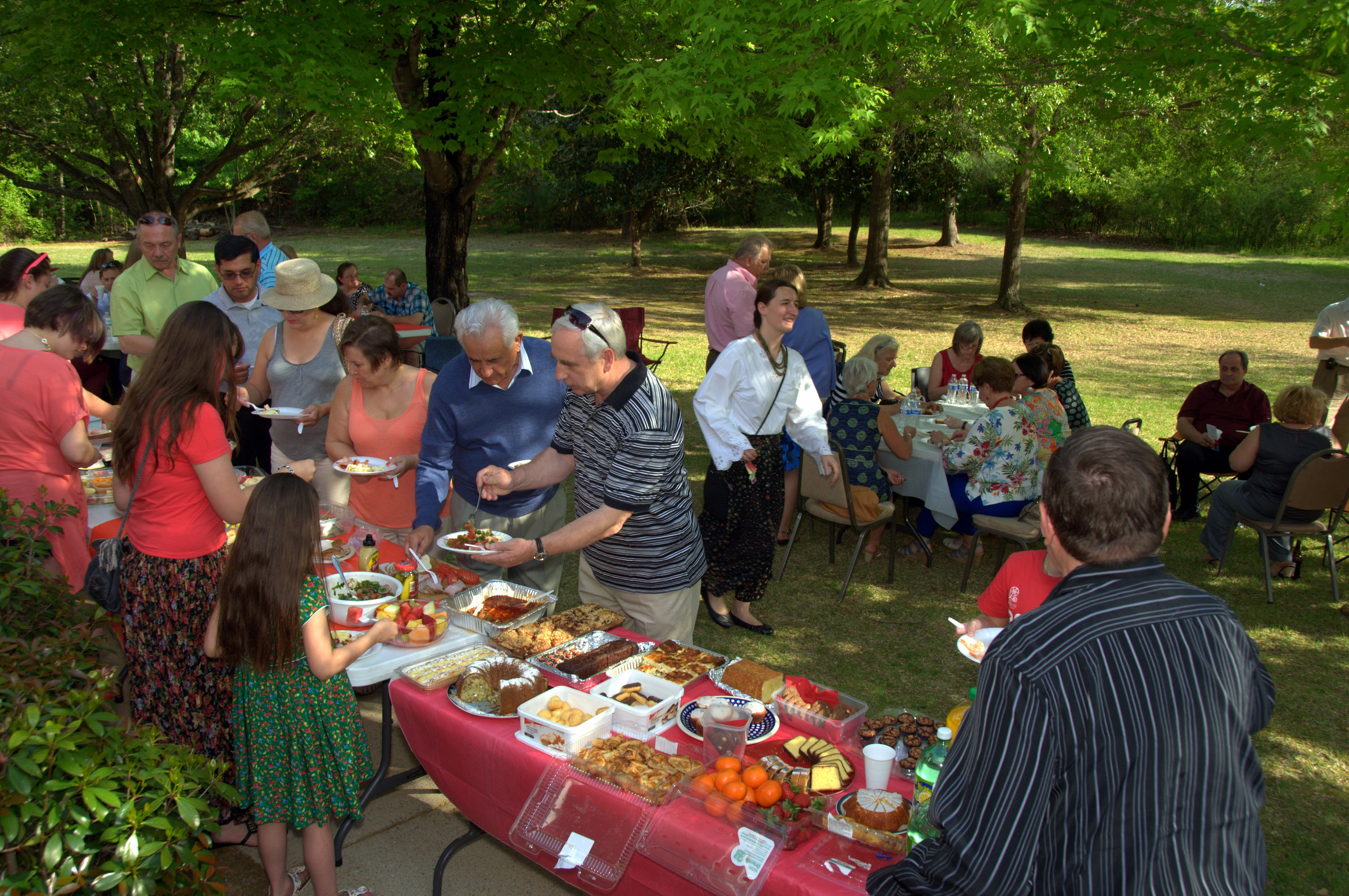
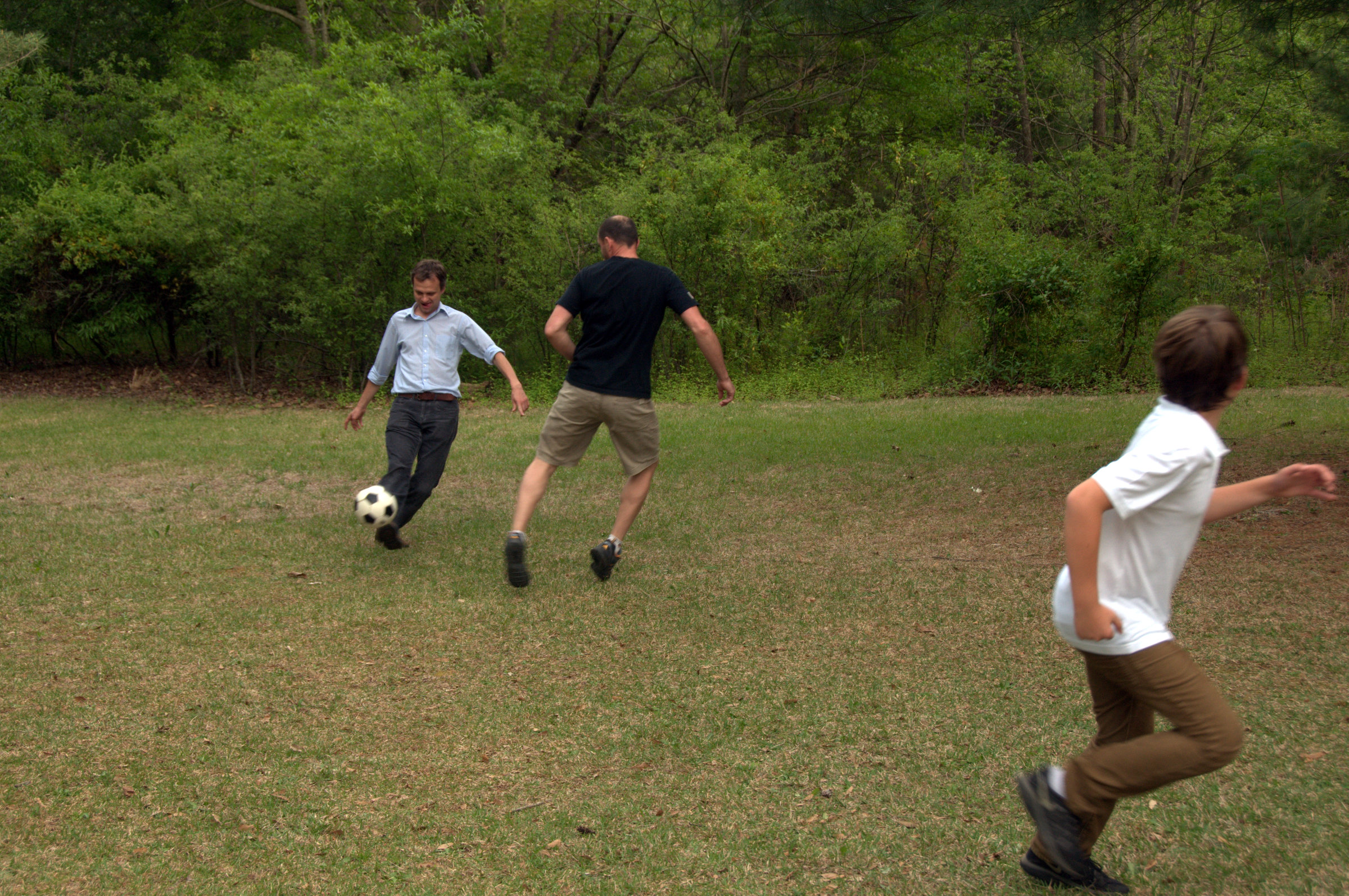
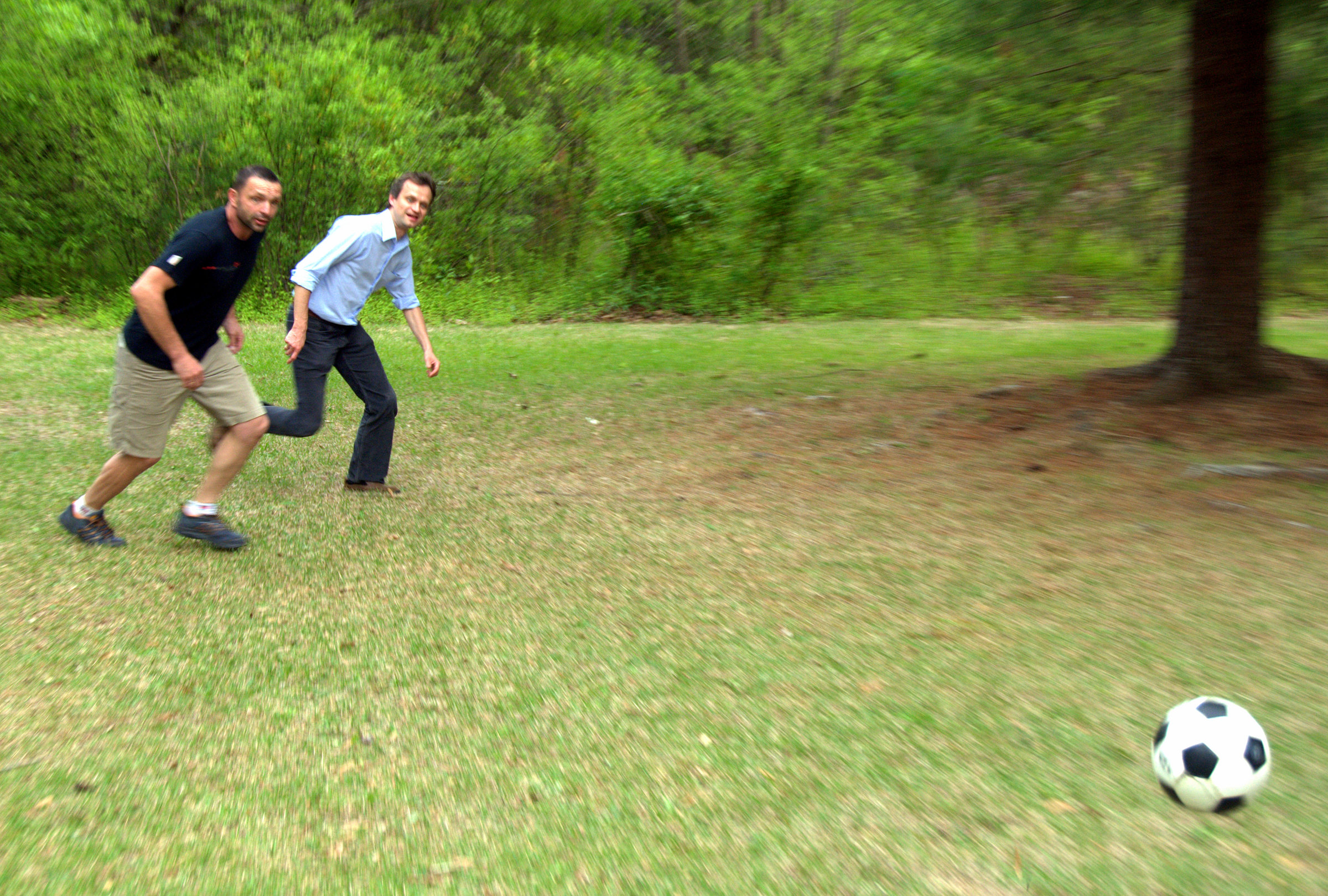
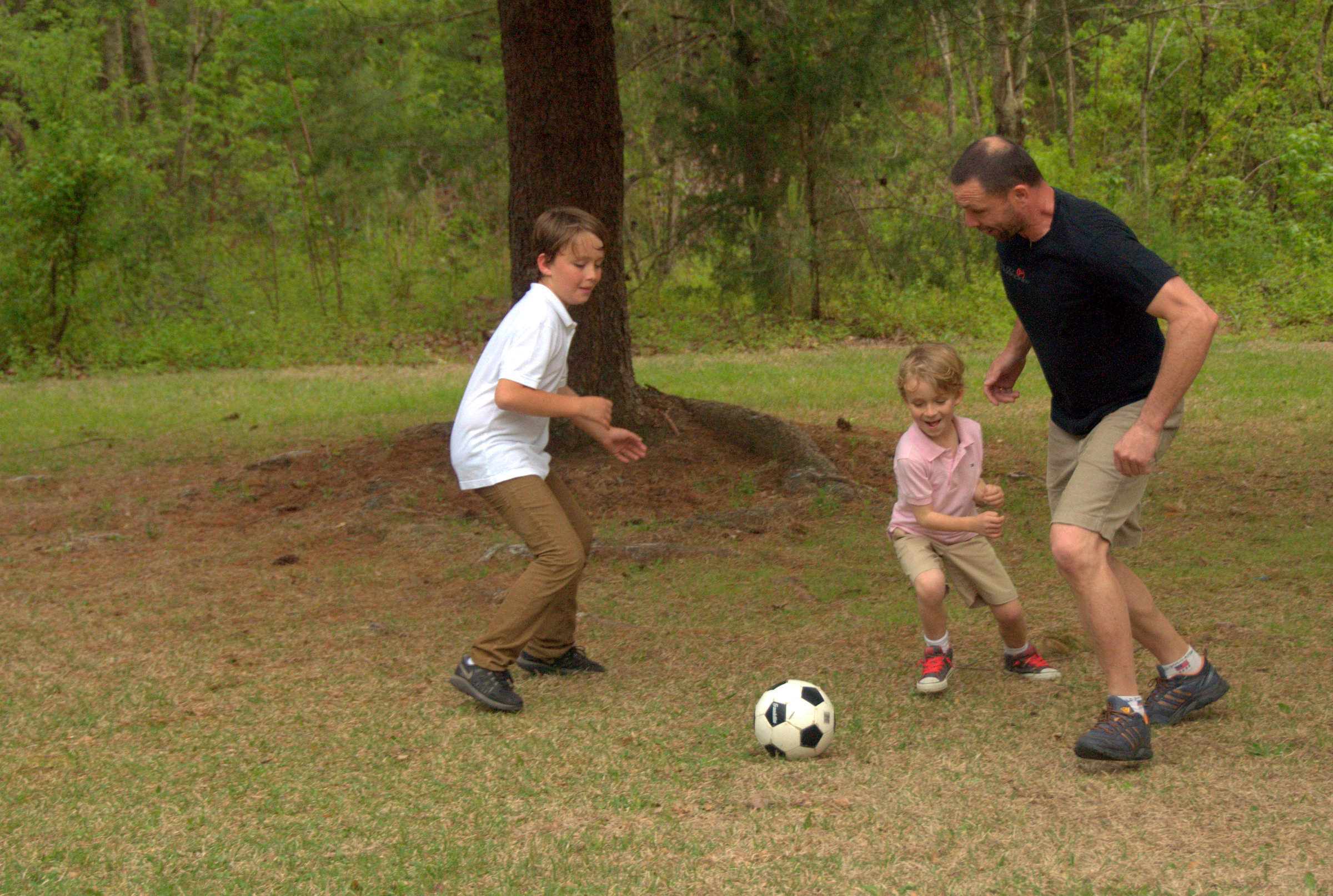
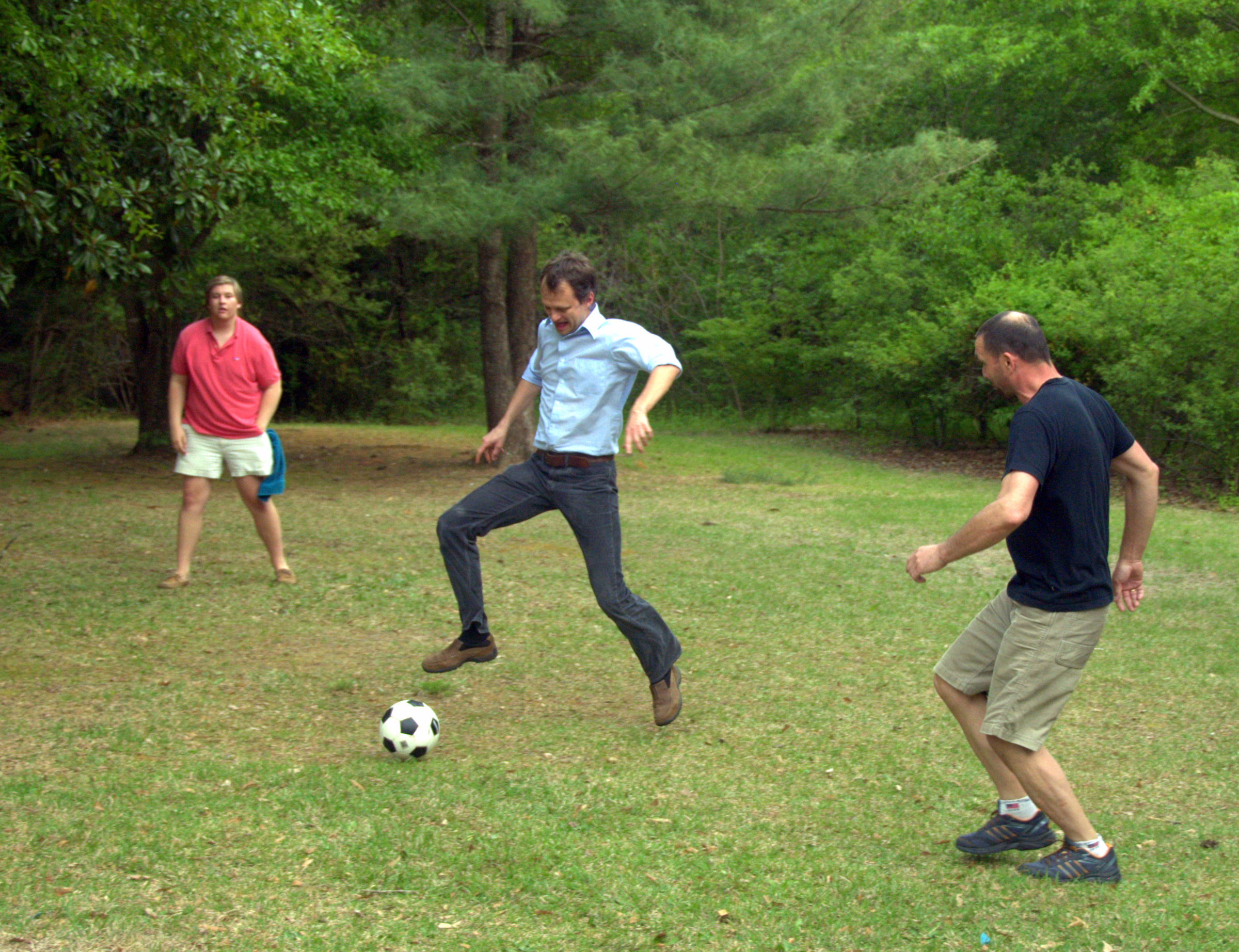
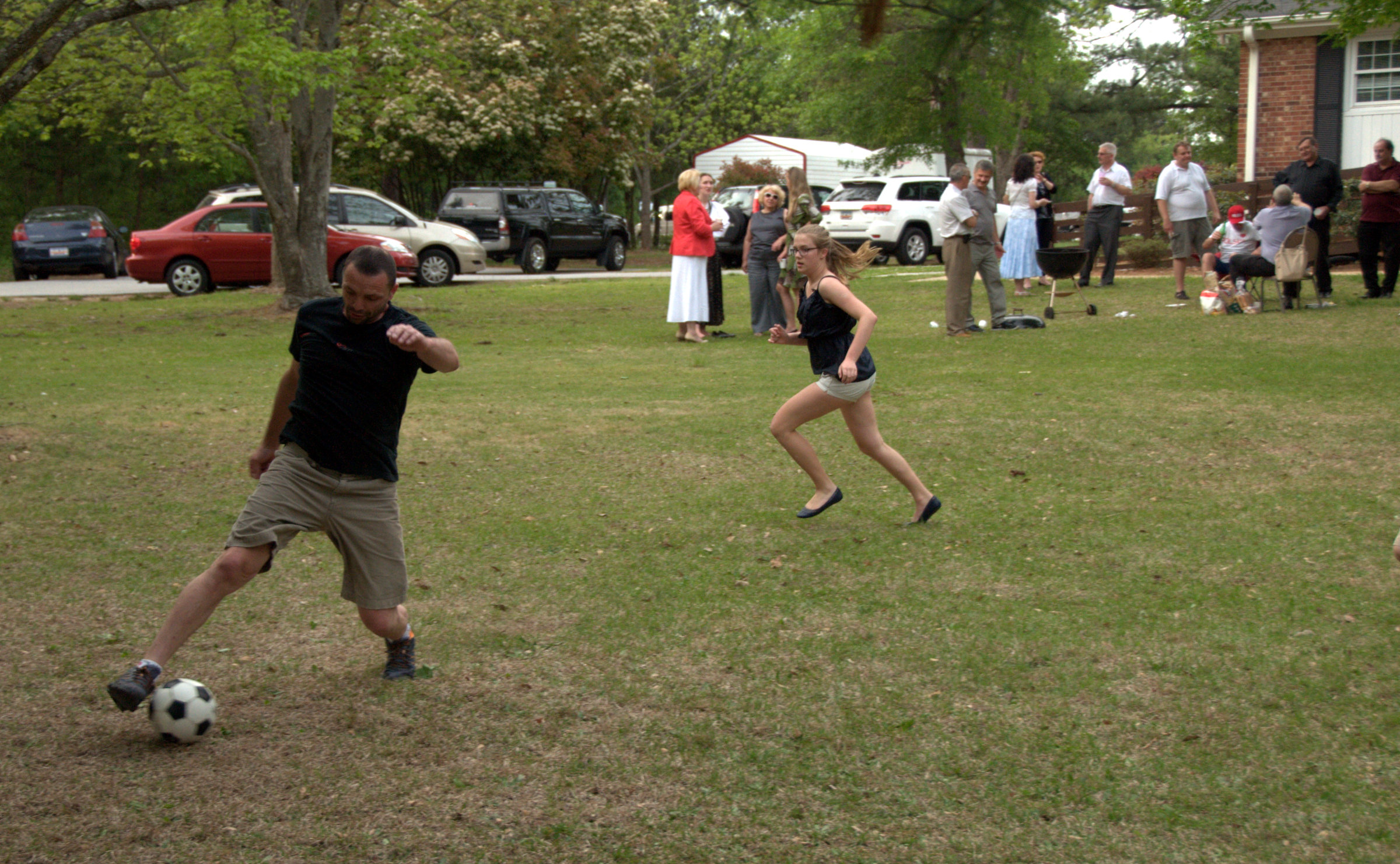
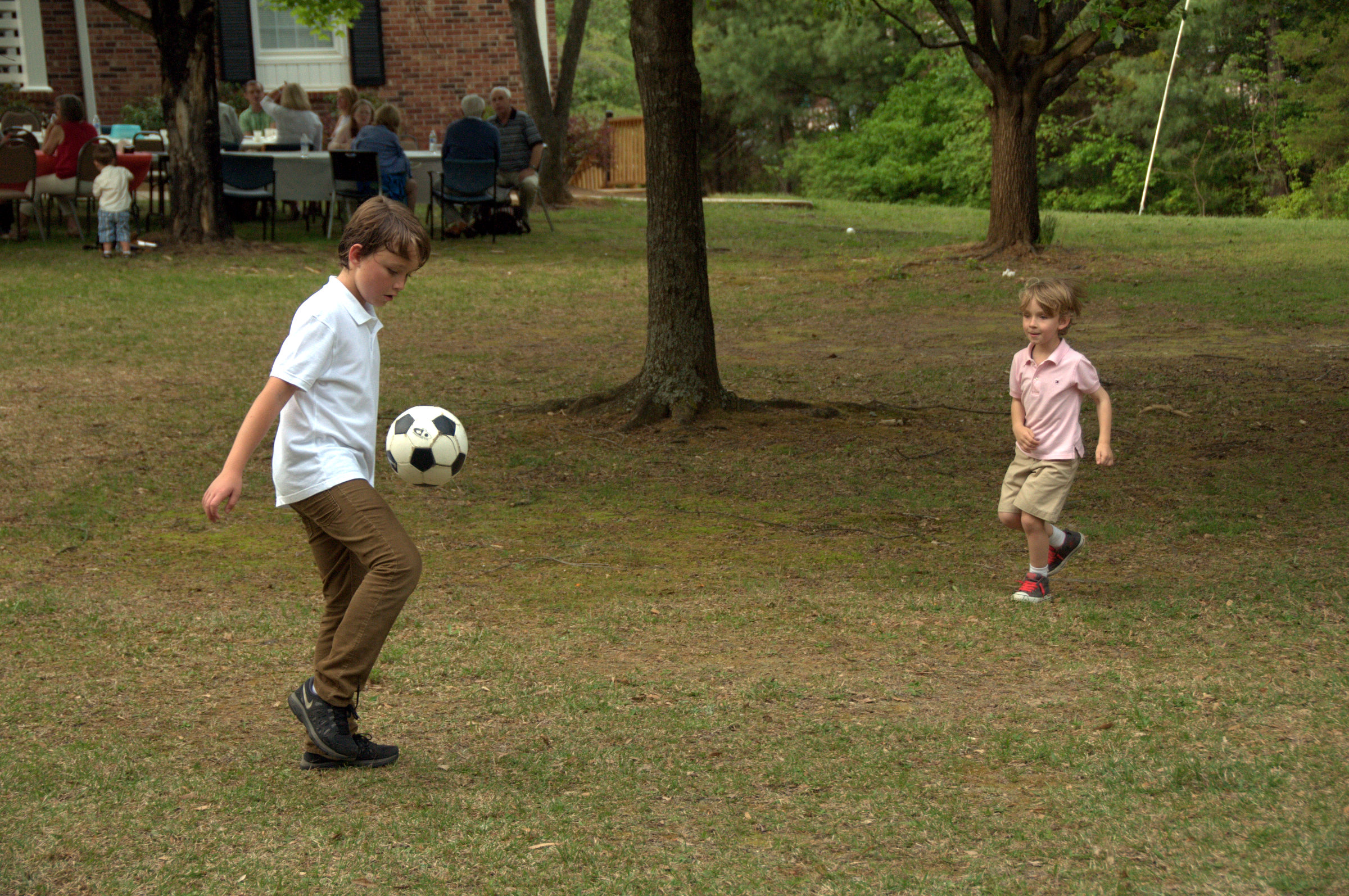
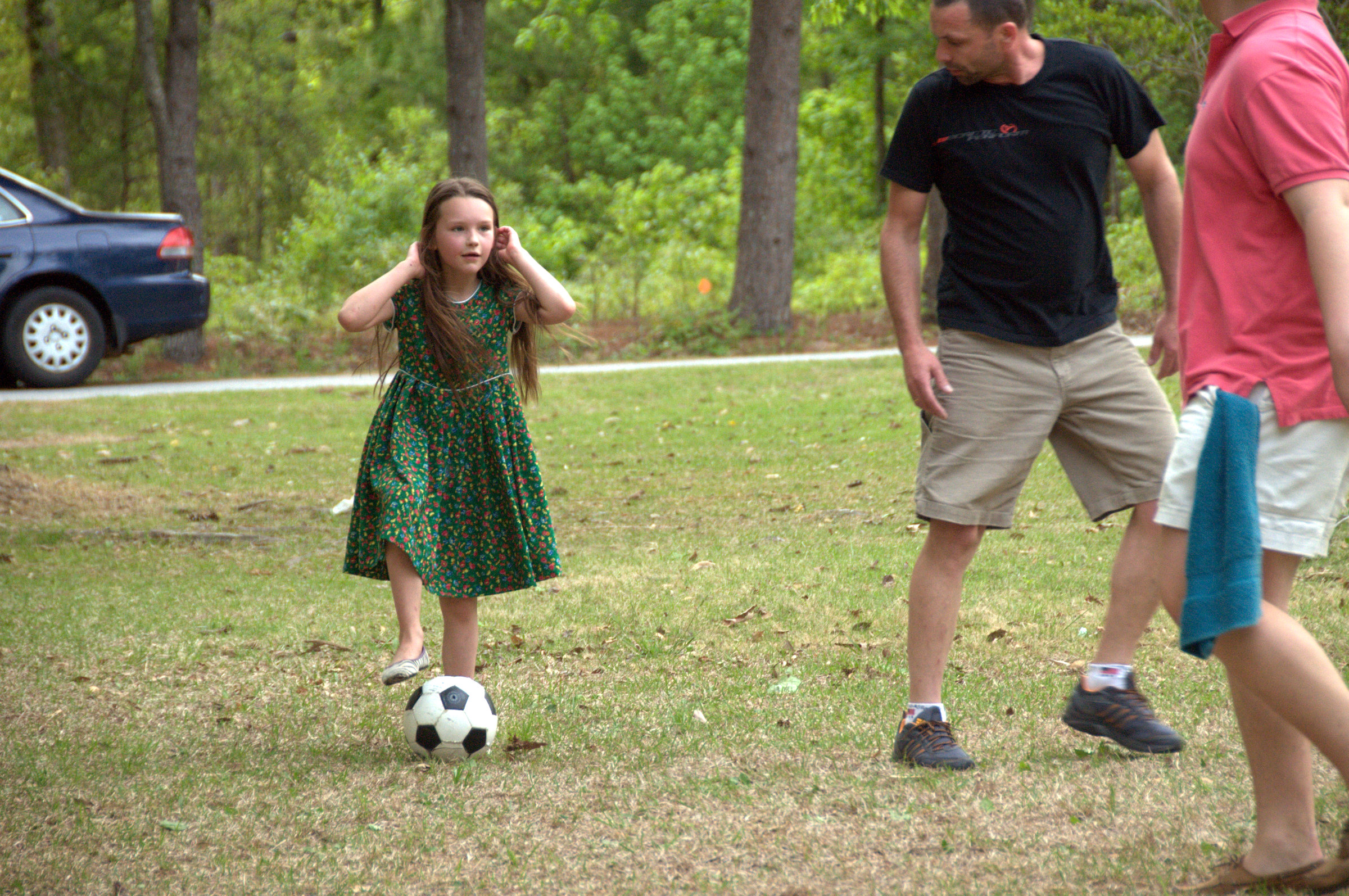
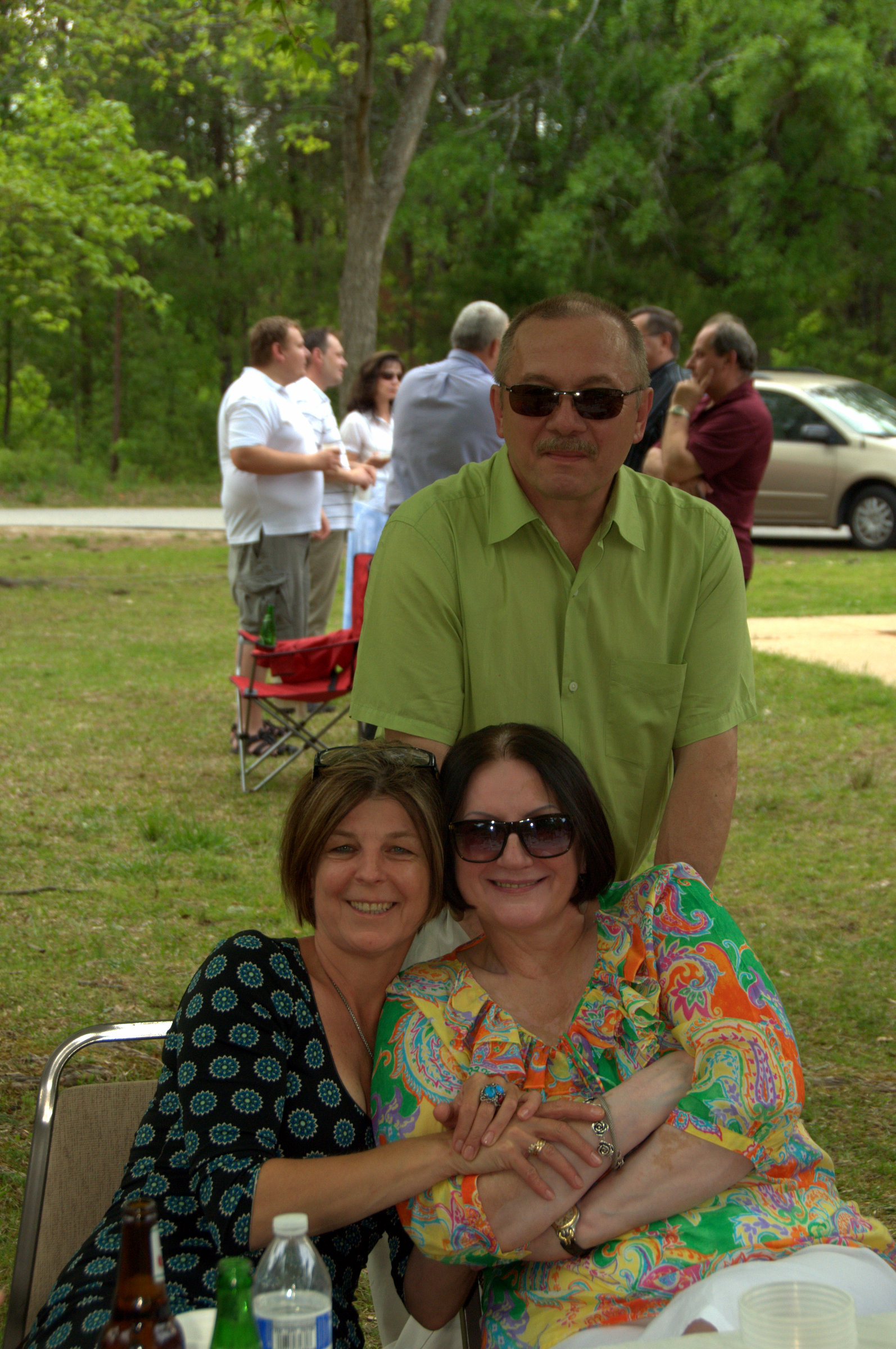
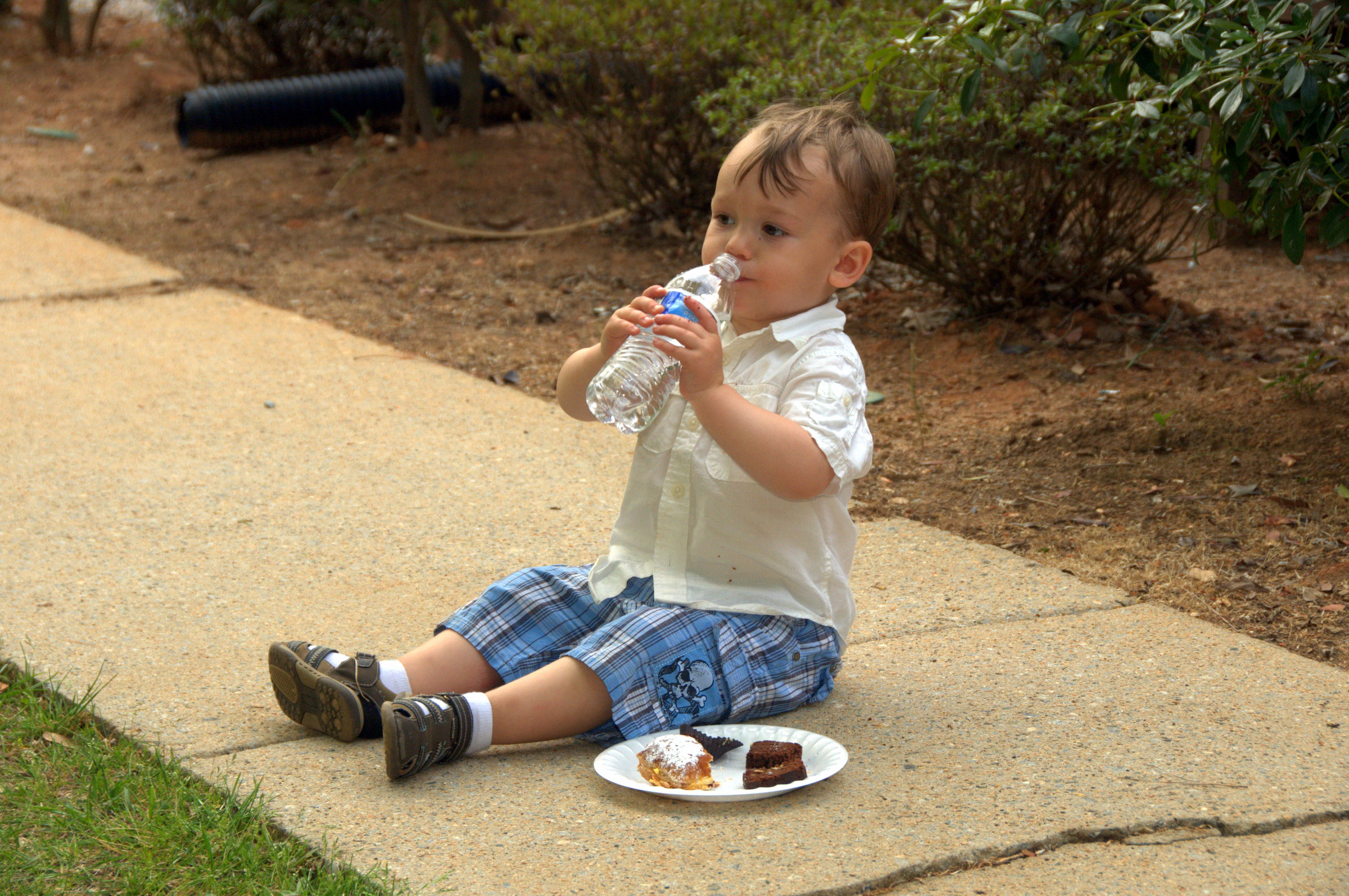
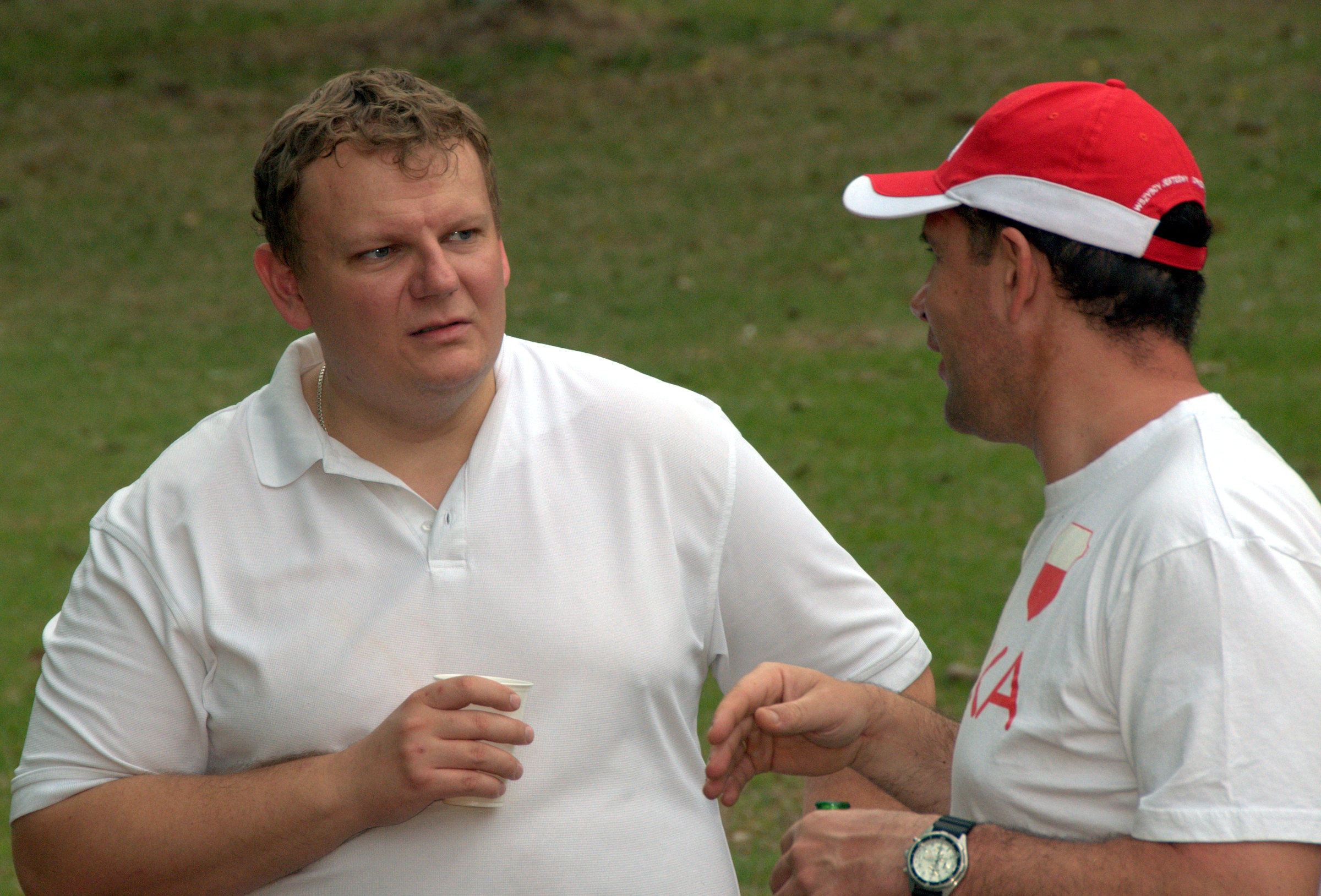
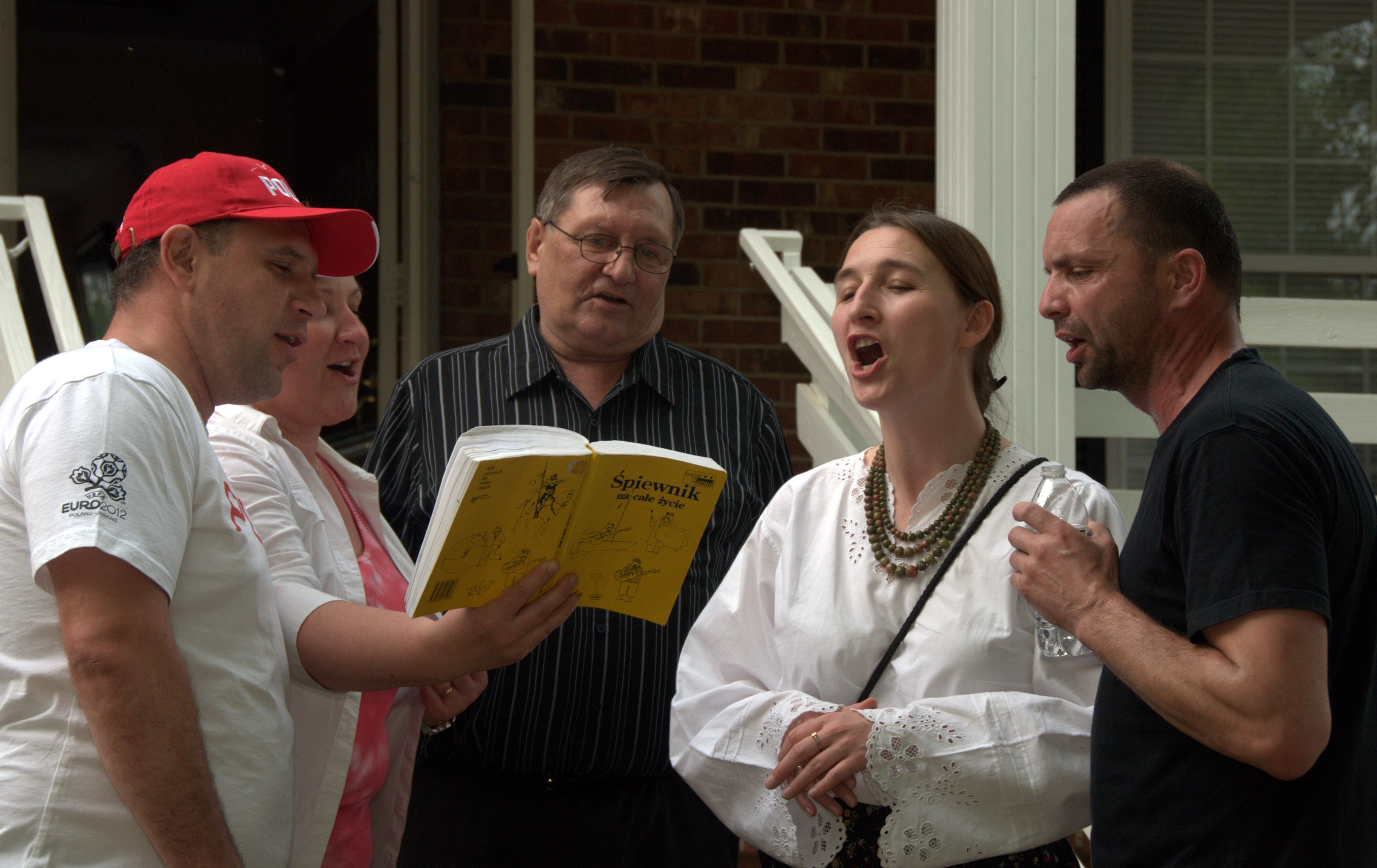
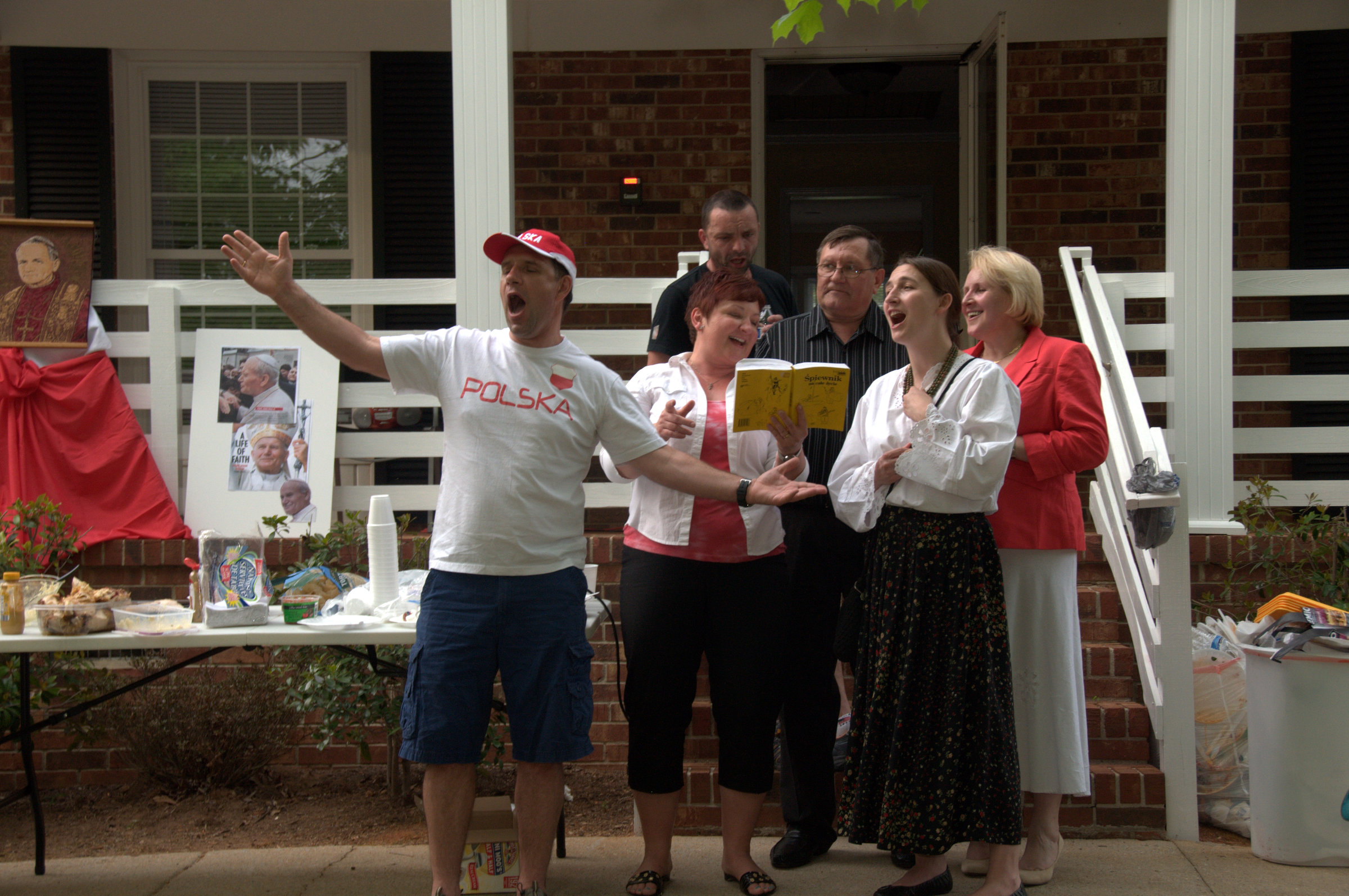
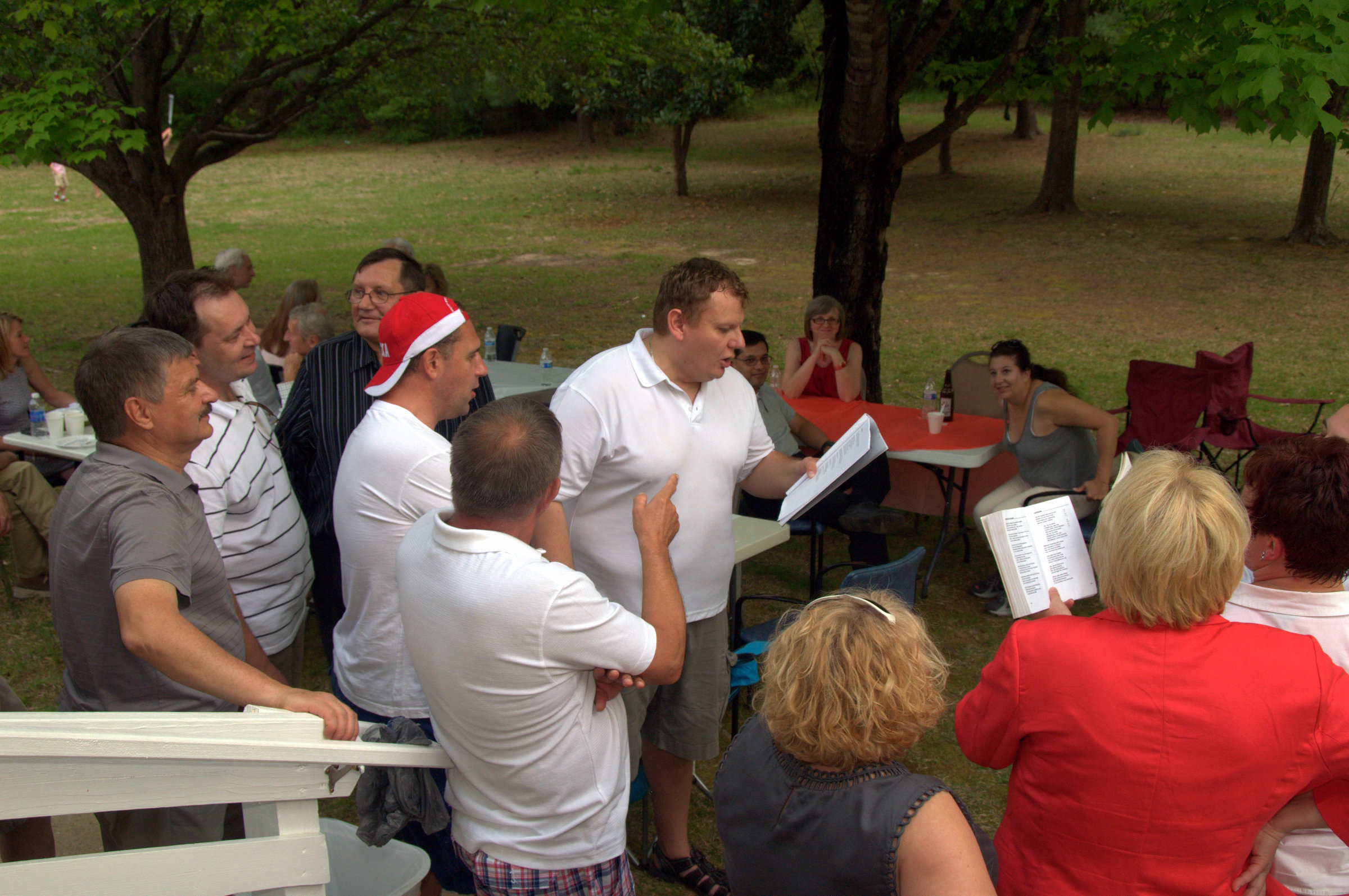
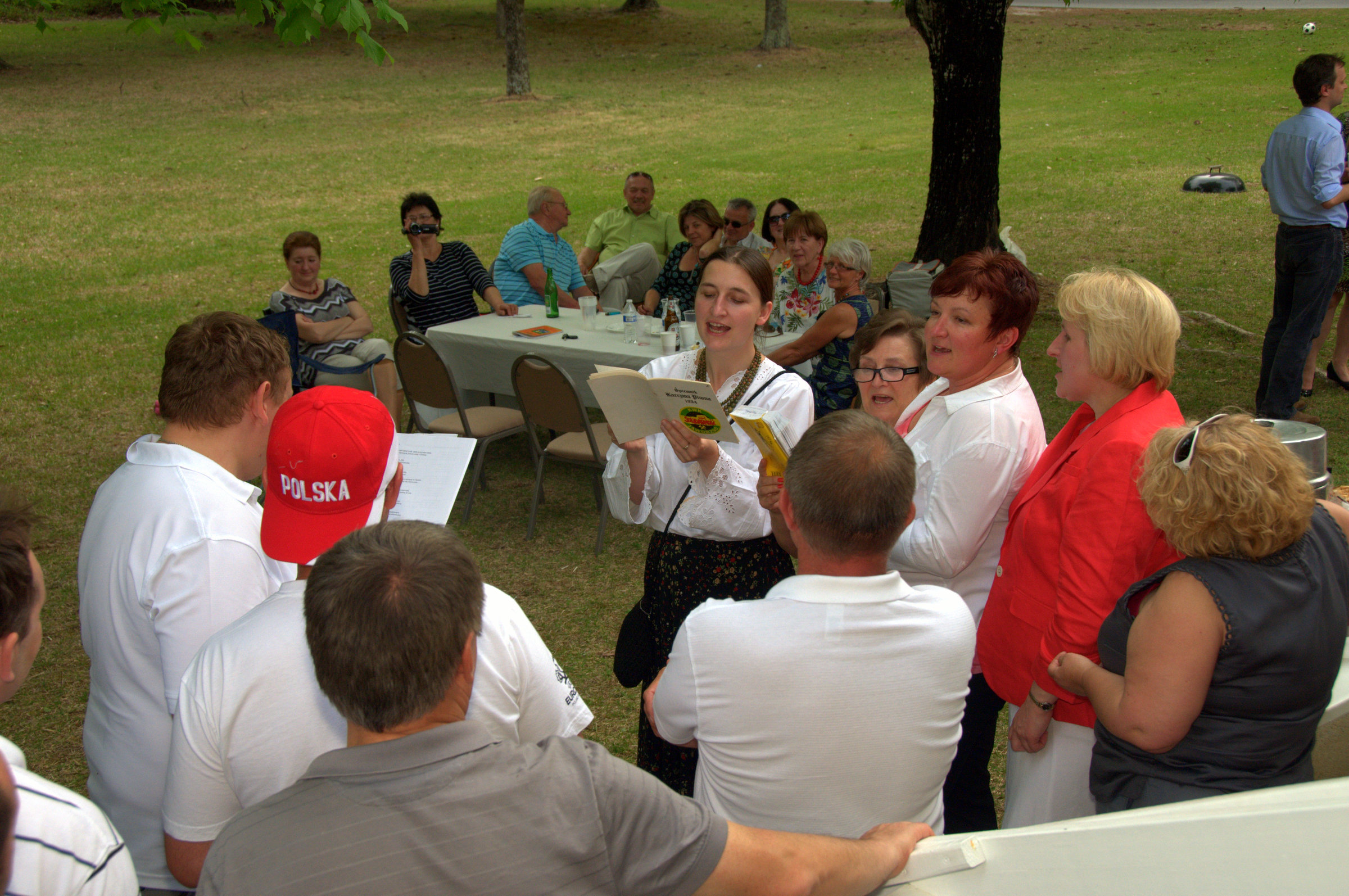
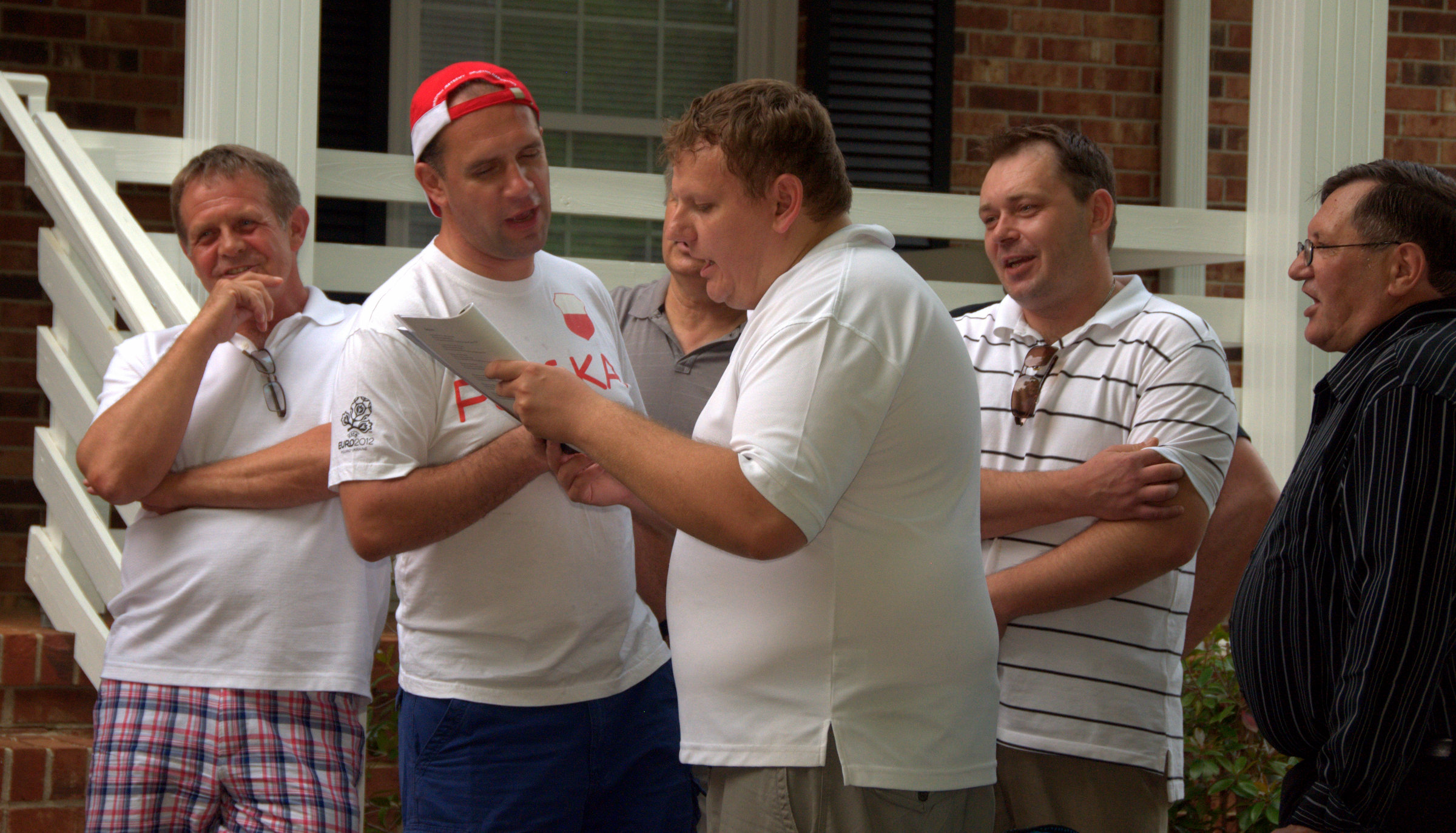
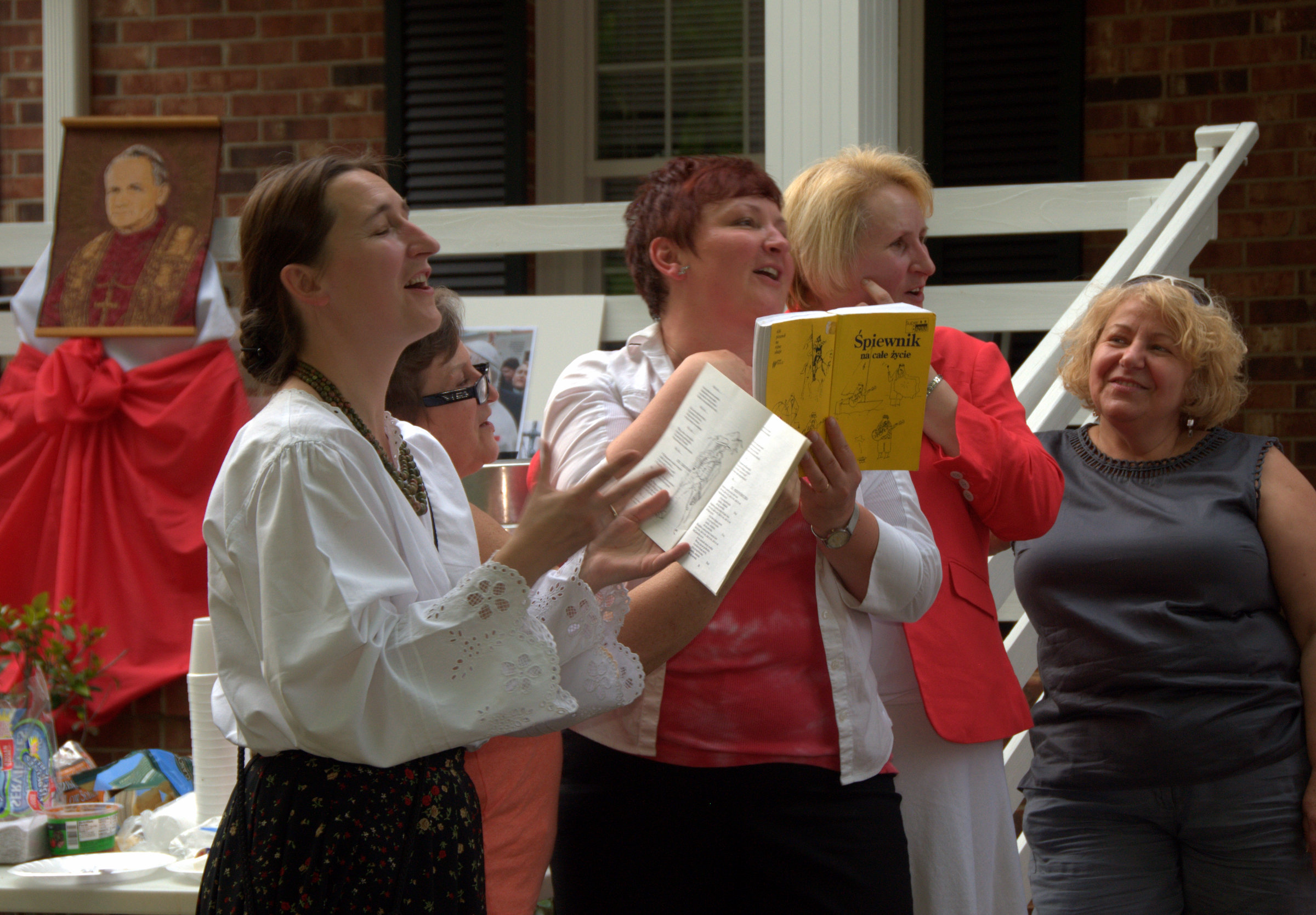
Today, Poles in the area gathered for monthly Polish-language Mass, then celebrated the canonization of John Paul II in fine Polish fashion: food, singing, soccer, and conversation.

John Paul II was smiling, no doubt.

Lawn

VIV_5527

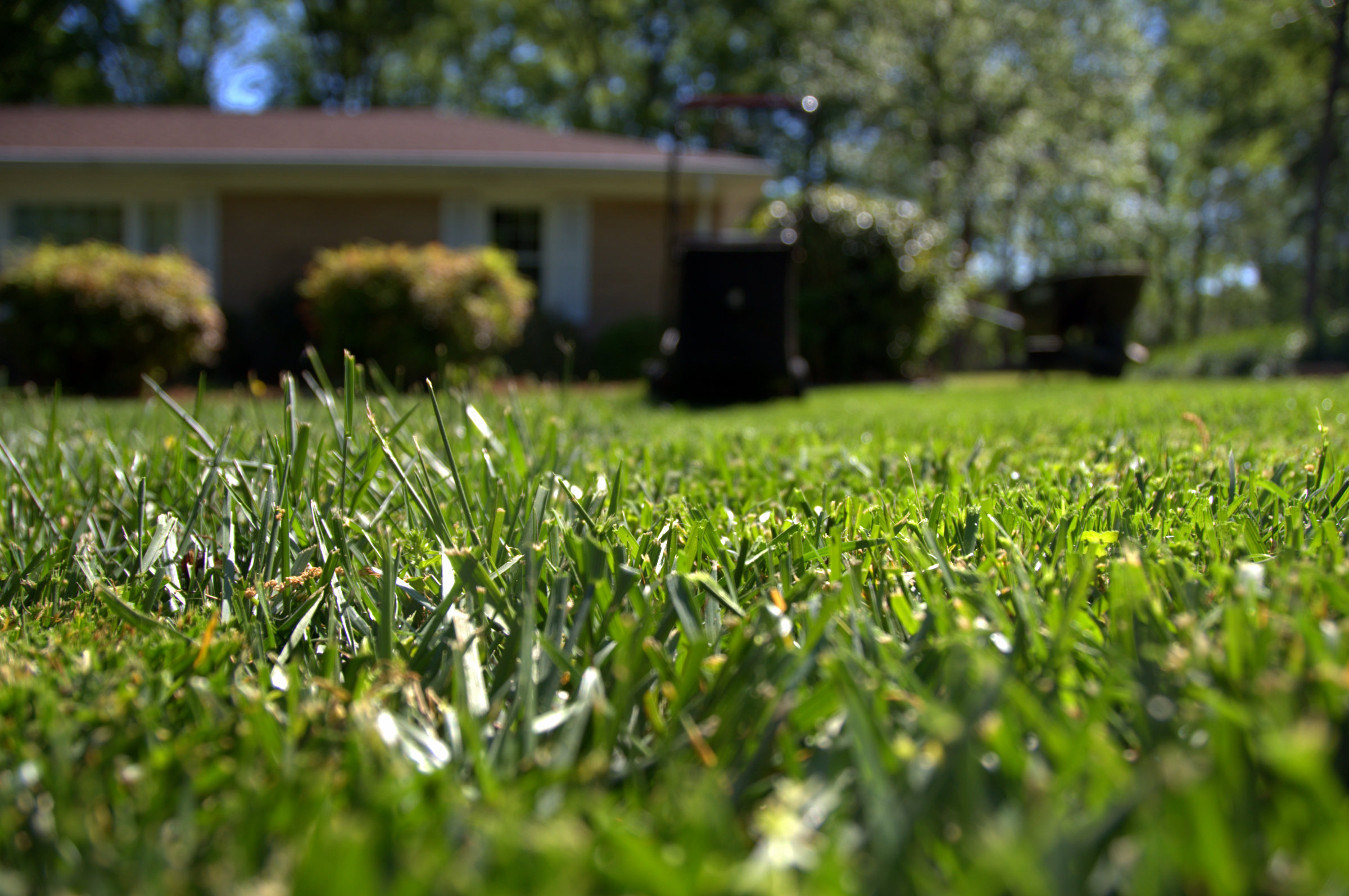
I’ve always had a strained relationship with lawns. They’ve always seemed like something that’s better in theory than reality, because until recently, I’ve never really experienced a decent lawn. Growing up, we had a spotty front yard that invited weeds to fill in the blanks in the spring or simple bare earth. I’m not sure which was worse. Still, it made for a frustrating mowing experience: it’s hard to hold a straight line when the only thing sticking up are a few blades of grass and some dandelion stems. As such, I disliked mowing — the front yard at least. The backyard was decent. No, I just hated mowing: it was too hard to worry about straight lines (I am a bit OCD about that) and keep the power cord out of the way. Indeed: the first lawn mower that I used was our Sears electric mower, a fantastic idea that resulted in extension cords striped with black where I’d run over them. It’s not lie a gas mower running out of fuel, those sputtering, gasping final rotations of the blade that let you know you’d better hurry up if you’re to get to the end of the row before the thing dies. Running over the cord with an electric mower leads to instant silence, and since there was no way I could fix it myself at age twelve or so, it meant the end of mowing until dad returned.

That was a shame, for as I grew older, I came to appreciate the meditative quality of mowing and to enjoy the challenging of maintaining an always-straight line. By the time I was in high school, mowing the lawn was a positive joy, at least in the backyard, where the grass was dense and only thinned as it neared the back property line. Forcing the grass to submit to my will, I’d keep my eye on the front outer wheel, making sure it ran just to the side of the wild, unkempt grass. My best friend (also a fan of mowing) and I came to call such grass “conquerable.” He’d drop me off after school, sticking around for some basketball, then comment as he left: “That’s some really conquerable grass,” he say, almost enviously. I’d do the same when the situation was reversed. We couldn’t hack our way through Amazonian undergrowth, but we could reduce the height of grass by half in a split second.

Now, mowing my own grass in my own yard, grass that I’ve struggled with dethachers and aerators, grass that I’ve spent hours weeding, grass from which I’ve probably thousands of Sweetgum saplings from overly-neglected spiky seed balls, it’s positively Zen-like. The belt for my push-mower’s assistive drive has now broken for the second time, and the struggle only increases the reward. I mow a different pattern almost every time: left to right, front to back, diagonally this way, diagonally that. And no matter how tired I am when I make the final push, no matter how soaked my shirt and cap are, I’m always a little sad to be done.

Science Test

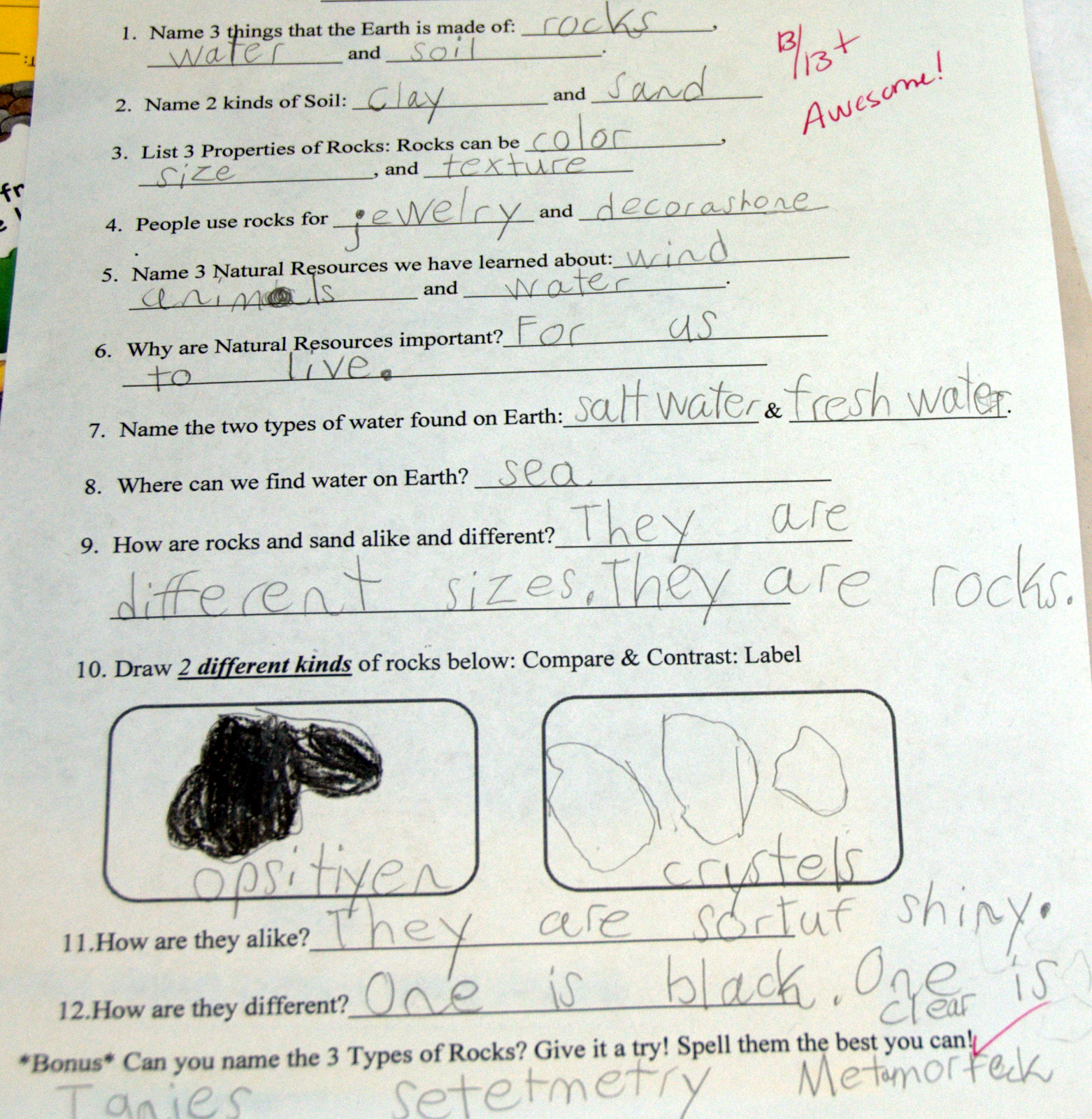
VIV_4690

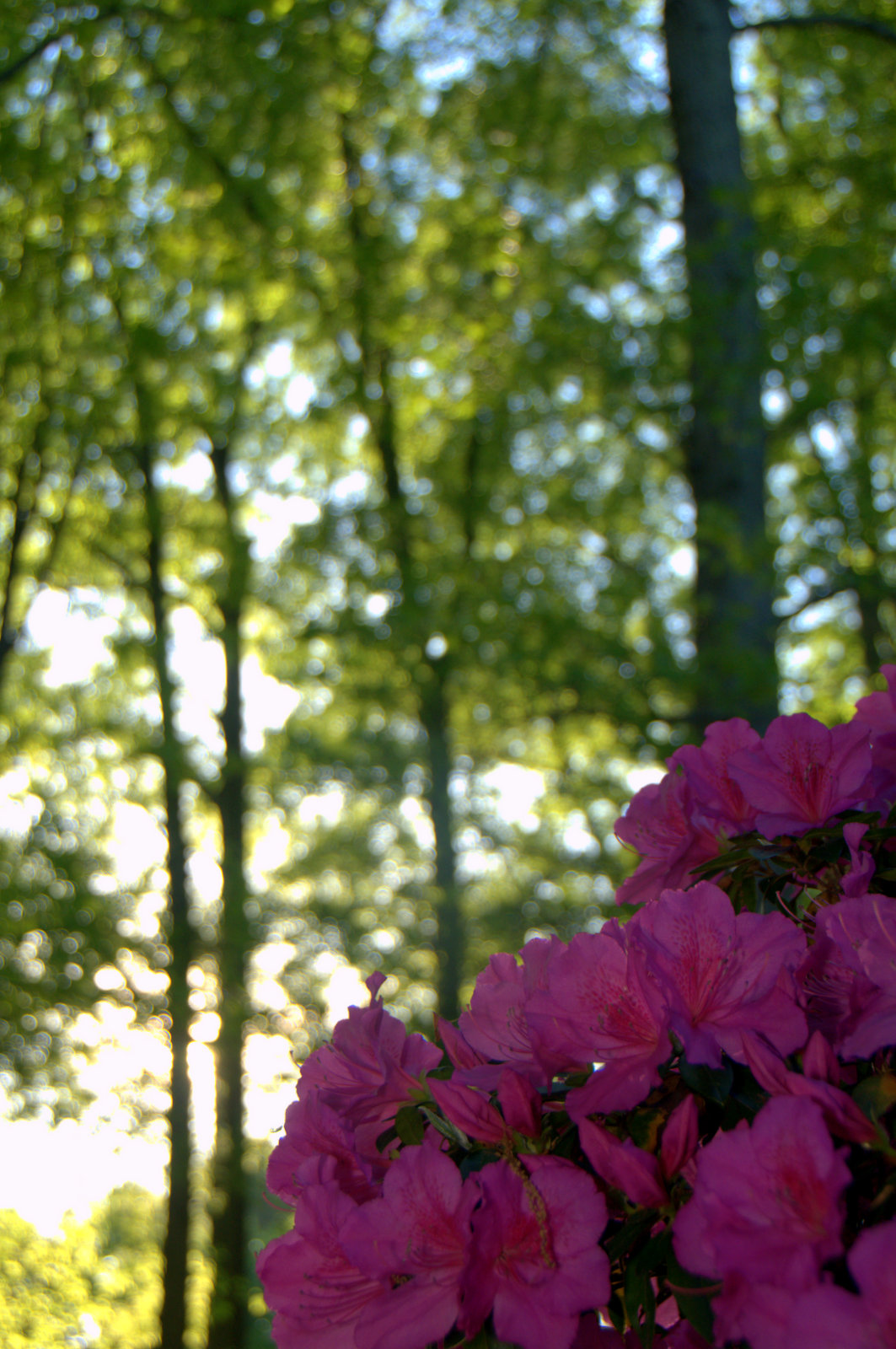
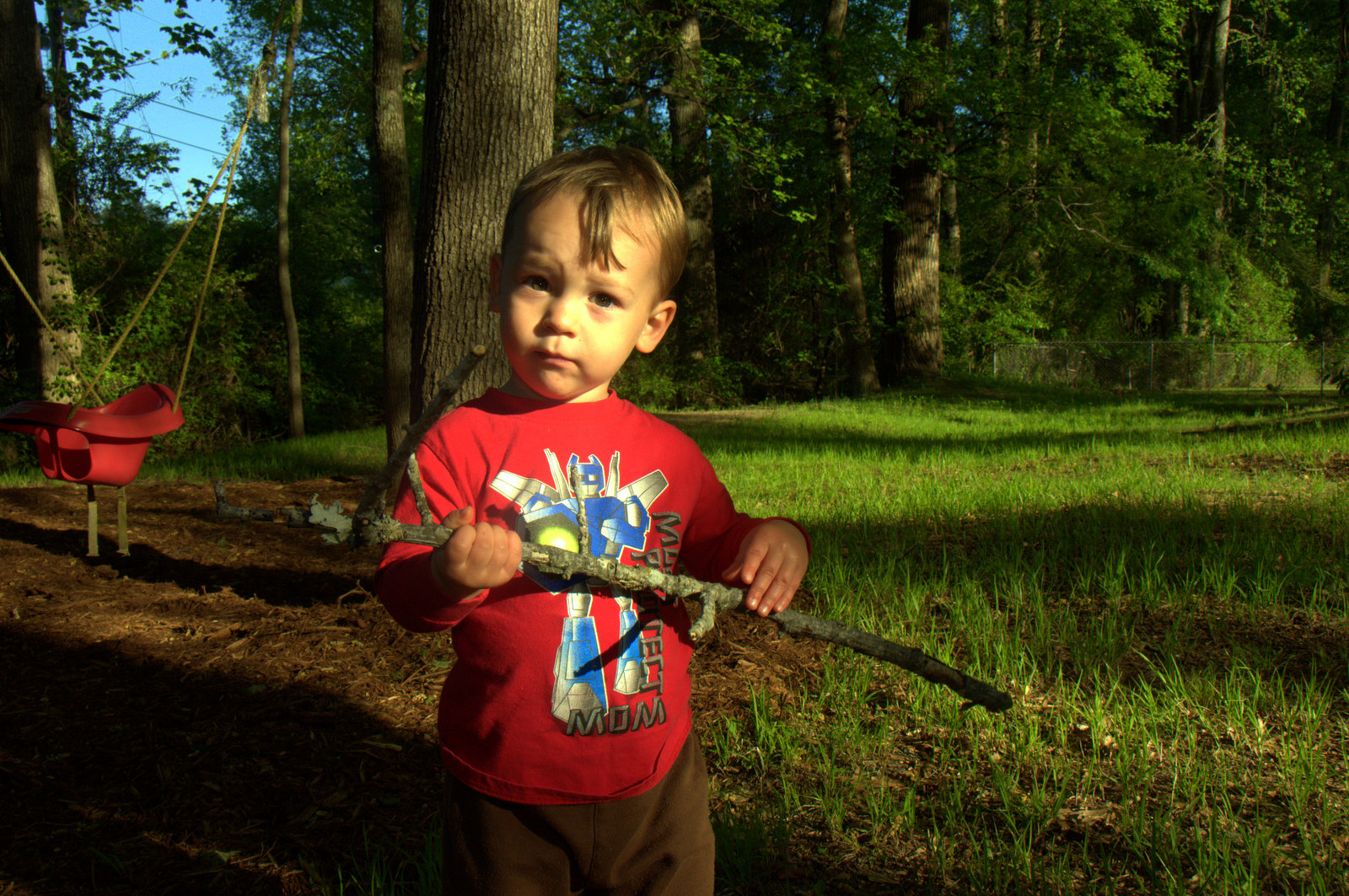
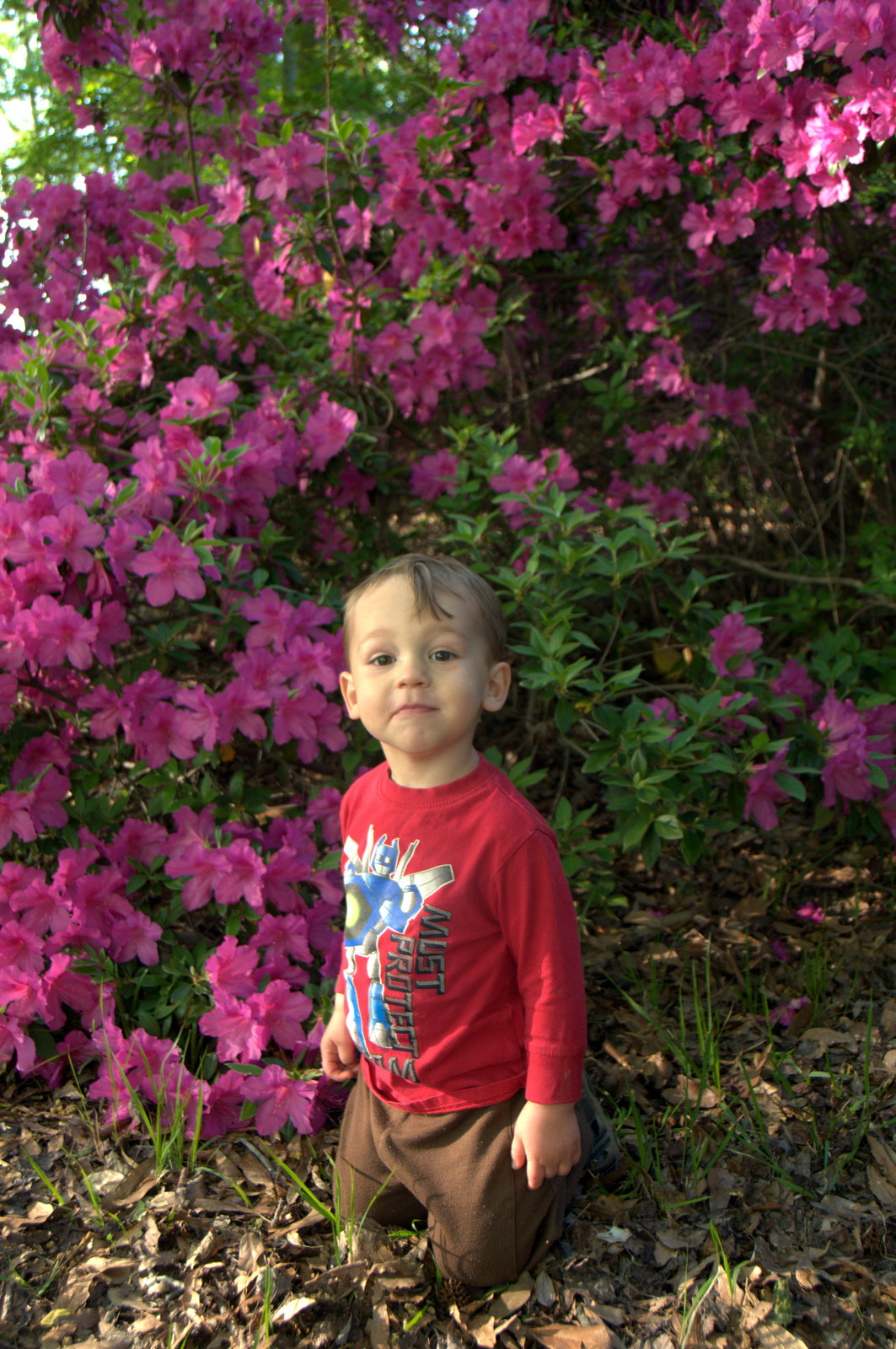
Sticks and Blossoms

Bilingual Homophones

The Boy has been learning to talk for the last few months, and like all kids his age, he has begun extrapolating to amusing results. When indicating that he wanted a bit of chocolate once, K told him he could have pół, which is “half” in Polish, pronounced “poo.” You can probably already see where I’m going with this: when the Boy sees chocolate, asks for pół, and then excited realizes that he’s going indeed to get it, he starts repeating it obsessively, often in pairs. Which makes it difficult to know when he wants chocolate and when he wants to go to the potty chair…

RIT Spring 2014

Every fall and spring, we pull out the tape measure and start to measure. We humans like to measure. We like to graph and explore and quantify, even things that don't seem initially quantifiable, like how much a student has learned, how much a teacher has taught a given child. How can you measure something that is so nebulous as the teacher/student dynamic? With some students, we merely show a direction and the student strikes off on her own, fascinated with the new knowledge, seeking more on her own. Did we teach all of that? Certainly not. Is inspiration the same as teaching? Other students are apathetic for a variety of reasons, and a significant portion of our time is spent breaking through that apathy, trying to inspire, to motivate.

Still, effective or not, we trundle into the computer lab twice a year to take the Measures of Academic Progress, a test designed to serve as a fall benchmark and then spring progress report.

This year, I took notes as the students took the test.

10:03

After the first three students, we have a spring average 17 points above fall score. That's approximately a three-fold improvement over my best yearly growth, but I fear it's not to last. Indeed, I know it won't last: these are the highly motivated, almost-always-do-their-homework kids who were already testing well above average at the start of the year. Still, their growth alone is encouraging.

10:52

The first results from my on-level classes are coming in. This is where we'll make it or break it, because their motivation is not nearly as high as other students', those in the honors classes. I tell these students, “You call those other classes the 'smart classes,' but the only difference between them and you is that they have the motivation to do the work.” But the results belie that, a pleasant surprise. The overall average growth has dropped, but it's still a mind-blowing 10.09 point average. The on-level class has a 9.34 point increase average.

If I could have the results of my dreams, I would not have aimed this high.

11:40

Usually, at this point in the day, I'm thinking, “Just let the day end. Just put me out of my misery.” A student would raise her hand, indicating the completed test, and I would take a deep breath, steel myself, before heading over to record the score. “Please, please, I need some more growth. The last two kids' scores went down. I have to have some positive scores!” It's not that the students were doing poorly; they were simply not producing the results I'd dreamed of. Well, no, that's not accurate: some classes actually as a whole did miserably throughout the years, and I can't help but blame myself in those situations.

This year, it's entirely different. I still hold my breath as a student approaches, but at this point, with 95.56% of students showing growth (as opposed to the usual 70-ish%), I'm just waiting for that score decrease that I know, just know, must be coming at some point. This dream cannot go on until the end of the day.
2:24

I pass out the students' score sheets from their fall testing period, hopeful that these kids can pull it out. Our percentage of students showing growth took a serious hit last period, dropping from over 95% to 87.5%. The class in question is still very far above average with its scores, but very far below average with its growth. “When they're that high already,” my principal reminded me early in the year, “it's very difficult to get them up even higher.”
Yet despite the surprise, the day ended with almost 90% of students showing growth, and in one class, one hundred percent showed growth.

It was a year that made me think, "Well, where exactly is that merit pay?"

Candles

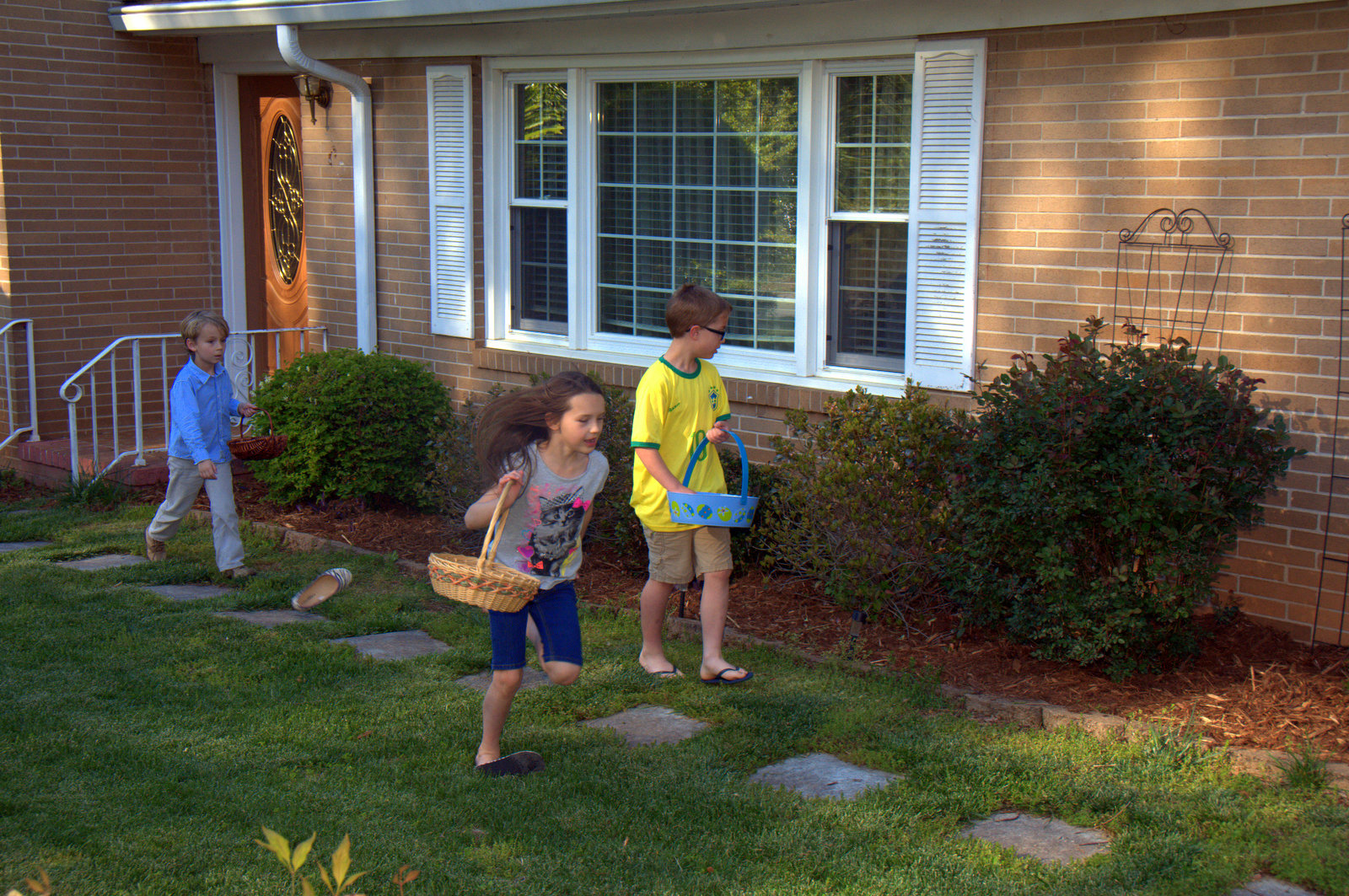
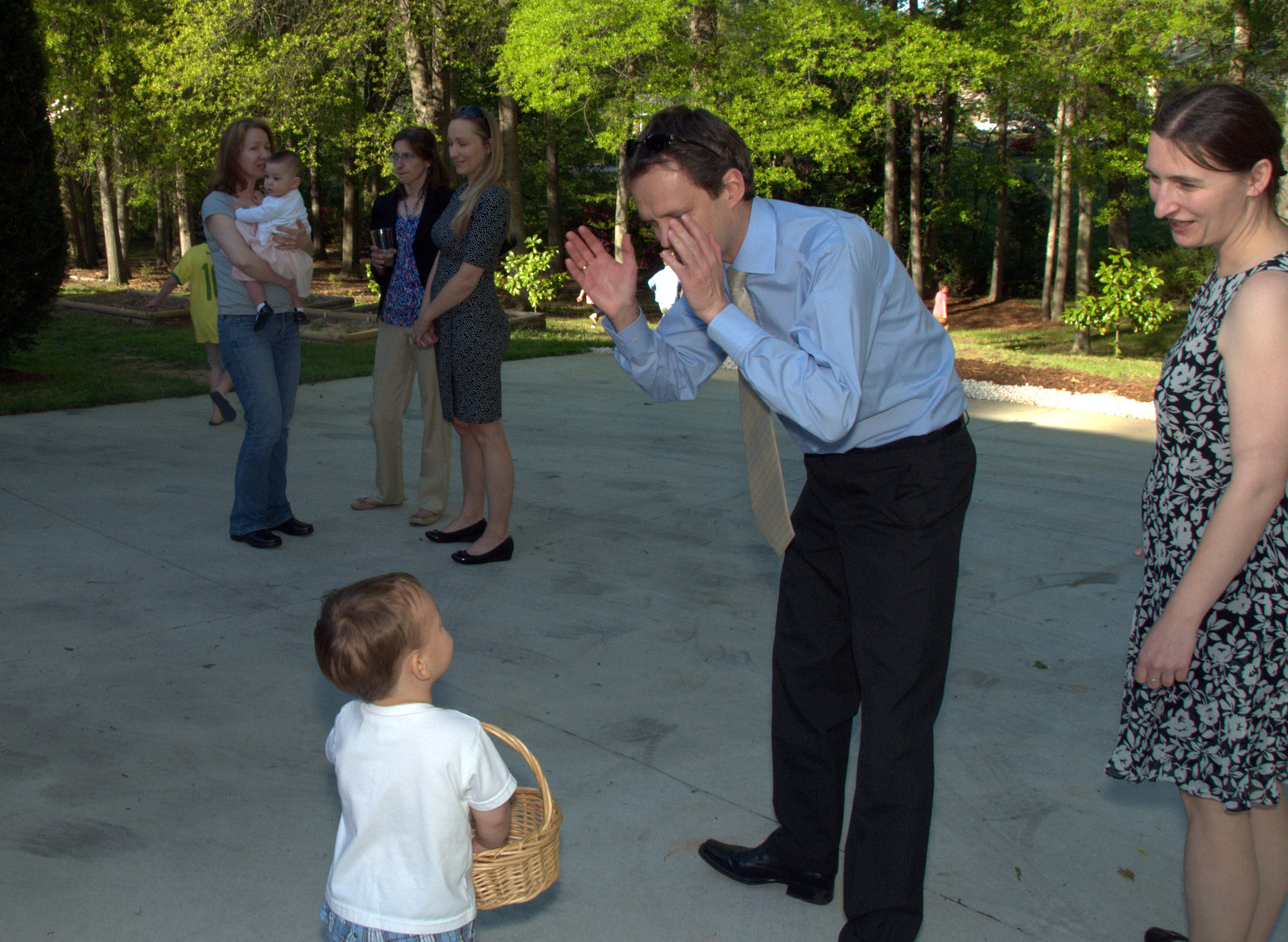
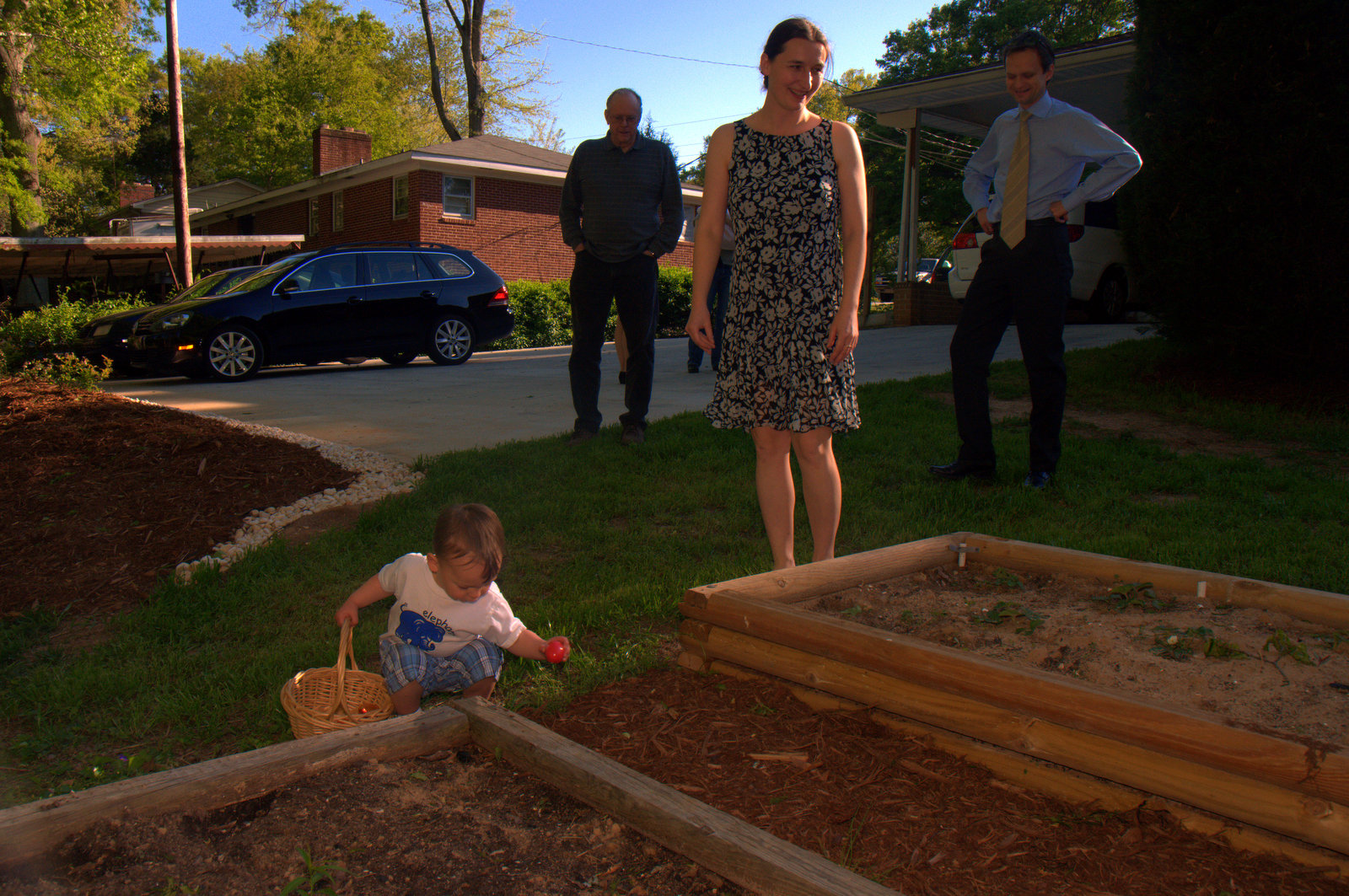
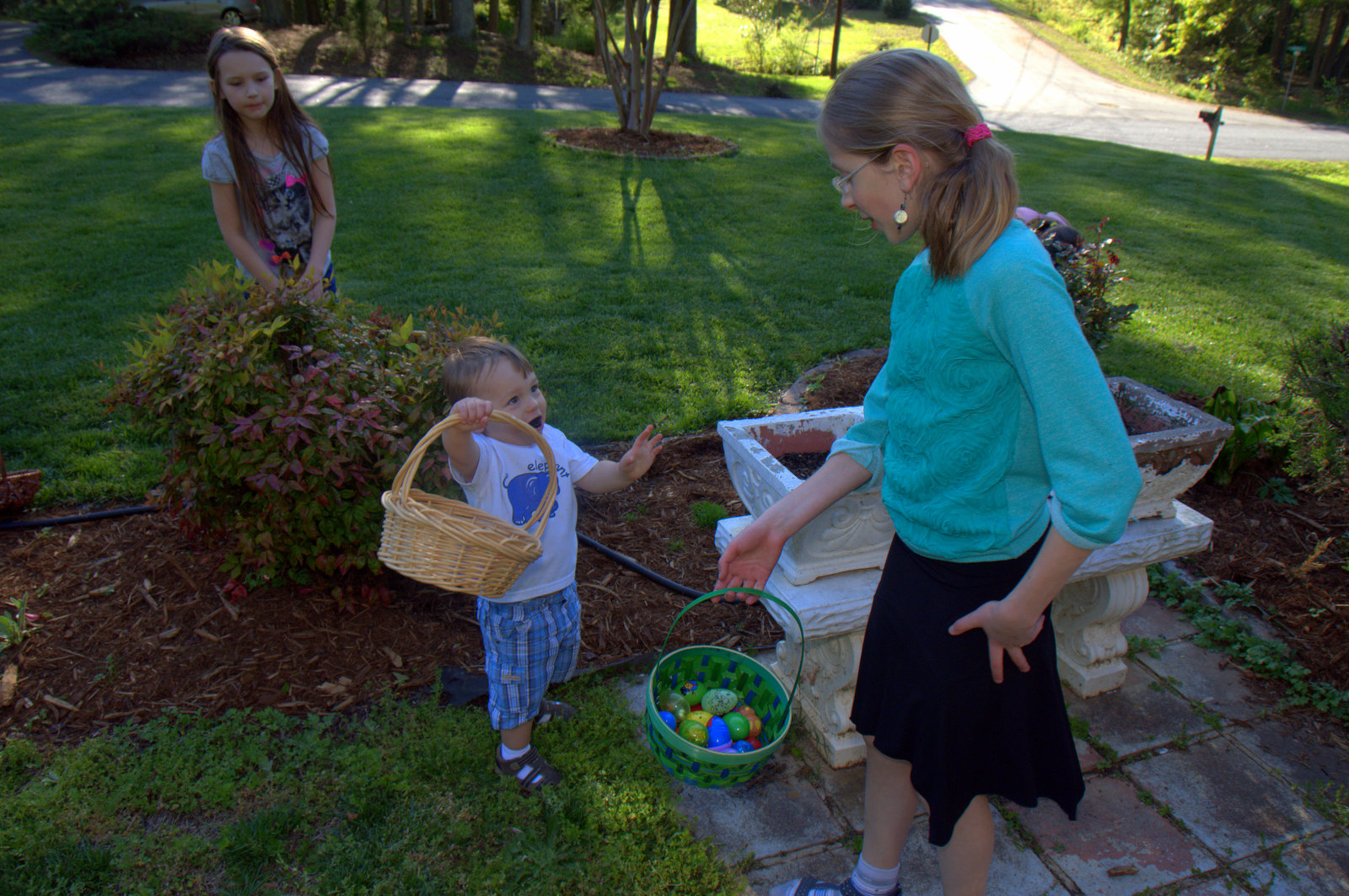
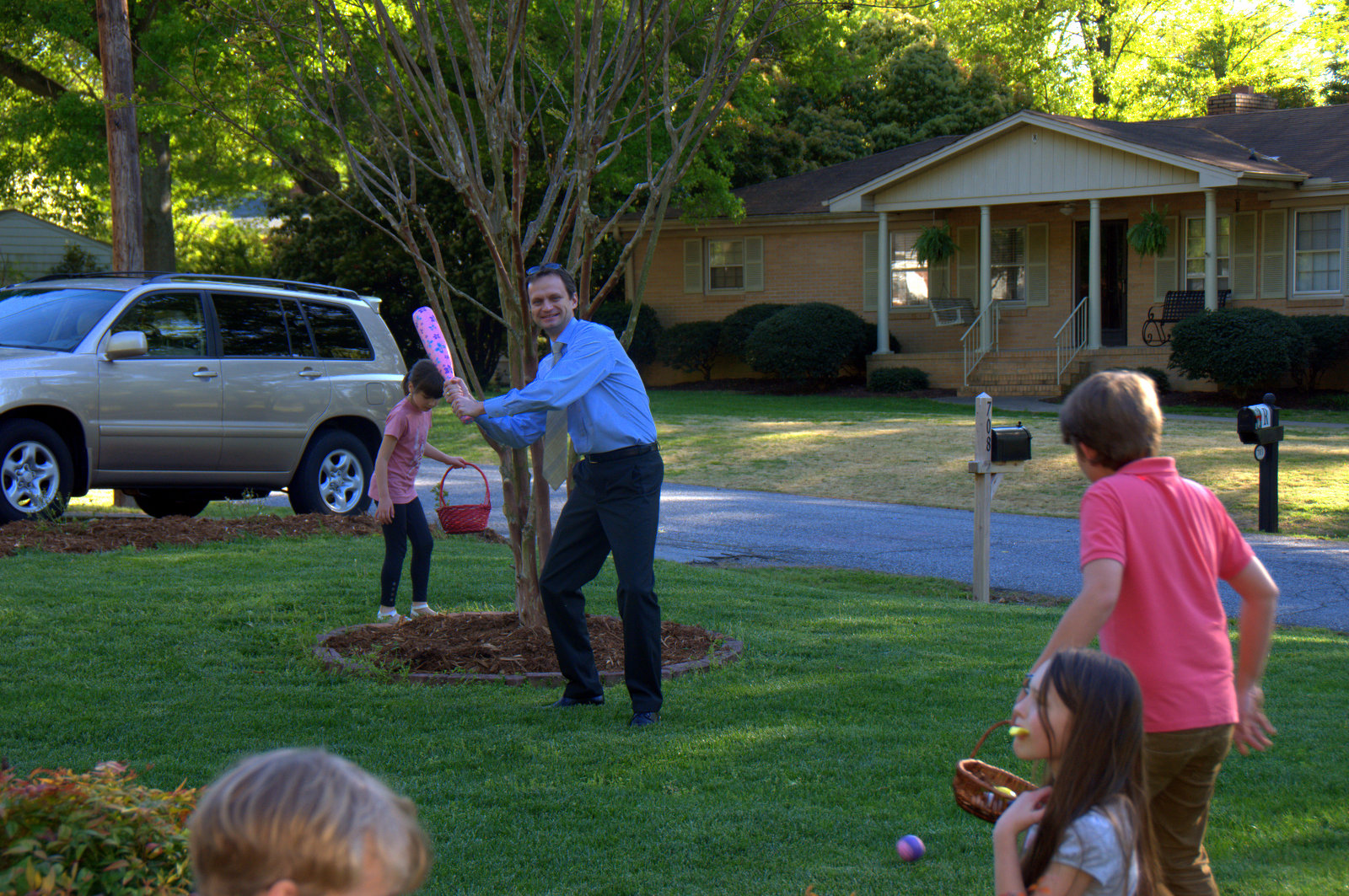
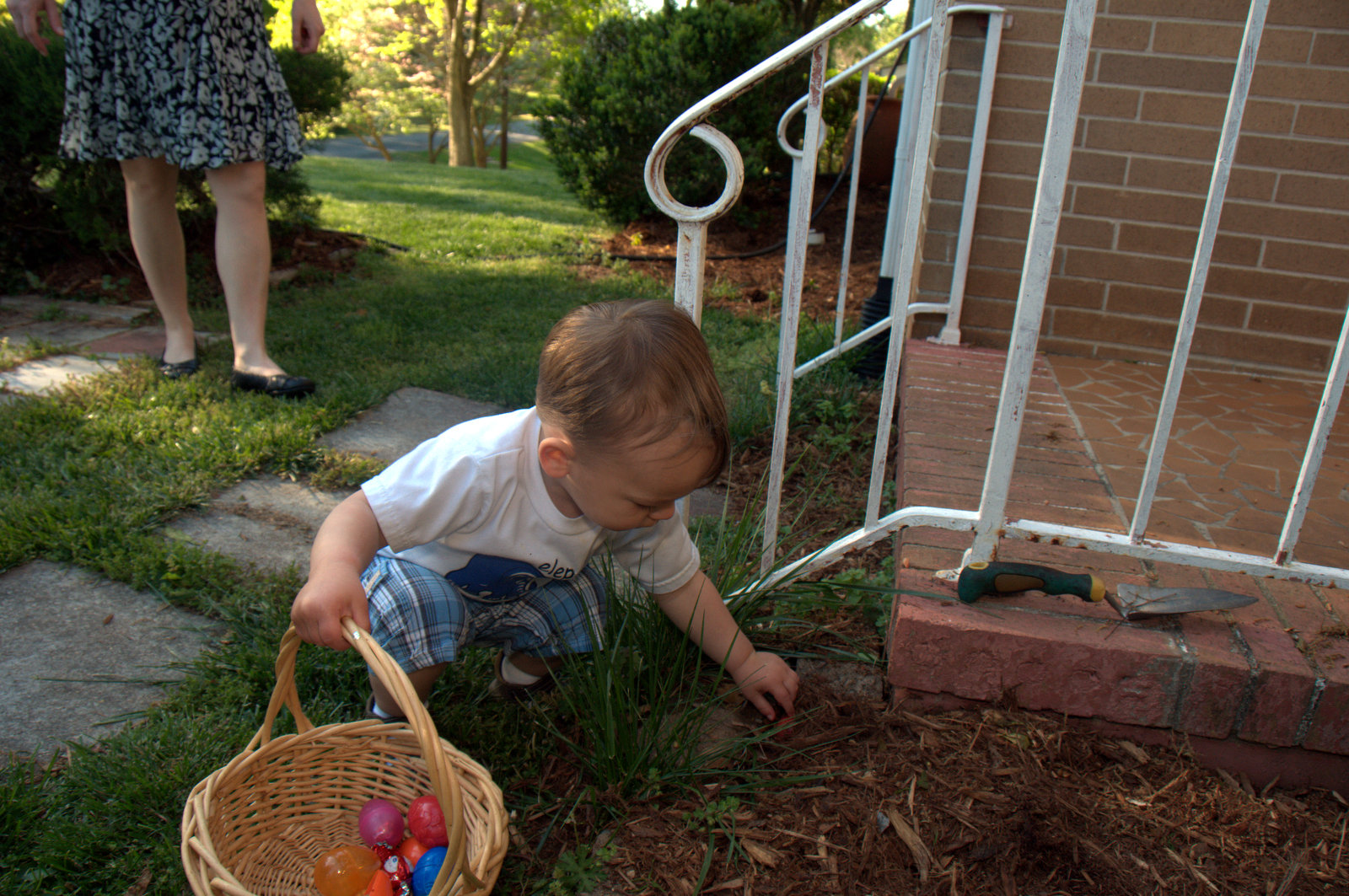
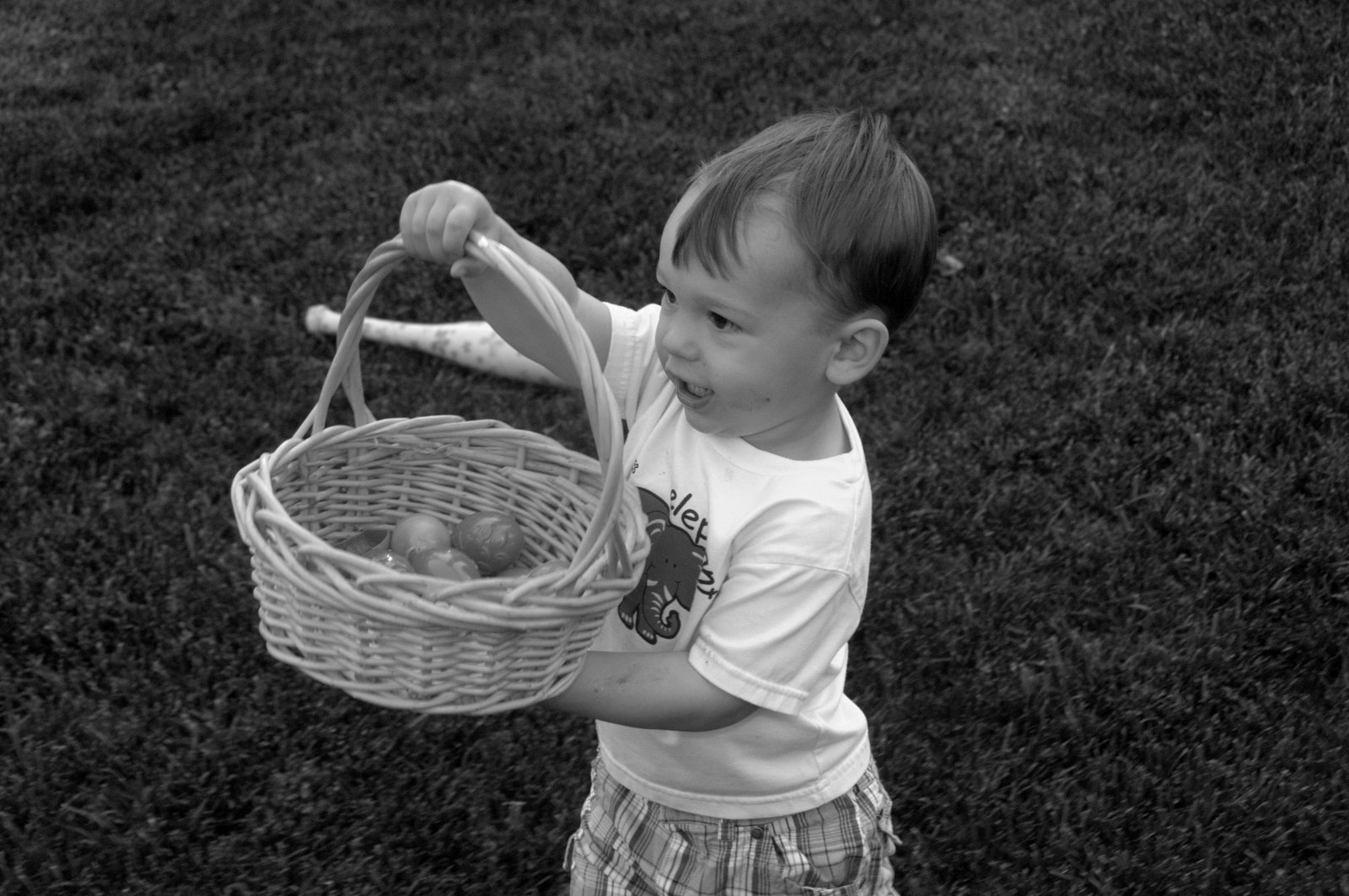
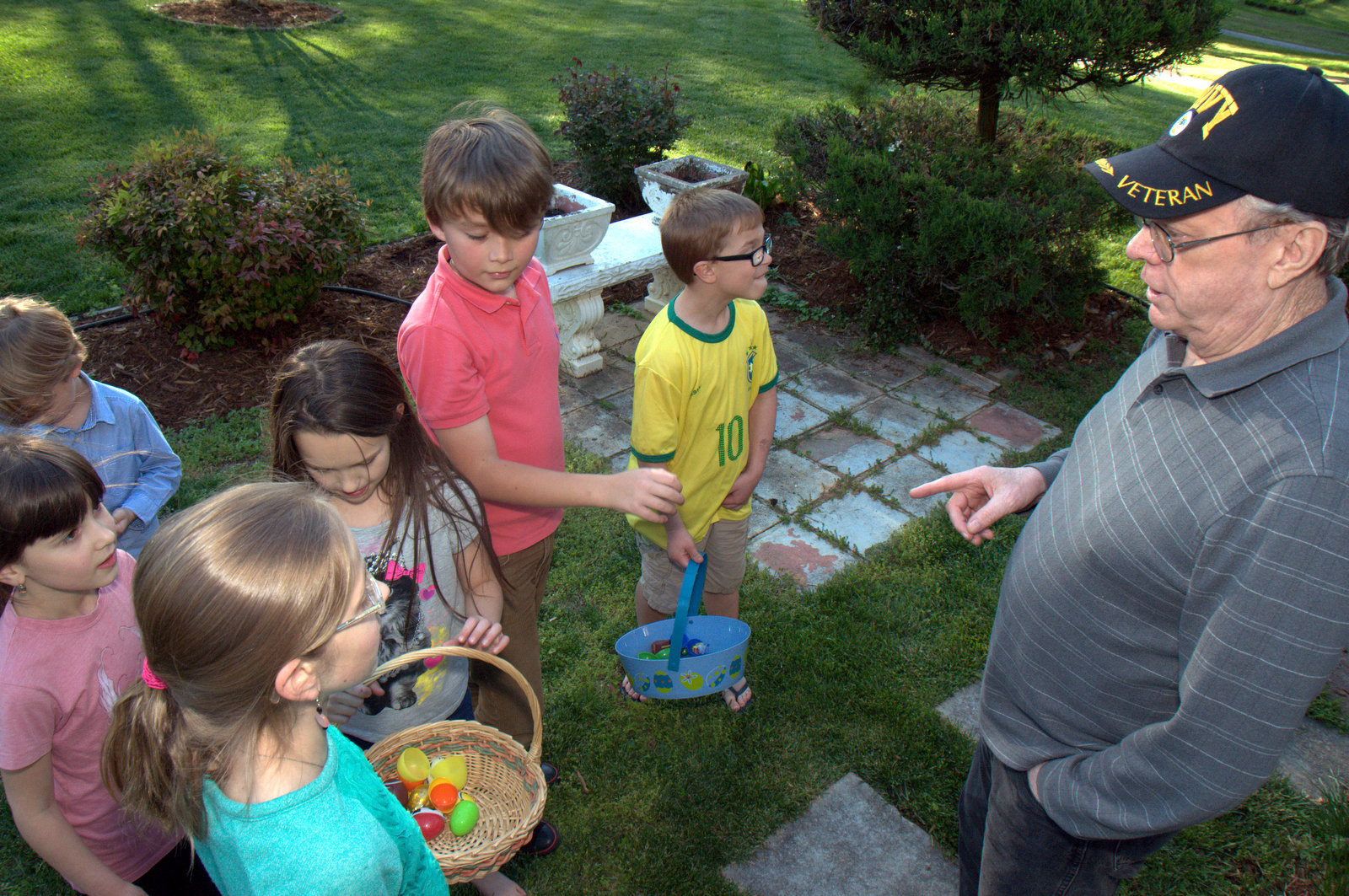
Easter 2014

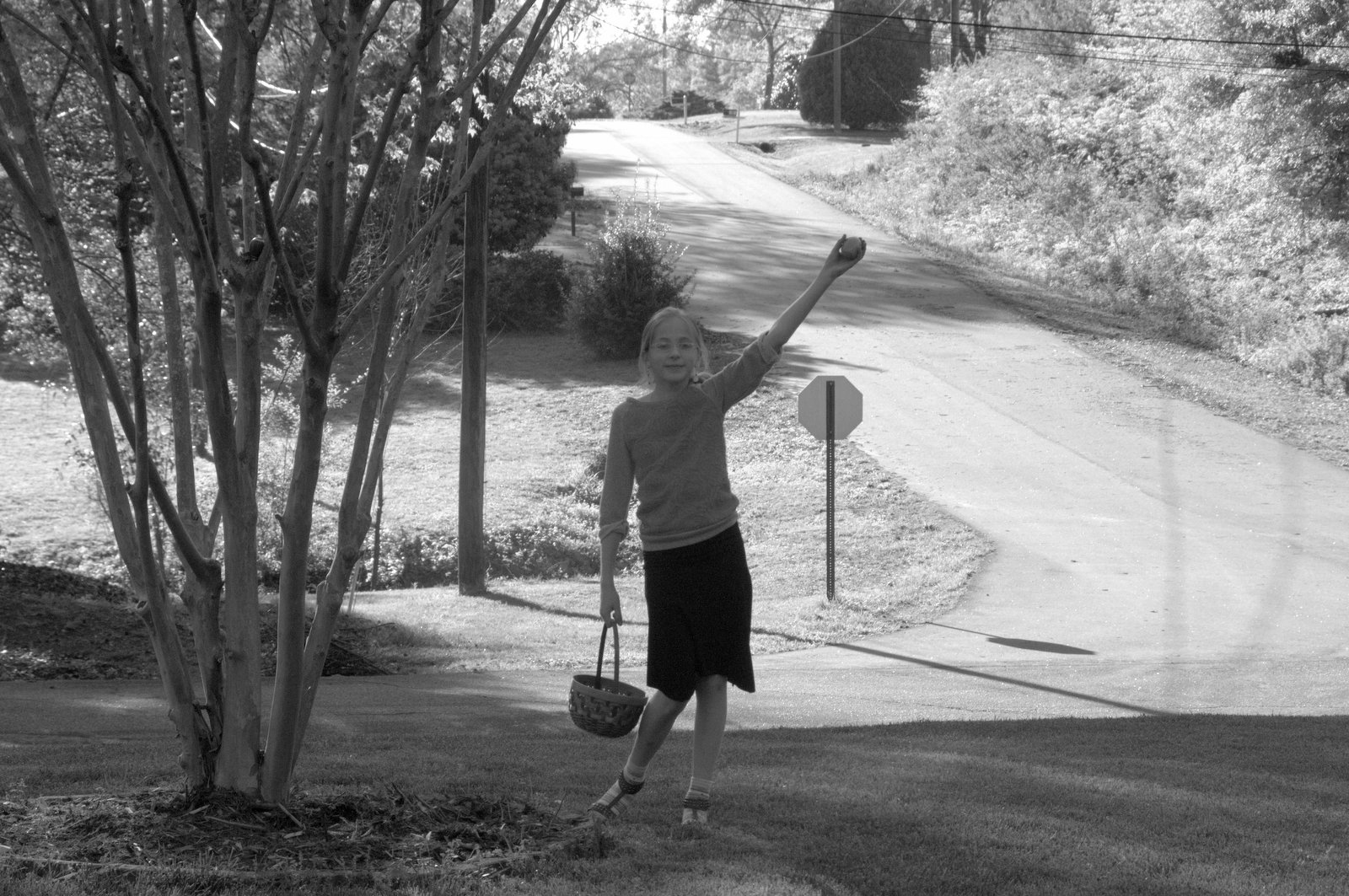
Hiding the eggs
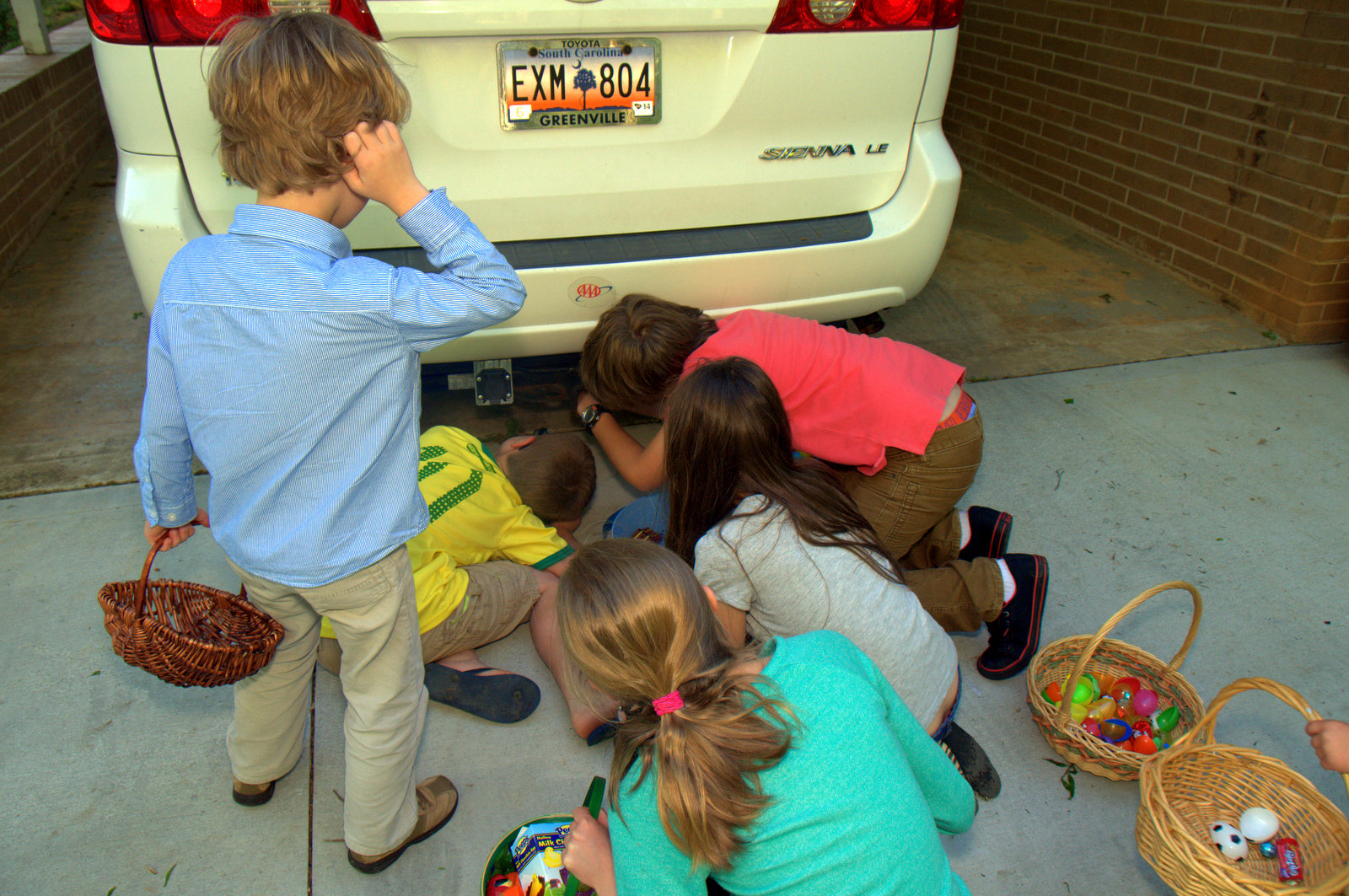
Searching
"There are some in the backyard..."
"You have so many eggs?!"
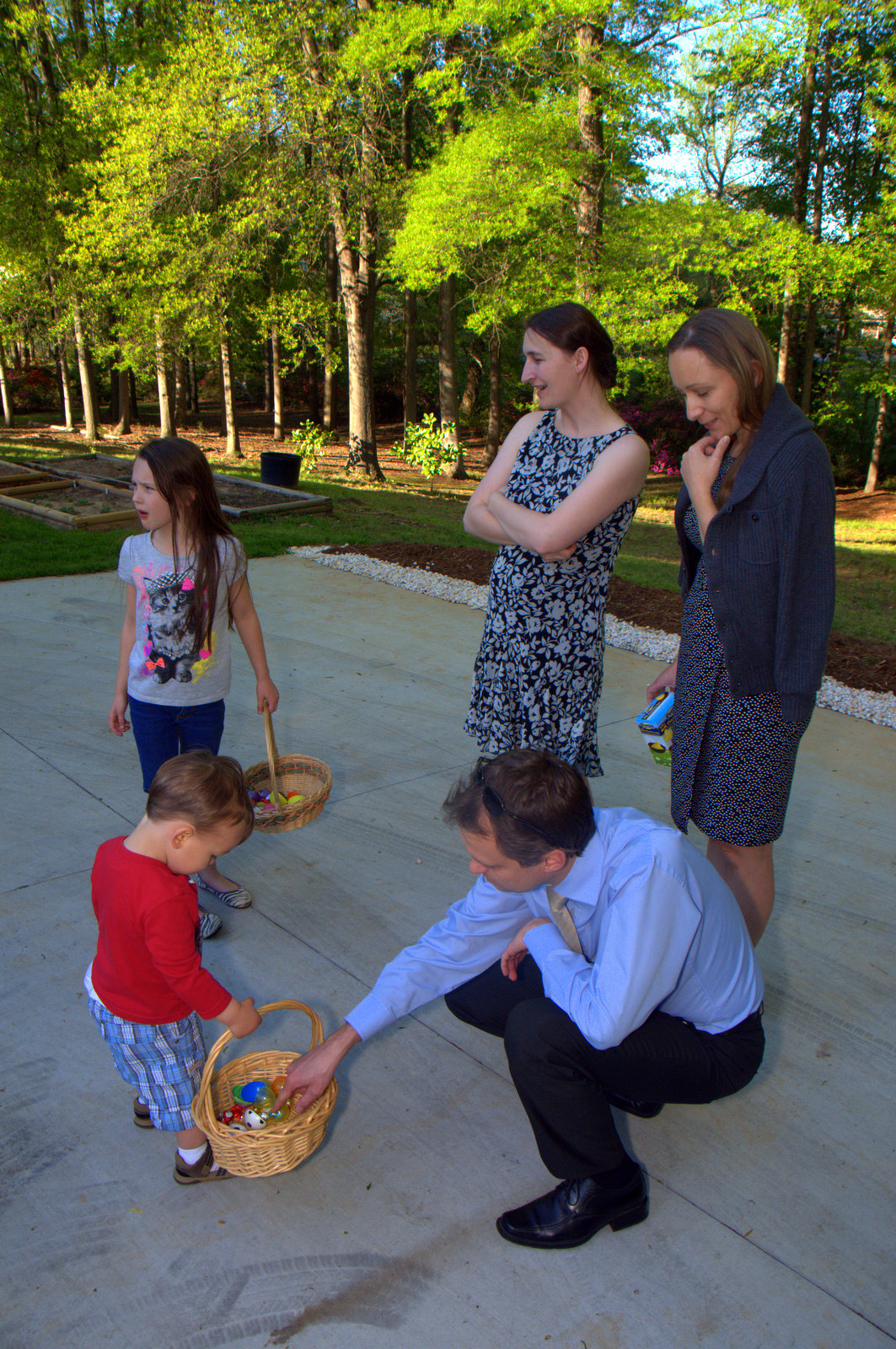
With a little help from my Mama
Liftoff
"The prize egg is in the front!"
"Jajko!"
Strike two!
My eggs
With a little help from my Mama, redux
Look at the eggs
Papa gives a hint
T finds the prize egg
Looking for leftovers
Counting eggs
Parents
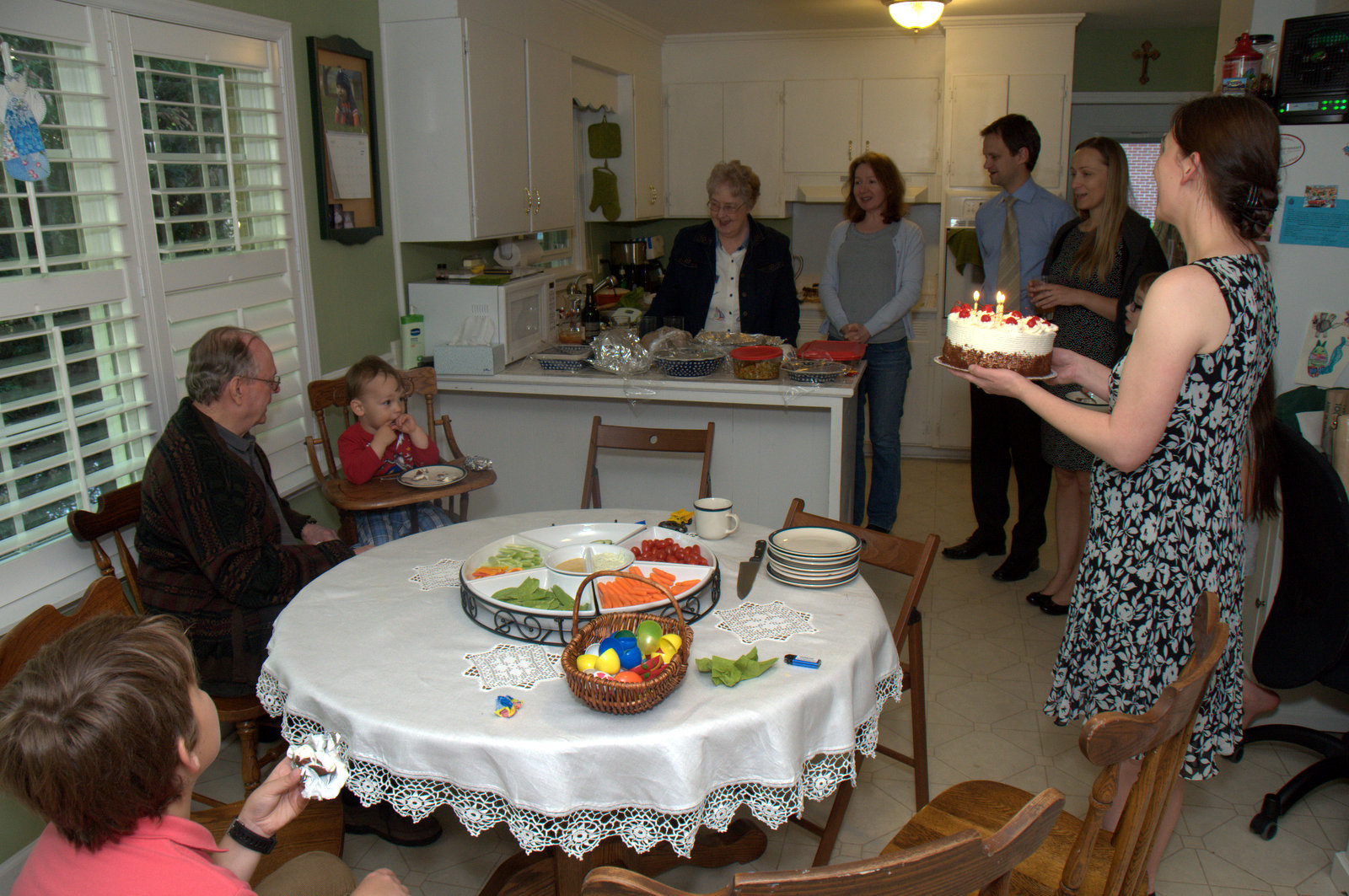
Papa's cake
Happy birthday, Papa!

Holy Saturday 2014

Jesus is in the grave. Crucified yesterday, he lies wrapped in ribbons of burial cloth, awaiting tomorrow’s resurrection. Such is the teaching of the Church, which we recite every Sunday:

For us men and for our salvation
he came down from heaven,
and by the Holy Spirit was incarnate of the Virgin Mary,
and became man.
For our sake he was crucified under Pontius Pilate,
he suffered death and was buried,
and rose again on the third day
in accordance with the Scriptures.
He ascended into heaven
and is seated at the right hand of the Father.

And so he is buried.

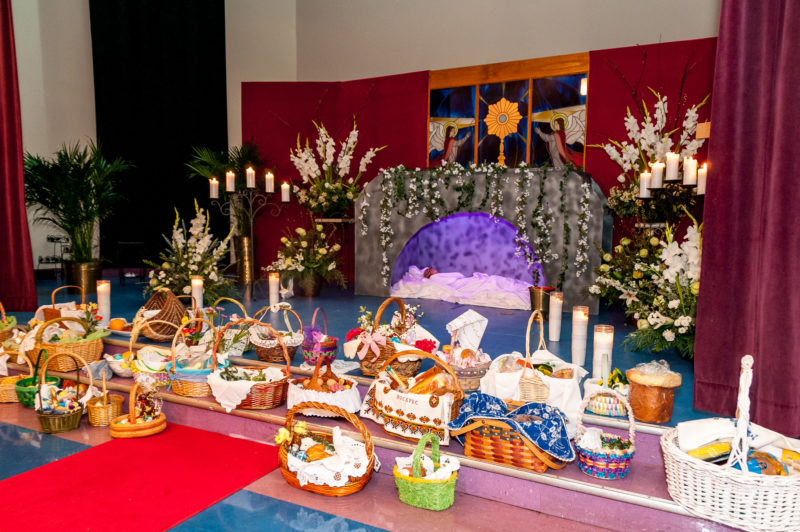
The Polish tradition — and the tradition of other cultures, I’m sure — is to create a tomb for Jesus’s body in the church. One of the figures is taken from the cross and laid in the tomb, and parishioners — usually firemen — stand watch until Sunday morning.

One of the vicars in our parish is Polish — this year, he decided, with the pastor’s blessing, to bring the tradition of Jesus’s tomb to the parish of St. Mary Magdalene. And so the Paschal Triduum feels a little more like we’re in Poland every year.

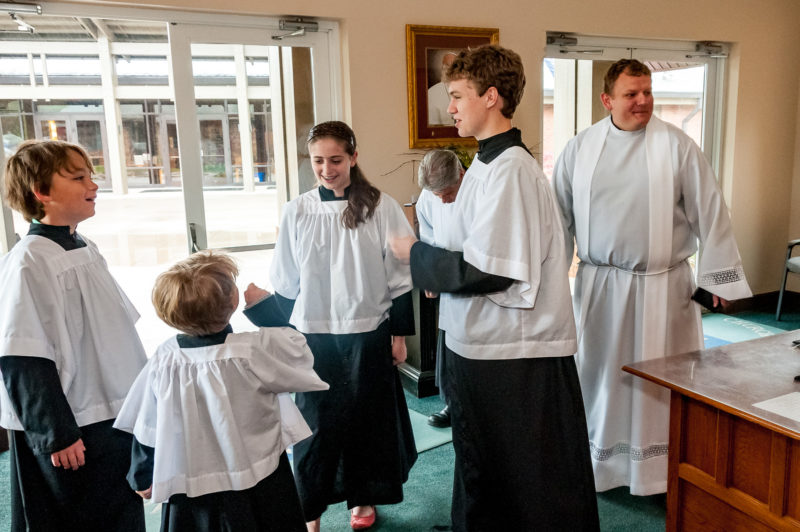
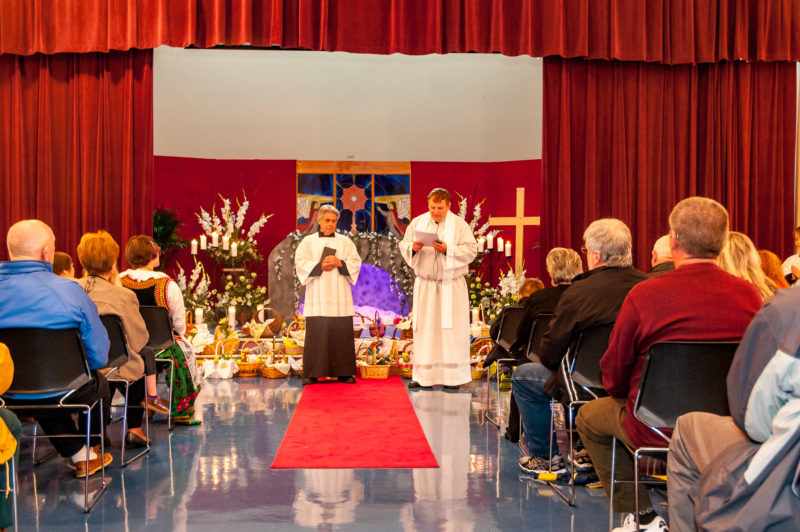
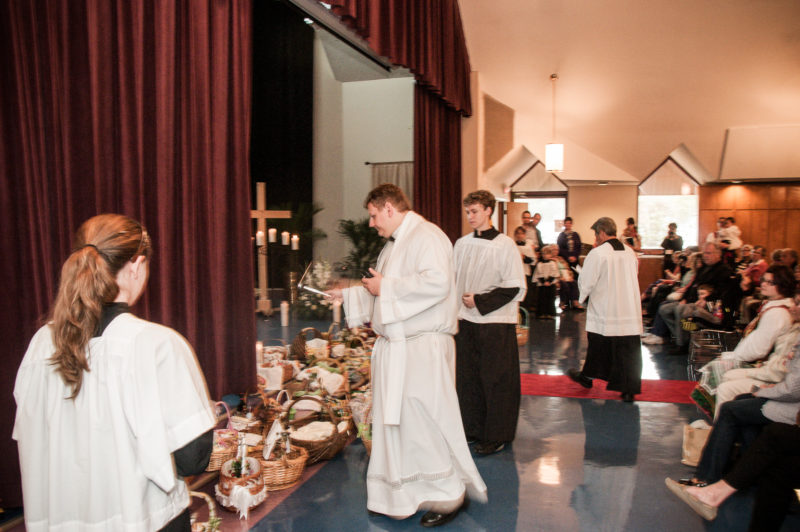
Past years involved the pastor, who had never performed the traditional Holy Saturday basket blessing, coming for a quick prayer of the baskets of perhaps fifteen Polish families. Our pastor, however, has fallen in love with the tradition, has it announced several times before Holy Saturday, and has put it on the altar servers’ schedule so that we have a full procession.

The number attending has grown as well. After an opening prayer in Polish, Father W asked, “How many of you don’t speak Polish?” At least a third of the assembled raised their hands. Seeing so many, Father W, like last year, turned it into a primarily-Polish-but-quite-bilingual-blessing-nonetheless.

There are some things still missing, though. No crucifix lay at the front of the grave, with parishioners standing in a line, dropping to their knees at the fourth or fifth pew and continuing the rest of the way on their knees, all bending to kiss various parts of the crucifix. Blocks of wood have not replaced bells during the Lenten Mass. The day was not preceded with a Good Friday of manic baking and cleaning, just baking and cleaning. More reminders that the Polish community here is a distinct minority, a group that has largely assimilated into mainstream culture but still managed to keep the most important of traditions. In other words, it didn’t feel Polish; it felt American-Polish.

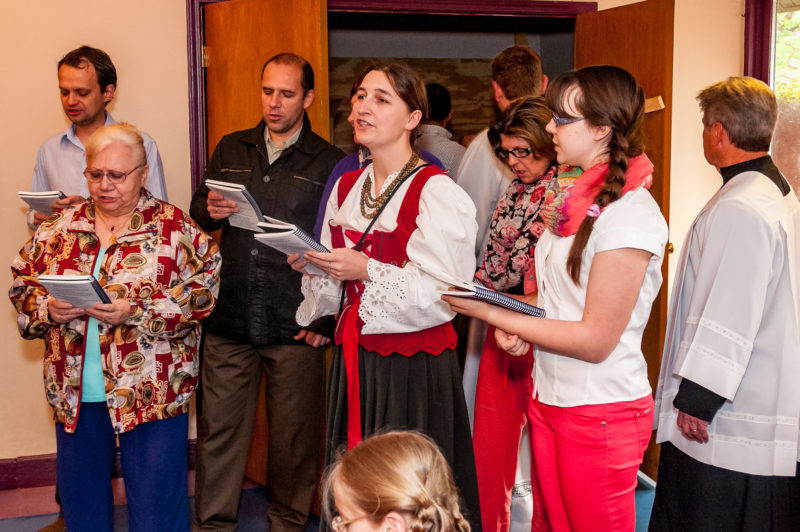
And then there are the things that would never occur in Poland: the fascination with the custom (after all, custom often becomes merely customary), the eagerness for photos of the regionally dressed (after all, if you see it almost every day in one form or another — especially when you live near a tourist region — it’s nothing special, merely every day)

But when it’s something you see once a year? Well, who can blame us all?


Easter Preparations 2014