Out of the Silence
After more or less two years or so of daily-posting (nearly daily -- fell off these last few months, but the 20+ before that make up for the slack), it was time for a beak. A week without is not the same as a week without writing: I've returned to my journal, finding the privacy freeing. I can harp about kids in my class by name; I can write put details about our home adventures that would never make it here. But of course that doesn't mean that the pictures haven't accumulated, that the list of things to include in our online scrapbook hasn't been filling up mental list after mental list.

Without the daily writing after examining the pictures snapped through the afternoon, though the evening, the lists add up to nothing: I can't remember the thoughts this situation prompted, the connections with this or that.

Writing daily for something available to more eyes than my own turns every instant into a potential paragraph, and I think I'd just had enough of that for a while.

And so last Sunday when we went to Nana's and Papa's to help decorate their tree, it was relaxing just to be, not to think about what I might write about this or that.

I was still a shutterfly, though. When I asked L if she'd like to have our older DSLR when she geets a little bigger, she replied tellingly: "No, Daddy, I'm not going to be a shutter bug like you."

On the one hand, I see that as highly likely. She's too hyper, too busy, too up to take the time to take photo after photo.

But on the other hand, she is terribly creative, always excited about what's she's doing in art class or looking to create something new at home. Perhaps the idea of making photo collages might -- well, we'll see.

The rest of the week went by in a fairly typical fashion: hectic mornings, long days at school that drag because we're all --Â all -- looking to the coming Christmas break with such longing that it's difficult for anyone to focus, evenings that slip by before we know it.

But with K home now, the overall pace of life seems to have slowed just enough for everyone to catch their breaths before the chaos of the holiday season turns it all upside down again.

December is just a rush, no matter who's where. With a birthday, Christmas concerts, a major holiday, the near-end of a semester, parties, and surprise drop-ins from Santa, it's just a never-ending sprint from the first to the twenty-fifth.

But as in most families, it's become something like a yardstick to measure the growth of the year. The Boy, for example, has begun looking beneath the surface of things, to question what he sees. When Mr. F and Mrs. P come over as they do every year dressed as the Clauses, there's no fooling the Boy. He recognizes the voice, the face, and declares, "That's Mr. F!"

But it's not all surprises and new adventures. Every weekday night still winds down similarly, with someone up in the Boy's room as he plays with this or that, playing with him, doing one's own thing, shifting between the two.

One's on thing: read, "Take pictures."

Soon the Boy will start complaining about the shutterflies in the house, but for now, he's able mostly to ignore it if it has nothing to do with what he's playing at the moment.

Yet with it Advent, there are a few differences during the week. Ladders come out, lights go up,
carols play on repeat.

Forwarding Address
We're a 3/4 Polish family, and so we have to be a little difficult and do things differently. Like celebrate Saint Nicholas's day, which is on the sixth of December. Which means our kids get two Christmases. Which means the Girl, with her mid-month birthday, get three gift days. Which makes the other kids at school jealous. Hence the difficulty.

L has become more of a critical thinker regarding the whole process, though. She no longer blindly accepts the seeming omnipotence and omniscience of Santa. Clearly, there are things he might not know. Like the fact that she has changed rooms since last year. Or that her bed is different now, more narrow, with less room for presents. (Mikołaj doesn't have a Christmas tree yet to put presents under, so I guess he improvises.)
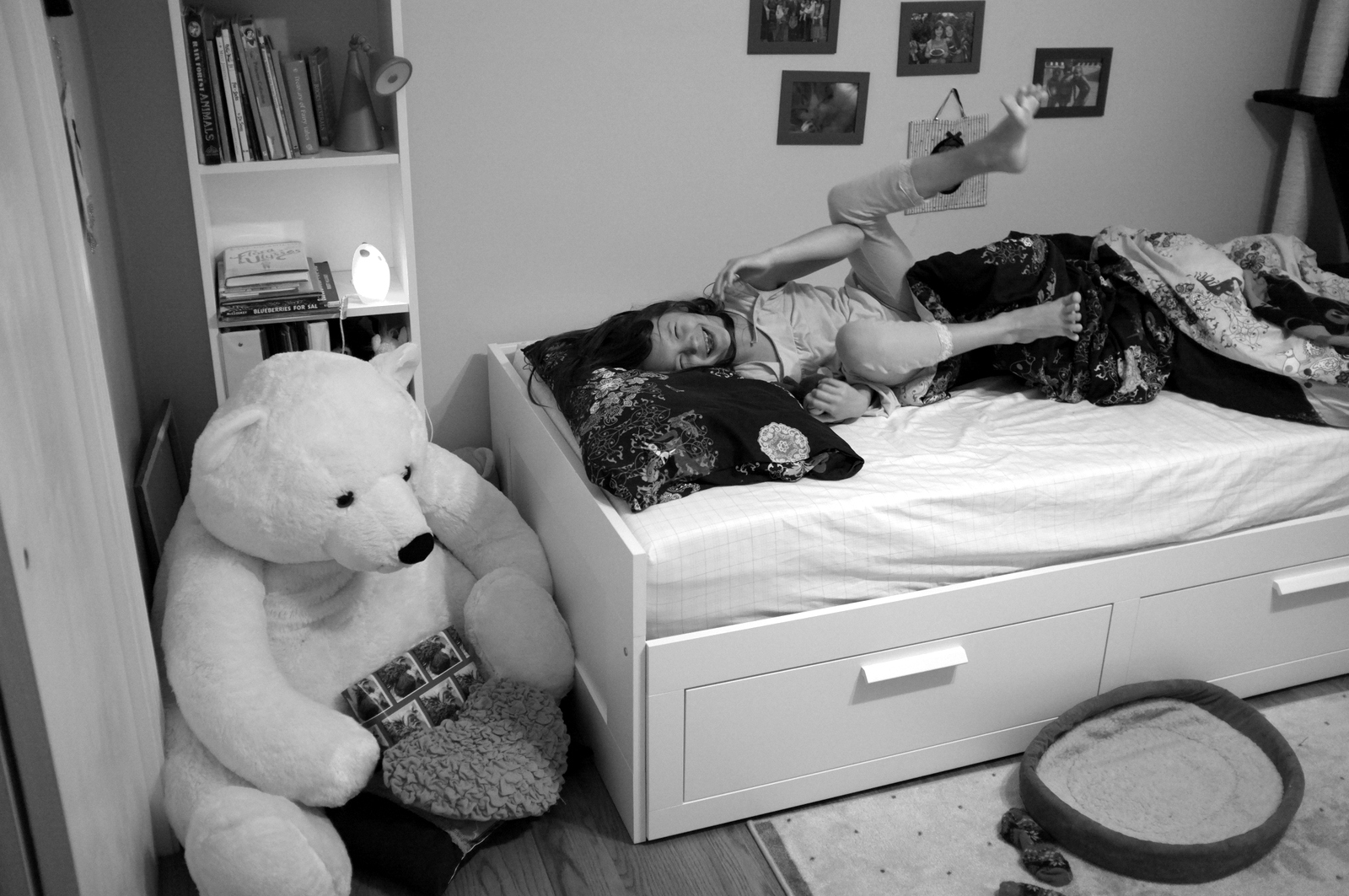
"I'm sure he can figure it out," K explained last night, calming L's worries. But later in the night, I suggested that we that perhaps we ought to put L's gift in the Boy's room, just to see if she figured out what happened. It was when K and I were downstairs, K wrapping newly-arrived presents and I cleaning up what will certainly be the only artifact of humanity a hundred thousand years from now -- dried Play-doh. And doing something likely less useful. Like thinking of further Christmas jokes to play on our children.

Build and Destroy
She built patiently, planning each move, checking, pulling apart, rebuilding. She had a vision — at least an evolving one — and she worked to fulfill it. In her typical fashion, she took a break from building to organize all available components, presumably because she was tired of the try-and-search method. She made the structure as symmetrical as the available components would allow.
And it was another example of what amazes me about our daughter: she can be so incredibly hyper that you’d think she couldn’t focus on anything for more than two seconds. Yet she brings home perfect grades from school, can sit and read for hours, loves to lose herself in painting, and has developed a recent fascination with building (more Legos are high on her Christmas wish list).

The Boy, on the other hand, had only one thing in mind: knocking it all down. In fact, he joyfully did just that to the Girl’s first attempt, causing much consternation on her part (read: a minor breakdown) and much laughter on his part, until, the sensitive soul that he is, he realized that he’d hurt L.
Yet he did it again. It’s what being two is all about. But it cost him: his newest car went into time out, causing him much consternation (read: complete breakdown).

Finally, he got the car back, L had the structure rebuilt, and after a quick photo session — that the Girl herself requested — it was time.

Before E came alone, we warned L that, although she would certainly love him to death, there would be times that little brother would be positively infuriating. “You’ll make something,” we explained as an example, “and he’ll come along and destroy it.” Occasionally, though, it’s just what they both want.
Value Voters
A friend posted on social media his frustration with a recent Obama press conference, to which I joked, “Ah, you’re feeling the pain I’ve felt for the last several years…” I knew this was not the case: said friend is solidly liberal and has been for as long as I’ve known him. I added that Obama’s presidency has done more to move me to the right than just about anything else. My friend replied that to change political parties, he would need to “have an entire personality transplant & abandon many of [his] values.”
I thought about that comment most of the day as I worked in the yard, prepared our son’s new room, and the thousand and one other things that fill a Saturday without the kids. The implication is troubling but fairly common these days: people who hold different political positions do so because of different values. The corollary from that is simple and permeates modern political exchange: those who hold political positions different from mine do so because they have different values, which are inferior to my values.
This goes beyond merely calling the other side ignorant. Ignorance can be corrected. It even goes beyond calling the other side stupid. Any thinking individual realizes that such a claim is vacuous at best as most of us fall fairly solidly in the mean for intelligence. This suggesting that the different political sides have different values means that their core being and thinking is somehow different. It can lead in no way to productive political conversation. And it permeates the left and the right.
- Both sides portray those who are on the other side of the political spectrum not just as wrong but as morally deficient: Anyone who has a Tea Party bumper sticker is inherently an evil person; anyone who has an ACLU bumper sticker is inherently an evil person.
- Both sides accuse the other of ulterior motives: Republicans are heartless selfish souls who care only about the rich; Democrats are self-serving hypocrites who only support welfare because it means votes.
- Both sides accuse the other of wanting to destroy the country: The Republicans want to turn it into some kind of corporate oligarchy; the Democrats want to turn it into a socialist non-paradise.
What is the alternative? I would suggest that the alternative is the traditional mode of political discourse, where liberal and conservative positions are seen not as alternate values but alternate methods. What if there were an underlying assumption between both sides that the other wants the best for the country and the disagreements have to do with methods, not goals? In such a political climate, the other side is just that: not an enemy, not an idiot, but just someone who sees a different road to the same goal.
Discussion
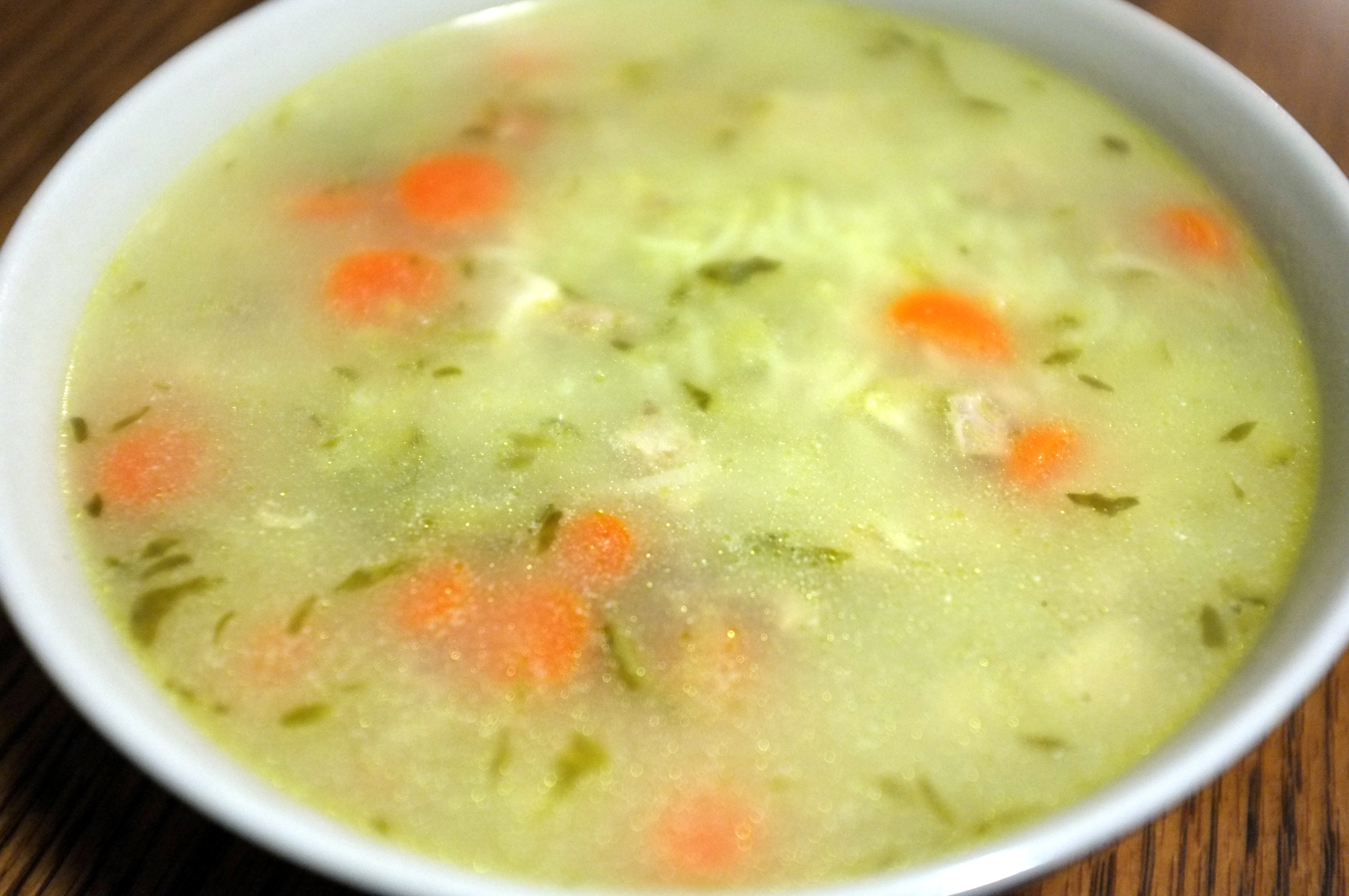
Licking the Bowl
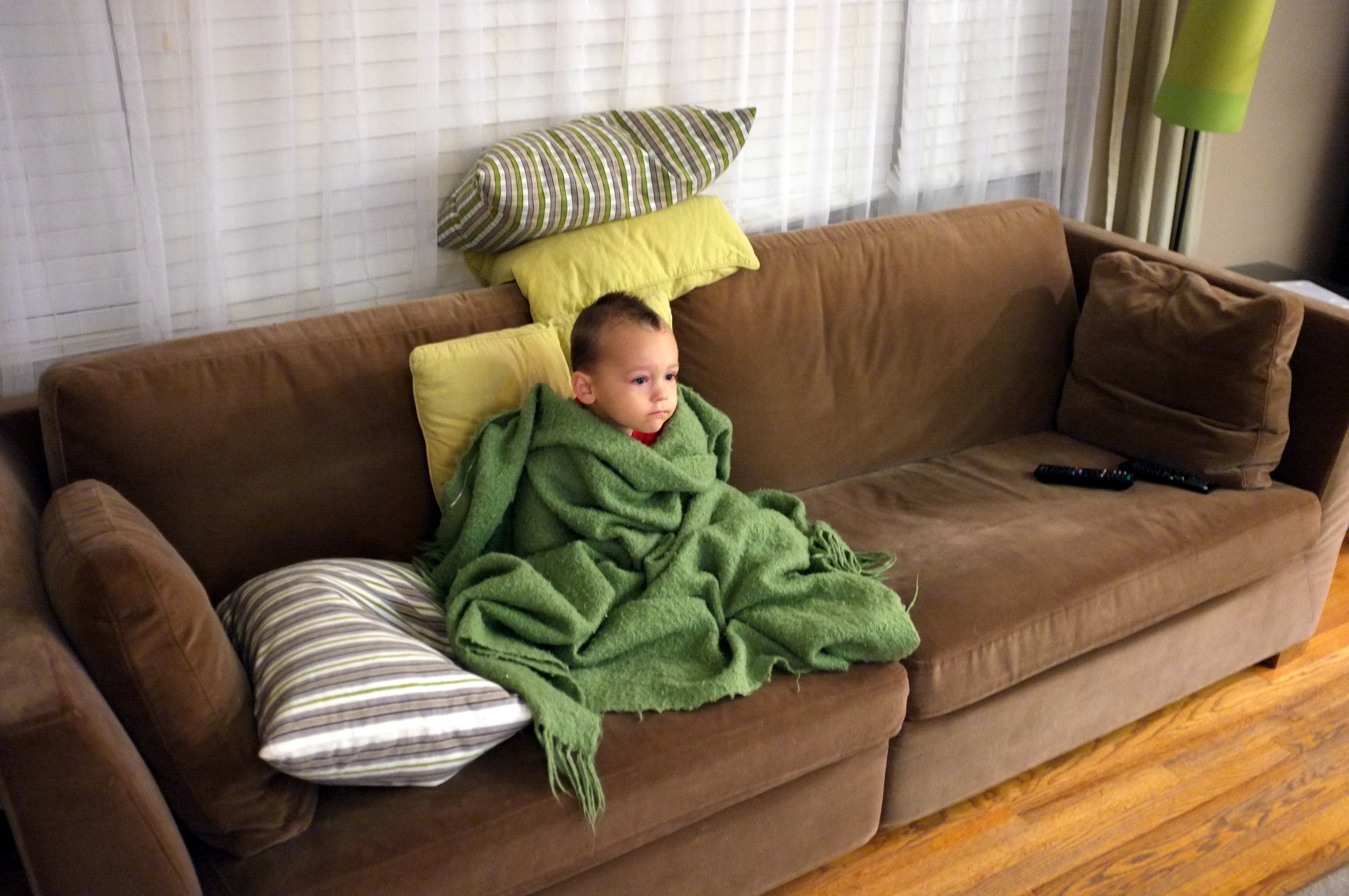
Rainy Sunday
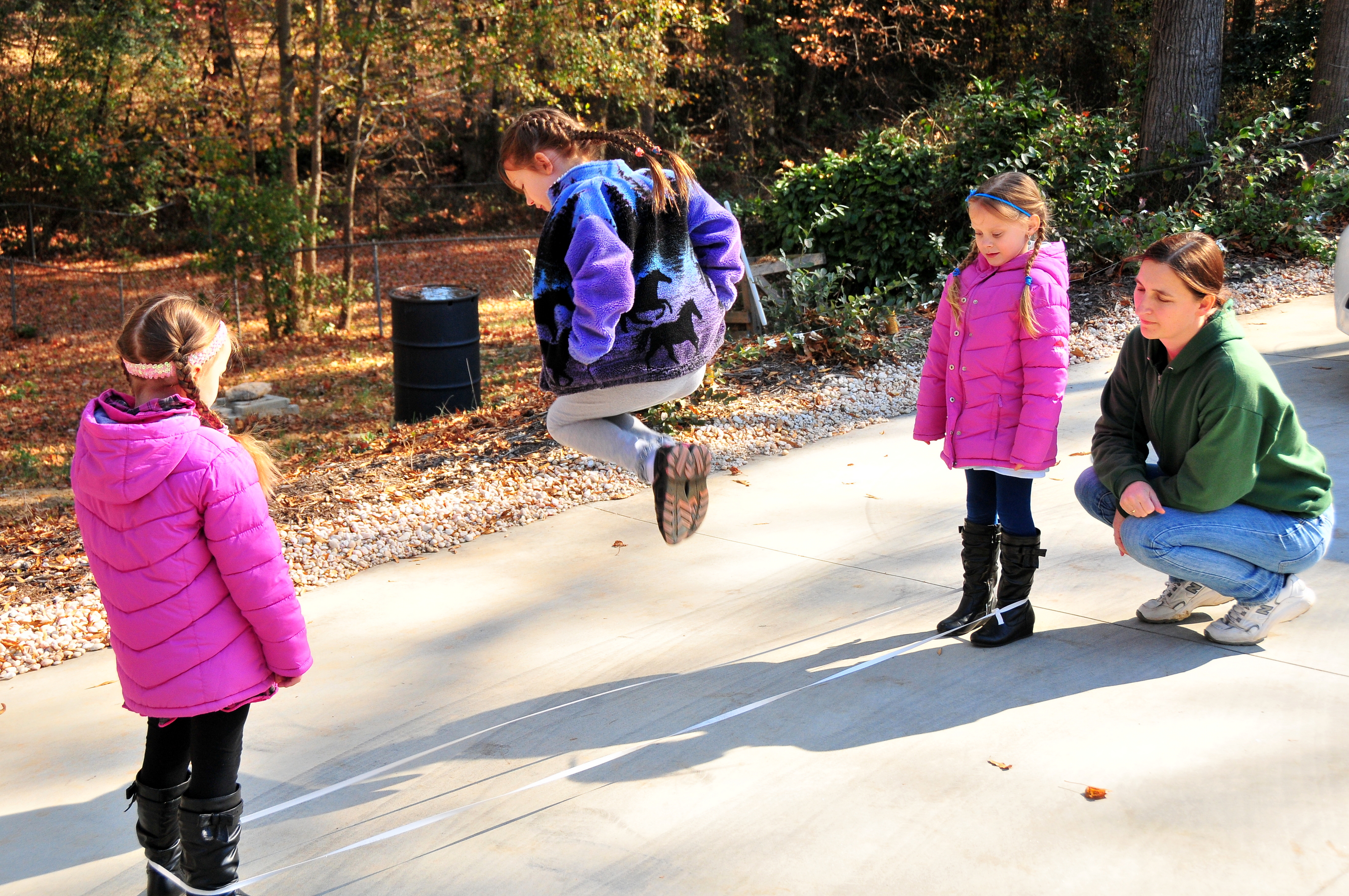
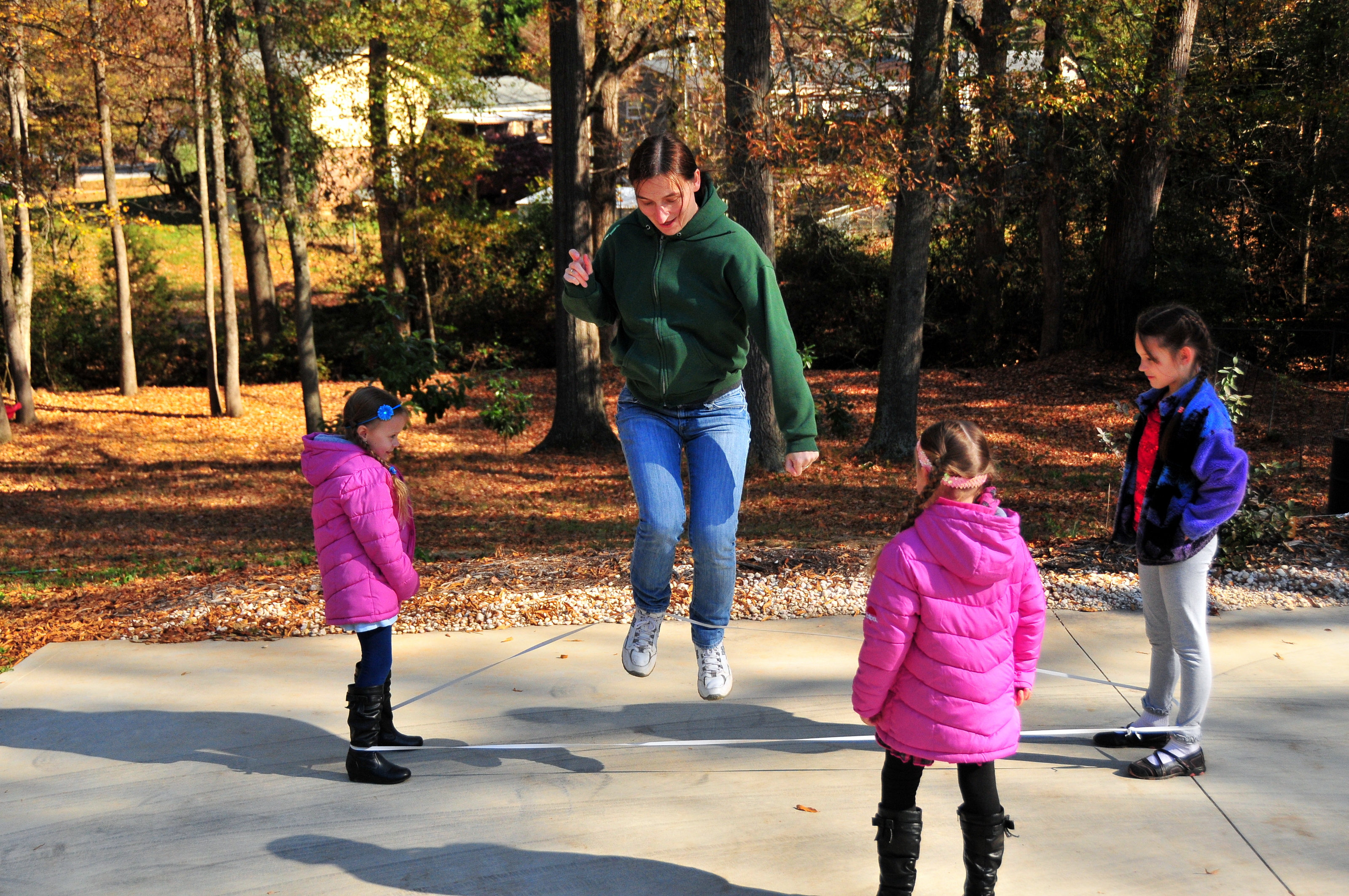
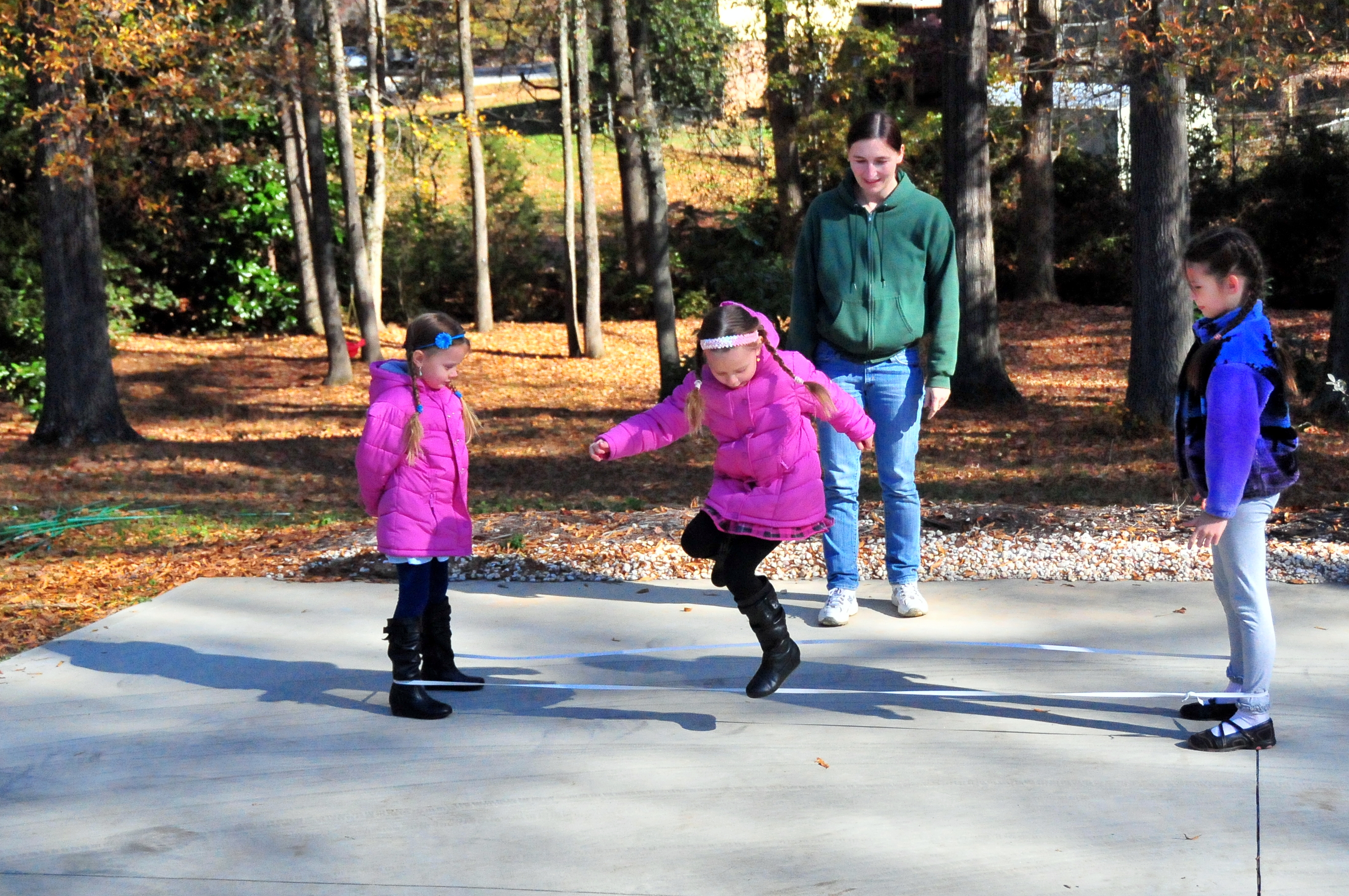
It's supposed to rain all day today, and it doesn't disappoint: from the morning, we know that there'll be no scooters, no jumping rope, no swinging.

It's just a day to stay inside, perhaps stay in our PJs for as long as possible.

We watch cartoons, make wish lists for Santa,

drink lots of tea and coffee,

and I grade a mountain of papers before tomorrow's mid-term grading deadline.
And so now it's almost eleven, and the only thing I really want to do is sleep.
My Wish Lists
Santa list
- microscope
- deluxe pottery wheel
- boogie board
- LCD Writing Tablet color: blue
Polish santa list
- lego friend
- two small macks
Birthday list
- lego friends,
- fantastic spinner,
- pokemon cards
Work and Play
Needs
Dear Terrence,
I was reading tonight, and I came across a passage that got me thinking about you again:
Most people, too, recognize the need for some immaterial moral principles as well: justice, fairness, freedom, love, compassion, solidarity, and so on. These are abstractions, manifested in concrete events, but not exhausted by those events. We measure the material manifestations against the abstract ideal we hold in our minds.
Music and art, too, move us from the sensory to the abstract. Most people who listen to a Mozart composition will conclude that its thousands of variations in pitch add up to something, evoke something, stand for something greater.The sounds of Mozart move us from the sensible to the abstract, the sensible to the insensible. Aesthetic experiences are not important to everyone, but they can be a profound mystery to an unbeliever who is open to their power, a spiritual foot in the materialist’s door.
I found myself wondering, again, if you’d ever been struck dumb by beauty, if something had moved you so deeply that you stopped in your tracks. And I thought back to all the things you told me today, all the facets of your reality that I find completely incomprehensible because I can’t imagine one stranger treating another like that, let alone one’s parent — I thought about all these things and realized it’s impossible for you to have experienced this. No, it’s not the usual rant I have about kids and classical music today, about your short attention spans and inability to keep multiple thoughts going in your head. It’s much more basic than that:

It’s Maslow’s Hierarchy of Needs, that triangle all teachers see again and again in all the various psychology courses we have to take as undergraduates (and even graduate students). The premise is basic: the needs on the bottom must be fulfilled before those above them can be fulfilled. One cannot worry about employment if one cannot breath without great difficulty. One cannot worry about friendship if one doesn’t feel safe. One cannot worry about self-esteem if one’s familial needs are not met. And one cannot worry about self-actualization until all the other needs are met. I’m not sure I totally agree with all of this: morality as being a top-level need strikes me as being unnecessarily postmodern. Still, for your situation, it resonates: how can you worry about beauty when you have to spend your time going out and looking for your father, who disappears only to reappear months later to inform you that he’ll likely be going to prison shortly? How can you worry about beauty when your mother and her boyfriend have knock-down fights and then blame them on you? How can you be concerned about aesthetics when the relative you stay with quit often is falling-down drunk? The only needs you seem to be having met are the physiological ones, and those just barely.
Once again, though, as you spoke, I felt like more of a part of the problem than the solution. I’ve been hard on you in class: I’ve taken things personally that I really had no business taking personally. I’ve responded like a caged animal at times though
What’s almost as tragic as your home situation is your school situation, then. How can we as teachers expect you to focus on higher-order thinking and fulfilling higher needs when your most basic go unmet? How can we hold you entirely and unquestionably responsible for behaviors that are defense mechanisms? How can we call ourselves teachers if we don’t work to figure out what’s going on with you, to stop taking your behaviors personally and start acting like an adult, unlike your guardians?
And how can the school system expect of you these things? Test you on these things and declare you’re, in one form or another, a failure because you don’t meet these standards? How can the school system expect us teachers to be truly successful with you when we’re like everyone else, ignoring all your basic needs in order to meet a score quota? How can the school system not realize that with some children, the academics are of secondary, tertiary, or even quaternary or quinary?
I can’t answer these questions, unfortunately. But perhaps, with the honesty we shared today, we can figure out some answers that work for us.
With apologies,
Your Teacher
Autumn Portraits
This time of year, we always get everyone together for a full family portrait. We go to a park or just pile up some leaves and get a few shots of the four of us, the six of us, the two of them. This year, with a carpet of yellow in the backyard, there was only one option.

First, the Girl and I went out for some test shots while the Boy took his nap. The light was just right, but Nana and Papa weren't due for another two hours, so I went in and arranged an earlier arrival.
In fact, though, the light had been absolutely sublime in the morning.



But who wants to head out at eight in the morning in sub-freezing weather for portraits?

But light is light: unless you're shooting in the middle of the day without any shade, a little creativity can produce good results no matter the angle of the light.

Besides, there are always props and post-processing. On second thought, perhaps the clothes are a bit off. Oh well.

It's the idea that counts in art, isn't it?

Nations
Once, returning from a class field trip to Strasbourg to the small village in Poland where I taught, our bus sat at the border of Slovakia and Poland for some ridiculous amount of time — two or three hours — for some reason that I never determined other than the fact that something was out of order for someone. I could see the mountain at the base of our village, Babia Gora, rising above the forest, and I knew that I could easily cross the border on foot and walk there in probably a bit over an hour. Yet there we sat.
That was in 1998. Now there’s not even an official building of any significance in that location. Only a sign indicates that you’re crossing from one EU nation to another. All the stamps in my passport from crossing into Slovakia for a bike ride or crossing back into Poland after crossing into Slovakia at some other location, all those stamps are now all the more valuable because they will never be again, like old black and white pictures of the past.
Some things of course haven’t changed. Poland and Slovakia are still separate nations with separate governments and different currencies (with Slovakia moving to the Euro and Poland still using the zloty). And they issue different passports, both of which are different from the blue-covered passport I’ve always had. These different-colored, different-formatted little booklets made all the difference for K and me when we first came to the States, with her having to go wait in a different line and meet with various people when we first arrived. There were of course advantages: one could easily and quickly tell whose passport was whose. Insignificant of course but still. There were other differences. During election cycles, K could ask who I was voting for though I couldn’t ask her. Naturally we would have already known, and likely we would have voted for the same candidates, but still.

As of today, though, K and I can both have those lovely blue booklets. We could even go vote together as she now holds dual citizenship.
It was something we could have done much earlier, but we needed a practical motivation, I suppose. Finally, time and circumstance provided so much potential inconvenience, with a soon-expiring Polish passport and an even-sooner-expiring Green Card, we decided it was time to go ahead and file the paperwork, take the exams, and raise that right hand to make the Oath of Allegiance.
I hereby declare, on oath, that I absolutely and entirely renounce and abjure all allegiance and fidelity to any foreign prince, potentate, state, or sovereignty of whom or which I have heretofore been a subject or citizen; that I will support and defend the Constitution and laws of the United States of America against all enemies, foreign and domestic; that I will bear true faith and allegiance to the same; that I will bear arms on behalf of the United States when required by the law; that I will perform noncombatant service in the Armed Forces of the United States when required by the law; that I will perform work of national importance under civilian direction when required by the law; and that I take this obligation freely without any mental reservation or purpose of evasion; so help me God.
The whole ceremony lasted only half an hour, and included a video of Lee Greenwood’s “Proud to Be an American.”

It’s a song I misunderstood in my youth. “How can I be proud of something I had nothing to do with?” I asked. “That I was born in America is little more than an accident, a bit of good fortune.” Pride was something you felt about your own accomplishments, I thought, not about who you are. It never really occurred to me, for some reason, that one could be embarrassed to be an American, be ashamed of being an American, feel hatred toward one’s own country. I encountered that soon enough, and I came to understand what Greenwood was trying to say with that song.

And I came to see that there is quite a bit about America to feel some sort of embarrassment about, even shame. No country is perfect, and America, both overtly and covertly, has done some truly questionable things in the name of national interests. Yet there’s no questioning the almost-unimaginable nature of the nation’s founding principles: a group of people that governs itself, that is subject to the rule of law, that in theory if not always in fact presents a level field for all participants. That’s something to be proud of.
With Papa


Brains and Bones
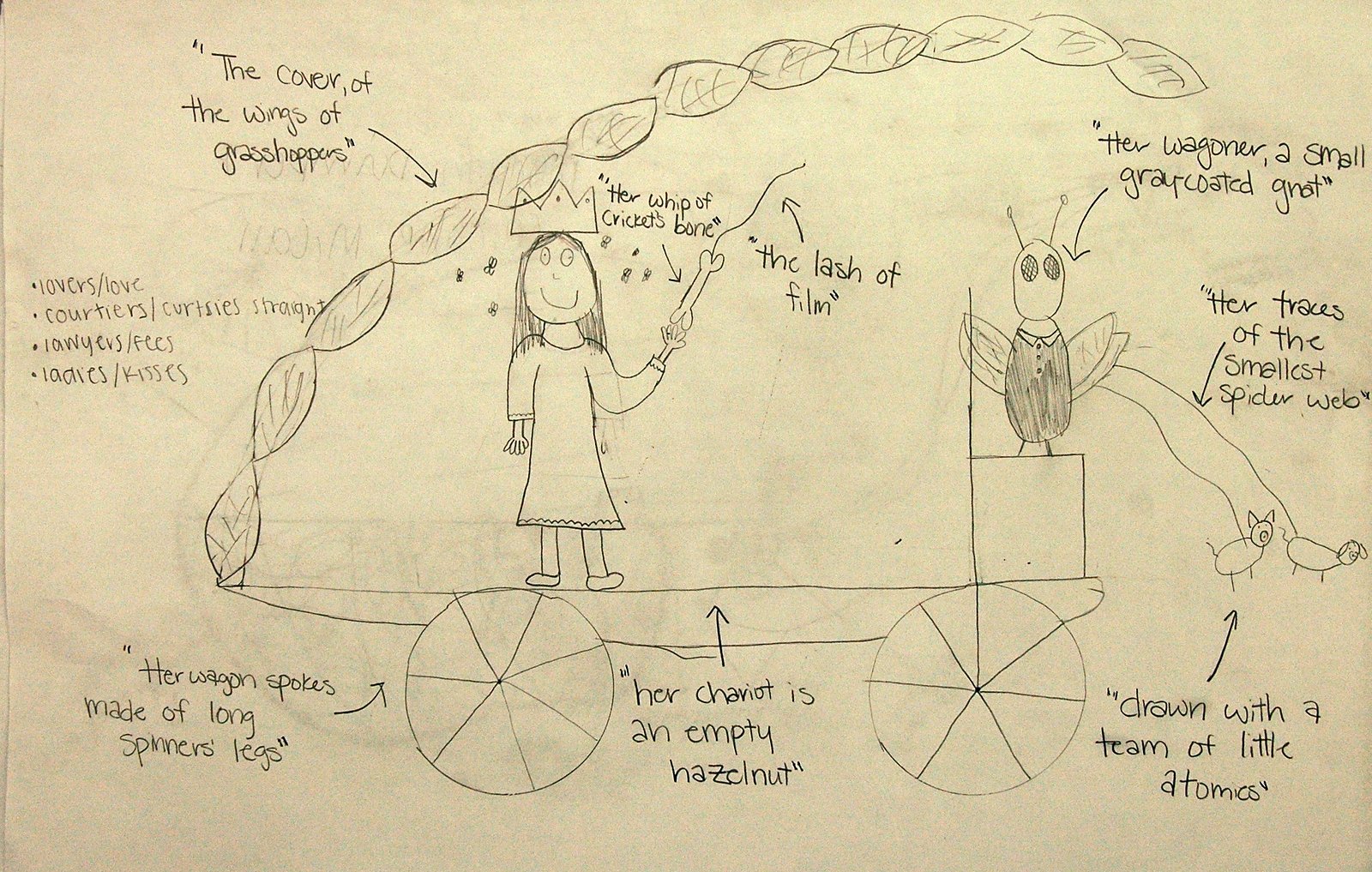
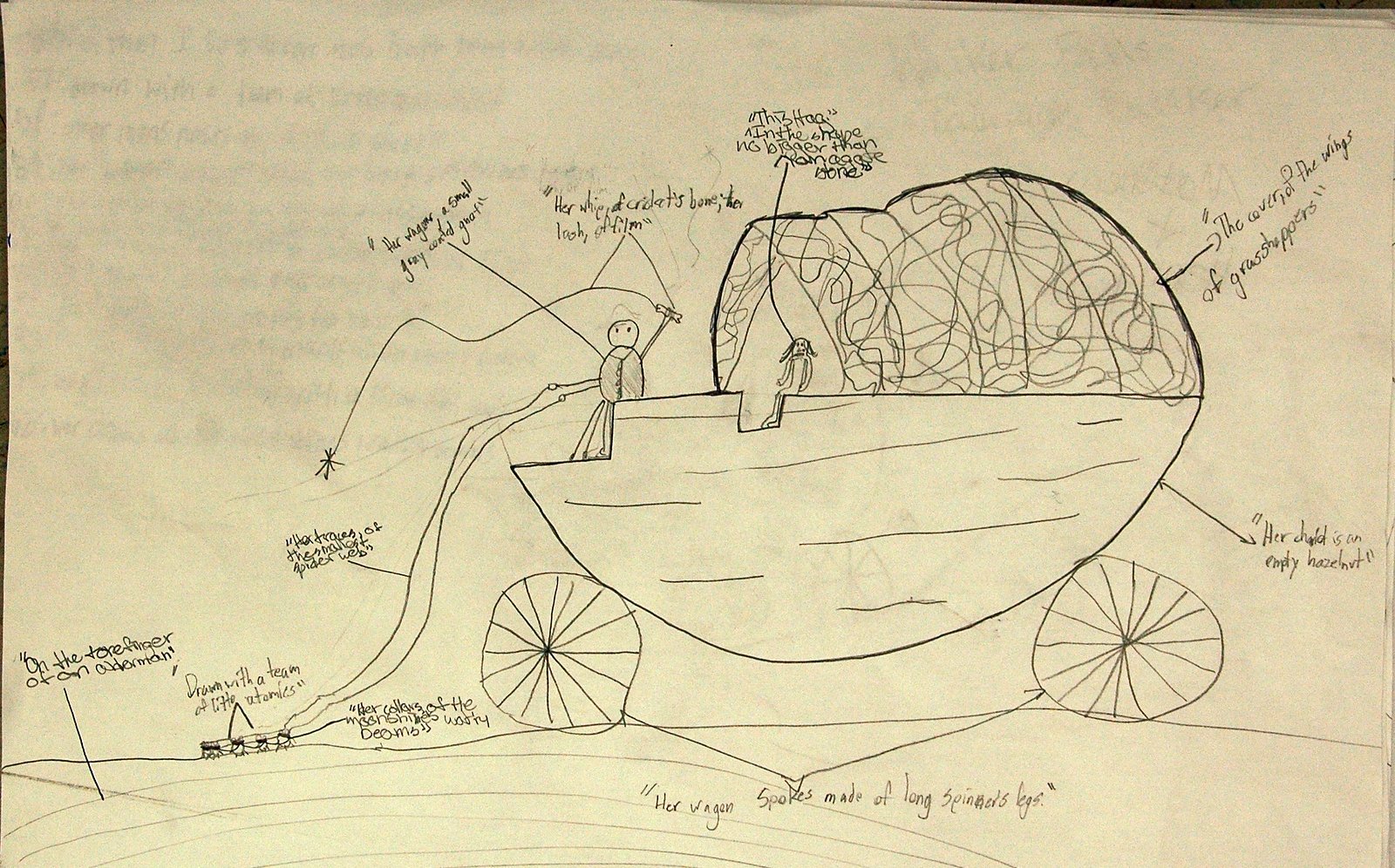
In the English I Honors classes I teach, I work with some really bright, really thoughtful kids, and I get to do some really fun things with them, like introduce them to Shakespeare with Romeo and Juliet. One of the most confusing passages for readers is Mercutio's long Queen Mab speech, which begins:
O, then, I see Queen Mab hath been with you.
She is the fairies’ midwife, and she comes
In shape no bigger than an agate-stone
On the fore-finger of an alderman,
Drawn with a team of little atomies
Athwart men’s noses as they lie asleep;
Her wagon-spokes made of long spiders’ legs,
The cover of the wings of grasshoppers,
The traces of the smallest spider’s web,
The collars of the moonshine’s watery beams,
Her whip of cricket’s bone, the lash of film,
Her wagoner a small grey-coated gnat,
Not so big as a round little worm
Prick’d from the lazy finger of a maid;
To help with their understanding by forcing them to read it line by line, I have them draw a picture of Queen Mab. In the past, they've come up with some striking examples.
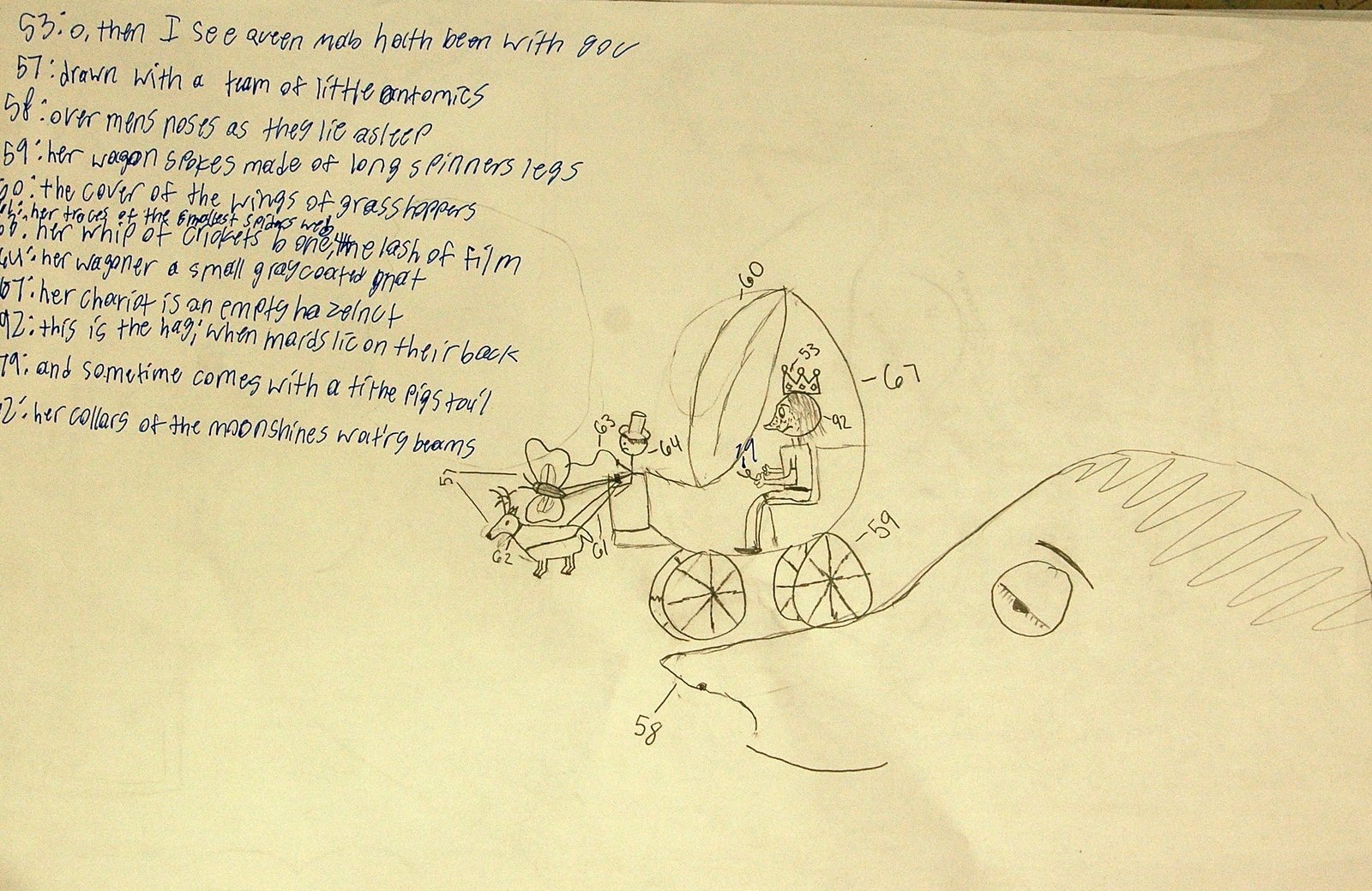
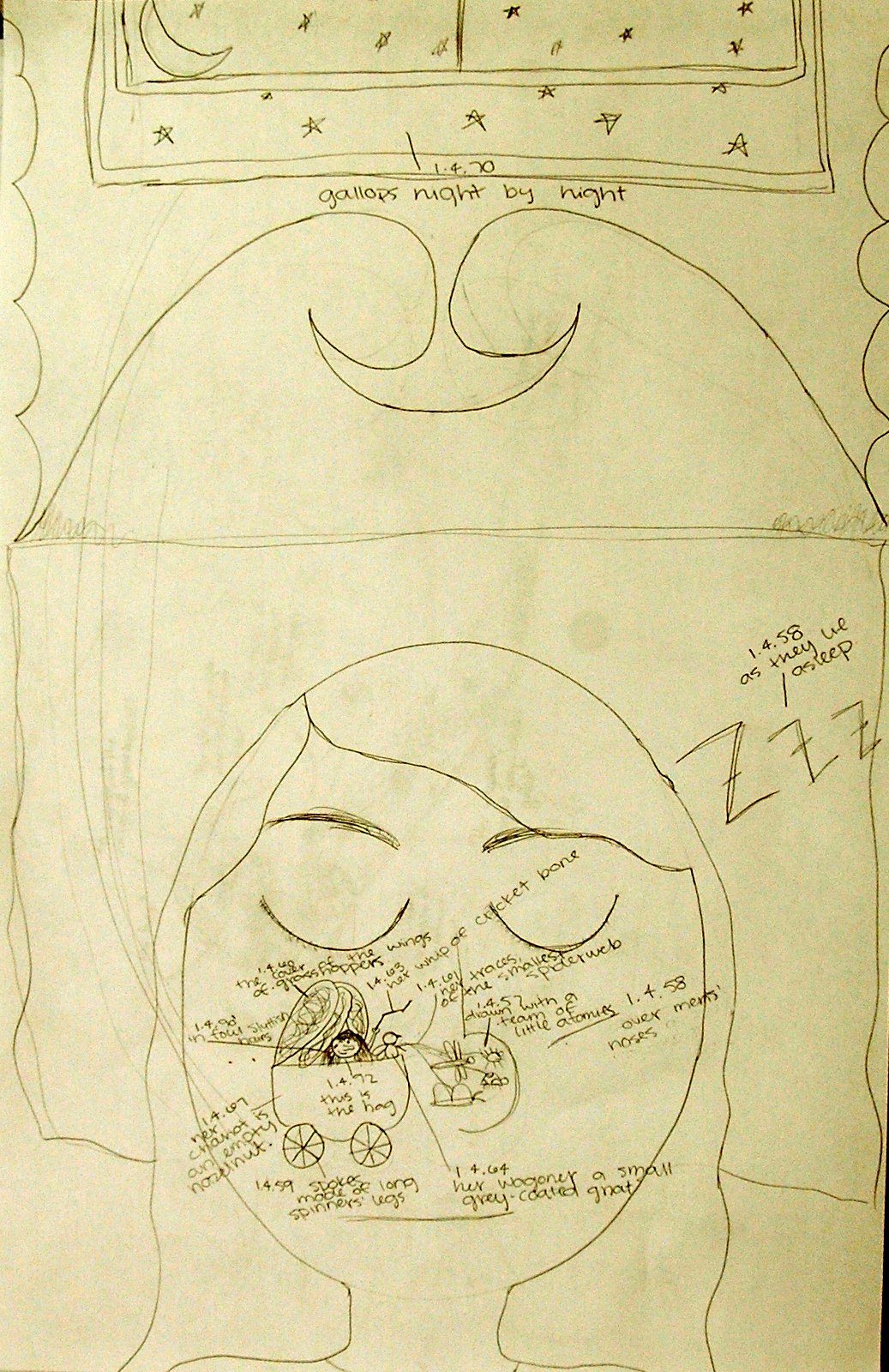
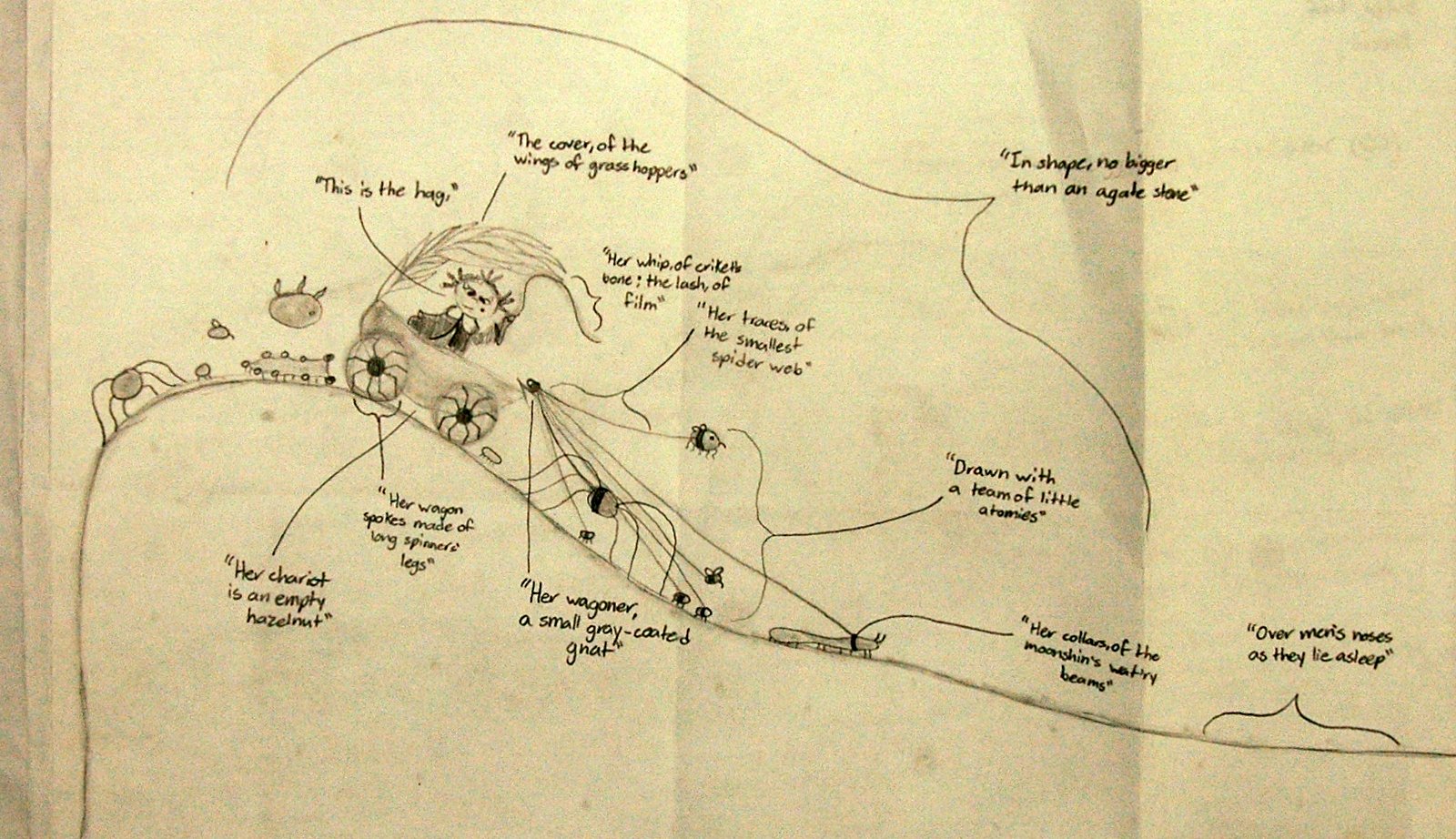
This year, one young man was particularly persistent on one small detail: "Mr. Scott," he began, "how can she have a whip made of a cricket's bone? Crickets don't have bones; they have exoskeletons."
Smart aleck...