
Lena’s team went undefeated this year, including winning the championship tournament tonight.
fun in threes, sometimes fours
Lena’s team went undefeated this year, including winning the championship tournament tonight.
"He knocked me down, and I stayed calm. I didn't even say, 'Why do you have to be so mean?'"
The Boy and I were on our way back home, and he was explaining some adventure or other that he'd had during recess. He's taken to playing soccer then, and he's often telling me about what happened during the game.
"Why would you have said, 'Why do you have to be so mean?'" I asked.
"Well, I didn't say it."
"But why would you have said it? Why are you specifically pointing out to me why you didn't say it?" I suspected it was because someone had said that to him at some point.
"Well, I was playing soccer the other day with X" (I can't remember the name) "and I tried to sweep the ball away from him. I didn't mean to, but I knocked him down. He just jumped up and screamed, 'Why do you have to be so mean!?'"
It's usually the Boy on the receiving end of such things, and I'm always trying to help him see the other point of view: perhaps it was an accident. "Oh, no, Daddy, it wasn't an accident," he usually insists. So I asked him, "Did you tell him you didn't mean to?"
"I tried to," he explained with a frustrated edge in his voice. "I said, 'I'm sorry. I didn't mean to knock you down,' but he just walked away from me and ignored me."
Sometimes, I feel like the Boy can't win: even when he's the (accidental) aggressor, it somehow ends with him feeling like a victim.
On the way to soccer practice the evening, the Boy brought up Frida Kahlo. One of his multi-age class groups (they're called "houses") is named after her. "Do you know who she was?" he asked.
"Was she the Mexican painter?" I asked, thinking of the uni-brow painter who did so many self-portraits.
"Mexican? I thought she was German," he replied quizzically.
I'm not up on painters, so I just suggested that perhaps I was thinking of someone else. "Was she friends with Trotsky?" I asked, knowing the response.
"Who was Trotsky?"
Who indeed.
"A generally bad man," I said.
"Why?"
"Because he was responsible for the deaths of many thousands of people."
He thought about it for a moment then asked, "Were they innocent or did they deserve to be shot?" He paused, thought some more, then corrected himself. "Well, I don't mean deserved to be shot. They were just bad. Were they bad?"
From there, the conversation devolved: "Oh like Hitler?" "Who killed more?" "Who's Stalin?" "Did anyone kill more than him?" "Mao what?"
Then I got to wondering: on the playground were these men the aggressors or the aggrieved? And how in the hell did that conversation end up there?
I stayed home to get caught up and prepared for tomorrow. The rest of the folks went downtown. Then gave the girls the Fuji x100...

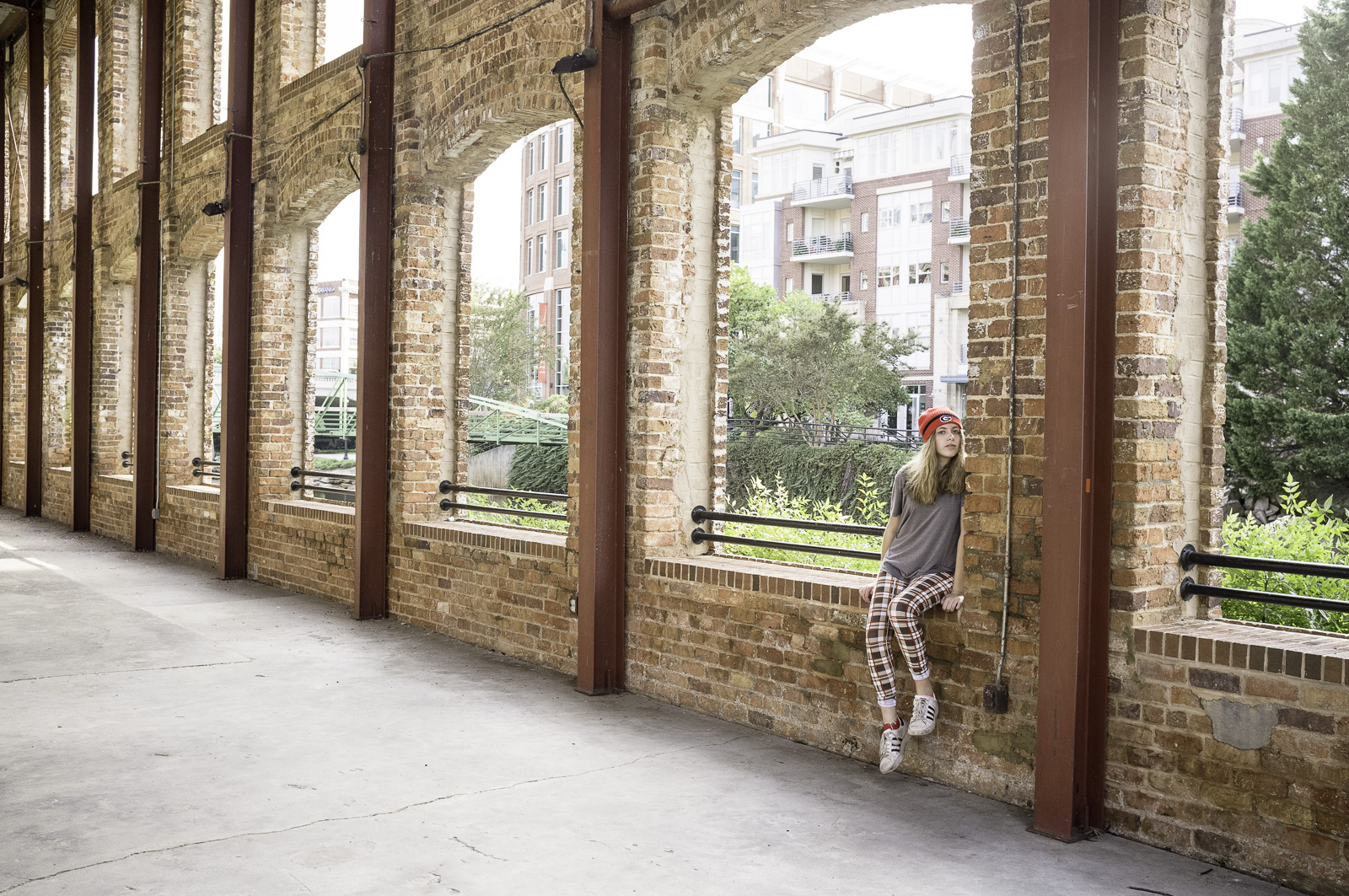
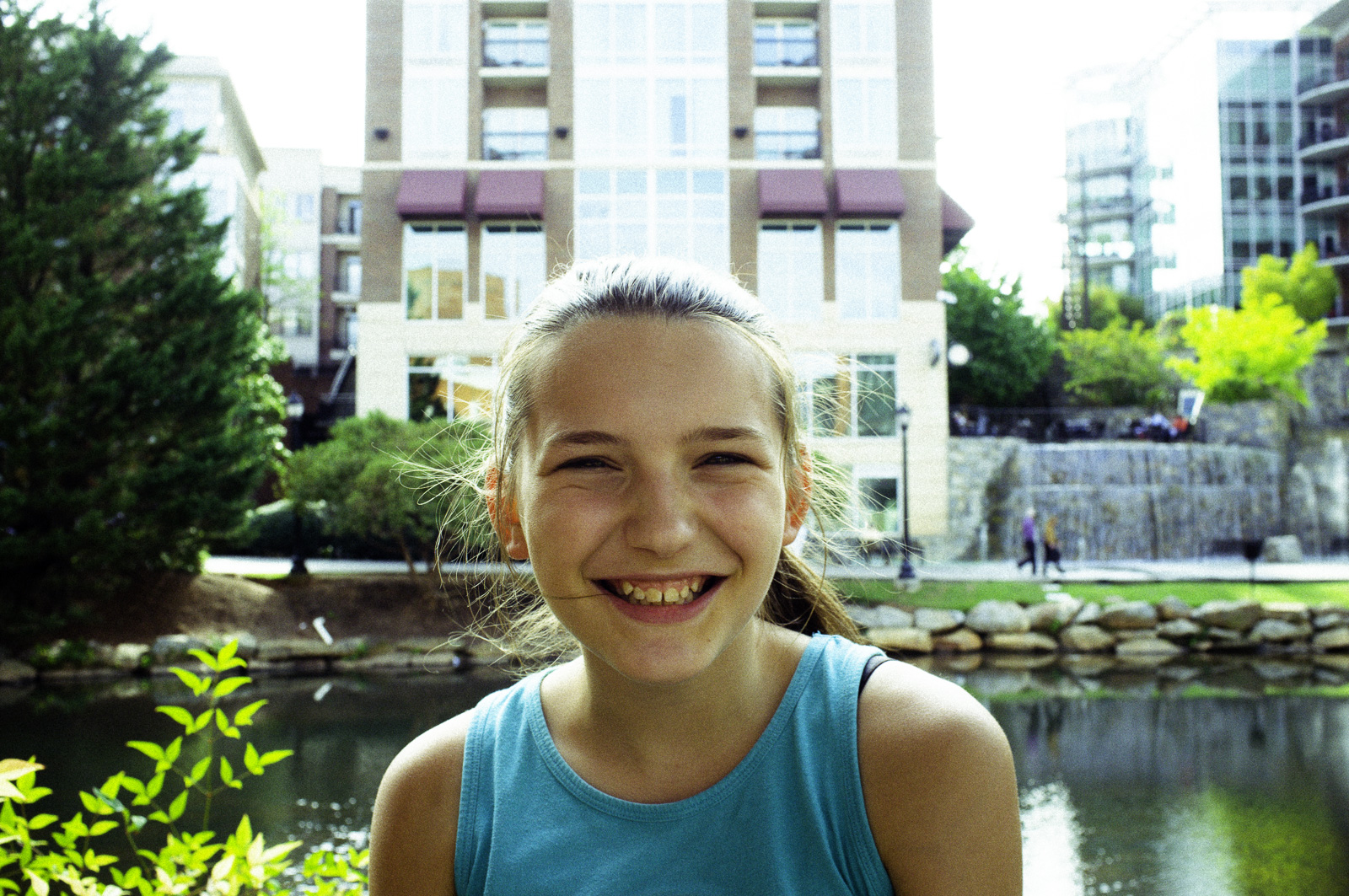
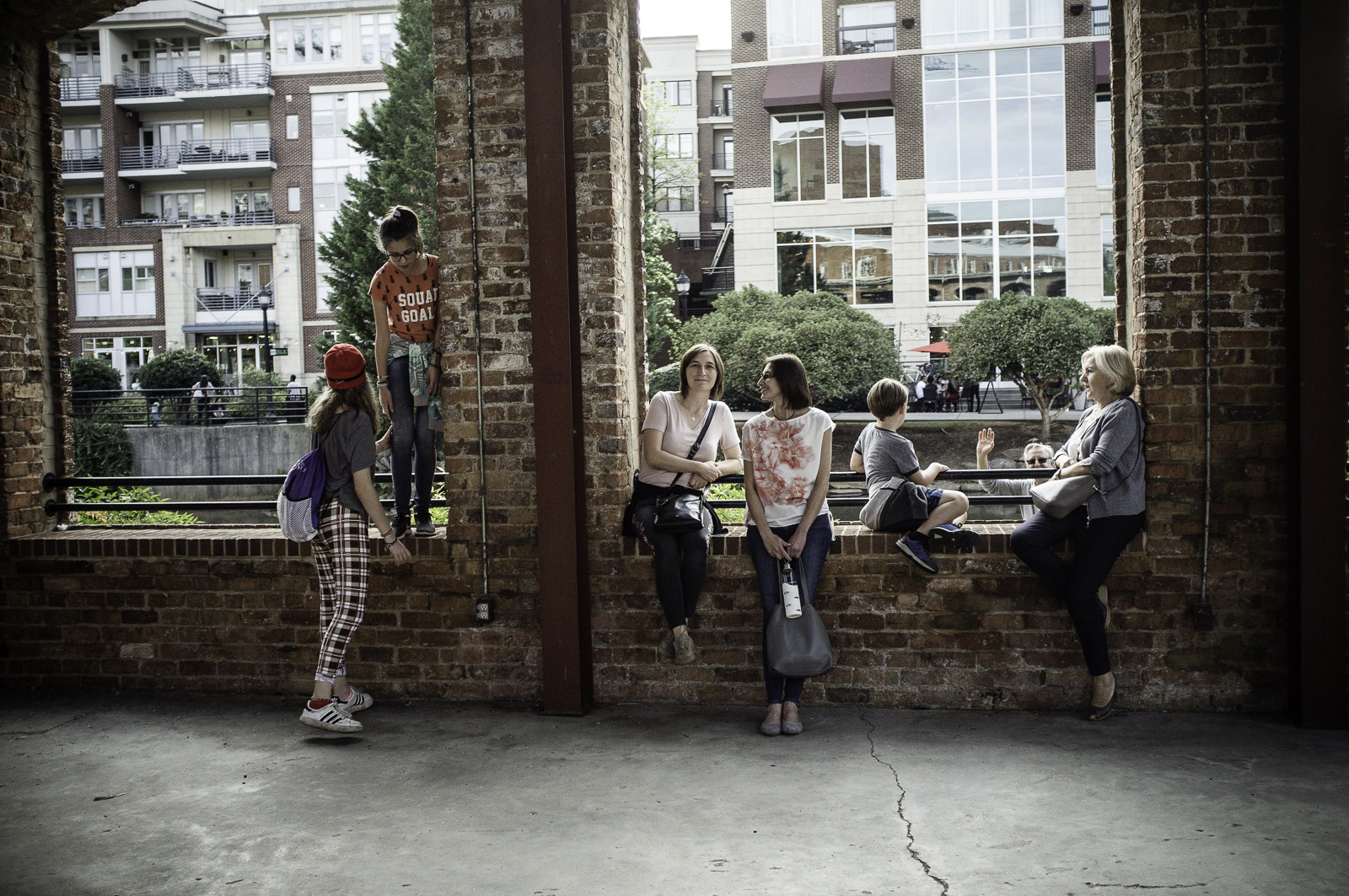





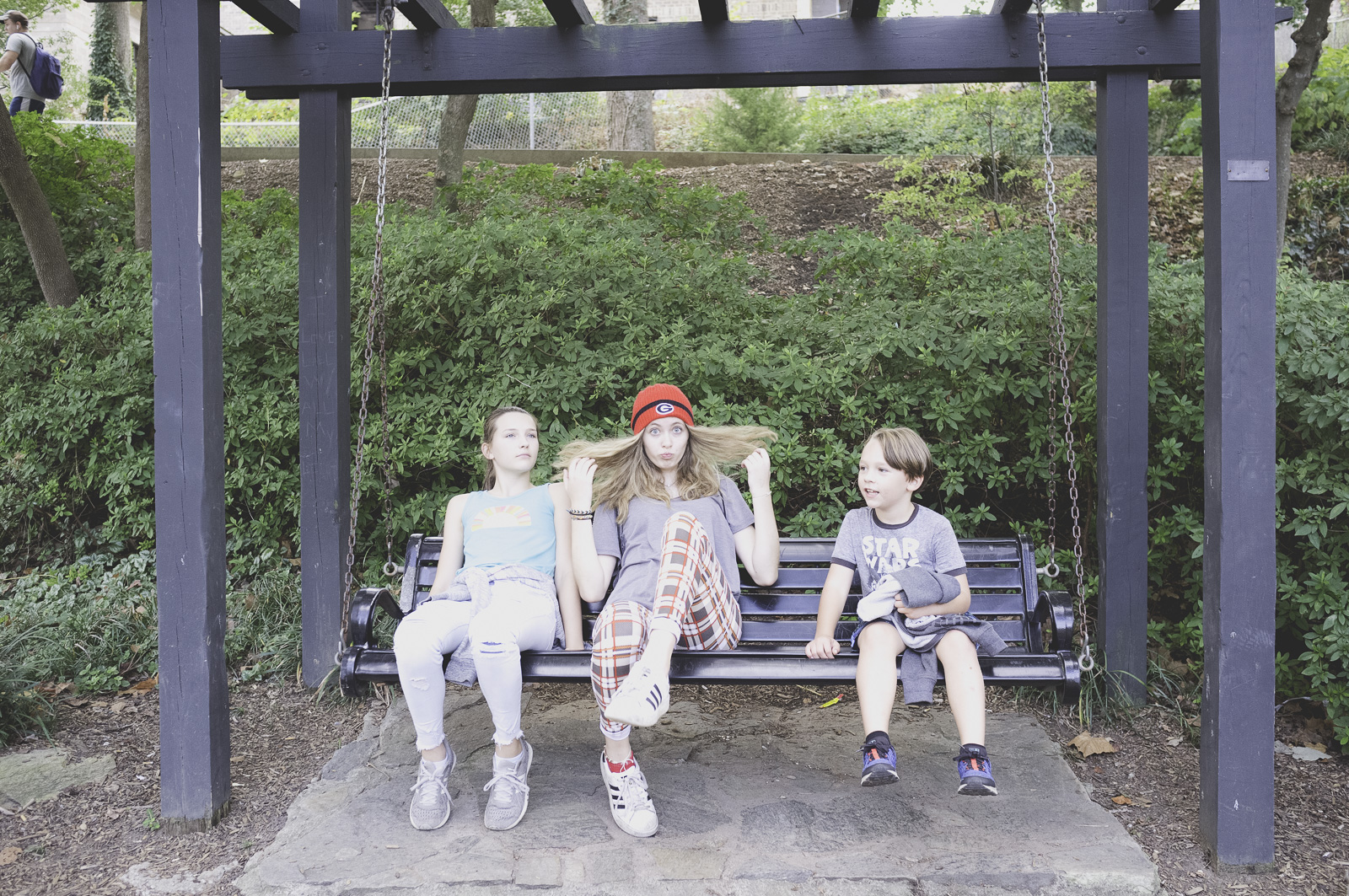


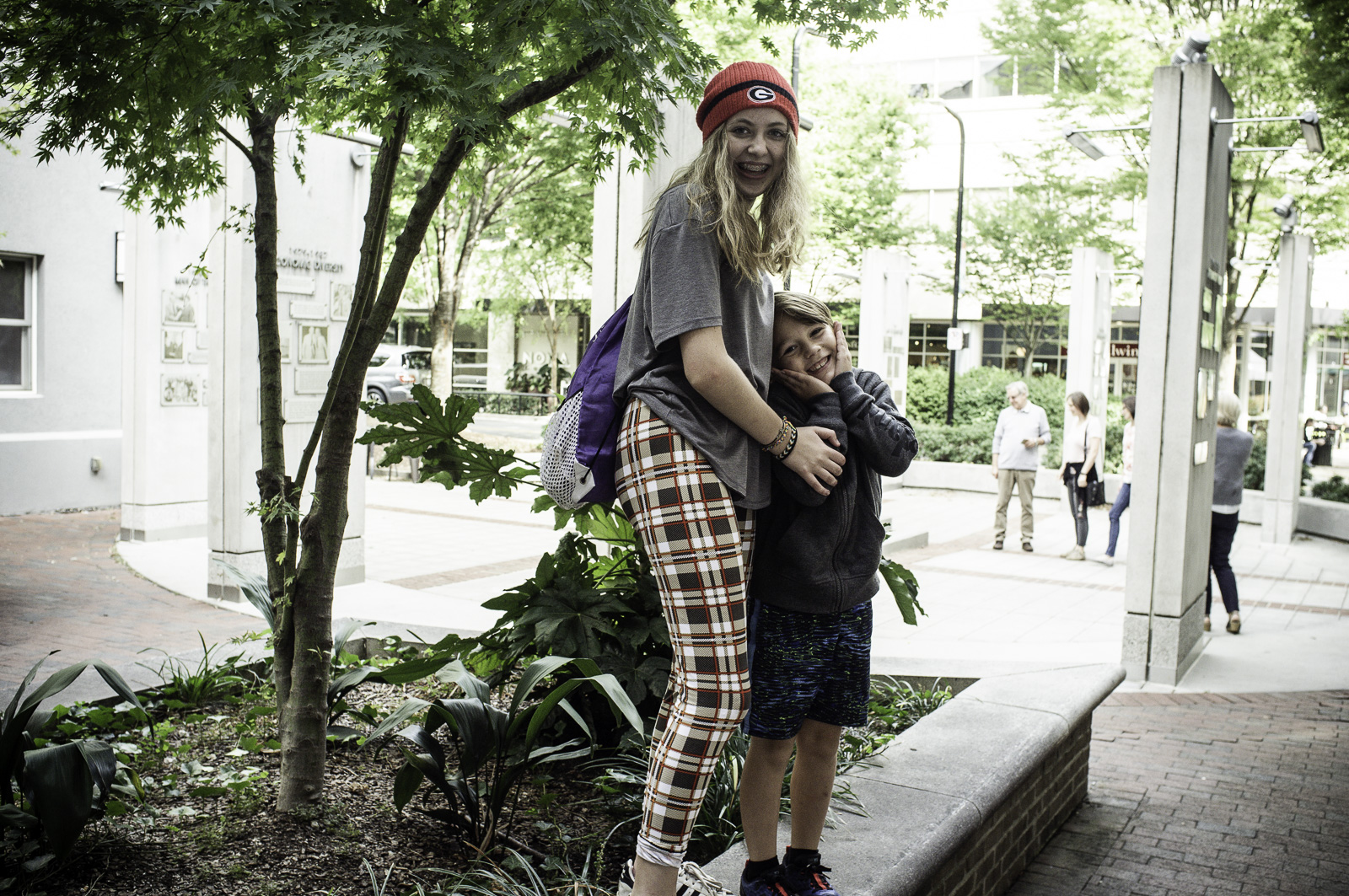




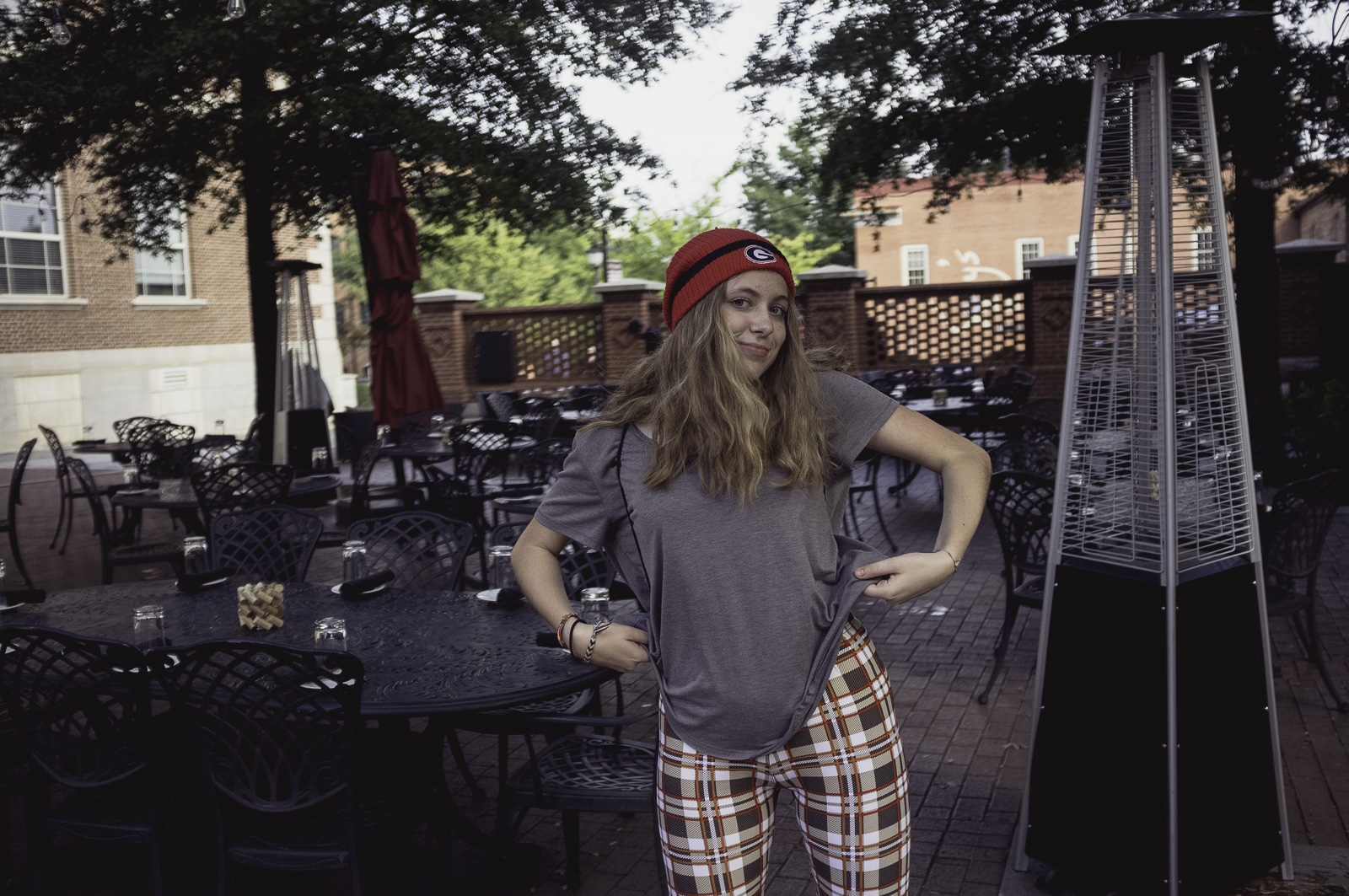


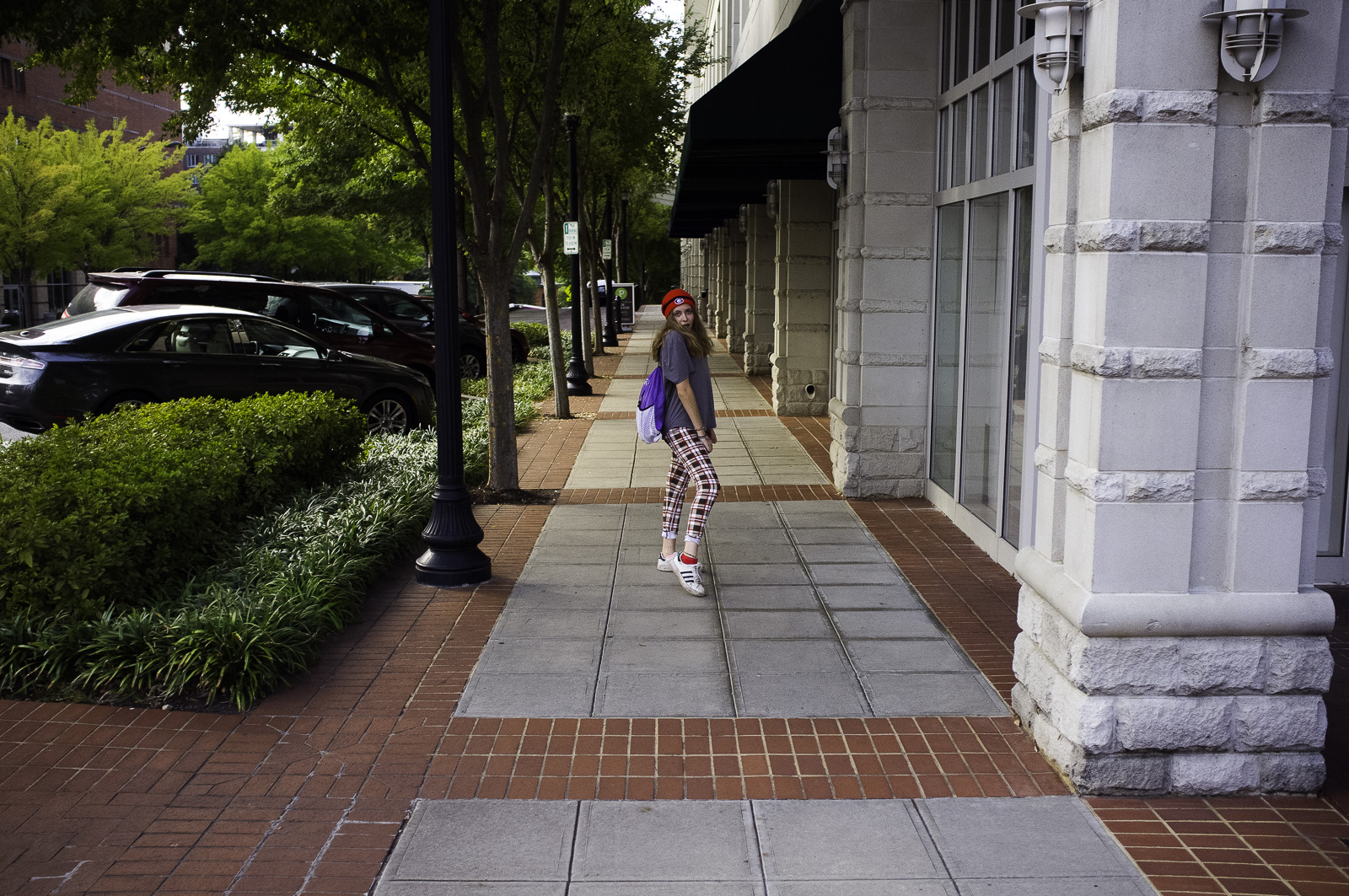
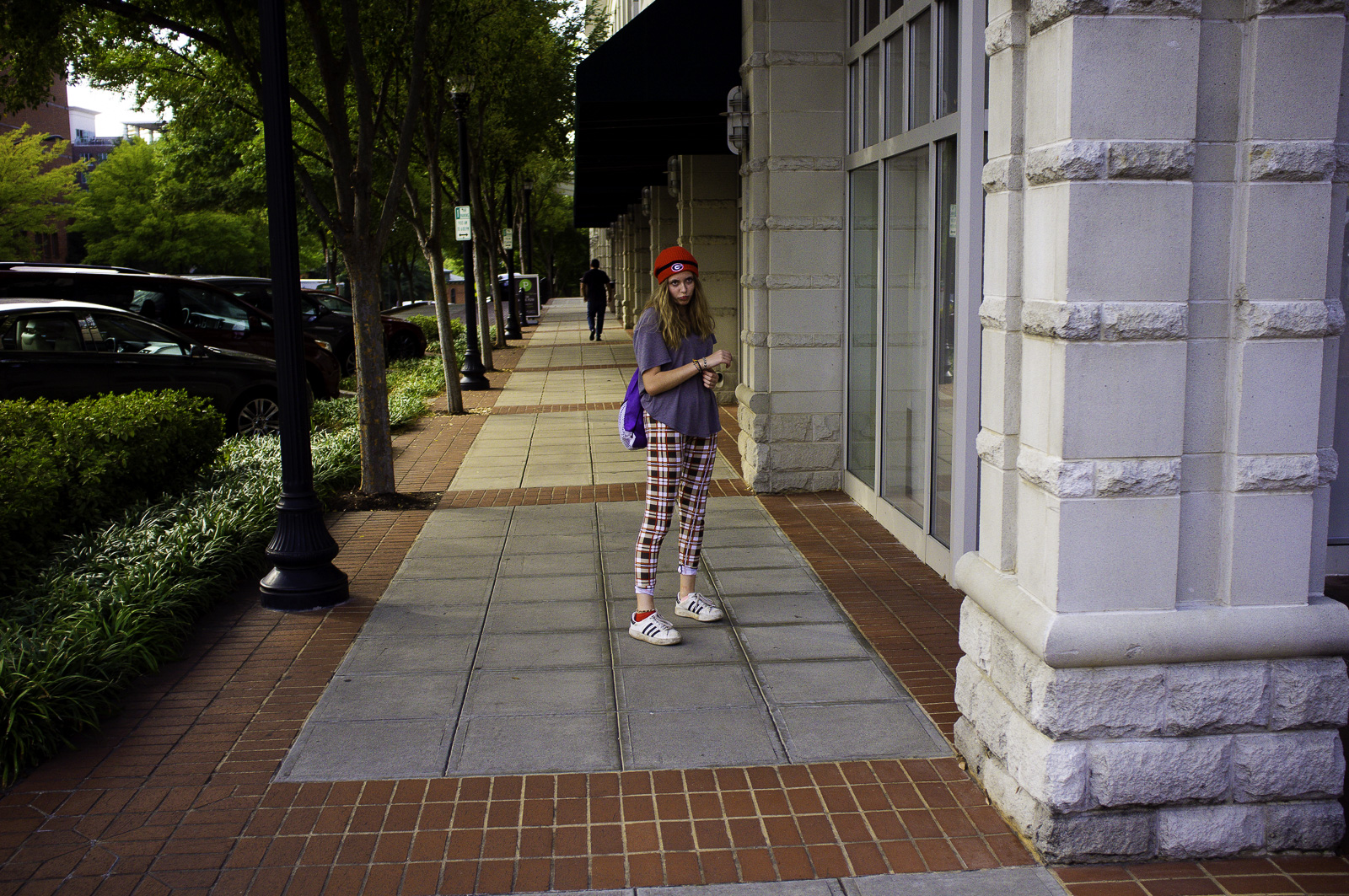
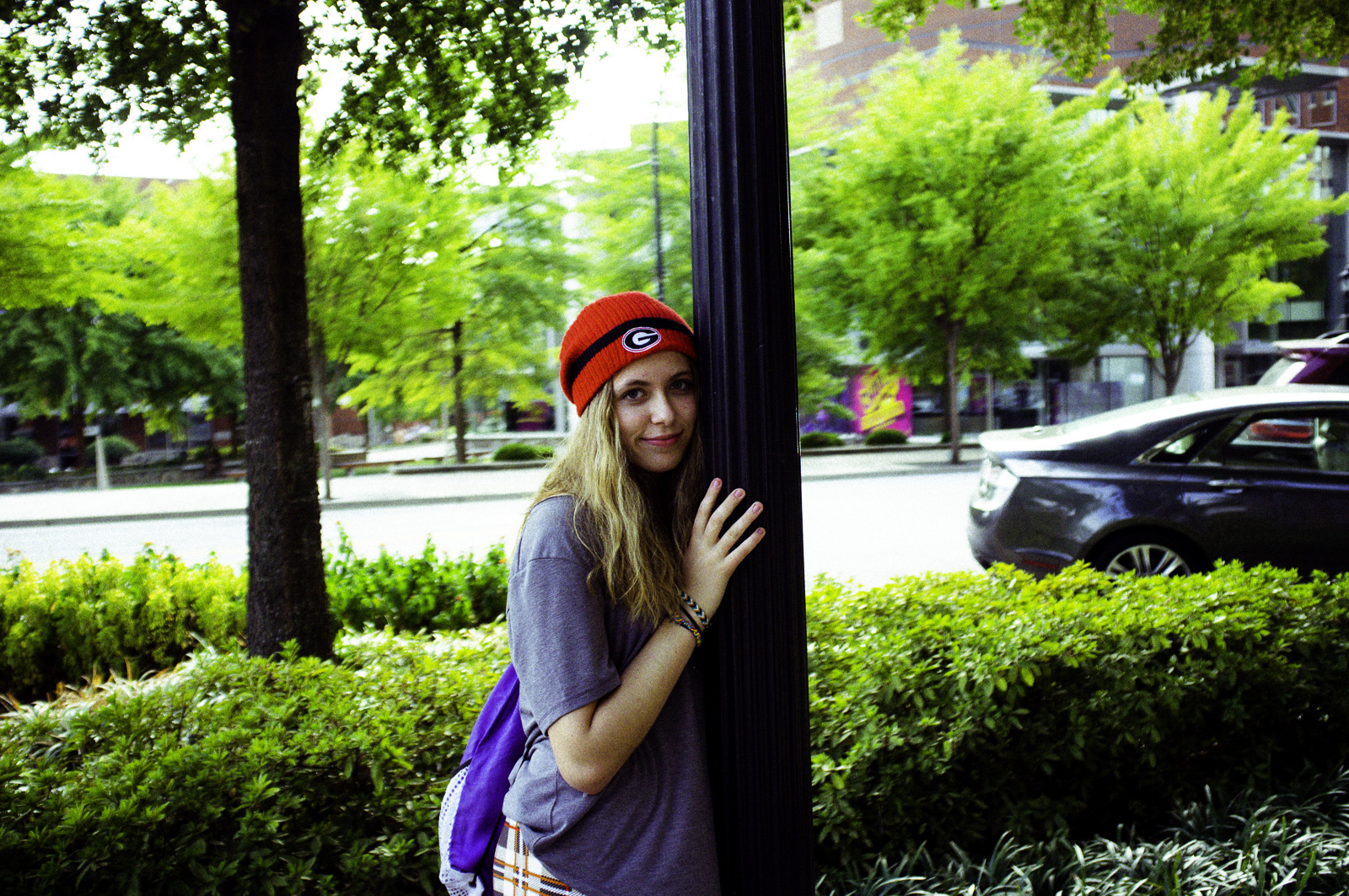

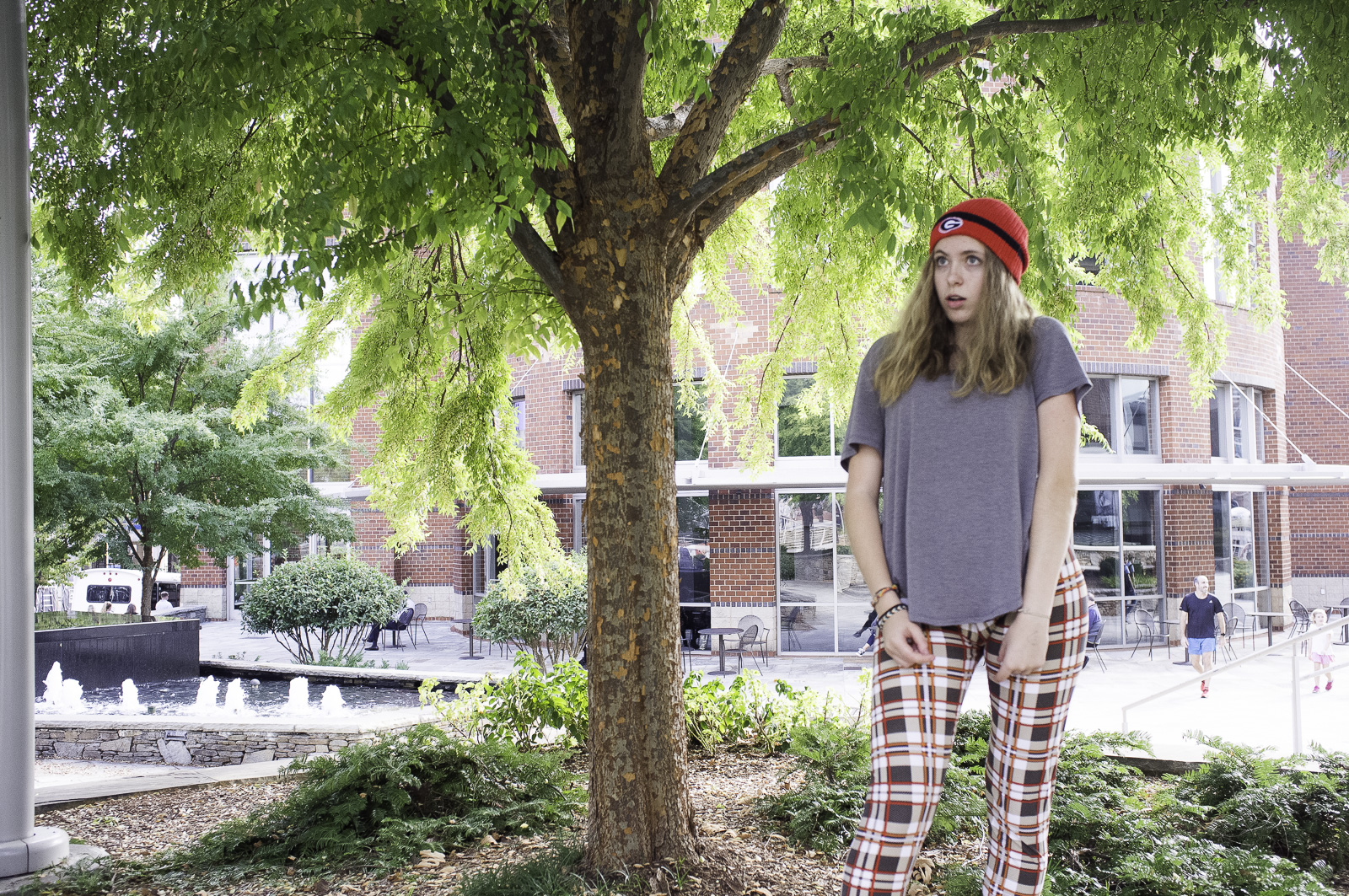
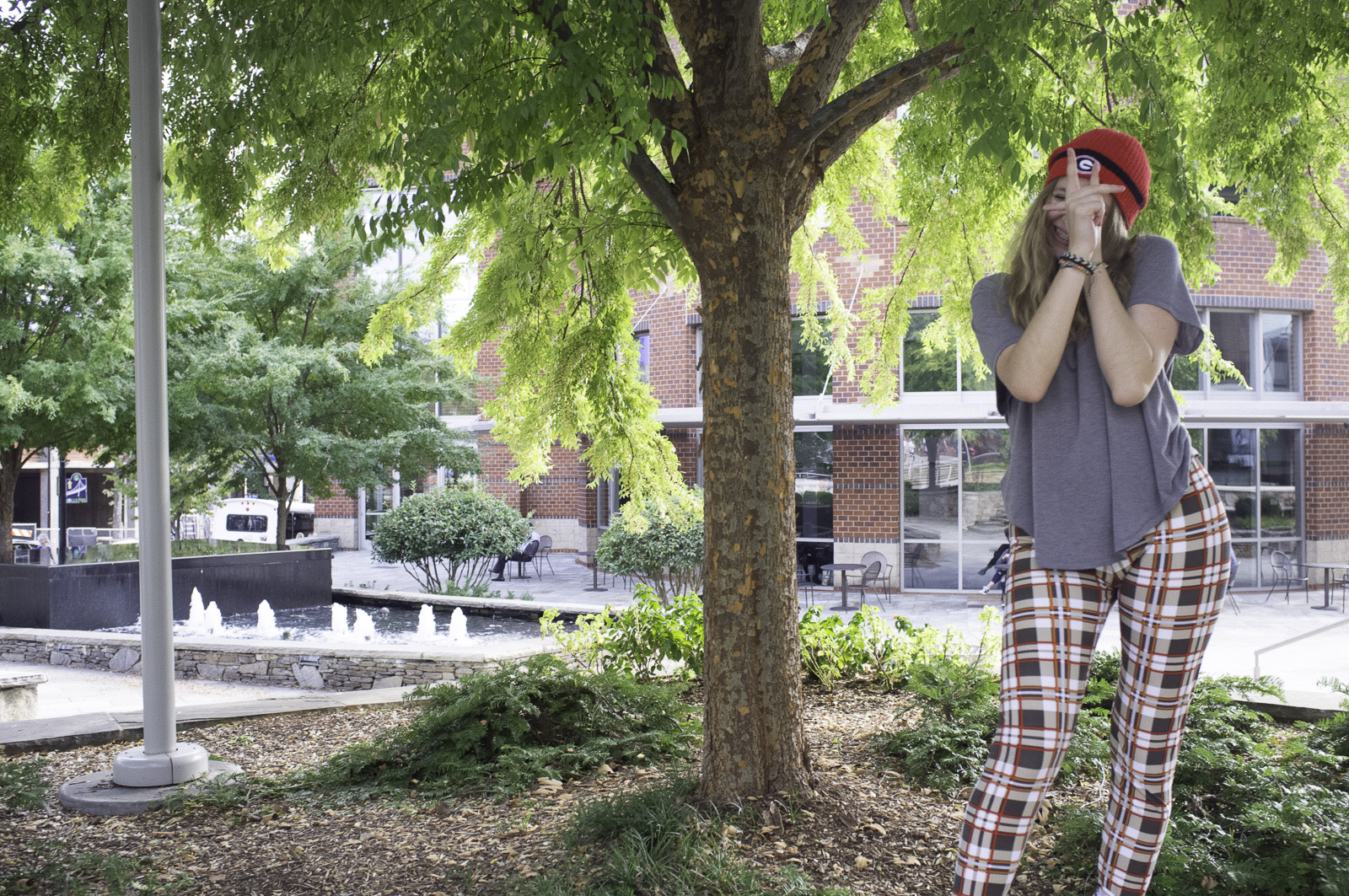

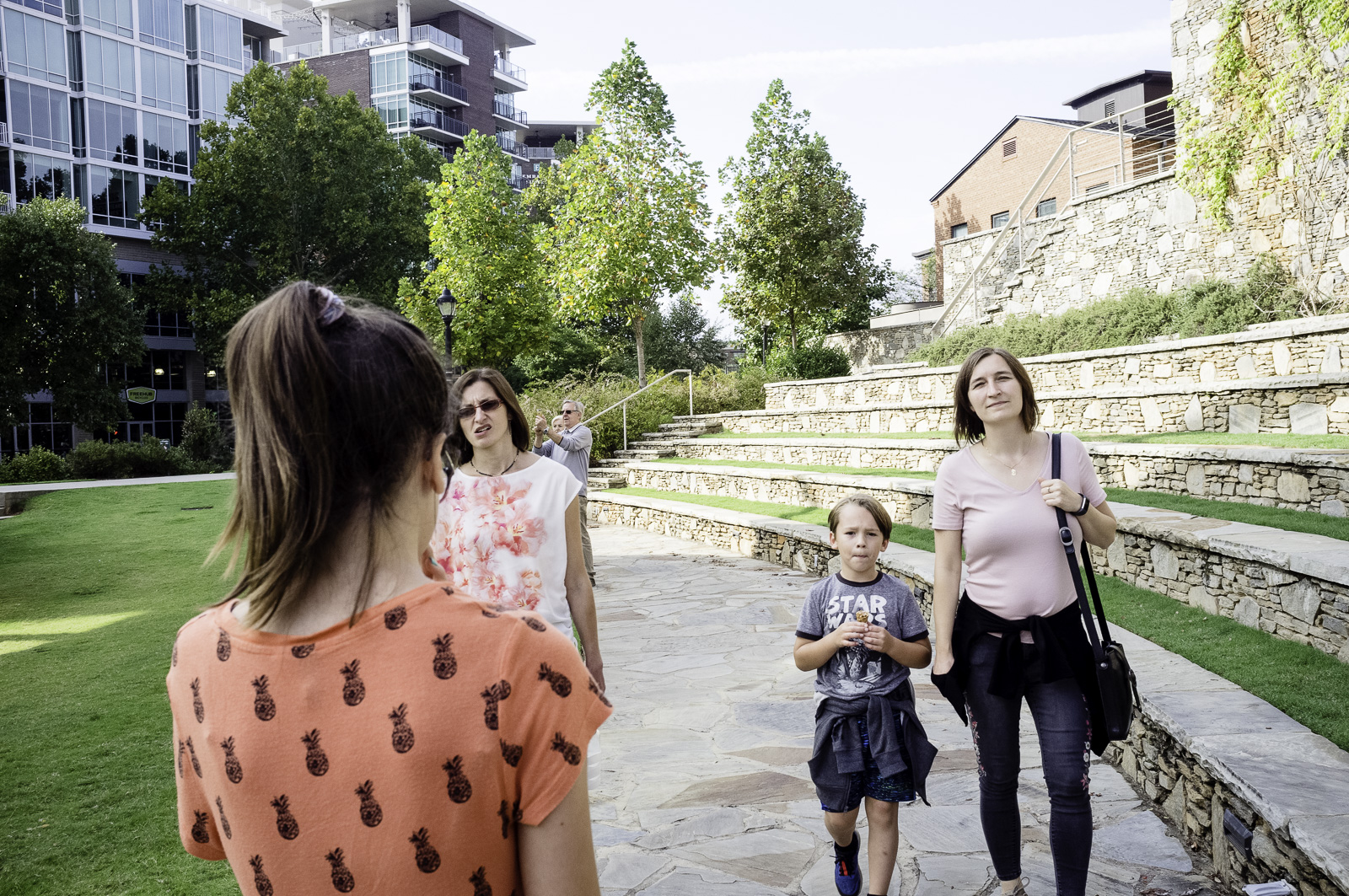
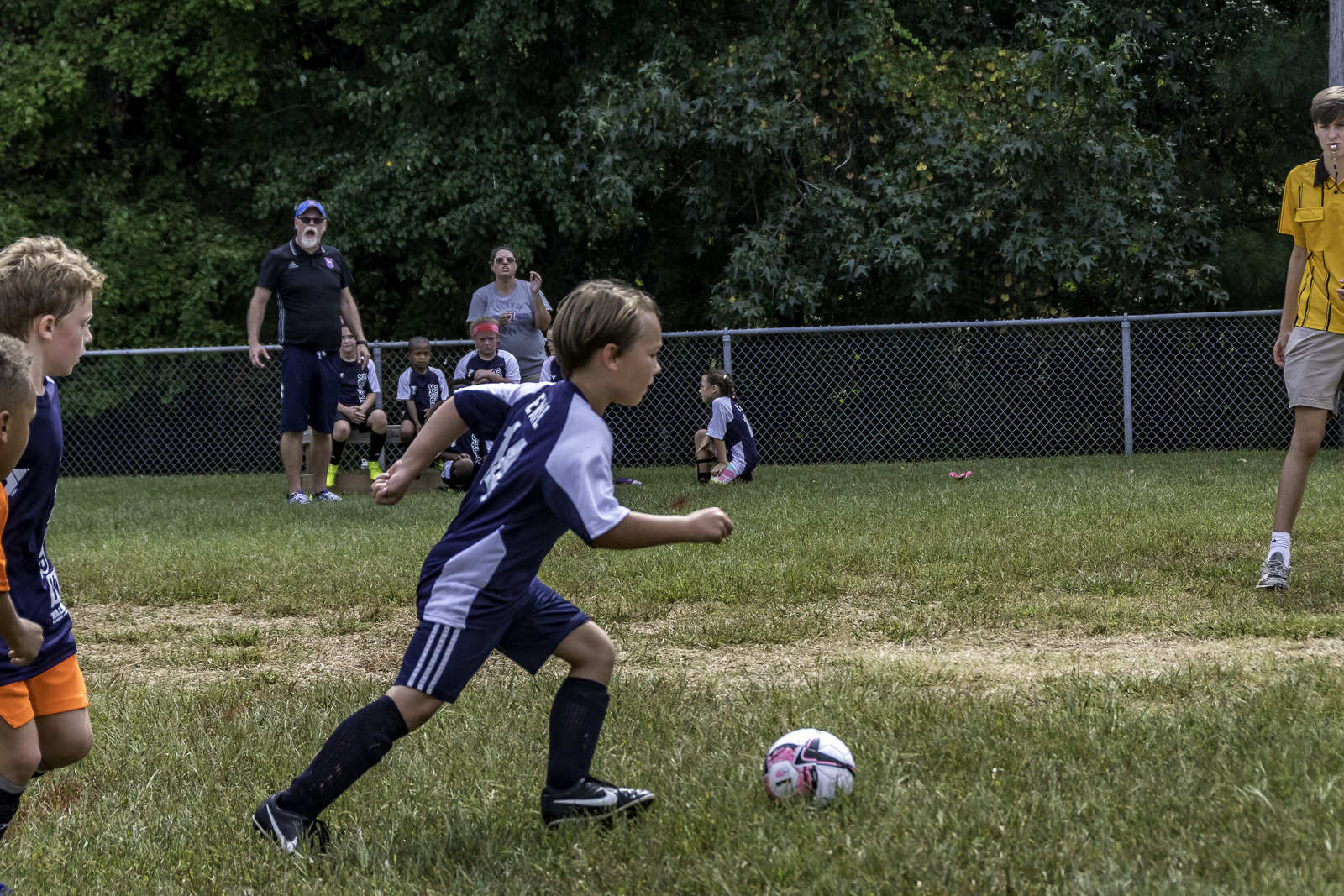
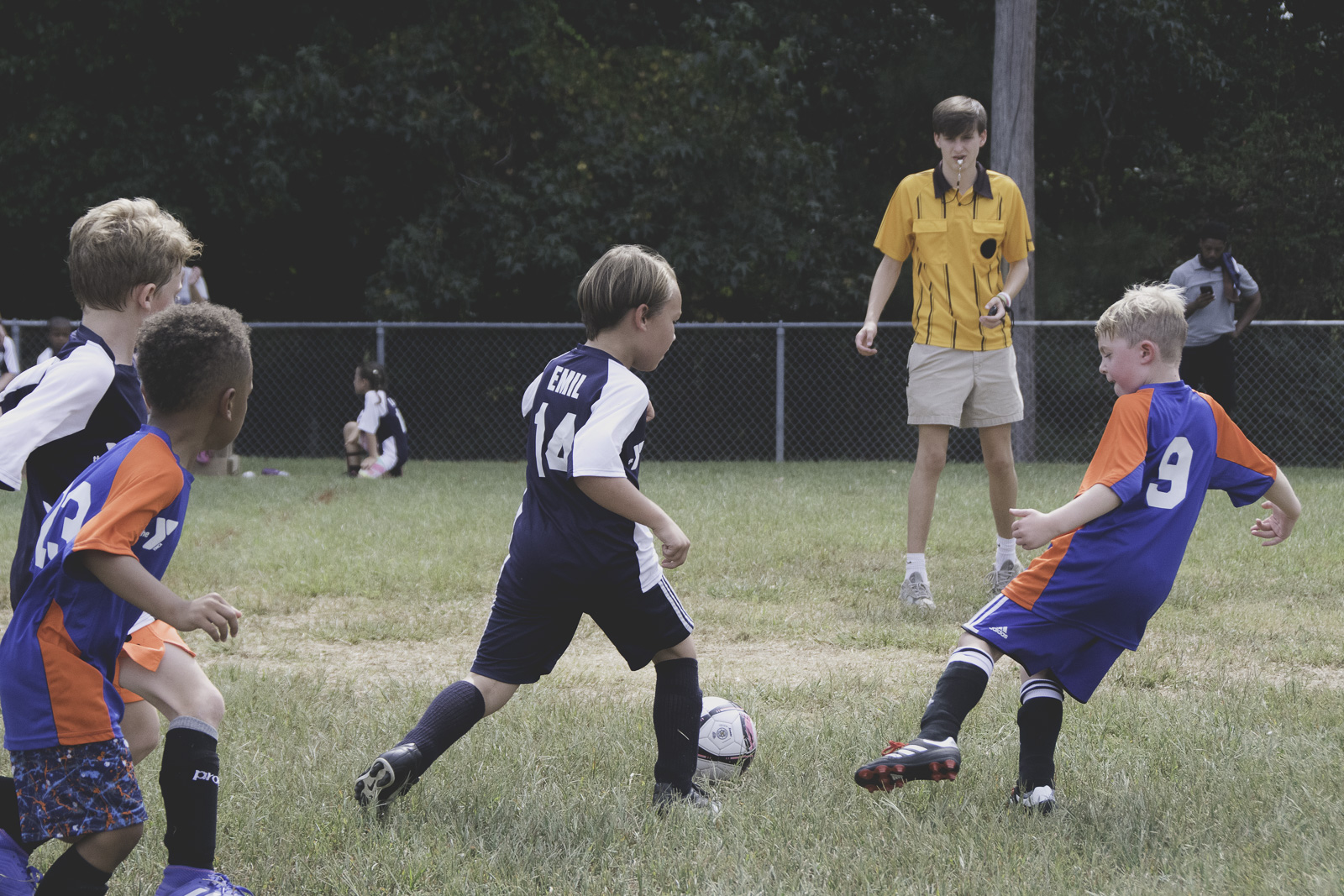
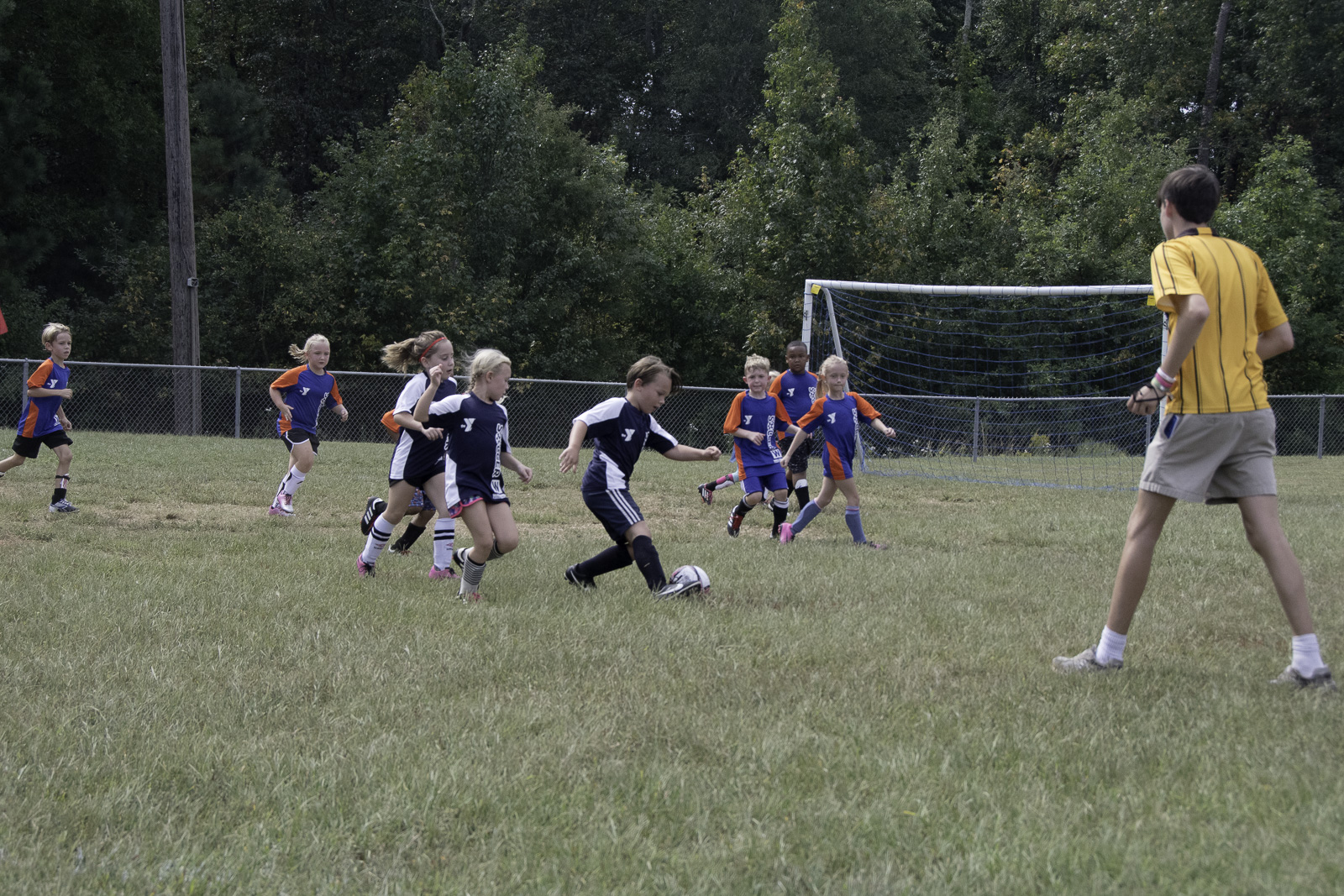
It was finally fall today: temperatures never rose into the sixties, which meant that today was literally thirty degrees — thirty degrees — cooler than yesterday. This made the soccer game much more manageable, for players and spectators alike.
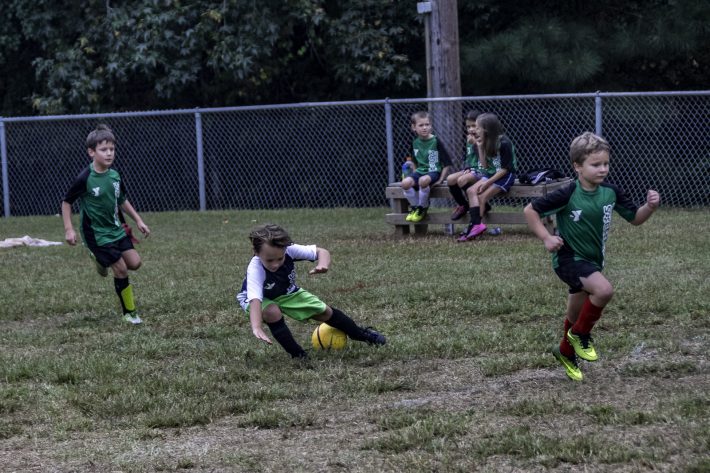
He had a couple of breaks, and one looked like it would have been a sure goal: the only defender was in front of him, running, not watching E at all.
“And then my foot touched the top of the ball instead of dribbling,” he explained later, “and I just fell.”
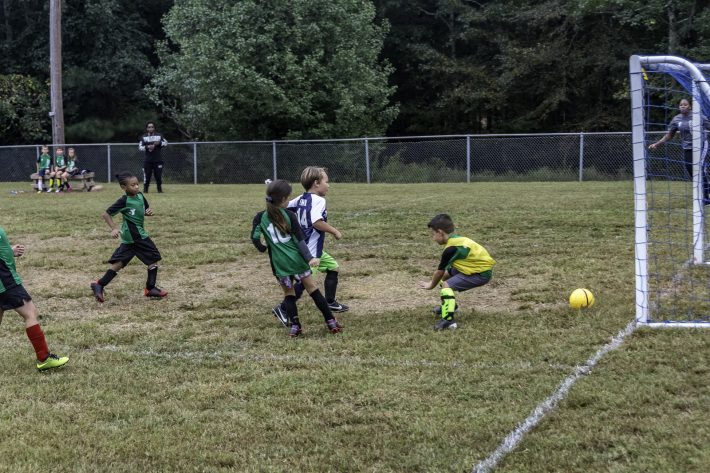
Later, he made it through three defenders and slipped the ball just past the goalie. He fell on the easy shot, made a goal on the tough one. Sounds like something I would do.
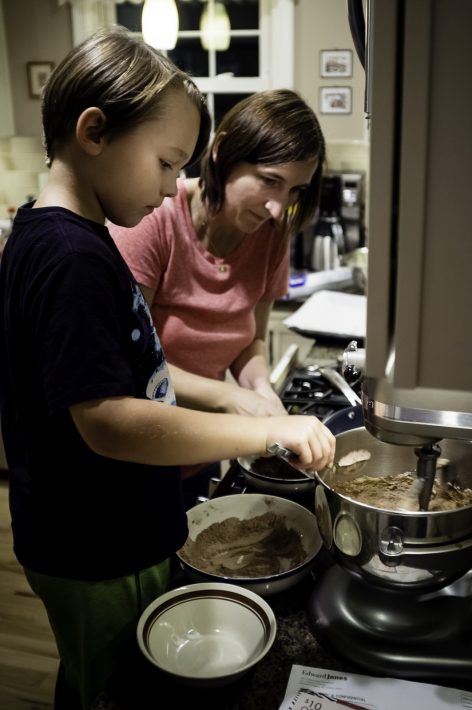
"We don't say that to anyone, though, because we don't want them to laugh at us." The Boy was describing to me, as we drove home from his school, a new game he and some of his friends had invented. Apparently, they have a graphic design company (of course, he didn't use that particular term) because they all love drawing, and this weekend, they all have "a lot of work" to get done for the firm. However, they've kept it a secret from their non-drawing peers to avoid mockery.
How much of this potential mockery would become actual mocker, I do not know. E is sensitive, and simple, one-time, childish comment from a peer might feel like persistent, tormenting mockery to him. Still, I found his words both encouraging and discouraging. On the one hand, they suggest a certain awareness of what's out there, an understanding that the world can be a nasty place that doesn't smile on things that appear out of place. That's much better than a simplistic naivety. On the other hand, he deals with that by hiding that part of himself from others to avoid it all. Of course, he's just a second-grade boy: I don't expect the kind of emotional fortitude that would lead someone to say, "Look, we enjoy it, and that's all that matters," to potential tormentors.
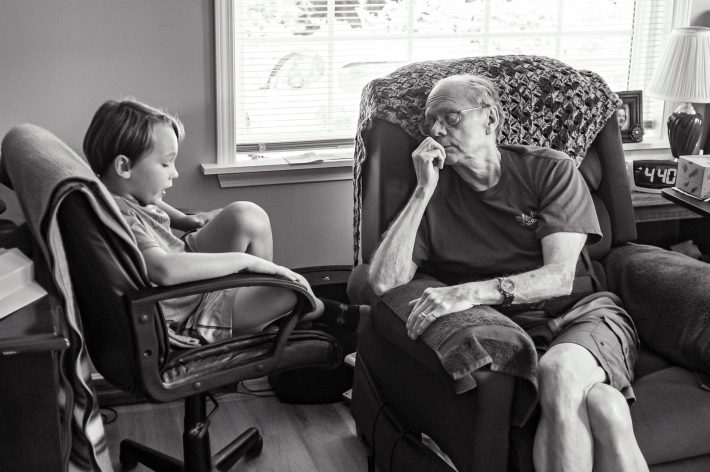
When he got home, he talked to Papa about it and a few other things. He always has a captive discussion partner when talking to Papa: it's the number one duty of grandparents, I suppose. Parents can say, "Not now, sweetie -- I have to X" but not grandparents.
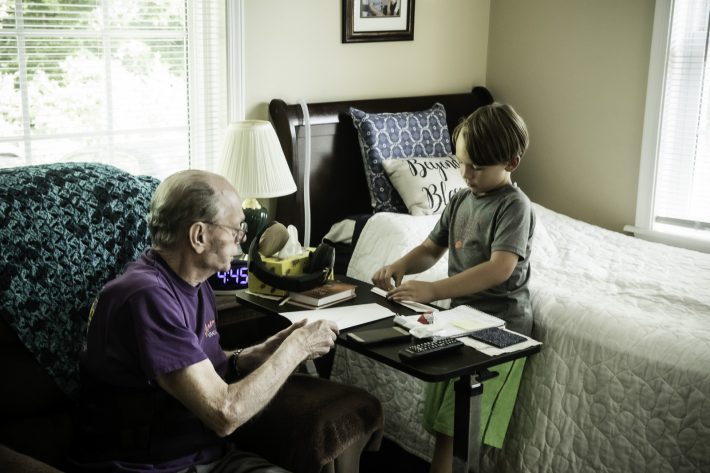
Afterward, they built a few paper airplanes together.


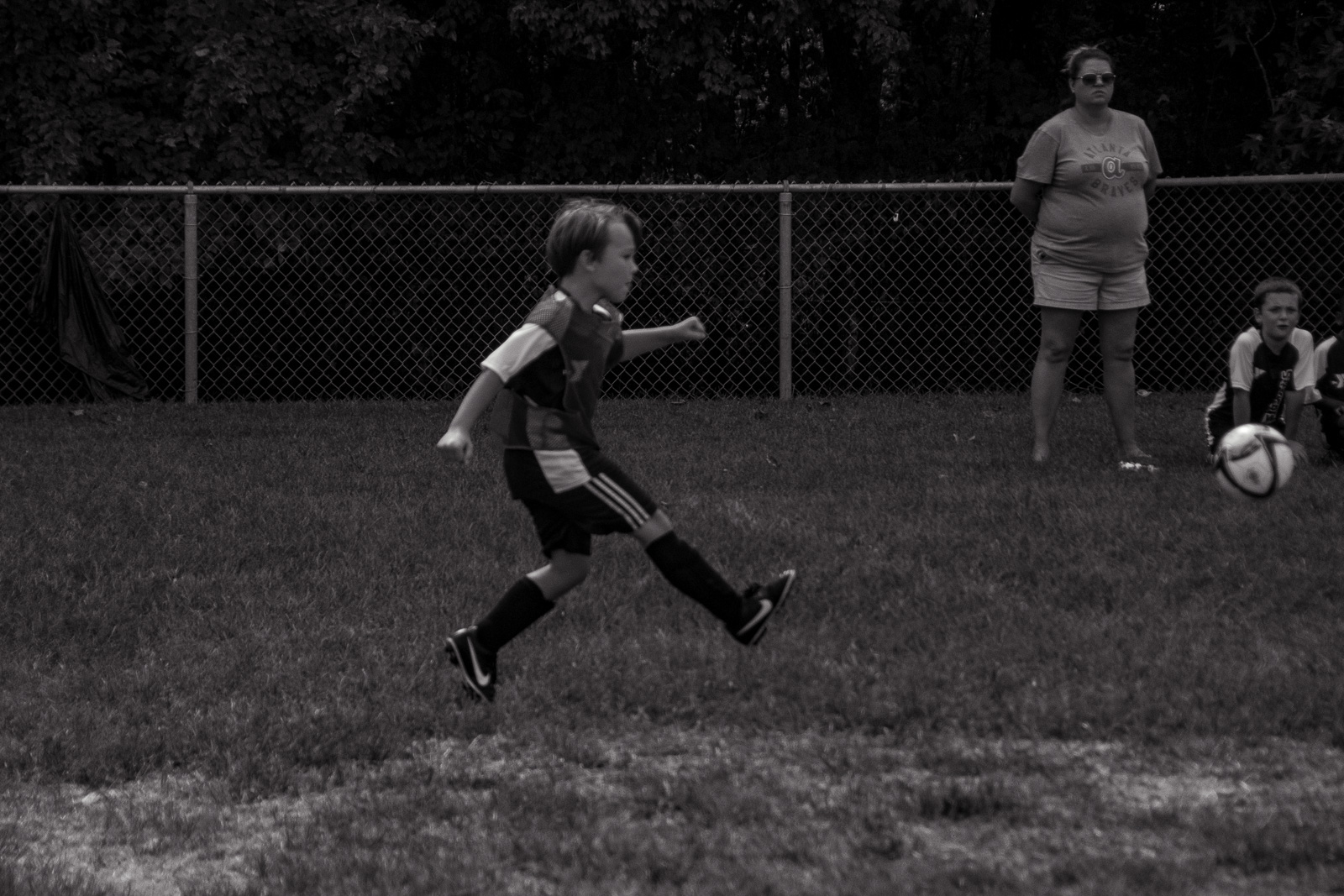
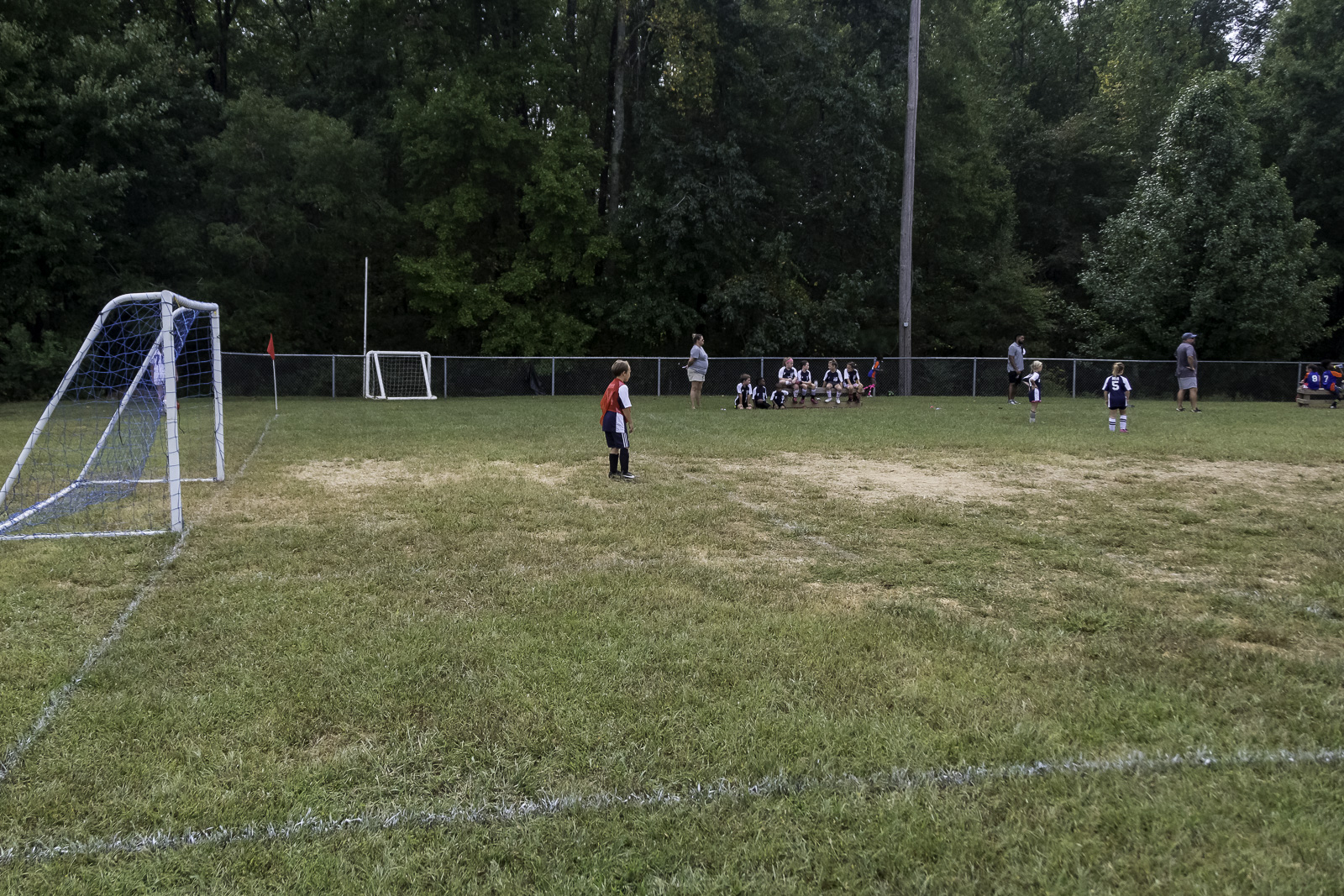
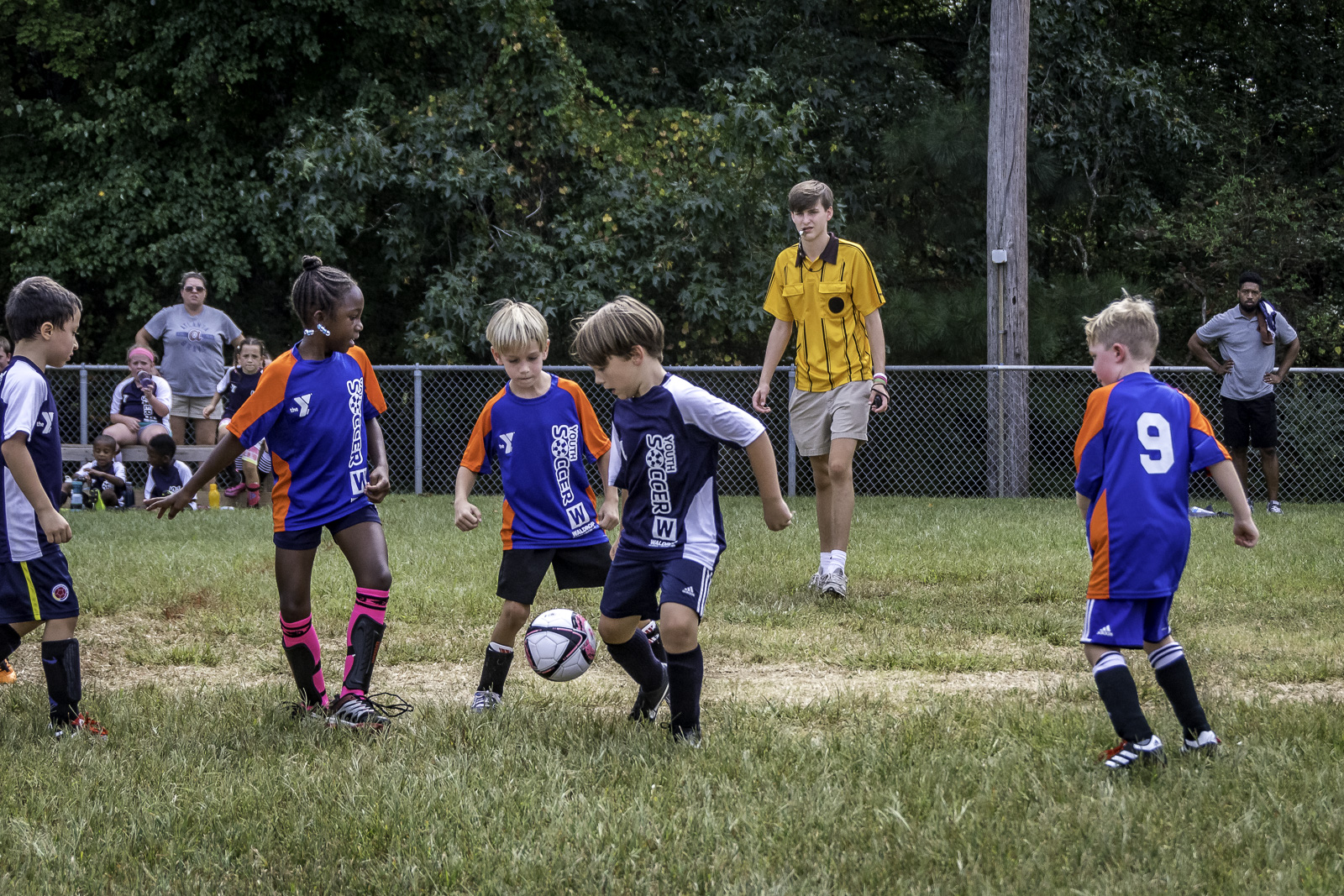
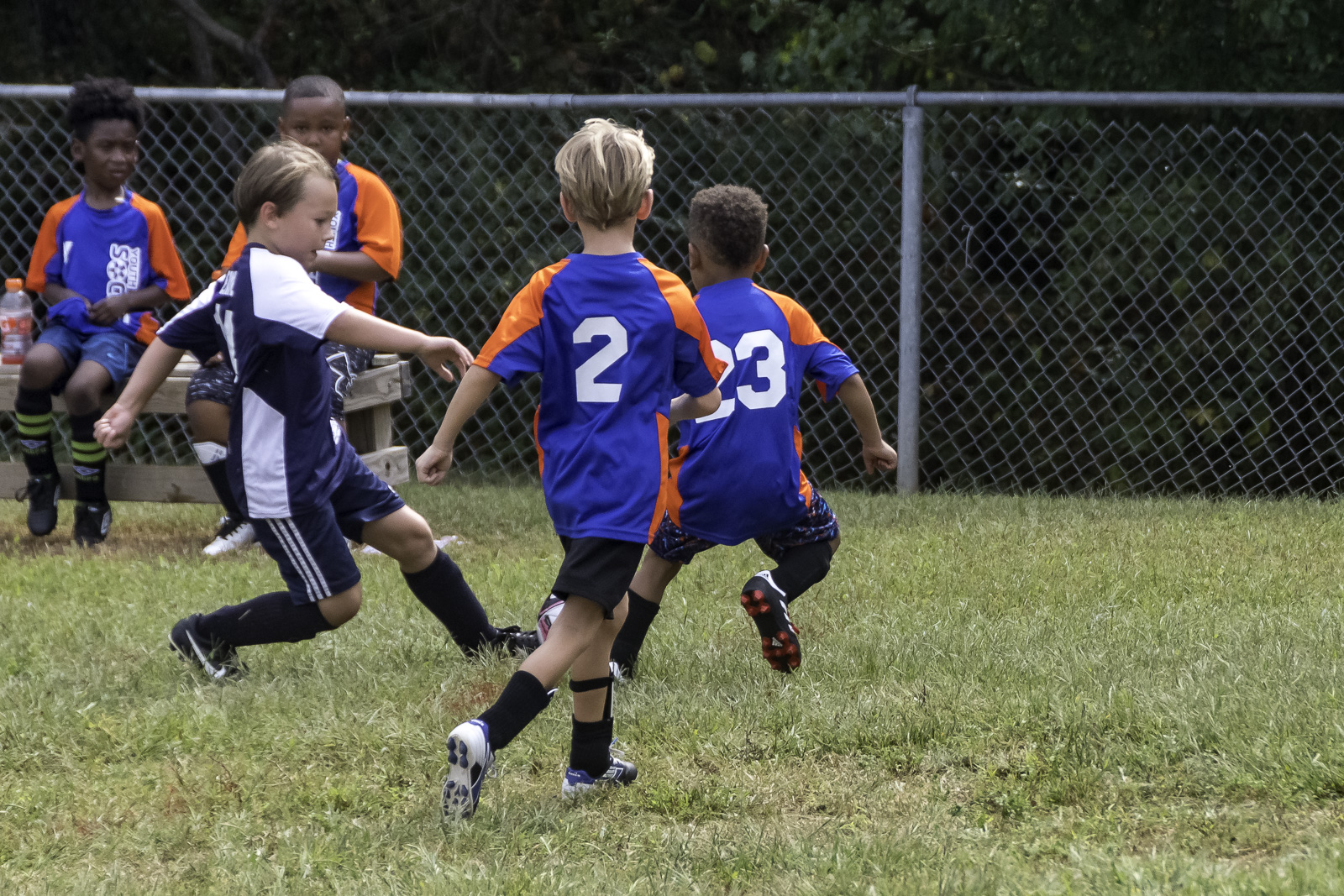
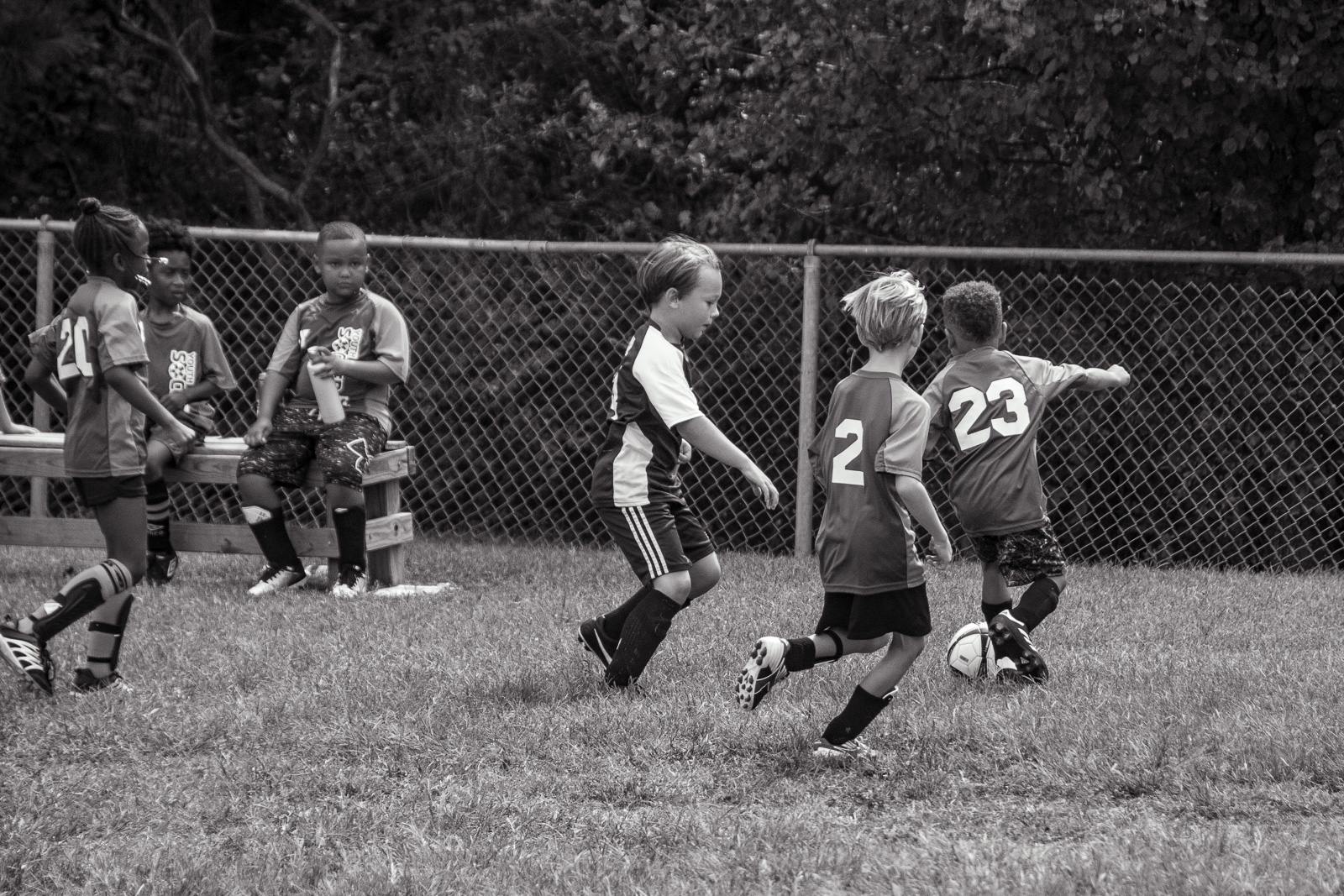
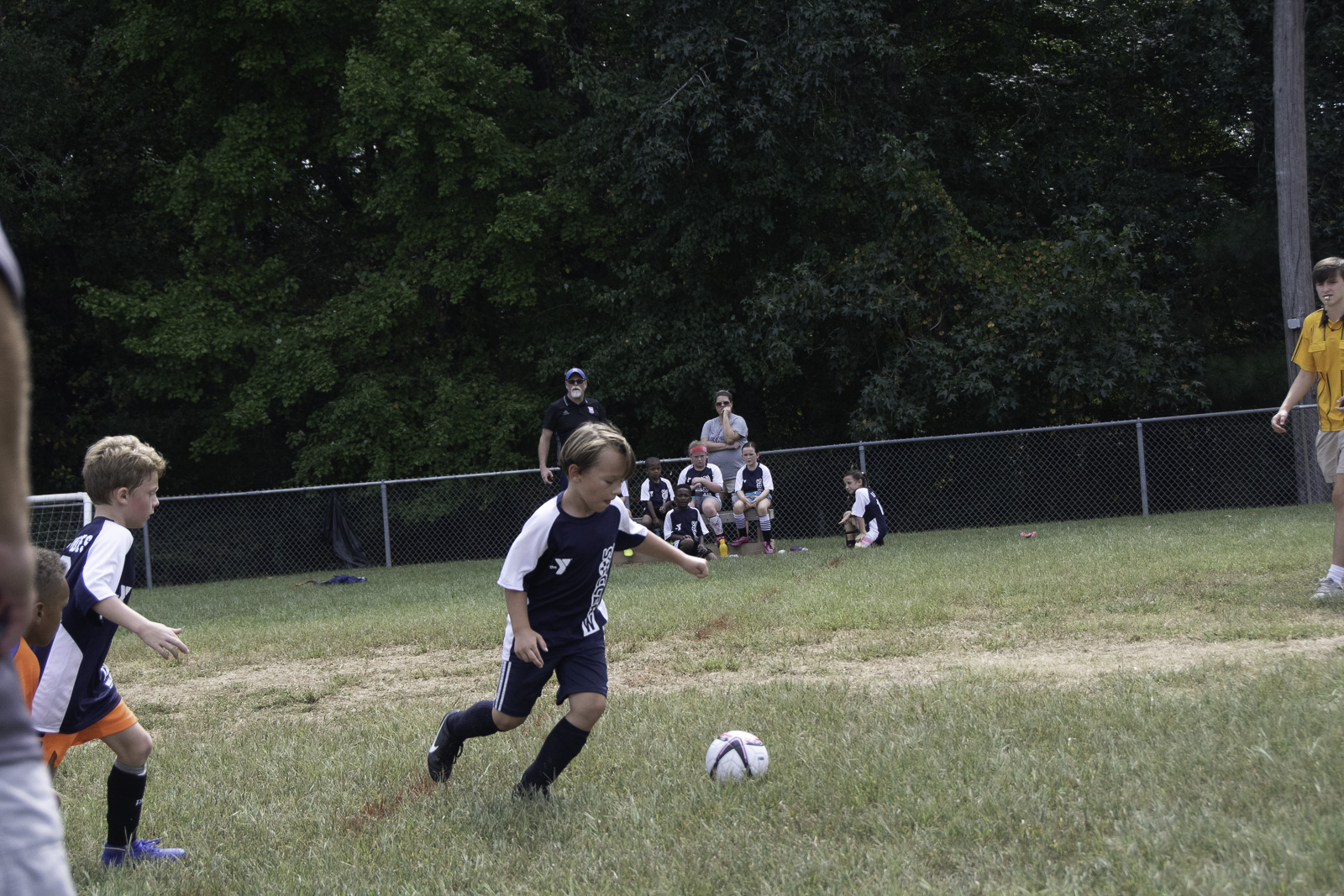
Morning: the Boy's team played its second game. Last week, they won 8-0. This week, there was a stronger team on the other end of the field. We won 2-0, and the Boy got one of the two goals: the goalie didn't pick up the ball, and the Boy took advantage of the mistake.
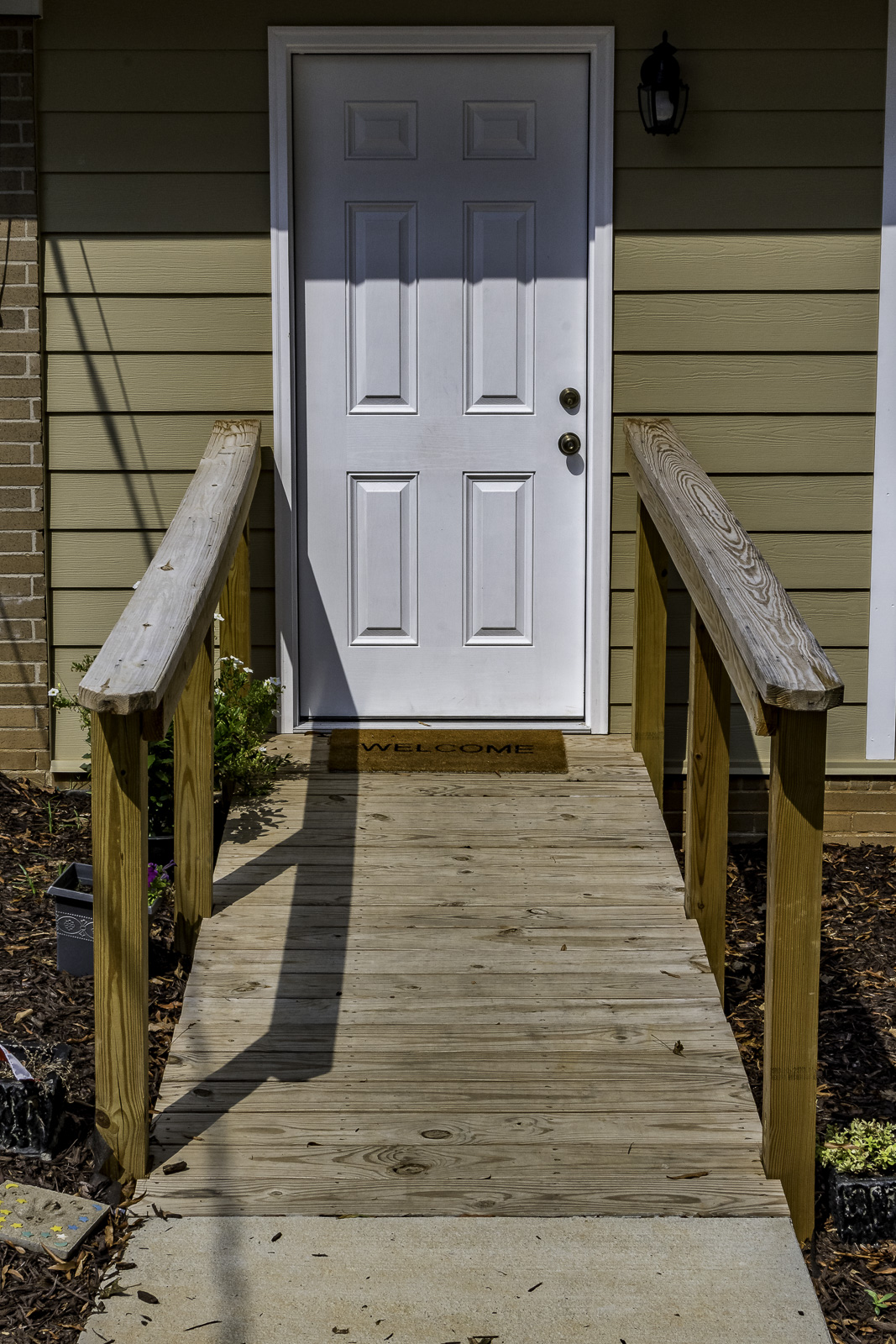
In the afternoon, we worked to do a little painting around Papa's new addition.

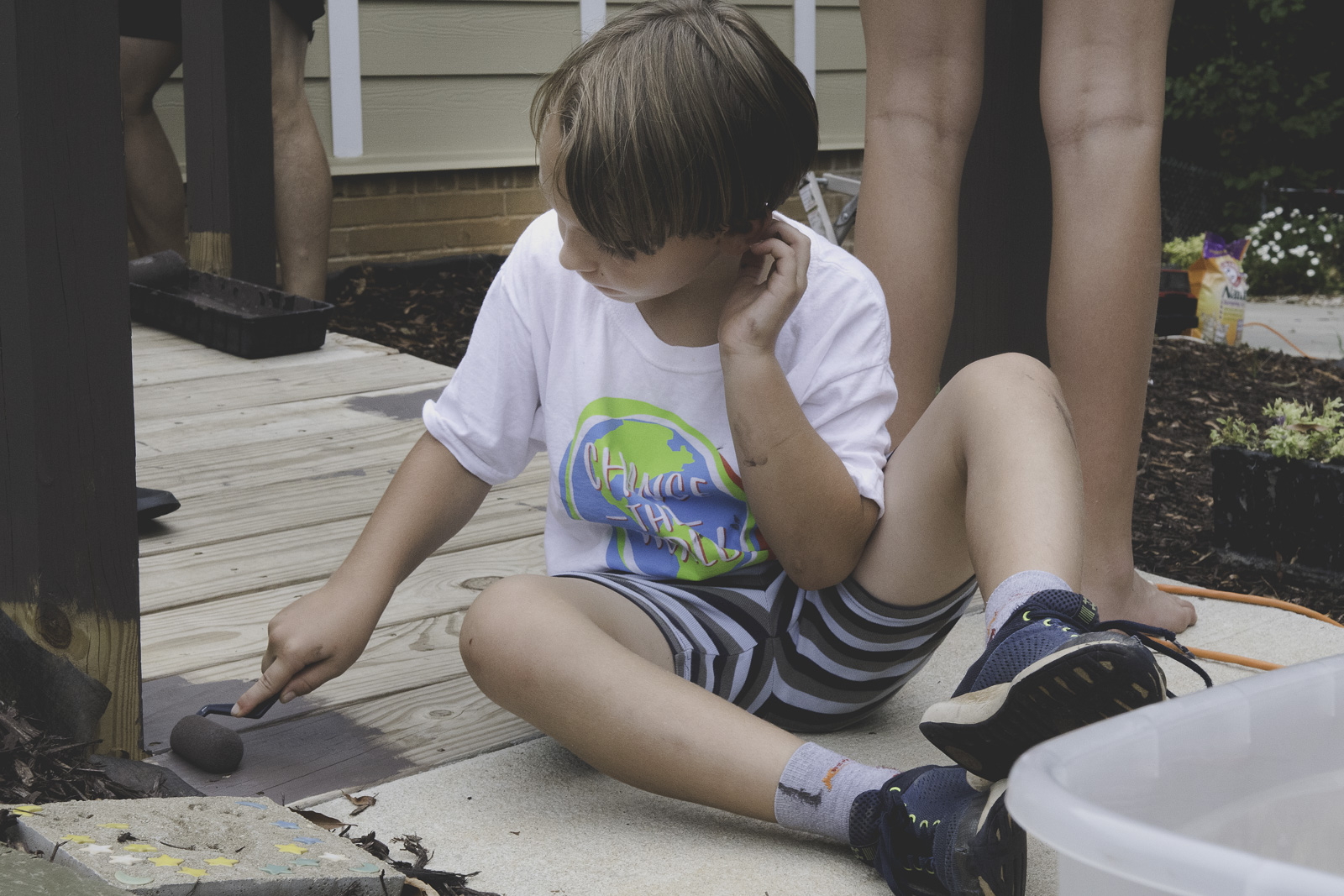
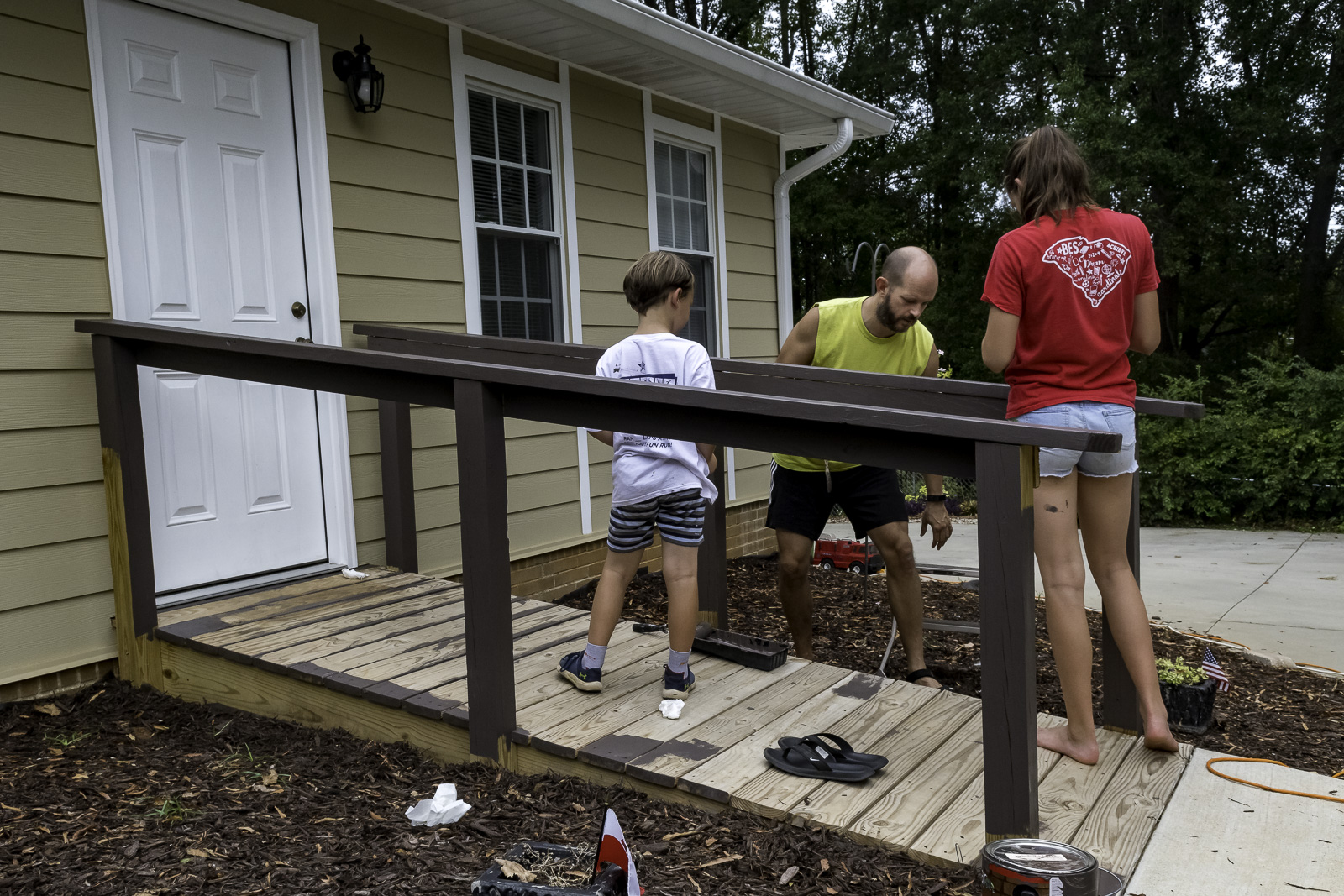


A good Saturday, overall.
The Boy has taken to drawing again. And being the generous soul that he is, the kind soul that he is — so much a more generous, a kinder soul than I — he regularly draws things for his friends at school.
Today he explained he was drawing a soccer ball for a friend at school who loves soccer.
“Is he a good friend?” I asked because I had certain concerns.
“Well, we don’t really talk. Just when we’re playing soccer. You know, stuff like ‘Let’s get the ball!’ and things like that,” he explained. That didn’t sound like the closest friend in the world. More like a soccer-field acquaintance.
And so I imagined a nightmare scenario of E, so thrilled with his drawing and happy to give something to someone that he imagines will bring only joy, giving this boy this drawing and the boy being completely nonchalant about it. Or worse, asking something like “Why’d you do this?” Or worse still, throwing it away in front of the Boy.
And then I imagined the conversation later, the confusion and pain the Boy might feel. “I would never do anything like that to someone,” he would protest. “Why would anyone do that?”
Why, indeed?
I don’t know that this will happen; I don’t know that, if it does, the Boy will even bring it up. But I do know that I can’t always be there to step in and block a painful situation, that I can’t always steer him away from people that seem callous or hateful, that I can’t always stop the pain before it starts, so I let it go at that. We’ll see tomorrow how his friend took the gift.
Written in seventh period.
A just made my day — “The Swan!” she cried, recognizing the music playing. Everyone around her looked at her as if she were crazy. “The Swan! Camille Saint-Saëns!” Still, everyone looked at her as if she were speaking a foreign language, which in a way, she was. How many eighth graders in 2019 even know who Camille Saint-Saëns is, let alone could recognize his work.
I find that, like poetry, classical music requires too much thinking for the modern ear. Motifs appear and then don’t reappear for many measures. Motifs are so long sometimes that it’s difficult to determine that they’re even part of a repeating pattern. The modern attention span is just not long enough to handle it.
Written in seventh period
What motivates me? That depends on what we’re talking about. What motivates me to go to work? Honestly, at its most basic level, it’s the desire to make sure I’m providing for my family. We have to pay for someplace to live, some food to eat, and the like.
But just about any job could provide that: there are plenty of jobs that pay as much as what I earn as a teacher that I could have selected, I guess; there are plenty of jobs that pay more–some, much more–than I what I earn as a teacher, so the next question would have to be, “What motivates me to be a teacher?” Part of it is that I just like working with kids. It keeps me in touch with new ideas. And the behavior is part of it as well: when an adult acts like a child, I find it much more infuriating and difficult to put up with than when a child acts like a child. When kids are petty, they’re just being kids–they’ll outgrow it. When adults are being petty, there’s a likely chance that that’s just how they are–they won’t outgrow it. I can’t put up with that. I would not be able to keep my mouth shut, and when someone did something foolishly immature, it would grate on my nerves.