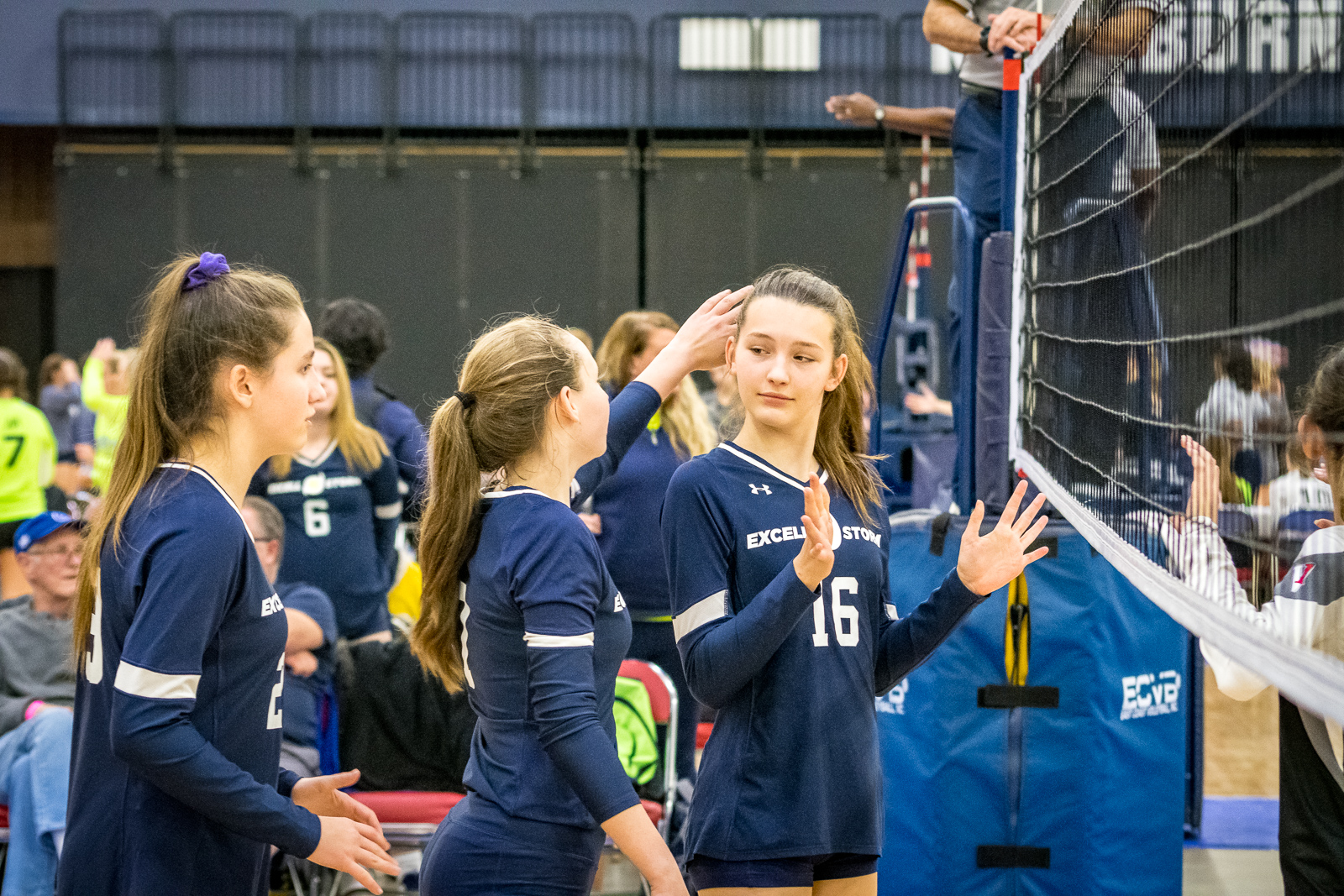
matching tracksuits

fun in threes, sometimes fours

Adventuring and Exploring

The Boy was keen on spending some time with me today.

"I missed you from the moment you left," he explained, "and I missed you the whole time you were gone."

"We were only gone a couple of days," I clarified. "In fact, it was only one full day that you didn't see me because we left on Friday and came back Sunday, so you saw us those two days."

"I know. But I missed you."

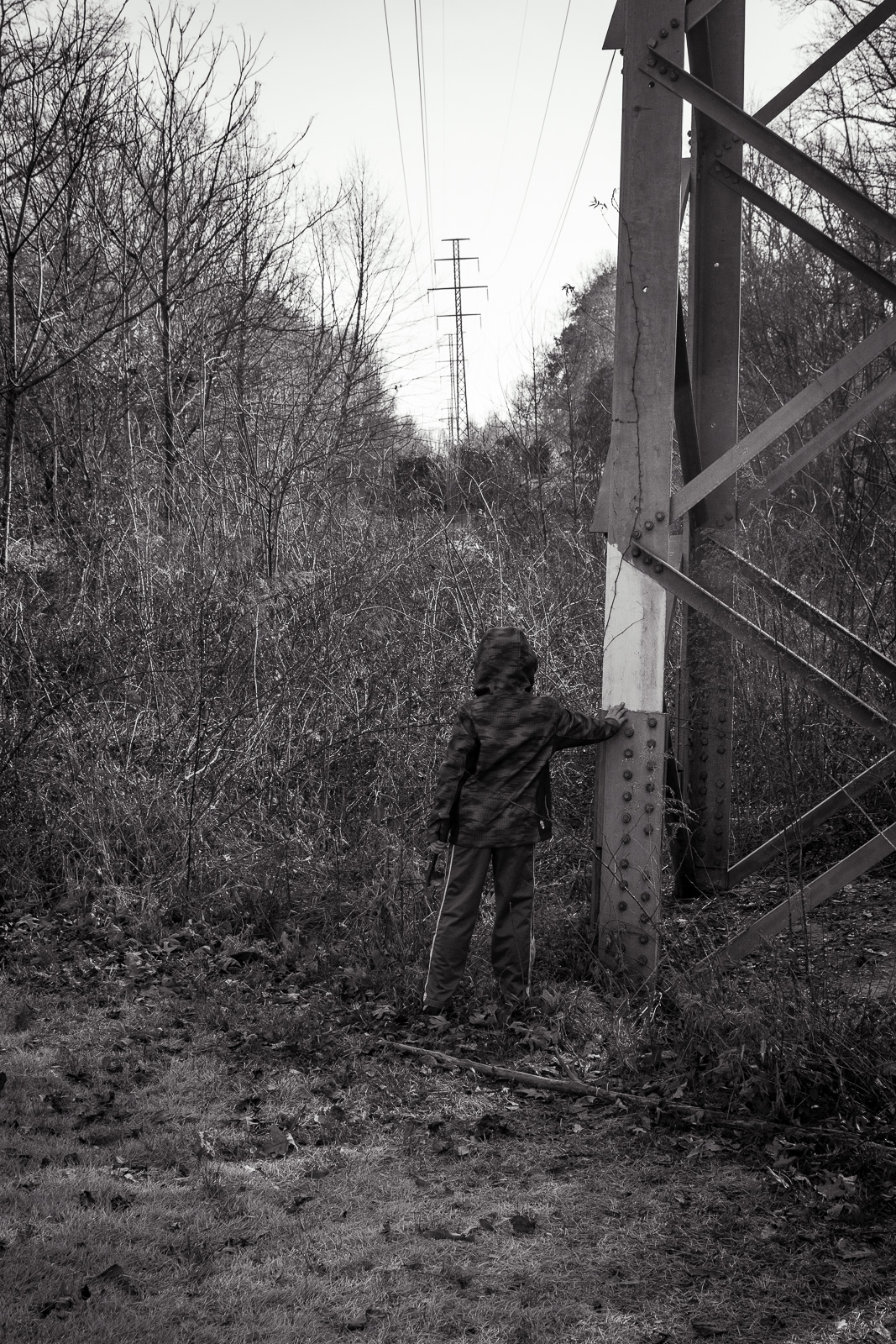
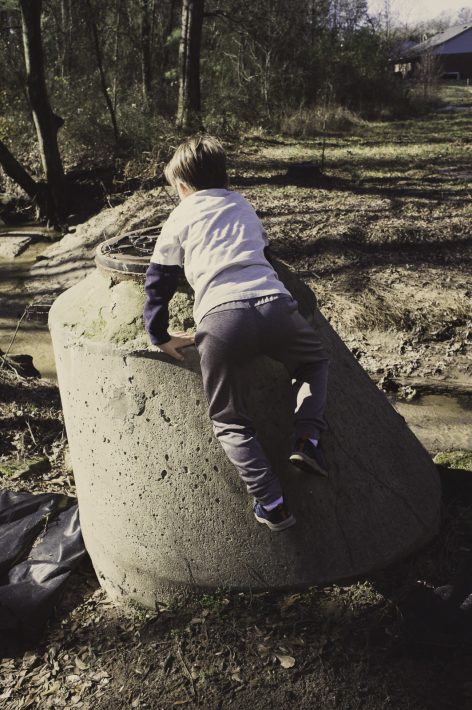
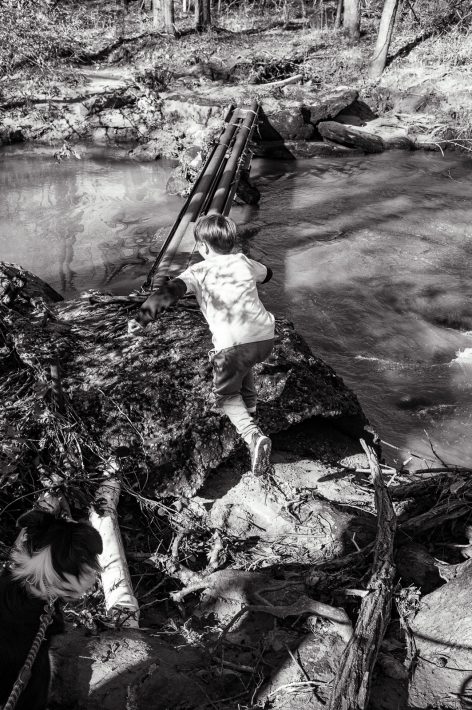
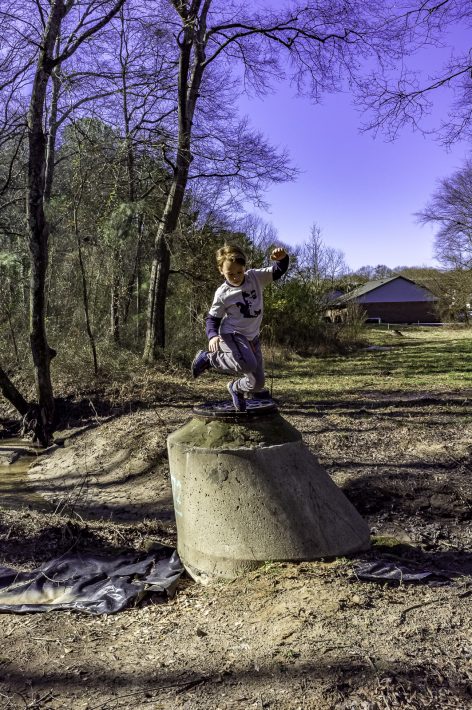
So when it warmed up a bit in the afternoon, we decided to go adventuring. We headed to one of our favorite spots, crossing the creek twice on bridges we'd built ourselves long ago, crossing it a third time in an entirely new location.


One of the things I like most about these adventures is the conversations we have along the way. I can't remember what we talked about today, and that's sort of the point: they're just carefree conversations about nothing in particular.

We have been coming to this area for years, in fact:

Exploring

Friday Exploring

Exploring with the Boys
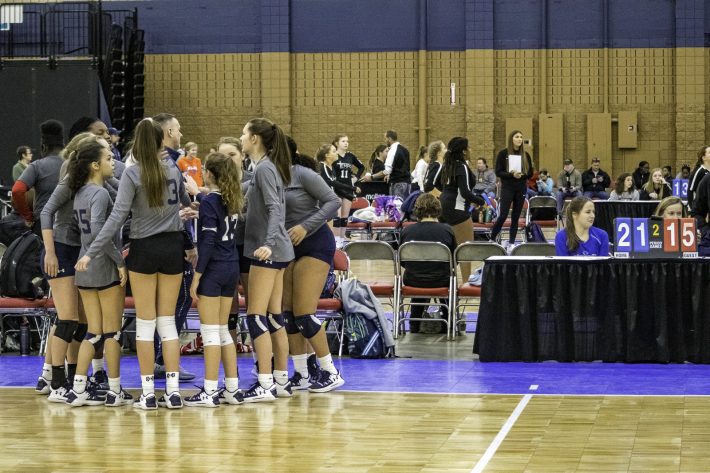
Dalton Day 2

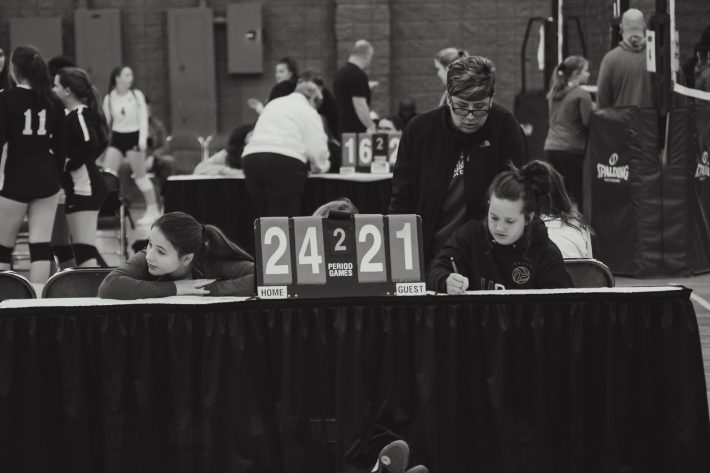
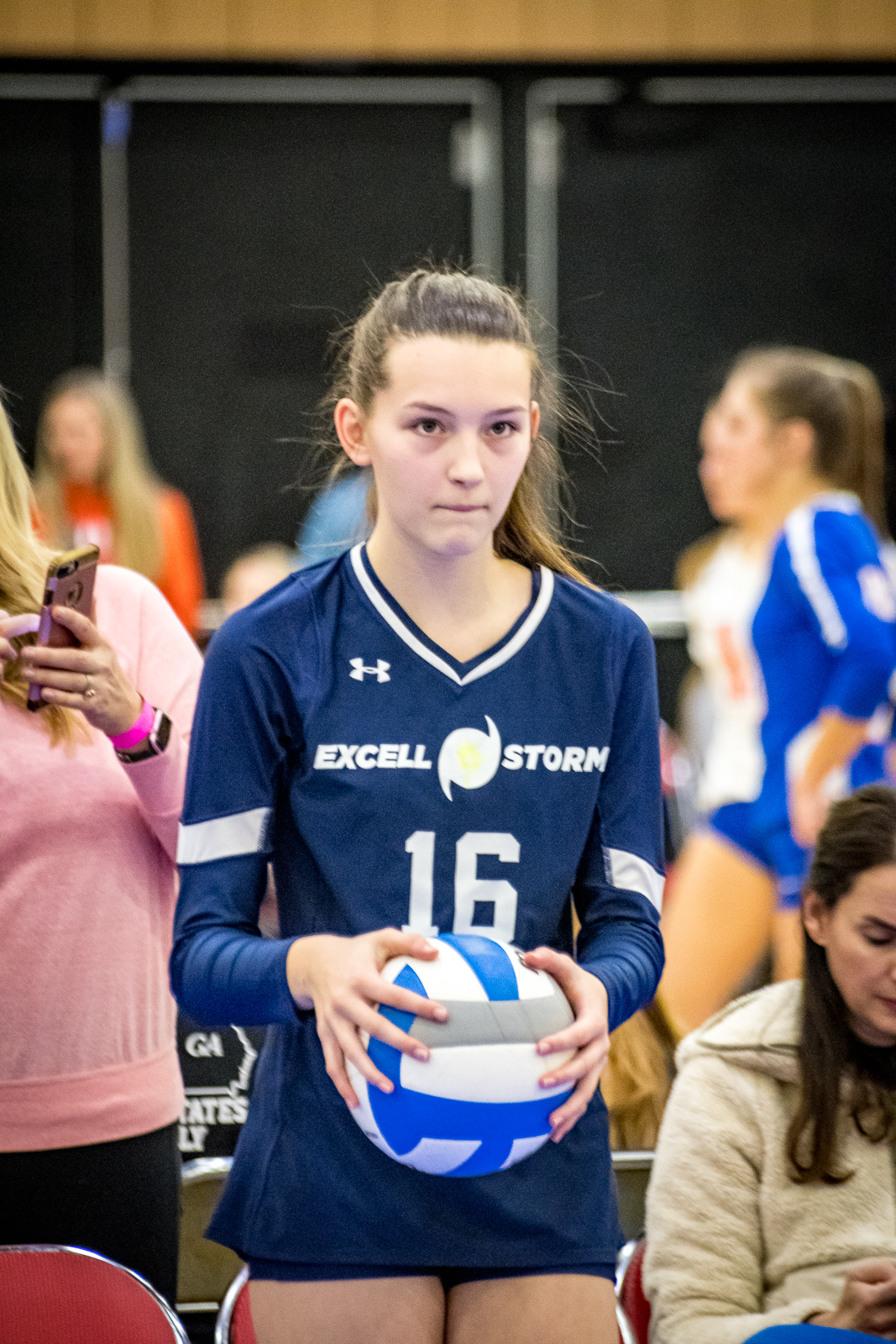
Today was a story told in two scores:

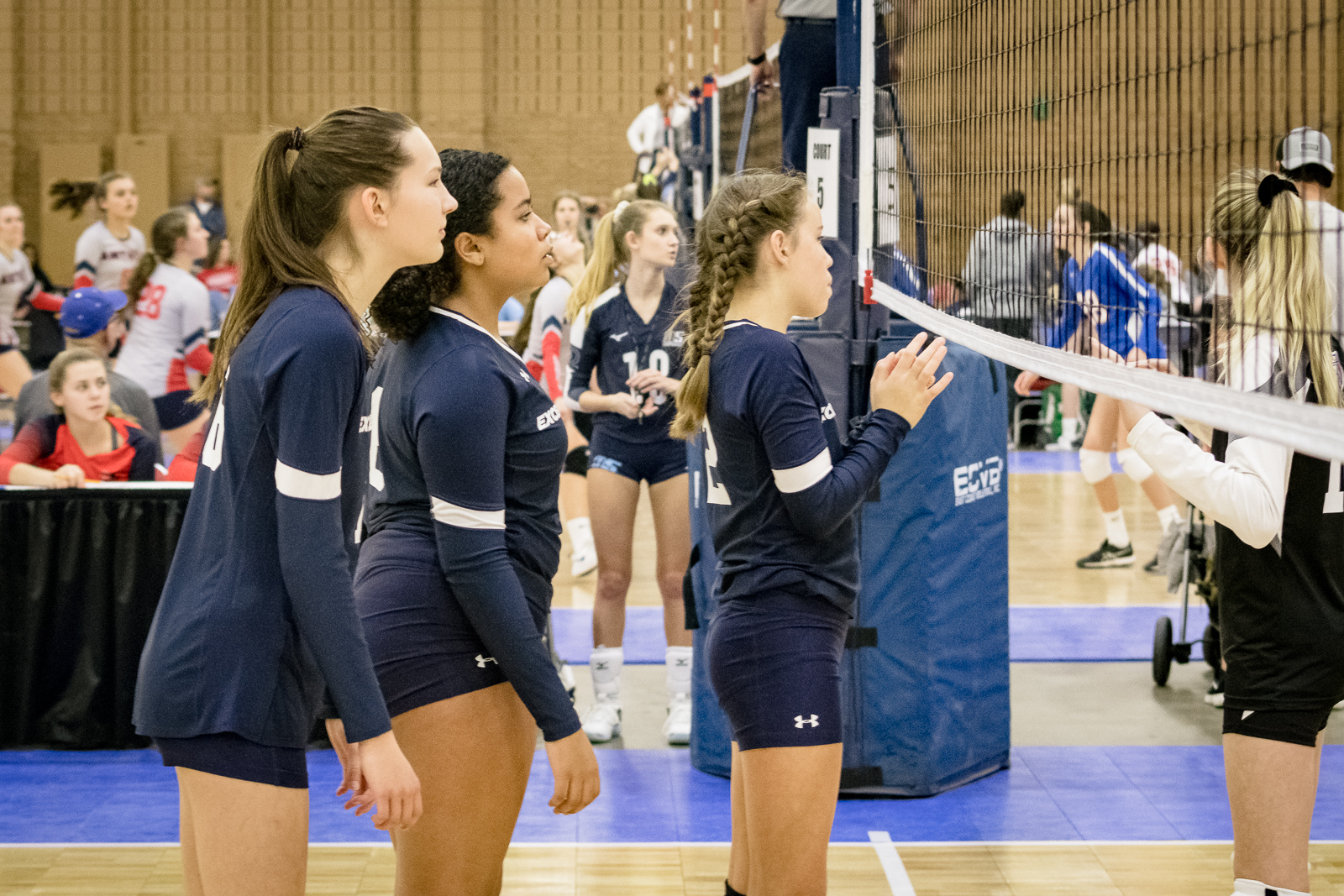
Our first match was against a team from our own club. They were the premier team -- the best, in theory, of our club's players.

We lost the first set 18-25. We'd been up by about five but lost the momentum and the set. We started out the same in the second set, and we managed to hold them off to the end.

The girls were completely ecstatic. Such joy. Third set -- the momentum was, theoretically, theirs. And then they decided not to play but instead to go out on the street, pick ten random girls, throw some jerseys on them, and ask them to play. That's what it seemed like, anyway, for the other team won trounced them in final set 15-2.


That's okay -- we were still in it. We headed over to play a second match of the day against another team who'd also lost their first match. It should have been a match. It was, instead, more of the same:

They lost the first two sets by ridiculous amounts. Eye-popping differences in the score. It was if they'd reverted to their very first time batting the ball around.

The coach's view: "We've got to get you girls to where you can play two days!"

Dalton Day 1

A somewhat frustrating day for the girls: they lost their first match in straight sets to a team from Chattanooga wearing red. The reds hit well, made few mistakes, and powered through our girls in back-to-back sets. They won the first set 25-14 and then came back from something like 13-7 to win the second set 25-23.

The girls played two other teams, beating them both. Our second game was against the DiamondT Spikerz. We beat them fairly convincingly in straight sets, 25-19 and 25-22.

The final team our girls beat was the Volley One team. They won one set against the Chattanooga Reds, who'd beaten us the first match. Our girls demolished them -- and they'd won one set against the team that demolished us.

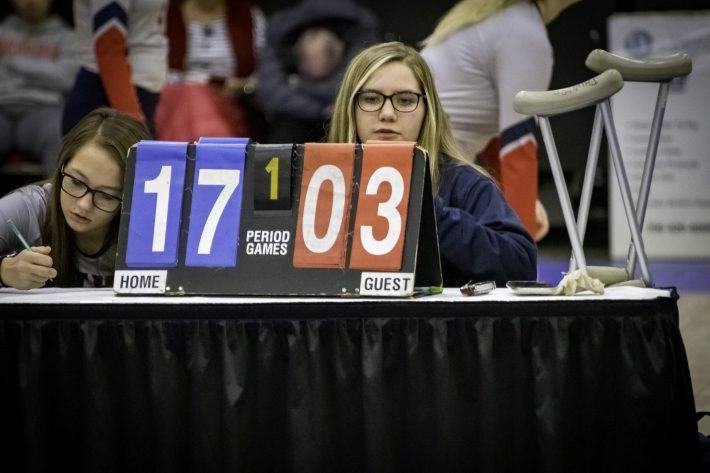
After playing three games, the girls scored the final game. It was against the Diamond Ts and the Chattanooga Reds.  The DiamondTs, whom we'd beaten in straight sets, crushed the Reds 25-19 in the first set and demolished them 25-14 in the second.

The team that we beat in straight sets beat the only team that beat us in straight sets in straight sets.

"We were so annoyed," L said of it.

In the end, the Reds did the same thing against the DiamondTs that we'd done against the Reds: they beat themselves.

Watching these girls play shows me again and again how important that mental game is, how it's often more important than the physical game.

Hyper-partisanship

I saw this the other day, and I can't really stop thinking about it.

This could, of course, go both ways: a supporter or opponent of Trump could post this, but the old acquaintance who posted this is, I think, a fairly staunch Trump supporter.

I usually refrain from saying much of anything on social media these days except to share pictures of the family with other family members, but I couldn't let this one alone for some reason. Or rather, I chose not to.

"So now we're reveling in hyper-partisanship and its destructive effects on relationships?" I asked. A bit provocative? Unduly sarcastic? I tried to be neither.

The response: "You’re more than welcome to unfriend me if you can’t handle my opinions 😊."

I thought about that response for a while. Was she perhaps hoping I would do so? I don't know. But it made me realize that that's what the whole enterprise is about: politicize your feed to the point that people who have different political views just no longer think it's worth their time to wade into your stuff. In this case, she would probably see it as "getting rid of the snowflakes;" a liberal might define it as "getting rid of the wingnuts."

"Oh, there's no problem handling them," I replied. "Just leaves me shaking my head that politics defines (and then breaks) so much today."

Kwasnica

It was supposed to be for my birthday; instead, we went out for fish.

I'd take this any day over just about any dish.

18 Years Ago Today

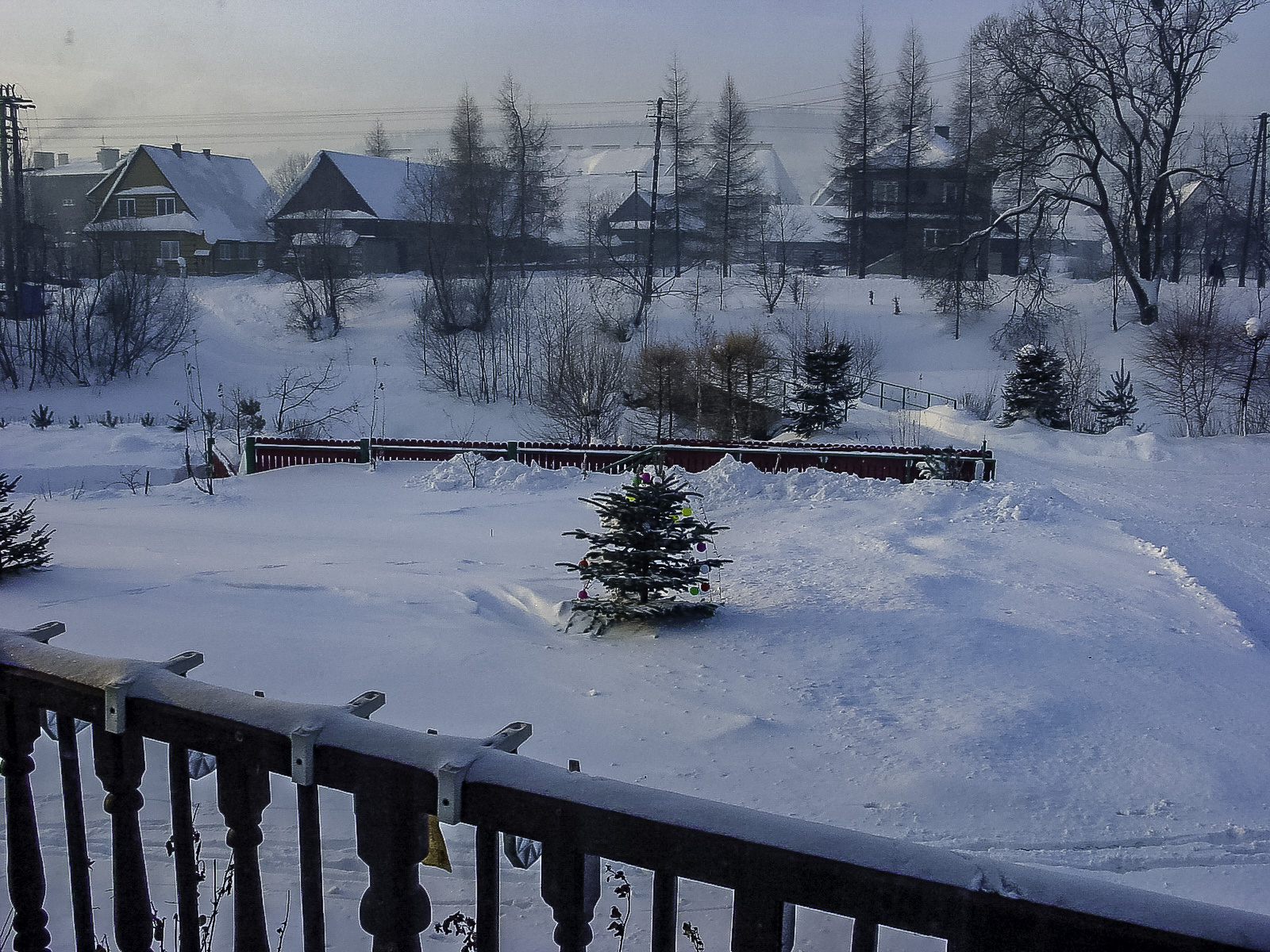
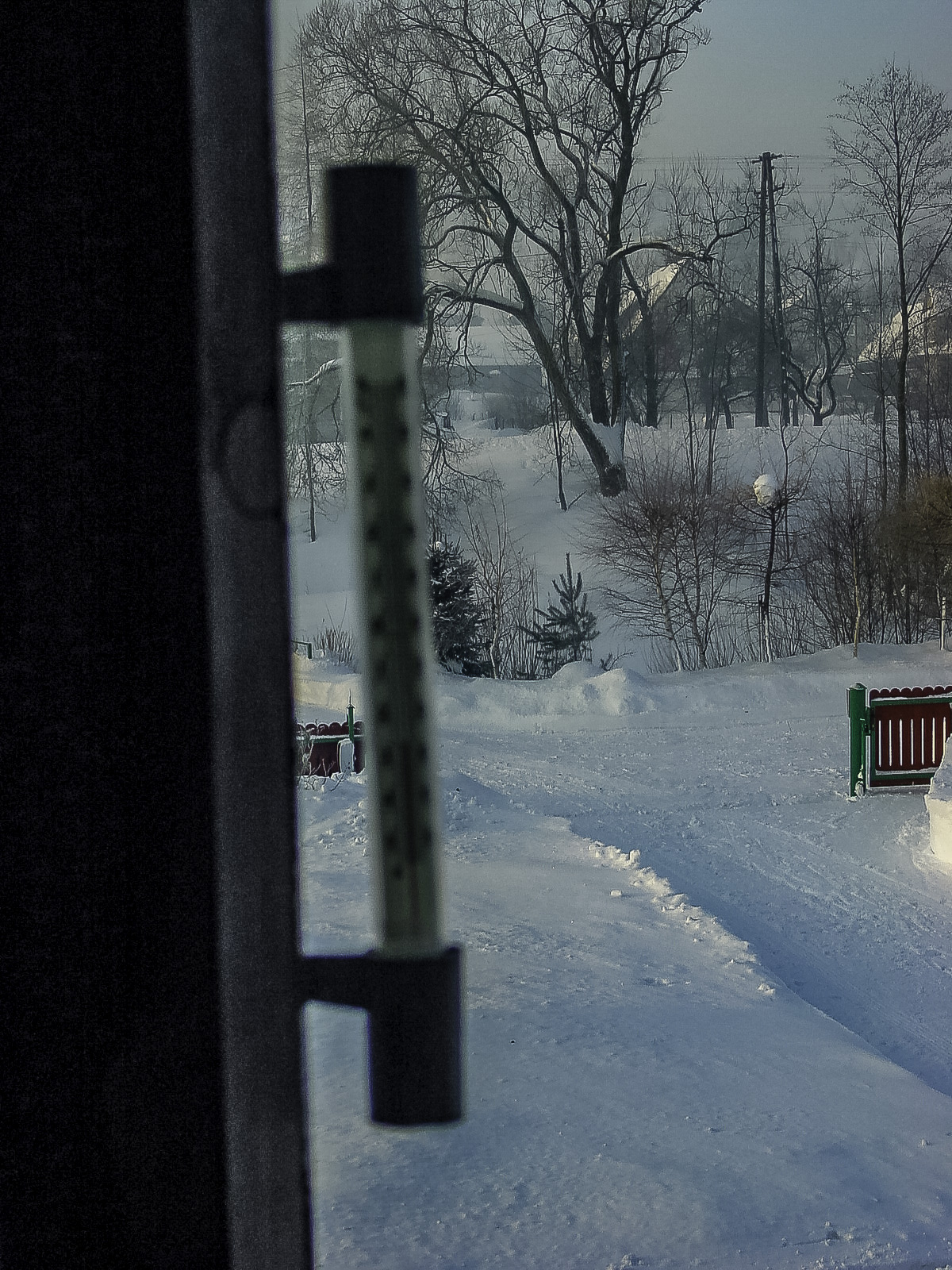
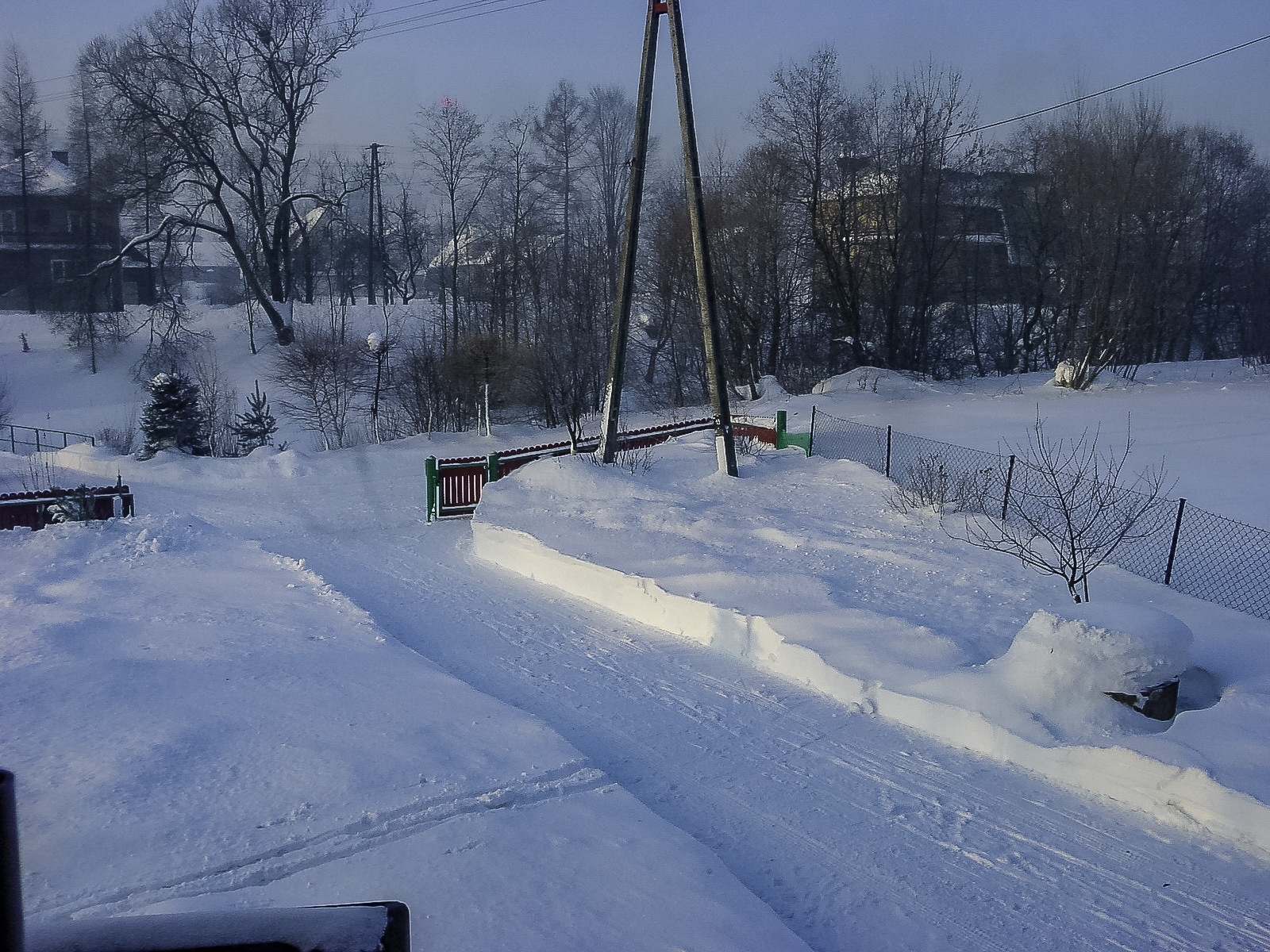
Living in South Carolina, the possibility of such snow is not even minimal: it's non-existent.

I do miss it.

A Photo from 10 Years Ago

And then

the little stinker comes into class today and says, “Can I get my work so I can take it to the library? I don’t want to get in trouble again.” Not quite, “I don’t want to disturb class again,” but an apologetic self-awareness that is uplifting and frustrating.

“You what’s so irritating about working with you?” I told Y. “I like you. That’s the problem. If you were a complete jerk all the time, it would be easier because it would be harder to like you as a person.” He smiled.

In the afternoon, he came back and apologized for yesterday.

Maybe the other shoe isn’t completely off — it’s dangling on a toe. Or maybe he’s just trying to put it back on.

The Other Shoe

When we get a new kid in the school, we always get a packet of information about them: sometimes it’s a thin bracket; sometimes it’s a fat pocket. But there’s always a packet.

Many of the documents included in the packet deal with the student’s behavior. Sometimes the reports in the packet don’t match the student’s behavior at the beginning. For example, a student may have information in their pocket detailing a long history of behavior issues: insubordination, disrespect, fighting, skipping class, and everything in between. Occasionally, the packet even includes information about how many administrative referrals I didn’t and the details about those administrative referrals. In general, the fatter the packet, the more there is to worry about.

The students you really have to worry about are the ones that live up to that reputation immediately. The package says there are behavior issues, and the student shows his behavior issues from the first meeting. These are the kids are going to be a challenge because they don’t even care to try to make a good first impression: Are you unaware of the fact that they are making a person brushing.

In reality, though, the really frustrating students are those who have the thick packet and show excellent behavior at the beginning of their stay in the new school. It’s a honeymoon period: they’re feeling their way around the new school and everyone else figures out what they’re all about. This honeymoon period can last anywhere from a couple of months.

Sometimes the portrayal in the packet is incongruous with the student in the classroom. It seems a miracle has occurred. Previous teachers’ comments in referrals mention insubordination, disrespect, skipping class, fighting with other students, verbal altercations with teacher, and all the student initially shows in the classroom is compliance. The temptation is to think that something has happened, that student has seen the light somehow, some way. That the student has realized the dangerous track he was on and has made a good-faith effort to change. I wish that were the case.

It never is.

The honeymoon period will come to an end. The other shoe will drop. If the kid has been described as insubordinate, insubordination will rise to the surface sooner or later. There are few miracle transformations an education.

We’re dealing with the soon in like that right now. The really frustrating thing about it is that such students have shown themselves capable of successful behavior. It suggests the behavior, to some degree or another, is a choice. If it is a choice, it’s hard not to feel some degree of negativity towards such students. One wants to say to them, “You shown you can clearly do better; you’ve shown positive traits in the class instead of disruption that steals educational time away from other students. Why? It’s hard not to take it personally that you choose the negative with us over the positive.”

It is of course much more complicated than this. But working with such kids is so tiring: it’s one step forward, three minutes of rolling backward because why step when rolling gets more laughs?

Note: This was dictated on the way home from school to a new speech-to-text app I’m trying out. I think I’ve edited out any nonsense resulting from unavoidable technical glitches, but I’m too tired to give it another read to check…

Value

We were playing Monopoly this evening and the Boy bought his first railroad. It's always his plan to try to get all four railroads. When L landed on the next railroad, she bought it for $200, then offered to sell it to E for $400; he accepted the offer. I tried to explain to him why this was a bad deal, that paying double for this railroad was not worth it at this point, but he was stubborn and would not listen.

"It might be worth it if this were your final railroad," I told him. "As it is, it's certainly not worth this much money just for the second railroad. There's no guarantee that you'll get either of the other two railroads.

A couple of hours later we were looking through a box of old collector cards that I had. There were baseball cards, football cards, basketball cards, and even, strangely enough, some Star Wars cards that I have gotten from somewhere at some point in my childhood. E asked me how much these cards were worth I tried to explain to him that I really didn't have any idea because there was just no way of knowing.

A newly-discovered creek about a mile from our house

"Where on the cards does it show how much they're worth?" he asked.

"It's not on the cards," I explained. "It all depends on how valuable they are and that depends on how rare they are."

"How could we find out?" he asked.

"We would have to go talk to an expert."

"I think I know an expert." He told me of a friend at school so that's mini baseball cards. "A couple of them are worth a few million dollars."

"How do you know that?" I asked.

"Because he told me."

"Do you believe him?"

"No." He thought for a moment then changed his answer.

"Does that make sense?" I asked.

"What do you mean?"

I tried to explain to him that if indeed the family had a card which is are several million dollars they certainly wouldn't let the seven-year-old child keep it.

"Why not?"

"Because remember what I told you about Star Wars characters and every other collector item:  they're only valuable if they're in perfect condition. If you bent it, or wrinkled it, or tore it, it would be worthless."

"Why?"

"It's just the way it is," I sighed.

It's all but impossible to explain to a seven-year-old how the scarcity of an item makes something valuable, something which otherwise would have no value, priceless. Baseball cards are just a bit of paper with a picture printed on them. Then again, change the word "paper" to "fabric" and it holds true for money: just a bit of material was a picture printed on it.

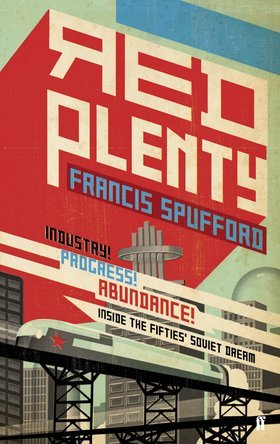
In the midst of all this, I've been re-reading Francis Spufford's fantastic book Red Plenty, set in Khrushchev's Soviet Union.

The premise is simple. When Khrushchev was ruling the Soviet Union. it seemed as if the Communist Utopia could indeed come to pass. A state-planned economy that would bypass all the uncertainty and unfairness of supply and demand capitalism seemed achievable. Vacuum tubes and algorithms made such calculations on such a scale achievable.

View at Good Reads

The book follows various characters as they weave their way through the creation of this Utopia, each playing their own part. Mathematicians, economists, biologists, Politburo members, Eisenhower, Khrushchev, and others all appear in the novel. All of the Soviet characters are searching for the formula that will make the magic Elixir of Plenty. Plenty of meat. Plenty of bread. Plenty of apartments. Plenty of cars. Plenty of everything.

Within all of this, the chief problem is how to assign value to both work and commodities. The book, which is part-novel, part-history, is filled with characters fictional and real; many events of the book are actual events in history. It's nearly 500 dense pages telling the story of just over 70 years of men and women working feverishly to determine a mathematical and certain way of deciding value.

If they couldn't do it, I'm not sure I can explain it to a seven-year-old in one evening.