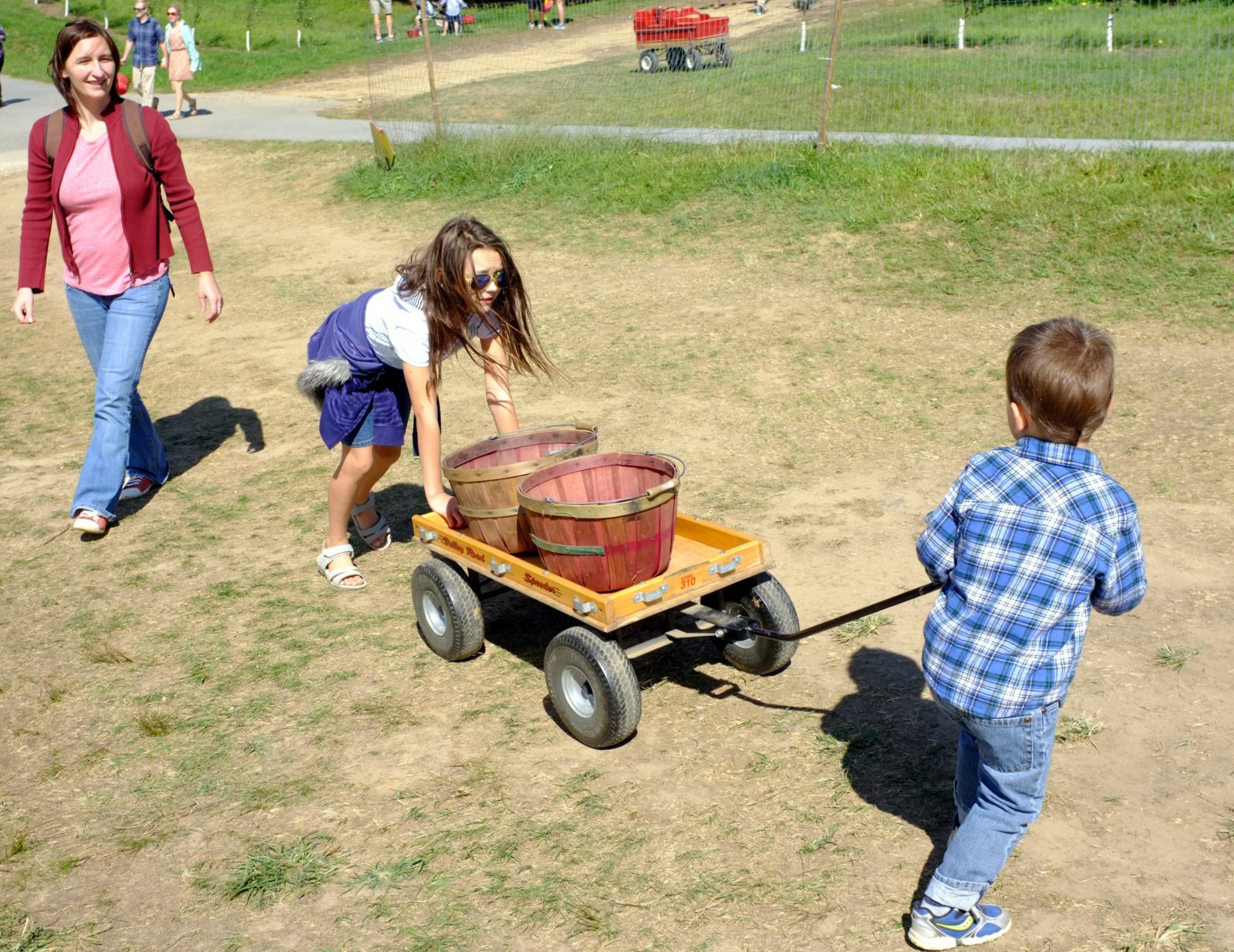
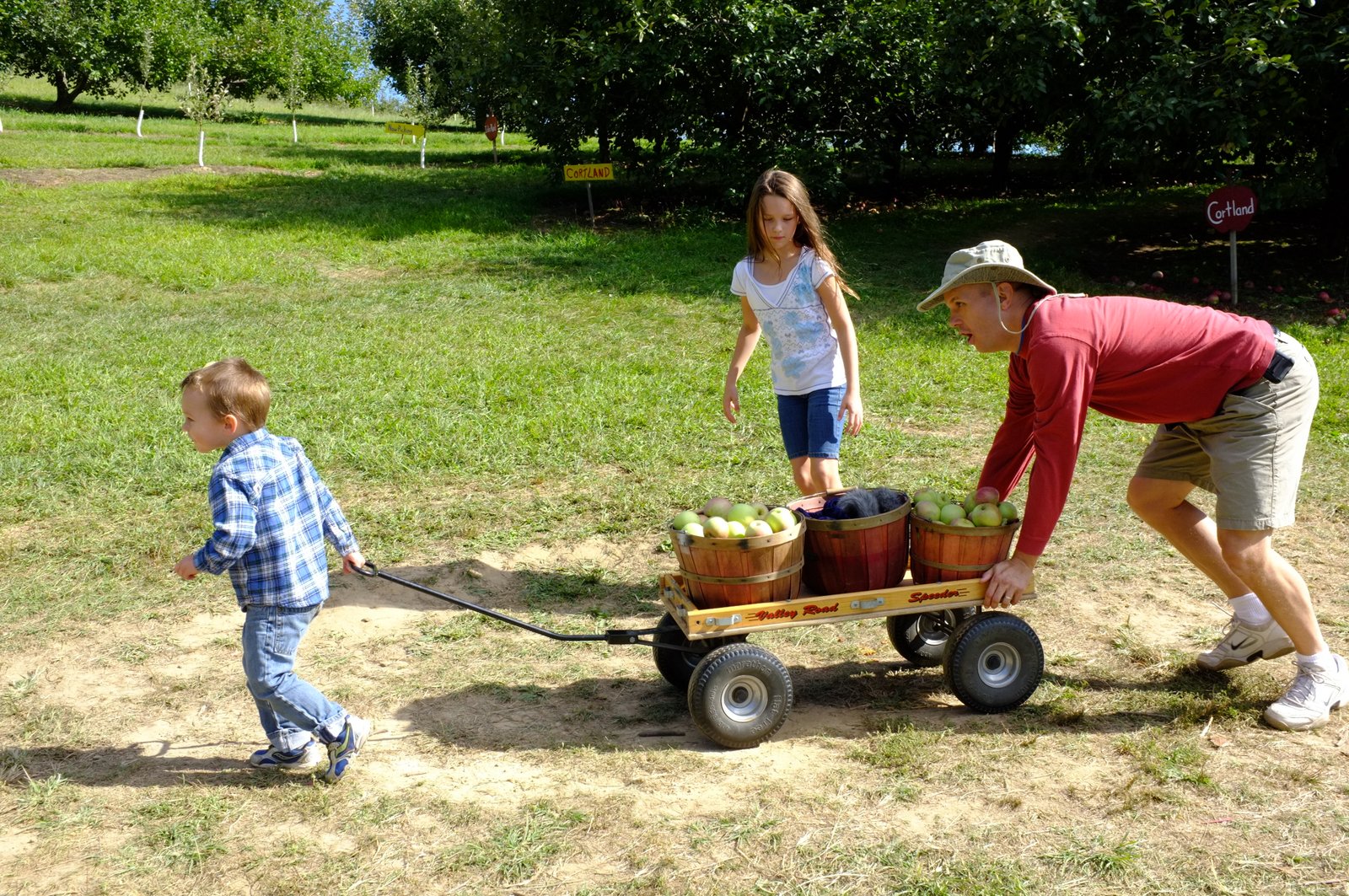
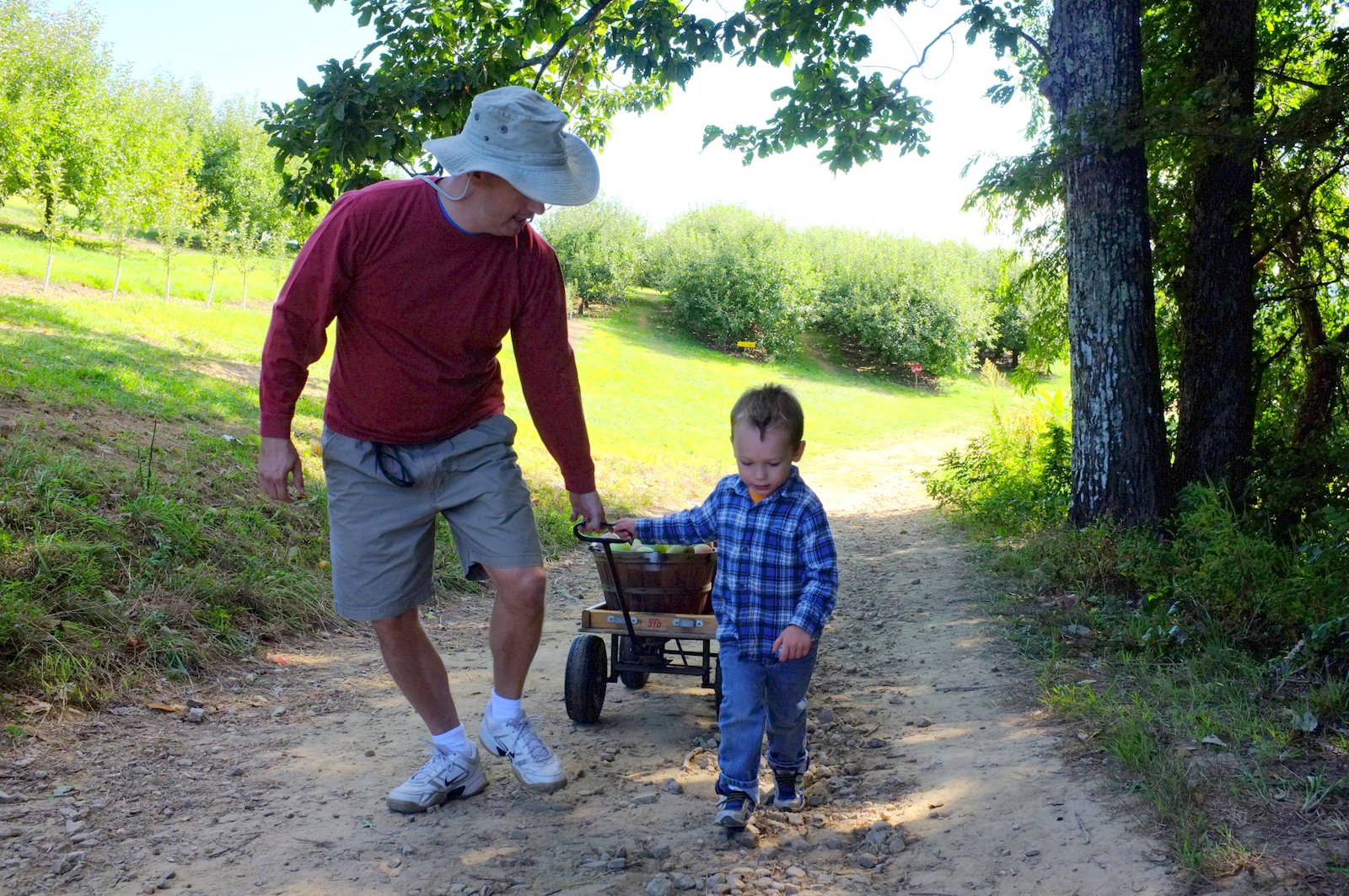
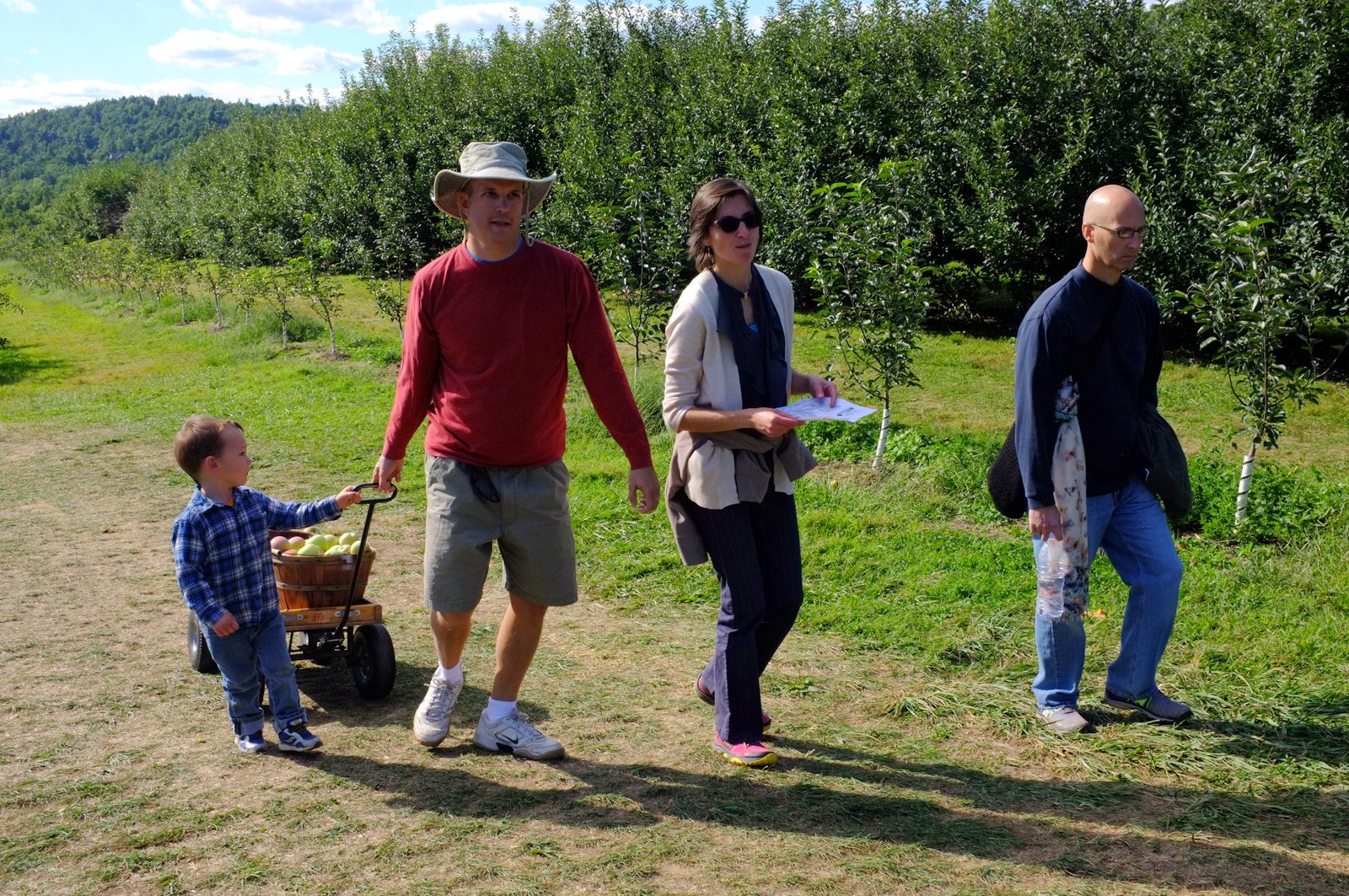
matching tracksuits

fun in threes, sometimes fours

Savannah, Day 2

Yesterday started poorly; it ended with a lithe of hope. We lost the first two games; we won the third game.

Today, we won our two matches and finished before lunch. Tomorrow, we play three more games and refereed one more. (I went for a walk around the venue while they ran the game.)

Why only two games today? Simple: it's a pay-to-play tournament, which means we had to stay in a hotel from a list provided by the tournament organizers, who get a kick-back from the hotels. It's in their best interest to stretch things out as much as possible: the longer we have to stay here, the more they make.

Sound like a mafia-type move to you? To me, too.

Savannah, Day 1

It seems we have to start with a bang or a whimper. Our last tournament, two weeks ago, started with a bang: we won the first four matches and got second place in the gold bracket. (Does that mean we got silver? No. Why not? I don't know -- I don't even have the slightest idea how brackets are determined: it seems to be a mysterious mixture of matches won, sets won, and point differentials.) It only stands to reason, then, that we should start this tournament with a whimper: we lost the first two matches in straight sets (despite being up 16-6 at the start of the first set of the first match) and looked like we were on track to lose the first set of the third match until the girls decided finally to start communicating a little and stop playing Y ball (no offense to the YMCA).

I believe the team we beat in the final match lost all three of their matches. It looked for a while like that might be us. In a four-team bracket, I suppose there's a fairly substantial statistical possibility of this happening on a fairly regular basis depending on the skill spread of the various teams. In short, someone on days like today has to lose them all. I'm glad it's not us, but I know also how that must hurt to be the other team.
After the games and some rest, it was time for some dinner. Of course, being this near the beach, we couldn't miss the opportunity to walk on the beach for at least ten minutes.

And being this near the ocean, we couldn't not go out for seafood.

Borders, 2013 — Part 2

It was a lovely spring afternoon, and I was done with school early, so a bike ride was in order. I decided to go on one of my favorites: dip down into Slovakia that loops back to Lipnica, where I lived.

Crossing into Slovakia was no problem. I made my way around Orava Lake, through Trstena and to the border at Sucha Hora ("Dry Mountain"), where I duly handed over my passport to the border guards. The Slovak guards stamped it and gave it to the Polish guard.

"Gdzie pan mieszka?" he asked.

"I live in Lipnica," I replied.

The guard thumbed through my passport like the bloke in Mis, and then he looked at me with a puzzled look. "But how?"

At the time, I didn't have a valid work visa: I was in the process of renewing it, following all the protocols the fine folks in Krakow had laid out, and they had assured me I had nothing to worry about. And yet here I was, on the border, starting to worry.

I explained my situation to guard, but he insisted he couldn't grant me entry. "You don't have a valid visa," he said.

"Yes," I explained, "but you can't keep me out for that reason. Perhaps you could suggest I can't live and work here, but you have to let me in on at least a tourist visa, which means a stamp of the passport and off I go." I didn't say exactly that -- I used much more diplomatic terms, but that was the general idea.

"But you don't have a visa," he insisted, waking into his little office and punching some things up on the computer.

I stood there, dressed in my Lycra shorts and top for cycling, having only a bit of cash in my jersey pocket, and wondering what I would do if this guy seriously didn't let me in. A friend of mine was one of the head border guards at the Chyzne border crossing, so I thought I would just ride back there. But what if he wasn't working? How could I pull this all off? I was tired; it was nearing sunset; I had very little money. Disaster seemed just over the next hill.

The guard came back and gave me my passport, waving me through with a smile. "We'll let you through this time," he said, "but it would have been a different story for me if I were flying to America without a visa, wouldn't it?" His smile grew.

"That's what this is about," I thought. "Someone in your family -- a sister, a brother-in-law -- got turned away from the States on some technicality, and now you're having a little fun." Naturally, I said none of this. I simply thanked him, took my passport, and rode as fast as I could over the border, which was actually another half-kilometer or so from the crossing station.

In 2013, we drove through that crossing, which was empty due to Poland's and Slovakia's mutual EU membership. It looked exactly as it had a decade earlier.

Carbs

The Boy was eating dinner -- spaghetti and meatballs because of volleyball practice and the need to eat by five -- and asked if he could be excused.

"Eat a couple more bites of spaghetti," I said.

"But I ate all the meat!" he protested. "Now it's just carbs!"

"Well, you need some carbs, too."

"I've had a ton of carbs today!" he insisted. "Bread with lunch! My cereal in the morning!" A pause. "Daddy, what are carbs?"

Categories

"Daddy, can I play on my iPod?" The Boy had called my old phone that he uses for games an iPod for as long as I can remember. Sometimes he just calls hit his phone. For a seven-year-old, some details are unimportant.

"What did Mama say before she left?" I asked. I'd just gotten home, and K had just left for a showing. We like to be consistent, to make sure kids don't start playing one off the other. Not that our angels would ever do that.

"She said no YouTube and no television," he confessed.

"Well, let's generalize that to 'no electronics' and say 'No,' okay?"

"Okay." A pause. I knew what was coming. "What's 'generalize'?"

"It's when you take something specific, a detail, and make a broader category from it. Like if I were to say, 'apple' and 'orange,' what category would those both fit into?"

"Fruit!"

And there we had it.

"Daddy, can we do this for a long time? Can we play this game for a long time?"

I love how so many things become a game for him. We played the generalization game for a while, each taking turns listing two items and having the other figure out what category they fit into.

No bigger themes; no lessons learned. Just a fun little game that we might never remember to play again but got us both smiling for a few minutes today.

Progress

Working with eighth-grade kids, I've learned to accept progress in small steps. Behaviors don't change overnight. They don't even change over-week or over-month. But small changes can happen suddenly. Small changes that can grow. Small changes that serve as a foundation. Small changes that aren't so small.

I have a student that I love. And hate. And hate to love. And love to hate. He's got potential. He's got a great personality. Everyone loves him. But he talks.

Constantly.

No, constantly.

No, I mean constantly.

No, I really mean constantly.

That is almost not an exaggeration. A slight exaggeration, but only very slight. He loves gossip. He loves knowing something someone else doesn't know about someone they know in common. He loves telling people things they don't know. He loves being a clearinghouse of useless personal information about others.

In the midst of this gossiping, this chatting, this constant sharing of information, he often gets called down. And this behavior he consistently exhibits makes him the focus of teachers' attention so that they call him down for everything. And that frustrates him. Leads him to argue. Leads him to be disrespectful. Leads him to making very bad decisions sometimes.

I have him in homeroom and English class. Almost every day as he leaves, I tell him, "K, make good decisions today."

"Yes, sir," he says. (Did I mention he can be a perfect example of Southern manners?)

Later in the day, before eighth-grade students came back from related arts, I saw him again.

"K, have you been making good choices today?"

"Yes." He proceeded to tell me about an instance when a teacher called him down and told him to close his Chromebook. "I was going to argue with, but I just closed my Chromebook."

Two little actions from one decision: to do one thing and not do another. Two actions that most of us would do without thinking about it when told to do so by an authority figure. Two actions that would go unnoticed in other students. Two little actions; one little decision. And so much pride.

"See? It wasn't that hard, was it?" I said.

"No, sir."

"And the whole conflict -- it just vanished instantly, didn't it?"

"Yes, sir," he smiled.

Next step: get him to repeat it. Often.

Discovery

The Boy discovered an old sugar lamb from Easter -- last Easter or perhaps the previous one.

It had turned various unnatural colors and looked almost moldy. How long does it take sugar to mold? Does sugar mold?

So maybe it wasn't last Easter; perhaps it was even further back. I've no idea.

I just came home and found him working on it -- cutting it with random blows from the knife.

It's one of those random events that I might think of at some unexpected time when the Boy is not the Boy but the Man, and K and I are wondering where the time went...

The constant thought of parents...

Finishing Basement

We woke to foggy weather. In Lipnica, that always meant a gloriously sunny afternoon. Here -- I'm not so sure. It stayed cloudy most of the morning before turning sunny.

It might mean sleepiness if it's Sunday. Everyone was tired this morning: L because she's a thirteen-year-old; E because he's sick; K and I because that's how we normally wake up.

Or it might mean more work in the basement.

And then snow

They say weather in South Carolina is ridiculously unpredictable. It can be forty degrees colder today than it was yesterday; it can go from cloudless to monsoons to cloudless in no time; it can rain today and snow tomorrow.

We've had weather like that the last few days.

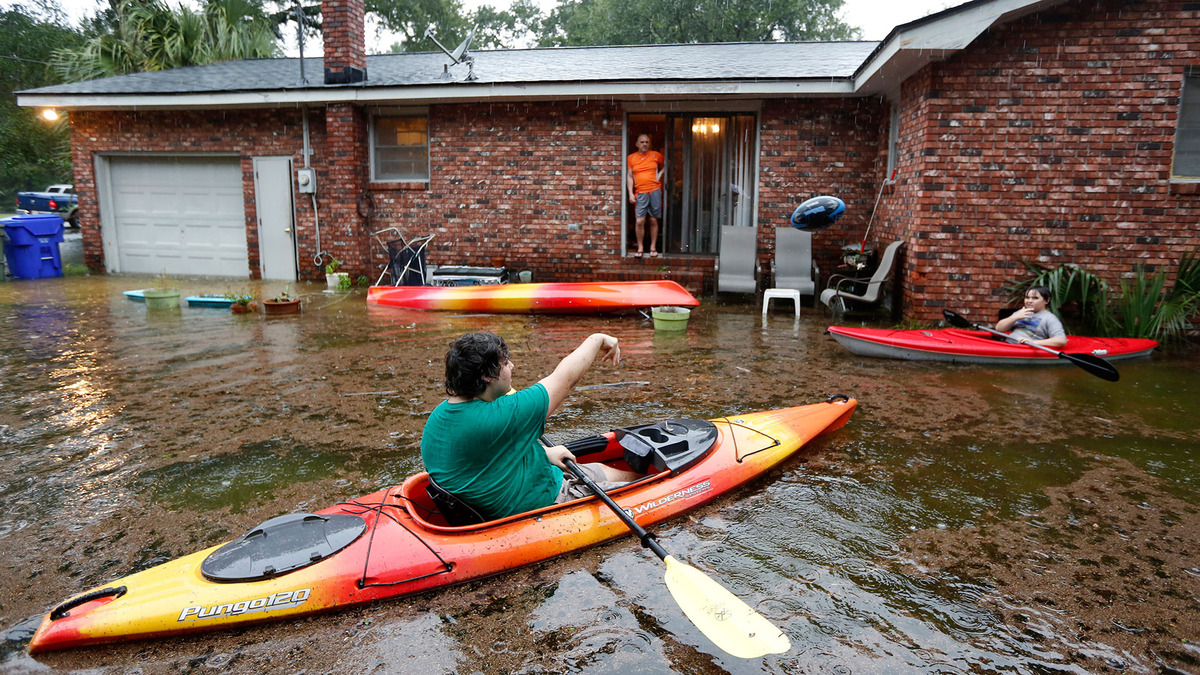
Thursday we flooded; Friday was cloudless and windy; today, it snowed.

I first noticed the smallest of flakes when I came up from the basement where I've been sealing holes drilled years ago for termite treatment and sealed only with about an eighth of an inch of concrete: I can push through with my finger, it turns out. Yesterday and today I patched 21 such holes, and it's a time-consuming process: each hole has a cavity under it from erosion (I guess), and it takes an unbelievable amount of hydraulic cement to patch each hole.

"Ohe thing about a flood like that is that it will show you your weaknesses," said my neighbor. And one weakness exposed: a crack in the slab beside the fireplace. Water was pouring in through that crack Thursday -- probably about a gallon a minute at its worst.

So after an hour or so of drilling and chiseling this evening, I finished the last bit of patching. Until I remembered one more wall in the other room that I hadn't checked. A quick check revealed what I knew was the case: still more holes...

And of course, I didn't finish the crack...

The Flood of 2020: Aftermath

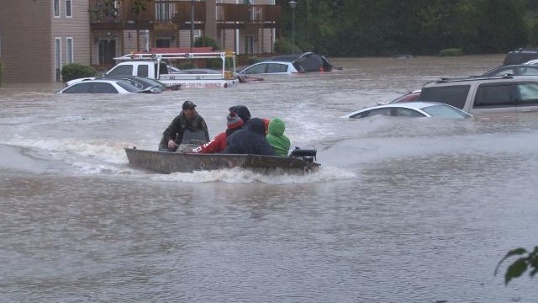
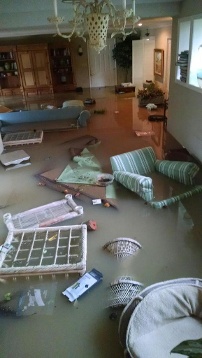
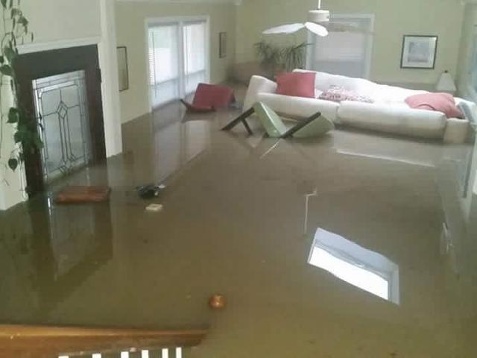
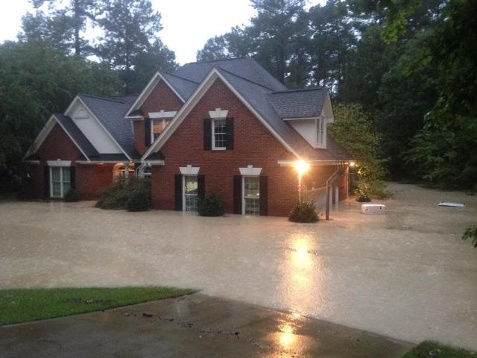
Today we got to see what the county looked like while the rain poured yesterday. It was pretty much as you might expect.

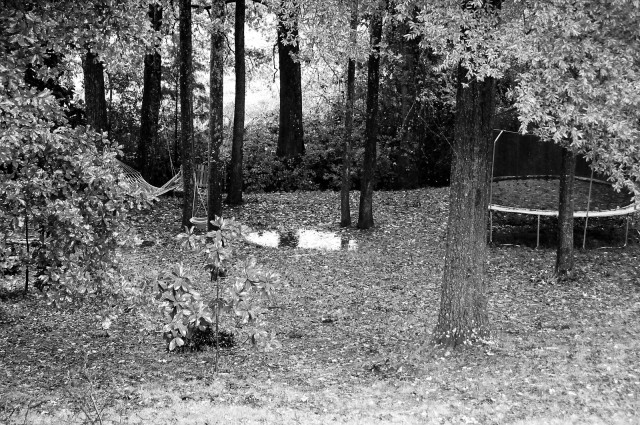
We also go to see what damage the food did to our backyard. It was pretty much as you might expect.

I was on my way to school when K called to say that school had in fact been canceled, so returning, I stopped by our favorite park to see how the dam looked. It was pretty much as you might expect.

Finally, I searched for video footage of what people were experiencing in the county and Google delivered to me a couple of videos of what people have done in previous floods in the area.

It was pretty much as you might expect.