Kasia Kowalska – “Mizerna cicha”
Day Two, at the Park
The days before Christmas Eve are all about preparation. There's so much to clean, so much to cook, so much to get ready just to cook or to clean. There's an art in knowing when to help and knowing when helping is simply getting out of the way.
Today, K made the pierogies for Christmas Eve, and while she was at it, she used up the rest of the chicken from Wednesday's rosół (L's favorite, made especially for her birthday) to make some chicken pierogi. All in all, she made well over a hundred of the little dumplings, which means that flour was flying all over the place.
Were the kids there, cries of "Can I help?" and "Why can I help?" and "L could help -- I want to help!" and "Can I have some dough?" and a thousand other things would be a constant added challenge to gauging the amount of filling versus dough to make it all come out, the challenge of making cutting-board full of dumplings quickly enough that the first ones don't dry out before the whole board gets slipped into the freezer. Not to mention one's sanity.

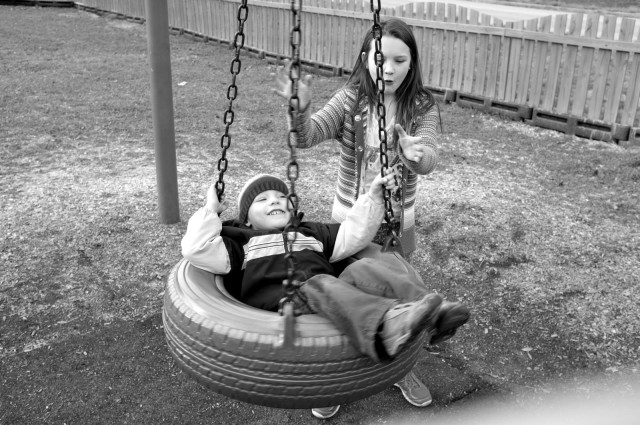
So after lunch, I packed the kids and their bikes into the car and headed to the nearest park. Southside is not nearly as crowded on it's busiest Sunday as Cleveland Park is on an average Sunday, and when we arrived today, we had the park almost all to ourselves.

Almost as soon as we arrived, a young man with a yellow safety vest and an unsteady stride approached us. "Hi," he smiled awkwardly, then pointing to his bandaged wrist, asked, "What's this?" I looked at his vest, which has his name printed on it and a telephone number, and it was quickly clear that the young man had Down's Syndrome. I looked at his wrist and replied, "It looks like you hurt yourself. Are you okay?"
"Yeah, I'm fine. What's this?"
I explained again, glancing around to see where his parents might be, glancing at L and E to see where they were.
"What's this?" came the voice again.
E was approaching me at that point, calling out his usual mantra -- "Daddy, come play with me!" -- so I simply repeated my explanation and excused myself. The Boy and I headed to the biggest slide on the playground, and glancing back at the yellow-clad boy, I saw him head to another father on the playground. Pointing to his wrist, he was clearly asking the same question of almost everyone, and it was still unclear where his parents might be.

"Who was that, Daddy?" L asked as she ran up beside us as we headed to the bigger playground with it's enormous slides.
"I don't know, sweetie."
"Then why were you talking to him?"
"He was talking to me," I replied, knowing where the conversation was heading.
"Why?"
I explained, and L, having recently become aware of the autistic students in her own school, asked if he had "bad autism" or just "a little."
"He isn't autistic, honey. He's mentally disabled. He has something called Downs Syndrome."
"What's that?"
I explained it quickly, and since we were then at the bigger playground, she found that explanation adequate and ran off to mount the ladder to the slide.

Still no sign of the lad's parents, but by then, my attention had shifted to the Boy's climbing. Lately, he's grown more confident and more willing to take risks, which means he was climbing on things like the chain ladders that just a few months ago were unthinkable challenges for him.

I stood at the base of the slide, waiting for him. As he climbed up the ladder, my view was briefly obstructed, and the normal parental thoughts paraded: What if he falls? Should I be by him to help?

I stayed where I was. He didn't fall. I learned the same lesson for the millionth time: I have to let go. I have to step back. I have to let him fall.
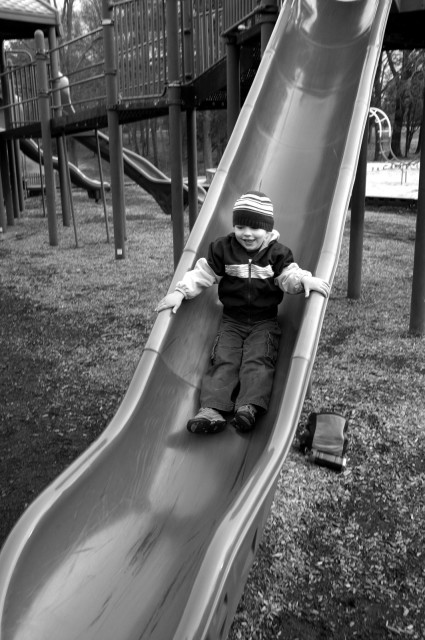
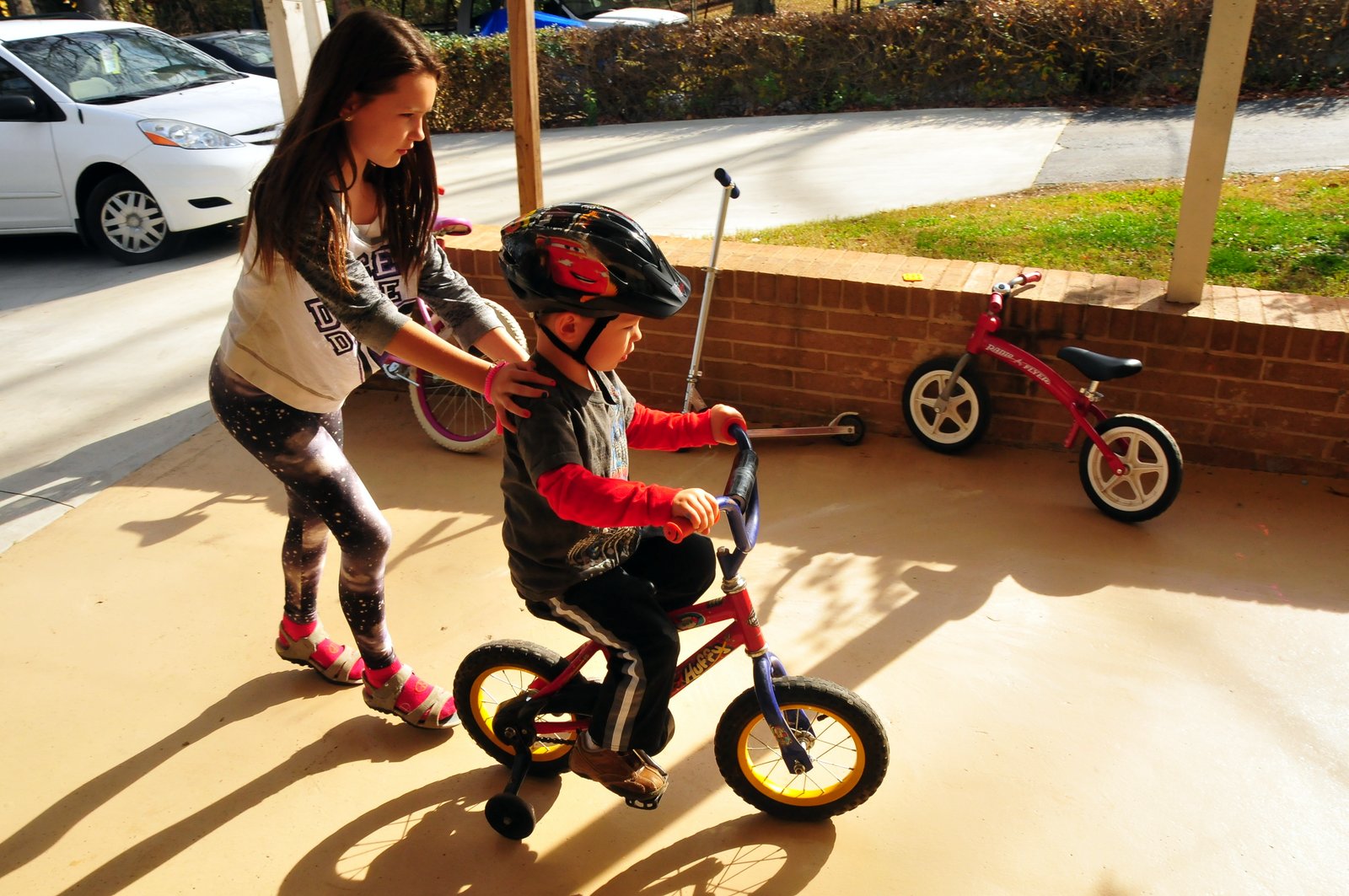
And later, when they were riding their bikes in the empty over-flow parking lot and the Boy fell, I walked calmly over to him, calling, "Oh buddy, it's nothing. Get up -- brush it off. You're fine."
I never figured out who the yellow-clad young man's parents were. He talked to almost everyone in the playground and wandered freely. In fact, I wondered whether or not they were even at the park. Maybe they dropped him off and went somewhere for a while. Shopping? Who knows. Yet I'm not willing to make any kind of judgment about their parenting choices. They're probably just letting him climb alone for a while.
(Final pierogi count: 148.)
Carol: U to Vrijeme Godišta
“U to vrijeme godišta,” a Croatian carol
First Day 2015
First day out of the gate and we get phenomenal amounts of things accomplished. Well, phenomenal by some standards. Cleaning, shopping, cleaning, rooting around in the crawl space, cleaning, playing with the heating system (what’s a winter without it going crazy at least once?), cleaning, playing with the kids, cleaning, and going to the library.
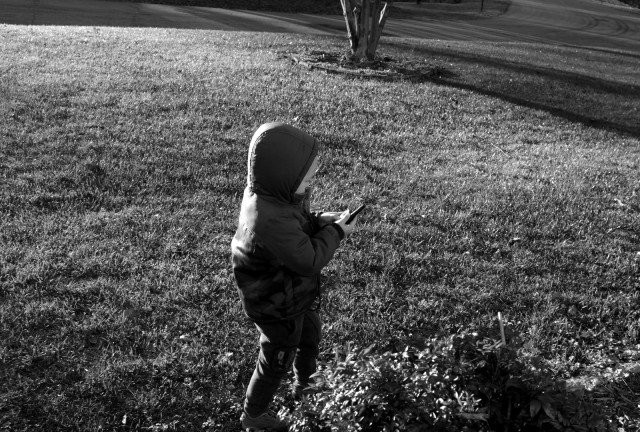
As part of the playing element of the day, we experimented with the walkie-talkies we got before going camping last year. The Boy loves the idea of them, but can’t seem to get the concept of pressing the button to talk and releasing to listen. That meant a lot of frustration, both on his part and the Girl’s.
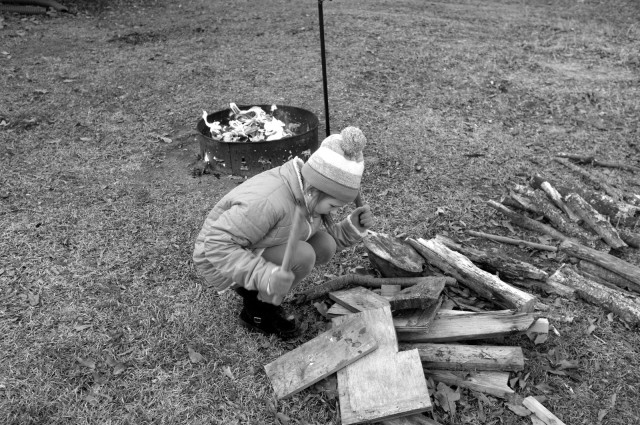
Fortunately for both of them, something else quickly grabbed their attention and the arguments they have — which, in some ways, are increasing in frequency — were averted.

In the evening, a family movie — the Polish version of Polar Express — and a fire in our newly-fixed fireplace.
“Should we go to nine o’clock Mass tomorrow, or maybe wait until eleven?” K asked before heading up to bed, just about to fall asleep. It’s winter break: the answer was obvious.
Carol: Πόψι Χριστός γεννήθηκε
A Greek Christmas carol, "Popsi Christos gennithik" transliterated
Hark!
Carol: Бог предвічний народився
A Ukrainian carol, “Boh predvičnyj narodilsja” (“God Eternal is Born”)
Nine
A day of double goodness. First, the Girl turned nine. It happened when she was arriving at school -- 8:05 to be precise. I wished her an official happy birthday when I got back from work in the afternoon. In the meantime, she had cupcakes at school and got to go see E's first concert.
Dinner was her favorite: rosół. Clothes for her Caroline made the perfect birthday gift -- all in all, a good day for her, I think.
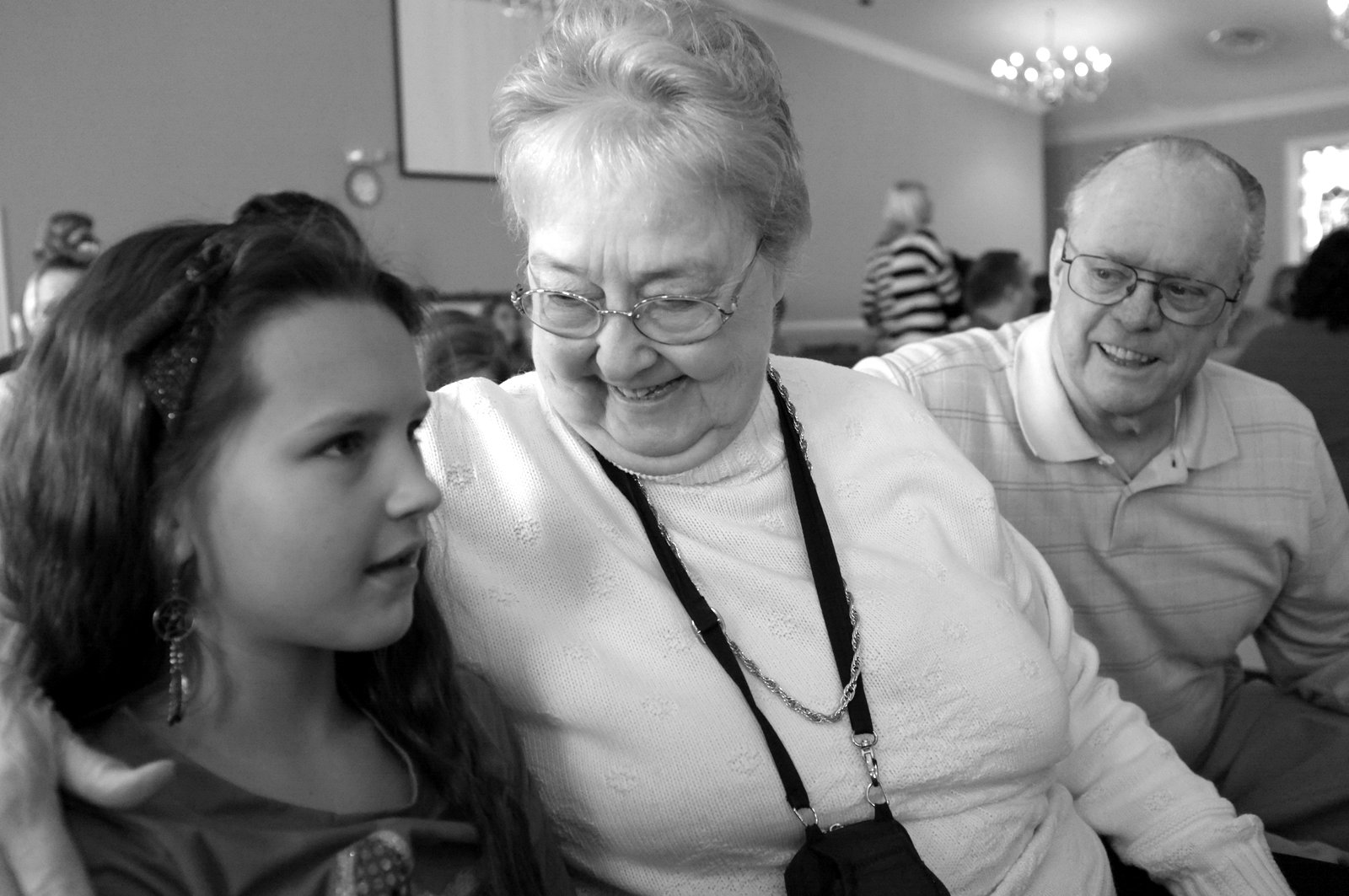
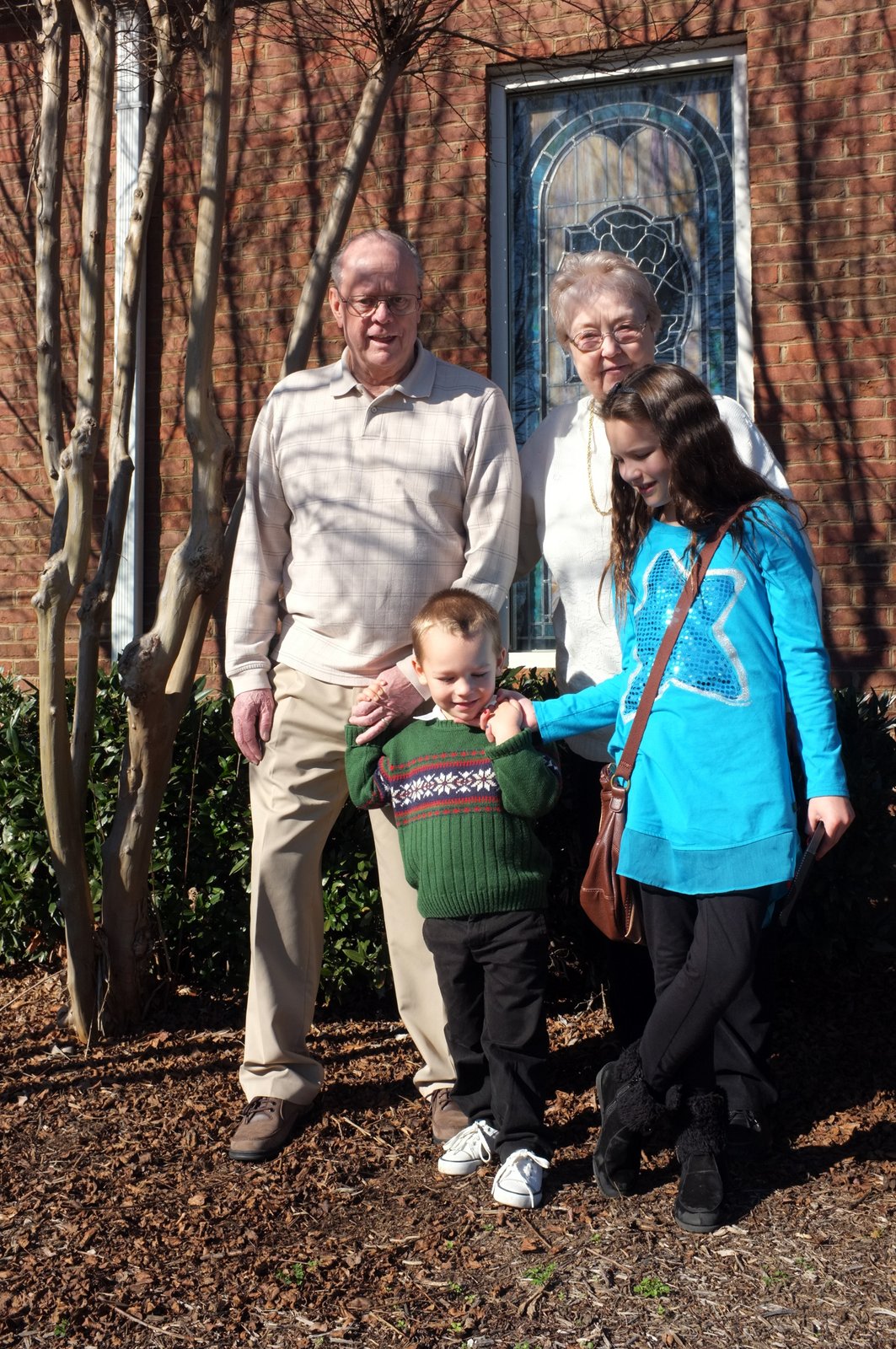

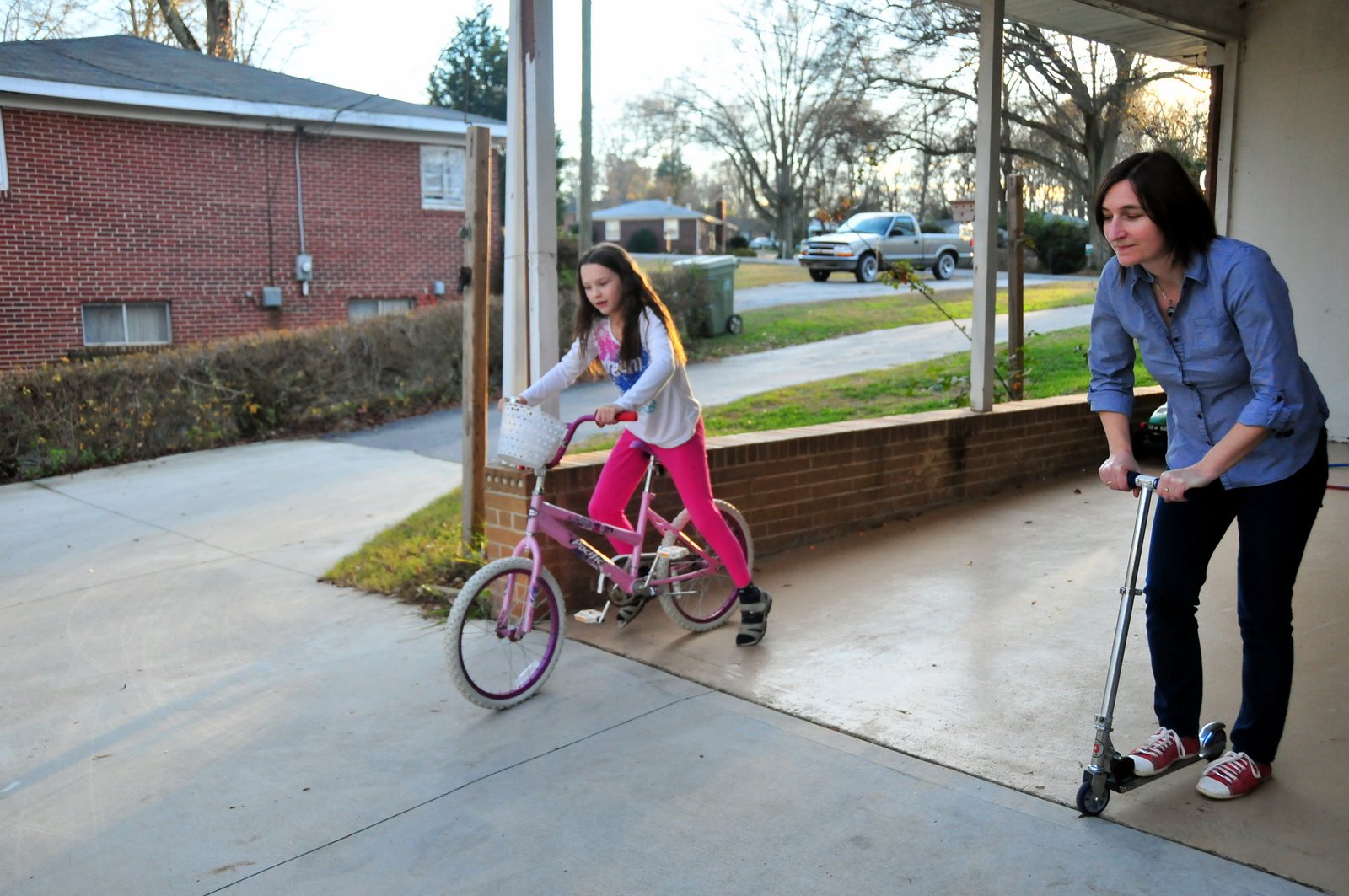
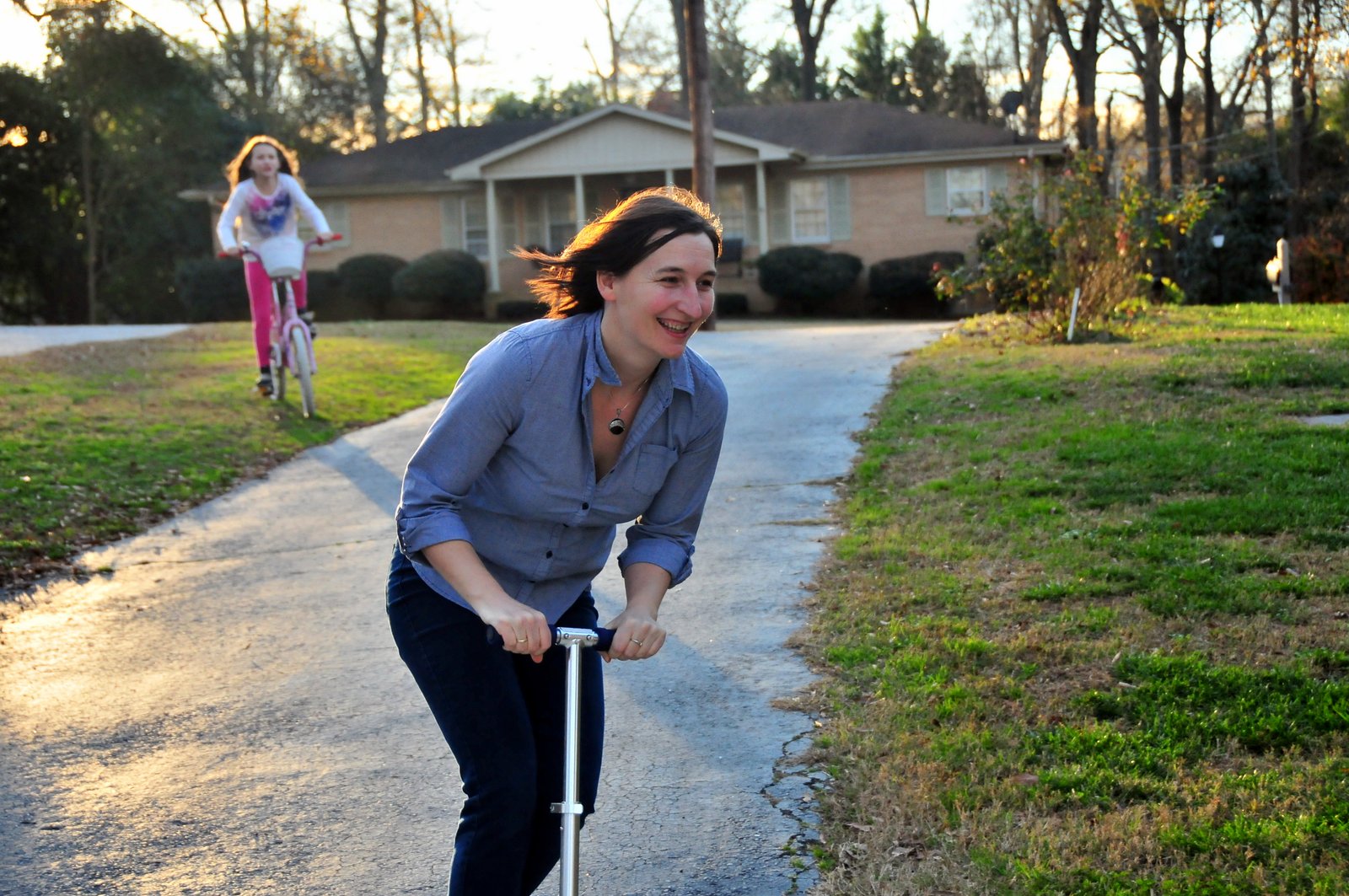
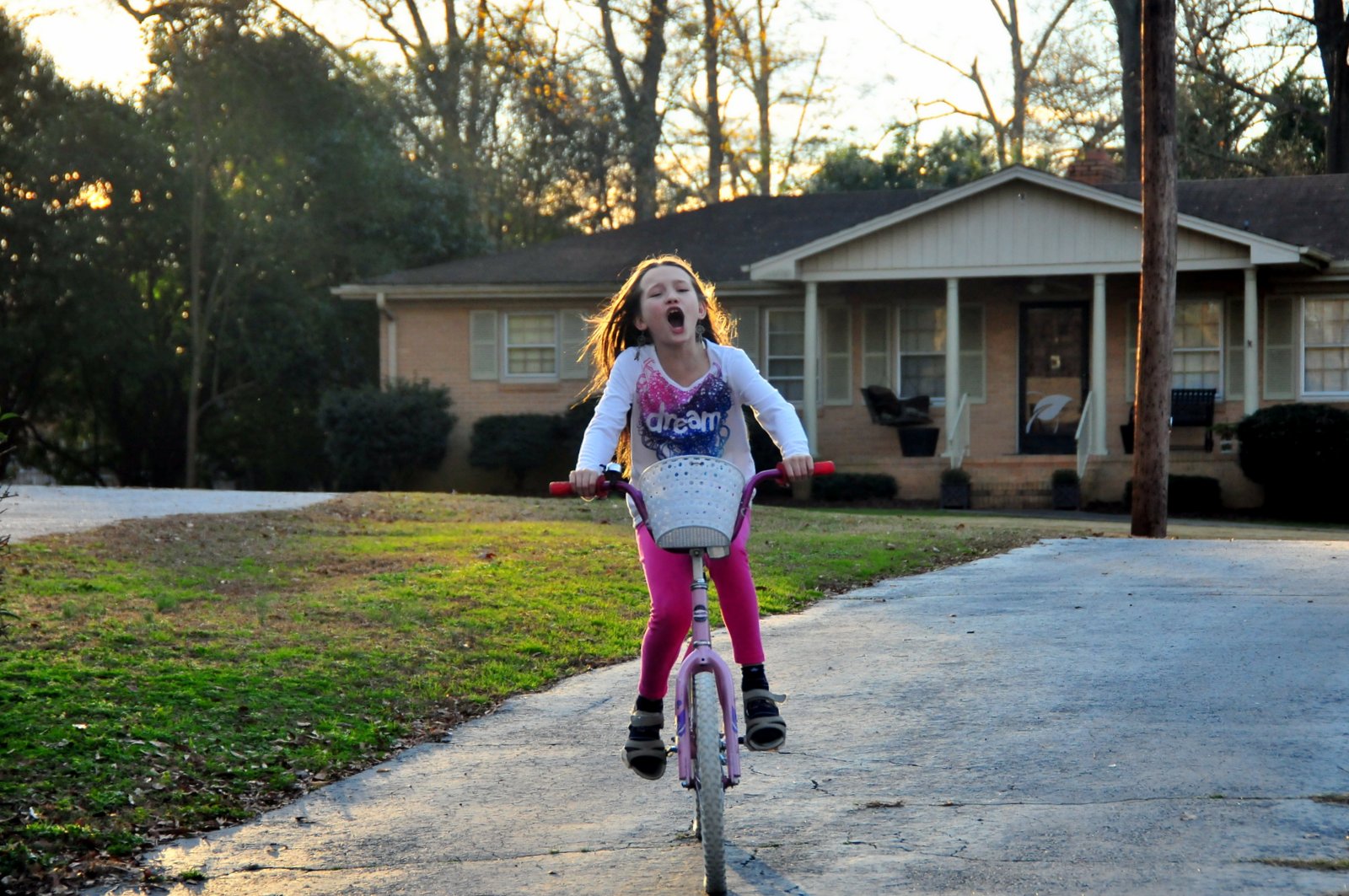
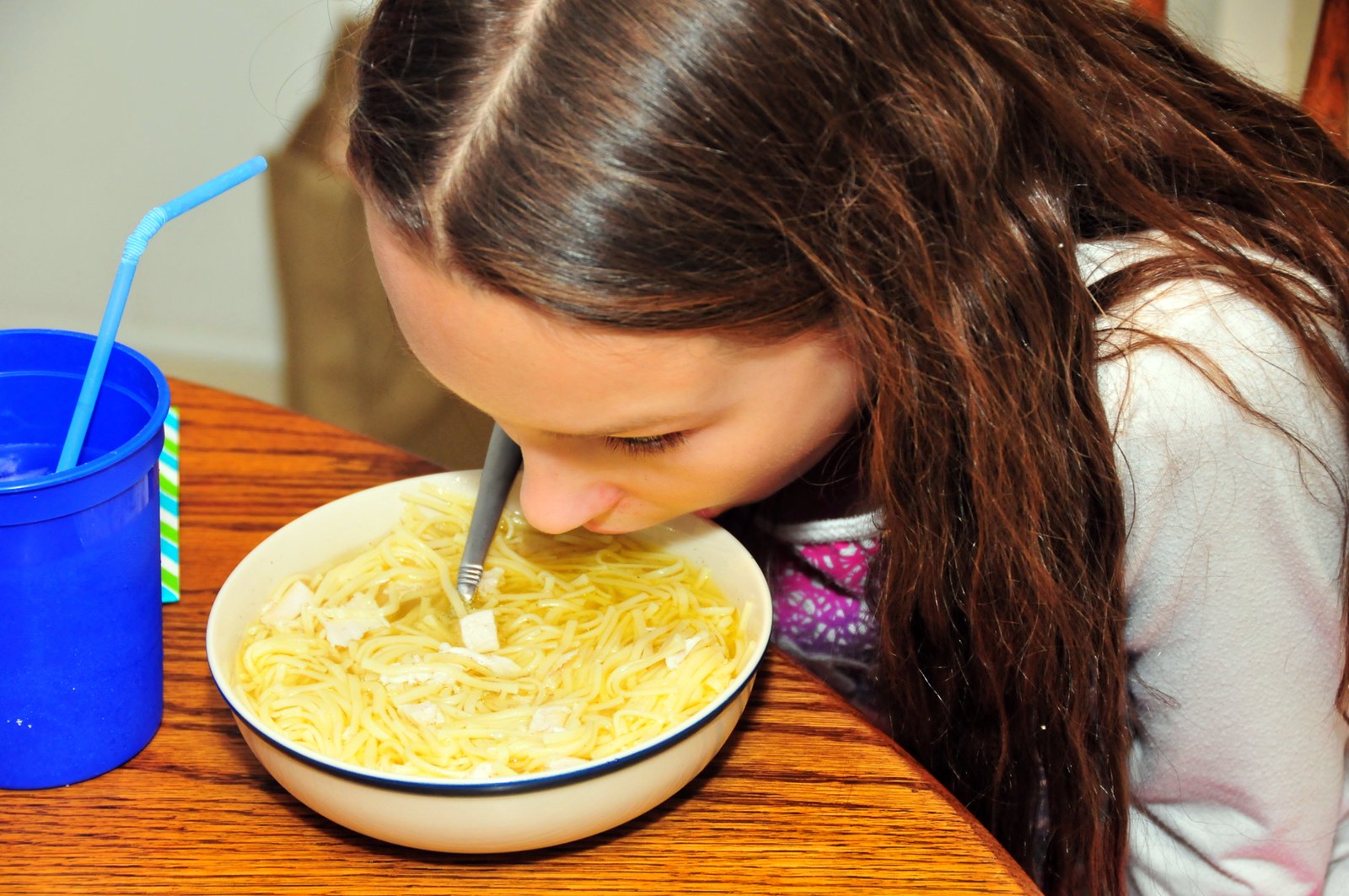
Trying out Presents
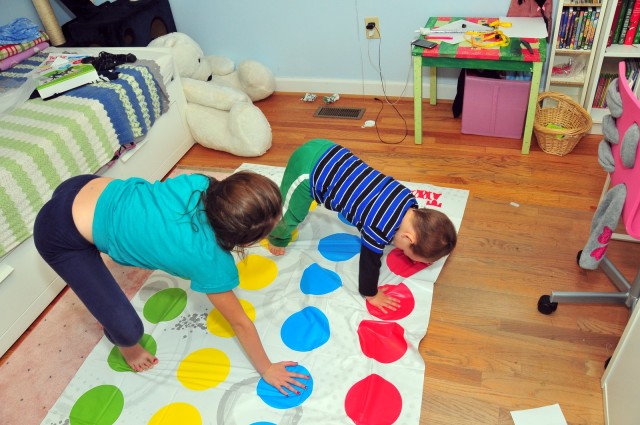
We have Candyland and Monopoly, Shoots and Ladders (or is it “Shoots ‘n’ Ladders”?) and checkers, Uno and Jenga, as well as a handful of others, but the one classic kids game we did not have Twister. So when one mother said to us as an aside, “We didn’t know what to buy her so we just got a game,” I was hopeful.
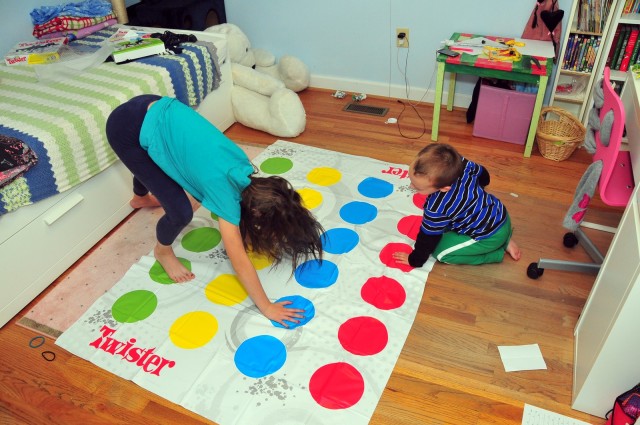
Tonight, we tried it out. And quickly discovered that the Boy isn’t quite big enough to make some of the connections.
Carol: Il est né le Divin Enfant
“Il est né le Divin Enfant,” a French carol
Concert 2015
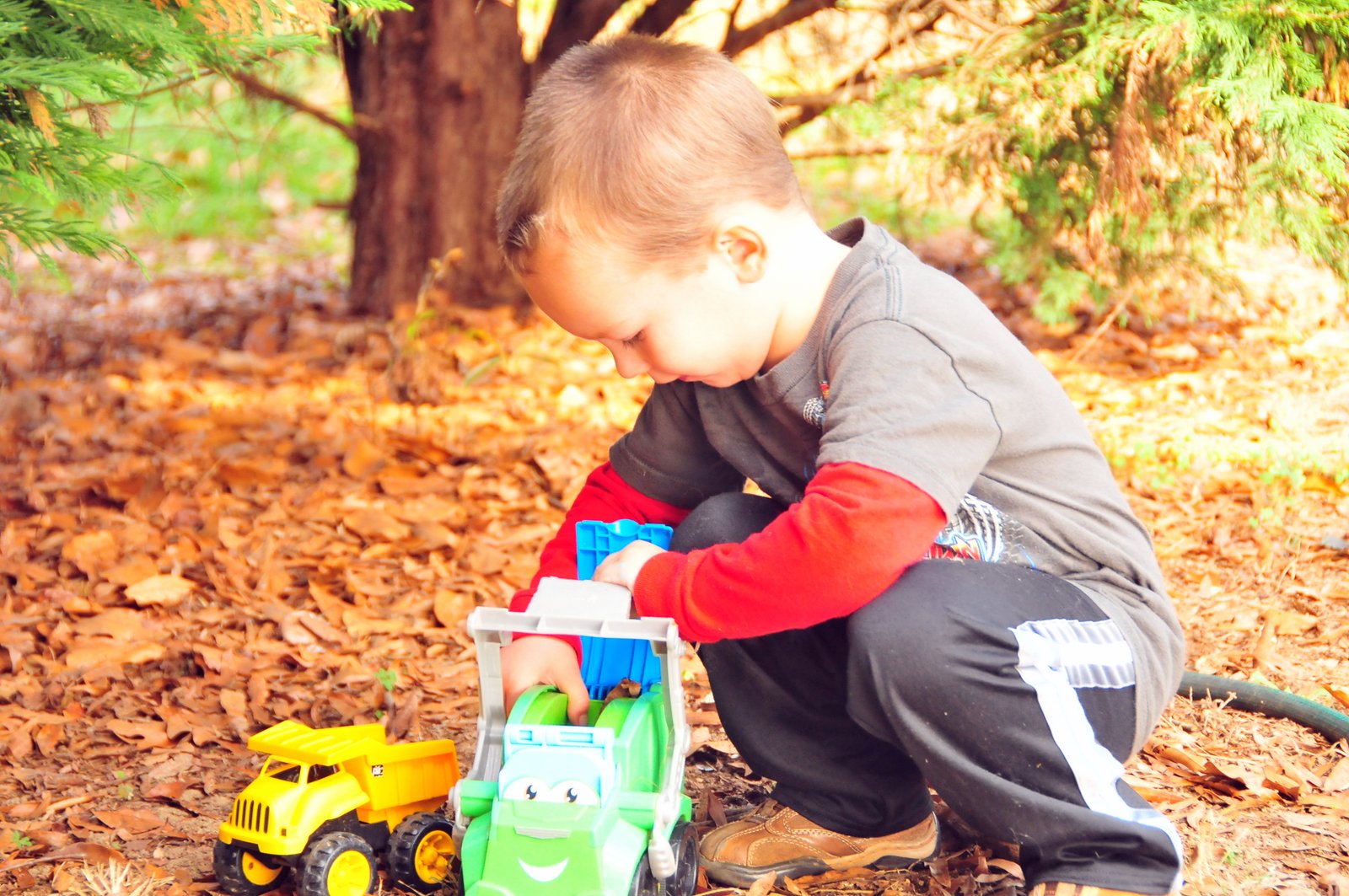
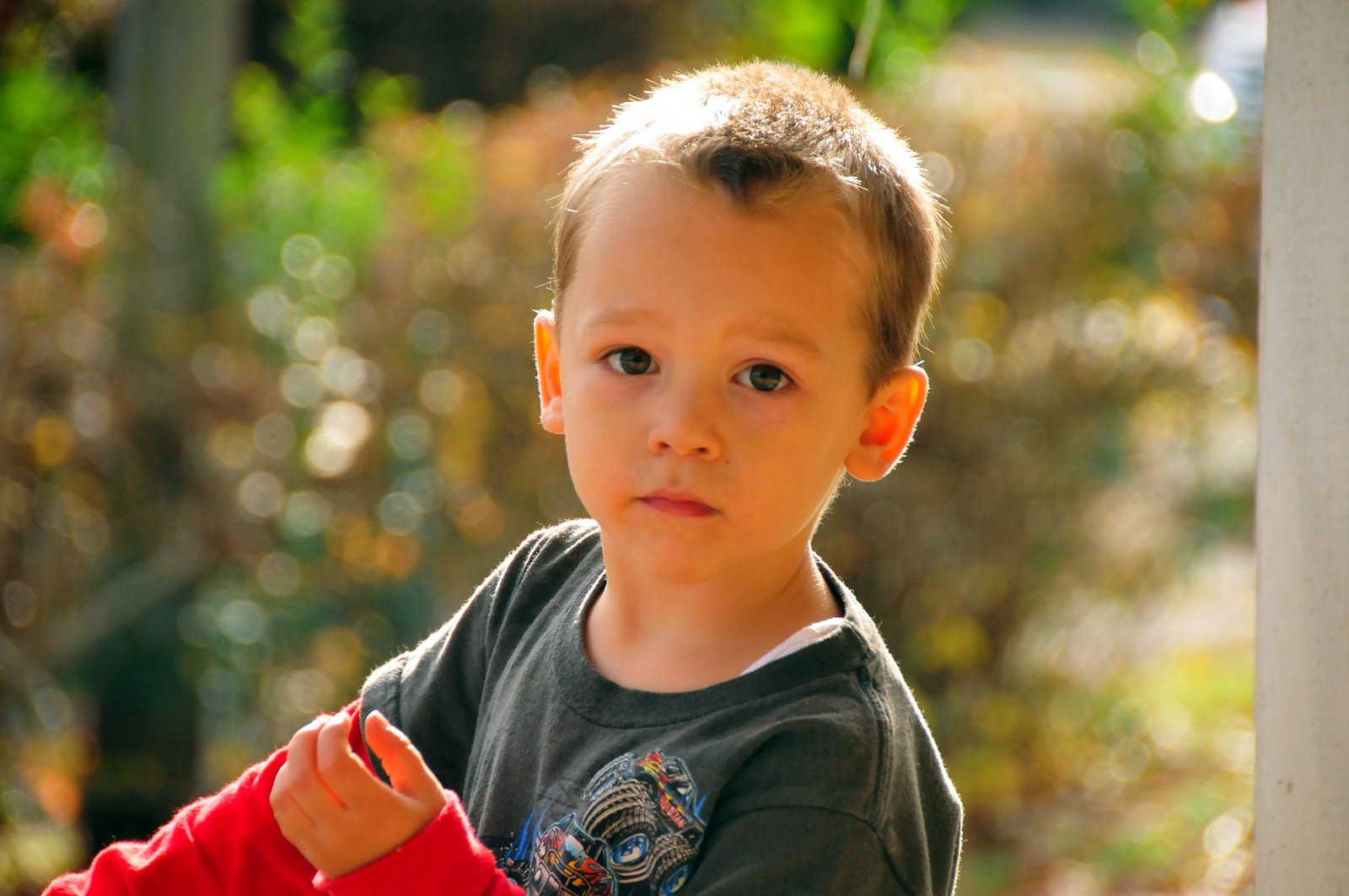
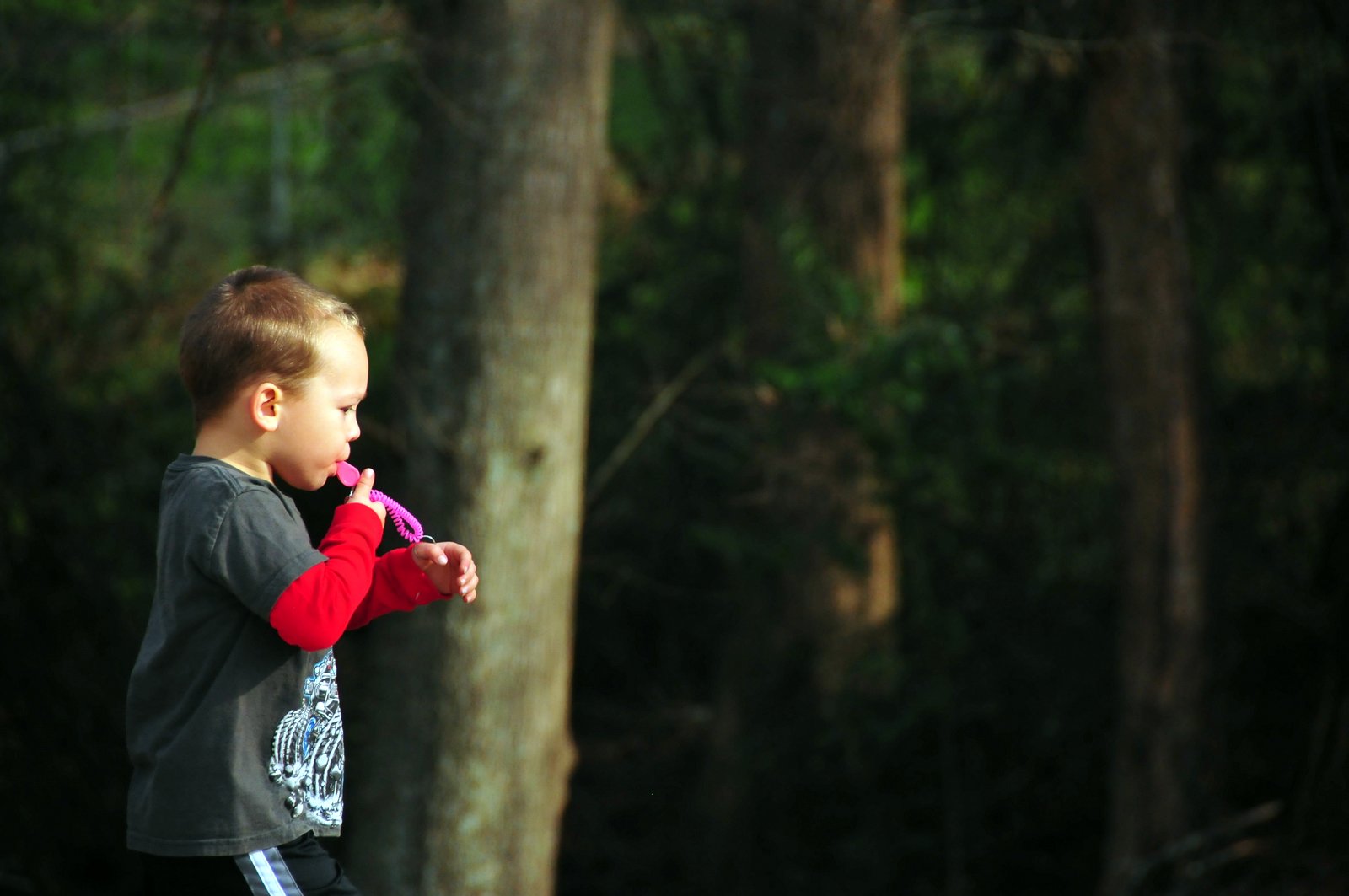
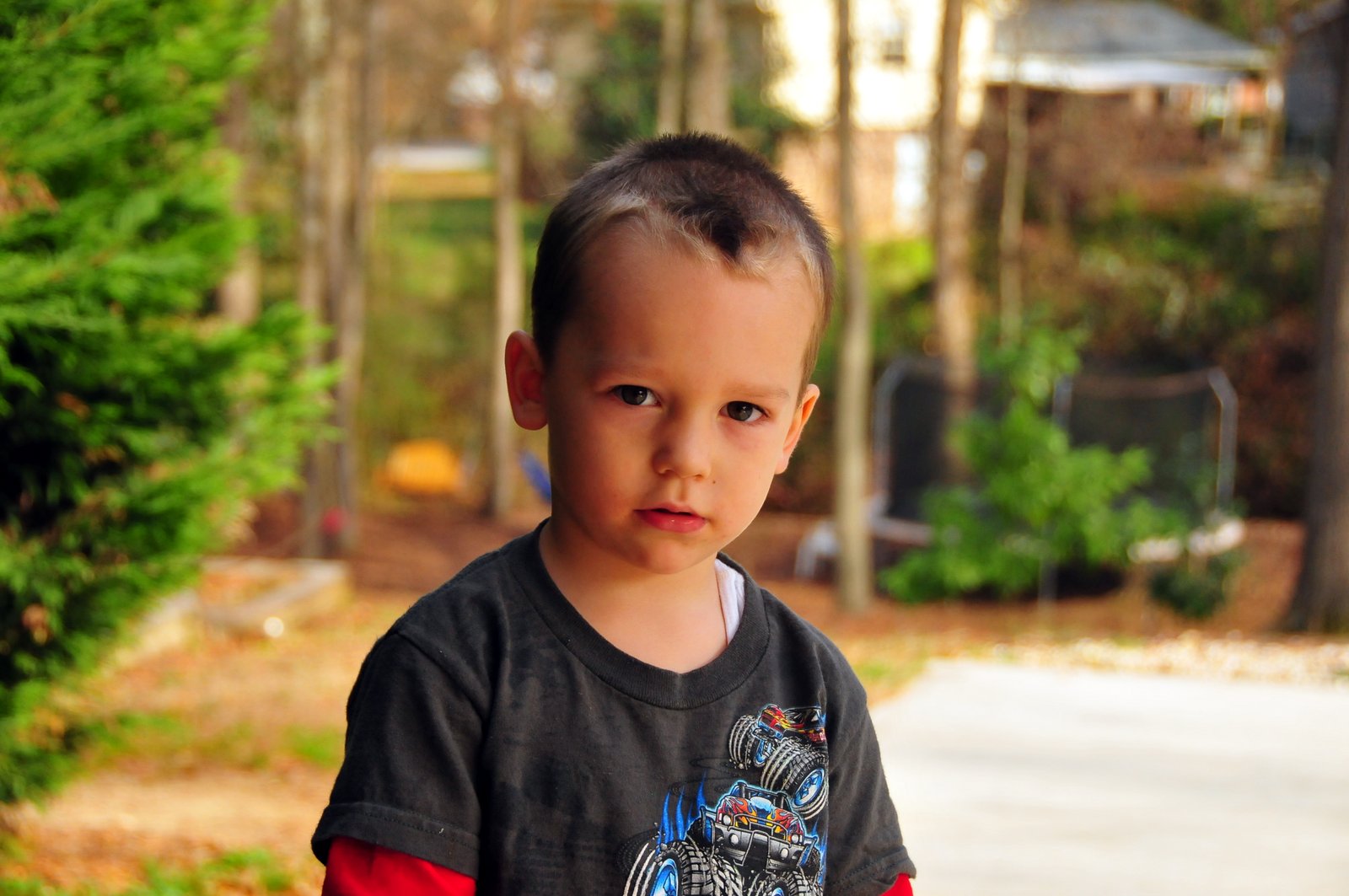
Sunday Pictures

Ninth Try
What makes a perfect birthday party perfect? It's not number of guests, for if that's the case, today's party would be very far from perfect. It's not the price of the gifts, for no matter how much one spends on a present, more is always an option. It's not the cake, though in the case of E and his destruction cake a couple of years back, it certainly made a positive impact.
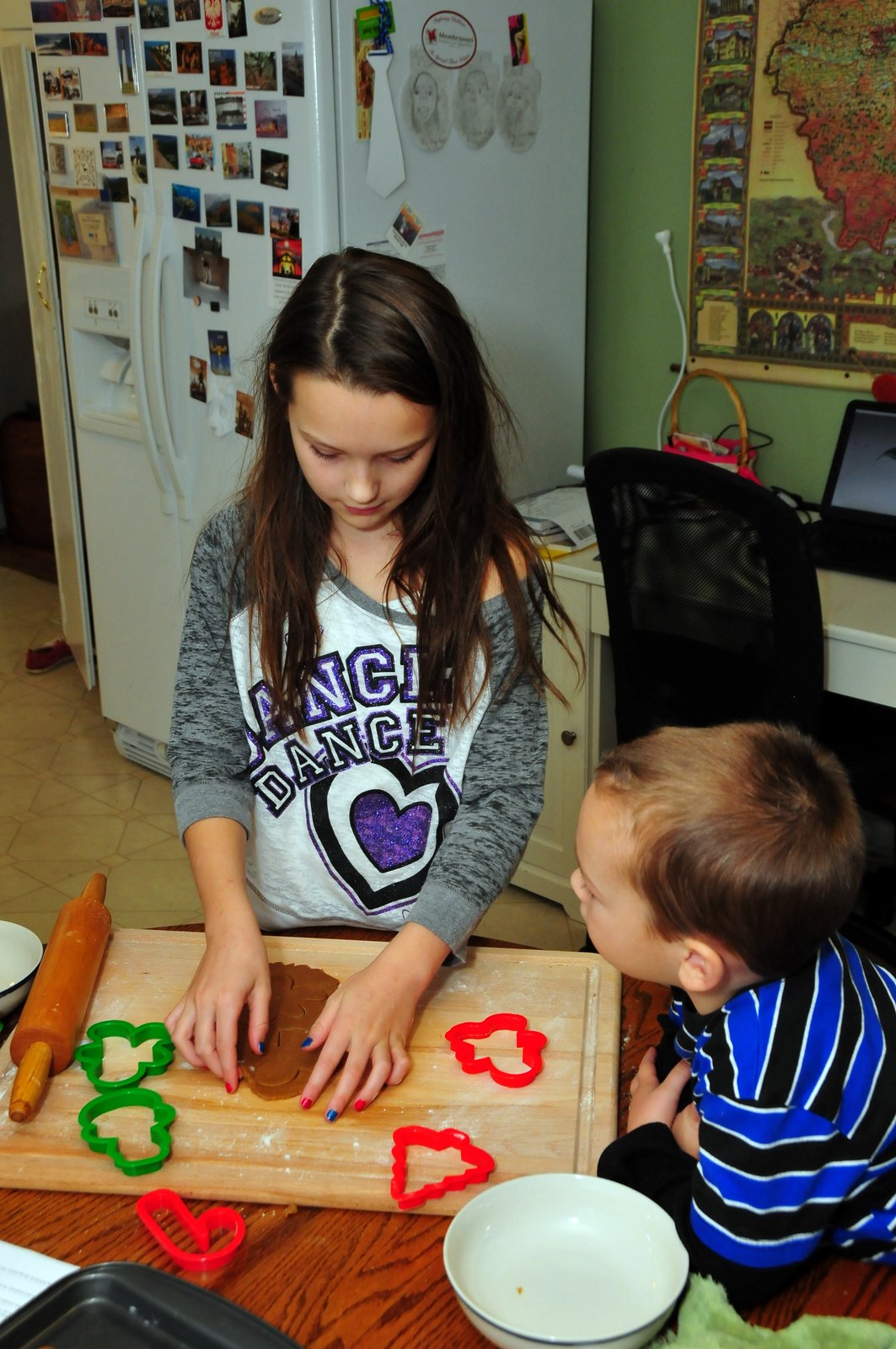
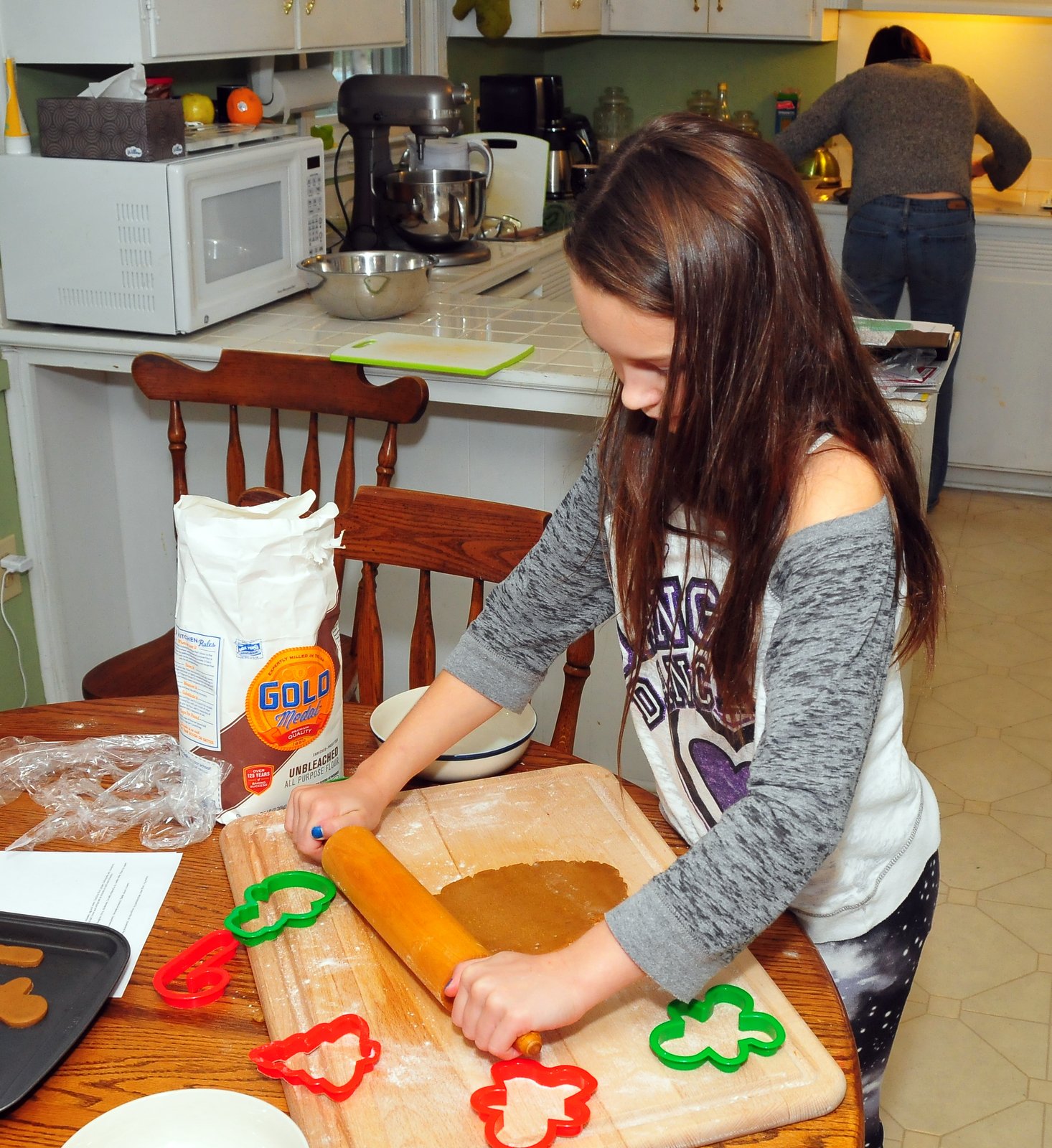
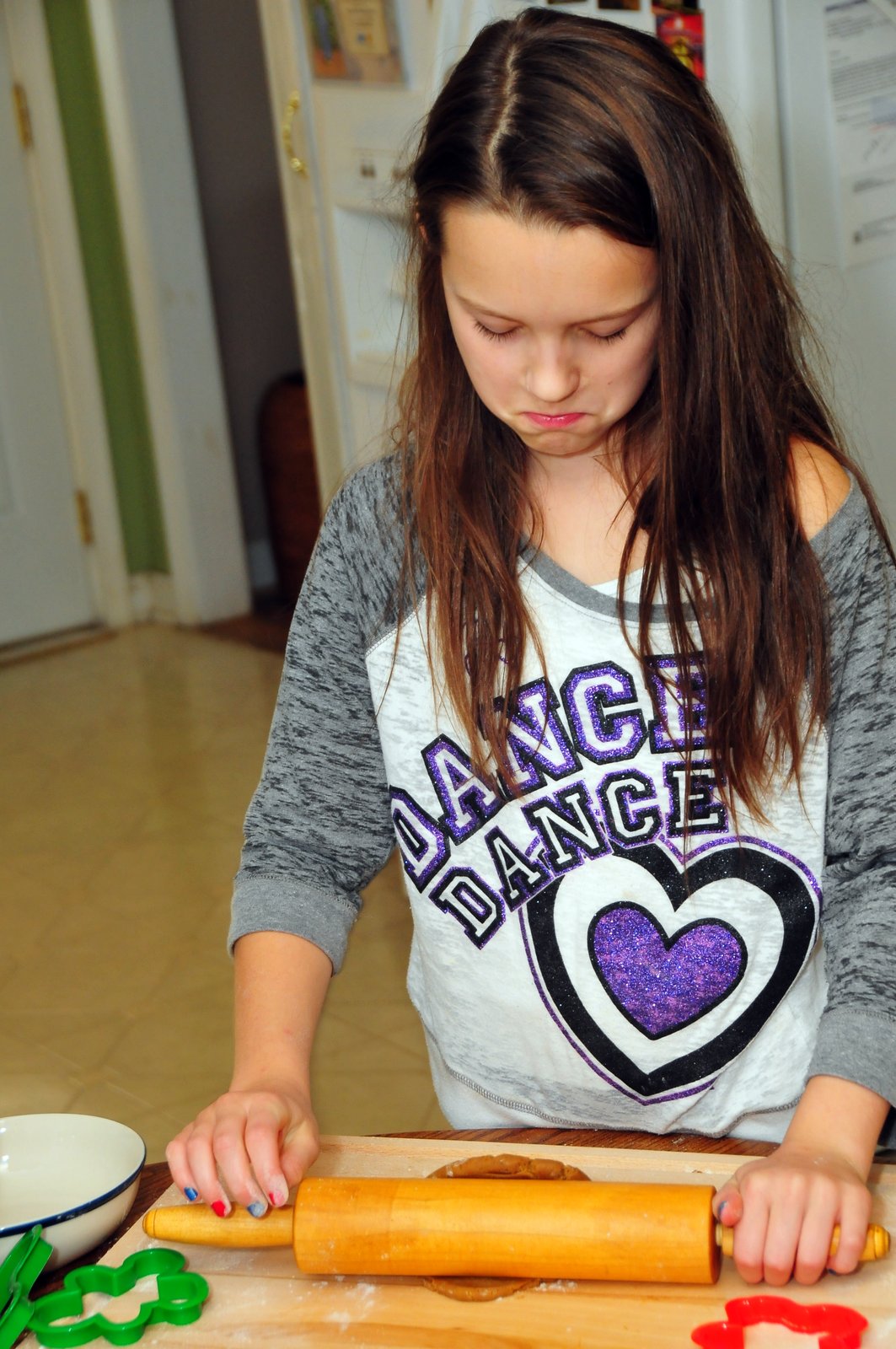
Having a part in the planning and preparation of your party would be an element of a perfect party, a perfect sign that double digits and more approach. The Girl chose a craft-centered party, spending several weeks researching and thinking about which activities she wanted at her party. In the end, she chose holiday-themed crafts: gingerbread decoration and Christmas tree baubles.
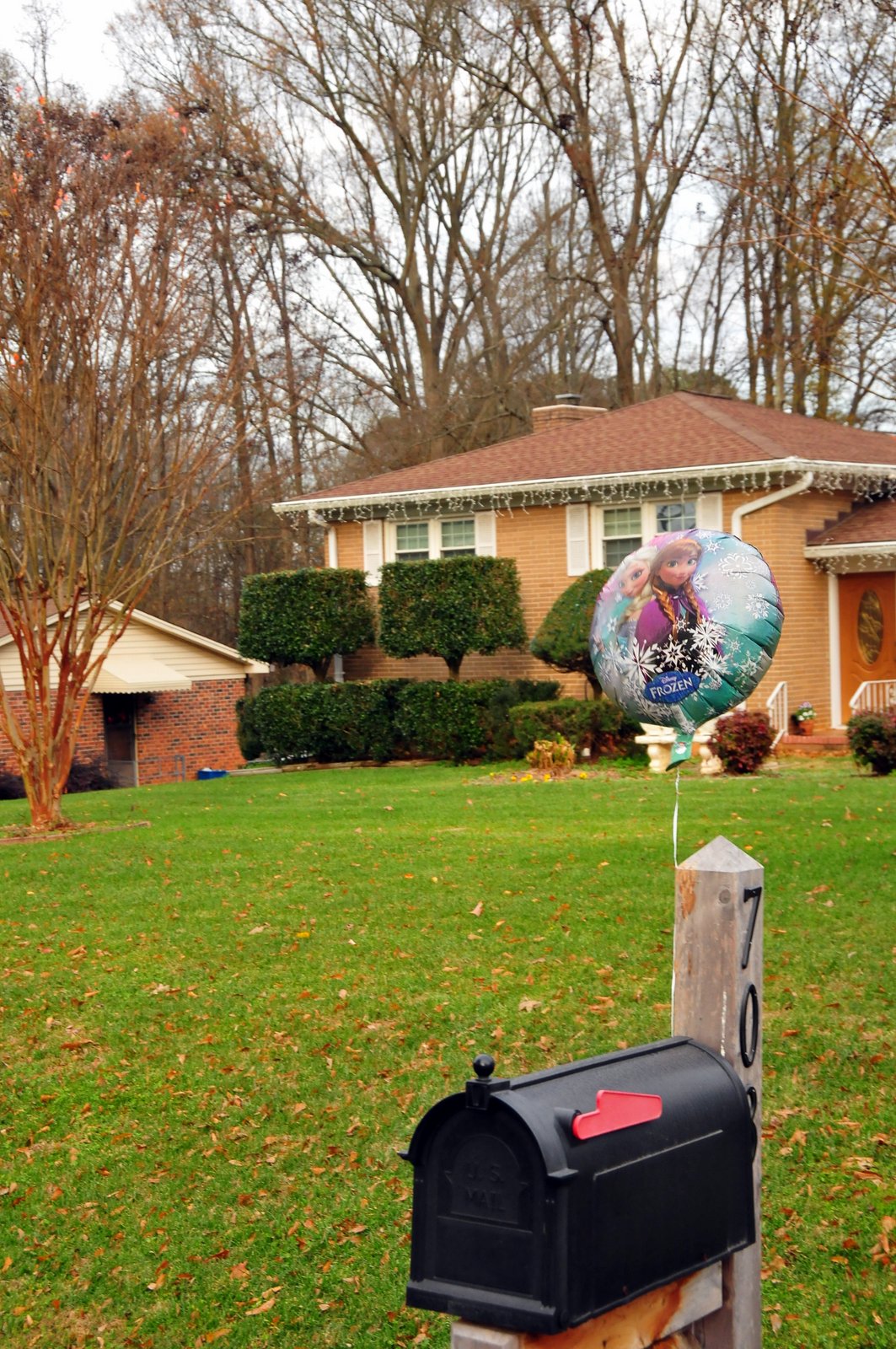
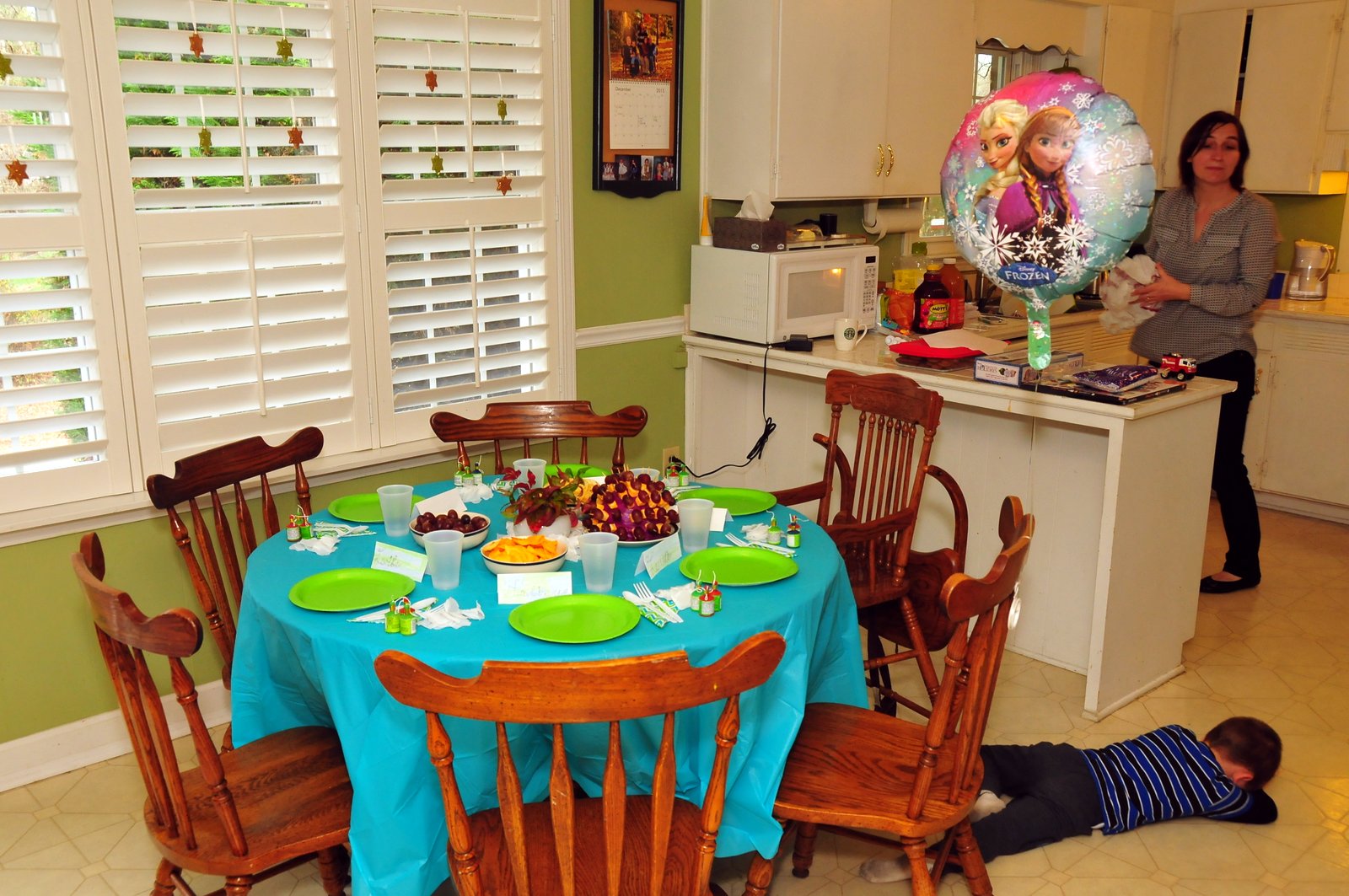
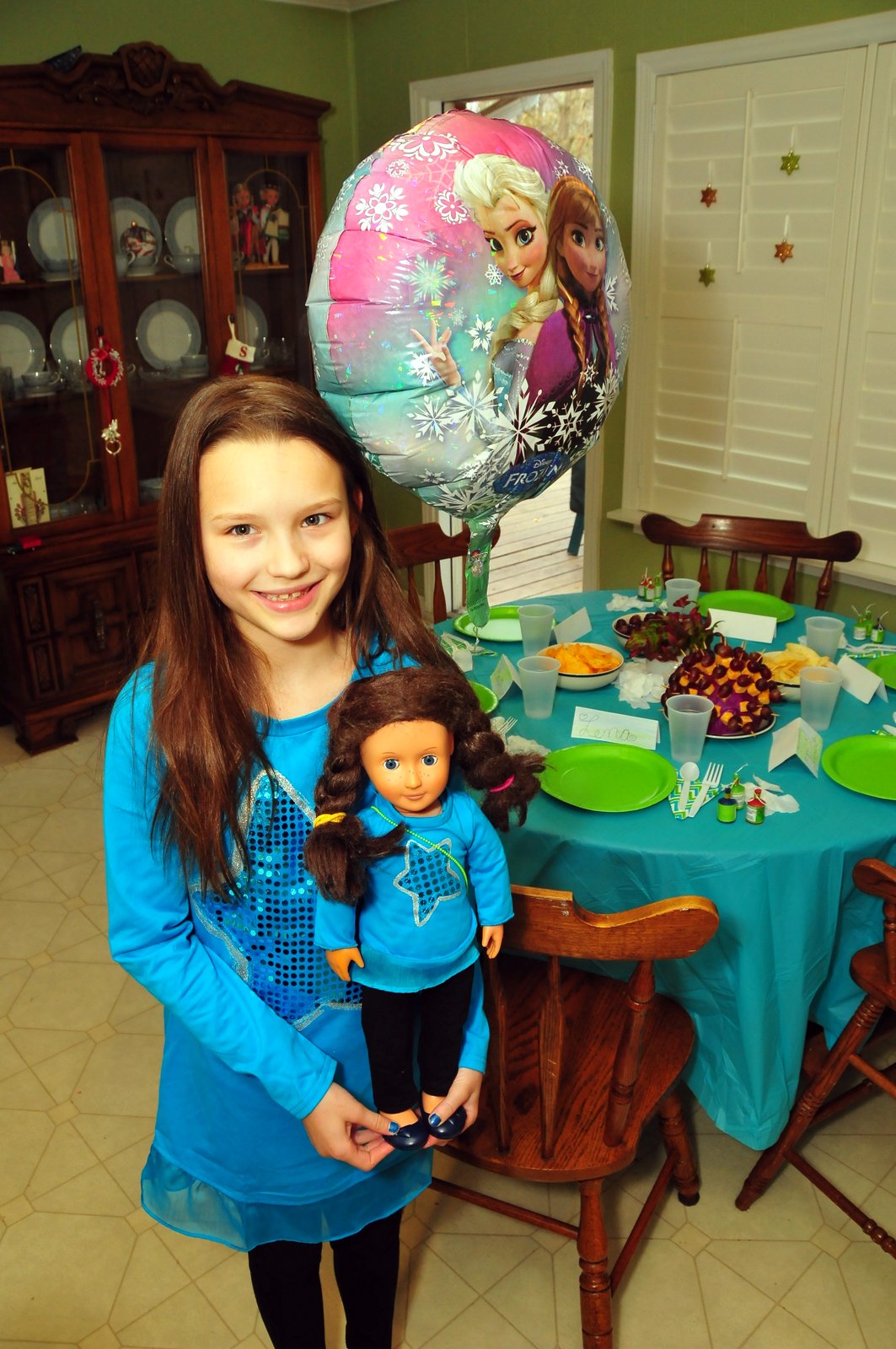
Morning was dedicated to baking gingerbread, then, in various shapes and sizes. There was also significant cleaning as one of the guests is allergic to cats -- never before has the Girl's room and the living room been so thoroughly cleaned. Early afternoon was decorating. And finally, after putting the balloons in place and dressing both Caroline and herself in matching outfits, the Girl was ready for the guests.

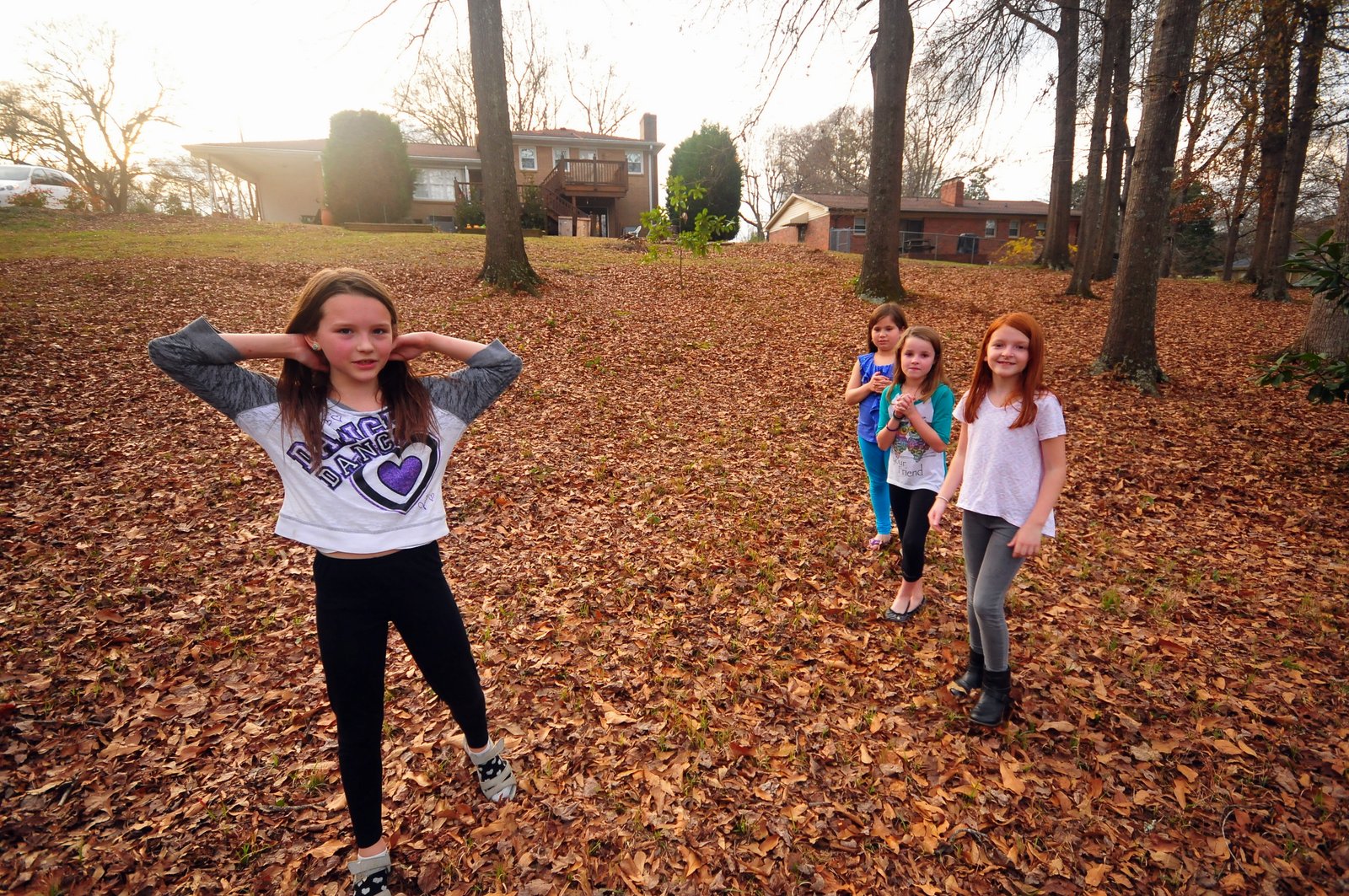
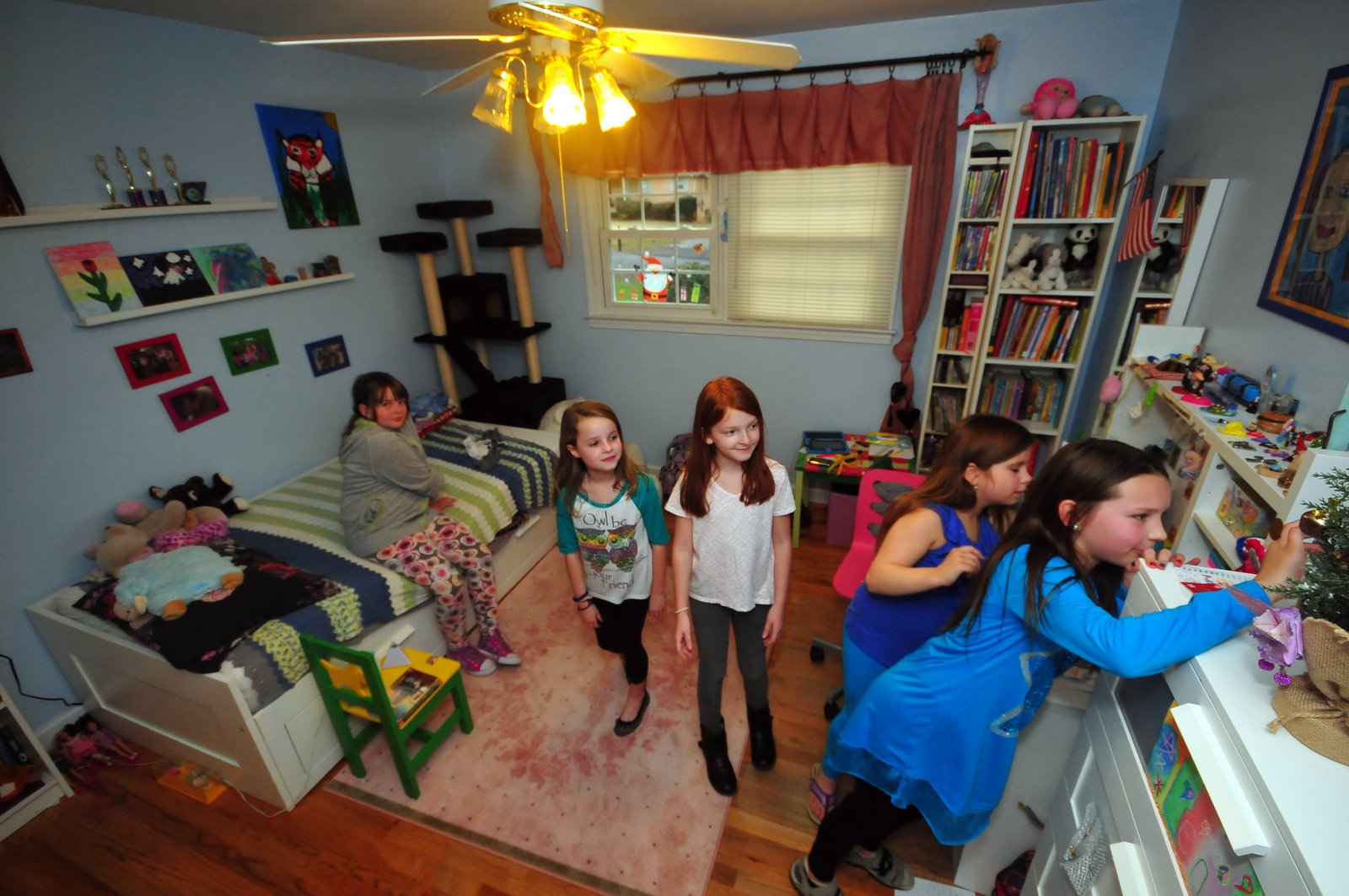
Once the girls arrived, the Boy, though, felt suddenly left out. He went into the living room, flopped down on the couch, and said, "Daddy, I'm boring. I'm not doing anything." The girls headed down to the trampoline and he just watched from the balcony. "Don't worry -- you'll get to do all the crafts with the girls. You'll decorate some gingerbread and make a bauble and do whatever else you want to."
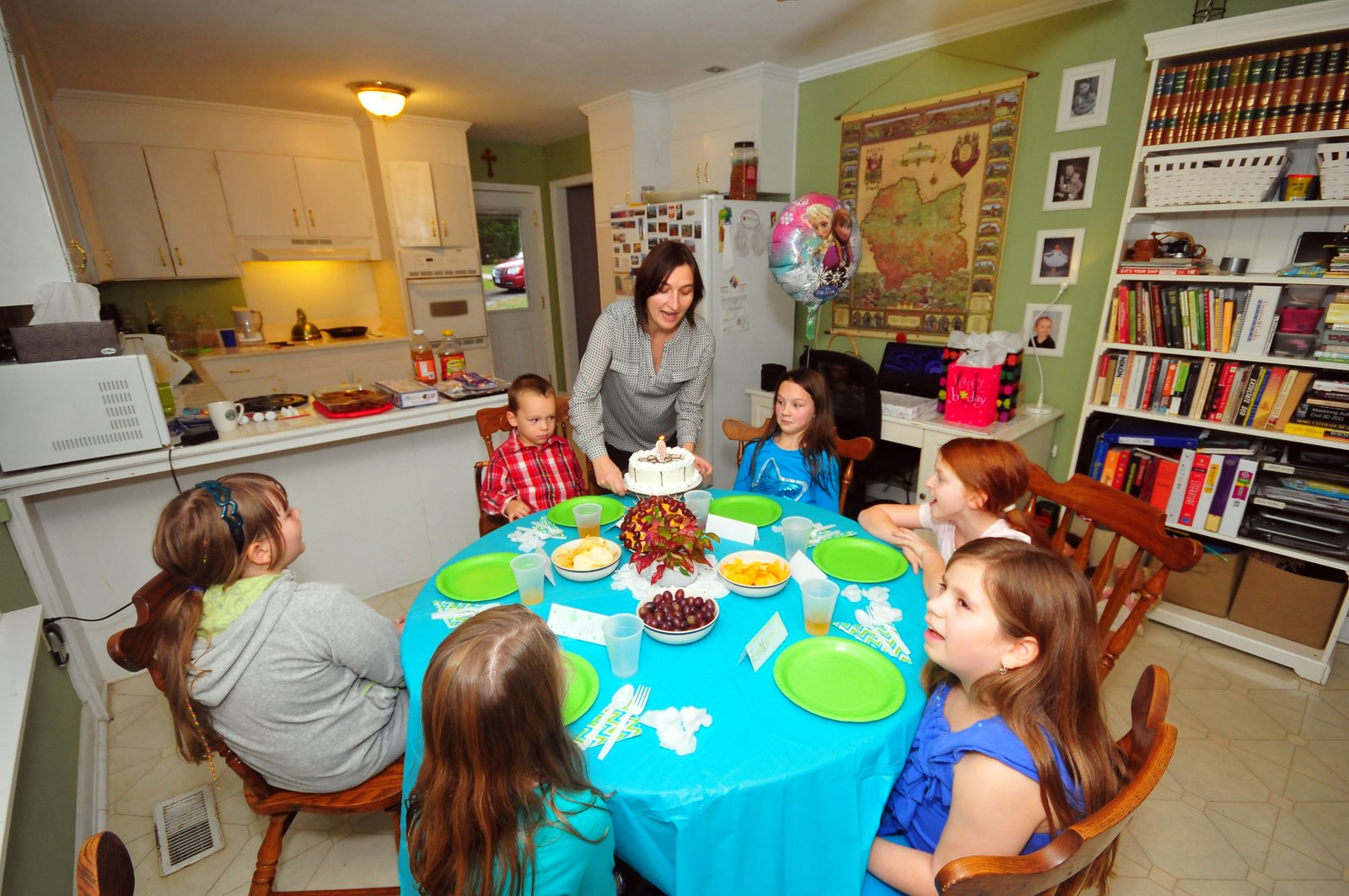
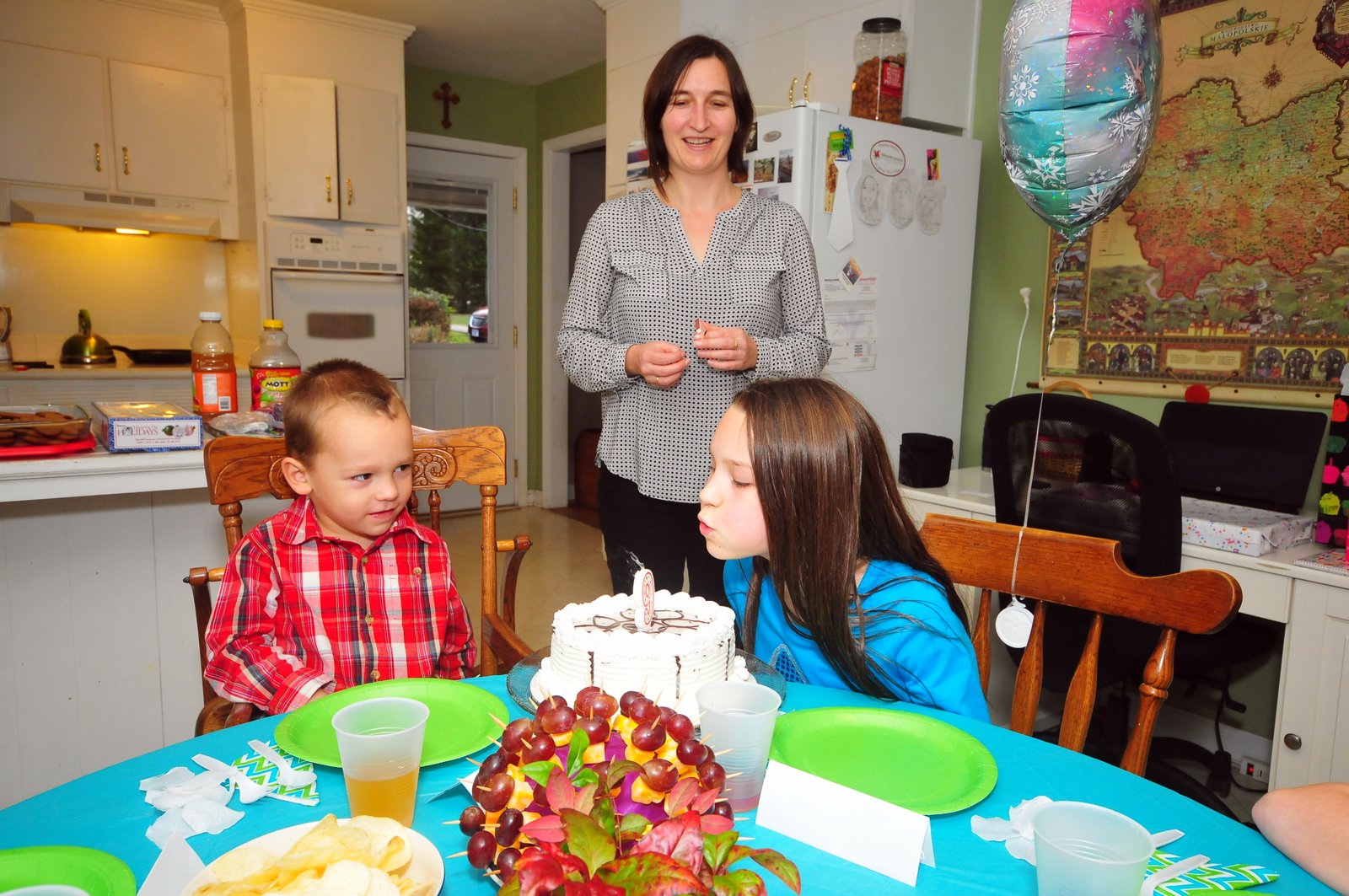
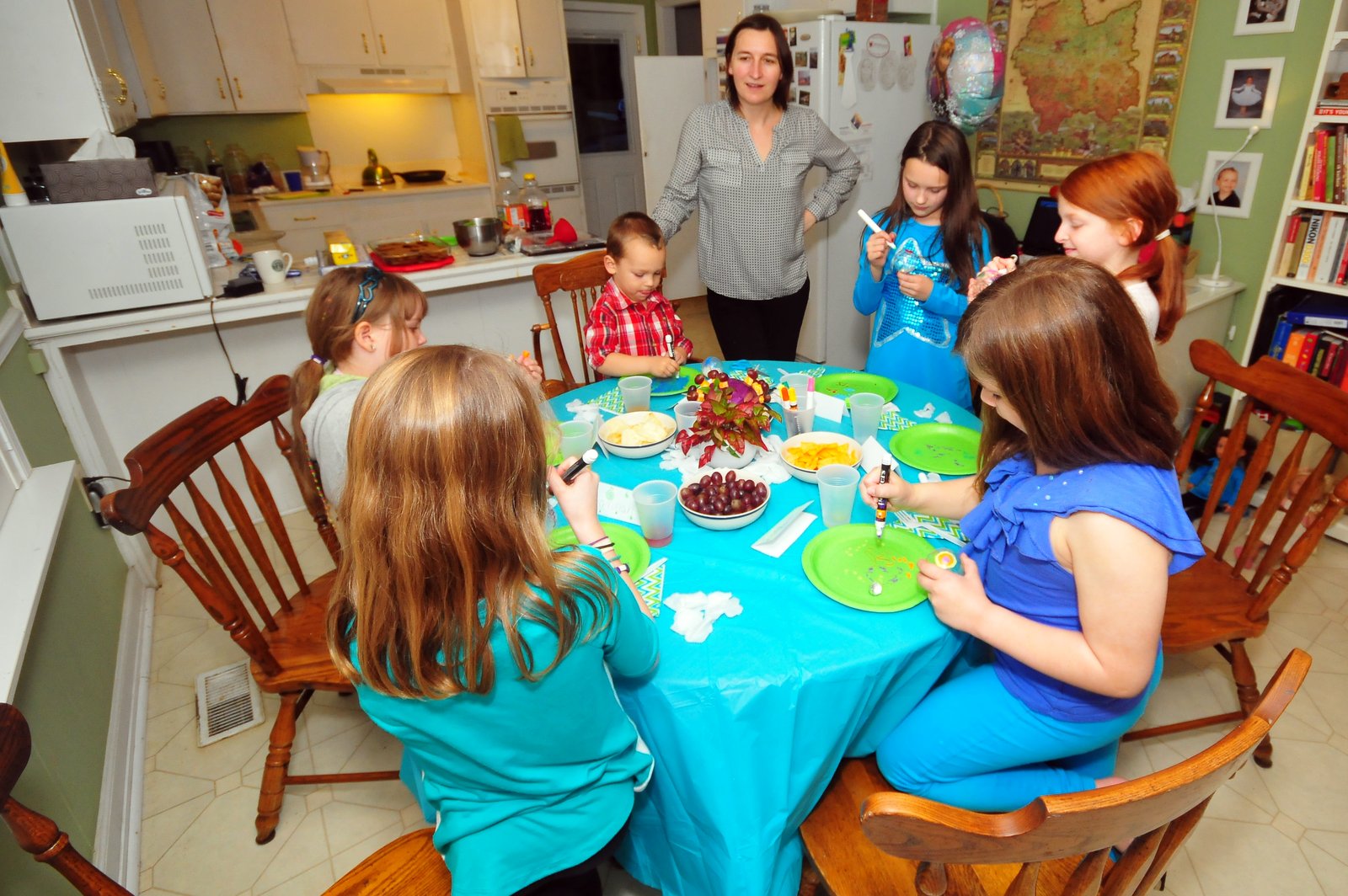
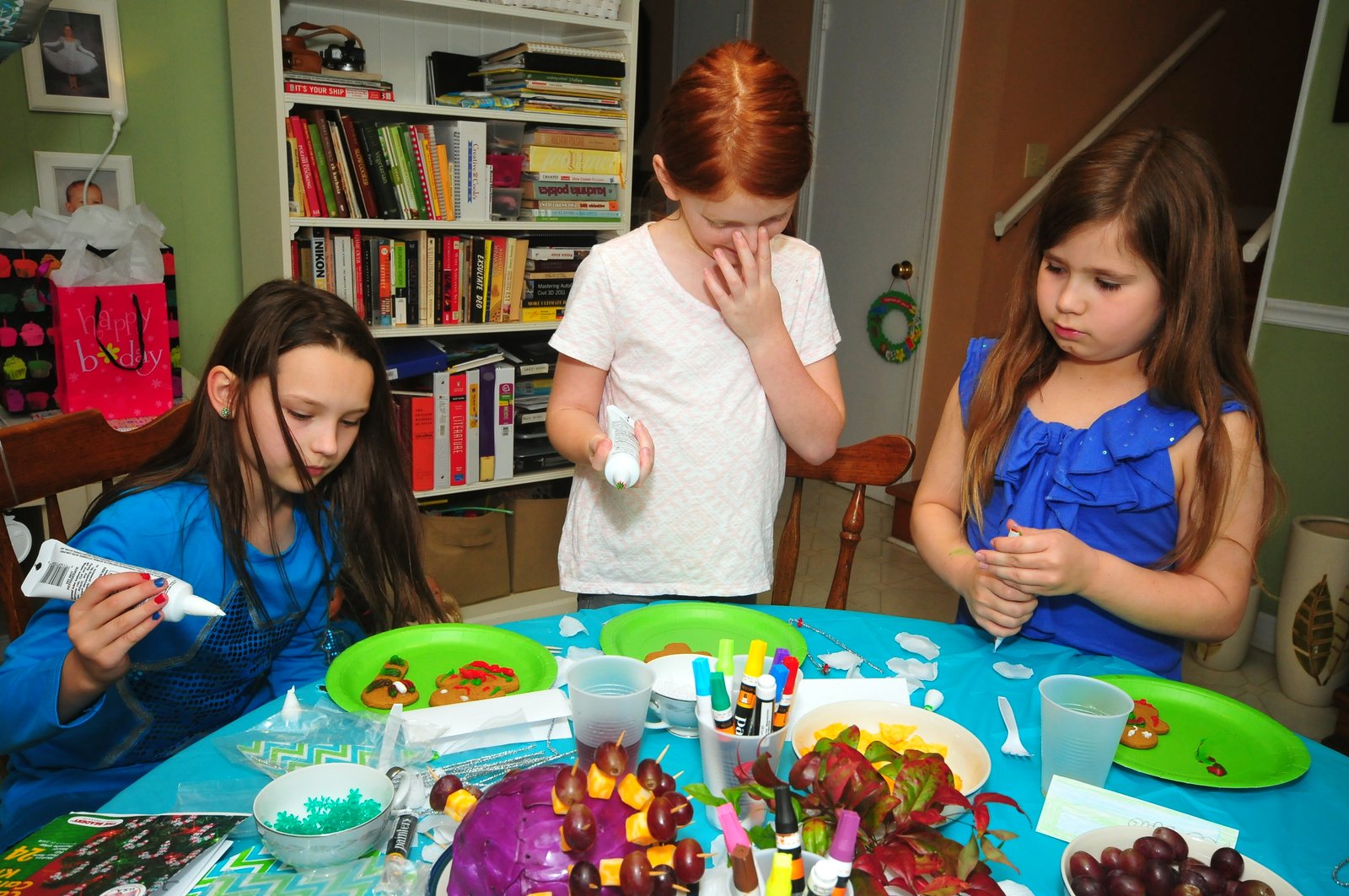
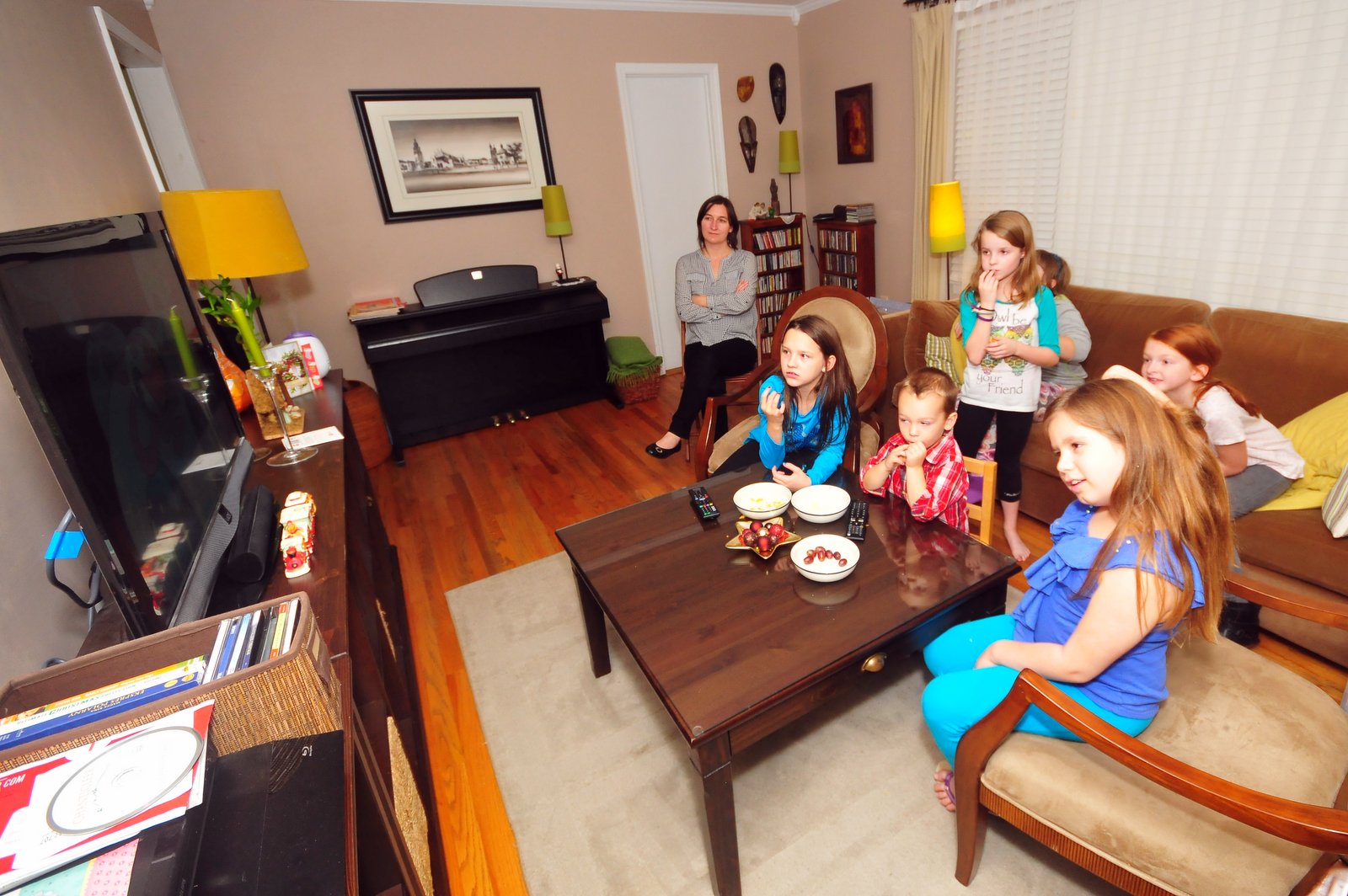
After crafts, pizza and a movie, and a bit of fingernail painting. And finally, we cleaned up the mess, and I asked the Girl, "So, was it a perfect party?"
"Pretty much."
And that's the best present she can give to K and me.
Carol: O Menino está Dormindo
A Portugese carol
Numbers
2
Every night just before bedtime, just before we read a story, just before one or the other of us cuddles with him until he drifts to sleep, the Boy has a choice to make: which cars will I take to bed with me? We allow him two because otherwise, there would be no room on the bed for him — he would pack every single wheeled vehicle he owns onto his bed every single night.
He makes his choice carefully, and as is typical of his personality, changes his mind a time or three most nights.
9
This weekend, the Girl will have her birthday party. Her ninth. Her last in single digits. Her interests are maturing with her body. She’s planning on painting her fingernails before her birthday party Saturday, and it’s a choice that, like the Boy’s cars, requires significant thought.
220
The average RIT score on the MAP test for eighth-grade students is 220. My gifted classes have averages well above 230. My struggling classes have sometimes had averages below 200, putting them in the range of a first- or second-grade reader. When such a class, during optional winter testing, actually goes down as a whole class, it leaves a teacher feeling particularly ineffective. What can numbers tell us about reading? Nothing? Everything? Something?
3000
At a post a day, it would take eight years to reach 3000 posts. However, to reach this, the 3000th post, it took 11 years, which makes an average of 0.747 posts per day — posting about 75% of the time. Eleven years to make it to this, the 3000th post.