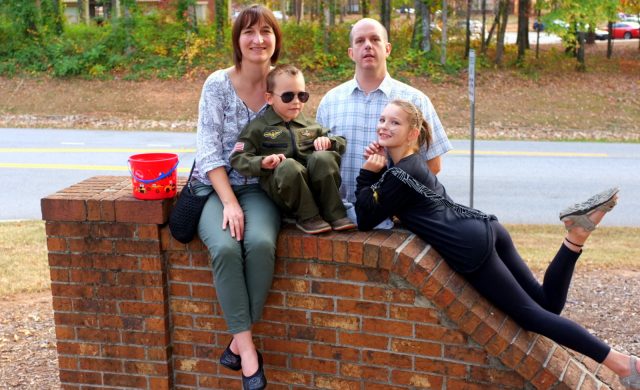
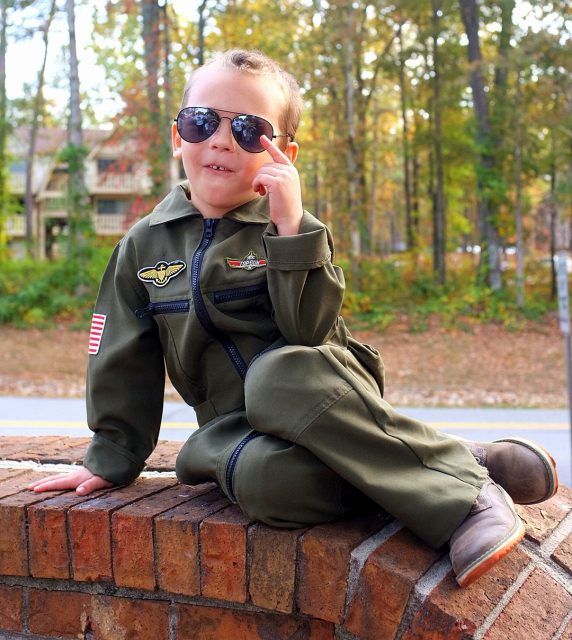
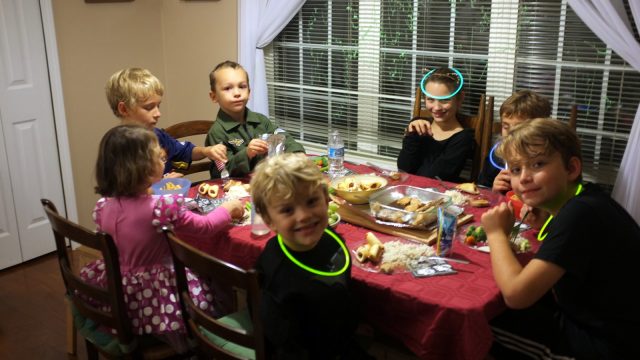
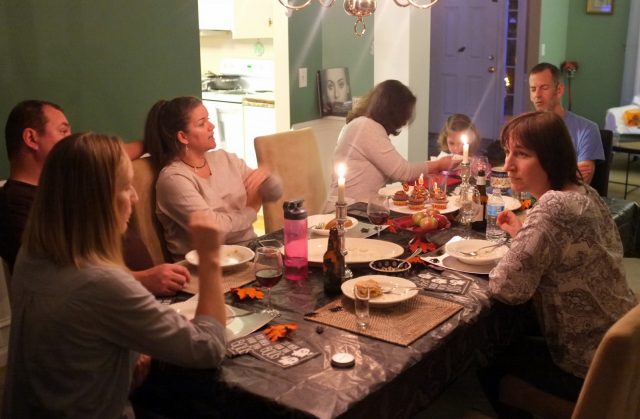
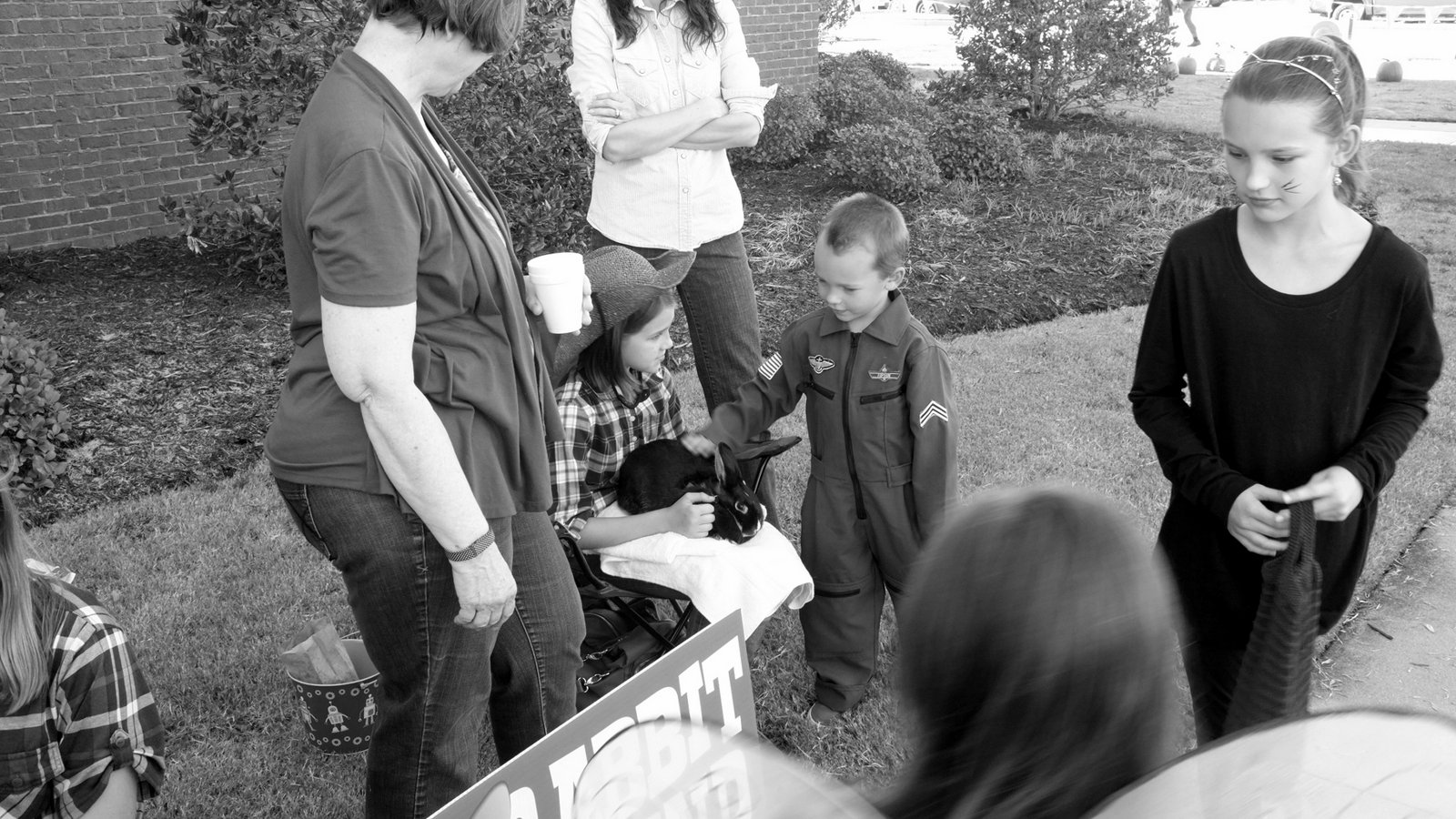
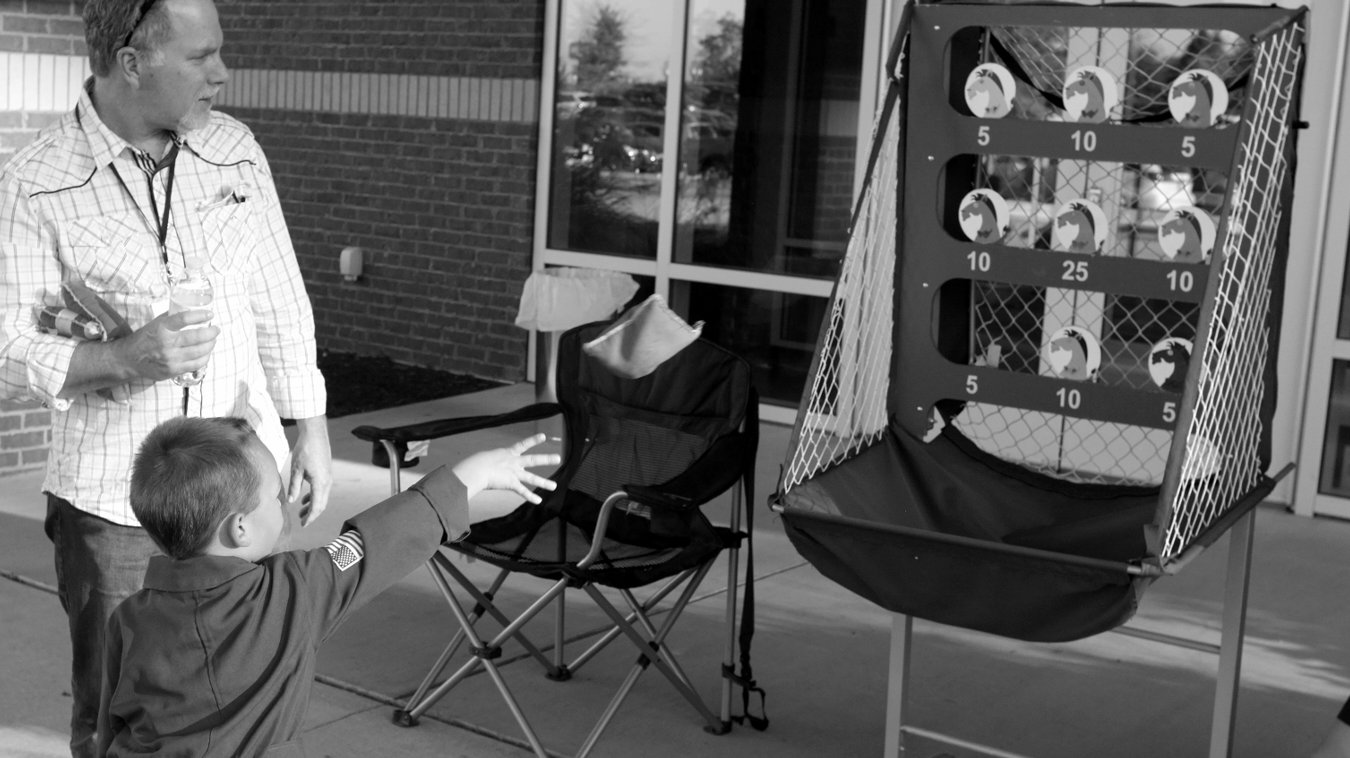
matching tracksuits

fun in threes, sometimes fours

Krakow Past

I first went to Krakow in the summer of 1996 (June 22 to be precise, according to my journal), catching a train in Radom at five in the morning to arrive some time around eight. I'd just arrived in Poland with my fellow Peace Corps volunteers, most of whom and come like I, to teach English. Half a dozen of us boarded the train, found an empty compartment, and chattered away as the train clattered away. "I never really thought I would be in this city. To be honest, I never thought about this city. But never the less, here I am," I wrote that first evening.

What struck me then was the ancient architecture: St. Mary's Basilica on the rynek, Wawel castle on the hill overlooking the old town, the rynek itself with its cobbles and pigeons. When I arrived at my home for two years (which eventually stretched to seven years), I went to Krakow frequently, and the churches and ancient architecture grew known and, dare I say it, common. It became part of "home" in an extended sense.

What I came to notice, sadly, was the negative, in particular the old bus station, where I arrived and departed for every trip to Krakow (and every trip to the north). It was small, with a crowded waiting room and only six ticket windows, most of which remained shuttered. Lines for tickets were long; lines waiting to get on buses out back were long. And everything -- everything -- was dull gray concrete.
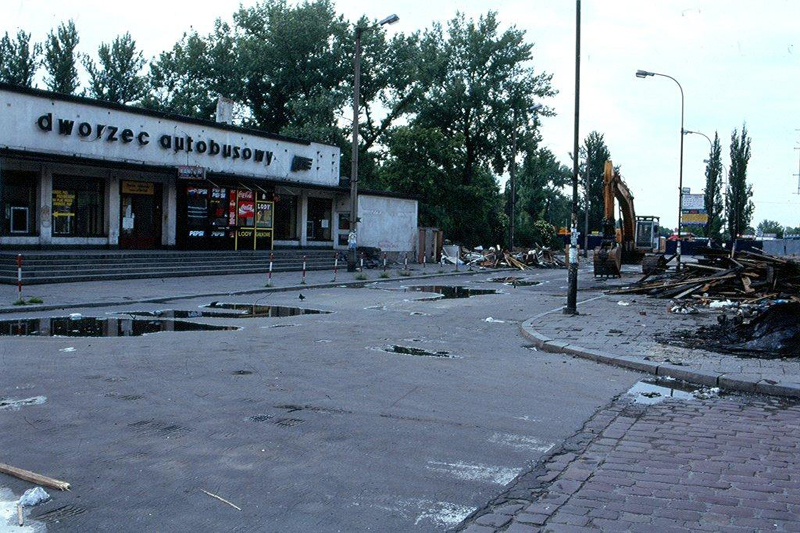
old_pks_krakow
Bus Station

I hated waiting there. It was stuffy in the summer and freezing in the winter. It reeked of stale beer and urine, and everyone seemed angry -- and no wonder. Yet in the mid-nineties, there was no other option. There were a handful of private bus companies running, but the vast majority was the state-run Polskie Koleje Samochodowe, known simple as PKS. And due to where I lived, I had to wait somewhere. There was one direct bus to Lipnica Wielka that left every evening around six. If I finished at three, I had three hours.

There were options, of course. Most often, I simply planned my arrival to the station at around 5:30 to minimize waiting. In the meantime, I wondered the streets, sat in some cheap restaurant drinking tea, or dropped into a church to sit for a while.

The best option was a church: it was quite, relatively warm in the winter and cool in the summer, and free. I could find a quiet spot, sit, and read. Wandering the streets was always enjoyable -- who doesn't enjoy wandering around an ancient city? -- but in January, it was simply miserable.

Restaurants were the trickiest of all. The decent ones (i.e., clean and well-light) were often more expensive than what I was willing to pay. There was a McDonald's at the end of Florianska Street even in the mid-nineties, and I often dropped in for the simple reason of the cleanness of its restrooms and the brightness of its lights. But it was always crowded, often with fellow travelers like me, so the management quickly instituted a policy that restricted the restroom facilities to paying customers. I simply began buying a small order of fries or a small drink as an easy way around the problem.
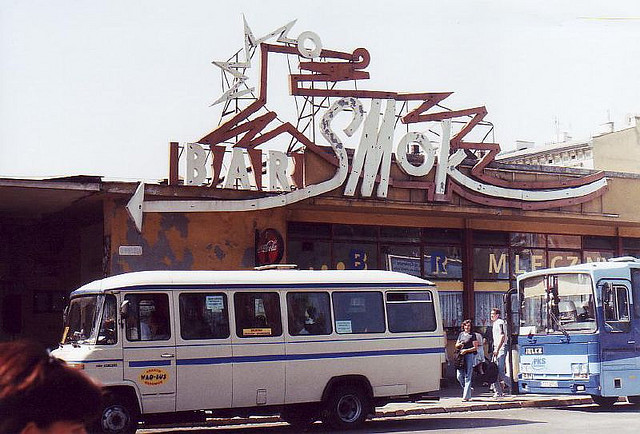
bar smok

On the other hand, I learned I could always visit a milk bar for a quick, decent, cheap bite and a warm place to sit. Opposite the bus and train stations, in fact, there was a famous one, though notorious might be a better term: Bar Smok -- the Dragon Bar.

I didn't need to see a faded picture from the sixties to know how old the place was: one look at the sign was enough.
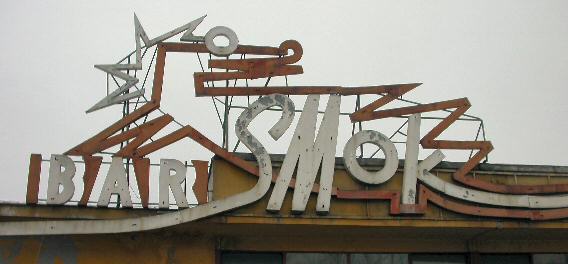
bar_smok_neon

It was legend, though. Everyone knew about Bar Smok -- Poles from all over the nation and even the Americans scattered throughout the country in my PC group.

I believe I ate there once. That was enough. I likely waited there a couple more times, but as far as eating -- by the late-90s, no thanks. It wasn't the food as much as the atmosphere. As Gazetta Wyborcza explains it:

Krakowscy bonzowie pili tu gorzałkę, pielgrzymi zajadali się bułkami z jajkiem, a pechowcy czasami tracili obiad, podjedzony przez bezdomnych. Ale bigos i grochówka na stojąco były tu bezkonkurencyjne. (Source)

That introduction explains it fairly succinctly: there could be drunks consuming cheap vodka; there were often pilgrims having a cheap meal of rolls with an egg; and the unlucky did occasionally have food snatched from their plates by random homeless folks. When I dropped in the few times I did in the mid- and late-nineties, I saw all of these things. I didn't get a chance to try the bigos or pea soup that the introduction describes as "without competition." The other stuff just got in my way, I suppose.
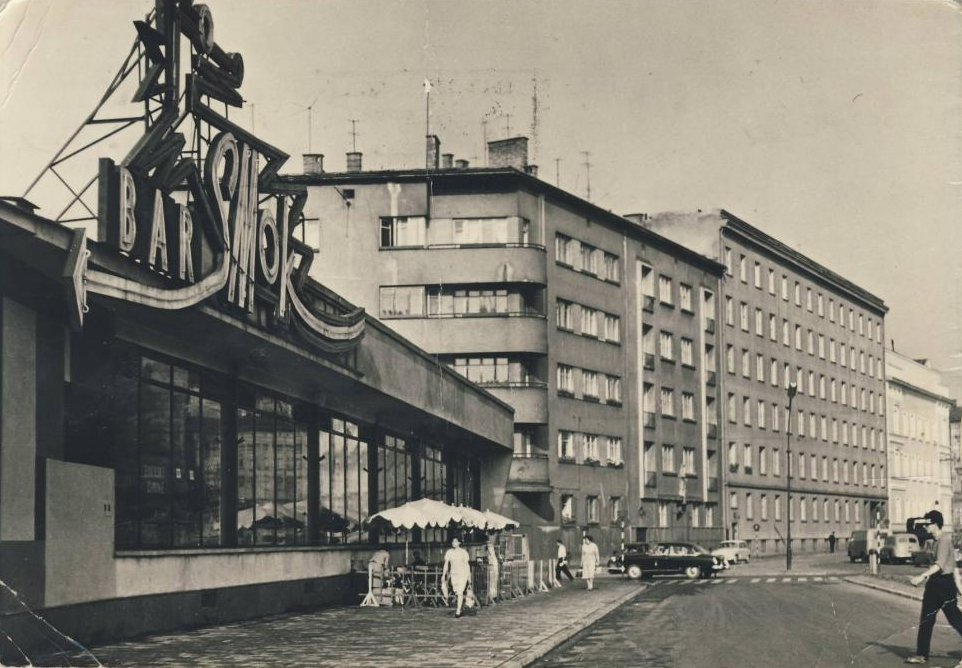
smok

The old pictures tell a different story, though. Not a story of homeless men grabbing pierogi off of the diners' plates but a story of a fashionable, affordable restaurant with a modern, colorful neon sign. It stands in contrast with the gray office and apartment buildings around it, a flash of color in an otherwise-gray world. It was this fact that makes the neon signs stand out: "Nieco abstrakcyjny i kolorowy, rozjaśniał szarą rzeczywistość gomułkowskiej Polski," writes one article ("Somewhat abstract and colorful, [the neon] lightened the gray of Gomułka-era Poland" -- Source).
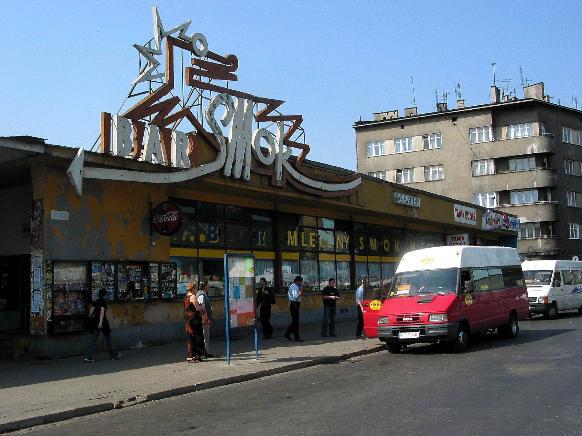
barsmok

By the time I arrived, though, it had just become part of the gray. Dated and dilapidated, it was another of seemingly-endless examples of architecture that seemed like it could have never really been anything but dated.

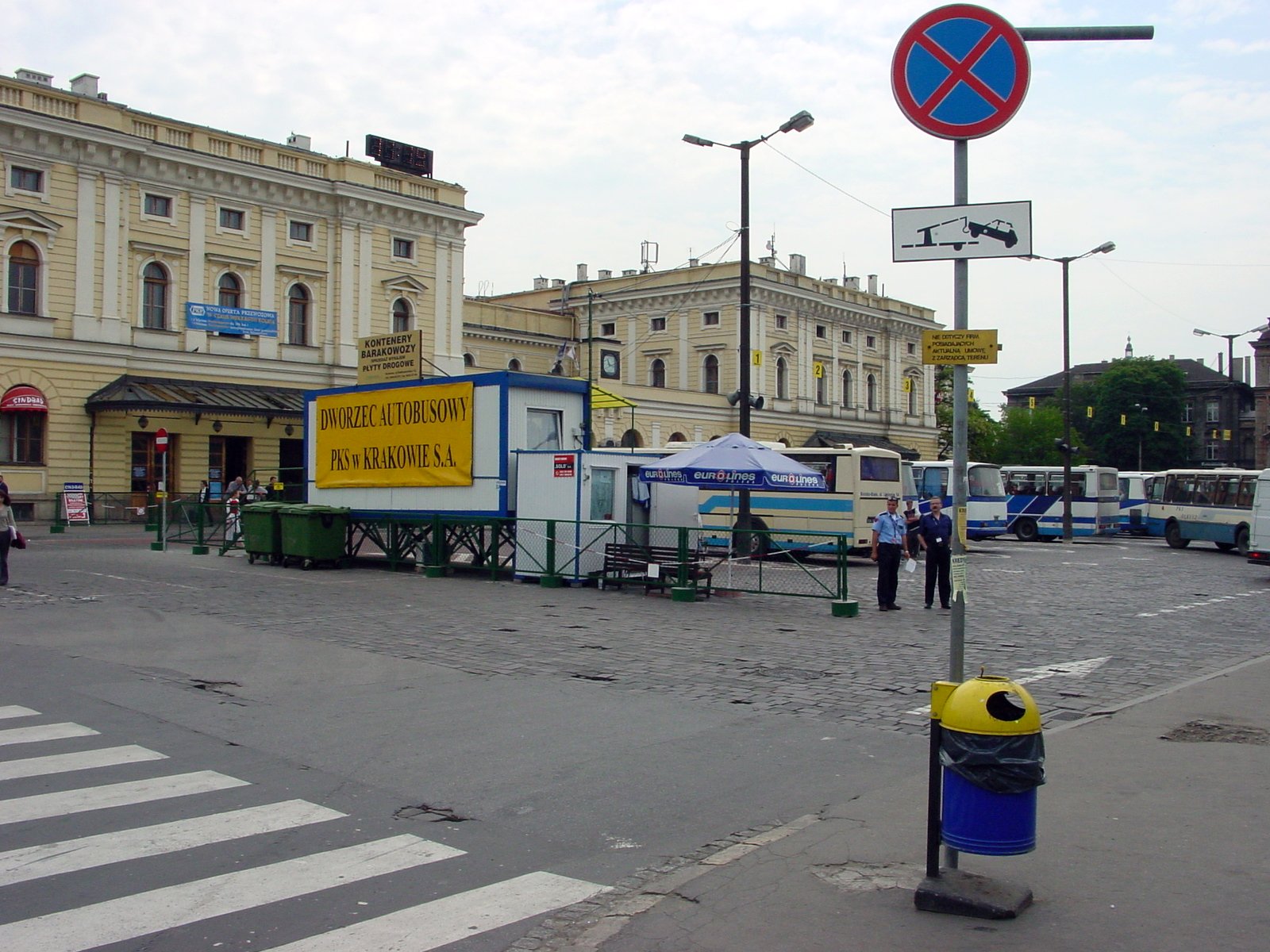
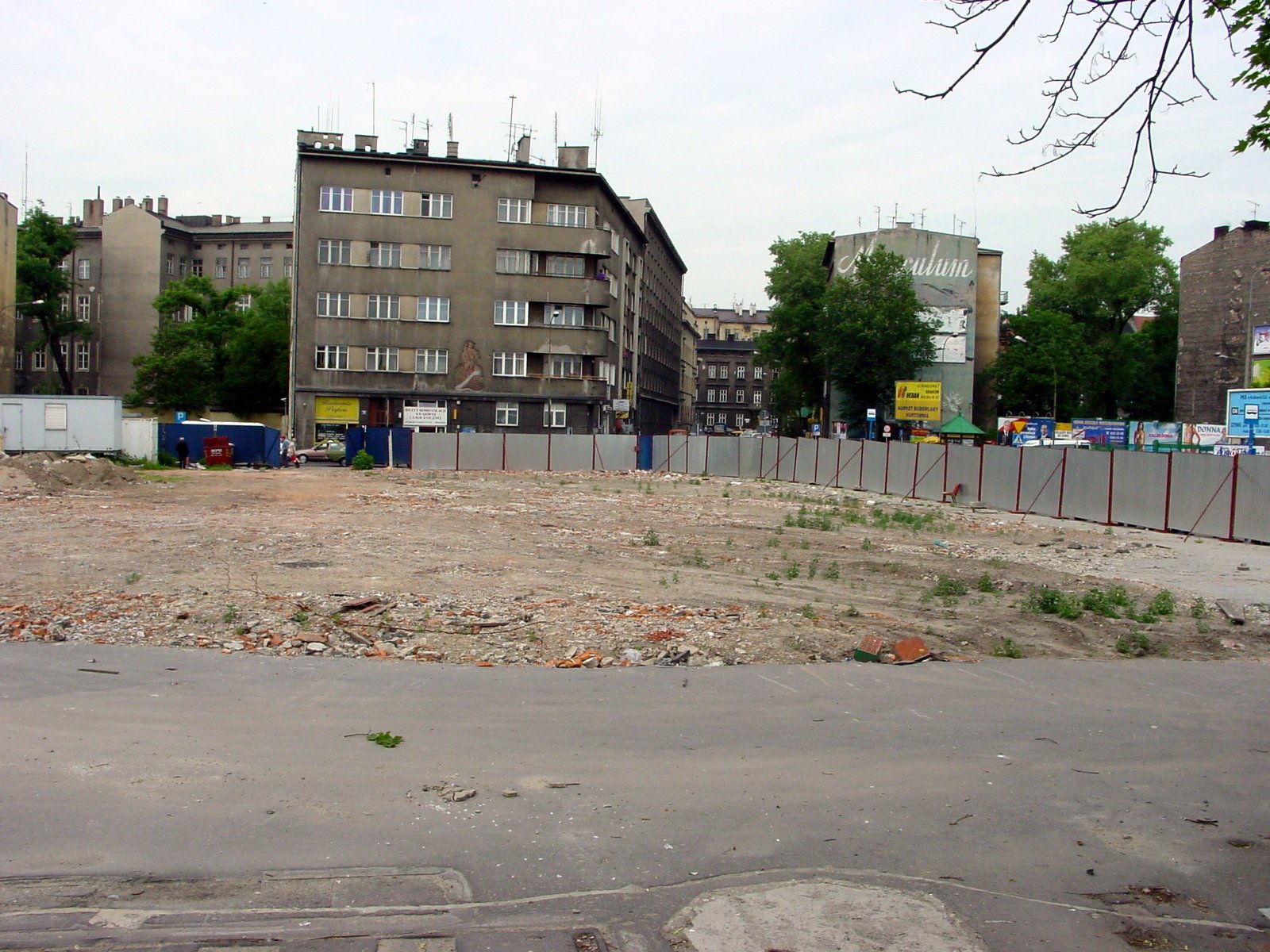
By the time I left, though, in 2005, it was all gone: the old bus station, the Dragon Bar, and all the the gray buildings surrounding them, all torn down to make room for "Galeria Krakowa," a modern shopping complex that could only be called a mall.
3-DSC00003

The bus station had moved to the cobblestone area in front of the train station, and the old buildings were not even a pile of rubble.
4-DSC00004

It's tempting to say something like, "No one really misses the bus station, but it's a real tragedy about the neon sign." Indeed, there is a small movement in Krakow (perhaps Poland?) to rescue the neon signs of the fifties, sixties, and seventies, but there's no sign of the Smok neon:

[P]o kilku latach nikt nie jest w stanie nam powiedzieć, gdzie się teraz znajduje "Smok". Od kilku dni próbujemy bezskutecznie to ustalić. A tymczasem to jeden z najcenniejszych przykładów neonów krakowskich. Zaprojektował go Adam Marczyński, profesor krakowskiej ASP, związany z Grupą Krakowską.

Więcej szczęścia miał neon kina Wanda przy ul. Gertrudy, które przegrało rynkową walkę z multipleksami. Ponieważ fasada (wraz z napisem) uznana została za zabytek - neon przetrwał.

The group was able to find the neon sign for the Wanda movie theater, but only because the building that housed it was declared a historical landmark building, and so the neon survived.

It's tempting to say that, to suggest that such an ugly building as the old PKS in Krakow is better off in memory only. Yet there seems to be a tragedy in that. Yes, it's an ugly building. Yes, it would be, had it survived, horribly dated. But I still think there's some value in keeping those buildings. Perhaps not all of them, but some. As it is, with fewer and fewer such places still standing every year, an entire portion of Polish architectural history is disappearing.

1-DSC00001

Left in its wake are the distinctly modern designs that seem just as destined to appearing dated at the old Bar Smok and buildings of its era.

I felt the same way about the old PKS station in Nowy Targ, a station I knew much better because of the frequency of trips I took to the NT, the nearest real city (in Poland) from where I lived.
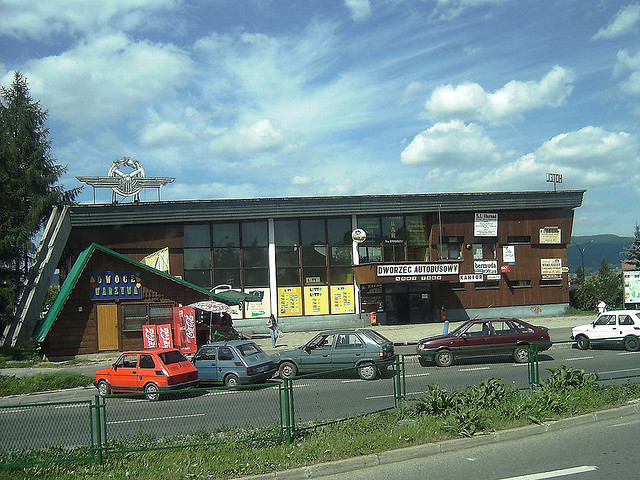
Nowy Targ Bus Station Poland
Photo by hack man

It too was strikingly dated, a relic from the sixties that was increasingly out of place architecturally. Yet that's precisely why it should still be standing: like so much of architecture, it's a palpable reminder of our past, of where we came from. "Perhaps Poles just want to forget that part," a friend suggested in 2013 when we walked by the place.

2-DSC00002

Perhaps. And perhaps renovation simply wasn't economically or architecturally feasible. Or maybe enough people just want to forget.
Trump Versus Reality

Does Trump forget that everything is recorded nowadays and his characterization of an event can be compared with the event itself? I’m no fan of Obama, but the man handled himself excellently in this situation. A man was protesting. Obama defended his right to protest, and even took the crowd to task for booing him. Trump characterized this as screaming at the protester. Trump suggested that if he spoke to protesters in a similar way, the media would declare “he became unhinged.” I think he’s right: if Trump ever speaks respectfully to a protester instead of inciting violence against him, many would believe he was unhinged — because it would be so out of character for him.

How do we explain this? Either he lied or he has terrible trouble interpreting body language, tone of voice, and the linguistic content of an utterance. Or he takes his supporters for chumps and thinks, “Well, even if they do go back and check on this clip and see I’m making things up, I won’t lose supporters.” Of course, if he hasn’t lost a given supporter by now, he never will. He probably could, as he bragged, shoot someone and not lose a certain segment of his supporters.

Game 7

Sleepy

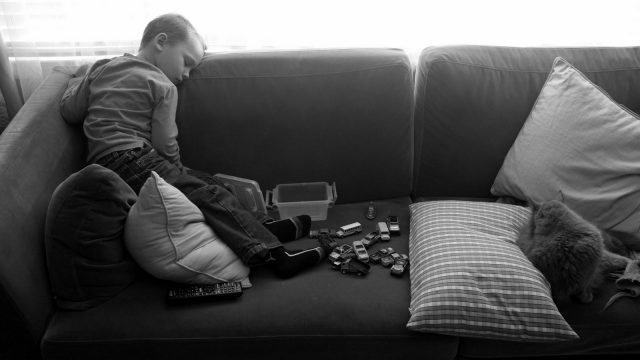
Two things conspired against the Boy this afternoon. The first was a late night with lots of excitement last night, which meant that he was unable to go to sleep immediately last night and then difficult to wake up this morning. We let the kids sleep in a bit this morning, but it was no help: he just didn’t want to get up.

dscf1554

The second thing that conspired against him was the rash that’s developed on his belly. It hasn’t really gone away in a few days, so K gave him some Benadryl this afternoon to try to calm down that reaction. Not having had Benadryl in at least two years, the Boy was not really prepared for how hard it would hit him — neither was K. And so he fell asleep while playing on the couch.

dscf1561

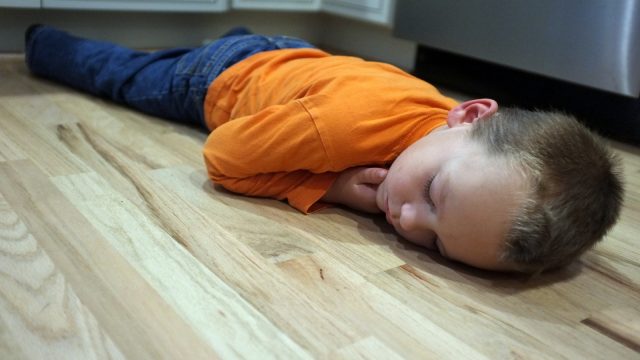
Once he goes to sleep late in the afternoon like that, though, he’s an absolutely nightmare to wake up. Today was no exception. I got to work on him a full fifteen minutes before dinner was ready, but he still needed a bit more time. And in the end, when I got him into the kitchen, he only ended up lying back down on the hardwood.

Halloween 2016

dscf1522

dscf1526

dscf1541

dscf1548

Late October Sunday

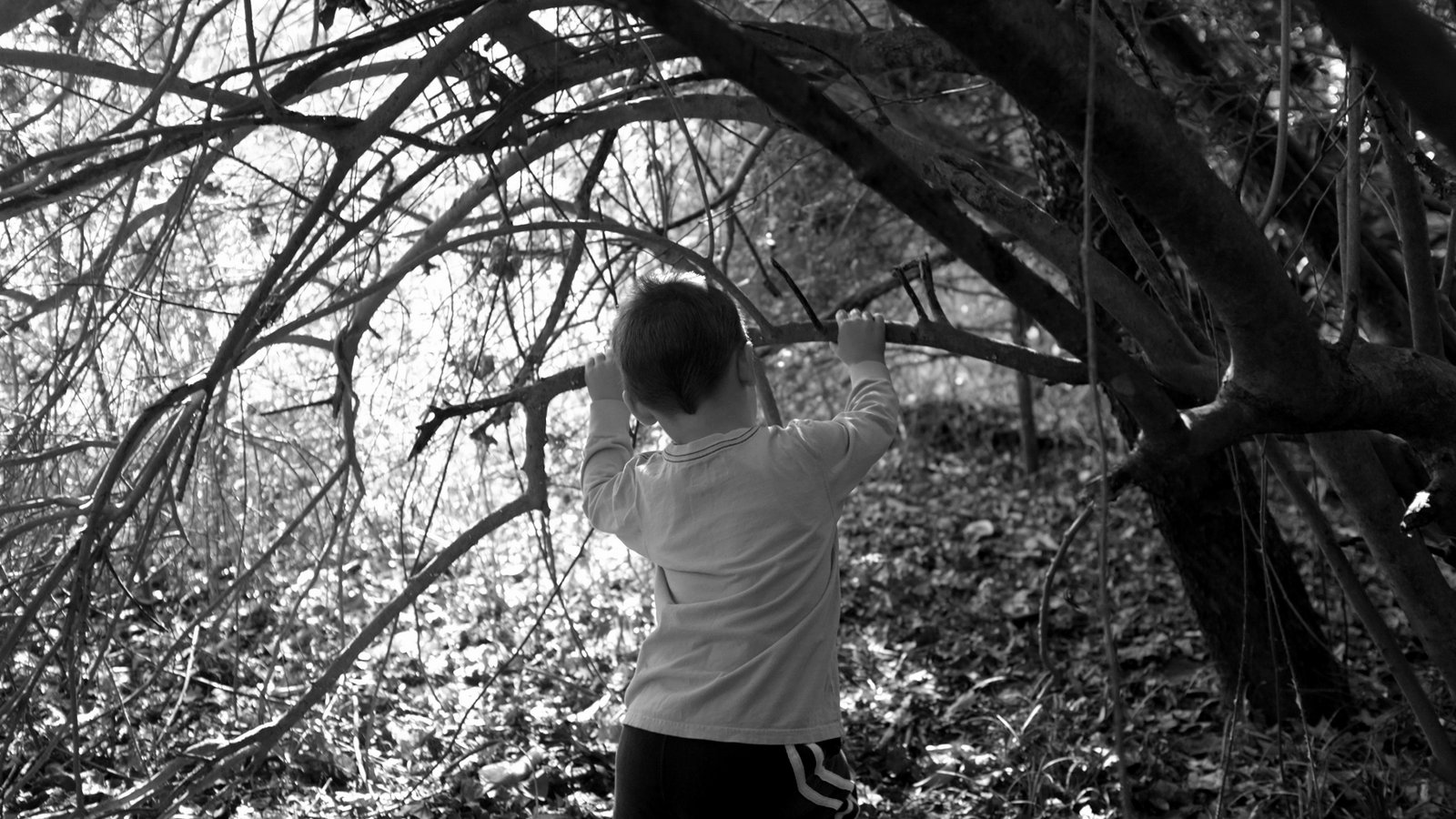
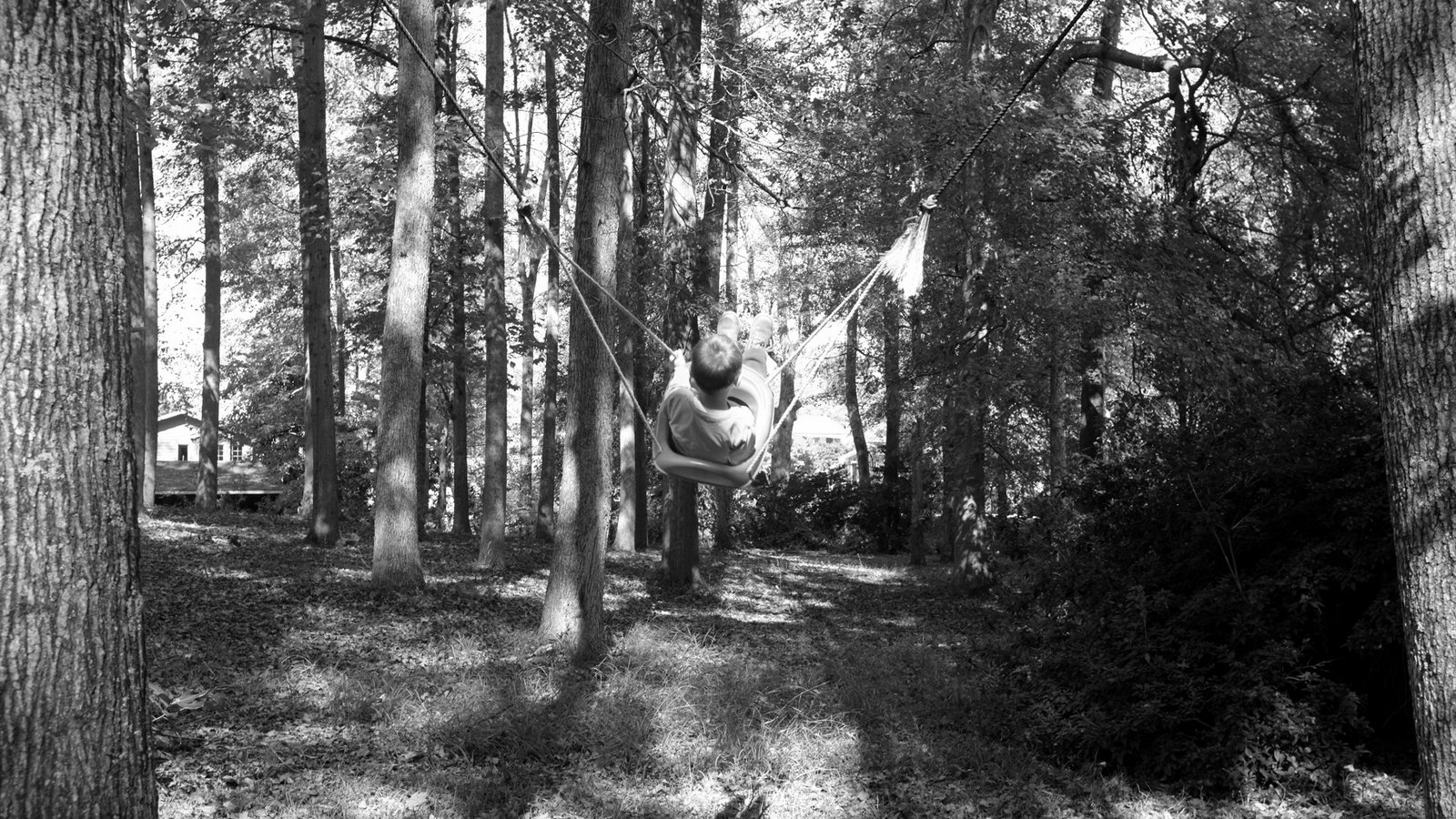
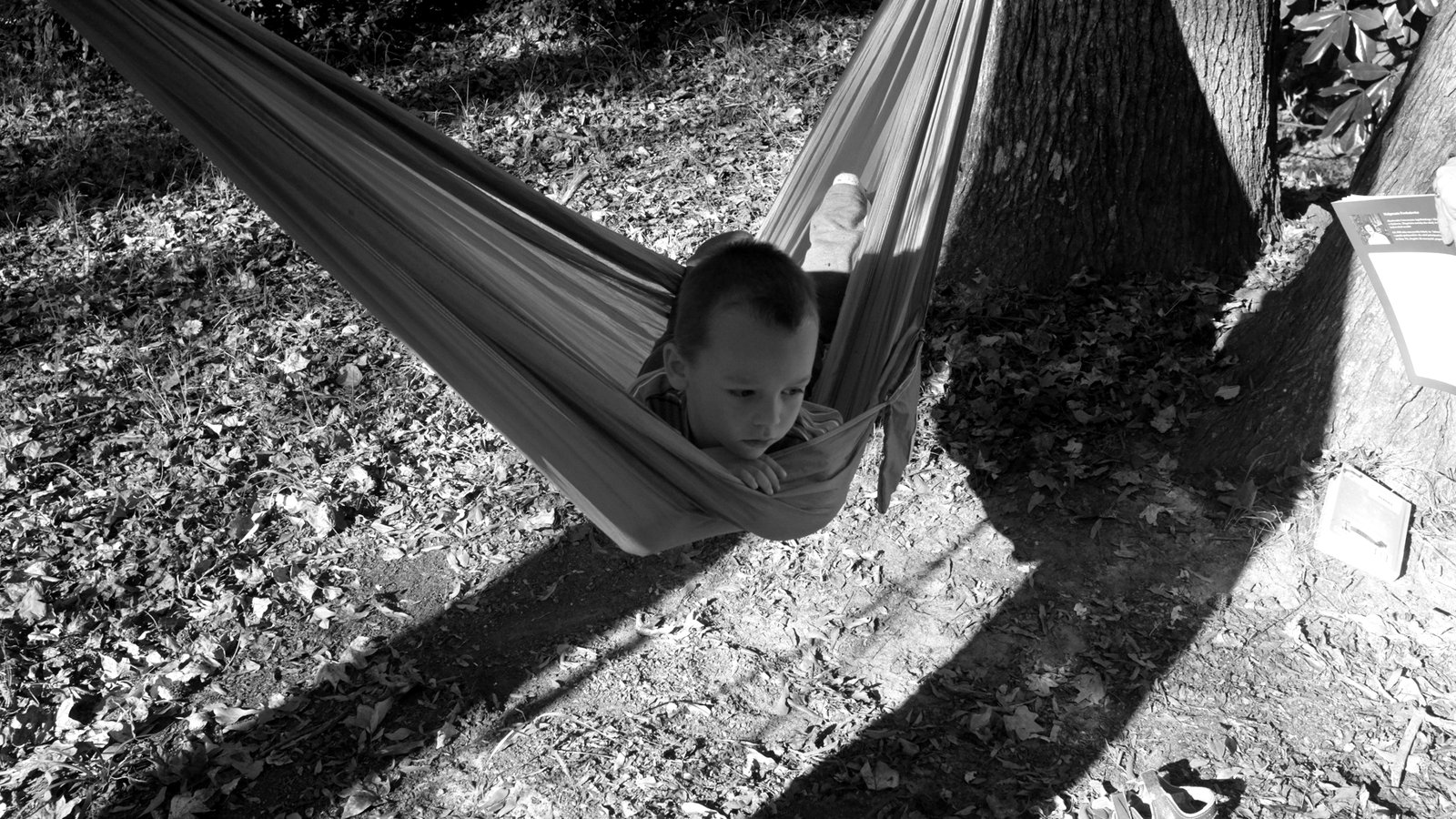
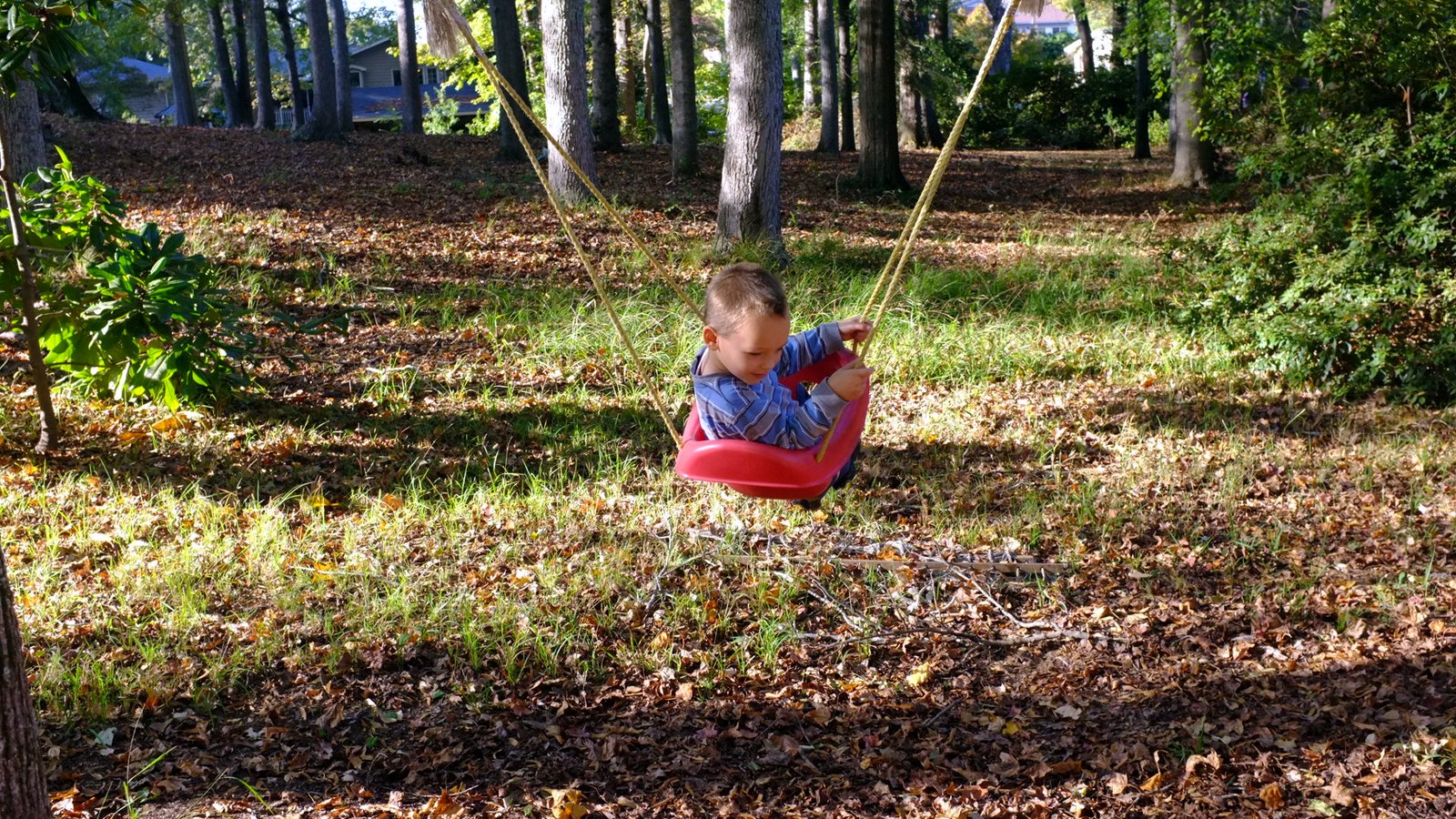
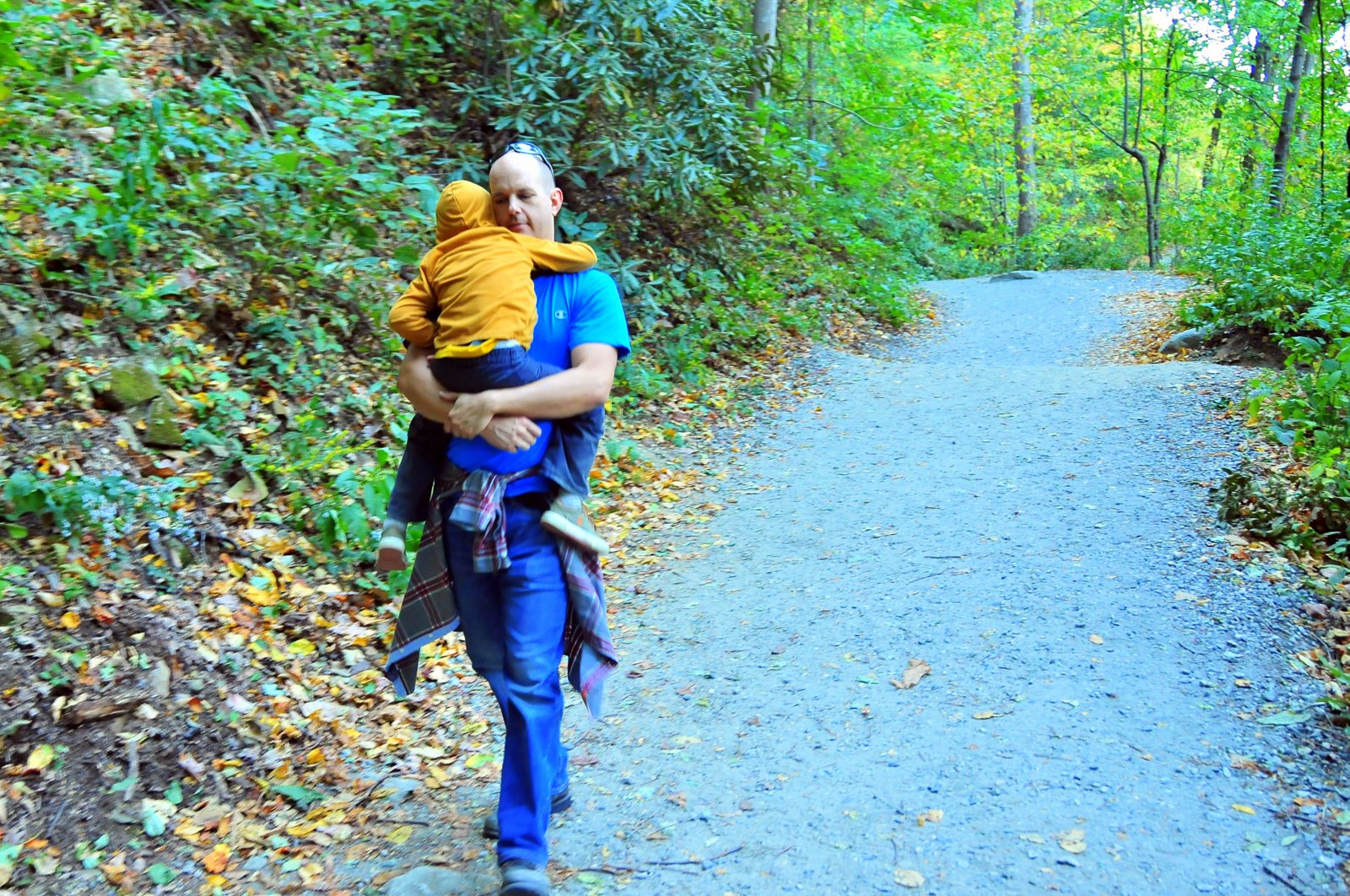
With it being the last Sunday of the month, our family had a lazy morning that included a bit of television, a bit of computer, a bit of baklava, and a bit of exploring, all before lunch. The Boy and I went to our normal haunts, though we decided this time to go a bit deeper into the "woods" that consist of vines and bushes on the property behind ours, the house abandoned now for several years. We went deep enough that I had to crawl for a moment. Afterward, there was the usual: swinging, exploring the creek (where we found our lost ball behind our neighbors' house), and lounging in the hammock. We were there when K came out onto the back deck to call us in for lunch.
"We're being lazy on the hammock," the Boy responded.

In the evening, Nana and Papa came by for dinner -- another adventure in "we're no longer worrying about whether our kids will eat what we cook because they can survive skipping one meal from hunger." Of course that won't really happen with the Boy: first, he's too adventurous with his eating for that to happen, and second, when push comes to plate, he quickly reaches a point at which the stubbornness gives way to the hunger.

The Girl, of course, is an entirely different story, and I still wonder whether or not we're doing the right thing by her. That's the eternal worry of parenting, I guess, but I try to keep things in a more global perspective: hungry kids in Africa and all of that. Tonight was not all that much of a battle because it was tortellini: she likes pasta, though she predictably didn't like the fact that it was pasta stuffed with something. Despite the fact that she likes pierogi, which are essentially the same thing.

Sometime later this week, we're planning Indian -- dal with palak paneer. That should be a really interesting night...

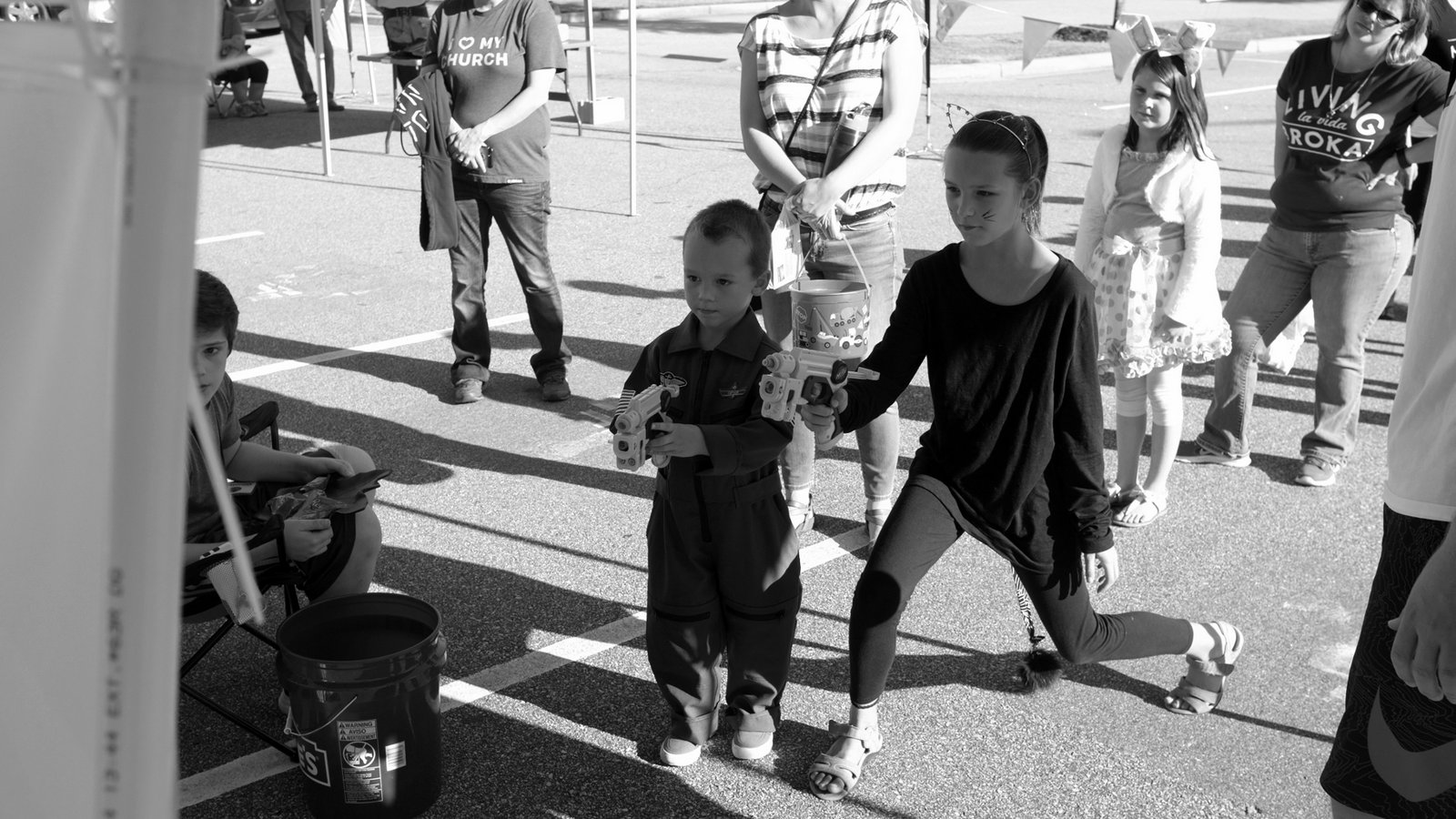
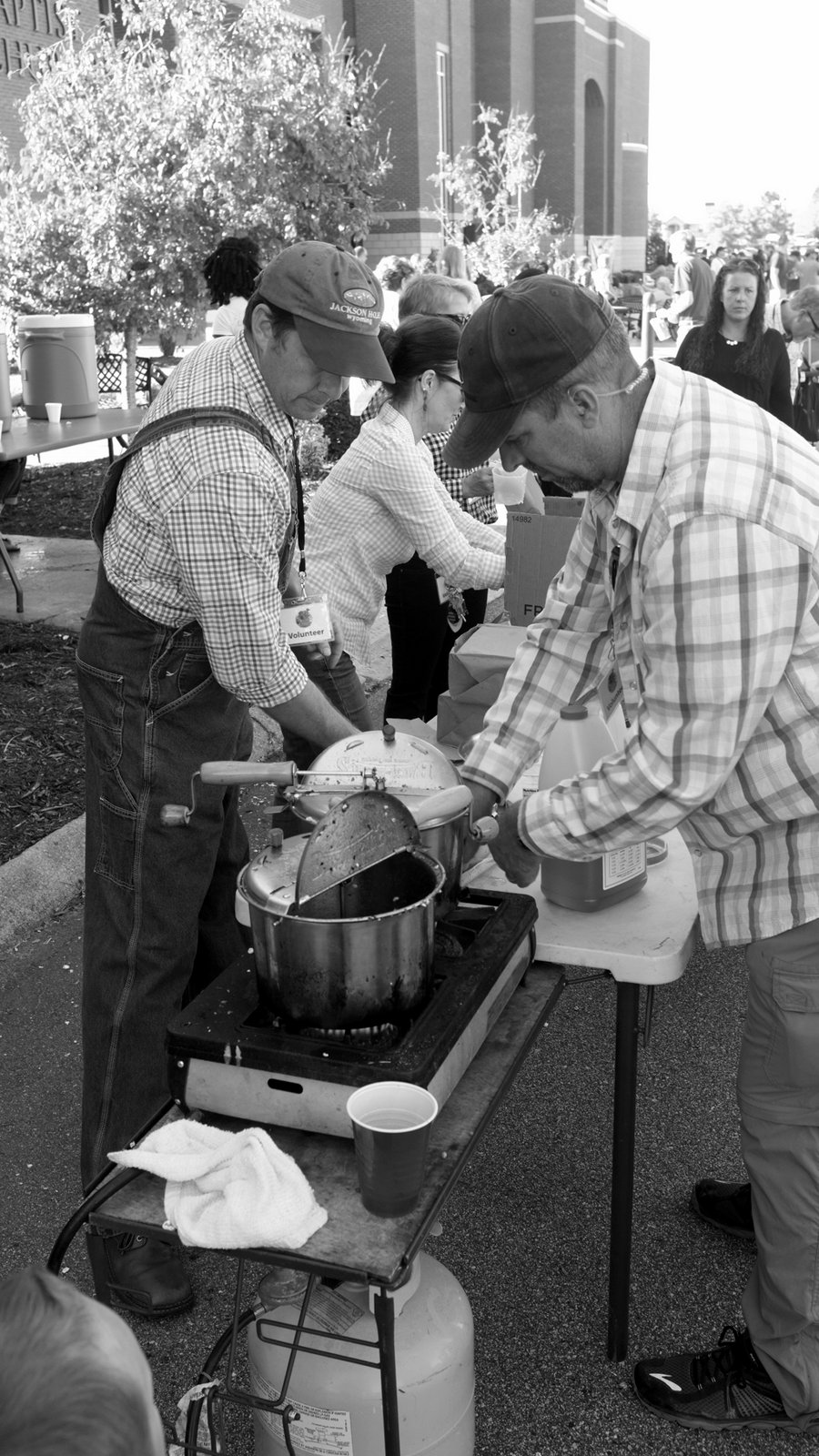
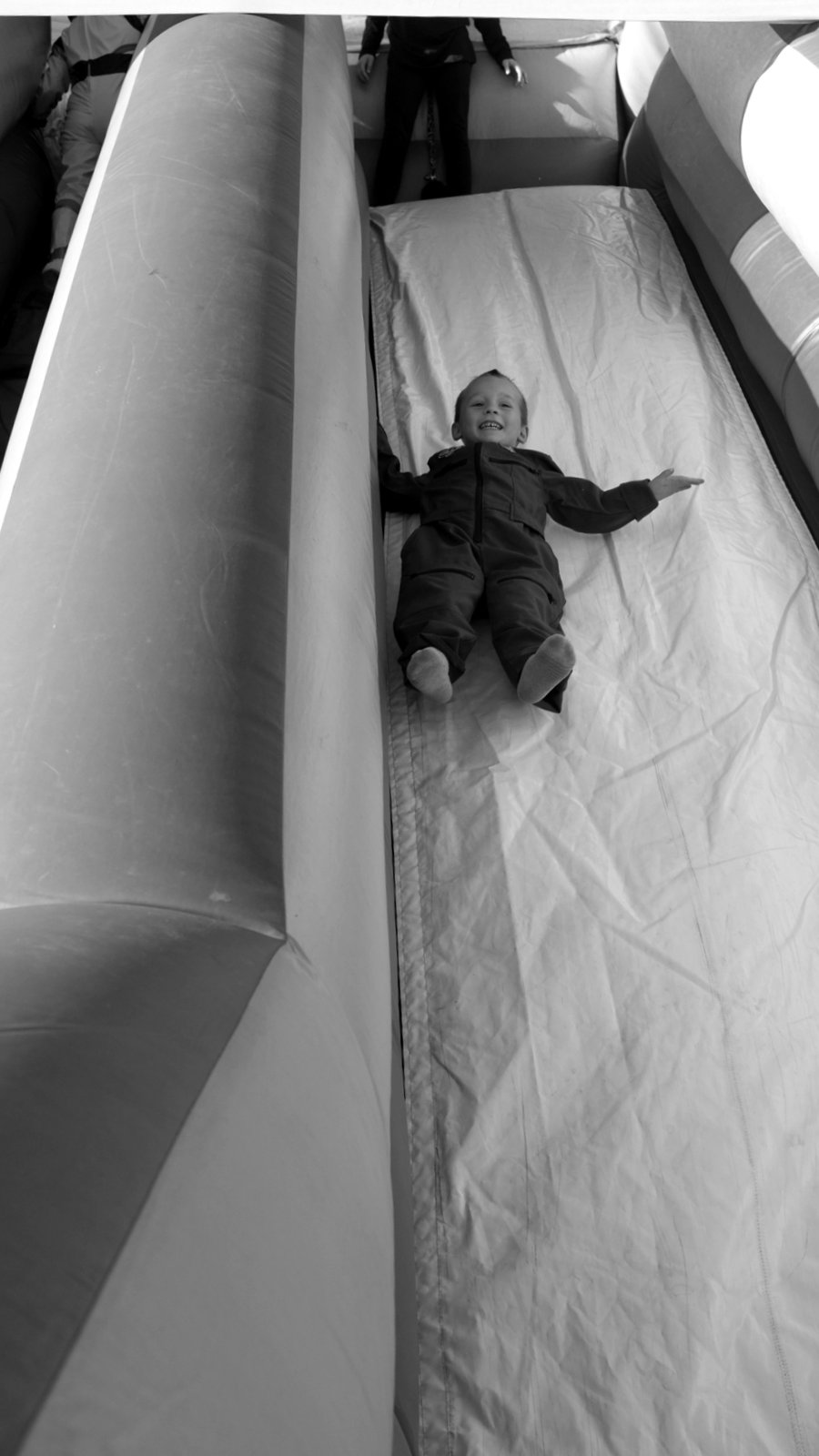
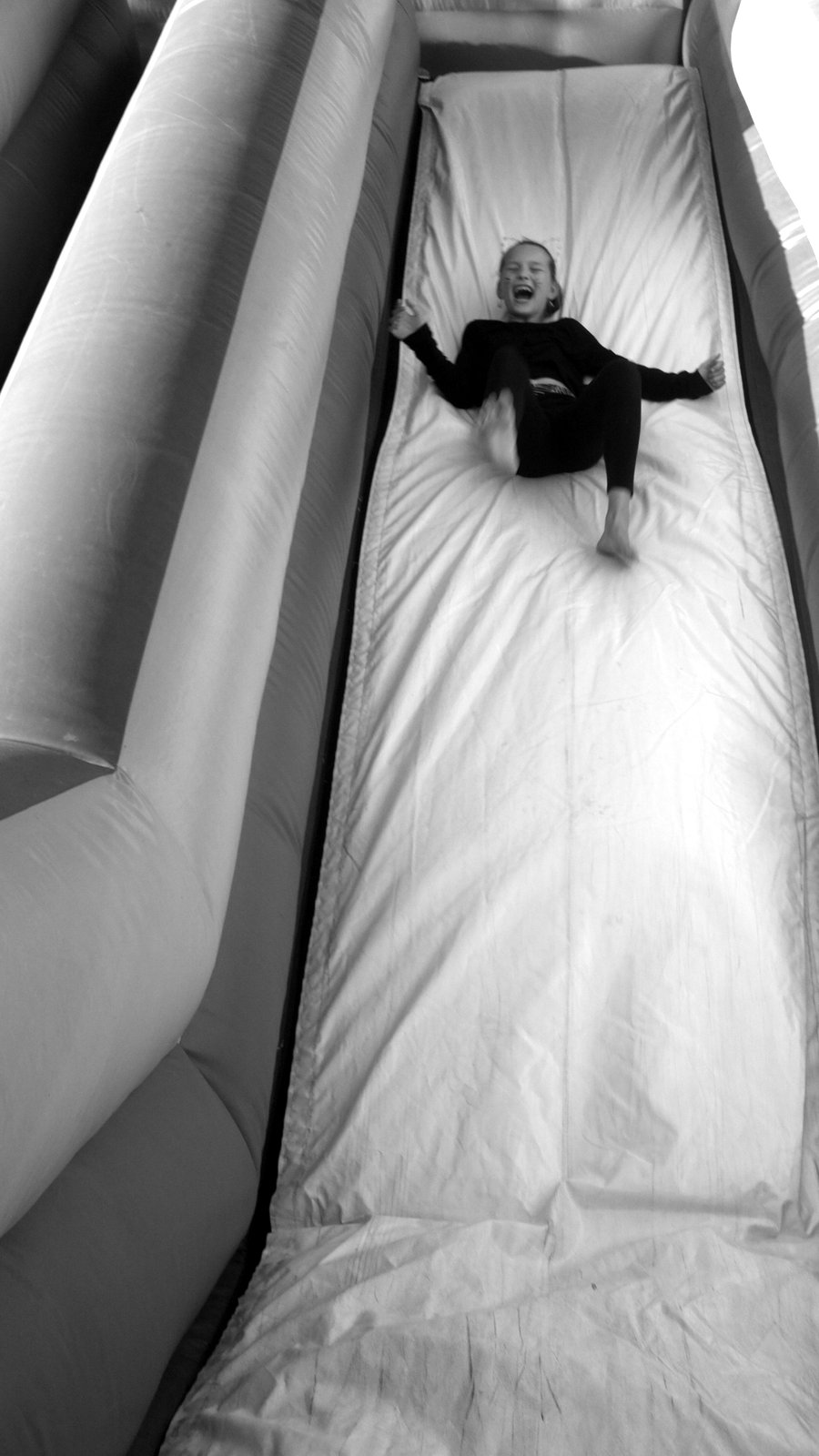
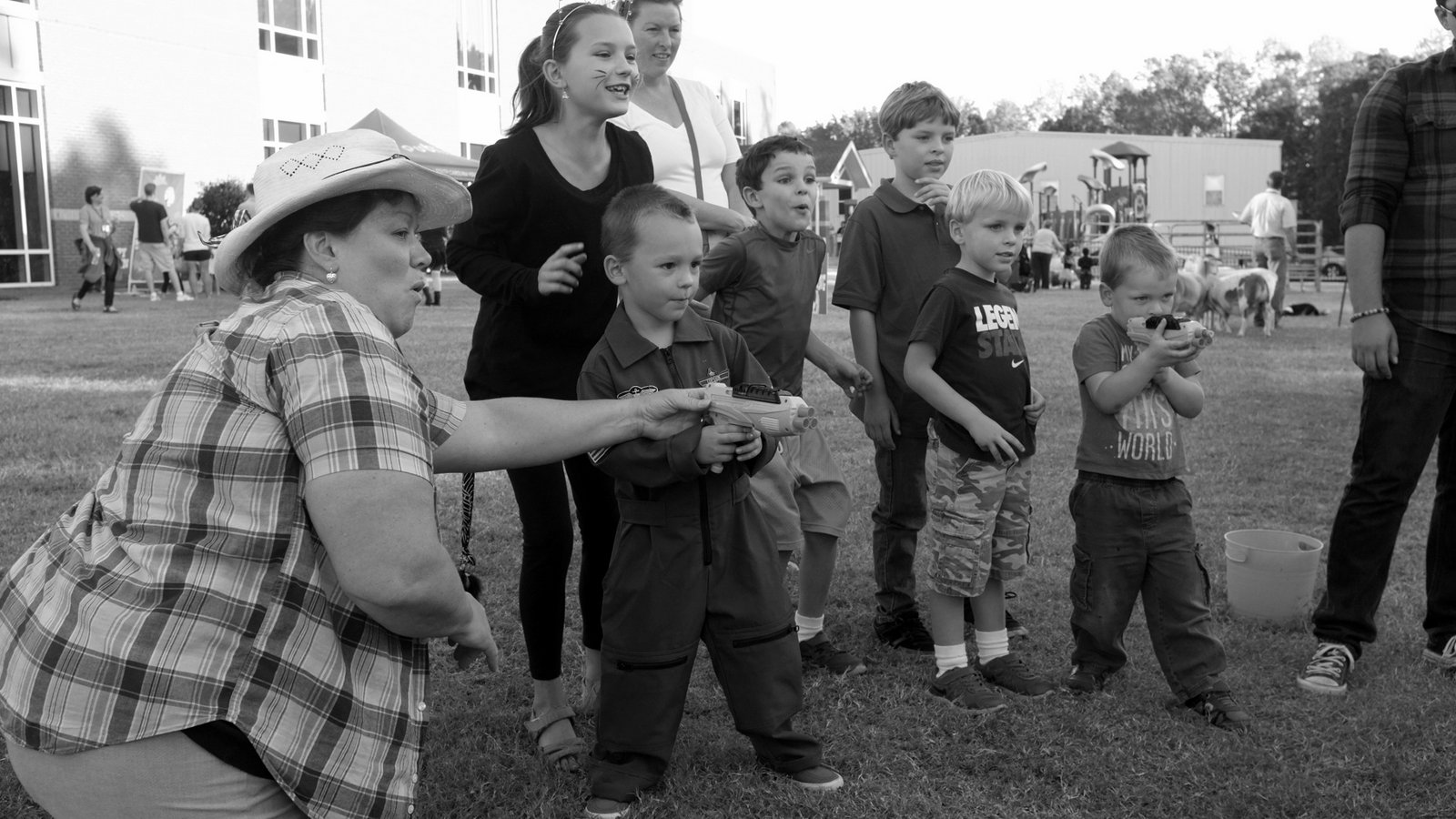
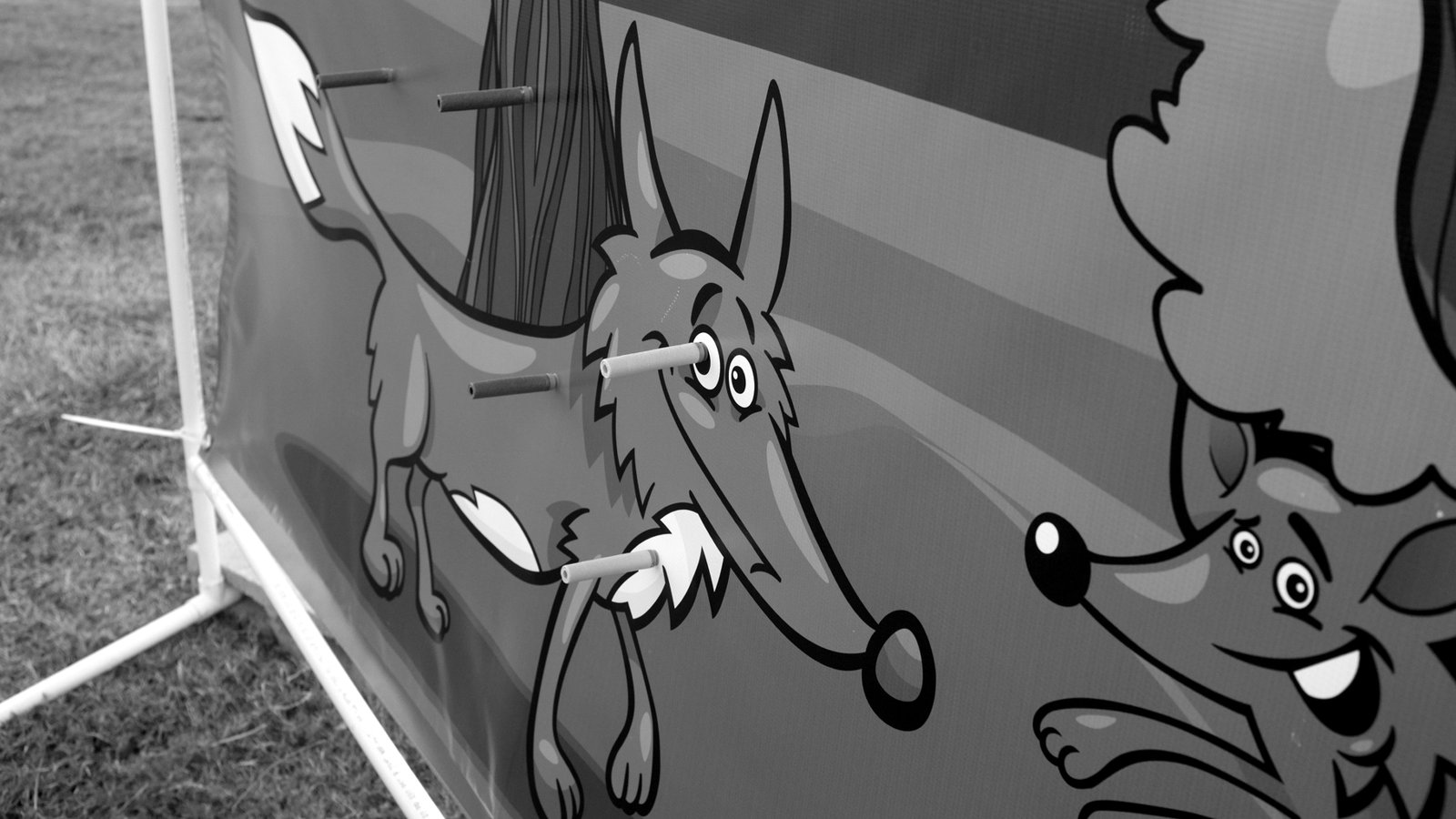
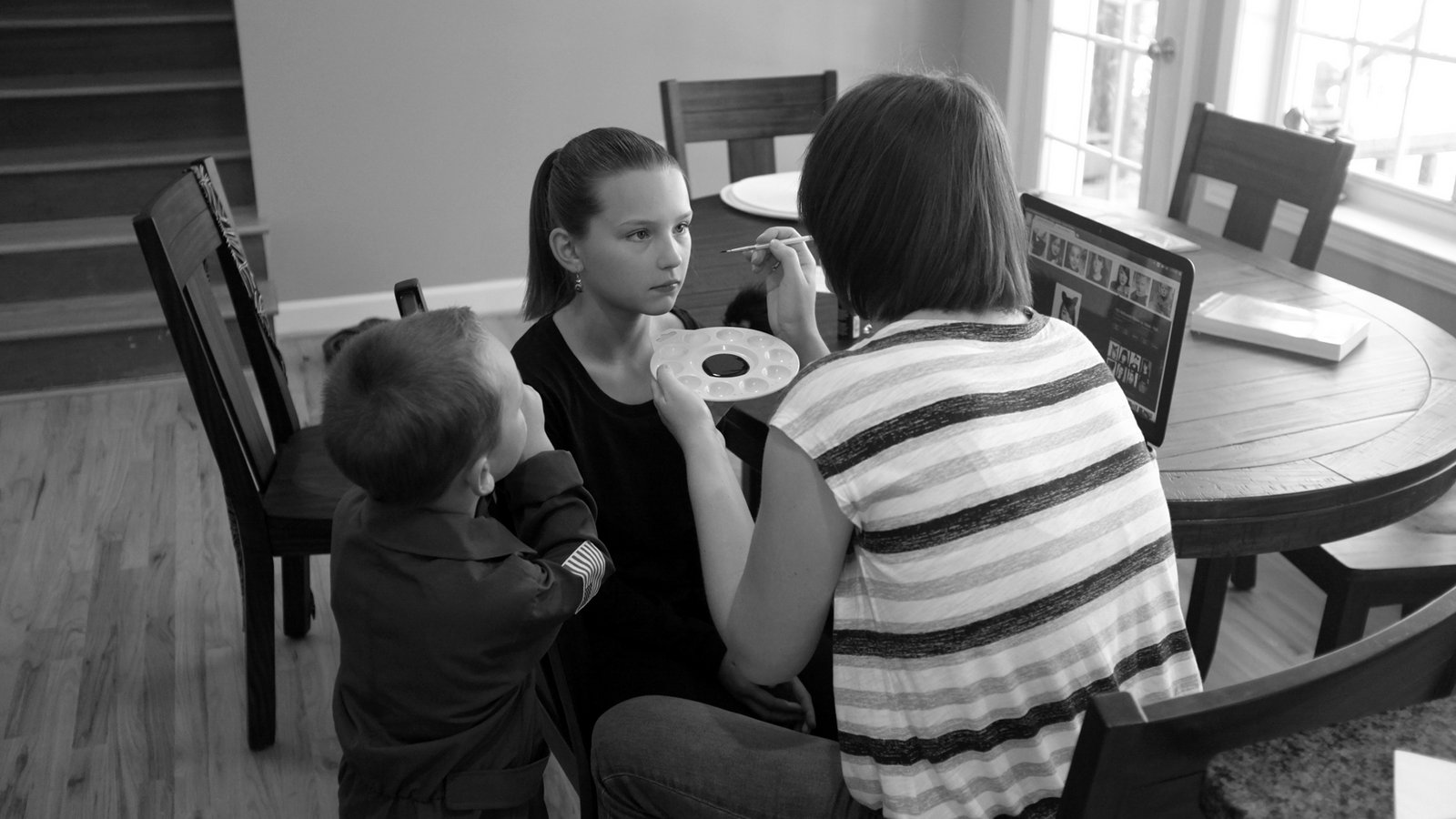
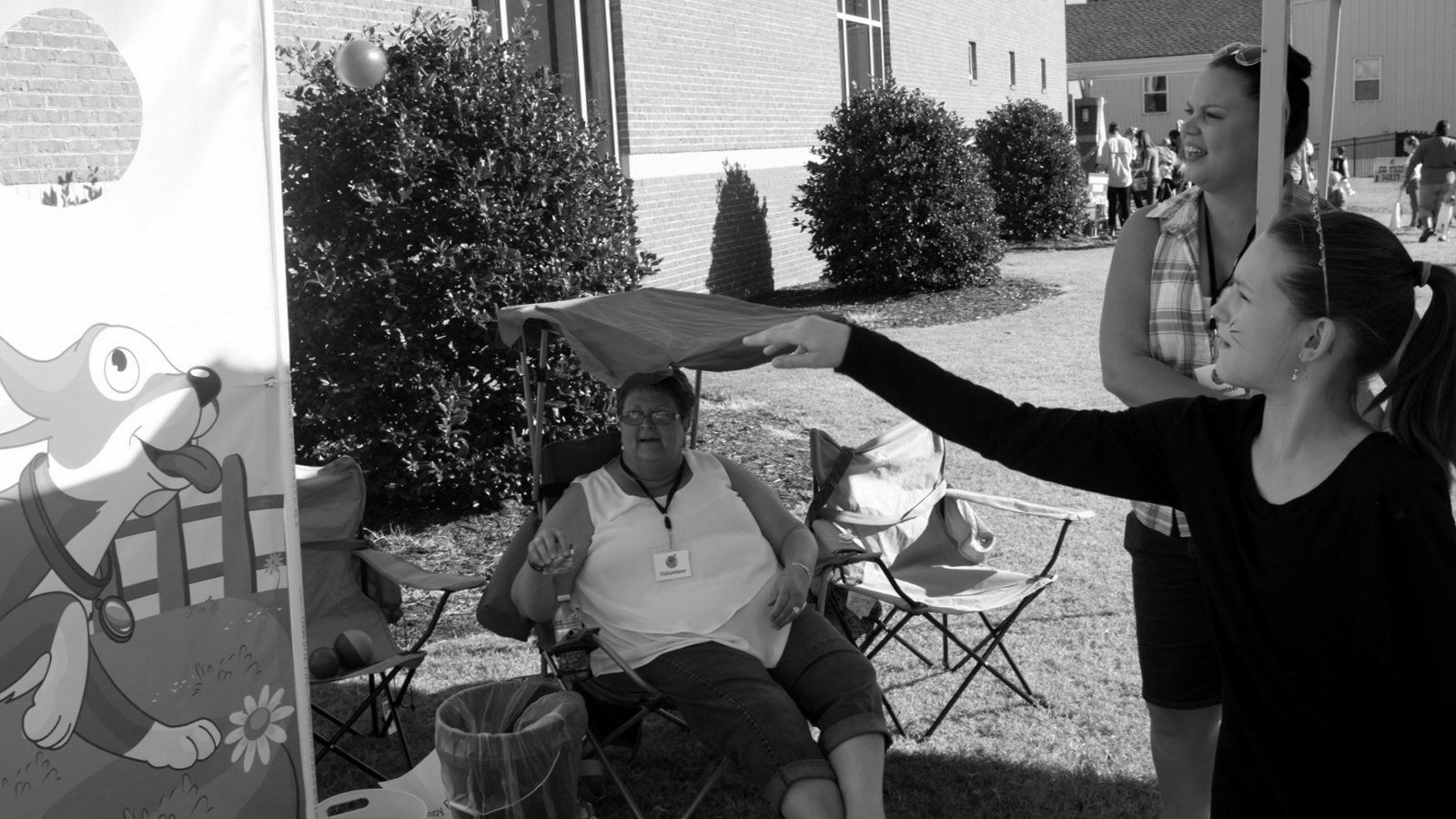
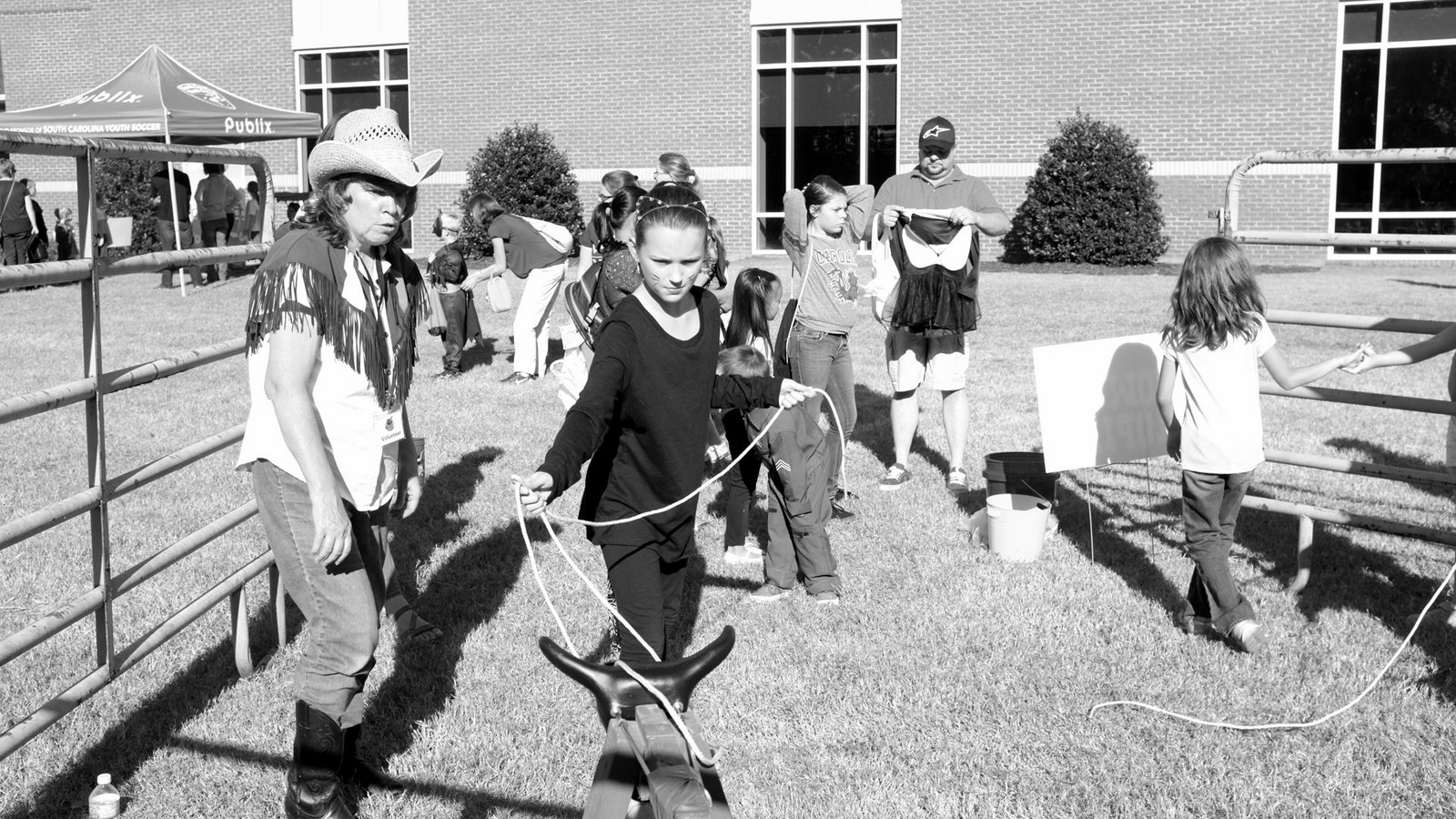
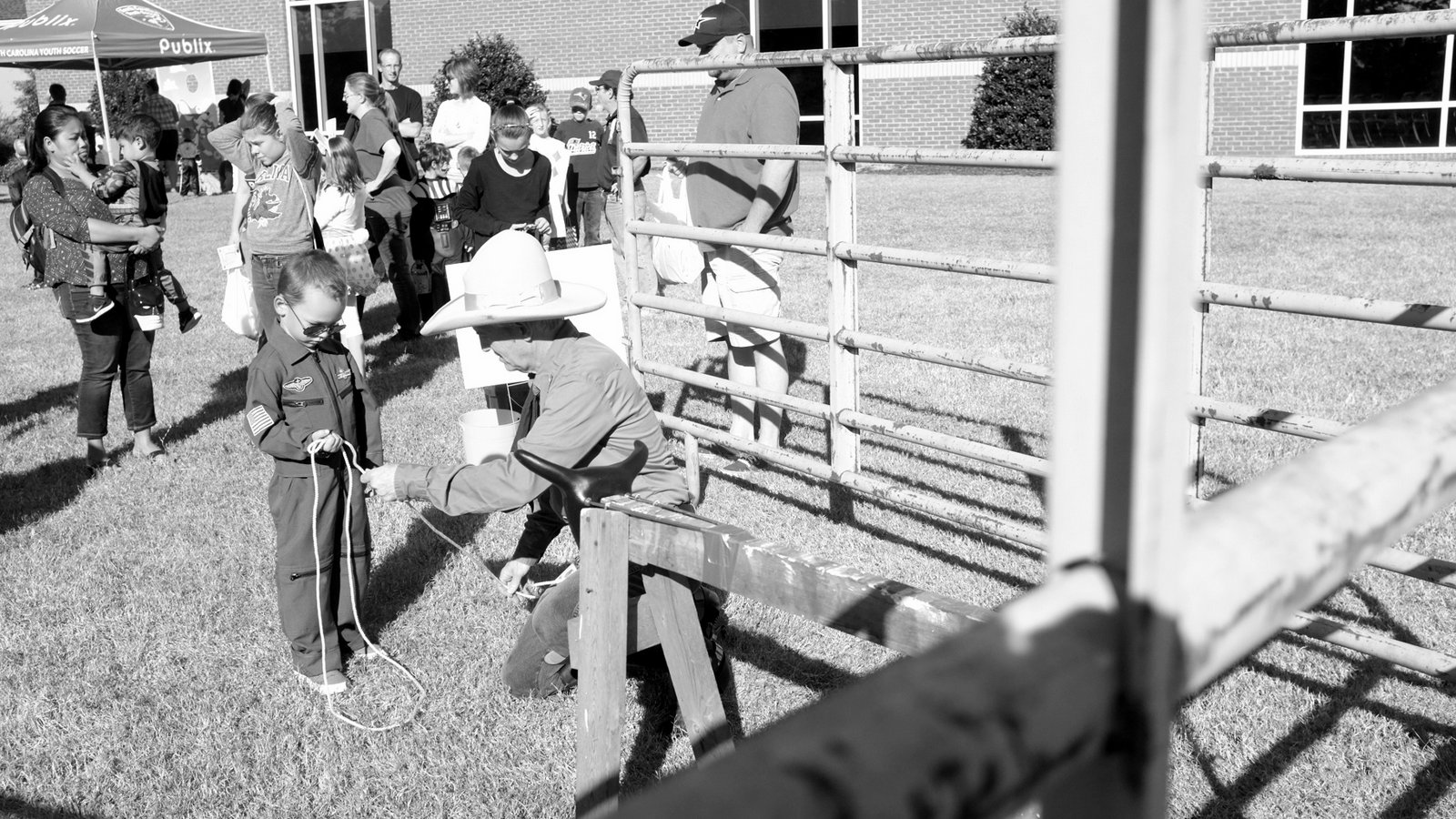
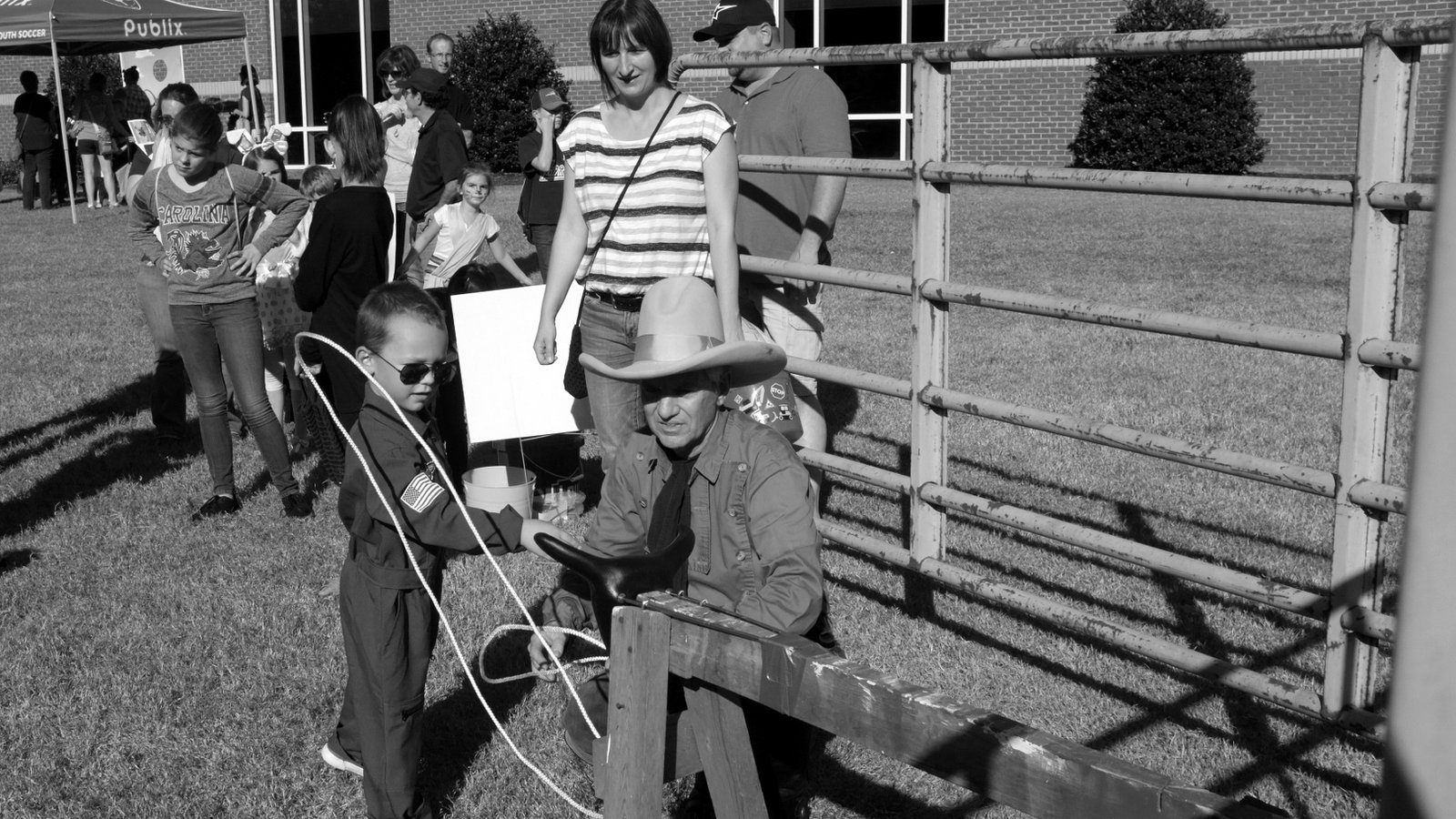
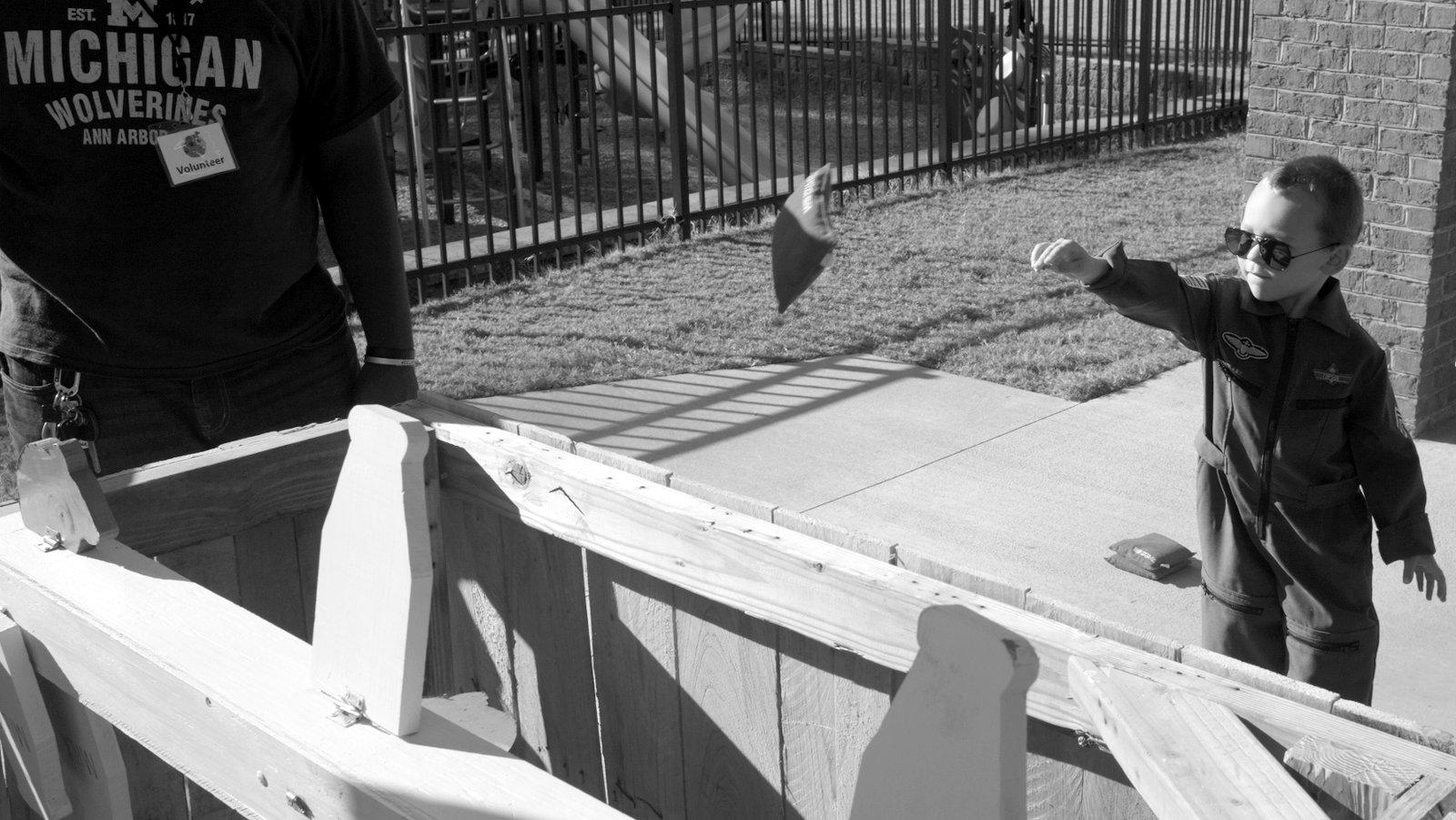
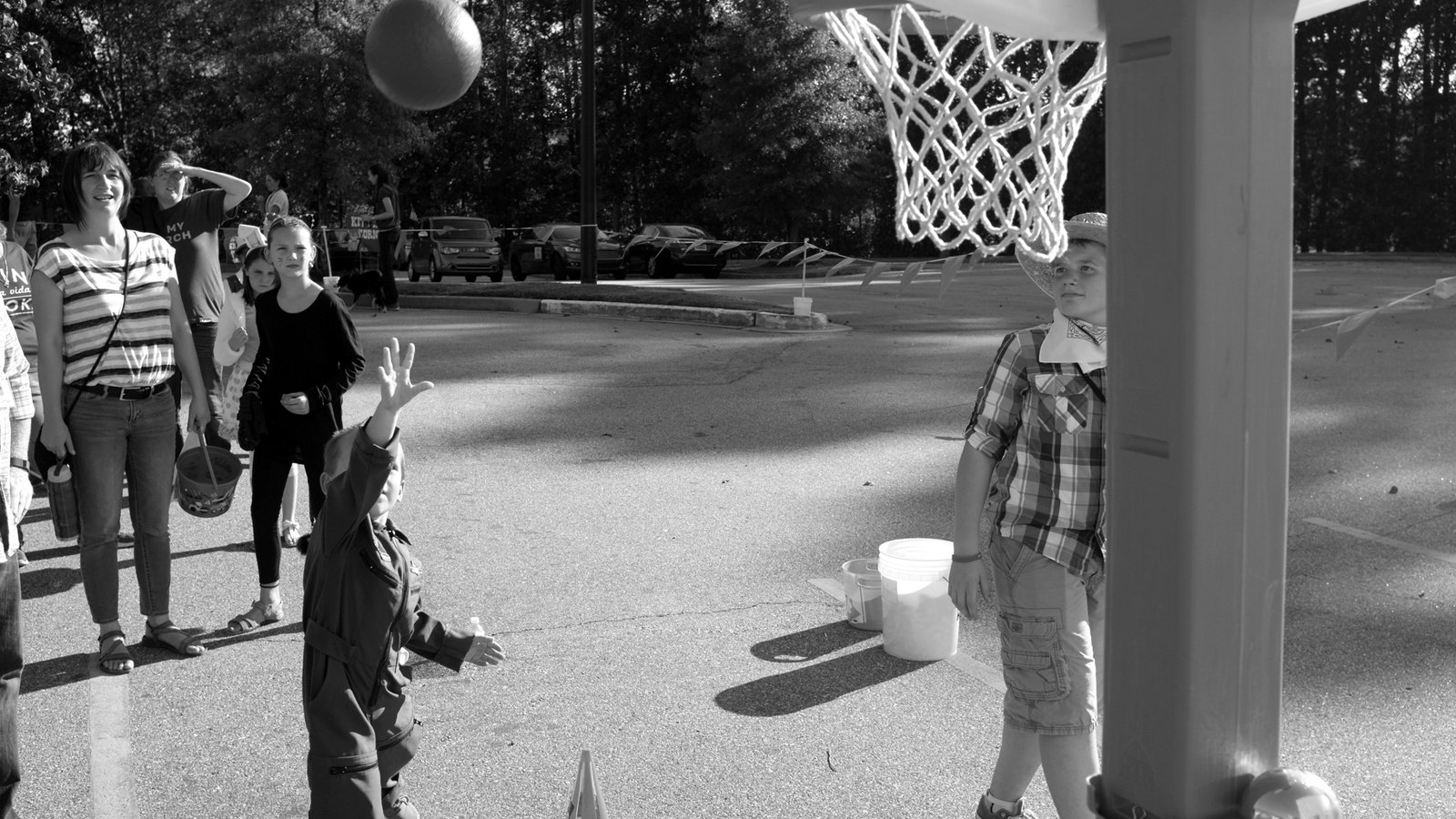
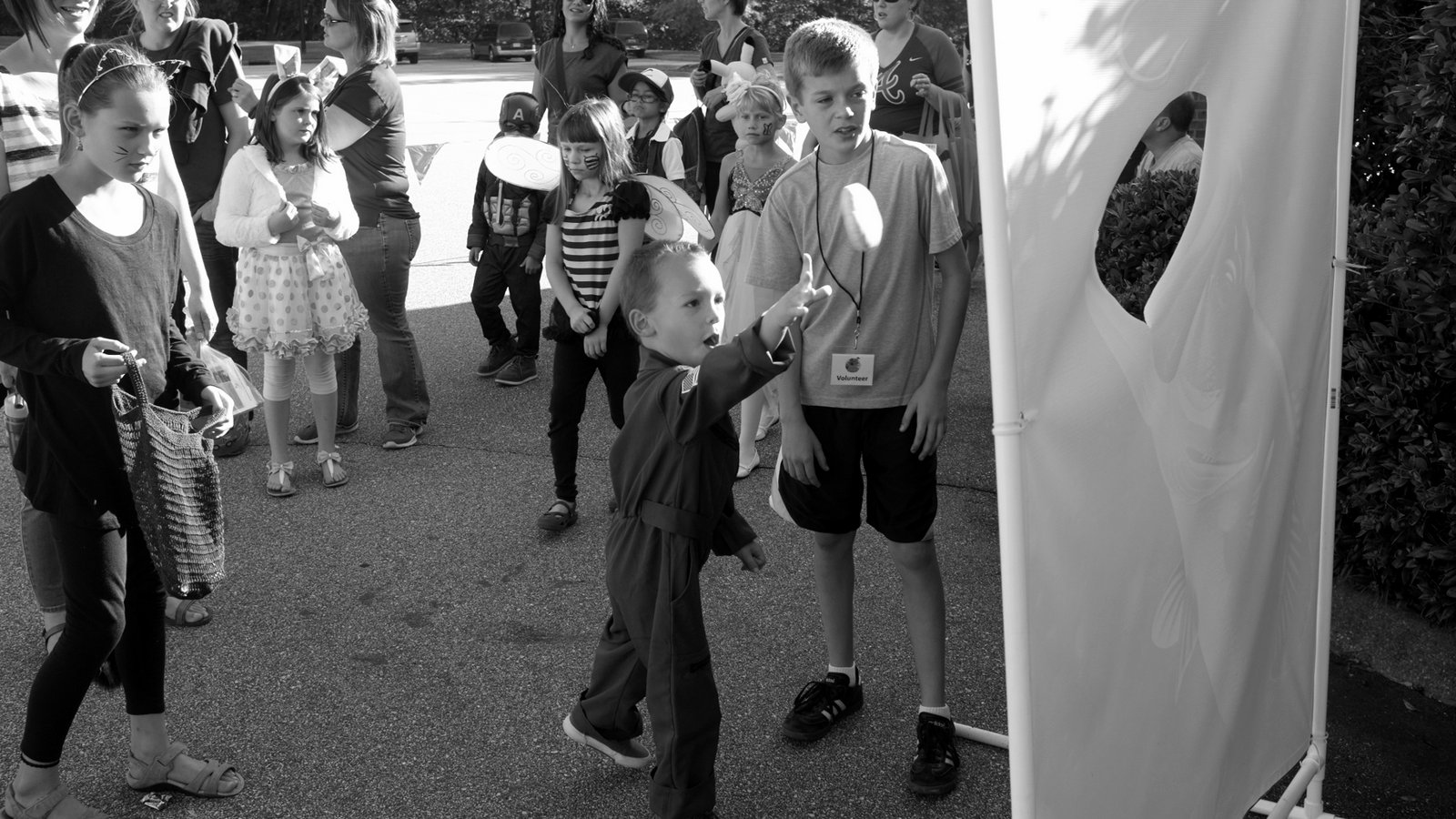
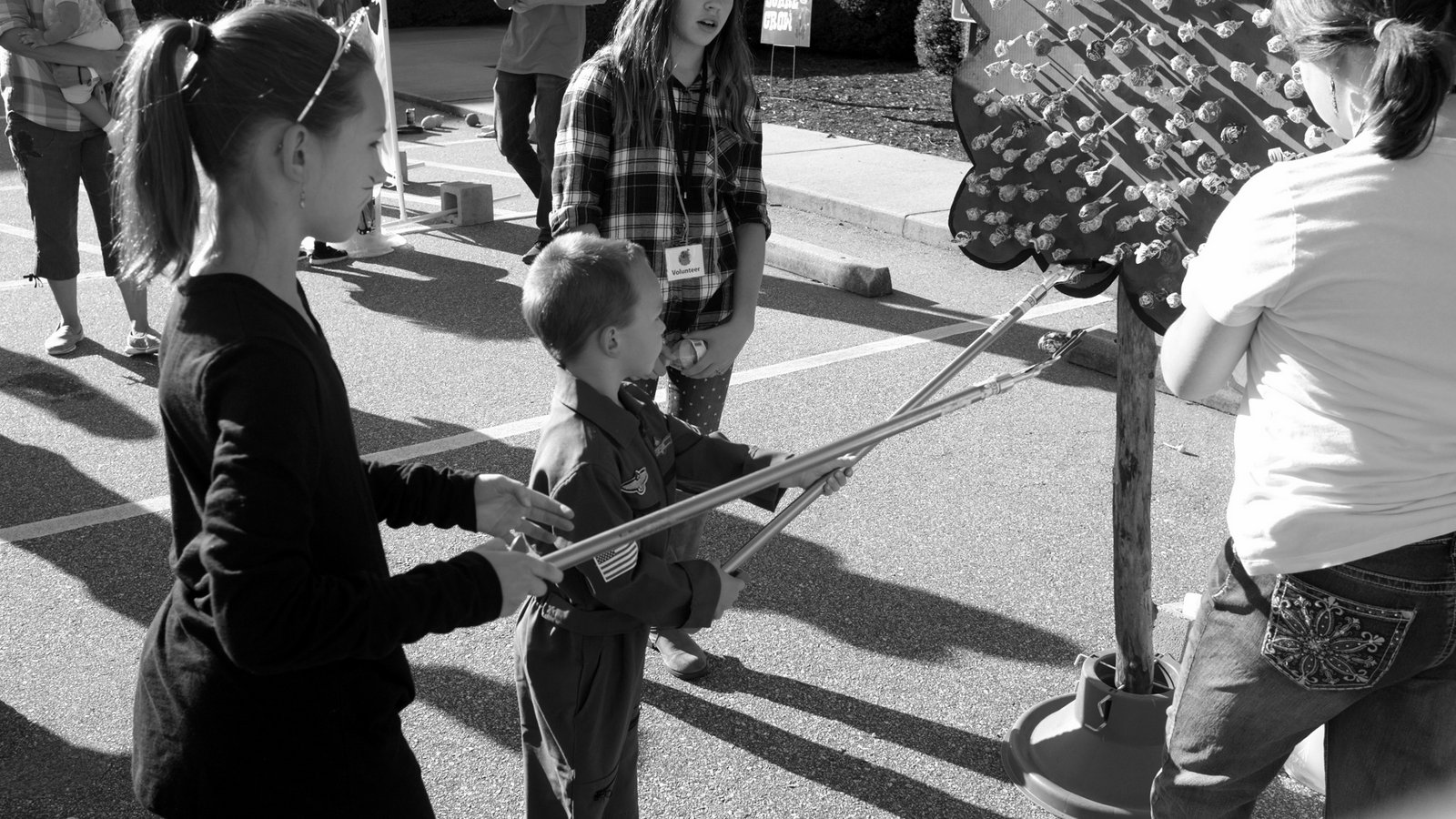
Pre-Halloween Halloween Festival

Overalls

1-dscf1201

Preconceptions

Every year, my students begin Romeo and Juliet with certain preconceptions, both about the play and about the character of Romeo. It’s a Shakespeare play, they reason. Shakespeare’s hard to read, noble and magnanimous and all that. He writes about noble ideas, noble dilemmas, high-minded philosophy. They don’t expect it when the play starts out and within a few lines, characters are saying things like this:

GREGORY

The quarrel is between our masters and us their men.

SAMPSON

‘Tis all one, I will show myself a tyrant: when I
have fought with the men, I will be cruel with the
maids, and cut off their heads.

GREGORY

The heads of the maids?

SAMPSON

Ay, the heads of the maids, or their maidenheads;
take it in what sense thou wilt.

GREGORY

They must take it in sense that feel it.

SAMPSON

Me they shall feel while I am able to stand: and
’tis known I am a pretty piece of flesh.

I take them through the text enough to get them to realize that these two characters, like Donald Trump, are fond of locker room talk that involves suggestions of sexual assault. (No, I don’t bring in the politics, but the thought crossed my mind to make the connection at least today.) I don’t point out to them what Sampson really means when he says, “Me they shall feel while I am able to stand,” but I suspect some of them get it.

Then there’s Romeo: He’s going to be a good guy, they reason, because the play is the most famous love story of all time, and the most famous love story of all time can’t possibly have anything other than the ideal man in it. So we begin reading and find this passage in response to Benvolio’s queries about what exactly is making Romeo’s days so long:

Well, in that hit you miss: she’ll not be hit
With Cupid’s arrow; she hath Dian’s wit;
And, in strong proof of chastity well arm’d,
From love’s weak childish bow she lives unharm’d.
She will not stay the siege of loving terms,
Nor bide the encounter of assailing eyes,
Nor ope her lap to saint-seducing gold:
O, she is rich in beauty, only poor,
That when she dies with beauty dies her store.

“How has Romeo tried to win her?” I ask. We mark the text and make a list.

“She will not stay the siege of loving terms?” I ask, and the students figure it out.

“He’s used smooth words.”

“Nor bide the encounter of assailing eyes?” I ask, and the students get it.

“He’s been making eyes at her.”

“Good. Finally, ‘Nor ope her lap to saint-seducing gold’?” Here they stumble.

“Money?”

“No — how do guys use gold to win girls?”

Finally, someone gets it: “Oh, jewelry!”

“Right!” Then the question — should I pursue the issue further? Should I lead them to see just exactly what Romeo’s saying here? Some years, I don’t. This year, I did.

“And what about the rest of the line?”

They look at each other quizzically.

“What do you think he means by ‘ope’?” I ask.

“Open?” a student suggests.

“Correct. Now, she will not ‘ope her lap to saint-seducing gold’?” I see in some of their eyes that they’ve got it, so I suggest what I suggest every year. “We’ll have to behave as adults in this unit and not giggle and be immature about some of the topics. So what’s he saying?”

They get it. They’re mildly shocked. The girls are a little angry and disappointed that this supposed hero of the greatest love story of all time is a fairly typical male and simply trying to get Rosaline in bed — to spread her legs, literally.

“Nothing ever changes,” one student observes.

1-dscf1197

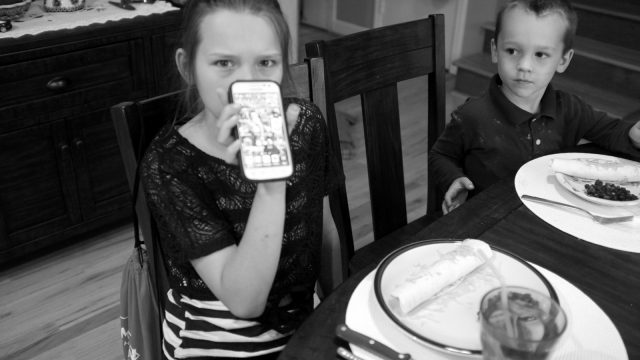
The Girl tonight hit on her own preconceptions and battled them mightily. Beans are nasty. She’s decided that already. Of course, at her age, I’d decided the same thing about a lot of things, most beans as well. But we have a rule in our house as Nana and Papa had when I was growing up: you have to try everything. In L’s case, it was about three bites of beans.

We jokingly took a picture with a time-stamp (that’s in fact illegible) to see how long it took her to eat them. Although she didn’t have to sit at the table the whole time, she had her final bite around ten minutes before bedtime.

I remember doing the same thing.

Nothing ever changes.

Saviors

One of the most disturbing things about Trump for me is his savior mentality: he often says things like “I’m the only one who can solve this problem” instead of something more expected from a presidential candidate, like “our party’s platform is the only thing that can solve this problem.” It seems he wants to create a cult of personality, something that frightens many of us.

But are his followers buying into it? A sign seems to answer the question.

trump

That seems to be a near-perfect rewording of a traditional Christian formulation: “Jesus, who gave up his role in heaven to be humiliated, ridiculed, and crucified to save the world.” It also echoes John 3.16 in a way.

It’s a frightening sign, to say the least.

1-fullscreen-capture-11262016-15427-pm

If we look closer at the implicit comparison, though, it becomes even more problematic. Jesus was ridiculed and humiliated because what he said went against the common thoughts of the time. He embraced those that society rejected, like the tax collector and the woman at the well. He taught unconditional love, and he was humble. Trump, on the other hand, rejects whoever angers him. He suggests punching people in the mouth, and he is anything but humble.

A false comparison, and a dangerous one, if I ever saw one.

Or perhaps it’s satire. It’s unlikely because I don’t see Trump smiling at a protester holding up a damning sign. Then again, he might not initially realize it’s satire.

Or perhaps it’s one of those meme-making sites that allows you to add your own message to a church billboard for an authentic-looking photograph.

Two of the three explanations don’t leave me gasping.

Forbidden Fruit

K bought a bag of treats for trick-or-treaters next week. It was sitting on the counter when E came down this morning.

He’s always the first of the two to come downstairs. We hear his little voice as we’re getting our breakfast ready: “Mama!” He needs his “stinky diaper” taken off, and he needs to get downstairs as fast as possible. Nevermind that often makes it downstairs half asleep and then plops down on the sofa in the livingroom for another half hour of sleep. He has to get downstairs.

So when he came down this morning, he noticed the candy.

“Why is there a bag of treats on the counter?” he asked.

“It’s for Halloween,” K explained.

She went back upstairs to do her hair and I peeked down to find he had taken the step ladder out and set it up to get a closer look. Elbows on the counter, chin in his hands, he just stood and stared.

dscf1190

It would take no cajoling at all to get him to eat the whole bag. Perhaps not all in one sitting, but then again, he might be able to pull that off. Then how he would complain about how his stomach hurts.

“My belly hurts” is his common excuse to get out of finishing dinner. Even when he says he likes it. Even when it’s potato pancakes.

dscf1196

In the evening, the Girl brought up a new concern. I actually brought it up; she worked it to a frenzy. Thursday is a special day for whatever reason, and the kids can take a stuffed animal to school.

“Daddy, I can’t decide which animal to take,” she explained.

Knowing the stinkers she has in her class, I reminded her that they might do something mischievous and to take that into account when deciding. A few minutes after going to bed, she came down to get some advice from K. She explained her concern: “When the teacher is not looking or when I go to the bathroom, one of them might grab the stuffed animal and do something to it, like cut it up.”

K gave the opposite advice: “Don’t worry about it. That probably won’t happen.”

But L was already worked up about it. She probably won’t get to sleep until late, and then we’ll have a rough morning, trying to convince her to pull herself out of bed.

Perhaps I should have thought things through a little more carefully.

Monday Afternoon

Chimney Rock 2016

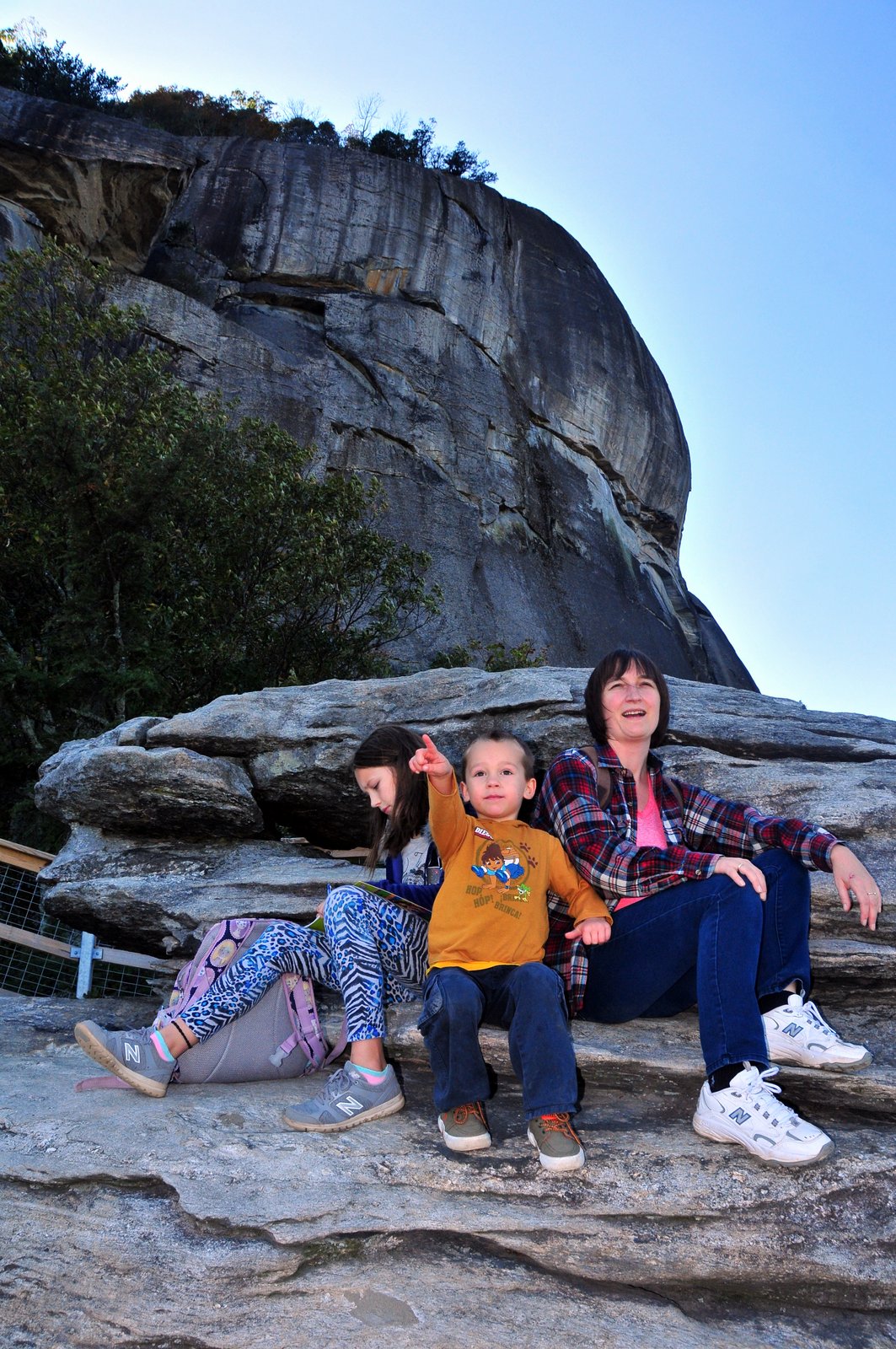
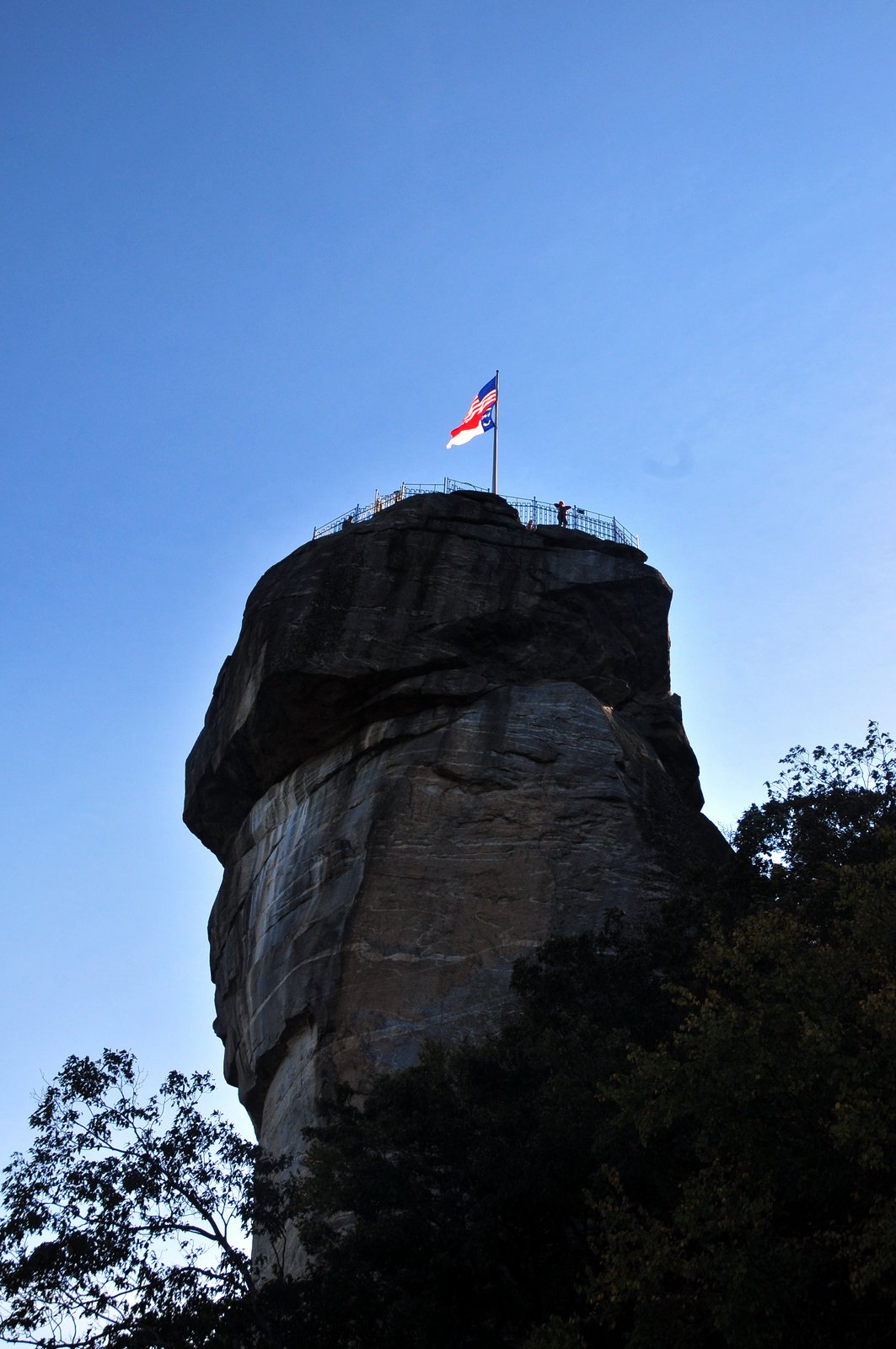
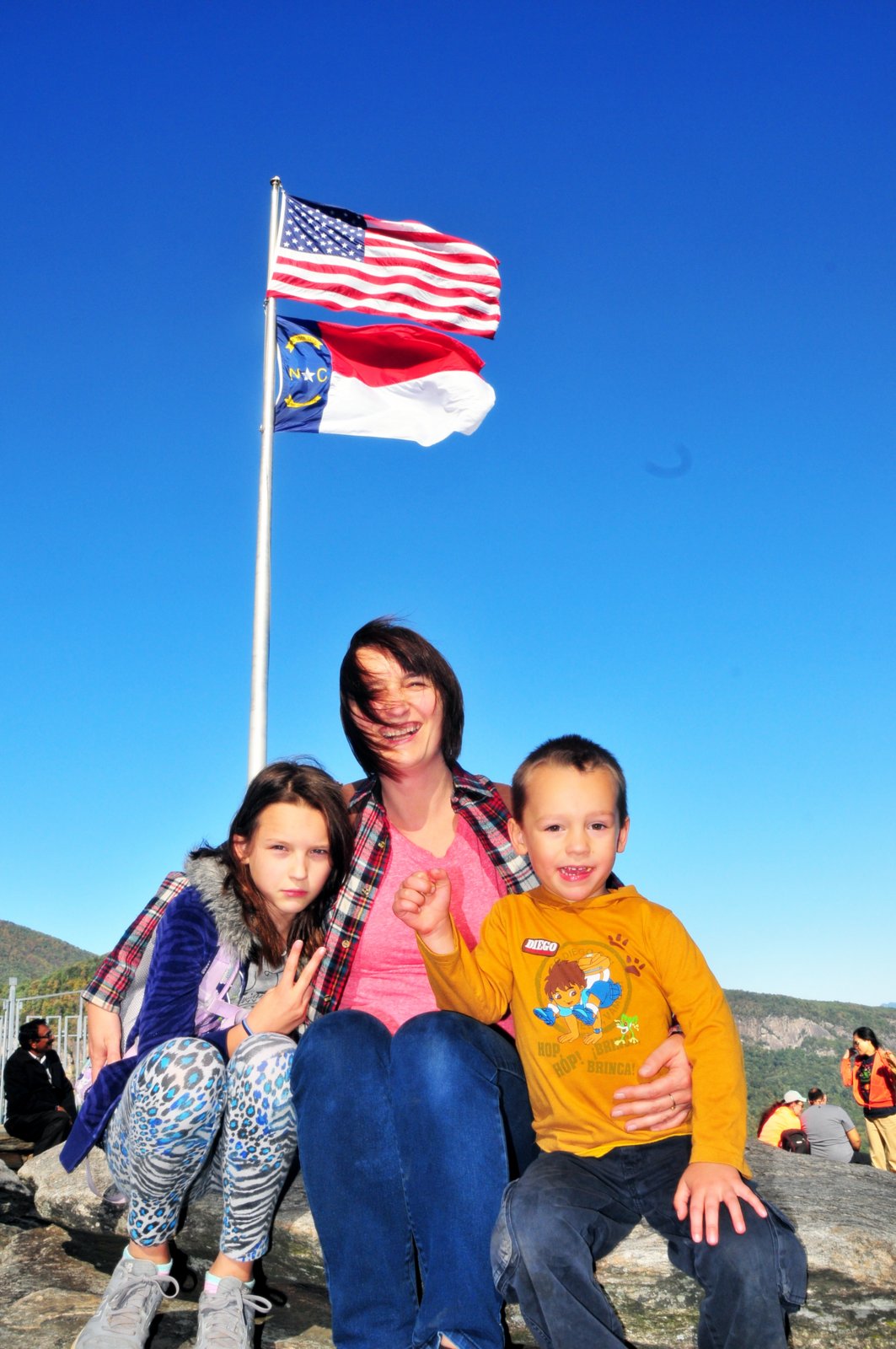
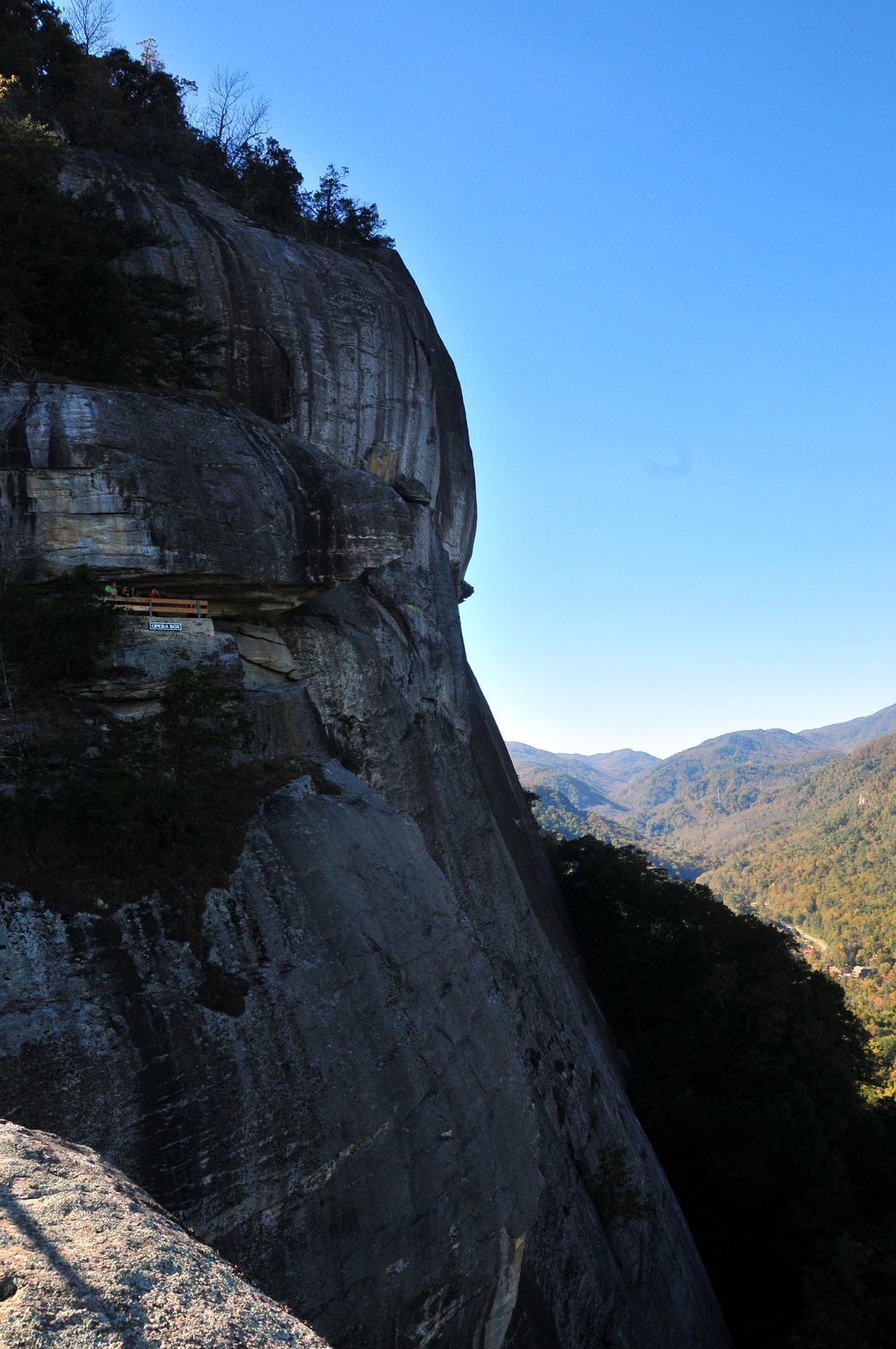
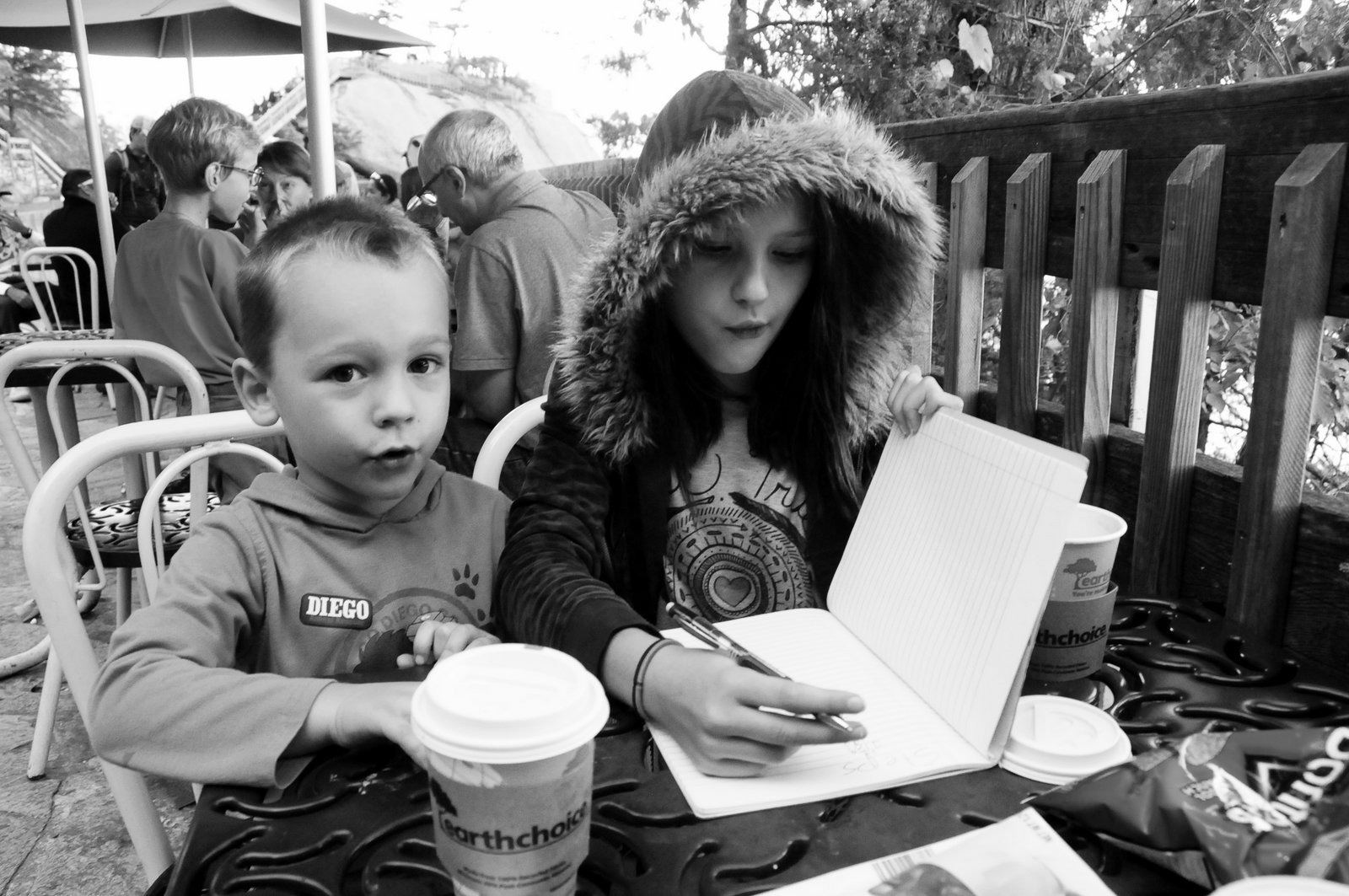
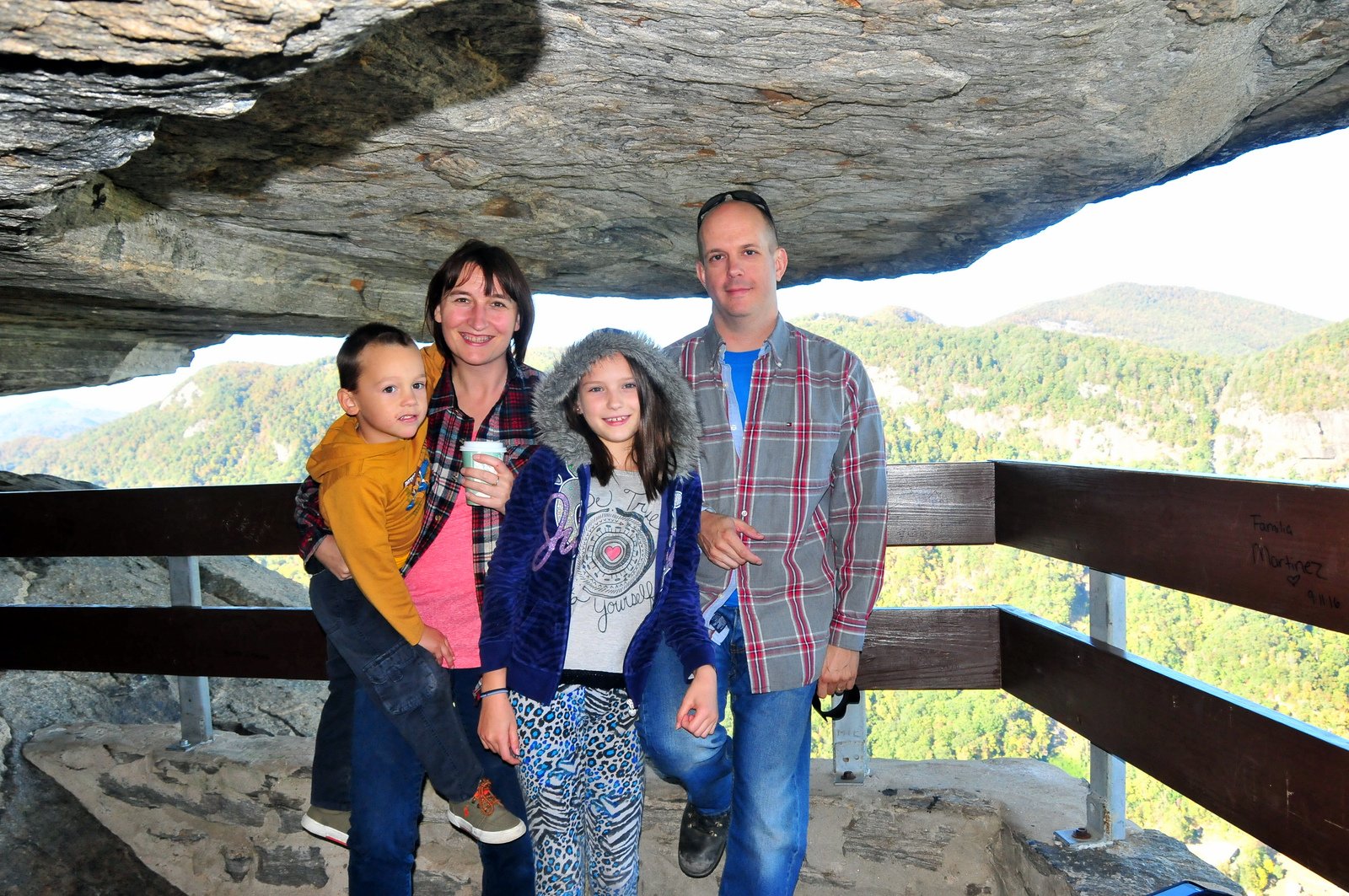
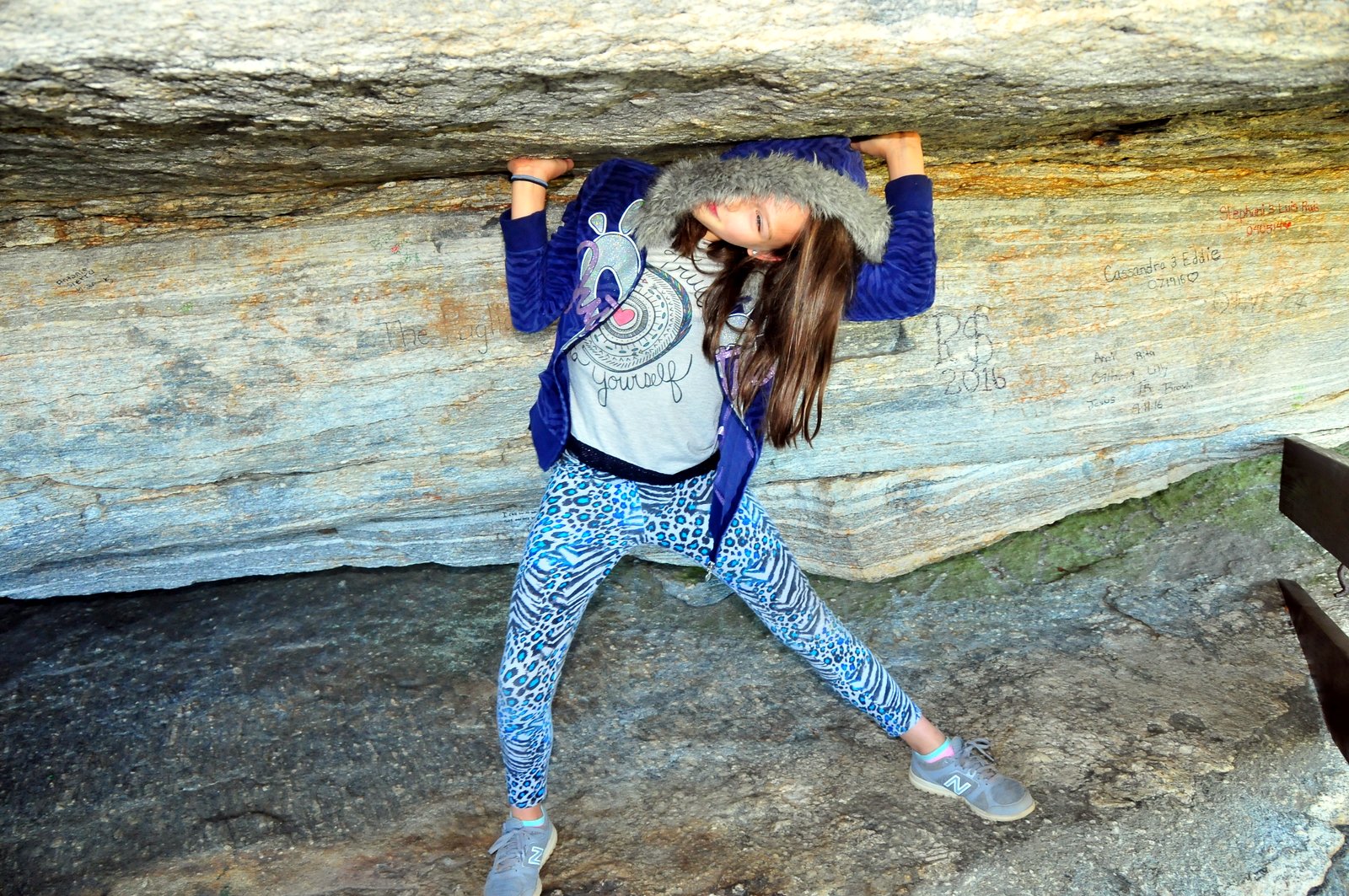
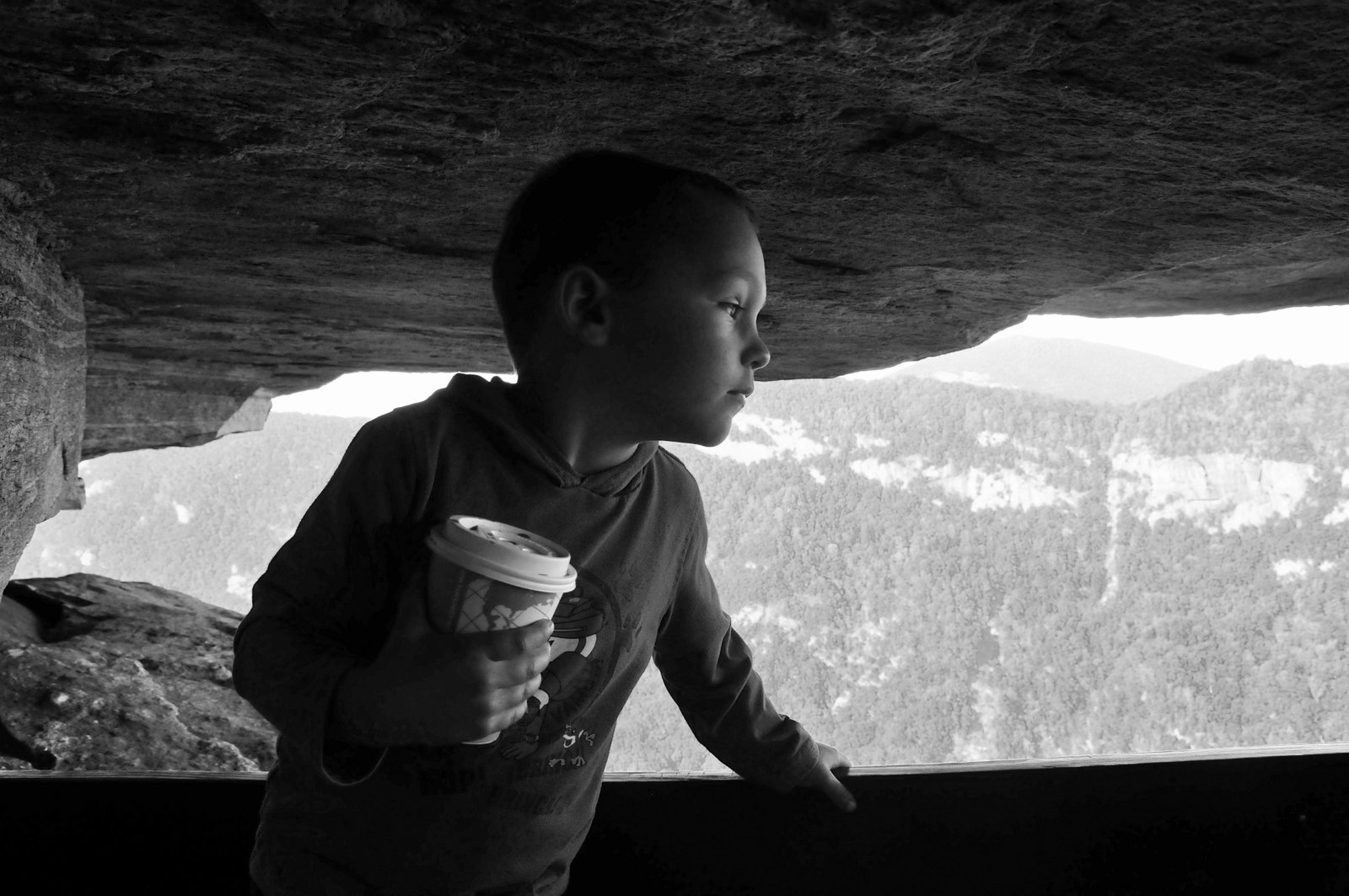
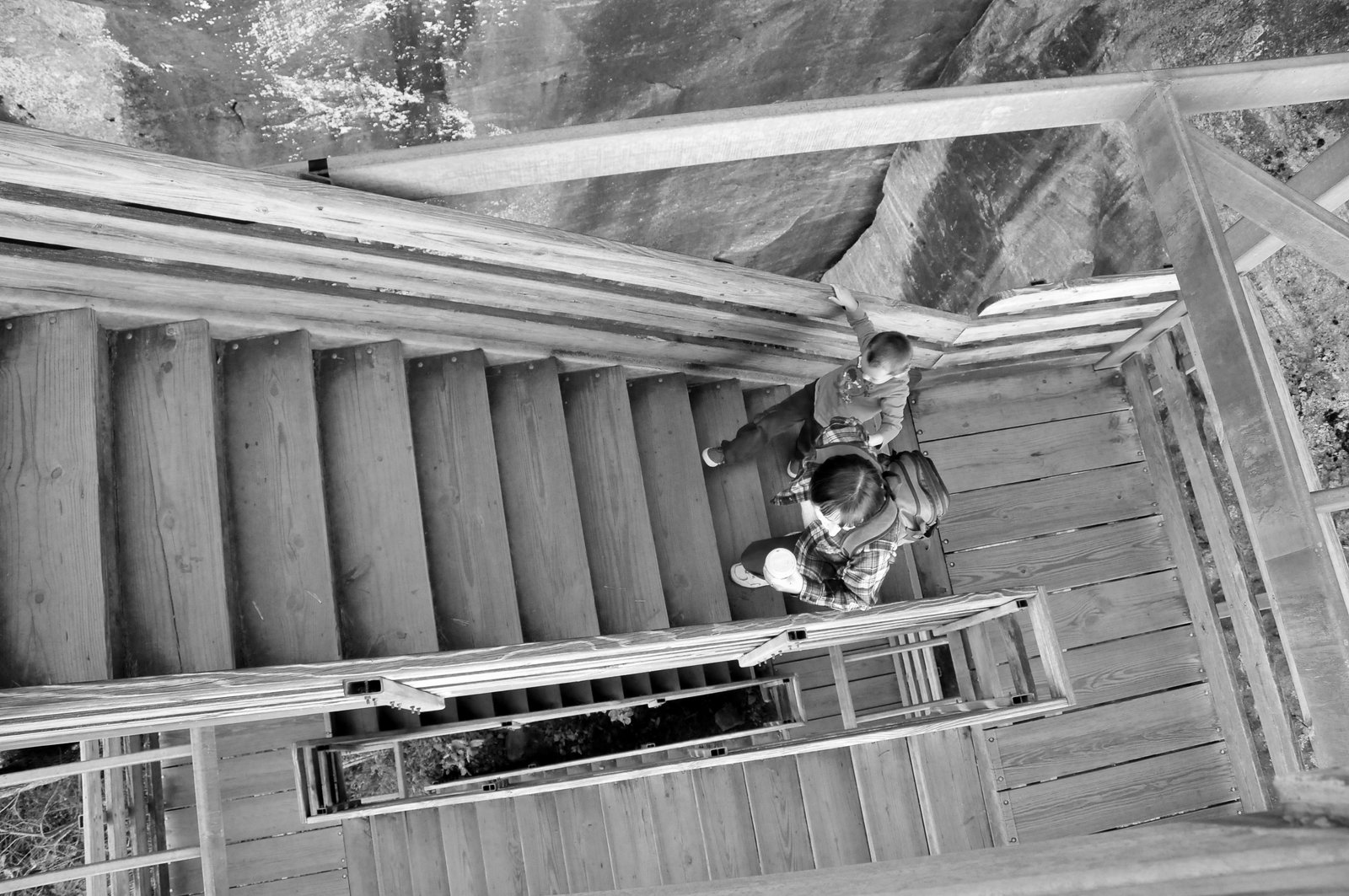
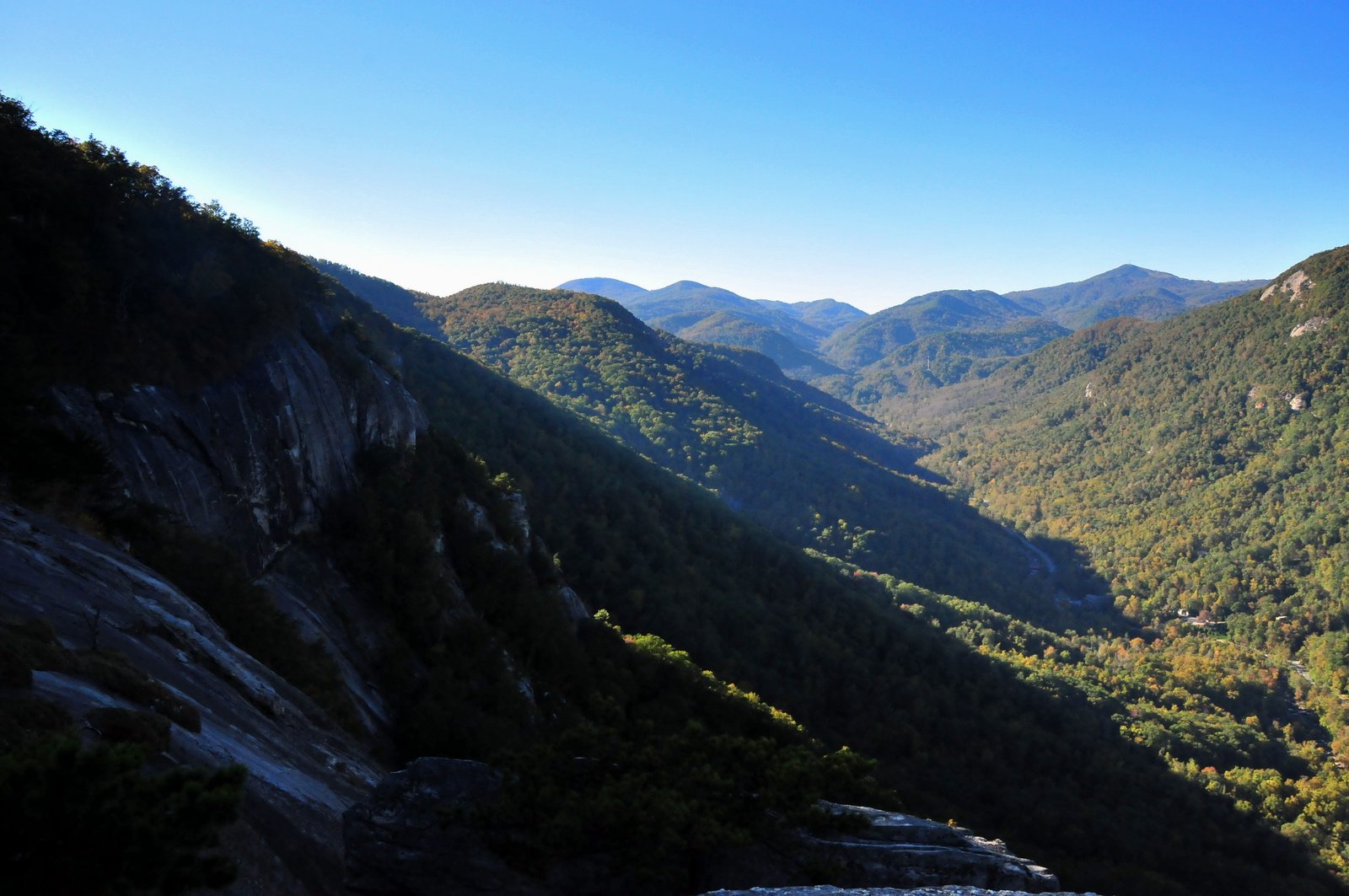
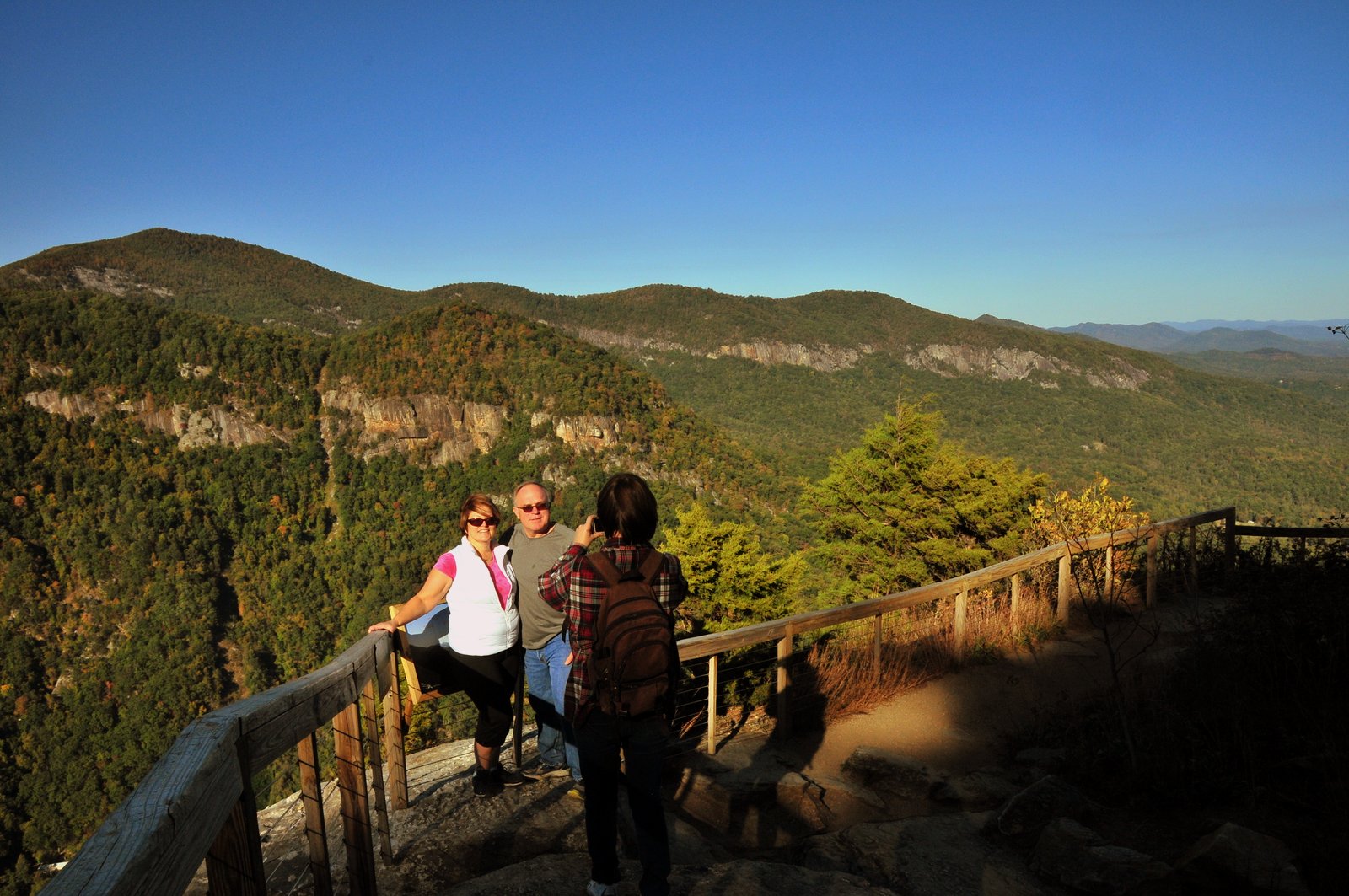
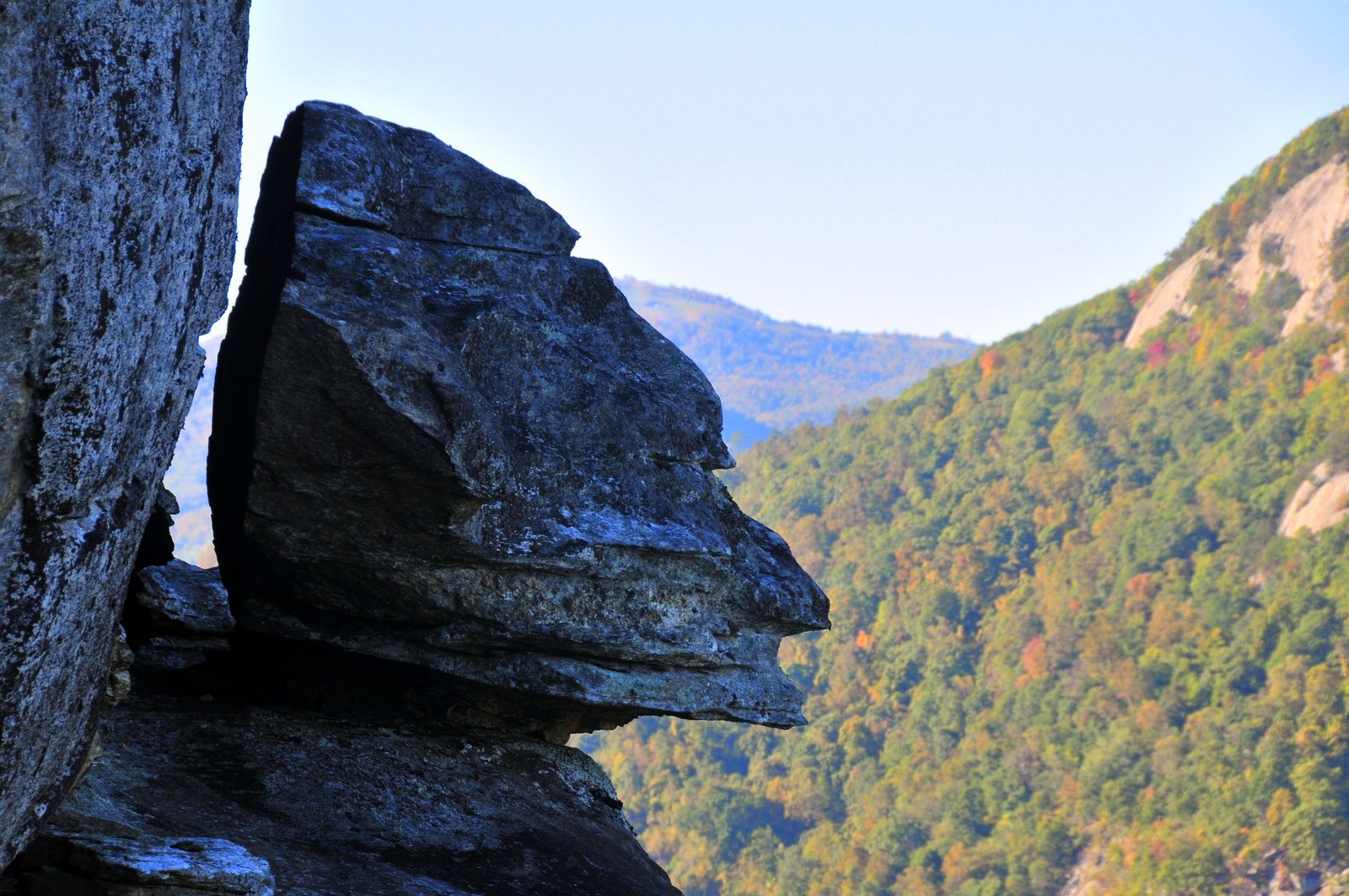
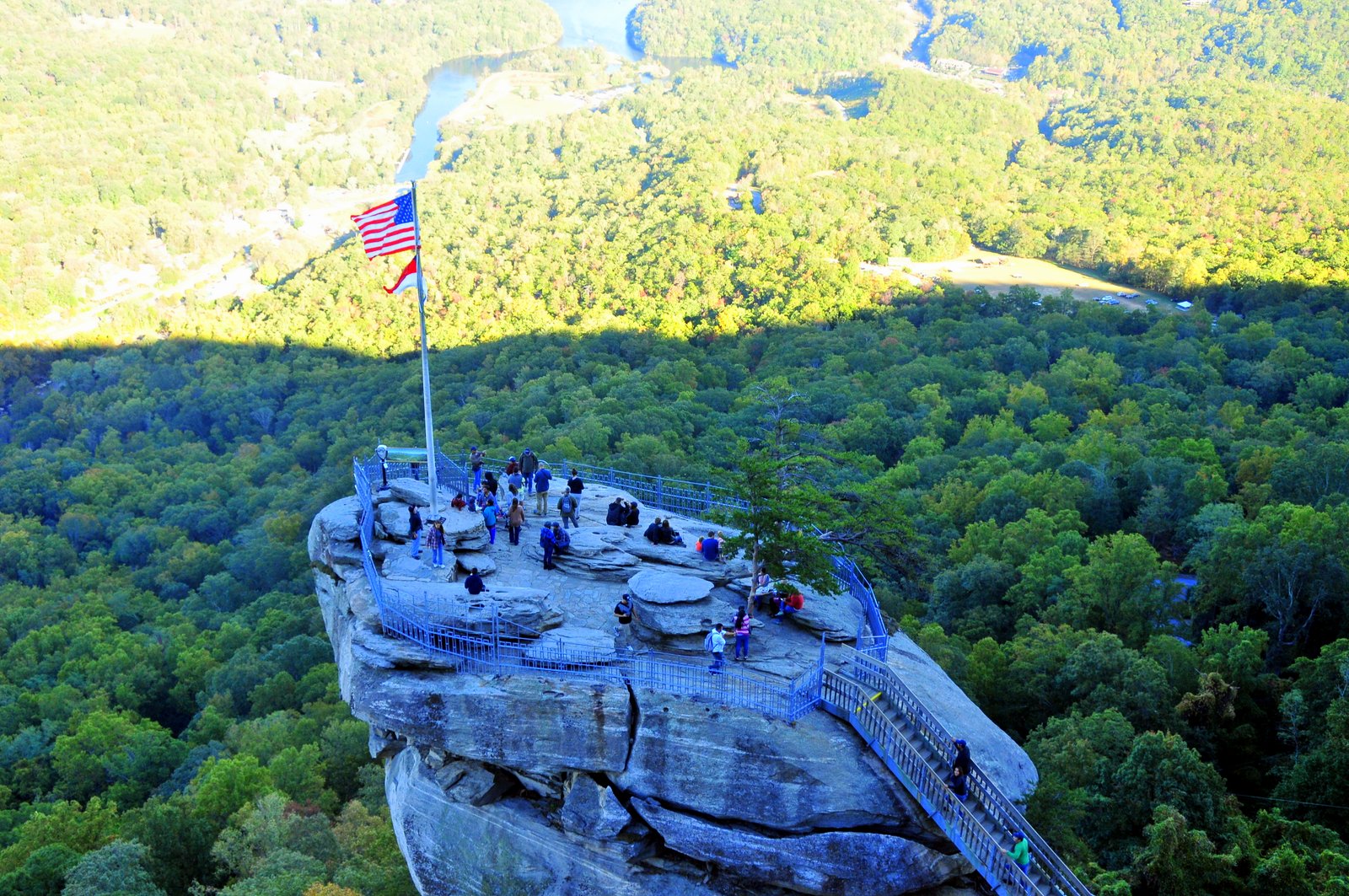
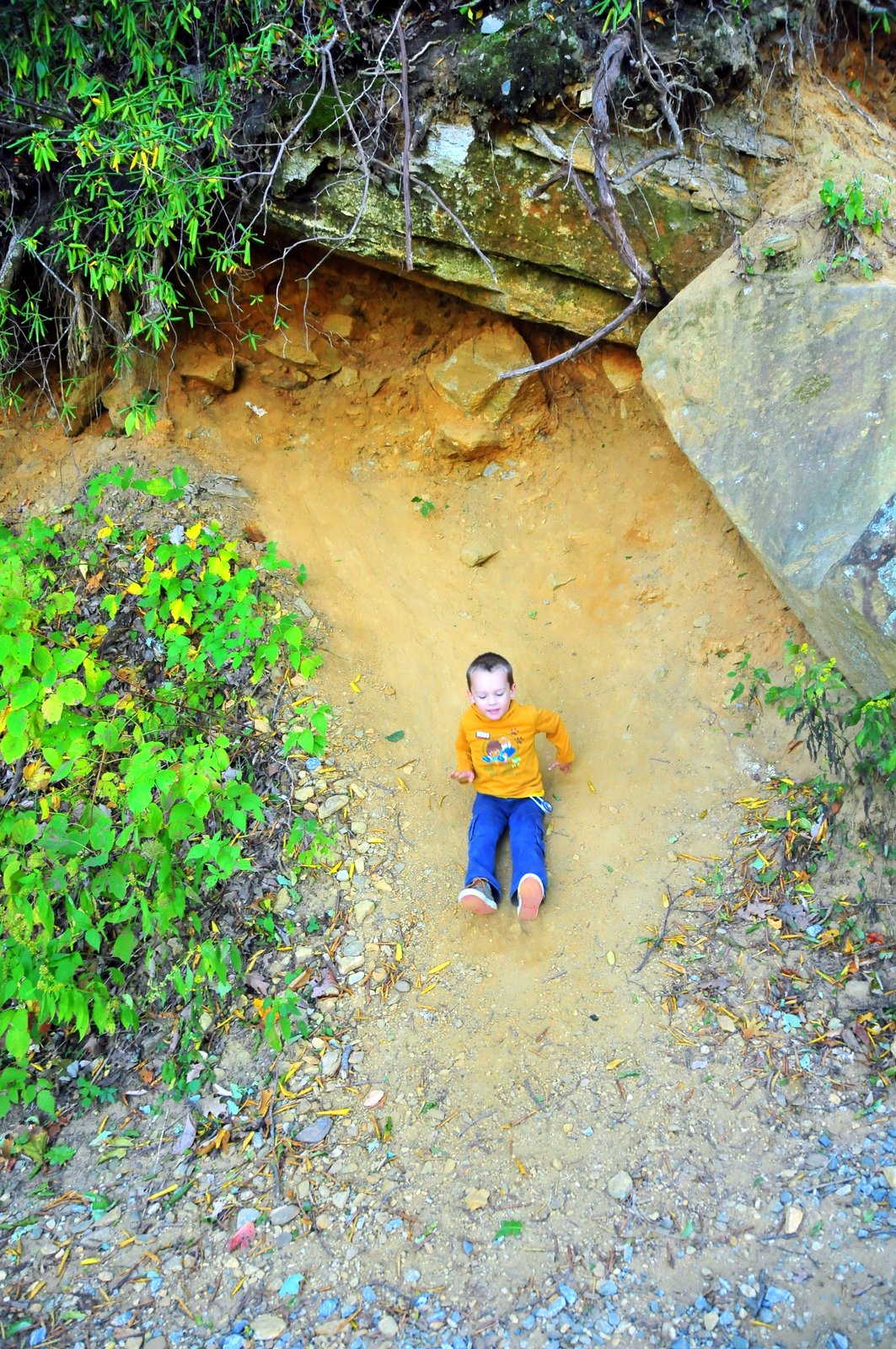
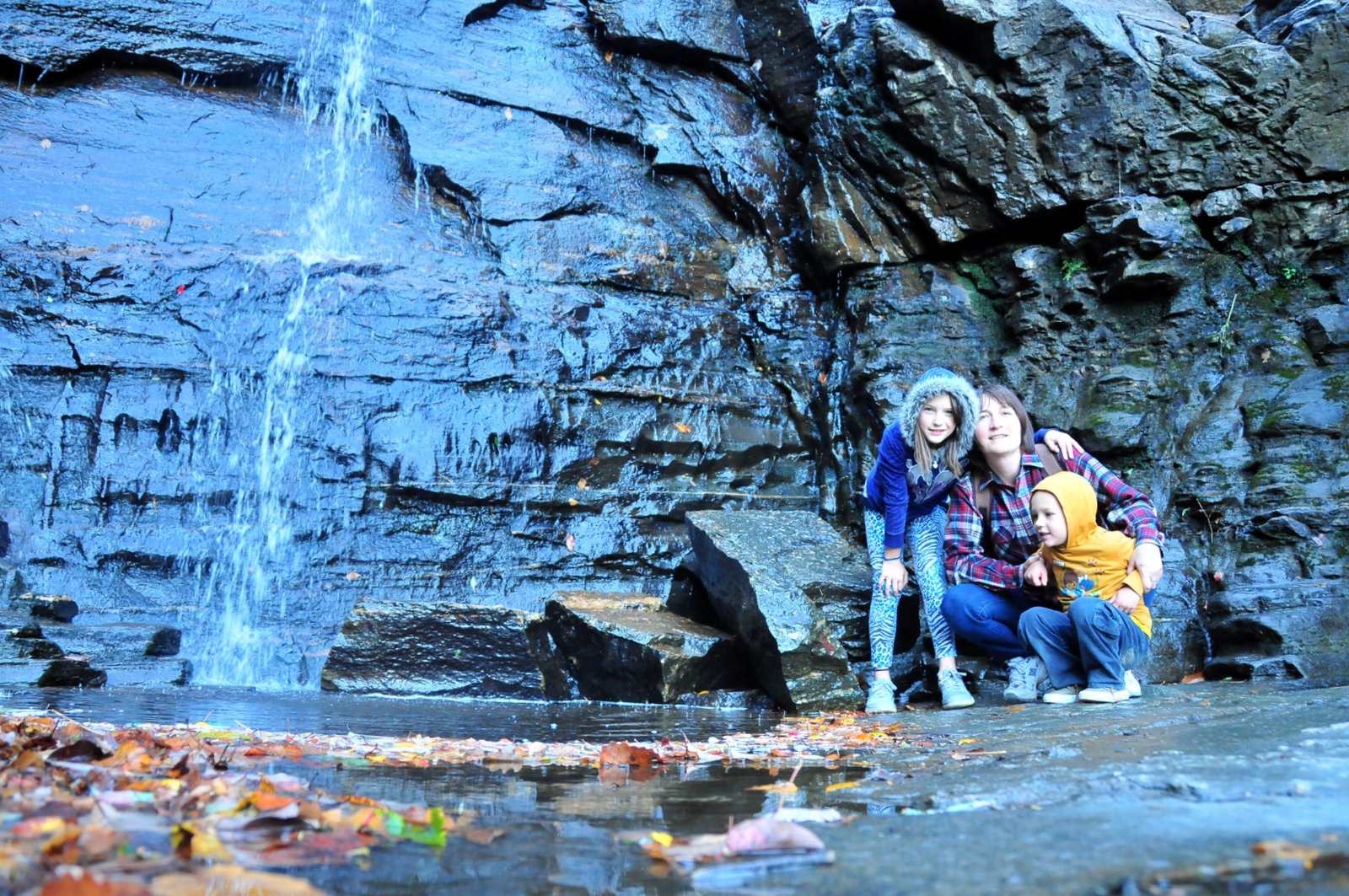
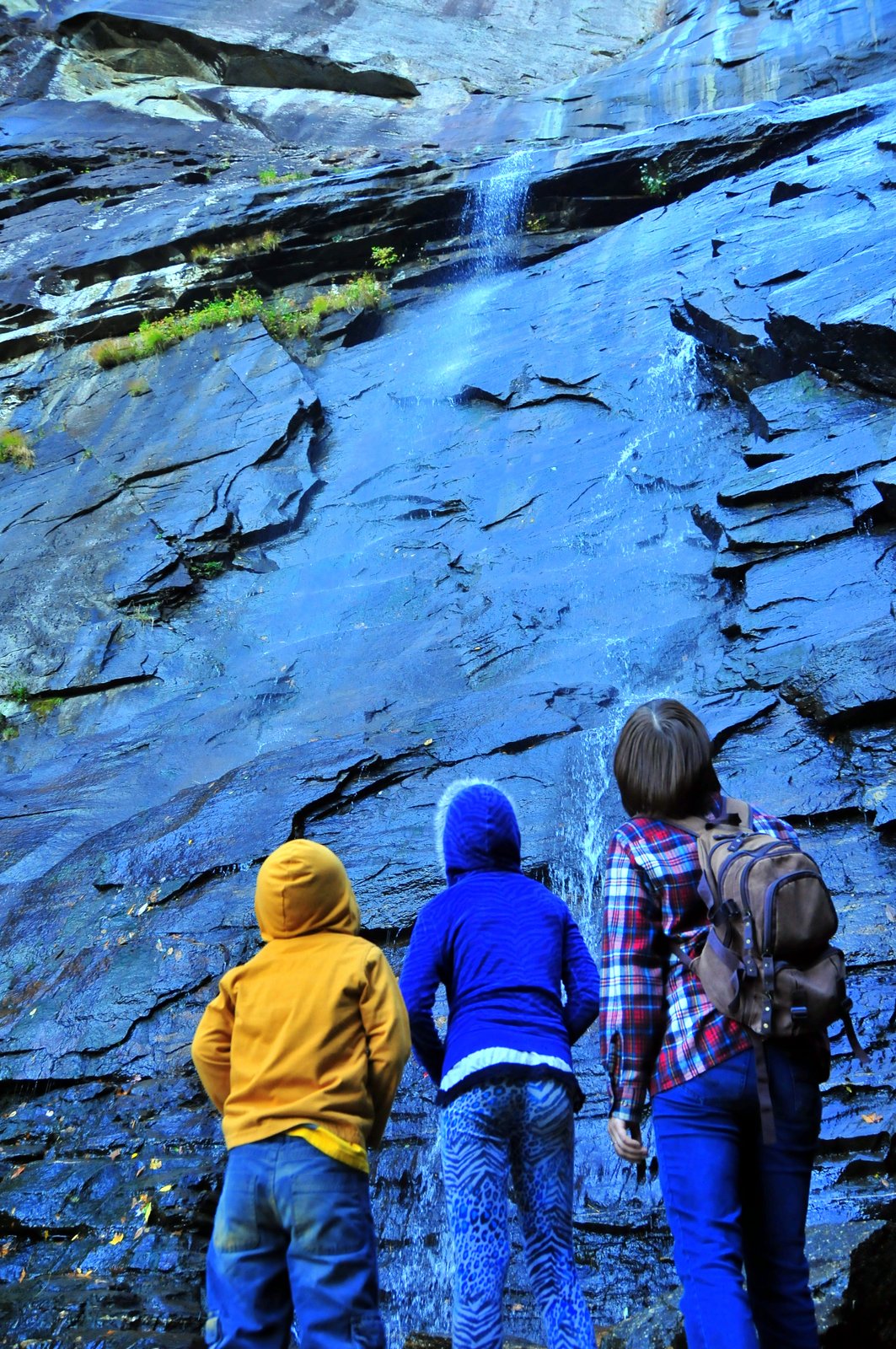
It's been some time since we went to Chimney Rock as a family. K and E went three years ago when L and I were in Poland for most of the summer. Before that, we'd taken L when she was a bit younger than the Boy. But we'd never been there, all four of us, so we remedied that, walking 9,717 steps, climbing over 1,000 steps (L and K counted) in the process. As a result, the kids were asleep just about as soon as they fell into bed.

Saturday

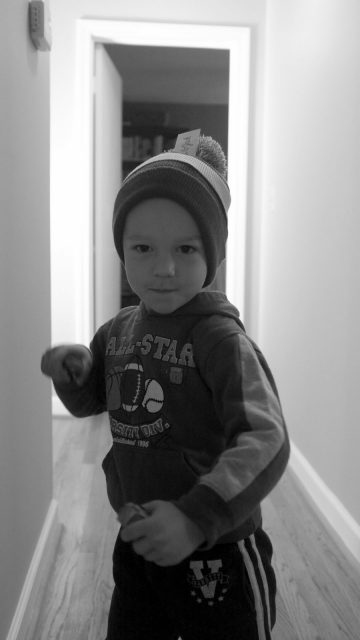
What did I love about today? That E got his shoes on all by himself without much prompting and without help getting the correct shoe on the correct foot. It's a sign of his growing independence that the little things he takes on himself.

01-dscf1036

That L helped him put on a hoodie that he was dying to wear without me even knowing she'd done it. It must have been a frustrating task, because the neck of that garment does not slip easily over his head. But instead of hearing any fussing, I heard nothing at all.

03-dscf1050

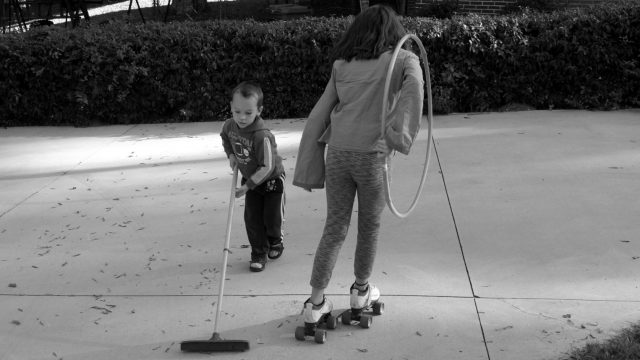
That they both found a way to entertain themselves. That E did so by working -- his favorite type of play -- and that L still is in love with skating.

05-dscf1061

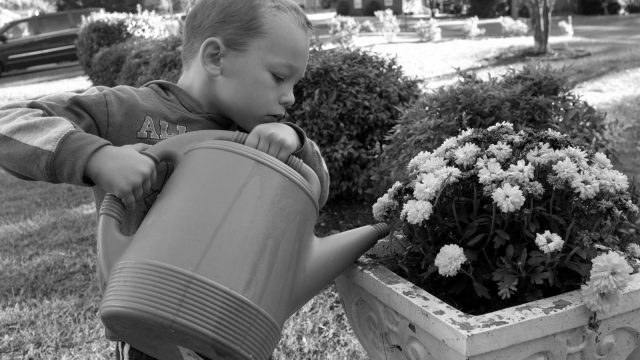
That I discovered K is right: watering the flowers can be a delightful job. The Boy was eager to turn play work into real work. And I love that he's always willing to lend a hand.

"Sure," he always says.

08-dscf1076

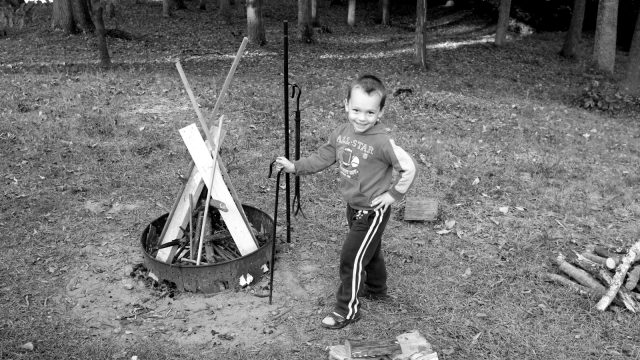
That we have a small fire pit in the backyard. With it being so dry, it's always a bit of a risk to have a bonfire, but we keep it small (despite the appearance of this -- it was built up for the picture and for E to help) and have a hose at hand.

12-dscf1089

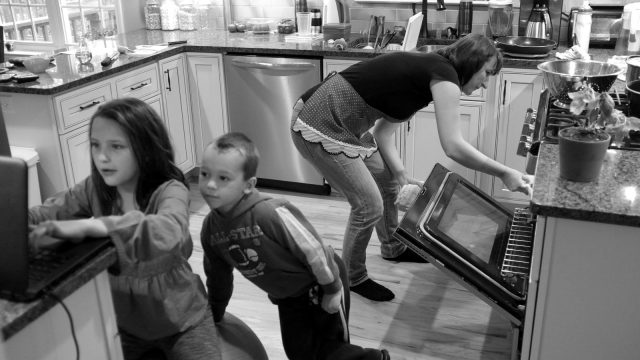
That life in our family can be so hectic and yet peaceful at the same moment. That our kitchen is done. That I managed to eat Brussels sprouts tonight.

14-dscf1106

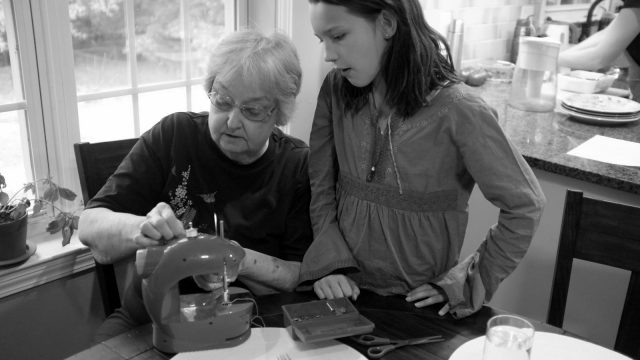
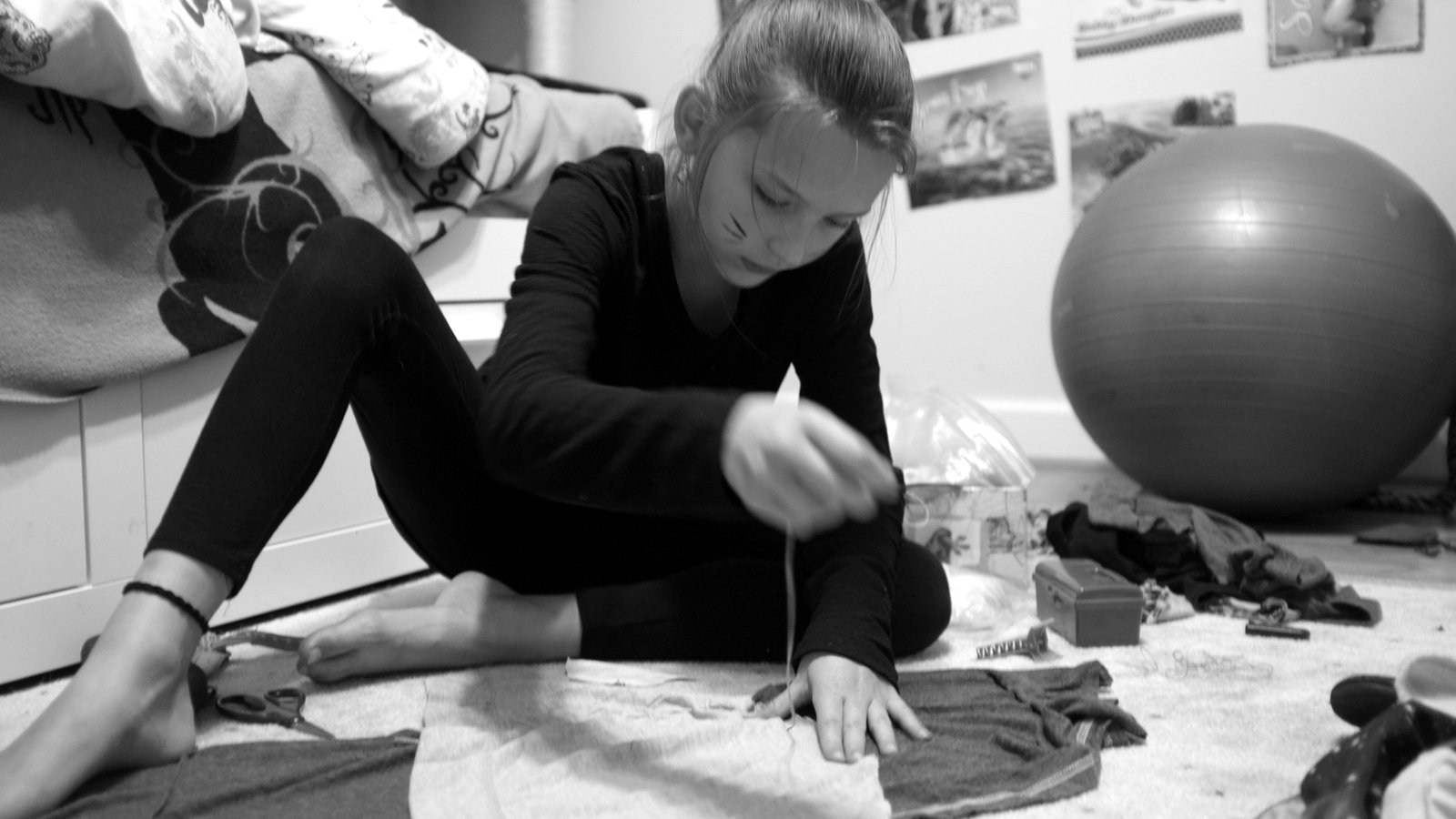
That the Girl is so interested in crafts. Nana and Papa bought her a small sewing machine for Christmas some time ago (last year? year before?) and perhaps she was too young, because she's just now getting interested in it.

15-dscf1110

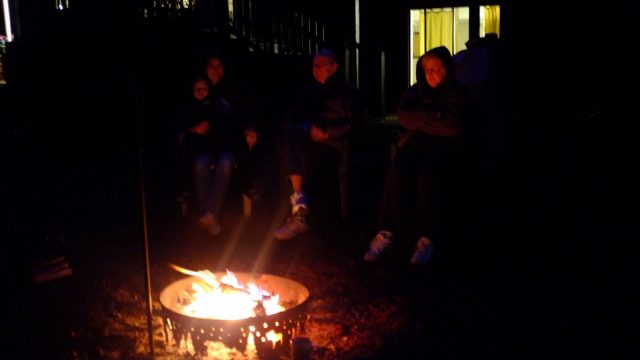
That my family is my family.

16-dscf1123


Curve

Recently, our school district changed its grading scale for all high schools and middle schools, switching from a seven-point scale to a ten-point scale. In the past, the lowest A one could get would be a 93; now it’s a 90. Not a big change at the top end of the scale. But by the time you get to the bottom, it’s ten points. To pass with the old scale, you had to get a 70; now, it’s a 60. There was a grading floor of 61 with the old scale — the lowest grade a teacher could give was 61. That’s now a D. The new grade floor is a 50, which is the lowest F as well. In other words, a student can do absolutely nothing for an assignment and be 10 points from passing.

How does that affect the overall curve? When I put my quarter’s grades into the handy-dandy spreadsheet I use to calculate the letter grade spread of the class, I realized that I hadn’t updated the look up table that determines whether grade X is an A or a B, and so before I updated that table, I saved the old version for comparison.

A B C D F
16 33 39 46 33 26 17 21 34 13

It more than doubles the number of A’s and cuts by almost 67% the number of F’s. On the bright side, look how much better kids these days are doing!

1-fullscreen-capture-10222016-85031-am

Mixed feelings on this. On the one hand, a lot of the people getting D’s now instead of F’s might need a bit of a confidence boost that finally not failing might give some of them.

On the other hand, most all of the students who have F’s have them because they don’t complete a significant number of assignments. It’s not that they’re trying, struggling, and failing — they’re not even make it past the “r” in “trying,” let alone the rest of the sentence. So what does this teach them?

I can’t help but feel that this is just another example of trying to rig the system so that the results look better. How do we decrease the number of high school drop-outs? Lowering the standards for passing might be one way. But in the end, what does that do?