matching tracksuits

fun in threes, sometimes fours

First Day Back 2026

I went into the teachers’ workroom to make a coffee. It was the first day back, and some teachers had brought their kids with them. When I opened the door, I found three energetic children playing with balloons.

“Do you want to see what we’re doing?” a small blonde girl asked, her ringleted hair bouncing with excitement.

“Of course I do,” I said.

She grabbed a balloon, puffed out her cheeks, and forced air into it with all her might until it inflated just a little. Then she opened her mouth. The blue balloon shot across the room, and she erupted—squealing, jumping, delighted. She chased it down and did it again.

I smiled and walked away. Hearing her repeat it a third time, I felt unexpectedly envious.

It was such a simple act, yet it held her completely. Children can endow the smallest things with meaning, with such intensity that repetition never dulls the pleasure. Each time is new—better, even.

Fifteen or twenty minutes later, when I went back downstairs to get pork for my lunch, the kids were still there, still playing with the balloons, still just as excited.

When did we lose that kind of wonder? Why do childish pleasures cease to be adult ones? As a fifty-three-year-old, I find nothing remotely appealing about blowing up a balloon and letting it fly away. I wouldn’t do it once, let alone again and again. If I did it at all, it would be to entertain children—and even then, my pleasure would be borrowed, derivative of theirs. Otherwise, it would feel like a chore, something to check off before a birthday party. And knowing I could pay someone else to do it, I probably would.

Children don’t outsource joy. They might share it, but even that has to be taught. Their pleasures are closely held.

What, then, are mine?

I don’t think I have many. Most of what I enjoy I’m happy to share—or no one else wants. I’m the only one in my family who likes whiskey. I’ll offer a puff of my cigar, though I know my wife won’t take it. And what pleasures I do have, I pass easily to my children.

Just before Christmas break, I came home with small treasures from my students and gave most of them away. Lena claimed the Starbucks cards. Both kids went for the candy. Ginger took the restaurant gift cards and tucked them away for busy weekends. I let them—all of it—without hesitation.

That ease, too, is a kind of privilege.

It must be a particular first-world luxury to carve out moments so carefree that our troubles dissolve into the fog during an evening walk. We have worries, yes, but nothing dire. Poverty is distant, almost unthinkable. We do not worry about our next meal.

And yet, how quickly could it all unravel? How quickly could democracy slide into chaos? How fast could our civilization collapse and leave us worse off than before? We like to imagine that people in poorer parts of the world know how to survive with less, that hunter-gatherers endured without any of the technologies we now depend on.

The preppers who populate my social media feeds—once you watch one, the algorithm supplies the rest—are convinced collapse is imminent. They warn us where not to go, what to stockpile, how to survive martial law and total disorder. But can anyone live a fulfilled life while obsessing over collapse? To call oneself a prepper seems to require abandoning nearly every other concern.

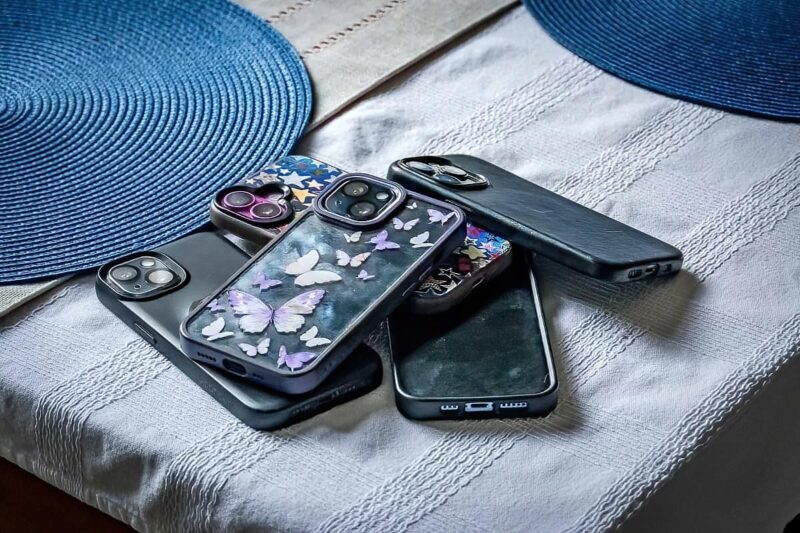
Perhaps that is the core of first-world nonchalance. We live in a world that feels inevitable, permanent, destined. Even its collapse is hard to imagine. To suggest that food might one day be hard to get—or that entertainment might disappear—feels as absurd as waking up without arms or legs. We are too accustomed to having the world at our fingertips, carried in the microcomputers we casually call phones.

So what do we make of first-world luxury? Of privilege? Of the innocence of childhood?

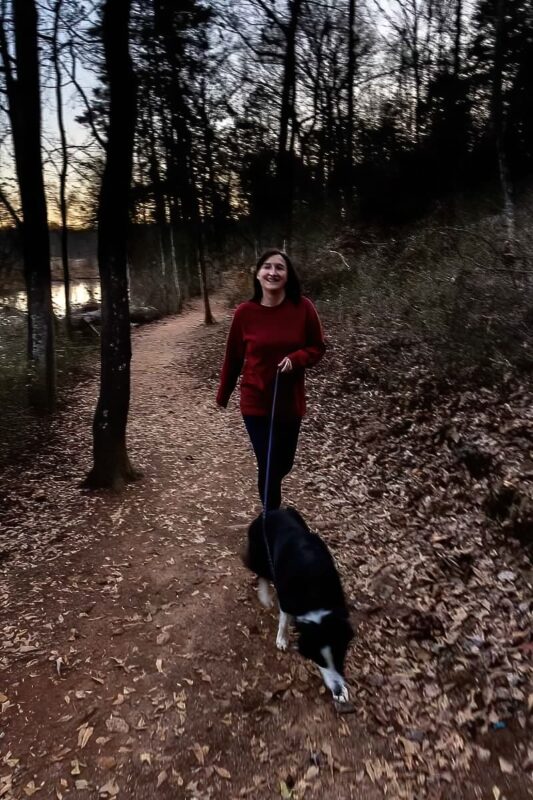
I see it in small rituals: walking the dog at night, schedules snapping back into place, students lining the halls—eager, a little sad that break is over. The Christmas decorations came down at school today. Our own sad little tree will linger until the weekend, or until my mid-January birthday passes, and then it too will be gone. Another Christmas season ended.

And yet each one seems to close with more uncertainty than the last. Political turmoil deepens. Environmental collapse feels less abstract. There is a troubling naivety—perhaps even selfishness—in those who greet this with confidence that, before it gets too bad, salvation will arrive.

A new year. Another war. New threats of evil.

And still, we go about our business.

What else could we do?

Visiting Aunt D

Aunt D is a saint. A generous soul with a kind heart and a desire to throw her arms around her entire family and pull them close for a never-ending hug. My memories of visiting Aunt D stretch back to my childhood, to an age younger than the Boy. We spent alternating Thanksgivings with Aunt D and Papa’s extended family in South Carolina and Nana’s family outside of Nashville. That constituted the majority of our visits.

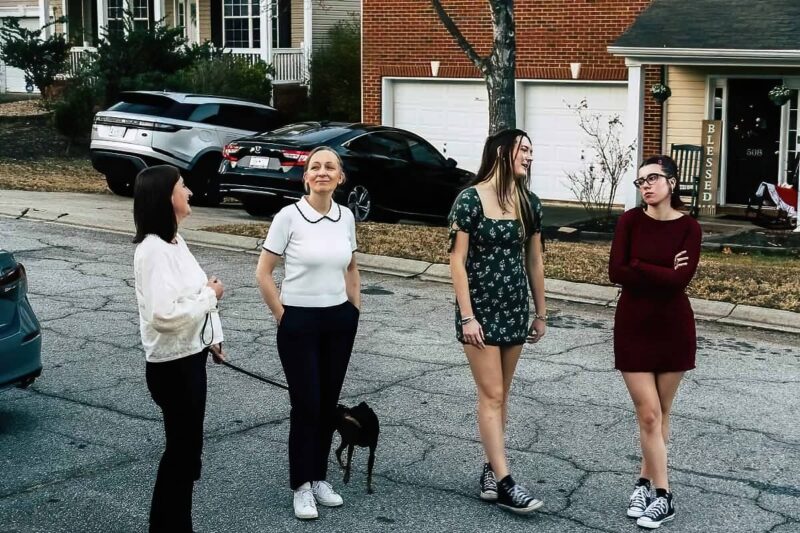
We haven’t spent a Thanksgiving with Aunt D in probably a decade, but she almost always arranges some kind of family gathering around the holidays. This year, we missed the reunion, and the plan was to have a mini-gathering last Saturday. Alas, Aunt D was sick, and the whole get-together had to be canceled. But the holidays are just not the same without a visit to Aunt D, so we drove through the pine forests on pothole-filled roads (a staple of childhood memories of visiting SC) today for a quick visit -- our first since Uncle M’s memorial service this last summer.

Return to 5 v 5

After a short break for the holidays, the boys are back at it, playing five versus five soccer on a quarter-sized field. It's such a different version of the game: with a smaller field, it's much faster, and since there's no off-sides, it changes the overall dynamic a bit. Plus, everyone plays offense and defense.

They played an academy team, which means a team that practices more frequently and travels for tournaments. The soccer version of travel volleyball. During the regular season, playing a travel team during our Saturday matches is a rarity, and if they do play, the academy/travel team usually has to play up an age group.

It's not that way during the less formal five-versus-five season. They boys got taken apart by an academy team just before the Christmas break, and I worried it would happen today. It started that way: within a few short moments, we were down 0-2. It went 1-2 before the academy team scored again.

By the half, though, our boys had tied it at three apiece. Two of the boys had written a silly motivational speech, which they delivered to the team during halftime, and it must have worked.

Soon, the boys were up 4-3. Then it was 4-4. "We might end up tying this, or better!" I thought. It was the latter: our boys soon scored two unanswered goals, adding a third before the end of the match to win 7-4.

Sleepover Bonfire

First Day 2026

2025

January

February

March

April

May

June

July

August

September

October

November

December

New Year’s Eve 2025

Delusion

For Sale

The Boy's interests in music are changing. He rarely plays guitar anymore, and the bass he got for his birthday a couple of years ago has sat untouched for well over a year. I would be pushing for him to continue playing if it weren't for his complete obsession with trombone now. So until recently in his room, he had two trombones, two guitars, and a bass. It's not a big room -- it's not a big house -- and those instruments took up a lot of room. One guitar and the bass have to go, he decided.

As such, we've listed it.

Asheville Visit

Post-Holiday Downtown Walk

Christmas 2025

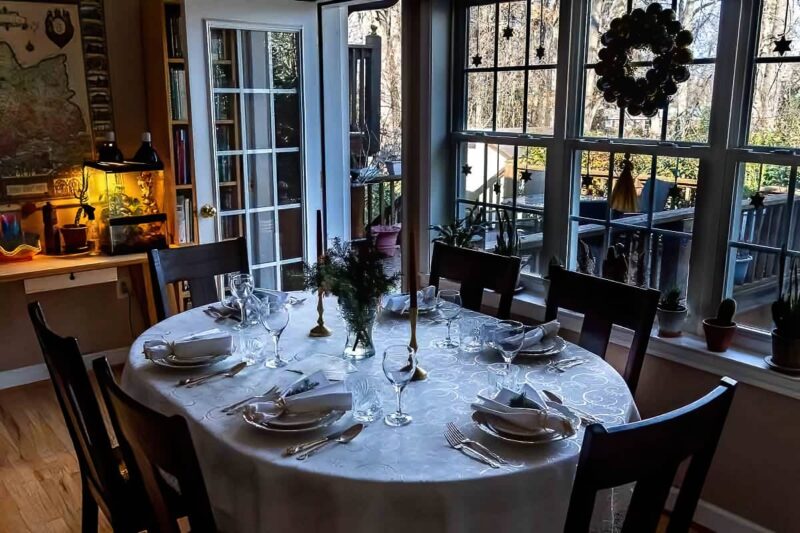
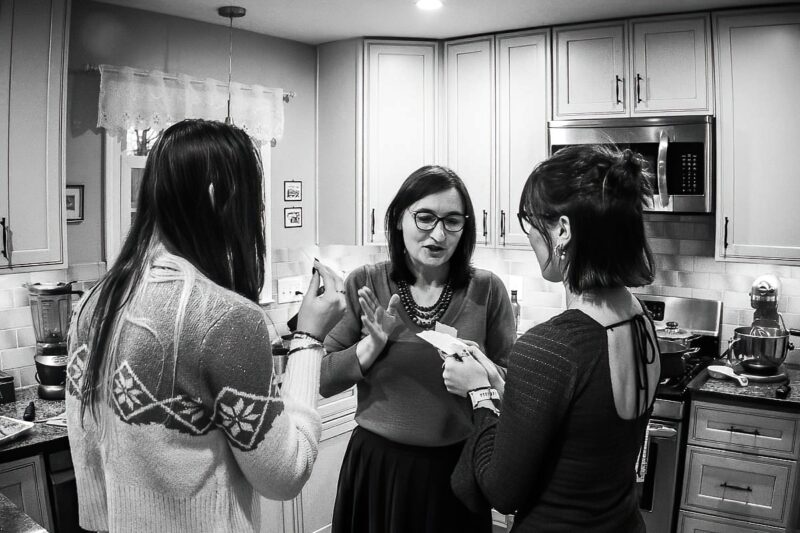
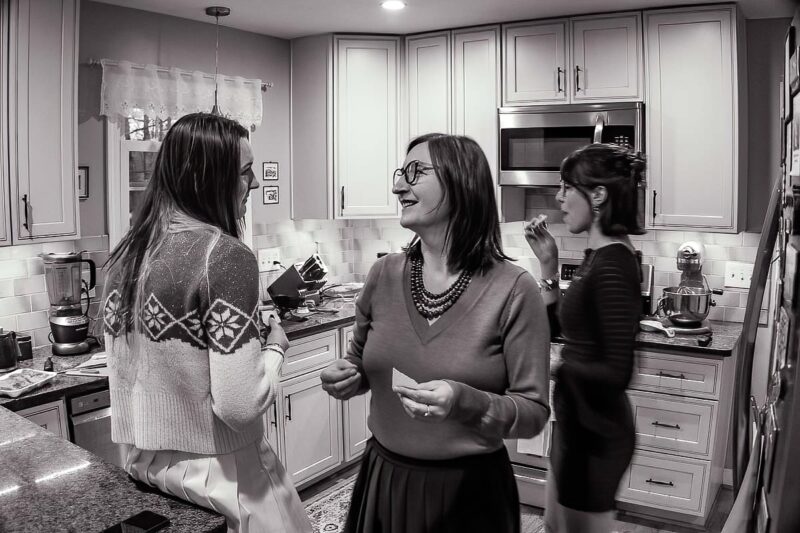
Wigilia 2025

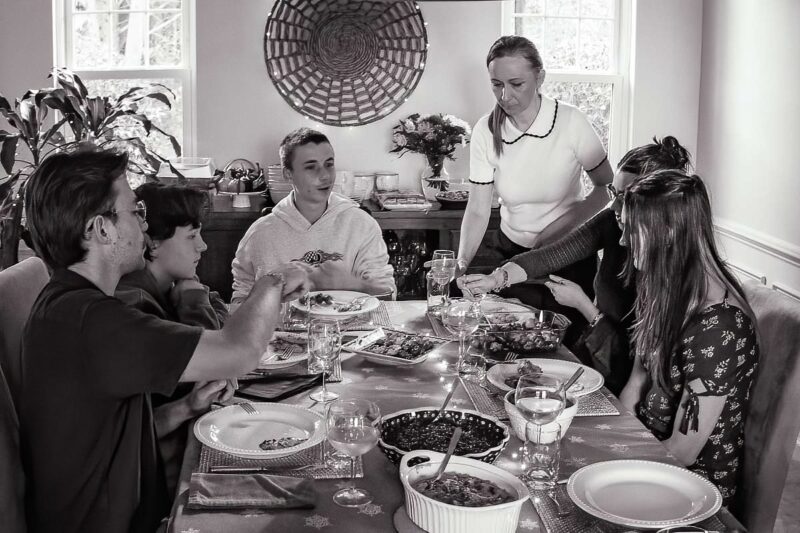
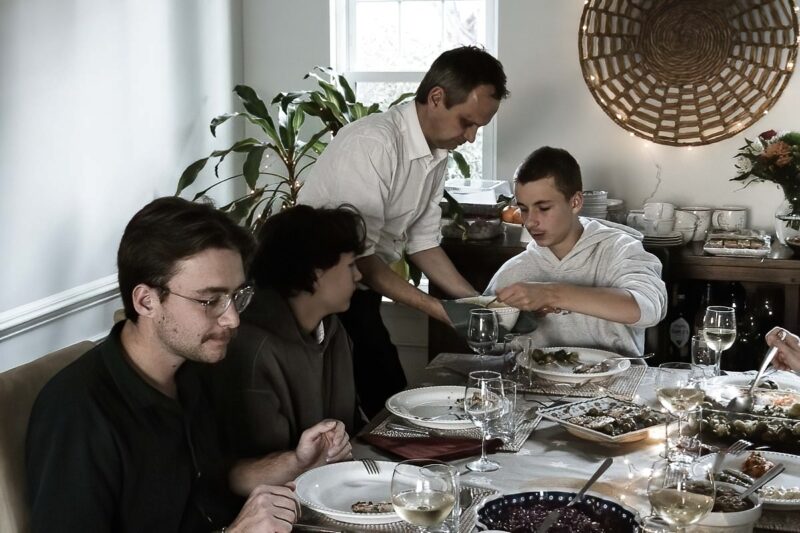
"[W]e’ll appreciate it all the more next near when Nana is back with us." That's how I ended our Wigilia 2018 post. It was our first Wigilia without Nana, and the loss was still raw for all of us but especially for Papa. For Wigilia 2021, I only posted pictures: our first Christmas without both Nana and Papa, I just didn't have much to share. It was a strangely haunting Wigilia for me.

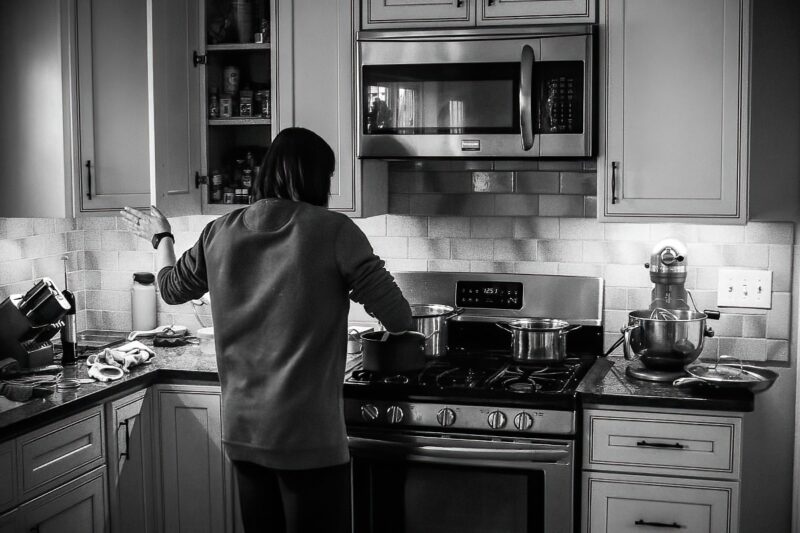
Today's sole preparation picture: I was out hunting down fish since Publix messed up our trout order.
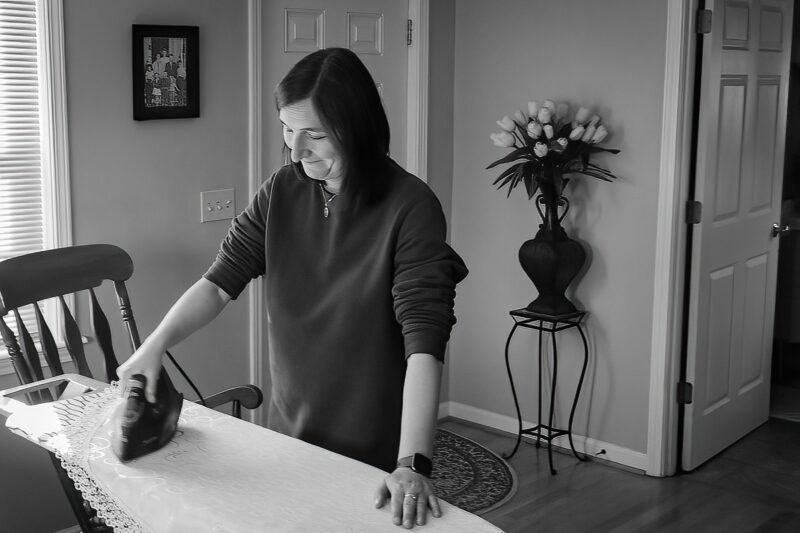
The obligatory Wigilia ironing shot
"Will you stop taking pictures of me?" Why, when you're so beautiful?
Christmas Eve in South Carolina with the door left open

In 2023, I wrote, "We move through these lasts without even thinking about them, without even realizing their presence." The next year, though, was likely the last time our usual Wigilia crew was together.

Opłatek wishes
Opłatek wishes
With the barszcz
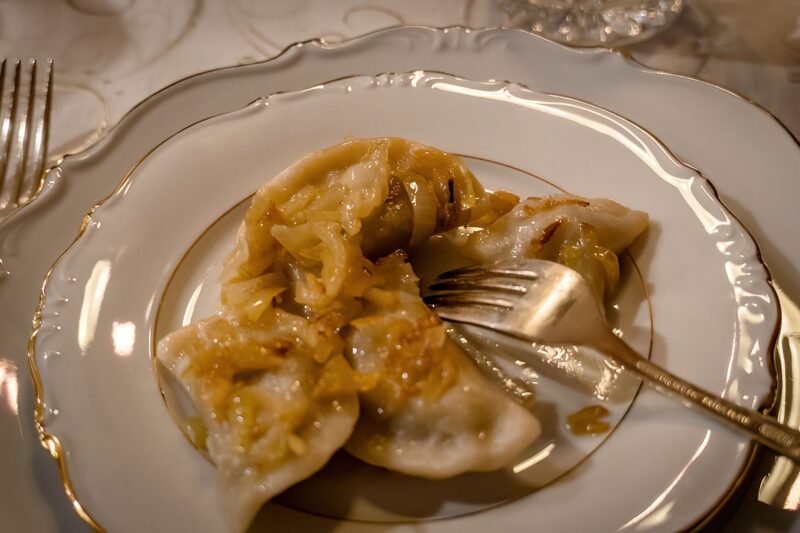
"My best pierogi ever."
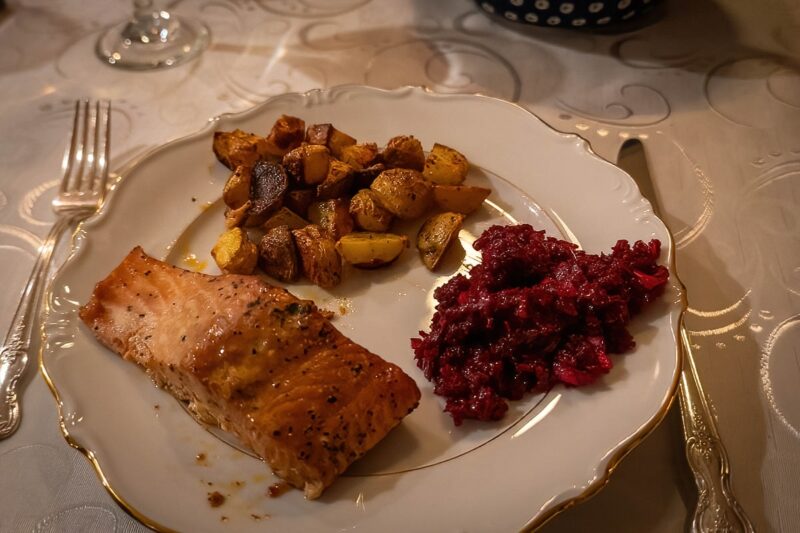
K's beet salad was absolutely the best ever prepared.

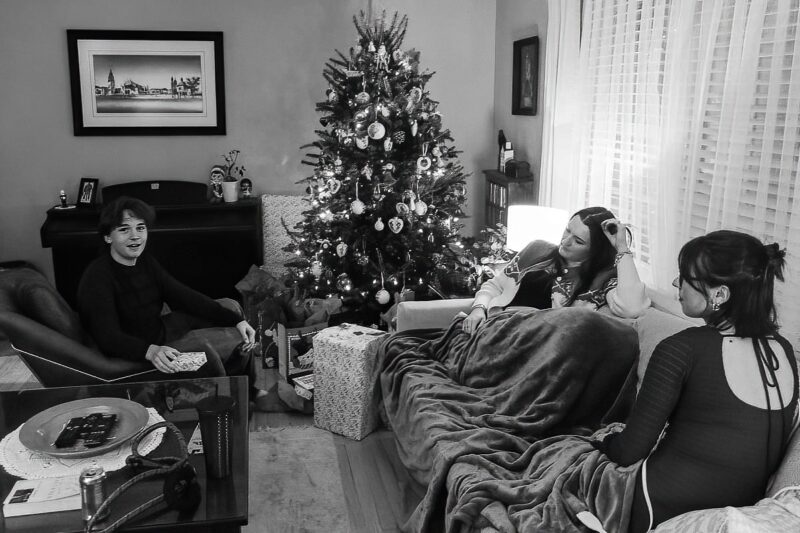
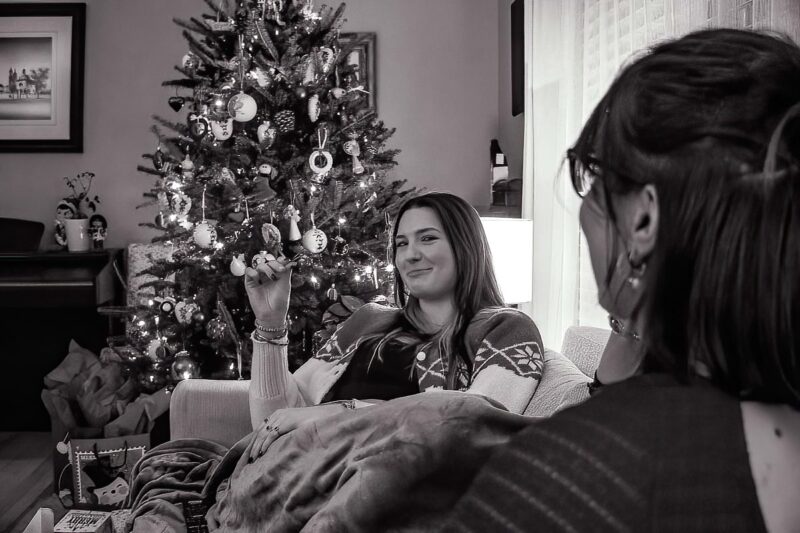
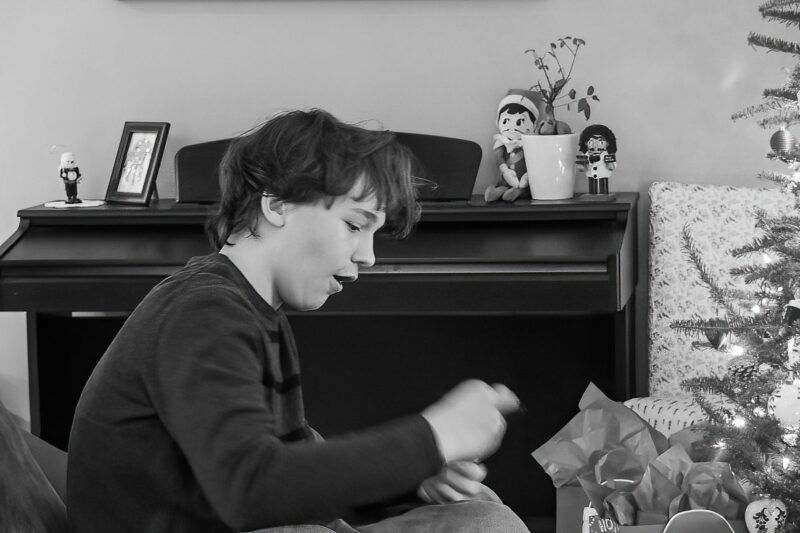
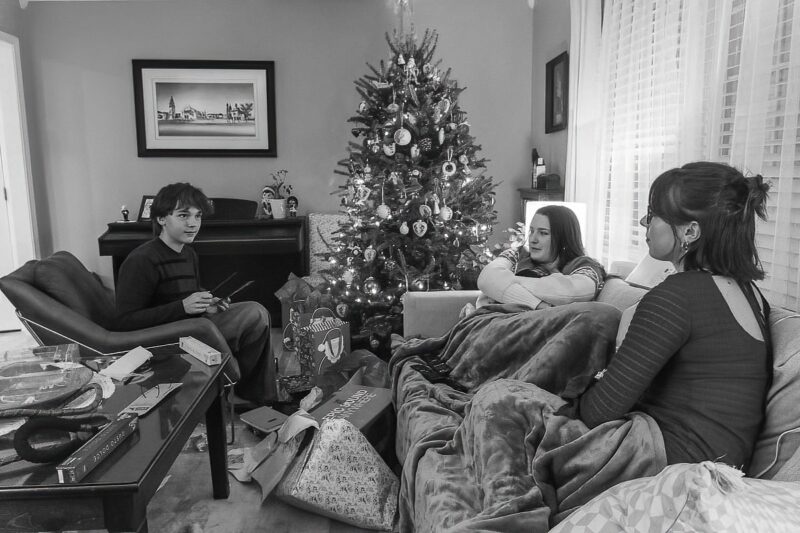
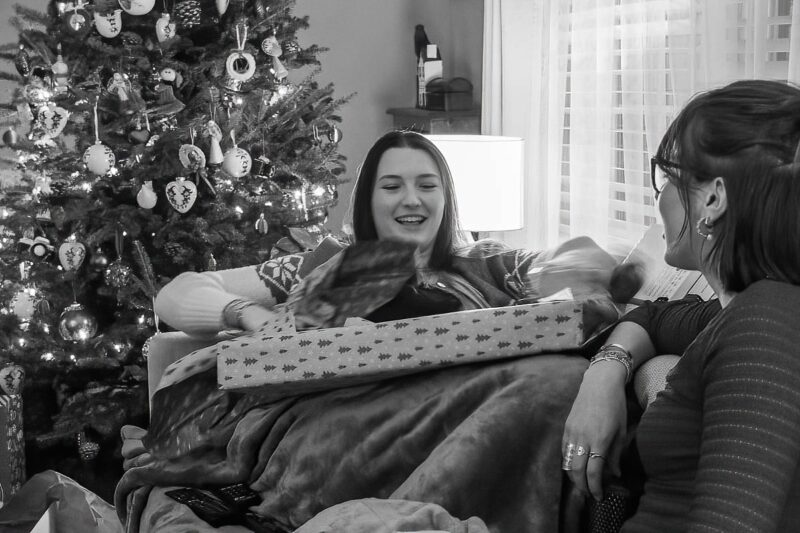
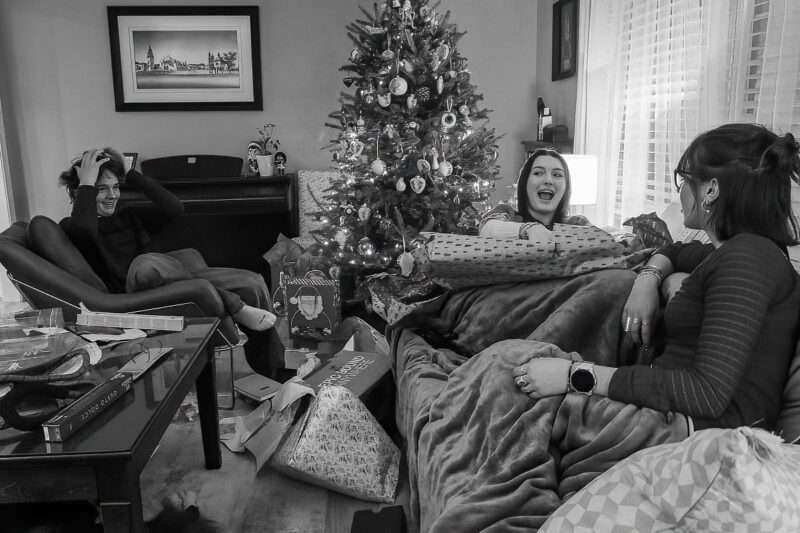
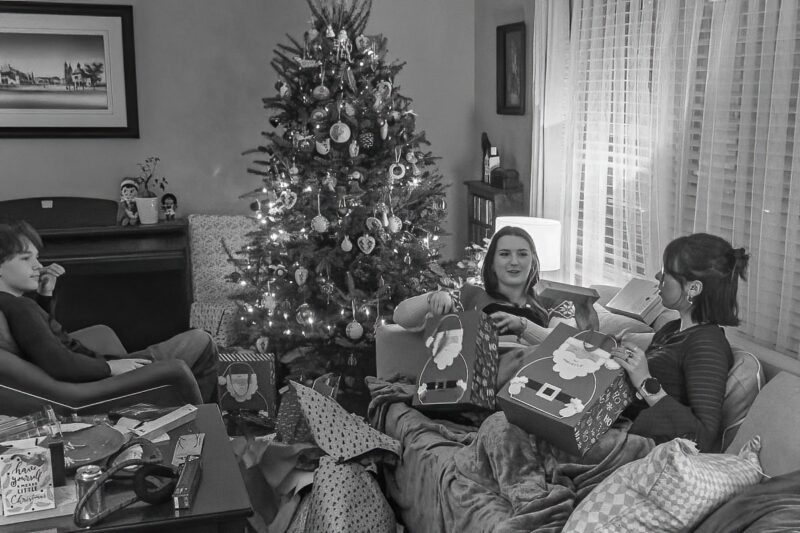
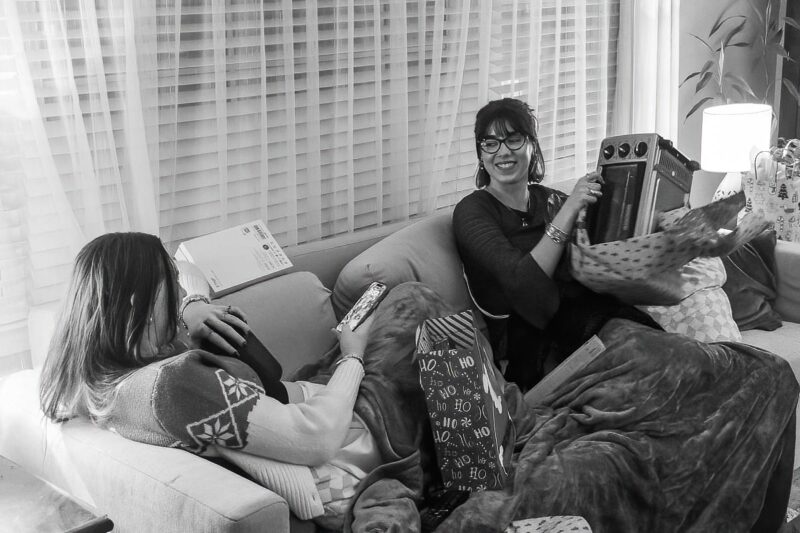
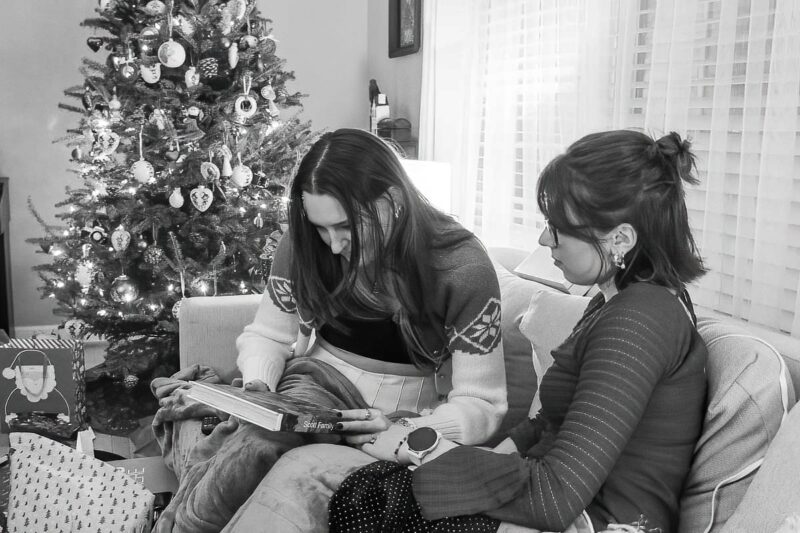
Wigilia is one of those markers in our lives that shows us just how much things have changed. Pictures with opłatek show the growth of our children: at first, we're bending down to share the Christmas wafer; a few short years later, everyone is standing. Opening Christmas presents shows our children's increasing independence in unwrapping presents, then in buying presents. The presents themselves and our children's reactions to them demonstrate their increasing maturity: shrieks at cars and Barbies give way to thankful smiles for art supplies and clothes.

Who gets the first gift?
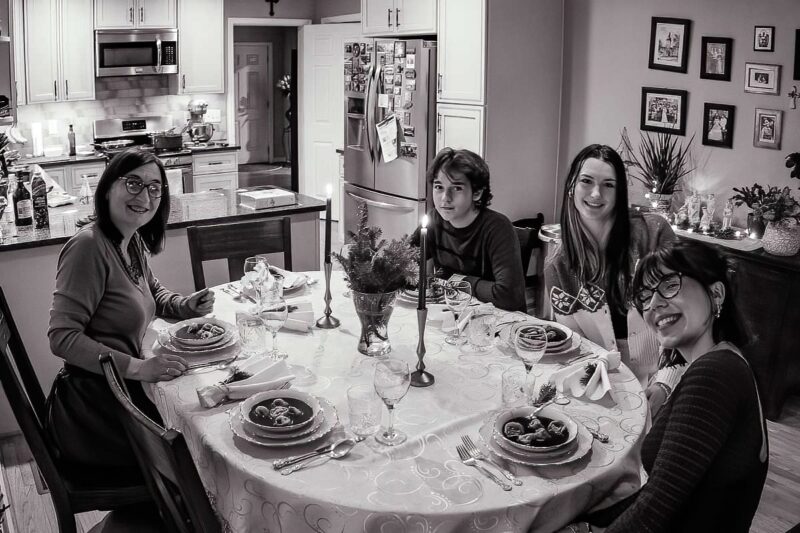
What did the Boy steal from the house and pack into this?

The last journal prompt at school:

When you’re old and gray like Mr. Scott, and you look back on your Christmases of your childhood, what do you think you will miss most? What is the most special thing about this time of year for you?

One can scarcely think too little of Christmas; the time when children remember the past and old people forget the present.

Charles Dudley Warner, “Christmas”

I like to encourage my students to think hypothetically, and what better way than for them to imagine themselves forty years older looking back on their lives now. Forty years for an eleven-year-old kid is an eternity, an unimaginably long stretch of unimaginable adventures. The kids took to it immediately, though. Sometimes, they're chatty about this or that, not as interested in the day's particular topic. That day, though, heads dropped, brows furrowed, and pencils scratched wildly. Most of the kids who shared later spoke of memories they currently have, memories of Christmas as eight-year-olds, of kindergarten Christmas, of times that likely seem as distant to them as my topic seemed.

After their journal writing, I shared with them my own thoughts: what Christmas tradition would I like to relive just one more time?

Happy, happy Christmas, that can win us back to the delusions of our childish days; that can recall to the old man the pleasures of his youth…

Charles Dickens, The Pickwick Papers

Isn't it obvious? Once more with Nana and Papa. Second place? Christmas in Polska. The former will never happen; the latter -- it might. It just might.

This thought of returning to Christmases past is, of course, hardly novel. Charles Dickens used it as a framing device for probably the most famous Christmas story of all time, and he revisited the nostalgia we feel in other novels as well. It's something of a luxury, I suppose, to wist for the past when so many people's past is simply struggle, which often persists to the present.

But as Proust pointed out, "Remembrance of things past is not necessarily the remembrance of things as they were." Is this even true of hardships of the past? Don't couples often look back nostalgically at how relatively poor they were when they began their journey together?

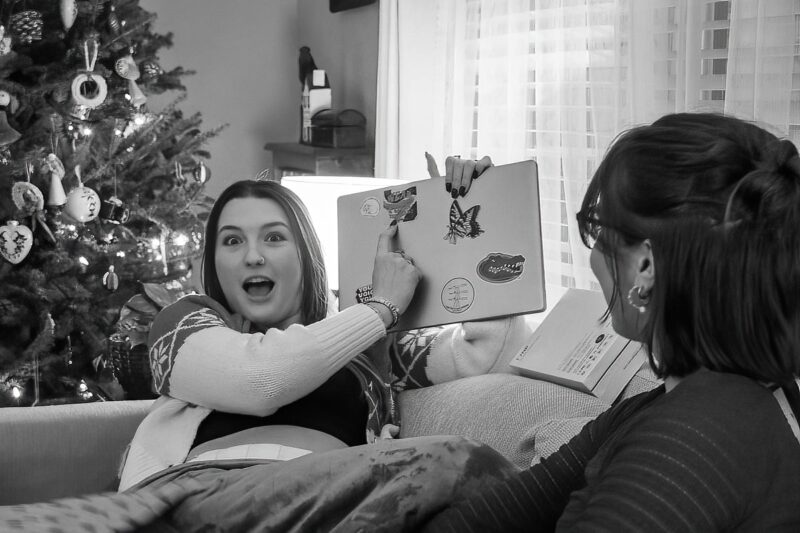
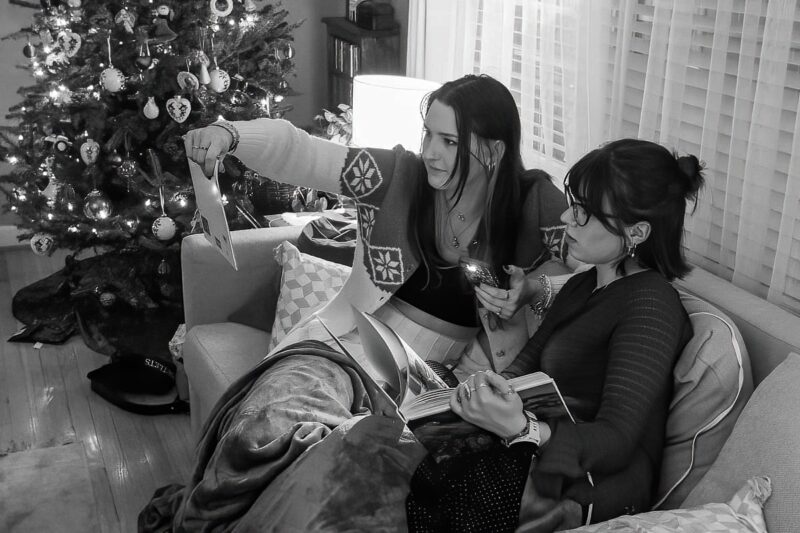
The Boy's present to the Girl -- her computer.

Papa often told stories of their early marriage, hectic and rushed, trying to make ends meet, and eating "anything and everything Campbells ever put in a can and called soup." He told the stories with such joy, the act of telling as wonderful to him as the memory itself.

Wigilia Preparation 2025

19th Party

The evolution of the Girl’s birthday parties over the years has completed a full arc of planning and responsibility. Her first party doesn’t even hold a place in her own memory: we picked a theme, made the guest list, decided on the menu, chose the cake, determined the games and activities. It was less a party for her than a party around her.

As the years progressed, we brought her more and more into the planning aspect of her parties. Where do you want to have it? Who do you want to invite? What sort of cake do you want to have? 

Then, as she edged toward adolescence, she began taking a more active part. She prepared snacks, festooned the living room with balloons and ribbons, and took an overall more active part in the whole process.

Her last couple of parties were almost all her doing. She made all the plans, prepared all the decorations, went shopping for this or that element. We helped here and there, but it was mostly her party and her work.

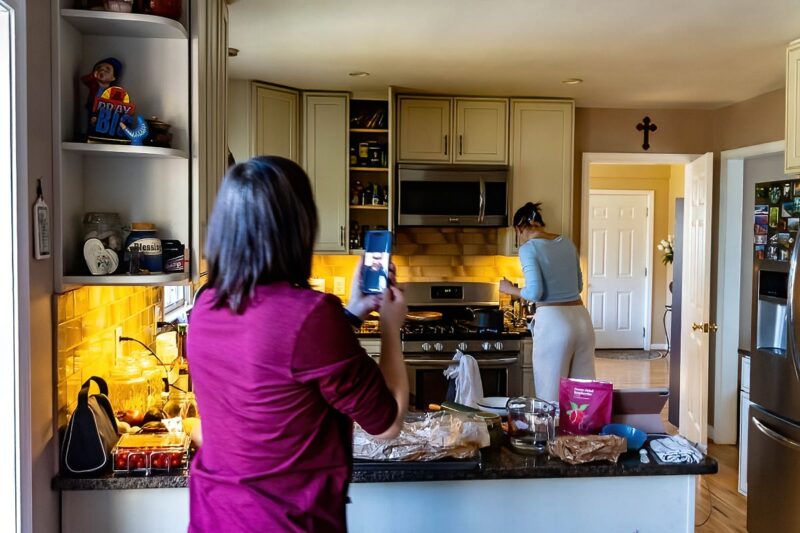
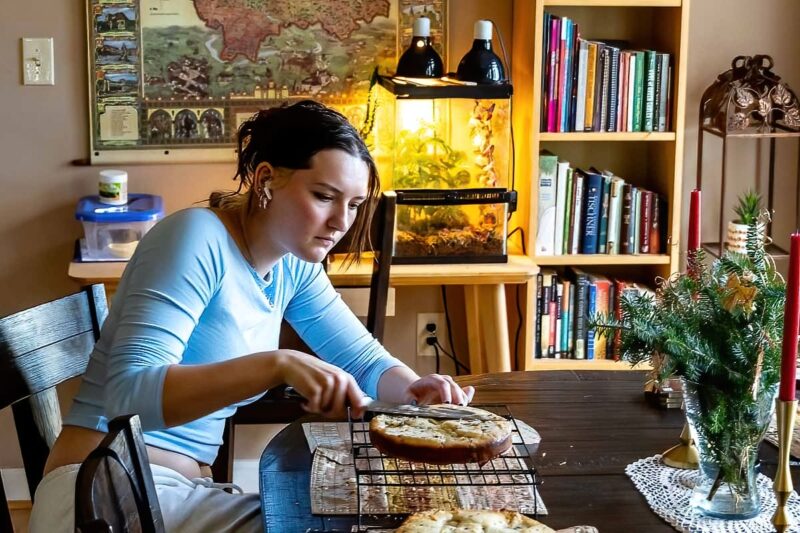
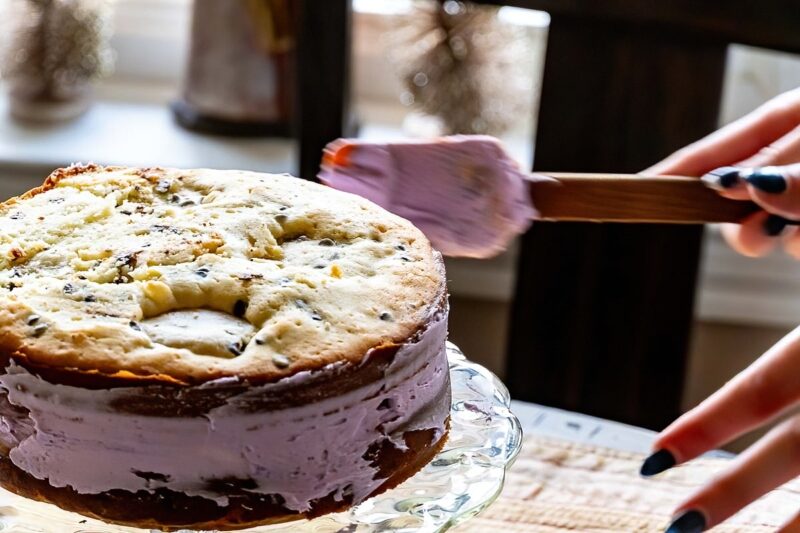
Tonight was her nineteenth birthday party, and the only thing K and I did to help her was clean the basement den that served as the venue and help keep the kitchen clean as she baked the cupcakes she wanted and her birthday cake, prepared the charcuterie board, set the drink table, and the million and one little things she did to get everything just as she wanted it for her party.

There remains only one more step: the transformation from co-host to invited guest. That’s still a few years off, but it will be here sooner than we expect.

Birthday parties, then, serve as a sort of indicator of independence in one’s child’s life.