matching tracksuits

fun in threes, sometimes fours

general

The End of the Season

Part of it was laziness, but we’ll chalk it up to Polishness: we finally took down our Christmas tree today. We’d been meaning to do it for a couple of weeks, but we didn’t adequately work it into our schedule.
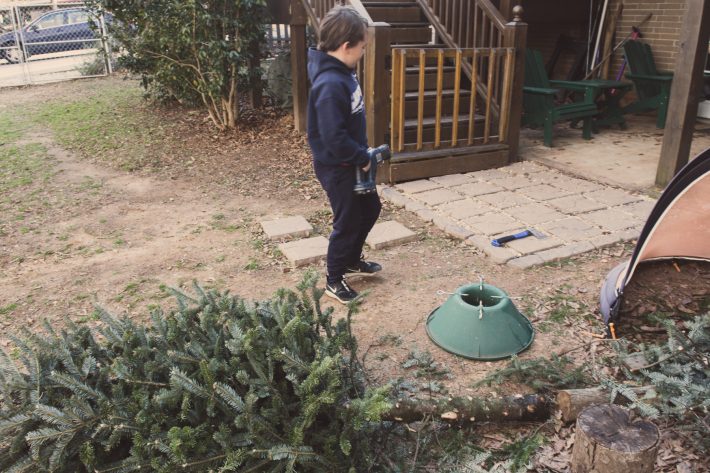
Or we can use K’s Polishness as an excuse: Poles always put their Christmas trees up later (sometimes, only a couple of days before Christmas) and take them down later.
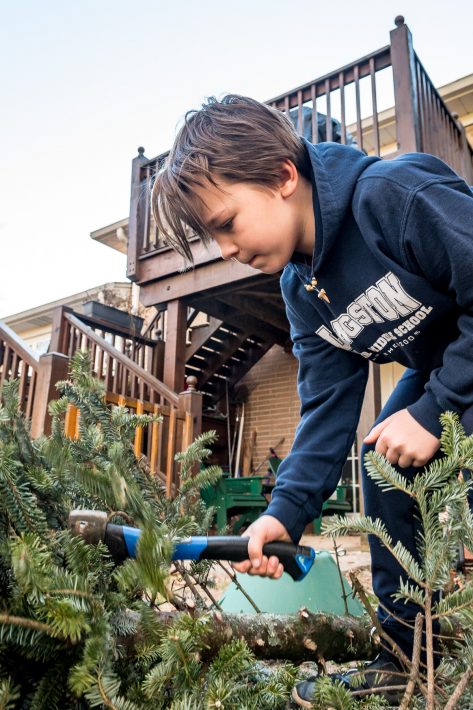
The Boy and I chopped it up in the afternoon. “This is so satisfying,” he said. For us all, in different ways…
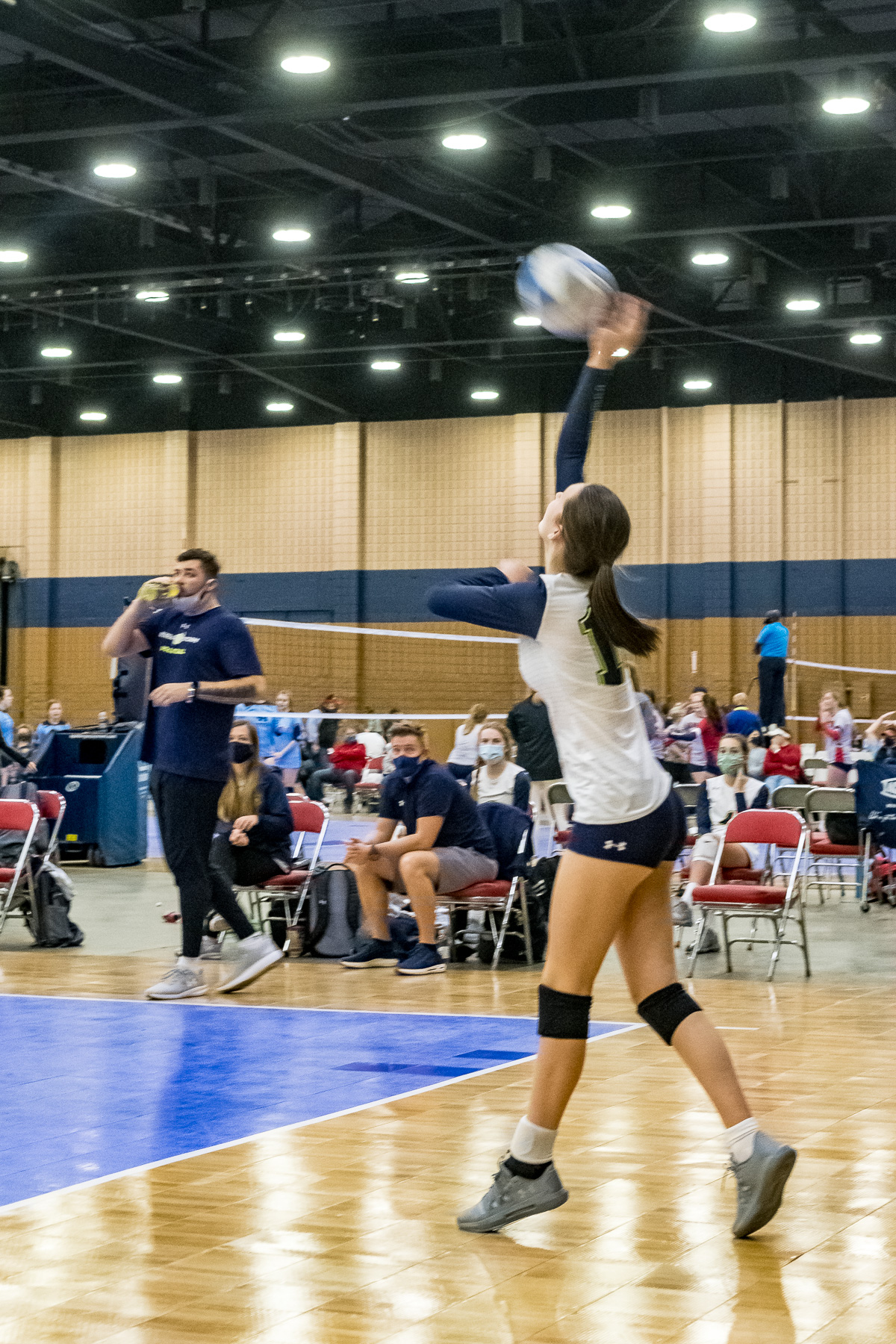
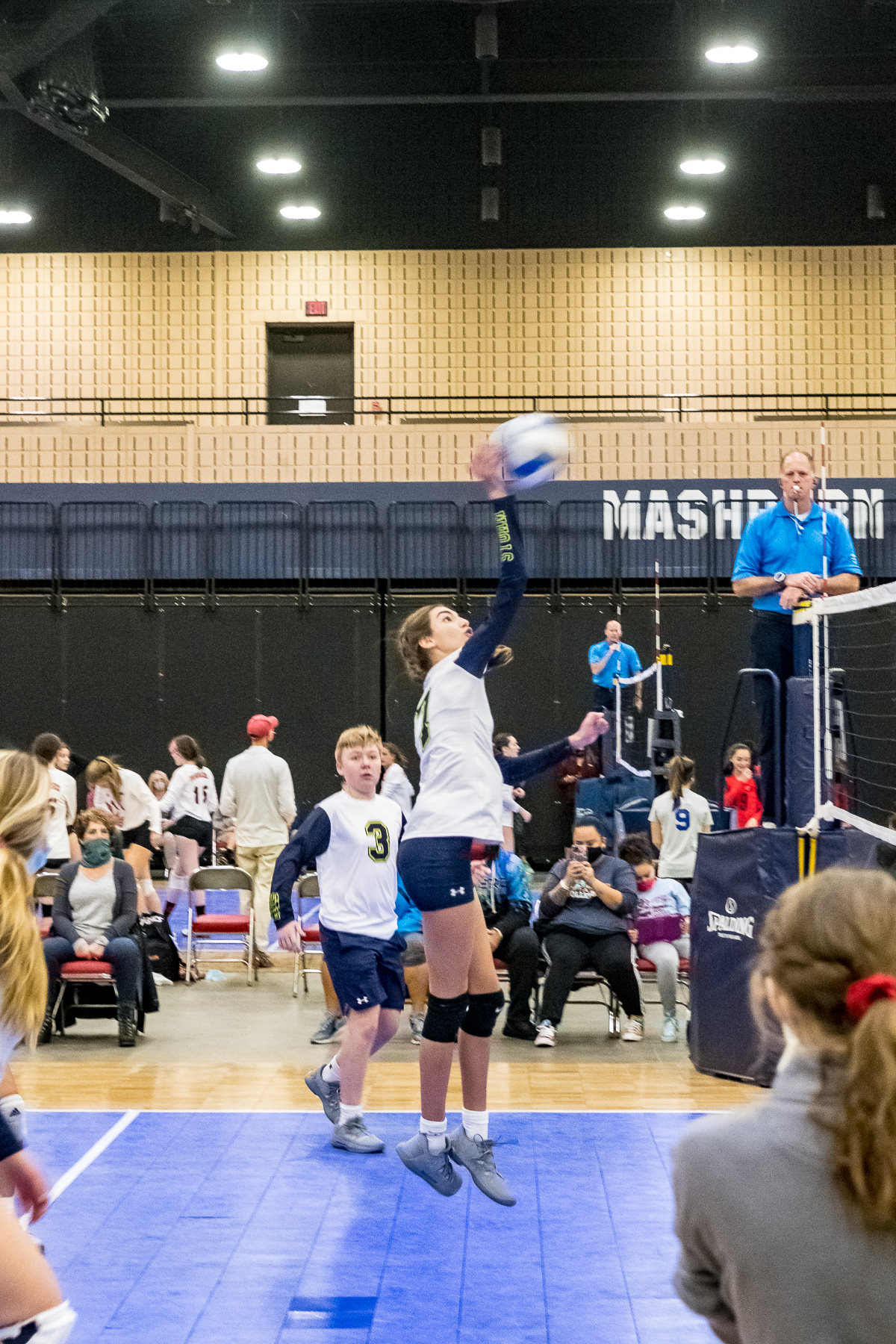
Dalton 2021 Day 2

Dalton 2021 Day 1

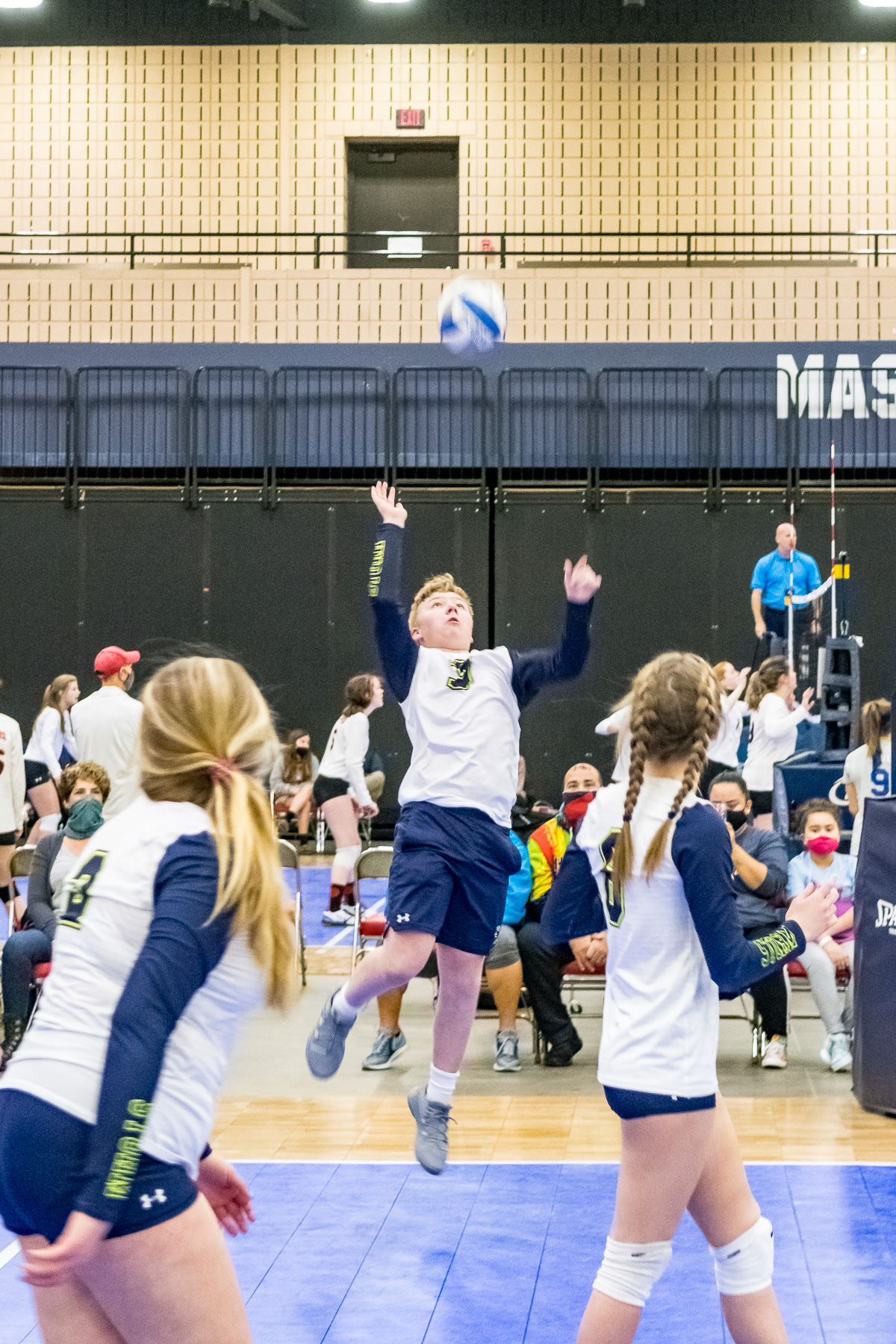
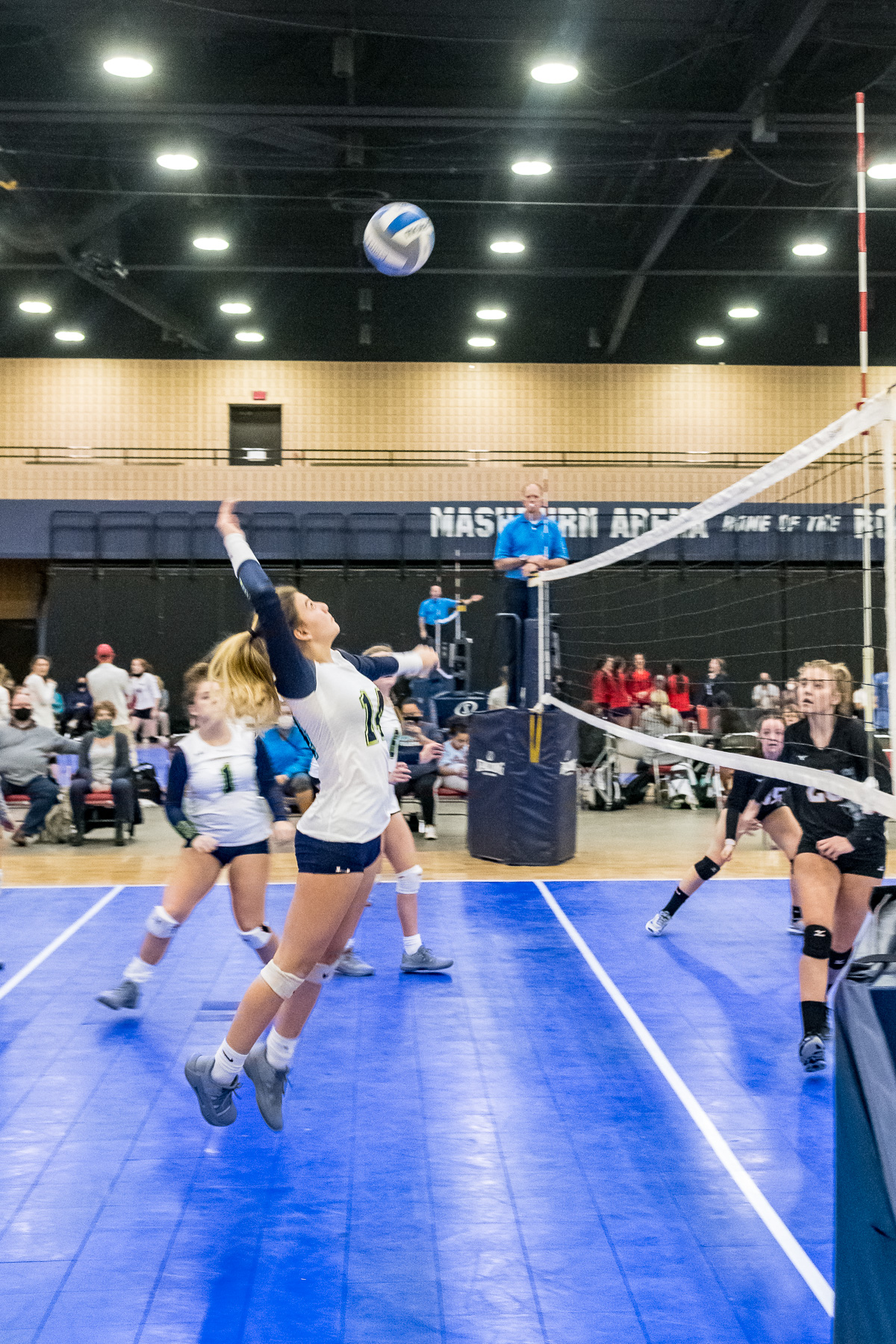
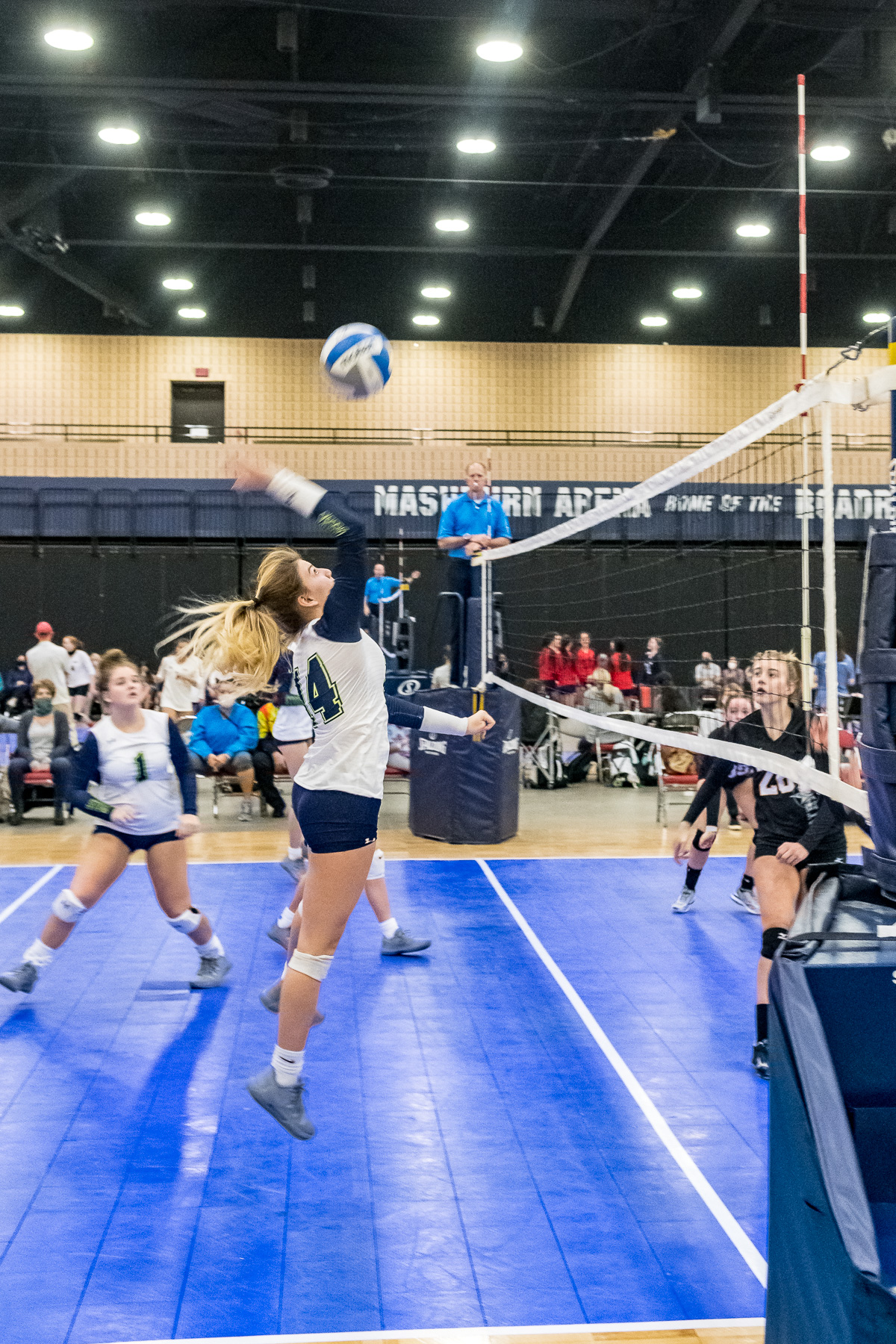
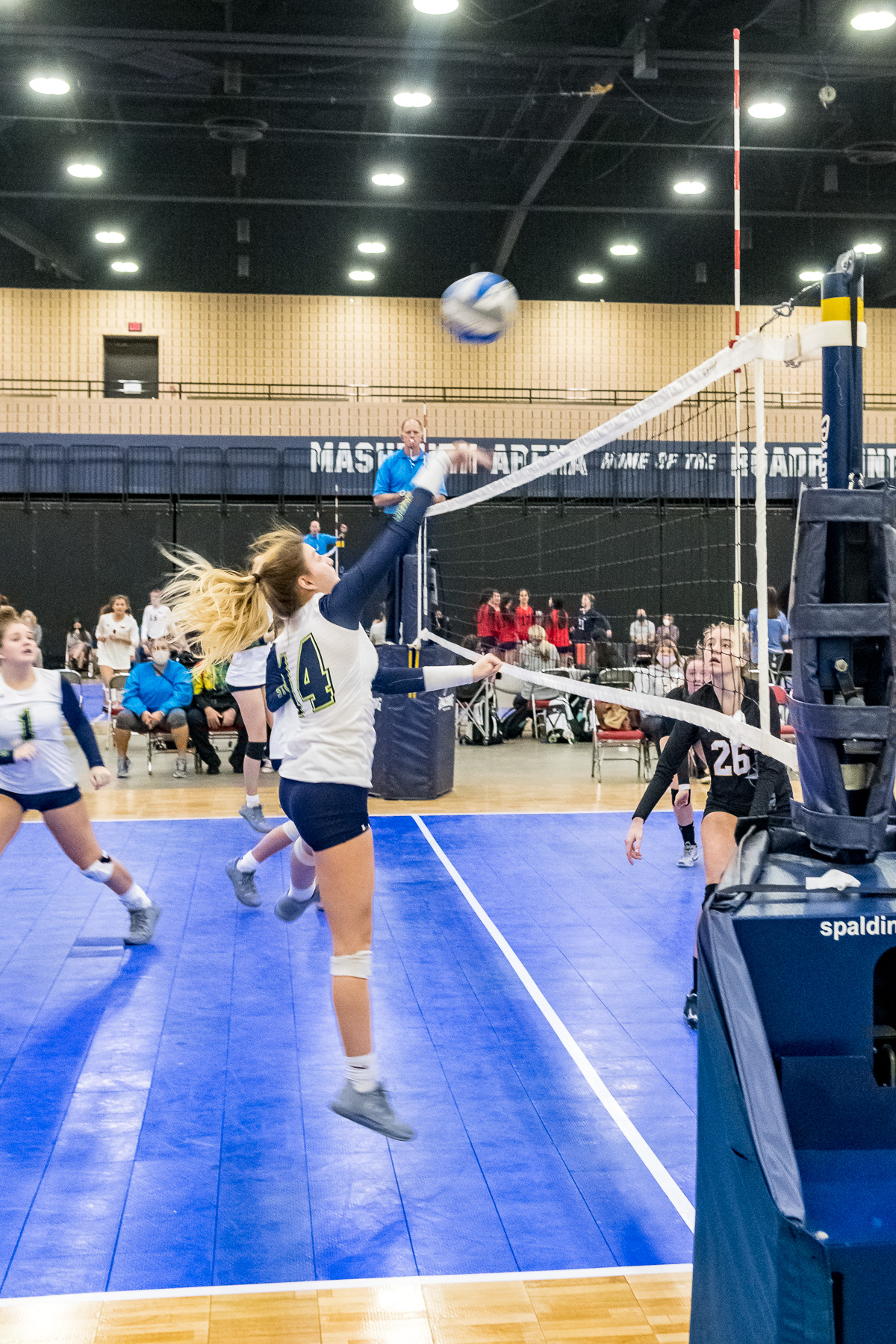
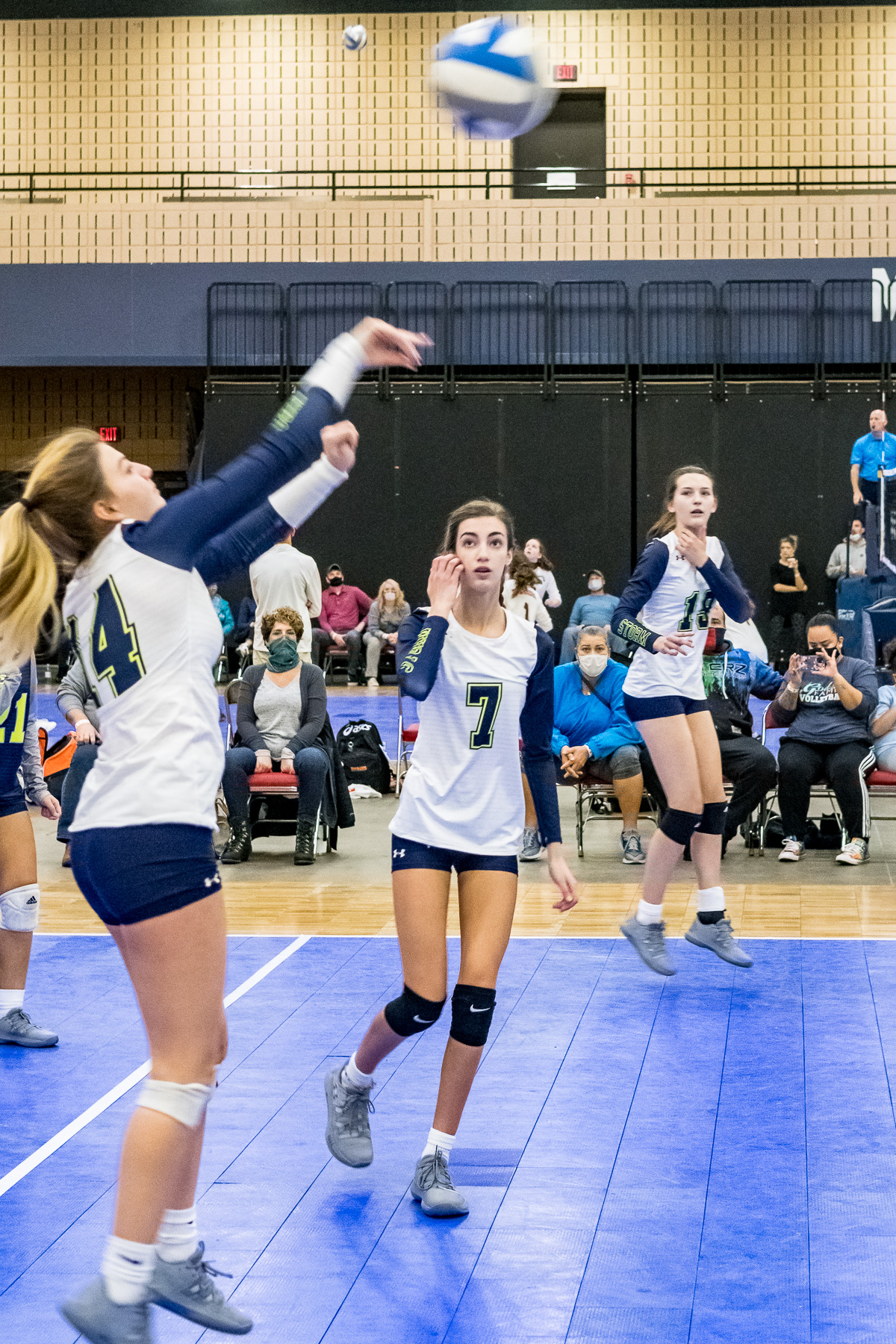
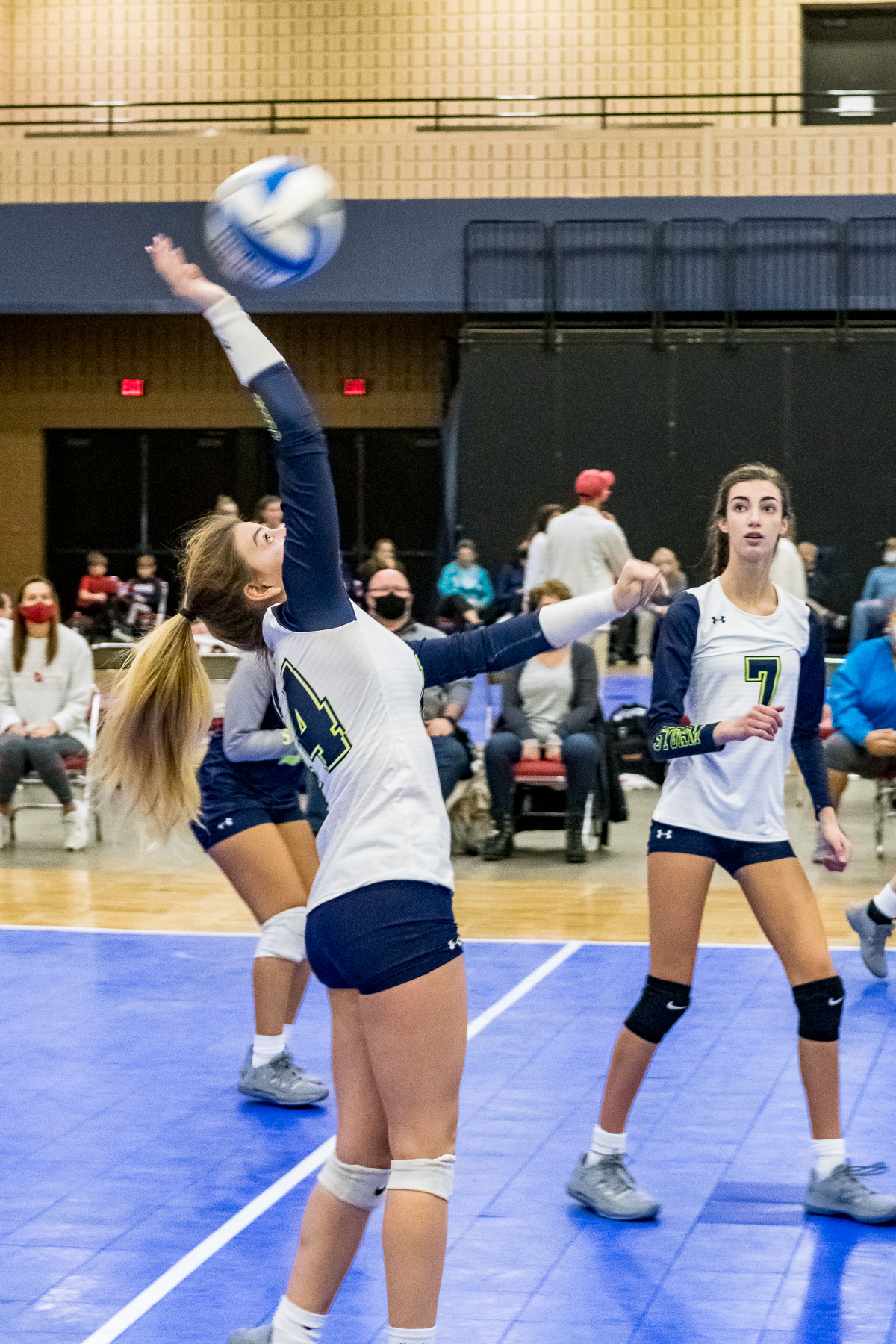
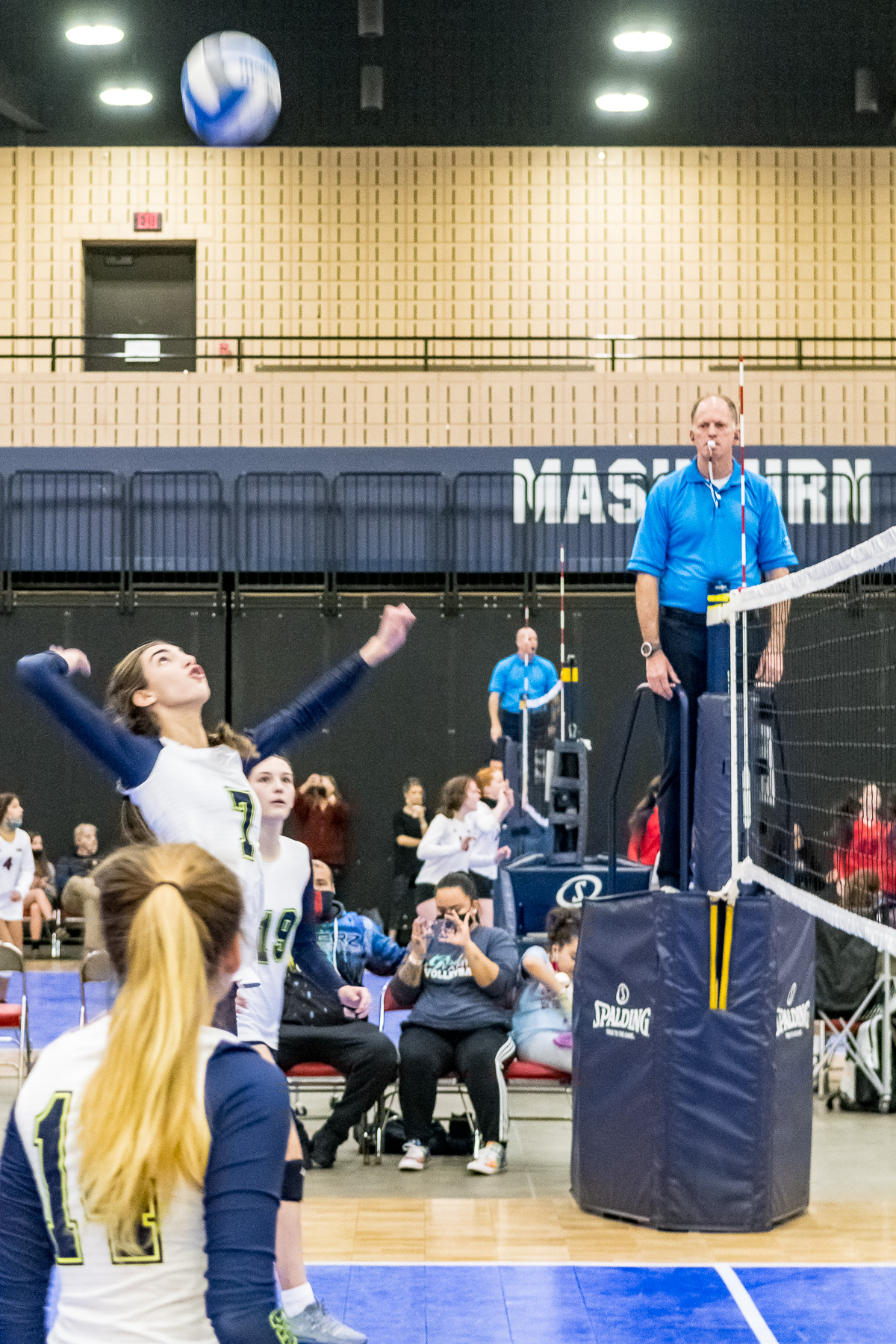
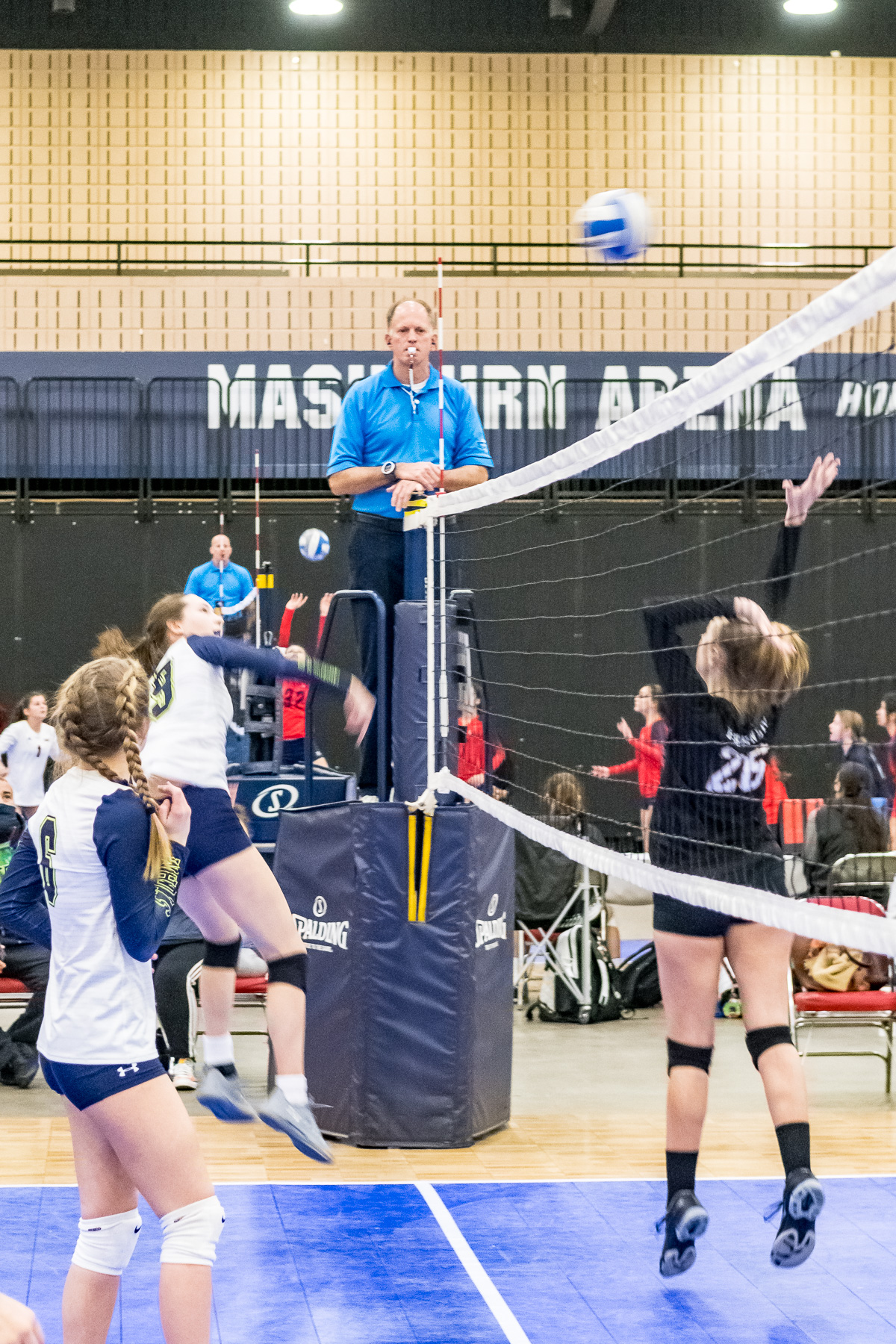
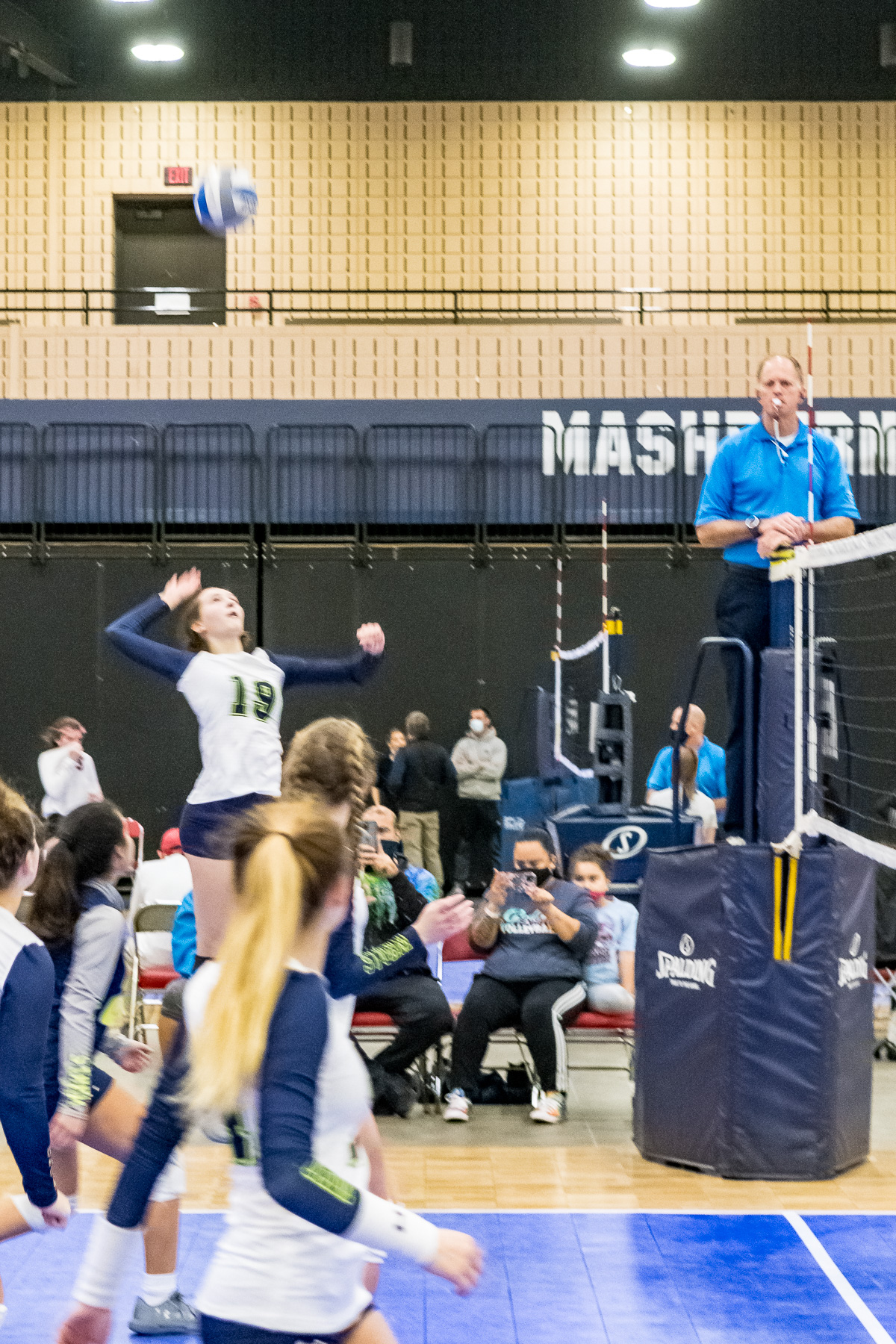
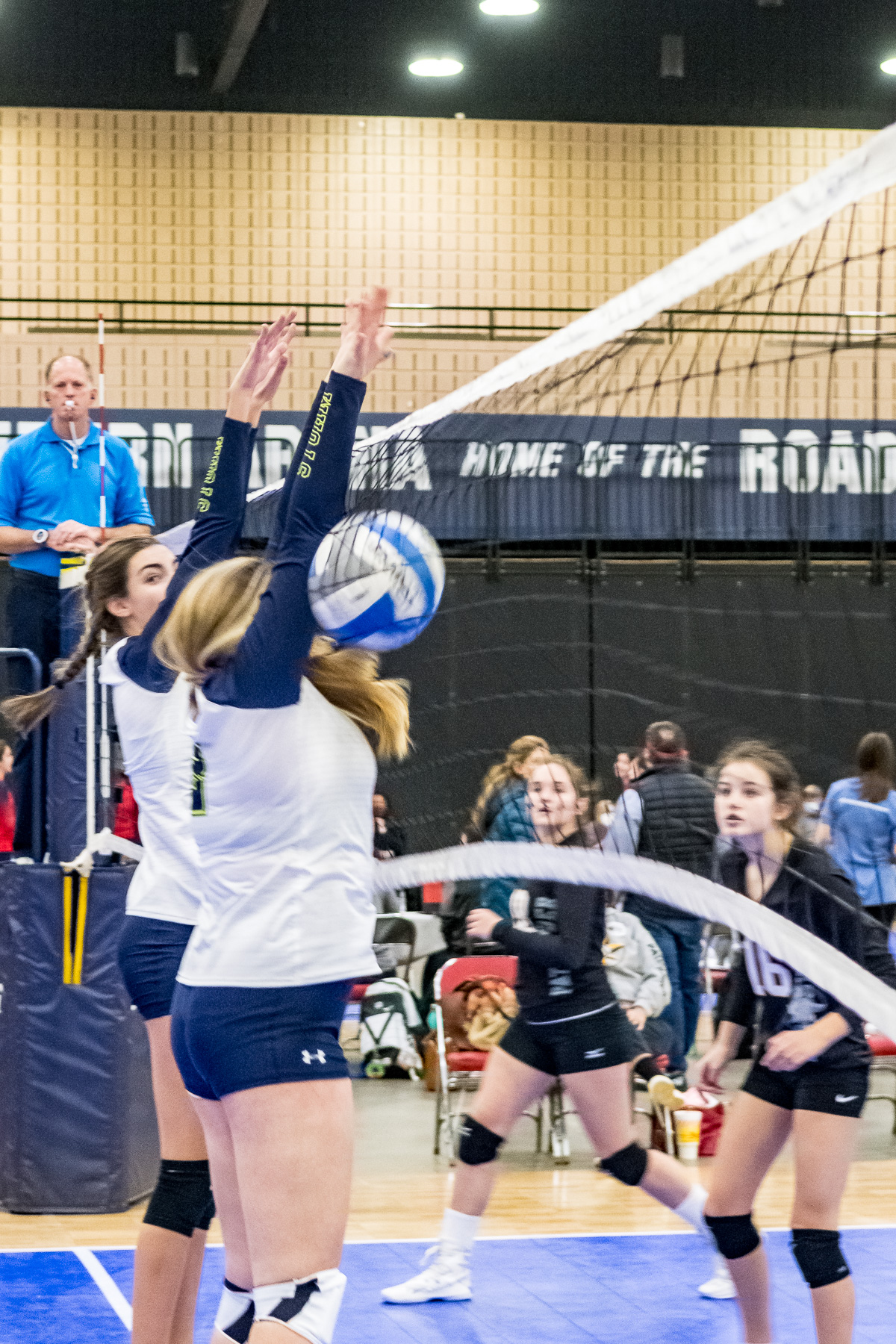
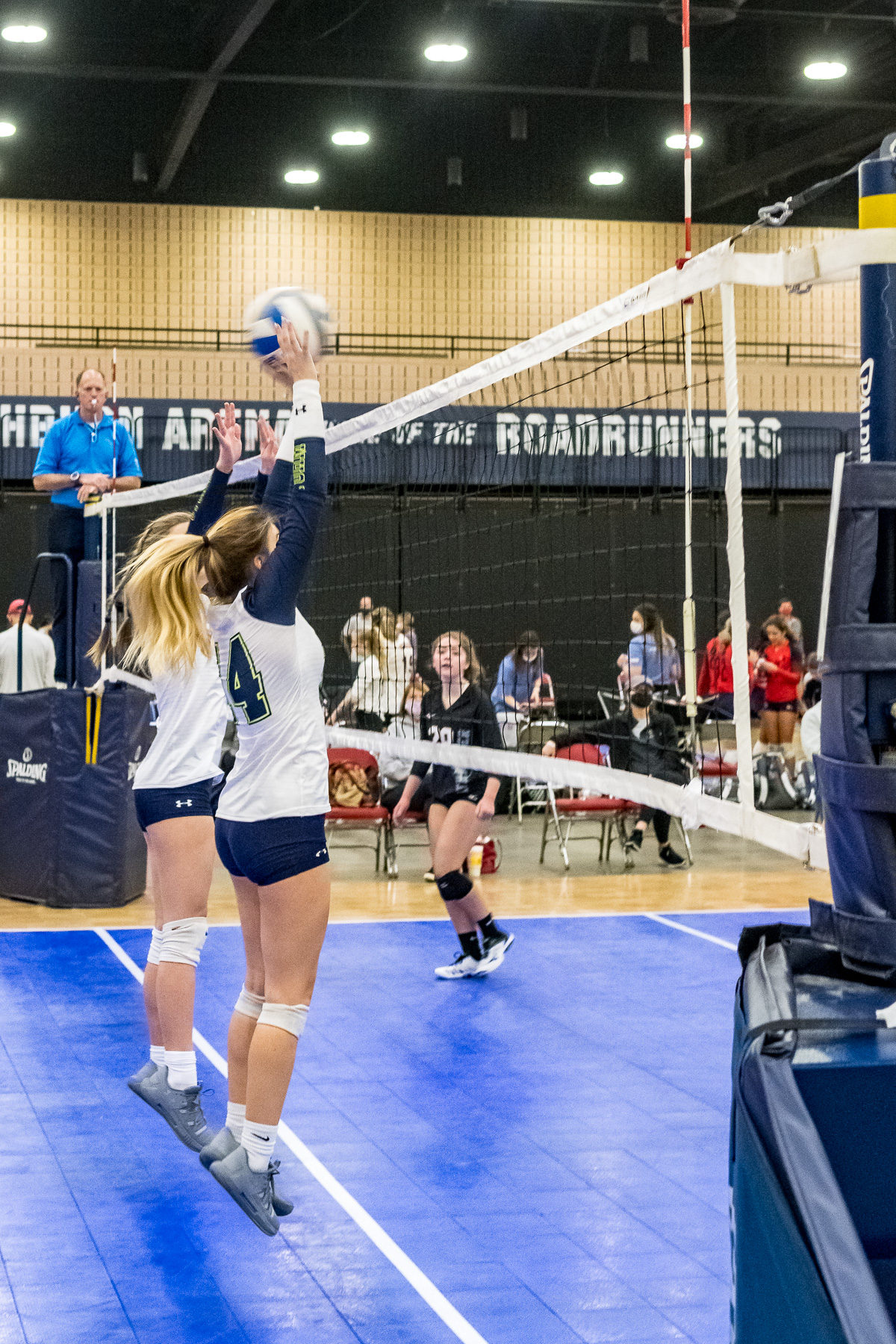
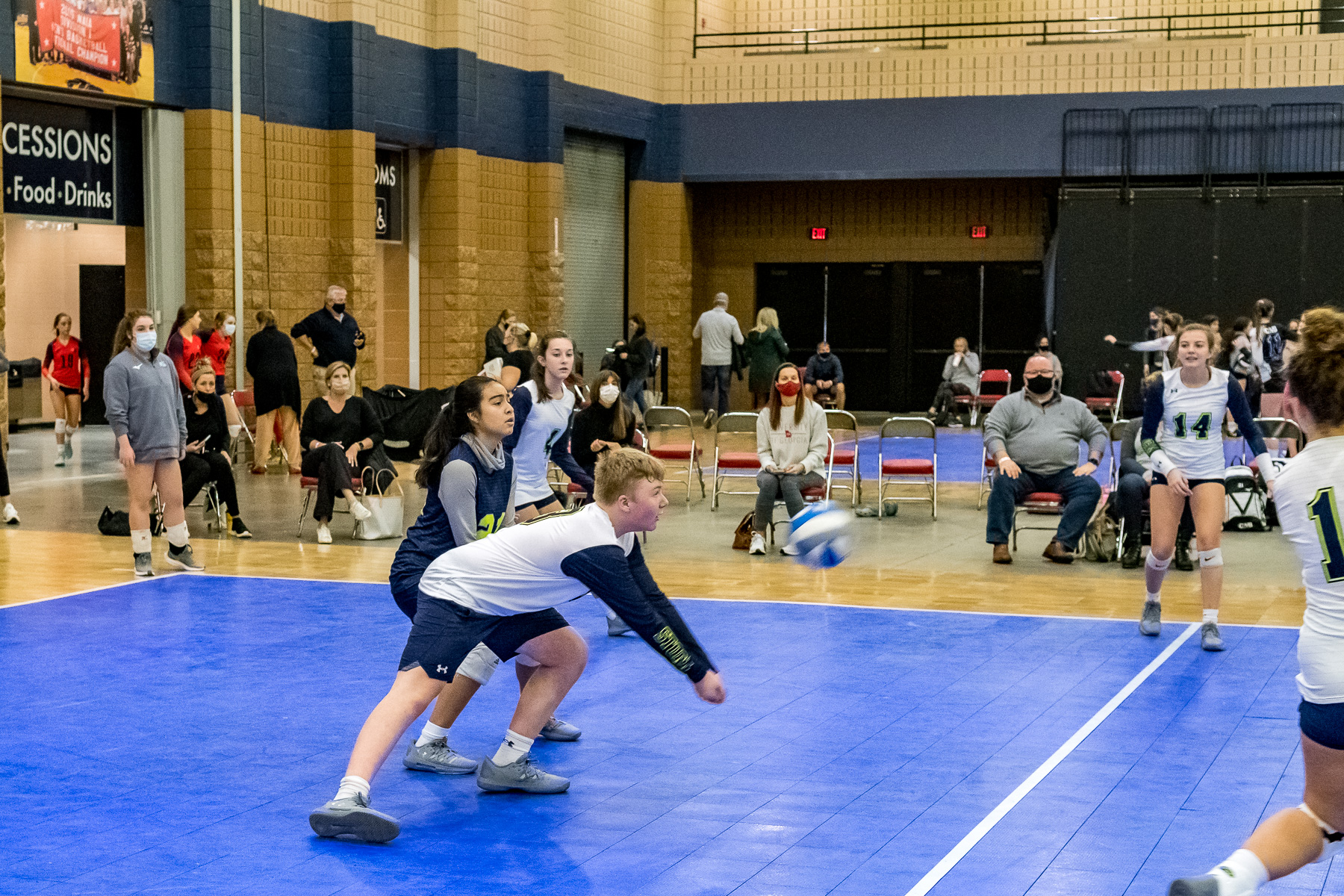
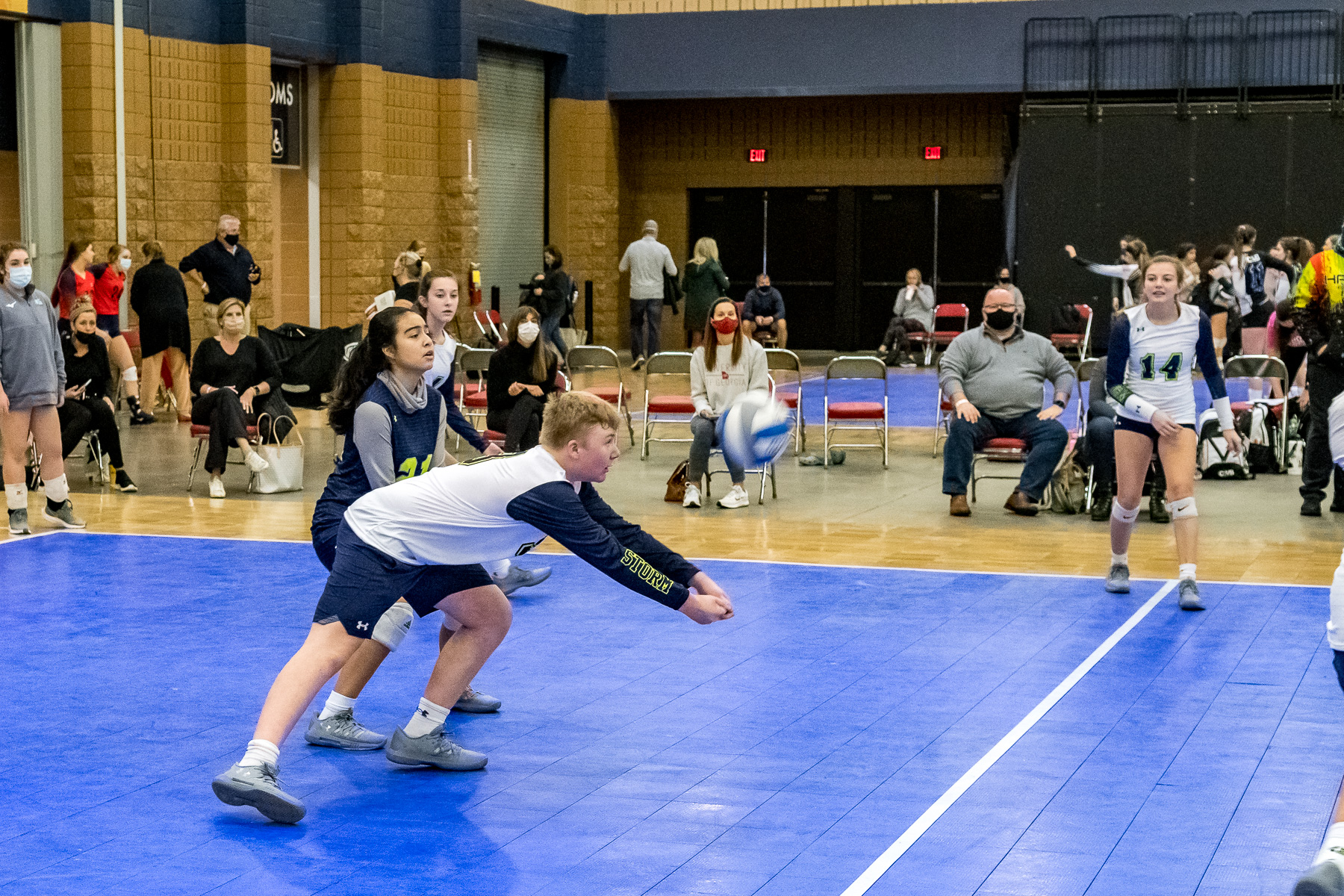
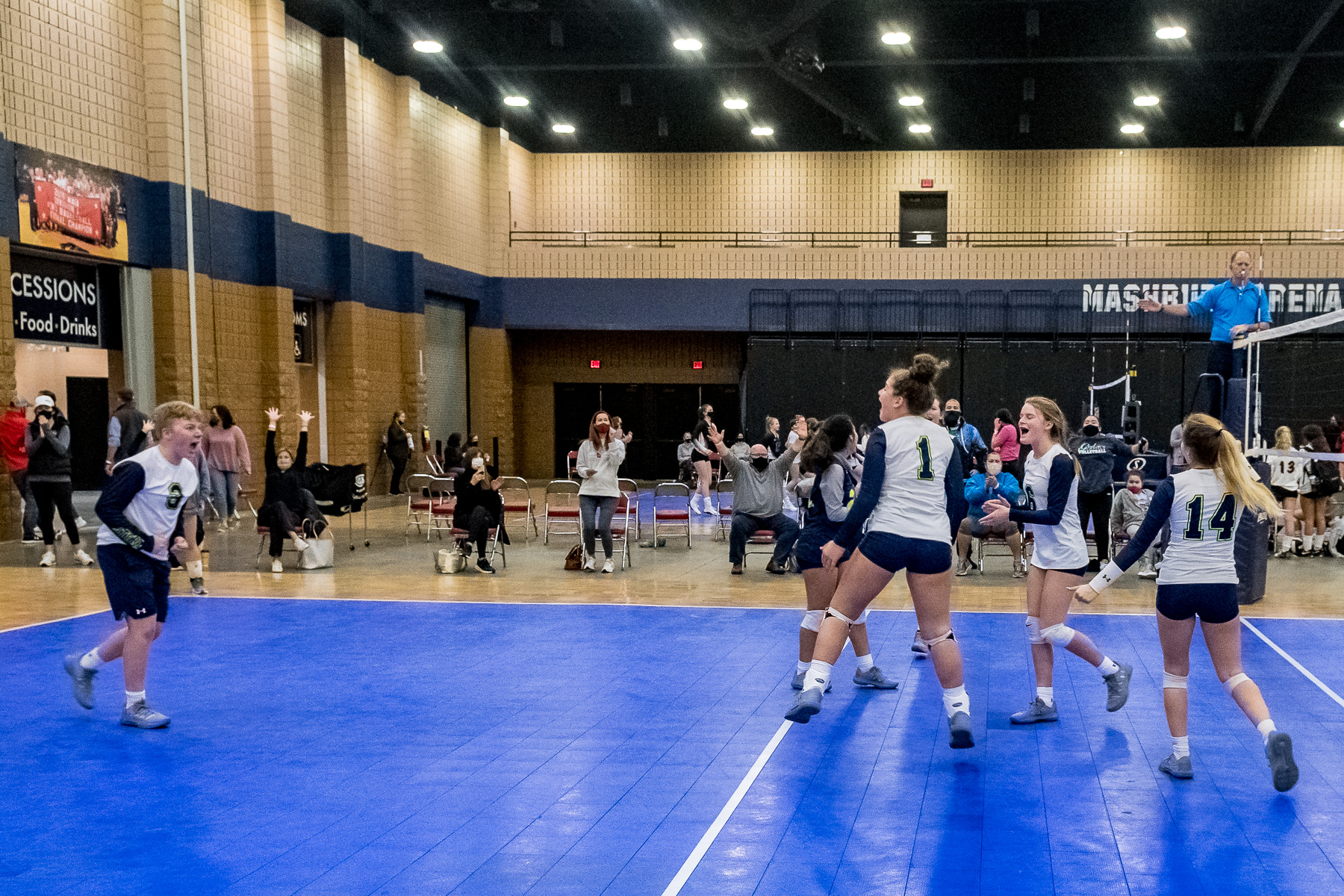
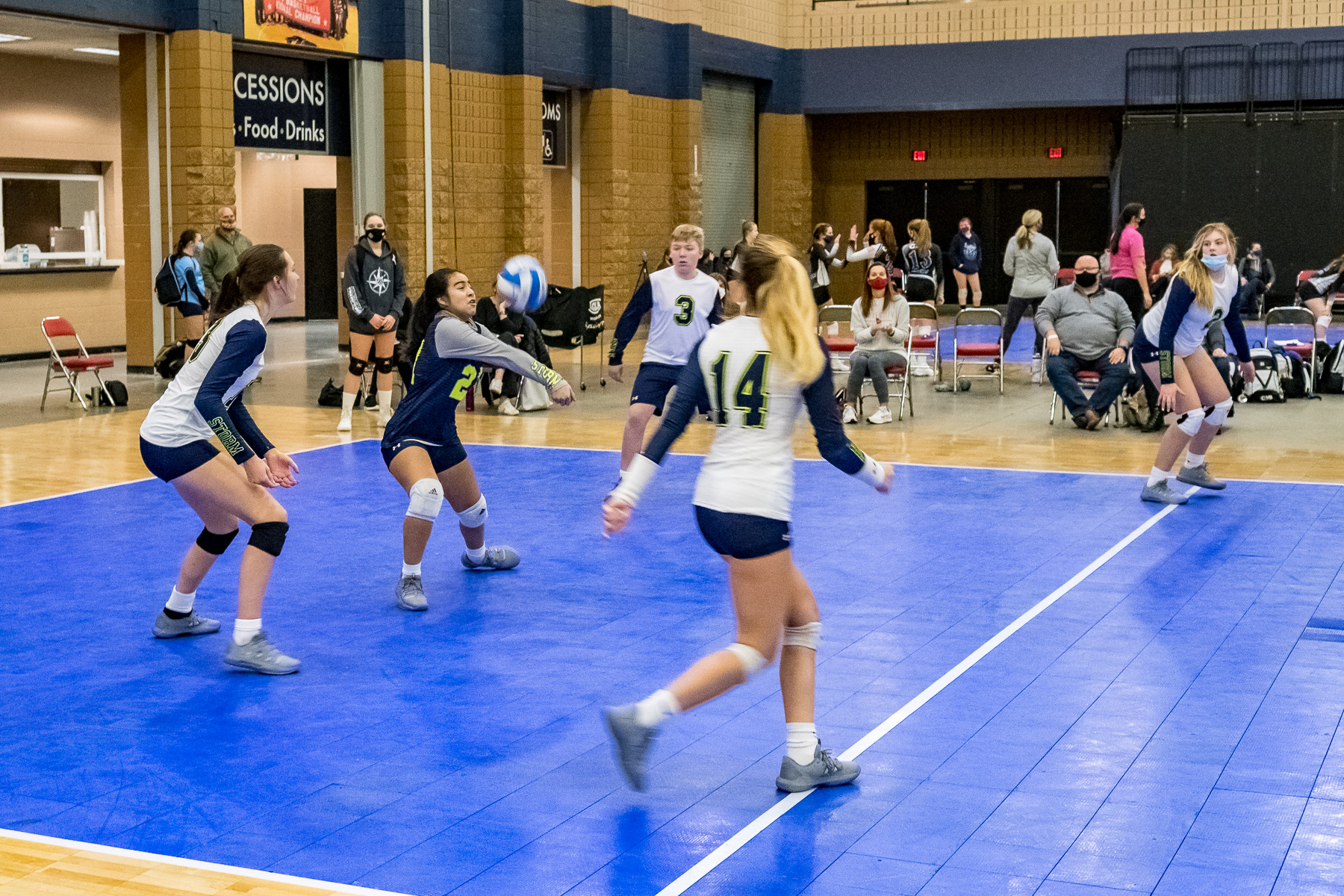
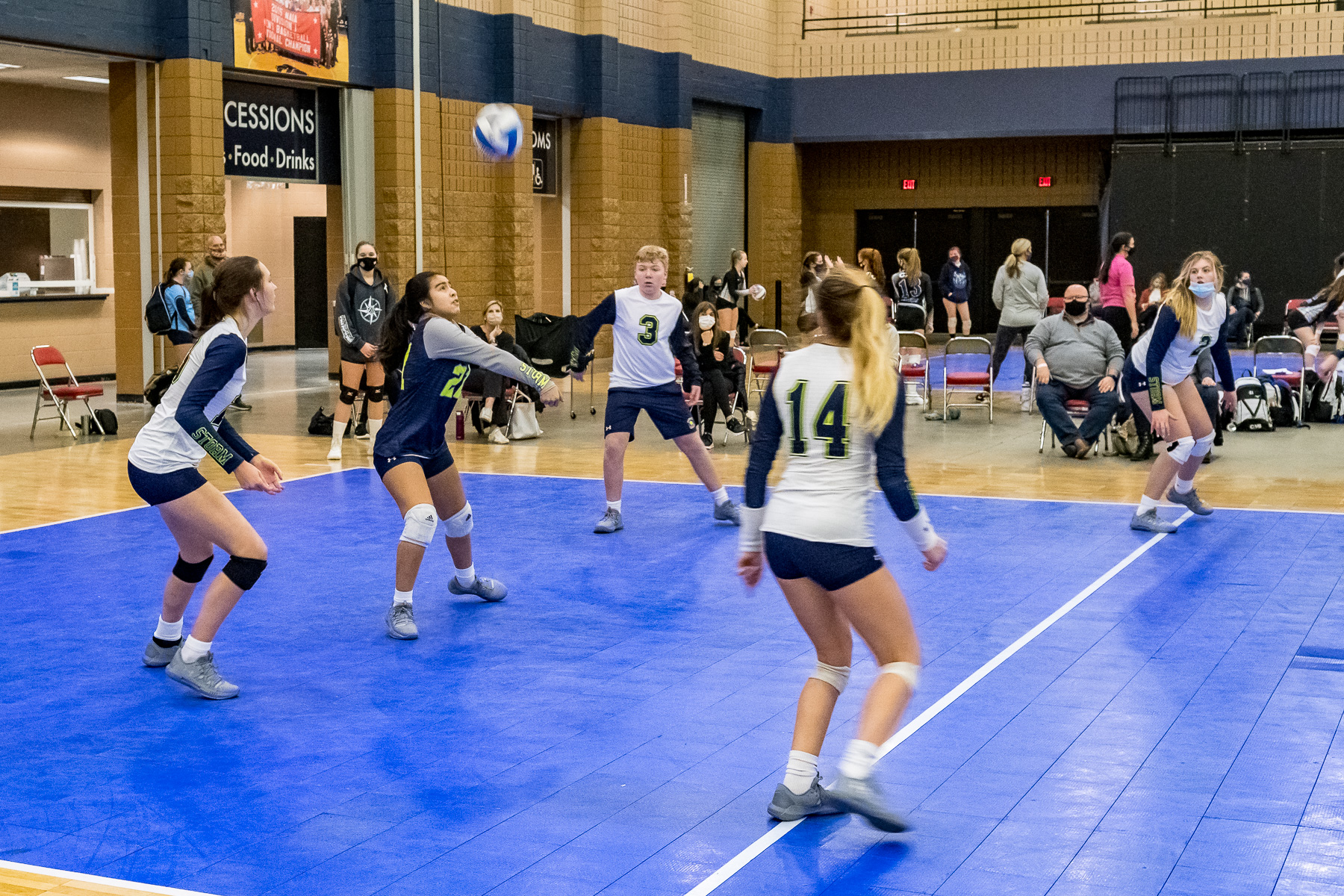
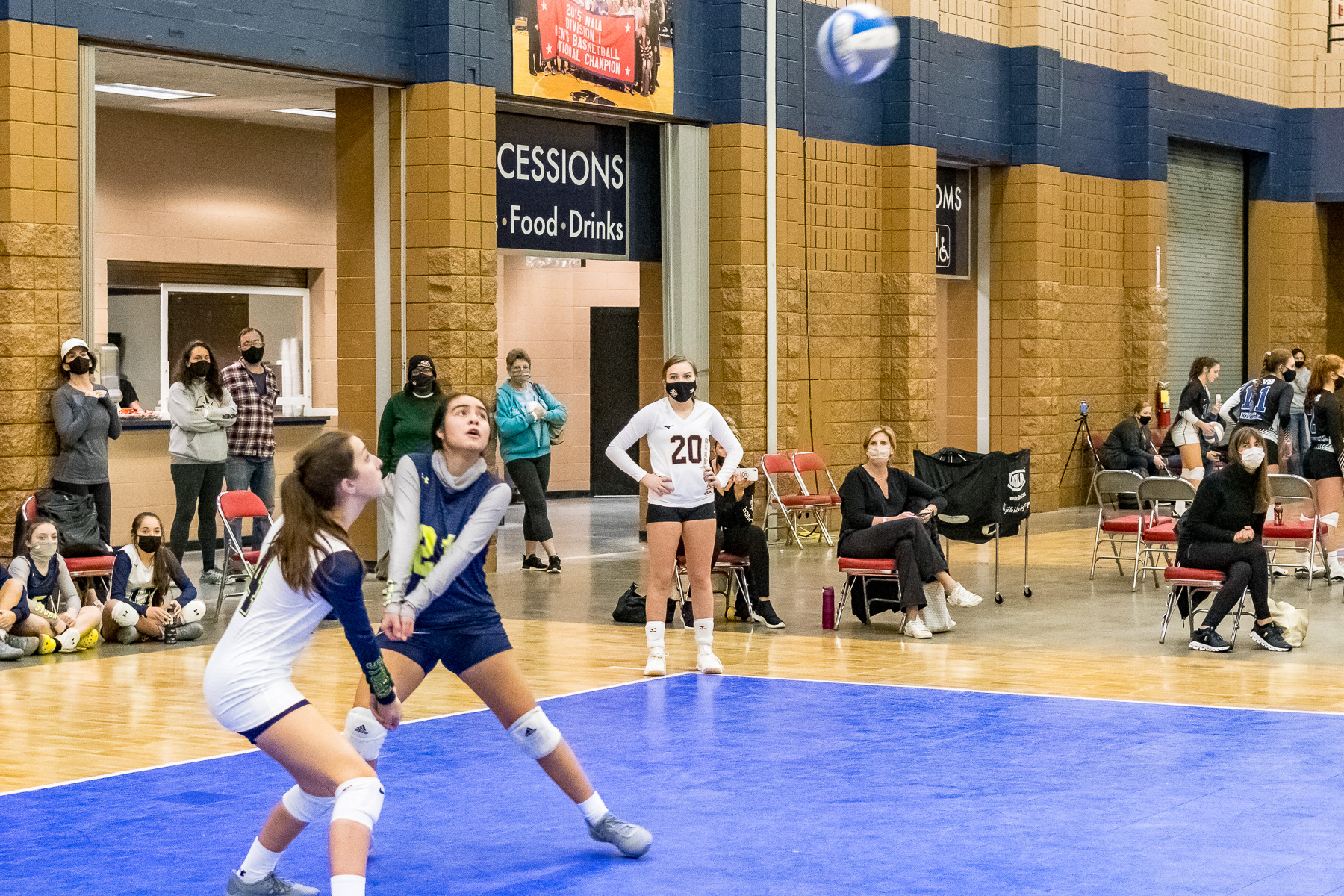
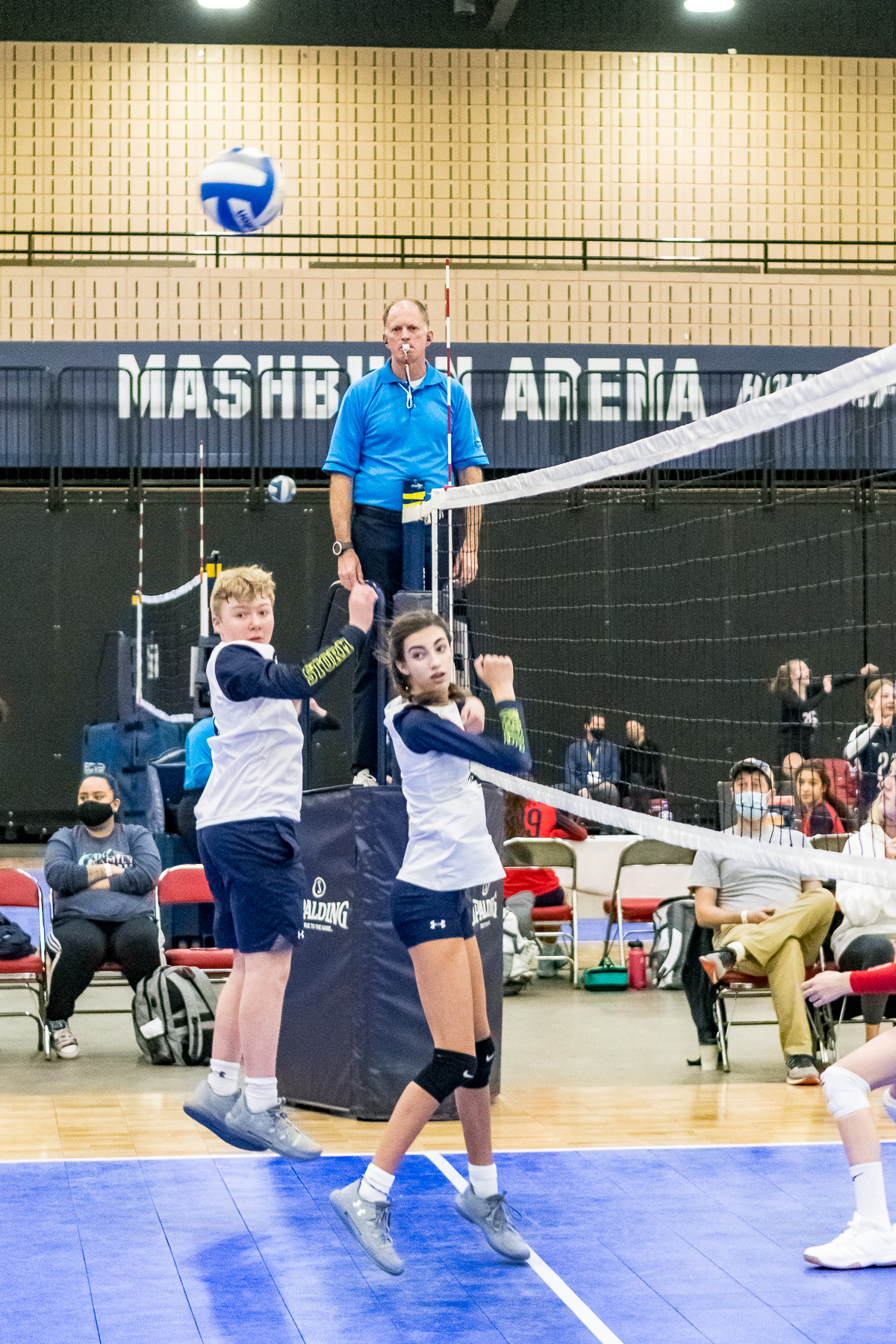
It's a different tournament this year. There are fewer courts this year: five instead of eight. This means fewer teams in the building, so fewer players, fewer parents -- reduced risk, in short.

They won their first two games in straight sets. They didn't have much problem with either team.

As often happens, though, the third team was a different story. Our girls (and single boy -- long story) lost the first set something like 25-22. Not a devastating loss, but a loss nonetheless.

They started the second set strong and before we knew it, our team was up 19-12. "Surely this is a done deal." Nope. They ended up losing 26-24, which means in the second half of the game, they were consistently outscored 2-1.

It's a question of experience, of gelling together as a team. It's only their second tournament, and many of the points they lost were from silly, unforced errors. They'll weed those out with time, with some experience.

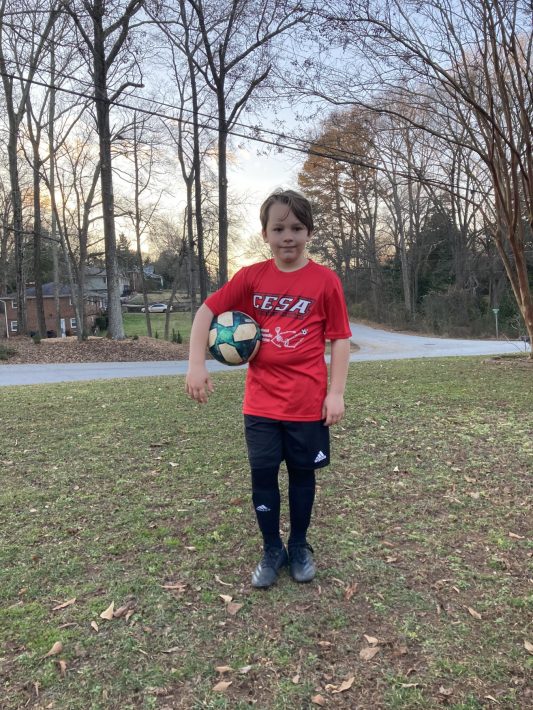
And the Boy got his soccer uniform for the spring season.

Spendings

The Boy loves to spend money. He has a million and one ideas about what he’s going to buy, and it changes from day to day. We protected his first communion money and steered him toward spending it on something useful: a new bike. However, his allowance is a different story.

This week, he decided he wanted to buy a prank kit. He spent $15 on kit that included

  • a whoopee cushion,
  • a small plastic finger that one pulls to create a sound that I think is supposed to sound like flatulence but instead sounds like just wildly chaotic noise;
  • slime, and
  • some kind of strange little bouncy rubber ball.

Four items that probably cost a total of $2 to make, and he paid $15 for it. K advised him that it was not the best way to spend his money. It was especially ill-advised since the last time he bought a whoopee cushion, it burst the first time he sat on it. (I always thought the idea was that someone else sat on it, but I guess I was wrong.)

Today, at dinner, he had an epiphany: “I wasted that money!” The realization caused great stress, but K reassured him: “If you learned a lesson from it, it’s money well spent.”

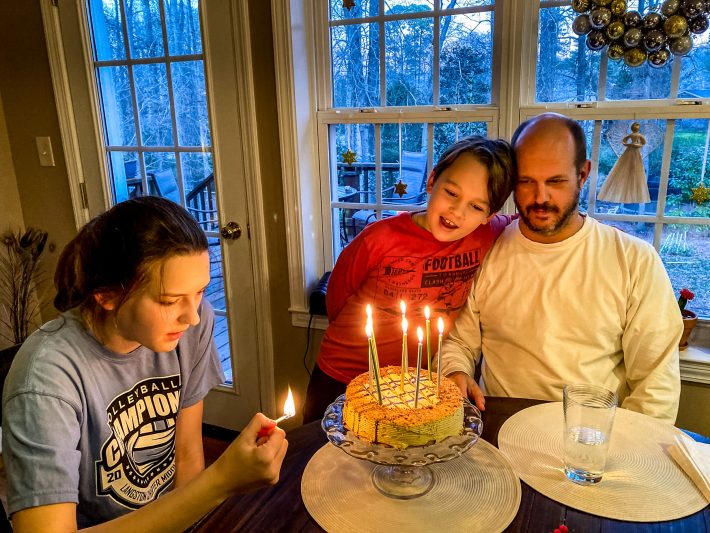
Celebrating 48

48

Kwasnica, an evening run, a bit of time with the family — a simple turn of the calendar. And not much else to say.

Media on January 7

As an English teacher, there are times that demand I drop what we’re doing in class and talk about what’s going on. Or as Kelly Gallagher put it,

Sometimes when history unfolds, it immediately supersedes tomorrow’s lesson plan. Today is one of those days. Students will need to read, write, and talk about this.

I took his thoughts (and one of his ideas) to heart and took the opportunity to do a short media studies lesson. We looked at seven screenshots of seven media outlets and asked a few questions about them:

  • What is said?
  • What is not said?
  • How is it said?
  • What images were selected?
  • What images were not selected?
  • Why this order of links?
  • Why the selected font sizes?
  • Who is the intended audience?
  • What is the intended purpose?
  • What inferences can we draw about the source?

As best I could, I scrubbed all indications of the source from the screenshot. I missed a bit from the CNN shot, observant students probably noticed the “South Carolina Public Radio” media player on the NPR shot, and I accidentally left in image attribution for The Washington Times but otherwise, I kept them a mystery. (The first time I went through the lesson, I told the students which images came from which sources. Because of the reaction, I decided not to do that in subsequent lessons.)

Here are a few things the students noted.

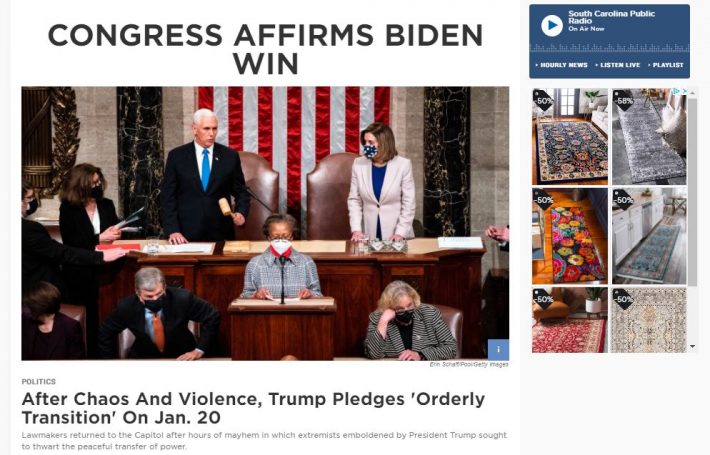
Screenshot 1: NPR

Of the two big stories from January 6, this source focused on the positive (for the survival of our democracy, that is) story. The attack on the capital was referred to only as “chaos and violence.”

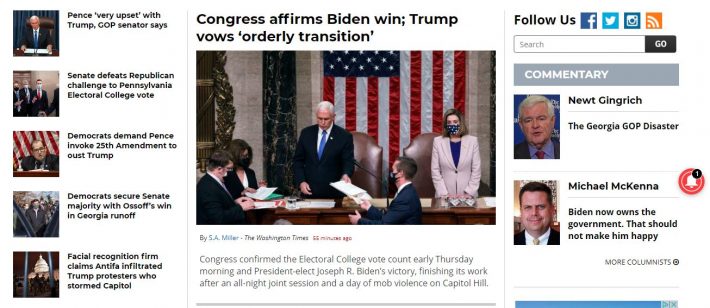
Screenshot 2: The Washington Times

Students, after I explained who Newt Gingrich is and what “GOP” refers to, decided this was definitely targeting a right-leaning audience. I was surprised that not a single student knew what GOP meant.

“Why did Republicans get that nickname?” they all asked.

“I don’t know.”

“Do Democrats have an equivalent nickname?”

“Not that I know of.”

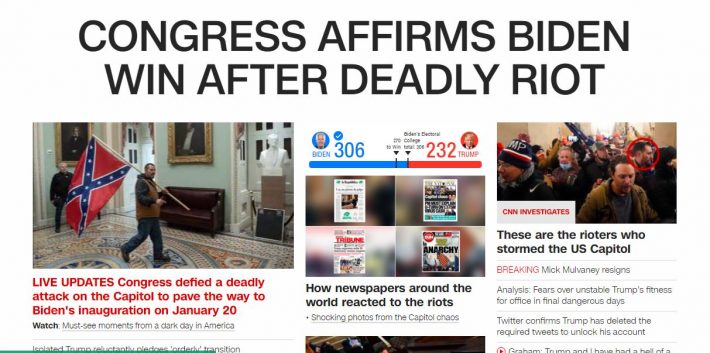
Screenshot 3: CNN

Students immediately commented on the amount of screen real estate the headline takes up. They also commented on the vote count graphic.

“I’ve only ever seen this on election day,” I pointed out.

We discussed the use of the term “rioter.”

“What else could we call the people who participated in that event?” I probed.

They came up with a list:

  • protesters
  • gang
  • terrorists
  • attackers
  • mob

I added one more: insurrectionists.

We put the words on a continuum, and they decided that the most benevolent was “protesters.”

“Using that term would suggest they support them,” one student succinctly observed.

At the far end: insurrectionists. All that being said, they felt that “rioters” was the most objective.

Screenshot 4: The New York Post

Students immediately noticed that, with source 4, we could win a beach house vacation! In other words, they realized quickly that this site relies heavily on ad revenue.

“Maybe it’s a blog,” someone ventured.

As to the content, they thought it was striking that the lead story was about the rioter who was shot, but they also thought it was significant that the headline left so much out.

“In the Capitol — it sounds like something happened to a tourist or something.”

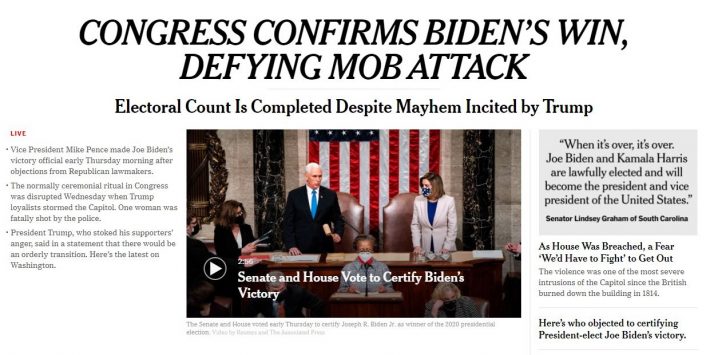
Screenshot 5: The New York Times

This source included a video, which suggests that the images in the other articles are screen grabs from this video.

There’s also the word choice: mob and mayhem.

“What’s ‘incited, Mr. Scott?” they asked. “Isn’t it like ‘encouraged’?”

Screenshot 6: Fox News

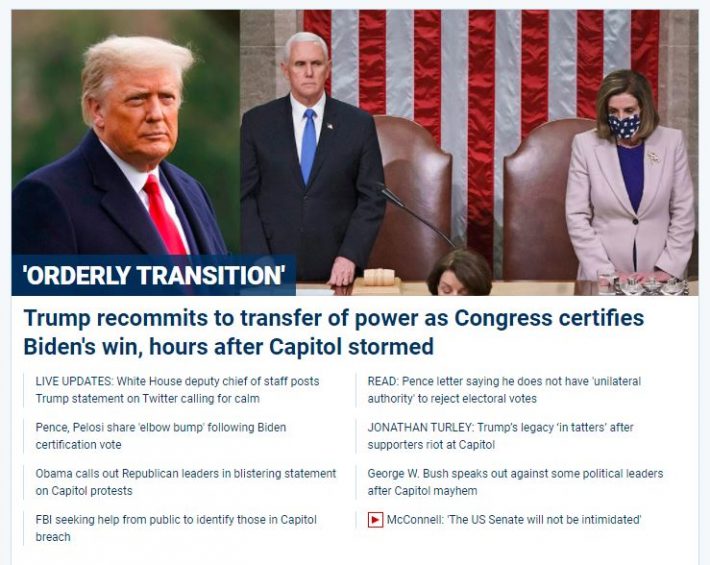
The immediate thing students noticed was “Orderly Transition” is the headline. It’s in all-caps, so it somewhat dominates the second headline below it.

Also, in the picture, Pelosi looks a little weak: she’s a little slouched over with downcast eyes. If this was from a video, it could have been a conscious choice, which would indicate a bias. Additionally, with the placement of Trump’s picture, it seems to highlight the distance between the two parties.

Screenshot 7: The Washington Post

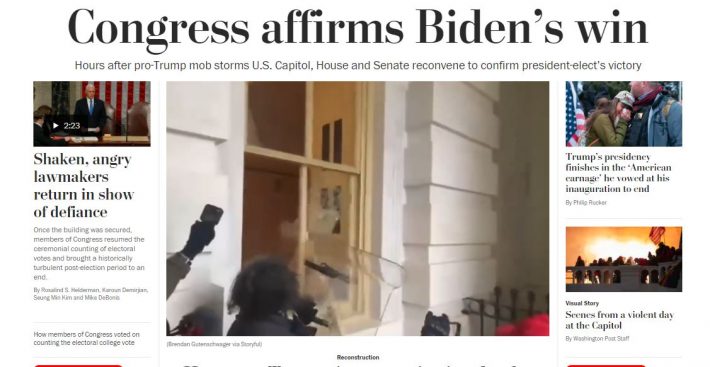
The final shot came from The Washington Post. It seemed, the kids noted, to balance between both: the headline was about Biden; the image was from the assault.

“If you look at the area just below it,” I pointed out, “you’ll see what looks like the tops of letters. That was the headline for the second story, which was about the assault.”

Once we were all through, I reminded kids that the purpose of the lesson was not to teach them what to think but rather how to think. “An informed citizenry is critical to the success of any democracy,” I said.

Oh, the things we (rightly) leave unsaid in the classroom when talking about such matters, though…

Working in the Evening

The Boy sometimes has trouble getting work done in class. I say “sometimes” but in fact, it’s more like “most of the time.” He’s easily distracted; he takes his time sometimes; he gets off task. The end result is a fairly common occurrence: we spend some time during the evening getting caught up with his work.

We worry about his ability to keep up with things return to “normal” (whatever that might be) and teachers are no longer so very forgiving. We worry that we might hear suggestions of “ADHD” and, more ominously, “medication” from well-meaning, concerned teachers.

I don’t recall ever having any significant issues like this growing up, but I also wasn’t surrounded by electronics and instant gratification. It must put a strain on the attention unlike anything we ever experienced growing up.

Sunday in the Park

Saturday Hike

When the Girl hears that we're thinking about a family hike, the reaction is seldom positive. When we're on the hike, there can be a bit of complaining, a bit of whining, a bit of "I'm sooo tired"-ing. We get it: hiking is not her thing. But it's K's thing -- by far her favorite outdoor activity. And I love it, too. Probably not as much as K, but I love K, so I love it more than I probably would without her.

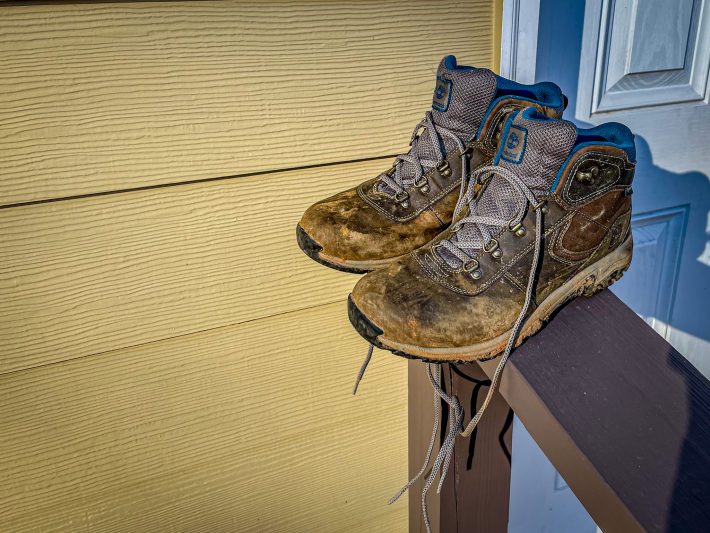
But when her oldest friend asks her if she wants to go on a hike with him and his family, the boots come back looking like this, and there's only positive words about the hike.

I guess we need to invite him along for our next family hike.