matching tracksuits

fun in threes, sometimes fours

g

Four Thursday Vignettes

Practice

Every morning I have hall duty in the arts wing. On one side is the band; on the other, strings. I walk back and forth between the two, listening to a beautiful cacophony of kids learning music.

A young lady is practicing her violin part. I recognize the melody.

"Do you know what that is? Who wrote it? What it's called?" I ask with a smile. The boy standing with her is one of my favorite students, but I don't teach him. He's on a team down the hall, but he's a sweet young man who smiles a lot and is friendly with everyone, so we've chat a little almost every morning. He glances at the sheet music at the same time she does. I beat them to it, though.

"Edvard Grieg. It's called In the Hall of the Mountain King." One of those pieces we all recognize from this or that film or advertisement, but few can identify by name. "Bet you didn't expect an English teacher to know that, did you?" I laugh. They both agree it was unexpected, then go back to practicing.

Texting

We received a text this morning about some visitors to our school: we would be having district personnel touring, and they are not paying attention to us teachers; they're looking for what students are doing. In other words, no need to talk to them or anything. I got admittedly a bit snarky and replied,
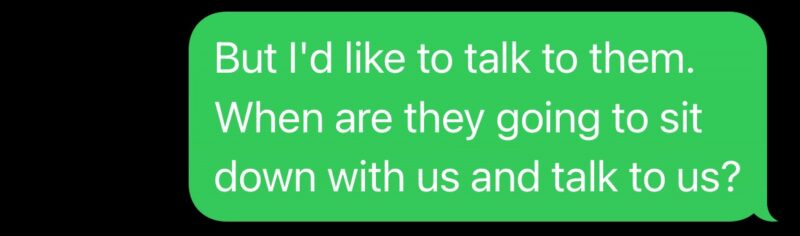
Usually, when someone on the group text makes a comment everyone likes, hearts and thumbs-up start bouncing all over the place. For this -- nothing. Several teachers later said they appreciated my text, but no one felt comfortable expressing it in a way that everyone could see it. I think that speaks to the overall feeling that seems to be sitting like a low, heavy fog, and if I were to guess, I'd say it's not just our school.

The Visit

Of course, the district personnel come to my classroom. The first one comes accompanied by our principal. Did he guide her here? As soon as they leave, another administrator brings another district person to our classroom.

It was a good day to visit, truth be told. The kids are having a Socratic Seminar -- one of their favorite activities. After we'd watched a bit of Harvest of Shame yesterday in preparation for our unit on immigration stories, we transitioned to Harvest of Shame Revisited -- a 2010 return to the topic of conditions migrant farm workers face. The common question on the viewing guide was the same: "Why do these folks earn so little money?" So this morning, I decided to change plans. We discussed that. In a limited way. In a South Carolina way.
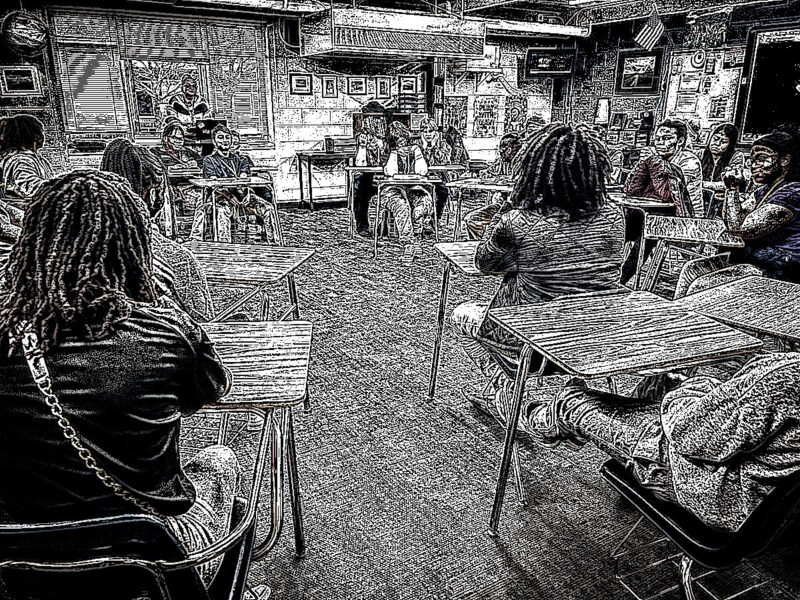
All the kids discussed how we could do this or do that, but the bottom line was that all their ideas cost money. "Who's going to pay?" I pointed out there are a couple of sources, but one is we, the people. "They get paid so little because we want cheap food." That's true enough, and it led to the discussion I was intending about the necessity sometimes to sacrifice for the good of others.

Left out of the discussion -- the elephant in the room for some perhaps -- was the exorbitant salaries of CEOs. Where does that money come from? It can come from the consumers, but it can (many say should) also come from reduced CEO salaries or increased taxes on those earning at that level.

But this is South Carolina. And that is socialism. Not really, but it's going to be labeled Socialism (always with the capital letter) in many South Carolina homes. And that's at least part of the reason I didn't even bring that up.

Truth be told, the fact that it might raise some parents' dander is only part of the reason. To cover this well, I'd need to get a couple of articles for the kids to read about CEO wages compared to employee wages, and this was a spontaneous lesson. I'd decided to do it only this morning after reading yesterday's responses. But I do take that ugly s-word into consideration.

Such is teaching in South Carolina.

Teaching the Boy

I've been reticent to force my own teaching methods and ideas on our kids. L turned out to be a good writer without my help, but E has been struggling a bit. Still, offers of help but nothing more.

Today, he asked for help with his essay. I showed him how I have my students plan and organize their writing, and he found the technique simple and useful. He went upstairs and rewrote his entire essay using my method.

"The essay is so much better!" he gushed.

"That and the fact that you spent two hours in the evening working on it are things you can be really proud of," I replied.

"Thank you."

I've always oved that about the Boy: when you complement him, he quietly and modestly thanks you for the complement. It has always made me smile.

Last Practice of the Season

Tuesday

Tuesday has very little going for it. It doesn't have the unambiguous "you have to get through it" feeling of Monday. It's not hump day. It's not Thursday (a.k.a. almost Friday). And of course, it's not Friday. But Tuesdays this year are even more intolerable because of our Collaborative Team Meeting. A weekly mandatory meeting, it's as bad as it sounds. Occasionally, we get something useful from it, but like so many things these days in education, it just has the feeling of being a report mill for the higher-ups (who usually make two, three, four, or more times the average teacher's salary) so they can justify their job.

It's often a day for giving a test. I would have said "A day for testing," but "testing" now has connotations of standardized testing, and the increase in standardized testing is one reason so many of us are trying not to give tests of our own as much as possible. After all, how much can these kids be tested?

"Why not just use all the tests you have to administer for the district as grades?" Today, for example, we went over our benchmark scores. The benchmark, according to the powers that be, is supposed to be an accurate reflection of the degree to which the students have mastered the standards we are to teach in a given quarter. The only problem: they always include questions from other standards which we are to teach in other quarters!

"How is that a benchmark?" I asked one of our leadership team (another useful bit of jargon).

"Well, it's also predictive," came the response.

Predictive of what? I don't need a test to tell me how well the students are going to do on a standard I haven't even covered yet.

And the questions themselves -- so often a jumble of confusion. We went over one question today (they are allowing us to see isolated questions this year, but only when they were projected on a screen without us taking pictures or copying it in any way -- profits over the kids!), and I had trouble making sense of how they were even supposed to answer it, let alone which was the correct answer.

"If I am struggling to make sense of the question, what chance do my students have?" I asked.

"Let's focus on the things in our control," came the reply.

When you start your day of with that kind of a meeting, it's a challenge to regain a positive footing when the kids start coming into the classroom. And had it been last year's kids that came in after such a meeting, I would have stood by the door as the students entered and daydreamed about simply walking to the front office and saying, "Someone better get in my room -- there's no adult there, and I'm not coming back."

But this year, I have such wonderful kids. Sure, some are disruptive and a little argumentative. Many are immature. Several are chronically lazy. But there's not a kid about whom I could say, when he's absent, "Well, thank the heavens for small mercies." There's not a kid that I just dread working with because I know she's going to turn every single thing into a confrontation and make me thing it would be more productive to bang my head against the cinder block wall for the entirety of the period than to work with that kid. And trust me -- I've taught plenty of kids like that. But this year, not a one.

So it's easy to reign in the frustrations of a meeting and put on a positive face when such a great group of kids comes in. But it makes all the uselessness of all bureaucratic nonsense all the more acute.

Relief

What would you do if you suddenly realized that, due to some strange malfunction of a file management program, 15 years of online school materials disappeared? Thousands of carefully created questions for tests. Hundreds of online resources. Dozens of interactive lessons. All gone in a poof before you realized it?

What would you do if you then realized that your pet project of nearly 20 years disappeared along with it? Nearly seven thousand posts. Over 40,000 images. Almost three million words. All gone in a poof before you realized it?

Some discussion with a woman tech support with a lovely, lilting Indian accent, a bit of money (how much would have been too much), and some patience (it was supposed to take up to 72 hours), it's all back. That's why you're able to read this because everything was gone -- even the Word Press files themselves. Everything. All the URI produced was a 503 error. The relief was immense.

Sunday Baking

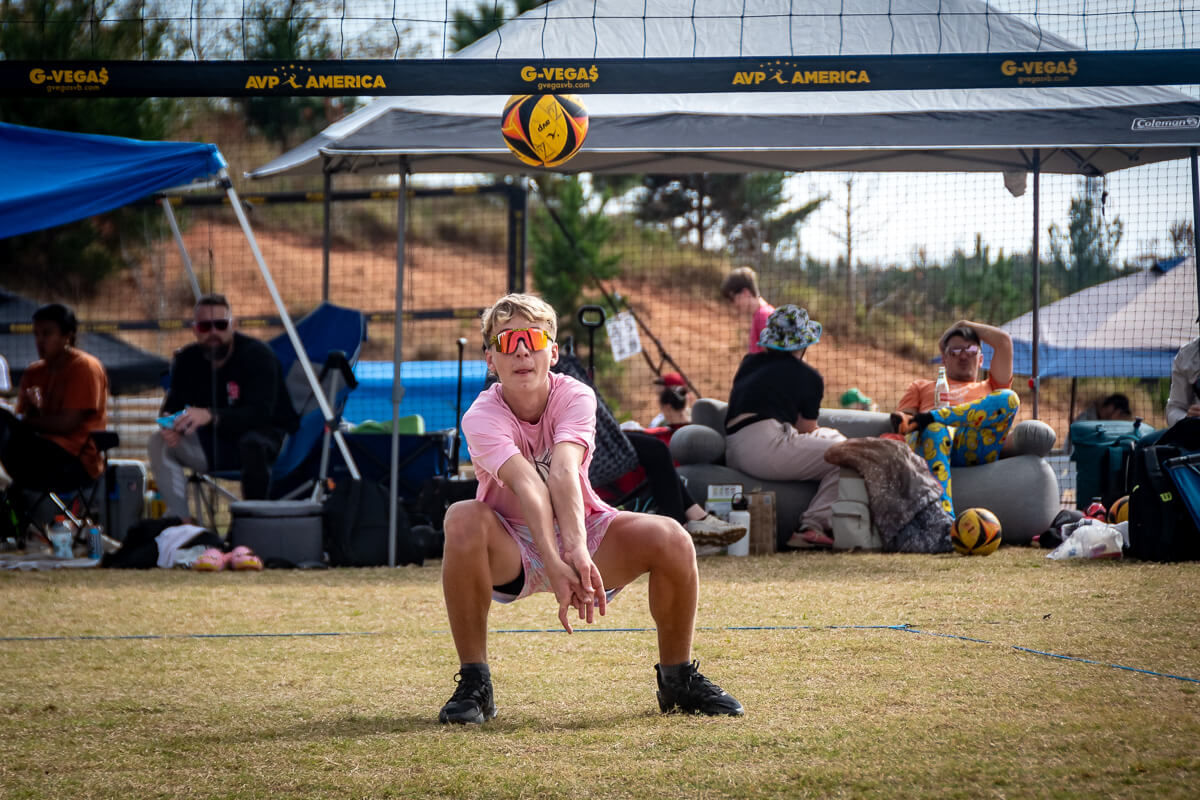
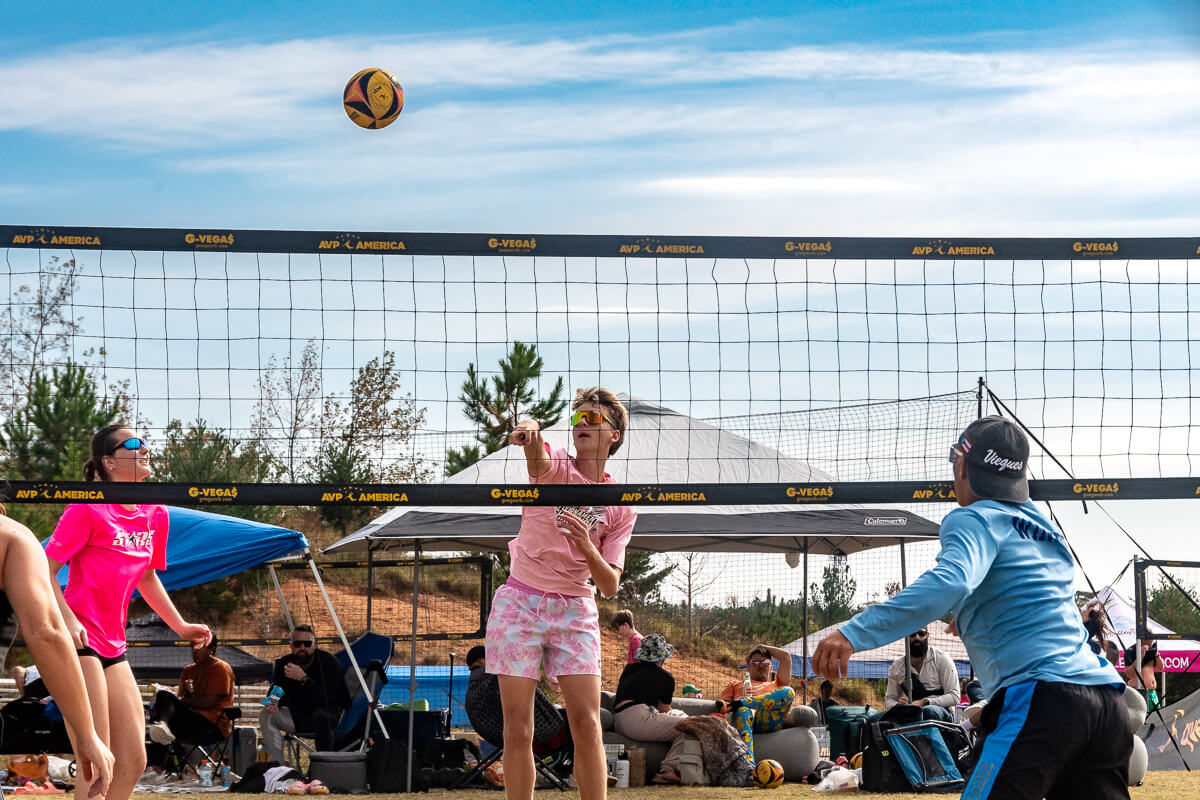
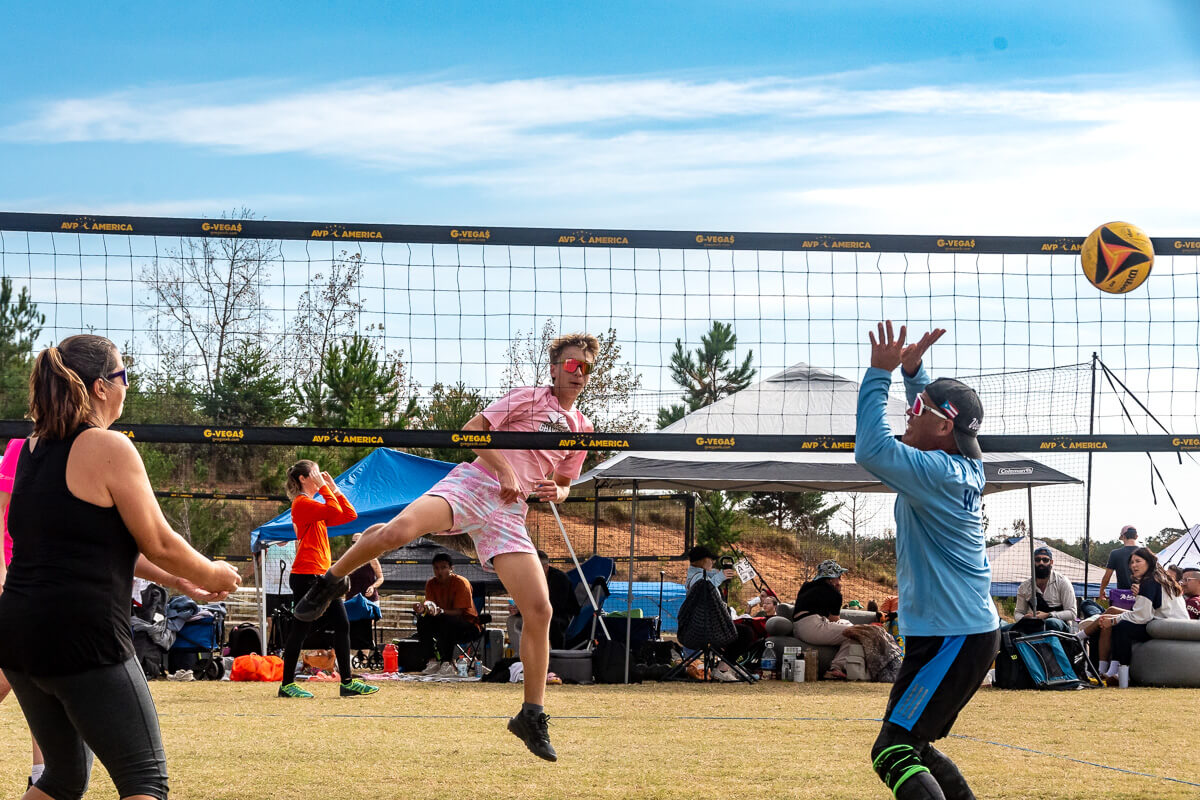
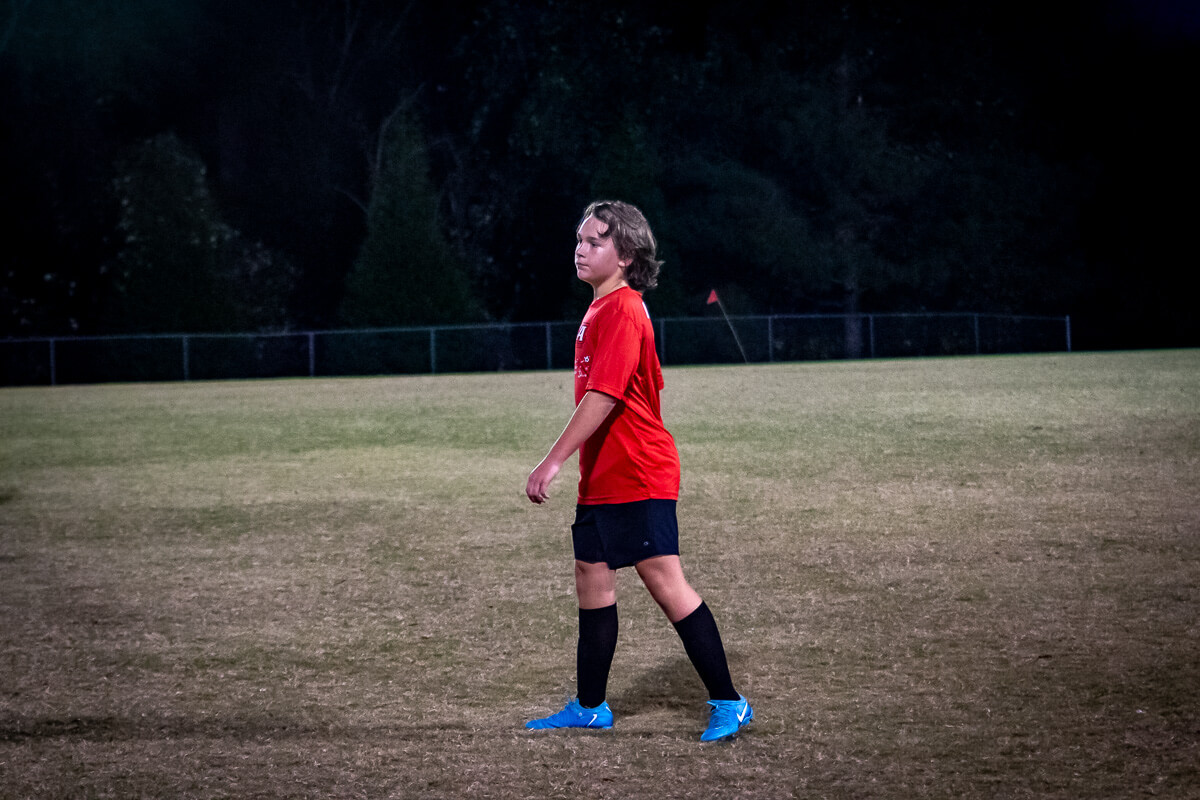
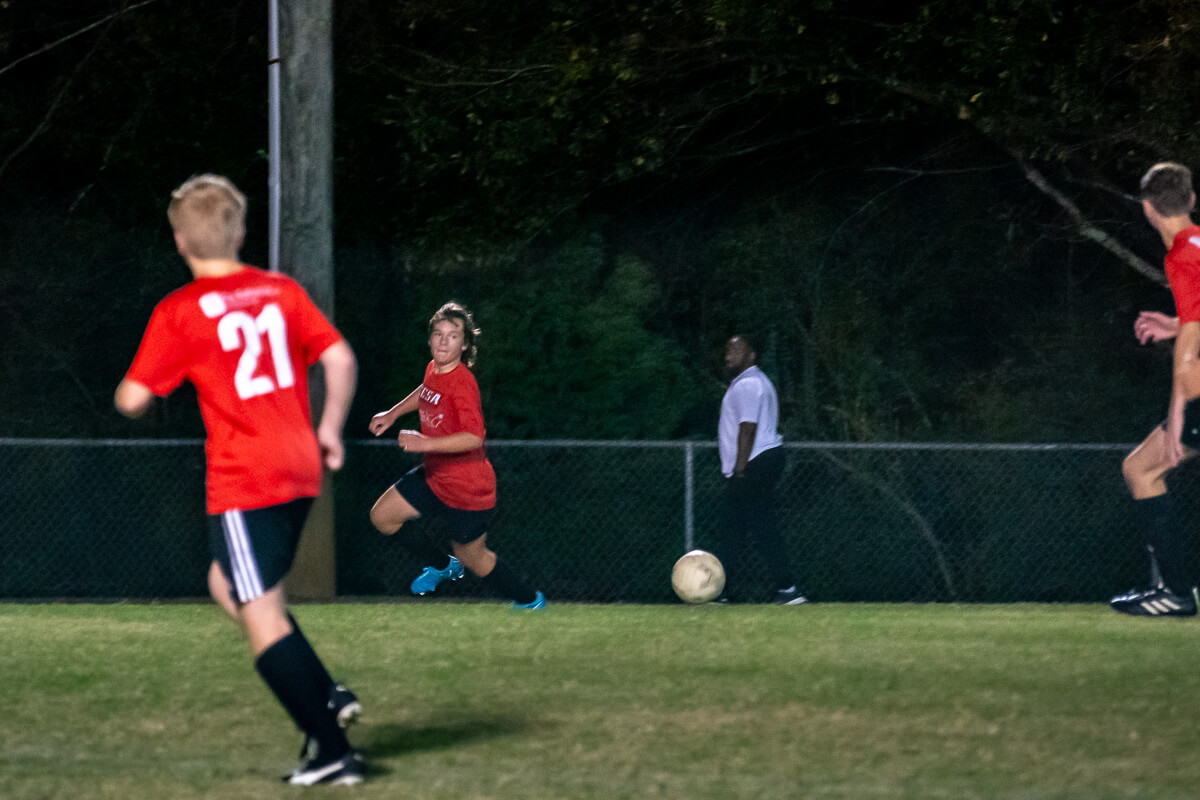
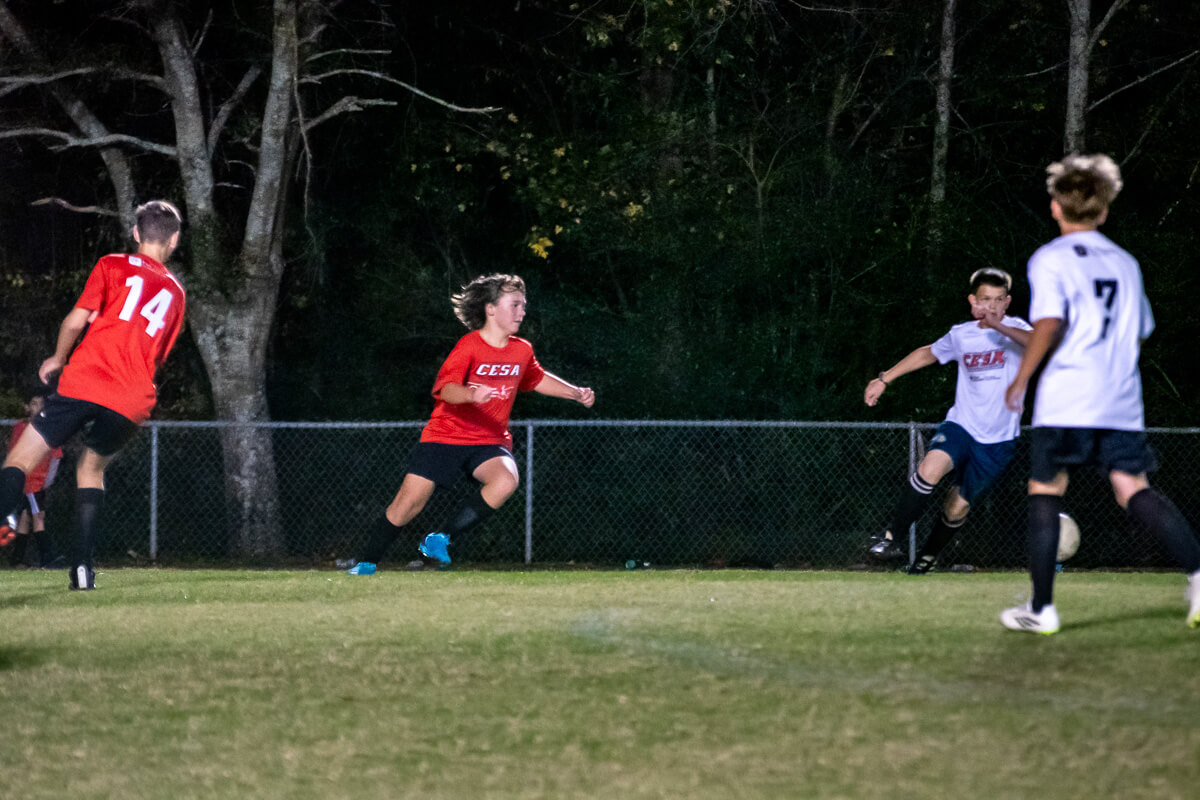
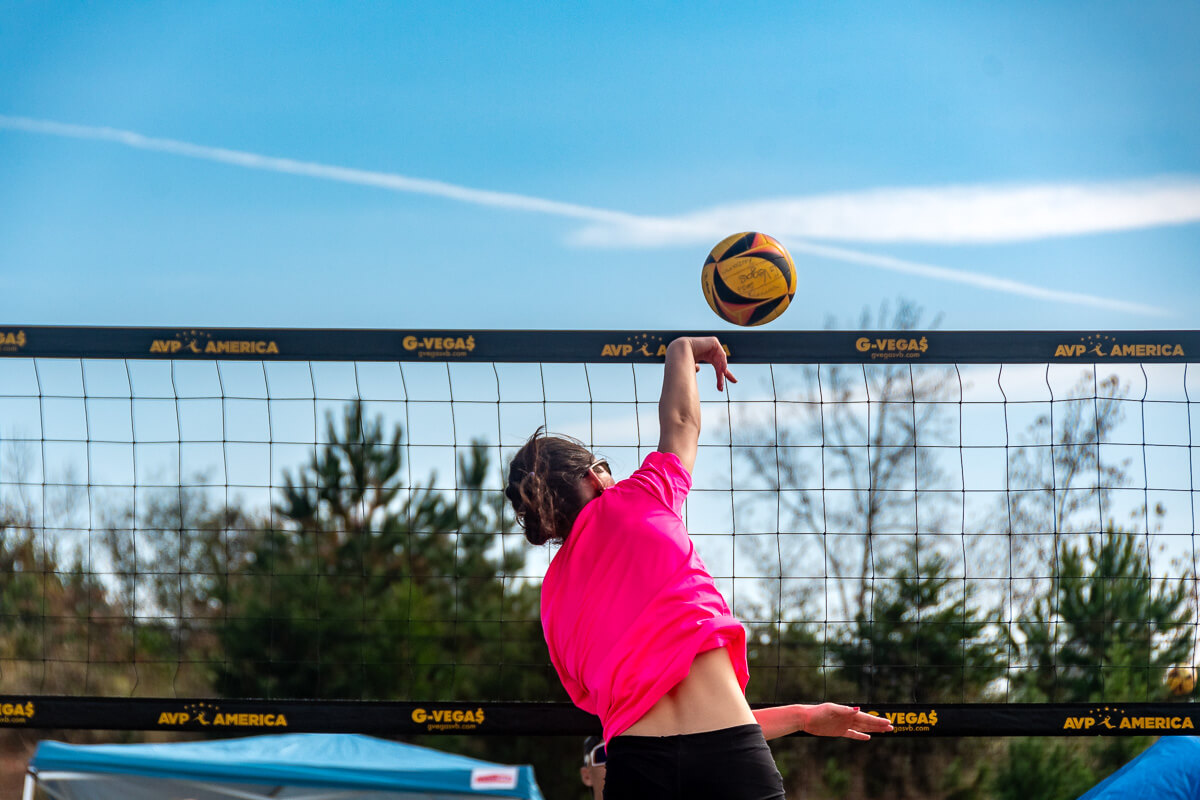
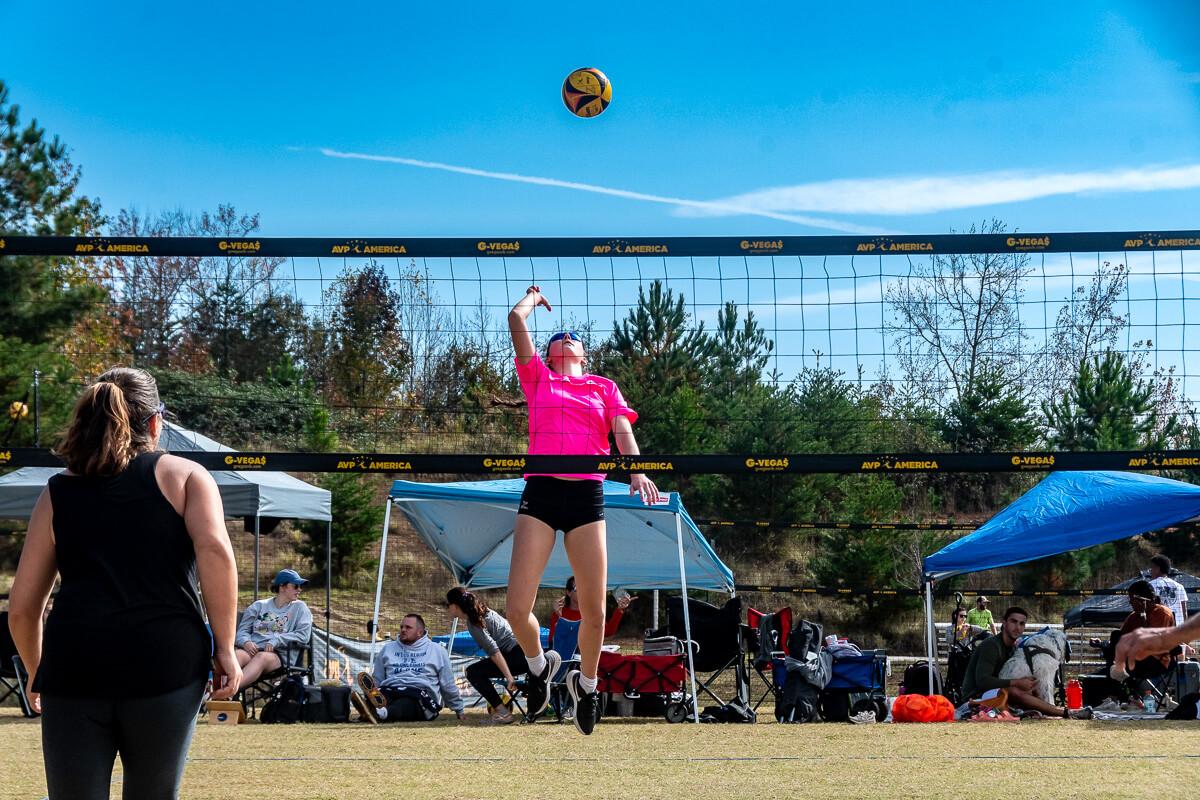
Volleyball and Soccer

Game Night

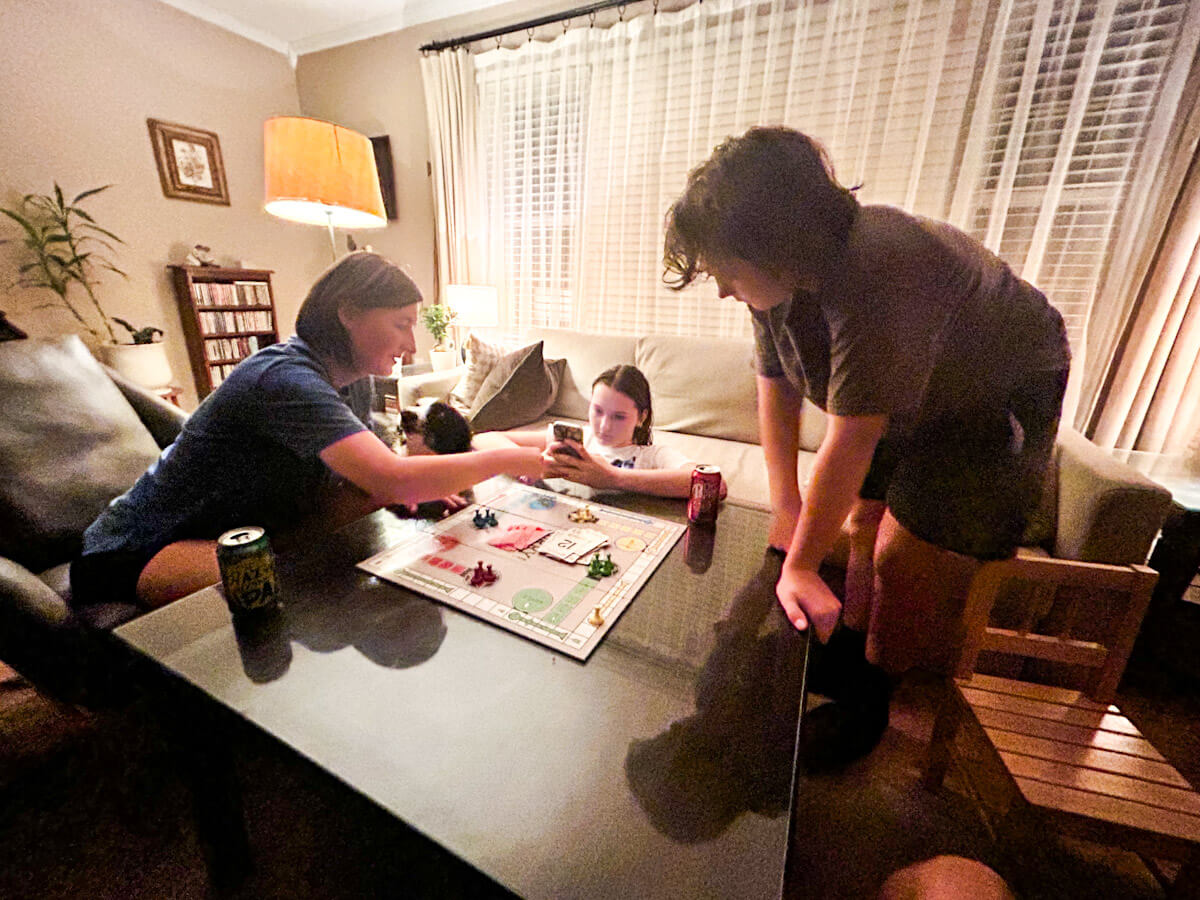
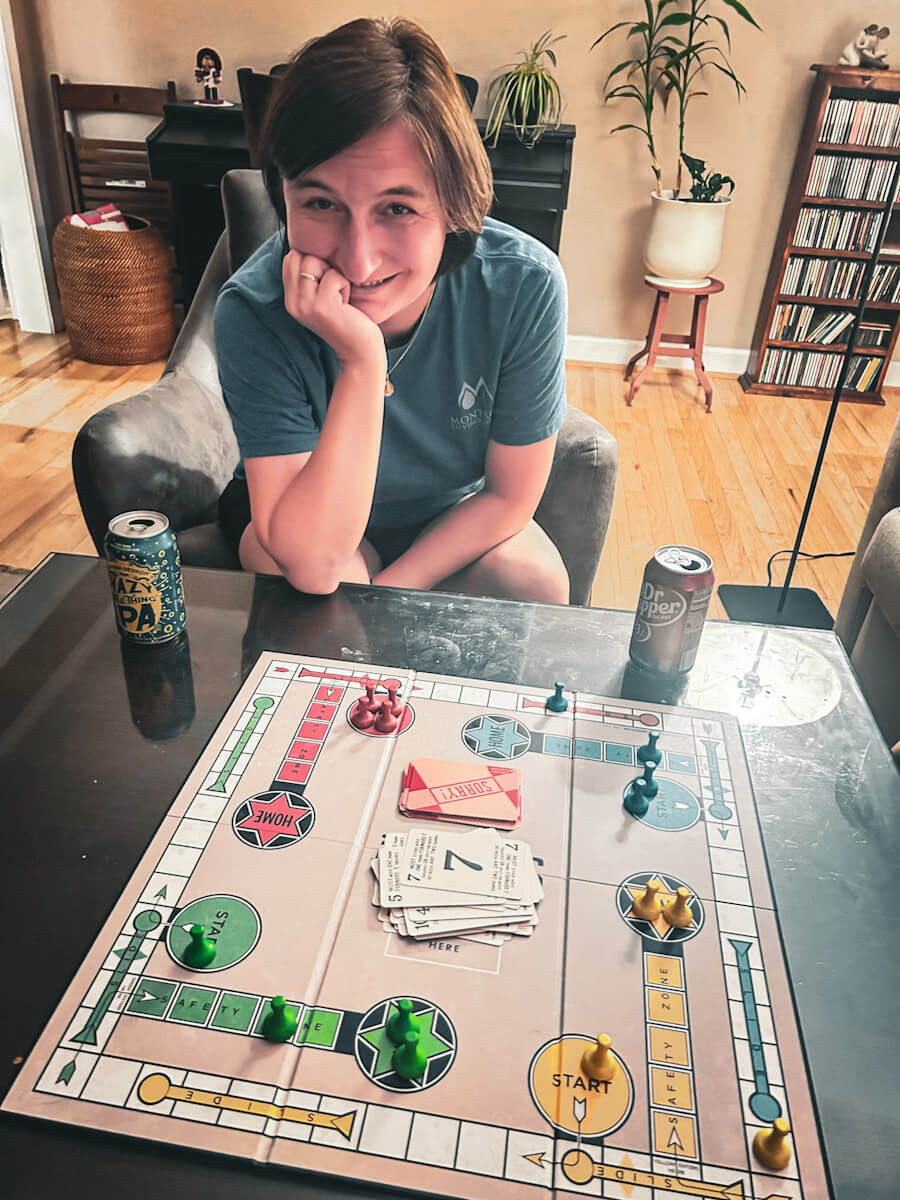
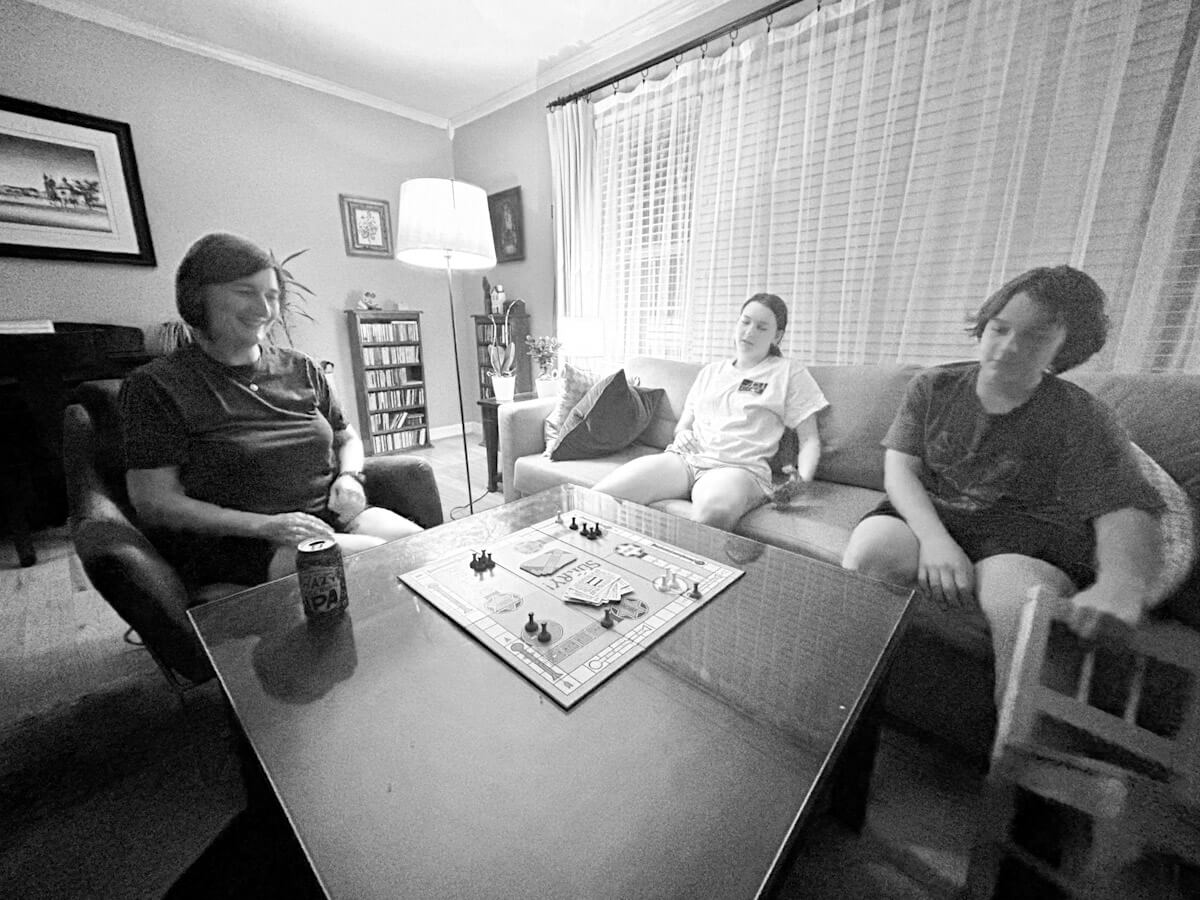
We only have so much time together as a family of four. L will graduate in a few short months, and then her time in our house will be limited to summers. I expect that soon enough, she won't be staying with us the entire summer. She'll be twenty, twenty-one years old. She'll have her own life. She'll have her own priorities. She'll have a job that she'll want to continue working over the summer. Or she'll have some internship or other. So these evenings are rare.

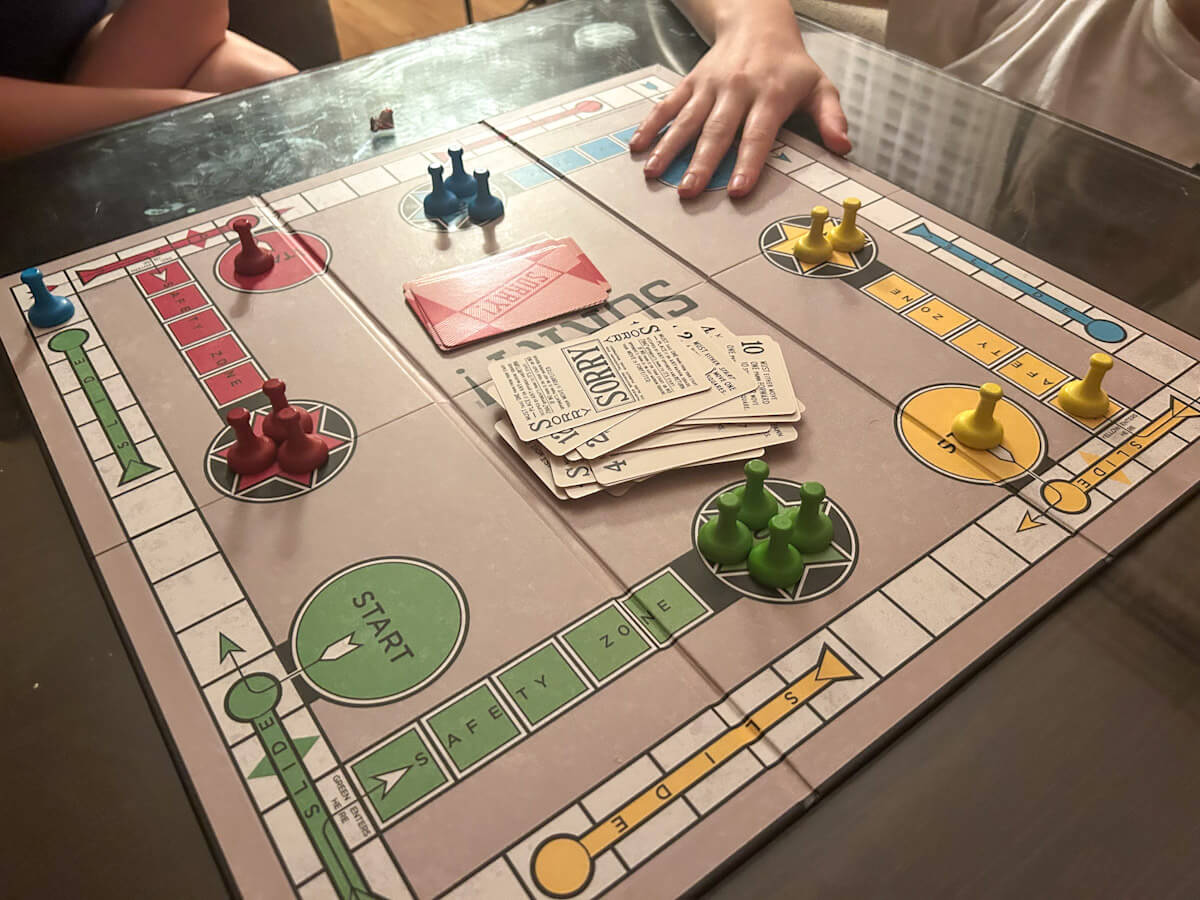
Some things have, of course, changed, but for poor K, nothing has changed. She always has the absolute worst luck in board games. When we play Monopoly, we call her (and she calls herself) the Slum Lord because she can never manage to get anything other than the very cheapest of properties, and the three of us end up bankrupting her in fairly short order. Tonight's game of Sorry was no exception. But one other thing stayed the same: we all laughed heartily about it.

Laughing as a family -- few things are more precious.

Reading

Here in South Carolina, we've grown paranoid about what books students might be reading in school. These books might be exposing our children to horrid ideas that could shake the very foundation of our state, of our country. Ideas like, "Gay people exist." Notions like, "White people in the past did some very bad things to black people." Ideas such as, "Horrible things like sexual assault happen," or "Teens sometimes commit suicide." We aren't quite to the point that the notion that "Jews suffered terribly during World War Two" is controversial, but just give us time!

To prevent students from being exposed to books that might in turn expose them to such awful, harmful notions, South Carolina teachers now have to make a list of every single book, article, poem, Power Point presentation, Excel spreadsheet, Google Doc, video clip, painting, sculpture, and any other artifact we haven't thought yet to add to that list. The list is to be available to anyone (not just any parent of a student in that class; to anyone in the state) so that if anyone has a problem with those materials, they can lodge a formal complaint and work to have that material banned. It's not just that parents of students in a given classroom can do this; anyone can protest a book, even if they don't have children in the school in question. Or children at all.

It's a wonderful time to be an English teacher in South Carolina.

Recently, parents presented three books to be banned. This happened at the State School Board office (none of those positions on the board are elected positions -- they're all appointees from the governor) at 11:00 a.m. on a Thursday. A great time to have an open discussion about the merits of this or that book.

The first book they were considering banning was To Kill a Mockingbird. This is not because of the growing complaint that it presents a skewed view of the African American experience by making it a story of "a white man saves the day!" It's always been curious to me how we could tell that story without the defense lawyer being a white man: African American lawyers deep in the Jim Crow South were not exactly that numerous. But that was not the potential-book-banner's complaint. The complaint is the sexual assault that occurs in the book. Except that it doesn't occur. And that's the whole point of the book. Still, they made their case before the board.

The second book that some wanted banned was Romeo and Juliet. This was due to the supposed sexual content and the suicide at the end. It is of course silly to suggest that he book in any way promotes suicide, but that was the complaint.

I was anxious about this: These two selections represent the majority of my second-semester work with my honors students. "They are banned, I have no second semester," I told anyone who'd listen. I decided if they got banned, I'd just do Lord of the Flies instead of Mockingbird. It's already on our vetted list for our school. (That's another joy: all novels we read in school must be vetted. Who does the vetting? The school district that recommends it? No -- teachers who are told to teach it. "That way," they cleverly explained, "if it gets challenged in one school, it's not necessarily challenged everywhere." I just think they wanted us to do their job for them.) As for Shakespeare, I thought I'd do a greatest hits type unit: I can teach excerpts without the vetting process (though I do still have to list it on my "List of things you might get nervous about" document).

The third book was one that I've never taught because our district reserves it for senior year in high school: 1984. That's right: they wanted to limit access to a book about a totalitarian regime that limited access to information. That's ironic enough, but one of the reasons someone protested was because -- you're probably not ready for this level of complete and utter ignorance -- it's pro-communist. That's right: 1984, banned in the Communist Soviet Union, is pro-communist. "Tell me you've never read the book without telling me you've never read the book," was the common response among English teachers in our school.

In the end, though, the board was reasonable and declined to ban any of those books. And I can't believe I just used the word "reasonable" to describe a very basic tenet at the foundation of our constitution.

But it is a temporary victory: those board members can be replaced, and as previously explained, they're not elected. They're appointed. And given South Carolinians’ current MAGA-happy political orgasm (a very deliberate word choice: you did see the footage of Trump simulating fellatio with a microphone stand at one of his final rallies, didn't you?), members of that board are likely to be increasingly conspiratorially minded and less reasonable with each appointment.

It's a wonderful time to be an English teacher in South Carolina.

Halloween Concert

I forgot to post this...

And given how I feel tonight, I just thought posting something positive was the way to go.

The End

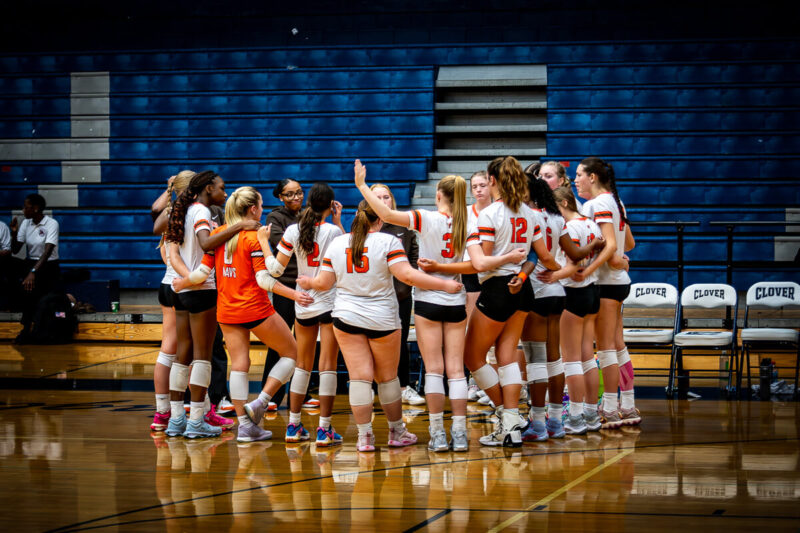
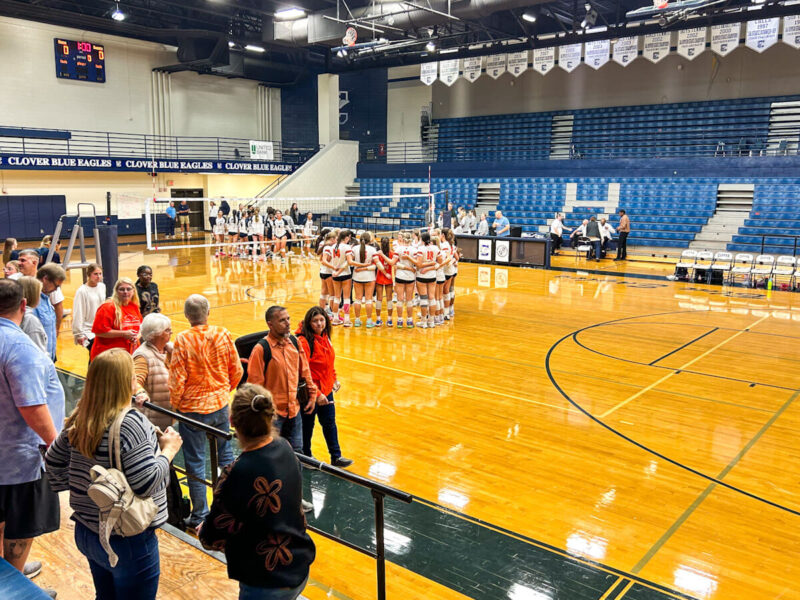
Before the game

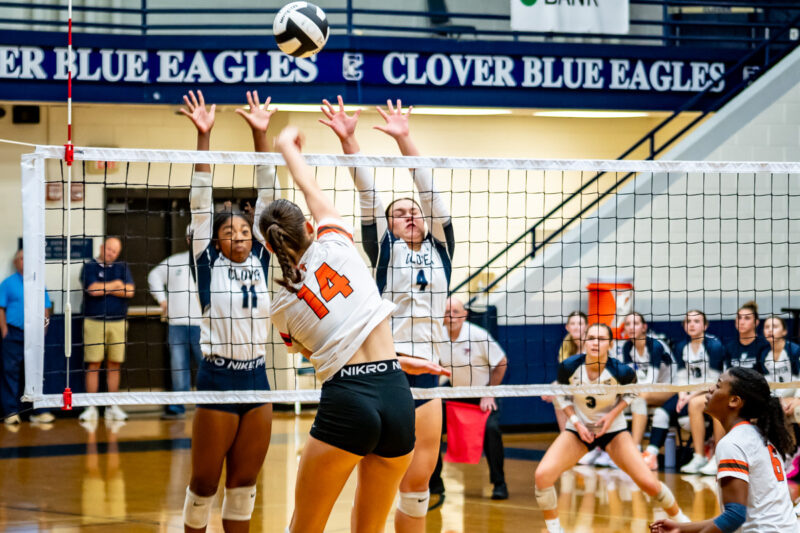
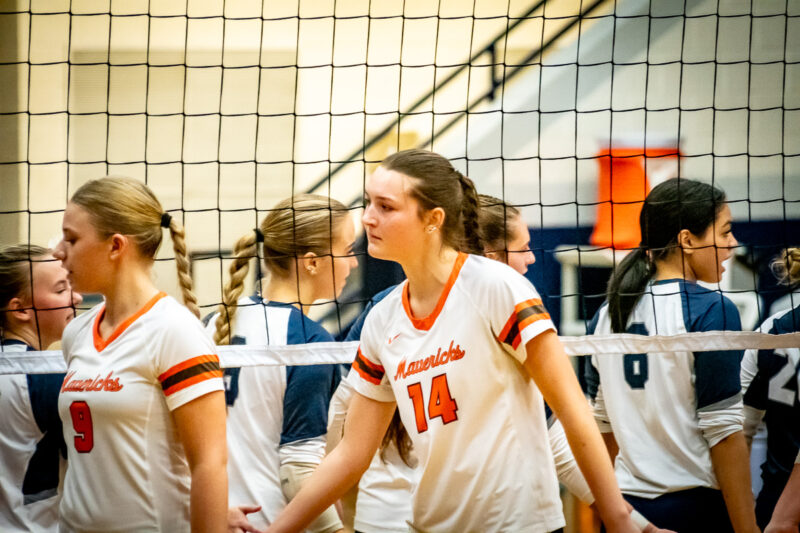
Tonight, L's volleyball career ended. She won't be playing in college, and we've all decided to use the money we would have put toward a final club season to other uses (like adding some time in Greece this summer for her senior trip). So six years of volleyball came to an end in the second round of playoffs against a team from Clover, South Carolina.

We've passed the exit to Clover countless times over the years. It's just before the turn off highway five to Aunt D's house -- Aunt D, who helped take care of both Nana and Papa, who has a heart that gives endlessly. We commented often on how funny it was that there was a town named after our dog. Strange how these little turns appear unexpectedly in our lives: L's final game in a town we've known and had a private joke about for years but which we never would have imagined visiting.

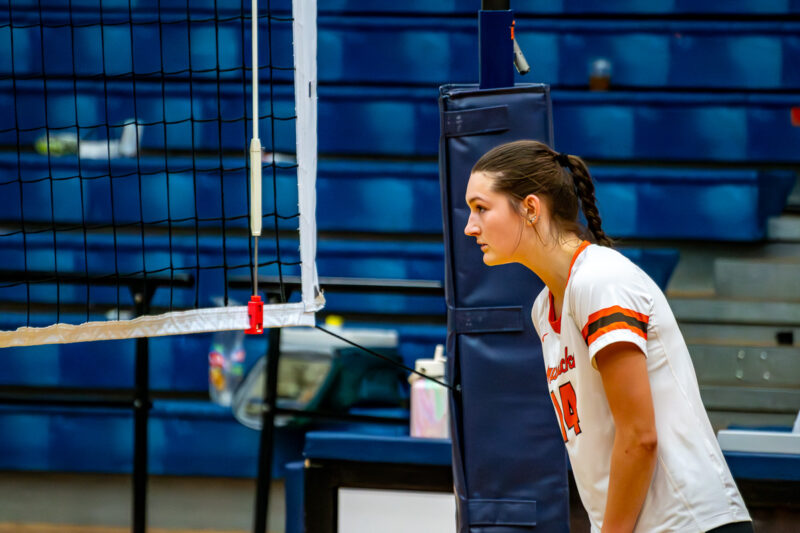
Eyeing the defense

In a sense, that's been the common theme of L's volleyball career. To begin with, when she mentioned in sixth grade that she wanted to try out for the middle school volleyball team, I was a little surprised. She'd played soccer at the Y as a kid, but she wasn't interested in continuing it. If she devoted her free time to anything, I would have, back then, assumed it would have been dance. She always seemed a bit more showy than athletic as a young child. But once she made her decision to try out for the team, nothing could stop her. Not even not making the team the first year. If anything, that increased her determination.

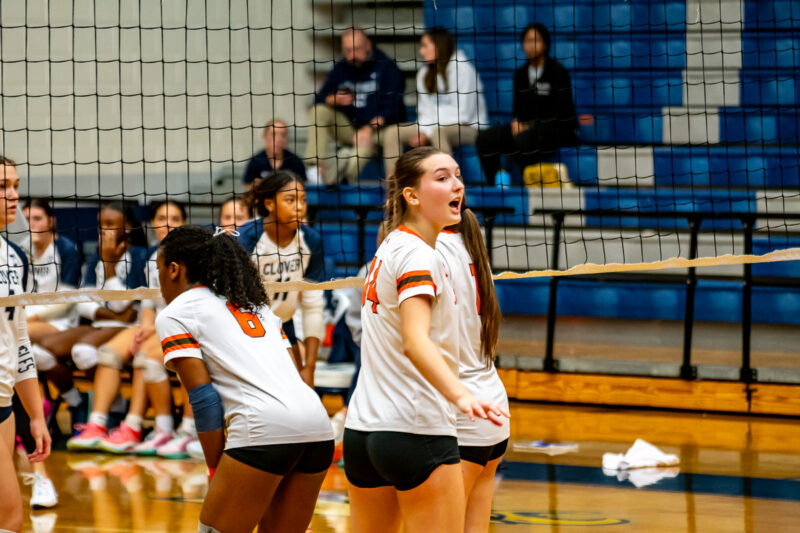
Entering the rotation for the last time

Once she became obsessed with volleyball, I never would have imagined she could be part of a state championship team. Such occurrences are fairly rare: one has to be at the right place (or rather, on the right team) at the right time. But two years ago (almost to the day), her high school team took the state championship.

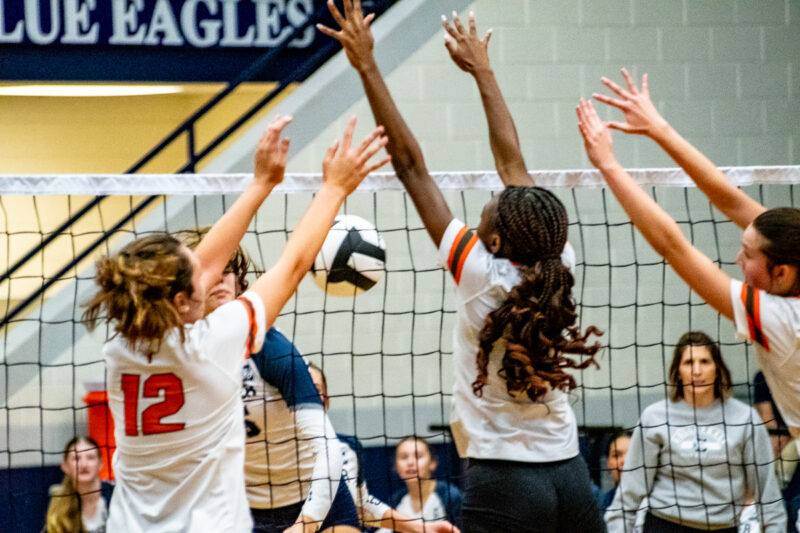
One final kill

There was a time it seemed unimaginable that she wouldn't play volleyball in college. She seemed so dedicated to it, and she was improving by leaps and bounds each year. But it was not to be: she didn't get any interest from any of the colleges she wanted to attend, and she made the decision that she wouldn't choose a college just because she could play volleyball there.

Of course, there were the initial expectations about this year. "We're not going to win any games this year!" she declared after the first few practices and warm-up tournaments. And it seemed like they wouldn't be able to get their game together, but the did. And they finished second in the region.

After the game

They got further than they ever expected; they achieved more than they thought they could. But that last game -- it was tough to go out like that. They just couldn't get things together, achieving the same dismal results in the first two sets: 14-25. I thought they'd fall apart completely in the third set, but they got themselves together and took the game to a fourth set with a 28-26 win in the third. In the fourth set, they had the same trouble they had in the first two sets and lost 17-25.

Under the net one last time

It was a tough way to end a wonderful six years of volleyball, and the Girl had difficulty holding back the tears. She broke down after last year's final game as well. She said it was out of sadness for losing the seniors: "It's the last time I'll play with them." I think in the back of her head, though, she knew in a year it would be her turn. She wants to put herself forward as a no-nonsense type of kid, but I think she's got just a little of my sentimentality in the mix.