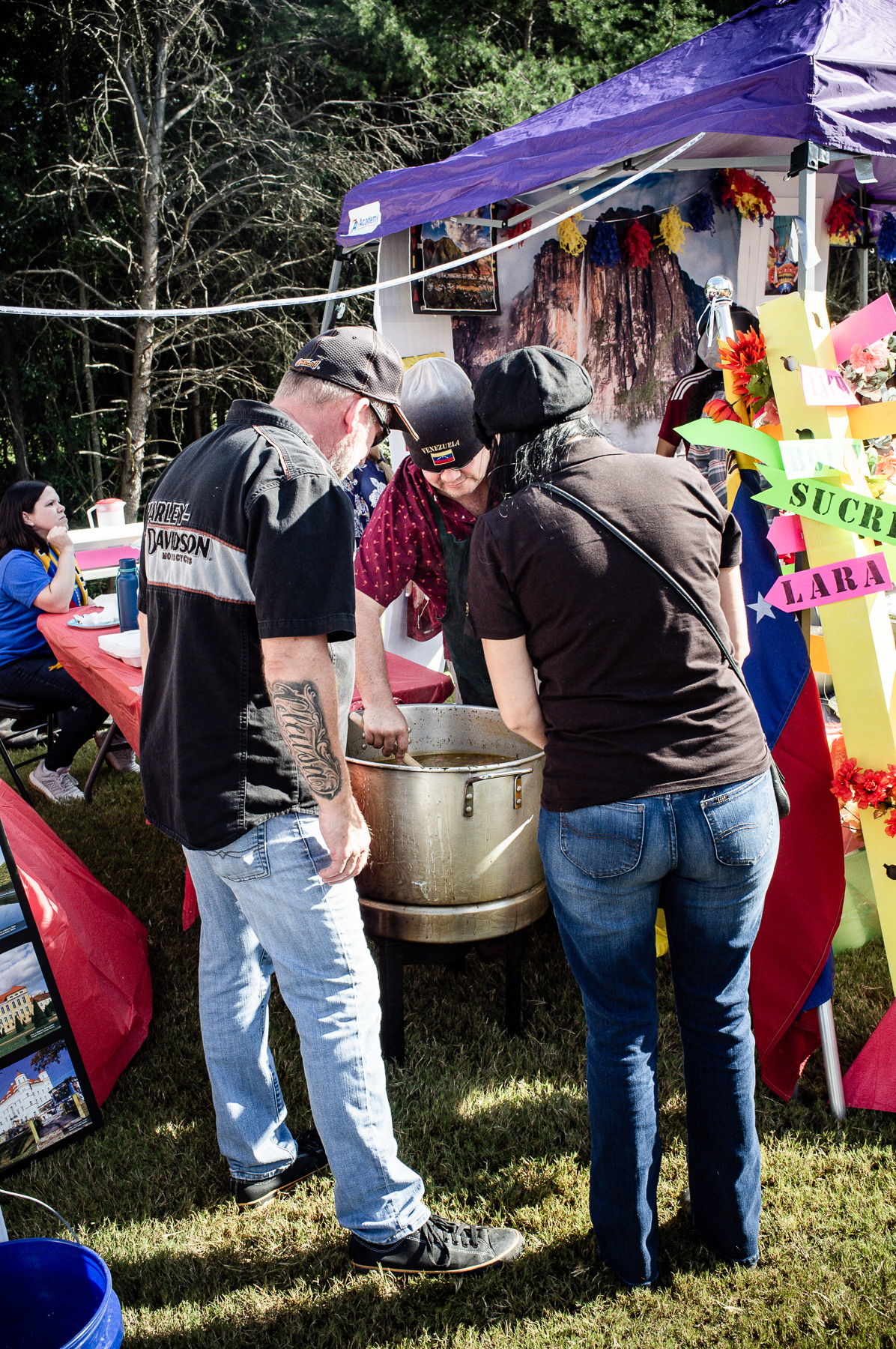
Matching Tracksuits

fun in fours

g

Review: The World in Flames

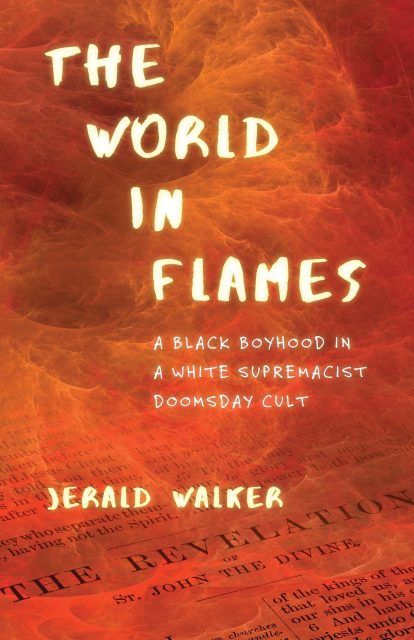
I was drawn to this book for one reason: I grew up in the same cult as Walker, Herbert W. Armstrong’s Worldwide Church of God (WCG). Hence, as I read the book, I felt an eerie similarity with many of Walker’s experiences. His sense of otherness while at school was the same as my sense of otherness. His sense of impending doom while looking at peers in school was my sense of impending doom.

My embarrassment about these beliefs, however, was absent. He seems to have talked freely about the strange things he believed, even going so far as to try to convert his best friend Paul. I, on the other hand, never said a word about my beliefs. Looking back on this, I think it’s because I never really believed. I could imagine someone asking me, “ Do you really believe that?” after I’d explained this or that strange belief, and my only imagined response to their reaction to “Oh that’s weird” would be to agree. That was my fear. This deep abiding embarrassment about what my church believed was central to my religion’s worldview. It was strangely lacking in Walker’s.

There’s a more fundamental sense in which I cannot relate to this book: Walker is African-American, and I am white. This is notable because the WCG’s theology was inherently one of white supremacy. This is not to say that the church was comprised of racists, nor is it to suggest that there were openly racist sentiments expressed in weekly services, but its theology had definite racist shades that appeared in select passages in Armstrong’s writing. He would insist he was not racist, but it’s difficult to argue that when part of the theology was that in the kingdom of God, which we colloquially knew as the World Tomorrow (which was the same name as Armstrong’s weekly religious broadcast), everyone will be sent back to where they “belong.” Armstrong phased it thus in his 1966 book The Wonderful World Tomorrow: What It Will Be Like, which he copied directly into his final book, Mystery of the Ages:

In Noah’s day, the chief cause of the violence and chaos of world conditions was racial hatreds, interracial marriages, and racial violence caused by man’s efforts toward integration and amalgamation of races, contrary to God’s laws. God had set the boundary lines for the nations and the races at the beginning (Deuteronomy 32:8-9; Acts 17:26). But men had refused to remain in the lands to which God had assigned them. That was the cause of the corruption and violence that ended that world. For 100 years Noah had preached God’s ways to the people—but they didn’t heed.

At that time, even as today, that world faced a population explosion. It was when “men began to multiply on the face of the earth” (Genesis 6:1). Jesus said, of our time, right now, “But as the days of Noe [Noah] were, so shall also the coming of the Son of man be” (Matthew 24:37)—or, as in Luke 17:26, “And as it was in the days of Noe, so shall it be also in the days of the Son of man.” That is, the days just before Christ returns. Today race wars, race hatreds, race riots and race problems are among the world’s greatest social troubles.

Noah merely preached to people in his human lifetime. But Noah, in the resurrection, immortal, in power and glory, will be given the power to enforce God’s ways in regard to race. It seems evident that the resurrected Noah will head a vast project of the relocation of the races and nations, within the boundaries God has set, for their own best good, happiness and richest blessings. This will be a tremendous operation. It will require great and vast organization, reinforced with power to move whole nations and races. This time, peoples and nations will move where God has planned for them, and no defiance will be tolerated.

Leaving aside the blindly stupid and racist assertion that “men had refused to remain in the lands to which God had assigned them” when considering the fact that the presence of African Americans in modern America is due almost entirely to the enslavement of Africans rather than people refusing “to remain in the lands to which God had assigned them,” the proposition that there will be “a fast project of the relocation of the races and nations” is essentially the assertion that God is a segregationist. The Kingdom of God runs on Jim Crow laws, it seems.

Note that I never once heard this from the pulpit. I never heard a single discussion about this, and I think that a fair number of people were unaware of this passage and the handful of others scattered in his writing. When I read that passage to a friend who’d also grown up in the church, she was dumbfounded and angry that she’d never noticed it. It was not a central element of the theology: the notion that we’d all become gods was more prominent.

In light of all that passage, though, it’s fascinating to me to think of the African-American constituency in WCG congregations. What was it about Armstrongism that attracted minorities even though it was clear from the theology that Armstrong’s god somehow viewed them as inferior? I was hoping Walker would write more about this than he did because he only deals with it directly a couple of times and obliquely a few more times. Still, it gave a compelling picture, and I cheered when his family finally left the cult.


Homecoming 2021

Last night was homecoming. Instead of a date, she took her best friend.

International Festival 2021

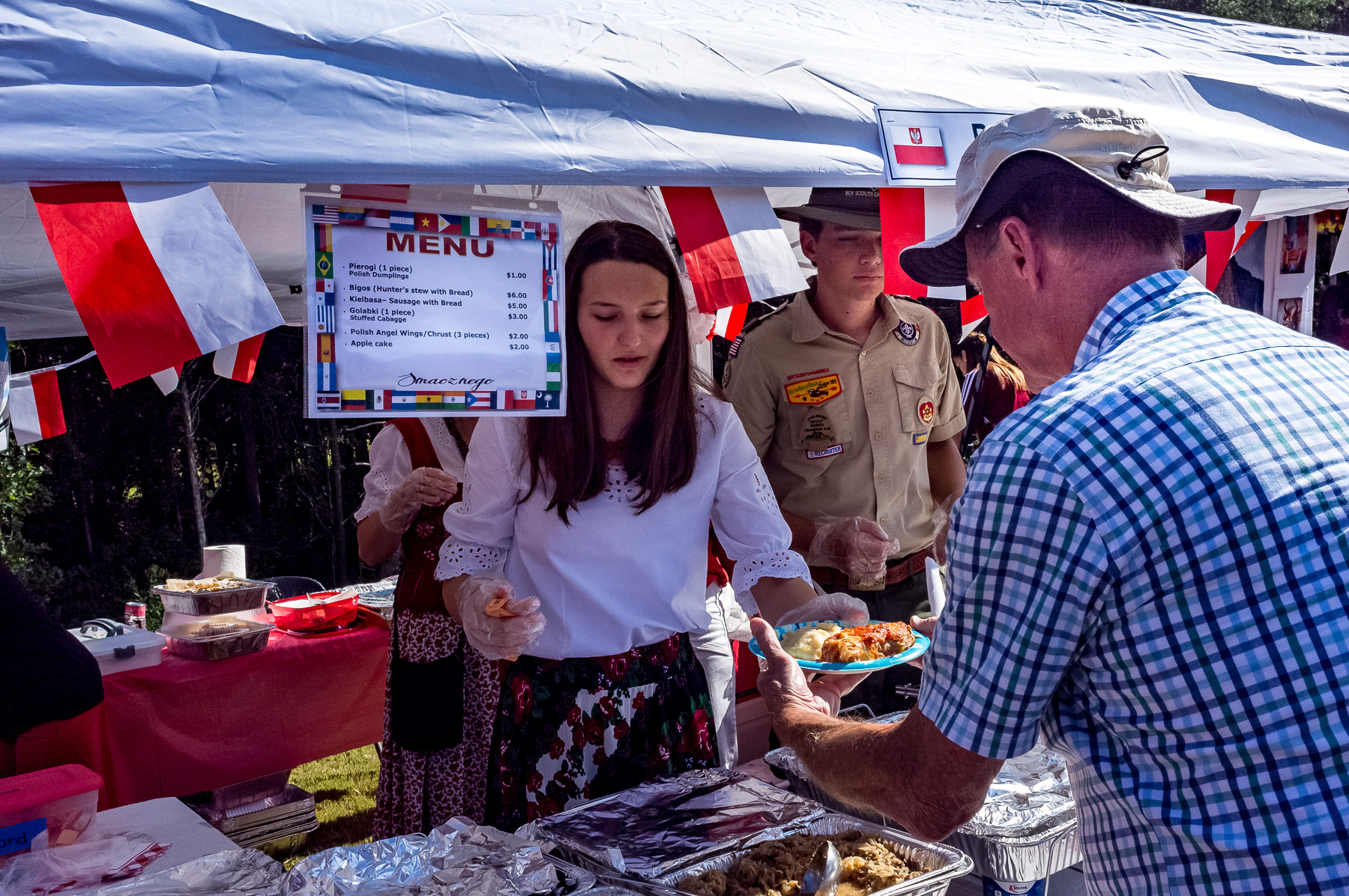
The Polish tent was a hit, selling out of almost everything and raising over $2,000.

Comfort

Christianity gives comfort — that’s what its apologists claim. That comfort, though, is a comfort from a fear that Christianity itself creates. It creates the disease and then sells the cure.

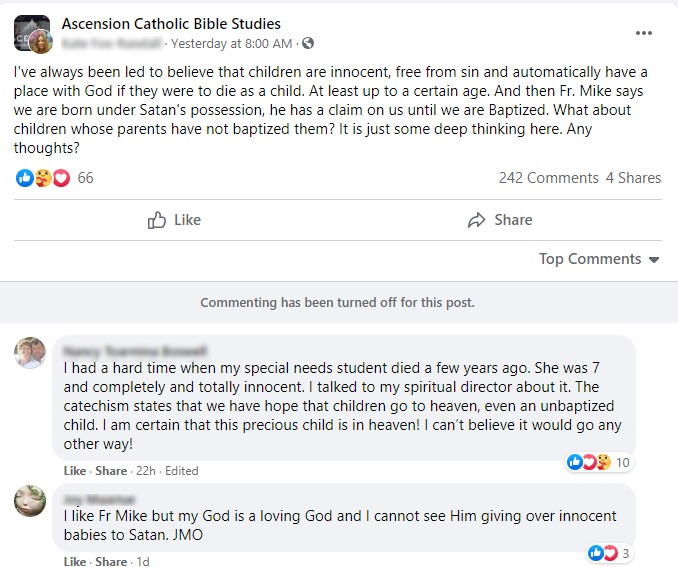
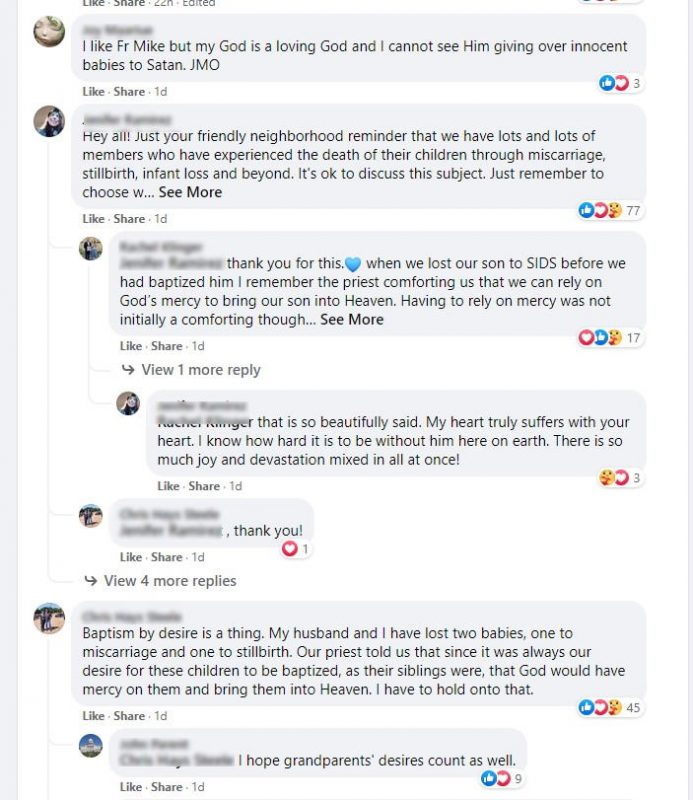
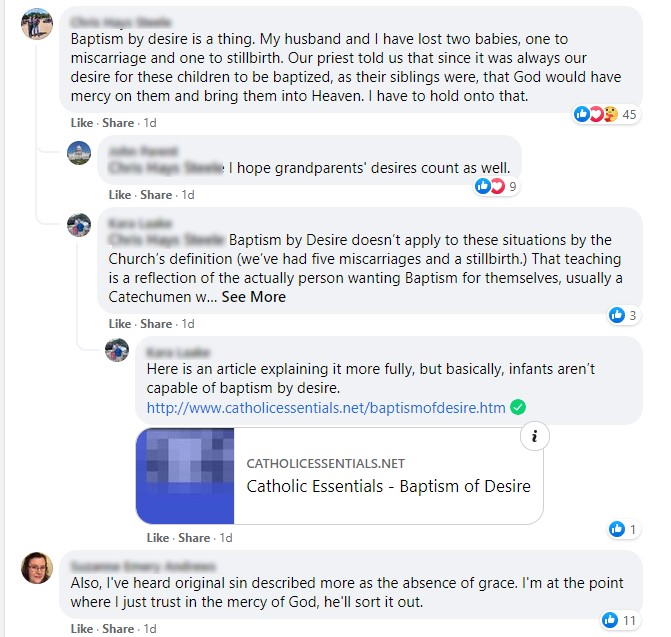
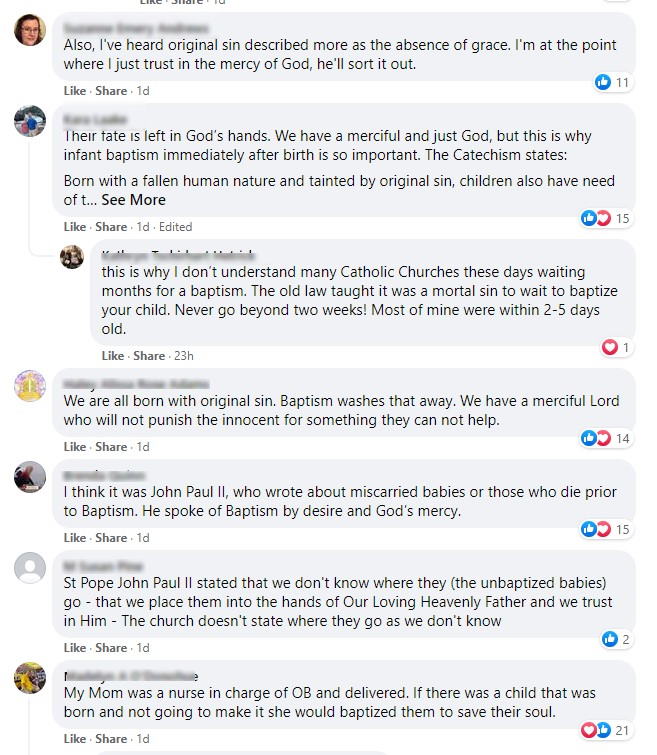
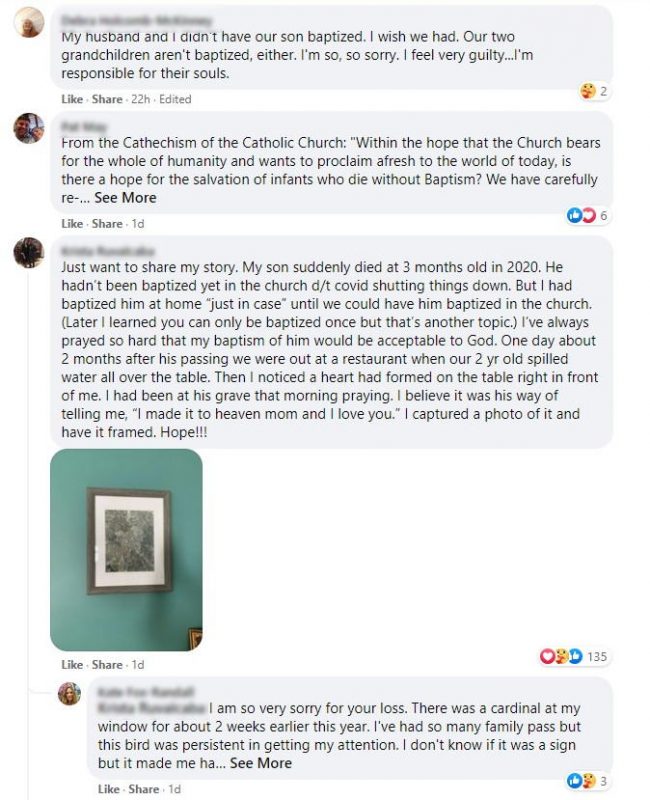
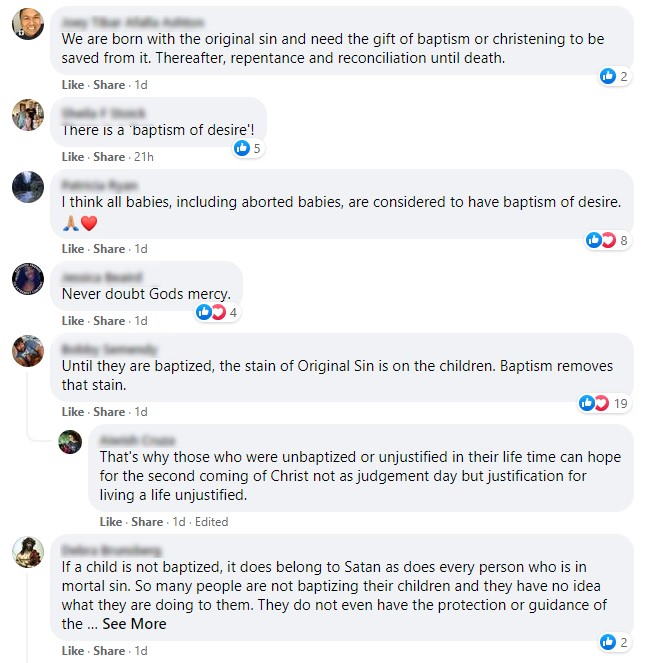
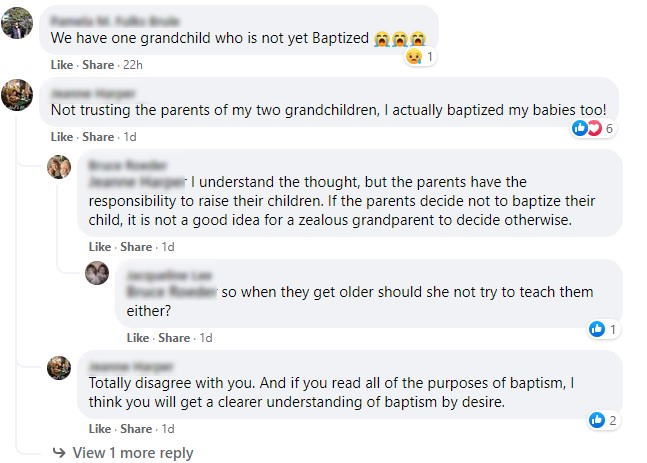
“I know my sins are forgiven by the blood of Jesus!” they’ll proclaim, but the whole notion of sin and the need for blood atonement via a perfect sacrifice — that whole idea comes from Christianity itself. But even if that irony escapes them (the savior is also the one twisting the thumbscrews), there should be enough discomfort in the idea of hell to give anyone second thoughts. Note the following exchange:

Here we have people tying themselves into ethical and emotional knots, tearing themselves apart because they can’t reconcile two things:

  1. Their church teaches that children are born with the “stain of Original Sin” and are thus damned to hell unless they’re baptized.
  2. There are lots of children who die unbaptized, and the thought of them being tortured in hell is, well, hellish.

How do you reconcile it?

In the midst of all these horrible losses, children still-born or dying shortly after birth, there’s the secondary pain that because their children weren’t baptized, they’re worried that maybe, just maybe, their god, in his infinite wisdom and mercy, is not letting them suffer as they, being stained with Original Sin, in fact, should.

They find a way to explain it, even though the church taught for ages that unbaptized babies went to hell. Limbo becomes something of a compromise, and now, if these posts are to be believed, intent seems to be enough. So these parents can rest easy: their children are probably not writhing in agony. They will be reunited in heaven.

Yet within even this is comfort there hides another discomforting fact: once these people get to heaven, they’ll discover that someone they love dearly is not in heaven. They’ll know that their brother or their aunt or their grandfather is in hell, in torment, in agony. How could you live in heaven knowing your loved one is in hell?

We could expand this beyond familial bonds: how could anyone enjoy heaven knowing that any person — with a few monstrous exceptions — is in hell? And while they’re living on earth, that knowledge must drive them crazy if they think about it. It must drive them to do one of two things:

  1. Redouble their efforts to make sure everyone they love is at least baptized. (Of course, once we get into the Protestant tangle, it could be any number of things required to make sure you’re not going to hell, so it could be more complicated than that.)
  2. Not think about it.

I would wager most choose option two.

Really, I suppose there’s another option: rationalization. Catholics especially are good at this. The Bible says Jesus had a brother James. The Catholic church says Mary was a perpetual virgin, so any siblings would be impossible. How to get out of this? Simple — Aramaic, in the language Jesus would have been speaking, there is no separate word for “brother” and “cousin,” so James was just the cousin of Jesus. Done. (There is, of course, one small problem with this line of reasoning: no matter what language Jesus spoke, the Gospels were written in Greek, which does have different words for “brother” and “cousin.” But it’s best not to think about that too much — it will lead to an unraveling of that seamless garment of Catholic faith.)

I guess they do what they have to in order to maintain the faith.

Discovery

We started working on poetry this week. I always begin with the same poem:

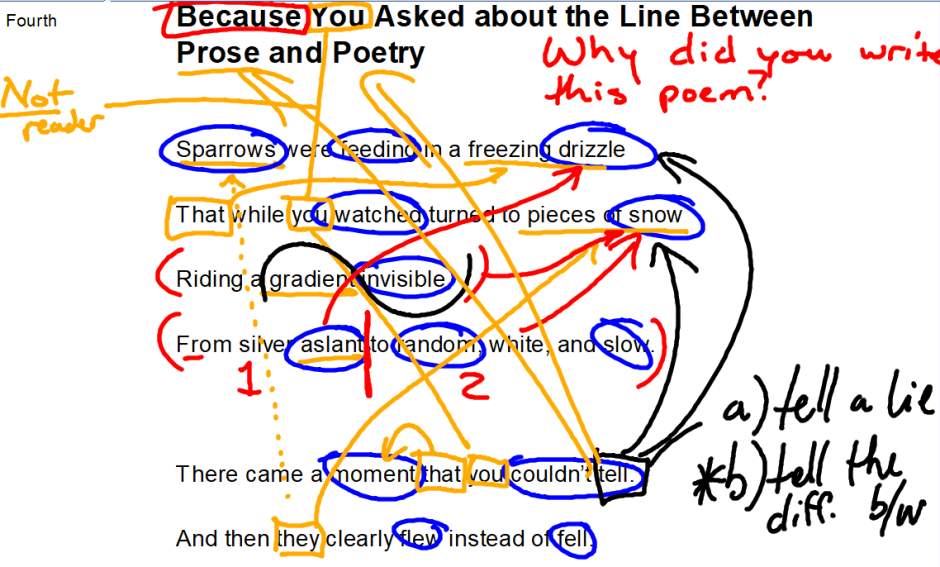
Because You Asked about the Line Between Prose and Poetry

Sparrows were feeding in a freezing drizzle
That while you watched turned to pieces of snow
Riding a gradient invisible
From silver aslant to random, white, and slow.

There came a moment that you couldn’t tell.
And then they clearly flew instead of fell.

It’s a perfect start-of-the-poetry-unit poem because it has so much in it that makes poetry great. There’s enough ambiguity to necessitate a little digging. There’s a title doing all the work a good poem title should do — integral to the poem yet still standing a little aloof. There’s parallelism and patterns. There’s such an economy of language.

We work through it slowly. First, we find some of the ambiguities: who is the “you”? It’s not the reader. What is that “they” in the final line? They flew, so we think at first it might be the sparrows, but they also seem to have fallen at some point — birds don’t usually fall. “It’s the snow!” someone realizes.

We tackle the ambiguity of the word “tell.” “It’s not ‘tell’ like ‘to tell a lie’, is it?” I ask. We determine that “discern” might be a synonym. Or just “tell the difference between.” “Between what?” I probe a little further. They realize that it’s telling the difference between snow and rain, and that that is what’s going on in that final stanza: whoever is watching the birds is experiencing a moment when the rain is turning to snow and more specifically, experiencing that liminal moment when we can’t quite tell what it is.

We work on the title a bit. “It begins with ‘Because,'” I point out. “What does that signify?” They soon realize that before that must have been a “Why” question. “So talk to your seat partner — what is the understood question?” Eventually, we get it: “Why did you write this poem and give it to me?” Finally, we unpack the whole title: at some point, someone asked the poet, “What is the line between prose and poetry?” He left the question unanswered and returned at some point with a poem, which he gave to the interrogator. Confused, she asks, “Why did you give me this?” And the class says in unison: “Because you asked about the line between prose and poetry!”

“So he gives her a poem about birds and rain and snow?!?” I ask. “What kind of crazy answer is that?” They talk a little. I give them a hint: “Look for patterns. Look for repetitions.” Then they see it. Two things in the poem: rain and snow; two things in the title: prose and poetry. It’s time to put the bow on it.

I write on the board.

__________ : rain :: __________ : snow

“Let’s finish the syllogism,” I invite, and together they say, “Prose is to rain as poetry is to snow.” Or we could have done it differently: “Rain is to snow as prose is to poetry.” We get the same results. Snow and rain are made of water; poetry and prose are made of words.

“So what’s the poem’s answer to the question? What’s the line between prose and poetry?”

“Not much.”

Not much, indeed, and yet so much. So much difference and so many glowing faces as the poem that just a while ago made no sense to them at all suddenly is this beautiful and pithy exploration of the nature of written language.

Filters

We see what we want to see. Social media offers the best example of that in the contemporary world, but sometimes, it’s not just evident in a macro-view but in individual postings.



One of the religion groups I follow posted a story about a meteor “demolishing an ancient Middle Eastern city” and speculated that it could have inspired the story of Sodom and Gemorrah. The individual sharing the article added the comment, “Always interesting when science catches up to The Bible.”

“Science catches up to the Bible?!” I laughed. The Bible that includes a talking snake, an apple curse, a talking donkey, and a man surviving in a whale’s stomach for days? The Bible that includes the story of a flood that inundated the whole world despite the fact that there’s nowhere near enough water in existence on the Earth to do that? The Bible that says the heavens are a bowl-shaped divider that keeps the water of the upper firmament out (that is where all the water comes from, I guess)? The Bible that has epileptics misdiagnosed as victims of demonic possession? The Bible that says a sky wizard created the world in six days, including creating light before there was no light source? The Bible that purports many men lived literally centuries, with several living close to a millennium? In short, the Bible that is so scientifically backward that apologists have to contort themselves into knots or declare troubling passages as merely metaphorical is in any sense ahead of modern science?

I, of course, couldn’t leave well enough alone, responding “Science caught [sic] to the Bible and left it behind long ago.” Given the context of what I just wrote, it’s clear what I meant: the Bible is backward and dated, especially when compared to modern science.

That’s not what they read, though. One young man replied,

tell it to scientist [sic] 50 years ago, they also thought they know everything, in terms that we’re developed at their time… eyes opened yet? 🙂
Cell phones? Radio waves? What, we know only as much as we know, and every decade some people think we know it all, ‘its called science!’ 😄😄 God Bless

It is, naturally, to be expected that someone posting on a pro-Christian board would have pro-Christian views, and my comment was somewhat vague — intentionally so. Still, I didn’t expect everyone to see it that way. It’s a perfect example of confirmation bias.

Volleyball versus Former Teammates

Selling

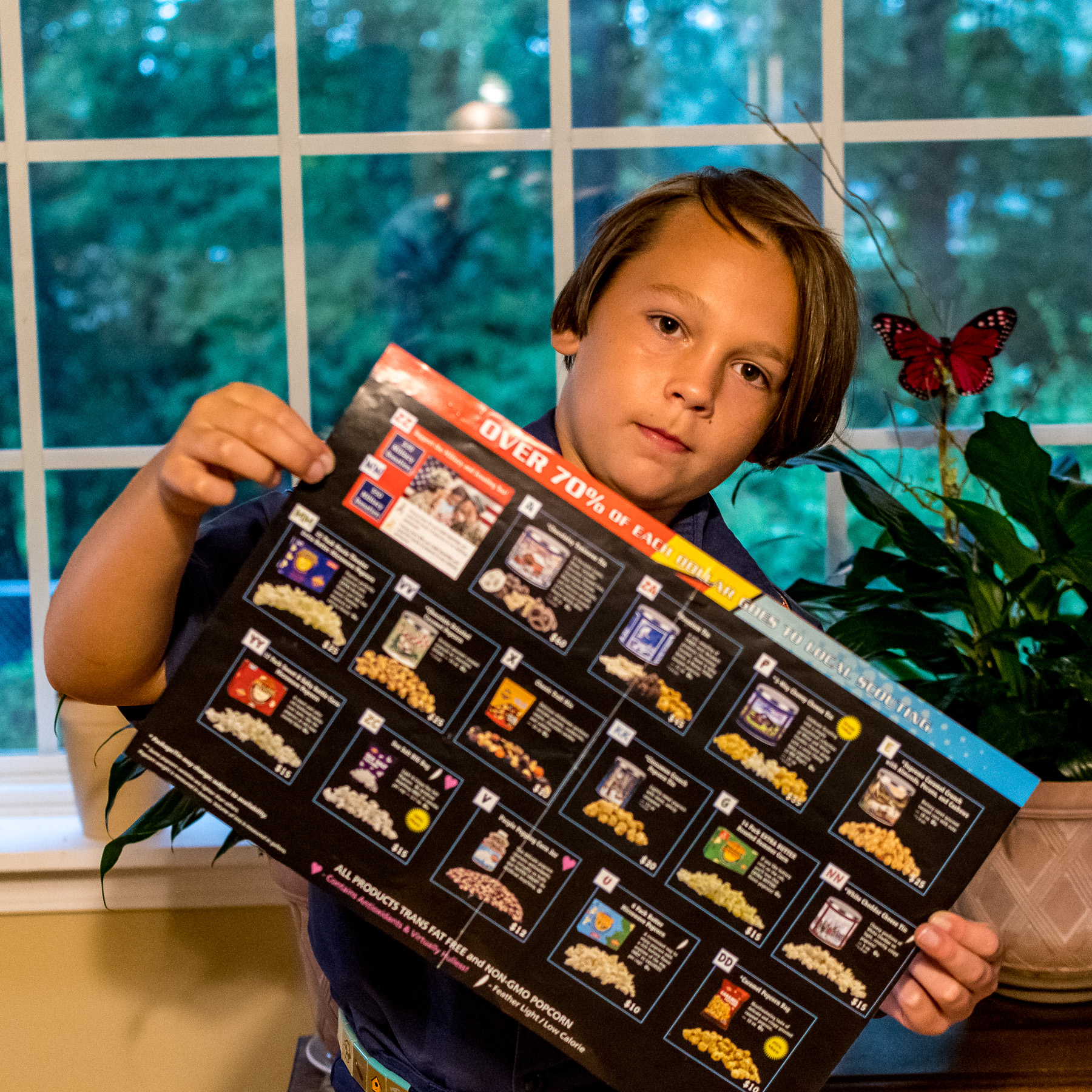
The Boy has been selling popcorn for his scout troop. We decided to make a poster tonight for me to put in the teachers' mailroom (pending approval) inviting teachers to indulge their popcorn cravings. A few of the shots in for the poster...

Conestee Walk

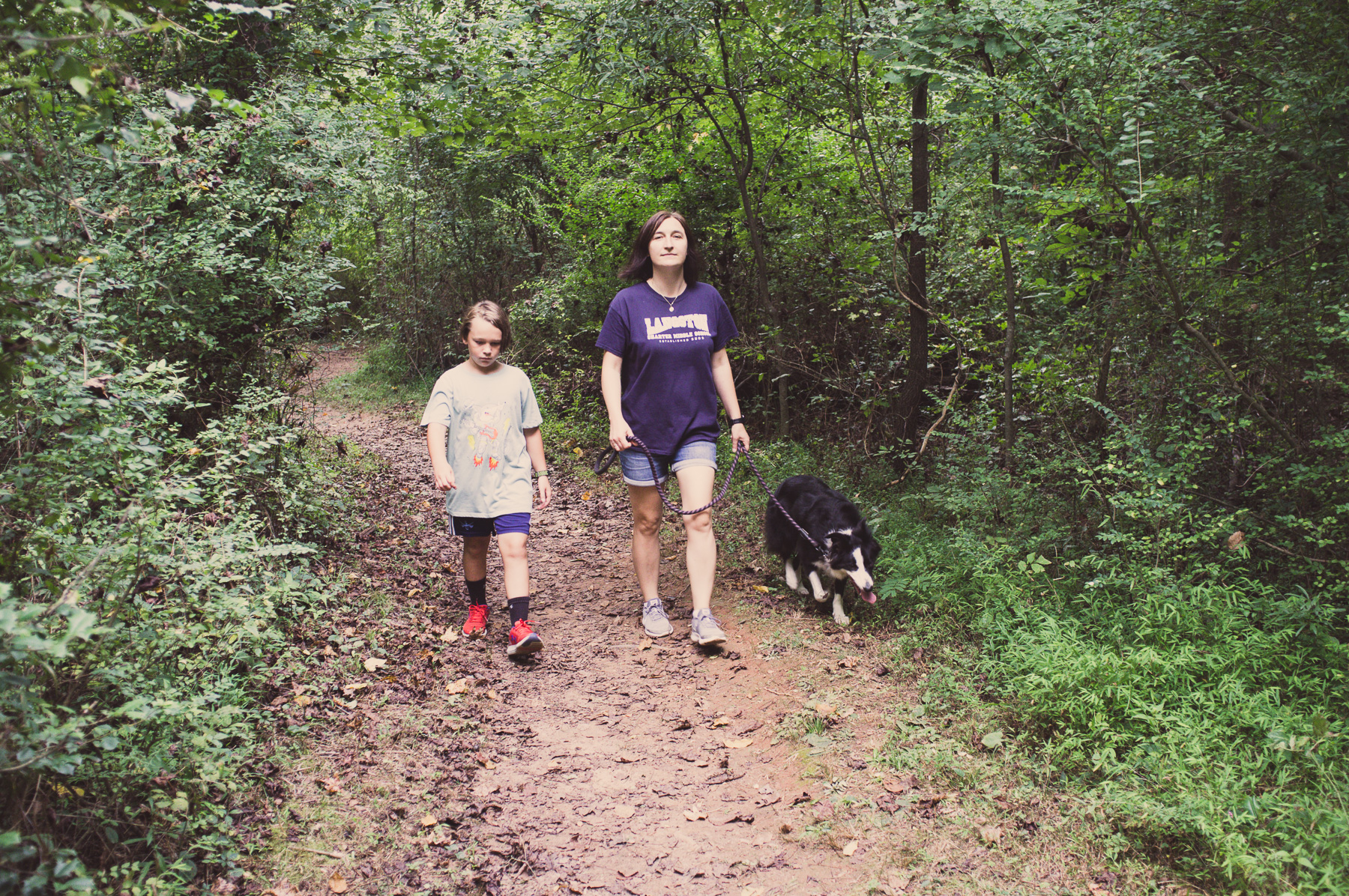
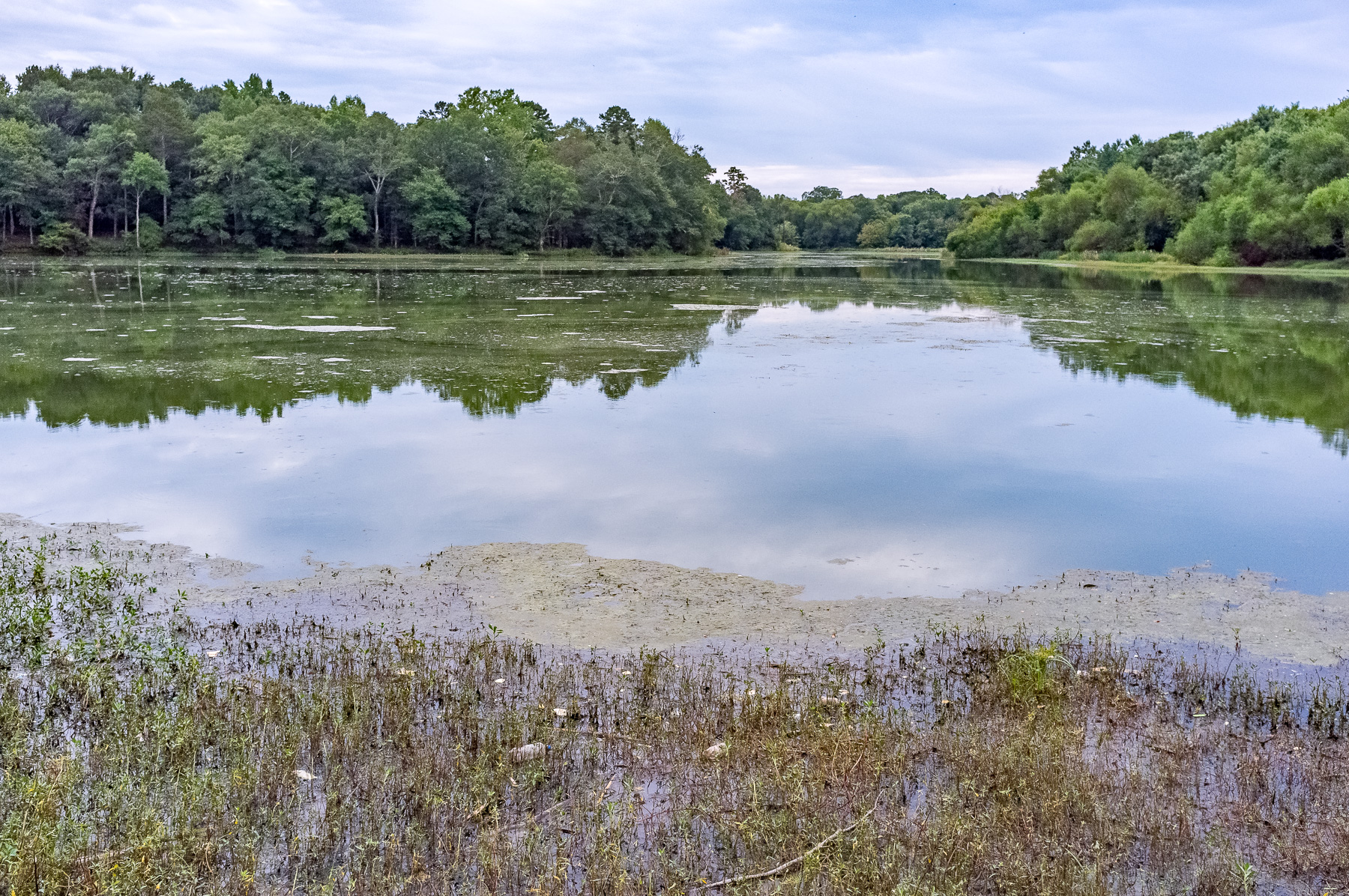
It's been a while since we went out for a walk in our favorite local part. Months, even. L is sick at home -- an awful sinus infection -- but we made the most of it as three.

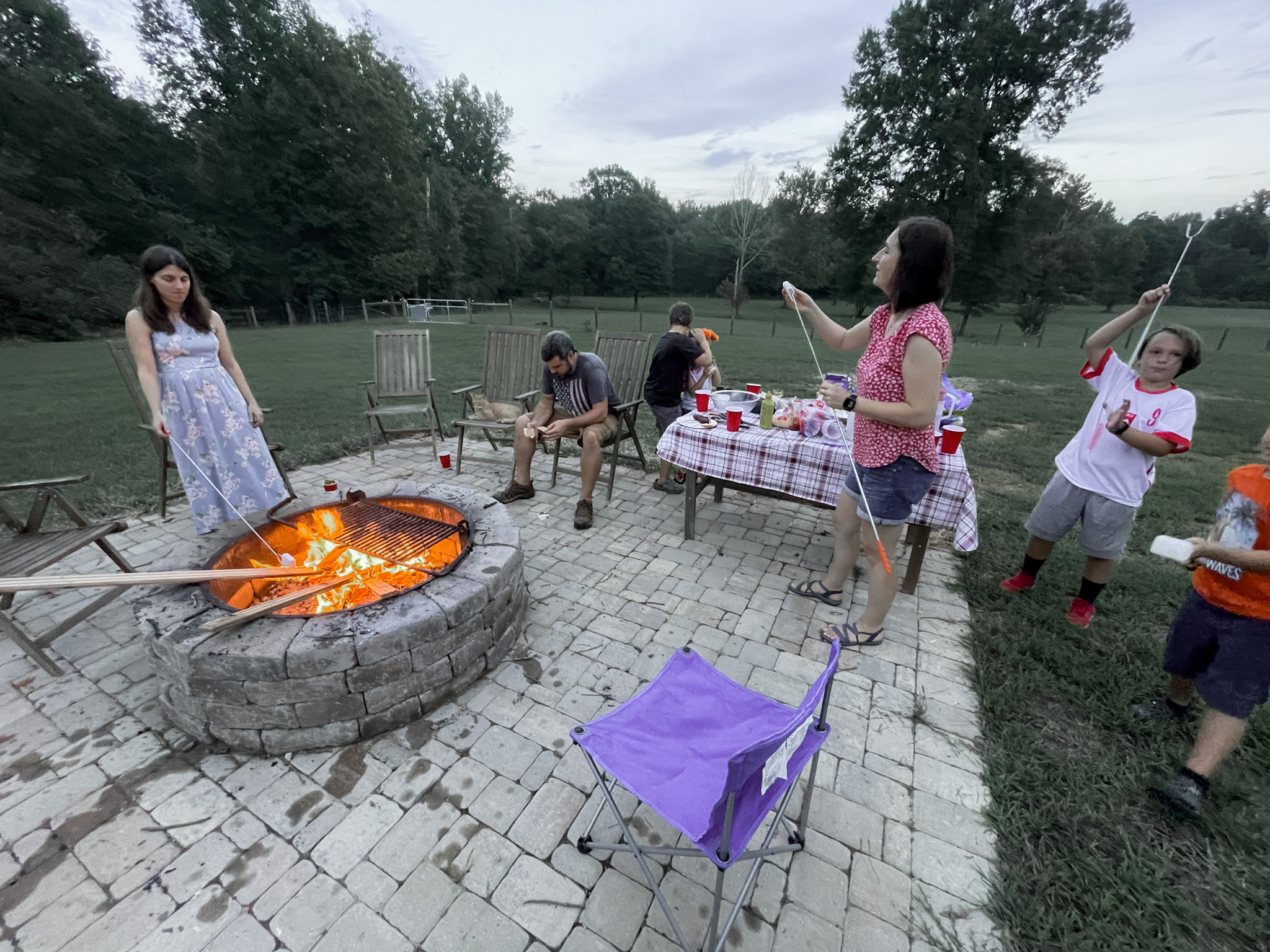
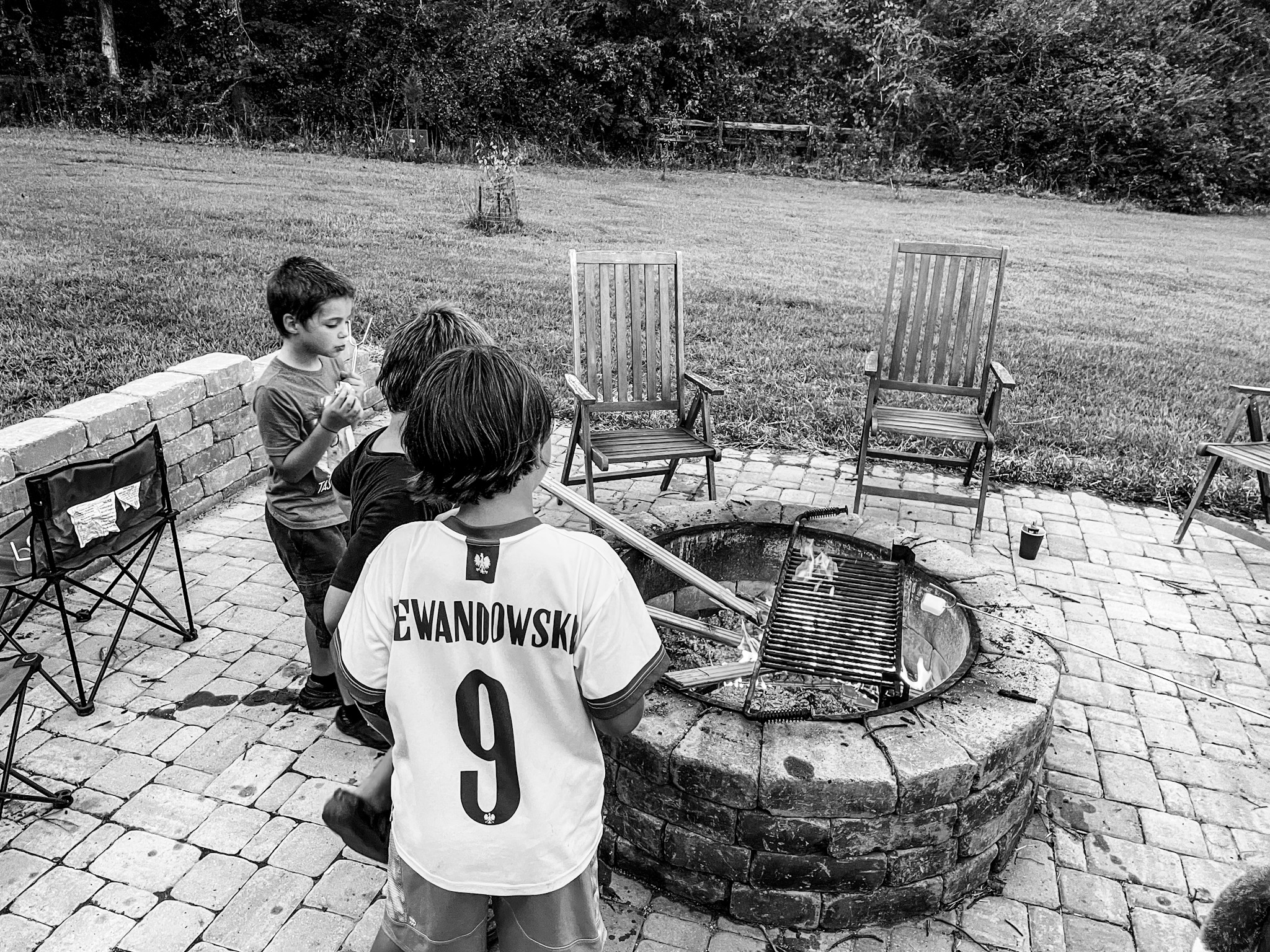
American Ognisko