Matching Tracksuits

fun in fours

g

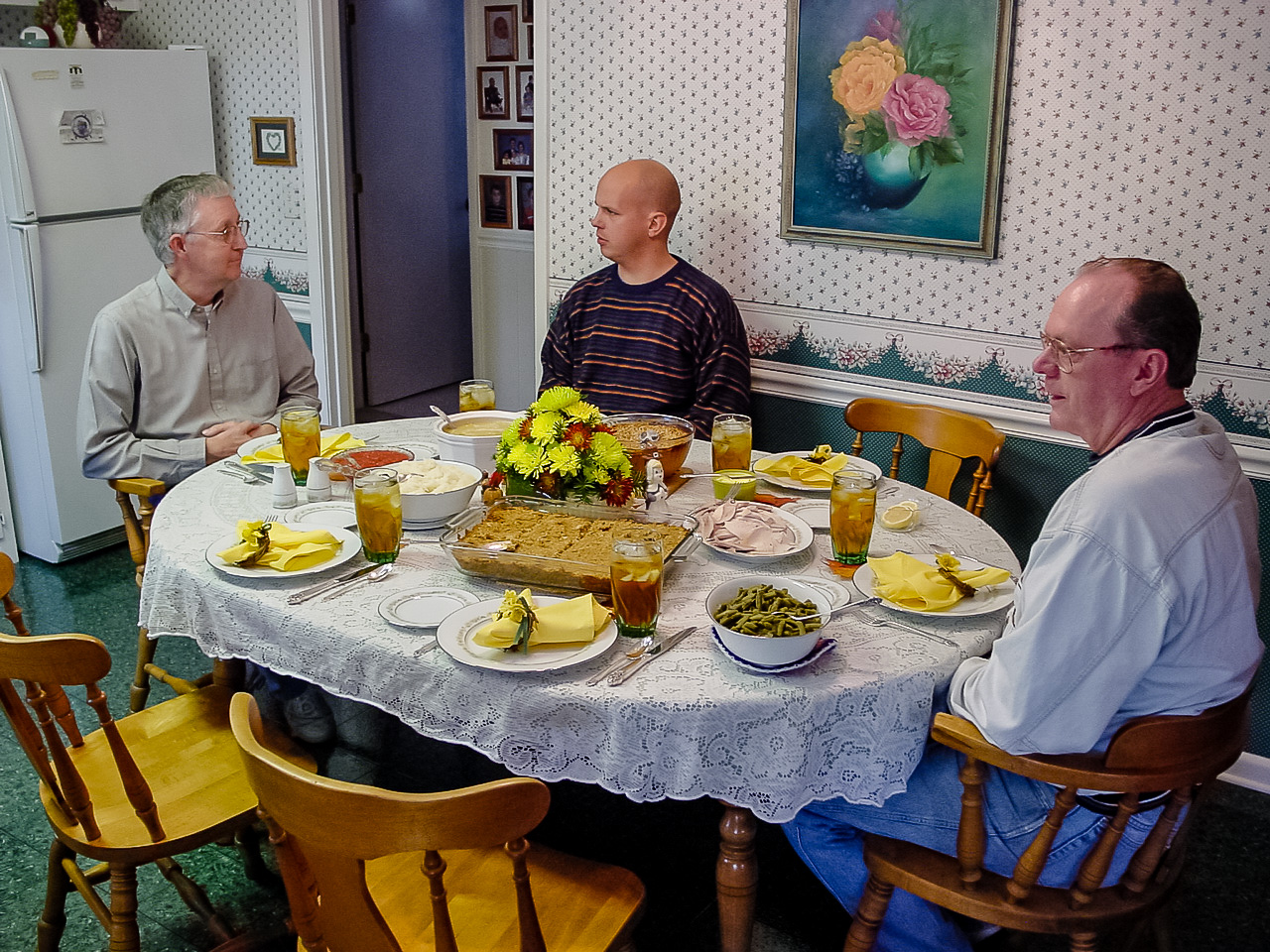
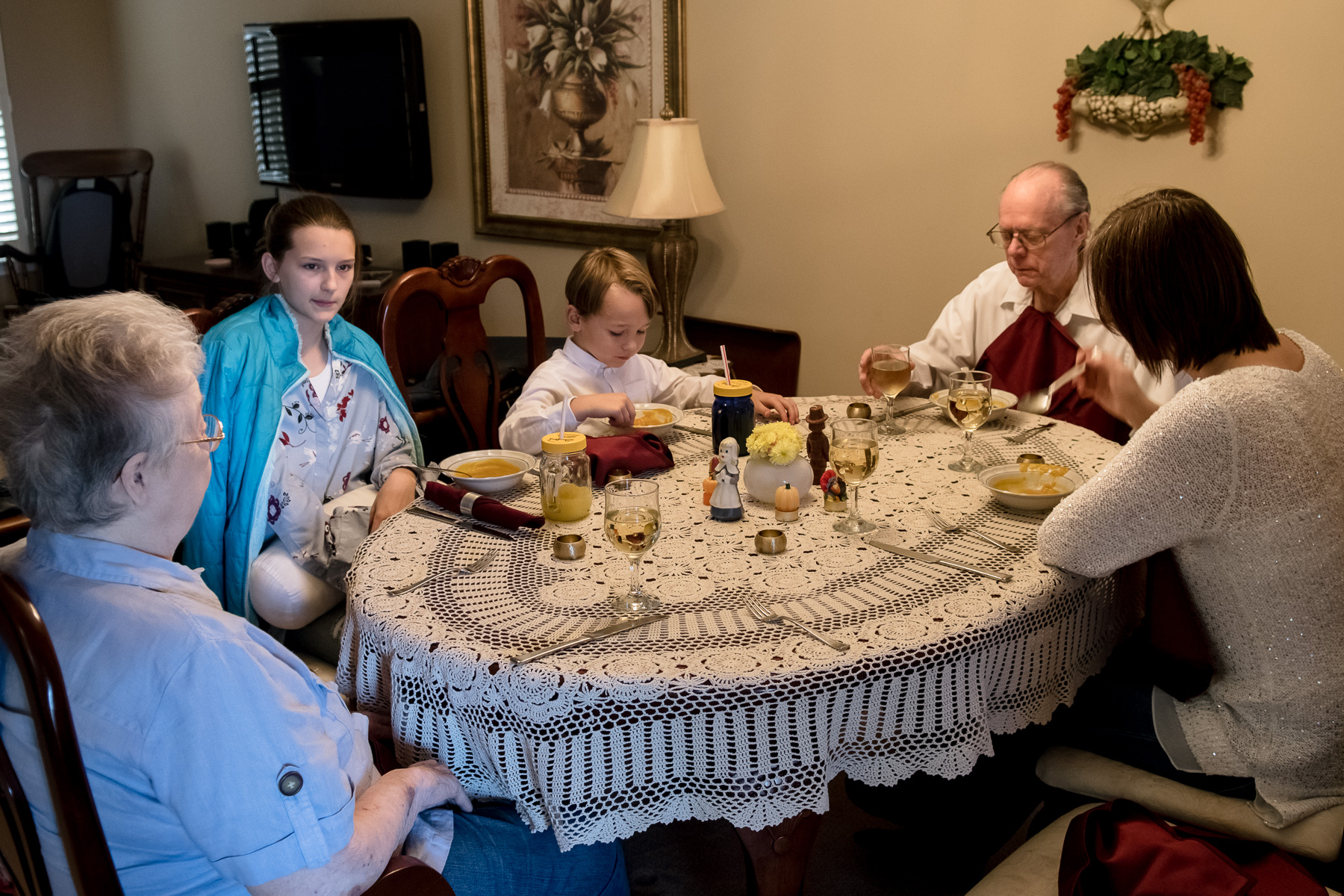
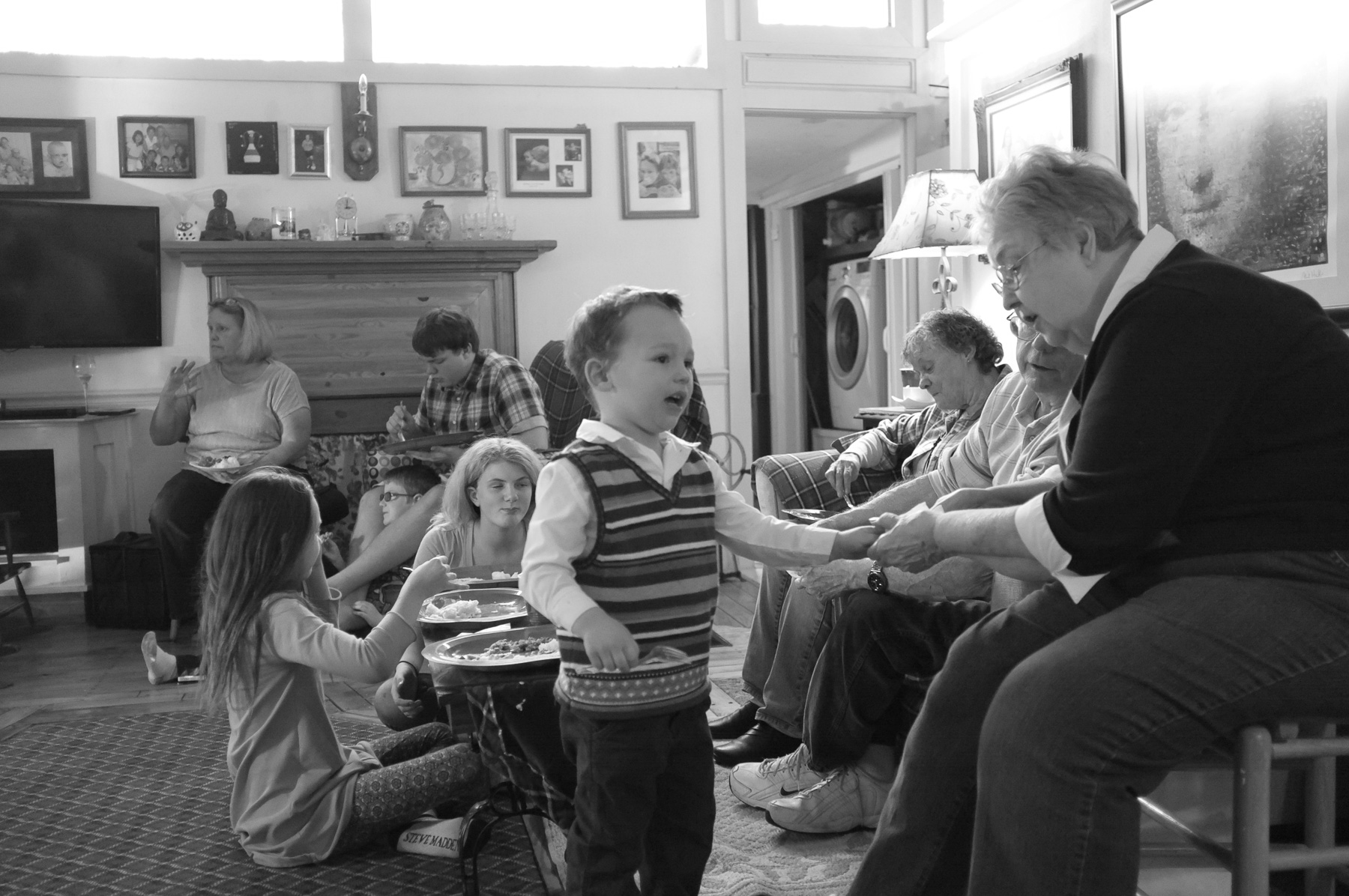
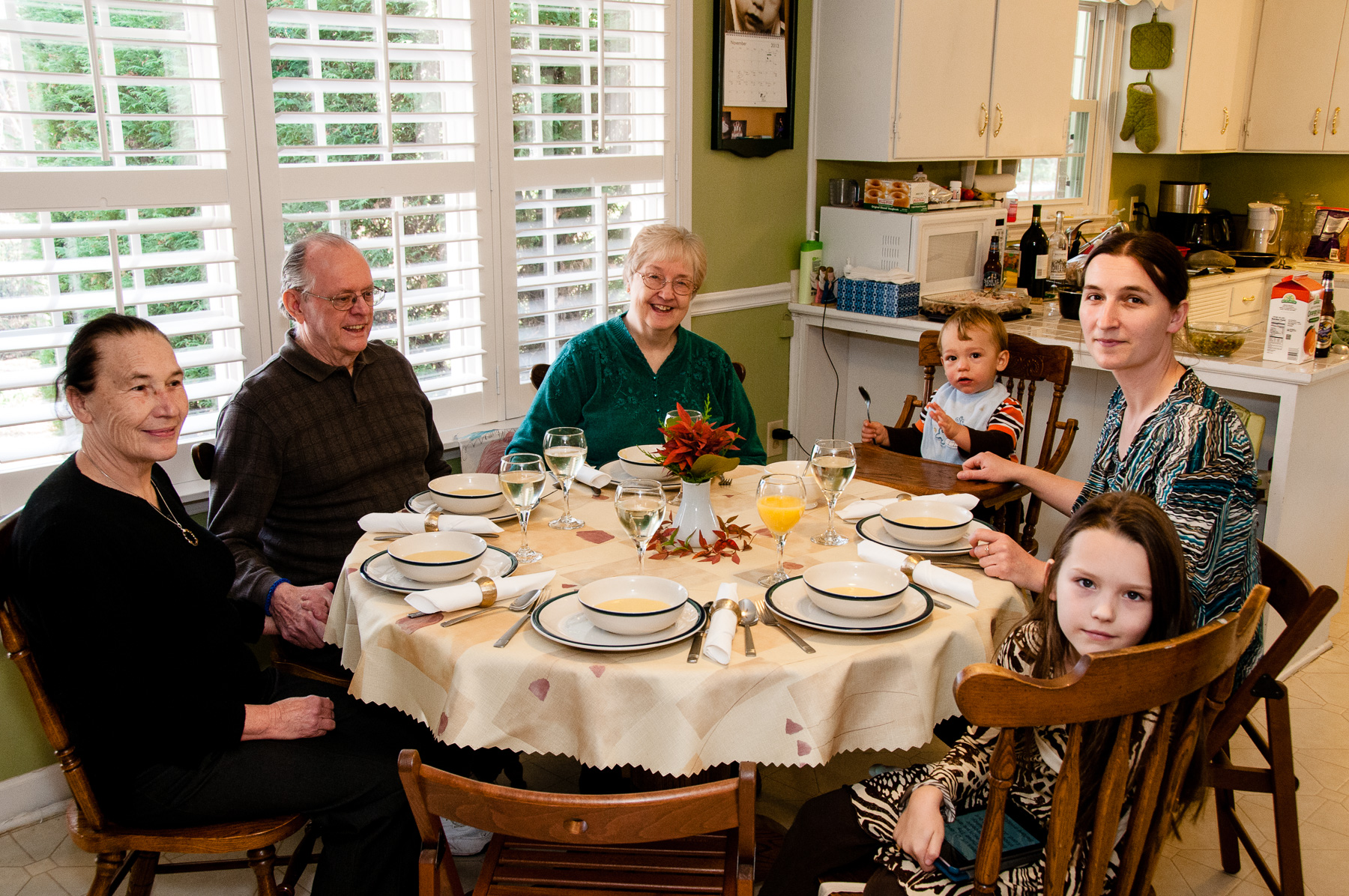
Thanksgiving 2021

Thanksgiving for fifteen years always included Nana and Papa. We went to Nashville to visit Nana's brother our first Thanksgiving back in the States in 2005. Less than a year later, he'd passed away. We haven't been back to Nashville since.

From that point, we went to Papa's side of the family every year. There were various cousins, aunts, and uncles there -- never the same group -- but there were always two that never changed: Nana and Papa.
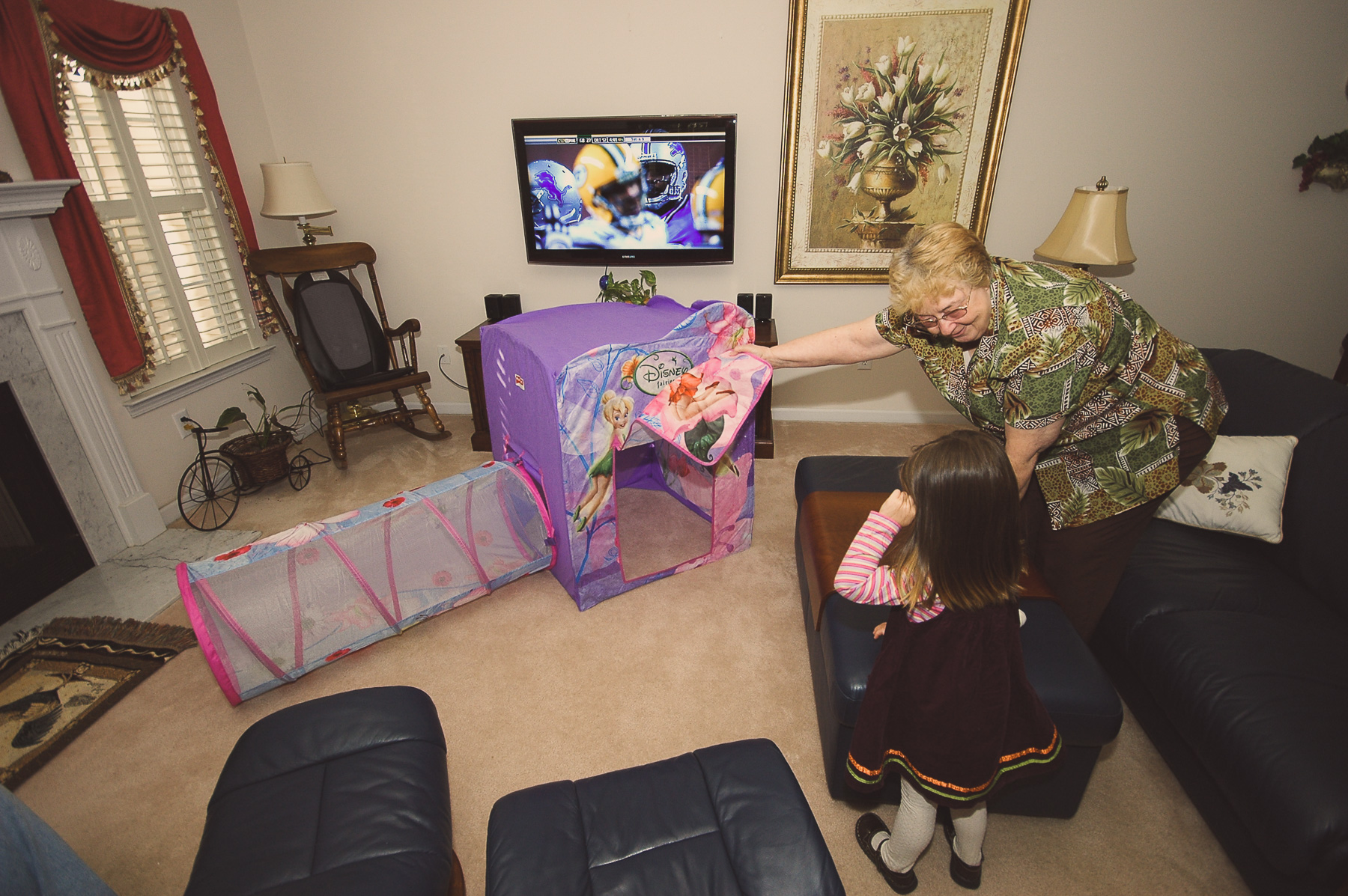
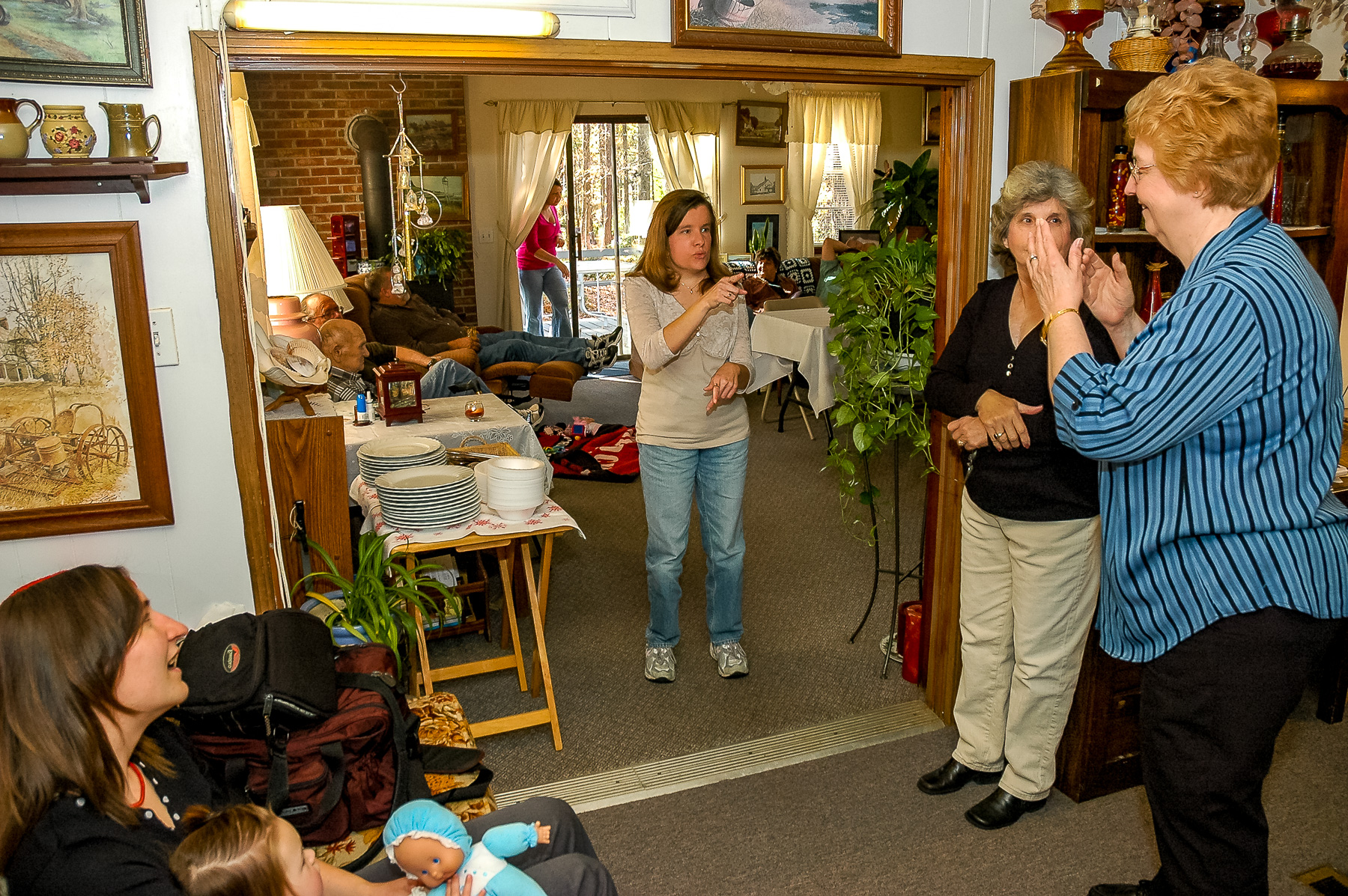
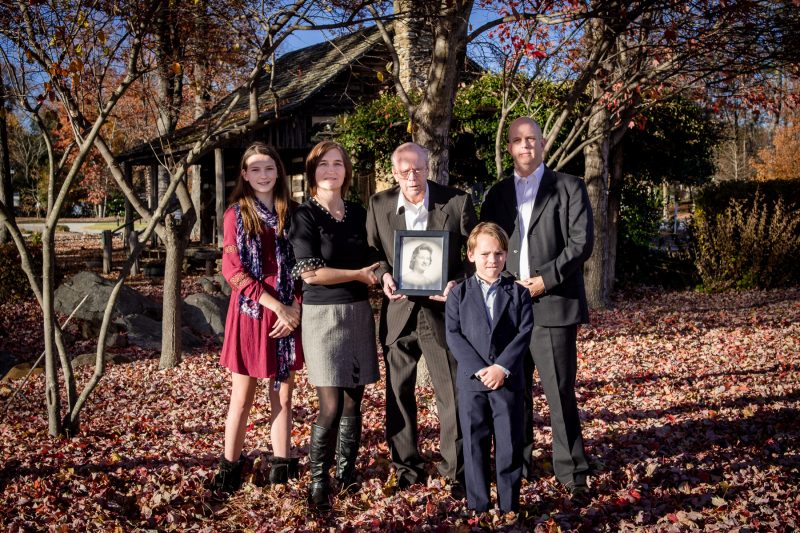
During our first Thanksgiving without Nana in 2019, we all went for a portrait and took Nana with us -- the wound was still raw for everyone, but especially Papa. His first Thanksgiving without Nana in forever.
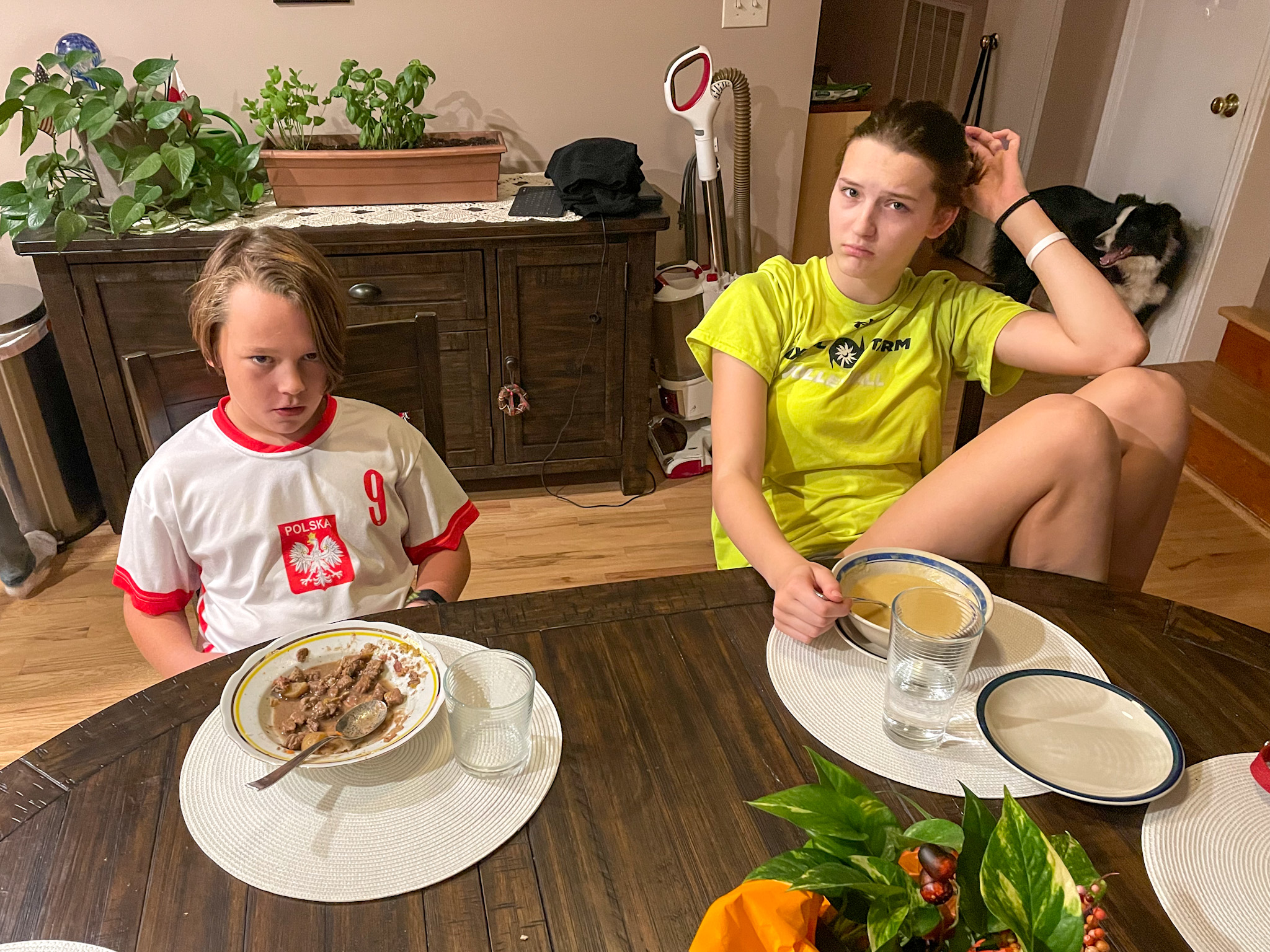
This is our first Thanksgiving without either of them. The plan to go visit Aunt D, who helped take care of Nana when she first came back from rehab, fell through as did our plan to visit with cousins. Our Polish family from North Carolina -- family in all ways that count, at any rate -- had other plans for Thanksgiving, so we spent it just the four of us. Without turkey.
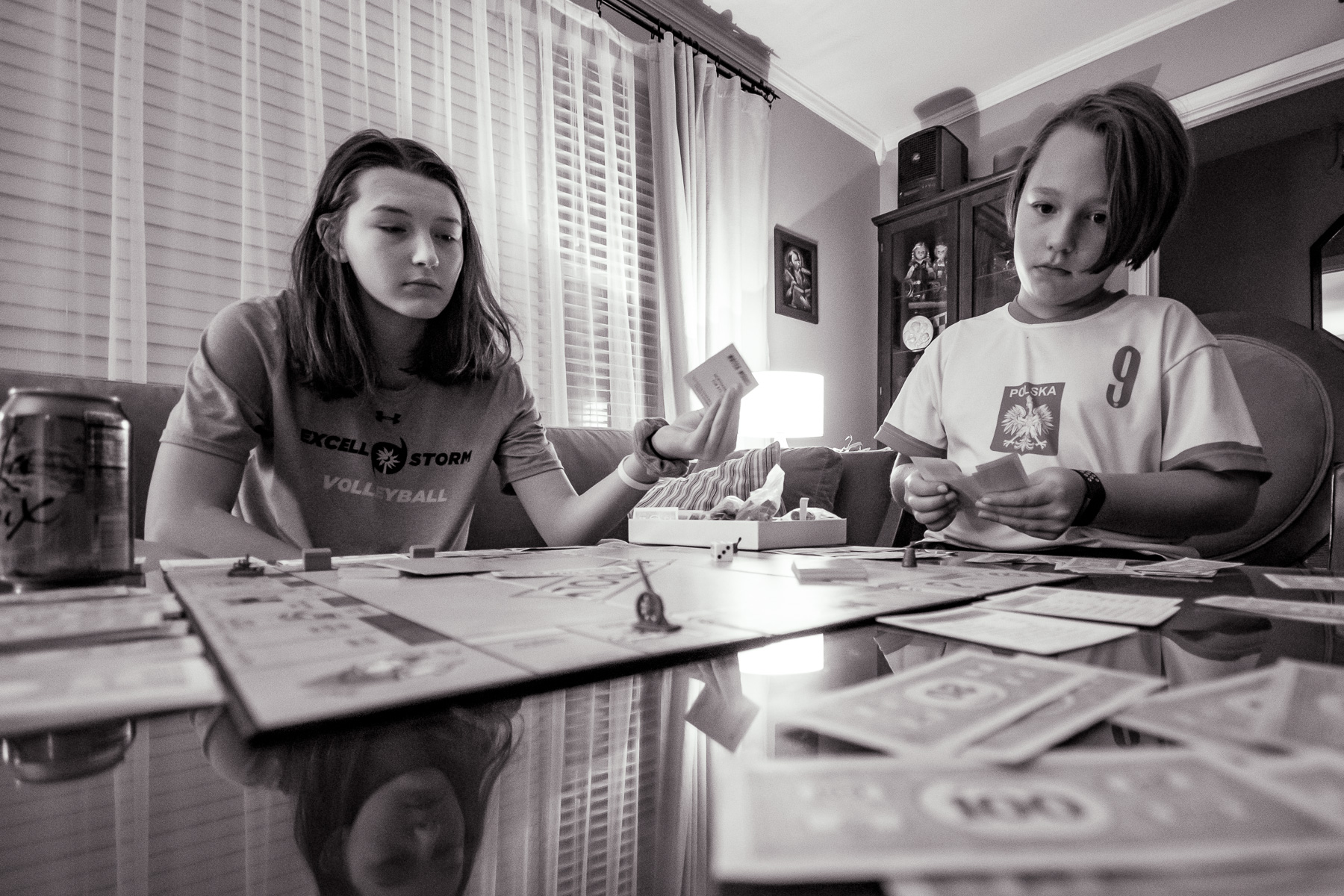
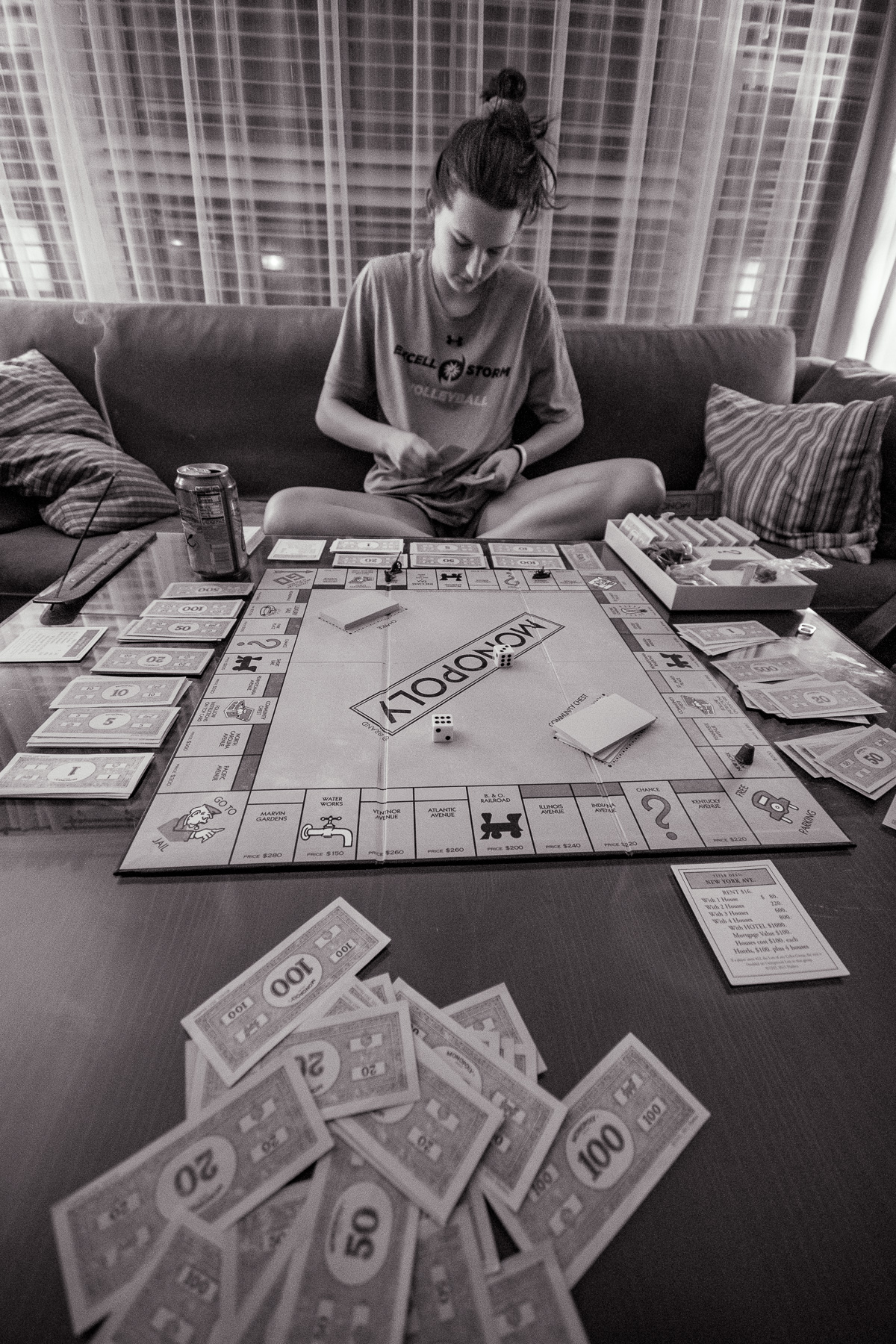
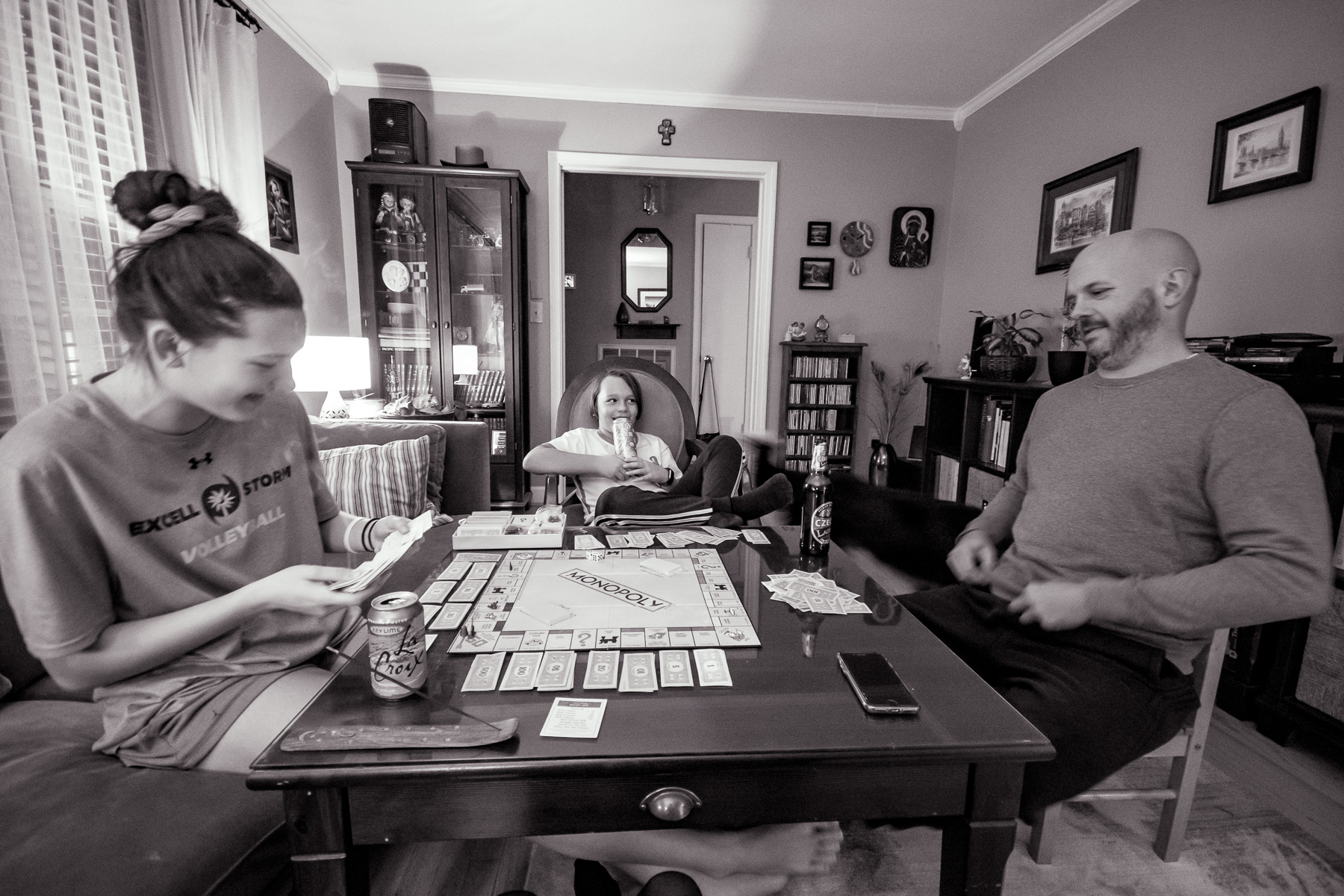
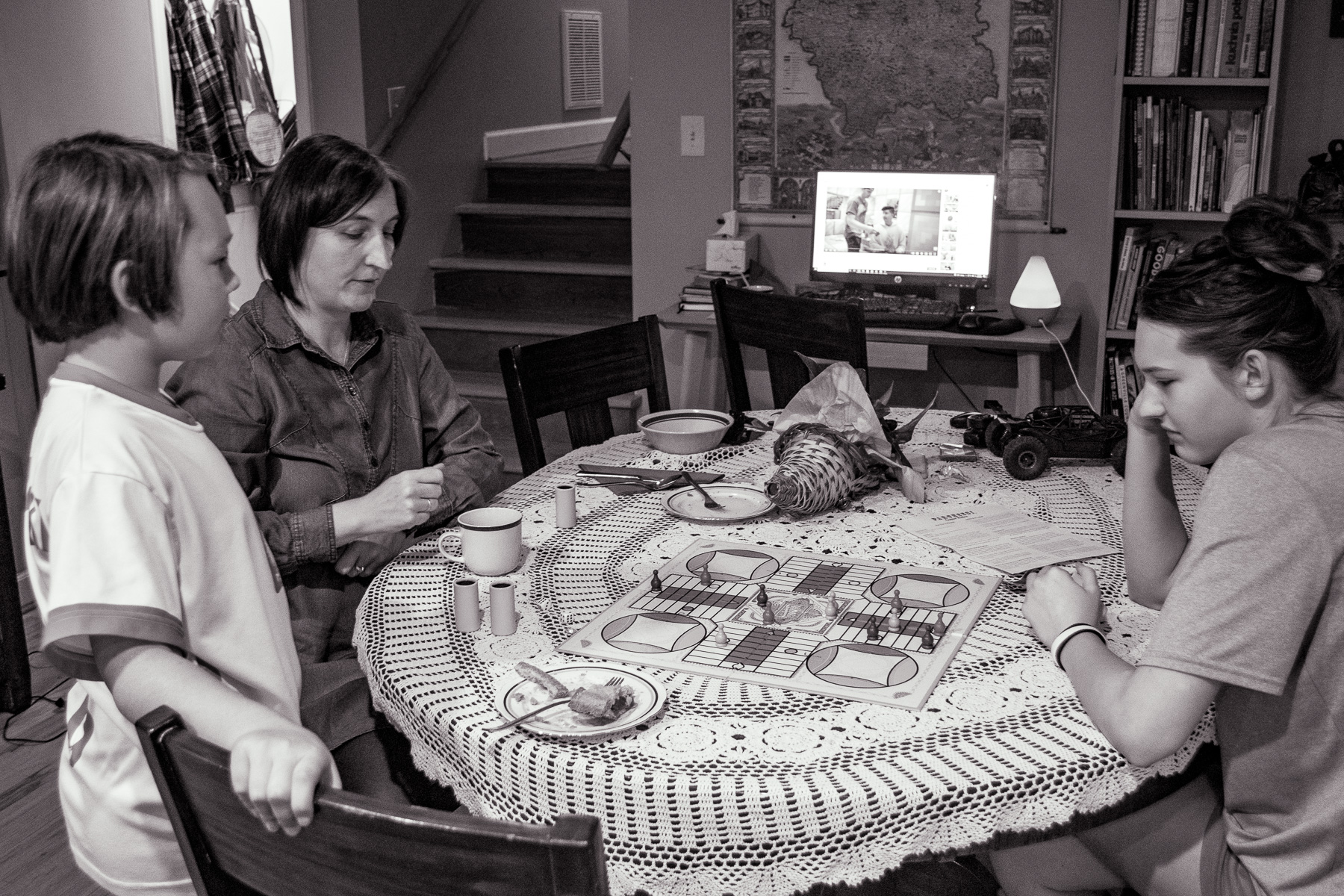
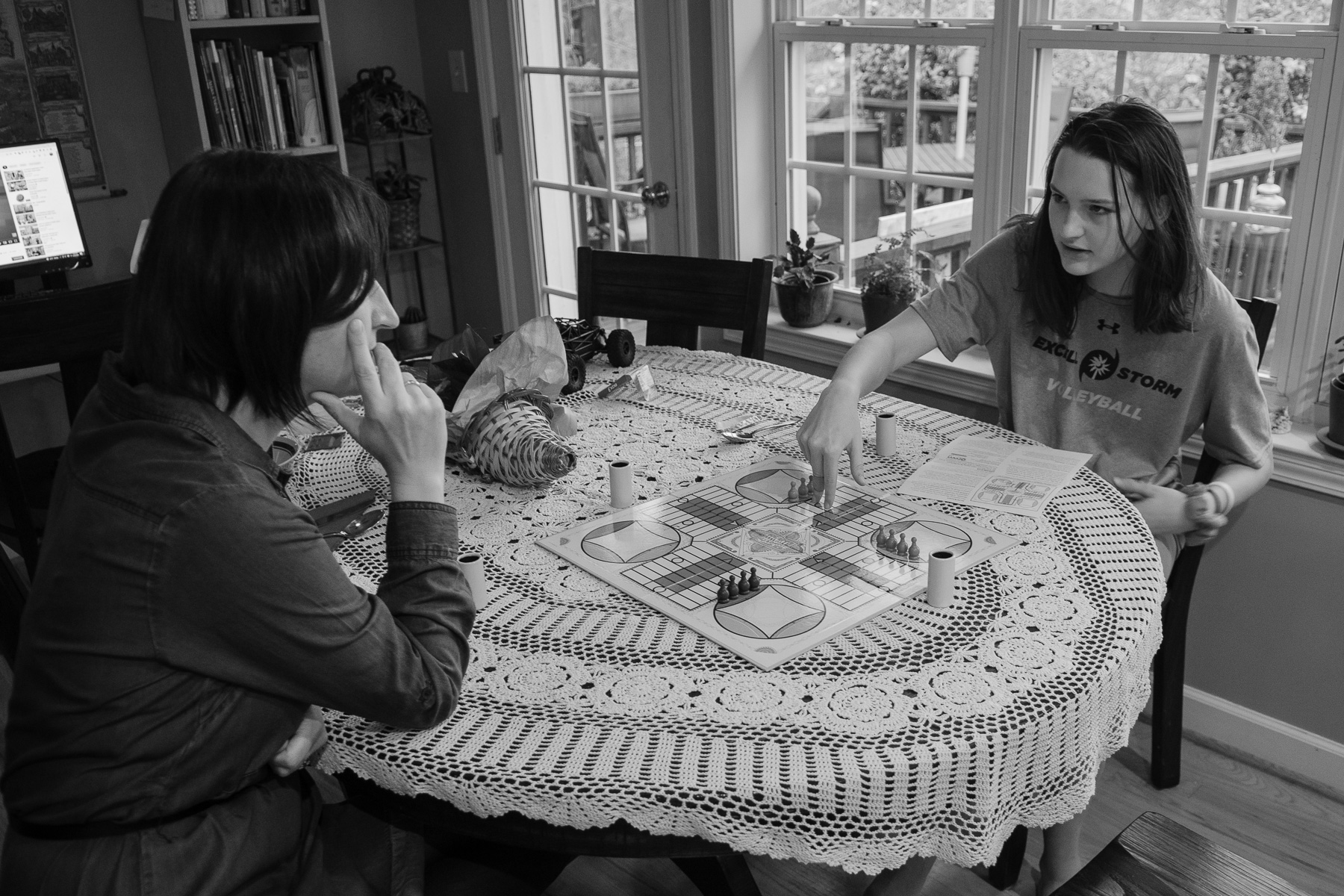
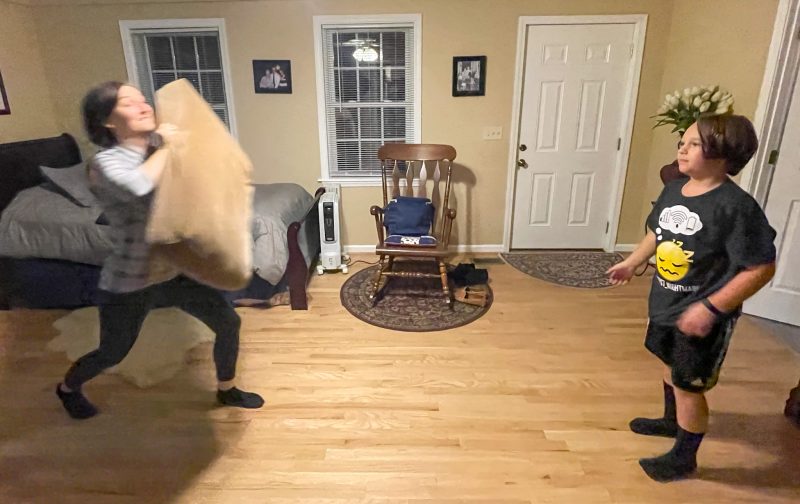
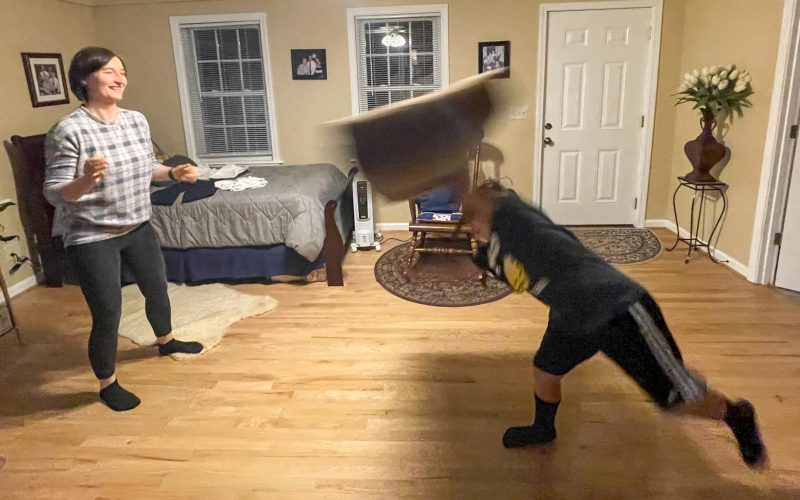
But with games. What's Thanksgiving without games?

Previous Years

Thanksgiving 2020

Thanksgiving 2019

Thanksgiving 2018

Thanksgiving 2017

Thanksgiving 2016

Thanksgiving 2015

Thanksgiving 2013

Thanksgiving 2012

Thanksgiving 2011

Family and Food: Thanksgiving 2010

Interrupted

Fourth Thursday

Thanksgiving Games

Thanksgiving 2006

Thanksgiving 2005
Pre-Thanksgiving 2021

It's been such an odd Thanksgiving Eve. The only thing I did today that was in line with every other day-before-T'giving was to mow. That only makes sense if you're in the south, I guess.

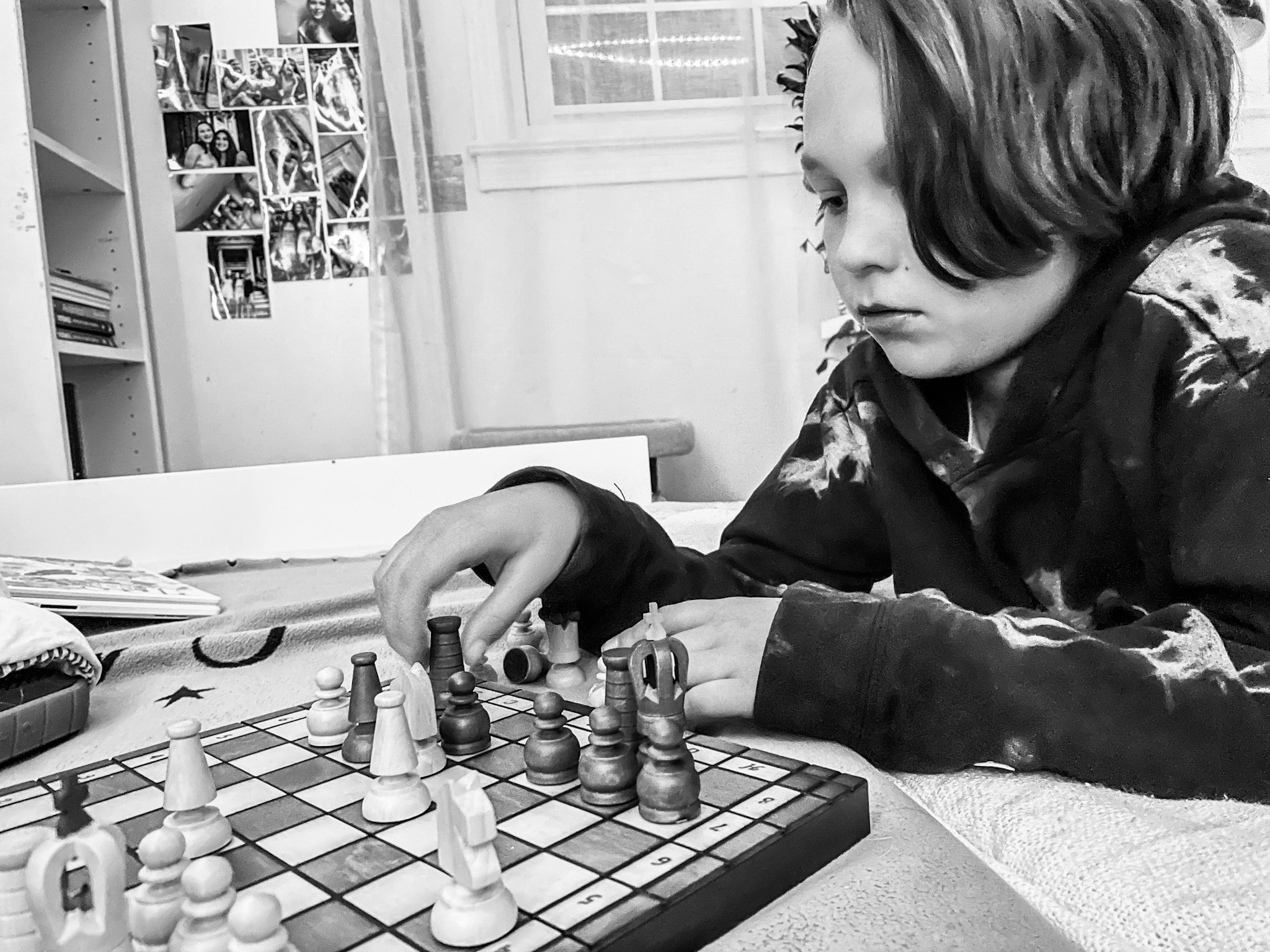
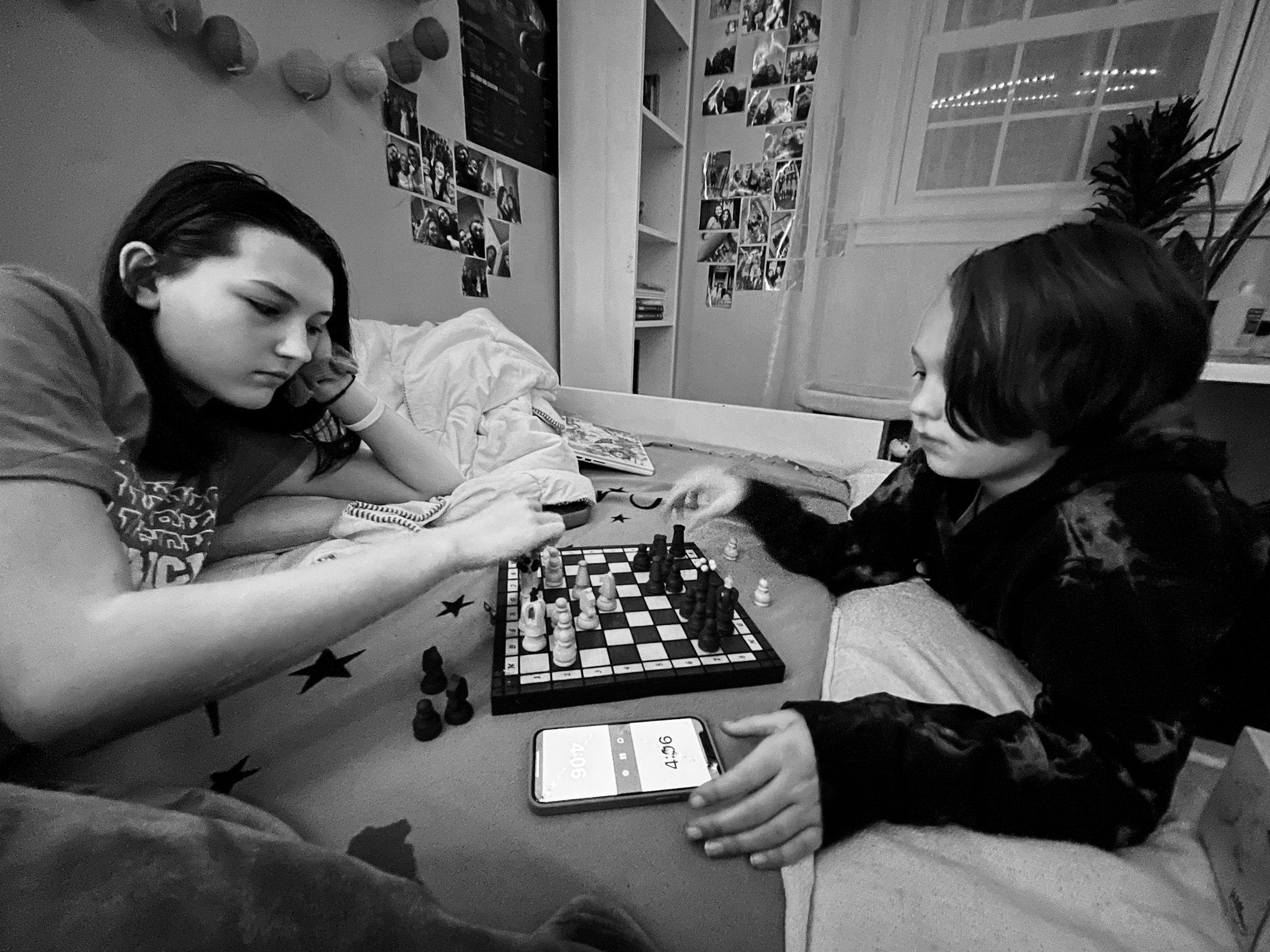
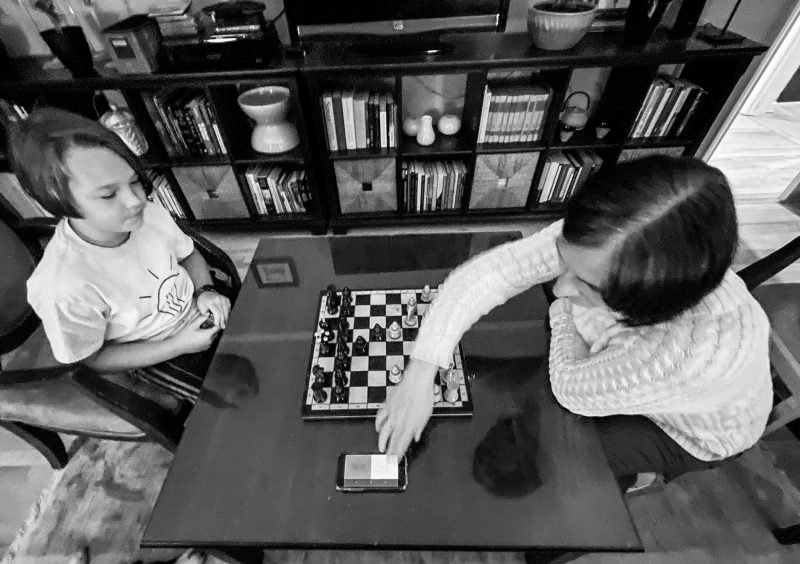
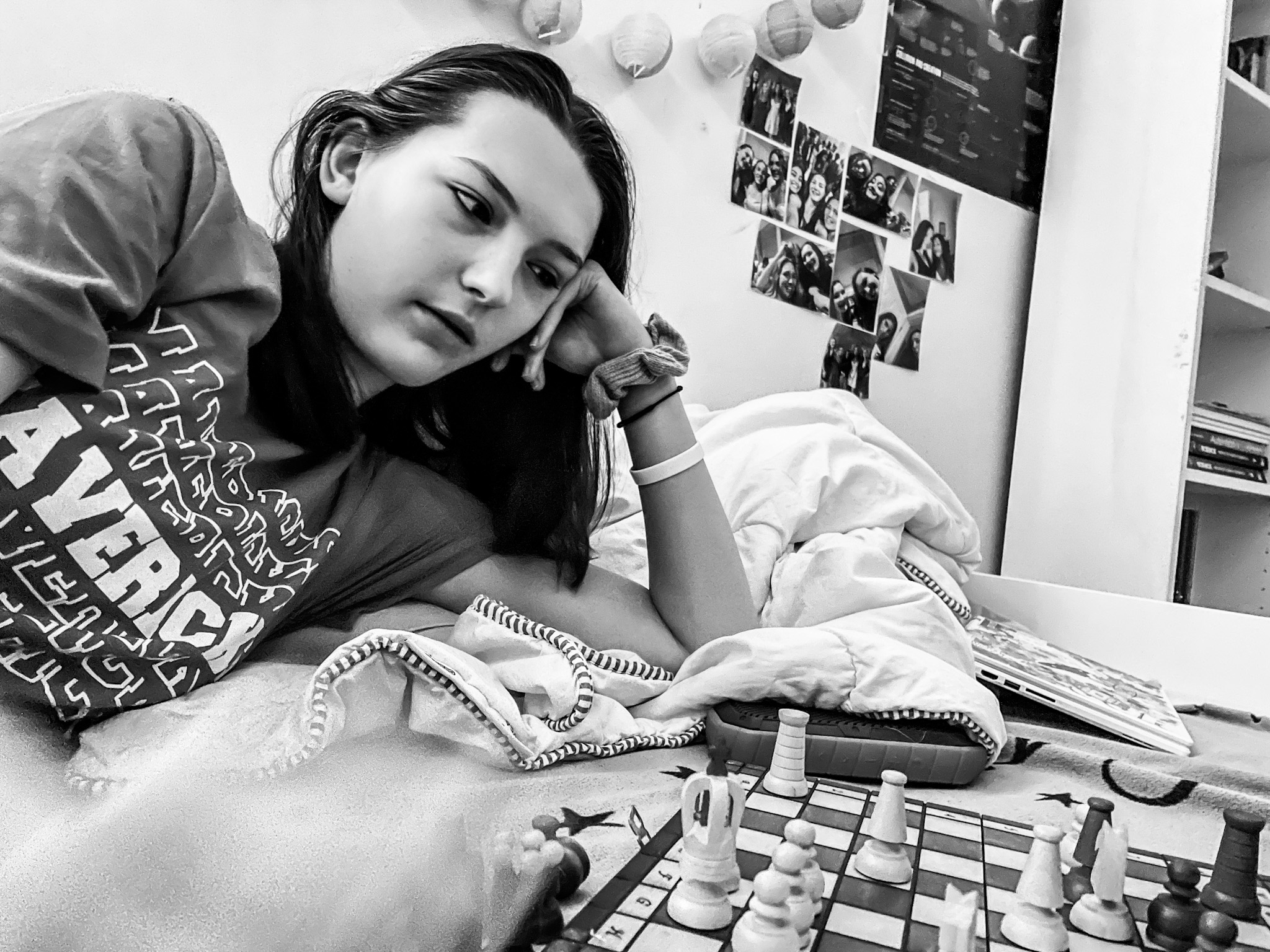
In the evening, the kids played chess. The Boy won the first game on time; that did not sit well with the Girl, who promptly paid more attention to her time management and checkmated him in the second game.

"She is so competitive," K said.

"But look at it this way," I said. "She could have pouted when he won and refused to play with him again. Instead, she was angry and wanted another shot."

Chess

Playing Around the House

Genesis 2021

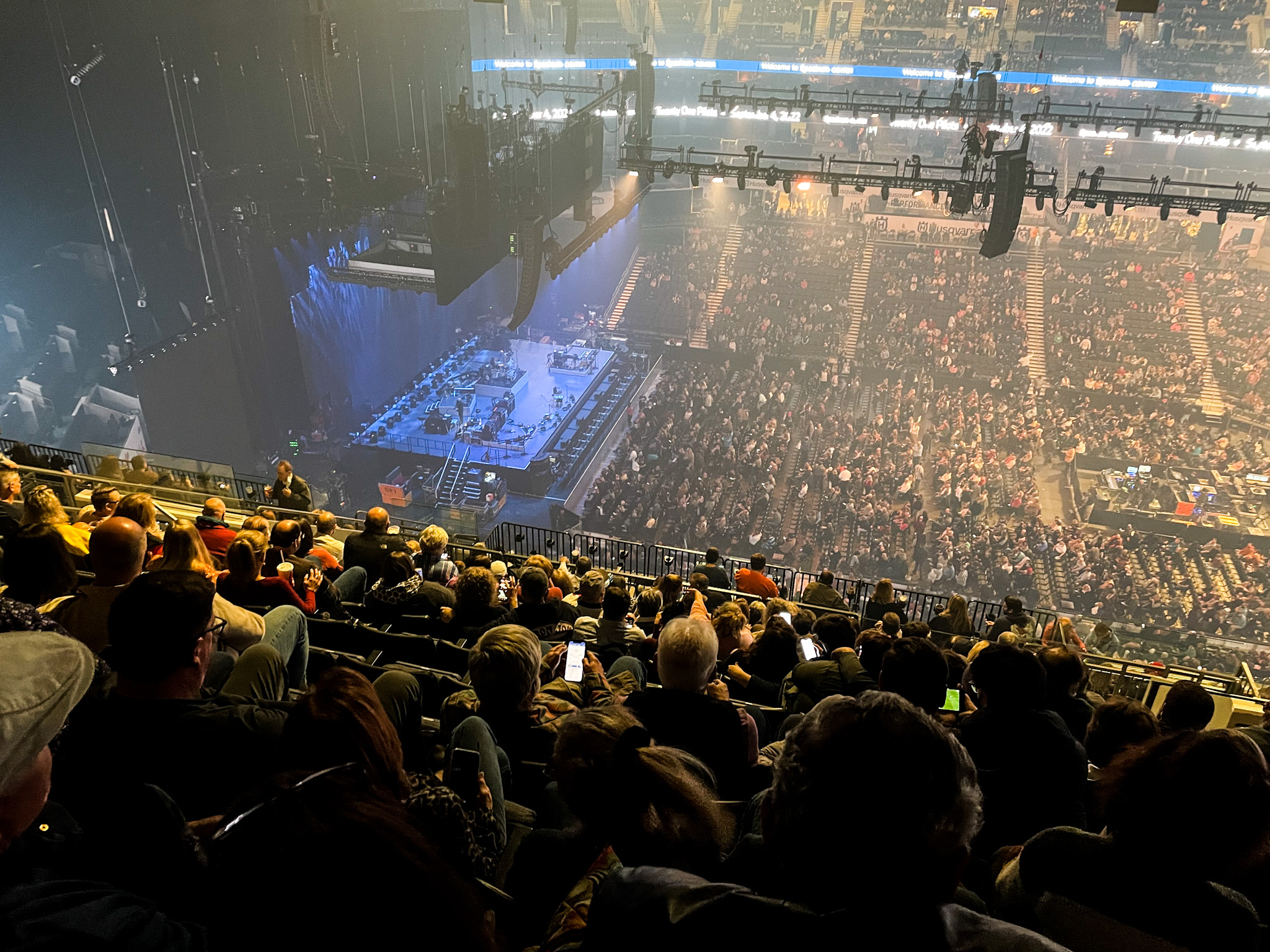
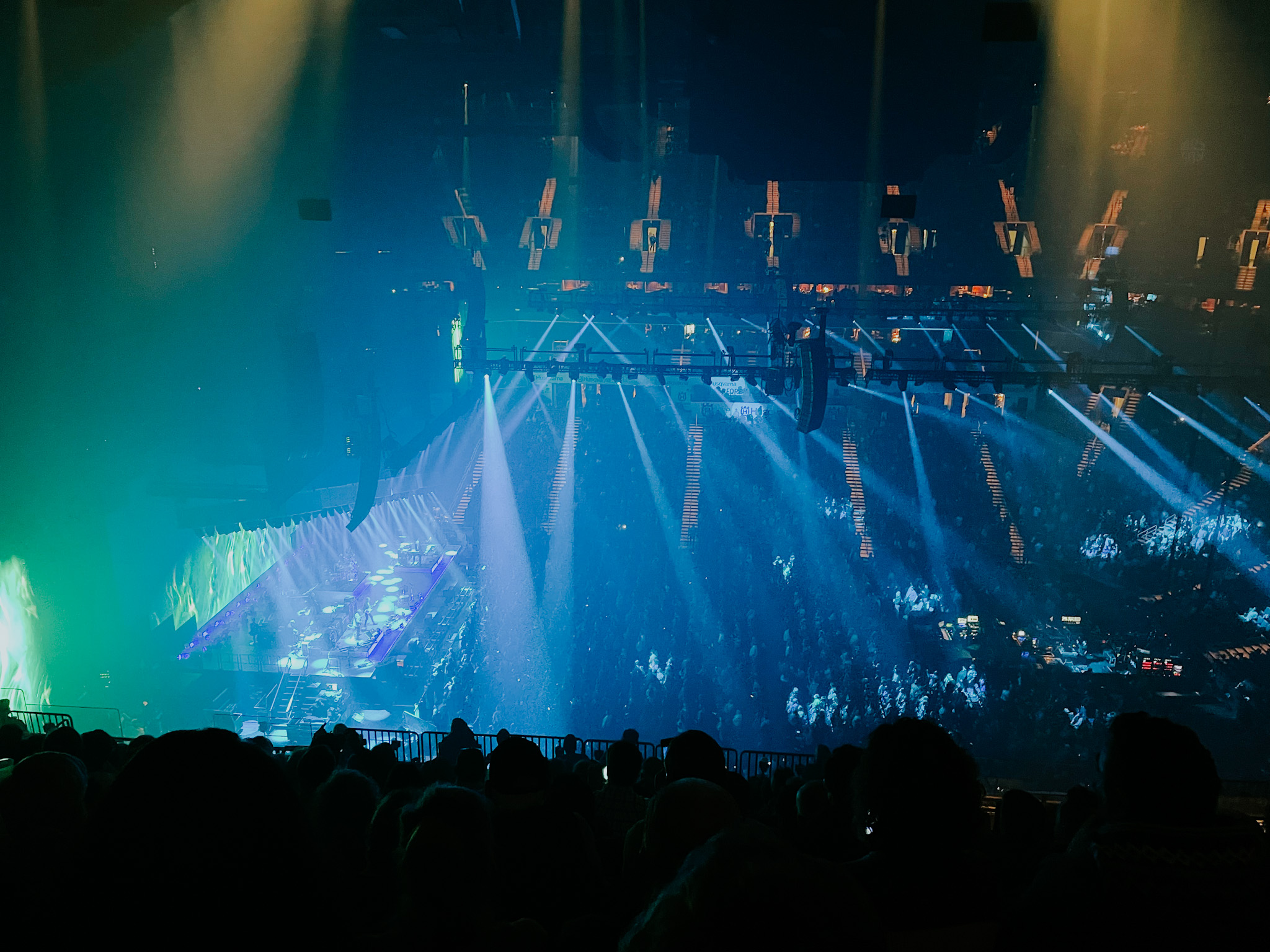
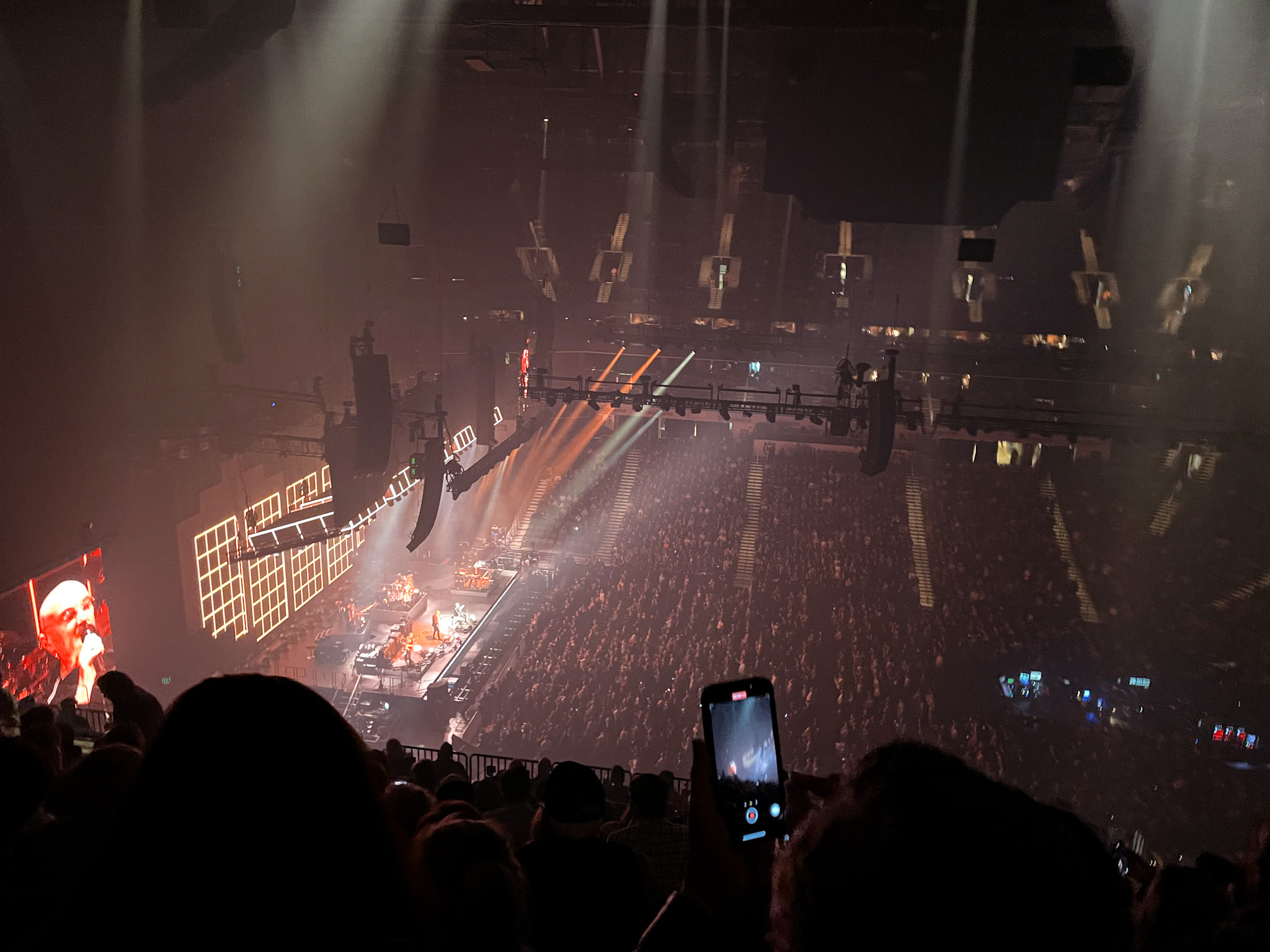
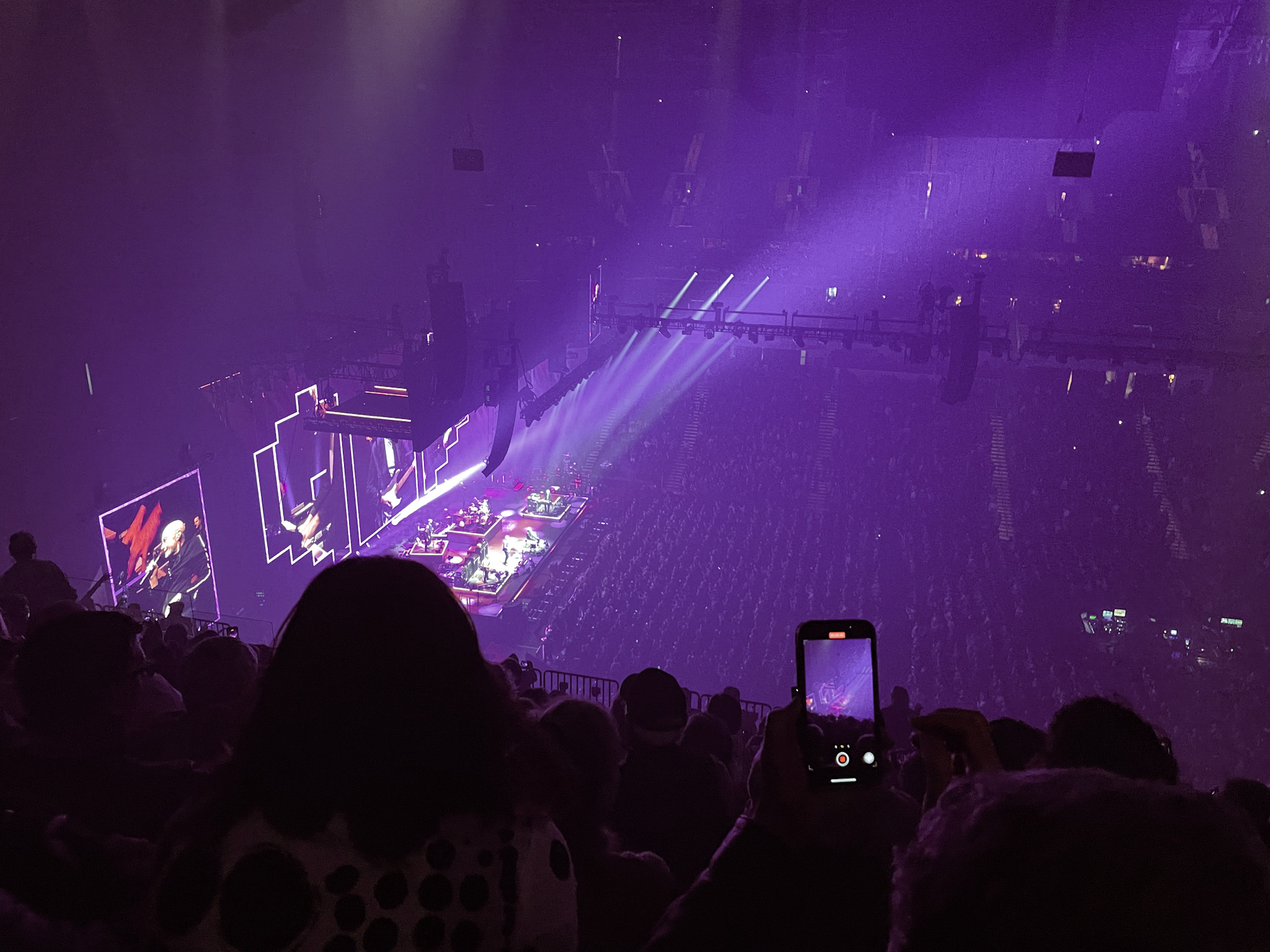
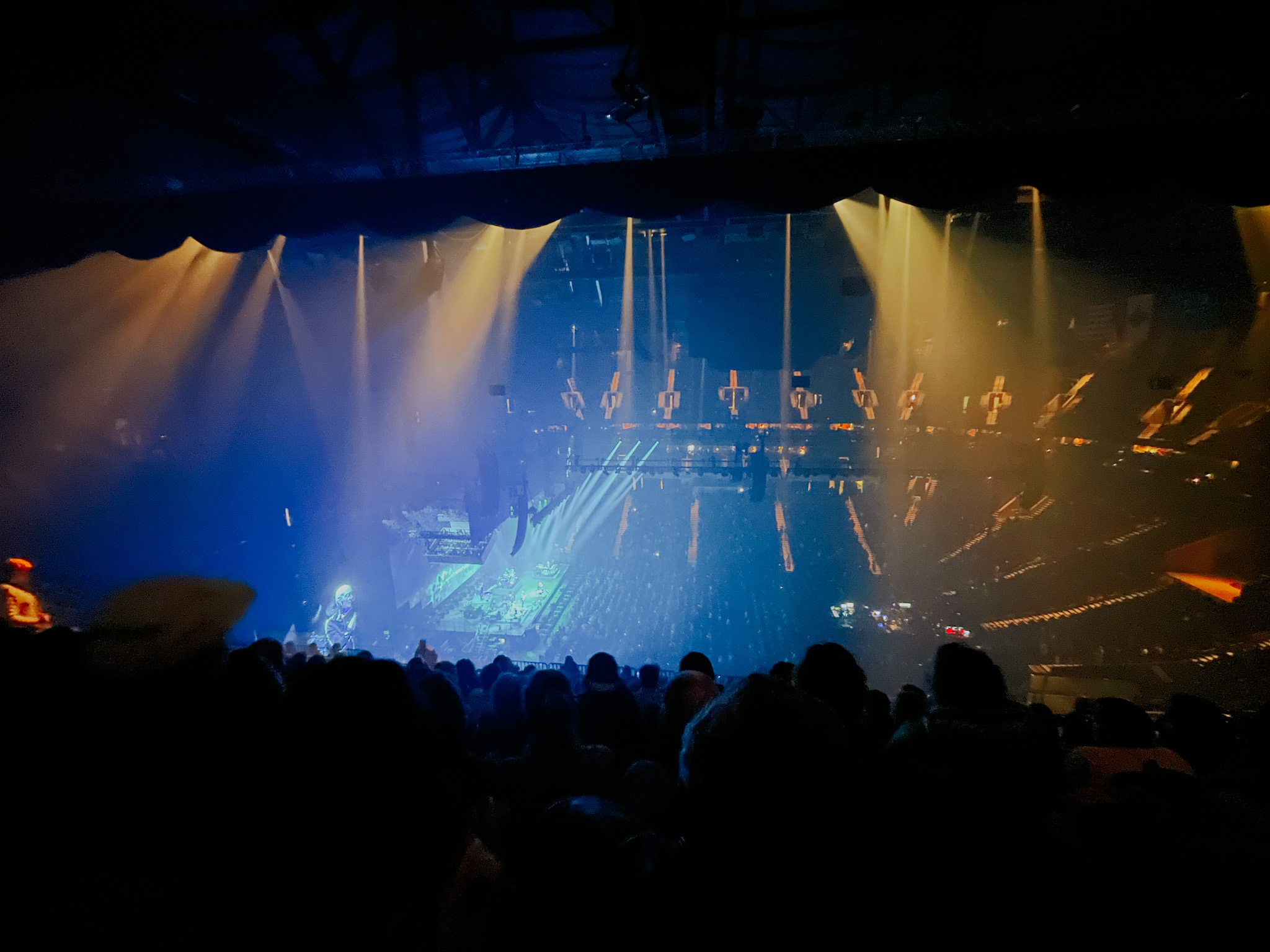
My best friend D and I took the Boy to his first concert last night: Genesis. With that show, I've achieved the concert trifecta the two of us always dreamed of: U2, Pink Floyd, and Genesis. D is missing the Floyd, but he last night was his second time seeing Genesis, so I guess we're more or less even.

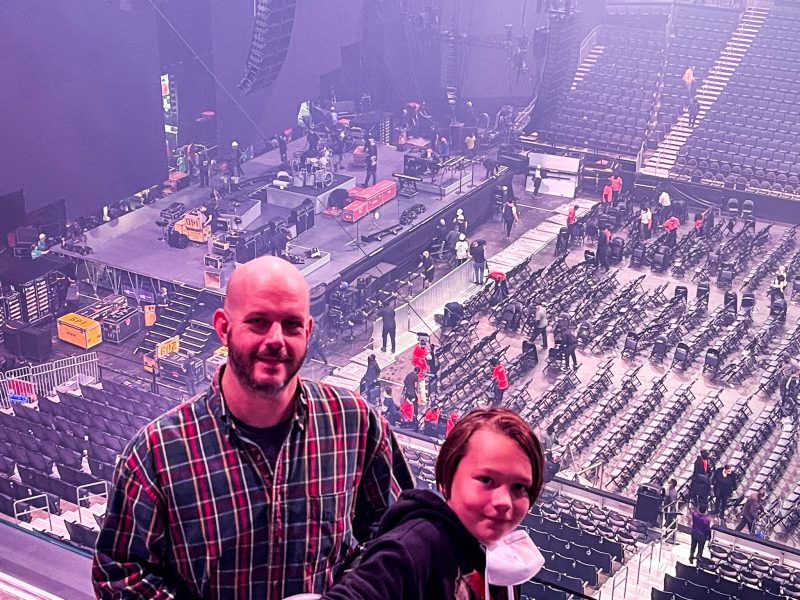
After the show, the Boy and I had a final memorial picture:

Of course, I took a few short videos and stitched them together:

Then I did it again with my friend's clips included.

Room with a View

Ready for the first large-venue concert I’ve been to since 1999.

L’s New Team

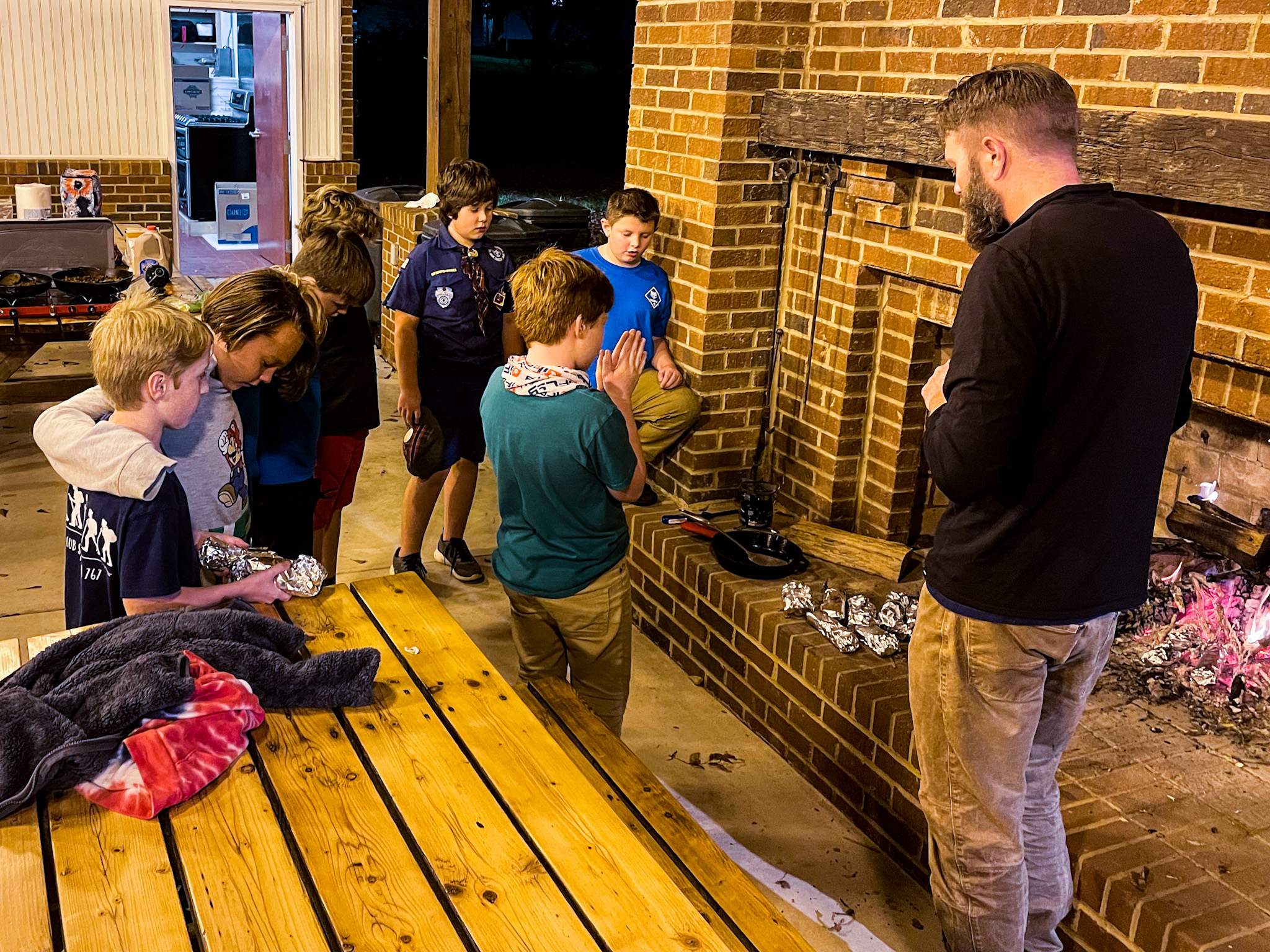
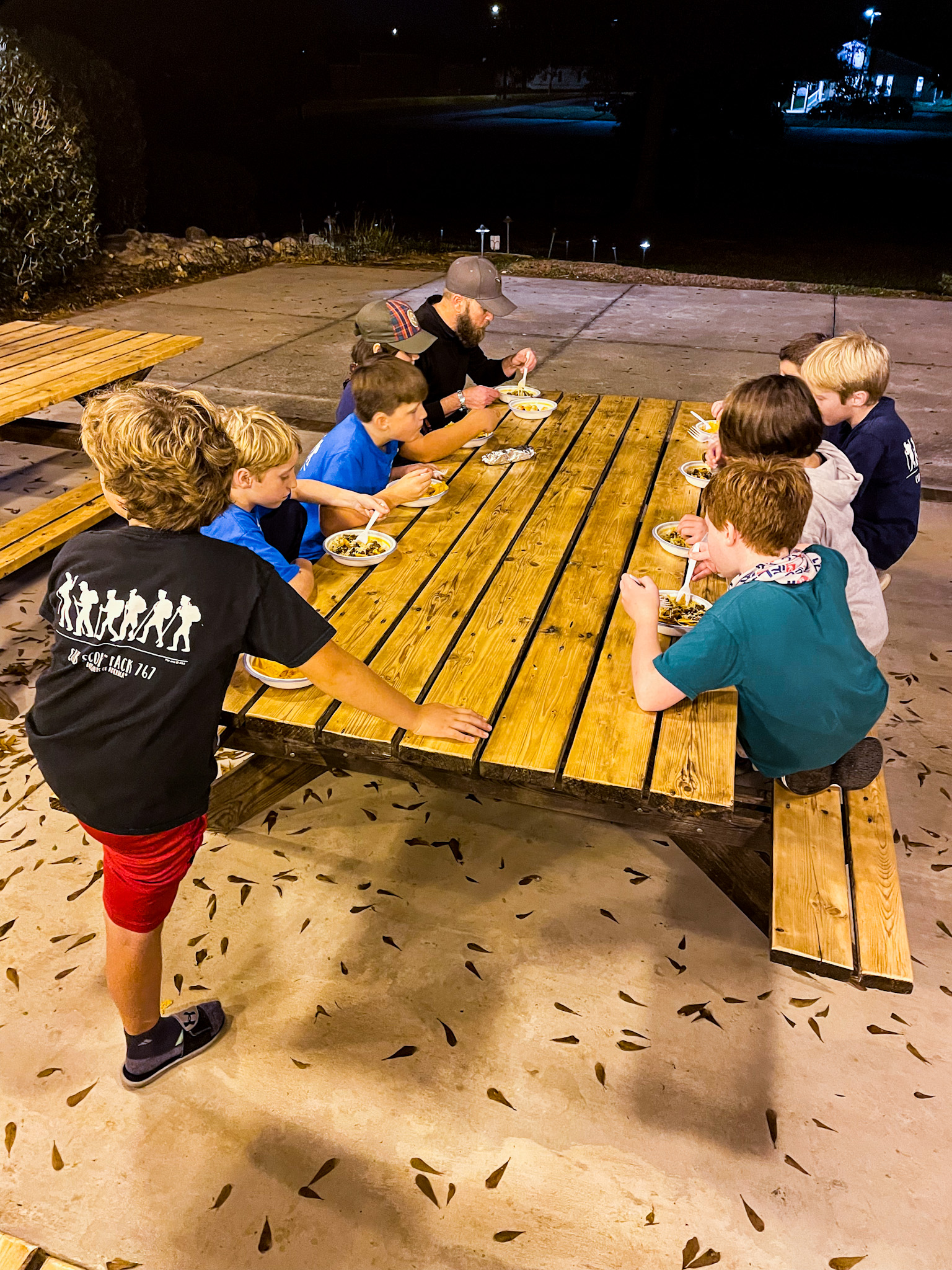
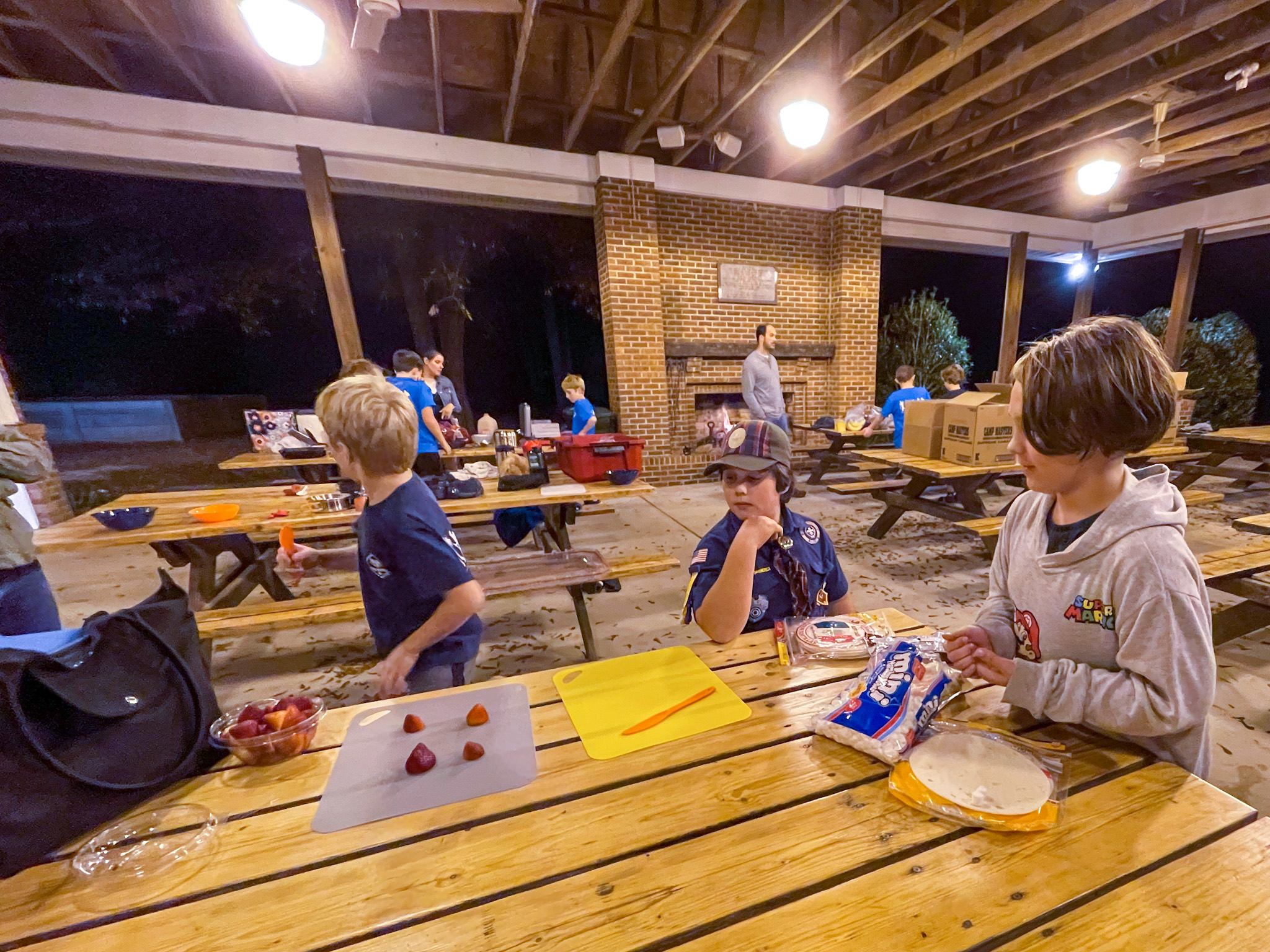
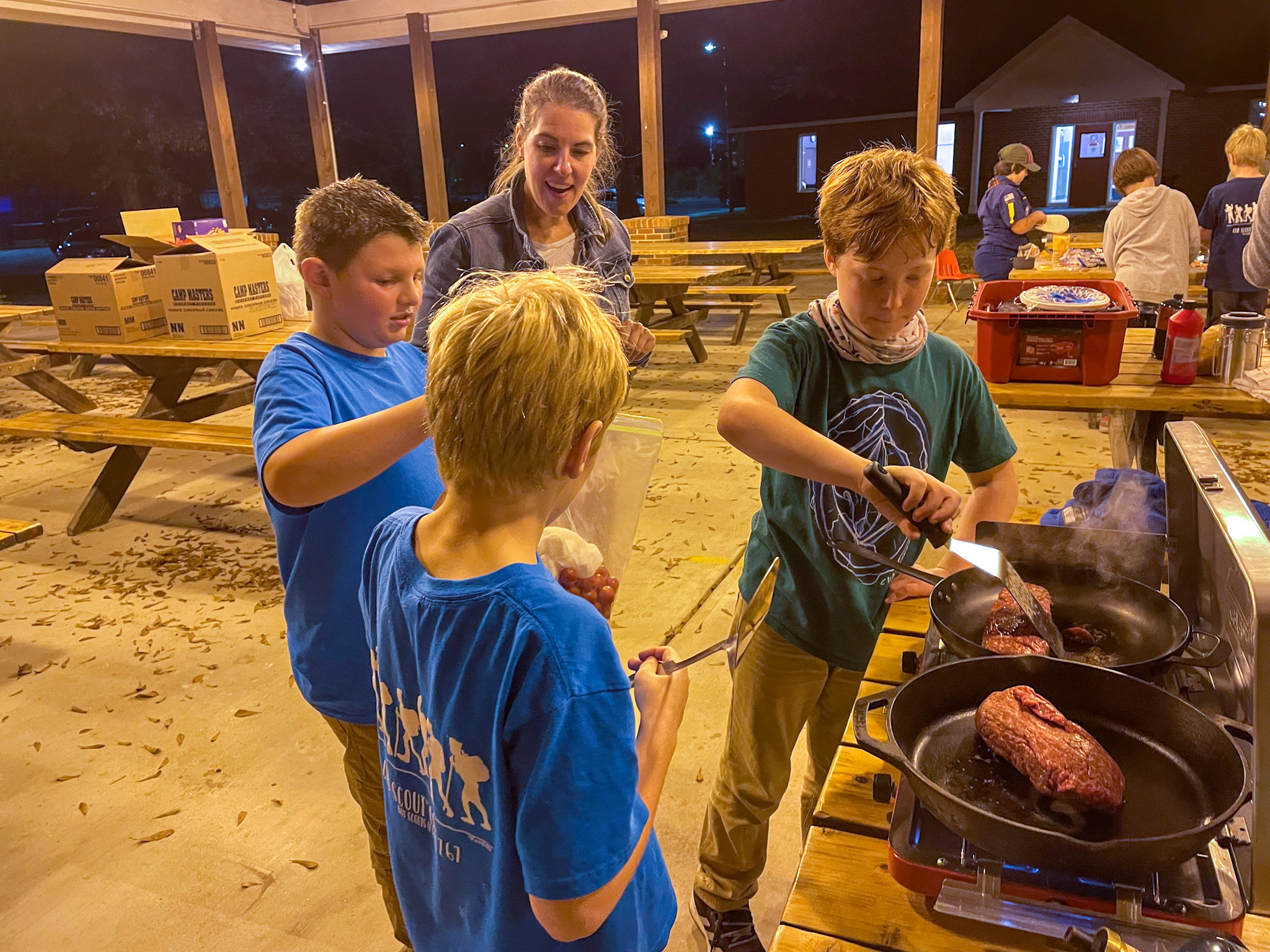
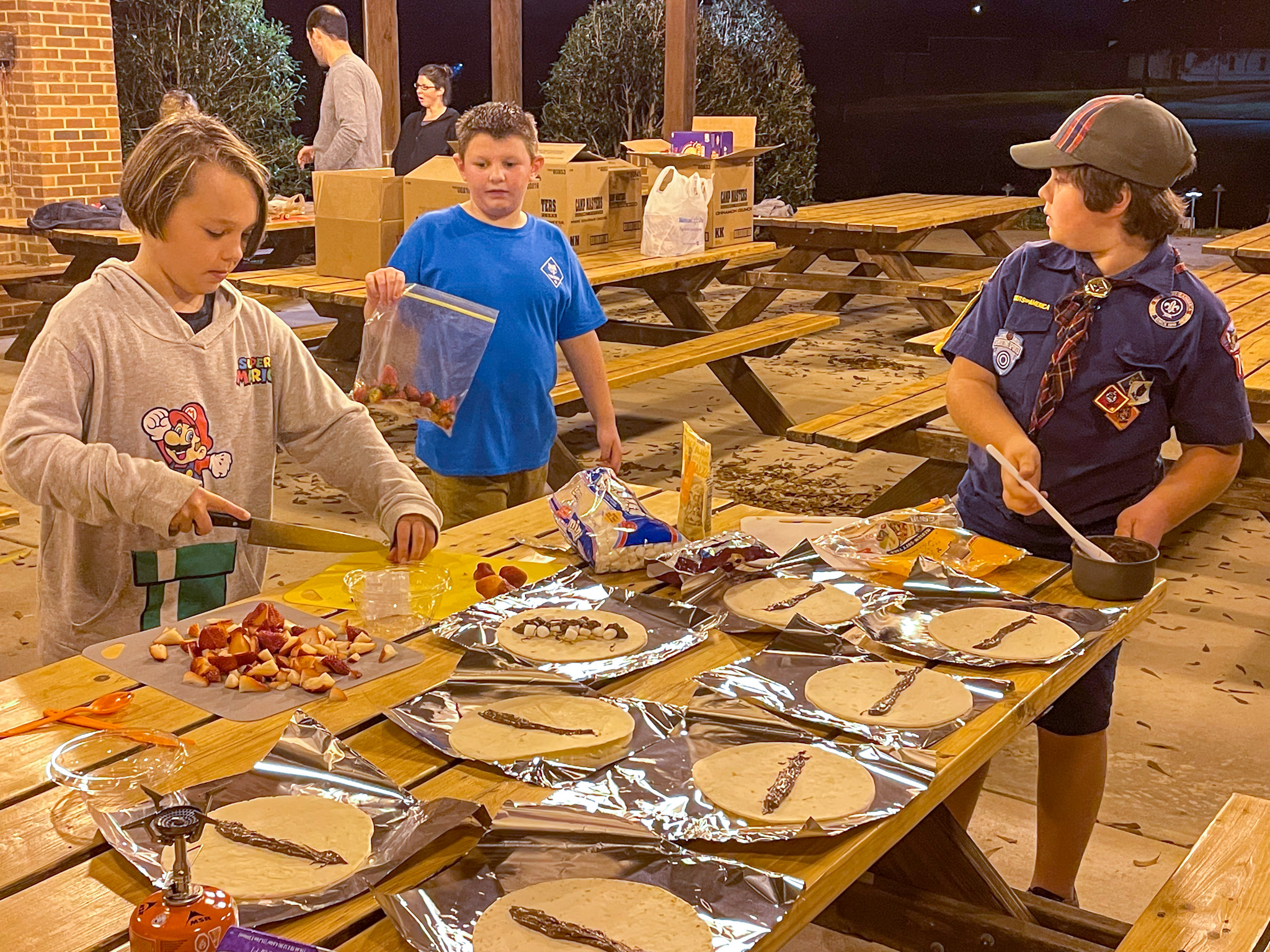
Scouts Cooking

In Front of Them?

We're working on a tricky standard in school in my on-level classes. They'll have a TDA (text-dependent analysis) question as part of their year-end test, and it's often a question about how some text develops some idea or other. It might even provide an excerpt and ask specifically how that passage contributes to this or that idea. It's not a straightforward question, and while I'm not entirely sure it's a useful question to pursue with kids who have difficulty reading at grade level, I am obliged to some degree or other to teach to the test. That's what we've done the last couple of days. We worked through a text together and then figured out how to answer such a question. Today, students were working to do it on their own.

Part of the process, I taught them, is to take the main idea of the text and compare it with the passage the question wants us to analyze. "See what similarities they have, what differences. Think about the relationships between those." Since the first multiple-choice comprehension question for our article "Why I Refuse To Say I 'Fight' My Disability" was "Which of the following statements best expresses a central idea of the article?" I knew we could save time in determining the main idea for ourselves. We evaluated the four possibilities and realized it was the first option: "Hitselberger’s disability is an important part of who she is, not an enemy that she needs to defeat."

The analysis question didn't deal with just one or two sentences; it dealt with the entire final third of the article. "How do paragraphs 5-14 contribute to the development of ideas in the text?" At first I thought, "Great, the kids will have to comb through nine paragraphs to find the answer." Then I looked at the nine paragraphs. I didn't have to look closely: the relationship is literally plastered throughout the passage.

I will say I fight ableism and prejudice.

I will say I fight lack of access, stigma and ignorance.

I will say I fight discrimination.

I will say I fight these things, because I do. These are battles to fight, and win. It is ableism, prejudice, lack of access, stigma, ignorance and discrimination that prevent me from having the same opportunities in life as my able-bodied brother and sister, not my cerebral palsy, my wheelchair or my inability to walk.

I will fight to make this world a better place for future generations of kids just like me.

I will fight to make sure they are never told or led to believe their bodies are a problem or something they must do battle against on a daily basis just to fit in.

I will fight to make sure those kids have the same opportunities as everybody else, and never believe everything would be better if they could just change who they are.

I will fight for a world where the mere presence of disability does not make you extraordinary. Where disabled children are taught to aspire to more than just existing, and where being disabled doesn’t mean you have to be 10 times better than everyone else just to be good enough.

I will fight for a world where we talk about living with and owning our disabled bodies rather than overcoming them.

I will fight for a better world, and a better future, because those things are worth fighting for, but I will not fight a war against myself.

So it's simple, I thought. The main idea statement is "Hitselberger’s disability is an important part of who she is, not an enemy that she needs to defeat." Every single paragraph of the passage begins with "I will fight." It's not terribly difficult to see the connection between "fight," "enemy," and "defeat." So the main idea statement says that the author will not fight her disability while the passage gives a list of things the author will fight.

Most of them could not see it. I phrased it differently and rephrased it again. Many of them could still not see it.

I've been thinking about this all day, wondering what went wrong. Was it the presentation? I'd like to think I'd done a decent job scaffolding the learning: we'd practiced the very same thing with the very same question yesterday. The only difference was the text. Was it the students? Just as I'd like to think I wasn't responsible, I'd like to think it wasn't a question of student culpability because there are only two ways to explain it: they can't do it, or they won't do it. Neither one is appealing. Yet of all three options, I wonder if the truth isn't hidden in one of them. It's not a question of intelligence or reading ability; perhaps it's just a question of critical thinking.

Around the House