Matching Tracksuits

fun in fours

g

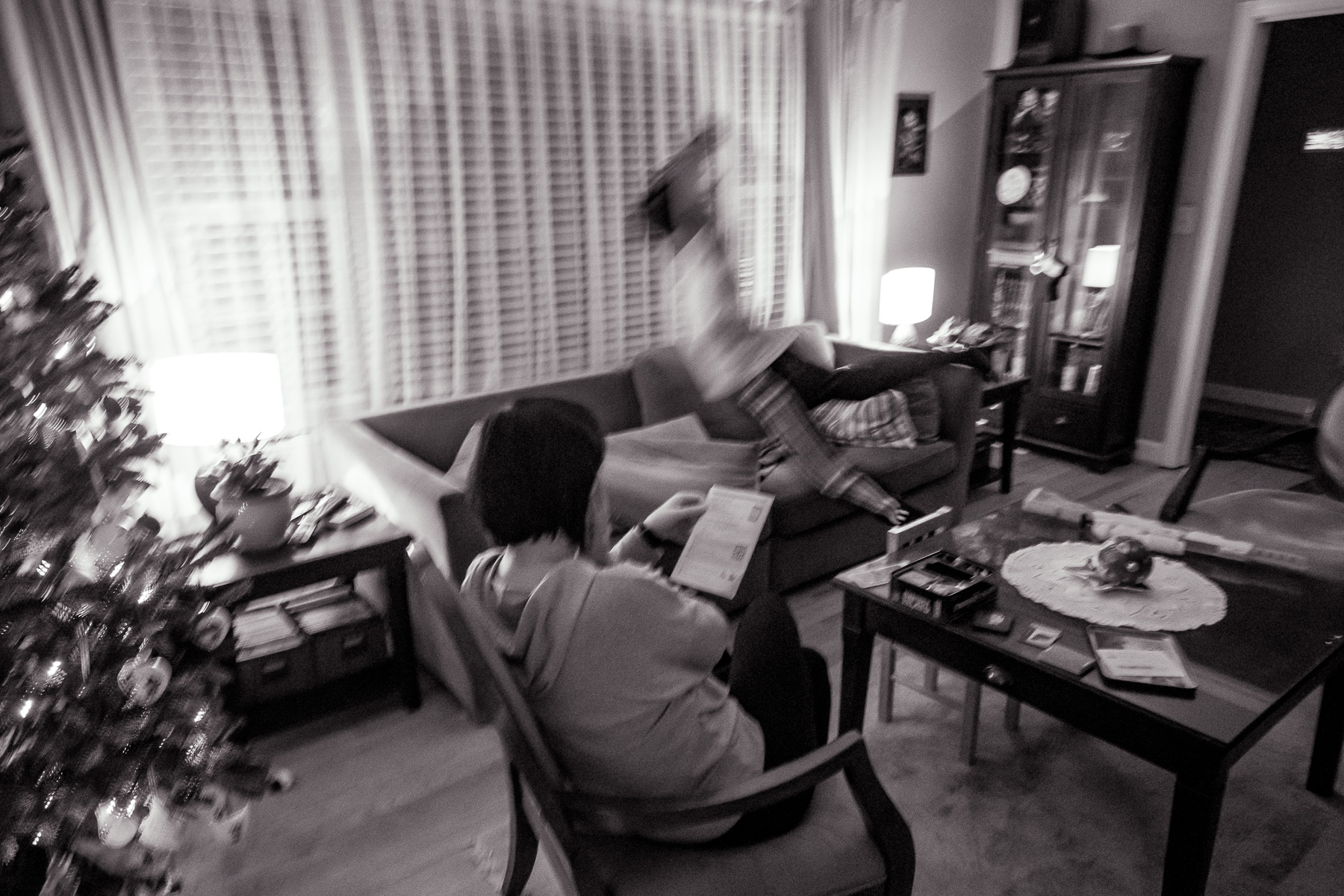
Hanging the Lights

It's been a few years since we put up any lights for Christmas. I really can't remember the last time we did it -- three years ago? Four?
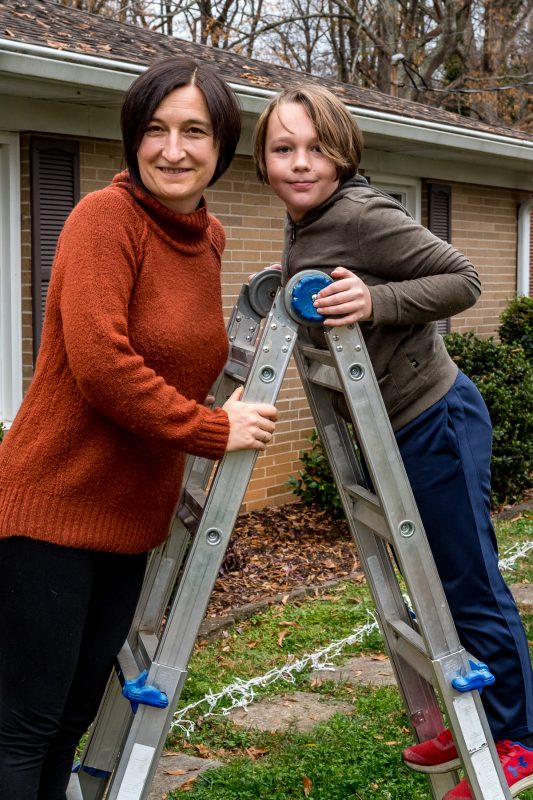
We put the lights around the crape myrtles a couple of years ago, but that was a bad idea -- we never took them down, and the year's worth of sun and heat and rain predictably destroyed them.
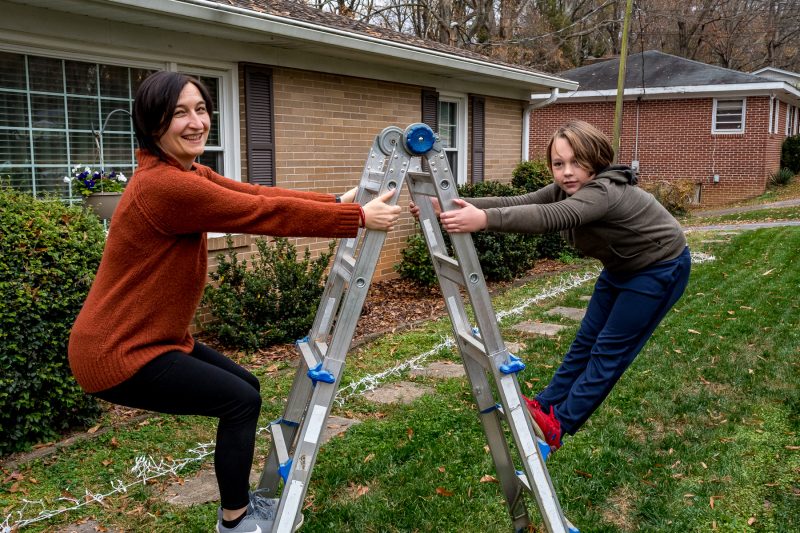
I think last year we just kept putting it off, and before we knew it, it was too close to Christmas to make it worth our time.
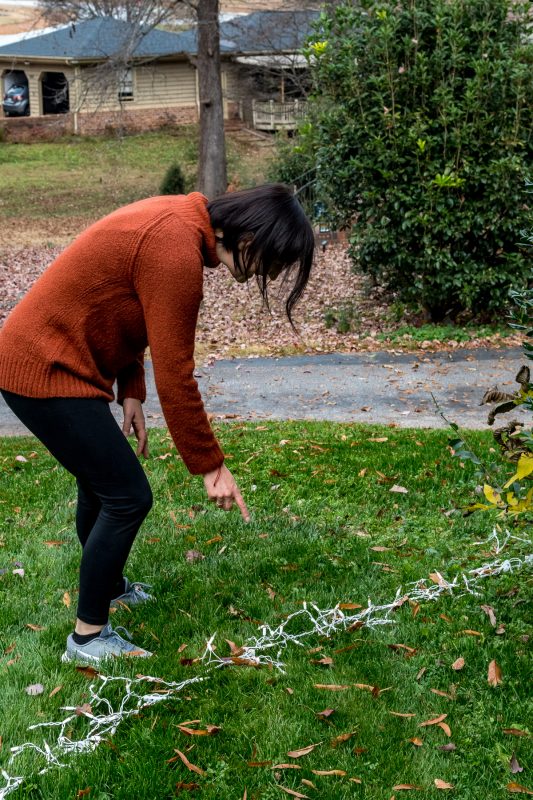
"This one works...this one works...oh here's one that's out..."

But this year we got the tree up earlier than ever, so what were we to do on a cloudy Sunday afternoon?
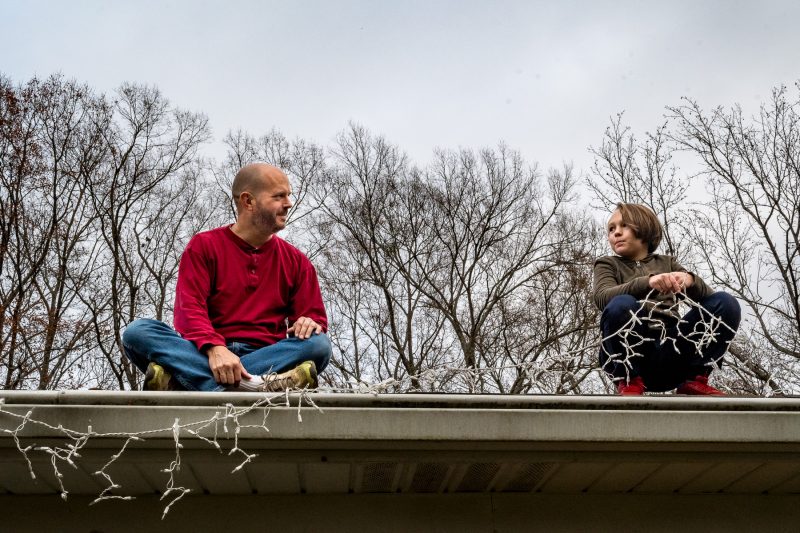
Of course, the Boy was eager to help. He loves going into the crawl space with me, but the roof?
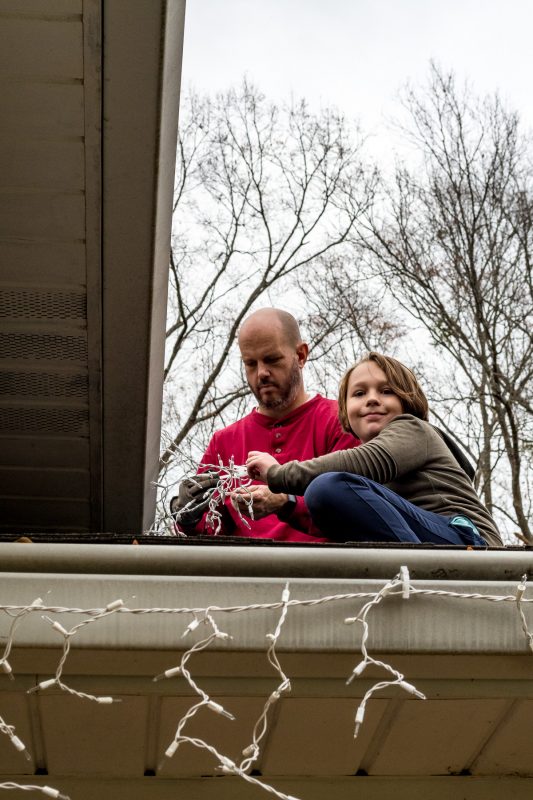
Are you kidding? What more could a nine-year-old boy want than to spend some time on the roof?
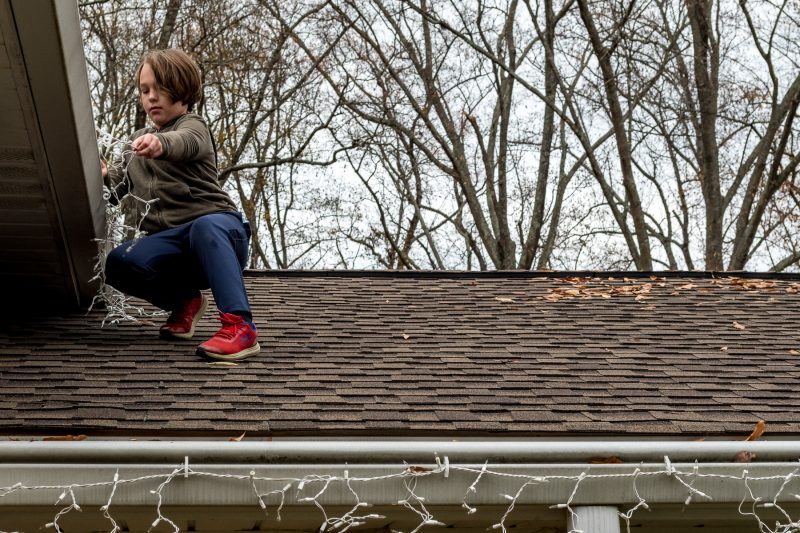
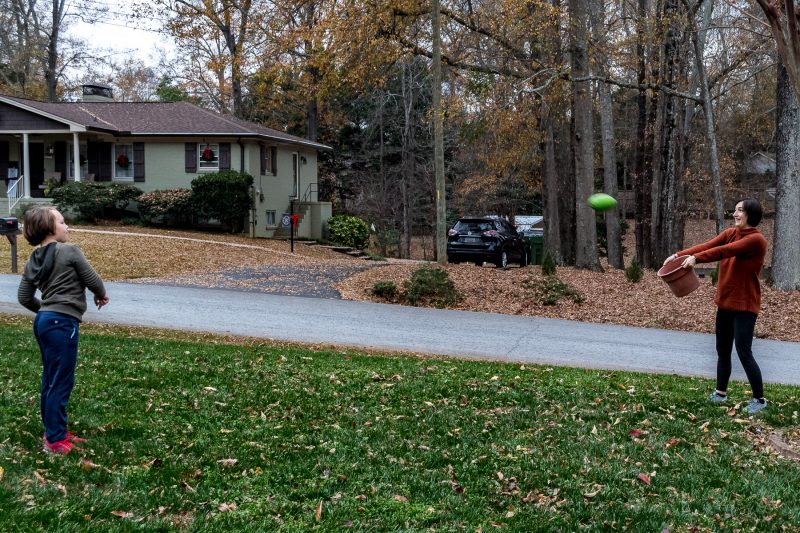
And a little bit of football time with Mama to boot? What a perfect afternoon!
 

Dworzec

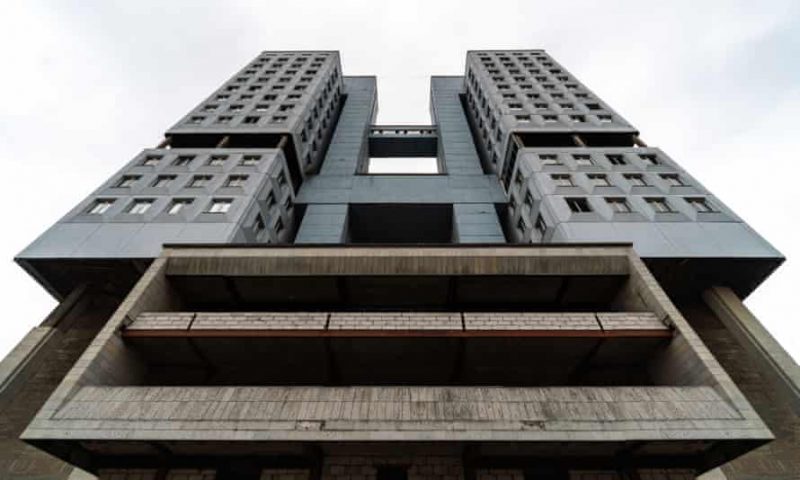
I gave my students an article of the week about the Kaliningrad House of the Soviets, an administrative building constructed during the Soviet era but never occupied because of structural issues.

The structure was redolent of all the communist-era buildings I'd grown so accustomed to in Poland, and like the Palace of Culture and Science in Warsaw, it has its detractors:

Even architects who admire the original, bold design in a mixture of the modernist and brutalist styles concede that the House of Soviets fell short of its promise as a symbol of the Soviet Union’s control over formerly German land captured during World War II.

Instead, the building became emblematic of flaws in the Soviet system, as shoddy construction and structural defects meant it could never be occupied.

As a result, it's to be demolished in the spring of this year. As might be expected, this provokes mixed reactions:

“It’s like a monument to the Soviet Union we should keep,” said Yevgenia Kryazheva, a waitress at Tyotka Fischer, a German restaurant with windows overlooking the House of Soviets. “I don’t like how it looks,” she conceded. But “people like things with defects. It’s ugly, but it’s ours.”

I can understand that reluctance to let go of a socialist realist architectural past: I've experienced it myself.

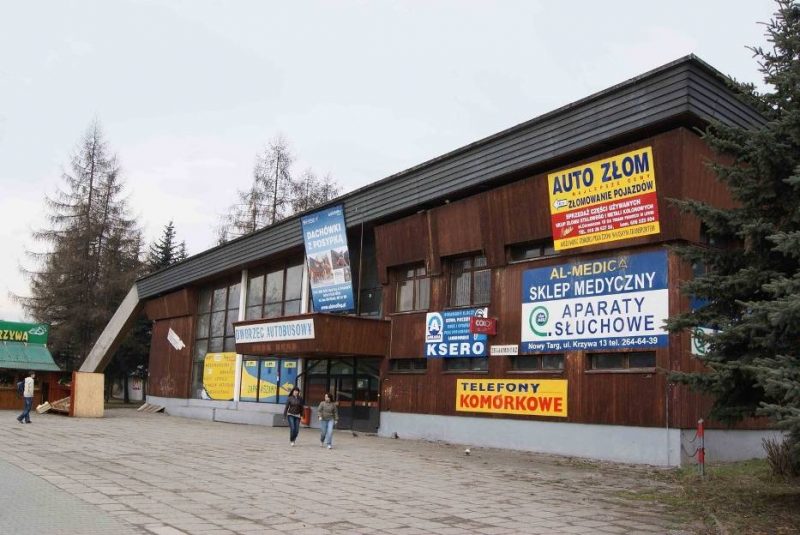
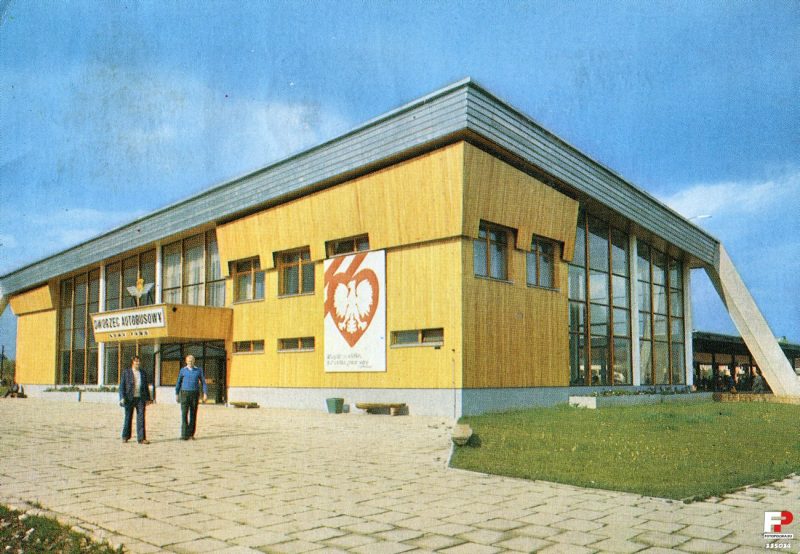
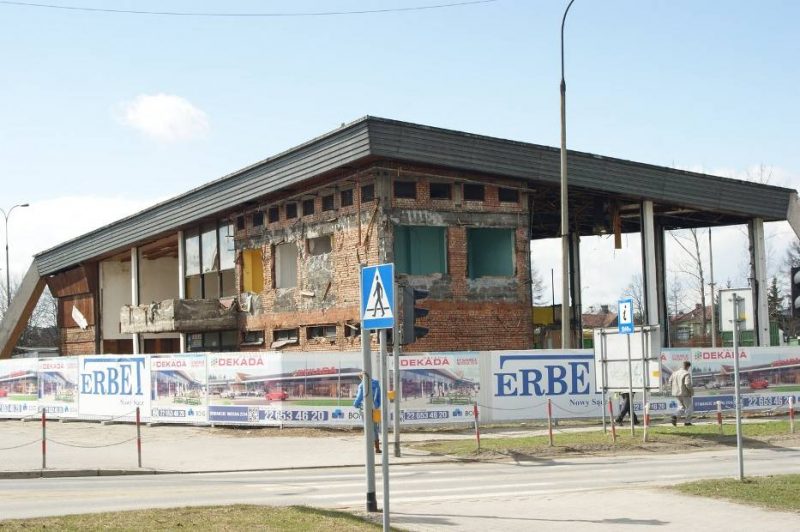
The bus station in Nowy Targ was an ugly structure, a mix of traditional wood building materials and the angular modernist look of the seventies. The roof angled upward to the front-right corner of the building, and off the back-right and front-left corners jutted buttress-like structures that likely served no functional purpose but were intended to give that exact impression as if the building were somehow cantilevered at odd angles and but for those buttresses would collapse. The back right corner of the building was the main waiting area, and it was enclosed in glass that rose two stories above the floor, giving the waiting area an open, light-filled feeling when first constructed.

The right-front corner of the building had a second story to serve as offices or shops. There might have been a small cafeteria on the second floor, but I can't really recall. The ticket booths were on the left-front of the ground floor.

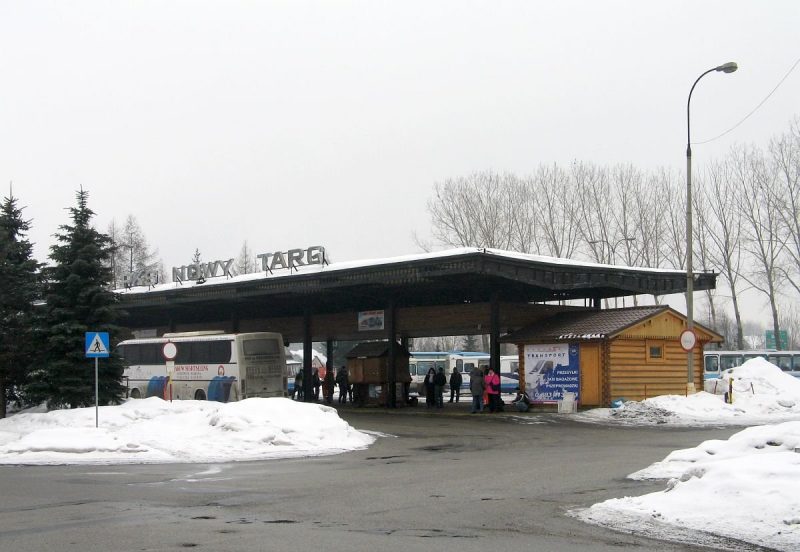
From the back jutted a covered area to wait for busses. Local-haul busses parked on the left; long-haul busses pulled up on the right.

November 3, 2001

When I first entered the building in 1996, it was a little more than twenty years old, but it already looked much older. The style dated it, but the grimy windows and weathered wooden exterior made it look at least a decade older. The originally-light-hued wood siding had turned dark brown from age and dirt. Spruce trees had grown up around the back-right corner, concealing almost entirely the two-story windows. A fast-food kiosk built behind the building concealed the rest of the windows. At the far end of the line of bus bays was another kiosk that sold CDs and cassette tapes of disco polo, essentially the country music of Poland.

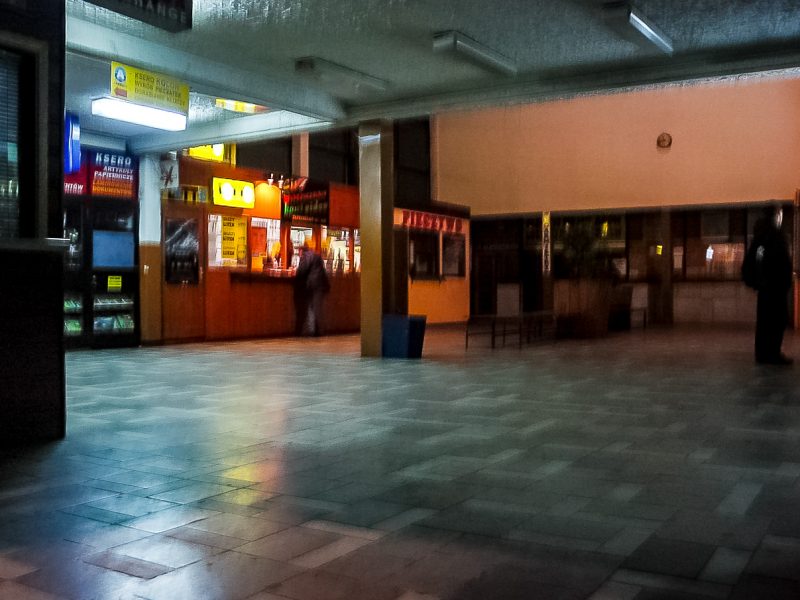
The spacious two-story waiting area, originally conceived to be filled with light, was dark and dirty. Kiosks along one side took up at least half of the waiting area's original space, crowding passengers into a small dark corner The windows were always streaked with the running beads of condensation formed by the temperature difference in winter, and those streaks dried in the summer to form a dirty haze. There was always a Roma family or two in the waiting room: a mother and a couple of children, sometimes begging, sometimes just waiting.

Even on a bright summer morning as passengers sat watching cleaning ladies scrub down this or that, the Nowt Targ bus station felt grimy and tired, as if a film of dirt had bonded permanently to the surfaces of the building. The dated architecture did not help: with the Berlin Wall history and Communist rule nearly a decade in the past, the socialist realist angles and materials simply made the building feel like a relic of an oppressive past.

In winter, there were mountains of snow around the back of the terminal where the busses parked, mountains that steadily turned became covered with flecks of gray and then black as the coal smoke particles from the air and the particulate matter from the bus exhaust settled onto the snow. Puddles formed where the busses had crushed the slush and enough mid-day warmth had melted it further. Passengers performed the same operation as they walked here and there, forming a slush on the covered walkway that ran down the middle of the bus loading area. By December or January, all those puddles turned to dirty ice challenging all but the surest-footed passengers.

Waiting inside was always a risky decision. Most passengers stood around the bay from which their bus was to start, so waiting inside might ruin one's chances of getting a seat once the driver pulled his bus into the slot, opened the doors, and began boarding. This is not to say one would not have a spot on the bus: there was standing room in the aisle, but it was never pleasant to be standing with one's shopping spread out all around one.

In truth, it was never really even necessary to go into the bus station. Drivers sold tickets on boarding the bus, and there were far more pleasant places to wait for the bus. Within a couple of blocks, there were several restaurants with hot tea and cleaner surroundings.

Yet it still served as a landmark for me. Heading home after a long day of shopping in Nowy Targ, trudging through snow and slush, I always felt a wave of relief when I turned left from Queen Jadwiga Street on to Jan Kilinski Street, approaching the bus station from the back. The lines of busses, the piles of dirty snow, the people milling about waiting all signaled that I was just about home.

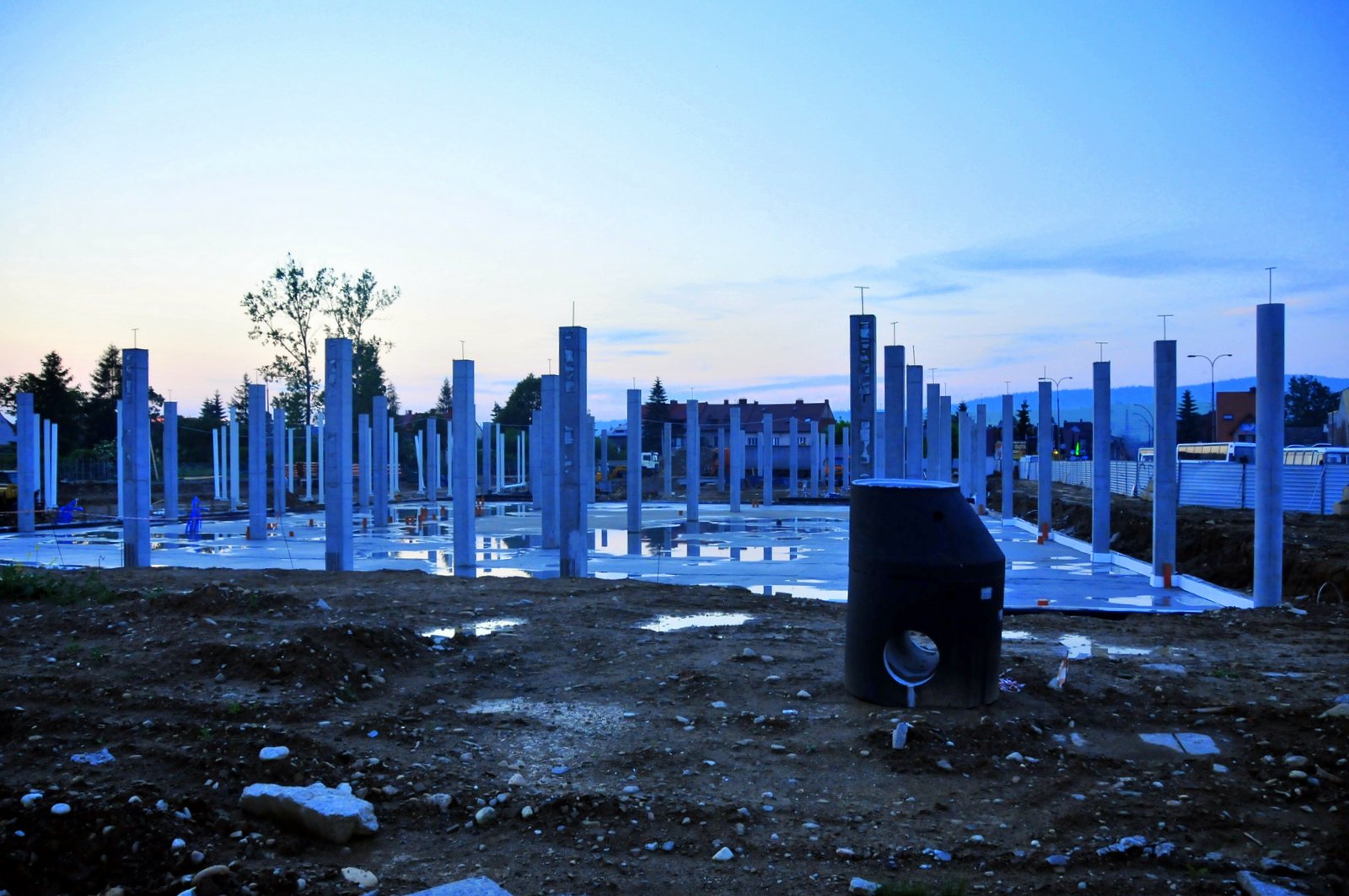
When I was back in Poland in 2013, it was all gone. I was hoping to take some pictures inside and out, to wallow in nostalgia, but it was not to be.

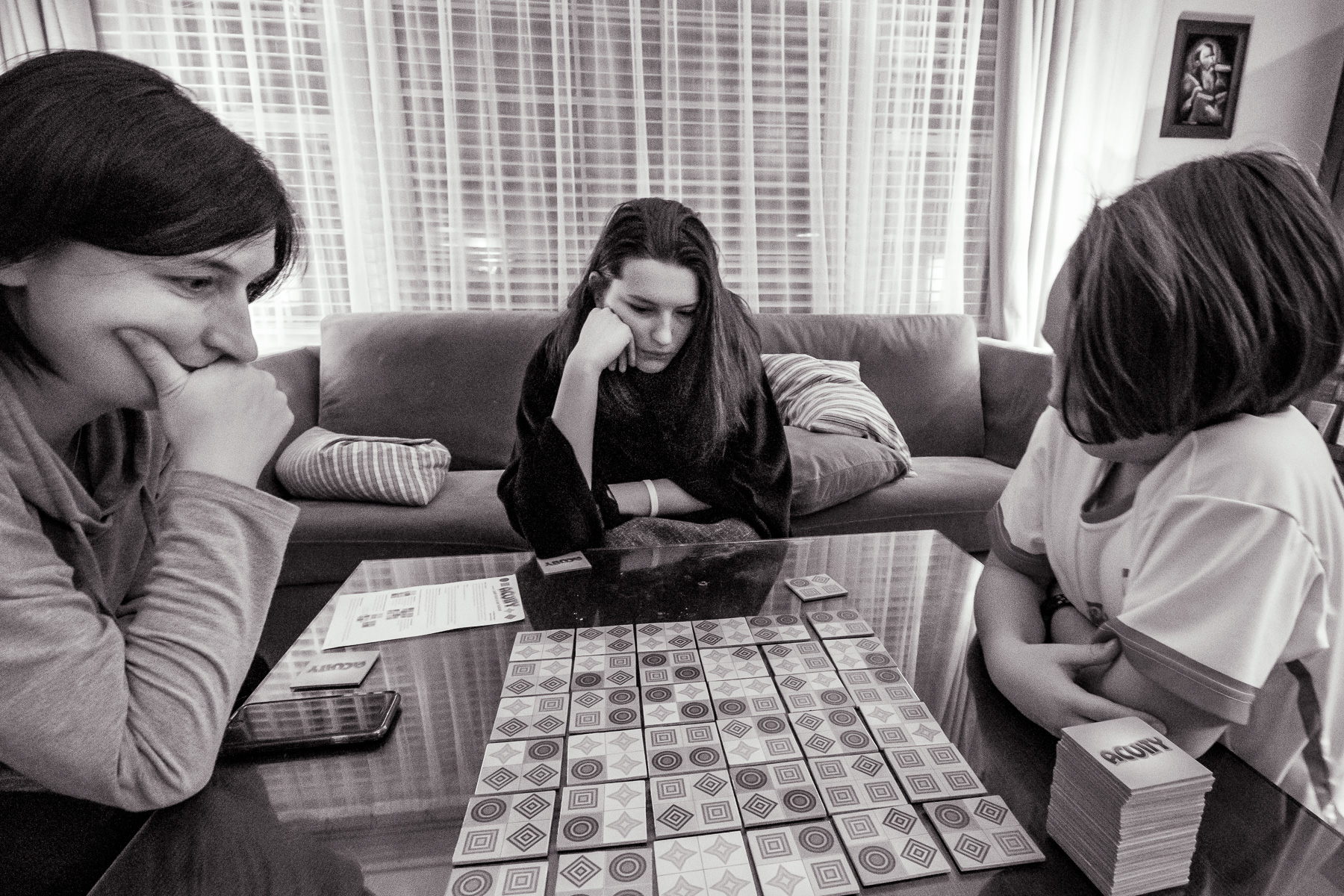
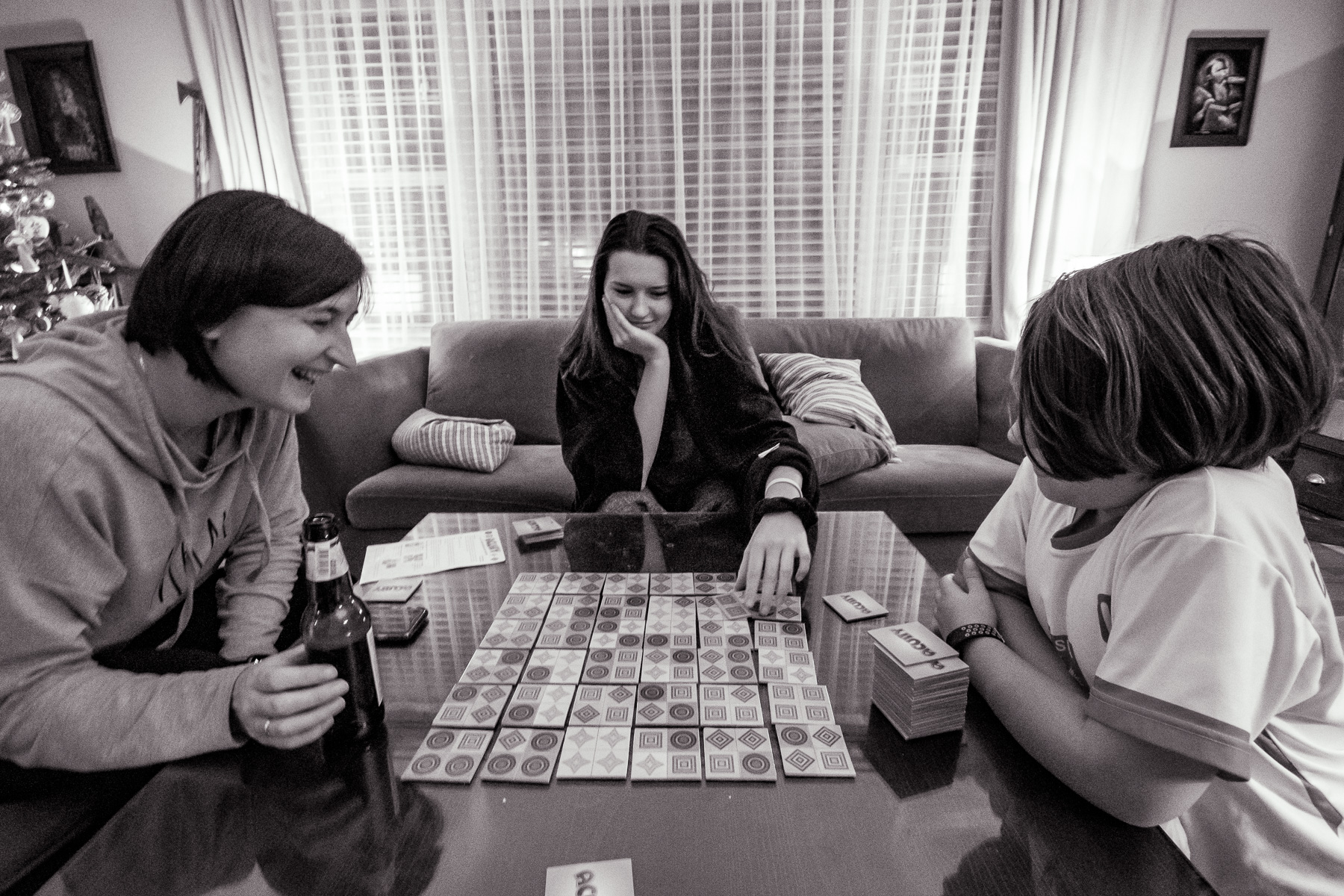
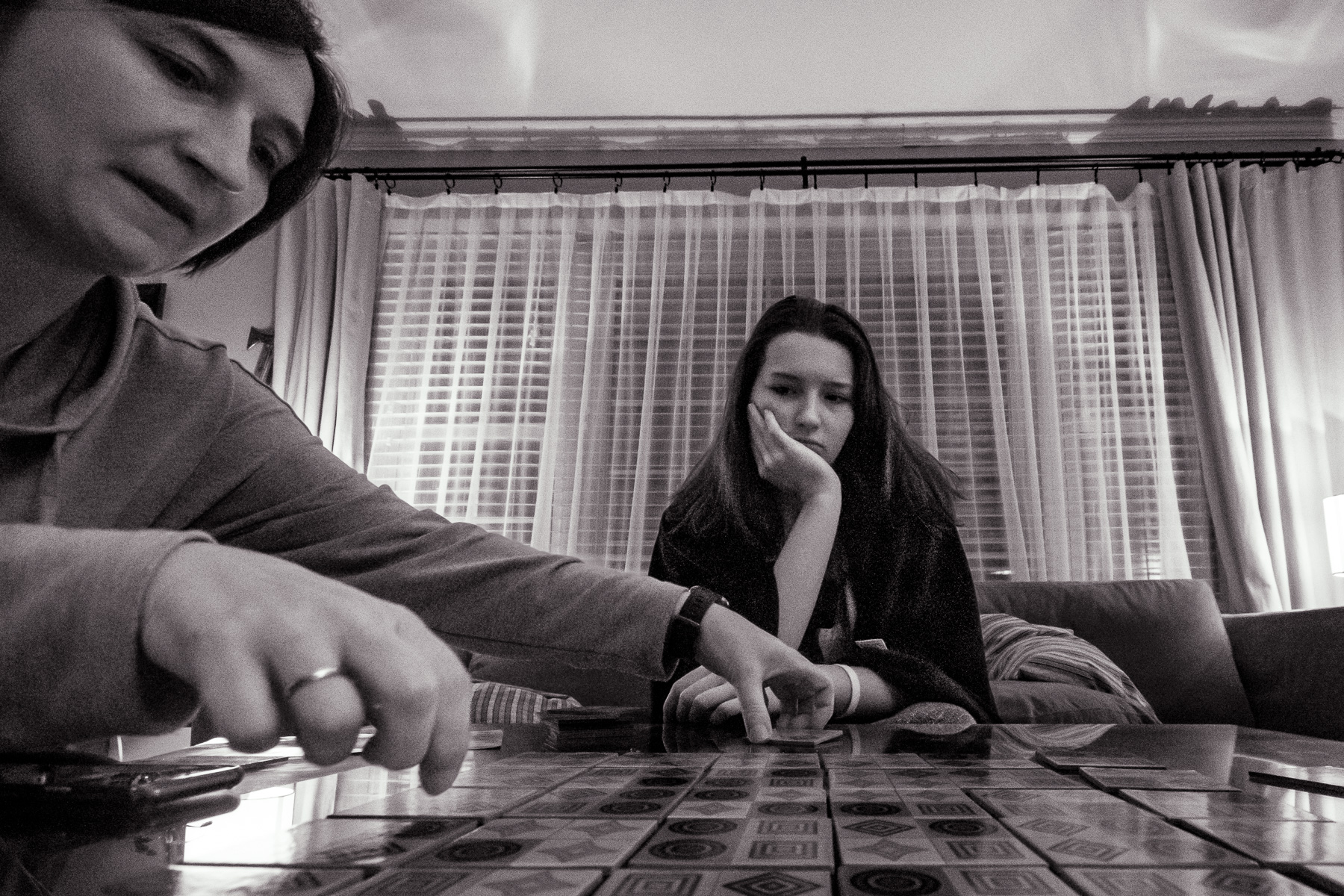
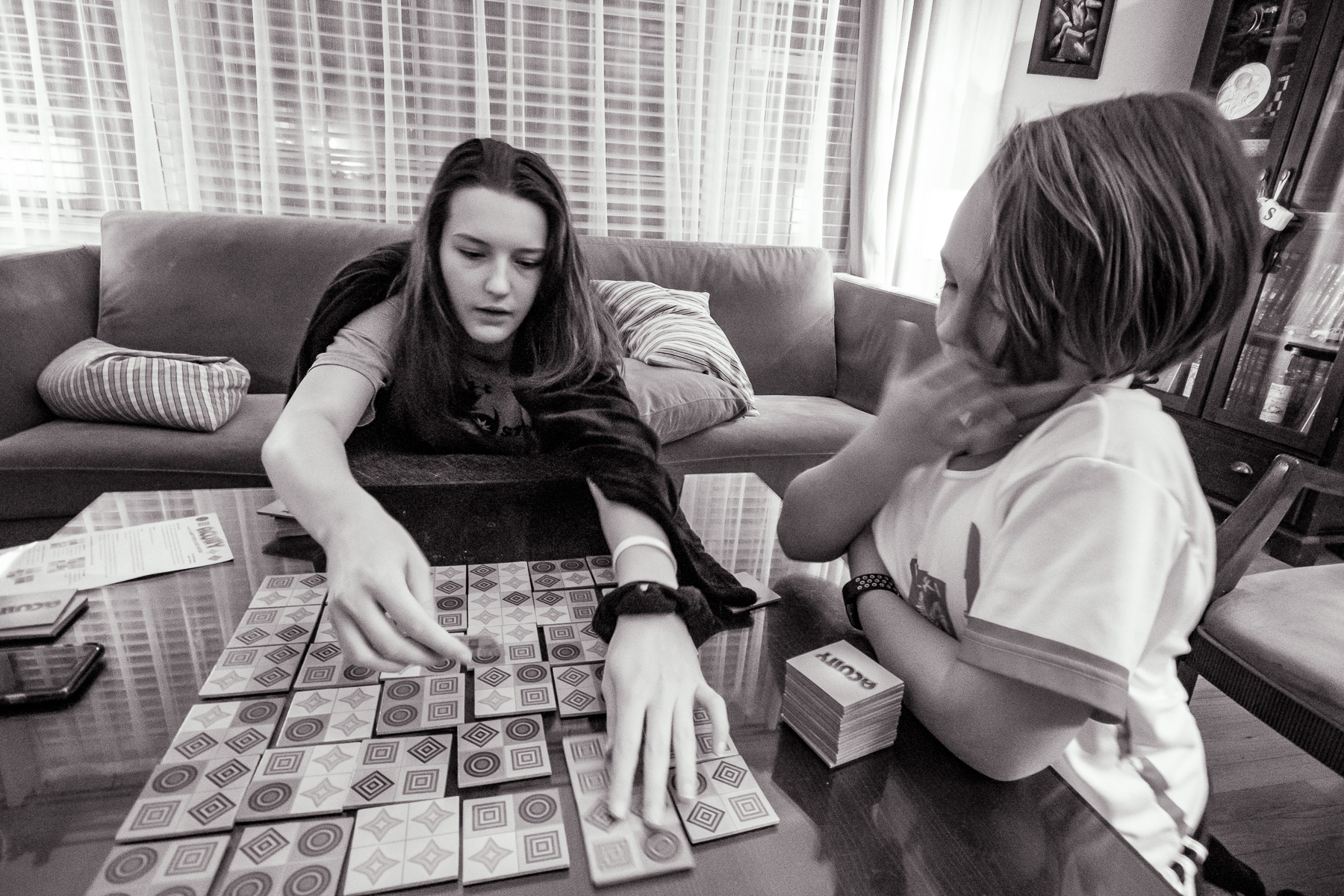
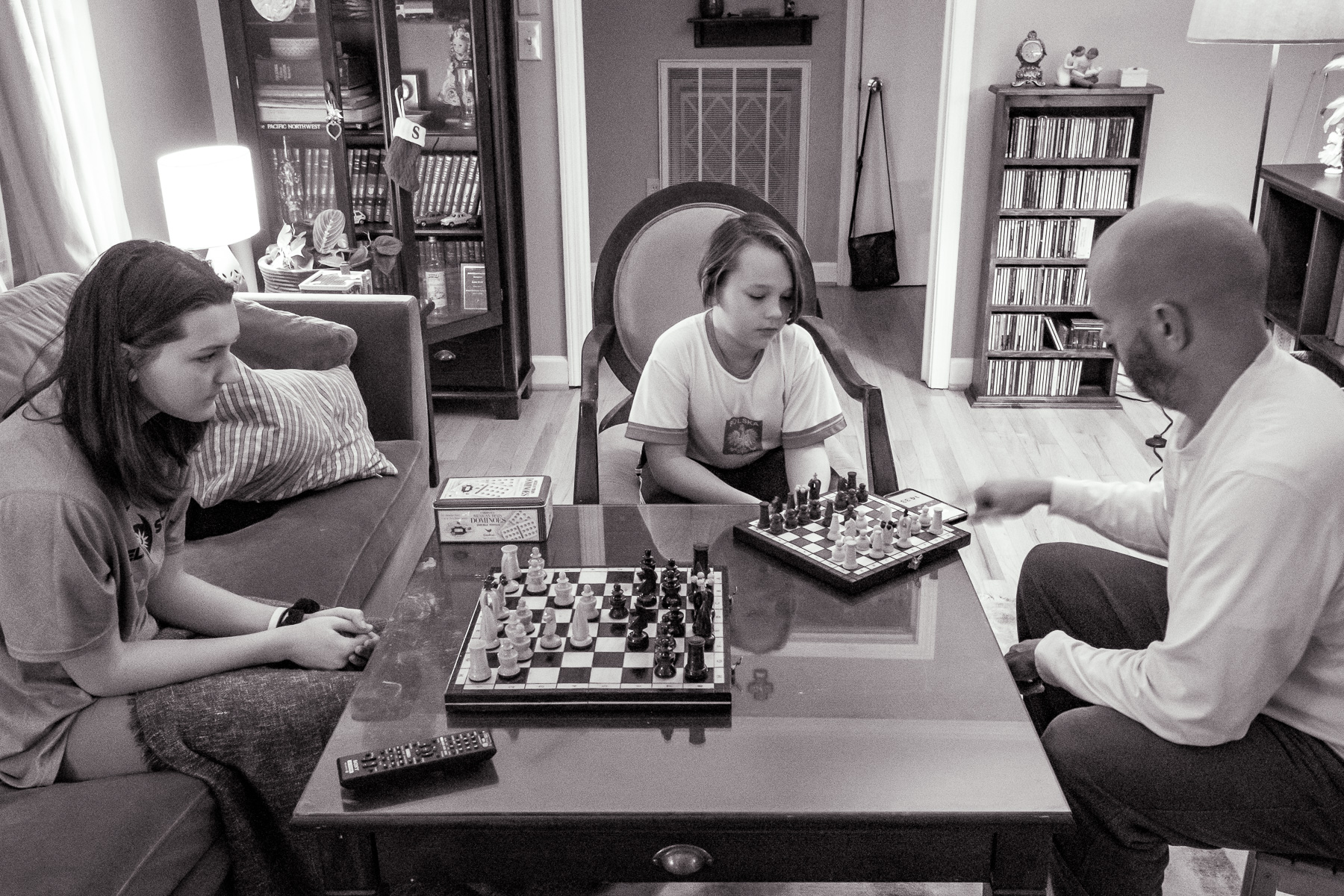
Friday Game Night

Decorations

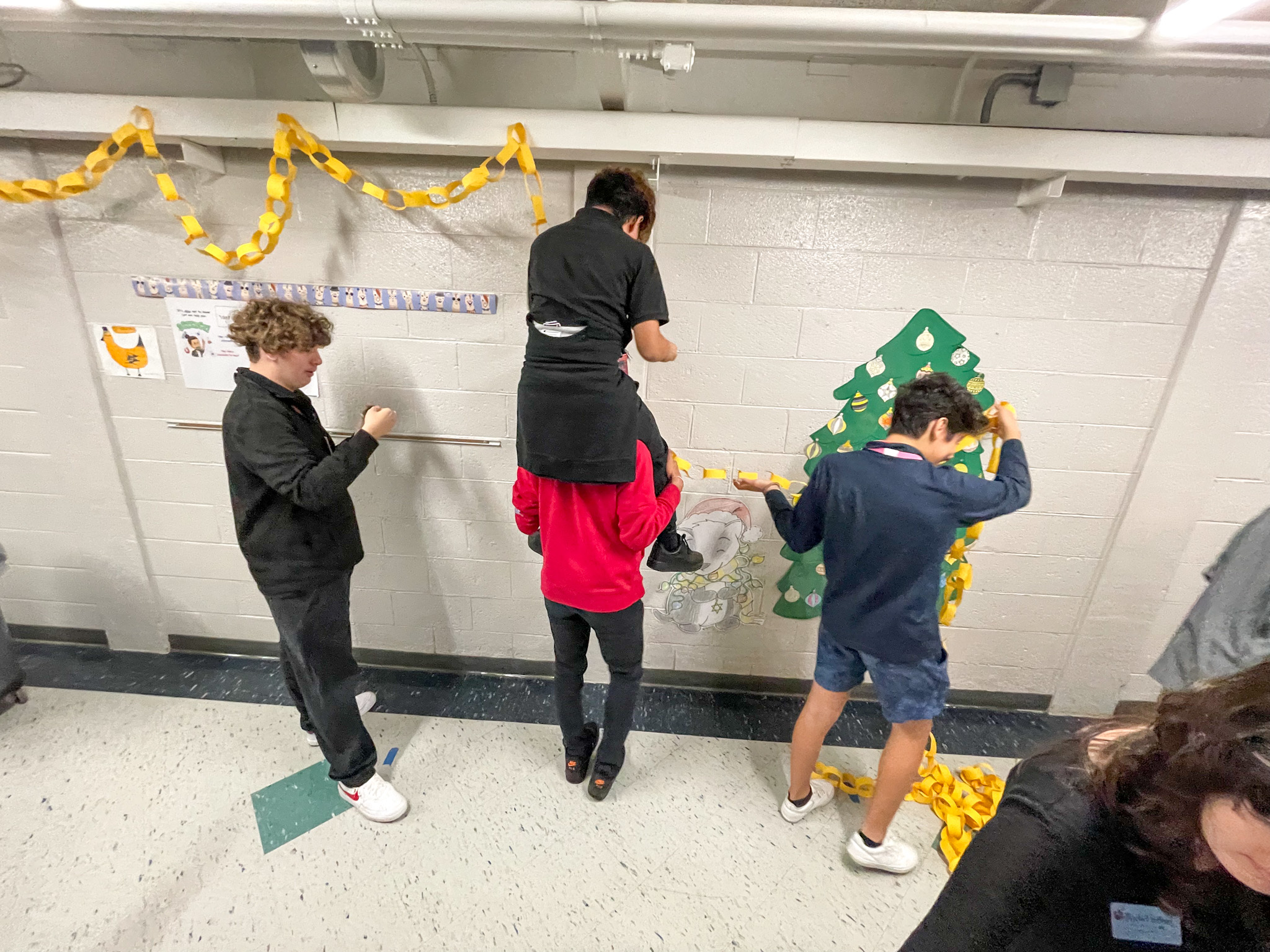
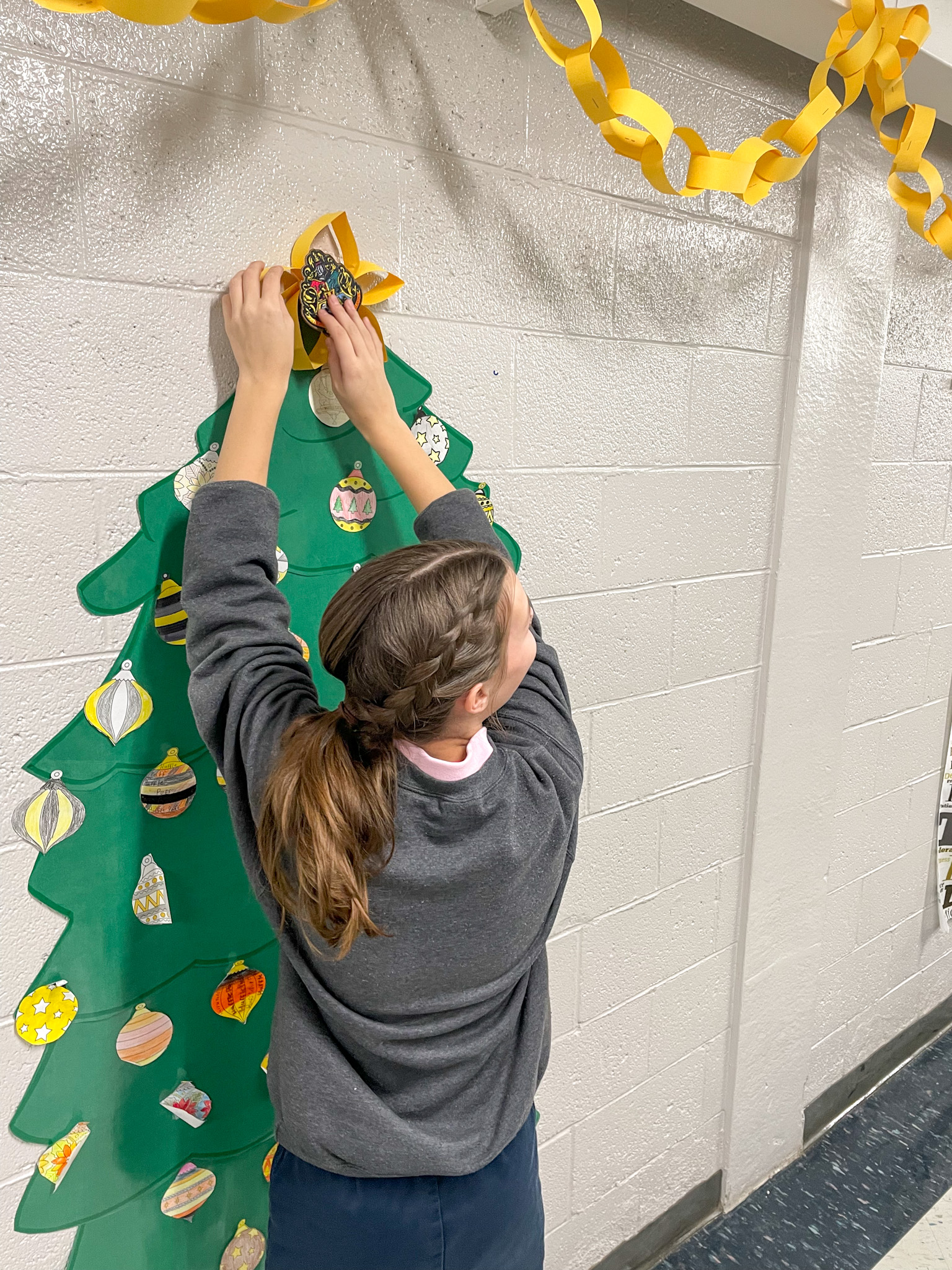
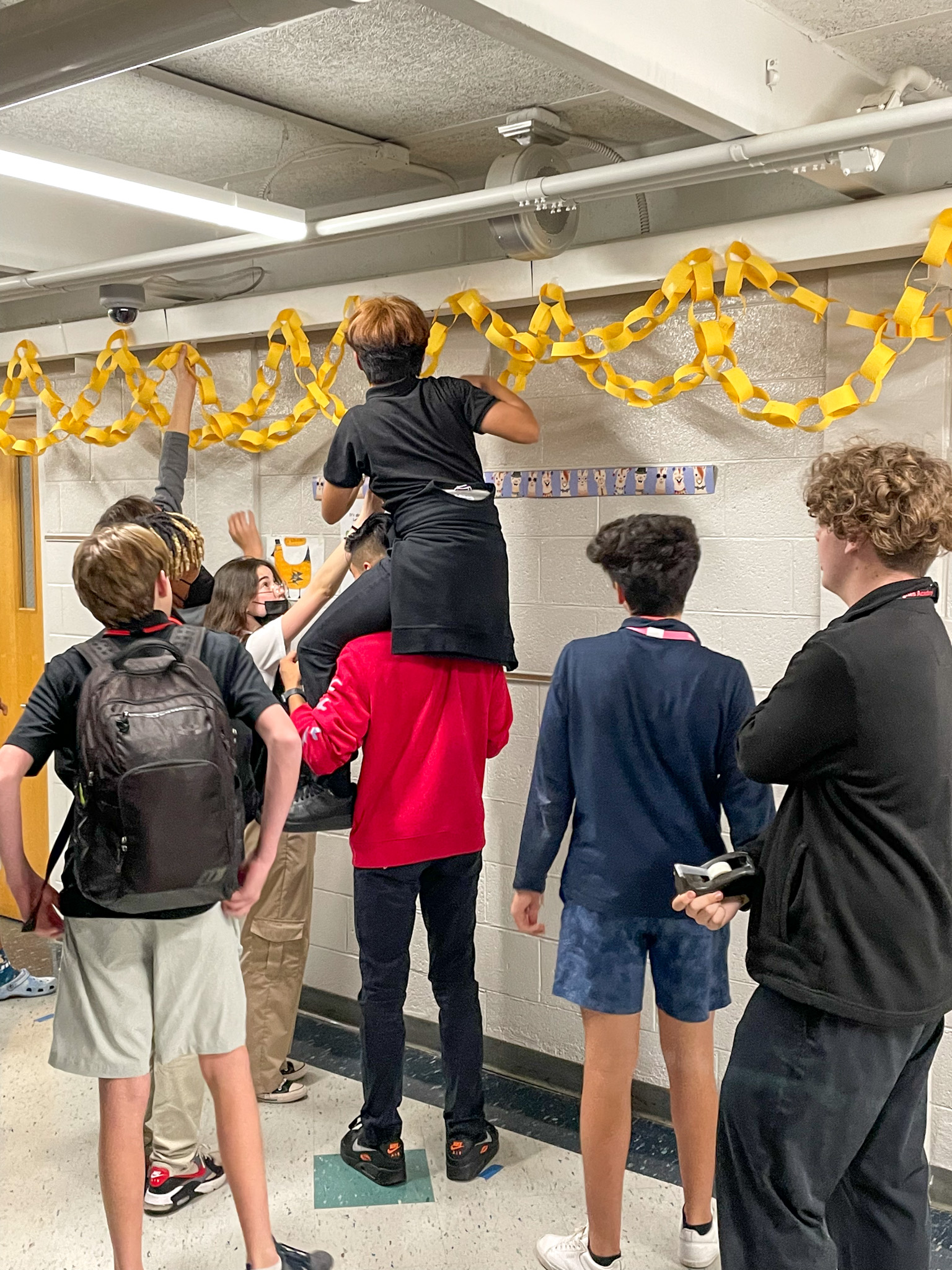
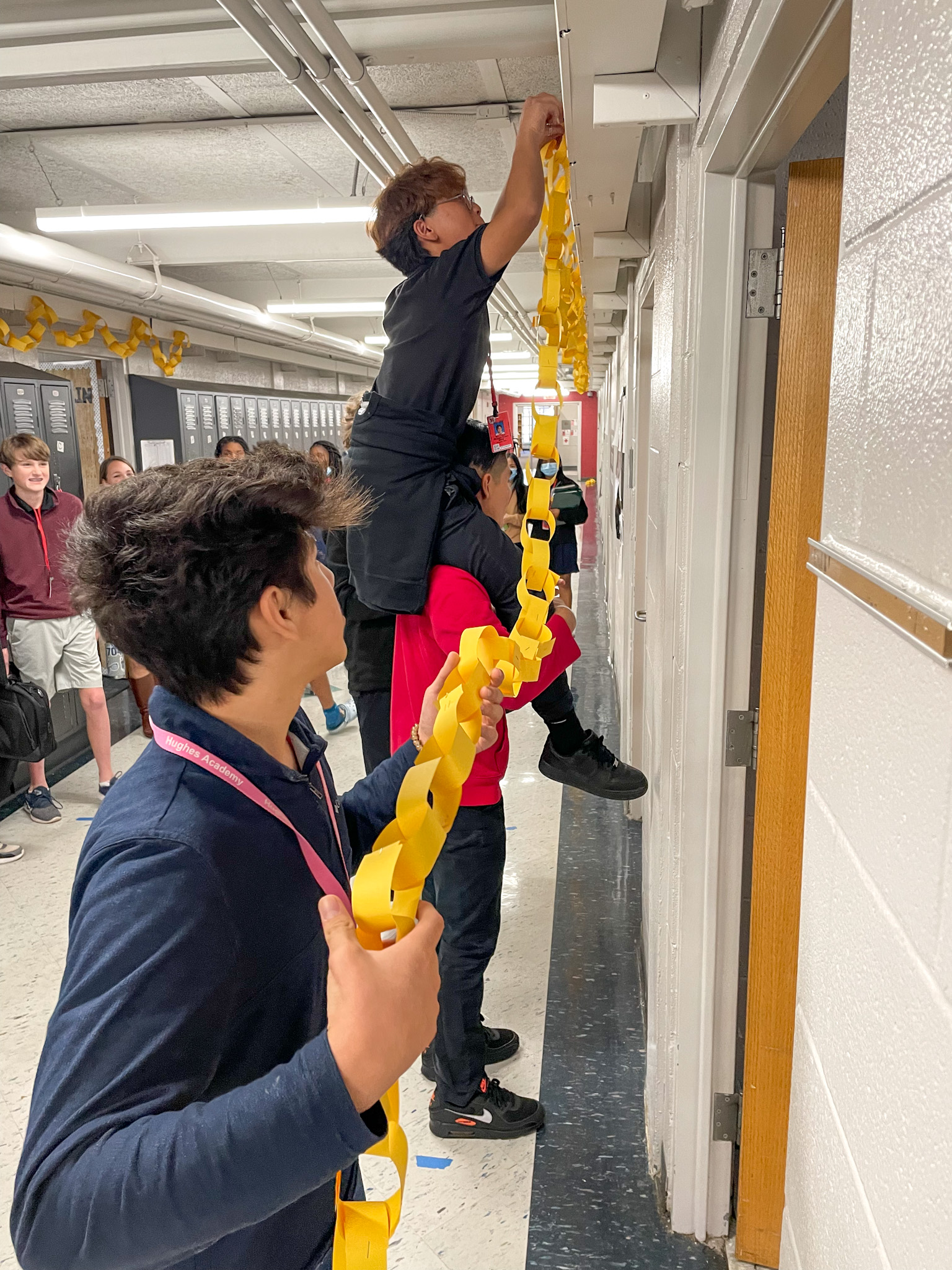
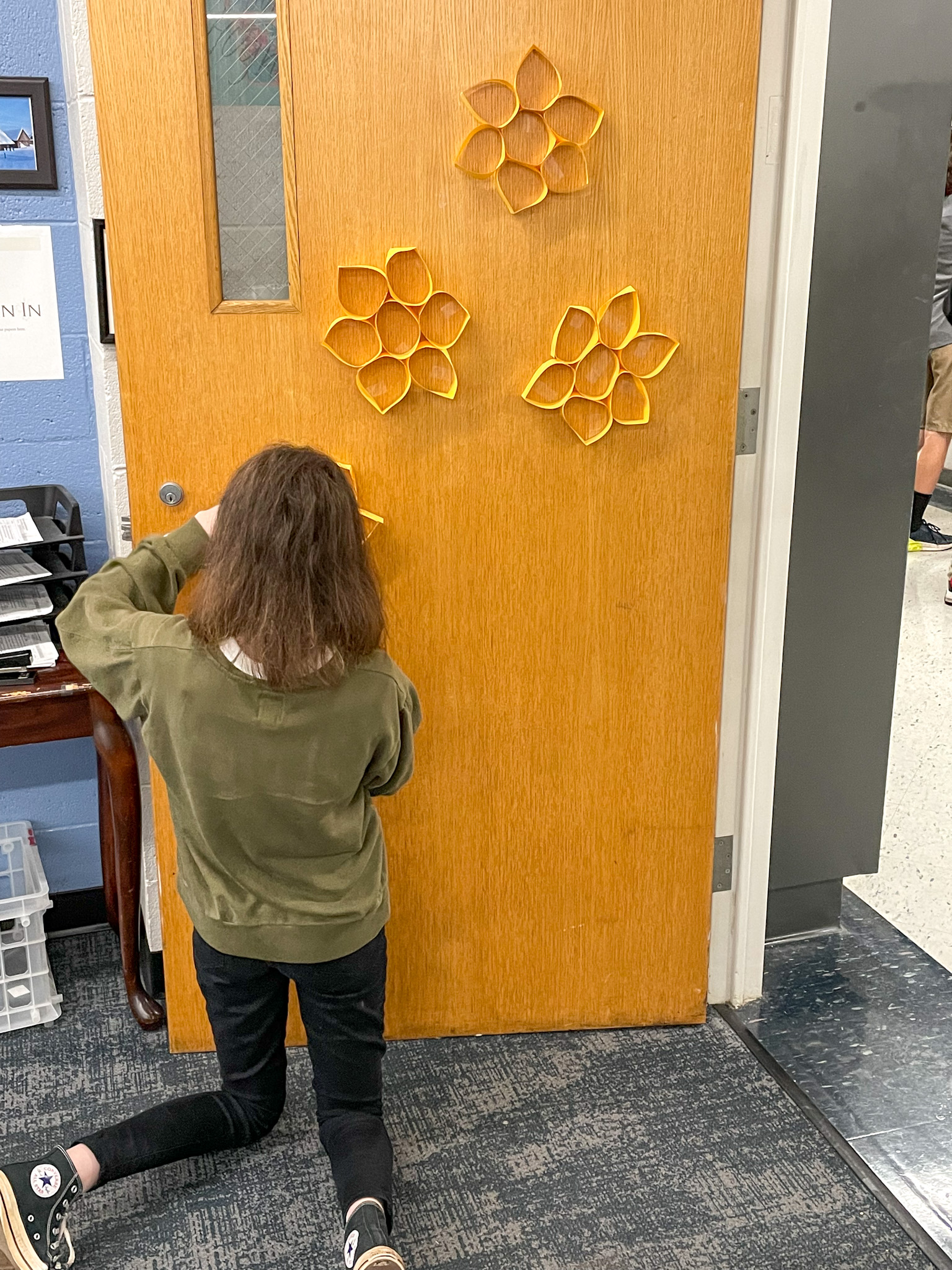
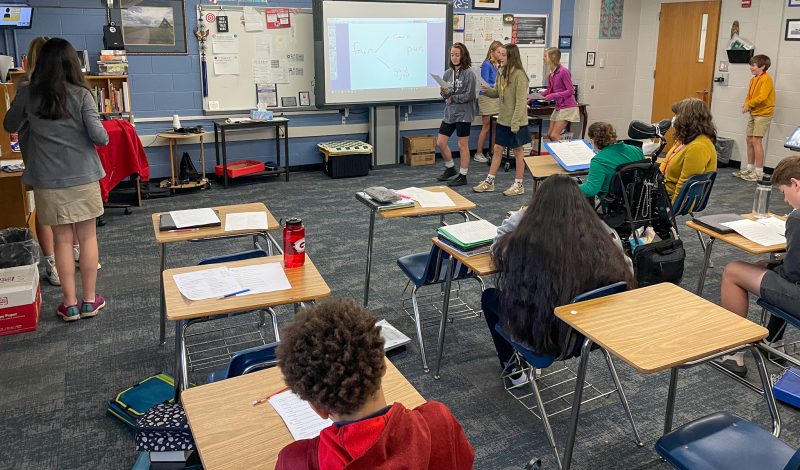
Our three teams on the eighth-grade hall are having a contest to see who can decorate their portion of the hallway the most elaborately -- which means simply quantity. Our team took matters into their own hands today, or rather on their own shoulders.

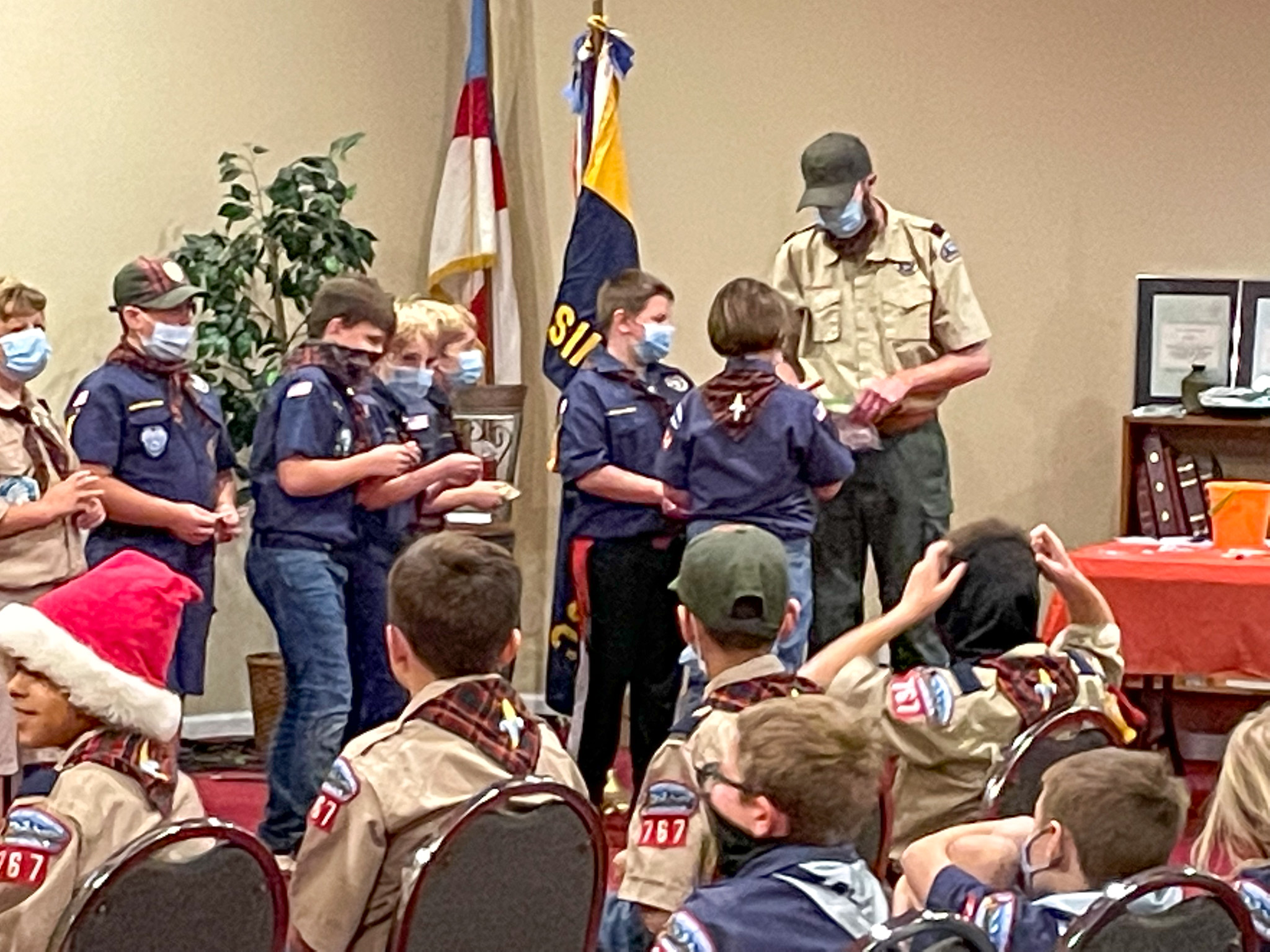
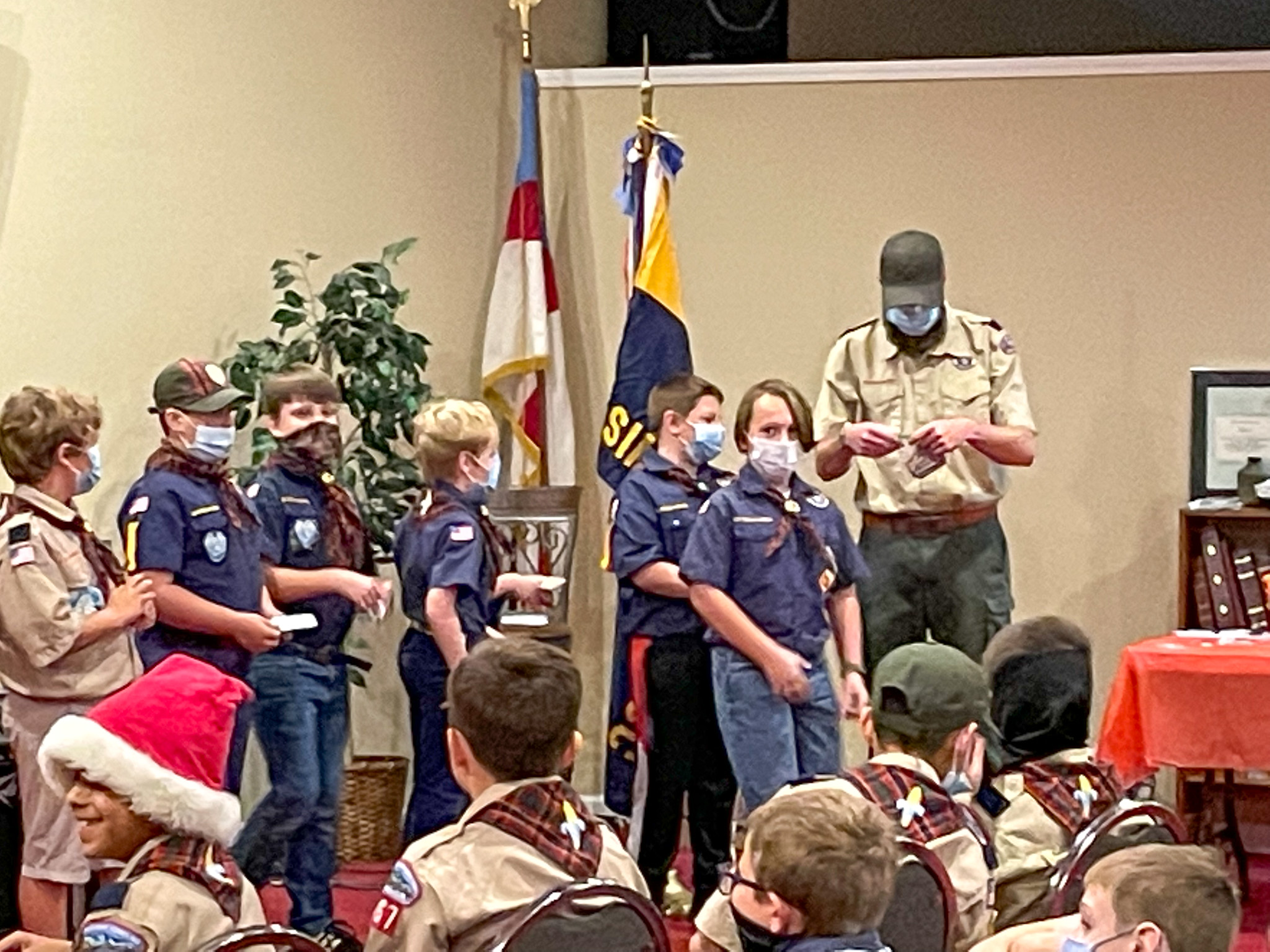
Coincidentally, the scouts today also did some decorating -- after they got the badges and pins. The decoration pictures are still on the phone, which is still upstairs. So we'll have to settle for our imagination on that one.

Beginning R&J

Reading

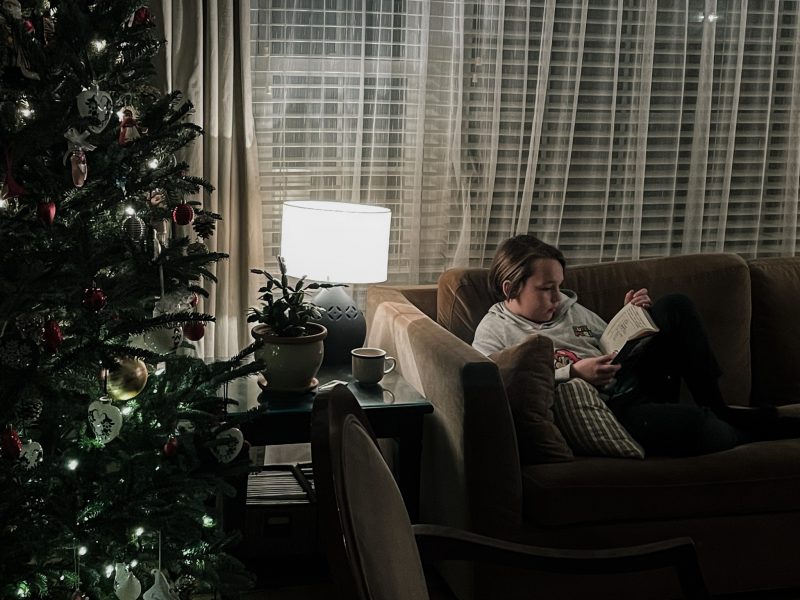
The Boy claims he hates — hates — reading. It’s hard. It’s exhausting. It’s boring. Yet there are some strange quirks about him.

For example, he loves reading — if someone else is doing it. He will sit for hours and listen to you read a book to him. One of his favorite things to listen to is an audiobook.

He also enjoys certain books. The Dog Man series is an eternal favorite for him.

Most strikingly, he scores very high on his standardized reading tests — in the 90th percentile as I best recall, which means he’s very good at reading for his age.

But we still have to force him to get his nightly twenty minutes of reading in. Yet he was so engrossed that he didn’t even notice I’d snapped this picture.

Monday After

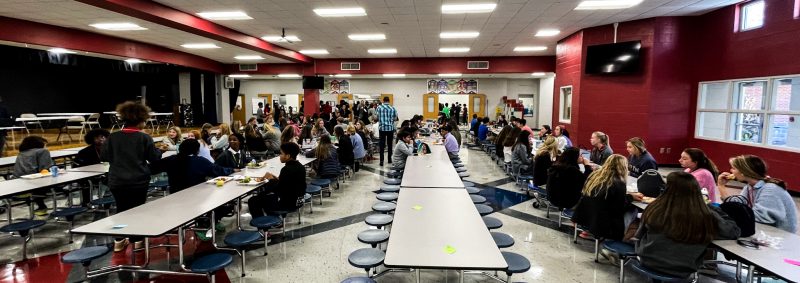
Our first day back after the break, and we had quite a change: for the first time since March 2020 we ate lunch in the cafeteria. By “we” I mean our team, which constitutes one-third of the eighth-grade students. And it’s a one-day-a-week gig only: we can’t get everyone in there and maintain social distance, so we get Mondays.

Such a strange thing to return to what was a taken-for-granted reality for so long after such an extended break.

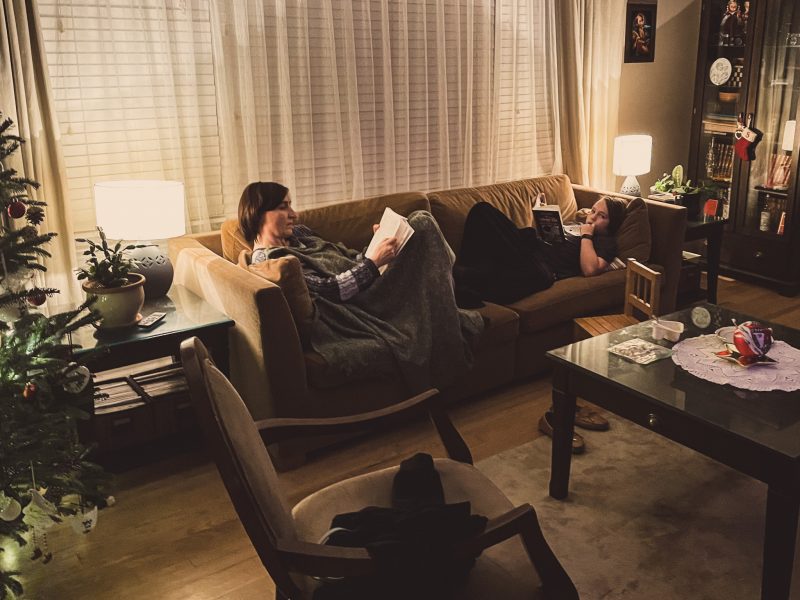
Back home, though, it was a return to familiar routines that paused a little during the extended break: a small dinner (barszcz ukrainski — the first time in ages that we’ve had that wonder of the culinary world), a bit of reading, an early bedtime.

Re-Vision

As we go through life, we start to see things differently. That really goes without saying, I know, but looking over old photographs makes this so much more literal. I saw today a photograph from 2015 and immediately saw flaws in it. The newest iteration of Lightroom allowed me to fix some of the flaws, but not all of them.

"Corrected" version

It was the little things.

That gate behind us -- why didn't I think to close it? It would have made the background that much more fluid. (Perhaps I thought I had. Maybe I closed it, but something opened it back up -- wind, gravity, a squirrel.)

Why didn't we move further down the hill so that more leaves would be behind us? It was a simple fix -- why didn't we see it? (Maybe we did -- maybe we were as far down as possible. Perhaps just beyond the bottom of the frame the leaves disappear.)

Why didn't I open the aperture a little more to get a little creamier background? (Perhaps it was as wide open as possible -- in 2015, we still didn't have a great portrait lens. Truth be told, we still don't, but we've got a much better lens than I would have used for this picture.)

It's no big deal, obviously, but looking back, I see so much wrong with this.

I had a similar thought in Polish Mass today. I hadn't been to Mass since the last Polish Mass a month ago, and the less frequently I go to Mass, the more foreign it seems. Everyone going onto the stage (I know that's not what it's actually called but I can't remember what it is called, and since it's an elevated platform upon which the whole ceremony is conducted, it is, for all intents and purposes, a stage) stopped and bowed or genuflected. When I first saw people doing that in Poland, I was curious: why are they doing all that bowing? Once I learned about the idea of the real presence of Jesus in the host (i.e., the idea that somehow the bread ceases to be bread and is actually the body of Jesus), I understood what was going on. It still didn't make sense because I didn't believe that was the case, but I understood why they did it.

When I tried being a Catholic, that was one of the doctrines that I thought was just a little off but put it out of my mind. I behaved as if I believed it even though, deep down, I know I never did. It doesn't make any sense: the official church teaching is that nothing physically changes. You can press a priest on the matter, and he'll even admit that nothing atomically changes. The logical conclusion: if nothing atomically changes, then nothing changes. Full stop. The bread is made of molecules which are made of atoms which are made of subatomic particles. If nothing in that chain of being changes, then nothing changes. It's not complicated logic -- it's quite basic in fact.

Yet Catholic apologists will start talking about substance and accident and making Aristotelian moves to suggest that the thing that makes bread bread -- the substance -- changes but the outward appearance doesn't. Yet nothing makes bread bread. "Bread" is the name we give molecules of wheat, water, and usually (though not in this case) yeast that have undergone chemical changes through the application of heat. The atoms themselves didn't change even in the cooking. It's not complicated logic -- it's quite basic in fact.

Still, as someone attempting to be a believer I watched everyone bowing, I was a little jealous that they seemed actually to believe. I knew I didn't, though I would not have admitted it to anyone. As my doubts resurfaced several years ago, I eventually realized I didn't have to pretend I believed anymore that the little tasteless wafer was Jesus himself, and I felt a bit of relief about that.

Today as I watched as the altar servers bowed before going on stage, as the lector bowed before going on stage, as all the parishioners bowed before taking the bit of bread, I found myself back where I started, knowing exactly why they were doing it but still thinking it made little objective sense.

Where is the re-visioning in all that? It's not that I believed the wafer became anything different; it's that I saw myself as someone who should believe that but never really did. The re-vision is an understanding that I was almost purposely deluding myself.

Final Game Night

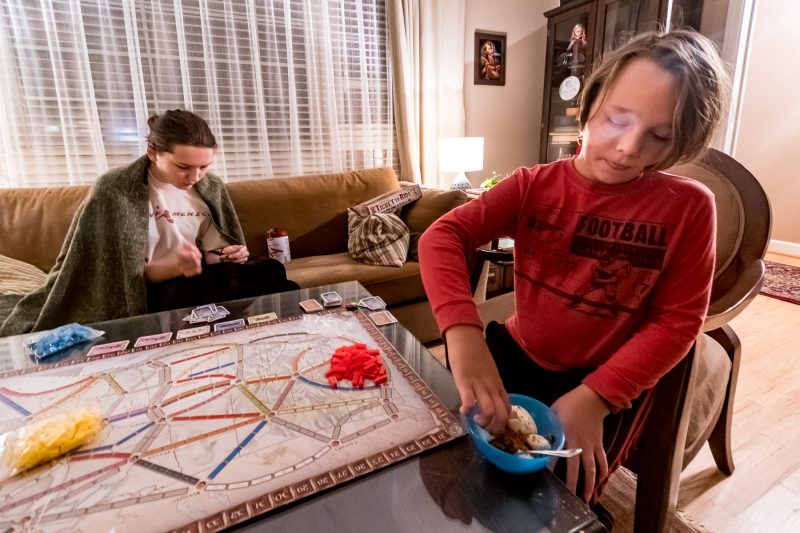
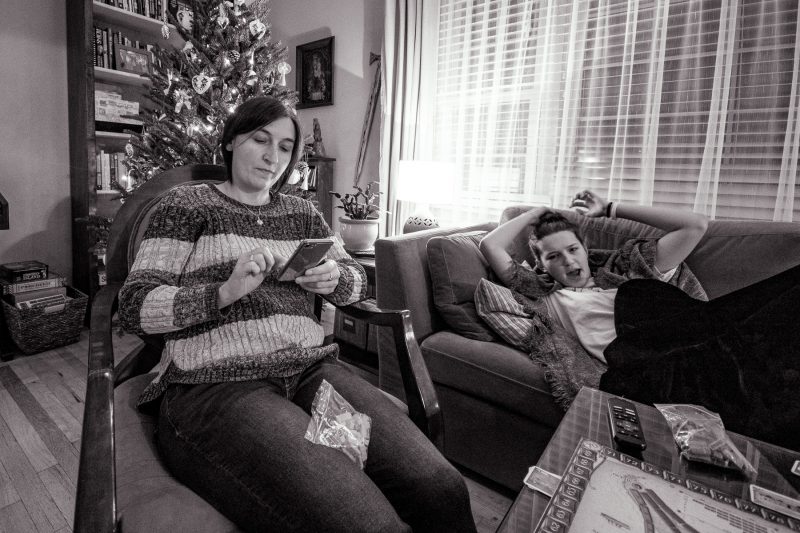
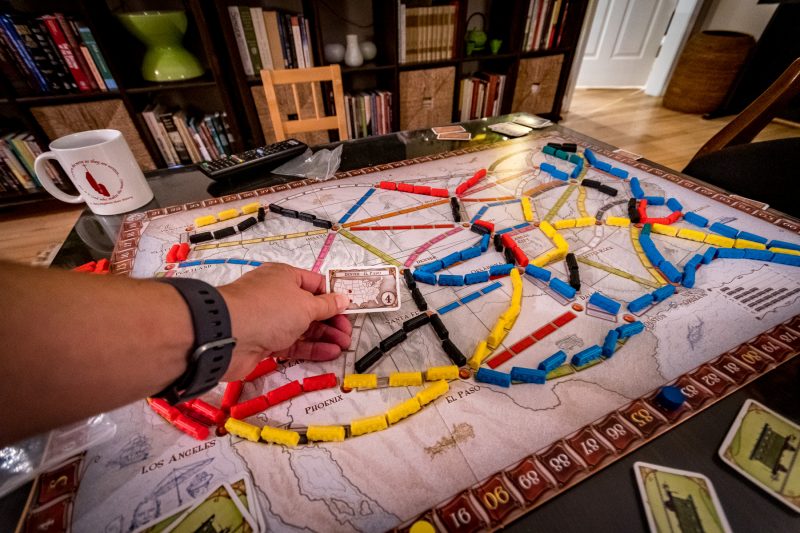
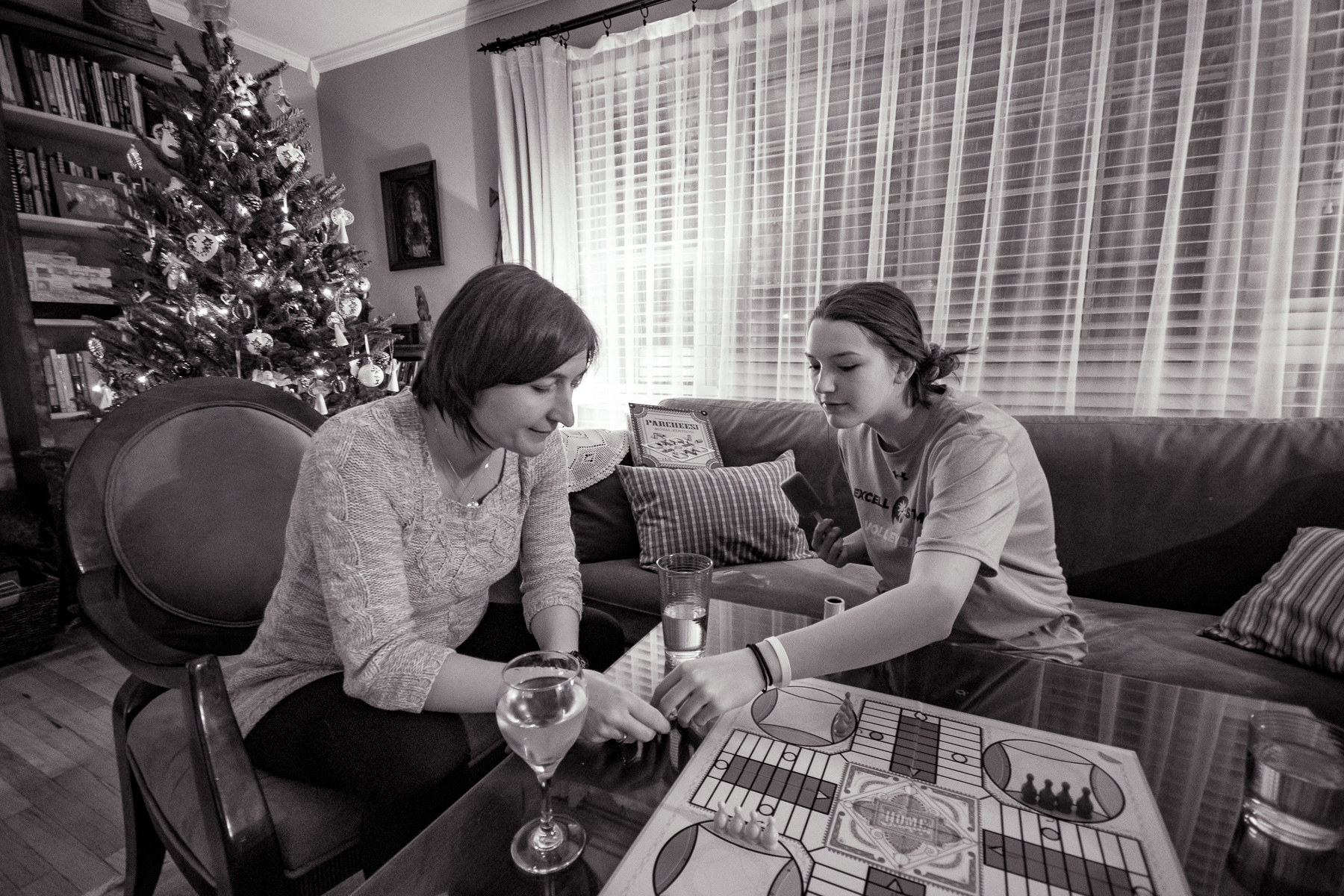
We played Ticket to Ride tonight — a favorite game for all of us. L and K enjoy it because they actually play to win; E and I love it because we play to stop them from winning. Not to win ourselves — just to get in their way. It means there’s a lot of laughs, a bit of frustration from time to time, and lots of memories.

I’ve always associated games with the extended Thanksgiving break. When we went to Nashville to visit Nana’s brother for Thanksgiving, one of the highlights for me was digging through their game closet. They had everything — games we had of course like Scrabble but also games I’d always wanted to play but never owned like Life and Battleship. And of course Monopoly. I loved it as at E’s age just as much as he loves it, and I’m sure everyone else put up with it just like we put up with it.

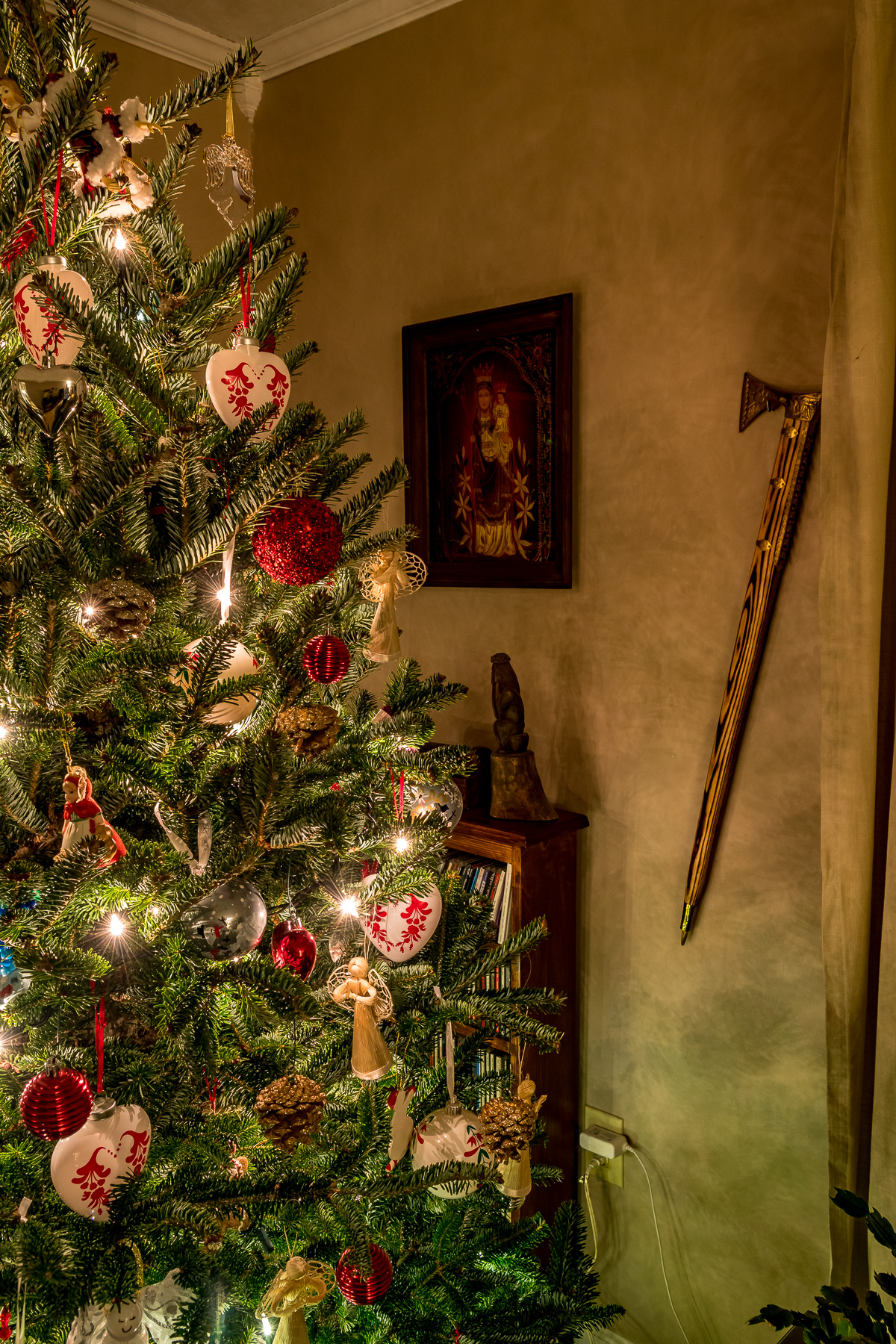
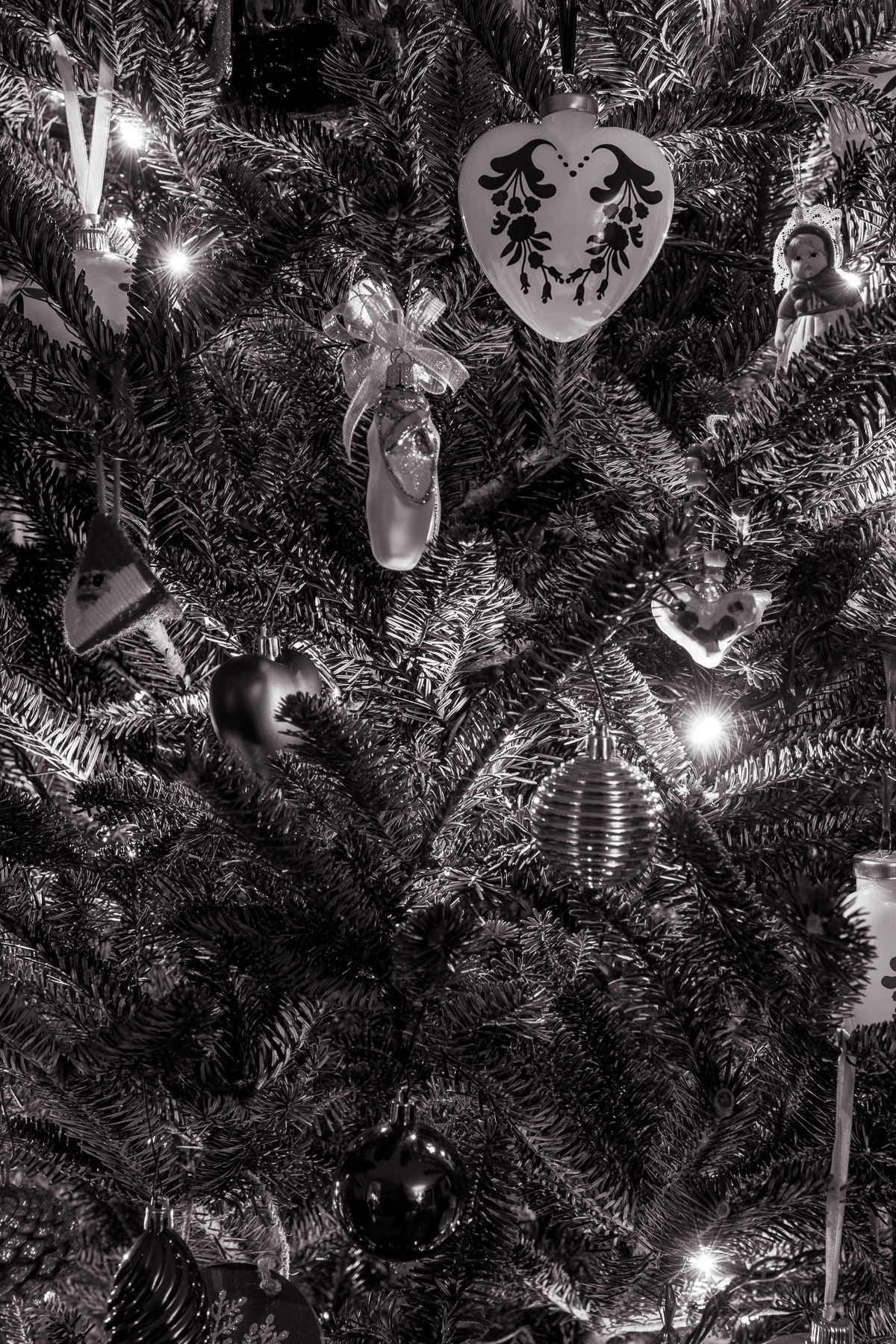
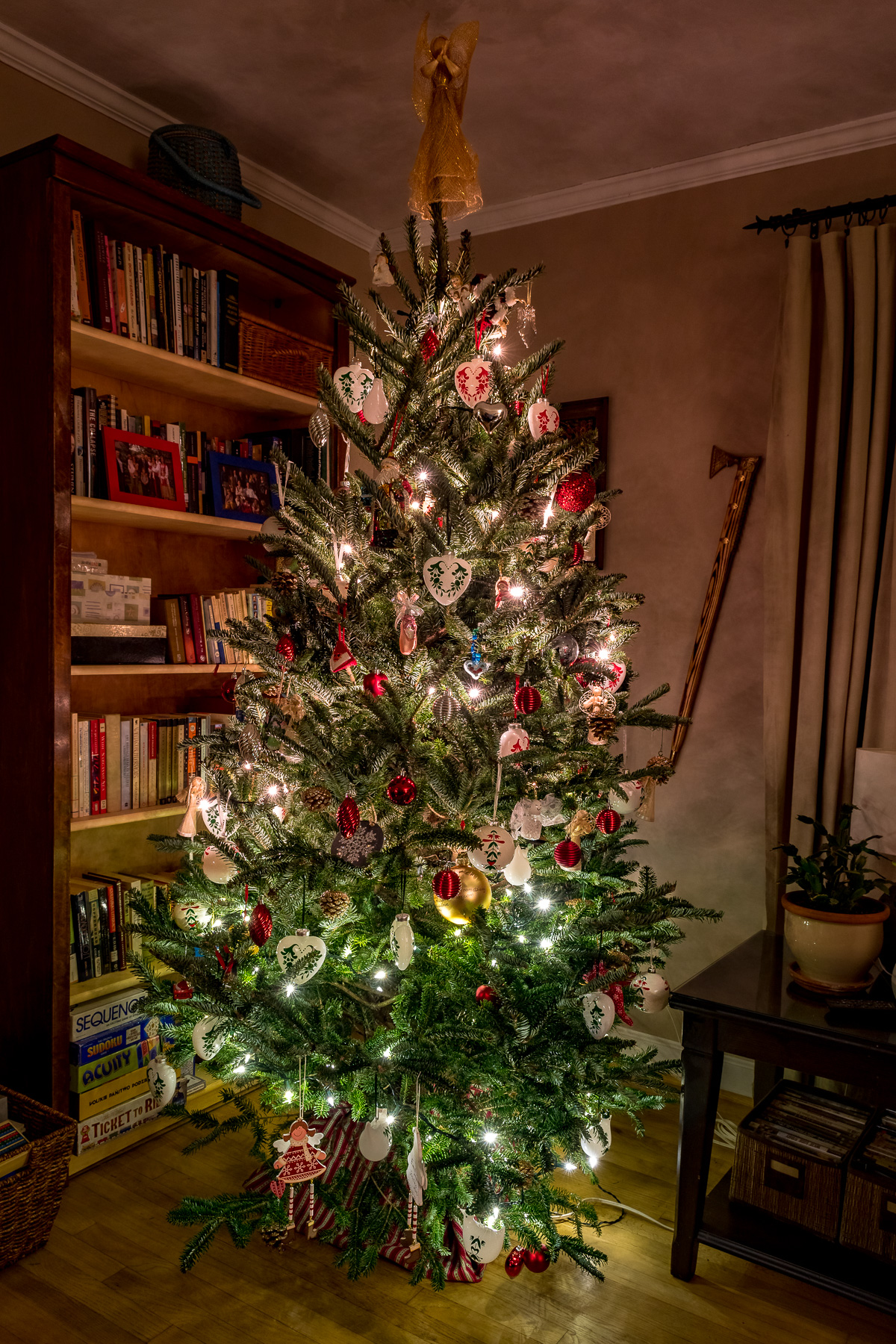
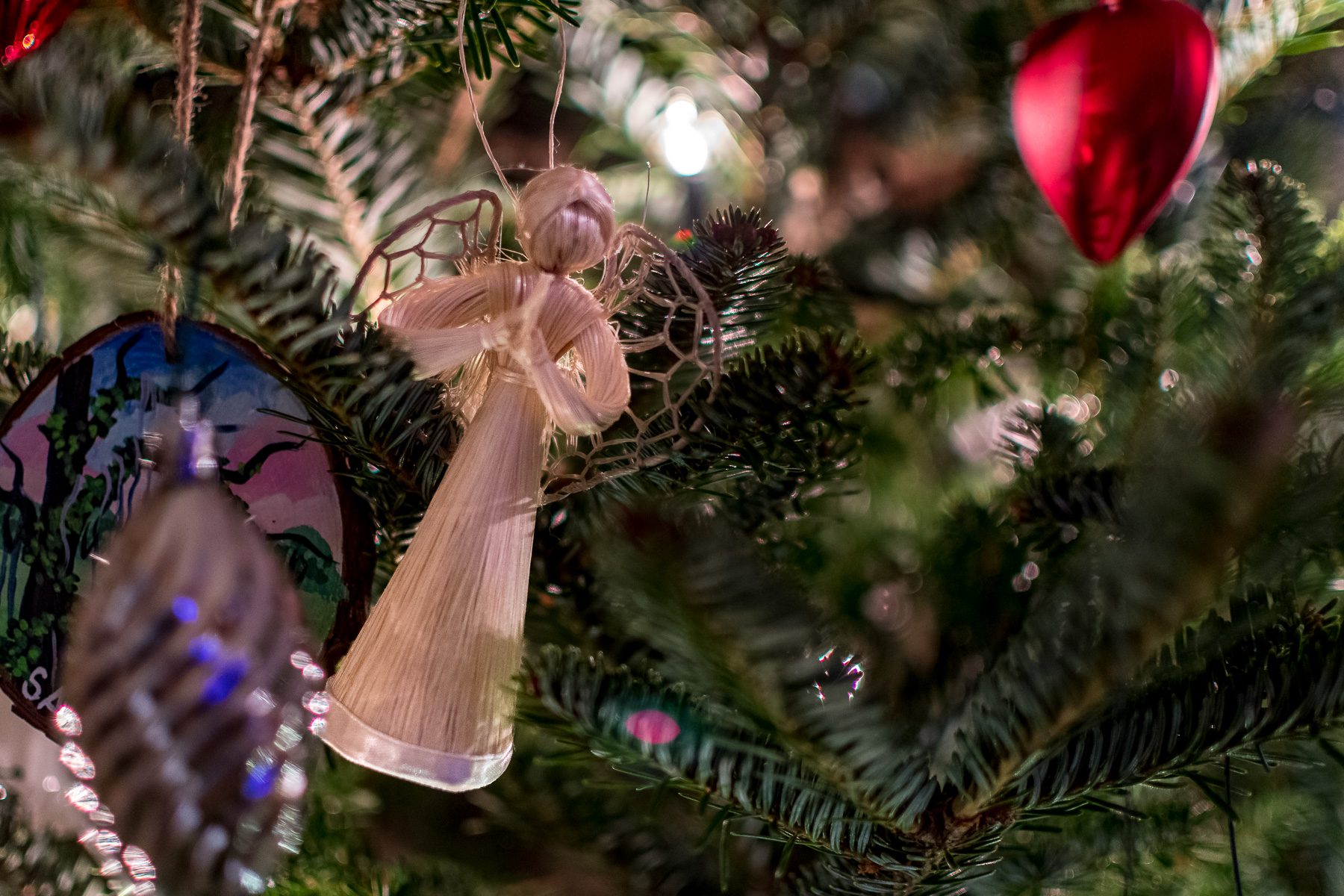
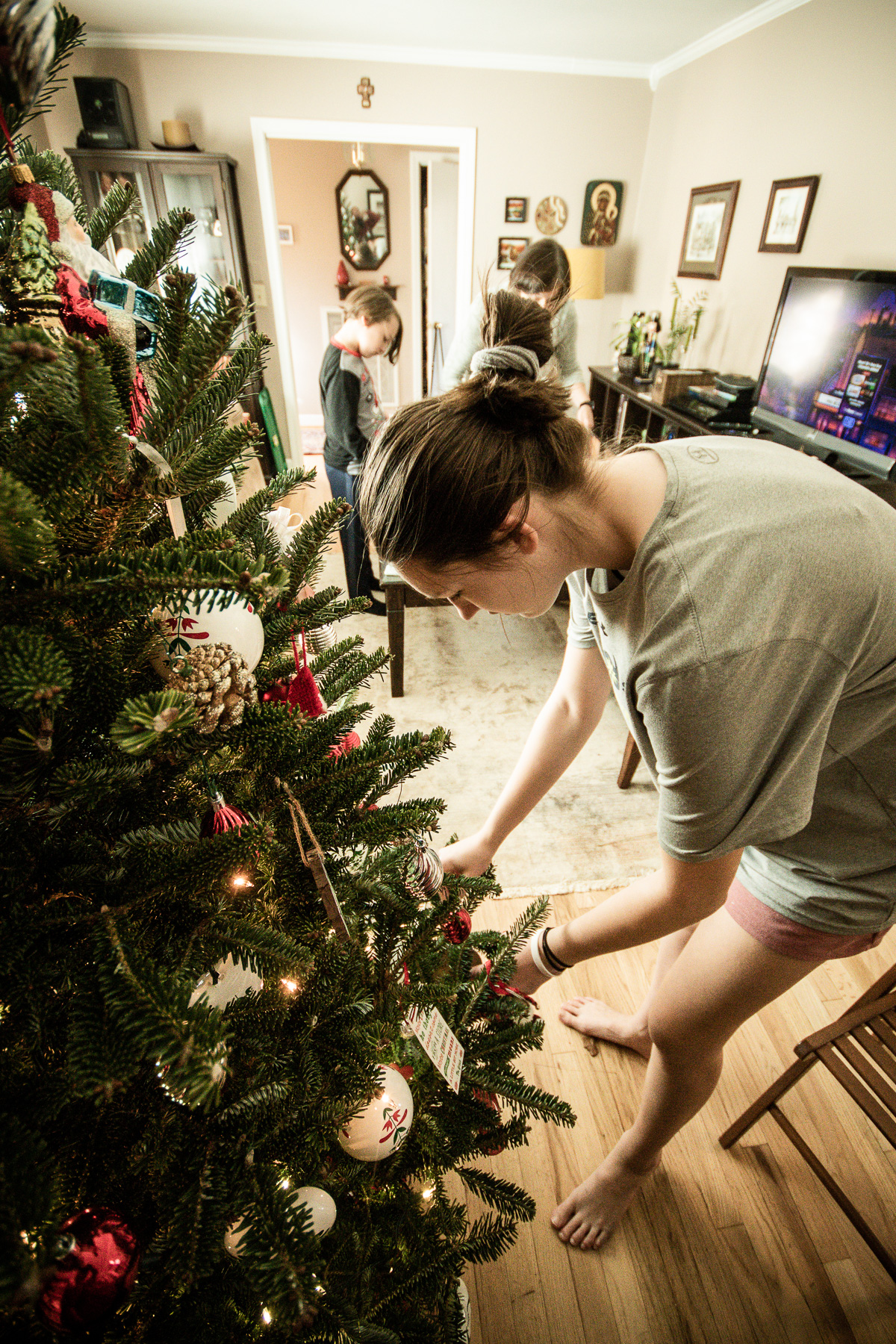
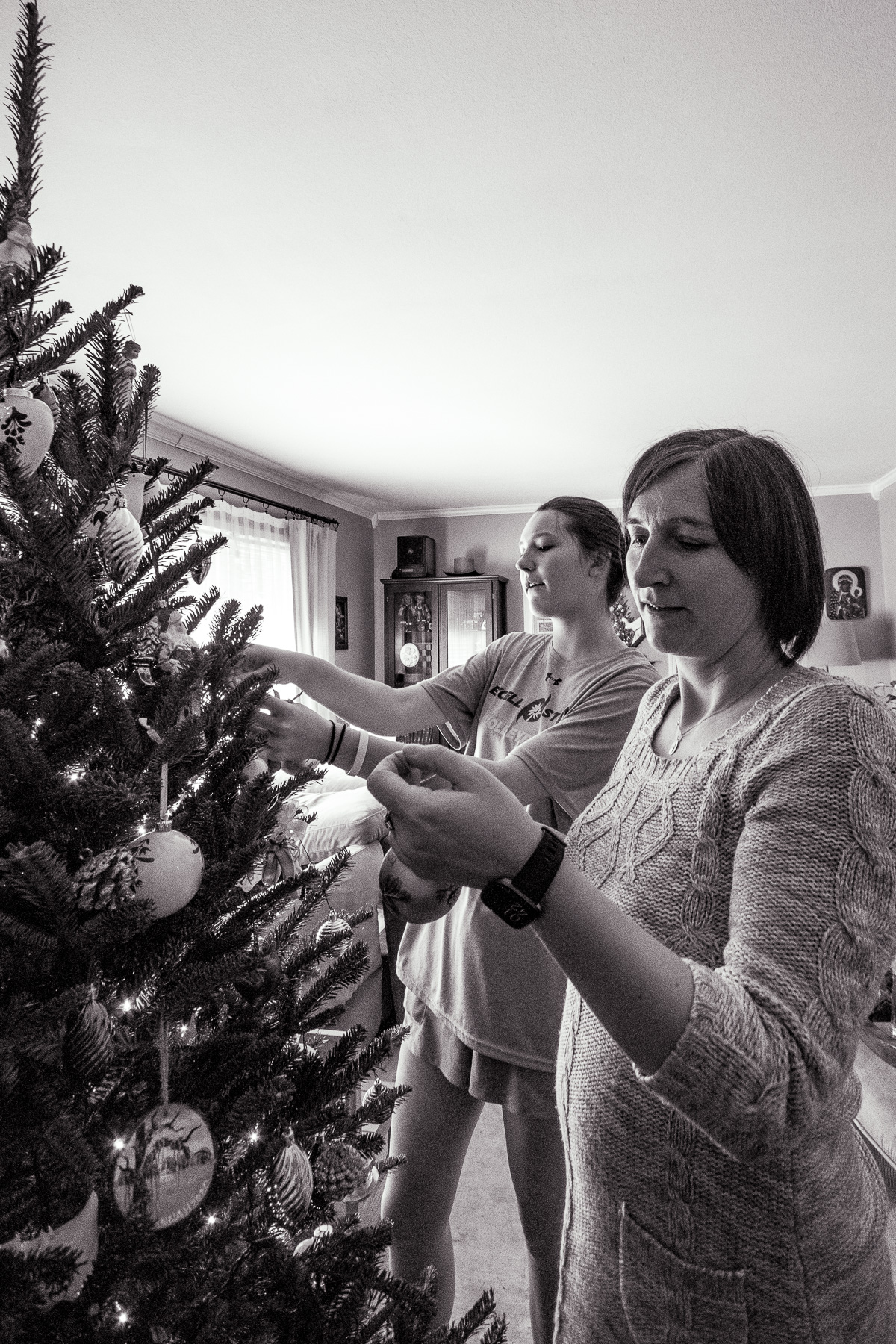
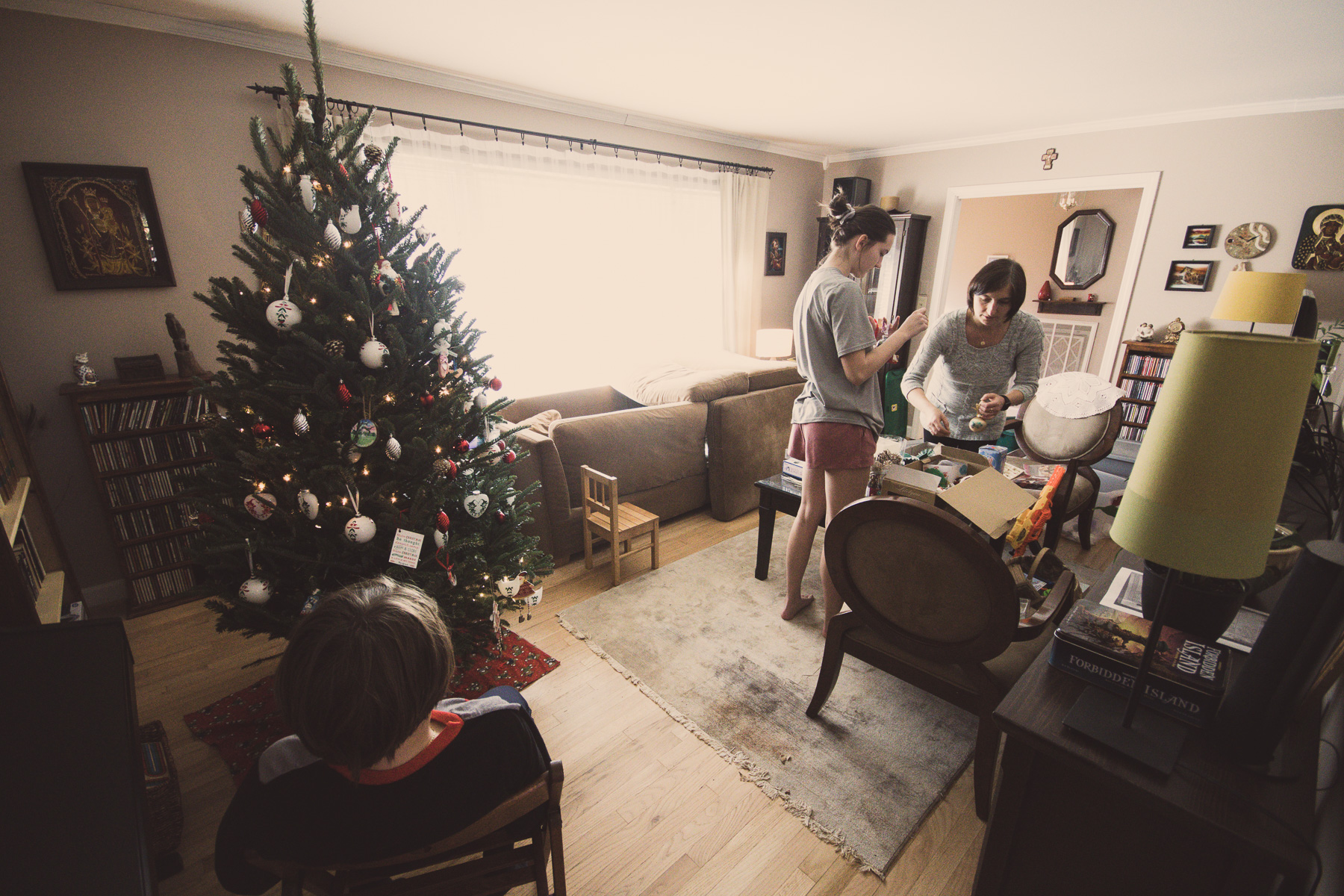
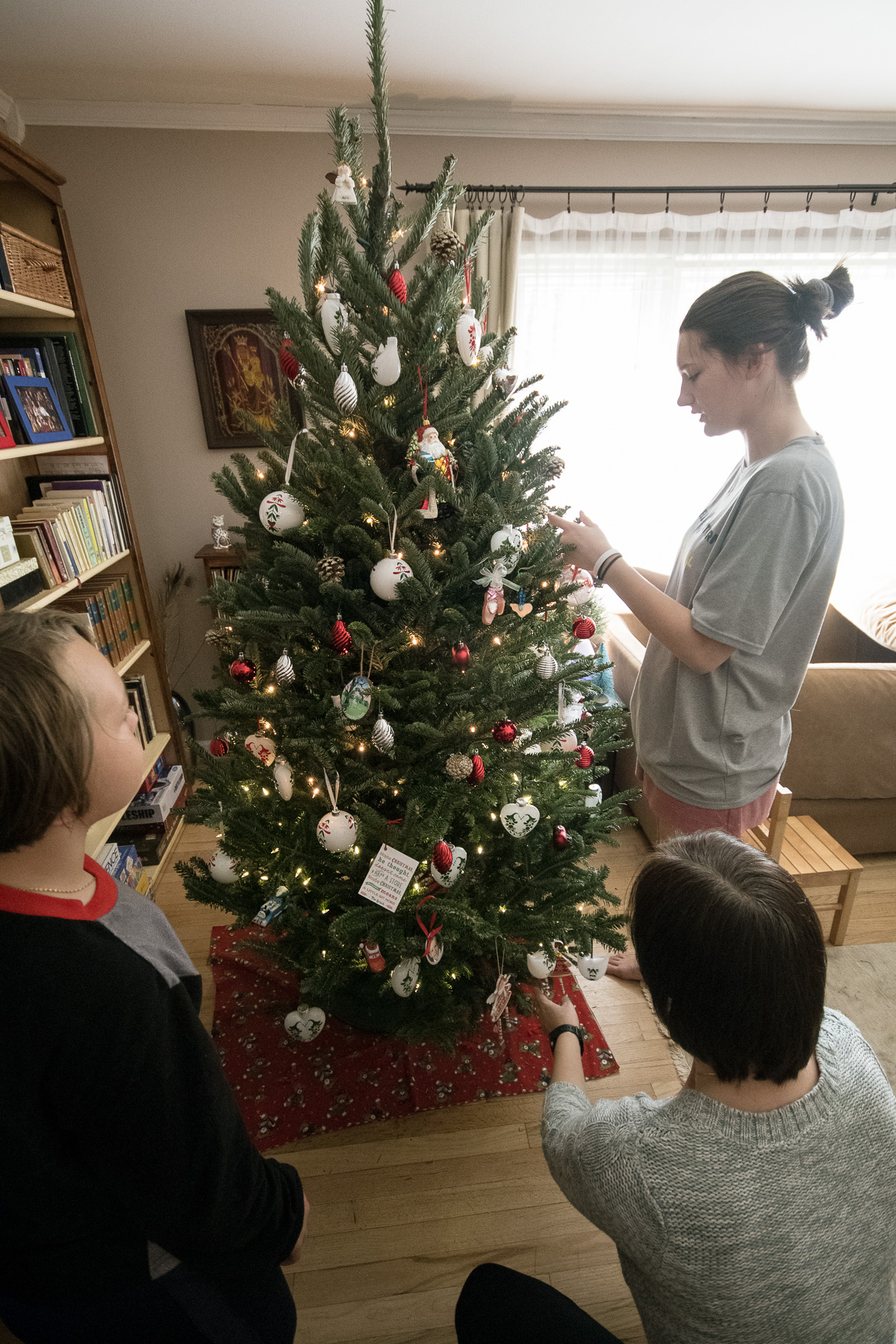
Tree 2021

The earliest we've ever gotten a tree.

We slide out of the Thanksgiving season right into Christmas.