fun in threes, sometimes fours
g

From Anne Applebaum’s latest article in The Atlantic:
The emotional appeal of a conspiracy theory is in its simplicity. It explains away complex phenomena, accounts for chance and accidents, offers the believer the satisfying sense of having special, privileged access to the truth. But—once again—separating the appeal of conspiracy from the ways it affects the careers of those who promote it is very difficult. For those who become the one-party state’s gatekeepers, for those who repeat and promote the official conspiracy theories, acceptance of these simple explanations also brings another reward: power. (Source)
The conspiracy theories swirling around in Poland right now about who was responsible for the disaster at Smolensk includes thought Jews were somehow responsible, that the Russians did it, that the previous administration — kind of like the deep state conspiracy theory in the States — was responsible don’t at first appear similar to the conspiracy theories in the States like birtherism, Pizzagate, and the malicious omnipotence of George Soros. But Applebaum’s article points out some frightening similarities in the central commonality of all these conspiracy theories: the politicians who encourage and spread them do so as part of a mechanism to solidify power.
It’s been happening in Poland for some time now, and Applebaum’s article draws some parallels with how such thinking developed in Poland and led to an unquestioned leaning away from democracy. Both countries have experienced a demonization of the press, with our own president going so far as to call it the enemy of the people. A free press is only the enemy of someone with totalitarian aspirations, someone who looks at demagogues admiringly. Both countries are incredibly polarized with differing definitions even of the truth. Civil discussion has become all but impossible for many, and the article discusses how these political differences have divided and broken families. I’m sure it’s happened here in the States as well.
The article is worth a read.
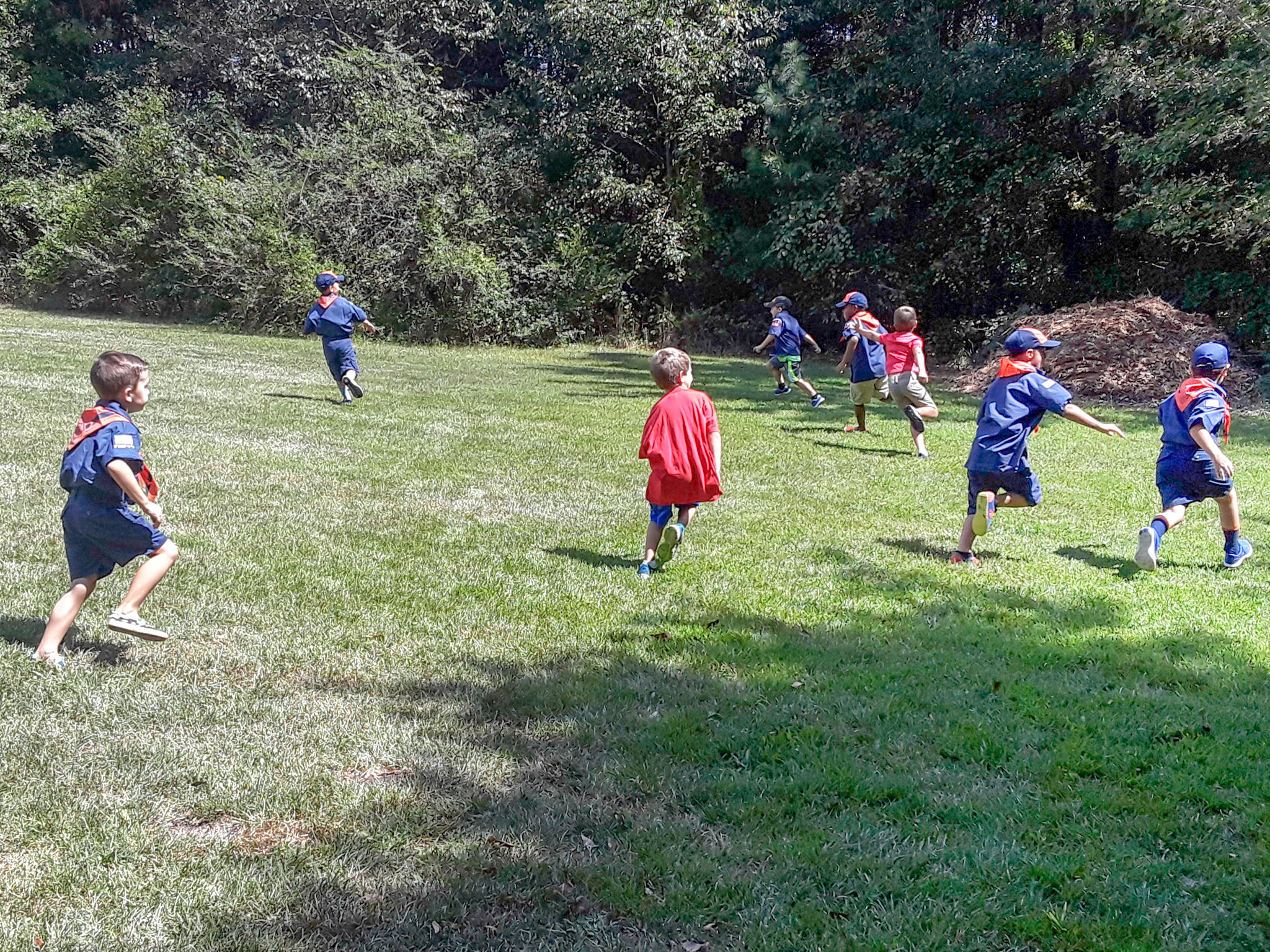
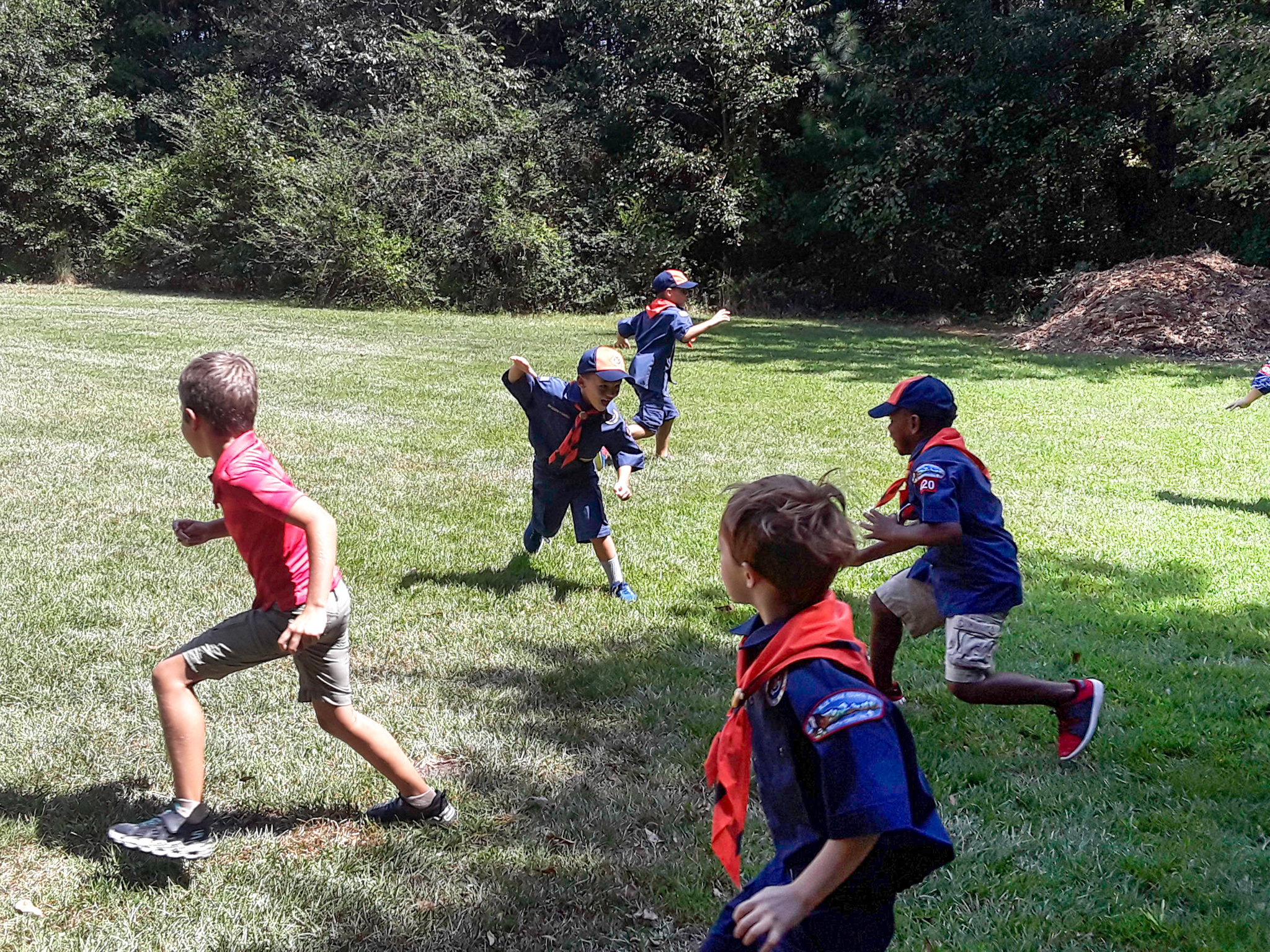
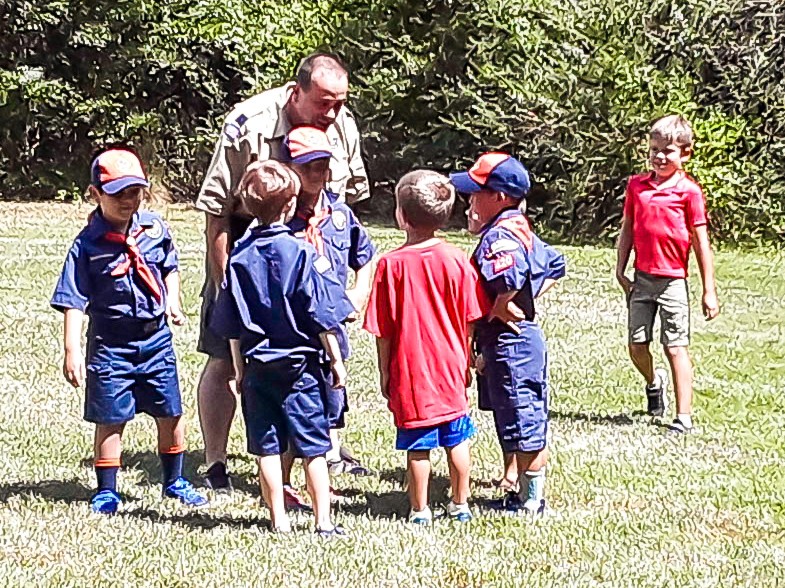
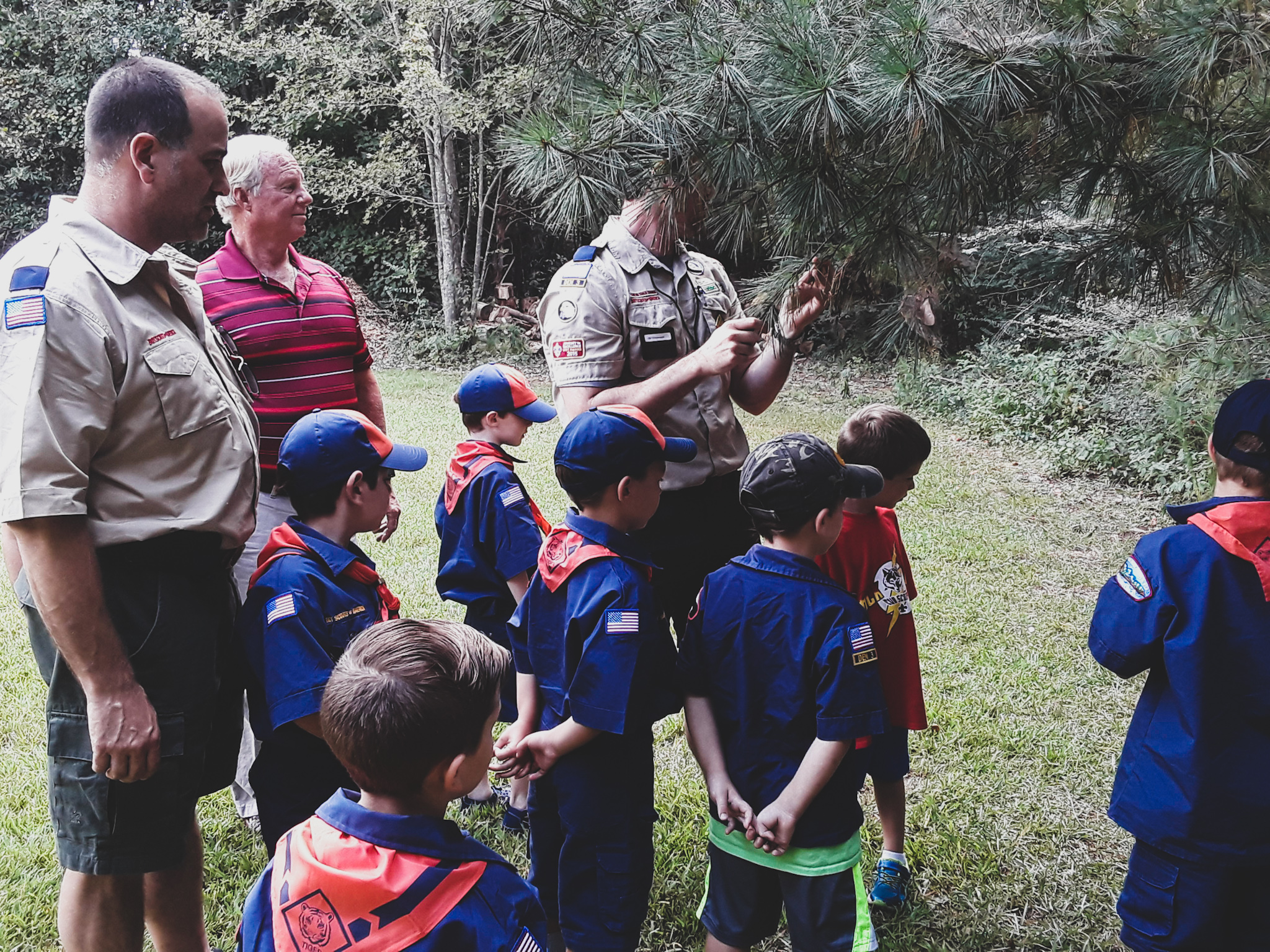
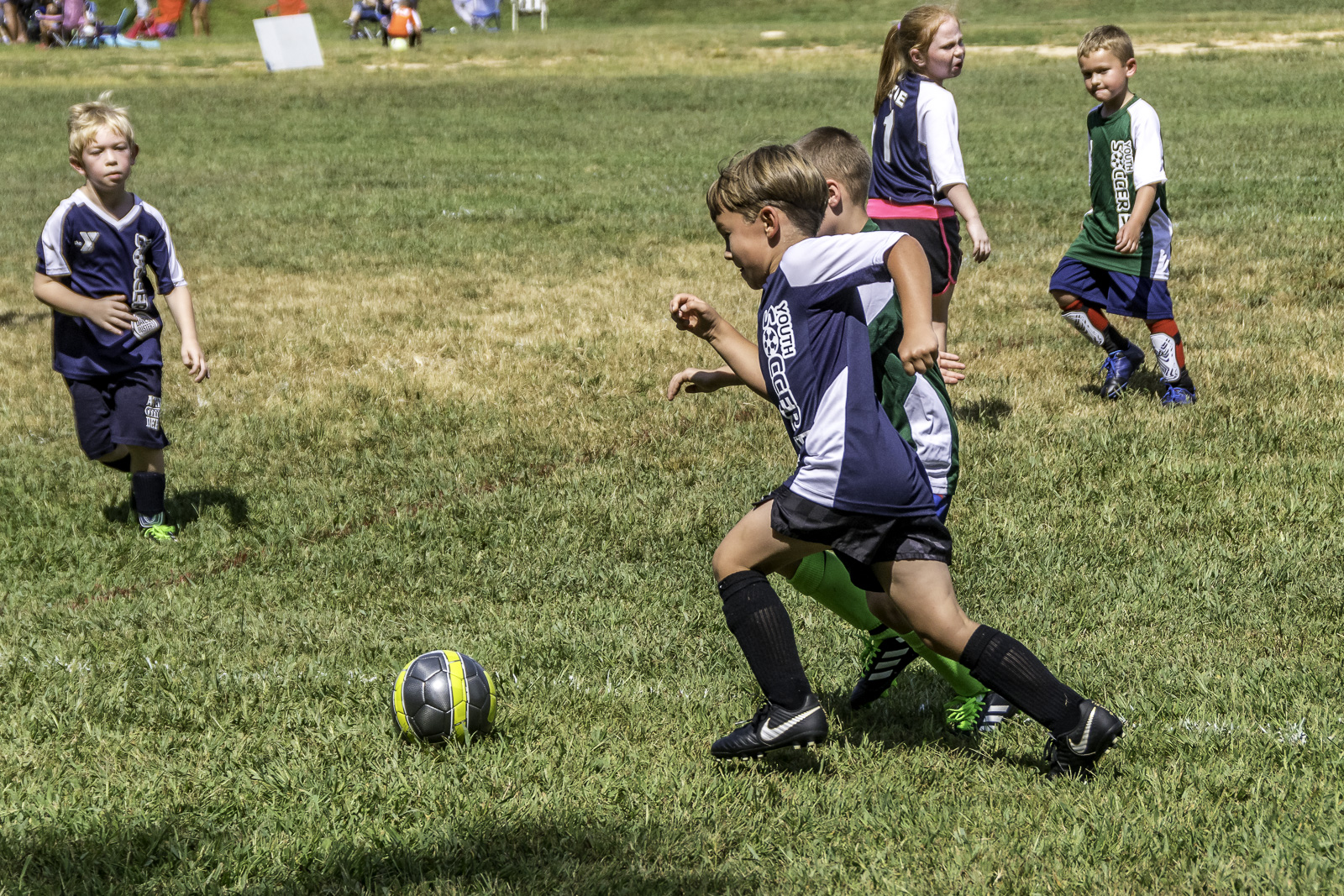
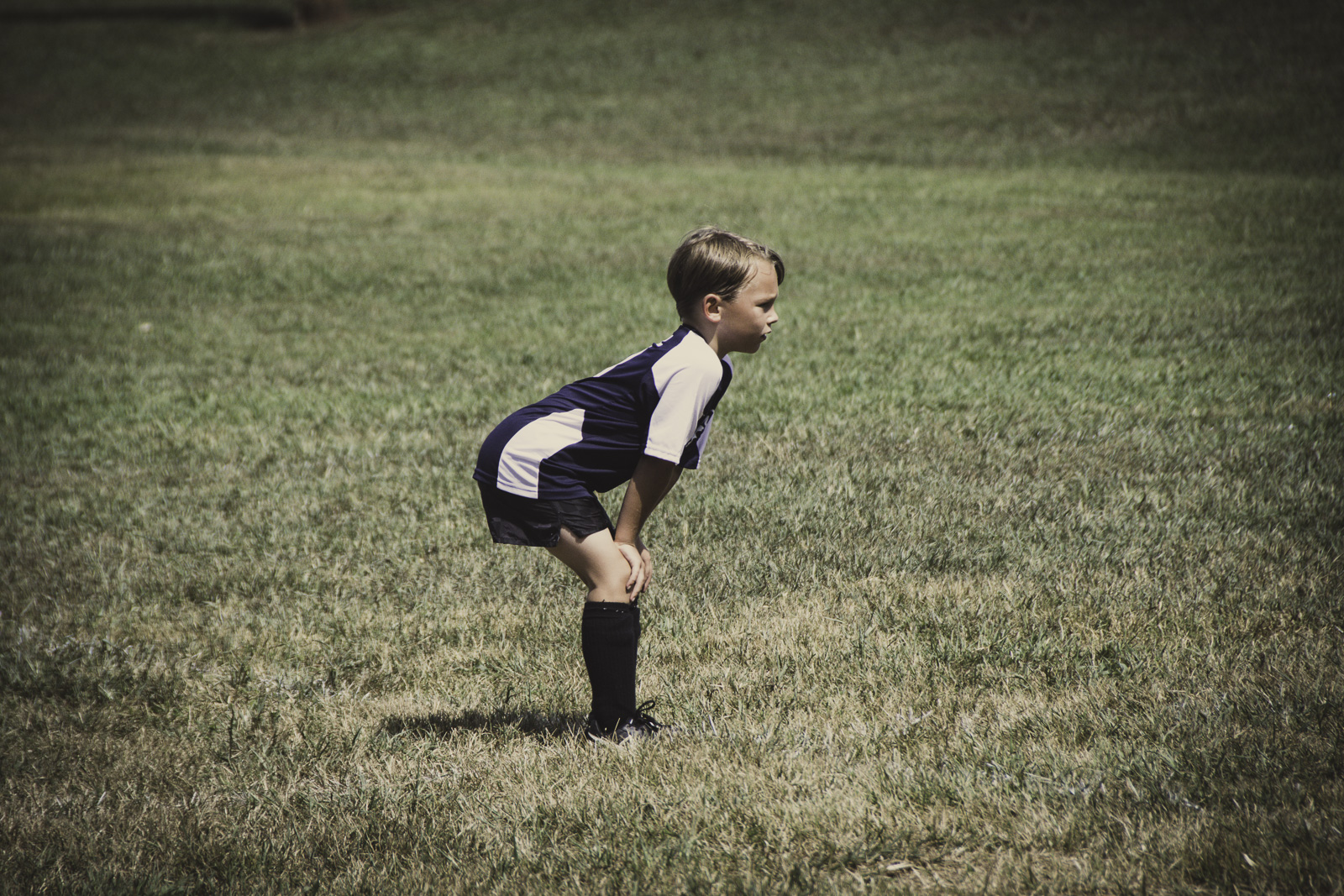
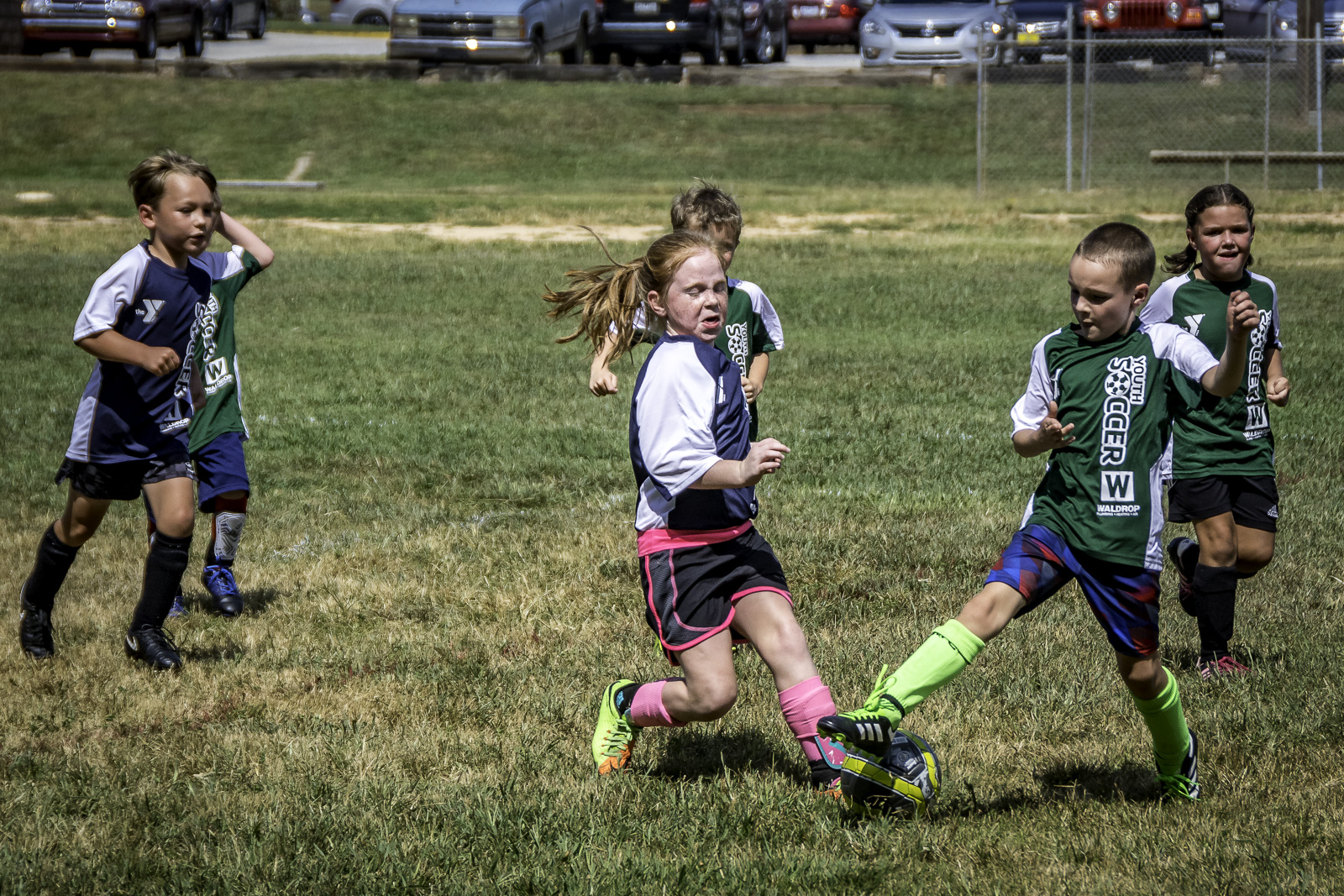
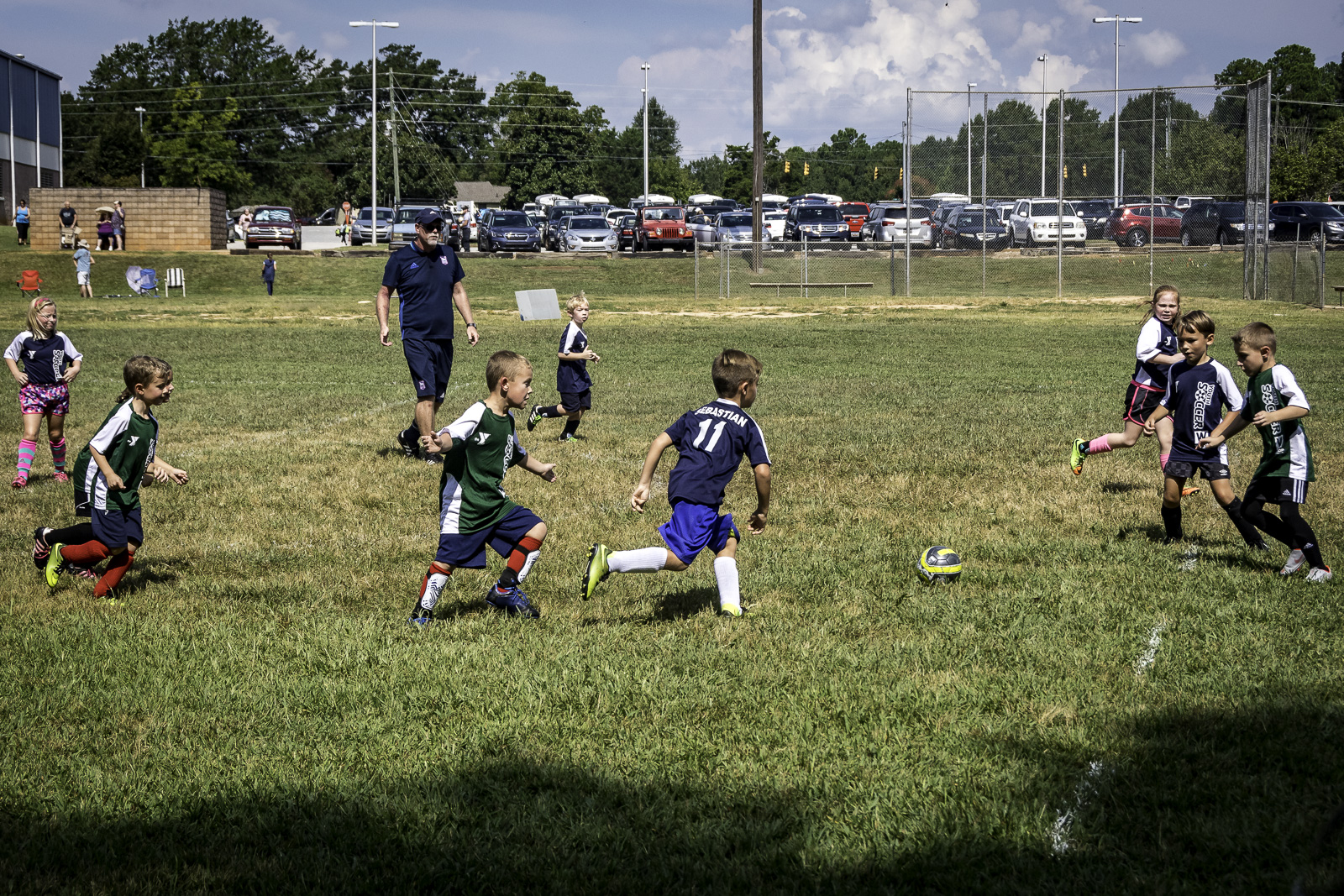
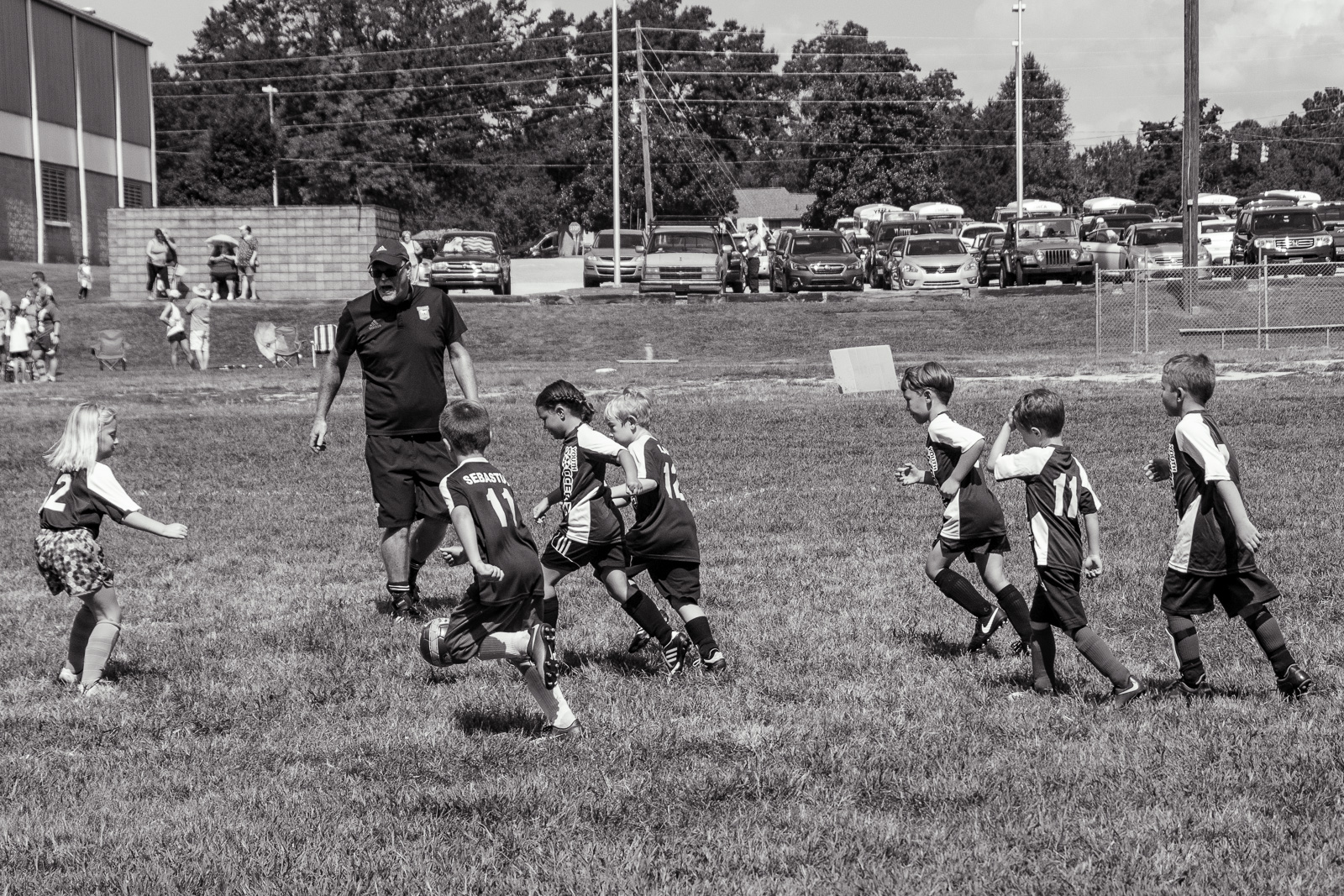
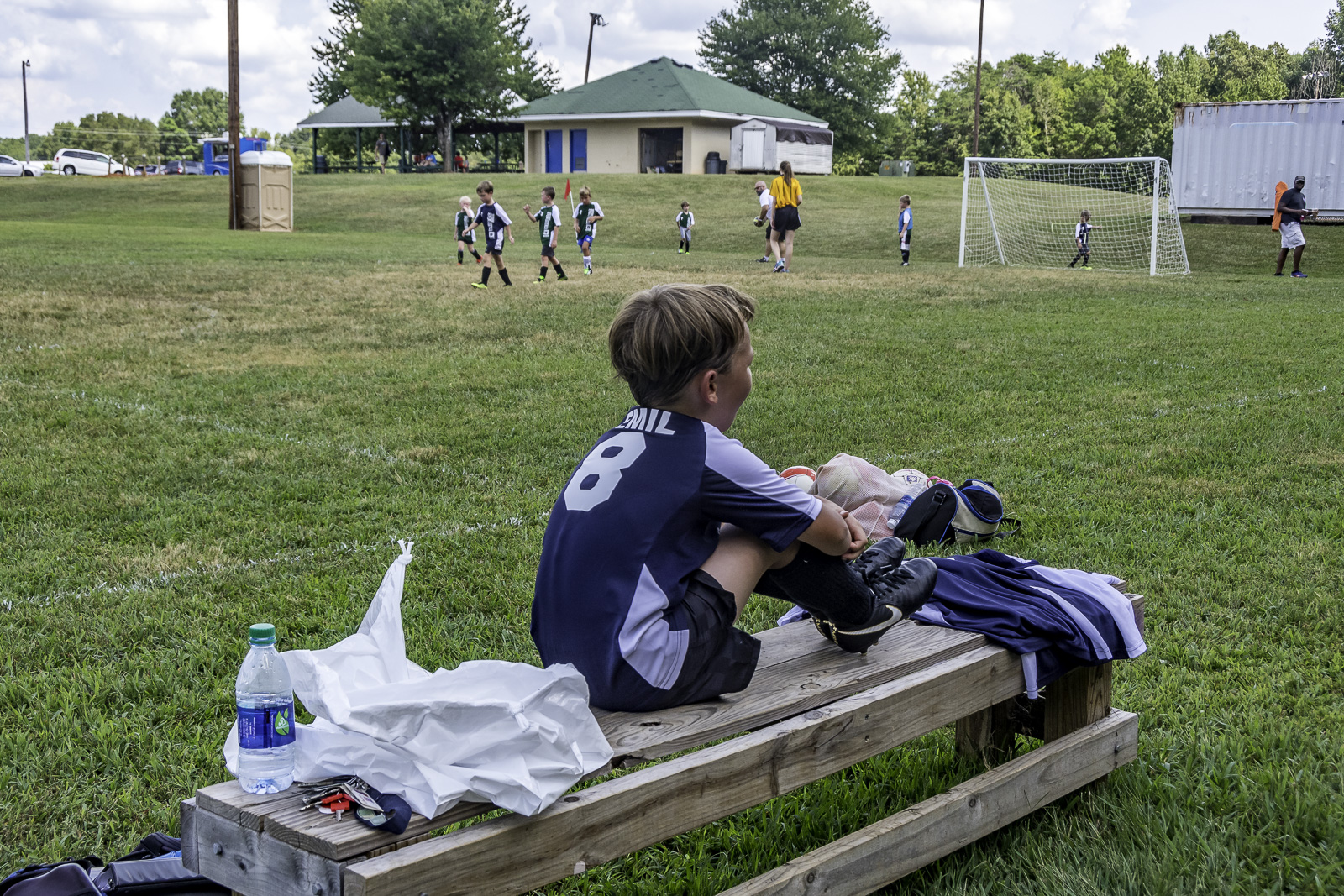
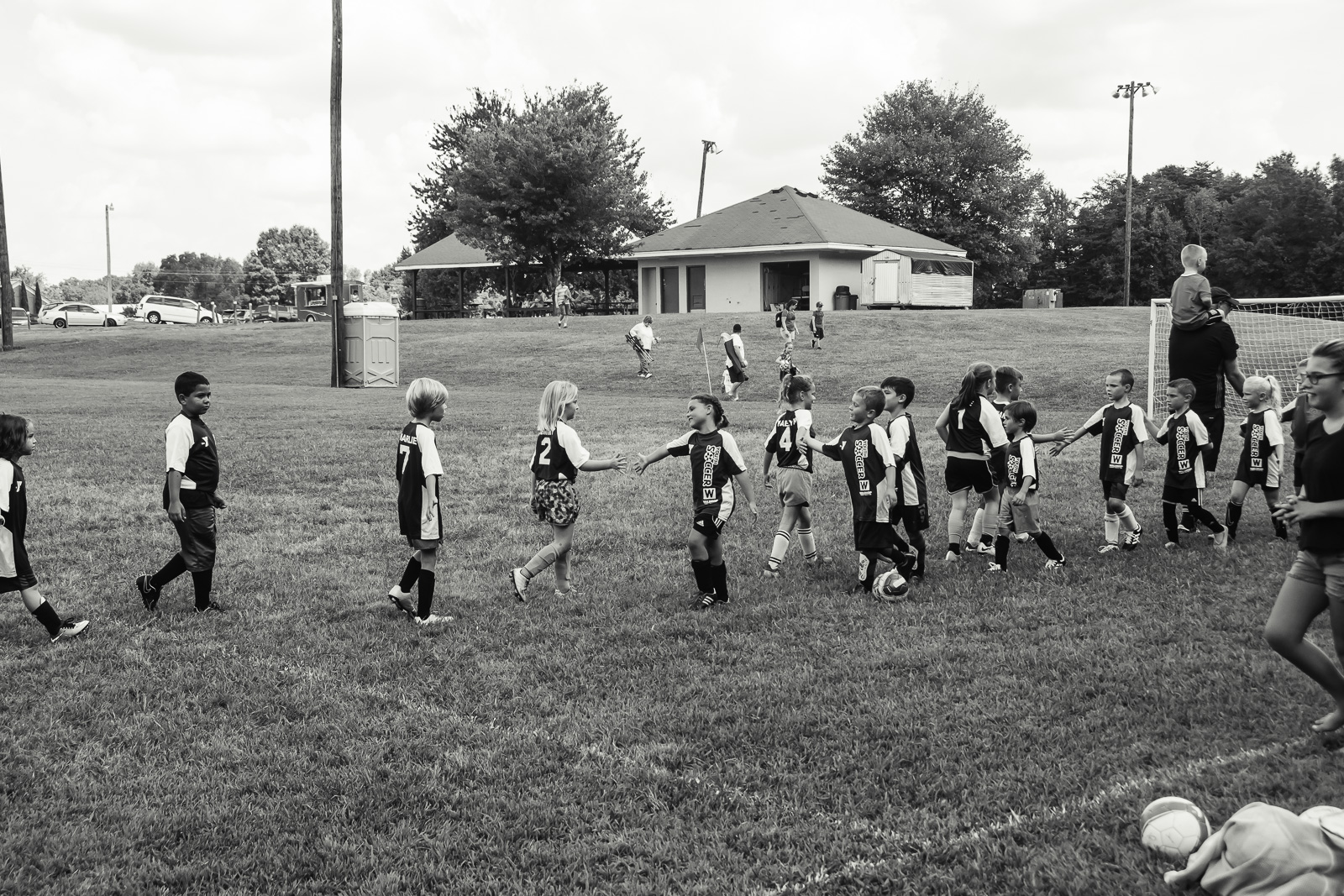
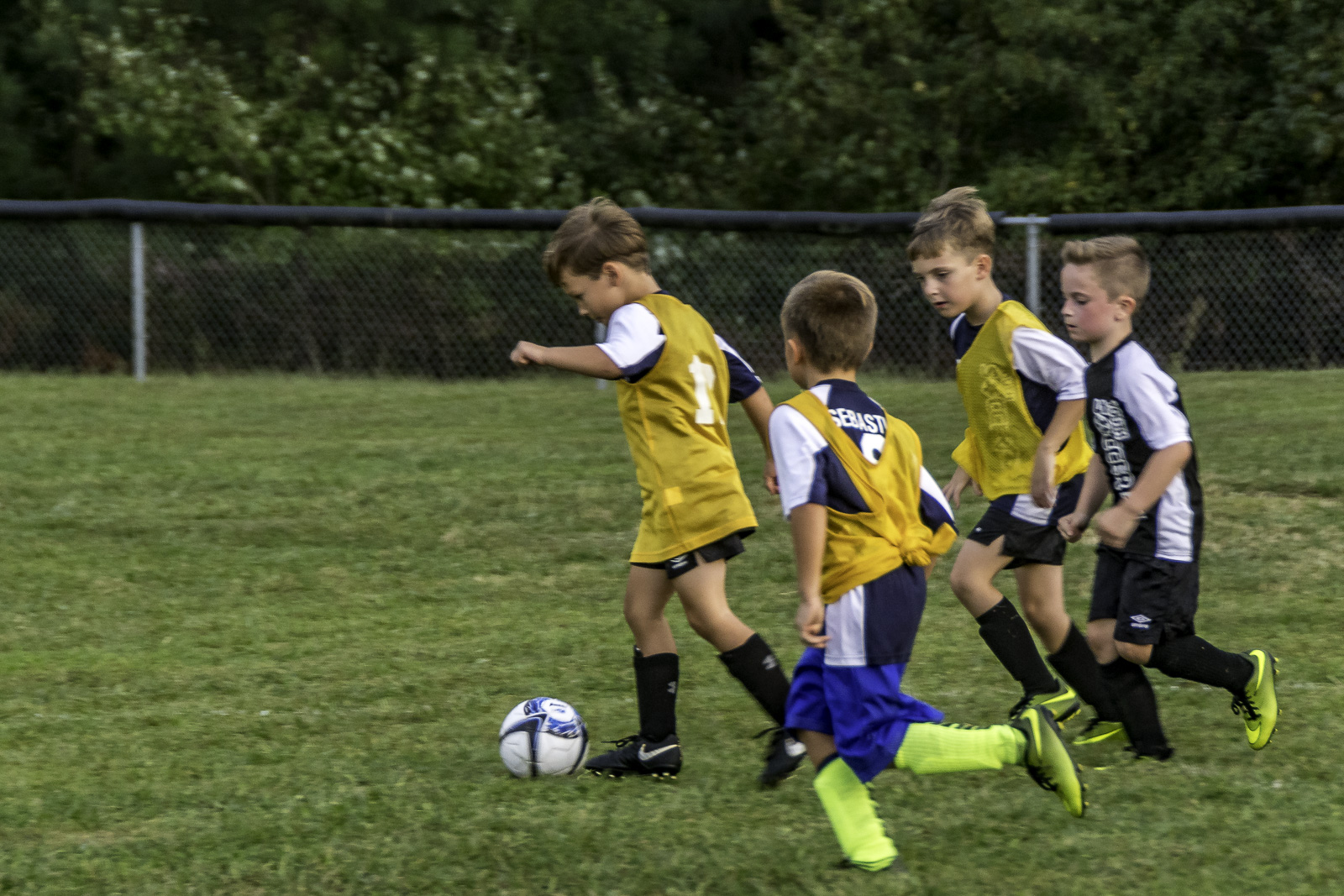
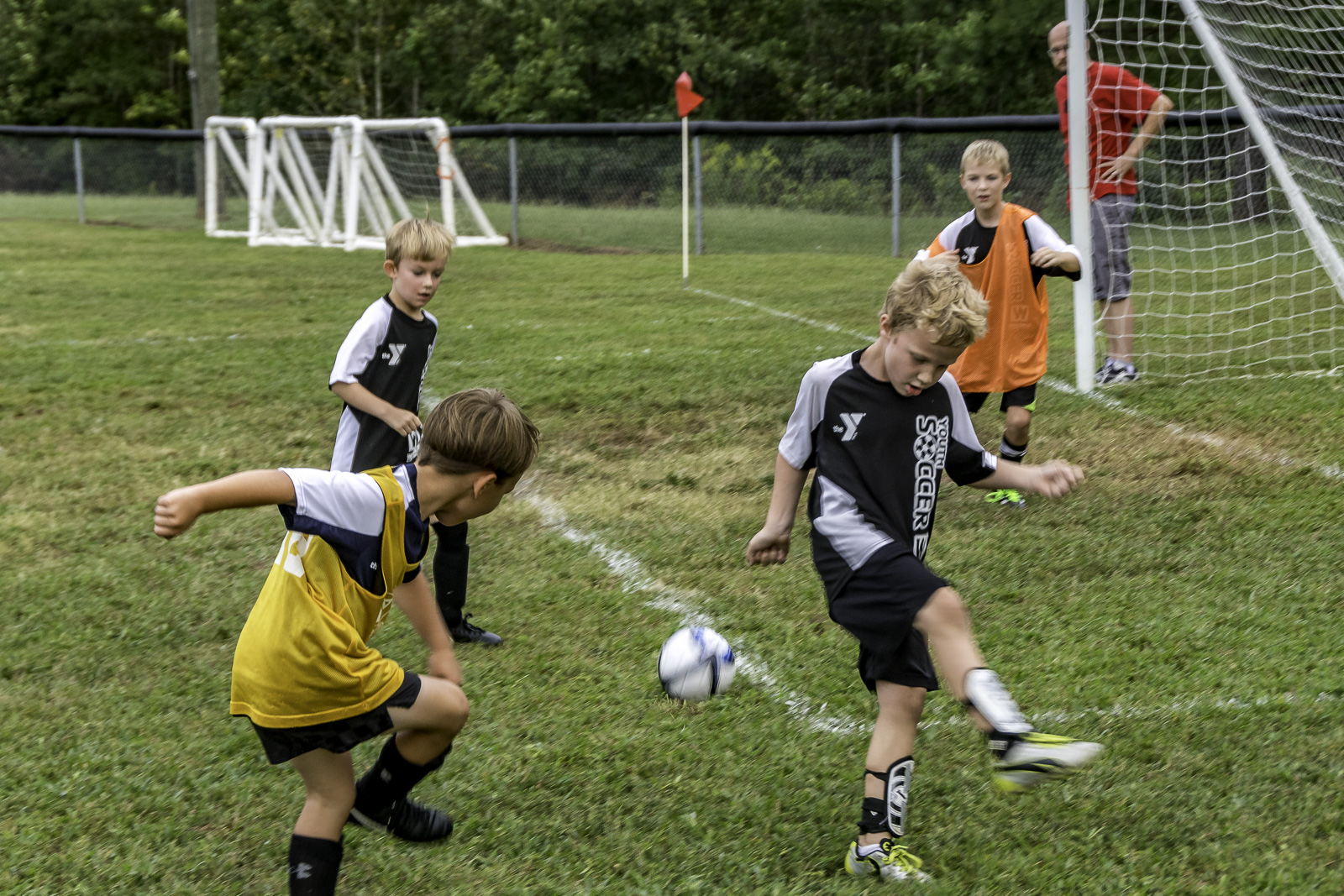
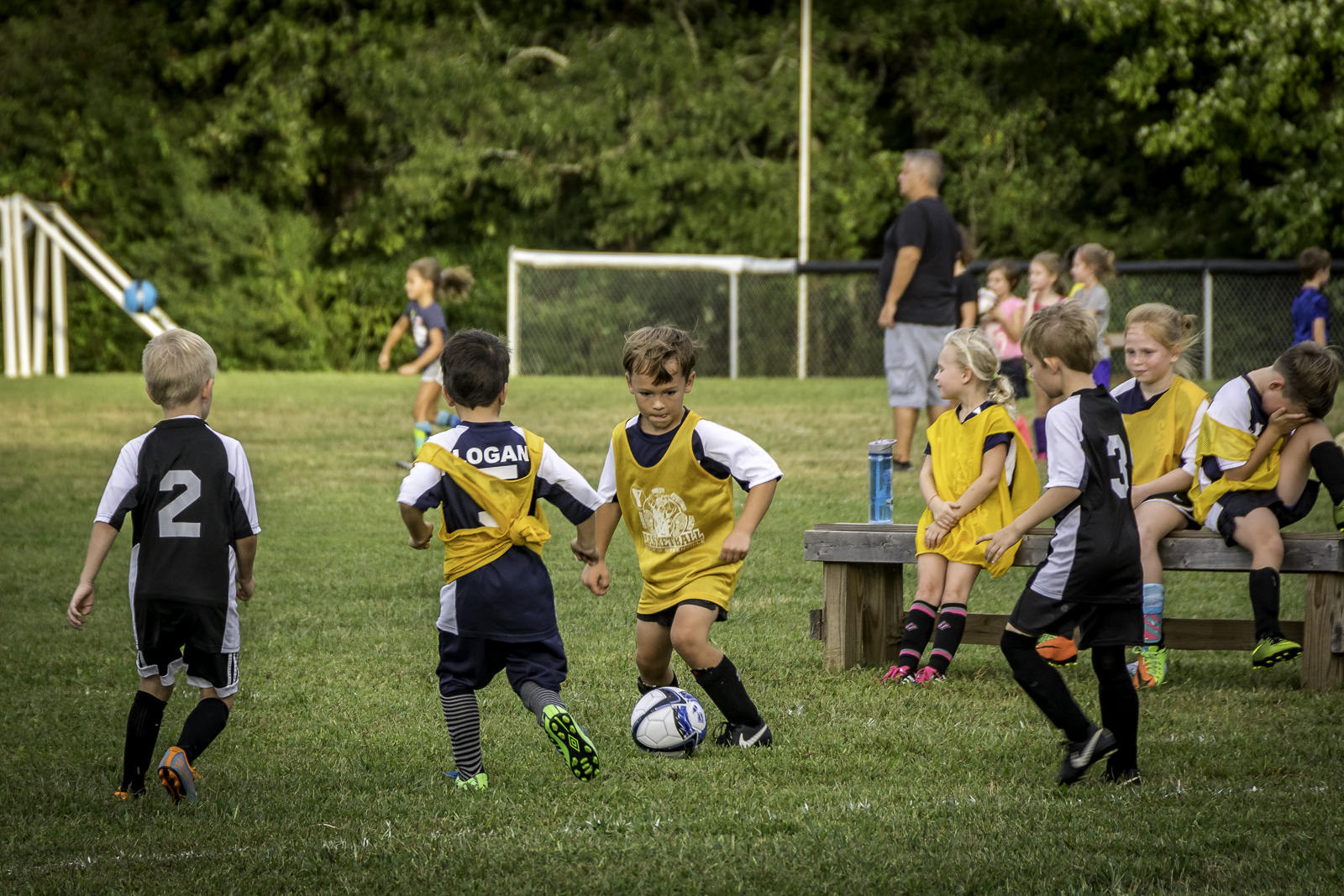
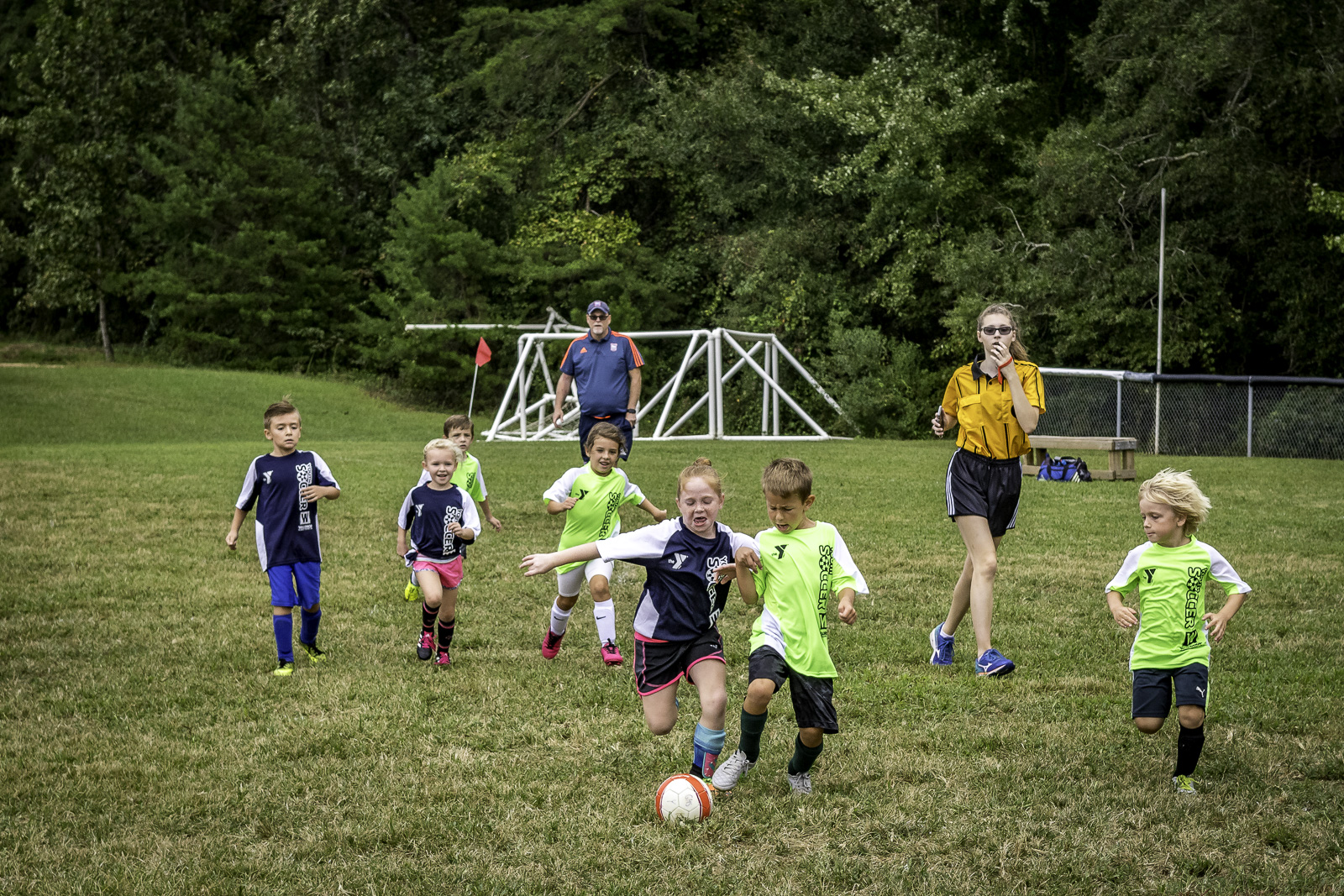
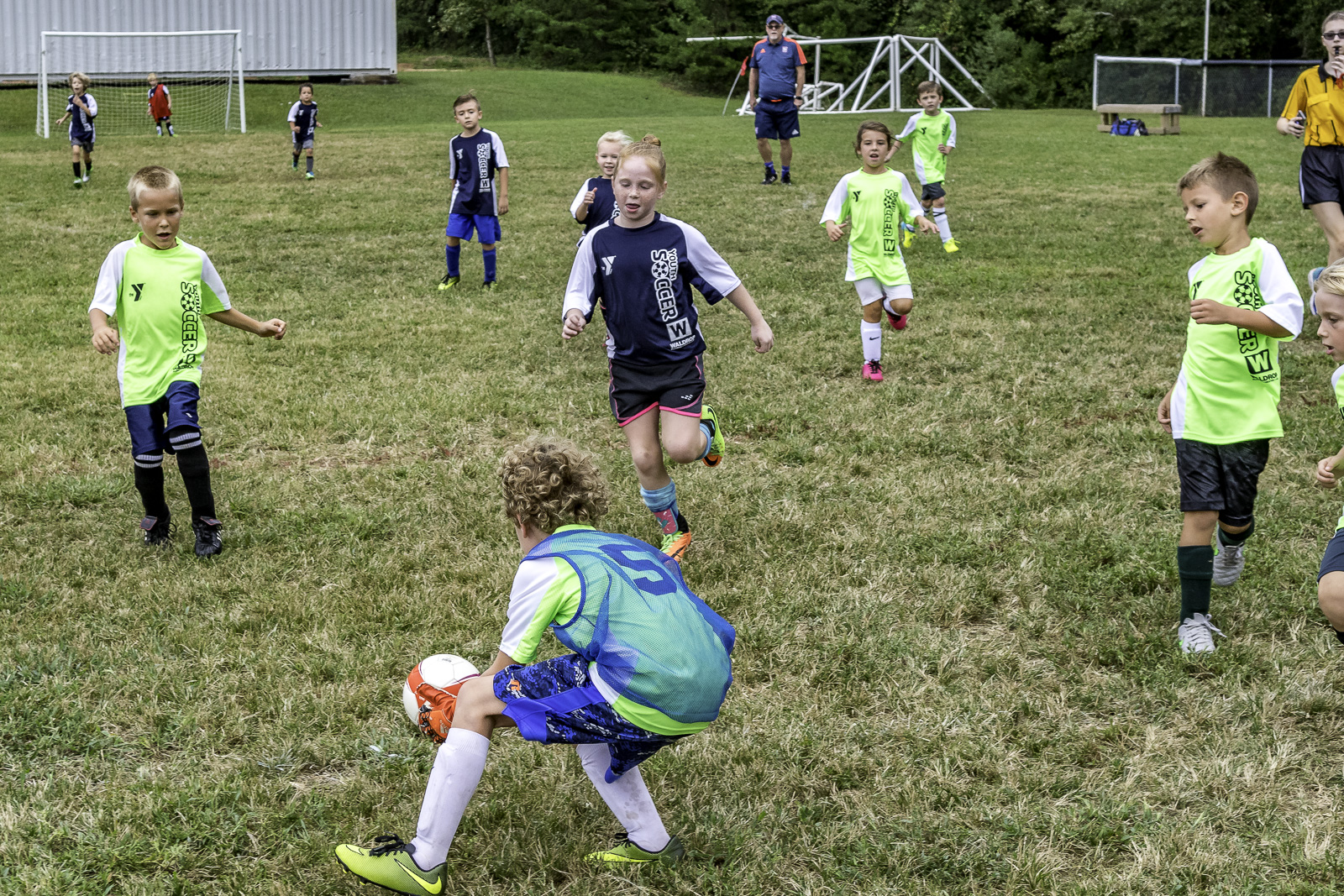
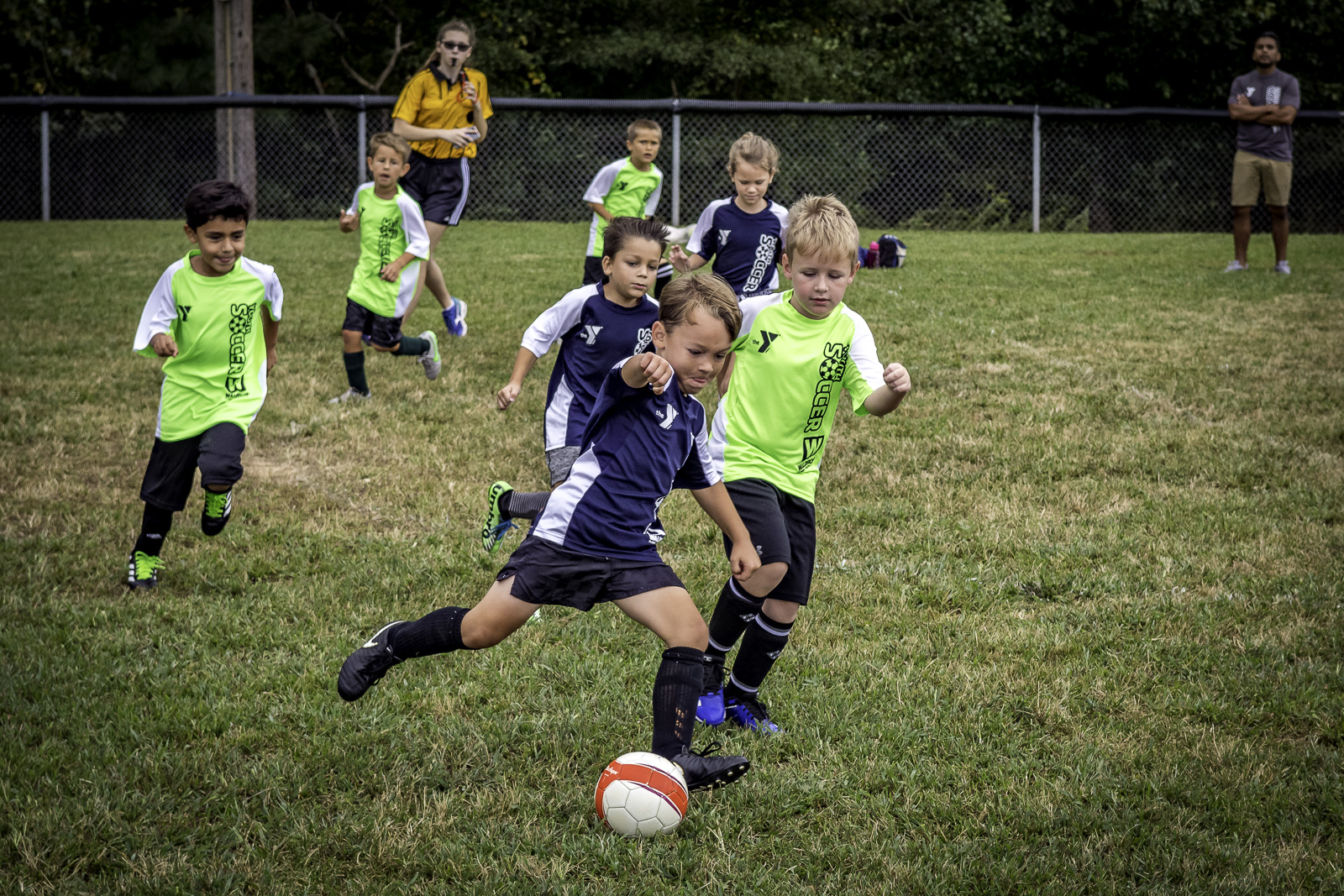
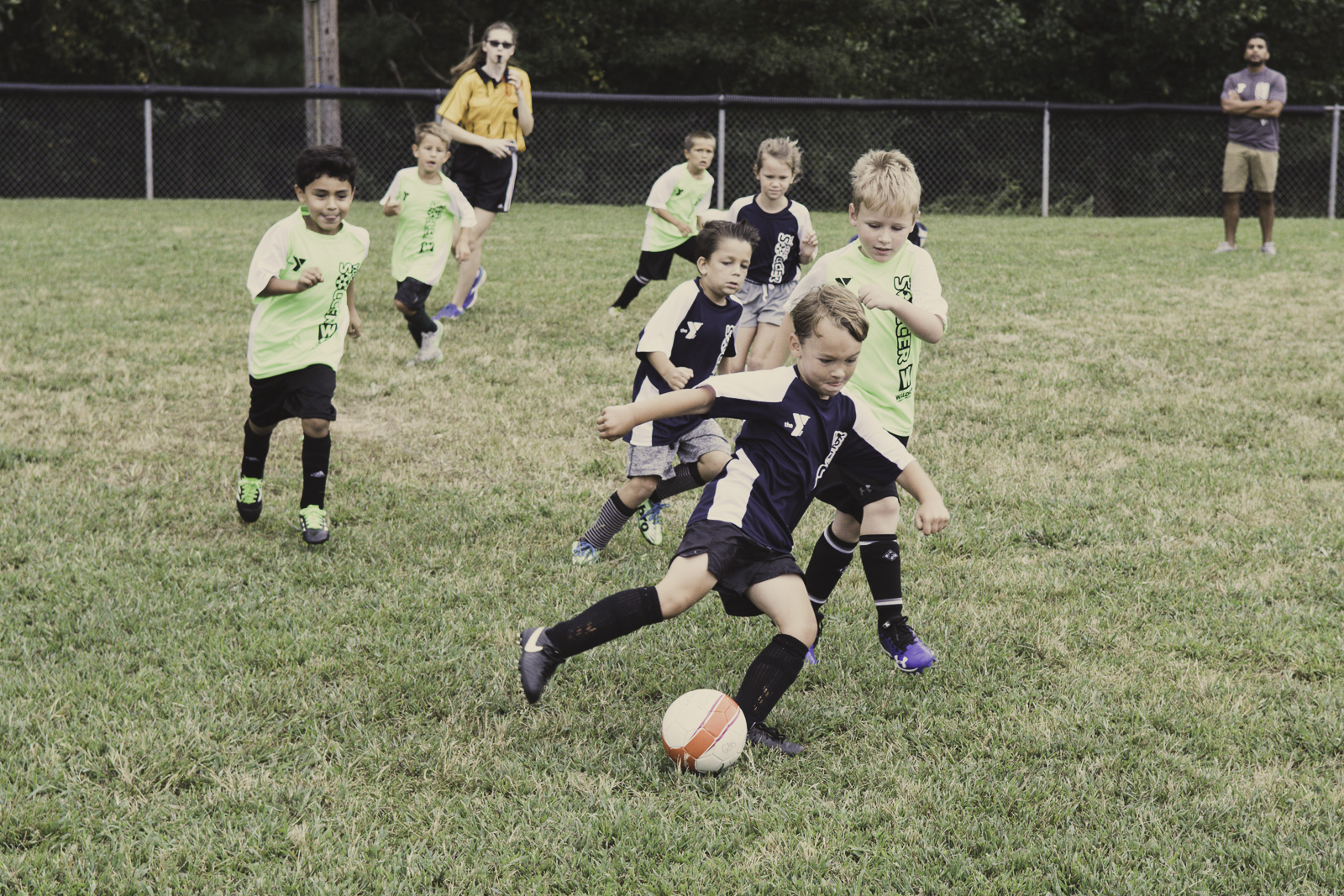
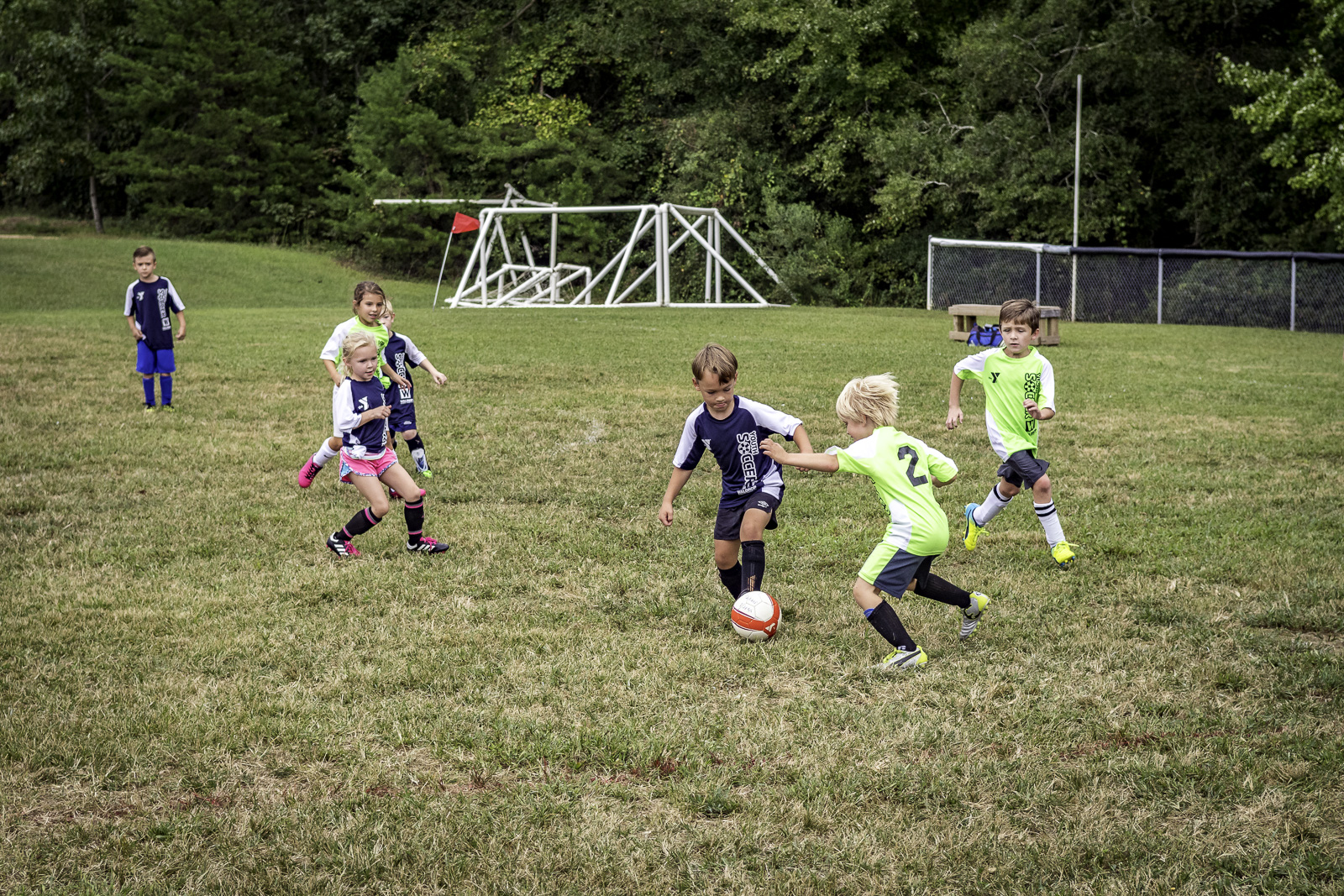
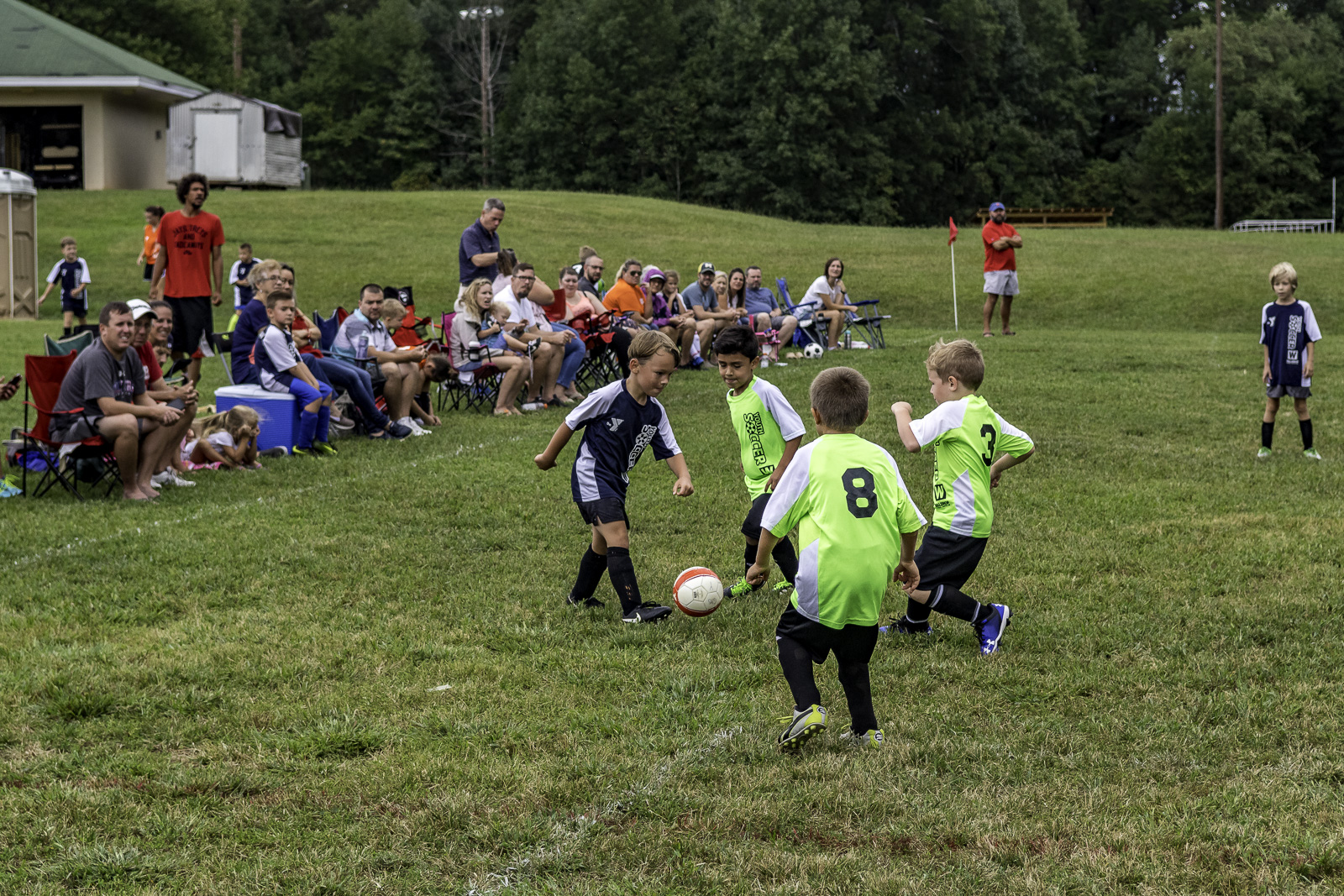
The day started with the first game of the season, in a new age group, the six- to seven-year-old age group, which made the Boy one of the younger players on the field. It showed, but only a little bit. The star of our team, a young man named S, was seven years old and had some definite ball handling skills. He could weave in and out of defenders like a pro, and he must have had five or six shots on goal, making two of them. The Boy, by contrast, attacked best when he had a bit of room to work with. Charging through the opponents was still a bit beyond him, but I could see he was watching S, probably planning his own implementation of such a strategy.

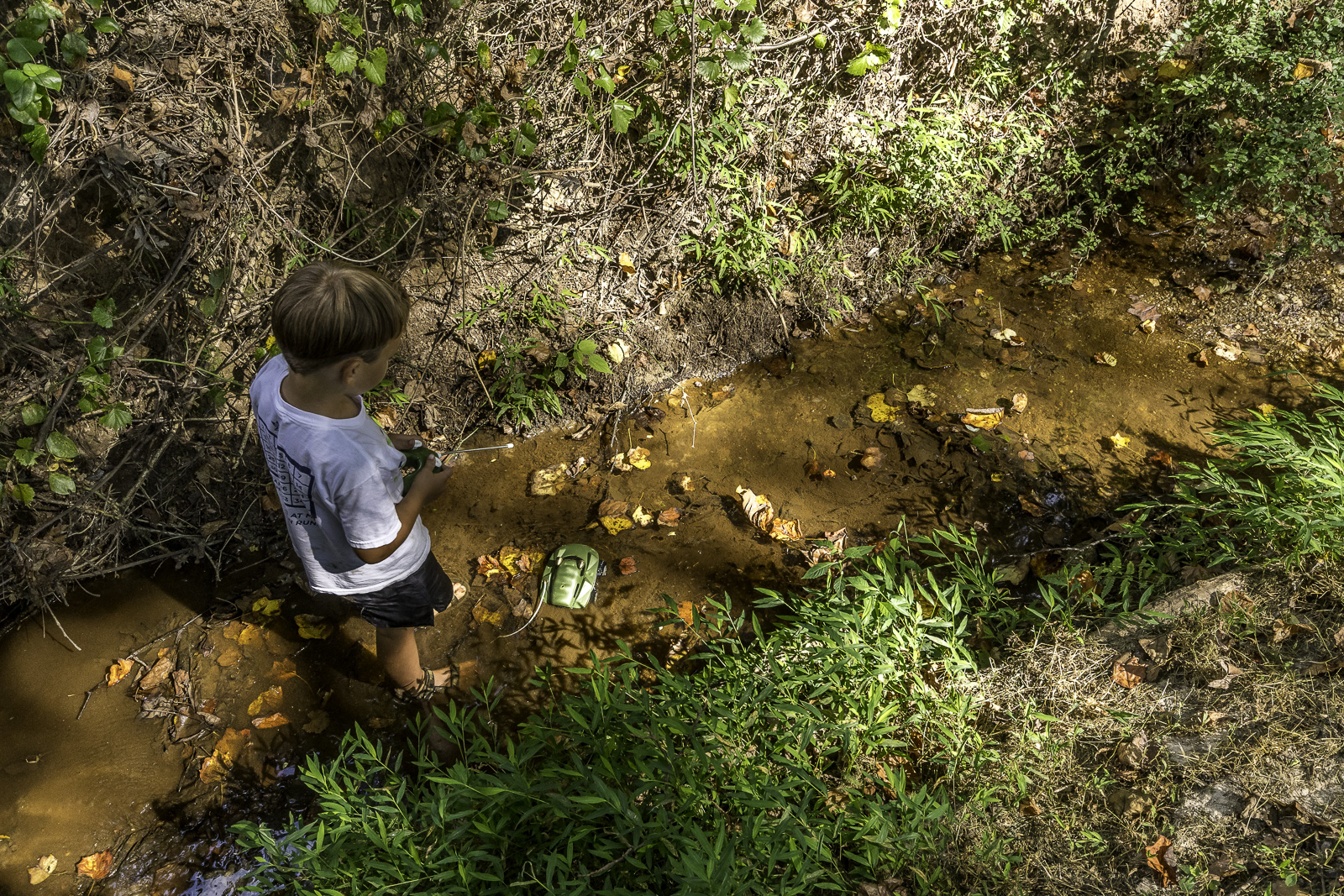
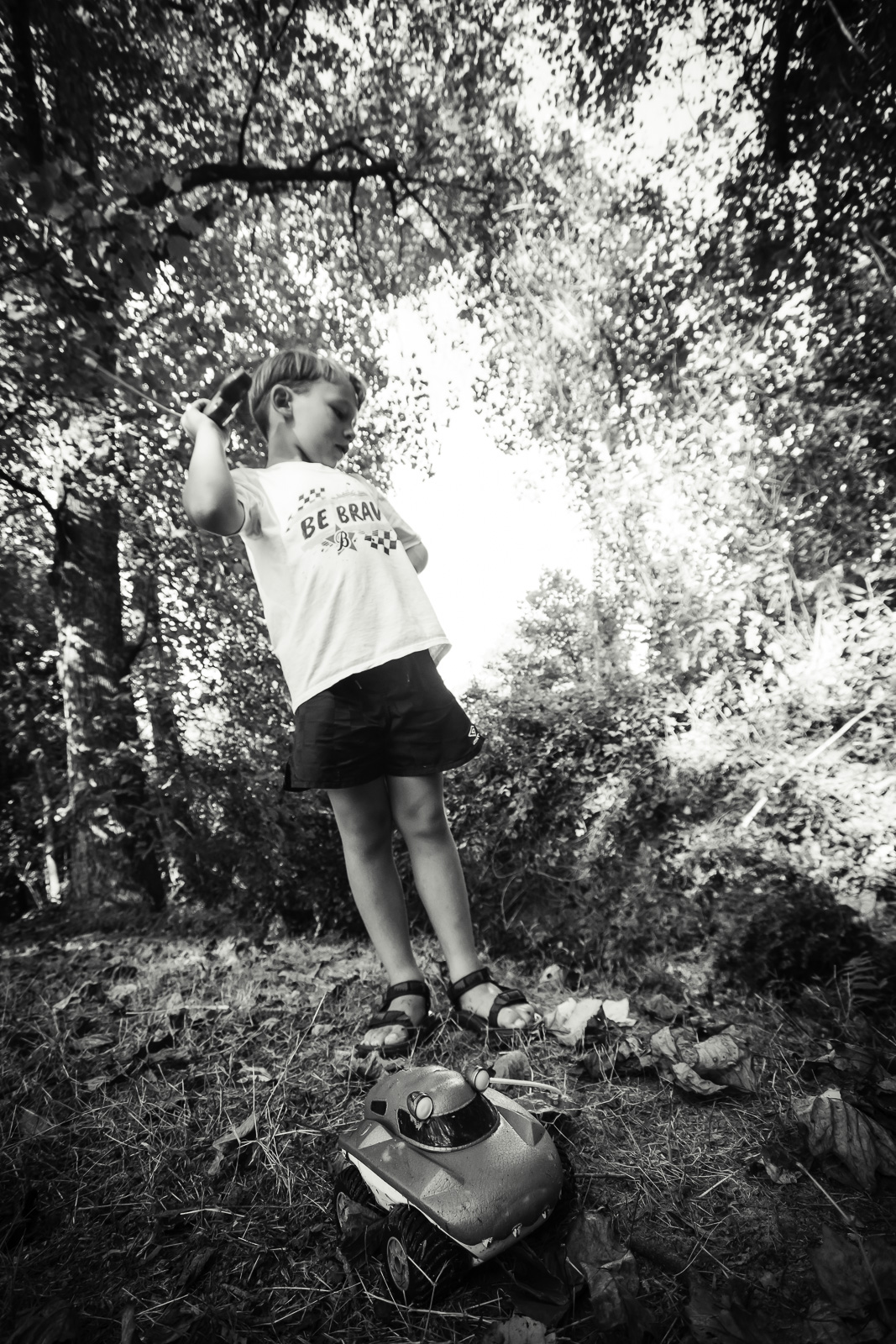
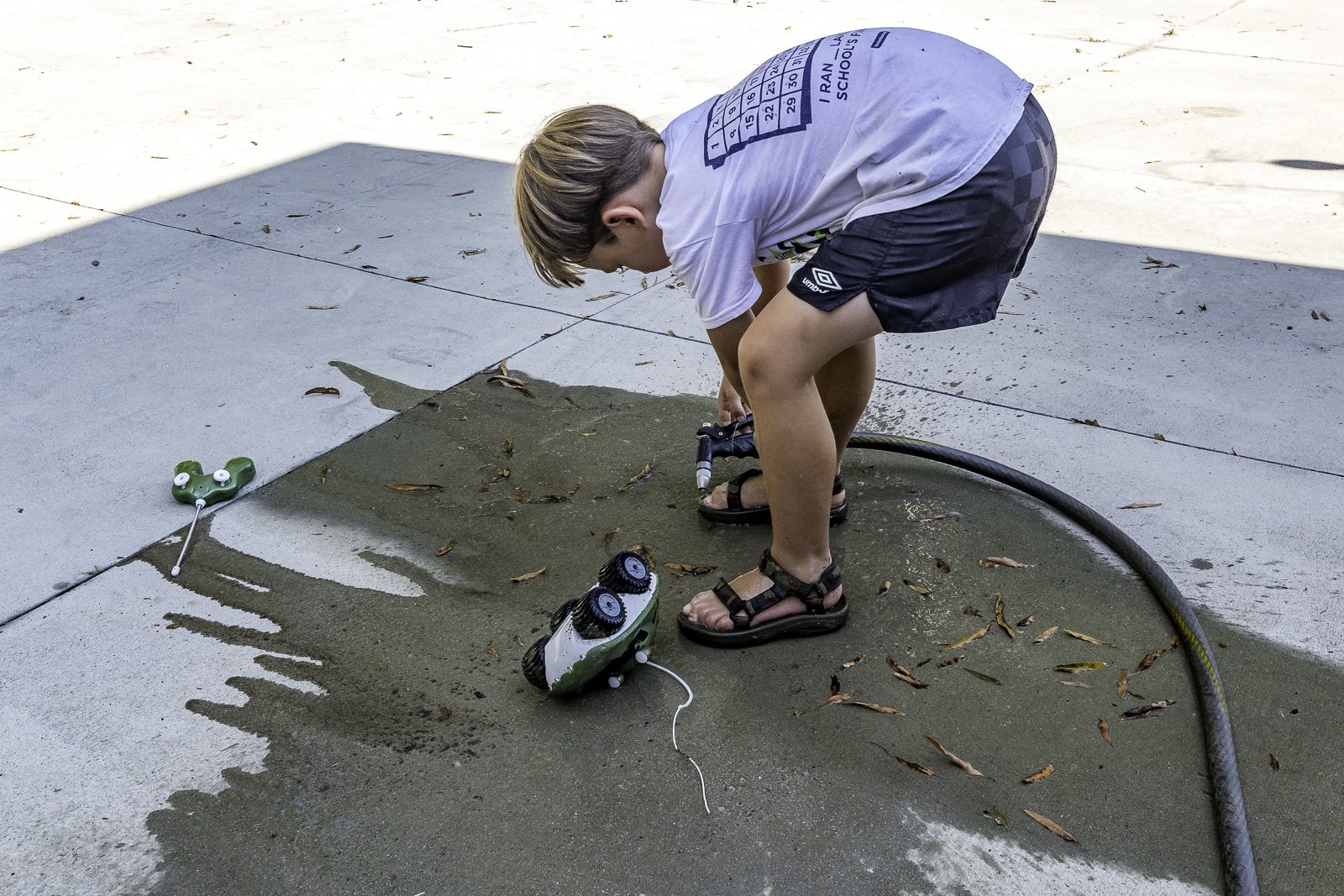
In the afternoon, a little creek play with the first radio controlled car the Boy ever got.
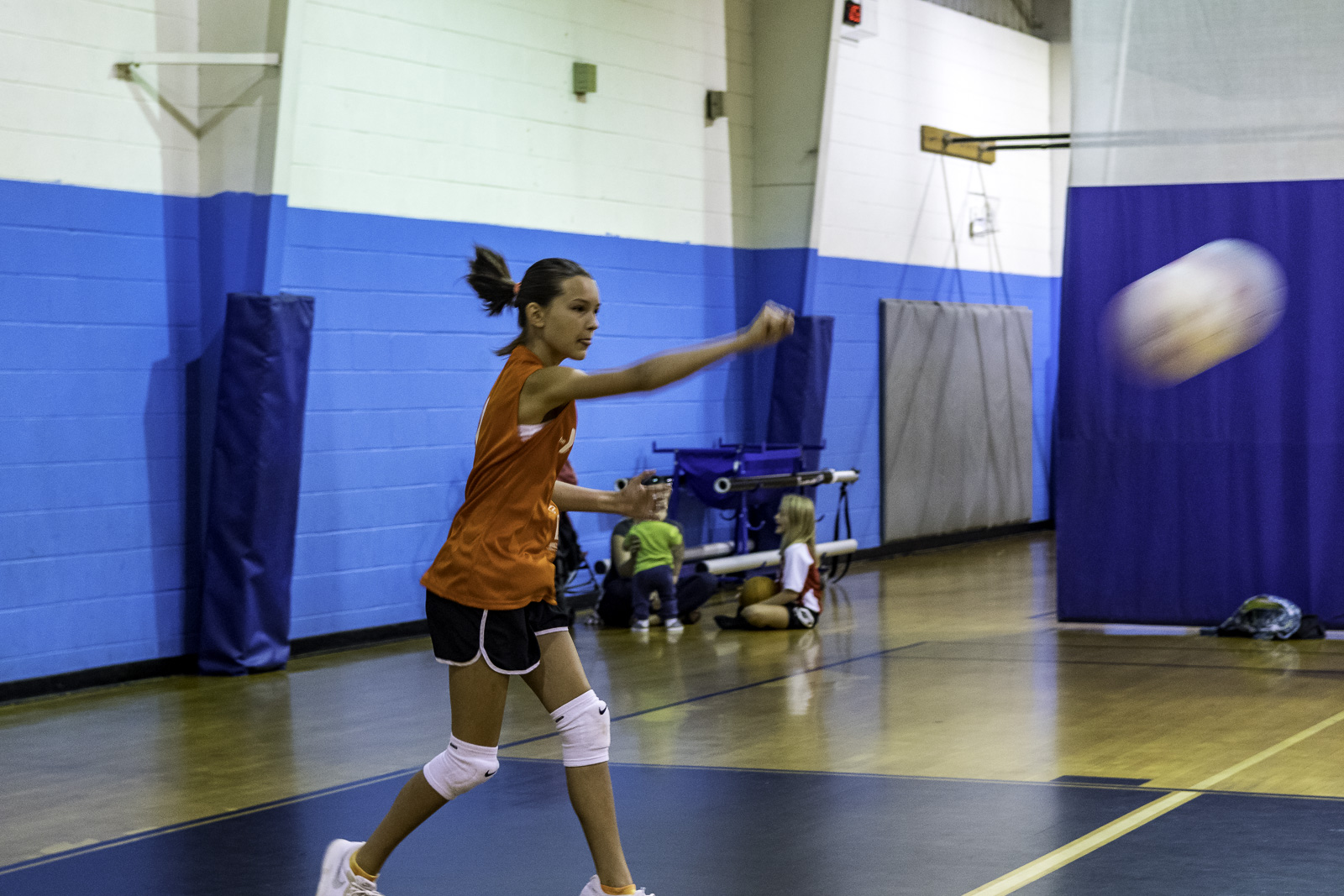
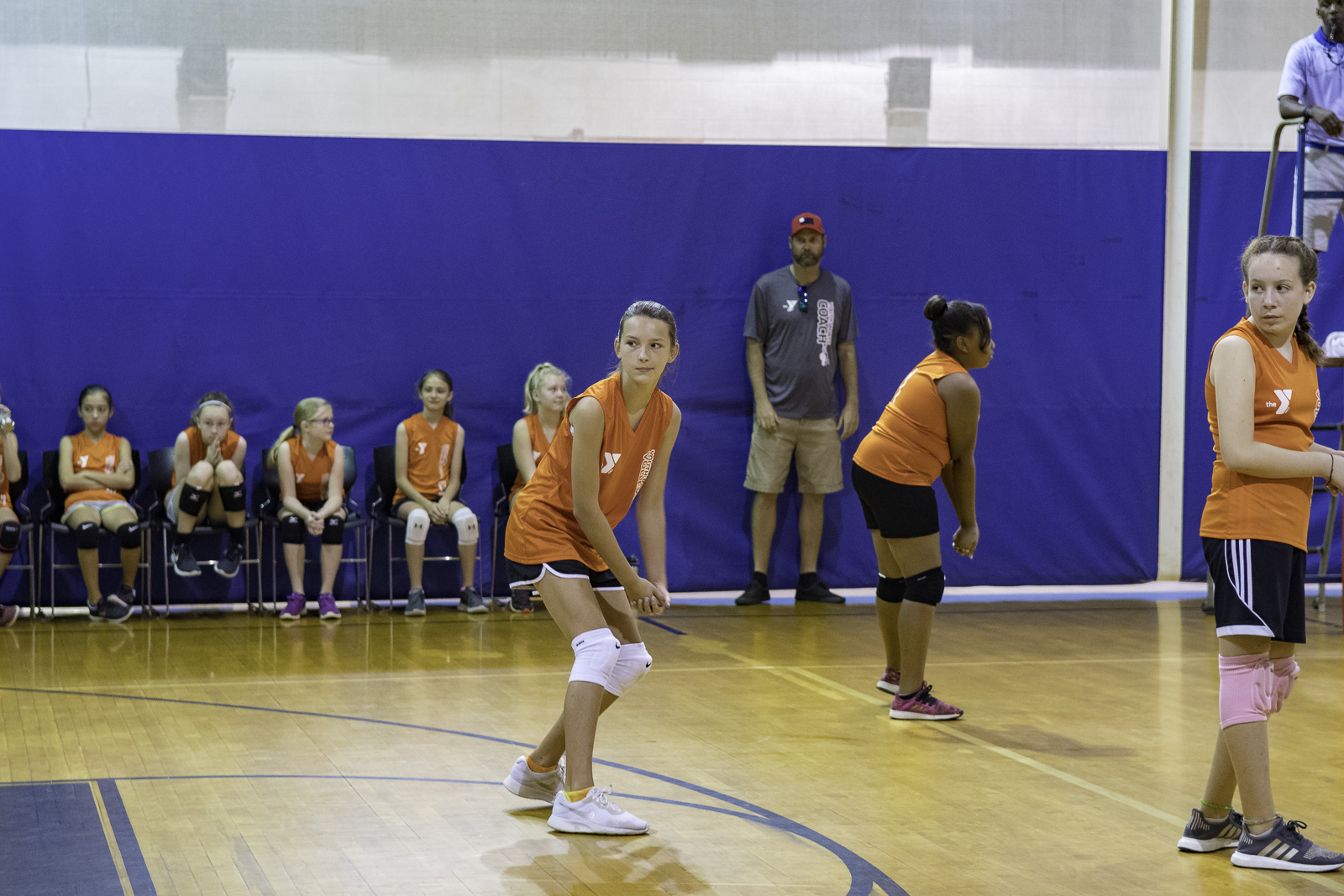
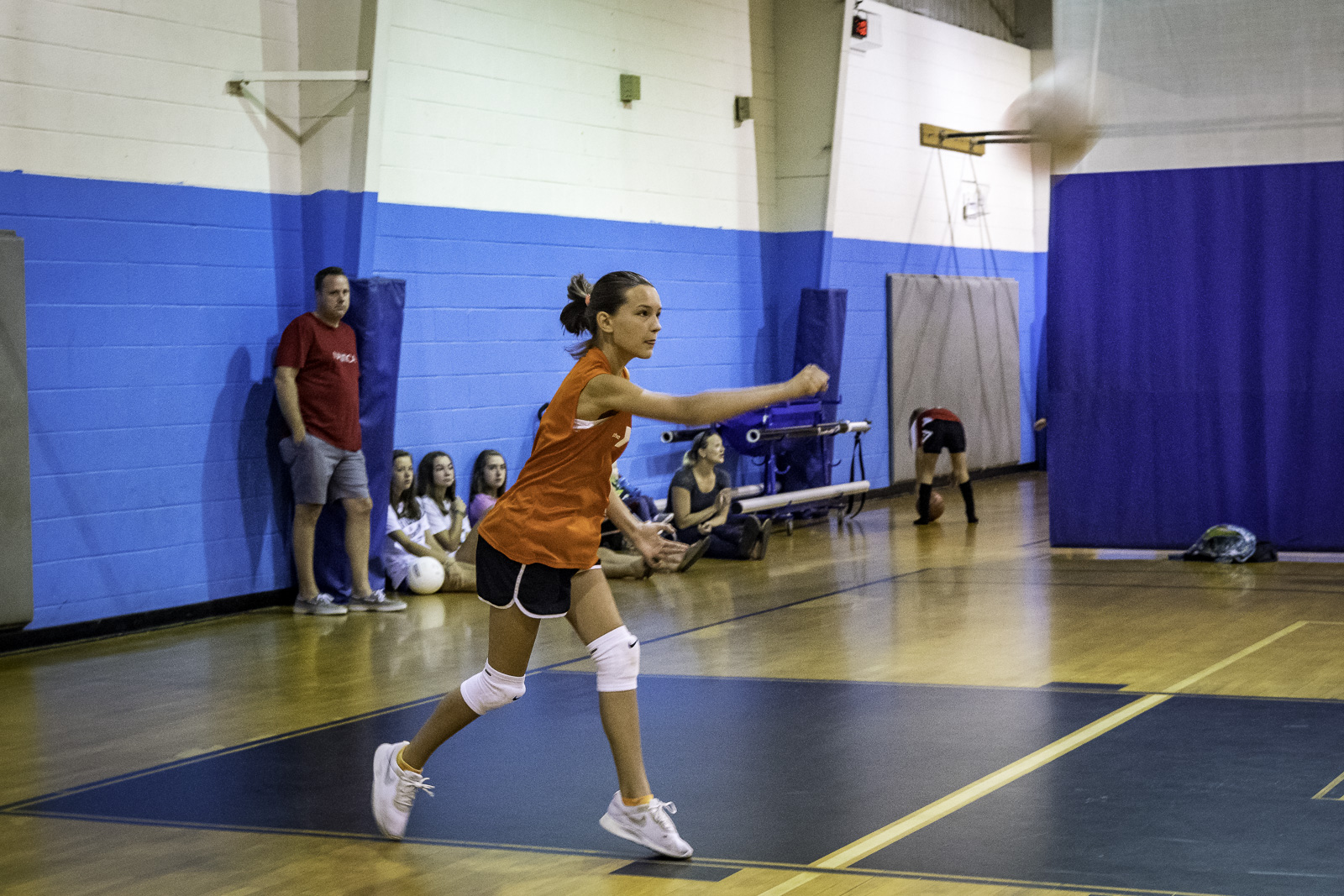
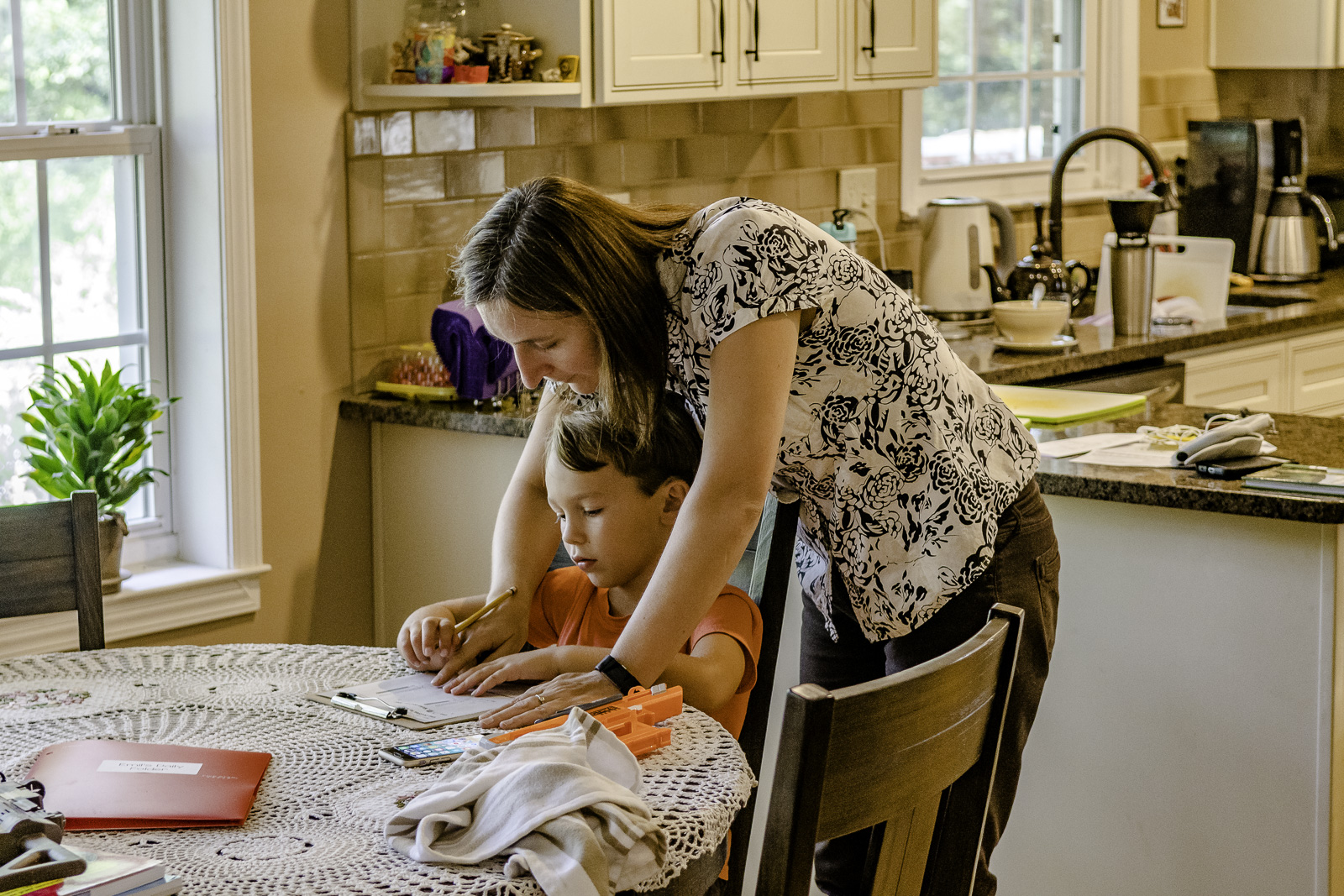
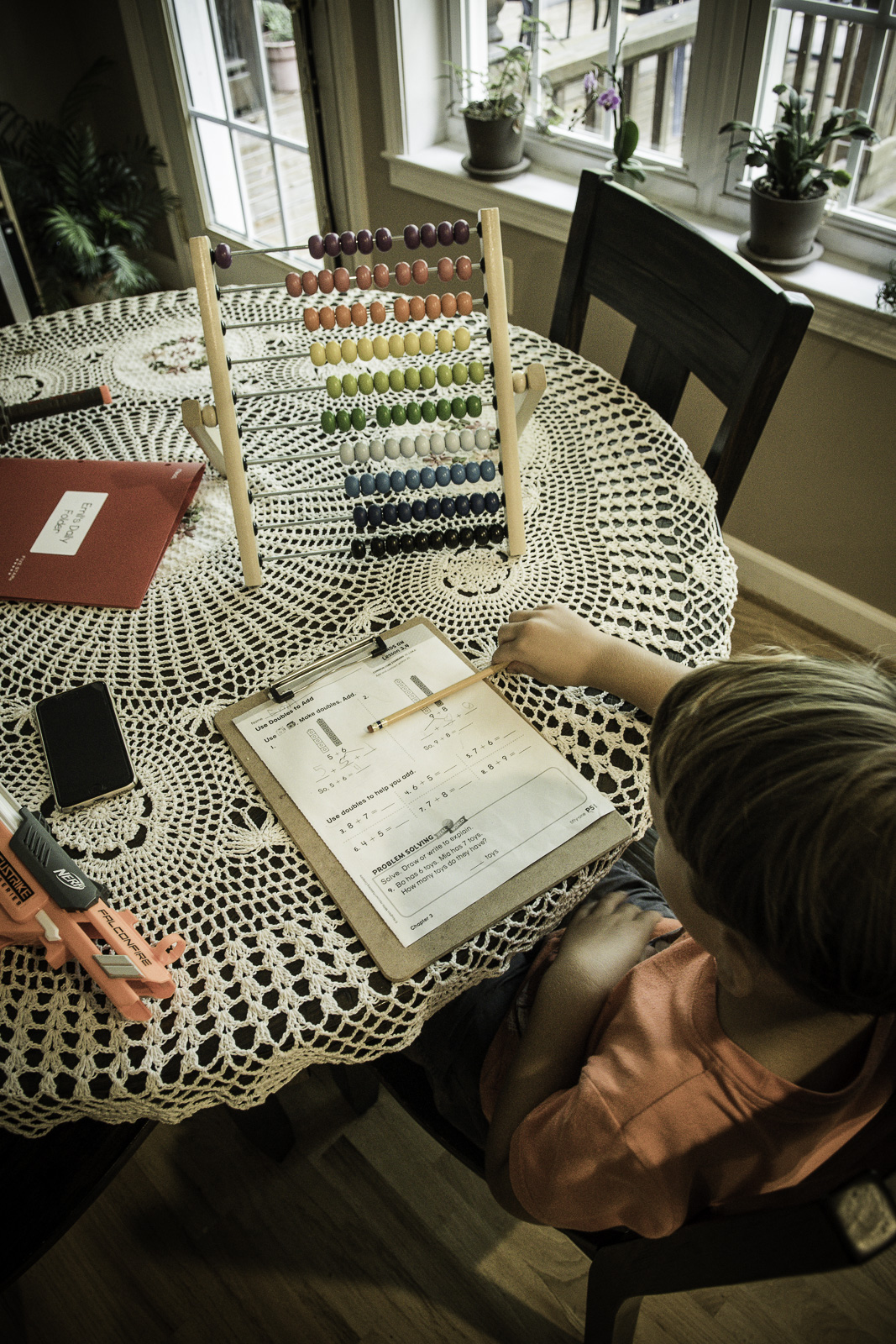
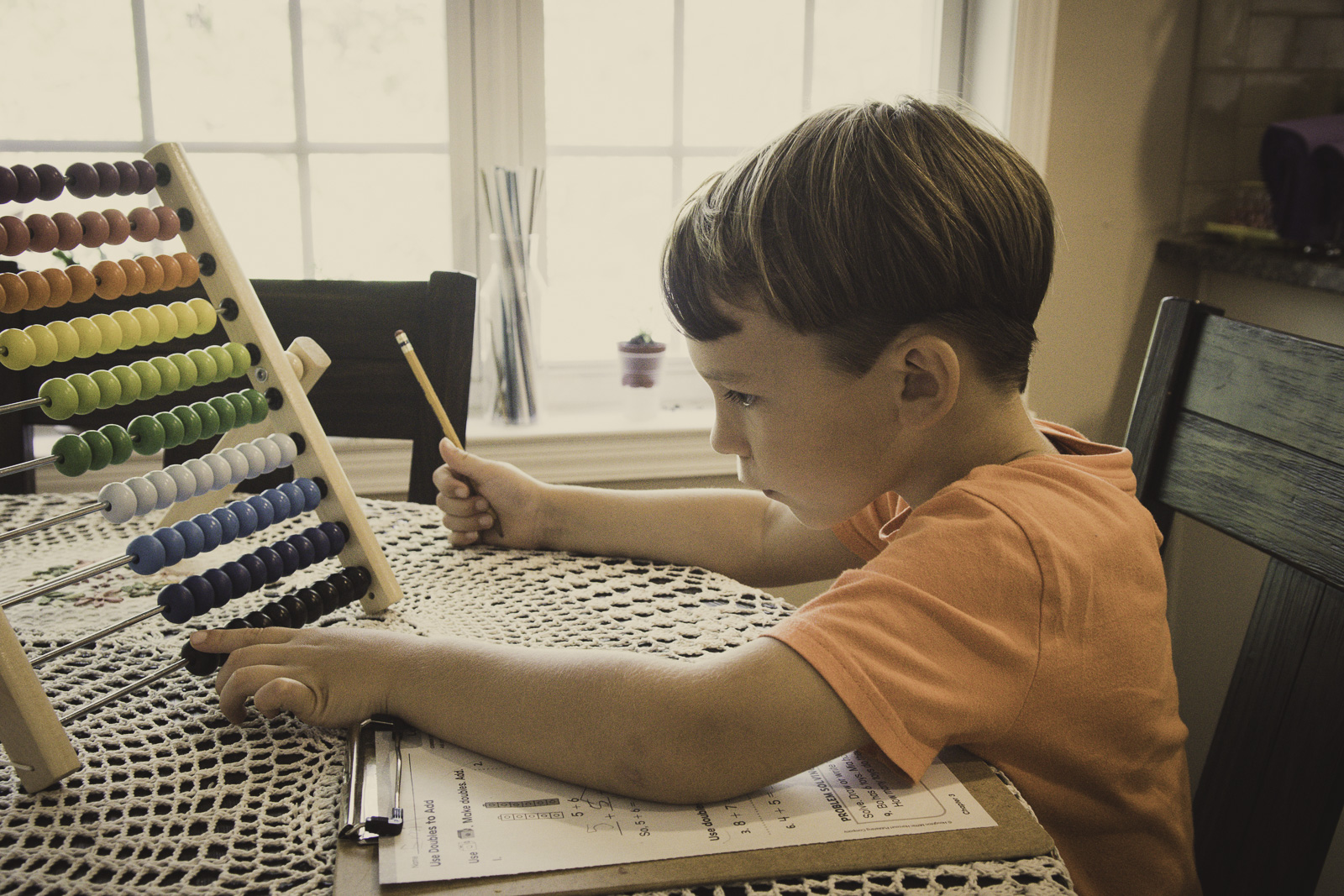
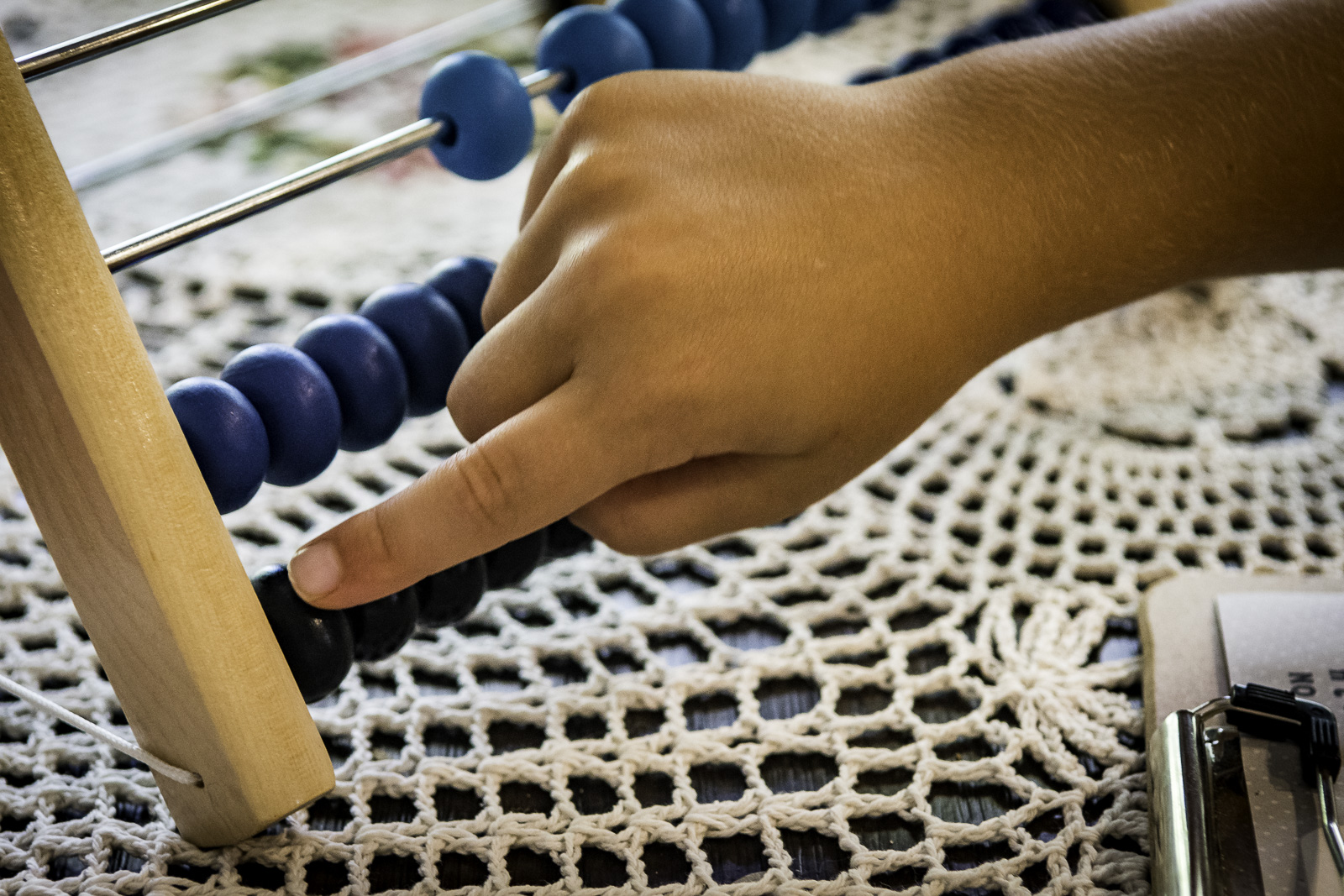
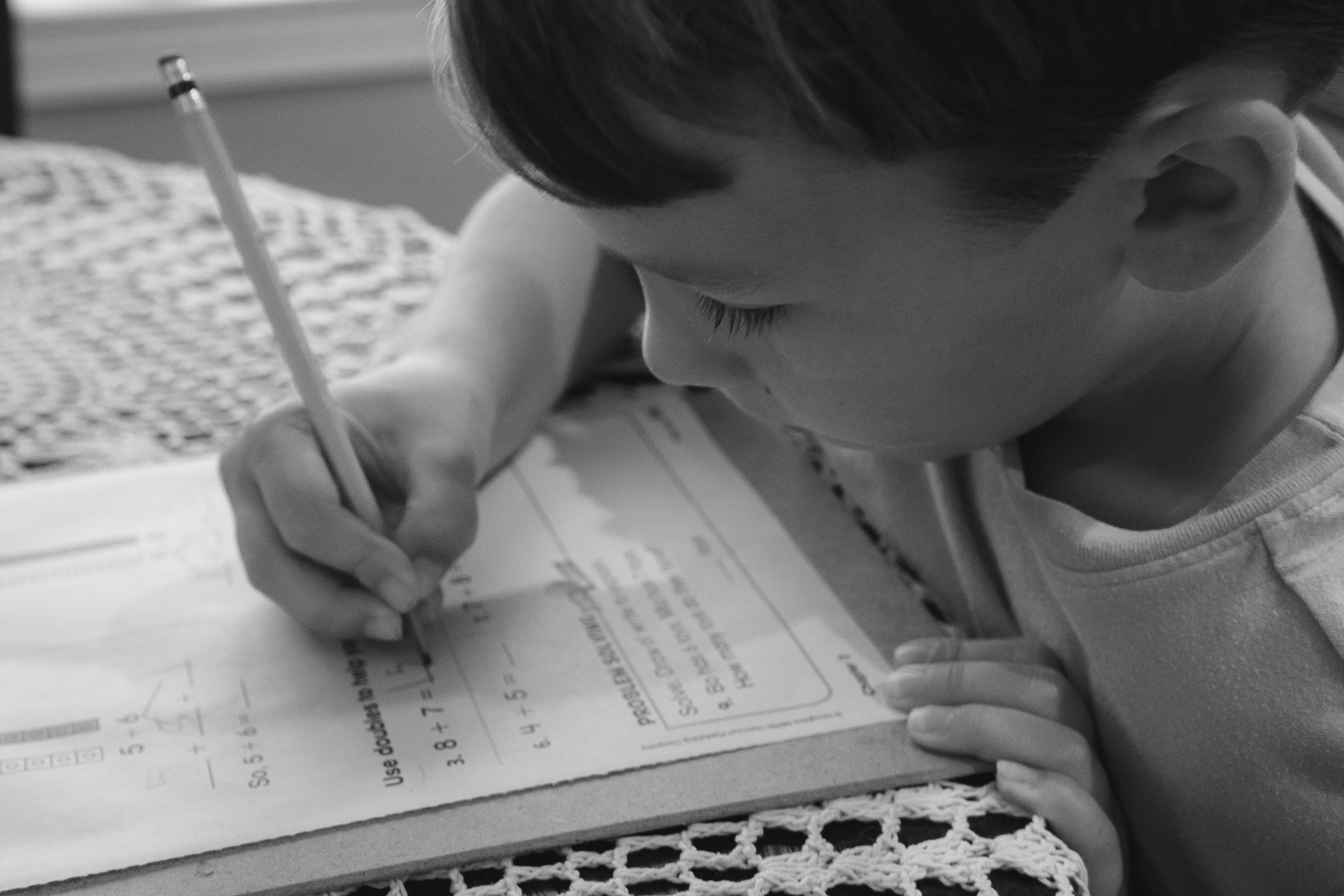
The Boy had no homework tonight, so we played Scrabble, which was sort of assigned as homework when you don't have homework. "Play a word game," the instructions said, and what better word game than the word game?
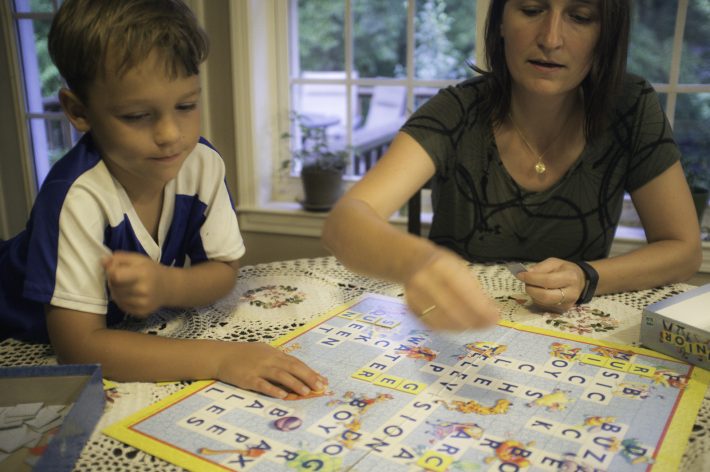
We played the basic version of Scrabble Junior, which has words laid out for young players -- good for working on spelling and reading. We looked through the instructions but couldn't find anything on how to play that version. The back of the board is a more traditional, blank graph for players to make their own words, and the instructions dealt exclusively with that, so we made up our own rules.
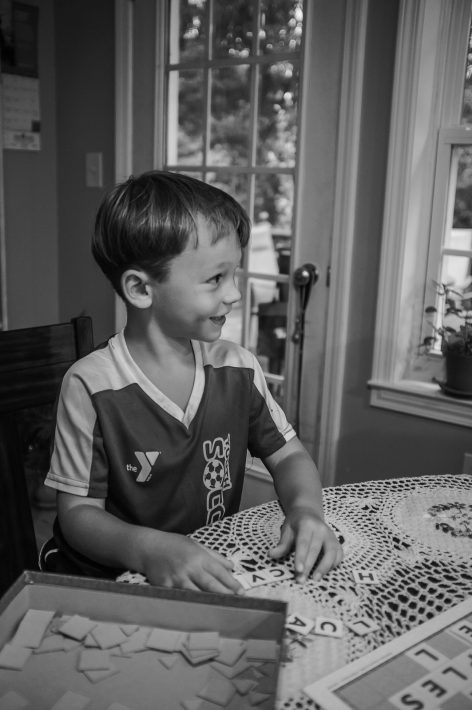
We could, in short, build words letter by letter, and one only got a point when one finished a word. E got the first point, finishing "ball" like a champ.
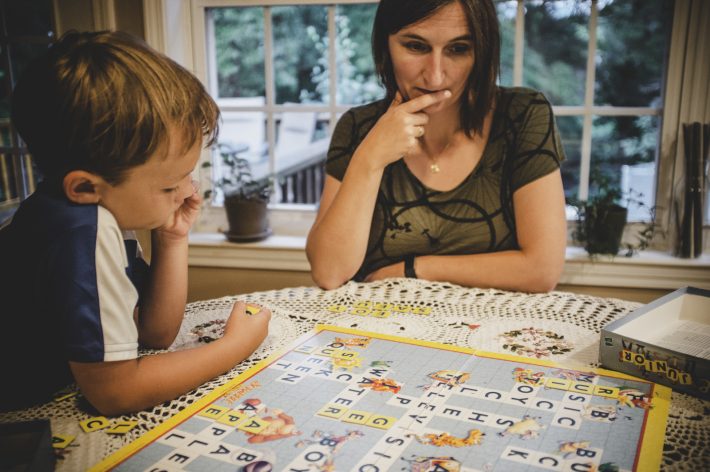
But at one point, I finished a word knowing that the Boy could have finished it in the following turn. K had had the opportunity to do it earlier, but he'd have fallen behind, so she elected not to take the point from him. I was the only one with no points, and I decided to offer him a learning opportunity.
He was not happy.
Storming off to the living room, he declared, "I'm not playing!" At first, we tried to get him back through his competitive spirit: "Okay, you'll just lose your turns."
"I don't care!"
We needed more drastic measures, so I simply and firmly instructed him to return. "This is not good sportsmanship. There is no need to get upset because someone else gets a point. No one else at the table was upset when you got points. Indeed, we were all happy for you. Now, calm down, sit down, and play with a mature young man."
A few minutes later, he drew a G, which meant he could finish "dog" and "grapes" for two points. (We were playing one point per word, not one point per letter of completed words.)
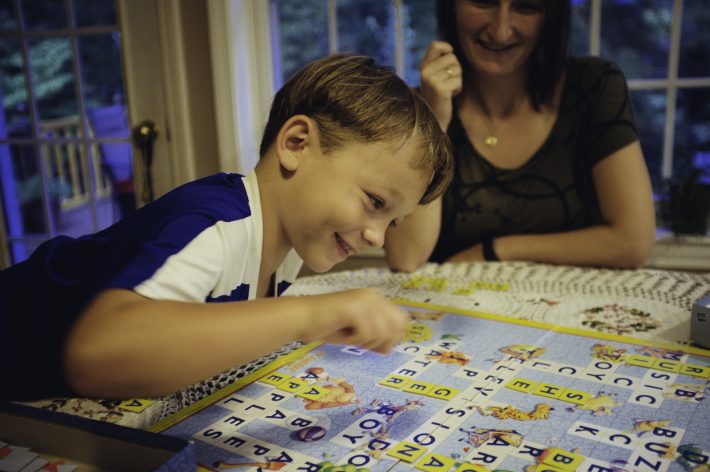
In the end, he came in last place, but we were all separated by single points, and by then, he didn't care. Hungry, he didn't even stick around to count points.
Mission accomplished.



No matter what one thinks of him, Obama’s eulogy for John McCain was absolutely masterful. It is undoubtedly one of the best speeches I’ve heard in a long time.
What struck me most was this line: “We never doubted we were on the same team.” Such a difference from so many politicians and pundits who constantly demonize the other side.
Another standout passage:
So much of our politics, our public life, our public discourse can seem small and mean, and petty. Trafficking and bombast, and insult, and phony controversies, and manufactured outrage.
It’s a politics that pretends to be brave, and tough, but in fact is born of fear.
John called on us to be bigger than that — he called on us to better than that.
It’s a speech for the ages, sure to be included in anthologies of eulogies in the future.