Matching Tracksuits

fun in fours

Month: January 2024

Returning Slowly

Things are returning to normal. The Girl's GI issues seem to be slowly diminishing, and the Boy seems in better spirits.

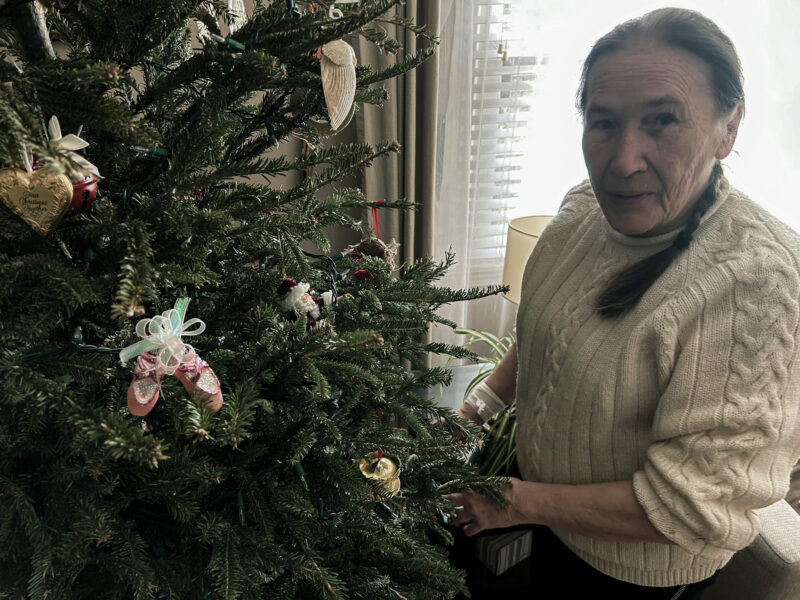
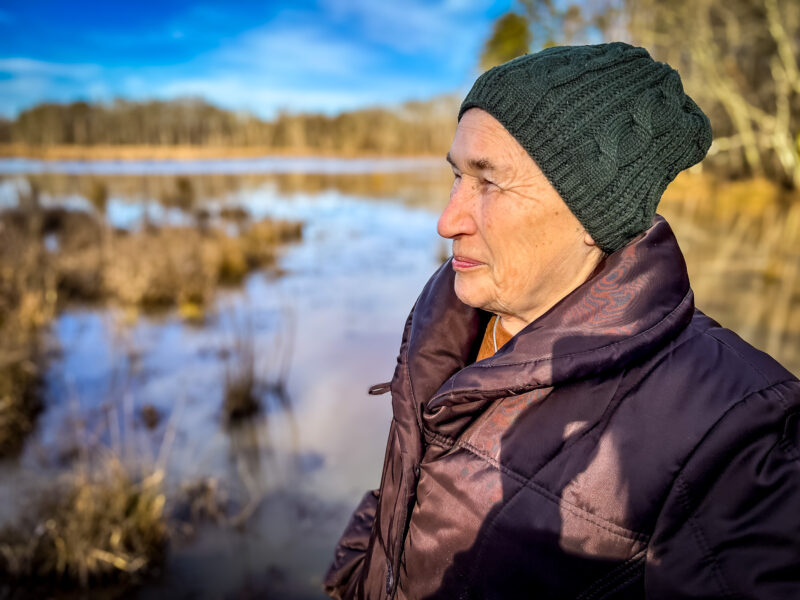
Babcia is, as always, Babcia: always (almost) happy and smiling (until she gets to talking about Polish politics -- don't get her talking about politics).
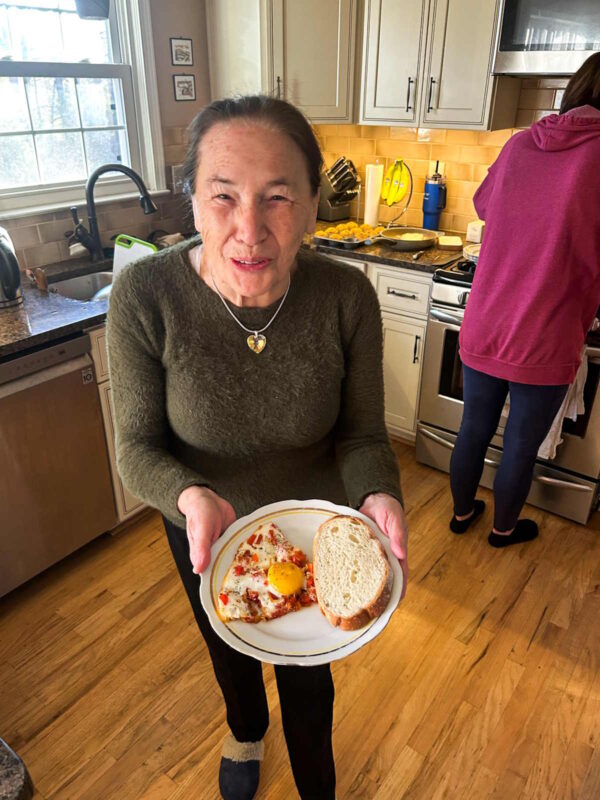
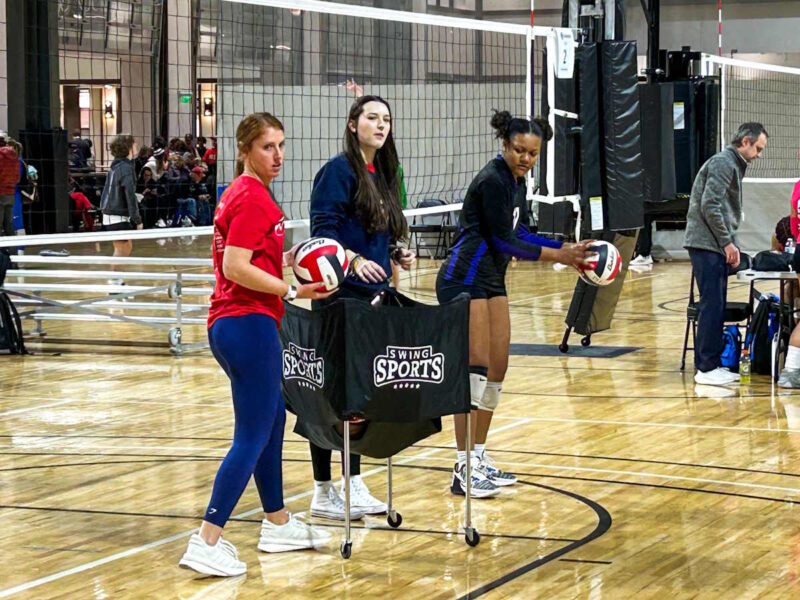
After a good breakfast, L and I headed to Rock Hill for the second day of the weekend's tournament. The Girl helped out with warmups and was the biggest cheerleader on the bench.
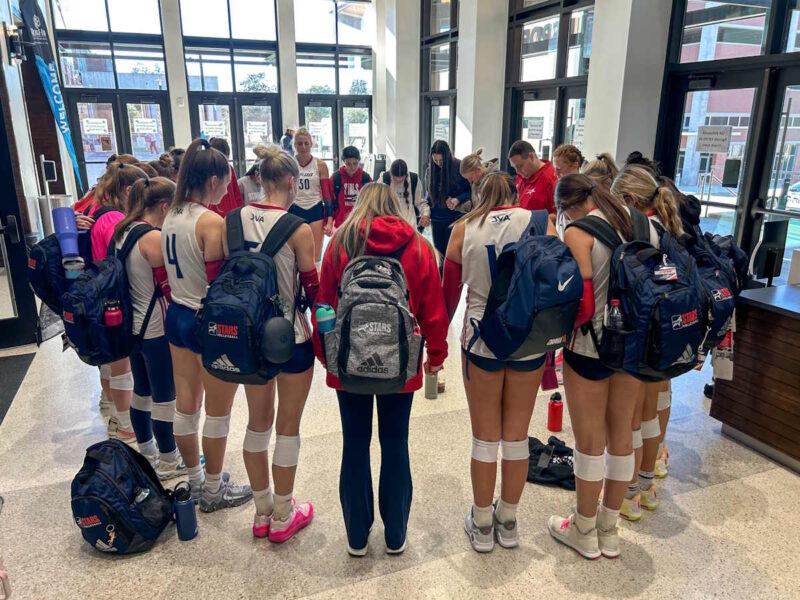
Their team made it to the final in the gold bracket -- meaning in essence, the final for the whole tournament for their age bracket -- and it was against another team from the same volleyball club. Since it, too, has a strong religious foundation (like last year's team, but this club seems to be less interested in meddling in the private lives of the coaches like last year's team, which fired the Girl's team's coaches -- in the middle of the season -- because they were living together out of wedlock -- the shame!), the two teams circled up and prayed before the game.
This team has beaten the Girl's team badly once this year, but they were confident. Still, they're kind of a family, I think: instead of simply giving each other low fives under the net, they popped onto the same side as our girls and there were hugs all around.
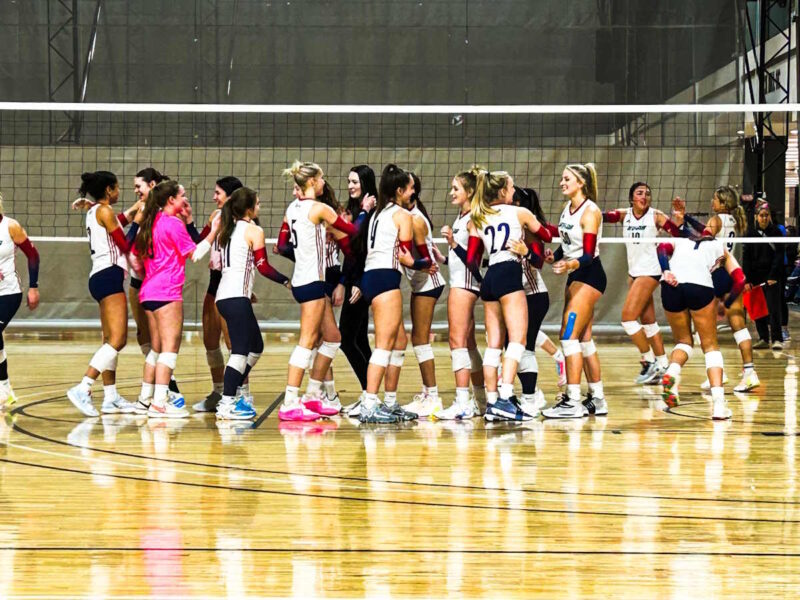
Our girls jumped out to an early lead in the first set and won it 25-21. The second set was a different story. They trailed by two for most of the set, but suddenly, it was 13-17. Then 13-18. And then 13-19. In the end, the lost 16-25.

The third and deciding set (which is only to 15) they were neck and neck until it was 8-8. Then three quick mistakes and they were down 8-11. Then 8-12. I was pretty sure it was over, the they rallied and evened the score at 13. They were up 14-13 when one of the other team's hitters blasted a shot that was initially called out. Our girls celebrated; the parents were screaming. And then the call was reversed: there had been a touch on the block. 14-14. And how did it end? The girls rallied again and won 16-14:

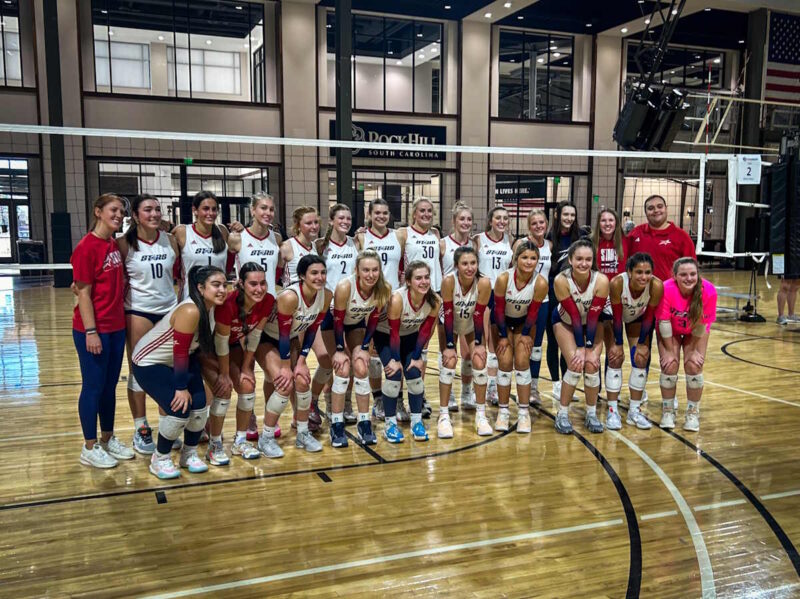
And afterward -- a group picture with both teams.
K, the Boy, and Babcia, meanwhile, were having a fine day as well.
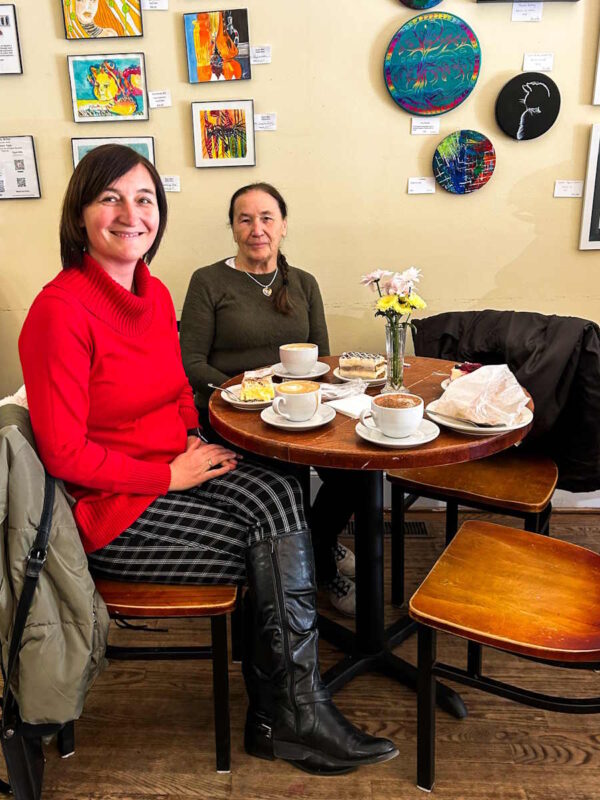
After church, they went to a relatively new cafe: Old Europe Cafe. The consensus among the Polish community: a nice cafe with a real Krakow-cafe feel.
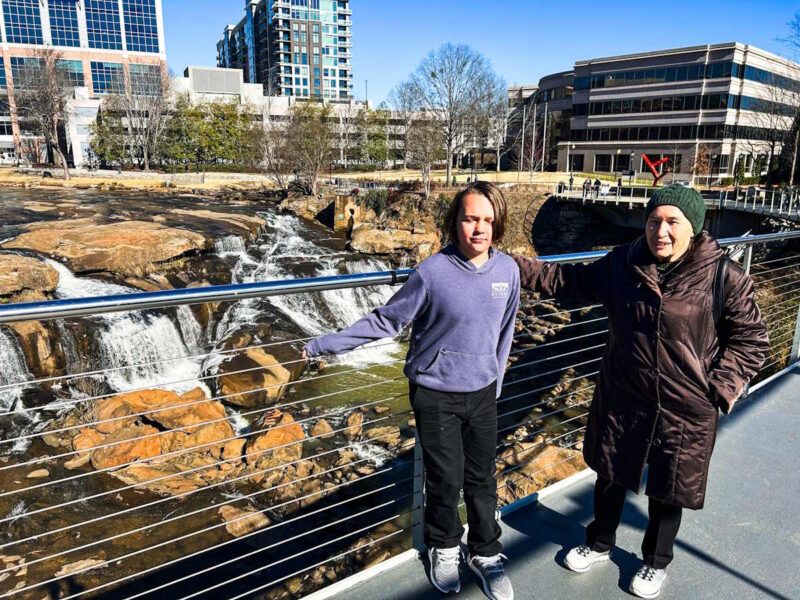
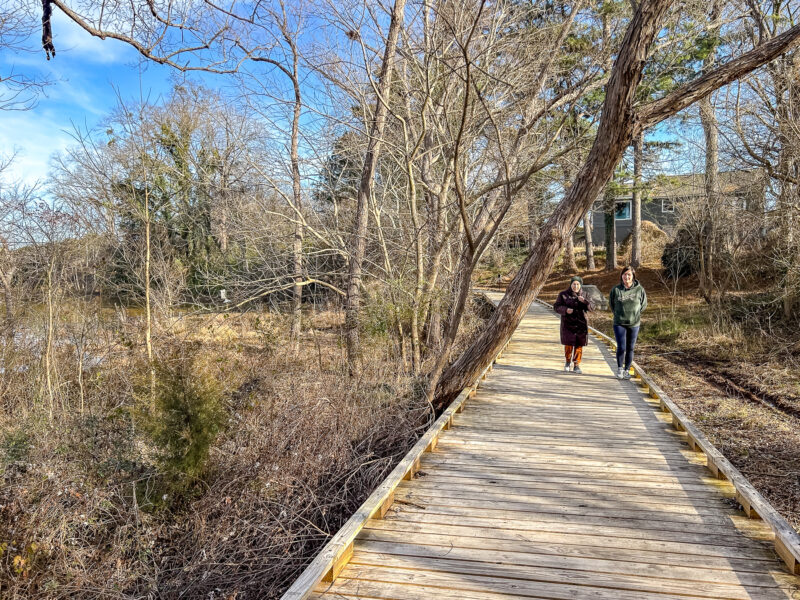
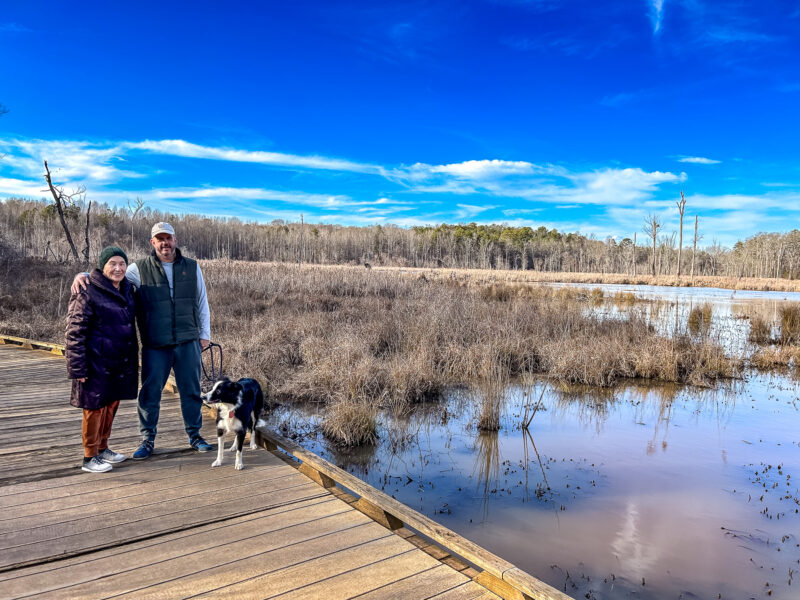
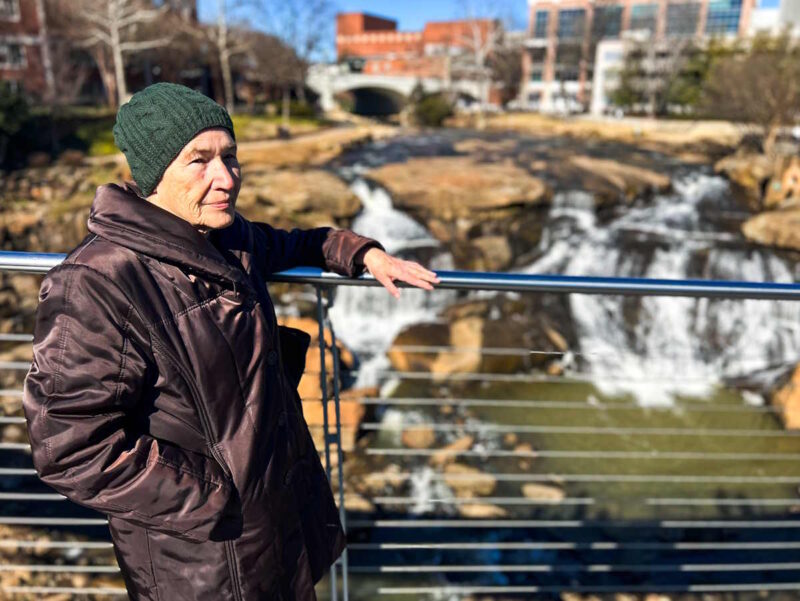
Afterward, a walk in our lovely Falls Park.
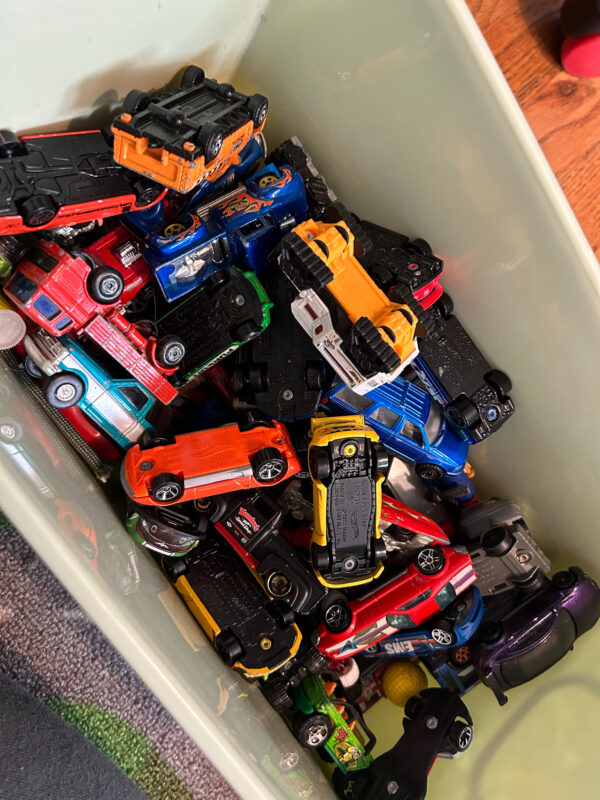
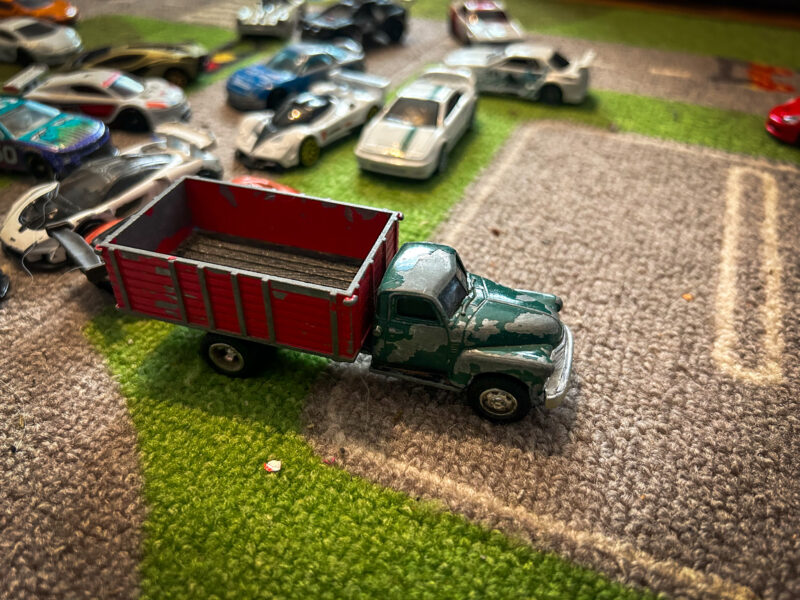
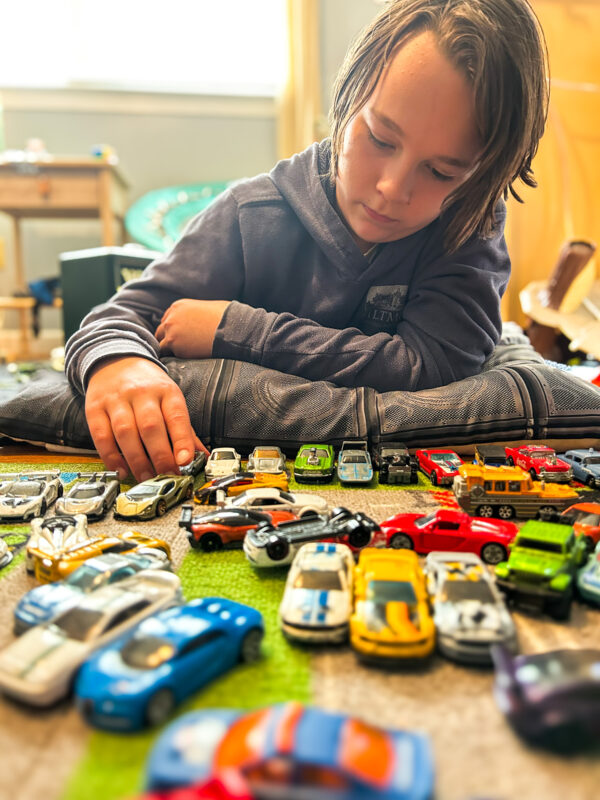
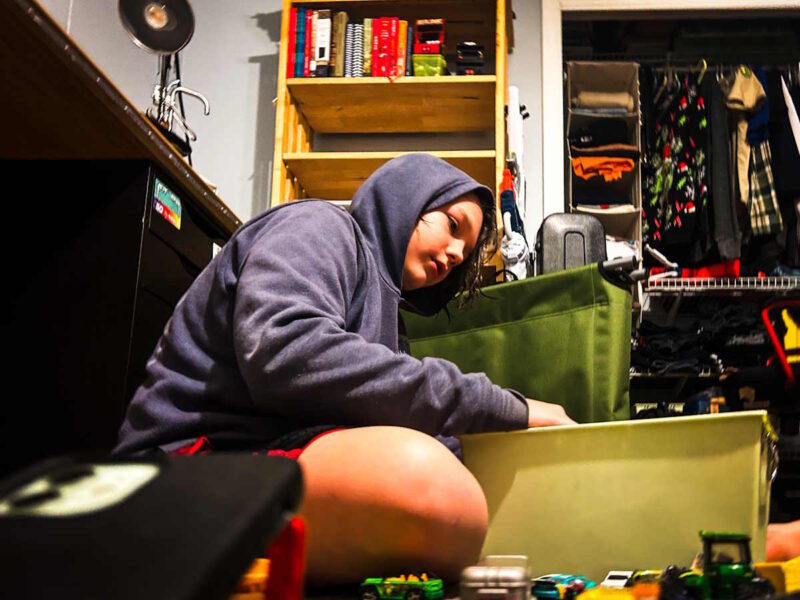
In the evening, the Boy and I played cars a while -- again. Just like old times.
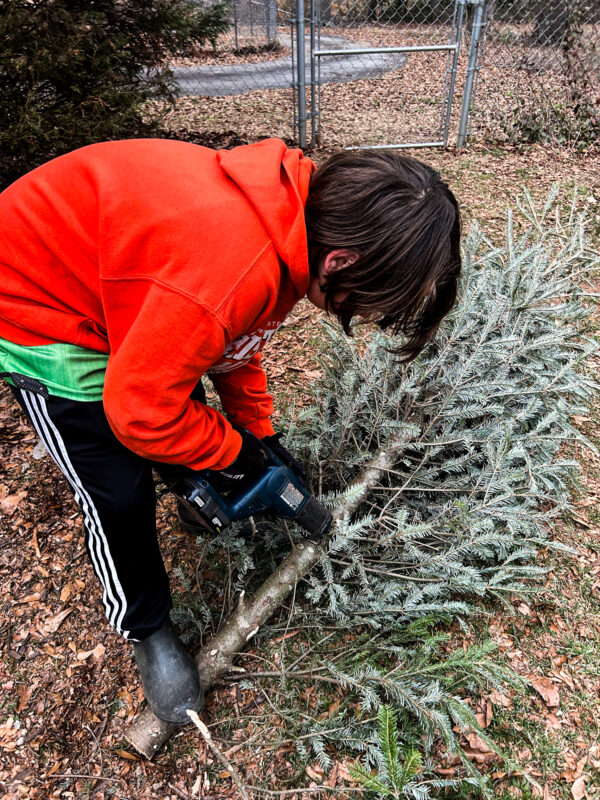
Dealing with the Christmas Tree

Use It or Lose It

There was a post on a friend's account about the importance of "training up a child" (evangelicals especially like to use that Biblical term) to be a Christian. The post hit on a theme I harp on in a secular sense all the time: you've got one shot with your kids. But they took it in a different direction:

You have one shot to raise your children in church.

That's all you get. One. When it's gone, it's gone forever. You can't go back. You don't get a redo.

As parents we accomplished our life's greatest accomplishment. We raised our kids in church.

What they do with that is up to them, but we did our best. I'll stand before God knowing that.

Faith is often inherited. So is a lack of it.

I am so thankful I heard that while my children were little. I determined then and there to get my kids as close to Heaven as I could. I knew I couldn't save them, but I could raise them in church. I could get them in His presence. I could get them to an altar.

Nothing, not football, not baseball, not Boy Scouts, not a Playstation, not a demanding coach, not a job, not any other distraction was going to keep them out of church. I stood face to face with the devil on more than one occasion fighting some temptation to keep my kids out of church. Often, the devil was in the mirror.

But thanks be to God, we did it. We raised our kids in church.

Now, before 2023 begins, I remind all the parents:

You get one shot. It's precious, scarce, and fleeting. Use it or lose it.

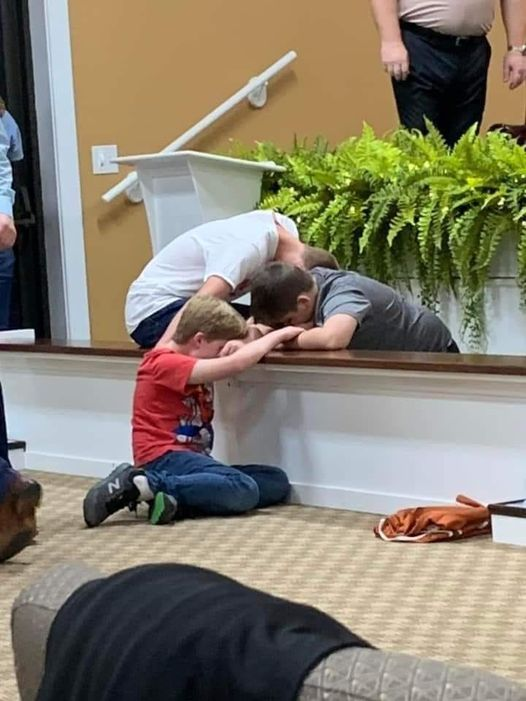
The post came with a picture:

It got me thinking again about the roll of imitation in the raising of a Christian child. Consider two scenarios:

Scenario 1

The children huddled at the altar railing in the picture: why are they doing that? Because they saw adults in their community do it. Why are they experiencing such a flood of emotion? Because churches run their services in a way to create that emotion: soft music, quiet speaking, repetition. Why do these kids think it's the Holy Spirit doing this in their life? Because their parents told them that emotion comes from the Holy Spirit.

Scenario 2

Kids visit a science exhibition to learn about waves and then participate in a science exhibition demonstrating those waves. They've given tools to measure those waves. They're taught to make predictions about what changing the amplitude of a wave will do to the sound, then they test and check their predictions. They're shown the difference between a sine wave and a cosine wave and given a chance to predict what will happen if both occur at the same time at the same wavelength and amplitude. And then they check their predictions.

"Faith is often inherited. So is a lack of it." I couldn't agree more about the first statement, but there are many causes to the second. When kids realize the difference between these two scenarios, it might lead to doubt.

  • The first is based entirely on trusting how others tell you to interpret reality. It offers no predictive capability and is limited in its scope.
  • The second is open to questioning (indeed, encourages it) and offers ways to verify its claims. It has a built-in predictive capacity and is almost unlimited in scope.

This is the reason fundamentalist Christians don't like science.

The End Is Not In Sight

When facing troubling times, we're always hoping we've reached a point where the worst of it is behind us, and we can start thinking of a return to normalcy.

When Nana went into the hospital in late 2018 after her pulmonary embolism, we all wondered when we'd reached a point where the worst was behind us. We thought it was when she came home the first time, but she had problems again and was readmitted. We thought it was when she was discharged and about to head to rehabilitation, but then she came down with shingles, which made any rehabilitation impossibly painful. It was around that time that I found myself wondering if she might never get out of that bed. In fact, she never did. I am still haunted with guilt about that period.

When the pandemic started making news in early 2020 and then everything shut down, we were thrown into that uncertain uncertainty: we didn't even know what we didn't know. For a while, I thought it was going to be the new normal for the foreseeable future, then I thought it was going to be the new normal for an indefinite but ever-more-stressful period of time. It wasn't until the end of the summer and the plan to start heading back to school started to settle into place that I thought we might reach a point where we knew the worst was behind us. Death counts were dropping. Infection rates were falling. Maybe, just maybe, we'd reached a plateau.

When Papa started his decline, which was given a Parkinson's diagnosis, we wondered when all his troubles might plateau and reach a new normal, at least for a while. We got the diagnosis, we got him on the new meds, and we got a new normal. A new Papa. Until the next decline, when it would all repeat. And then we got a new normal and a new Papa. A little less mobile. A little less cognitively present. But a plateau nonetheless. Until the next decline. The new normals were only temporary pauses in a long decline and only "normal" in the sense that someone suffering a degenerative condition like Parkinson's could use that term.

Each scenario was -- and I know this is an overused metaphor -- a rollercoaster ride. A plateau means things are worsening, which means in a sense that things are better. Any day not worse than the day before is a good day in those situations. And just as rollercoasters can dizzy us and sicken our stomachs, the stress of chronic illness can do that to everyone around the sufferer. Everyone just wants the ups and downs, the flips and twists, to stop for just long enough (at least) for us to get our bearings and then catch our breath. We want to take a break from mysterious words like gastroenteritis and leukocytoclastic vasculitis, none more than the poor kid suffering from it. We want to know that the worst is behind us, that there's hope that within some days, weeks, or (at worst) months, we'll be back to normal. Our old normal.

Basketball

The Boy's team is in the midst running drills when I walk in. They're going one-on-one from the top of the key. When it's his turn to take the offensive drill, he dribbles in, picks up the ball quite far from the basket, and tries to lob it over the defender. An air ball. And I can see the disappointment and disgust in his face.

He heads back to the backcourt line (I think that's what it's called) and stands in line for his next turn, but he seems to let anyone in front of him who wants to take an earlier turn. And there are plenty who want to.

Eventually, he drifts into the background as others excitedly take their turns, and he ends up leaning against the wall and watching the others. He pulls on his hoodie and sits down.

Later, when they're scrimmaging, he does the best he can with the knowledge he has, but the truth is, we never watch basketball so heโ€™s got nothing to imitate. And I really know very little about the sport, so I'm of little help to him. He does his best, but it's clear the other boys have had lots of experience playing basketball in their neighborhood.

โ€œI never get passes,โ€ he'll say later in the car. "Because I'm just not as good as they are." All he sees are his deficits, and the lack of inclusion from other boys confirms it in his mind. When he does get a pass, itโ€™s like he wants to get it out of his hands as fast as possible.

It's tough to watch: I can certainly relate. I was never that confident when I found myself playing basketball, and I hated playing with those who were much better. I, too, felt I was out of my comfort zone.

But the Boy soldiers through, going to each practice, giving it his best show.

"I admire you for that, buddy," I tell him on the way home.

"Thank you," he says, then adds after a moment, "I don't think basketball is for me."

Tuesday Back

The Girl went back to school today for the first time since Friday before last, as in January 5. It's been a tough ten days, and we still have issues ahead of us, but at least we're to a point where something of a normal life can return. I never missed ten days for an illness, but I missed significant time in the first semester because of having to go to the Feast of Tabernacles every year (along with the Feast of Trumpets and Atonement, which meant missing more school days). If I'd been as worried about my grades as L is about hers, that probably would have caused me more stress than it did. But then, the founder of our little sect died (38 years ago today, in fact), the new leader made a few changes, and the FOT (as we called it) became a thing of the past. Something the Girl doesn't have to worry about.

The Boy is still frustrated with his schedule this semester, particularly that he doesn't have PE anymore. In middle school, I hated PE. In the mid-eighties in Virginia (maybe not the whole state, but at least in our area), there was none of this "you can only fail once before high school" mentality that's the standard here. (There are benefits to that, to be sure, but I've had kids tell me, "I've already failed once. There's nothing you can do to me," and then promptly do nothing the entire year.) But we didn't have that, so kids could fail two or three times before getting to high school, which is why when I was in seventh grade (it was a junior high, with only two grades), there were two sixteen-year-old eighth graders. Dodgeball, which we played with those stinging rubber kickball balls, was utter hell. Those kids were strong. But fortunately, E doesn't have that worry, so he consequently loves PE.

Two ways my childhood was so very different from our children's.

Exploring

Life is about the moment, making the most of the now. Nothing new there.

But we tend to forget it in health emergencies (who can live in the now then?!),

shopping (it is a little meditative at times, but really, we could do without),

holidays (wonderful, but don't you get tired of them after a while and need a year's rest?),

and the like.

Sunday After

51

Growing up, birthdays were never of any importance to me. Our sect taught that the celebration of birthdays was a sinful vanity and that those truly trying to โ€œbe like Christโ€ would have no interest in shallow self-adulation. So I never once had a birthday party growing up, and I donโ€™t really recall much acknowledgment of my birthday than โ€œHey, youโ€™re nine today. Really growing up fast!โ€

One outcome of this is my apathy toward my own birthday. I've managed to adapt from my upbringing and realize that it is important for other people to have their birthdays recognized and celebrated, but I just don't really care that much about my own. I might use it as an occasion to splurge and buy a cigar that's a little pricier than what I normally have (time this evening for a beloved Partagas Black Label -- a beast of a cigar), but that's about it.

Saying all of that, though, makes me feel I'm somehow condemning Nana and Papa. But they were only following orders: the church taught; they followed. They thought they were doing the best for me. And really, how is it different from anyone else in any other religion? The religion has strictures; either its adherents follow them or they don't. "It's Friday. I really shouldn't eat meat," Babcia said just yesterday, illustrating that point perfectly. So I don't blame my parents in any sense of the word. But I am glad that I'm not raising them in such a strictly religious environment.


Is there a substantial difference between "Nobody's like me" and "Nobody likes me?" Is there anything more valuable than a friend, a real friend you can trust, and who can make your day brighter? Can there be anything more difficult to a young sixth grader than losing the only friend he's made in his new school (where either his elementary school friends don't go or they are on a different team)? No, the Boy's friend didn't die, but he's moving, and the Boy can't take it.

He's having such a hard time making friends because, in part, despite what I said above, we are raising our kids differently than most people around here. Football? I never watch it; E knows next to nothing about it. Video games? We never bought a console for either child. Restaurants? We rarely eat out. All the little things that kids can connect on, our kids don't have. L has made up for it. In high school, she's found her spot, and she even goes to Friday night football games. "I have no idea what's going on," she cheerily admits, "but I'm not going there for the game."


So the Boy has been having a hard time with his social life, a hard time with one boy in particular who seems to be using him, a hard time with so many things. And the Girl has been having some ridiculously painful (but thankfully, not long-term serious) medical issues that make it difficult to sleep at night. And last night, they both exploded, leaving all four of his sleep-deprived and exhausted -- physically, emotionally, and mentally.

That's why for most of the day, we stayed home, doing as little as possible. L's pain finally calmed down and she was able to sleep; K did some grocery shopping and then spent the rest of the day relaxing as the Girl slept, Babcia watched Polish TV on the computer, and the Boy and I played with his cars (first time in a long time we've done that).

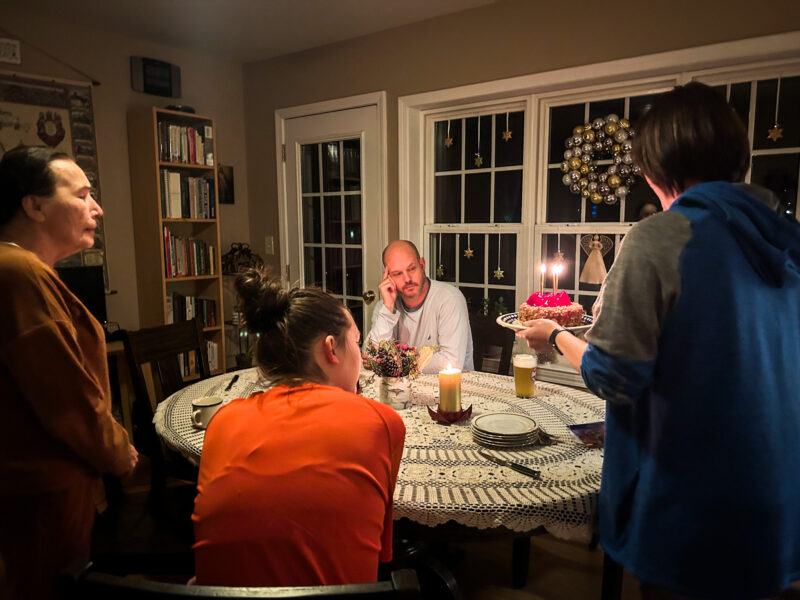
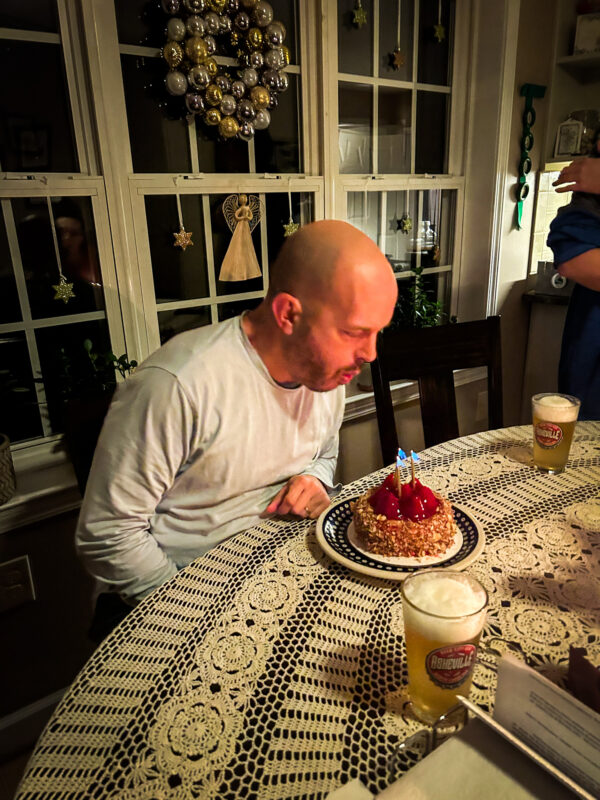
In the evening, K wanted to head back to the store to get some kind of cake for me. The Girl, feeling better than she's felt in probably a week, decided to go with her. And so they lit some candles and sang "Sto Lat" for me.

And then the Boy gave me his gift: a bespoke card with a twenty dollar bill in it. I looked at K, thinking maybe she'd given it to him to tuck in there, but as little surprise as I, she shook her head. He was giving me his own money.

I just about lost it right there...

The Coming Hell

If only you knew the hell coming in the late eveningโ€ฆ