Matching Tracksuits

fun in fours

Month: January 2019

Gallery of Shakespeare

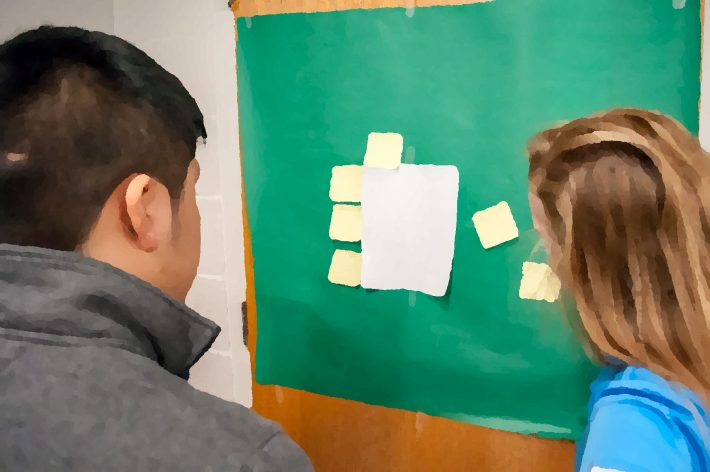
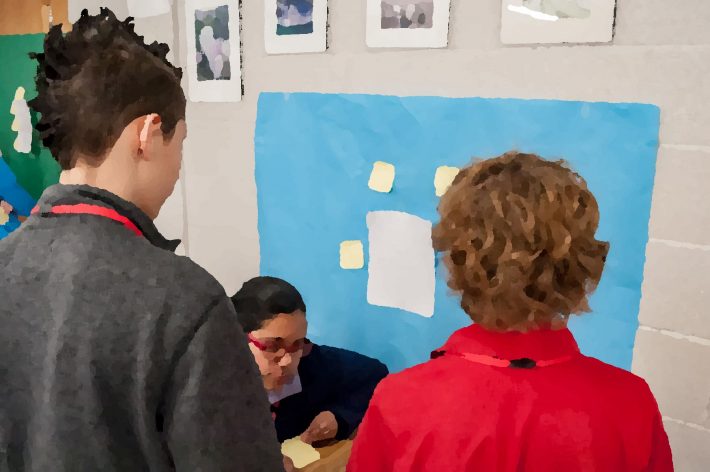
I posted the seven quotes around the room, seven key passages from the second and third scenes of Romeo and Juliet act three. The kids spread out in groups of three or four and took four to five minutes looking at the quotes, completing three steps:

  1. Define up to three words on the Post-It note.
  2. Note any language tricks (inversions, elliptical constructions, parallel construction, figurative language, etc.).
  3. Discuss and note what earlier passages in the play this reminds you of; mark specific elements.
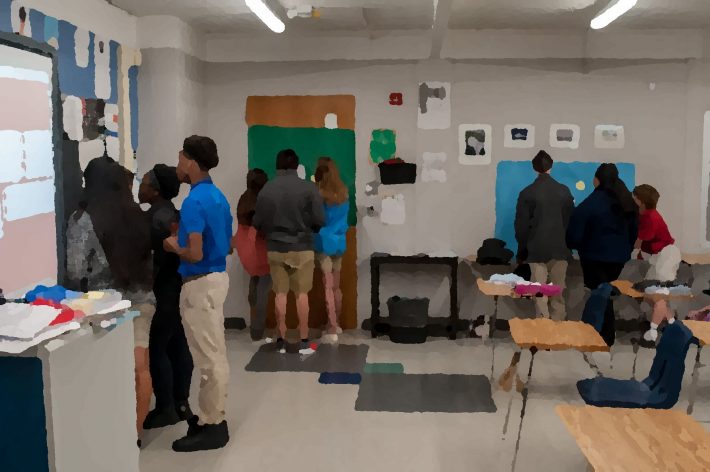
After time was up, they rotated to the next quote. (It’s called a gallery walk in edu-speak.)

The kids read Juliet’s thoughts about Romeo:

Come, gentle night, come, loving, black-brow’d night,
Give me my Romeo; and, when he shall die,
Take him and cut him out in little stars,
And he will make the face of heaven so fine
That all the world will be in love with night
And pay no worship to the garish sun.
O, I have bought the mansion of a love,
But not possess’d it, and, though I am sold,
Not yet enjoy’d: so tedious is this day
As is the night before some festival
To an impatient child that hath new robes
And may not wear them.
And sure enough, they picked up on the parallels with Romeo’s words in the balcony scene:

But, soft! what light through yonder window breaks?
It is the east, and Juliet is the sun.
Arise, fair sun, and kill the envious moon,
Who is already sick and pale with grief,
That thou her maid art far more fair than she:
Be not her maid, since she is envious;
Her vestal livery is but sick and green
And none but fools do wear it; cast it off.
They read Juliet’s furious reaction to the news that her newlywed husband killed her beloved cousin:

O serpent heart, hid with a flowering face!
Did ever dragon keep so fair a cave?
Beautiful tyrant! fiend angelical!
Dove-feather’d raven! wolvish-ravening lamb!
Despised substance of divinest show!
Just opposite to what thou justly seem’st,
A damned saint, an honourable villain!
O nature, what hadst thou to do in hell,
When thou didst bower the spirit of a fiend
In moral paradise of such sweet flesh?
Was ever book containing such vile matter
So fairly bound? O that deceit should dwell
In such a gorgeous palace!
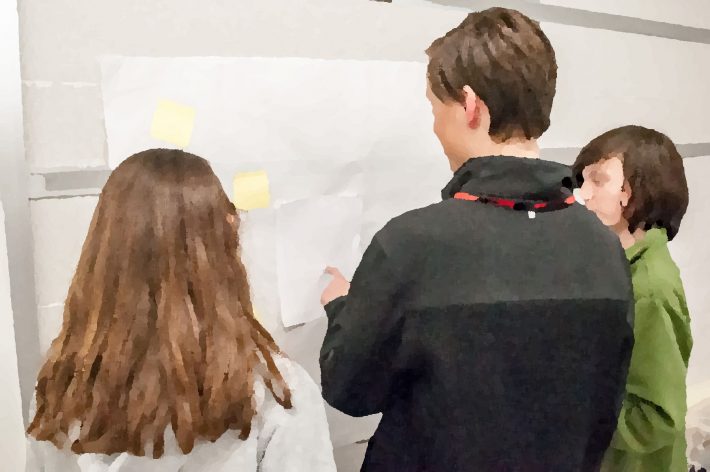
And they caught the parallel with Romeo’s words in the first scene:

Here’s much to do with hate, but more with love.
Why, then, O brawling love! O loving hate!
O any thing, of nothing first create!
O heavy lightness! serious vanity!
Mis-shapen chaos of well-seeming forms!
Feather of lead, bright smoke, cold fire,
sick health!
Still-waking sleep, that is not what it is!
This love feel I, that feel no love in this.

And they actually think it’s, to use their words, pretty cool.

Five Years Ago

No, six — I forgot it was 2019. Papa was in the hospital, recovering from major surgery on his lungs. Now, six years later, it’s Nana’s turn to spend some time in the hospital and rehab.

The Games We Play

I know she would have passed. Gladly.

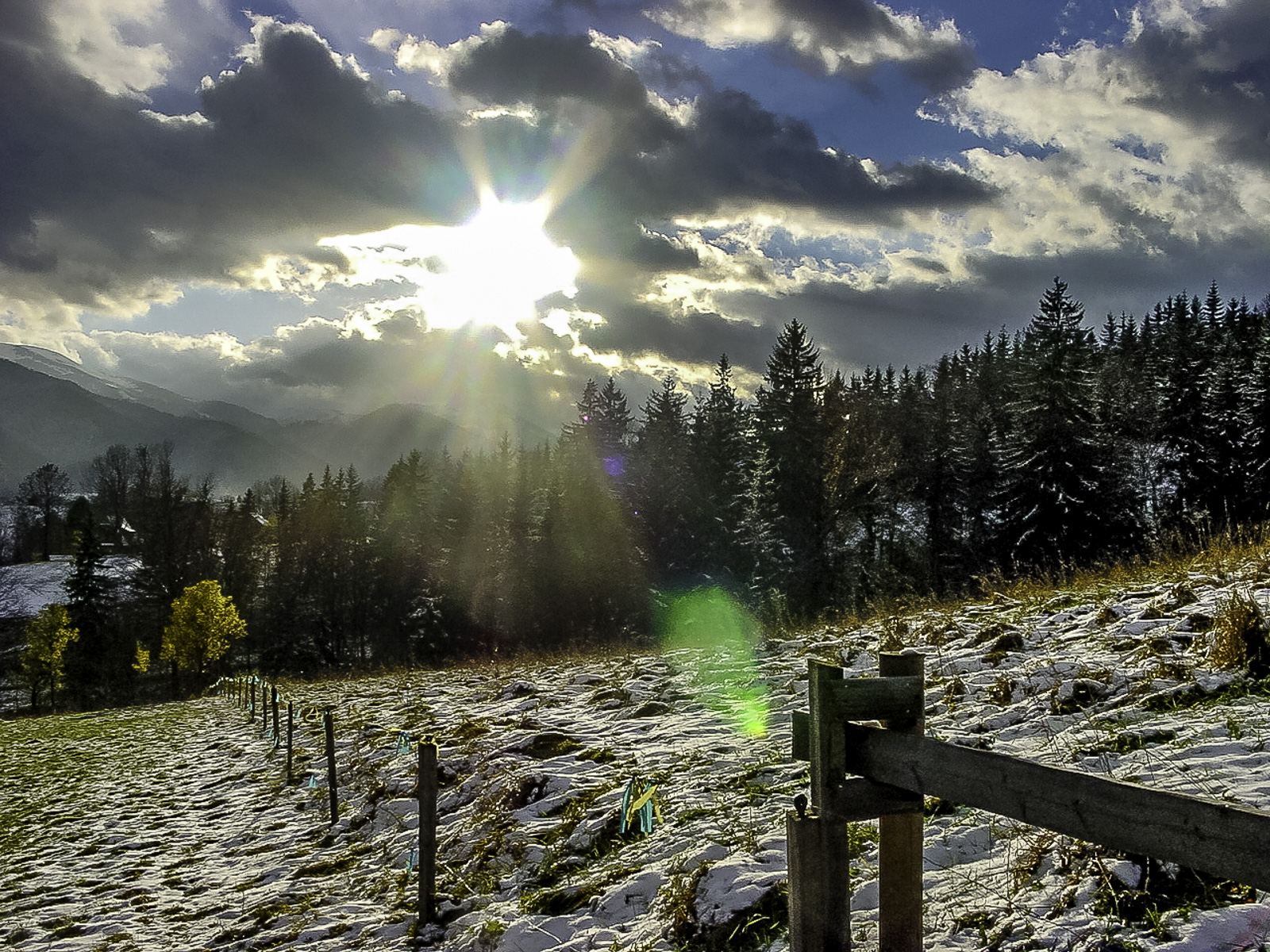
Sunrise

Wednesday Night Inferring

A busy day for everyone culminates in us arriving separately at home after seven, two hours after we normally eat dinner. After school, a long meeting, and a visit with Nana (out of the hospital and back in rehab -- hurrah!), I'd stopped for something for us to eat; after work, shuttling the Girl to choir practice while taking the Boy shopping, running the Boy to basketball practice after dropping the Girl off at volleyball practice, then picking everyone up, K arrived shortly after.

As we ate, the kids and I decided that K's plan for the rest of the evening was flawed.

"I'll put away all the groceries and then go to bed if you'll put the Boy to bed."

"Nope. I'll put away the groceries while you take a hot bath, and then I'll put the Boy to bed while you go to bed yourself." L and E agreed -- Mama needed to call it a day. As I was bustling about the kitchen, I remembered it was garbage night.

"L, take the garbage and recycling out," I said, expecting a little fussing.

"Okay." Nothing more.

She came back in, a little whiny, and said, "E always takes out one of them. Can he take out the recycling? I'll go with him."

"No, sweetie, it's late. Just do a little more than you have to."

"Oh, okay." Nothing more.

From this, a simple inference: our daughter really is growing up. She's not just sprouting vertically (she's almost 5'4" now); she's not just developing into a young woman; she's maturing. With my nose pressed to the ever-present every day, I forget that sometimes. It escapes me.

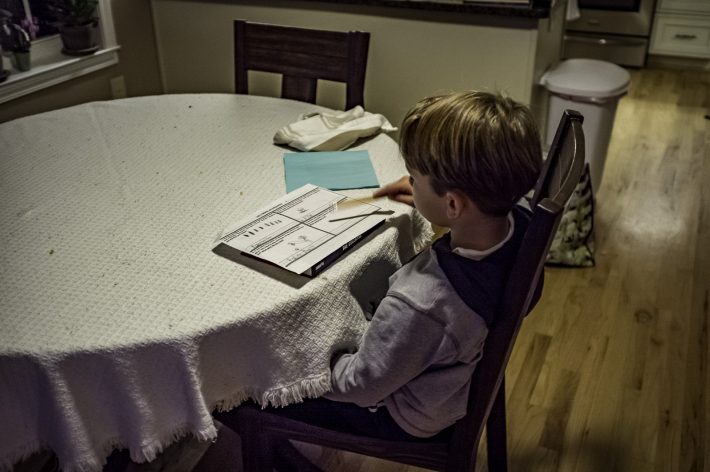
While all this was going on, the Boy had started his homework.

"What are you working on tonight?" I asked him.

"Inferring. We learned it today."

As an English teacher, I've been working on the Boy's (and the Girl's) inferring skills for years. I taught him the word; he must have forgotten. The teacher did a better job today. "What's that?" I asked.

"Making a good guess."

Not a bad definition. I usually tell my students it's "making a reasonable guess based on evidence."

And there you might notice something: I teach eighth grade; my son is in first grade. Am I really teaching inferring again? Well, I'm not teaching inferring -- they know what it is. But we're still practicing it. Like mad. Especially (really, that should read "solely") with my lower-achieving students. I give them a text like this:

Every day after work Paul took his muddy boots off on the steps of the front porch. Alice would have a fit if the boots made it so far as the welcome mat. He then took off his dusty overalls and threw them into a plastic garbage bag; Alice left a new garbage bag tied to the porch railing for him every morning. On his way in the house, he dropped the garbage bag off at the washing machine and went straight up the stairs to the shower as he was instructed. He would eat dinner with her after he was “presentable,” as Alice had often said.

I then ask a question: What type of job does Paul do? How do you know this? I have the students back up their answers with three specific pieces of evidence from the text, then explain how that evidence is evidence. A good student response (an actual student response) looks like this:

Paul is a farmer.I know this because he is wearing muddy boots. Wearing muddy boots is evidence that he is a farmer because if he were to work in an office or inside he wouldn't have muddy boots. Also, he is wearing overalls in which he would not have been wearing if he was working inside. Finally, Paul’s overalls are dusty and most farmers work a lot outside so he must have gotten dirty from working outside.

So I applied the same thing to the Boy's work. The same thing -- a text followed by a question:

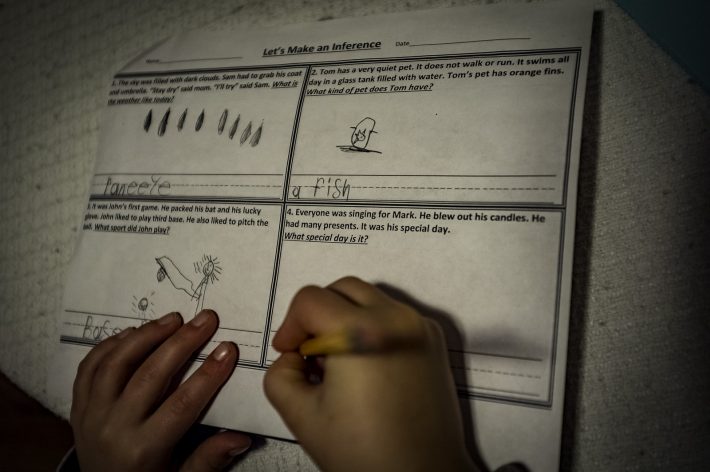
Everyone was singing for Mark. He blew out his candles. He had many presents. It was his special day. What special day was it?

E read the text and said, "It's his birthday!"

"How do you know this?" I prodded.

"Because he got presents."

"But we get presents at Christmas as well. How do you know it's not Christmas?" He looked stumped for a moment, so I told him what I tell my own students: "Go back to the text. Find something in the text that shows it's not Christmas."

He read a while, thought a while, then said with a smile, "Because it says it's his special day, not everyone's special day. Christmas is everyone's special day."

I thought he'd pick up on the candles. That's the more obvious piece of evidence. He went the more subtle route.

"That's great. A very good observation. Now, can you find a third piece of evidence?"

Again, he looked, read, thought. "The candles. You don't blow out candles on Christmas."

After a tiring day, what a perfect ending.

New Legos

The Boy collected a bit of money for Christmas, and it's been gnawing at him ever since. He wants to spend it. Badly. But he has a way of spending his money on items that just don't last. K and I let him make those decisions once we've advised him, like buying a radio controlled car that was clearly of poor quality and obviously wouldn't last long, then we try to help him reflect on the wisdom of that decision. He deemed the radio controlled car a poor decision.

With that in mind, we tried to steer him toward something that would last a bit longer. Given his love of Legos, it wasn't that difficult. The difficulty came in choosing which enormous set he'd actually buy.

He went with a Jurassic World set, even though he's never seen any of the movies.

"Can I watch one of the movies?"

"No, it will only frighten you."

That's as far as it's gotten, but one doesn't have to have seen the film to enjoy the Lego set. And he knows enough about the movie to make proclamations like, "I'm going to go against the rules: the dinosaurs are going to be friends with the people, not enemies."

Zakopane, 20 Years Ago

Re-worked some pics in Lightroom.

As always, click on images for larger version.

46

As of today, I'm on the back half of my forties, the downhill slide to fifty. Truth be told, it's all been a slide, year to year.

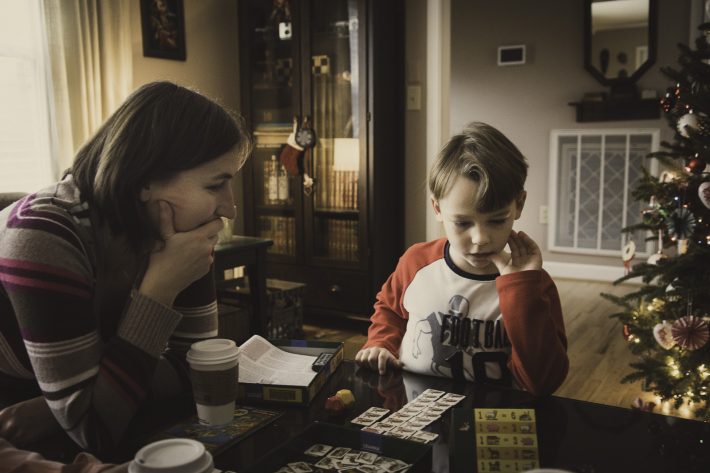
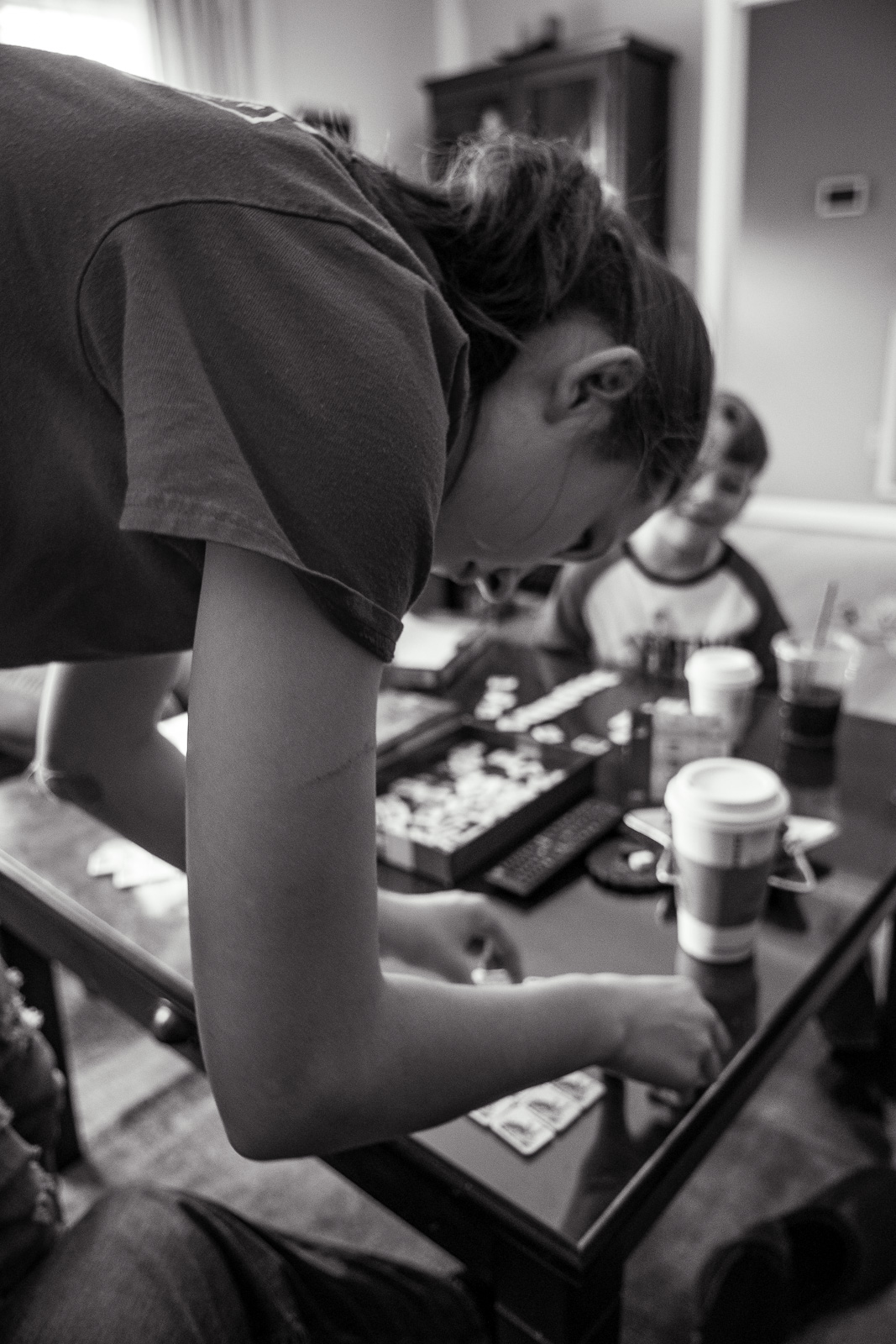
Considering his options in a family game of Super Farmer

It doesn't seem like I've changed that much since the time I worried about the things the Boy worries about: how do I compare to the other boys? Am I as fast? Am I as coordinated? Am I as brave?

How do you console such worries? How do you reassure your son in this hyper-masculine culture about his fears of not measuring up to the other boys? The truth is, I not only worried about such things when I was young but continued stacking myself up against others and finding myself coming short well into my twenties thirties forties. I think most people who tell you they don't do that are lying, probably to themselves first of all.

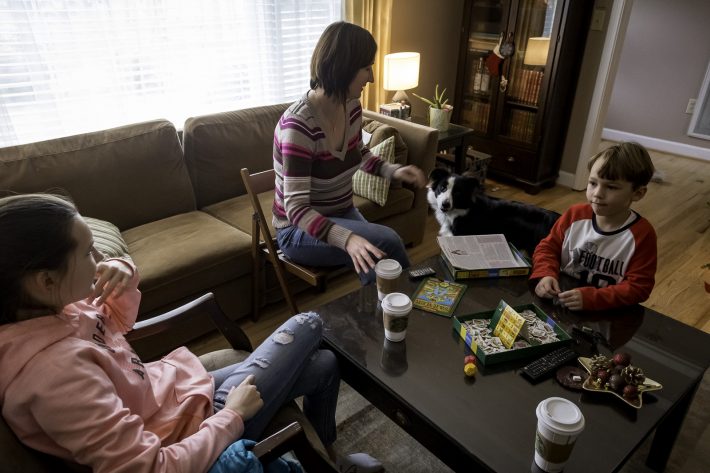
Clover wanted to play, too.

Life is not kind to most little boys like E, boys who are actually sensitive to others' feelings, who can spontaneously show compassion and empathy. Who take a little while to settle into new sports. Who are so scrupulous about following rules that they ask daddy when on the road, "Daddy, how fast are you going? Are you speeding?"

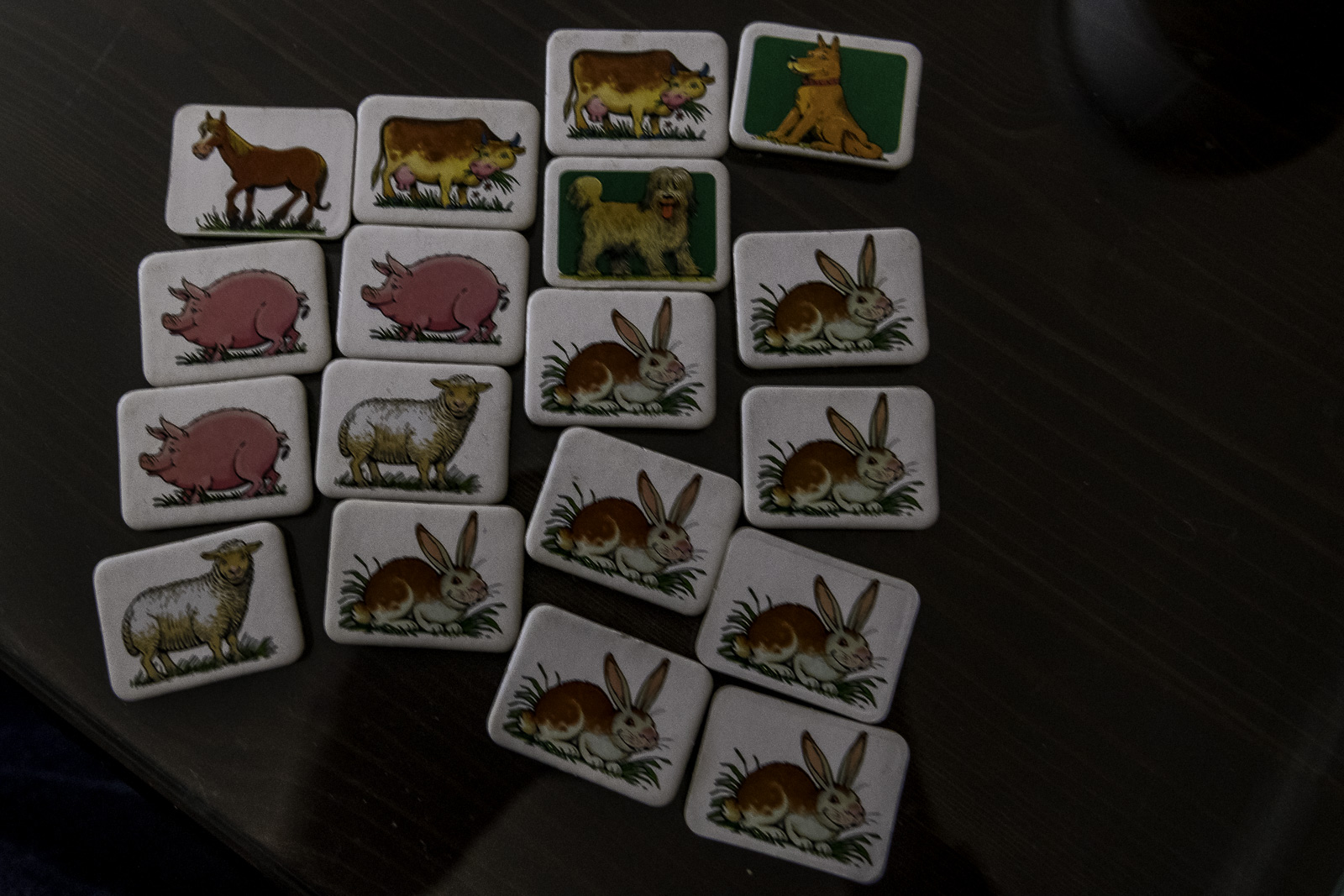
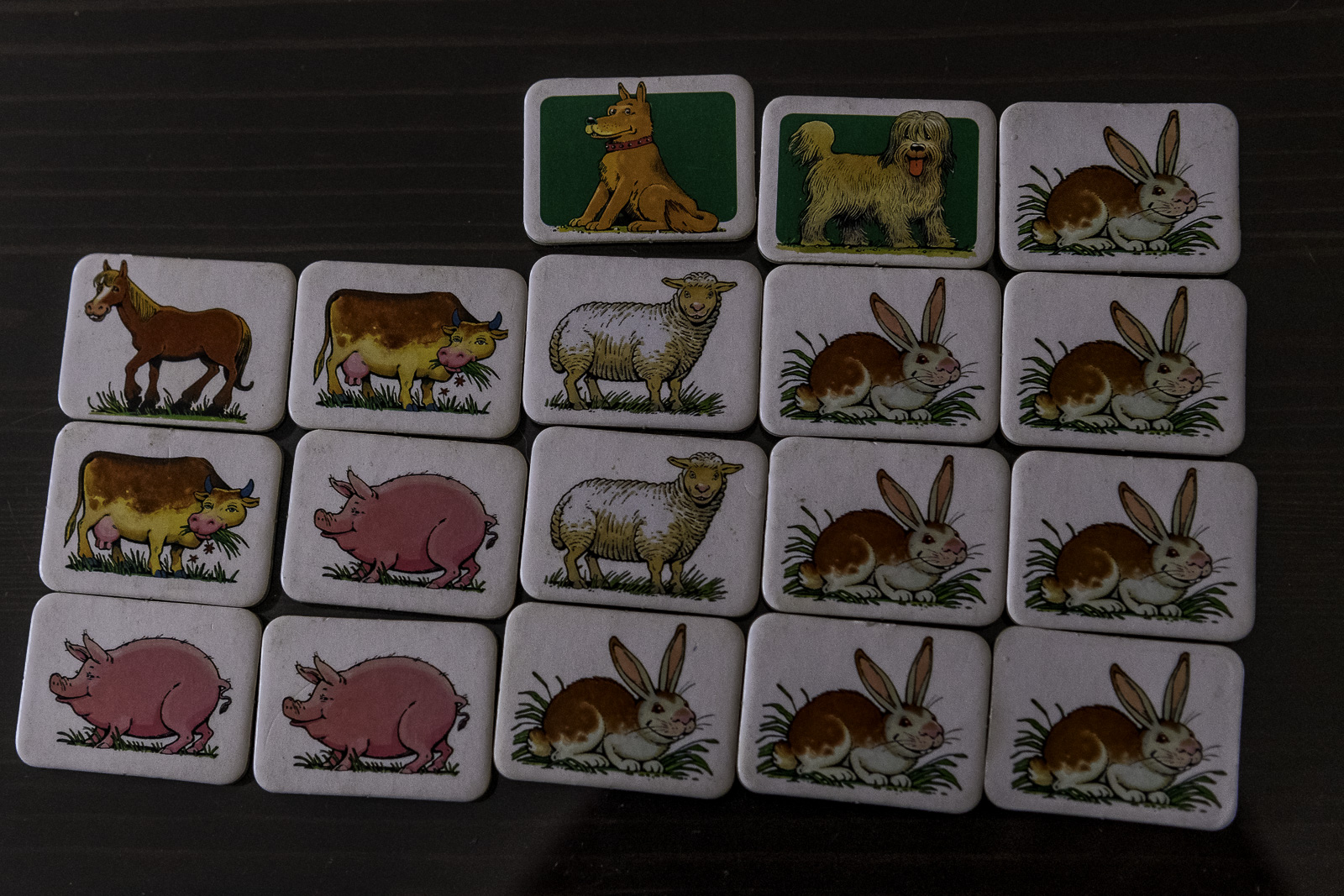
My winning hand
L, organizing my winning hand
My winning hand after organization

I don't have answers. I don't even know if I understand the questions.

K and I talk about it. We encourage him. We support him. But we're not there on the playground when he's struggling to keep up with the other boys as they run about. We're not there when kids are mindlessly cruel, and he struggles to understand why people could be so mean.

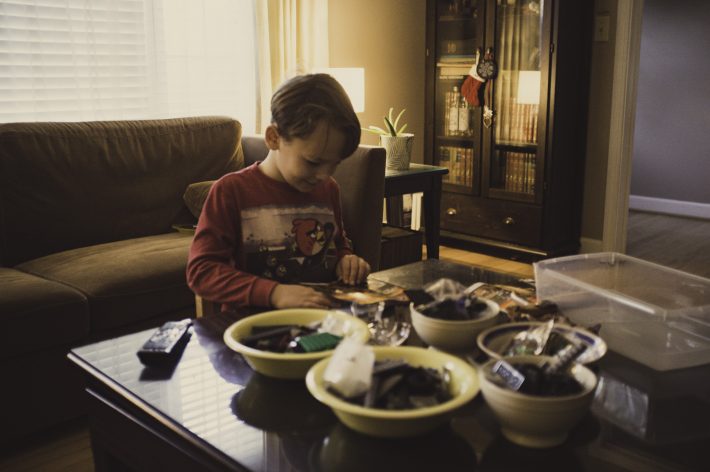
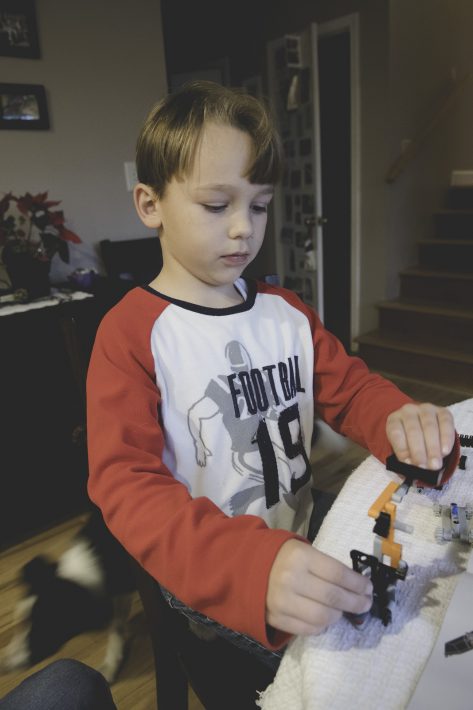
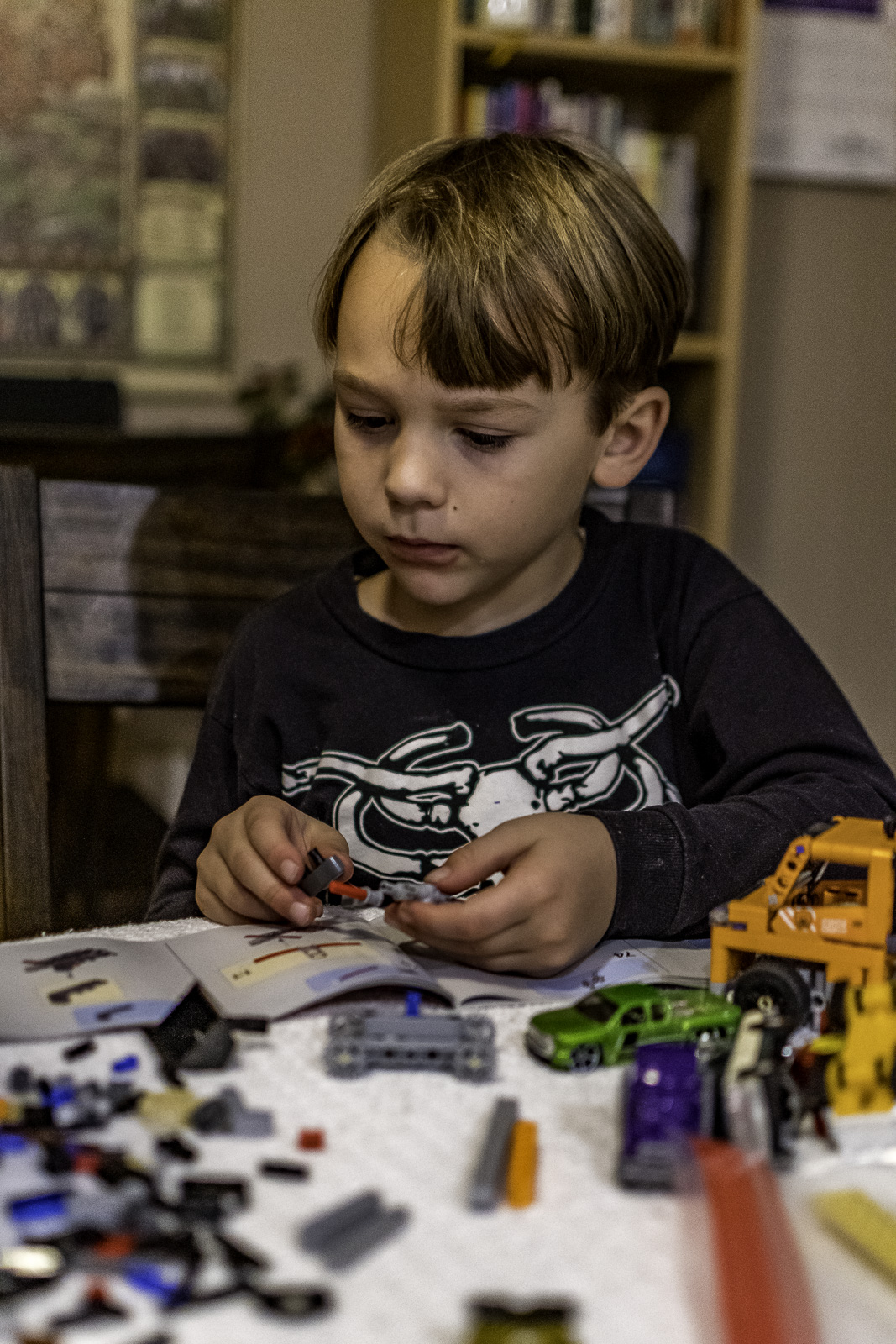
Finishing up the latest Lego project

Good souls win in the end, don't they? I look around the world and struggle to find an answer to that question other than, "Afraid not."

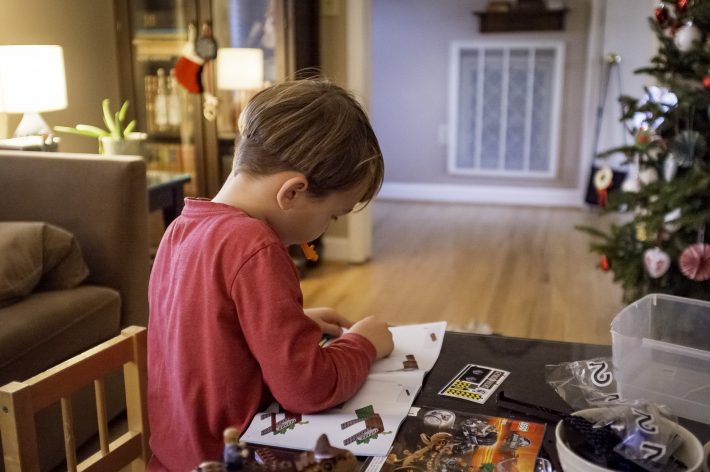
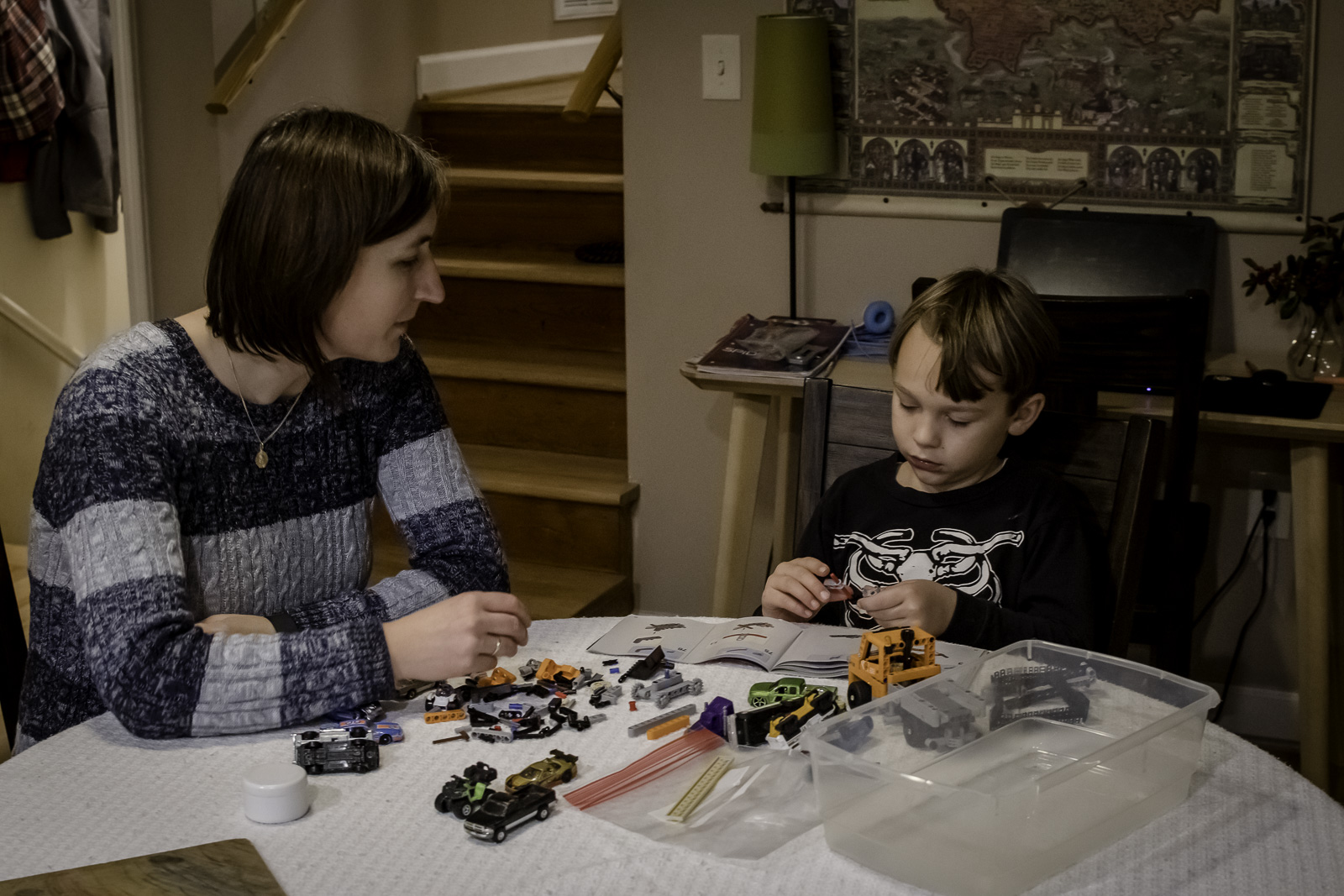
Pre-Bed Building and Reading

Eight Years Ago

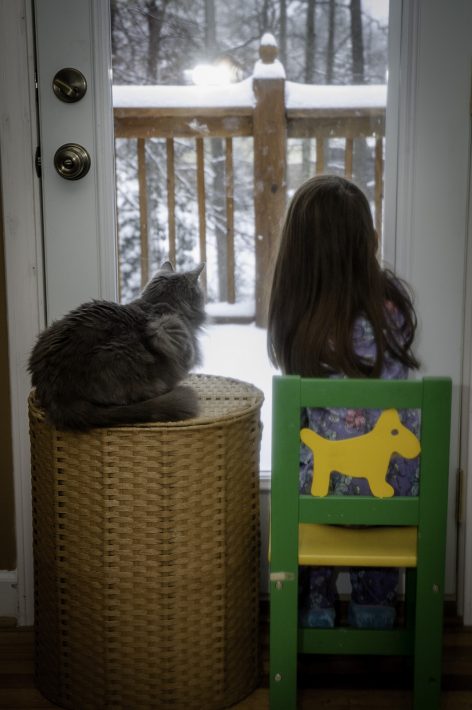
We had a snow day eight years ago today — lots of snow. I took one of my favorite pictures of L that day. And now, it’s one of my favorite pictures of Bida as well.

Revisited

In my journalism class, we’ve decided to shift from pure journalism to a bit of literary nonfiction, so we began the day with a writing exercise. I provided a starter and fifteen minutes to write: “During winter break, I learned…”

I wrote along with them and found myself thinking again of Bida and so began writing again about Bida:

During winter break, I learned anew that love and pain are often so closely twined that one cannot separate the two, that tugging on one brings the second along with it. I learned all this watching and participating in my daughter’s grief as our family cat slowly died as she lay on our couch.

We’d had Bida for ten years. My daughter had never known life without that gray, grumpy, yet sweet rescue cat. She looked pitiful when we got her, hence the name, which means “poor little thing” in Polish. She looked even more pitiful as she lay dying, thin, slow, her bones protruding, her long gray hair matted because we could no longer brush her without causing her pain.

When we arrived home that night, my wife went to check on her in the room in the basement where Bida always loved to sleep. In a panicked voice, she called me downstairs. The poor cat had fallen off the bag of insulation that she loved to sleep on and landed on her back, wedged between the bag and some shelving. I thought she was already dead, but when I pulled her out gently, she shuddered, gasped, and began breathing in shallow breaths.

“Go get the kids,” I told my wife. “They’ll want to say goodbye.” She headed upstairs while I gently carried Bida to the couch in our basement family room and lay her down on the middle cushion. The four of us sat around the old, ornery cat for two hours as her breathing slowed, then stopped.

The first to come running from upstairs was L, my daughter. She was already beginning to cry, and when she saw Bida, the cat that had been around for as long as she could remember, she broke down into a sobbing, shuddering cry.

“No, Bida!” she shouted, dropping to her knees beside the couch and throwing an arm protectively but gently over the cat, who lay with her eyes open, her mouth gaping, the only movement being her rib cage that went up and down, up and down, up and down. “No, Bida! No!” she cried, her body shaking more and more violently.

I’d never been a big fan of that cat. I put up with her because L loved her so. But in that moment, watching my daughter wrecked with pain, her face a puddle, her voice almost instantly hoarse from crying, I realized I loved that cat because she loved that cat. I understood that I was near tears because she was in tears, and even because I was sad to see that grumpy cat go, to see that sweet cat suffer, to see my daughter suffer along with her.

When you love something, you open yourself up to pain because of that. You will feel that person’s pain with them; you will feel the pain of separation; you will eventually feel the pain of ultimate loss.

To love someone is to love their mortality, their temporariness, and the ________ness of everything they love.

A first draft — shows some promise, but nothing spectacular. That’s the idea.

Afterward, I had students choose the sentence they like most, the sentence they’re most proud of. “Be prepared to explain to a partner why you like that sentence, why that sentence fills you with a bit of pride,” I instructed. For my own sentence, I chose the first one: “During winter break, I learned anew that love and pain are often so closely twined that one cannot separate the two, that tugging on one brings the second along with it.”

“I like it because of the word ‘twined.’ I don’t think I’ve ever used that word, and it somehow provides a theme for the whole piece that I could go back and incorporate — images of thread, fabric, sewing, weaving, and so on,” I explained.

It was just the final lesson of a day filled with successful engagement from all students. I always worry a bit about how students will perform that first day back, and I’m always impressed. And then ask myself, “Why are you always worried? They’re always great!”