
fun in threes, sometimes fours
Month: April 2018
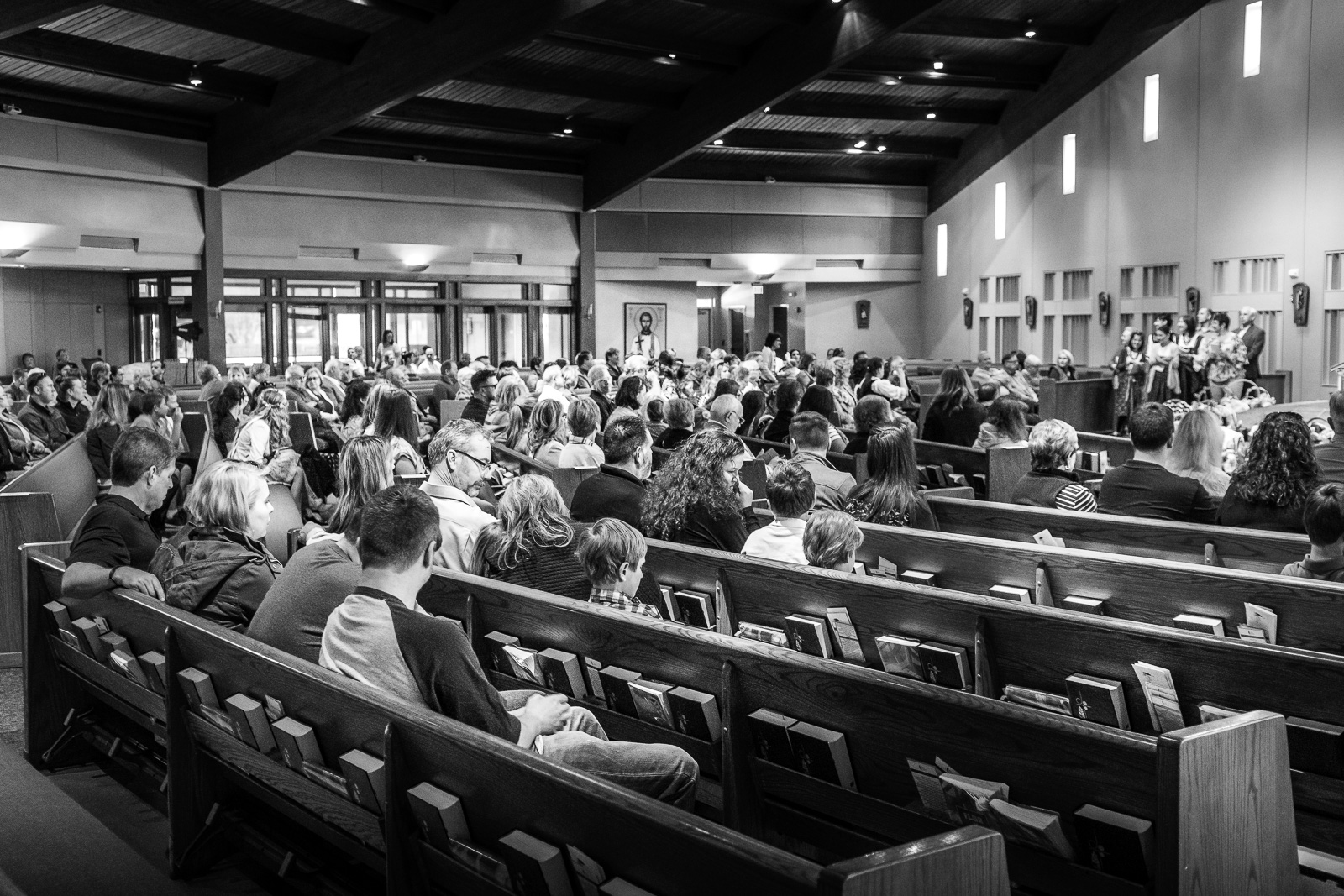
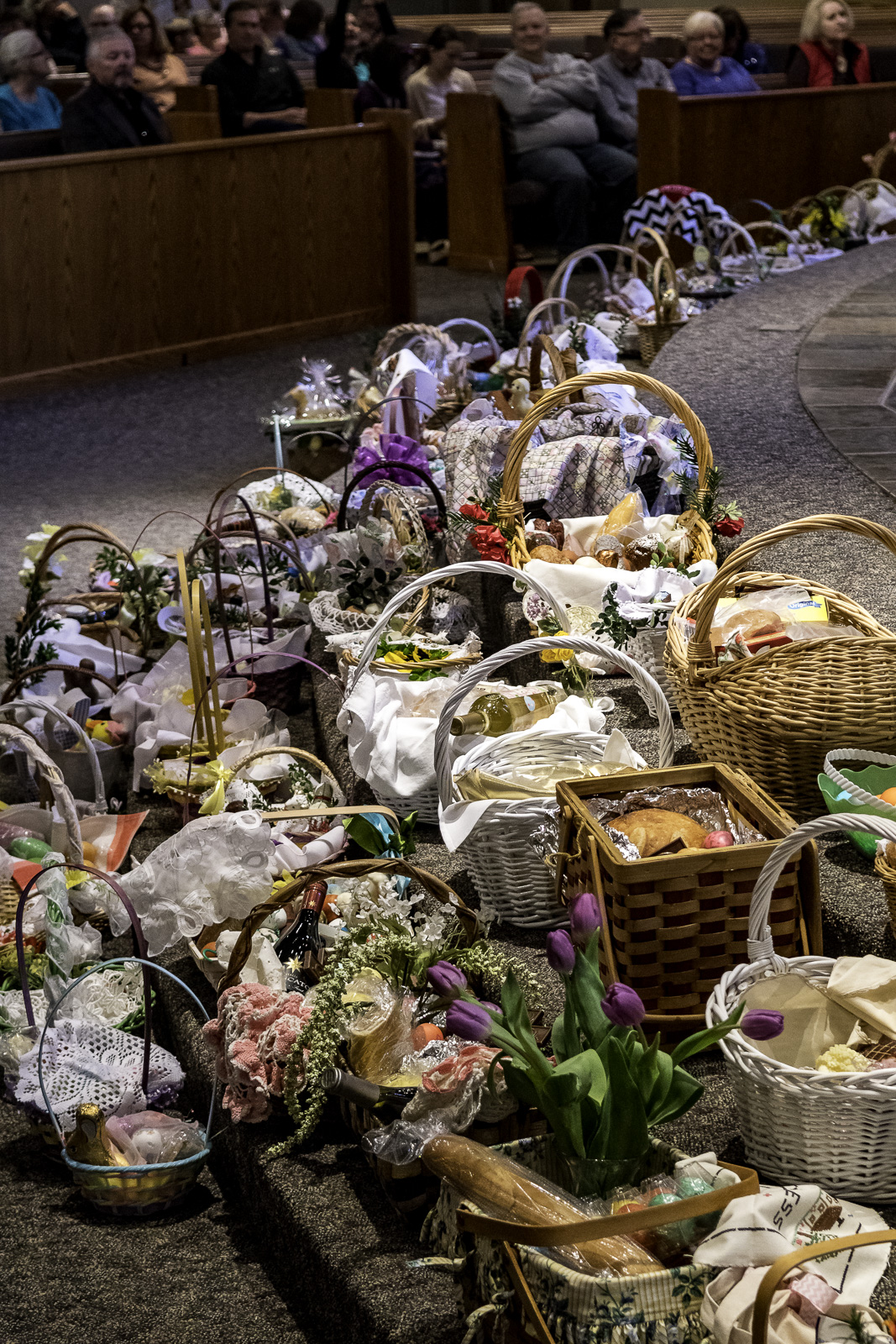
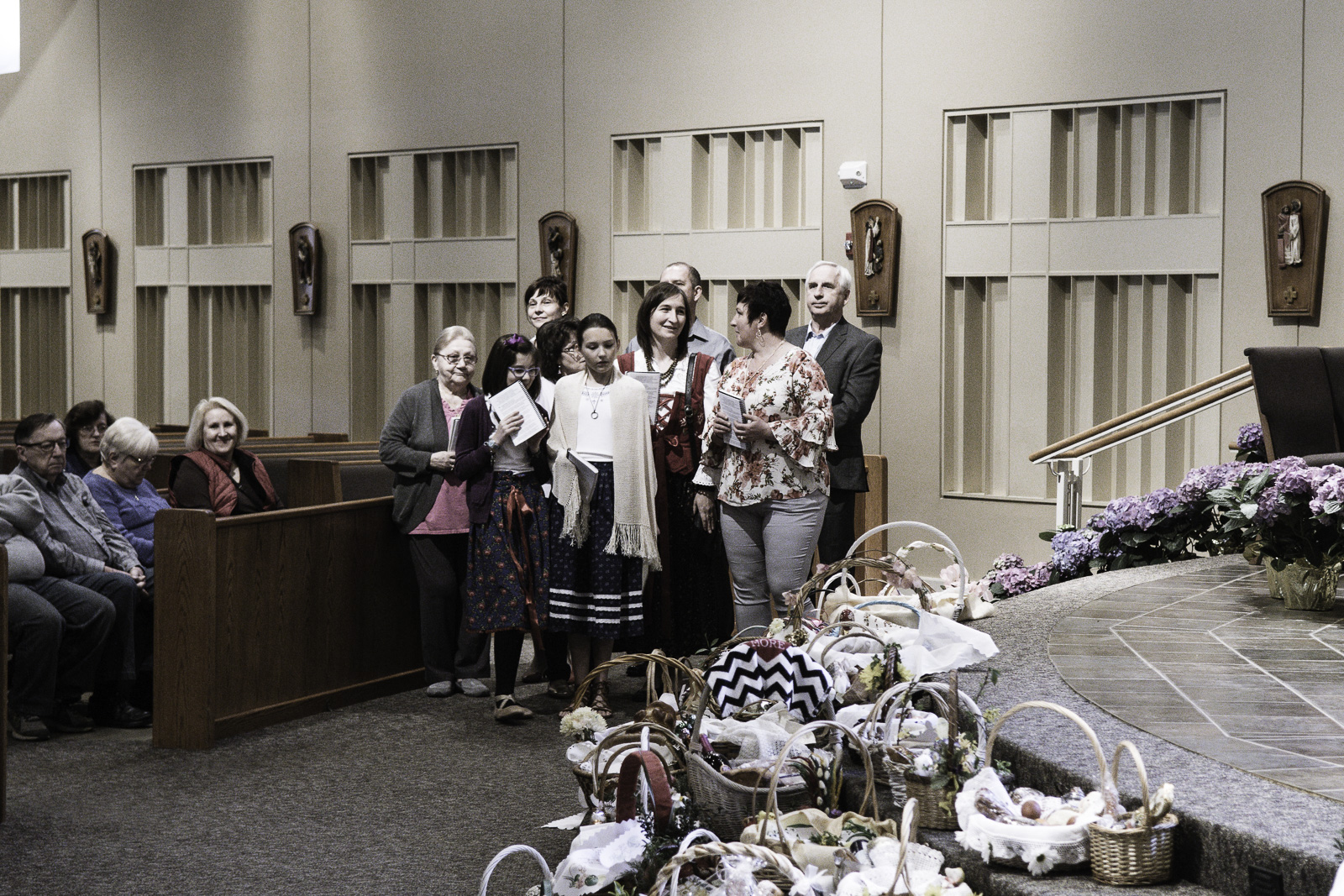
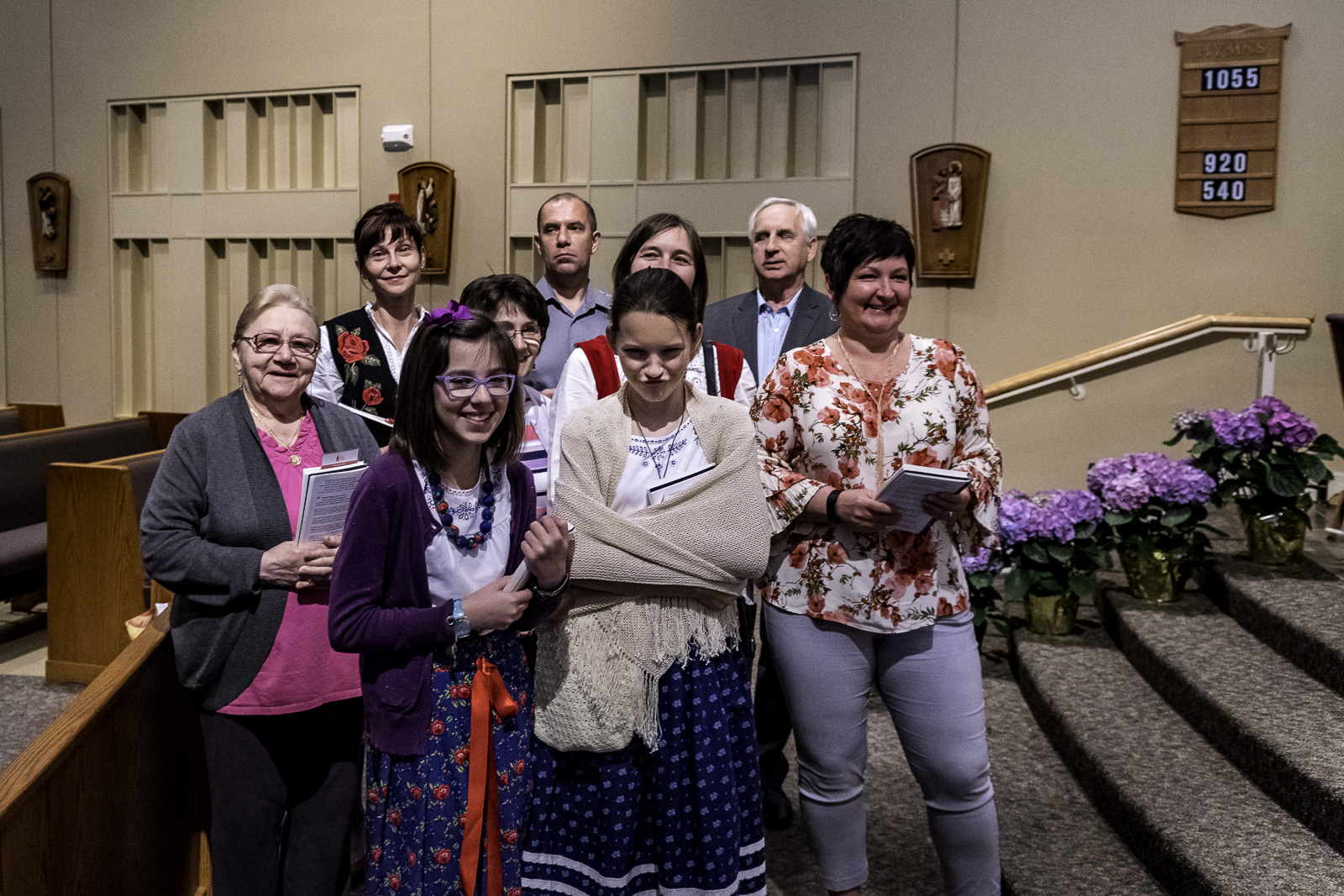
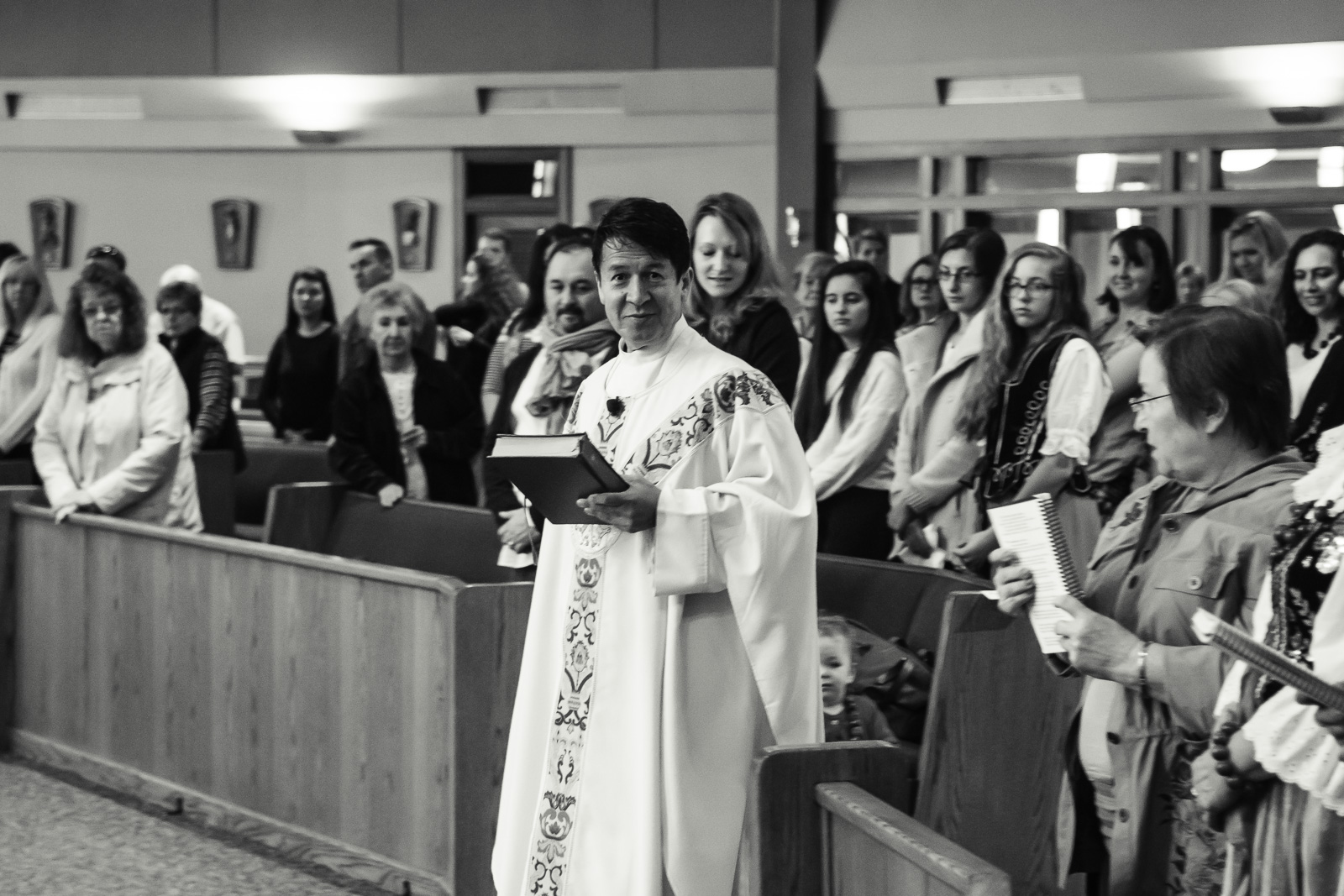
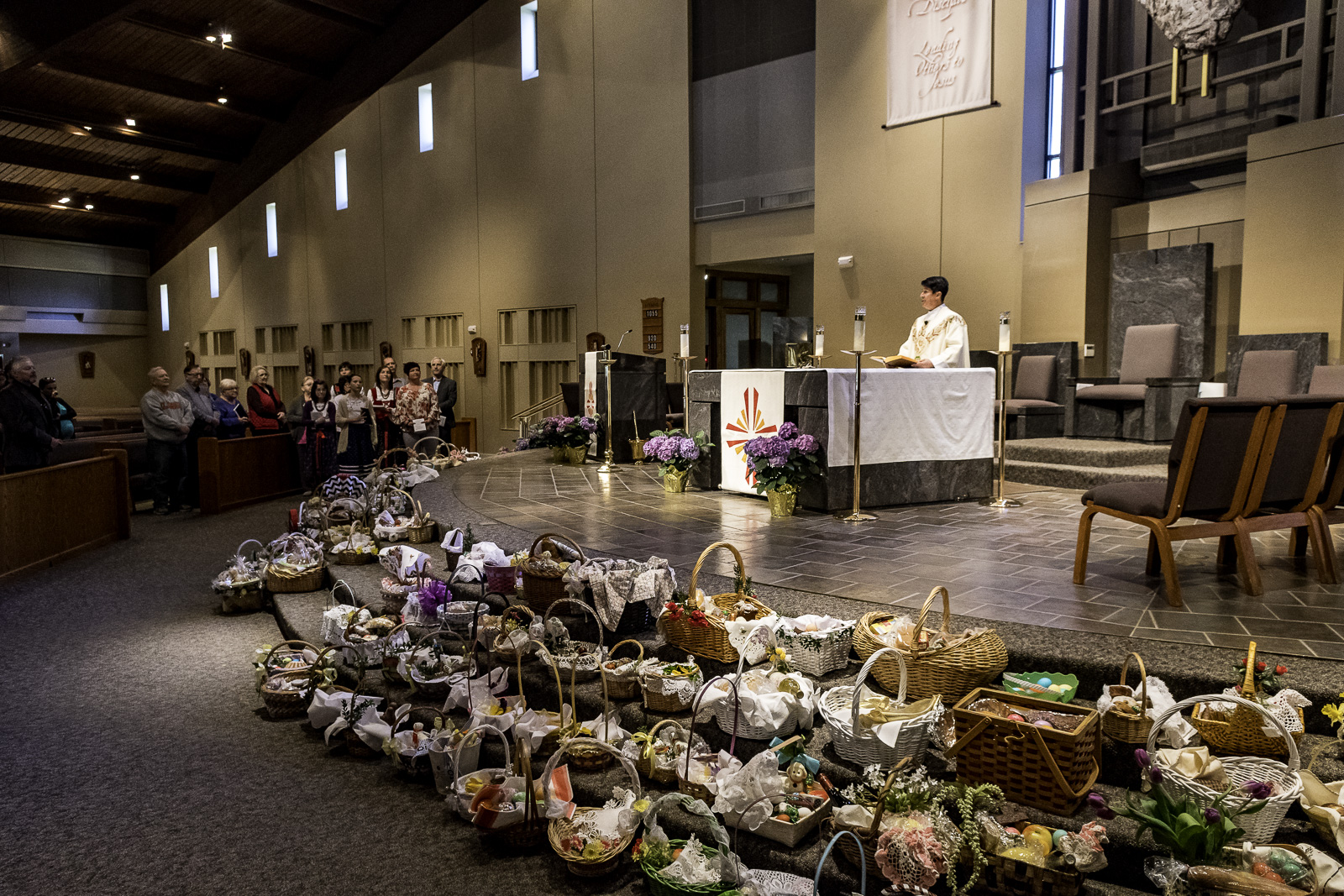
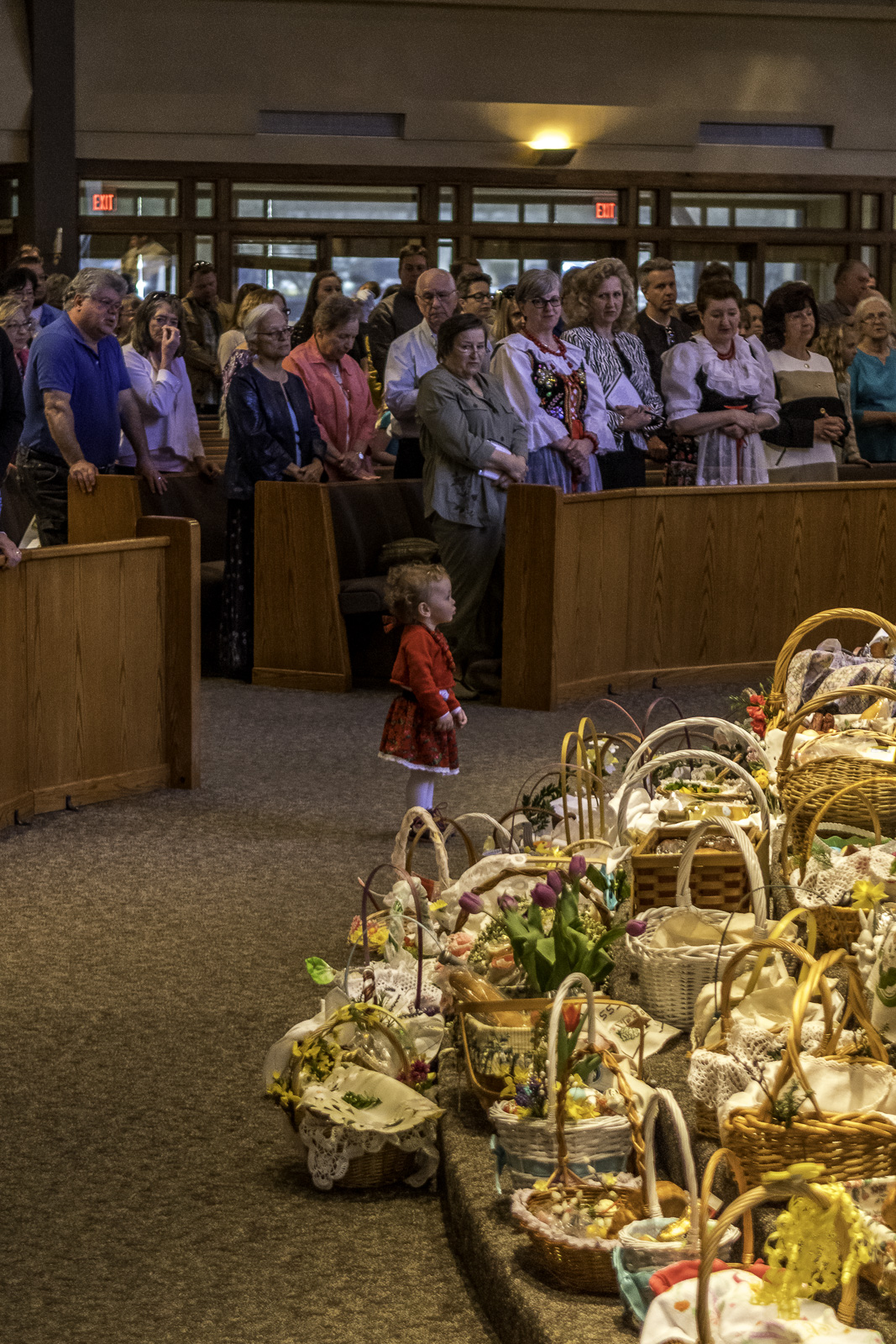
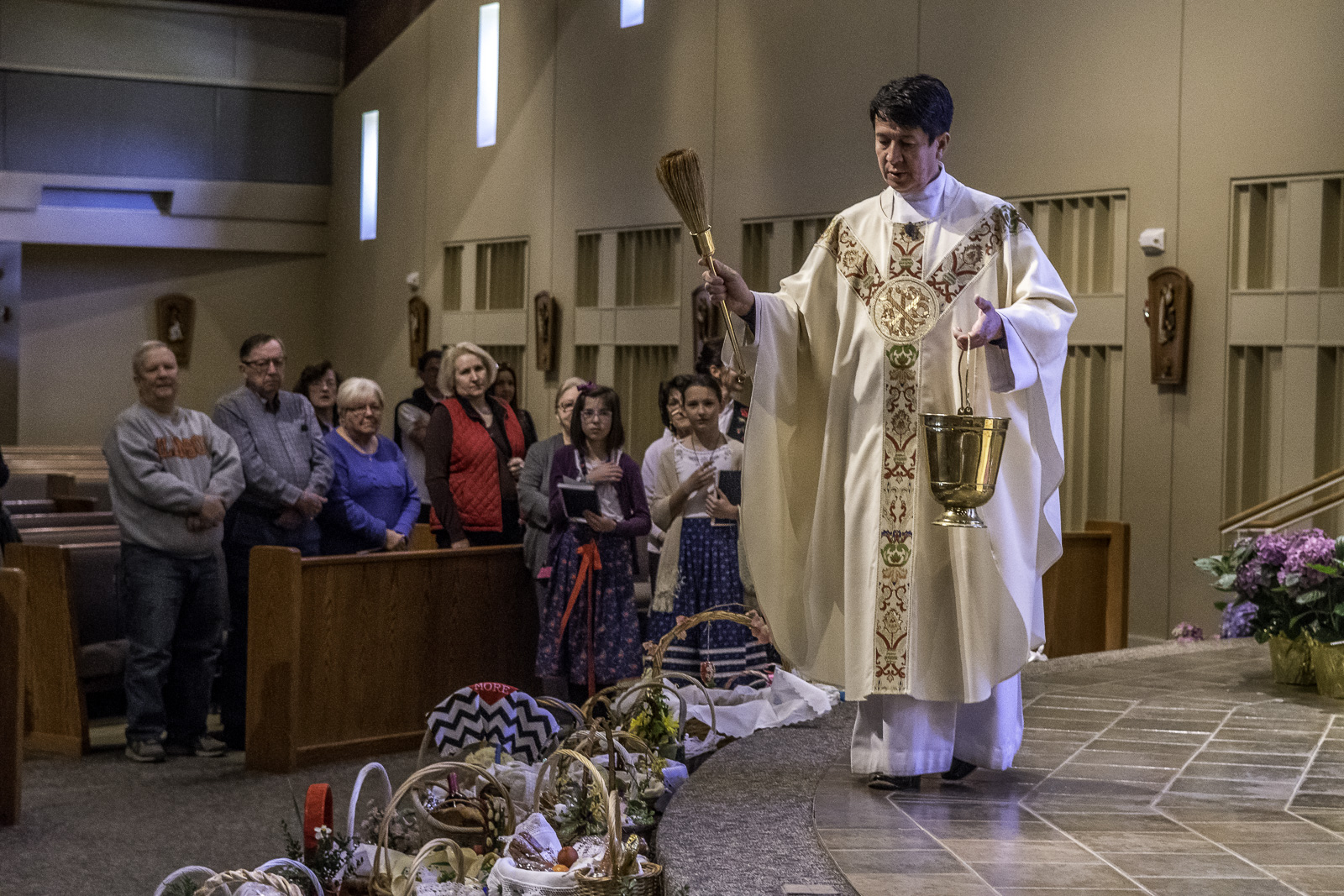
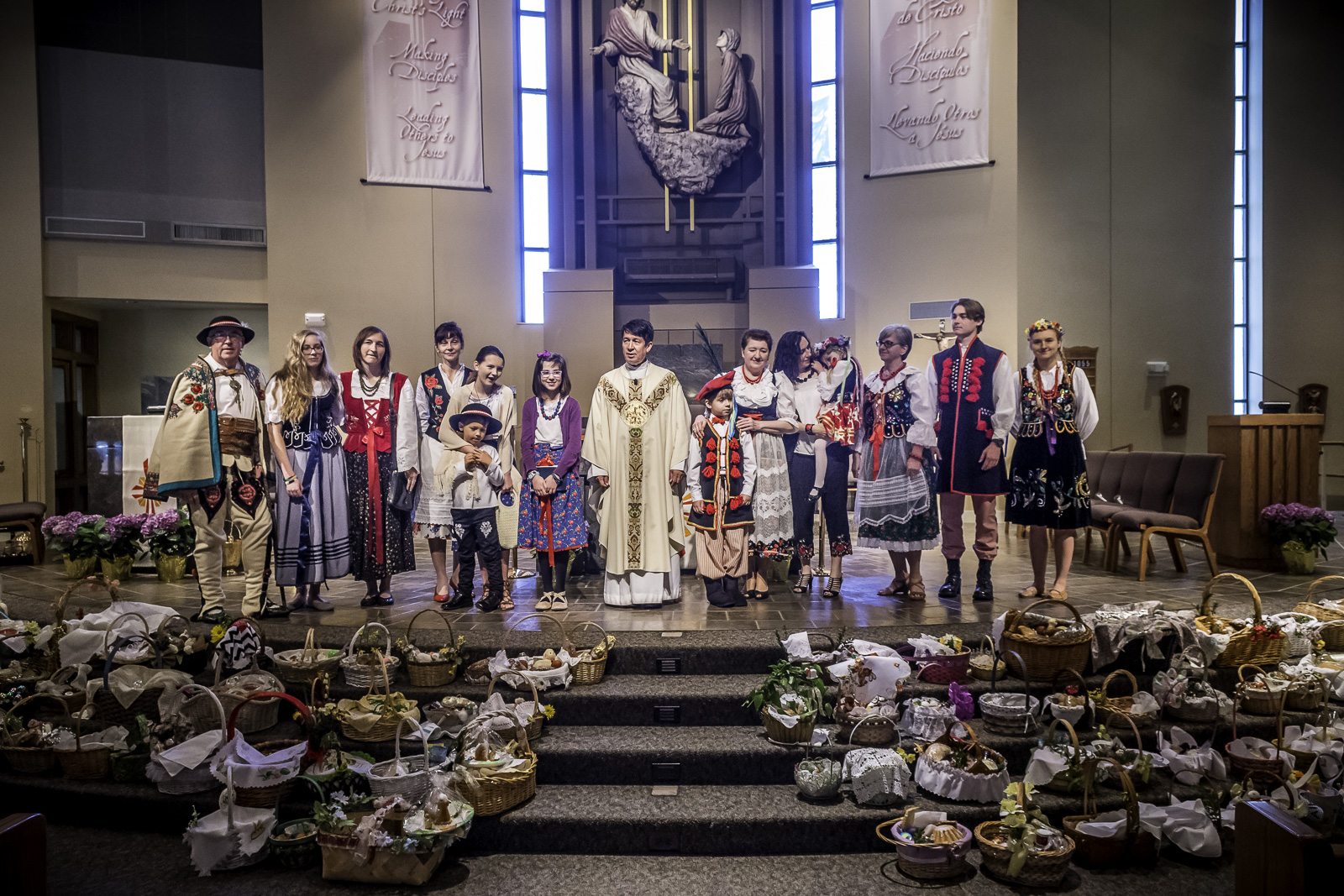
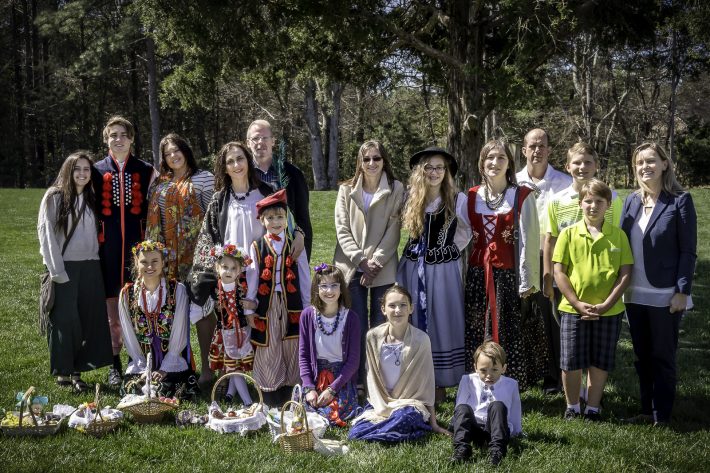
I never put up the pictures from this year's blessing of the baskets on Holy Saturday.

There's a lesson I share with my students every year that I both look forward to and dread. It's at the beginning of the Anne Frank unit, and what I try to do is simple: make them empathize with the plight of Anne and all the other Jews (and non-Jews) who were victims of the Nazis' fury. It's a two-part lesson, with both parts running simultaneously. The main portion involves a presentation to build students' background knowledge of the Holocaust. We begin with the rise of the Nazis, go through the systematic alienation and stigmatization of the Jewish population, touch on the ghettos, and end with the stark directions of Nazi doctors at the Birkenau train station: left or right. Death or imprisonment.
Through this whole process, students stop to reflect. We start with putting ourselves in Anne's place:
We're all unique in some way, and we all belong to a group that is itself unique in some way. Find the one thing that connects you to one group of people yet makes you different from many other people. It can race, religion, political views, where your family comes from—anything.
As we move through the lesson, students have other opportunities to reflect:
Leaders are blaming you subgroup for all the country's problems. They are taking steps to remove your group's power and influence in society. Write a diary entry about how your group is being singled out and treated differently.
Could this happen in the States? Many of my students divide themselves mentally in this exercise along racial lines, and many of my students are African American. It sounds to them like a return to the worst of the Jim Crow days. Could anything like that happen in 2018?
One day, soldiers come to your house and tell you and your family that everyone must move to a new section of town. You're given ten minutes to gather your belongings. What do you take with you?
I'm surprised at how many students immediately write, "Cell phone." Surprised and not surprised.
You hear rumors that people are being rounded up in other parts of the country and murdered. Write a dialog you overhear among adults.
Could this happen in 2018? Could an oppressed people be completely cut off from the reality of their situation? As students write, I find myself doubting it. Yet didn't many Jews in the West doubt the initial reports of the Holocaust? "Why kill us? We're their workforce!" The Jews who'd been shipped into concentration camps from the east knew, though. They'd already seen the Holocaust of bullets: men, women, and children, lined up in front of ditches, shot in the back of the head. Repeat.
One night, soldiers burst into your house and force you into trucks that begin speeding down the highway to an unknown location. Write a description of the experience for your diary.
I go over how wretched the transport was to the camps. Standing room only in boxcars. Need to go to the bathroom? There's only one option. Back aching from standing for days on end? Too bad.
You arrive at the camp. You're split apart from your family and forced into a small barracks with many other people. Write a conversation you might have in the barracks with someone your age who has been there for several months.
What is there to say? I tell them about the reality of many of those who made it through selection: some inmate or another pointed at the smoke billowing out from the chimneys of the crematoria and said, "There's your family."
As all of this is going on, we play a game. "I have a lot of little slips of paper with an 'X' on it. You don't want this slip of paper. You want to avoid getting one at all costs. And if you get one, you want to avoid getting a second one. Your goal is two-fold: end the lesson with as few of these slips as possible, and figure out what leads to getting one of these slips." In the past, I made it more obvious: the paper had a small image of a bullet on it. The exercise was more explicit: "You're going to try to avoid getting one of these bullets." They figure out pretty soon -- immediately, in fact -- that I'm putting them in the situation of Jews in a ghetto or concentration camp. With the mass shootings that have been taking place in the last few months, I decided a bullet wasn't a good idea, and it provided an unexpected benefit. The kids didn't initially know what was going on with the slips. They didn't know what they represented.
I passed them out in increasingly random fashion. The first people to get a slip were those who talked out of turn. Then I started handing them out to students who just asked a question. To students who simply raised their hand. To students who just made eye contact with me. At one point, I had all the students stand up. I counted them off and gave every fifth student a slip. Sometimes, toward the end of the lesson, I'd ask a student, "Do you have a slip?" He'd say, "No," and I'd give him one. Then I'd ask another student the same question. She wouldn't get a slip.
"What was the point of the slips?" I asked at the end of the lesson. By then they'd figured it out. "How could you avoid getting them?"
"You couldn't," one student answered immediately.
"Precisely. You had no rules by which you could simply put your head down, play by the rules, and make it safely to the other side. This was the reality of the Jews of Europe between 1939 and 1945. This is what Anne Frank and her family were trying to avoid by going into hiding."
I think they're actually excited to begin reading it tomorrow.
What a depressing way to end the day. Fortunately, the kids provided just the perfect antidote to such thoughts.
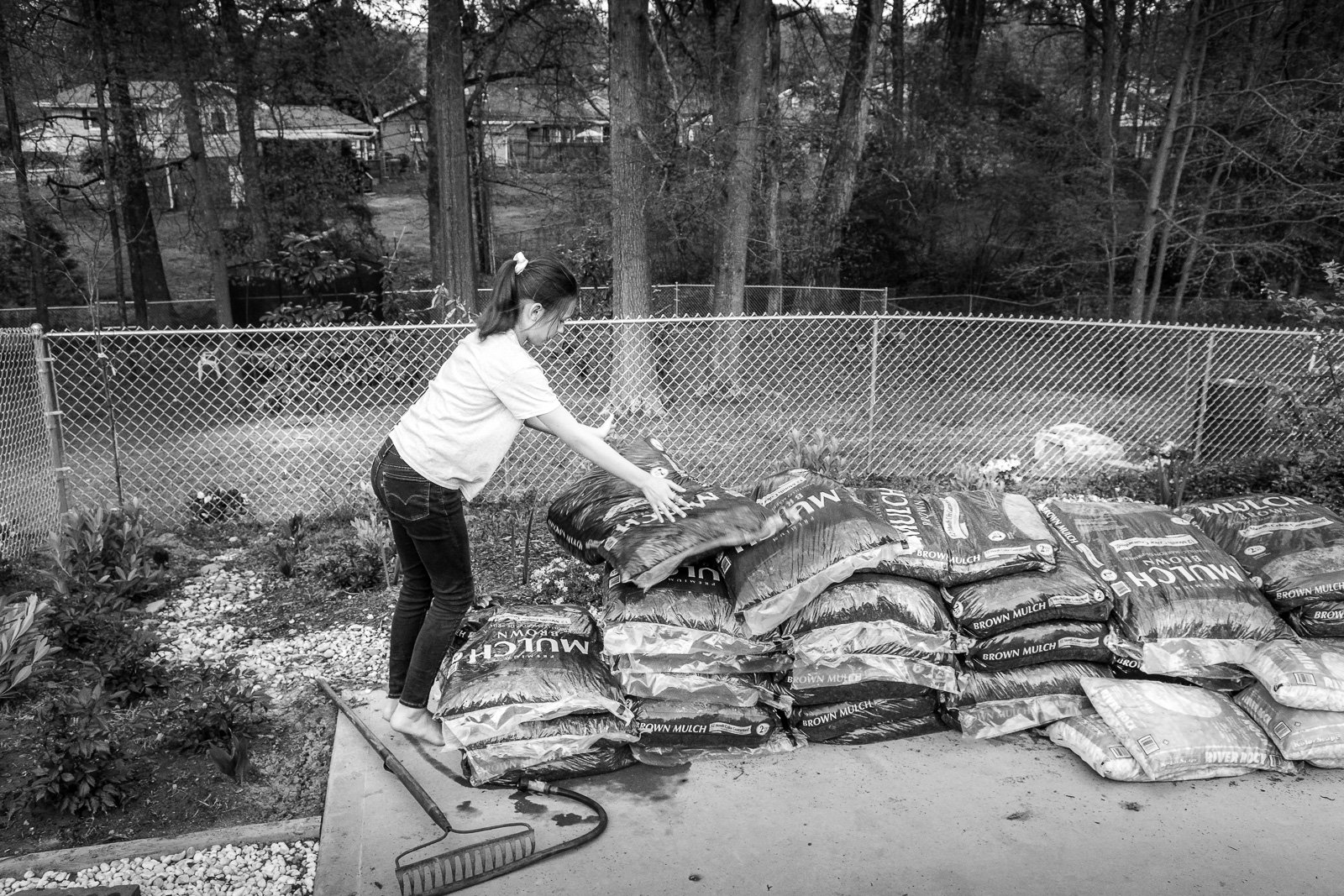
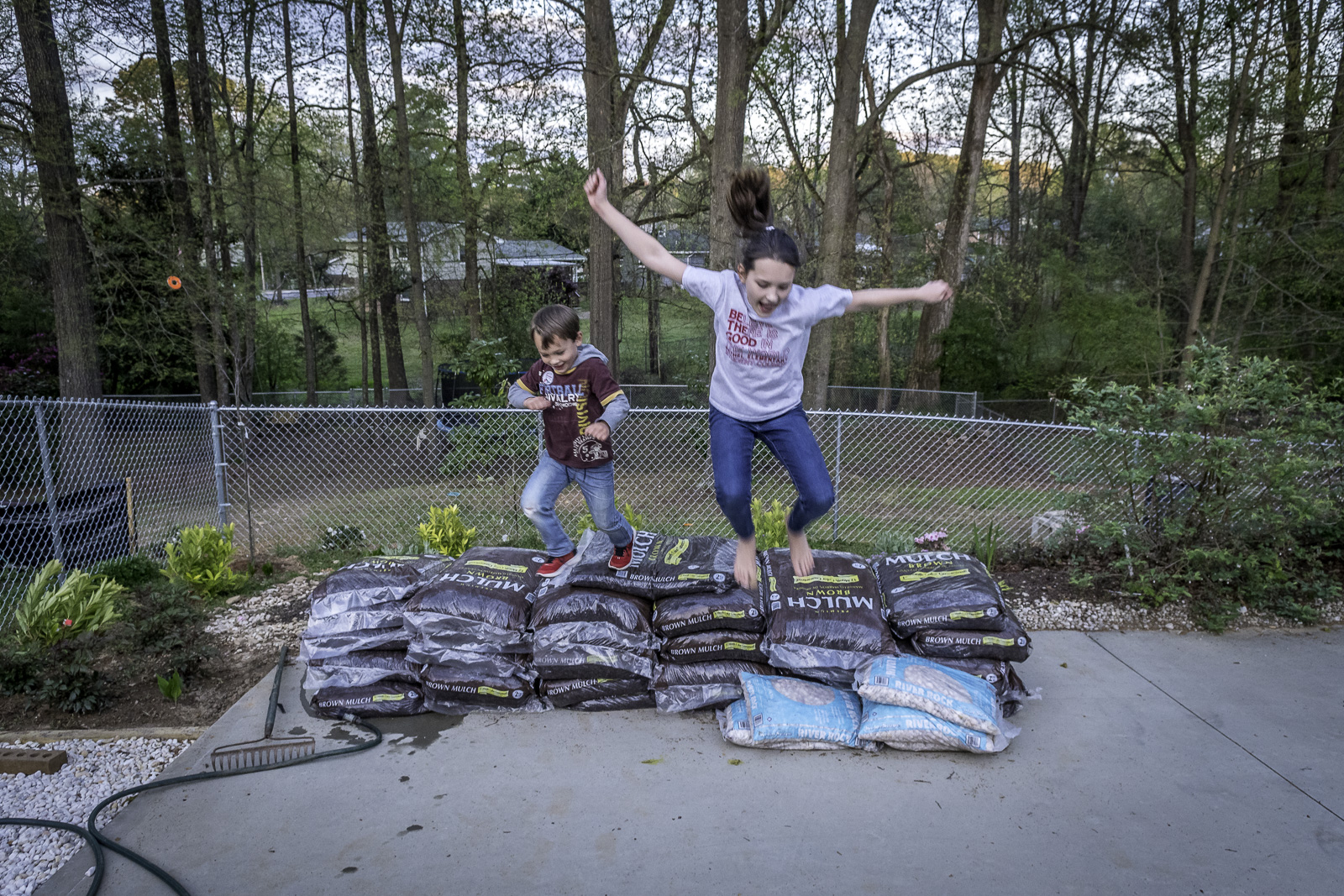
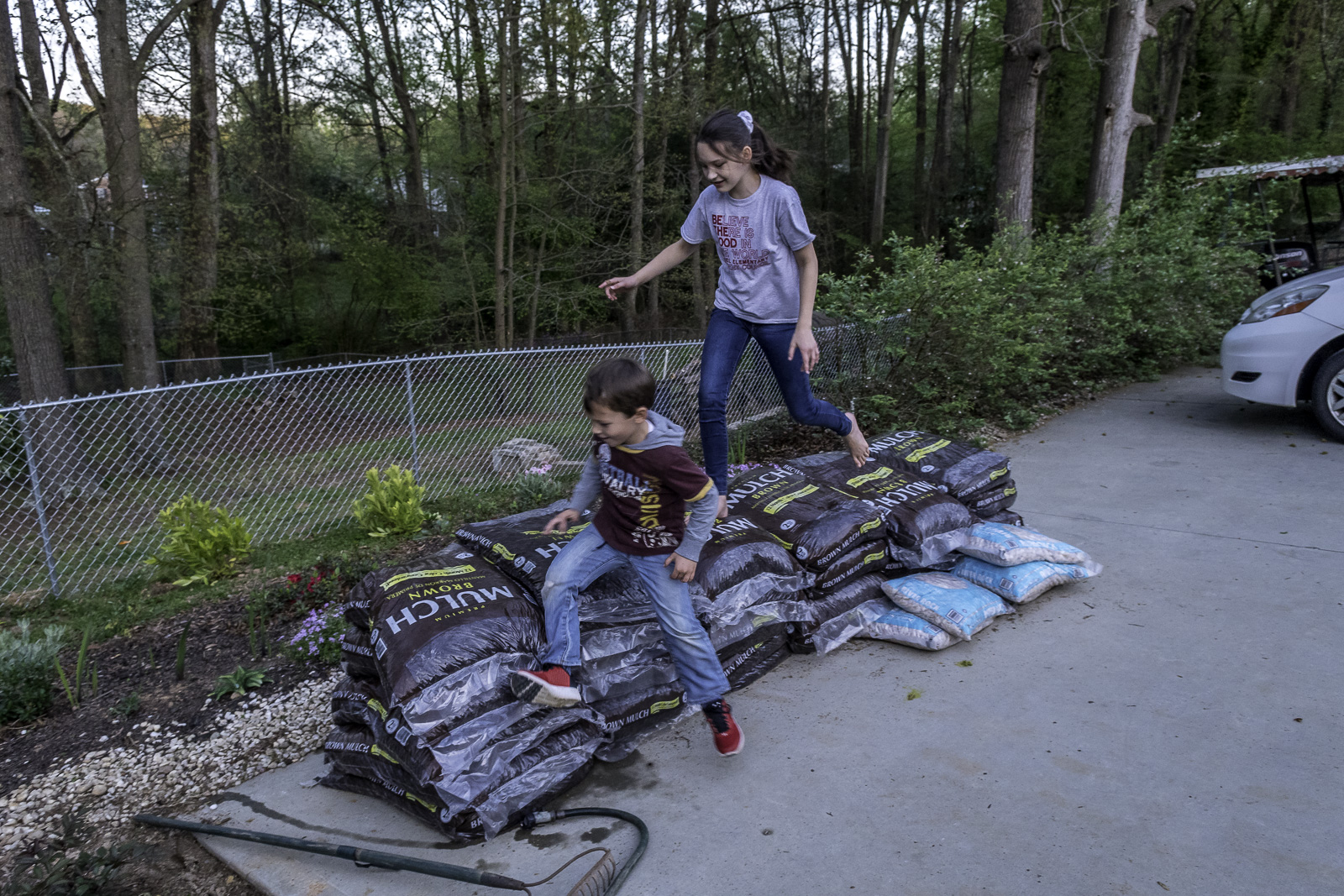
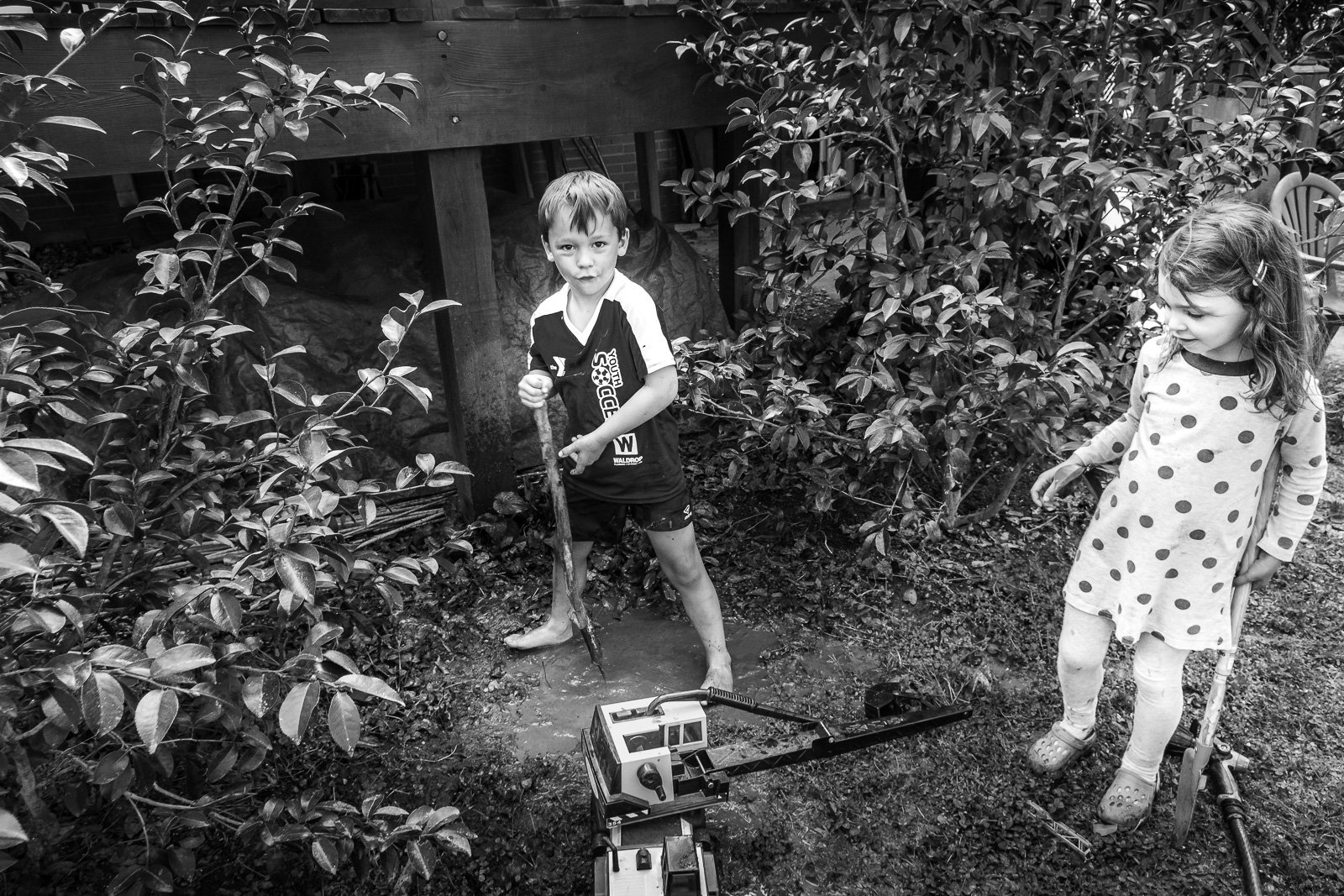
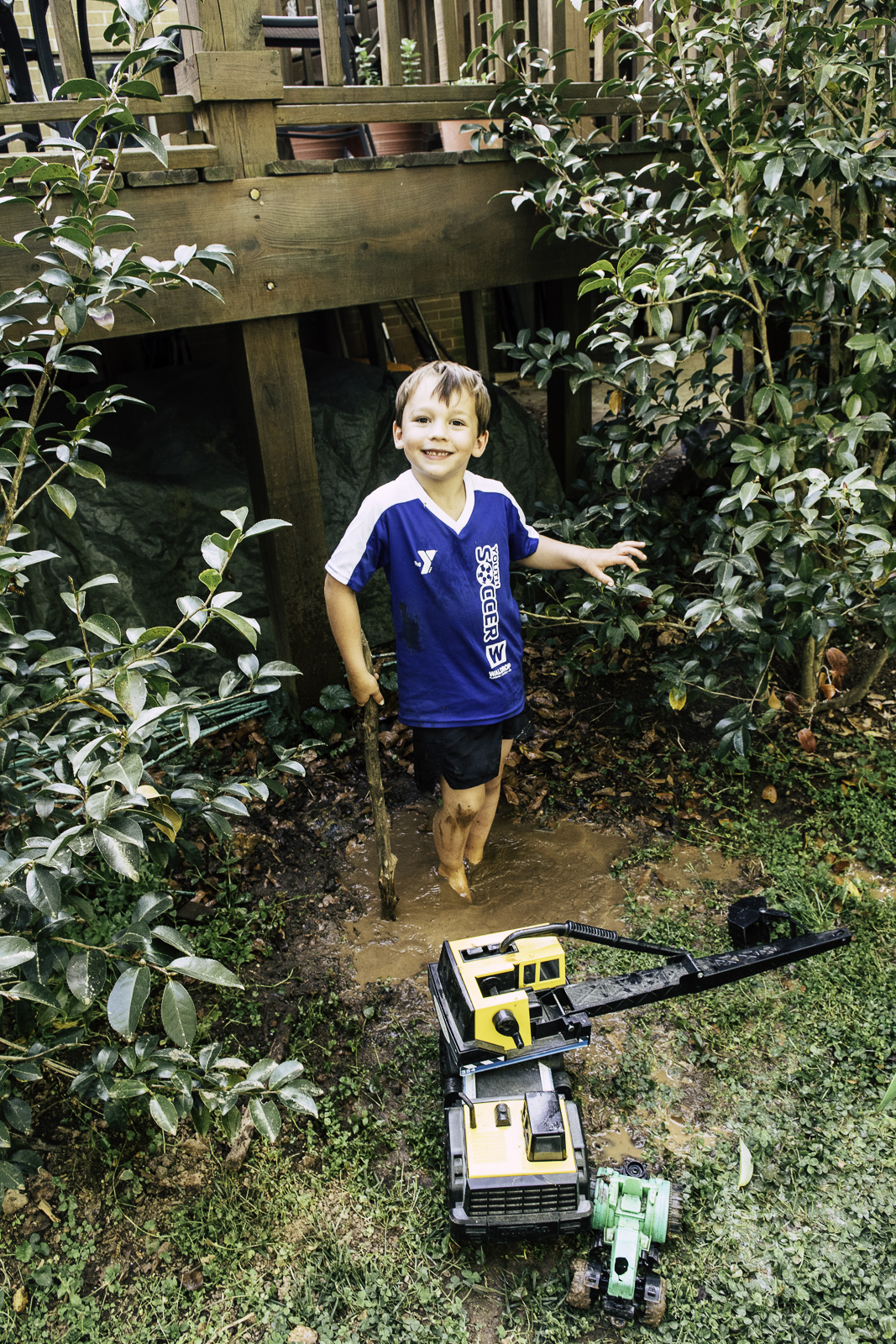
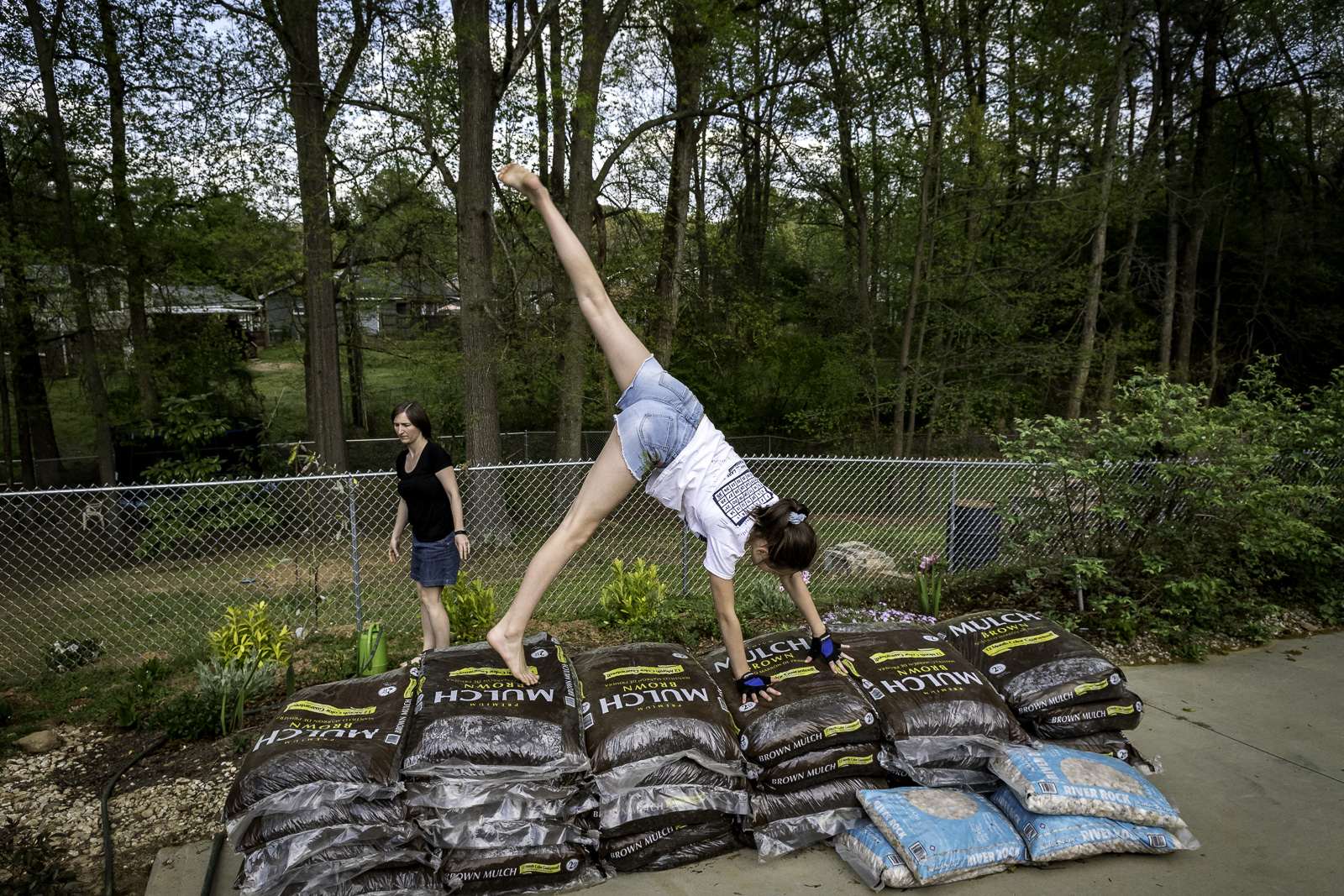
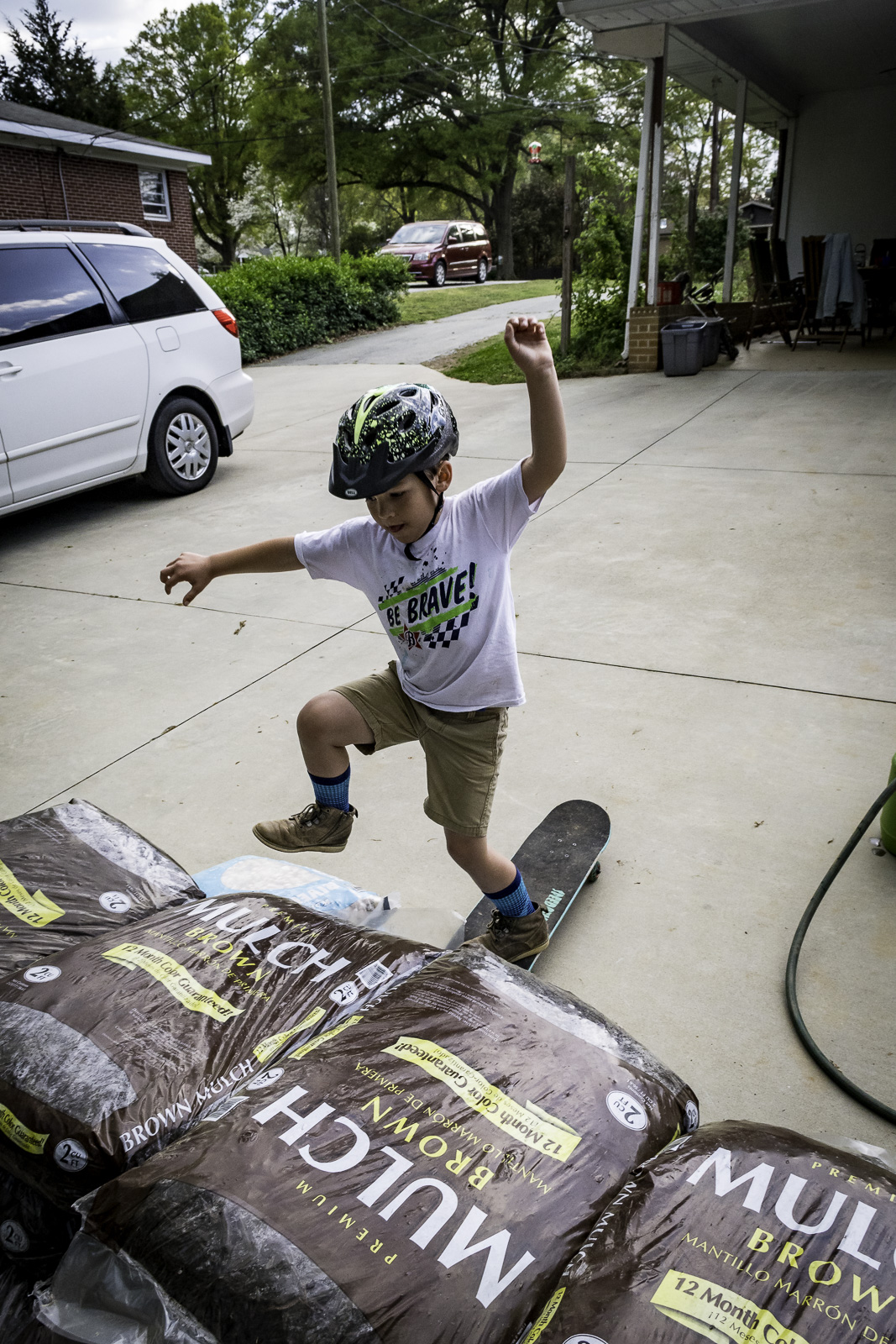
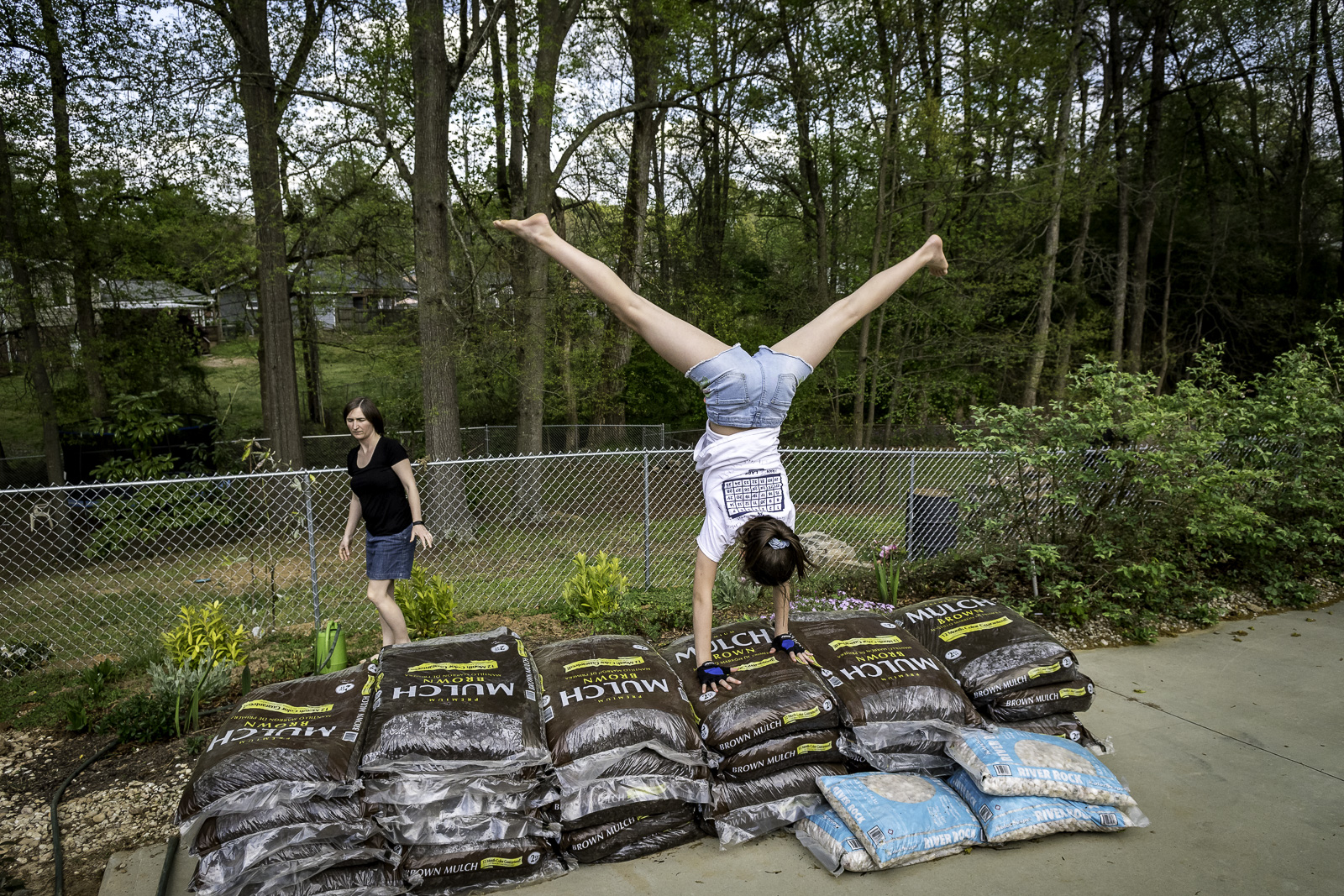
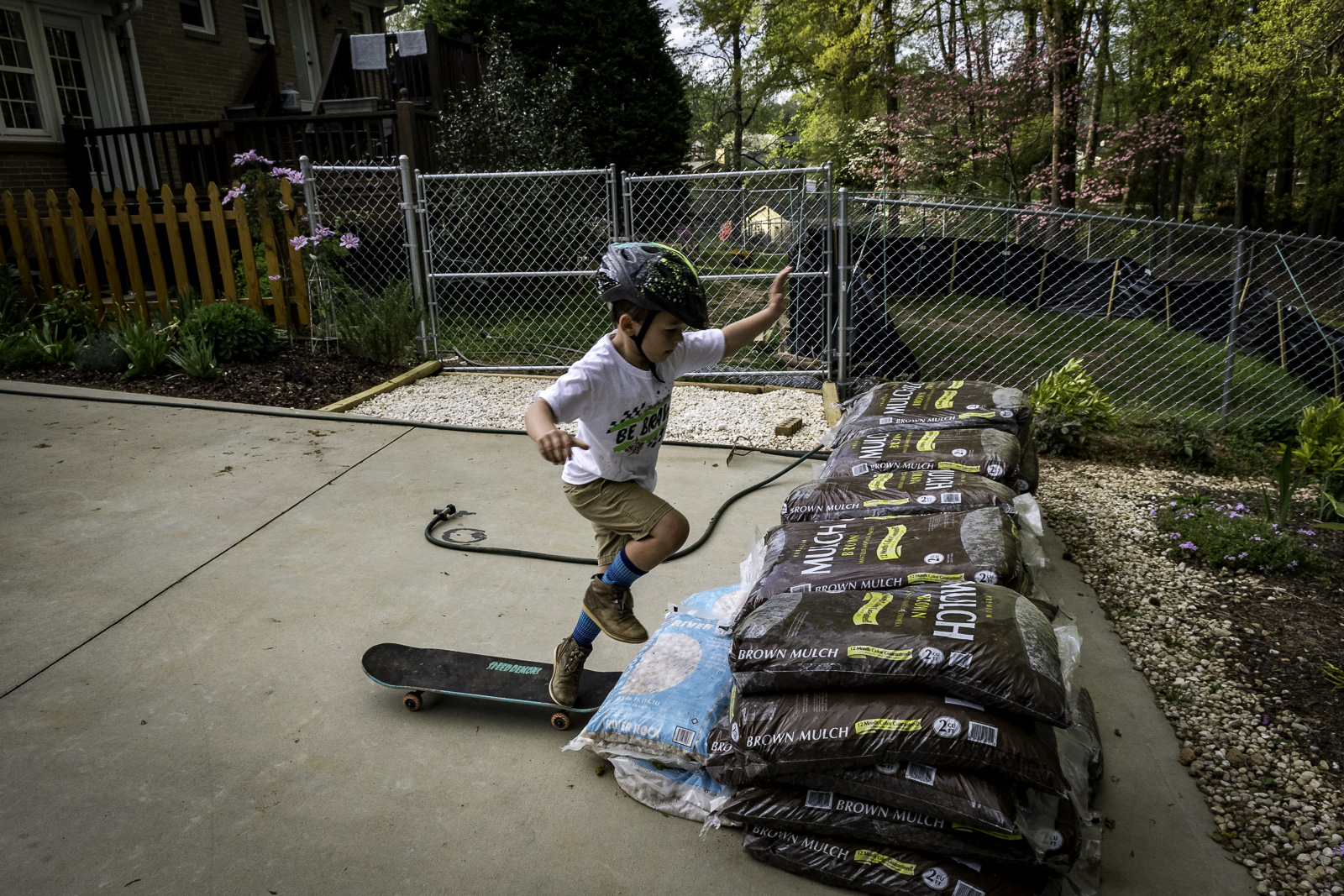
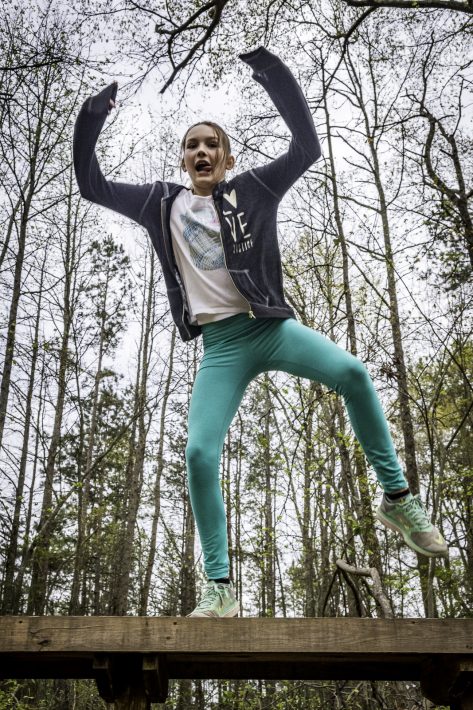
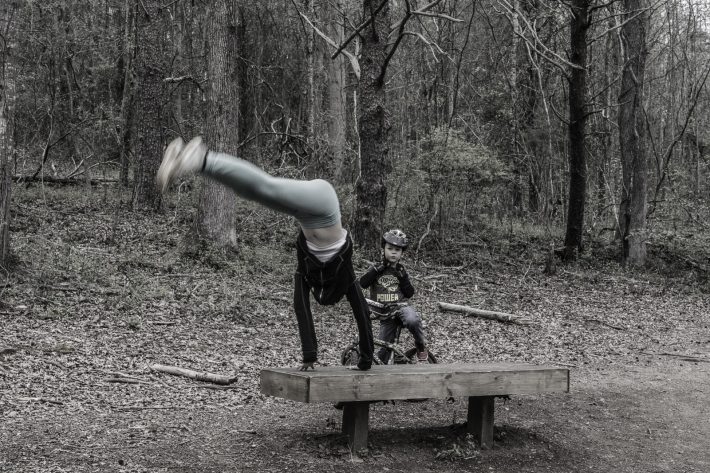
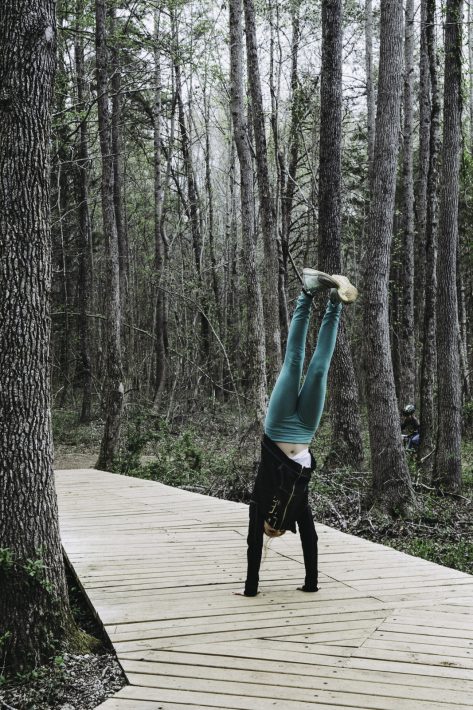
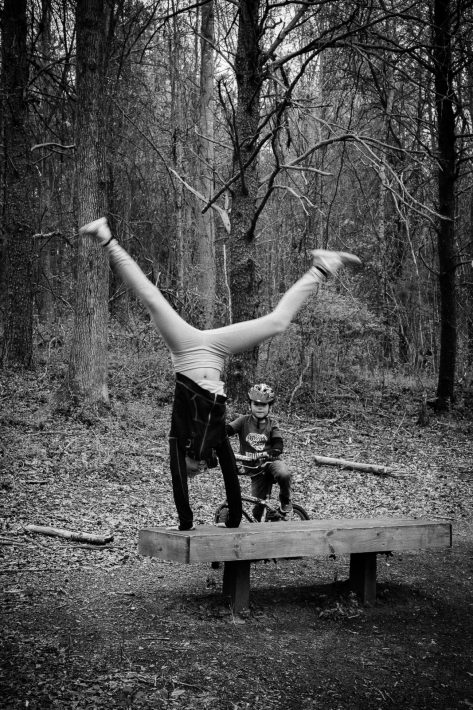
They made up a game. What was the goal? I have no idea -- I couldn't really figure it out. E, I think, couldn't figure it out either. What were the rules? They changed, as they always do. What was the result? Isn't it obvious?


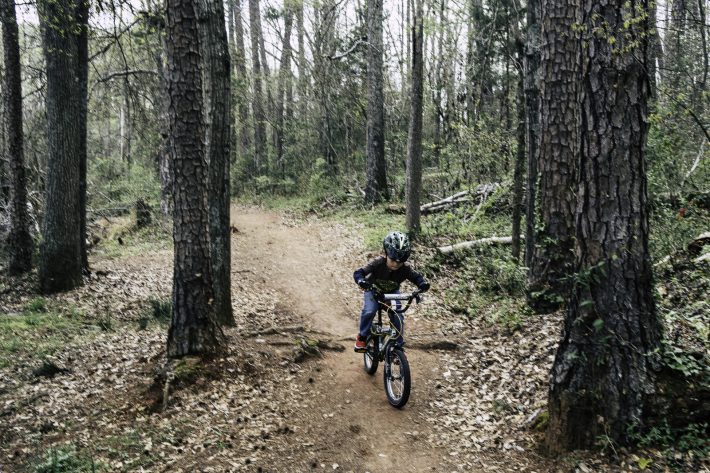
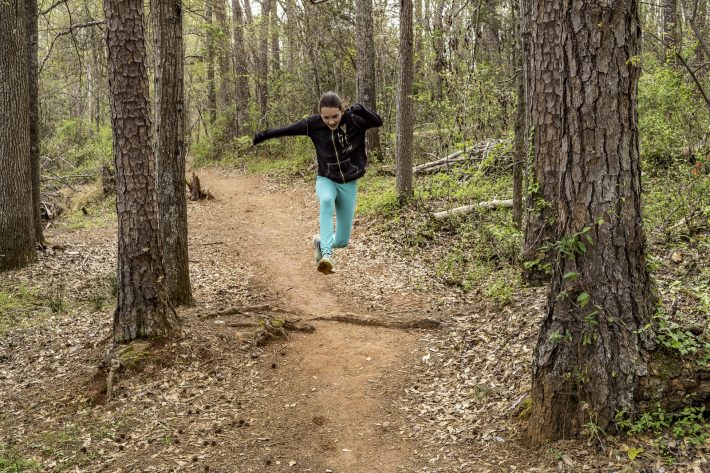
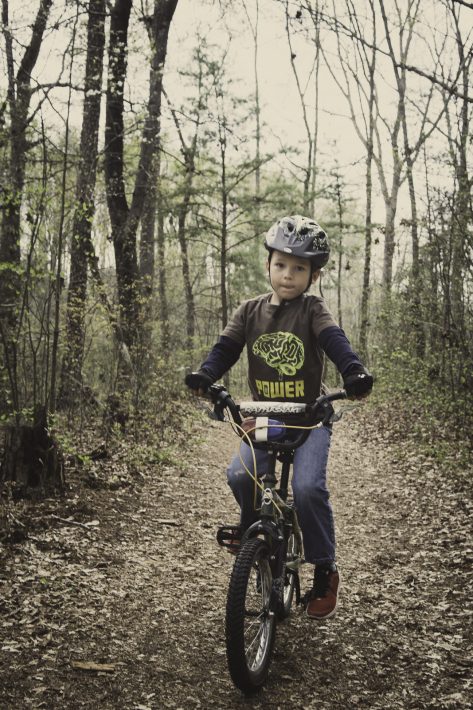
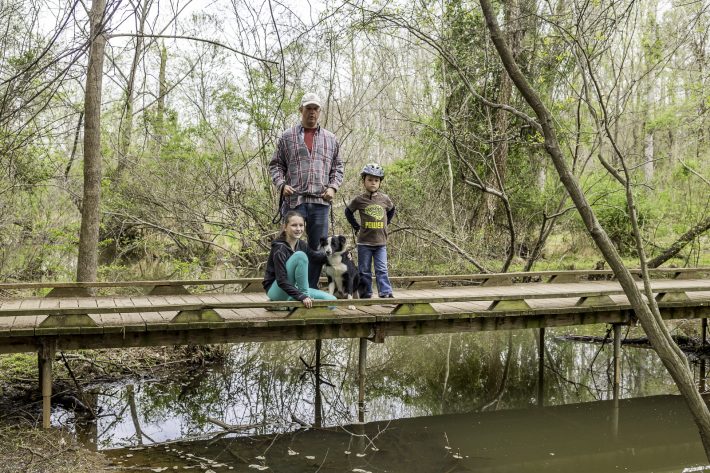
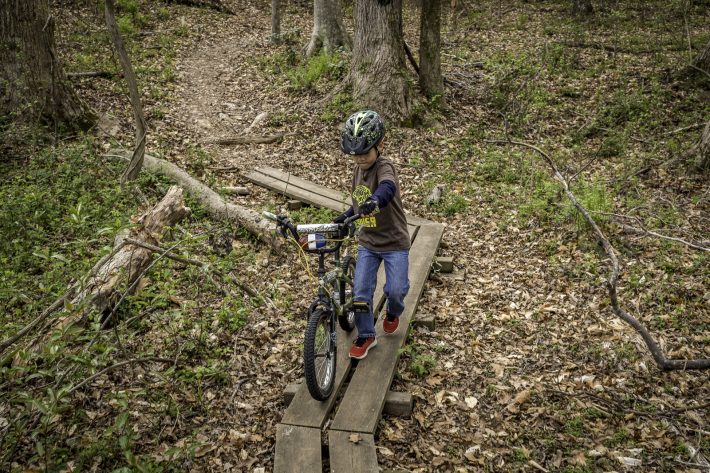
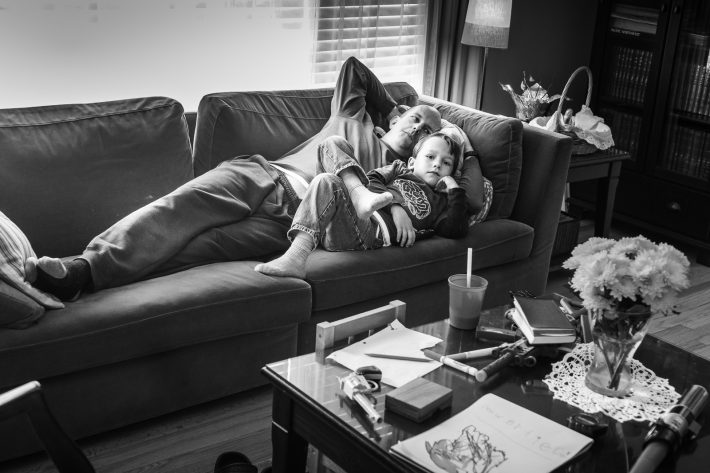
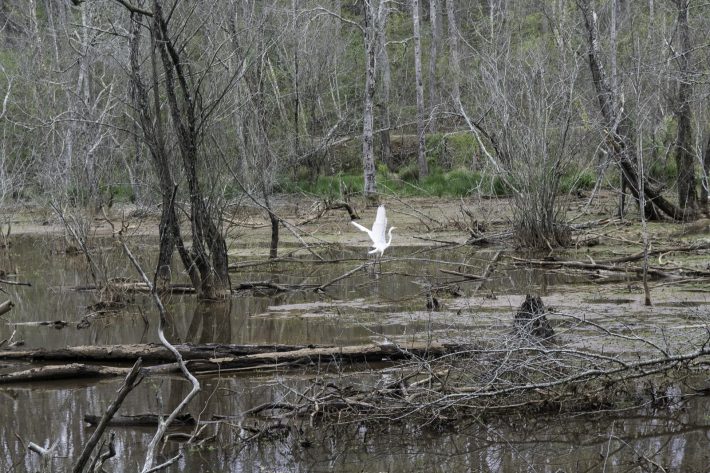
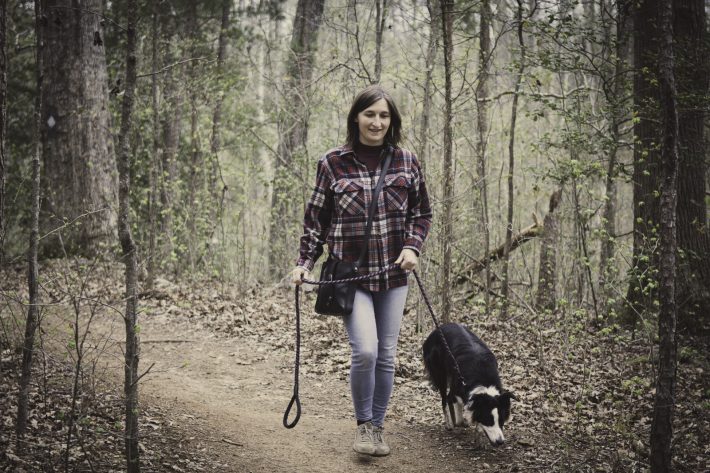
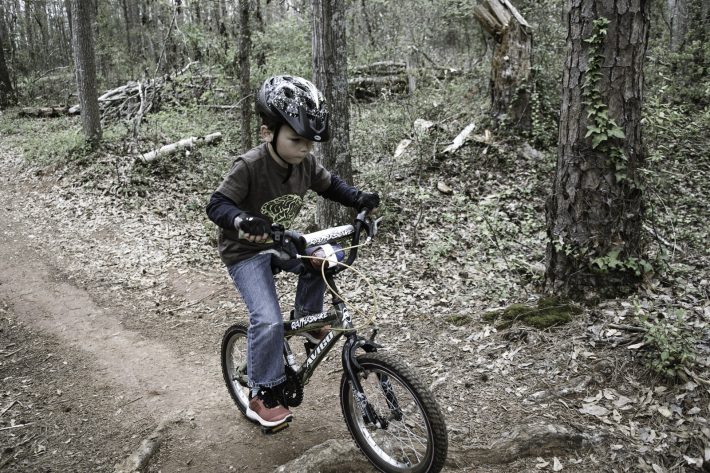
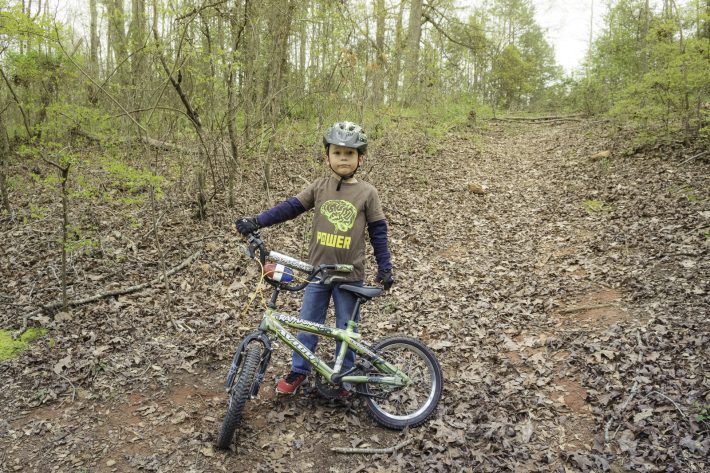
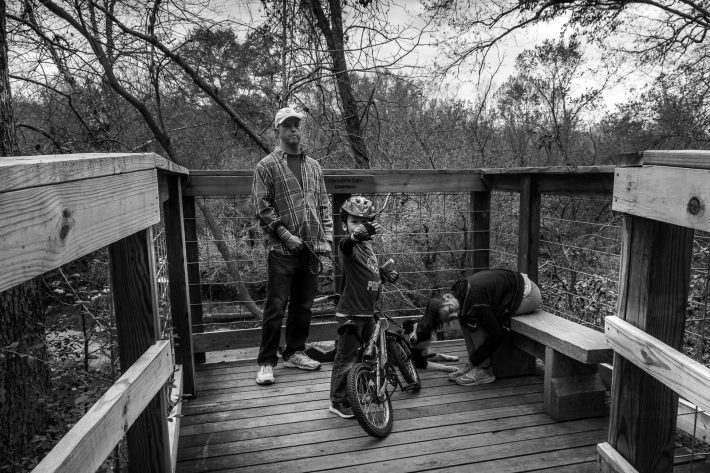
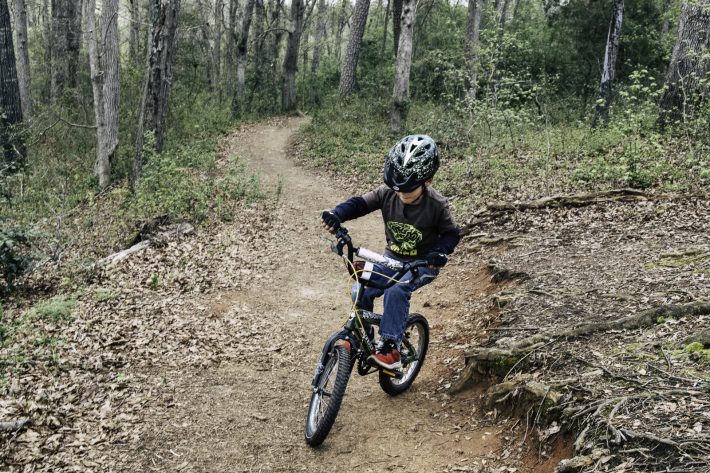
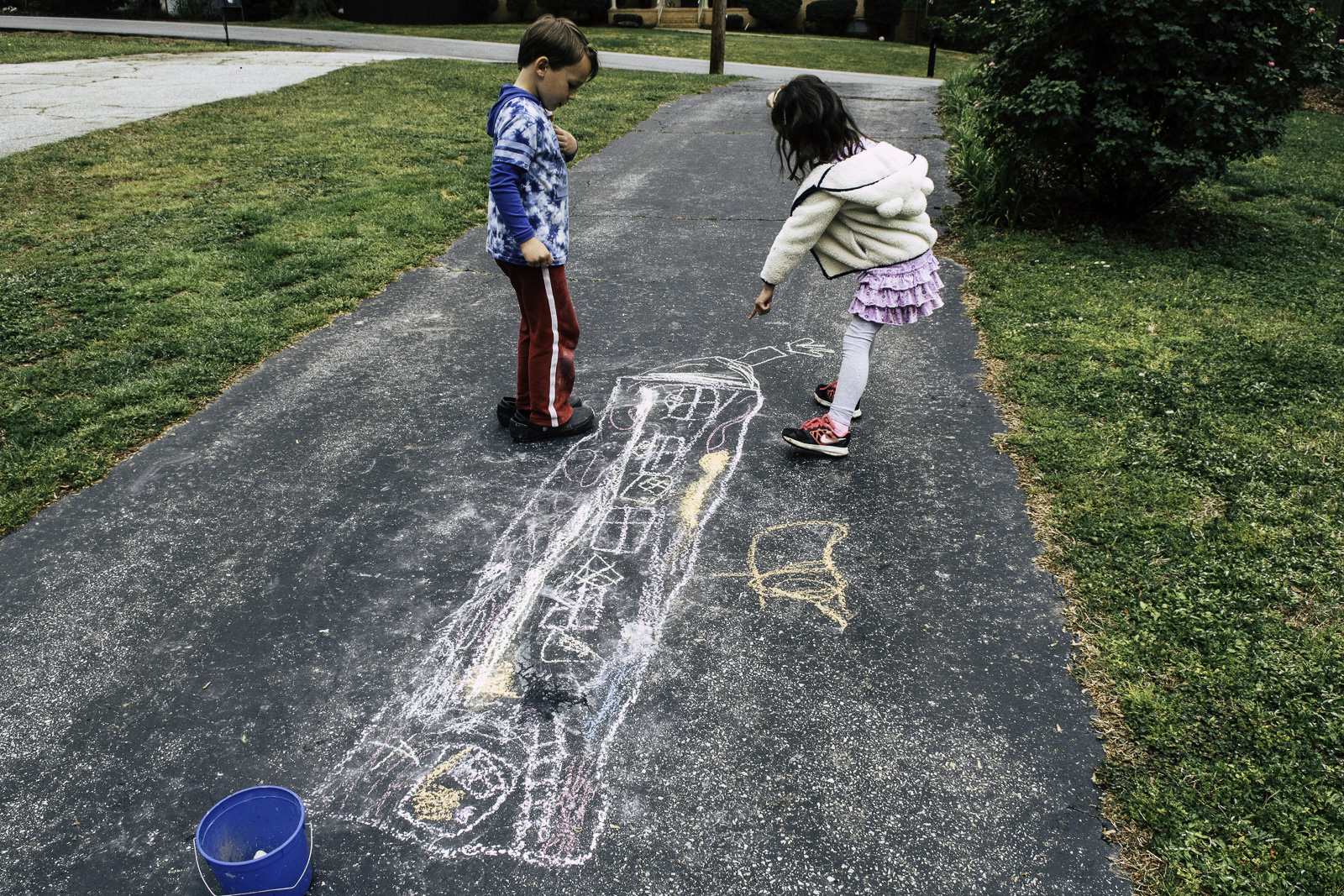
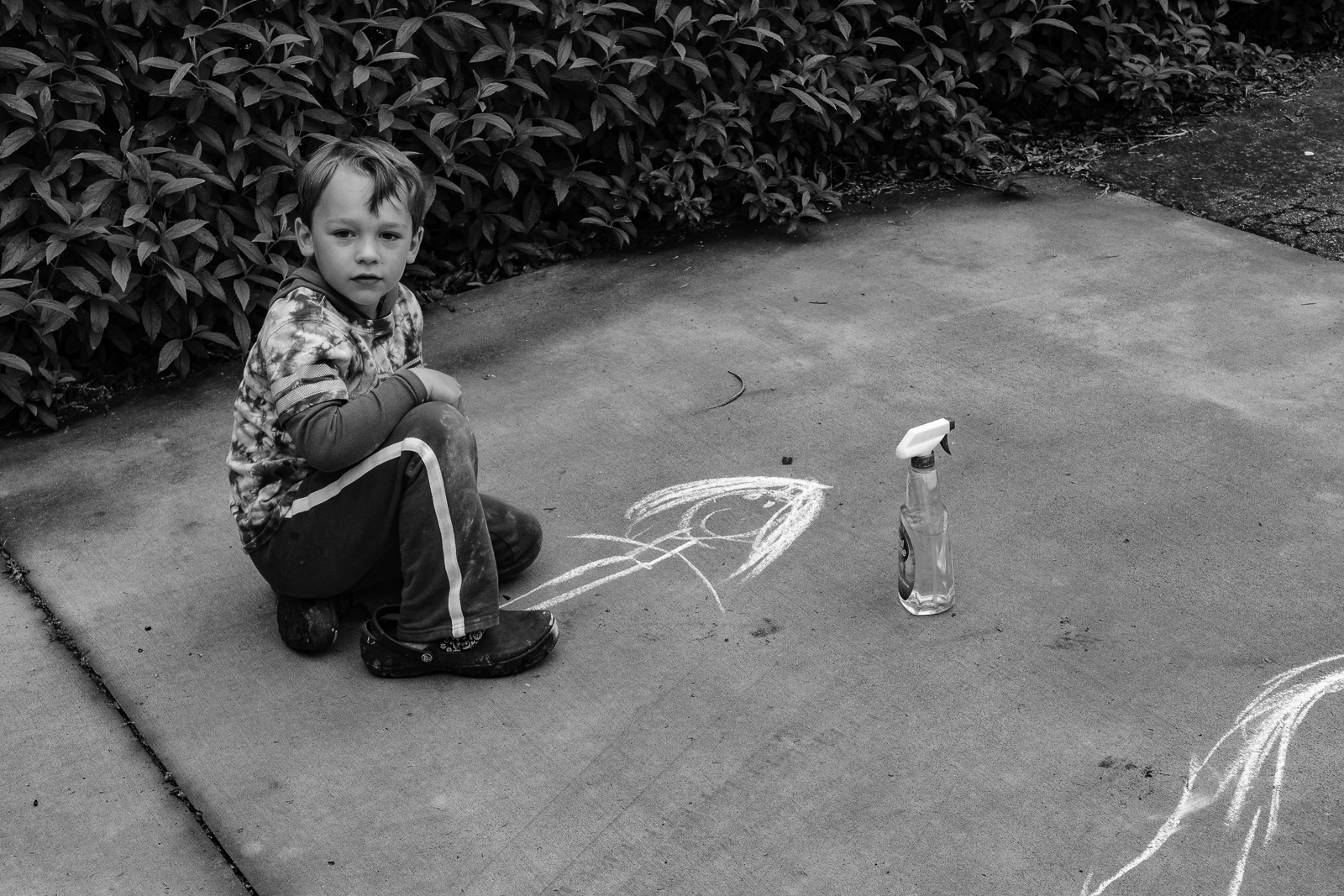
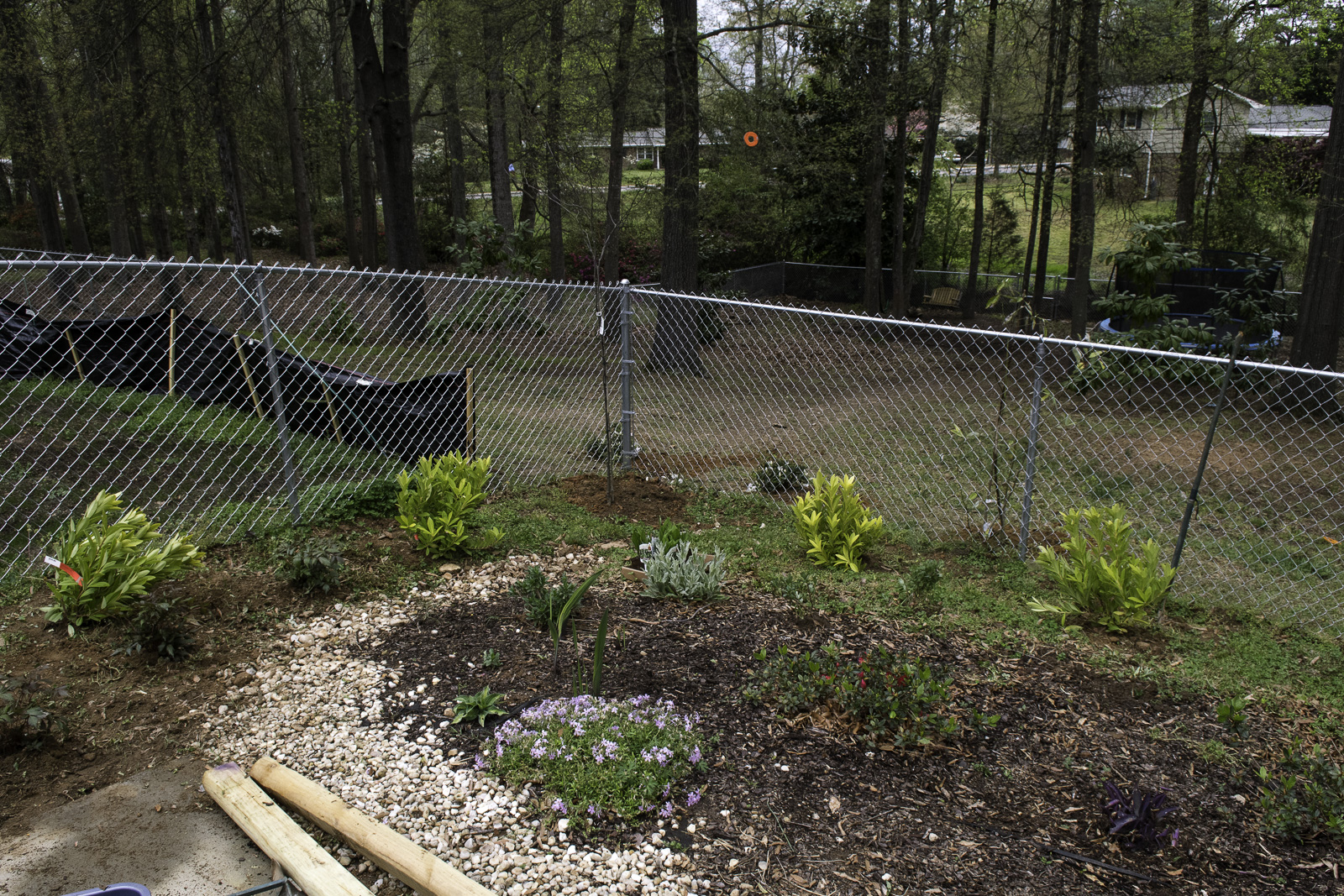
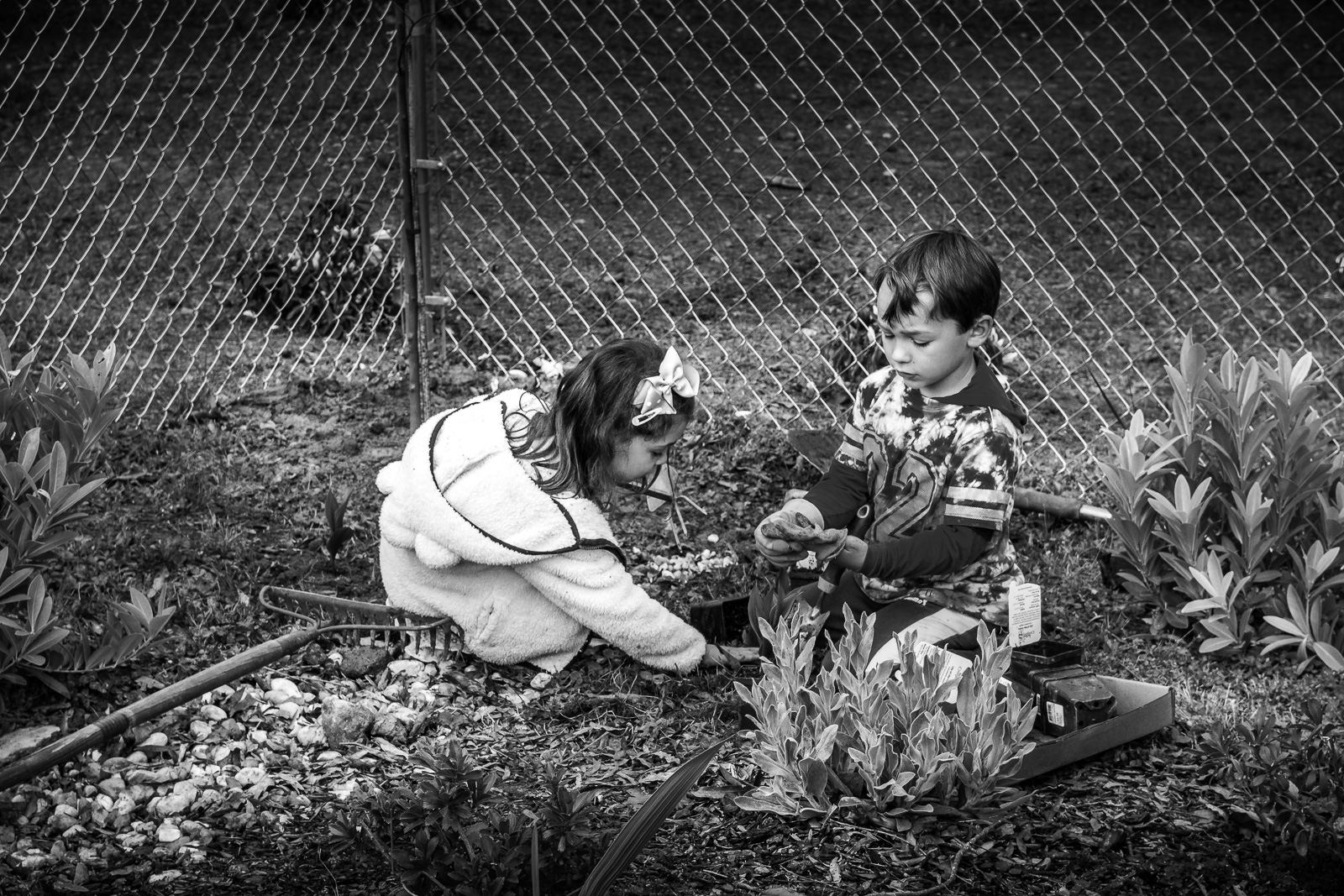
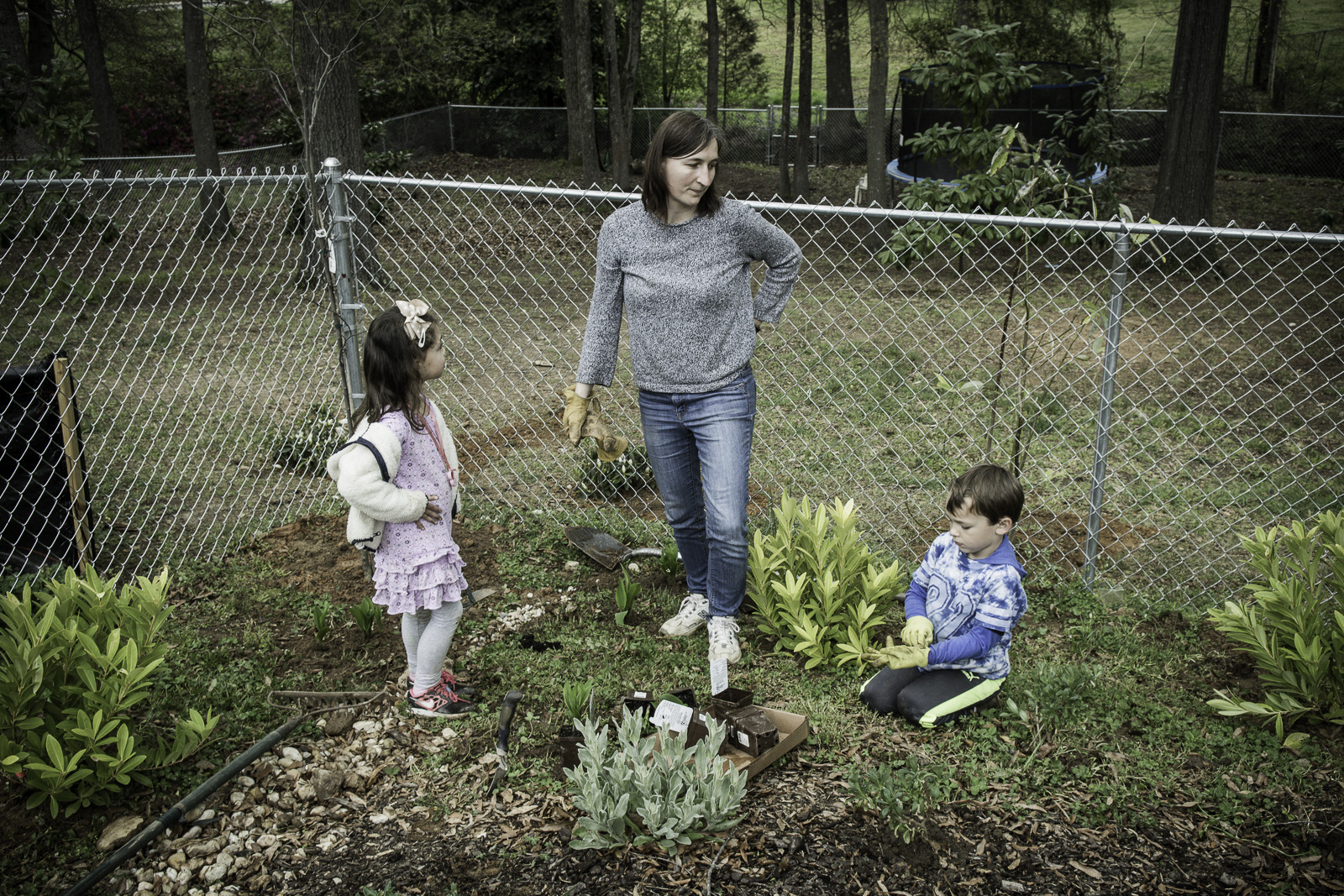
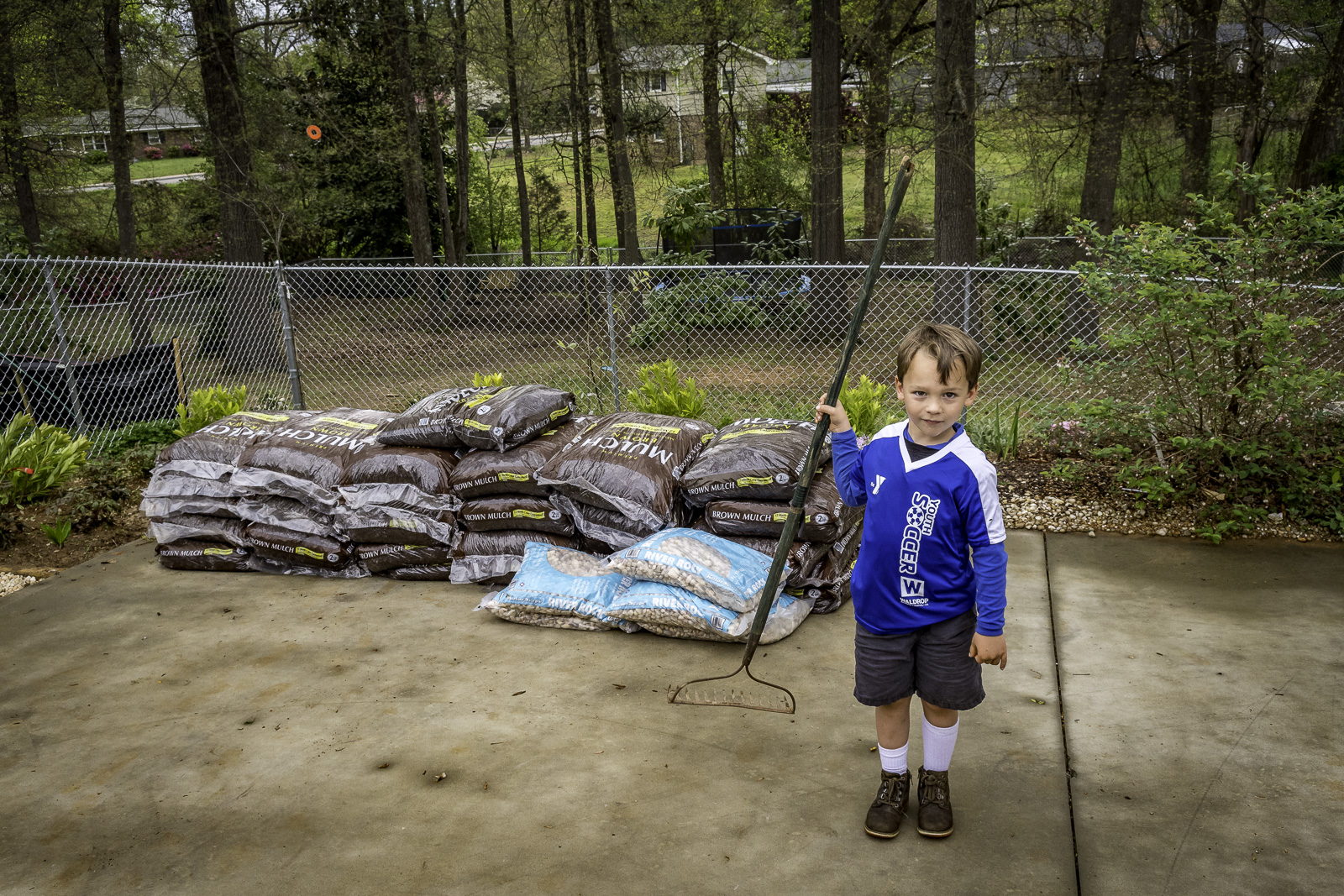
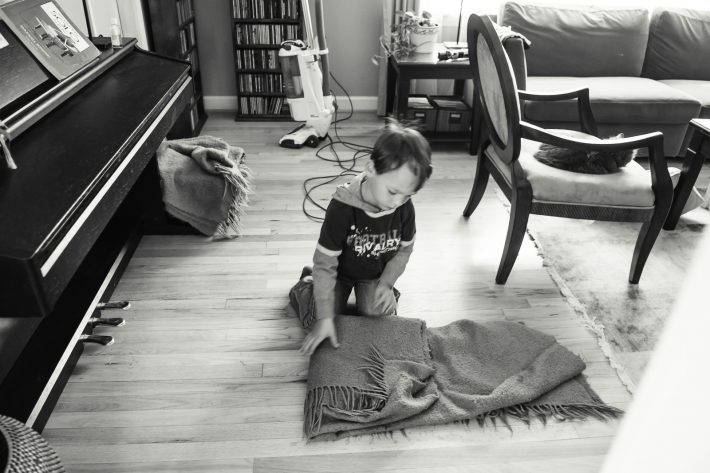
The guests have all returned home and we’re all getting ready to return to our normal schedules next week. That meant a bit of cleaning today — getting things back in some semblance of order after four days of fun in sixes as opposed to fun in fours. Fifty percent more people results in decidedly more than fifty percent more mess, but who’s complaining? It gave the kids a bit of a chance to build some character.
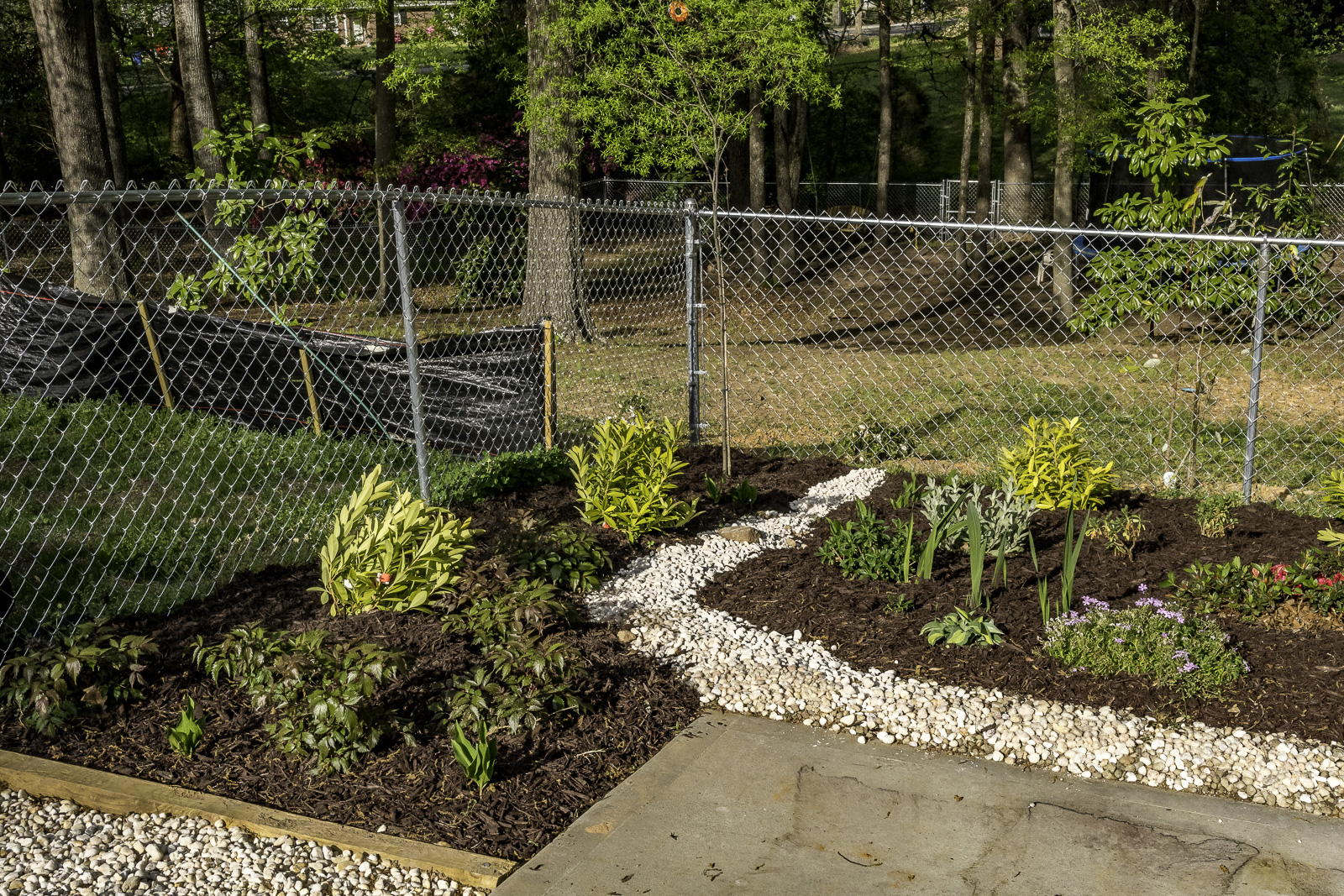
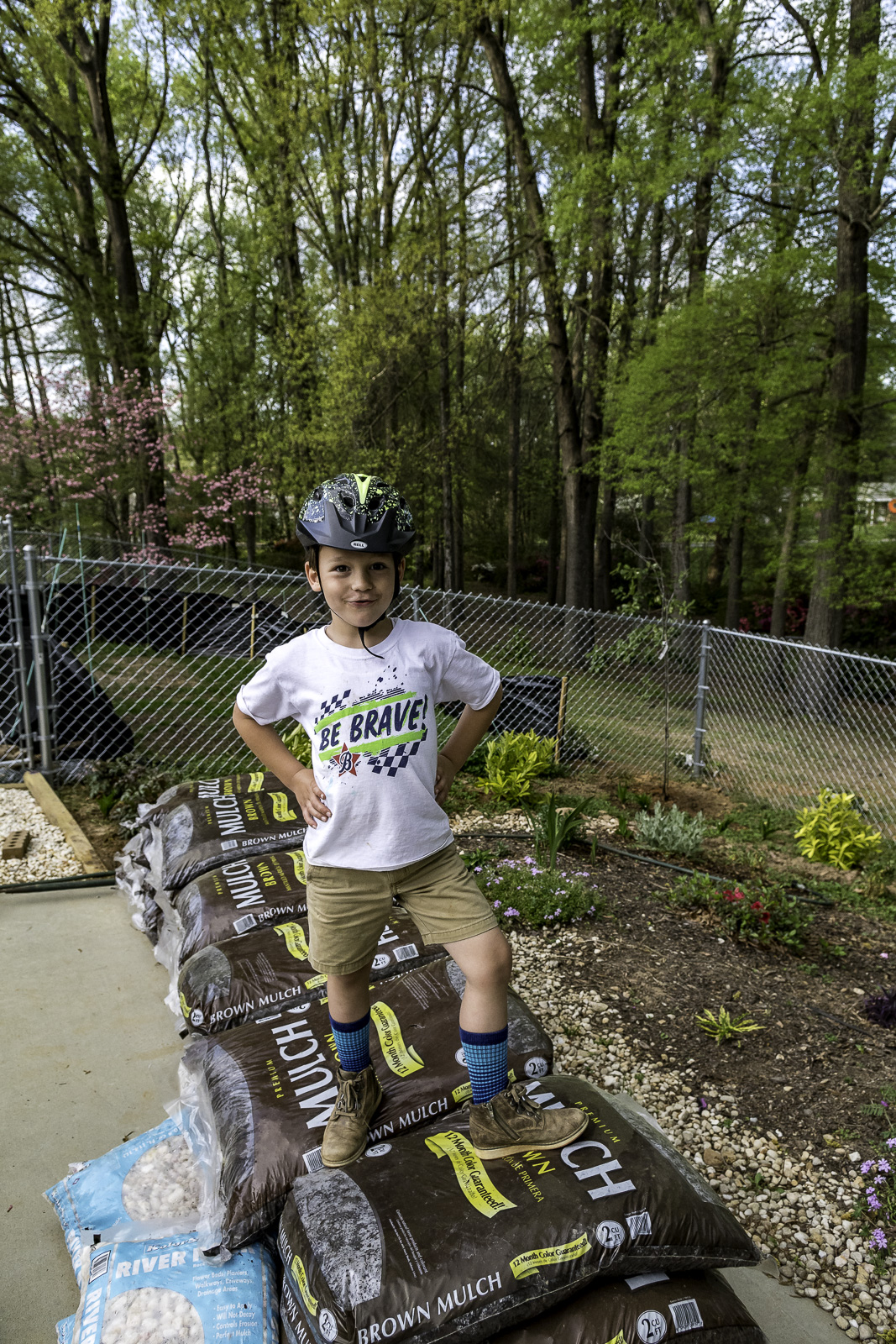
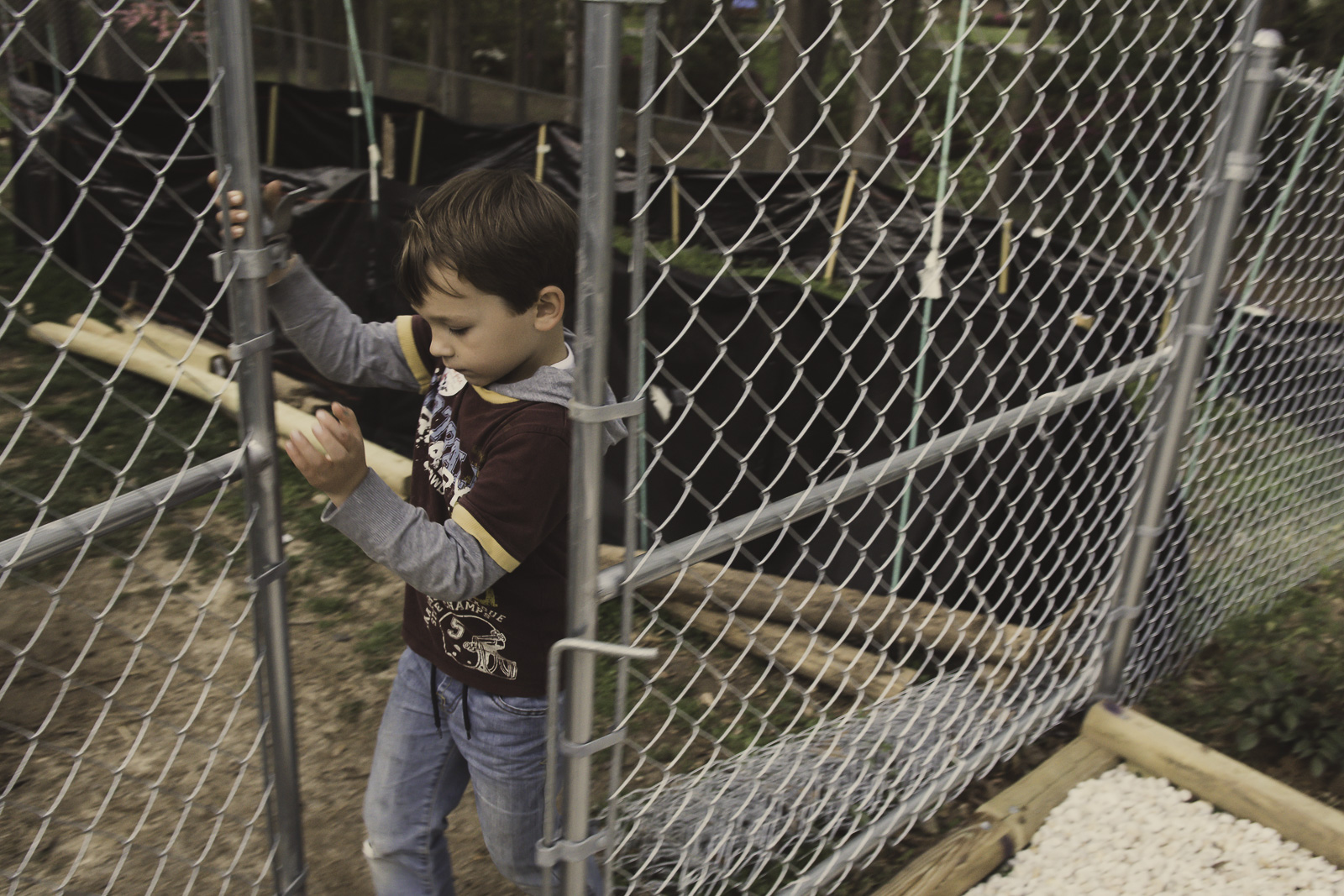
In the morning, the Boy and I finished off a little project we’d started the day before. The area in front of our new fence’s gate will never — never — see grass again due to the simple fact that the gate funnels foot traffic in a way that an open space never did. We dug down about four inches, added some landscaping timbers and two dozen bags of river rock and solved the problem.
We created a new one in the meantime. The Boy, as always, was keen to help. He wanted to help drive the spikes into the timbers.
“Be careful,” I said. “You can easily get hurt.” A little Boy slinging a two-pound hammer about could be a formula for a mini-disaster, and that’s exactly what happened. He was driving in the spike I’d started for him, holding the hammer with two hands as I’d instructed when he unexpectedly reached down and grabbed the spike with one hand just as he was dropping the hammer. The crying was as close to screaming as it could be: he struck a glancing blow that gouged out a little hunk of flesh.
He sat in my lap afterward for a long time as the cry died to a whimper and then finally stopped. It was another one of those little reminders about how being a parent is such a gift. There was only one person on the planet whom he might have would have picked over me to comfort him: K. It’s medicine for the soul to feel that needed.
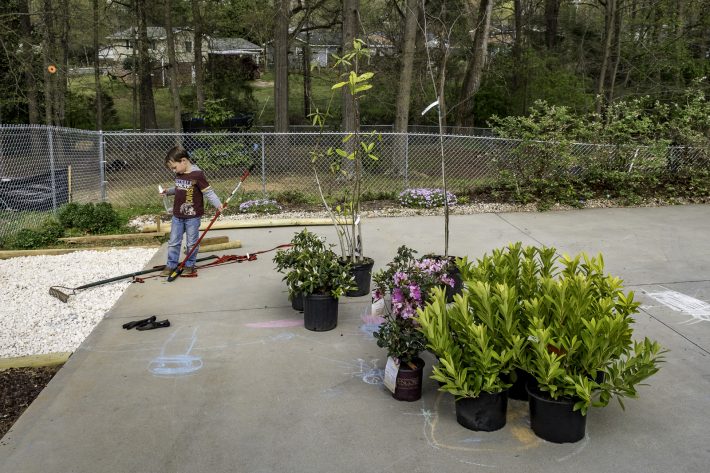
In the afternoon, the family went to a local plant nursery to pick up the shrubs and trees we’re going to use to fill in the corner of the fence.
“I don’t want the first thing people see when they pull into our driveway to be that fence,” K said on more than one occasion. That fence — K has a love/hate relationship with it. She loves the sense of security it provides given the simple fact that one of our neighbors has a pit bull that has gotten out of its small fenced area a few times, but she hates the look.
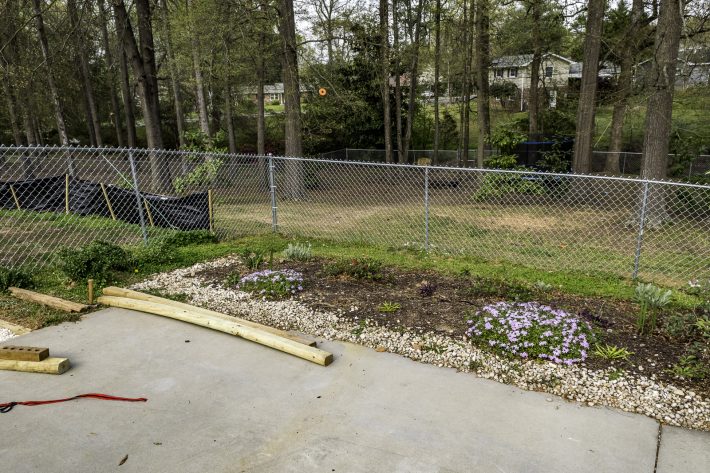
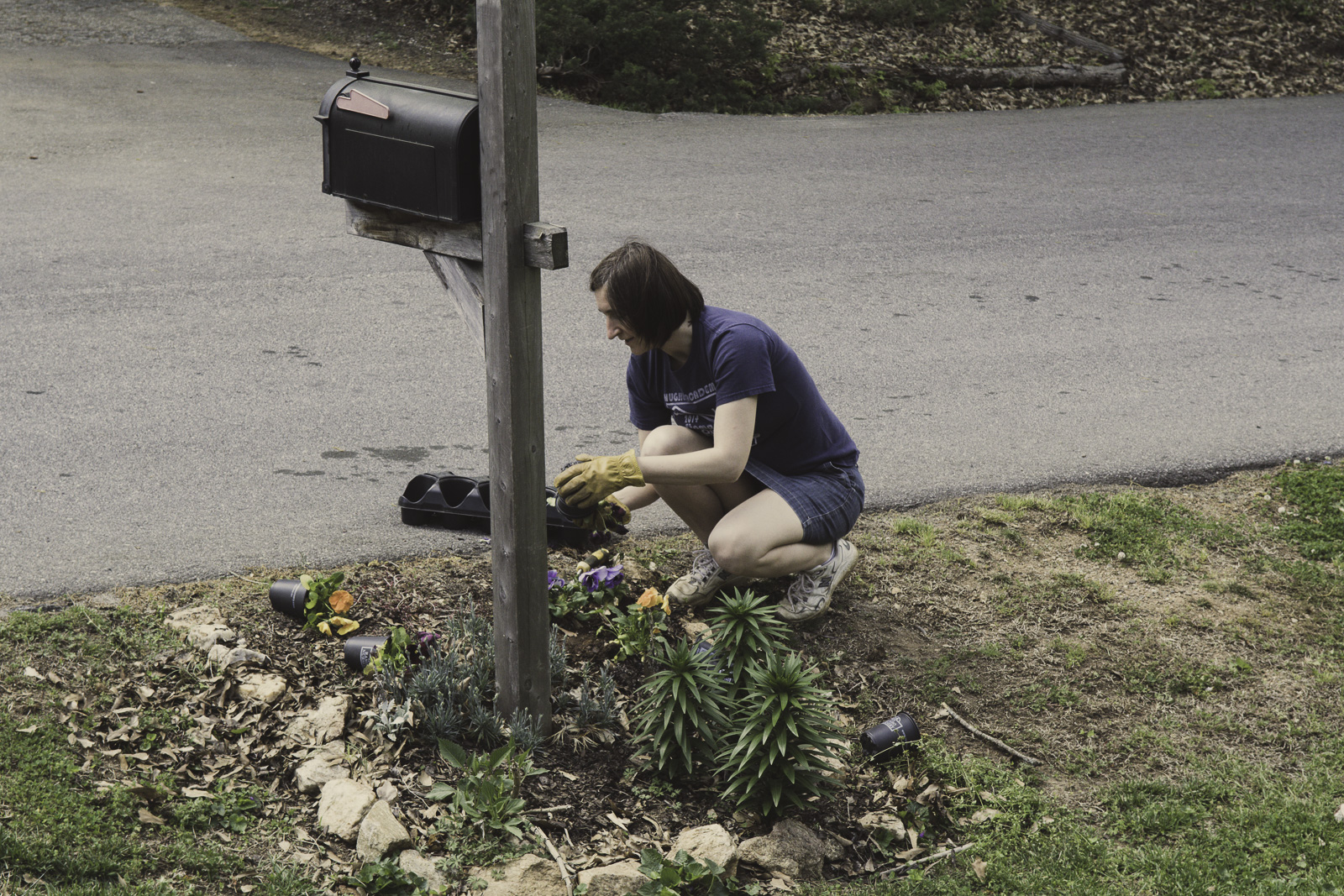
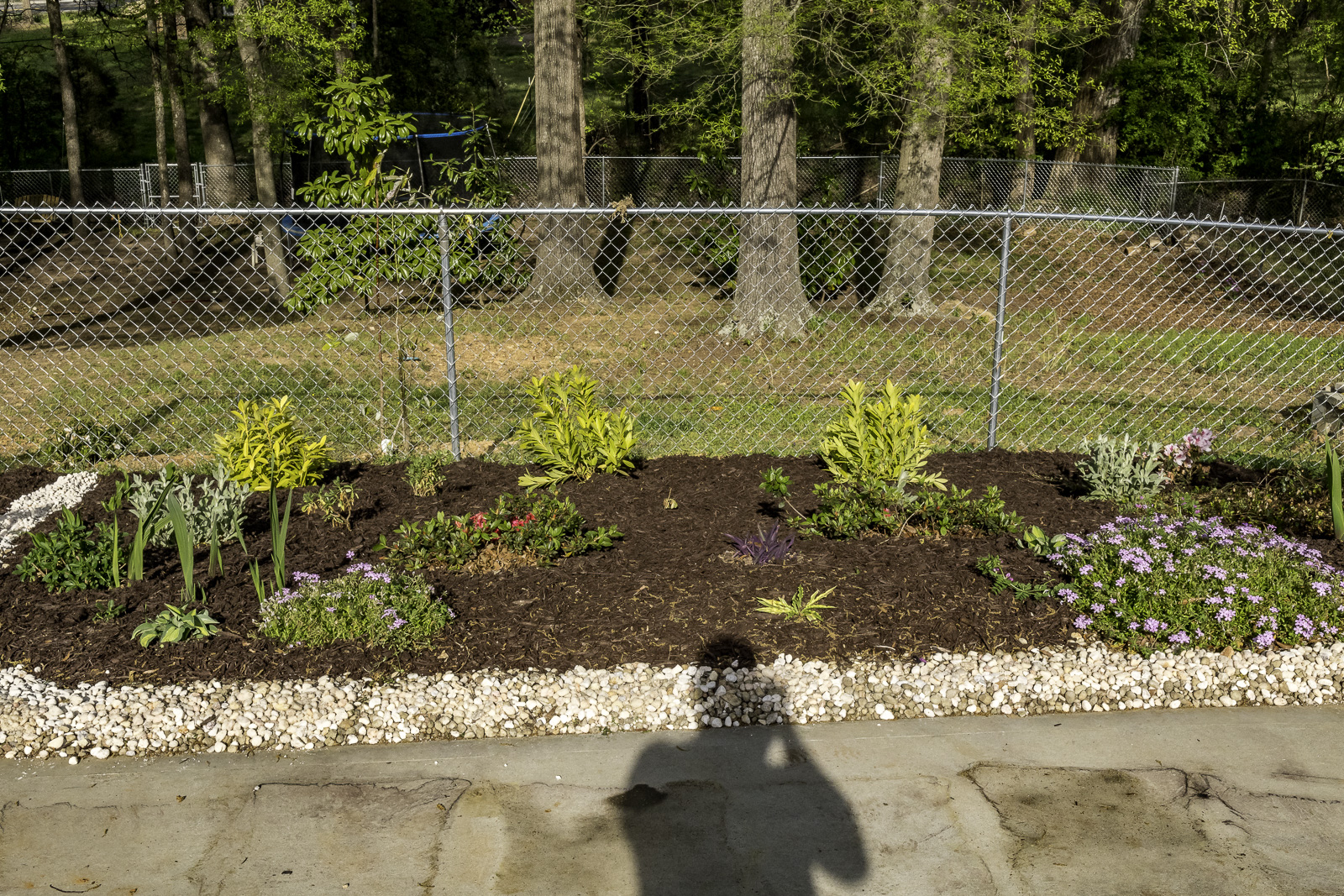
We hope to finish the planting tomorrow — the above is a before shot as a point of reference prior to our initial planting today. The forecast doesn’t look cooperative, though. We’ll find something to do, though, no doubt.