"Daddy, will you play with me?"
Some day, I know, I will regret not taking as many opportunities as I could have to play with my children. It's certainly a regret most parents have, I would say, no matter how much time they actually spent with their children.
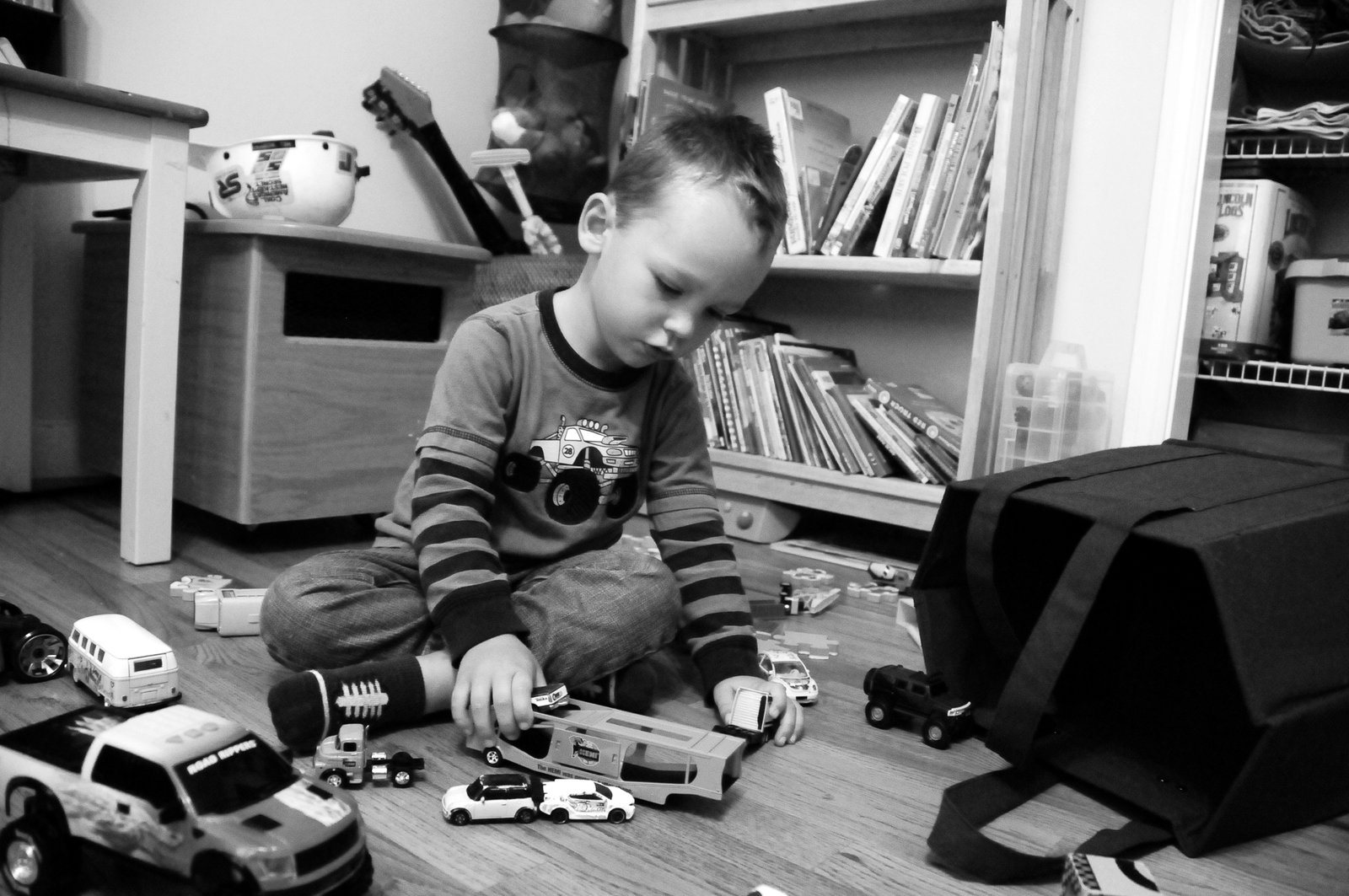
This weekend, with the rainy weather keeping us inside, we were together most of the time. But I spent a large amount of time grading papers. Late Saturday morning, I sat with E on my knees, grading papers online as he played with cars and shoved various items in my way. Saturday afternoon, I headed to the basement for more grading and fewer distractions. And Sunday morning, it was a mix of grading papers and hanging out with the kids -- mostly the former. Sixty papers graded in one weekend. And the price?
I justify it with the realization that it's just the unit my English I Honors kids are working on now. Lots of writing -- lots of it -- to form the foundation for the entire year. Once we finish this unit (about a week to go), everything will calm down. But there will always be something I could do for school, so perhaps I'm just fooling myself.
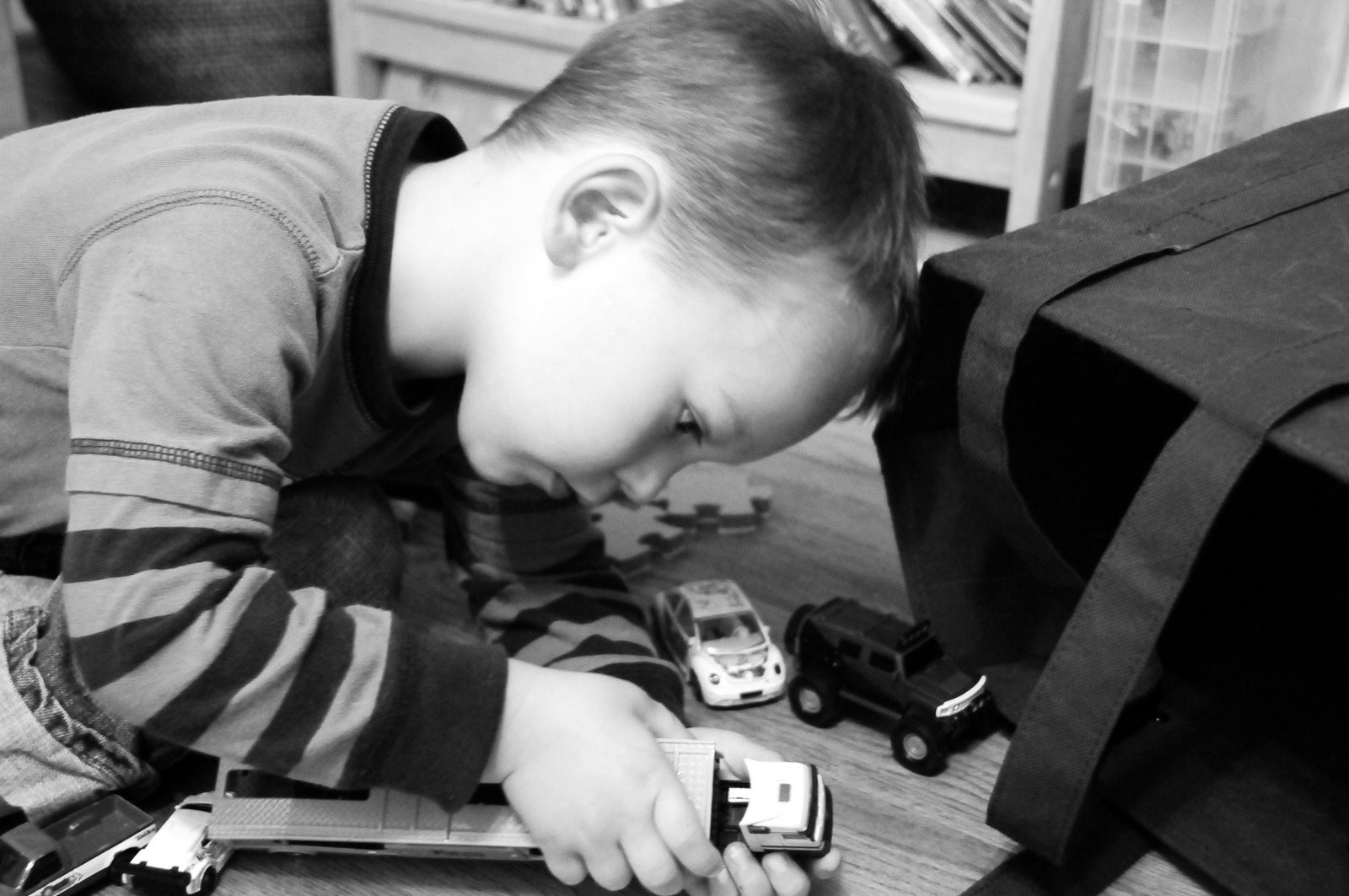
But I smart enough to realize that when E asks me point blank, "Daddy, will you play with me?" that I'd be a fool not to. (I'm a fool occasionally.)
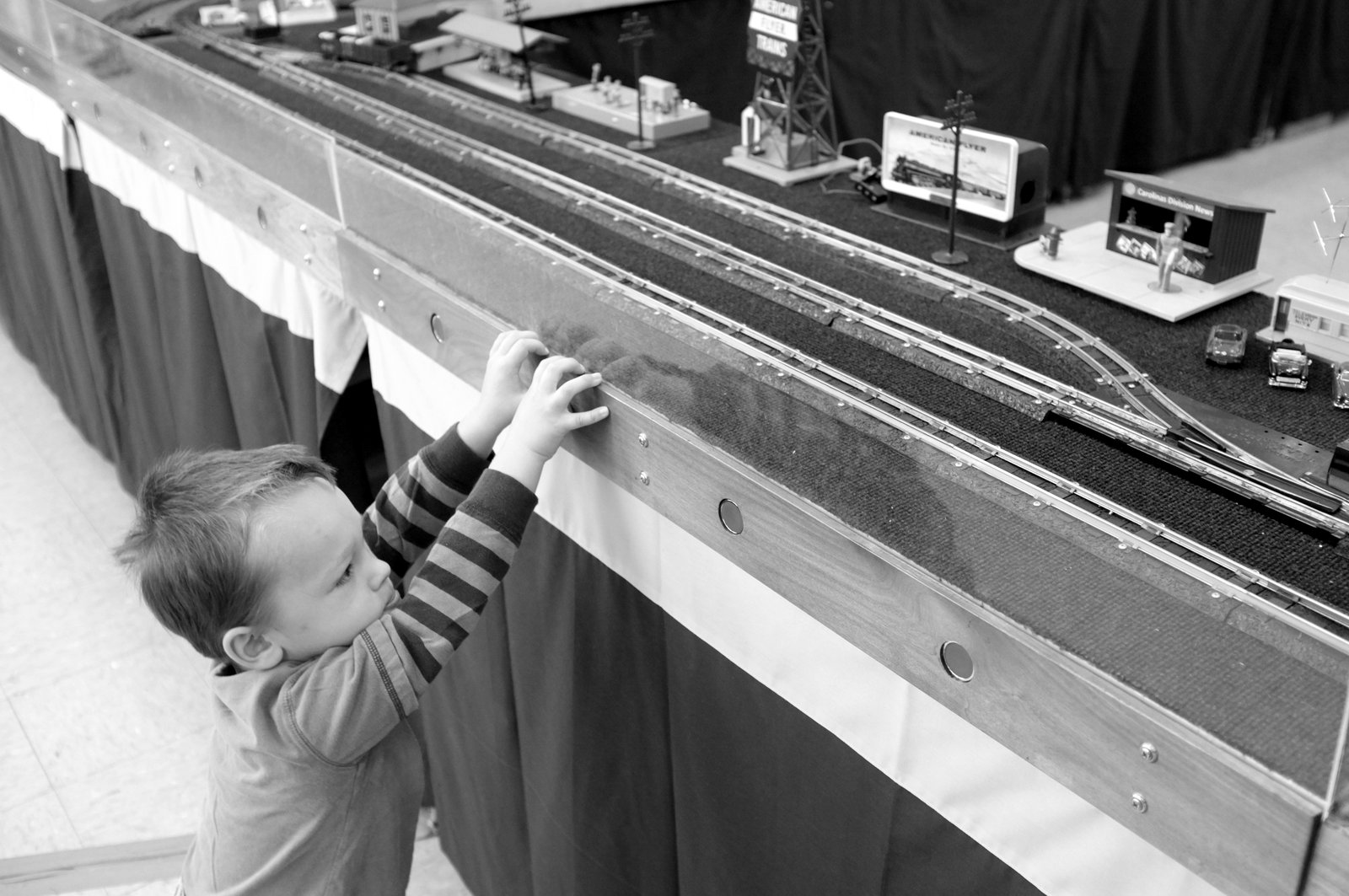
So we built a few things with blocks and knocked them down again. Which was more fun? The knocking down, of course.









 And at that moment, young man, you sealed your fate. Previously, you’d simply been disrespecting me and my authority. But mocking the school-wide discipline program, you disrespected the entire school, the entire administration, and the entire teaching staff that came up with a school-wide plan to help you and students like you change some of the damaging behaviors you and students like you so clearly and brazenly exhibit. These are behaviors that will destroy your future if you do not make a serious attempt to change them, and our school discipline plan is intended to help prevent that, to help you see in an on-going basis the negative (and positive) behaviors you’re showing. And so it is not intended to scare or frighten or even punish: it’s intended to help. But you showed that you don’t want help, that you’re set the way you are, that you see a bright future with your behaviors. Ironically, it was that very short-sightedness that we’re trying to help you correct.