fun in threes, sometimes fours
Month: February 2015

The Boy was a little sad today that the snow man is disappearing...
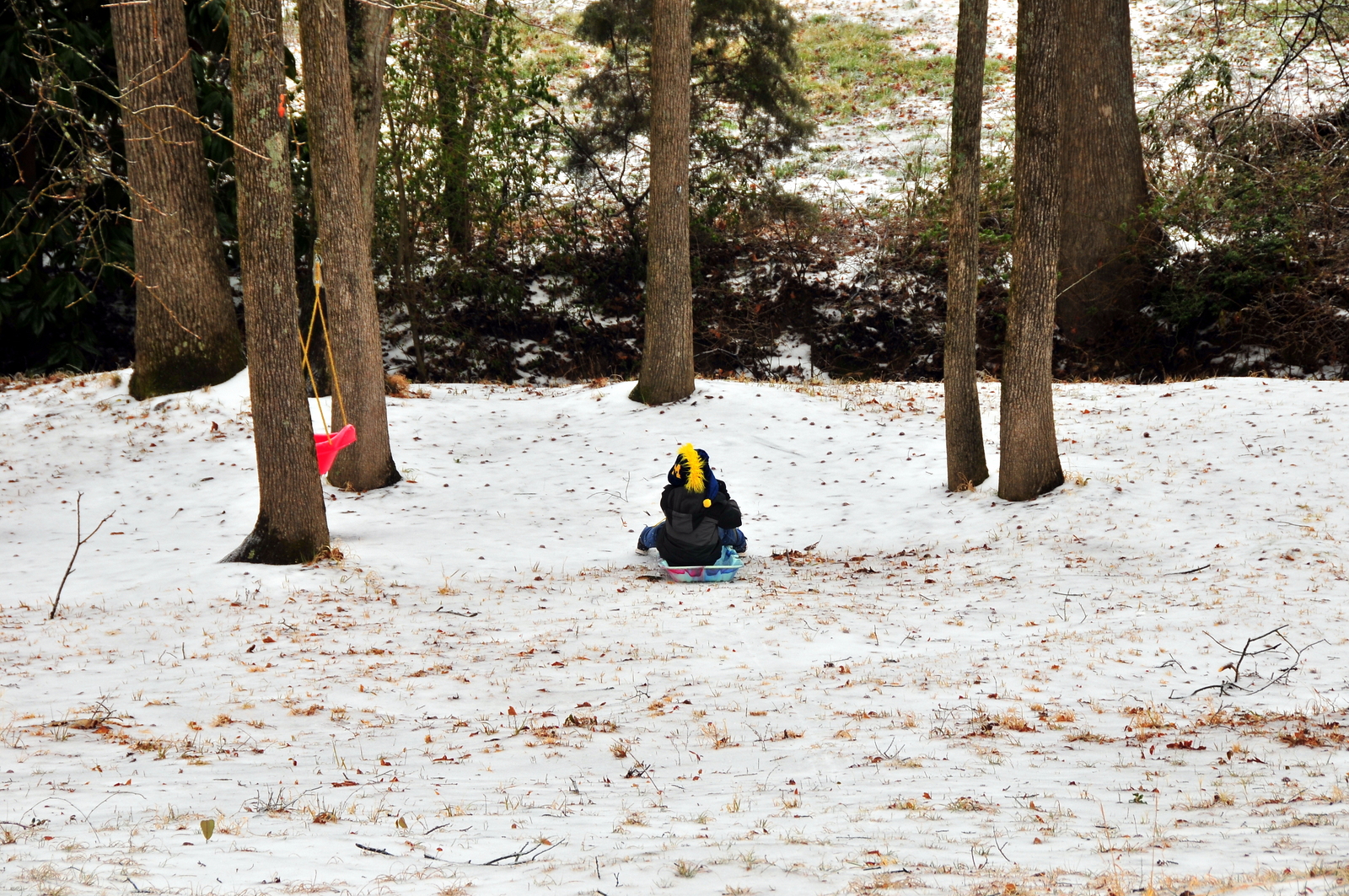
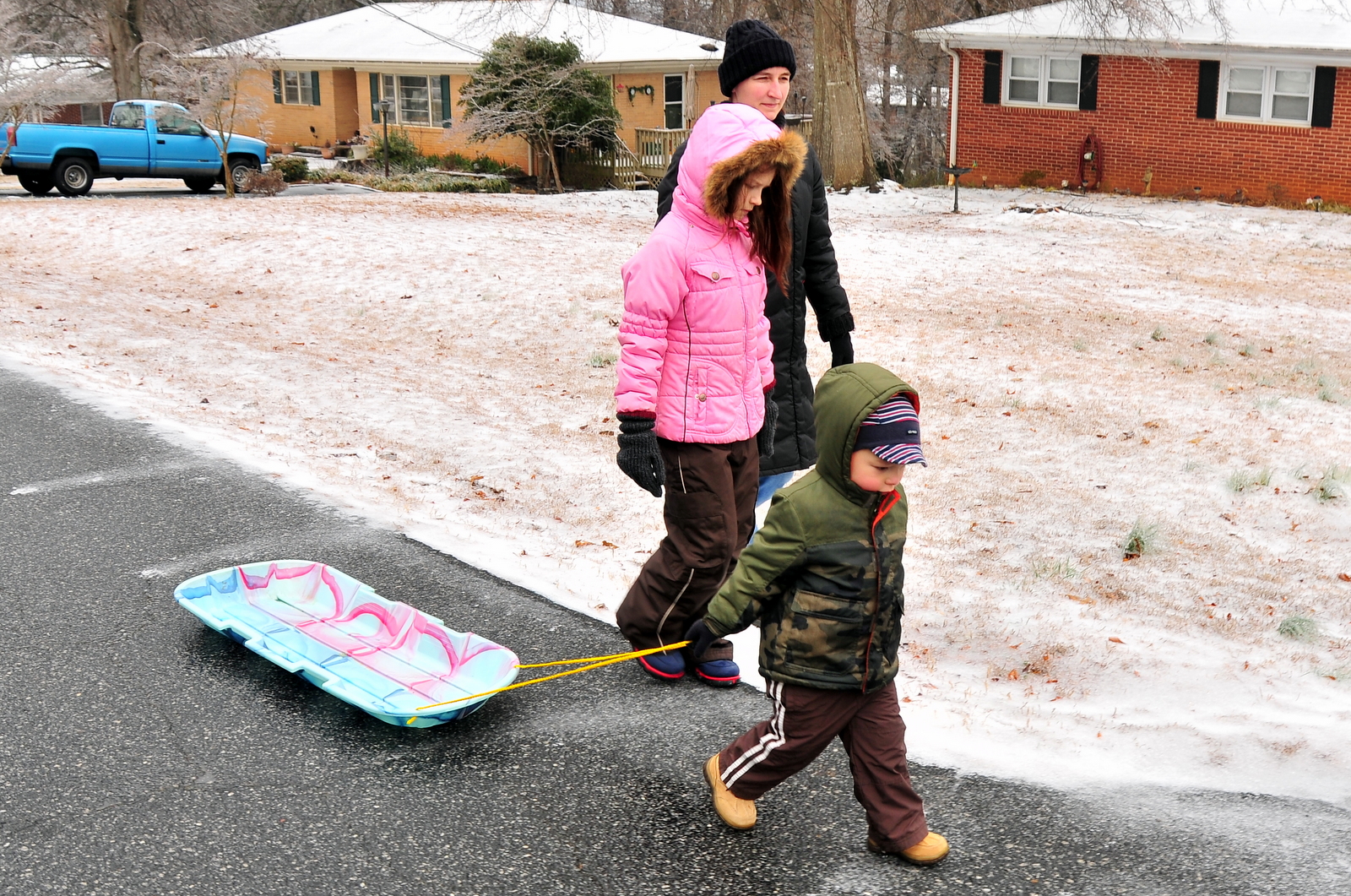
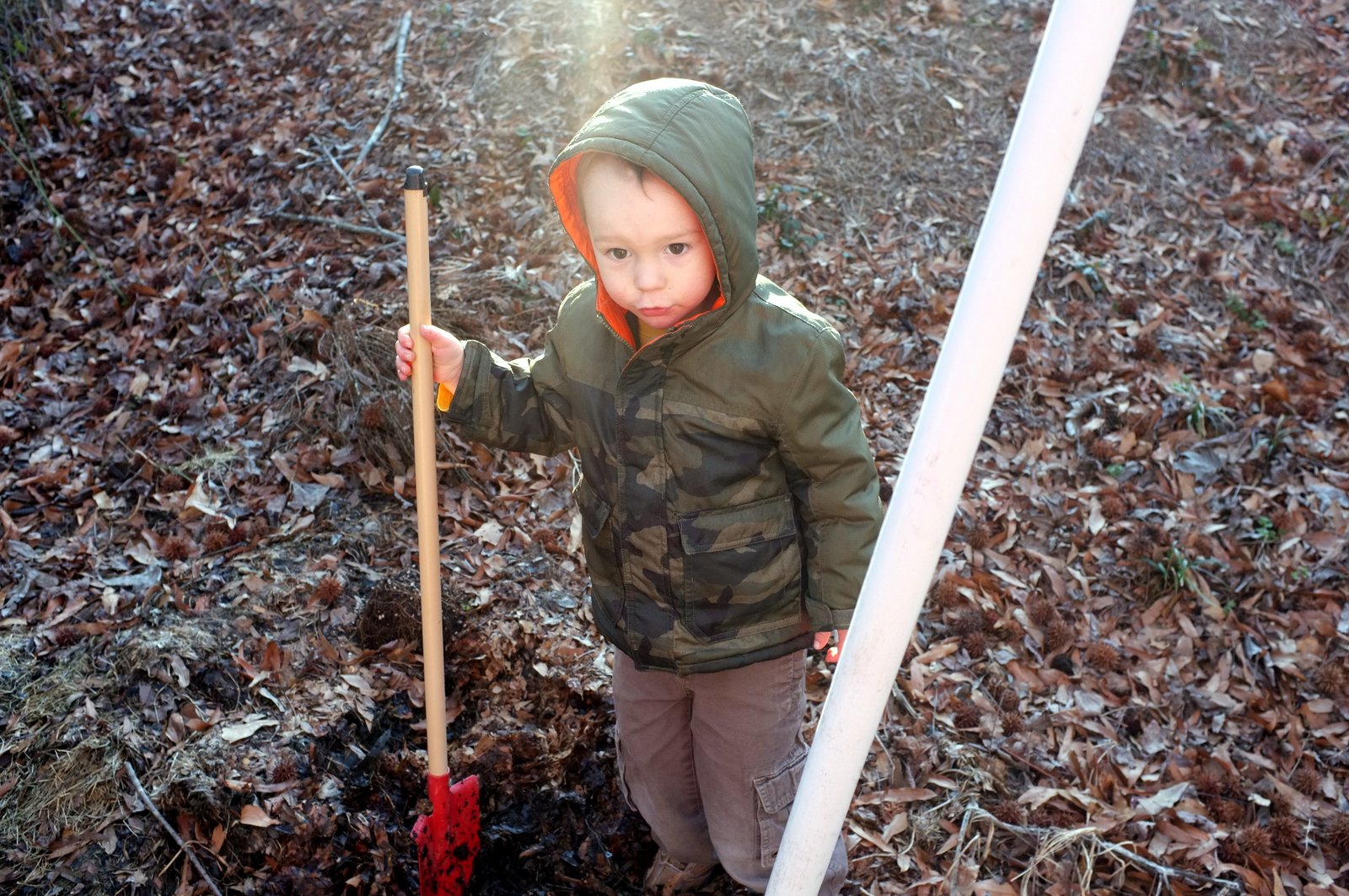
Tuesday we had a snow day. The Boy was so thrilled at the prospect of playing in the snow that it really didn't matter that there was no snow to speak of. All Monday evening he was talking about getting to play in the snow, getting to make a snow man, throw snowballs, shovel snow with his backhoe.
I knew that there was little chance of snowball fights, snowmen, or much else. But I'd also known that a bigger storm was coming later in the week. A real storm. So I reassured the Boy that we would have plenty of snow to play in come Thursday.

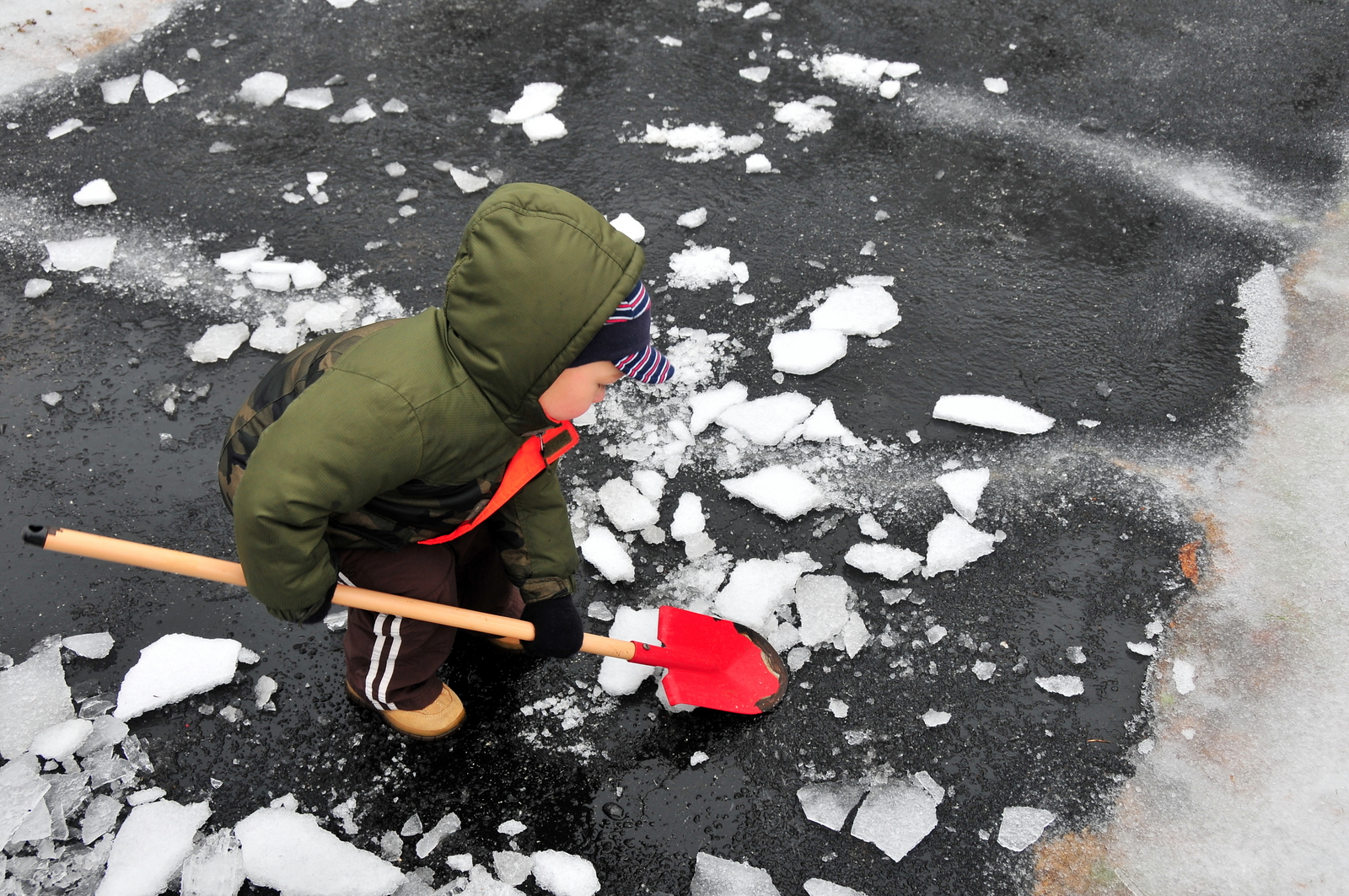
The Boy didn't mind the small amount of snow, though. Snow is snow, and as long as it was something he could shove around with his toys, he was thrilled.
We were all excited about Wednesday's storm, though. They kept shifting the start time, further and further back, from late afternoon to early evening, but the intensity only grew. Three to five inches eventually became a possibility up to ten inches -- a real snow storm.
Wednesday during class when students asked when certain assignments were due, I kept saying things like, "If this storm is anything like they're saying it will be, we won't be coming back until Monday, so we'll make it due then."

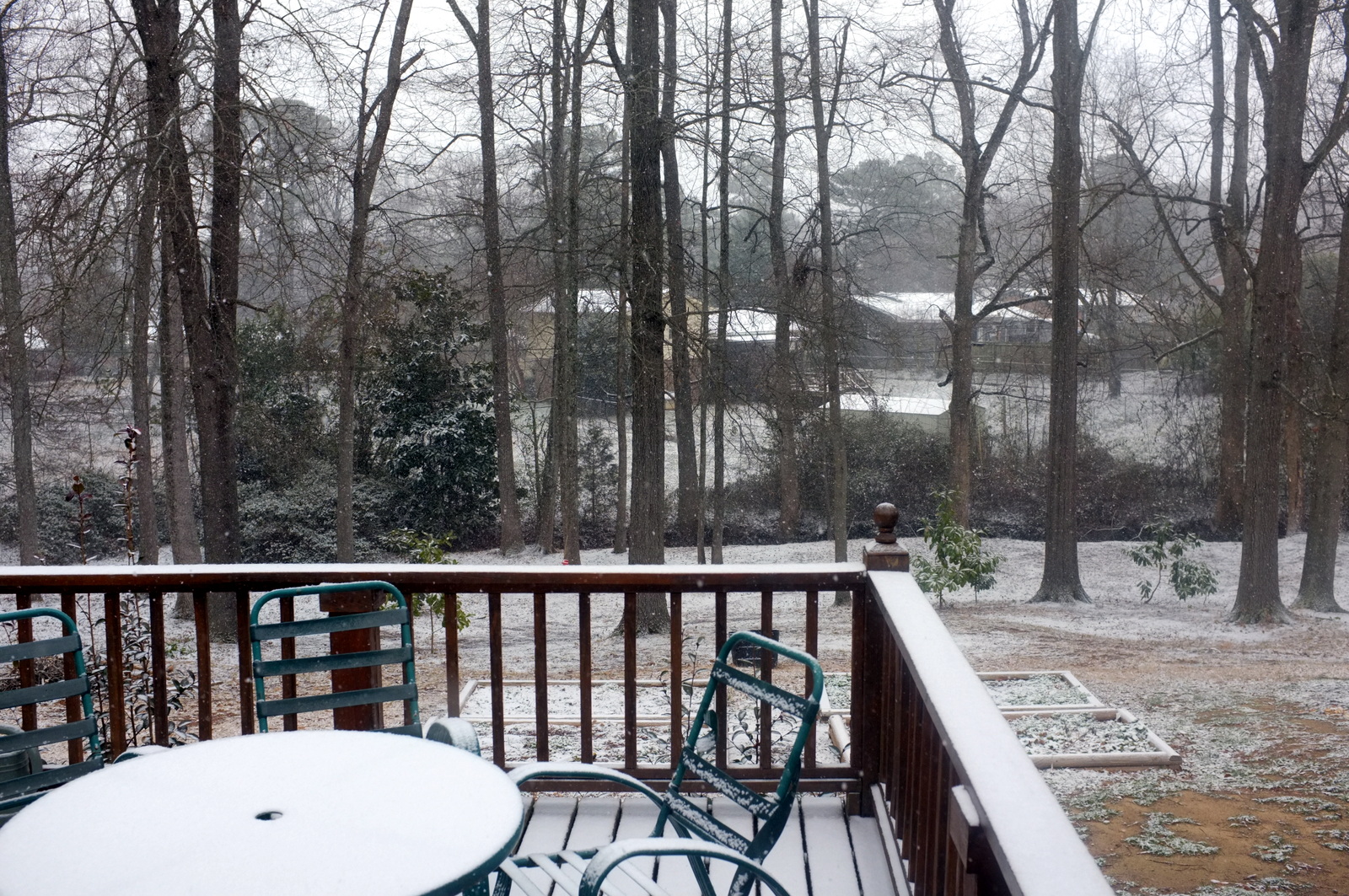
Finally the snow began, and it looked so promising, falling so thick and hard that it was possible even to capture it in a picture. I thought of the few great snow storms of my youth in southwest Virginia, where it rarely snowed but every few years would let loose a great storm that piled drifts three or more feet deep. Snow so deep that one had to pack it down before sledding was even a remote possibility. Snow that turned everything into a white blanket. Of course there's no comparing that to the seven winters I spent in southern Poland, the winters that were the norm of K's youth, where there was so much snow that even I got sick of it.

The governor had already declared a state of emergency, and all the reporters, after literally reporting on half an inch of snow Tuesday with giddy delight, were all probably flushed with anticipation. The school district canceled school before we'd even completed Wednesday's schedule, and friends posted pictures on social media of virtually empty bread aisles in local supermarkets.
But when we woke up this morning, expectant, we found a repeat of Tuesday, a thin layer of slush that seemed destined to melt shortly after lunch.

Local news web sites quickly offered stories explaining what happened. "The moisture was there," meteorologists explained, "but the temperature just popped up two degrees and that changed everything." Our official total, as opposed to five or more inches, was 0.8 inches. Further north there were totals more like what we were promised, but nothing really that impressive. Headlines developed through the day: "National Weather Service stands by Upstate snow forecast." It seemed everyone was disappointed on one level or another.

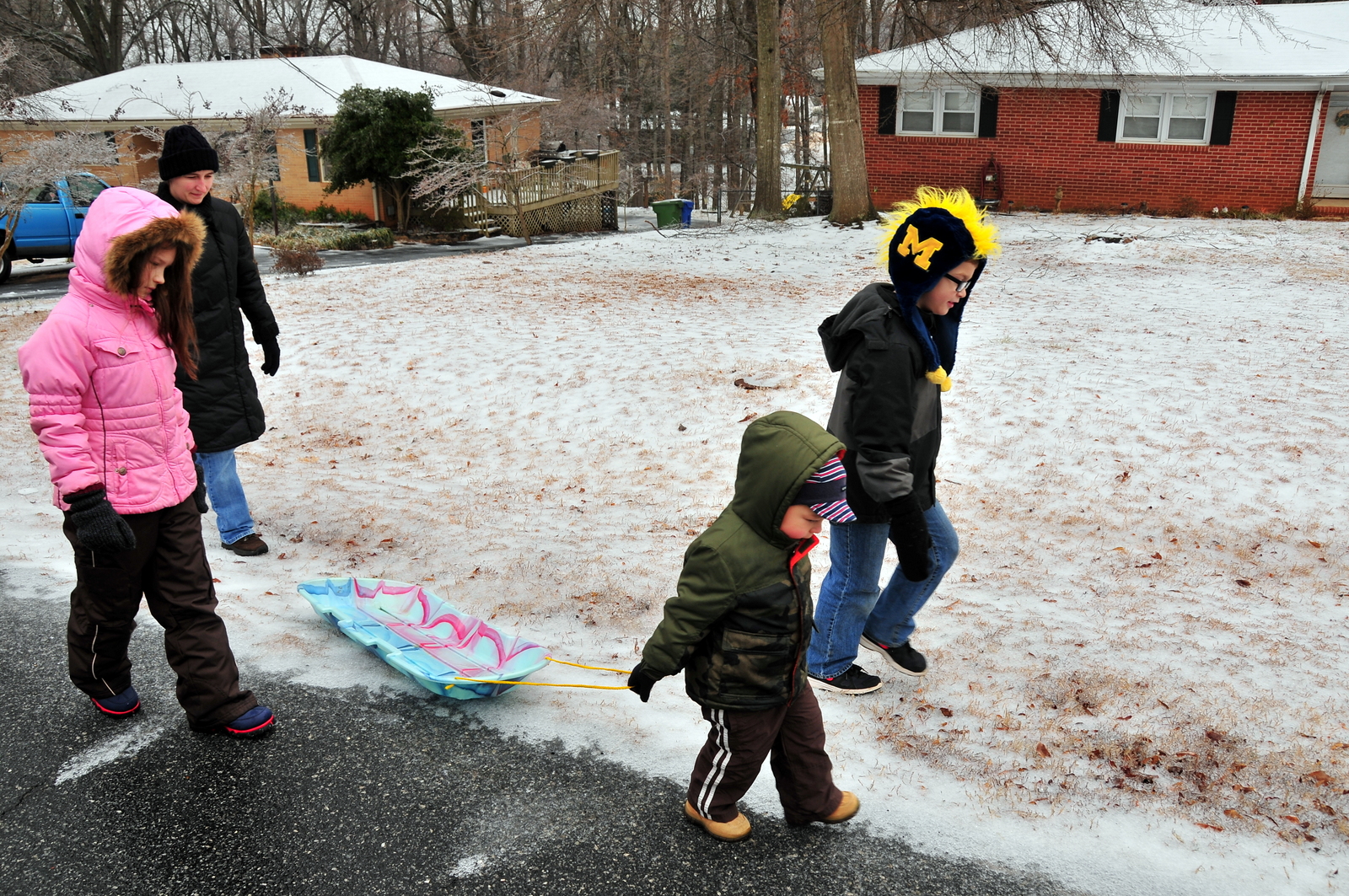
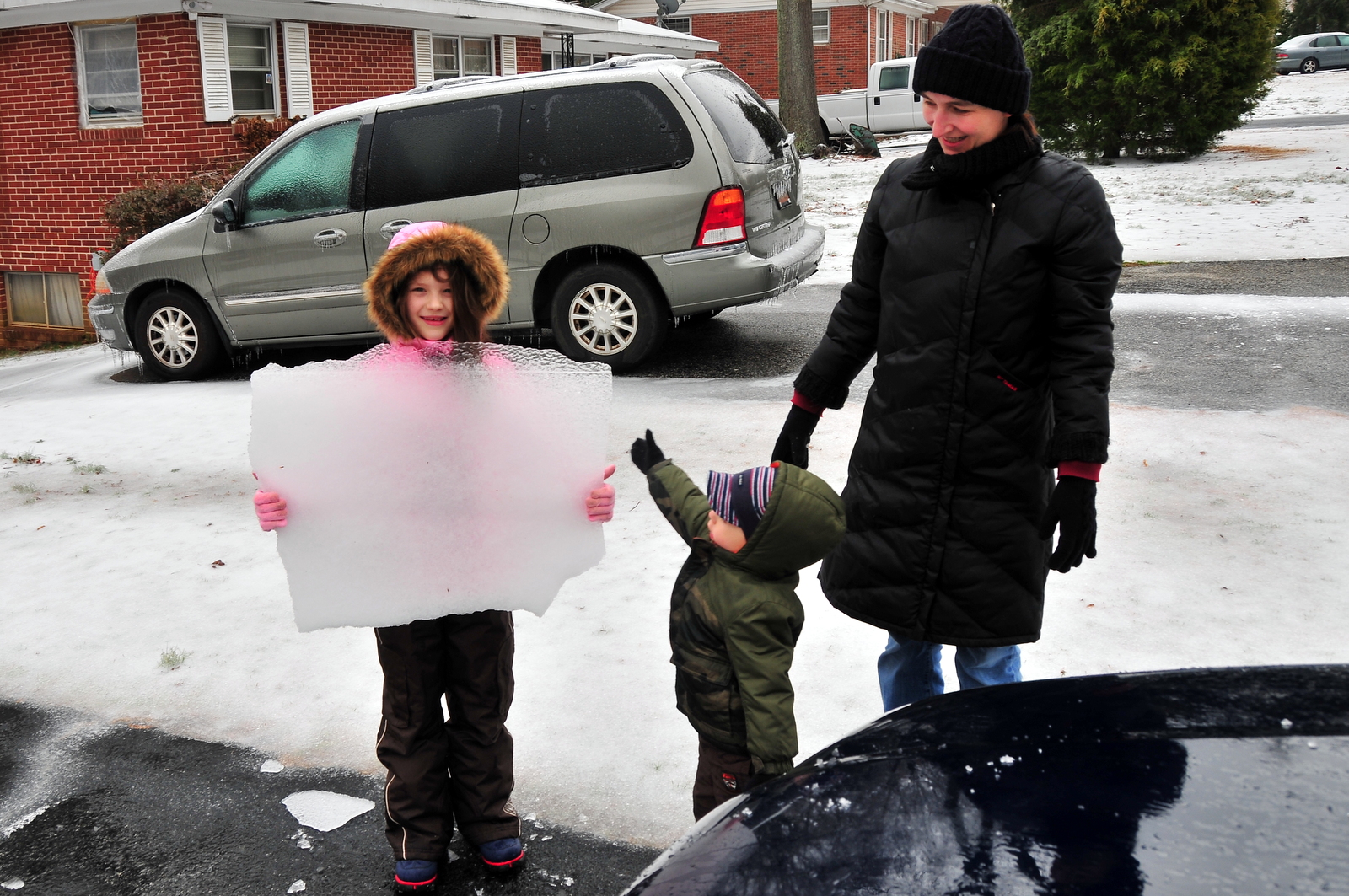
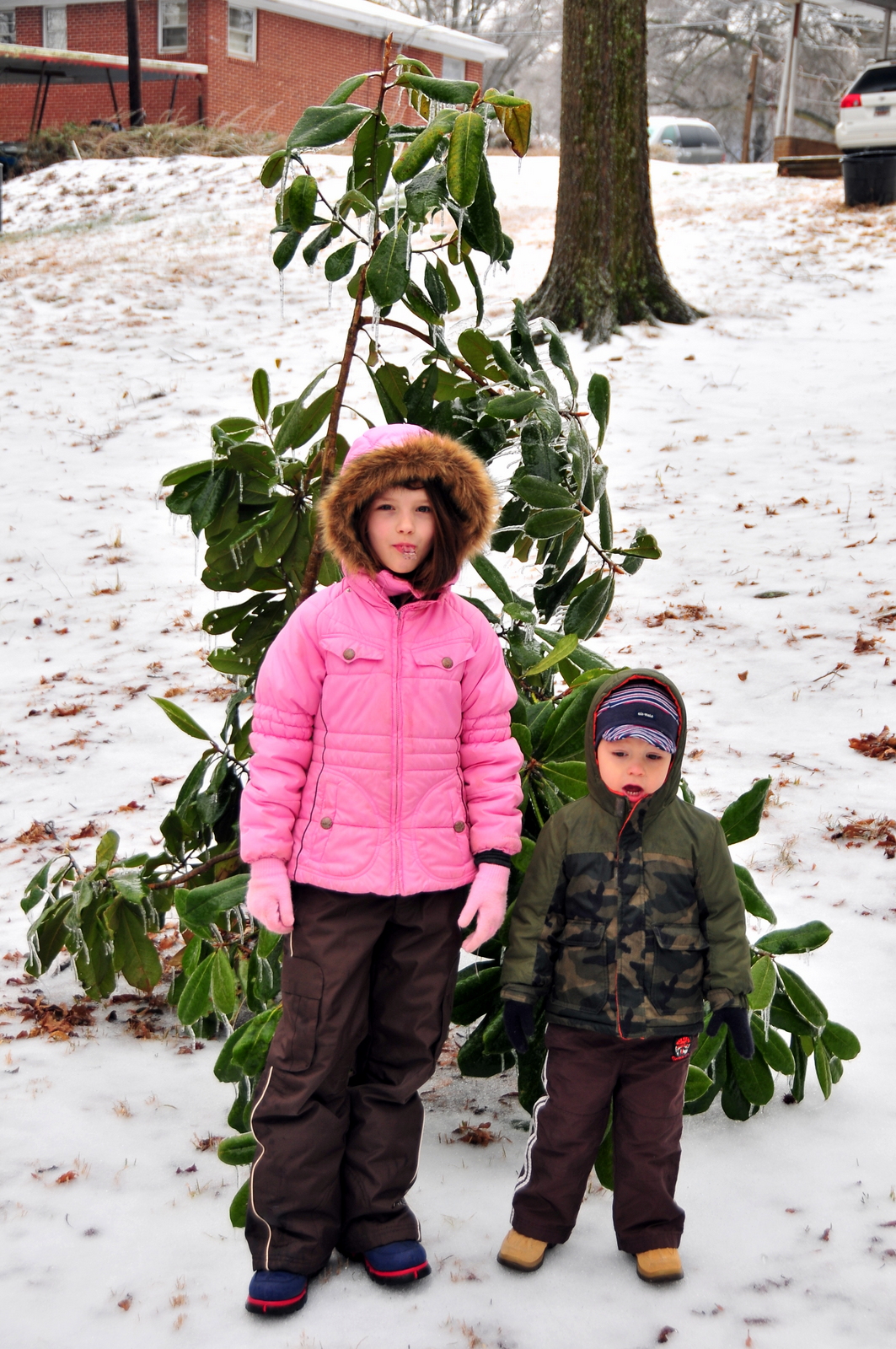
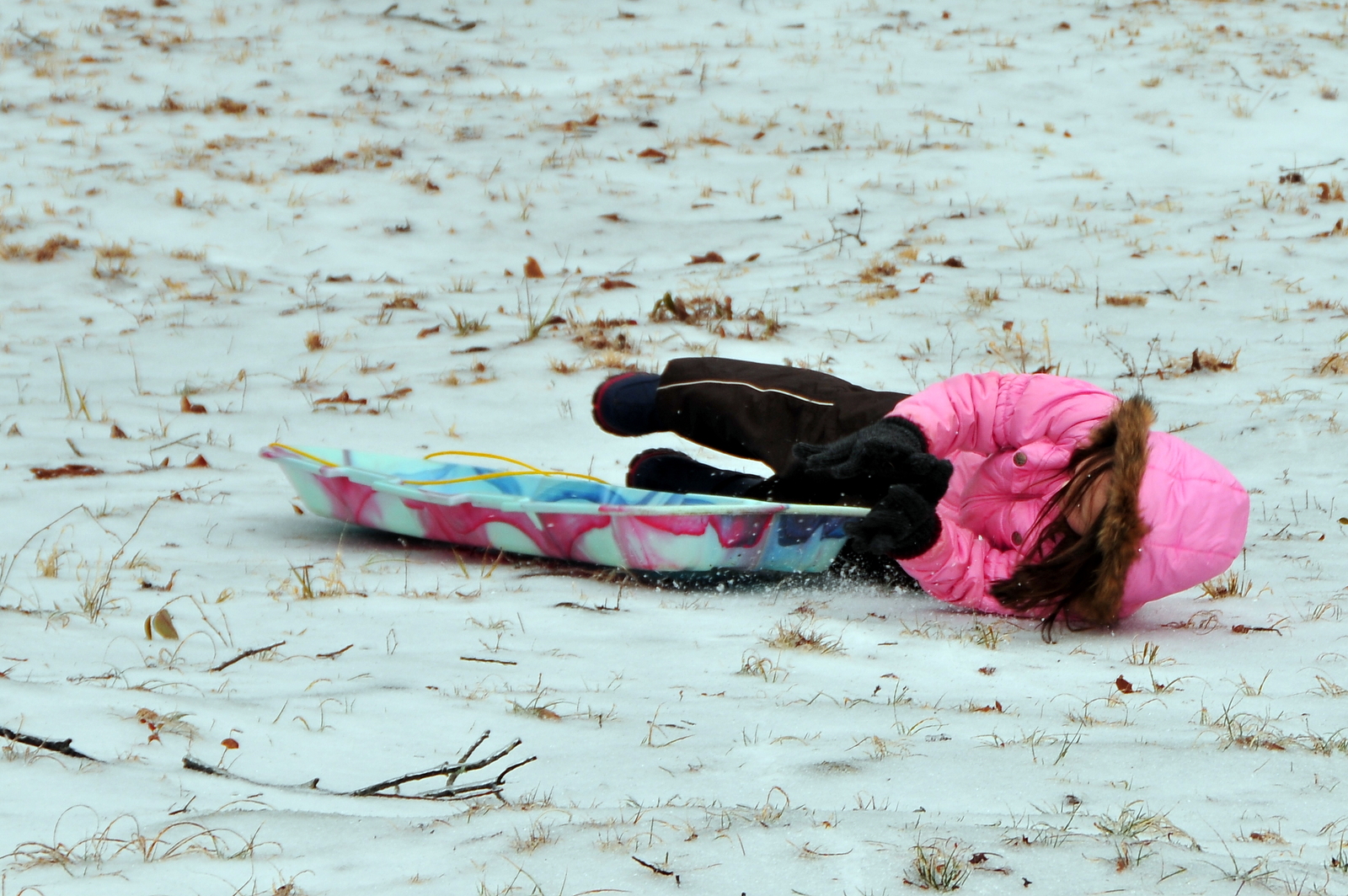
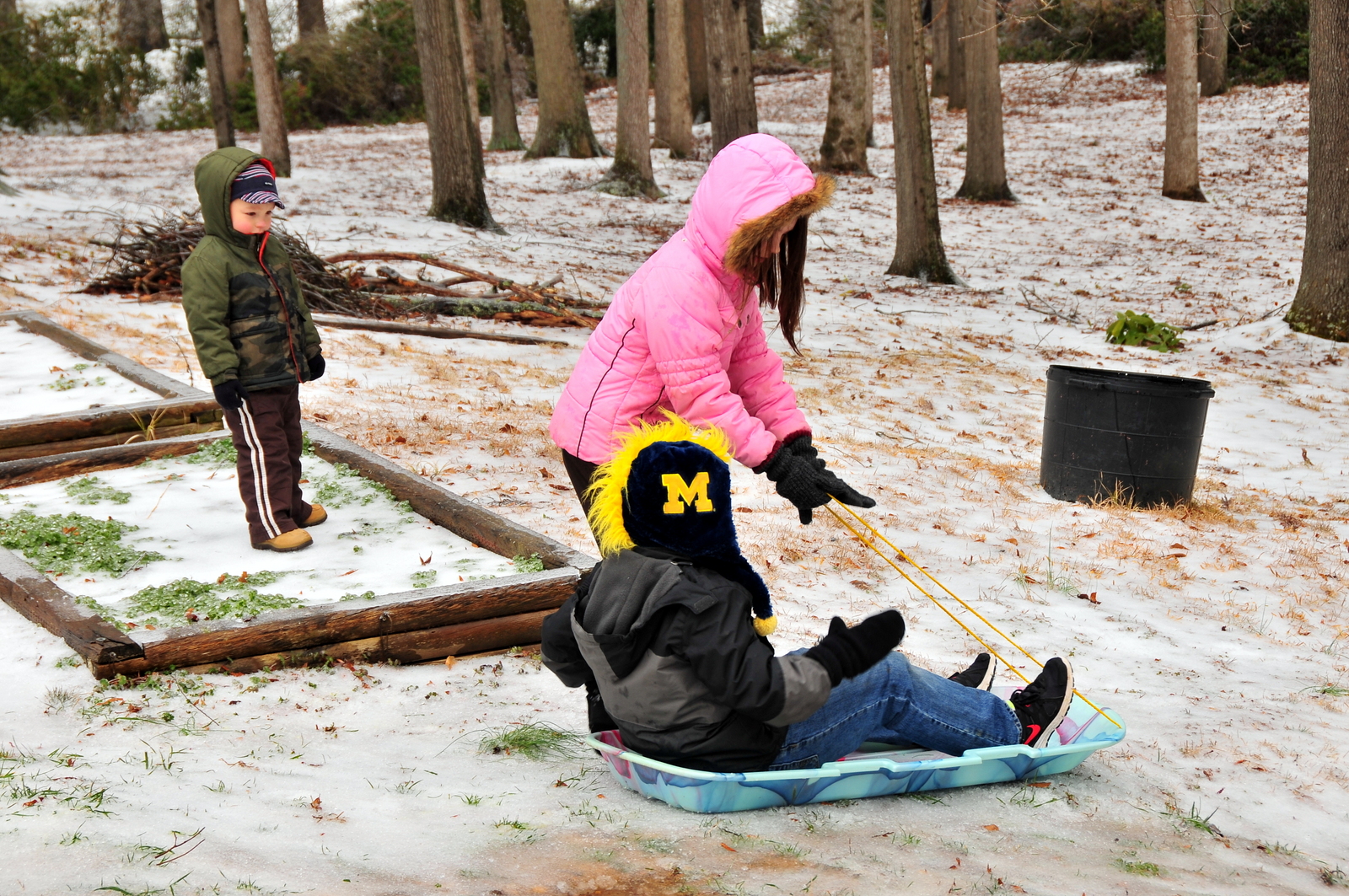
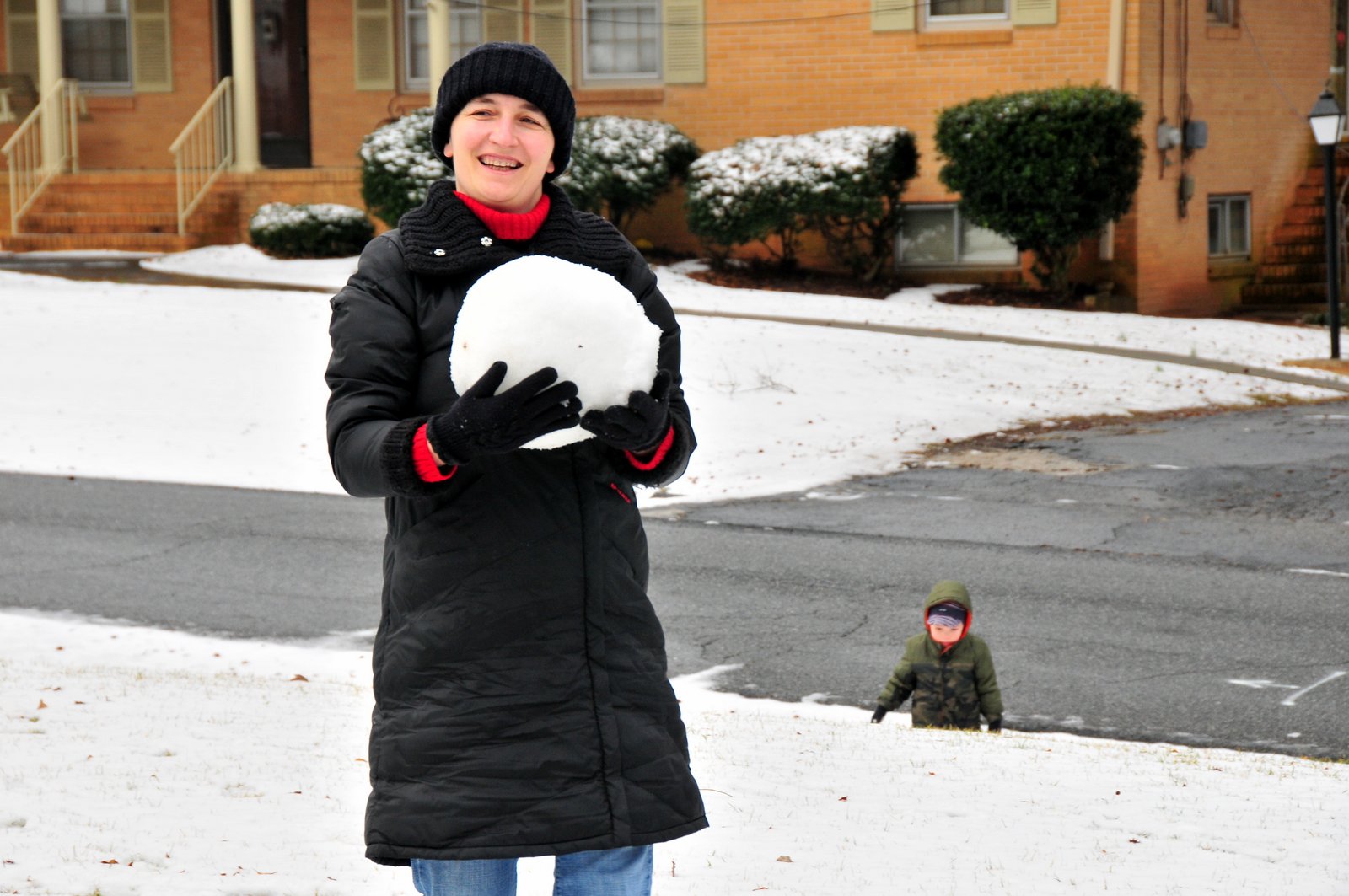
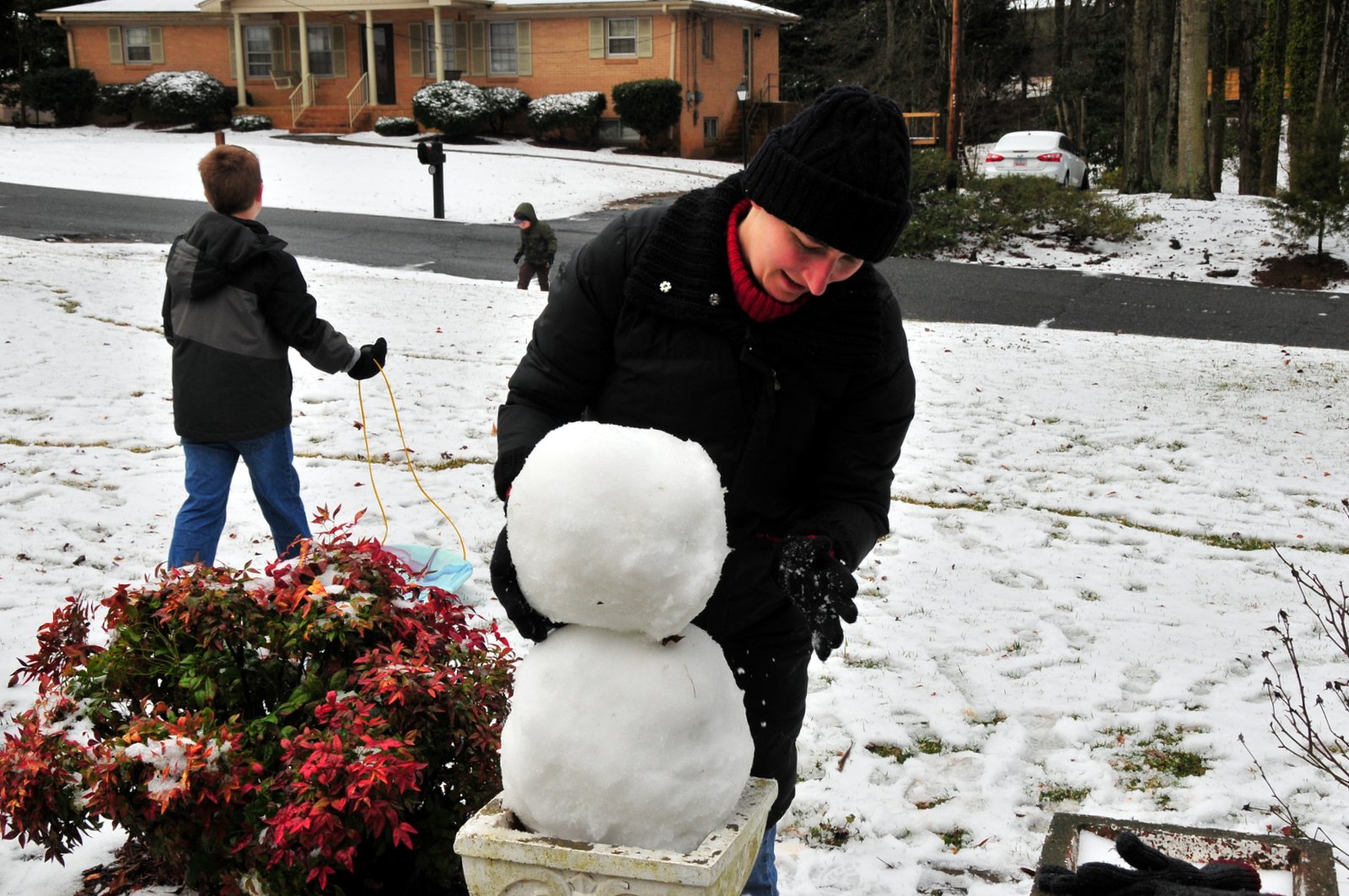
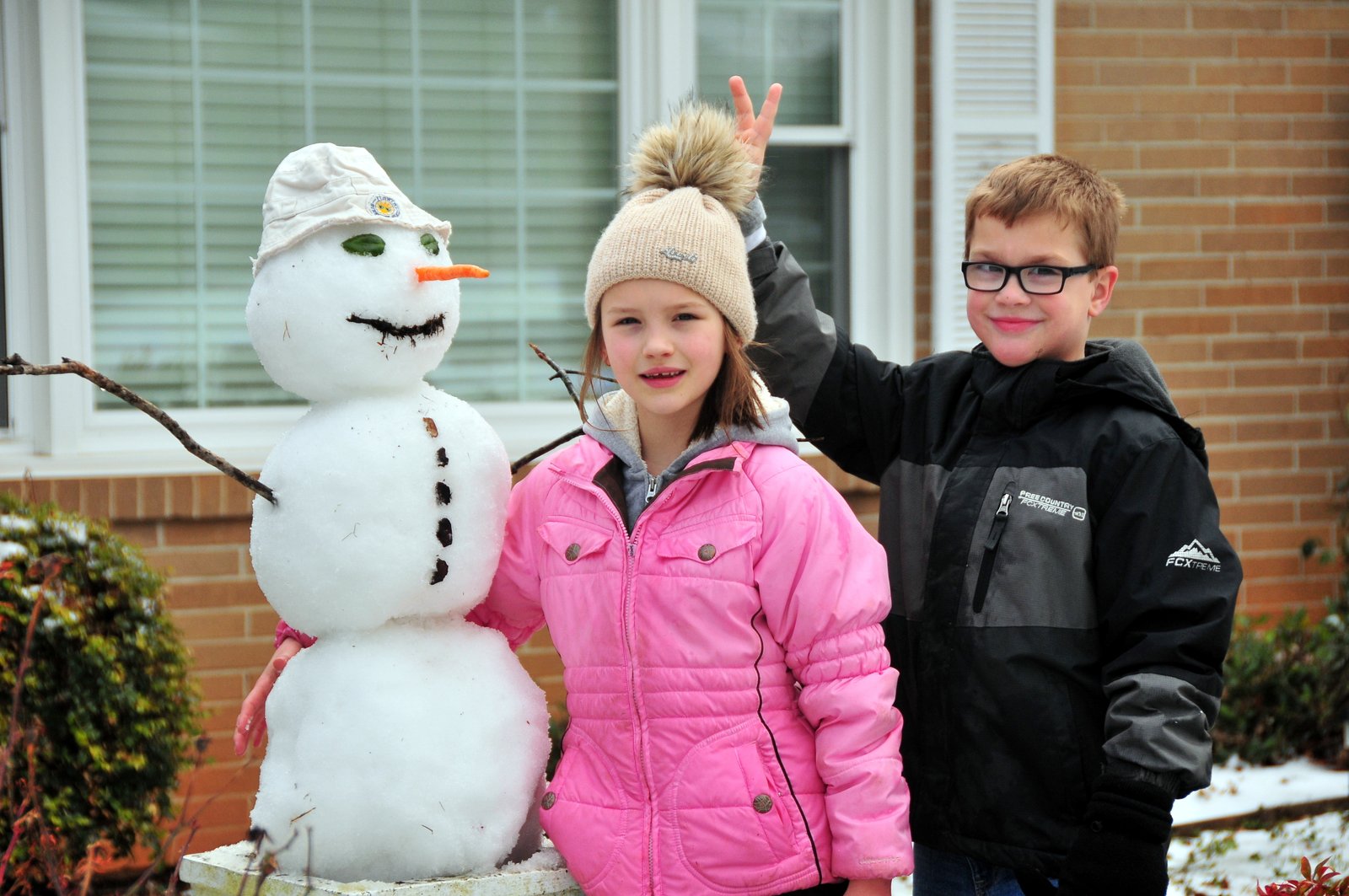
Still, we had enough slush on the ground to roll a small snowman, enough slush to get in boots and make the Girl complain, enough slush to get the Boy cold in a few minutes and whining to go inside.

But not enough snow even to get all the ground damp.
We in the South take what we can get when it comes to snow, though. Supposedly areas of Alabama and Mississippi got close to ten inches, so perhaps by the time it got here -- well, who knows. We had slush, we built a slushman, and headed in late morning knowing perfectly well that we would be going to school tomorrow.


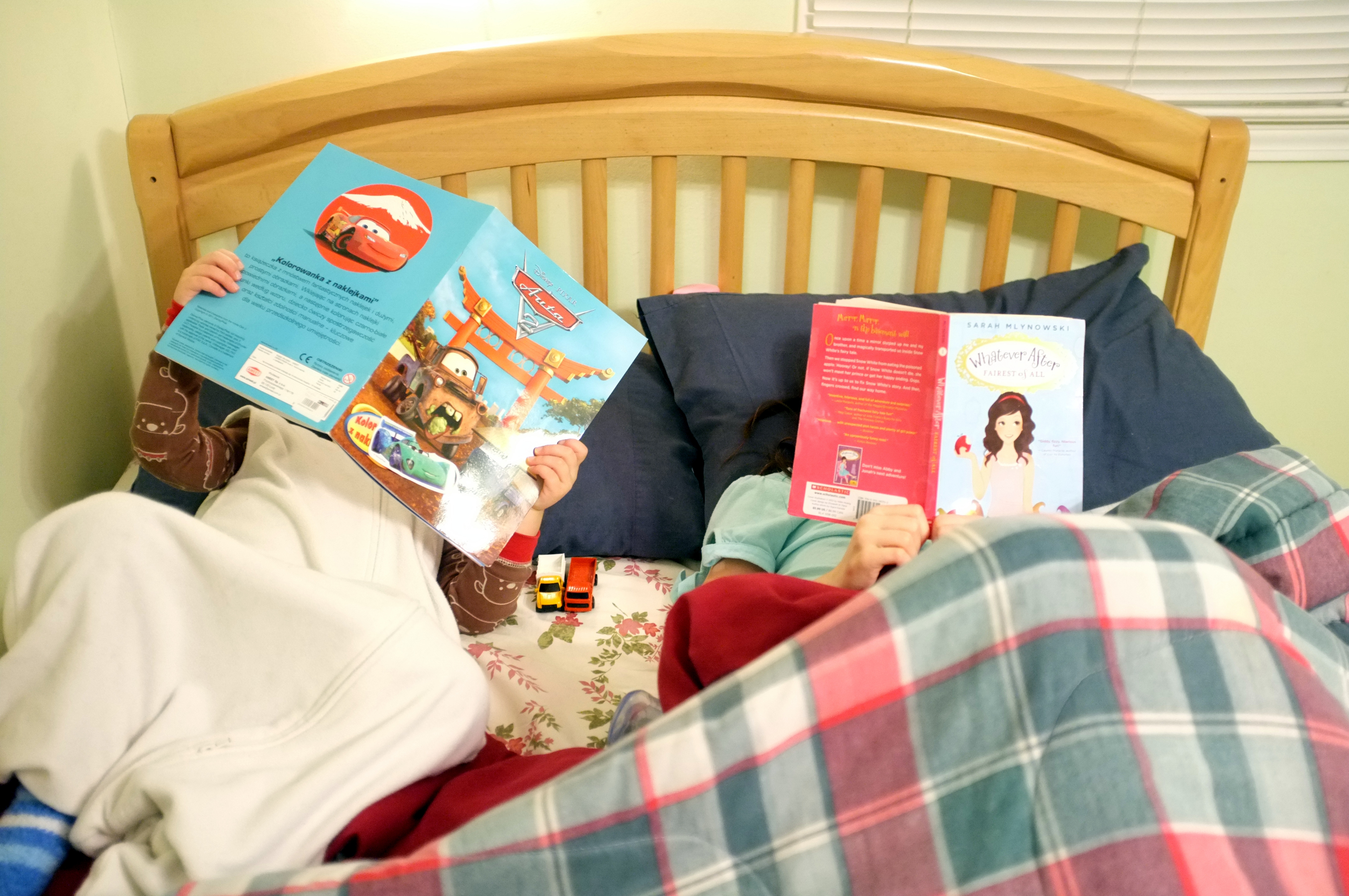
It's been chilly in the house due to some heating problems -- zoning system again. The kids have been sleeping together as a result.
It only takes the slightest dusting of snow to send people in the South running. Newscasters report live in conditions that are horrific: half an inch of snow, temperatures dipping into the high twenties.
But you can never take the South out of a Southerner.


What I would be saying to rising eighth-graders tomorrow about my new journalism class -- if I weren't taking a sick day, that is.
This course will use the basic instructional principle of “Learn to do it by doing it.” That’s not to say there’s no direct instruction, nor is that to say that it’s a free-for-all. And it certainly doesn’t mean it will be an easy course.
This class will be responsible for creating content for the Hughes Academy web site in the form of articles, audio stories, and photographs.
Students interested in this class need to be highly self-driven as you will (with prior instruction) be responsible for finding your own stories to research and to write. In addition, most of the assessment will involve self-assessment with self-generated goals and rubrics (also with prior instruction and continual teacher guidance). Finally, students will have to be able to work under tight deadlines and to be the type of student that simply doesn’t give up when obstacles appear. On average, you will write at least one 500-word story per week and create at least one 4-5 minute audio story per quarter. That sounds easier than it is: the real difficulty comes from the incredibly high standards necessitated by the simple fact that all our content will end up on the Hughes web site.
What are the upsides of all this hard work? The first would be the simple pride in the fact that you are doing a job that has traditionally been reserved for adults: you will be the public, digital spokespersons for Hughes Academy, and that’s what I meant by “Learning by doing.” It’s an incredible feeling knowing that what you’re writing is for an interested audience that will make comments and give feedback, much more rewarding than just writing for a teacher. Â You’ll begin creating content for the site during the first class session, and by the time the year is done, you will have an impressive portfolio of published work that you can use for future reference. Additionally, because of the nature of this class, there is a lot of freedom during the class period. During a typical class, some students will be working together on an audio project while other students head out to interview a teacher or an administrator about this or that while still other students are editing others’ work while yet other students go to photograph subjects for their articles. In short, it’s not a “sit down and take notes” class, but it is in fact the ultimate in project-based learning: student driven, student assessed (with help of course), and student published.
It won’t be easy, but it will be fun, and you’ll finish the year with greatly improved writing skills.