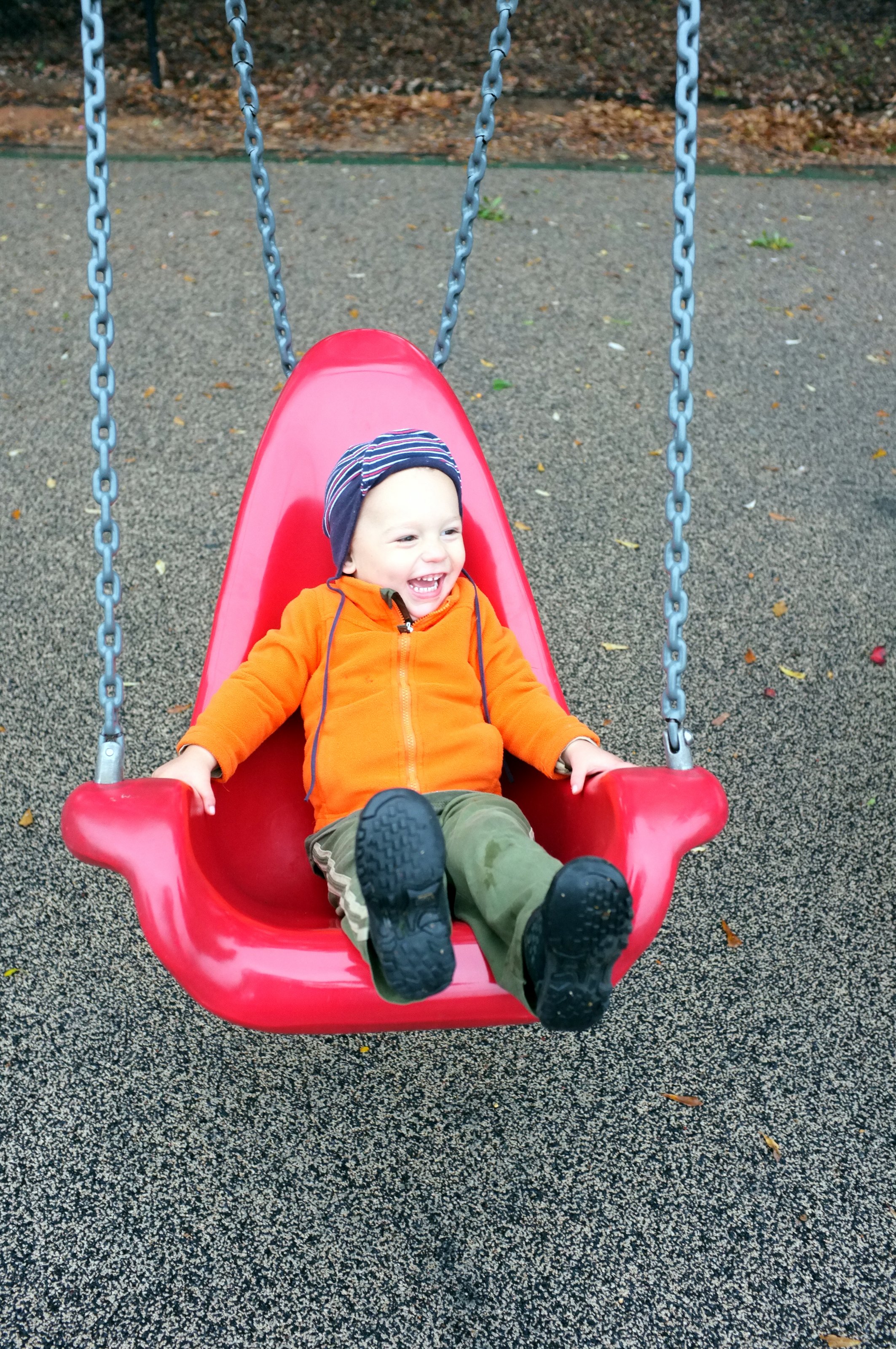
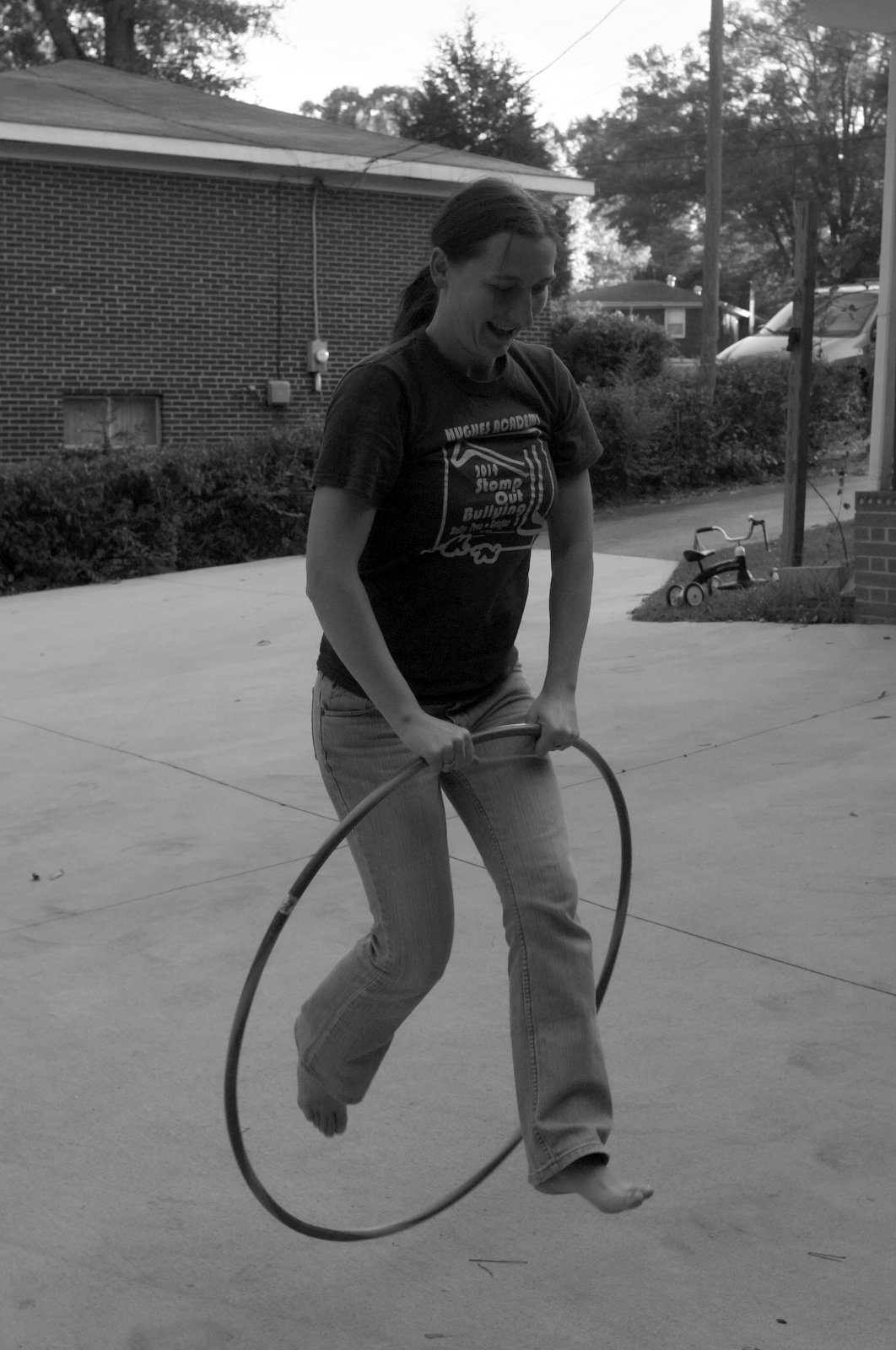
I put on some Hank Williams; K taught the Boy how to dance.

fun in threes, sometimes fours
Month: October 2014
I put on some Hank Williams; K taught the Boy how to dance.
Rain, rain, rain. It poured, then drizzled, then paused, then repeated. All day.
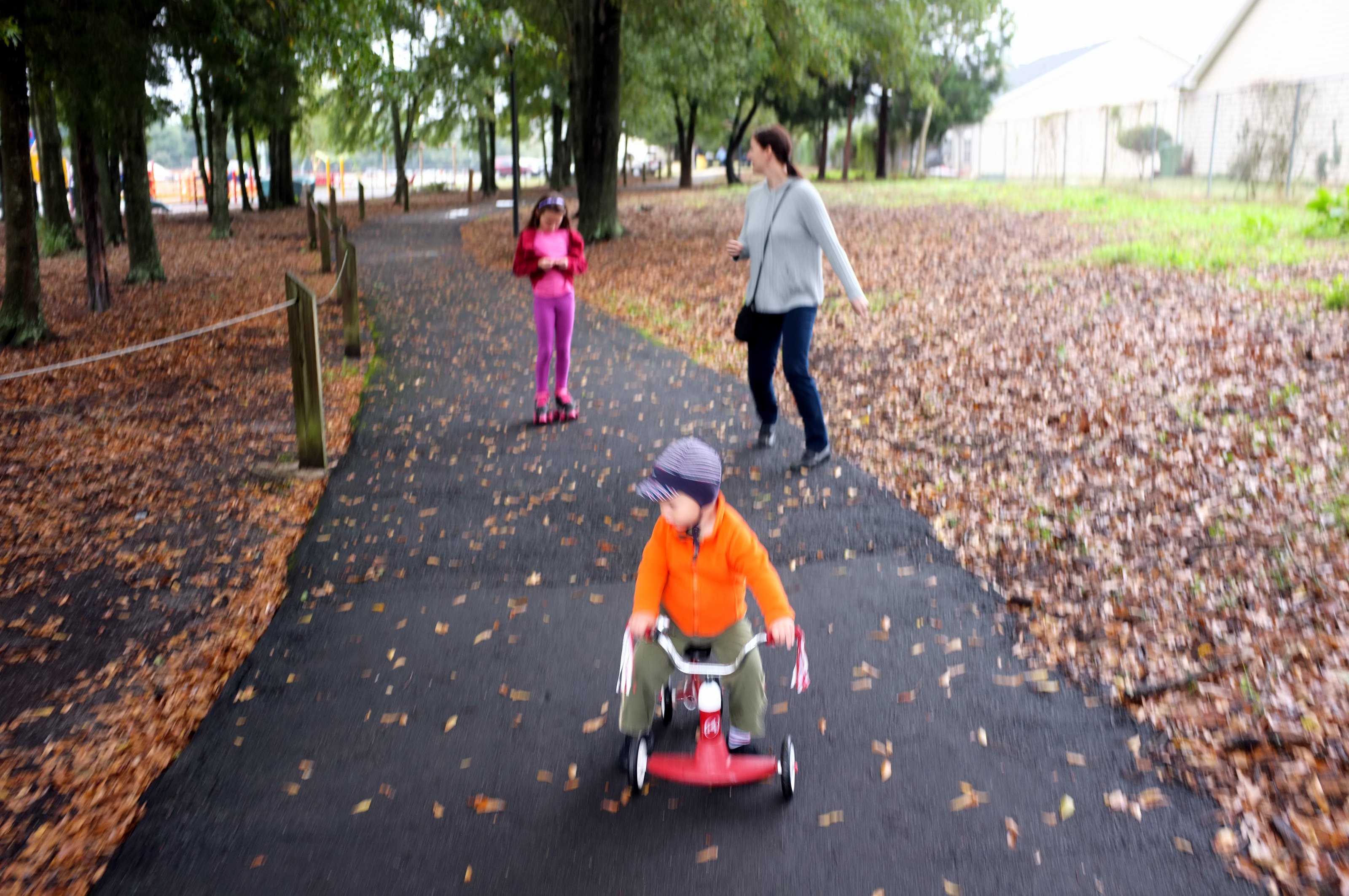
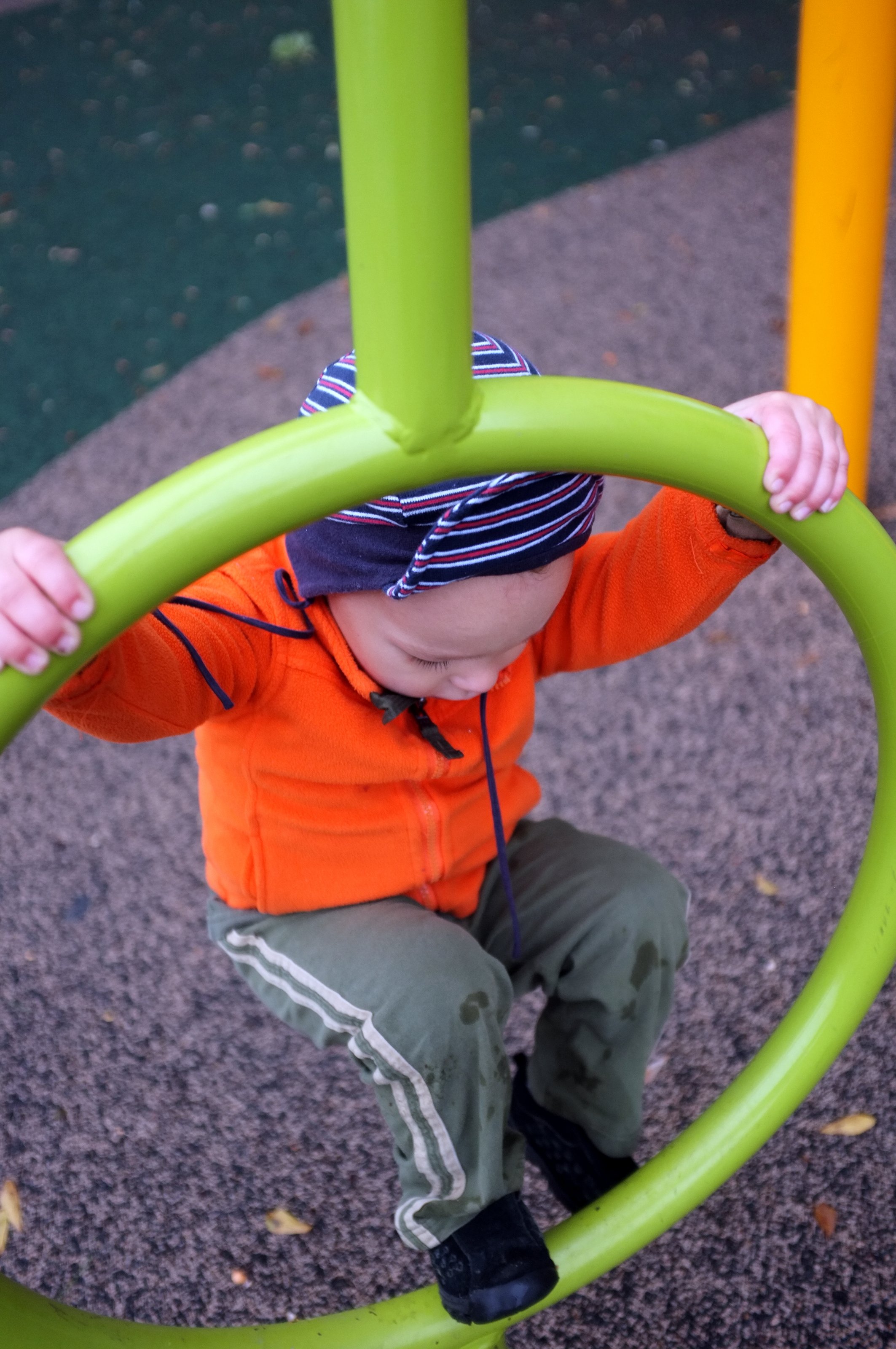
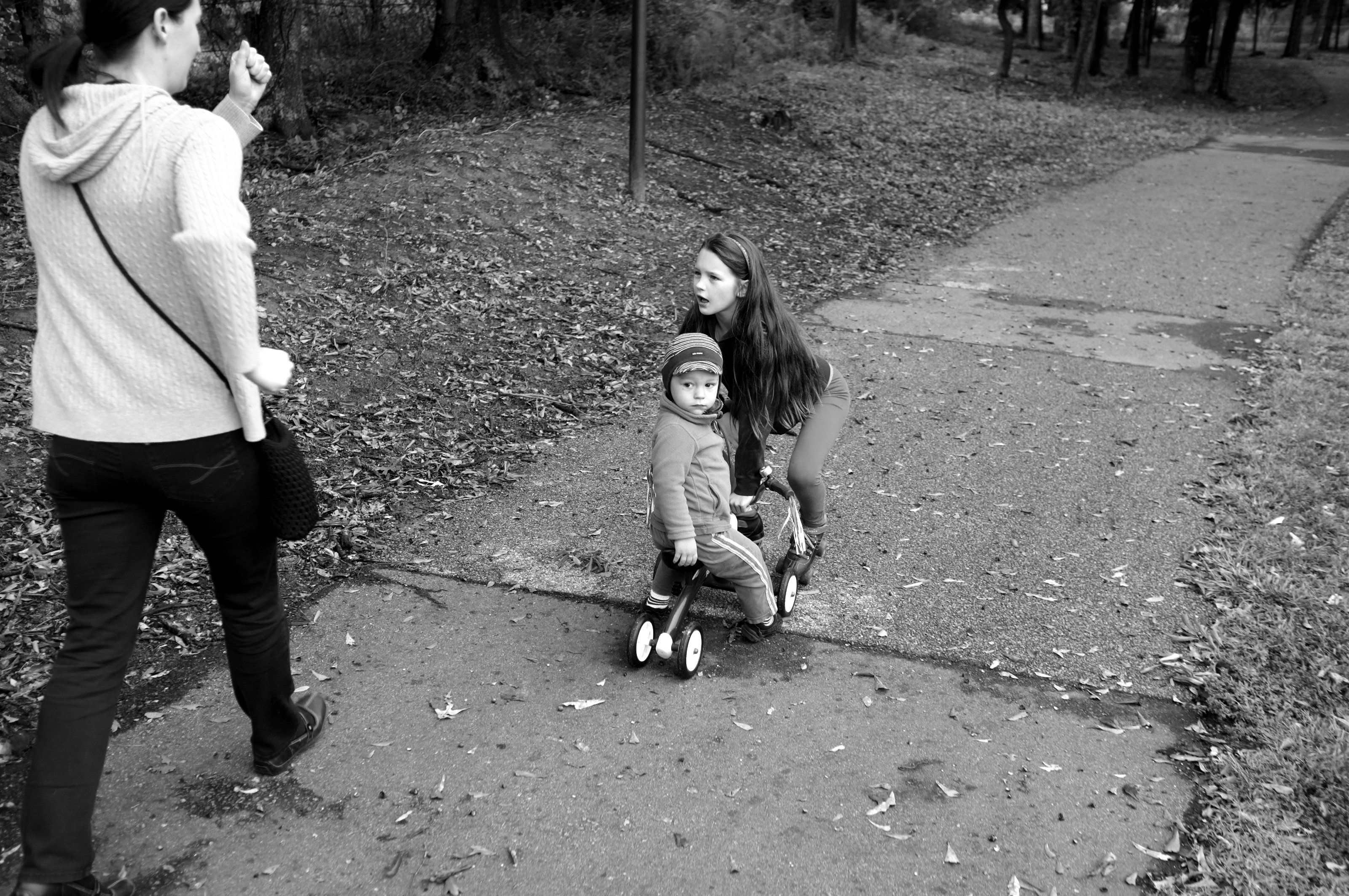
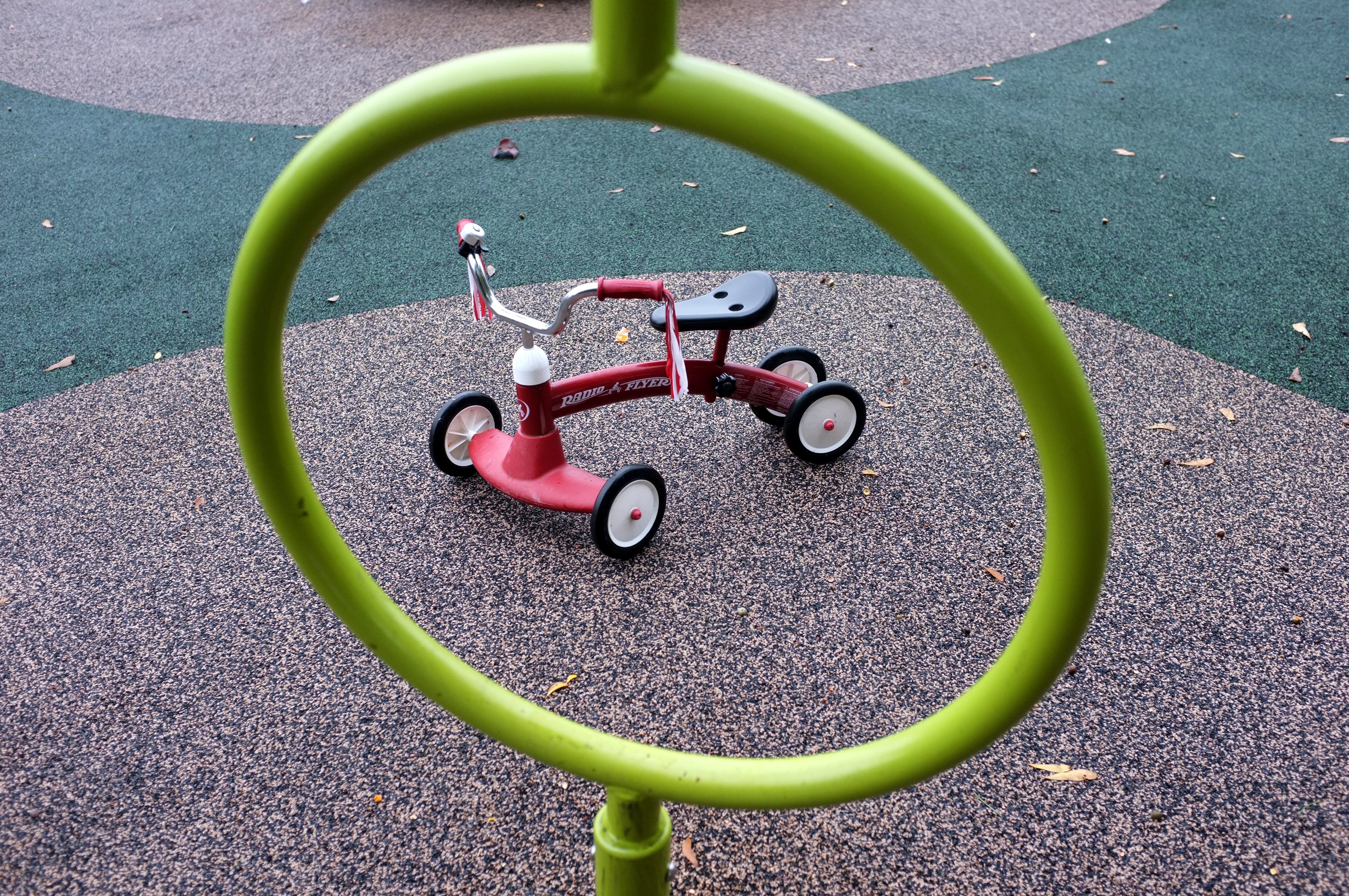
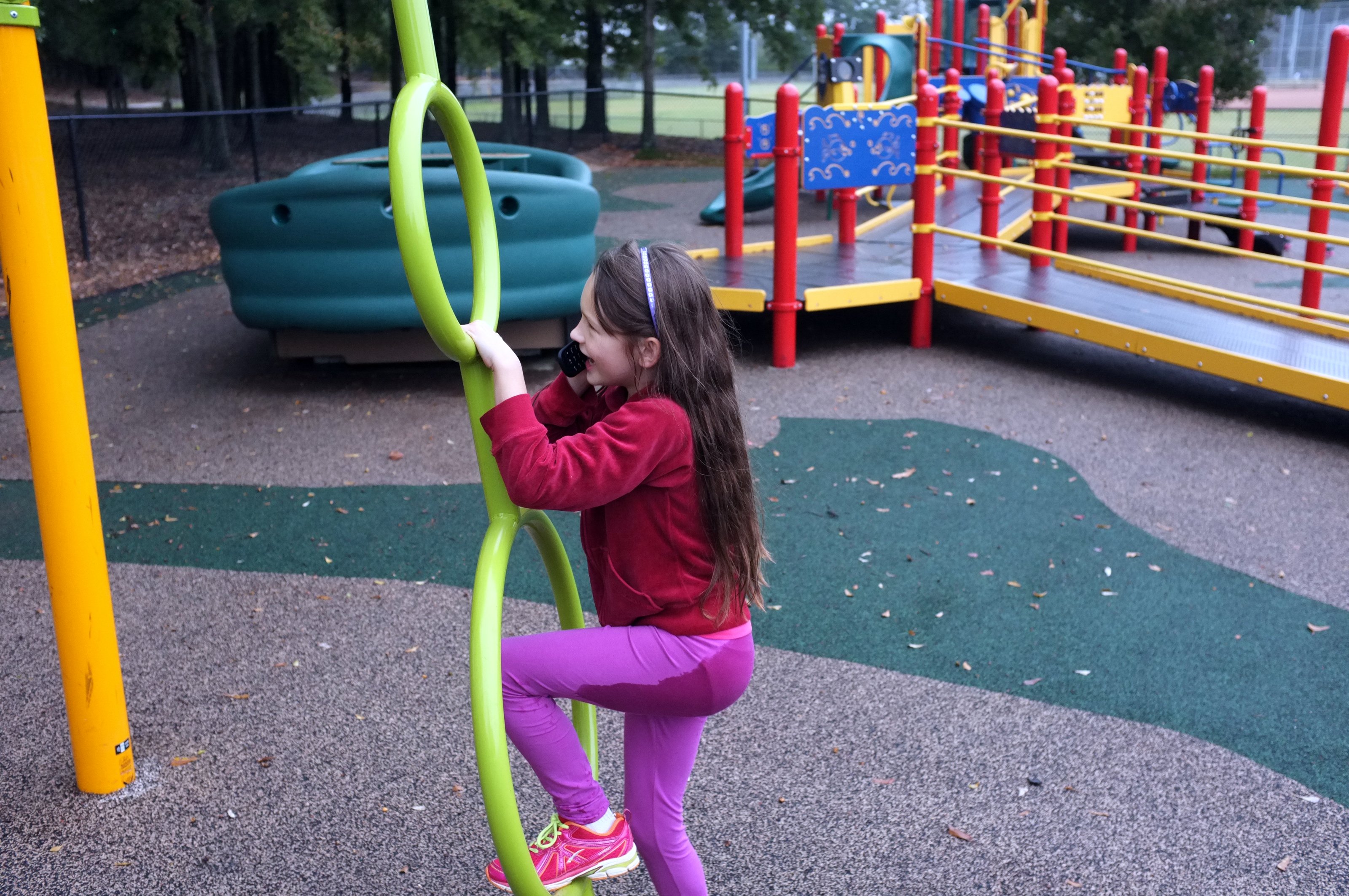
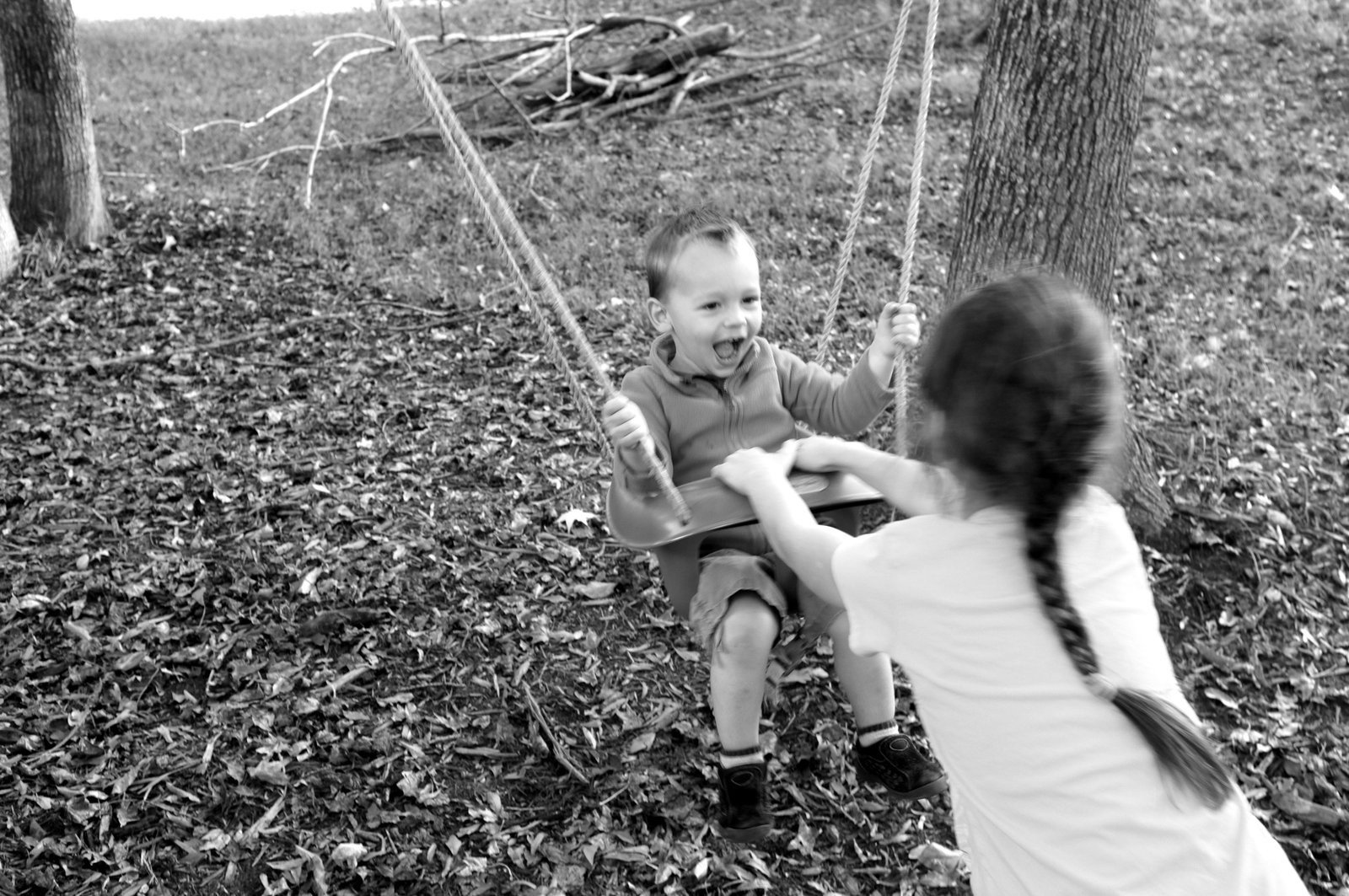
"I guess we have a lazy day," K laughed as we realized our original after-lunch, after-nap plans of going to a local pumpkin patch were not going to happen. We watched a movie, played games, did school work, chatted on the phone, took a nap (at least one of us), and finally, in the late afternoon or early evening, decided enough was enough. The advantage of having a park nearby.


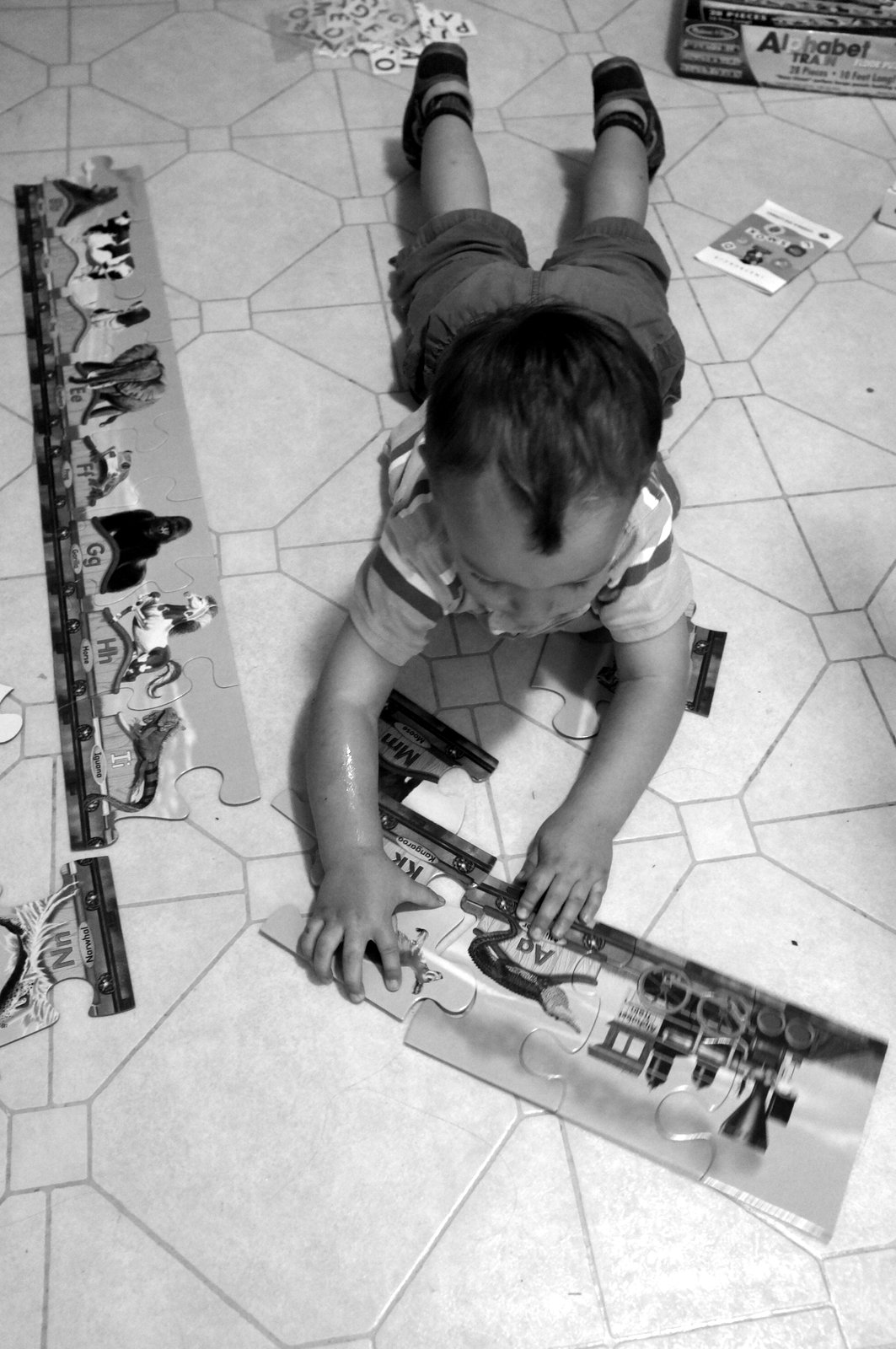
Twinkle twinkle, little star
How I wonder ABC.
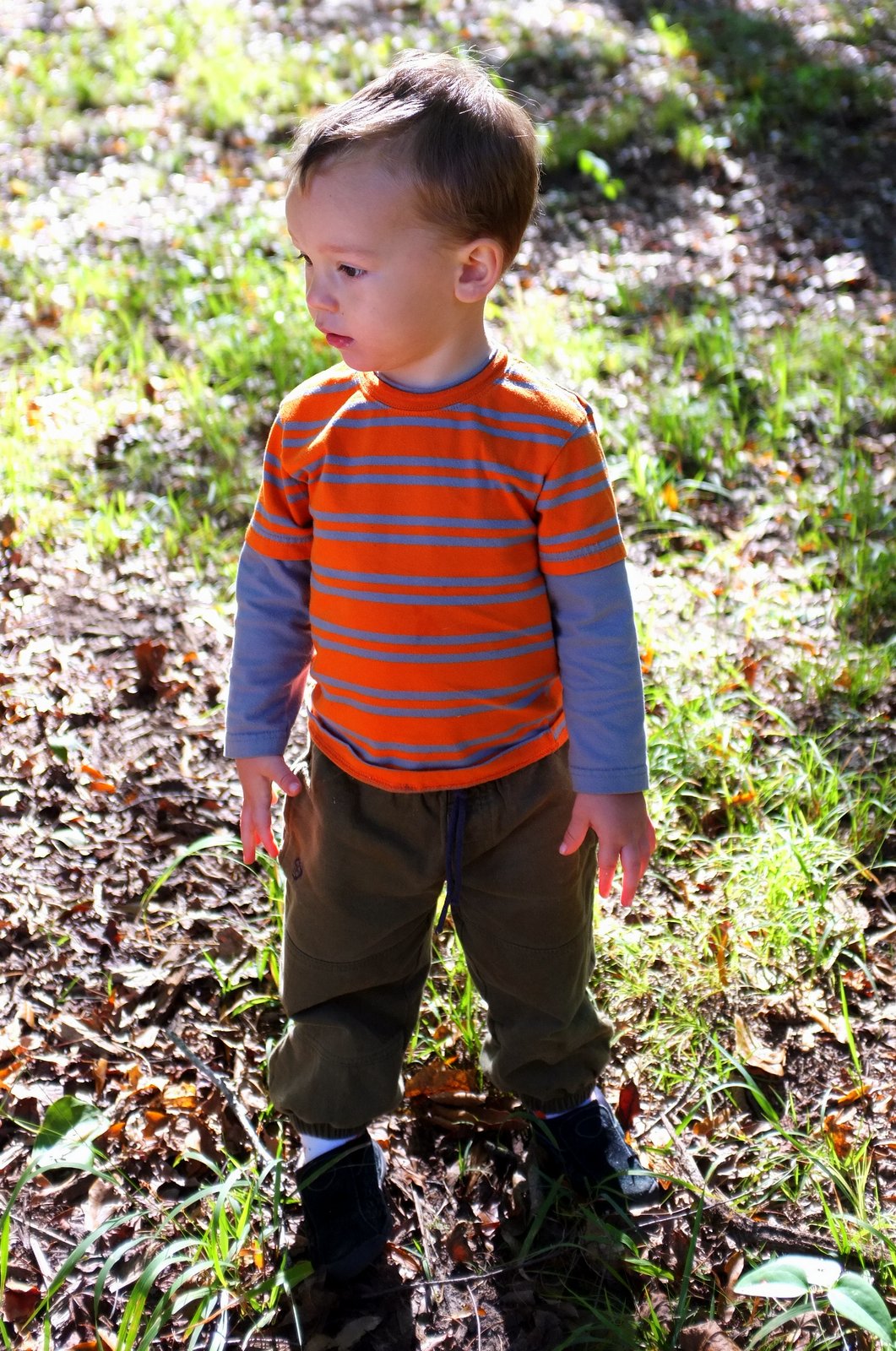
He squirmed out of my arms, twisting to the floor and then placing his hands on both knees before looking me straight in the eye.
"Daddy, I'll be a good boy," he pleadingly whispered. The fussing, playing, and general chaos around us in the crying room made it difficult actually to hear him, but he was only repeating what he'd been saying for the last several minutes. "Daddy? Daddy? I'll be a good boy."

We'd returned to the crying room after trying to sit as a family in the church proper for the first time. Last week, during Polish Mass, when E and I sit alone, he'd managed it perfectly. He had motivation: Mama was singing in the choir, and he simply wanted to be able to see her clearly. "If you fuss at all, if you get up and try to wander around," I'd warned, "we'll go right back to the crying room." And he'd been golden.
"Maybe we can start sitting together again," K had suggested after Mass.

It's been a long time since we all sat together. K tends to take the Boy to the crying room to avoid any unpleasantness for our pew-mates; I take the Girl to the nave (if it could be called a nave in a church of such semi-circular modernity). I offer to switch off with her, but K always insists on taking the Boy to the crying room.
Today, then, we tried it. The processional was fine. We made it through the first reading with few problems. But by the time we'd reaching the Gospel reading, it had become too much, and so I took our sweet boy to the crying room and found a seat in the back corner.
"You didn't behave very well."

"I didn't behave well?" He always takes a statement and turns it into a question.
"No, you were squirming, rustling papers, distracting others." He looked at me. "You have to be a good boy to sit stay there." He climbed into my lap.
"A good boy?"

"Yes, a good boy. We'll try again next week, but for today, we're staying in here?"
"Staying in here?"
"Yes, staying in here."


He put his head down on my shoulder for a moment, then began.
"I'll be a good boy, Daddy."
I explained it again. He accepted it. And again he stated, "I'll be a good boy, Daddy."

Yet he usually is. And the Girl is usually a good girl. Certainly I could complain about this or that: the Boy can be horridly stubborn, and the Girl can be achingly hyper. There's more, and while I feel at times -- and K concurs -- that I focus on the negative with our children more than the positive, if I'm honest with myself, they're good kids.
So why did this "I'll be a good boy, Daddy" stick with me all day? Perhaps it was the tragic echoes of what that could imply: visions of abuse and children blaming themselves for their father's evil behavior -- perhaps it was the shudder that went through me when I imagined our children facing something like that. Maybe it was just the plaintiveness of his repetition, the seeming hopelessness in his voice at times. Whatever it was, felt more drawn to him, and to our daughter, than usual, because I think I heard another echo in that: "I'll be a good Daddy, boy."

There is no corner to turn. To admit that to myself, to get myself to see that clearly and accept the implications of it as a teacher -- that was the trick. One good day does not a corner make; one week of good days do not a corner make. When dealing with a class filled with troubled kids, there's no six steps forward; there's no question of three steps forward. Ever bit of forward momentum comes with drag. The drag of habit. The drag of need. The drag of peers.

And so just because one day is almost blindingly good, with 96% of recorded behaviors being positive, doesn't mean that the next day can't be a dismal failure, relatively speaking.

That only makes coming home all the sweeter. Though we take steps forward and stumble backward occasionally, I know there's someone standing behind to catch the stumbles, to encourage, to accept. When the Boy has several accidents in daycare, the family is there to encourage him to do better.


When he comes home wearing the same thing he wore as he walked out the door that morning, it a cause for celebration, and we celebrate.


That's not to say that my students at school don't have support somewhere. It's not to say their parents are somehow inferior. But the facts remain: some of the at-risk students I teach experience a daily school life that is so different from that of our daughter's that it's positively foreign.

What explanation fits? There are those with horrible parents who don't support them, but I haven't met many. No, scratch that. I haven't met any, because they don't come to the school. Most of the parents, though, seem caring, seem supportive. Who am I to judge, to suggest that their behavior is somehow different in private?
It's the wrong question, though, because the cause, whatever it is, is something outside my control. What is in my control is how I treat them. And more importantly, what is in my control is how I treat my family.