Matching Tracksuits

fun in fours

Month: April 2014

Almost May

It's almost May, and we're all breathing a sigh of relief. Students are ready to finish eighth grade, to finish middle school, to leave their academic home of three years and move on to high school. Teachers are ready for a new batch, new faces, new challenges, new gifts. Each day, we all head to school with a little lighter step: some students have already begun counting days (as have some teachers), and as the number dwindles, the pace quickens, as does the pulse and the talking and goofing. Soon, the energy waiting to escape the walls of the school will be almost impossible to contain, especially after next week, when the final round of state testing winds down and everyone finds themselves asking the same question: "Why are we still here if the be-all, end-all tests are complete?" Sure, a few district-mandated tests await students, but the SCPASS, the test that is the benchmark for school effectiveness, administration effectiveness, teacher effectiveness -- the test, in other words -- will soon be behind us.

My reaction over the years has changed. In the past, I was just trying to survive at this point in the year. Perhaps that was because of a lack of clear and clear-headed goals for students; maybe that was a result of my inexperience and ineffectiveness; possibly that was because I had some exceptionally challenging students. Or perhaps it was all that and more. At any rate, I find myself eager, after a short break, to begin again. A sufficient "short break" in this case would be about three weeks or so, but I'm fortunate that we get about four times that. More time with the kids; more time with coffee; more time for K to sleep in a bit -- it's a blessing for everyone, though K would unhesitatingly add "Especially for you." And so it is.
Routines

There are only so many daily routines one can work into a twenty-four hour period, and the addition of a new routine — or the re-initiation, rather, of an old routine — leaves less time, logically, for other routines. So when I tried finally to start working an exercise routine into my day, I found that, after school, jazz dance shuttle service, dinner, time with the kids, goodnight routines, and a short workout that I was left with ten minutes until my bedtime. So something’s got to go.

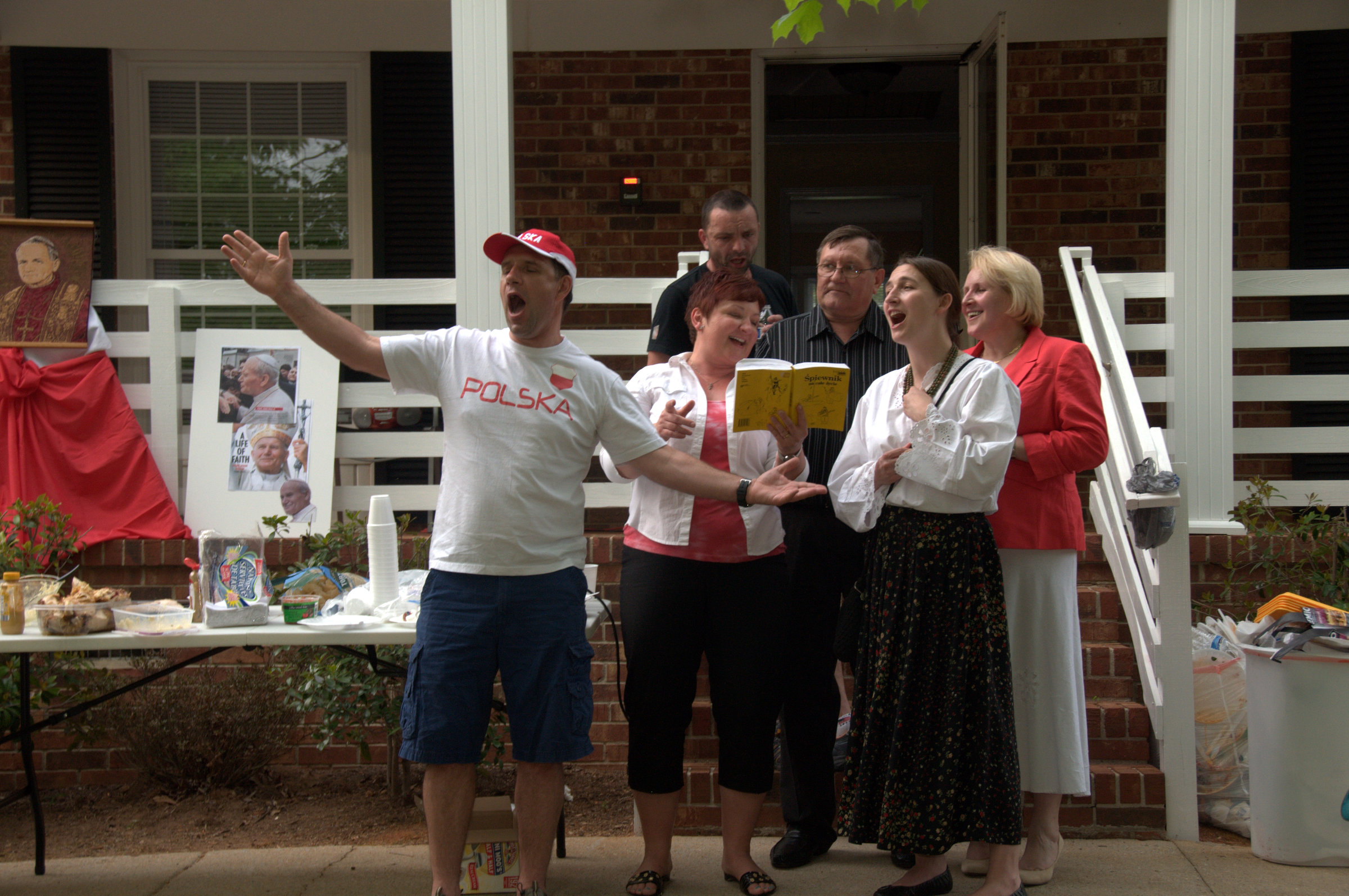
Polish Picnic 2014

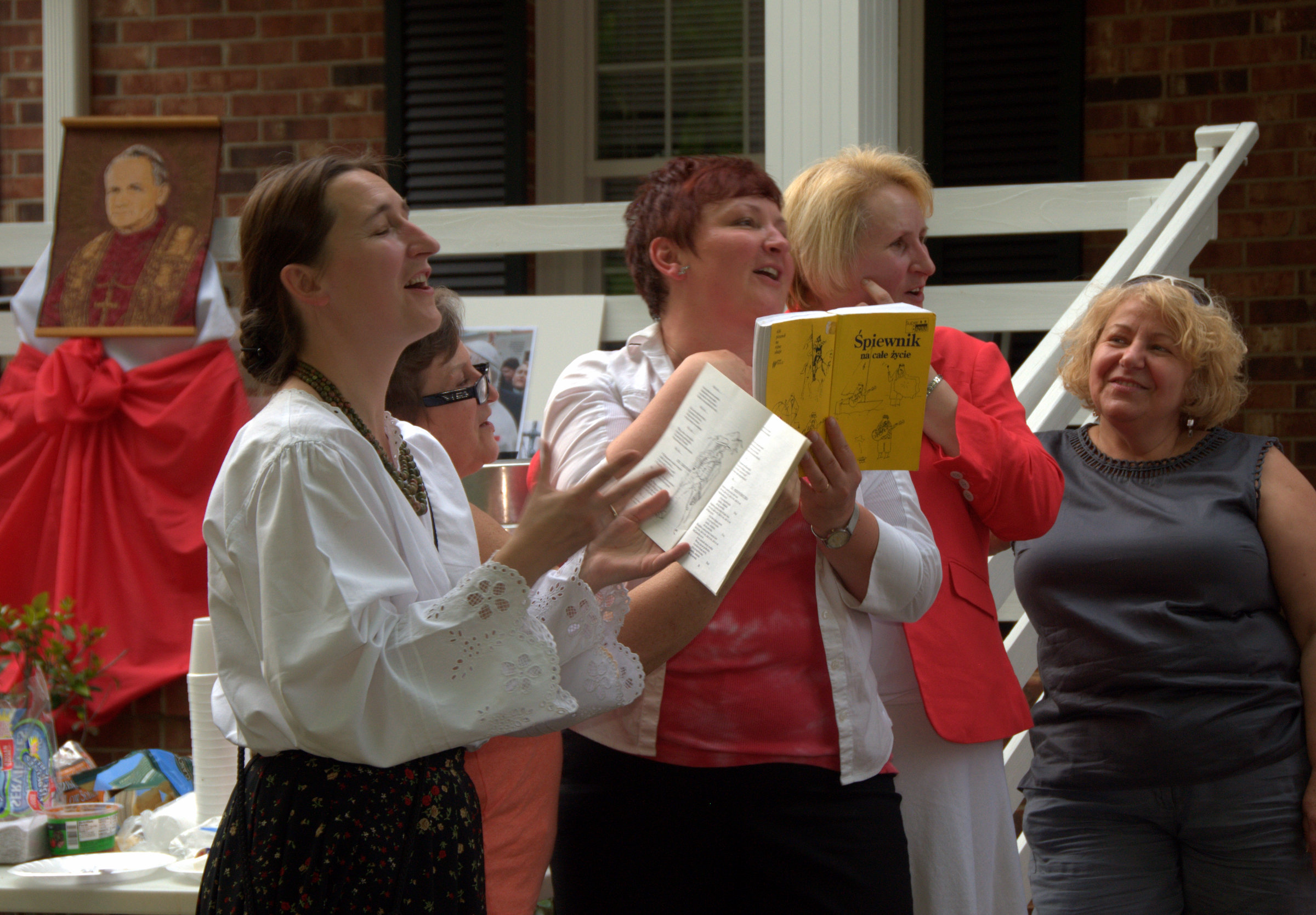
A Polish pope was a big deal. As the first non-Italian pope in almost five centuries, Karol Wojtła made almost every Pole stand a little straighter when the college of cardinals selected him as pope in 1978 — almost every Pole except the Communist leadership, that is. They likely suspected they were in trouble, but they certainly had no idea the degree to which Karol Wojtła was going to change everything. The regime got an idea when he finally visited Poland in 1979 as John Paul II (or Jan Paweł II in Polish). Celebrating Mass at Piłsudski Square (then known as Victory Square), he uttered his most famous line: “Nie lÄ™kajcie siÄ™.” “Be not afraid.” They responded by chanting ,“We want God.” For over fifteen minutes. John Paul, knowing the power washing over the crowd, let them go, looking back at the representatives of the Communist regime. Not a word was spoken, but everyone in the delegation knew what John Paul II was saying: “Do you hear this? You're done.”
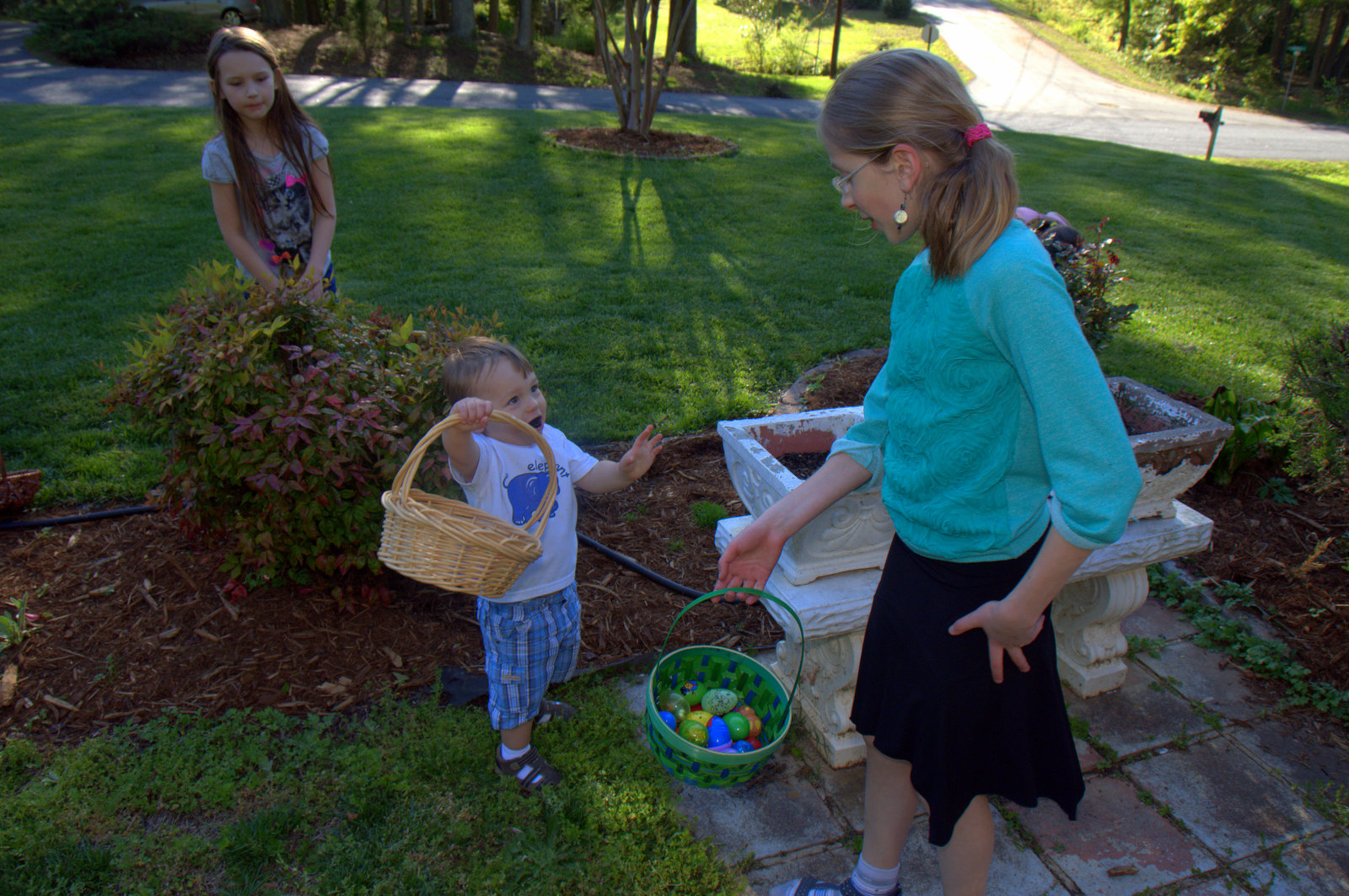
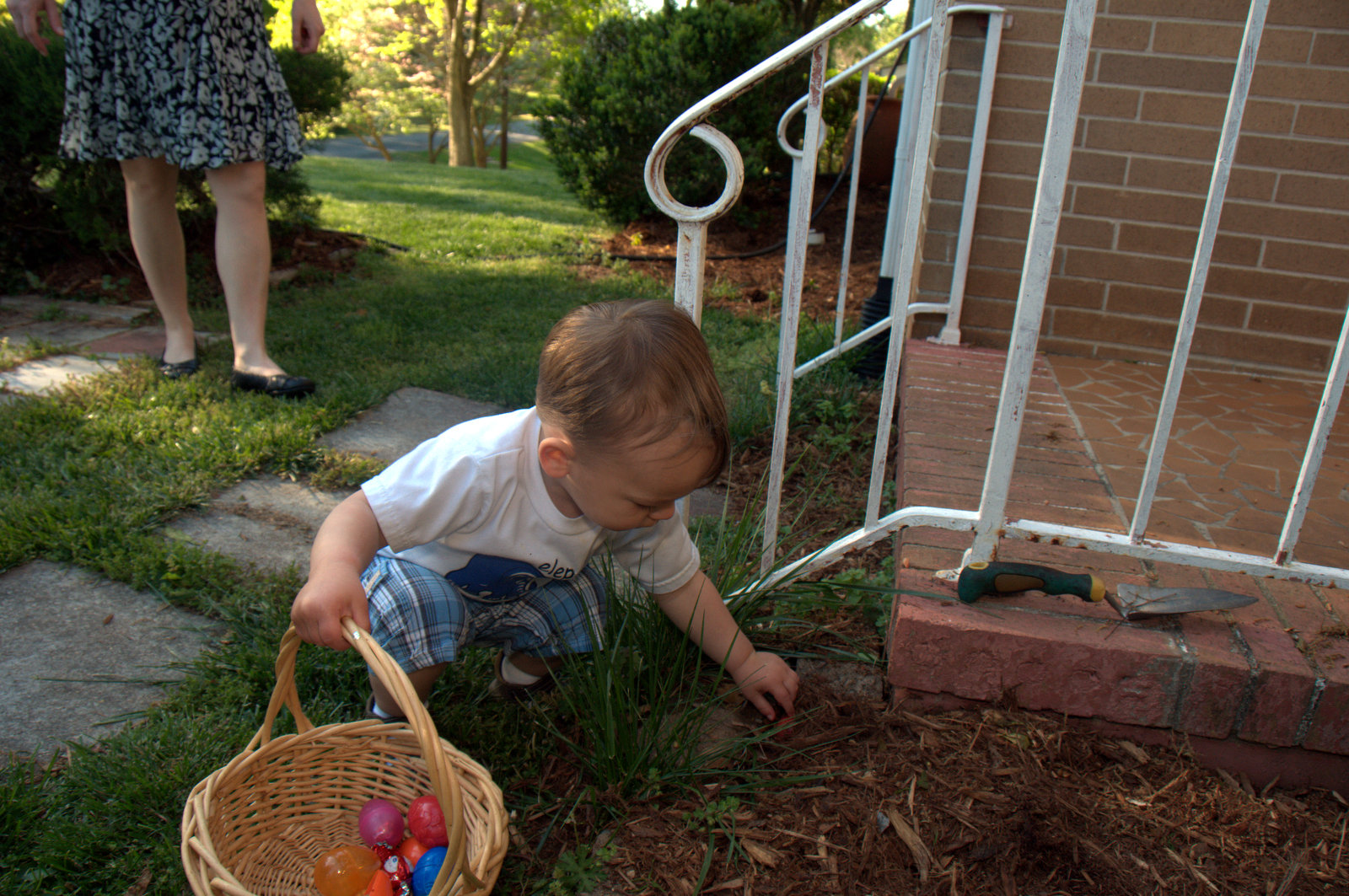
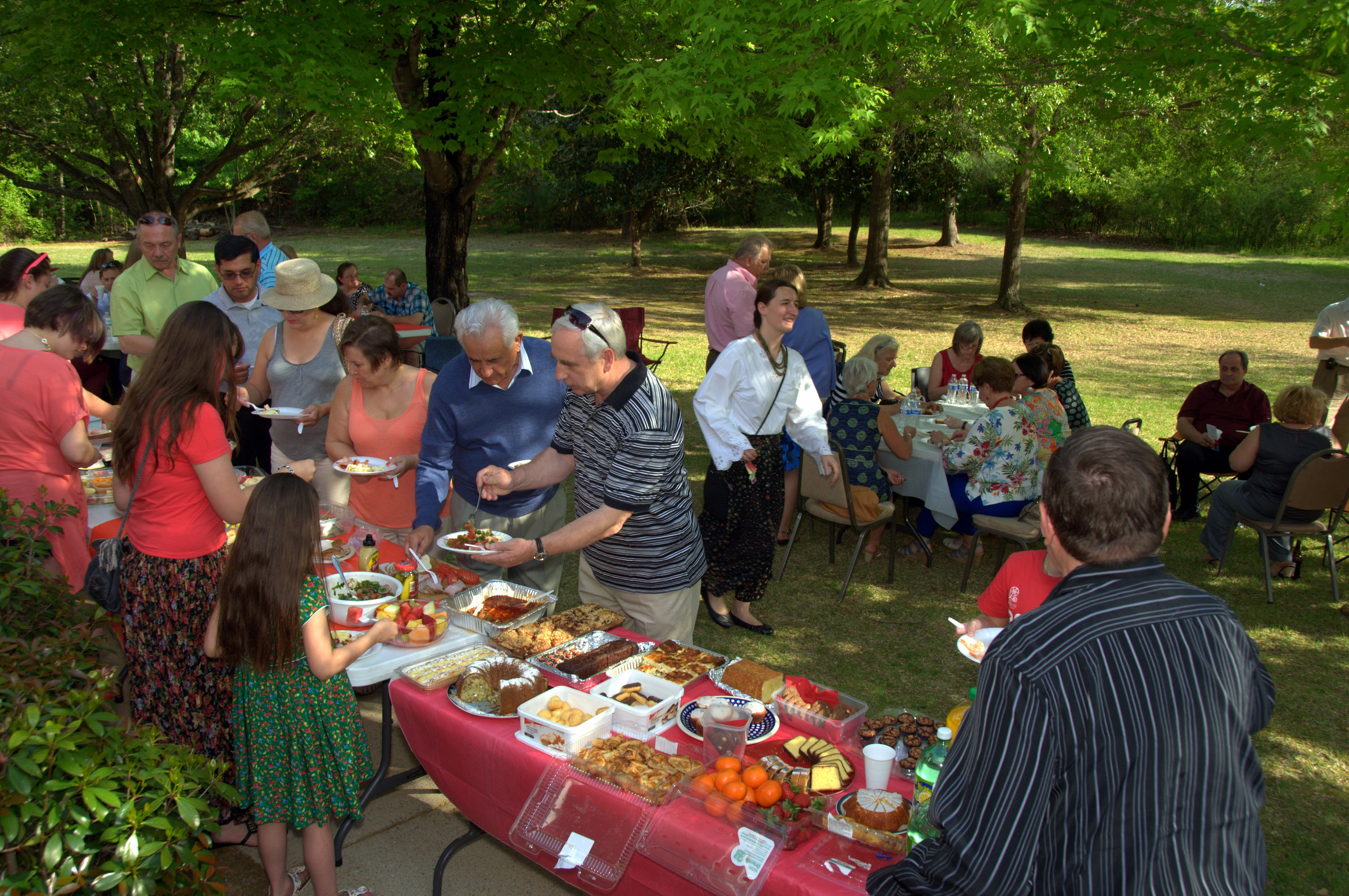
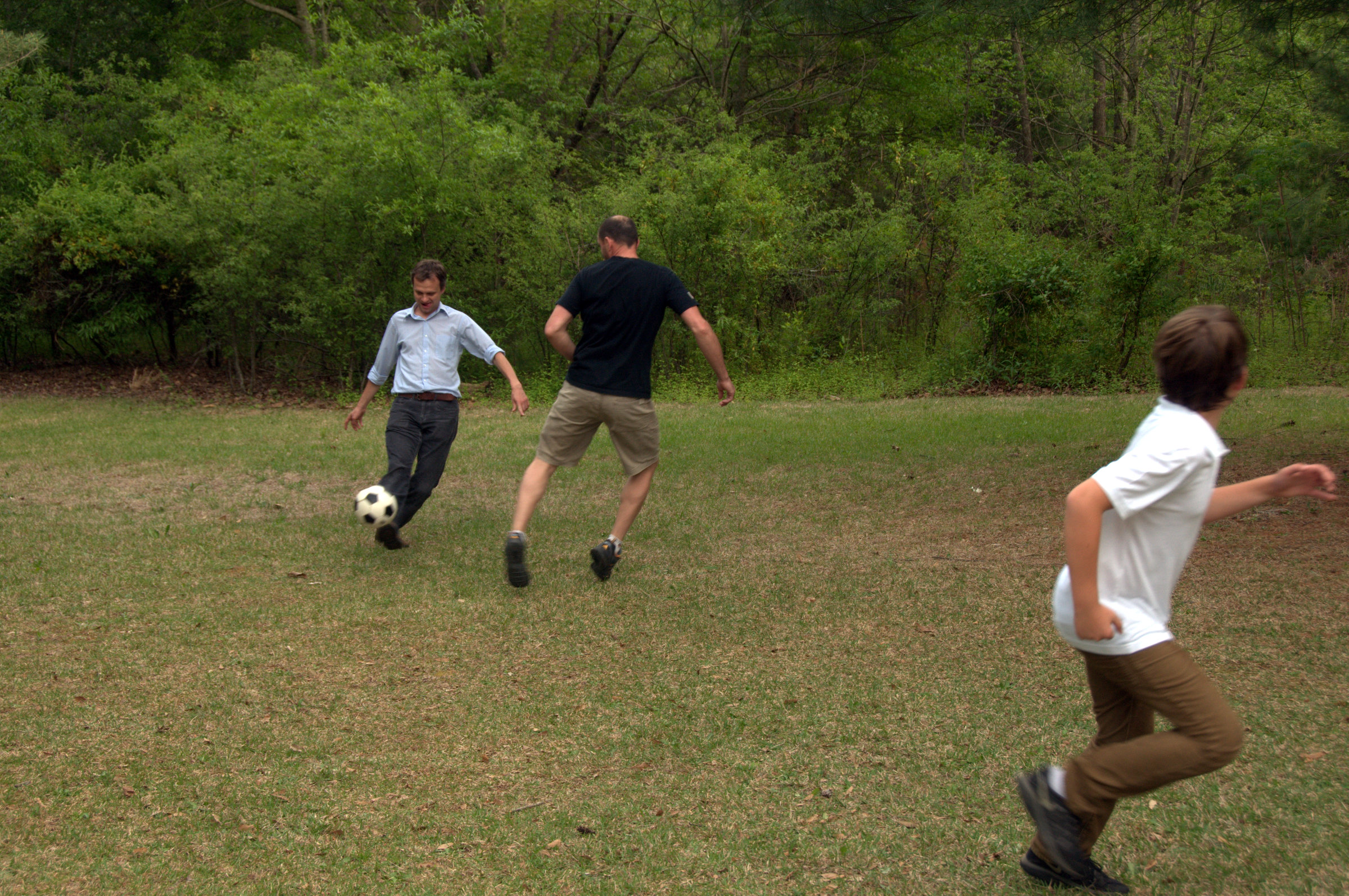
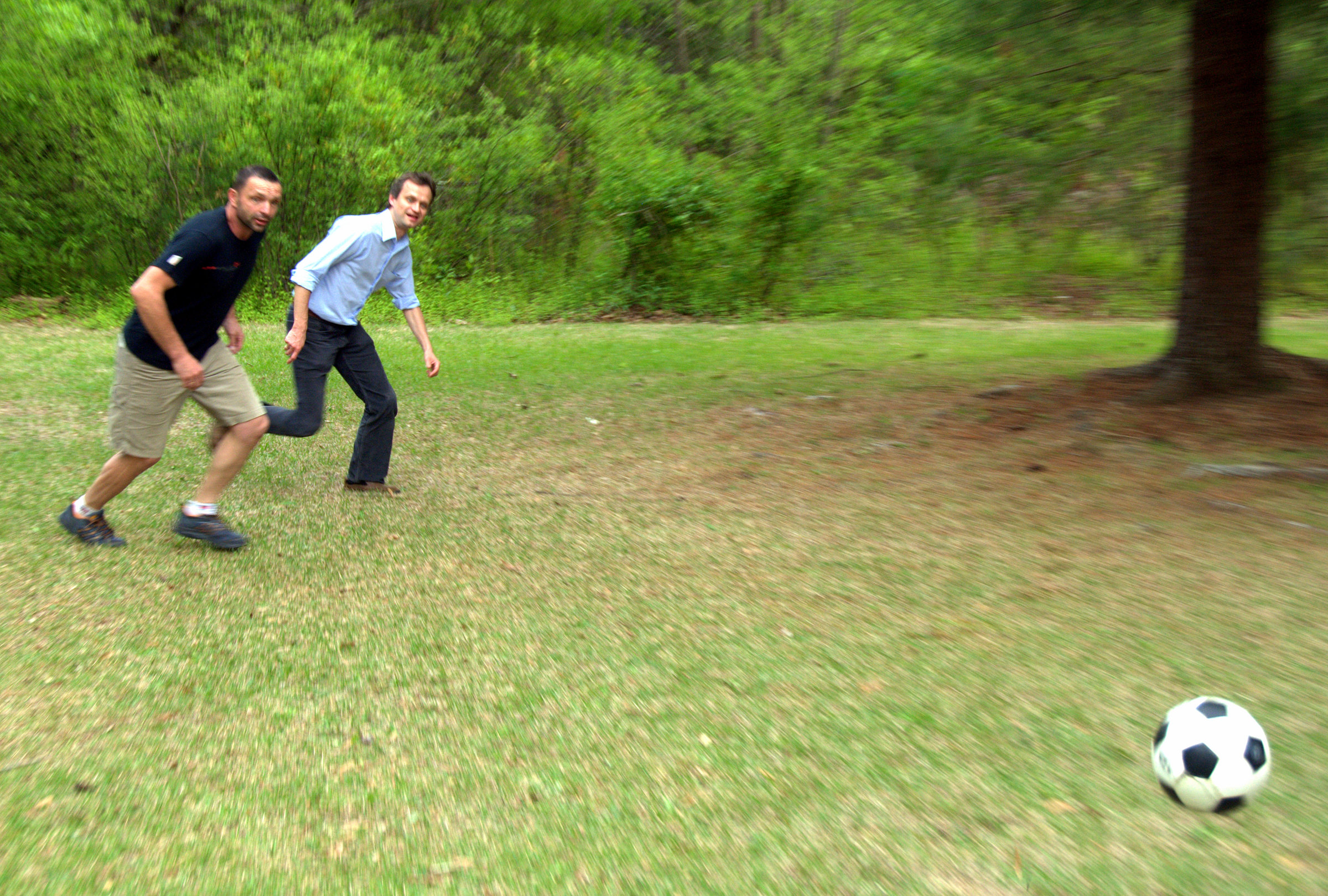
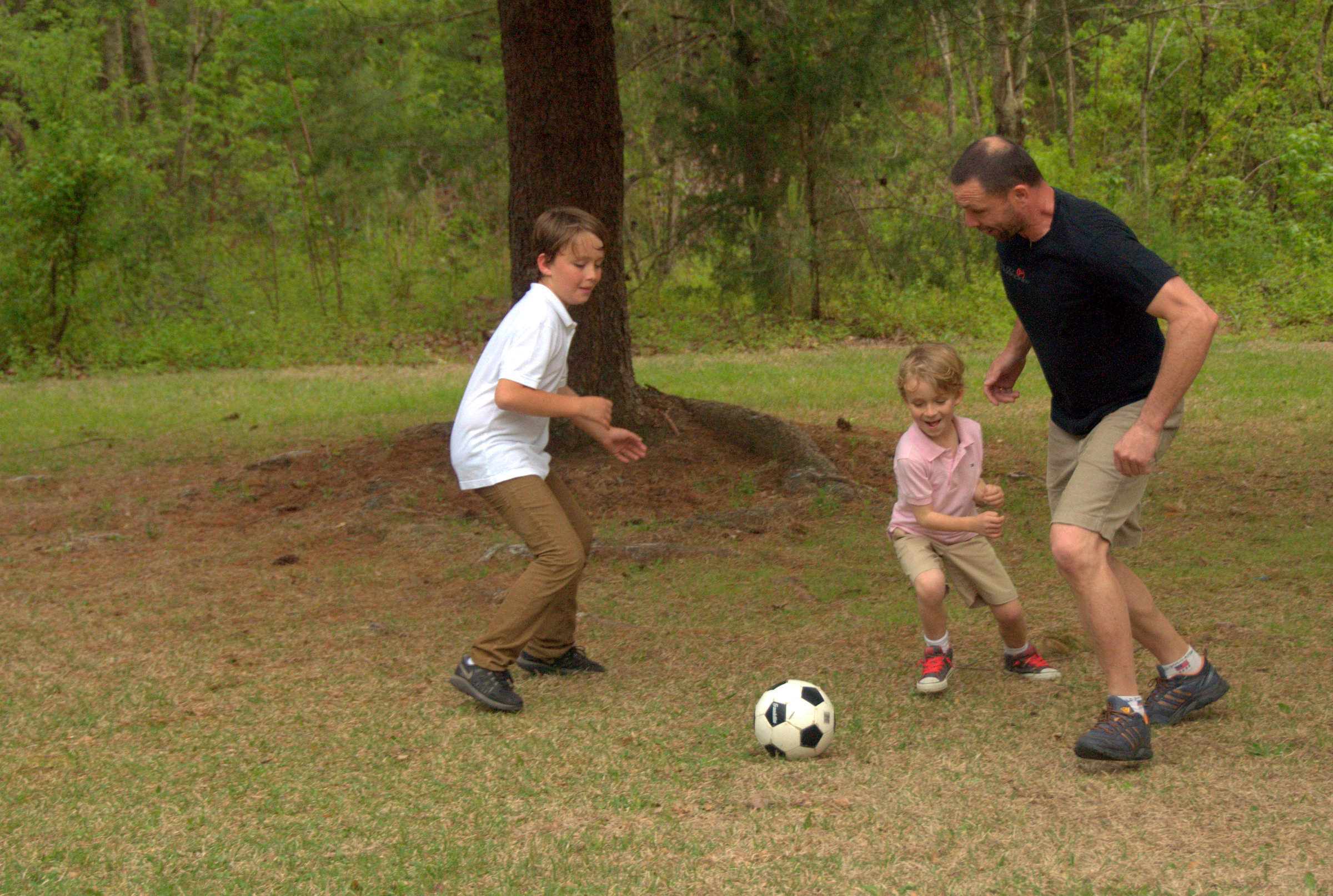
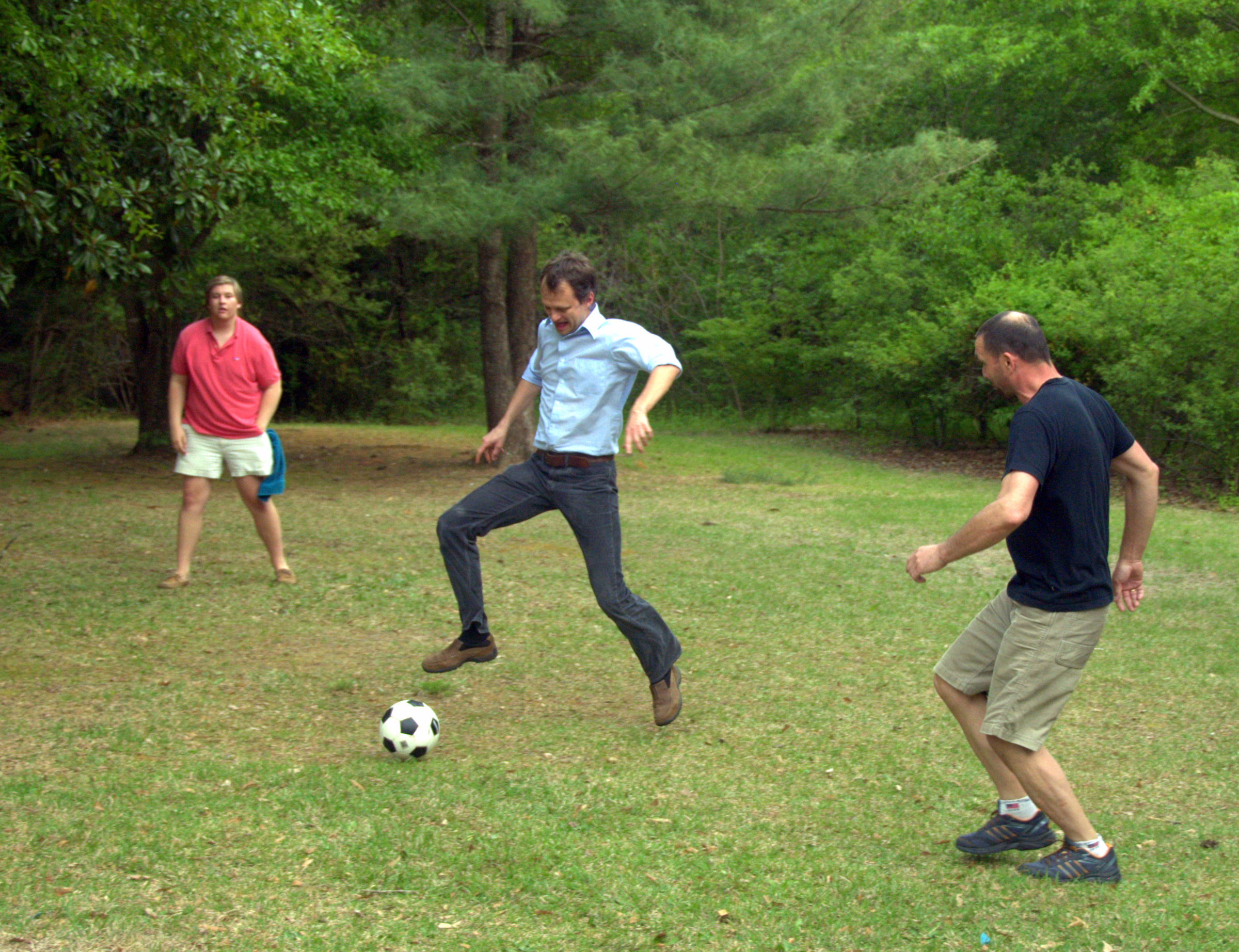
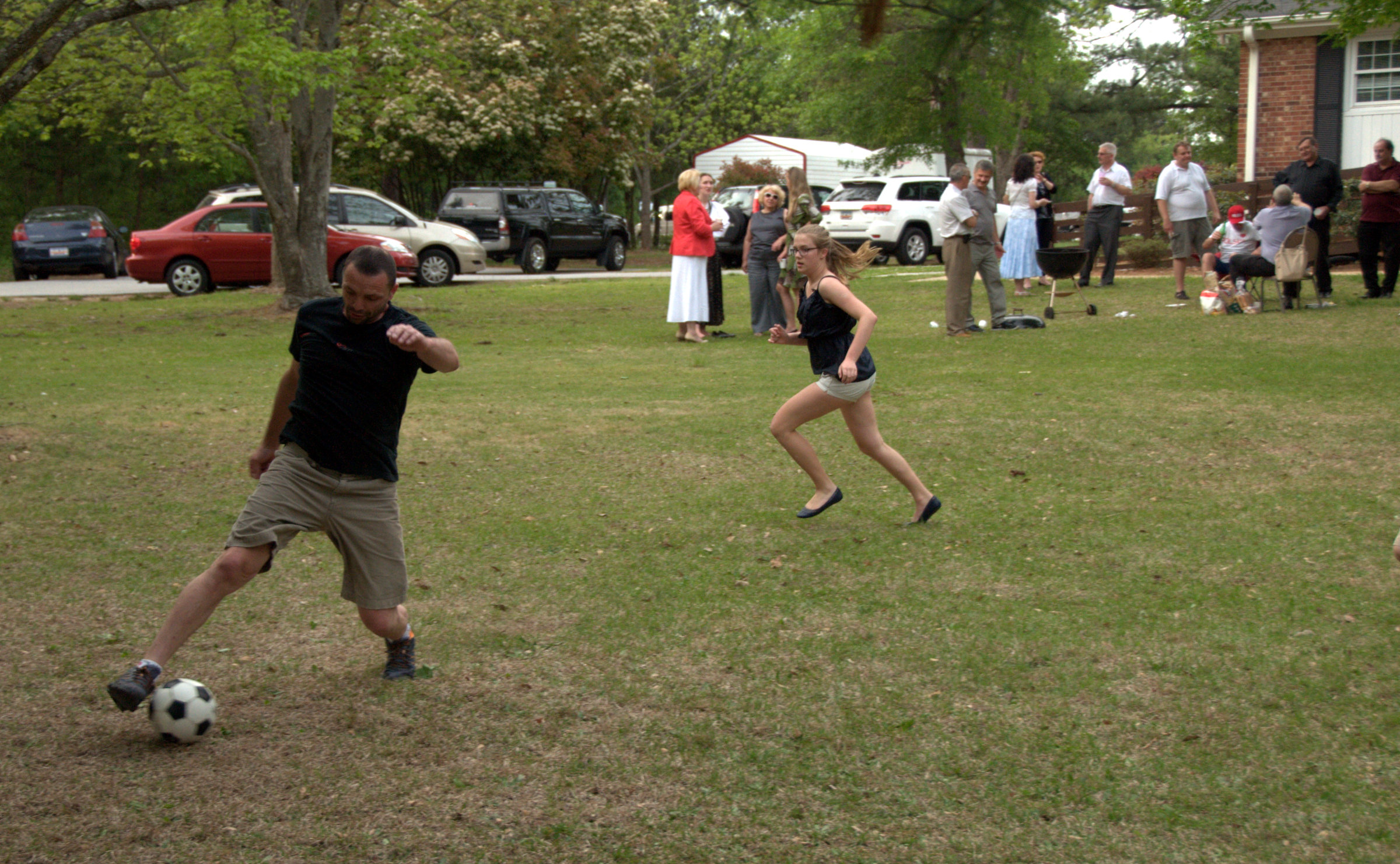
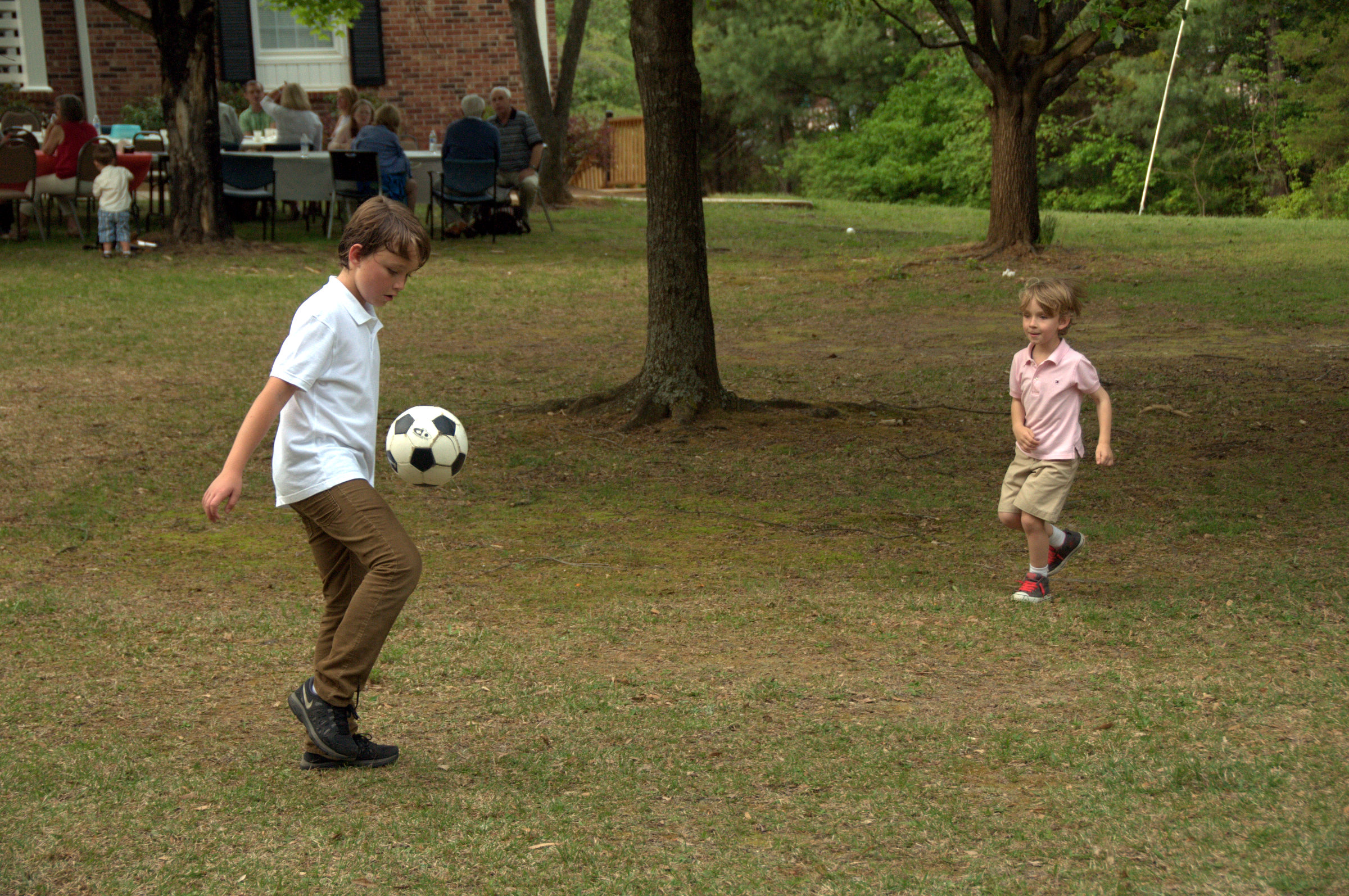
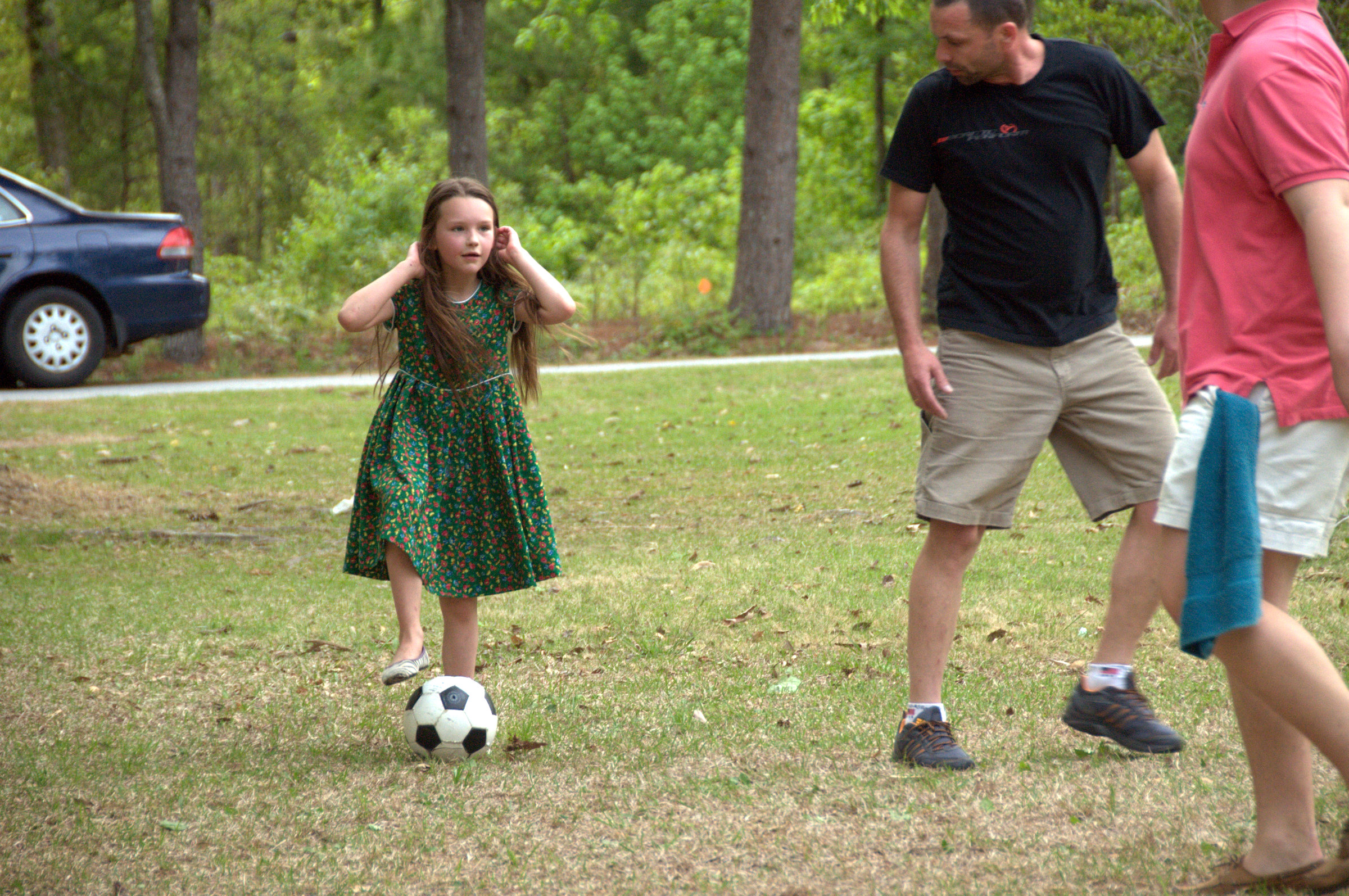
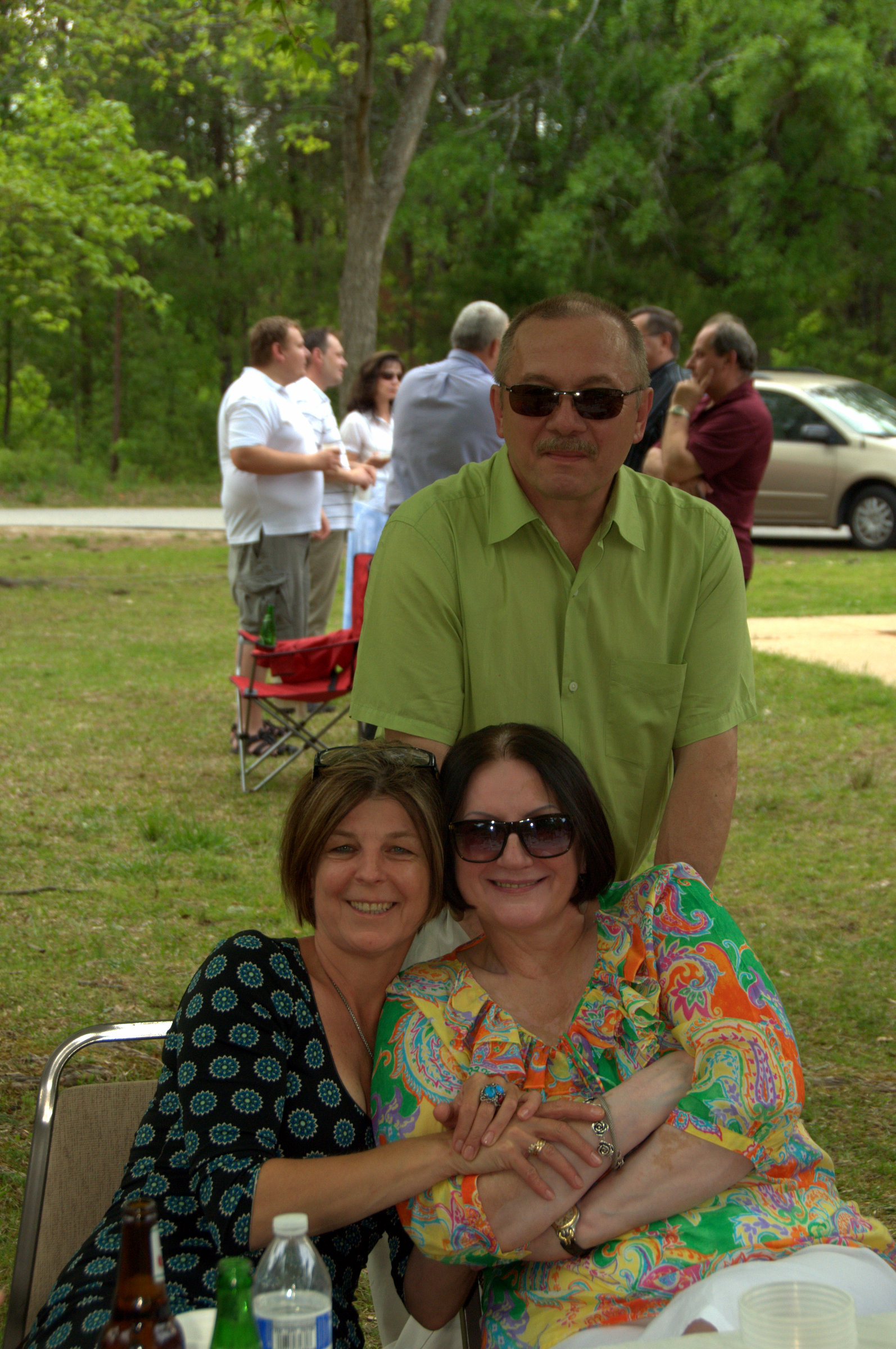
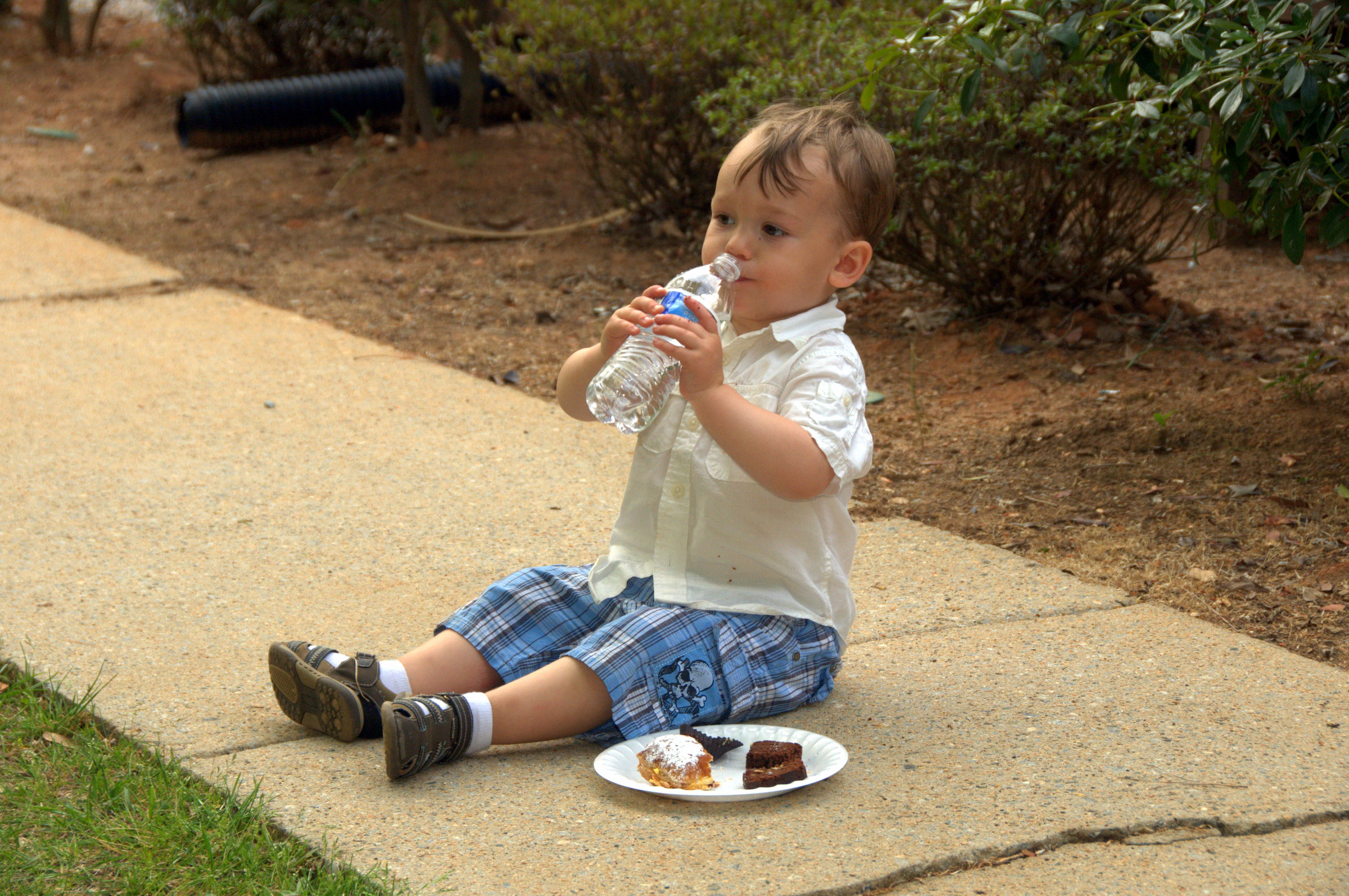
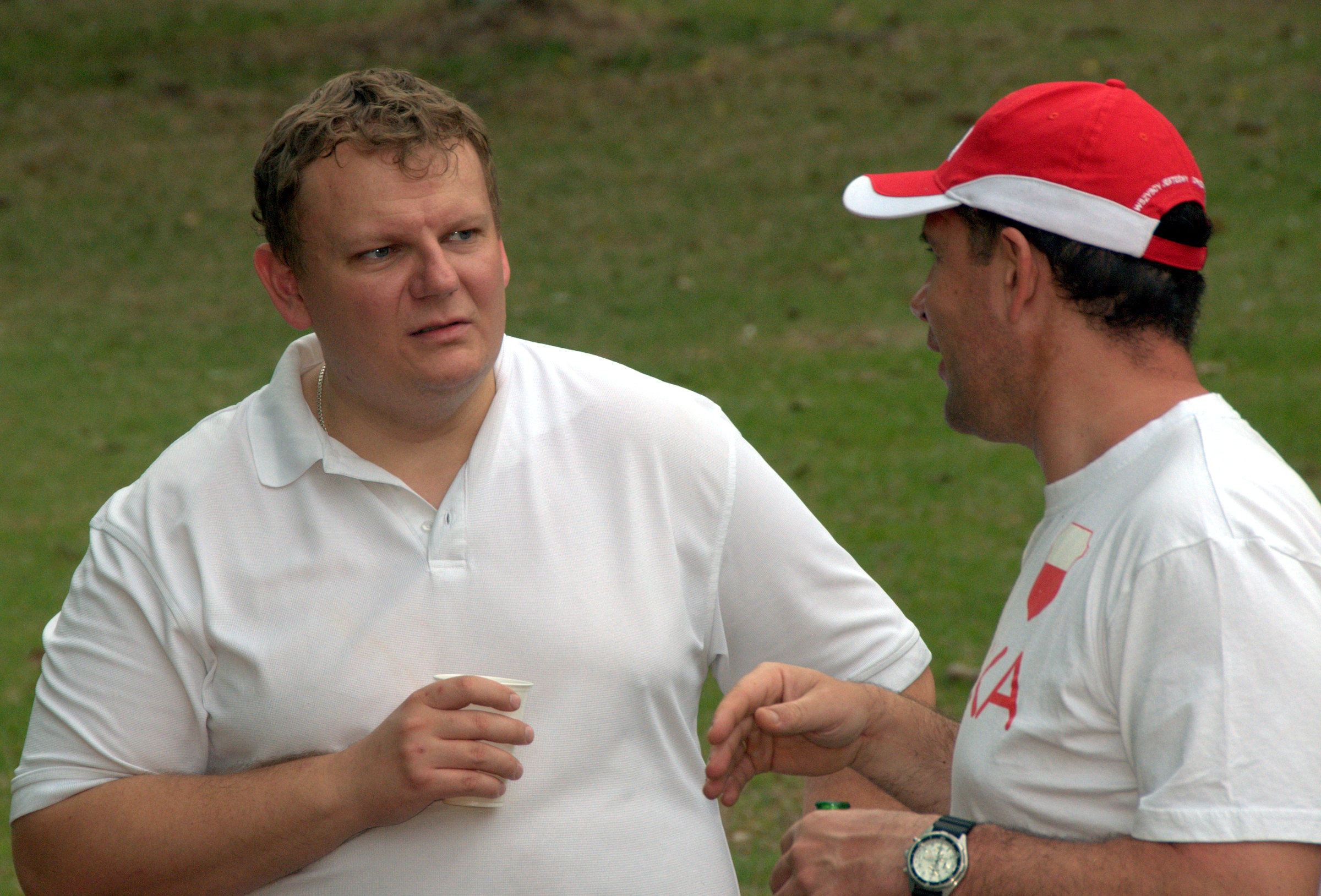
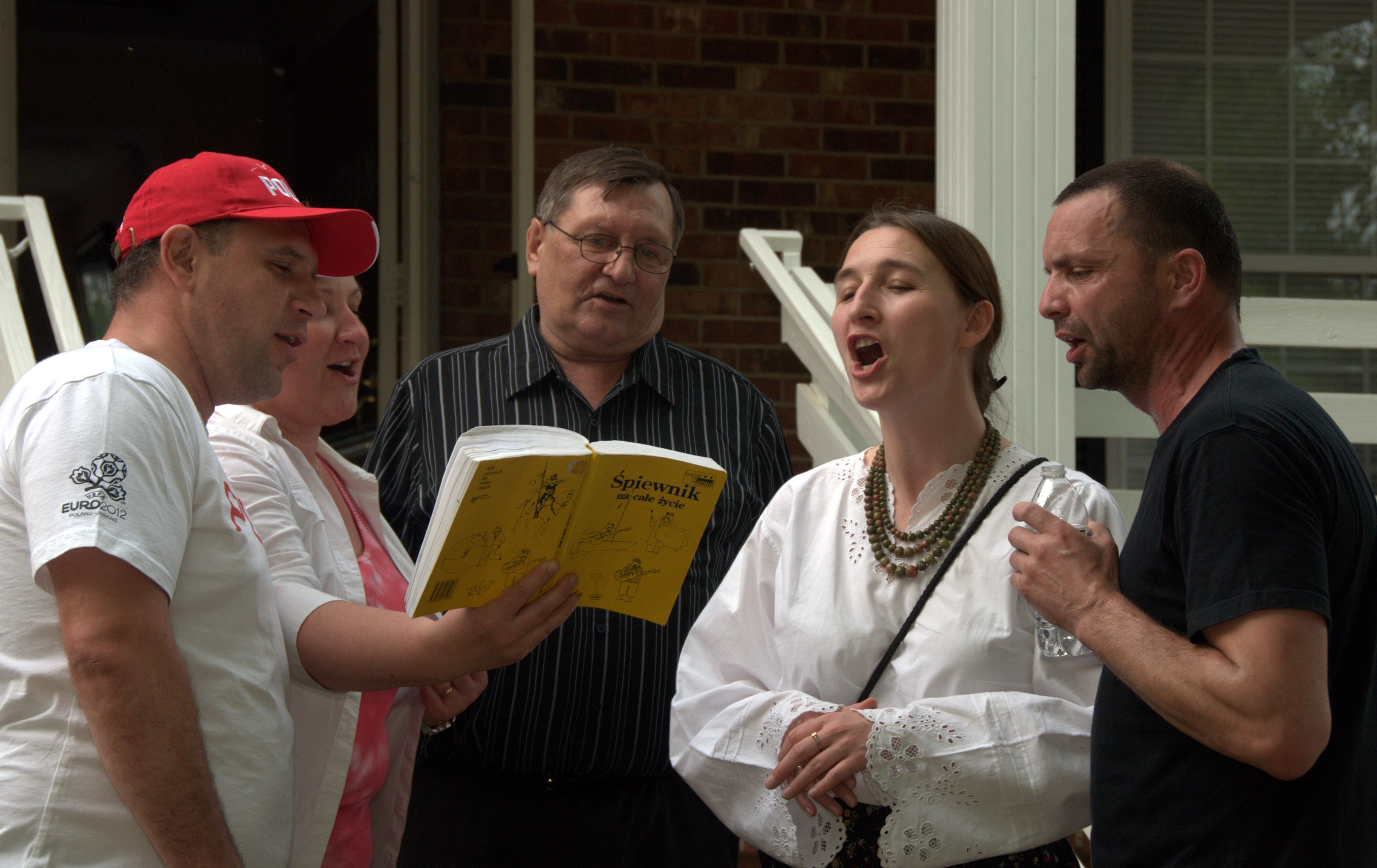
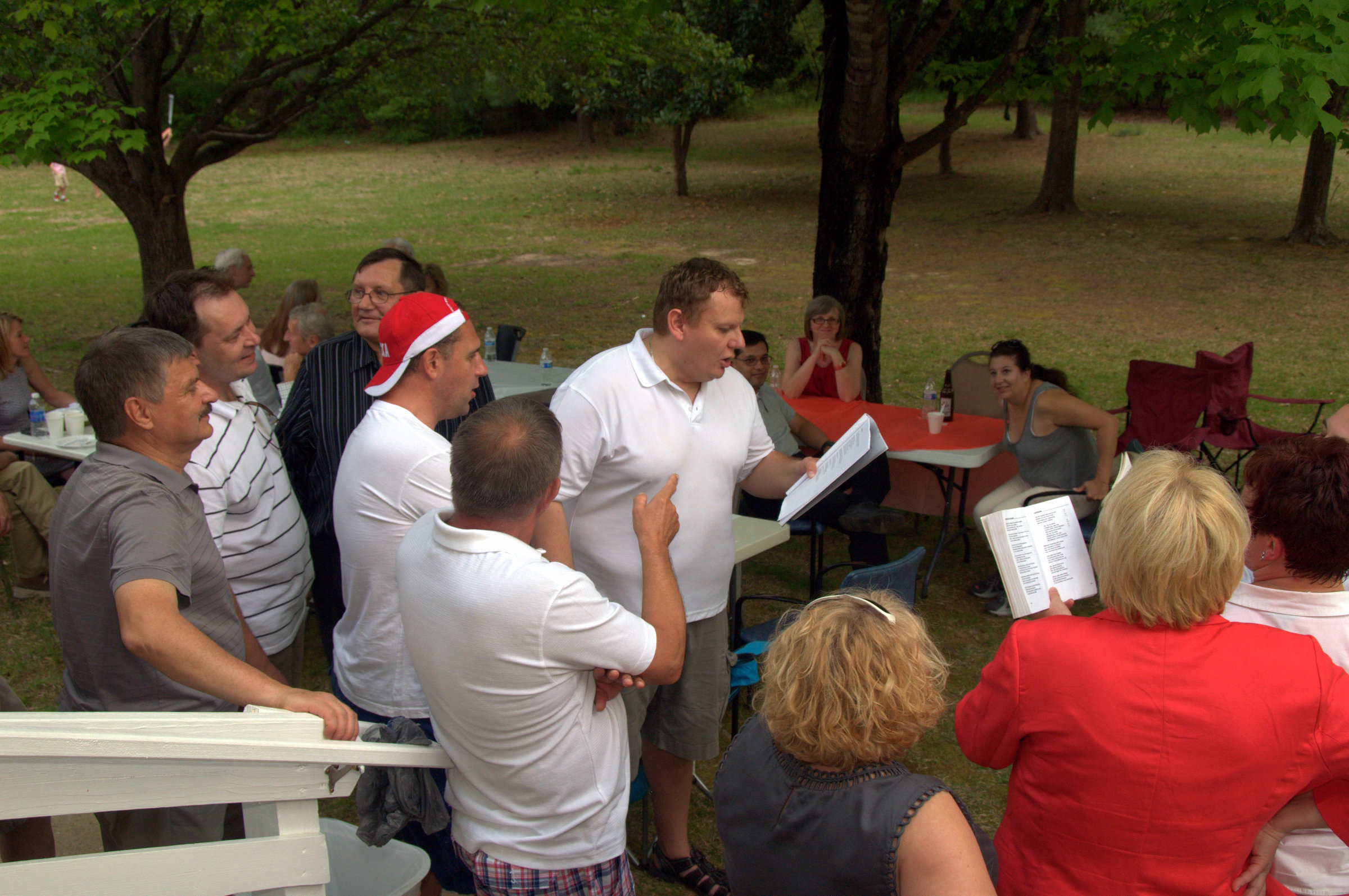
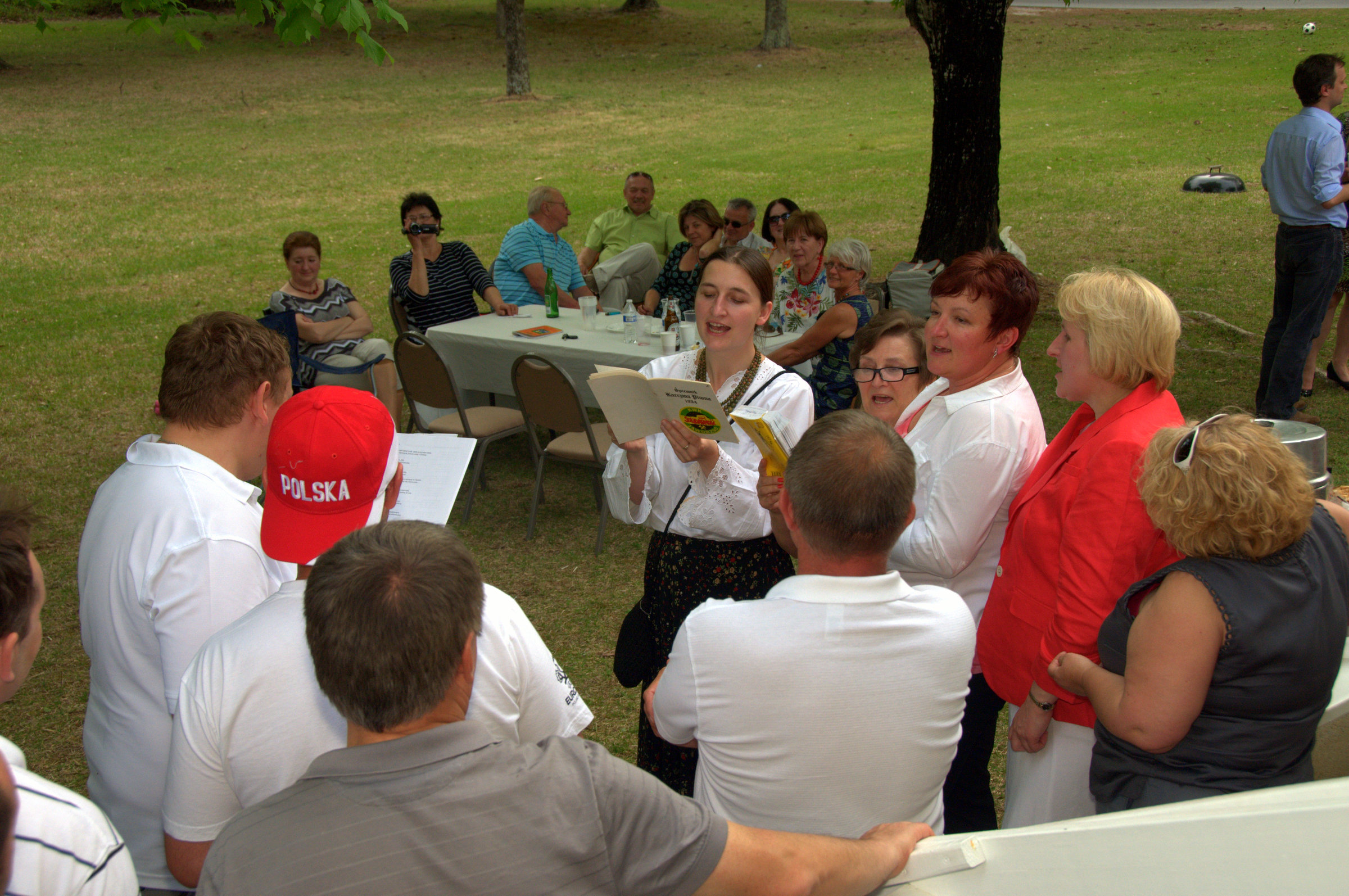
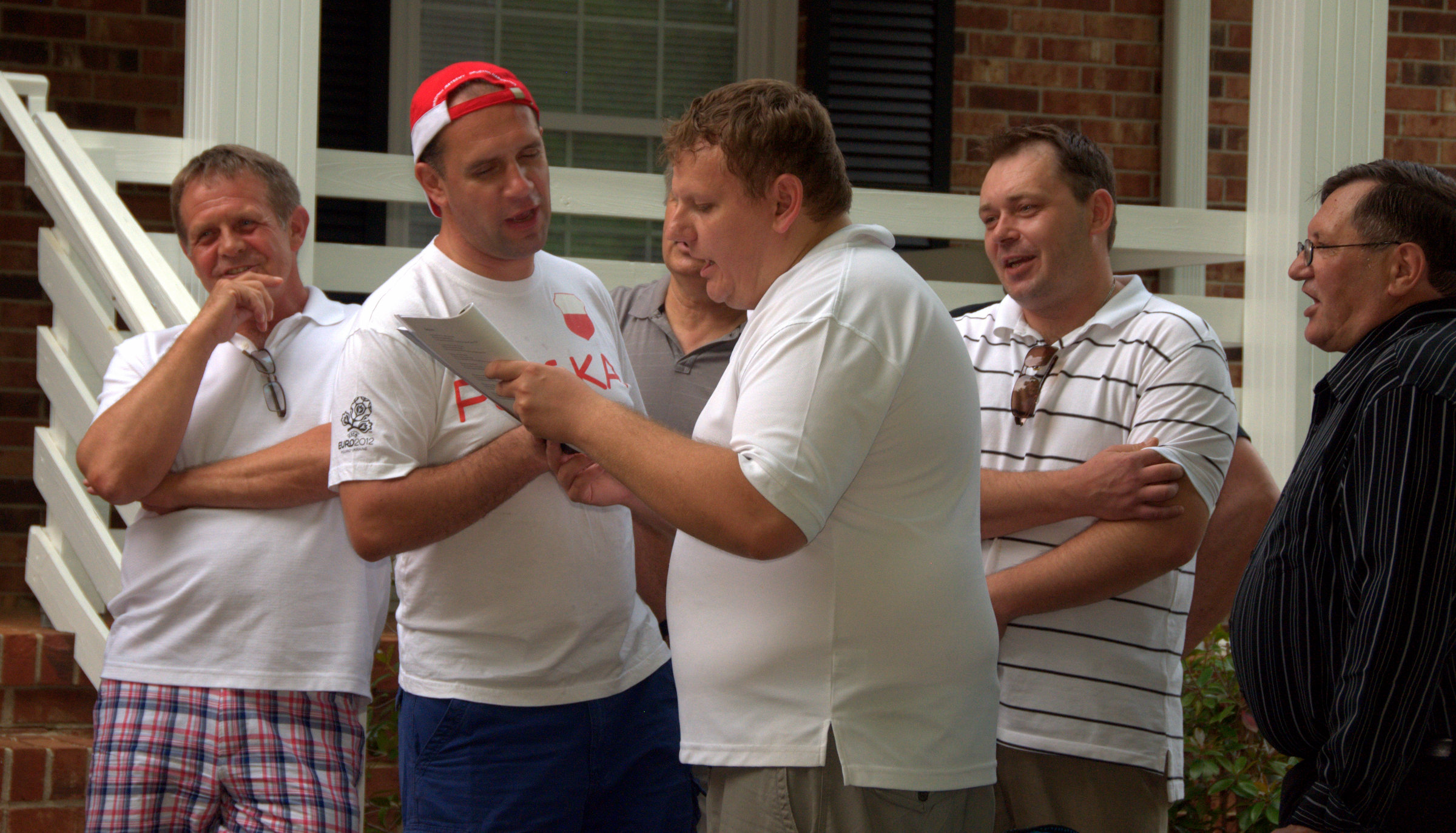
Today, Poles in the area gathered for monthly Polish-language Mass, then celebrated the canonization of John Paul II in fine Polish fashion: food, singing, soccer, and conversation.

John Paul II was smiling, no doubt.

Lawn

VIV_5527

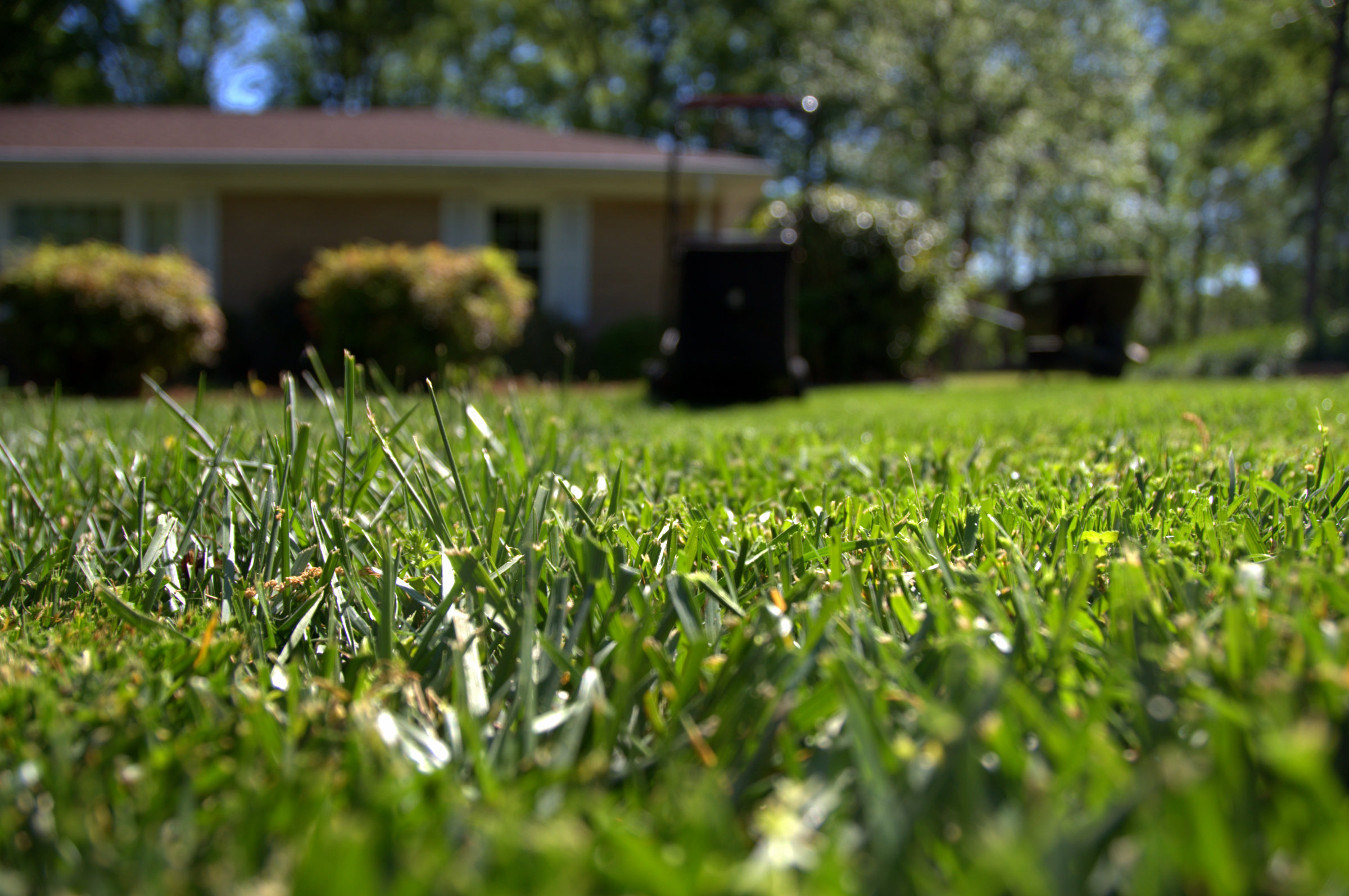
I’ve always had a strained relationship with lawns. They’ve always seemed like something that’s better in theory than reality, because until recently, I’ve never really experienced a decent lawn. Growing up, we had a spotty front yard that invited weeds to fill in the blanks in the spring or simple bare earth. I’m not sure which was worse. Still, it made for a frustrating mowing experience: it’s hard to hold a straight line when the only thing sticking up are a few blades of grass and some dandelion stems. As such, I disliked mowing — the front yard at least. The backyard was decent. No, I just hated mowing: it was too hard to worry about straight lines (I am a bit OCD about that) and keep the power cord out of the way. Indeed: the first lawn mower that I used was our Sears electric mower, a fantastic idea that resulted in extension cords striped with black where I’d run over them. It’s not lie a gas mower running out of fuel, those sputtering, gasping final rotations of the blade that let you know you’d better hurry up if you’re to get to the end of the row before the thing dies. Running over the cord with an electric mower leads to instant silence, and since there was no way I could fix it myself at age twelve or so, it meant the end of mowing until dad returned.

That was a shame, for as I grew older, I came to appreciate the meditative quality of mowing and to enjoy the challenging of maintaining an always-straight line. By the time I was in high school, mowing the lawn was a positive joy, at least in the backyard, where the grass was dense and only thinned as it neared the back property line. Forcing the grass to submit to my will, I’d keep my eye on the front outer wheel, making sure it ran just to the side of the wild, unkempt grass. My best friend (also a fan of mowing) and I came to call such grass “conquerable.” He’d drop me off after school, sticking around for some basketball, then comment as he left: “That’s some really conquerable grass,” he say, almost enviously. I’d do the same when the situation was reversed. We couldn’t hack our way through Amazonian undergrowth, but we could reduce the height of grass by half in a split second.

Now, mowing my own grass in my own yard, grass that I’ve struggled with dethachers and aerators, grass that I’ve spent hours weeding, grass from which I’ve probably thousands of Sweetgum saplings from overly-neglected spiky seed balls, it’s positively Zen-like. The belt for my push-mower’s assistive drive has now broken for the second time, and the struggle only increases the reward. I mow a different pattern almost every time: left to right, front to back, diagonally this way, diagonally that. And no matter how tired I am when I make the final push, no matter how soaked my shirt and cap are, I’m always a little sad to be done.

Science Test

VIV_4690

Sticks and Blossoms

Bilingual Homophones

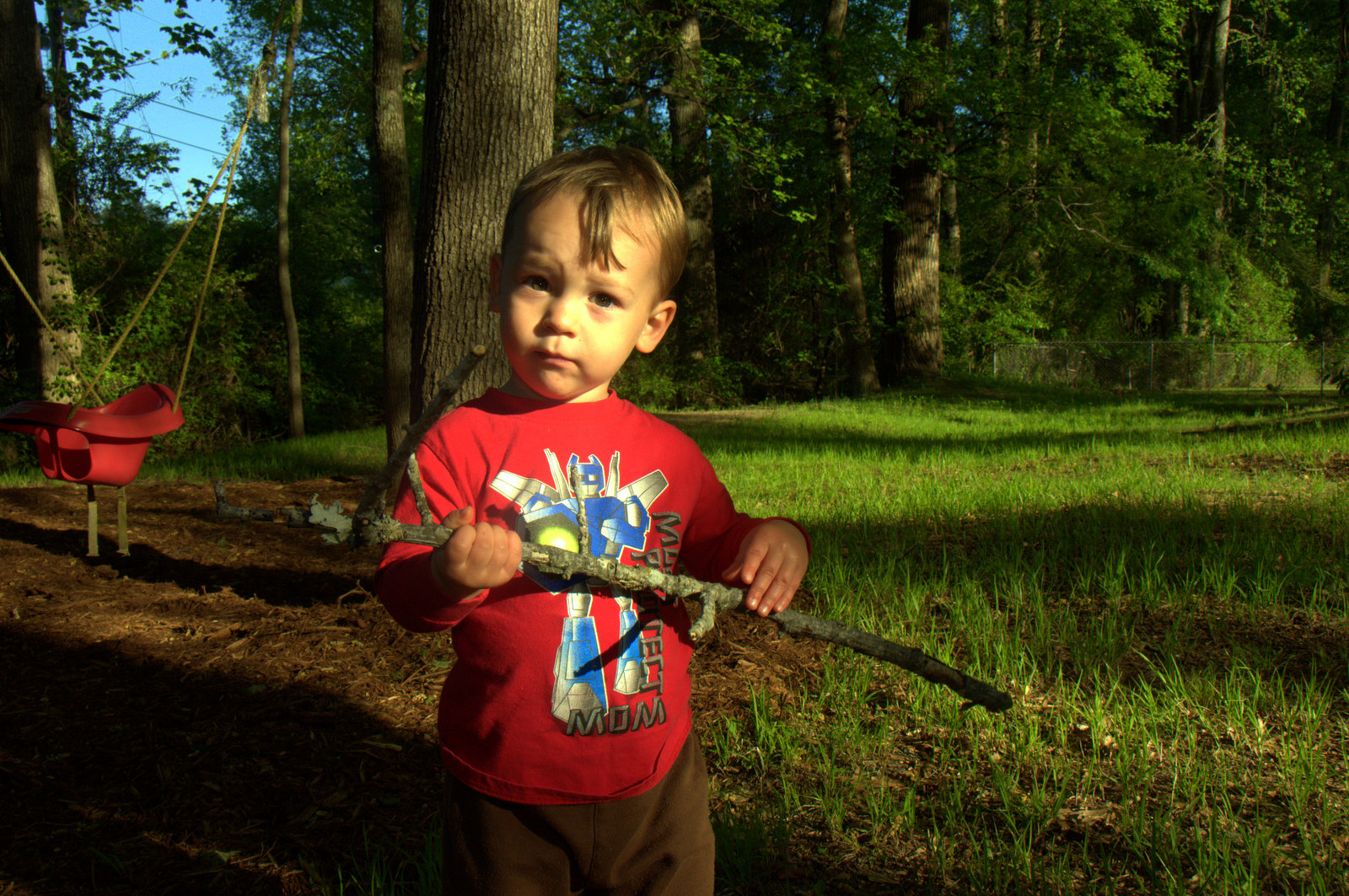
The Boy has been learning to talk for the last few months, and like all kids his age, he has begun extrapolating to amusing results. When indicating that he wanted a bit of chocolate once, K told him he could have pół, which is “half” in Polish, pronounced “poo.” You can probably already see where I’m going with this: when the Boy sees chocolate, asks for pół, and then excited realizes that he’s going indeed to get it, he starts repeating it obsessively, often in pairs. Which makes it difficult to know when he wants chocolate and when he wants to go to the potty chair…

RIT Spring 2014

Every fall and spring, we pull out the tape measure and start to measure. We humans like to measure. We like to graph and explore and quantify, even things that don't seem initially quantifiable, like how much a student has learned, how much a teacher has taught a given child. How can you measure something that is so nebulous as the teacher/student dynamic? With some students, we merely show a direction and the student strikes off on her own, fascinated with the new knowledge, seeking more on her own. Did we teach all of that? Certainly not. Is inspiration the same as teaching? Other students are apathetic for a variety of reasons, and a significant portion of our time is spent breaking through that apathy, trying to inspire, to motivate.

Still, effective or not, we trundle into the computer lab twice a year to take the Measures of Academic Progress, a test designed to serve as a fall benchmark and then spring progress report.

This year, I took notes as the students took the test.

10:03

After the first three students, we have a spring average 17 points above fall score. That's approximately a three-fold improvement over my best yearly growth, but I fear it's not to last. Indeed, I know it won't last: these are the highly motivated, almost-always-do-their-homework kids who were already testing well above average at the start of the year. Still, their growth alone is encouraging.

10:52

The first results from my on-level classes are coming in. This is where we'll make it or break it, because their motivation is not nearly as high as other students', those in the honors classes. I tell these students, “You call those other classes the 'smart classes,' but the only difference between them and you is that they have the motivation to do the work.” But the results belie that, a pleasant surprise. The overall average growth has dropped, but it's still a mind-blowing 10.09 point average. The on-level class has a 9.34 point increase average.

If I could have the results of my dreams, I would not have aimed this high.

11:40

Usually, at this point in the day, I'm thinking, “Just let the day end. Just put me out of my misery.” A student would raise her hand, indicating the completed test, and I would take a deep breath, steel myself, before heading over to record the score. “Please, please, I need some more growth. The last two kids' scores went down. I have to have some positive scores!” It's not that the students were doing poorly; they were simply not producing the results I'd dreamed of. Well, no, that's not accurate: some classes actually as a whole did miserably throughout the years, and I can't help but blame myself in those situations.

This year, it's entirely different. I still hold my breath as a student approaches, but at this point, with 95.56% of students showing growth (as opposed to the usual 70-ish%), I'm just waiting for that score decrease that I know, just know, must be coming at some point. This dream cannot go on until the end of the day.

2:24

I pass out the students' score sheets from their fall testing period, hopeful that these kids can pull it out. Our percentage of students showing growth took a serious hit last period, dropping from over 95% to 87.5%. The class in question is still very far above average with its scores, but very far below average with its growth. “When they're that high already,” my principal reminded me early in the year, “it's very difficult to get them up even higher.”

Yet despite the surprise, the day ended with almost 90% of students showing growth, and in one class, one hundred percent showed growth.

It was a year that made me think, "Well, where exactly is that merit pay?"

Candles

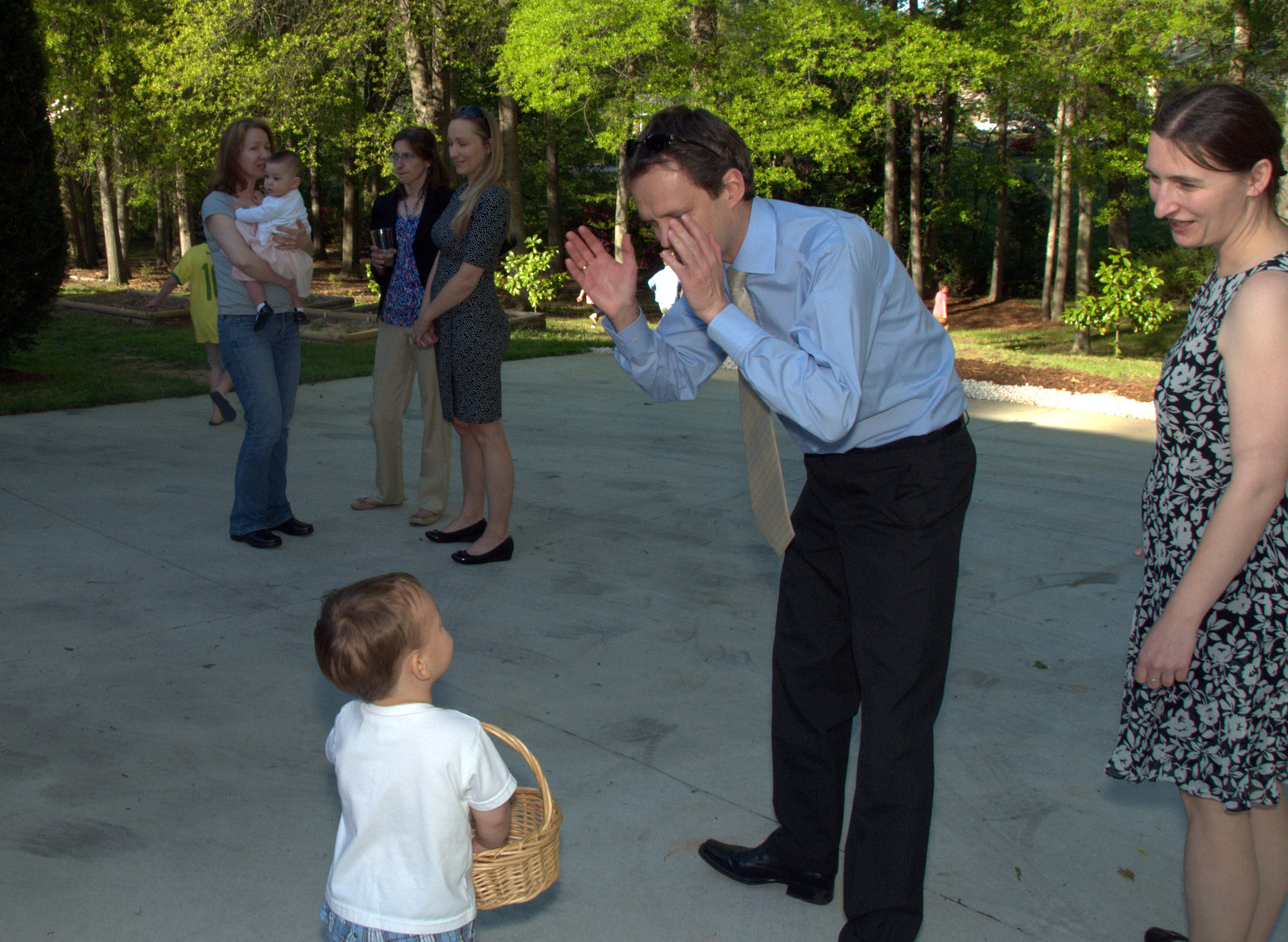
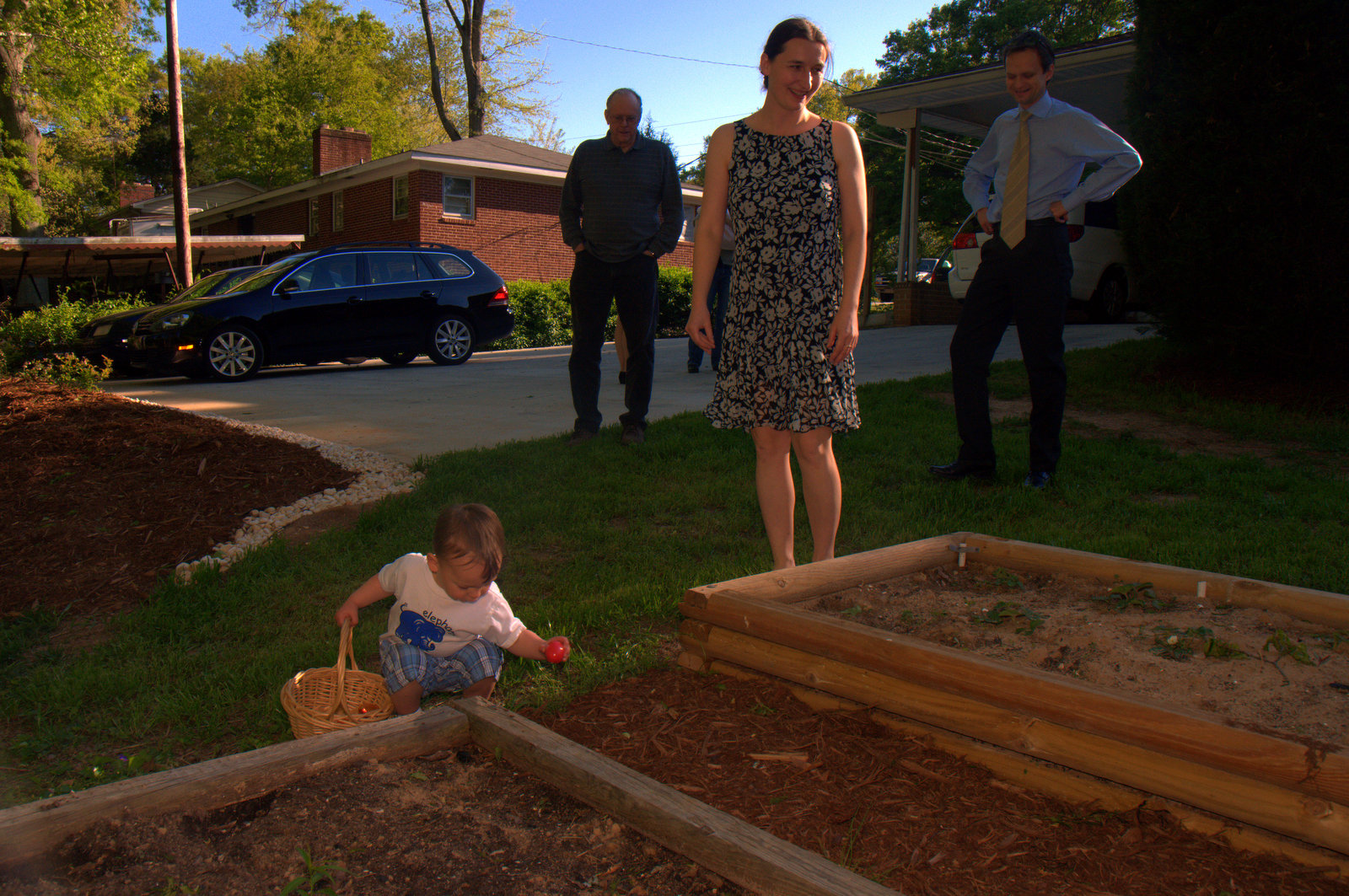
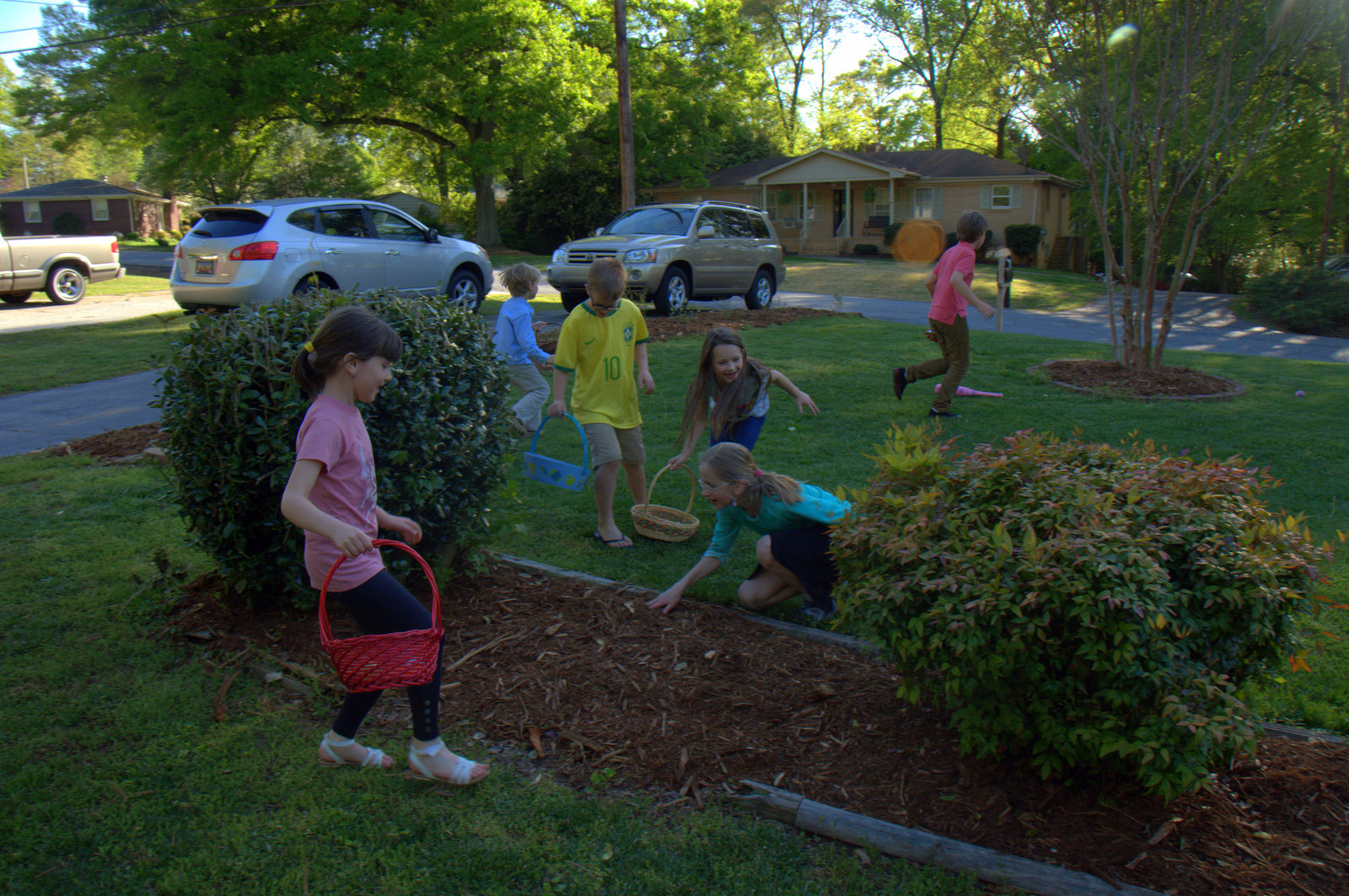
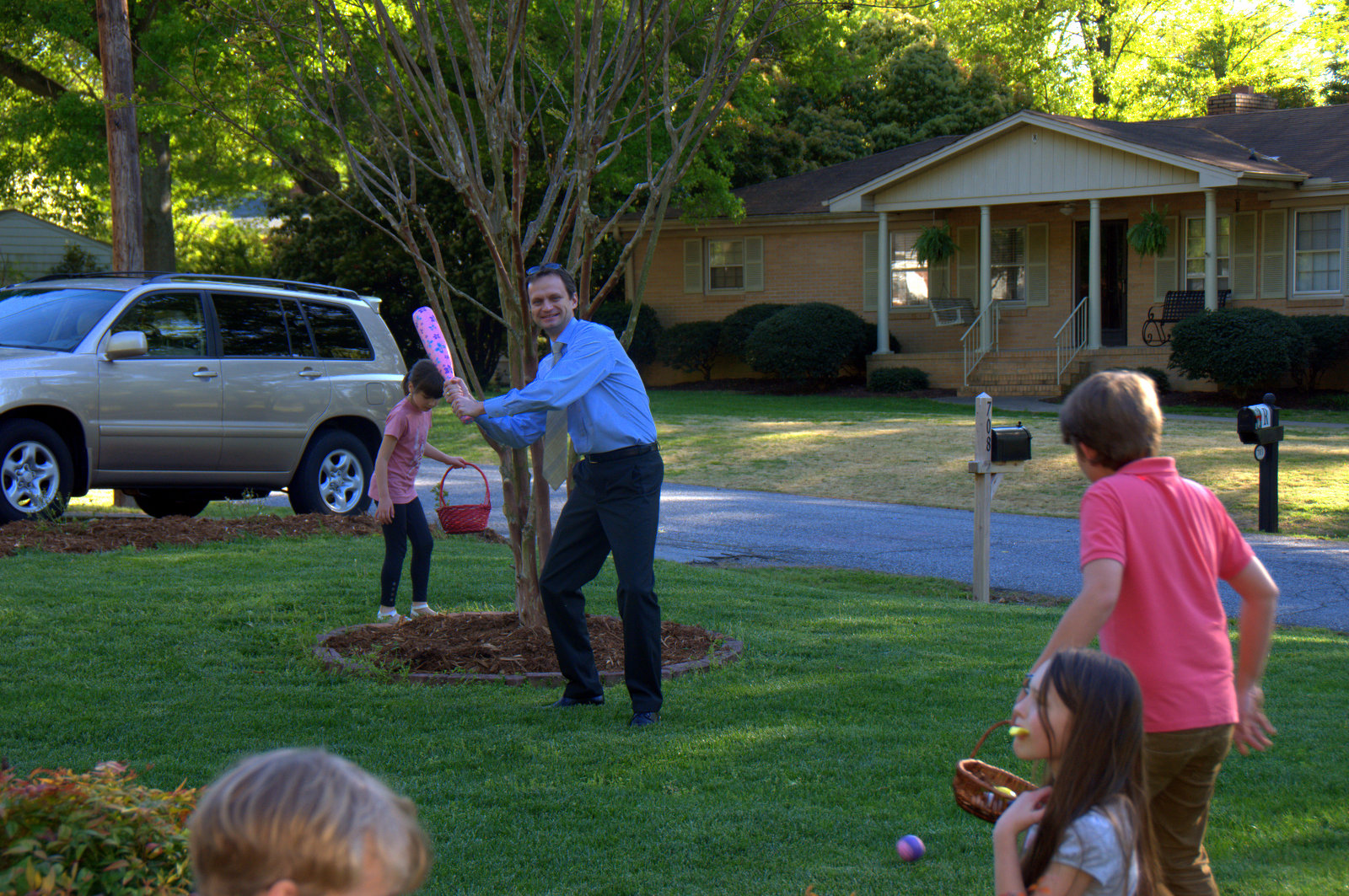
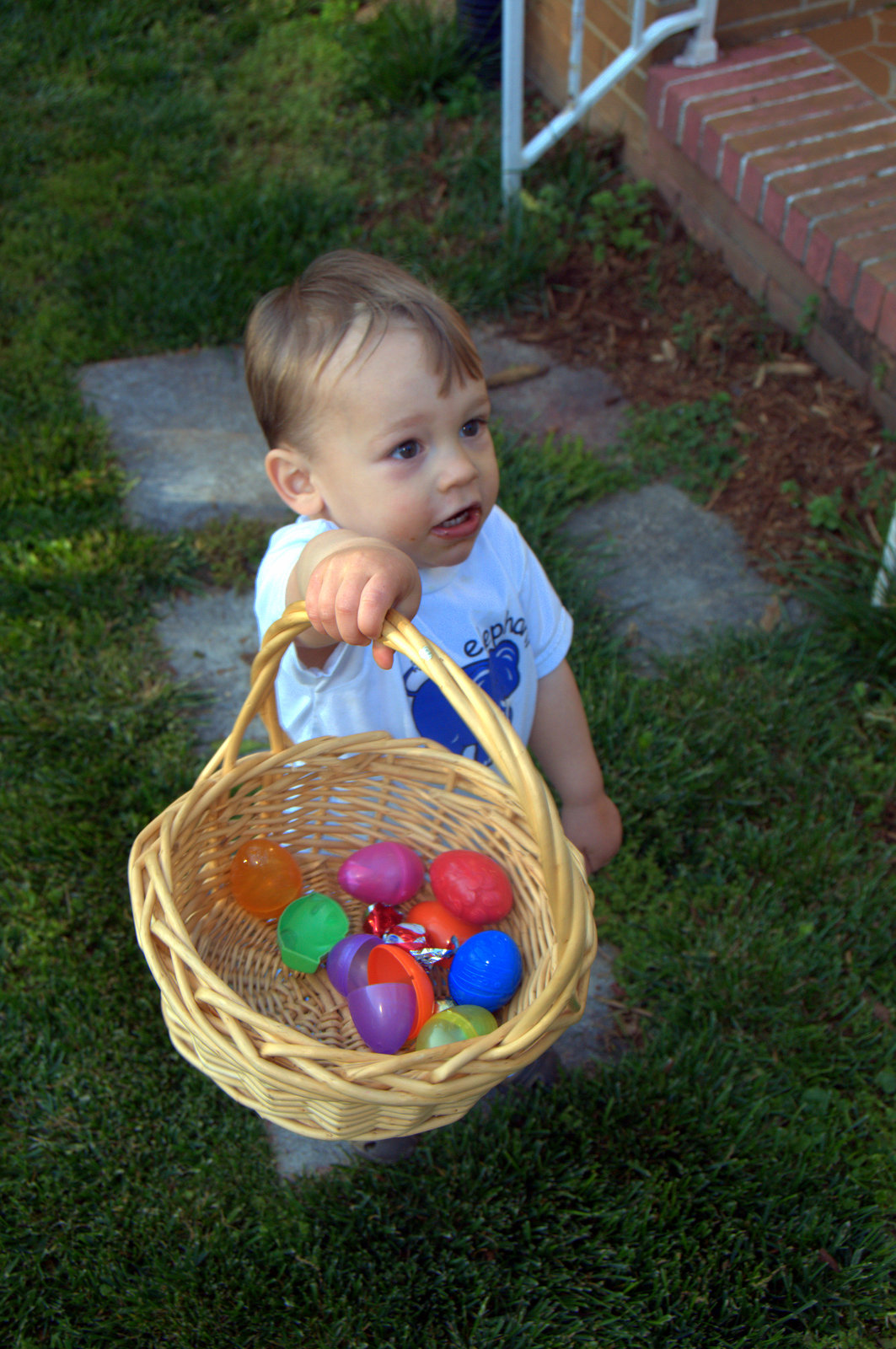
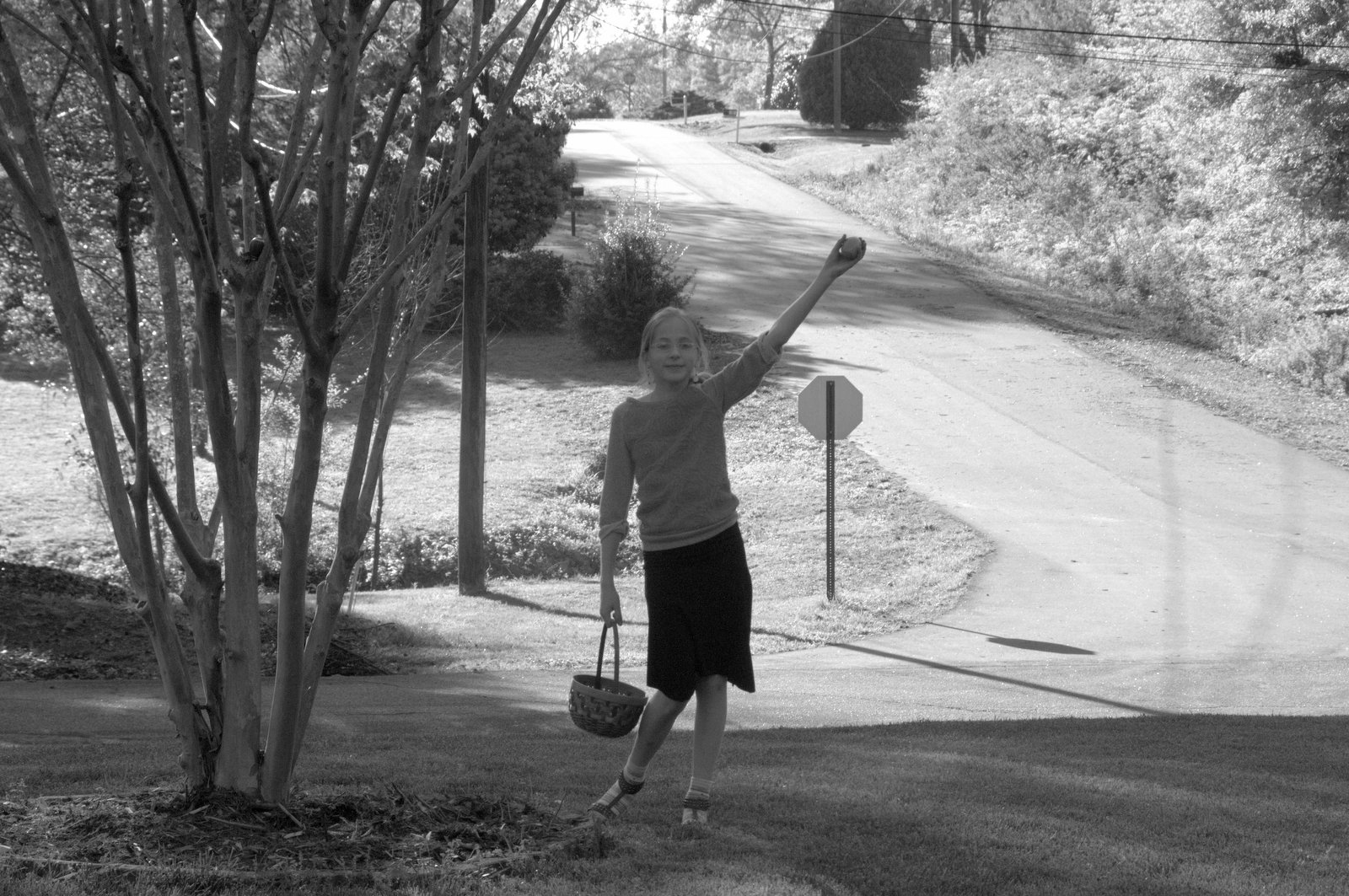
Easter 2014

Hiding the eggs
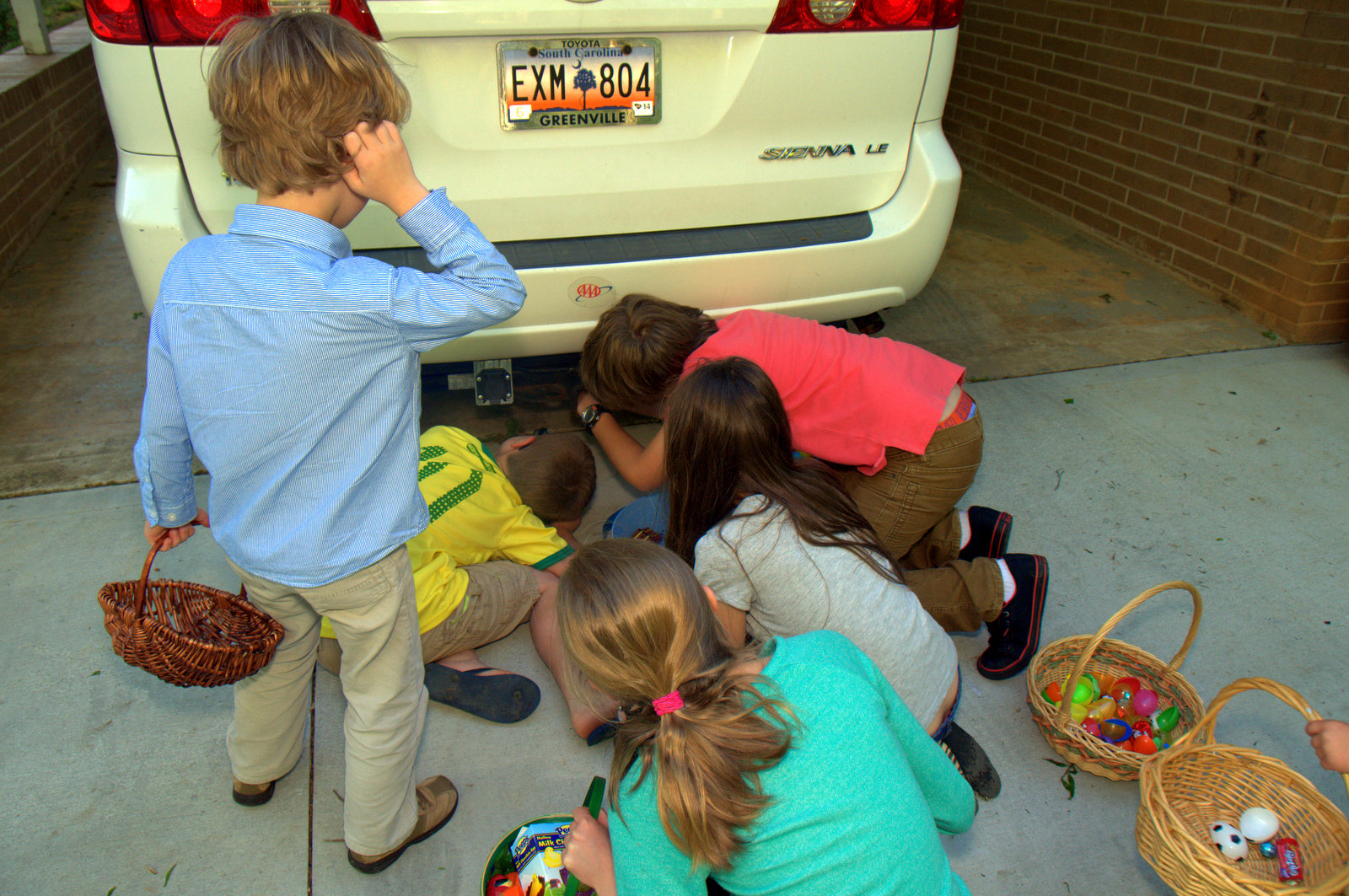
Searching
"There are some in the backyard..."
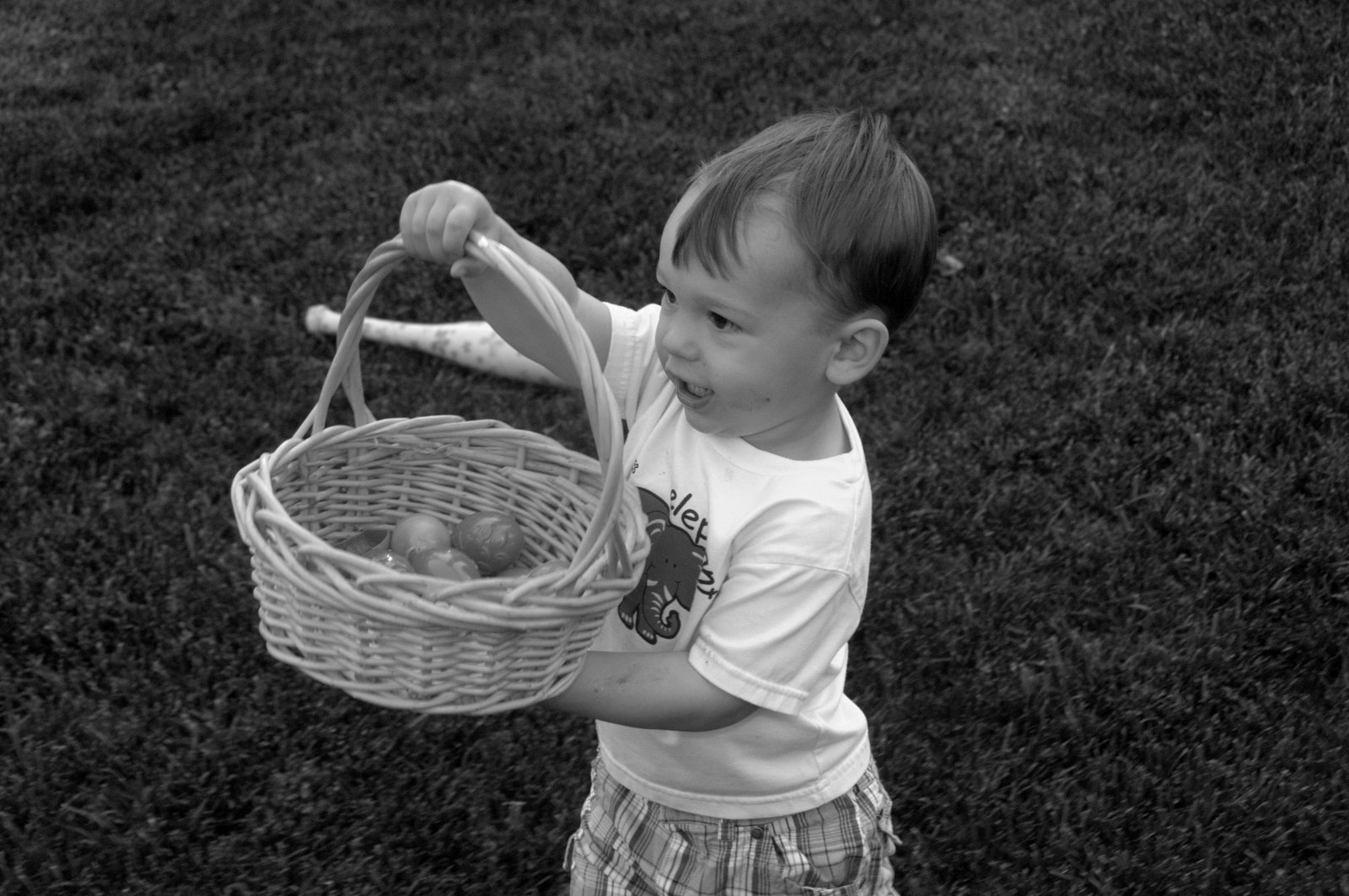
"You have so many eggs?!"
With a little help from my Mama
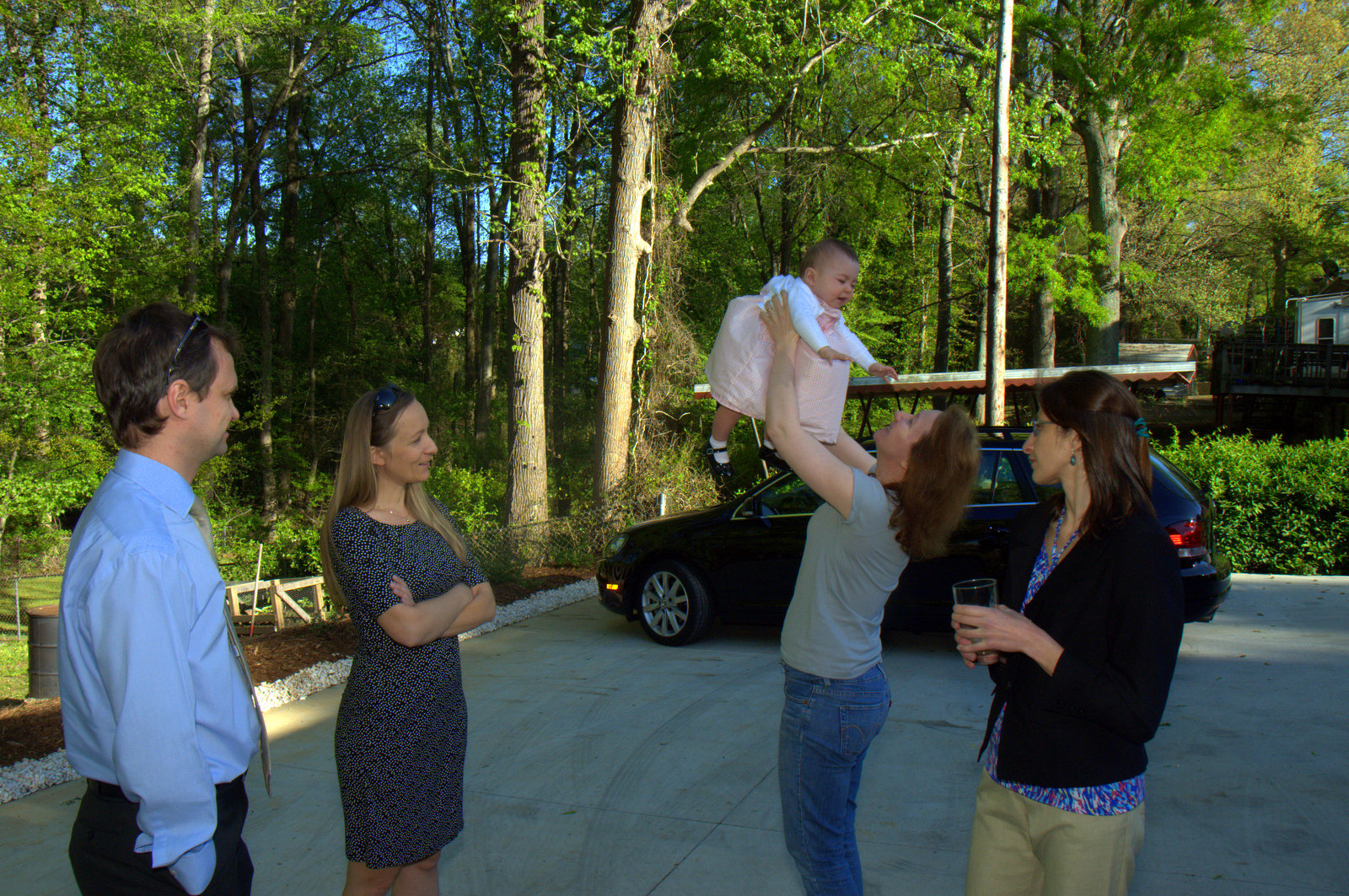
Liftoff
"The prize egg is in the front!"
"Jajko!"
Strike two!
My eggs
With a little help from my Mama, redux
Look at the eggs
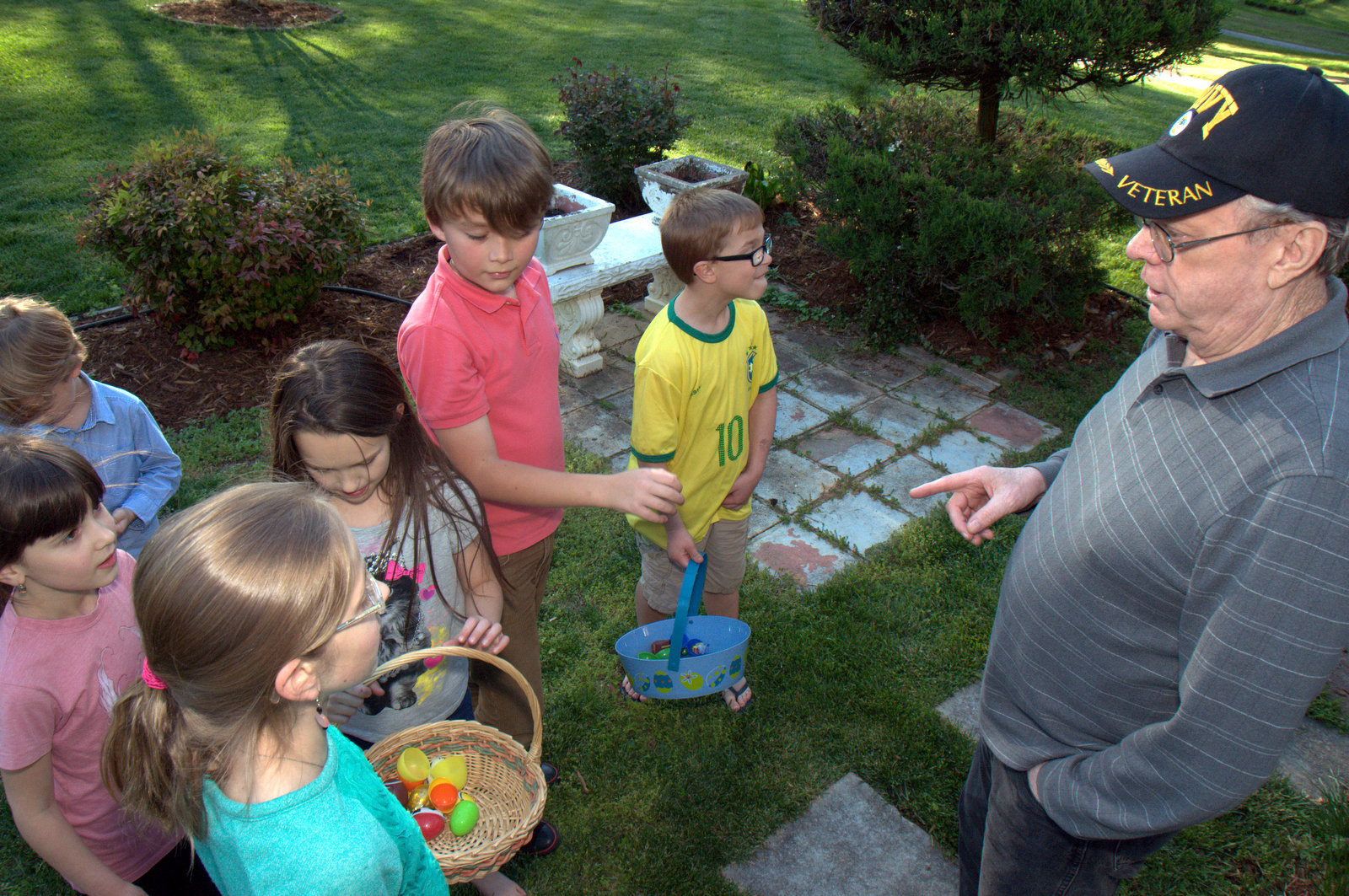
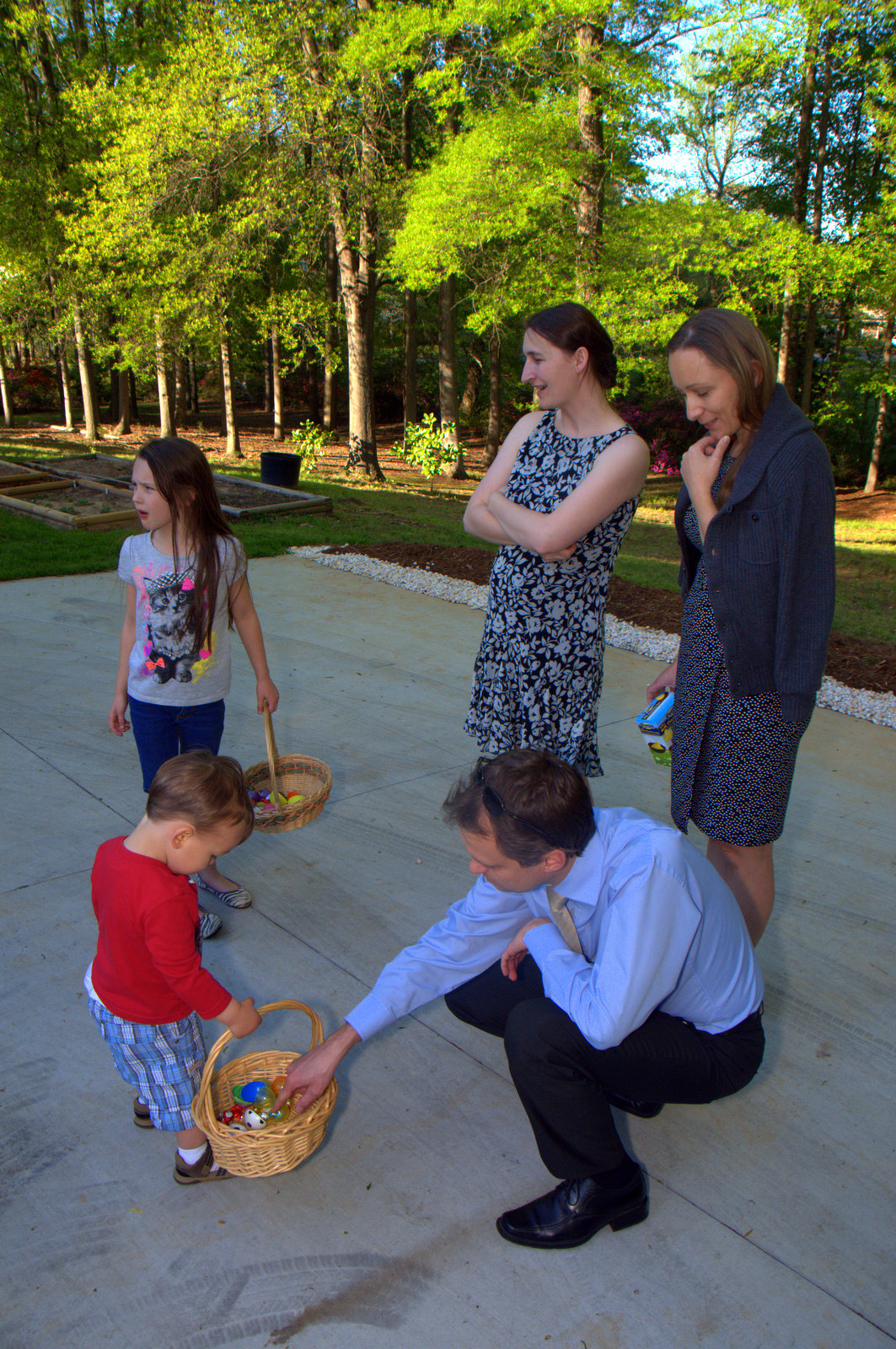
Papa gives a hint
T finds the prize egg
Looking for leftovers
Counting eggs
Parents
Papa's cake
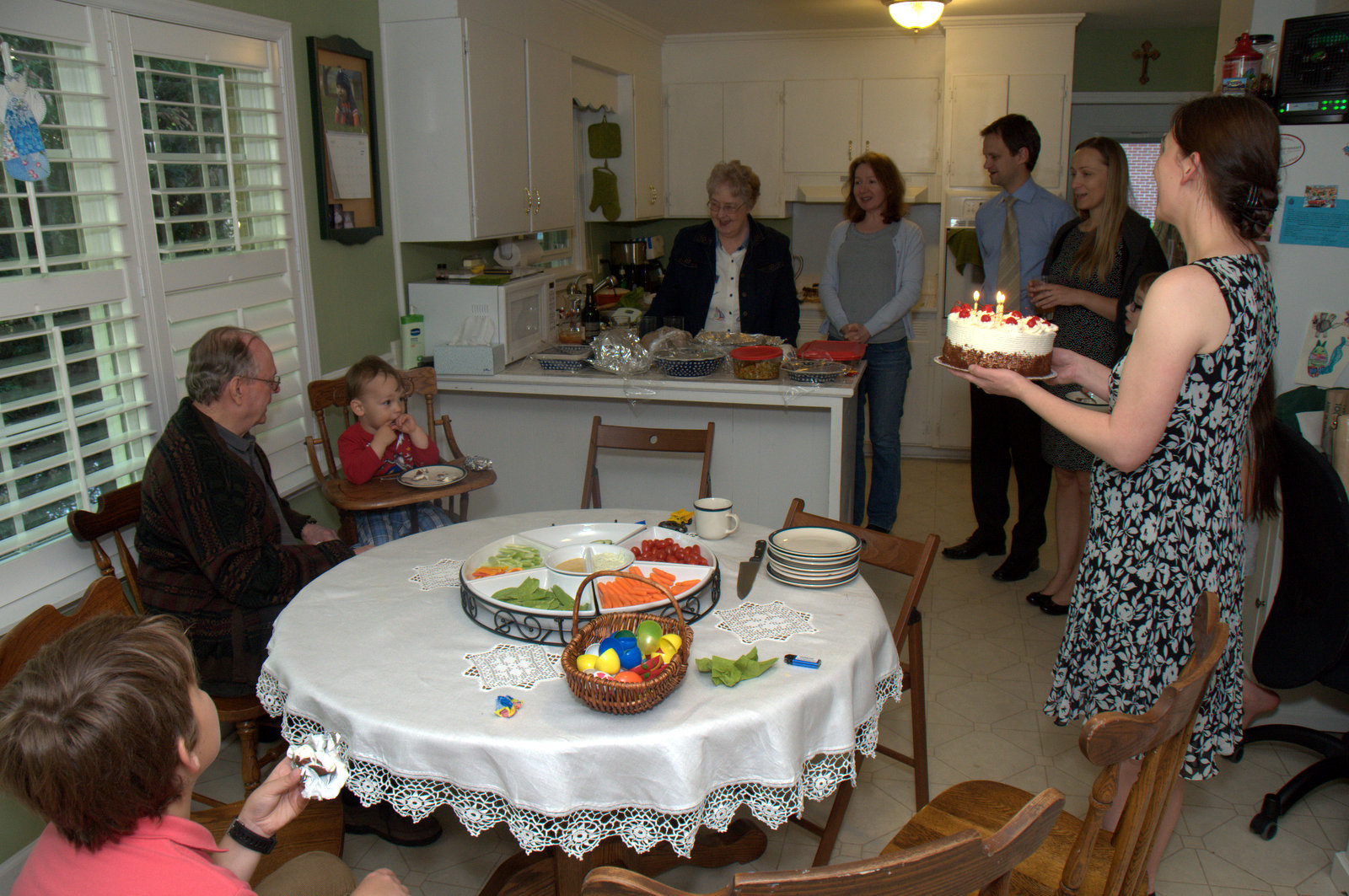
Happy birthday, Papa!