Matching Tracksuits

fun in fours

Month: January 2014

Increase

Among all the metrics we use to measure kids' performance, the most useful in many ways is the MAP test. We give it at the beginning of the year and again at the end, and in past years, we've set personal performance goals using it as a standard. Average yearly growth for an eighth grader reading at grade level is about three points. Great growth is around seven or eight points. For those a little below eighth grade level, good growth is around six or eight points.

This year, I've conducted an experiment, pairing daily during silent sustained reading students who excel at reading with those who excel at other academic ventures. The idea was simple: the strong readers would help the weaker readers by explaining what and how they inferred things in the article, working together to figure out word meanings in the article strictly from context clues, discussing the contents of the article, and a number of other tricks and practices. We've been doing that most of the semester. Recently, the students took a shortened version of the MAP test and the results merited a Klondike ice cream party: average growth for one semester was 7.4 points, with two students increasing by an astonishing 15 points and one student by 14 points.

It was a good day to be a teacher.
Up

Dear Terrence,

To see your excitement when you got your report card this afternoon was one of those moments that makes all the silliness I have to put up with as a teacher worth it. You're the type of kid who is simply used to having an F or two on your report card. The question for you, I think, has always been how many. And so when I told you "Not a single F" as I handed the report card to you, I would have loved to capture your expression. We could use it as a visual illustration of "pride."

Next goal: honor roll.

Smiling with you,
Your Teacher

Teaching My Girl

Every day, I teach kids how to write better. I teach them how to organize their thoughts, how to plan their writing, how to improve their sentence variety, how to proofread effectively, and seemingly countless other things. As L has begun school, I’ve been thinking about what it will be like to teach L these things, at which age I might begin, how quickly we might progress. How fun it might be.

Last night, it began.

“I have a report to write for school. We had to choose an animal we don’t know anything about. I chose a sea turtle,” she said last night. And so we went off to the library to get some books on the subject. She devoured two of them during her evening reading ritual and was ready to go.

“Tomorrow,” I assured her.
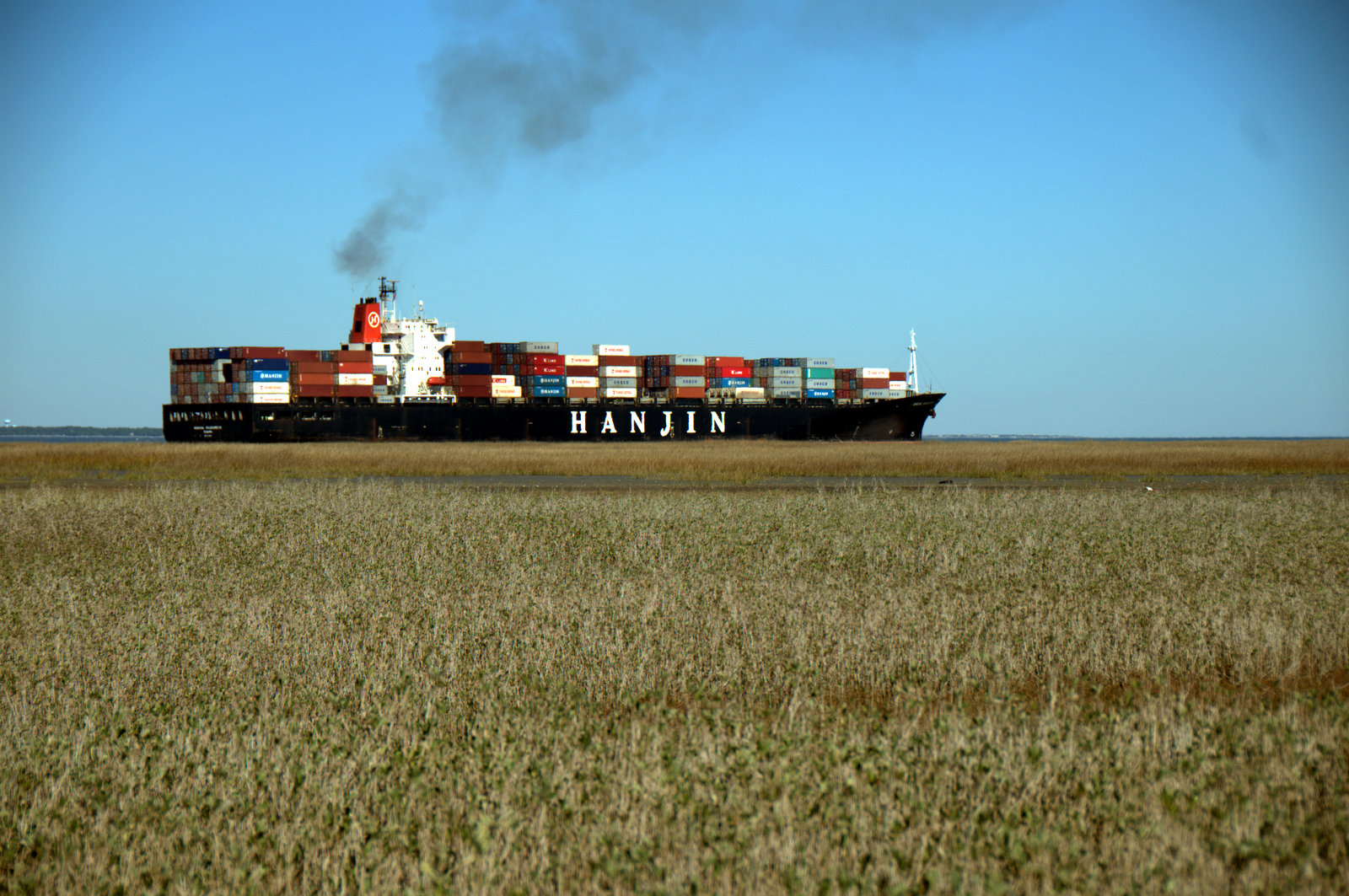
Tonight, after dinner, we sat down at the computer and I began teaching the Girl how to make an outline. For practice, we worked on favorites: favorite animals, favorite foods, favorite books.

Then the first outline of the report itself. Some from her head; some from her books. It was slow going: we had to figure out how to spell words, how to type those words (“Where is ‘z’ daddy?”). And the end result?

outline

First Day in Savannah

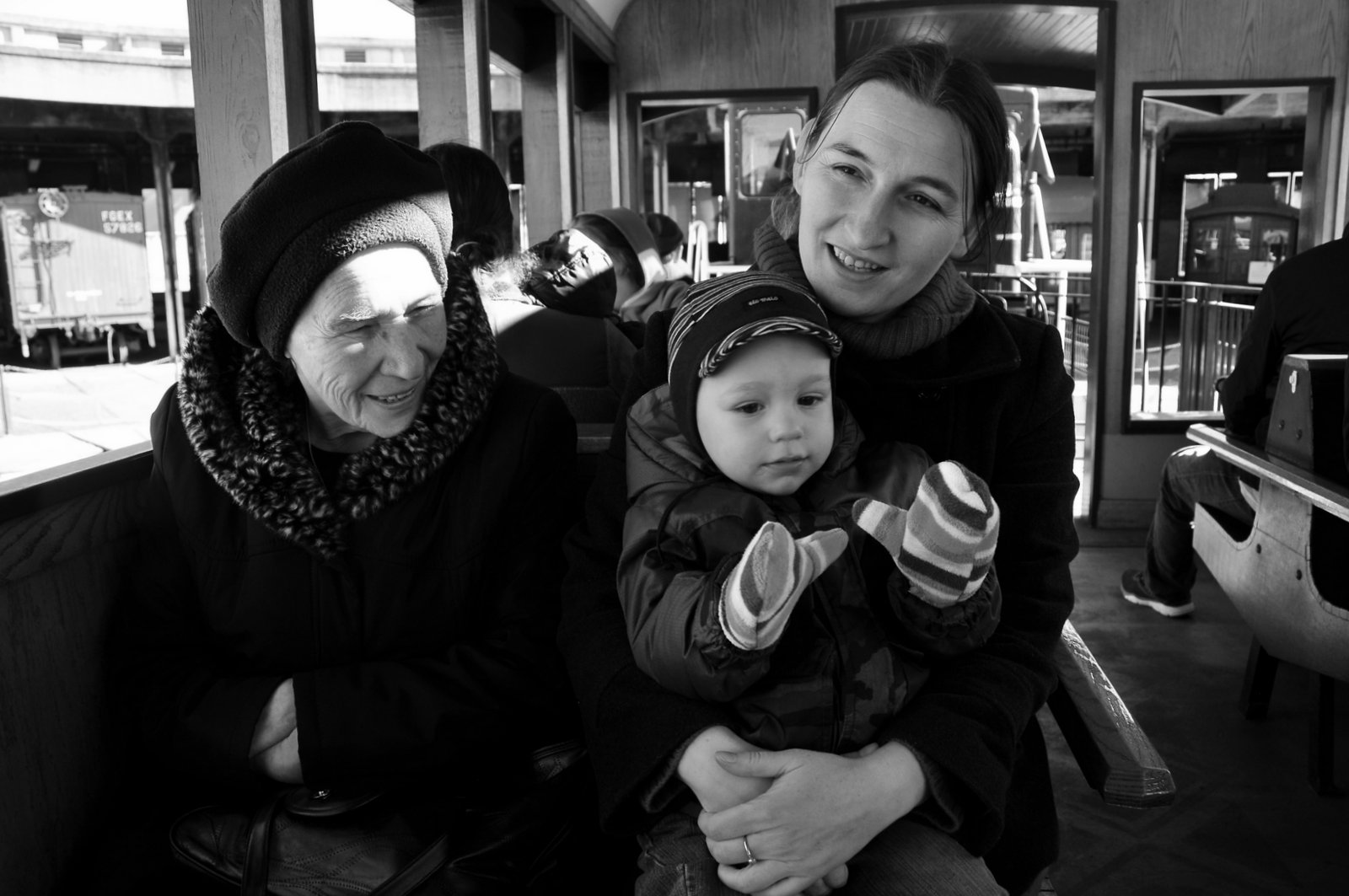
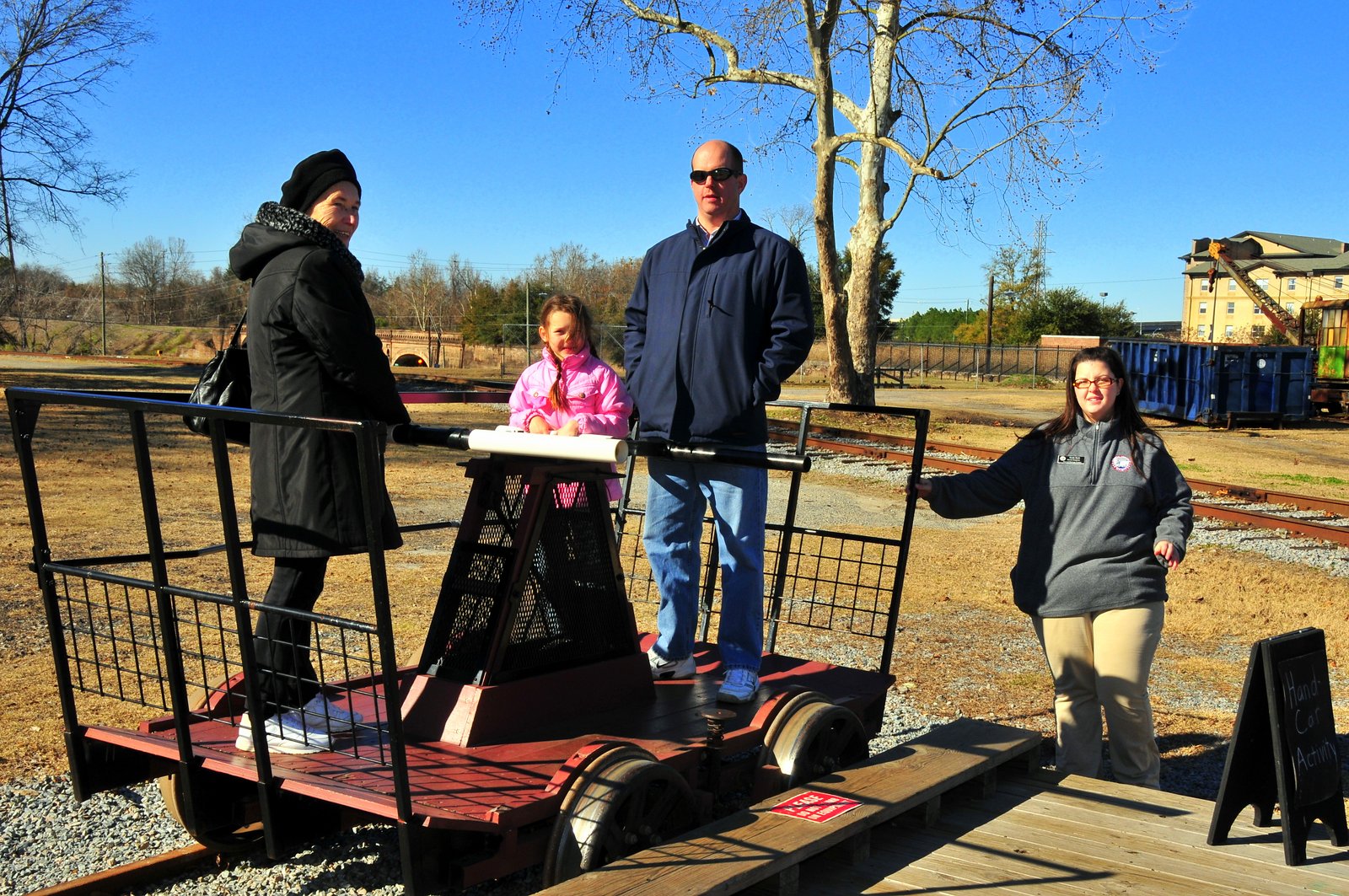
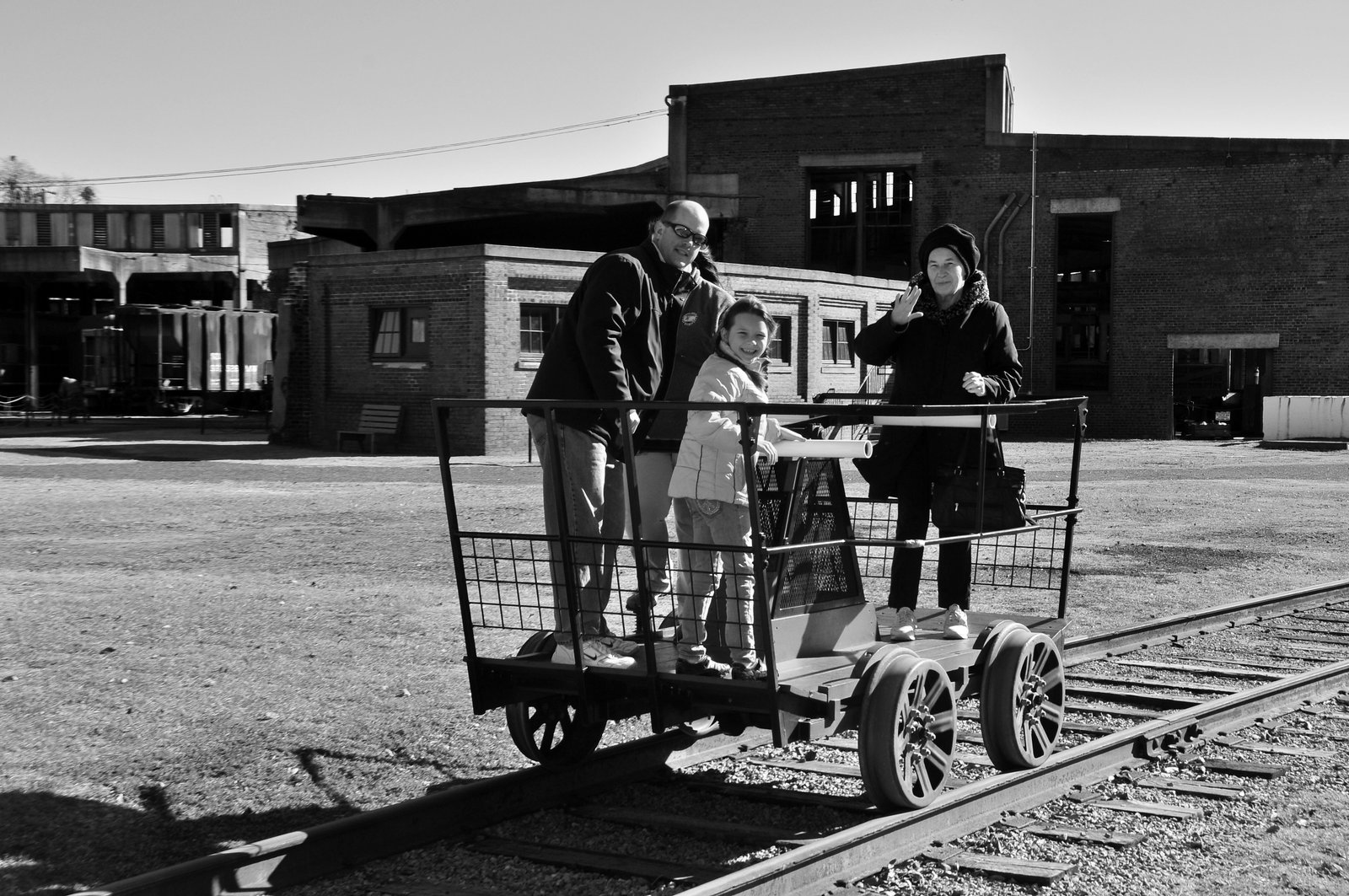
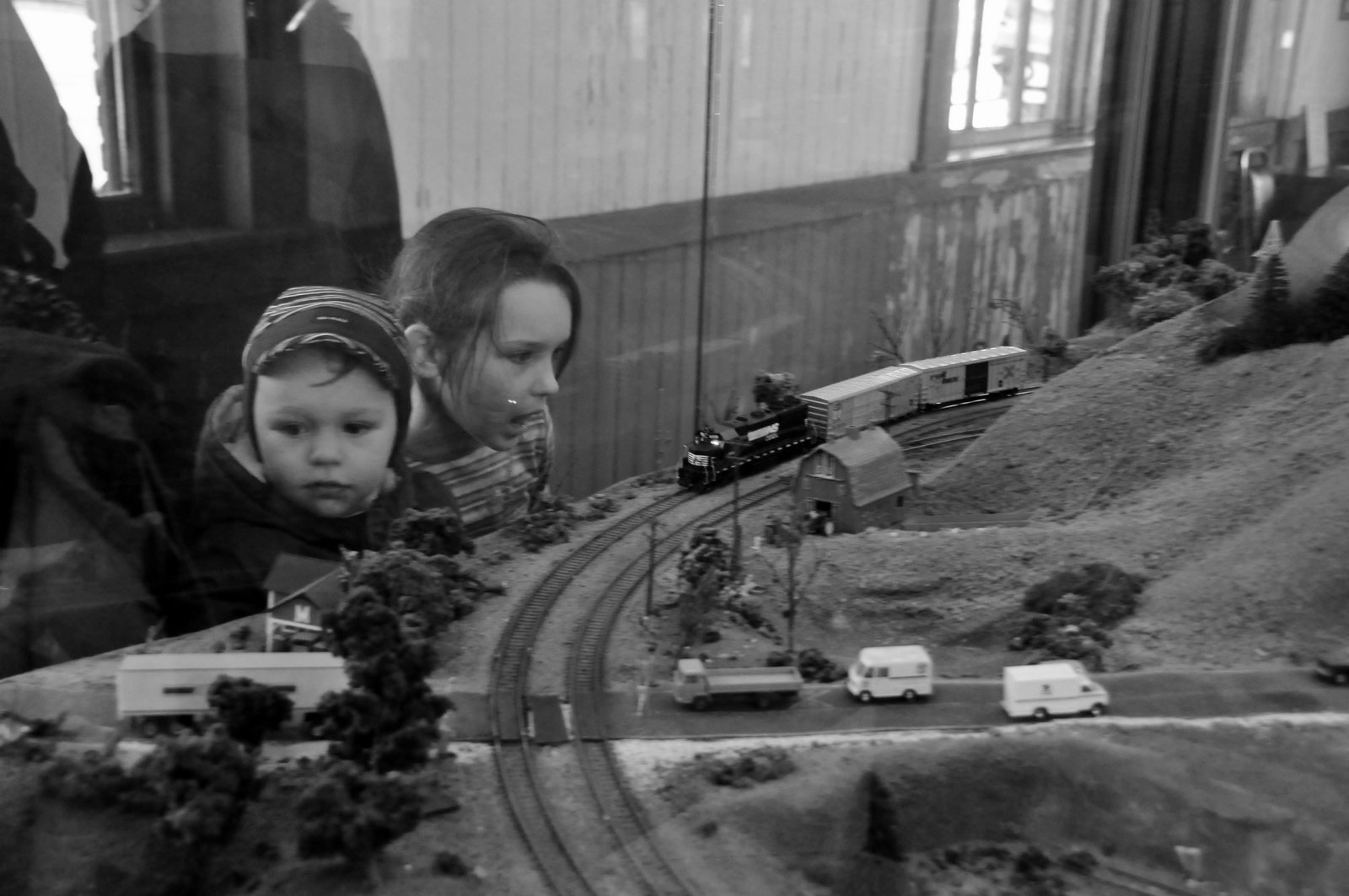
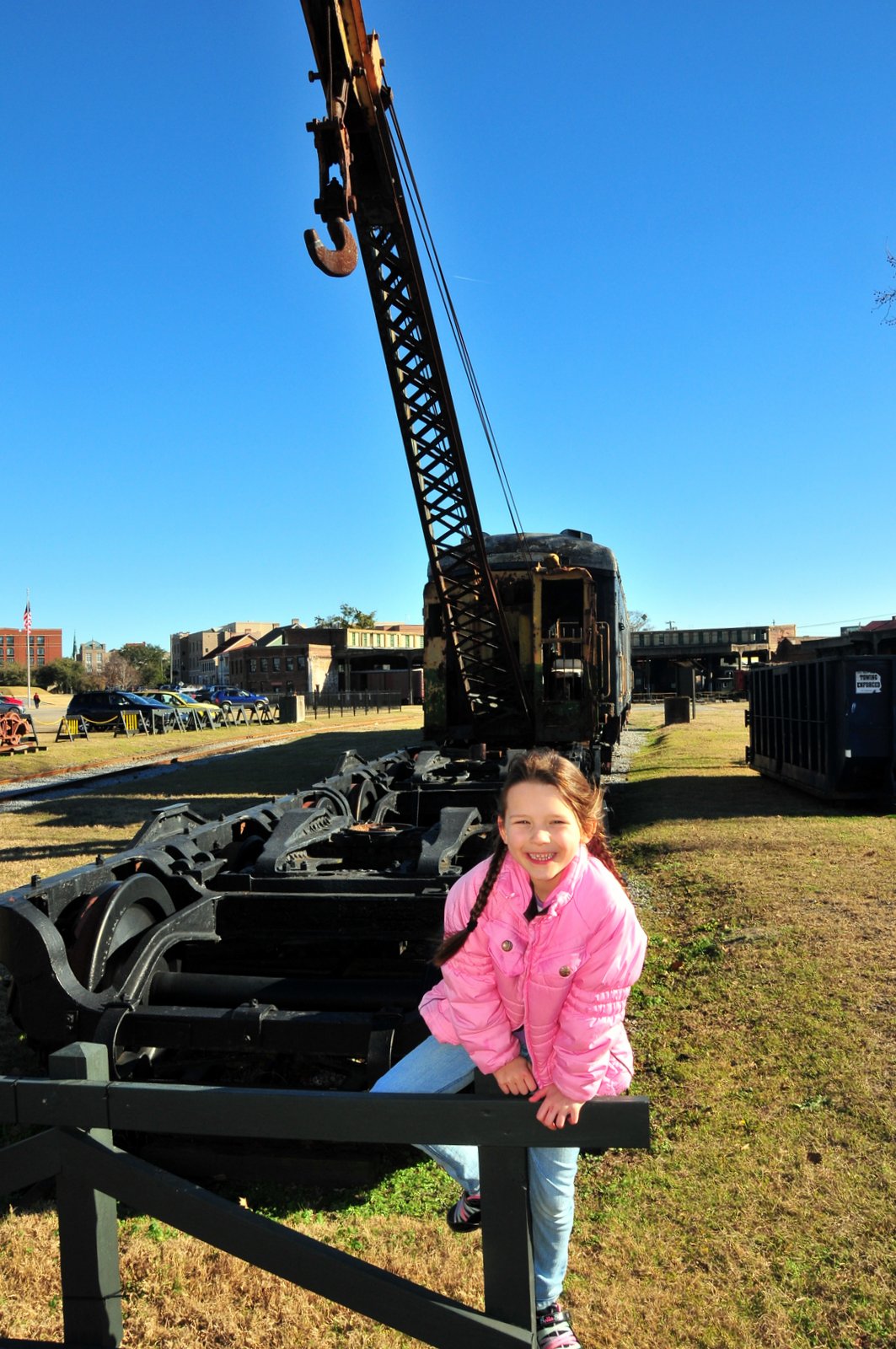
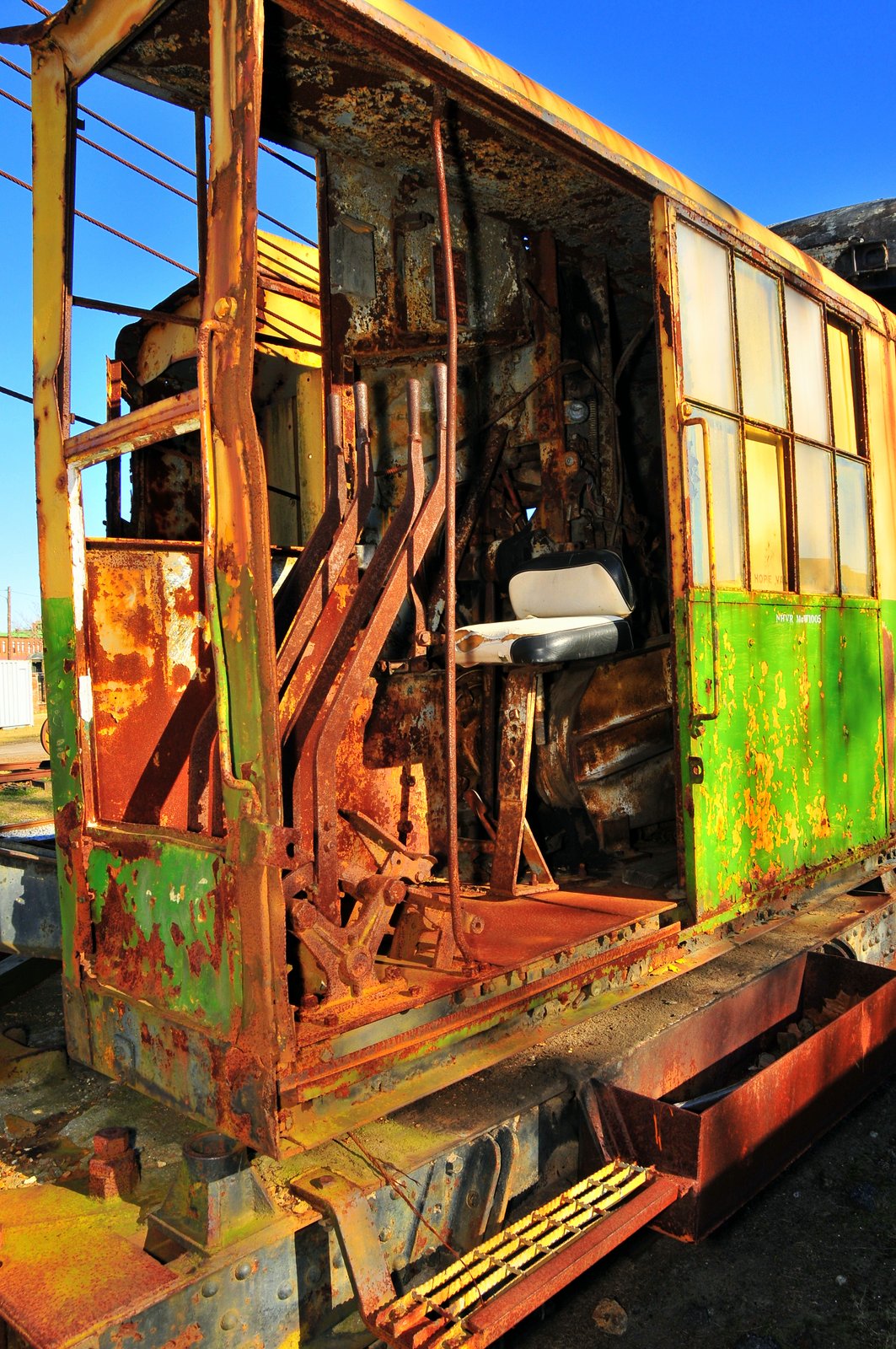
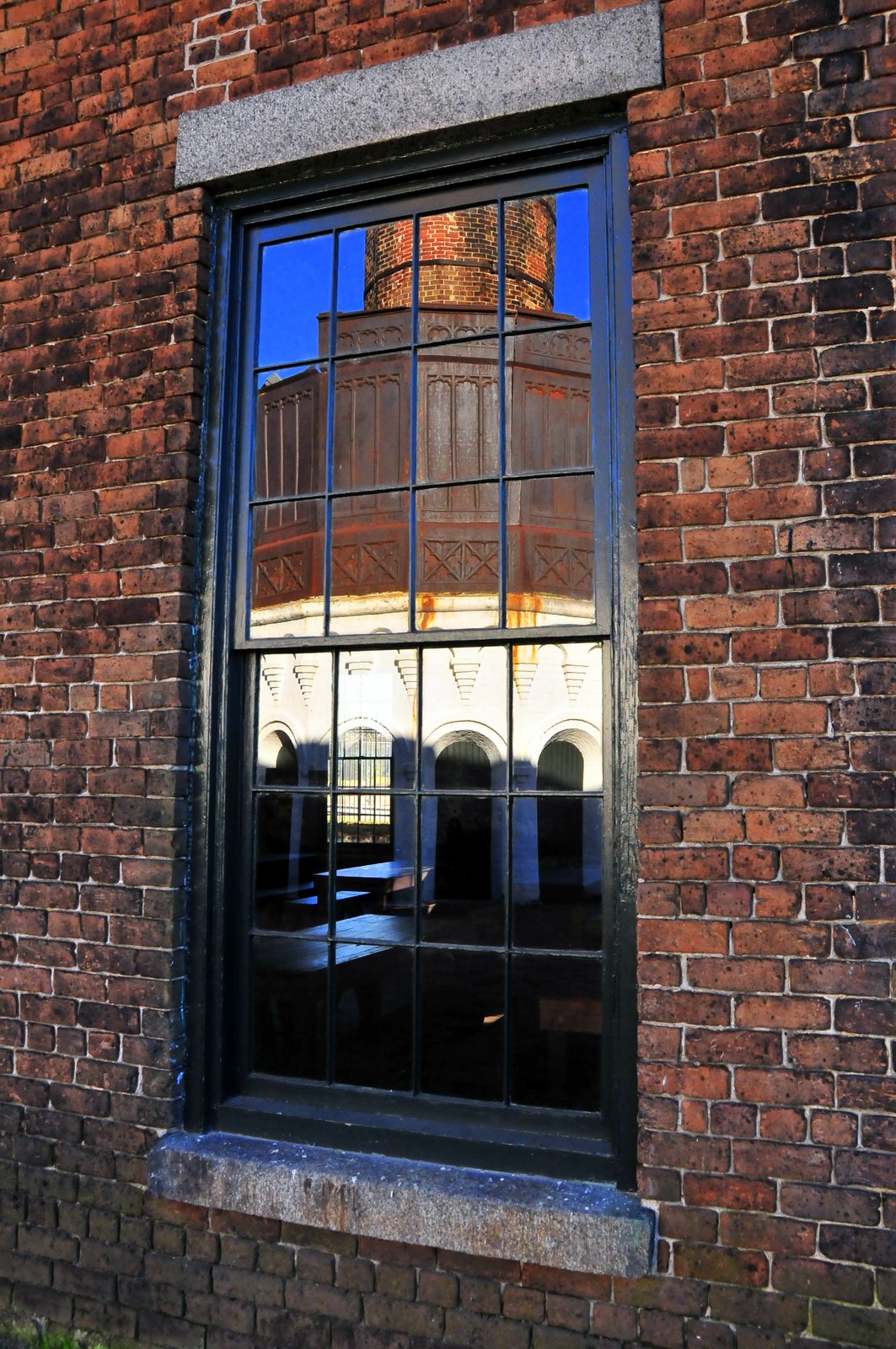
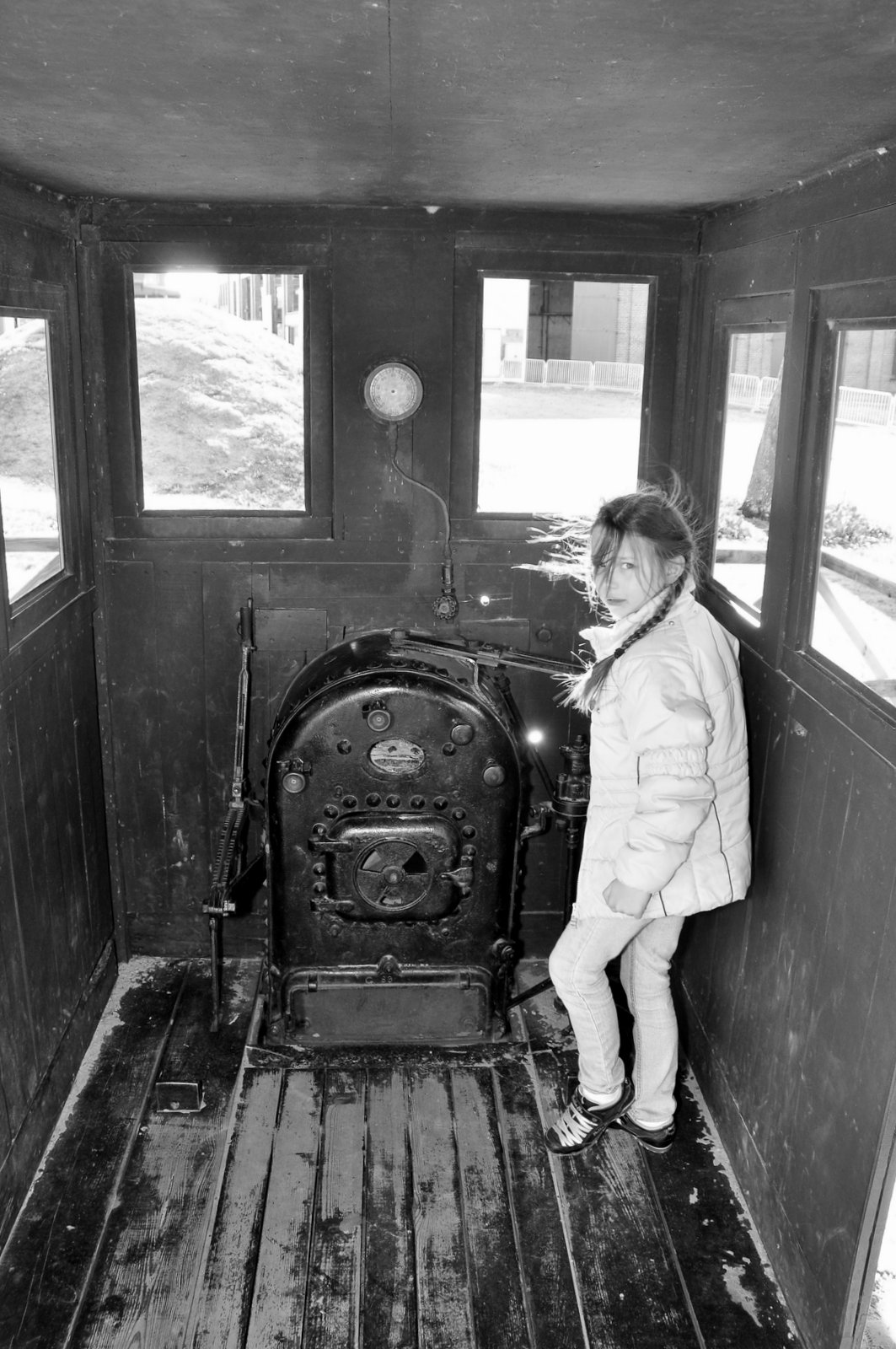
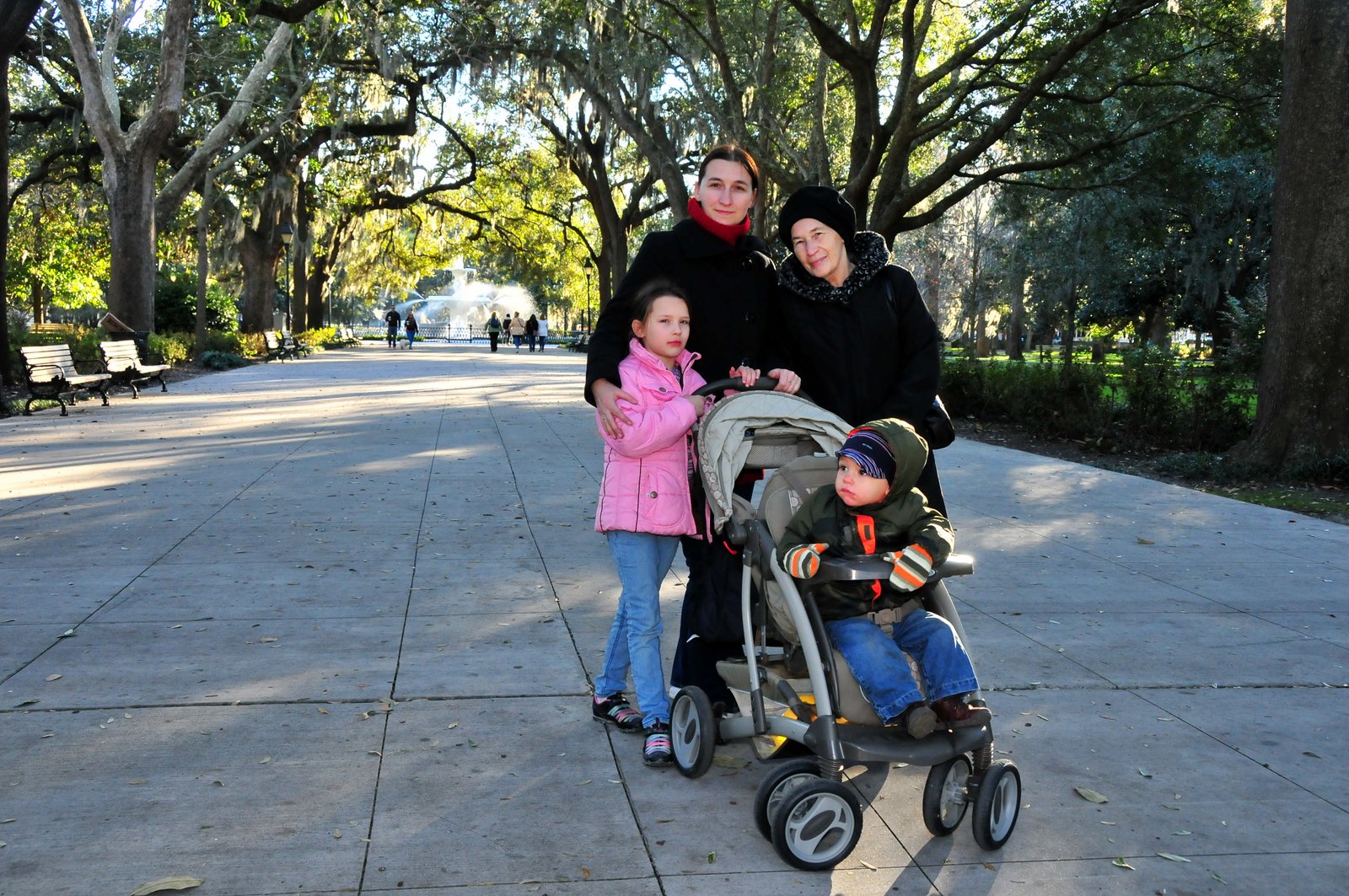
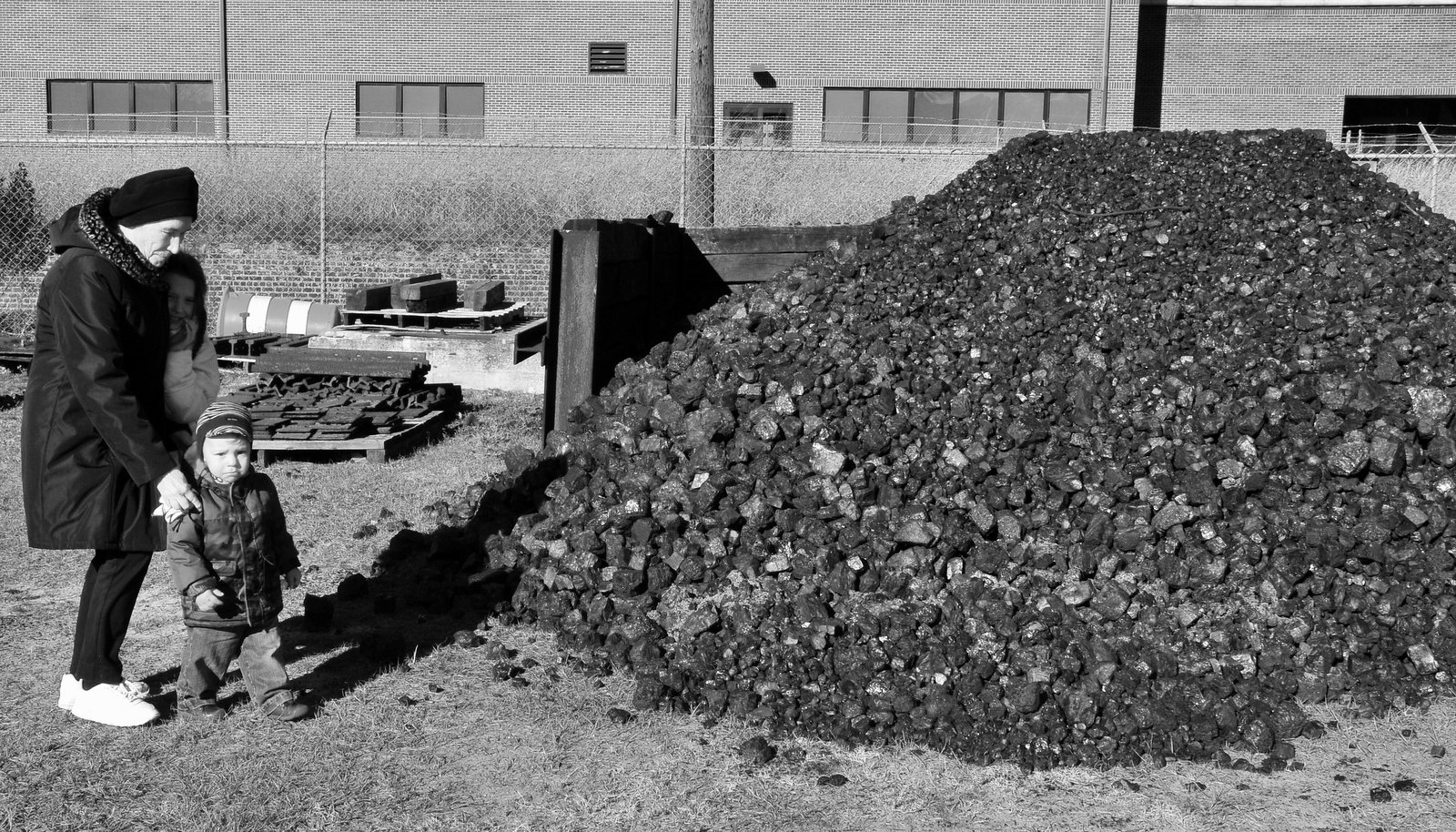
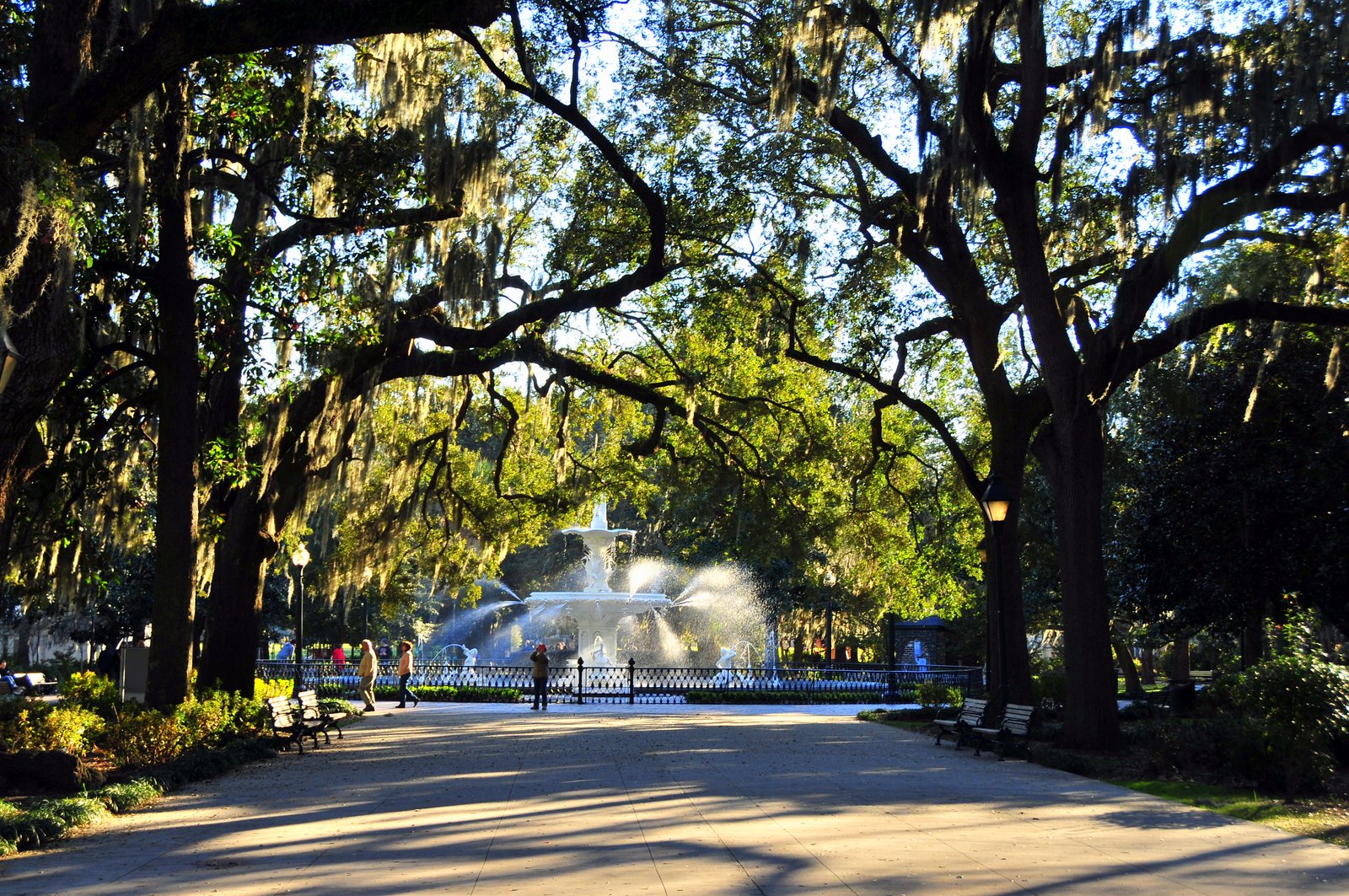
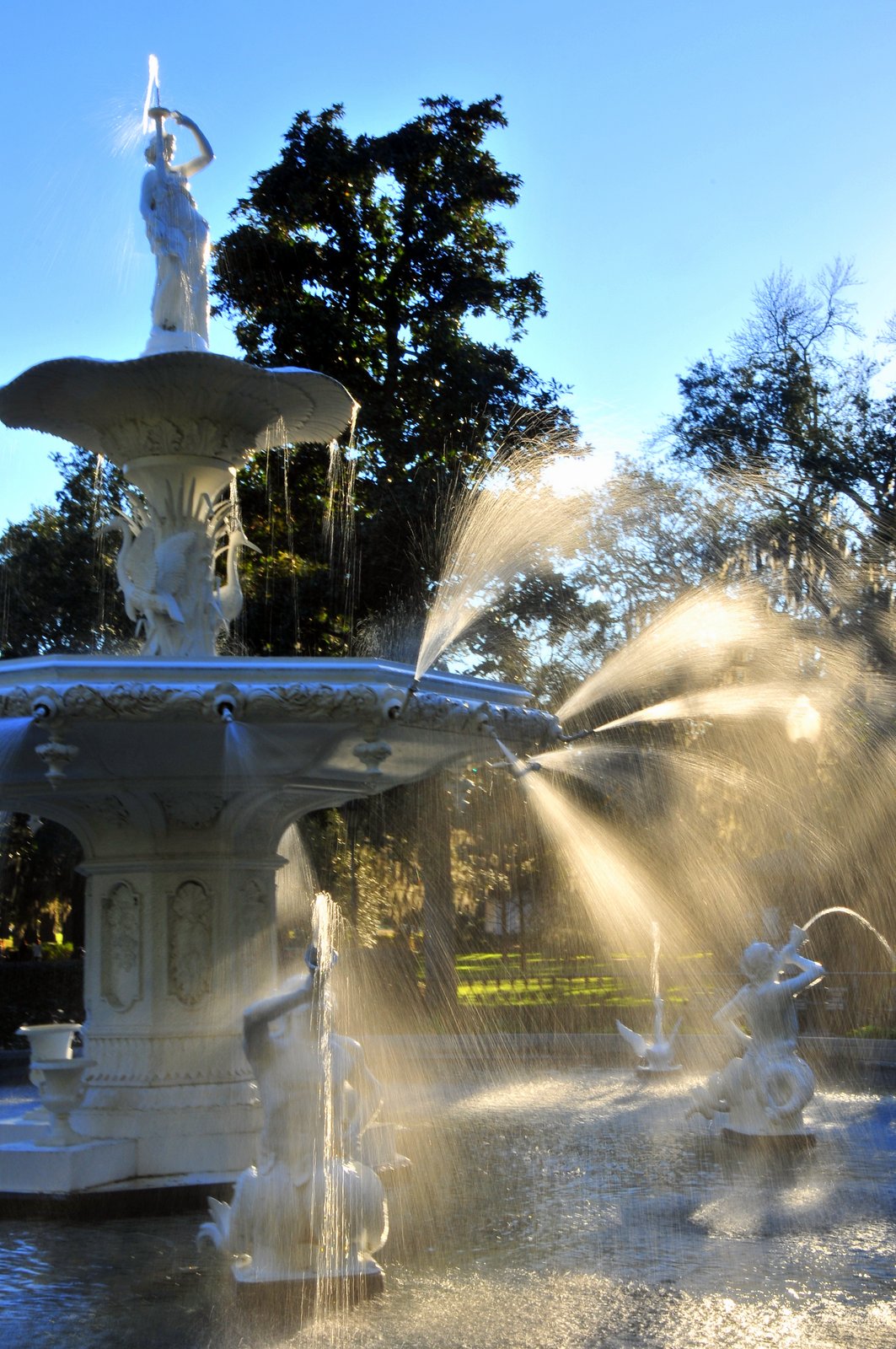
I was unable to upload any pictures of our first day in Savannah, when we went to the railway museum and spent some time in Forsyth Park downtown.

Fort Pulaski and the Beach

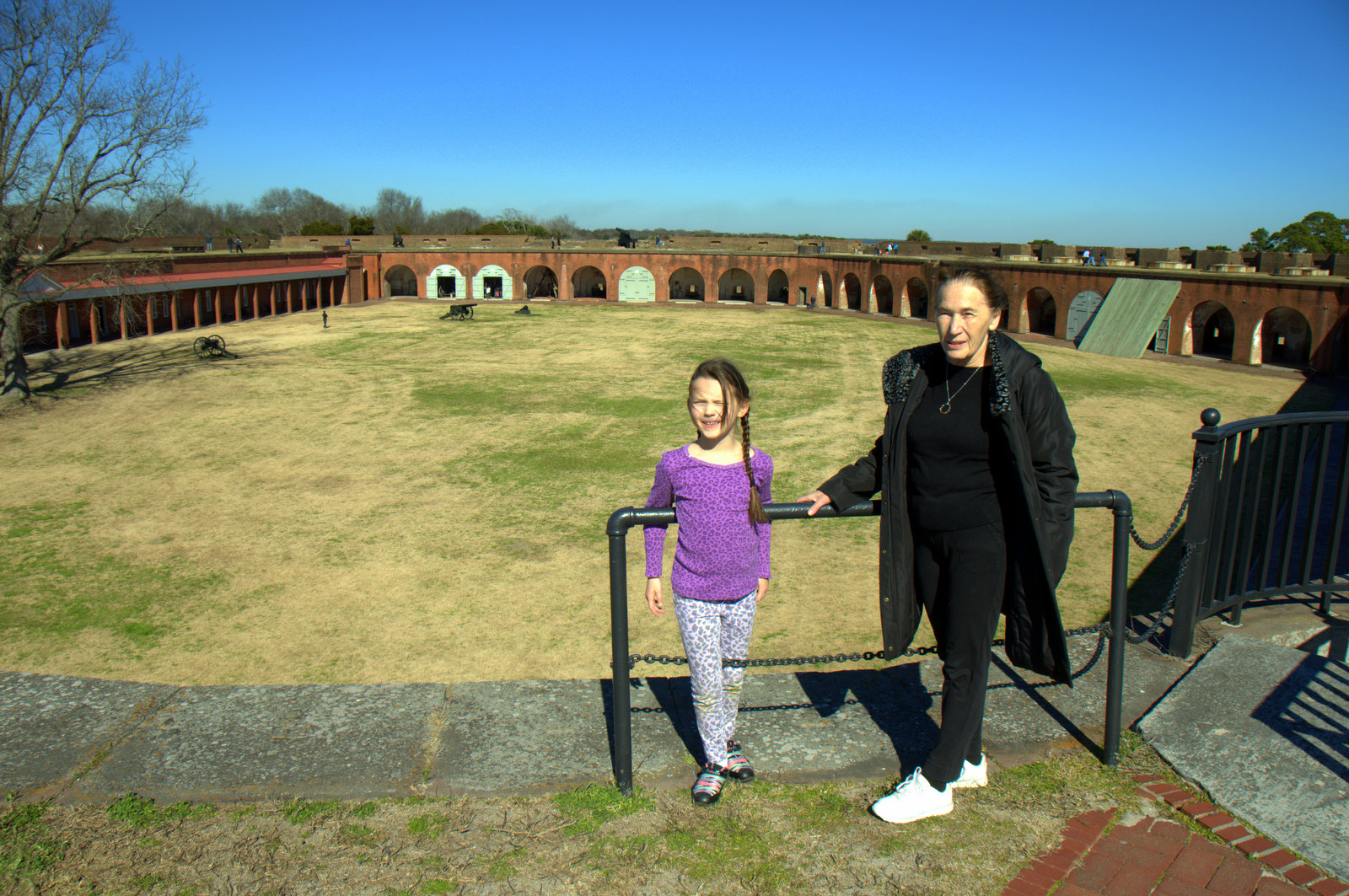
When you're with two full-blooded Poles and two half-blooded Poles and you're near a fort named after a Pole, there's only one thing to do: visit said fort.

VIV_2061
VIV_2067

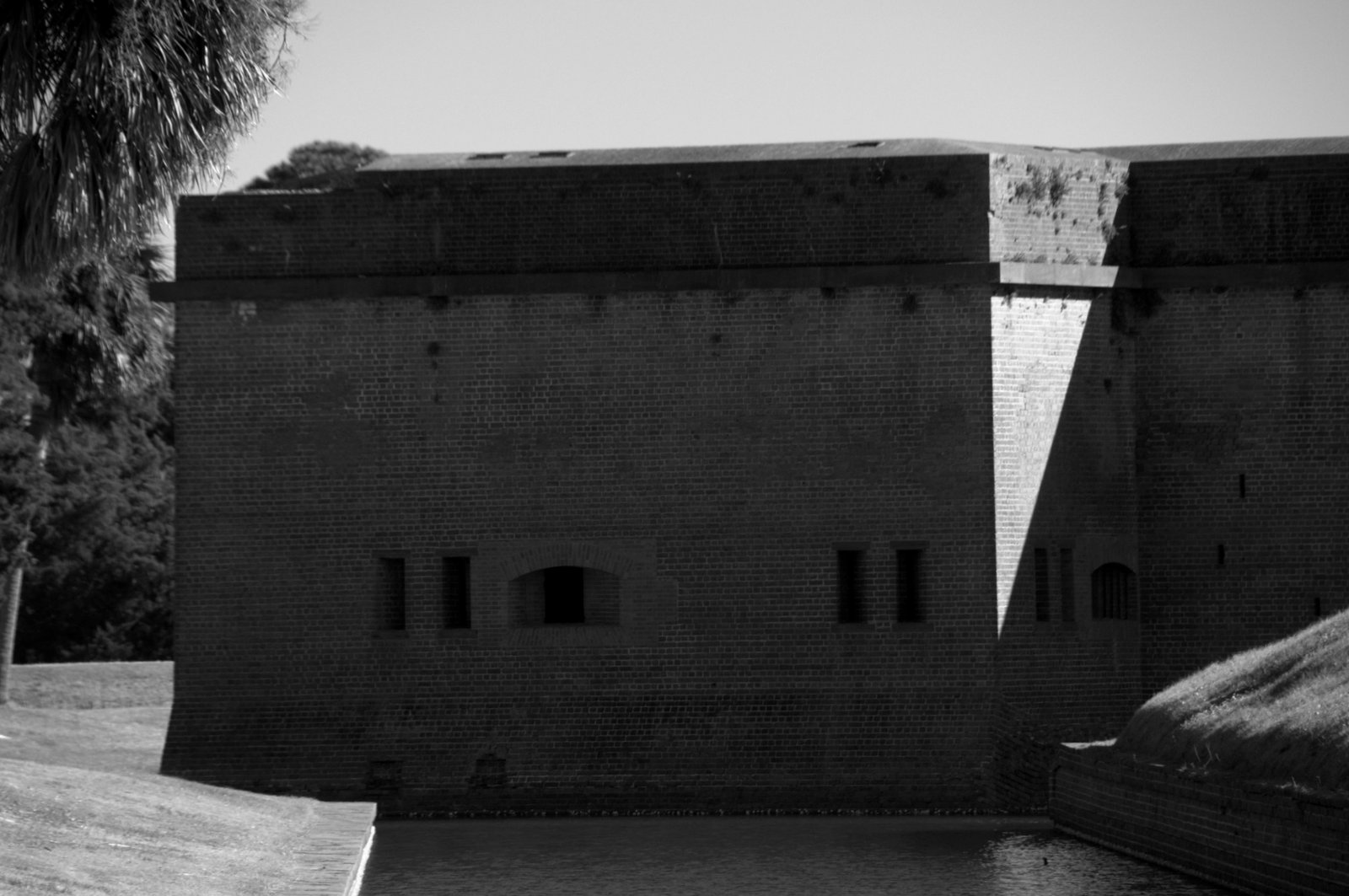
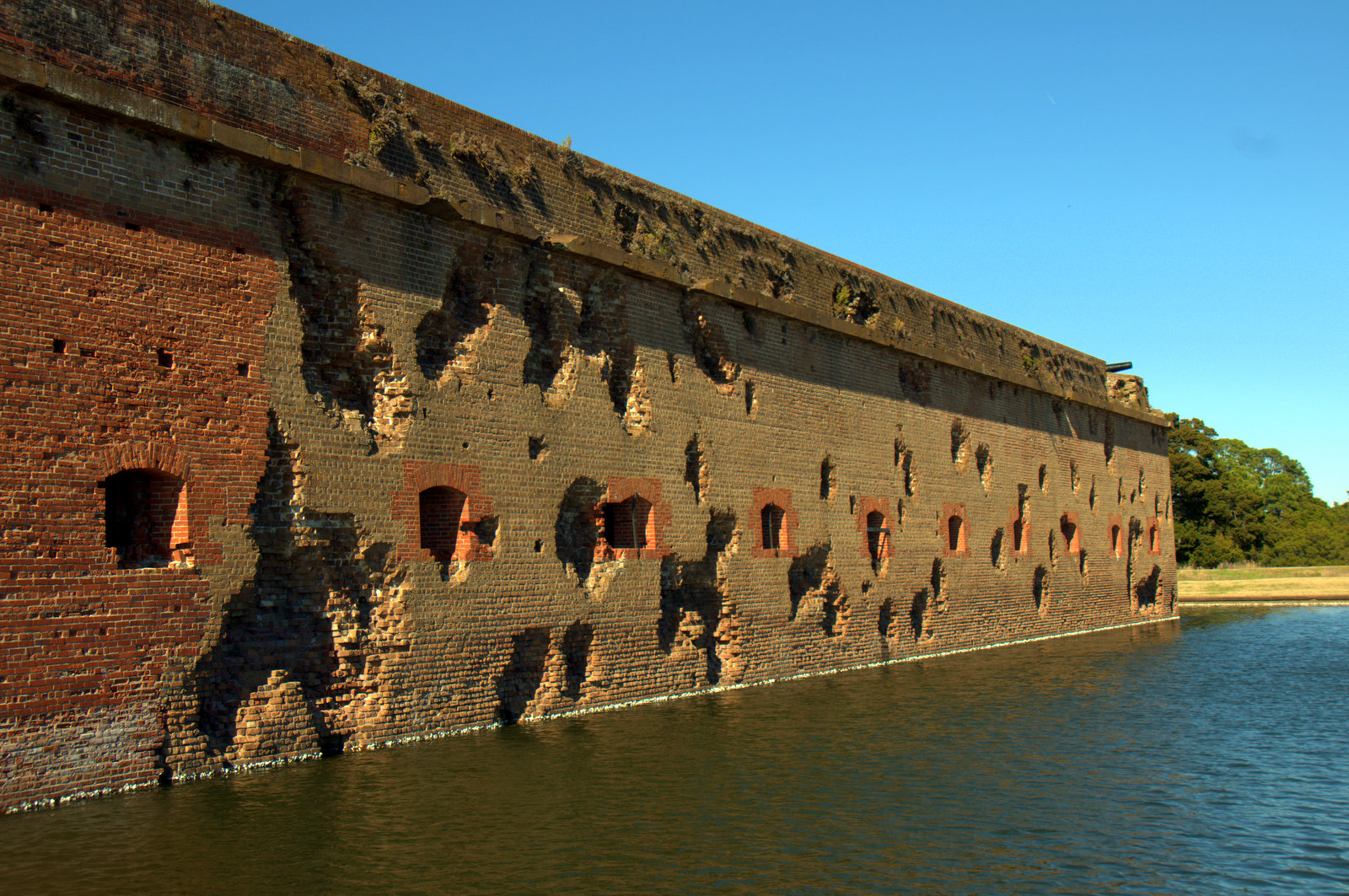
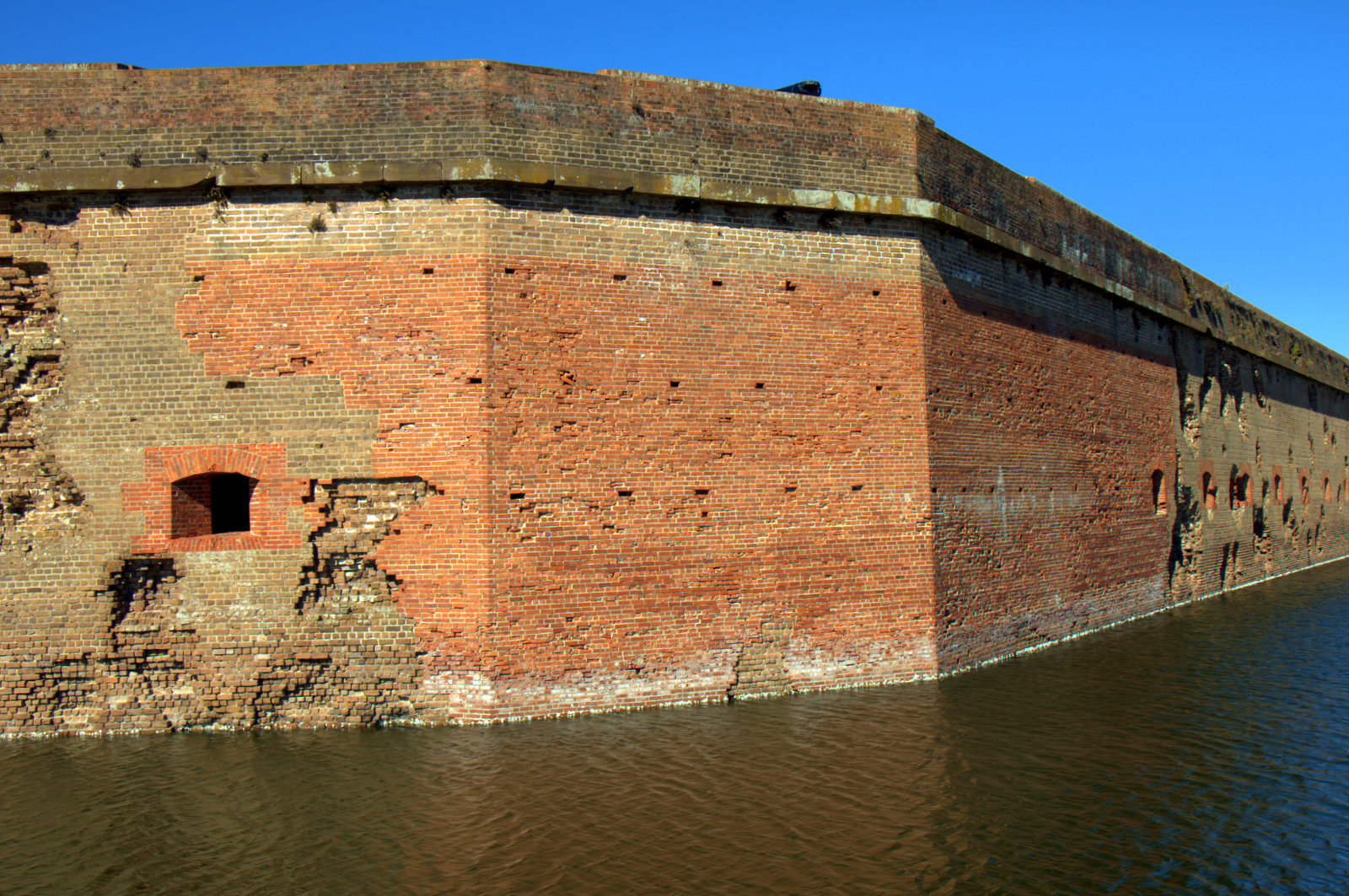
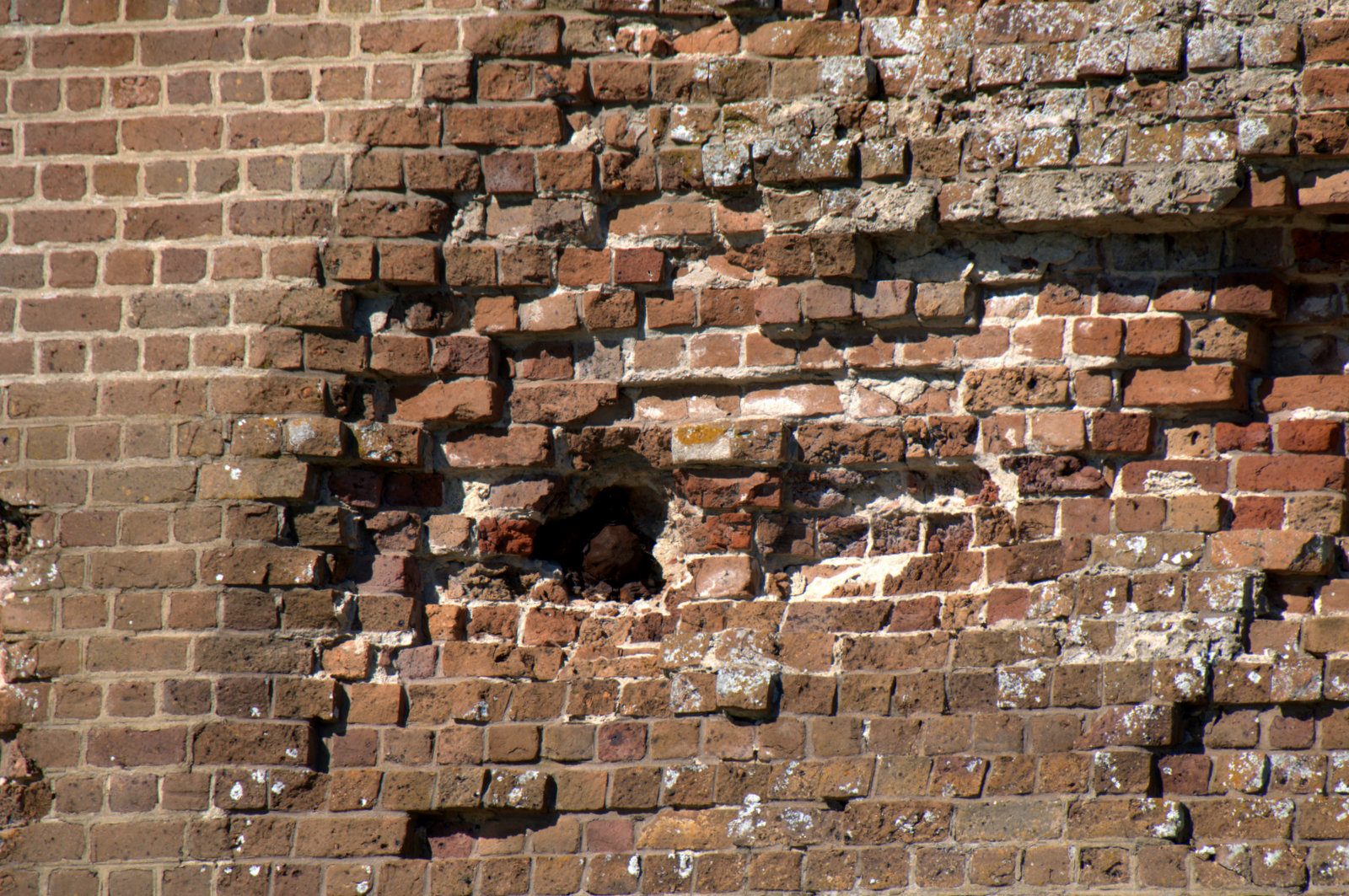
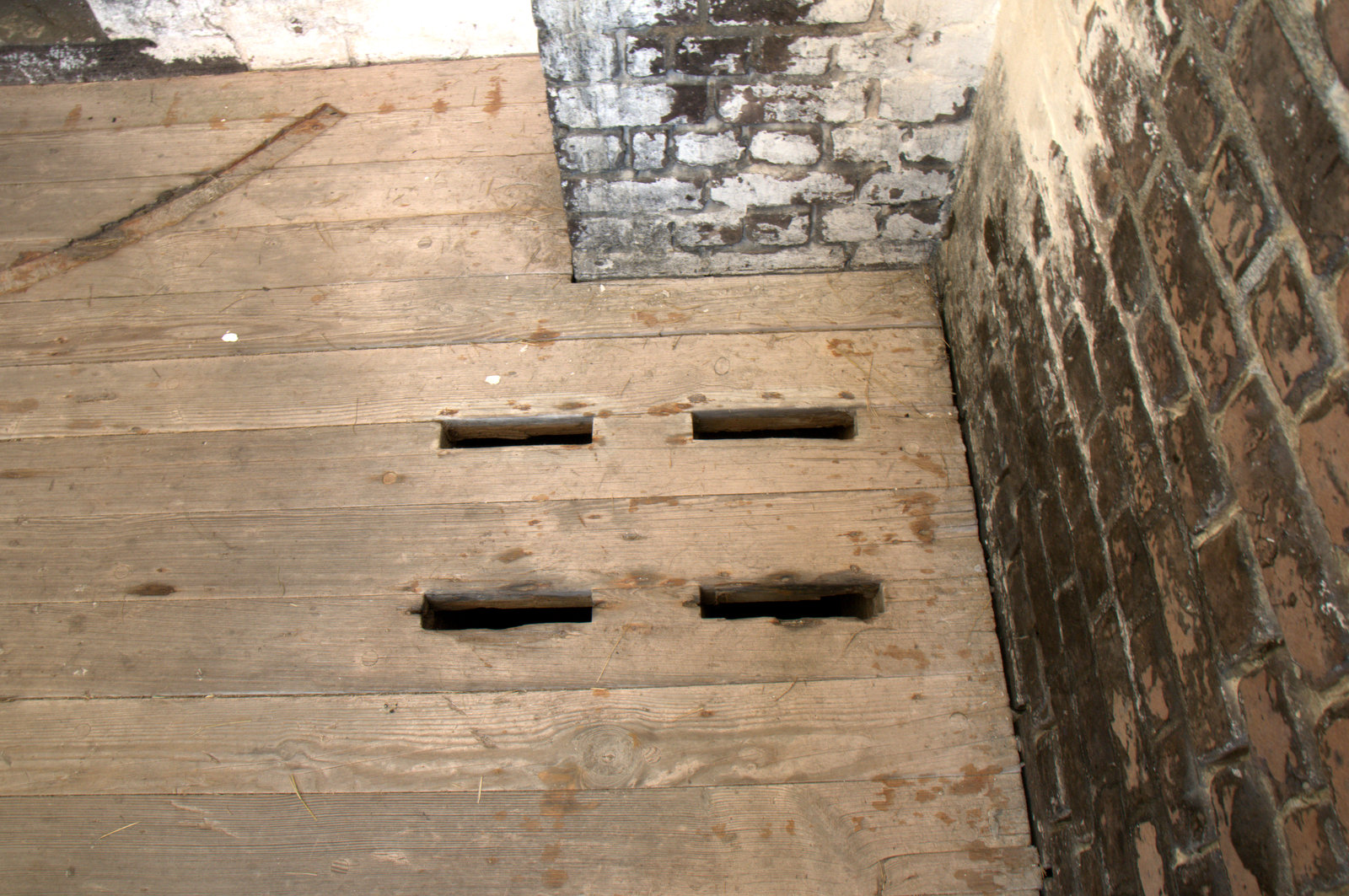
Named for the Polish hero of the American Revolution, Kazimierz Michał Wacław Wiktor Pułaski, the fort named for him represented a turning point in the history of fortifications: it was the first real bombardment of a fort with rifled cannon fire, and compared to the traditional smooth-bore cannon, the new rifled cannon and bullet-shaped shot proved highly effective. The outer wall was breached with cannon fire from positions over a mile away, and the damaged area is still visible due to the different shade of bricks Union soldiers used in repairing the damage.

VIV_2155
VIV_2156

And still shells remain lodged in the wall.

VIV_2157

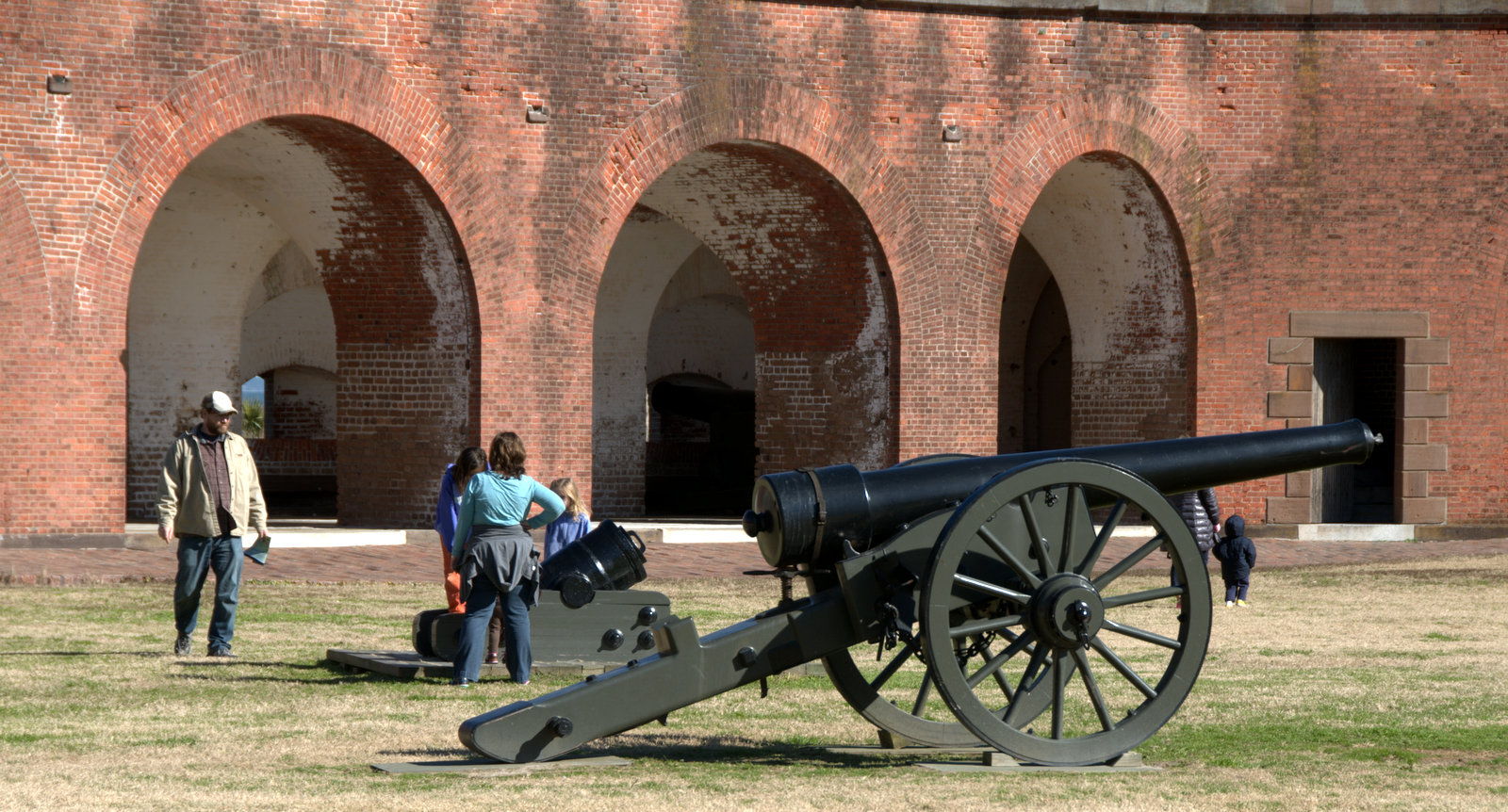
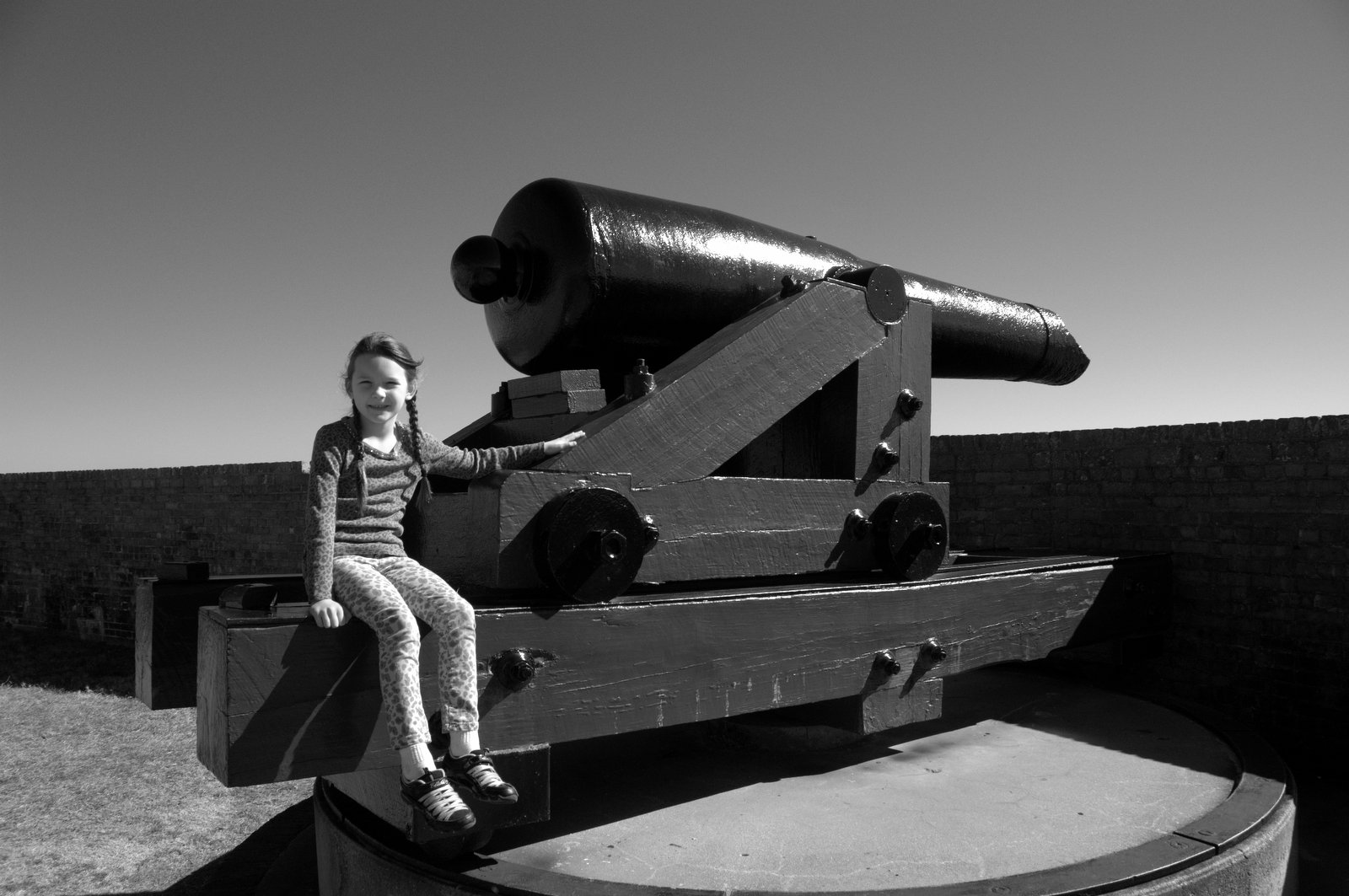
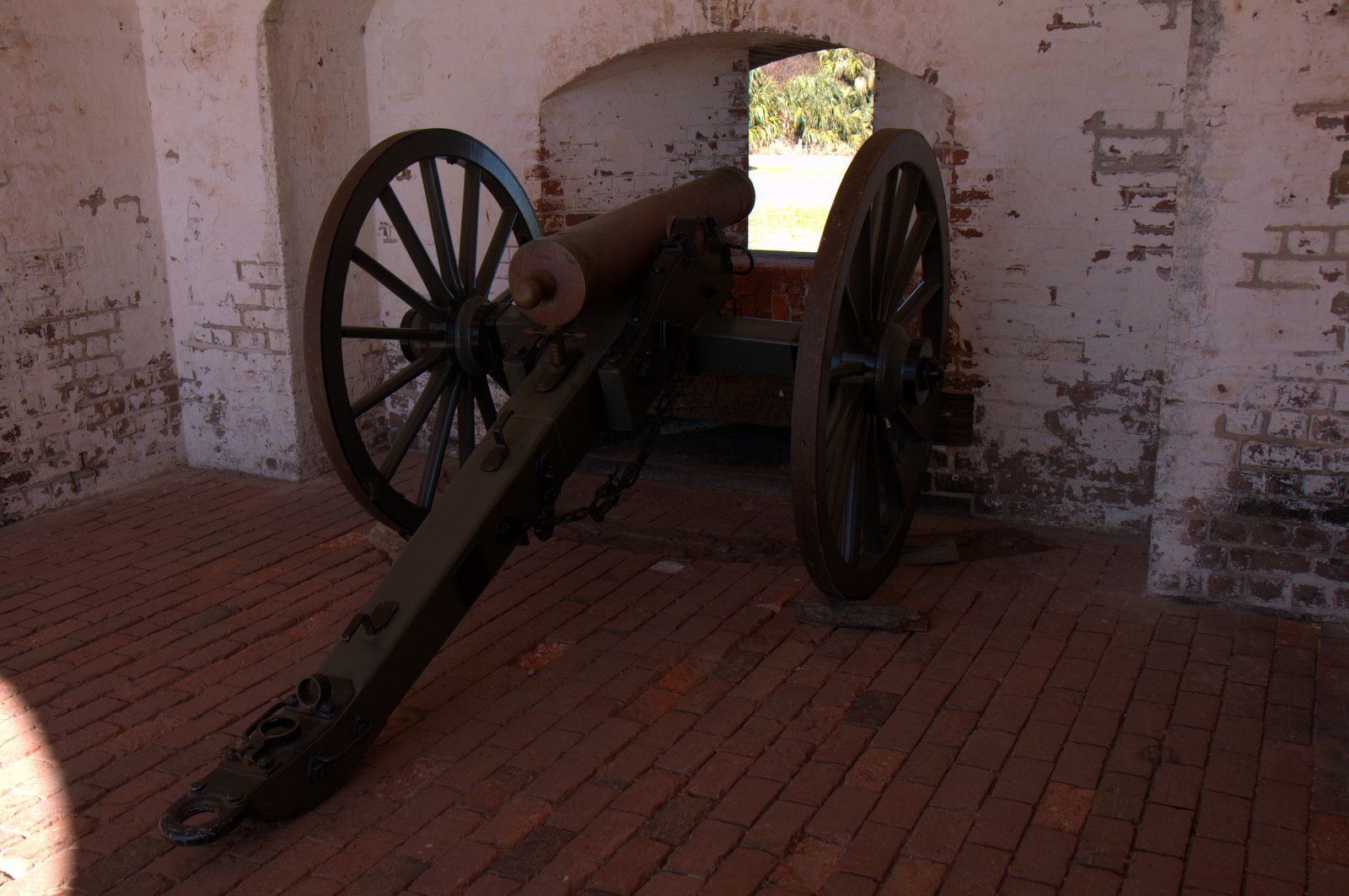
Of course, none of this was of any interest to either the Boy or the Girl. They were happy just to run about the parade ground, climb on cannons, and investigate large mysterious openings in the fortifications.

VIV_2099
VIV_2101
VIV_2085
VIV_2075

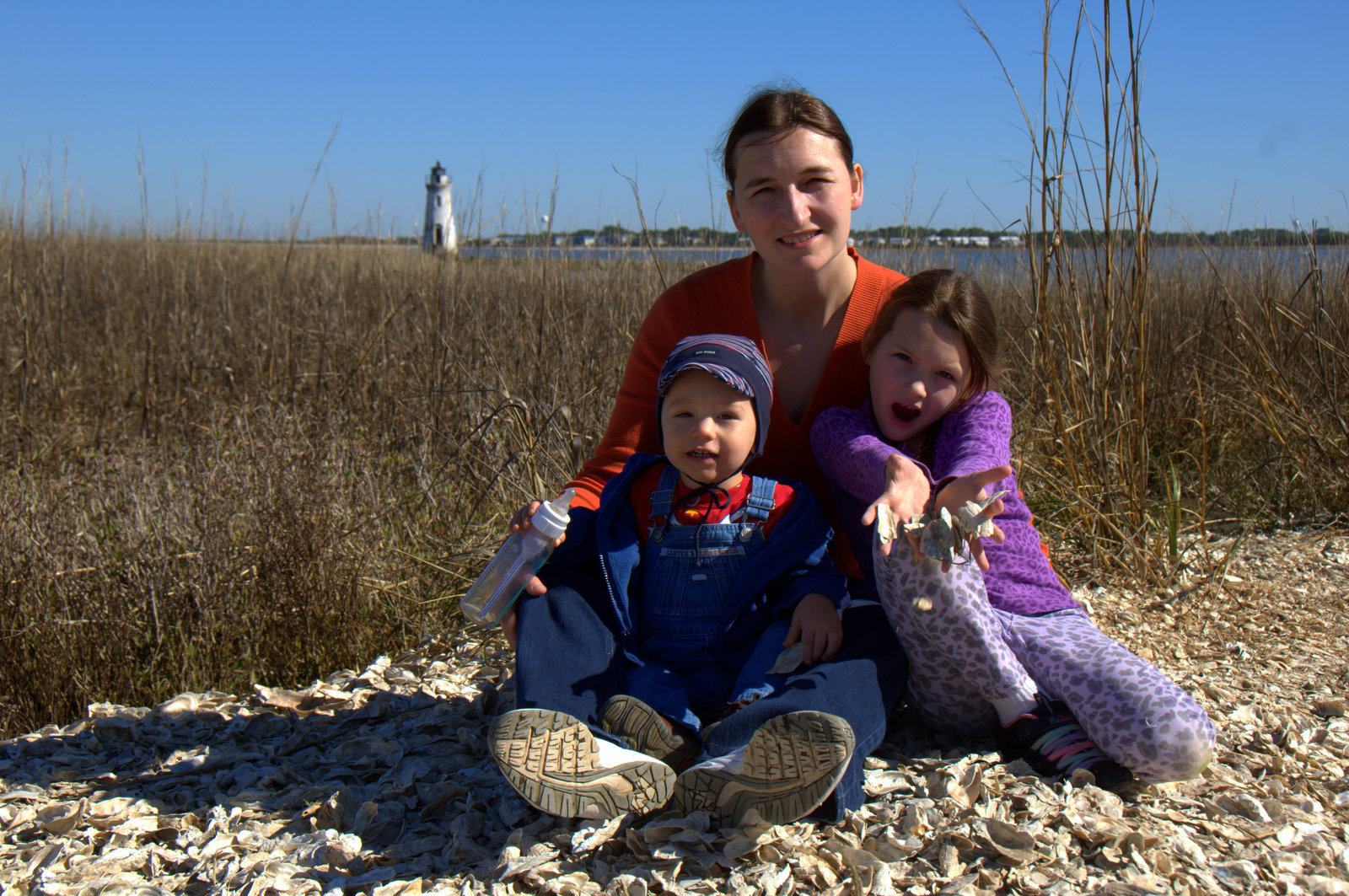
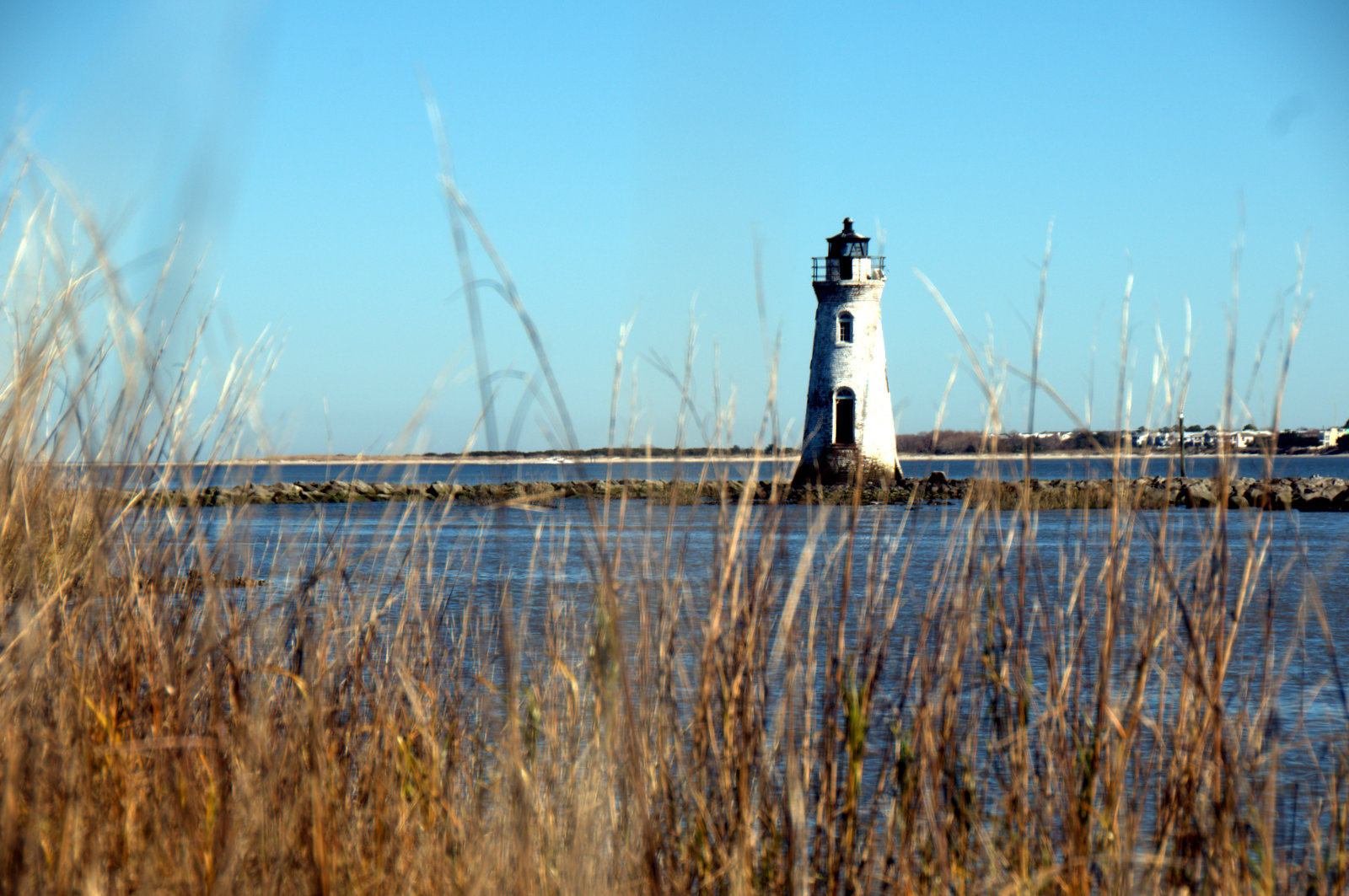
We took a walk about the fort, heading out to the Cockspur Island Lighthouse, which has not been in use for over a hundred years -- a little bit of history sitting on an oyster- and mussel-shell bed.

VIV_2133
VIV_2120
VIV_2108

Along the way, we saw why: with the river dredged for such huge container ships, a small lighthouse would be a joke today, and as the dredging began before the turn of the century, the lighthouses' useful days were certainly finite.

VIV_2151

Still, none of this was of any interest to the kids. What was of interest, and what we regretted putting off until the very end, was the beach. Cold, windy, yet still irresistible.

VIV_2163
VIV_2177
VIV_2203
VIV_2211
VIV_2184

Out and About in Savannah

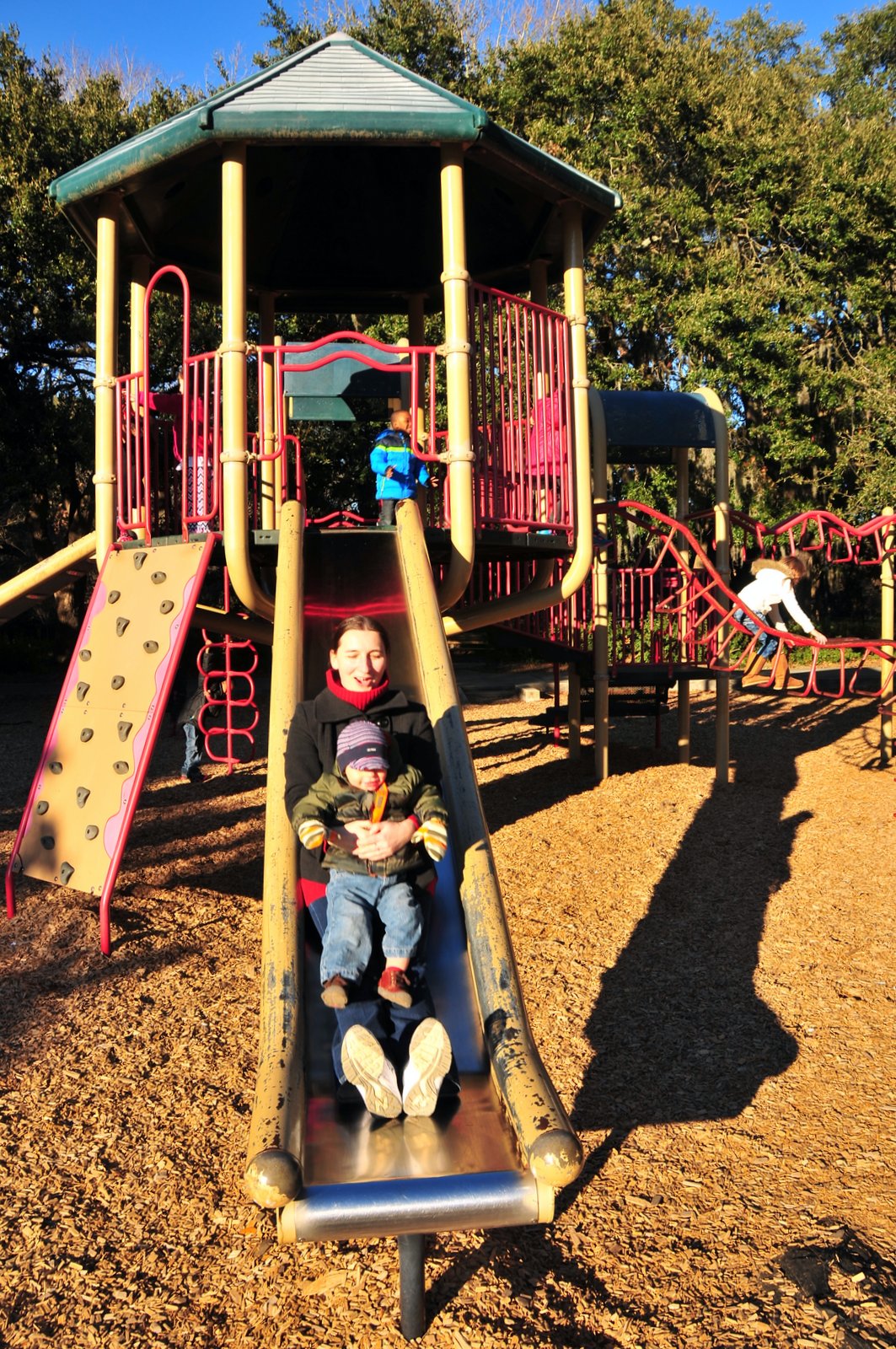
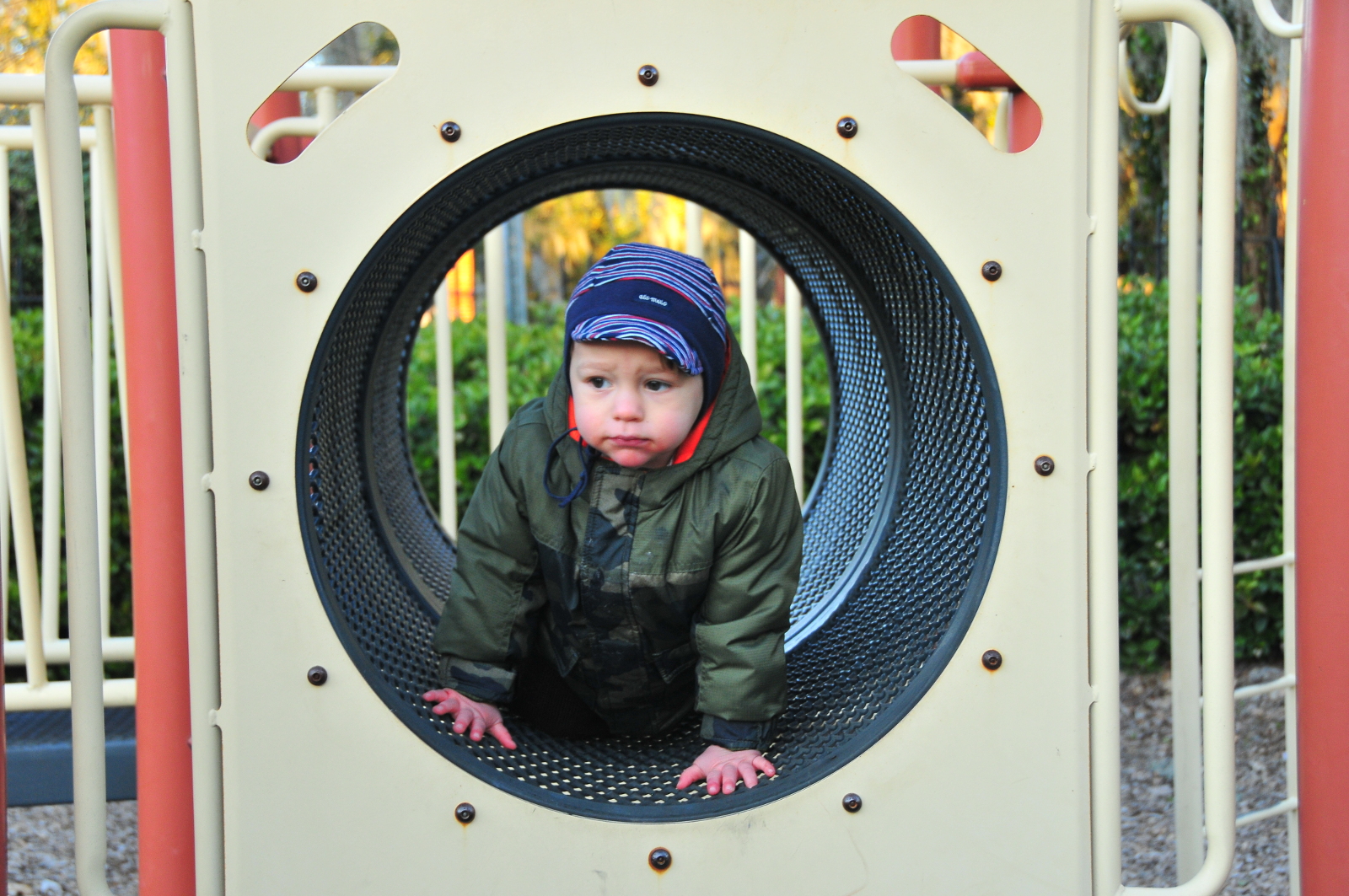
A playground next to a cemetery with Revolutionary War era monuments, the monuments worn illegible by centuries of rain and wind, surrounded by live oaks, the playground itself surrounded by magnolias and littered with Spanish Moss, with church bells ringing in the distance -- it all seems prototypically southern. E and I spent an hour in such a playground this morning while everyone else was in Mass: the Boy just didn't want to cooperate, and the lack of a viable way to isolate his fussing (i.e., a crying room) left me with few alternatives. We walked out of the church and within moments found ourselves at a playground beside Colonial Park Cemetery. E climbed and swinged, jumped and slid, and then we went for a short walk along the oyster-shell paved walk of the cemetery.

An ironically unplanned place for E and me to start our second day in Savannah for a number of reasons, not the least of which was the fact that our first site to see was Bonaventure Cemetery, the largest graveyard in the area and likely one of the largest in the south, famous from its staring role in Midnight in the Garden of Good and Evil. The plan was simple: the Boy could sleep, and indeed he drifted off as we drove there, and we would have a chance for a pleasant walk in a lovely cemetery.

01

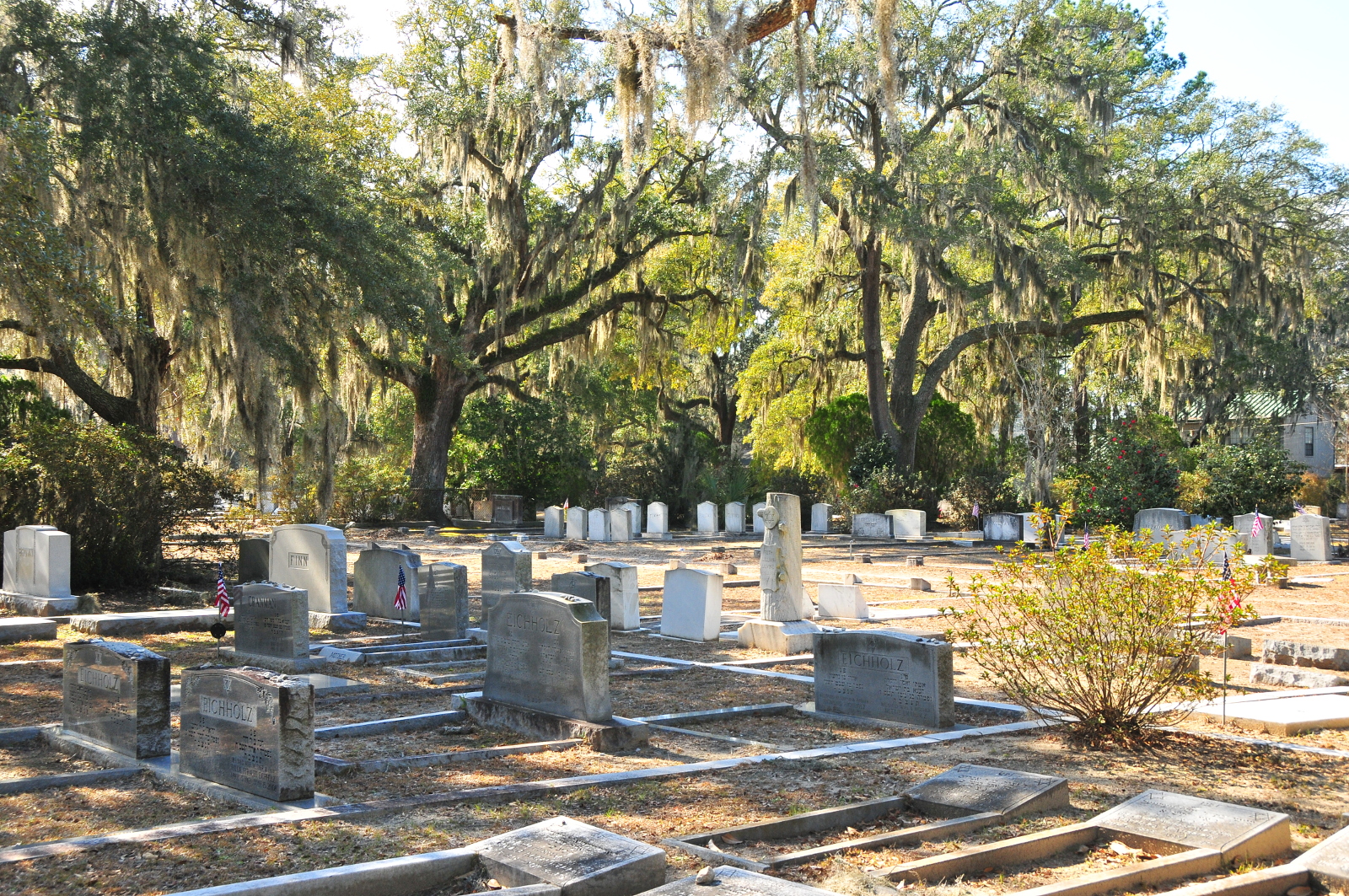
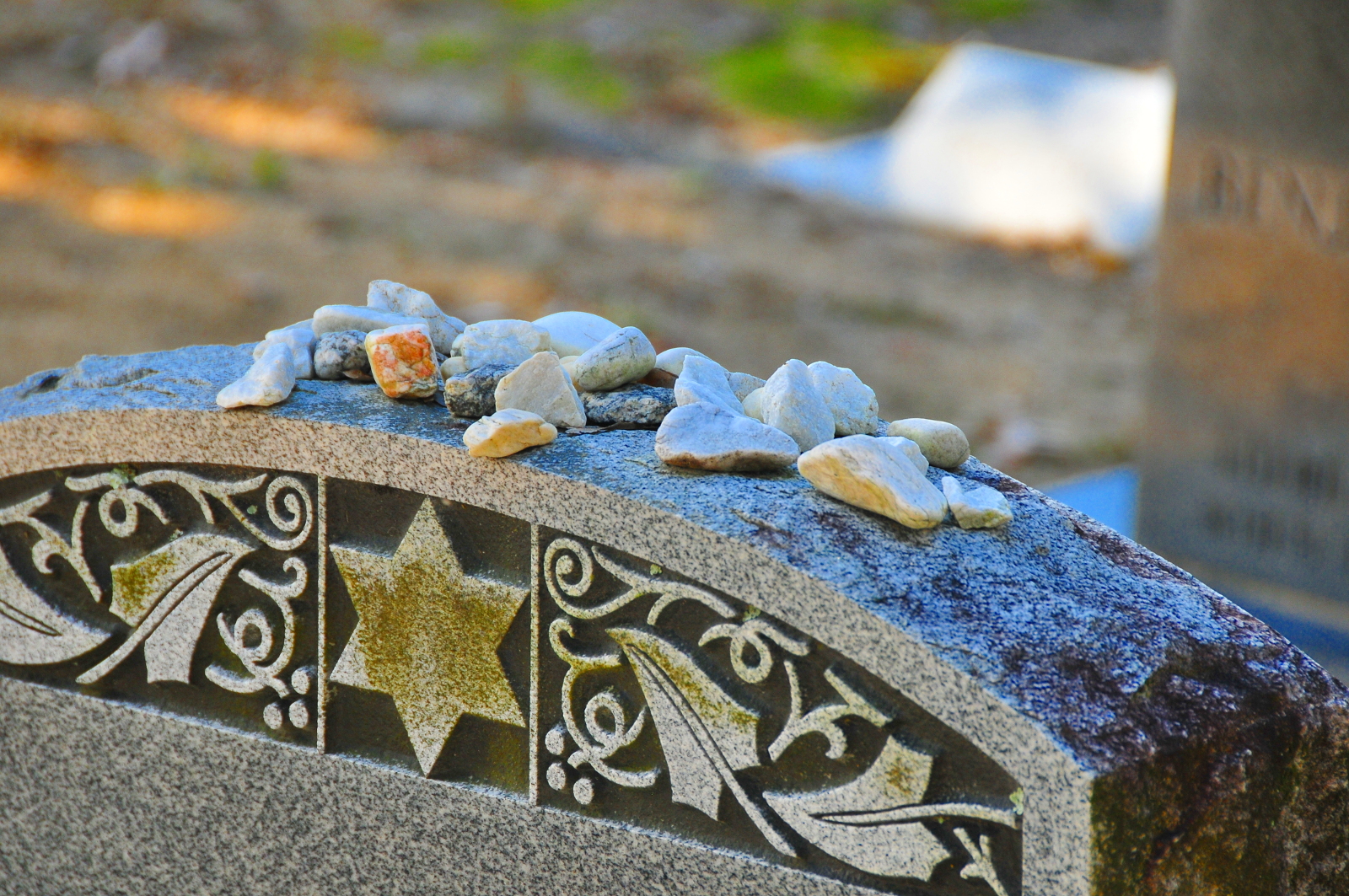
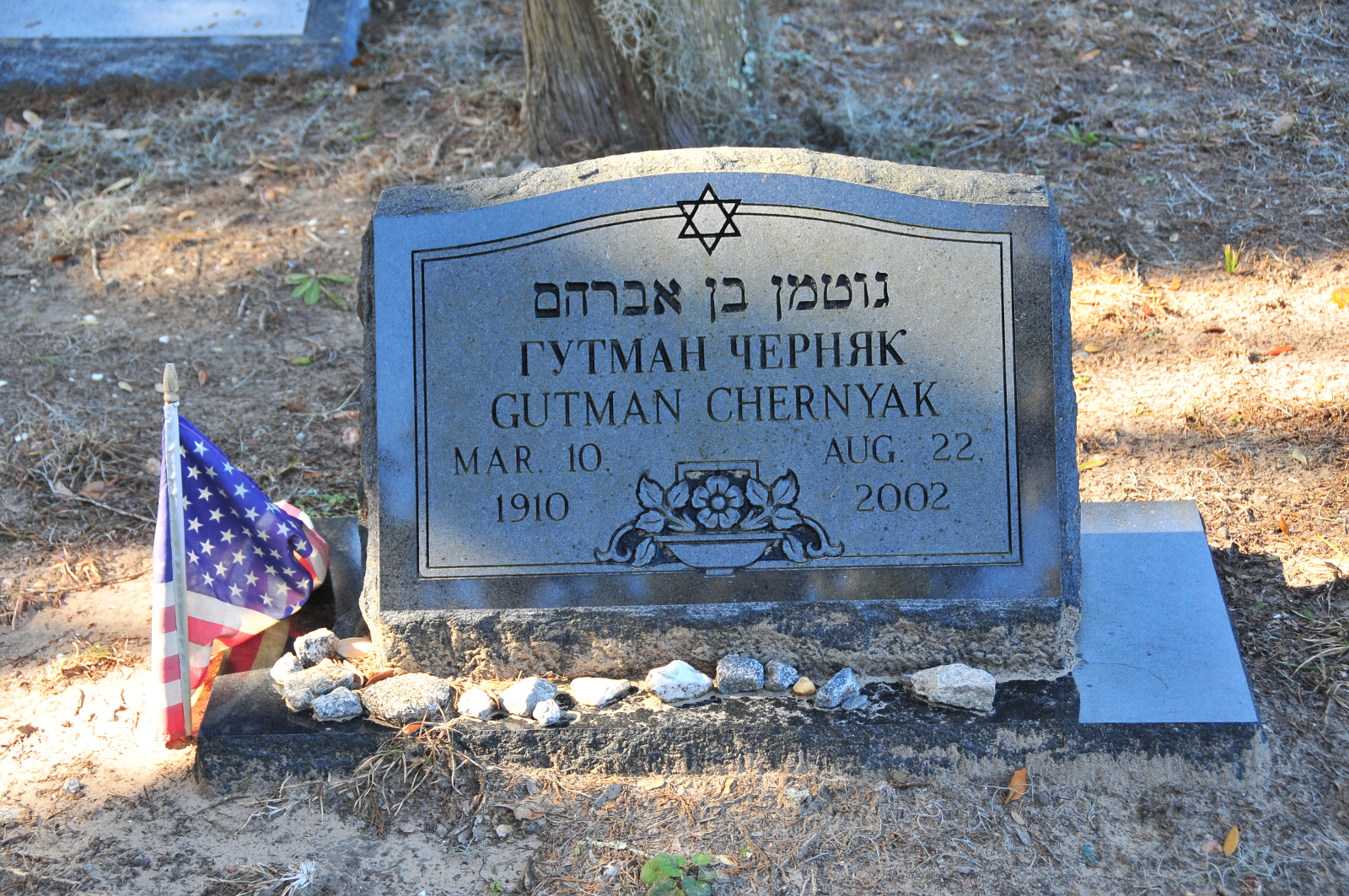
Cemeteries always hold surprises, and Bonaventure didn't disappoint in that regard given the number of Jewish graves with Jewish and even Cyrillic inscriptions. L and I walked about with Babcia, commenting on the typically Jewish surnames we were discovering (Singer, Rosenberg, Goldstein, Cohn) and the tragic-comic nature of so much Jewish literature.

02
VIV_1962

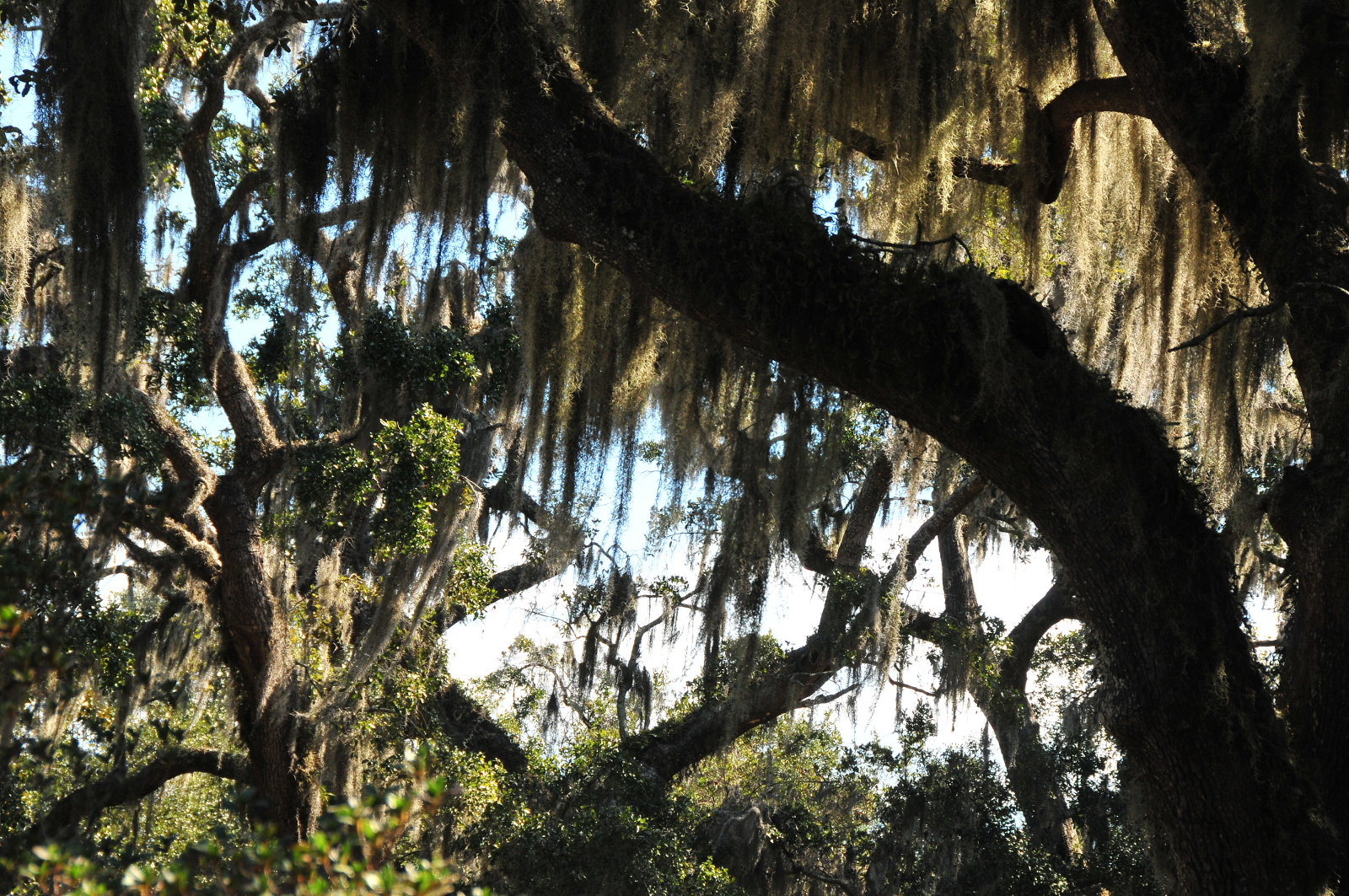
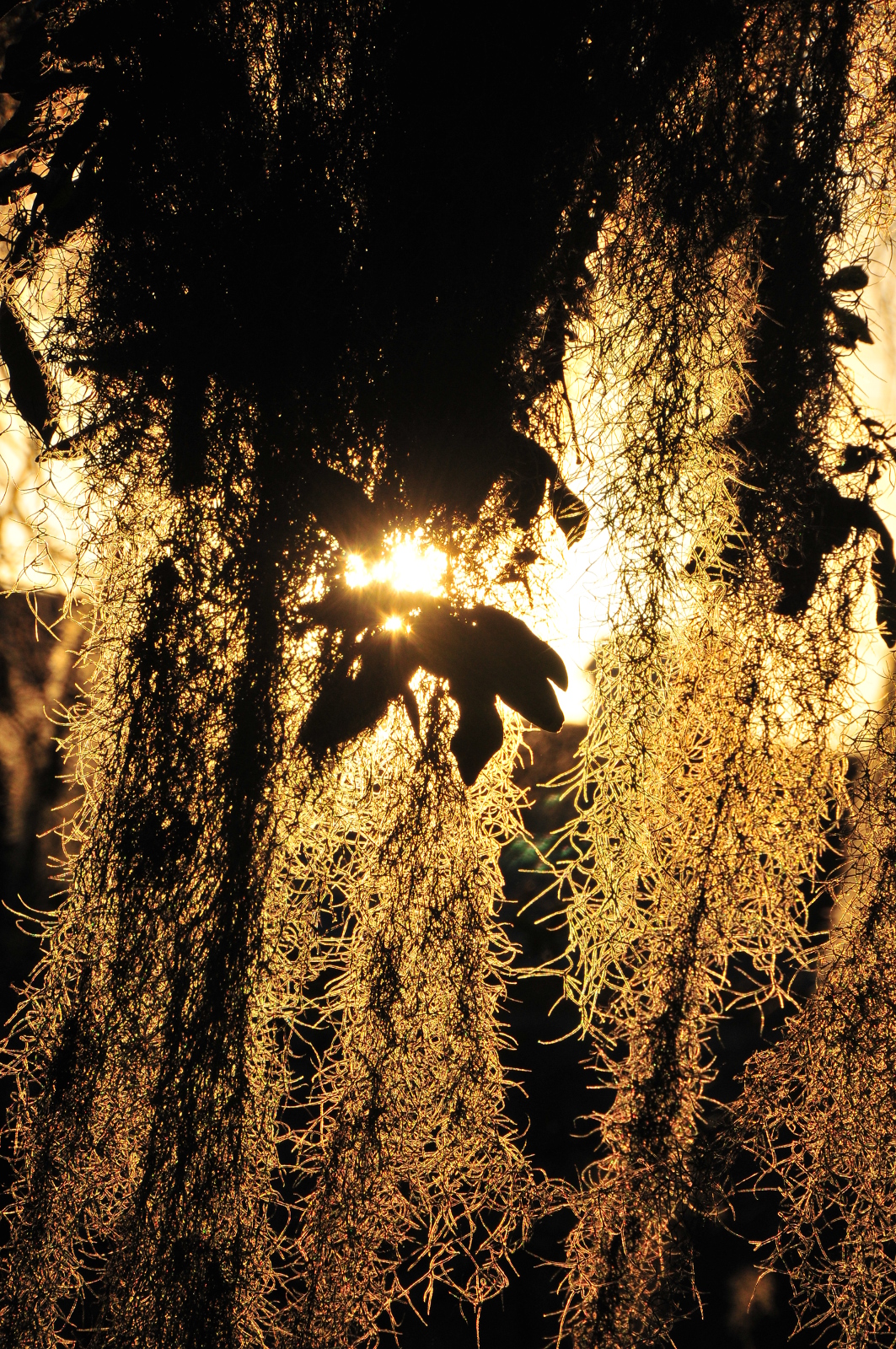
The sunlight filtering through the Spanish Moss hanging on the countless Live Oaks cast a soft hue on everything and made it a perfect place to sit and perhaps read a book or chat about things of real importance, but we had a schedule and, once he woke, a hungry boy, so after Babcia and K triangulated and positioned themselves (it was imperative that Babcia call and ask her now-famous question, “Gdzie jestescie?”), we headed to the historic district for lunch and a walk.

03

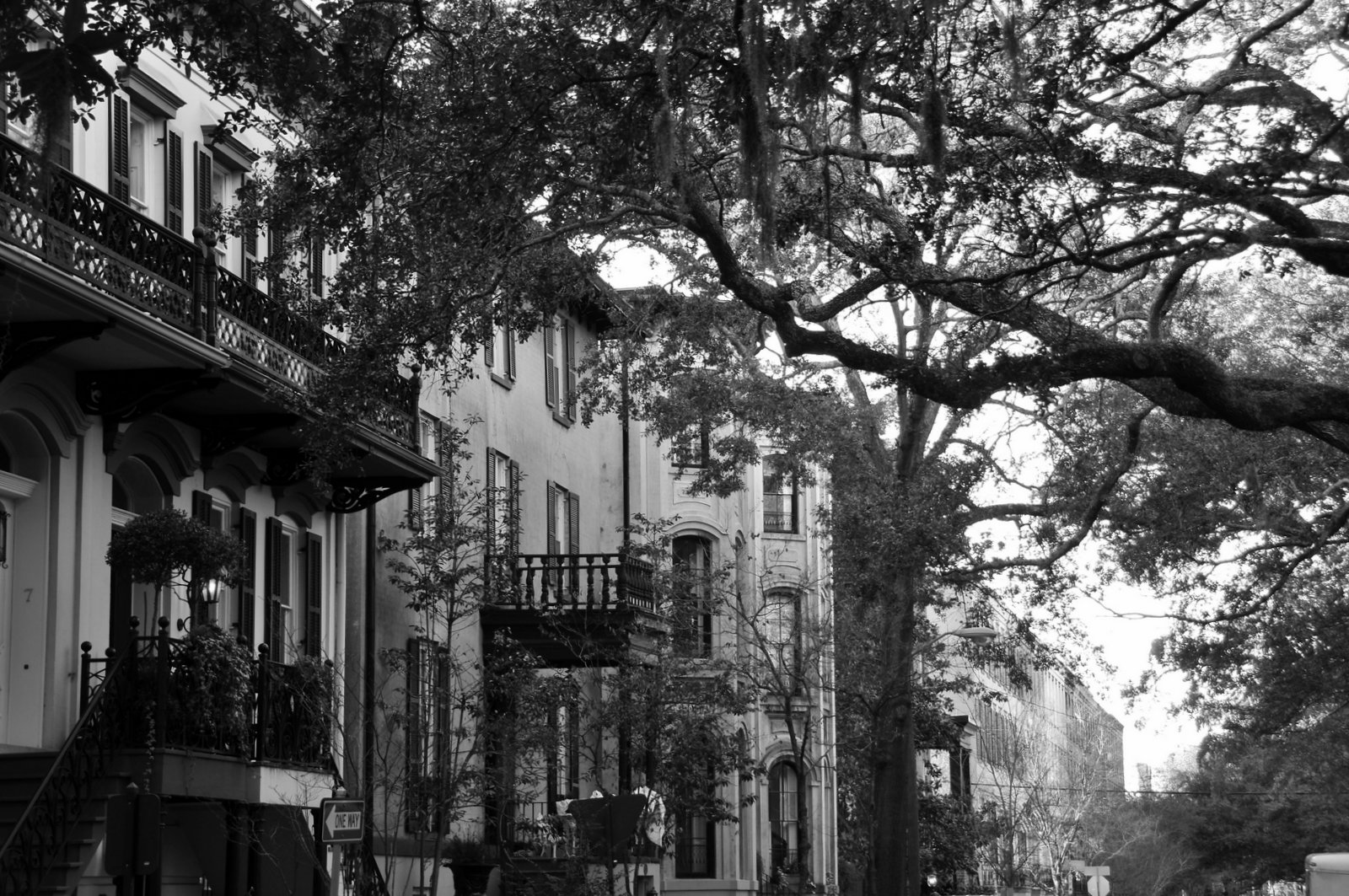
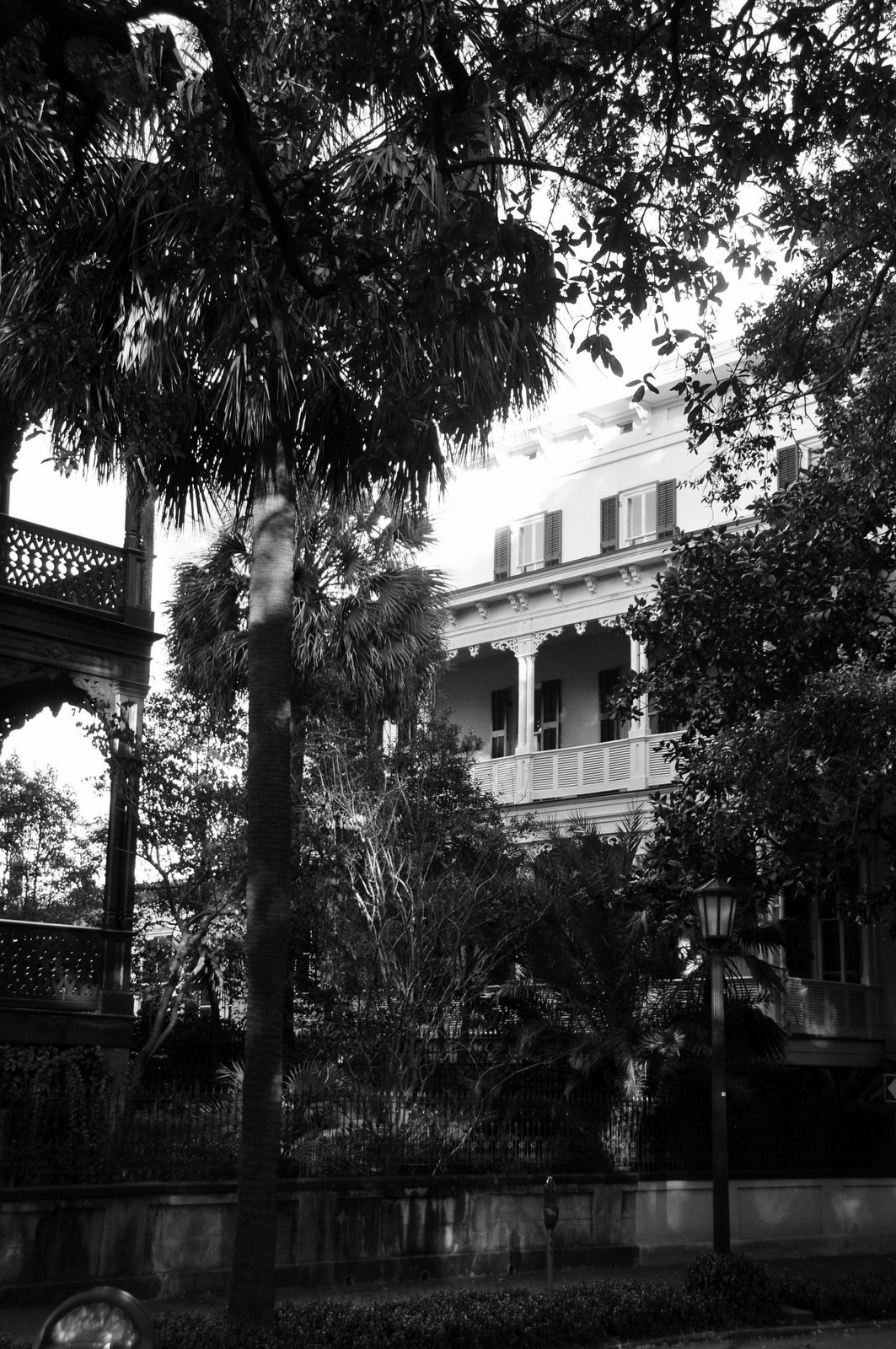
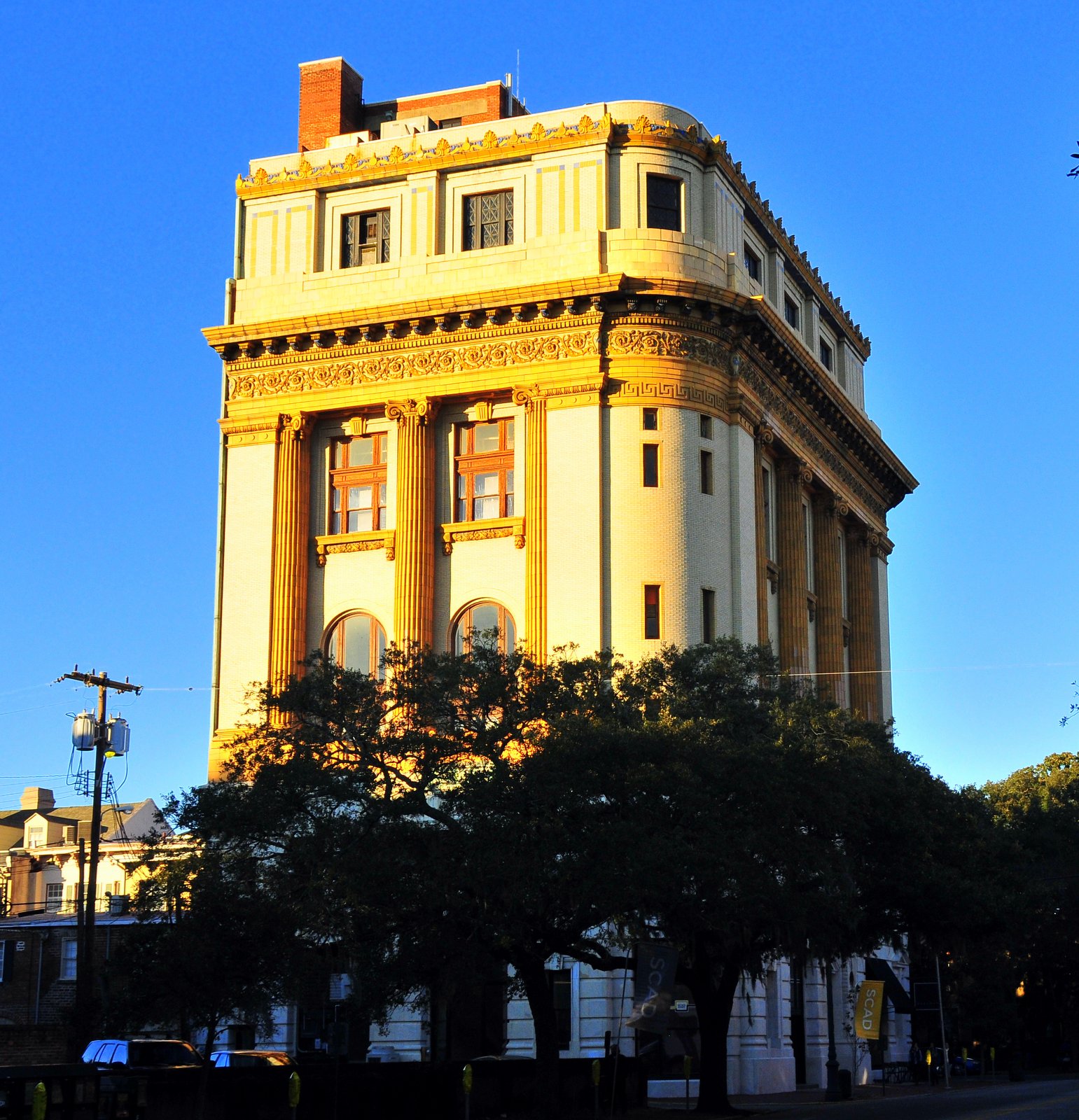
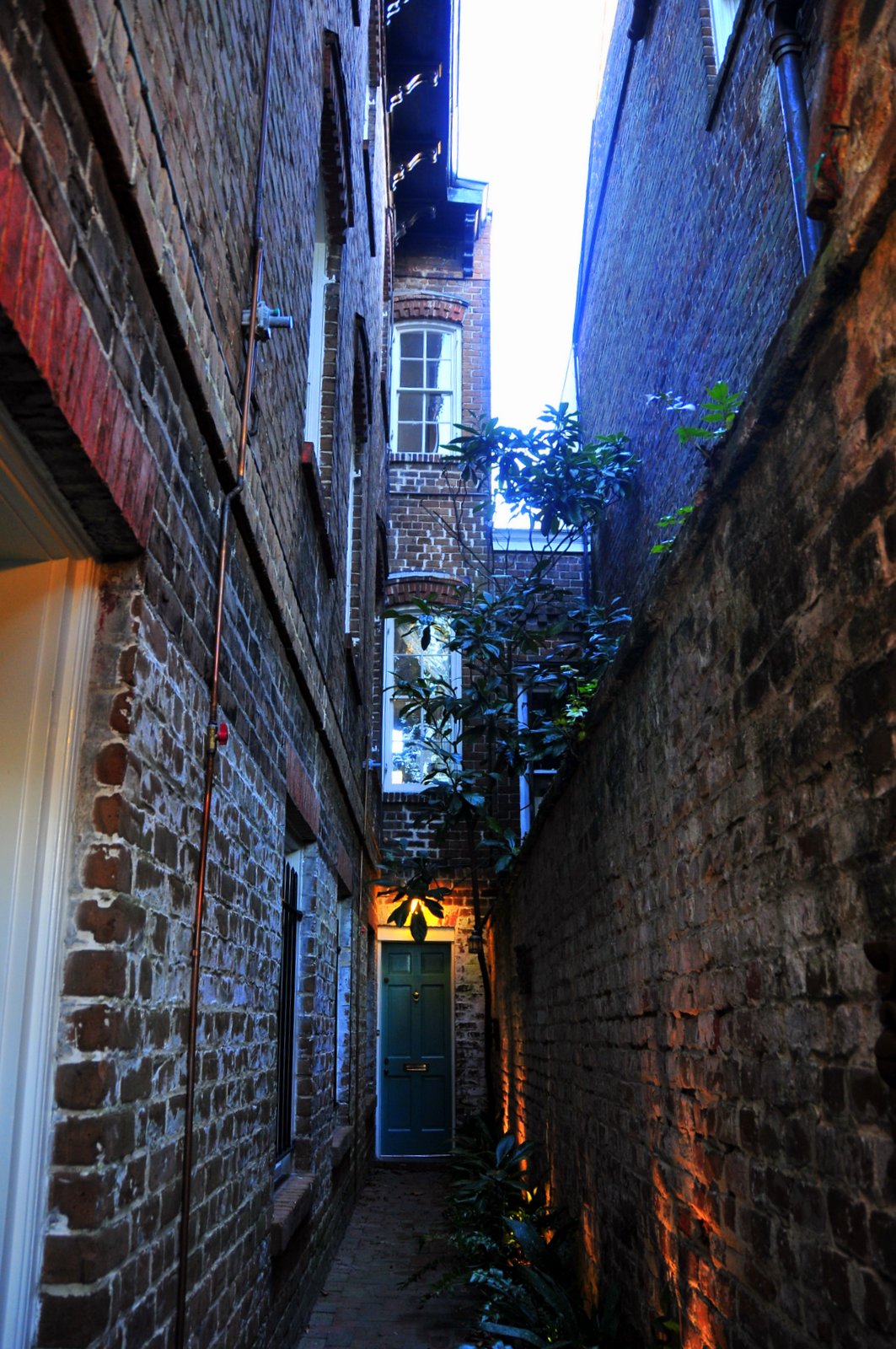
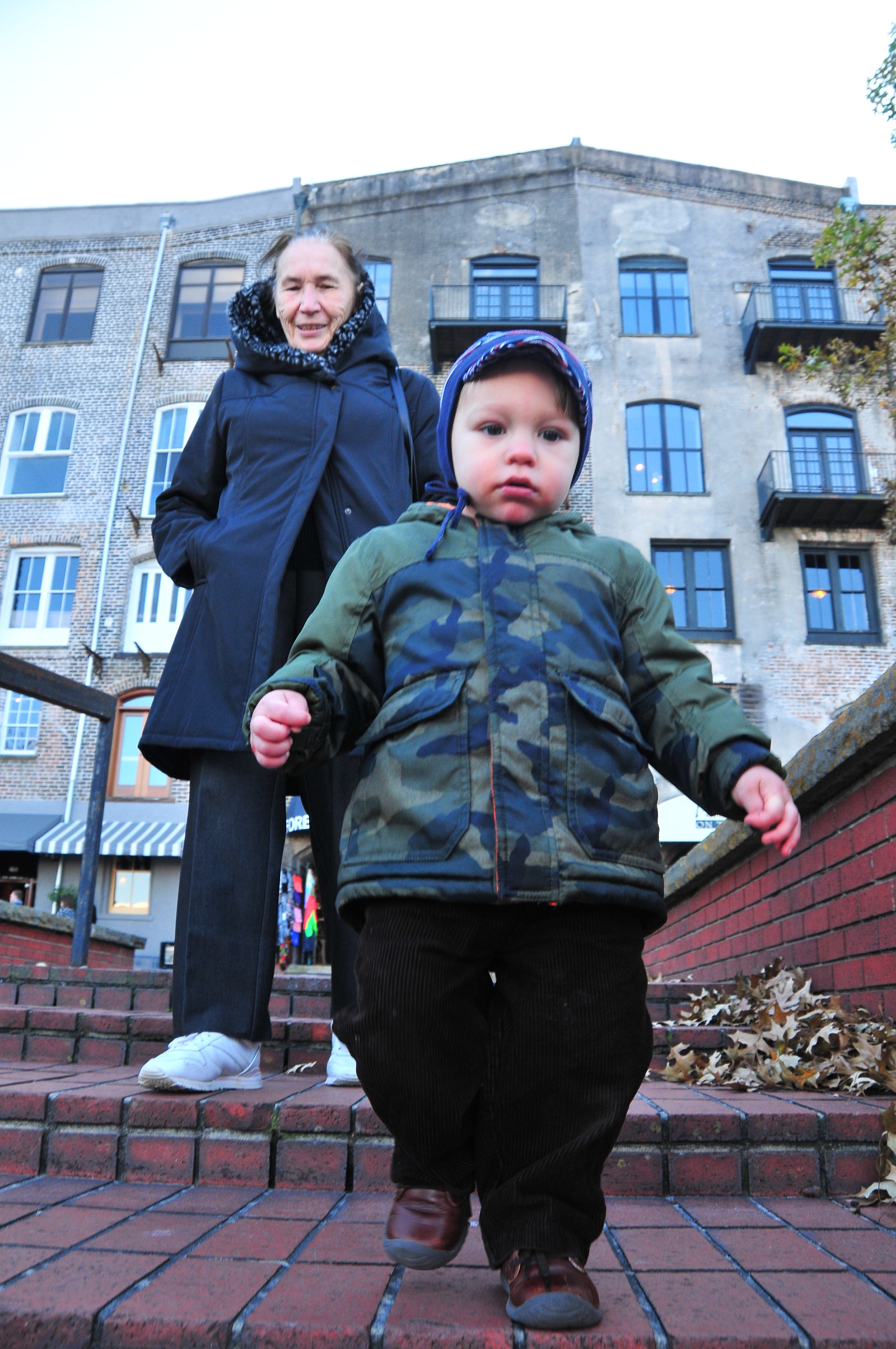
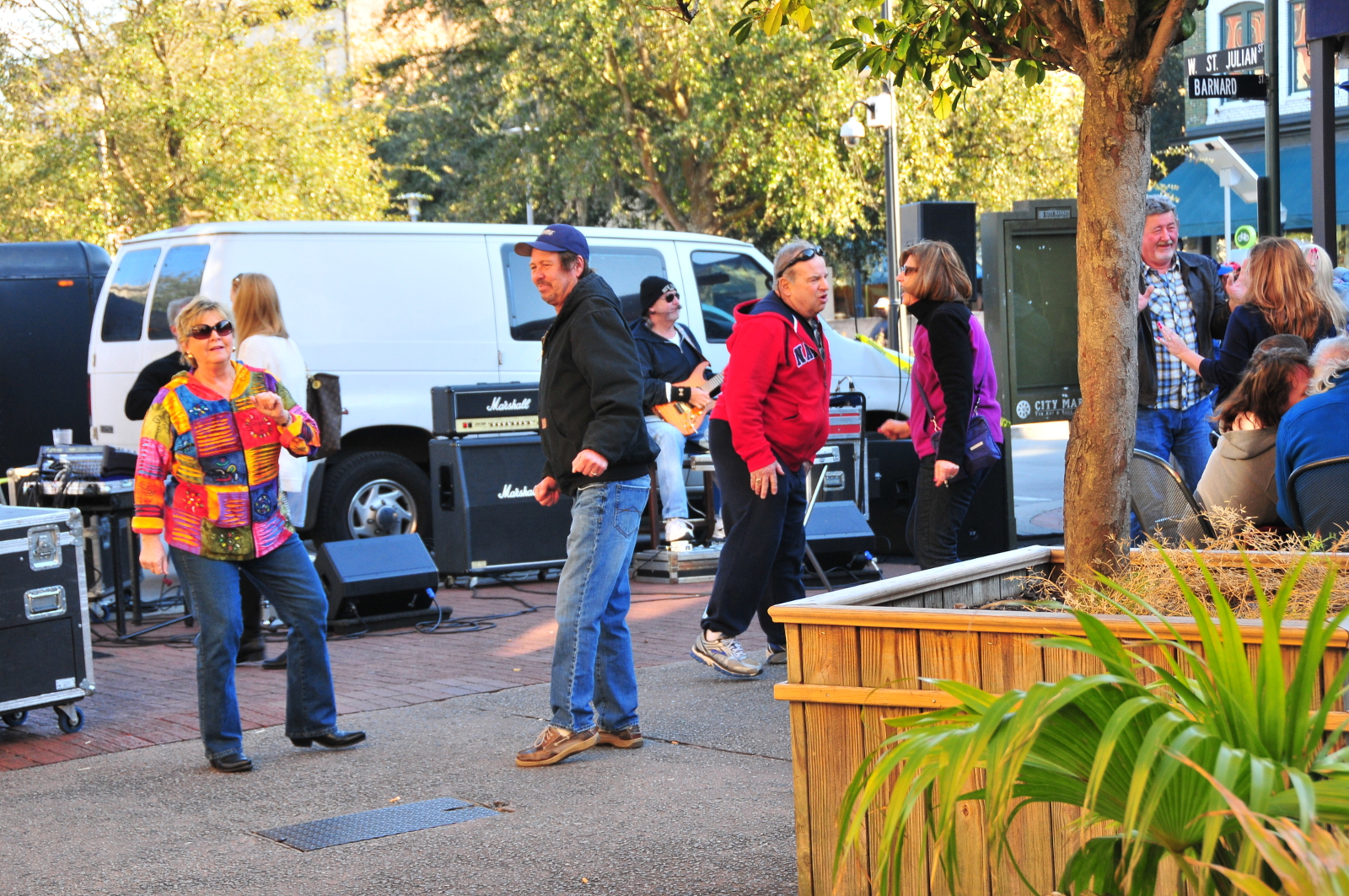
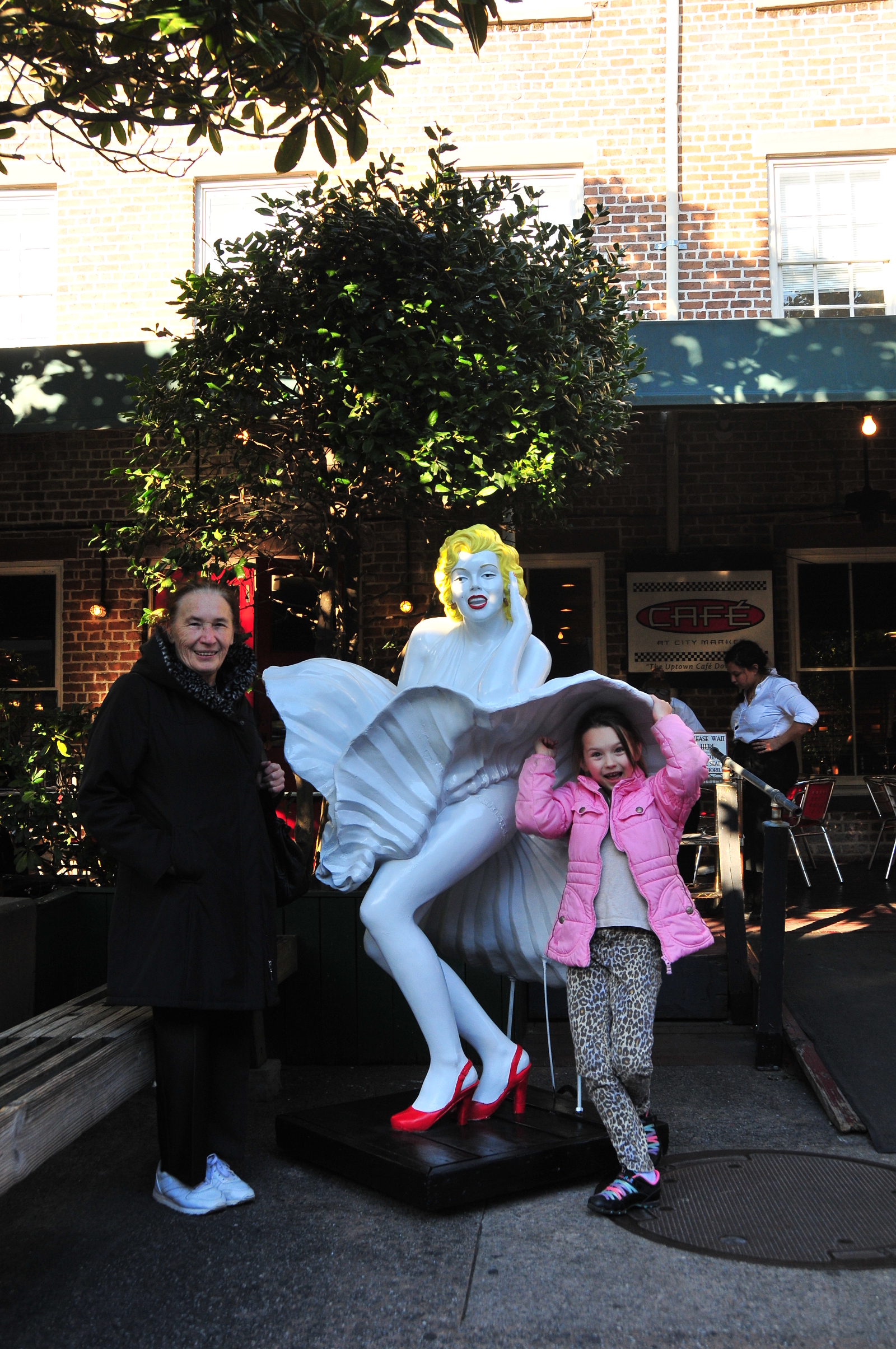
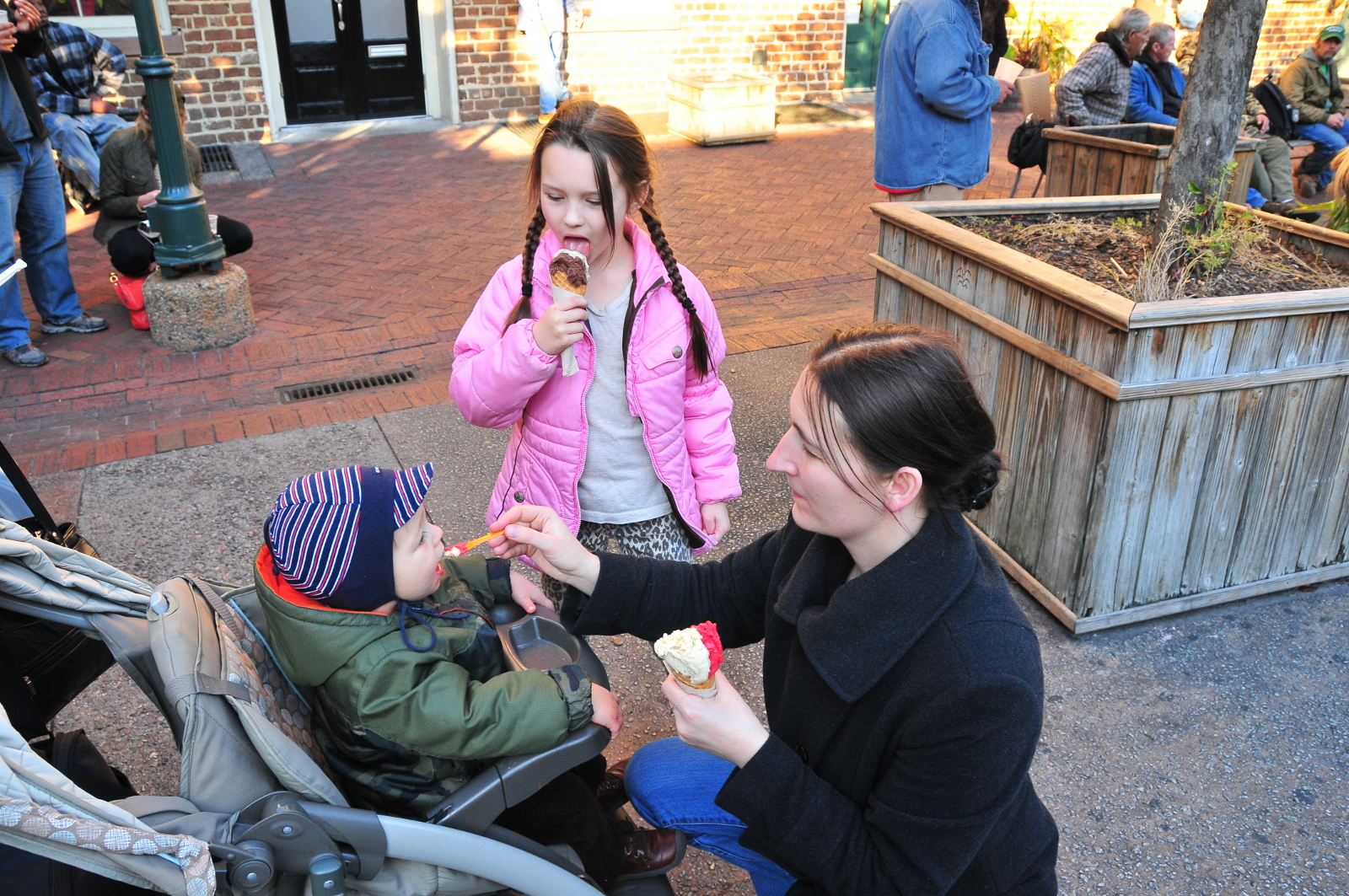
The former was a disaster at the over-price, over-rated Shrimp Factory that seemed to have irony on the menu (my jambalaya had microscopic shrimp that were few and far between) and slow service as the soup of the day. The latter was what could be expected in the most charming little city in the South. A riverside walk, wandering through streetside cafes (why didn't we eat in one of them?) with various buskers and plastic sculptures (what an odd combination, but there they were, opposite each other), and ice cream shops open in mid-January all soon put us in better spirits. What's not to love about Savannah, after all? It's the perfect tourist destination: small, wrapped in history, dotted with countless squares — and high real estate with no jobs for anyone, Babcia and K would add. Perhaps that's how the locals keep the average tourist from thinking the inevitable: what if we could move here?

05
06
07
08

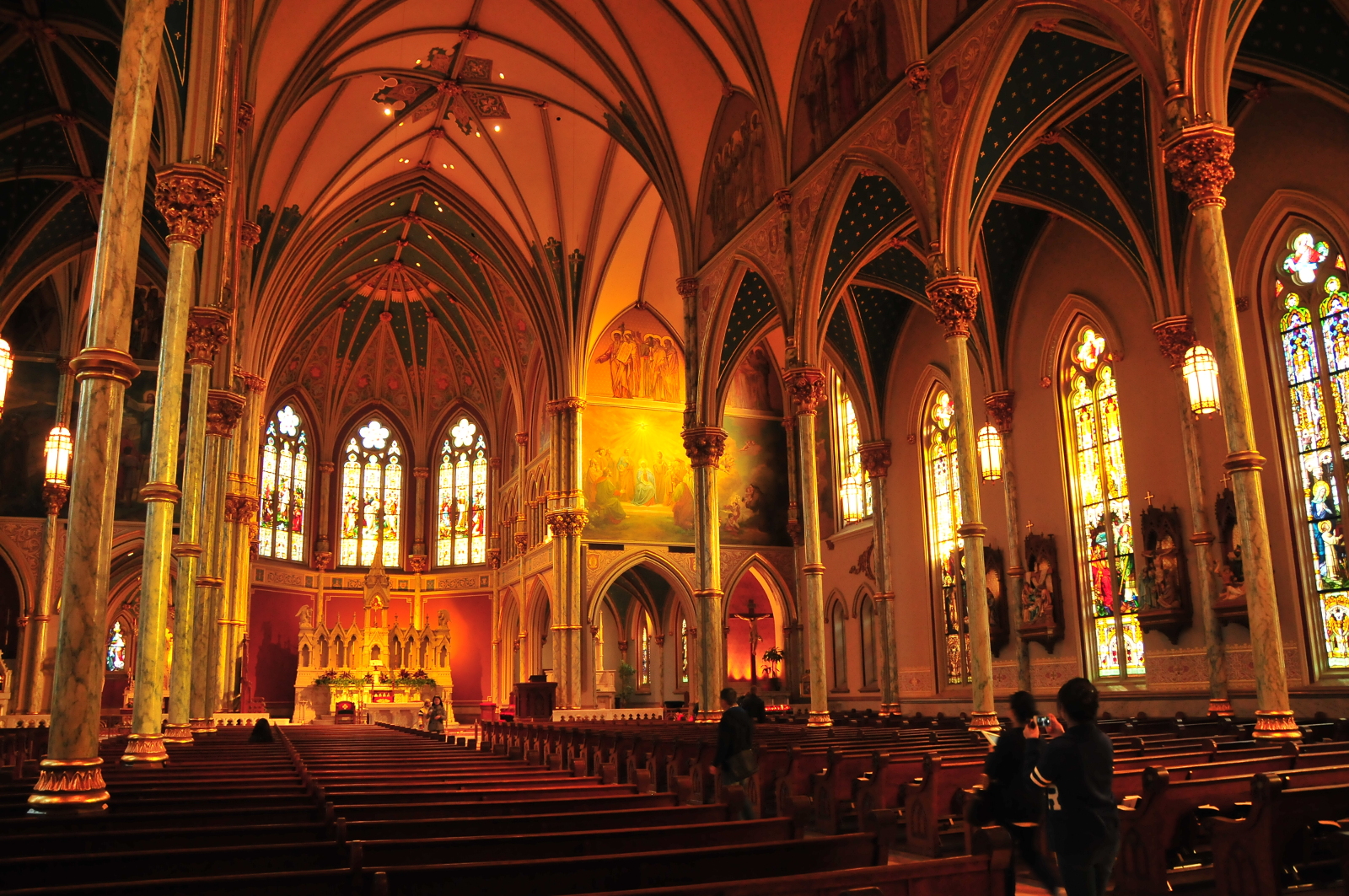
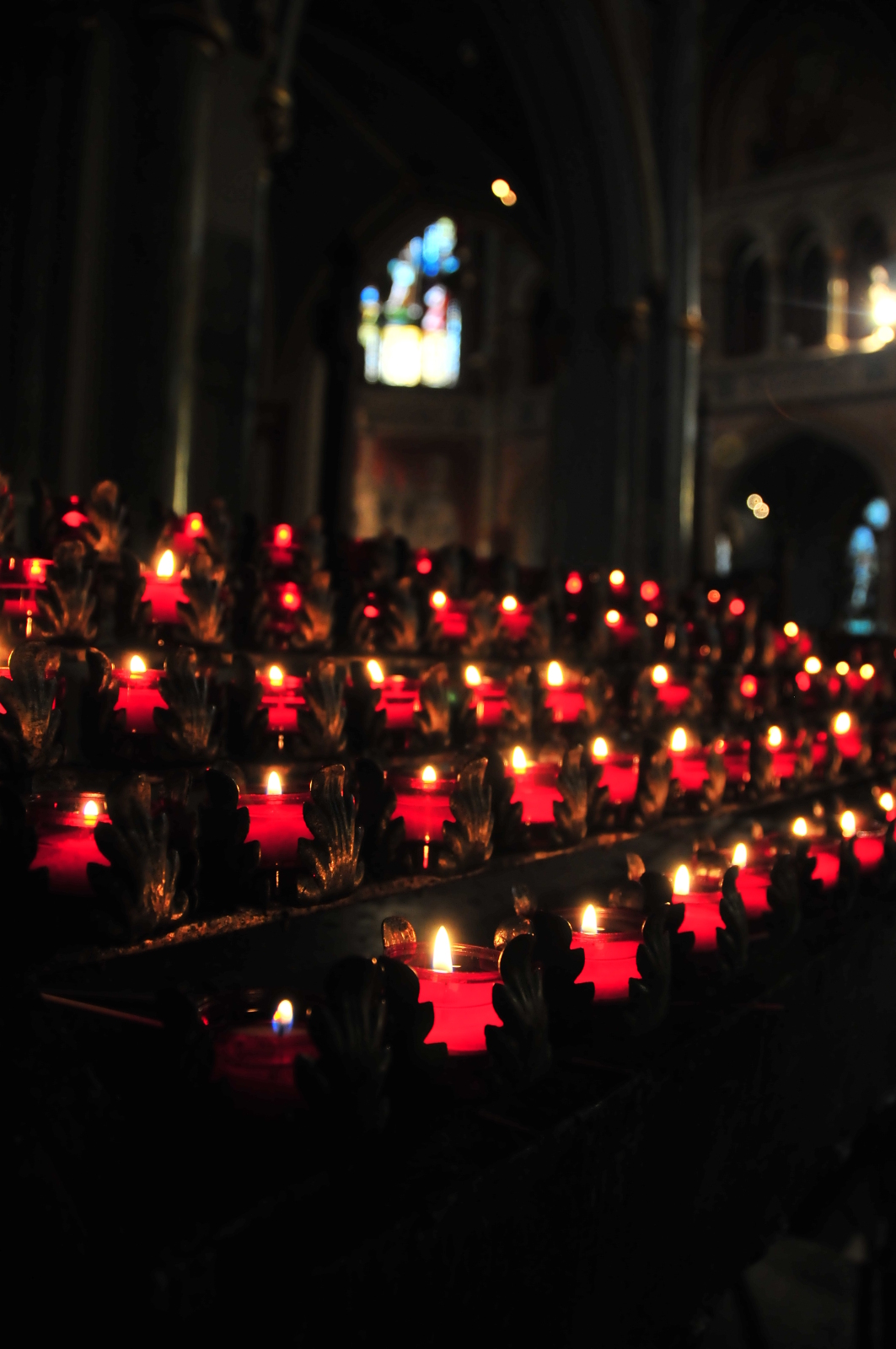
As the sun cast increasingly longer shadows and the chill returned to the air, we realized we were back near the church where we'd begun our day. K and Babcia took the kids to the playground where E and I started the day and I headed back to the Cathedral of St. John the Baptist, a church that actually looks, sounds, and feels like a church, with mult-level vaulted ceilings, sculptures of saints, stained glass, an enormous organ, and an echo.

09
10

I headed back to the others, played with the kids a bit, and returned to the cemetery, this time with a camera, the sun once again filtering through the Spanish Moss but this time from the opposite direction.

12
11
13

Arrival in Savannah

Dear Hotel Management:

When you said you have free Wi-fi, I took you at your word and assumed that by "Wi-fi" you meant a wireless internet connection with speeds comparable for, say, 2008. I mean, it is a hotel and the internet connection is free: I wasn't really expecting blistering speed. On the other hand, I also wasn't really expecting a throw-back to the early 1990's when dial-up bulletin board sites were the precursor to the internet and sometimes had speeds as low as 300 baud. In half an hour, I couldn't even upload a single picture.

Talk about first-world problems...

Regards,
Your Customer

First Music

The first album I ever bought is one I'm almost loathe to admit to now. The second, less so: Boston's Third Stage. I was in seventh or eighth grade when I bought those albums, and it was no small feat, for my father had made a rule that he had to investigate and approve any music purchase I made. At the time, I thought it was ridiculous. As a father myself, now I understand.

Recently, L made a discovery: portable music is highly convenient. She's been taking my iPod about, listening to whatever she finds on there that strikes her fancy. That's almost fine: most of my music I'd willingly play for her, but there is this and that which I don't think she's quite ready for. Fortunately, she was more drawn to jazz than anything else. Ben Webster's "Late Date" was a particular favorite.
Still, there's always the risk of accidental discovery of something she's not quite ready for. So when L suggested she buy her own MP3 player with the money she's saved up, it seemed a good idea.

It came Wednesday, and I loaded it up with Ben Webster, Sonny Stitts, Buena Vista Social Club, Beatles, and similar selections, and K bought her the Frozen soundtrack as a first album.

And yet, as I sit here listening to the newest John Mayer on Spotify, I realize that by the time she'll be the age I was when I first bought my first album, iPods will even seem old-school. All music available all the time.

What will she listen to?

I'm not so much worried about what she'll listen to as I am the music her potential suitors will be drawn to. A boy who listens to misogynistic rap will likely be somewhat affected by it -- at the very least, his disregard for what the man is actually saying will be worrying. Of course with the prevalence of free online porn, what the young man might be listening to might be of less concern than what he's streaming on his phone.

All of this flashed in my thoughts as I saw L dancing about, singing along as best she could to a song she barely knows, and I thought that perhaps Babcia is right: the nineteenth century was so much better...

Chris Smither

Yes or No?

E is entering the wide world of language, three languages at a time. He grunts and coos sometimes, but he's started using a few words, both Polish and English. For example, he has a "Yes" grunt and a "No" grunt, but he also says "Yes" and "No." Sort of. When I have difficulty discerning whether his grunt is affirmative, I ask him, "Yes or no?"

"Tak" comes the reply.