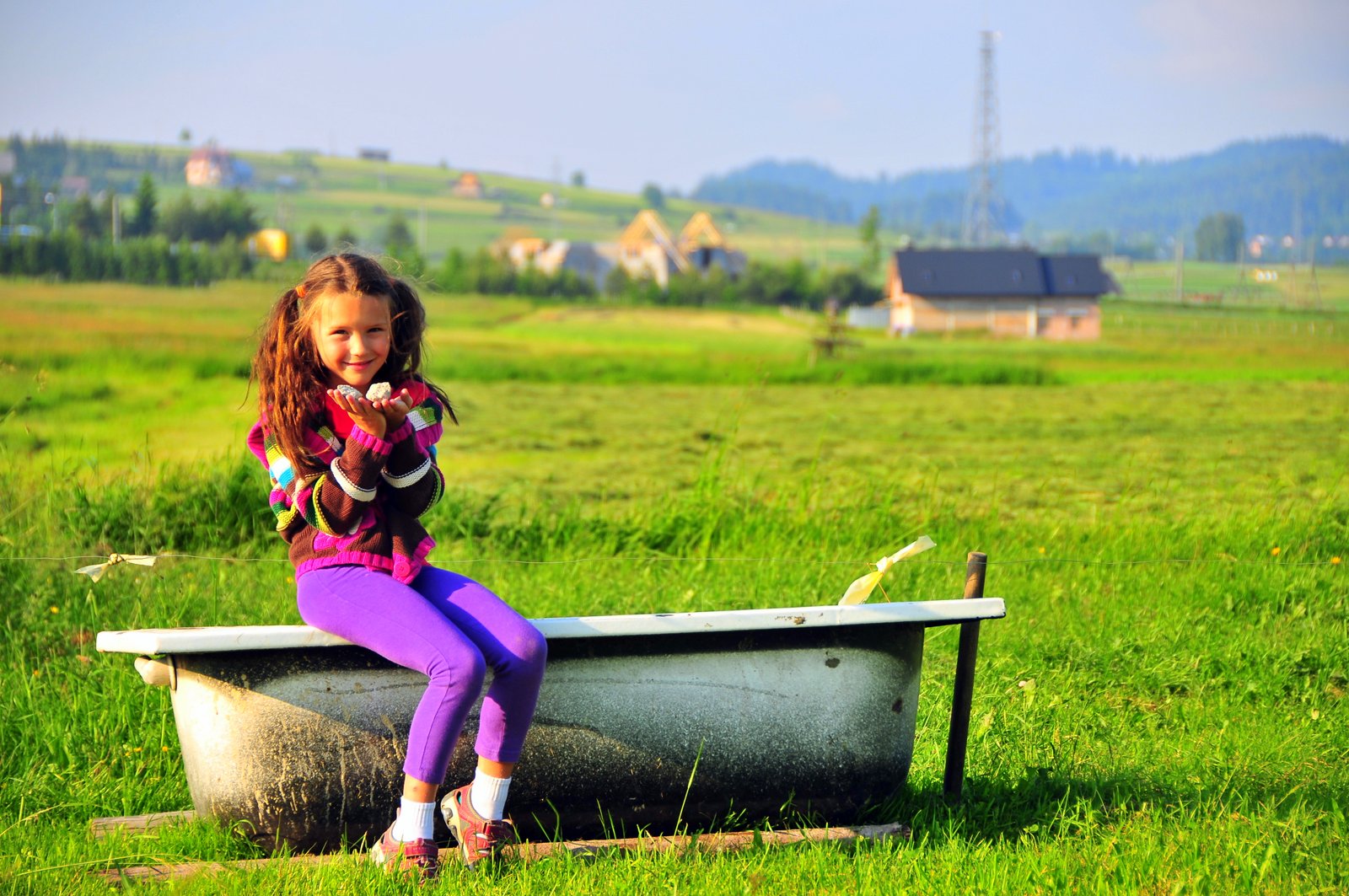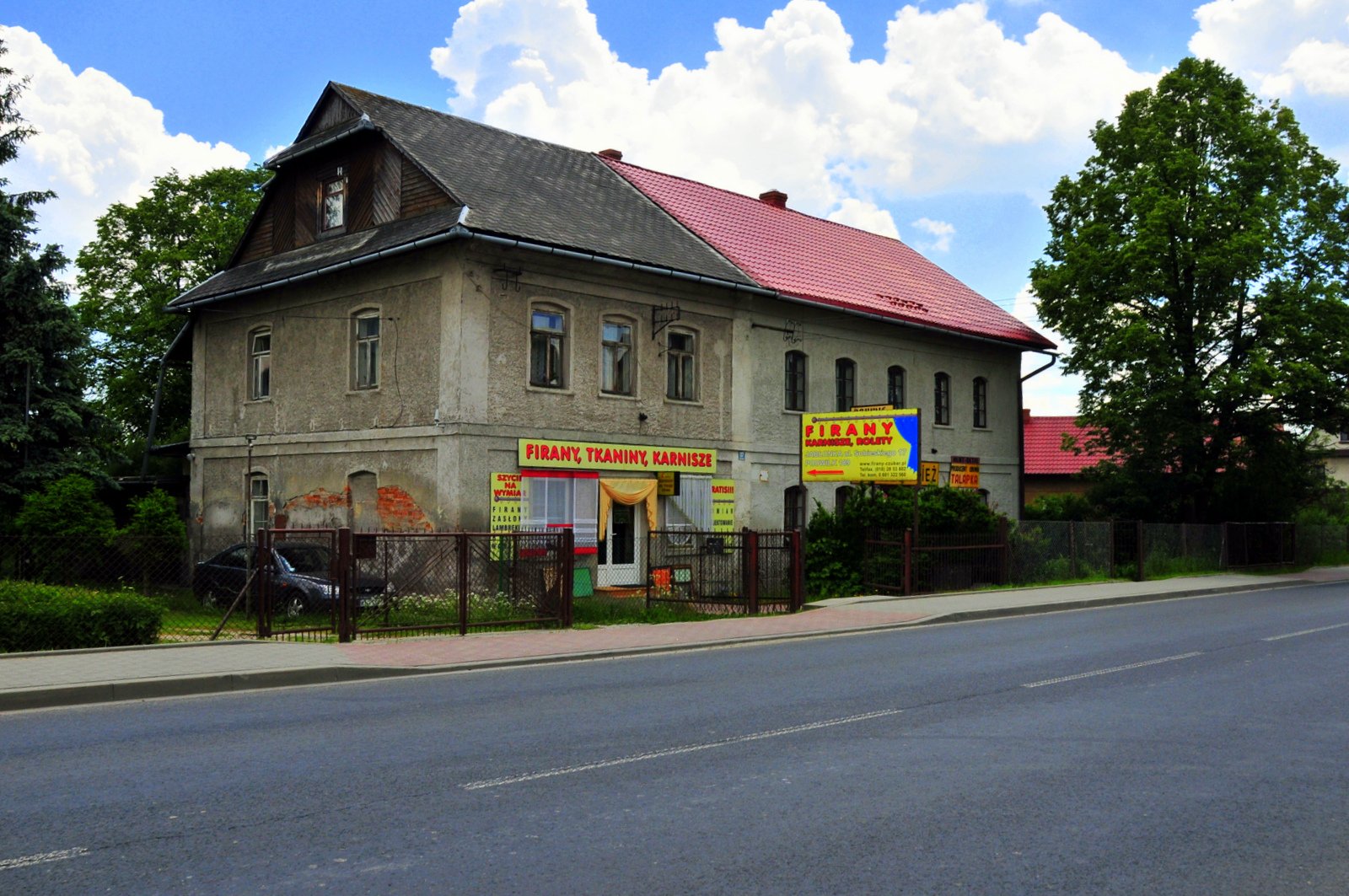
This is how I remember Jablonka, not the little miasteczko it’s become.
fun in threes, sometimes fours
Month: June 2013
This is how I remember Jablonka, not the little miasteczko it’s become.
It's L's first day at a Polish school, picking up with the kindergarten kids for their final two weeks of school. She was upset the night before: "I don't want to go!" was a common tearful refrain. "I don't want to go" are the first words out of her mouth this morning. But a little bribery works wonders: "After school, we'll stop in at Steskal's for an ice cream cone, and later today, we'll go visit a toy store."
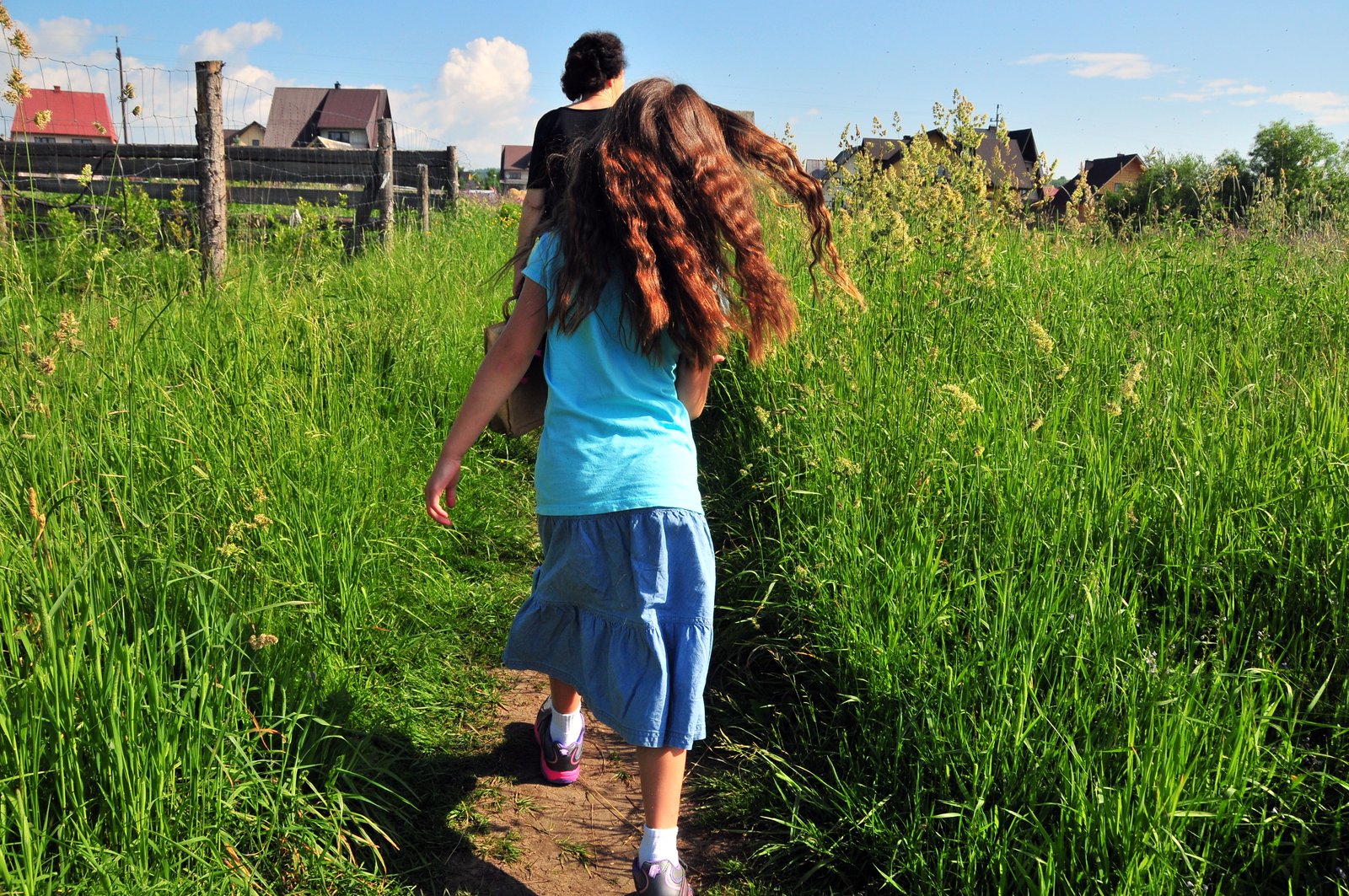
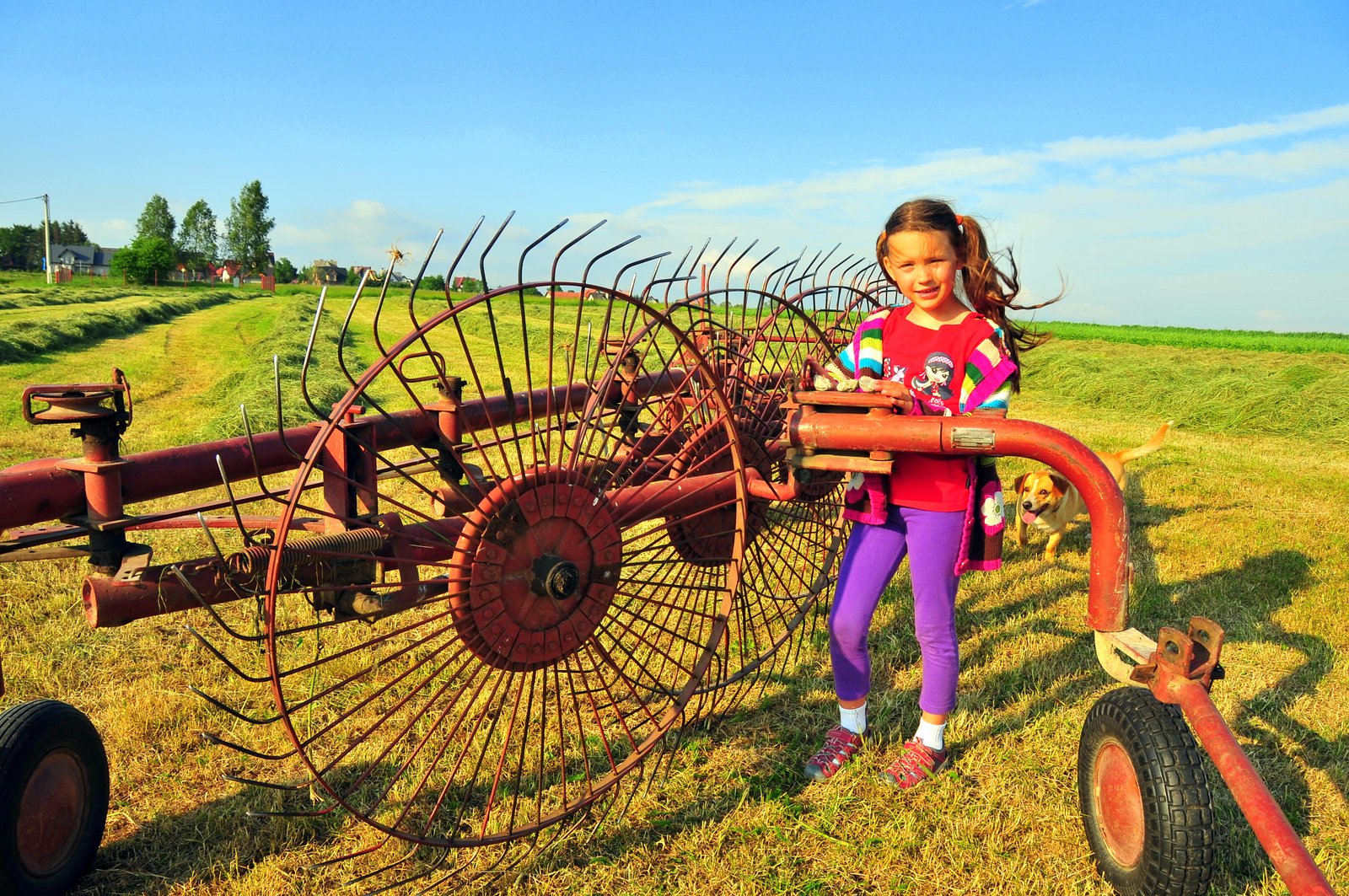
And so off we go, heading through the fields to school -- another "only in rural Poland" moment.
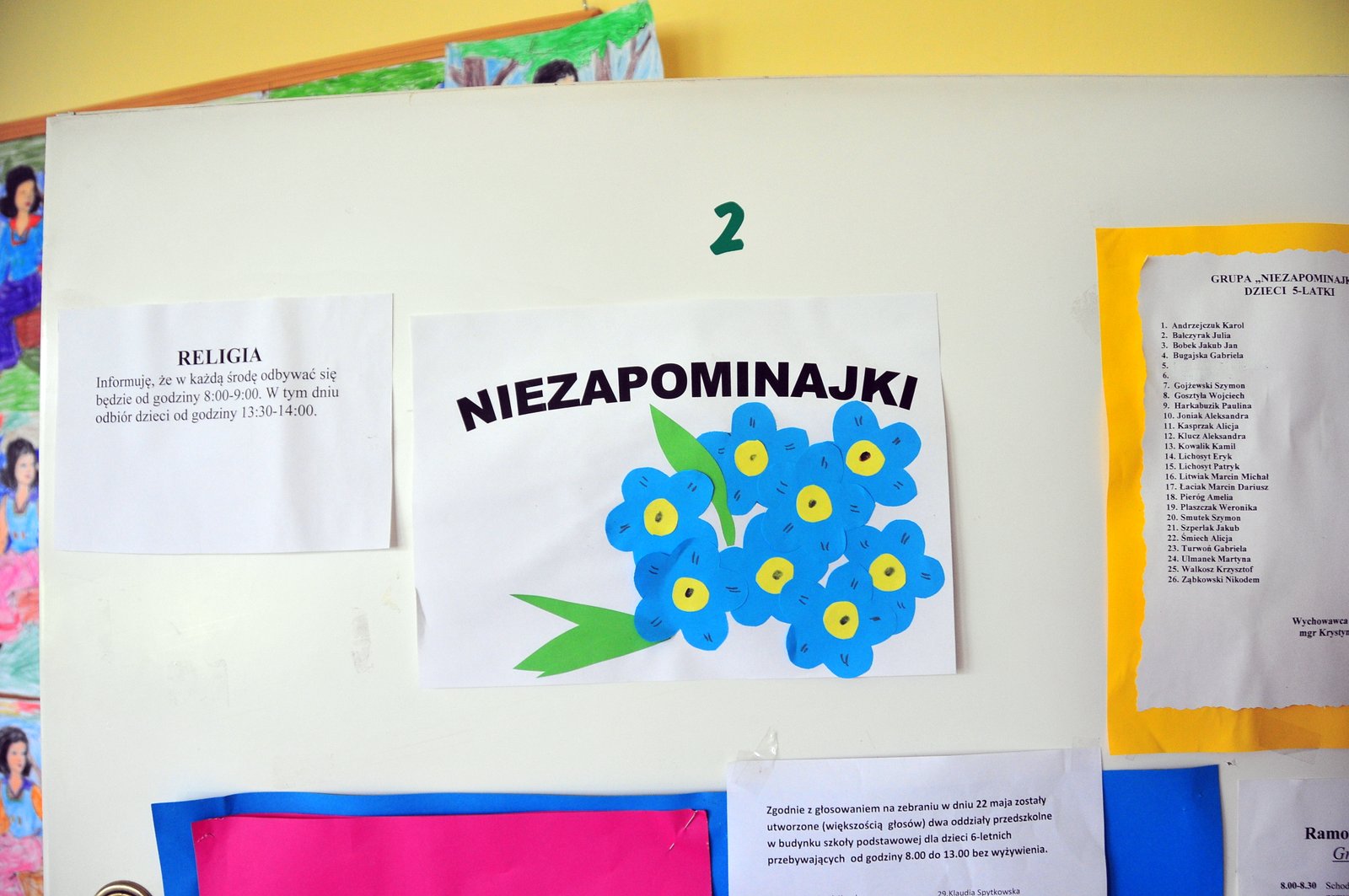
We meet with the director (not, it turns out, my former student, which is odd: I had two students with the exact same name, and now this makes the third female in this small area with the same first and last name), and she leads us to L's teacher. Each class is given a name like "Bumble Bees" and "Dragons" and this and that: a real mix of names. L has joined the "Forget-Me-Nots".
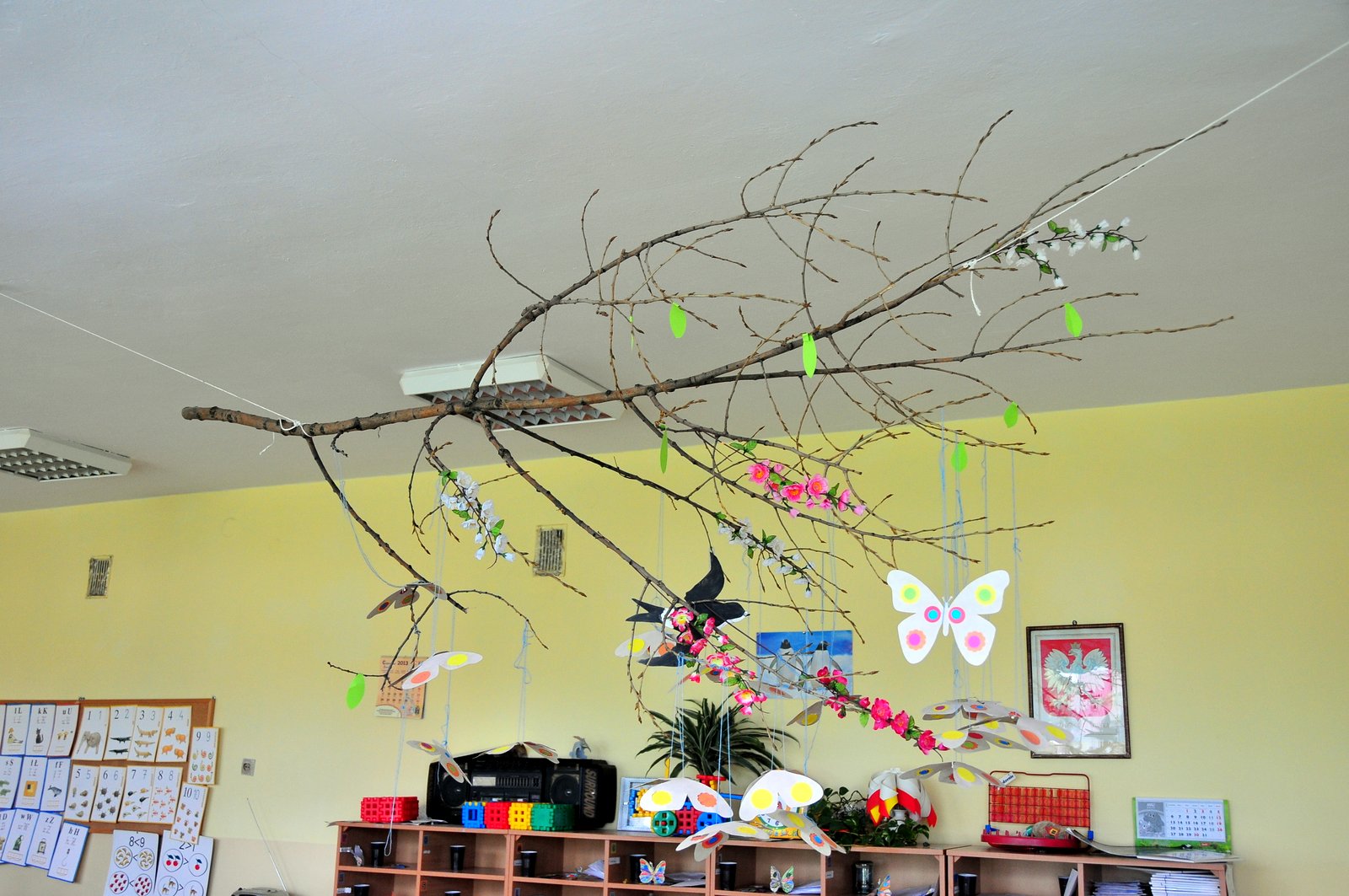
It's a colorful room with an original bit of decoration in the middle.
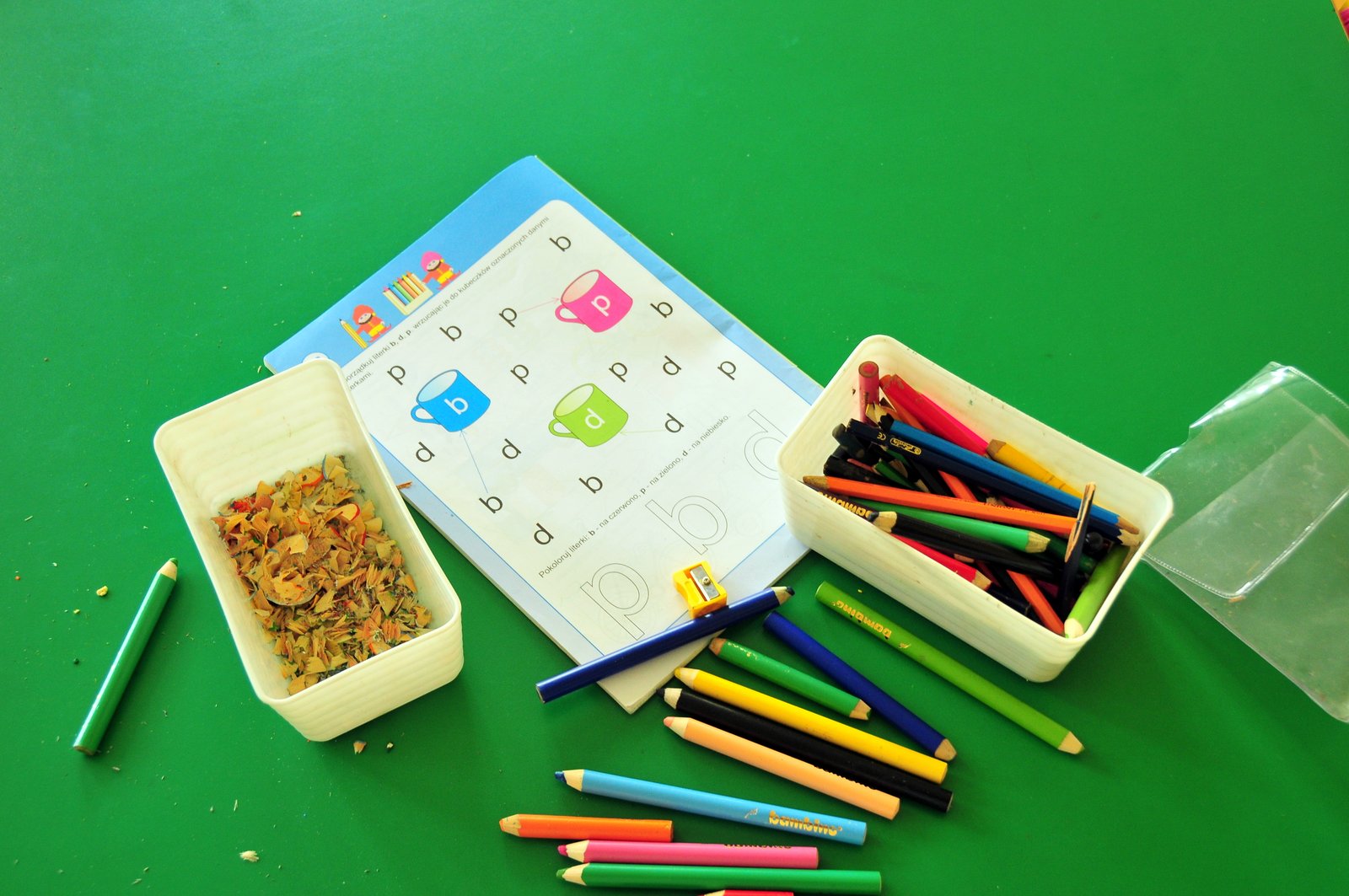
The first few minutes she's very clingy. She doesn't want to participate; she doesn't want to speak; she doesn't even want to show her face, literally. I coax her to a table of girls, and I begin chatting with them, hoping L will join in. They all introduce themselves, we talk a bit, and slowly L begins to come out of her shell. She eventually asks for a copy of the work the children are completing.
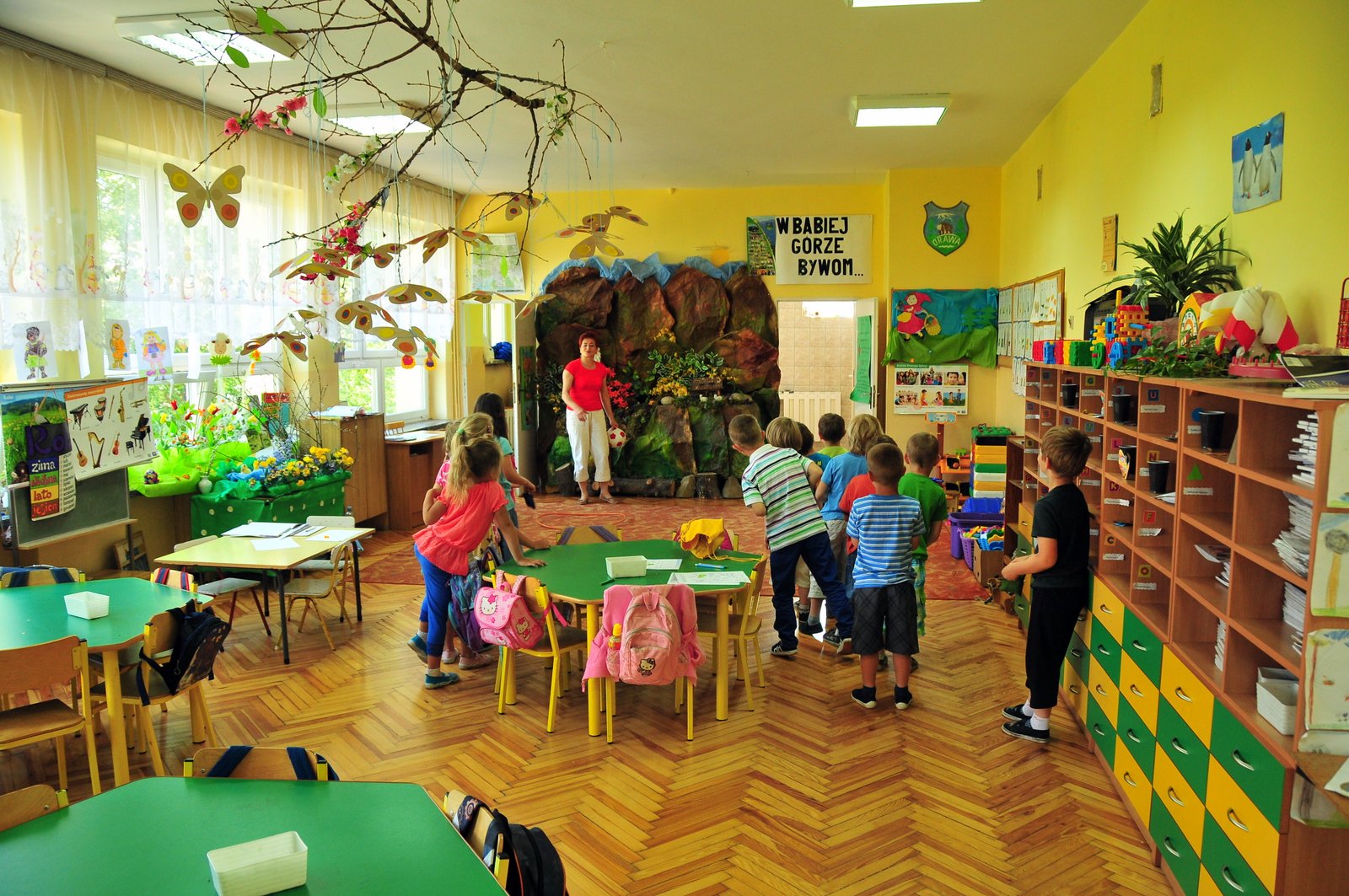
Before long, the kids circle up, sitting "Turkish style" (a direct translation of the Polish equivalent of criss-cross-applesauce). Then there are games, marching, chanting, singing, generally silliness. L takes part, somewhat reluctantly.
Soon it's time for the "second breakfast" (i.e., snack), and as the children are washing up, the teacher tells me that after snack, they're going to be the next in line to go out and look at the firetruck that has been sitting in front of the school most of the morning -- sort of a guided tour of a firefighter's world.
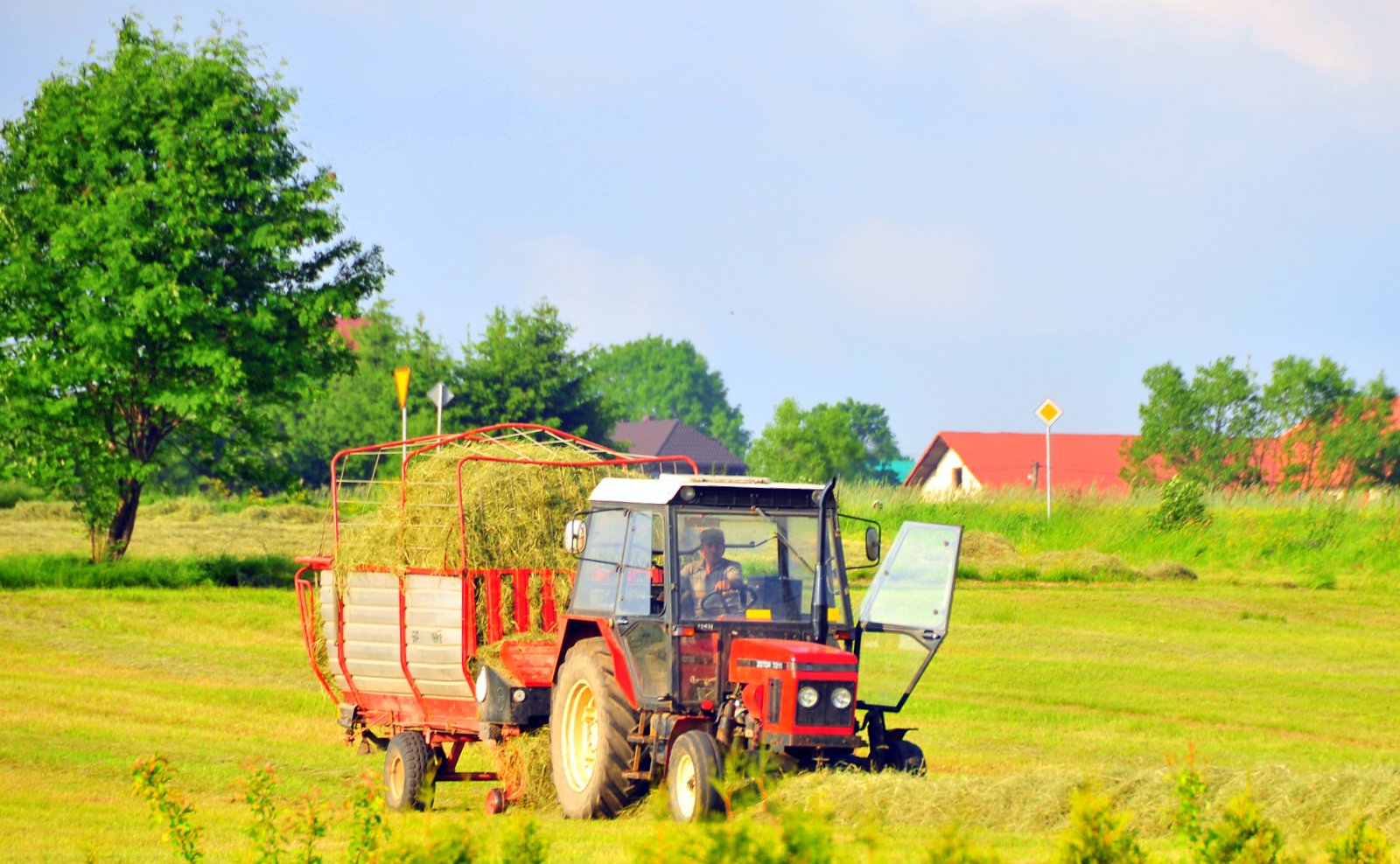
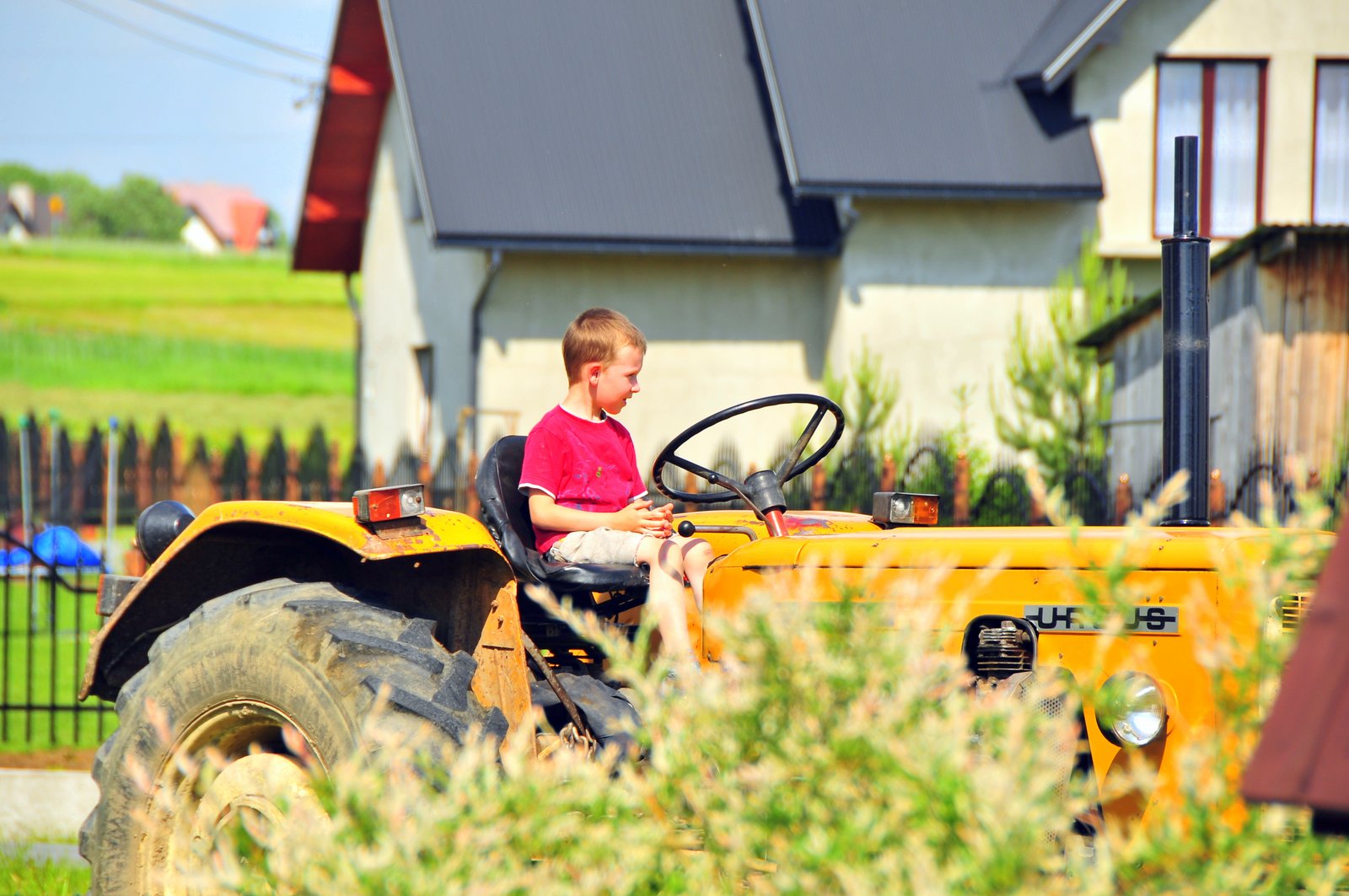
As we head out, another "rural Polska" moment, for we have to wait as an elderly dziadek drives his equally old tractor down the street, a tractor so old with such a weak engine that it has difficulty going over the speed bump. The driver has to throw it in reverse, getting up a little more momentum the second time, to roll over the bump.
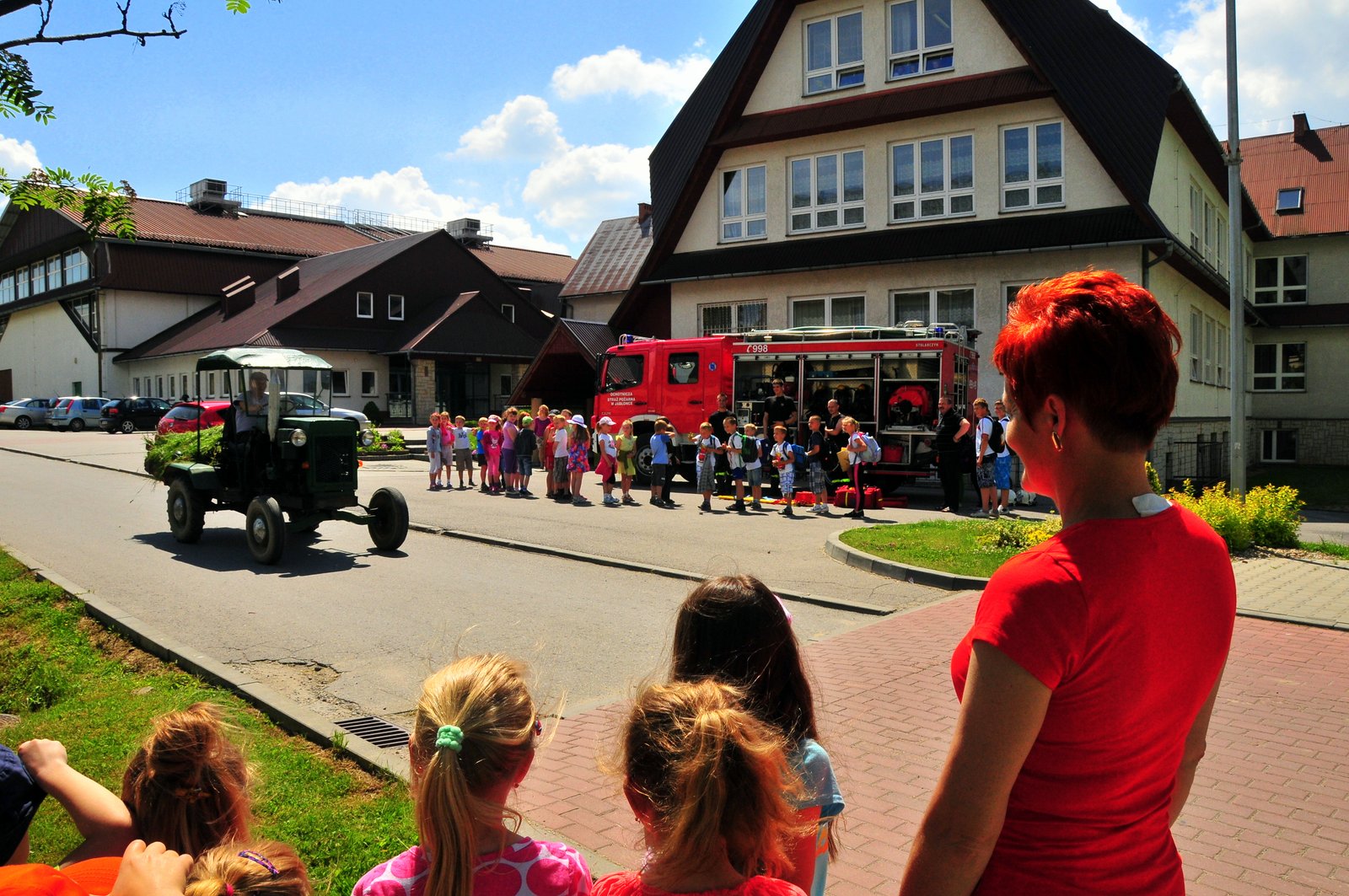
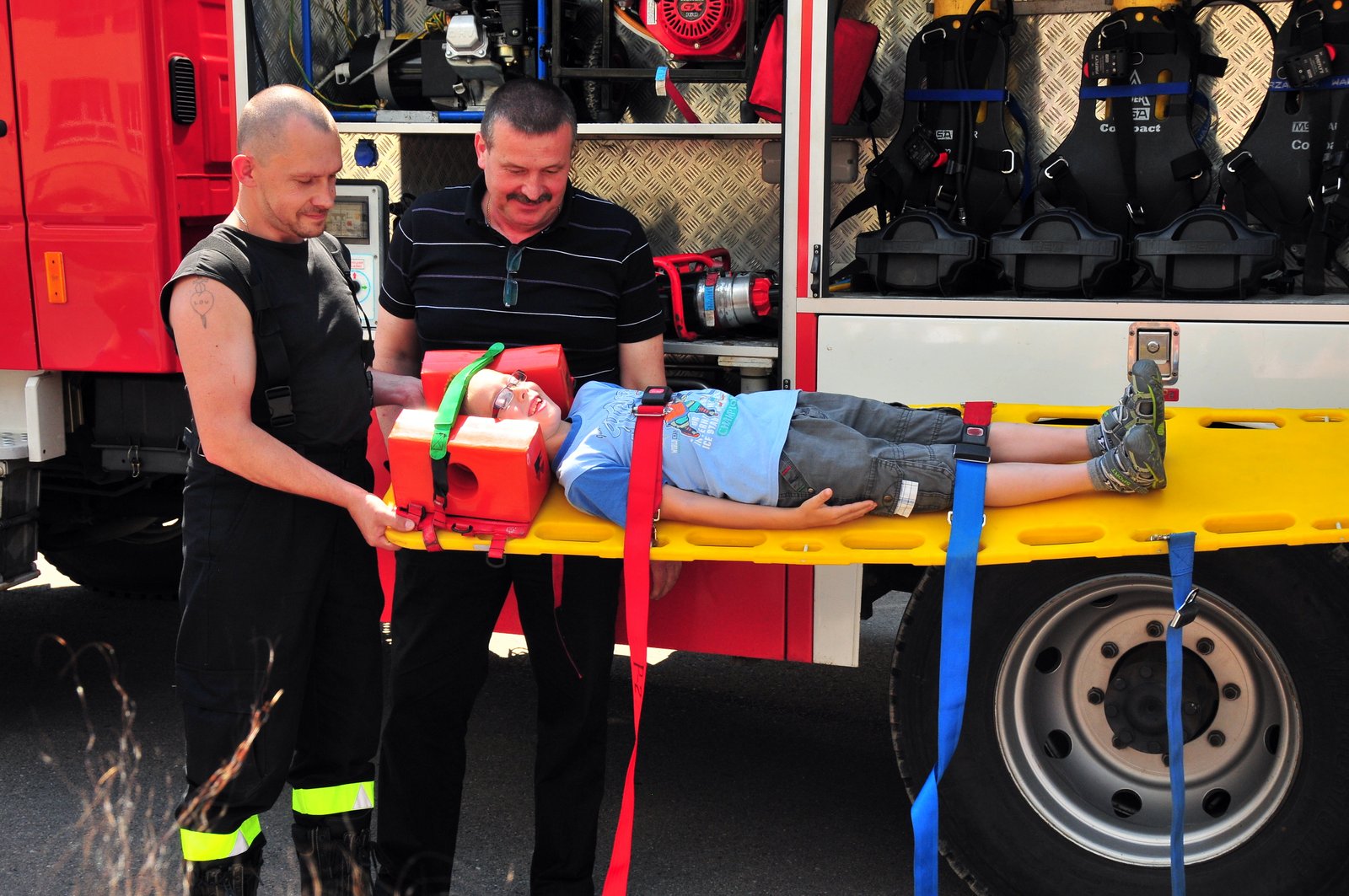
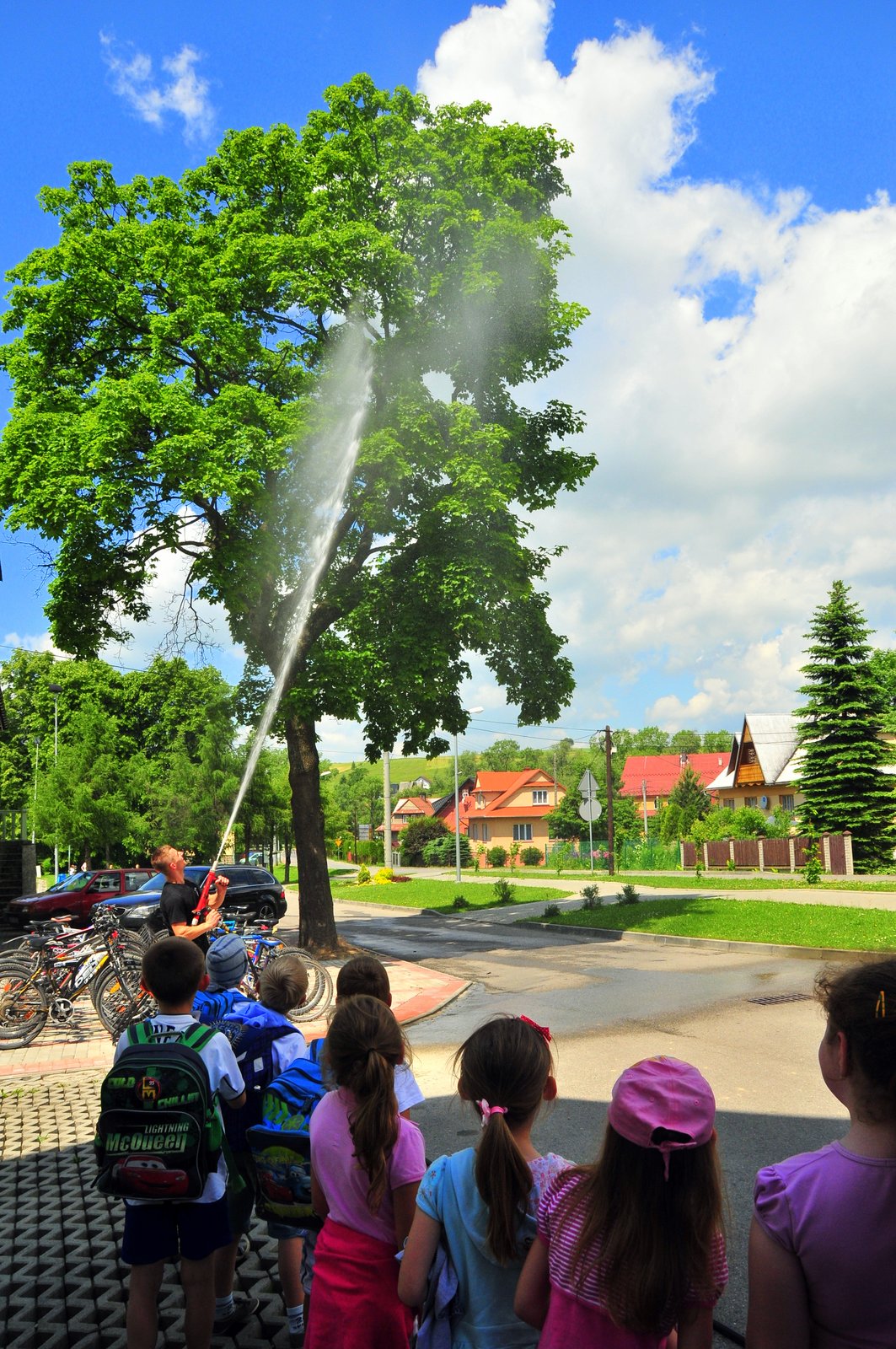
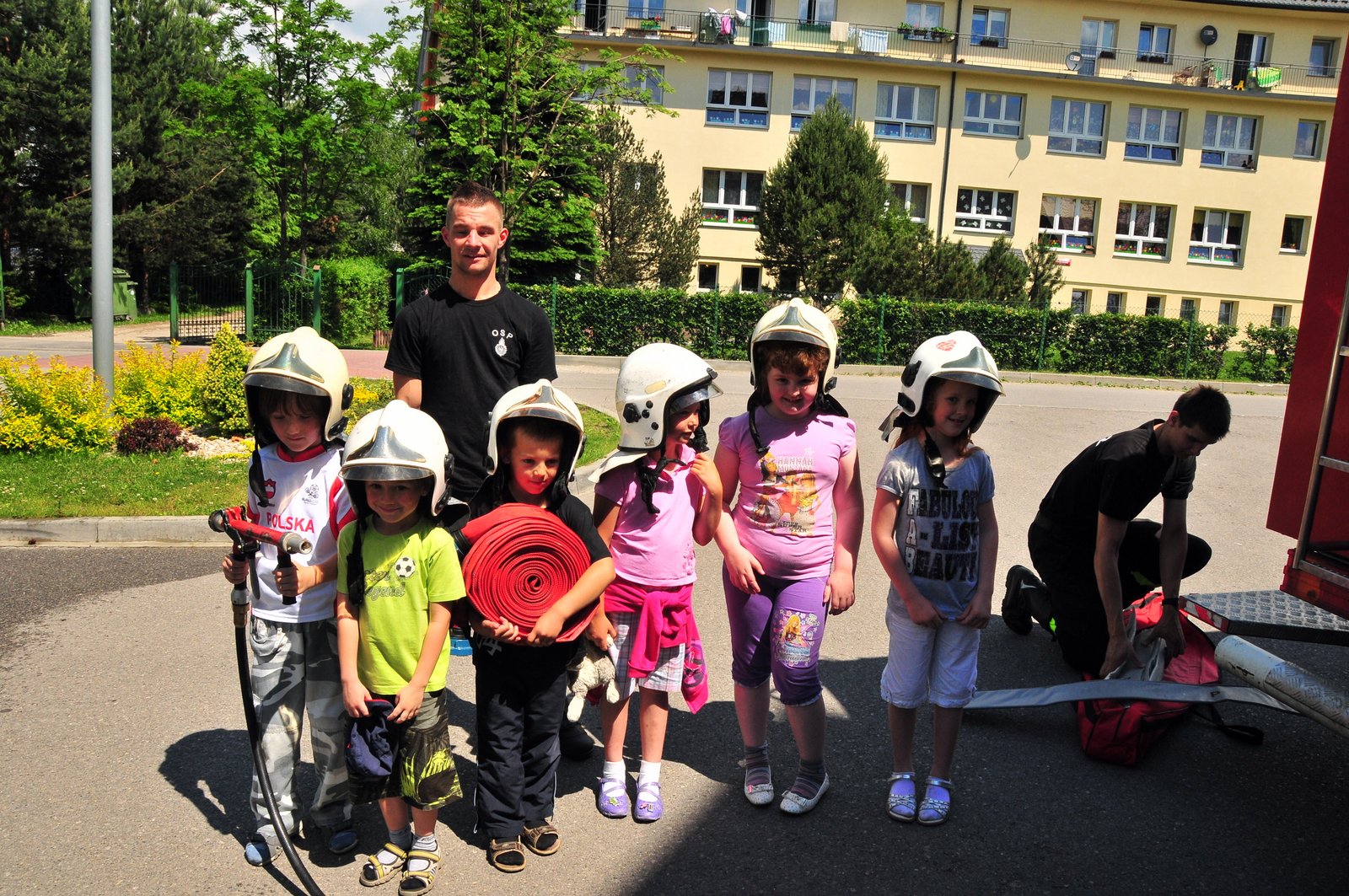
We cross the street and the presentation begins. The firefighters show the kids their oxygen masks, their aspirators, their hoses, their helmets -- in a word, everything.
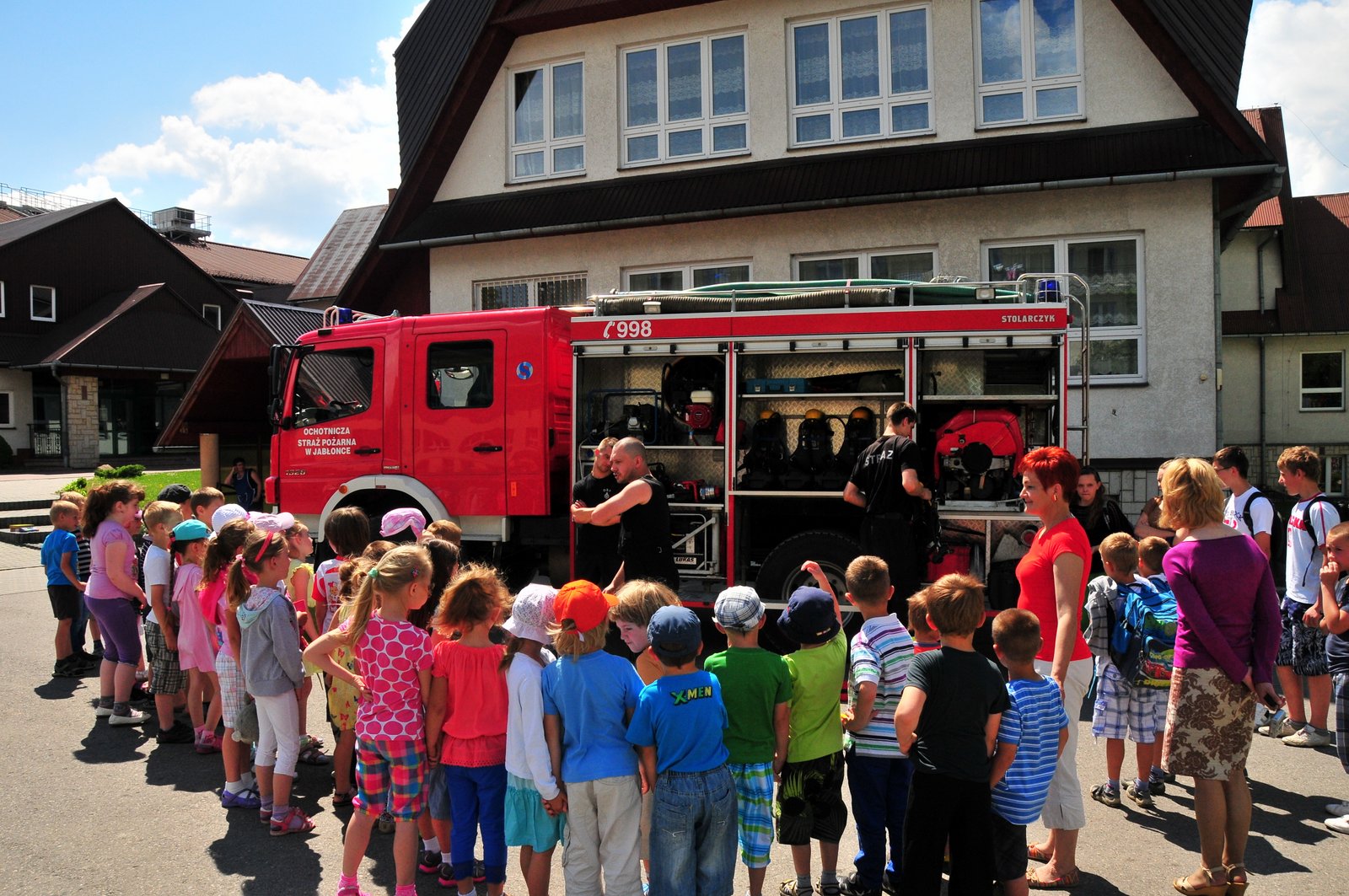
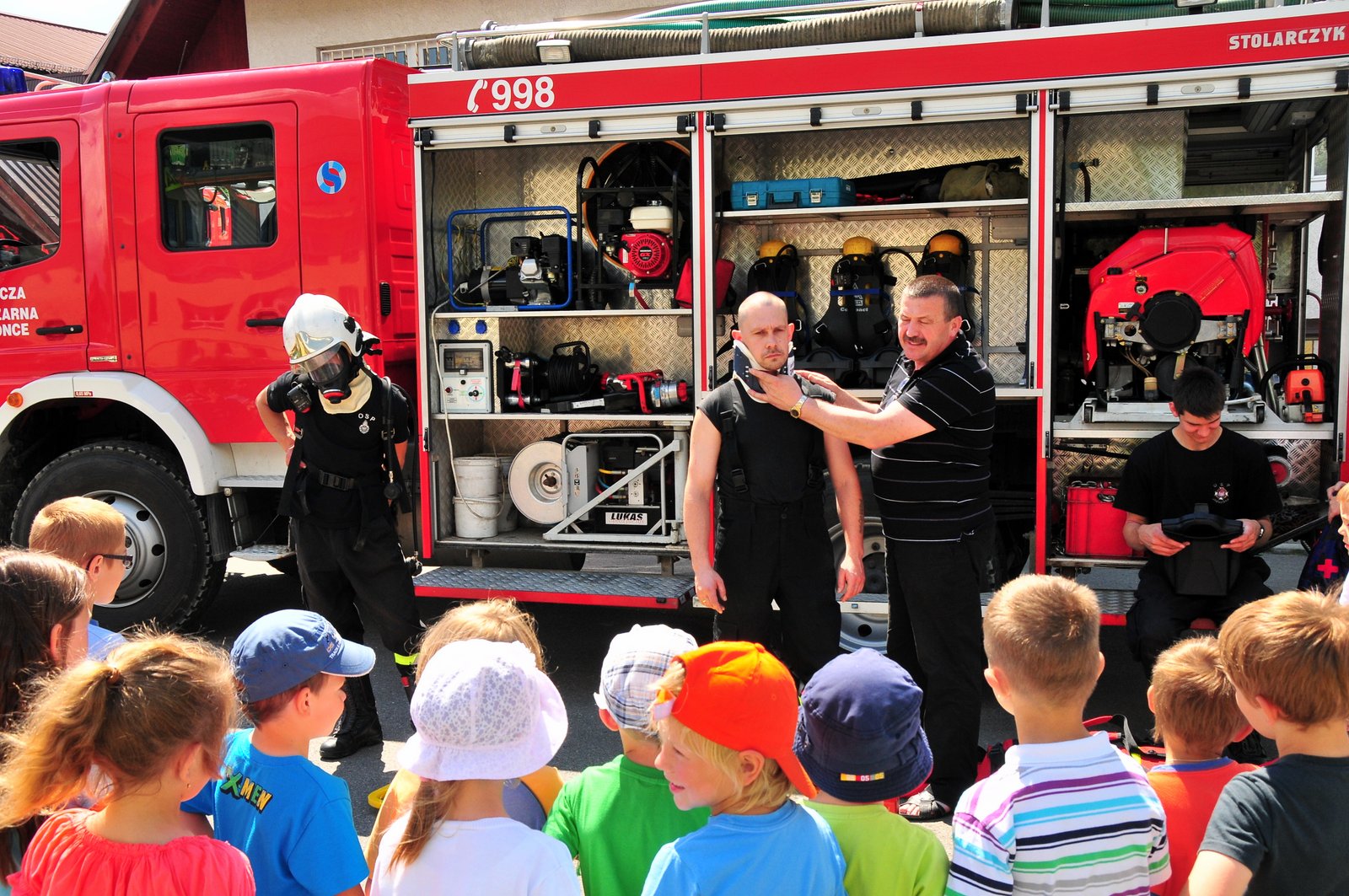
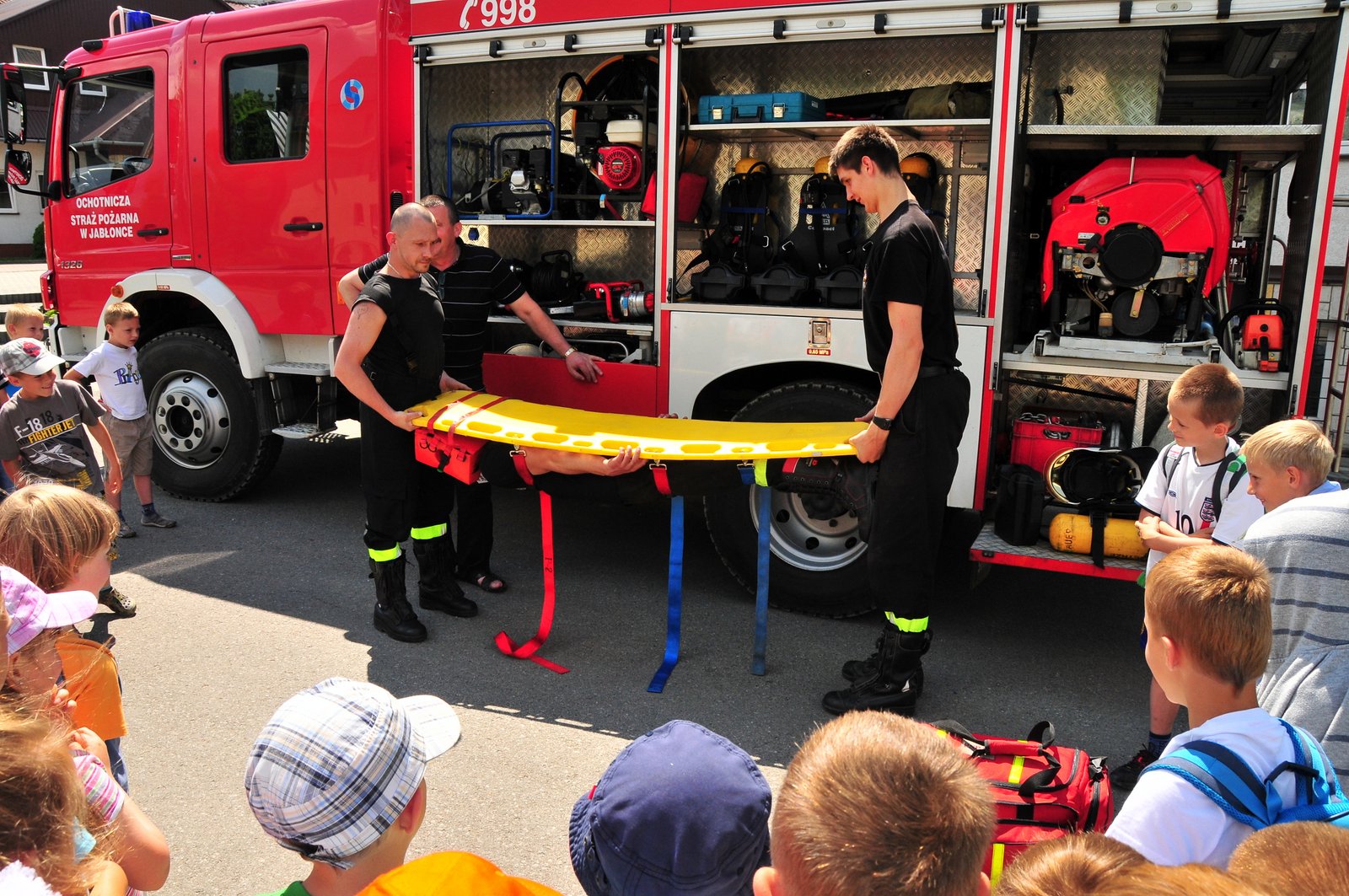
Afterward, we all head back inside for the latest installment of Cała Polska Czyta Dzieciom -- All of Poland Reads to Its Children, roughly translated. Representatives of various professions have been coming to the school to read to the children, and today, it was a police officer's turn.
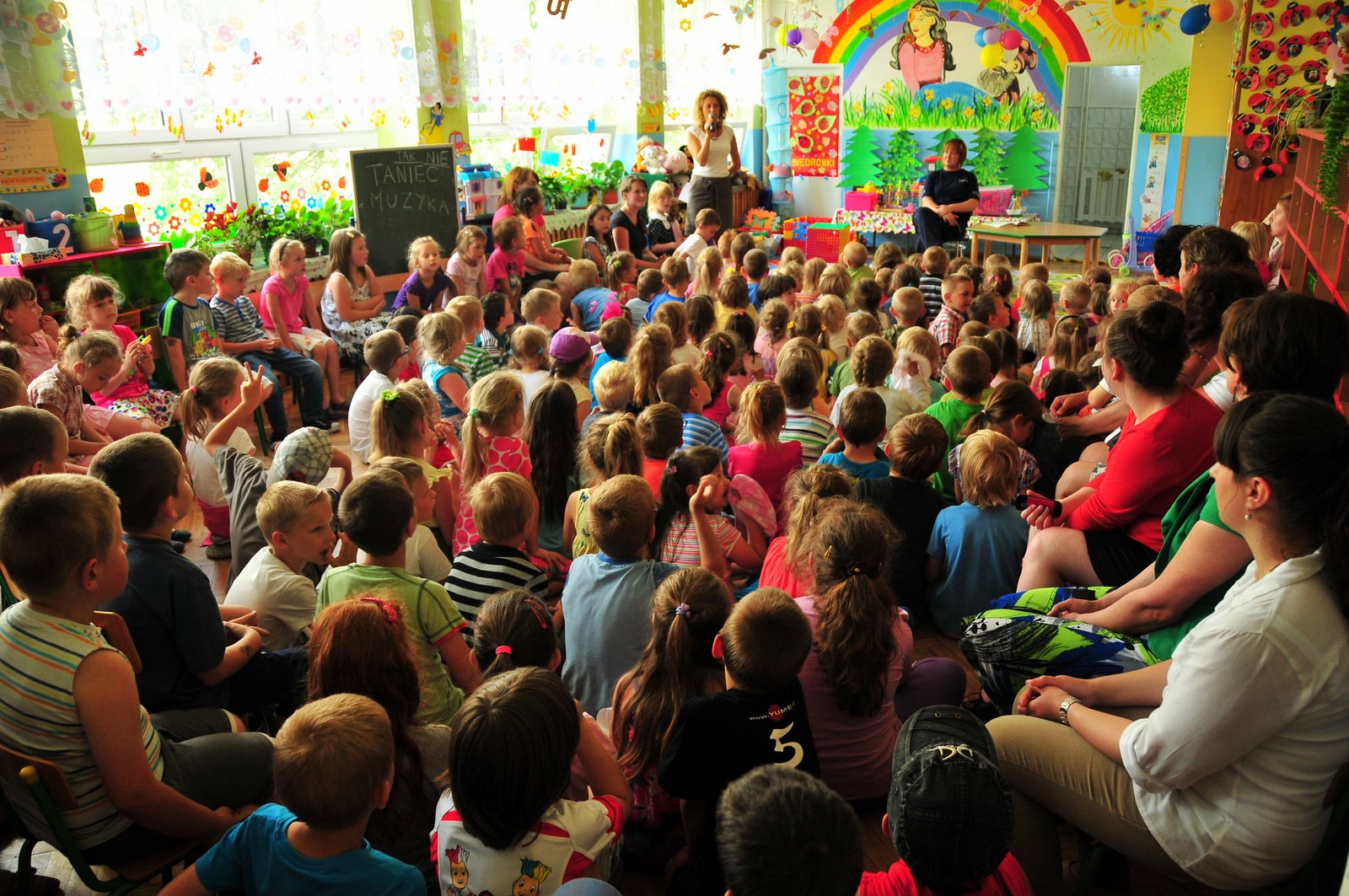
Of course all the children are interested in one thing, and one thing only: the officer's pistol. The officer take the clip from the gun, gives it a tug to release any shell that might already be chambered, then holds it up for everyone to see. Since Poland, like most of Europe, has very strict limits on citizens' gun ownership rights (in short, there are none), most of these children have never seen a pistol in person (except on the belt of a police officer). It's a nine millimeter with a six-bullet magazine, the officer explains, and there's significant "Ooo'ing" and "Ahh'ing." I find myself thinking that had this happened in the States, some kid in the group would have raised his hand to explain that someone in his family has a nine millimeter with a seventeen-bullet magazine.
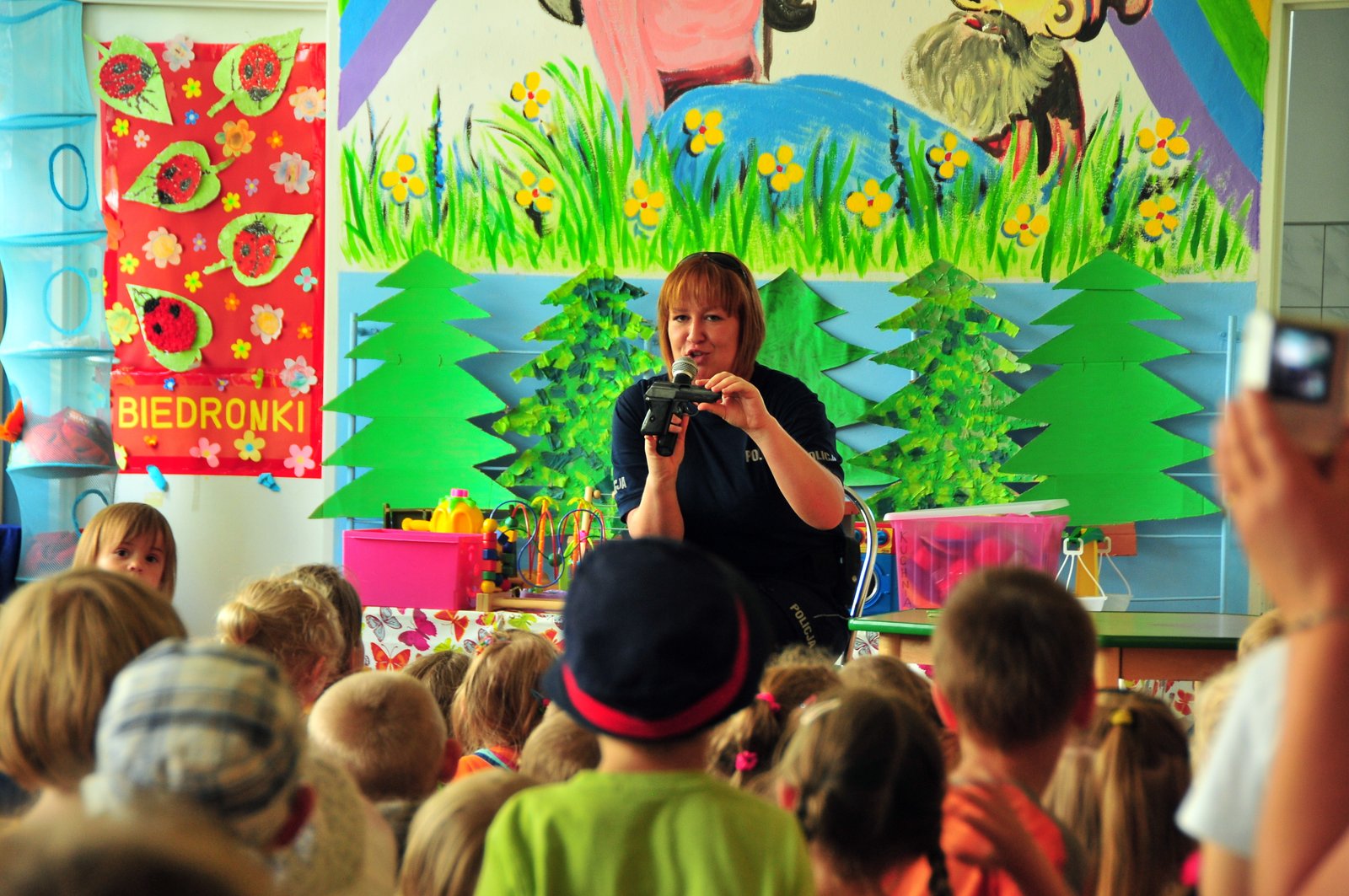
But we're not in the States, and the gun produces the intended reaction, and as the children exit the room, the story has disappeared into a fog of chatting about the pistol, especially among the boys.
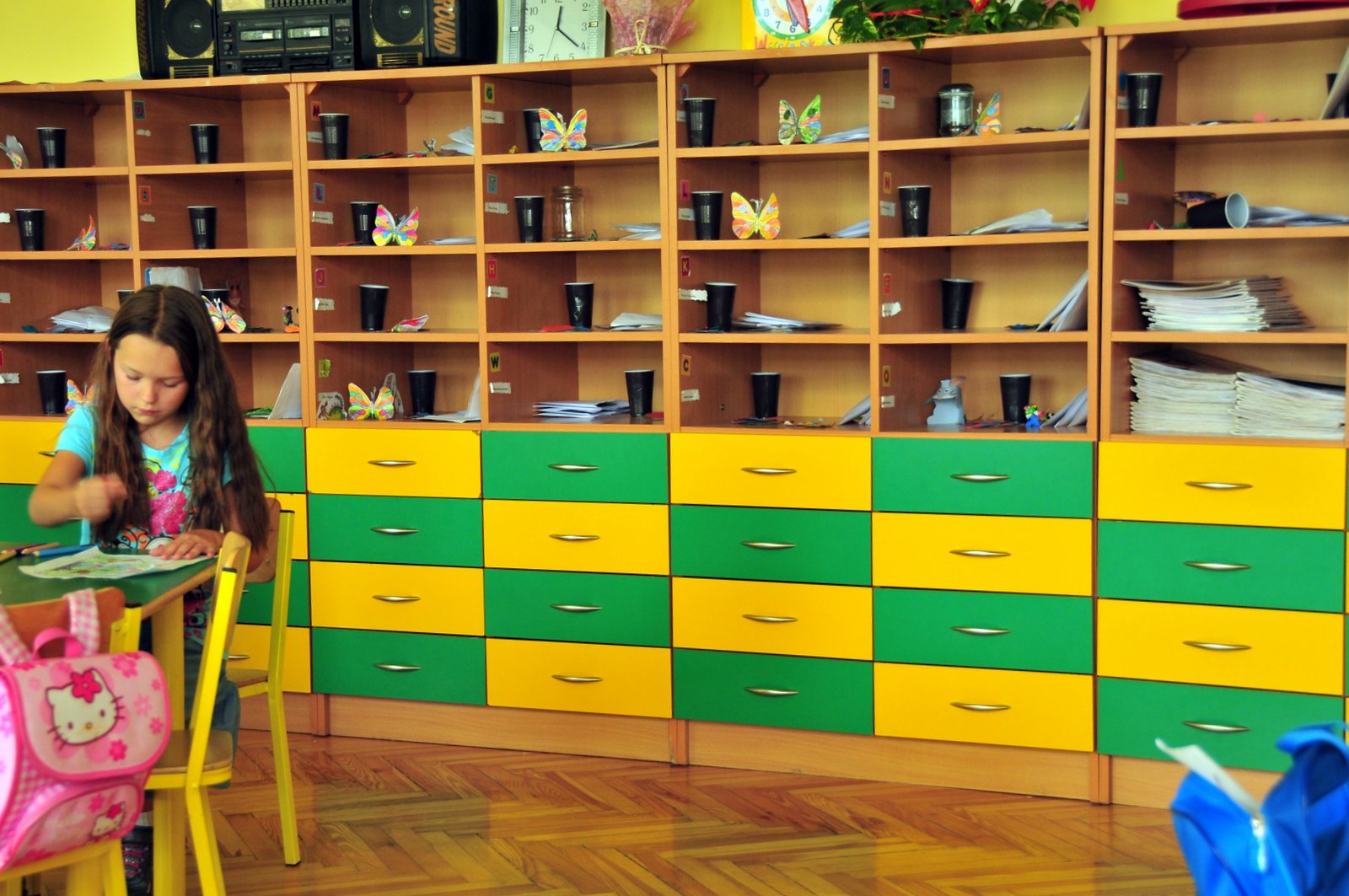
But L has other things on her mind: there's a picture that's still only partially colored.
After school, as we walk with ice cream cones to the roar of tractor trailer trucks heading to Slovakia ("This is an international throughway now," Babcia has explained more than once), we talk about the day. L decides tomorrow she can stay a little longer, then Wednesday, the whole day. Provided we go to the flea market first.
She's turning Polish faster than I thought possible.
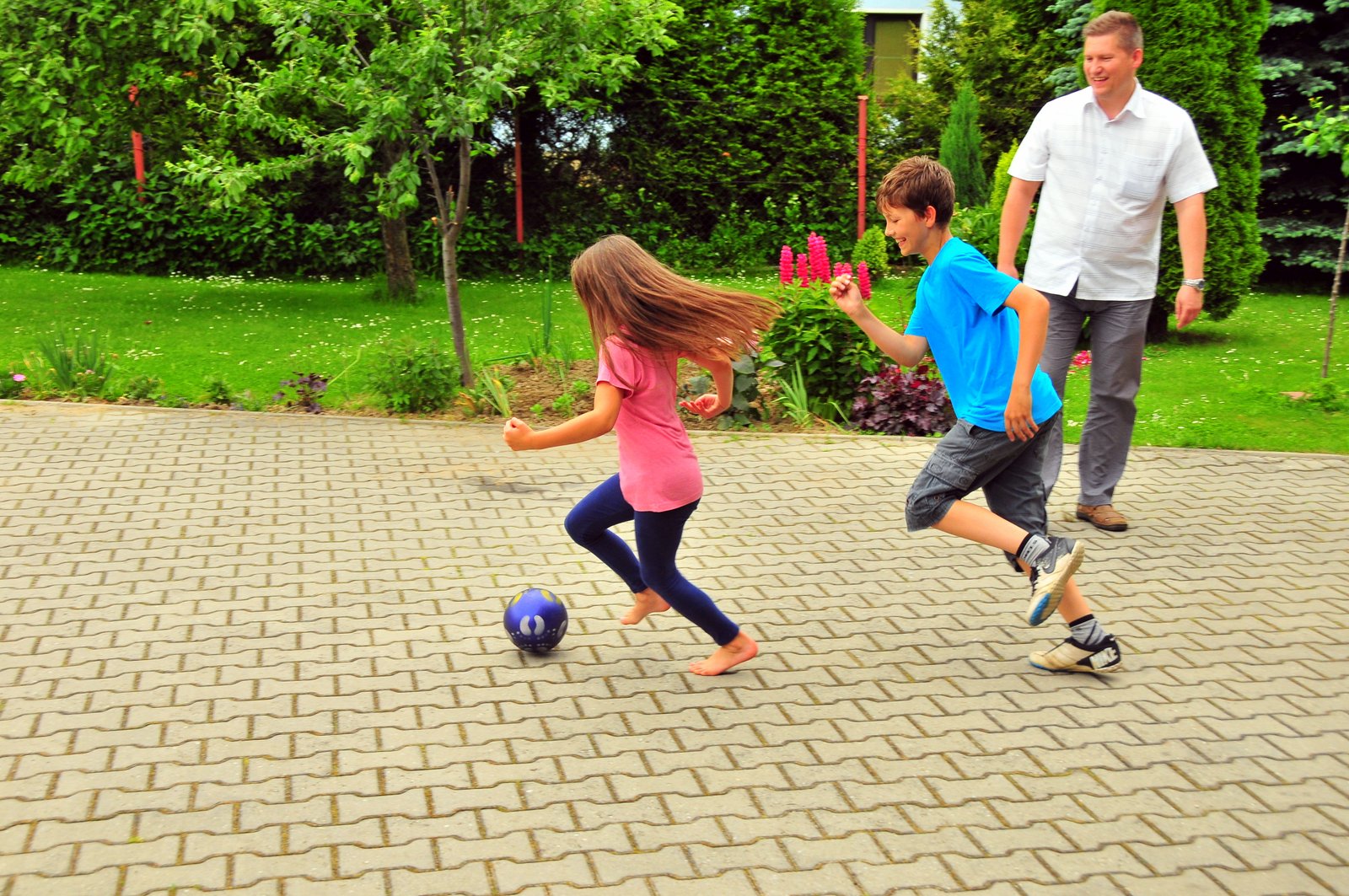
The weekend winds down. The cousins head back to the outskirts of Krakow after one quick game of intercontinental family soccer. It’s a version of the game that might not be immediately recognized: incredibly wide goals, lax rules, multi-positional players, and a total goal total that’s close to forty.
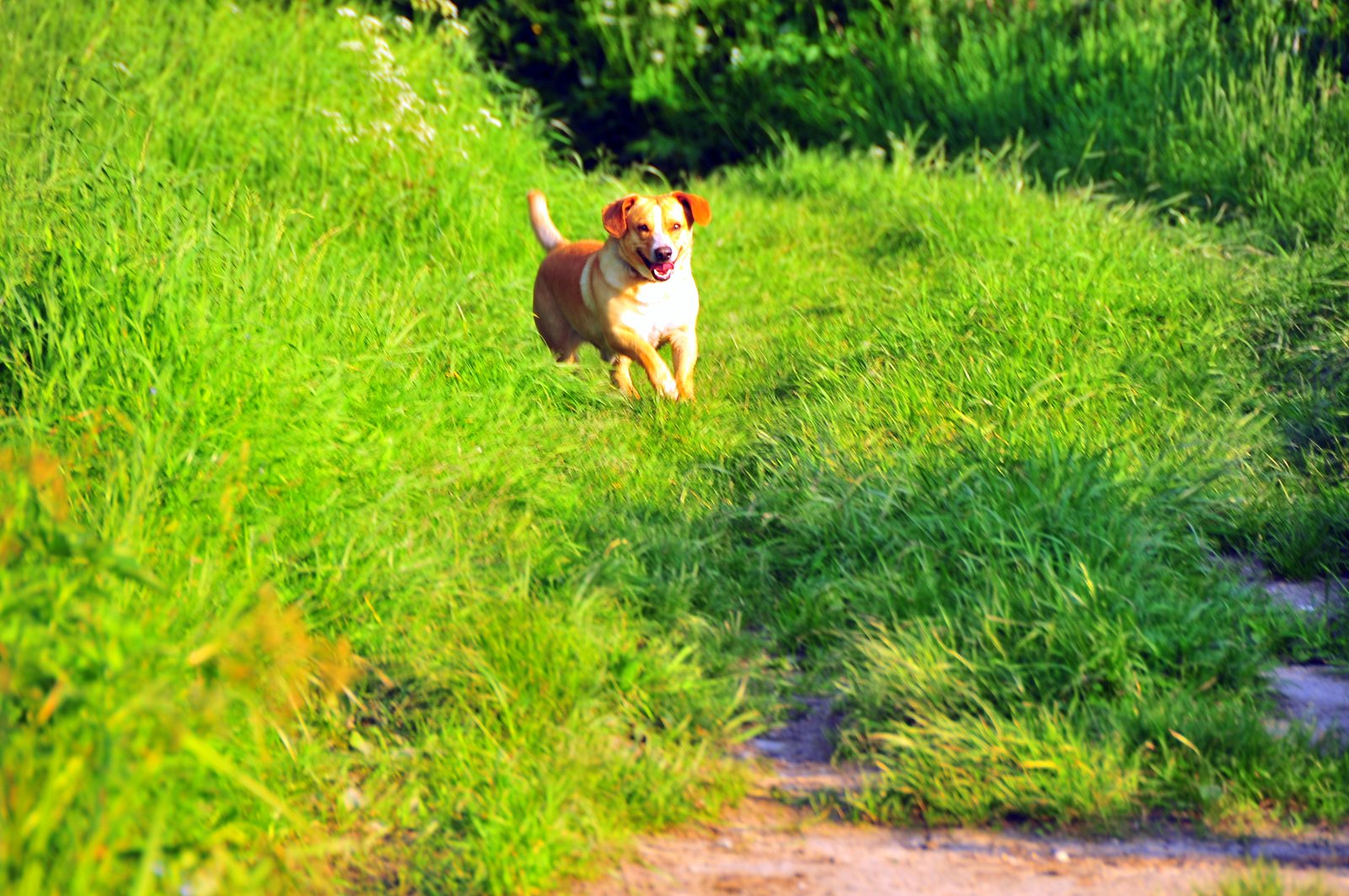
Once it’s just the three of us again — Babcia, L, and I — Babcia asks us to take the dog out for a walk. He’s a friendly fellow, fairly curious yet fairly obedient, so walks usually involve him running ahead, trailing behind darting off to the left or right only to come almost immediately when someone calls, “Kajtus!”
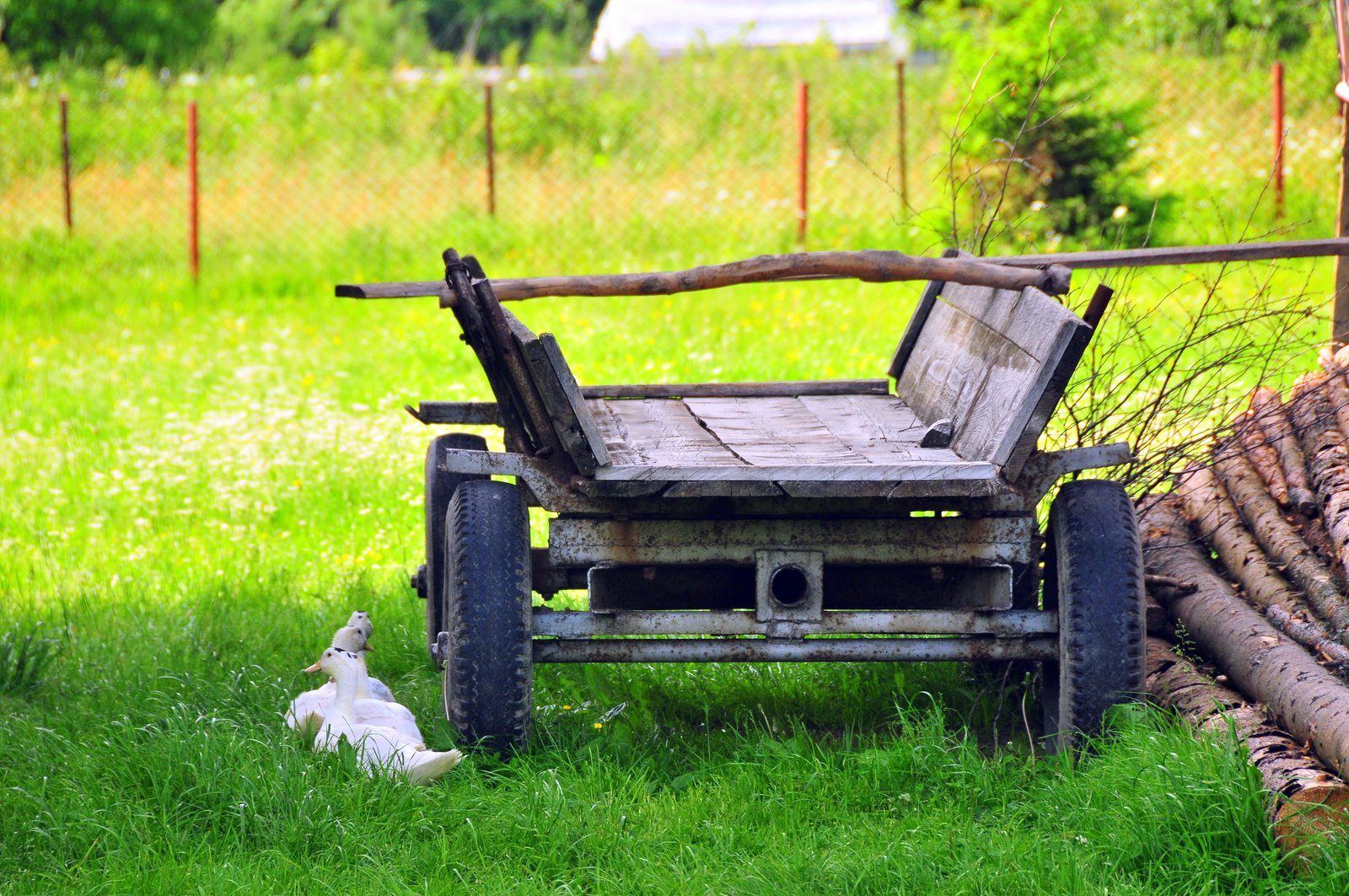
This afternoon, though we start of in the same direction, passing the same barn next to Babcia’s with the same ducks marching by the same trailer,
we take a right instead of a left, and soon we’re in the empty flea market. Stall after covered stall, one beside the next, all leading to the main market area where even more stand waiting. This market has been in this same location for only about twenty-five years, but the market itself dates to the time of the Austro-Hungarian Empire.
“What about during the Communist period?” I ask Babcia. Would such blatantly privatized ventures have been allowed?
“Of course! In many ways, it was more important then than now.”
The ironies of Poland: in many ways Communist for decades, in many other ways, breaking the mold of Communism — which in turn broke Communism. For instance, there were never the large collective farms in Poland that one saw in Stalinist Soviet Union. The State did not crack down on religious expression as it did in the Soviet Union. These two facts alone did more to undermine Communism and help with the post-Communist restructuring than almost anything else.
The ironies of Poland.
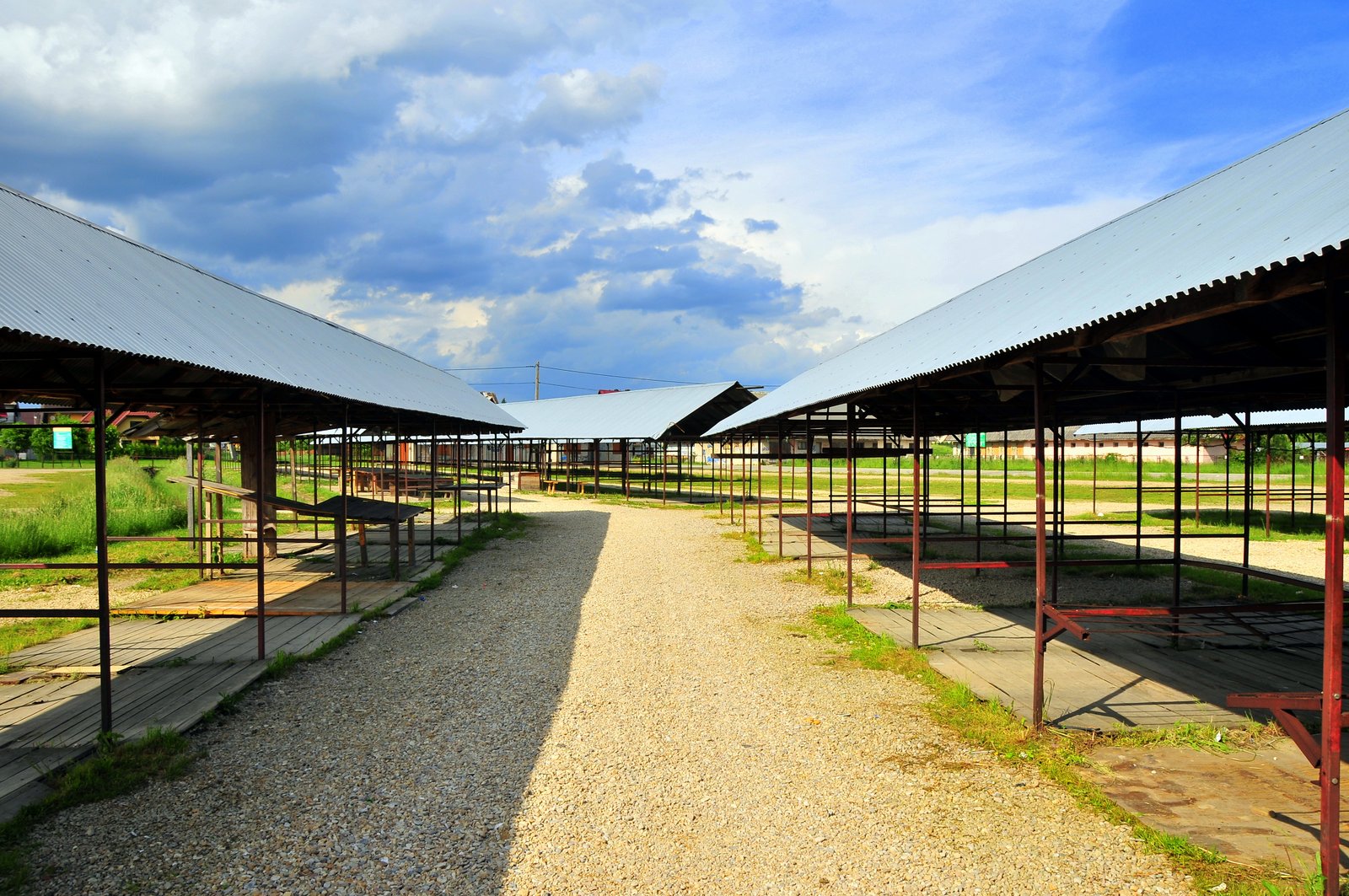
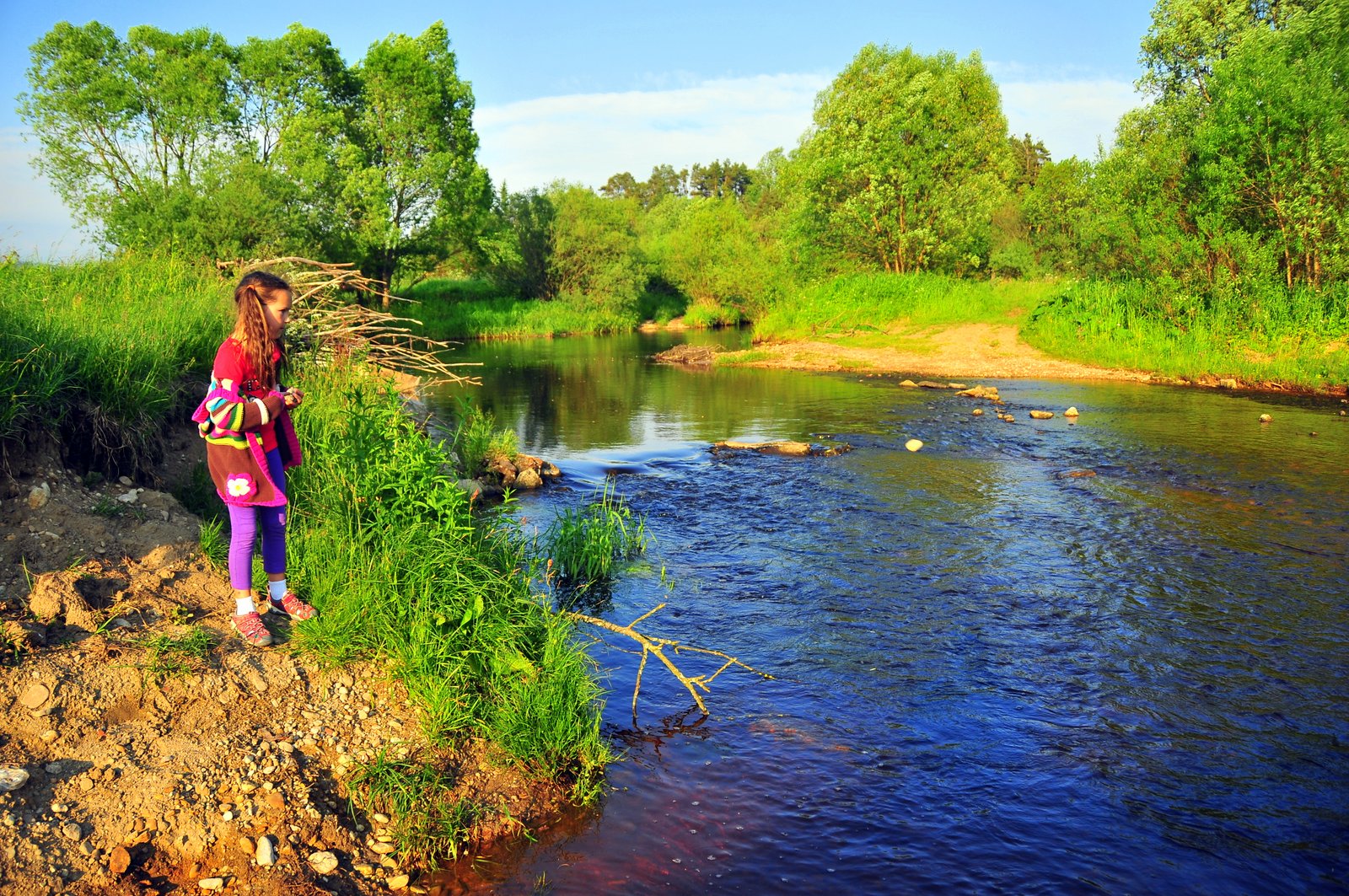
Our walk continues through the market to a point where we meet the ubiquitous river — even when we’re not walking to it, we’re walking to it. And so are many others.
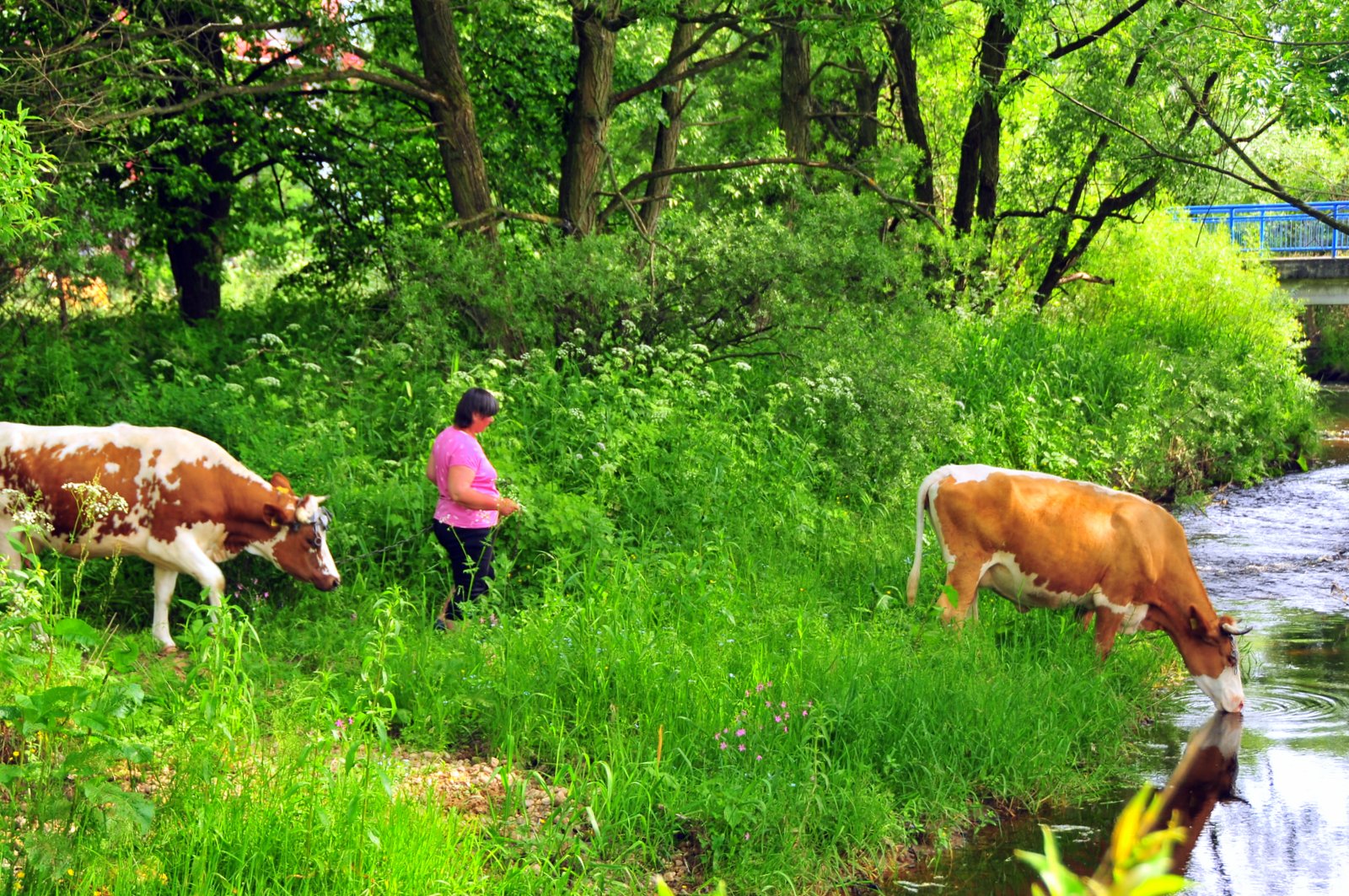
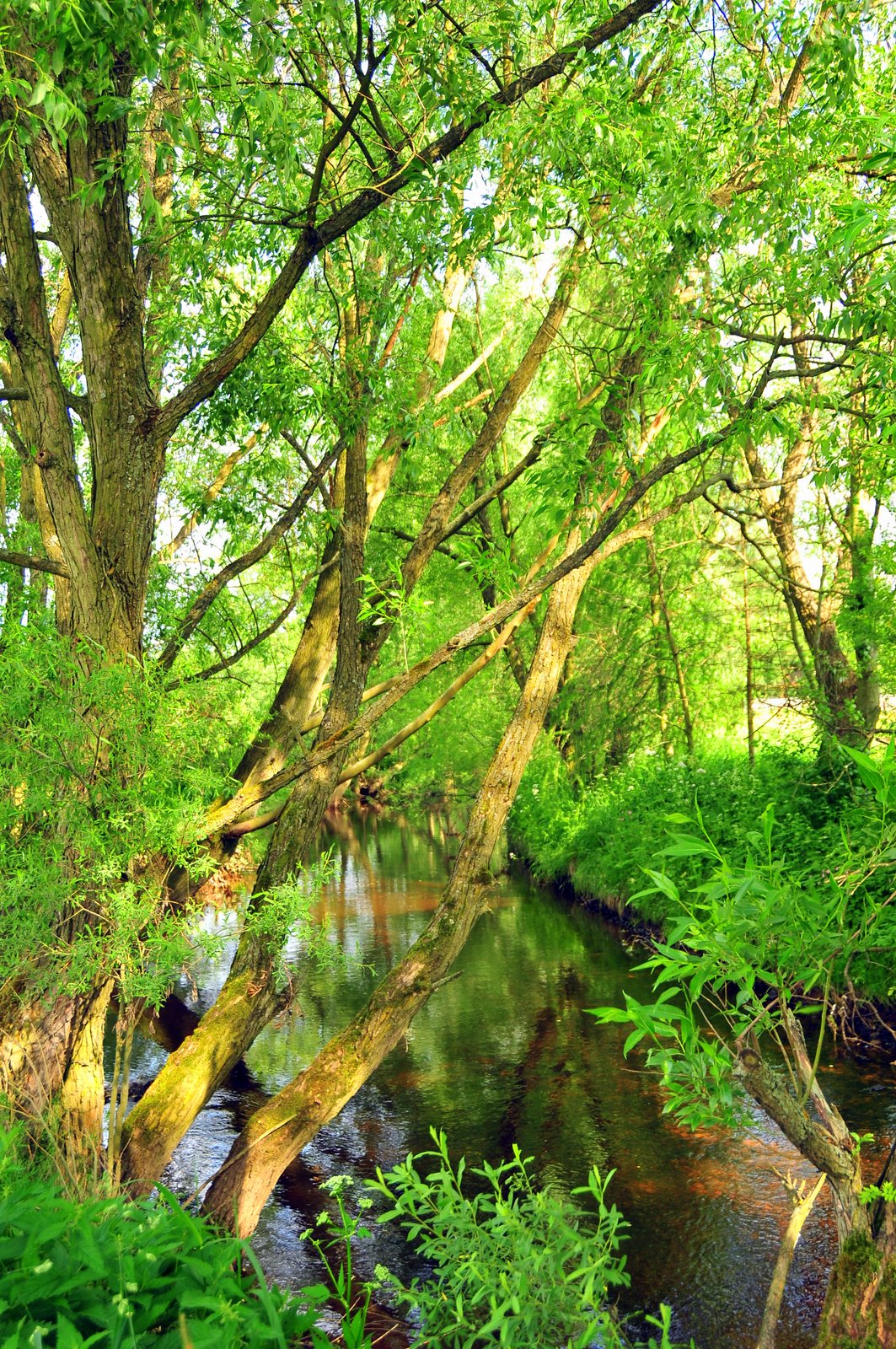
We turn and walk along the river, and the scene becomes almost fairy-tale-like. More ironies of Poland: within a mere few meters of the local bastion of commerce and capitalism, so to speak, one can find land that seems almost untouched by anyone.
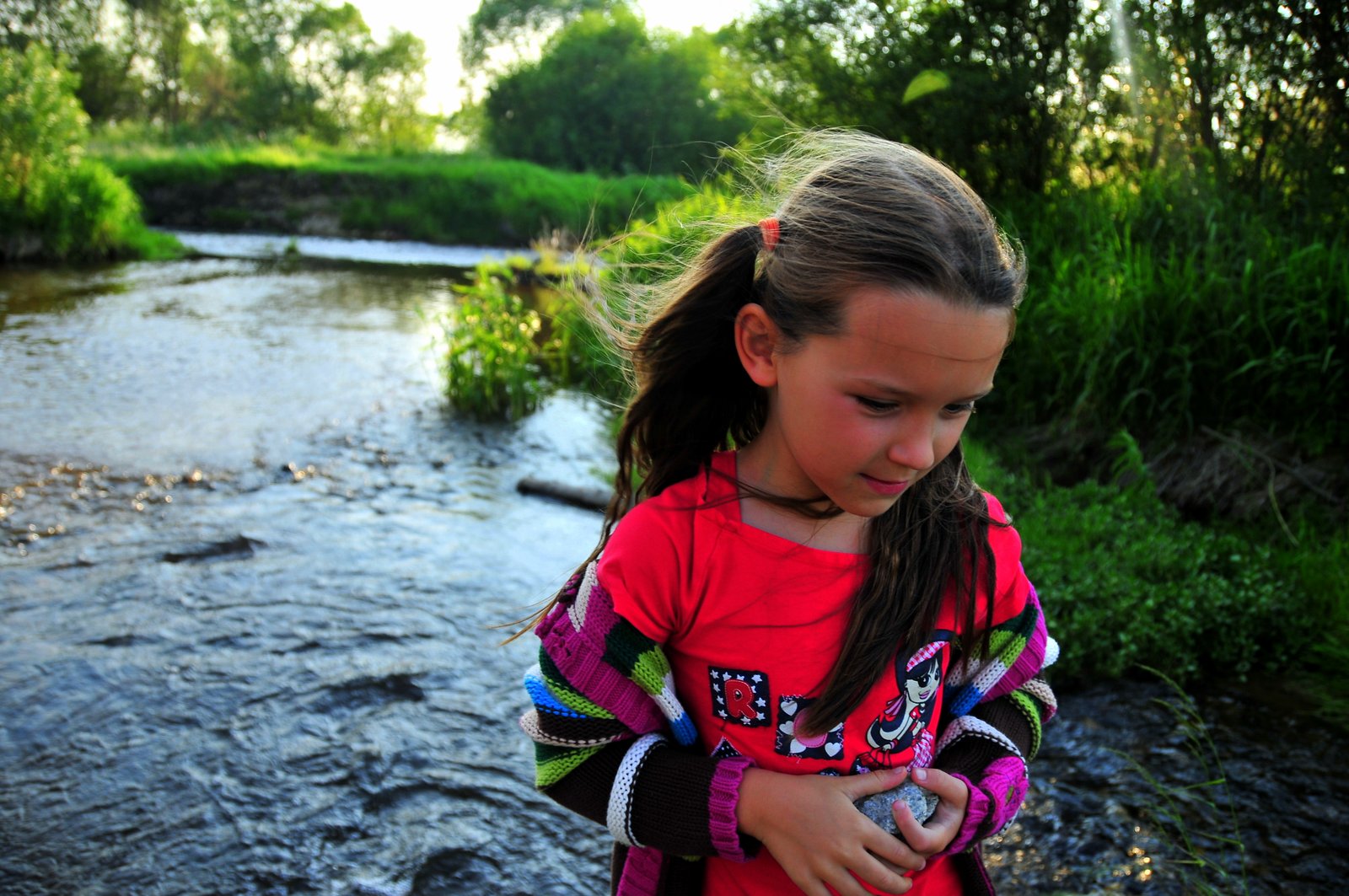
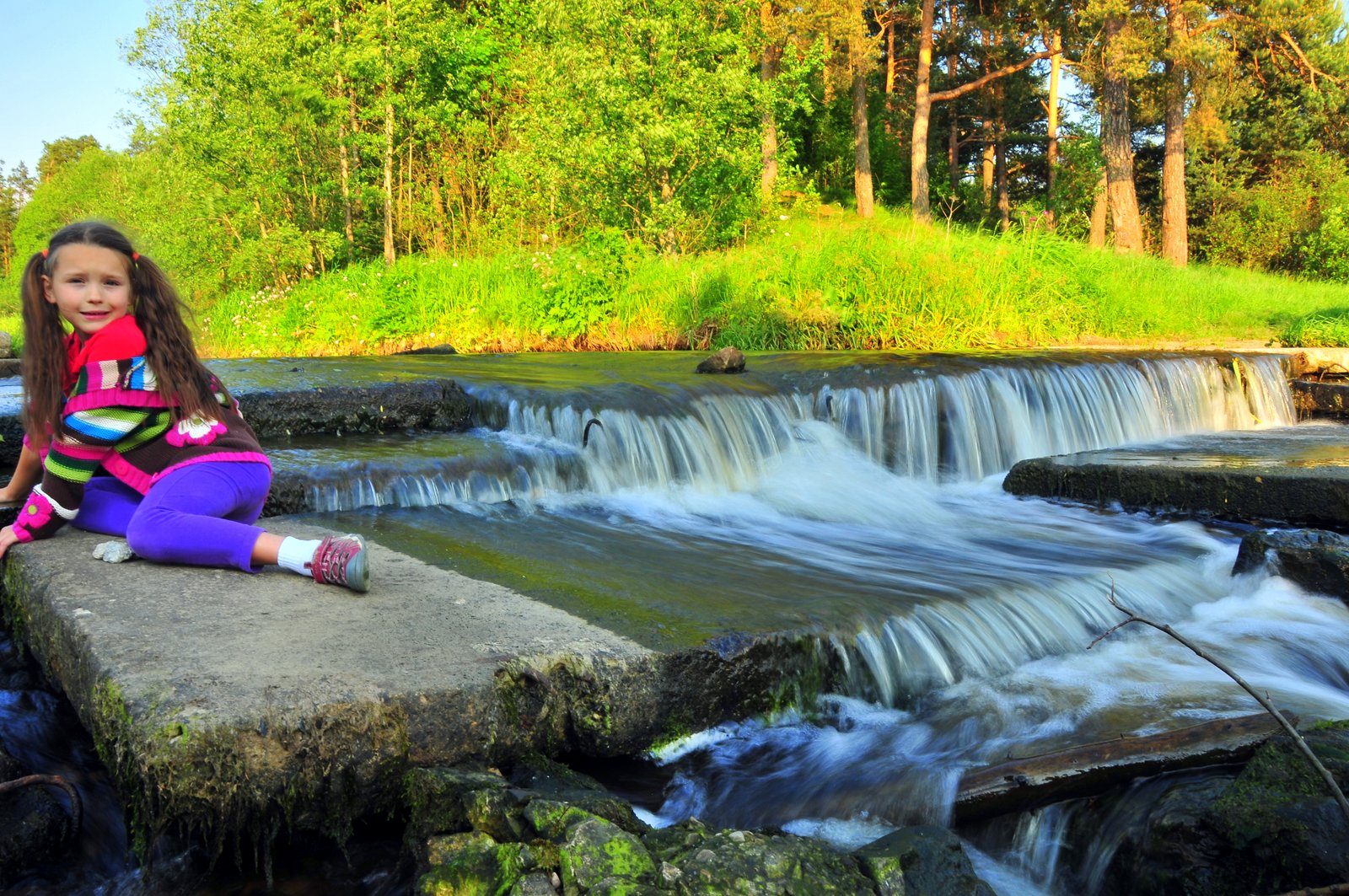
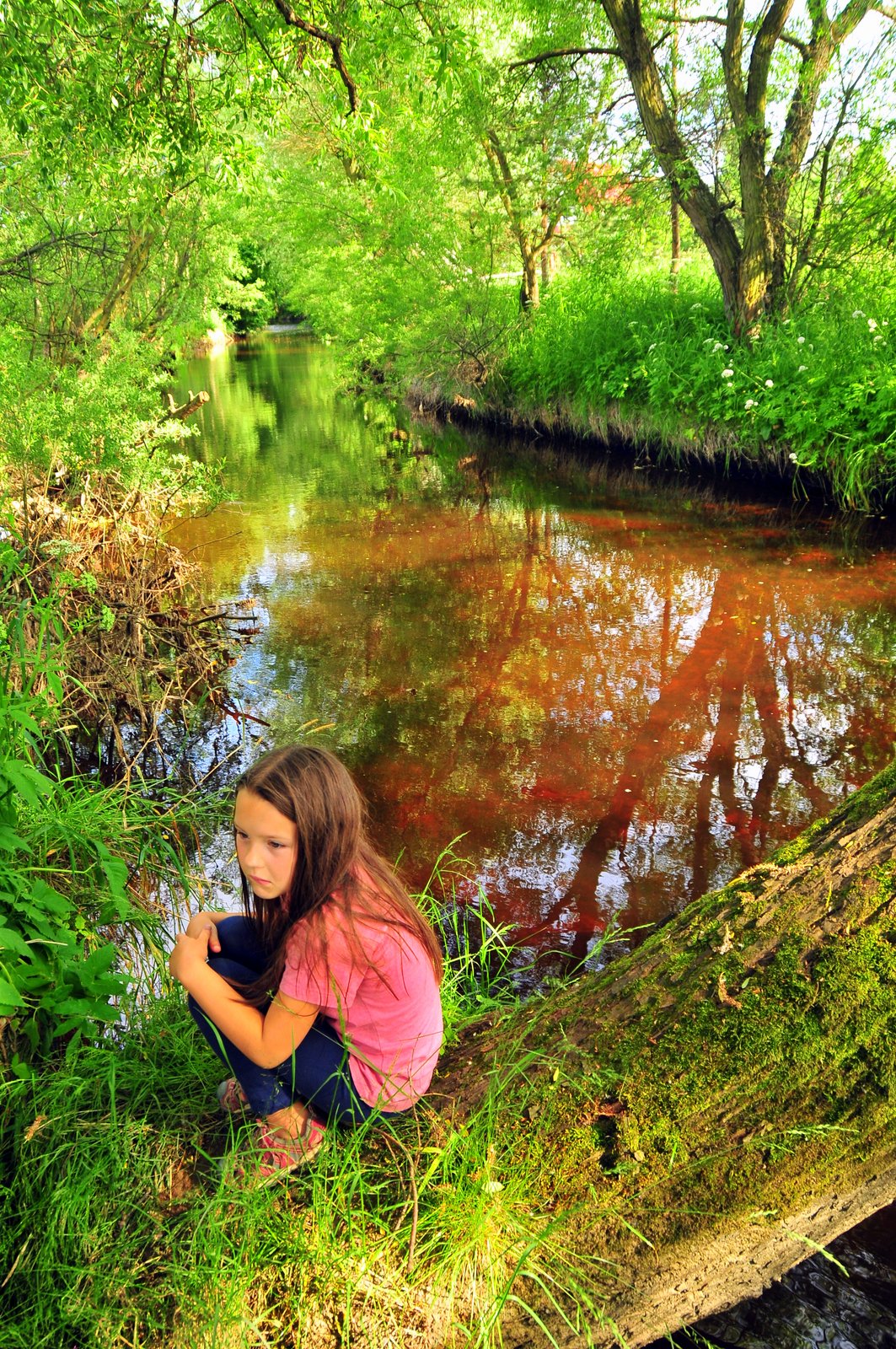
L perches herself on a tree, and for a few moments, we just look around. The light is golden now, filtering through the leaves and reflecting here and there on the water.
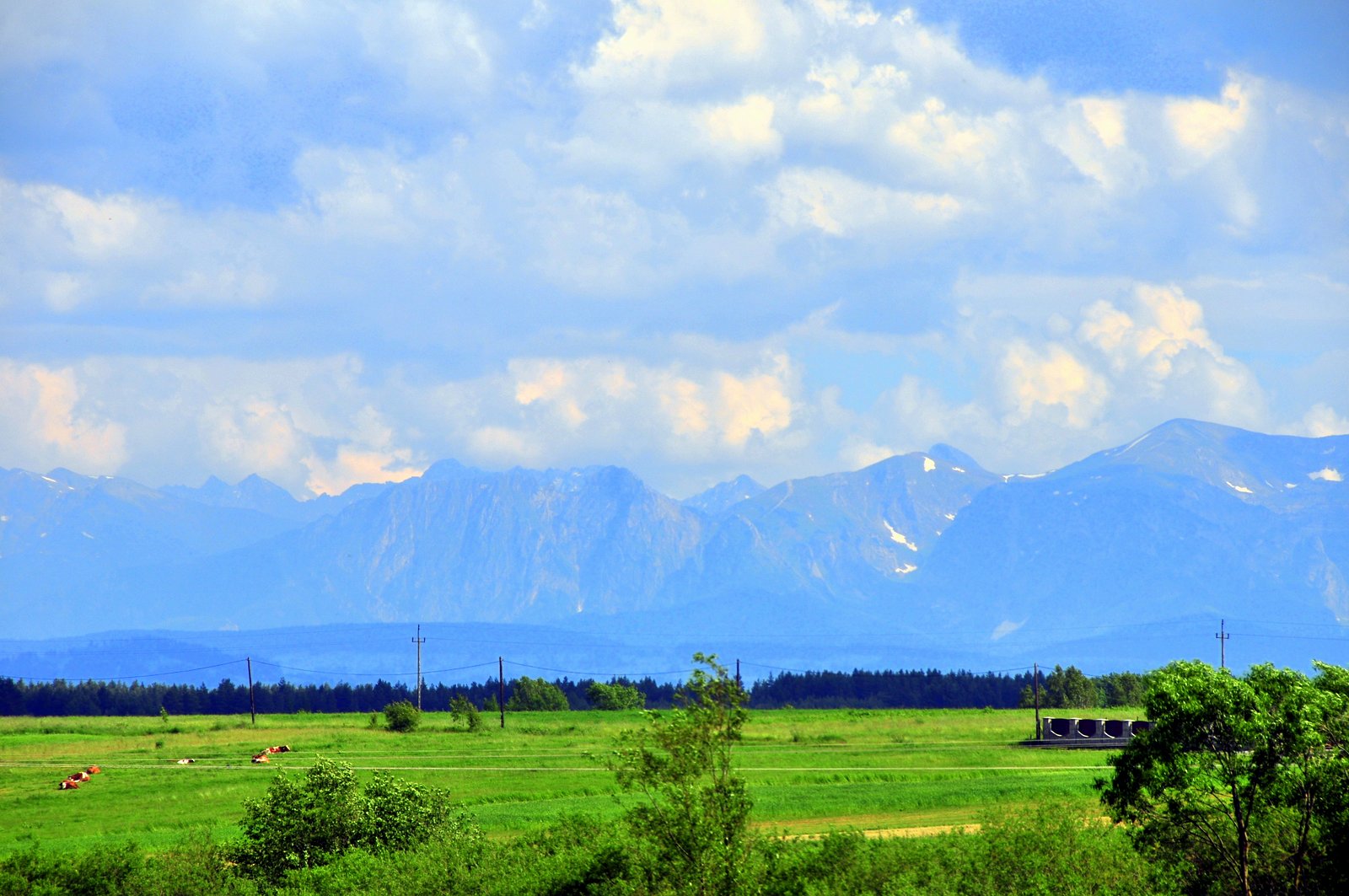
After dinner at a local restaurant — the first real restaurant in Jablonka — L and I head out for another walk. The air is cool, the Tatra Mountains are unusually clear, and the light is only getting richer and richer.
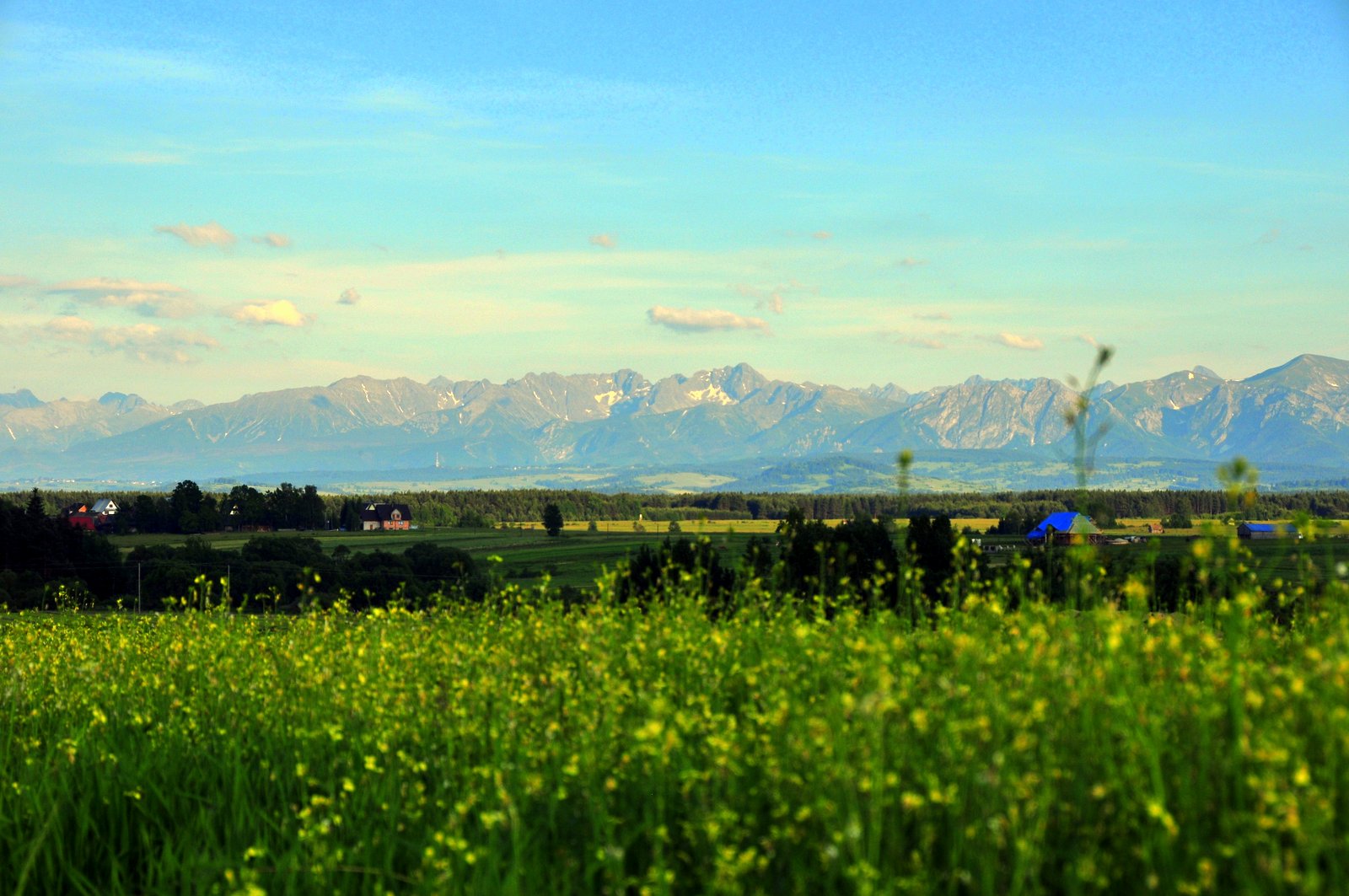
making everything positively glow.
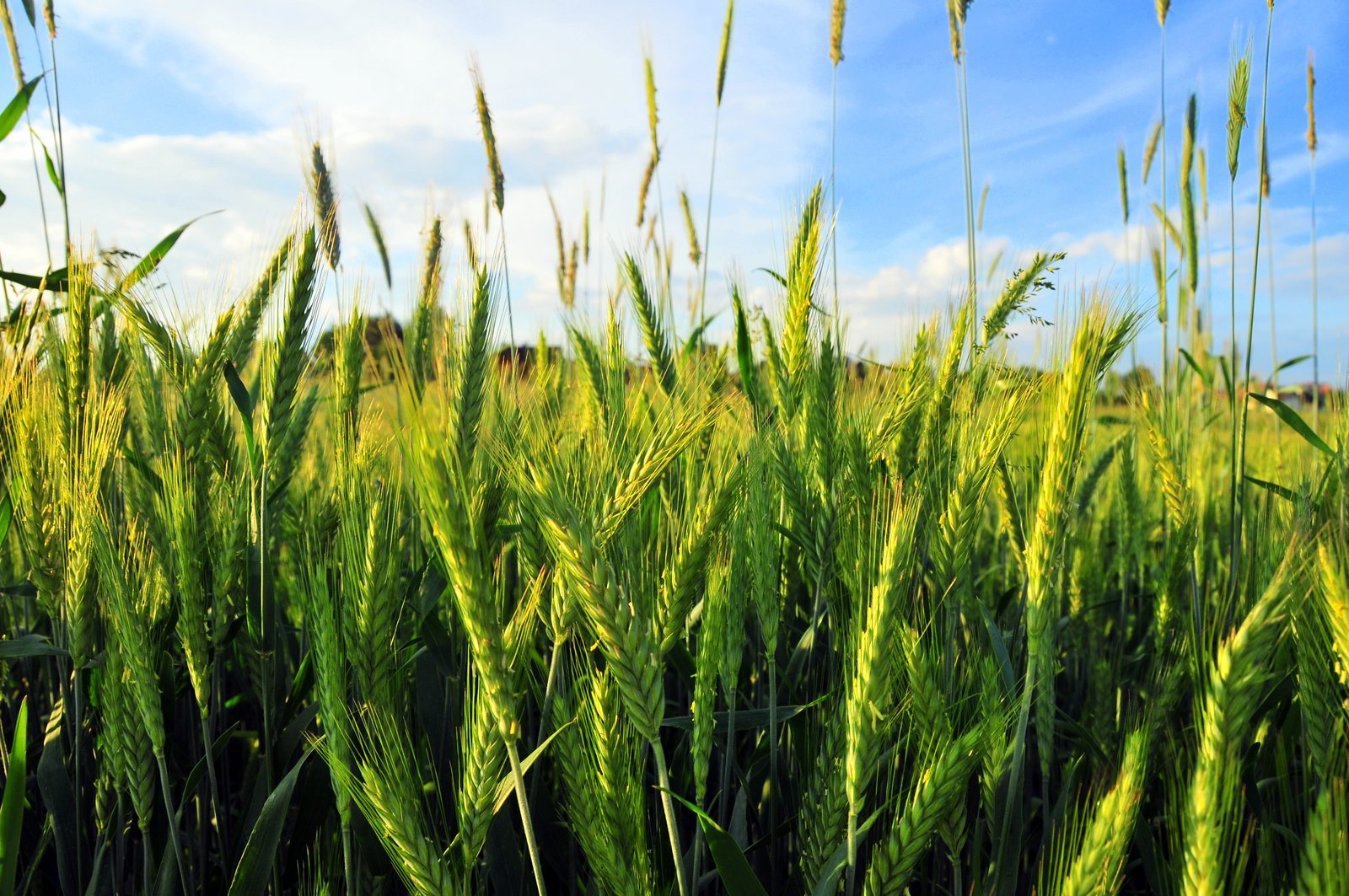
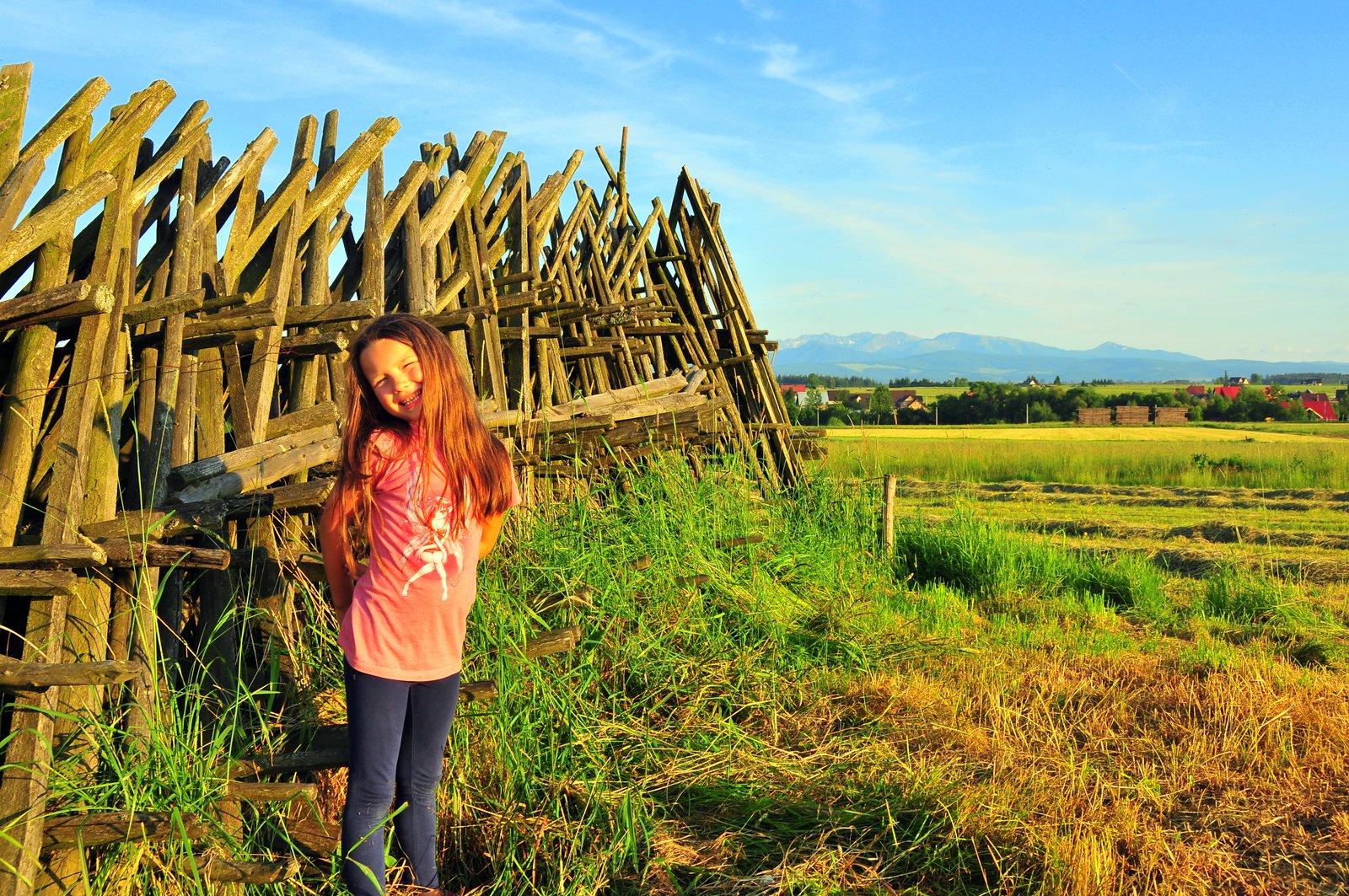
Eventually we make it back to our usual riverside retreat. A man is fishing there, a man who turns to look at me and smile his crooked smile and make himself immediately recognizable.
“Pawel!”
“Dobry wieczor, Pan.”
I haven’t taught him in probably a decade; we’re both adults now, and he’s likely in his thirties, but he still calls me “Pan,” the respectful third-person form children use with adults and strangers use with each other. K still talks to her teachers the same way when she meets them. In fact, everyone does. It’s just part of the culture. Still, it would be nice for him to see us now as equals. Then again, probably he does: linguistic formality doesn’t always mirror personal opinion.
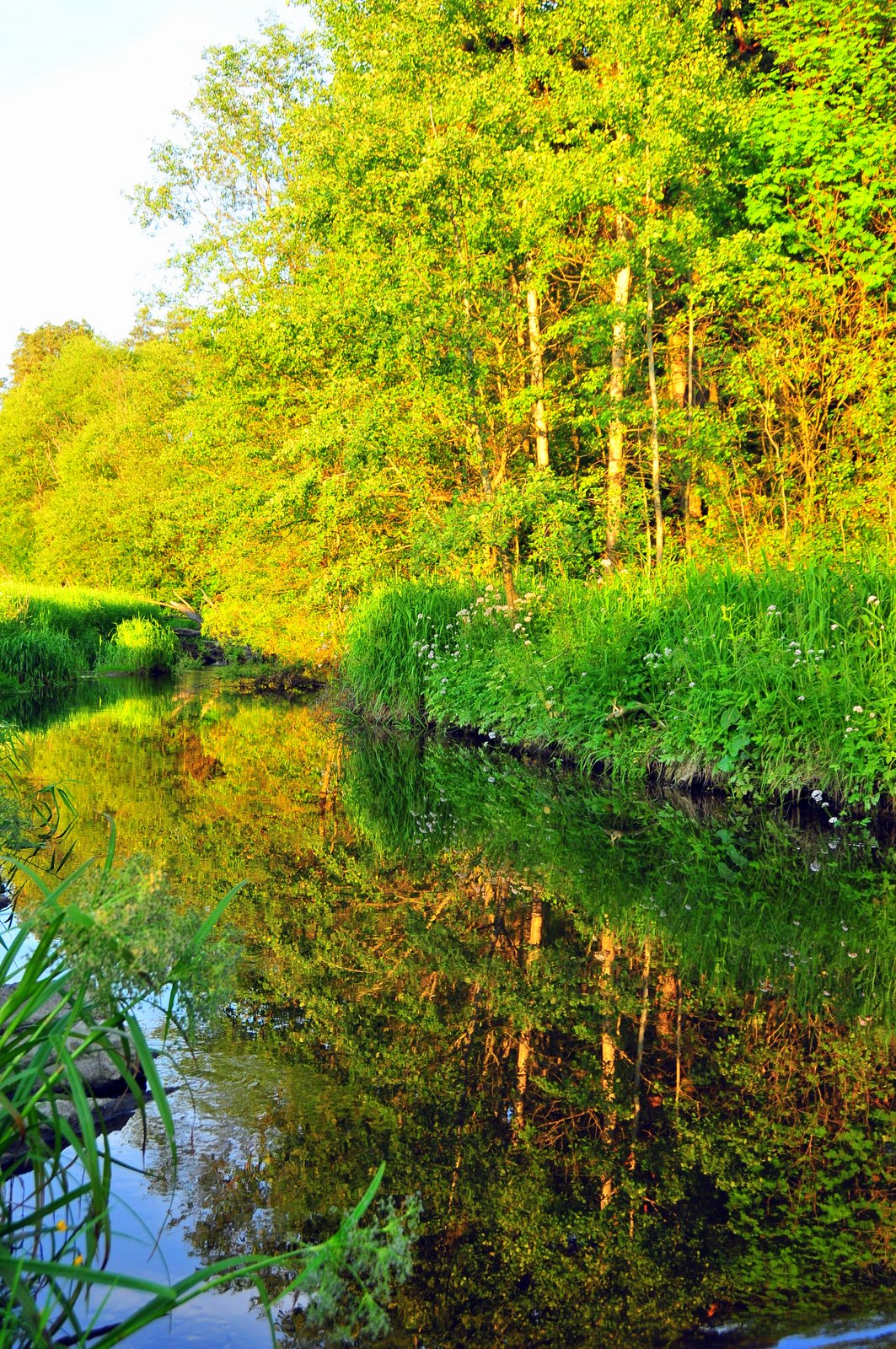
It’s something to accept and move on, like so many things in life. It’s a trifling matter after all. And views like this make sure we keep those trifles in perspective.
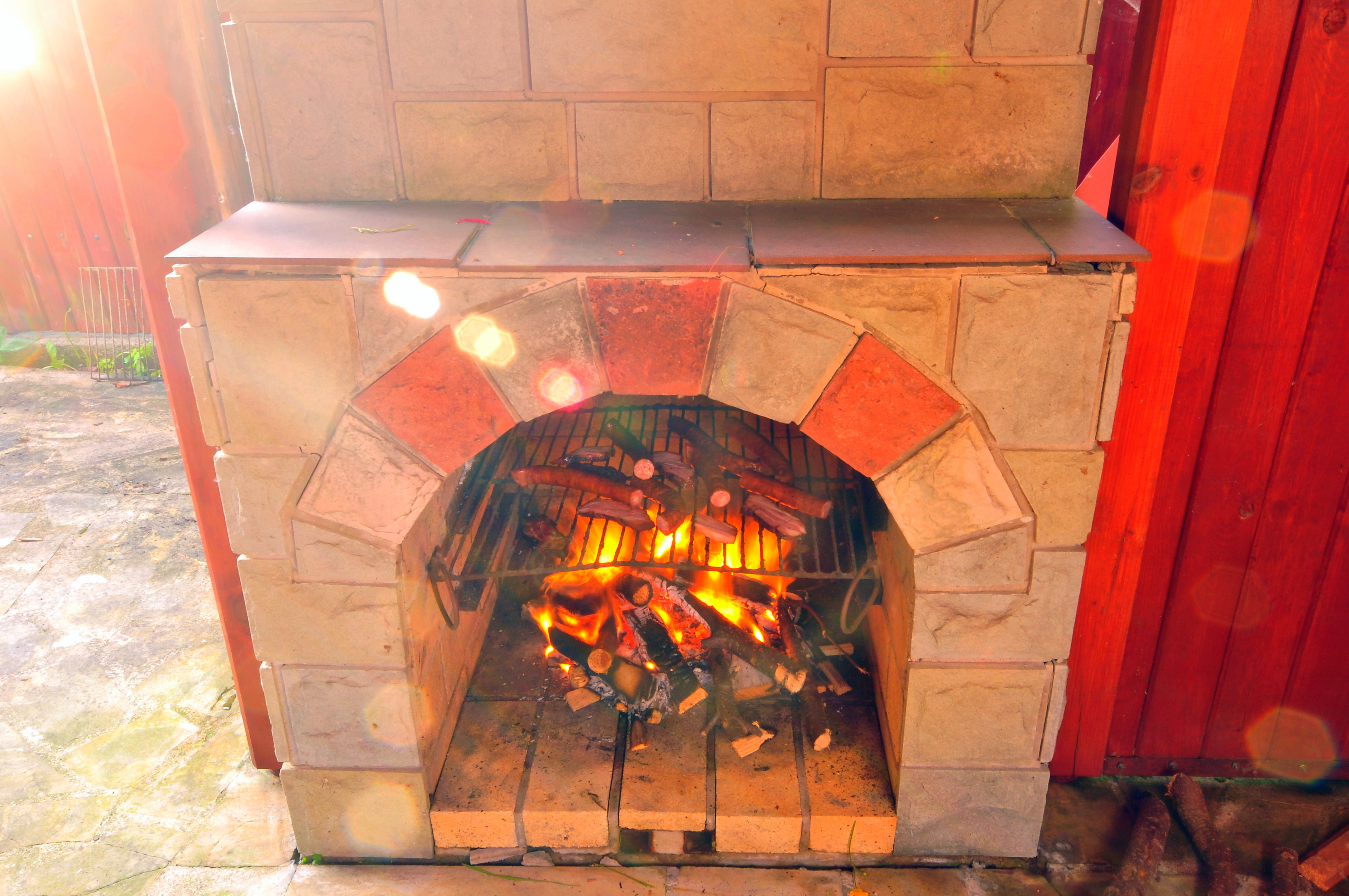
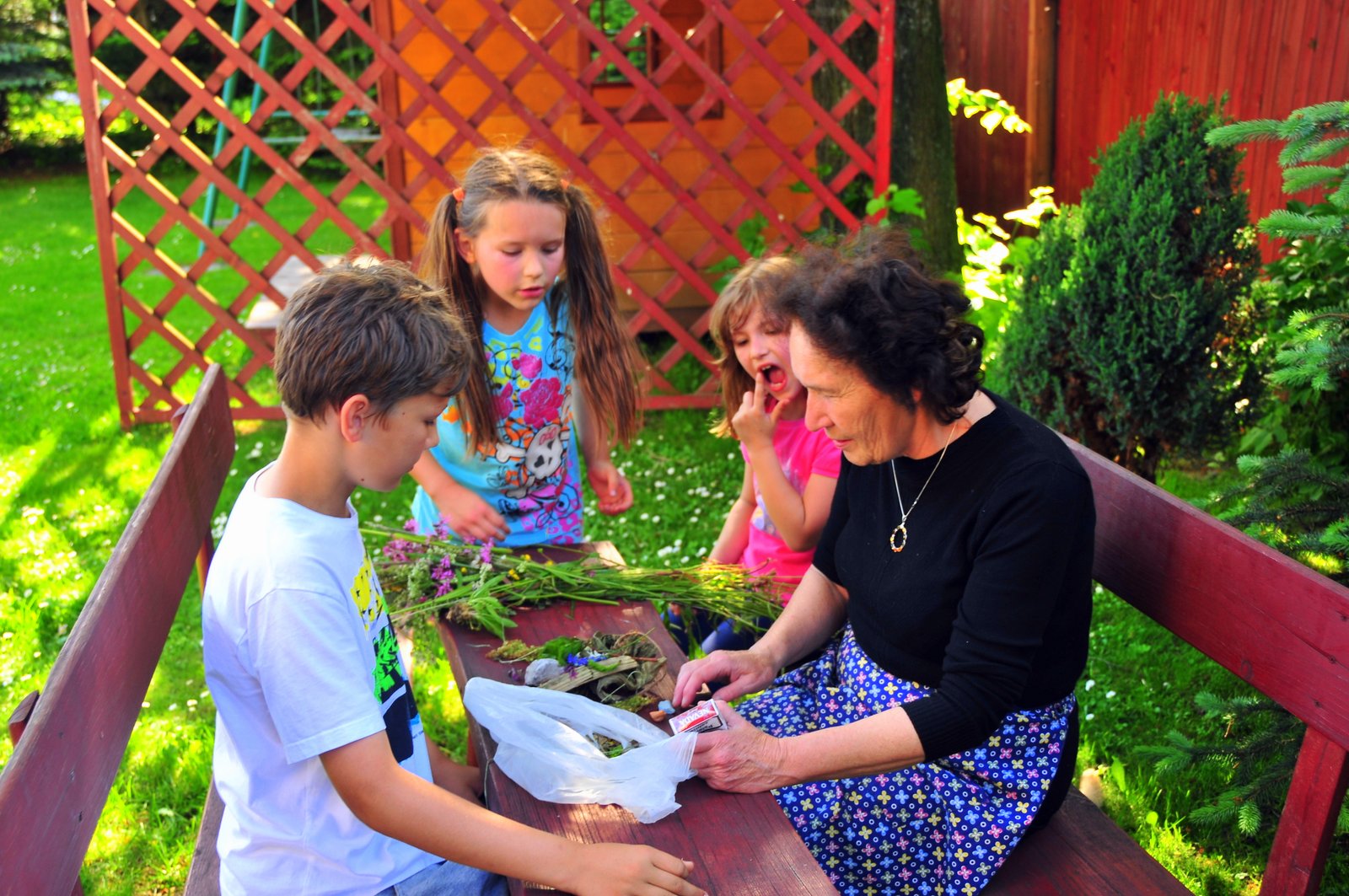
A simple concept: some wood, some sausage, a match or two, a loaf of bread, something to drink, someone to share it all with. Put it all together, though, and it somehow becomes more than the sum of its parts. Add the laughter of children and it becomes positively magical. The conversation winds through topic after topic as the sausage begins to sizzle, and as the sun sets and everyone pats their bellies, literally or figuratively, one gets an almost divine feeling.
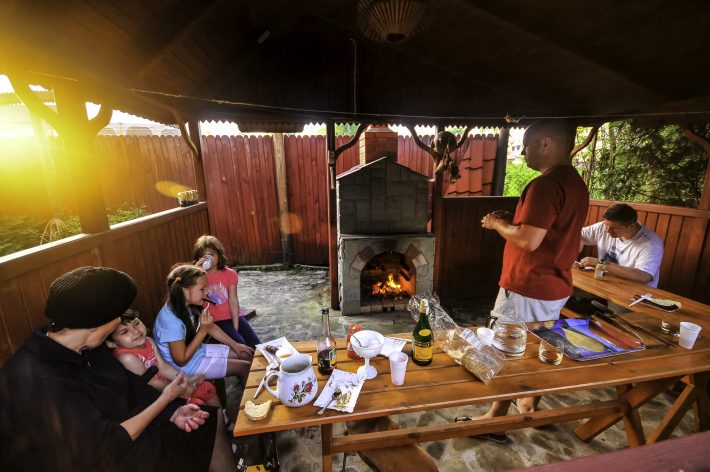
“And we looked out over the sausage and steaming tea, heard the laughter and watched the glowing embers and dimming sun, and lo, it was good.”
Busy, busy, busy day. And this is only about one-third of it.
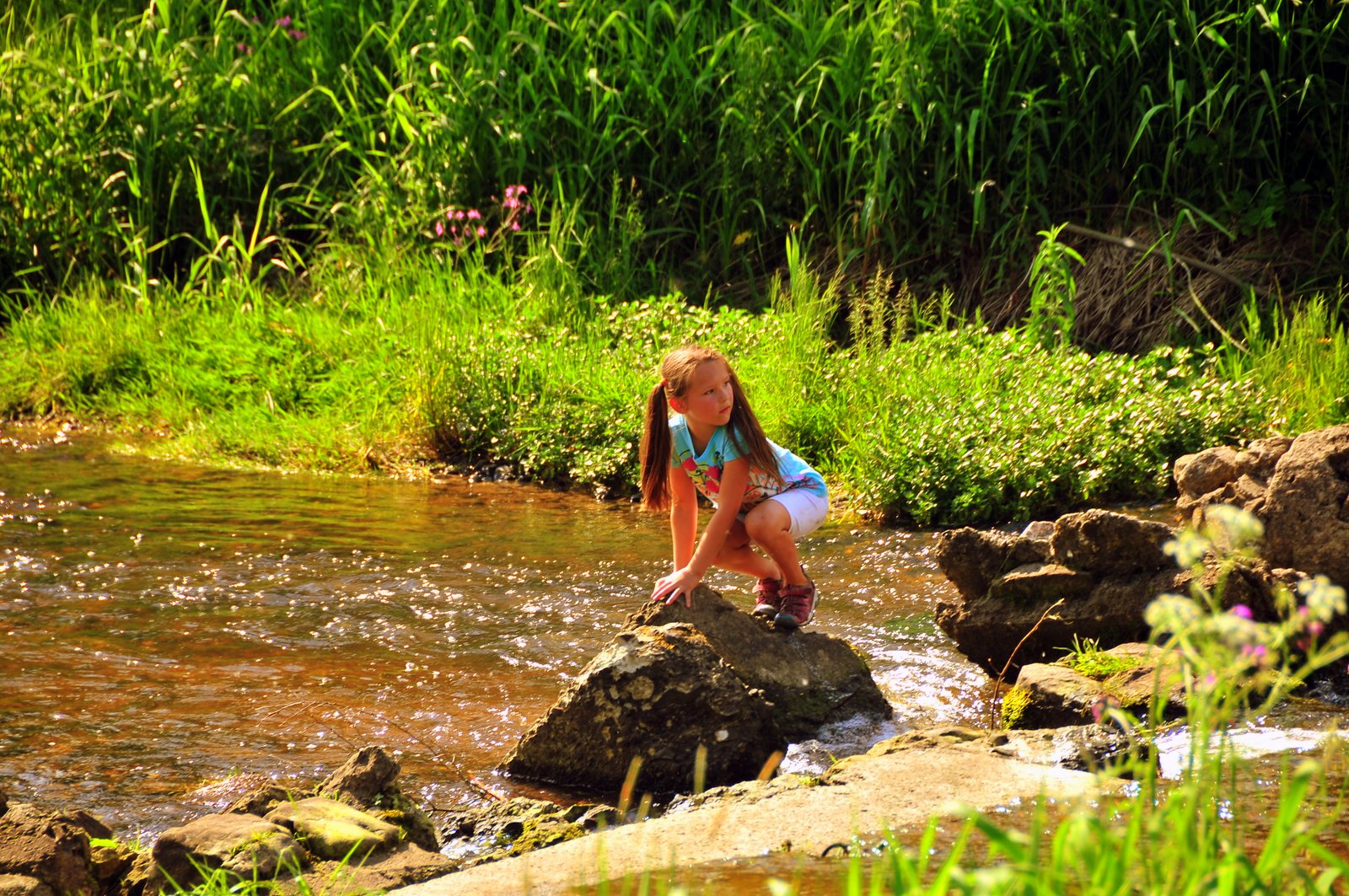
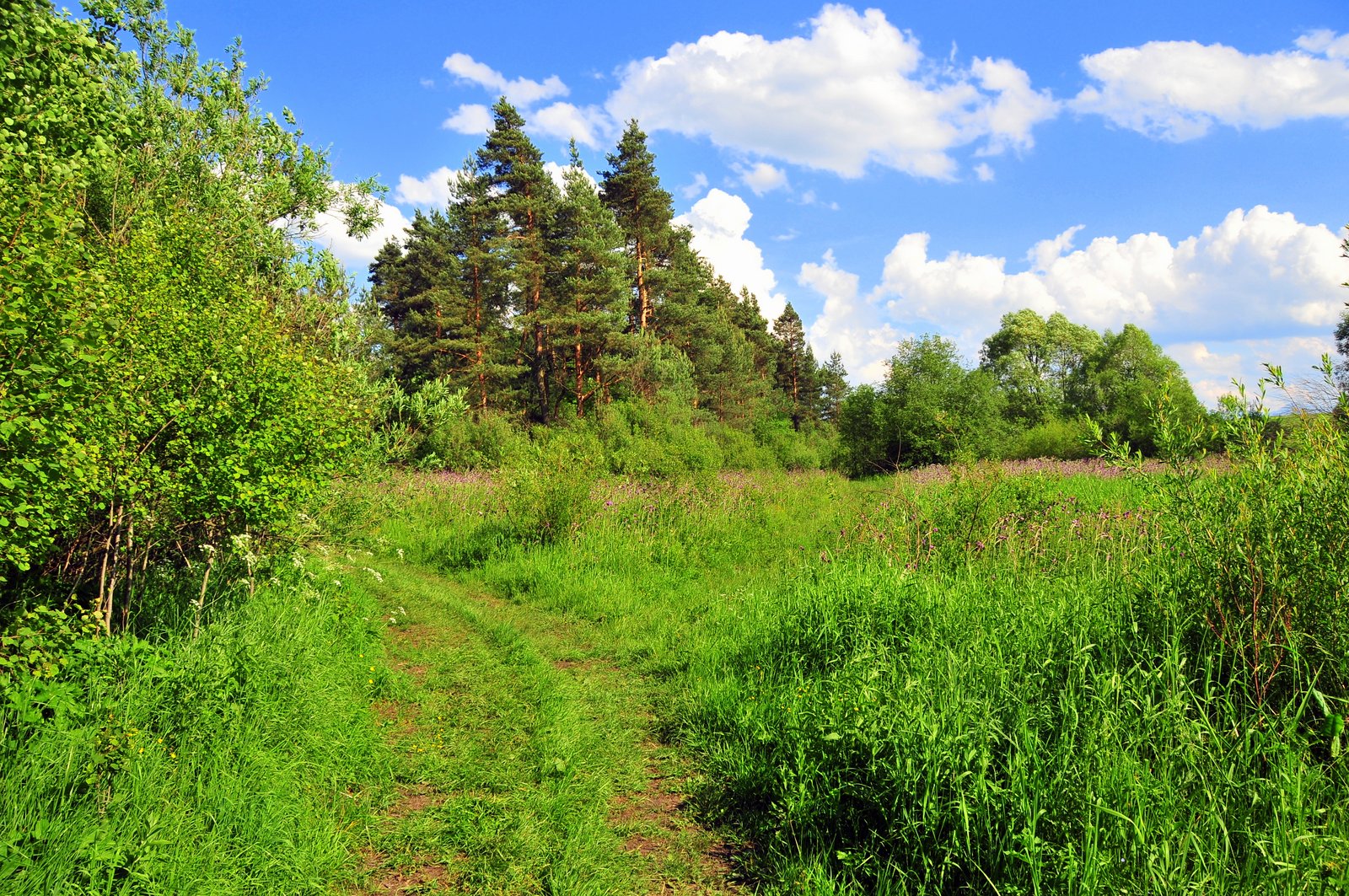
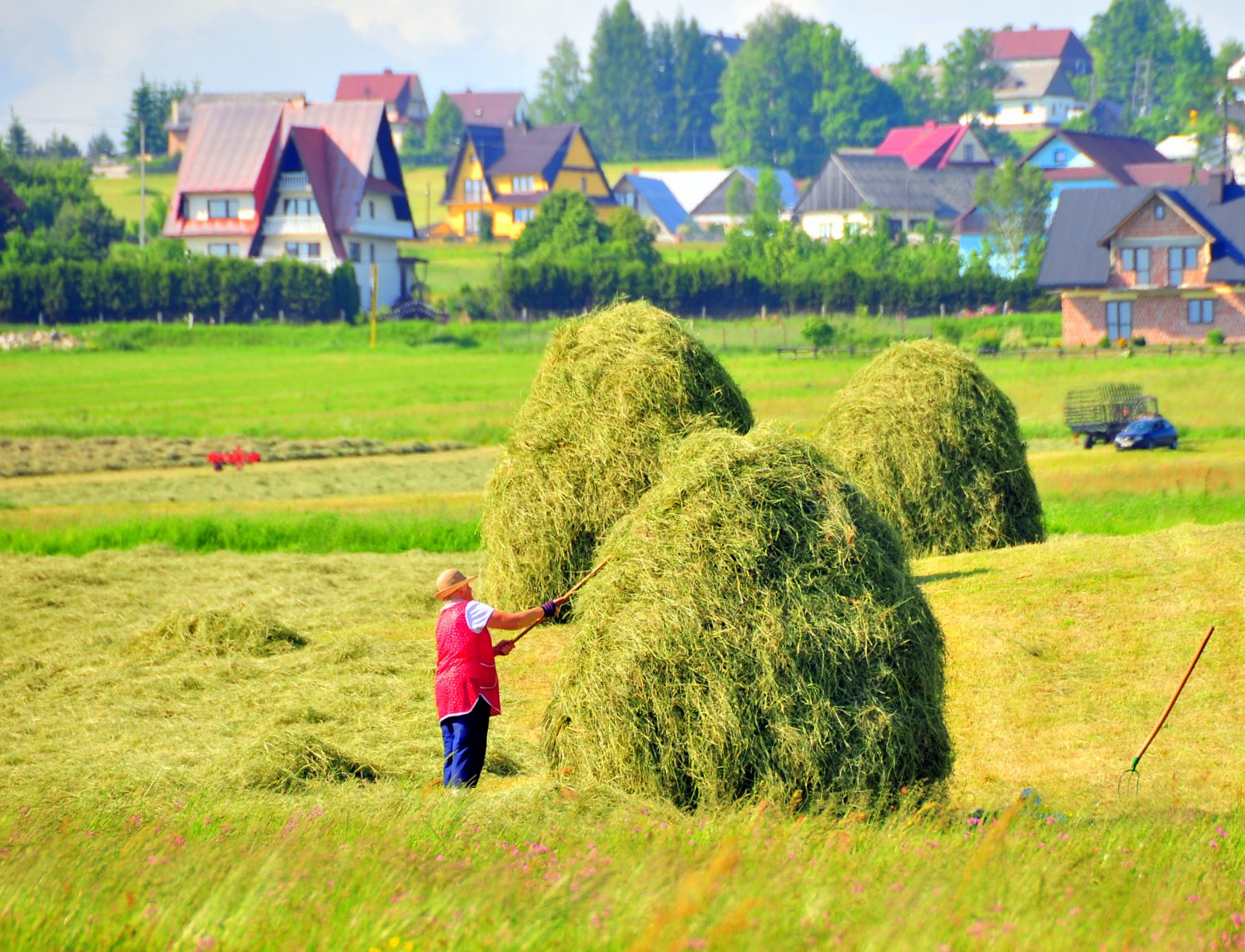
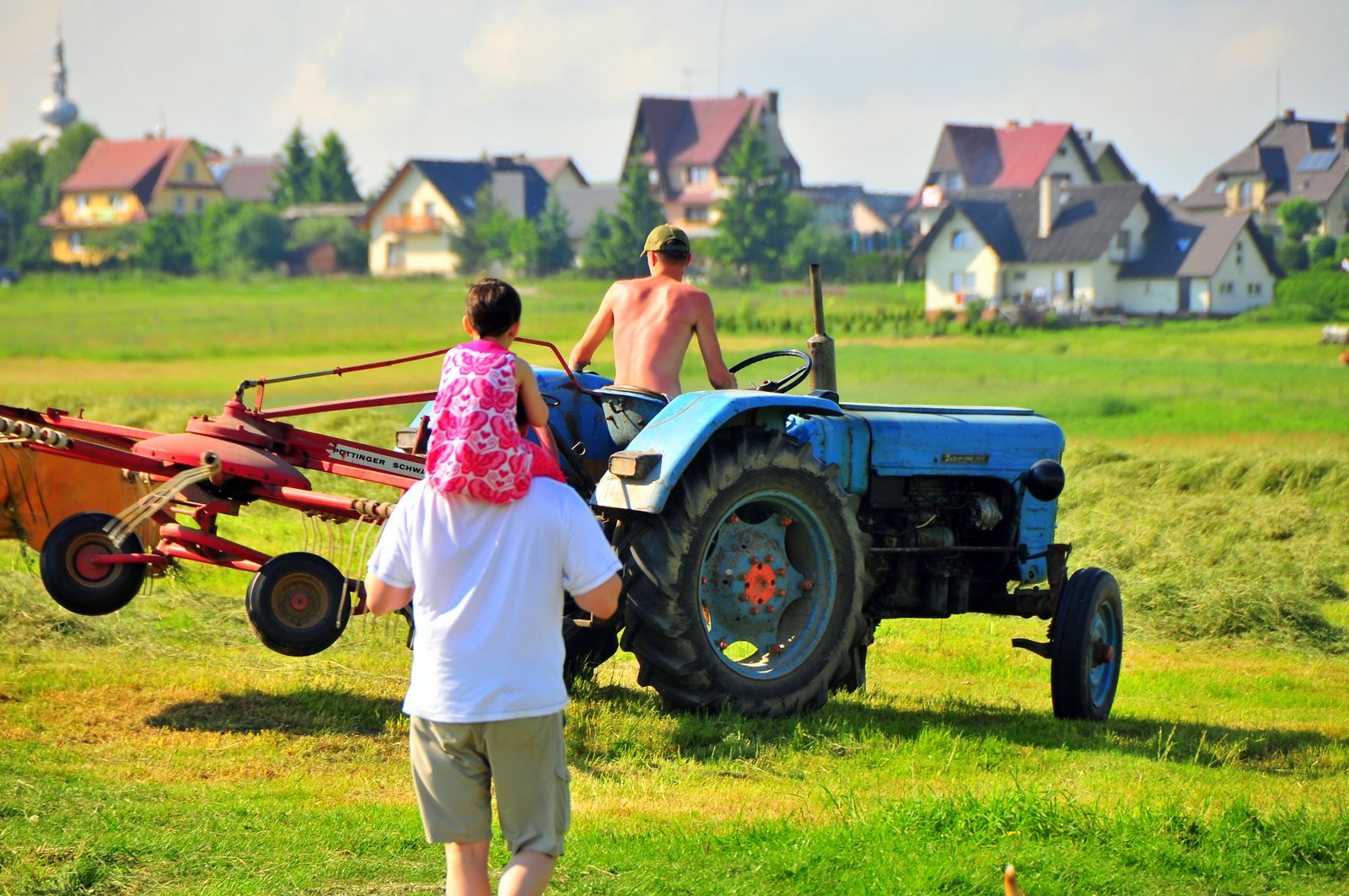
They sit around the fire, complete darkness surrounding them, the only sounds the crackling fire and the occasional truck passing on the nearest road (still a mile away). They sit passing around a shot glass and bottle of vodka. The chaser, a can of beer for each, a cigarette in the other hand. Some talk of escape, of getting the hell out of this little f-ing village. They talk of going abroad, of returning with an Audi, of making it big. Some will escape, if “escape” is even the proper word. Some will return with with an Audi, though used.
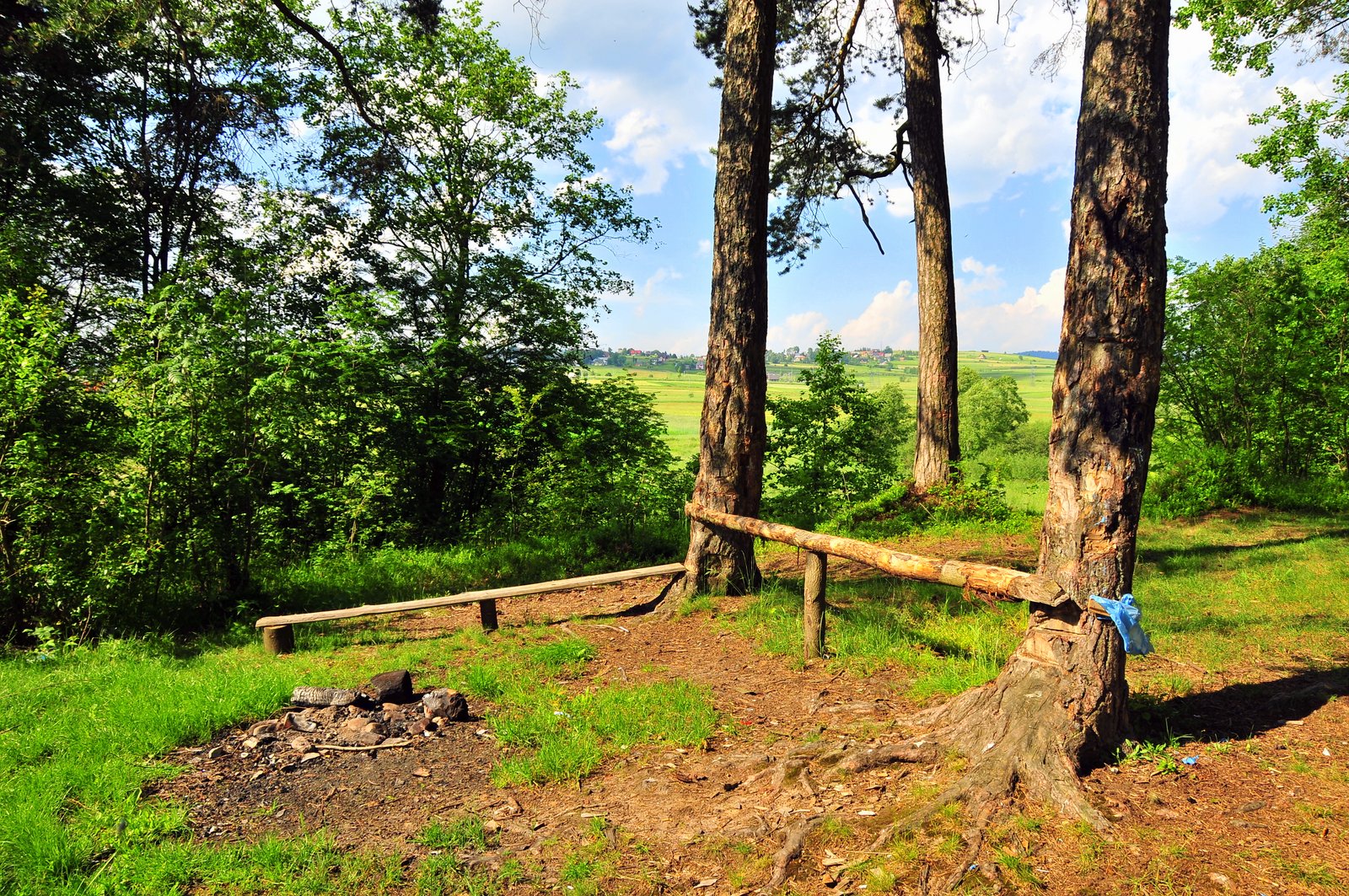
Who will look around them, at the bark of pines glowing in the firelight, at the embers and sparks as they pop and rise into the jet-black night, joining the stars and the mysteries around them, and realize that they already have all that they really need? Who will look into others’ faces, listen to their girlfriend’s laughter, smell the magic of smoke in a hay-flavored summer sky and realize that what they have, others would kill or die for–and in fact already have?
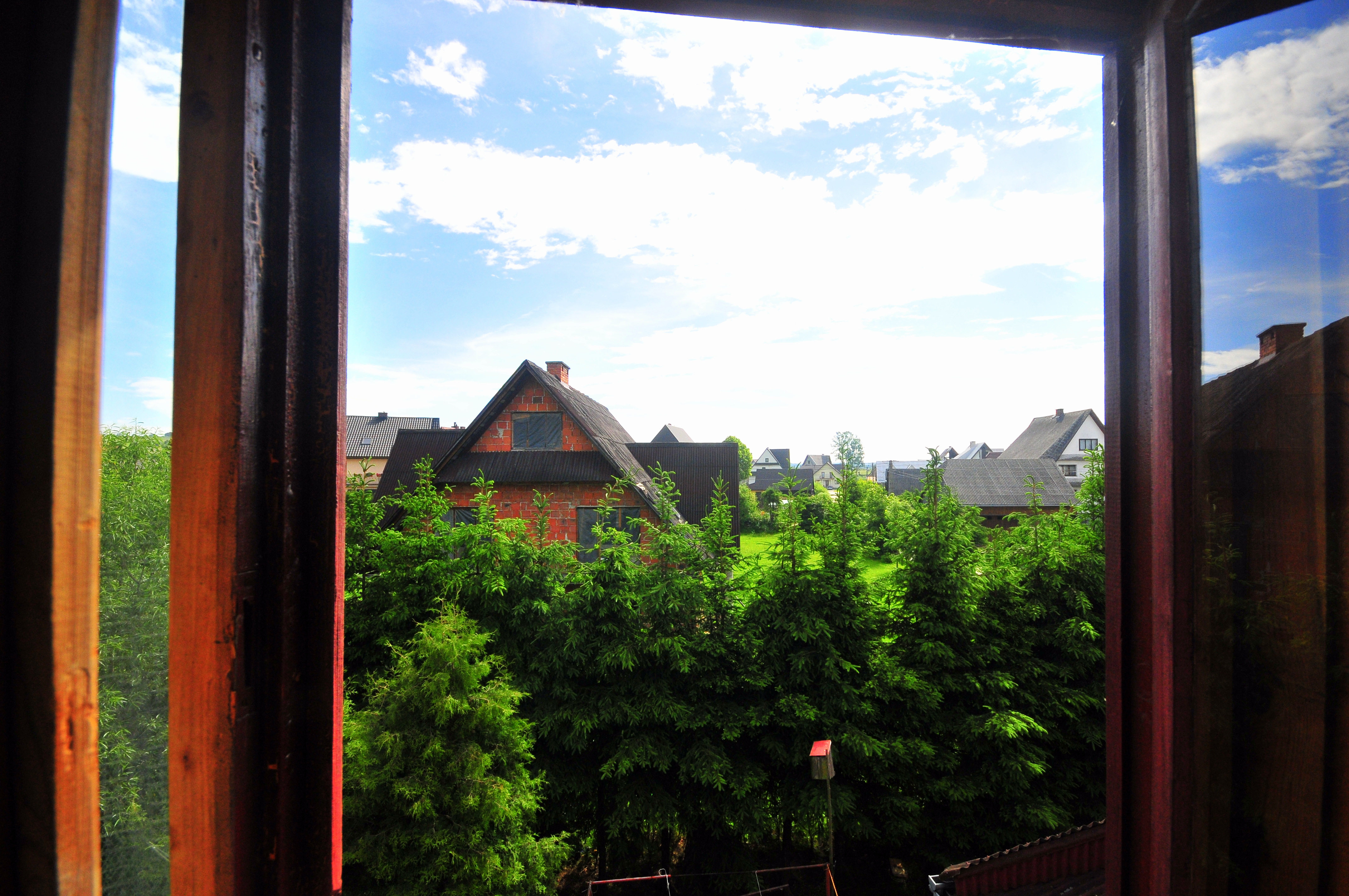
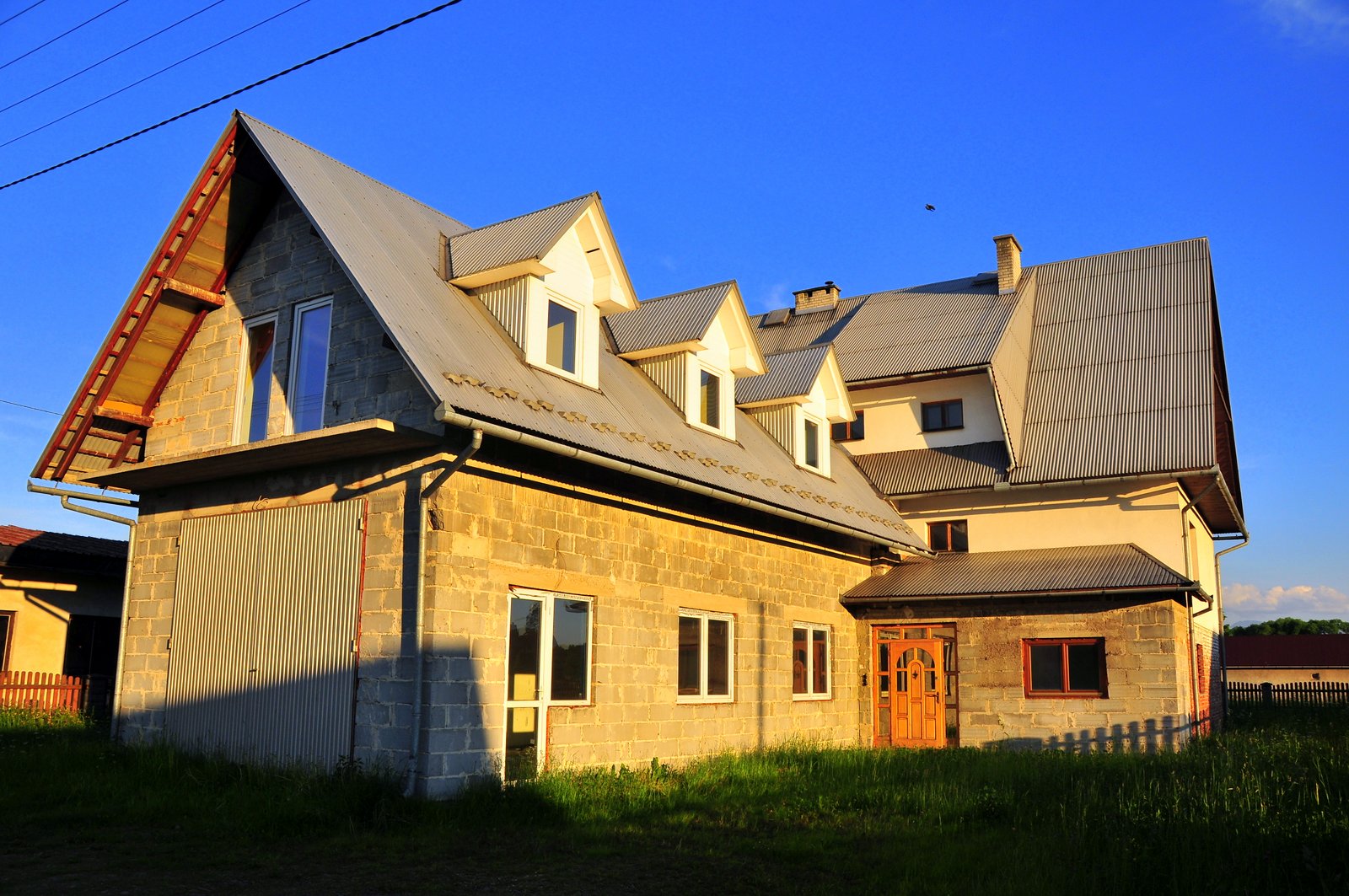
Certainly not a strictly-Polish phenomenon: the occupied yet unfinished home. (Not the best example, but this house has had an unfinished upstairs since at least 1996, when I first saw it.)
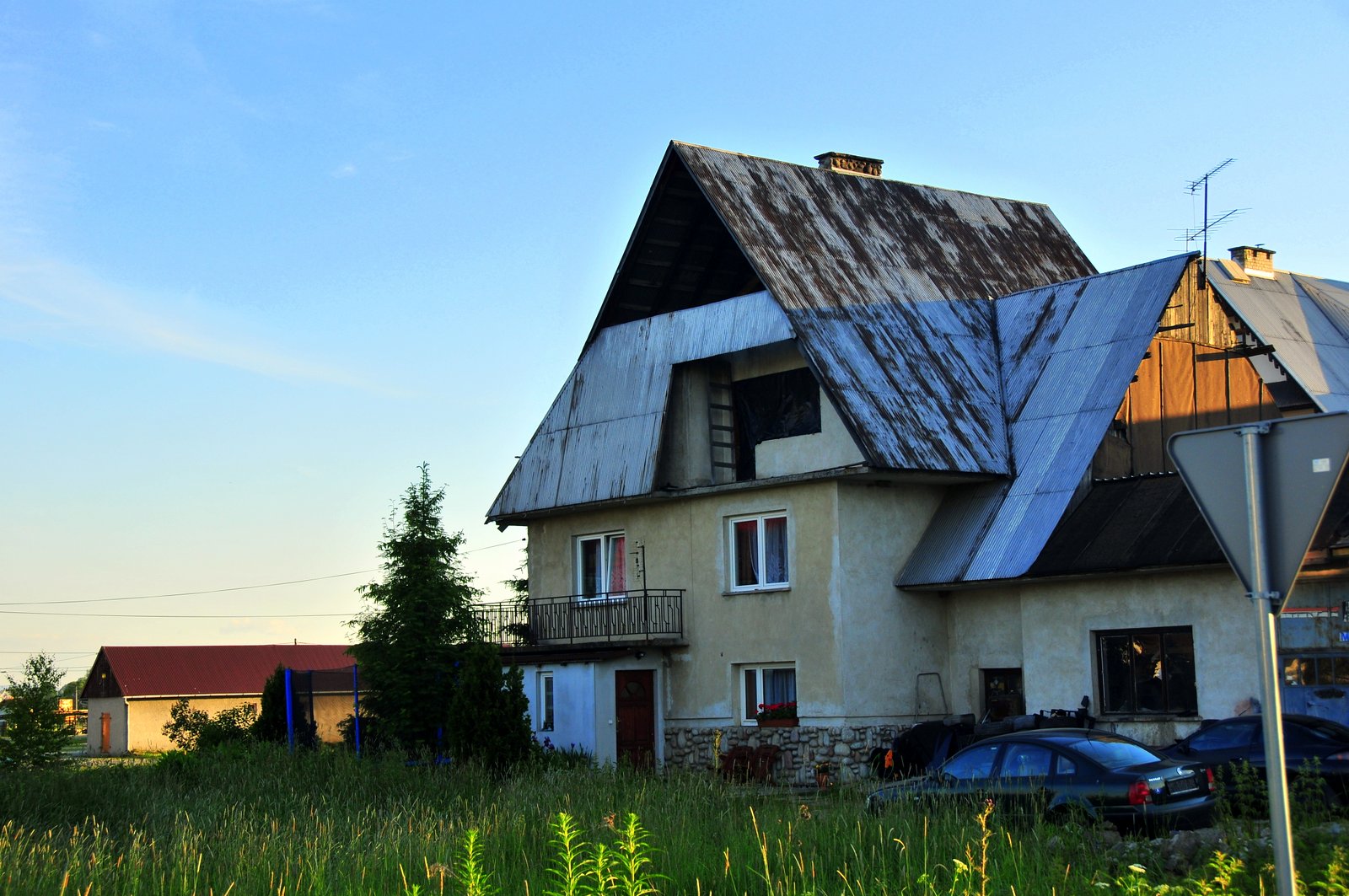
Likely a phenomenon most common in Poland: the finished yet unoccupied home.
Certainly a purely Polish phenomenon: the two houses side by side.
The first of many. "Your job, your daily responsibility," Babcia explains, "is to take the dog for a walk daily."