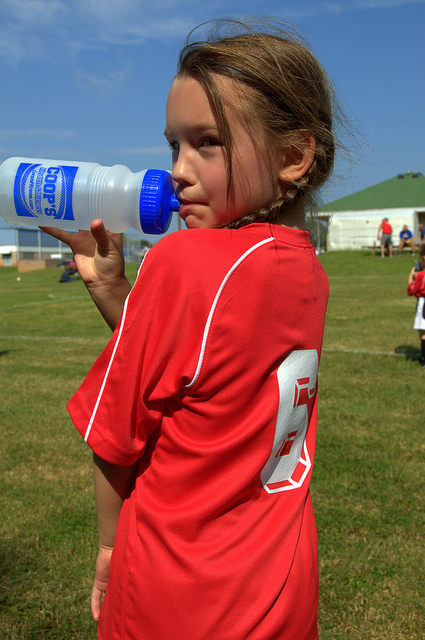
Game two. The Girl sits out the first quarter. After her adventures last game, perhaps that’s best — start slowly.
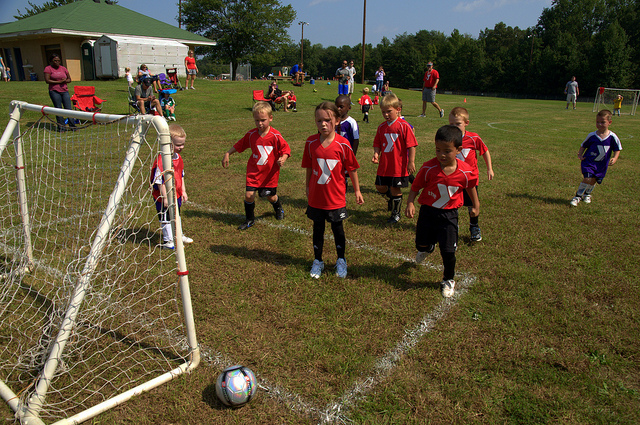
When she enters the game, she volunteers to be the goalie. It’s a potential disaster: I anticipate her frustration if she lets a ball get through. She’s doesn’t take mistakes very easily, and I know as goalie, she’s likely to experience them — especially with number five on the opposing team, who seems to steamroll through the defense like a panzer column.
Sure enough, within a few moments of the start of play, the Steamroller Five comes barreling at the Girl. She pulls up a little short and shoots; the ball approaches L with decreasing speed. She bends down; she’s in position.
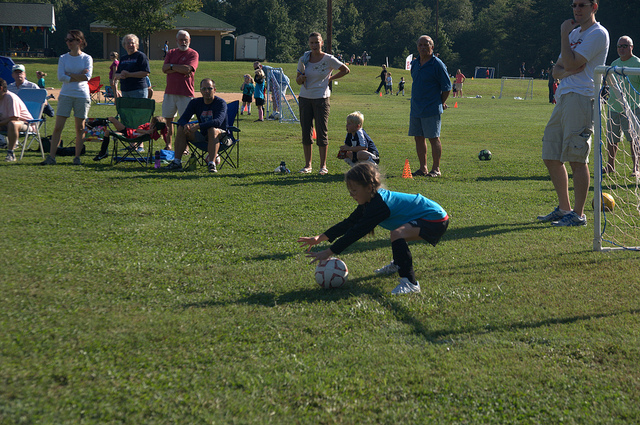
And the ball rolls right through. Instant frustration; intense irritation. She begins marching to the coach, tugging at the goalie jersey the team shares, when I call her back.
“No, sweetie,” I begin. “You have to stay in. This is your position. We can’t substitute right now just because you’re a little frustrated. But don’t worry — it’s your first time out. You’ll get the hang of it quickly enough.”
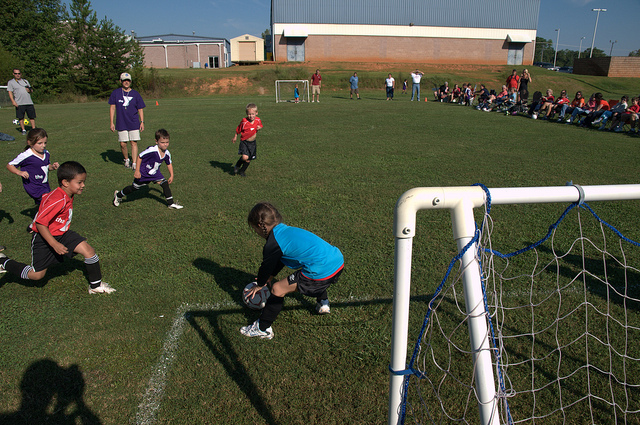
And the next time Steamroller Five shoots, the Girl makes the save. She makes a few more as the game continues, but come the second half, she’s ready to go on the offensive.
Her first goal is an act of pure aggression. The goalie makes the mistake of not controlling the ball fully, only gently resting his hands on the ball. L simply takes the free kick.
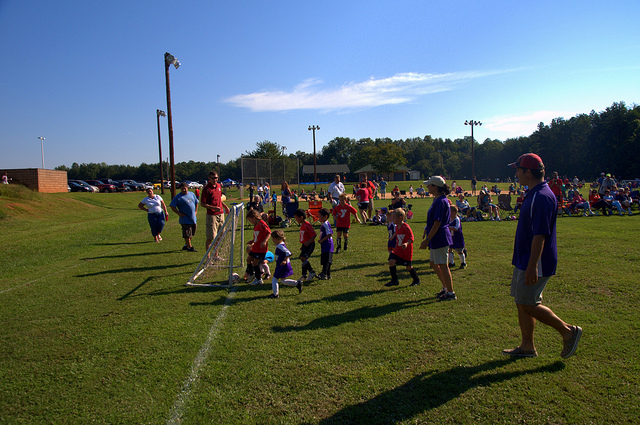
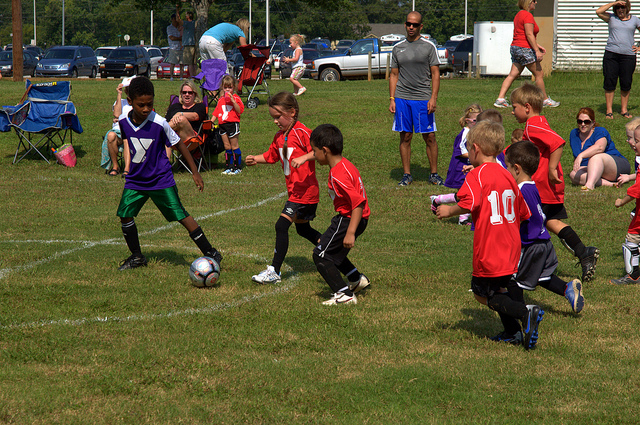
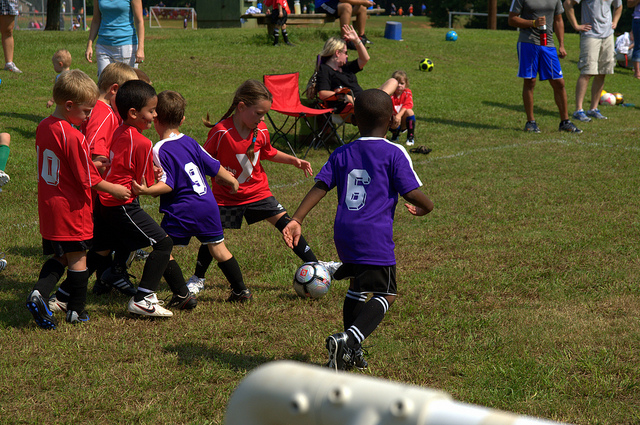
Her second goal of the the day, though, is a beauty, a joy to watch. She emerges from a pack of defenders and faces off with Steamroller Five, who’s been playing masterful defense the whole game. Just before Five can reach her, the Girl lets loose on a cross-goal shot.

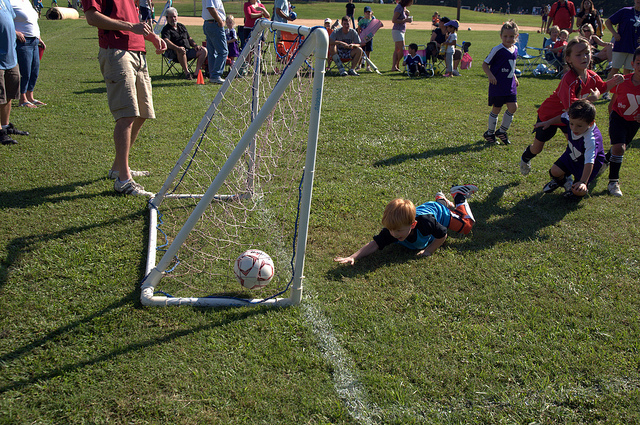
that blasts past the goalie — himself a wonder. He’s been stopping shots left and right, and he’s not afraid to dive
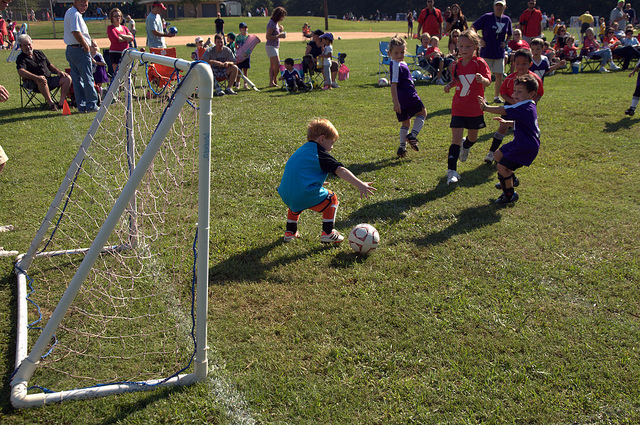
This time, though, he’s a little late. The ball squirts past; Steamroller Five looks on; L collides with a defender — it’s straight out of the World Cup.
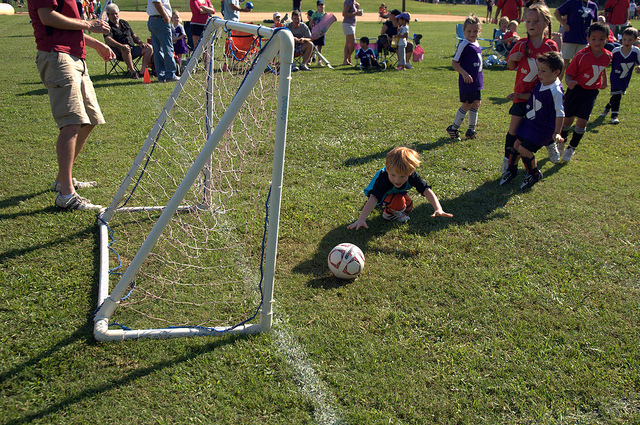
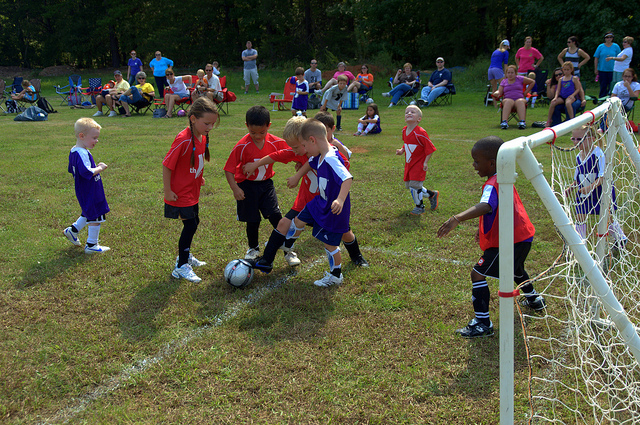
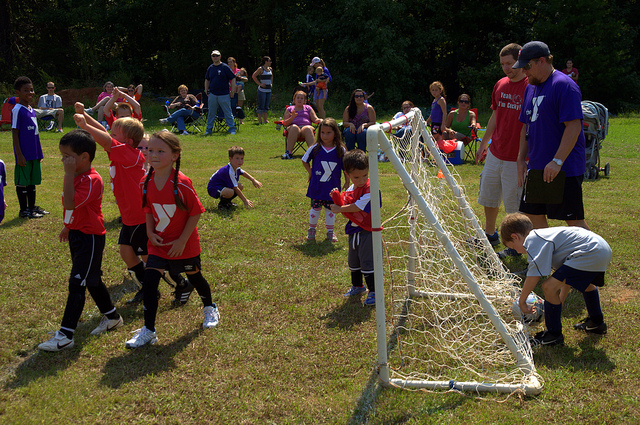
The shot just catches the bottom corner of the goal, with the goalie still refusing to give up and the Girl realizing fully she’ll be on the ground momentarily.
So with two games down, we have the stats that might just encourage her to continue. She’d probably like it more if she could wear a tiara, though.



 These deficiencies are as clear in early life as reading problems. In fact, they’re more clearly evident. What are the current options in such situations? There are few, if any. The classroom teacher is responsible for the academic instruction of thirty young children; she has little to no time to instruct little De’Andre or Clearance in the basic skills they seem so clearly to lack. So they get called down, sent to time out, removed from activities, and generally shunned. Instead of learning these skills, they become resentful of those who have the skills and meet with success in school. Indeed, they don’t even recognize that there are different skills successful students are using. “Those kids are just kiss-ups” is the common response.
 What do we do with this students are they grow older and more intractable, more incorrigible? We do the logical thing: we suspend them. Talk back to the teacher? Get three days out of school. Fight with a student? Get five days out of school. Initiate a fight that is particularly brutal? Get ten days out of school. And this helps these students how? Giving students who don’t want to be in school because they’ve only met with failure in school a chance to get out of school advances their education how?