Matching Tracksuits

fun in fours

Month: November 2009

Chick on Evolution

Many Christians who criticize evolution are criticizing a caricature of evolution, presented by their preacher and not by a scientist. They don't even understand the basics of the theory they claim to be debunking, and their efforts to disprove evolution illustrate this with painful clarity.

Recently, when I stopped for coffee, I found a Chick Tract about evolution. I knew what I would find inside, but I couldn't help but read it out of curiosity.

It was filled with such a ridiculous presentation of evolutionary theory that I found it difficult to believe that anyone who wasn't already convinced could be convinced through such a simplistic, silly presentation.

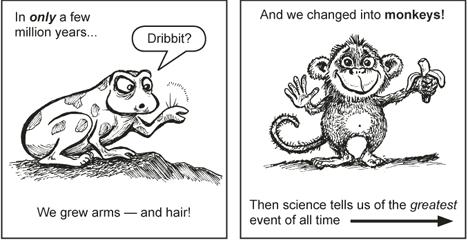
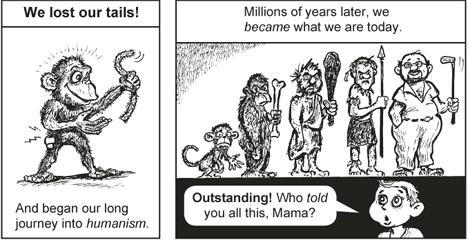
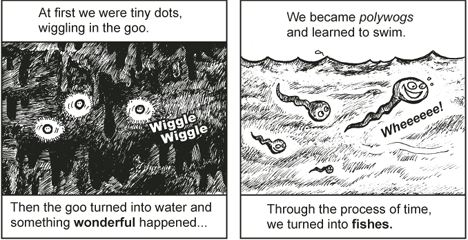
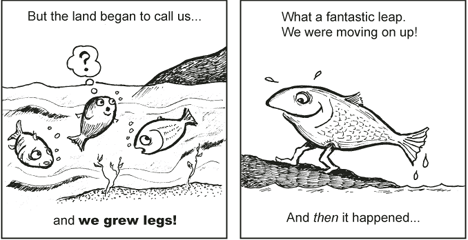
The most basic assumption anti-evolutionist Christians make about evolution is that it proposes a linear, step-by-step evolution from lower to higher creatures. They insist that evolution teaches that humans come from monkeys. This particular tract begins with just such a time line.
1041_04
1041_05

1041_06
1041_07

"If we come from monkeys," creationists ask, "Why don't we see any half-monkey, half-humans?" Indeed, if evolutionary theory supported such an idea, that would be a legitimate question. Yet any evolutionary biologist will tell you that the theory of evolution suggests no such thing. Instead, evolutionary theory postulates that primates come from a common ancestor. In other words, we had the same great9,393,393-grandparents, but our lines split somewhere along the way.

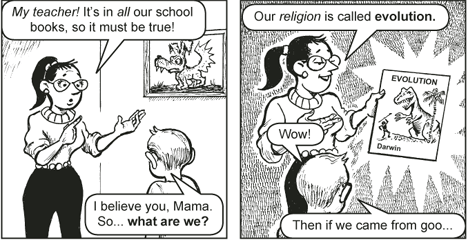
Another common tactic is to associate evolutionary theory with religion. That was the tract's next step:
1041_08
Notice that this text on evolution depicts man and dinosaurs together? That shows how little fundamentalists understand evolution...

I have never heard anyone refer to evolution as his or her "religion." Further, very few people blindly trust their professors because any professor worth his or her keep wouldn't expect it. Further, science doesn't work that way. Science doesn't seek blind faith like the tract's mother illustrates. It discourages it, in fact.

What's most amusing, though, is the illustration the mother is holding in the second panel. With its illustration of a cave man battling a dinosaur, it is more fitting for a creationist. After all, the creationist museum in Kentucky has a diorama that includes humans with dinosaurs. (Before the fall, T-Rex used those massive teeth for breaking open coconuts, as all creatures were vegetarians before the Fall.)

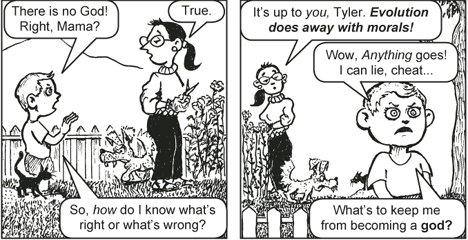
In most arguments, it's a short step from "evolution says we're all descended from monkeys" to "that means I'm equal to god." It's an illogical step, because God doesn't come into the picture with evolution. That's the point: it's about observable, testable, measurable data. God isn't easy to measure or convince to come into the lab for tests. That's why evolutionary theory is agnostic, and why intelligent design is not science: both are claims that science cannot test.

Still, creationists somehow make the connection, and Chick does a finely amusing job of illustrating this:
1041_11

The answer to little Johnny's question is, "Nothing, really." And that's not because there is no God and therefore Johnny can place himself on a pedestal. It's because people willingly make gods (of other people, stones, abstract ideas) all by themselves, and with a little convincing and hocus pocus, individuals convince others to turn them into gods. Priests and televangelists do it all the time. Watch Benny Hinn's performance: while he says he's a conduit for the Holy Spirit, it's clear there's something else going on in that ego of his.

Yet this notion that evolution does away with morality is ridiculous. Most moral codes are very practical: they protect us from others "lying, cheating" and becoming mini-gods. It's only an anything-goes situation if people are willing to live in chaos. Most people don't care for chaos, so we curb our desires for the good of all, including ourselves. If we're unable or unwilling to curb those desires, the state curbs them for us. (A very Hobbesian view, I realize.)

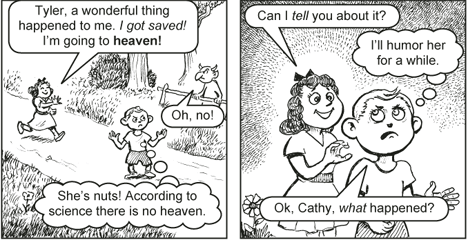
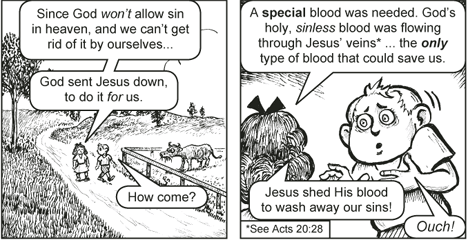
At this point, the tract takes an unexpected turn. It's not the proselytizing that's unexpected; it's the theology that's a bit odd.
1041_13
1041_17

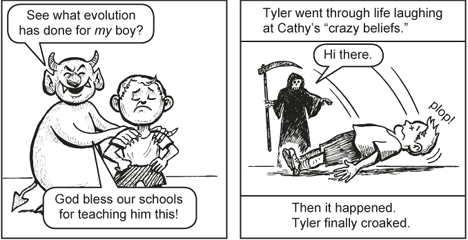
This "special blood" theology is something very new to me. It sounds, quite honestly, very primitive. It suggests the notion of blood brothers: mix your blood with another person and it somehow makes you qualitatively different. It makes me think of the old notion that somehow your essence, the core of your being -- be that good or evil -- can be transmitted through your blood.

It also makes God quite literally a blood-thirsty being. But then again, Jack Chick's tracts were never about creating an image of a god that any rational, compassionate person would like to have anything to do with.
1041_21
1041_22

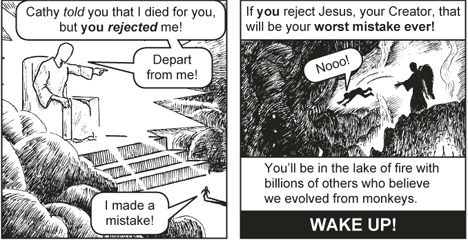
Chick's god is little more than a small child, focusing the sun's beams on an ant, grimly smiling as the ant writhes in pain.

If I treated my daughter the way Chick's god treats humans, I'd be very rightly locked up for child abuse.
Country Night Sky

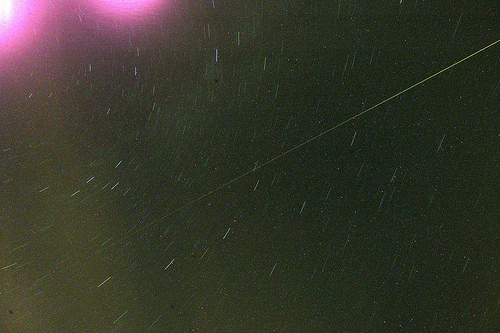
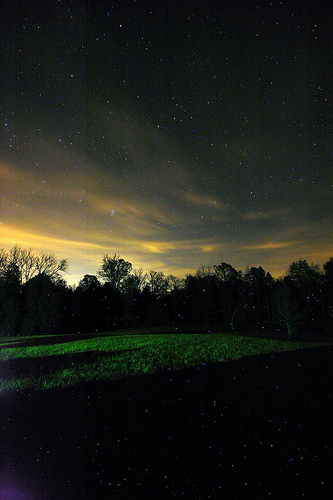
It's impossible to stay in rural South Carolina and not take a few night shots.

DSC_9124
816.5 seconds, f/11.0, 10 mm

"Those planes flying over are Delta flights," my uncle explains. "I've flown over my own place countless times. It takes me fifteen minutes to get to the airport from here and two hours to get back."

DSC_9125
63.4 seconds, f/5.6, 10 mm

He is known for his hyperbole.

Polish Reunions

After the reunion, we headed to Papa's side of the family for conversation and rest. Everyone was curious by then about Polish reunions.

DSC_9123

"They don't really exist," K explained.

Why won't they work? K proposed two simple reasons, both of them quite practical.

First, you can't get a bunch of Poles together for a meal and have a pot luck. A huge, official gathering requires huge, official food, with proper place settings and a touch of elegance. Everyone would come dressed elegantly. Plastic forks, blue jeans, and cold fried chicken would absolutely, positively, under no circumstances, be permissible. And it would be purely self-inflicted inconvenience.

Second, there's no way to get everyone there. Significant numbers of Poles still are without a car, and the prospect of carrying food (then again, see above) and family on a bus while everyone is dressed in their best -- not a chance.

But reunions do exist: they're just called "weddings" and "funerals."

Reunion

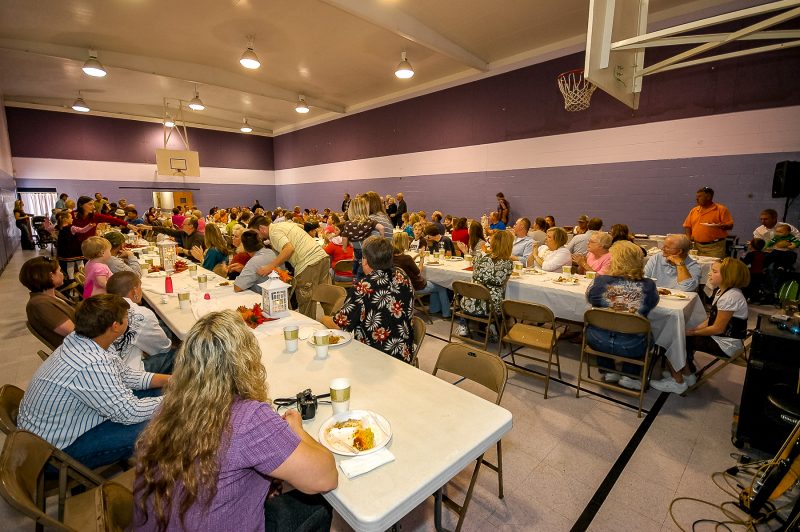
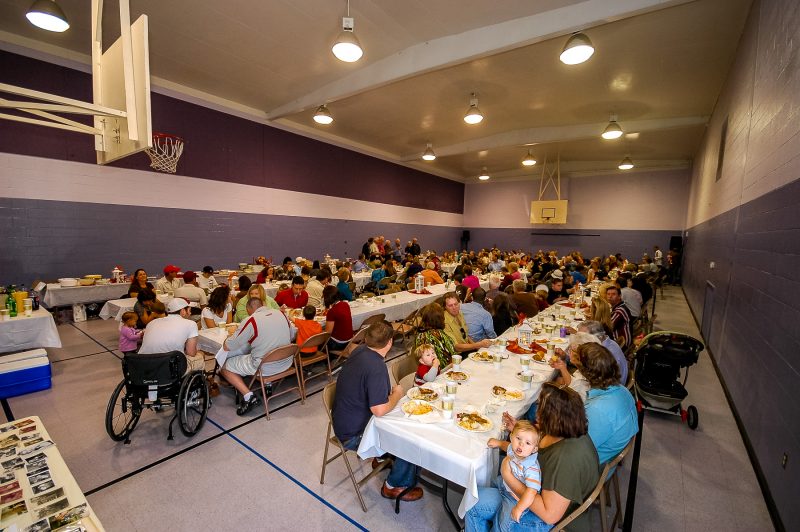
Looking back over my childhood, I remember family reunions occurring with some regularity. All the aunts, uncles, grandparents, great-aunts, great-uncles, great-grand parents, cousins, and significant others would rent some place or another and come together for an afternoon of horse shoes, fried chicken, gossip and sweet tea.

It's been years since I've been to one. Saturday, the streak was broken.

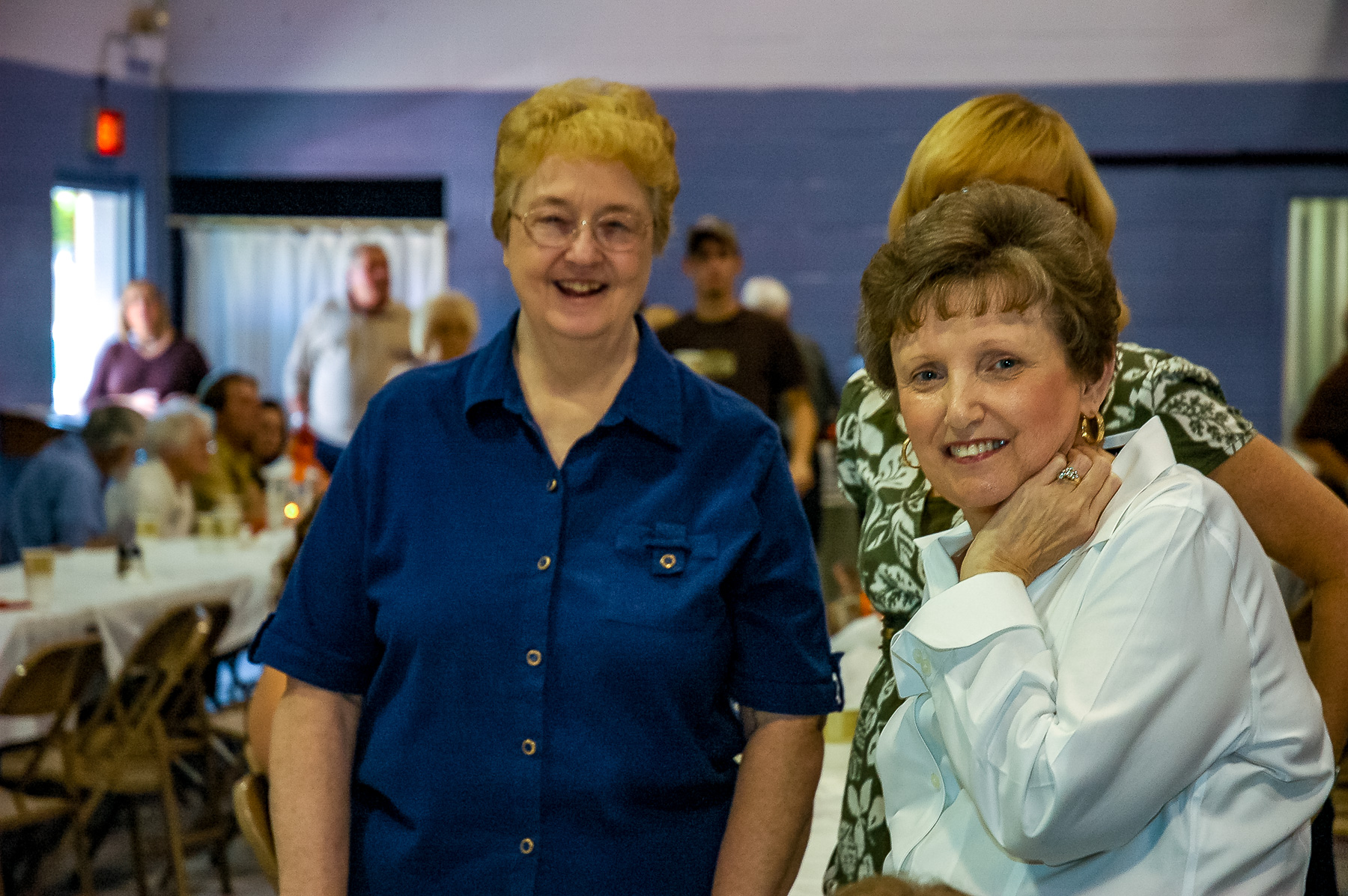
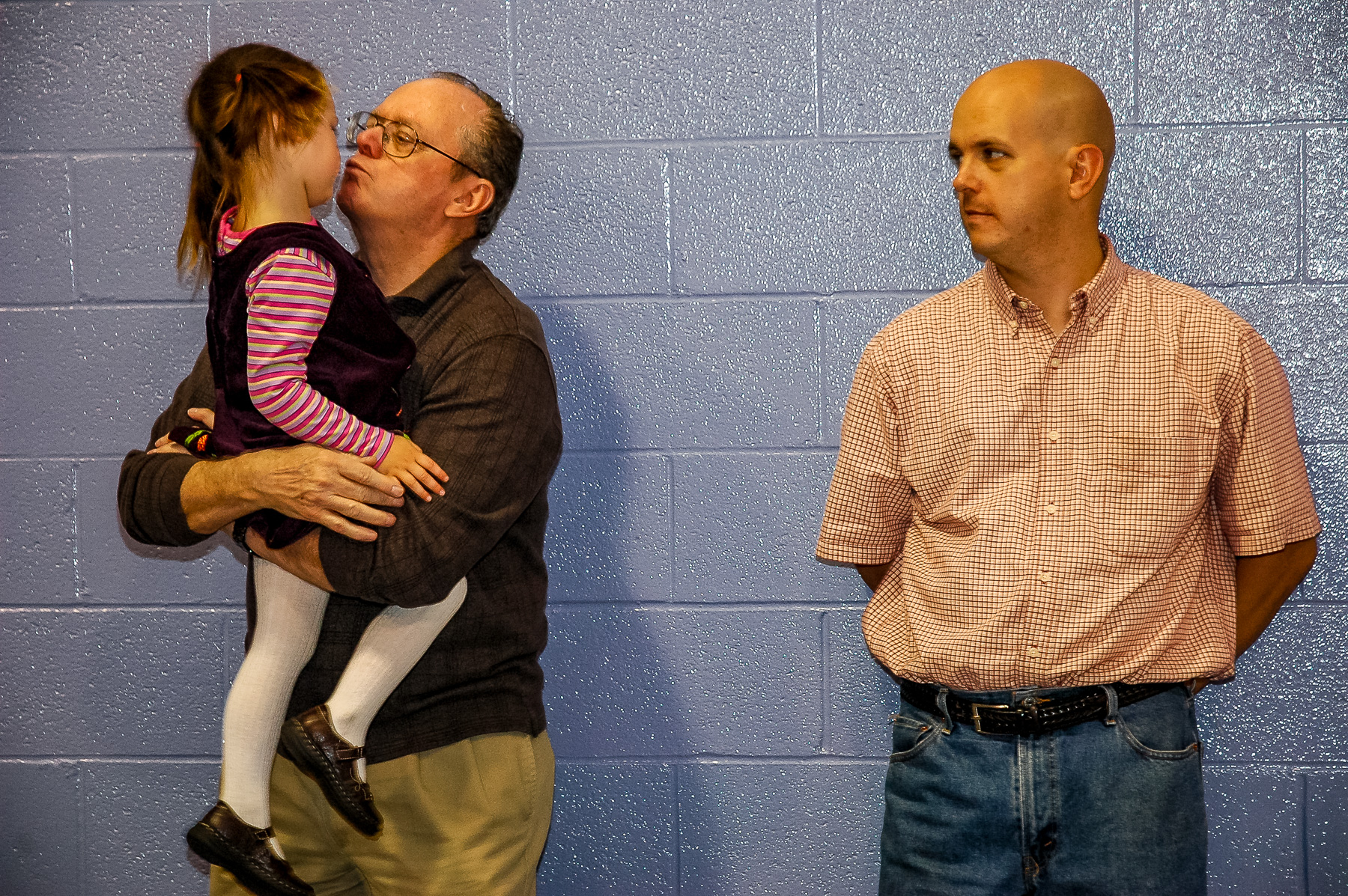
Most, if not all, of the family reunions I attended were for my father's side. Saturday, it was Nana's side's turn. Because I know Papa's side of the family better, it was an odd feeling, in a room full of strangers who constitute an extended family.

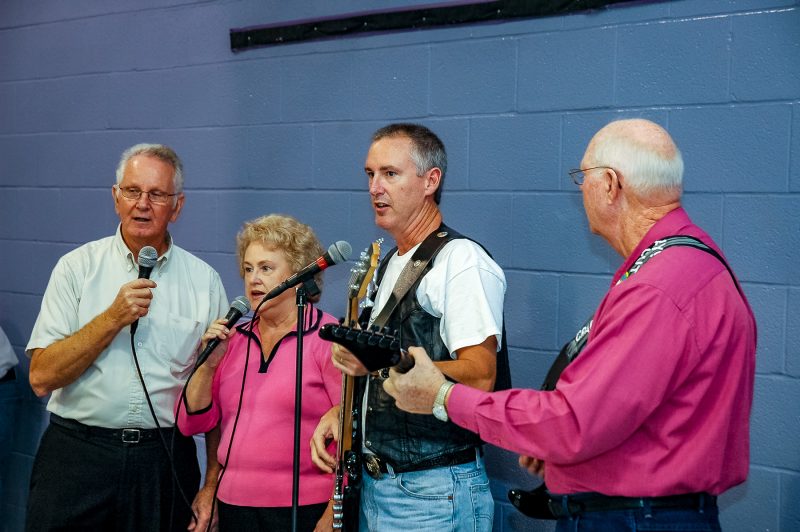
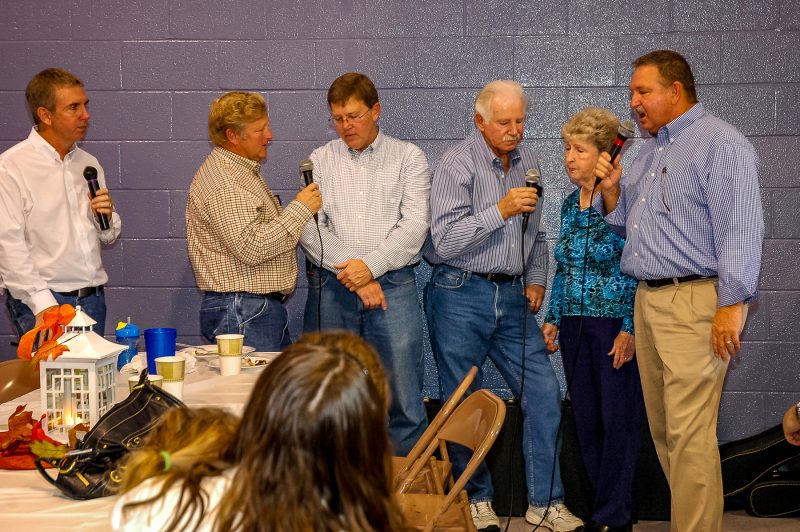
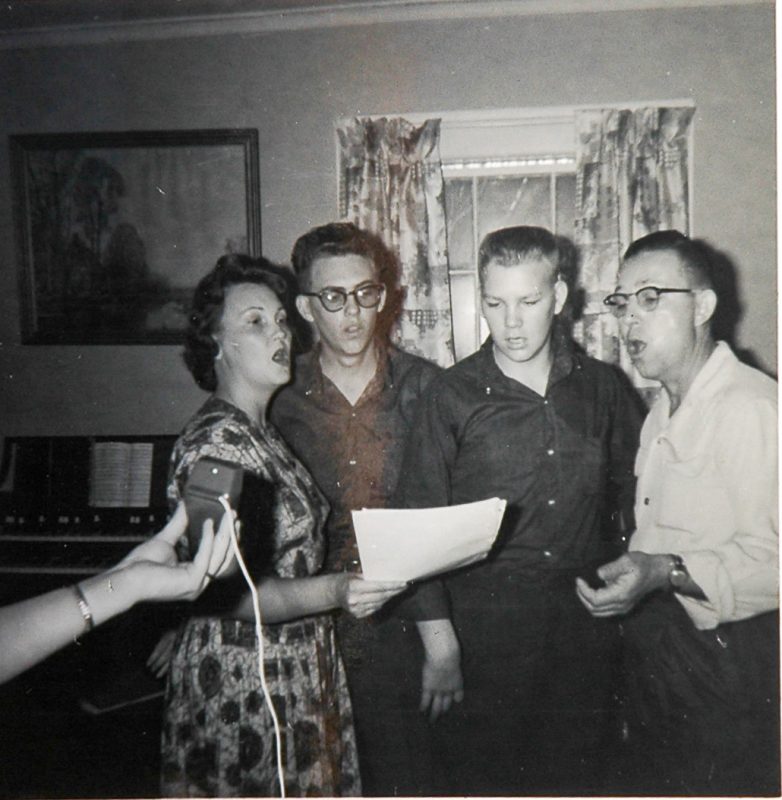
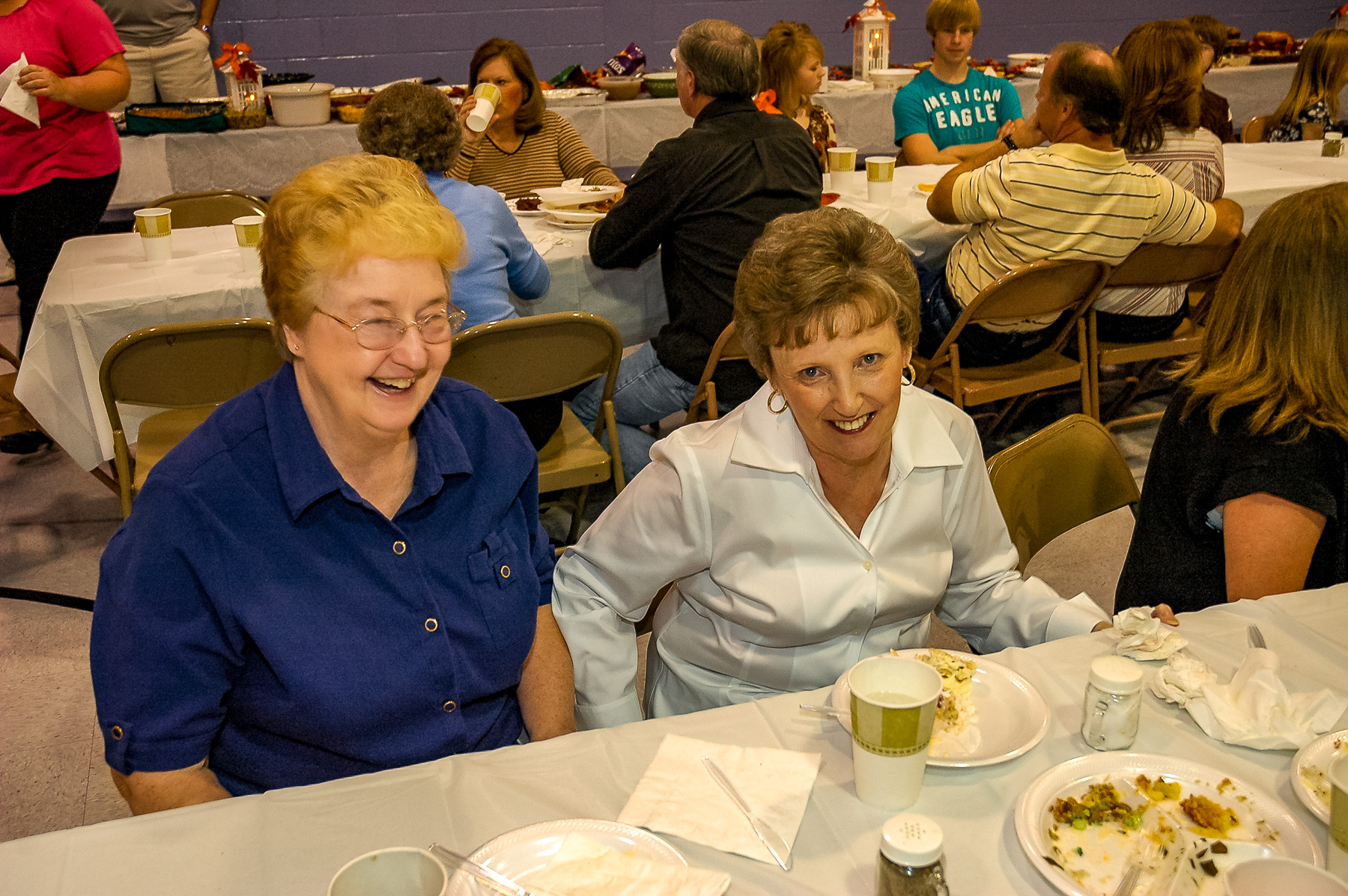
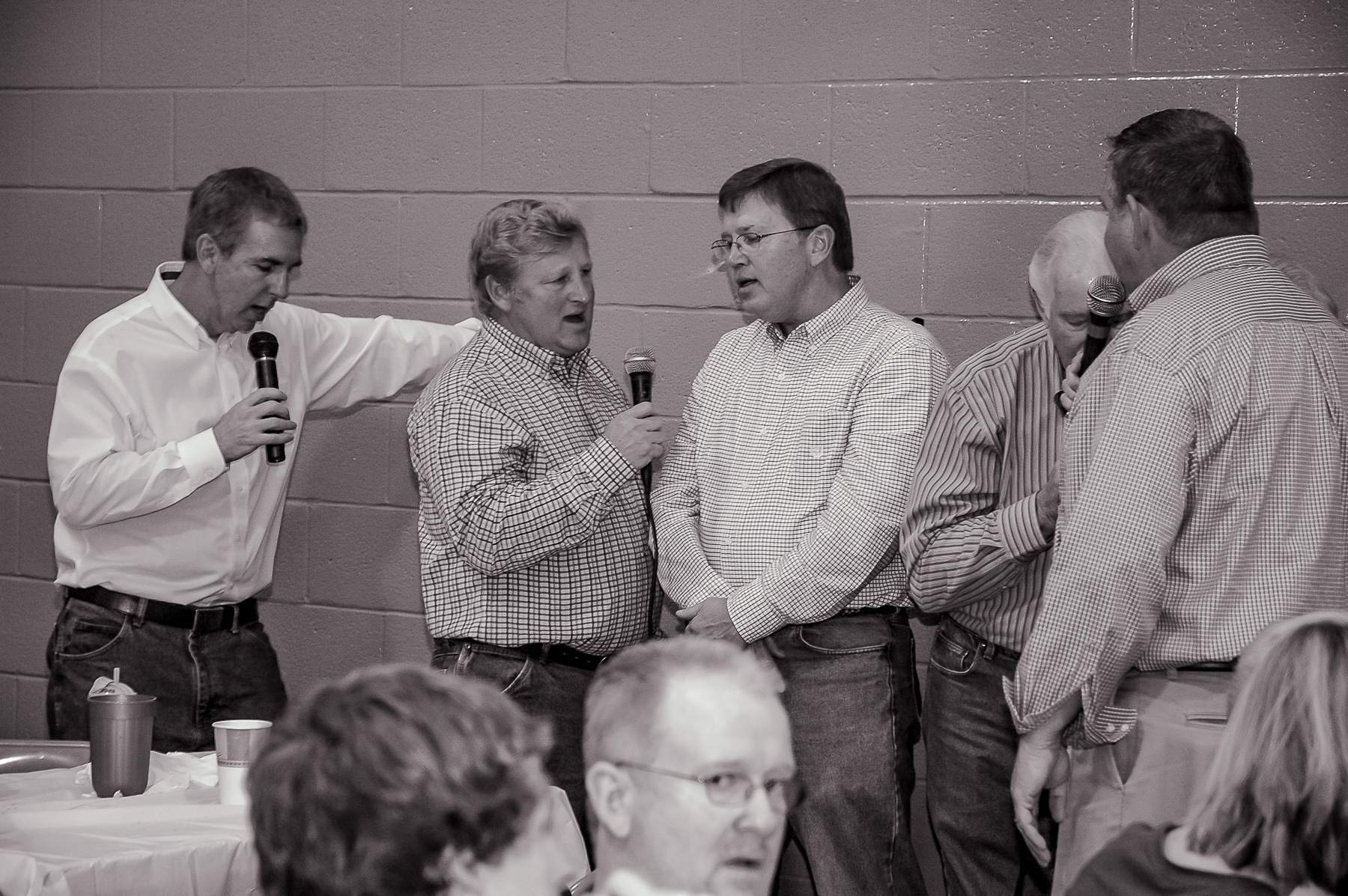
There was food and there was gospel singing:

"One thing about the W family," said Papa. "They can sure sing."

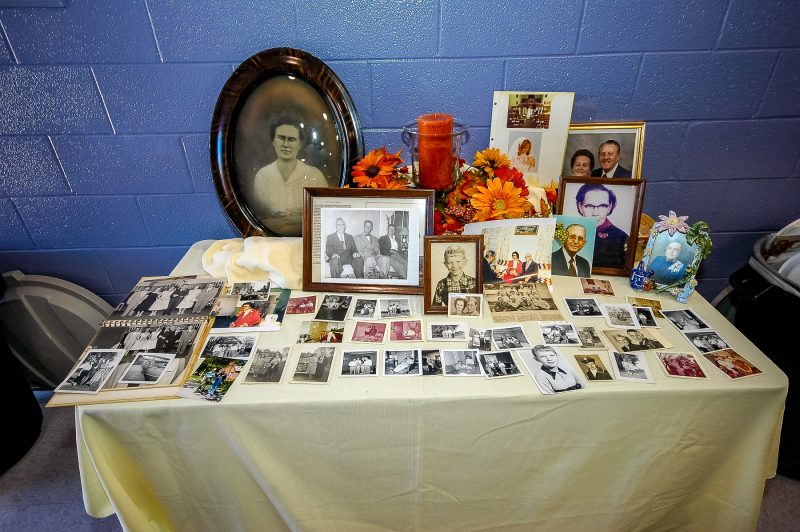
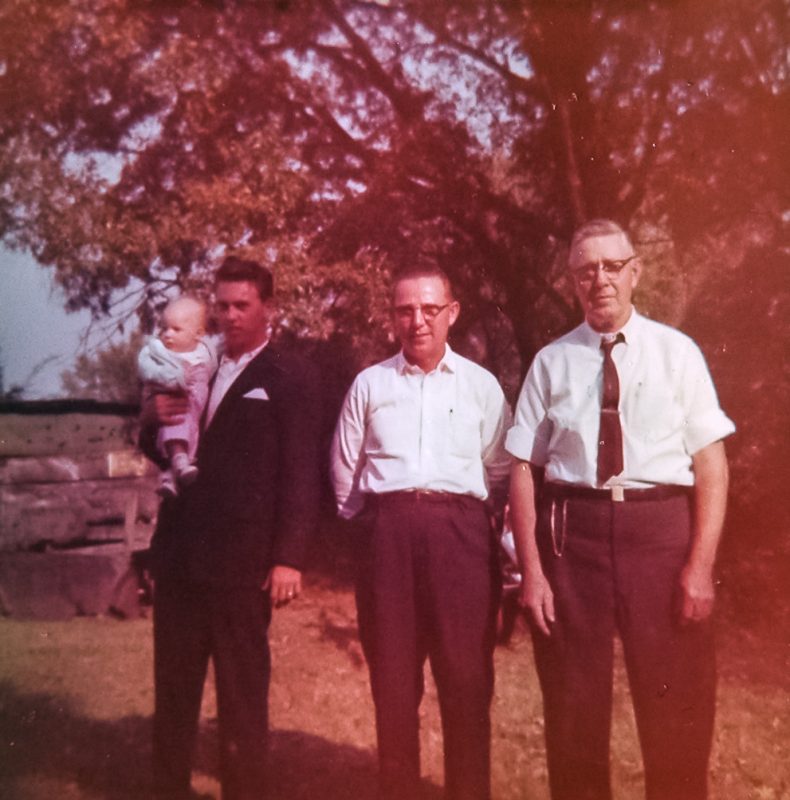
By the entrance there was a table of old photographs, including one of my maternal grandfather with his two brothers (essentially in the left-center of the picture below).

I never met him as he passed away long, long before I was born. I honestly don't even know very well what he looked like, but Nana informed me that there was an uncle who looked very similar.

Everyone hovered around the picture table, though. They were the only record of many like my grandfather: people who would have loved to have seen how a small family grew into a small army company's worth of people.

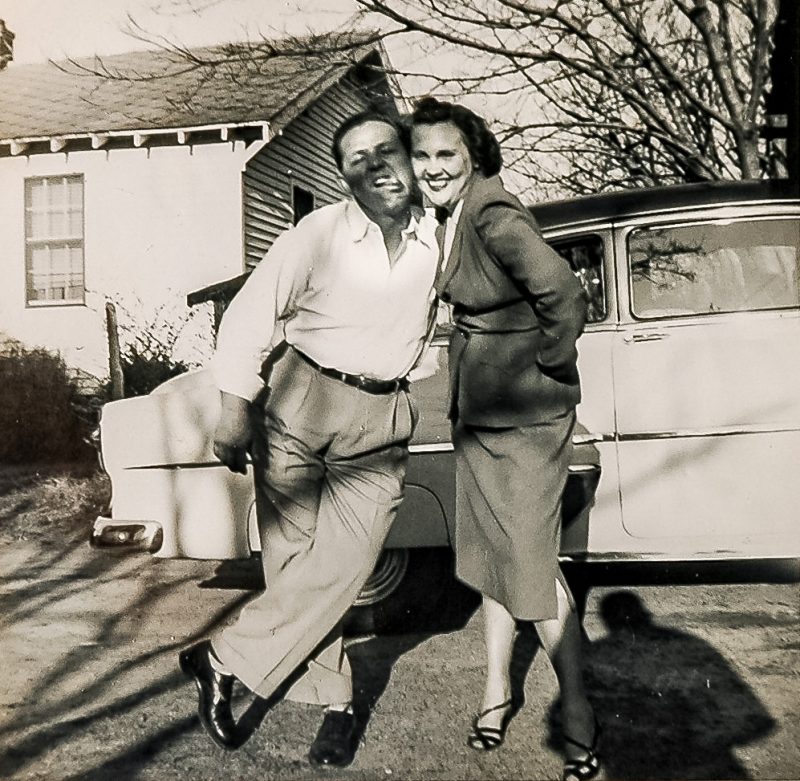
Seeing I had a fair amount of camera equipment (and associating equipment with skill, I suppose), a gentleman approached me to take some pictures of old faded images that he'd like to have copies of.

Of all the pictures snapped Saturday afternoon, these are worth more than all of those combined. These are the ones that somehow truly fulfill the role photographs are supposed to play in people's lives.

A look at a time so far removed from ours that it might as well be a different world. And truly, it was a different world. Without the instant, worldwide communication, the pre-Twitter, pre-YouTube word was more insular.

Safer? I don't know. After all, the Cuban Missile Crisis showed how a little Twitter can go a long way -- or at least a direct line of communication between mutually powerful countries.

Bottom line, there was less -- of everything. Somehow, that seems comforting.

Looking at these pictures, I regret I didn't take the whole bunch out to the parking lot, lie them on the ground, and very carefully photograph them. After all, the pictures become fewer and fewer, as if somehow trying to pay tribute to the frugality of the times they capture.

Authorized Biographies

If you're the leader of a sect that believes in one-man (very much "man"), top-down leadership, how do you get your biography written?

Simple: you tell your staff to do it.

David C. Pack has held a variety of leadership roles throughout his dynamic, event-filled life: author of more than 20 books, scores of booklets and a vast array of articles–Pastor General of The Restored Church of God–voice of The World to Come program–founder of Ambassador Training Center–publisher/editor-in-chief of three magazines. The Authorized Biography of David C. Pack tells the life story of a man who was carefully prepared by God for a unique position. (RCG)

We can read the details of the life of David Pack, the Restored Church of God's Pastor General, in painful detail: Volume One is a whopping 615 pages to cover 1948 through 1995! Volume Two is an additional 608 pages. It's tempting to ask, "What did you leave out, Dave?"

He seems to have anticipated this:

Since an unusually wide range of experiences has enriched my life, a certain problem was created for the writers: which stories and encounters should be included in the biography. Of course, there were certain ones that had to be incorporated because of their transcending influence or impact on my life. The biography would fail in purpose if it did not contain them, coupled with an explanation of why they were important. This alone meant a lot of material needed to be included.

There was also a desire to relate stories that are of lesser importance, but that have had a role in shaping me nonetheless. It is not the biography’s purpose to make every one of these seem overly important or to present them as in every case having brought dramatic transformations in my thinking. Of course, some did. Both I and the many writers who participated struggled with how many, and which, stories to include, as well as when to cut off stories with the overall length of the biography in mind!

It was not the goal to bring in every story in my life, or every experience I have had. But, we believe that every one chosen adds to the overall picture of what shaped me, and it is my hope that the reader benefits and is left motivated, better informed and even inspired for having read them.

I can't imagine pretending to be humble and appearing to all others to be exactly the opposite. Of course, if I thought I was, literally, the most significant person on the Earth, I might include the details about the time I sneezed and panicked at not having a tissue, or the time I thought I might ask a girl out but then wondered whether she would reject me.

Time

Is it cheating to post at 12:16am and count it as the previous day's post? After all, for my consciousness, it's the same day.

When I kept a journal religiously, I often fretted about this. "What date should I put on this?" Perhaps "fret" is the wrong word. Or maybe it is: when I was in Poland the first time (96-99), I wrote daily. One entry was along the lines of "I'm just writing this to keep my string of entries going."

I guess this is something similar...

Stage Fright

Ron sits in the front row and raps. Sometimes it’s an audible mumble, but it’s often just a whisper.

Harvey likes to turn his desk into a drum set. He’ll beat, thump, scratch — he’ll get more sound out of a school desk than one would think possible.

Keeping them quiet is a recurring task. It’s not a constant battle, but I do have to ask them a few times a week to stop the disruption.

Working on poetry and teaching meter, I was having students gradually move from dryly reciting the poem (“Cat!”, from yesterday) to rapping it. The idea was to get them to create a rap and “a beat” and point out that it all depends on the pattern of stressed syllables in the poem. I asked Ron to rap; with a nervous laugh, he eventually begged off. When a student finally volunteered, I turned to Harvey to supply the beat. He too said he’d rather not.

Another ironic moment in the classroom.

Choral Cats

Photo by Hannibal Poenaru

Photo by Hannibal Poenaru

We’ve started a poetry unit; as I always do, I began by asking students to do some free writing to answer a simple question: “What is poetry?” Inevitably, the first or second response mentions “feelings.” If I’m lucky — as I was today — they make broader connections, such as “music” or “enlightenment.”

Teaching poetry to adolescents is a trick. Boys don’t like it because, at this age, “feelings” are not something they generally care to delve into. Poetry has to seem alive and less academic. Today I rediscovered that a poem that is strongly rhythmic and filled with fun sound devices (onomatopoeia, alliteration, a bit of assonance) combined with some choral reading makes for a great start to a poetry unit.

“Cat!” by Eleanor Farjeon fit the bill perfectly.

Cat!
Scat!
After her, after her,
Sleeky flatterer,
Spitfire chatterer,
Scatter her, scatter her
Off her mat!
Wuff!
Wuff!

Treat her rough!
Git her, git her,
Whiskery spitter!
Catch her, catch her,
Green-eyed scratcher!
Slathery
Slithery
Hisser,
Don’t miss her!
Run till you’re dithery,
Hithery
Thithery
Pftts! pftts!
How she spits!
Spitch! Spatch!
Can’t she scratch!
Scritching the bark
Of the sycamore tree,
She’s reached her ark
And’s hissing at me
Pftts! pftts!
Wuff! wuff!
Scat,
Cat!
That’s
That!

Starting with an animated reading, we moved to a semi-choral reading, with students reading the italicized portions. Then a few students took a try at reading this verbally challenging poem. By then, it was easy slide into a discussion of onomatopoeia and verbal rhythm.

A successful lesson that leaves me eager to return tomorrow.

Photo by Hannibal Poenaru

Scat Cat

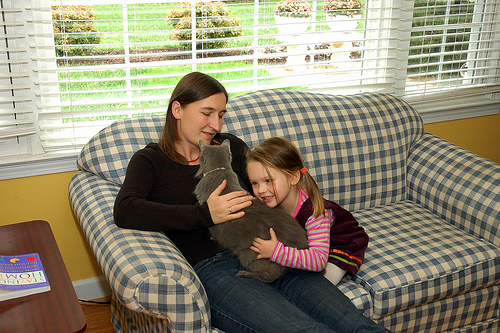
It’s still a cliche love-hate relationship: L still loves, the cat still hates. Or perhaps “the cat fears” would be more accurate.

In my pre-parenthood thoughts of what fatherhood would be like, I never realized that literally everything must be taught — even how to show love. It’s a given when we look at the dysfunctional relationships that are everywhere (most commonly on the covers of magazines in the checkout line). Still, I thought that if we taught by example, L would learn how to express affection.

DSC_8763

We teach by example; we illustrate by experience (“See? We’re gentle with the cat and she comes to us.”); we instruct directly (“Hitting the cat is not a good way to show affection.”). Sometimes it works. Generally, Bida continues to head the other way whenever L enters the room.

Guard Duty

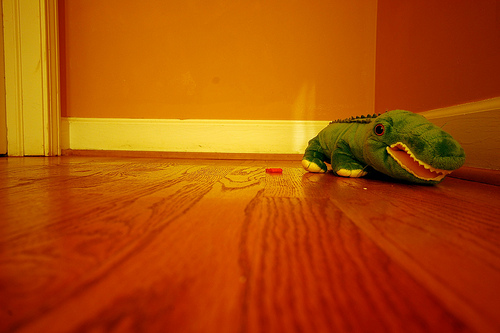
Alligator is after L. She tells me that he starts lurking about around bath time. When we're getting her out of the bath, Alligator starts looking for her in earnest. I tell him he should look in the backyard. It buys us a little time. We get the Girl dressed, brush her teeth, and to her room, but by then, L is worried. It doesn't take that long to search the backyard, and Alligator might come back any moment.

DSC_8930
10 seconds, f/5.6, 20 mm

Fortunately, Crocodile is available to stand watch.