In Poland, separation of church and state doesn't exist, and priests teach religion courses in publicly funded schools.
Today I caught a student writing cheat notes on his arm for a quiz he was having in religion class!
"You realize that when you take a test and you cheat, it's the same as lying, right?" I asked him.
"How so?"
"Well, when you take a test, aren't you implicitly saying that you're taking the information only from your own knowledge?" I asked.
"I guess," he muttered.
"Then cheating is a form of lying," I concluded.
A thoughtful moment. "So?"
So, indeed.
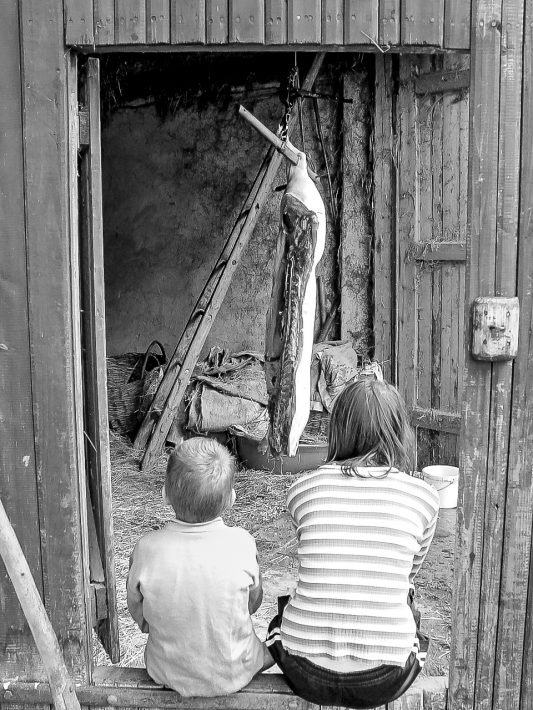

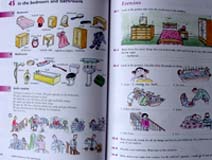
 Ever wonder what an EFL (English as a Foreign Language) textbook looks like? I certainly did as I was preparing to come to Poland for the first time back in 1996. After all, how often do you get to see a textbook teaching something you already know fluently? Naturally, after four and a half years' experience, I've seen and used more textbooks than I care to remember. I thought I'd share a little about the books I've been using.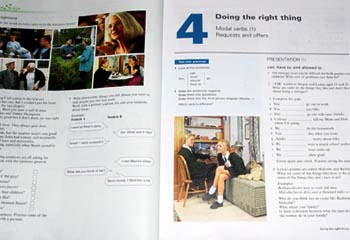
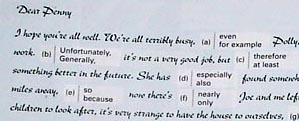
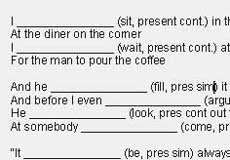
 I am a high school English teacher in a small village in southern Poland. One of the things that still amazes and annoys me, after more than six years of teaching here in Poland, is the culturally engrained habit of cheating. Simply put, the majority of students here will cheat in any and all perceived opportunities.
 Two examples show the tolerance Poles seem to have for cheating:
 But how do they do it?
 I even fail them if the appear to be cheating! I’ve told them, “If your lips move, you get a ‘1,’ because am I to know what you’re saying?” It’s excessive, in a sense, and even unfair, but I know if I’m not this strict, they’ll say, “I wasn’t cheating! I was asking for a pencil/tissue/eraser/whatever.”