I passed this monument countless times while I lived in Lipnica never really knowing the full story behind it.
lipnica wielka
Lipnica Wielka, 1999
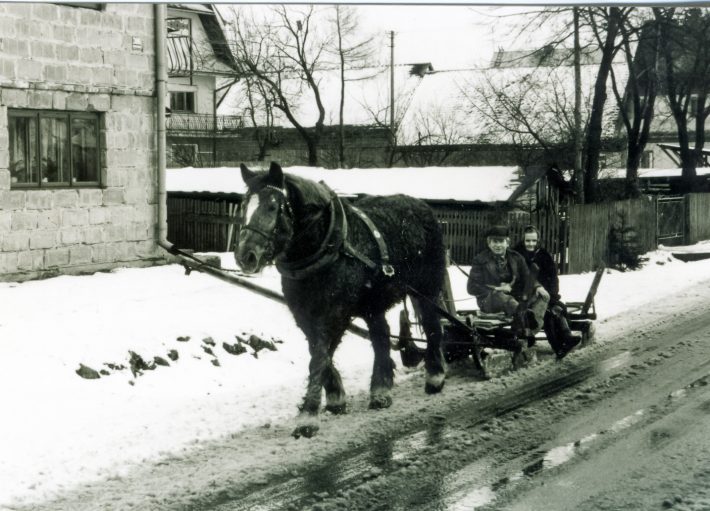
Lipnica Sunset

Another Day in Lipnica
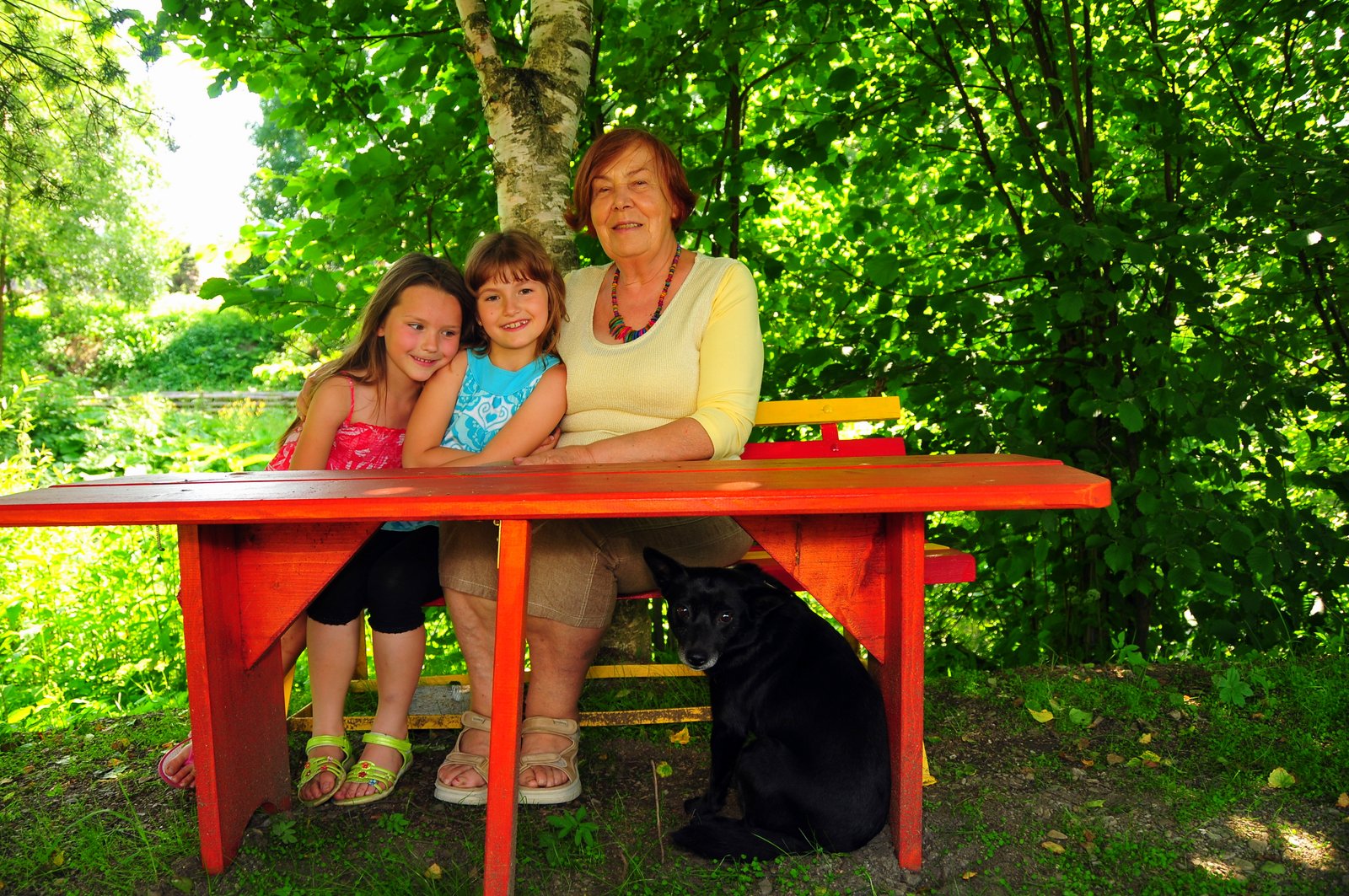
The day starts by breaking the law. But I'm getting ahead of myself. For the seven years I lived in Lipnica, one of my favorite places was a meadow at the base of Babia Gora, accessible via a barely-paved road traversed only by tractors and horse-drawn wagons. It occurred to me the other day that it would be a great place for a picnic followed by a few portraits. I knew going there by bike was out of the question, but I recalled traversing that barely-paved road in a car. So today, I pack the girls into the car and off we go.
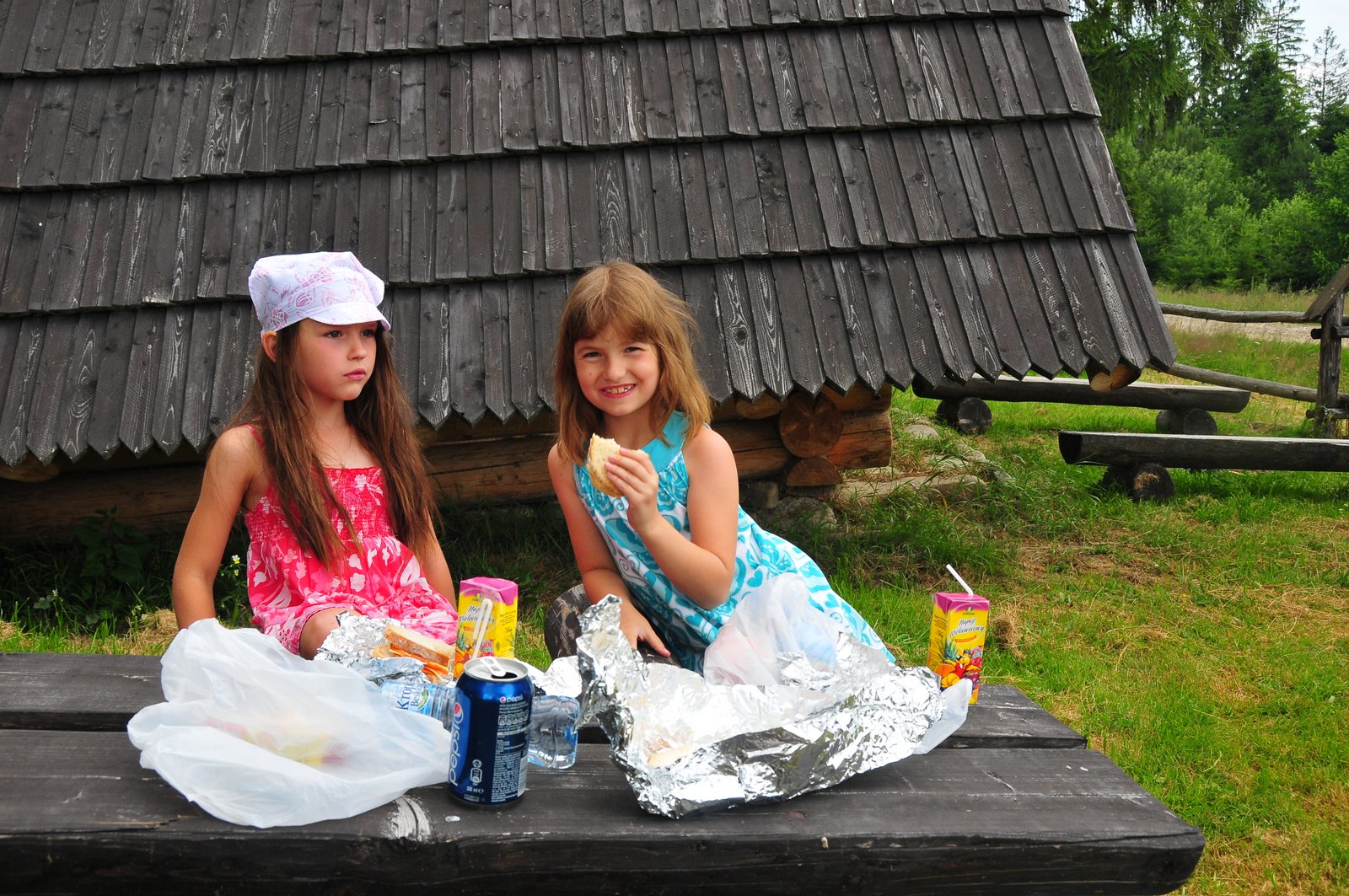
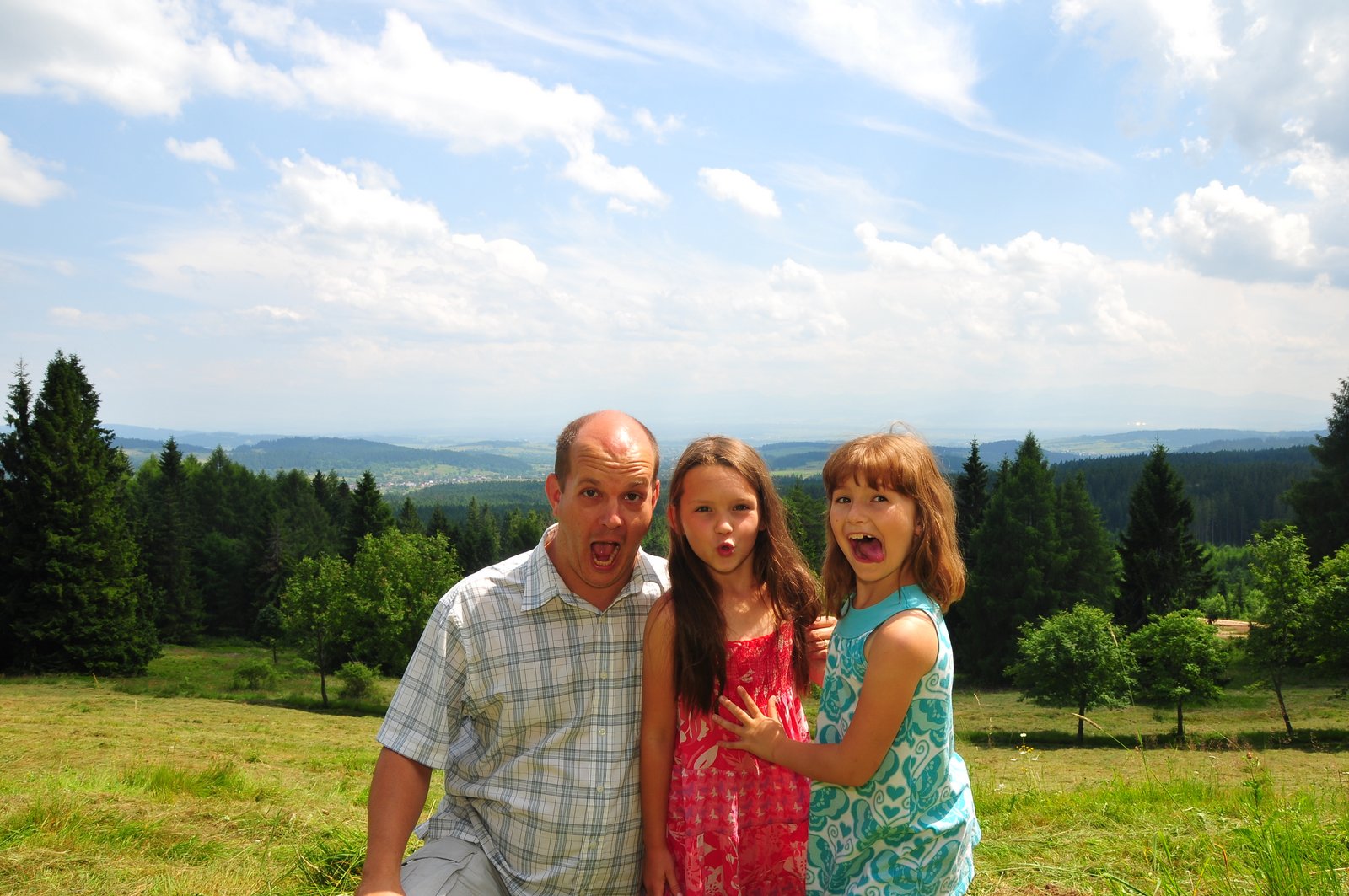
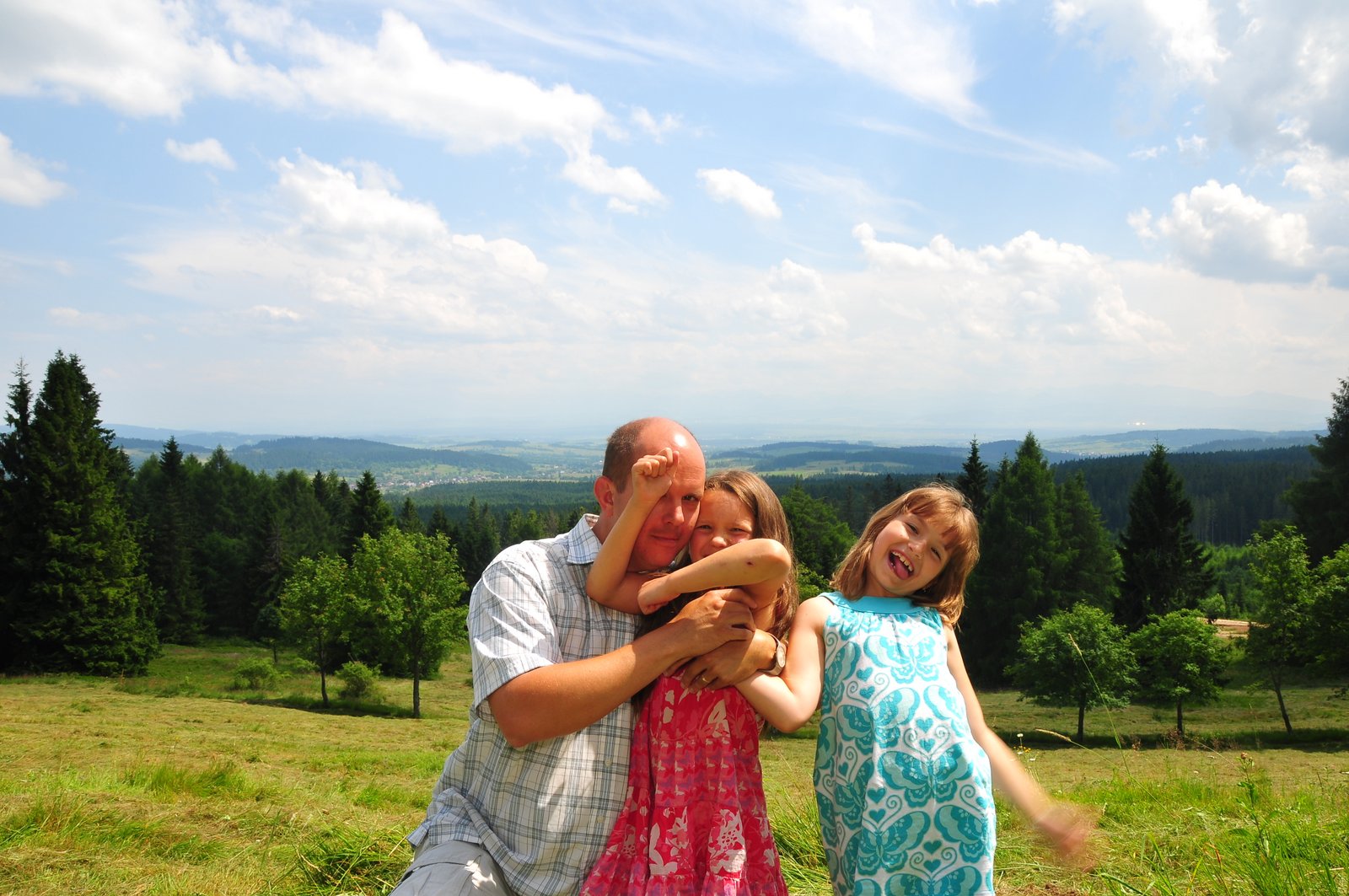
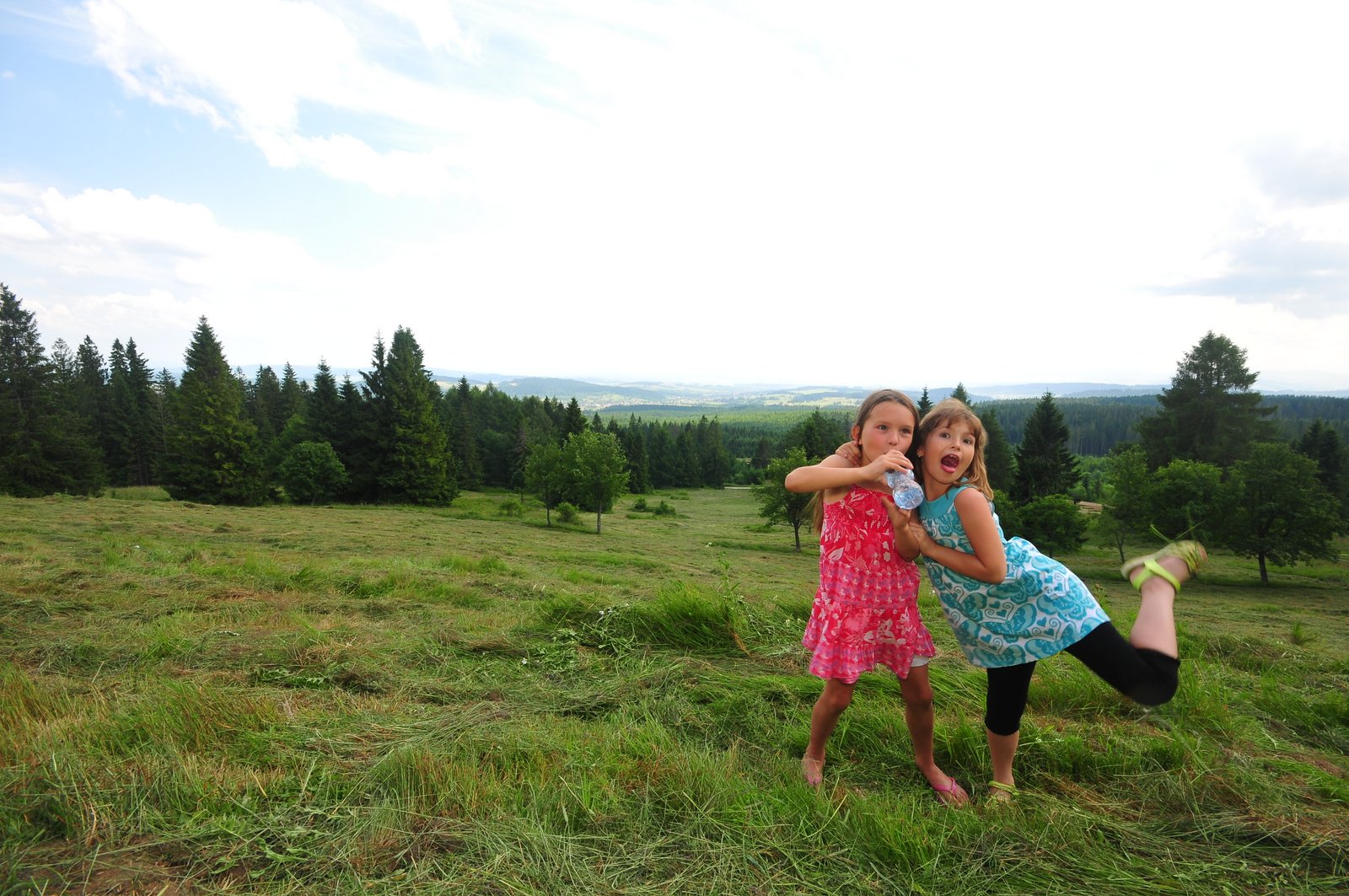
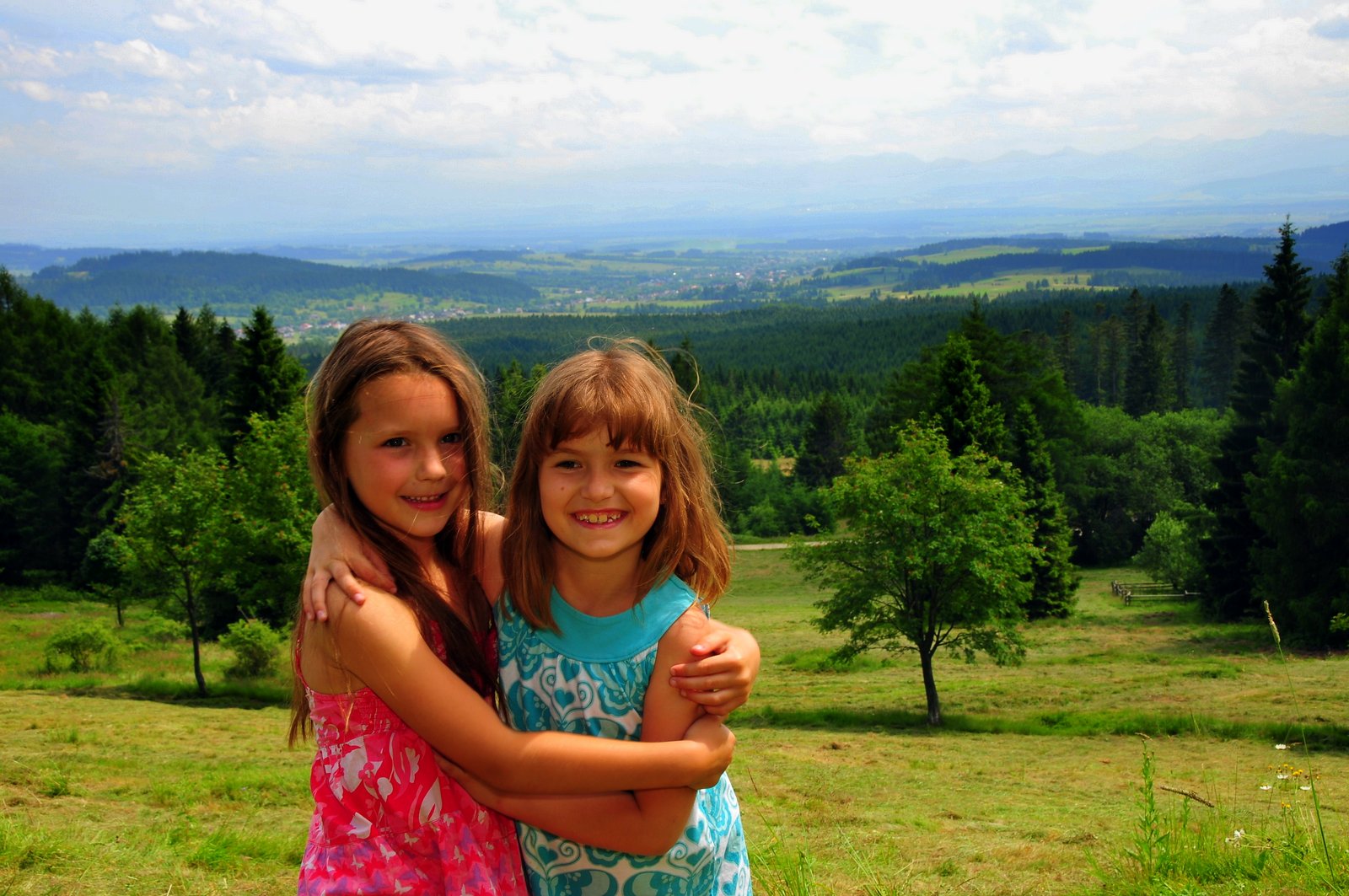
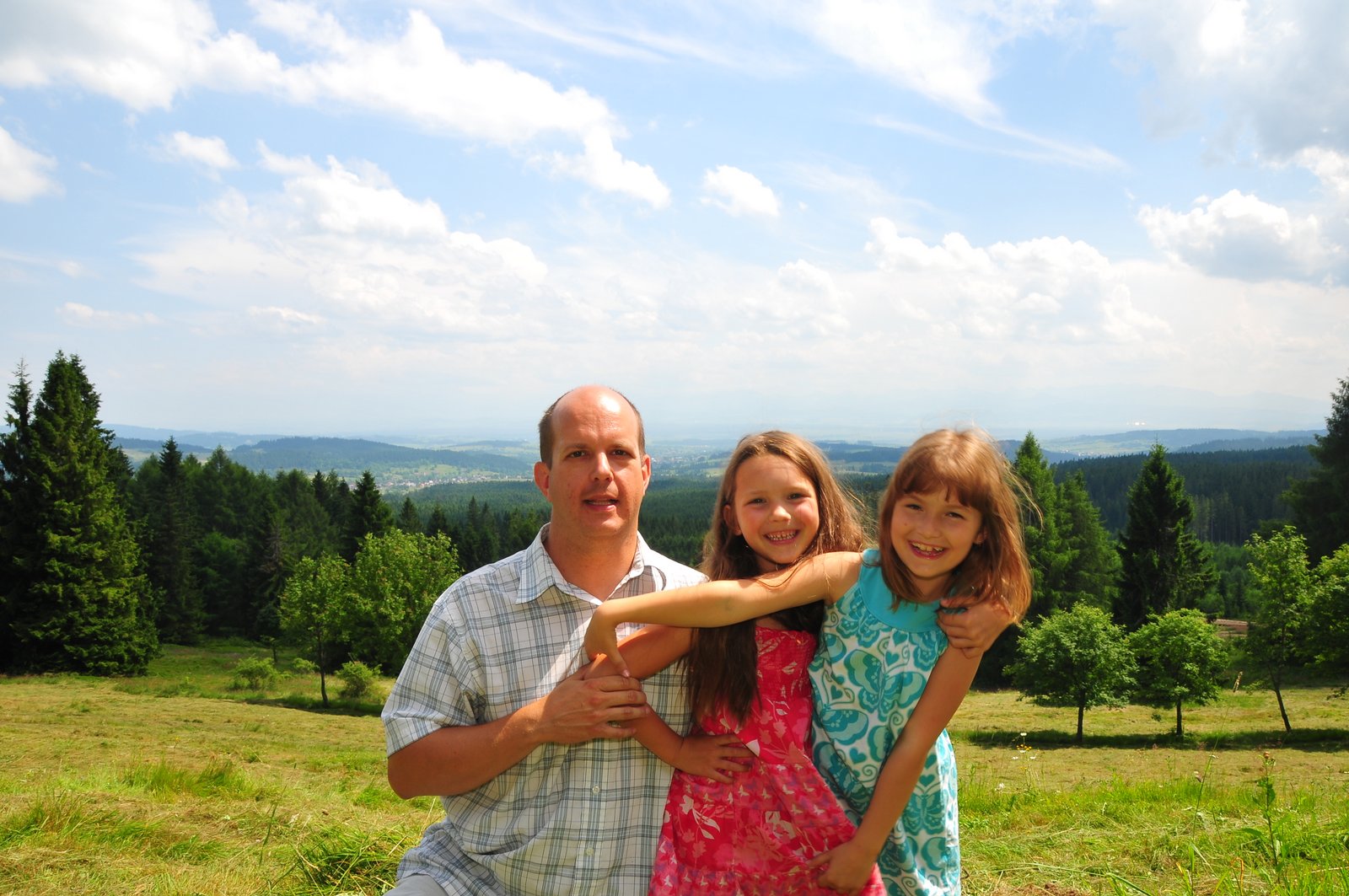
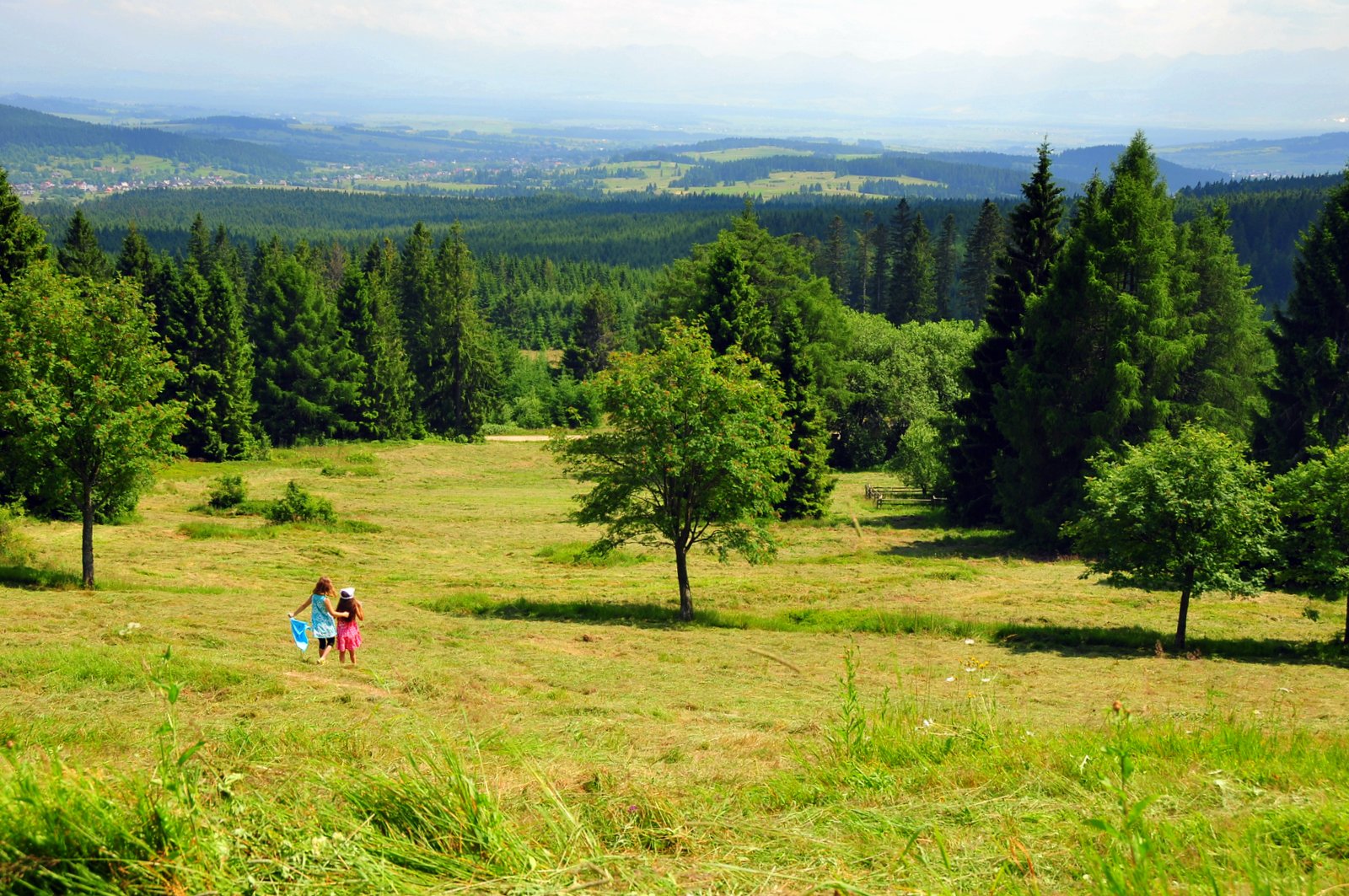
I discover that there have been a few developments: a small shelter for picnics and scattered picnic tables. We have our picnic; the girls finish eating as I head off for some photos of what I've always thought were ruins of some apparently and relatively ancient building. Trees up to ten meters high grow within the foundation -- it has to be ruins. Once the girls eat their sandwiches, their peaches, their cookies, we head up into a high meadow for some photos.
We head back down, where a forestry officer meets us.
"Do you have permission?" he asks.
"Permission for what?" I think. "To take pictures? Surely we don't have to seek permission to take pictures everywhere." Instead, I simply ask, "For what?"
He almost laughs. "To be here."
"What do you mean?"
"This is a national park. You're not allowed to drive here." I think of the four or five cars I've seen passing us while we ate and had our photo session.
"Really?"
"The only ones who have permission to be here are those who work for the park and those who have permission to log in the park." That explains the cars. "Do you have a driver's license?" he asks.
"Of course."
"So you've passed a driving test. 'No Entry' signs are the same everywhere." It occurs to me at this point to disagree: Polish signs are simply circular white signs with a red circle around it; American signs are red circular signs with a white rectangle in the middle -- only very vaguely similar.
Instead I explain that I did see the sign but that there was what I thought was an explanatatory sign under it that restricted the "No Entry" sign to select vehicles. I explain that my Polish is not so good and, having traveled this road before in an auto, I just assumed that it was okay for me to pass. And there was a rectangular sign underneath the main sign, and I have traveled that road by car several times.
In the end, he has mercy on me and tells me only not to do it again.
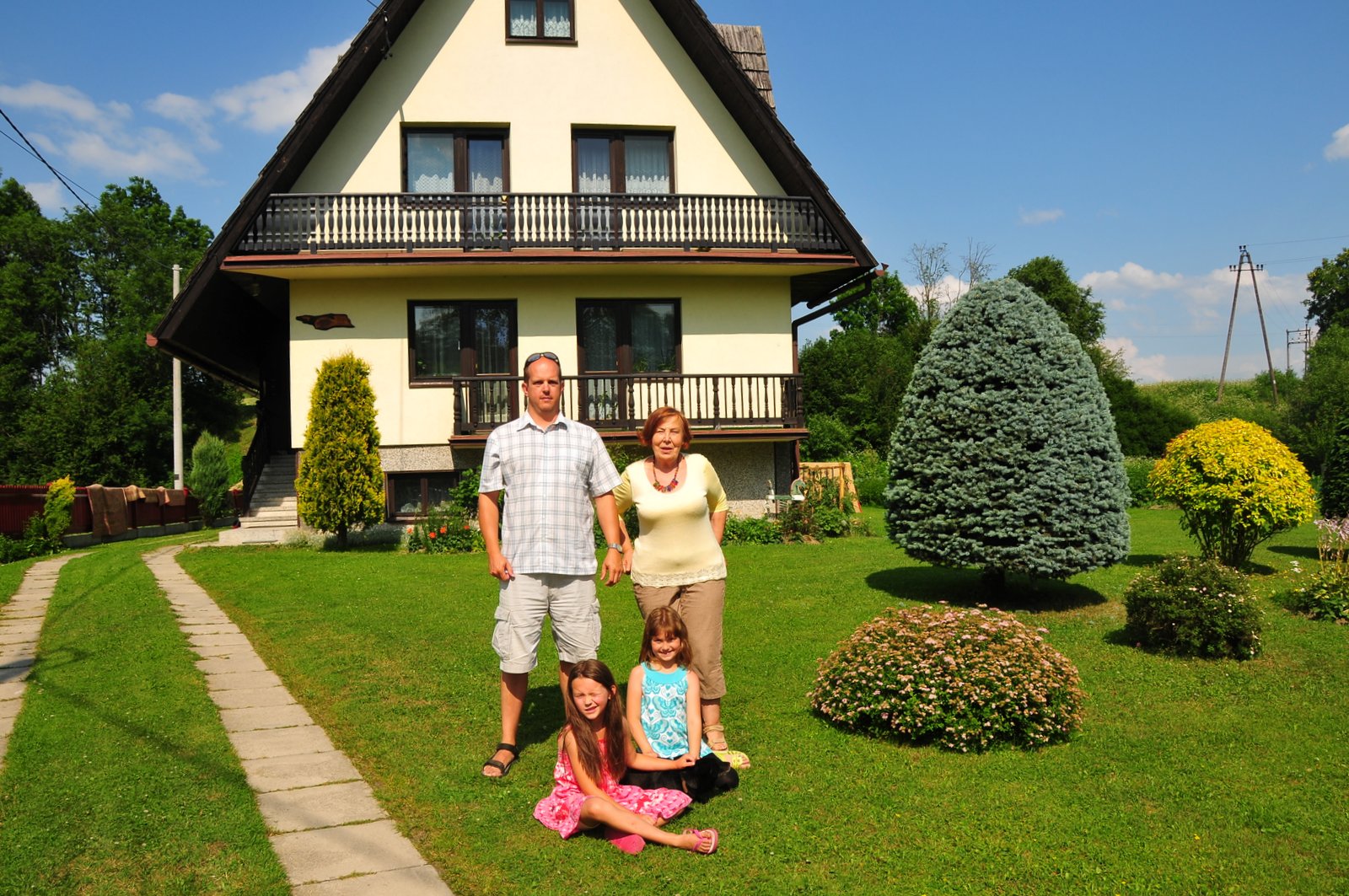

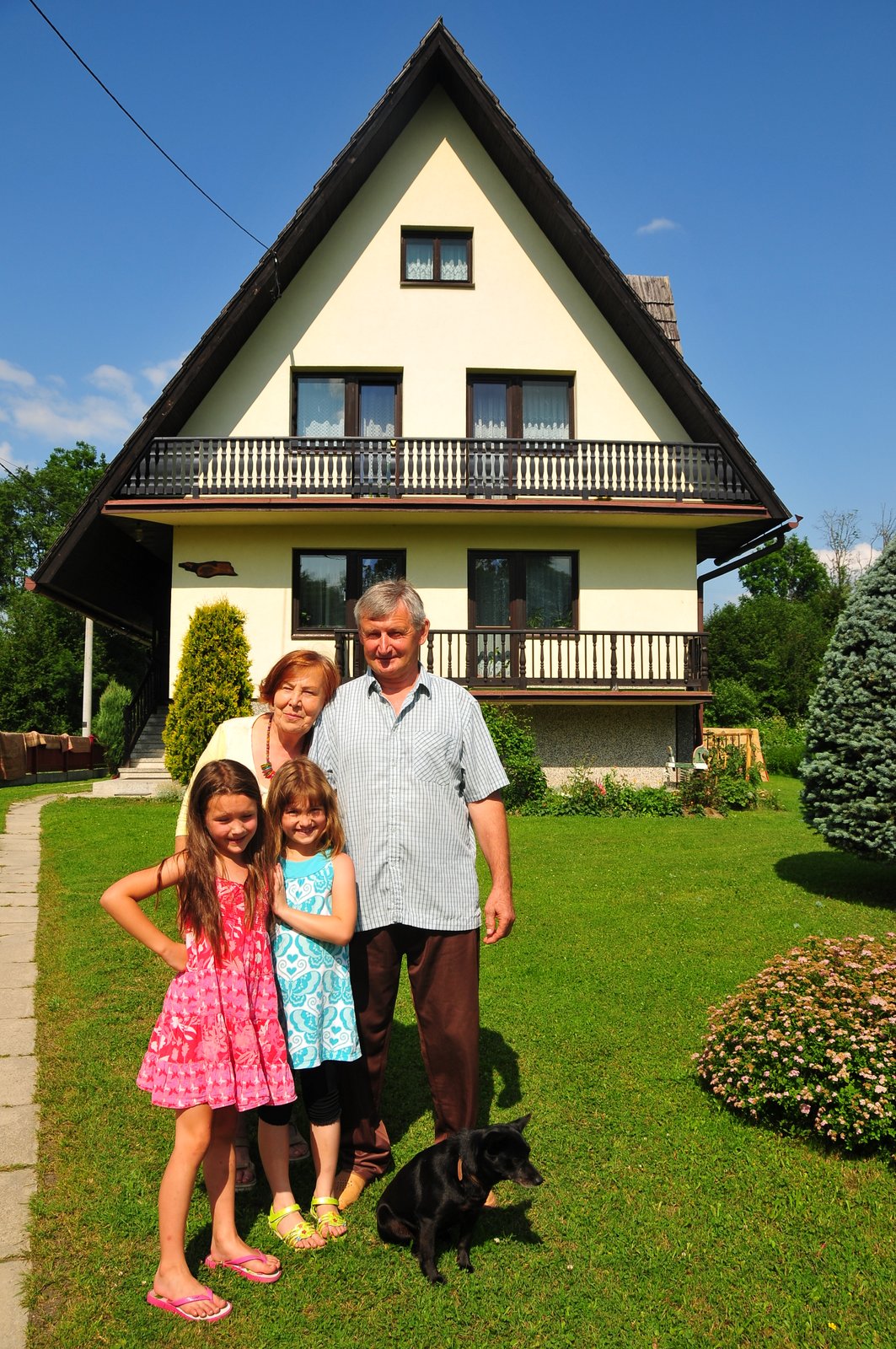
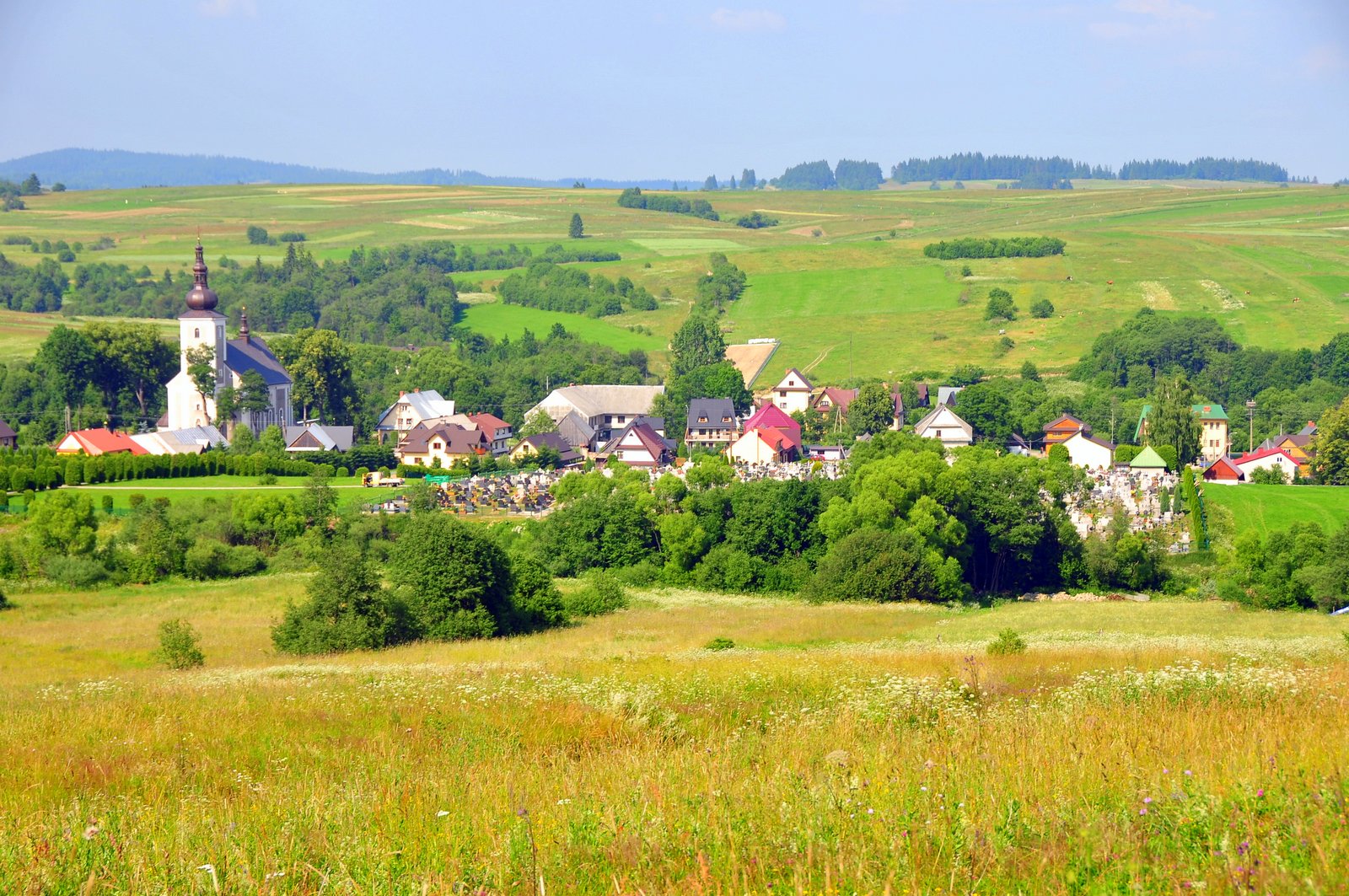
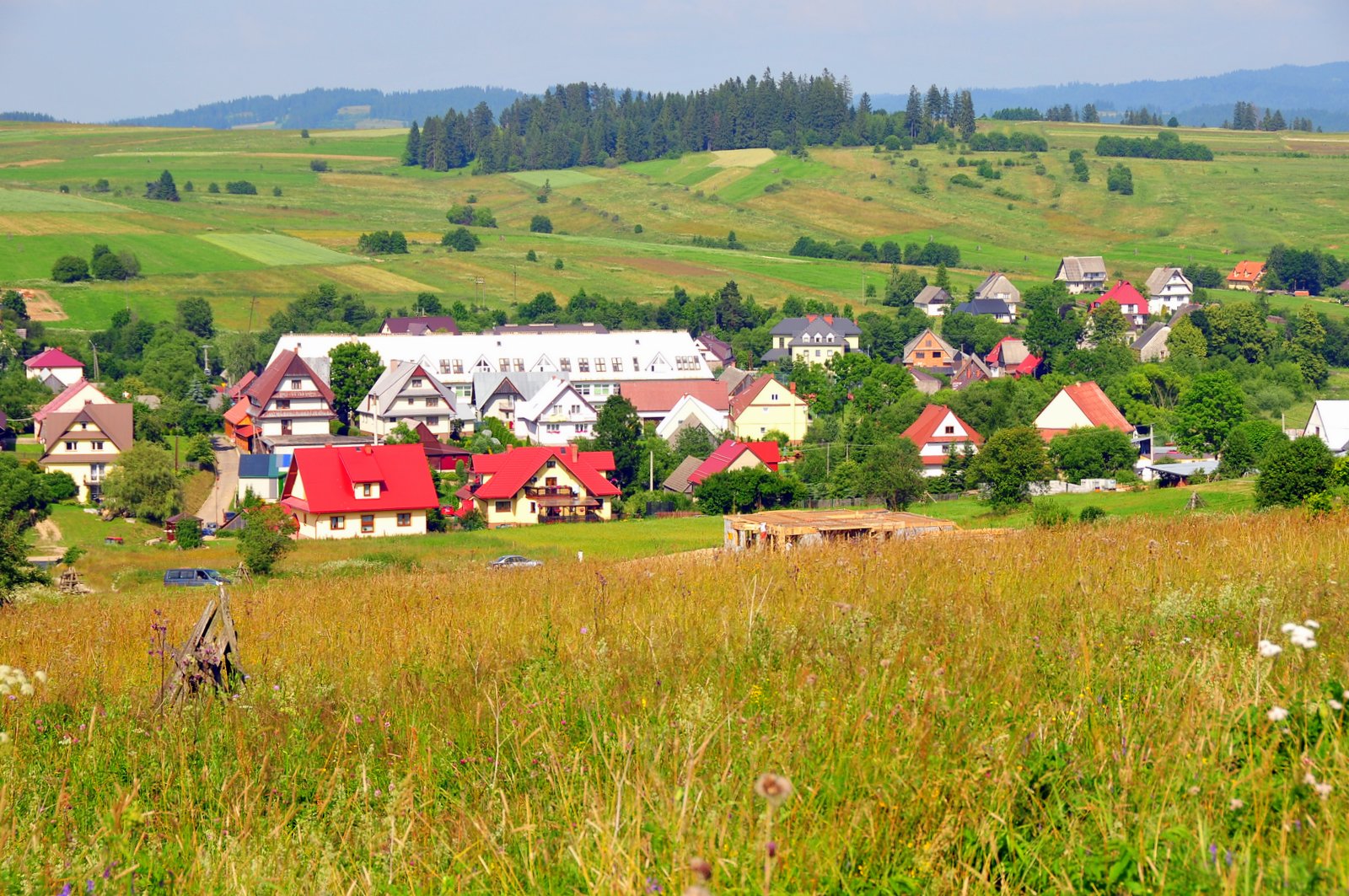
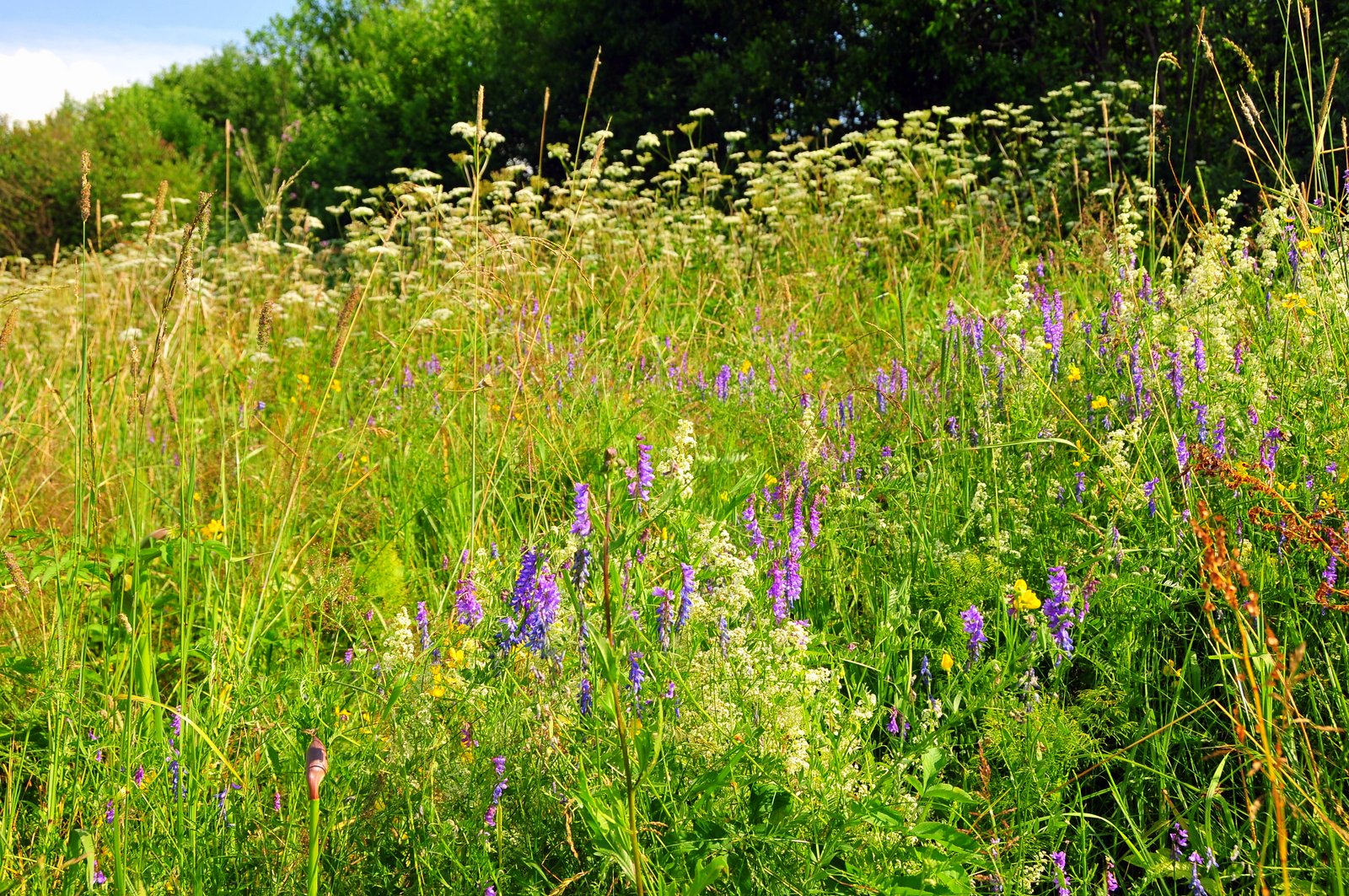
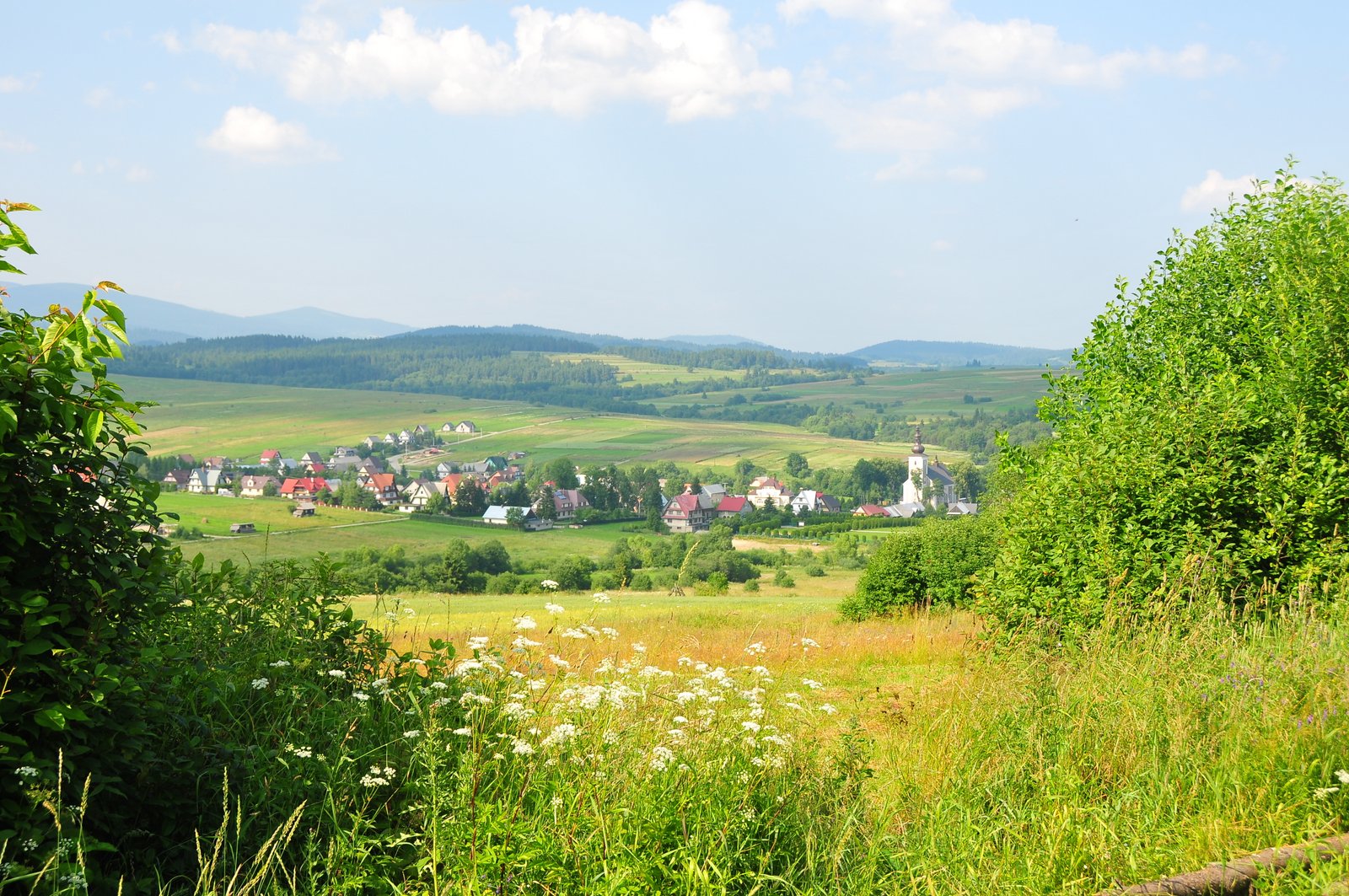
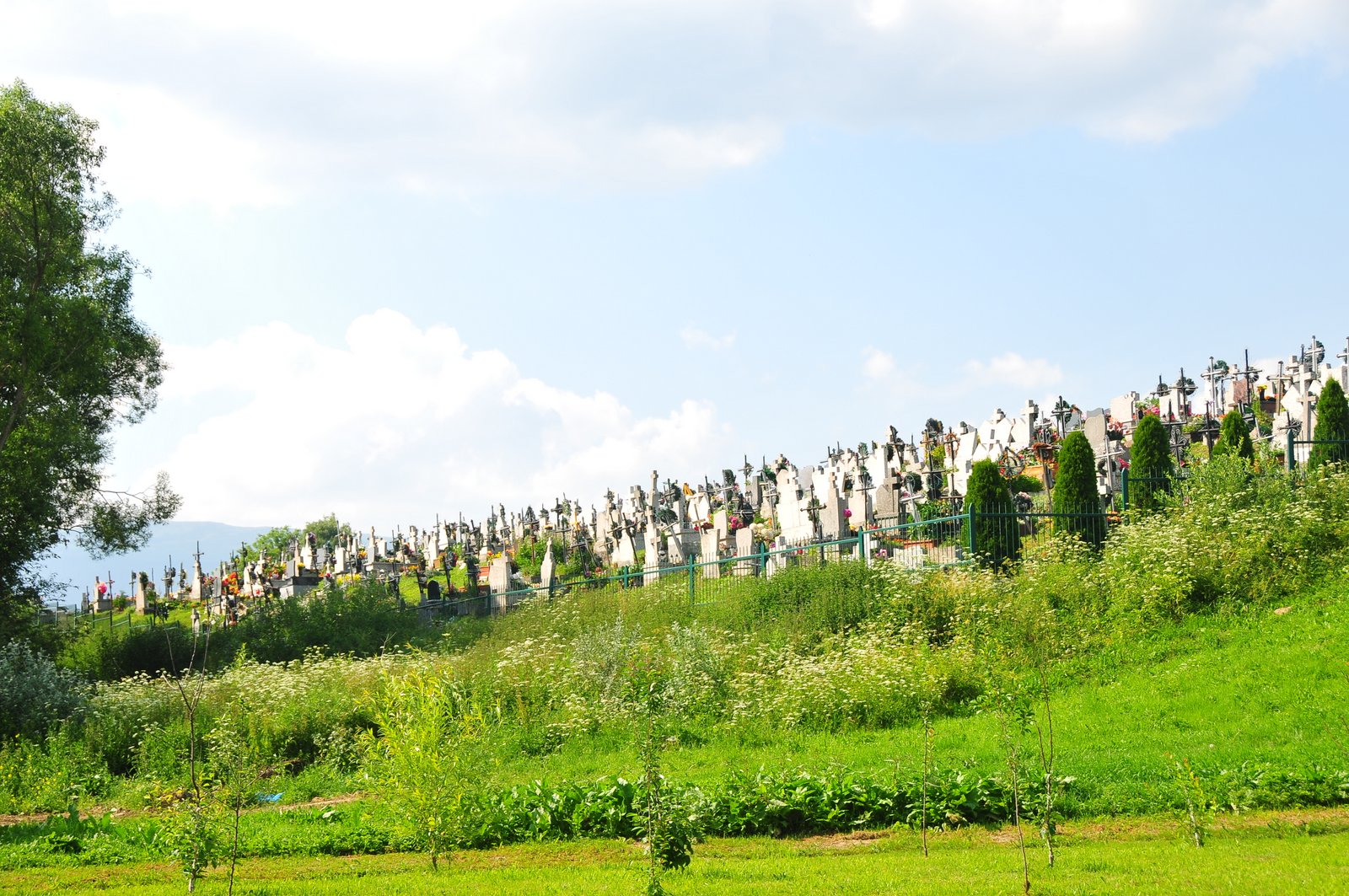
Afterward, we head back down to Lipnica Wielka centrum, my home for seven years. We meet with family (for all intents and purposes), then take a walk up into the hills, the walk I took countless times when I lived in Lipnica. Today, the fields are thick and deep with weeds, grass, and wildflowers; I've tried it with equally thick and deep snow -- it's tough-going either way.
I head back down into the village, passing through what could be generously called the town square: LW is not a town, and this area is not square, but it is in the center, it is the location of the main government facilities, and at one time, it was rumored to be possibly developed into a potential real rynek.
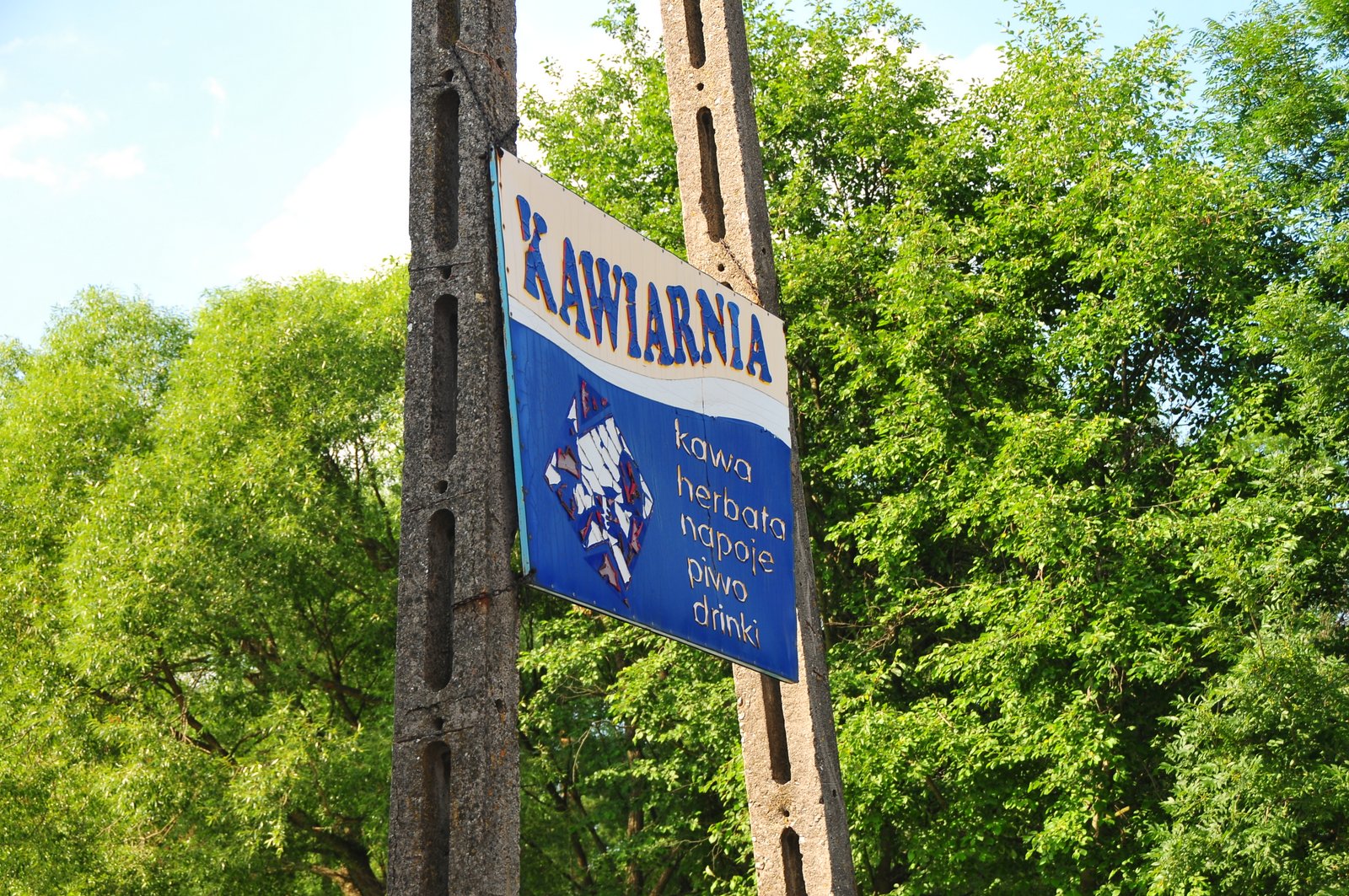
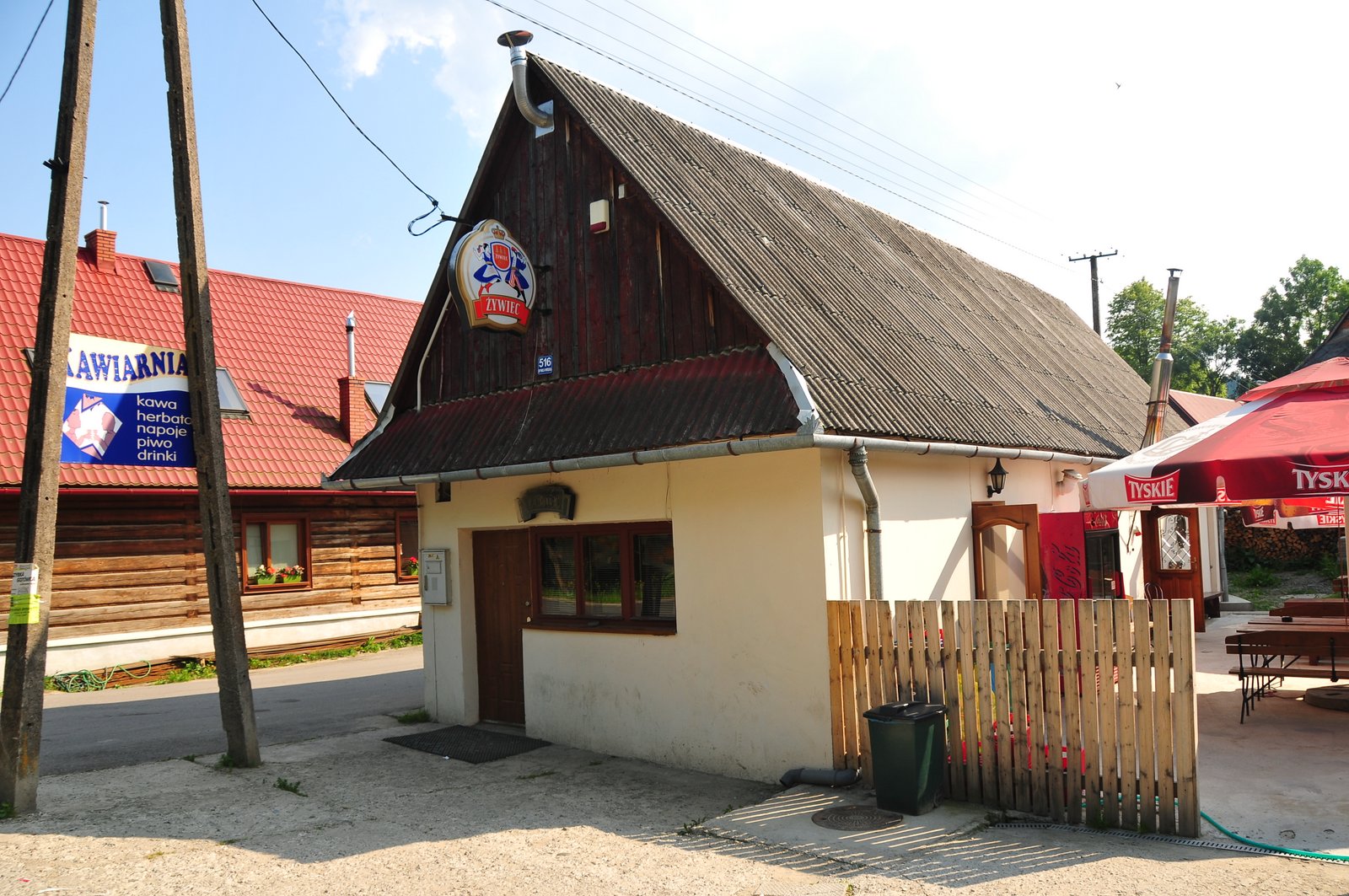
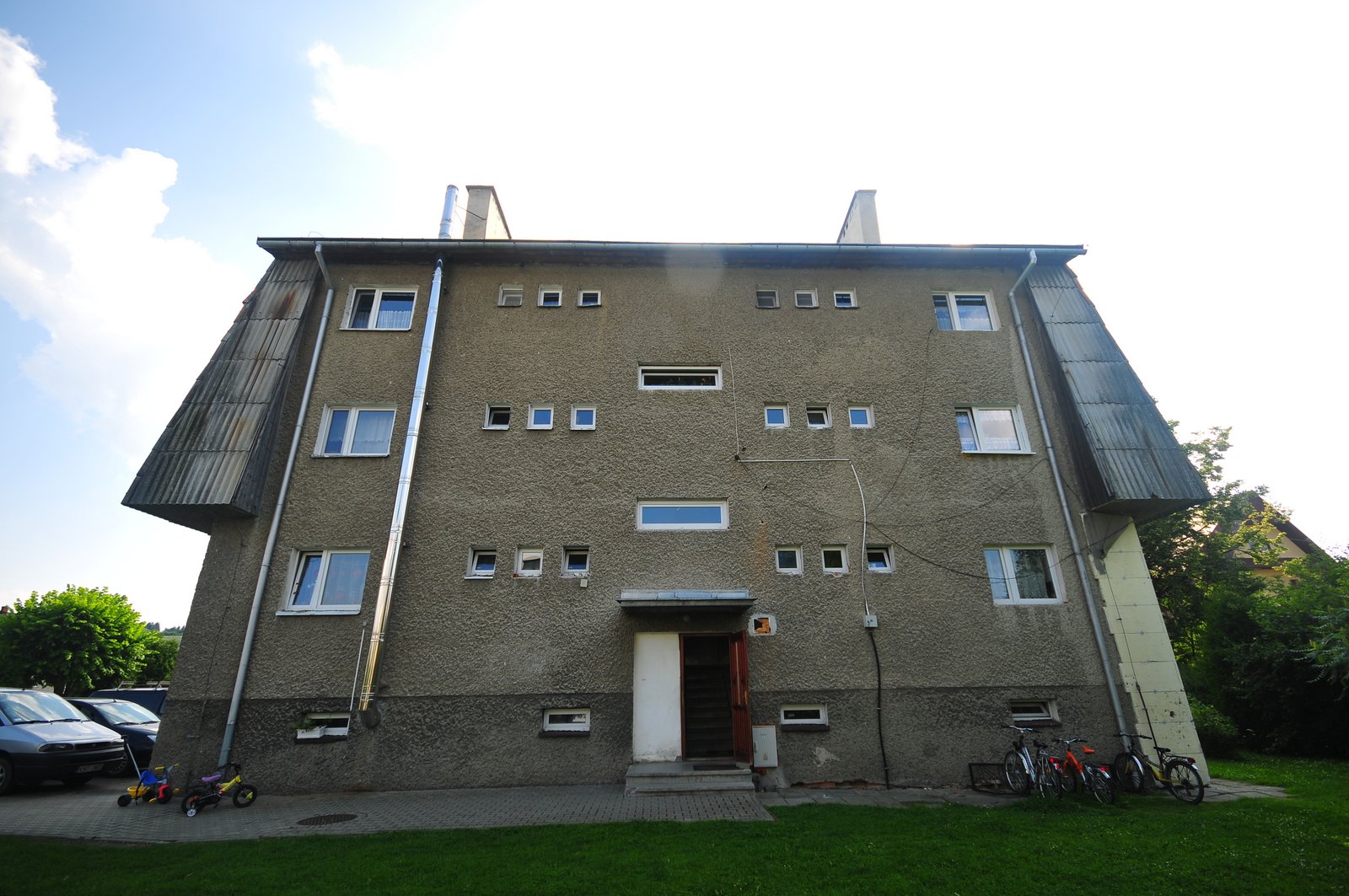
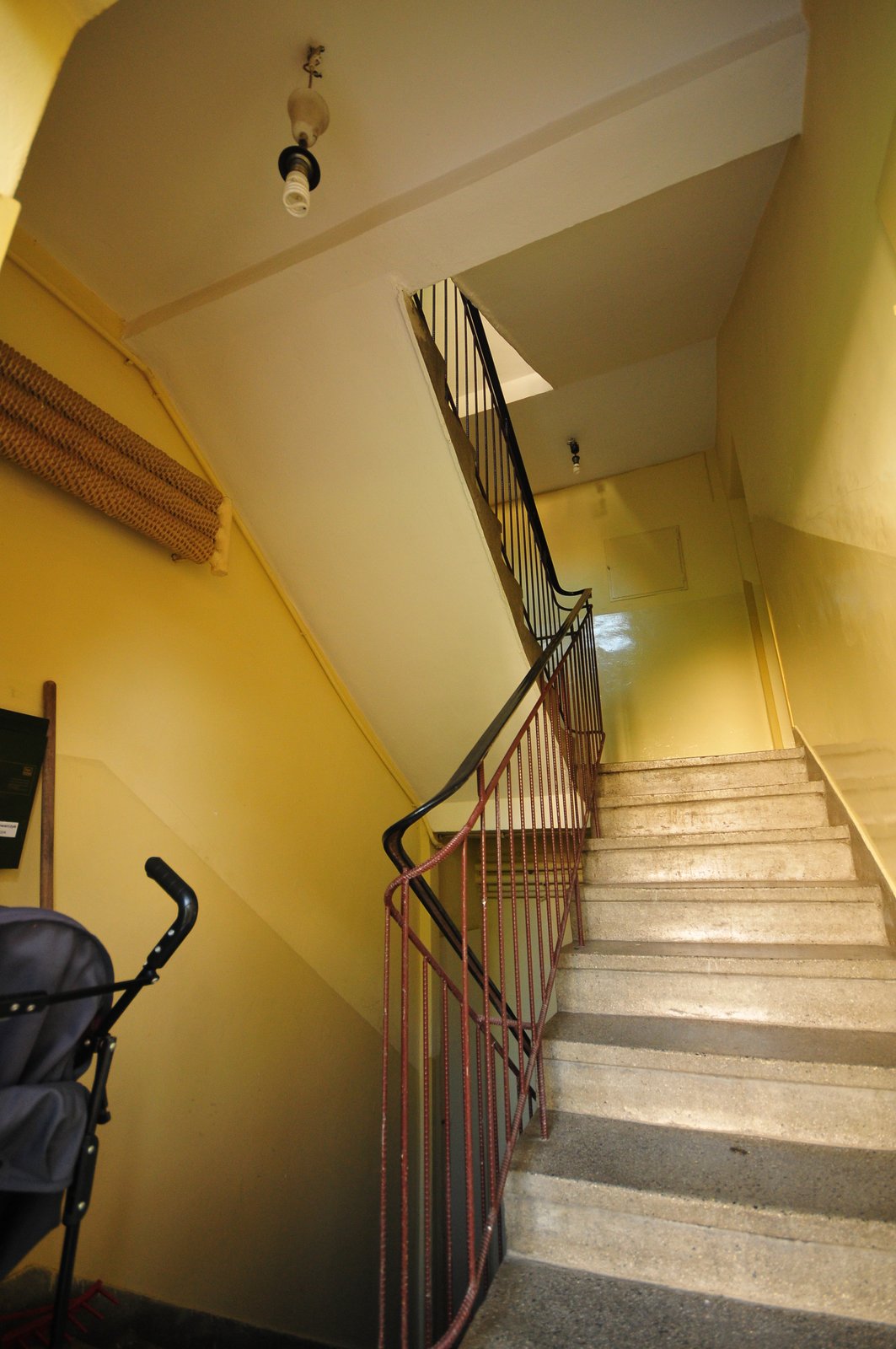
I pass the bar that provided just about the only entertainment in the area -- conversation and relaxation on a Friday night that was priceless. I walk by the teachers' housing that, from the outside (and even from the first steps into the main entrance) hasn't changed a bit since 1996.
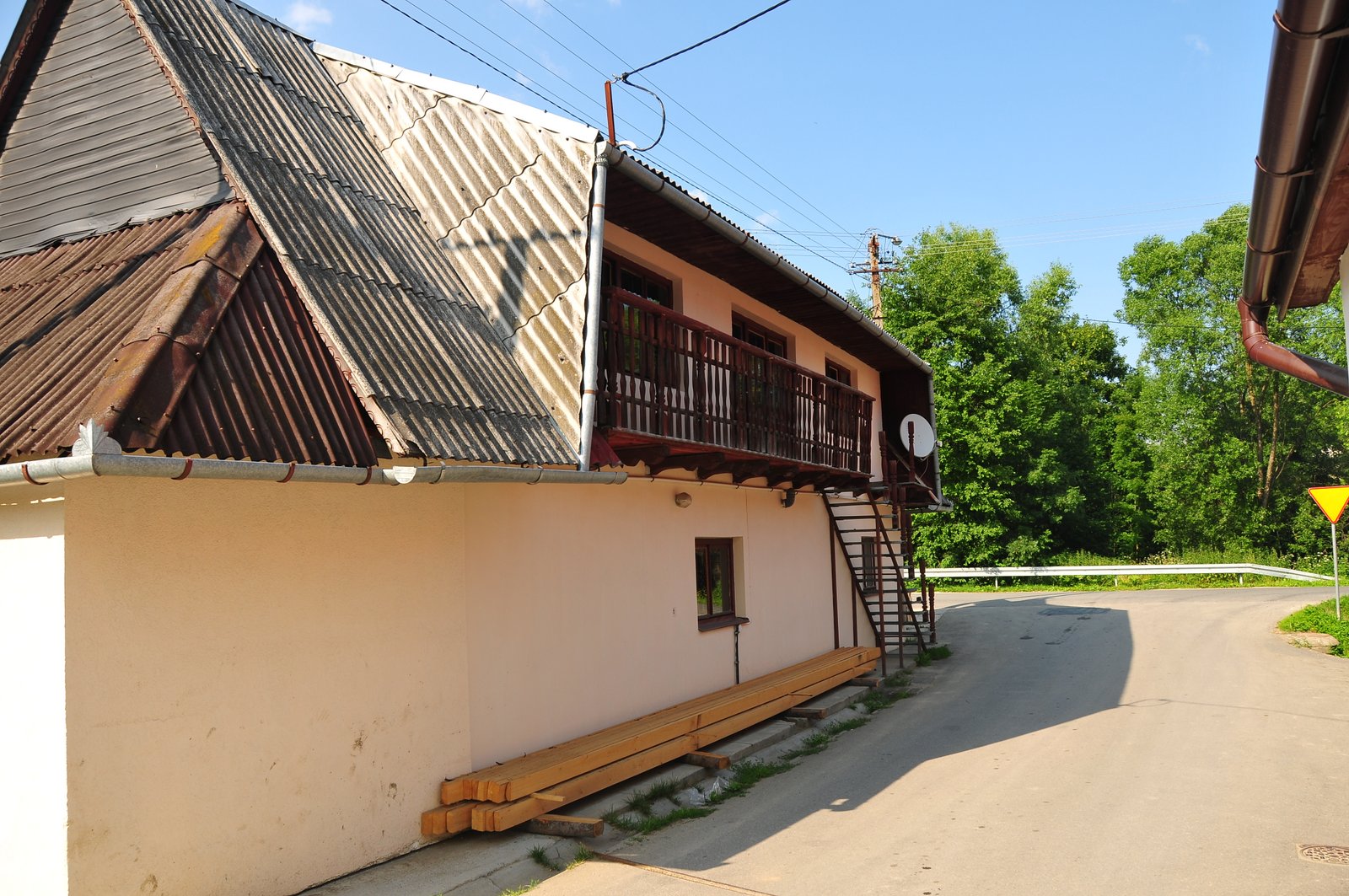
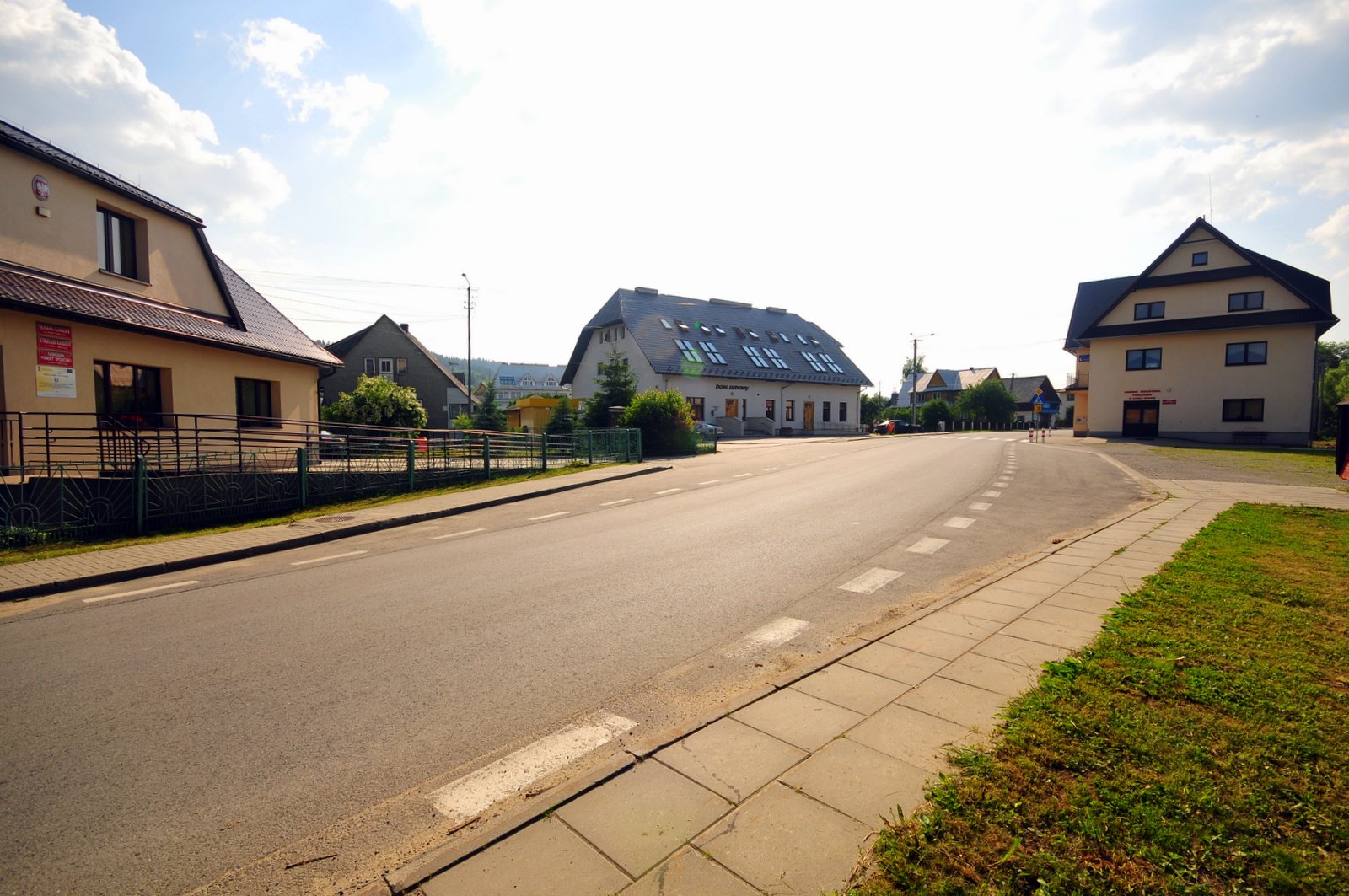
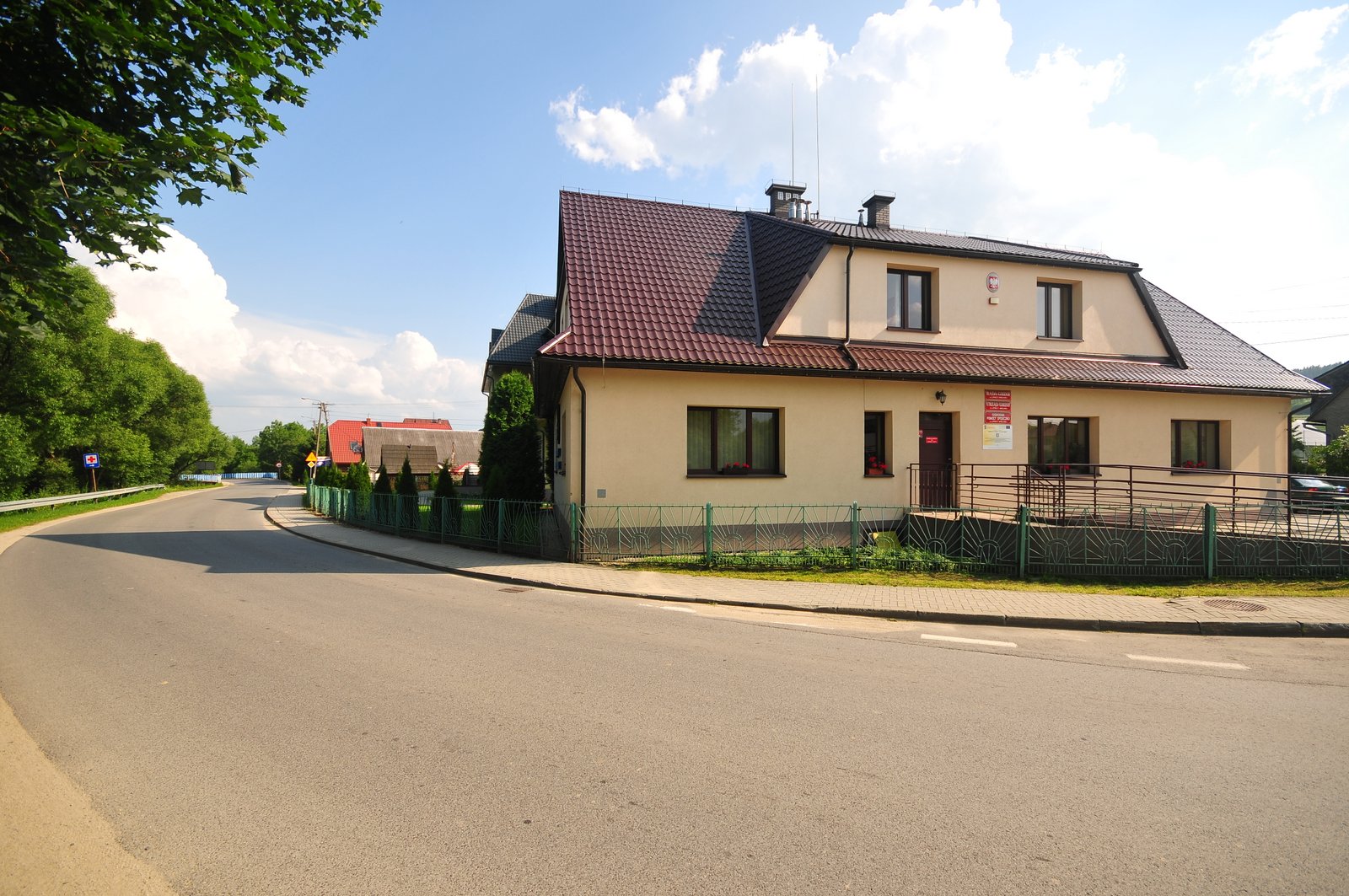
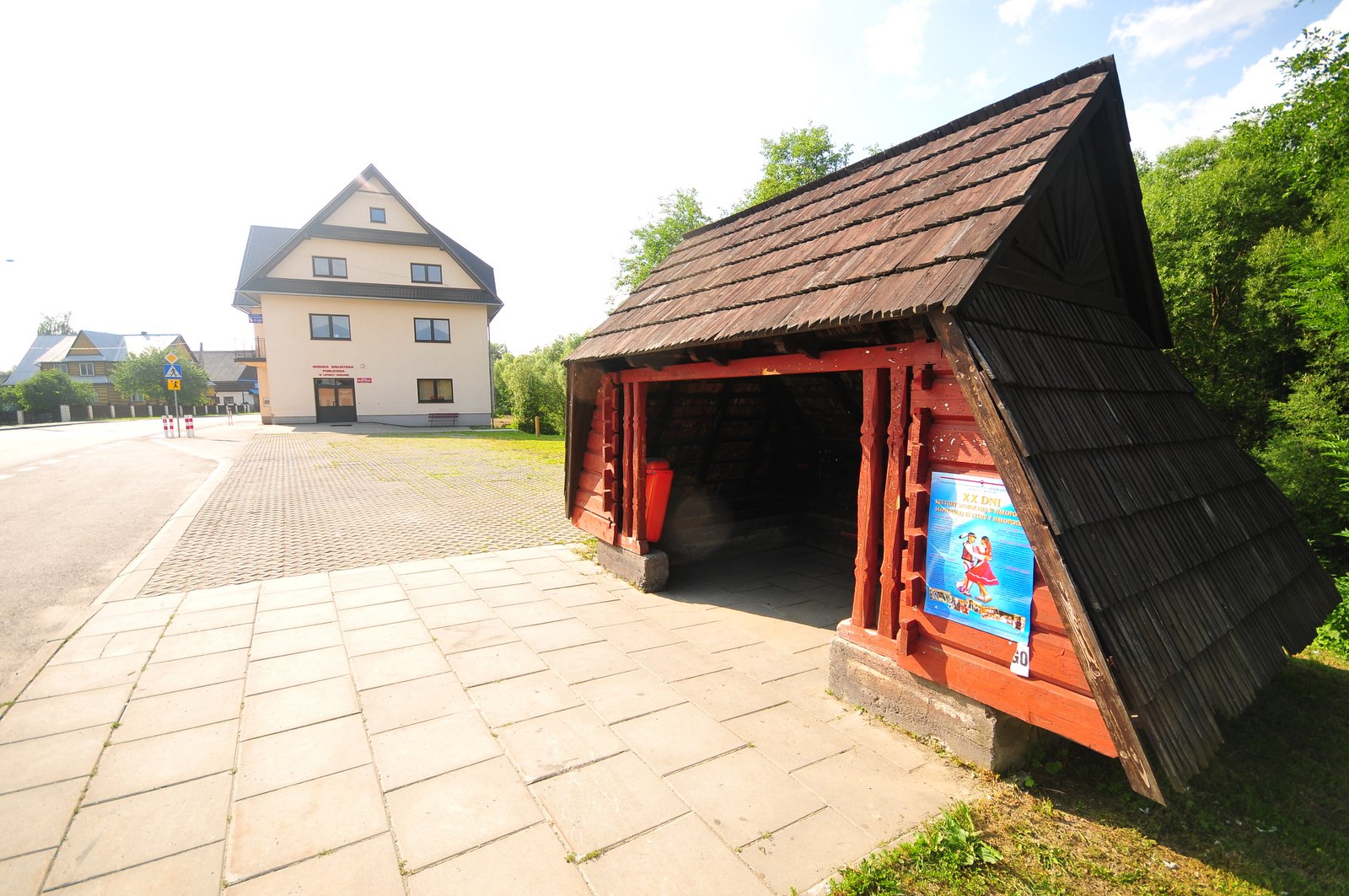
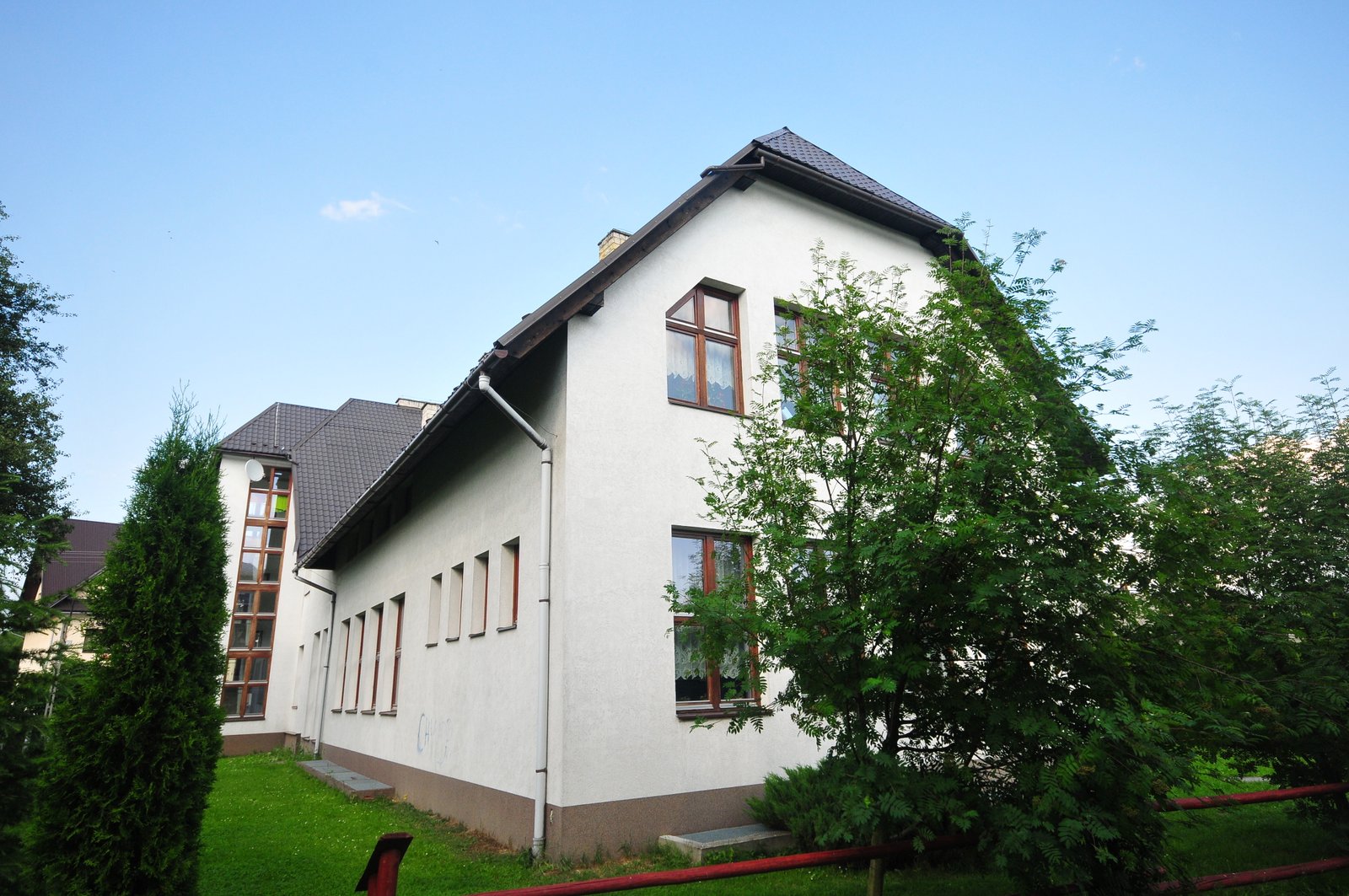
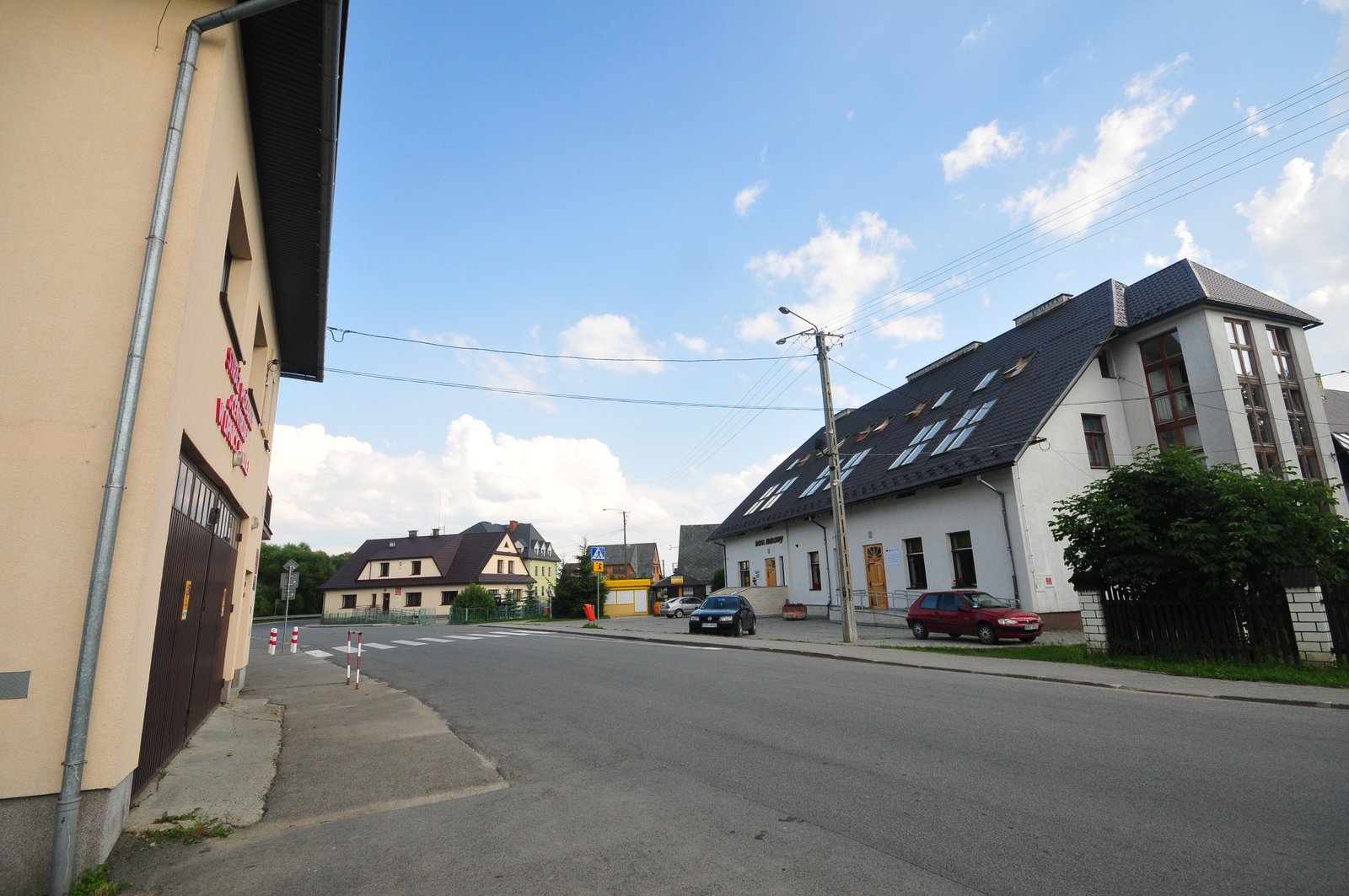
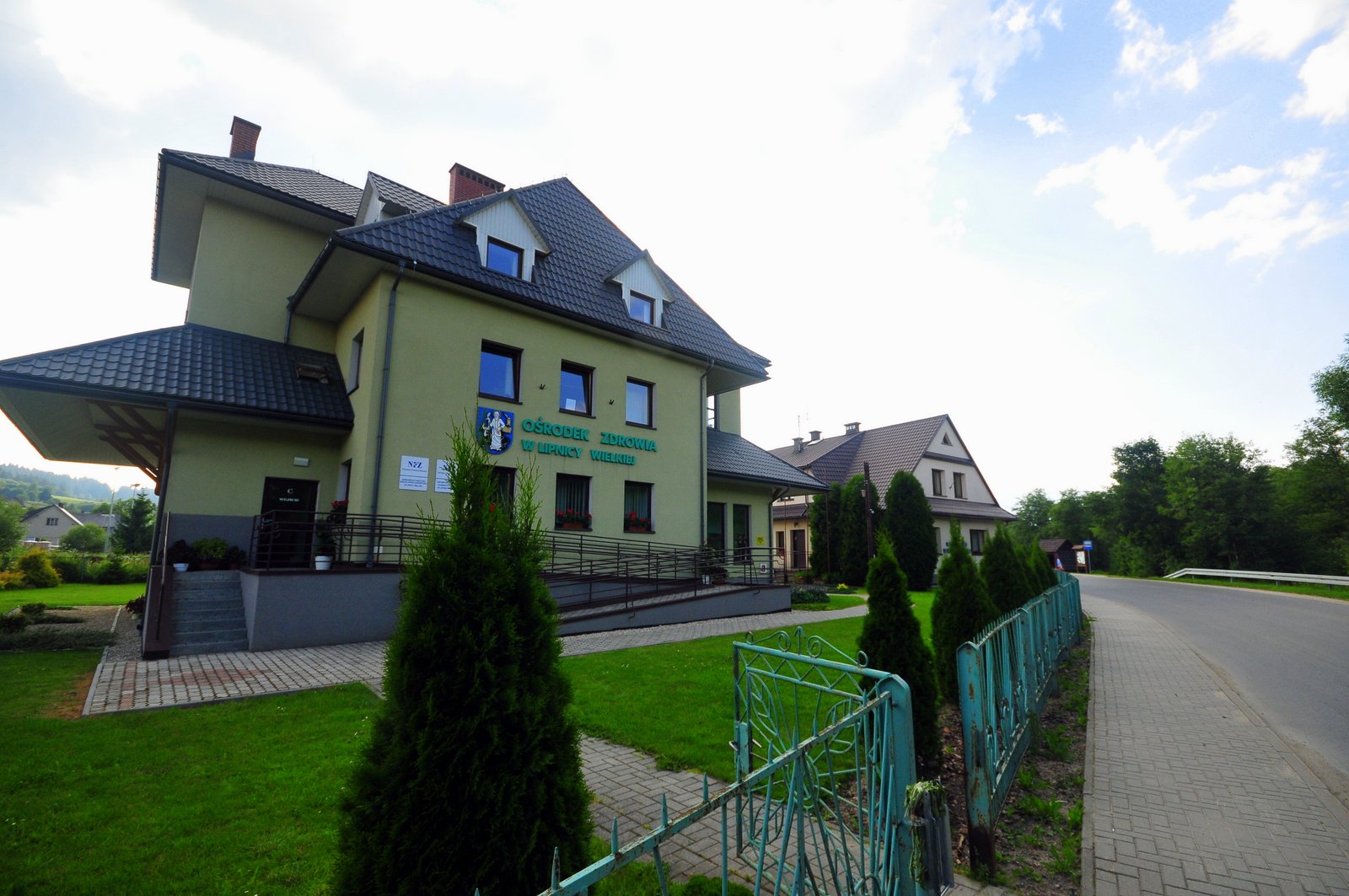
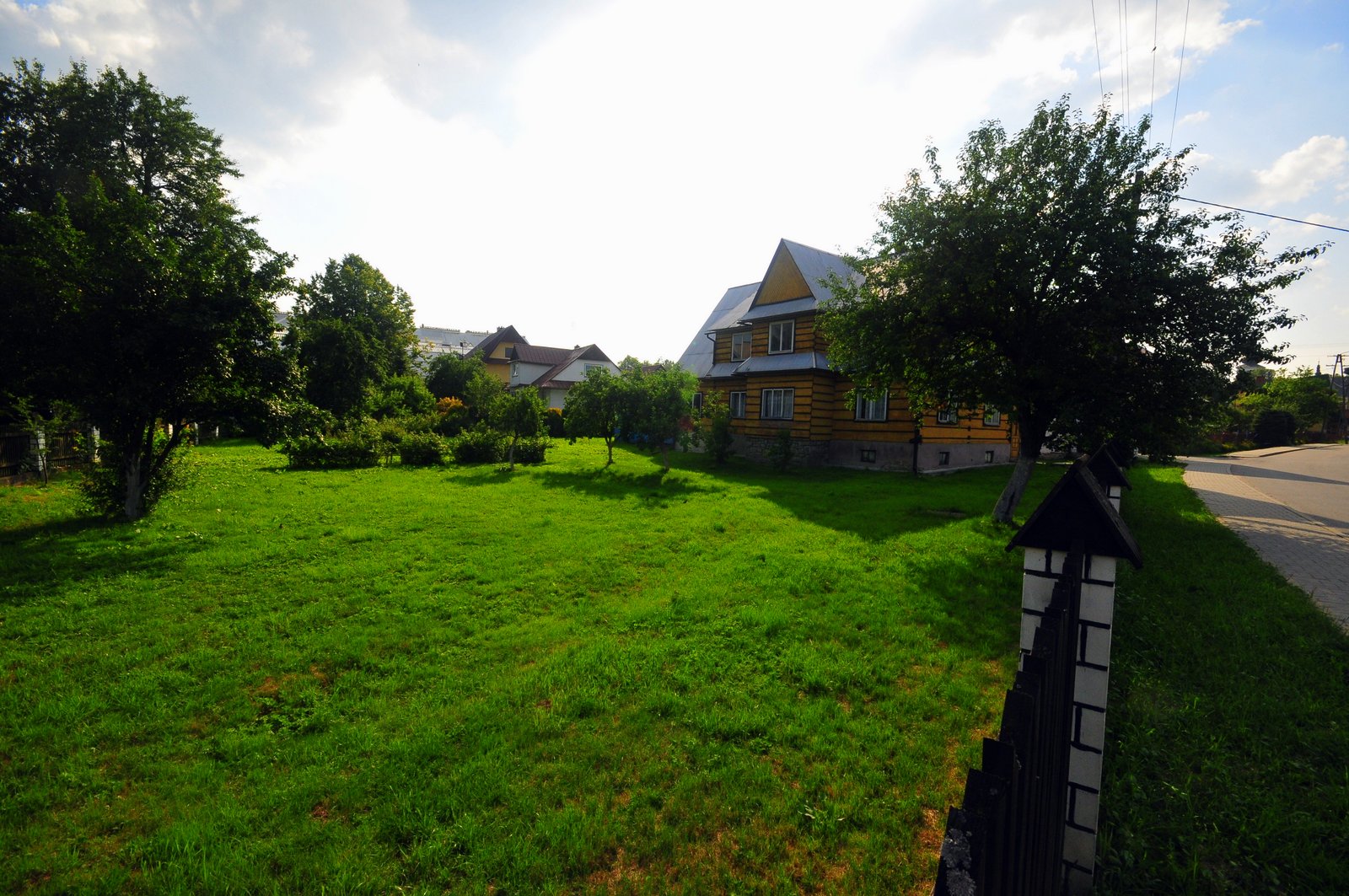
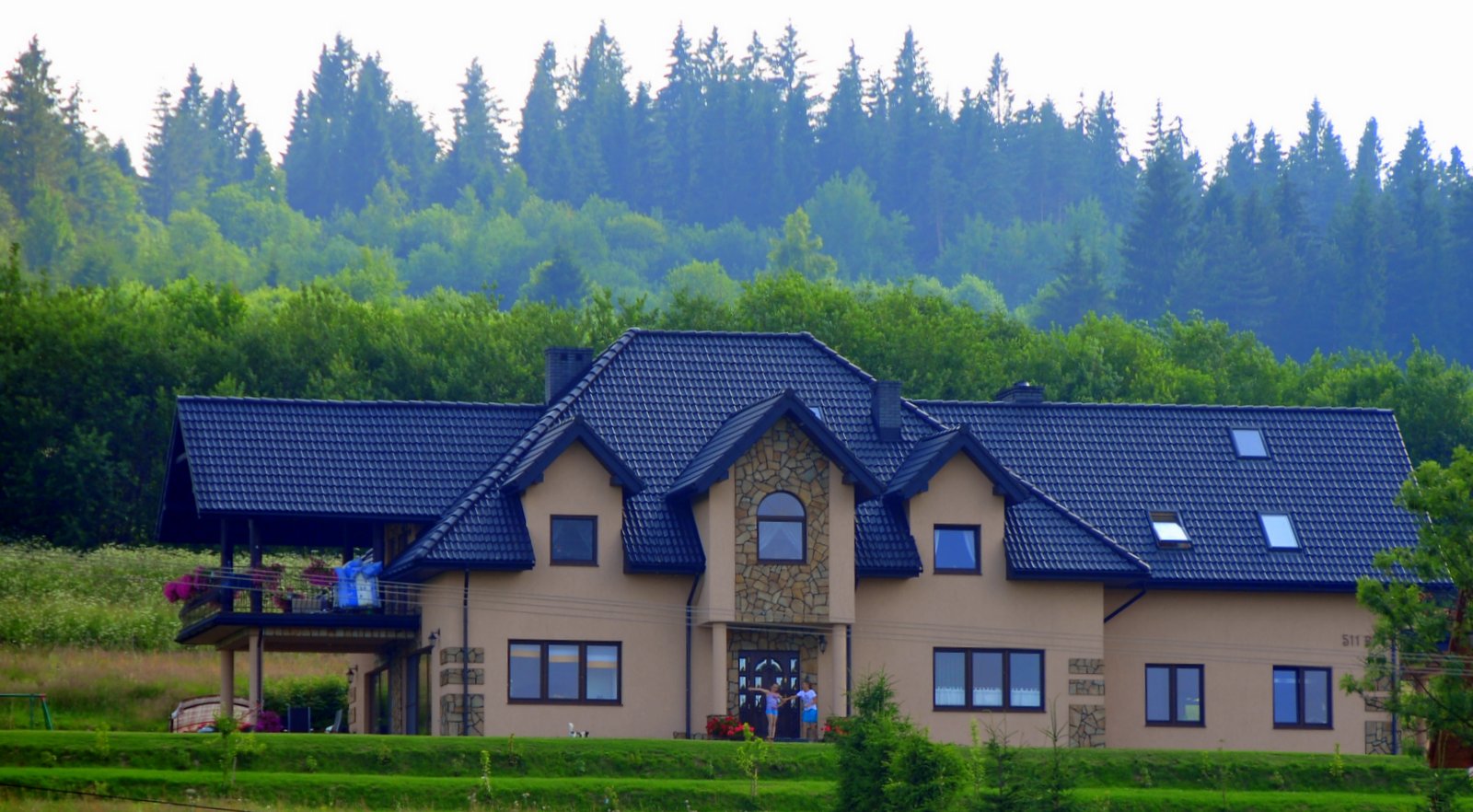
Here in LW Centrum I find the real irony of the village. In some ways, it's developed so drastically in the last seventeen years since I first arrived. There's a new health center; the city hall has been completely renovated; there are new street lights and new athletic facilities. But the real development is private: seemingly countless new houses, with one new, enormous home. And yet the ironies: the same house that was abandoned and incomplete, standing "raw," when I arrived in 1996 stands in the same condition. Some bricks have fallen away from the chimney, and it looks a bit worse, but otherwise, it's the same house.
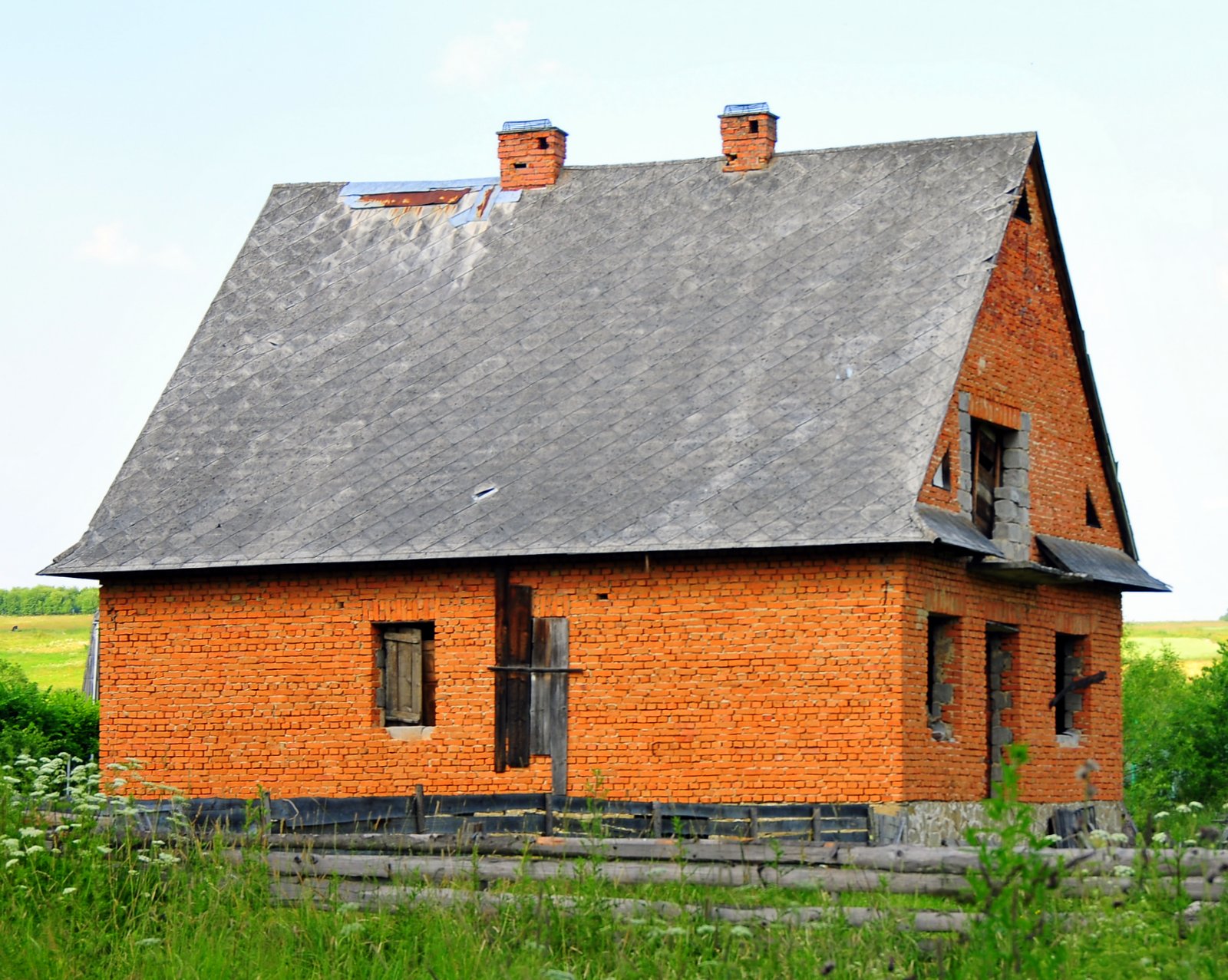
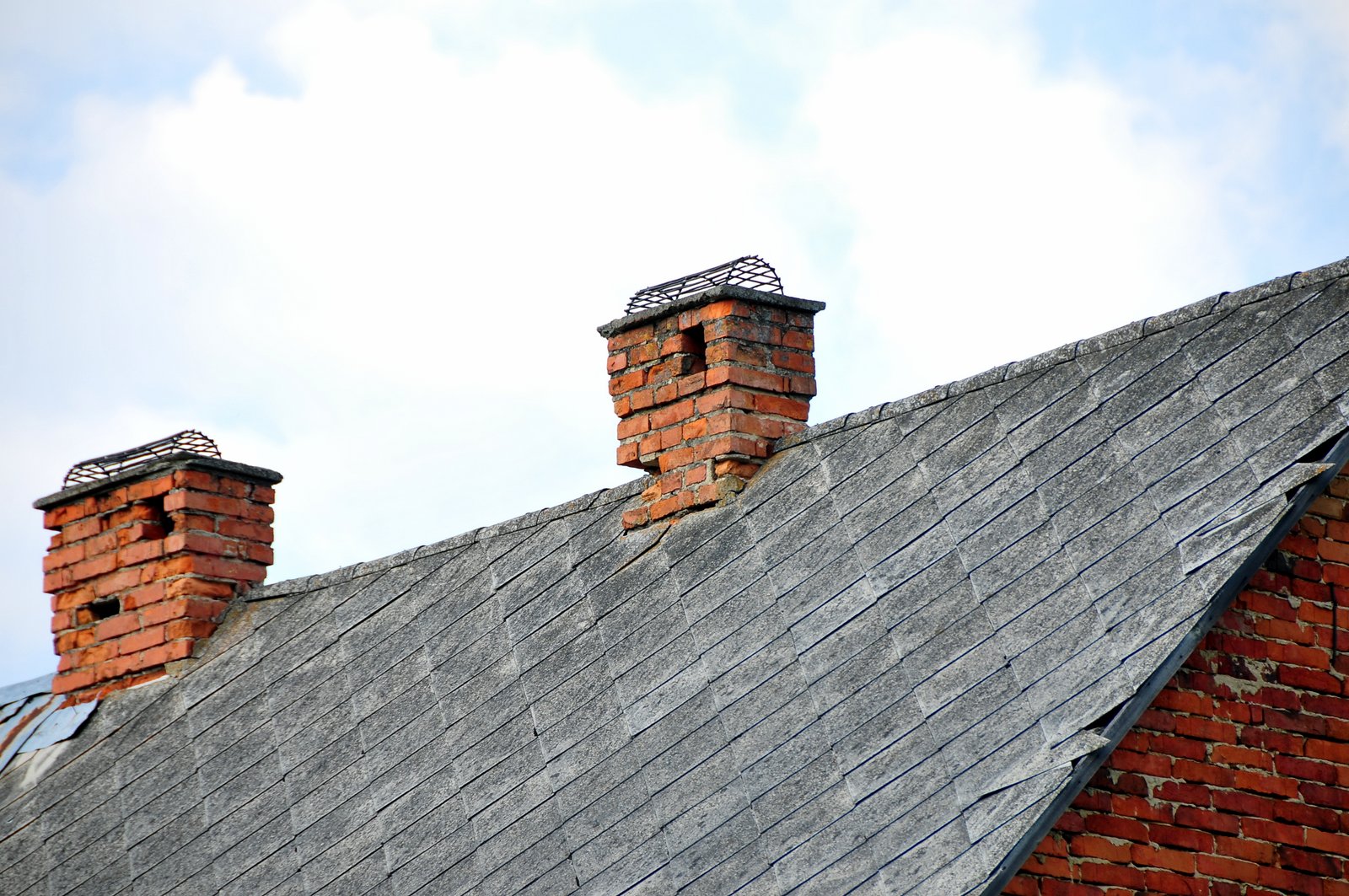
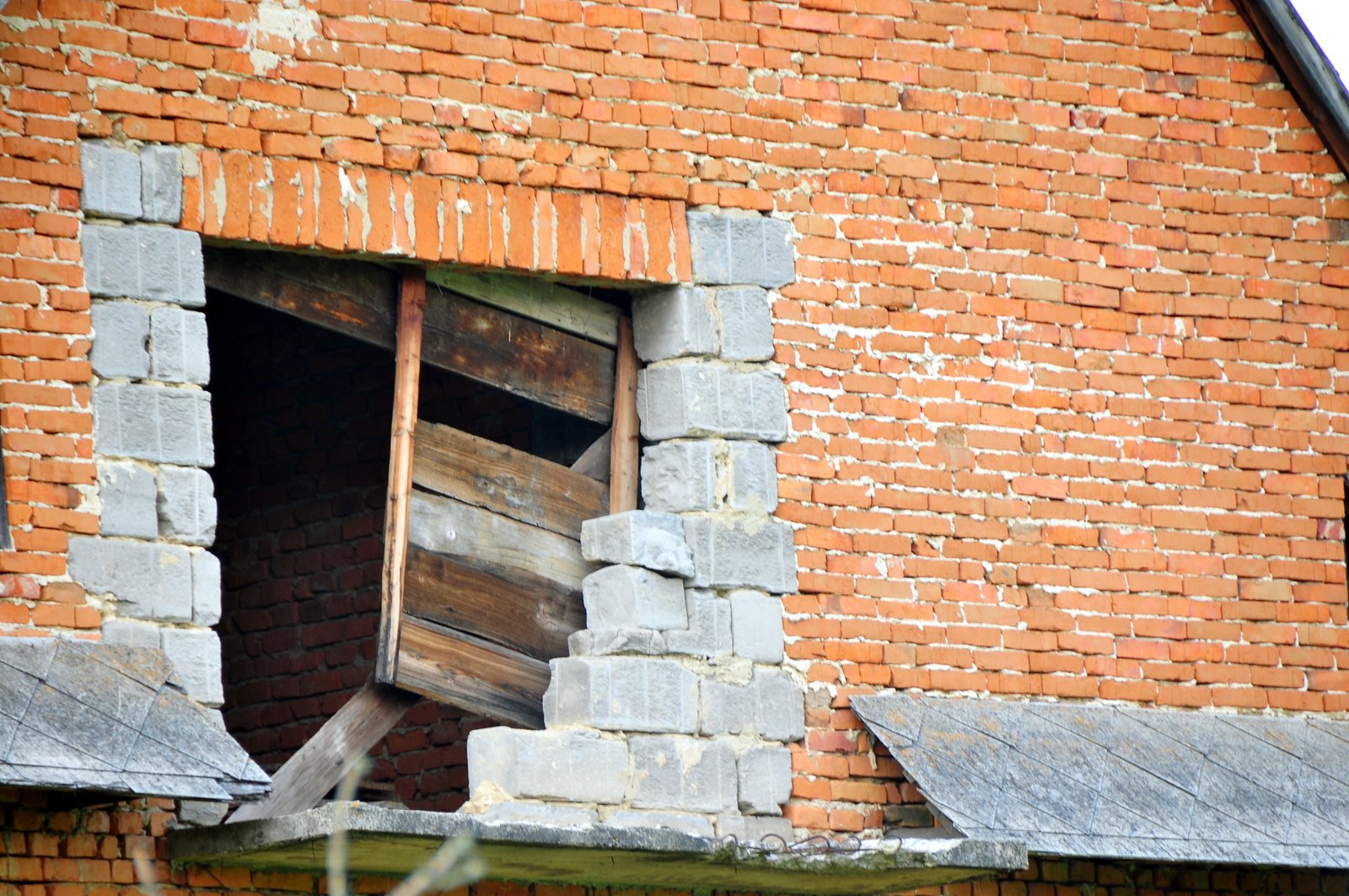
"What happened?" I once asked someone, but I've since learned it's the same story a thousand times over in Poland: they started building, then went abroad, most likely heading for the States.
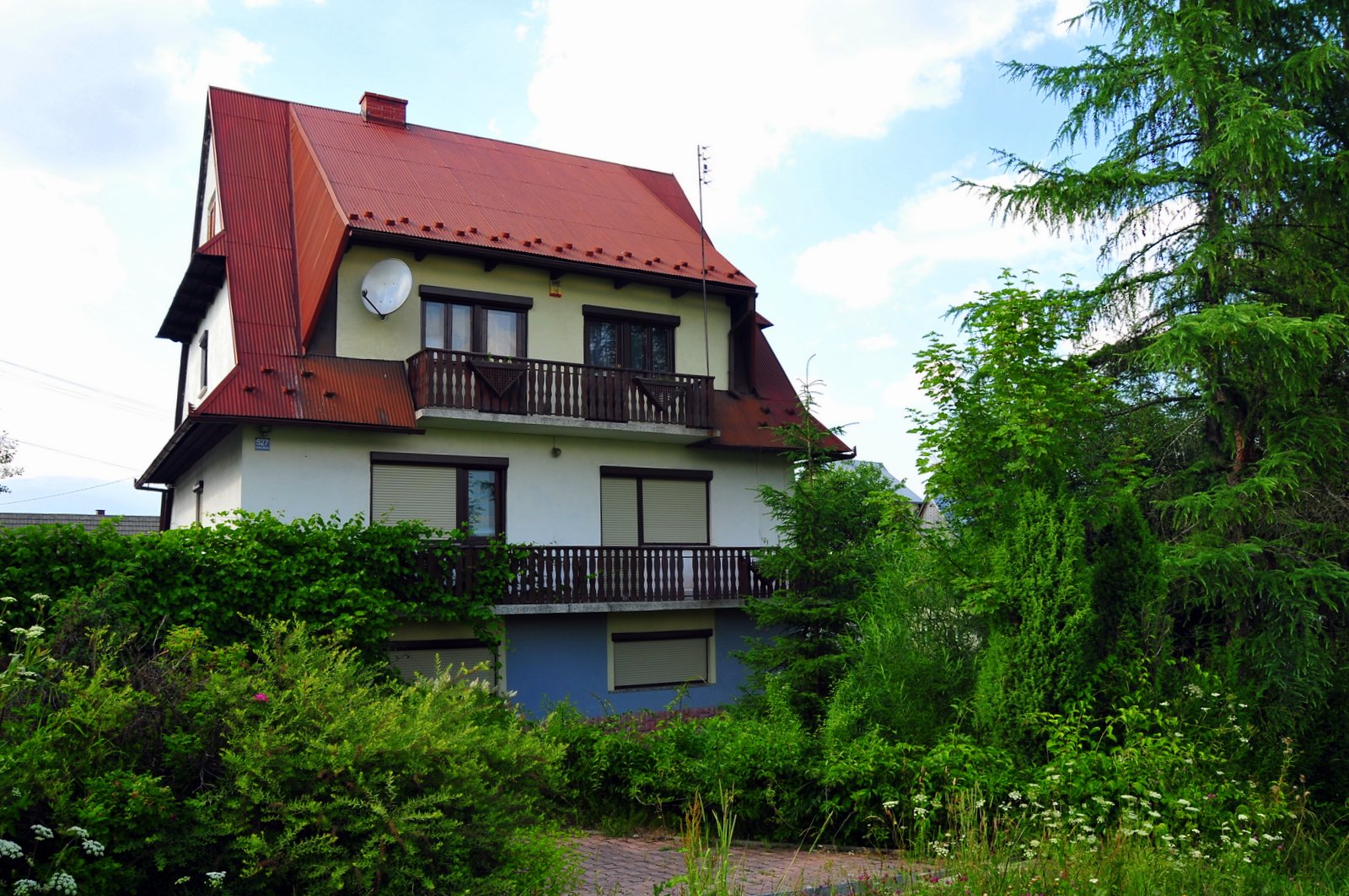
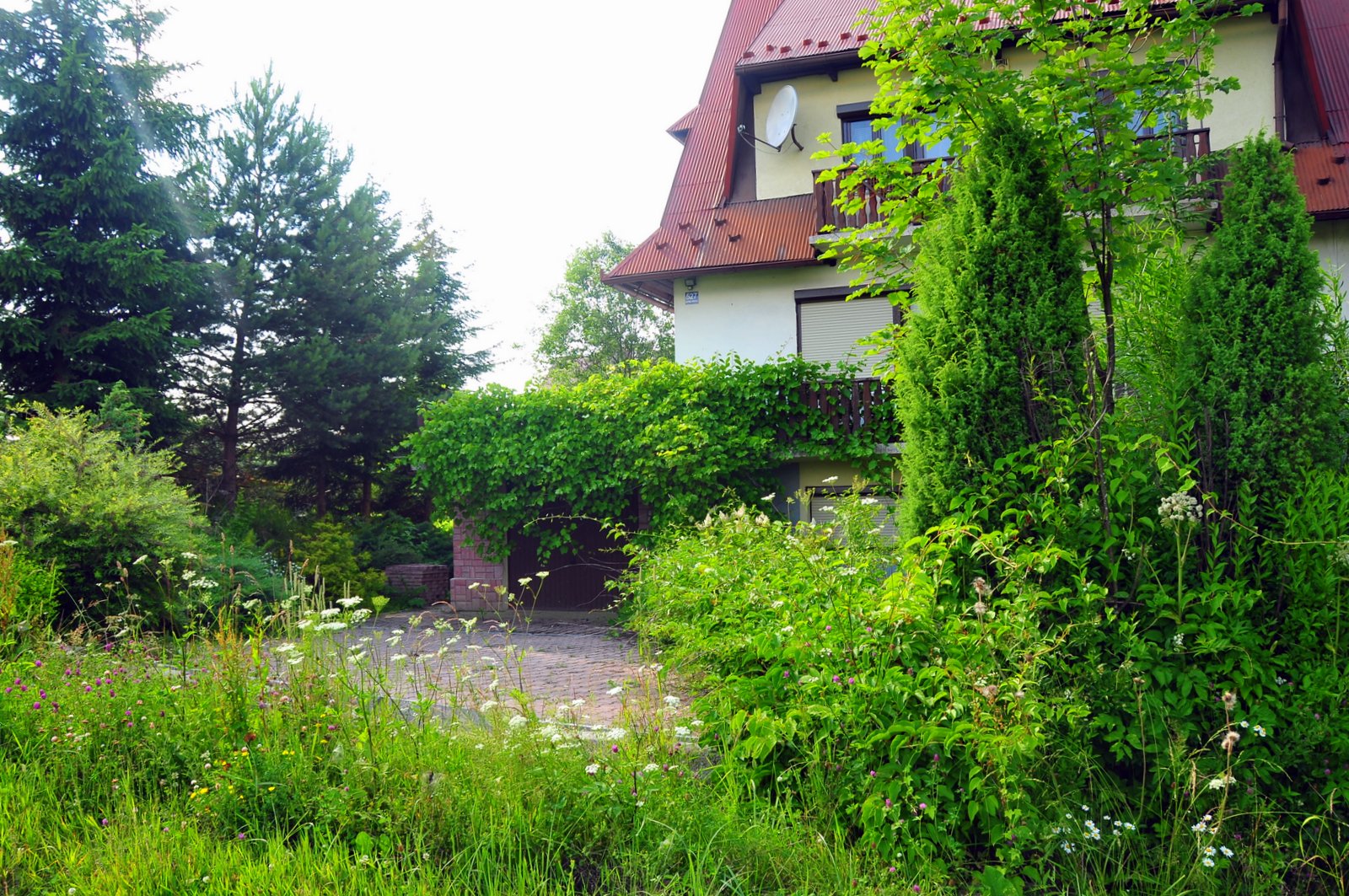
Then there are the houses in between: finished, once inhabited, now abandoned. I pass by one house in which I once attended a Sunday gathering. It was like most homes in the area: loved, cared for, with a lovely lawn. Now, it's not quite a ruin, but close.
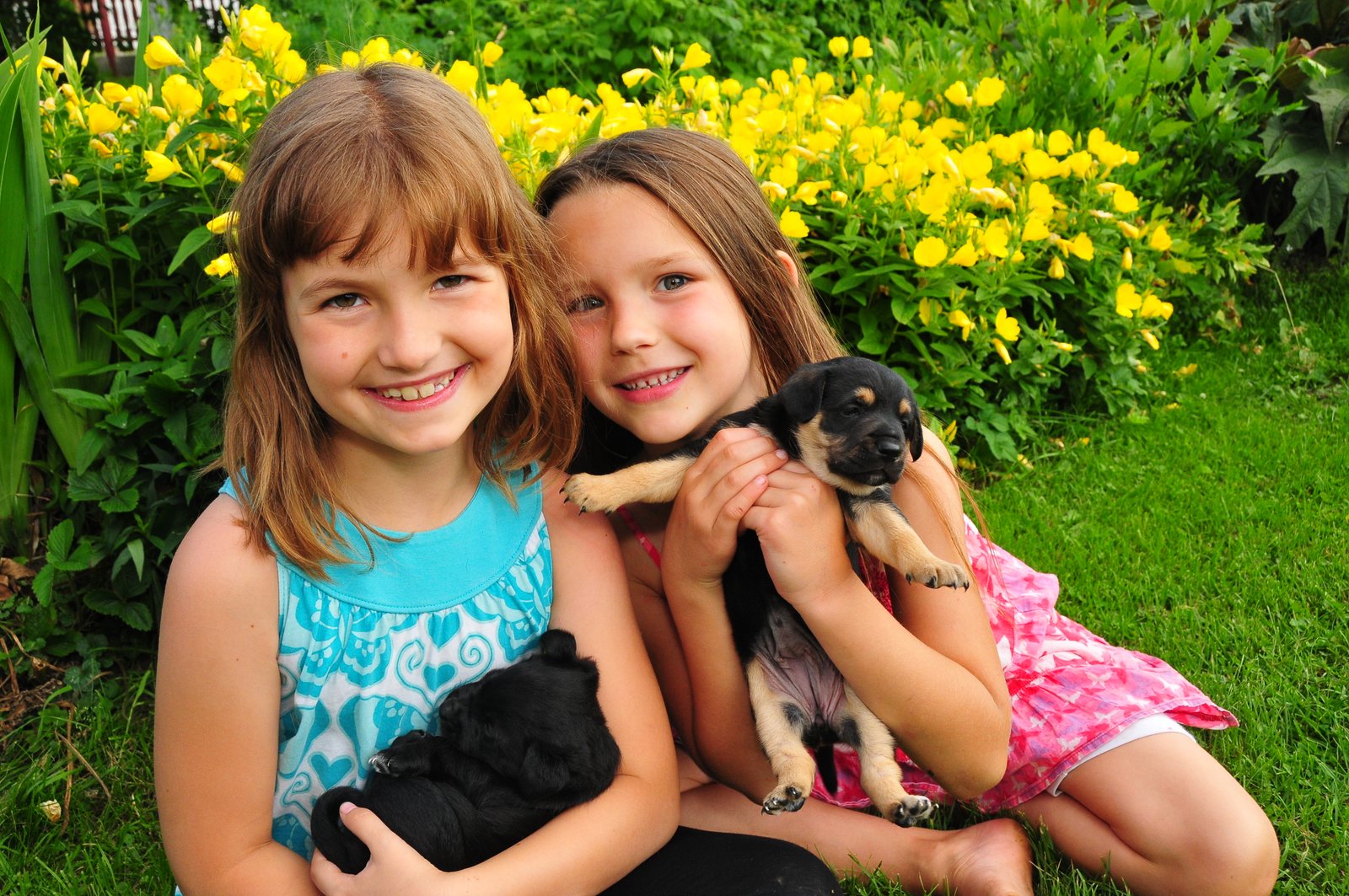
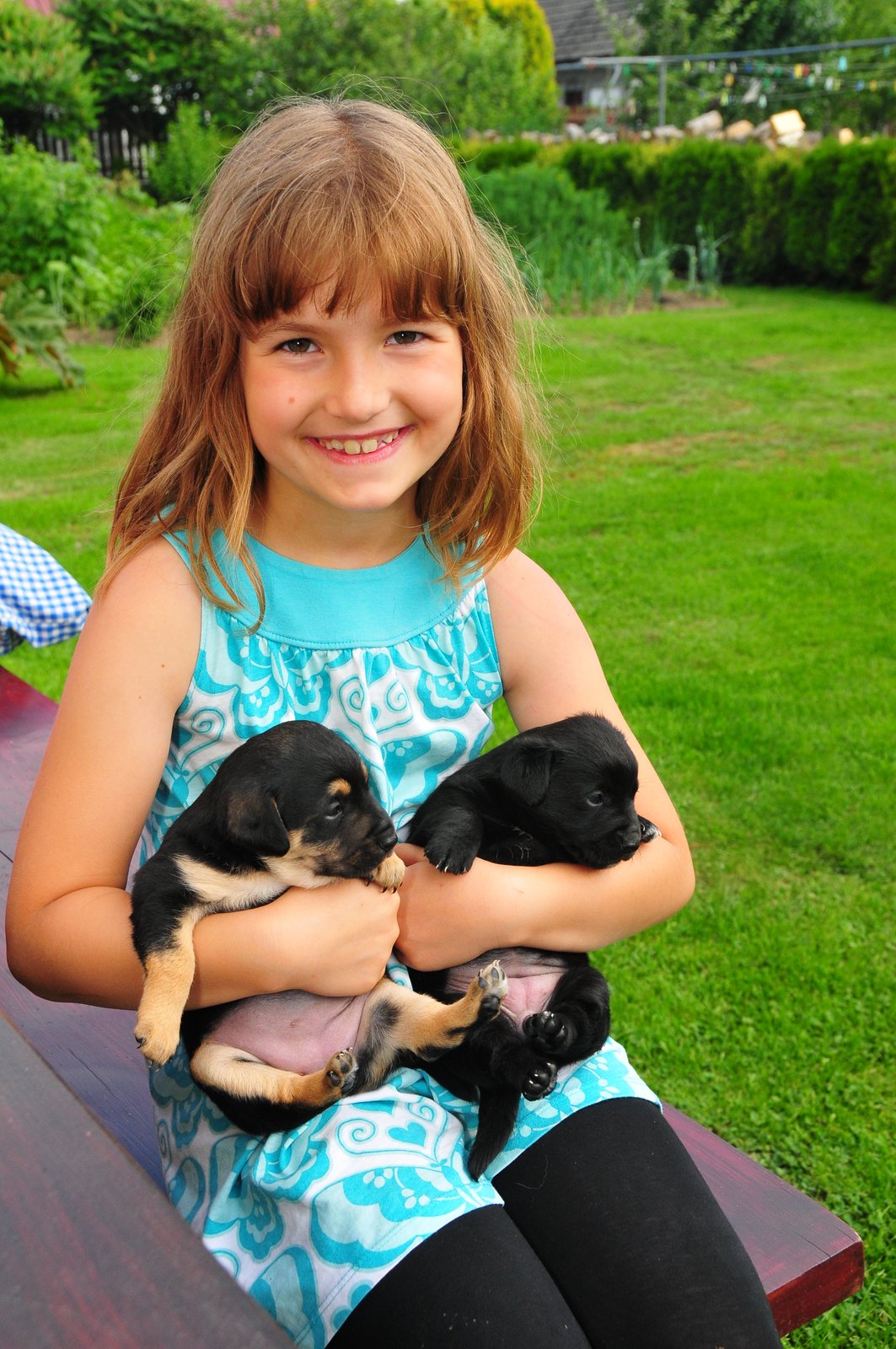

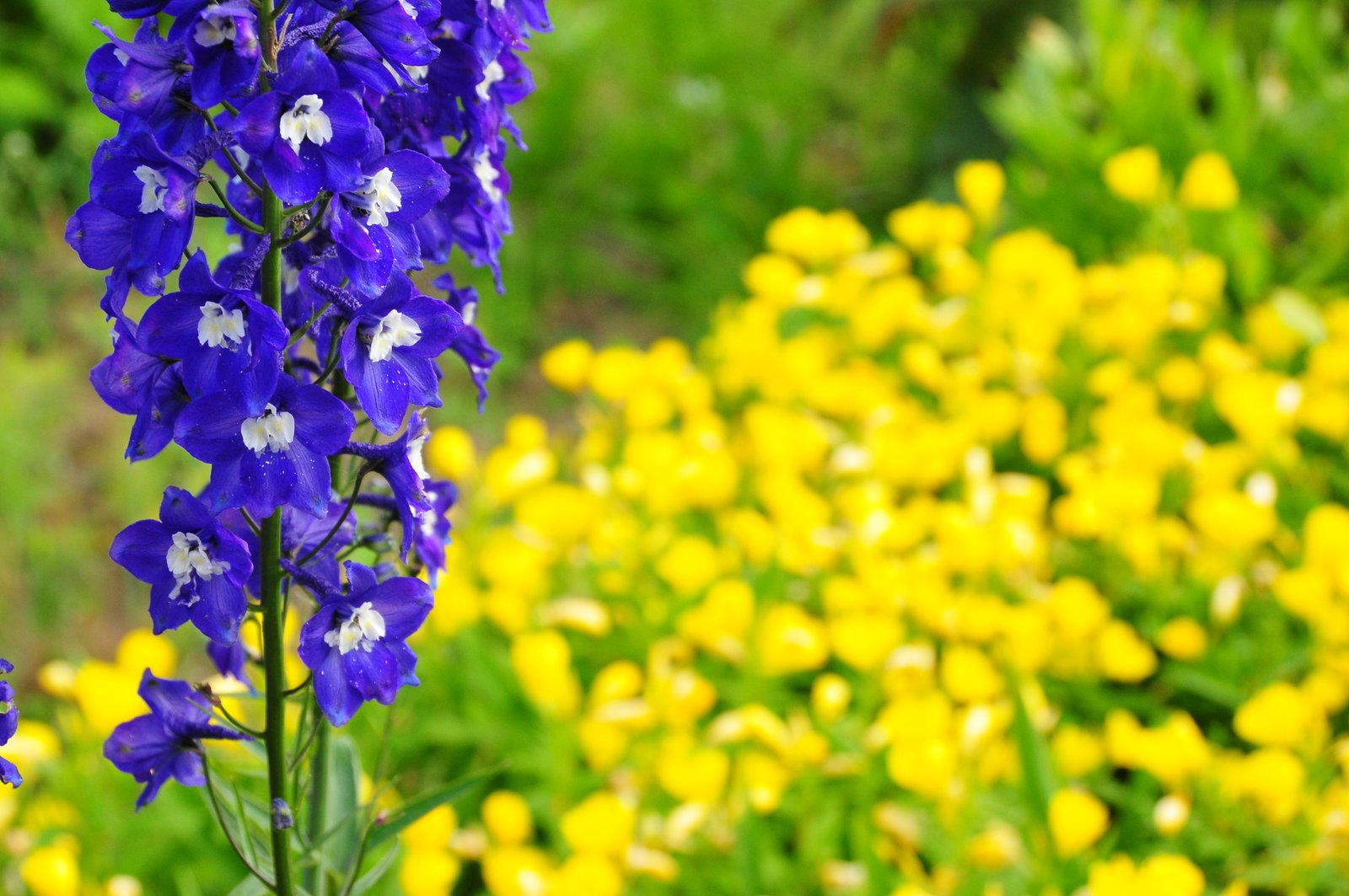
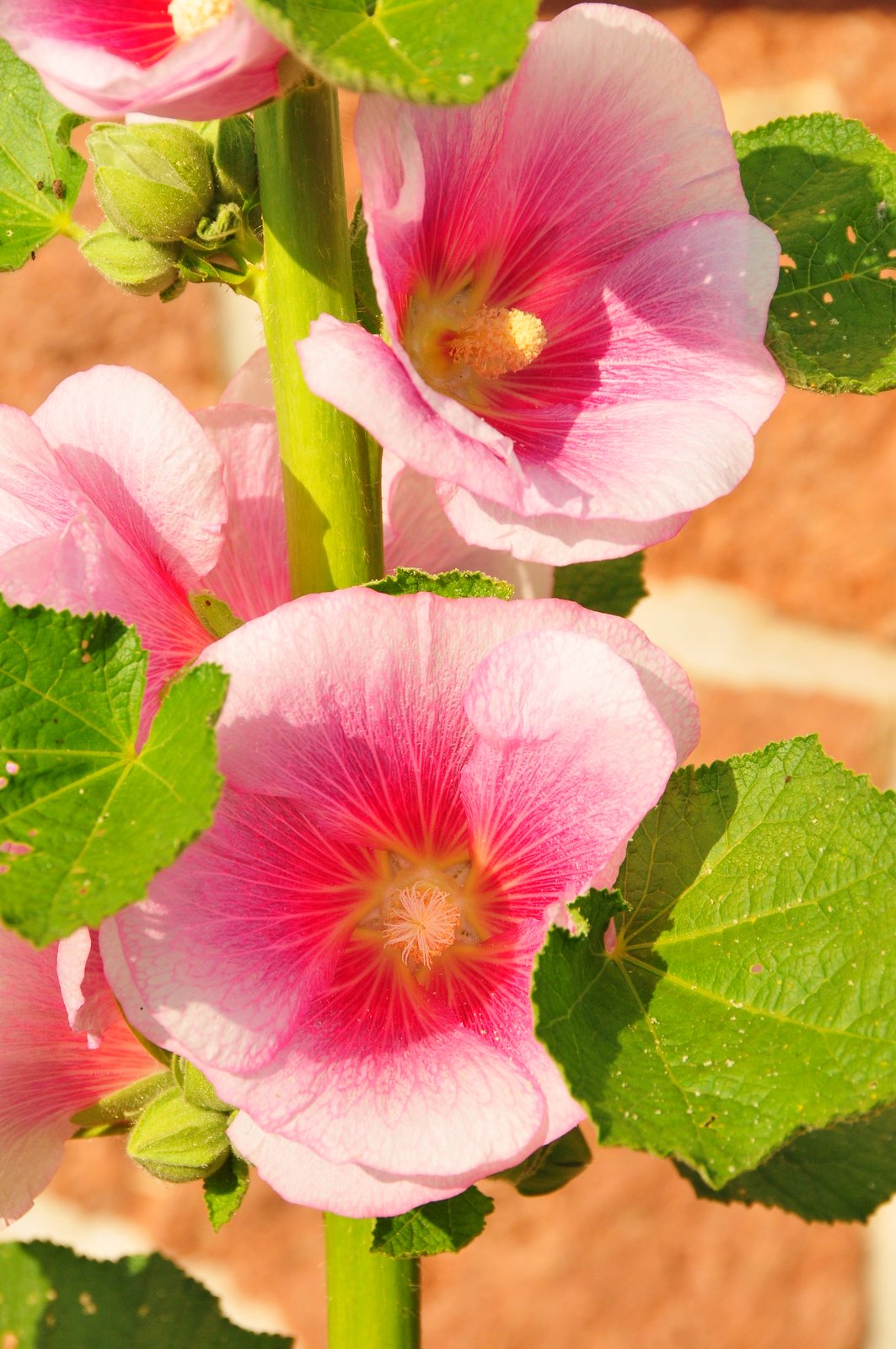
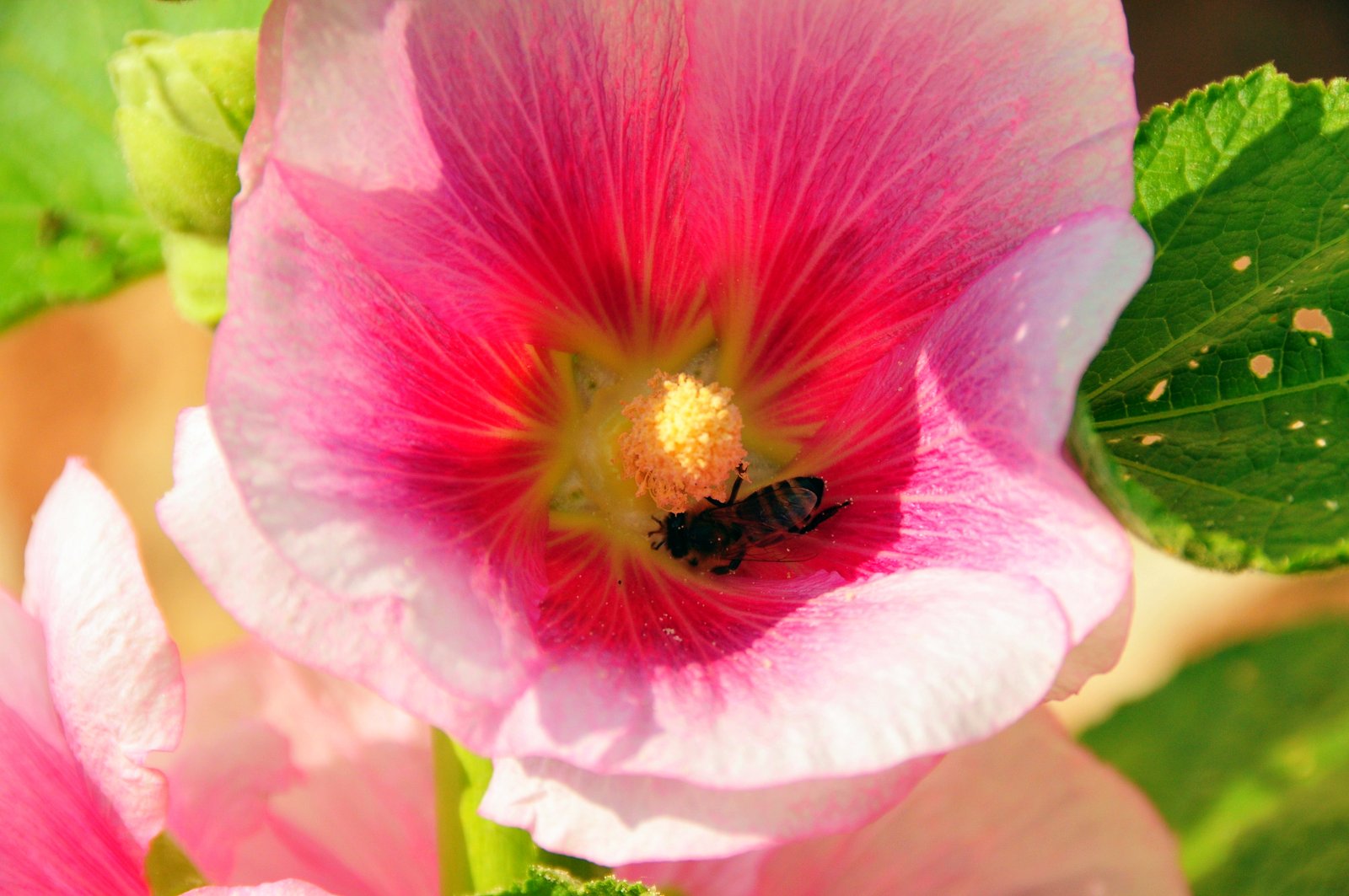
I return to find the girls with Pani B across the street, at a neighbor's house. It's undoubtedly paradise for them: two young puppies run about the yard -- as much as the girls let them.
What’s New in Lipnica, Redux
A return to Lipnica today to wander about, photograph this and that, chat with the mayor, perhaps meet some old friends, coworkers, and/or students. In the end, I accomplished all four. The common theme was the same as always: change. It’s everywhere and nowhere.
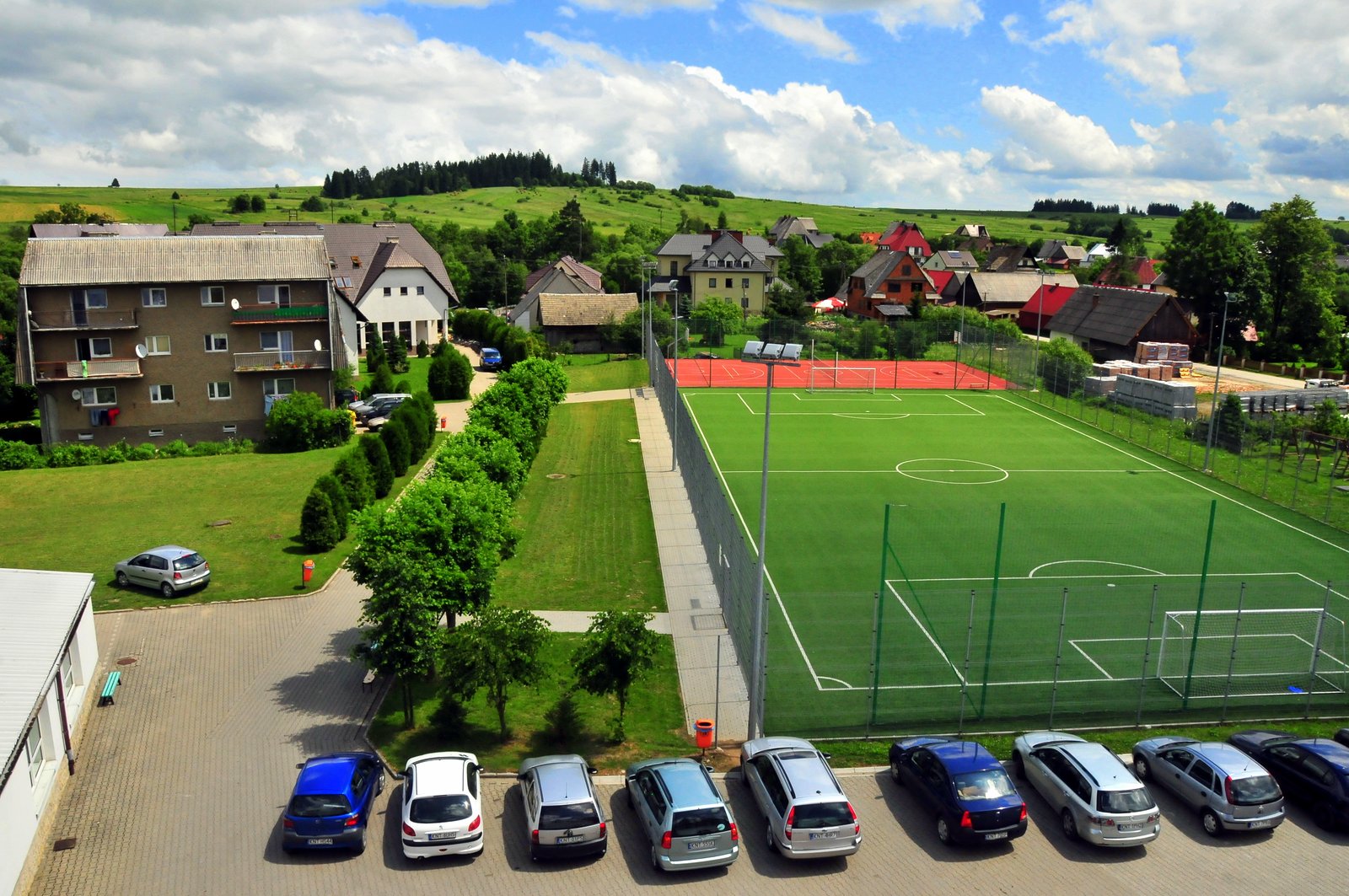
The view from the school in which I top shows how much Lipnica has changed, and how little, too. The soccer field and tennis court on the right are now; the apartment building on the left, dom nauczyciela (teacher’s housing), has been there decades, and has looked the same since at least 1996 when I first moved into the apartment in the lower right corner. Within the school itself, it’s much the same: former students are now teachers, and teachers who were there before I began teaching there still work there.
Some of the changes are typical of a country that’s moving into the full reality of capitalism, perhaps we could say the uglier side of competition. The little shop where I did most of my shopping for years, now shuttered. In an unexpected twist, I met the former owner as I was standing there.
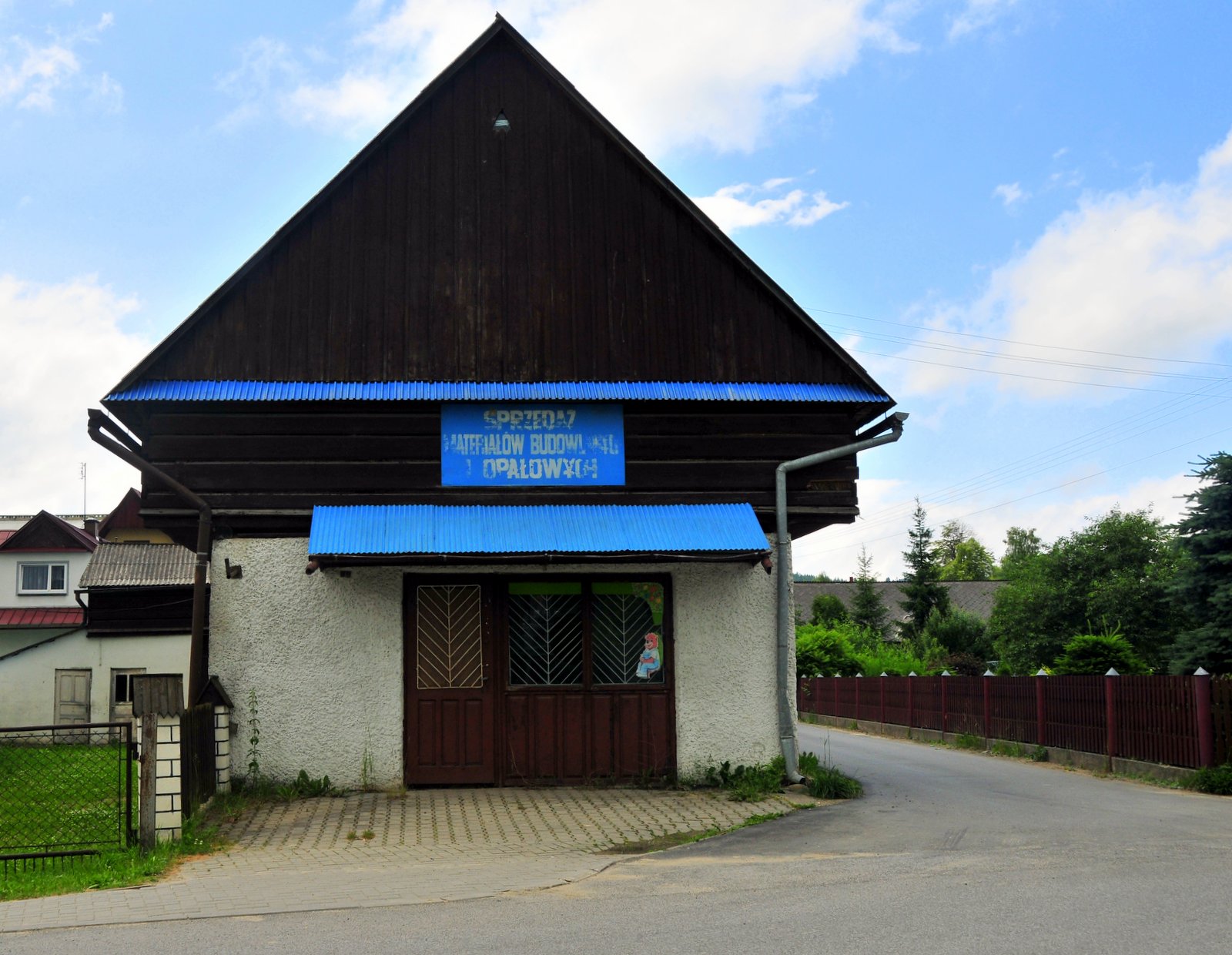
“What happened?”
“We went bankrupt thanks to the Biedronka in Jablonka.” The supermarket chain “Ladybug” has been putting local businesses out of business for years now, and I suppose it was only a question of time before affected local businesses I know.
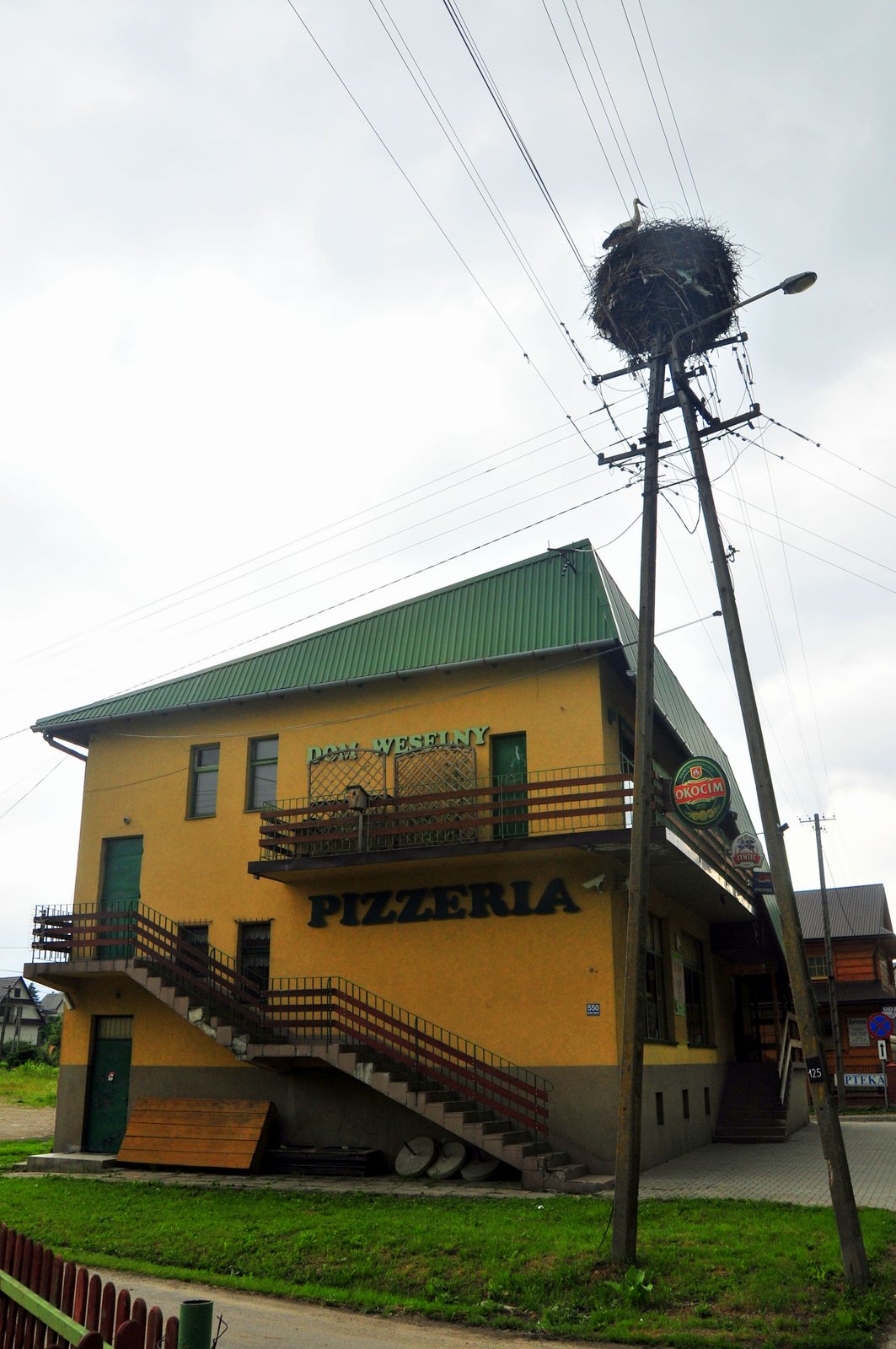
Further down the road, still more changes: the locale I frequented that closed shortly before K and I left has now reopened as a pizza place and “wedding house.”
“They don’t have much room there,” the mayor, a former teacher and colleague, explained, “so it’s really only for small weddings. They mainly handle baptism parties and the like.”
And the old wedding house, the one above “Trade Pavilion”? It too looks just like it did when I moved there in 1996.
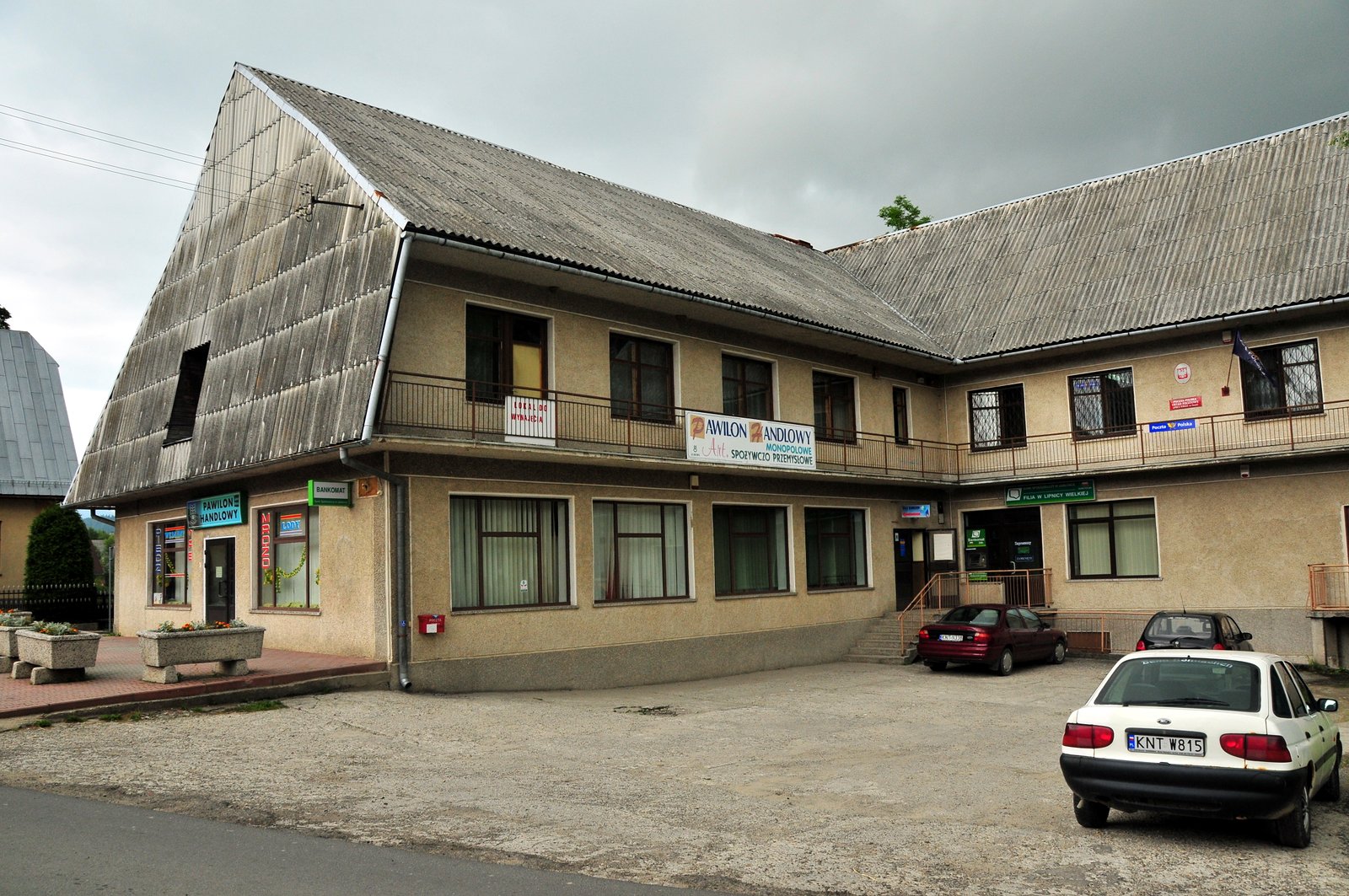
The same concrete planters decorate the front, probably in the exact same places. The metal roof is still as stained and rusted. But the store is still open, if not swarmed with customers.
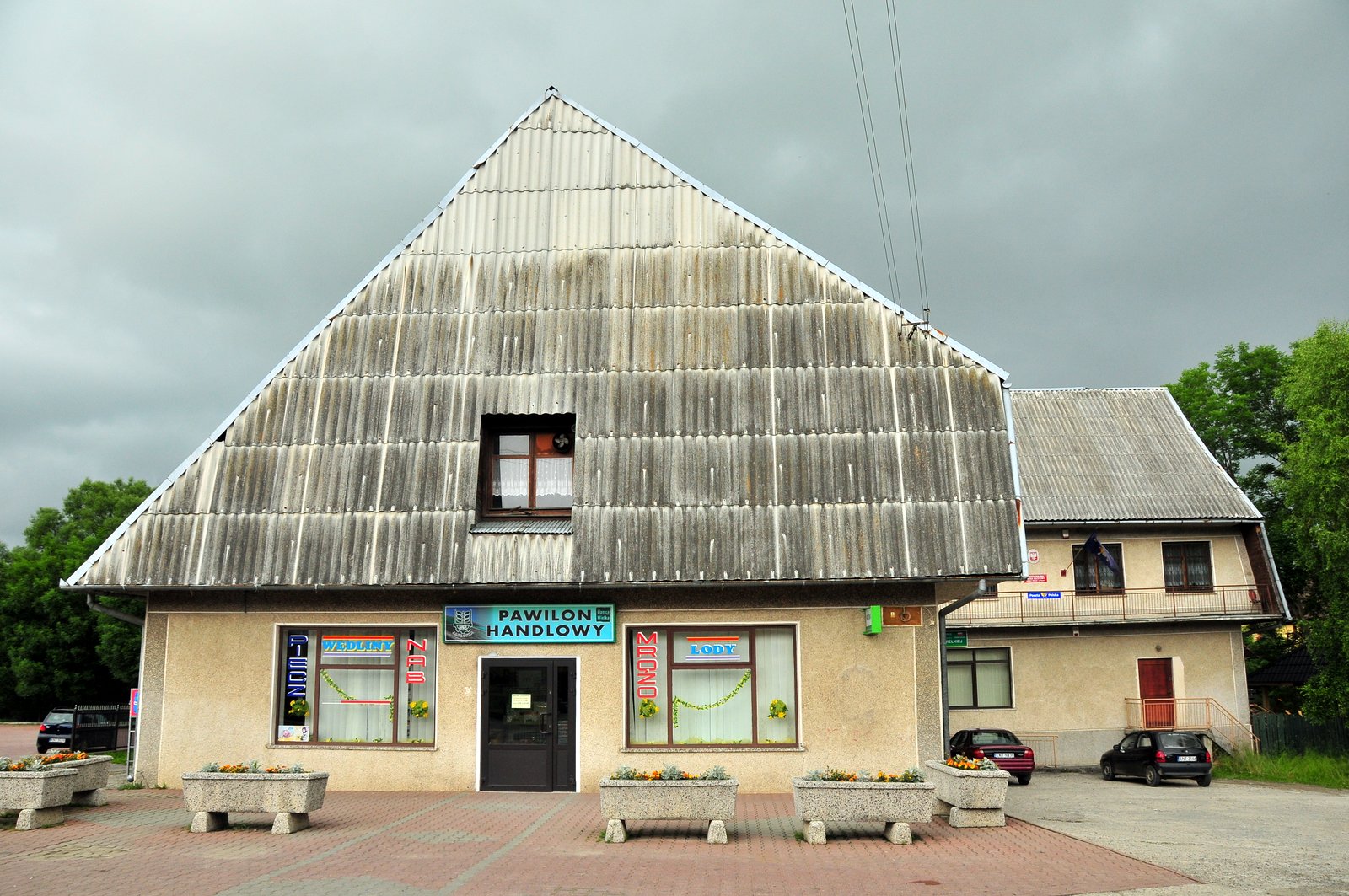
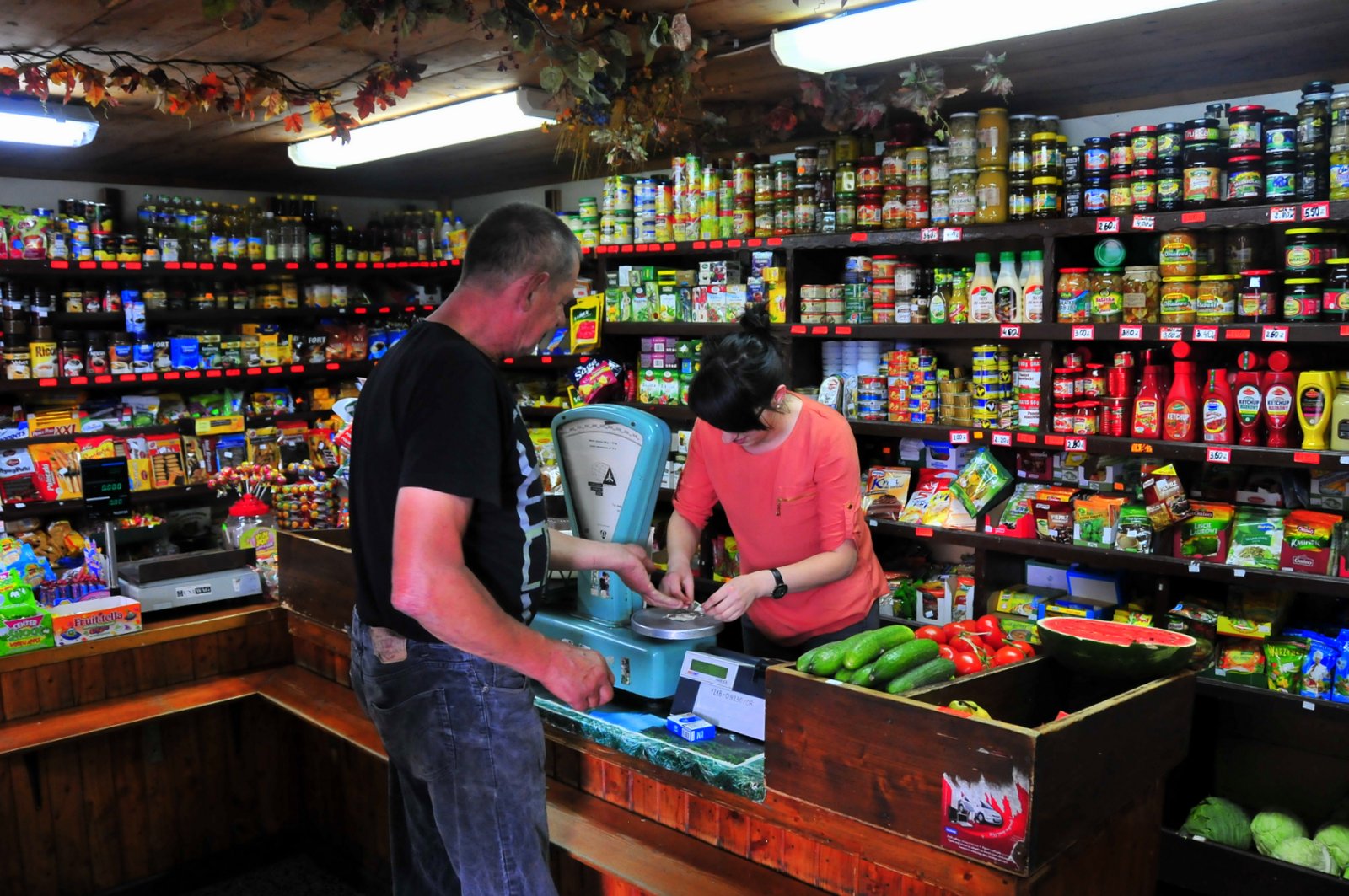
One other store that seems to have made it is the small shop across from the church, within sight of the “Trade Pavilion.” It was always one of the best places to find fresh produce, and it’s probably one of the few old-style, non-self-service shops in Lipinca, if not the only one.
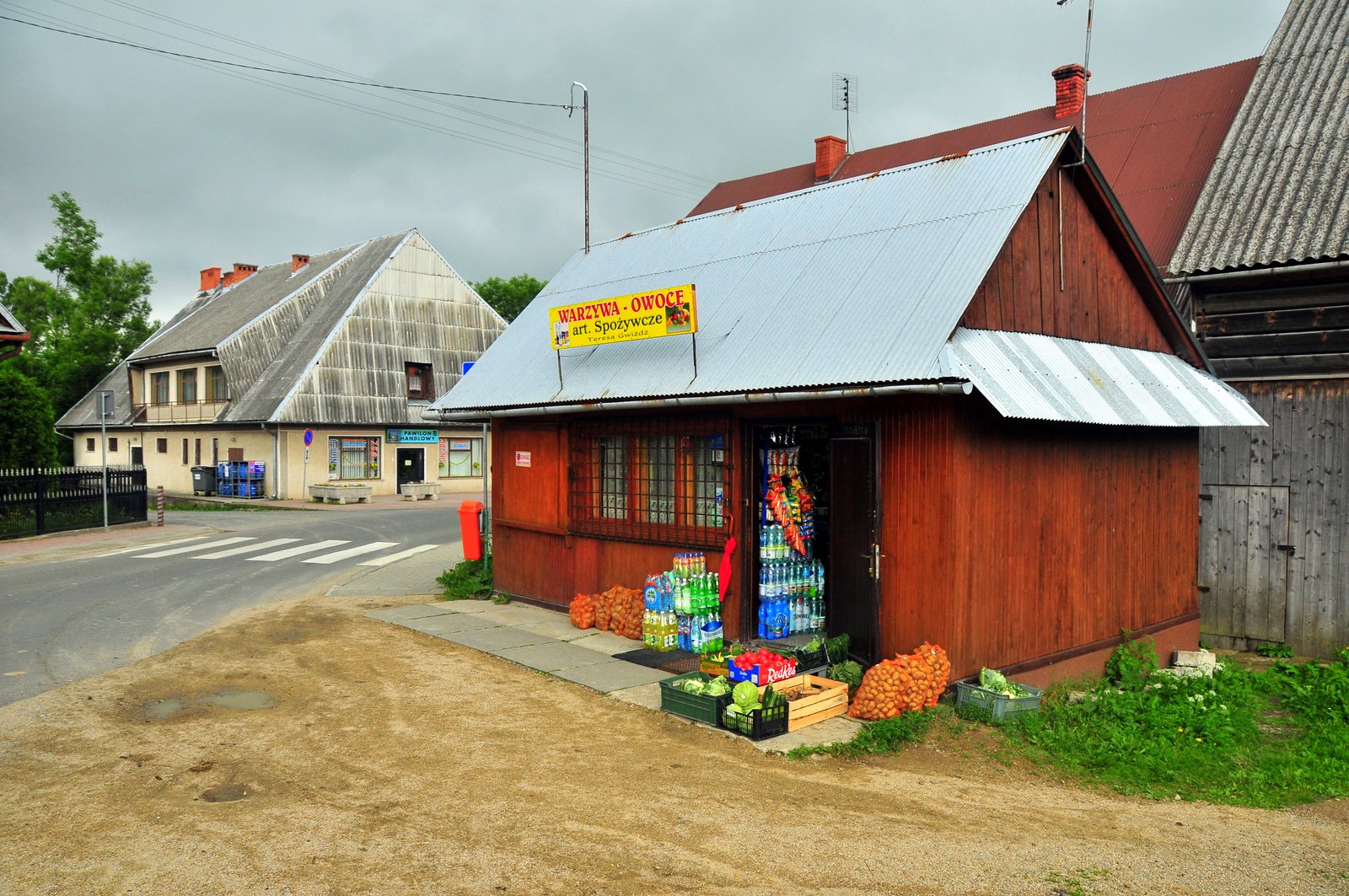
The idea is simple: the customer stands on one side of the counter; the sales assistant/shop owner stands on the other, with all the merchandise behind her. In other words, an old-fashioned general store. It was in such a store — in fact, the store up the street now out of business — that I began really having my first significant exchanges with strangers. Small talk really, but it was encouraging when I discovered I could engage in small talk. Microscopic talk, to be sure, but still, it’s the mindless chatter like that that makes one feel part of the culture.
“Like Home”
"There are places one returns to as if returning to home." Thus begins a sweet little montage of photos from the school in Poland in which I taught for seven years. Images of life in the school are interspersed with youthful sentimentality.
I know few of the students, but they're all familiar: all Polish students become familiar at a certain point. There's just a look about them. K and I see a woman walking down the street here in Greenville and almost simultaneously say, "She looks like a Pole."
The halls, the classrooms -- all so warm and familiar.
The text belies the author: a young graduate, somewhat longing for the simplicity of high school:
"There are people whom one never forgets," followed by images of teachers I worked with, one of whom was a student when I first arrived in 1996.
"These people will always been in our hearts." Sentimentality is excusable when one is young. It should probably be so when one is old, as well.
"There are moments which we will always remember." They pile up, though, and act like a sieve: things we thought we'd never forget, never get over, sift to the bottom and are all but forgotten about. This young film maker probably hasn't realized that yet. Maybe he/she will never have to.
The final words: "All of this is in one place, and that's here." Cut to an elevated image of the school, and a smile on my face.
I wrote a quick note to the YouTube user who posted it: "I taught at that school for seven years -- I appreciate your video. You have at least one picture in the video of students I taught." No response.
Still, I watch the video from time to time, and it always makes me smile and read my journal from my time in Poland.
Now who's being sentimental?
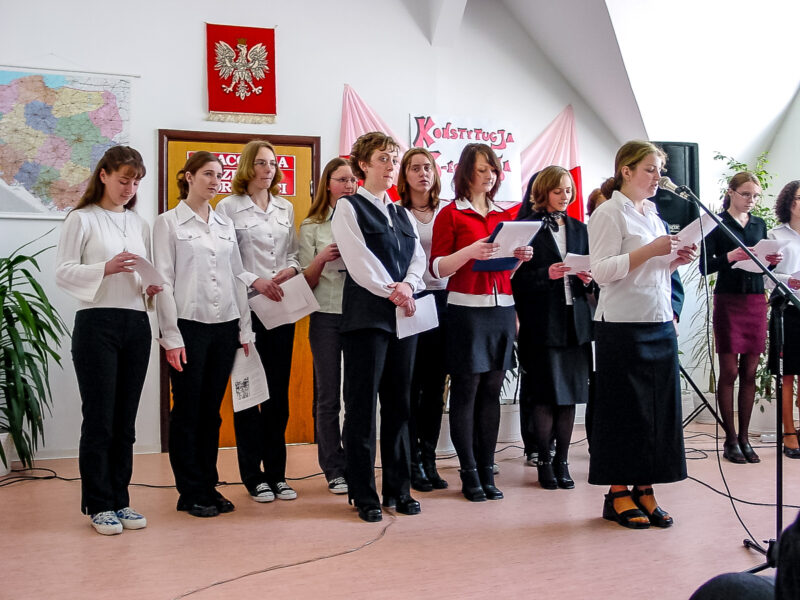
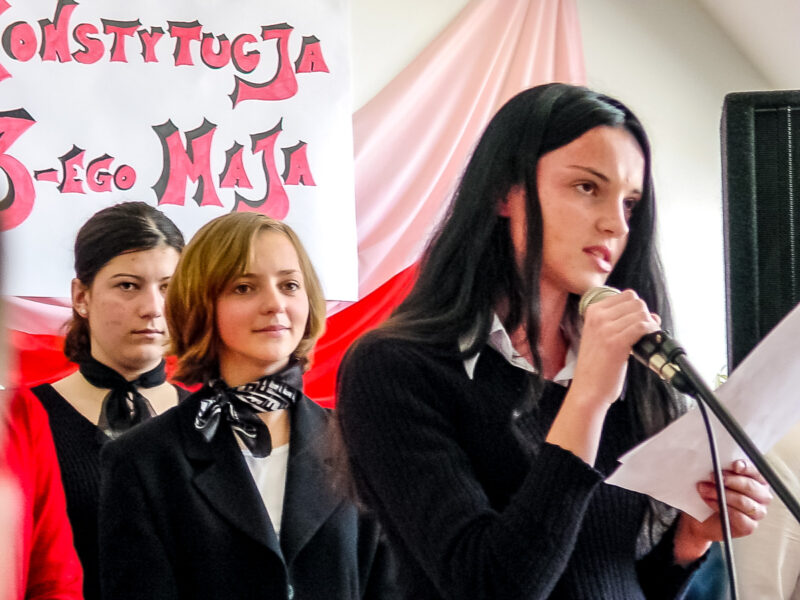
School Program
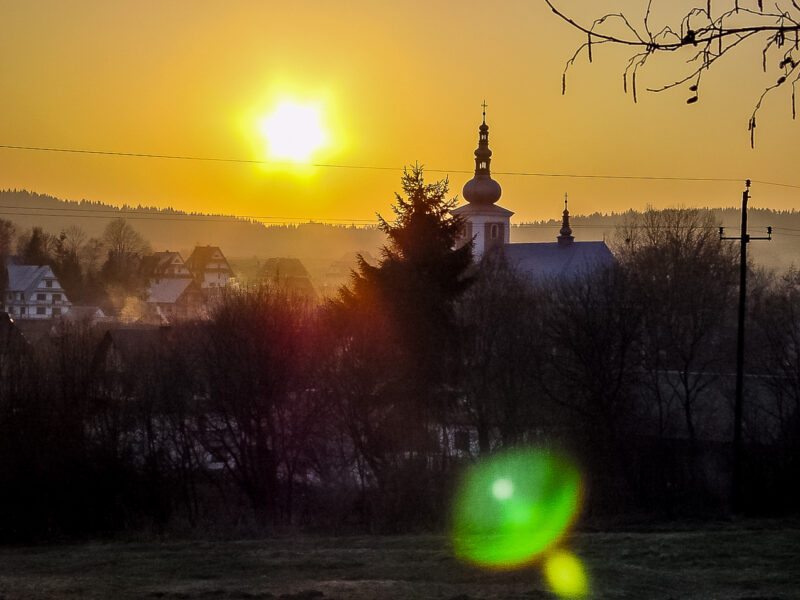
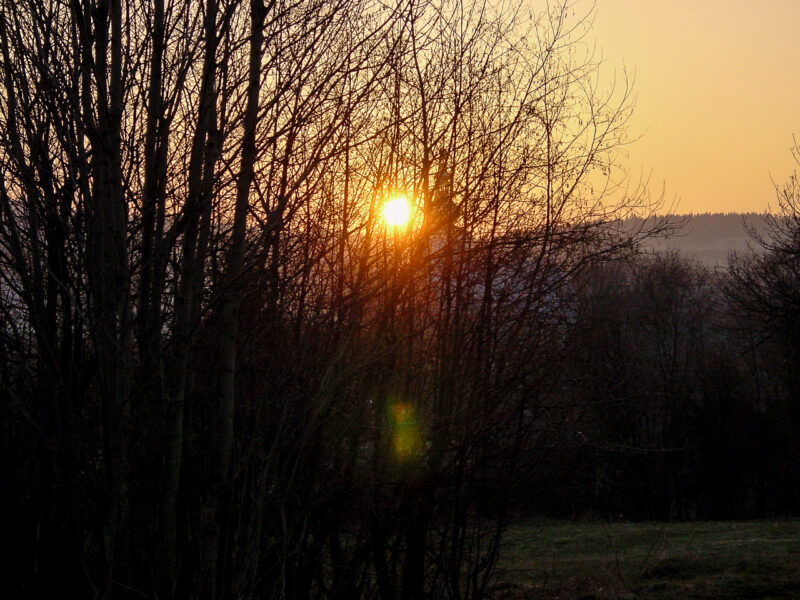
Sunset
Saturday Routine
I made a trip to Nowy Targ today: rewarding and disappointing at the same time. I was going to see a movie, but I didn’t know how I would get back to Lipnica from Jabłonka (little did I know there was a bus that would have done the trick). Charles wasn’t in town. He went to Zakopane with Sue R. and the Tippets. (That is virtual confirmation that it was Kevin that tried to call.) Yet while I was alone all day and unable to see a movie, it was a good day: I bought a lot of food. I even found broccoli. (I made Ramen noodles with broccoli and some mushrooms – not bad at all.) I got some cappucino, too. It’ll be like being back and Radom, except Piotr won’t knock on the door, “Excuse me . . .”
So it’s another Saturday night and I am wondering whether I should go to the disco or not. It would be good to get out, yet the prospect of encountering my students in a social setting doesn’t thrill me. (There’s a good argument for a drinking age, no?) To be sure, I do not want to encourage anything along those lines. I have decided for the most part that I will stay here unless someone comes and invites me. Even then I don’t know that I would go.
I was thinking about money (of all things, huh?) last night. Money, in theory, is merely proof that one has contributed to society in some way, and therefore s/he is deserving something in return. Theft and unearned, “old” family money shoots this theory full of wholes in reality, though. Still, it is the basis of capitalism: You only deserve bread if you’ve helped someone in some manner. I would explore this some more, but money is of very little interest ot me.
First Bike, First Ride
I was supposed to go to Mike’s in Jabłonka tonight – well, I told him I might. But I was simply too tired, for I rode my bike back from Nowy Targ today: a 40+ kilometer ride that I did in two hours, forty minutes. It was an utterly exhausting experience. Just after you get out of Nowy Targ there is a long stretch of road which is straight with slight hills, most of which are slight inclines than ever really present the welcome downhill slope I was seeking. I must say that I felt a little like Sysyphus, for each time I got to the top of one hill, another loomed in the distance.
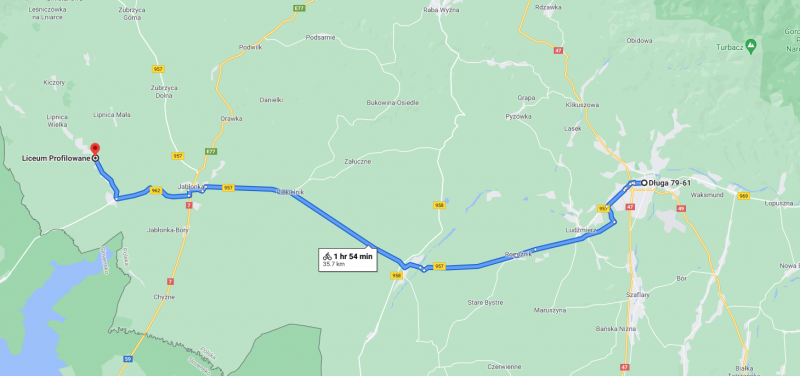
I felt such astoundingly intense pain in my legs at some points. My thighs burned for the last hour and a half and my left knee began aching after a while. Yet I knew there was no way I could stop. What choice did I have? Yet the utter necessity of the journey did nothing for my legs.
Of course that was not enough pain for me – I went to Danuta’s about an hour after I got back home. I did not know that the whole six kilometers are a gradual slope . . . upwards. The pain in my legs returned and only intensified as I went along. The advantage is that the return trip was much faster and with a little less pain.